Advertisement

Future of Transparent OLEDs is in Automobiles: CEO of OTI Lumionics

Last week, we posted a special story on under-display cameras with inputs from the CEO of OTI Lumionics, Michael Helander. We discussed Xiaomi, ZTE, and under screen cameras in general and how the technology would evolve in the coming years.  

Today, we publish the second and the final part of the series, focused on transparent OLEDs and foldable displays. If you haven’t read the first part yet, I would suggest reading it first here

Xiaomi Transparent TV  OLED
Xiaomi Transparent TV OLED

As you might have already realized from the first part on under screen cameras, transparent OLED development is the real reason why we can add cameras underneath the display. But the first set of devices to get a completely transparent screen are not going to be smartphones, rather, it would be much larger devices like TVs and automobiles. 


Transparent, Clear OLEDs won’t likely replace your traditional TVs

Remember Xiaomi’s premium Mi TV Lux OLED transparent TV?
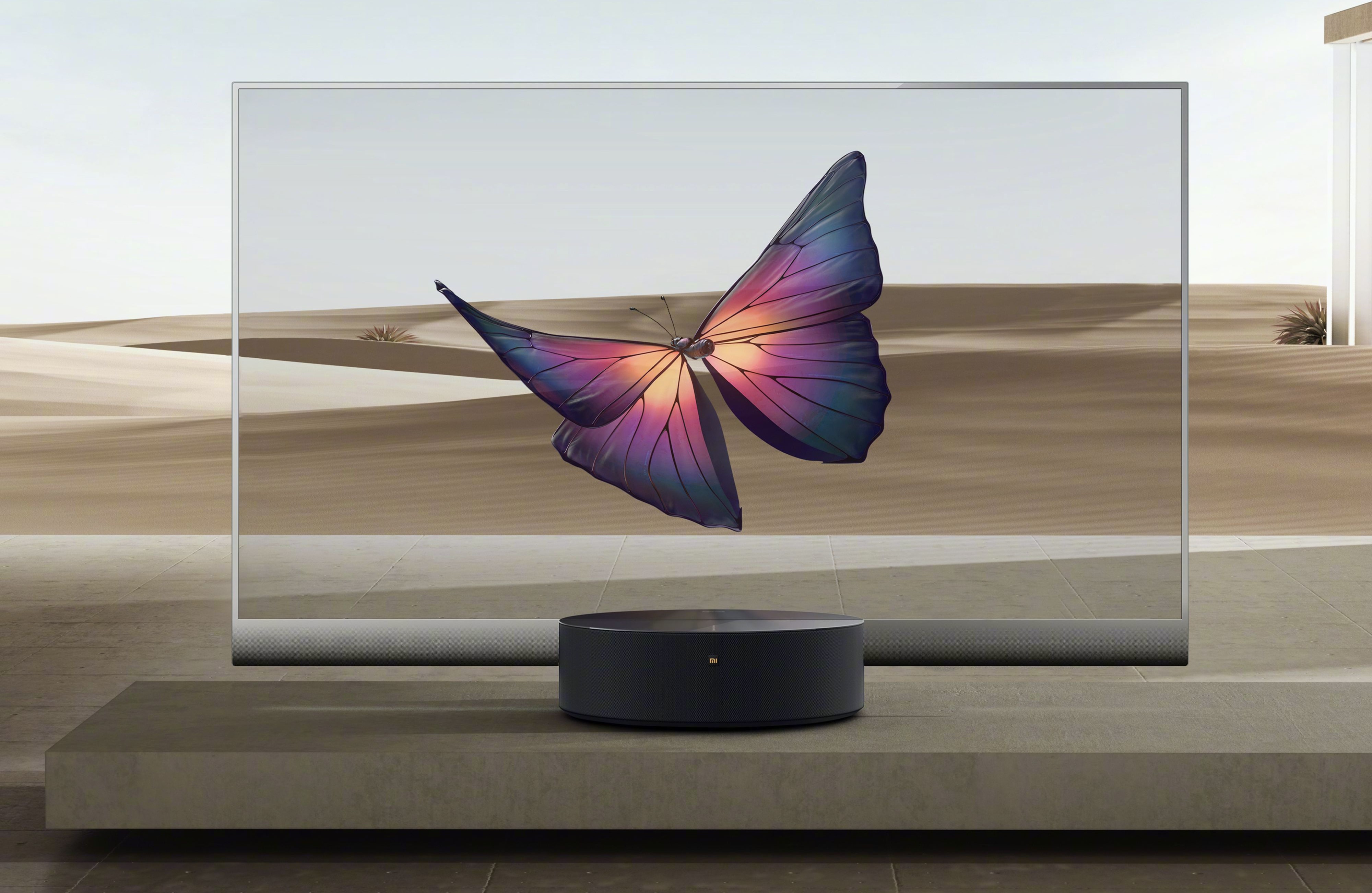
Xiaomi Mi TV LUX OLED Transparent Edition Featured
Xiaomi Mi TV LUX OLED Transparent Edition

It looked very cool for a 2020 TV. But transparent OLED TVs are all set to become a lot more transparent in the coming years. 

Xiaomi’s Mi TV Lux had a transparency of around 33% which was pretty good, but Michael, CEO of OTI Lumionics, says its ConducTorr™ CPM material solution can help display makers manufacture TVs with nearly 65% transparency. The company even showcased such a transparent panel at Shanghai with ITRI from Taiwan. And it is currently working with panel makers to mass produce transparent displays with such high levels of transparency. 
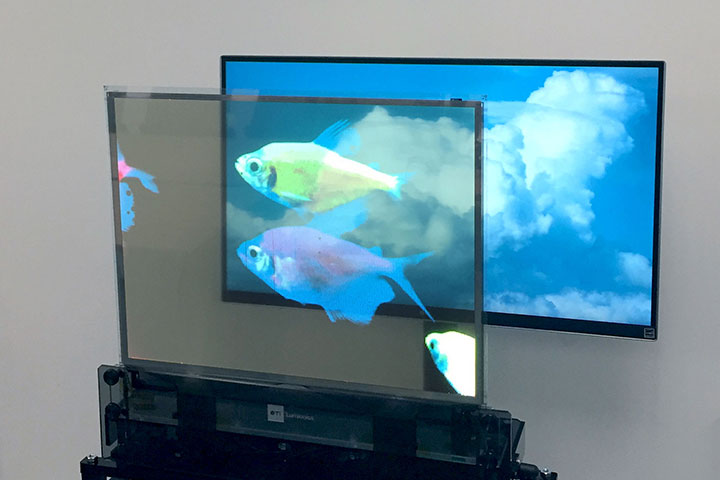
Transparent-with-Fish-landscape
Transparent OLED made with OTI Lumionic’s ConducTorr™ CPM

This brings us to the next big question. 

Will the next revolutionary TV in the industry be a transparent OLED TV? Will they replace our standard OLED TVs in the future?

Michael said that he was a bit skeptical about transparent OLEDs replacing our regular OLED TVs. “To me, the value is not a transparent OLED TV replacing the normal TV that you have in your life, like the living room or your gaming monitor. I think those will stay the same. Cost will come down and we’ll see more people with OLED TV’s. And where the transparent TV is going to come in is new applications.”

He said that transparent OLED TVs are likely to be used in new places. He was quick to point out the news about the Beijing Metro installing LG’s transparent OLED TVs to display travel information. 

LG
LG Display transparent OLED Panel in China subway

Michael says that when it comes to transparent OLEDs or even regular OLEDs in general, some of their most exciting applications have not been thought about yet. 

For example, take LG’s rollable OLED TV. It was initially conceptualized as a TV with a minimalistic design for your home. However, he said that consumers who checked out the TV had a very interesting question, ‘How much does a whole box weigh?’  
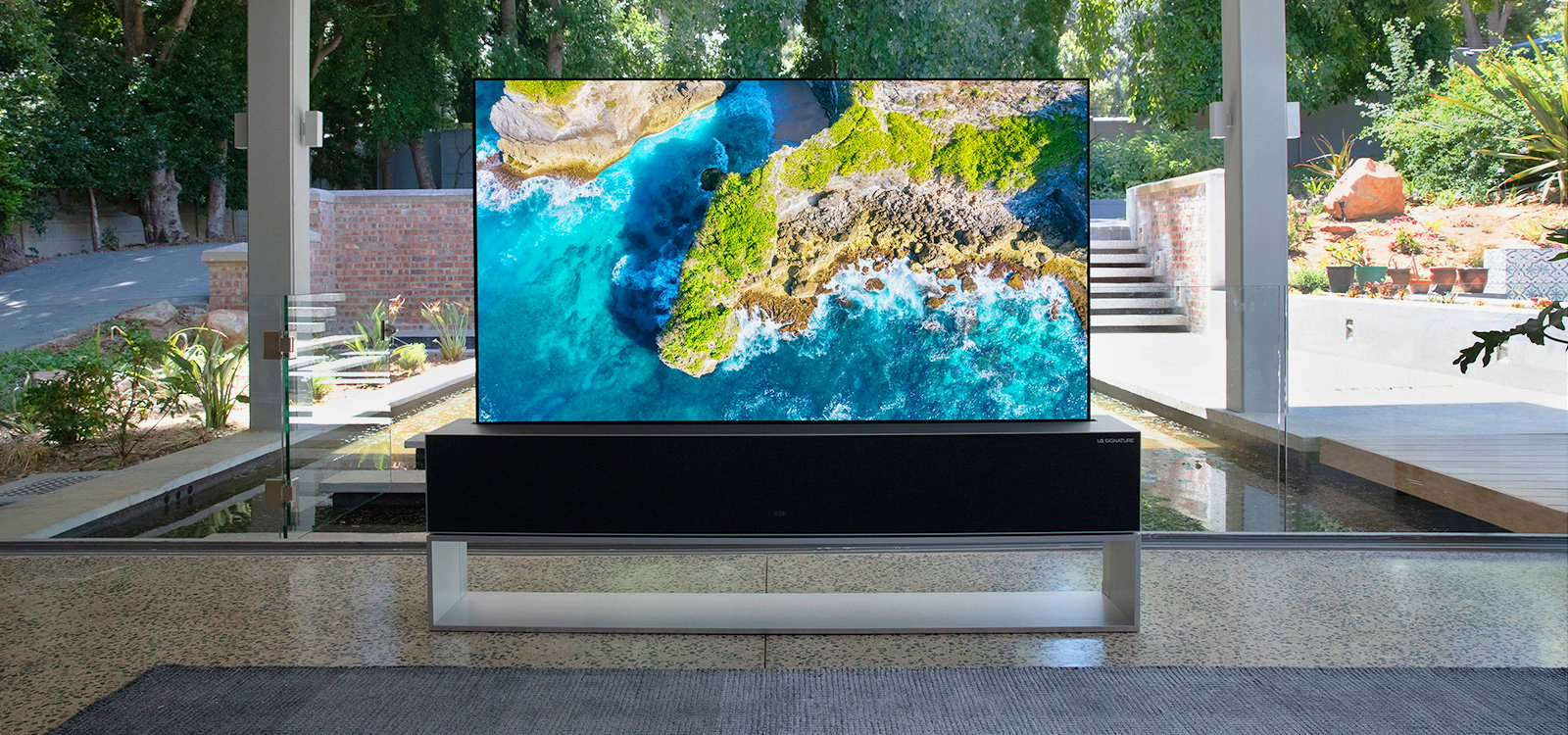
LG rollable OLED TV
LG rollable OLED TV
Source: LG

He explains that after seeing the TV in the enclosed state, consumers suddenly realized “my TV now rolls up to this little box and it’s pretty light. Suddenly, I can move the TV around wherever I want. Take it to my friend’s place.”
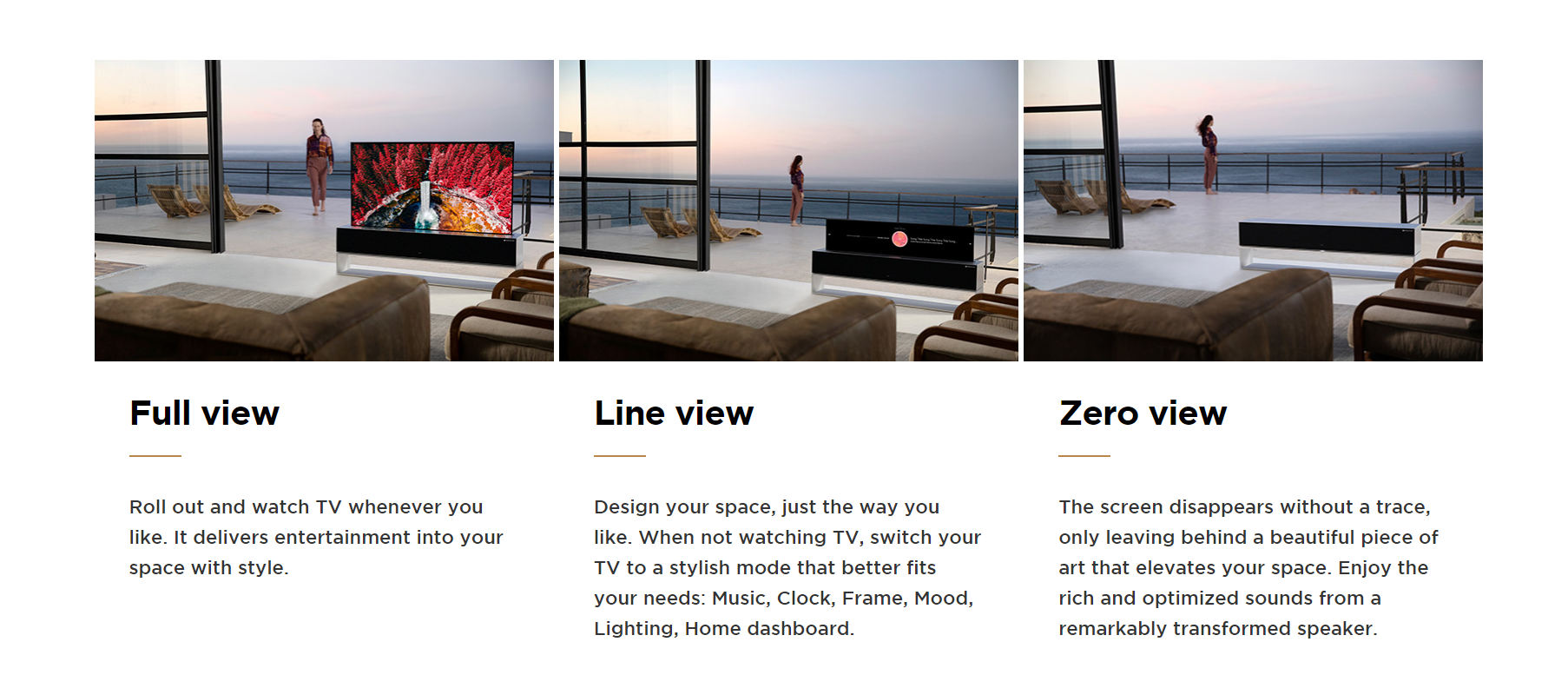
LG Rollable OLED TV design
LG Rollable OLED TV three different states
Source: LG

This feedback from the customers got the company thinking and they were considering bringing down the size of the base unit by making it smaller, narrower, and lighter, potentially allowing customers to carry it around. This was probably never in their minds when they developed this product, but it shows how new applications for transparent and flexible OLEDs will open up in the coming years. 

Also Read: LG is launching a 163-inch TV with a microLED display

Transparent OLEDs will take over your high-end Automobiles

Michael further explains that ultra-clear and transparent OLEDs can shine in the automotive industry.
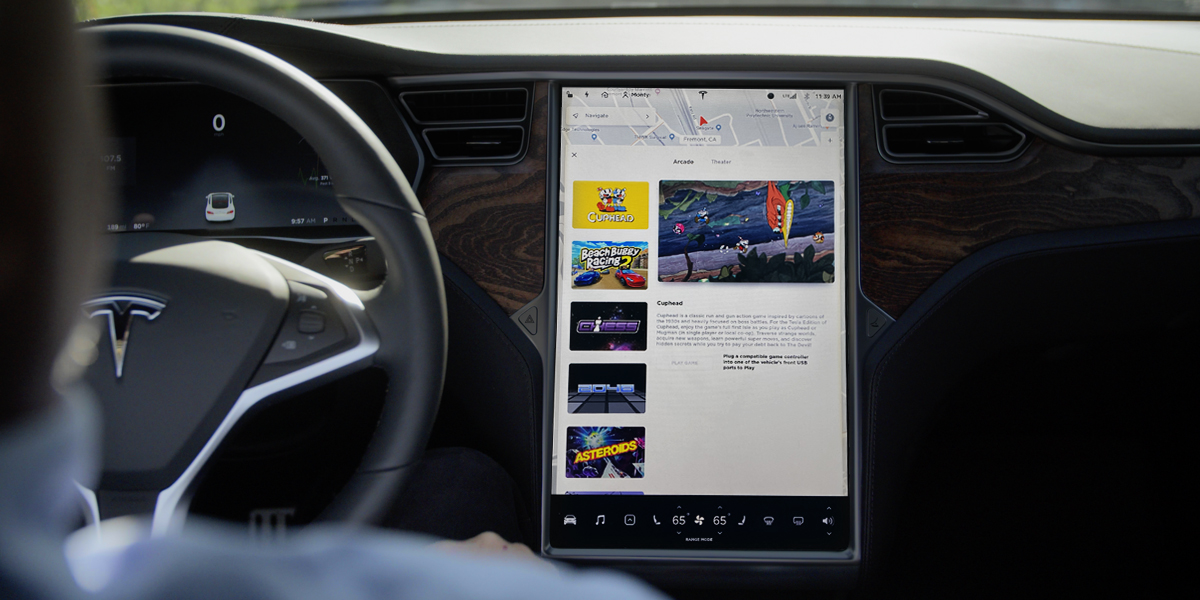
Tesla Touchscreen Display Console
Source: Tesla

It’s the age of cars with large displays in the center console and we have to thank Tesla for that. OTI Lumionics has received a lot of interest from car manufacturers to add one large, transparent display on the console. These carmakers believe that such a transparent display would offer a futuristic feeling to the driver and the passengers. Another benefit is that this design would make the interior look large and roomy.  
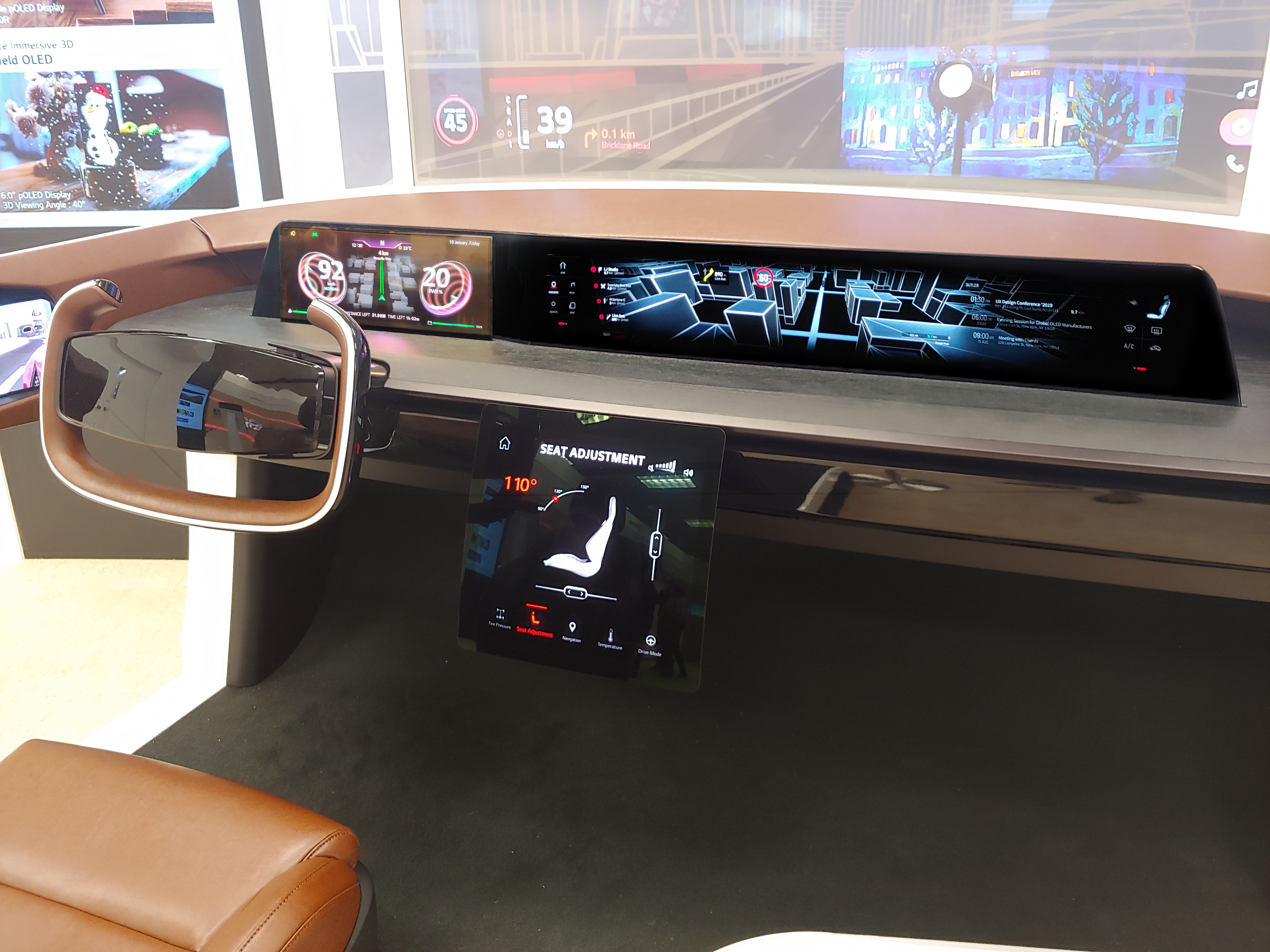
LG OLED Car Infotainment
LG OLED Car Infotainment Demo
Source: LGDisplay

But there’s another area where clear, transparent OLEDs can shine – HUDs and side windows. The current transparent OLEDs are essentially just 30-40% transparent, so your see-through image is blurry. For using OLEDs in Heads up display or even on the side windows of cars, the OLEDs need to be very extremely transparent, allowing a clear view of what’s happening outside. So the driver and the passengers should be able to clearly see pedestrians, stop signs, and traffic lights. 

Even BOE recently demoed a transparent OLED solution for car side windows with a smart dimming feature.

BOE Side Window Dimming
BOE Side Window Dimming Concept

This sounds like a cool and futuristic application of OLEDs. But how far off are we from seeing such applications in real life, especially if it’s going to be very expensive to manufacture?


Transparent OLEDs of the future won’t have exorbitant manufacturing costs 

The real area where transparent OLEDs will shine will be in larger form factors like car windows, HUDs, or even new applications like a conference table with a transparent OLED touch screen on top.

But in order for them to be feasible, it’s important that the manufacturing cost isn’t exorbitantly high.

transparent OLED OTI Lumionics
transparent OLED
source: OTI Lumionics

But Michael says that it’s not going to cost a bomb manufacturing these super transparent OLEDs.  “The beauty of our solution is the process of manufacturing, the cost of making one hole in one area is exactly the same as making a million holes on the whole display regardless of the size. [Our] technology is scalable, to a very small display to a very large display.”

So it looks like cars and devices with transparent OLEDs aren’t very far off. And in the next few years, we might actually come across multiple products from different fields using a transparent OLED to enhance our experience.

Another emerging field where OTI Lumionics is helping display makers is foldables.

Editor’s Pick: Samsung unveils foldable OLED panel with world’s smallest curvature

OTI Lumionics helps to develop Power Efficient Foldable Displays 

Foldables are the future of smartphones and slowly, but steadily, we are seeing an inflow of foldable smartphones in the market. Samsung recently announced its second-generation Galaxy Fold Z 2 globally and even Motorola has its Razr foldable in the market. Next year, we can expect more manufacturers to join the foldable race. 
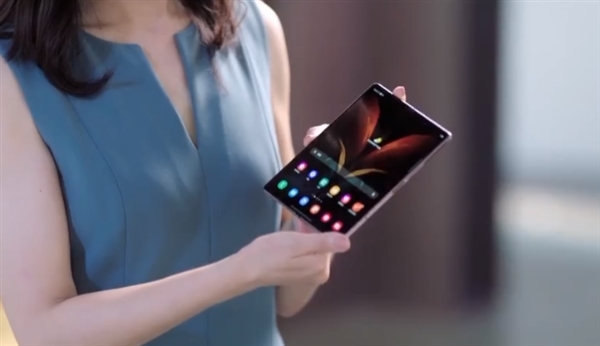
Samsung Galaxy Z Fold 2

OTI Lumionics is not directly involved in the manufacturing of flexible, foldable OLED displays. But they do play an important part in foldable OLED development. The company’s cathode patterning technology helps display manufacturers to improve the power efficiency of their foldable panels.  

Michael explains that foldable smartphones have large displays, comparable to tablets and even small laptops. But you can’t add a proportionally larger battery on the device, which affects battery life.

In fact, Michael revealed that as you increase the size of the foldable OLED panel, its power consumption doesn’t increase linearly. For example, the power consumption of a 12-inch OLED panel is not double the consumption of a 6-inch panel. It’s way more than that. 

Micheal explains, “Part of that is because the top metal layer is one common layer that coats the whole display. So all the electricity and current that goes through every single Pixel in the display has to go through that very thin layer of metal and then conduct all the way to the edge of the screen and through the contacts back into the driver circuit. And so, [for a] 5 or 6-inch mobile panel that’s not a problem. As you start going to a tablet, laptop, monitor [size] that becomes problematic and can limit the brightness and power consumption of the display. This is obviously a very important issue for a foldable.”

“Our same patterning [for making transparent OLEDs] technology can be used to help solve that kind of conductivity issue which then lowers power consumption and allows you to build foldable devices that have comparable power consumption to a smaller size this way.”


Michael believes Surface Duo form factor is better for productivity than Foldables

2020 foldable smartphones aren’t perfect. They still have the issue of durability as compared to other devices and then you have to ignore some issues like the crease line on the display.

When asked about the crease line on foldables, Michael said that it’s technically challenging to remove that crease line without compromising the mechanical strength of the display. In fact, Michael says that he prefers a form factor like the Microsoft Surface Duo over foldables with two separate displays and a hinge.

A pair of hands hold up Surface Duo with Spotify & Outlook

Michael added that from a productivity perspective, having two separate displays made a lot of sense. 

“[On] a larger display, what I want is to be able to show multiple applications — side by side and then on a larger area display, I either have to draw a line on the display or have that cut across individual displays, which is why again.. my personal opinion is the Microsoft Duo type of concept makes a lot more sense in terms of value proposition particularly because it can be made today with existing displays at a fraction of the cost of using a very complicated, hinge and folding structure and flexible glass and flexible display, which as we’ve seen in the Galaxy fold series is incredibly expensive.”

He adds that foldable displays are definitely fun but when it comes to durability, price, and multi-tasking, a dual-display design like the Surface Duo can be very useful. He further notes that thickness is another issue with foldable phones, which doesn’t make them comfortable to put it in your pockets.

This is actually a pretty good point. When you look at the Galaxy Fold Z 2, it measures 16mm in thickness in its folded state, while the Surface Duo measures under 9mm. So in the current scenario, a form factor like the Surface duo makes sense.

Transparent, Foldable, Flexible OLEDs will reach more sectors
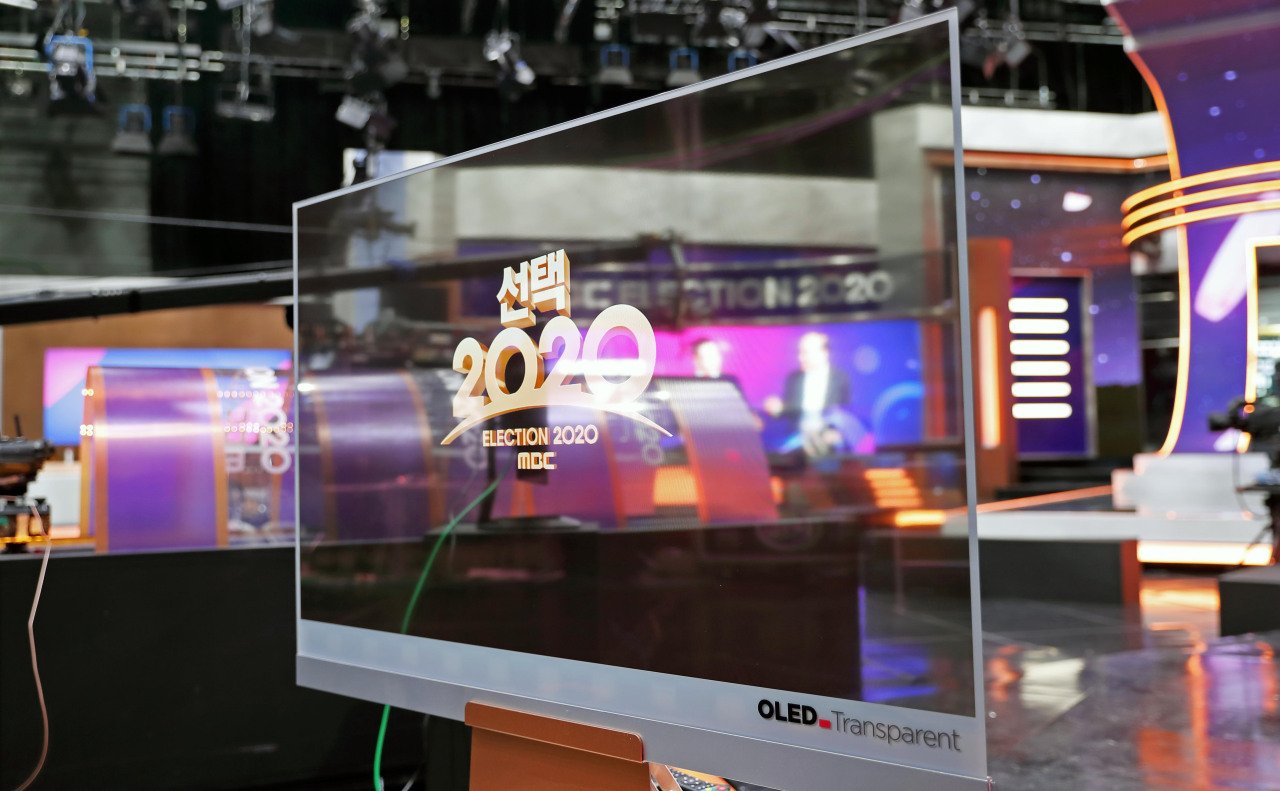
LG Transparent OLED Display
LG Transparent OLED Display Source: LG

It’s clear that OLEDs are going to take over a lot more sectors in the coming years, right from our home, offices, transportation to AR and VR. Companies are spending billions of dollars in research and development of new generation OLED panels and there’s no doubt that we’ll soon see better and more power-efficient OLED panels in the coming years.

And when you see a product using transparent, foldable, rollable OLEDs, know that it is companies like OTI Lumionics that work behind the scenes to bring concepts that were originally seen only in movies to reality. 



The US government will reportedly ban WeChat use in U.S. after Sunday night

The U.S government has reportedly concluded plans to ban the use of WeChat in the US from Sunday night. The Wall Street Journal reports the Trump administration to have disclosed that it will ban the use of the popular messaging and electronic payment app over national security and data privacy concerns.

US Commerce Secretary Wilbur Ross disclosed in an interview on Fox Business Network that the decision was reached by the department after President Trump ordered his department to review the Chinese-owned app for national security concerns last month. He stated; “China has been taking all kinds of data…that’s what we’re trying to squelch.”

The Commerce Secretary also disclosed that a similar ban will be imposed on another Chinese-owned app TikTok by November 12. However, he noted that the Oracle deal was in the pipeline that would incorporate data safeguards which could enable U.S users to continue accessing TikTok.

Earlier in August, the Trump administration had passed an executive order to ban the WeChat app in the US. According to a Reuters report, the Tencent owned app saw a rise in downloads after the passage of the executive order. This is as a result of users rushed to install the application before it completely disappeared from the app stores in the country.


The Amazfit GTR 2 will have Xiaomi’s Xiao AI assistant pre-installed

Another day, another new info about the upcoming Amazfit GTR 2. Today, the manufacturer has revealed that its upcoming smartwatch will have an AI Assistant.

Amazfit GTR 2 Xiao AI

Posts made by the official Huami and Xiao AI Weibo accounts have revealed that the Amazfit GTR 2 will have Xiaomi’s Xiao AI smart assistant pre-installed. The smart assistant is found in several devices already including smartphones, smart TVs, smart speakers, and smart displays. It is also available on Xiaomi’s own smartwatch, the Mi Watch.

Huami also revealed that the assistant will work not only online but also offline. The manufacturer also released a video comparing the Amazfit GTR 2’s smart assistant to that of the Apple Watch which has Siri on board.

Seeing as the watch will be getting an AI assistant in China, then the rumors about the global version getting Amazon’s Alexa AI assistant should be true since Xiao AI is sort of limited to China.

Huami has also revealed that its upcoming watch will come with NetEase Cloud Music. The watchmaker also announced that it has partnered with health app maker, Prudential, to bring the features and services of its Pulse app to Amazfit smartwatches and fitness trackers.

The Pulse by Prudential app offers features such as symptoms checker, online consultation, and health assessment. We believe some of these features will be accessed via the Zepp app for compatible Huami products.


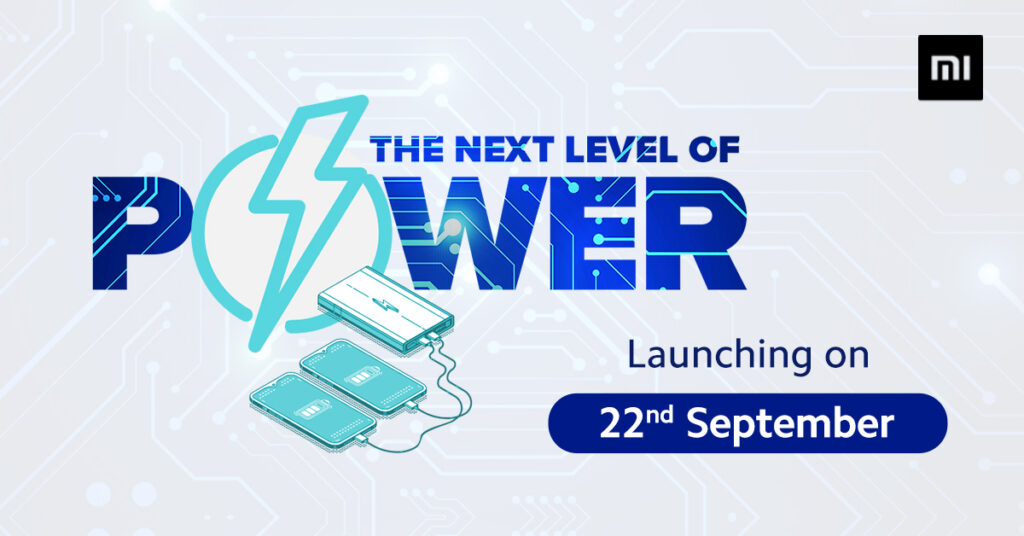
Xiaomi India to launch a new power bank on September 22; could be Mi Power Bank 3

Xiaomi India has scheduled an event called “Smarter Living 2021” for September 29 to unveil a number of smart IoT products. Ahead of it, the company has now announced to launch a new power bank in the country on September 22. The teaser picture for the same does not say much but we think it could be one of the Mi Power Bank 3 series models sold in China.

Xiaomi Mi Powerbank 3 Launch Teaser India

Currently, Xiaomi sells Mi Power Bank 2i series and Redmi Power Banks in India. The former was initially launched in November of 2017. Since then, the company has only updated it with new colors (Red, Blue & Black), whereas features and design remained the same. 

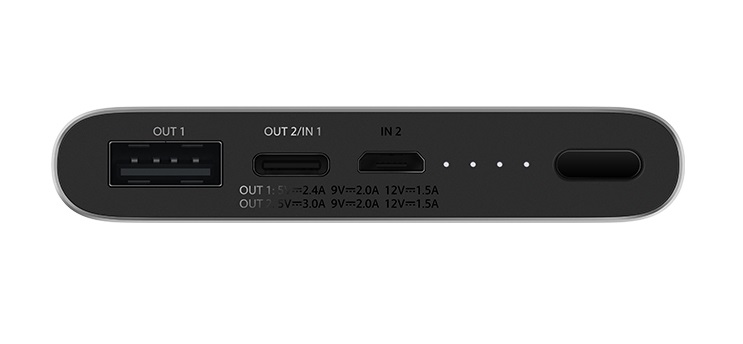
Hence, we think this upcoming power bank to be a Mi Power Bank 3 series model. The teaser picture shared by the company does not resemble a single power bank it sells in China. However, the teaser page for the product on Mi.com India kind of confirms it to arrive with both MicroUSB and USB Type-C ports just like the Redmi Power Banks.

Since the high-end 45W and 50W Mi Power Bank 3 models don’t feature MicroUSB port, we can rule them out. That means, the Chinese smartphone maker will probably debut the standard version in the series, which is exactly the same as Redmi Power Bank in terms of features but the USB Type-C port can be also used as output.

Mi Power 3 ports
Mi Power Bank 3 10,000mAh Ports

That said, we are not sure whether the company will launch the 10,000mAh, 20,000mAh or 30,000mAh version. Probably, they will bring the former two models as Mi Power Bank 3i 10,000mAh and Mi Power Bank 3i 20,000mAh for the same price (or slightly more) as its predecessors.


Smartisan official confirms October launch for a new Smartphone

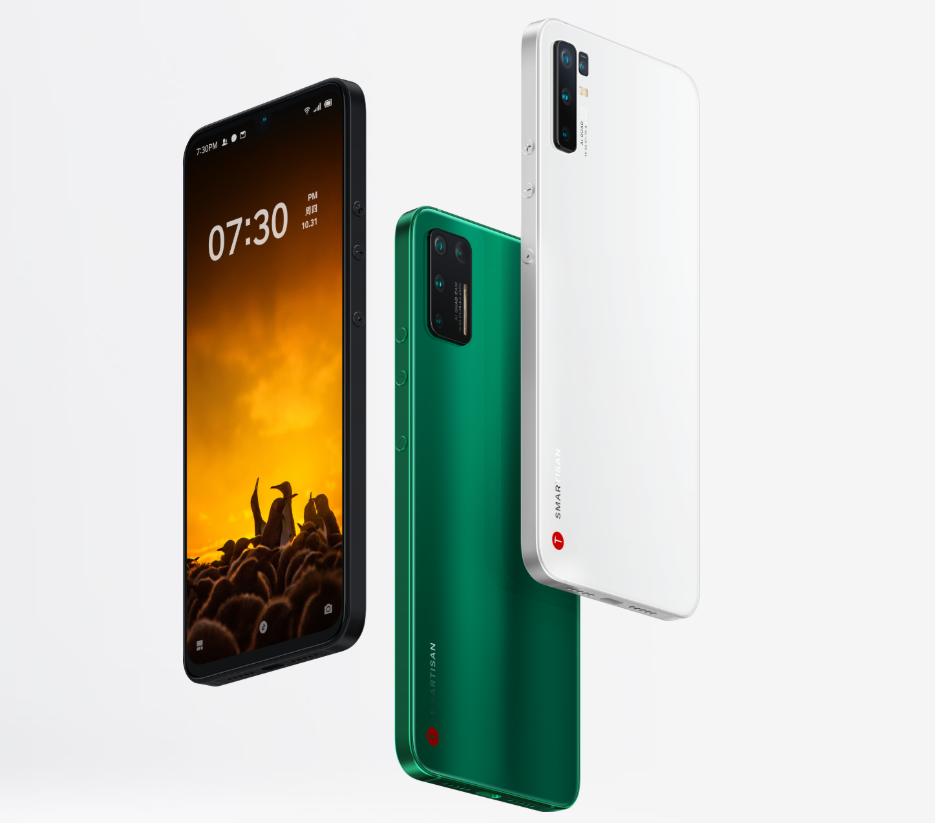
Smartisan is apparently back and is gearing up for the launch of a new smartphone as well. According to a senior official of the company, a new handset is set to launch in October 2020.

Smartisan
Smartisan Nut Pro 3

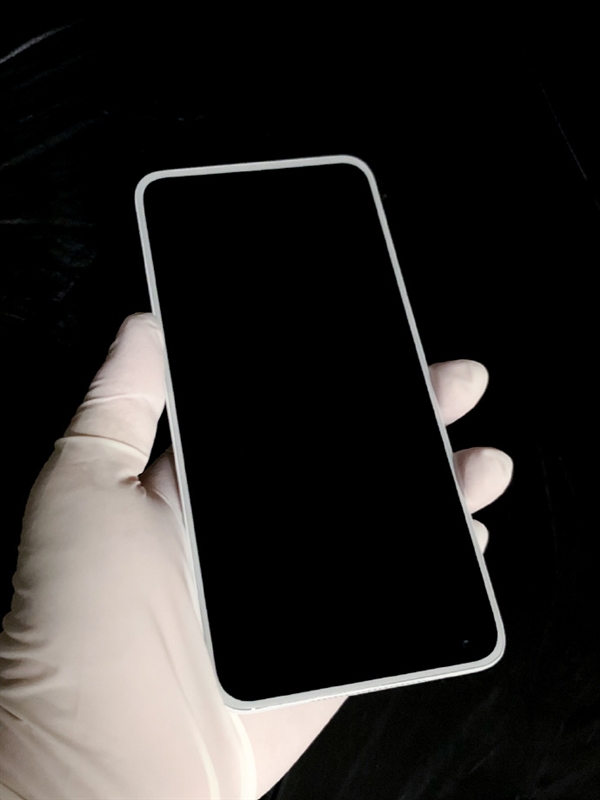
For those unaware, Smartisan is a Chinese brand that deals in consumer electronics including some attractive looking smartphones. Unfortunately, the company’s primary market is China, so it is likely that many haven’t heard about them. A recent leak revealed that the company was planning on launching a smartphone in October with a white colored rear panel, which was showcased in the image below.

Zhu Haizhou, Product Manager of Smartisan, responded to this leak and even mentioned that making white smartphones is rather difficult, but people should look forward to the upcoming device. In other words, the official more or less confirmed its existence and also officially announced the launch date of the handset, which is sometime next month.

Smartisan

Unfortunately, the finer details of the device are currently unknown. While previous reports had pointed at the company launching a 5G smartphone later this year in China, we don’t have much to go on at the moment, although, this might be the 5G handset in question. More updates are likely to arrive closer to the launch date, so stay tuned.


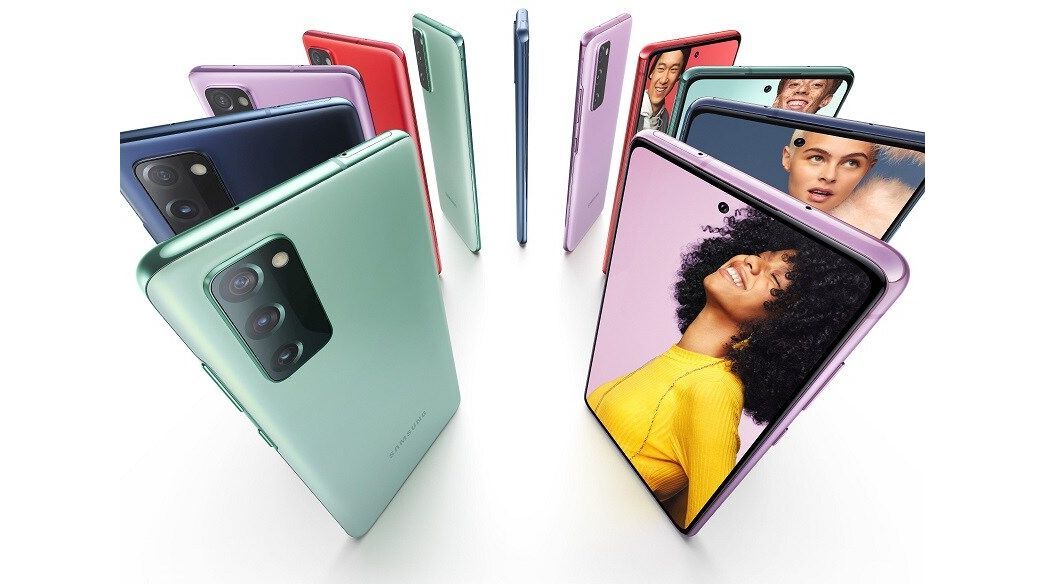
Samsung Galaxy S20 FE first ever Hands-On images show Flat screen with a Slimmer body

Looks like nothing is left to know about the upcoming Galaxy S20 FE except for its official price. The device has already been leaked a number of times recently but the latest leak shows hands-on images and gives a good look at the device before it’s official launch on September 23.

Samsung Galaxy S20 FE

The leak comes from a twitter user named Jimmy is Promo (via: Android Authority). The images could probably be the first real-world photos of the device. One of the images shows a boot logo that gives away the naming ‘Galaxy S20 FE 5G’. The images also show the front flat display with a centered punch-hole and triple cameras on the back.

Editor’s Pick: Samsung to add a second telephoto lens on the Galaxy S21 in place of the ToF sensor

This image falls in line with the earlier leak which showed CAD renders of the device in six colors. This was further reported by popular tipster Evan Blass(twitter: @evanblass) on his Patreon page. The device looks slimmer than its predecessor the S10 Lite. Further, the tipster also said that the S20 FE will come with an IP68 rating, a 120Hz refresh rate screen reflecting the earlier leak, 3x Optical, and 10X digital zoom support on the cameras.

Galaxy S20 FE Specifications and Expected Price

The previous leak had revealed the entire specifications of the device. It is expected to come with a 6.5-inch FHD+ S-AMOLED display with a resolution of 2400×1080 pixels and 407ppi. The device is likely to be powered by Exynos 990 and Qualcomm Snapdragon 865 on the 4G and 5G versions respectively.

As for the cameras, the rear rectangular housing is expected to have a 12MP main lens and an 8MP Telephoto with OIS. The other 12MP sensor is an ultra-wide lens with 123-degree FOV. Upfront, the punch-hole will have a 32MP selfie shooter. Further, Jimmy also said that the device will come with One UI 2.5 out of the box.

Other features expected are WiFi 6, Bluetooth 5.0, NFC, and 4,500mAh battery with 15W charging via USB-C port. As for the price, recent leaks suggest that the device will retail for €699 in Europe but we will have to wait until Wednesday to confirm the same.

Up Next: Samsung 5nm Exynos chip to share Snapdragon 875’s cluster design, hints Leaker

Facebook allegedly spies on Instagram users through selfie cameras

Facebook is facing another lawsuit, with it being accused of spying on Instagram users through their cameras. Reportedly, the social media giant gains unauthorized of the smartphone’s selfie camera to spy on the users.

Facebook

According to a Bloomberg report, the lawsuit has been filled after numerous media reports surfaced that the social media application had been accessing iPhone cameras even when the user wasn’t actively using them. Since then, Facebook has denied the reports and blamed the entire issue on a rogue bug, which it is apparently fixing, that was using the iPhone’s selfie cameras.

An Instagram user from New Jersey, USA, filed a complaint earlier this week. The one suing stated that the use of the camera was intentional and was done for the purpose of collecting lucrative and valuable data on its users that it would not otherwise have access to.” They further stated that by “obtaining extremely private and intimate personal data on their users, including in the privacy of their own homes, they are able to collect valuable insights and market research.”

Facebook

Facebook has declined to comment on this matter. Notably, this lawsuit arrives just a month after another legal action the company was facing for another illegal acquisition of user data. In recent years, online privacy and data security have become a hot debate, with many criticizing big names like Google and Facebook for having an undisclosed method of harvesting user data. So stay tuned for more updates regarding this matter.


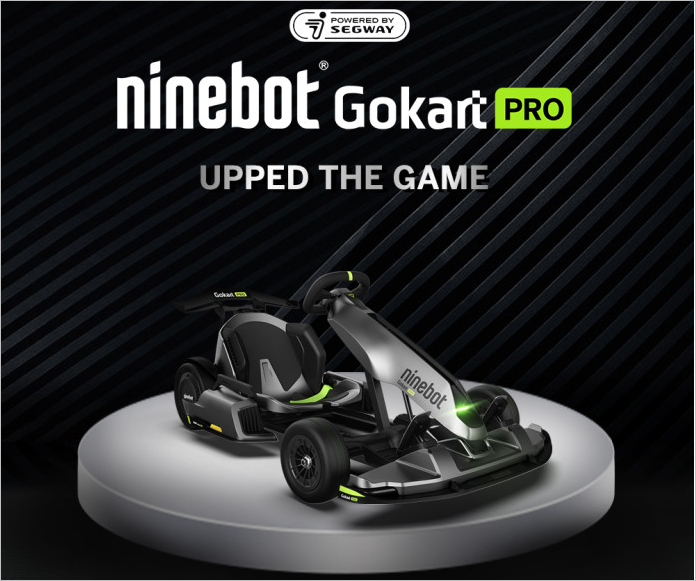
[UPDATE: Goal Reached] Ninebot Gokart Pro launched on Indiegogo, starts at $1499

UPDATE:

Ninebot has already raised over HK$6 million, well over its original goal. There are still some slots left for the first batch of 500 units, so if you want to get the new Ninebot Gokart Pro in the first batch that’ll be shipped to customers, you might want to head over and back the project soon.


Original Story..

Xiaomi‘s ecological chain company Segway-Ninebot first unveiled the Ninebot Gokart Pro in China in May this year. Since then, the popularity of the product spurred the company to partner with luxury carmaker Lamborghini to release a Lamborghini edition of the GoKart Pro. The brand is now bringing the Ninebot Gokart Pro to the international market as it has been launched on Indiegogo crowdfunding platform.Ninebot Gokart Pro

The crowdfunding exercise will run until mid-October after which it will start shipping to successful backers. The Gokart Pro carries a price tag of $1,499. This is slightly higher than the Chinese launch price which is 8998 yuan (~$1268). Ninebot is also giving early backers the chance to win a free 120W fast charging adapter if they drop a comment on the crowdfunding page after backing the project. This offer is valid till September 17.

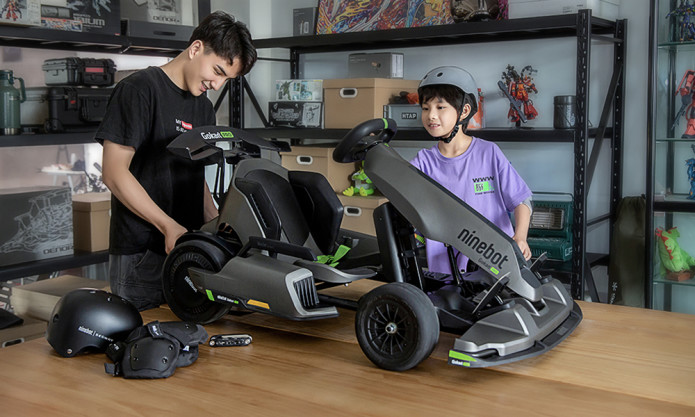
The Ninebot Gokart adopts an attractive metallic grey colour. It features a standard Gokart steering rack. The seat belt, headlights, and the silkscreens of the body are all decorated with green. The kart is a perfect fit for both children and adults as the body length can be adjusted in 4 gears. The height of the steering wheel can be adjusted in 3 gears.Ninebot Gokart Pro

The Gokart Pro uses a high-strength steel frame with an effective load of up to 100kg, which provides better torque rigidity and can effectively cope with road impacts at high speeds. The kart is also equipped with TPE soft anti-collision front lip and aerodynamically-shaped TPE side skirts with better impact cushioning performance and driving safety. Ninebot says this prevents issues such as the bumper breaking with a slight impact. The front of the car is also equipped with a “laser green” LED headlight, which is convenient for driving at night.

In addition to hardware protection, the Gokart also has technical protection systems, such as a fault detection mechanism once it appears. When a fault is detected, the vehicle will brake urgently to ensure the safety of the personnel, and the audible and visual alarm will go off at the same time. Also, if the power-on self-test function detects that the accelerator is depressed when it is turned on, it will not respond to the throttle signal and the alarm will go off with the ambient light on the chassis and headlamps flashing until the throttle is released. This prevents the go-kart from zooming off when turned on if the accelerator is depressed accidentally. The vehicle also has a temperature protection function, battery overcurrent protection function, motor stall protection function, and driving prompt sound function.

The steering wheel is made of soft PU, which has greater friction and is more comfortable to hold. The highly wrapped racing bucket chair can effectively support the driver to resist the centrifugal force when cornering. The aerodynamic rear wing is added to the rear, and the shape is more competitive on the track. At high speed, the rear airflow can be combed to stabilize the body posture.

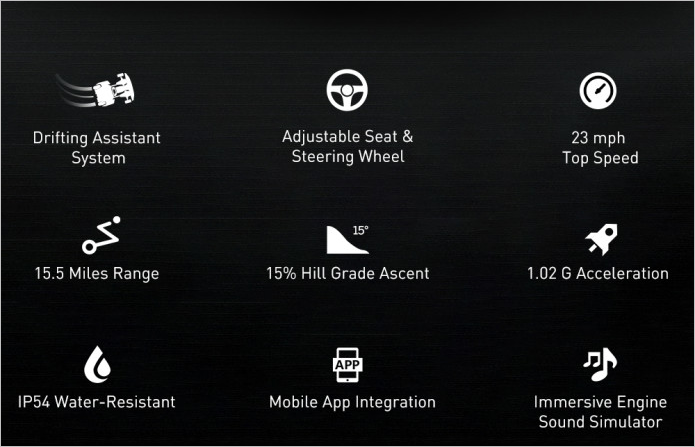
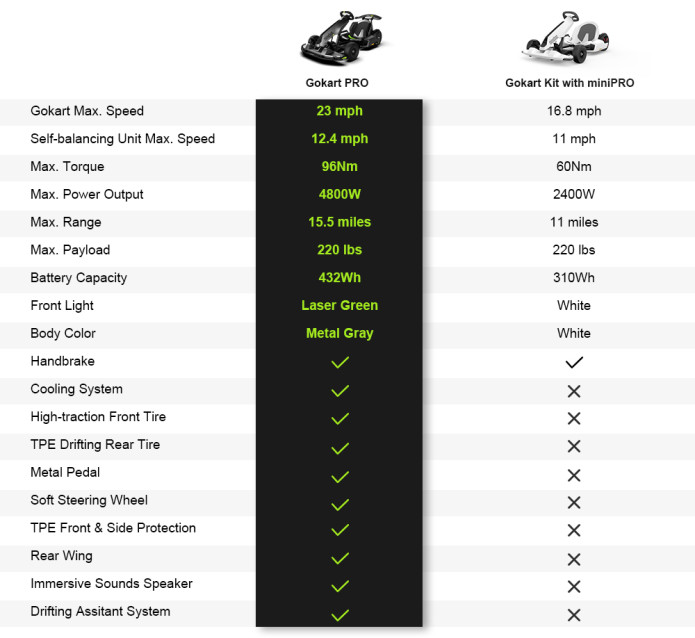
The Ninebot Gokart Pro is now equipped with CST front tires and TPE Sport drift rear tires. It packs an air-cooled motor with a 4800W peak power. The motor is powered by a 432Wh four-channel air-cooled battery pack and four-unit engine sound wave simulation system. The maximum acceleration is 1.02G and the top speed is 37km/h. The kart can also realise power drift and inertia drift just like a 150cc fuel kart. The accelerator and brake pedals have also been upgraded to racing-style stainless steel metal pedals.Ninebot Gokart Pro

The Ninebot Pro can also be folded and can fit in the trunk of most cars after it is fully folded, making it easy and convenient to transport.

Furthermore, it is equipped with four 8W high-power speakers. The speakers can be used to play music since there is Bluetooth connectivity on the Gokart. Also, the speakers can be used to simulate four different engine sound effects; single-cylinder engine sound effect, dual-cylinder engine sound effect, V8 engine sound effect, and V12 engine sound effect.

It can be paired with a mobile phone via the Segway Ninebot app. The app brings more intelligent functions such as viewing vehicle information, customizing the color of the ambient light of the chassis, upgrading the firmware, selecting the driving mode, and so on.

The product comes with a one year warranty.


Royole FlexPai 2 passes TENAA certification, features 7.8 inch display and Snapdragon 865

The Royole FlexPai 2 has been spotted on the TENAA certification website’s database. While the device was previously announced earlier this year, finer details regarding the second generation foldable smartphone were still unknown. Now, we have a lot more details about the upcoming handset.

Royole

The company will be officially launching the Royole Flexpai 2 on 21st September 2020. Under the hood, the new gen foldable smartphone will feature a Qualcomm Snapdragon 865 SoC with 8GB of RAM and either 256GB or 512GB of internal storage. The original, on the other hand, featured a Snapdragon 8150 mobile processor and had a 6GB RAM and 128GB storage variant as well. Its 4450mAh battery is also slightly larger than the original, which had a 4,000mAh battery.

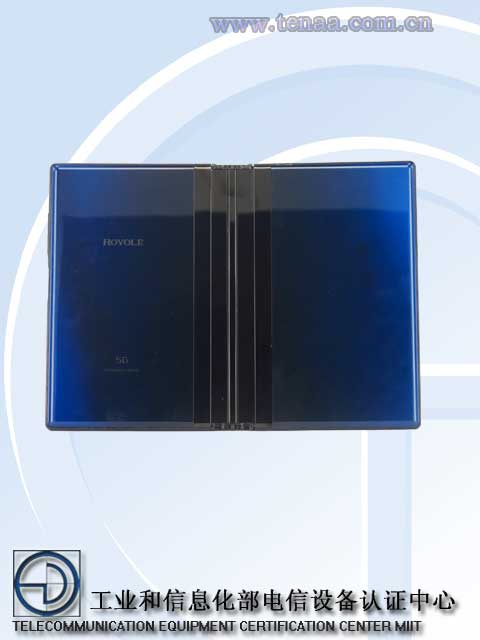
The upcoming iteration also arrives with Android 10 out of the box instead of the Android 9 on the first generation. Royole’s FlexPai 2 also sports the company’s third generation flexible display dubbed the Cicada Wings, which has a number of improvements over the previous models like a smaller crease and bend radius along with a higher overall brightness and better viewing angles. The new panel is more durable as well and can withstand any types of bends or rolling of the display.

Royole

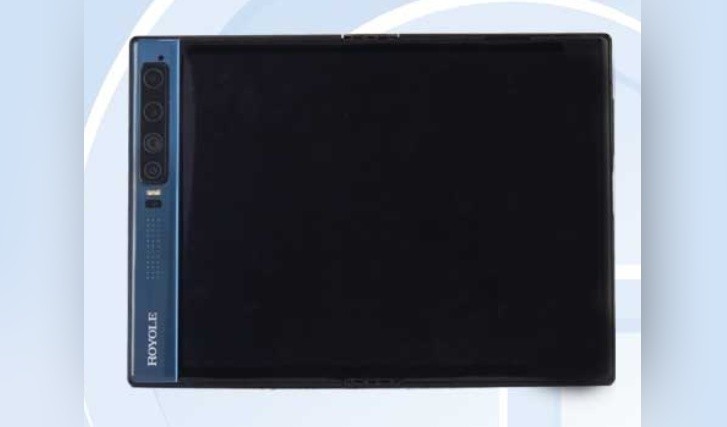
Another improvement arrives in the form of optics, with the FlexPai 2 housing a quad camera module over the dual camera module on the first FlexPai. This camera system consists of a 64 megapixel primary lens along with a 16 megapixel and two 8 megapixel sensors. Unfortunately, the pricing of the device is currently unknown, but it is confirmed to arrive in three color variants, namely, Magic Gold, Dark Night Black, and Star Grey.


Moto E7 Plus launching in India on September 23

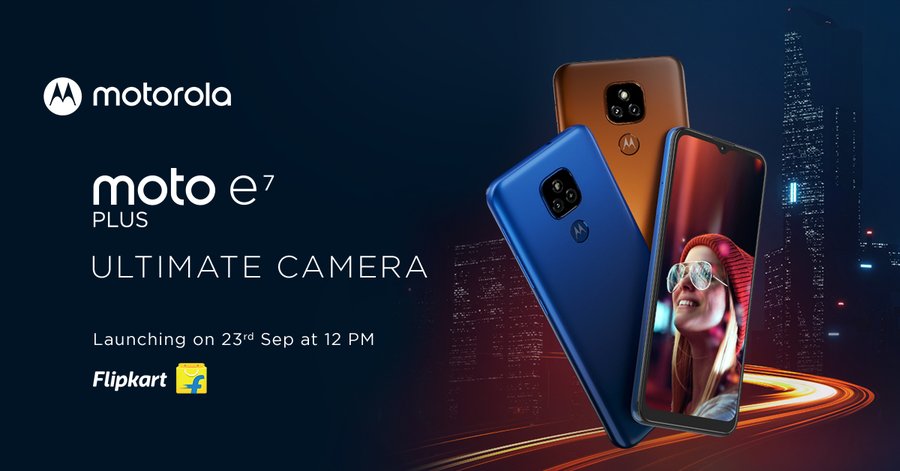
Briefly after teasing the device yesterday, Motorola has finally confirmed the arrival of Moto E7 Plus in India on September 23. The budget smartphone packs an entry-level processor and is expected to slot in below the Moto G9.

The company confirmed the arrival of the device on Twitter. It has also shared a poster that shows a tagline ‘Ultimate Camera’. The device will launch on 23rd September at 12:00 PM IST. Accordingly, Flipkart has opened a teaser page that shows the device in Navy Blue and Bronze color options.

Editor’s Pick: [Update: Launched!] Motorola Razr 5G official specifications and pricing revealed

Moto E7 Plus Specifications

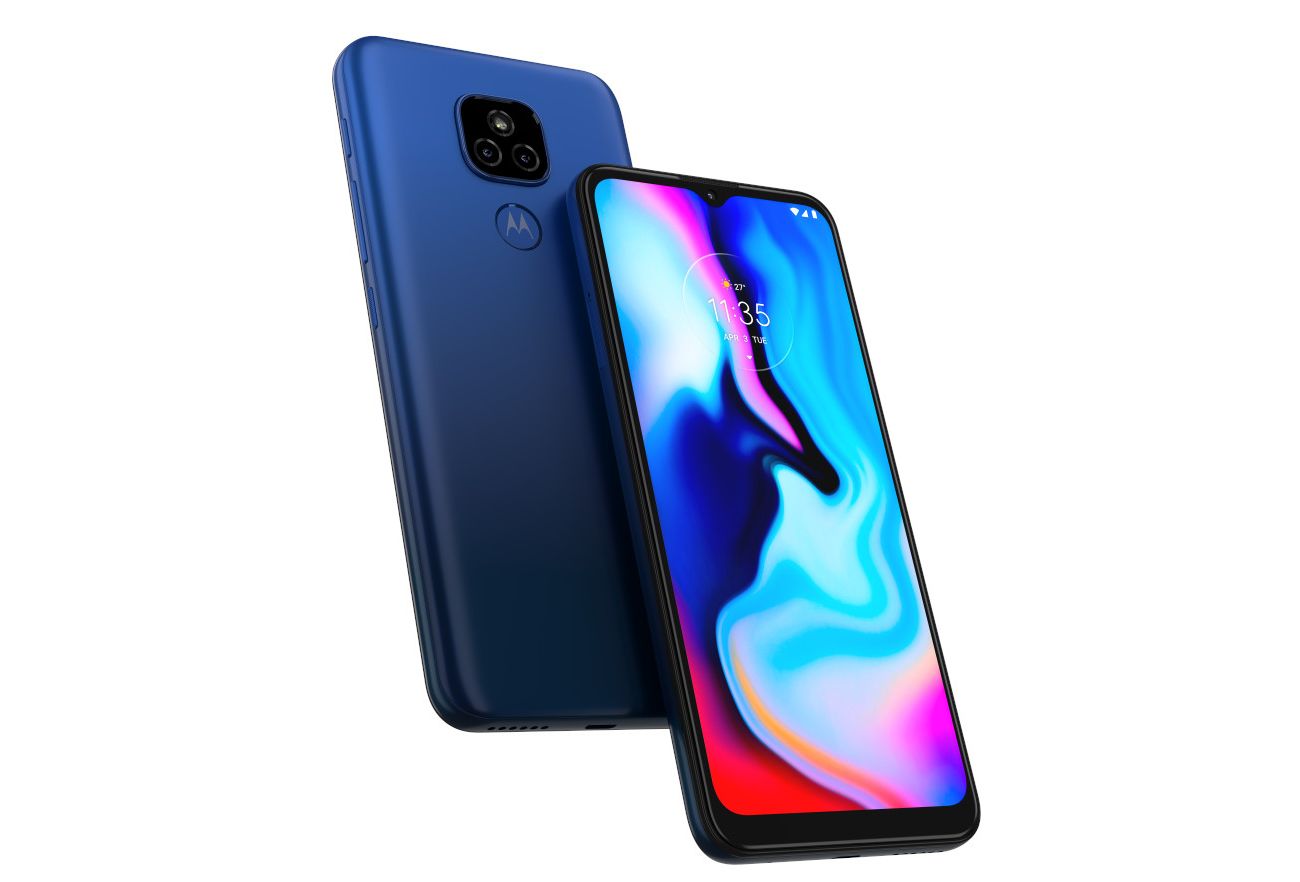
Although the microsite doesn’t reveal much about the device, we already know the entire specifications from the earlier launch in Europe and Brazil. The images show that the rear panel has a square-shaped cut-out for cameras and a fingerprint sensor beneath. Considering the price, it should have polycarbonate back but we will have to wait till Wednesday to know if Motorola makes any change for the Indian version. On the right side, there are three buttons – power, volume up/down, and a google assistant switch.

Moto E7 Plus

The device has a 6.5-inch HD+ display with a resolution of 1600×720 pixels. There is a water-drop notch that houses an 8MP f/2.2 selfie shooter. Powering the device is Qualcomm’s Snapdragon 460 SoC. Adreno 610 GPU handles the graphic duties. The square-shaped layout has a 48MP f/1.7 primary lens and a 2MP depth sensor.

The phone will come with 4GB RAM and 64GB storage along with microSD card expansion. Other features include 4G LTE, WiFi, 3.5mm audio jack, and Bluetooth. The Moto E7 Plus is backed up by a 5,000mAh battery with support for 10W charging via micro-USB port.

That said, the official pricing is not known yet. It must be noted that the device launched at EUR 149(~Rs.13,000). However, Motorola already has the Moto G9 with Snapdragon 662 at Rs.11,499 in India. Hence, we can expect Moto to price the Moto E7 Plus aggressively.


UP NEXT: Motorola Moto G9 Plus and G9 Play launched in the UK


Samsung 5nm Exynos chip to share Snapdragon 875’s cluster design hints Leaker

A new leak has suggested that the upcoming Samsung 5nm Exynos chip will feature a core cluster design that is similar to the Qualcomm Snapdragon 875 SoC, which might be indicative of a very capable Exynos chip that can rival the Snapdragon processor.

The known leakster Ice Universe recently shared a tweet on Twitter that detailed the cluster design of both the upcoming Samsung and Exynos chips. In the post, he wrote “E 1+3+4” and “S 1+3+4,” with the ‘E’ clearly standing for the Samsung Exynos chip while the ‘S’ stands for the Snapdragon processor. For those unaware, chip designs in smartphones follow a configuration where there are multiple cores of different sizes and power.

The ‘1’ represents the super large core that boosts the highest clock frequencies and is the most powerful in the chip. Similarly, the ‘3’ cores are also high performance large cores, although, they aren’t as fast as the super large core. The final ‘4’ represents the energy efficient cores that are low powered and help perform less intensive tasks for the smartphone. To elaborate, chipmakers have adopted this design so that smartphones are more energy efficient when they are relatively inactive, but still offer great boosts in performance when undergoing intensive tasks.

From what we know so far, the Qualcomm Snapdragon 875 is built on Samsung’s 5nm process and is said to use ARM’s latest Cortex X1 architecture, which is more powerful than the Cortex A78. According to ARM, the Cortex X1 is up to 30 percent faster than the Cortex A77 in peak performance and up to 20 percent faster than the Cortex A78. So, if Qualcomm does adopt the new technology, we can soon expect, launches from various companies to feature this chip.

Samsung Exynos 9710

Interestingly, since Samsung is the one manufacturing Qualcomm Snapdragon 875 chips on its 5nm process, we can also expect great improvements to the Exynos platform as well. The Exynos series processors have lagged behind Snapdragon, with the difference being noticeably in the current gen lineup of Samsung’s flagship Galaxy S20 series. So, we can expect the South Korean OEM to focus on its proprietary chip design and bring forth improvements for the next gen smartphones in 2021.


[UPDATE] Google removes rival payment app Paytm from Play Store for “repeat policy violations”

UPDATE: September 18, 2020 (11:30 AM ET):  Google has now restored the main Paytm payments app on the Play Store. However, the Paytm First Games app is yet to be restored. The original story continues below.

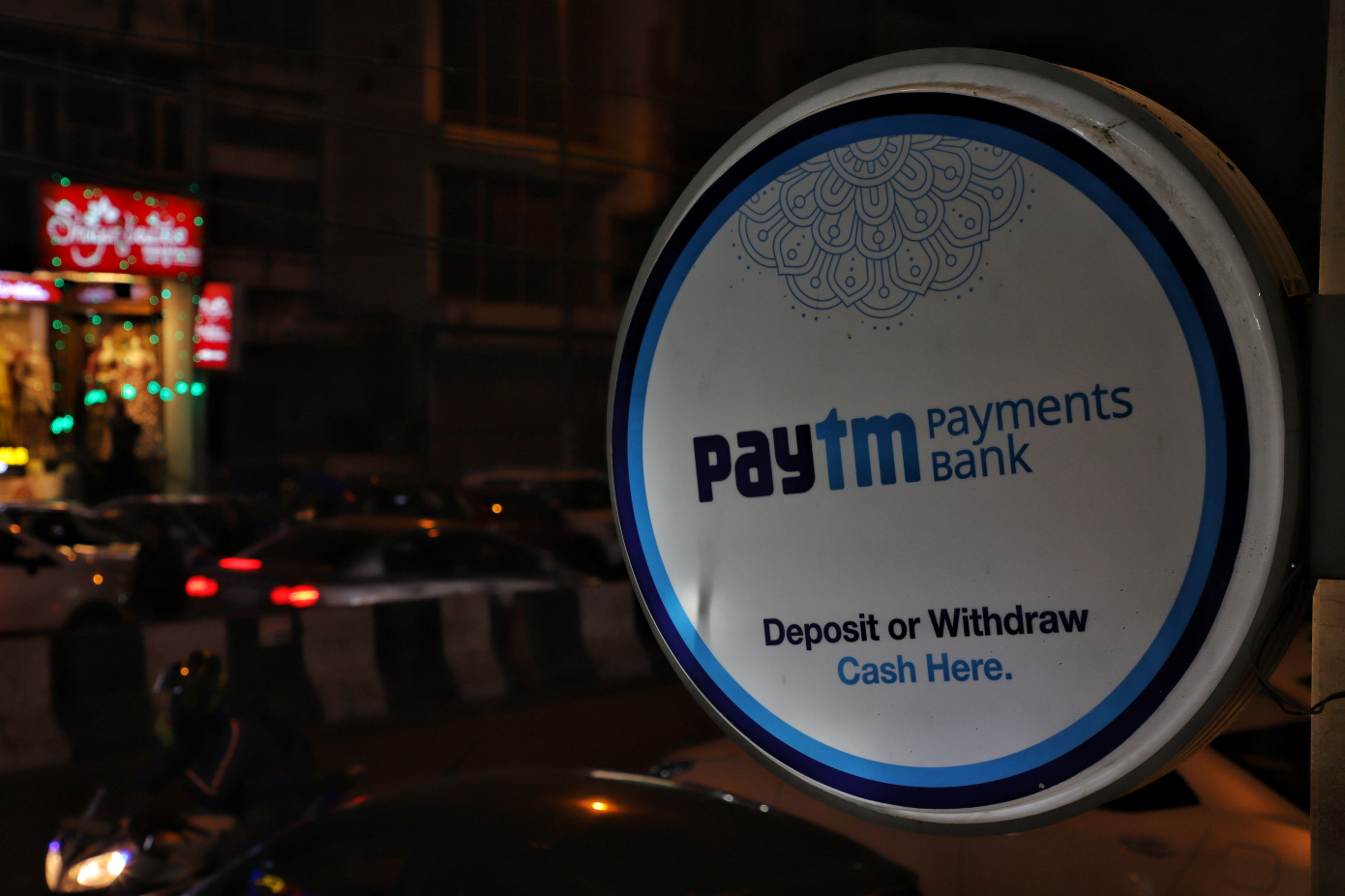
Earlier this year, the Indian government announced a new payment method dubbed Unified Payment Interface (UPI) to provide rapid and safe money transfers. UPI is primarily available for use via smartphone apps and it has received an overwhelming response from the users due to its easy availability and stress-free banking. Among the top three operators are Walmart’s PhonePe, Paytm and Google Pay. Paytm Payments Bank board is installed outside a branch in New Delhi india on 08 December 2019 (Photo by Nasir Kachroo/NurPhoto via Getty Images)

In a recent development, Google has decimated Paytm’s ability to provide payment services for new customer by removing the popular Indian financial services app from the Play Store. The removal is as a result of the violation of Google’s gambling policies.

Google reiterated that the Play Store prohibits online casinos and other unregulated gambling apps that facilitate sports betting in India. But Paytm is deemed to have violated that policy by promoting fantasy sports service within its marquee app. Paytm’s fantasy sports service, called Paytm First Games, was also available as a standalone app and it has been pulled, too, from the Play Store.

Google maintains similar guidelines around gambling in most other markets and have directed that if an app leads consumers to an external website that allows them to participate in paid tournaments to win real money or cash prizes, it will also be deemed in violation of its Play Store policies. This is where Paytm may have violated the Play Store’s policy.

In a recent blog post on this subject matter, Suzanne Frey, Vice President, Product, Android Security and Privacy stated; “We have these policies to protect users from potential harm. When an app violates these policies, we notify the developer of the violation and remove the app from Google Play until the developer brings the app into compliance.”

“And in the case where there are repeated policy violations, we may take more serious action which may include terminating Google Play Developer accounts. Our policies are applied and enforced on all developers consistently,” she added.


A dedicated OnePlus Buds app for older OnePlus devices & other phones is in the works

OnePlus launched OnePlus Buds alongside OnePlus Nord as its first truly wireless earphones. For some unknown reason, the companion app for this TWS is only limited to OnePlus 6 and above devices. Now, after months from its debut, the brand has confirmed to release a new dedicated app for its older smartphones as well as devices from other companies.

OnePlus Buds

Chinese smartphone makers have a habit of conducting Q&A sessions with users from time to time. After completion, they share some important questions and their answers from those sessions on social media and community. OnePlus did the same for a recently held Q&A session (via XDA Developers).

In that, one of the users asked whether they can customize gesture and update the firmware of OnePlus Buds if they are using it with other phones other than compatible OnePlus device. To this, the company representative replied that they will be launching a dedicated with support for OnePlus 3/3T/5/T and smartphones from other brands running Android 6.0+. However, the person did not reveal the availability of this app.

Currently, OnePlus Buds app only work on OnePlus 7 and above handsets with OxygenOS as it is integrated into system settings. But the company has published it on the Google Play Store to deliver faster updates.


Qualcomm Exec joins SiFive to help establish RISC-V as an alternative to Nvidia-Arm

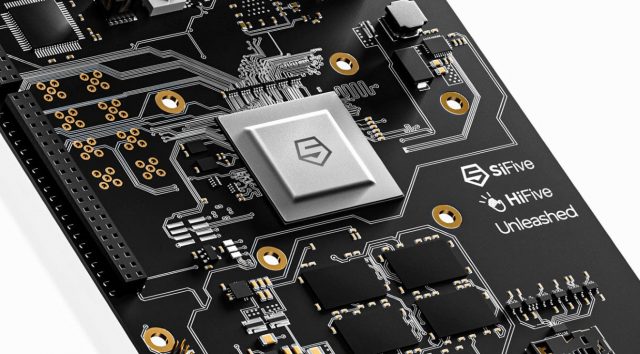
SiFive has just appointed a former Qualcomm executive, Patrick Little, as the new CEO. The senior official has been hired to help establish the company’s RISC-V based processors as an alternative to Arm, which is being acquired by Nvidia for a 40 billion US Dollars deal.

For those unaware, SiFive is a chip designer that makes processors that can be customized for any purpose the customer requires it for. This has it make chips to meet low end to even some high end computing requirements. The processors used by the company are based on RISC-V, which is a free and open architecture that has been growing in popularity since its creation a decade ago.

Qualcomm

The people behind the architecture were inspired by the philosophy of “hardware freedom” to offer alternatives to royalty-based processors that are licensed for a fee by a single company. According to an VentureBeat interview with Patrick Little, the senior executive said that “It’s just very clear that the world is moving away from generic processors to workload-focused and optimized solutions,” and that, “The industry is transforming away from general-purpose computing to something domain-focused. With the news this week, it’s now accelerating, and the magnitude has really picked up. Now there are many companies saying it’s time to look at open versus closed solutions.”

Notably, despite Nvidia acquiring Arm, the former has pledged to still continue to offer the latter’s open licensing strategy. Although, the free and open nature of RISC-V is already a great deal for many. But the challenge still remains of growing its ecosystem of software, tools, and testing to make it a viable alternative to Arm. At the moment, the ARM architecture is found on about 95 percent of the smartphone market, with the industry shipping more than 22 billion chips a year.

Qualcomm

Furthermore, SiFive is also planning on unveiling its first RISC-V based PC in October 2020, alongside new RISC-V chips. While this architecture isn’t as matured as others like the x86 and ARM, it has made great progress in recent years. SiFive will be targetting developers and professionals with this PC and not the commercial market. The ide ais to offer RISC-V based systems so that developers can make code software that was meant for RISC-V powered devices. The company plans to introduce new processors as well, which will be optimized for “high-performance computing, artificial intelligence, and computer vision applications.”


Fitbit Charge 4 has a defect that affects a small number of units

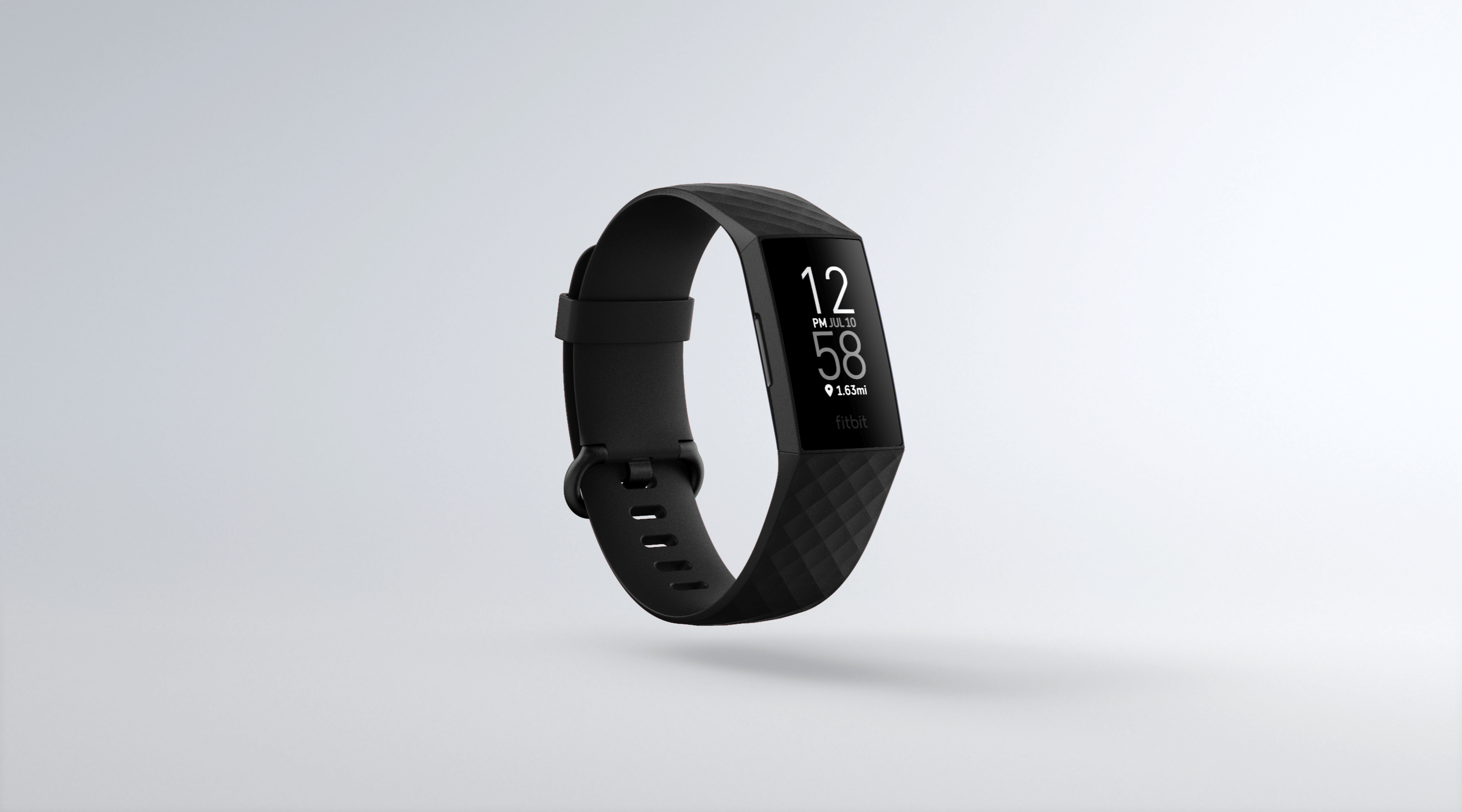
Recently, a few owners of the Fitbit Charge 4 that had been complaining about an issue regarding their wearables. Reports have surfaced that the fitness tracker has a crucial flaw, where the device sometimes does not sit well on the wrist as it is supposed to.

Fitbit

According to an AndroidCentral report, One user said on the Fitbit community forums that “the band does not fit snuggly, as with all other Fitbits I have owned. Is this normal? There is a noticeable gap between the band and the device.” Following this, the number of Charge 4 users that have faced the same issue has grown. Others also said that the gap caused dust or other small particles to get in the way, with a few saying that the gap sometimes has the device get yanked off it gets caught in something.

A Fitbit representative has since confirmed the issue and stated that “We are aware that a band-connection issue is affecting a small number of Charge 4 users. We take customer satisfaction very seriously and the quality of our products is one of our top priorities. We encourage any customers experiencing difficulties with their device to contact Customer Support for assistance.”

Fitbit
Image via AndroidCentral

The company has recently unveiled a few new products, which include the Inspire 2 the Versa 3, and even the Sense Health Watch. So, let’s hope that those devices do not face the same issues that affect the Charge 4 and that the company does take notes of the issues so that it does not extend to its newer product launches as well.


realme UI 2.0 (Android 11) will be officially unveiled on September 21

Earlier this month, Google released Android 11 stable update for eligible Pixel smartphones and uploaded the source code to AOSP. A few days later, OPPO held an event to officially unveil ColorOS 11 based on the latest version of Android. Now, the company’s sister brand realme has scheduled an event for September 21 in India at which it will be announcing realme UI 2.0 alongside narzo 20 series of smartphones.

realme UI 2.0 Android 11 Logo Featured

Recently, realme sent out physical press invites to media and influencers confirming the launch date of narzo 20, narzo 20A, and narzo 20 Pro to be September 21. Now, today, the company has officially announced it to the public on its social media handles and community. Additionally, it also revealed that realme UI 2.0 based on Android 11 will be also debuting at the same event.

Anyway, we don’t have to wait until the launch day to know everything about these phones and realme UI 2.0. These handsets, for instance, have leaked extensively in the past few days revealing everything about them. The only thing that is unknown is their price.

On the other hand, the brand has already rolled out realme UI 2.0 beta update to its flagship smartphone realme X50 Pro. As expected, it is nothing but a tweaked version of ColorOS 11 just like the original realme UI and ColorOS 7.

That said, the launch event is still exciting for existing users of realme as the company is expected to announce realme UI 2.0 eligible devices and update timeline.


US government seeks security protocol data from Epic Games and Riot Games with Tencent ties

The United States is taking its trade war with China a step further. After banning several Chinese companies and forcing TikTok to sell its business to an American company, it is now issuing notices to companies that have ties with China-based Tencent Holdings.

As per the report from Bloomberg, the U.S. Treasury’s Committee on Foreign Investment in the U.S. (CFIUS) has asked gaming companies including Riot Games and Epic Games, to provide information on security protocols.

Tencent Logo

CFIUS investigates foreign acquisitions of American businesses for national security risks. It has the authority to examine full acquisitions as well as non-controlling investments and provide recommendations to block or unwind deals.

This new development is likely because of the company’s deep ties with Tencent Holdings. Riot Games, which has developed Valorant and League of Legends, is a fully-owned subsidiary of Tencent while the Chinese giant holds about 40 percent take in Epic Games.

EDITOR’S PICK: Huawei may have some hope as AMD gets a license to sell products to companies in the Entity List

Recently, U.S. President Donald Trump issued an executive order which prohibits transactions with the popular instant messaging app WeChat and social platform TikTok. The ban is set to take effect 45 days from the date of order (7th August).

Epic Games has been in the news for a couple of weeks after it sued Apple and Google for removing its game Fortnite from the App Store and Play Store. It all began after the gaming firm introduced its own in-app payments system on Fortnite which skirted the 30 percent fee that Apple charges for each transaction.


Huawei patents smartphone with in display selfie shooter and periscopic zoom lens

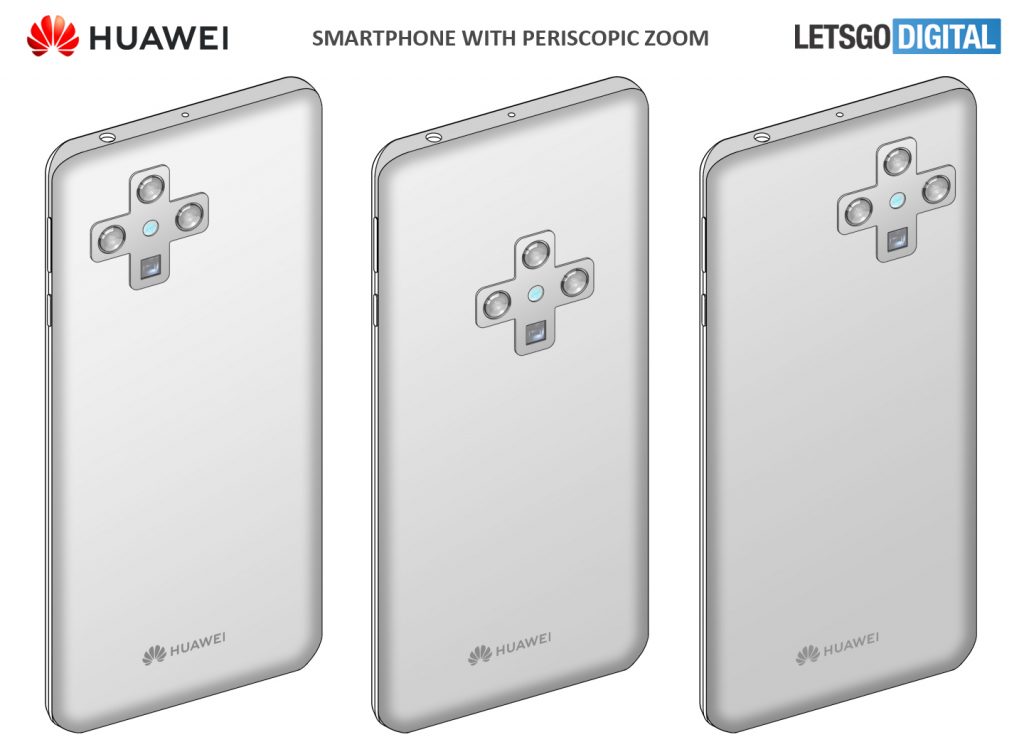
Earlier this month, we had reported on a Huawei patent regarding a smartphone with a penta camera setup on the back. Now, we have another patent that has surfaced, this time with an under screen selfie shooter and a periscopic zoom lens.

Huawei

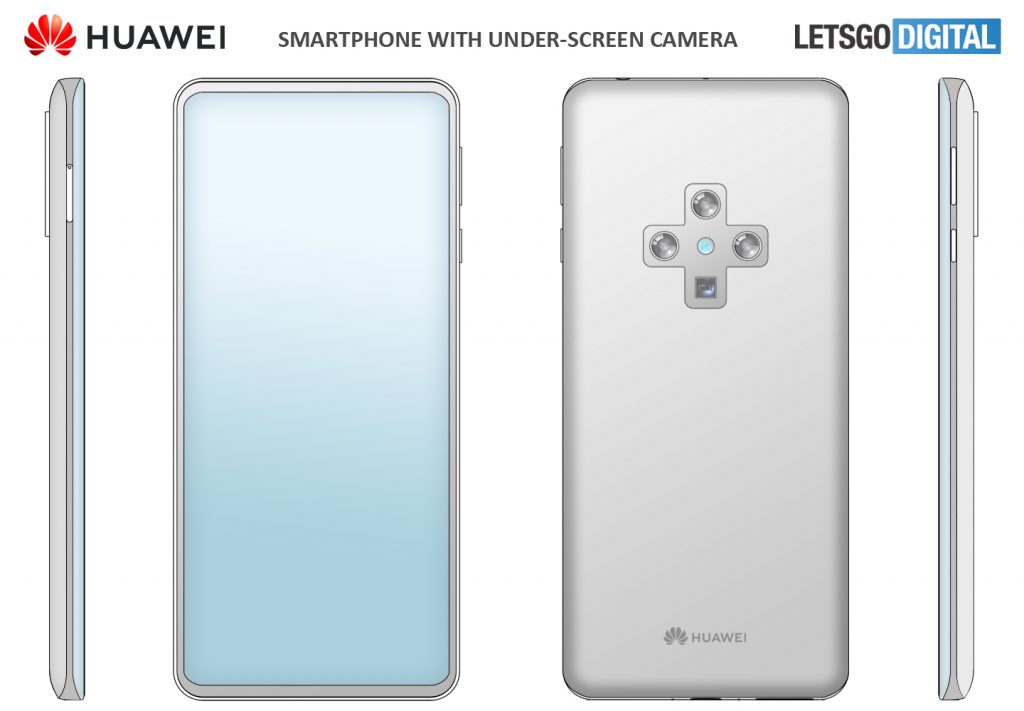
The new patent was filed with the CNIPA (China National Intellectual Property Administration), which was approved and published earlier today (18th September 2020). According to a LetsGoDigital report, the patent carries 24 product images. Looking at these design sketches, the device has a curved edge display on both sides and minimal bezels. Under the display, a selfie shoot is housed, with the rear having a quad camera setup.

The rear camera module is housed in a very unique manner with 3 different variants of the device being patented. One has the rear camera module housed in the middle of the back panel, while the other two have it placed either at the top right or top left, respectively. The four cameras are housed in a cross shaped manner with the LED flash being in the middle. The sensor at the bottom is square shapped, indicating that its a periscopic zoom lens. The company’s branding can also be observed on the bottom.

Huawei

Unfortunately, finer details regarding this Huawei smartphone or even its name is currently unknown. Furthermore, it is also unclear if the Chinese tech giant is actually working on such a handset or whether it is just covering all bases. We might see these designs make an appearance in a Huawei smartphone in the near future, although, only an official company announcement will confirm it.


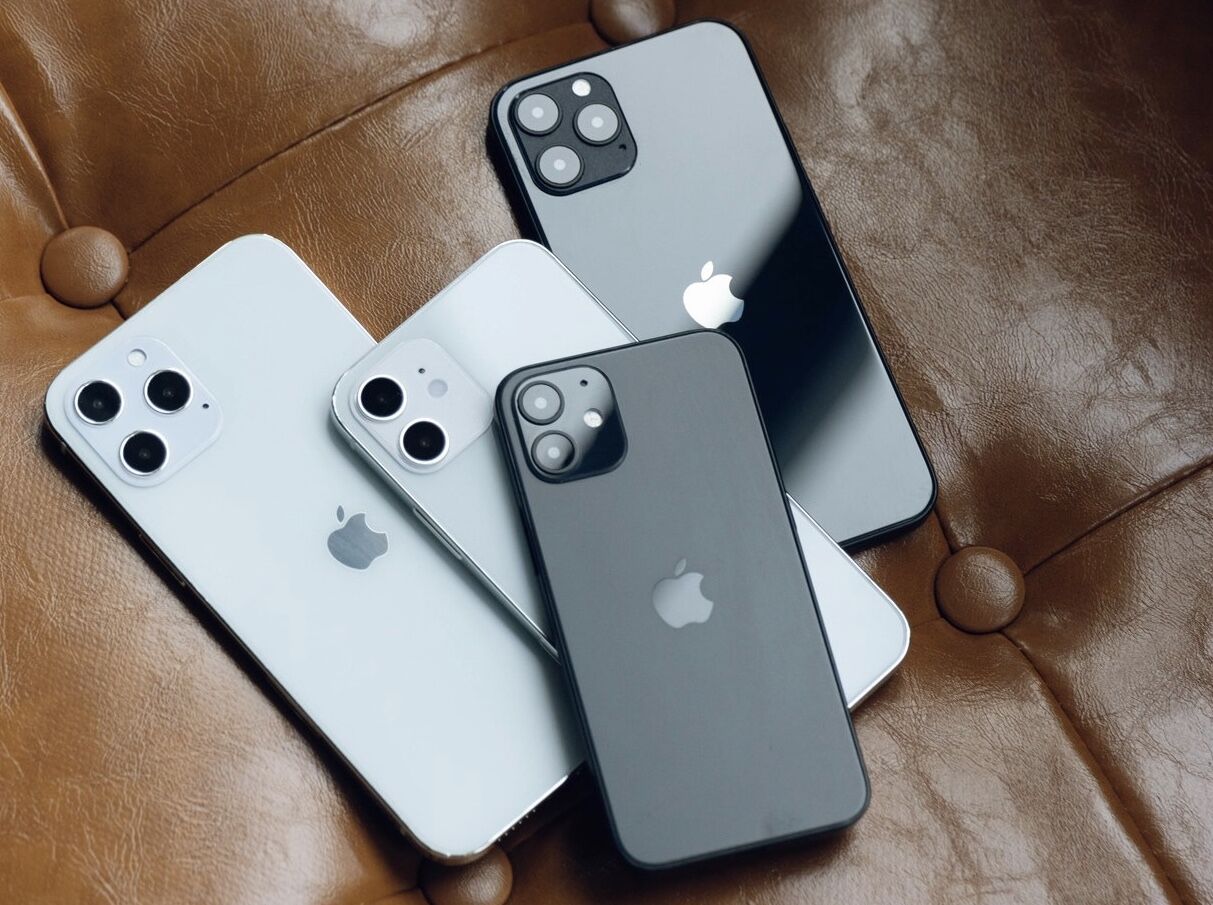
Apple iPhone 12 pricing could be higher than expected because of increased BOM cost

Apple has delayed the launch of its next-generation iPhone by a few weeks, likely because of the COVID-19 pandemic. It usually launches new iPhones in the initial weeks of September but this time, instead of smartphones, it launched the new Apple Watch Series 6 and new iPads.

But, the company is expected to launch the iPhone 12 models in the coming weeks. And as the launch nears, more and more information related to anticipated next-gen Apple iPhone models keeps surfacing online.

iPhone 12 2020

The latest report regarding the pricing of iPhone 12 models contradicts previous reports. Earlier, it was said that the new iPhone will have the same starting price as the previous-generation model — $699 for the base model.

Now, a report coming from China claims that keeping the price of 5G-compatible iPhone 12 the same as last year’s model seems impossible. This is because of the increased Bill of Material cost, which has reportedly increased by $50 this year.

EDITOR’S PICK: Huawei may have some hope as AMD gets license to sell products to companies in the Entity List

This time, the company won’t be including a charger or wired earphones in the box and it is said that Apple will be selling the 20W charger separately. This is likely to save some cost but it remains to be seen if that saving is passed on to the customers.

Recently, it was revealed that the iPhone 12 cost somewhere between $699 to $749 while the iPhone 12 Max could be $799-849. The Pro and Pro Max models are expected to be priced around $1,100 to $1,200. To know for sure, we will have to wait for the official announcement from the company.


Huawei may have some hope as AMD gets license to sell products to companies in the Entity List

Huawei is currently struggling to keep its smartphone business afloat as the Chinese giant has been heavily restricted by the sanctions from the United States from procuring or manufacturing necessary components.

But it seems that there is some hope for the company. Forrest Norrod, Senior Vice President at AMD has confirmed that the company has been granted a license to sell its products to some of the companies in the US Entity List.

AMD Logo

The licenses secured by the company ensures that there won’t be a significant impact on the business at this time because of the China-focused restrictions from the US. He also added that the company is complying with all the rules and regulations.

However, it’s noteworthy that Forrest Norrod hasn’t revealed the names of the companies for which AMD has been granted licenses to carry on doing business. So, we are not sure if the Chinese giant Huawei is in it.

EDITOR’S PICK: TSMC reportedly books its entire 5nm chip production capacity for the Apple A14 chipset

Even if there’s no license for Huawei right now, his statement shed light on the fact that the United States is giving out licenses to companies for doing business with those firms that are in the Entity List. So, sooner or later, licenses can be granted to companies for doing business with Huawei.

Many companies have started lobbying with the United States government to reconsider some of the restrictions placed on Huawei, arguing that it impacts American businesses, both in terms of innovation and finance.