Advertisement

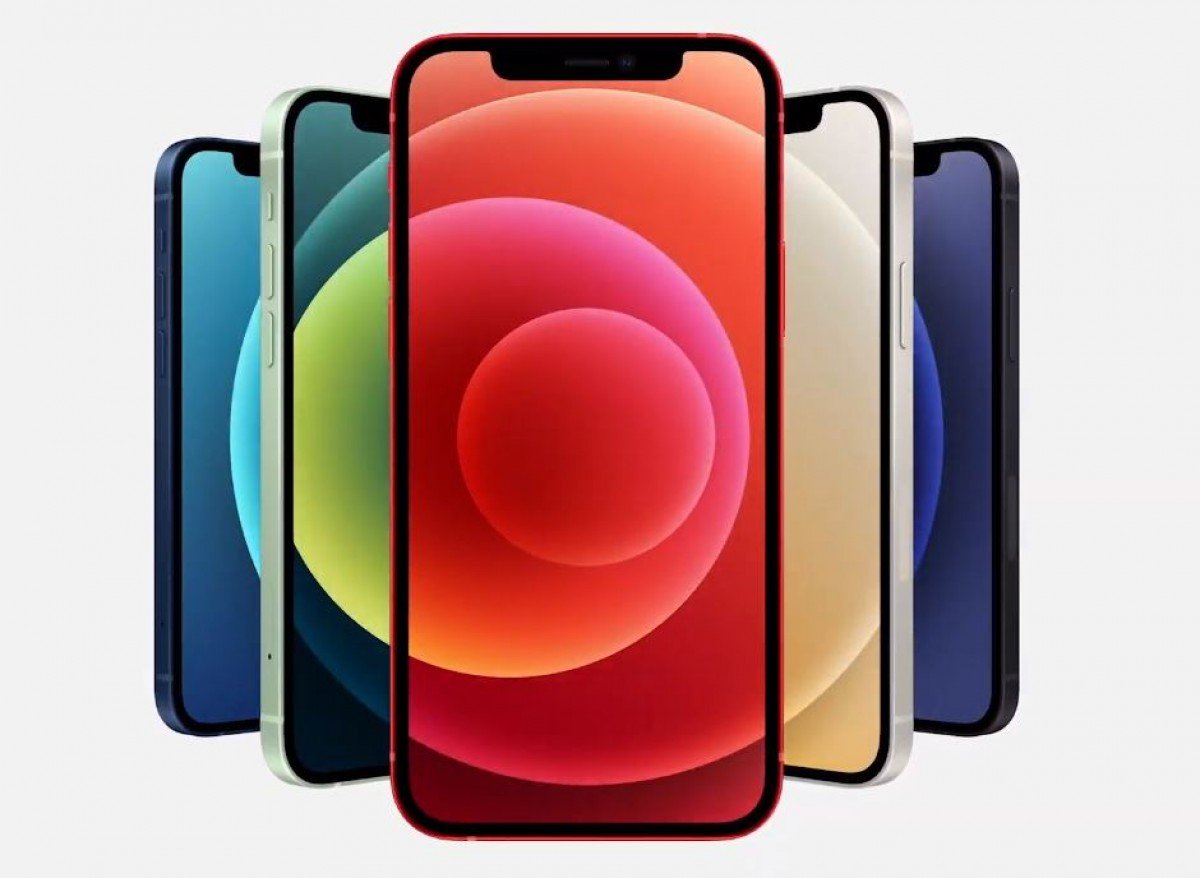
Apple iPhone 12 won’t feature 120Hz display support, claims Ming-Chi Kuo

As the launch for the Apple iPhone 12 nears, more and more details about the upcoming next-generation smartphone series keep surfacing online. In the latest development, well-known analyst Ming-Chi Kuo has shed light on the display of the phone.

He has claimed that the iPhone 12 won’t come with support for 120Hz refresh rate display and the reason cited for the same is battery life considerations, reports MacRumors. Kuo adds that support for 120Hz could be there in 2021 iPhone models.

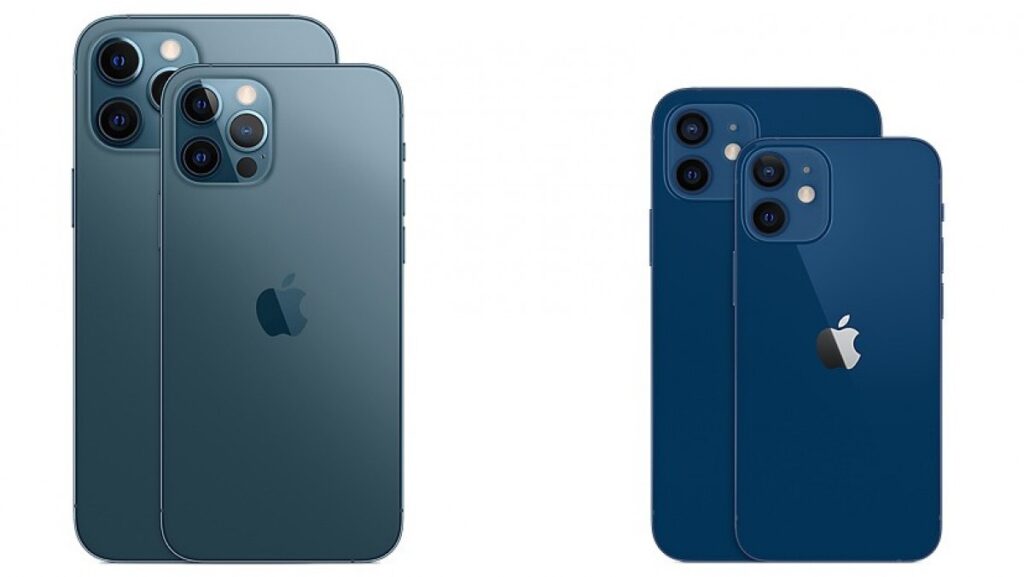
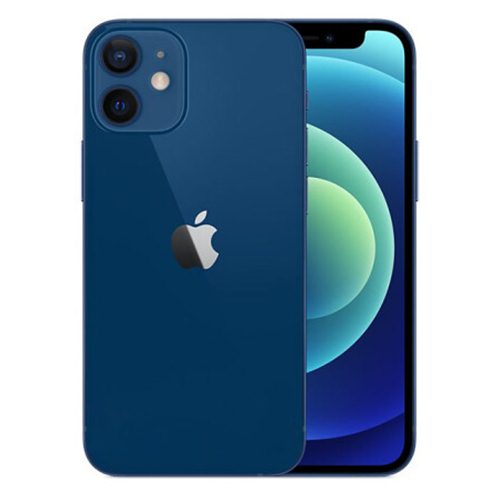
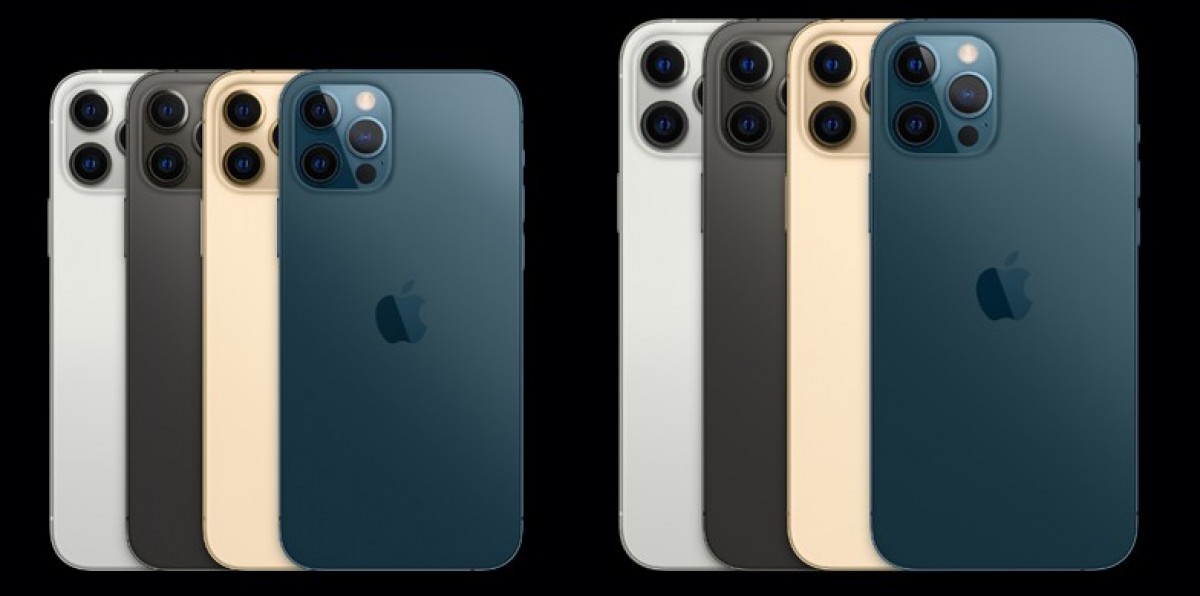
Apple iPhone 12 Render

Further, he has said that 6.1-inch and 6.7-inch models of iPhone 12 will have the same display notch like the iPhone 11 models. However, the 5.4-inch model will have a slightly narrow notch to show more information on the screen at the top edges.

All the smartphones in the iPhone 12 series will come with support for 5G connectivity, notes Kuo. This is in line with the previous related to the product. He adds that there will be two versions of each model. Initially, the sub-6GHz models will be available and later, models with support for sub-6Ghz-plus mmWave will go on sale.

EDITOR’S PICK: US sanctions against Huawei will affect South Korean chip exports to China

Apple is hosting a launch event on 15th September, i.e. today but the company is not expected to unveil the new iPhone models. Instead, the event will introduce the new Apple Watch Series 6, new iPad, Apple TV, smaller HomePod, AirTags, and over-ear headphones.

The company has already confirmed that the iPhone 12 models launching this year will be “available a few weeks later.” There are several reports which claim that the new iPhones will go on sale from October.

Previous reports hint that pre-booking will start around mid-October and shipments of the base model beginning a week after that. But not all the models will go on sale together. As per the report, the iPhone 12 will be available for purchase in October itself, while other models in the lineup, including the iPhone 12 Pro, will go on sale in November.


Xiaomi Mi 10T Pro FCC and BIS certified; Key details appear

Xiaomi is soon going to announce the Xiaomi Mi 10T and Mi 10T Pro smartphones in various markets including India. It is speculated that the Mi 10T series may go official on Sept. 28. Ahead of the launch, the Mi 10T Pro has received approval from the Bureau of India Standards (BIS) in India and the Federal Communications Commission (FCC) in the U.S.

Previous reports have revealed that the Mi 10T is codenamed as Apollo and the Mi 10T Pro is codenamed as Apollo Pro. The FCC documents of the Xiaomi Mi 10T Pro mentions two model numbers such as M2007J3SG and M2007J3SY. The phone carries support for connectivity features such as Wi-Fi 6, Bluetooth, and NFC. The device is loaded with MIUI 12 based Android OS.

The FCC certification also reveals that the Mi 10T Pro will be available in two options such as 8 GB RAM + 128 GB storage and 8 GB RAM + 256 GB storage. Shown below is the screenshot of the Mi 10T Pro’s BIS certification.

Xiaomi Mi 10T Pro specifications

Past reports have revealed that the Xiaomi Mi 10T Pro has a 144Hz 6.67-inch IPS LCD panel with a punch-hole design. The MEME technology-enabled display supports full HD+ resolution and 19.5:9 aspect ratio. It is powered by Snapdragon 865. It has a 108-megapixel + 20-megapixel (ultrawide) + 8-megapixel triple rear cameras. It has a 5,000mAh battery with rapid charging tech. The 128 GB and 256 GB editions of the Mi 10T Pro could be priced at 639 euros and 679 euros, respectively.
The Xiaomi Mi 10T could be coming with a new Snapdragon 7-series 5G chipset, 64-megapixel triple rear cameras, 6 GB of RAM, and up to 128 GB of storage. Its other specs could be identical to the Pro model.


Samsung announces new 108MP, 64MP, 48MP, and 32MP ISOCELL image sensors

Samsung Electronics has announced four new ISOCELL image sensors for its 0.7 micrometers (μm)-pixel product lineup — 108-megapixel ISOCELL HM2, 64-megapixel ISOCELL GW3, 48-megapixel ISOCELL GM5, and 32-megapixel ISOCELL JD1.

With the new 0.7μm ISOCELL technology, the South Korean giant aims to expand the ultra-high-resolution offerings to mainstream smartphones. The small pixel size will allow cameras to be more powerful with thin smartphone designs.

Samsung 0.7μm ISOCELL Image Sensor

The company says that the newest image sensors are up to 15-percent smaller than the 0.8μm sensors of the same resolution and reduce the height of the camera module by up to 10 percent. Smaller form factors give more flexibility to manufacturers for added features and more streamlined designs.

Samsung has used its advanced ISOCELL Plus and Smart-ISO technologies, which the company says it especially optimized for 0.7μm. The company adds that ISOCELL Plus retains the received light while Smart-ISO makes full use of the incoming light by intelligently adjusting the ISO.

Samsung ISOCELL HM2

This is the third 108MP image sensor from Samsung after HMX and HM1. It features Super PD, a faster and more effective phase detecting autofocus solution, and comes with a nine-pixel binning technology as well as 3x lossless zoom.

ISOCELL GW3

This 64MP image sensor is optimized for mainstream devices and comes with Tetracell and Smart-ISO technologies. It also features gyro-based electronic image stabilization (EIS) for sharper still photos and steadier videos and supports video recording at up to 4K resolution at 60 frames-per-second (fps).

EDITOR’S PICK: Smart TV makers like Xiaomi and LG seeks extension for zero import duty policy with the Indian government

Samsung ISOCELL GM5

It is a 48MP image sensor designed for use in telescoping or ultra-wide-angle cameras. It offers a staggered-HDR feature for brighter and clearer images with less noise. It is said to be a faster and more power-efficient HDR technology that expedites image processing.

ISOCELL JD1

The 32MP image sensor is aimed for smartphones with bezel-less displays that incorporate a hole-in-active-area or motorized pop-up mechanism for the front-facing camera Like the GM5, the JD1 is also the one the first ISOCELL image sensors to offer staggered-HDR.

The South Korean giant has said that the HM2, GW3, and JD1 sensors are currently being mass-produced while the company has started providing samples of GM5 to customers.


US sanctions against Huawei to affect South Korean chip exports to China

The chip exports from South Korea to China are expected to take a hit after recent US sanctions were adopted against Huawei. This is likely due to South Korea’s heavy reliance on the neighboring country.

US

According to a YonhapNewsAgency report, the recent regulations that sought to ban Huawei from sourcing semiconductors that were made using US technology, software, or design, might affect the overall South Korean chip export to China. For those unaware, the new sanctions now require suppliers to acquire a special license to supply Huawei, which is granted by the US government.

This move affects Samsung Electronics, the world’s largest memory chipmaker, and SK Hynix, by having them stop sending semiconductor shipments to the Chinese company. Huawei is one of the top five customers for Samsung, while SK Hynix reportedly depends on the Chinese tech giant for over 10 percent of its total sales. Thus, the issue has a far more outreaching effect than just pressuring Huawei.

US

Industry sources close to the matter stated that South Korean exports will likely take a hit after recent US sanctions, due to their dependence on China. Reports have indicated that China accounted for 41 percent of all South Korean chip export in the first seven months of this year and was valued at 22.49 billion US Dollars. Similarly, Hong Kong came second in this regard, being evaluated at 11.38 billion US Dollars.


Smart TV makers like Xiaomi and LG seeks extension for zero import duty policy with the Indian govt

The Indian Cellular and Electronics Association (ICEA) has reached out to the Indian government and is seeking an extension of the zero import duty on open cell television panels beyond September 2020.

ICEA has written a letter to Revenue Secretary Ajay Bushan seeking an extension on zero duty on the open cell imports for three more years. They said that the policy has given a huge fillip to domestic manufacturing of LED televisions and has also led to a reduction in imports from ASEAN countries.

The body, which is representing companies like LG, Xiaomi, and Micromax among others, warned of the growth of the grey market if the new proposal of imposing 5 percent duty goes into effect.

Recently, the Ministry of Electronics and IT proposed to impose a duty of 5 percent on open cell panels and bring the pure cell to zero percent in a bid to encourage the process of polariser film and COF bonding for open-cell.

However, ICEA is opposing the move and claims that it is concerned about its implementation as the anomaly in the differentiation of open-cell with bonding and open-cell without bonding — pure cell — still remains a challenge.

EDITOR’S PICK: Huawei products are now getting out-of-stock; the company doesn’t have Plan B for Kirin chipsets

It adds that if the duration of zero import duty on an open cell doesn’t get extended, then there will be a rise in imports of LED TVs, giving a major blow to the government’s ambitious Make In India initiative.

As per the data published by Counterpoint Research, Xiaomi has grabbed around 27 percent of the Smart TV market in India in Q1 2020. LG and Samsung have taken the second and third positions with 14 percent and 10 percent market share respectively.

The Indian Smart TV market is poised to grow further as the Internet is penetrating at a faster pace and OTT consumption is growing in the market.


Redmi 9i with 4GB RAM, 128GB storage debuts for Rs 8,299 (~$113)

At the beginning of this month, Xiaomi announced the Redmi 9A entry-level smartphone with a starting price of Rs 6,799 (~$93) in India. Today, the Chinese firm has unveiled the Redmi 9i phone in the country. The Redmi 9i offers the same specs as the Redmi 9A. However, the new phone comes with more RAM and larger internal storage.

Redmi 9i specifications and features

The Redmi 9i flaunts a 6.53-inch IPS LCD panel with a waterdrop notch. It delivers an HD+ resolution of 720 x 1600 and an aspect ratio of 20:9. The smartphone is powered by the modest Helio G25 entry-level gaming-focused chipset.

The Redmi 9i ships with 4 GB of LPDDR4x RAM. It comes in two storage choices such as 64 GB and 128 GB. In comparison, the Redmi 9A comes in choices such as 2 GB RAM + 32 GB storage and 3 GB RAM + 32 Gb storage. Like the Redmi 9A, the newly unveiled 9i comes with MIUI 12 based Android 10 OS preinstalled and it offers users with a dedicated slot for adding a microSD card slot.

Xiaomi Redmi 9i
Xiaomi Redmi 9i

The Redmi 9i has a front-facing camera of 5-megapixel and it has a rear snapper of 13-megapixel. The phone houses a massive 5,000mAh battery. The device comes with other features such as 10W charging support, dual SIM slot, 4G VoLTE, Wi-Fi 802.11 b/g/n, Bluetooth 5.0, GPS, microUSB, a 3.5mm audio jack, and a P2i splash-resistant nano-coating.

Redmi 9i price in India

The 4 GB RAM + 64 GB storage and 4 GB RAM + 128 GB storage editions of the Redmi 9i are priced at Rs 8,299 (~$113) and Rs 9,299 (~$126) in India. The handset comes in color variants like Nature Green, Sea Blue, and Midnight Black. The first sale of the Redmi 9i will take place on Sept. 18 at 12 PM (local time) through platforms like Flipkart, Mi.com, and Mi Store.


US Customs now claims that OnePlus Buds violate Apple AirPods trademark

We recently reported that the US Borders and Custom Protection seized around 2,000 units of the OnePlus Buds, citing them as counterfeit Apple AirPods. At the time, it seemed like the CBP messed up.

However, instead of acknowledging the mistake, the US Borders and Custom Protection has decided not to back down. A US Customs and Border Protection spokesperson gave a statement to the Verge ruling out this being a mistake.

OnePlus Buds

The statement said: “Upon examining the shipment in question, a CBP import specialist determined that the subject earbuds appeared to violate Apple’s configuration trademark. Apple has configuration trademarks on their brand of earbuds and has recorded those trademarks with CBP. Based on that determination, CBP officers at JFK Airport have seized the shipment under 19 USC 1526 (e).”

It’s noteworthy that Apple hasn’t taken any legal action against OenPlus for the OnePlus Buds TWS earphones and they are still available for purchase in the United States at several locations without any issue.

EDITOR’S PICK: Huawei products are now getting out-of-stock; the company doesn’t have Plan B for Kirin chipsets

It remains to be seen if CBP will seize future shipments from the company. The US Borders and Custom Protection department hasn’t revealed why the OnePlus Buds are getting scrutinized months after getting launched and going on sale in the U.S.

OnePlus doesn’t seem to have violated the trademark of Apple AirPods and it seems like the company is being targeted just because of being a Chinese brand given that the market is full of earphones that look similar to Apple AirPods and nothing is happing to them.

The initial press release announcing the seizure of OnePlus Buds didn’t mention the trademark infringement but the new statement from the department now says that the reason for seizure is a trademark violation. This clearly shows that CBP is trying to justify its actions instead of acknowledging that it messed up.


Huawei products are now getting out-of-stock; company doesn’t have Plan B for Kirin chipsets

Huawei, which became the world’s leading smartphone vendor in the second quarter of this year, surpassing Samsung, is now fighting to keep its smartphone business afloat after several sanctions by the United States.

The Trump administrator put Huawei on Entity List last year, effectively banning the company. At the time, there was no major impact on the company but now it is feeling the pressure, with more and more sanctions being imposed.

Huawei Logo

It is being reported that many consumer electronics products from Huawei are now out-of-stock at several locations and there’s no inventory for the popular models. Because of this, the pricing of used Huawei smartphones is rising.

The Huawei P-series, Mate-series, and Nova-series smartphones have insufficient inventory while models of all these series in popular colors have already gone out-of-stock. With limited inventory, users who want the product can place an order, pay the due amount, and then receive the product a day later when it arrives.

Recently, the U.S. government imposed new sanctions on Huawei, banning the company from doing business with any chipset maker that uses U.S. technology. This has closed doors for the company to manufacture its high-end Kirin chipsets and to procure chipsets from other companies like Qualcomm, MediaTek, Samsung, and others.

EDITOR’S PICK: OPPO ColorOS 11 Beta Rollout Timeline for Global Markets

The new sanctions are going in-effect from today and it is being reported that the company currently has no Plan B. It is said that Huawei may start focusing on cars, mobile accessories, and LED screen drivers for the time being, instead of high-end smartphones. It could also increase the focus on other devices like tablets and laptops.

The company has stocked up some essential components but those are expected to last for a few months only. So, it seems that the company has very limited time to figure out a way forward for the smartphone business.

Richard Yu, CEO of Huawei’s Consumer Business, has confirmed that the company’s upcoming flagship smartphone — Huawei Mate 40 series will launch as per the schedule and the company isn’t backing down.


OPPO Reno4 SE launch date is September 21; Reservations listings reveal variants and color options

Last week, OPPO silently unveiled a new phone called OPPO A32 in China. It arrived as a rebranded version of the OPPO A53 that debuted earlier in other markets such as Indonesia and India. The company is now gearing up to announce the OPPO Reno4 SE smartphone in the home market. Today, the company confirmed that it will be made official on Sept. 21. Also, retailer sites in China have started with the reservations of the device.

OPPO Reno4 renders and variants

The retailer listings of OPPO Reno4 SE have revealed that it will be coming to China in two options such as 8 GB RAM + 128 GB storage and 8 GB RAM + 256 GB storage. The Reno4 SE will be available in three colors in China such as Super Flash Black, Super Flash White, and Super Flash Blue.

The renders of the Reno4 SE can be seen flaunting a punch-hole display. It has an AMOLED panel with an in-screen fingerprint sensor. The back panel of the phone has a square-shaped camera module that has a triple camera system and an LED flash.

OPPO Reno4 SE color variants

A China Telecom product library listing of the Reno4 SE was spotted last week. The two variants were mentioned with placeholder price tags 2,699 Yuan (~$397) and 2,999 Yuan (~$442), respectively. The handset will be endorsed by a well-known Chinese singer and actor Wang Junkai.

OPPO Reno4 SE specifications

Recent reports have revealed that the Reno4 SE has a 6.43-inch full HD+ display, a front-facing camera of 32-megapixel, and a 48-megapixel + 8-megapixel + 2-megapixel tiple camera system on the back. The Dimensity 720 chipset is said to power the Reno4 SE. It has a 4,300mAh dual-cell battery. The device is expected to arrive with 65W fast charging support.


Redmi Note 9 Pro & Redmi Note 9 Pro Max get new Champagne Gold color variant in India

Smartphone brands have a strategy of launching new color variants of their handsets months after their initial release. Almost all new colors of existing devices are either limited or totally different from the available colors making them special. This way companies lure in new customers as most people like to own unique products. Hence, Xiaomi has launched Redmi Note 9 Pro and Redmi Note 9 Pro Max in a new Champagne Gold paint job for India after six months from their debut in the country.

Xiaomi Redmi Note 9 Pro Max Champagne Gold

The Redmi Note 9 series made their global debut in India in the month of March. Xiaomi initially introduced two models – Redmi Note 9 Pro and Redmi Note 9 Pro Max respectively. The latter is exclusive to India, whereas the former launches as Redmi Note 9S in several other markets.

Both these phones were unveiled initially in Aurora Blue, Glacier White, and Interstellar Black color options. Now, months later, they get the new Chamagange Gold variant together. As expected the new version of these smartphones do not bring any change is specifications apart from new colorway

Gold-colored handsets were popular when OEMs used metal unibody design. With the introduction of Glass sandwich design and glossy polycarbonate finish, companies shifted towards offering a wide range of gradient colors.

Hence, witnessing a Gold-colored phone with glass back is refreshing. That said, the Redmi Note 9 Pro will be available in this new paint job for the first time on September 15 sale. On the other hand, Xiaomi is yet to announce the availability of Redmi Note 9 Pro Max in Champagne Gold.


Samsung Galaxy F camera-focused smartphone series coming soon, Could be Galaxy F41

Samsung is working on a new phone with model number SM-F415F. Since the model has the letter F, it was being speculated that it could be the rumored budget-friendly foldable smartphone.  However, recent information has revealed that it is just a mid-range phone. According to a new report by 91mobiles, Samsung is gearing up to launch camera-focused Galaxy F series smartphones in India. It is now speculated that the SM-F415F phone could be debuting as Galaxy F41.

The SM-F415F’s support page is already live on Samsung India’s website and the handset has also received Wi-Fi certification. According to a last week’s report by Sammobile, the Wi-Fi Alliance listing of the SM-F415F phone had the firmware version of SM-M315F (Galaxy M31) mentioned in it. The publication even went to say that the SM-F415F and Galaxy M31 are one and the same thing with matching specs. According to a known tipster, the Samsung SM-F415F will be debuting as Galaxy F41.

Another tipster has revealed that Samsung has started with the firmware development of the Samsung Galaxy F41.

Coming back to 91mobiles’ report, the new Galaxy F series smartphones will be priced between Rs 15,000 and Rs 20,000 in India. The first phone in the series is expected to debut by the end of this month or by the first week of October. Initially, the South Korean company is expected to sell the new Galaxy F phone through online channels. Later, it could be available through offline stores.

It remains to be seen whether Galaxy F41 arrives with identical specs as Galaxy M31. If it does, the camera-centric F41 may come with enhanced cameras to offer a better photography experience.

Samsung Galaxy M31 specifications

The Galaxy M31 comes with specs like a 6.4-inch S-AMOLED Infinity-U notch that supports Full HD+ resolution, One UI 2.0 based Android 10 OS, Exynos 9611 chipset, a 6,000mAh battery with 15W fast charging. It has a front camera of 32-megapixel and a 64-megapixel + 8-megapixel + 5-megapixel + 5-megapixel quad-camera system.


Narzo 20 series leak reveals three different processors for Narzo 20A, 20, and 20 Pro

Yesterday, Realme sent out media invites to confirm that it will be announcing the Narzo 20 series on Sept. 21 in India. The predecessor series had two models namely, Narzo 10A and Narzo 10. The Chinese firm revealed yesterday that the Narzo 20 series will in three phones such as Narzo 20A, Narzo 20, and Narzo 20 Pro. A recent leak had revealed the variants and color options of the three smartphones. A fresh leak by well-known tipster Mukul Sharma has revealed the names of the processors that could be driving each of these smartphones.

Realme Narzo 20A

The leakster revealed that the Realme Narzo 20A will be driven by the Snapdragon 662 or Snapdragon 665 mobile platform. Last week’s leak had revealed that the Narzo 20A will come in two variants like 3 GB RAM + 32 GB storage and 4 GB RAM + 64 Gb storage. It has a square-shaped camera system with four cameras inside and a fingerprint sensor on its back. The Narzo 20A is likely to arrive in colors like Victory Blue and Glory Silver in India.

Realme-Narzo-20

Realme Narzo 20

The Narzo 20 could be featuring the Helio G85 SoC by MediaTek. The Narzo 20 may arrive in the India markets in options like 4 GB RAM + 64 GB storage and 4 GB RAM + 128 GB storage. The handset has a vertical triple camera setup and a fingerprint sensor on its back. The smartphone could be available in the same color options as the Realme Narzo 20 handset.

Realme Narzo 20 Pro

The Narzo 20 Pro could be fueled by the Helio G95 chipset. It may come to India in choices like 6 GB RAM + 64 GB storage and 6 GB RAM + 128 GB storage. The Narzo 20 Pro has a vertical quad-camera system on its back, and it seems to be fitted with a side-facing fingerprint reader. It could be coming in Black Ninja and White Knight color editions in the country.


OPPO Reno4 SE 5G promotional poster leaks, pointing at an imminent launch

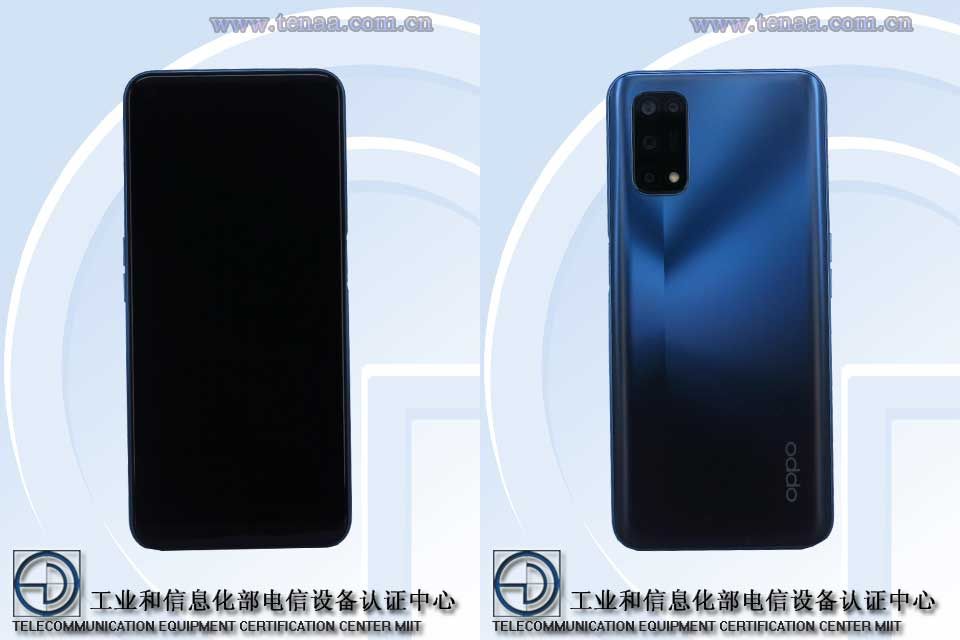
Recently, rumours started making the rounds that OPPO was planning to launch the Reno4 SE in China. The purported specifications of the smartphone have even been shared online by a Chinese tipster. The phone has apparently been certified by TENAA under a codename but with specs similar to the leaked ones.OPPO Reno4 SE

A promotional poster for the Reno4 SE has no been shared by a blogger on Weibo. The poster shows the device in the hands of Wang Junkai who is apparently going to be the brand ambassador for the smartphone. The promo poster bears the slogan “Super Flash Charge, Super Flash Light”.

The poster also shows the device will arrive dark blue and light blue colour options and aso gives us a clue as to how the rear design will look. The device will pack a triple-camera setup arranged in a matrix with the LED flash. The module is located at the top left corner of the back panel.

The TENAA listed model whose images align with this leaked one and believed to be the Reno4 SE is equipped with a 6.43-inch AMOLED punch-hole screen with a resolution of 2400×1080 pixels. The device will also pack a Dimensity 800 chipset paired with 8GB RAM. For optics, there is a 32MP selfie shooter while at the rear, the phone packs a  48MP+8MP+2MP combo.

There are rumours that the Reno4 SE may be released at the end of this month but OPPO is yet to make an announcement to that effect.


OPPO ColorOS 11 Beta Rollout Timeline for Global Markets

Yesterday, OPPO announced the latest version of its mobile operating system dubbed as ColorOS 11 based on Android 11. Apart from bringing the core features of the newest Android, ColorOS 11 also includes new features implemented by OPPO. To know everything about them, do check out our launch coverage. That said, here in this article, let us take a look at the Beta Rollout Timeline shared by the company for global markets.

OPPO ColorOS 11 Logo Featured

OPPO announced three different ColorOS 11 Beta Rollout Timelines for global markets. They are Open Market, Eastern Europe, and Western Europe. The latter two are self-explanatory, whereas former includes countries like India, Indonesia, Thailand, and others.

ColorOS 11 Beta Rollout Timeline for Open Market

  • September 14, 2020
      • OPPO Find X2
      • OPPO Find X2 Pro
      • OPPO Find X2 Pro Automobili Lamborghini Edition
  • September 30, 2020
      • OPPO Reno3 4G
      • OPPO Reno3 Pro 4G
      • OPPO F17 Pro
  • October 2020
      • OPPO Reno4 Pro 5G
  • November 2020
      • OPPO Reno4 5G
      • OPPO Reno4 Pro 4G
  • December 2020
      • OPPO Reno4 4G
      • OPPO F11
      • OPPO F11 Pro
      • OPPO F11 Pro Marvel’s Avengers Limited Edition
      • OPPO A9
      • OPPO A92
      • OPPO A72
      • OPPO A52
  • Q1 2021
      • OPPO Reno 10x Zoom
      • OPPO Reno2
      • OPPO Reno2 F
      • OPPO Reno2 Z
      • OPPo Reno3 Pro 5G
      • OPPO A91
      • OPPO A15
  • Q2 2021
    • OPPO Reno
    • OPPO Reno Z
    • OPPO A5 2020
    • OPPO A9 2020

ColorOS 11 Beta Rollout Timeline for Eastern Europe

  • November 2020
      • OPPO Find X2
  • Q1 2021
      • OPPO Reno3 Pro
      • OPPO Reno3
  • Yet to be announced
    • OPPO Reno2 Z
    • OPPO Reno Z
    • OPPO Reno2
    • OPPO Reno 10x Zoom
    • OPPO Reno
    • OPPO A71
    • OPPO A52
    • OPPO A91
    • OPPO A5 2020
    • OPPO A9 2020

ColorOS 11 Beta Rollout Time for Western Europe

  • December 2020
      • OPPO Find X2 Pro
      • OPPO Find X2 Pro Automobili Lamborghini Edition
  • Q1 2021
      • OPPO Find X2 Neo
      • OPPO Find X2 Lite
  • Yet to be announced
    • OPPO Find X2
    • OPPO A72
    • OPPO A52
    • OPPO A91
    • OPPO Reno2 Z
    • OPPO Reno Z
    • OPPO Reno2
    • OPPO Reno 10x Zoom
    • OPPO Reno
    • OPPO A5 2020
    • OPPO A9 2020

The above-mentioned timelines are solely meant for ColorOS 11 Beta rollout and these builds will be seeded out in batches. Also, these timelines are not applicable for carrier-exclusive devices. The company did not mention anything about stable releases but they should be rolled out to the eligible smartphones soon after the completion of their beta phase.


Xiaomi crowdfunds the MIJIA Smart Yuba Pro priced at 649 yuan (~$95)

Xiaomi has unveiled the MIJIA Smart Yuba Pro in China.The product will be open for crowdfunding at 10 AM on September 16. It carries a retail price of 699 yuan (~$102) and a crowdfunding price of 649 yuan (~$95).MIJIA Smart Yuba Pro

The MIJIA Smart Yuba Pro has a built-in 2800W PTC ceramic heating module which can heat up to 10°C in 1 minut, instantly heating up the room. You also get the option of customizing your temperature preference and the gadget will automatically heat to keep the bathroom constant temperature.MIJIA Smart Yuba Pro

Further, it supports multiple modes such as heating, blowing, ventilation, demisting, and drying. It also does not require embedded wires in the wall as it is completely wireless. The gadget is also equipped wit 10 buttons as well las a 3-inch LCD screen. The smart Yuba is equally rich in functions  and has a long battery shelf life of 2 years.

It is equipped with Japanese Nidec DC variable frequency motor which comes with a step-less speed change and can output constant warm wind and ventilation at the same time. The operating noise is low and aside from being durable, it has energy-saving features.

The vents have 60-120° wide-angle swing leaves which removes the discomfort of the air blowing directly at the user.  The 360° surround air intake design drives the airflow in the bathroom in an all-round way. It is known as an air duct design comparable to air conditioning.

If the bathroom is foggy, it could lead to stuffy lungs. The MIJIA Smart Yuba Pro uses intelligent constant temperature technology to prevent the water vapour in the bathroom from being liquefied when it is cold. The constant warm air and ventilation are turned on at the same time to avoid feeling stuffy.MIJIA Smart Yuba Pro

It also supports intelligent drying mode, which can automatically adjust the drying intensity and duration, effectively drying clothes, thus preventing moisture and mould in rainy weather.

The color rendering index of the main lamp is as high as Ra90 while the brightness is up to 1300lm. The brightness can be adjusted at will. It also supports ultra-low-brightness night light with a human sensor. Thus, it turns on automatically at night when humanoid movement is detected.


Infinix Note 7 product page goes live on Flipkart in India ahead of Sept. 16 launch

After what looks like a long wait, Infinix is set to release the much-anticipated Infinix Note 7 in India this Wednesday. The release will end what looks like a long wait considering that the device was first unveiled in April. A product page for the device has been floated on Flipkart but the page confirm the device will be launched on September 16.Infinix Note 7

The retail price has not been specified yet but that should be announced tomorrow alongside other information about the launch. The Note 7 is already on sale in some countries like Philippine, though. The device is available in the Philippines for PHP 8,000, (around INR 12,000). This may likely be the starting price.

The Infinix Note 7 sports a 6.9-inch IPS LCD panel with a punch-hole design, HD+ resolution and 20.5:9 aspect ratio. The punch-hole houses a 16-megapixel while at the rear, there is a round-shaped camera module. The module holds a quad-camera setup and LED flash. The camera comprises of a 48-megapixel main camera, a 2-megapixel macro lens, a 2-megapixel depth sensor, and a dedicated low-light camera.

The Note 7 is powered by a aMedaTek Helio G70 chipset paired with 6 GB of RAM and an internal storage of 128GB. The device packs a 5,000mAh battery that is coupled with 18W rapid charging. There is no stylus pen on this model like its predecesor but that shouldn’t be an issue. Providing the interface is the XOS-based Android 10 OS.
 

New leak reveals specs of Apple products launching tomorrow

Apple has a launch tomorrow which should be for new watches and new iPads. Ahead of the launch, some specs of the upcoming products have been revealed in a new leak.

The source of the leak is Evan Blass and he has posted details of two new iPads, the Apple Watch Series 6, and the affordable Apple Watch SE.

According to the tweet, the 4th Gen iPad Air will come with the new Apple A14 processor which we should know more about tomorrow. This is the same chipset expected to power the upcoming iPhone 12 series. The tablet will not only have a shiny new processor but also get a USB-C port. Yes, the USB-C port from the iPad Pro is coming to the iPad Air.

Apple will also announce the 8th Gen iPad which will be powered by the less-powerful A12X Bionic processor and feature Apple’s proprietary lightning port. The 8th Gen iPad should have a lower price tag for those who want something more affordable.

Evan Blass also revealed the Apple Watch Series 6 will feature the S4 processor. That should be a mistake and should be S6 seeing as the Series 5 is powered by the S5 processor. The watch will come in two sizes and both sizes will be available in Bluetooth and LTE variants. The Apple Watch SE will also be available in two sizes and come in the same variants.

The Apple launch event will begin tomorrow at 10 AM Pacific Time (5 PM GMT/10:30 PM IST).


Xiaomi launches the Moonyee Portable Sterilization Box under crowdfunding

In this era where COVID 19 is ravaging the entire world, a lot of attention is being paid to the sterilization of household utensils. In this regard, more than a few products have been launched and even more, are still being unveiled by the day. Xiaomi has launched the Moonyee Portable sterilization box under the Youpin crowdfunding platform. The portable device starts at 89 yuan (~$13).Moonyee Portable Sterilization Box Xiaomi Youpin’s Moonyee Portable sterilization box uses triple UVC ultraviolet sterilization, with a sterilization rate of 99.99%. This can be deployed to sterilize cutleries when dining out since it is portable.

In terms of materials, it is manufactured using food contact grade materials. It even comes with built-in chopsticks and spoons made of 304 stainless steel which can effectively eliminate bacterial factors, mould factors, and virus factors in daily utensils, and effectively protect your health. Whether it’s dining out, going to work, travelling, company lunch, school dining, you can easily carry it, and sterilize it anytime and anywhere. With this portable sterilization box, you don’t have to worry so much about unhygienic tableware when you go out.https://www.xiaomiyoupin.com/detail?opapp=5&gid=134867&source=duomairoi_95195585_3.duomairoi.95195585.1600368783941

In another light, moving about with this portable tableware also ensures you avoid the use of disposable tableware, which not only protects you but also contributes to taking care of the environment by reducing waste.

When you want to use, just press and hold the touch button for two seconds to turn on and off the machine. After the disinfection process is completed, it will automatically shut down after 5 minutes.

The product is expected to start shipping before October 24 in China.


Samsung Galaxy S20 FE price revealed by European carrier

The Galaxy S20 FE is set to arrive next week. The new member of the S20 family will arrive in both 4G and 5G variants. If you are wondering how much the 4G variant will cost, a European network operator has put up a listing that reveals the price of the device.

According to a listing that has now been pulled down by Orange Slovakia, the Galaxy S20 FE will retail for €699. The listing says the phone has a 6.5-inch QHD+ Dynamic AMOLED display, triple rear cameras, and a 4500mAh battery. It also says the phone has 6GB of RAM, runs Android 10, and has dual SIM support. However, it doesn’t mention the processor.

Galaxy S20 FE listing
Image source: GSMArena

The listing seems to be inaccurate in some areas such as the display which has been reported to be a 1080p panel and not a 1440p one. They also didn’t use product images gotten from Samsung but those that were leaked by Evan Blass. As you can see in the image above, the leaker’s watermark can be seen on the photo of the device.

Nevertheless, the price is said to check out according to Roland Quandt (@rquandt) who first shared the listing.

There are reports that the 4G version of the Galaxy S20 FE will have the Exynos 990 processor under the hood while the 5G version will be powered by the Snapdragon 865. It remains to be seen if this will be the case when the phone is unveiled next week.


OPPO ColorOS 11: All the features you need to know

Earlier today, OPPO officially unveiled ColorOS 11 as the latest version of its mobile operating system. It is based on Android 11 and to keep up with the version of Android, the company has shifted directly from ColorOS 7.2. The Chinese smartphone maker says that the new branding will help users easily identify the version of Android their smartphone is running. OPPO claims that with the “Make Life Flow” concept, ColorOS 11 offers stock Android features, in addition to rich UI customization options. That being said, let us take a look at all the new features the fresh version of OPPO’s Android skin brings to its smartphones.

OPPO ColorOS 11 All Features

UI Customizations

With ColorOS 11, OPPO has opened up its Android skin’s UI to be more customizable than ever before. Users can not only use third-party icon packs but also create their own Always-on Display (AOD) styles, a  feature found in MIUI 12 and EMUI 11. Just like those software, ColorOS 11 too limits AOD to handsets with OLED displays.

OPPO ColorOS 11 UI Personalizations Personalized Customization
Personalizations/Personalized customization

Unlike the Android skins of Xiaomi and HUAWEI, ColorOS 11 also lets users select accent colors (similar to OxygenOS 11), generate wallpapers by analyzing colors as well as pictures, create ringtones and even enables users to make their own ringtones.

OPPO has also implemented a new Personalizations aka Personalized customization page in Settings just like in OnePlus and Pixel devices as the one-stop destination to customize most of the above-mentioned things.

OPPO ColorOS 11 Dark Mode
Dark Mode

Further, ColorOS 11 offers three styles of Dark modes namey Enhanced, Medium, and Gentle, in addition to options like Auto contrast, Adjust wallpapers to Dark mode, Adjust icons to Dark mode, scheduler, and support for third-party apps that don’t have a native dark mode,

Last year, OPPO introduced 30+ artistic wallpapers from world-renowned artists. This year, it has partnered with Beauty of Science to bring wallpapers based on microscope, macro, and time lapse photographs.

OPPO Relax 2.0

OPPO Relax was introduced in ColorOS 7. The new version in ColorOS 11 comes with a feature called Sound Mix, in which users can select from a wide variety of sounds such as natural, urban, ASMR, and everyday sounds to create a true-to-life whit noise mix to their liking.

OPPO ColorOS 11 OPPO Relax 2.0
OPPO Relax 2.0

Users can also listen to sounds from cities like Tokyo, Bangkok, and Reykjavik in OPPO Relax 2.0.

Three-Finger Translate

ColorOS is known for its Three-Finger screenshot feature, which is now found on many Android skins. In ColorOS 7, the company improved this feature by implementing partial fingerprint functionality, which can be accessed by long-pressing three fingers.

OPPO ColorOS 11 Three-Finger Translate
Three-Finger Translate

In ColorOS 11, OPPO has partnered with Google to bring translation functionality powered by Google Lens. The company calls it “Three-Finger Translate”. With this feature, users can directly translate the content in partial screenshots while capturing them.

FlexDrop

FlexDrop is OPPO’s answer to MIUI 12 floating windows, EMUI 11’s Smart Multi-Window, and Flyme 8.1’s Small Window Mode 2.1. Users can also resize the app windows to their liking like on the above-mentioned skins for a better multi-tasking experience.

OPPO ColorOS 11 FlexDrop
FlexDrop

That said, this feature will be only introduced in October. So the devices receiving the update this month will lack FlexDrop.

Private System

Private System in ColorOS 11 is similar to Samsung’s AltZLife in Galaxy A51 and Galaxy A71 but at a very large scale. This feature enables users to create a copy of their current system protected by a separate fingerprint or password.

OPPO ColorOS 11 Private System
Private System

Apps and data are independent in original and Private System. Users also get an option to select the apps they want in the Private System while creating it. Even if they forget to do it, they can install any app of their choice in that space.

Interestingly, OPPO also allows users to enable notifications from both systems. By doing so, users will receive notifications from both systems all the time no matter what space they are in.

Performance Improvements

OPPO introduces UI First 2.0 to provide smoother experience on devices with high-refresh rate displays. This technology boosts RAM utilization by 45%, improves response rate by 32%, and enhances frame rate stability by 17%.

Further, AI App Preloading preloads apps to reduce app loading time by learning usage behaviour of users. Whereas, SuperTouch identifies key user scenarios and optimizes the touch response speed accordingly.

On the other hand, Hyper Boost 3.0 keeps battery use under control without comprising the overall system performance. The Smart Resource Allocation in this technology helps in increasing the CPU utilization by up to 30% keeping the power consumption  as low as 12%.

Battery-related Features

Super Power Saving Mode helps users utilize most out of the last remaining battery by limiting access to a maximum of 6 apps. OPPO claims 5% battery level can be used for WhatsApp messaging for up to 90 minutes when this mode is activated.

OPPO ColorOS 11 Super Power Saving Mode
Super Power Saving Mode

Whereas, Battery Guard helps users in maintaining the battery health by learning users’ charging habits.This feature is handy for those users who charge their phones overnight. It automatically stops charging the phone when the battery level reaches 80% and continues to fill up to 100% by the time users get up.
Lastly, Low Battery Message, a feature which is exclusive to India, prompts users to share their current location to select contacts when their battery level drops to 15%.In other words, this feature will allow users to share their status to friends and families when their phone is about to die.

OPPO Open Platform

Google’s CameraX API enables OPPO to let third-party applications use its camera features. With ColorOS 7.2, the company opened up its Ultra Steady Video stabilization and Super Wide-Angle (access to ultra-wide angle camera) features. 

Now, with ColorOS 11, the firm also opens Video HDR, a software-based HDR video recording feature to third-party apps.

Android 11 Features

Since ColorOS 11 is based on Android 11, it also brings all the new important features of Google’s latest operating system such as Chat Bubbles, Device Control in power menu, One-time Permission, Auto-Reset Permission, Scoped Storage, and Nearby Share.

OPPO ColorOS 11 Nearby Share
Nearby Share

ColorOS 11 Rollout

ColorOS 11 Beta rollout for India, Indonesia, Thailand, and other open market regions has begun from September 14 itself. Whereas, in Eastern Europe, the rollout will start from November 2020, followed by Western Europe in December 2020.

The starting time periods mentioned above are for the first batch of devices. Also, note that they are for beta rollout only. Stable builds may take a little bit more time to arrive.