Advertisement

MIJIA Pure Smart Humidifier with a dual-circulation spray design launched for ¥199 ($29)

Xiaomi officially unveiled the MIJIA Pure Smart Humidifier and it is now on the Xiaomi store. The product will be officially launched under crowdfunding at 10 am on September 23. It carries a retail price of ¥229 but under the crowdfunding, the price is ¥199 ($29).Mijia pure smart humidifier
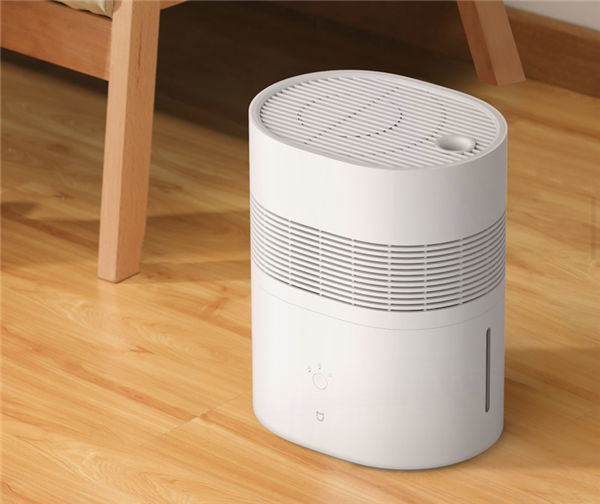
The Mijia Pure Smart Humidifier simulates the natural evaporation of water. It humidifies the air by spraying the filter element and then evaporating the water. It is supplemented by a redesigned waterway and air duct system to form a double cycle of internal and external.

This method can continuously evaporate the water into a humid air flow and send it out so that the air can be kept fresh and moisturized efficiently and lastingly, so the indoor dryness can be dispersed.

The humidifier filter element is composed of high-density water-absorbent fibres. When it evaporates naturally, it can block the spread of impurities in the water. It can humidify purely even with tap water. It is suitable for pregnant women, babies, elderly people and people who are sensitive to breathing.

Xiaomi developed a new type of water pump structure on the MIJIA humidifier whereby the automatic circulation pump sprays on the filter element when working. Thus, it always maintain a full water absorption state, and continuously evaporate and humidify the air.MIJIA Pure Smart Humidifier
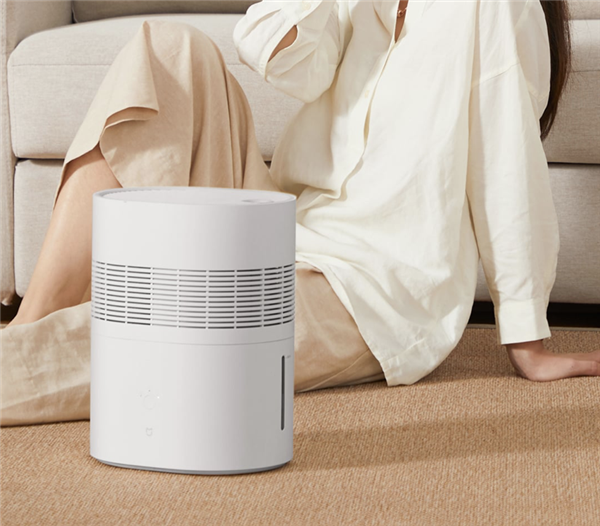
The surface of the humidifier body has as many as 240 air holes, and the air enters at the same time, which can make the evaporation more efficient, and then send surging humid air through the turbofan to nourish the entire space.

With the upper water injection design, tap water can be added directly from the water injection port at the top, which is easy and convenient. It can humidify for up to 19 hours at a time.


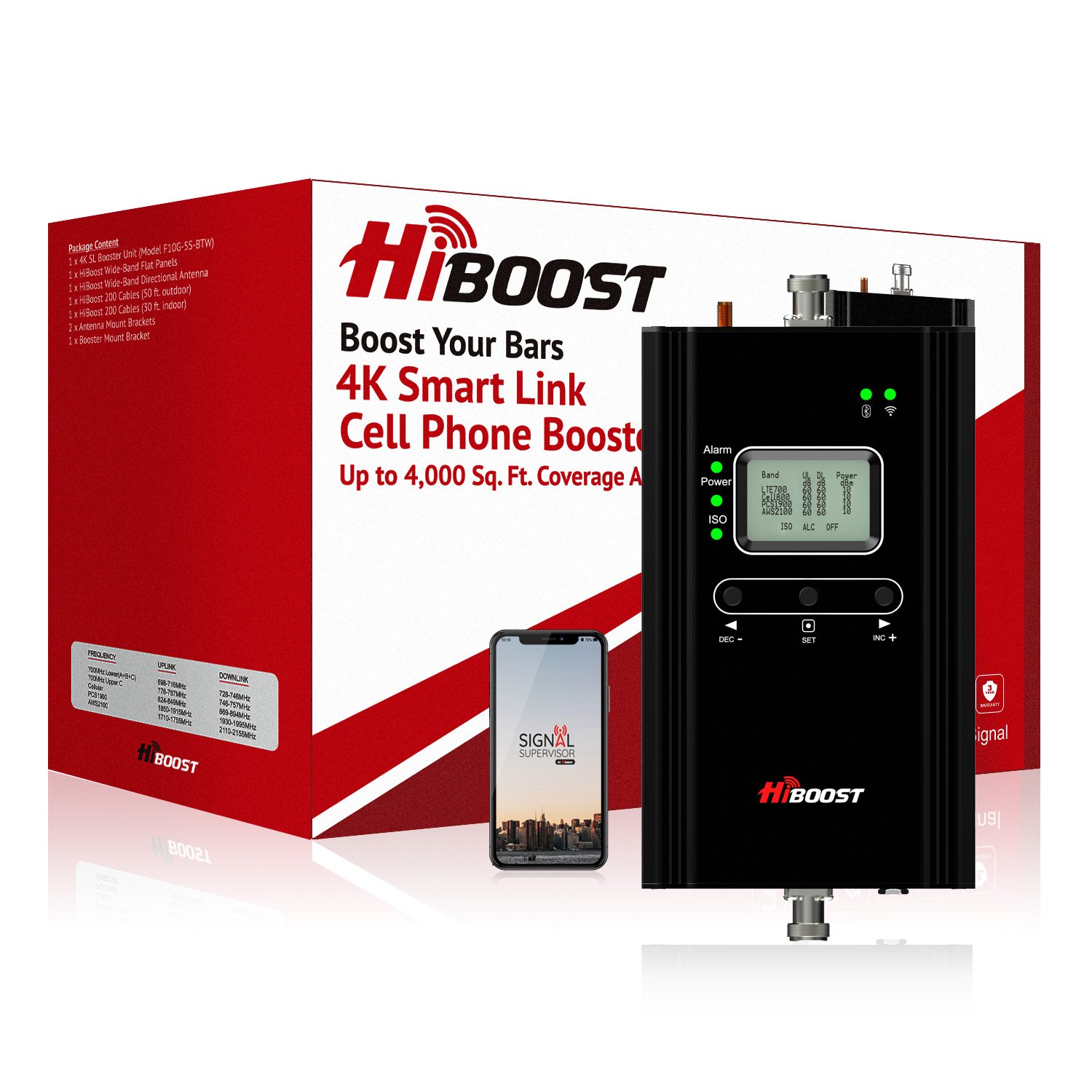
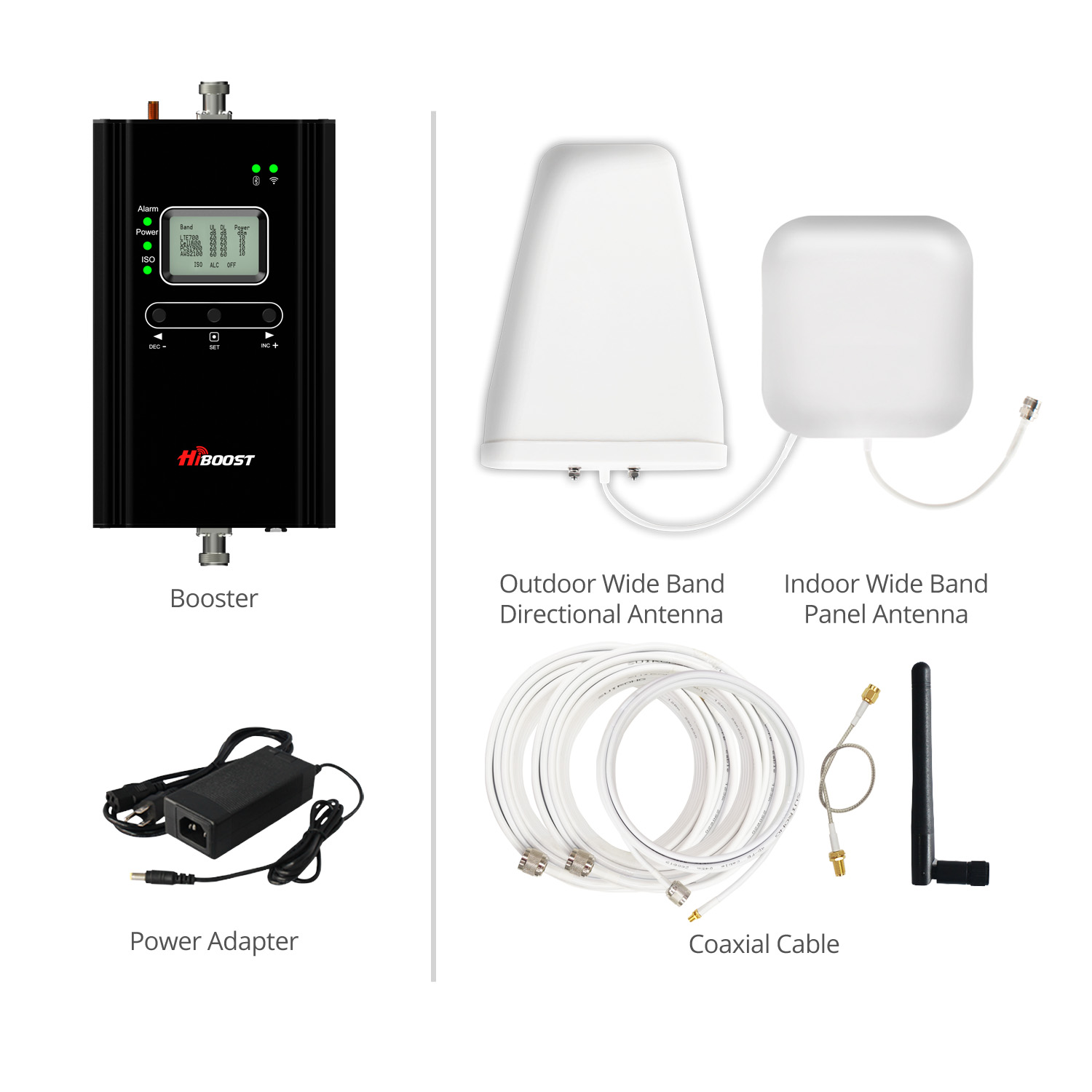
Hiboost cellphone signal booster: probably the best home 4K internet solution

The struggle to stay connected with family, friends, and coworkers has become more and more real during this age of Social Distancing. Never before has quality-of-life been so affected by tiny little bars on a cell phone. Thankfully, for those of us living under metal roofs or out in the country, HiBoost is here with a solution for all our connectivity needs.

hiboost

The HiBoost brand has been around for a few years now, making cellphone signal boosters all over the world. They are region-specific, so you can’t take an American HiBoost unit on your luxury yacht around the Mediterranean, but for the majority of us that won’t be a problem. HiBoost USA boosters work for every carrier in the United States and Canada, and are all approved by the FCC for use. Don’t be fooled if your local phone carrier doesn’t know about signal boosters and tells you they aren’t supported, they are all legal for use with a simple registration at signalboosterregistration.com

One thing that I really like about the HiBoost boosters is their sleek and sturdy design. They don’t feel cheap, they are made of sturdy materials that shed heat better than other boosters I’ve tried. They use only the best Type-N connectors and LMR-200 or LMR-400 cable that helps to minimize loss and can be buried if needed.

Hiboost

Most of the boosters offered at hiboost.com or amz.hiboost.com work using these same general principles. Line-Of-Sight to a tower from your roof, isolating the indoor and outdoor antennas so they don’t have feedback (oscillation), and using the App or the LCD screen to fine-tune the aiming of your antenna to maximize your signal strength. Here are some tips for installation, because it can be tricky:

  1. Do some research! www.cellmapper.net or www.cellreception.com can aid in finding your cell tower. You can also call your carrier and ask them.
  2. Always do a “Soft Install” first. Don’t drill any holes or make any permanent changes until you know this will work in your location.
  3. Mount your antenna on the wall closest to the tower, pointing AWAY from your house. (Feedback between this antenna and the indoor antenna can be an issue, so they must point in opposite directions.
  4. Get that antenna high enough so that there can be a minimum of 20 feet VERTICAL separation between this antenna and your indoor antenna. (Indoor antenna will go on the wall facing your living area, opposite the direction of the tower.)
  5. Whether you look at the “Power dBm” column on the booster LCD screen or the gauges on the Signal Supervisor App, the range on these numbers is from -24 dBm (worst) to +12 dBm (best). You want to get these numbers as close to +12 as possible.


Hiboost

Now that you have a general idea of what it is going to take to install these machines, let’s go over how to choose which booster is for you. If you’ve ever purchased home broadband internet you understand that the advertised speed is not what you will actually achieve. The SmartLink series comes in three categories that cover 4K, 10K, 15K sqft. These estimates are in a perfect world, with 5 bars of signal outside, and 0 inside. Instead of expecting to get those out of a poor donor signal, go ahead and take half that number if you only have 3 bars outside, and 1/4 of that number if you only have 1 or 2. The booster can only boost what’s there, to begin with, and that is the same for any cell booster.

4K SMART LINK Cell phone signal booster boost signal strength with a powerful antenna system. With up to 60 dB gain of amplification (uplink: 24 dBm, downlink: 10 dBm), it greatly enhances 3G & 4G LTE cell service for all wireless devices. Perfect for increasing your signal bars in a bad reception area up to 4,000 sqft. You could purchase it on Amazon and save 20% with the coupon code: 20SYC3A2.

I am consistently asked, “What about 5G?”, and the answer is simple: HiBoost boosters will continue to work to boost 4G, 3G, 2G, and they are working on coming out with a 5G capable booster as well. Cellular Carriers are not going to stop transmitting 4G signals any time soon because the range for 5G is so low that most people won’t ever even get to experience it. Unless you are living in a metropolitan area and are less than 800 feet from a 5G tower, then it’s unlikely to reach your home any time soon.

Another thing to consider is obviously the price. Thankfully HiBoost doesn’t charge any ongoing service fees or require a monthly commitment, it’s a one-time hit to the wallet and then after installing properly you can enjoy a life free from dropped calls and slow data speeds.


OnePlus 8T price leaked well ahead of launch

Yesterday, OnePlus confirmed that it will be launching the OnePlus 8T smartphone in India on Oct. 14. The handset will be available for purchase through Amazon India. The Chinese wing of the brand has confirmed that the OnePlus 8T will go official in the home market on Oct. 15. The smartphone will be also releasing in the European markets. Well ahead of the launch, a tipster has leaked the pricing of the OnePlus 8T for Europe.

The leak reveals that the OnePlus 8T will arrive in Europe in two options such as 8 GB RAM + 128 GB storage and 12 GB RAM + 256 GB storage. These variants will be priced at 799 euros and 899 euros, respectively.

The tipster claims that he is quite confident about the source of the leak because of its track record. In the U.S., the two models could be priced at $799 and $899, respectively. This means that the OnePlus 8T will be exactly 100 euros or $1000 more expensive than the launch price of the OnePlus 8. Past reports have claimed that OnePlus will not launch the OnePlus 8 Pro smartphone this year.

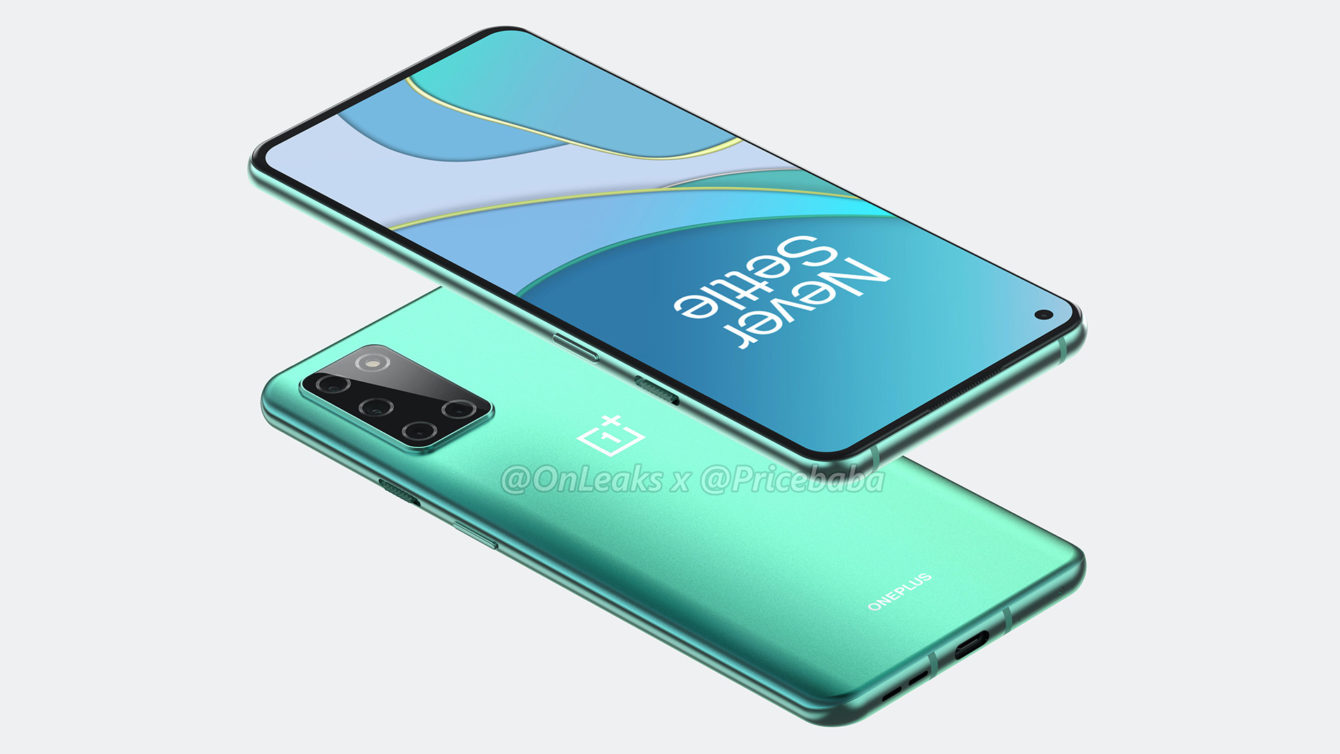
OnePlus 8T render

OnePlus 8T specifications (Rumored)

Past reports have revealed that the OnePlus 8T will be sporting a 6.5-inch flat S-AMOLED panel with a punch-hole design. The screen will offer Full HD+ resolution and its refresh rate is reportedly bumped up to 120Hz. The smartphone will draw power from the Snapdragon 865 mobile platform.

The OxygenOS 11 based Android 11vk will come preinstalled on the OnePlus 8T. The handset could be backed by a 4,500mA battery. Rumors have it that the OnePlus 8T will arrive with support for 65W fast charging.

It will sport a front camera of 32-megapixel. The rear side of the device will have a quad-camera system comprising of a 48-megapixel main camera,  an ultrawide lens of 16-megapixel, a macro shooter of 5-megapixel, and a depth sensor of 2-megapixel.


Purported Realme X7 Lite full specifications emerge through TENAA listing

Last week, the Realme RMX2173 and RMX2117 smartphones had surfaced in the database of China’s TENAA regulatory body with preliminary specifications. Rumors have that the Realme RMX2117 will break cover as a Q-series phone from the brand. The entire specs of the RMX2117 are now known since its TENAA listing is now updated with all important information. The RMX2173’s listing at TENAA has also been updated with its images and specs.

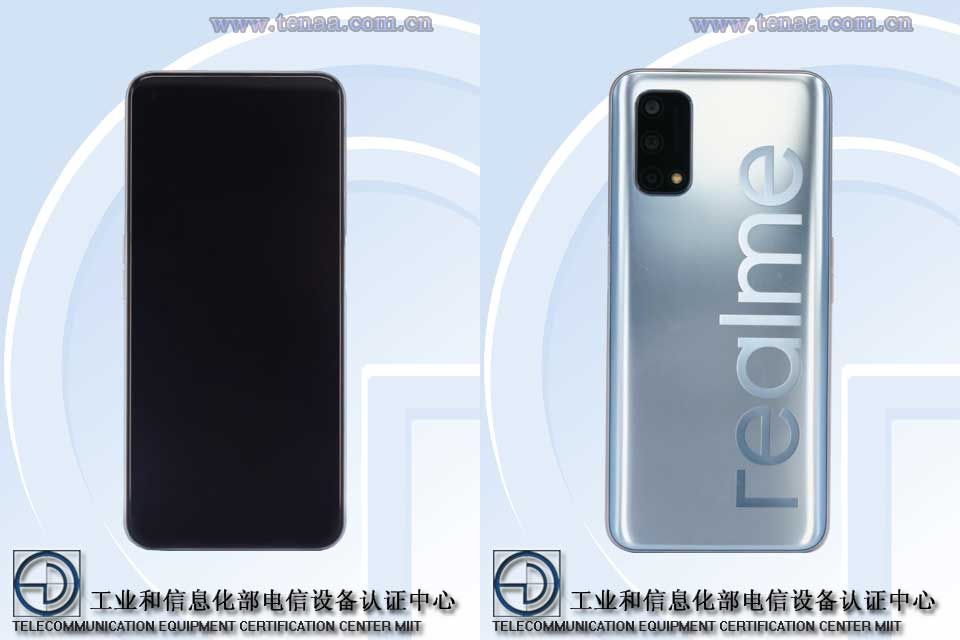
The RMX2173 model number indicated that it could be a variant of the recently unveiled Realme X7 phone that has a model number of RMX2176. Now that the TENAA listing of the Realme RMX2173 is updated, it is quite evident that the phone is a lower variant of the Realme X7. Hence, it is likely that the Realme RMX2173 may arrive in the Chinese markets as Realme X7 Youth or Realme X7 Lite. Both phones have identical specs and design, and the only noticeable difference is that the Realme RMX2173 has downgraded cameras.

RMX2173 TENAA

Realme X7 Lite Specifications (Rumored)

The Realme X7 has a selfie camera of 32-megapixel, whereas the Realme RMX2173 has a 16-megapixel front camera. The Realme X7 flaunts a 64-megapixel (main) + 8-megapixel (ultrawide) + 2-megapixel (macro) + 2-megapixel (depth) quad-camera system on its rear. The Realme RMX2173 is equipped with a 48-megapixel + 8-megapixel + 2-megapixel + 2-megapixel quadruple cameras. The other specs of the Realme RMX2173 are identical to the Realme X7.

Realme X7 and Realme X7 Pro
Realme X7 (left) and Realme X7 Pro (right)

The Realme RMX2173 has 160.9 x 74.4 x 8.1mm dimensions and it weighs 175 grams. Its 6.43-inch S-AMOLED with punch-hole design produces an aspect ratio of 20:9 and a Full HD+ resolution of 1080 x 2400 pixels. The AMOLED screen is integrated with a fingerprint sensor. The phone has a dual-cell battery, but the TENAA listing mentions the rated size of one of its cells as 2,100mAh.

There is a 2.4GHz octa-core processor present under the hood of the RMX2173 smartphone. It may arrive in China in 6 GB and 8 GB RAM variants and storage options like 128 GB and 256 GB. The handset is loaded with Android 10 OS and it lacks support for a microSD card slot.


Alleged Realme RMX2117 Q-series phone’s full specifications leaked at TENAA

This year, Realme launched a couple of Realme X-series and V-series of smartphones in China. It is expected to introduce a new series of smartphones soon. Last year, the Chinese firm also sold a phone named Realme Q, which arrived as a rebranded version of the Realme 5 Prov that debuted in India. Rumors have it that the Realme RMX2117 recently appeared with preliminary specs in the database of the TENAA is the next Q-series smartphone from the brand. The TENAA listing of the Realme RMX2117 phone has now been updated with its full specifications and images.

Realme RMX2117 specifications

The Realme RMX2117 is a 5G smartphone that features a 6.5-inch display that produces a Full HD+ resolution of 1080 x 2400 pixels and an aspect ratio of 20:9. It draws power from an octa-core processor that ticks at 2.4GHz.

In China, the new Realme Q phone may arrive in RAM options like 4 GB, 6 GB and 8 GB. It could be available in storage choices such as 64 GB, 128 GB, and 256 GB. There is a microSD card slot onboard for additional storage.

RMX2117 TENAA

The Realme RMX2117 has a rated battery of 4,900mAh capacity. The handset is preinstalled with Android 10 OS. It has a selfie snapper of 16-megapixel. The backside of the phone has a rectangle-shaped camera module that includes a 48-megapixel primary shooter, an 8-megapixel lens, and a 2-megapixel sensor.

A fingerprint scanner seems to be embedded under the power button on the right edge of the RMX2117 smartphone. The left spine of the phone features a volume rocker. The dimensions of the smartphone are 162.2 x 75.1 x 9.1mm and it weighs 194 grams. The handset is expected to arrive in color options like silver, blue, black, and gray in the homeland.

Since the Realme RMX2117 is now TENAA certified, it is likely to debut soon. Hopefully, upcoming reports will reveal the final product name of the device.


Android 11 for TVs announced with new features, performance & privacy improvements,

Google recently announced the release of the latest Android 11 for the smartphones. In the same vein, the company has now announced the Android 11 update for its Android TV models. The update will bring many of the Android 11 features for mobile to the TV as well as other implementations specifically tailored to TVs.Android 11 Android TV

The new Android 11 features include performance improvements involving memory management as well as improvements in privacy hasn’t been overlooked either as one-time permissions are carried over to Android 11 for TVs. A framework for the physical microphone mute buttons for better integration with TVs featuring far-field microphones has been implemented.

For multimedia improvements, Google is bringing Auto Low Latency Mode and low latency media decoding. Tuner Framework with updated media CAS and extensions to the HAL implementation of HDMI CEC are also new.

Expanded functionality around inactivity prompts, wake keys and silent boot mode for system updates are on the changelog, but arguably one of the most important improvements is the wider support for gamepads, which is essential for anyone subscribed to Google’s Stadia platform.

Google says that it’s working closely with TV manufacturers to deliver the new Android 11 to consumers in the following months. However, for now, only the ADT-3 device meant for developers will be receiving the upgrade right away. Google is also scheduled to release the update for other devices like the Nvidia Shield in the coming months.


OPPO Reno4 Pro Galactic Blue Edition goes official, price and specifications

At the end of July, OPPO announced the Reno4 Pro smartphone in India. Unlike the 5G-ready Chinese variant that debuted in June, the Reno4 Pro for India came with LTE support and different specs. Now, the Chinese manufacturer has unveiled the OPPO Reno4 Pro Galactic Blue Edition smartphone for India. The device comes with a signature of the popular Indian cricketer MS Dhoni.

OPPO Reno4 Pro Galactic Blue Edition price in India

The Reno4 Pro Galactic Blue Edition smartphone comes in a blue-themed retail package. Inside the package is the Galactic Blue variant of the OPPO Reno4 Pro that features Dhoni’s signature on its rear. The Reno4 Pro Galactic Blue Edition comes with 8 GB of RAM and 128 GB of internal storage. The device is priced at Rs 34,990 (~$476) and its sales are scheduled to begin on Sept. 24 through Flipkart.

The OPPO Reno4 Pro regular edition comes in two colors such as Starry Night and Silky White. It also carries the same price tag of Rs 34,990.

OPPO Reno4 Galactic Blue Edition with MS Dhoni’s signature

OPPO Reno4 Pro Galactic Blue Edition specifications

The OPPO Reno4 Pro Galactic Blue Edition has the specs as its regular version. It is fitted with a 6.55-inch S-AMOLED display with a punch-hole design. The screen that is integrated with a fingerprint reader offers a 20:9 aspect ratio, Full HD+ resolution, 90Hz refresh rate, and 180 touch sampling rate. The Snapdragon 720G fuels the device with LPDDR4x RAM and UFS 2.1 storage. The phone offers users with a dedicated microSD card slot.

The rear side of the Reno4 Pro Galactic Blue Edition has a quad-camera setup that includes a Sony IMX586 48-megapixel main snapper, a 119-degree ultrawide shooter, a 2-megapixel macro lens, and a 2-megapixel mono lens. For selfies, it flaunts a Sony IMX616 32-megapixel front camera. The phone houses a 4,000mAh battery that supports 65W fast charging. The ColorOS 7.2 based Android 10 OS comes preinstalled on the device.


Vivo V20 Pro 5G with 44MP dual cameras announced in Thailand; Vivo V20 tags along too

Vivo has unveiled new phones for its V-series. The new Vivo V20 and Vivo V20 Pro 5G were announced in Thailand on Monday and they pack high megapixel cameras, fast charging, and Snapdragon processors.

Vivo V20 Pro 5G featured

Vivo V20 Pro 5G

While most manufacturers have moved past the notch, Vivo doesn’t seem to be done yet. The phone has a tub-shaped notch in the upper part of the display. The reason for the wide cut-out is so that two cameras can be housed there.

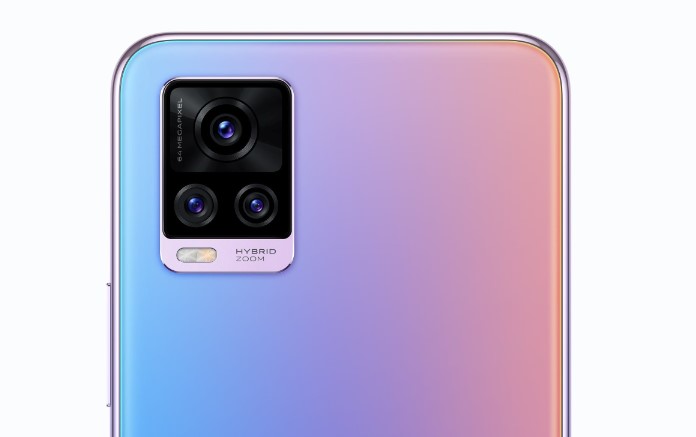
For the rear, Vivo has adopted a design similar to that of the X50 series. There is a distinct rectangular camera housing that has three sensors inside it while the LED flash sits inside the metal frame around the housing. The phone is available in three colorways – Sunset Melody (gradient), Midnight Jazz (black), and Moonlight Sonata (white) – all with scratch-resistant matte glass.

Moving away from the design, the Vivo V20 Pro 5G has a 6.44-inch FHD+ AMOLED display. It is a standard panel with a 60Hz refresh rate. Qualcomm’s Snapdragon 765G chipset is on board along with 8GB of RAM and 128GB of storage.

The main selfie camera is a 44MP f/2.0 sensor with autofocus and it is paired with an 8MP f/2.28 superwide angle camera with a 105° field of view. The main sensor has a feature called Eye Autofocus which focuses on your eyes even if you are not looking at the camera. There is also a low-light mode so you can take bright selfies at night; support for 4K video recording; dual-view video; and slow-mo selfies.

The rear setup has a 64MP f/1.89 main camera, a 120° 8MP f/2.2 ultrawide angle camera, and a 2MP f/2.4 mono camera. There are several modes and features available including tripod night mode, macro mode, super night mode, 3D soundtracking, double exposure, and portrait video.

The Vivo V20 Pro 5G has dual-SIM support, dual-band Wi-Fi, stereo speakers, and an in-display fingerprint scanner. There is a 4000mAh battery under the hood with support for 33W fast charging via USB-C. The phone ships with FunTouch OS based on Android 10.

The phone is priced at THB 14,999 (~$479) and is available for purchase on JD.com. All orders will ship with a free Vivo Bluetooth speaker.

Vivo V20

Vivo mentioned only a few details of the V20. It has a waterdrop notch which is home to a single 44MP camera. There is a Snapdragon 720G processor powering it with 8GB of RAM and 128GB of storage. It also has a 64MP triple camera setup on the rear, a 4000mAh battery, support for 33W fast charging, and weighs 173 grams with a thickness of 7.38 millimeters.

Other details including its price will be announced later.


Tecno Spark 6 Air gets a new 3GB+64GB Storage variant in India

Tecno Mobile has launched yet another variant of the Spark 6 Air in India. The new 3GB RAM and 64GB storage variant will retail for ₹8,699 in three color options from September 25th via Amazon India.

Tecno Spark 6 Air

The company took to Twitter to confirm the arrival of the new storage variant. Although, formerly, Tecno Mobile launched the budget Spark 6 Air back in July. The device debuted with a single 2GB RAM and 32GB variant. Later, the company added a 3GB RAM and 32GB storage variant in August. Hence, the new 64GB storage marks the third memory upgrade of the Spark 6 Air smartphone.

On the whole, the Tecno Spark Air 6 has three color variants – Cloud white, Comet Black and Ocean Blue. However, at the time of writing this article, the Cloud White color option is not listed on Amazon yet but we will have to wait till Friday to know more.

Editor’s Pick: Tecno Spark Power 2 Air to debut in India on September 14

Tecno Spark Air 6 Specifications

The Tecno Spark Air 6 features a 7-inch HD+ display with a resolution of 1640×720 pixels and a dot-notch screen. Apart from bring a 20.5:9 aspect ratio screen and converting 90.6% screen-body ratio, the display has a maximum brightness of 480 nits.

There is a power button and volume up/down buttons to the right, and micro-USB port and 3.5-mm audio jack at the bottom. At the back, we have a triple-camera setup, an LED flashlight, and a fingerprint sensor. Powering the device is Mediatek Helio A25 SoC.

The camera setup has a 13MP main lens and a 2MP depth sensor. The third sensor according to the company is an AI-sensor, which fills the gap to complete the symmetrical layout. At the front, there is an 8MP sensor for selfies. Tecno says the AI helps in bokeh mode, AR mode, AI HDR, AI Beauty, and more.

Other features include 4G LTE, Wi-Fi, Bluetooth, GPS, and a micro-SD slot for connectivity. All this is backed up by a huge 6,000mAh battery on-board. The Tecno Spark 6 Air runs HIOS based on Android 10. Apart from the 64GB variant, the other two 2GB+32GB and 3GB+32GB variants are priced at ₹7,999 and ₹8,499 respectively.

Up Next: FCC & Geekbench reveal primary specs of TECNO Spark 6


ASUS announces ExpertBook and ExpertCenter series of computers in India

ASUS India has announced a slate of new products in the market. The new products include notebooks under the ExpertBook series and desktop computers under the ExpertCenter series.

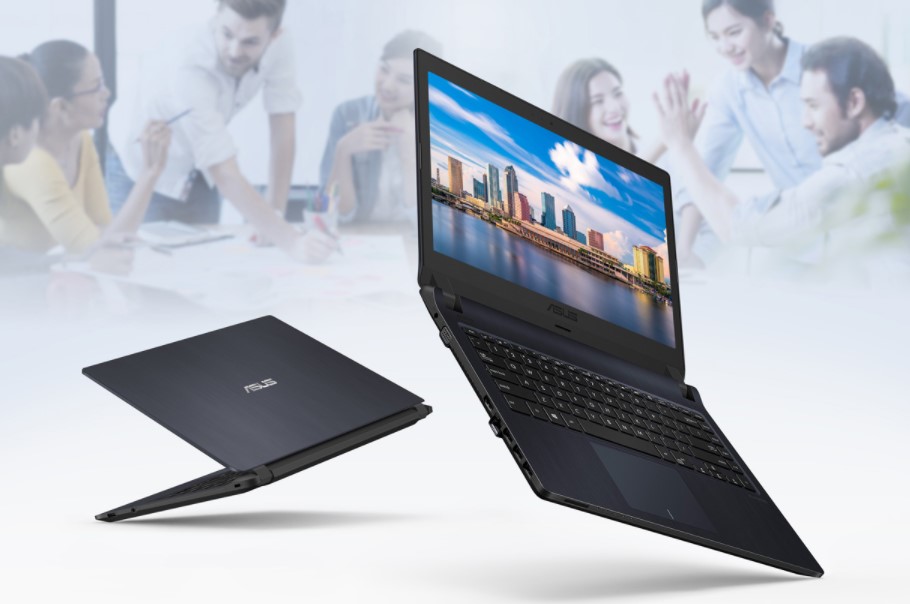
ASUS ExpertBook P1

ExpertBook P1, P2, and B9 Notebooks

The ExpertBook P1 comes in 14-inch and 15-inch models with Intel’s Core i5 10th-gen processors. There are four models in the series including one that has a MIL-STD-810G certification, a 180° hinge, a fingerprint scanner, and a 44Wh battery. The P1 can be configured to up to 24GB of DDR4 RAM and with 1TB HDD/512GB SSD storage. The price for the notebook starts at INR 25,323 (~$344).


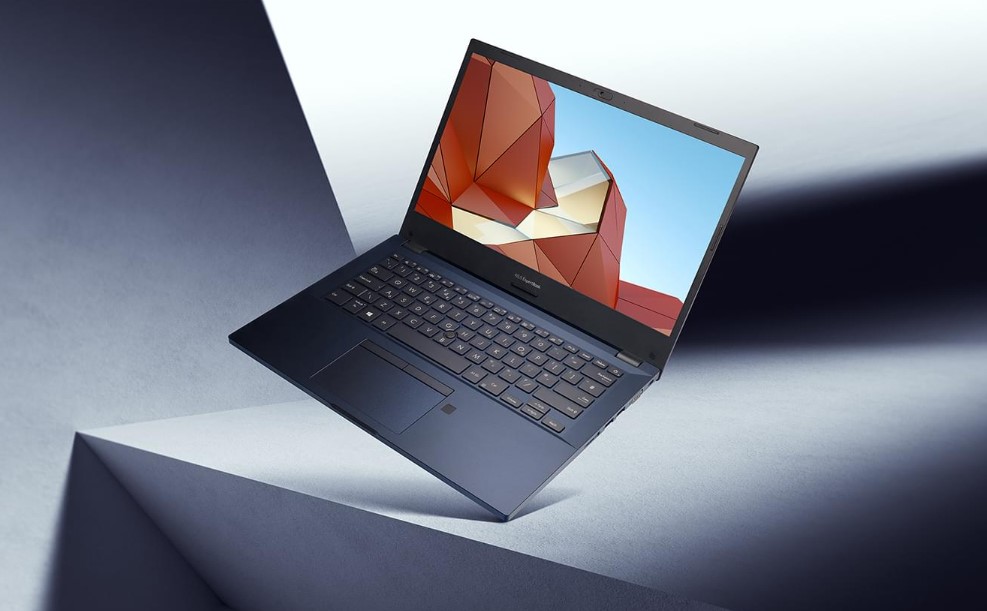
ASUS ExpertBook P2

The ExpertBook P2 has a 14-inch NanoEdge display but a 13-inch chassis. There is intel’s Core i7 processor inside with 2GB of NVIDIA MX110, and users can configure it to with up to 32GB of RAM, 1TB of HDD + 1TB of SSD. It has a backlit keyboard, a fingerprint scanner, a USB 3.2 Gen 1 port, a USB-C 3.2 Gen 2 port, a VGA port, a MicroSD card reader, an RJ45 port, and an HDMI port. It is also MIL-STD-810G certified. If you are interested in the P2, pricing starts at INR 58,967 (~$802).


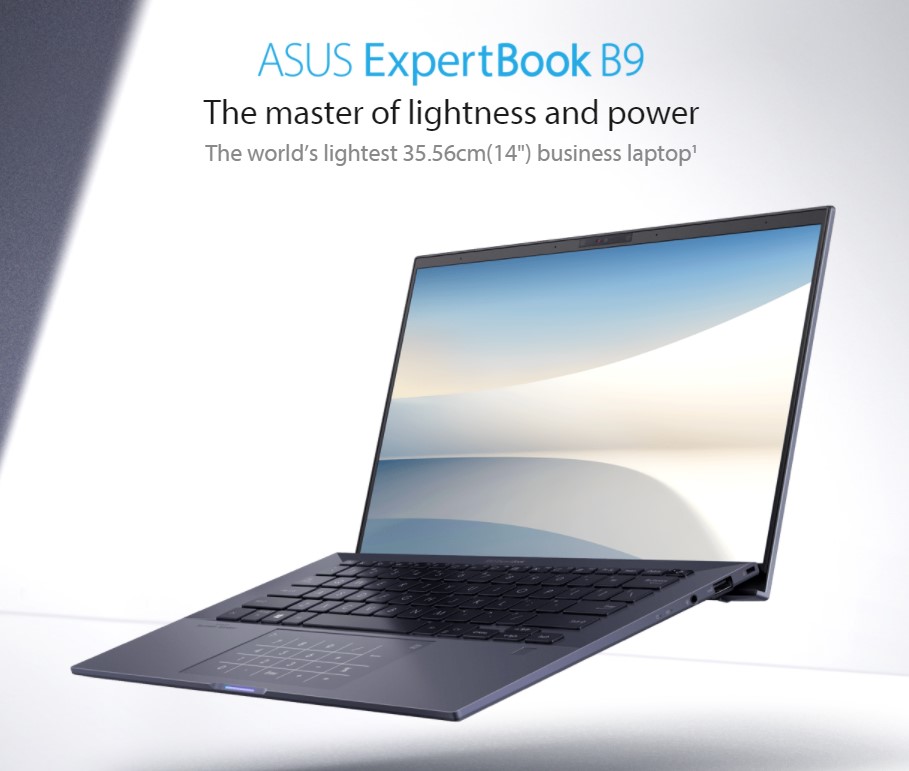
ASUS ExpertBook B9

The ExpertBook B9 is touted as the world’s lightest 14-inch business laptop. It has a 14-inch display that is squeezed into a 13-inch chassis, weighs 995 grams, and is 14.9mm thick. Users can choose to configure the notebook with up to 2TB of PCIe SSD storage and 16GB of LDDR3 RAM. It has a 66Wh battery with support for fast charging (empty to 60% in 39 minutes) and boasts a battery life of up to 24 hours. The notebook has two ThunderBolt 3 ports, an HDMI port, and an RJ45 port via a micro HDMI port. There is also a full-sized USB 3.1 Gen 2 port. Another interesting feature of the device is its NumberPad which is on the trackpad. The notebook starts at INR 102,228 (~$1,389).

ASUSPro ExpertCenter Desktop

The ExpertCenter series include the ExpertCenter D3, the ExpertCenter D6, and the ExpertCenter D8. They are all powered by Intel’s 9th-gen processors with up to 64GB DDR4 RAM and feature several ports on both the front and back including an optional USB-C port and a DisplayPort that allows you to connect to up to three 2K/4K monitors.

ASUSPRO ExpertCenter D8

ASUS says the price starts at INR 27,429 (~$373) for the D3, starts at INR 29,669 (~$403) for the D6, and at INR 55,429 (~$754)  for the D8 which also features an Intel Q370 chipset. It has been reported that purchases include a monitor too.


ASUS AiO V241

ASUS All-in-One PCs

ASUS also announced the AiO V222FA all-in-one desktop PC with a 22-inch NanoEDge Display, 8GB of DDR4 RAM, and support for up to 1TB HDD + 512GB SSD dual storage.

There is also the ASUS AiO V241 all-in-one PC that has a NanoEdge FHD LED display too (option for multi-touch) with an 88% screen-to-body ratio and SonicMaster audio with a bass-reflex speaker system. It has an Intel Core-i5 8th Gen processor, NVIDIA MX130 GPU, and 1TB HDD + 256GB SSD combined storage.
There are 4x USB 3.1 ports, 1x HDMI in and 1x HDMI out, and an RJ45 port. The HDMI input port means you can hook up your gaming console or TV box to it and take advantage of that gorgeous display and speakers to play games and watch movies. If you need an extra display, the HDMI output port comes in handy.

The ASUS V241 starts at INR 58,466 (~$795).


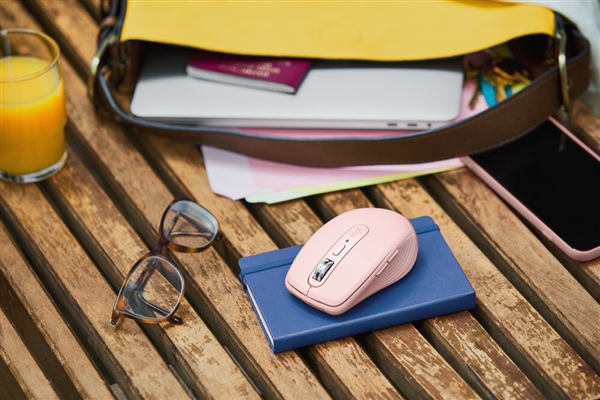
Logitech MX Anywhere 3 wireless mouse launched, priced at $79.99

Logitech has launched its top-of-the-line portable business wireless mouse MX Anywhere 3 which will be available for pre-order from today. The wireless mouse is priced at $79.99.Logitech Anywhere 3

In terms of the design, the Anywhere 3 is almost the same as Anywhere 2S, but the non-slip silicon material on the side has been upgraded. You can side-scroll with the mouse by pressing one side button and moving the MagSpeed wheel at the same time.

The new metal MagSpeed wheel on the wireless mouse brings electromagnetic scrolling to the Anywhere 3. The new wheel makes it faster and more precise faster than the previous scrolling mechanism on the Anywhere 2s. The new mouse also has 4000 DPI Darkfield technology which helps it track on any material, even glass, and the wheel has middle-click functionality that you can customize in Logitech Options.Logitech MX Anywhere 3

You can also customize scroll force in Logitech’s software, which will increase or decrease the number of lines you feel while scrolling in ratchet mode. By default, the top button switches between ratchet and hyperfast scrolling mode, but as with most buttons on MX devices, you can change the action assigned to that button in Options.

All of these features let you customize the way the Anywhere 3 feels as you’re using it, and that’s a good thing on a mouse that you’re supposed to use, well, anywhere. The mouse also comes with 70-day battery life and charges via USB-C.Logitech MX Anywhere 3

The Logitech MX Anywhere 3 comes in a universal version, compatible with most operating systems including Chrome OS and Linux, and a version optimized for macOS. The former works via Bluetooth or with an included unifying USB receiver while the latter is Bluetooth-only. Both cost $79 and are available for pre-order today from Logitech’s website.


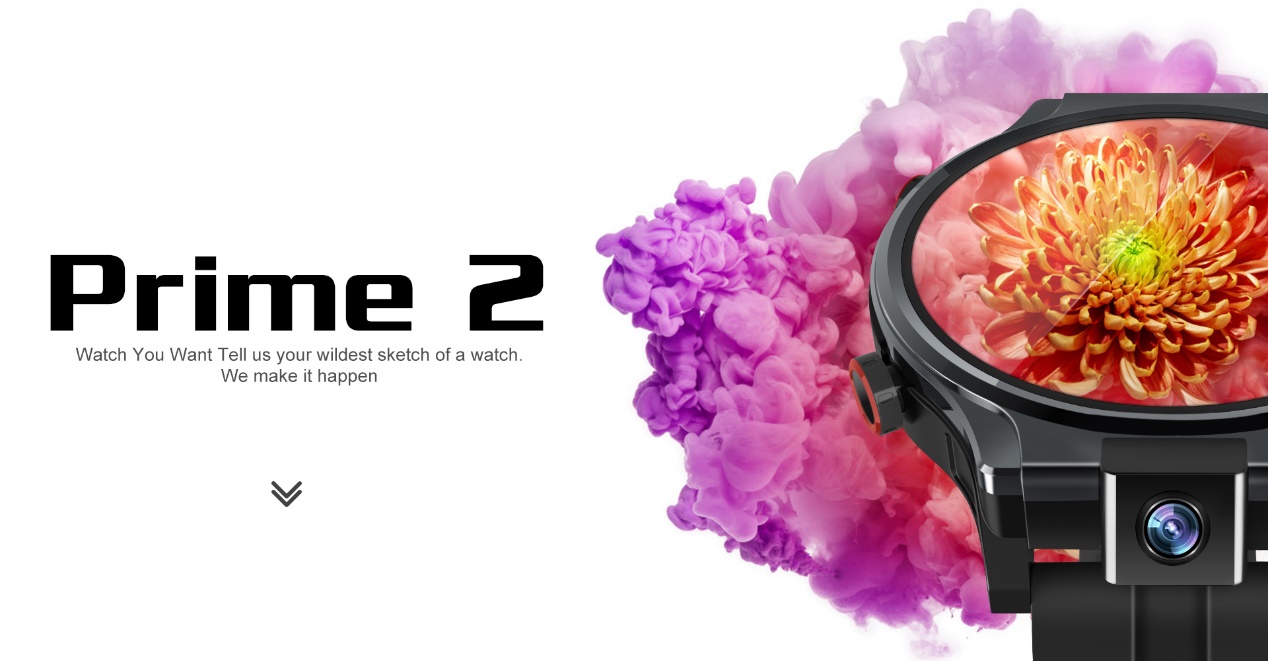
Kospet launches Prime 2 Smartwatch with rotating camera and face unlocking feature

Kospet has finally launched the Prime 2 Smartwatch after a series of leaks. The Smartwatch has the most highlighting feature that is the rotating camera for face unlocking capabilities.

The Kospet Prime 2 is a successor to the Kospet Prime that launched back in September 2019. The new Smartwatch brings revolutionary changes like a bigger display, an Octa-core processor, a rotating camera, and more RAM than the predecessor. However, the highlight of the Smartwatch is the rotating camera in it.

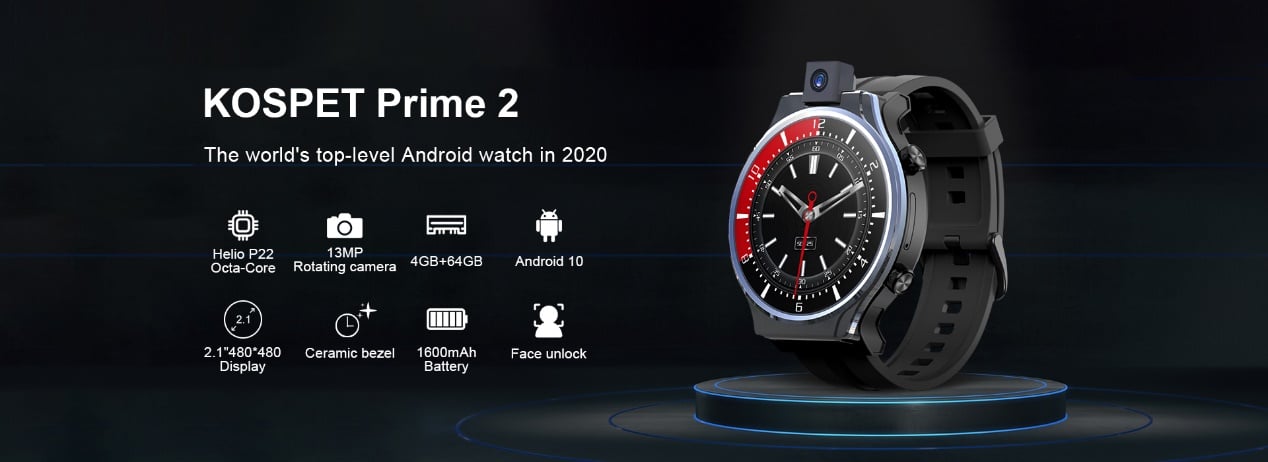
If we recall, the Kospet Prime also had two cameras on it to take photos, and authentication through face unlocking. However, Kospet Prime 2 has a single 13MP Sony camera sensor and it is placed at the top center unlike sideways. When triggered, the camera rotates 90-degree for selfies, video calls, and face unlocking.

Kospet Prime 2 Specifications

Regarding the specifications, the Kospet Prime 2 has a similar round dial like the predecessor. The display also has ceramic bezel around it. There are two crowns and a SIM card tray to the right.

Editor’s Pick: Buy Kospet Probe Smart Watch for Just $31.99 from Gearbest

The display on Kospet Prime 2 is slightly bigger with 2.1-inches compared to 1.6-inch on the Kospet Prime. It has a resolution of 480×480 pixels. Powering the smartwatch is Mediatek’s Helio P22 Octa-core SoC. This is paired with a whopping 4GB RAM and 64GB storage.

Other features like GPS, GLONASS, BeiDou, WiFi, Bluetooth 5.0 are present for connectivity. However, it lacks NFC. The company has also mentioned that the Smartwatch is only Splash-proof and not water-proof. This is understandable considering it has a mechanically rotating part.

Further, this Smartwatch is one of the first 64-bit Android 10 wearables to hit the market. Kospet. To top it all, this Kospet Prime 2 has a large 1600mAh battery. This is a bump up from the 1260mAh found of the predecessor.

Pricing and Availability

While the QC-wireless charging module is present on the Smartwatch, the company seems to have suspended it for now. It says that a PCB module is degrading the Wi-Fi signal even during OFF-state. That said, we can expect the company to improve it on future firmware update and re-enable it.

As for the price and availability, there is no official info yet. However, Kospet is running a watch-face design competition till September 27th post which the Smartwatch may be ready for shipping.

Up Next: Kospet Raptor rugged smartwatch launched with a 1.3-inch display, 230mAh battery, and IP68 certification for $37.99

Certain OnePlus Nord users are facing an automatic factory reset bug

OnePlus Nord is the most hyped smartphone of 2020 despite being a regular mid-range 5G device. It is also probably the only handset released this year to receive numerous system updates within a few weeks from its release. The phone was launched exactly two months ago but it is already running a seventh system build. However, users are still complaining about a number of issues. Now, a new report says that random users are facing an automatic factory reset bug.

OnePlus Nord Gray Onyx Featured

Though OnePlus Nord is a good value for its price, it does have certain shortcomings. The camera on this device does not perform as good as the company claimed during the hype marketing. Anyway, credit where credit’s due, the brand has been trying to improve the camera performance on this handset with almost every system update it has released for it so far.

Some users were facing Bluetooth issues and the company even addressed it in the last two updates. Following that, a new report by Android Police now says that some random users are experiencing an automatic factory reset problem.

Yes, you heard it right – automatic. Certain users on OnePlus Community have raised this concern. According to some of them, their unit heated up while in pocket and when they pulled it out to check, to their surprise, their handset was formatting on its own.

The Bluetooth issue on the Nord was fine as it did not affect the overall usability of the phone. But this factory reset bug is a serious problem. Imagine losing important data stored on your phone when you wake up from sleep in the morning or when you are out somewhere.

Thankfully, the publication has contacted OnePlus regarding the issue and the company has confirmed to be investing into it. For the time being, OnePlus Nord users can do nothing but hope their smartphone does not factory reset by itself.


Xiaomi’s Gaming monitor rumoured to have 360Hz refresh rate coming on November 11

News recently broke out that Xiaomi is planning to launch a gaming monitor on November 11 this year. The monitor is said to having a 24.5-inch display supplied by AUO and the retail price is expected to be set at 999 yuan (~$146).Xiaomi Gaming monitor

According to reports, the panel used in the display may be AUO’s 240Hz TN screen or AUO’s new 360Hz gaming screen. However, according to past product calculations, if the AUO 360Hz panel is used to manufacture the display, it is almost impossible for the price to be within 1,000 yuan.

At present, Xiaomi has launched five monitors – the 34-inch Mi Curved Display is priced at 2199 yuan ($323). There is also a 23.8-inch Mi Display priced at 679 yuan (~$99), a 27-inch 165Hz version of the Mi Display is priced at 2199 yuan ($323), and the Mi Display 1A 23.8-inch is priced at 699 yuan ($102). Xiaomi also has a display under the Redmi brand dubbed Redmi display 1A 23.8 inches priced at 599 yuan ($88).

According to data from OVI, the display with the highest refresh rate on the online retail platform is 280Hz. At present, there is an upward trend of monitors with 144Hz, 165Hz, 240Hz and 280Hz refresh rates and sales volume is also increasing steadily.


Blackview will launch a 5G Rugged Smartphone soon

We are heading towards the end of 2020 and we can already see the hype train keyword for next year. 5G phones are expected to be the face of smartphones in 2021 and the excitement is already building up for brands like Apple’s iPhone 12, OnePlus 8T, and more. Now, Blackview has joined the list as its new Rugged 5G smartphone is launching in a month or so. With this, Blackview becomes one of the first companies to launch a first-ever 5G rugged smartphone.

Regarding the naming, we aren’t sure how Blackview would call it yet. However, it might be different from the current ‘BV99’ series and don a new name. The 5G device is said to sport a fresh design with the usual rugged body. Hence we can expect metallic casing, Military Standard certification, water-resistance, and more.

Blackview 5G Rugged smartphone: Expected Specifications

The device will reportedly have a 6.5-inch screen with slimmer bezels. Regarding the selfie camera placement, it is likely to retain the notch-design. However, the highlight of the device will be 5G connectivity. Blackview has so far mastered the art of making rugged phones but connectivity was limited to 4G.

Editor’s Pick: Top 5 Blackview waterproof and rugged smartphones to enjoy summers flawlessly at the beach

That said, the new 5G connectivity will make it one of the first rugged smartphones in the world to support the latest network. The device is likely powered by Mediatek’s 5G SoC. Mediatek has its 5G SoC lined up under the Dimensity branding and hence, we can expect one of mid-range  SoC like Dimensity 7 or 8 series in it to keep the costs low or flagship D1000 as rumored before.

Moving on, the upcoming 5G phone will have better cameras. If reports are true, the new camera on the device will be powered by Honeywell® flagship-level 2D scanner useful for scanning barcodes. That said, we can also expect important sensors like Altimeter, Barometer, Pedometer, etc., for outdoor use.

As for the price and release date, sadly there is no concrete info yet. However, strong rumors suggest that the device will launch some time between September-October this year.

Up Next: Blackview BV9900E Pre-Sale to begin from September 21, Unboxing & Giveaway details inside

OnePlus adds its Messages app to the Google Play Store

OnePlus has steadily been adding its stock apps to the Google Play Store. This move makes it easier to push updates to these apps rather than a full OTA to the phone. The latest app to do so is the OnePlus Messages app.

The description says the app allows for categorizations of messages. This means messages that have to do with transactions, promotions, and OTPs all have categories and not lumped up together. This feature was announced last year as Smart SMS and exclusive to India. It appears it will now be available to all users.

OnePlus Messages

Another new feature that is mentioned is the ability to easily copy OTPs when you receive them. A tab that says “Copy OTP” will appear alongside “Mark as read” when you receive a message containing an OTP.

The OnePlus Messaging app is not available for public view yet as it is still in early access. Once it is available in stable, it should be available when you search for it.

It is important to remember that just because the app is on the Play Store it means you will be able to download it on to any device. If you don’t own a OnePlus phone, chances are it will not even show up when you search for it. Only OnePlus apps that are designed to work on phones from other manufacturers will show up.

We are not sure this app will even be available for the OnePlus Nord seeing as it ships with Google Messages and not the OnePlus Messages app.


Xiaomi launches the Qingping Li Guitar Bluetooth Thermohygrometer for guitars

Thermohygrometers are very common in life and are among the first batch of products connected to smart homes and AIoT. But for music players who have wooden instruments, there are not many choices of professional thermohygrometer for musical instruments on the market. Xiaomi Youpin has today launched the Qingping·Li Guitar Bluetooth Thermohygrometer designed for guitarists by Li Zongsheng and his Li Guitar team in cooperation with Qingping Technology.Qingping Li Guitar Bluetooth Thermohygrometer

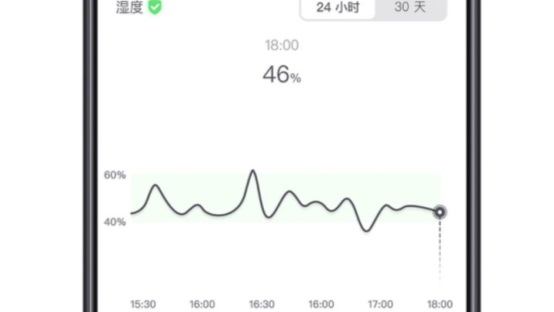
The thermohygrometer has a reminder of temperature and humidity exceeding limits and can be viewed in real-time. It also stores 30-day temperature and humidity records, equipped with a high-precision sensor and a magnetic design that can be attached to the guitar soundhole.

Qingping Li Guitar Bluetooth ThermohygrometerFor wooden musical instruments such as guitars, the suitable storage temperature is 20-25°C and the humidity is 40%-50%. When not kept in the proper storage environment, wooden musical instruments are prone to deformation, cracking, and glue. Repairing wooden musical instruments with deformed panels is expensive, and even if repaired, the tone will change. Thermohygrometers can better help musicians maintain their instruments. Traditional thermohygrometer products are not specially built for musical instruments and cannot be easily fixed on the body of the instrument. When the instrument is moved, it will shift in the cabinet and collide with the body.

The new thermohygrometer uses TPU soft glue with magnets which can be attached to the guitar soundhole and fixed on the guitar panel. At the same time, the sensor can detect the temperature and humidity inside the guitar.

The device has a dedicated companion app and also supports the MIJIA App. The app enables remote monitoring and over-limit alarm functions. Equipped with a high-precision Swiss Sensirion sensor, when the temperature and humidity exceed the set range, it can alert the mobile app to remind the user to change the guitar storage location. At the same time, you can view the 24-hour temperature and humidity records and remote monitoring stored in the app. The temperature and humidity records can be retained for up to 30 days.Qingping Li Guitar Bluetooth Thermohygrometer

In addition, the Qingping Li Guitar Bluetooth Thermohygrometer uses a very low-power Bluetooth 5.0 sensor and a CR2032 button battery that can work continuously for 8 months at room temperature without worrying about battery life. The TPU soft glue connection material used in the fuselage can withstand more than 5000 bending times and has a long life. The temperature and humidity display is an electronic ink screen, which has low requirements for ambient light and can be used in all scenes. It can be clearly and easily read even in direct sunlight.

The device is priced at 199 yuan (~$29) and is presently available on Xiaomi Youpin.


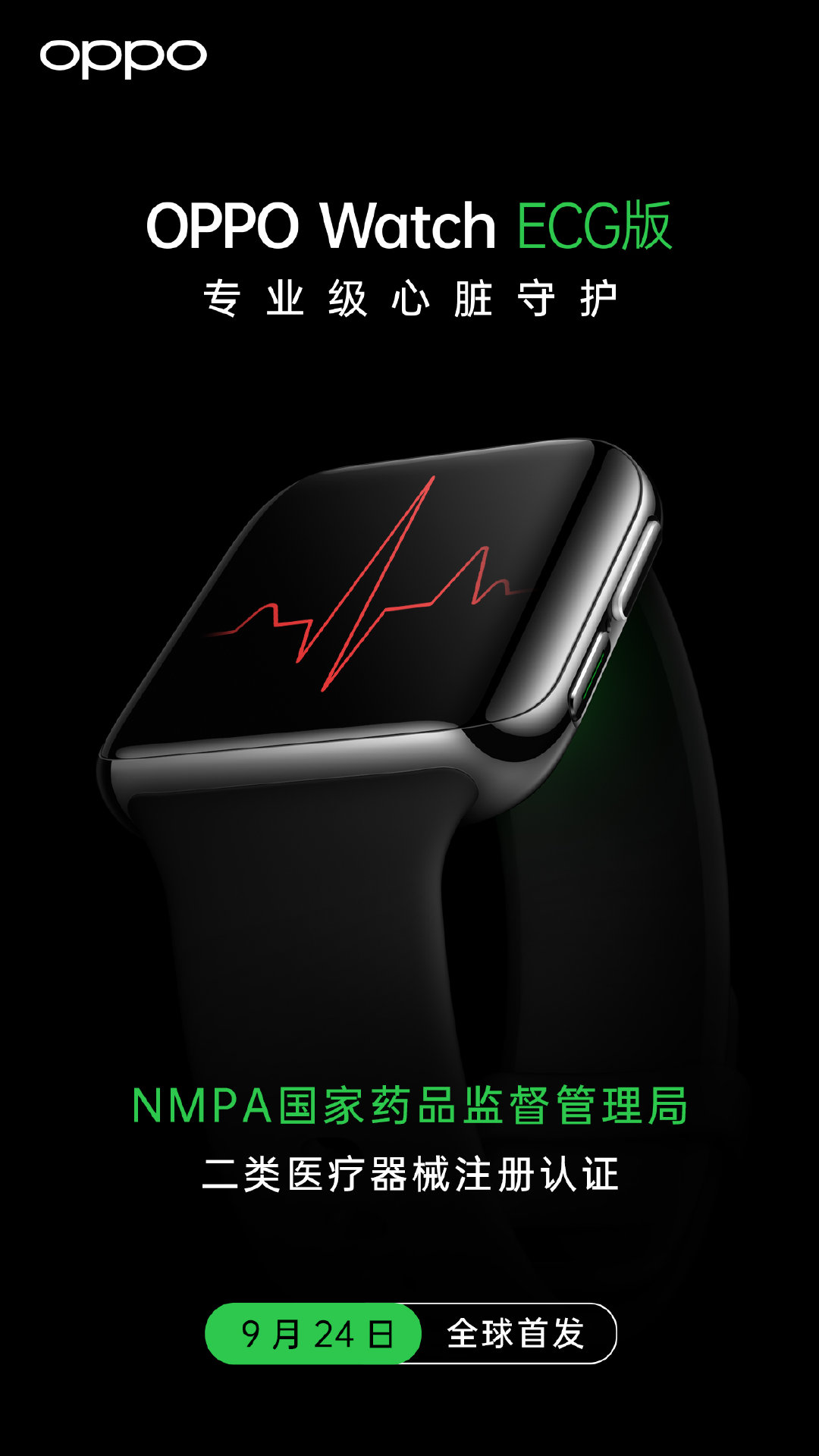
OPPO Watch ECG version will get a global release on September 24

You cannot just slam ECG into a watch and launch it, not unless you have received approval from the relevant agencies in the countries where it will be sold. This explains why the OPPO Watch didn’t have ECG when it was announced even though it was a feature that was teased before the watch was launched.

OPPO has now announced that the OPPO Watch ECG version will get a global release on Thursday, September 24. The announcement was made on Weibo by one of OPPO’s official accounts.

OPPO Watch ECG version

The post said the device has been certified as a Class II medical device by the National Food and Drug Administration. The watch has also been approved by the US FDA.

We expect the OPPO Watch ECG version will have similar specs to the 46mm stainless steel version sold in China. This means it should have a stainless steel case, ceramic shell, and sapphire glass.

The OPPO Watch has a flexible AMOLED display and is powered by the Snapdragon Wear 3100 (Snapdragon Wear 2500 for the Chinese version) and a low-power chip called the Apollo 3. It has 1GB of RAM and 8GB of storage. There is 2.4GHz Wi-Fi, Bluetooth 4.2, GPS, and NFC. It also has a 430mAh battery with support for Watch VOOC Flash Charge.

The stainless steel version of the watch which is the most expensive one is ¥2499 (~$367). We presume the ECG version will have a price tag not less than ¥2999 or $399 when it launches.


Alleged benchmark listings reveal budget Surface laptop to come with i5-1035G1

Microsoft is reported to launch a budget Surface laptop in the coming days. Some of the specs were revealed in that report. Now, alleged benchmark listings of this notebook codenamed “Sparti” have been spotted revealing its processor, RAM, storage, and screen resolution.

Microsoft Logo Featured

The upcoming budget Microsoft Surface laptop is said to be a new product line placed between Surface Go and Surface Pro in the $399 – $749 price segment. The base variant in this series is expected to come with 4GB RAM and 64GB internal storage.

Now, according to listings on UserBenchmark and Geekbench, the highest model in this product line ,may arrive with 10th Generation Intel Core i5-1035G1, 16GB LPDDR4 RAM , and 256GB SK Hynix SSD.

Whereas, the 12.5-inch 3:2 display with a resolution of 1536 x 1024 pixels will be common on all the variants in the series. So far, only two different models have been spotted with model numbers “Oemqn Product Name EV1” and  “Oemqn Product Name EV2” respectively (via Windows Latest).

The former will come with the highest configuration. Whereas, the latter will feature 8GB RAM and may come in 128GB and 256GB storage variants. That said, the i5-1035G1 present in these laptops is not a powerful chip but it will be enough to handle day to day activities.

As for the launch date, Microsoft is yet to schedule the Fall 2020 Surface event. As per reports, it could take place on October 1 and the Redmond-based software giant may only announce this budget “Sparti” Surface laptop and revamped Surface Pro X.


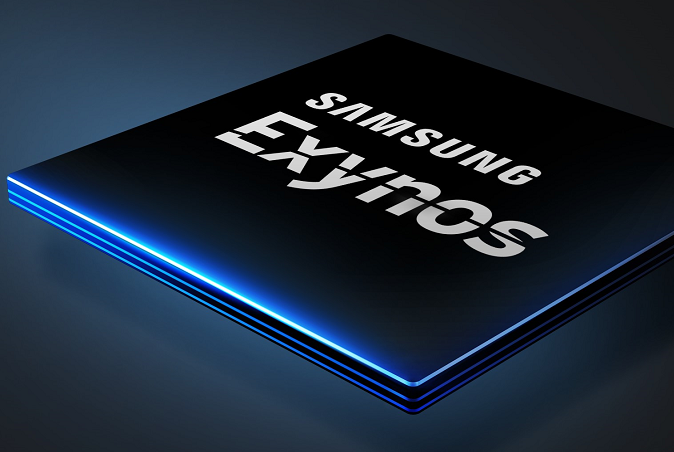
Samsung’s Exynos 1000 SoC might outperform the upcoming Qualcomm Snapdragon 875

Samsung faced a lot of criticism with the Exynos 990 SoC. The chipset was underwhelming compared to the Qualcomm’s counterpart. However, that could change now as an alleged report on the Korean forum says the Exynos 1000(Tentative) SoC on the next flagship could perform better than the upcoming Snapdragon 875.

Samsung Exynos 9710


Exynos 1000 vs Snapdragon 875 Leaked Geekbench Scores

The report leads us to two sets of Geekbench scores on the Korean forum. One with Snapdragon 875 and the other with the Exynos SoC. The devices used are Xiaomi Mi 11, and Samsung Galaxy S21. Of course, both the SoCs are unannounced and hence, these are tentative namings without confirmation on their existence.

Moving on, the Galaxy S21 seems to be tested with Exynos 1000 and Snapdragon 875.  Both the single and multi-core scores of the Exynos are 1302 and 4250 points. This is significantly higher than Snapdragon’s 1159 and 4090 points. Also, Xiaomi’s Mi 11 allegedly recorded 1102 and 4113 points.

That said, the post doesn’t present any visual evidence like a screenshot to us. This poses a great doubt on its legitimacy and hence, we will have to wait for more info. Further, one of the posts also says that Samsung had to overclock the ARM’s top-performing core which is the recently launched ARM Cortex-X1.

Editor’s Pick: Samsung Wireless Charging Trio listing reveals more details

Overclocking ARM’s Cortex-X1 core

The report adds that there is an issue on the ARM’s side and to get the desired performance, Samsung has overclocked the SoC to land scores higher than the Snapdragon 875. While we need more information on this, it also suggests that the newer Core-X1 might be present on both the upcoming flagship SoCs as expected before.

Anyway, this is a significant bump up for both Snapdragon and Exynos SoCs. This is because the older ones had single and multi-core scores below 1000 and 4000 points. If we recall, Samsung is manufacturing Snapdragon 875 SoC for Qualcomm using the 5nm EUV process. Also, with reports saying Samsung could share cluster design from Snapdragon 875 on its Exynos, the above scores could be true as well.

This is rather exciting news and Samsung could finally match Qualcomm after years of struggle. However, since both the SoCs won’t be out for at least the next couple of months, so let’s play the waiting game.

Up Next: Samsung teases new Galaxy F series of smartphones in India