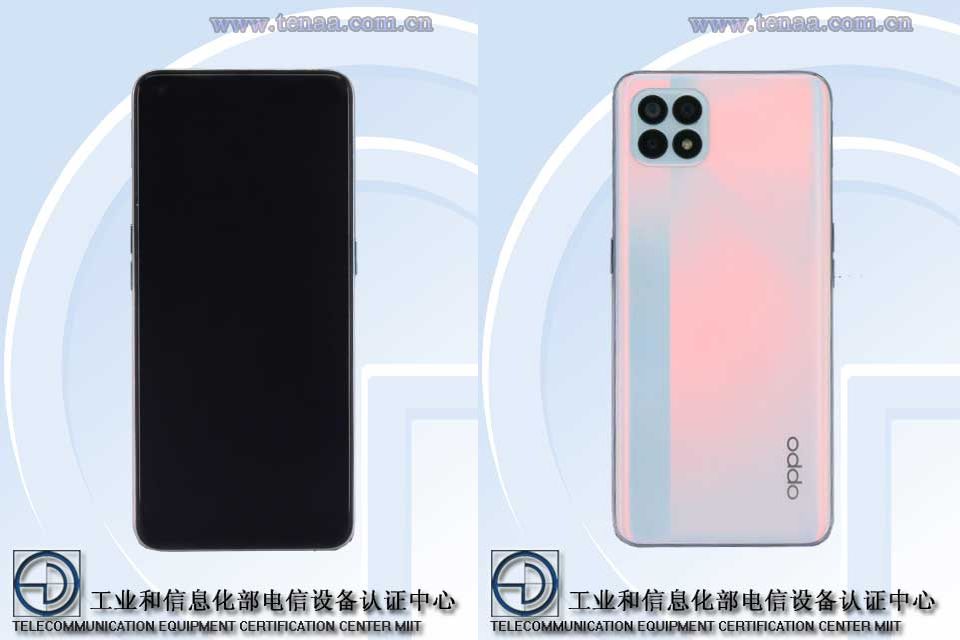
China’s TENAA authority has approved a couple of upcoming OPPO phones that have model numbers such as PDMV00, PEAM00 / PEAT00, and PECM10 / PECT10. The PDMV00 is believed to debuted as OPPO A32, a rebranded edition of the OPPO A53 smartphone that debuted in markets like Indonesia and India. While the identity of the PECM10 / PECT10 remains a mystery, the PEAM00 / PEAT00 is speculated to break cover as OPPO Reno4 SE. There are mixed reports about the processor that powers the alleged Reno4 SE. A fresh leak suggests that it could be driven by the Dimensity 720 chipset.
Previous reports have revealed that the PEAM00 / PEAT00 smartphone could be coming to the market with Dimensity 800 or Dimensity 800U chipset. The TENAA listing of the PEAM00 / PEAT00 revealed that it is driven by a 2.0GHz octa-core processor. A Chinese tipster has seemingly shared the specs of the same phone. The specs sheet states that the phone could be driven by Dimensity 720 chipset.
While it is speculated to arrive as OPPO Reno4 SE, there is no concrete evidence to back it. It has a 6.43-inch AMOLED Full HD+ resolution with a 60Hz refresh and 180Hz touch sampling rate.
The punch-hole on the phone’s screen features a 32-megapixel selfie camera. Its rear side has a 48-megapixel + 8-megapixel + 2-megapixel triple camera system. The alleged Reno4 SE is expected to house a 4,300mAh dual-cell battery and it may come with 65W fast charging.
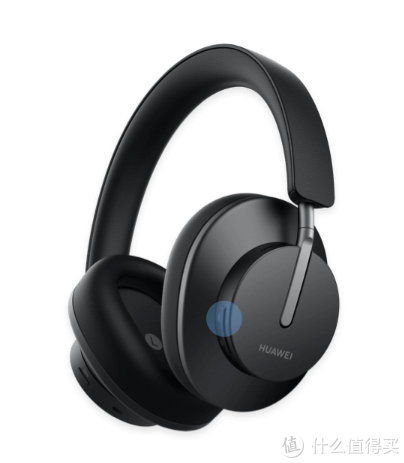
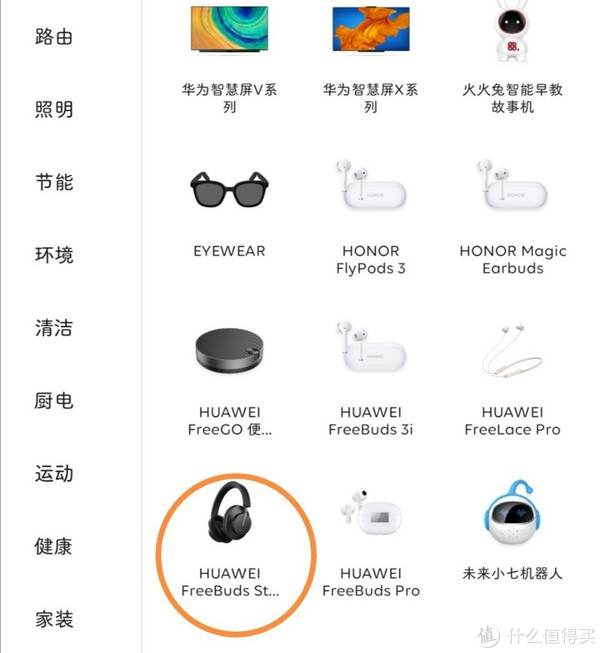
Huawei is announcing the FreeBuds Pro TWS earbuds tomorrow but that may not be the only audio product the Chinese manufacturer has been working on. Apparently, there is a pair of wireless headphones too called the FreeBuds Studio and it has been spotted on Huawei’s AI Life app with images of it already circulating on Weibo.
Huawei FreeBuds Studio
First, the name reveals that Huawei will not be limiting the FreeBuds name to just TWS earbuds. Secondly, if this sounds familiar, then you are right because Apple is also set to release a new wireless headphones called AirPods Studio. To be honest, there is no way Huawei can’t be called a copycat at this moment.
An image of the FreeBuds Studio shows the headphones will come in black with what appears to be calfskin leather on the earcups and band. We can make out a button on the left earcup as well as a USB-C port. There are also buttons on the right earcup and Huawei’s branding.
While the specs and features of the headphones are still unknown, we have a few guesses of ours. The FreeBuds Studio should have Huawei’s Kirin A1 chip and may also have support for Bluetooth 5.1 or Bluetooth 5.2. We also expect it to have active noise cancellation that can be turned on or off by the user. Another feature we expect it to have is support for AI assistants without the need to push a button.
The Huawei FreeBuds Studio will most likely not launch tomorrow alongside the FreeBuds Pro but there is a chance it will be announced on the same day as the Mate 40 series.
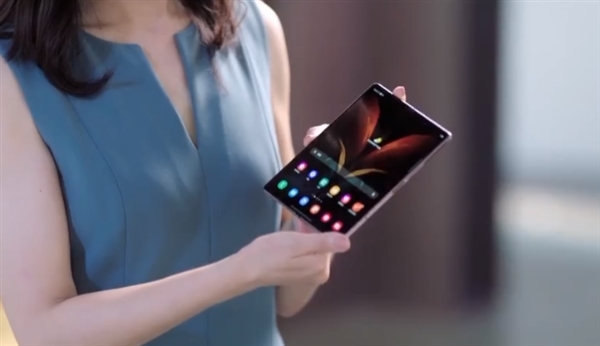
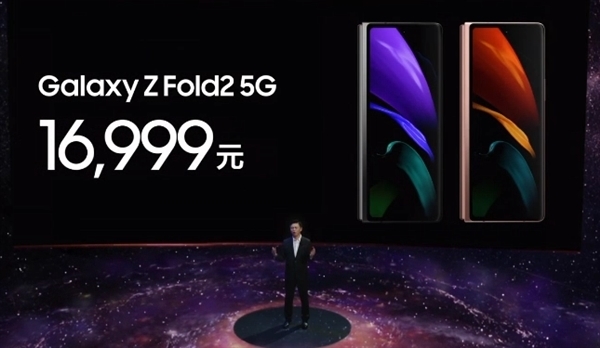
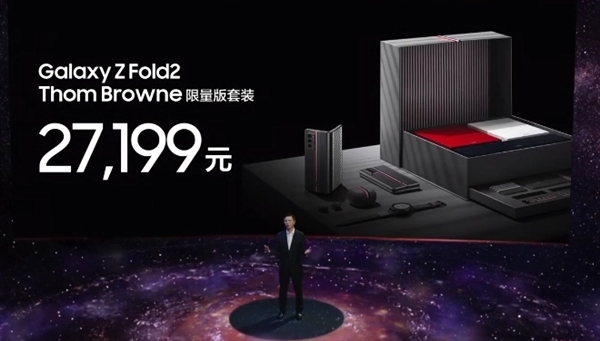
Samsung has officially announced the Galaxy Z Fold 2 foldable smartphone in China. The phone was first on September 1 for the US, UK and European markets. The second-generation Galaxy Fold will retail fo 16,999 yuan (~$2483) in China. The company also unveiled the Galaxy Z Fold 2 Thom Browne edition which will go on sale for 27,199 yuan (~$3972). Here is a recap of the Galaxy Z Fold 2 specs, including the China-specific details.
The Samsung Galaxy Z fold 2 5G smartphone features a bigger display both on the inside and outside. It also comes wit an improved design as well as the latest and powerful Snapdragon 865+ chipset.
The Z Fold 2’s external screen has been upgraded from the previous 4.6 inches to an impressive 6.2 inches. The full-view aperture screen design greatly improves its usability. The improved size means the phone can be used as a complete large-screen mobile phone in the folded state.
In the unfolded state, the Galaxy Z Fold 2 will become a 7.6 -inch phablet with an ultra-narrow bezel design, an area increased by 13.5% compared to the previous generation and a resolution of 2213×1689 pixels. The display also supports an adaptive 120Hz refresh rate which makes playing games more enjoyable and is covered by Corning’s Gorilla Glass Victus
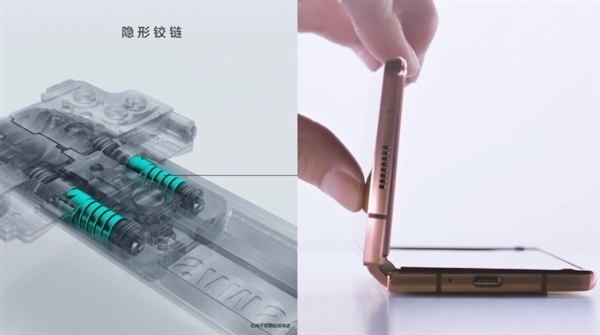
In terms of hinges, Samsung tapped from the feedback received from the first-gen model. The Galaxy Z Fold 2 uses an invisible hinge to fit the body precisely. Its cam structure can realize multi-angle rotation stop technology and supports a new adaptive split-screen mode. In terms of screen protection, Galaxy Z Fold2 uses ultra-thin flexible glass (UTG) with significant improvement with the crease problem.
Samsung also brought more optimizations in terms of the software aspect as the phone can perform advanced functions such as multi-angle viewing, adaptive split-screen viewing, and multi-tasking operations.
The Snapdragon 865+ 5G platform onboard the smartphone is paired with 12GB LPDDR5 memory. The device also comes with a maximum of 512GB of UFS 3.1 flash memory. The processor draws juice from a 4500mAh battery with support for 25W fast charging, fast wireless charging, and reverse wireless charging.
The device runs Android 10 with features designed for foldable phones. Recall that Samsung has already promised that the foldable flagship will receive three OS upgrades – Android 11, Android 12, and Android 13.
For photography, the Galaxy Z Fold 2 packs five cameras. On the back is a protruding camera housing that holds a 12MP f/1.8 main camera, a 12MP telephoto camera with OIS, and a 12MP ultrawide angle camera. The cover screen has a centered punch hole for a 10MP f/2.2 selfie camera. The inner display also has a punch hole and the same 10MP f/2.2 selfie camera. With such an array of cameras, the phone has several camera features and enables several ways to take pictres.
Just like the Global variant, the Galaxy Z Fold 2 5G Thom Browne limited edition is bundled with a Galaxy Watch 3, a pair of Galaxy Buds Live and a series of customized accessories, all of which contain Thom Browne’s iconic design elements.
The Z Fold 2 5G is already on reservation in China via Samsung’s website.
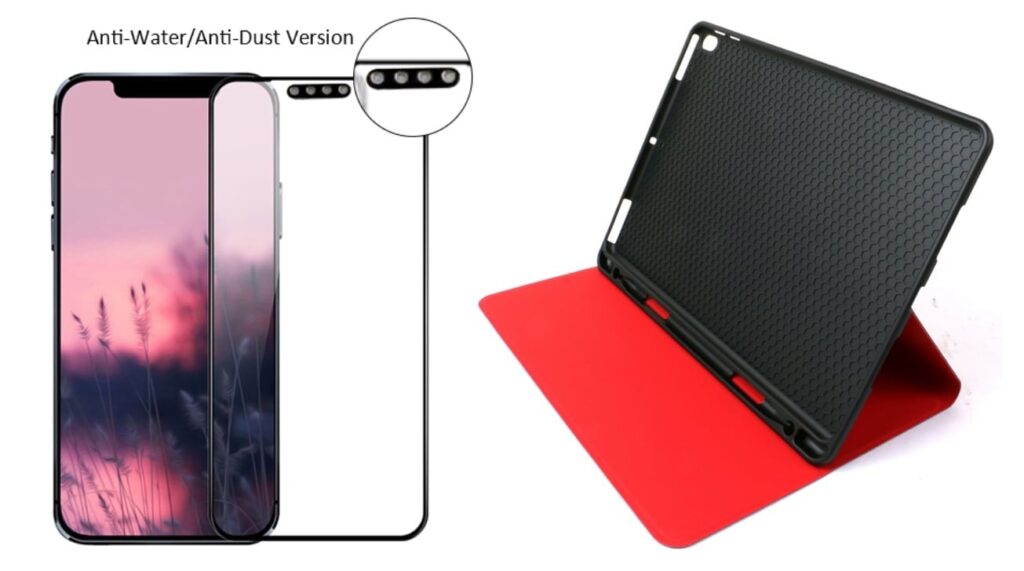
It was rumored that Apple would be unveiling Apple Watch Series 6 and iPad Air 4th Generation on September 8 (yesterday). Instead, the Cupertino-based tech giant merely announced a virtual event scheduled for September 15, which could be indeed for these products going by the slogan – “Time Flies”. Hence, we may have to wait even longer for the iPhone 12 series but ahead of it, their screen/camera protectors as well as a case of the new iPad leaks in images.
The images of accessories of next-gen iPhone and iPad Air were shared by an accessory maker called Shenzhen Rainbow to Apple Insider. These pictures confirm certain previous reports.
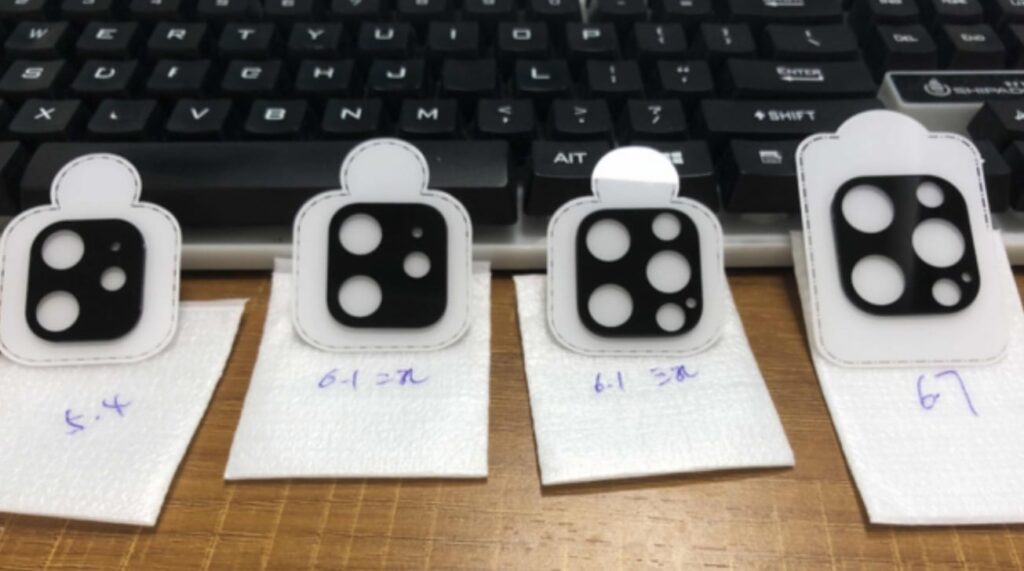
The first picture shows us the camera protectors of the entire iPhone 12 lineup. The two protectors on the left for the 5.4-inch and 6.1-inch model feature cutouts for dual-camera, LED flash, and microphone. On the right side, we can see the ones for the second 6.1-inch and 6.7-inch models to include cutouts for triple camera, LiDAR scanner, LED flash, and microphone.
Whereas, the second picture showcases a render of iPhone 12 with a screen protector and a case of iPad Air 4th Generation with cutouts for four speakers. That means it will be the first model in the iPad Air series to feature quad-speaker. Also, it will be the first non-Pro iPad model to come with this feature.
Anyway, all of these features are unsurprising as they have been rumored for months.
Last week, popular tipster OnLeaks shared CAD renders of the Google Pixel 5 to reveal its design from all angles. Today, a Mexican radio host Jose Antonia Ponton shared new images that showcase the appearance of Pixel 5 in real. While the device is expected to debut as Pixel 5, its name is mentioned as ‘Pixel 5s’ in the “About Phone” screen.
The frontal image of the Google Pixel 5 shows that its screen is equipped with a punch-hole cutout towards the top-left corner. Past reports have revealed that the Pixel could be sporting a 5.7-inch or 5.8-inch display. It is a flat display surrounded by slim bezels on all four sides.
The rear side of the phone features a traditional fingerprint scanner and the company’s logo towards the bottom. At the upper-left corner of the phone’s rear is a square-shaped camera system. It is comprised of the main camera, a spectral and flicker sensor, an ultrawide angle lens, and an LED flash. The right edge of the smartphone has a volume rocker and a power button.
The “About Phone” page shows that it is preinstalled with Android R. The Pixel 5s and Android R texts suggest that the handset shown in the leaked images belong to the engineering unit of the smartphone. The probable reason why the device is identified as Pixel 5s is that it could be a variant of the Pixel 5 with or without mmWave 5G support. Since smartphone OEMs are known for using ‘s’ for phones with better specs, the Pixel 5s could belong to the Pixel 5 with mmWave 5G support.
Pixel 5 was approved by the Federal Communications Commission (FCC) at the beginning of this month. It revealed that Pixel 5 has four variants. Among them, two models such as GD1YQ and G6QU3 will be equipped with sub-6GHz and mmWave 5G networks. In related news, a recent leak had revealed that the phone will be priced at 629 euros and it will come in black and green color options.
Recently, LG announced the Velvet 5G smartphone for T-mobile in the US. Recall that the LG Velvet 5G was first unveiled packing a Dimensity 800 processor. But the spectacular thing about the US version is that it came with a Dimensity 1000C chip.
T-Mobile’s Velvet 5G happens to be the first smartphone that’ll be powered by the new MediaTek chipset. The phone is also the first model to pack a Dimensity chipset launched outside of China.
The Dimensity 1000C is the latest chip in the flagship 1000-series. The chip is manufactured using a 7nm process node and features four Arm-Cortex-A77 CPU cores and four power-efficient Arm Cortex-A55 cores operating up to 2GHz, with a large, low-latency communal cache that improves performance and power-efficiency even further. The chip bundles the Mali-G57 GPU which gives it a 25% performance boost compared to the Dimensity 800.
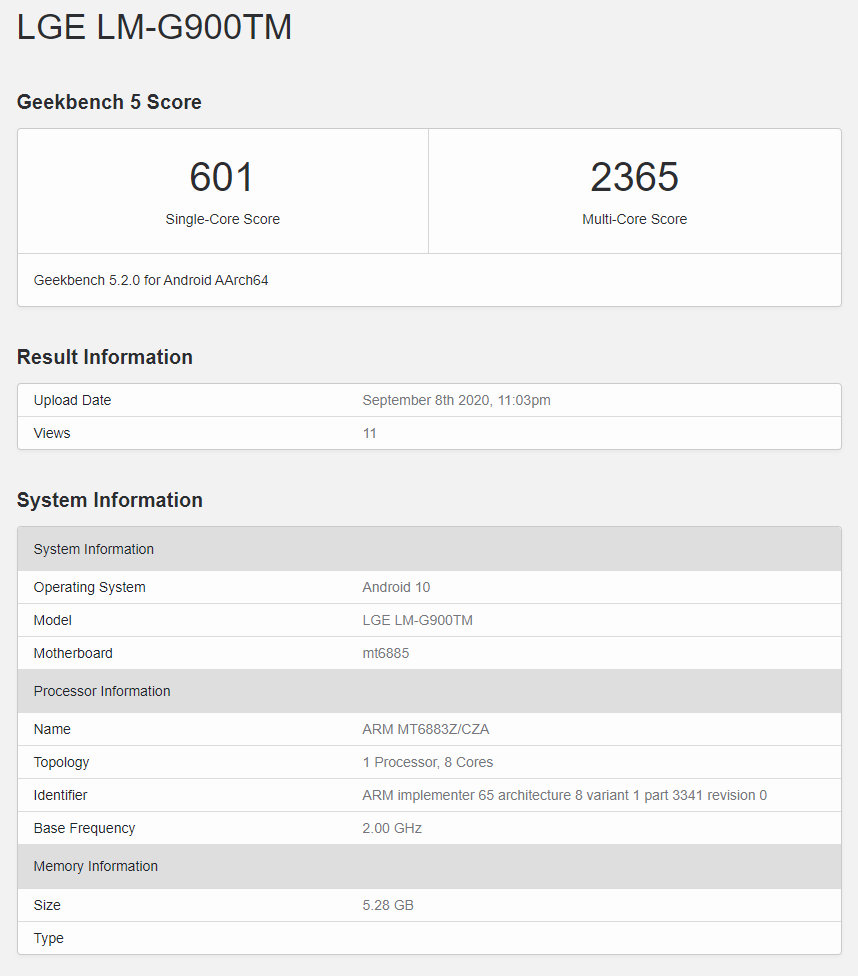
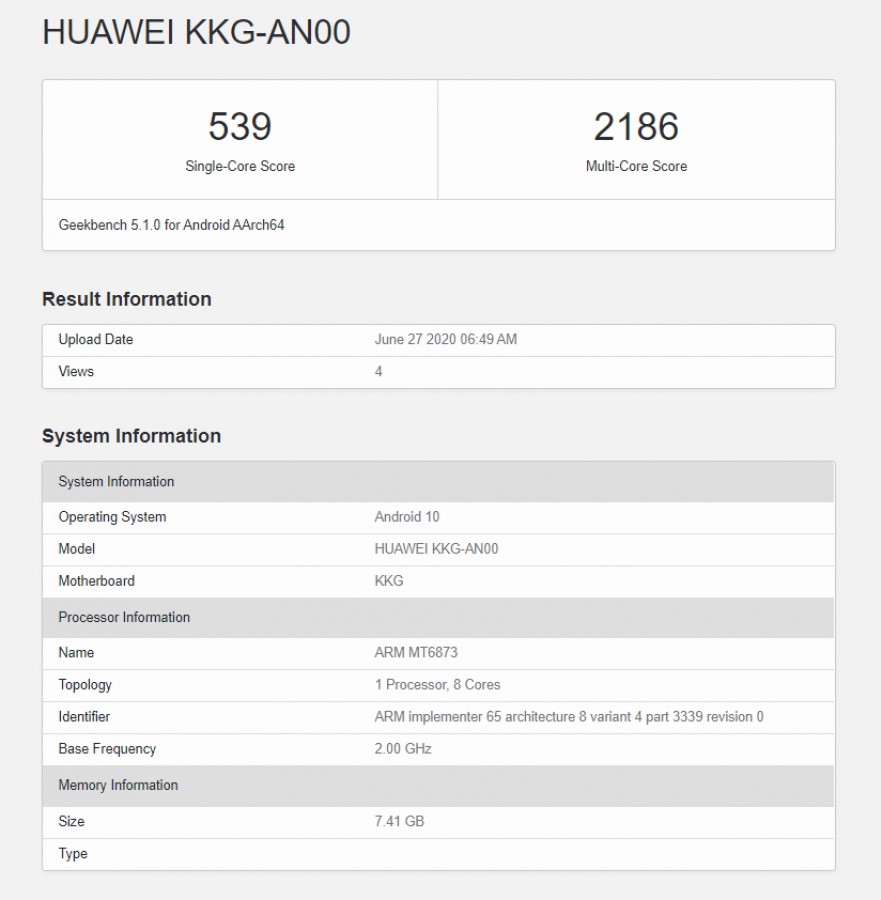
The Velvet 5G manages a single-core score of 601 on GeekBench. On the multi-core test, it scored a total of 2365. When compared to the Dimensiy 800-powered Honor X10 Max GeekBench result, the Velvet 5G achieves up to 11% increase in single-core performance. The multi-core performance also increased by up to 8%.
We can’t say if LG will release the phone in other markets but the model will go on sale tomorrow. It carries a decent price tag of $588.
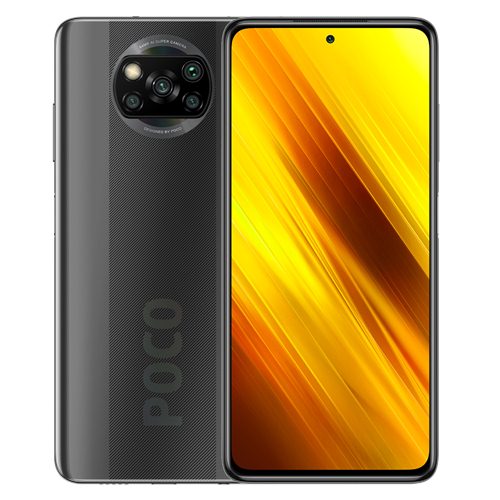
The recently announced Poco X3 NFC started sale earlier this week. It is the latest smartphone from the company and features some noteworthy specs for its aggressive pricing. So it arrives as no surprise that Poco managed to sell 10,000 units in just 30 minutes.
For those unaware, the Poco X3 NFC features a Qualcomm Snapdragon 732G chip alongside a large 5,160mAh battery pack with 33W fast charging. It features a quad camera module on the rear with a rather refreshing smartphone design overall. Thus, the aggressive pricing was all that was needed to push sales. The device was available through the official AliExpress store and managed to reach the impressive achievement in that platform alone.
The Poco X3 NFC can also be purchased from Xiaomi‘s official website, regional Amazon websites, Banggood, Gearbest, and more. While it is unclear as to how many units were sold on other e-commerce platforms, the number are sstill likely to be high. The 64GB model was launched for 229 Euros (roughly 269 US Dollars) while the 128GB variant is priced at 269 Euros (roughly 316 US Dollars). Although, the device is currently available for a special limited time discounted price between 8th September 2020 and 11th September 2020.
For additional details, the Poco X3 NFC features a 6.67 inch FHD+ IPS LCD display with a high refresh rate of 120Hz and HDR10 support as well. It has a maximum brightness of 450 nits and runs the latest MIUI 12 custom skin based on Android 10. The storage of the device can also be expanded via a microSD card slot with both storage variants featuring 6GB of RAM.
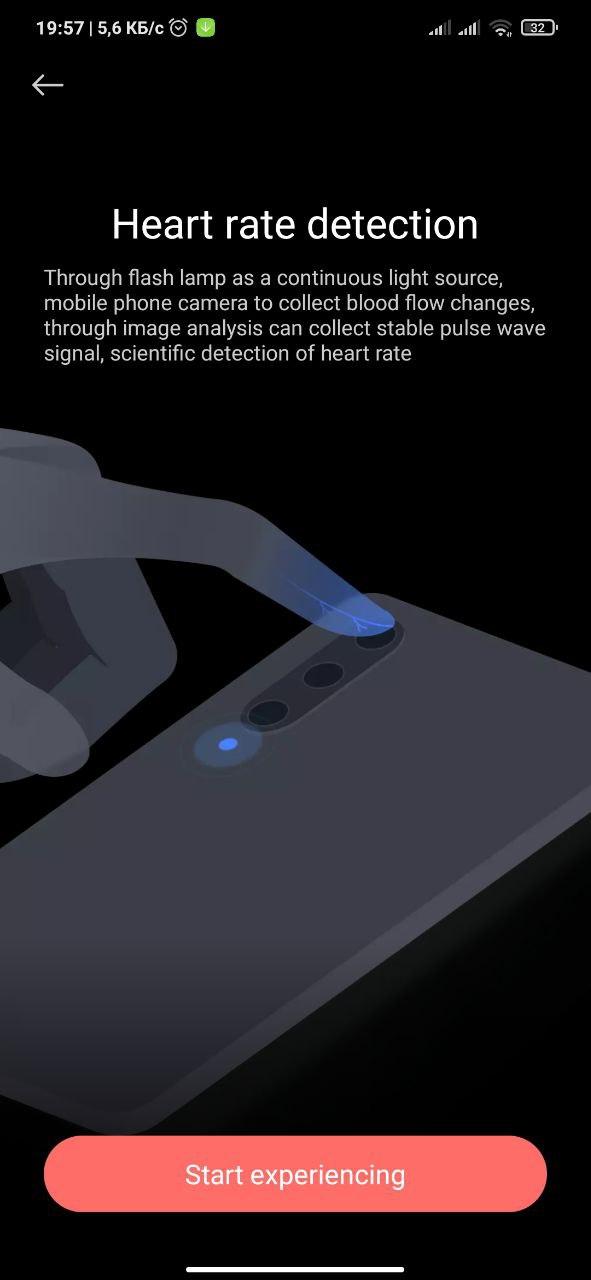
Last year, Xiaomi introduced a new MIUI system app called MIUI Health. This app offers a number of features such as step tracking with support for running, cycling & stair-climbing, sleep monitoring via user’s movements & snoring, and menstruation cycle tracking. Now, with version 2.7.4, the app gets a new heart rate monitoring feature.
Up until a few years back, Samsung used to provide heart-rate sensors on its flagship smartphones. But with the increase in fitness trackers and smartwatches in the market, the company stopped including them. Another reason for dripping them is to save space for some other components.
On the other hand, Xiaomi has now implemented heart rate monitoring in its MIUI Health app without relying on a dedicated sensor. The app users phone’s camera and LED flash to measure heart rate.
MIUI Health v2.7.4 and the new heart-rate monitoring feature were first shared by a Telegram channel called @MiuiSystemUpdates (via XDA Developers).
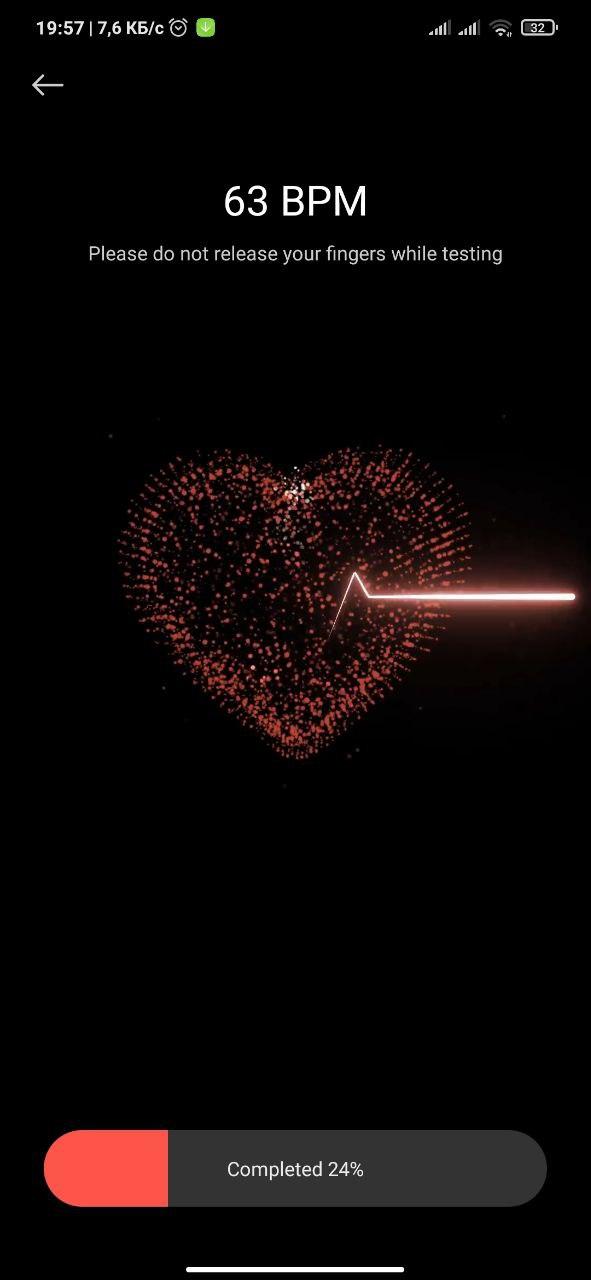
According to the screenshots and a video shared by the channel, to measure their heart-rate, users will have to block the camera and LED flash of their phone with one of their fingers till the progress bar fills in. Then, select their current state from a pop-up, which includes General status, Resting state, and After exercise.
1 of 2
Just like in Mi Fit app, users will have access to a dashboard showcasing the history of their heart-rate measurements. That said, we are not sure how accurate these readings will be.
The MIUI Health app was initially limited to the Chinese version of MIUI 12. But now, it is also available in other regional builds of the software for certain devices.
Huawei, the known consumer electronics maker, is also one of the largest telecommunications equipment provider in the world. Now, its market share in the industry has grown even further, widening the gap between the Chinese tech giant and Nokia.
For those unaware, Nokia is also a known telecom equipment maker, with various countries with anti Chinese sentiments opting for Nokia’s equipment. According to a new The Elecreport, Huawei’s market share in the first half of 2020 reached 31 percent, which is a rise from 28 percent from back in 2019. Nokia arrives second with a market share of just 14 percent during the same period, dropping from 16 percent last year.
Furthermore, Huawei had first surpassed Nokia back in 2015 and has since been widening the gap between itself and the Finnish vendor. Ericsson, a Swedish brand, came in at 14 percent market share in 2020, which has remained unchanged since 2019. Another Chinese brand that rounds up the group is ZTE, with a market share of 11 percent, rising from just 9 percent year on year.
Both Huawei and ZTE have seen a jump in shares thanks to the adoption of the newer and faster bandwidth in China. On the other hand, Nokia has been more or less excluded in the 5G infrastructure in China, while it has seen more popularity in the west, which is a clear indicator of the frictions between China and other western nations. Lastly, Cisco and Ciena came in fifth and sixth respectively in the wired equipment market.
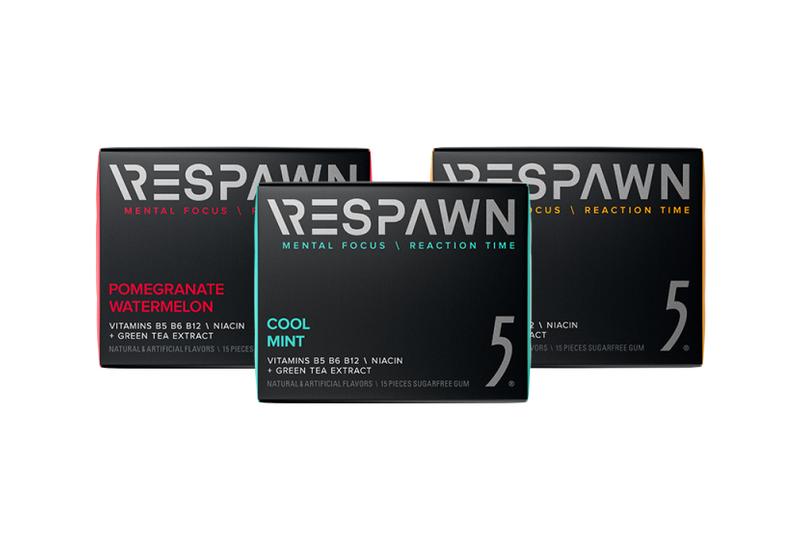
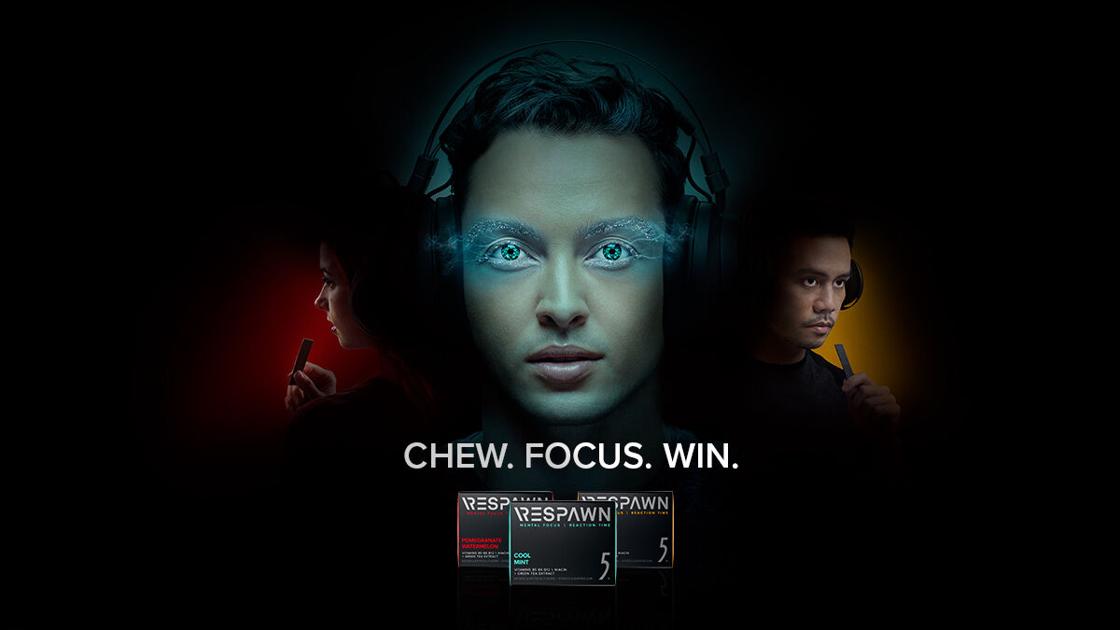
Razer has just announced its latest product related to gaming and it isn’t an electronic gaming peripheral, but an edible one. The company partnered up with 5 Gum from Mars Wrigley to make “Respawn by 5 Gum.”
The new chewing gum made for gamers is available in three different flavors, including cool mint, tropical punch, and pomegranate watermelon. It is available for 2.99 US Dollars for a 15 stick pack or 27.99 US Dollars for a big 10 pack. Respawn by 5 Gum will be available for purchase from the company’s official website, Razer.com, and on Amazon. Notably, this isn’t the company’s first edible product, as it has previously launched a flavored energy drink mix back in 2019.
According to Razer, the gum was developed with an “extensive amount of R&D,” which was apparently undertaken with daily regimes, gaming schedules, and snacking habits in mind for casual and professional gamers. For those that were skeptical about the drink mix’s high amounts of caffeine can rest assured since the only source of caffeine in Respawn is through green tea extracts. In other words, one can consume it “at any time of day or night to keep gamers focused, but not continuously affect them once the game was over.”
The chewing gum is black in color but Razer has assured that no mouths will turn black due to it. With gaming becoming one of the greatest forms of entertainment media, more and more companies are offering their own wacky products in the market, and clearly the gaming popular gaming peripheral maker wanted to have its own out in the market too.
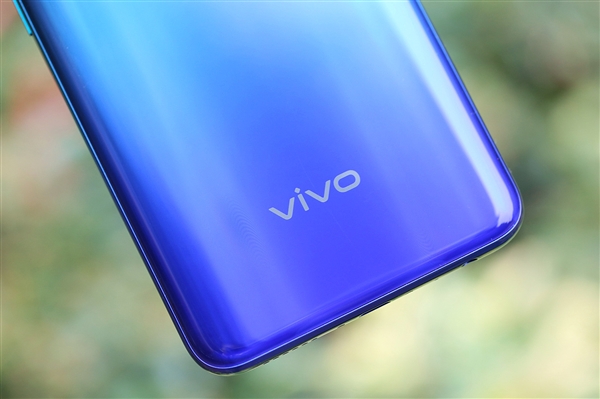
Vivo has beaten Samsung to become the top selling smartphone brand in Indonesia. This arrives amid the Coronavirus pandemic that has the consumer market lean towards budget handset offering, which is in favor of the Chinese vendor.
Chinese brands currently account for over 73.3 percent of total smartphone shipments within the country in the second quarter of 2020, as per a KrAsiareport. Vivo led the market with a 21.2 percent market share, surpassing the usual market leader Samsung, which came in third with a 19.6 percent market share. This figure showcases a near tripling of Vivo’s 7.8 percent market share from back in Q2 2019.
Another Chinese brand, Oppo, came in second with a 20.6 percent market share, with Xiaomi and Realme coming in fourth and fifth respectively with 17.9 and 13.6 percent market shares. According to Counterpoint Research, Vivo’s success in the market is due to its successful aggressive pricing strategy within the entry to mid range segments. People are buying affordable handsets for various reasons, including work from home or distance learning during this time of crisis.
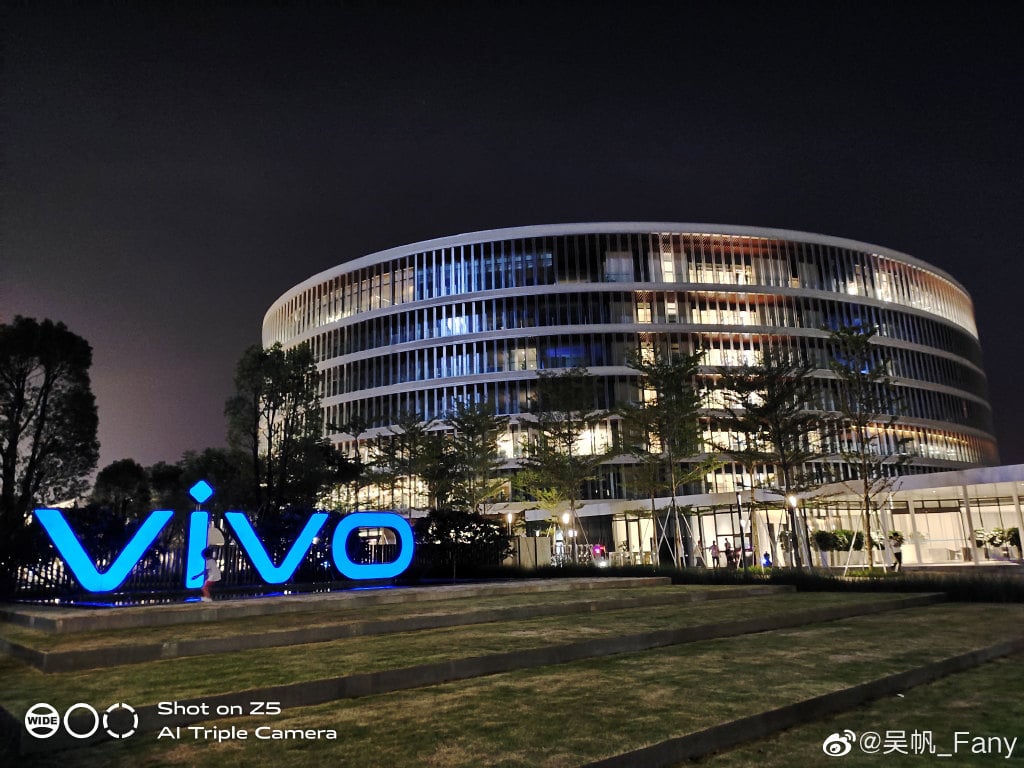
Vivo HQ
Furthermore, the crisis has also had an impact on the country’s economy. Thus, cheaper smartphones have become more popular, with the most devices being sold under IDR 2 million (roughly 136 US Dollars). Notably, smartphone sales in Indonesia have also declined by nearly 20 percent since last year with 50 percent of the online sales came from the country’s popular local e-commerce platform, Lazada.
China has so far been ahead of the curve when it comes to 5G network adoption rates. The country had planned to build 500,000 5G base stations by the end of this year, and it was recently announced that they have reached 96 percent of its goal.
At the moment, China has over 480,000 base stations for the newer and faster bandwidth. Despite the ongoing Coronavirus pandemic, the country has gone ahead with strengthening its economy and boost growth during this period of crisis. According to the Ministry of Industry and Information Technology’s (MIIT) director Wen Ku, there are over 100 million devices connected to 5G networks in mainland China.
Furthermore, MIIT minister Xiao Yaqing also said that there are more than 60 million 5G users in the country. 5G offers peak data rates up to 100 times faster than the current 4G network offers and is often referred to as the “connective tissue” for Internet of Things (IoT), self driving cars, smart cities, and other new mobile applications. In other words, it stands as the backbone for the industrial internet.
Chinese smartphone vendors like Xiaomi, Huawei, and others are also playing their roles in the adoption of 5G, with more affordable 5G enabled devices being launched this year. Back in August, Shenzhen announced that it was the first to achieve “full coverage” of a standalone 5G network that is not built on existing 4G infrastructure. So it’s clear that China has placed great emphasis on the new generation of telecommunications.
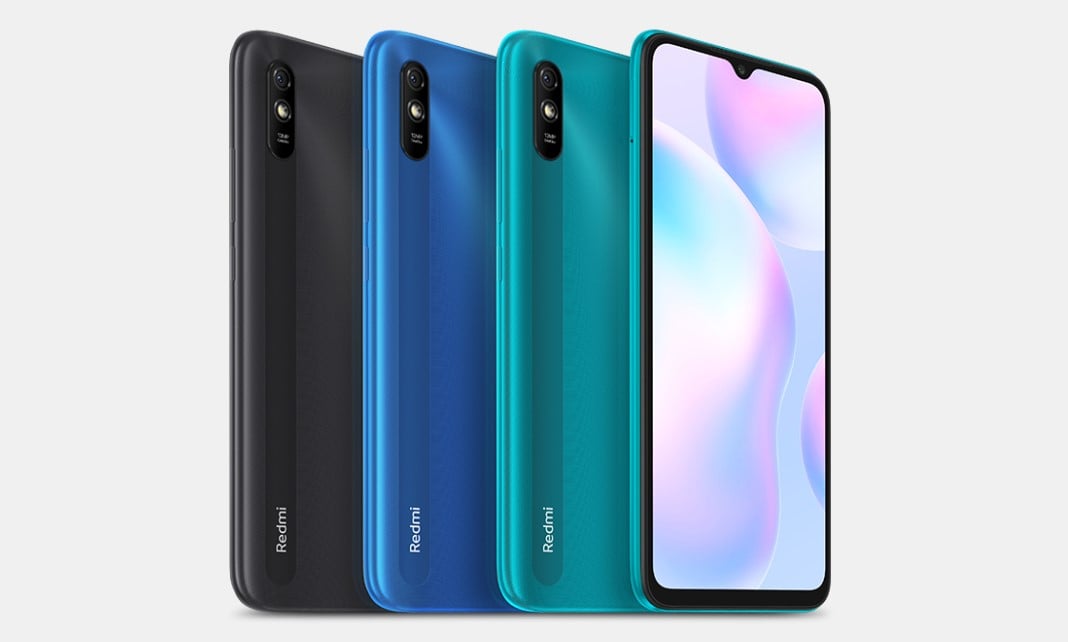
In the past few weeks, Xiaomi has launched Redmi 9 Prime, Redmi 9, and Redmi 9A smartphones in India. Today, the company confirmed through its Redmi India Twitter account that it will be launching the Redmi 9i phone in the country on Sept. 15.
The Redmi 9i tweet released by the company confirms that the phone will come with a waterdrop notch display and 4 GB of RAM. The handset will be available for purchase on Mi.com and Flipkart.
— Redmi India – #RedmiSmartBand is here! (@RedmiIndia) September 9, 2020
The landing page of the phone that is now live on mi.com has further revealed that it will arrive with big internal storage, a large battery, better cameras, and gaming capabilities. Also, it will come preinstalled with MIUI 12.
At the end of the previous month, Pricebaba had revealed that Xiaomi will be launching the Redmi 9i phone in India. The publication that cited information acquired from tipster Ishan Agarwal will be available in variants such as 4 GB RAM + 64 GB storage and 4 GB RAM + 128 GB storage. The handset will be available in color editions such as Nature Green, Sea Blue, and Midnight Black.
The other specifications of the smartphone not known yet. Considering the fact that the Redmi 9A has 3 GB of RAM in its highest variant, the Redmi 9i will be slotted between Redmi 9A and Redmi 9. According to a new report on 91mobiles, Agarwal has revealed that the Redmi 9i will be selling in India with a starting price of Rs. 7,999 (~$109).
In comparison, the Redmi 9A variants such as 2 GB RAM + 32 GB storage and 3 GB RAM + 64 GB storage are priced at Rs. 6,799 (~$92) and Rs. 7,499 (~$102), respectively. On the other side, the 4 GB RAM + 64 GB storage and 4 GB RAM + 128 GB storage are priced at Rs. 8,999 (~$122) and Rs. 9,999 (~$136), respectively.
After Google released Android 11 stable builds for Pixels, OnePlus also made OxygenOS 11 Open Beta 1 available for OnePlus 8 and OnePlus 8 Pro. Since it is public, anyone can install it unlike beta builds from OPPO, realme, and Xiaomi, which require registration and approval. Just like with every new build software, this one too includes strings revealing an upcoming new feature and a product.
OxygenOS 11 – Up to 8K 960fps video recording
Folks over at XDA Developers performed a teardown of the OnePlus Camera app that comes bundled with OxygenOS 11 Beta 1 for OnePlus 8/8 Pro. They found out that the company is working on 8K video recording up to 960fps.
For those unaware, the Spectra 480 ISP present in current-gen Snapdragon 865/865+ is only capable of recording 720p videos at 960fps. As for 8K, it can only handle 30fps and this feature is available in a number of smartphones released this year.
In fact, this ISP doesn’t even natively support 960fps in 1080p and 4K resolutions but the strings mention all of them. So OnePlus could be mostly using interpolation for this feature. Also, we cannot rule out the possibility of this feature to debut on a device with next-gen Qualcomm flagship SoC with a better ISP.
OnePlus 8T
A few days back, a render of OnePlus 8T was unearthed from the OxygenOS Android 11 Beta 4 build. The file was named “oneplus_8t.webp”. But in the latest OxygenOS 11 Open Beta 1, the company has renamed the file to “oneplus_kebab.webp”.
Also, the strings from the Settings app suggest two variants of OnePlus 8T – kebab for Canada and India & kebabt for the US.
OnePlus Buds Z
Similarly, XDA Senior Member Some_Random_Username found strings mentioning the unreleased OnePlus Buds Z. Since the company uses Z branding for its lite/budget version of earphones (e.g., OnePlus Bullets Wireless Z), this could be a cheaper variant of already available OnePlus Buds TWS.
Sensor Tower has just released a new report regarding the most downloaded apps from across the globe in the month of August 2020. The list details apps from both App Store and Google Play.
Looking at the list, TikTok is still the most popular application worldwide. The short video sharing application saw the highest number of downloads in both the App Store and Google Play, making it the highest download app overall as well. A total of 63.3 million installs were recorded during the month with Indonesia seeing the highest number of downloads followed by Brazil.
Notably, the list is for nongaming related applications, so video game titles are not ranked. Furthermore, despite the original boom period being over, Zoom is still doing extremely well in the Apple App Store with over 52.2 million downloads, coming in at the 2nd. On Android, the application fell to the 5th position. Other known names like Facebook, WhatsApp, and Instagram can also be found on the list. Although, these social media platforms can be found in varying positions on different platforms.
Sensor Tower estimated the downloaded figures through its own sources between the period of August 1 to August 31, with only unique downloads being counted and not pre installed ones. This metric shows that TikTok is still a market leader in various markets despite facing a ban in India and issues in the US as well, two of its primary markets. And in another sense, work from home is increasingly becoming the norm with Zoom seeing great success with its services.
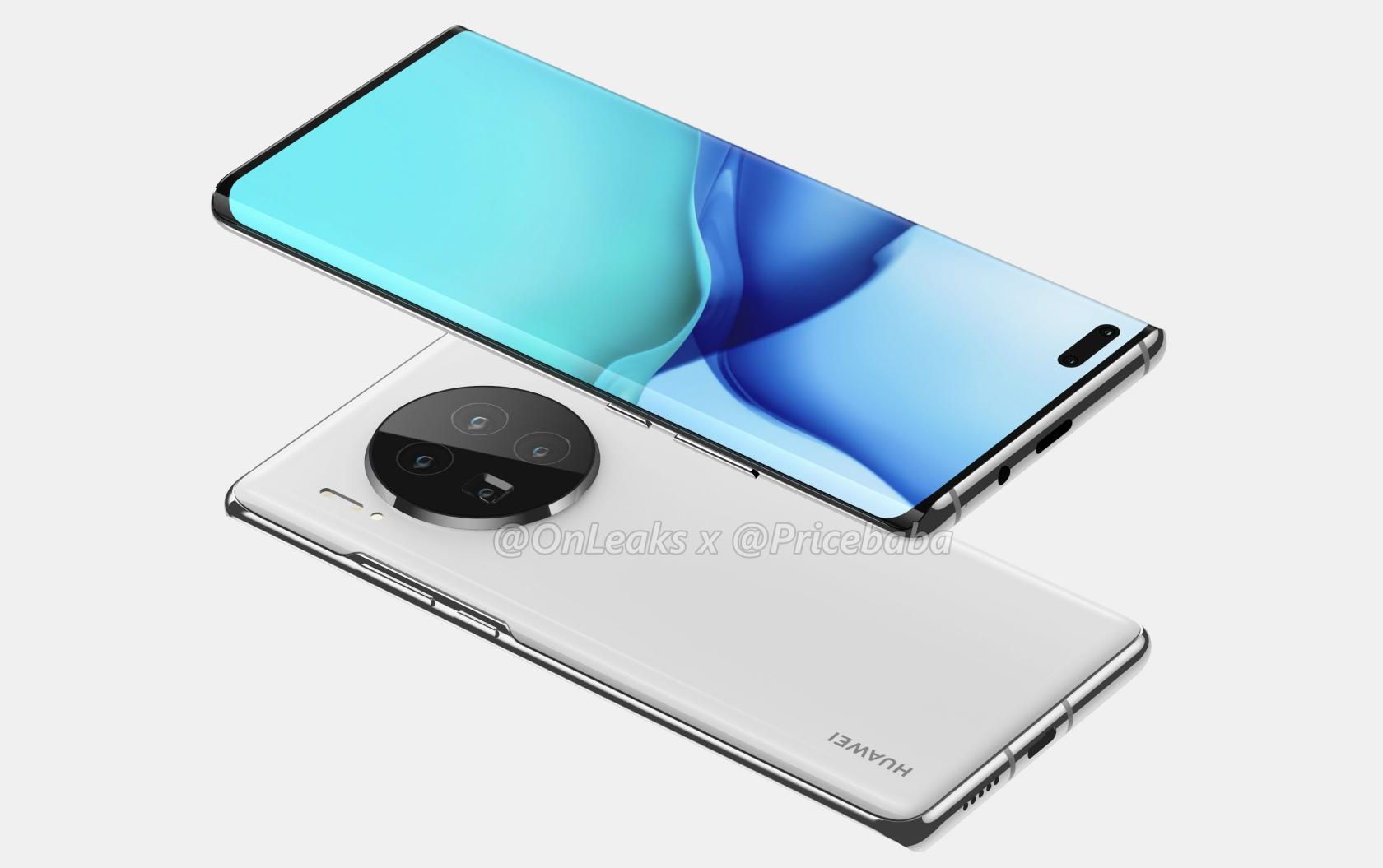
Last year, Huawei had launched the Mate 30 series in September. However, there is no official word yet on the launch date of the Huawei Mate 40 series. Meanwhile, the rumor mill is actively spilling information on the specs and features of the Mate 40 models. Today, a Chinese tipster leaked information on the front-facing cameras of the Mate 40 series.
The tipster has claimed that the Mate 40’s flagship lineup will include three handsets namely, the Mate 40, Mate 40 Pro, and Mate 40 Pro+. He has learned from the supply chain sources that the Mate 40 will have a single camera on the front.
As far as the Mate 40 Pro and Mate 40 Pro+ are concerned, these phones are likely to sport pill-shaped cutout on their displays for housing dual selfie cameras. The dual selfie setup of the Mate 40 Pro models will include a Sony IMX588 camera and a Sony IMX516, which is a ToF (Time-of-Flight) sensor.
The tipster also revealed that the Huawei Mate 40 series has a Sony IMX700 lens. It is a 50-megapixel sensor that Honor had offered on the Honor 30 Pro+ flagship phones. A recent leak had revealed the rear camera design of the Mate 40 Pro. It had shown that it will have a circular camera module. Reports have claimed that the Mate 40 Pro will have a quad-camera system, whereas the Mate 40 will have triple rear cameras.
It is speculated that the Huawei Mate 40 will be driven by the Kirin 9000E and Kirin 9000 chipsets. Probably, the vanilla model will be equipped with Kirin 9000E which is said is to be a more powerful version of the Kirin 990 5G. The Mate 40 Pro and Mate 40 Pro+ could be featuring the fully upgraded Kirin 9000 SoC. It is still unclear whether Huawei will be announcing the Mate 40 series in this month or October. A report from last month had claimed that the Mate 40 series may break cover next month.
Tech veterans in China are planning on launching a “domestic replacement” fund in the country by the end of this year. The move arrives after the recent US sanctions and aims at supporting Chinese companies that have been affected by the Trump administration.
China Europe Capital, a venture capital firm, has raised over 5 billion Yuan (roughly 731 million US Dollars) for the fund and will start investing in startups specializing in technologies. In other words, the new fund is aimed at creating China’s next tech giant. The veterans include former executives from major Chinese companies like Huawei and SMIC, with a focus on 5G networking and artificial intelligence.
Notably, the new fund is being created amid a government backed investment boom in the China’s local technology sector. The “tech war” between Washington and Beijing has fueled the investments. In recent times, the relationship between the US and China has soured, with the coronavirus pandemic making matters worse. According to a Reutersreport, “China and the US are in a Great Power rivalry that will end only when there’s a knockout,” said Zhang (fund’s Chairman and former Huawei Vice President).
This also arrives after reports have surfaced that the Trump administration might be planning on banning China’s biggest chipmaker, SMIC (Semiconductor Manufacturing International Corp). Zhang further added that “it’s not just about trade war, or sanctions. It’s a matter of life and death.” If China faces a complete cut off from western technology, it could potentially face a crisis considering the country will take several years to reach levels of self sufficient technology.
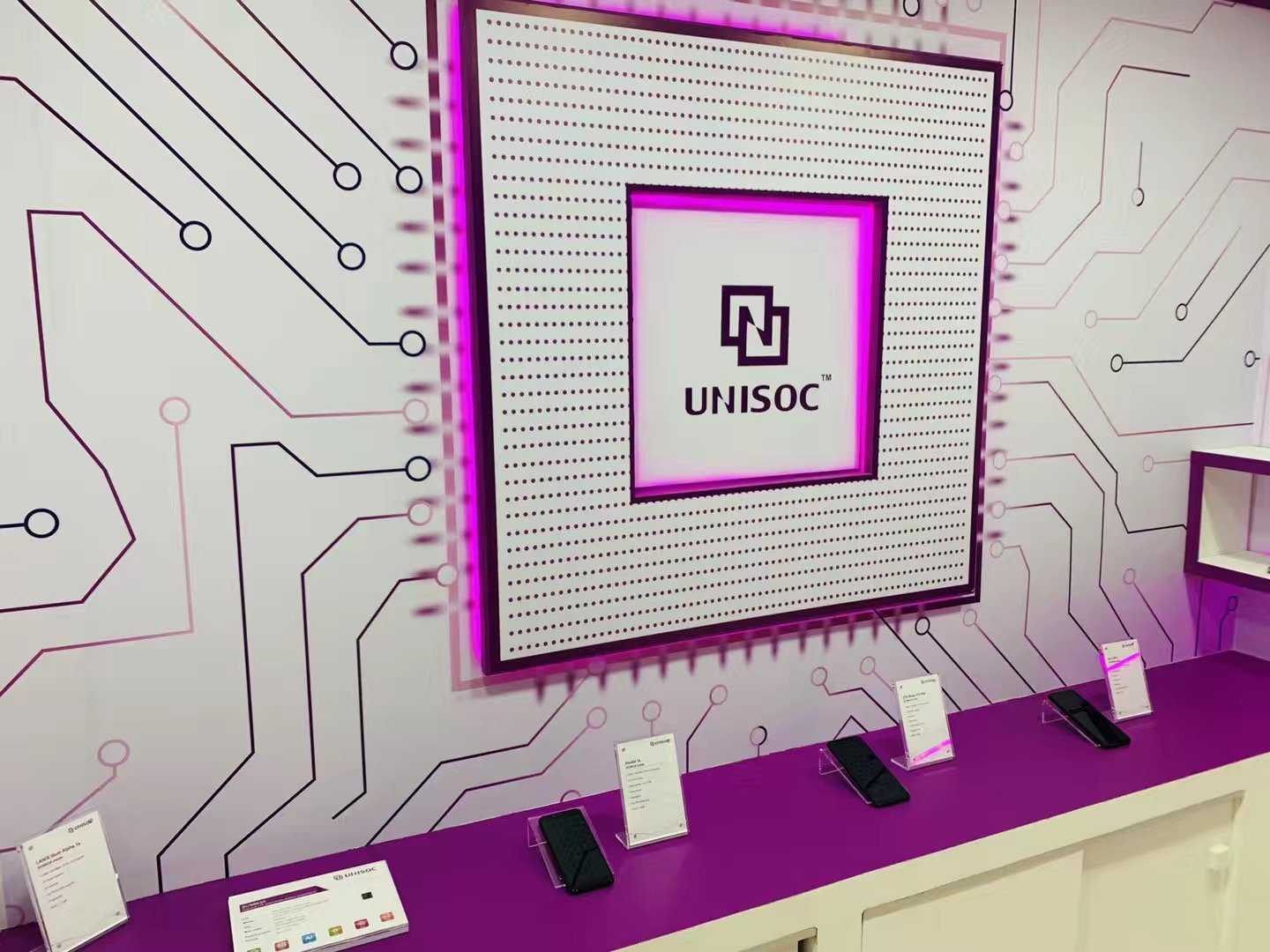
With Android 11 getting officially released, China-based Unisoc has today announced that it will be upgrading six of its smartphone chipsets to have support for the newly launched version of the Android mobile operating system.
The chipsets, which are getting Android 11 support include Huben T618, Huben T610, Huben T310, SC9863A, SC9832E, and SC7731E, reports ITHome. The company says that it will provide equipment manufacturers with pre-tested, pre-certified, and fully compatible Android 11 one-stop solution.
Along with this, Unisoc has also launched a six-in-one quick upgrade program which as the name indicates, is a single upgrade package that can be adopted for six different smartphone platforms.
As for Android 11, it comes with some new features but the primary focus on the new version is to improve the user experience. It seems to be focusing on three areas — User Experience, Privacy, and Permission Control.
Google has started rolling out the new update to the Pixel series smartphones. Other smartphone manufacturers have also joined Google for the release of Android 11, including OnePlus, OPPO, Xiaomi, and Realme.
The on-going battle between iPhone maker and software developers has intensified as Apple has countersued Epic Games, the maker of Fortnite. The WSJ report mentions that it has accused the company of breaching a contract when it introduced a new in-app payment system within the game.
Apple is seeking punitive damages and is asking the judge to restrict Epic from continuing what it describes as “unfair business practices”. The filing comes just days after Epic Games sought an injunction for Apple to put the popular videogame back in its App Store.
In its filing this Tuesday, Apple said that “Epic’s lawsuit is nothing more than a basic disagreement over money. Although Epic portrays itself as a modern corporate Robin Hood, in reality, it is a multi-billion dollar enterprise that simply wants to pay nothing for the tremendous value it derives from the App Store.”
The legal battle between both the companies started when the gaming firm introduced its own in-app payments system on Fortnite which skirted the 30 percent fee that Apple charges for each transaction.
Within hours, Apple removed the Fortnite game from its App Store for violating the rules. Soon after that, Epic Games sued Apple in California federal court, accusing the company of anticompetitive conduct.
Apple has been focusing on generating revenue from services, reducing its dependence on hardware. In line with that, Sensor Tower estimates that in the first seven months of this year, the company generated about $39 billion in revenue just from the in-app purchases, subscriptions, and premium app downloads.
Fortnite, on the other hand, one of the most popular battle royale game, has been downloaded more than 130 million times through the App Store ever since it made its debut in 2018. As per the court documents, Epic Games earned over $600 million from its relationship with Apple.
China-based BOE Technologies has today launched its latest intelligent dimming solutions that can control the rotation of dye molecules to change the transmittance under-voltage drive and offer continuous adjustment of light.
As per the report, compared to other dimming solutions, these have advantages of high transparency, low power consumption, and faster response. The company adds that they have the effects of sound insulation, heat insulation, and UV protection, and are suitable for passenger car sunroofs. As for the side window, it can be well-integrated into the passenger car smart cockpit.
BOE Skylight Dimming Window
It is based on BOE’s LCD dimming technology and adopts the free-form surface design of the sunroof, which the company claims is leading a new trend of the development of passenger car intelligent panoramic sunroof.
It supports dimming of the entire surface or partitions of it. It also has better heat insulation performance and can replace traditional sunshade curtains. There’s also support for voice-based and touch-based controls.
Similar to the sunroof model, the side-window offering from BOE also supports dimming of the entire glass or just a portion of it. It is based on the BOE’s ultra-thin intelligent dimming technology and matches the light-weight demand.
It can reduce glare and block ultraviolet rays, enabling users to enjoy the beautiful scenery through the window been during harsh sunlight. It also provides a more user-friendly approach for interaction.
The company adds that in addition to the side window for a car, it has broad use-case scenarios, such as in high-speed rail, shipbuilding, aviation, architectural lighting roofs, and curtain walls, among others.
We use cookies on our website to give you the most relevant experience by remembering your preferences and repeat visits. By clicking “Accept”, you consent to the use of ALL the cookies.
This website uses cookies to improve your experience while you navigate through the website. Out of these, the cookies that are categorized as necessary are stored on your browser as they are essential for the working of basic functionalities of the website. We also use third-party cookies that help us analyze and understand how you use this website. These cookies will be stored in your browser only with your consent. You also have the option to opt-out of these cookies. But opting out of some of these cookies may affect your browsing experience.
Necessary cookies are absolutely essential for the website to function properly. This category only includes cookies that ensures basic functionalities and security features of the website. These cookies do not store any personal information.
Any cookies that may not be particularly necessary for the website to function and is used specifically to collect user personal data via analytics, ads, other embedded contents are termed as non-necessary cookies. It is mandatory to procure user consent prior to running these cookies on your website.