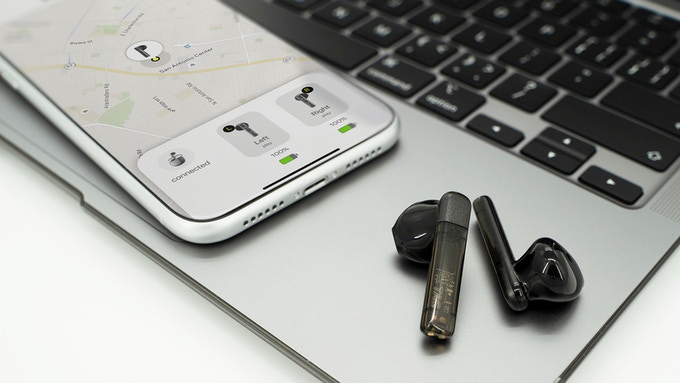
Baseus is globally known for its quality audio devices across the globe. The company recently unveiled its new audio earbuds consisting of Dual BT Mode and several other features. It is up for crowdfunding via Kickstarter and you can grab a single unit of the HiFi TWS Earbuds by making a pledge for $69 for more. It is also termed as the world’s first BT5.0 + BLE anti-lost TWS earphone due to its exceptional tracking feature.
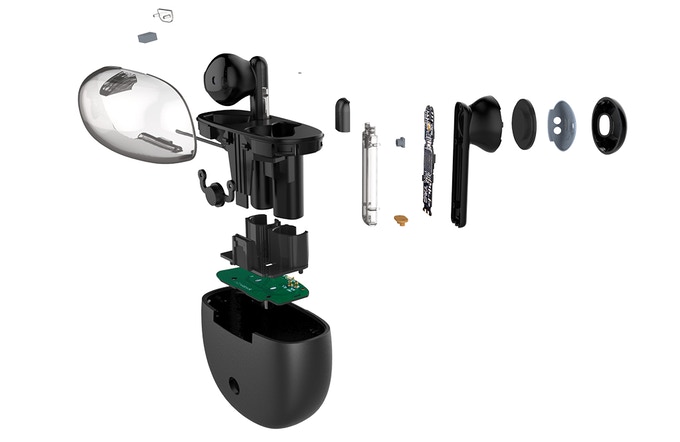
It is supreme quality earbuds offering clear treble, deep bass, and a balanced midrange. Moreover, its single click tracking feature allows the user to track the device easily. Baseus Tag works with any smartphone apart from iOS devices. Other primary features include Bluetooth 5.0 + BLE, Noise Reduction Tech, Translucent Design, IPX54 waterproof, Intuitive touch controls, Clear Calling, and Android + iOS compatibility.
Baseus Tag comes with an advanced GPS module to easily track its real-time location. You can even “play sound” to make the earbud buzz.
It packs 14.2mm Dynamic Driver for the best quality sound. The driver diameter is much larger than the Apple AirPods which creates better sound. The latest HiFi TWS Earbuds packs BES2300IU1 SoCs in both the earbuds for a seamless transition between left and right earbuds. The company’s own noise reduction algorithm reduces 90% noise while on phone calls.
Multiple controls touch controls like long-press (L) for the previous song, long-press (R) for the next song, and many others. Moreover, the Baseus Tag TWS earbuds come with IPX54 water and sweat resistant certification.
Pricing
The interested users can head over to the Kickstarter crowdfunding website to book the device at an affordable price. The buyers can pledge for $69 or more for a single unit of Baseus Earbud, $109 for 2x units, and $169 for 3x units.
Chinese display giant BOE, in its conference call for the first half of 2020, stated it plans to ship more than 40 million units of flexible organic light-emitting diode (OLED) panels this year.
The company in a statement claimed to have shipped around 16 million units of 6th generation flexible OLED panels in the first half of the year. Over 24 million units is projected to be shipped in the second half of the year, so that total shipment for the year will exceed 40 million units. According to BOE, 4 million units was moved from July to August.
If the company meets its yearly target, it means they had a 135% rise in shipment from last year. Omdia revealed that about 17 million units of flexible OLED were moved by BOE last year. With 40 million units shipped, it’s still about a quarter of annual shipment of Samsung Display, the biggest manufacturer of OLED.
There’s a plan by BOE to expand its OLED production line. Expected to go live in the second half of 2021, is the B12, at Chongqing. BOE aims to reach a monthly production capacity of 144,000 sheets per month. Meanwhile, they are exiting B7 and B11 line. The company has on table the plan to produce another fourth line called B15 at Fuqing in a later date, it will be a 6th generation OLED line.
Samsung Display, according to Stone Partners, shipped 29.3 million units of flexible OLED panels in the second quarter to control 63.2% of market share. Closely followed was BOE with 11.3 million units and 24.4% market share. Samsung in the first quarter had 81.9% market share with 37.9 million units, while BOE has 8.5% with 3.9 million units.
BOE said that out of the 16 million it made in the first half of 2020, the B11 line produced 4 million panels, which is otherwise called the Apple Line. The company didn’t reveal then which company bought the panels produced there, as they could not clinch an order from Cupertino for the iPhone 12 series.
The Chinese display giant is planning to ship OLED panels to Apple, of both B11 and B7 lines. BOE’s first flexible OLED line was the B7, which began operations in 2017. The line which is also known to have a stable yield rate has been supplied to Huawei amongst other Chinese smartphone makers.
The company also disclosed during the conference how difficult it will be to say for the larger OLED panel if the inkjet printing OLED was superior to the White OLED. LG Display used the White OLED technology for its OLED panels aimed at TVs, which adds a white pixel to the standard red, blue and green ones. While the Inkjet printing OLED will project the light emitting material into the panel.
COST, which is next to BOE in terms of production of display, said they planned to build a factory that will manufacture large OLED panels in Guangzhou in 2023
During the conference call, BOE said they will begin the production of miniLED panels in the fourth quarter.
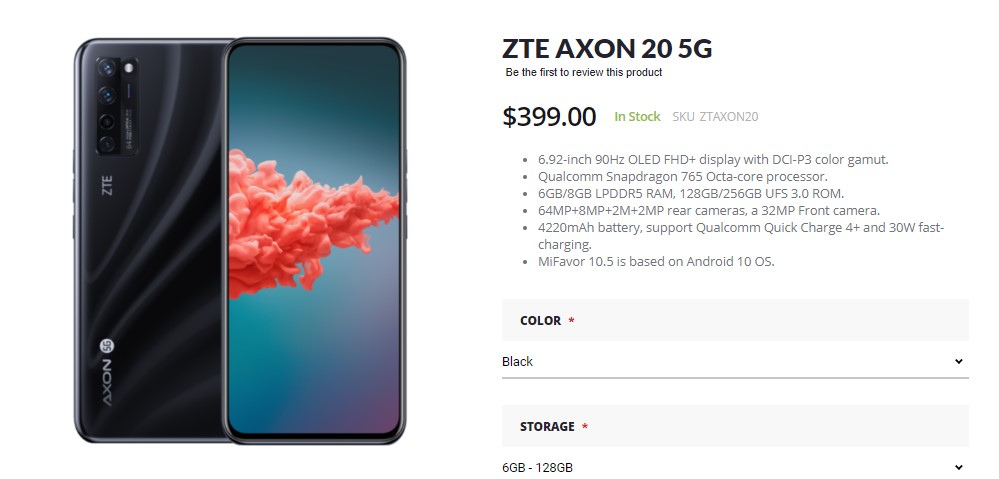
ZTE Axon 20 5G finally made its way through and was launched a couple of days ago. The smartphone carries exceptional features including a 6.92-inch OLED display with 1080 x 2460 pixels resolution and a 90Hz refresh rate. Qualcomm Snapdragon 765G chipset is onboard with 6/8GB RAM and 128/256 GB storage. Its quad-rear camera module consists of a 64-megapixel primary sensor, an 8-megapixel ultrawide sensor, a 2-megapixel macro lens, and another 2-megapixel depth sensor. Moreover, a 32-megapixel is intact on the front for quality selfies. There’s also a 4220 mAh battery with 30W fast charging and runs on Android 10.
Such a powerful device is now available for purchase via Giztop for $399. It is currently available only in black color with 2 years of warranty. The retailer is offering worldwide shipping without any additional charge.
ZTE Axon 11 4G
It is the best option to grab the device even before it arrives at the official stores in Europe and other continents.
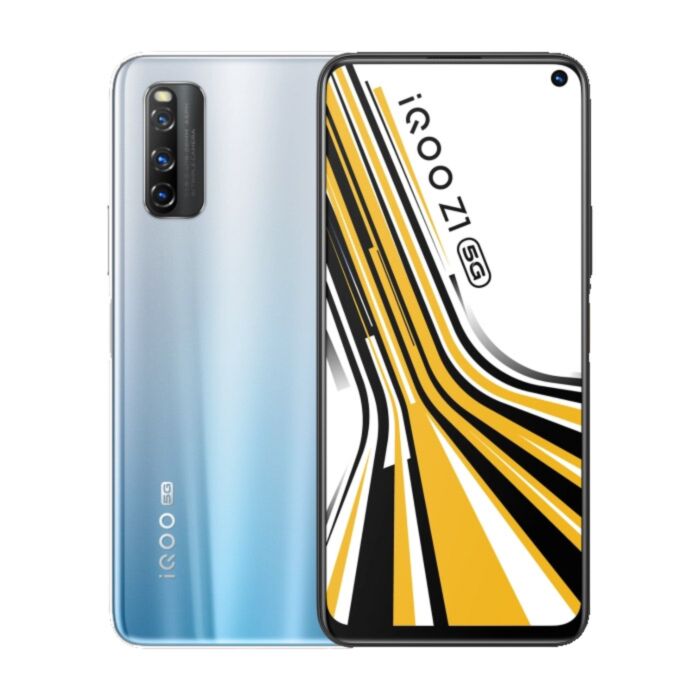
Vivo iQOO Z1 is one of the best 5G enabled devices you can get right now. Powered by the monster MediaTek Dimensity 1000+ 5G chipset based on 7nm, the device has been priced very well by Vivo. The iQOO Z1 offers more than its competitors in the price range of $300 – $400. Coupled with the 6GB/8GB RAM and plenty of internal storage starting with the 128GB base, it’s a complete package within your budget. It has a brilliant, beautiful 6.57-inch FHD+ punch-hole display, and keeping its light on is a massive 4,500mAh battery.
That being said, you can avail the Vivo iQOO Z1 with a $100 off on Giztop. It’s a crazy promotional offer as you can grab the device for the price as low as $299 for the base. All you’ve to do is apply the promo code QZ100 at the checkout on GizTop. As of the high-end 8GB model, it’d be around $399 after applying the promo code. Indeed, it’s a once in a while opportunity and if you’re on the verge of purchasing a new device, then with the $100 off the iQOO Z1 should be the one to go with the offer.
Vivo iQOO Z1 is a value-for-money device offering 5G support at such a bargain price. Make sure to use the following coupon code on the Giztop checkout page in order to grab the $100 discount.
Today, at IFA 2020, TCL announced a bunch of devices including a couple of tablets, earbuds, and a watch for senior citizens under its MoveTime Family lineup. All these devices share one thing in common – they are affordable.
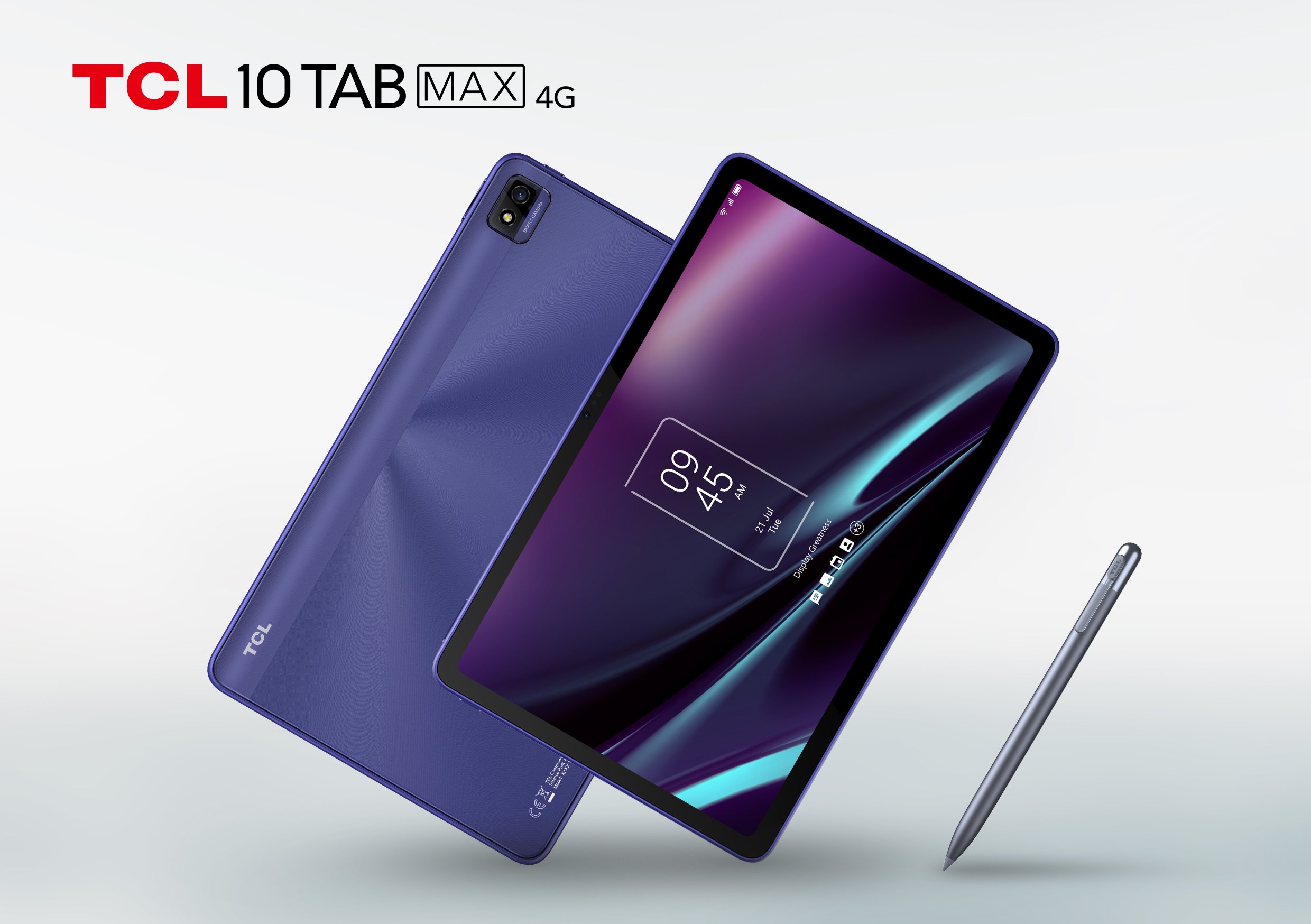
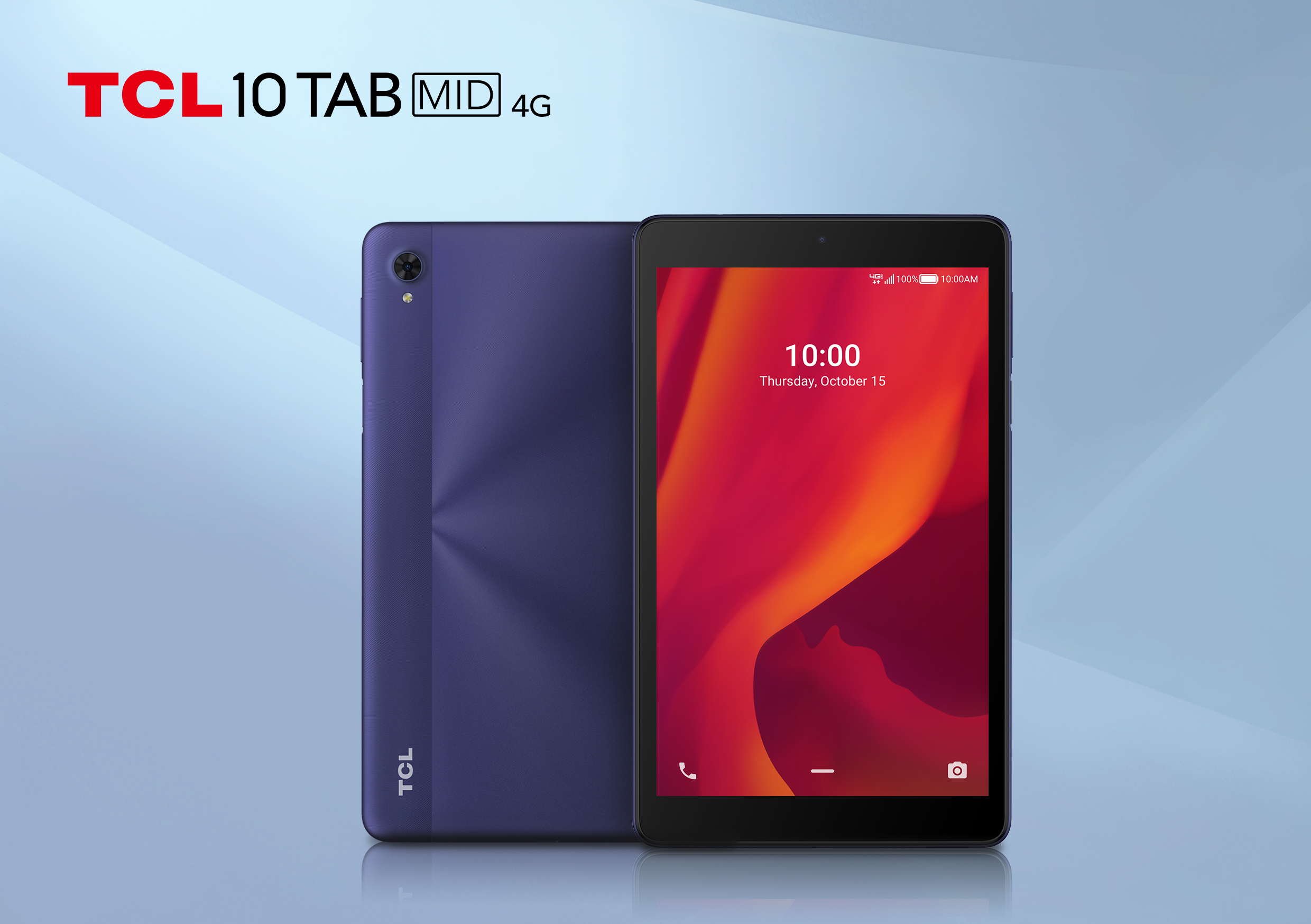
TCL 10 TABMAX & TABMID
The TCL 10 TABMAX is the largest of the duo featuring a 10.36-inch FHD+ display with 8.3mm narrow bezels and widescreen layout. You also get a stylus with the tablet, which can come in handy to draw or doodle on the large screen. The company says that the stylus features ultra-low latency but we don’t have an official figure.
The 10-inch tablet is made for productivity on the go. So you get an ‘advanced’ dual-microphone system and dual speakers for clear high-definition video calls. There’s an 8MP camera on the front as well. The display is also tweaked for comfort. TCL says that the screen offers intelligent eye protection with no flicker or harmful blue light, and better brightness in daylight or low light situations. It also has this unique feature wherein the tablet will pop up a notification if the viewer is within 25cm from the screen. At the back, you get a 13MP shooter. Inside, there’s a large 8000mAh battery.
The TCL 10 TABMAX comes in 4G and Wi-Fi only models retailing at €299 and €249 respectively. Both models go on sale in Q4 2020 in select regions globally, including Europe.
The TCL 10 TABMID is an 8-inch (IPS FHD screen) lighter and sleeker tablet with thicker bezels. You get a 5500mAh battery inside and a Snapdragon 665 processor. TCL says that the tablet features a ‘powerful speaker system’ with ‘deep booming sound’ making it ideal for entertainment. It also has a similar blue light filter and intelligent screen adjustment features to avoid eye strain. It has a 5MP front camera and an 8MP shooter at the back.
TCL adds that both these tablets have a dedicated Kids Mode with ‘kid-friendly UI’ and parental controls. The TCL 10 TABMID will retail at €229 Euros in Wi-Fi and 4G options in Europe and the Asia Pacific in Q4 2020.
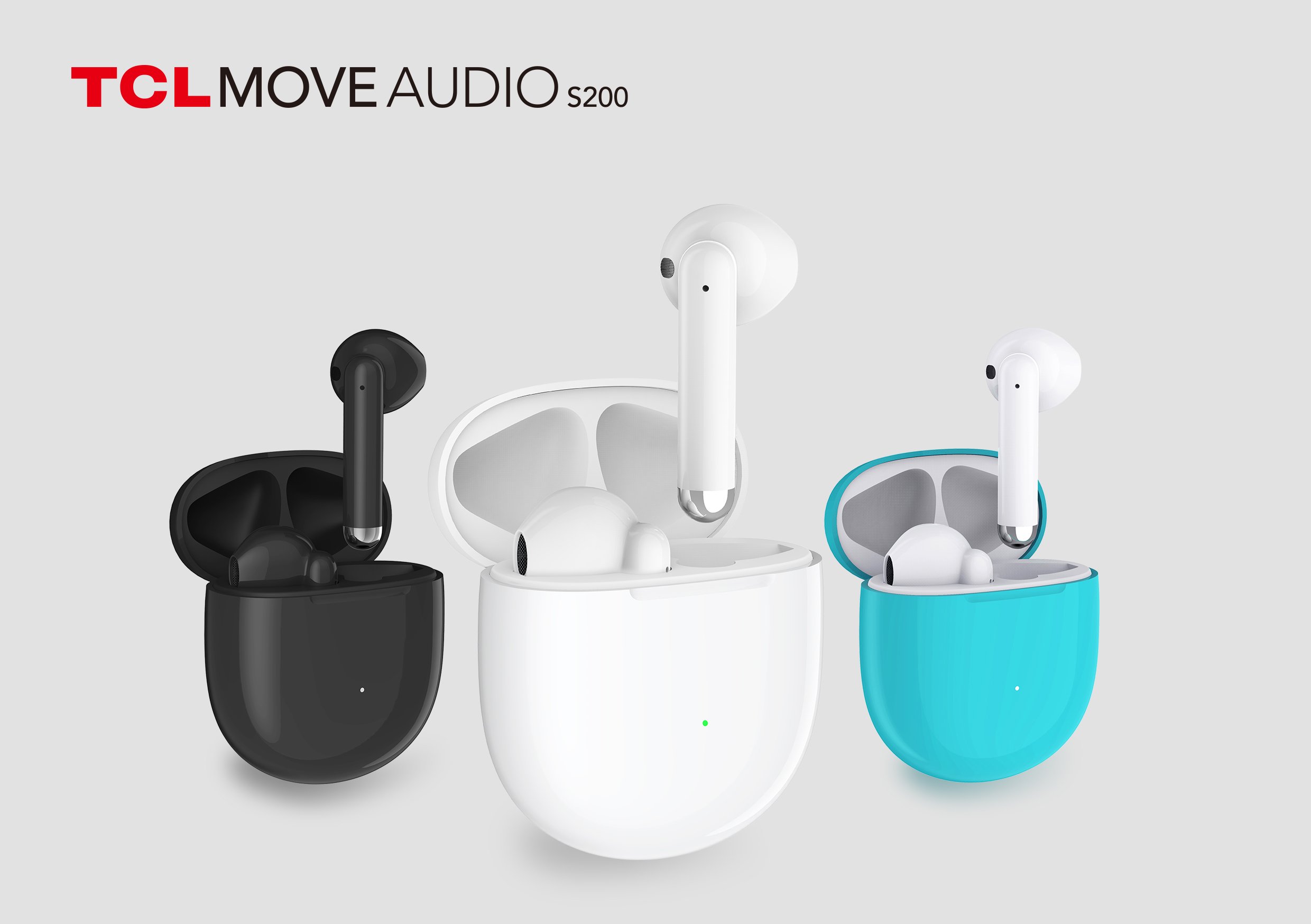
TCL also announced its MOVEAUDIO S200 TWS earbuds today priced under €100. The earbuds are rated for IP54 making them waterproof, dustproof, and sweatproof. It also comes with four microphones and basic ENC (Electronic Noise Cancelation) for better call clarity. You get 3.5 hours of charge and 23 hours of additional charge via the sleek case (which looks a lot like Vivo’s TWS).
Other features are similar to existing wearables in the market. So you have touch gestures, one-touch pairing, voice assistant compatibility (both google assistant and siri), and wear detection too.
The TCL MOVEAUDIO S200 will go on sale globally for €99 by the end of September in three colors, white, blue, and black.
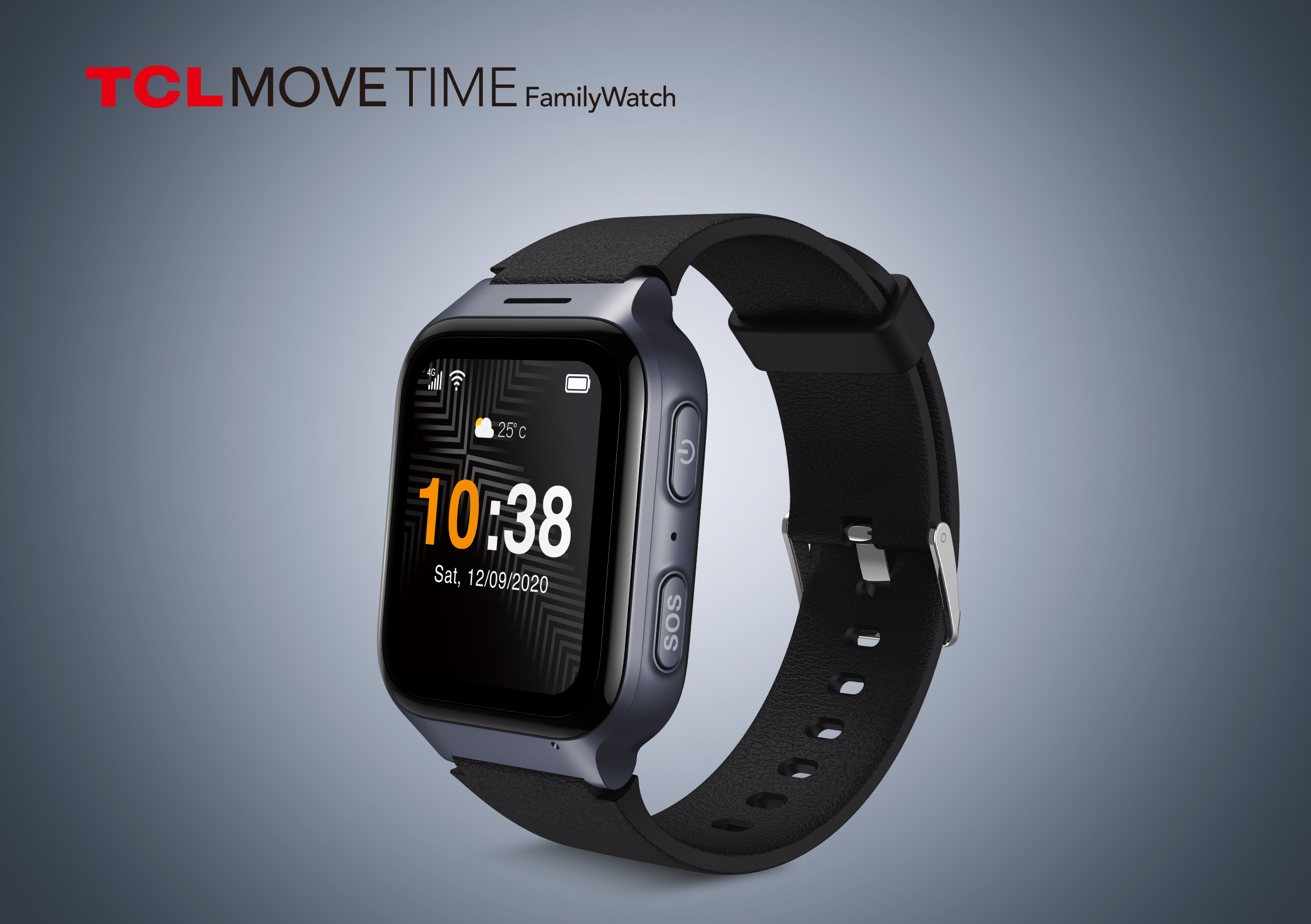
TCL MOVETIME Family Watch MT43A
The company’s latest smartwatch is targeted at senior citizens and comes with features such as two-way hands-free calling, automatic fall detection, medication reminders, and heart rate monitoring. Like other wearables, the TCL MT43A smartwatch can alert your emergency contacts within 60 seconds if it detects a fall. The company adds that senior citizens can also send voice or text messages, share photos or emojis via the smartwatch.
The MOVETIME Family smartwatch also has features like daily activity tracking, calorie tracking, and sleep tracking. It comes with an AMOLED display with optimized large icons, watch faces, and graphics to cater to the needs of the senior citizens. It’s also IP67 water and dust resistant.
The MOVETIME Family Watch MT43A for seniors will be available in North America and Europe in the coming fall for €199.
Huawei uses Mate branding for its flagship smartphones launched in the second half of every year, its laptops, tablets, and even foldables. Back in May, the company filed trademarks for “Mate Watch” and “Mate Pod”. The very next month, a smartwatch with this branding was rumored to debut alongside Mate 40 series. Now, the firm trademarks Mate branding for eight more product categories.
Though Huawei’s future is uncertain at the moment, it still continues to launch new products as well as file patents and trademarks. Also, it has been growing its ecosystem and is even developing its own operating system called HarmonyOS.
Hence, it’s not surprising to learn that the company filed Mate branding trademarks for eight product categories. This information was shared by @RODENT950 on Twitter and here are those trademarks.
MateVR
MateRobot
MateRouter
MateAR
MateBand
MateRing
MateHome
MateAuto
Usually, Huawei uses Mate branding for its premium devices. But going by the trademarks, the company may use it for all of its future products. In other words, Mate could become what Galaxy is to Samsung.
On the other hand, these are just trademarks that companies file from time to time. Not all of them are used for a final product just like design patents. Hene, we may or may not see Huawei using them in future.
In March this year, Qualcomm announced the two new chips – QCC514x and QCC304x for TWS earbuds with integrated noise cancellation. While the QCC514x is a premium Bluetooth chip, the QCC304x is designed for entry-level earbuds. The tech giant has now unveiled its latest tech dubbed Adaptive Active Noise Cancellation (ANC). The tech is integrated with the QCC514x Bluetooth audio chip.
Active Noise Cancellation (ANC) is a major feature integrated with most wireless earbuds in recent times. As a result of the difference in design between over-ear headphones and earbuds, noise cancellation has to account for ambient noise differently since the entire ear can’t be sealed. As an alternative to sealing the entire ear, earbuds rely on replaceable tips to achieve a solid closure. Some utilise software-based calibration to ensure the sound quality remains topnotch when the listening environment is noisy.
Typically this setup isn’t dynamic. However, Qualcomm’s latest solution will automatically adjust the ANC levels when the fit of your earbuds changes or with variations in outside noise. Qualcomm says the technology can help companies deliver high-quality audio performance for more users taking in cognisance differences in ear sizes.
Qualcomm further hinted that Adaptive ANC relies less on the tight seal which headphone manufacturers have often deployed to create noise cancellation on earbuds. Instead, the hardware will adjust to variations in the fit of the earbud including during activities like running. It does all of this by automatically responding to any alteration to the tightness of fit, the level of “leak-through” noise and both how and where the earbuds are used.
Furthermore, the Adaptive Active Noise Cancellation (ANC) brings support for voice assistants, “premium” audio quality, “extended” battery life and more.
The company promises the Adaptive ANC will work across different use cases, from music and podcasts to calls or speaking to a virtual assistant. Qualcomm says switching between any of those modes can be done with no interruption of the ANC.
Qualcomm didn’t say when the Adaptive ANC tech will find its way into devices but since it has been announced, that may happen soon.
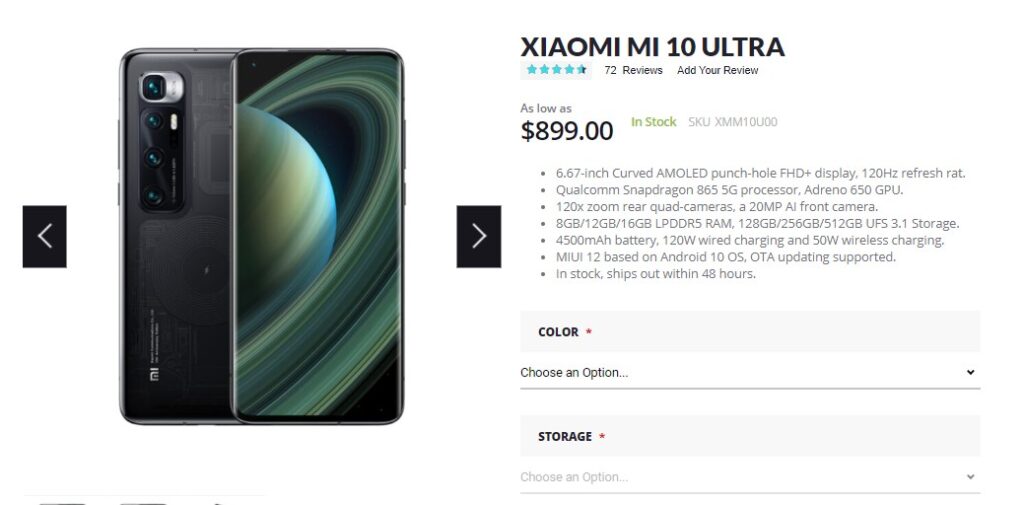
There is no dearth of Qualcomm Snapdragon 865 powered devices out in the market. But, none has grabbed the attention as the Mi 10 Ultra with regards to the pricing. The Mi 10 Ultra has an exquisite 6.67-inch Curved AMOLED punch-hole FHD+ display with a 120Hz refresh rate. It is so ultra cause of the crazy 120x zoom camera which is a part of the monstrous rear quad-camera setup. For selfies, it has a flagship 20MP AI front camera. The device runs MIUI 12 based on Android 10 OS. The Mi 10 Ultra has been limited to China all these while and fortunately, it’s changed now as GizTop Europe has listed the device for $899.
Unfortunately, there is no 512GB variant listed on the GizTop. The base variant with 8GB/128GB configuration is priced at $899. For the 8GB/256GB model, it’s $999. While the high-end model with 8GB/256GB is tagged at $1099. Buyers can choose from the available three color options – Black, Silver, and Transparent.
Critics have it that the camera of the Mi 10 Ultra performs much better than some flagships of even $1000 and above price tag. The model listed on the retail site is Chinese edition but comes with full Google Mobile Service and Google Play store installed.
So, if you’ve been waiting for the device to hit any European retailer, then the time has arrived. Book your piece from here, it’s expected to ship in 24 hours and deliver within 4-6 days in Europe.
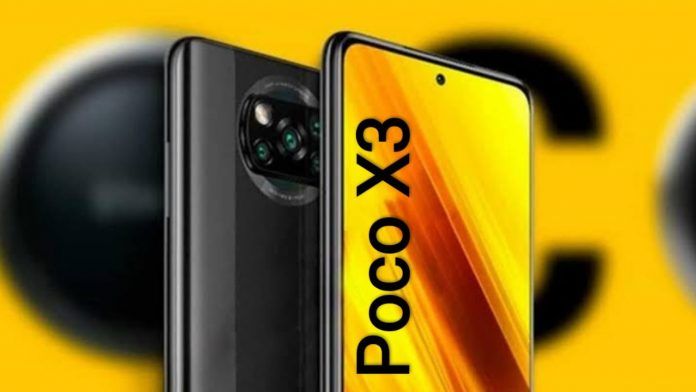
The Poco X3 NFC smartphone is all set to debut on September 7 with some high-end specifications. Already there are plenty of rumors and leaks revealing some specifications and features of the device. Interestingly, the new smartphone is all set to start retailing from 00:00 PST on September 8 via AliExpress. You can even pre-book the device by heading to the Poco’s AliExpress Store.
The smartphone listing confirms the presence of Snapdragon 732G with enhanced gaming performance. The latest chipset even packs advanced AI computing capabilities and uses 8nm process technology. Apart from the popular 4G chipset, the device will feature a 5160 mAh battery with 33W fast charging. A 64-megapixel primary camera will be present on the rear side of the smartphone.
There will be two storage variants including 6GB RAM and 64GB storage and another 128GB storage variant with unconfirmed RAM.
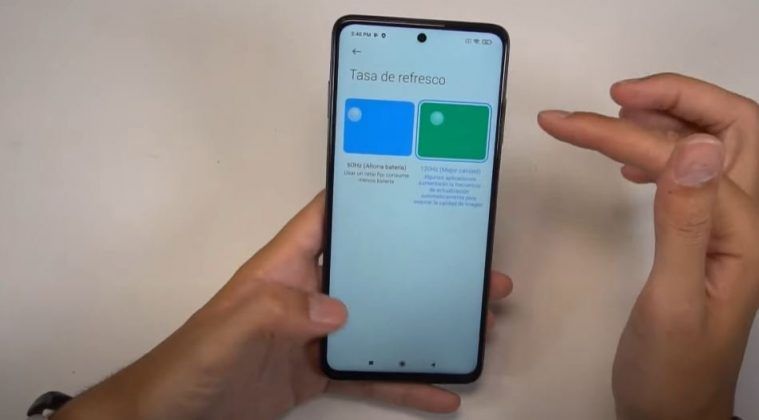
According to the previous leaks and rumors, it will feature a 6.67-inch LCD display with a 20MP punch-hole front camera. The display supports Full HD+ resolution and 120Hz refresh rate toggle for smooth gaming. The fingerprint scanner will be present on the side, doubling as a power key.
There will be a 64-megapixel primary camera on the rear side of the smartphone with f/1.79 aperture supporting up to 4K video recording at 30fps.
The smartphone was also spotted in a TUV certification document that confirms the presence of 33W fast charging. However, the Poco X3 NFC features a quad-rear camera as per the design mockups by the Poco global spokesperson.
It is officially launching on September 7th via an Online Launch Event at 5:00 PST. The flash sale will begin on September 8 via Poco’s AliExpress Store.
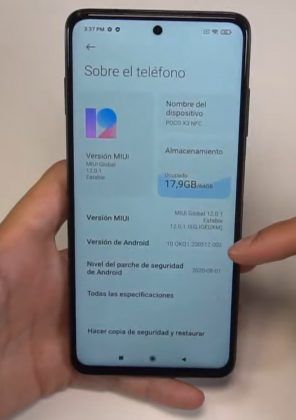
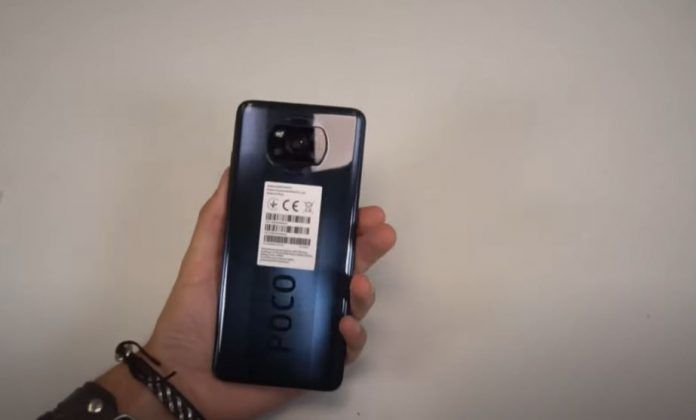
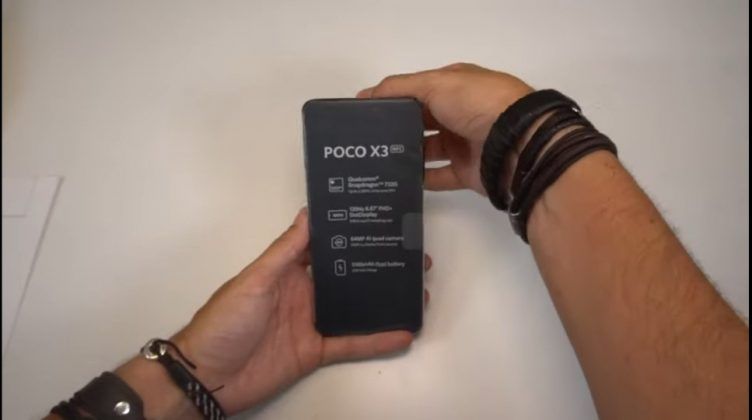
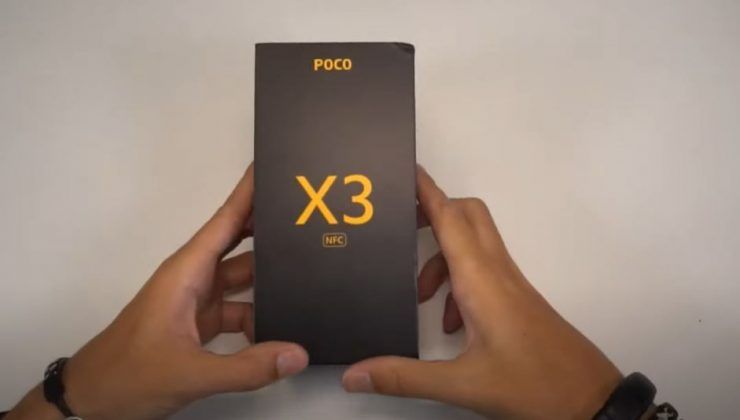
POCO announced recently that the POCO X3 NFC will be launched on September 7. Ahead of the launch, a YouTuber has given us a hands-on review video of the device. The video bares all there is to know concerning the design and features of the device. Well, before it was pulled down. However, there are still images of the device grabbed from the video online.
The real-life design of the X3 NFC as spotted on the video by Spanish channel Tecvideos is the same with the renders of the device which appeared online earlier today. From the pictures, we can grab that the OCO X3 NFC won’t be a rebadged Xiaomi phone unlike its predecessor that was a rebranded Redmi phone.
The phone will feature a Qua-camera setup design in an X-formation along with the LED flash. At the front, the X3 NFC will pack a central hole-punch design which houses a 20MP selfie camera. The screen is a 6.67-inch LCD panel with FHD+ resolution and up to 120Hz refresh rate. There is a Corning Gorilla Glass 5 panel on top the display for protection. The phone also features a side-mounted fingerprint sensor embedded with the power button.
The Snapdragon 732G chipset is expected to power the model paired with 6GB RAM. There is 64GB of internal storage onboard the phone. The main camera is given as a 64MP sensor with f/1.79 aperture and support for 4K video recording at 30 fps. The phone also packs up to 5100mAh battery.
1 of 4
The POCO X3 NFC is expected to be priced around PHP10,990 ($225). It is also said to have a “Premium Version” that may likely retail for up to PHP12,990 ($265).
AnTuTu is a well-known benchmarking platform for smartphones other than Geekbench. It releases monthly reports on top-performing devices similar to Master Lu, which is another popular benchmarking platform in China. The reports for August 2020 are now out from both the companies. Yesterday, we had a look at the performance and UI fluency lists released by the latter. Today, let’s dig into the former’s list of top 10 high-end and mid-range smartphones.
High-end Smartphones
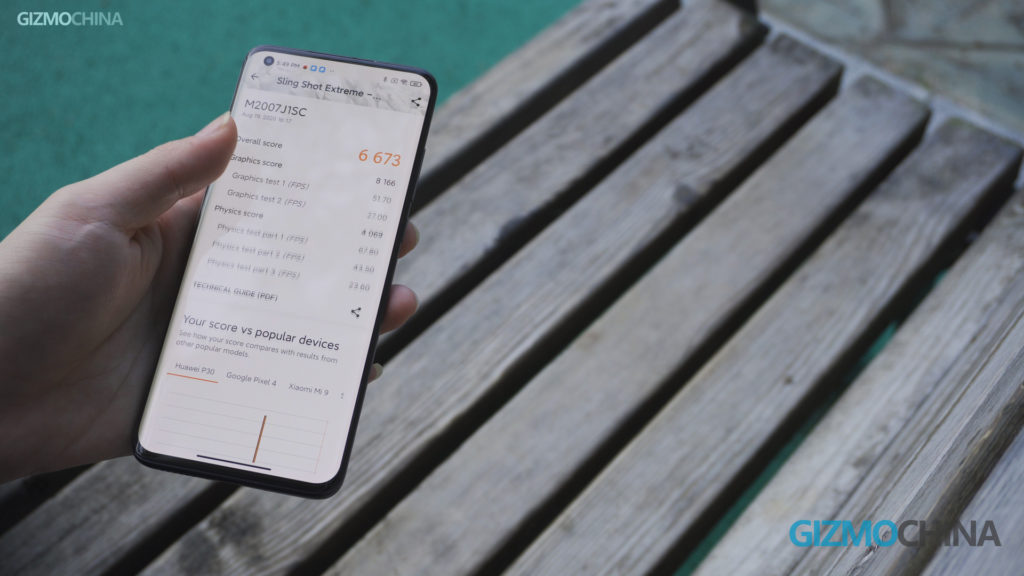
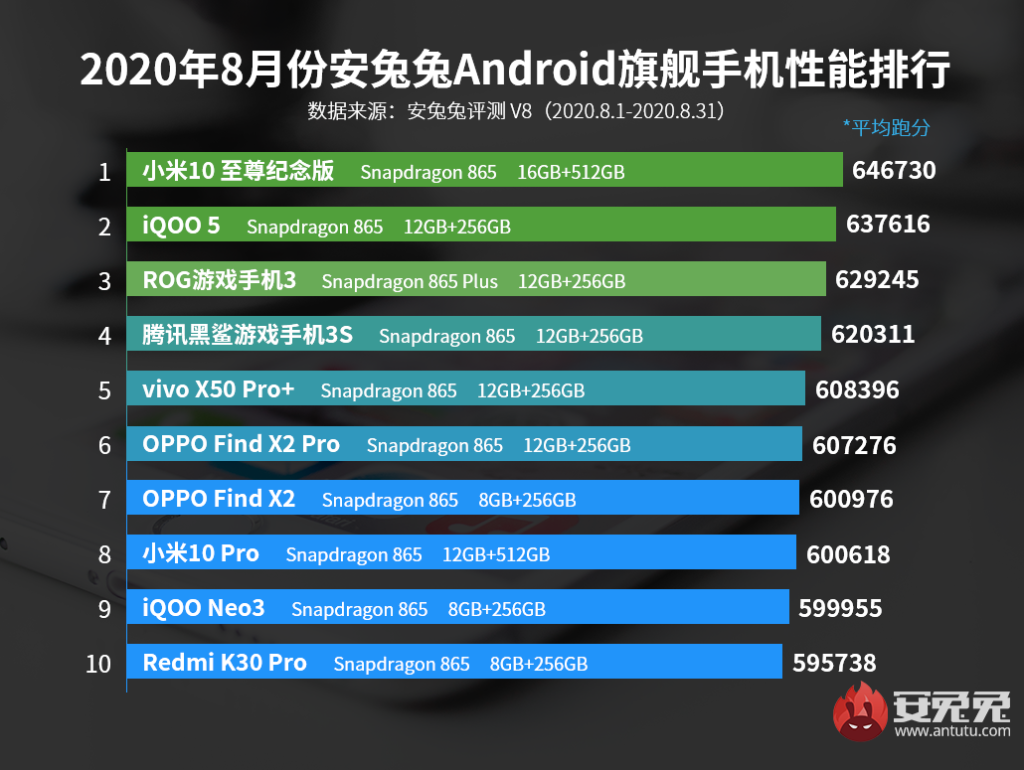
Just like on Master Lu, Xiaomi Mi 10 Ultra and iQOO 5 (non-Pro) lead the AnTuTu Benchmark’s August 2020 list of top-performing high-end smartphones despite them being powered by Qualcomm Snapdragon 865. Whereas, the ASUS ROG Phone 3 equipped with Snapdragon 865+ comes only at third position.
AnTuTu explains that they test the top variant of each phone. The scores mentioned in their database are the average of multiple tests performed on these devices. Hence, they tested the 16GB LPDDR5 RAM + 512GB UFS 3.1 storage variant of Mi 10 Ultra compared to 12GB + 256GB configuration of iQOO 5 and ROG Phone 3.
But still, the ROG Phone’s points are much lower than the other two as you can see from the list. The company says that ASUS has not optimized its software well-enough for the new 3.1GHz Snapdragon 865+.
Interestingly, iQOO 5 Pro cannot be seen in the top 10 list. Even on Master Lu, it lagged behind though the regular and Pro variant features same chipset and internals except for different camera setup, battery, and charging speed.
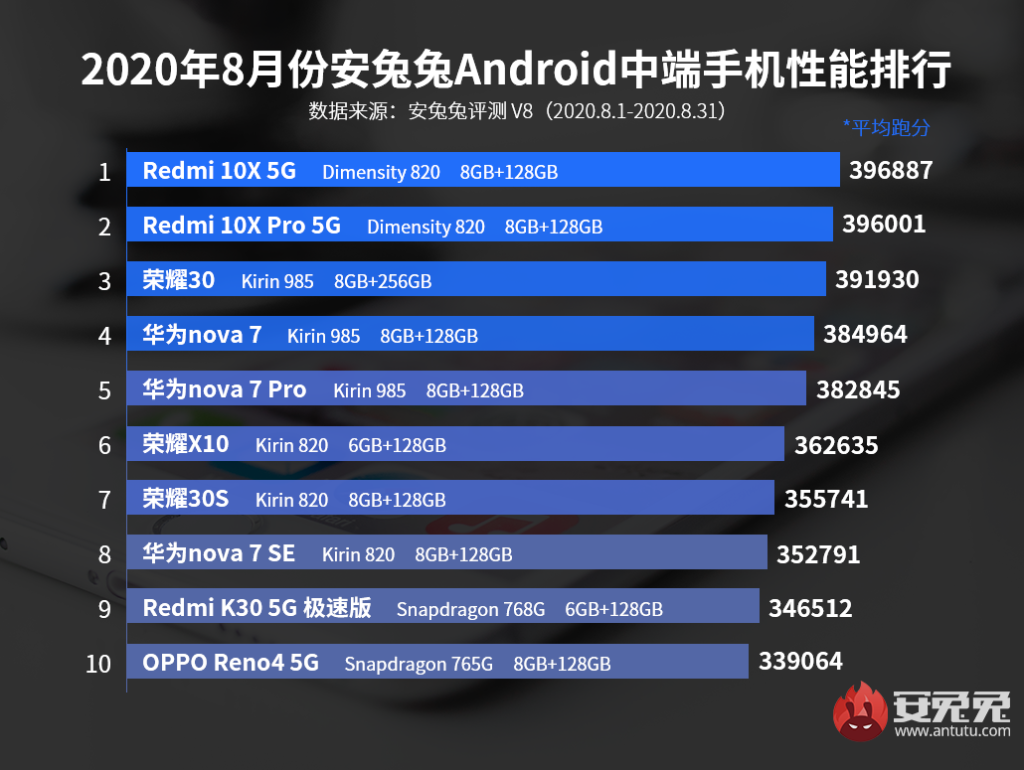
Talking about mid-range smartphones, the MediaTek Dimensity 820-powered Redmi 10X and Redmi 10X Pro top the list, followed by HONOR 30, HUAWEI nova 7, and HUAWEI nova 7 Pro powered by HiSilicon Kirin 980. Again, we see the same trend. The regular models of the same phone perform better than the Pro variant.
Other phones in this list include Kirin 820 equipped HONOR X10, HONOR 30S, and HUAWEI nova 7 SE. It is interesting to see MediaTek leading the list in the mid-range segment, followed by HUAWEI and HONOR handsets powered by Kirin.
On the other hand, though Qualcomm chips perform better in the high-end segment, the mid-range Snapdragon 768G and Snapdragon 7655-powered Redmi K30 5G Racing Edition and OPPO Reno4 5G pale in comparison with phones featuring chipsets from MediaTek and HiSilicon in this segment.
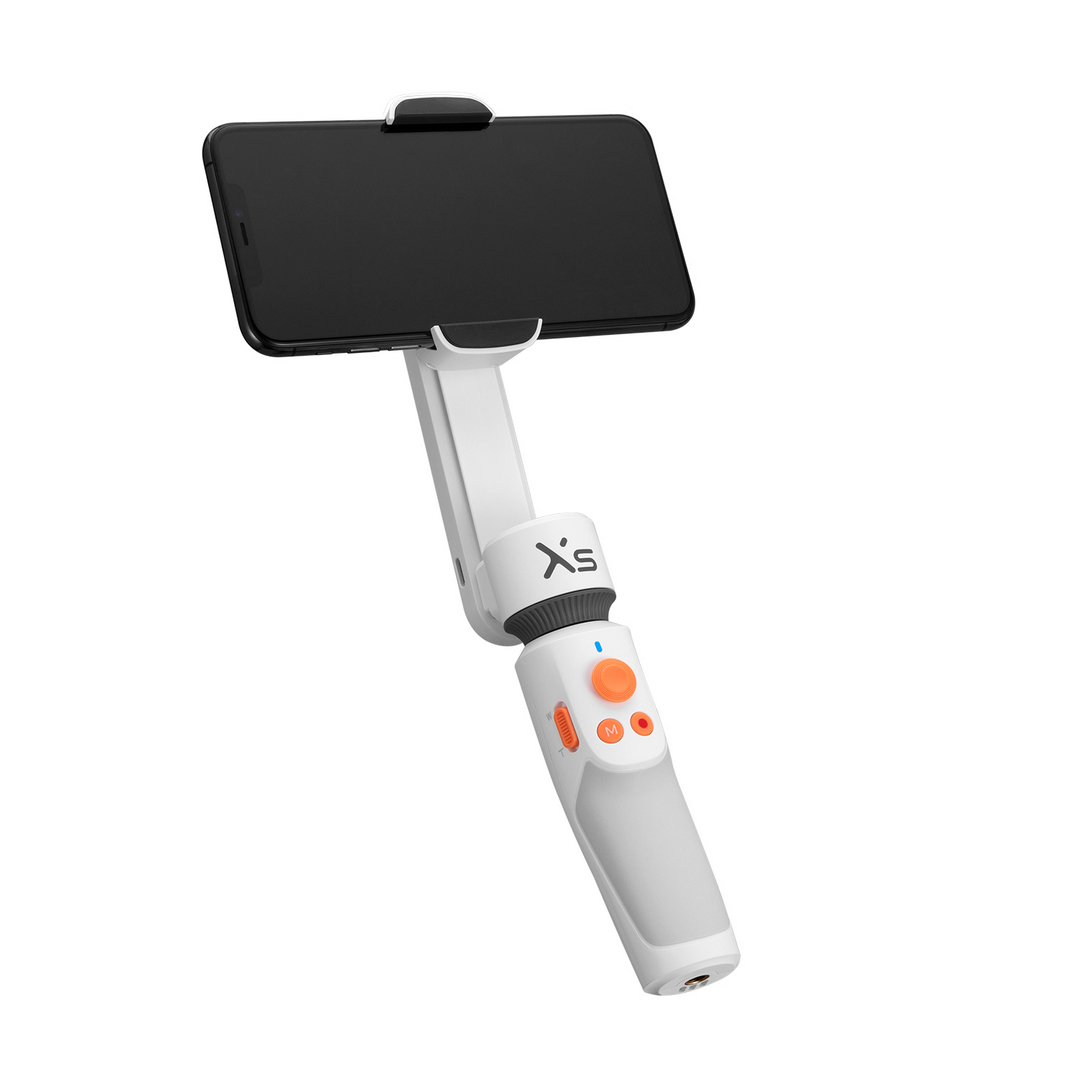
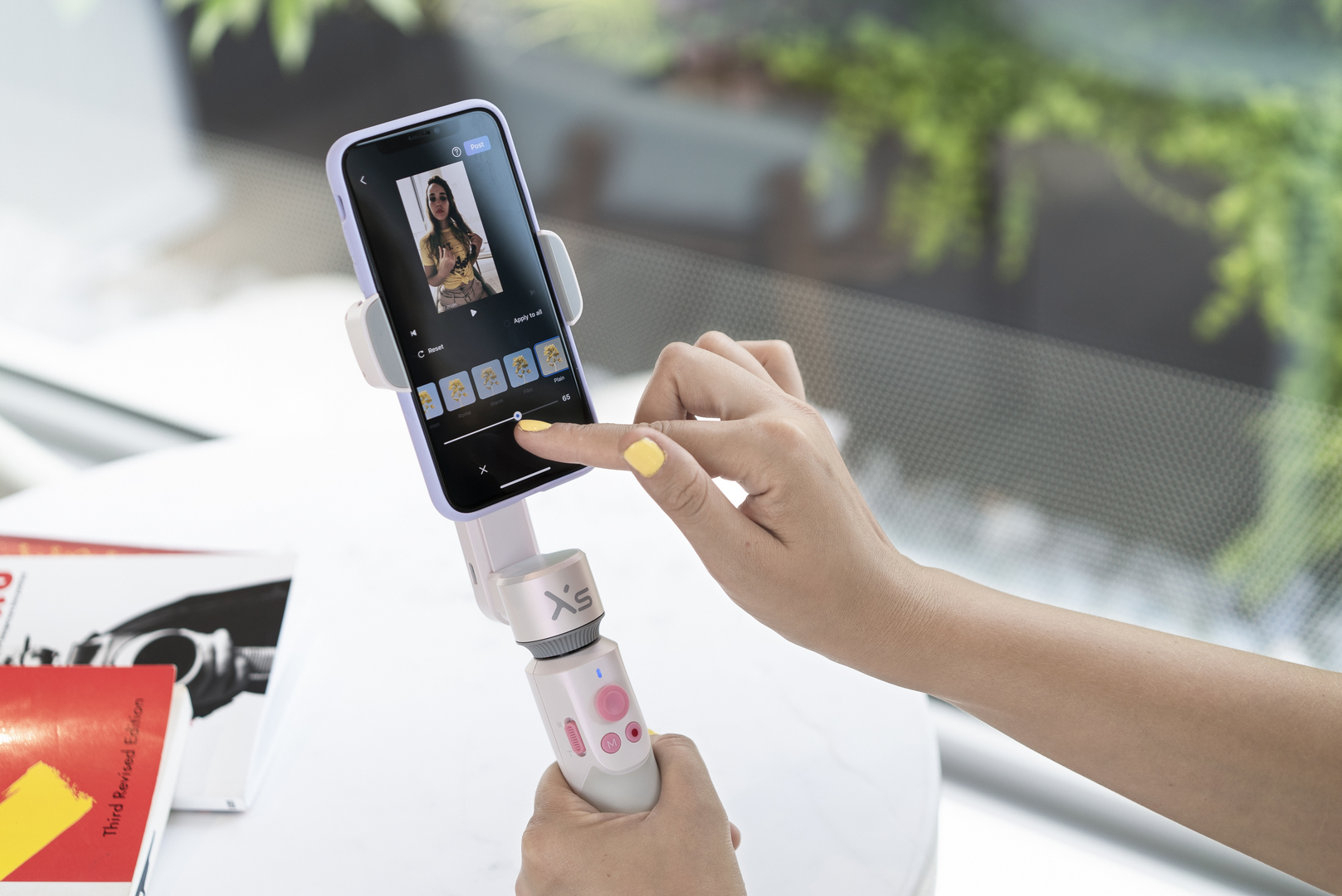
A few weeks back, our team in China reviewed the Zhiyun Smooth X smartphone gimbal. We were impressed with its functionality and design. Today, Zhiyun has announced a new variant of the Smooth X, called the Zhiyun Smooth XS, featuring bolder colors and some cosmetic design changes. The rest of the features and specifications are exactly the same as the older Smooth X model.
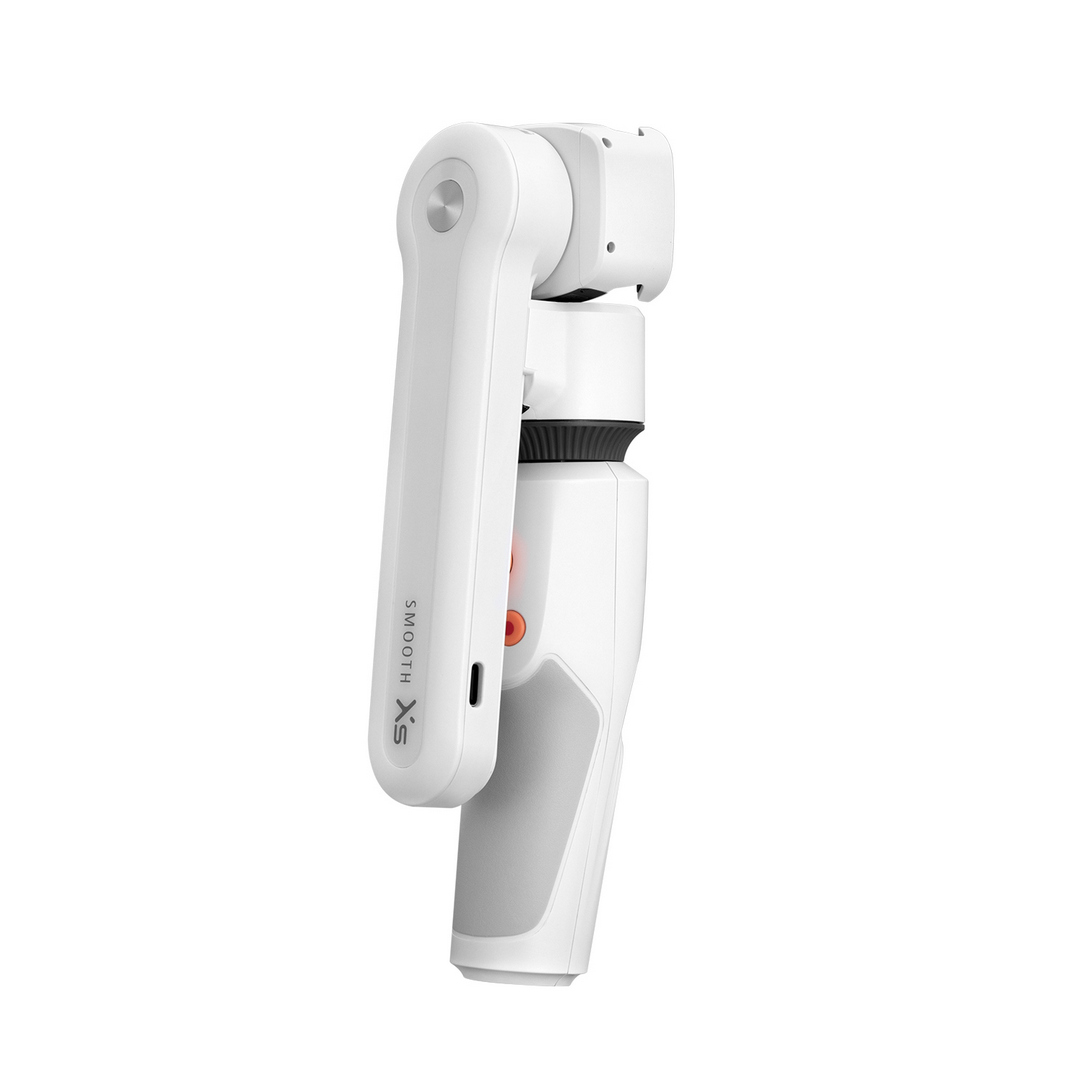
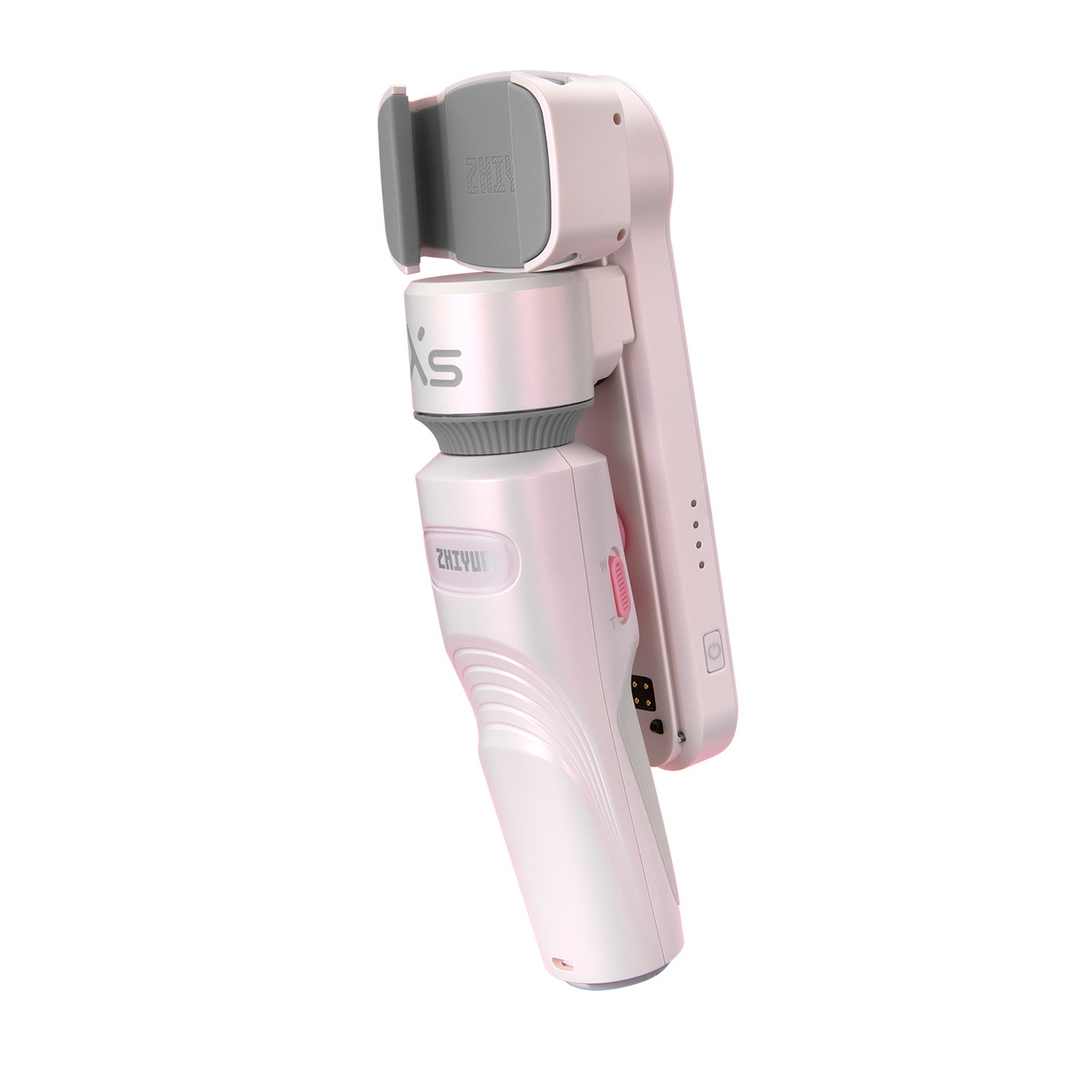
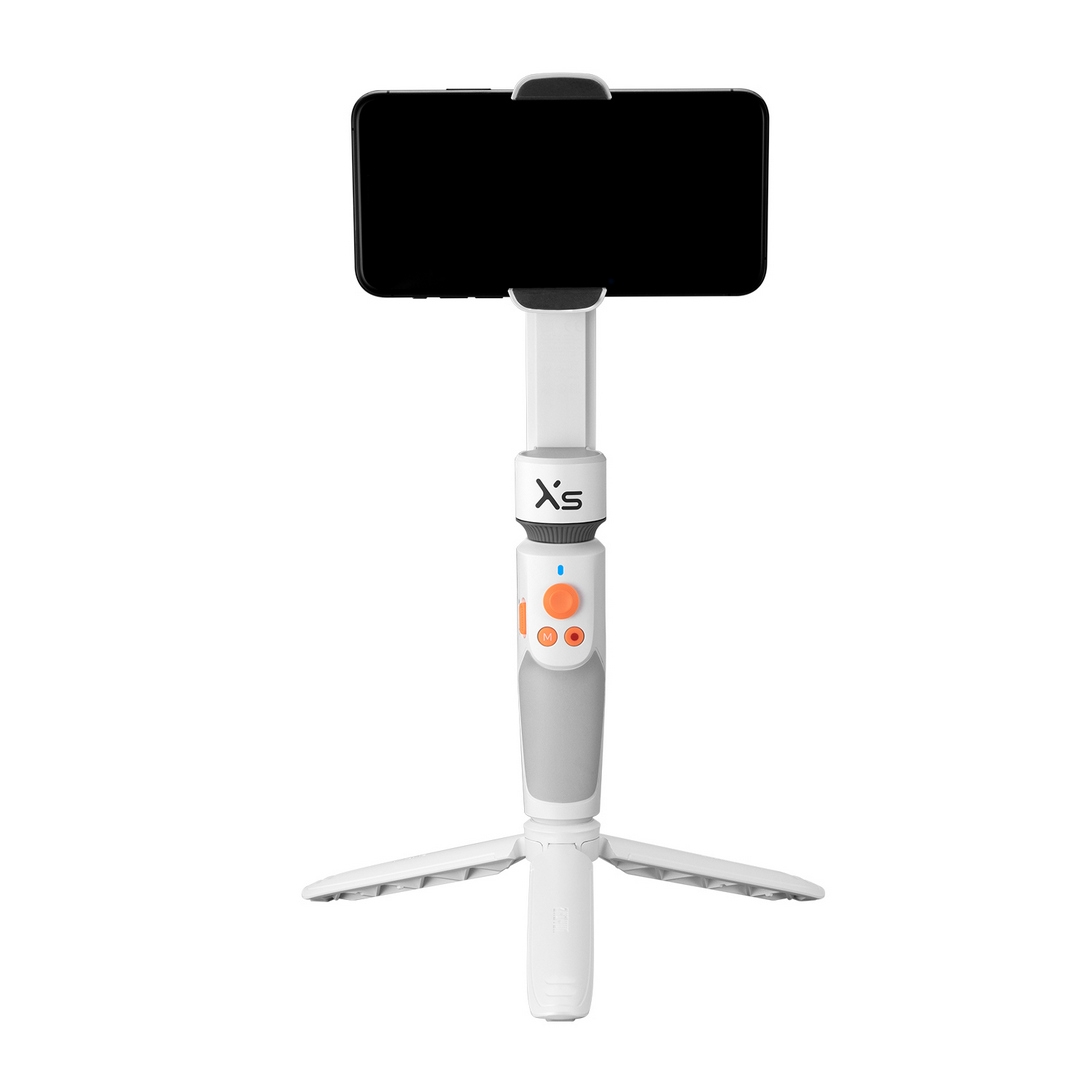
The Zhiyun Smooth XS comes with subtle design changes. For example, the buttons on the white color model come in an orange shade, while other parts of the gimbal, like the extendable telescopic selfie stick and the smartphone holder, come in a dark grey / black shade. The new cosmetic change is likely to make it more appealing to its target audience – the young and energic Vloggers, especially since the Smooth X had a basic and bland design. Another significant change in design is the new titled handle. The gentle tilt is said to make for better ergonomics, especially with an anti-slip grip on both sides.
1 of 6
ivory white
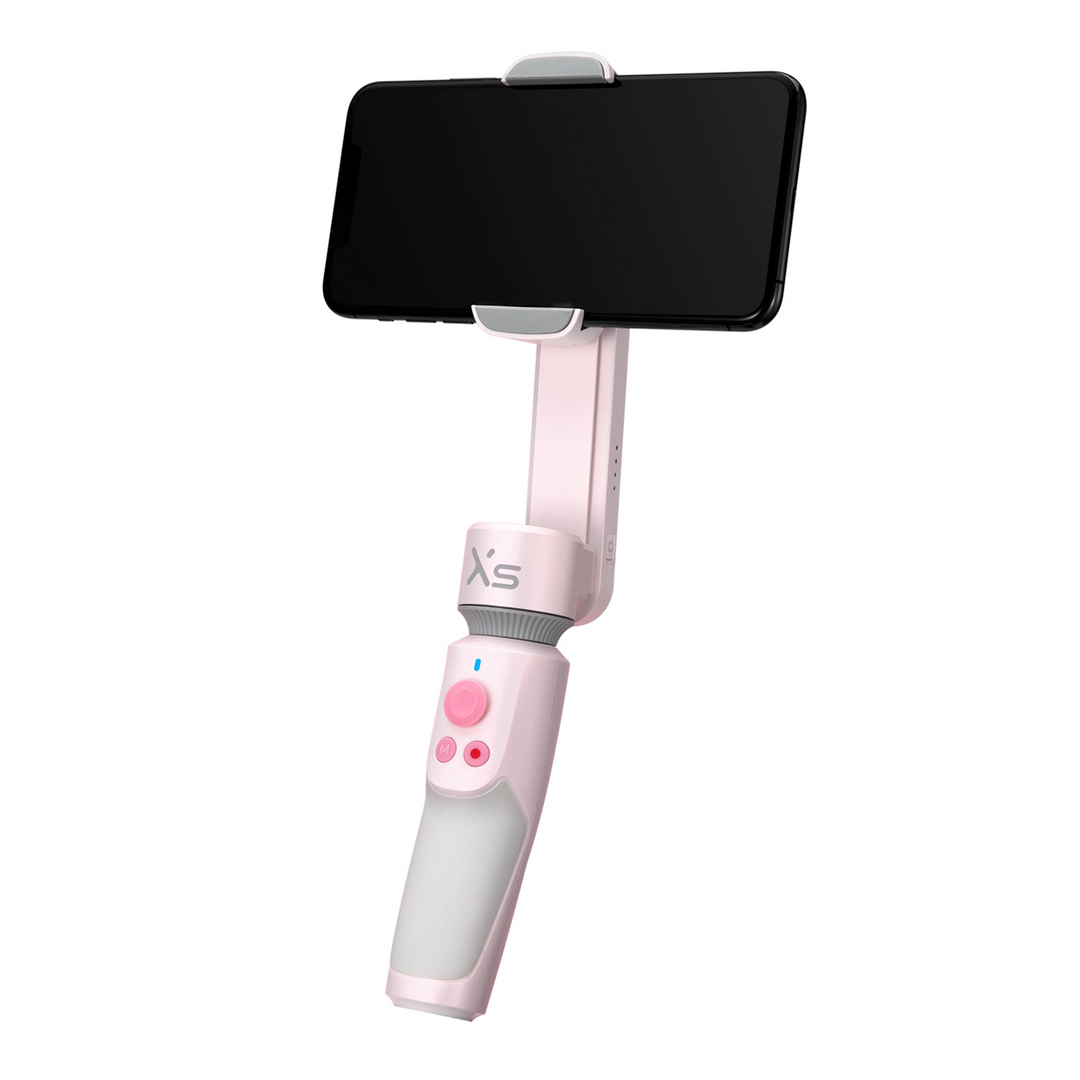
pearly pink
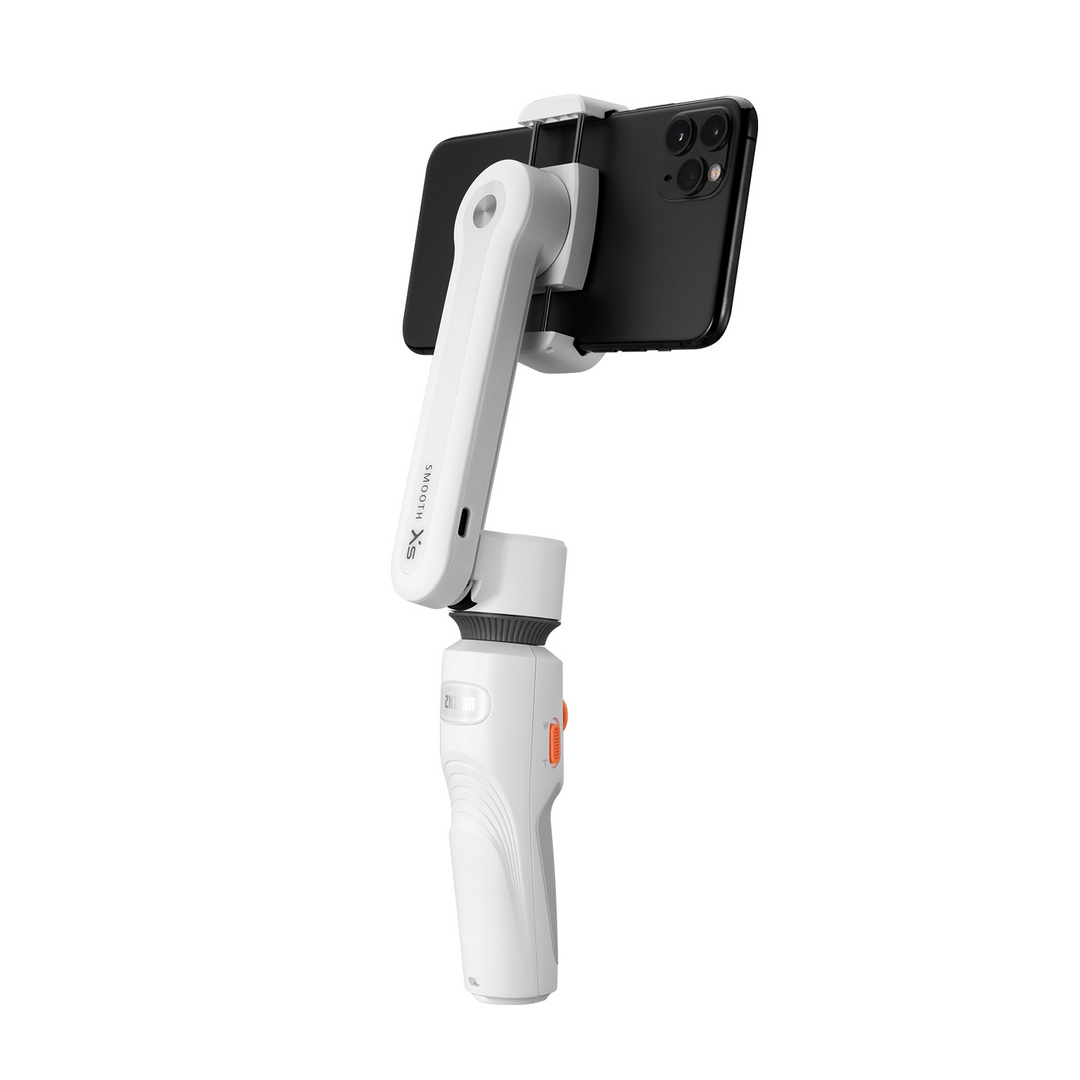
The portable form factor including its folding design and 249 grams weight is the same as the Smooth X. You also get a 260mm (10-inch) aluminum telescopic rod, which is one of its biggest highlights. In our review back in July, we mentioned that the Zhiyun Smooth X wasn’t an ordinary gimbal. It was a selfie stick gimbal hybrid. The same basic design and features are carried forward in this new Smooth XS model. This includes 2-axis motorized stabilization (pan and roll).
You get three buttons upfront, a joystick, a photo/video button, and a mode button – exactly the same as the older model. You also get a zoom button on the left side. But what’s new is that Zhiyun has bundled the mini tripod (1/4″ mount), soft travel bag, and a hand strap right inside the box.
Along with the regular templates and features found on the ZY Cami app, the company confirms that it has added new video templates for the device. The rest of the features and specs are the same as the Zhiyun Smooth X. If you want to know more about it, make sure to check out our review here.
The Zhiyun Smooth XS retails for $74.99 and is available on Amazon in two colors – ivory white and pearly pink. The company confirms the Smooth XS will arrive in two other colors later – navy blue, and shining yellow.
The Smooth XS is costlier than the $59.99 Smooth X. In return, you get additional accessories in the box and a slightly better design.
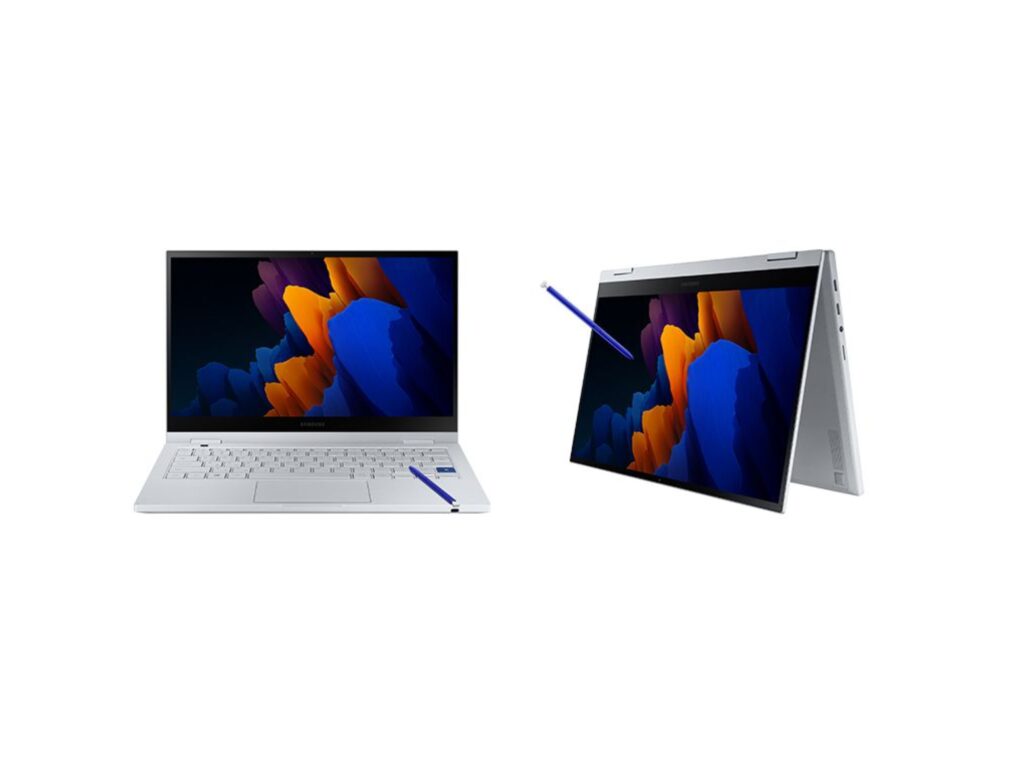
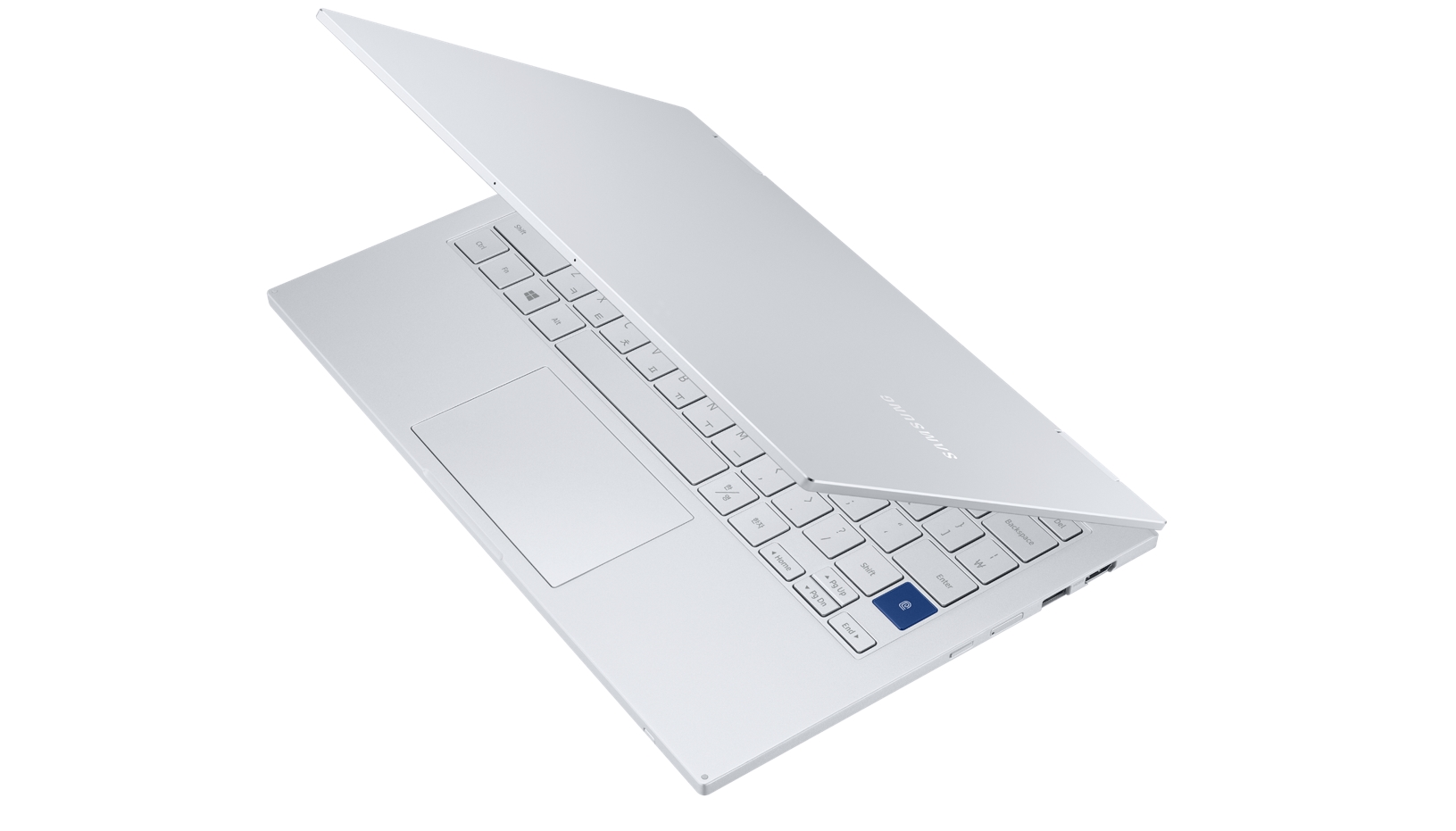
A few hours ago, Intel announced its 11th Gen Tiger Laker chipsets. Followed by that, partner OEMs also unveiled their laptops with the newly introduced processors. One of those new notebooks is Samsung Galaxy Book Flex 5G whose branding was trademarked by the company last month, followed by a video ad leak earlier this week.
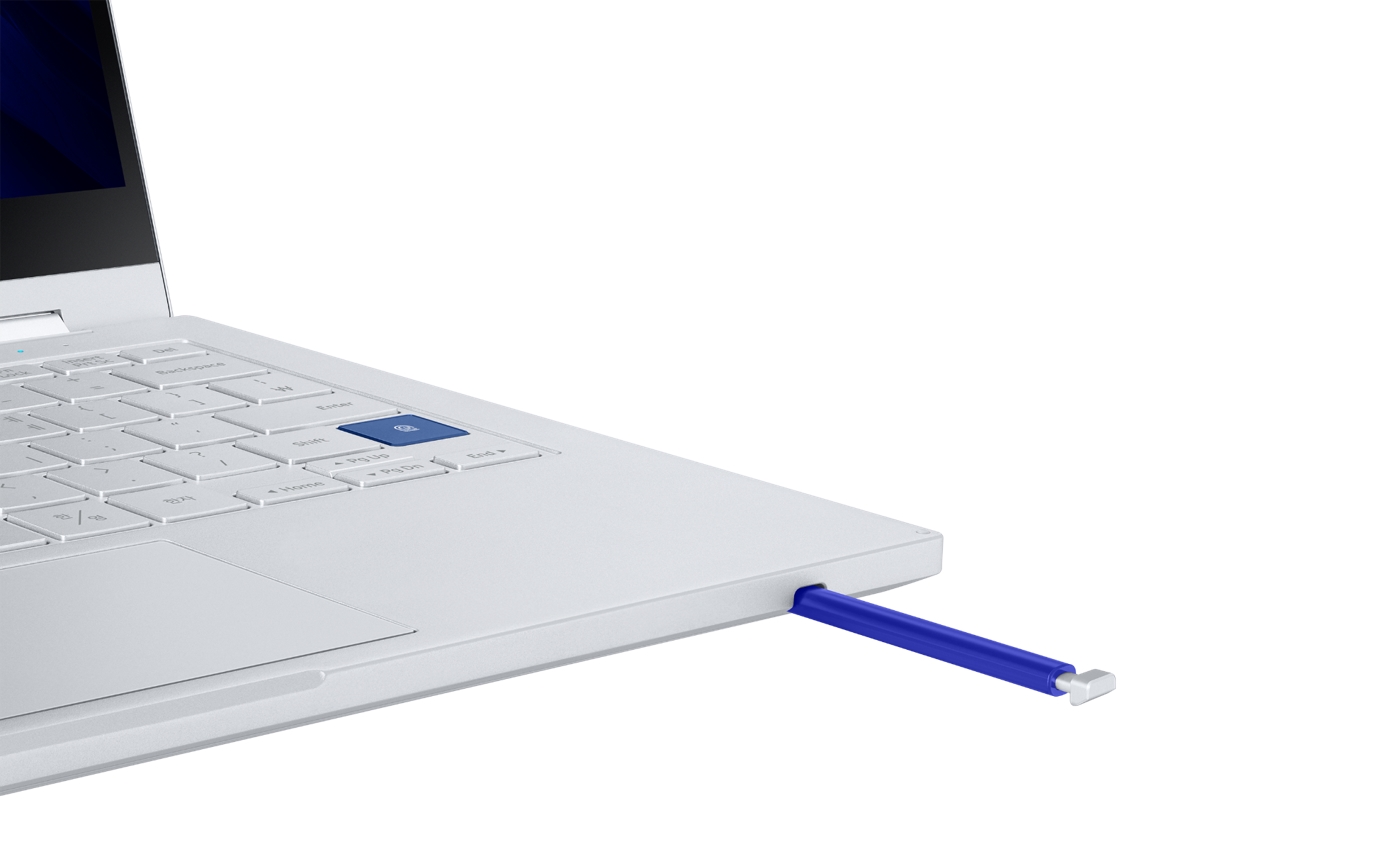
Unlike the original Galaxy Book Flex, the new 5G model does not seem to feature QLED display. In the press release, Samsung merely mentions it to sport a 13.3-inch FHD (1920 x 108 pixels) touch screen panel. Anyway, it still comes with a built-in S Pen stylus like the Galaxy Notes.
It is powered by 11th Gen Intel Core i5/i7 processor paired with up to 16GB LPDDR4x RAM and 512GB NVMe SSD. Whereas, the graphics are taken care of by the brand-new Intel Iris Xe GPU. As for software, it comes in both Windows 10 Home and Windows 10 Pro versions.
Interestingly, it houses two cameras, one 720p unit on the top bezel of the display for video calls and another 13MP sensor above the backlit keyboard. The latter can be used to take pictures of the surroundings when the notebook is used in tablet mode.
On the connectivity front, it supports WiFi 6, 4G LTE, sub-6GHz 5G, and Bluetooth 5.0. As for ports, it includes 1 x Thunderbolt 4, 1 x USB, Type-C, 1 x USB 30, 1 x HDMI, 3.5mm headphone jack, microSD card slot, and SIM card slot.
1 of 2
Other features include a fingerprint sensor, 2 x 5W AKG speakers, and a 69.7Whr battery. Last but not least, it measures 304.9 x 202.3 x 13.9~14.9mm in dimensions, weighs 1.26kg in weight, and is only available in a single Royal Silver color option.
Samsung is yet to reveal the pricing and availability of Galaxy Book Flex 5G.
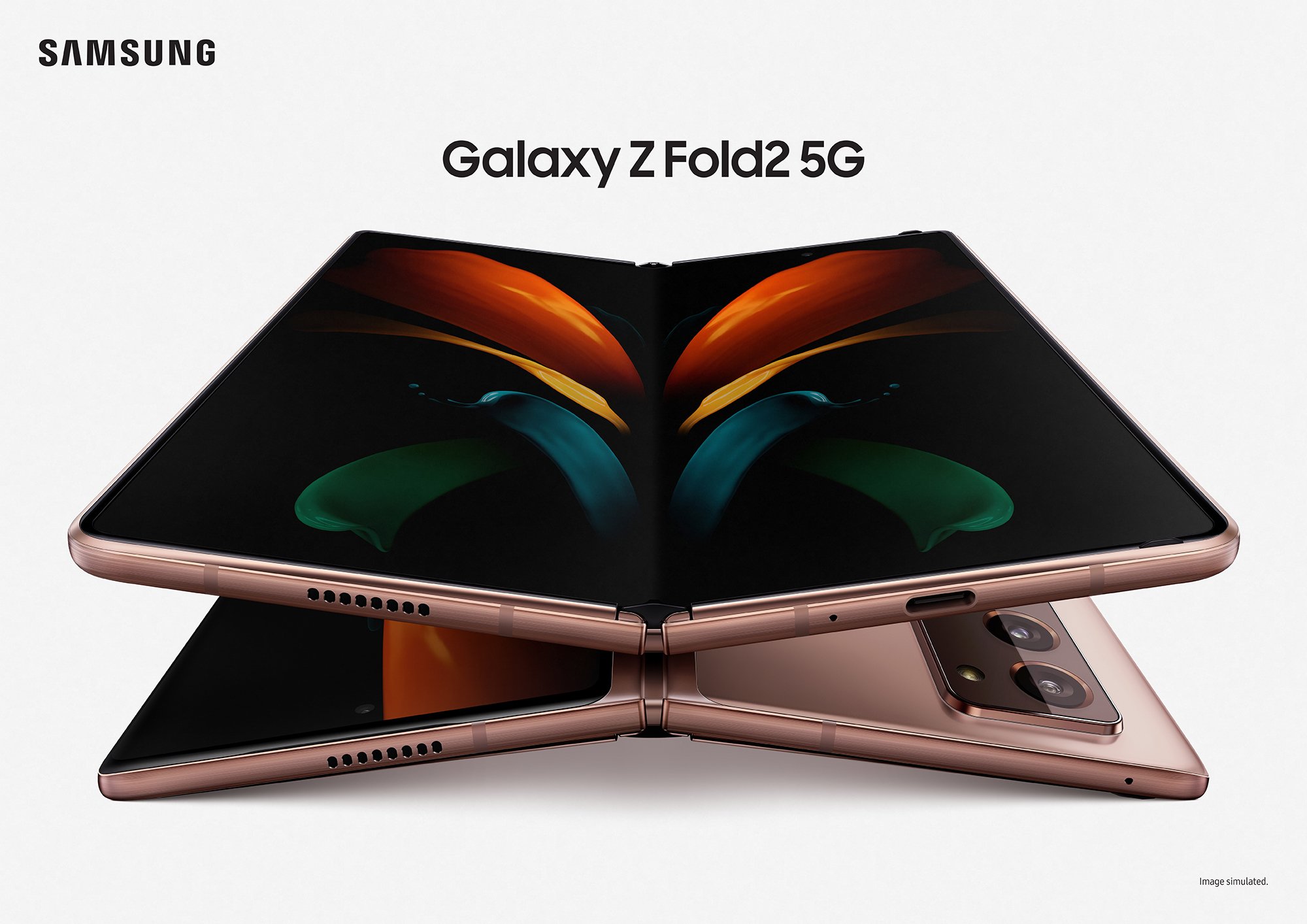
Samsung has just recently launched the Galaxy Z Fold 2, its successor to the original Galaxy Fold. The successor features a larger display with a higher refresh rate, improved screen protection, better cameras, and a lot more. With these improvements, it seems like the company is planning on selling more than its predecessor, with a report from South Korea claiming that 800,000 units will be made by the company.
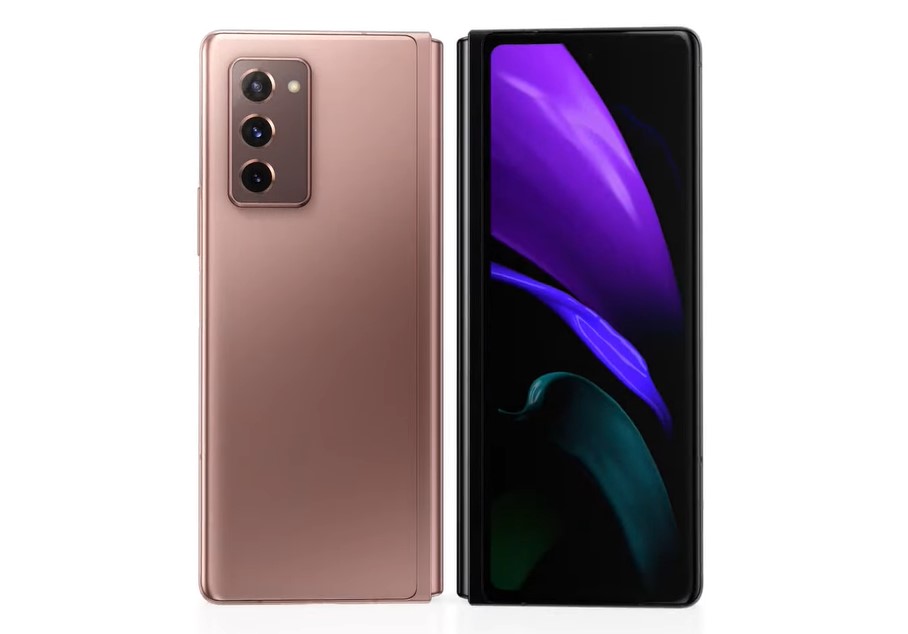
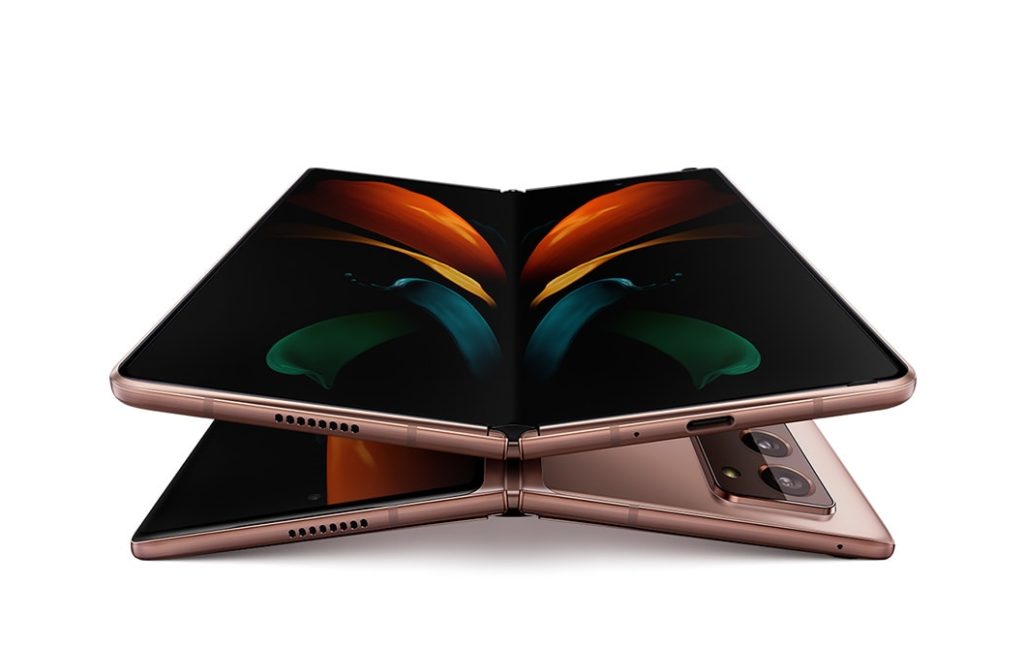
Samsung Galaxy Z Fold2 5G Mystic Bronze
According to a SamMobilereport, sources from South Korea have claimed that the tech giant will be making 700,000 to 800,000 units of the Galaxy Z Fold 2. Samsung is currently making the device in multiple production sites, including Brazil, South Korea, and Vietnam. An industry insider stated that the company manufacturing the foldable handset outside of its home country is indicative of the yield of its manufacturing process.
Reportedly, Samsung is now trying to cut down on manufacturing costs. Analysts have also claimed that the company might sell as many as three million units of foldable smartphones this year, which also includes the Galaxy Z Flip. Furthermore, this figure can grow as high as 8 million units by 2021, while Samsung is also rumored to be working on an affordable foldable device as well.
As of right now, only a few OEMs have launched their own foldable offerings, including Huawei, Microsoft, and Motorola. Samsung, at the moment, seems to be in the best possible position in terms of technology and development into this new breed of smartphones. Due to various advancements, it has been speculated that the company will take a leading position in the market for quite a while as well.
Thanks to the availability of 5G-ready flagship to mid-range chipsets, various smartphone OEMs have launched 5G-ready smartphones across different price segments. MediaTek has a couple of chipsets such as Dimensity 820, Dimensity 800, Dimensity 800U, and Dimensity 720, which has made it possible for smartphone makers to launch cheaper 5G phones. Earlier this week, Realme unveiled the Dimensity Realme V3 with 999 Yuan (~$146) pricing. Qualcomm has a couple of high-end 5G-ready chipsets, but it does not have a chipset for cheaper 5G phones. Today, the U.S. based chip maker revealed that it will be launching the 5G enabled Snapdragon 4-series chipsets in early 2021 to power low-priced 5G smartphones.
Without confirming the exact name of the chipset, Qualcomm revealed that the Snapdragon 4-series 5G SoCs will be introduced in Q1 2021. Motorola, OPPO, and Xiaomi will be among the first brands to launch low-priced 5G phones powered by the new chipset.
Qualcomm has 5G chipsets like Snapdragon 865, 865 Plus, 855, and 855 for powering flagship phones. The Snapdragon 768G, 765G, and 765 are designed to power premium mid-range 5G phones. In June, Qualcomm announced the Snapdragon 690 5G or mid-range phones. A phone featuring the SD690 is yet to arrive in the market. Probably, 5G phones powered by the Snapdragon 4-series 5G chipset could be priced around $200 in the market.
It is speculated that the Snapdragon 4-series chipsets with 5G support will only work with sub-6GHz networks. In other words, it may not support high-speed mmWave networks. The U.S. based chip maker did not share any details on the specs of the chipset.
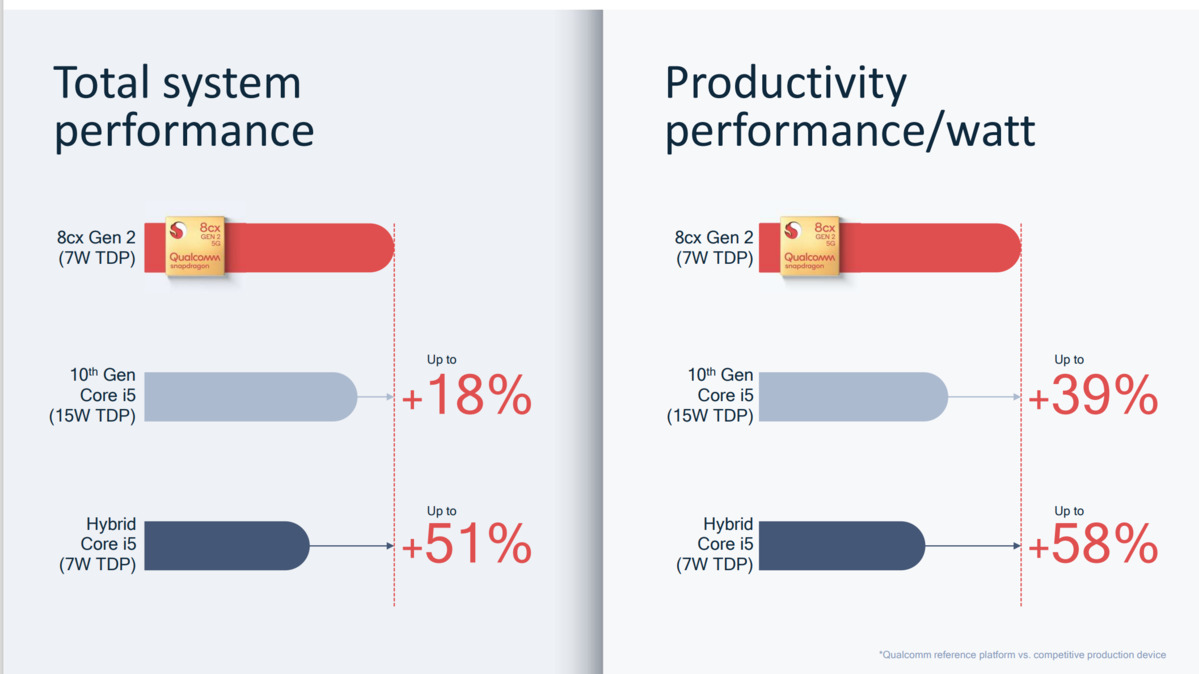
In the IFA 2020 event, Qualcomm announced the Snapdragon 8cx 2 5G, the next generation of the company’s ARM based chips for Windows laptops. It arrives two years after the original Snapdragon 8cx and arrives with incremental improvements across the board.
Unfortunately, exactly what areas Qualcomm made improvements on is currently unknown, but the company did promise that the successor offers “generational performance and efficiency gains.” Furthermore, the company also focused on the chip’s capabilities, especially in terms of rivaling chips from Intel. According to Qualcomm, the Snapdragon 8cx 2 5G offers significant performance gains over 10th Gen i5 processors, and even Intel’s Lakefield chips, which were made to rival Qualcomm’s efforts in the laptop market.
The 8cx offers an improved battery life with the ARM powered laptops lasting a full 25 hours on continuous use. This is quite an impressive feat if it actually holds up in real world tests. Notably, Qualcomm is also offering the Snapdragon 8cx with other features like Wi-Fi 6 and Bluetooth 5.1 support, Qualcomm’s Aqstic audio technology, and support for dual external 4K monitors at 60 fps.
While the branding does have “5G” in it, the 2nd gen 8cx doesn’t actually change a lot in terms of connectivity. The chip still offers the same X24 LTE modem and X55 5G modem options like the original 8cx. The ultrabook market is going to face stiff competition, with Intel launching its 11th Gen Tiger Lake processors, the thin and light laptop category will have some heated rivalry in the market.
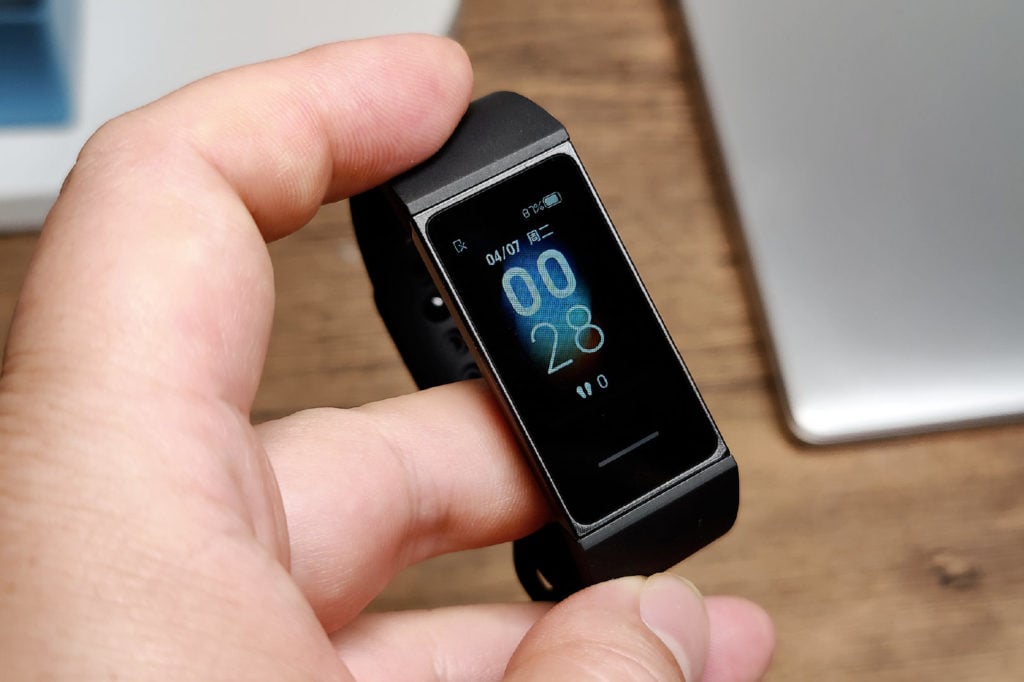
The Redmi Band is the first and the only fitness tracker from Xiaomi to feature direct USB charging. Also, it happens to be the first to sport a 1.08-inch color (16-bit) TFT LCD panel with 128 x 200 pixels and touch input. Another first is that it is boxy in design unlike curvy Mi Bands.
The display brightness of Mi Band 4 maxes at 400 nits but the panel on Redmi Smart Band can only go up to 200 nits. Due to the type of its display, the company claims only 14 days of battery life from its 130mAh battery. For comparison, the Mi Smart Band 4 features a 135mAh battery and is rated to run for 20 days on a single charge.
Apart from the above-mentioned differences, it is identical to Mi Band 4 (aka Mi Smart Band 4) in terms of functionalities. That means it includes optical heart rate sensor and 3-axis accelerometer (but no 3-axis gyroscope) to monitor fitness activities. It is even water-resistant up to 5ATM pressure.
Talking bout compatibility, it can be paired with both Android smartphones and Apple iPhones via Bluetooth 5.0 using the Mi Fit app. Last but not least, it should cost around ₹1,500 in India.
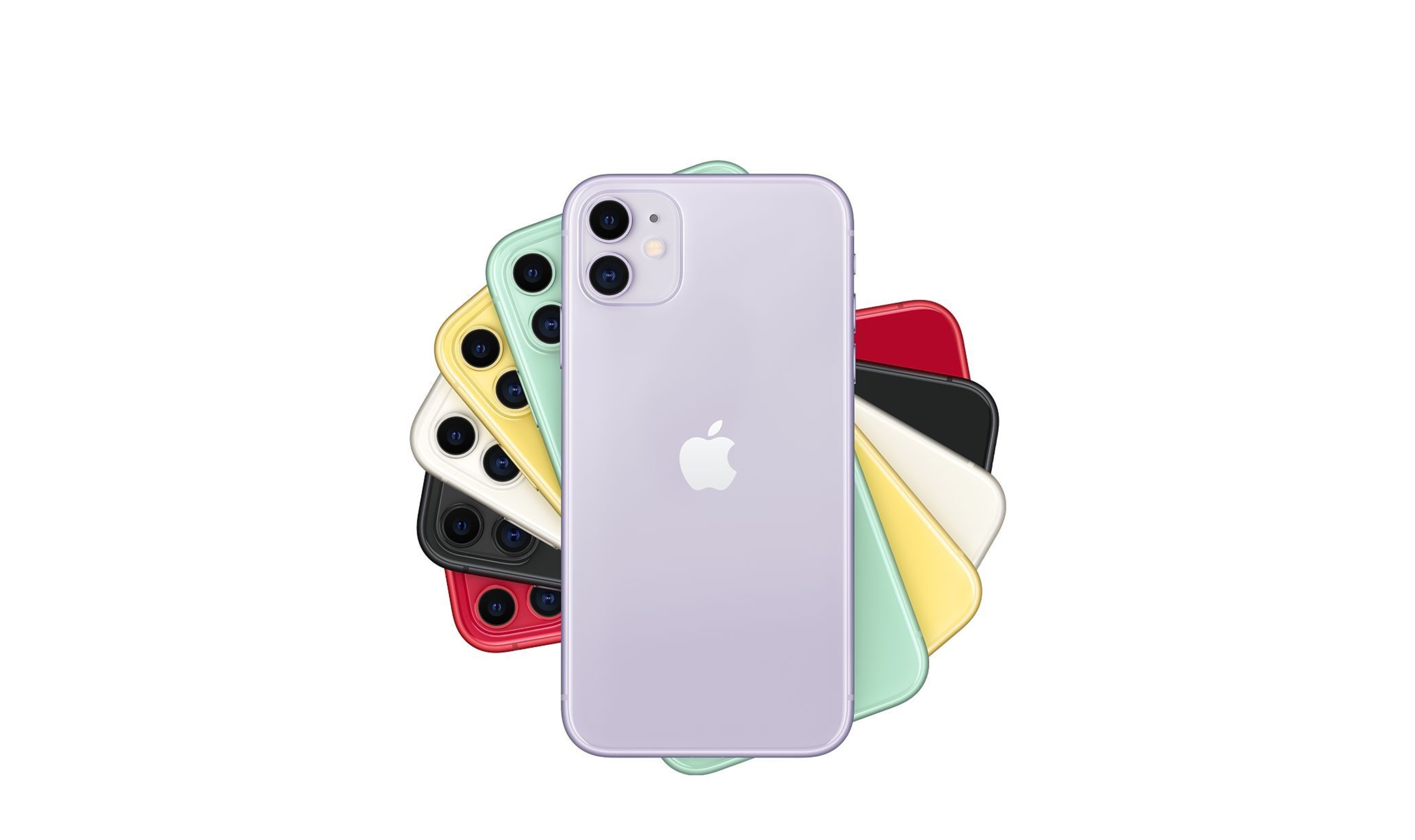
With the iPhone 12 series being right around the corner, rumors regarding the 2020 Apple flagship have been surfacing online. However, it is an older iPhone model that is grabbing headlines, as the iPhone 11 was the best selling smartphone in the world for the first half of 2020.
According to Omdia, an analytics and research based firm, the Cupertino based giant sold 37.7 million units of iPhone 11 in the first half of 2020. Previously, it was the iPhone XR that topped the charts during the same period back in 2019. Although, the iPhone XR only sold 26.9 million units, which indicates that the iPhone 11 has been more popular and successful. It also suggests that a relatively reasonably priced premium handset from Apple can have the company rope in more customers.
Notably, the three other smartphones that made the top selling list couldn’t reach Apple’s dominance in the market even if they were combined. The Samsung Galaxy A51 sold 11.4 million units, while the Redmi Note 8 and Redmi Note 8 Pro sold 11 million and 10.2 million units respectively. Interestingly, the fifth best selling device was also an Apple handset, which was the iPhone SE that sold 8.7 million units. Despite being launched a year ago, the iPhone 11 is still the more affordable one, within its series and was quite popular in multiple markets.
After weeks of leaks, the Realme 7 series has gone official in India. The lineup has two phones namely, Realme 7 and Realme 7 Pro. The vanilla model is the world’s first smartphone to feature the Helio G95 gaming-centric MediaTek chipset that went official recently. Both phones are blessed with large-sized displays with up to 120Hz refresh rate, 64-megapixel quad rear cameras, and big batteries with 65W fast charging technology
Realme 7 and Realme 7 Pro specifications and features
The Realme 7 measures 162.3 x 75.4 x 9.4mm and weighs 196.5 grams. It comes in two attractive colors such as Mist White and Mist Blue. On the other side, the Realme 7 Pro has 160.9 x 74.3 x 8.7mm dimensions and it weighs 182 grams.
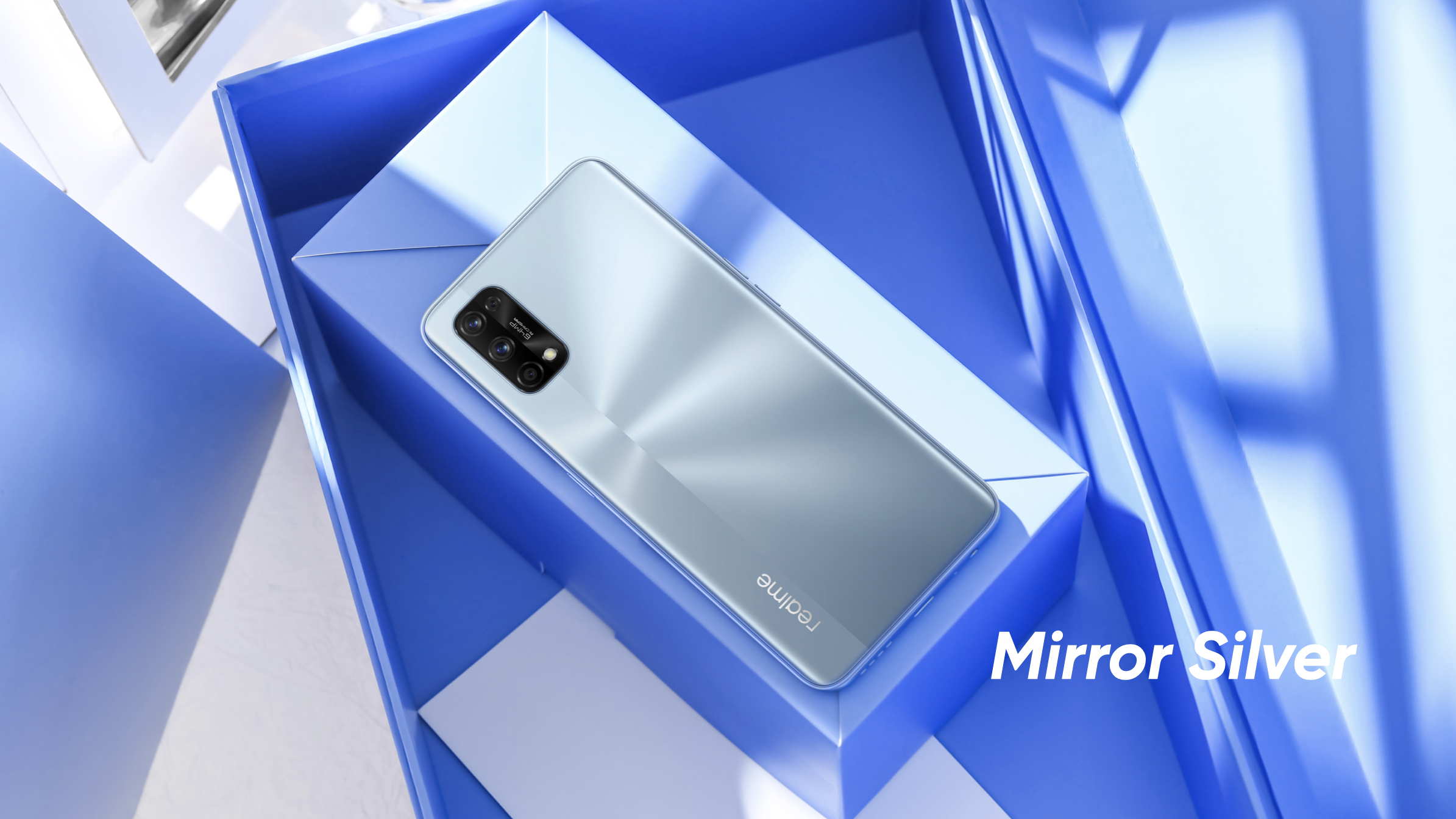
Realme 7 Pro Mirror Silver
The Realme 7 has a 6.5-inch IPS LCD panel, whereas the Realme 7 Pro has a 6.4-inch AMOLED display. Both phones support Full HD+ resolution and 20:9 aspect ratio. Realme 7 offers a 90Hz refresh rate, whereas the Realme 7 Pro supports a 60Hz refresh rate. Both devices come with Gorilla Glass protection. The Realme 7 promises a screen-to-body ratio of 90.5 percent, whereas the Realme 7 Pro offers a screen space of 90.8 percent.
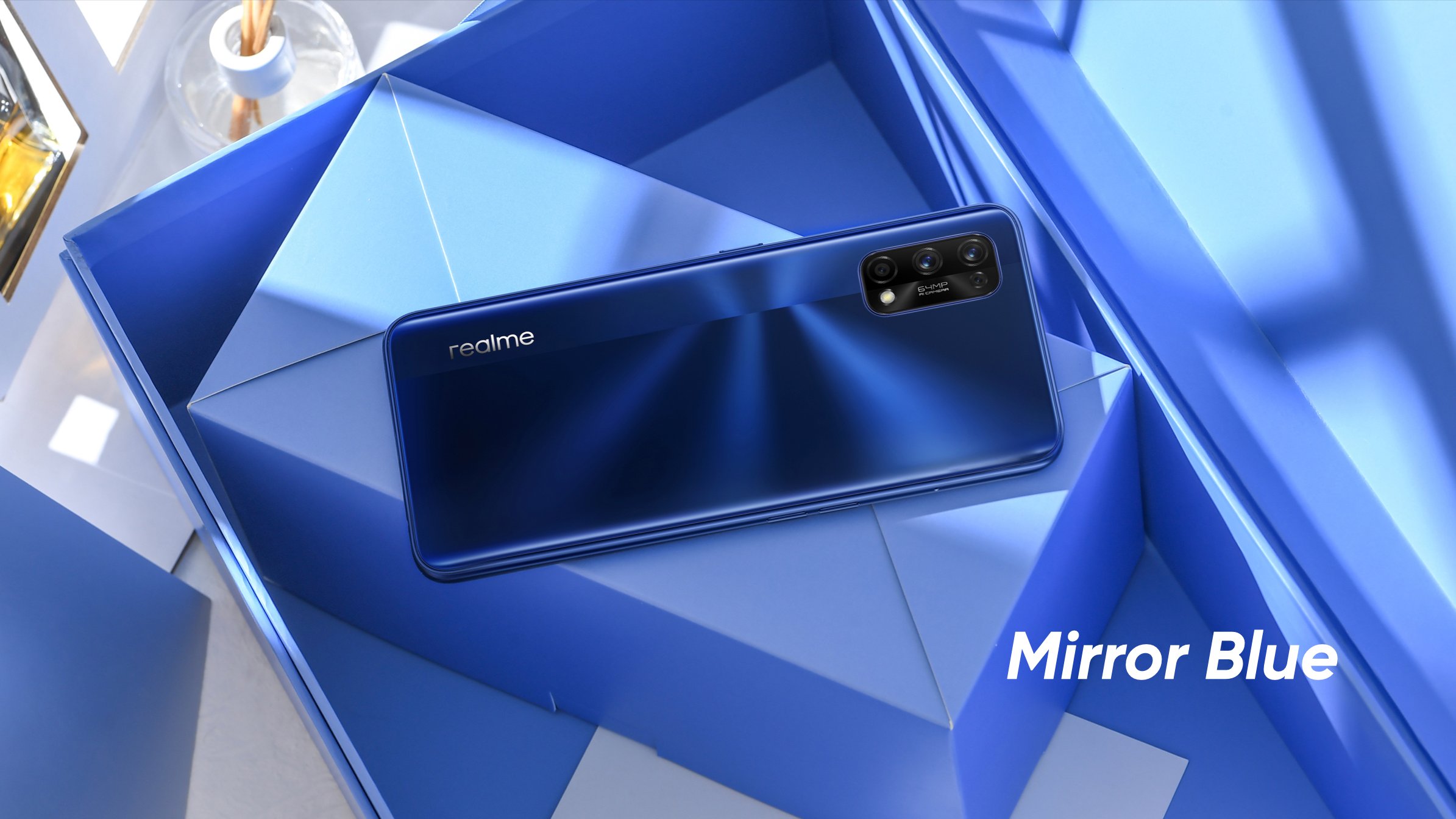
Realme 7 Pro Mirror Blue
The 2.05GHz Helio G95 drives the Realme 7 whereas the 2.3GHz Snapdragon 720G is present under the hood of the Realme 7 Pro. These phones are equipped with LPDDR4x RAM, UFS 2.1 storage, and a dedicated microSD card slot. The Realme UI skinned Android 10 OS runs on Realme 7 and Realme 7 Pro.
The Realme 7 has a 5,000mAh battery, while the Pro model gets a slightly smaller 4,500mAh dual-cell battery. The vanilla model supports 30W Dart Charge technology and there is support for the faster 65W SuperDart technology on the Realme 7 Pro. According to Realme, the Realme 7 Pro can completely charge in just 34 minutes through the SuperDart technology.
Realme 7 Mist White
The Realme 7 Pro has an f/1.8 aperture 64-megapixel Sony IMX682 primary shooter, an f/2.3 aperture ultrawide shooter of 8-megapixel with 119-degree field-of-view, a 2-megapixel B&W portrait lens, and a 2-megapixel macro shooter with 4cm focal length. The quad cameras offer features like Starry Mode, Super Nightscape, HDR, AI scene recognition, UIS / UIS Max video stabilization, AI Color Portrait Video, Ultra Nightscape Video for clear footages in low-light conditions, 120fps 1080p slow-motion video shooting, and 4K video shooting. At the front, the Realme 7 Pro features a 32-megapixel selfie camera with an 85-degree field-of-view. It offers features like portrait bokeh, HDR, AI beautification, nightscape mode, 120fps slow-motion video recording, and 30fps video recording.
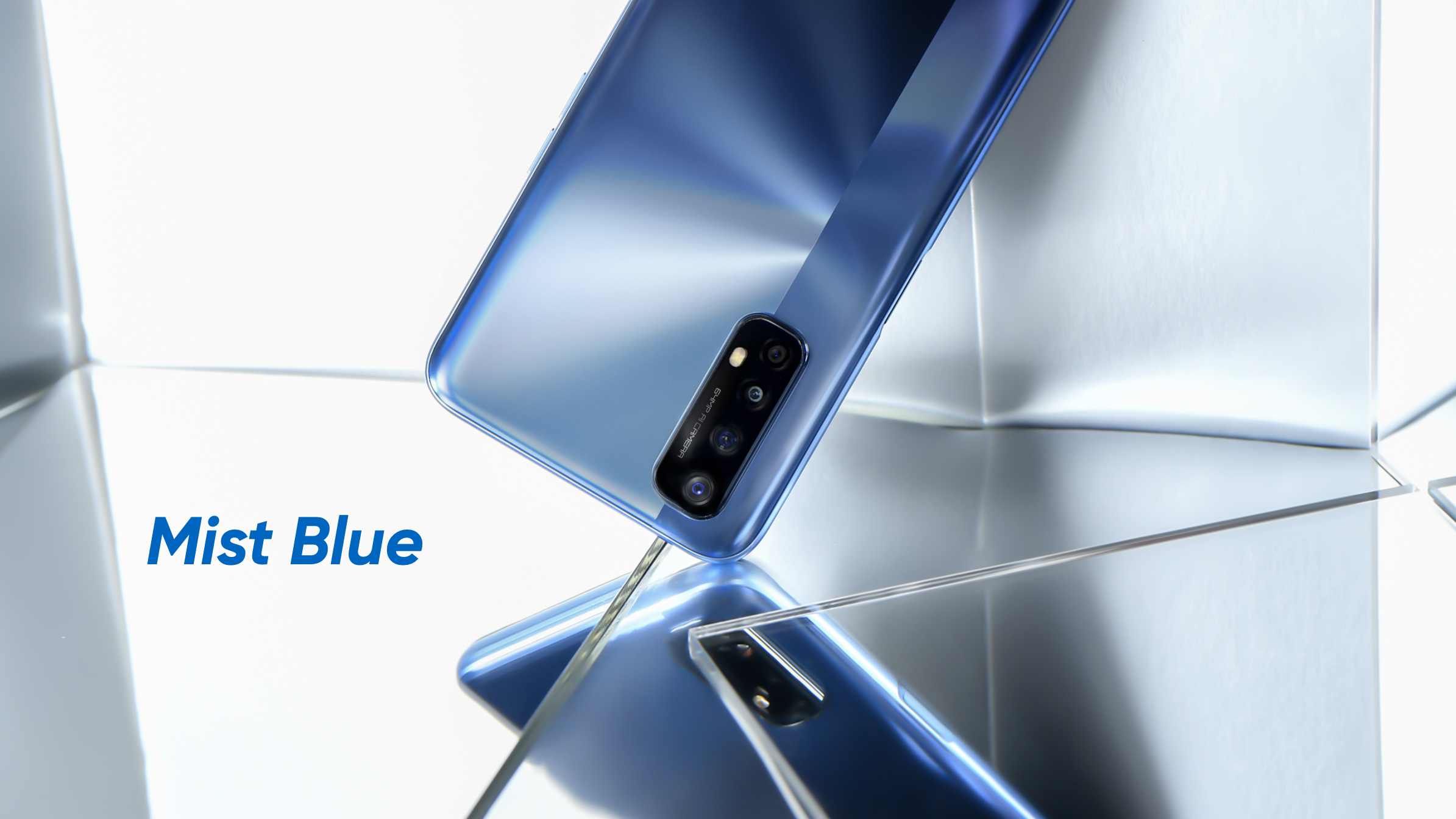
Realme 7 Mist Blue
The Realme 7 features the same quad cameras that are available on the Realme 7 Pro. For selfies, it possesses a Sony IMX471 16-mgeapixel selfie camera that offers the same photography features as the Pro model.
Realme 7 has a side-facing fingerprint sensor whereas the Realme 7 Pro features an in-screen fingerprint sensor. The Realme 7 series comes with connectivity features like dual 4G VoLTE, Wi-Fi 802.11ac, Bluetooth 5.0 (Realme 7) and 5.1 (Pro), GPS, USB-C, and a 3.5mm headphone slot. The Realme 7 Pro also features stereo speakers.
Realme 7 and Realme 7 Pro price in India and availability
The Realme 7 and Realme 7 Pro variants and pricing are as follows:
Realme 7
6 GB RAM + 64 GB storage – Rs. 14,999 (~$204)
8 GB RAM + 128 GB storage – Rs. 16,999 (~$231)
Realme 7 Pro
6 GB RAM + 128 GB storage – Rs. 19,999 (~$273)
8 GB RAM + 128 GB storage – Rs. 21,999 (~$299)
The Realme 7 series will be available for purchase for the first time at 12 PM (local time) on Sept. 10 through Flipkart and Realme.com. Later, both phones will also sell through offline stores. Buyers of Realme 7 series can avail Discovery+ subscription for Rs. 299 and get a 2nd-year subscription for free.
Samsung officially unveiled Galaxy Z Fold2 earlier this week for a starting price of $1,999. Now, the company announces the handset to launch in China next week on September 9. So far, the South Korean tech giant has debuted all of its previous foldables (both 4G and 5G variants) in the country though it has a negligible share in the region’s smartphone space.
The Galaxy Z Fold2 fixes all the complaints of the original Galaxy Fold. It now comes with a 6.2-inch larger external display and a 7.6-inch internal foldable display with punch-holes instead of huge bezels and notch that are found on its predecessor.
The inner display is now protected by UTG like the Galaxy Z Flip. Also, it comes with a new hinge design in order to support “Flex Mode”. In other words, users can keep the foldable opened at any angle, again similar to Z Flip.
Further, It is powered by Qualcomm Snapdragon 865+ processor paired with 12GB LPDDR5 RAM and 256GB UFS 2.1 storage. According to reports, China will also get an exclusive 512GB variant.
The primary triple camera setup on the phone includes a 12MP main sensor, a 12MP ultra-wide unit, and another 12MP shooter with a 2x telephoto lens. Also, both the external and internal displays house a 10MP snapper each in their punch-holes.
Other features of the Samsung Galaxy Z Fold2 include a side-mounted fingerprint sensor, One UI 2.5 based on Android 10, 4,500mAh battery, 25W fast charging, 11W wireless charging, and 4.5W reverse wireless charging.
Last but not least, the device comes in two colors namely Mystic Bronze and Mystic Black.
We use cookies on our website to give you the most relevant experience by remembering your preferences and repeat visits. By clicking “Accept”, you consent to the use of ALL the cookies.
This website uses cookies to improve your experience while you navigate through the website. Out of these, the cookies that are categorized as necessary are stored on your browser as they are essential for the working of basic functionalities of the website. We also use third-party cookies that help us analyze and understand how you use this website. These cookies will be stored in your browser only with your consent. You also have the option to opt-out of these cookies. But opting out of some of these cookies may affect your browsing experience.
Necessary cookies are absolutely essential for the website to function properly. This category only includes cookies that ensures basic functionalities and security features of the website. These cookies do not store any personal information.
Any cookies that may not be particularly necessary for the website to function and is used specifically to collect user personal data via analytics, ads, other embedded contents are termed as non-necessary cookies. It is mandatory to procure user consent prior to running these cookies on your website.