Advertisement

OnePlus Billie 2, 2T, 8, and 8T are said to be the next smartphones from the brand

OnePlus is revamping its product lineup by offering mid-range and budget smartphones. Pete Lau, the co-founder and CEO of the brand revealed it first in May. Then, in July, the company launched OnePlus Nord as its first mid-range smartphone in years. Followed by that, leaks started pouring out information about OnePlus’s other budget handsets. Now, today, codenames of some of these handsets emerge.

OnePlus Logo 2020 Featured

Just yesterday, we had our first look at OnePlus 8T with a flat display and slimmer bezels. Now, today, codenames of four OnePlus smartphones leak on Twitter, courtesy of tech influencer Mukul Sharma (@stufflistings).

He shared a picture of a code snippet, which revealed the following codenames associated with what seems to be their marketing name.

  • billie2 – OnePlus Billie 2
  • billie2t – OnePlus Billie 2T
  • billie8 – OnePlus Billie 8
  • billie8t – OnePlus Billie 8T

This is not the first time we are hearing about the codename “billie”. These devices leaked in a rendered video earlier in August. Max J, the person behind that leak did confirm that there will be multiple phones. The above-listed devices could be the ones he mentioned.


Also, according to him, they are also known as “Aurora” and they can launch under the “Nord” branding. Hence, it is not sure if these handsets will be indeed called OnePlus Billie.

One of these devices could come powered by either Snapdragon 662 or Snapdragon 665. Whereas, another model from the list above could be a mid-range 5G smartphone powered by Snapdragon 690 like the Oneplus Nord but with a more affordable price tag.

Additionally, OnePlus will be also launching a phone codenamed “clover”, which could be the brand’s cheapest smartphone with feature like Snapdragon 460, 720p display, 6,000mAh battery, 4GB + 64GB storage configuration, microSD card slot, fingerprint sensor, 3.5mm headphone jack, 13MP + 2MP dual-camera setup,  18W fast charging, and around $200 price tag.

That said, most of the upcoming OnePlus budget and mid-range smartphones will probably debut first in India as hinted by the CEO back in May.


ASUS Zenfone 7 series gets a global launch; starts at €699

The Zenfone 7 series was announced last week in Taiwan. ASUS has now launched the new phones in Europe.

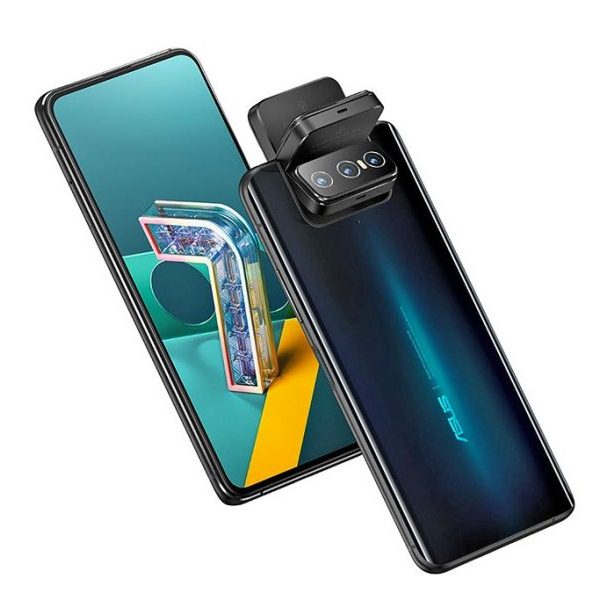
ASUS Zenfone 7

The Zenfone 7 and Zenfone 7 Pro keep the flip camera design of the Zenfone 6 but come with triple rear cameras. They also sport AMOLED displays with high refresh rates. However, they cost a lot more than their predecessor which was considered a flagship.

The Zenfone 7 has a price tag of €699 and will be available in a single variant with 8GB of RAM and 128GB of storage. In Taiwan, this model is priced at NT$23,990 (~€682). The Zenfone 7 Pro is going to sell for €799 and it will come with 8GB of RAM and 256GB of storage.

The two phones have a 6.67-inch FHD+ AMOLED display with HDR10+ and Gorilla Glass 6 protection. They also have support for storage expansion and have stereo speakers, side-mounted fingerprint scanners, and 5000mAh batteries with support for 30W HyperCharge fast charging. The two phones run Android 10 out of the box.

With respect to their differences, the Pro model has a Snapdragon 865+ processor under the hood. It has the same 64MP main camera + 8MP telephoto camera + 12MP ultrawide angle setup as the standard version but its telephoto camera has OIS which is not available on that of the Snapdragon 865-powered standard version.

There is no info on when the phone will be available for purchase and if it will be launched in India and North America.


HONOR HUNTER gaming laptops and two smartwatches tipped to launch on September 16

HONOR has been teasing its first-ever gaming laptops for a few weeks now. Apart from official teasers by the brand as well as its executives, the notebooks have also leaked multiple times. Now, according to a tipster, they will launch on September 16 alongside two smartwatches.

Honor Hunter Official Teaser Video Snapshot

The HONOR gaming laptops will be marketed under its HUNTER series of gaming products. Currently, the brand only sells a router under this series. But we can expect the portfolio to grow in the coming months.

The company is yet to announce the launch date for these notebooks. But according to 长安数码君 (Changan Digital King) on Weibo, they will be officially unveiled on September 16. As per him, at the same event, the brand will also debut two smartphones, one of which resembles the HUAWEI Watch Fit.

Talking about features, HONOR HUNTER gaming laptops have been confirmed by the brand to feature Intel chipsets. A leak even revealed its design to be inspired by supercars. Lao Ming (aka Glory Bear), the brand’s VP also teased it to feature RGB lightings a few days back.

Last week, the same executive also shared a teaser video, which showcased the design of the HUNTER gaming laptop. The video also confirmed one of the variants to be powered by Intel Core i7. Also, it revealed them to feature an RGB-backlit keyboard with a special key engraved with the HUNTER logo.

According to a leak, this notebook will be marketed as HUNTER V700 and will be available in at least two variants with model numbers – FRD-WFD9 / FRD-WDG9. That said, we will know more about these products in the coming days as their launch is nearing.


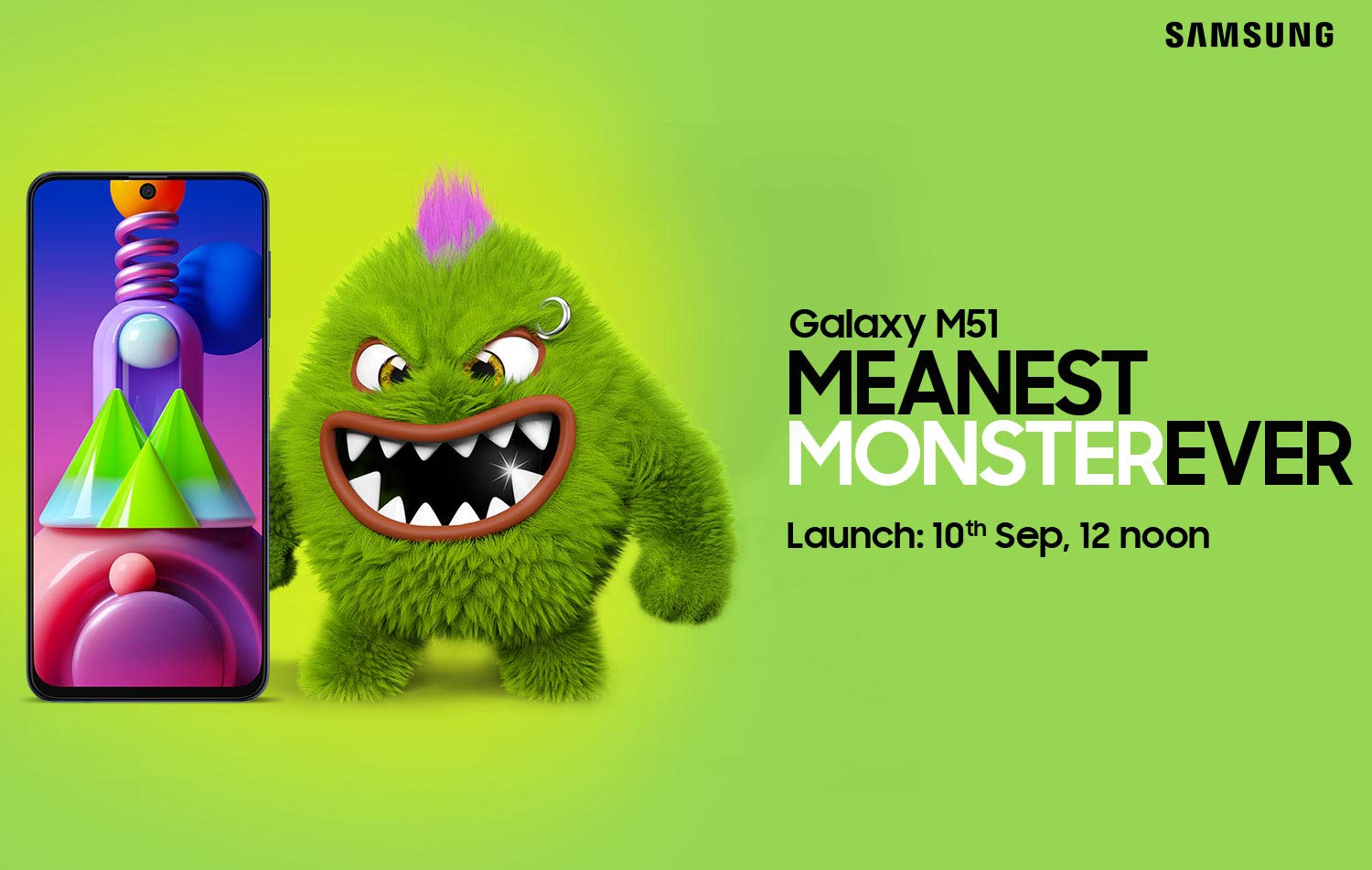
Samsung Galaxy M51 launch date for India is September 10

After months of leaks, the Samsung Galaxy M51 smartphone went official quietly yesterday. The device debuted in Germany with a price tag of 360 euros (~$431; ~Rs 31,500). The South Korean company has been teasing its launch in India for the past week. Today, the Galaxy M51’s landing page on Amazon India got updated with its launch date and new teasers. It is now confirmed that the Galaxy M51 will break cover in India on Sept. 10.

The Galaxy M51 launch event for India will kick off at 12 PM (local time) on Sept. 10. The updated Amazon listing has no information on its specs. However, the specs are no secret since the device has already launched in Germany.

Samsung Galaxy M51 September 10 India Launch

Samsung Galaxy M51 specifications

The Galaxy M51 has a Full HD+ resolution supporting display of 6.7 inches. The aspect ratio offered by the S-AMOLED panel is 20:9. The Snapdragon 730 chipset is present under the hood of the Galaxy M51 along with 6 GB of RAM.

The One UI 2.0 based Android 10 OS comes preinstalled on the Galaxy M51. It has an internal storage of 128 GB and there is a microSD card slot for more storage. The phone is fitted with a side-facing fingerprint sensor.

Samsung Galaxy M51
Samsung Galaxy M51

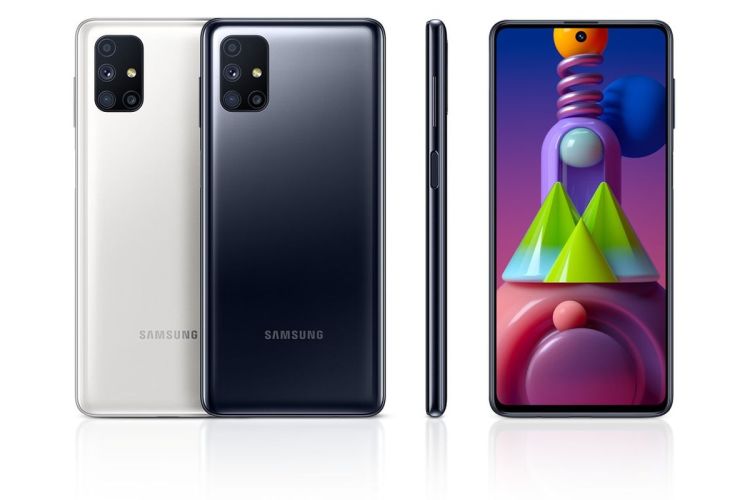
The Galaxy M51 houses a behemoth battery of 7,000mAh. It supports 25W fast charging through USB-C. The front side of the Galaxy M51 has a 32-megapixel selfie camera. The rectangle-shaped camera module positioned on the backside of the Galaxy M51 has a 64-megapixel main camera with f/1.8 aperture, a 12-megapixel ultrawide sensor, a 5-megapixel macro shooter, and a 5-megapixel lens for depth effects.

The pricing of the Samsung Galaxy M51 for India is under wraps. The Galaxy M31s that debuted in July carried a price tag of Rs. 21,499 (~$294) for its topmost variant. Probably, the country could be receiving the Galaxy M51 with a price tag of around Rs. 25,000 (~$342). The phone is likely to be available in India in Black and White color options.


Motorola One 5G mid-range smartphone goes official in US; costs less than $500

Lenovo-owned Motorola has today launched a new smartphone — Motorola One 5G. The device is a U.S. version of the Moto G 5G Plus that was unveiled last month.

The smartphone features a 6.7-inch Full HD+ LCD display with 2520 x 1080 pixels screen resolution, 21:9 aspect ratio, HDR10, and 90Hz refresh rate. There’s also a layer of Gorilla Glass 5 to protect the screen from minor scratches.

Motorola One 5G

Under the hood, the handset is powered by the Qualcomm Snapdragon 765 SoC, manufactured using a 7nm EUV process, coupled with Adreno 620 GPU. It packs 4GB LPDDR4x RAM and 128GB UFS 2.1 internal storage.

In the camera department, the phone features a quad-camera setup that consists of a 48MP primary sensor with f/1.7 aperture, an 8MP ultra-wide-angle lens with f/2.2 aperture, a 5MP macro lens with f/2.2 aperture, and a 2MP depth sensor with f/2.2 aperture.

EDITOR’S PICK: OnePlus CEO joins OPPO’s holding company as Senior VP and Chief Product Experience Officer

On the front side, the device has a 16MP primary snapper with f/2.0 aperture and an 8 MP secondary sensor with f/2.2 aperture for taking selfies and video calling. The smartphone also comes with a side-mounted fingerprint sensor.

As for the connectivity options, the device supports 5G SA/NSA, Dual 4G VoLTE, Wi-Fi 6 802.11 ac (2.4GHz + 5GHz), Bluetooth 5.1, GPS (L1+L5), GLONASS, Galileo, NFC, and a USB Type-C port. It runs Android 10 out-of-the-box and is powered by a 5,000mAh battery with 20W TurboPower fast charging.

The Motorola One 5G comes in Oxford Blue color and will be priced under $500 when it goes on sale on AT&T but the exact date is not yet known. The 5G Ultra Wideband version will be available from Verizon in early October.


MediaTek helio G95 goes official; will debut on realme 7

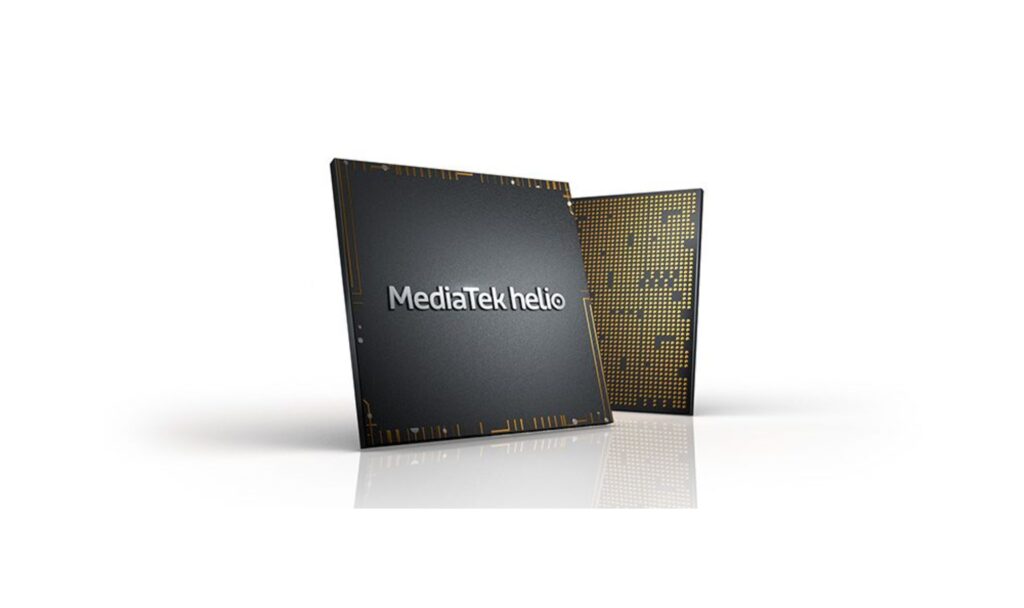
MediaTek has been raining entry-level and mid-range chipsets since the beginning of this year. Adding to its ever-growing portfolio, the Taiwanese chipmaker announces helio G95 SoC as its newest offering. The firm markets this as its most powerful 4G silicon for smartphones. It will compete against Qualcomm Snapdragon 732G, which just went official yesterday.

MediaTek Helio Featured

The helio G95 is similar to its predecessor helio G90T is every way. The only difference is that the ARM Mali G76 3EEMC4 GPU present in the former is clocked at 900Mhz instead of 800MHz in the latter. Hence, it should theoretically offer slightly better gaming performance.

Apart from the above-mentioned dissimilarity, the new helio G95 is basically an helio G90T inside out. That means it is manufactured using the same 12nm process technology by TSMC (Taiwan Semiconductor Manufacturing Company) 

It includes an octa-core CPU consisting of 2 x Cortex-A76 cores clocked at 2.05GHz and 6 x Cortex-A55 cores clocked at 2GHz. Further, in the memory department, it can support up to 2 x LPDDR4x RAM clocked up to  2133MHz and 10GB in size. For storage, it can either paired with eMMC 5.1 or UFS 2.1.


Talking about cameras, it can support up to 64MP multi-camera setup and is capable of recording videos in up to 4K resolution at 30fps. As for the display, it can support panels of up to 2520 x 1080 resolution (FHD+) and 90Hz refresh rate.

On the connectivity front, the modem present in it supports 4G, VoLTE, ViLTE, VoWifi, and it also includes support for WiFi 5, Bluetooth 5.0, GNSS(Beidou, Galileo, Glonass, GPS) as well as FM Radio.

Additionally, the chip also comes with MediaTek HyperEngine gaming technology, which the company claims to offer better connectivity by using WiFi and LTE data connection at the same, in addition to better resource management and improved graphics.

That said, the newly launched MediaTek helio G95 will debut on realme 7, which will be unveiled on September 3 in India. Similarly, POCO X3 NFC which will go official next week on September 7 as the world’s first smartphone with its competitor Qualcomm Snapdragon 732G. 


Huawei is increasing investment in Russia because of U.S. sanctions

The United States has put several restrictions and sanctions on the Chinese giant Huawei, effectively banning the company from doing business with any of the American companies or the companies using American technologies.

While Huawei has been severely impacted because of these sanctions, American companies are also worried about potential losses. However, it seems that the deeds of the U.S. will benefit another emerging global superpower.

huawei

As per the SCMP report, Huawei founder Ren Zhengfei has said that the company has increased its investment in Russia after the United States put Huawei on the Entity List last year. He added that along with increased Russian investment, it expanded the Russian scientist team, and increased the salary of Russian scientists.

The company has become the leading smartphone brand globally, dethroning Samsung. However, it will be impossible for the company to keep the lead position given the recent setbacks. The new restrictions have made it impossible for Huawei to manufacturer its own Kirin chipsets and procure chipsets from the likes of Qualcomm.

EDITOR’S PICK: Realme X7, X7 Pro 5G with 120Hz display, Dimensity 1000+, 64MP quad cameras, 65W fast charging launched in China

However, US-based chip suppliers, including Qualcomm, have been trying to get approval to resume sales to Huawei. On the other hand, Taiwanese chip designer MediaTek has applied for a license to continue doing business with Huawei.

But, the company can still source U.S. chips for the cloud computing business, and thus, the company has now shifted its focus towards this. Huawei’s cloud computing sells computing power and storage solutions to companies, along with access to artificial intelligence.

As per the reports, Huawei is putting the cloud computing business in line with the smartphones and telecom equipment business. On top of that, it is said that the Chinese government will increasingly support the company through public cloud contracts.


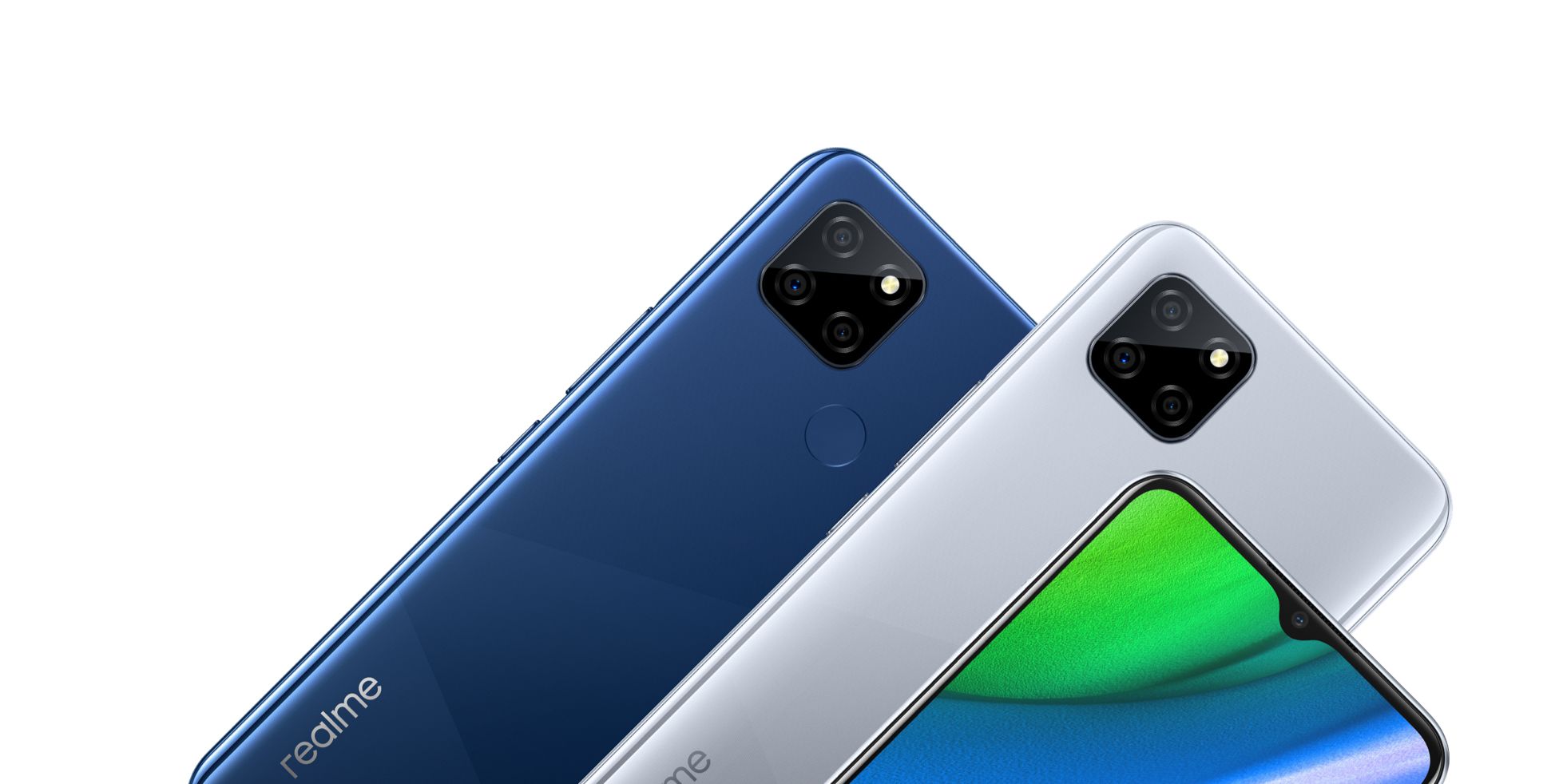
Realme V3 5G with Dimensity 720 debuts as the cheapest 5G phone priced at 999 Yuan (~$146)

The Realme V3 has also gone official in China alongside the Realme X7 and Realme X7 Pro smartphones. The Realme V3 that is driven by the Dimensity 720 is the cheapest 5G smartphone for China. With a staring price of 999 Yuan (~$146), the Realme V3 offers features like a large-sized display, a huge battery with fast capabilities, and triple rear cameras.

Realme V3 5G specifications and features

The polycarbonate bodied Realme V3 5G has 164.4 x 76 x 8.6mm dimensions. The device weighs 189.5 grams. The Realme V3 5G has a mini-drop notch enabled display of 6.5 inches. The IPS LCD panel supports an HD+ resolution of 720 x 1600 pixels and a 20:9 aspect ratio. The handset offers a screen space of 88.7 percent.

The 2.0GHz Dimensity 720 chipset and up to 8 GB of LPDDR4x RAM powers the Realme V3 5. The smartphone has up to 128 GB of UFS 2.1 storage and it also features a microSD card slot for additional storage. The 5,000mAh battery of the smartphone can be fast-charged using an 18W charger.

Realme V3 5G
Realme V3 5G

The Realme V3 5G has a front camera of 8-megapixel that comes with features like portrait blur, time-lapse photography, panorama, face recognition, HDR, and 30fps 1080p video recording. Its rear side of the phone has a square-shaped camera module that comprises a 13-megapixel main camera with f/2.2 aperture, a 2-megapixel macro lens with a 4cm focal length, and a 2-megapixel depth sensor. The rear cameras offer features like super night scene, professional mode, panorama, AI scene recognition, 120fps 720p slow-motion video shooting, and 60fps 1080p video recording.

The Realme V3 5G has a rear-facing fingerprint scanner. The usual connectivity features like dual SIM support, 5G, Wi-Fi 802.11ac, Bluetooth 5.0, GPS, USB-C, and a 3.5mm audio jack. Lastly, the phone comes preinstalled with Realme UI based Android 10 OS.

Realme V3 5G pricing and availability

The Realme V3 has arrived in China in three variants such as:

  • 6 GB RAM + 64 GB storage – 999 Yuan (~$146)
  • 6 GB RAM + 128 GB storage – 1,399 Yuan (~$205)
  • 8 GB RAM + 128 GB storage – 1,599 Yuan (~$237)
    Color options – Sea Blue and Moonlight White

The Realme V3 5G is now available for pre-orders in China and its first sale will be conducted on Sept. 9. There is no word on the international availability of the Realme V3 5G.


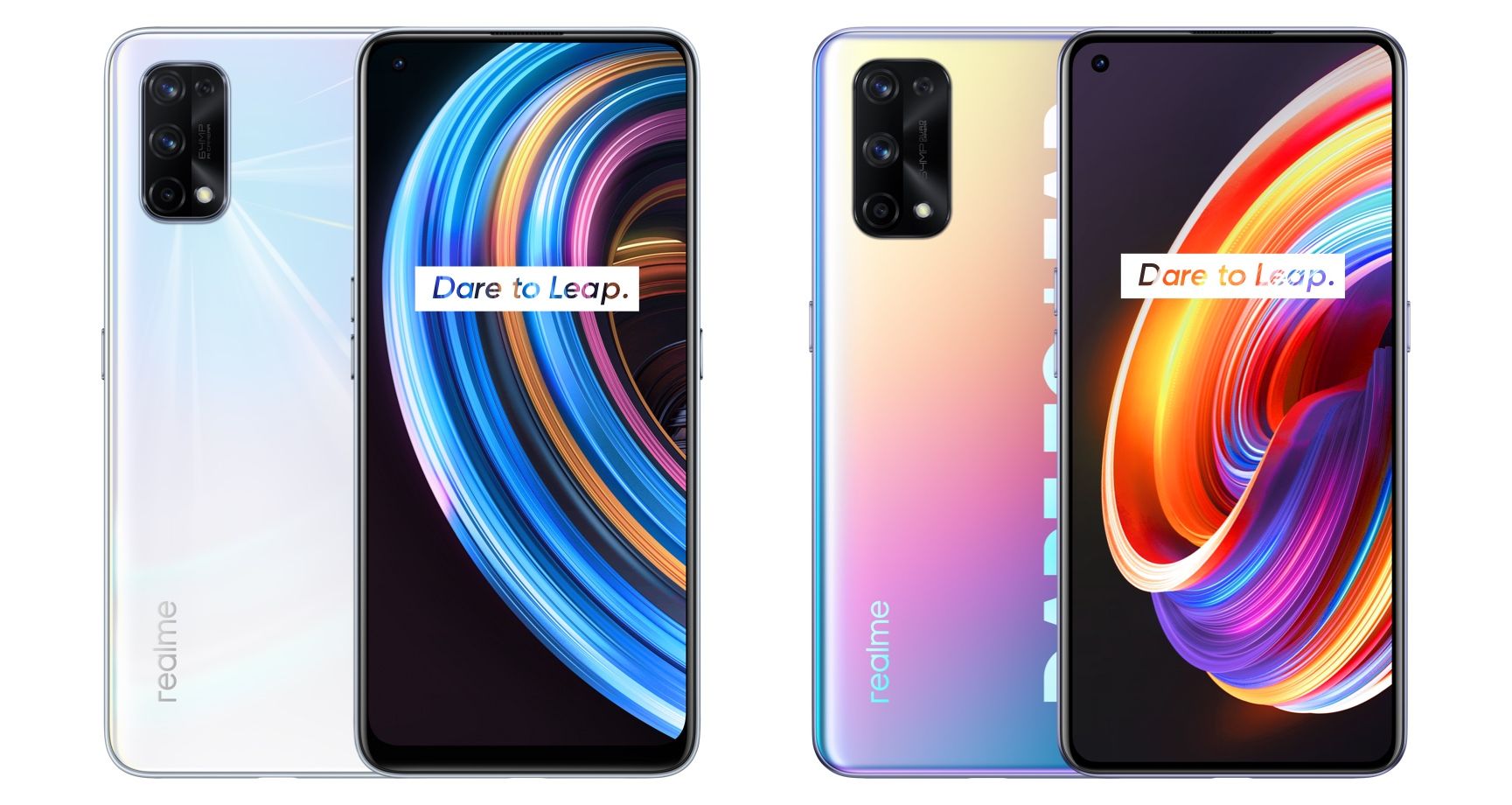
Realme X7, X7 Pro 5G with 120Hz display, Dimensity 1000+, 64MP quad cameras, 65W fast charging launched in China

The Realme X7 series of premium mid-range phones from Realme has gone official in China. The Realme X7 is the first phone to be fueled by the Dimensity 800U chipset. On the other side, the Dimensity 1000+ powered Realme X7 Pro has arrived to rival the Redmi K30 Ultra that features the same chipset. The Realme X7 series offers users with 120Hz refresh rate display and 65W fast charging technology. Both phones are also equipped with 64-megapixel quad rear cameras.

Realme X7 5G and Realme X7 Pro 5G specifications

The Realme X7 has 160.9 x 74.4 x 8.1mm dimensions and it weighs 175 grams. The handset is fitted with a 6.4-inch AMOLED display that supports 1080 x 2400 pixels, 20:9 aspect ratio, and 180Hz touch sampling rate. It offers a 90.8 percent screen-to-body ratio and comes with Gorilla Glass protection.

On the other side, the Realme X7 Pro measures 160.8 x 75.1 x 8.5mm and it weighs 184 grams. The phone features a 6.55-inch S-AMOLED display that offers FHD+ resolution, 20:9 aspect ratio, 120Hz refresh rate, 240Hz touch sampling rate, and 100 percent DCI-P3 color gamut. The Realme X7 Pro offers 91.6 percent screen space. Both phones have flat displays with a punch-hole design, and they are also equipped with in-display fingerprint scanners.

The Dimensity 800U fuels the Realme X7 5G, while the Pro model gets Dimensity 1000+. These phones are equipped with up to 8 GB of LPDDR4x RAM and up to 256 GB of UFS 2.1 storage. These phones are preinstalled with Realme UI based Android 10 OS.

Realme X7 and Realme X7 Pro

The Realme X7 series have 32-megapixel front-facing cameras with 80-degree FOV and f/2.45 aperture. The front camera offers features such as portrait mode, HDR, face recognition, super night scene mode, 120fps 1080p slow-motion video shooting, and 30fps 1080p video recording.

The Realme X7’s rear-facing quad-camera system has a 64-megapixel main camera with f/1.8 aperture, a 119-degree 8-megapixel ultrawide snapper, a 2-megapixel B&W lens, and a 2-megapixel macro shooter. On the other side, the Realme X7 Pro 5G’s quad-camera setup comprises of a Sony IMX686 64-megapixel primary shooter, a 119-degree 8-megapixel ultrawide snapper, a 2-megapixel portrait sensor, and a 2-megapixel macro lens. Both phones offer photography features like super night scene mode, professional mode, background blur, HDR, super macro, superwide angle, AI scene recognition, UIS and UIS Max video super anti-shake, 120fps 1080p video recording, and 30fps 4K video shooting.

The Realme X7 has a 4,300mAh battery, whereas the Realme X7 Pro has a larger 4,500mAh battery. Both devices come with support for 65W SuperDart charging technology. The Realme X7 series can charge completely in just 35 minutes, claims the company. They are equipped with usual connectivity features such as dual SIM slot, 5G, Bluetooth 5.1, Wi-Fi 802.11ac, GPS, and USB-C. The Realme X7 has a single super liner speaker, whereas the Pro model is equipped with stereo speakers. The Pro model also supports dual-frequency GPS and NFC.

Realme X7 and Realme X7 Pro pricing and availability

Here are the pricing and availability of the different variants of the Realme X7 series

Realme X7

  • 6 GB RAM + 128 GB storage – 1,799 Yuan (~$264)
  • 8 GB RAM + 128 GB storage – 2,399 Yuan (~$352
    )Color editions – Haiyu Blue, C color (gradient), and Fantasy White

Realme X7 Pro

  • 6 GB RAM + 128 GB storage – 2,199 Yuan (~$323)
  • 8 GB RAM + 128 GB storage – 2,499 Yuan (~$364)
  • 8 GB RAM + 256 GB storage – 3,199 Yuan (~$469)
    Color editions – Xingyu Black, C color (gradient), and Fantasy White

The pre-orders of the Realme X7 series have started in China. The first sales of the Realme X7 and Realme X7 Pro will be carried out on Sept. 7 in the home market. The company did not share any information on the international availability of the Realme X7 series.


Huawei could exit smartphone business if condition worsens: Kuo

Ming-Chi Kuo has been a reliable analyst when it comes to Apple but he has now shared his opinion about Huawei, which is currently the world’s leading smartphone brand, overtaking Samsung in Q2 2020.

He claims that the Chinese giant Huawei could exit the smartphone market if the conditions for the company worsens. The sanctions put on the company by the United States has been severely affecting the company’s business.

Huawei Logo MWC 2019

It all started in May last year when the U.S. President Donald Trump signed an executive order putting Huawei on “Entity List”, effectively banning the Chinese giant from using American technologies.

This led to Huawei getting banned from using Google’s Android operating system on its Huawei as well as Honor-branded devices. Recently, the U.S. government tightened restrictions on Huawei as well as its subsidiaries.

With the new restrictions, Huawei has been banned from using American companies or technologies for semiconductors. This means that the company can’t manufacture its own Kirin-branded chipsets with the help of American companies or the companies that use American technologies.

EDITOR’S PICK: OnePlus CEO joins OPPO’s holding company as Senior VP and Chief Product Experience Officer

TSMC, the contact manufacturer of Huawei for the HiSilicon Kirin chipsets, stopped taking new orders from the company. Given that Qualcomm is based in the United States, it is also out of the question. MediaTek has already applied for a special license to do business with Huawei, but it’s unlikely to get it.

According to Kuo (via MyFixGuide), even if Huawei somehow manages to source components, the competitiveness and market share of the company is bound to suffer. He adds that in the best-case scenario, its market share declines, and in the worst-case scenarios, the company exits the smartphone market.

It is being reported that if the restrictions are not eased, then Huawei could be losing around 30 percent of the market share. With Huawei’s future on the line, companies like Apple, OPPO, Vivo, and Xiaomi are in a beneficial position in the local market.


Apple iPhone 12 models to reportedly come with LiDAR scanner

LiDAR technology, which stands for “light detection and ranging” is now making its way to consumer electronics devices, although the technology was primarily being used in the automotive industry.

Apple started using the LiDAR technology on this year’s iPad Pro with the ToF sensor and now a report from DigiTimes claims that the same will be included in some of the upcoming iPhone 12 models as well.

iPhone 12 2020

EDITOR’S PICK: IDC report claims that Global Smartphone Market will recover in 2022; 5G handsets will account for 50% in 2023

LiDAR can measure distances by illuminating the target with laser light and by measuring the reflection with a sensor. The data can then be used to make accurate 3D representations of an object or environment, significantly improving AR experiences.

Although the DigiTimes report does not claim that the iPhone 12 will come with the LiDAR scanner, there have been a few reports claiming that the upcoming iPhone 12 Pro smartphone could feature it.

The Pro models of the upcoming iPhone are expected to have this scanner while the less expensive models with 5.4-inch as well as the 6.1-inch display will not have support for the LiDAR scanner as it is being regarded as a premium feature.


Samsung to start manufacturing Galaxy Z Fold 2 smartphone in Brazil

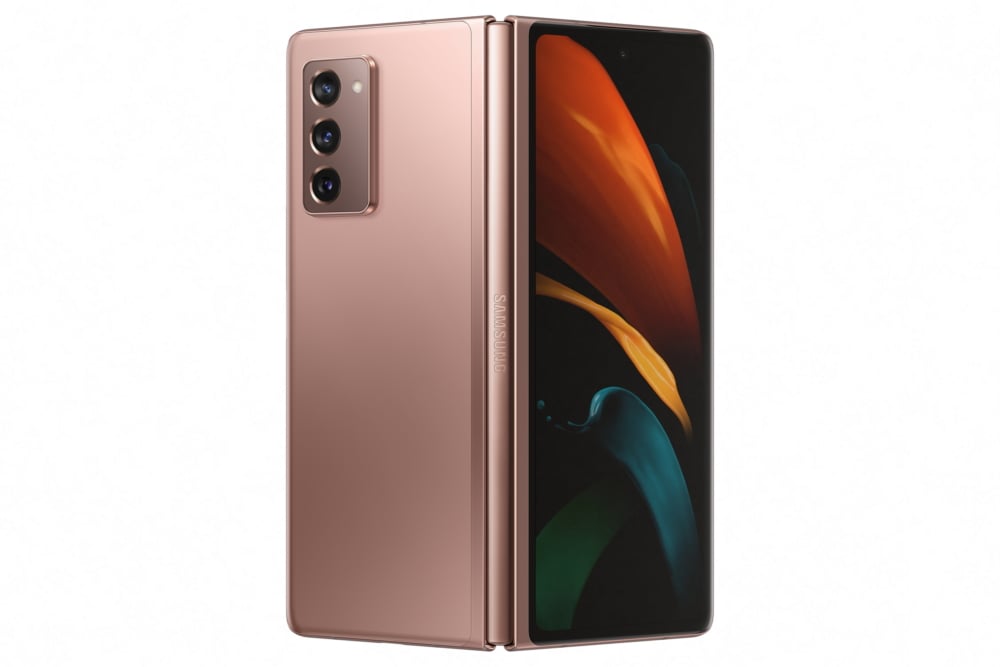
Samsung, which teased its next-generation foldable smartphone named Galaxy Z Fold 2 last month along with the flagship Note20 series, has now added a new production base in Brazil for the Galaxy Z Fold 2.

However, it is being reported that the majority of the units will still be produced in the company’s factory in Gumi, South Korea. Additionally, about 20 percent of the units could be produced at the Samsung factory in Vietnam.

Galaxy Z Fold 2 featured

In an effort to diversify its production, Samsung is now adding Brazil to the mix, where it will start production of the device from next year. But the report adds that only a few thousand units will be manufactured in Brazil.

Overall, the South Korean giant is planning to manufacture around 700,000 to 800,000 units of the new foldable device by the end of this year. However, the numbers could get changed based on demand.

EDITOR’S PICK: OnePlus CEO joins OPPO’s holding company as Senior VP and Chief Product Experience Officer

Samsung is now all set to launch the Galaxy Z Fold 2 smartphone featuring a 7.6-inch Quad HD+ Dynamic AMOLED display with 1768 x 2208 pixels screen resolution and a 6.23-inch Super AMOLED HD+ display with 816 x 2260 pixels when folded.

The device will reportedly be powered by the Qualcomm Snapdragon 865 Plus SoC, along with 12GB of RAM and 512GB of internal storage. It will be running the Android 10 operating system out-of-the-box along with One UI on top.

The Samsung Galaxy Z Fold 2 is priced at 1,799 Pounds (~$2,387), a bit lower than the original price of the first Galaxy Fold, which started at 1,900 Pounds (~$2,522). The device is currently listed for pre-orders, with shipping starting from 17th September 2020.


Get Oukitel C21 for the discount price of $89.99 – Hurry up, offer expiring soon!

Oukitel C21 has received an overwhelming response from the buyers since its launch a couple of weeks ago via AliExpress. Many Oukitel fans and the users were excited about the new smartphone due to its affordability and value-for-money aspect. It is available for the exciting price of $89.99 packing an Helio P60 chipset, a 6.4-inch HD+ display, and a 20MP AI camera. However, the actual price of the smartphone is $119.99, but due to the introductory limited-time discount, users can grab it at a much lower price.

Must See: Global sales of Oukitel C21 budget smartphone to commence from August 24 at a price of $89.99

The interested users can head over to the Oukitel official store and can enjoy a hefty discount via the Oukitel C21 until September 6.

Oukitel C21 arrives with a lot more consisting of a 6.4-inch LTPS Full HD+ punch-hole display with narrow bezels and a 93% screen-to-body ratio. The display is effective and efficient in providing a wider viewing experience.

The smartphone is coupled with a 12nm based Helio P60 chipset featuring an octa-core processor and a powerful GPU for smooth graphics.

In the camera department, Ouktiel C21 offers a 20-megapixel selfie camera for quality selfies and video calling. Being a  budget smartphone, Oukitel manages to provide the best gaming experience.

Different Bands Variants

In order to bring exquisite experience while using the smartphone, the company has launched two different bands print for the European region, and North + South American region. The users can choose the respective variant while checking out.

It is available in three different colors of Ocean Blue, Neon Purple and Midnight Black. It is available for a mere $89.99 via the Oukitel’s official AliExpress store. You will get a free silicon case and pre-pasted screen protector along with the package. The sale will start from September 1st and ends on September 6th.

The users can even partake in an ongoing Phone Case Survey to get some phone cases for free.

Related: Specs comparison between Oukitel C21 and Samsung Galaxy M01s

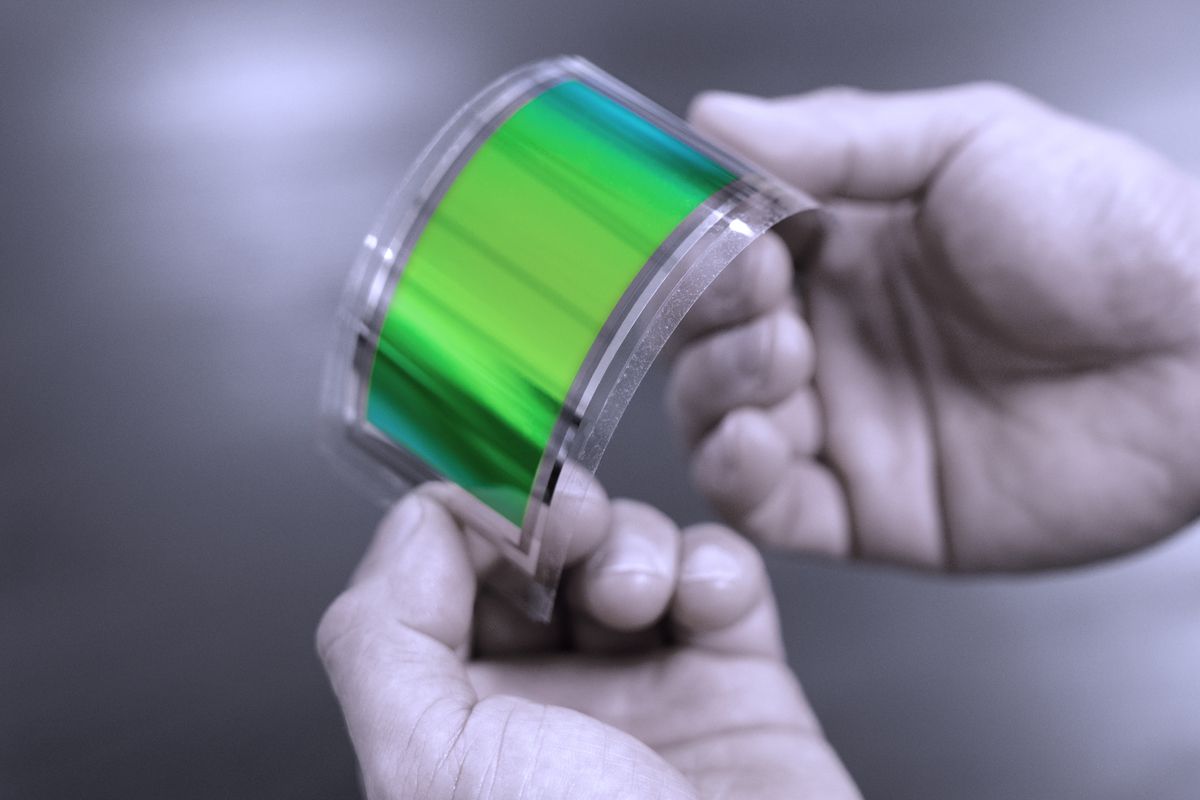
Visionox partners with Huawei for next-gen foldable smartphones

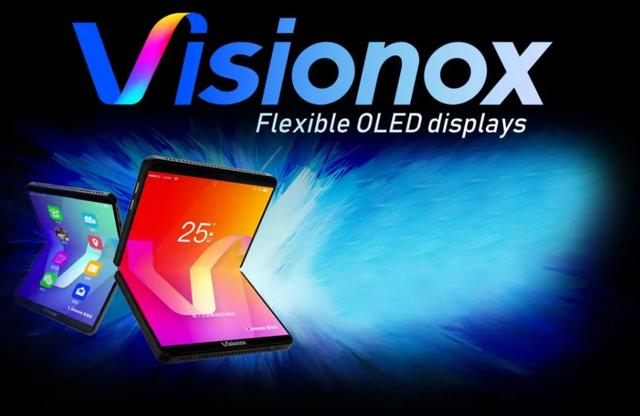
Visionox, a China-based display maker has been in the news for quite some time for its innovative technologies. Now, the company has partnered with Huawei for the next-generation of foldable smartphones.

The report, citing people aware of the matter, says that Visionox will now be the screen supplier for the next-generation of foldable smartphones coming from Huawei. Apart from this, both companies also seem to have partnered up for under-display camera technology.

Visionox Flexible OLED Displays

Currently, Huawei is sourcing display panels for the foldable smartphones from Samsung Display. It is said that the Huawei Mate X2 uses panels from Samsung but going forward, it will switch to Visionox, in line with the company’s move to align itself to domestic vendors to reduce its reliance on other companies outside of China.

As per the report, Visionox’s orders for Huawei this year is expected to reach 2.5 billion yuan. The semi-annual report reveals that Visionox achieved an operating income of 1.165 billion yuan in H1 2020, representing an increase of 4.44 percent.

EDITOR’S PICK: OnePlus CEO joins OPPO’s holding company as Senior VP and Chief Product Experience Officer

However, the net profit for the company declined significantly to 92 million yuan, which is about 47.30 percent. So, to cover up, the company is now focusing more on newer technologies like foldable displays.

A couple of months ago, Visionox had confirmed that the company’s under-screen camera technology is ready for mass-production and has achieved one of the best display results. It has used transparent OLED panels on devices, resulting in a balanced offering of display quality and photographic performance.


OPPO PDVM00 full specifications leaked through TENAA certification

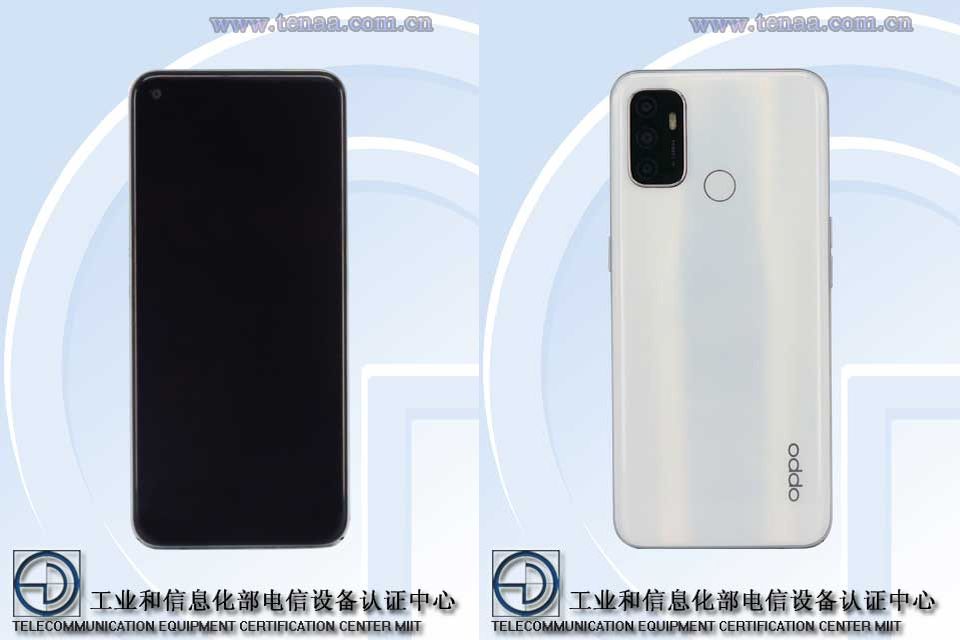
A mysterious smartphone by OPPO with model number PDVM00 has surfaced in the database of China’s TENAA authority. The Chinese firm has been launching many 5G-ready phones in the homeland, but the PDVM00 is a 4G LTE device. While the images and specifications have appeared through its TENAA certification, its marketing name is under wraps.

OPPO PDVM00 specifications

The OPPO PDVM00 has a 6.5-inch LCD panel with a punch-hole design. The screen carries support for HD+ resolution of 720 x 1600 pixels. The phone is driven by an octa-core processor that ticks at 1.80GHz. The exact name of the processor that fuels the device is not known yet.

In China, the smartphone may arrive in RAM options like 4 GB, 6 GB, and 8 GB. It could be available in storage editions such as 64 GB and 128 GB. For additional storage, users can make use of the microSD card slot on the device.

OPPO PDVM00 TENAA

The OPPO PDVM00 smartphone has a front-facing camera of 8-megapixel. The rear-facing rectangle-shaped camera module has a 13-megapixel main camera and a pair of 2-megapixel sensors. The device is backed by a battery that has a rated value of 4,980mAh. Its typical value seems to be 5,000mAh.

The Android 10 OS is preinstalled on the OPPO PDVM00 smartphone. The phone has 163.9 x 75.1 x 8.4mm dimensions and it weighs 186 grams. The phone could be coming to China in color variants like black, gradient blue, green, and gray.


POCO X3 NFC with Snapdragon 732G appears on Geekbench

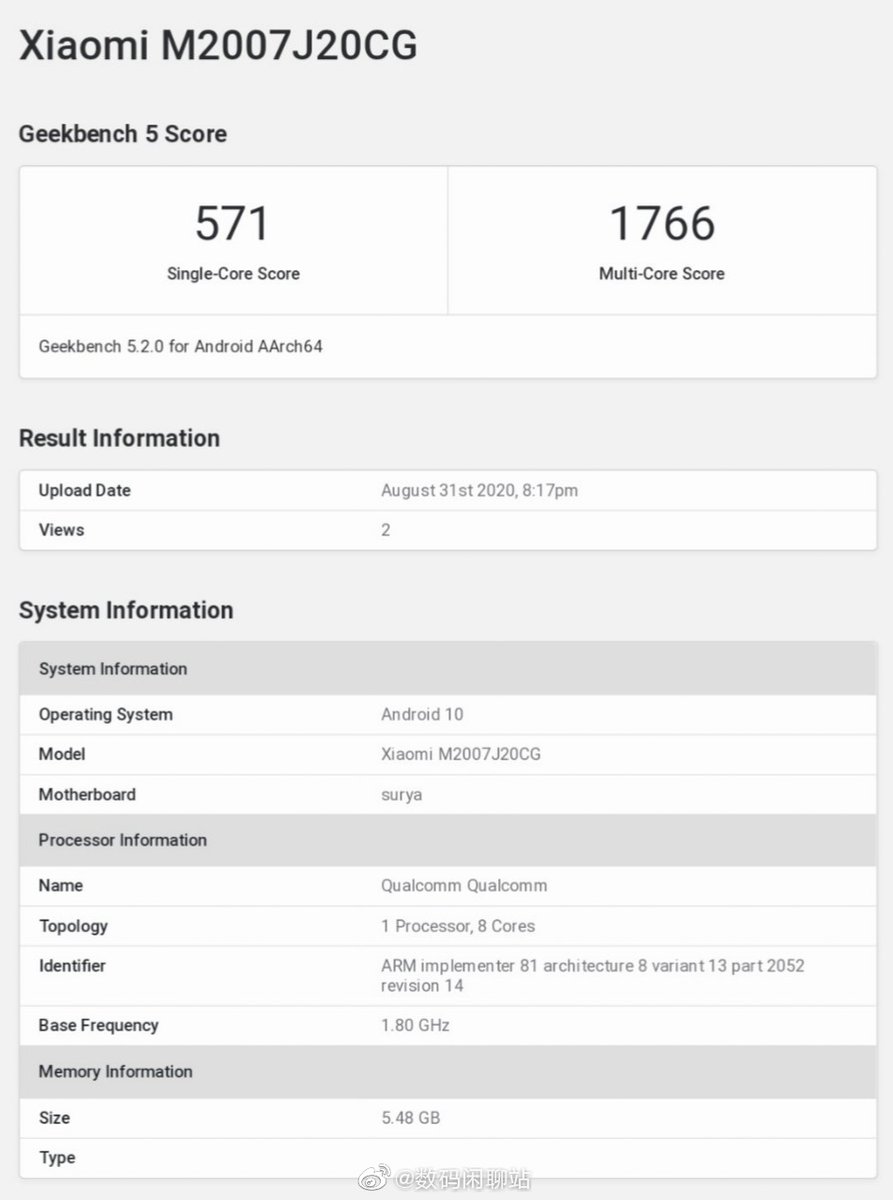
POCO will be officially launching the POCO X3 smartphone on Sept. 7. It will be equipped with all the new Snapdragon 732G chipset that went official yesterday. Ahead of the launch, the POCO X3 that has a model number of M2007J20CG has appeared on the Geekbench benchmarking platform. At the same time, the device also received certification from the Bluetooth SIG authority.

POCO X3 Geekbench The Geekbench 5 appearance shows that the POCO X3 is powered by a Qualcomm processor that is codenamed as ‘Surya.’ Hence, it appears that the codename belongs to the Snapdragon 732G processor which is officially confirmed to power the POCO X3.
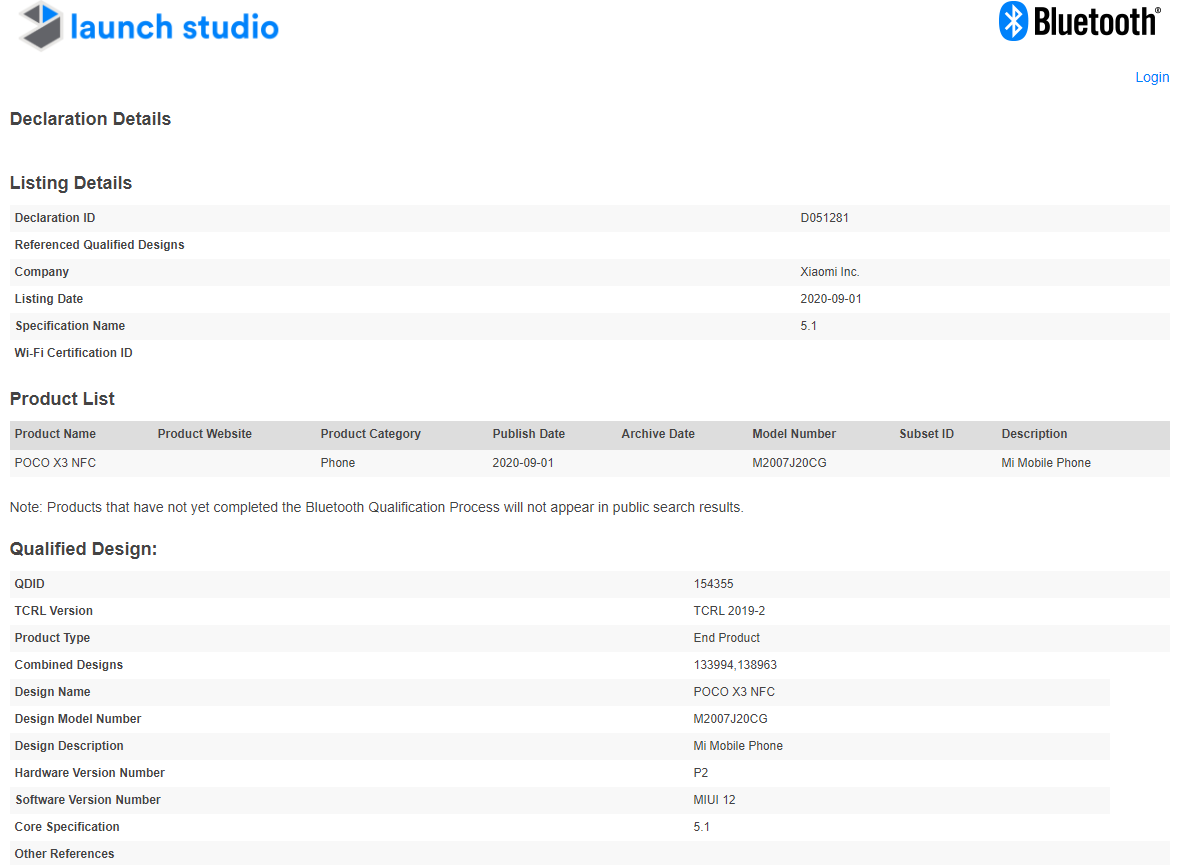
POCO X3 Bluetooth SIG

The POCO X3 scored 571 in the single-core test and 1766 in the multi-core test. As can be seen, the SoC is coupled with 6 GB of RAM and the device is loaded with Android 10 OS. The Bluetooth SIG listing mentions the name of the device as “POCO X3 NFC” and it only confirms the support for Bluetooth 5.1 on the device.

POCO X3 specifications (Rumored)

Rumors have it that the POCO X3 is equipped with a 6.67-inch display that supports Full HD+ resolution, 120Hz refresh rate, and 240Hz touch latency. It will come with a massive battery of 5,160mAh capacity that will support 33W fast charging.

The punch-hole cutout on the display will house a 20-megapixel front camera. The rear side of the phone will feature a Sony IMX686 64-megapixel quad-camera system. Lastly, it has a side-facing fingerprint reader


(via)

LG reportedly invests in display technology startup OTI Lumionics

Toronto-based startup OTI Lumionics has announced that it has received a strategic investment from LG Technology Ventures – the venture capital investment arm of LG Group.LG

According to OTI, the investment will be used to help accelerate the adoption of the firm’s materials in mass production, including its ConducTorrTM CPM solution for under-display cameras.

Earlier this month, OTI announced its latest version of ConducTorrTM Cathode Patterning Material (CPM) is ready for mass production and will start shipping in Q4 2020 for use in next-generation mobile devices and other displays.

“We are thrilled to have LG Technology Ventures as a valuable partner for the development of our materials as we gear up for mass production,” said Michael Helander, Co-Founder and CEO of OTI Lumionics. “It is great validation to have a leading brand like LG partner in our efforts to create the most advanced display solutions in the industry.”

Manufacturers are looking for innovative solutions to speed the development of transparent displays. OTI focuses on cathode patterning to enable new display applications for OLEDs, including transparent displays, under-display cameras and sensors, foldable displays, and automotive displays.

A statement by Michael Falcon, investment director for LG Technology Ventures reads; “LG Technology Ventures has been closely monitoring the progress of OTI and is excited to now become an investor. We look forward to working with OTI to help commercialize its technology in multiple display applications.”

LG’s investment is said to be part of a larger strategic funding round, which including participation from another leading consumer electronics brand as well as existing investors Anzu Partners and Draper Dragon.


OnePlus provides reasons for some key UI changes in OxygenOS 11

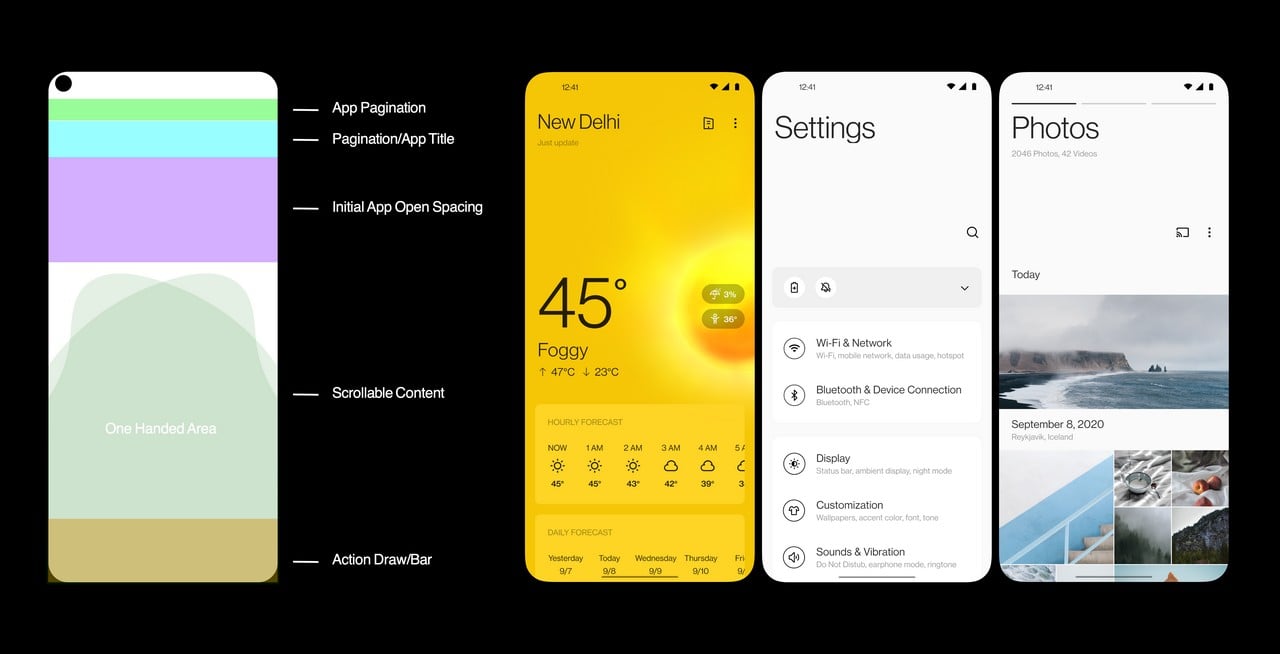
When OnePlus released OxygenOS 11 Beta, the new UI received mixed reviews. There were some who praised the changes and there were others who expressed their displeasure. If you have not seen the new user interface, you can read our hands-on to bring yourself up to speed. OnePlus has now released an official post explaining some of the design changes.

Bigger screens require changes to the UI

Phones are bigger now and manufacturers have to find a way to use the additional space while making the device easier to use. One of the changes OxygenOS 11 brings is the use of headlines in a fashion similar to Samsung’s One UI.

OxygenOS 11 new features

OnePlus says it conducted A/B testing to determine the best size of the headline. A/B testing or split testing involves using two different interfaces at the same time and choosing the one with the best engagement. The result shows 65% of users preferred slightly smaller headlines and 80% of users prefer titles with subtitles. OnePlus says the result is a new headline-body hierarchy that streamlines information delivery in OxygenOS 11.

One-Handed Efficiency

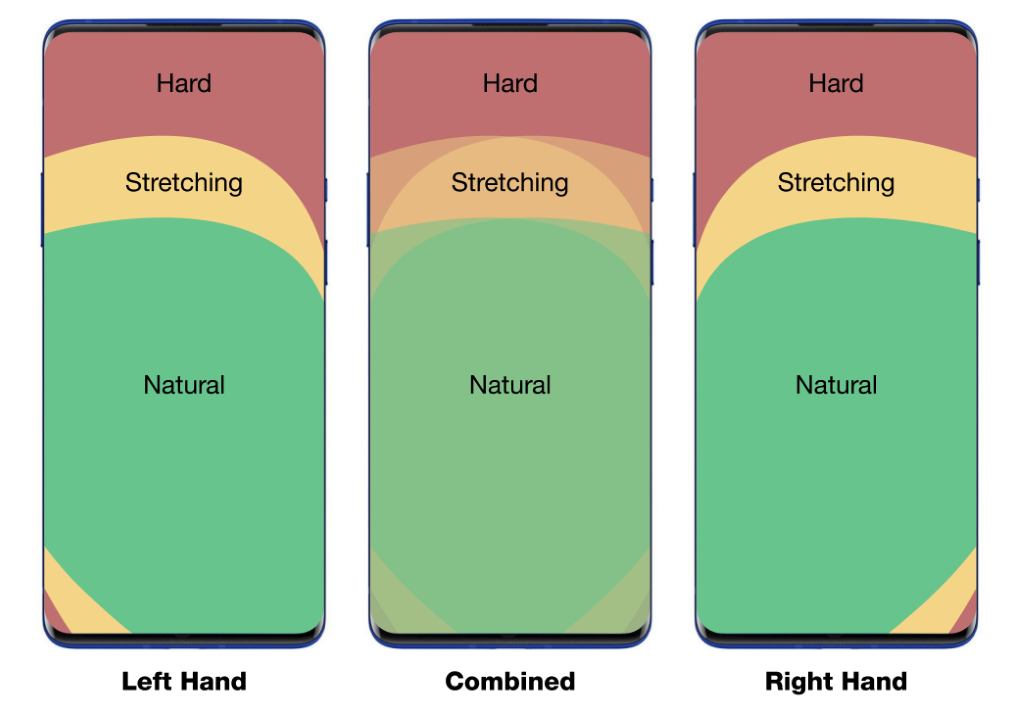
OnePlus reiterates that its aim is to make stock Android better and one of the ways it is doing so with OxygenOS 11 is by optimizing one-handed usage on large displays. The image above is how people use their phones based on the hand they use. The goal is to provide a UI that makes it comfortable to use the device with one hand.

OxygenOS 11 one-handed

OnePlus says it has done this by moving the touch controls closer to the thumb for easier access as soon as you open a menu. They have also added more features such as a new Quick Share button in the camera app. All you have to do is long-press the thumbnail of the last image you took so you can share the image quickly.

These are some of the reasons behind the design change we have seen in OxygenOS 11. Hopefully, more details will surface when the stable version is launched.


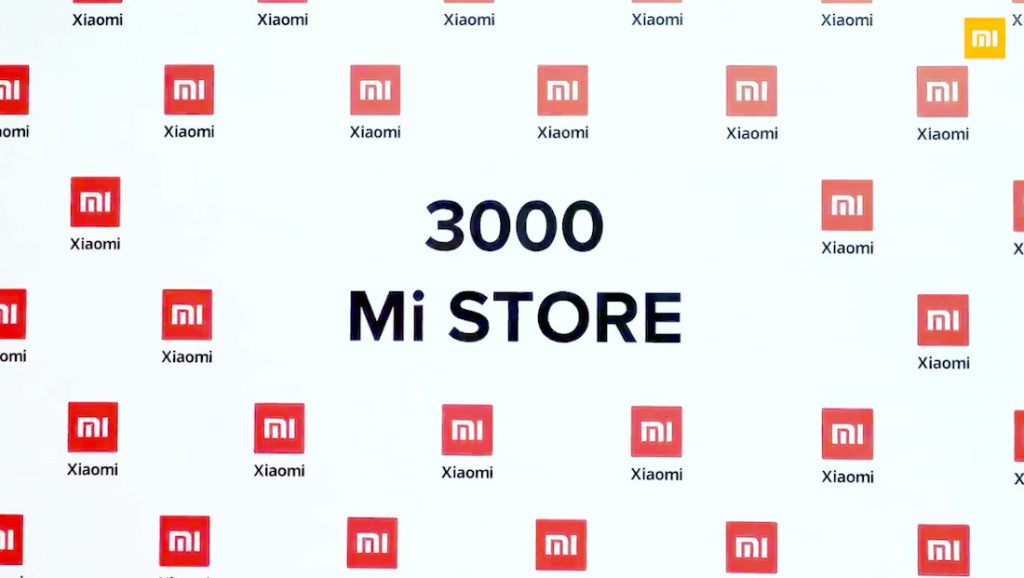
Xiaomi’s record 3000th Mi Store in India opened

Xiaomi‘s journey from a tech startup in 2010 to present won’t be complete without talking about the roles played by its iconic Mi Stores. At first, the company adopted the online-only sales pattern but that didn’t prove to be a successful model. Later on, the company started opening up brick and mortar stores known as Mi Store. This model is replicated in new markets where the company chose to open shop, including India

That of India has been sort of a record-breaking exercise. We recall how the company set a Guinness World Record when it opened a staggering 500 Mi Stores at a go in November 2018. By August last year, the company opened store number 2000. Right now, the Chinese tech giant has created another record as it opens its 3000th Mi Store in India. That means the company opened 1000 stores within the last year.

Xiaomi first entered India in 2014 and is presently the number one smartphone brand in the Asian country. The opening of more Mi Stores will surely bring the company’s products closer to the buyers.

Commenting on the milestone, Muralikrishnan B, COO, Mi India, said:

“We are delighted and humbled to receive continuous support from our Mi Fans and Partners that has enabled us to launch our 3000th Mi Store and strengthen our position as the largest exclusive single-brand retail network in the country in such a short span of time. As a brand, we have always worked towards bringing innovation for everyone and fostering entrepreneurship. Our exclusive retail network has made it possible for thousands of individuals to become entrepreneurs through their association with Mi India. We are determined to scale bigger heights together with our partners and Mi Fans”.


OnePlus: first look at the OnePlus 8T; MicroSD card support coming to future models

We are now officially in September. While some brands have already announced their flagships for the second half of the year, there are lots more that are yet to do so. OnePlus belongs to the latter group, and is expected to announce the OnePlus 8T series. Now, a new finding has brought up what may be our very first look at the Oneplus 8T.

A teardown of Beta 4 of OxygenOS 11 by a member of XDA-Developers for OxygenUpdater has resulted in some interesting findings, chief of them being an image of what is believed to be the OnePlus 8T.

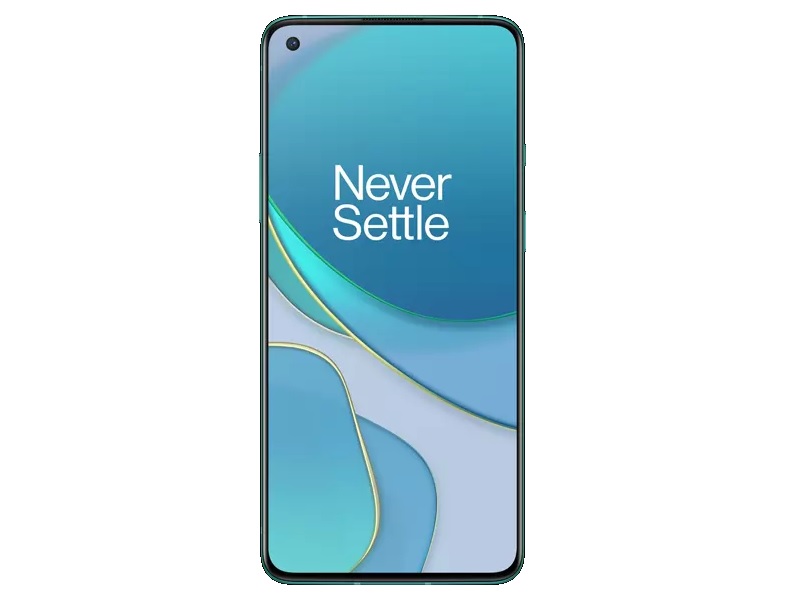
OnePlus 8T

The image is actually a file found in the OnePlus Settings app with the name “oneplus 8t.webp”. The image is likely the one that will be displayed if you were to go to the About Phone section under settings. However, there is no confirmation this is indeed the OnePlus 8T as there is a possibility it might be a placeholder.

As seen above, the device has a single punch hole at the top left corner of the screen just like the OnePlus 8 and OnePlus 8 Pro but it ditches the curved display for a flat one. The bezels at the top and bottom are also thinner.

Sadly, there is no image of the back of the device but we can see the button placements have not changed and the phone will likely launch in the same Glacial Green colorway of the OnePlus 8.

Other details found include support for 8K video recording for a future Oneplus phone(s) and also support for SD card for new models (most probably mid-range devices). The latter will be a big deal seeing as no OnePlus save for the OnePlus X has a MicroSD card slot.

The OnePlus 8T should launch this month going by the launch of the OnePlus 7T last year. It is expected to come with a 64MP primary camera and run OxygenOS 11 based on Android 11 out of the box. OnePlus is also expected to announce new mid-range phones soon including a model codenamed “clover”.