Advertisement

Honor announces new MagicBook laptops with AMD Ryzen 4000 series processors

Honor, the Huawei subsidiary, has just unveiled its latest lineup of MagicBook laptops in the IFA 2020 event, earlier today (4th September 2020). These laptops are refreshes to the 14 and 15 inch models which were launched earlier this year and feature AMD’s new Ryzen 4000 series processors.

While all of the laptops feature a Ryzen 4000 series chip, only the MagicBook Pros arrive with an H series processor. For those unaware, the U series is generally for thin and light laptops with en emphasis on low power draw while the H series focuses on offering better performance. Taking a look into the MagicBook Pro series first:
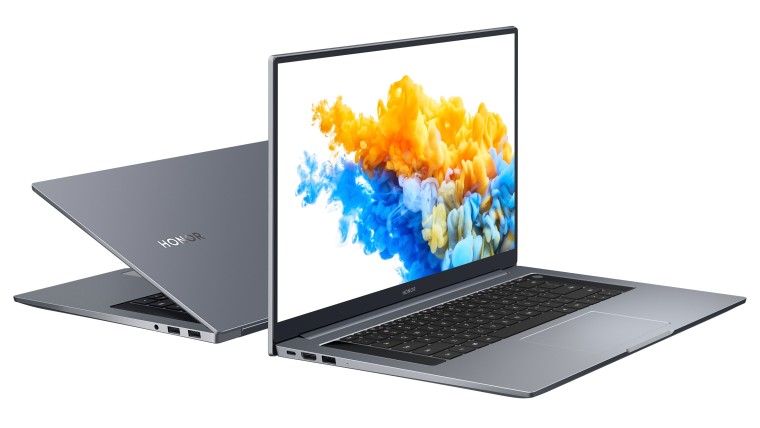
Honor
MagicBook Pro

MagicBook Pro

The Honor MagicBook Pro features the Ryzen 5 4600H, which is a six core 12 thread CPU with Radeon graphics integrated. For memory, the user is offered 16GB of dual channel RAM and 512GB of SSD storage. The laptop has a 16.1 inch Full HD display with a 90 percent screen to body ratio and with an sRGB cover of 100 percent. The Honor MagicBook pro weighs just 1.7 kilograms and is only 16.9mm thick, which is fairly light and thin for a laptop with an H series chip.

MagicBook 14 & 15

Alongside the specced up MagicBook Pro, the company has also launched the MagicBook 14 and 15. These are a direct refresh of the laptop which was unveiled earlier this year at MWC. The laptops now feature a Ryzen 5 4500U processor, with up to 16GB of RAM and 512GB of SSD storage. Although, the configuration and availability will vary between countries.
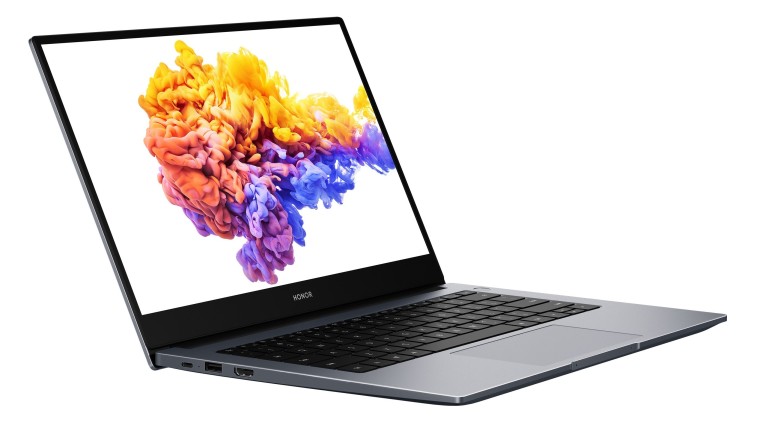
Honor
MagicBook 14

Between the 14 inch and 15 inch variant, the only real difference is the screen size.
Users get also get three USB 3.2 Gen1 Type A ports, one USB Type-C port for charging, an HDMI 2.0, and a 3.5mm audio jack as well. The laptop also supports Bluetooth 5.0 and has a camera hidden inside the keyboard along with a fingerprint sensor on the power button.
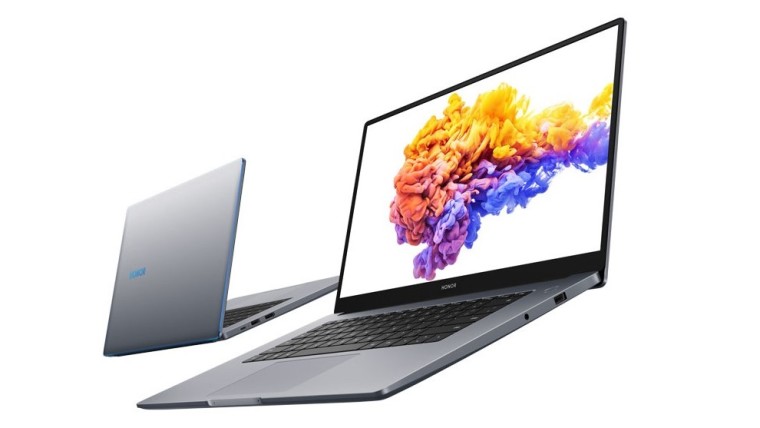
Honor
MagicBook 15

Both variants feature the same resolution and also feature identical ports including one USB Type C for charging, one USB 3.2 Gen1 Type A, an HDMI port, and a 3.5mm audio jack. Apart from the display, another difference is the battery, with the smaller variant having a much larger battery for some unknown reason (56Wh versus 42Wh on the MagicBook 15).

Price and Availability

The Honor MagicBook Pro with the Ryzen 5 4600H will be available in Germany starting from 7th September 2020 and the UK from the 8th. It will be priced at €899.90/£859.99 (roughly 1,200 US Dollars) respectively. A promotional offer at launch offers a €100 off in Germany and France or a free Honor Magic Watch and Honor Router 3 in the UK. On the other hand, the MagicBook 14 will be available in all three regions from 21st September for €749.90 or £669.99 (roughly 890 US Dollars).


Smartphone makers hold back on UFS chip orders after market declines

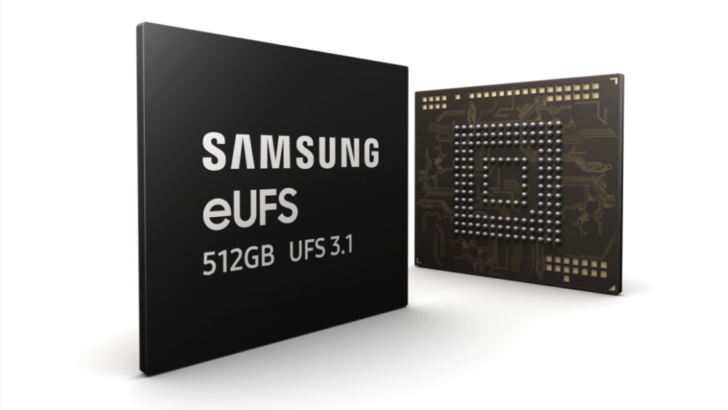
According to a new report from DigiTimes, android smartphone manufacturers are slowing down orders for UFS chips (universal flash storage) for their high end flagship offerings.

Smartphone
UFS 3.1 on the Redmi K30 Pro

The reason for holding back on their demands is due to the Coronavirus pandemic. The report states various reasons like fall in consumer spending on non essential goods, along with an overall decline of the smartphone market. Industry sources claimed that the demand for UFS chips is not expected to pick up at least until the final quarter of 2020. This period is when OEMs will wor on launching their next iteration of flagship handsets for 2021.

Back in July, a steep decline was observed in the Chinese 5G smartphone market. This was followed by a decrease in demand for UFS chips from vendors. In China, shipments dropped by 20.5 percent year on year falling to only 13.91 million units being shipped in July. Although, 5G smartphones accounted for 44.2 of the total sales since January.

Smartphone
Samsung’s own eUFS 3.1 chip

During this period, only a total of nine 5G handsets were launched in China, which was all available for less than 2,000 Yuan (roughly 292 US Dollars) and targeted the mid to budget segments in the market. As an alternative to UFS chips, the Chinese market is now opting for eMMC chips for their mid range smartphones. Although, high end premium flagship from OEMs like Samsung, Xiaomi, others would still feature the UFS chips.


Huawei Nova 8 series could be powered by Dimensity chipsets

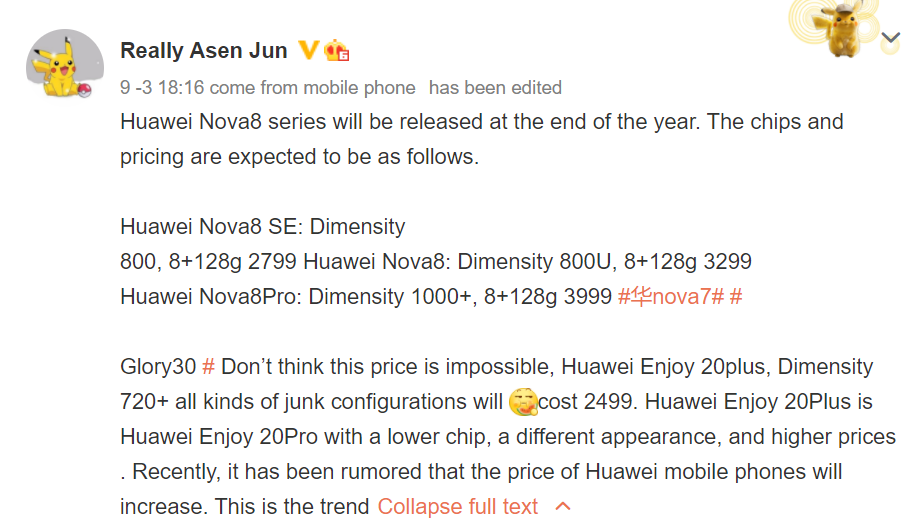
At the beginning of this year, Huawei announced the Huawei Nova 7i smartphone and in April, it introduced Nova 7 SE, Nova 7, and Nova 7 Pro. In December last year, the company had announced Nova 6 series. Hence, it is speculated that after the Mate 40 series of flagship phones that may go official this month or in October, the Chinese firm may announce the Nova series by the end of the year. A tipster from China has shared speculated information on the Nova 8 series.

The tipster claimed that the Huawei Nova 8 series will have three models. The Nova 8 SE could be equipped with Dimensity 800 chipset. The Nova 8 SE and Nova 8 Pro could be featuring Dimensity 800U and Dimensity 1000+ chipset, respectively.

Huawei Nova 8 Series Leak

The Huawei Nova 7 series was driven by chipsets like Kirin 810, Kirin 820, and Kirin 985. However, it appears that due to the recent revision in the trade ban, the upcoming Nova 8 series may not feature chipsets. This could be the reason why recently announced phones such as the Enjoy 20 5G and Enjoy 20 Plus 5G are fueled by the Dimensity 720 SoC.

Huawei nova 7 Pro 5G

The leakster has speculated on the pricing of the 8 GB RAM + 128 GB storage versions of the Nova 8 SE, Nova 8, and Nova 8 Pro. These variants could be priced at 2,799 Yuan (~$409), 3,299 Yuan (~$482), and 3,999 Yuan (~$585). There is no official on the arrival of the Nova 8 series from Huawei since it currently focused on the launch of the Mate 40 series of flagship phones.


Vivo V20 SE to arrive with Snapdragon 665, 33W charging support

An upcoming Vivo phone with model number V2022A model number has received approval from a couple of certification platforms like Indonesia’s TKDN, Singapore’s IMDA, Thailand’s NBTC, and China’s CQC. The NBTC certification confirmed that the V2022 model number belongs to the upcoming Vivo V20 SE smartphone. Now, the Vivo V20 SE has appeared on the Geekbench benchmarking platform to reveal some of its key specs.

The Vivo V20 SE has appeared on Geekbench 5 with 8 GB of RAM and an octa-core Qualcomm chipset that has 1.80GHz base frequency. The name of the processor is not mentioned in the Geekbench listing, but the ‘trinket’ codename is a giveaway that it is fueled by the Snapdragon 665 mobile platform.

Vivo-V20-SE-Geekbench

In the single-core test of Geekbench 5, the Vivo V20 SE scored 316 points and it recorded a score of 1377 in the multi-core test. The China Quality Certification (CQC) certification of the device has revealed that it carries support for 33W fast charging.

Vivo V20 SE 3C Certfication

The other specs of the Vivo V20 SE are under wraps. The NBTC authority had also certified by another Vivo phone with V2018 model number. It revealed that the device will be launching in the market as Vivo V20 Pro. The rumor mill is yet to spill any information on the specs of the V20 Pro phone.

The Vivo V20 series will be replacing the Vivo V19 smartphone that debuted in April this year. The Vivo V19 came with a 6.44-inch S-AMOLED display with dual punch-hole cutout for its 32-megapixel + 8-megapixel dual selfie camera system. The rear shell of the phone sported a 48-megapixel + 8-megapixel + 2-mgeapixel + 2-megapixel quad camera system. It came preinstalled with Android 10 OS and FunTouch OS 10. The Snapdragon 712 chipset fueled the phone with 8 GB of RAM. It came in 128 GB and 256 GB storage editions. Its 4,500mAh battery carried support for 33W fast charging.


(via)

Oppo patents smartphone with a unique Honeycomb design

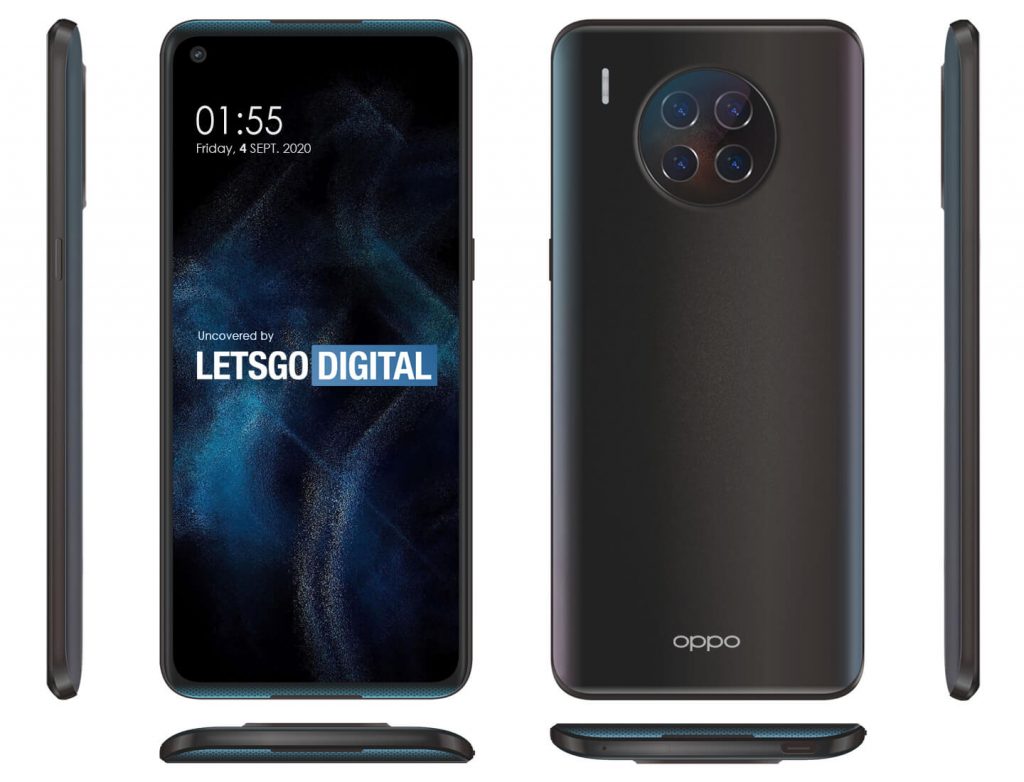
Oppo, the Chinese smartphone manufacturer, has recently patented a new device with a unique design aesthetic that features honeycomb designs. The patent was filed in China with the CNIPA (China National Intellectual Property Administration).

Oppo

In the patent, the Chinese tech giant has also included 8 product sketches alongside 7 colored renders as well. Looking at the patent, the device in question features a punch hole display on the front with a single selfie shooter cutout. Furthermore, the display features narrow bezels along with curved edges. On the rear, a quad camera setup is present on a circular module.

Arriving at the smartphone’s most unique aspect, the display is surrounded by what seems to be a special material. The material could be carbon fiber with a honeycomb structure, which is highlighted in a bright green/blue color scheme. This adds to the appeal to the device while also giving it a tough or armored look. Speakers can also be found both on the top and bottom of the smartphone, which seamlessly blends into the device’s body and the honeycomb designed area.

Oppo

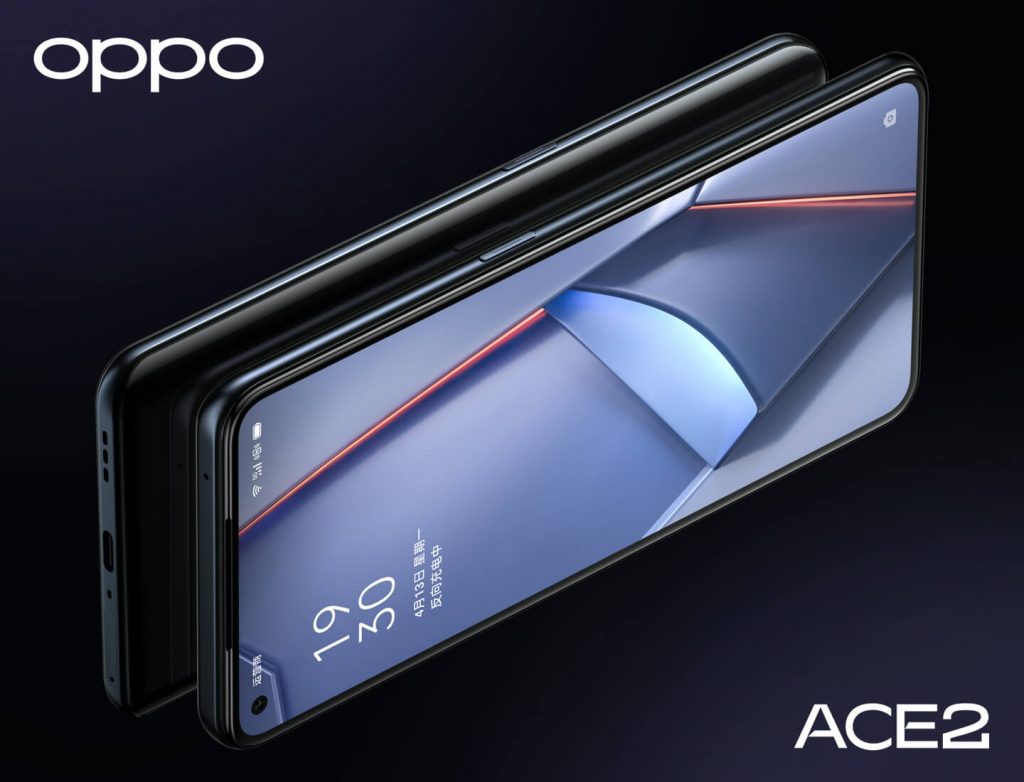
At the moment, the name of the device is unknown. However, the report from LetsGoDigital, does state that the smartphone could be the successor of the flagship Oppo Ace 2. Unfortunately, that is just speculation and we will have to wait and see if the company actually does release a device with such a design, or whether they were just covering all bases.


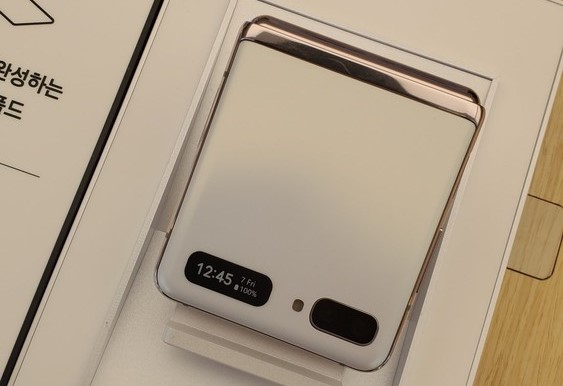
A live image of Mystic White Galaxy Z Flip 5G appears online

The Galaxy Z Flip launched alongside the Galaxy S20 series earlier this year is Samsung’s first foldable smartphone to feature UTG (Ultra-Thin Glass), apart from being the first clamshell foldable. A few months later, the company launched a 5G variant of this device with Snapdragon 865+ in two new colors with a matte finish. Now, a live image leak reveals the handset in a new White color paint job.

Samsung Galaxy Z Flip 5G Mystic White Leak Featured

Samsung is known for launching new color variants of its flagship smartphones a few months after their initial launch. Following the trend, the company launched the Galaxy S20 Ultra in Cloud White in April. This version of the phone is limited to certain regions like China.

Similarly, the firm may soon sell a Mystic White color variant of Galaxy Z Flip 5G. We are not sure of the original source (via CNMO) of the above picture but the phone in the live image is definitely being showcased at a retail store in South Korea.

That means it is ready to ship to customers but Samsung is yet to officially announce it. Maybe, the company will reveal its availability at the Galaxy Z Fold2 launch event in China on September 9.

It is interesting to see the return of white-colored smartphones. The white-coloured glass panels on phones can hide the smudges very well even if they are glossy. Anyway, the glass on the Galaxy Z Flip 5G’s Mystic White color variant seems to have matte finish just like the other two colors – Mystic Grey & Mystic Bronze.


SoftBank to consider bidding for TikTok in India: Report

The SoftBank Group is apparently also eyeing to bid on TikTok‘s assets in India. According to a report from the Economic Times, the group is looking into assembling a group of bidders and has also been actively looking for local partners as well.

SoftBank

Sources close to the matter revealed the information regarding the Japanese conglomerate’s interest. Notably, SoftBank already has a stake in TikTok’s parent company, ByteDance Ltd. Reportedly, the group has also been in talks with Indian telecom giants like Reliance Jio, and Bharti Airtel, according to industry insiders. It seems that SoftBank is still exploring options.

At the moment, SoftBank, Bytedance, Reliance, and Bharti Airtel have declined to comment on the matter. For those unaware, TikTok is considering selling its operations in multiple countries after governments like India and the US have placed a ban on the app. The ban arrived after it was claimed that sensitive user data was being sent to the Chinese government. In India, the anti Chinese sentiment has been growing in recent times due to military clashes along the Indo-China borders.

SoftBank

Similarly, in the US, the Trump administration banned the TikTok app and ordered the company to sell its assets within the country, citing national security concerns. While SoftBank only holds a minor stake in ByteDance, it has been actively participating in negotiations. The Japanese group had initially brought in Walmart as the main investor in a group of bidders in the US. Although that failed due to the US Government insisting on a tech company leading the investments. So, we will have to wait a while and see how the situation plays out.


Samsung Galaxy A42 5G and Galaxy Tab A7 pricing and availability confirmed

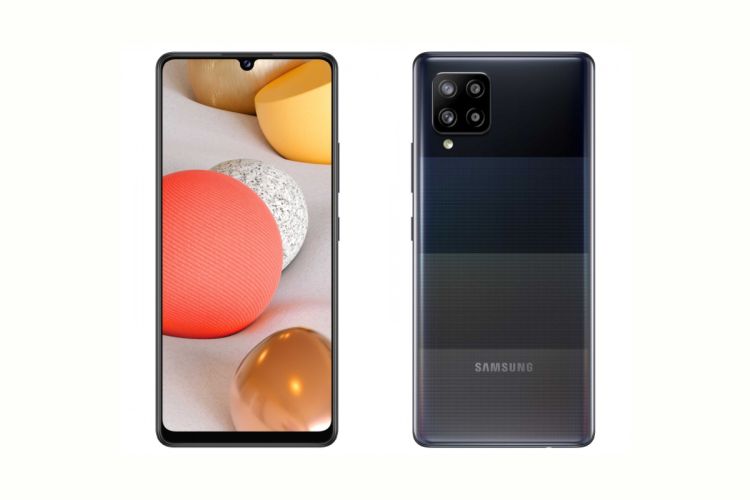
Earlier this week, Samsung unveiled the Galaxy A42 5G smartphone and Galaxy Tab A7 tablet. However, the company did not reveal any details on their pricing and availability. Through a press release, the South Korean company has confirmed the pricing, variants, color options, and availability of both devices.

Samsung Galaxy A42 5G pricing and availability

According to the press release, the Samsung Galaxy A42 5G will be available through Samsung Germany’s online store and in German stores from November. The Galaxy A42 5G will be available in color options such as black, white, and gray. With pricing of 369 euros, it is the cheapest 5G phone from Samsung.

Samsung Galaxy A42 5G

Samsung has revealed that the Galaxy A42 5G has a 6.6-inch Super AMOLED display with an Infinity-U notch design. There is a 5,000mAh battery under the hood of the device. It is unclear which processor is present inside the A42 5G. The phone is equipped with a front camera of 20-megapixel and it also features an in-screen fingerprint reader.

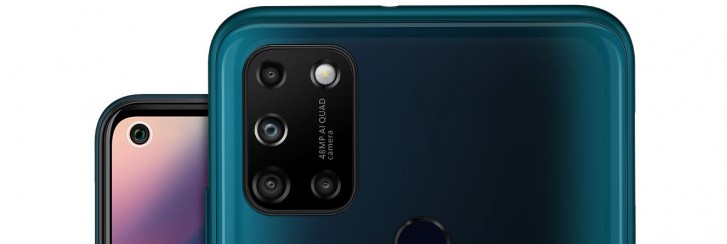
The rear positioned quad-camera system has a 48-megapixel primary shooter, an 8-mgeapixel ultrawide lens, a 5-megapixel macro lens, and a 5-megapixel lens for adding depth effects. It has a front-facing camera of 20-megapixel.

Samsung Galaxy Tab A7 pricing and availability

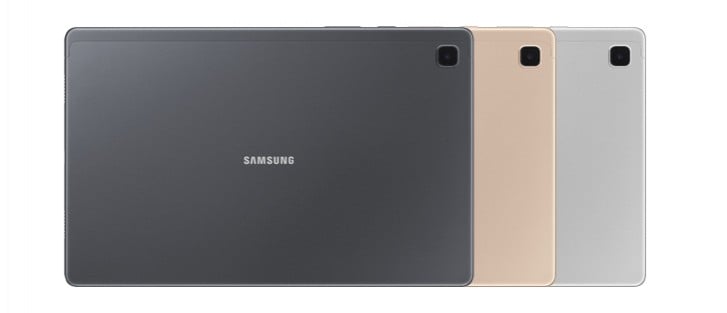
The Galaxy Tab A7 is the successor for the Galaxy Tab 10.1 and it has arrived with a price tag of 233 euros for its Wi-Fi-only edition. The Galaxy Tab A7 LTE version is priced at 282 euros. Both variants will be available in Dark Gray, Silver, and Gold colors. The tablet will be available for buying through the same aforementioned channels starting this month.

Samsung Galaxy Tab A7

The Galaxy Tab A7 tablet is designed to deliver entertainment experience with its large-sized 10.4-inch display and quadruple speakers. It has a metallic body and its screen is surrounded by 5mm bezels. The tablet is equipped with Snapdragon 662 chipset, 3 GB of RAM, up to 54 GB of storage, a 7,040mAh battery with 15W fast charging, an 8-megapixel rear camera, a 5-megapixel front camera, and a microSD card slot.


China plans to boost local semiconductor industry with new policies

In an effort to counter restrictions on Chinese companies imposed by the United States government, China is reportedly planning to introduce new policies to boost the domestic semiconductor industry.

As per the report coming from Bloomberg News, citing sources aware of the matter, the Chinese government is preparing broad support for the third-generation semiconductors for the five years through 2025.

In the draft of China’s fourteenth five-year plan, the government has added measures to bolster research, education, and financing for the semiconductor industry. The plan is expected to be presented to the country’s top leaders in October.

The development comes after the United States tightened restrictions on Huawei and its subsidiaries globally, along with some other Chinese companies. With the new sanctions, Huawei has been restricted from procuring new chipsets from American companies or using American technology to making their own SoCs.

EDITOR’s PICK: Tencent is working to ensure continued availability of its apps and games in India

Soon after the restrictions were announced, TSMC, one of the world’s leading contract manufacturer and maker of Huawei’s Kirin chipsets, stopped taking new orders. As restrictions kick in from this month, the Chinese giant hinted that the upcoming Kirin 9000 could be the company’s last flagship chipset.

But it seems that Huawei is likely to keep making a budget to mid-range chipsets with support from Semiconductor Manufacturing International Corp (SMIC). However, SMIC works on the 14nm node while the industry has shifted to 5nm process and companies are now working on developing the 3nm process.

While Chinese companies are not currently equipped to compete with the established players in the semiconductor industry when it comes to manufacturing but with the help of government policies and access to capital, it could be possible in the coming years.


Vivo showcases smartphone with a color changing rear panel

In recent times, many OEMs have been placing an increasing emphasis on the looks of their device. This holds true especially with Chinese smartphone makers like Realme that try and offer unique colors and designs on their offerings. Now, Vivo is also looking to offer an eye catching device, which features a color changing rear panel.

In a video shared by the Chinese tech giant, a device can be observed that features a rear panel with shifting colors. The technology used to achieve this is based on electrochromism. For those unaware, this phenomenon allows the glass to change colors and opacity based on the voltage applied to it. In the short video, a Vivo engineer can be seen explaining the technology.

While Electrochromatic glass isn’t something new in the world, but it is largely an untapped resource in the smartphone industry. To explain in brief, two transparent electrode sheets are sandwiched with two glass sheets with an electrochromic film in the middle alongside an ion conductor and ion storage film. So when low voltage is applied, the ios change their consistency, which in turn, changes the light and how it bends when it passes through the EC film.

In another leaked video, the smartphone used to demo the technology appears to be a Vivo S7 5G, as seen by its rear camera module. So, we might see the inclusion of electrochromism in future Vivo smartphones. It is a low power technology so it won’t strain the battery life or cause the device to overheat. Notably, since the technology is transparent by nature, we can also expect a dynamic rear panel that varies in its opacity as well. Although we will have to wait and see when Vivo finally decides to ship this technology in its smartphones.


MediaTek Dimensity 1000C 5G chipset announced in the United States

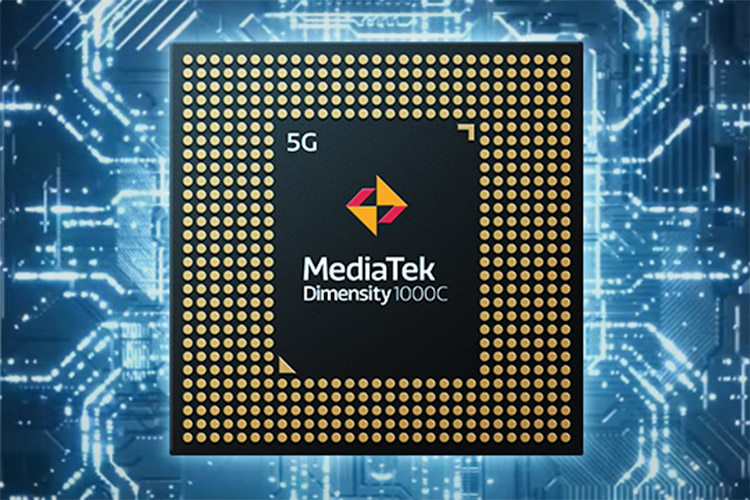
MediaTek has been launching new 5G chipsets for smartphones under its Dimensity lineup at regular intervals. Now, the company has announced a new chipset for 5G smartphones — MediaTek Dimensity 1000C in the United States.

This newly launched chipset will be powering the LG Velvet smartphone in the U.S. on T-Mobile’s nationwide 5G network. The company says that the chipset delivers advanced AI capabilities, enhanced display features, fast connectivity, and improved multimedia capabilities for a premium user experience.

MediaTek Dimensity 1000C

The Dimensity 1000C is manufactured using a 7nm process node and features four Arm-Cortex-A77 CPU cores and four power-efficient Arm Cortex-A55 cores operating up to 2GHz, with a large, low-latency communal cache that improves performance and power-efficiency even further.

EDITOR’S PICK: Tencent is working to ensure continued availability of its apps and games in India

The company adds that it has ensured avid gamers have powerful graphics at their fingertips. There’s also the MediaTek AI processing unit (APU 3.0) that combines three different types of AI processors for AI-camera, AI-assistant, and in-app and OS-enhancements for superior experiences.

It also comes with support for AV1 HDR on Netflix and AV1 video streaming on YouTube. MediaTek says that it is working with Twitch to bring AV1 video streaming to mobile. Along with Dual Display and Dual Voice Wake Up support, it also has advanced camera support.

With this launch, Dimensity 1000C has become the third variant in the series which already has Dimensity 1000 and 1000+ SoCs. Apart from Dimensity 1000, MediaTek also has Dimensity 800 and Dimensity 700 series 5G chipsets.


Purported Redmi Note 10 live shots emerge with key specs and display design

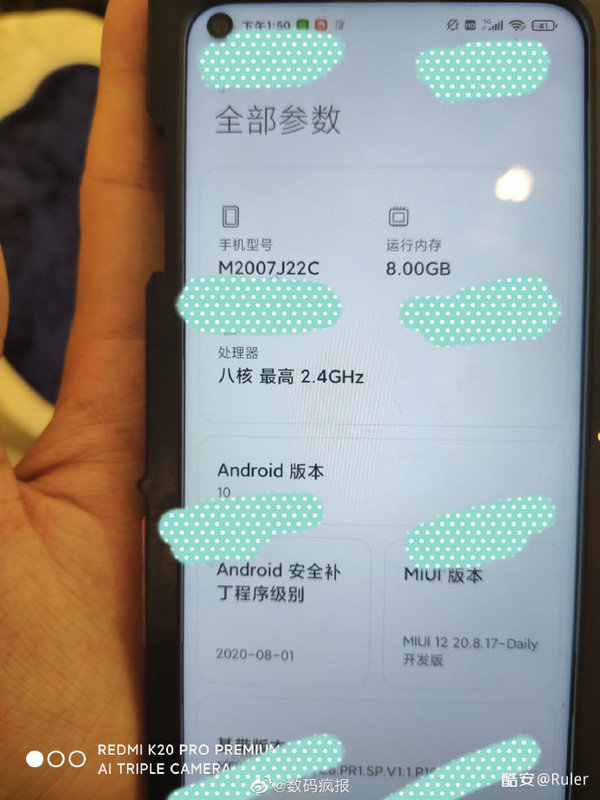
Redmi is reportedly working on the Redmi Note 10 series. Rumors have it that the Redmi Note 10 models will go official either this month or in October. A Xiaomi smartphone with M2007J22C was approved recently by the State Radio Regulation Certification (SRRC) authority of China. A leakster with a good track record claimed that it is a Redmi Note 10 series device. Two leaked shots of the alleged phone have appeared on Weibo to reveal some of its key details.

While the authenticity of the images could not be confirmed, one of the live shots shows that its model number is M2007J22C. The image reveals that the phone has a display with a small round-shaped cutout for the selfie camera at its top-left corner. The image shows that the phone is powered by a 2.4GHz octa-core processor and it has 8 GB of RAM. The smartphone is preinstalled with MIUI 12 based Android 10 OS.

Redmi Note 10 leaked shot

While there are speculations that the Dimensity 820 and Dimensity 720 will power the Redmi Note 10 series, the 2.4GHz clocking speeds do not seem to match with both the Dimensity chipsets. In fact, the Dimensity 800U chipset that was announced last month can deliver clocking speeds of up to 2.4GHz. Even the Snapdragon 765G can offer the same clocking speeds. Hence, it is unclear which processor fuels the M2007J22C smartphone.

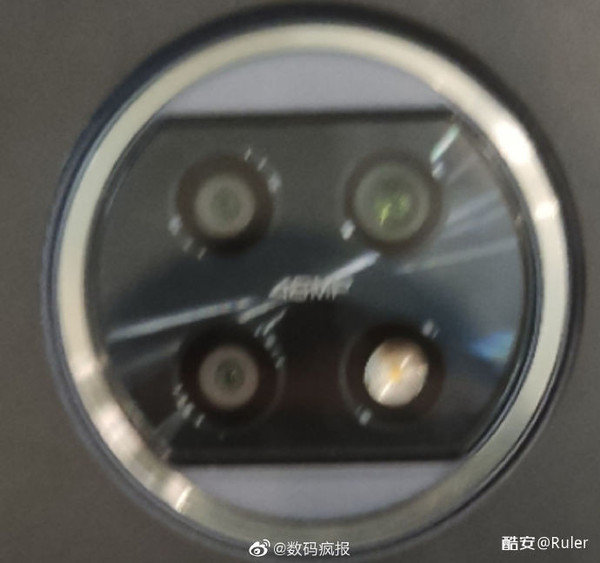
Redmi Note 10 leaked shot_

The other image shows that the purported Redmi Note 10 has a round-shaped camera housing on its back. It three cameras and an LED flash. As can be seen in the image, the setup seems to be equipped with a 48-megapixel main camera. There is no information available on the other two lenses of the phone. Hopefully, more details of the M2007J22C phone will appear in the coming days.


Tencent is working to ensure continued availability of its apps in India

The Indian government had banned 59 Chinese applications in the country in June this year and then added 48 more apps to the list. Just a couple of days ago, India banned 118 more apps, including the popular PUBG Mobile game.

Although the reason behind banning Chinese apps in the market seems to be political, the Indian government is citing privacy and security as the reason behind banning China-origin applications in the country.

Tencent Logo

Now, to ensure continued availability of its applications, Tencent Holdings said that it would engage with the Indian authorities, reports Reuters. It has also added that the company takes the protection of user privacy and data seriously.

For those who are unaware, Tencent is the parent company behind the widely popular PUBG and PUBG Mobile game. Not only in India, but PUBG is also one of the most popular Battle Royale games around the globe.

EDITOR’S PICK: TCL announces NXTPAPER display technology for paper-like color display at IFA 2020 in Berlin

The game is available for mobile phones, Xbox console as well as for Windows PC. It is extremely popular in India, especially among the youths with India ranking as having the highest number of downloads globally.

So, it makes sense for Tencent to take some action to ensure that it doesn’t lose access to one of the most important markets. The ban on apps seems to only cover new downloads and apparently works fine if they are already installed on a smartphone.


Huawei FreeBuds Pro TWS earphones confirmed to launch next week

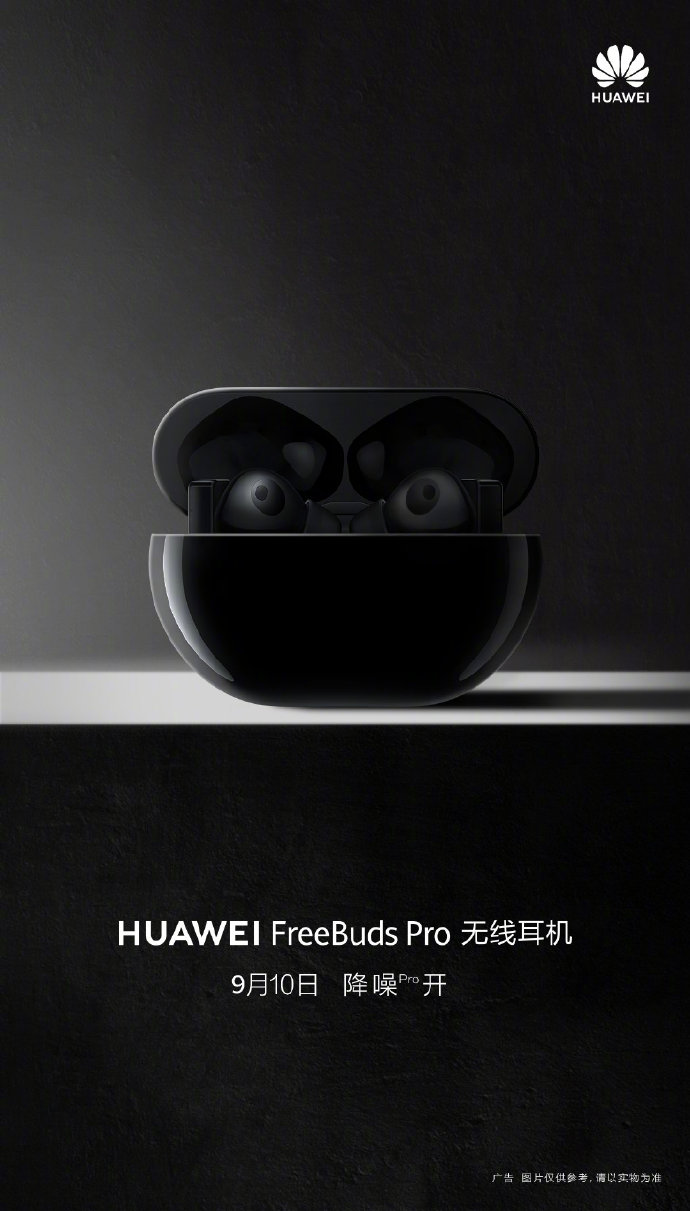
Huawei has been teased to launch a few products on 10th September in its home market China, including the Huawei GT series smartwatch and Huawei Fit. Now, the company has confirmed to launch its latest Huawei FreeBuds Pro in China on 10th September.

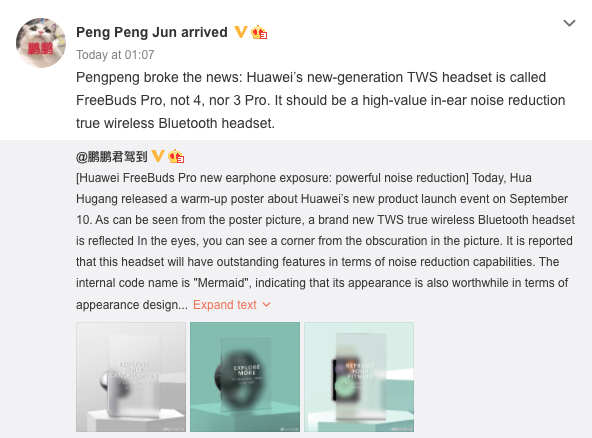
The development comes just a few hours after some of the details related to the true wireless earphones were leaked online through Weibo. The company has already launched a few models in the series and now it seems that Huawei has ditched the number-based name for the “Pro” suffix.

Huawei FreeBuds Pro Teaser

EDITOR’S PICK: AnTuTu Benchmark August 2020: MediaTek and HiSilicon powered devices lead in the mid-range segment

The recent leak related to the Huawei FreeBuds Pro reveals that the earphones are codenamed “Mermaid” internally and will come with some advanced features related to the noise-canceling capabilities. Given that the company is called them “Pro”, we expect some advanced features worth looking forward to.

Huawei FreeBuds Pro Leak

The most recently launched model in the lineup is the Huawei FreeBuds 3i, which as the name suggests, is an iteration of the FreeBuds 3 and aims to offer premium features like active noise cancellation at a cheaper price.

The Huawei FreeBuds 3i comes in two color options — Ceramic White and Carbon Black and are priced at £90 in the UK, which is roughly $110. The TWS headsets were recently launched in India for ₹9,990 (~$135).


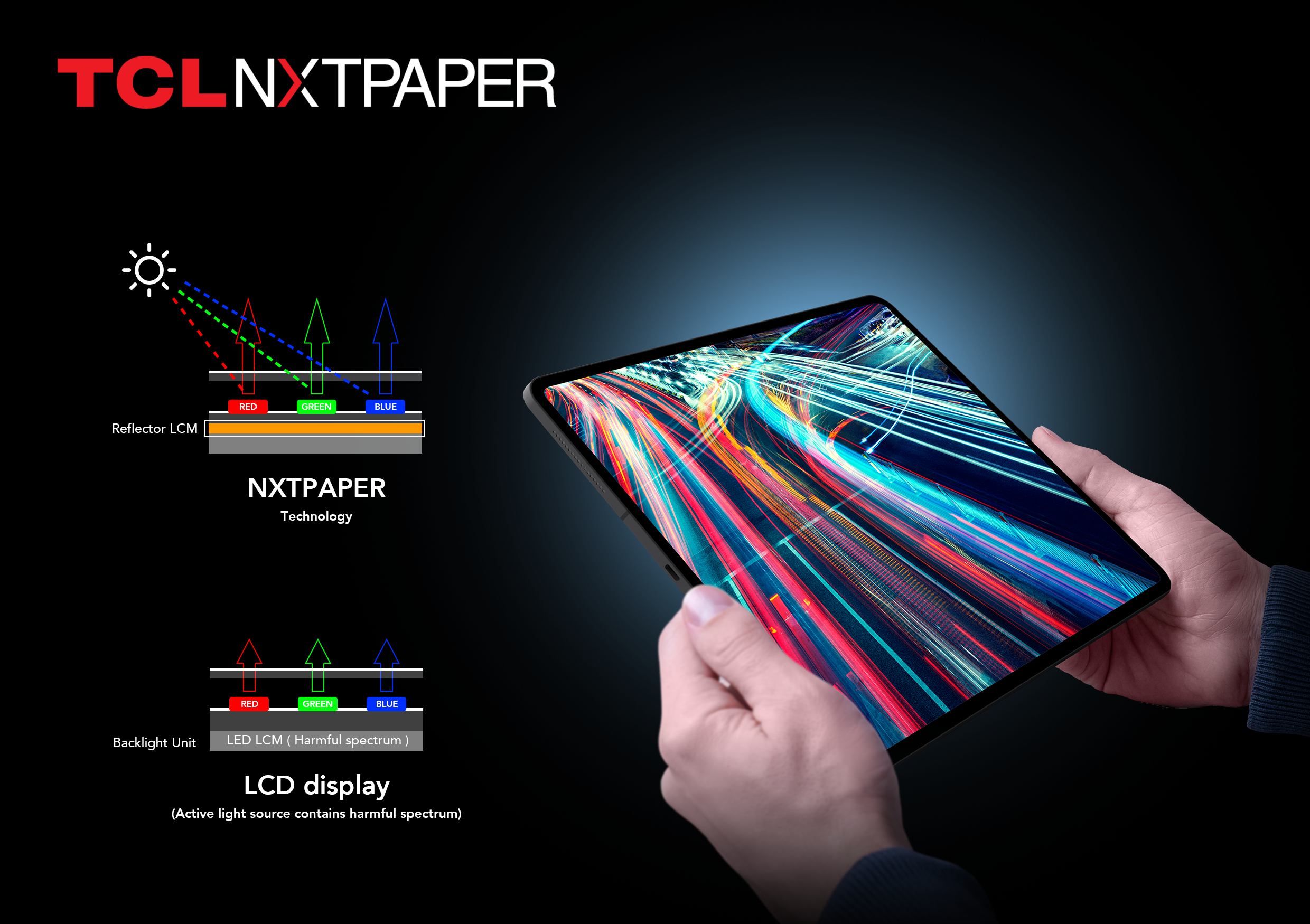
TCL announces NXTPAPER display technology for paper-like color display

At the on-going IFA 2020 in Berlin, TCL has introduced its latest display technology — TCL NXTPAPER. Along with that, the China-based company has also announced two new tablets featuring the newly launched display technology.

TCL describes the NXTPAPER display technology as the “artistic combination of screen and paper.” The display offers Full-HD resolution for paper-like visual experience in full color with no flicker and no harmful blue light.

TCL NEXTPAPER 01

It is an alternative color e-ink display but comes with advanced features that overcome some of the limitations of the color e-ink display such as a limited color palette, slow screen refresh rate, and reduced pixel density, among others.

The company achieved this by combining a highly reflective screen that uses TCL’s display technology to reuse natural light and has received eye protection certifications from the German Rhine laboratory as well as SGS laboratory and German VDE.

EDITOR’S PICK: Samsung showcases an infographic revealing its entire 5G devices lineup so far

Compared to the traditional e-ink displays, the TCL NXTPAPER offers a 25 percent higher contrast for better viewing. The company also claims that it is 36 percent thinner when compared to a typical LCD panel.

NXTPAPER display technology is also over 65 percent more power-efficient than a typical LCD, allowing for much better battery efficiency and overall longer device battery life. The company has designed it for larger format devices, such as tablets.

While this new display technology is ideal for reading, it also allows smooth video playback for offering a better work and learning experience. The brand has also announced two tablets using this NXTPAPER display — TCL 10 TABMAX and TCL 10 TABMID, both of which are set to go on sale by the end of this year.


Samsung Galaxy S20 FE bags 3C certification, likely to come with 15W charger

Recent reports have revealed a lot of information about the upcoming Samsung Galaxy S20 Fan Edition smartphone. Depending on the market, the handset is expected to arrive in 4G LTE and 5G versions. Rumors suggest that it may launch at the end of this month or in October. Today, the Galaxy S20 FE 5G appeared in the database of the 3C authority of China. The 3C certification reveals that it will soon launch in China.

Past reports have revealed that the model number of the Galaxy S20 Fan Edition is SM-G781. Various country variants of the Galaxy S20 Fan Edition were recently seen receiving Bluetooth SIG certification recently. Today, the Chinese variant of the phone with model number SM-G7810 has received 3C certification. The handset heading to China carries support for 5G connectivity.

Samsung Galaxy S20 FE 3C Certification

It has revealed that the phone may ship with a charger that has an EP-TA20 model number. The charger supports up to 9V / 1.67A (15W) charging speeds.

Samsung Galaxy S20 FE specifications (Rumored)

The Galaxy S20 FE will arrive with an Infinity-O punch-hole design totting S-AMOLED display of 6.5 inches. It carries support for Full HD+ resolution and a refresh rate of 120Hz. The Snapdragon 865 is likely to power the smartphone. Some country variants including the one heading to India could be equipped with Exynos 990.

The Galaxy S20 Fan Edition could be sporting a 32-megapixel front-facing camera. The rear-facing triple camera system of the phone could be equipped with a Sony IMX555 12-megapixel, a 12-megapixel superwide sensor, and a 12-megapixel telephoto sensor.

Samsung Galaxy S20 FE

The Galaxy S20 FE has 6 GB of RAM and 128 GB of internal storage. It will come preinstalled with One UI 2.5 based Android 10 OS. For additional storage, the device is equipped with a microSD card slot. The Galaxy S20 Fan Edition may come with a 4,500mAh battery.

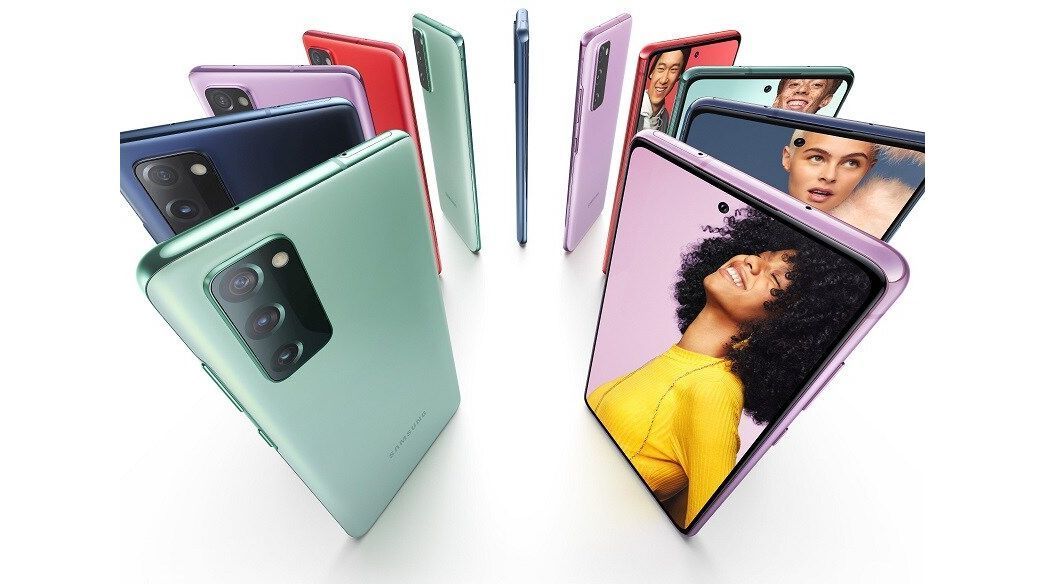
The smartphone is expected to feature an IP68 certified water-resistant and dustproof body. Navy, Lavender, Sky Green, Red, White, and Orange are the expected color editions of the device.


OnePlus 8T to arrive with 120Hz display, SD865+, Android 11 and more
Last year, OnePlus announced the OnePlus 7T phone by the end of September and the OnePlus 7T Pro was made official in October. Hence, it appears that the arrival of the OnePlus 8T series could be drawing near. An exclusive report by Android Central has revealed the key specifications of the OnePlus 8T.

As previous reports have revealed, the publication has claimed that the OnePlus 8T is codenamed as Kebab. It is expected to arrive with a 6.55-inch AMOLED display. Unlike the OnePlus 7T and OnePlus 8 that supported the 90Hz refresh rate, the OnePlus 8T is likely to come with a 120Hz refresh rate display.

The rear side of the OnePlus 8T may feature a quad-camera setup. It may include a 48-megapixel main camera, a 16-megapixel wide-angle lens, a 5-megapixel macro shooter, and a 2-megapixel portrait lens. The OnePlus 8 also featured a 48-megapixel primary shooter, but the OnePlus 8T is expected to sport a new imaging sensor that will make it possible to capture better photos.

OnePlus 8T

Earlier this week, a render of the OnePlus 8T had surfaced online. The publication further claimed that there will not be any major change in the design of the OnePlus 8T as compared to the OnePlus 8. The smartphone may come with Snapdragon 865 Plus mobile platform, 8 GB of RAM, and 128 GB of native storage.

The OnePlus 7T was the first smartphone to come preinstalled with the Android 10 OS. The upcoming OnePlus 8T will be loaded with the latest Android 11 OS coupled with the OxygenOS 11 UI.

The OnePlus 8T may launch by the end of September or in the first week of the coming month. The report has no information available on its pricing and there is no word on the specs of the OnePlus 8T Pro.


Wiko View5 & View5 Plus with up to 3 days battery life launched

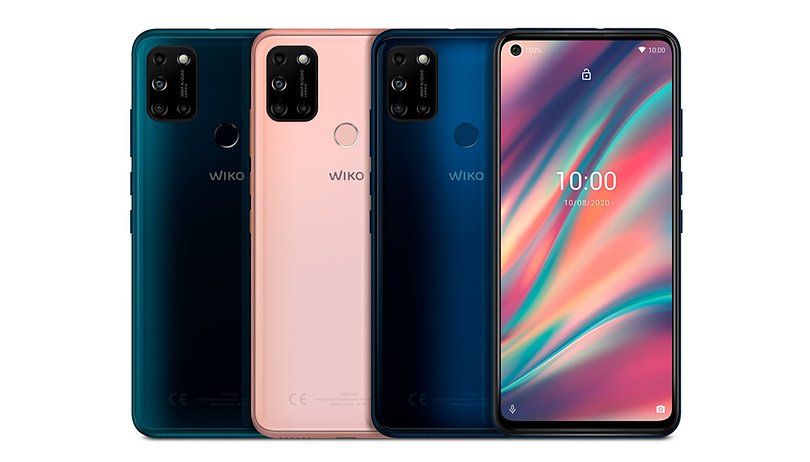
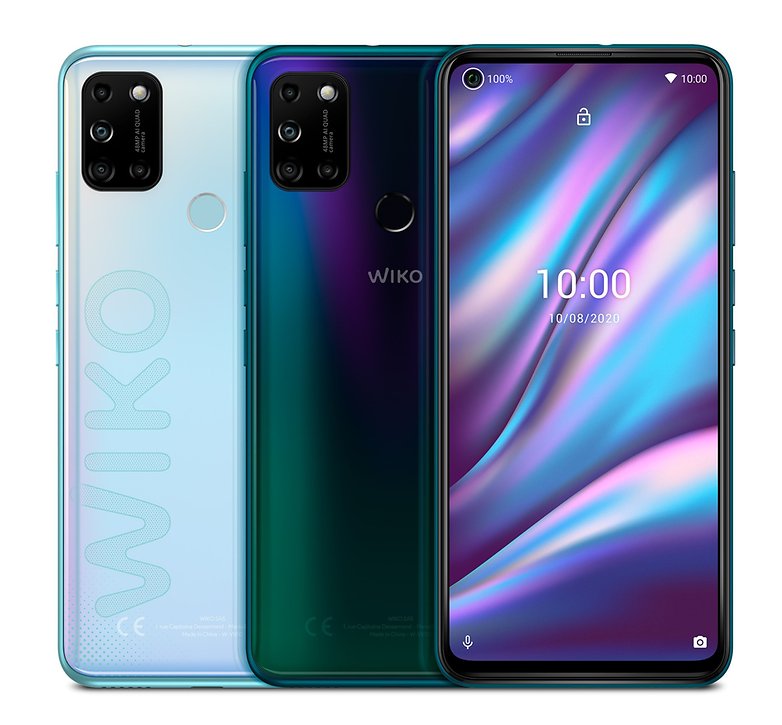
Chinese phone manufacturer Wiko has unveiled two new smartphones under its popular View series. The models are touted to feature a powerful 5000mAh battery apiece which can deliver up to 3 days of usage between charge. The models are dubbed Wiko View5 and View5 Plus. WIKO View5

The two models pack almost similar hardware including similar display size but the differences are in the processor and memory configuration. Of course, the prices of both models also differ.

The Wiko View5 features a 6.55-inch IPS LCD display with an HD+ resolution of 720 x 1,600 pixels and 20:9 aspect ratio. For photography, the device packs a single 8MP selfie camera located inside a hole-punch on the left corner of the display. The punch hole also holds a battery indicator.Wiko View5 Plus

At the rear aspect, there is a Quad-camera setup consisting of a 48MP main camera, which tops out at 1080p video recording due to chipset limitations. The phone also houses a 120° ultrawide cam with an 8MP sensor, a 5MP macro cam and a 2MP depth sensor for bokeh shots.

The View5 is powered by the MediaTek Helio A25 chipset, a 12nm chip with eight Cortex-A53 cores running at 1.8 GHz plus a PowerVR GE8320 GPU. The processor is paired with 3GB of RAM while there is 64GB storage onboard which can be expanded view a microSD slot.

On the other hand, the Wiko View5 Plus is powered by an older Helio P35, a 16nm chip. The chipset teams up with 4 GB of RAM and 128 GB storage which can also be expanded. The phone also has the same selfie camera design and rear camera configuration with the View5.

Both models run on the latest Both phones run Android 10 OS and pack a fingerprint reader at the rear as well as face unlock. There is a dedicated Google Assistant button on the side that allows you to summon the Google Assistant.

Other features you’ll find on the Wiko View5 and View5 Plus includes LTE  connectivity, dual SIM slots, a dedicated microSD slot, Wi-Fi b/g/n and Bluetooth 4.2.  The phone has a microUSB port, a 3.5 mm headphone jack and an FM radio receiver.

As for the pricing, the Wiko View5 is priced around €170 and comes in Midnight Blue, Pine Green and Peach Gold. On the other hand, the View5 Plus’ price goes up to around €200 and will get the Aurora Blue and Iceland Silver paint jobs. Both should be available starting September 10.


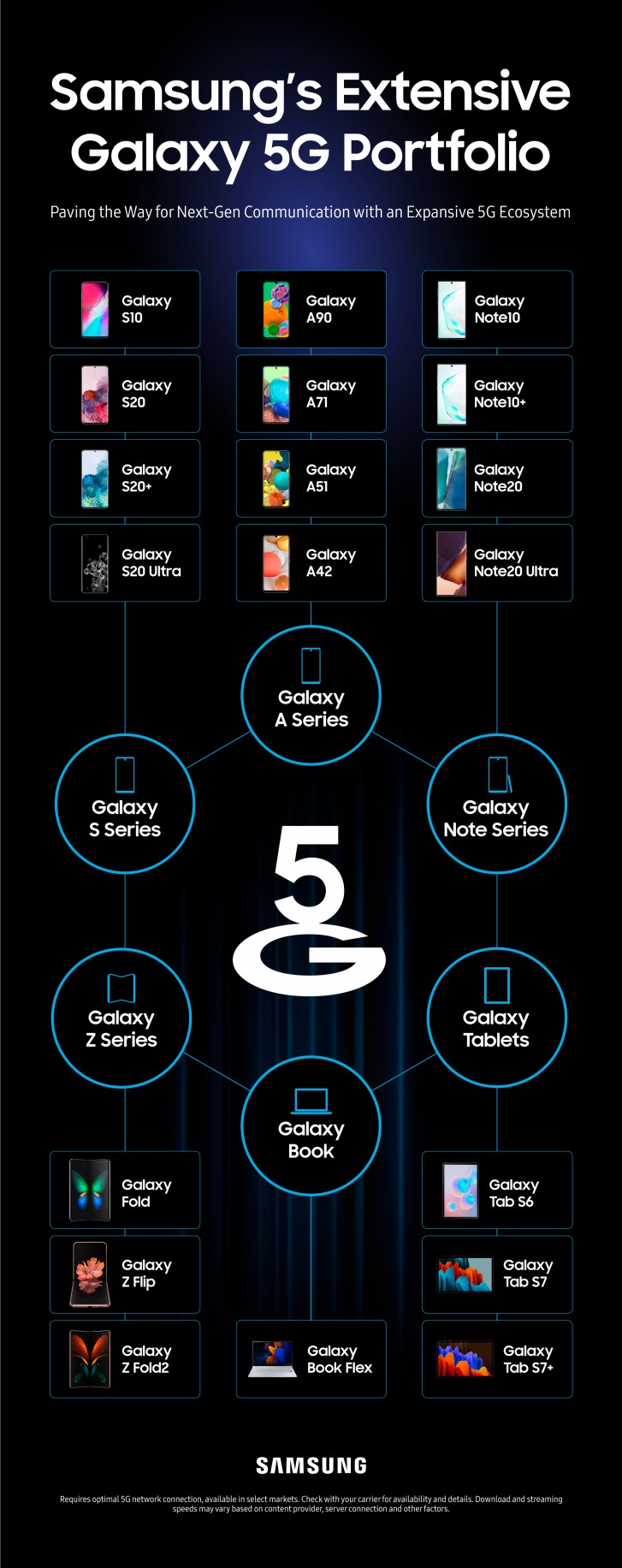
Samsung showcases an infographic showing its entire 5G devices yet

Since Samsung launched its first 5G smartphone in February 2019, the tech giant has gone on to release several devices packing a 5G chipset. The launch of 5Gmid-range SoCs by Qualcomm has only helped to accelerate the deployment of 5G to mid-range phones. But we just don’t knowhow many 5G products Samsung has under its belt.Samsung Galaxy Book Flex 5G Featured

Turns out the Korean tech giant has quite a formidable number of 5G devices. The company has released an infographic which details the entire lineup of 5G devices under the brand.

SInce ts entrance into the 5G market, Xiaomi has released four different series of Galaxy phones equipped with the next-gen connectivity. This includes the Galaxy S, Galaxy A, Galaxy M and the latest, the Galaxy Z series. The Galaxy Z Fold2 is the only model in the Z series and it was announced a few days back. The model which is the most expensive is on pre-order, with the release set for the end of the month. On the other hand, the Galaxy A42 was launched recently too as  Samsung’s cheapest 5G phone yet.

Samsung also has fans covered with 5G products in the tablet segment. There is the Galaxy Tab S7 and S7+. The tablets will be released in India soon but not the 5G version since 5G connectivity is yet to go live in India.

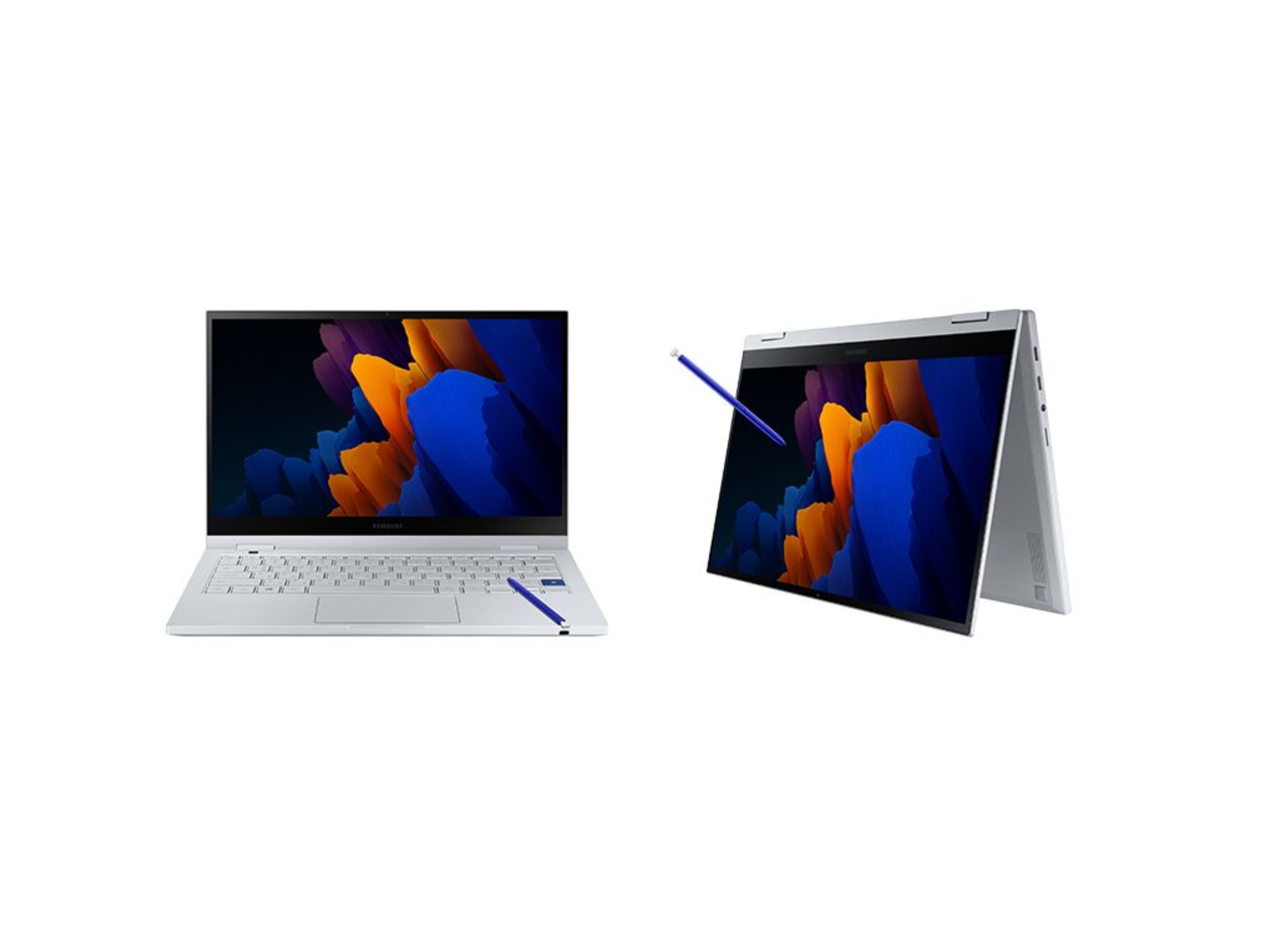
Samsung extended its 5G products to the notebook segment with the launch of the Galaxy Book Flex 5G on Thursday. The new upgraded model features 5G (sub-6 GHz) on the 13-inch model but not on the 15-inch version. The laptop is powered by the newly announced 11th generation Intel Core processors.

You can check out the infographics from below.

Samsung 5G


Apple’s 5G iPhone 12 expected to trigger demand for LCP FPCB Modules

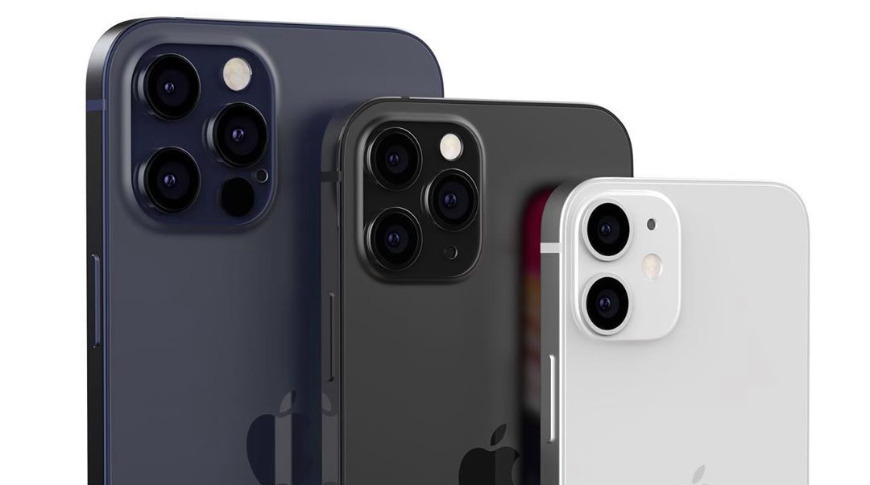
Apple is expected to utilise LCP (liquid crystal polymer)-based flexible PCBs for the mmWave antenna modules and other high-speed transmission applications on the upcoming 5G iPhones. There are speculations that this could significantly increase the demand for LCP FPCB Modules, a supply chain report by DigiTimes hints. Apple

Earlier in November 2019, industry insider, Ming-Chi Kuo had forecasted about the use of LCP FPCB Modules. Kuo hinted that Apple’s next generation of 5G iPhones would feature improved Liquid Crystal Polymer Flexible Printed Circuits.

Although Apple experimented with LCP FPCB Modules with iPhone X, Kuo predicted that on the whole, LCP FPC based iPhones would eventually make up roughly 70-75% of Apple’s iPhone shipments over the next year.

What is LCP, or liquid crystal polymer? It’s a reasonably new material arising in the flex PCB manufacturing market that is establishing a solid presence. This one-of-a-kind thermoplastic product is very thin (1, 2 as well as 4 mil cores), flexible circuits, light-weight, as well as has quite reduced dampness absorption in addition to high chemical resistance.

In addition, LCP has superb electrical buildings including reduced loss and also a secure dielectric constant that makes it perfect for high-frequency PCB manufacturing and mm-wave kind applications, especially those that could gain from the slim, light-weight cores.