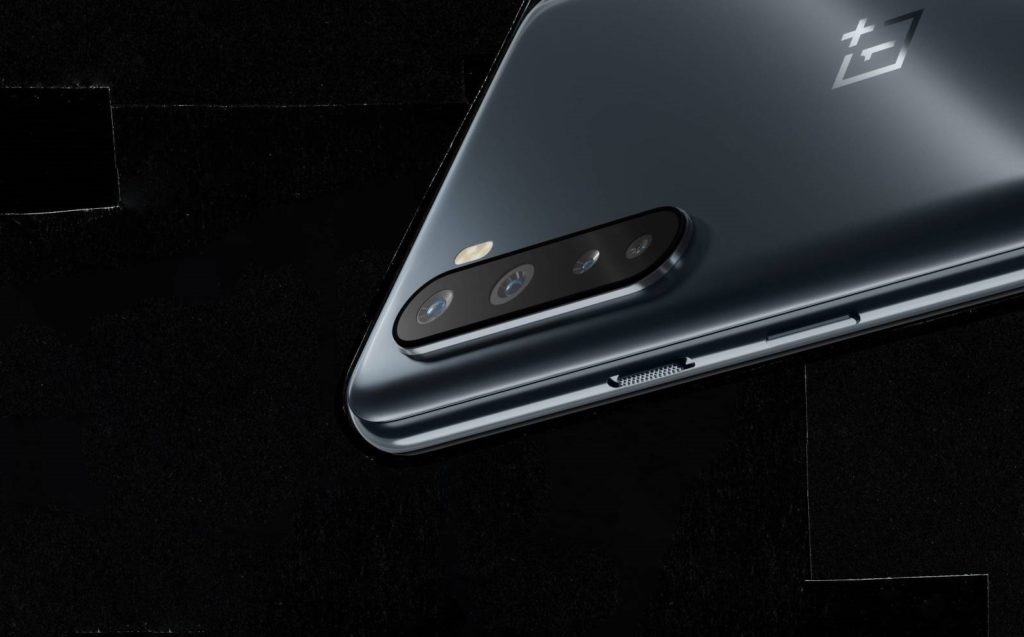
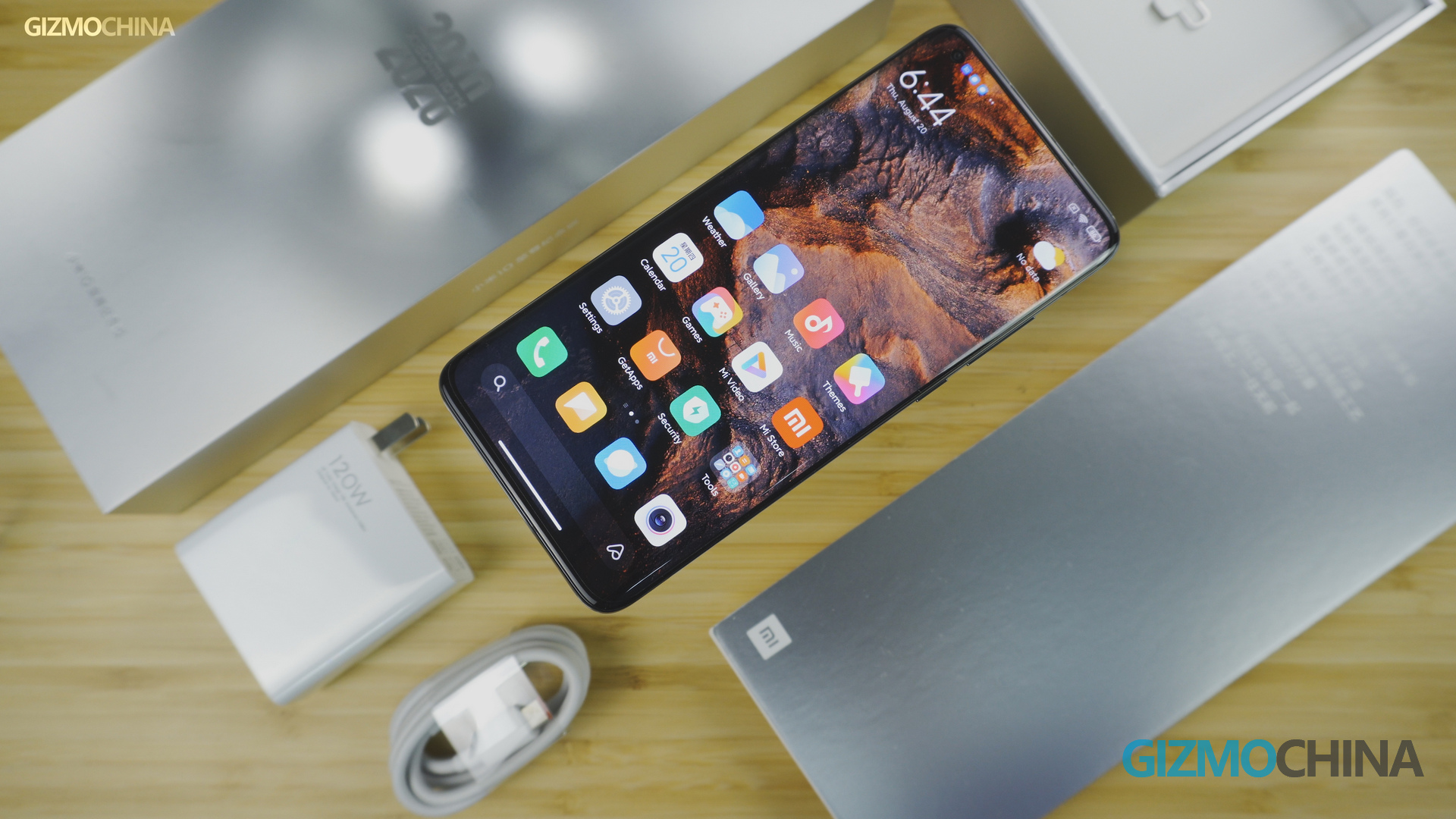
It has been only a month since OnePlus Nord’s official AR launch event but the smartphone is already receiving its fifth system update. The new OTA update with build number OxygenOS 10.5.5 is being rolled out to all the three variants of the handset namely India, Europe, and Global.
Just like the previous updates, this one too brings fixes and improvements. Most importantly, the new update fixes system reboot issue when free-form is enabled and OnePlus Notes always running in the background bug.
Talking about improvements, the latest update for OnePlus Nord improves volume adjustment interface, front camera image clarity in low light, quality of macro images, general power consumption, and charging experience.
That said, the update is being pushed in batches worldwide with following build numbers.
IN (India) – OxygenOS 10.5.5.AC01DA
EU (Europe) – OxygenOS 10.5.5.AC01BA
Global – OxygenOS 10.5.5.AC01AA
OnePlus Nord OxygenOS 10.5.5 Official Changelog
System
Improved volume adjustment interface
Fixed system reboot issue when free-form is enabled
Fixed issue of OnePlus Notes always running in background
Camera
Improved image clarity of front camera in low light
Xiaomi recently launched Mi Box 4K (rebranded Mi Box S) and Mi TV Stick in India. Now, the company schedules an event for September 7 to launch a new smart TV with “Horizon Edition” moniker. It will be the third product from the company to carry this tag in the country after Mi Notebook 14 Horizon Edition and Horizon Display on Redmi K20/K20Pro.
The teaser page for this new Mi TV for India does not reveal any of its specs. But since the launch is set to take place two weeks from now, we expect the company to add new details regarding this product to this page in the coming days.
As of now, the said page describes this new TV for the region to offer a “sumptuous feeling” with its “quintessential display tech”. These marketing jargons make us believe that this television could come with a QLED panel instead of regular LED-backlit LCD panel. Anyway, this is just a speculation from our end so consider it with a pinch of salt.
The page also confirms it to come with PatchWall launcher, a content aggregation service by Xiaomi and a feature called Quick Wake to instantly power on and off the TV. Further, it also indirectly reveals the TV to run Android TV operating system with words “5000+ apps to try out”. That means it should also come with Chromecast Built-in.
Talking about the elephant in the room, Xiaomi uses “Horizon” branding for higher screen to body ratio products. So we can expect this upcoming Mi TV to feature thinner bezels than other existing models in India.
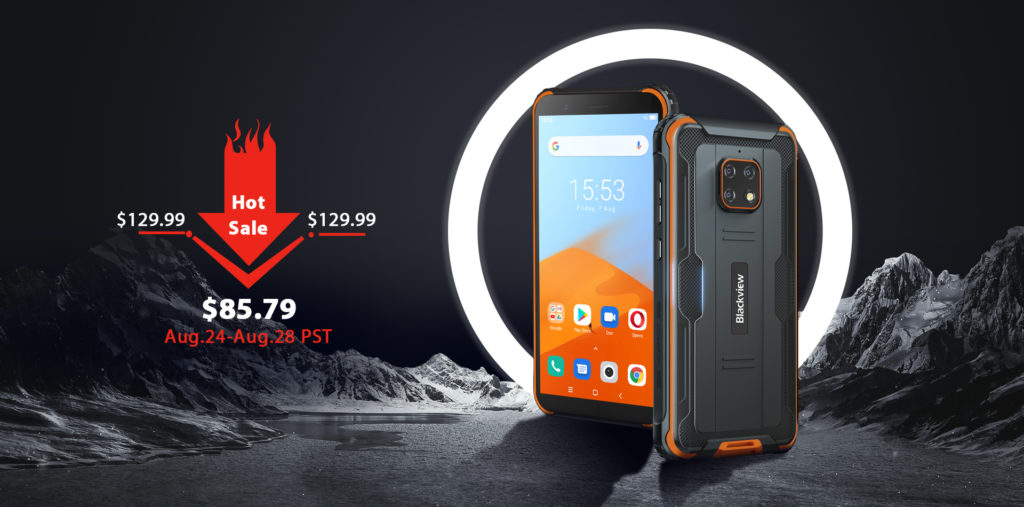
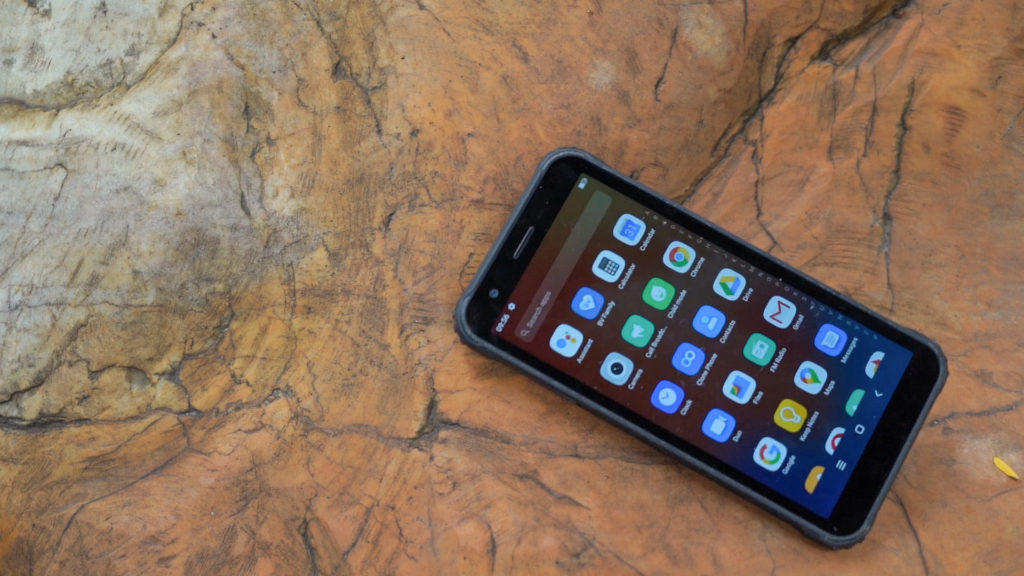
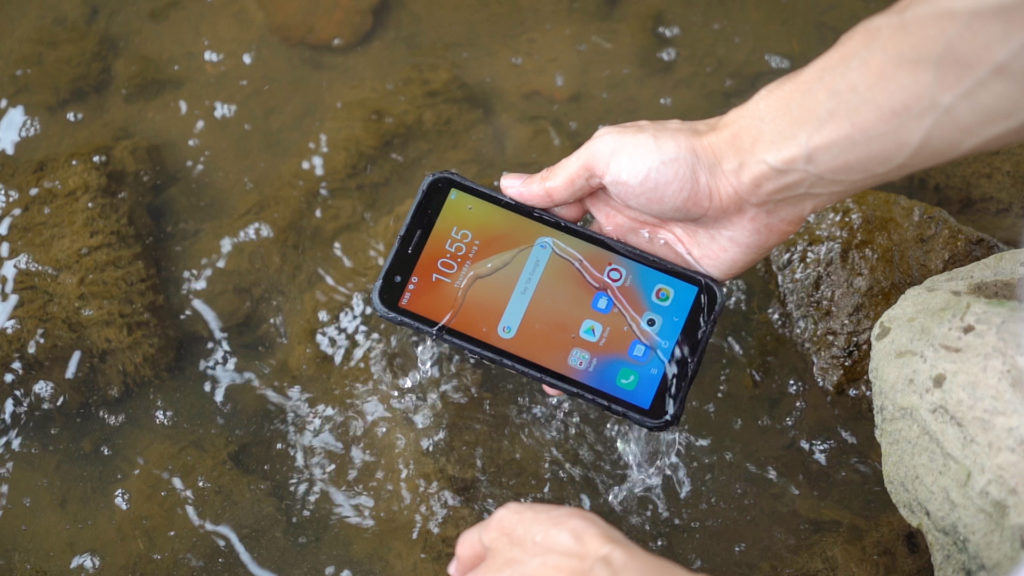
Blackview BV4900 (Space capsule) rugged phone goes on sale for $85.79. It was earlier announced on 12th August 2020. The main highlight of the phone is its military-grade design. Blackview BV4900 is waterproof up to 1.5m for 30 mins, fully dustproof, and drop-proof up to 1.5m height. The phone received an IP68 & IP69K & MIL-STD-810G certificates.
BlackVview BV4900 design is focused on the Space Capsule. At the backside of the phone, there are iconic lines that are inherited from the Space Capsule inner counter design. Moreover, there’s a volume rocker and power button on the right side of the phone. There is a triple camera setup at the back with an LED flash. On the front side, there is a single selfie camera placed within the top bezel. Moreover, Blackview BV4900 has a headphone jack at the top and the charging port is placed at bottom along with speaks grills on both sides.
It features a 5.7-inch HD+ display with an 18:9 aspect ratio. It comes in 3GB RAM and 32GB internal storage options. There’s a triple camera module at the back and it features Sony IMX134 8MP primary camera and 2x other cameras. The smartphone comes with MediaTek MTK6761 chipset. Blackview BV4900 has a huge 5580 mAh battery with reverse charging support and the phone runs on Android 10 out of the box.
The actual price of Blackview BV4900 is $129.99, but you can get a hefty discount under the ongoing world premiere sale. However, right now the company has a limited-time sale from 24th August to 2nd September 2020 in which BV4900 is available just at $84.79. You can get it now by heading to the Blackview store.
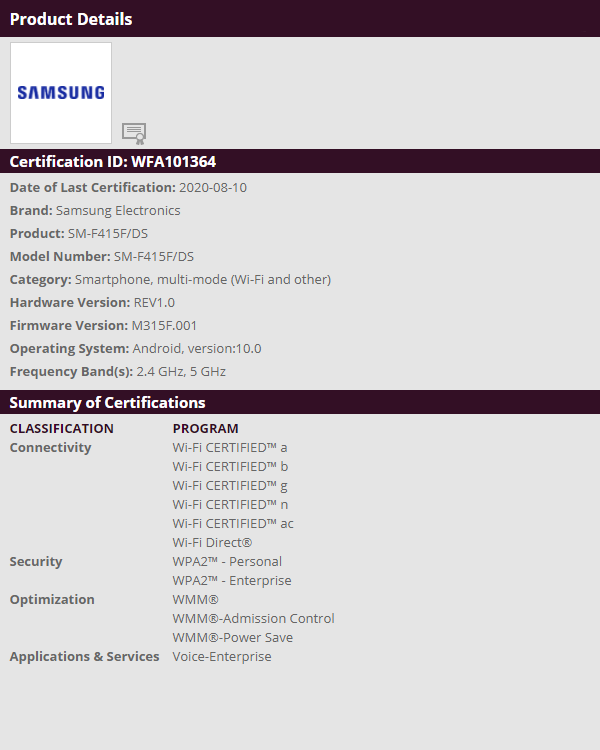
A Samsung model was recently certified by the WiFi Alliance bearing the model number SM-F415F/DS. Although the exact model is unknown, the model number suggests this is a Galaxy Fold smartphone. For reference, the first-gen Galaxy Fold bears the model number F900 while the Z Flip has the model number F700.
The newly certified SM-F415F/DS model is thought to be an affordable version of the Fold since the model number puts it in the F400 series. The phone may be called Galaxy Fold Lite. Last year, it was rumoured that Samsung was planning to launch an affordable version of the Galaxy Fold. Well, we can’t really call it affordable in the real sense but considering the Fold starts at around $2000, the rumoured model is said to come in at around $1000.
The “1” in the model number is said to denote a second-generation model with reference to the Galaxy Z Fold2 having the model number F91 while the new Z Flip 5G comes with the model number F70x. That means this isn’t a rebadged first-gen product. However, the WiFi Alliance certification shows the device won’t have support for WiFi 6. That may be because the Galaxy Fold “lite” will likely pack a non-flagship chipset.
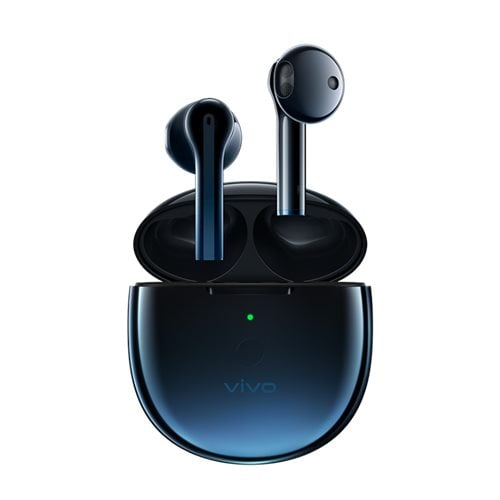
The demand for chips for truly wireless studio devices (TWS) has been on the rise recently. The surge in demand arrives after orders for non-AirPods counterparts have risen in the market, according to a DigiTimesreport.
An industry source recently stated that the sales of TWS products were slow in the first half of 2020, due to consumers spending on laptops and notebooks to support work from home requirements or TVs for entertainment. But now, with the dust settling in amidst the pandemic, the TWS market is set to rise again with OEMs gearing up for production to tackle Apple’supcoming generation of AirPods products that will arrive in the second half of 2020.
In other words, the TWS market is heating up the latter half of this year. Furthermore, most vendors outside of Apple are now looking into improving ANC (active noise cancellation) technology for their offerings. This will push up the demand for key components like RF SoCs, power-charging MCUs, and MEMS microphones.
The source reported on Realtek Semiconductor ramping up production, for its RF SoCs in the third quarter of 2020. It was also revealed that nearly half of all Realtek’s shipments of Bluetooth chips were for TWS applications. Similarly, MEMS microphone technology is also becoming increasingly popular in the market due to its use in ANC, with ZillTek Technology benefitting the most.
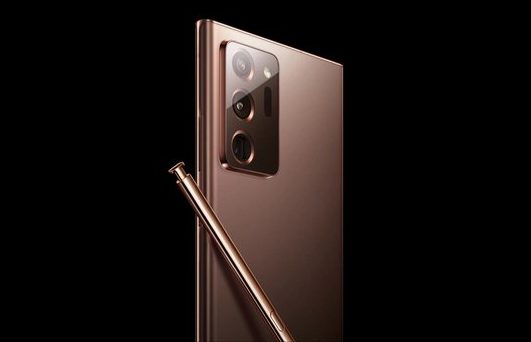
The Samsung Galaxy Note 20 Ultra arrives with layers of Gorilla Glass Victus on the front and the rear. The layer is the successor to the Gorilla Glass 6 and offers better scratch and shatter resistance. This holds true with a recent drop test that showcased impressive results.
In a video shared on YouTube by PhoneBuff, the flagship from the South Korean tech giant was subjected to its drop test, along with Apple’s iPhone 11 Pro Max as a comparison. It is generally known that dropping a smartphone on the back can be worse than the front of the device has a camera bump, which changes the point of impact. However, the drop test found that the Galaxy Note 20 Ultra faired way better than the flagship from the Cupertino based giant.
Looking at the video, the iPhone 11 Pro Max with the Gorilla Glass 6 protection cracked completely, while the Victus protection on the Note 20 Ultra saw it survive with a lot less visible damage. Only the corner of the Galaxy device was cracked due to the point of impact, while only a few minor scratches on the camera module was observed. When both smartphones were dropped on their face, the Samsung flagship outperformed the iPhone 11 Pro Max again, with the former surviving 10 drops and having just a few scratches, which is quite impressive.
The Samsung Find My Mobile app, which was made to help users locate their devices remotely has recently received a major update to its functioning. While the app did offer Galaxy owners a lot of functionality, it could only do so if the device in question had an internet connection. But now, Samsung is rolling out an update that will allow it to work even when the device is offline.
In other words, even if you lose your smartphone in an area with no network coverage, there is still a way to locate it using Find My Mobile app. The latest version 7.1.08.0 of the app added a new ‘Offline finding’ feature that lets users locate their device in the event of it getting lost. It will also let other users use your smartphone to scan for lost Galaxy devices nearby.
Furthermore, the function also extends towards Galaxy Watches and earbuds, if they were connected to your device. The feature was spotted by Max Weinbach recently, who also shared screenshots of the images on Twitter. Looking at the images, it can be observed that users can even encrypt the offline location from the settings page which can be accessed via app itself.
We are in the second half of 2020 but POCO is yet to launch the successor (POCO F2) to the original POCO F1 from 2018. Instead, we got POCO X2 (Redmi K30 4G), POCO F2 Pro (Redmi K30 Pro), and POCO M2 Pro. The brand is also expected to unveil an entry-level smartphone called POCO C3 (Redmi 9C). Recently, Angus, the Global Spokesperson of the brand even teased the arrival of a high-refresh-rate device. This handset may have been now spotted on FCC, BIS, and TÜV Rheinland Japan
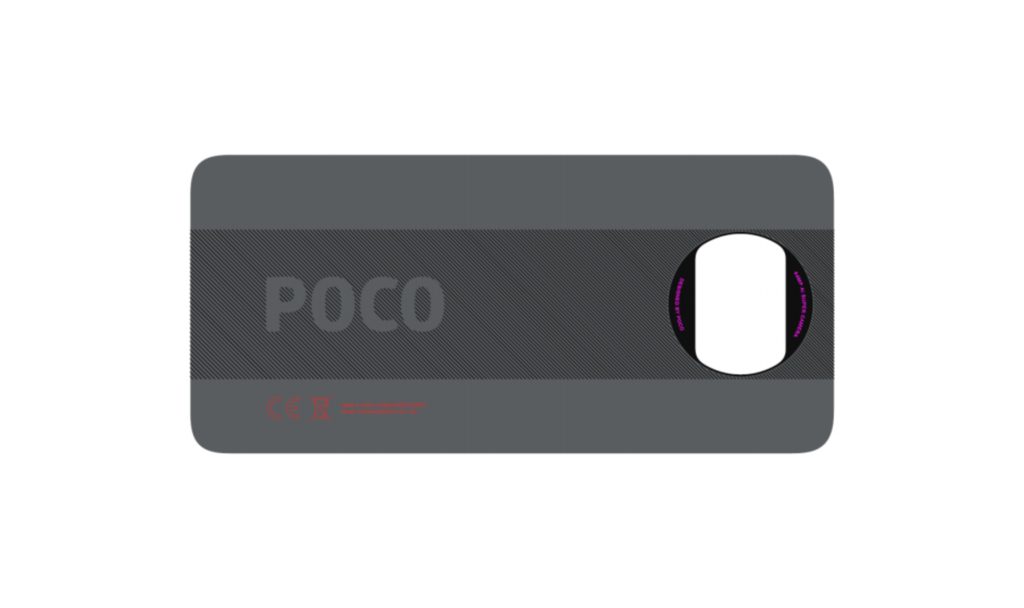
POCO M2007J20CG/M2007J20CT Rear Design (Source: FCC)
The FCC listing of a mysterious POCO smartphone with model number M2007J20CG and M2007J20CT is being sheared by multiple tipsters and tech influencers on Twitter. We are not sure of the first person who spotted it. With the help of screenshots shared by @the_tech_guy, even we were able to retrieve it from FCC.
Last week, this very same handset received TKDN and EEC certifications but those did not reveal anything except for the fact that it is a POCO-branded 4G smartphone. Whereas, today’s certification findings not only reveal the battery and charging speed but also the rear design.
According to an FCC document, this upcoming 4G POCO smartphone will run MIUI 12 and will come with BN57 battery and MDY-12-EA 33W Xiaomi charger. As per Mukul Sharma (@stufflistings), the device has also received BIS and TÜV Rheinland Japan certifications. The latter even revealed the capacity of the battery to be 5,160mAh.
Another FCC document also exposes the rear design of this forthcoming phone. The sketch reveals the device to sport a 64MP camera setup arranged on a rounded rectangle platform located at the centre. Additionally, a textured line will run along the middle of the back panel with a huge POCO branding at the bottom.
As for other specs, according to a deleted tweet by Aguns (via Abhishek Yadav), this phone will sport an AMOLED display with 120Hz refresh rate. That said, the chipset powering it is still a mystery and only that can give us an idea if it will be a mid-range device or a flagship killer.
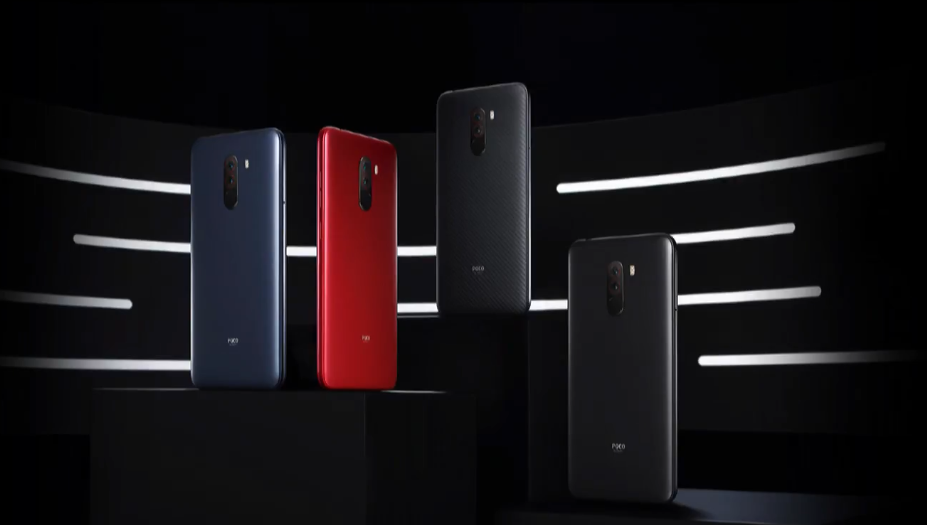
POCO F1
Though most netizens are claiming it to be POCO X3, there’s a high chance for it to be the long-awaited POCO F2. Why are we saying this? That’s because the design of this handset is original (not a rebranded Redmi device). Since the original POCO F1 is one of the most beloved smartphones in recent years, its successor deserves originality and this mysterious phone delivers it.
Anyway, this is just a speculation from our end. It may even end up us something else as the POCO M2 Pro also has a unique design touch though it is part of Redmi Note 9 family. Maybe, the Redmi variant of this phone will launch later in China. So It could be a rebranded handset too.
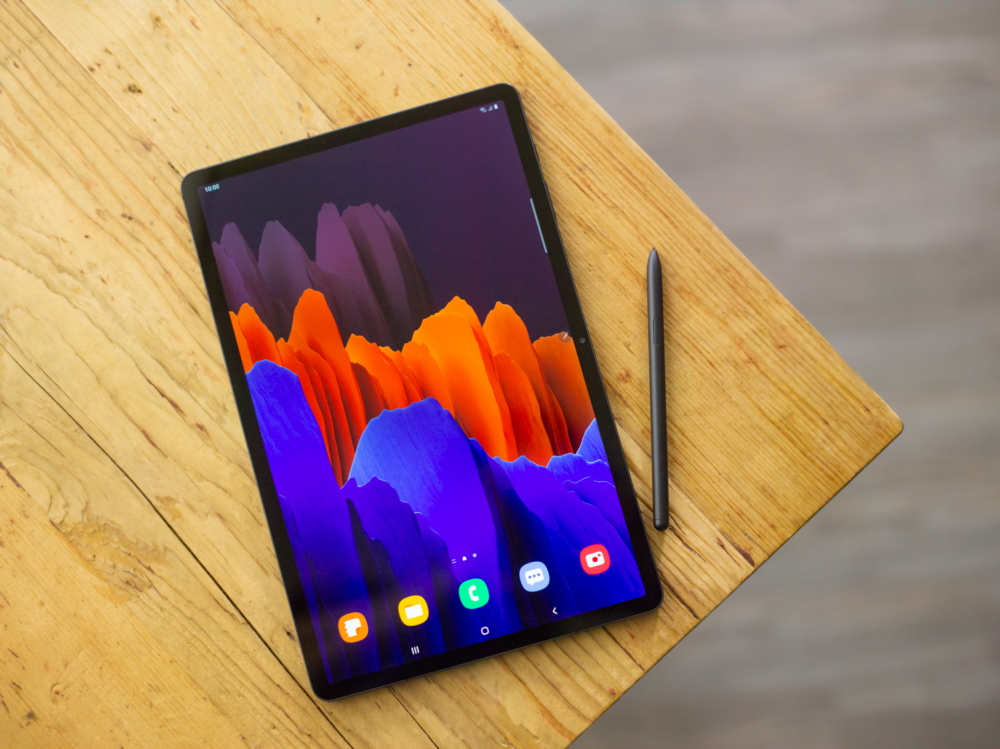
According to a SamMobilereport, several new owners of the Galaxy Tab S7, Galaxy Tab S7+, and even the Galaxy Note 20 Ultra smartphones are suffering from the issue. Apparently, lowering the brightness of the aforementioned devices below a certain value would cause the display to have a gree tint. At the moment, only the Snapdragon variant of the Galaxy Note 20 Ultra is suffering from the issue, which is notable considering the previous issue mostly affected just the Exynos version of the Galaxy S20 series.
Furthermore, the base Galaxy Tab S7 being affected by the issue may also point to the fact that the problem might not be related to the Super AMOLED drivers, which was previously speculated. Although, the issue isn’t exactly limited to just Samsung. Other devices from various OEMs including OnePlus, Google, Apple, and more also had the issue.
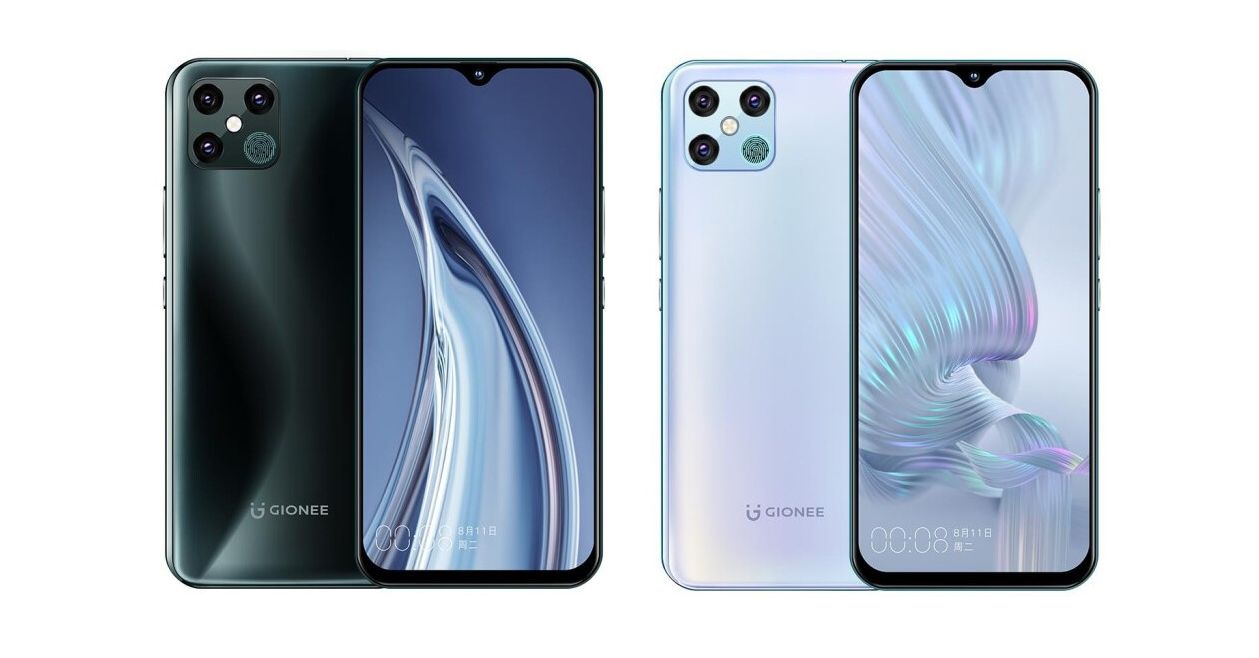
Gionee is slowly resurrecting after going bankrupt last year. It has been gradually launching phones in China and India. Tomorrow, it will be announcing the Gionee Max mid-range device In India. Earlier this year, Gionee unveiled the Gionee K6 and Gionee Steel 5 smartphones in China. The brand has silently unveiled a new phone called Gionee K3 Pro in the homeland. It is a mid-range phone powered by the Helio P60 chipset.
Gionee K3 Pro specifications and features
The Gionee K3 Pro has a 6.53-inch display that offers HD+ resolution and 19:9 aspect ratio. The waterdrop notch screen offers a 90 percent screen space. The JD listing mentions that the phone features a glass rear and it measures 164.3 x 77.6 x 9.7mm and it weighs 205 grams.
The MediaTek Helio P60 chipset is the driving force of the Gionee K3 Pro smartphone. The handset has up to 8 GB of RAM and up to 128 GB of storage. For more storage, the phone features a microSD card slot. Unfortunately, it is loaded with the older Android 9 Pie OS. The phone draws power from a 4,000mAh battery that comes with 10W charging support.
For snapping selfies, the Gionee K3 Pro features a front-facing camera of 13-megapixel. There is a square-shaped module placed at the upper-left corner of the phone’s rear shell. At the center of the module is an LED flash and it houses AI-driven 16-megapixel camera system. The module also houses a fingerprint reader. The smartphone also supports face unlock feature. The device offers connectivity features such as dual SIM support, 4G VoLTE, Wi-Fi, Bluetooth 4.0, GPS, USB-C, and 3.5mm audio jack.
Gionee K3 Pro price and availability
The Gionee K3 Pro is already listed on JD.com for purchase. The listing states that the phone had gone official on Aug. 18. The phone comes in two options such as 6 GB RAM + 128 GB storage and 8 GB RAM+ 128 GB storage. Both models are priced at 699 Yuan and 799 Yuan, respectively. Jade Green and Pearl White are the two color variants of the Gionee K3 Pro.
A report from the Korea Institute for International Economic Policy (KIEP) revealed last week that the latest US sanctions against Huawei may directly affect the export of semiconductors from South Korea.
According to a Business Korea report, banning Huawei’s access to all types of semiconductors may have its impact felt in South Korean semiconductors as well. Albeit, the impact would only be for the short term. For those unaware, the Trump administration revised its Export Administration Regulations to put even more pressure on Huawei and its overseas subsidiaries to prevent the Chinese tech giant from gaining semiconductors through any loopholes.
The institute further added that “China will redouble its efforts to reduce its external dependence in the semiconductor sector and this means South Korea needs to focus more on staying ahead of China in terms of technological strength.” In other words, despite Huawei being the only target, the US restrictions will have China raise its efforts to be more self sufficient and advance its domestic semiconductor industry.
With India being on the verge of 5G trials, the possible ban on Chinese telecom giants would have Samsung benefit in the 5G network equipment business. At the moment, the company is the world’s fourth largest 5G telecommunications equipment provider, right behind, Huawei, Sweden’s Ericsson, and Finland’s Nokia. Although, it is still too soon to tell if Samsung would benefit in the end, as Scandinavian makers are expected to fill the gap as well.
Furthermore, India has yet to even start the early stages such as conducting test operations and even auctioning 5G frequencies, according to The Korea Timesreport. An industry official stated that “It remains to be seen whether Samsung Electronics will actually benefit from the Indian government’s possible ban on Chinese vendors. India has not yet launched its auction process for 5G network frequencies and mighty European suppliers such as Ericsson and Nokia have large market shares.”
For those unaware, recent military clashes along the Indo-China border regions have increased tension between both India and China. Following this, it was expected that Huawei and ZTE will be excluded from the upcoming 5G trials on national security grounds. Another report had also hinted at the local government restarting the approval process for 5G trials with restrictions applied that would block Chinese firms.
Samsung has been providing equipment to Reliance Jio Infocomm for 4G or LTE networks. So, we might see the partnership extend through to the newer and faster bandwidth. Additionally, Bharti Airtel, a prominent telecom operator in India, is also expected to partner with Ericsson and Nokia for 5G trials in Kolkata and Bengaluru regions.
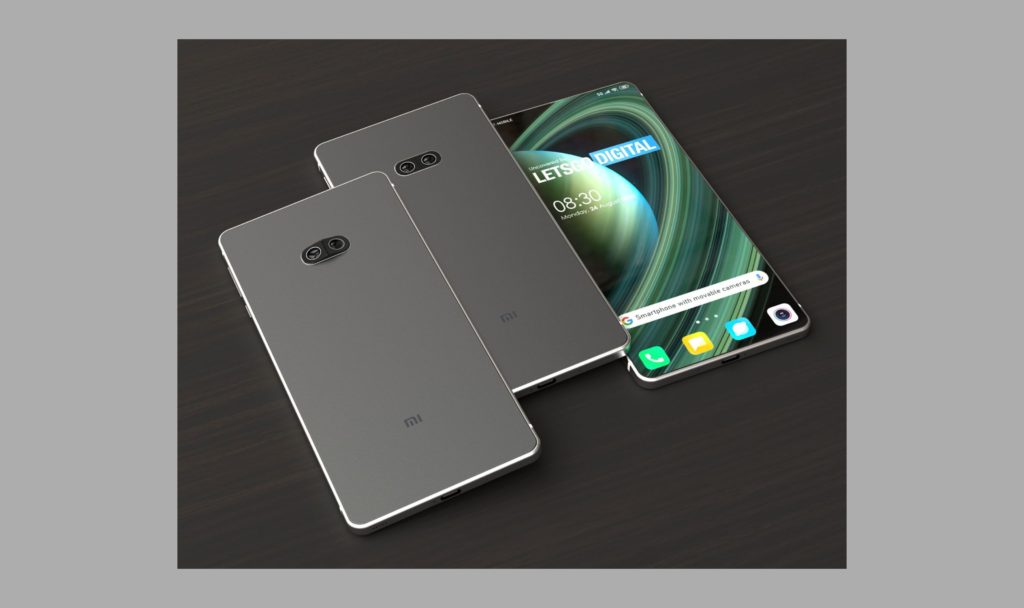
Earlier this month, Xiaomi celebrated its 10th anniversary by launching four new products including Mi 10 Ultra. This smartphone set a benchmark by beating HUAWEI P40 Pro on DxOMark Camera ratings to seize the top position. Now, a patent filed by the company involving tilting camera sensors has been unearthed by LetsGoDigital.
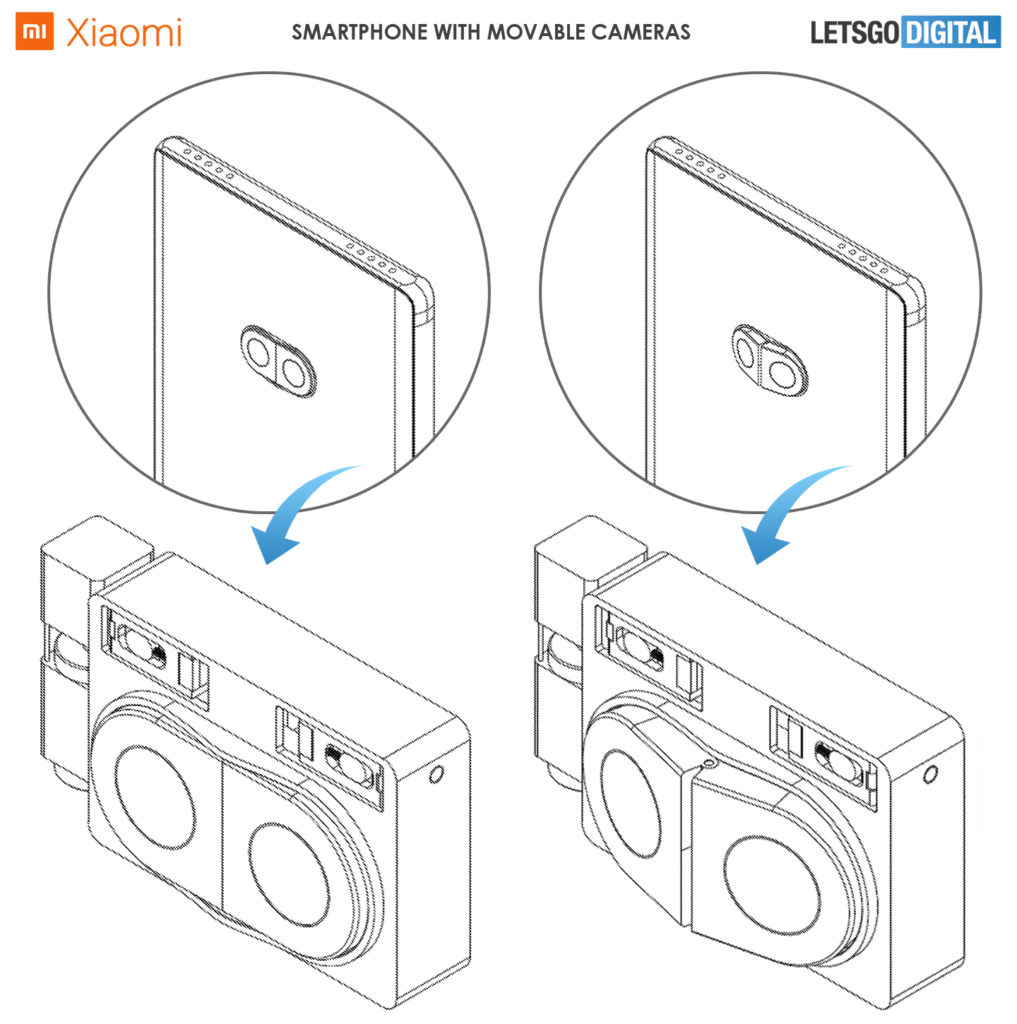
This “Camera module and terminal” utility patent was filed by Beijing Xiaomi Mobile Software with the USPTO (United States Patent and Trademark Office) in October 2019. It got approved and published in the WIPO (World Intellectual Property Office) database on July 30, 2020.
At the same time, the Chinese company even filed an application for a patent called “Camera assembly and terminal”, which details the implementation of the above-mentioned utility patent in a smartphone.
According to it, this patent requires two camera sensors with small viewing angle. The two sensors can be paced either place horizontally or vertically and they can rotate (tilt) in sync with each other in order to extend the viewing angle. Pictures from this solution should be better in quality without distortion compared to outputs from a normal wide-angle lens, at least in theory.
For those unaware, Samsung too patented a similar solution in December 2019, two months after Xioami and got its approval in June 2020. But that patent requires a set of five or six cameras, including a telephoto unit.
That said, we are not guaranteed to see this implementation on a commercial smartphone.
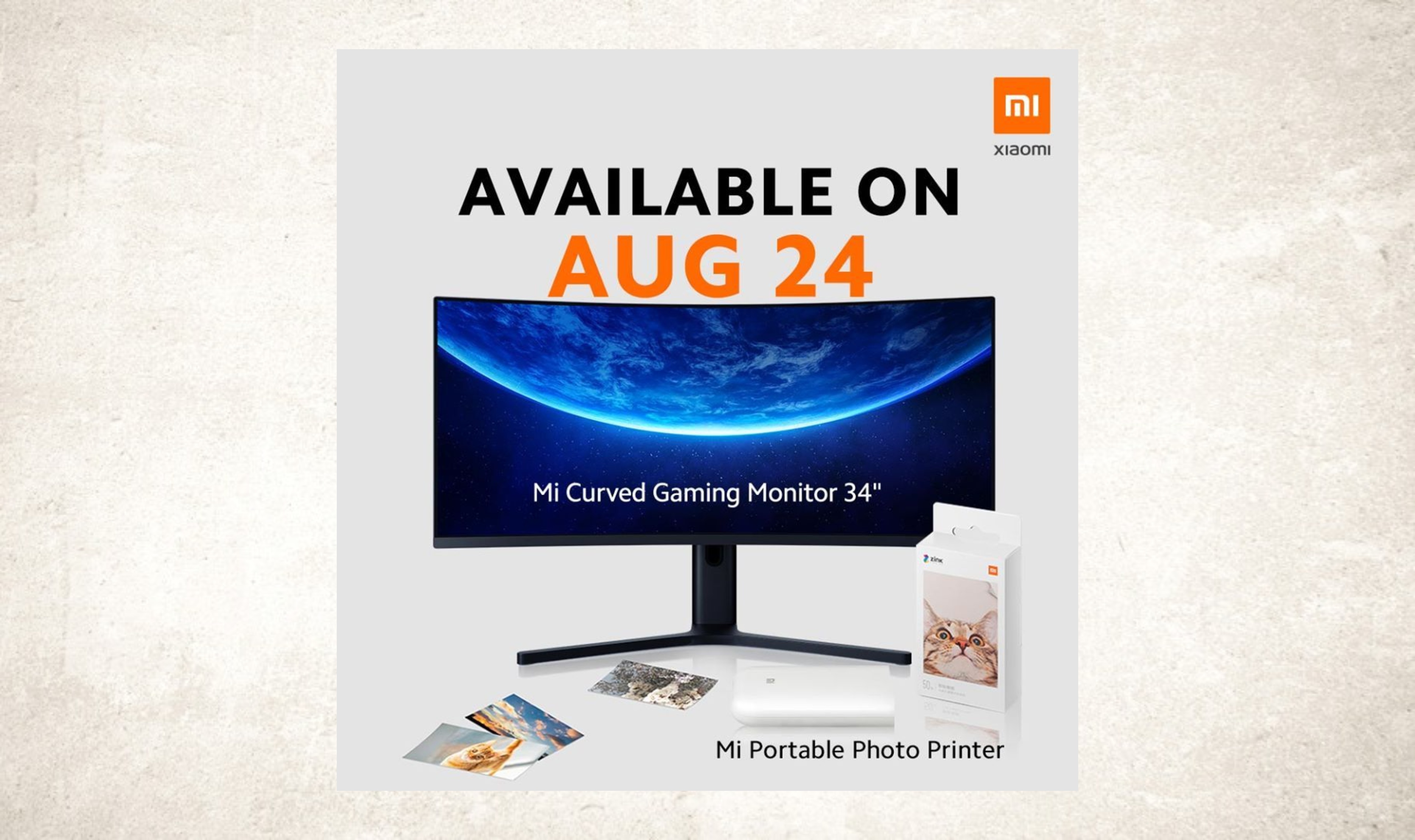
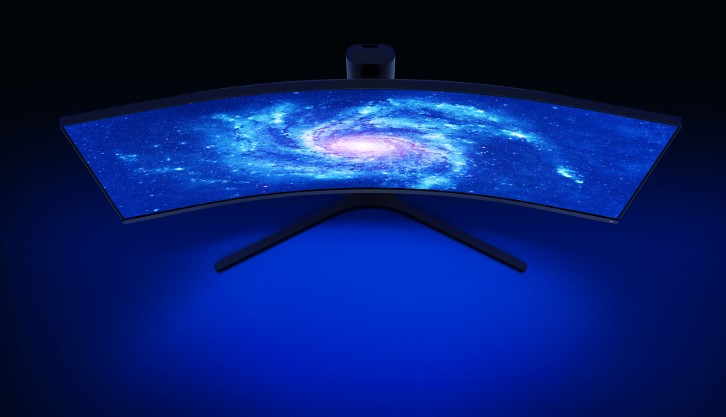
The 34 inch gaming monitor that Xiaomi had teased earlier this month, has finally launched in Malaysia. The monitor features a 144Hz refresh rate display for gaming and was originally launched back in July 2020 in China.
As we had previously estimated, the Xiaomi gaming monitor is priced under 2,000 MYR, with the official price tag being 1,999 MYR (roughly 478 US Dollars). The monitor is currently listed on the official Xiaomi Store on Lazada and is also available at all Mi Stores in Malaysia. It also offers a 3 year warranty but since its launch, the gaming monitor had already gone out of stock.
The Mi Curved Gaming Monitor 34 inch features a WQHD resolution of 3440×1440px and has an aspect ratio of 21:9. Its high refresh rate of 144Hz is also paired with its low 4 ms response time. The display is a VA panel, which has a 1500R curvature and has a 121 percent sRBG wide color gamut. Its maximum brightness is 300 nites with a contrast ratio of 3000:1.
The display also supports AMD‘s FreeSync Premium technology to account for screen tearing or stuttering. For ports, it has two HDMI 2.0 ports, two DP 1.4 ports, and an audio jack as well. It supports Single window, left/right split window, and even picture in picture mode. The Xiaomi gaming monitor’s stand can also be tilted, have its height adjusted and also offers slight rotation adjustments as well.
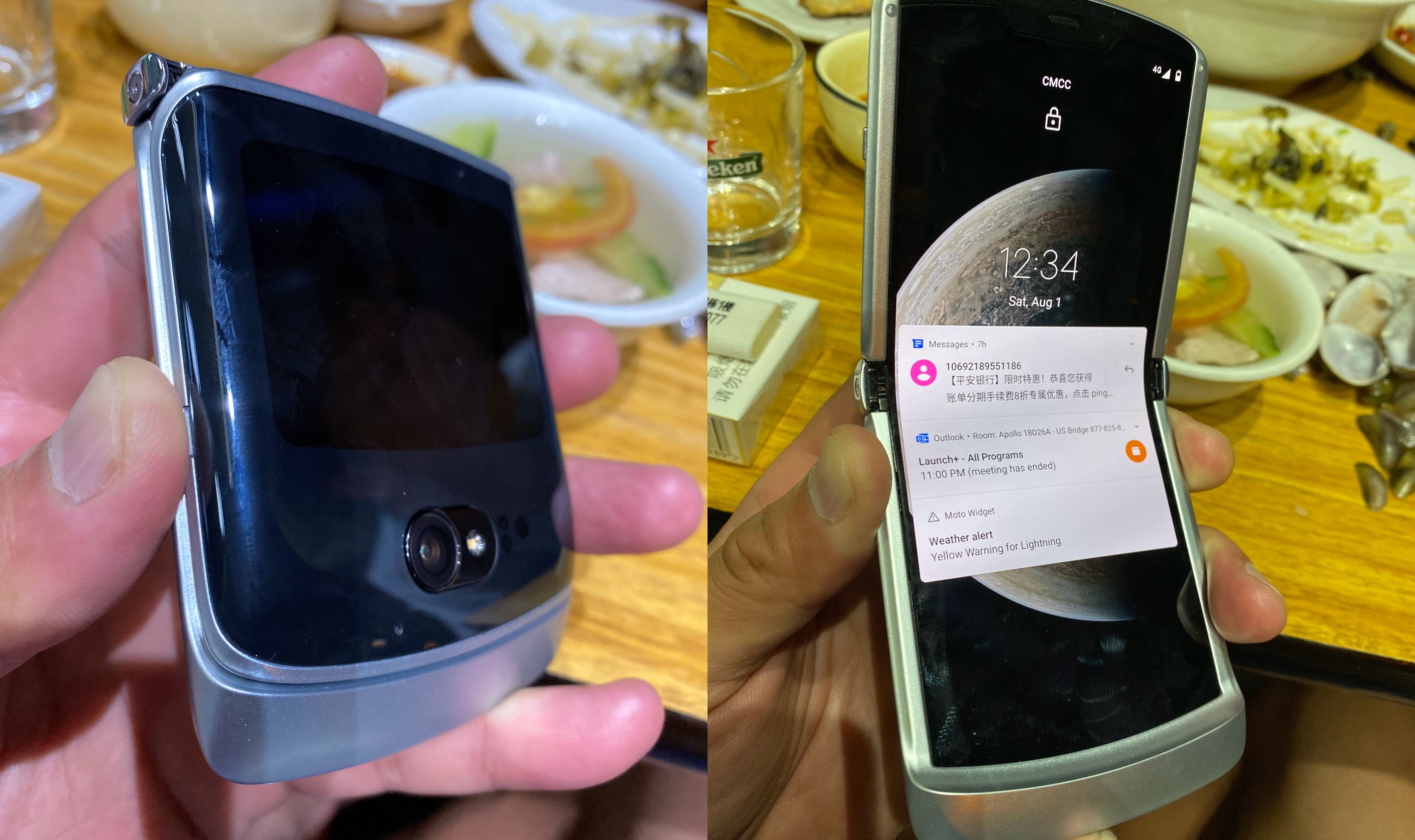
Last year, Motorola launched its first foldable smartphone — Motorola Razr. Now, the company is gearing up to launch its successor, which will come with support for 5G connectivity and will reportedly be named Motorola Razr 5G.
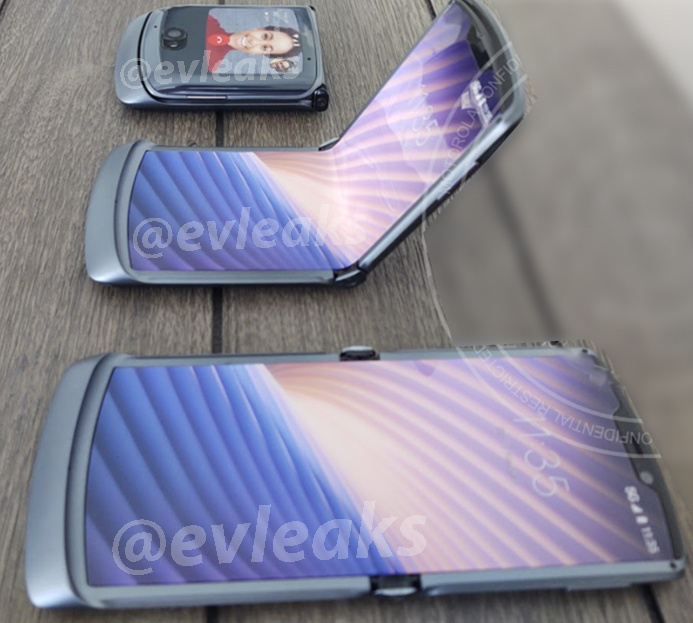
Now, ahead of the official launch, a 360-degree render of the upcoming flagship smartphone has been shared by Evan Blass, giving us a clear look at the design of the foldable device.
Unlike other foldable smartphones, Motorola opted for a clamshell design and it seems that the same form-factor will continue for the upcoming device. But it seems that the company has smoothed out notches and has ditched the fingerprint sensor.
The screen appears to be bigger than its predecessor, with reports hinting at display being somewhere around 6.2-inch to 6.7-inch. Previous leaks indicate that the phone could come powered by the Qualcomm Snapdragon 765 SoC.
It is expected to come packed with 8GB of RAM and 256GB of internal storage. The smartphone is said to feature a 48-megapixel primary camera sensor and will be powered by a 2,845mAh battery, bigger than the one found in the original model.
A recent certification process revealed that the dual-cell battery could come with support for 18W fast charging. Given that the phone is named Razr 5G, it will certainly come with support for 5G connectivity. But it remains to be seen if the device supports only sub-6Ghz 5G or the mmWave 5G.
Currently, there’s no information available about the pricing of this Motorola Razr 5G smartphone. It will be interesting to see how Lenovo-owned company prices this phone, which is very crucial for its success. The company has reportedly sent out media invites for an event on 9th September, where the phone could be officially launched.
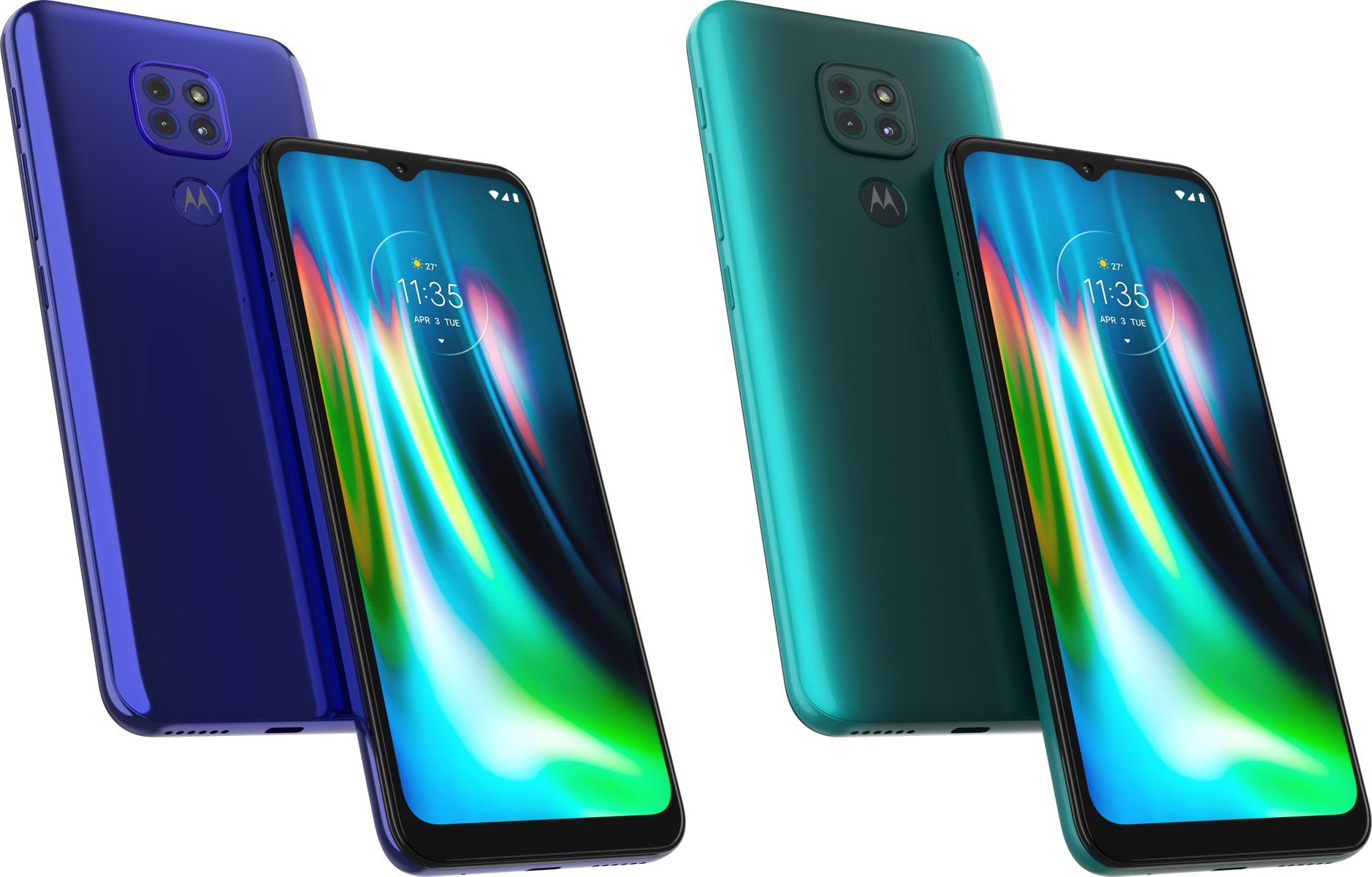
Motorola has unveiled the Moto G9 smartphone in India today. With a pricing of Rs. 11,499 (~$153), the handset has arrived to arrive with Redmi. Realme, and Samsung phones in its price segment. The Moto G9 is the first phone in India to feature the Snapdragon 662 SoC. The handset has arrived as the successor for the Snapdragon 665 powered Moto G8 phone that debuted earlier this year.
Motorola Moto G9 specifications and features
The polycarbonate bodied Motorola Moto G9 measures 165.2 1 x 75.73 x 9.18mm. The smartphone comes with a water-repellent construction and it has a waterdrop notch IPS LCD display of 6.5 inches. The Max Vision screen offers an HD+ resolution of 720 x 1600 pixels and a tall aspect ratio of 20:9. The Lenovo-owned smartphone offers a screen space of 87 percent.
The Snapdragon 662 that went official in January 2020 drives the phone with 4 GB of RAM. For storage, the handset offers an internal storage of 128 GB and a microSD card slot.
The front notch of the Moto G9 houses an f/2.2 aperture 8-megapixel selfie camera. The square-shaped module on the back has an LED flash, an f/1.7 aperture 48-megapixel main camera, an f/2.2 aperture 2-megapixel Macro Vision lens, and an f/2.2 aperture 2-megapixel sensor for depth effects. The rear cameras of the Moto G9 offer plenty of features like quad pixel technology, Night Vision, smart composition, auto smile capture, shot optimization, spot color, hyper-lapse, high-resolution zoom, and Google lens integration.
The Android 10 OS along with Motorola’s My UX runs on the Moto G9. The company claims that the Moto G9 is free from bloatware and adware and it delivers stock Android experience. Also, there are no duplicate apps on the device. The phone features a dedicated button for summoning Google Assistant. It is backed by a 5,000mAh battery that can last for up to 2 days on a single charge. The massive battery can offer streaming music for 83 hours, streaming video for 16 hours, and web browsing for 13 hours. The phone supports 20W Turbo Power rapid charging technology
A fingerprint scanner is embedded under the rear-positioned batwing logo of the company. The device also supports face recognition. The connectivity features available on the smartphone include dual SIM support for 4G VoLTE, Wi-Fi 802.11ac, Bluetooth 5.0, GPS, USB-C, NFC for contactless payments, and a 3.5mm audio jack.
Motorola Moto G9 price in India
The Moto G9 has landed in India with a price tag of Rs. 11,499 (~$153). It comes in two colors such as Sapphire Blue and Forest Green. The first sales of the smartphone will be carried out at 12 PM on Aug. 31 through Flipkart.
What’s your take on the Motorola Moto G9? Share your views on the phone’s specs and pricing by adding your comments below.
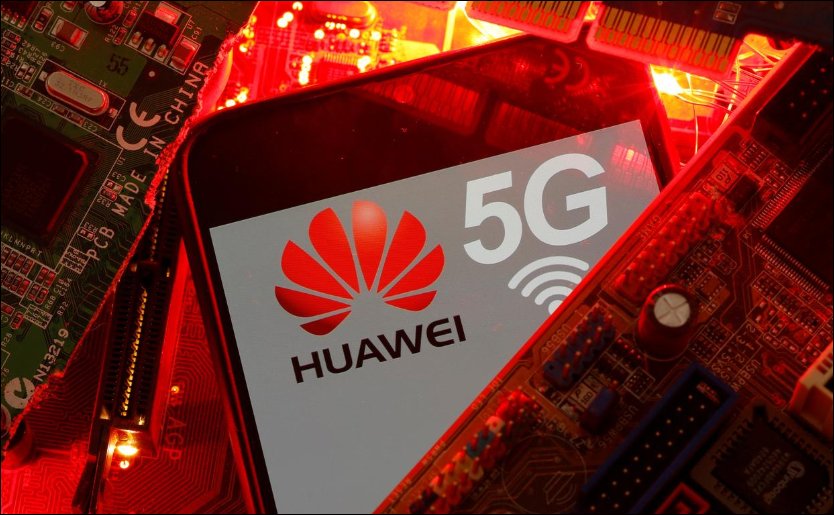
At a time when many countries are shutting their doors for Huawei to develop telecom infrastructure, Russia seems to be ready to take a different route. As per the report from Reuters, Huawei Technologies could be a part of Russia’s 5G technology.
The report reveals that the Interfax news agency has cited Russia’s Foreign Minister Sergei Lavrov saying that they are ready to co-operate with China and Huawei Technologies for the development of 5G technology in Moscow.
Another report says that during a Q&A session at the “Territory of Meanings” forum, the minister insisted that Russia has no intention to “follow the example” of the United States “who simply demand not to cooperate on 5G with China and, in particular, with Huawei”.
Instead of following the United States, Lavrov says that Russia is interested in working together with other countries to jointly develop and implement modern technologies.
Huawei, the China-based company which is the world’s leading telecom equipment manufacturers, has been banned by the United States amid security concerns that its tech can spy on the government and users, despite the company denying such claims.
The U.S. government not only banned Huawei in the country but is also pressuring other countries the do the same. Countries like Australia, Denmark, Japan, Poland, Sweden, New Zealand, the United Kingdom, and others have banned Huawei from their 5G development.
Recently, the United States tightened restrictions on the Chinese giant and its dozens of affiliates in several countries, making it impossible for the company to manufacture its Kirin series of chipsets that are used in the company’s smartphones.
Xiaomi recently launched the Mi 10 Ultra smartphone along with the Redmi K30 Ultra, marking the company’s 10th anniversary. However, the company revealed that the phones are limited to the Chinese markets only and there’s no plan for a global launch.
This apparently didn’t sit well with the company’s fans. They are now pushing the company to launch the Mi 10 Ultra smartphone globally. Someone has started a Change.org petition for this and it is now getting traction.
A couple of weeks ago, Daniel D, Senior Product Marketing Manager and Global Spokesperson for Xiaomi, had confirmed that there are no plans for a global release of Mi 10 Ultra, Redmi K30 Ultra, Mi TV Lux Transparent Edition, and the Ninebot GoKart Pro Lamborghini Edition.
The Xiaomi Mi 10 Ultra comes with a 6.67-inch Full HD+ display that offers 2340 x 1080 pixels screen resolution, along with a 120Hz refresh rate, 240Hz touch sampling rate, support for HDR10+, a peak brightness of 1120 nits, and up to 1.07 billion colors. The display is TÜV Rheinland certification and is protected by Gorilla Glass 5.
It also comes with an in-display fingerprint scanner. Under the hood, the device is powered by the Qualcomm Snapdragon 865 processor — the same chipset that is powering the Mi 10 and Mi 10 Pro smartphones launched earlier this year.
The device packs up to 16GB of LPDDR5 RAM and offers 512GB of UFS 3.1 internal storage. It has a quad-camera setup that includes a 48MP primary sensor, 48 MP ultra-telephoto lens, a 12MP telephoto sensor, and a 20MP ultrawide sensor. On the front, there’s a 20MP snapper for taking selfies and video calling.
The smartphone is running the company’s own MIUI 12 which is based on Android. It is powered by a 4,500mAh battery — which has a combination of two 2250mAh butterfly-designed graphene-based lithium-ion batteries. The phone supports 120W wired fast charging, 50W wireless charging, and 10W reverse wireless charging.
Apple, one of the leading technology companies in the world, has been under the scanner by the antitrust agencies in the United States and the European Union. But those two aren’t the only regions where it is facing such troubles.
The company is being investigated in South Korea by the Korean Fair Trade Commission over allegations of it abusing its dominant position to force mobile carriers to pay for advertising and warranty repairs.
Now, aiming to address those concerns, Apple has offered to provide support programs for small business and is willing to spend around 100 billion won, which is approximately $84.02 million. As a part of the proposal, Apple has also agreed to fix the “unfair” terms with the mobile carriers, reports CNBC.
The regulator will now collect public opinion for the proposed remedies and if it seems reasonable, the case will be closed without concluding whether Apple did anything illegal.
The Korea Fair Trade Commission says that Apple will discuss how to share advertising costs with telecom firms, which will help reduce burdens to carriers. Out of the 100 billion won, the company will spend 40 billion won to support Research & Development for Korea’s small manufacturers.
It will be spending around 25 billion won to establish an “academy” for developers. Further, the company will spend another 25 billion won on consumer discounts for warranty repair costs and other benefits.
Apple has also been facing similar antitrust pressures in other countries. Earlier this year, in March, France fined Apple 1.1 billion euros, about $1.23 billion for anti-competitive behavior toward its distribution and retail network.
There are now growing concerns about how Apple is managing its App Store, and broadly the whole developer ecosystem. The company is especially under scrutiny for forcing developers to use its in-app purchases system. Epic Games has filed a lawsuit against Apple after its Fortnite game was kicked-off the App Store this month, and several other big brands are also joining in.
LED technology has been around for years in Smart TVs and now companies are adopted an advanced version of the same — Mini LED display. While some Chinese brands have already launched Mini LED Smart TVs in the market, Samsung is expected to launch its own lineup of the same next year.
Samsung already has two lineups for premium Smart TVs — QLED and Micro LED. The upcoming Mini LED TVs from the South Korean giant will join the list of premium offerings.
As per the report, Samsung Electronics is developing Mini LED TV that uses small LEDs with a size of 100 to 300 micrometers each as a backlight. When these are arranged closely and used as a light source, the screen can be brighter and offer more clear output.
The company is reportedly planning to produce two million units of Mini LED TVs next year. It uses a QD Filter and Mini LEDs, which places this new lineup a step above QLED TVs that Samsung already sells. However, the South Korean company has already showcased the top-of-the-line Micro LED TVs earlier this year at CES 2020.
It seems that Samsung had planned to complete the production process of necessary components in the first half of this year and then commercially launch the TVs in the second half of the year. But it was recently reported that the company has not yet started production of components and thus, the launch has been delayed to next year.
Samsung Display, a subsidiary of Samsung Electronics, is also working on Quantum Dot Display (QD) for premium TV models. It is expected to begin the mass-production of the same from next year. However, what remains to be seen is how Samsung prices these upcoming Mini LED and Micro LED Smart TVs.
We use cookies on our website to give you the most relevant experience by remembering your preferences and repeat visits. By clicking “Accept”, you consent to the use of ALL the cookies.
This website uses cookies to improve your experience while you navigate through the website. Out of these, the cookies that are categorized as necessary are stored on your browser as they are essential for the working of basic functionalities of the website. We also use third-party cookies that help us analyze and understand how you use this website. These cookies will be stored in your browser only with your consent. You also have the option to opt-out of these cookies. But opting out of some of these cookies may affect your browsing experience.
Necessary cookies are absolutely essential for the website to function properly. This category only includes cookies that ensures basic functionalities and security features of the website. These cookies do not store any personal information.
Any cookies that may not be particularly necessary for the website to function and is used specifically to collect user personal data via analytics, ads, other embedded contents are termed as non-necessary cookies. It is mandatory to procure user consent prior to running these cookies on your website.