Advertisement

Google Pixel 5 3D CAD renders expose the entire design

While announcing the Pixel 4a earlier this month, Google also unveiled Pixel 4A 5G and Pixel 5A. But the company neither revealed the design nor their specifications. But it did confirm them to come with 5G connectivity. Now, weeks later, Pixel 5 3D CAD renders from @OnLeaks expose the entire design of this handset.

Google Pixel 5 3D CAD Render Leak Featured

Steve Hemmerstoffer, commonly known as @OnLeaks is known for his 3D CAD render leaks. He has been accurate with his leaks for years. He partners with various publications for his exclusive leaks. For the Pixel 5 renders, he has joined hands with PriceBaba.

According to the leakster, the upcoming Pixel 5 will measure 144.7 x 70.4 x 8.1mm in dimensions. His renders reveal the design of this handset to be similar to that of the recently launched Pixel 4a.

On the front, the phone is said to sport a 5.7-5.8 inch display with a punch-hole cutout at the top left corner for the selfie camera. The renders show the phone is a glittery black color just like the official teaser by Google with a glossy power key at the right side along with volume rockers.

The right side of the smartphone has a SIM card slot, whereas the top of the phone houses a secondary microphone. Further, the bottom features a centrally-aligned USB Type-C port flanked by speaker grille on either side, out of which one should nest the primary microphone.


Talking about the rear panel, the handset features a fingerprint sensor and a dual-camera setup on a raised square module with an unknown third sensor as well as LED flash.

As per previous reports, the forthcoming Pixel 5 will come with Qualcomm Snapdragon 765G, 128GB base variant, and reverse wireless charging feature called Battery Share. It is expected to launch on September 30 as per tipster Jon Prosser.


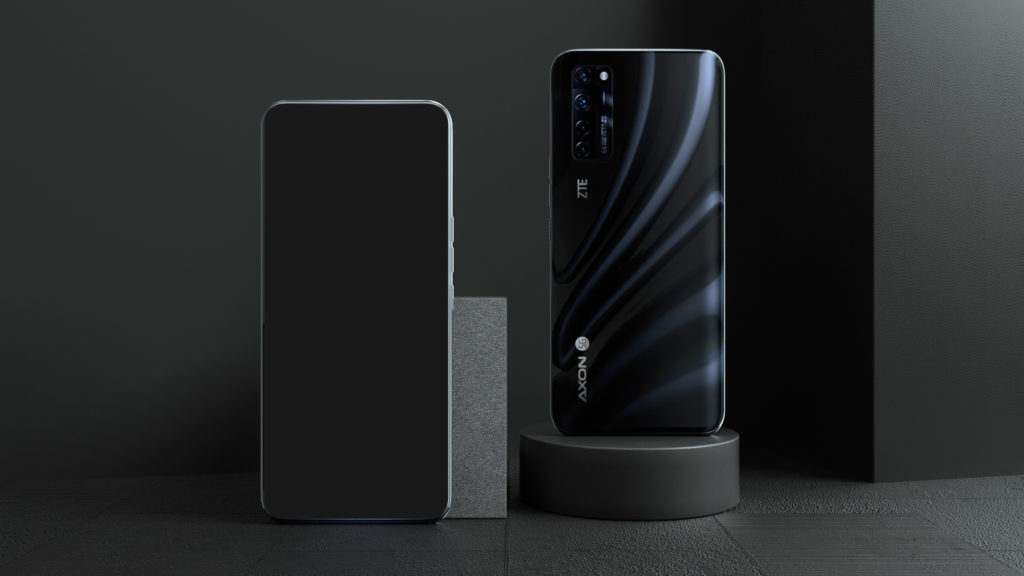
ZTE Axon 20 5G, the world’s first under-display camera phone was in development for 20 months

Earlier this week, ZTE officially announced to launch the world’s first under-display camera smartphone called Axon 20 5G on September 1. Since then, the company has been teasing this handset with promos and renders. One of the firm’s executives has now revealed some tidbits regarding the development of this phone to the Chinese media.

ZTE Axon 20 5G
ZTE Axon 20 5G

Lu Qianhao, Director of Consumer Experience at ZTE told Chinese media (via MyDrivers) that they spent more than 20 months in R&D to give birth to ZTE Axon 20 5G. He admitted that under-display camera technology is extremely difficult, complex, and expensive to achieve.

Back in June, Brian Shen, Vice President of OPPO also made a similar statement. He mentioned the development phase as a “tortuous path”. And even asked people to not expect good quality images from the first-gen products. But he did say that one day, this tech will be perfected with incremental improvements.

It is rumored that OPPO is not satisfied with the picture quality of the under-display cameras yet even though they were the first to showcase it publicly in December 2019 at OPPO INNO DAY conference in Shenzhen, China.

On the other hand, Ni Fei, President of ZTE Mobile Devices said that they carried out a blind selfie camera test for Axon 20 5G and the participants did not find any issue with image quality.

Oppo Under Display Camera Samartphone
OPPO Under Display Camera Smartphone

Having said that, the upcoming ZTE Axon 20 5G is rumoured to feature Visionox OLED panel for the under-display camera solution. Earlier in July, news broke out that the display manufacturer had shipped $500 million worth of this type of panels to Huawei and Xiaomi.

Interestingly, the world’s first under-display camera smartphone will not be a flagship. According to TENAA, the Axon 20 5G will be powered by the mid-range Qualcomm Snapdragon 765G chipset. But due to that selfie camera, the phone may be priced higher than other normal 5G handsets with this very same silicon.


LG Display’s transparent OLED displays outfitted on subways in China

Earlier today (21st August 2020), LG Display officially announced that it has provided 55 inch transparent OLED display panels to subway trains of Beijing and Shenzhen in China.

These new transparent OLED screens are used to display information to the commuters that ride the subway. The displays have a 38 percent transparency and have a Full HD resolution. LG stated that it would be working to provide similar solutions to other subway networks from across the globe as well.

LG

Unfortunately, it is unknown just how many of such displays the South Korean tech giant has equipped on the subway trains. Furthermore, the company has also announced that it would be doubling the output of transparent OLED panels since it believes that the new generation of displays can be used in various commercial sectors like large shop windows, on the exteriors of buildings, and other exhibition spaces as well.


Xiaomi MIJIA Smart Oven launched, priced at 1,499 Yuan ($216)

Earlier today (21st August 2020), Xiaomi launched a new product from the MIJIA brand. It is the MIJIA Smart Oven which will start being crowdfunding on 26th August 2020

According to official notes, the new MIJIA Smart Oven has a total capacity of 30 litres. It adopts a vertical body design with support for a variety of cooking methods. This includes roasting, steaming, frying, and even stewing with 30 seconds of steam output. The product also supports a smart link, meaning it can be connected via the MIJIA smart home application.

Xiaomi

The Xiaomi MIJIA Smart Oven follows a minimalistic design with a single colored body. It has a circular dial on the top right corner that displays all the essential information as well. It is planned to go on crowdfunding with a price tag of 1,299 Yuan (roughly 187 US Dollars) while its retail price is 1,499 Yuan (roughly 216 US Dollars).


Apple iPhone 12 series to arrive with cheaper battery design to offset 5G cost: Ming-Chi Kuo

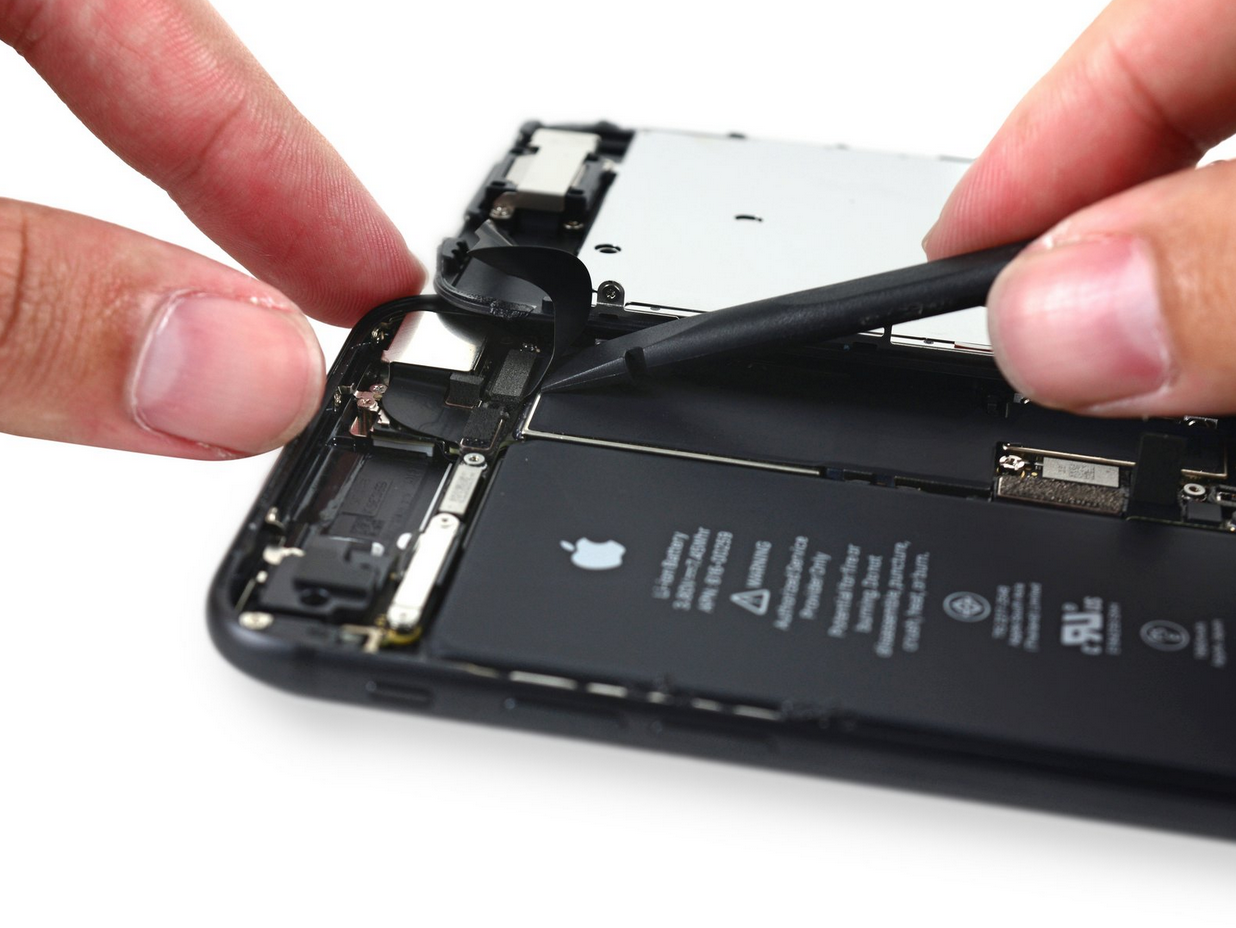
With the iPhone 12 series being right around the corner, rumors and speculations regarding the latest generation of Apple flagship are surfacing. The latest report arrives from known analyst Ming-Chi Kuo and, which stated that the company might be looking to offset some of the 5G costs in their new lineup by offering cheaper battery designs.

Apple

The iPhone 12 series will be the Cupertino based giant’s first flagship lineup that features 5G networking. However, 5G enabled handsets are known to be generally pricier than their 4G LTE counterparts. Adding on the Apple premium you pay for their products, and one would rightly assume that breaking the bank might be the way to get the latest 5G iPhone.

The report from Kuo has revealed through supplier data that the cost of an iPhone could rise by $85 for adding sub-6 5G support or $135 for adding millimeter-wave. Apparently, Apple has been pressuring its suppliers to try and reduce the cost of parts and will use a simpler battery design to lower the overall cost of the iPhone 12 series. The iPhone 12 battery board specifications reportedly feature a reduced number of layers and smaller areas.

Apple

This would enable Apple to reduce costs on the battery by 40 to 50 percent when compared to the iPhone 11 series. The company will reportedly abandon the hard board design and opt for a soft board battery design for the iPhone 12s series in 2021. Unfortunately, this is still an unconfirmed report so take it with a pinch of salt and stay tuned.


Mysterious POCO phone with 120Hz AMOLED display may launch this month

POCO re-introduced itself as a separate entity at the beginning of this year. So far, the company has unveiled three phones this year such as the POCO X2, POCO F2 Pro, and POCO M2 Pro. The POCO F2 Pro as a rebadged version of China’s Redmi K30 Pro 5G. The POCO M2 Pro and POCO X2 are midrange devices. While the F2 Pro arrived as a powerful flagship phone with impressive cameras, some POCO fans were not happy with since it came with a regular 60Hz display. Fresh information suggests that POCO is now gearing up to launch a flagship phone with 120Hz refresh rate display.

The tweet by Angus Kai Ho Ng who is the Product Marketing Manager and Global Spokesperson for POCO suggests that the company could be soon launching a phone with a high refresh rate. It appears that the executive will be spilling more information on the mysterious device in the next few days.

Tipster Abhishek Yadav has claimed that the POCO executive deleted the original tweet that mentioned 120Hz refresh rate and AMOLED display. He has also claimed that the new POCO device will debut this month.

Meanwhile, Nashville Chatter Class has come across an unknown phone that has M2007J20CG. The handset has recently received certification from Indonesia’s TKDN authority. The listing only confirmed that is a 4G device. However, its appearance at the Eurasian Economic Commission (EEC) in the last month revealed that it is a POCO branded device. Also, tipster Mukul Sharma had previously claimed that the POCO M2007J20CG could be a high-end phone

Apart from the POCO M2007J20CG phone, POCO is reportedly working on the launch of the POCO C3 smartphone that was recently approved by the Bluetooth SIG authority. The handset is expected to arrive as a rebranded version of the Redmi 9C.


Auto-fill with Google adds support for biometric authentication on Android

Google auto-fill service is one of the best free password managers available in the market. It comes pre-loaded with all Android devices with GMS (Google Mobile Services). It is now finally getting support for biometric authentication, which is present on competitors for a long time.

Google-Logo-2015

Password managers are one of the most useful applications on smartphones. But not everyone uses them as they don’t come free. However, with the introduction of “Auto-fill with Google”, more people started using the service as the system prompts to use it while entering credentials.

It works flawlessly across Google software like Chrome,  Android, and ChromeOS. Since the former two have a huge market share, more users started using Google auto-fill service because of its easy to use and free to use nature.

Now, Google is strengthening its security by adding support for biometric authentication on Android. The search giant is rolling it out as a server-side update to select users with Google Play Services v20.33.13 and v20.26.14.

To check if you have received it, go to Settings > Google > Auto-fill > Auto-fill with Google and see if you have a new option called Auto-fill Security. If then, enable it to use your device’s biometric solution like fingerprint (most handsets), iris (older Samsung Galaxy flagships) or secure facial recognition (Pixel 4 series).

We expect Google to roll out this update to all Android users worldwide in the coming days.


(Via)

Huawei and ZTE slow down building 5G in China after US tech ban

Huawei and ZTE, known Chinese telecommunications equipment providers, have slowed down building 5G base stations in China. This arrives after the US tech ban, which puts uncertainty regarding its key supply chain in the near future.

Huawei

Both Chinese tech giants account for over 80 percent of all base stations contracts in China. In other words, these companies are integral to the country’s transition into the newer generation of mobile telecommunications. Furthermore, the slow down in 5G infrastructure also signals that the recent US export sanction has started taking its toll on the Chinese firms. Although, this slowdown is also caused by Chinese carriers’ investment strategy with 5G.

At the moment, Huawei and ZTE are working on re-designing a few of their 5G products. This is being done to completely remove US parts as much as possible. According to a report from Nikkei, both firms have told suppliers to slow down shipments of certain 5G base station related products back in June 2020. ZTE told a supplier to slow down shipments in June, with orders coming to a near standstill in July.

Huawei

Similarly, Huawei had also stated that it changed some designs and is replacing certain equipment used in its manufacturing process. Furthermore, the monsoon season hitting southern parts of China, causing floods, have also contributed to delays in 5G base station installations in the region. For those unaware, the Trump administration is cracking down on Chinese companies like Huawei and ZTE, with its recent sanctions trying to cut off US made parts completely and disrupting their supply chain.


Apple acquires AR and camera tech based Israeli firm Camerai

Apple has just recently acquired a new firm called Camerai (formerly known as Tipit). The Cupertino based giant is known to acquire small scale firms and startups, with the latest addition being a specialist in AR and camera technology.

Apple

According to a TechCrunch report, the iPhone maker quietly acquired and shut down Camerai which was bassed out of Israel. The news was first reported on by Israeli newspaper Calcalist, and Apple has yet to comment on the matter. Similarly, Camerai’s CEO and Co-founder Jonathan (Yehonatan) Rimon has declined to comment on this new as well, although sources close to this have confirmed the story separately.

Reportedly, the augmented reality and computer vision company was sold for tens of millions of US Dollars. Back in 2015, Camerai had raised over 5 million US Dollars, 2.5 million US Dollars in 2017, and another 2.5 million in 2018. Its investors included the Atooro Fund and SKO Fund. Apparently, multiple other companies had also approached the small firm back then, when AR had a higher demand and market hype.

Apple

According to Calcalist’s report, the Camerai employees have been transferred to Apple’s computer vision team, while its technology has already been incorporated into Apple products. Although, when exactly this occurred is currently unknown, but both iOS 13 and iOS 14 received big software updates to its camera systems in the past. Camerai built an SDK and a range of AR tools that offered various image editing methods as well.


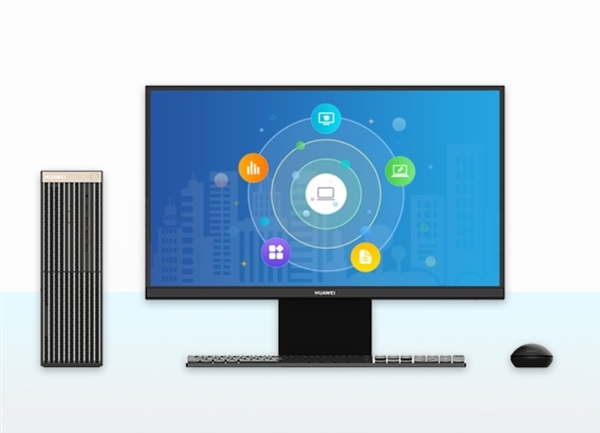
Huawei Qingyun W510 desktop PC is manufactured by Foxconn

Huawei has been long reported to enter the desktop PC market. There have been multiple leaks and rumors in the past few months regarding this computer. Recently, it even appeared in renders revealing its entire design. Now, it also gets 3C certification in China exposing its manufacturer.

Huawei has been selling laptops for a few years now. All of them are powered by Intel or AMD chipsets and mostly run Microsoft Windows. For those aware, there are some laptop models by the company with Ubuntu on-board.

But with its first desktop PC, the company is taking a different route. According to leaks, it will be powered by Huawei’s in-house 7nm HiSilcion Kunpeng 920 3211K processor paired with AMD Radeon 520 GPU. It will come equipped with 8GB RAM, 512GB Samsung SSD, and will run UOS (Unity Operating System), a Chinese Linux distro developed by UnionTech.

As per 3C certification, it is manufactured by Hongfujin Precision Electronics, a subsidiary of Hon Hai Precision, which is commonly known as Foxconn.

This machine is reported to be marketed as Qingyun W510. It will include a 23.8-inch FHD (1920 x 1080) monitor with 70% color gamut, a keyboard, and a mouse. For ports, it is said to feature 7 x USB Type-A, 1 x USB Type-C, 3.5mm headphone jack, and ethernet. It will also feature an optical drive.

Having said that, Huawei is yet to announce the launch date of its first desktop PC, which is reported to be made available only in certain provinces of China.


OPPO F17, F17 Pro promo video released, dual punch-hole display, design and color variants confirmed

OPPO India took to Twitter yesterday to confirm that it will be soon launching the OPPO F17 Pro smartphone in India. The company claimed that it will be the sleekest phone of this year since it measures 7.48mm in thickness and weighs 164 grams. It also revealed that the phone will be priced under Rs 25,000 in India. Today, OPPO India released a promo video of the F17 series to reveal some of its key features.

The OPPO F17 series promo confirms that the lineup includes two phones namely, the OPPO F17 and OPPO F17 Pro. Half through the video, a handset can be seen with a dual punch-hole display for the dual front-facing cameras. It is unclear whether the handset shown with the frontal view is the F17 or F17 Pro.

OPPO F17 and OPPO F17 Pro poster

Towards the end of the video, the OPPO F17 and F17 Pro can be seen in different color variants. It also confirms that the F17 duo will have a quad camera setup arranged in a square-shaped module along with an elongated LED flash unit. The Chinese manufacturer is yet to shed light on the specifications of the F17 and F17 Pro smartphones.

MySmartPrice has shared a leaked promo image of the F17 series. The handset will be sporting an OLED panel with an in-screen fingerprint reader. The leak has no information on the specs of the F17 series.

OPPO F17 leaked promo

The OPPO F17 will be replacing the OPPO F15 that debuted in India in January this year. The phone came with a 6.43-inch AMOLED FHD+ display with waterdrop notch. The Helio P70 chipset powers the phone with 6 GB / 8 GB of RAM. The phone offers users with 128 GB of storage. The Android 10 OS with ColorOS 7.2 updated was released for the phone in July for users in India. It has a 48-megapixel + 8-megapixel + 2-megapixel + 2-megapixel quad-camera setup and a 16-megapixel front camera. The phone houses a 4,025mAh battery with 30W fast charging.


TSMC has manufactured over 1 Billion 7nm chips

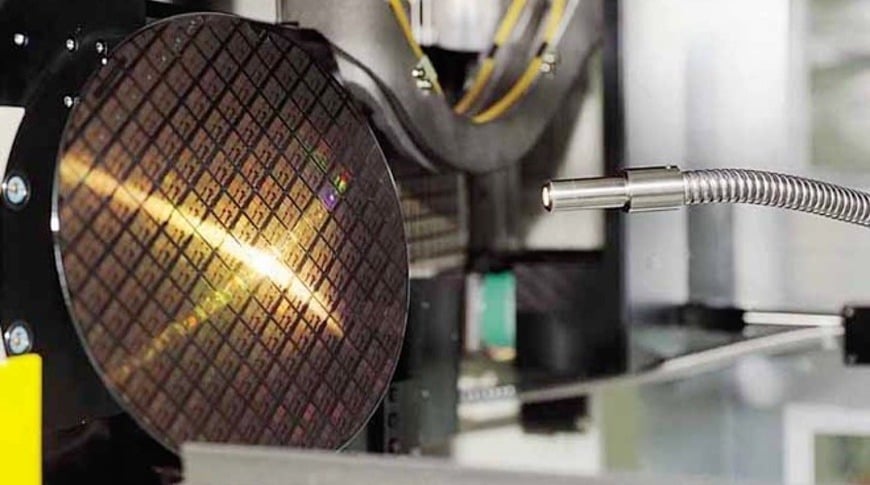
TSMC, the world’s largest contract chipmaker, has managed to manufacture over 1 billion 7nm chips. This arrives in just a bit over 2 years since it began manufacturing the 7nm process, which is a notable achievement that the company celebrated earlier this week.

TSMC

The number of chips produced could cover 13 Manhattan city blocks. TSMC (Taiwan Semiconductor Manufacturing Company) began production of 7nm chips back in April 2018. Since then, the firm has “manufactured 7nm chips for well over 100 products from dozens of customers.” The customers include big names in the industry like AMD, Apple, Qualcomm, and even Huawei up until September of this year.

In comparison, Intel, one of the other major chipmakers, has yet to transition into the 7nm process. It has faced various issues in its yield and has delayed the 7nm chips till late 2022 or early 2023. On the other hand, TSMC has already managed to equip each of its 7nm chips with at least one billion transistors inside i. In other words, the company has also managed to make more than one quintillion 7nm transistors as well.

TSMC

One of the reasons through which TSMC managed to achieve this milestone is its EUV lithography technology that the company introduced with its latest generation. EUV stands for “extreme ultraviolet light” which is used to print on a scale of nanometers. This technology was particularly difficult to introduce to its mass production line, although, it has definitely paid off and the company is already working with 5nm chips as well.


Apple Watch accounts for more than half of all global smartwatch sales in 2020

Despite the wearables market seeing a decline in 2020 due to the Coronavirus pandemic, the Apple Watch is still seeing great sales. According to a Counterpoint Research report, the wearable is dominating the global smartwatch market for 2020.

Apple

The Cupertino based giant’s wearables have dominated the market, especially its latest Apple Watch Series 5. According to the report, the Apple Watch series accounted for an estimated 51.4 percent of global smartwatch market revenue during the first half of 2020. In other words, the company’s offering alone accounted for more than half of the entire market.

Furthermore, no other OEM came even close to Apple’s dominance, with Garmin and Huawei products arrived in second and third with 9.4 percent and 8.3 percent respectively. In other words, the iPhone maker had a commanding lead through the first half of this year. While the viral outbreak did slow the industry down, the global smartwatch market still saw a 20 percent year on year growth and is expected to grow even further in the near future.

Apple Watch Series 5 Featured

We had previously reported on the market which was said to double by 2024, and Apple might have a big role in it. Counterpoint Research estimated that a total of 42 million smartwatches were shipped in the first half of 2020. Notably, the company’s Apple Watch sales also grew in Europe and North America by 22 percent, with the Apple Watch Series 5 being the best selling smartwatch during this period of time.


Apple could manufacture iPhone 12 series models in India from next year

In a bid to diversify its production facilities and reduce reliance on China, Apple seems to have shifted its focus towards the Indian market. After the company started producing iPhone 11 in India, the upcoming series could also be manufactured in the country.

As per the reports, it is being speculated that Apple could start producing “Made in India” iPhone 12 series models from mid-2021. The manufacturing is expected to take place at the new Narasapura plant in Bengaluru, which is being operated by Taiwanese company Wistron — a contract manufacturer for Apple.

Apple iPhone 12 Render

It is also being reported that the company could be investing around ₹2,900 crores as it looks to hire about 10,000 employees. While a new project is already in works at this plant, the facility is expected to start manufacturing in a couple of months.

This is a different plant than the one used by Apple to assemble the iPhone 11 and iPhone XR models. Both of these phones are being manufactured by Foxconn at the plant in Chennai, which is also expected to start making iPhone SE 2020 models from this year.

EDITOR’S PICK: Apple and Google may face trouble as startups seek probe on their in-app purchase system

If the iPhone 12 models are being manufactured in India, the pricing for the same could be lower as Apple will be able to evade a 22 percent import tax on the devices. It’s noteworthy given that the Apple iPhone pricing in India is among the highest in the world.

As for the upcoming iPhone 12 series, the official launch event has been delayed by a few weeks, as confirmed by Apple. Reports indicate that the launch could take place on 12th October, with pre-booking starting the same week and shipments of the base model beginning a week after that.

However, not all the models are expected to go on sale together. It is being reported that the iPhone 12 will be available for purchase in October itself while other models in the lineup, including the iPhone 12 Pro, will go on sale in November.


OPPO A53 India launch scheduled on August 25

Yesterday, the OPPO A53 smartphone went official in Indonesia with a pricing of IDR 2,499,000 (~$170; ~Rs 12,700). The phone is now listed at Indonesia’s Lazada retailer site for pre-orders. Soon after its announcement in Indonesia, OPPO’s India wing confirmed that the phone will be made official in India on Aug. 25.

The official tweet from the brand states that the OPPO A53 will debut at 12:30 PM (local time) on Aug. 25. The poster has also revealed that the front and rear design of the phone. The A53 can be sporting a punch-hole screen. The rear side of the device has a quad camera system housed inside a rectangle-shape module. A fingerprint sensor can also be seen on the backside of the OPPO A53.

OPPO A53 Specifications

Since the OPPO A53 has gone official in Indonesia, all its specifications and features are known. It is the first-ever phone to feature the Snapdragon 460 that debuted at the beginning of this year. The 6.5-inch LCD panel of the OPPO A53 supports HD+ resolution and 90Hz refresh rate. The screen offers a tall aspect ratio of 20:9.

Sitting at the front is a selfie camera of 16-megapixel. The back panel of the phone has a 13-megapixel main camera, and a pair of 2-megapixel lenses. The phone boots to ColorOS 7.2 based Android 10 OS.

OPPO A53 color variants

The OPPO A53 draws power from a 5,000mAh battery that can be charged using an 18W fast charger. The device comes with 4 GB of RAM and 64 GB of storage. It has a microSD card slot for additional storage. The OPPO A53 comes in colors like Electric Black and Fancy Blue in Indonesia.


Samsung Galaxy S21+ to reportedly come packed with a 4,600mAh battery

Although the next-generation Samsung Galaxy S-series flagship smartphone is several months away from getting launched, leaks related to the upcoming Galaxy S21 series models have already started surfacing online.

In the latest development, the battery capacity of the Galaxy S21+ model has been leaked online. The battery model number “EB-BG996ABY” indicates that the phone could carry model number SM-G996 and it has been revealed that it packs 4,660mAh battery.

Samsung Galaxy S20

Given that the Galaxy S21+ is said to come with a higher battery capacity compared to the Galaxy S20+ model, we expect other devices in the S21-series to follow the suit. As the devices go into the prototype production run, we expect to get more leaks and information.

The development related to the battery capacity comes just days after it was revealed that the upcoming Galaxy S21 won’t be a major upgrade as the South Korean giant is focusing on improving the device based on user feedback.

EDITOR’S PICK: Here’s the official list of Samsung Galaxy devices eligible for three generations of Android updates

It has also been leaked online that the Galaxy S21 Ultra will continue to feature a 108-megapixel primary camera. However, it is likely to have an upgraded variant of the Samsung ISOCELL Bright HM1 camera sensor.

Some reports have indicated that the upcoming Samsung Galaxy S21 series smartphones will come powered by Samsung’s own Exynos 1000 SoC, made using a 5nm process, which will be as good as the Qualcomm Snapdragon 875 chipset, if not better.

The phone will also reportedly skip the ToF sensor, similar to the newly launched Galaxy Note20. It is also being said that the device will have Qualcomm‘s new in-display fingerprint sensor which is expected to be 17 times bigger than the one found on the Galaxy S20 and it will also be much faster in use. In terms of fast charging support, reports indicate that the Galaxy S21 Ultra will have 60W fast charging.


Haylou Smart Watch 2 with 20-day battery life listed on JD for 129 yuan ($19)

Xiaomi-backed Haylou has a new smartwatch in the market — Haylou Smart Watch 2, which has been listed online on JD.com. It seems that the official launch announcement from the company will take place soon.

The device is listed online for a price of 129.9 yuan, which is about $19, although the regular retail price seems to be 169 yuan (~$24). It is listed to come with features like 12 different sports modes and 20 days of battery life on a single charge.

The Haylou Smart Watch 2 features a 1.4-inch TFT display with a screen resolution of 320 x 320 pixels and uses 2.5D curved tempered glass. The display seems bigger and better than the one found on Haylou Solar Smartwatch.

Haylou Smart Watch 2

EDITOR’S PICK: Apple maintains lead as the global smartwatch market grew 20 percent in H1 2020

Similar to most other smartwatches, this one too comes with built-in optical heart rate sensor, smart heart rate algorithms, and support for 24-hour continuous monitoring. The 12 different sports mode on the device include Outdoor Running, Walking, Cycling, Mountain Climbing, Spinning, Yoga, Indoor Running, Free Training, Gymnastics, Basketball, Football, and Rowing.

These modes are similar to what the company offered in its Solar model. We also expect the device to have sleep tracking features. As said, it is rated to offer 20 days of battery life on a single charge.

It is also revealed that the smartwatch, which weighs 38 grams, has been IP68 certified, making it waterproof to prevent raindrops and sweat. Currently, it has been listed on JD.com as “Sold Out” and the sale date is not yet known.


Realme 7, Realme 7 Pro leak reveals configurations, color variants and early September launch in India

Recent reports have revealed that Realme is working on the launch of the Realme 7 series of smartphones. Reliable tipster Sudhanshu Ambhore has today shared some vital information on the Realme 7 series. He also revealed that the Realme 7 and Realme 7 Pro smartphones will be launching in India in early September.

The tipster revealed that Realme 7 will be hitting the Indian markets in three choices such as 6 GB RAM + 64 GB storage, 6 GB RAM + 128 GB storage, and 8 GB RAM + 128 GB storage. The handset that will be arriving as the successor for the Realme 6 will be available in colors such as Mist Blue and Mist White.

The Realme 7 Pro will be coming to the country in two configurations such as 6 GB RAM + 128 GB storage and 8 GB RAM + 128 GB storage. The Realme 6 Pro’s successor will be made available in Mirror Blue and Mirror Silver.

Realme 6 and Realme 6 Pro -
Realme 6 and Realme 6 Pro

The leak has no information on the specifications and pricing of the Realme 7 and Realme 7 Pro smartphones. Since the tipster is claiming an early September launch for the Realme 7 series in India, the company may soon start teasing on its arrival in the next few days.

The Realme 7 is also expected to release in other Asian markets. Recently, Thailand’s NBTC authority had approved three upcoming phones such as Realme 7 Pro, Realme 7i, and Realme C17. It is unclear when India will be receiving the Realme 7i phone.

The NBTC certification revealed that the Realme 7 Pro has an RMX2170 model number. There is a possibility that it could be a rebadged version of the Realme X7 that will debut with Realme X7 Pro on Sept. 1. The reason behind it is that the Realme has a similar model number of RMX2176.

The Realme X7’s TENAA listing has revealed that it has a 6.43-inch FHD+ AMOLED punch-hole display with 20:9 aspect ratio, a 2.4GHz octa-core processor, up to 8 GB of RAM, up to 256 GB of storage, 64-megapixel quad-camera setup, a 32-megapixel selfie camera, and a 4,300mAh battery with 65W fast charging support.


OPPO Reno4 Pro Artist Limited Edition goes on sale in China for 4,299 yuan ($622)

A few days ago, OPPO had launched a Limited Edition of its OPPO Reno4 smartphone in its home market China, dubbed as OPPO Reno4 Pro Artist Limited Edition. Now, the smartphone is officially available for purchase.

The OPPO Reno4 Pro Artist Limited Edition is priced at 4,299 yuan, which roughly converts to $622 for the 12GB RAM + 256GB storage model. The phone can be purchased through the company’s official online store.

Oppo Reno 4 Pro Artist Limited Edition Featured

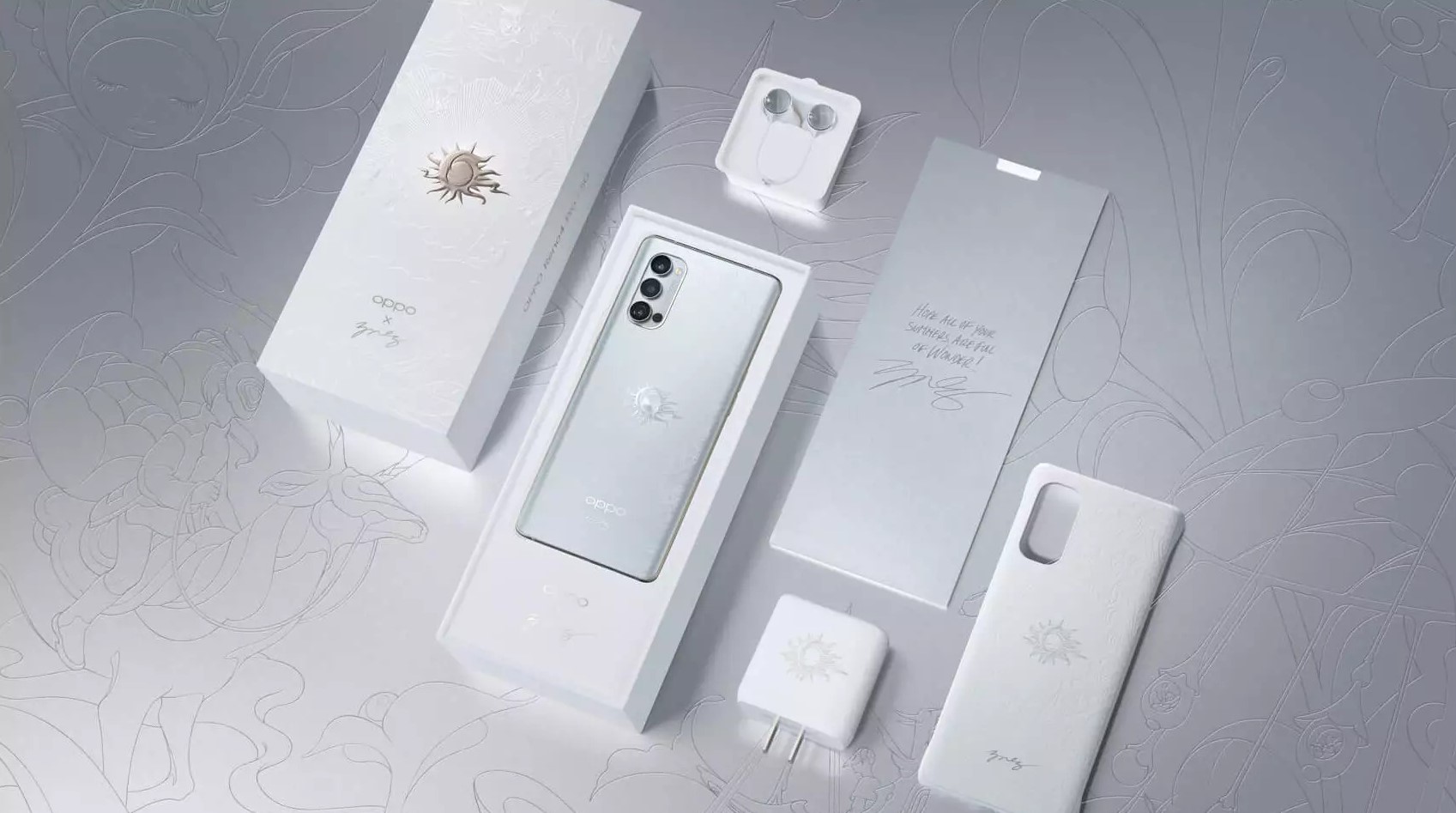
The internals of this limited edition variant remains the same as the original model and the only difference is the new paint job with engraved art. It is designed by James Jean, a Taiwanese-American artist known for his cover art for Marvel Comics and DC Comics.

For the Reno4 Pro, he created art depicting “Summer Carnival of Dreams” with mystical creatures like unicorns. This painting is etched on the phone’s rear AG glass with a “SoleLuna” logo at the center as it was the name of this project. The smartphone also ships with two dedicated themes based on this painting.

EDITOR’S PICK: Google Pixel 5 and Pixel 4a 5G likely to launch on September 30

Oppo Reno 4 Pro Artist Limited Edition In-Box Content

The smartphone comes in Silver color, which is different from the four regular color options offered by the company for the standard model. Even the box contents such as earphones, case, and the 65W SuperVOOC 2.0 charger are themed after the painting.

The OPPO Reno4 Pro features a 6.4-inch FHD+ AMOLED display with a 90Hz refresh rate, HDR10+ and low Blue Light certification. It is powered by the Snapdragon 765G processor with Adreno 620 GPU. Running on ColorOS 7.2 UI based on the Android 10 OS, the device packs a 4000mAh battery with 65W SuperVOOC fast charging.


Xiaomi Mi 10 series likely to get MEMC support via OTA update

Recently, it was reported by a leaker from China that Xiaomi Mi 10 series smartphones come with support for MEMC function but it isn’t enabled. Now, it is being claimed that the company could soon start rolling out OTA update to enable the MEMC feature.

For those who are unaware, MEMC stands for Motion Estimation, Motion Compensation. It basically adds frames to a video with a low frame rate so that it has a higher frame rate and gives a smooth effect.

Xiaomi Mi 10 Series MEMC OTA Update Leak

To estimate the trajectory of the high-speed moving object in a picture, the technology makes use of hardware chips and some software algorithm. The MEMC technology was originally used in TVs and different companies have different names for it, including MotionFlow, TruMotion, Auto Motion Plus, SMR, etc.

Several flagship smartphones also come with support for MEMC technology, including the Black Shark 3, OPPO Find X2, and OnePlus 8, among others. Now, as per the reports, the Mi 10 series will also join the list soon.

EDITOR’S PICK: OnePlus TV U1 55-inch Review: Beautiful Design, Vibrant 4K Screen makes it an Excellent Buy under ₹50,000

Xiaomi Mi 10 5G

The Xiaomi Mi 10 flagship smartphone comes with a 6.67-inch S-AMOLED 3D curved screen display with Full HD+ screen resolution, 19.5:9 aspect ratio, 90Hz refresh rate, HDR10+, and Gorilla Glass 5 protection on top.

Under the hood, the device is powered by the Qualcomm Snapdragon 865 SoC with LPDDR5 RAM and UFS 3.1 internal storage. The 5G-ready smartphone runs MIUI 11 based on the Android 10 operating system and is powered by a 4,780mAh battery with 30W fast charging technology support.