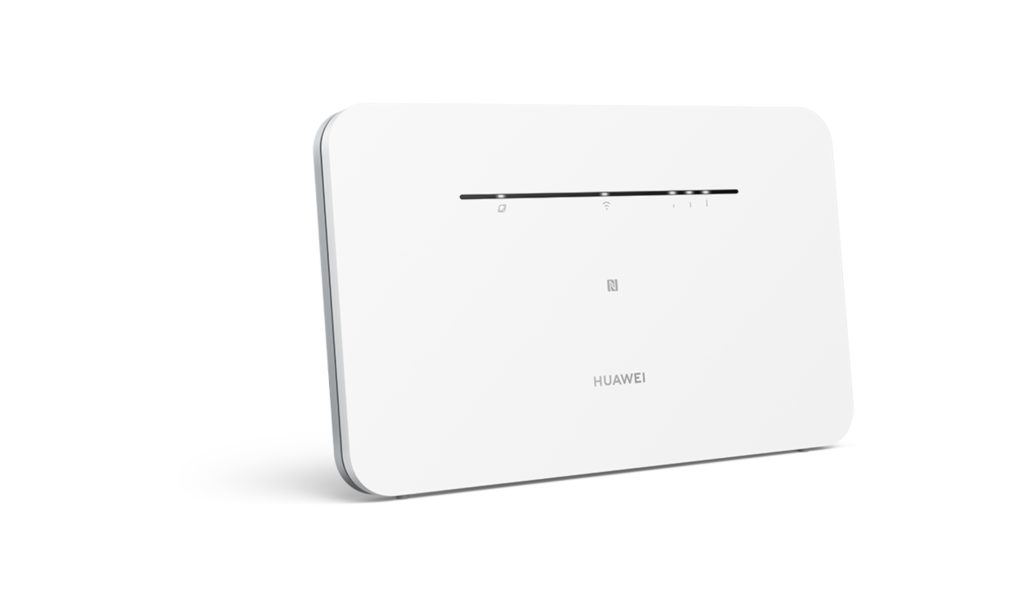
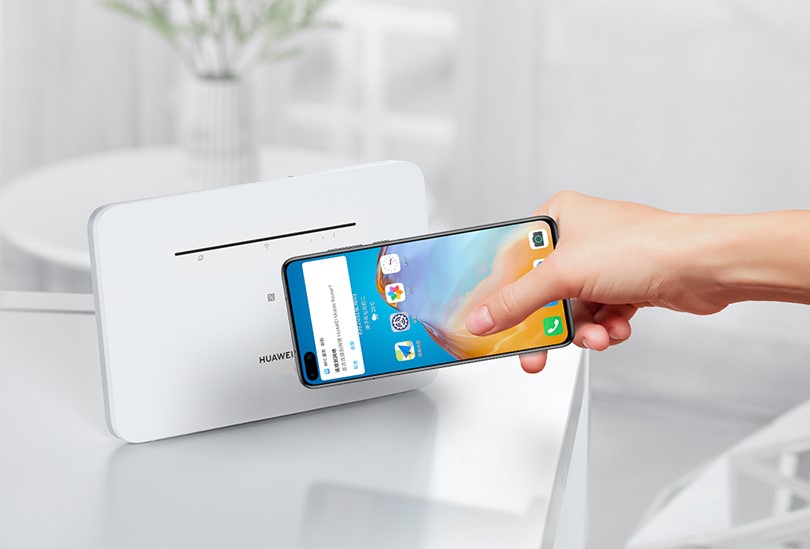
A lite variant of HUAWEI Router 2 Pro from July 2019 has launched in China by the name of HUAWEI Mobile Router. The new model is not only smaller in dimensions (125 x 198 x 25mm vs 219 x 138 x 25.6mm) but it is also lighter in weight (246g vs 325g). Further, it also comes equipped with NFC for HUAWEI Share One-Touch Connect functionality, which is absent on the older model. It will be available for pre-order in the country starting September 1 for an undisclosed price.
The newly launched HUAWEI Mobile Router features a similar design as the HUAWEI Router 2 Pro and even shares most of its features except for the ones listed above. It only comes in a single white color option.
Talking about specs, it is powered by HiSilicon Balong 711 chipset and supports only 2.4GHz WiFi with 2 x 2 MIMO and 300Mbps maximum transmission rate. It can be also used to create wired networks with the help of 1 x Gigabit WAN/LAN adaptive interface (RJ45) and 3 x Gigabit LAN interfaces (RJ45).
As the name suggests, it uses a 4G nano-SIM card instead of fiber or broadband connection for input. Hence, it can be used anywhere where there is sufficient LTE coverage as well as power supply.
The company is yet to reveal the price of HUAWEI Mobile Router but is it worth over the other model? Actually, it will depend on its price because it lacks 5GHz WiFi and Gigabit WiFi. However, it is a tad bit smaller, lighter, and features One-Touch connect.
There’s no word on international availability. Hence, if you are interested in it, then you will have to import it from China.
Tesla, a known automobiles maker, has become the top seller of electric vehicles in China for the first half of this year. The Elon Musk owned company saw great success with its China made Model 3 series, which gave consumers an affordable entry into luxury cars, and is starting to take orders for Shanghai built Model Y as well.
In the Chinese market, Tesla managed to double its sales of about 50,000 vehicles from 2019. This news arrives despite the world’s electric vehicle market declining by about 50 percent in the same period, down to 235,000 vehicles sold. According to a Nikkeireport, Tesla’s market share jumped from 6 percent to 21 percent, with the majority of this boost coming from the Model 3 sedan.
Tesla began shipping the Model 3 from its Shanghai factory back in January 2020 and it is the company’s most affordable vehicle that goes for about 270,000 Yuan (roughly 39,000 US Dollars). This is after subsidies are applied, which lowered the cost of the same model imported from the US by more than 30 percent. Buyers were also drawn in by the fact that a used Tesla vehicle retains its value better than other electric vehicles.
Furthermore, the company is showing no signs of stopping as it has begun taking orders of another vehicle it built in its Shanghai factory, namely Model Y series SUVs. According to a CaixinGlobalreport, the new SUVs will arrive in two different variants, including the long range version and the performance version. The former is priced at 488,000 yuan (roughly 70,800 US Dollars) while the latter is priced at 535,000 yuan (roughly 77,700 US Dollars). The long range variant can travel up to 505 kilometers on a single charge and can accelerate from 0 to 100 kph in 5.1 seconds while the performance variant can reach up to 480 kilometers but can accelerate to 100 kph in only 3.7 seconds.
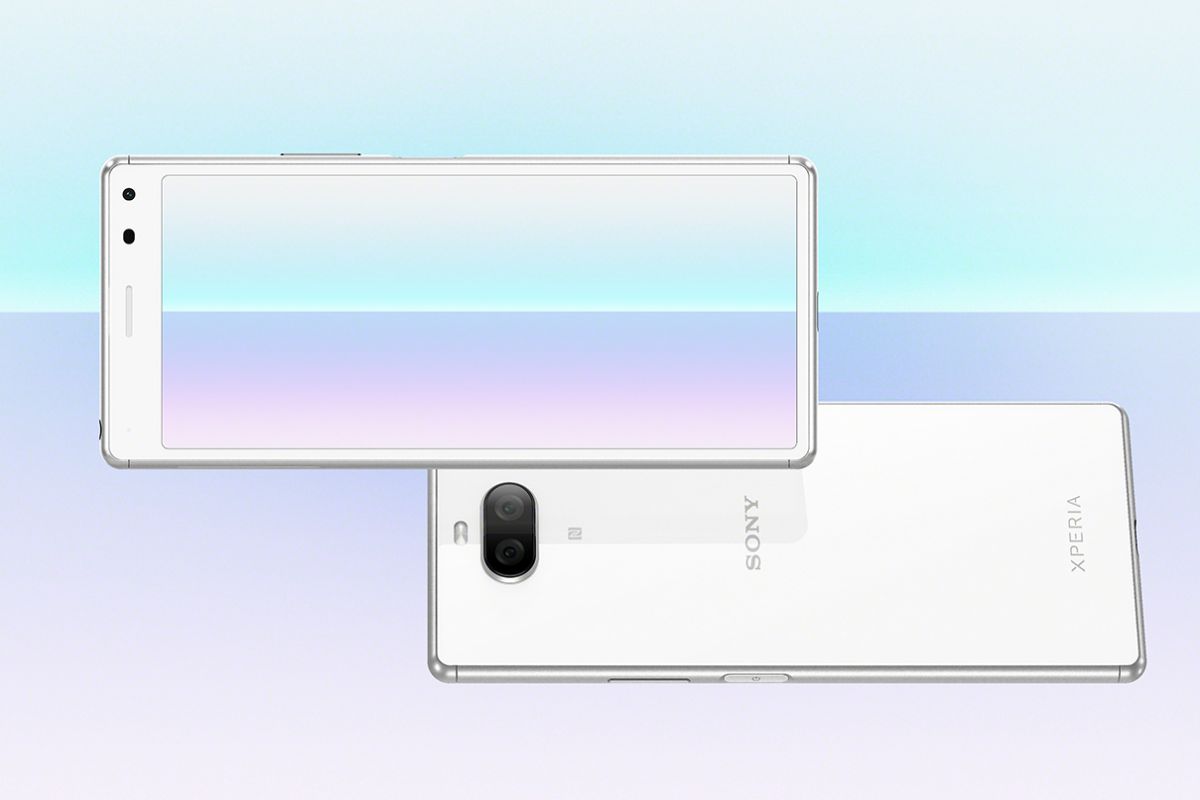
Sony has launched the Sony Xperia 8 Lite mid-range phone in Japan. In terms of specs and design, the handset appears to be a variant of the Sony Xperia 10 phone that debuted last year. In other words, it’s a rebranded Xperia 10 with different cameras on its back.
Sony Xperia 8 Lite specifications and features
The Sony Xperia 8 Lite measures 158 x 69 x 8.1mm and it weighs 170 grams. The phone features an LCD Triluminous Display of 6 inches. The screen offers Full HD+ resolution and a tall aspect ratio of 21:9. The display is shielded by Gorilla Glass 6. When the right edge of the Xperia 8 Lite is double tapped, a Side Sense bar shows up on the screen to give quick access to apps and settings.
The thick bezel at the top of the Xperia 8 Lite has an f/2.0 aperture 8-megapixel selfie camera. The LED flash assisted f/1.8 aperture 12-megapixel + f/2.4 aperture 8-megapixel dual-camera system replaces the 13-megapixel + 5-megapixel dual camera setup that came with Xperia 10. The dual cameras of the Xperia 8 Lite support AI scene detection and 2x optical zoom.
The phone comes with the Snapdragon 630 chipset that debuted in 2017. Moreover, the phone comes loaded with the dated Android 9 Pie OS. The handset offers users with 4 GB of RAM, 64 GB of internal storage, and 2,870mAh battery. The other features that are found the Xperia 8 Lite are 4G VoLTE, Wi-Fi 802.11ac, Bluetooth 5.0, GPS, NFC, USB-C, 3.5mm audio jack, and a side-facing fingerprint reader.
Sony Xperia 8 Lite pricing and availability
The Sony Xperia 8 Lite has landed in Japan with a pricing of JPY 29,800 (~$280). Its two color variants are Black and White. Sony is yet to reveal any information on the phone’s availability outside of Japan.
TikTok reportedly reached out to Netflix regarding a possible acquisition deal. However, it seems like the popular entertainment streaming platform declined, showing no interest in purchasing the short video sharing service app.
With TikTok facing pressure from the Trump administration, the popular social media platform has to either sell itself or face a ban. Furthermore, ByteDance, TikTok’s parent company, is in talks with Microsoft and Oracle regarding a possible acquisition for US operations. Meanwhile, TikTok has also sued the Trump administration to prevent the banning of the app before its deadline.
The lawsuit aims at achieving a stay order to allow the company to continue operations as it continues to negotiate with prospective buyers while also reaching out to others like Netflix. However, the streaming service is said to have declined according to a Screen Rant report. At the moment, the social media app is valued somewhere between 10 to 50 billion US Dollars, although, this may fluctuate considering it is under political pressure and is forced into a vulnerable position.
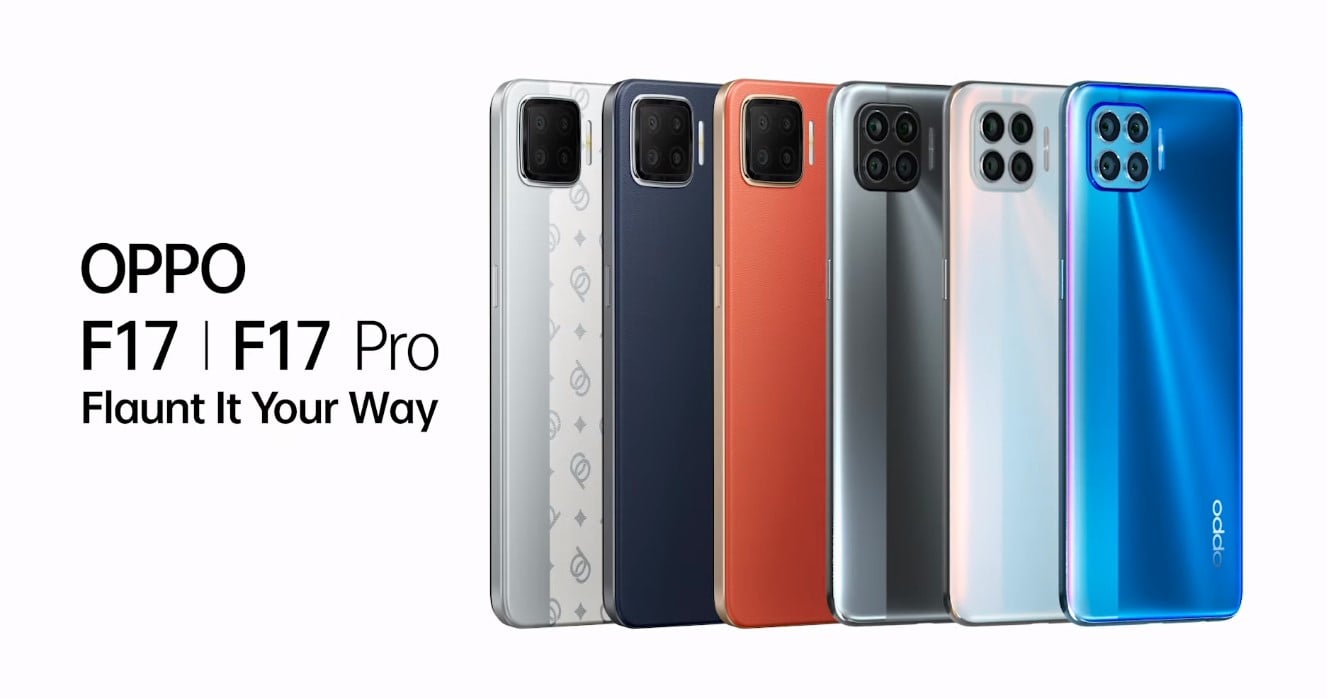
Yesterday, OPPO India announced the OPPO A53 smartphone in India with a price tag of Rs 12,990 (~$174). Since last week, the Chinese brand has been teasing on the arrival of the OPPO F17 series in India. Today, the company finally confirmed that the OPPO F17 series will be made official on Sept. 2.
It’s now mentioned on the official website of OPPO India that the OPPO F17 series will debut in India at 7 PM (local time) on Sept. 2. The series includes OPPO F17 and OPPO F17 Pro smartphones. However, the official page only talks about the F17 Pro. Hence, it is unclear whether F17 and F17 Pro phones will debut together on Sept. 2. There is a possibility that the Chinese firm may only announce the F17 Pro first and the vanilla model may go official sometime later in the same month.
OPPO F17 Pro
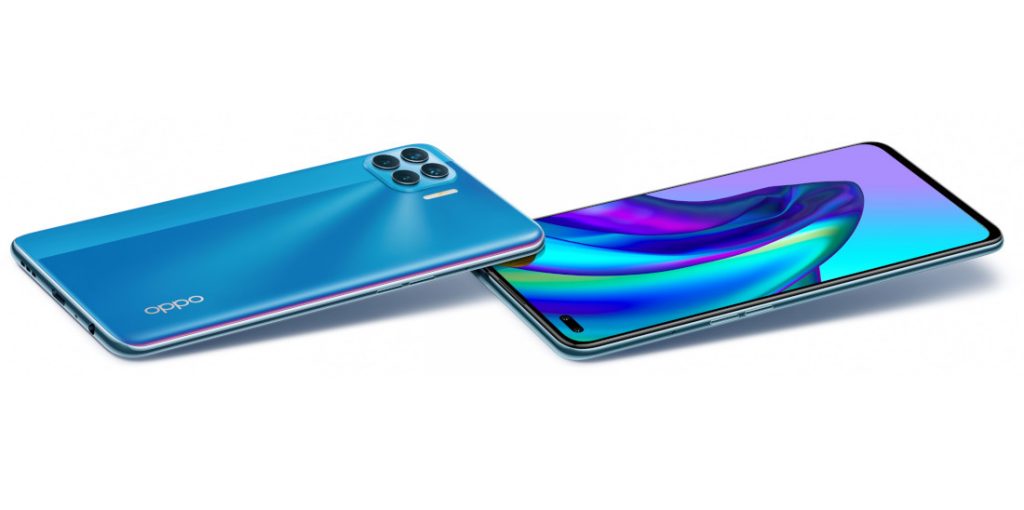
The F17 Pro is touted as the sleekest phone of 2020 by OPPO. The handset has a slim profile of 7.48mm and it weighs 164 grams. The phone features a quad camera setup on its back, and it has a dual punch-hole cutout on its display. Some of the features of the F17 Pro that are currently mentioned on the official page are 6 AI portrait camera modes, AI color portrait mode, and 30W VOOC 4.0 Flash Charge technology. The page also mentions that the phone will be priced under Rs. 25,000 (~$336) in the country.
The OPPO F17 is rumored to come with specs like a 6.44-inch S-AMOLED FHD+ display with waterdrop notch., a 16-megapixel front camera, a 16-megapixel + 8-megapixel + 2-megapixel + 2-megapixel quad-camera system, Snapdragon 662 mobile platform, 6 GB of RAM, 128 GB of storage, and 4,000mAh battery. It will come in colors like Dynamic Orange, Navy Blue, and Classic Silver.
OPPO F17 and OPPO F17 Pro poster
The OPPO F17 Pro has a 6.43-inch S-AMOLED screen, 16-megapixel + depth dual front-facing cameras, a 48-megapixel + 8-megapixel + 2-megapixel + 2-megapixel quad-camera system, Helio G95 SoC, 8 GB of RAM, 128 GB of built-in storage, 4,000mAh battery. Its color variants are Matte Black, Magic Blue, and Metallic White.
With the US deadline fast approaching, Huawei and its suppliers are rushing to meet the shipping goals for mobile chips for the Chinese tech giant. An industry source close to the matter has revealed that the company is fighting for survival after pressures from recent US sanctions.
According to a Nikkeireport, Huawei Technologies is stockpiling 5G mobile processors, WiFi, radio frequency, display drivers, and other key components from chip developers. The suppliers include major names like MediaTek, Realtek, Novatek RichWave, and more. The race to meet the shipping goals arrives as the US deadline is right around the corner.
For those unaware, the US government had previously announced on 17th August 2020 that foreign chipmakers are banned from supplying chips that use American technology to the Chinese smartphone maker. To do so, one must acquire a special license issued by the government. However, to account for existing orders, the suppliers were permitted to complete such transactions but with a deadline that lasts only till midnight of 14th September 2020, which is less than a month away now.
Analysts have predicted that Huawei’s smartphone shipments could possibly fall by as much as 75 percent next year if it runs out of these crucial parts. Thus, to meet the tight schedule and deadline, chipmakers have agreed to ship half-finished products or wafers that have note been tested or assembled. Generally, complex integrated circuits built on to wafers which are then processed for packaging and testing when chips are made.
A source stated that “It’s not unusual for Huawei to call suppliers at 4 a.m. or have conference calls at midnight recently. Huawei is in a chaotic survival mode now, and changing its own plans constantly recently.” While another industry insider said that “We will fully comply with U.S. regulation but try to meet customer’s needs. … We have only three weeks left that we can ship products to Huawei, so we will ship some finished chip products as well as some half-finished products or chip wafers just out of the plant that have not yet been packaged and tested.”
Keeping its promise, Google is now rolling out a new tab grouping feature that will make it easy to manage lots of open tabs on the browser. The feature was available in Chrome Beta from May this year and is now rolling out to the stable build.
You can now simply right-click and group your tabs together. Further, the tab groups are also customizable and it allows you to label them with a custom name and color. Once the tabs are grouped together, you can move and reorder them on the tab strip.
The tabs in the group can easily collapse, expand, or drag-and-drop them. They also pop-up any time the Chrome browser is closed or reopened. This is just one of the features that the company is adding with the newer version.
Google has also introduced Profile Guided Optimization (PGO) and tab throttling features that should make the tabs load up to 1- percent faster. PGO allows some parts of the code to run faster while tab throttling distributes resources from inactive tabs to the active tabs.
The company is also planning to soon add support for touchscreen controls on the Chrome web browser, allowing laptop users in tablet mode to swipe through the tabs. However, the feature will first be added for Chromebooks and later add support for other devices.
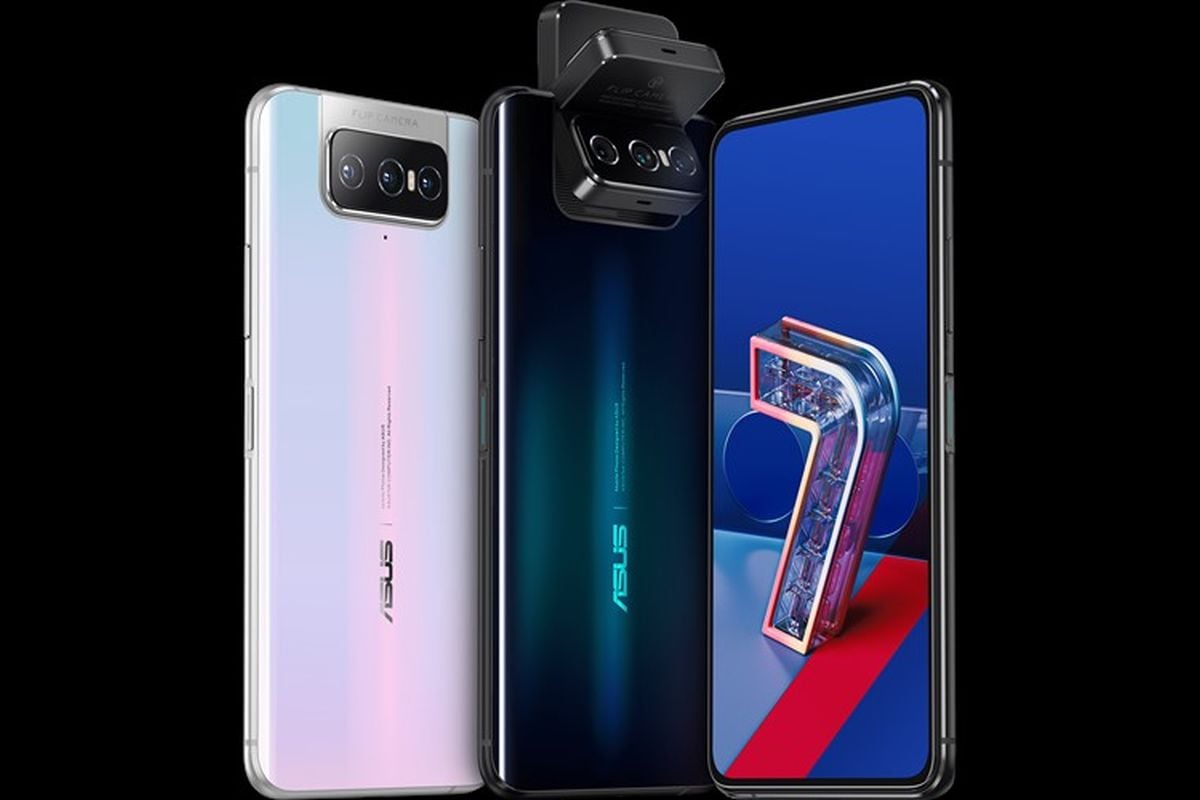
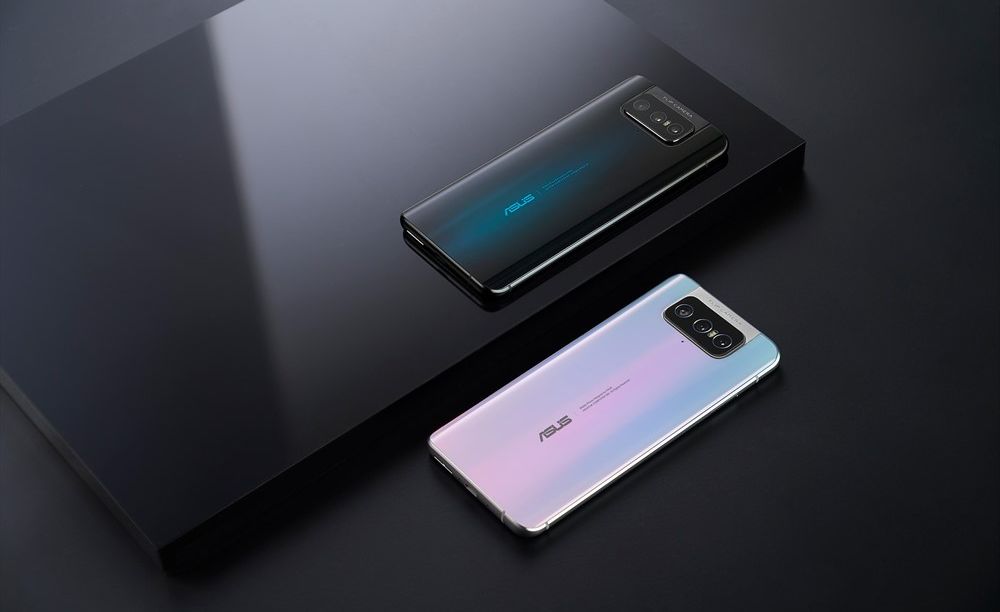
After weeks of leaks, ASUS has finally launched the much-awaited ZenFone 7 and ZenFone 7 Pro flagship phones through an unveil event in Taiwan. They are the only flagship phones of the year 2020 to sport flip-up camera modules. Moreover, the ZenFone 7 Pro comes with the more advanced Snapdragon 865+ mobile platform. Other exciting features of the ZenFone 7 series include notch-less displays with high refresh rates, huge batteries with fast charging support, and 64-megapixel triple cameras.
ASUS ZenFone 7 and ZenFone 7 Pro specifications and features
The ZenFone 7 has a 6.67-inch AMOLED display that offers a 20:9 aspect ratio, Full HD+ resolution of 1080 x 2400 pixels, and a 90Hz refresh rate. Other features of the display of the ZenFone 7 are Delta-E<1color accuracy, 700nits brightness, DC dimming, HDR10+, and Gorilla Glass 6 protection. The ZenFone 7 Pro features the same display.
ASUS ZenFone 7 series
The ZenFone 7 and ZenFone 7 Pro series are the only flagship phones of 2020 that come without dedicated front-facing cameras. The reason behind it is that the flip-up camera system of the ZenFone 7 can be used to capture topnotch selfie shots. The flip-up camera module of the ZenFone 7 and ZenFone 7 Pro comprise of a Sony IMX686 64-megapixel main camera with 113-degee FOV and f/1.8 aperture, a 12-megapixel Sony IMX686 ultrawide lens with f/2/2 aperture, and an 8-megapixel telephoto lens with 3x optical zoom and 12x digital zoom support.
The flip-up cameras offer photography features such as dual-LED flash, 120fps slow-motion video recording, and up to 8K video recording at 30fps. The only noticeable difference between the cameras of the two phones is that the ZenFone 7’s main camera is coupled with 4-axis OIS, whereas the main lens as well as the telephoto shooter of the ZenFone 7 are both equipped with 4-axis OIS. The flip-up cameras of the ZenFone 7 series have liquid metal housing and it’s powered by a new motor module for greater weight endurance. There is an angle sensor that can make the flip-up stay at pre-defined angles while shooting photos.
The Snapdragon 865 fuels the ZenFone 7 and it comes in 6 GB / 8 GB LPDDR5 RAM variants. It has 128 GB of UFS 3.1 storage. On the other side, the ZenFone 7 Pro is fueled by the Snapdragon 865 Plus mobile platform and 8 GB of LPDDR5 RAM. It comes with 256 GB of UFS 3.1 storage. For additional storage, both phones are equipped with microSD card slots.
The ZenFone 7 series comes preinstalled with ZenUI 7 based Android 10 OS. Both phones are backed by 5,000mAh batteries that support 30W HyperCharge fast charge technology and 27W Quick Charge 4.0 by Qualcomm. It also supports 18W USB Power Delivery. These phones offer some common features such as stereo speakers, triple microphones, side-facing fingerprint sensors, face recognition, dual SIM support, 5G, Wi-Fi 6, Bluetooth 5.1, dual-frequency GPS, NFC, and USB-C. These devices lack support for 3.5mm audio jack.
ASUS ZenFone 7 and ZenFone 7 Pro pricing and availability
The ZenFone 7 and ZenFone 7 Pro come in two colors such as Aurora Black and Pastel White. The 6 GB and 8 GB RAM variants of the ZenFone 7 are priced at NT$ 21,990 (~$749) and NT$23,990 (~$817). The ZenFone 7 costs NTS 27,990 (~$1,020). The sales of the ZenFone 7 series begins today in Taiwan.
The retail package of the ZenFone 7 series includes a ruggedized Active Case that helps in protecting the camera bump. There is no word on the international availability of the ZenFone 7 series.
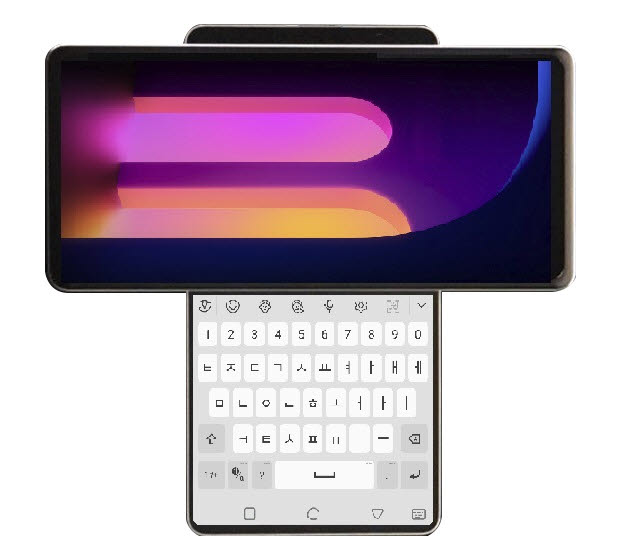
Looking at the video, it seems that the device showcased is a near final version of the LG Wing. In other words, the launch of the handset shouldn’t be too far away. Furthermore, the video also offers us a better look at the device with both of its displays being utilized. For those unaware, LG Wing is an upcoming mid range handset from the South Korean tech giant which features a dual display with one screen swiveling sideways to reveal the secondary screen underneath.
In the video, the primary display can be seen offering navigation to the user, while the second one offered a look at the media player, which played the music, later, a call stops the music and appears on the secondary screen. This enabled the maps to still function normally, allowing the person in the video to simply pick up the call without needing to cycle between applications.
This iteration of dual displays from LG is different from their previous launches of similar smartphones like the G8X and V60. But unlike a detachable secondary display, this dual screen is a part of the smartphone itself. Unfortunately, finer details like price and specifications are currently unknown, however, rumors have pointed at a Snapdragon 700 series chip (likely the SD765G), a triple camera module on the rear, and a price a bit higher than the LG Velvet.
Samsung has witnessed a dip in the shipment of devices in recent times, mostly because of the COVID-19 pandemic. While the company has been missing targets when it comes to smartphones, Samsung appears to be confident when it comes to Smart TVs.
The South Korean giant has said that it is expecting to ship more than 100,000 units of its larger TVs by the end of August. The larger TV in this includes those models with a screen size of 75-inch or larger, reports The Elec.
The company has also released a new commercial for the QLED 8K TV models showcasing how big the TV units are how it proves an immersive home theatre experience. Samsung is planning to launch more ads for the larger-sized TVs to drive the point home.
The development comes just months after the company had said that it is positive about achieving its TV sales target for the year. This means that Samsung expects to ship 45 million units of Smart TVs by the end of 2020, despite the COVID-19 pandemic which was the reason for the fall in shipments by 60 percent YoY in the first half of the year.
In related news, Samsung is planning to launch its own lineup of Mini LED Smart TVs sometime next year. This will be yet another premium TV series from the company, which already has two lineups in this segment — QLED and Micro LED.
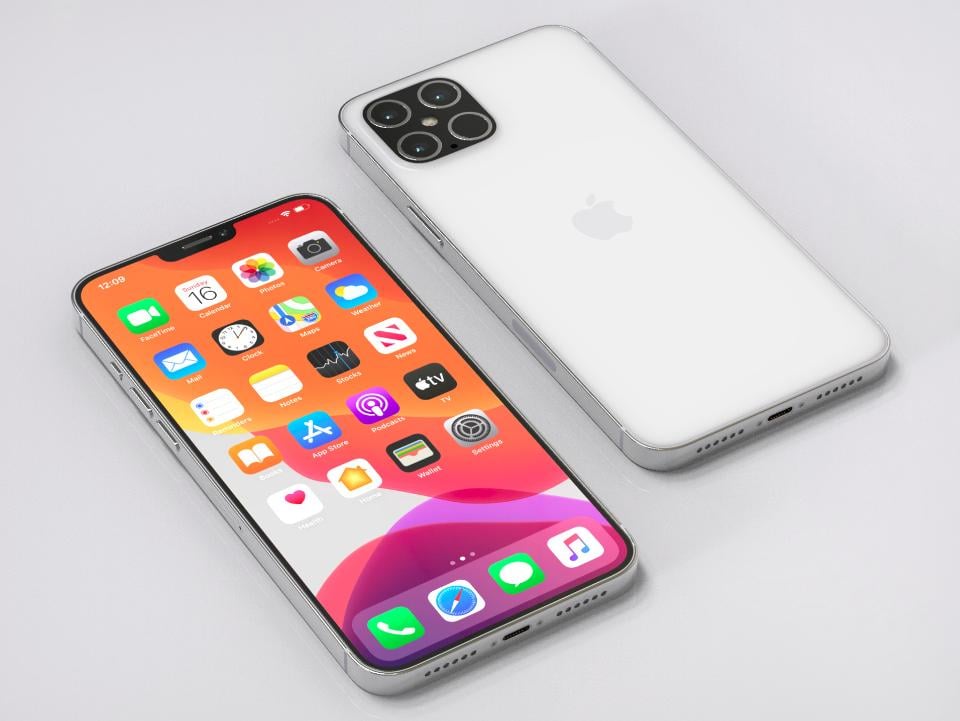
Apple, which usually launches its new iPhone models in the month of September, will not be following the schedule this time for the iPhone 12 series because of the COVID-19 pandemic. The company also confirmed that the iPhone 12 models launching this year will be “available a few weeks later.”
However, as the launch nears, more and more details about the smartphones keep surfacing online. In the latest development, YouTuber Jon Prosser has revealed details about the display and camera features.
He claims that the bezels around the display for the Apple iPhone 12 Pro model are noticeably thinner. He has also added that the display is slightly bigger which makes the notch “appear” smaller.
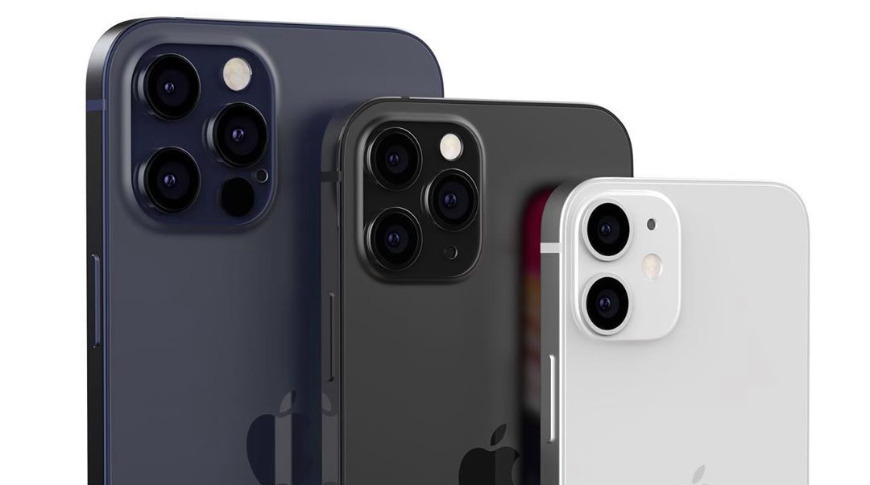
Further, he adds that the Face ID works from wider angles and the rear camera module is around 10 percent larger. The iPhone 12 Pro Max, on the other hand, will come with a LiDAR camera, having LiDAR-assisted autofocus.
The smartphone will also come with a 120Hz refresh rate and the company will offer an option for the users to enable the high refresh rate or adaptive refresh rate. It comes with a flat display and there’s still the pill-shaped notch on top.
As for the launch of the iPhone 12 models, it is being reported that the launch event could take place on 12th October, with pre-booking starting the same week and shipments of the base model beginning a week after that.
But it seems that not all the models will go on sale together. It is being reported that while iPhone 12 will be available for purchase in October itself, other models in the lineup, including the iPhone 12 Pro, will go on sale in November.
Earlier, Jon Prosser had said that the Apple Watch Series 6 and the unspecified iPad model will be announced without any launch event in September. This is interesting because Apple has traditionally launched the new Apple Watch along with the iPhone.
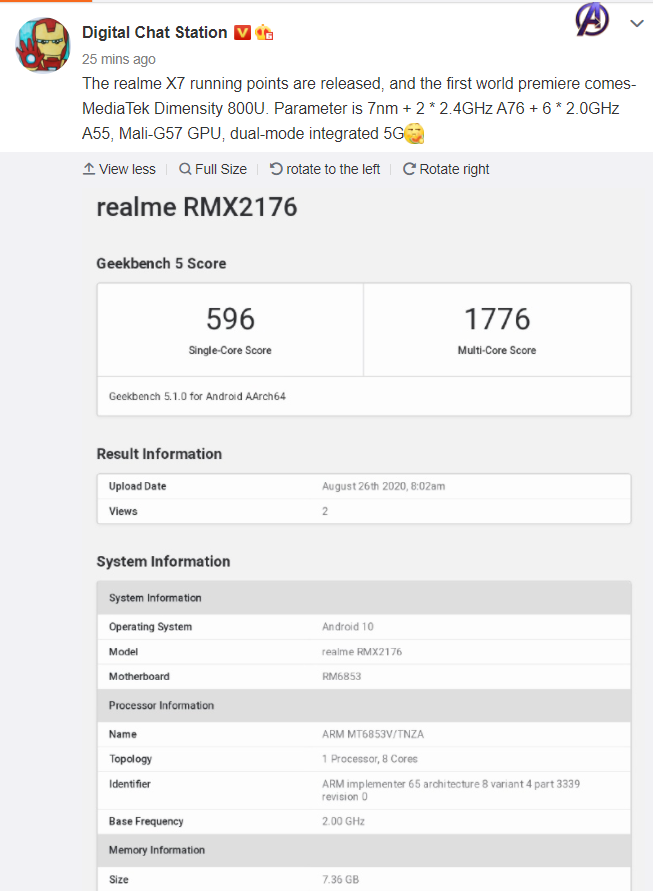
The RMX2176 Realme X7 has scored 596 and 1776 points respectively in the single-core and multi-core tests of Geekbench. The smartphone runs on Android 10 OS and it has 8 GB of RAM. The phone is driven by a MediaTek octa-core processor that is mentioned as MT6853V/TNZA.
The model number is associated with the Dimensity 720 chipset. Last month, Realme had launched the Realme V5 with Dimensity 720 SoC onboard. The OPPO A72 5G. A well-known tipster claiming that the Realme X7 is fueled by the Dimensity 800U SoC. It is advisable to wait for further reports to know whether the Dimensity 800U or Dimensity 720 is present under the hood of the Realme X7.
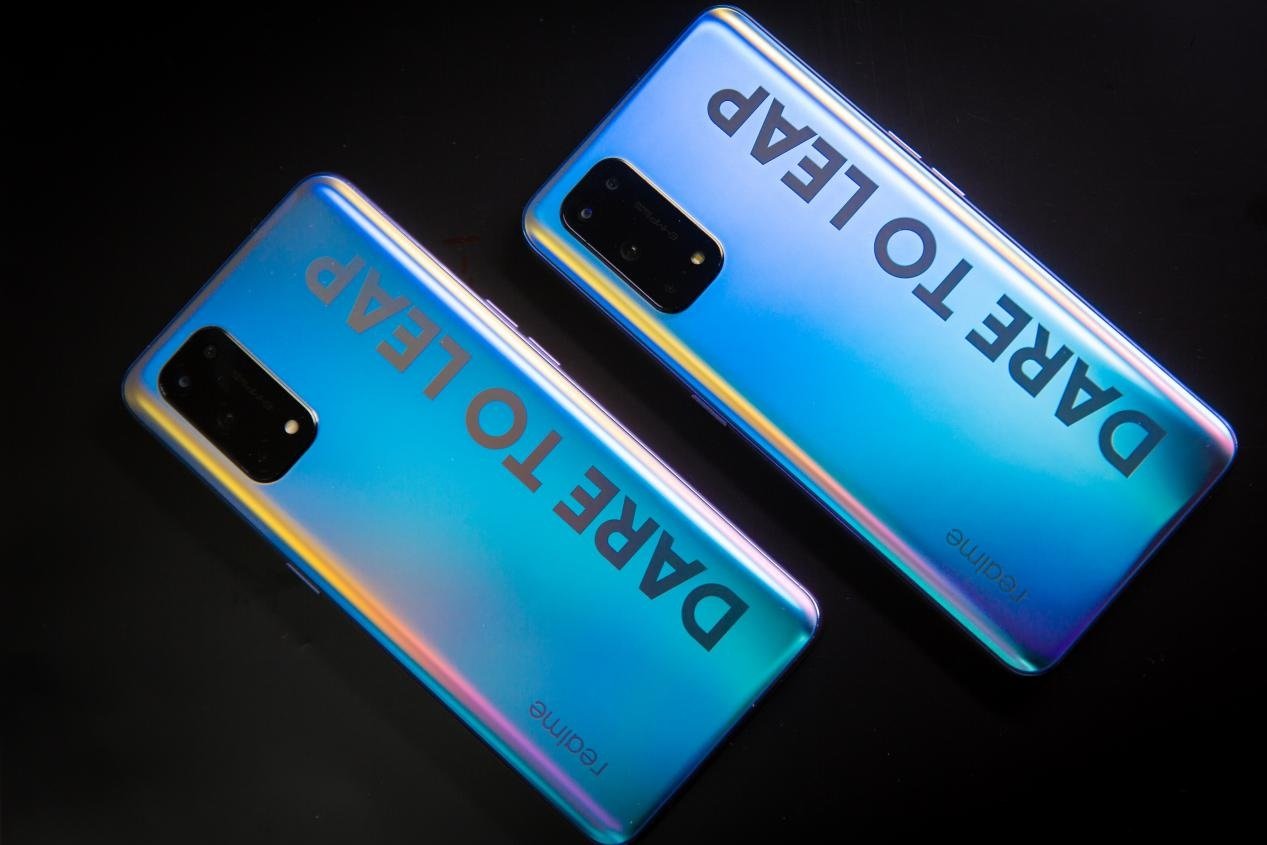
The Realme X7 has a 6.43-inch AMOLED display with a punch-hole design. It produces Full HD+ resolution and may come with support for a 120Hz refresh rate. The handset will be coming in 6 GB / 8 GB RAM options and 128 GB / 256 GB storage choices in China.
It has a front-facing camera of 32-megapixel and its rear has a 64-megapixel + 8-megapixel + 2-megapixel + 2-megapixel quad-camera system. The device draws power from a 4,300mAh battery that supports 65W fast charging technology.
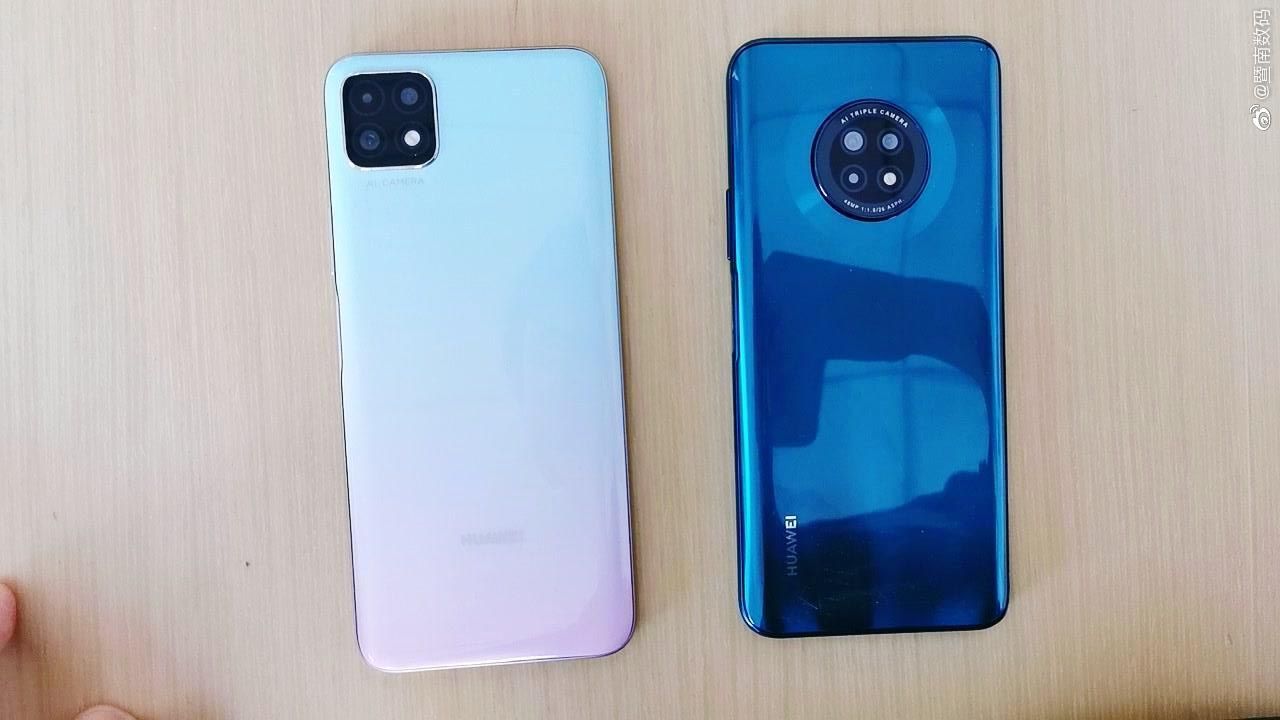
In June, Huawei unveiled the Enjoy 20 Pro 5G smartphone. Since then, the rumor mill has been speculating on the existence of other Enjoy 20 series phones. Recently, the Enjoy 20 and Enjoy 20 Plus were found listed at TENAA with all their specifications. The Plus edition was even spotted at China Telecom’s product library. The listing had revealed that it may release in the Chinese market on Sept. 3. With nearly a week remaining for the market release, the Enjoy 20 Plus and Enjoy 20 have appeared in real in newly leaked images on Weibo.
The live shots of the Enjoy 20 show that it has a waterdrop notch display. Since it has a side-facing fingerprint reader, it seems to be equipped with an LCD panel. The back panel of the phone has a square-shaped camera module with three cameras and an LED flash inside. Some of the key specs revealed through the front view image are 6.6-inch display, 128 GB of built-in storage, and 5,000mAh battery.
Moving to the Enjoy 20 Plus, it can be seen flaunting a notch-less display. It also seems to be equipped with an LCD panel due to the presence of a side-mounted fingerprint scanner. Past reports have revealed that it has an elevating selfie camera. A round-shaped camera housing can be seen on the green-colored rear of the device. Some of the key specs of the Enjoy 20 Plus has a 6.63-inch display, 48-megapixel main camera, 128 GB of native storage, and 40W rapid charging.
The Enjoy 20 Pro came with 5G capabilities thanks to the presence of Dimensity 800 chipset. The Enjoy 20 and Enjoy 20 Plus are also 5G capable devices. A recent report had revealed that they are driven by the Dimensity 720 chipset by MediaTek. Hopefully, Huawei will soon confirm the launch date of Enjoy 20 and Enjoy 20 Plus phones in the coming days.
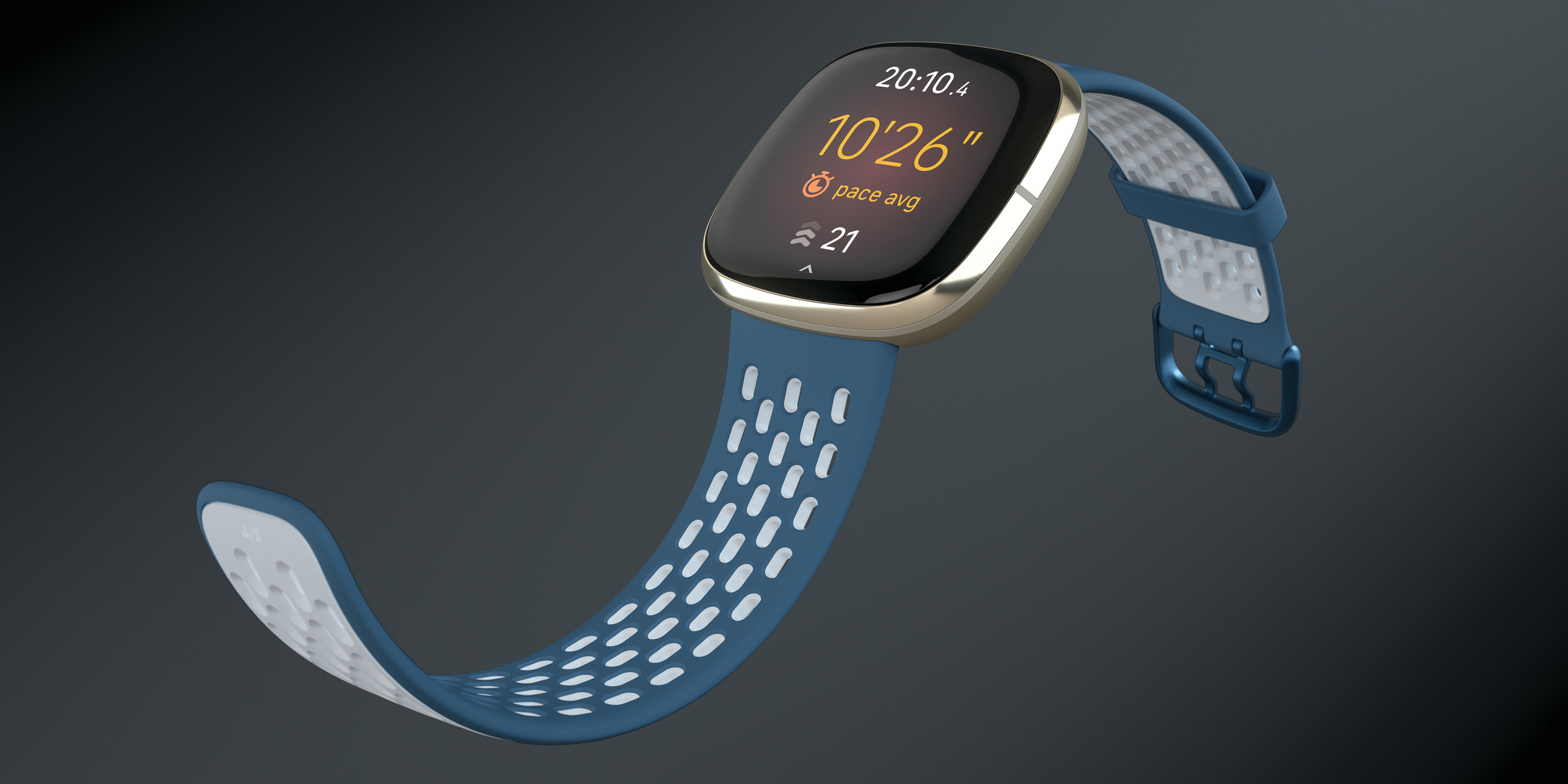
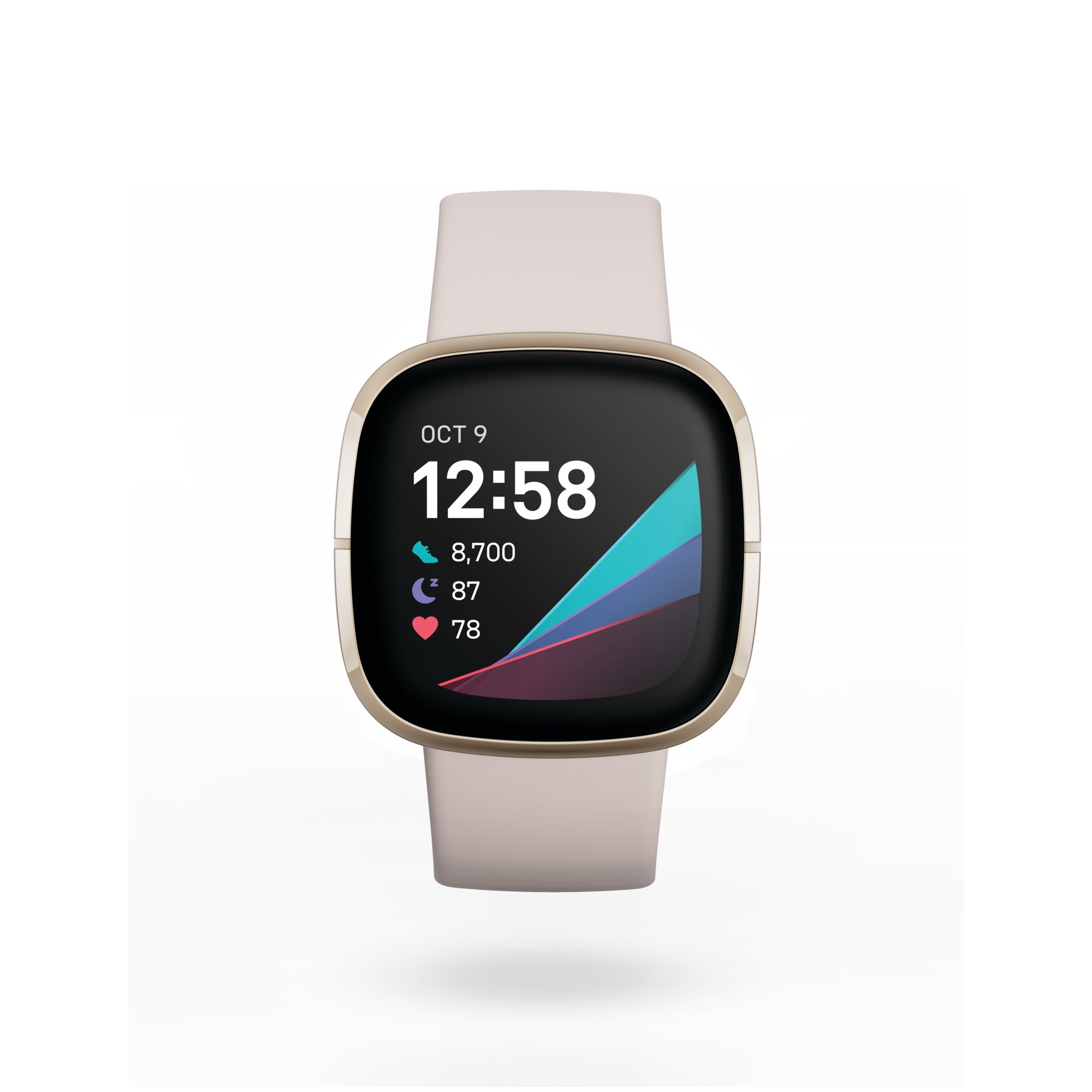
Fitbit has launched its most advanced smartwatch so far, dubbed as Fitbit Sense. It has been made official along with the Fitbit Versa 3 — the successor of the Versa 2 launched last year, and the Fitbit Inspire 2.
In terms of design and features, the new Fitbit Sense is very much similar to the Versa lineup of smartwatches from the company. The highlight is that the Sense comes with two new sensors — ECG and EDA.
Thus, the device can take an electrocardiogram that can also detect atrial fibrillation for better health monitoring. However, the feature won’t be available to use right away given that the FDA approval is pending. Another major feature is that the Fitbit Sense can also track stress levels.
Along with the standard health features like 24/7 heart-rate tracking and various exercise tracking modes, there’s also a new skin temperature checking feature.
The Fitbit Sense comes with an edge-to-edge AMOLED display that offers features like always-on display and auto-brightness. The software has been redesigned to offer customizable widgets, redesigned notifications, and more.
The company has also added support for Google Assistant along with Amazon Alexa. However, the Google Assistant voice-command feature will start rolling out to the users in the coming months. As for the battery life, the company is promising over six days of usage on a single charge.
The Fitbit Sense is priced at $329 in the United States and will be available for purchase from late September but the exact date is not yet known. It will also go on sale in other regions, including Australia, Canada, Europe, Hong Kong, India, Japan, Mexico, New Zealand, Singapore, and the UK.
Apple has been operating in the Indian market for the past many years but instead of having a direct presence, the company has third-party resellers. That is about to change soon as Apple has confirmed to open its own stores in 2021.
However, before the company launches its offline stores in the Indian market, it will establish its online store. As per the reports, Apple could start its online store in India next month to take advantage of the upcoming festive season.
The report from Bloomberg is citing a person aware of the development say that Apple is planning to start operations of its own in the Indian market ahead of the Dussera and Diwali festive season.
It is also being reported that the company had planned to start the online store in India soon after the restrictions were relaxed in India last year. However, the company’s plan was impacted because of the COVID-19 pandemic.
Apple had to rely on the third-party resellers to run its brand in India because of the government restrictions that don’t allow stores owned by non-Indian firms. This rule forced the company to use third-party for sales as well as after-sales services.
The company has already confirmed that the first official Apple Store in India will be located in Mumbai in the BKC Complex. Apple has reportedly purchased about 25,000 sq. ft. of space in Mumbai’s Maker Maxity Mall.
While one floor is expected to be the Apple Experience Center, the other floor will be sued for sales and after-sales services. The company is also reportedly working on a second offline store in Bengaluru.
Apart from increasing the retail presence in the Indian market, Apple is also shifting a significant portion of iPhone production to India through third-party manufacturers. This comes at a time when the company is trying to reduce its dependence on China for manufacturing and is looking to diversify the process.
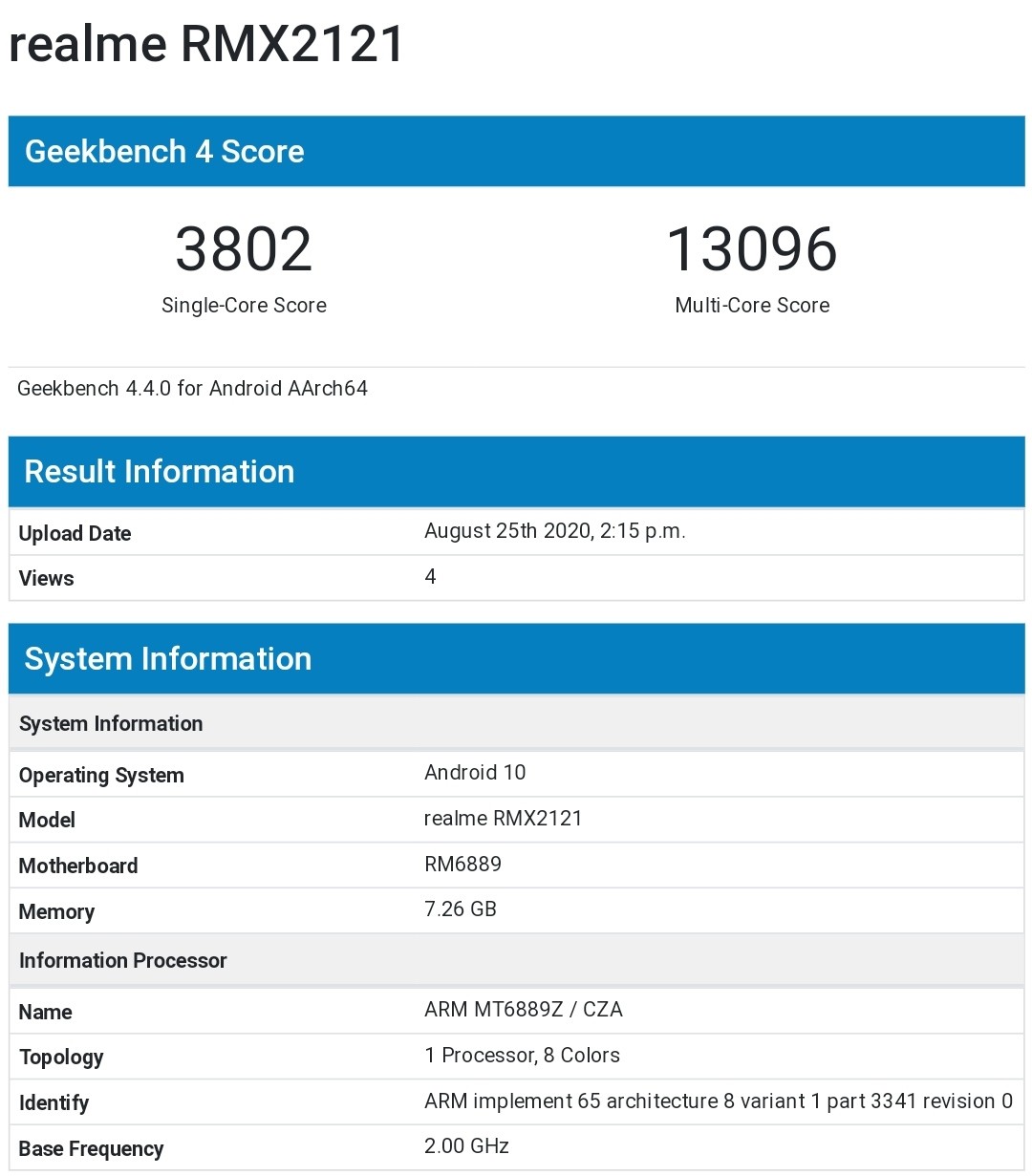
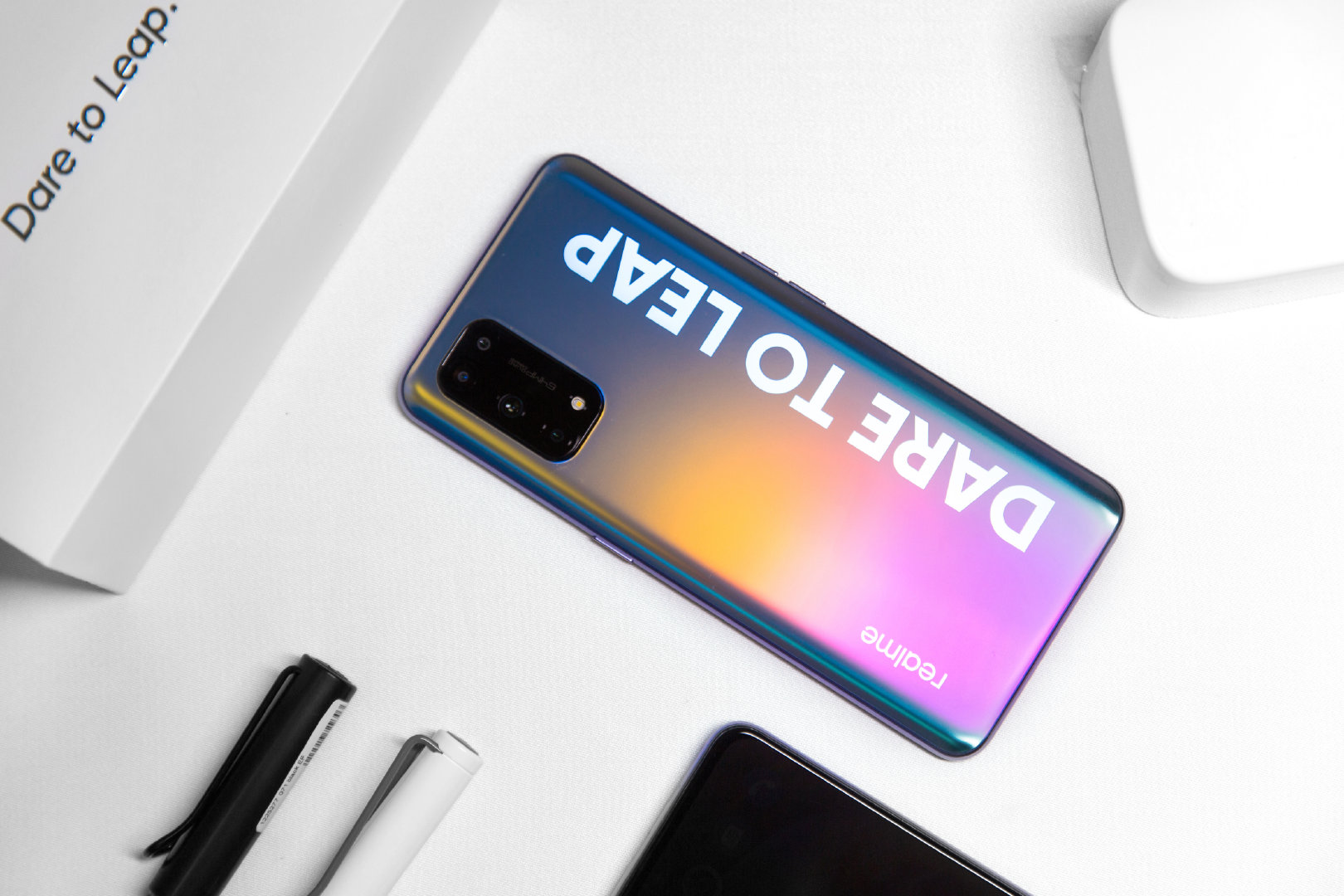
The Realme X7 Pro is scheduled to go official on Sept. 1 with the Realme X7 phone. Last week, a reliable tipster from China had claimed that the Realme X7 Pro will be fueled by the Dimensity 1000+ 5G chipset. The recently unveiled Redmi K30 Ultra also features the same chipset. Hence, Realme X7 Pro is expected to rival with the Redmi K30 Ultra 5G in China. Nashville Chatter Class has come across a Geekbench listing of the Realme X7 Pro. The listing shows that the Realme X7 Pro is equipped with the Dimensity 1000+ SoC.
In the below-shown screenshot, the Realme RMX2121 is the model number of the Realme X7 Pro. The listing shows that the smartphone is fueled by a MediaTek chipset that has a model number of MT6889Z/ZCA which belongs to the Dimensity 1000+ 5G chipset. The SoC has a base frequency of 2.0GHz.
The Dimensity 1000+ SoC is accompanied by 8 GB of RAM on the Realme X7 Pro. The handset can be seen running on Android 10 OS. In the single-core and multi-core tests of Geekbench, the handset scored 3,802 and 13,096 points, respectively. So, the Realme X7 Pro is not a flagship phone, but an upper mid-range offering. This suggests that the series could be having a more powerful device called Realme X7 Pro Ultra. The rumor mill has claimed that it could be the first Realme phone to arrive with 125W fast charging support.
The Realme X7 Pro has a 6.55-inch FHD+ AMOLED display with punch-hole design and curved edges. It supports a 120Hz refresh rate. The phone will be coming to China in 6 GB / 8 GB RAM editions and 128 GB / 256 GB storage variants.
The Realme X7 Pro has a front camera of 32-megapixel and its rear is fitted with a 64-megapixel + 8-megapixel + 2-megapixel + 2-megapixel quad camera system. The phone houses a 4,500mAh battery with 65W fast charging support.
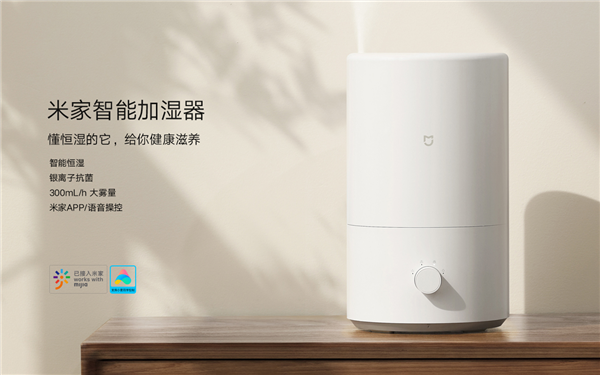
Xiaomi‘s smart life brand formerly known as MIJIA has launched the MIJIA Smart Humidifier, an affordable smart humidifier for homes and offices. The brand has got a variety of smart humidifiers under its name including the 99-yuan MIJIA Humidifier, the MIJIA Smart Sterilizing Humidifier priced at 249 yuan (~$36) and the MIJIA Smart Humidifier 1S with an OLED screen which was released in April this year.
The MIJIA Smart Humidifier has a smart constant humidity function which can monitor the indoor humidity in real-time. The device also automatically adjust the amount of fog to maintain the humidity within the set range. The default constant is 60%RH but the user can use the adjust the humidity between 40-70%RH.
The humidifier has a capacity of 4L, which is equivalent to eight bottled of 500ml bottle water. It can continue to humidify for 26 hours with a single top up with water.
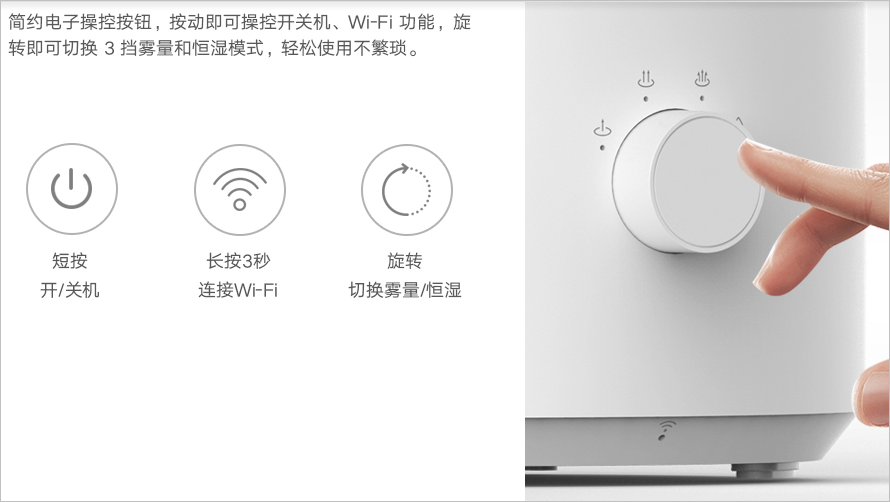
In terms of design, the MIJIA Smart Humidifier continues the friendly design of the previous models where there is a lid for adding water. Users do not need to open the water tank, just open the lid to easily add water. There is a rotating knob which also functions as the power button. Long pressing the rotating knob turn on/off the humidifier while a short press switch on/off the WiFI function. The knob can also be rotated to switch between three different modes.
The smart humidifier supports MIJIA app control which can be done even when you are thousands of miles away. There is also support for XiaoAI voice control.
The MIJIA Smart Humidifier is currently available in China on the Mi store.
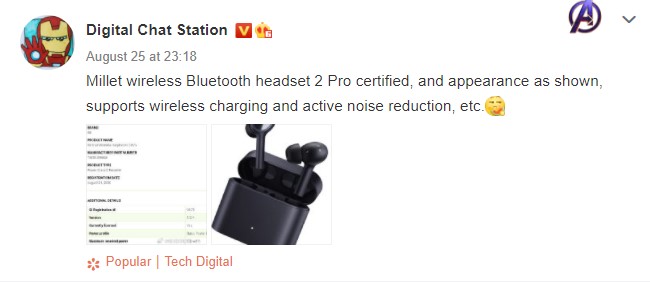
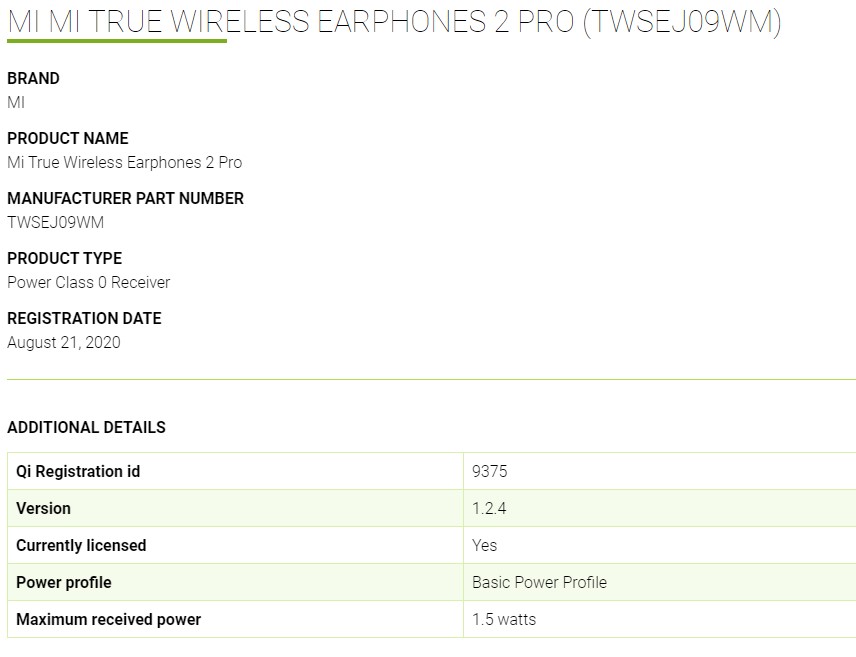
The Wireless Power Consortium (WPC) has certified a pair of TWS earbuds called the Mi True Wireless Earphones 2 Pro with model number TWSEJ09WM. According to the Chinese leaker Digital Chat Station, the earbuds have active noise cancelation.
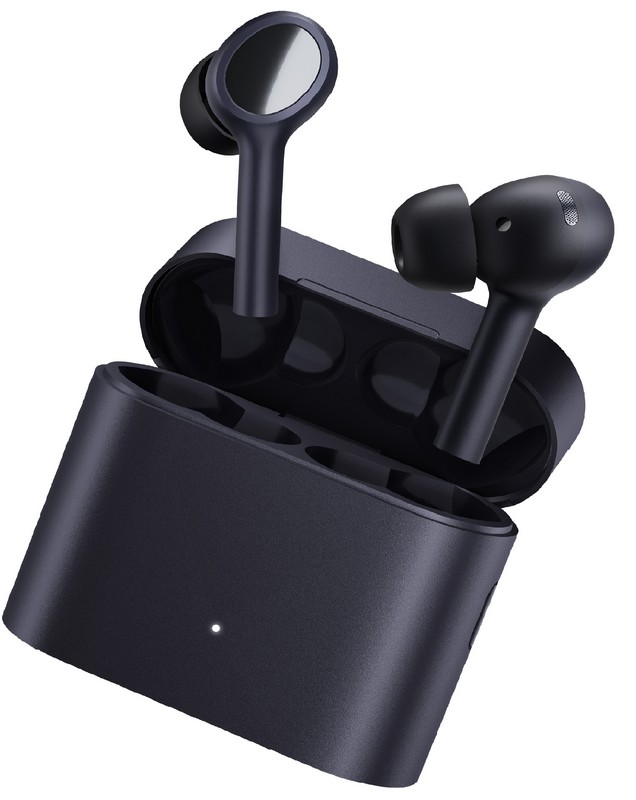
The WPC page even has an image of the earbuds, thus giving us an early look at before Xiaomi unveils it. As you can see above, the earbuds have a closed-ear design with silicone tips to keep the sound in. There is a sensor visible on one of the earbuds which should be an infrared sensor for wear detection.
The earbuds stand vertically in a case similar to that of the Mi True Wireless Earphones 2. There is a button on the side of the case. There is also an LED in front which should light up when you place it on a wireless charger or plug a charging cable into it. We are glad the earbuds come in black rather than white like the previous models.
We do not know when Xiaomi will announce the earbuds but our guess is next month. However, it may launch first in China but under a different name.
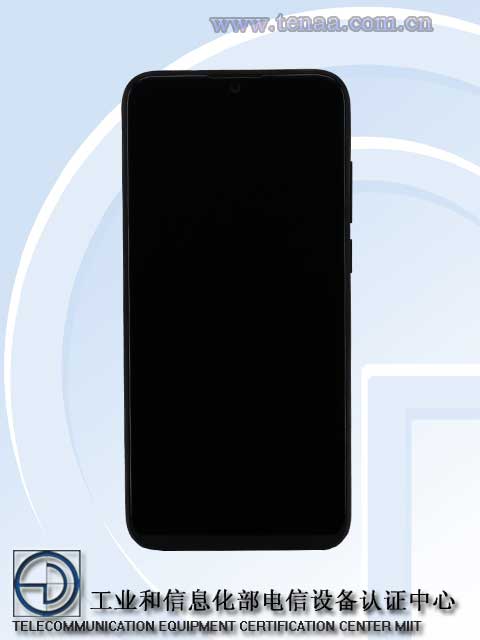
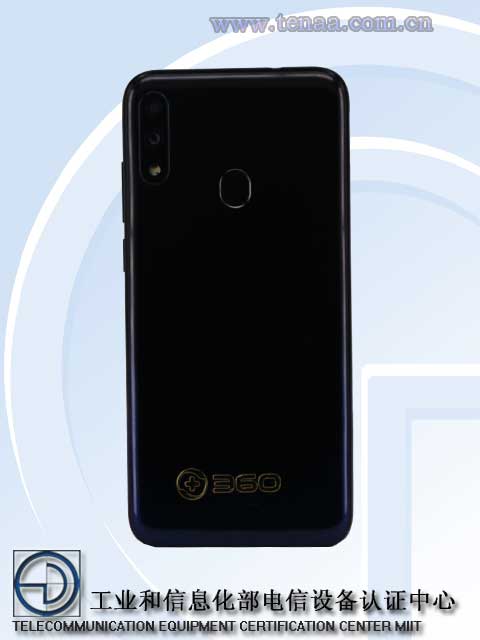
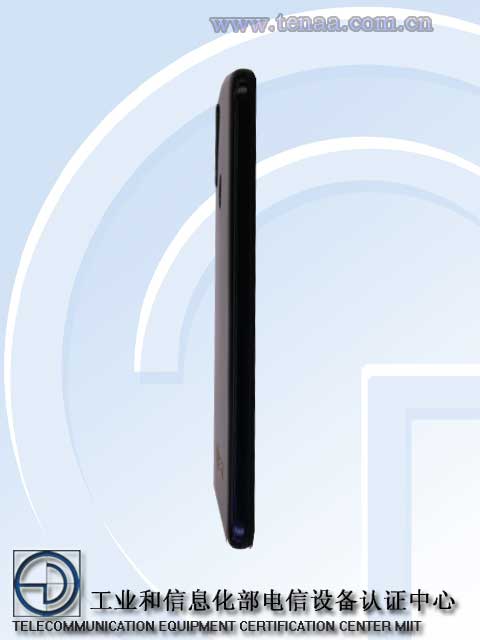
Rumours were rife last year that Chinese tech giant Qihoo 360 had suspended its mobile phone business. The company later clarified that it wasn’t suspending the mobile business but the business just slowed down. Well, looks like 360 is planning to revive its once boisterous mobile phone division yet again. A new model has appeared on the website of China’s telecoms regulatory agency TENAA.
The mobile phone is dubbed 360 S6+ and is the first 360 model to be certified this year by TENAA. As a matter of fact, the database shows the last model that was certified before this one was in 2018.
Design-wise, the 360 S6+ features a punch-hole design at the front with the earpiece nested at the fringe of the display. The bottom edge has a narrow bezel. At the rear, the phone packs a dual-camera setup aligned vertically at the top left corner of the rear panel. The phone also has a rear-mounted fingerprint sensor.
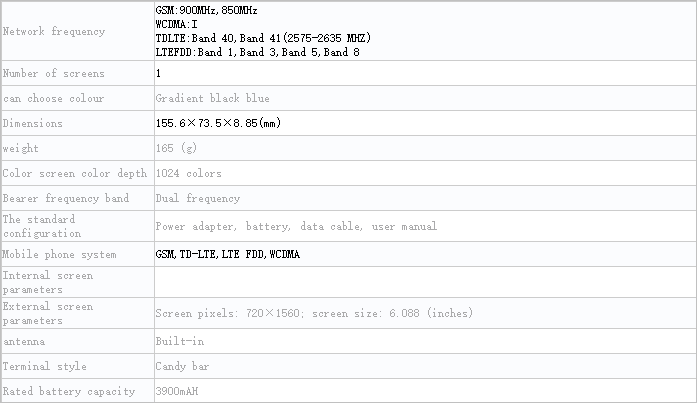
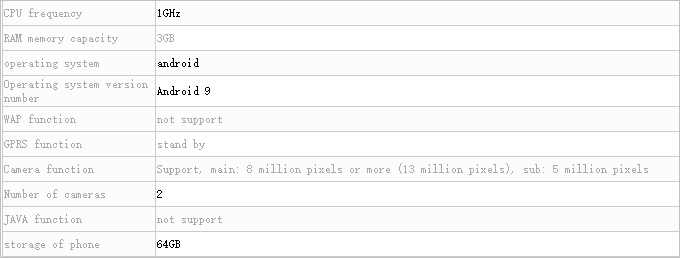
The 360 S6+ packs a 6.088-inch LCD display having an HD+ resolution of 720×1560 pixels. The chipset is unknown but it is an octa-core SoC with a base frequency of 1GHz. The phone comes with 3GB of RAM and 64GB of internal storage which is expandable. The rear camera set up is a 13MP+8MP combo while at the front, there is a 5MP selfie shooter.
Obviously, this is a budget phone that may sell well if it is priced right. The specs and design are pretty decent if the phone is a cheap one. There is no word yet on when it will be unveiled.
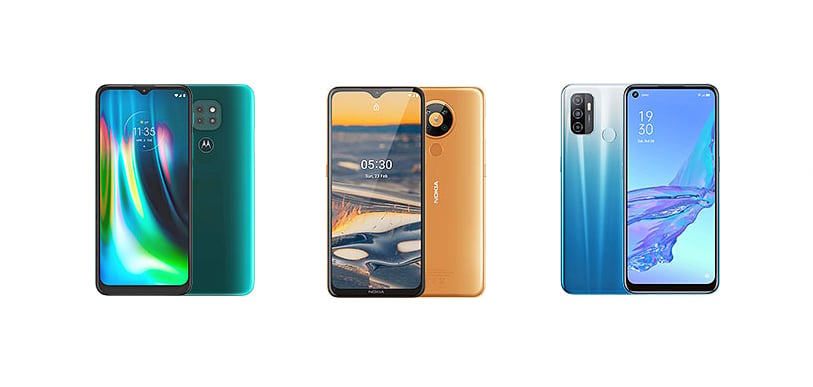
After releasing a foldable phone and a new flagship, Motorola is seriously intentioned to beat the competition even in the budget segment. The Lenovo-owned company just launched the new Moto G9 in the Indian market, which later hitten the global market under the Moto G9 Play moniker. Right after, another important manufacturer came up with a new affordable phone in India: HMD Global with its Nokia 5.3 announced earlier this year. Even OPPO launched a budget phone in the last days: the OPPO A53. This is a specs comparison between the latest budget phones launched in India: Motorola Moto G9, Nokia 5.3, and OPPO A53.
Triple 48 + 2 + 2 MP f/1.7, f/2.4 and f/2.4
8 MP f/2.2 front camera
Quad 13 + 5 + 2 + 2 MP f/1.8
8 MP f/2.0 front camera
Quad 12 + 2 + 2 MP
16 MP f/2.0 front camera
BATTERY
5000 mAh, fast charging 20W
4000 mAh
5000 mAh, fast charging 18W
ADDITIONAL FEATURES
Hybrid Dual SIM slot, water-repellent
Dual SIM slot
Dual SIM slot
Design
Oppo A53 has the most stunning design, at least according to my tastes. It is the only one which sports a punch-hole display, a feature which is hard to find on very affordable phones such as these ones. The Oppo A53 is also the most compact device of the trio with its narrow display bezels, smaller dimensions, and a thinner body. On the other hand, the Motorola Moto G9 has a water-repellent coating that may be useful to people who want to use it under the rain and accidentally throw it in the water.
Display
Unfortunately, you do not get great displays with these three devices. They all feature IPS panels with HD+ resolutions. They are not disappointing in terms of display quality, but they are definitely below the average due to their HD+ resolution providing a lower level of detail than midrange phones. By the way, you get very nice advantages with the Oppo A53: it has a 90 Hz refresh rate providing more smoothness and stereo speakers for a better multimedia experience. For all of these devices, there is a rear-mounted fingerprint reader.
Specs & Software
The Nokia 5.3 wins the hardware comparison for a simple reason: it has a more powerful chipset. We are talking about the Snapdragon 665 which is actually superior to the Snapdragon 662 found on the Motorola Moto G9. Oppo A53 is the only one featuring fast UFS 2.1 storage, but unfortunately, the Oppo A53 has an even weaker Snapdragon 460 chipset. Also, note that with the Nokia 5.3 you get up to 6 GB of RAM, while Motorola Moto G9 has just 4 GB of RAM. Last but not least, Nokia 5.3 runs Android One: a special version of the operating system supported directly by Google.
Camera
The winner of the camera comparison is the Motorola Moto G9 which comes with a way better main sensor sporting a 48 MP resolution. With the Nokia 5.3 and the Oppo A53, you get a below-average 13 MP main sensor. The Nokia 5.3 looks better than Oppo A53 due to its brighter focal aperture, but the Oppo A53 has the best front camera department thanks to its 16 MP sensor. At the end of the day, despite featuring a lower amount of sensors, Motorola Moto G9 wins the camera comparison due to its better main camera. But you do not get the ultrawide sensor found on the Nokia 5.3.
Battery
The Motorola Moto G9 should provide a longer battery life: it has a way bigger battery than Nokia 5.3 and, despite having the same battery capacity as the Oppo A53, it should last more because it lacks a 90 Hz refresh rate. Last but not least, it has a faster charging technology with a 20W power.
Price
The price of Motorola Moto G9 is Rs. 11,499, while Oppo A53 is Rs. 12,999. The Nokia 5.3 costs slightly more: Rs. 13,999 in its base variant with 4 GB RAM and 64 GB of UFS 2.1 storage. The Motorola Moto G9 has better cameras and probably longer battery life. The Nokia 5.3 offers Android One and a better chipset, but a smaller battery. The Oppo A53 has the 90 Hz killer feature and stereo speakers, as well as the best front cameras and a punch-hole design. Which one would you pick?
We use cookies on our website to give you the most relevant experience by remembering your preferences and repeat visits. By clicking “Accept”, you consent to the use of ALL the cookies.
This website uses cookies to improve your experience while you navigate through the website. Out of these, the cookies that are categorized as necessary are stored on your browser as they are essential for the working of basic functionalities of the website. We also use third-party cookies that help us analyze and understand how you use this website. These cookies will be stored in your browser only with your consent. You also have the option to opt-out of these cookies. But opting out of some of these cookies may affect your browsing experience.
Necessary cookies are absolutely essential for the website to function properly. This category only includes cookies that ensures basic functionalities and security features of the website. These cookies do not store any personal information.
Any cookies that may not be particularly necessary for the website to function and is used specifically to collect user personal data via analytics, ads, other embedded contents are termed as non-necessary cookies. It is mandatory to procure user consent prior to running these cookies on your website.