Advertisement

Moto G9 vs Redmi 9 Prime vs Realme Narzo 10: Specs Comparison

Motorola just announced the first handset from the new Moto G9 series: the vanilla Moto G9. It comes with lower-midrange specifications and a very high quality-price ratio. The new budget phone debuted in the Indian market and it will be available to purchase in a few days. While waiting for its launch in the market, we think it is time to compare it with the other potential best-selling budget phones in India. According to us, the most interesting devices with similar specifications launched in the peninsula in the last period are the Redmi 9 Prime and the Realme Narzo 10. Here is an in-depth comparison between their specifications and features which will help you understand which one you should go for.
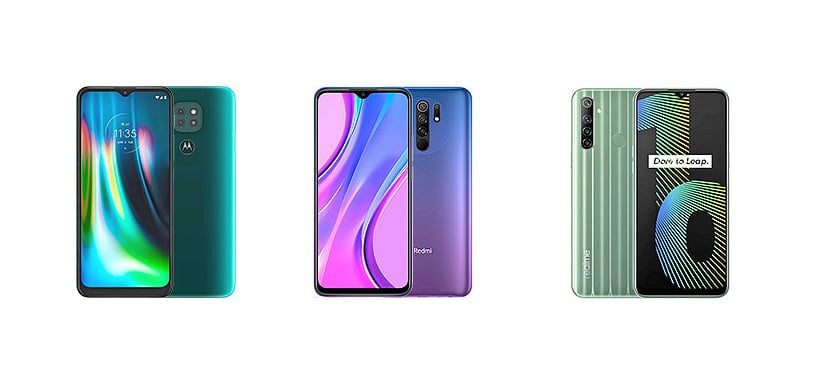
 

Motorola Moto G9 vs Xiaomi Redmi 9 Prime vs Realme Narzo 10

Xiaomi Redmi 9 Realme Narzo 10 Motorola Moto G9
DIMENSIONS AND WEIGHT 163.3 x 77 x 9.1 mm, 198 grams 164.4 x 75.4 x 9 mm, 199 grams 165.2 x 75.7 x 9.2 mm, 200 grams
DISPLAY 6.53 inches, 1080 x 2340p (Full HD+), 395 ppi, IPS LCD 6.5 inches, 720 x 1600p (HD+), 270 ppi, IPS LCD 6.5 inches, 720 x 1600p (HD+), 269 ppi, IPS LCD
PROCESSOR Mediatek Helio G80, octa-core 2 GHz Mediatek Helio G80, octa-core 2.0 GHz Qualcomm Snapdragon 662, octa-core 2 GHz
MEMORY 4 GB RAM, 128 GB – 4 GB RAM, 64 GB – micro SD dedicated slot 4 GB RAM, 128 GB – micro SD dedicated slot 4 GB RAM, 64 GB – micro SD slot
SOFTWARE Android 10, MIUI Android 10, Realme UI Android 10, My UX
CONNECTIVITY Wi-Fi 802.11 a/b/g/n/ac, Bluetooth 5.0, GPS Wi-Fi 802.11 a/b/g/n/ac, Bluetooth 5.0, GPS Wi-Fi 802.11 a/b/g/n/ac, Bluetooth 5.0, GPS
CAMERA Quad 13 + 8 + 5 + 2 MP f/2.2, f/2.2, f/2.4 and f/2.4
8 MP f/2.0 front camera
Quad 48 + 8 + 2 + 2 MP f/1.8, f/2.3, f/2.4 and f/2.4
16 MP f/2.0 front camera
Triple 48 + 2 + 2 MP f/1.7, f/2.4 and f/2.4
8 MP f/2.2 front camera
BATTERY 5020 mAh, fast charging 18W 5000 mAh, fast charging 18W 5000 mAh, fast charging 20W
ADDITIONAL FEATURES Dual SIM slot Dual SIM slot, splash resistant Hybrid Dual SIM slot, water-repellent

Design

Motorola Moto G9, Redmi 9 Prime, and Realme Narzo 10 are all built with cheap materials. They come with a polycarbonate body, but they are water-repellent and this is a very nice feature for those who want to use their phone under the rain and other circumstances in which liquids are involved. These handsets have a similar front design, while their rear sides are different. The Moto G9 has a square-shaped camera module placed in the middle, the Realme Narzo 10 has a quad-camera arrangement in the upper-left corner, and the Redmi 9 Prime has four cameras arranged vertically in the middle of the phone. Which one do you like more?


Display

Motorola Moto G9 and Realme Narzo 10 are equipped with below-average IPS panels sporting HD+ resolutions (720p). Nothing special, if you want a great display quality you should not go for these two phones. Redmi 9 Prime is actually better because it has a Full HD+ display, so it offers a higher level of definition. You get a 1080p resolution and even a high 400 nits typical brightness, as well as a slightly wider panel. In each case, you get a rear-mounted fingerprint reader and mono speakers.


Specs & Software

Redmi 9 Prime and Realme Narzo 10 are fueled by the Helio G80 mobile platform, while Motorola Moto G9 has a Snapdragon 662 chipset by Qualcomm. Despite most people will trust the Qualcomm’s chipset on board of the Moto G9 more than MediaTek, the Helio G80 actually comes with higher CPU and GPU performance. Further, you get more internal storage on the Redmi 9 Prime and Realme Narzo 10. Given that Realme Narzo 10 has to manage a display with a lower resolution, we expect it to offer slightly higher performance than Redmi 9 Prime in the most advanced scenarios. In each case, you get Android 10 out of the box, but Motorola Moto G9 has a UI close to Android stock instead of a fully customized UI.


Camera

The most advanced camera department belongs to the Realme Narzo 10 which sports a 48 MP main sensor, an 8 MP ultrawide lens and two sensors with 2 MP resolutions for macros and depth. It even comes with a better 16 MP front camera. Right after, we got the Motorola Moto G9 with its 48 MP triple camera lacking an ultrawide sensor. The Redmi 9 Prime is pretty disappointing with its entry-level 13 MP main camera and you should not go for it if you need a decent camera phone.


Battery

Motorola Moto G9 should actually offer a longer battery life not only because of its HD+ resolution and its big battery but also because the Snapdragon 662 chipset is built with a better production process than Helio G80 (11 nm vs 12 nm). Note that we are only judging from the specs on the paper because we did not see the Moto G9 in action (it has been announced today). Moto G9 also comes with slightly faster charging (20W power).


Price

The Motorola Moto G9 is priced at Rs. 11,499, Redmi 9 Prime has an Rs. 9,999 price and Realme Narzo 10 costs Rs. 14,999. While Redmi 9 Prime comes with a more advanced display, the Realme Narzo 10 has better cameras and performance. The Moto G9 sits right in the middle and on the paper it is a Realme Narzo 10 with slightly inferior cameras and less storage.


Motorola Moto G9 vs Xiaomi Redmi 9 Prime vs Realme Narzo 10: PROs and CONS

Realme Narzo 10

PROs

  • Long battery life
  • Great cameras
  • Splash resistant
  • Reverse charging
  • Micro SD dedicated slot

CONS

  • HD+ display
 

Xiaomi Redmi 9 Prime

PROs

  • IR blaster
  • FHD+ display
  • MIUI 12 out of the box
  • micro SD Dedicated slot

CONS

  • Inferior cameras


Motorola Moto G9

PROs

  • Long battery life
  • Water-repellent
  • Nice cameras
  • Faster charging

CONS

  • HD+ display
 

Zepp app reveals more details about upcoming Amazfit Smart Scale

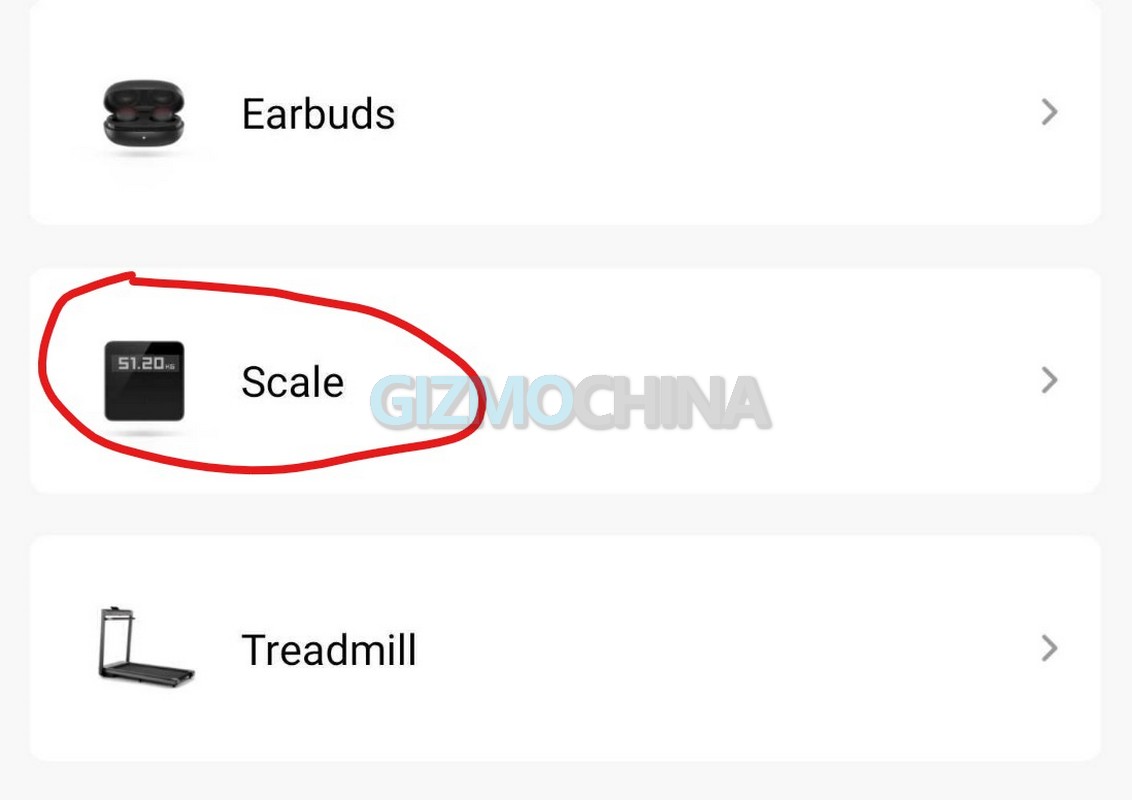
The Amazfit Smart Scale is one of the products Huami is expected to announce this Autumn. While we wait for the launch, we have discovered some features of the smart scale in the Amazfit Zepp app and also have an idea of what it will look like.

The features are under the Enjoy menu and there are three of them which we have listed below:

Weight holding baby

Unlike older children and adults, weighing a baby isn’t as straightforward unless you have a baby scale at home. While a standard scale requires the person to stand upright, a baby scale requires the infant to be laid on its back.

Amazfit Smart Scale - Weight holding baby

However, there is a way to weigh a baby using a regular scale, and that is by subtracting your own weight from that of the weight of you carrying the baby. In this case, you will need a very accurate scale that can record your weight to two decimal places.

The image shows that you will be able to weigh your baby using the Amazfit Smart Scale and there will be a way to do it safely and accurately by going into the app. The method is similar to what we described above. The only difference is that the weight is automatically subtracted.


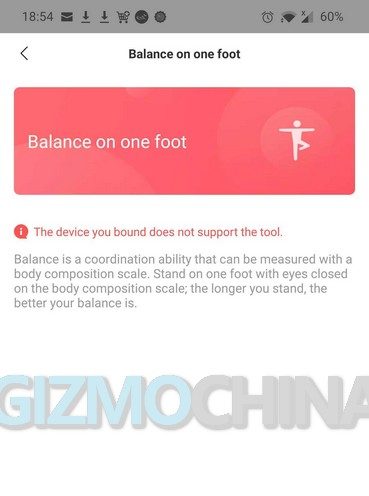
Amazfit Smart Scale - Balance on one foot

Balance on one foot

Another feature of the scale under the Enjoy menu is called “Balance on one foot”. This is a common test used to determine how healthy an individual is. All you have to do is stand on the scale with one leg with the other bent at a 45° angle and your eyes closed. The longer you can stand, the better your balance is.

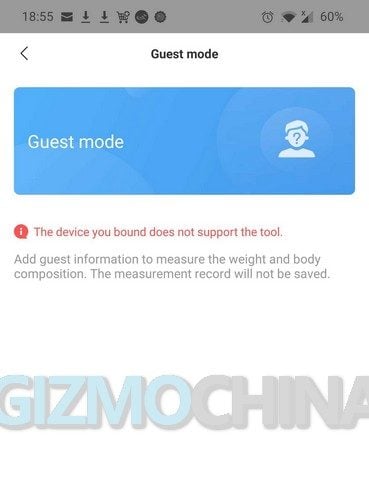
Amazfit Smart Scale - Guest mode

Guest Mode

One of the features of a smart scale is the ability to store multiple user profiles. However, there are times when a guest wants to use your scale. For the Amazfit Smart Scale, you will be able to select a guest mode on the app so that the weight is not saved as yours or anyone else with a profile.


Body Composition Scale

The Amazfit Smart Scale will not just measure your weigth like a lot of smart scales. It will actually be able to determine other health parameters as it is body composition scale. The tab for the “Balance on one foot“ feature says in the decription that it is a body composition scale just like the Mi Body Composition Scale. So it should be able to determine visceral fat, muscle mass, BMI, bone mass, basal metabolism, and body fat among others.

Amazfit Smart Scale Design

With respect to the design of the smart scale, we believe it will come in black and have a dot matrix screen that displays results to two decimal places. We were able to deduce this from the image of the smart scale used in the app (see image above).

That is all we have discovered about the smart scale. We sure will let you know if we find more details before the launch.


Realme X7 Pro JD product page goes live ahead of September 1 launch

Realme is expected to launch the Realme X7 and X7 Pro on September 1 in China. Ahead of the launch, the Realme X7 Pro product page has gone live on Jingdong (JD.com) and Tmall. The phone is up for reservation but the official release is billed for September 1.

Realme X7 Pro

The product page sheds some light on the features that would be on the X7 Pro. Some of these features have already been revealed on earlier leaks but this is a confirmation. The focus is on the display which is promoted to come with 120Hz refresh rate with a peak brightness of 1200nits. The display also supports 4096-level brightness adjustment.Realme X7 Pro

Further, the phone is said to adopt COP packaging technology. It has a narrow bezel at the bottom, weighs 175 grams, and uses the same adapter as the Realme V5.

Earlier rumours tout the Realme X7 series to be powered by the MediaTek Dimensity 1000+ chipset. The series is also said to utilise a 65W fast charging technology. TENAA listing shows it will have a 6.43-inch 1080P + screen as well as a Quad-camera setup at the rear which is a 64MP+8MP+2MP+2MP setup. The phone will have a 32MP selfie shooter and will be available in 6/8GB RAM versions. You also get 128/256GB internal storage options. The Realme X7 models will be available in three colors of blue, white and symphony black.

We’ll bring you the full details of the models, including the pricing and availability when the models are announced on September 1st.


Caviar unveils four Galaxy Note20 Ultra custom editions themed after famous landmarks

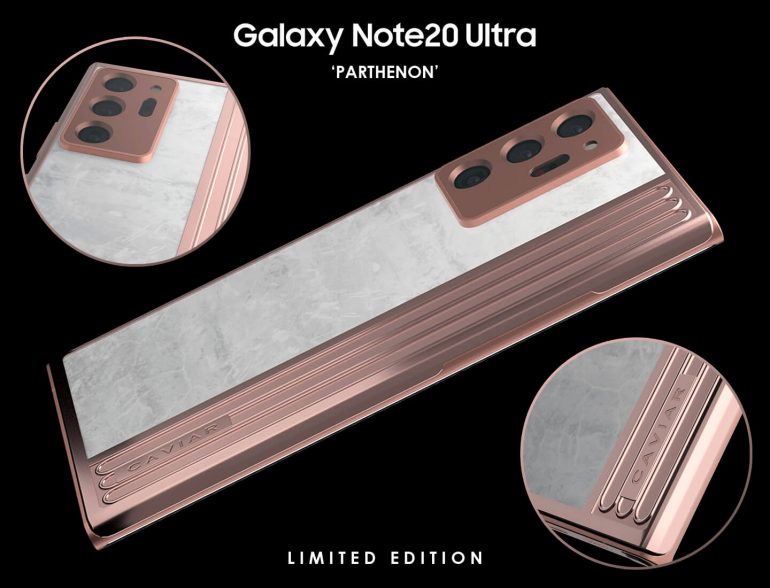
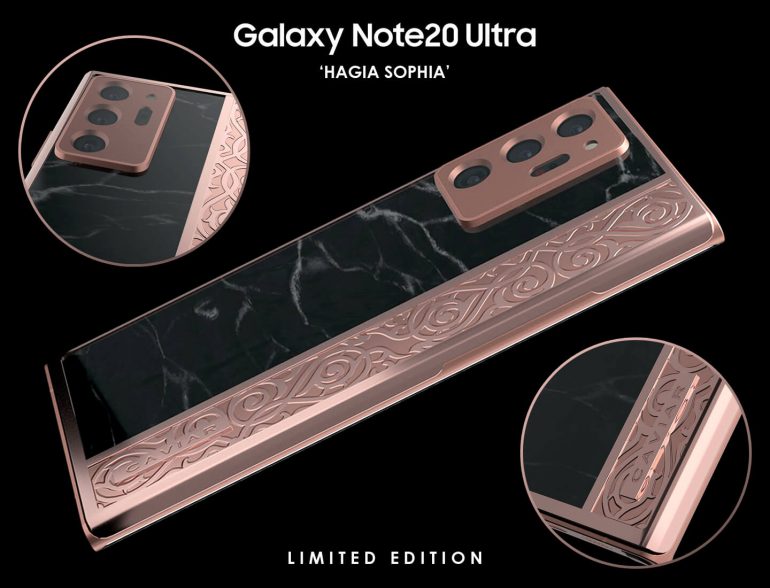
Renowned Russian luxury brand Caviar has launched four Samsung Galaxy Note 20 Ultra limited edition customized models, all of which are luxuriously designed in marble and rose gold. The four models are named after famous landmarks, three of which are in Europe and the fourth in China. These historic landmarks include St. Basils Cathedral in Russia, Hagia Sophia in Turkey, Parthenon in Greece and Forbidden City in China.

Among them, the Galaxy Note 20 Ultra Hagia Sophia version is covered with a black marble carving layer. Only 99 units of the smartphone will be produced and it carries a retail price of $5830.

The Galaxy Note 20 Ultra Parthenon Edition uses white/light grey marble carvings and three rose gold temple pillars on the outer layer. It is also limited to 99 units with the retail pricing set at $5750.

The Galaxy Note 20 Ultra Forbidden City Edition features grey-green marble carvings and rose gold decorations on the outer layer. Caviar will also produce just 99 units with a retail price of US$6060.

Finally, the Galaxy Note 20 Ultra Saint Basil’s Cathedral edition is themed after the famous Russian cathedral located in Moscow. It is designed with real red marble carvings and rose gold embossments. The limited-edition will only be available in 99 units and it is priced at $6,260.

As for the specifications, the Galaxy Note20 Ultra limited edition shares the same specs with the regular models. That is a 6.9-inch curved AMOLED display with a 120 Hertz refresh rate. The model comes with 12GB of RAM and in this case 256GB storage. Caviar offers free shipping to anywhere in the world for the models.


(via)


Leaked Galaxy M51 specs confirm 7000mAh battery, AMOLED display, and quad cameras

The Galaxy M51 is an upcoming mid-range phone. A support page is already live in Russia and there have been multiple leaks in recent weeks. Another leak has surfaced and it includes press renders in addition to a specification sheet of the device.

Starting with the specs, Sudhanshu Ambhore (@Sudhanshu1414) tweeted that the phone will have a 6.67-inch AMOLED display with a 60Hz refresh rate and a 1080 x 2340 resolution. There is a centered punch hole that houses a 32MP camera for selfies and video calls.

The back of the phone will be home to four cameras – a 64MP primary sensor with an f/1.8 aperture, a 12MP f/2.2 ultrawide angle camera, a 5MP f/2.4 depth sensor, and a 5MP f/2.4 macro camera.

The Galaxy M51 will pack a massive 7000mAh battery with support for 25W fast charging. Surprisingly, its weight is 213 grams and it is just 8.5 millemters thick. It will run Android 10 out of the box.

If you are wondering about the processor that will power the device, the leaker said his source informed him that it is the Snapdragon 730(G), however, there are reports that the chipset is different. Nevertheless, you may want to keep your fingers crossed on this one. Also, since this is not a 5G smartphone, it narrows down the choice of chipset that will power it.

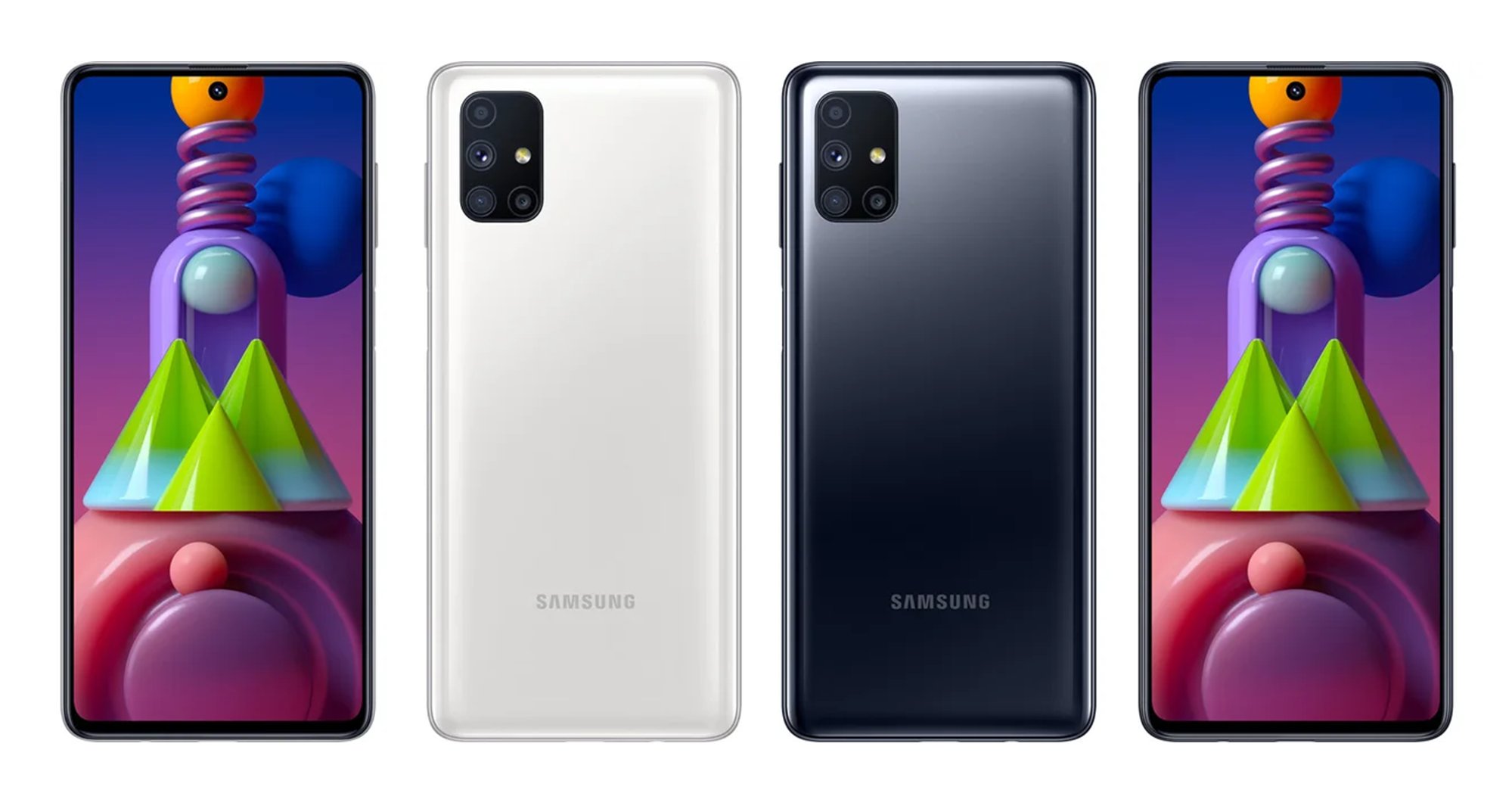
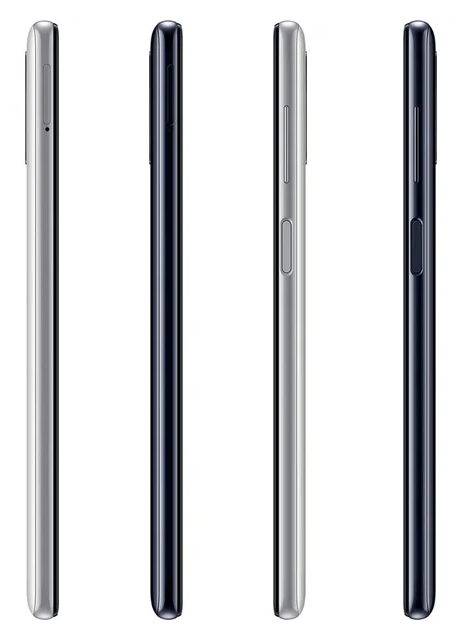
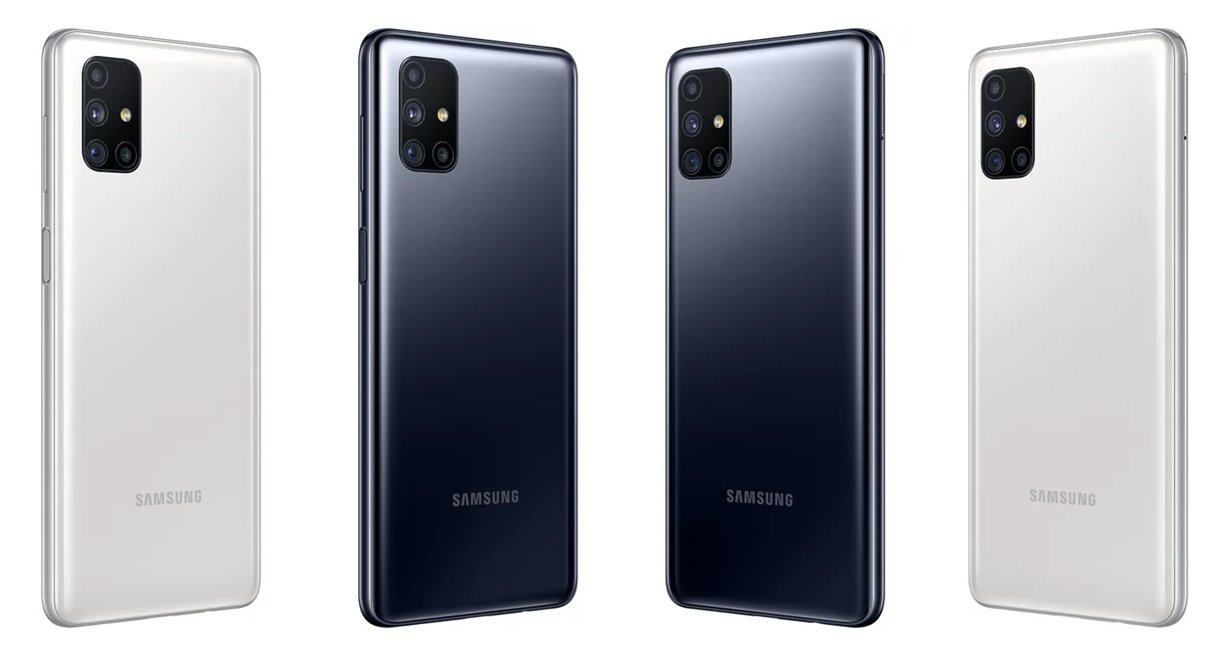
Sudhanshu has also shared press renders of the phone. As you can see in the images, the Galaxy M51 will be available in black and white with a rectangular camera housing placed on the left side with a small bump. The images also show that the phone has a side-mounted fingerprint scanner even though it has an AMOLED screen.

We expect Samsung to announce the phone soon in Europe and India.


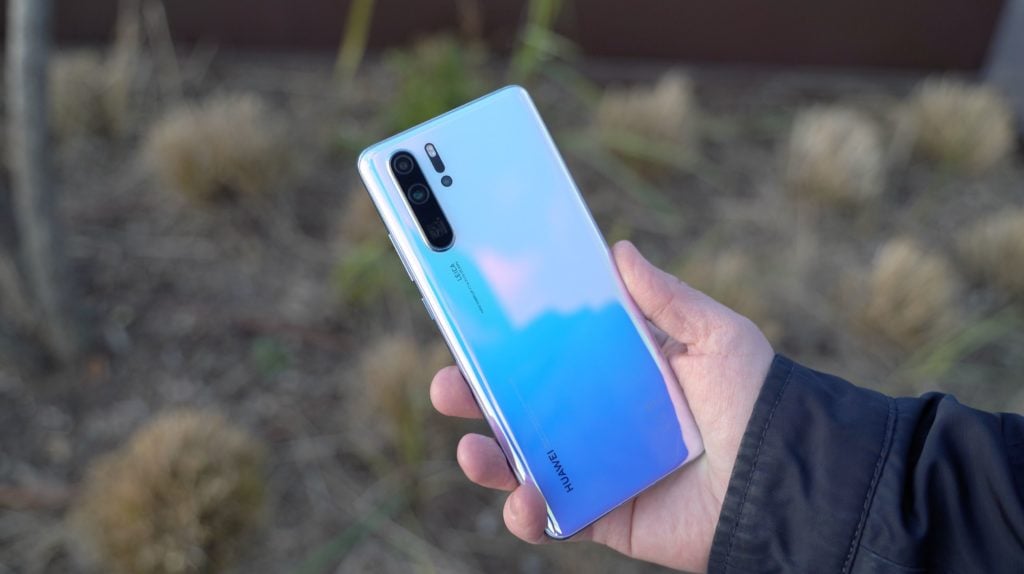
HUAWEI P30 Pro is getting EMUI 10.1 update in India

Huawei debuted EMUI 10.1 based on Android 10 with the launch of Huawei P40 series in late March. Since then, the company has been pushing this version of its mobile software to eligible devices starting in China. For Honor devices, this update comes as Magic UI 3.1 and the same was recently rolled out to Honor 20 and Honor View 20 in India. Now, HUAWEI P30 Pro is getting this update in the country.

Huawei P30 PRo featured

Since HUAWEI P30 Pro was the company’s flagship smartphone for the first half of 2019, it was one of the first to receive EMUI 10.1 in most regions (mostly June). But in India, the update is being only seeded now in August. Anyway, better late than never; given the uncertainty of future security patches, Google apps updates, and SafetyNet Attestation.

That said, the update comes with build number 10.1.0.146(C675E6R1P4) and weighs a whopping 4.69GB in size. Currently, it is being pushed in batches and should hit every unit in the coming days.

Since it is a high-end smartphone, it gets all the new features of EMUI 10.1 including new AOD styles, themes, wallpapers, Multi-Window, Multi-Screen Collaboration, Huawei MeeTime video calling app, Cross-Device Photo Gallery, Multi-Device Control Panel, and more.


(Via)

LG Q92 5G announced as a cheaper alternative to the LG Velvet 5G

LG has finally taken the wraps off the LG Q92 5G smartphone. The new upper mid-range phone arrives as a cheaper alternative to the LG Velvet 5G and is the first 5G phone in the Q series.

LG Q92 5G featured

With a price tag of KRW 499,000 (~$420), the LG Q92 5G has a 6.67inch LCD FHD+ display with a centered punch hole for a 32MP front-facing camera. It is powered by the Snapdragon 765G and is available in a single configuration with 6GB of RAM and 128GB of storage.

On the back of the phone are four rear cameras led by a 48MP sensor. Tagging along is an 8MP ultrawide angle camera, a 5MP depth sensor and a 2MP macro camera. LG has opted for a side-mounted fingerprint scanner so as to give the back a clean look.

The LG Q92 has an IP68 rating and is MIL-STD 810G certified. There is a 4000mAh battery under the hood but comes with just 15W fast charging via USB-C which is a tad disappointing. The phone also has stereo speakers, a MicroSD card slot, Bluetooth 5.0, and NFC. LG ships it with its UX 9 which is based on Android 10.

The phone will go on sale on August 26 in South Korea but there is no news yet of international availability.


Redmi Note 9 series discovered to have a defect that may affect the picture quality

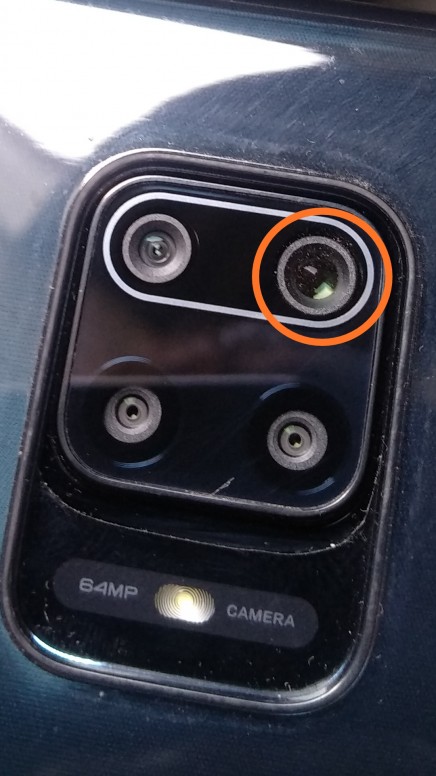
Xiaomi’s Redmi brand unveiled the Redmi Note 9 series earlier this year. The series is made up of the Redmi Note 9 and Note 9 Pro with the models adopting a square-shaped camera module similar to that of the Redmi 10x. There are reports of a defect on the camera module which allows dust to find its way into the camera thereby affecting the picture quality when that happens.

Apparently, the camera module of the Redmi Note 9 models come with a defect from the factory as it seems to not have been sealed properly which allows tiny particles to escape under the glass. Since it is on the inside, it is impossible to wipe off the fickles of dust with a soft cloth. This will then result in images captured using the dirty lens coming out grainy or blurred.

The issue seems to affect a considerable number of Redmi Note 9 and Note 9 Pro units and Xiaomi is in the know already. While responding to a complaint by a user on Twitter back in June, Alvin Tse, General Manager of Xiaomi Indonesia, confirmed that the company had, indeed, received reports and would be tightening up its quality control to prevent further cases. He also hinted that those with units affected by the issue would be attended to at Xiaomi’s service centres.

Since then, there have been fresh reports of Redmi Note 9 units having the same issue. We can’t say for sure if the units were released before the issue was discovered or if the company has actually improved QC since then. If you own any of the Redmi Note 9 series devices, do ensure you try to keep it away from dust as much as possible. You can let us know in the comments section if you own a Redmi Note 9 model and it is affected by this issue.


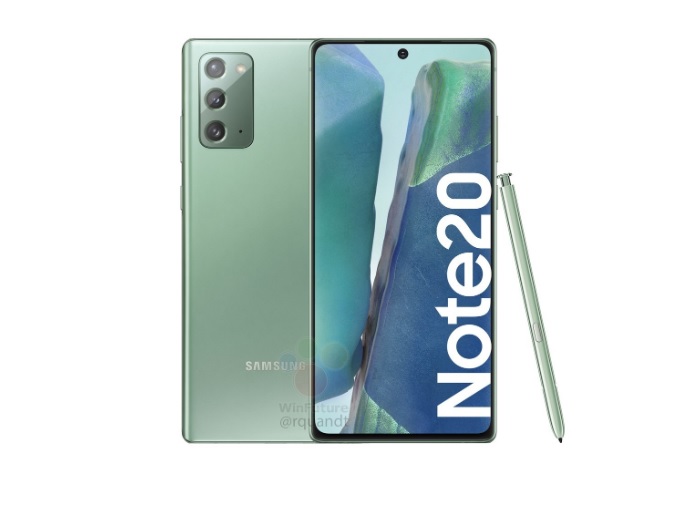
Samsung may kill the Galaxy Note series next year; Galaxy S21 Ultra rumored to have an S Pen

The Galaxy Note series have made a huge impact in the smartphone industry since the first model launched in 2011. Sadly, we may have come to the end of the road for the stylus-toting smartphone line according to news coming out of Korea.

Galaxy Note20

A report from the Korean publication, The Elec, says that Samsung may be pulling the plug on the Galaxy Note series next year which means the Galaxy Note20 and Galaxy Note20 Ultra will be the last of the series.

The source said that Samsung plans to include its S Pen stylus with the Galaxy S21/S30 Ultra, and if that happens, the Galaxy Note series will be redundant seeing as the differences, especially with respect to size, between the S series and the Note series are now minimal.

Samsung will most likely shift its focus to the Fold series for the second half of the year and there are rumors the successor to the Galaxy Z Fold 2 may also come with a S Pen too. It has also been reported that the Galaxy S21 series will ditch the ToF camera, a feature available on the Galaxy S20 Plus and Galaxy S20 Ultra.

The Galaxy Note series still command respectable sales, with figures going up to 10 million. It remains to be seen if Samsung can transfer this figure to the sales of the S series when the Note series is killed off. The Galaxy Z line of foldables is far from pulling those numbers. Not only are people still waiting for the technology to get better but foldable phones are quite expensive and out of the reach of many.

Anyway, until the above info is confirmed, we advise you to take it with a pinch of salt. Nevertheless, do let us know what you think about the possibility of Samsung killing the Note series. Yay or nay?


Xiaomi is seeding MIUI 12 update to Redmi 6 Pro in India

Xiaomi has been updating its devices to MIUI 12 left, right, and centre worldwide. The company is almost done with the rollout in its home country China. Hence, it is now focussing on delivery updates to global markets like India. The latest handset in this country to receive the update is Redmi 6 Pro.

xiaomi redmi 6 pro

For those unaware, Redmi 6 Pro already got MIUI 12 update in China earlier this month alongside Redmi S2, which is also known as Redmi Y2. There are only two variants of Redmi 6 Pro – China and India. Hene, the company has begun to seed the update to the latter model.

Currently, the update is being only rolled out to certain users. If those who received the update don’t face any issues, it will be pushed to more users, followed by everyone.

That said, the build number of MIUI 12 update for Redmi 6 Pro in India is V12.0.2.0.PDMMIXM. It is worth noting that the build may change if there’s a stability issue with this one. Anyway, as of writing this, Xiaomi is seeding the above-mentioned build.

Currently, MIUI 12 is only available for certain handsets in India such as Redmi K20 Pro, Redmi K20, Redmi Note 8 Pro,  Mi 10, and POCO X2, and POCO F1.


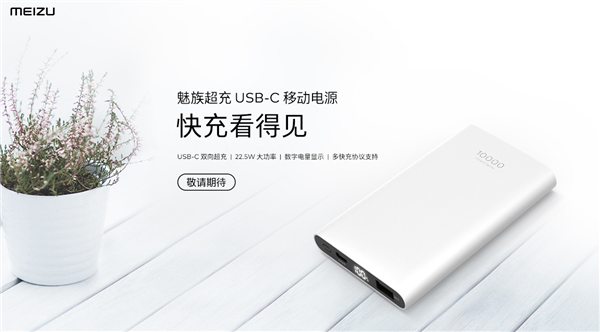
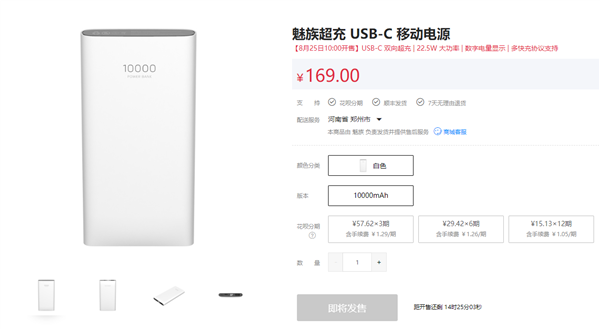
Meizu Supercharged USB-C power bank with two-way fast charge launched for ¥169 (~$24)

Meizu has unveiled a new power bank in China dubbed Meizu Supercharged USB-C power bank. The power bank will go on sale at 10 am on August 25 which is tomorrow. It carries an affordable 169 yuan (~$24) price tag.Meizu Supercharged USB-C power bank

The major selling points of the Meizu Supercharged USB-C power bank include a two-way supercharge USB-C port, a high power rating of 22.5W as well as a fast charging protocol.

The Meizu mobile power bank features a polymer battery with a 10000mAh capacity. Despite the large battery, the power bank has a thin build. The body is made using PC+ABS material and it comes in pure white colour. The device also has a digital display at one of the edges which shows the battery power left. You can view the battery power left by pressing the power button.
In terms of interfaces, the power bank has two interfaces, a USB-A and USB-C port. Next to the ports is a power button. In terms of input, Meizu Supercharged USB-C power bank supports three specifications: 5V/3A, 9V/2A, and 12V/1.5A. While for output, the USB-A interface supports three specifications: 5V/3A, 9V/2A, and 12V/1.5A. On the other hand, the USB-C interface supports 5V/2.4A, 9V/2A, 12V/1.5A, 5V/4.5A, and 4.5V /5A.


New FlexPai 2 specs leaked: packs 64MP quad cameras, SD865 and more

The Royole FlexPai 2 was announced in March at an event in China. However, the manufacturer said it would not launch until the second quarter of the year, which of course has already passed. We can blame COVID-19 for the delay. However, the device may soon launch as new details have now revealed.

At the launch event in March, Royole revealed the second-gen foldable phone will feature its 3rd-gen Cicada Wing Fully Flexible Display. The screen measures 7.8-inches when unfolded and has a 4:3 aspect ratio.

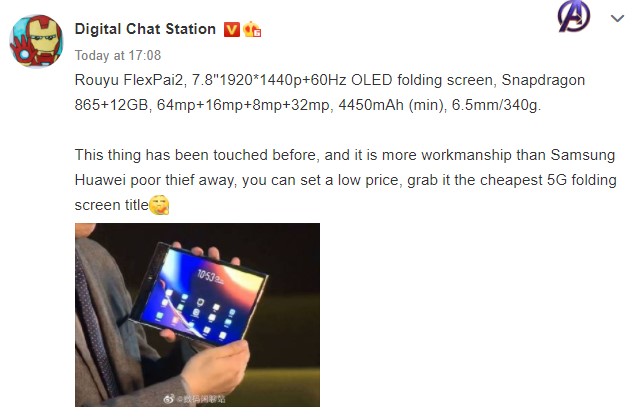
According to Digital Chat Station, the display of the FlexPai 2 will have a 1920 x 1440 resolution. It is an OLED display but with a standard 60Hz refresh rate. The leaker says the Snapdragon 865 processor inside the device is paired with 12GB of RAM but makes no mention of the storage capacity. However, Royole did say the device will have UFS 3.0 storage.
FlexPai 2 specs

The FlexPai 2 will have quad-rear cameras. The primary sensor is a 64MP camera and it comes along with a 16MP sensor, an 8MP sensor and a 32MP sensor. That is an impressive configuration and an upgrade from the 16MP + 20MP of the original FlexPai.

Royole has also increased the battery capacity to 4450mAh even though the screen size is still the same size as that of the predecessor. The leaker says the device has a thickness of 6.5mm (unfolded) and weighs 340 grams.

There are other details we do not know about yet but we expect Royole to announce the device soon.


OxygenOS 10.5.5 for OnePlus Nord brings improvements for cameras and fixes certain bugs

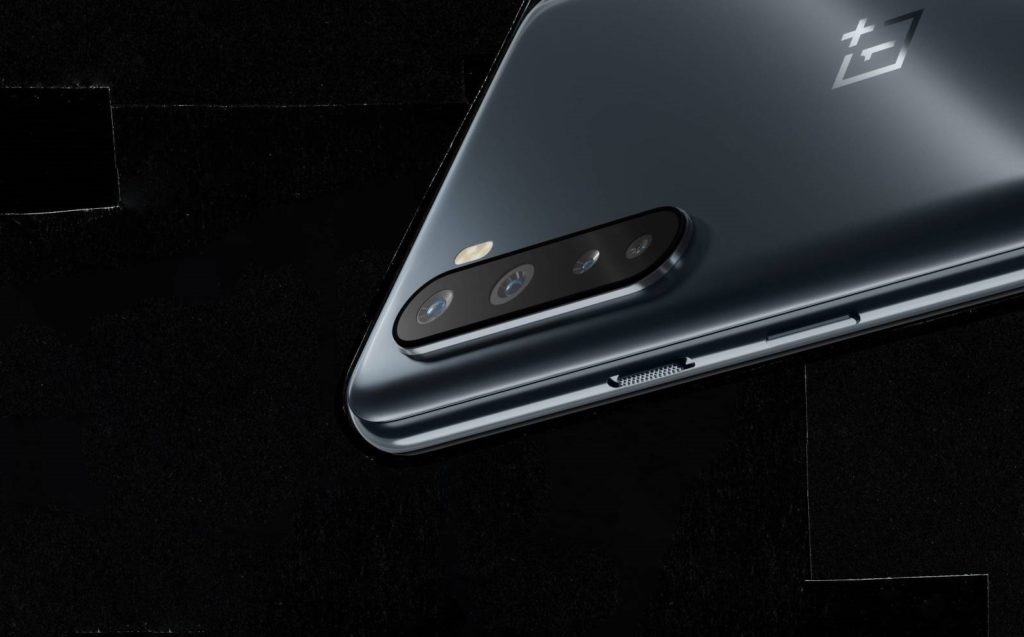
It has been only a month since OnePlus Nord’s official AR launch event but the smartphone is already receiving its fifth system update. The new OTA update with build number OxygenOS 10.5.5 is being rolled out to all the three variants of the handset namely India, Europe, and Global.

OnePlus Nord Featured - Gray Onyx

Just like the previous updates, this one too brings fixes and improvements. Most importantly, the new update fixes system reboot issue when free-form is enabled and OnePlus Notes always running in the background bug.

Talking about improvements, the latest update for OnePlus Nord improves volume adjustment interface, front camera image clarity in low light, quality of macro images, general power consumption, and charging experience.

That said, the update is being pushed in batches worldwide with following build numbers.

  • IN (India) – OxygenOS 10.5.5.AC01DA
  • EU (Europe) – OxygenOS 10.5.5.AC01BA
  • Global – OxygenOS 10.5.5.AC01AA

OnePlus Nord OxygenOS 10.5.5 Official Changelog

  • System
    • Improved volume adjustment interface
    • Fixed system reboot issue when free-form is enabled
    • Fixed issue of OnePlus Notes always running in background
  • Camera
    • Improved image clarity of front camera in low light
    • Improved image clarity of macro camera
  • Power
    • Improved general power consumption
    • Improved charging experience


(Source)

Xiaomi to launch a new Mi TV in India on September 7 with Horizon Edition moniker

Xiaomi recently launched Mi Box 4K (rebranded Mi Box S) and Mi TV Stick in India. Now, the company schedules an event for September 7 to launch a new smart TV with “Horizon Edition” moniker. It will be the third product from the company to carry this tag in the country after Mi Notebook 14 Horizon Edition and Horizon Display on Redmi K20/K20Pro.

Xiaomi Mi TV Horizon Edition India September 7

The teaser page for this new Mi TV for India does not reveal any of its specs. But since the launch is set to take place two weeks from now, we expect the company to add new details regarding this product to this page in the coming days.

As of now, the said page describes this new TV for the region to offer a “sumptuous feeling” with its “quintessential display tech”. These marketing jargons make us believe that this television could come with a QLED panel instead of regular LED-backlit LCD panel. Anyway, this is just a speculation from our end so consider it with a pinch of salt.

The page also confirms it to come with PatchWall launcher,  a content aggregation service by Xiaomi and a feature called Quick Wake to instantly power on and off the TV. Further, it also indirectly reveals the TV to run Android TV operating system with words “5000+ apps to try out”. That means it should also come with Chromecast Built-in.

Talking about the elephant in the room, Xiaomi uses “Horizon” branding for higher screen to body ratio products. So we can expect this upcoming Mi TV to feature thinner bezels than other existing models in India.


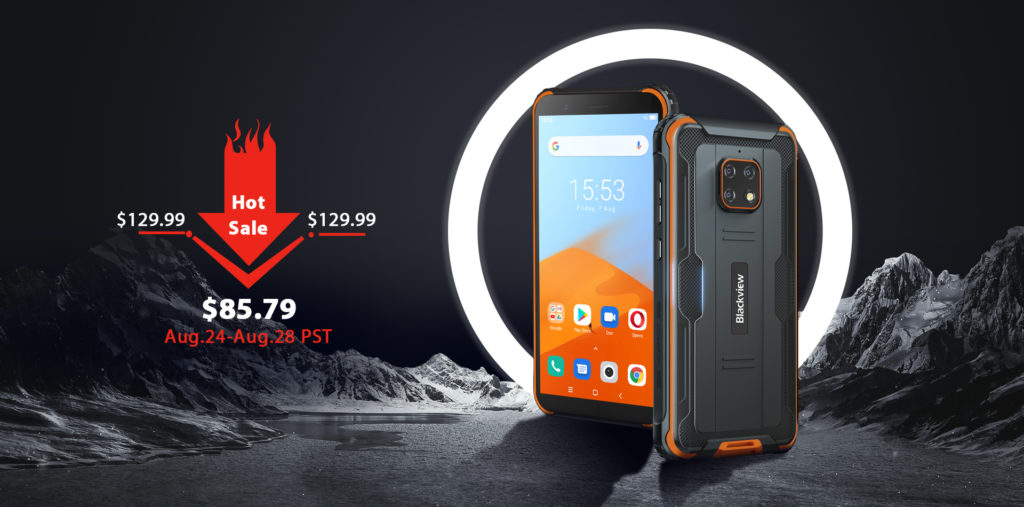
Blackview BV4900 Space Capsule rugged smartphone goes on sale for $85.79

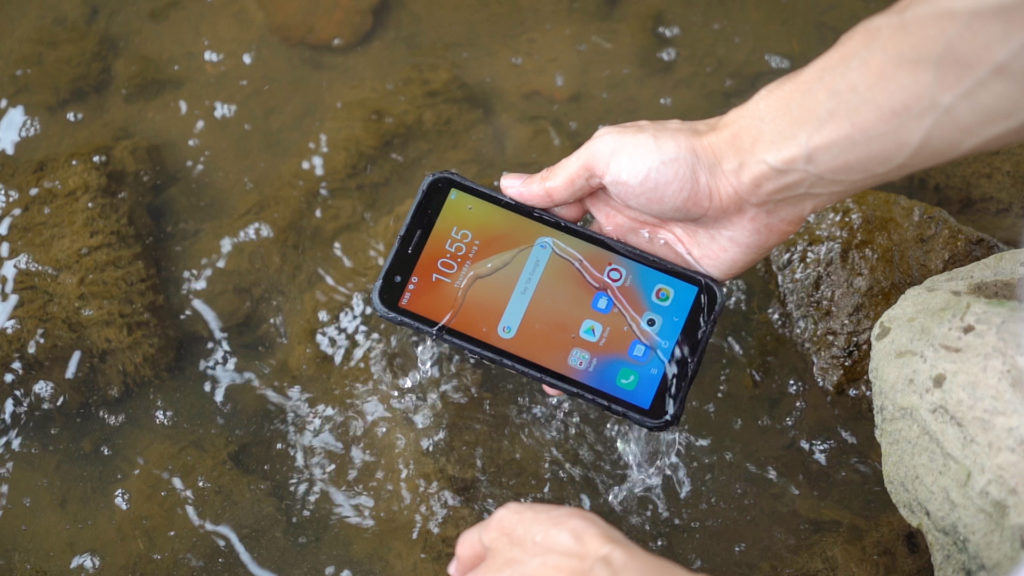
Blackview BV4900 (Space capsule) rugged phone goes on sale for $85.79. It was earlier announced on 12th August 2020. The main highlight of the phone is its military-grade design. Blackview BV4900 is waterproof up to 1.5m for 30 mins, fully dustproof, and drop-proof up to 1.5m height. The phone received an IP68 & IP69K & MIL-STD-810G certificates. 

blackveiw bv4900

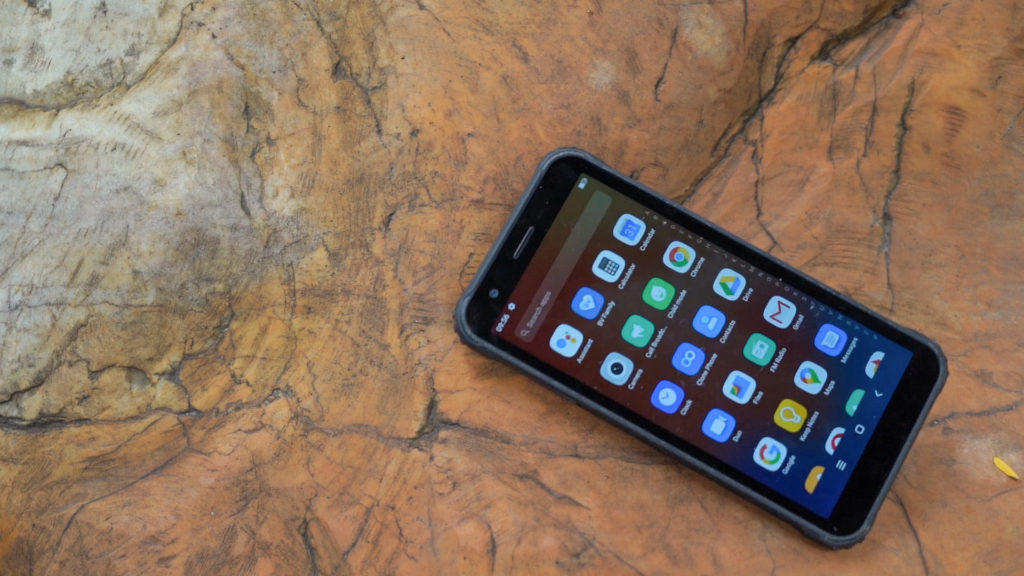
BlackVview BV4900 design is focused on the Space Capsule. At the backside of the phone, there are iconic lines that are inherited from the Space Capsule inner counter design. Moreover, there’s a volume rocker and power button on the right side of the phone. There is a triple camera setup at the back with an LED flash. On the front side, there is a single selfie camera placed within the top bezel. Moreover, Blackview BV4900 has a headphone jack at the top and the charging port is placed at bottom along with speaks grills on both sides.

It features a 5.7-inch HD+ display with an 18:9 aspect ratio. It comes in 3GB RAM and 32GB internal storage options. There’s a triple camera module at the back and it features Sony IMX134 8MP primary camera and 2x other cameras. The smartphone comes with MediaTek MTK6761 chipset. Blackview BV4900 has a huge 5580 mAh battery with reverse charging support and the phone runs on Android 10 out of the box.

The actual price of Blackview BV4900 is $129.99, but you can get a hefty discount under the ongoing world premiere sale. However, right now the company has a limited-time sale from 24th August to 2nd September 2020 in which BV4900 is available just at $84.79. You can get it now by heading to the Blackview store.


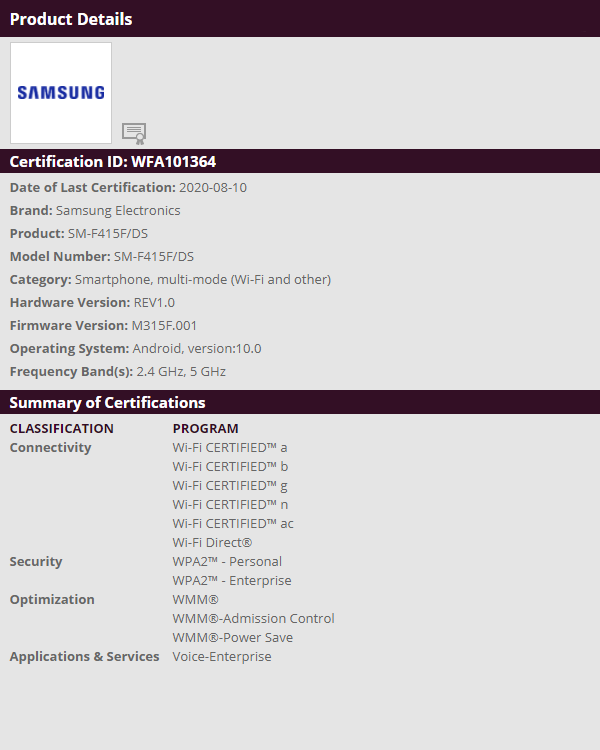
Suspected Samsung Galaxy Foldable Lite certified by the Wi-Fi alliance.

A Samsung model was recently certified by the WiFi Alliance bearing the model number SM-F415F/DS. Although the exact model is unknown, the model number suggests this is a Galaxy Fold smartphone. For reference, the first-gen Galaxy Fold bears the model number F900 while the Z Flip has the model number F700. Samsung Galaxy Fold Lite

The newly certified SM-F415F/DS model is thought to be an affordable version of the Fold since the model number puts it in the F400 series. The phone may be called Galaxy Fold Lite. Last year, it was rumoured that Samsung was planning to launch an affordable version of the Galaxy Fold. Well, we can’t really call it affordable in the real sense but considering the Fold starts at around $2000, the rumoured model is said to come in at around $1000.

The “1” in the model number is said to denote a second-generation model with reference to the Galaxy Z Fold2 having the model number F91 while the new Z Flip 5G comes with the model number F70x. That means this isn’t a rebadged first-gen product. However, the WiFi Alliance certification shows the device won’t have support for WiFi 6. That may be because the Galaxy Fold “lite” will likely pack a non-flagship chipset.


TWS chips demand surges as popularity for wireless products rises

The demand for chips for truly wireless studio devices (TWS) has been on the rise recently. The surge in demand arrives after orders for non-AirPods counterparts have risen in the market, according to a DigiTimes report.

TWS

An industry source recently stated that the sales of TWS products were slow in the first half of 2020, due to consumers spending on laptops and notebooks to support work from home requirements or TVs for entertainment. But now, with the dust settling in amidst the pandemic, the TWS market is set to rise again with OEMs gearing up for production to tackle Apple’supcoming generation of AirPods products that will arrive in the second half of 2020.

In other words, the TWS market is heating up the latter half of this year. Furthermore, most vendors outside of Apple are now looking into improving ANC (active noise cancellation) technology for their offerings. This will push up the demand for key components like RF SoCs, power-charging MCUs, and MEMS microphones.

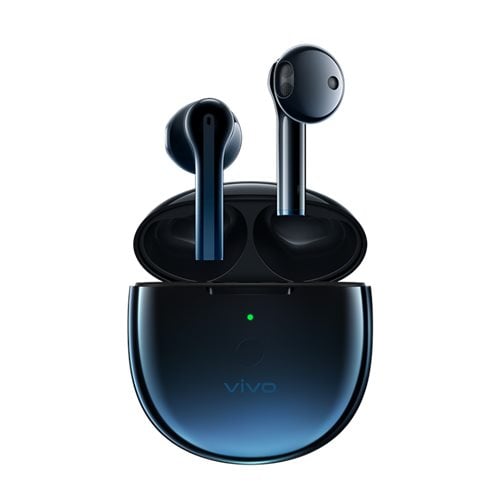
Vivo TWS Neo Earbuds

The source reported on Realtek Semiconductor ramping up production, for its RF SoCs in the third quarter of 2020. It was also revealed that nearly half of all Realtek’s shipments of Bluetooth chips were for TWS applications. Similarly, MEMS microphone technology is also becoming increasingly popular in the market due to its use in ANC, with ZillTek Technology benefitting the most.


Samsung Galaxy Note 20 Ultra’s Victus Glass shows impressive results in drop test

The Samsung Galaxy Note 20 Ultra arrives with layers of Gorilla Glass Victus on the front and the rear. The layer is the successor to the Gorilla Glass 6 and offers better scratch and shatter resistance. This holds true with a recent drop test that showcased impressive results.

In a video shared on YouTube by PhoneBuff, the flagship from the South Korean tech giant was subjected to its drop test, along with Apple’s iPhone 11 Pro Max as a comparison. It is generally known that dropping a smartphone on the back can be worse than the front of the device has a camera bump, which changes the point of impact. However, the drop test found that the Galaxy Note 20 Ultra faired way better than the flagship from the Cupertino based giant.

Looking at the video, the iPhone 11 Pro Max with the Gorilla Glass 6 protection cracked completely, while the Victus protection on the Note 20 Ultra saw it survive with a lot less visible damage. Only the corner of the Galaxy device was cracked due to the point of impact, while only a few minor scratches on the camera module was observed. When both smartphones were dropped on their face, the Samsung flagship outperformed the iPhone 11 Pro Max again, with the former surviving 10 drops and having just a few scratches, which is quite impressive.


Samsung Find My Mobile app is now able to locate Galaxy devices even if they are offline

The Samsung Find My Mobile app, which was made to help users locate their devices remotely has recently received a major update to its functioning. While the app did offer Galaxy owners a lot of functionality, it could only do so if the device in question had an internet connection. But now, Samsung is rolling out an update that will allow it to work even when the device is offline.

In other words, even if you lose your smartphone in an area with no network coverage, there is still a way to locate it using Find My Mobile app. The latest version 7.1.08.0 of the app added a new ‘Offline finding’ feature that lets users locate their device in the event of it getting lost. It will also let other users use your smartphone to scan for lost Galaxy devices nearby.

Furthermore, the function also extends towards Galaxy Watches and earbuds, if they were connected to your device. The feature was spotted by Max Weinbach recently, who also shared screenshots of the images on Twitter. Looking at the images, it can be observed that users can even encrypt the offline location from the settings page which can be accessed via app itself.


A POCO smartphone with original design passes through multiple certification bureaus

We are in the second half of 2020 but POCO is yet to launch the successor (POCO F2) to the original POCO F1 from 2018. Instead, we got POCO X2 (Redmi K30 4G), POCO F2 Pro (Redmi K30 Pro), and POCO M2 Pro. The brand is also expected to unveil an entry-level smartphone called POCO C3 (Redmi 9C). Recently, Angus, the Global Spokesperson of the brand even teased the arrival of a high-refresh-rate device. This handset may have been now spotted on FCC, BIS, and TÜV Rheinland Japan

POCO M2007J20CG M2007J20CT Rear Design FCC Featured
POCO M2007J20CG/M2007J20CT Rear Design (Source: FCC)

The FCC listing of a mysterious POCO smartphone with model number M2007J20CG and M2007J20CT is being sheared by multiple tipsters and tech influencers on Twitter. We are not sure of the first person who spotted it. With the help of screenshots shared by @the_tech_guy, even we were able to retrieve it from FCC.

Last week, this very same handset received TKDN and EEC certifications but those did not reveal anything except for the fact that it is a POCO-branded 4G smartphone. Whereas, today’s certification findings not only reveal the battery and charging speed but also the rear design.

According to an FCC document, this upcoming 4G POCO smartphone will run MIUI 12 and will come with BN57 battery and  MDY-12-EA 33W Xiaomi charger. As per Mukul Sharma (@stufflistings), the device has also received BIS and TÜV Rheinland Japan certifications. The latter even revealed the capacity of the battery to be 5,160mAh.

Another FCC document also exposes the rear design of this forthcoming phone. The sketch reveals the device to sport a 64MP camera setup arranged on a rounded rectangle platform located at the centre. Additionally, a textured line will run along the middle of the back panel with a huge POCO branding at the bottom.

As for other specs, according to a deleted tweet by Aguns (via Abhishek Yadav), this phone will sport an AMOLED display with 120Hz refresh rate. That said, the chipset powering it is still a mystery and only that can give us an idea if it will be a mid-range device or a flagship killer.

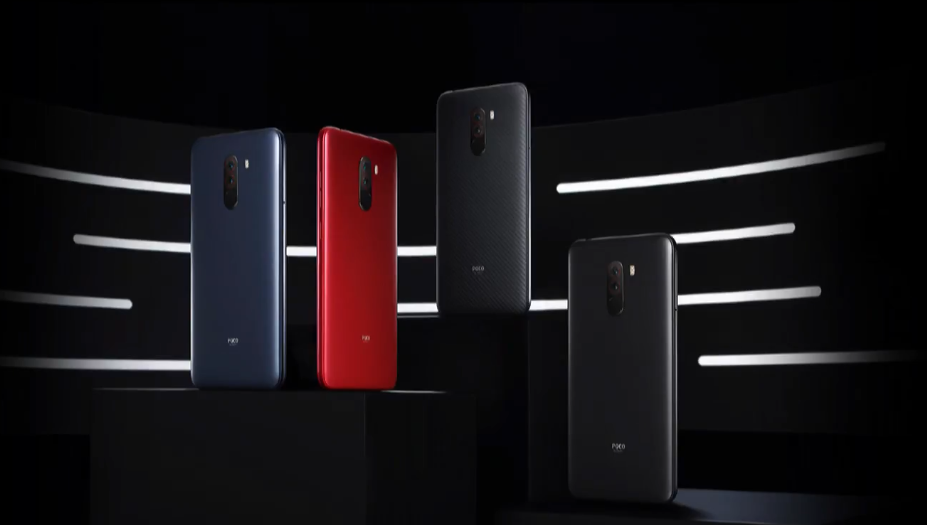
XIaomi Poco F1 Color Variants
POCO F1

Though most netizens are claiming it to be POCO X3, there’s a high chance for it to be the long-awaited POCO F2. Why are we saying this? That’s because the design of this handset is original (not a rebranded Redmi device). Since the original POCO F1 is one of the most beloved smartphones in recent years, its successor deserves originality and this mysterious phone delivers it.

Anyway, this is just a speculation from our end. It may even end up us something else as the POCO M2 Pro also has a unique design touch though it is part of Redmi Note 9 family. Maybe, the Redmi variant of this phone will launch later in China. So It could be a rebranded handset too.