OnePlus recently released Android 11 beta 3 for compatible devices. The new update comes with OxygenOS 11, the new UI OnePlus will announce later this year for its phones. While the internet is divided about how they feel about the new user interface, OnePlus has revealed that some already available software features will not be coming to its older phones even though it promised they would get them.
The info was revealed to Mishaal Rahman, the Editor-in-Chief of XDA-Developerswho reached out to OnePlus to ask about these promised features that are yet to arrive. Below are the said features and the reasons why they will not be coming to these phones:
RAM Boost for OnePlus 5 series
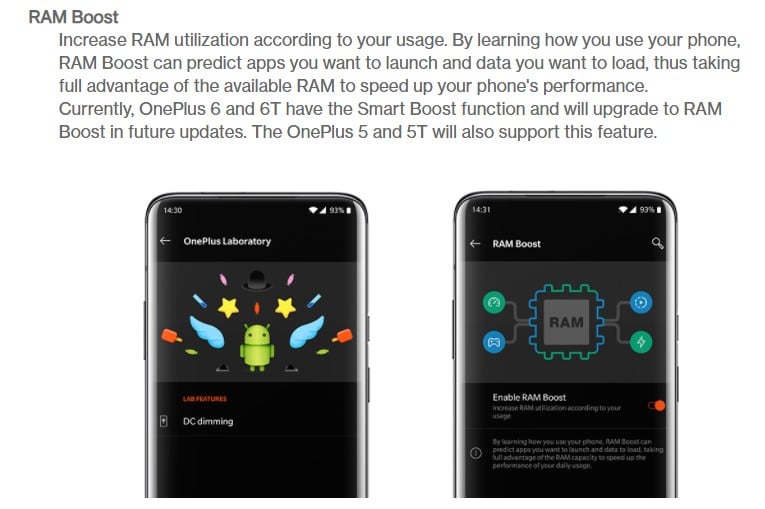
RAM Boost was announced last year. It arrived with the OnePlus 7 series with a promise to be available for the OnePlus 6, OnePlus 6T, OnePlus 5T, and OnePlus 5. The feature which learns the usage pattern of the phone owner can predict over time the apps to be launched and allow these apps to take full advantage of the RAM to improve performance.
Excerpt from the official post confirming RAM Boost will be available for the OnePlus 5 and 5T
It has been more than a year since OnePlus promised it will be available for the OnePlus 5 and OnePlus 5T. When asked why it is yet to be available, OnePlus said it will no longer be released for both phones due to a hardware compatibility issue. Yup, standard textbook excuse.
OnePlus releases some features that are exclusive to select regions and one of them is Caller Identification which made its debut on the OnePlus 6 and OnePlus 6T. The feature was promised to be made available for the OnePlus 3 and OnePlus 3T along with their Android Pie update but wasn’t. OnePlus says it will no longer be released for the two phones as they have reached their end of life.
DC Dimming was also included in the source post as not being available for the OnePlus 6 and OnePlus 6T even though it was promised but users of the two phones have revealed the feature is available for them.
In related news, older phones are not the only ones that are missing out on promised updates. The OnePlus 8 is supposed to get an OTA that will bring upgrade for 5G or 4G dual SIM support. It has been five months since its release and the feature is yet to arrive. When asked, OnePlus says it will be available in Q4 2020.
OnePlus has also confirmed that one-handed mode will be made available with the stable version of OxygenOS 11 and HydrogenOS 11. It remains to be seen if all the devices that will get the new update will receive the feature.
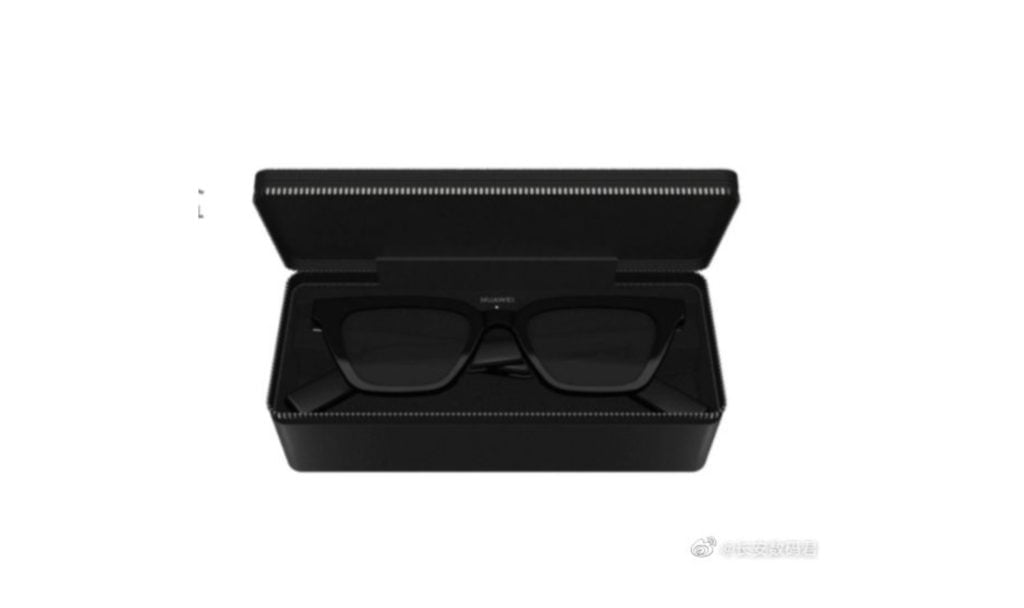
At the HUAWEI P30 series launch event in Paris in early 2019, the Chinese telecom giant surprised everyone by unveiling HUAWEI Eyewear, a smart glasses in collaboration with South Korea’s popular fashion firm GENTLE MONSTER. Now, after more than a year later, the second generation of this product called HUAWEI Eyewear II leaks in renders.
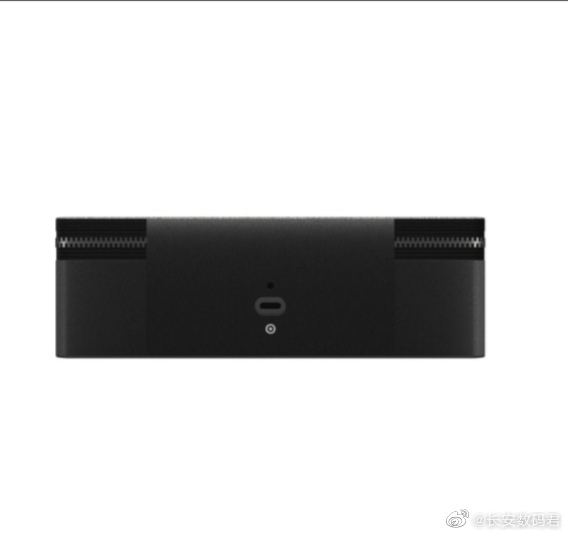
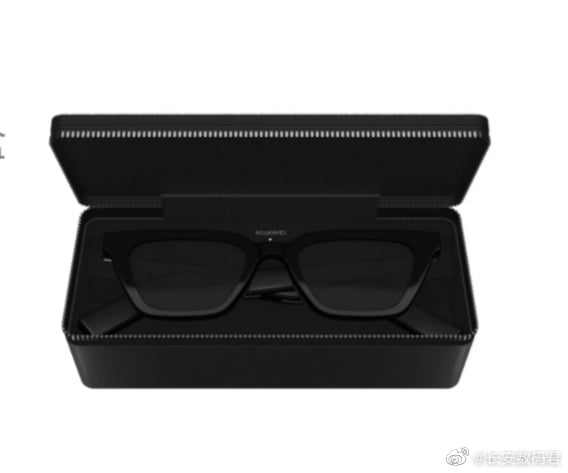
The renders of Huawei Eyewear 2 (HUAWEI Eyewear II) were first shared by a blogger called 长安数码君 (Changan Digital King) on Weibo. Going by the pictures, the new model will be smaller and probably even lighter than the previous generation.
Another notable difference will be the shape of the carrying case (pouch) as well as the positioning of the USB Type-C port and LED indicators. That said, the details about the official launch and availability of this product are bleak.
Unlike Huawei smartphone and laptops, the HUAWEI x GENTLE MONSTER Eyewear was made available in limited quantities. The company fused technology and fashion with this product.
Although they looked like traditional glasses, they came with speakers as well as microphones for calls and music. It was similar to BOSE Frames and different from Snapchat Spectacles, which features cameras.
1 of 3
Earlier this year at the HUAWEI P40 series launch event, the firm even introduced new models to the first generation product as part of the Spring and Summer 2020 collection. But none of them is available for purchase at the moment.
Vivo is reportedly working on the successor for the Vivo Y19 that debuted in November last year. The reason behind it is that a phone named Vivo Y20 has been approved by the SDPPI Indonesian certification platform. The listing of Y20 at SDPPI has not revealed any details on its specifications. However, it has confirmed that its model number is V2027A.
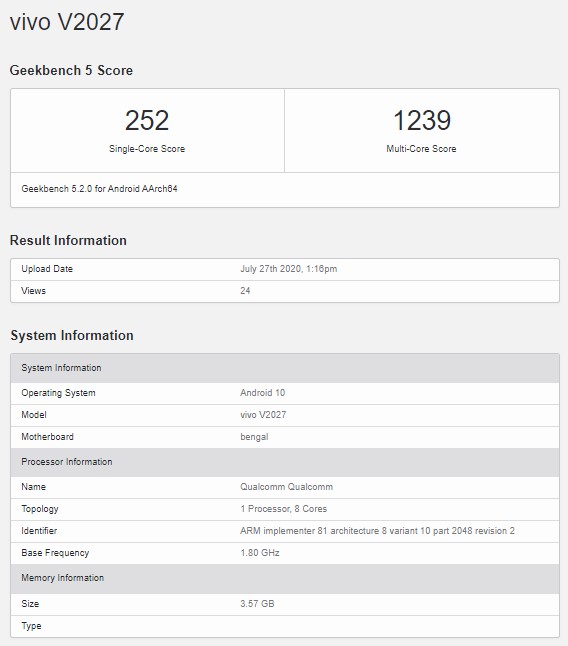
The said phone has been spotted previously at Geekbench as ‘vivo V2027’ in July. The listing revealed that it is fueled by Qualcomm’s octa-core processor that has a base frequency of 1.8GHz.
The SoC was mentioned with ‘bengal’ codename. Some reports have claimed that the codenamed may belong to the Snapdragon 662 mobile platform. Contradictory reports have claimed that it could be featuring the Snapdragon 460 SoC. The Geekbench listing had also revealed that the phone features 4 GB of RAM. The phone is found to be running on Android 10 OS.
The Vivo Y19 came with a 6.53-inch IPS LCD display with waterdrop notch and support for Full HD+ resolution. The Helio P65 chipset fueled the device with up to 6 GB of RAM. The handset offered users with 128 GB of internal storage and a microSD card slot.
The Android 9 Pie OS along with One UI skin came preinstalled on the Vivo Y19. It had a front camera of 16-megapixel and its rear was fitted with a 16-megapixel + 8-megapixel (ultrawide) + 2-megapixel (macro) triple camera system. The smartphone had arrived with a 5,000mAh battery that supported 18W fast charging.
Honor has been long rumored to launch gaming laptops. The brand officially confirmed it a couple of days back. Yesterday, it even revealed these notebooks to be powered by Intel chipsets. Now, last evening, one of the company executives also confirmed them to feature LED lightings for aesthetics by sharing some pictures.
Chinese brands have a habit of revealing everything about their new products except pricing and availability before their official launch. Continuing the tradition, Honor has begun to tease the features of its first-ever gaming laptops.
Lao Xiong, one of the VP of Honor is commonly referred to as Glory Old Bear on the internet via translation. He is known for teasing new products like the brand’s president Zhao Ming (George Zhao).
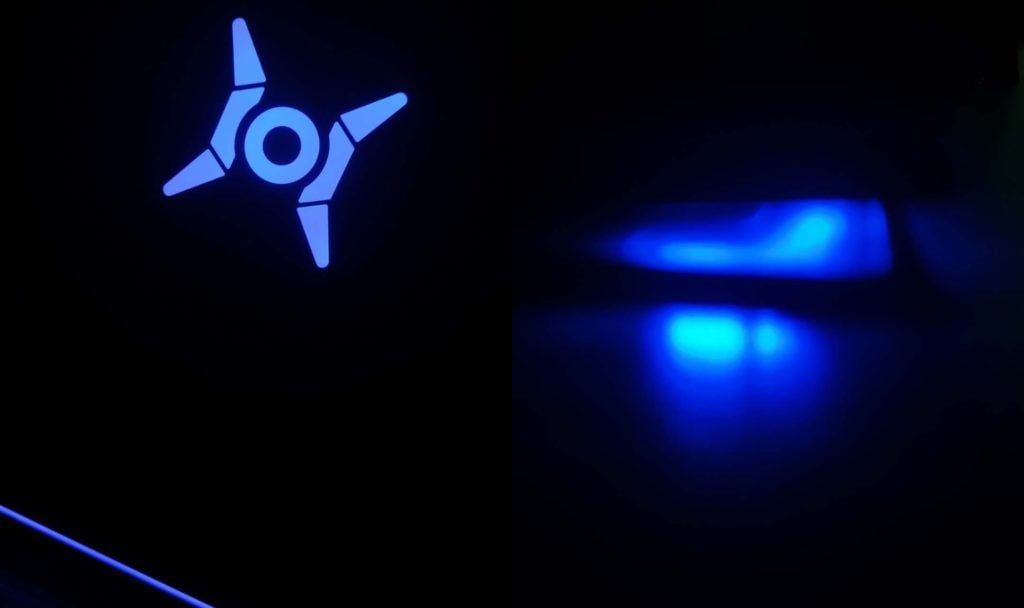
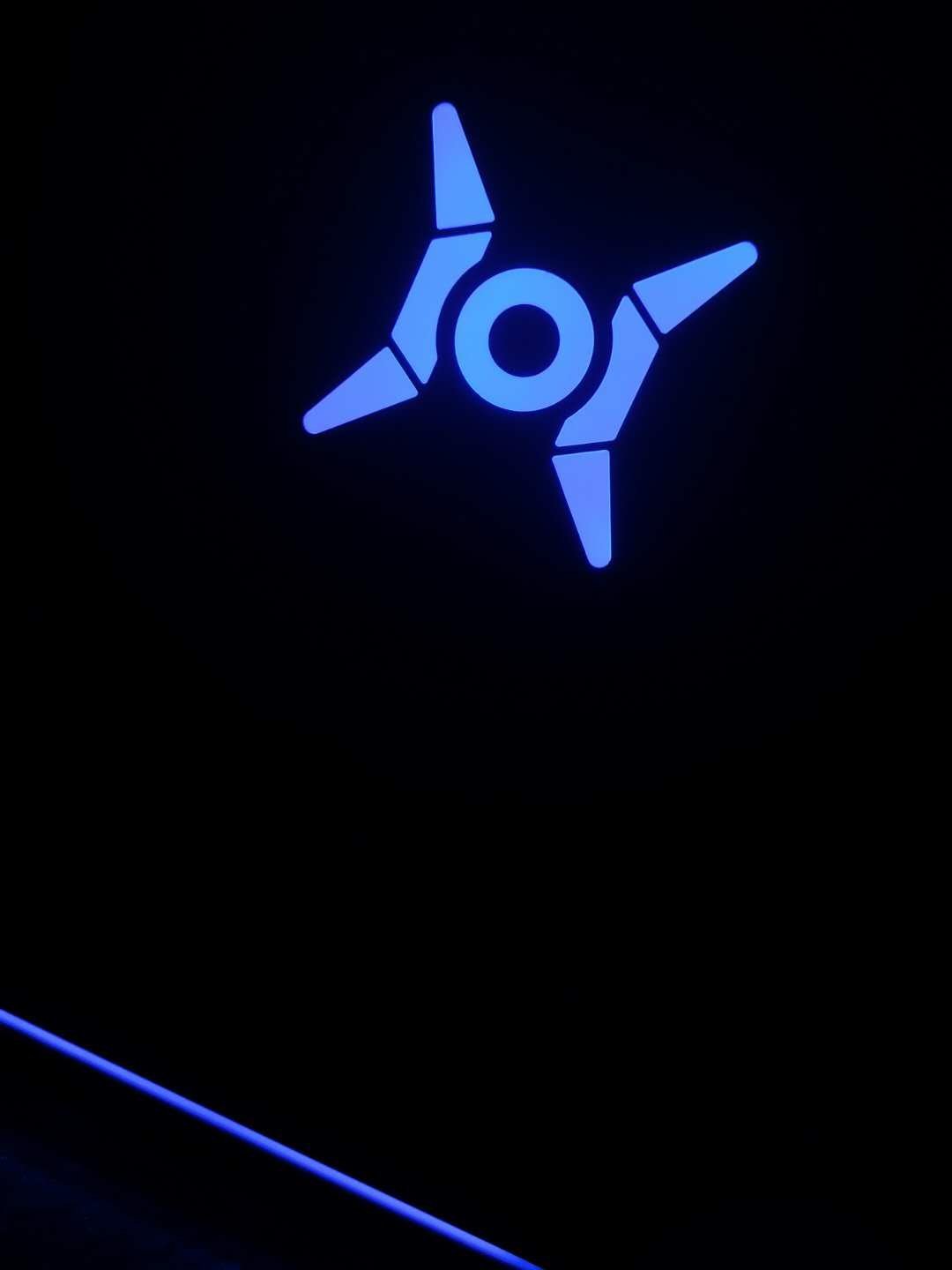
Yesterday, he shared two pictures of an upcoming Honor gaming laptop model with their aesthetics LEDs turned on. The first image shows the illuminated “HUNTER” logo at the back along with lightened up borderlines Whereas, the second image seems to tease LED light even for the supercars-inspired massive vent but that is just a guess from our end. Do let us know what you think about in the comment section below.
1 of 2
Further, since the picture shows only blue color, we cannot say for sure for these LED lights to be RGB. Anyway, it is better than not having them at all like the newly launched Redmi G Gaming Laptop.
That said, we expect Honor to reveal the launch date for these gaming laptops as soon as next week.
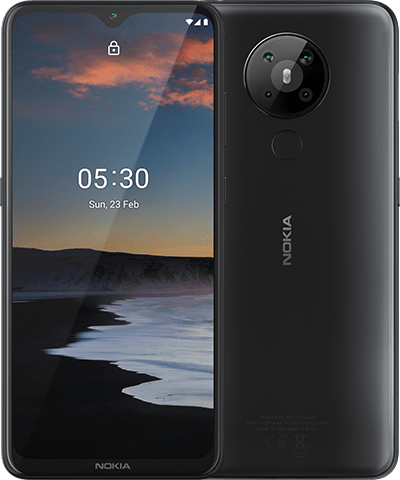
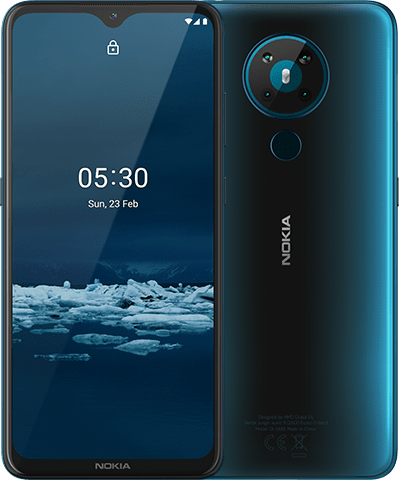
A recent report by The Mobile Indian had revealed that HMD Global will announce the Nokia 5.3 smartphone this month in India. The landing page of the phone is now live on the Nokia India website. The listing has revealed the specifications and features of the phone. Hence, it appears that the launch date of the Nokia 5.3 for India is around the corner.
Nokia 5.3 specifications and features
The Nokia 5.3 smartphone measures 164.3 x 76.6 x 8.5mm and it weighs 180 grams. The handset has a 6.55-inch LCD panel with a waterdrop notch. The screen supports HD+ resolution and a 20:9 aspect ratio.
The Snapdragon 665 mobile platform powers the 4 GB and 6 GB of RAM. It has an internal storage of 64 GB and it has a microSD card slot for additional storage. The handset is preinstalled with Android 10 OS. The handset is promised to receive a software upgrade for 2 years. It has a hardware key for accessing Google Assistant.
The Nokia 5.3 houses a 4,000mAh battery with 5V/2A charging support. It has an 8-megapixel selfie camera with an f/2.0 aperture. The rear side of the phone has a round-shaped camera module with an LED flash. It includes a 13-megapixel main camera with f/1.8 aperture, a 5-megapixel ultrawide sensor, a 2-megapixel depth sensor, and a 2-megapixel macro lens.
A fingerprint reader is also available on the backside of the Nokia 5.3. The handset has connectivity options such as dual SIM support, Wi-Fi 802.11ac, Bluetooth 4.2, GPS, NFC, USB-C, and 3.5mm audio jack.
Only the pricing of the Nokia 5.3 for Indian markets is under wraps. The handset was introduced in Europe with a price tag of 189 euros (~$224; Rs. 16,800). The handset will be available in colors such as Cyan, Sand, and Charcoal.
Xiaomi has officially launched the budget Redmi 9 smartphone in the UK. The smartphone is one of the brand’s latest entry-level model that has been introduced in China, Europe, India and other major markets. In a bid to cater to the needs of its growing fans in the UK who may be low on budget but need a phone, the brand is bringing the affordable phone.
Redmi 9 color variants
The company is making available the 4GB + 64GB version only and it is priced at £159. This is slightly lower than the price in Europe where the 4GB version retails for €169. As a perk, it will be bundled with a free Mi Band 4 wearable and £10 off if you order between 14th and 23rd of August, bringing the price down to £149. The phone is presently available from Xiaomi’s official website. There is no indication if the 3GB + 32GB version will be made available as well for the UK market.
The Redmi 9 is Xiaomi’s first entry-level smartphone to feature an all-purpose quad-camera set up. The phone features a humongous 6.53-inch FHD+ Dot Drop display which offers an optimal visual experience with crystal-clear detail at your fingertips. It also comes with TÜV Rheinland Low Blue Light certification and Corning Gorilla Glass protection.
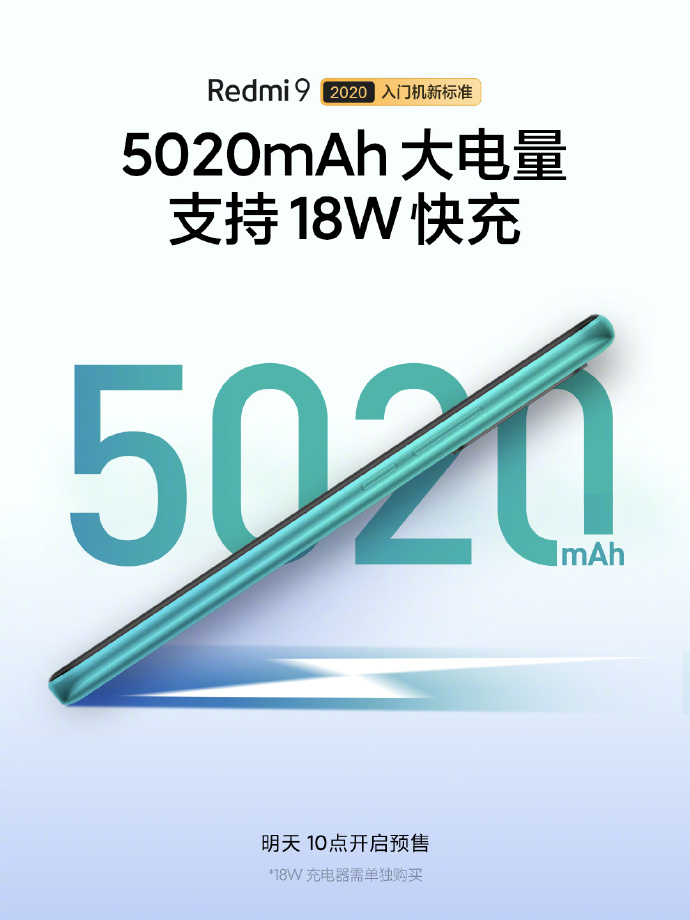
On the performance front, the Redmi 9 is powered by a MediaTek Helio G80 SoC. The device equally packs a mammoth 5020mAh battery which provides you with all the power you need for everyday work and play. This performance beast even supports 18W fast charging technology to keep your sideline time to a minimum so you can get back in the game.
The budget phone packs a rear fingerprint sensor, a 3.5mm headphone jack, IR blaster, and multifunctional NFC. It also brings dual SIM support with an additional microSD card slot. It is available in Carbon Grey, Ocean Green, and Sunset Purple.
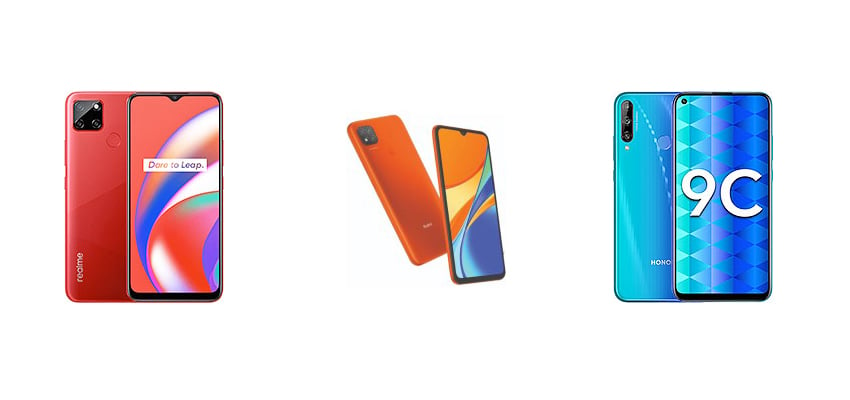
The war of entry-level phones is becoming huge, especially thanks to Xiaomi and Realme. Every time one of these two companies launches a great entry-level device, each other comes up with an even better one. The latest one is Realme C12, just announced with a huge battery at a very affordable price. We think it is time to compare it with the latest Xiaomi entry-level in order to establish whether or not it has a higher value for money: we are obviously talking about the direct rival Redmi 9C. And let’s not forget Huawei: even this company has amazing entry-level devices in its portfolio. If we consider the price range of the Realme C12, the most suitable one for this comparison is the Honor 9C.
Quad 13 + 2 + 2 MP f/2.2, f/2.4 and f/2.4
5 MP f/2.0 front camera
Triple 13 + 5 + 2 MP, f/1.8, f/2.4 and f/2.4
5 MP front camera
Triple 48 + 8 + 2 MP f/1.8, f/2.4 and f/2.4
8 MP f/2.0 front camera
BATTERY
6000 mAh
5000 mAh, 10W charging
4000 mAh
ADDITIONAL FEATURES
Dual SIM slot, reverse charging
Dual SIM slot
Dual SIM slot
Design
Despite it is an older handset, the Honor 9C has the most beautiful and futuristic design. It is the only device from this trio to feature a punch-hole display. Not everyone may like a hole on the upper left corner of the screen, but it is considered a more modern and less invasive solution to the waterdrop notch found on the Realme C12 and the Redmi 9C. The Honor 9C also comes with a less invasive camera module, despite the ones of its rivals are trendier because they look like the iPhone 11 lineup. Realme C12, Redmi 9C, and Honor 9A feature both a fingerprint reader and a 3.5 mm audio jack, that is great.
Display
With each of these handsets, you get a below-average display with an HD+ resolution. You do not get a high level of detail, but they are sufficient IPS panel for daily use. With the Redmi 9C, you even get a high brightness. But overall, the differences between these three panels are just marginal. You would better make your choice by evaluating other aspects of these devices. Unfortunately, we can not test the display of the Realme C12 since it just debuted and it only launched in Indonesia. But on the paper, Redmi 9C seems slightly better and it also comes with a slightly wider panel.
Specs & Software
The MediaTek Helio G35 chipset found on the Redmi 9C and the Realme C12 is actually more powerful than the Kirin 710A found on the Honor 9C. It is also more efficient because it is built on a better 12 nm production process. But with the Honor 9C, you can get a higher quantity of RAM, so its inferior processor is not a big thing to worry about. Between Realme C12 and Redmi 9C it is essentially a draw, except when it comes to the internal storage: Redmi 9C goes up to 64 GB, while Realme C12 stops at 32 GB. In each case, you get Android 10 out of the box.
Camera
The best camera phone here is the Honor 9C, there is no doubt about it. The Honor 9C has a much better main sensor with a 48 MP resolution and a bright f/1.8 focal aperture. Further, unlike Realme C12 and Redmi 9C, it packs an ultrawide secondary sensor. Even its selfie camera is better, with its 8 MP resolution and an f/2.0 focal aperture. There is just no challenge: Honor 9C is a superior camera phone in all of the scenarios. Between Realme C12 and Redmi 9C, it is again a draw on the paper: they feature the same sensors.
Battery
The Realme C12 has one of the biggest batteries in the entry-level segment, with a 6000 mAh capacity. And it obviously lasts more on a single charge than both Redmi 9C and Honor 9C. The silver medal goes to the Redmi 9C with its 5000 mAh battery. But even though Honor 9C loses the comparison, it still provides a good battery life thanks to its 4000 mAh battery. Unfortunately, none of these devices supports fast charging. But the Realme C12 features reverse charging, so it can be used as a power bank to charge other devices.
Price
Actually, Realme C12, Redmi 9C, and Honor 9C are all priced below €150/$180. But Realme C12 is a bit more affordable (depending on the country). And despite being more affordable, it is my favorite handset of this comparison because it offers a bigger battery, reverse charging, and great hardware. On the paper, Redmi 9C is a Realme C12 with a smaller battery. Instead, the Honor 9C is very interesting because it features a way better camera department, as well as a more beautiful design. But when it comes to the other specs, it can not compete with Realme C12 and Redmi 9C. I would pick the Realme C12, but a lot of people would prefer the Honor 9C because it is very hard to find a so nice camera in that price segment.
OnePlus Gallery is the default gallery app on OnePlus smartphones. Lately, the brand has been updating this app with features from Google Photos. In May, the company integrated Google Lens and in July, it got the option for casting. Now, in August, the app has been updated to add support for editing 4K 60fps videos.
Default gallery on most smartphones is barebone without any advanced features. That’s good. because more features may confuse a regular user. But there are certain users who want most out of their phones.
However, these users tend to use separate feature-rich apps for their purpose. But there are some users who sit between these two types. For them, some advanced features in the default apps can be handy.
For instance, the newly added editing option for 4K 60 fps videos in OnePlus Gallery allows basic operations like trimming as well as applying filters and music. This can be useful for those mid-level users as well as power users if they want to edit something quickly.
Apart from this feature, the new update for the OnePlus Gallery app also brings support for photo projecting to OnPlus TV and fixes issues with sharing photos, red color, photo missing, and slow-motion video editor.
That said, since the app is available on the Google Play Store, users of all the OnePlus smartphones can update it easily without waiting for a system update.
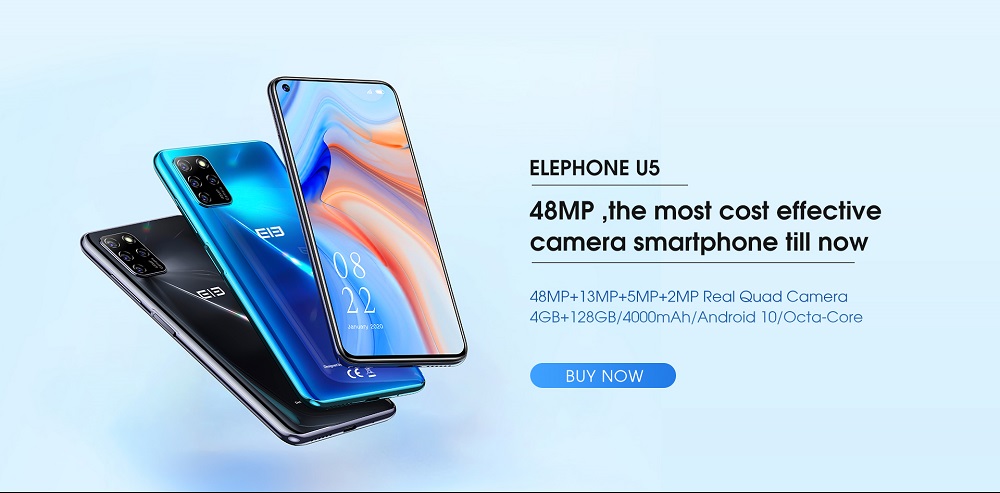
A couple of days back, Elephone U5 was officially launched as a mid-range smartphone at an affordable price of $159.99. The smartphone primarily includes a 6.4-inch FHD+ display with 2340 x 1080 pixels resolution, 93.1% high-screen-to-body ratio, and a 19.5:9 aspect ratio. Moreover, it houses Helio P60 chipset coupled with a 4GB of RAM and 128GB internal storage. The smartphone will be available at a massive introductory discount from the Official Elephone Store between August 15-22.
Elephone U5 is a mid-range smartphone offering decent specifications at compelling prices.
In terms of camera, Elephone U5 houses with a 48-MP primary sensor + 13-MP ultra-wide-angle lens + 2-MP depth camera and a 2-MP macro sensor. On the front, it assembles with a 24-MP punch-hole style camera.
The smartphone runs on Android 10 out of the box and packs a 4,000 mAh battery. Other key features of the smartphone include NFC, 512GB expandable storage, and much more.
Elephone U5 key specifications
6.4-inch FHD+ display, 19.5:9 Punch-hole Screen
Rear camera: 48MP+13MP+2MP+5MP Quad Camera
Front camera: 24MP Beauty Selfie Camera
CPU: Helio P60 Octa-core
RAM: 4GB
Internal storage: 128GB
Operating system: Android 10
Battery: 4,000 mAh
Pricing
The sale will commence from tomorrow via the Elephone’s official online store. You can grab the Elephone U5 in Black and Ocean Blue colors at a discount price of $30. You can know more about the new smartphone by heading to the Elephone official website.
Interestingly, the company is also conducting a giveaway for the brand new Elephone U5. The interested users can enroll by completing the mentioned tasks. The giveaway will run for 27 days and the winner list will be announced on Sep 11th via ELEPHONE FANS Group.
While Samsung has commenced the mass production of its next-generation 5 nm chip, the company is also working hard to improve on the current 7nm process. The Korean tech giant has announced that it has attained success in applying 3D stacking technology on extreme ultraviolet (EUV)-based 7 nanometers (nm) chips.
Samsung calls the technology eXtended-Cube, or X-Cube and it involves stacking the SRAM on top of the logic die. This is done using Samsung’s through silicon via (TSV) technology that uses tiny holes to interconnect layers on chips.
This process is markedly different from the one used on Conventional system semiconductors which have the logic dies such as CPU and GPU on the same plane as the SRAM. In the case of the X-Cube, it stacks the SRAM on top of the logic dies which occupies less space and helps in more efficient power saving. Samsung also disclosed that the new process will lead to a boost in the data transfer speed.
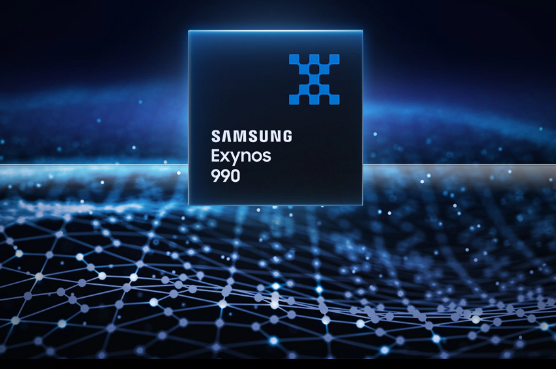
The South Korean tech giant assured that it will continue to push the boundary in terms of the development of new technology for the advancement of semiconductor technology. We don’t have an idea of where Samsung would first implement this chipset but there are speculations that the Galaxy S1 may utilise an improved version of the Exynos 990 while the Galaxy S21 Ultra will have a 5nm Exynos 1000 and that could be it.
Last week, the names and codenames of certain upcoming Huawei devices leaked. Now, a new set of both Huawei as well as Honor products heading to Europe leak. But this time around, instead of codenames, we get the model numbers.
The last tip was from Evan Blass (@evleaks) and one of the devices in that list, HUAWEI Watch Fit even leaked extensively earlier this week with renders, specifications, and price.
Whereas, today’s new leak comes from @RODENT950, another known leakster on Twitter. His list includes nine smartphones and three laptop models. Out of the total twelve products, six each are Huawei and Honor branded respectively. Also, unlike the previous leak, this one clearly says that these devices are heading to Europe.
Having said that, here’s the entire list of new Huawei and Honor devices coming to Europe. Do note that the ones without names are denoted by “xxx”.
Upcoming Huawei Smartphones – Europe
Model
Model Number
HUAWEI Mate40 Lite E
FRL
HUAWEI P Smart 2021
PPA
HUAWEI P Smart Pro 2021
FRL
HUAWEI Y9a
FRL
HUAWEI Y7a
PPA
HUAWEI xxx
JSC
Upcoming Honor Laptops and Smartphones – Europe
Model
Model Number
HONOR HUNTER V700
FRD-WFD9
FRD-WDG9
HONOR MagicBook Pro
–
HONOR 10C
DDG
HONOR xxx
HJC
HONOR xxx
HCL
Going by the model numbers of the handsets in the Huawei tabular column, the Mate40 Lite, P Smart Pro 2021, and Y9a are basically the same phones with different branding. On the other hand, P Smart 2021 and Y7a should be identical. However, all the products in the Honor tabular column are unique.
That said, it is not sure when these smartphones and laptops will launch in Europe as the tipster merely mentions “soon”.
South Korea tech blog TheElec has reported that Samsung may leave out the 3D ToF (Time of Flight) feature on the Galaxy S21 that would kickstart the company’s flagship lineup next year. The website attributes the disclosure to have come from people familiar with the matter. The major reason for the removal is said to be a lack of “killer contents” that uses ToF.
Time of Flight (ToF) is a feature which propels augmented reality (AR) and virtual reality (VR) contents in a 5G environment. The feature made its debut last year on Samsung phones beginning with the Galaxy S10 and later on the Galaxy Note10. The Korean giant also launched the Galaxy S20 series with a ToF sensor.
There were speculations that Samsung included the ToF on its flagship smartphones to rival those of Apple and Huawei ‘s flagships. However, the feature has not been as successful as Apple.s because it utilises indirect ToF, unlike Apple that uses direct ToF through LiDAR sensors on its iPad Pro tablets.
Samsung’s ToF modules measure distance by calculating the phase differences of the light sine waves when they are sent out to the object and when they bounce back. The difference in widths of the two waves is used to measure the time.
The range of such a method requires strong light with large wave widths, but accuracy drops in long distances. Samsung’s ToF had a range of 3 meters. In contrast, Apple’s ToF has a range of 6 meters. The company’s ToF method measures the time it takes for the light to bounce off an object.
The direct ToF image sensors are manufactured only by Sony and the Japanese company has an exclusive deal with Apple. Since this is the case, Samsung can’t use these sensors due to this and instead purchased the indirect ToF image sensors from the Japanese company through the S10 to S20 series.
Samsung’s System LSI business is said to be developing a direct ToF module. The South Korean tech giant will likely reconsider applying ToF depending on how this development pans out and how the market receives the ToF modules of the iPhone 12 series.
Apart from smartphones, Huawei also sells a wide variety of laptops with its own branding as well as Honor. The latter is even set to debut its first gaming laptops under Hunter seriespowered by Intel. On the other hand, Huawei has scheduled an event for August 19 to launch the successor to the original MateBook X from 2017. According to a new leak, it could be the first-ever Windows laptop to come with a pressure-sensitive trackpad.
Apple MacBooks have had pressure-sensitive trackpad called “Force Touch” since 2015. They even mimic the clicking experience (haptics) using a vibration motor. The company uses a similar trick for the home button on iPhone 7/7 Plus, iPhone 8/8 Plus, and the new iPhone SE 2020.
Now, if this tip by a blogger called 看山的叔叔 on Weibo is true, then the upcoming Huawei MateBook X 2020 will be the first Windows laptop to come with a pressure-sensitive trackpad and it will be called Free Touch.
However, the leakster is not sure if the company will include a linear motor. Whereas, for the hardware, we guess the company to use Synaptics ZPad, which was showcased at CES 2019 with haptics functionality.
With this feature and Windows Precision Driver, the trackpad on MateBook X 2020 should be one of the best in the market. Anyway, this is merely a leak and the company is yet to confirm it.
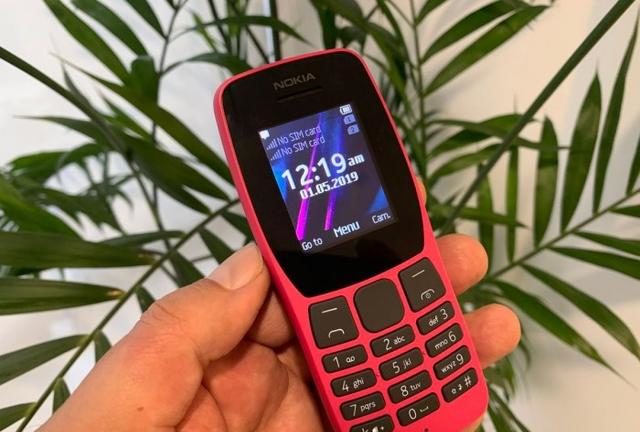
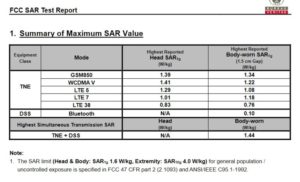
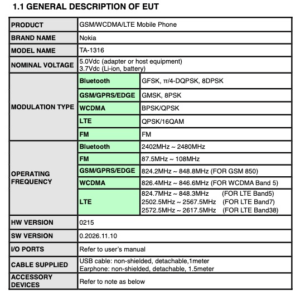
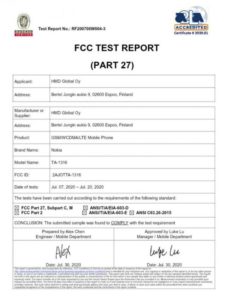
A mysterious Nokia mobile phone with model TA-1316 has been certified by the US FCC. The list shows that this phone will have 4G connectivity, including support for LTE 5, 7 and 38 bands. The phone will also pack a battery capacity of 1150mAh, and a rated power of 3.7Vdc. This indicates that we may see a budget feature phone pretty soon.
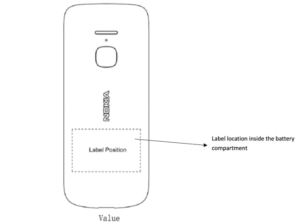
In addition, Nokia TA-1316 also supports dual SIM cards. The FCC file also includes a picture of the back of the phone. The rear camera of the phone is a large square-shaped module with the Nokia branding at the back panel. The shape of the phone indicates that it is a feature phone. This is almost all the information we got from the listing.
It was revealed recently that Nokia 5.3 will be launched in India alongside other affordable phones soon. The Nokia feature phone may equally be on its way too.
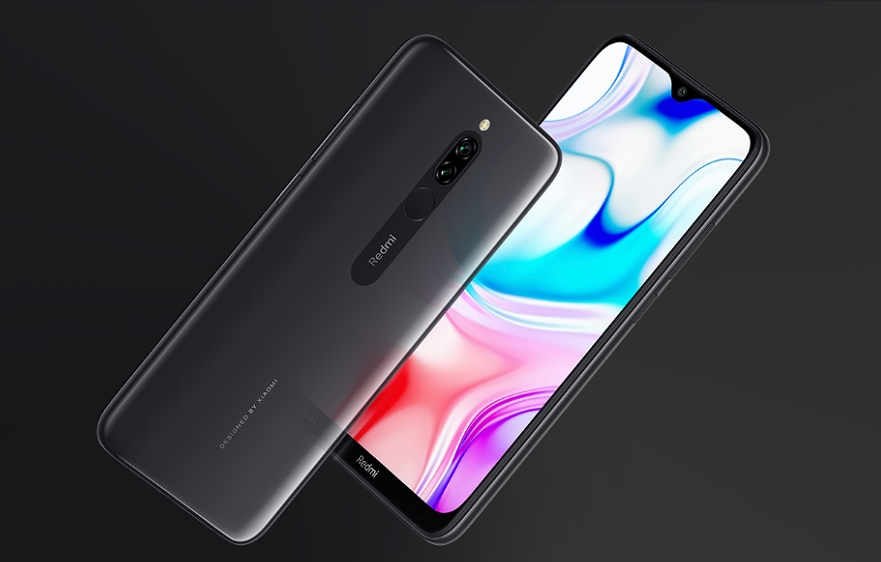
Xiaomi has been lately updating its last year’s budget smartphones to Android 10 worldwide. Like always, the company began to roll it out first in China, followed by other regions. The Redmi 8 got the update in early July in the firm’s home country. Now, it has finally started to receive it in India as well.
The Android 10 update for Redmi 8 in India comes with build number V11.0.1.0.QCNINXM. The OTA update also bumps up the security patch level to August 2020. The changelog also mentions only these two things but there could be certain bug fixes as well.
The Redmi 8 is not the only 2019 budget Xiaomi smartphone to get Android 10 in India this week. The Redmi Note 7, Redmi Note 7S, and Redmi Note 7 Pro are also receiving it. However, it is worth noting that the update for these devices is being seeded out in batches.
We except the company to start a wider rollout by the end of this month or early next month. Anyway, if you own any of the above handsets, you will get Android 10 as well as MIUI 12 in the coming weeks.
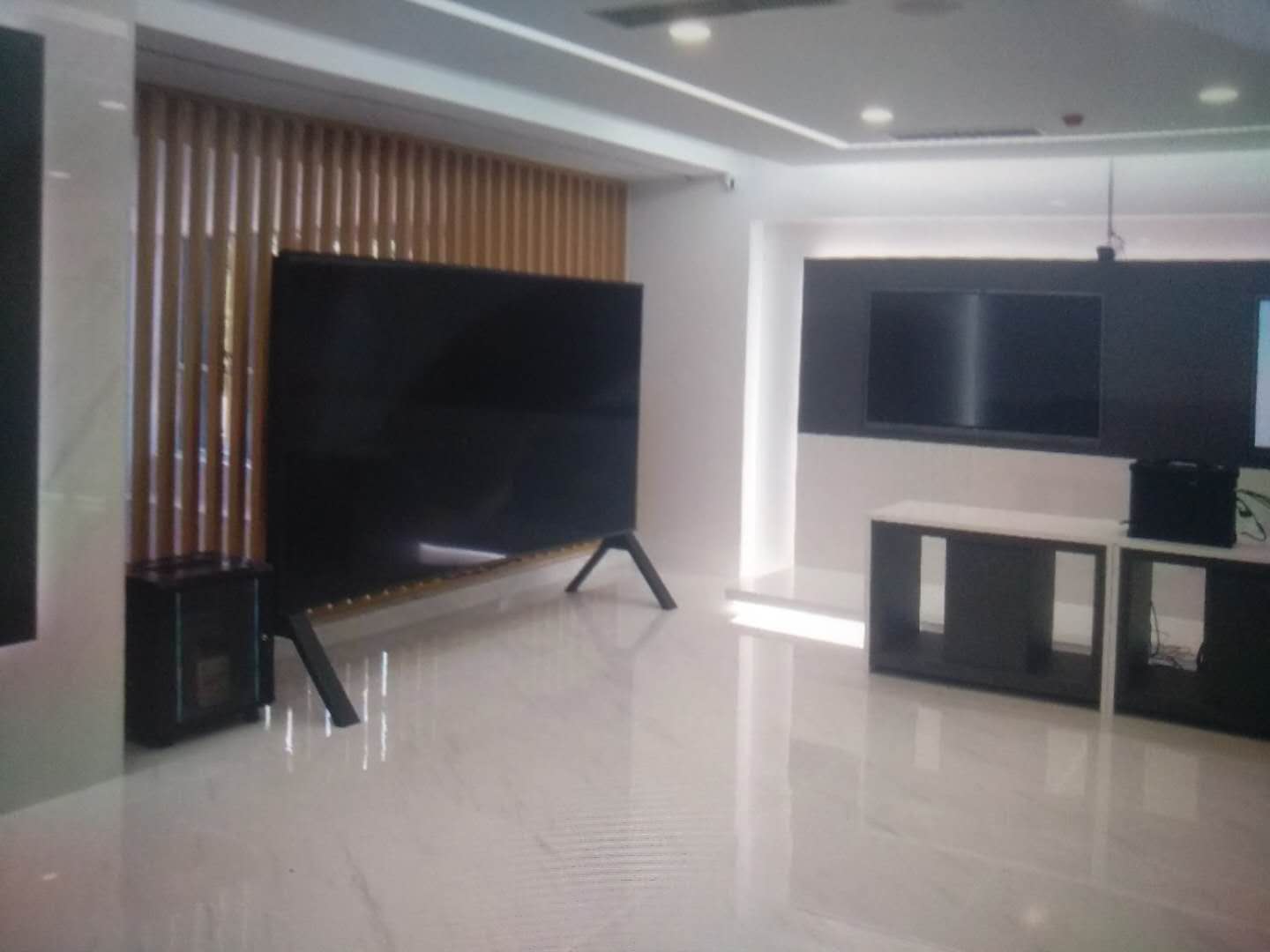
Earlier today (14th August 2020), a new leak revealed the live images for what could be a flagship TV launch from Sharp. While the Coronavirus pandemic had slowed the company’s launch cycle, it seems that the company is bouncing back with a 120 inch 8K TV which is expected to arrive soon.
A new leak that surfaced today shared the live images of a new TV with a very noticeable aspect, its whopping 120 inch size. According to the leak, the TV measures 1.5 meters in height and follows a minimalistic design. The live image had the TV mounted on a stand which consisted of two tripod like design. The TV is said to feature mini LED along with QD backlight display technology.
The leak also suggested that the 8K TV will have a 120Hz refresh rate, with 57600 light control partitions and a contrast ratio similar to OLED panels. It is expected that the upcoming massive TV will also feature a powerful chip to run the device. Furthermore, the CNBeta report also stated that there is a good chance of a 60 inch and 70 inch variant being launched as well. Unfortunately, the report is still unconfirmed at the moment, so take it with a pinch of salt for now.
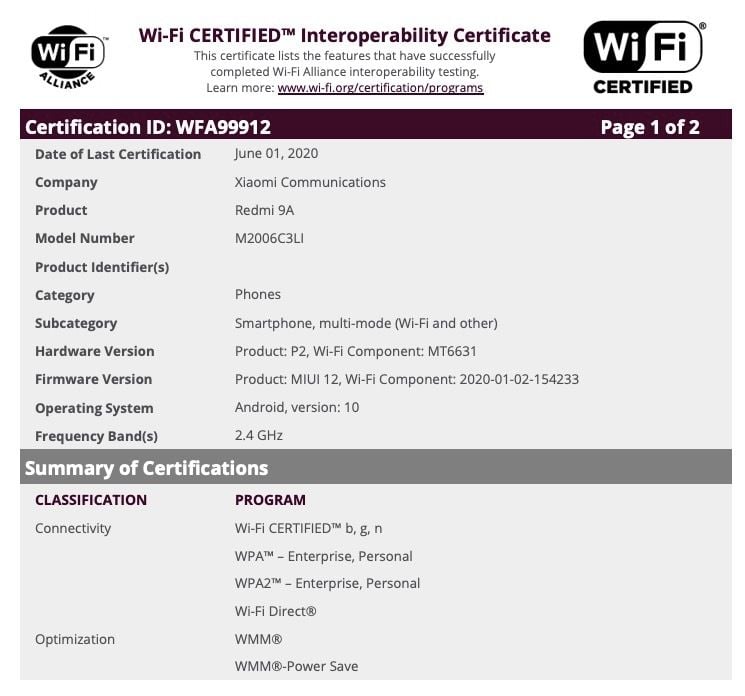
Xiaomi’s Redmi brand launched the Redmi 9 Prime in India earlier this month. There are indications that a new model may soon be added to the Redmi 9 series in India. The Redmi 9A should join the fray soon and as a precursor, the phone has been certified by the WiFi Alliance.
The Redmi 9A has already been unveiled in the global market alongside the Redmi 9 and 9C. The phone which bears the model number M2006C3LI will likely hit India with a few upgrades, according to the listing. The device will run on the latest MIUI 12 version based on Android 10. For reference, the global variant arrived with MIUI 11.
The listing doesn’t reveal any other specifications the Redmi 9A would hit India bearing but we already know the phone features a 6.53-inch HD+ IPS LCD panel with a tall 20:9 aspect ratio and waterdrop notch. It is powered by a MediaTek Helio G25 chipset paired with 2GB RAM and 32GB storage. The phone also packs a generous 5,000mAh battery which receives power over a USB Type-C charging port.
Xiaomi India is yet to reveal when the phone will be launched in the South-East Asian country but we expect that to happen soon.
While India is gearing up for its 5G trials, Chinese telecommunications giant like Huawei and ZTE might not be allowed to participate. With the political relations between India and China being strained, Chinese vendors might find their networking operations difficult if not completely shut out in India.
For those unaware, clashes along the Indo-China border in recent months have left both sides wary of another, with the Indian government already taking action by banning Chinese apps and stopping shipments as well. Furthermore, the government will also be applying amendments to its investment rules on 23rd July 2020 to restrict bidders from nation it shares land borders with, due to national security reasons, as per a Bloombergreport.
At the moment, the Indian Ministry of Communications will restart its pending discussions regarding approvals for 5G trials by private companies like Bharti Airtel, Reliance Jio, and Vodafone Idea, which were delayed due to the nationwide lockdown caused by the Coronavirus pandemic. The government is also actively trying to dissuade carriers from buying Chinese equipment.
India’s recent actions are also in line with the US, UK, and even Australia, which have all recently flagged Chinese companies as potential national security threats. While Huawei was originally allowed to participate in Indian 5G trails earlier this year, that has since changed after military clashes which had 20 Indian soldier casualties back on 20th June 2020. So stay tuned as we will be providing more updates on the matter.
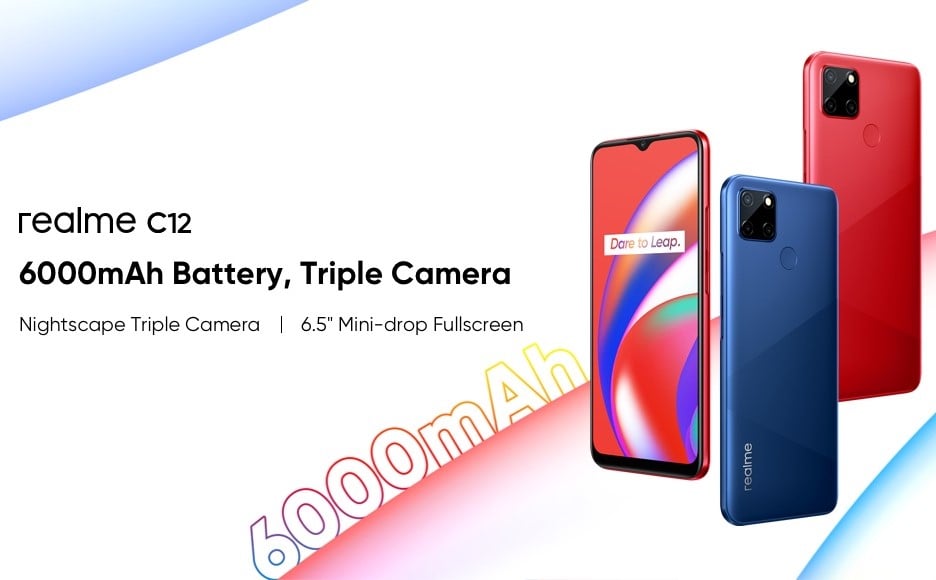
Realme C series of smartphones are the brand’s most affordable handsets. The company is restructuring this series by offering phones at every price point rather than one model for a quarter or two. After unveiling Realme C11 in June, the firm debuted Realme C15 in July. Now, it launches Realme C12 bridging the price gap between the first two phones.
The newly announced Realme C12 shares the design and some of the specs with the handsets launched prior to it under this series. It is powered by the same MediaTek Helio G35 and comes only in a single configuration with 3GB RAM and 32GB ROM. Anyway, if needed, users can expand storage via microSD card.
On the front, the device sports a 6.5-inch HD+ IPS LCD panel with 20:9 aspect ratio and a dew-drop notch housing a 5MP selfie camera. Further, the polycarbonate back of the phone features a geometric pattern, a fingerprint sensor, and a triple camera setup consisting of a 13MP primary shooter, a 2MP monochrome sensor, and a 2MP macro snapper.
Other features of this smartphone include a massive 6,000 mAh battery, 10W charging, reverse charging, MicroUSB port, 3.5mm headphone jack, and Realme UI based on Android 10.
1 of 2
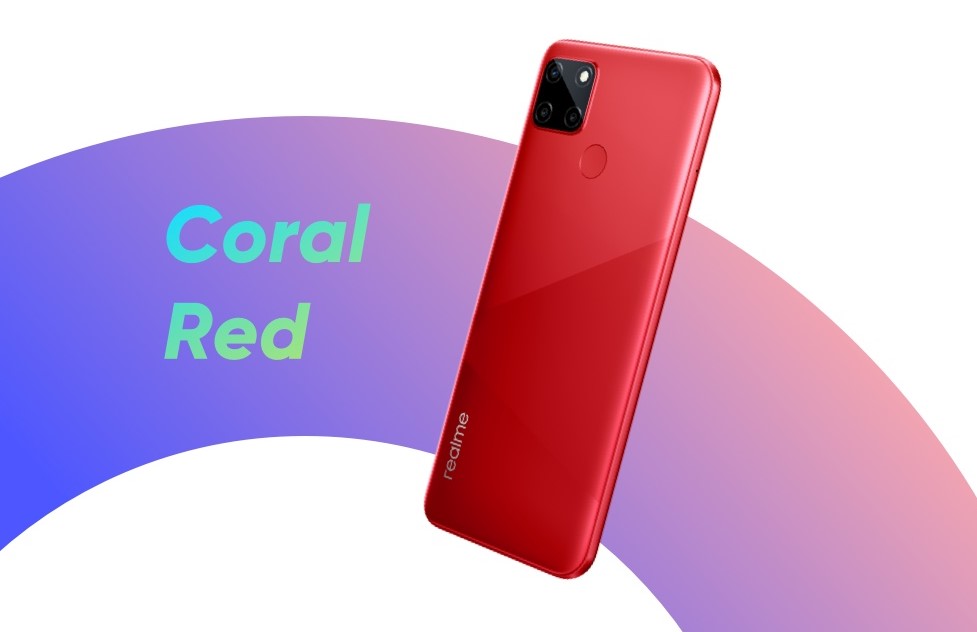
Realme C12 Coral Red
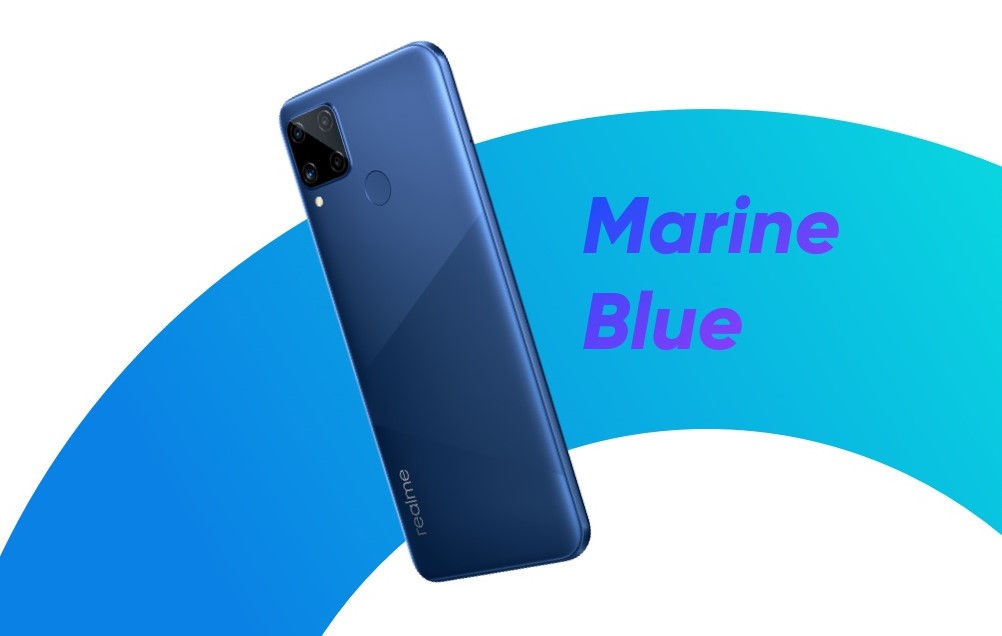
Realme C12 Marine Blue
The Realme C12 comes in two colors namely Coral Red and Marine Blue. It is priced at IDR 1,899,000 in Indonesia and will go on sale for the first time on August 16 for a special discount price tag of IDR 1,749,000.
For those unaware, both Realme C12 and Realme C15 are scheduled to launch in India on August 18.
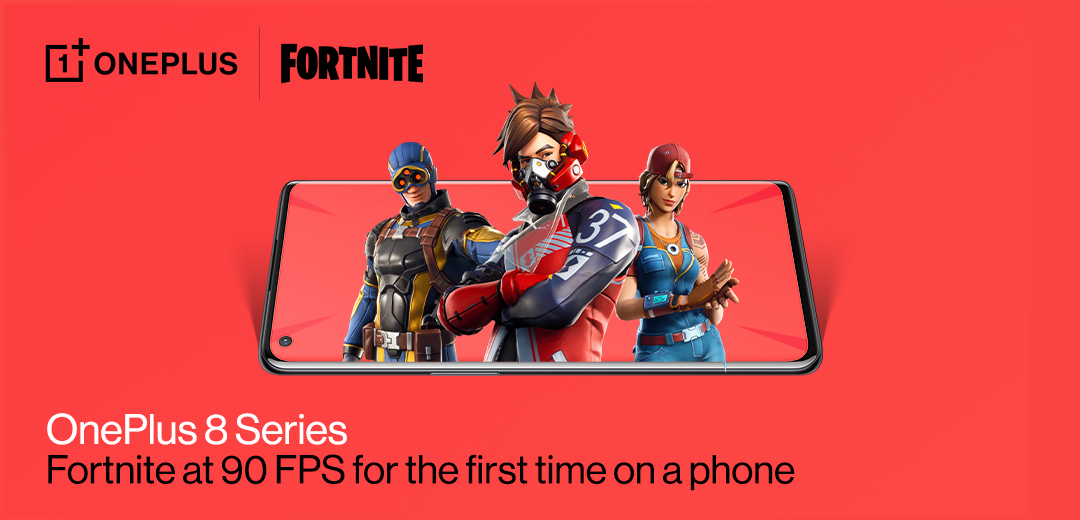
Epic Games has alleged that Google had forced OnePlus out of a Fortnite launcher deal. The news arrives just as the known game publisher is suing the search giant for taking out Fortnite from its Google Play Store.
According to Epic Games, Google forced the Chinese smartphone vendor to break off a deal that would have had a special Fortnite game launcher premiere on OnePlus smartphones. Furthermore, the publisher accused that Google also demanded that another Android smartphone manufacturer, LG, also cancels its plans for a similar deal as well.
Reportedly, Google pressured OnePlus against the deal, after it expressed “concerns” regarding Epic have the ability to bypass the Play Store. Additionally, Epic also said that the deal with OnePlus would have had a special launcher available worldwide, but the search giant “demanded that OnePlus not implement its agreement with Epic with the limited exception of mobile devices sold in India.”
Epic Games went on to state that the company “prevented LG from pre-installing the Epic Games app on LG devices,” since LG had a contract “to block side downloading off Google Play Store this year.” Unfortunately, Google has declined to comment on the matter, when contacted by The Verge. Fortnite came to Play Store after all such dealing fell through, but was kicked out earlier this week since it allowed users to pay for the in-game currencies directly to Epic rather than through Google’s Play Store. The publisher is suing both Apple and Google for this, so stay tuned as we will keep you updated on the matter.
We use cookies on our website to give you the most relevant experience by remembering your preferences and repeat visits. By clicking “Accept”, you consent to the use of ALL the cookies.
This website uses cookies to improve your experience while you navigate through the website. Out of these, the cookies that are categorized as necessary are stored on your browser as they are essential for the working of basic functionalities of the website. We also use third-party cookies that help us analyze and understand how you use this website. These cookies will be stored in your browser only with your consent. You also have the option to opt-out of these cookies. But opting out of some of these cookies may affect your browsing experience.
Necessary cookies are absolutely essential for the website to function properly. This category only includes cookies that ensures basic functionalities and security features of the website. These cookies do not store any personal information.
Any cookies that may not be particularly necessary for the website to function and is used specifically to collect user personal data via analytics, ads, other embedded contents are termed as non-necessary cookies. It is mandatory to procure user consent prior to running these cookies on your website.



 The
The