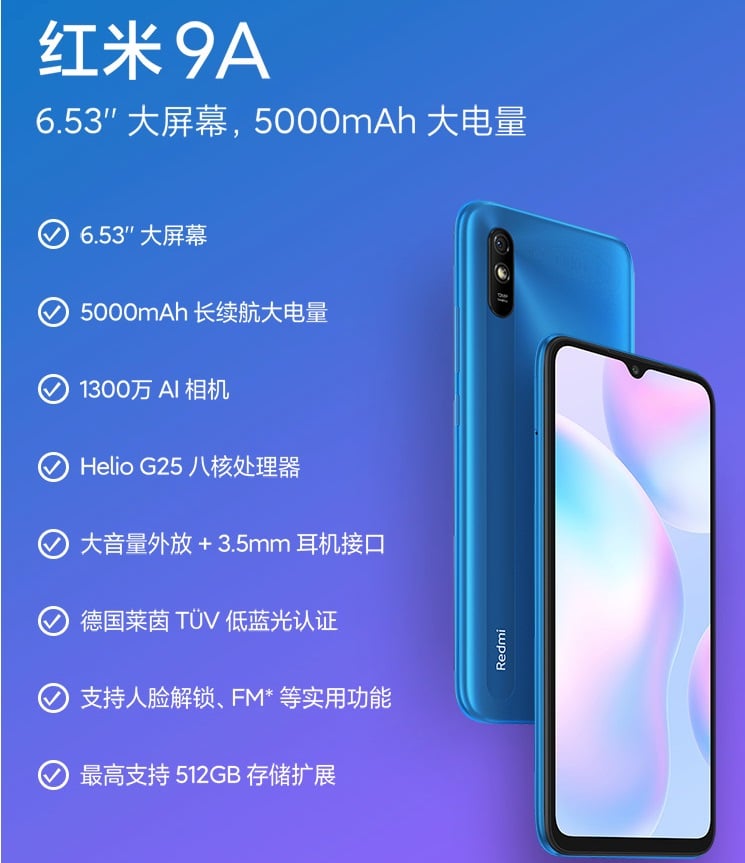
Xiaomi first launched the Redmi 9A in China late last month with the phone made available in a single 4 GB of RAM and 64 GB of built-in storage. The Chinese giant has now launched a second memory variant of the entry-level smartphone. The new model comes with 2GB of RAM and 32GB internal storage.
This version was announced in Europe but what makes this announcement special is that the variant is available for 499 yuan (~$71). Whereas it launched clutching a 99 Euro price tag in Europe. The variant is now available on Jingdong (JD.com) in China.
As a reminder, the Redmi 9A is equipped with a 6.53-inch IPS LCD display with a waterdrop notch. It supports 720 x 1600 pixels resolution and a 20:9 aspect ratio. It has a front camera of 5-megapixel that supports features like front HDR, gesture photo, and face recognition.
The backside of the Redmi 9A has a 13-megapixel snapper. It offers users with features like HDR, portrait mode, AI scene recognition, time-lapse photography, and 30fps 1080p video shooting.
The model is an Helio G25 powered entry-level smartphone. It houses a 5,000mAh battery that supports 10W charging. It equally comes pre-installed with MIUI 12 based on Android 10 OS.
The Redmi 9A is a dual-SIM phone that comes with a dedicated slot for microSD card. It comes with other features such as dual speakers, Wi-Fi 802.11 b/g/n, Bluetooth 5.0, GPS, microUSB, and 3.5mm audio jack. It lacks a fingerprint reader.
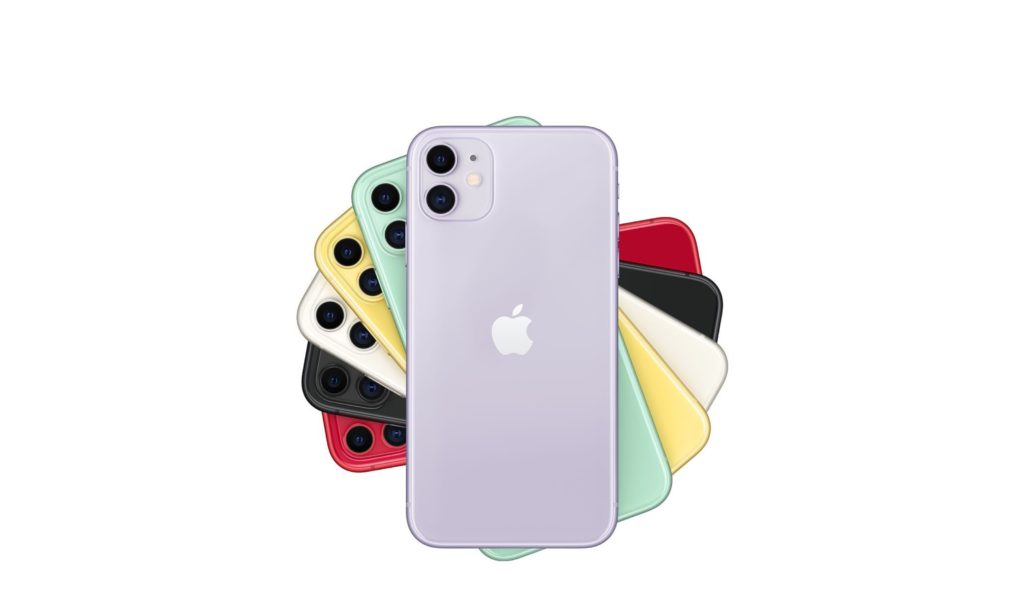
Apple confirmed a delay in the launch of iPhone 12 series in its Q2 2020 (third fiscal quarter) earning call. Now, more details emerge regarding the same from a report. According to it, the American tech giant will start shipping its latest iPhones in a phased manner.
Apple iPhone 11
A new report by DigiTimes (via MacRumors) revels there will be a delay between the launch of iPhone 12 series models. Out of the four expected models, two phones will be made available first, followed by the remaining two after a few weeks.
Apple is said to introduce four iPhone 12 series handsets this year with different sizes 1 x 5.4-inch, 2 x 6.1-inch, and 1 x 6.7-inch. According to the report, the 6.1-inch models will be available first as suppliers have begun to ship SLP (substrate-like PCB) mainboards for them. Whereas, the SLP for the other two models will start shipping by suppliers starting late August.
This clearly indicates the 6.1-inch iPhone models to ship to customers earlier than the other two models. These two phones are expected to be a high-end version with triple camera setup and a low-end variant with dual camera module respectively.
According to previous reports, all the 2020 iPhone 12 models will have support for 5G powered by a 5nm chipset. Also, all of them will sport OLED displays.
Today, Realme announced the most affordable 5G phone to date. We are talking about the Realme V5: despite its incredibly affordable price, this handset packs amazing specifications. It is definitely a best-buy, but is it the device with the highest value for money out there? We think there is no better way to establish it than comparing it with the other affordable 5G phones in the market. And among the most affordable one, we got the Honor X10 by Huawei’s brand and the Redmi 10X by Xiaomi. Let’s discover together which one is the most interesting.
Realme V5 5G vs Huawei Honor X10 vs Xiaomi Redmi 10X
Huawei Honor X10
Xiaomi Redmi 10X 5G
Realme V5 5G
DIMENSIONS AND WEIGHT
163.7 x 76.5 x 8.8 mm, 203 grams
164.2 x 75.8 x 9 mm, 205 grams
162.1 x 75 x 9.1 mm, 194 grams
DISPLAY
6.63 inches, 1080 x 2400p (Full HD+), LTPS IPS LCD
Triple 48 + 8 + 2 MP f/1.8, f/2.4 and f/2.4
16 MP f/2.2 front camera
Triple 48 + 8 + 2 MP f/1.8, f/2.2 and f/2.4
16 MP f/2.3 front camera
Quad 48 + 8 + 2 + 2 MP f/1.8, f/2.3, f/2.4 and f/2.4
16 MP f/2.1 front camera
BATTERY
4300 mAh, Fast charging 22.5W
4520 mAh, Fast charging 22.5W
5000 mAh, Fast charging 30W
ADDITIONAL FEATURES
Dual SIM slot, 5G
Dual SIM slot, 5G
Dual SIM slot, 5G
Design
Redmi 10X has a more classic and less attractive design than its rivals, but it comes with very high build quality. Indeed, it sports a glass back just like premium handsets. Further, the rear glass and the display are protected by Gorilla Glass 5 by Corning. You do not get such a great build quality with the Honor X10 and Realme V5, but they have a more attractive look: in the first case, you get a full-screen display with a pop-up front camera, while in the second case there is a punch-hole display. Make your choice depending on your tastes and needs.
Display
My favorite display belongs to the Redmi 10X and I think a lot of people would agree with me. It does not have a 90 Hz refresh rate like the Honor X10 and the Realme V5, but it is the only one with an AMOLED display and it even comes with the HDR10+ certification for better image quality. Last but not least, it has very high brightness, so it is visible under sunlight. With the Realme V5 and the Honor X10, you get an IPS display, but they have a high 90 Hz refresh rate which allows having a smoother viewing experience and better gameplay.
Specs & Software
One of the strongest points of the Redmi 10X is the hardware department: it has the most powerful chipset under the hood. We are referring to the Dimensity 820 boasting high CPU and GPU performance. The handset also packs up to 8 GB of RAM. But note that the Honor X10 is very close with its Kirin 820 5G; it does not seem a case that the two chipsets are identified by the same number. Unfortunately, the Realme V5 has an inferior Dimensity 720 SoC, so you will get inferior performances overall. Android 10 is installed out of the box in each case, with a customized user interface on top.
Camera
The most impressive camera department belongs to the Honor X10 which packs a great 40 MP main sensor for its rear camera setup. Right after, we got the Realme V5, at least on the paper. But we have to test it thoroughly in order to establish whether its camera is really valid: given that it went official today, we had no chance to do it. Redmi 10X has a similar camera department to the Realme V5, but it lacks the macro camera and it just comes with three sensors on the rear side.
The key feature of the Realme V5 is a huge 5000 mAh battery which will allow it to last a lot more than its rivals on a single charge. It even comes with a faster charging technology, with a power of 30W. Right after, we got the Redmi 10X with a 4520 mAh battery and an efficient AMOLED display.
Price
Realme V5 is priced just €183/$215 in its base variant and it wins the value for money comparison. Redmi 10X starts from €238/$280 and it offers a better display and better hardware, so it is slightly superior to its opponents overall. Honor X10 has better cameras and it sits in the middle in terms of hardware, but it starts from €271/$319.
Realme V5 5G vs Huawei Honor X10 vs Xiaomi Redmi 10X: PRO and CONS
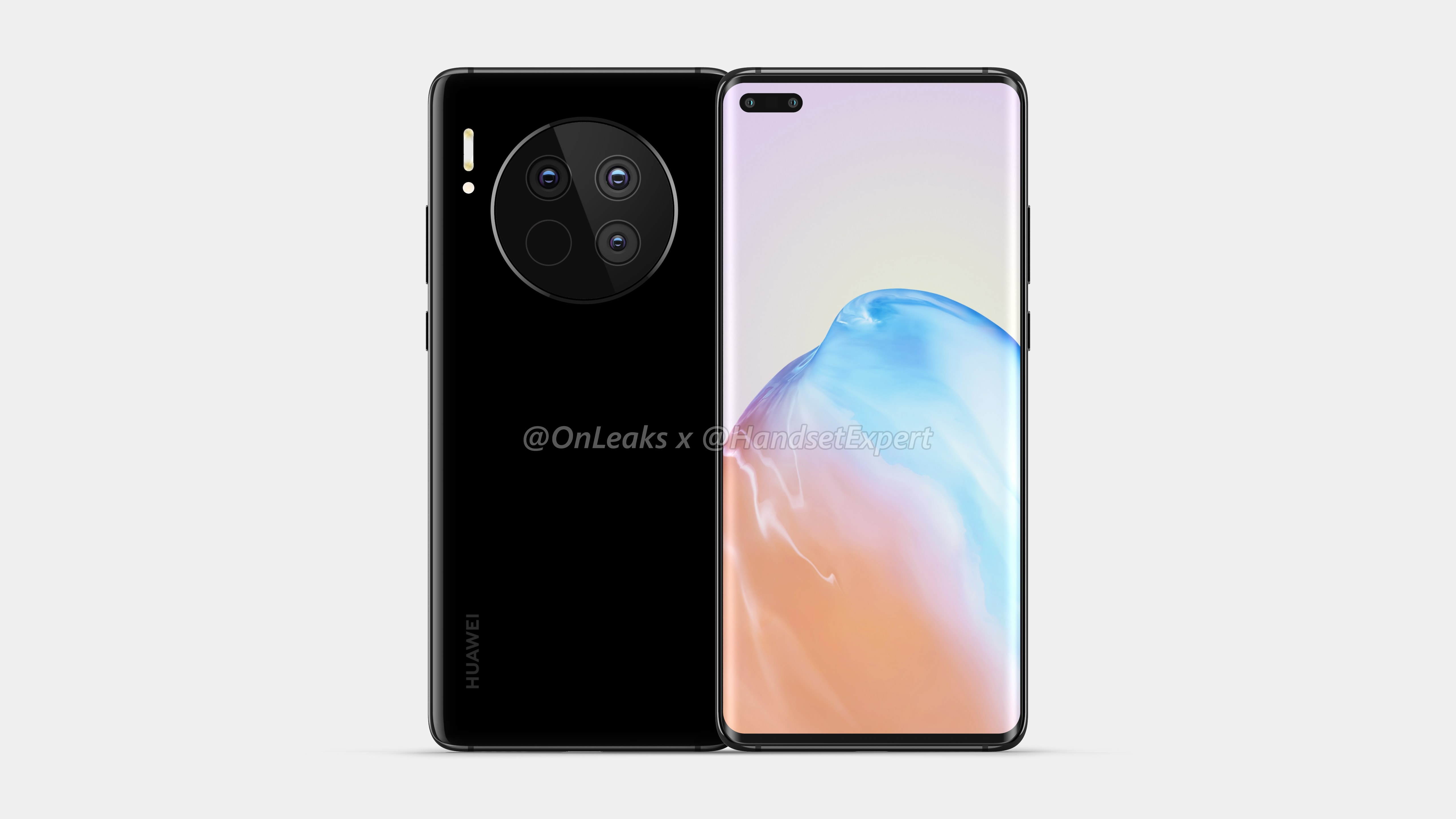
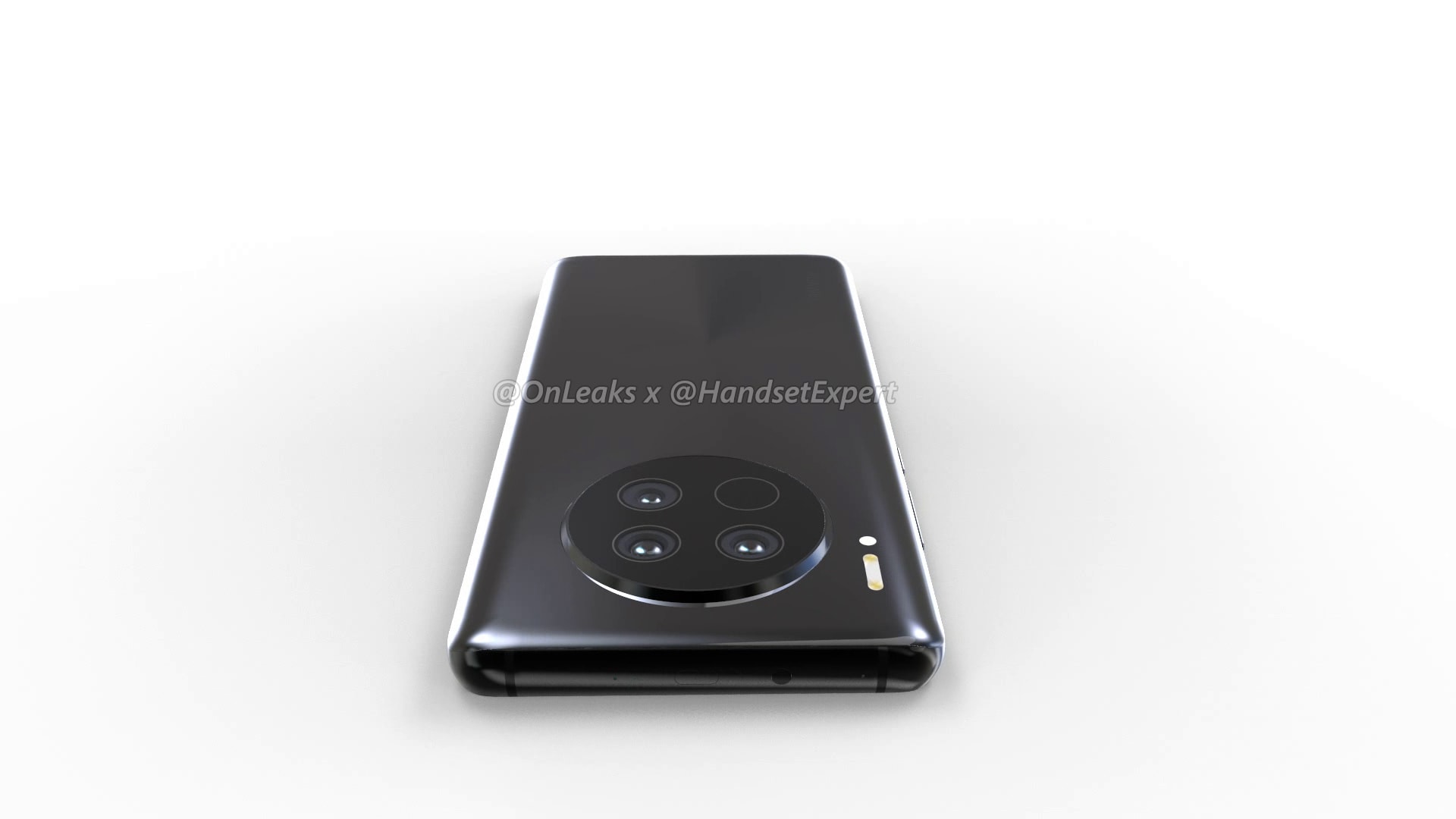
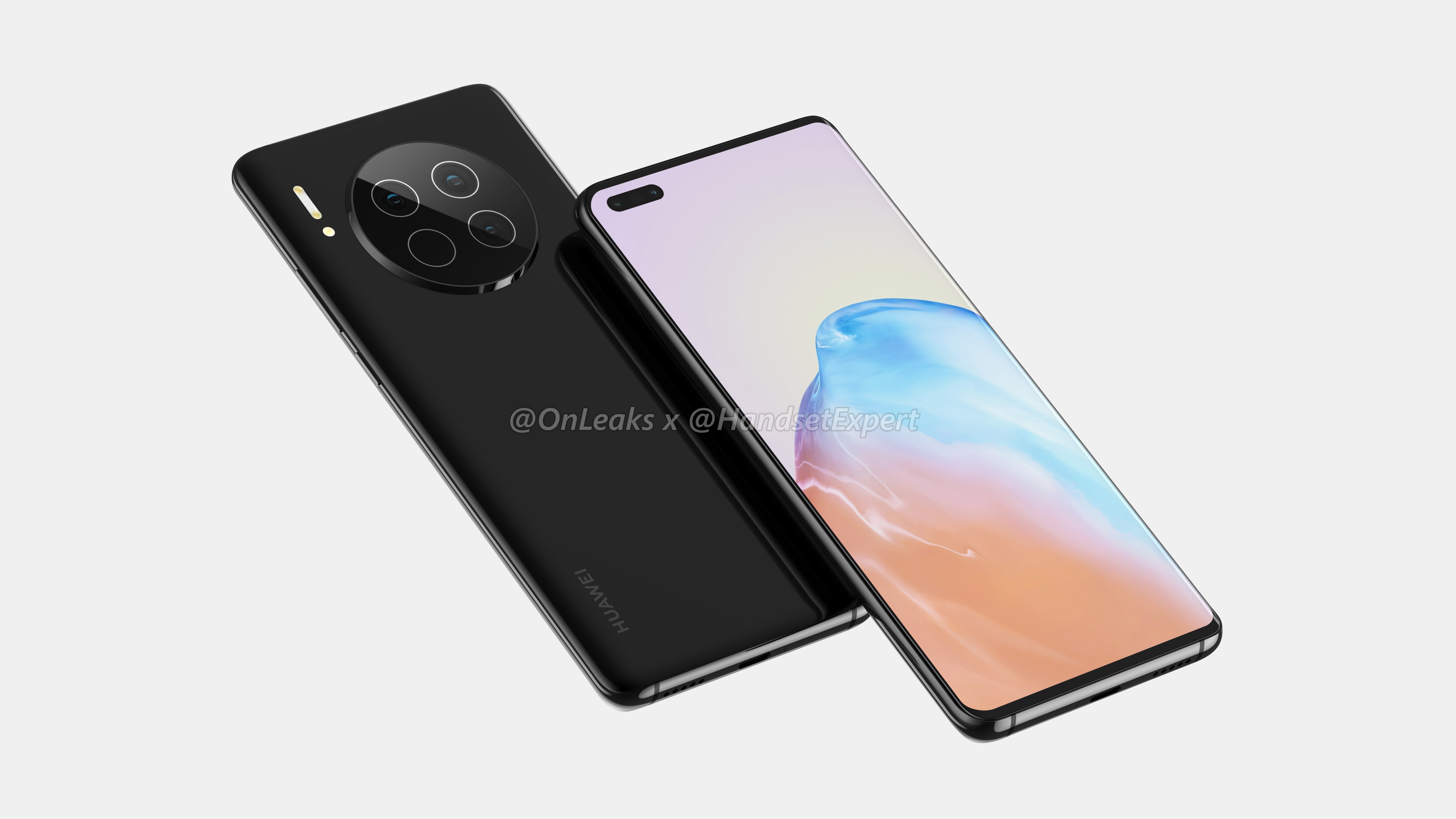
Earlier today, we learned that Huawei has postponed the launch of the Mate 40 series and will now launch by the end of October. That’s more than ten weeks away, but we don’t have to wait until then to see what the standard Mate 40 looks like. The popular leaker, Steve Hemmerstoffer a.k.a. OnLeaks has revealed what the upcoming flagship looks like.
The leaker has partnered with the blog HandsetExpert for the exclusive leak which doesn’t include a video this time around.
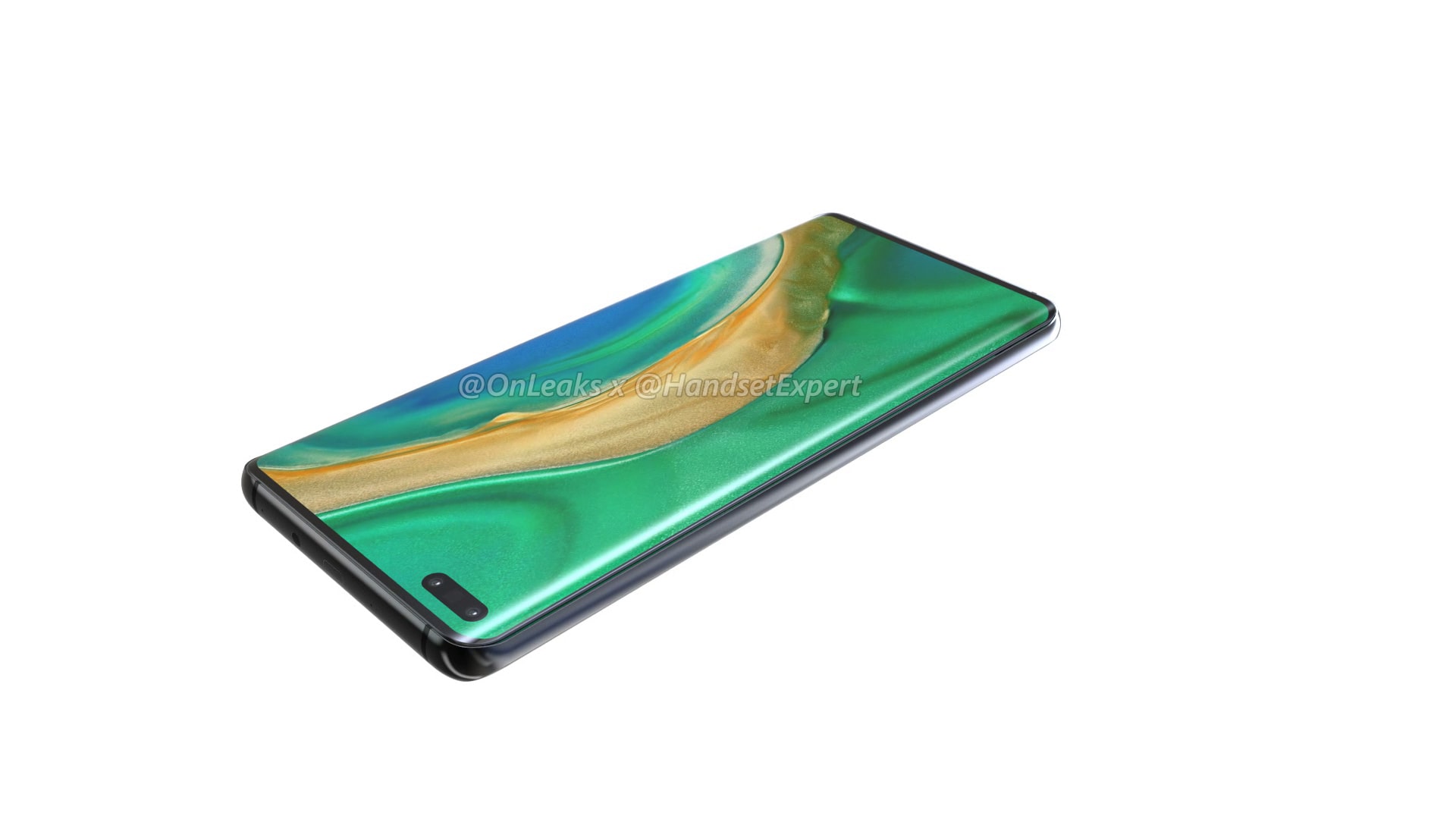
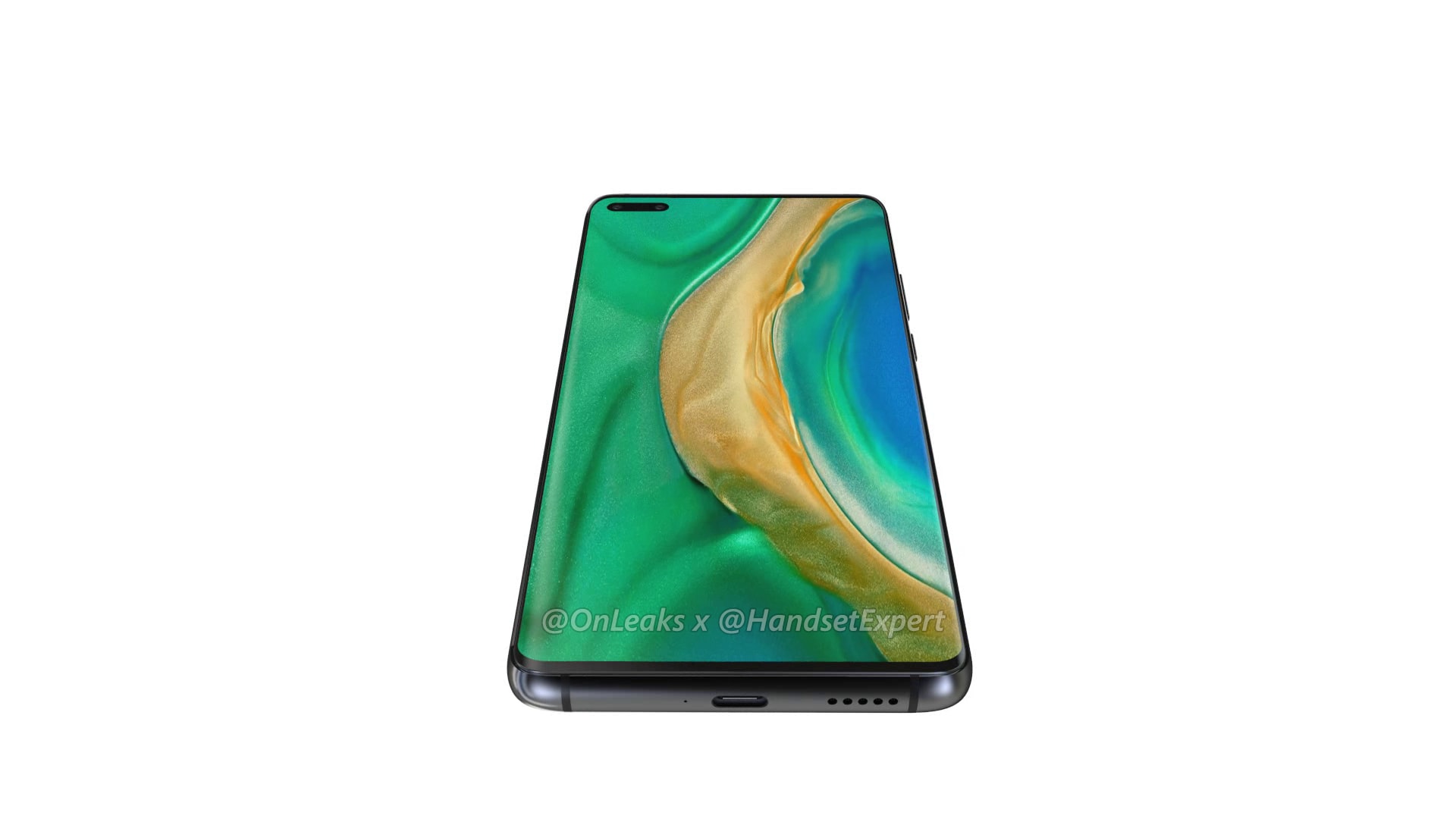
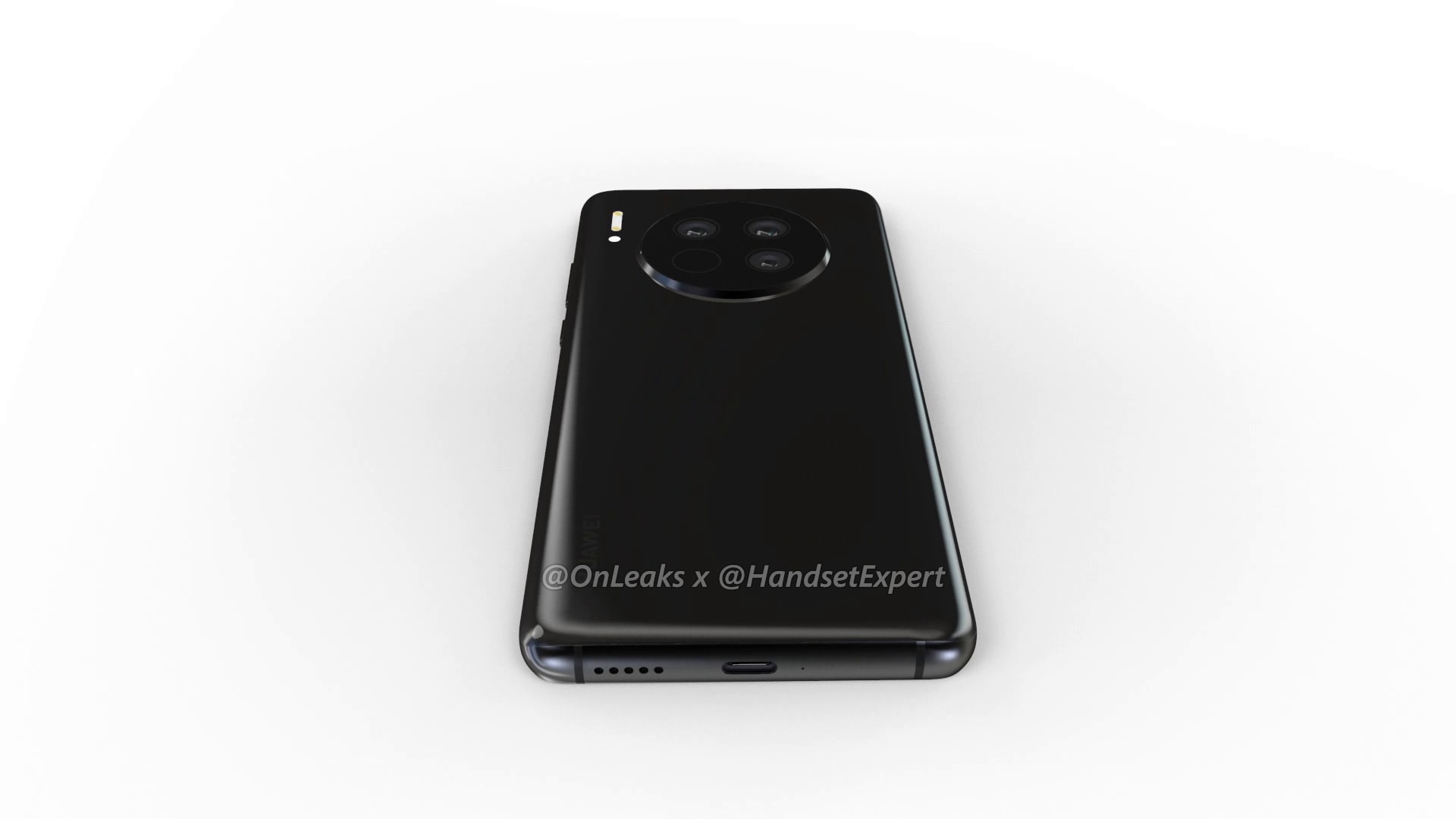
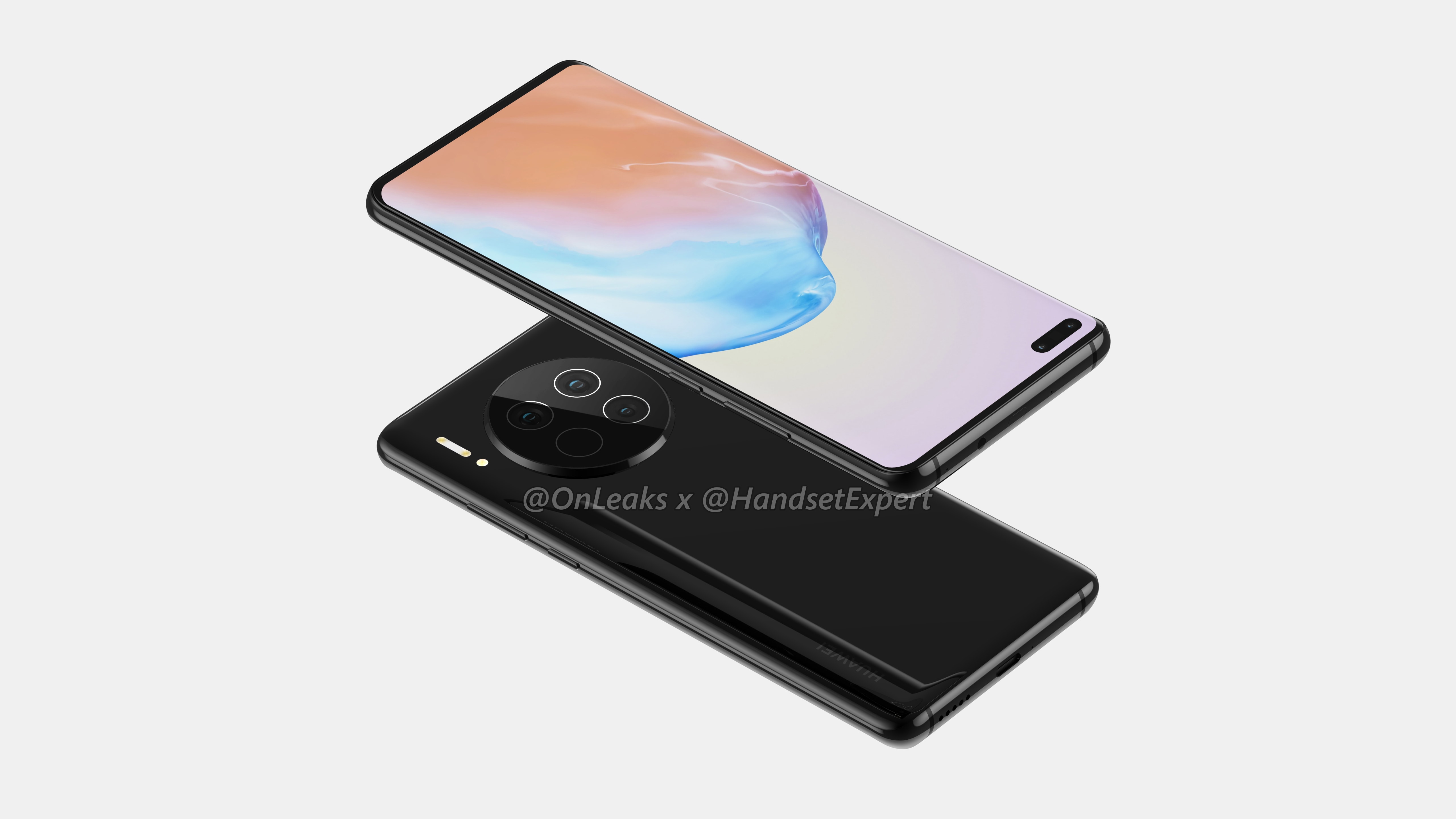
Huawei has made some significant changes to the design of the Mate series. The new Mate 40 will have a pill-shaped punch hole at the left corner of the display for two front-facing cameras. The cut-out looks longer and slimmer than that of the Huawei P40.
The Huawei Mate 40 has a curved display that measures 6.4-inches. At the top are a number of holes which include two for the microphones. There is a bigger one that appears to be an audio jack while another that is shaped like a pill might be the IR sensor.
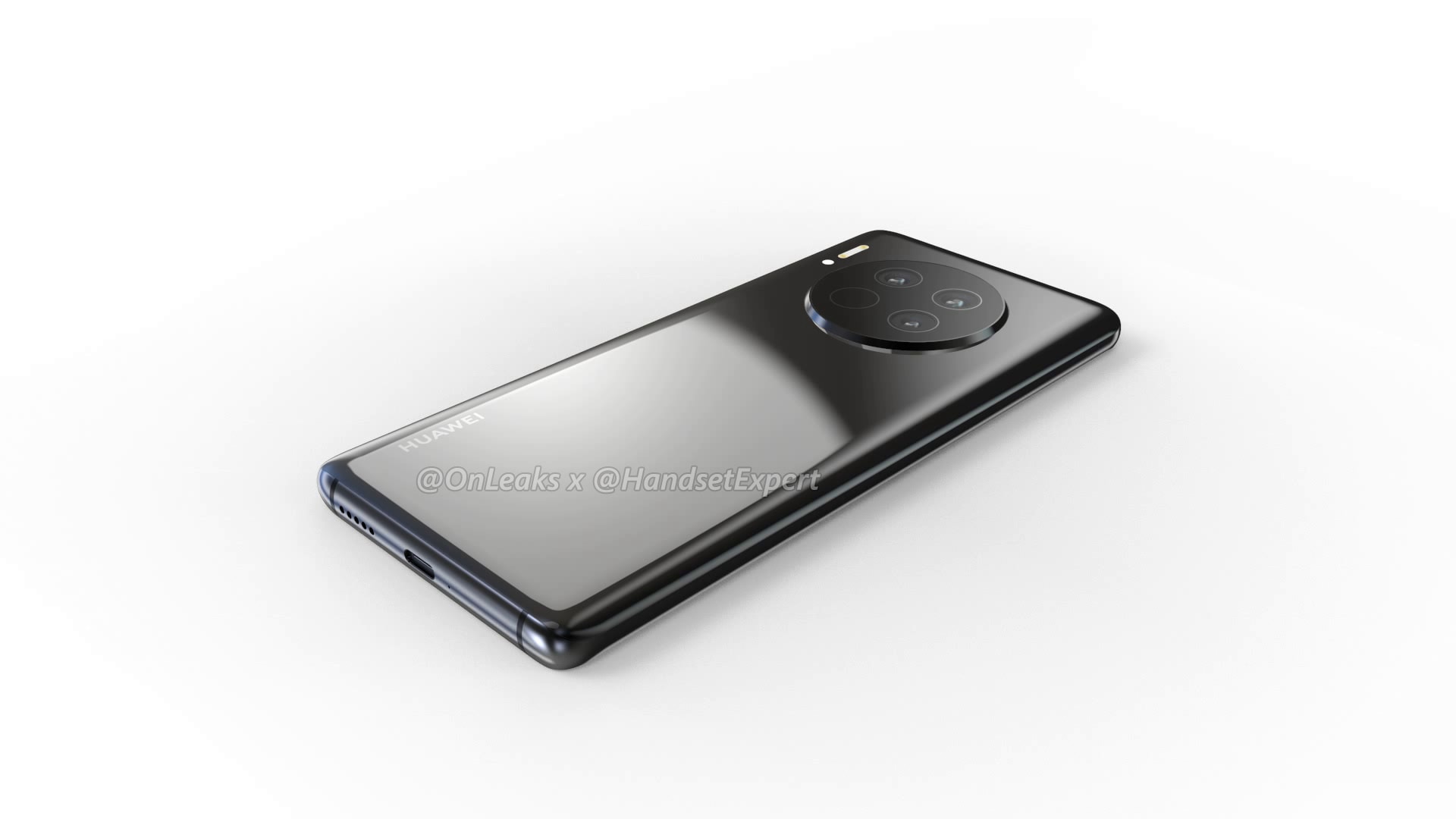
Huawei has revamped the cookie camera housing for the Mate 40. Unlike that of the Mate 30 series that slopes, this one doesn’t. It is also much bigger but still houses three rear cameras. The position of the LED flash has remained unchanged.
The Mate 40 is shown to have a USB-C port at the bottom that is flanked by a speaker grille on one side and a microphone on the other. The dimensions of the phone are given as 158.6 x 72.5 x 8.9 mm (10.4mm with the camera bump).
1 of 6
Huawei Mate 40
Huawei Mate 40
Huawei Mate 40
When the Mate 40 launches, it will come with EMUI 11 out of the box along with HMS. It should also have support for fast wired and wireless charging, an in-display fingerprint scanner, and 5G.
HMD Global went official with the Nokia C2 mobile phone in March this year. The entry-level smartphone made its entrance barely three months after the Nokia C1 was launched, that is in December 2019. Five months after, the company has now launched the Nokia C3 in China. The model is already listed on Jingdong and is available to preorder right away.
The Nokia C3 was spotted on the database of benchmarking app Geekbench over the weekend showing the presence of a Unisoc processor codenamed “GamoraPlus”. The entry-level mobile phone indeed makes an entry with an octa-core Unisoc processor clocked at 1.20GHz onboard. The processor is paired with 3GB of RAM and there is 32GB of storage which can be expanded via microSD card.
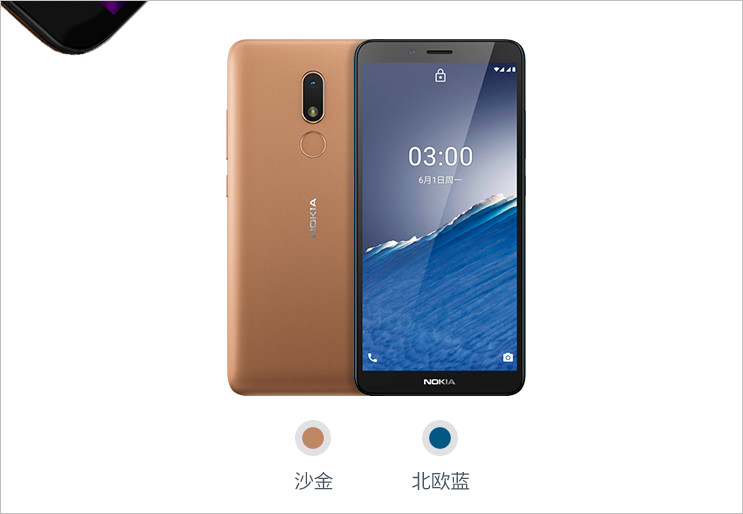
The Nokia C3 features a 5.99-inch LCD display with HD+ resolution of 1440 x 720 pixels. The display doesn’t have any form of notch design but utilises the traditional bezels at the top and bottom edges which are trimmed down considerably. The top bezel holds the selfie camera and front speaker while the bottom bezel has the Nokia logo imprinted.
At the rear, the mobile phone packs a detachable plastic rear panel which has a single 8MP main camera housed in the same module with the LED flash. The phone equally has a rear-mounted fingerprint sensor just under the camera. The phone runs on Android 10 OS and has the traditional micro-USB port for charging and data transfer. Other features onboard include a removable battery, 3.5mm audio jack, WiFi, Bluetooth, FM radio, dual SIM? dual standby, OTG support.
The Nokia C3 is priced at 669 yuan (~$95) and is available in Nordic Blue and Sand Gold colour schemes. There is no official word yet on when it will be released in other markets.
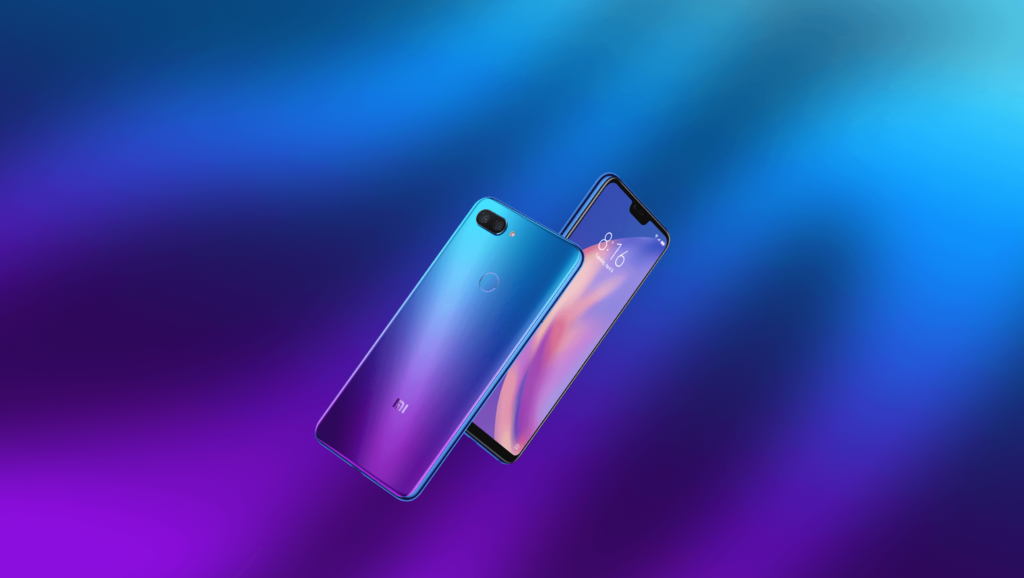
Xiaomi has been continuously rolling out MIUI 12 update to eligible devices for months. Last week, the company began to seed out MIUI 12 stable update for its 2018 flagship, Mi 8 in China. Now, Mi 8 Lite, the toned-down version of this handset is getting a similar treatment.
Xiaomi Mi 8 Lite Aurora Blue
Just like most Xiaomi/Redmi handsets, the MIUI 12 stable update for Mi 8 Lite comes with build number V12.0.1.0.QDTCNXM (via PiunikaWeb). Also, like other phones, the update is being rolled out in batches and therefore, it will take time to reach every unit.
As for features, since the device sports an LCD panel, it misses out on new AOD+ and Super Wallpapers. But it gets all other important goodies like Dark Mode 2.0, new Control Center, granular permissions, new animations, and more.
This smartphone was also made available in international markets like Europe upon release. But the MIUI 12 stable update rollout for the global variant is yet to begin. Similar story for the Mi 8 as well. Also, the latter will mostly get the update first in global markets like in China.
Further, since POCO F1 was launched around the same time as these two phones, we think it will be soon getting the MIUI 12 update as well.
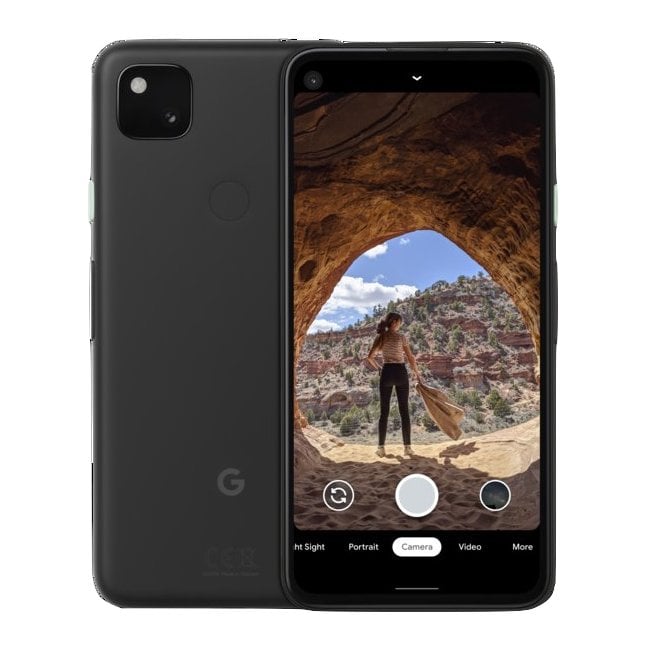
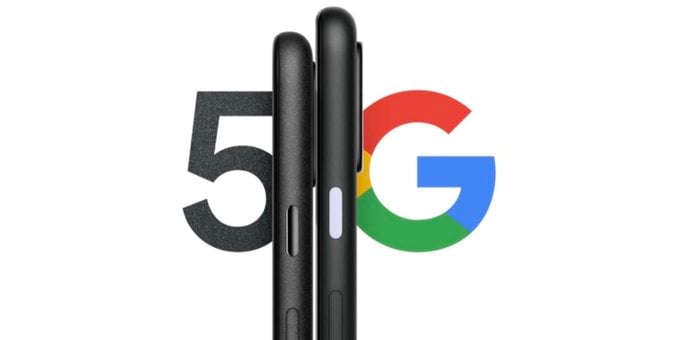
Google earlier today announced the Pixel 4A alongside the Pixel 4A 5G and Pixel 5. While the 5G models will be available in the Fall, the Pixel 4A is already on preorder in the US and is billed to go on sale in the UK, Ireland, Germany, Australia, Japan, and Canada. While for the Indian market, the phone is said to go on sale in October.
Google did reveal some detail of the availability in India which is the world’s third-largest market after the US and China. Although the India pricing is yet to be announced, the company hinted the phone will not be available in India until October, two months from now.
According to Brian Rakowski, VP of Product Management at Google during the launch, “This year, Pixel 4a—which launches in India in October—will continue to bring features like the incredible camera and feature drops that make your phone better over time. All of this packaged in sleek new hardware at a more affordable price”.
The Google exec also disclosed that the India price for the Pixel 4A will be announced close to the October launch date. The company also disclosed that the mid-range phone will be sold exclusively on Flipkart.
In addition, Rakowski disclosed that the tech giant has got no plan to launch the two 5G models in India ever. In essence, the Pixel 5 and Pixel 4A 5G won’t be dropping in India at all. Well, except the company changes its mind due to market forces.
“Regarding the two new 5G Pixel phones that were announced globally today, these will not be available in India or Singapore, based on a variety of factors including local market trends and product features,” explains Rakowski.
Google last week released several teasers which point to the launch of the Pixel 4a on August. The tech giant has indeed launched the Pixel 4A but added a new twist by announcing the Pixel 4A 5G and the Pixel 5. The two 5G models will, however, be available this fall.
The Pixel 4A presents with a plastic body which has been the company’s routine for models in this price point. The device packs a single rear camera housed in a square-shaped module alongside the dual-LED flash. The module is located at the upper left corner of the back panel. The device also packs a physical fingerprint scanner on the back. At the right side of the fuselage is a mint-coloured power button as well as the volume rockers.
Talking of the display, the Pixel 4A sports a 5.81-inch OLED display with an FHD+ resolution of 2340 x 1080 pixels and 19.5:9 aspect ratio. The display supports just 60Hz refresh rate. The display has a hole-punch design, making this model the first Google phone to have such a feature. The punch-hole houses a single 8MP Sony IMX355 sensor with f/2.0 aperture, 84° FOV and EIS support.
The rear camera is a single 12.2MP Sony IMX363 image sensor with an f/1.7 aperture lens, 1.4µm pixel size, 77° field-of-view, Dual Pixel Phase Detection, OIS, and EIS support. The Pixel 4A equally supports video shoot at 4K resolution at 30fps. For slow-motion videos, the device is capable of 1080p resolution at 120fps.
Google is known for its software prowess and the Pixel 4A is adorned with several topnotch Google Camera features such as Live HDR+, dual exposure controls, Night Sight with astrophotography, Social Share, Portrait Mode, and Super Res Zoom.
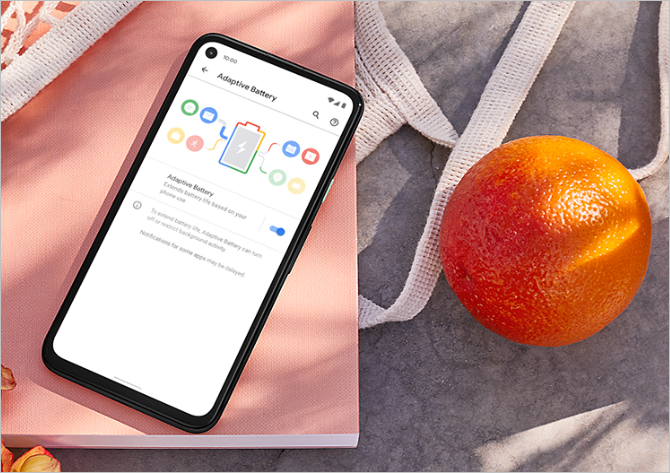
The device is powered by a Qualcomm Snapdragon 730G processor paired with 6GB of LPDDR4X RAM and 128GB of UFS 2.1 storage. The phone packs a 3,140mAh battery which is pretty small compared to the industry standard but Google touts the battery of being able to deliver “up to 24 hours” of usage with a “mix of talk, data, standby and use of other features, with always-on display off.” In addition, the phone comes with 18W fast charge support through a USB-C port.
On the software side, Google Pixel 4A runs Android 10 OS out of the box. Google says the device will get 3 years of Android OS upgrades so expect it to get Android 11, Android 12 and Android 13. Isn’t that super cool? You’ll also get 3 years of monthly Android security patch updates, too. Further, the Pixel 4a features Google’s Titan M, a discrete hardware security module that’ll eventually let you store your driver’s license on your phone and access it when there’s not enough battery left to boot up Android.
Google Pixel 4a Pricing & Availability
The Pixel 4a carries a decent $349 price tag and is available to pre-order presently on Amazon. The device is expected to ship on August 20th and is available in a single Basically Black colour. Not to worry though, Google is also selling its signature Fabric cases, which are machine-washable, soft-to-touch fabric cases made from over 70% recycled materials. The cases are available in Basically Black, Blue Confetti, and Static Grey. The phone will also be available in the UK, Ireland, Germany, Australia, Japan, and Canada and in India in October.
On the other hand, the Pixel 4A 5G will have a $499 price tag and will ship sometime this fall.
Alongside the Pixel 4a and the Pixel 4a 5G, Google also announced the Pixel 5 today. Actually, Google just confirmed it exists and will be coming later this fall.
According to the blog post put out by Google announcing the three devices, the Pixel 5 will have 5G support too. The phone will be available in the US, Canada, the United Kingdom, Ireland, France, Germany, Japan, Taiwan, and Australia when it launches.
As you can see, India is missing from the list which means the phone will not be launching in the South Asian country.
The Pixel 5 will run Android 11 when it launches later this year and it should come with features exclusive to the Pixel line. The phone is expected to have a punch-hole display and a fingerprint scanner on the back. There are also reports it will have a mid-range processor and not the flagship Snapdragon 865 or Snapdragon 865 Plus.
We expect more details to surface in the weeks leading to its launch. Going by the previous launches, the Pixel 5 should be announced in October.
Realme is rolling out July 2020 security update for Realme 5/5 Pro/5s/5i. The update not only bumps up the security patch level but also brings fixes and optimizations. The build number for the update is different for all the four handsets (except 5 and 5s) but the changelog is only different for the Pro model.
First, talking bout Realme 5 and Realme 5s, the update comes with build number RMX1911EX_11.C.53 and brings optimizations for flight mode (Bluetooth won’t be affected), battery icon while charging, third-party apps power consumption, and shooting quality in night mode.
Further, the update also brings fixes for status bar not displaying WiFi icon, black screen issue when switching to PUBG Mobile from the multitasking view, and greenish photo while using flash.
As we mentioned in the beginning, the above-mentioned changes are also applicable to Realme 5i. However, the update comes with build number RMX2030EX_11.C.53 for this device.
As for Realme 5 Pro, the July security update arrives with build number RMX1971EX_11.C.05. Just like the above-mentioned three devices, the update for this one also brings several optimizations and fixes.
For instance, it optimizes the transparency of swipe back gesture style, flight mode similar to the above models, and screen recording features. It also adds a feature called smooth scrolling and fixes some known issues.
Having said that, the OTA update for all the four handsets is being pushed in batches. Hence, it may take time to reach every unit.
TikTok has been in the spotlight for some time now but President Trump communicated worries about the video-sharing app gathering information on American residents and the danger that poses to national security.
TikTok and 56 other apps banned by the Indian Government
The app parent company ByteDance has so far been ineffective in working out an arrangement with the US government so an elective arrangement is proposed which is the acquisition by Microsoft. A rumour filtered in recently that Microsoft’s CEO was in talks with Trump and ByteDance over an acquisition deal for the social media app.
The software giant has formally confirmed that the CEO Satya Nadella has been in talks with the US President and ByteDance. According to an official statement by Microsoft, the company “is committed to acquiring TikTok subject to a complete security review and providing proper economic benefits to the United States, including the United States Treasury.”
The discussions with ByteDance will be finished by September 15 of this current year. In the event that Microsoft strikes an arrangement, it will procure TikTok tasks in select markets and may welcome different US financial specialists to take on a minority share. Microsoft will only control TikTok’s operations in the United States, Canada, Australia and New Zealand. ByteDance will retain the operations in other markets.
TikTok’s US arm alone is estimated to be in the range of $15 and $30 billion. Microsoft will guarantee that the private information of American clients is moved to the US.
The Vivo S series of smartphones is known for its cameras, and the new Vivo S7 doesn’t deviate from that path. The new phone packs a total of five cameras – with two of them in front, and lots of features to enhance your picture-taking experience. Vivo doesn’t just focus on cameras. The design stands out and the phone also has a capable processor and is great for gaming too.
Vivo S7 Design
The Vivo S7 (V2020A) is a mix between the Vivo V9 and the Vivo X50 Pro albeit with a few adjustments. For example, the notch is not as wide on the Vivo S7 and its rear cameras are housed in a larger rectangle. The phone is also pretty light as 170 grams, is 7.39mm thick, and comes in Moonlight White, Jazz Black, and a gradient colorway that takes its name from the French painter, Claude Monet.
Vivo S7 Specifications
The phone has a 6.44-inch AMOLED display with a 2400 × 1080 resolution, a 91.2% screen-to-body ratio, and a 20:9 aspect ratio. There is no high refresh rate but it has HDR and the screen has a fingerprint scanner underneath it.
Powering the Vivo S7 is the Snapdragon 765G along with 8GB of RAM. Buyers will be able to choose between having 128GB or 256GB of US 2.1 storage.
Coming to the cameras, Vivo has put dual-selfie sensors in front. There is a 44MP f/2.0 AF sensor paired with an 8MP f/2.28 ultrawide angle camera. The front cameras can record in 4K at 60fps, has a Super Night selfie mode, double-exposure, and also has image stabilization. You can also take slow-motion selfies at 240fps.
The rear camera includes a 64MP f/1.89 sensor, an 8MP f/2.2 ultrawide angle camera, and a 2MP f/2.4 macro camera (yeah, that last bit is disappointing). The rear camera comes with Super Night Scene 4.0 with the ability to shoot in RAW format. Vivo has added a feature that allows you to shoot using the rear and front cameras at the same time. There is also a vlog feature and a video editing mode that the manufacturer claims is easier than editing photos.
The Vivo S7 has dual SIM support (nano-only), Bluetooth 5.1, NFC, dual-band Wi-Fi, and face unlock. It packs a 4400mAH battery with support for 33W fast charging and ships with Android 10 out of the box.
Vivo S7 Price
Pre-orders are already live on Tmall and JD.com ahead of the first sale on August 8. The 8GB RAM + 128GB version will sell for ¥2799 (~$400) while the 8GB RAM + 256GB version is ¥3098 (~$443).
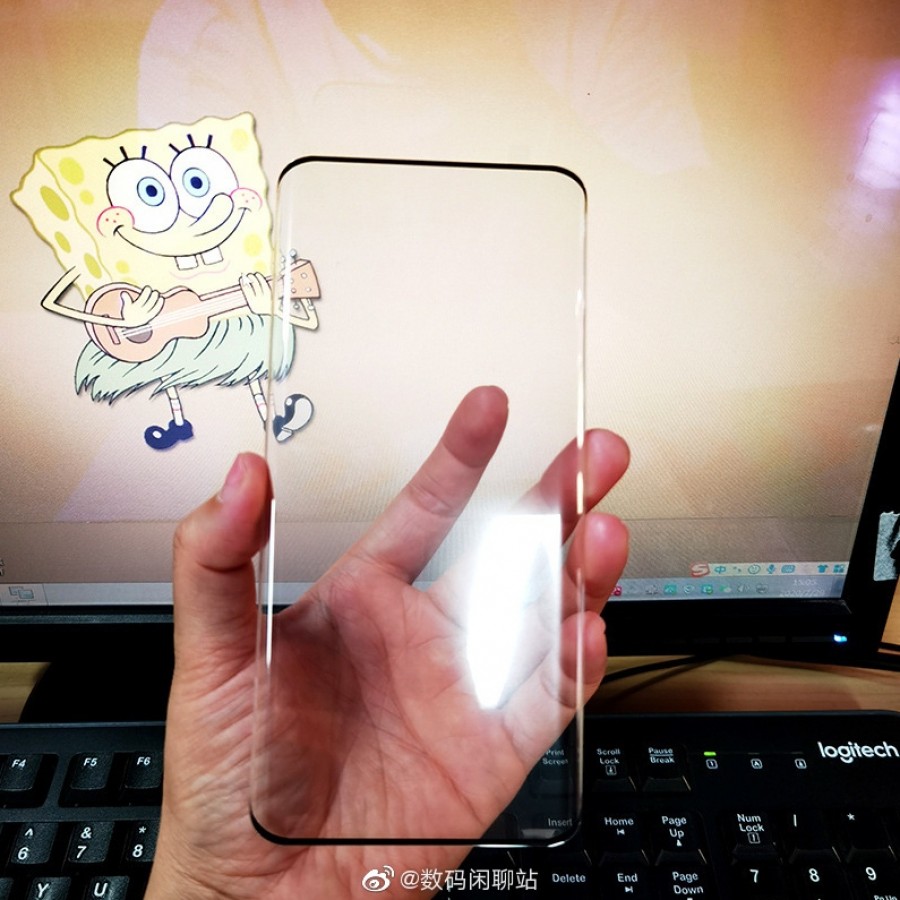
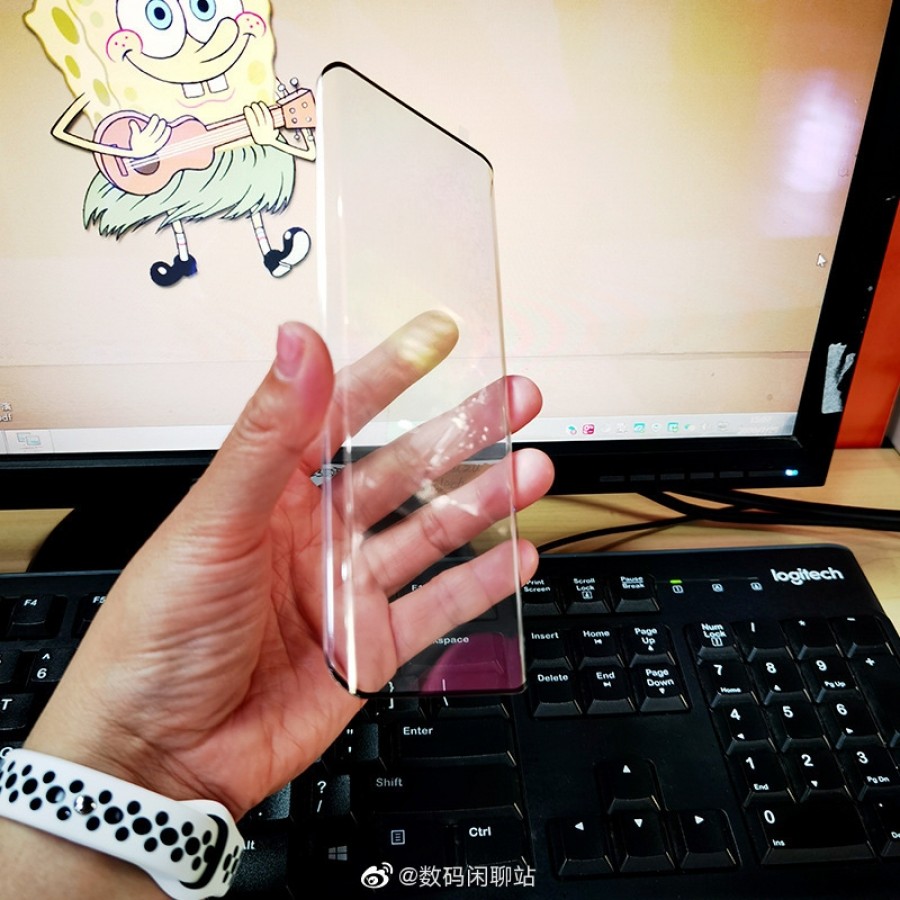
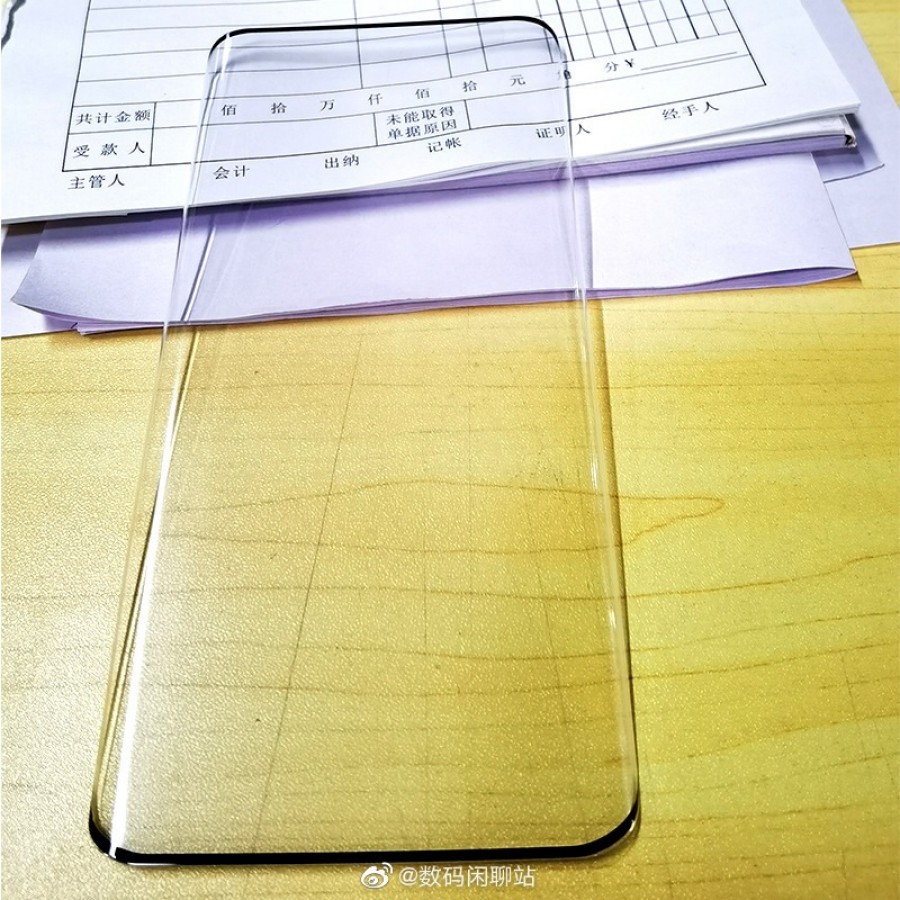
Huawei’s upcoming Mate 40 flagship series is expected to feature improvements in not just the processor which migrates to a 5nm node but also in the aspect of design, camera performance and more. In recent times, the tempered glass for the Mate 40 appeared online revealing the front design. Again, the screen protector for the Mate 40 Pro has leaked online to confirm some of the details of the display.
From the look of things, the Mate 40 Pro will feature a 6.6-inch display with curved edges and ultra-thin bezels. The display doesn’t have any type of display notch whatsoever for a selfie camera. The device may likely use an under-screen camera design instead. This could make the phone the first commercial model to sip with an under-screen camera.
Of course, the design is just one of the aspects where the Mate 40 Pro will see improvements. The device is expected with a lot of highlights, such as enhanced fast charging, bigger battery capacity, improved camera setup in addition to a new Kirin 1020 chipset. On the software side of things, the Mate 40 pro will boot EMUI 11 out of the box bringing along several software features.
Huawei has assured that there won’t be any delays in launching the Mate 40 models. The series is expected to be officially unveiled in September or October.
Back in February, Sony announced the Xperia 1 II (read as Xperia One Mark Two) as the successor to the Xperia 1 flagship that was announced in 2019. There was no Compac model or Premium model but that may change next year according to a new leak.
The source of the info is a comment that was posted on Android Police by a user that goes by “HGHR181”. According to a screenshot of the comment, there will be no Xperia Compact model this year but a source informed him that Sony will bring back its 3-model flagship pattern next year. So we might get a Compact, a standard, and a Premium model next year rather than just one. He adds that he is not sure if all three phones will be announced at the same time.
Sony switched to a different naming scheme last year and ditched the XZ naming scheme. The new naming scheme is said to have been adopted from its camera division.
While we advise that you take the above info with a grain of salt, bringing back the old Xperia XZ naming scheme with Compact and Premium models may be a good idea. A Compact model should also be well received since there are users who still want a phone that isn’t big.
Xiaomi is known for its MIUI Android skin apart from smartphones. The company seeds out at least 2 to 3 MIUI updates for all of its devices. However, the same cannot be said for Android platform update, which is mostly one for all devices unless they are flagship or popular mid-ranger. Having said that, a Mi Community post is now live revealing the Xiaomi, Redmi, POCO, and Black Shark handsets that are eligible for Android 11.
This particular Mi Community post is shared by a user who is part of Mi Fans Team (via PiunikaWeb). The post even details the Android 11 development for certain devices. Hence, we believe it to be true and this could be more or less the final list.
The post also confirms the delivery of stable update to commence from September when Google is expected to officially announce Android 11. Also, the update for all the devices mentioned below will come with MIUI 12.
At first, the post lists the devices which are currently being tested for Android 11. Here’s that complete list of Xiaomi, Redmi, and POCO smartphones (as of August 3).
Device
Status
Xiaomi Mi 10
Android 11 Beta 2 – MIUI 12
Xiaomi Mi 10 Pro
Android 11 Beta 2 – MIUI 12
Xiaomi Mi 10 Youth Edition
Internal Testing
Redmi K30 Pro/POCO F2 Pro
Android 11 Beta 2 – MIUI 12
Redmi K30/POCO X2
Confirmation by POCO India
Redmi K30 5G
Internal Testing
Redmi K30i 5G
Internal Testing
Xiaomi Mi CC9 Pro/Mi Note 10/Mi Note 10 Pro
Internal Testing
Xiaomi Mi Note 10 Lite
Internal Testing
Redmi K20/Xiaomi Mi 9T
Internal Testing
Apart from the above list, the Mi Community post all lists the entire Xiaomi, Redmi, POCO, and Black Shark smartphones that will be getting Android 11 update. Unfortunately, the post also confirms no update for Snapdragon 845-powered 2014 high-end handsets like Mi 8, Mi Mix 2S, POCO F1, Black Shark, and Black Shark Helo.
Xiaomi Android 11 Eligible/Supported Devices
Mi 10
Mi 10 Pro
Mi 10 Ultra
Mi 10 Youth Edition
Mi CC9 Pro/Mi Note 10/Mi Note 10 Pro
Mi Note 10 Lite
Mi 10 Lite 5G
Mi 9
Mi 9 Pro
Mi 9 SE
Mi CC9/Mi 9 Lite
Mi CC9 Meitu Edition
Mi 9T
Mi 9T Pro
Mi A3
Redmi Android 11 Eligible/Supported Devices
Redmi K30 Pro
Redmi K30 Ultra
Redmi K30
Redmi K30 5G
Redmi K30 5G Racing Edition
Redmi K30i 5G
Redmi K20
Redmi K20 Pro
Redmi 10X Pro
Redmi 10X
Redmi 10X 4G/Redmi Note 9
Redmi Note 9 Pro Max
Redmi Note 9 Pro
Redmi Note 9 Pro (India)/Redmi Note 9S
Redmi 9/Redmi 9 Prime
Redmi 9C/Redmi 9 (India)
Redmi 9A/Redmi 9AT
POCO Android 11 Eligible/Supported Devices
POCO F2 Pro
POCO X3
POCO X4
POCO M2
POCO M2 Pro
POCO C3
Black Shark Android 11 Eligible/Supported Devices
Black Shark 2
Black Shark 2 Pro
Black Shark 3
Black Shark 3 Pro
Black Shark 3S
Anyway, it is worth noting that this is an initial list. Hene, there could be some changes depending upon various factors. We will make sure to keep this article updated.
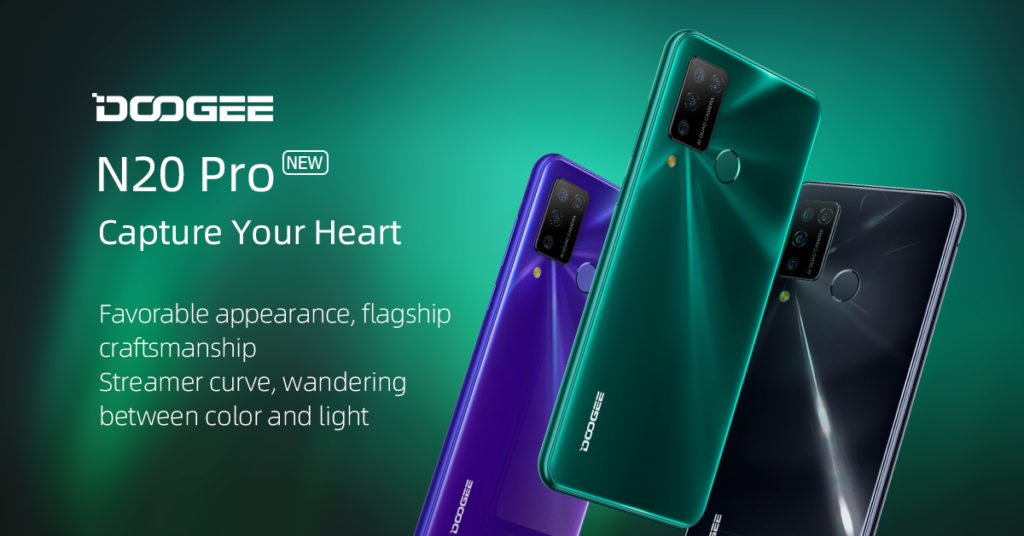
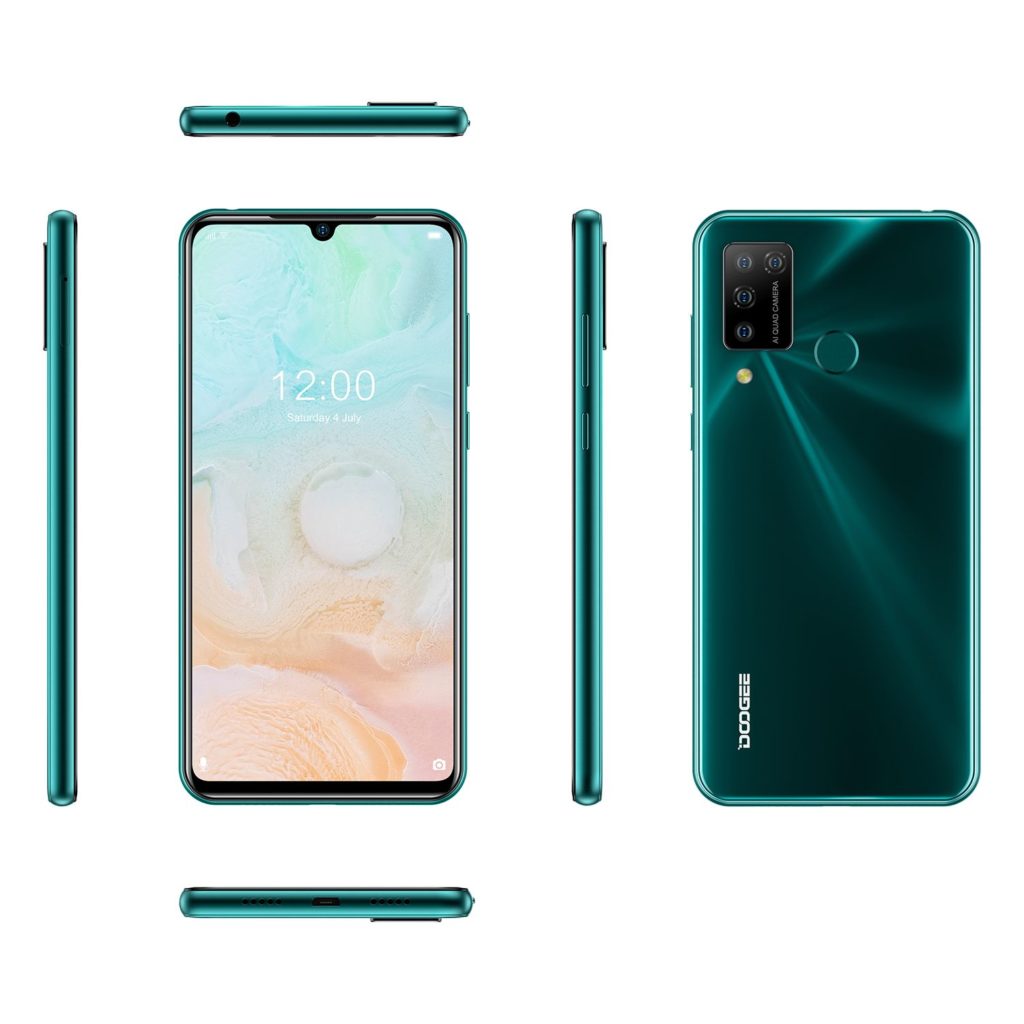
Doogee N20 Pro is finally launched with some interesting features at an affordable price of $119. The primary highlights of the device include a 16-megapixel quad-rear AI camera, Helio P60 SoC, and an impressive 6.3-inch Waterdrop display. The smartphone will compete against the competitors in the mid-range segment. Its unique double-layer coating technology and other splendid features make it worth every cent.
Doogee N20 Pro is a powerful smartphone featuring advancements over its predecessor. It is available at an affordable price of $199 from its global online store and AliExpress.
Performance
The smartphone comes powered with a 12-nm based Helio P60 SoC which houses an octa-core processor and ARM Mali-G72 GPU clocked at 800MHz. The chipset is capable to smoothly run power-intensive tasks such as gaming. Doogee N20 Pro is available in a single storage variant of 6GB RAM and 128GB internal storage. However, you can even expand the storage up to 256GB via external microSD card eliminating any storage problem while downloading large-sized games and other media.
Display
Doogee N20 Pro houses a large 6.3-inch FHD+ waterdrop display having an aspect ratio of 19:9. The display is efficient enough to provide a vivid viewing experience while playing games and watching movies.
Camera
On the rear side, there’s a quad-rear camera module featuring a 16-megapixel primary camera, a 130° ultra-wide camera lens with 3x optical zoom, a 4cm macro lens and a portrait lens providing depth effect. Apart from the finest camera hardware, the phone also packs ultimate software facilitated by AI algorithms to produce better photos.
There’s a punch-hole encasing a Samsung 16-megapixel front camera for impressive and high-resolution selfies.
Other Features
There’s a 4400 mAh battery with 10W quick-charging technology. The smartphone weighs 175 grams and is just 8.8mm thin which makes it more comfortable and portable. It’s a Dual SIM device that can provide you seamless network coverage while traveling.
Doogee N20 Pro runs on Android carrying all the latest features like improved Dark Mode, enhanced permission controls, and much more. Even the system security and stability have improved with the Android 10 OS. Moreover, the smartphone houses a fingerprint scanner on the rear side for quick and secure authentication.
I/O Interface – 1 x Nano SIM Card, 1 x Nano SIM Card or microSD Card Slot, micro USB Port, Audio Out Port, Power Button, Volume Button, Microphone, Speaker
Dimensions – 159 mm x 77.1 mm x 8.8 mm
Weight – 175 Grams (With Battery)
Pricing
Doogee N20 Pro is available for the price of $119 from AliExpress and you can even grab a discount of $10 from August 10-11. The discount is limited to the first 2000 buyers by using a coupon code N20PRO10. You can know more details about the device by heading to the official website.
The OnePlus Nord will go on sale tomorrow in India. For a starting price of INR 27,999 (~$370). That amount gets you the 8GB RAM + 128GB version. There is a 6GB RAM + 64GB version that is priced at INR 24,999 (~$330) but it won’t be available until September.
Since the mid-range OnePlus phone launched, there have been debates over whether it is worth buying over flagship killers from last year such as the Redmi K20 Pro. The 2019 Redmi flagship packs some really impressive features including the more powerful Snapdragon 855 processor, a telephoto camera lens, and even has an audio jack.
The Redmi K20 Pro is priced at INR 26,999 (~$359) for the 6GB+128GB version and INR 29,999 (~$399) for the 8GB+256GB version. The OnePlus Nord is INR 29,999 (~$399) for its 256GB version but it packs 4GB RAM more than the Redmi K20 Pro.
For this week’s poll, we want to know which of the two devices you will purchase? Is it the Redmi K20 Pro even though it doesn’t have support for 5G or the OnePlus Nord which has 5G support and a display with a 90Hz refresh rate? Please take the poll and also share your reason(s) for picking one over the other in the comment box.
MediaTek made a comeback into the high-end and mid-range smartphone chipset segment last year with the introduction of Dimensity 5G chips. But for some unknown reasons, handsets with these SoCs have remained exclusive to China for a very long time. Thankfully, they are now confirmed by the company to debut in global markets sometime in Q3 2020 (current quarter).
The first-ever Dimensity series chipset by MediaTek is Dimensity 1000. But there is not a single smartphone in the world with this chip. Instead, we have got a device powered by Dimensity 1000L (OPPO Reno3 5G) and Dimensity 1000+ (iQOO Z1 5G) respectively. These two chips are toned-down and beefed-up models of the standard Dimensity 1000, which is yet to see the light of the day.
Further, the Taiwanese chipmaker continued to debut a number of Dimensity mid-range 5G chipsets such as Dimensty 800, Dimensity 820, and Dimensity 720. These chips power some of the cheapest 5G smartphones available in the Chinese market.
But as mentioned in the beginning, none of them is available outside China. However, we might soon see them powering smartphones sold in global markets. MediaTek itself confirmed in its Q2 2020 earning call.
We think the LG Velvet series handset spotted on Google Play Console with Dimensity 800 could be the first-ever MediaTek Dimensity 5G smartphone for international markets. That’s not all, we may also witness the launch of already available Chinese Dimensity handsets in global markets.
MediaTek is expecting sizeable revenue growth for the third quarter of this year. According to a DigiTimes report, the revenue will reach NT$82.5 – NT$87.9 billion (roughly $2.75 – $2.79 billion). This marks a 22 to 30 percent sequential growth, which is well beyond market expectations.
The growth estimation arrives as the company expected high demand and healthy sales for its Dimensity lineup of 5G chips. MediaTek also expects that its gross margin to be around 41.5 to 44.5 percent for the third quarter, which is roughly the same as the second quarter. Furthermore, the Taiwanese chipmakers revenue for the first half grew by 12.4 percent while net profits surged by 33.33 percent year on year.
MediaTek surpassed its original financial guidance for the first half of 2020 and is expected to post a minimum annual revenue increase of 15 percent and double its growth projection during this year, according to industry sources. The company’s CEO stated that the 5G handset market will reach 170 to 200 million units in shipments by the end of 2020, which will be supplemented by upcoming MediaTek 5G chips in the latter half of 2020
Huawei is increasing the use of mobile APs (applications processors) from third party suppliers for its smartphones. The move will have the Chinese tech giant reduce the use of its Kirin chips made from its subsidiary HiSilicon Technologies, which marks a notable shift as Huawei has typically relied on its own subsdiary.
The primary reason for the multiple sourcing of mobile APs is to maintain the competitiveness of its products. Furthermore, stable supply and profit also comes into play, with the Chinese smartphone maker expected to bring an additional 1-2 vendors to its supplier list for smartphone APs. Despite the company already having Taiwan’s MediaTek as a third-party 5G AP supplier, Huawei might also buy 5G APs from US based Qualcomm.
Furthermore, Huawei has also increased the number of purchases for MediaTeks midrange Dimensity 800 SoC for its Enjoy and Honor lineup of smartphones since Q2 2020. Similarly, Samsung and Unisoc Technologies are also potential alternative sources for 5G APs for the Chinese brand, according to a DigiTimes report. Although, this is still unconfirmed as well.
We use cookies on our website to give you the most relevant experience by remembering your preferences and repeat visits. By clicking “Accept”, you consent to the use of ALL the cookies.
This website uses cookies to improve your experience while you navigate through the website. Out of these, the cookies that are categorized as necessary are stored on your browser as they are essential for the working of basic functionalities of the website. We also use third-party cookies that help us analyze and understand how you use this website. These cookies will be stored in your browser only with your consent. You also have the option to opt-out of these cookies. But opting out of some of these cookies may affect your browsing experience.
Necessary cookies are absolutely essential for the website to function properly. This category only includes cookies that ensures basic functionalities and security features of the website. These cookies do not store any personal information.
Any cookies that may not be particularly necessary for the website to function and is used specifically to collect user personal data via analytics, ads, other embedded contents are termed as non-necessary cookies. It is mandatory to procure user consent prior to running these cookies on your website.