With Xiaomi nearing the 10th anniversary of its founding, the company is planning a special virtual event on August 11. This event will likely have a few notable products and smartphone launches and may even have the announcement for the latest flagship Mi 10 Pro Plus.
The Chinese tech giant recently shared a teaser for the upcoming event. In the virtual event, Lei Jun, the CEO, will be looking at the past, present, and future of Xiaomi while also revealing some new devices as well. According to known WEibo leakster Digital Chat Station, the company will unveil “several new phones” and other “new products.”
Is this almost an official announcement? Several new phones and new products including the Mi 10 Series Super Cup are scheduled to be released on August 11 [吃瓜]
Unfortunately, it is currently unknown what exactly the company has in stores for, at least not officially. However, the tipster mentioned that the Xiaomi Mi 10 Pro Plus will be announced during this event. For those unaware, the new rumored entry in the Mi 10 series will be the company’s ultra high end flagship that will also its top offering. Although, this has yet to be confirmed so stay tuned as we will be covering the event.
The new navigation system is now within the same league as US’ GPS, Russia’s GLONASS, and the EU’s Galileo. At the moment, more than 100 countries including Pakistan and countries part of the Belt and Road Initiative (BRI) are already using the system. Experts told Chinese media that “the completion of BeiDou-3 was due to the fact that core technologies cannot be bought or begged from other countries.”
The project had brought in over 300,000 scientists, engineers, and technicians from more than 400 domestic institutes, universities, and enterprises. It has been under development since the 1990s and has finally been completed. Chinese President Xi Jinping commissioned the system last week, with a ceremony held at the Great Hall of the People.
The system effectively lowers the country’s reliance on foreign navigation system and “By the end of 2019 in the Chinese mainland, more than 6.5 million road vehicles, 40,000 postal and express delivery vehicles, 80,000 buses in 36 major cities, 3,200 inland navigation facilities, and 2,900 marine navigation facilities had adopted the BDS, forming the world’s largest dynamic monitoring system for road vehicles.”
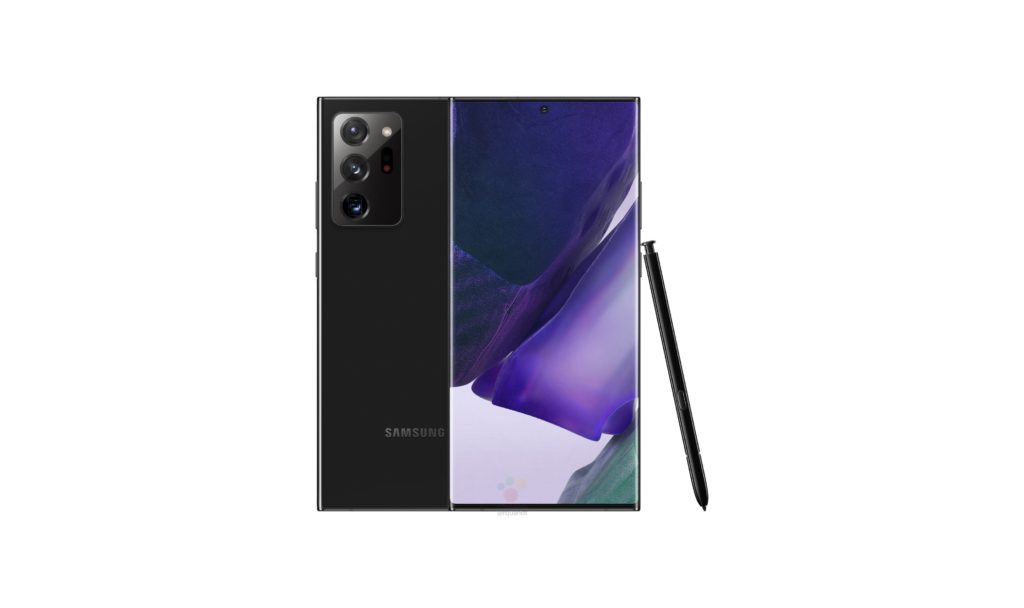
The Samsung Galaxy Note20 series is the most anticipated smartphones of H2 2020 apart from Apple iPhone 12 series and HUAWEI Mate40 series. It will be unveiled on August 5 (coming Wednesday) alongside Galaxy Z Fold2, Galaxy Buds Live, Galaxy Watch 3, and Galaxy Tab S7 series. Ahead of it, the Galaxy Note 20 Ultra visits FCC revealing it to feature UWB (Ultra-wideband) chip.
Galaxy Note20 Ultra Mystic Black
The upcoming Galaxy Note 20 Ultra will not be the first smartphone to launch with UWB chips. The iPhone 11 series from last year already has it and its successor is expected to feature it as well.
The confirmation for the presence of UWB chip in Galaxy Note20 Ultra comes directly from FCC (via @SaudiAndroid). The test for the chip was only conducted on the US variants of the handset – SM-N986U and SM-N986U1. Hence, we cannot tell for sure if models for other regions will have this chip.
Having said that, one might ask what is the use of this so-called UWB Chip. To simply put, it is primarily used on the new iPhones for quick file transfer via AirDrop. Additionally, it can be also used to sense and connect with IoT devices. The best example for it is “Apple Car Keys”, which will debut on iOS 14.
In a similar way, we can expect Samsung to use the UWB chip inside Galaxy Note20 Ultra for “Nearby Share”, an AirDrop alternative by Google and for it SmartThings range of IoT products.
Samsung Electronics is making a comeback in the Indian smartphone market with a lineup of new affordable smartphones and improved online presence in the region, according to a Reuters report.
The South Korean tech giant is out to regain market grounds it had lost to Chinese rival, Xiaomi. Notably, Samsung is the only major non-Chinese OEM in the country and has already started gaining momentum. This is further backed by the anti-Chinese sentiments that are growing in the nation due to a prior military clash in the border regions between both nations.
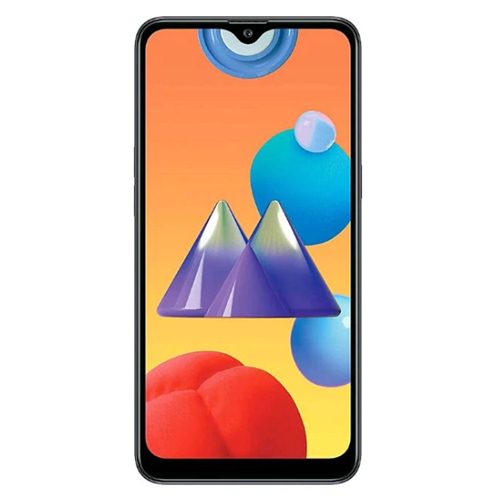
Samsung Galaxy M01s
According to a previous Counterpoint report, Samsung came in second in India’s smartphone market, with a 26 percent market share in Q2 2020. The company trailed behind Xiaomi that took the lead with a 29 percent market share in the same period. Despite being the dominating figure in the world’s second largest smartphone market, Samsung has slowly been losing ground to Chinese OEMs in recent years.
But now, the company is seemingly building the momentum again, with seven recent smartphone launches in June, out of which, three were priced under 10,000 INR (roughly 133 US Dollars). A source close to the matter stated that, “The COVID crisis has pushed people to use smartphones for everything from online education to digital payments to even connecting with friends on video calls. That’s why these budget phones are focused on the mass market.”
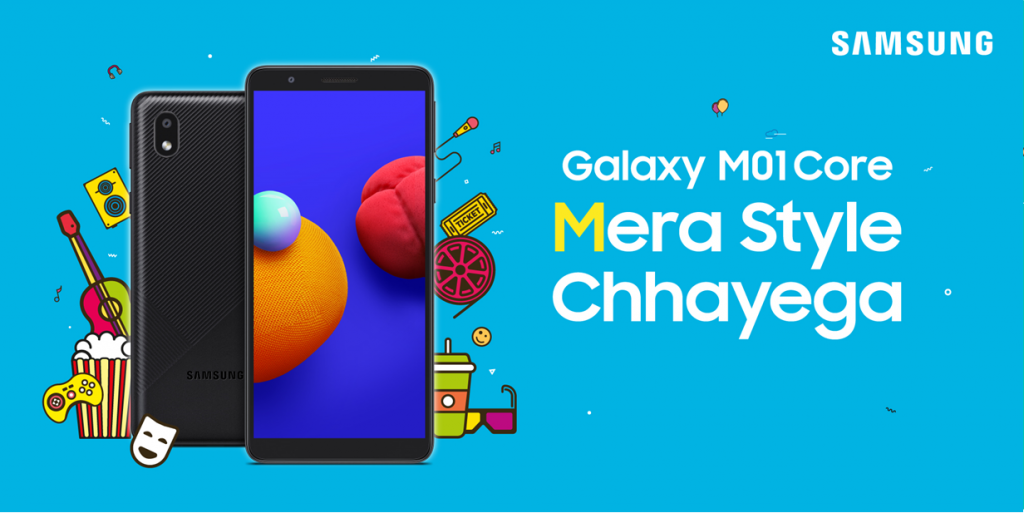
Samsung Galaxy M01
Furthermore, a company executive also said that “Samsung is India’s No.2 smartphone brand after Apple by image, So a phone priced between 6,000 rupees to 15,000 rupees from Samsung is very well placed today to capture market share from Chinese rivals.” In other words, the vendor is strengthening its budget offerings to better suit the market demand.
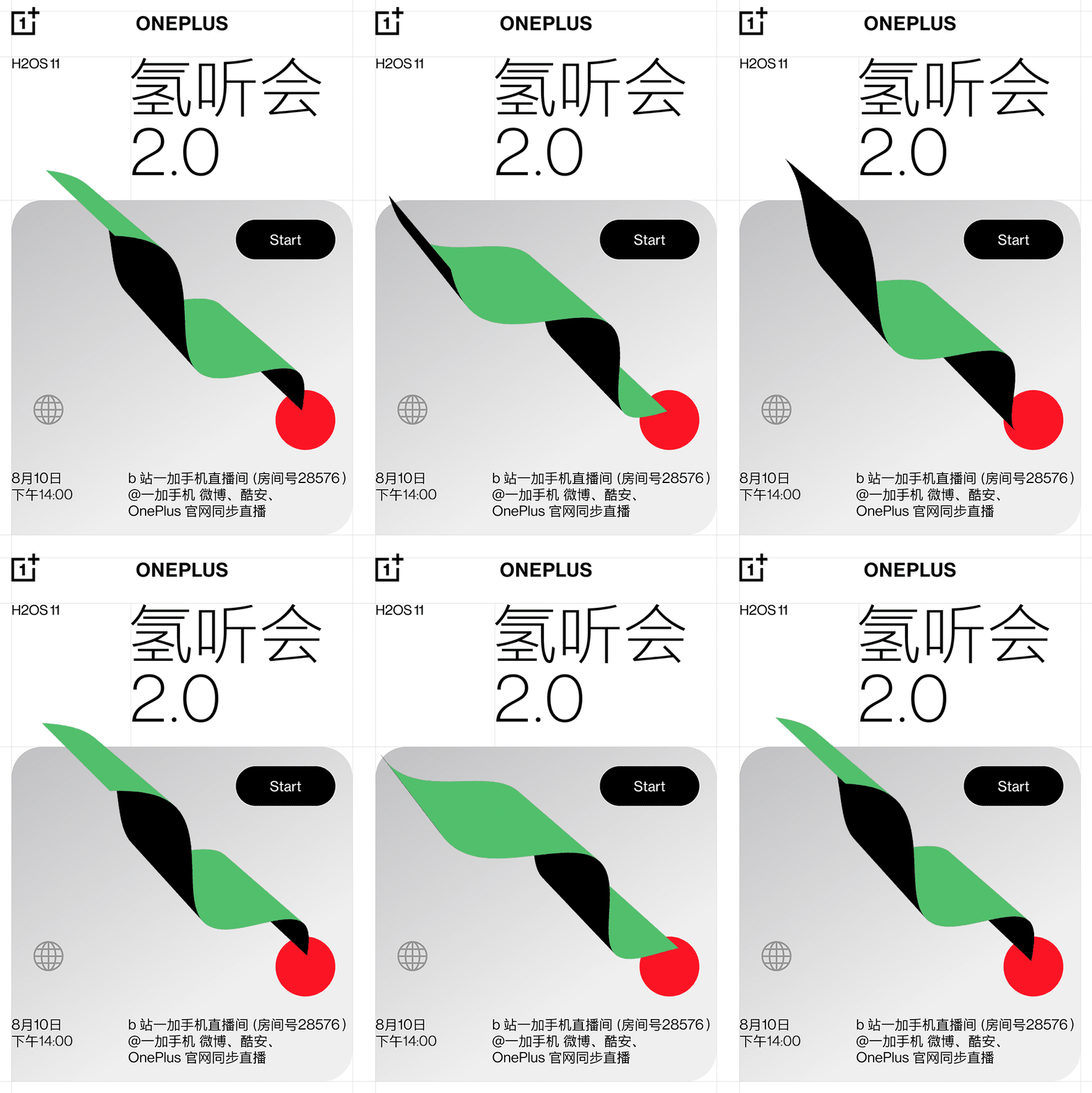
While OnePlus phones outside of China are shipped with OxygenOS, its smartphones heading to Chinese markets come with HydrogenOS based Android OS. OnePlus is expected to release OxygenOS 11 based Android 11 update in the coming weeks. It could be made available in September since Android 11 is expected to debut on Sept. 8. Fresh information reveals OnePlus is gearing up to launch the HydrogenOS 11 on Aug. 10 in China.
Through Weibo, OnePlus confirmed that it will be announcing HydrogenOS at 2 PM (local time) on Aug. 10 in the home market. Since it is a China-bound version, it comes without Google Play services. The upcoming HydrogenOS 11 will be based on Android 11 OS.
Nothing much is known on the features that will be arriving on the HydrogenOS 11 except for the fact that it could be coming with native support for Always-On Display (AOD) function. HydrogenOS 11 is expected to bring visual improvements, new functions, and something that is dubbed as a “brand-new interactive concept.”
Recently, OnePlus CEO Pete Lau shared a tweet that hinted at the arrival of the AOD feature in the upcoming OxygenOS 11 updated. The AOD function is one of the most requested features by OnePlus fans even though it can consume 300 to 500mAh battery power.
The AOD function could be available in the closed beta builds arriving this month, followed by open beta in September. It is speculated that OnePlus 6 and higher will be treated with AOD function. Hopefully, the company will confirm on the other features that will be available on the OxygenOS 11 and HydrogenOS 11 before they are made official.
Apple has apparently asked various landlords in the UK to lower the rent by 50 percent for its multiple retail stores, according to The Sunday Times report.
In exchange for the rent being lowered or being offered a “rent-free period,” the Cupertino based giant will possibly extend its lease considerably. The period of this rent slash or extension is currently unknown, although, it is understood that several stores in the region still have many years left on their leases. Thus, the landlords do not have to make a prompt decision regarding the matter.
According to the report, the move has already agitated the numerous property owners in the UK, as despite Apple stores being closed during the initial outbreak of the Coronavirus, the company has still managed a record 59.7 billion US Dollars increase in sales in the second quarter of 2020, since the demand for its products online was relatively high.
This tactic of proposing lowered rent is in line with other businesses that had benefitted from this. Landlords had to lower rent to keep the property in shopping centers occupied. Apple currently runs 38 retail stores in the UK, all of which had to close doors for a few months earlier this year. At the moment, these stores have now reopened and are one of the most profitable outlets in the industry.
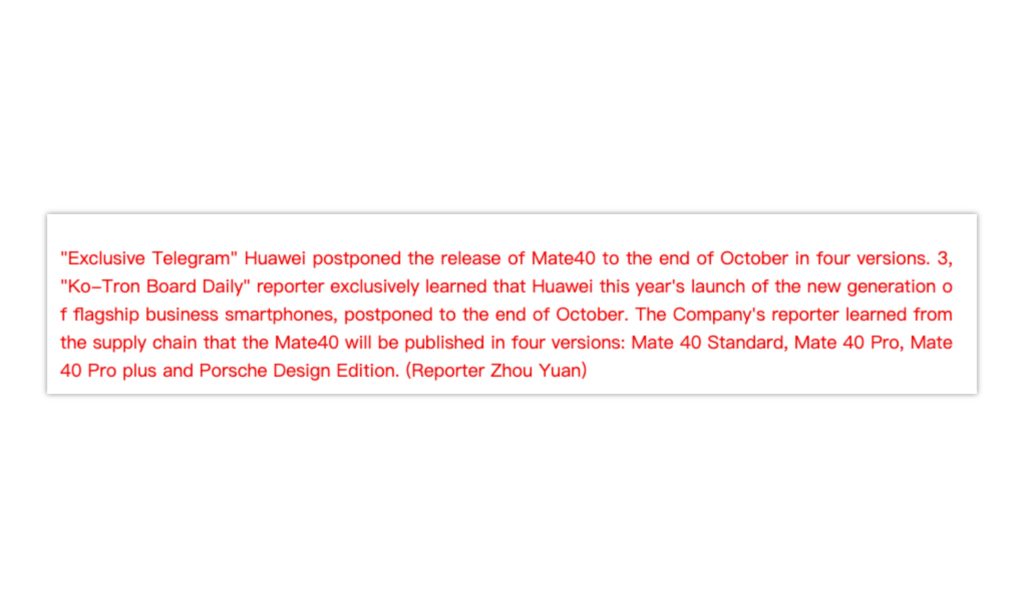
Huawei surpassed Samsung as the world’s largest smartphone brand in April as well as the whole of Q2 2020. But the future of the company is uncertain due to the extension of the US ban and end of its relationship with TSMC. Despite the hurdles, the Chinese telecom giant is expected to release the Mate40 series. A new report from China reveals there will be a delay in the launch and the series will include four models.
The Mate40 series was previously reported to launch in early October on the occasion of Chinese National Day. Huawei is also said to unveil Mate Watch with HarmonyOS alongside these handsets.
Now, a new report by Chinese media says the launch of Mate40 series will be delayed late October. Also, it revealed that there will be four models and they are as listed below.
HUAWEI Mate40
HUAWEI Mate40 Pro
HUAWEI Mate40 Pro+ (Plus)
PORSCHE DESIGN HUAWEI Mate40 RS
This piece of information is said to come directly from supply chain partners and hence, there’s a high chance of it to be true.
Huawei is not the only company delaying the launch of its new flagship smartphones. Even Apple is reported to do the same for its iPhone 12 series. Another most delayed device of 2020 is Google Pixel 4A, which is finally expected to debut later today.
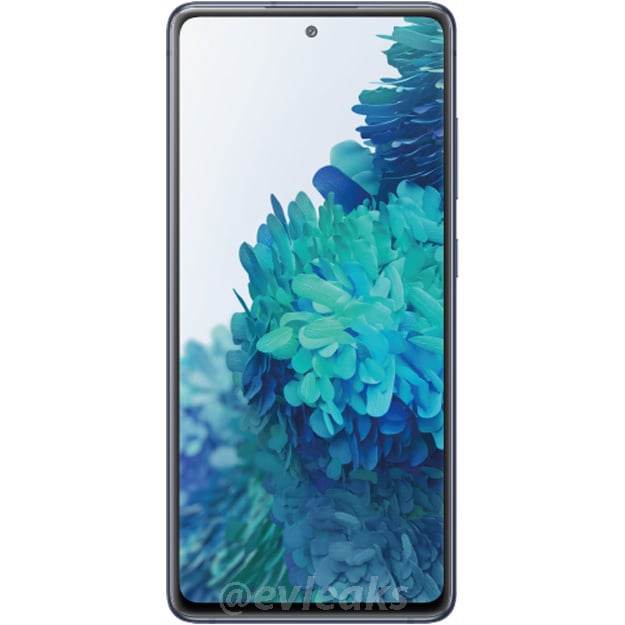
The Samsung Galaxy S20 FE (Fan Edition) has been rumored for a while now. So far, various rumors and leaks have discussed the internals and specifications (1,2,3,4) of the device, but now, a new render has revealed the front half of the upcoming smartphone.
According to a new image that was recently shared online by Evan Blass (@evleaks), the Samsung Galaxy S20 FE can be seen with a punch hole display on the front. The camera is aligned in the top middle of the handset, while the display covers most of the front surface of the device. Minimal bezels can be observed on the sides, with a negligible chin and notch as well.
On the right of the device, the power button and volume rockers can be found while the left seems to be devoid of any buttons. Unfortunately, this is all we have to go on for now and we would have to wait for a new leak or an official Samsung announcement to provide any more details. The Samsung Galaxy S20 FE is expected to be the successor of the Galaxy S10 Lite, but with new branding. So maybe the company has more in store for us in the newer generation.
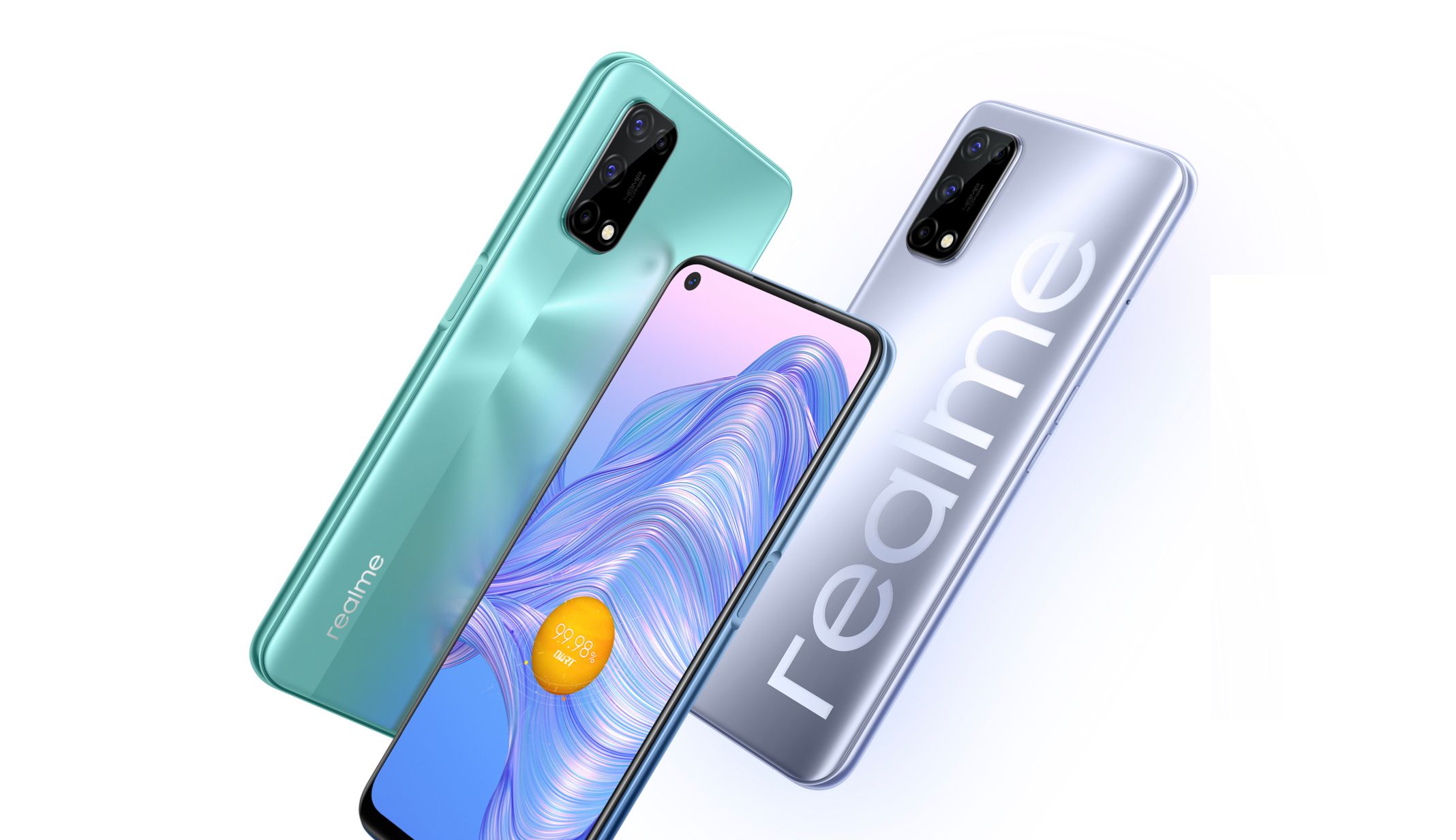
Realme began the year 2020 with the launch of Realme X50 5G and its advanced version named Realme X50 Pro 5G debuted in February. The Realme X50m 5G debuted in April and the Realme X50 Pro Player Edition got unveiled in May. Since then, the company did not launch any phones in China. Today, the company had an unveiling event in the home market to announce the Realme V5 5G phone as its first V-series device. With an enticing price tag of 1,399 Yuan (~$200), the mid-ranger offers with attractive specs like 90Hz refresh rate screen, 48-megapixel quad cameras, Dimensity 720 SoC and a huge battery with rapid charging support.
Realme V5 5G specifications and features
The Realme V5 has a 6.5-inch IPS LCD display that delivers Full HD+ resolution of 1080 x 2400 pixels, 20:9 aspect ratio, 90Hz refresh rate, and 180Hz touch sampling rate. The smartphone offers 90.7 percent screen space and it is protected by Gorilla Glass panel. There is a punch-hole positioned at the upper-left corner of the display. It houses an f/2.0 aperture 16-megapixel selfie shooter. Some of the features offered by the front camera include HDR, background blur, panorama, AI beauty, gesture photography, time-lapse, and 30fps full HD video recording.
The Realme V5 has a quad-camera system on its back. For the first time, Realme has used a rectangle-shaped camera module on its smartphone. It includes a 48-megapixel main camera with f/1.8 aperture, a 119-degree 8-megapixel ultrawide lens with f/2.3 aperture, a 2-megapixel macro lens with f/2.4 aperture, and a 2-megapixel depth sensor with f/2.4 aperture. The quad cameras of the Realme V5 provide users with features such as super night scene mode, panorama, time-lapse, bokeh, HDR, ultrawide angle video recording, UIS /UIS Max video super anti-shake, 120fps 1080p slow-motion video shooting, and 30fps 4K video recording.
The Realme V5 5G has a behemoth battery of 5,000mAh capacity. It can be fueled by using a 30W SuperDart charger. The company claims that it takes 65 minutes to completely charge the Realme V5 through SuperDart technology. The smartphone can be used for charging other devices like powerbank by using the reverse charging feature. Despite housing a massive battery, the phone weighs only 194 grams.
The Dimensity 720 chipset by MediaTek with dual-mode 5G support fuels the device with up to 8 GB of LPDDR4x RAM. The phone offers users with 128 GB of UFS 2.1 storage and it comes with Realme UI based Android 10 OS. The smartphone comes with connectivity features like dual SIM slot, 5G, Wi-Fi 802.11ac, Bluetooth 5.0, GPS, USB-C, and 3.5mm audio jack. The other features that are available on the Realme V5 are side-facing fingerprint scanner, microSD card slot, superlinear speaker, and Hi-Res audio.
Realme V5 5G pricing
The Realme V5 has arrived in three variants in China such as:
6 GB RAM + 128 GB storage – 1,499 Yuan (~$215)
8 GB RAM + 128 GB storage – 1,899 Yuan (~$272)
The Realme V5 5G will go on sale in China on Aug. 7. On the first sale day, the 6GB+128GB model will be available for 1,399 Yuan (~$200). Silver Wing Boy, Breaking Light (Green) and Blue are the three color editions of the Realme V5 5G. The silver model has a large-sized logo of the brand on its rear. Realme is yet to confirm whether this phone will be made available in markets outside of China.
What’s your opinion on the specifications and pricing of the Realme V5 5G? Let us know your views by posting your comments below.
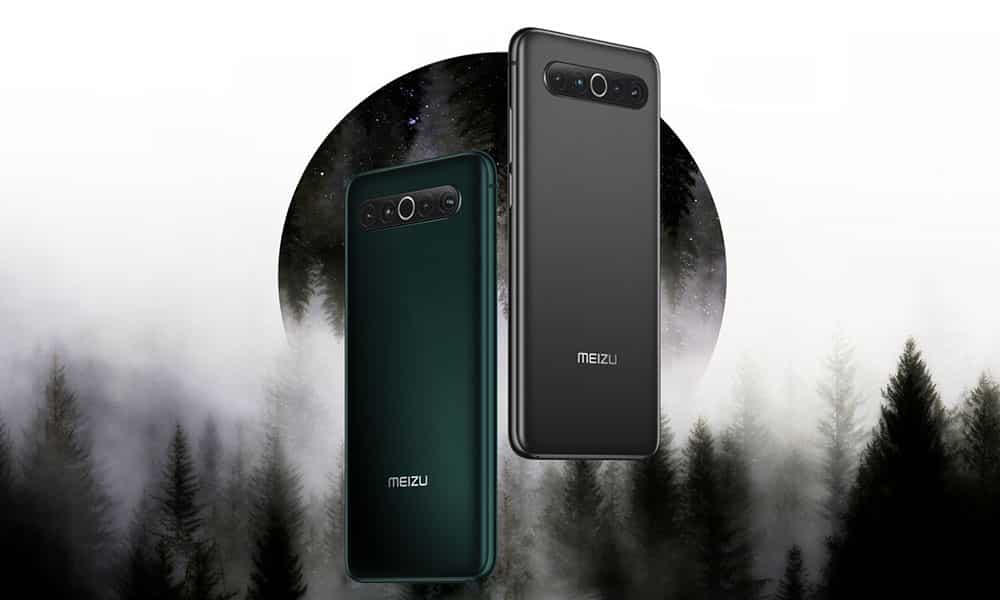
A few months ago, in May this year, China-based Meizu had launched the Meizu 17 and 17 Pro smartphones in its home market. At the time, Meizu 17 was made announced in three color options — Green, Gray, and Aurora White.
Today, the company has launched two new color options for the smartphone — AG Intersteller Gray and AG Field Green. Both the color variants are now available for purchase in China, for a starting price of 3,699 yuan which is around $530.
This comes just days after the company started selling Moonlight Blue color variant for the Meizu 17 Pro smartphone in China. The front panel of this variant is in White color while the rest of the body seems similar to the Azure color.
As for the pricing, the Meizu 17 with 8GB RAM + 128GB storage is priced at 3,699 yuan (~$530) while the 8GB RAM + 256GB storage variant costs 3,999 yuan (~$573).
The Meizu 17 comes with a 6.6-inch Full HD+ custom Samsung AMOLED display with a 19.5:9 aspect ratio and 120Hz refresh rate, along with an in-display fingerprint sensor for added security.
Under the hood, the device is powered by the Qualcomm Snapdragon 865 octa-core processor. The smartphone has a quad-camera setup that includes a 64-megapixel primary camera sensor, a 12-megapixel wide-angle lens, an 8-megapixel ultrawide sensor, and a 5-megapixel macro lens.
On the front side, it comes with a 20-megapixel snapper for taking selfies and video calling. It runs Android 10 with the company’s own custom user interface and is powered by a 4,500mAh battery and has support for 30W Super mCharge fast charging technology.
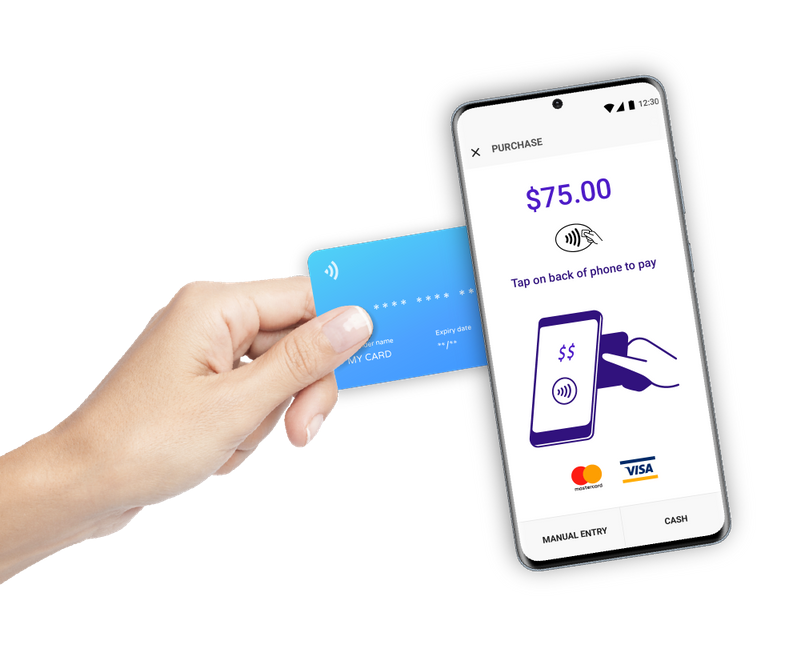
Apple has acquired Mobeewave, a Canadian startup that works on a technology to turn iPhones into mobile payment terminals. The development was first reported by Bloomberg. The acquisition could help Apple expand its reach with merchants for Apple Pay.
The company’s technology, which only requires NFC chip to work, allows users to tap on their smartphone or credit card to another device for processing payment. Since all iPhones after iPhone 6 come with NFC chip, it is compatible with all the iPhones currently available in the market.
As per the report from Bloomberg, Apple is retaining the entire team of Mobeewave, which employs around 100 people, all working from the Montreal office. It is also being reported that the office will remain as it is.
Interestingly, Samsung had partnered with last year to enable Samsung smartphones to use the company’s technology. This resulted in a pilot program with over 10,000 downloads of Samsung’s POS app, which smaller businesses used to boost sales. Samsung’s venture capital arm is also an investor in the company.
Apple has a history of buying startups and then turn their technology into features for the company’s own products. Thus, we could see the use of Mobeewave’s technology in Apple Pay, allowing anyone with an iPhone to accept payments without additional hardware.
For the past few years, Apple started included the Secure Enclave chip on its devices as a way to encrypt and secure user data stored on the device. Now, a new exploit has allegedly been found for the chip, putting data of millions of users at risk.
As per the reports, Chinese hackers from the Pangu Team have found an “unpatchable” exploit on the Apple Secure Enclave chip that could break the encryption of the private keys stored on the device.
This is claimed to be unpatchable because the vulnerability is related to the hardware and not software, so there’s nothing Apple can do to fix this issue for the devices that have already been shipped. This also means that hackers need to have physical access to the device in order to do obtain data.
While there are no exact details available about the exploit, but the devices at risk include all the devices running Apple A7 chipset to A11 Bionic chip.
The Team Pangu has found an “unpatchable” vulnerability on the Secure Enclave Processor (SEP) chip in iPhones. https://t.co/9oJYu3k8M4
For those who are unaware, Secure Enclave is a security-related co-processor that Apple includes in almost all of its devices now as a way of providing an extra layer of security for the user data stored locally on the device.
The data on the device is encrypted with random private keys, which can only be accessed by the Secure Enclave. These keys are unique to the device and are never synchronized with iCloud. The chip also stores keys for passwords, the credit card for Apple Pay, and even biometric data for Touch ID and Face ID.
Amid COVID-19 pandemic, while the smartphone market witnessed a massive decline, mobile gaming has witnessed a surge of 27 percent, according to the new estimate data released by Sensor Tower, a mobile app data analytics firm.
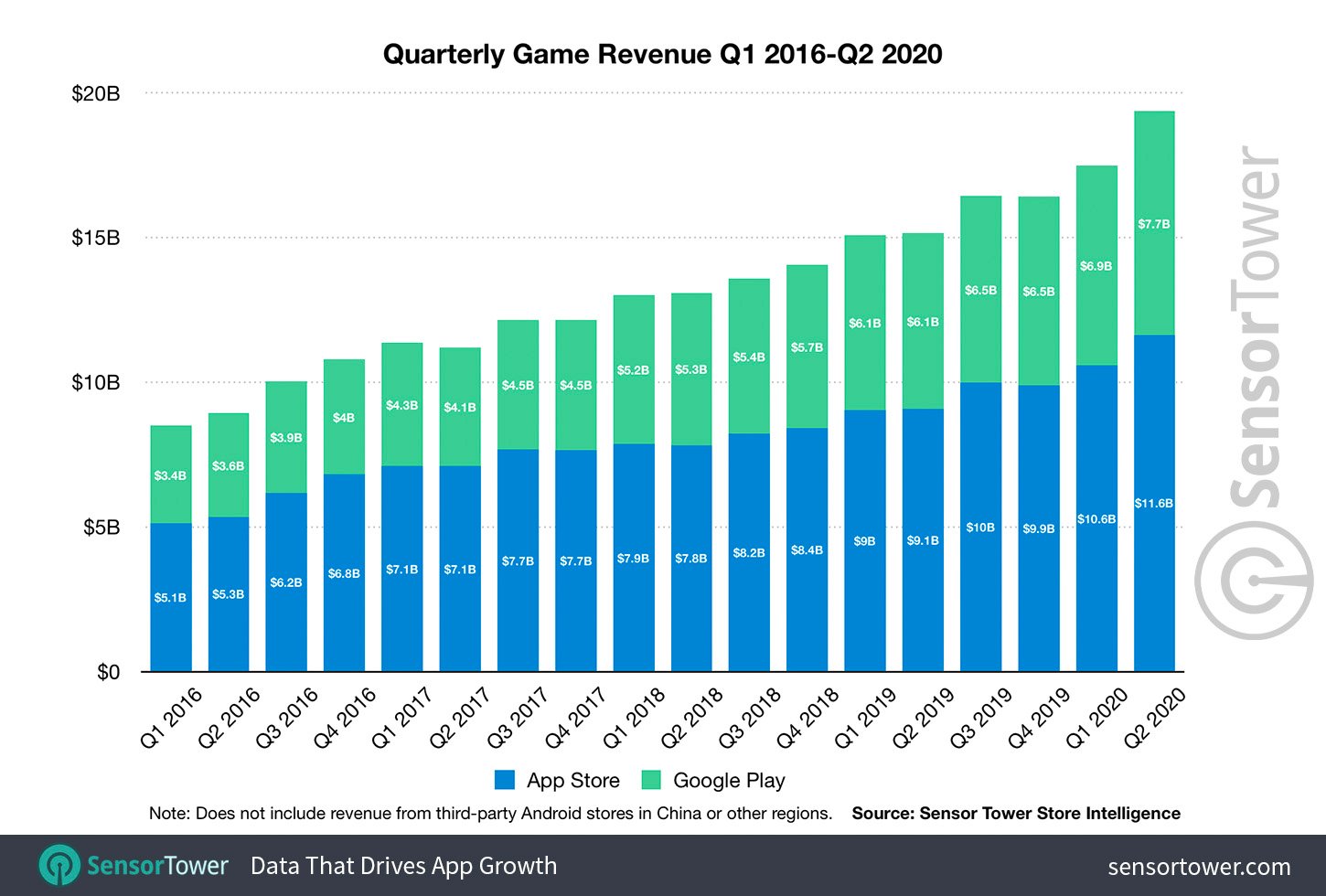
As per the report, in Q2 2020, mobile gaming revenue witnessed a 27 percent rise year-on-year, generating around $19.3 billion. This represents a rise of 10.3 percent compared to the previous quarter.
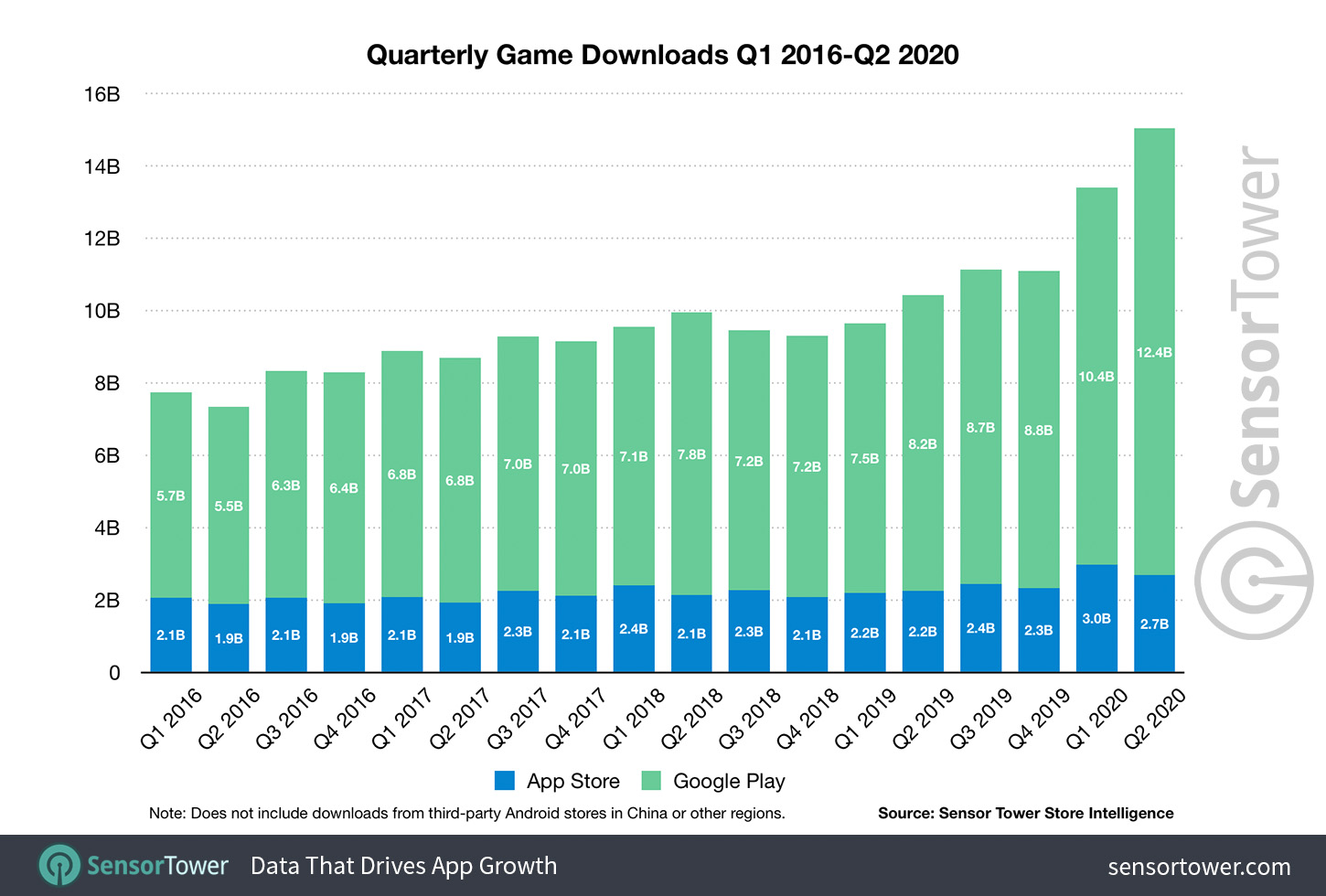
The peak for the revenue was in May this year, which generated $6.6 billion, registering a rise of 21.5 percent year-on-year. The report adds that while the new game installs saw a massive rise in Q1 2020, up to 38 percent YoY at 13.4 billion, downloads further grew in Q2 2020 to more than 15 billion, up by 45.2 percent year-on-year.
The top three countries for the increase in new installs include India, the United States, and Brazil. India generated 1.8 billion game downloads in Q1 2020 and 2.7 billion downloads in Q2 2020. As for the United States, it witnessed 1.4 billion downloads in Q1 and Q2. Brazil, on the other hand, saw 1.1 billion downloads in Q1 and 1.2 billion downloads in Q2 2020.
Some of the most popular gaming titles during the lockdown period include Roblox from Roblox Corporation and Fortnite from Epic Games — both of which witnessed a surge in popularity. However, PUBG Mobile from Tencent remains the top game in terms of generating revenue with around $621 million in Q2.
The United States was the leading country in terms of game revenue for the first half of this year, generating more than $10 billion. Compared to the user spending of $4.5 billion in Q1, it saw a 24.4 percent increase in the second quarter with $5.6 billion.
Apple recently started manufacturing its iPhone 11 in the Indian market through Foxconn’s plan in Tamil Nadu. Now, it seems that the US-based tech giant’s vendor is looking to shift its production line from China to India.
As per the report coming from TOI, a contract manufacturer for Apple is planning to shift around six production lines from China to India. This is being seen as an effort to decentralize and diversify the supply chain.
The company is also reportedly looking to export iPhones from India worth around $5 billion. Apart from this, it will also be catering to the domestic market and could lower the pricing of the iPhones, which are among the highest in the world.
There’s a possibility that the production line could expand capacity and along with iPhones, could also include iPad, iMac, and MacBook in the coming years. The new production line in India is expected to generate around 55,000 employment.
Recently, Telecom and IT Minister Ravi Shankar Prasad claimed that around 22 domestic and international companies have applied for mobile production in India worth ₹11 lakh crore for over five years.
He named companies like Samsung, Lava, Dixon, etc. It is reported that international companies that have applied also includes Foxconn Hon Hai, Rising Star, Wistron, and Pegatron, all of which are contract manufacturers for Apple iPhones.
It is worth noting that nothing has been confirmed yet and the shifting of production is said to be at the planning stage. Even if the companies go ahead with the plan, it is likely to take time to set up facility as well as supply chain and get the necessary permissions as well as grants from the government.
On July 31, the U.S. President Donald Trump said that he will ban TikTok from operating in the U.S. At that time, it was reported that Trump had rejected Microsoft’s plan to acquire TikTok. However, Microsoft held discussions with China-based firm ByteDance on Sunday to acquire TikTok in the U.S. The Redmond company revealed that it aims to finish talks with ByteDance by Sept. 15.
According to CNBC, Microsoft CEO Satya Nadella has spoken about acquiring TikTok with Trump. Apart from the U.S., the company aims to purchase TikTok in other regions like Canada, Australia, and New Zealand. It said that “The operating model for the service would be built to ensure transparency to users as well as appropriate security oversight by governments in these countries.” The current platform offered by TikTok will be powered by Microsoft’s topnotch security, privacy, and digital safety protections.
Reutersreported that Trump has agreed to provided ByteDance with 45 days to discuss on a sale of TikTok to Microsoft. The latter aims to store the user data of TikTok users locally in the U.S. After data migration is successfully carried out, it will delete the data stored at other places.
Initial reports claimed that Microsoft had first only focused on acquiring TikTok’s smaller business in the U.S. However, it is now being reported that Microsoft could be planning to scale the entire company.
Neither Microsoft nor ByteDance revealed the deal terms of the acquisition. CNN reported that Wedbush Securities analyst Daniel Ives believes that TikTok’s value could be hurt significantly it had to stop operating in the U.S. He claimed that the valuation of the TikTok app is around $50 billion.
There is a possibility that the relationship between Microsoft and Facebook may complicate as the latter considers ByteDance as a rival. Microsoft has been working on several initiatives with Facebook since 2007 when the Redmond-based firm invested $240 million in the popular social networking platform.
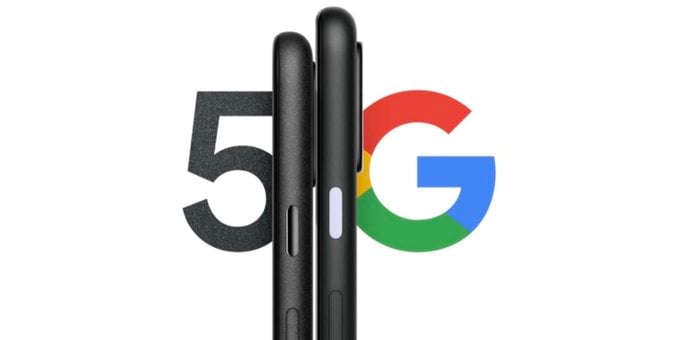
Later today, Google will be unveiling the Pixel 4a budget-friendly smartphone. A recent report revealed that the search engine giant may launch two more phones such as the Pixel 4a 5G and Pixel 5. Popular tipster Ishan Agarwal shared a poster through his Twitter account. The image gives a glimpse of the forthcoming Pixel 4a 5G and Pixel 5 smartphones.
According to the tipster, the smaller one on the left that has a brushed metal appeal is the Pixel 5. The one on the right is the Pixel 4a 5G. It will also be a larger device than the Pixel 4a. It can be seen sporting a colored powered button.
At present, there is no information available on the specifications of the Pixel 4a 5G and Pixel 5. Recent reports have revealed that the Pixel 5 will not be a flagship device. It could be powered by the Snapdragon 765G mobile platform. There is no information available on the existence of the Pixel 5 XL phone.
The Pixel 4a 5G may feature a less powerful 5G chipset. Even if it arrives with d, it is expected to sport a cheaper build. It is unclear when Google will be announcing the Pixel 4a 5G and Pixel 5 5G. It has been launching new phones in October each year. Hence, there is a possibility that the Pixel 4a 5G and Pixel 5G may break in October this year. The tipster had recently claimed that these devices will be arriving with a starting price of $499.
In related news, the Google Pixel 4a that is slated to go official today is expected to debut with a pricing of $349. At this price, the phone will offer specs like a 5.81-inch OLED display with punch-hole design, 8-megapixel front camera, 12.2-megapixel rear camera, Snapdragon 730G chipset, 4 GB of RAM, 128 GB of storage, and 3,140mAh battery.
You can run Android apps on Chromebooks and soon you will soon be able to run Windows apps. Support for the feature was announced earlier this year and now, more details on how it will work have surfaced.
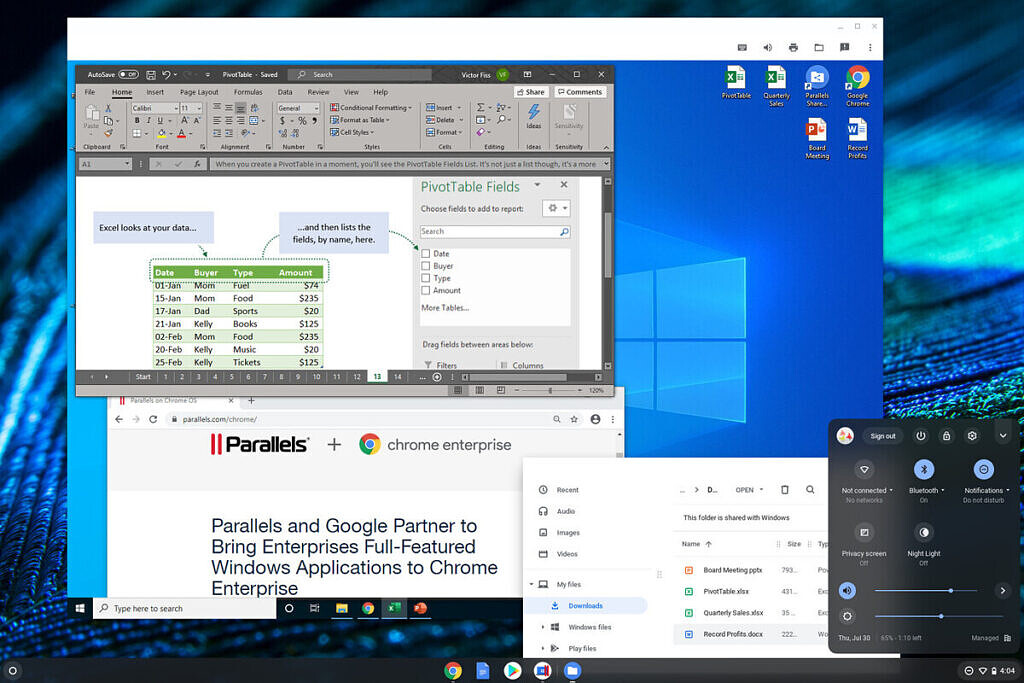
In an interview with The Verge, the product manager for Chrome OS, Cyrus Mistry, revealed users will be able to boot a full version of Windows using Parallels Desktop, so they are running both Windows and Chrome OS side-by-side. To make things even easier, Windows file types will be redirected to Parallels Desktop.
Windows app running on Chrome OS using parallel Desktop. Image source- niad
However, this isn’t the final destination Google has in mind for running Windows apps on Chrome OS. What Google has planned is for users to run Windows apps without the need for the whole Windows desktop. Parallels already supports this on macOS and Linux, allowing users to run Windows apps as if they are the apps of the main operating system.
Parallels Desktop will be available later this year for businesses. Resellers will be able to add the feature to business Chromebooks. Also, you will need what is called “Power Usage” Chromebooks to get it to work which means the system requirement will be Intel Core i5 or Core i7 chipsets with at least 8 GB RAM according to XDA-Developers.
Google believes the addition of support for Windows apps will boost purchases but seeing as it will be available for businesses we don’t expect a big increase in sales.
The global version of the OPPO Reno4 Pro is official and it just hitten the Indian shelves. But it is a totally different device from the Reno4 Pro we saw in the Chinese market. That is why the previous comparisons we made which include the Reno4 Pro do not make any sense for the Indian market. If you are from India and from other markets in which the handset will be released, you might find a comparison between the Reno4 Pro and the other best value for money phones very useful. At least if you are looking for a new mid-ranger. That is why we decided to compare the OPPO Reno4 Pro with the OnePlus Nord and the Realme X3 SuperZoom.
Oppo Reno4 Pro vs OnePlus Nord vs Realme X3 SuperZoom
Quad 48 + 8 MP + 5 + 2 MP f/1.8, f/2.3, f/2.4 and f/2.4
Dual 32 + 8 MP f/2.5 and f/2.5 front camera
Quad 48 + 8 MP + 2 + 2 MP f/1.8, f/2.2, f/2.4 and f/2.4
32 MP f/2.4 front camera
Quad 64 + 8 + 8 + 2 MP f/3.4, f/2.3 and f/2.4
Dual 32 + 8 MP f/2.5 + f/2.2 front camera
BATTERY
4115 mAh
Fast charging 30W
4000 mAh
Fast charging 65W
4200 mAh, Fast charging 30W
ADDITIONAL FEATURES
Dual SIM slot, 5G
Dual SIM slot
Dual SIM slot
Design
At first glance, there is no doubt about the fact that with Oppo Reno4 Pro you get the most stunning design. First of all, it has a more impressive look, with a higher screen-to-body ratio and curved edges, as well as a single punch hole. Further, it is the thinnest and the most lightweight smartphone of this trio. Unfortunately, it does not come with a premium glass back but it is made of plastic. Both Realme X3 SuperZoom and OnePlus Nord have a glass back, despite they look less gorgeous in terms of aesthetics. Do you prefer having premium materials or a thinner and more lightweight phone?
Display
OnePlus Nord and Oppo Reno4 Pro offer the best displays and they are more or less at the same level when it comes to the display quality. They pack a Full HD+ AMOLED panel including a 90 Hz refresh rate and HDR10 (OnePlus Nord gets HDR10+). Realme X3 SuperZoom has an even higher refresh rate (120 Hz), but it comes with a classic IPS panel and the image quality is inferior. That is why we would go either for the Oppo Reno4 Pro or the OnePlus Nord.
Hardware/Software
The most powerful hardware department belongs to the Realme X3 SuperZoom which is the only one to have flagship-class hardware. It is powered by the Snapdragon 855+ mobile platform (it was the best Qualcomm’s flagship SoC in 2019), it packs up to 12 GB of RAM and up to 256 GB of UFS 3.0 internal storage. But despite its flagship hardware, it lacks 5G connectivity. OnePlus Nord is less powerful, but it supports 5G. That is why some people may prefer it despite its inferior processor. Oppo Reno4 Pro lacks both 5G and a flagship chipset.
Camera
OnePlus Nord wins the camera comparison with a 48 MP quad-camera supporting OIS, an 8 MP ultrawide sensor, a 5 MP macro lens, and a 2 MP depth sensor. Further, it packs an ultrawide front camera including a 32 MP main sensor and an 8 MP ultrawide lens. It is the most complete camera department. But Oppo Reno4 Pro is still a pretty nice camera phone with its bright focal aperture and its Sony main sensor. Realme X3 SuperZoom has an inferior main sensor, but it has the best zoom capabilities thanks to the 8 MP periscope lens with 5x optical zoom. Oppo Reno4 Pro and OnePlus Nord do not even have a telephoto sensor. Just like the OnePlus Nord, the Realme X3 SuperZoom has a 32 MP dual ultrawide front camera.
Battery
There should be only marginal differences between the battery life of these phones. Unfortunately, we had no chance to test all the batteries; judging from the specs on the paper, OnePlus Nord has higher potentialities. But Oppo Reno4 Pro has the fastest charging technology and it can fill its battery in just 36 minutes with its 65W SuperVOOC 2.0 technology.
Price
Oppo Reno4 Pro starts from Rs. 34,990 ($467) in India, the price of the Realme X3 SuperZoom is Rs. 27,999 ($374), and OnePlus Nord costs Rs. 24,999 ($333). The OnePlus Nord looks like the most complete device with its great cameras, 5G, good battery, and a very nice display. Realme X3 SuperZoom wins the performance comparison and it is definitely the best one for gamers. The Oppo Reno4 Pro sits in the middle with a better design and faster charging technology, as well as a good camera department.
Update: Huawei reached out to us to inform us that HarmonyOS 2.0 will not be announced at HDC 2020. The original story below has been edited to reflect the change.
Update 2: We got contacted again with the confirmation that HarmonyOS 2.0 WILL be announced at the developer conference.
This year’s Huawei Developer Conference will be held next month from 10th to 12th. The announcement was made today by the tech giant along with the info that early-bird tickets will go on sale tomorrow. More details have also surfaced about what to expect.
#HDC2020 is coming… it’s time to experience a fully connected, intelligent world. Want in? Save the Date now: 10-12 September 2020.#Huaweipic.twitter.com/OMc6k13aQC
Info on Huawei’s website says that it will announce new versions of its operating systems EMUI which is EMUI 11. It will also announce HarmonyOS 2.0 and new kits for HMS Core 5.0.
A few days ago, Huawei announced Huawei AR Engine, its take on Google’s ARCore, for developing augmented reality apps that will work for Huawei devices powered. It also announced Huawei Computer Graphics Kit that will bring better 3D rendering capabilities to devices powered by Kirin processors. Other kits announced are Audio Kit, image Kit, Video Kit, and Accelerate Kit.
We are also pretty excited to see what new features EMUI 11 will bring to Huawei’s smartphones and tablets.
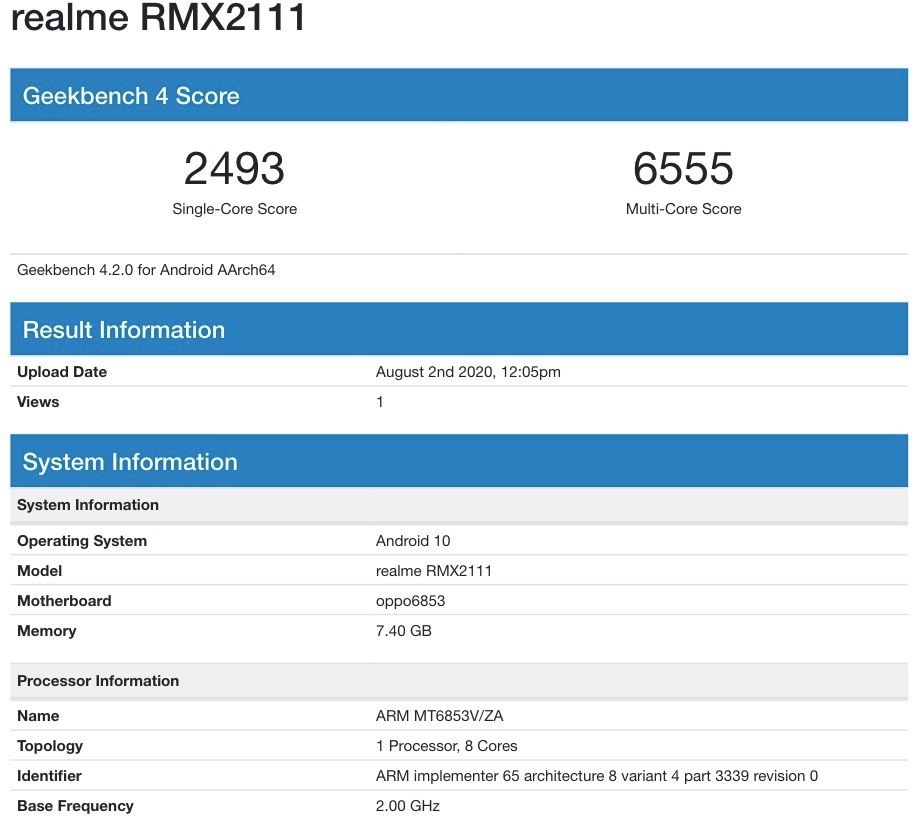
It is known that RMX2111 / RMX2112 are the model numbers of the upcoming Realme V5 phone. The handset that has appeared with its model number on Geekbench 4 states that it has scored 2493 in the single-core test and 6555 in the multi-core test.
The Dimensity 720 chipset is mentioned with its MT6853V/ZA model number on Geekbench. The SoC is coupled with 8 GB of RAM and the device runs on Android 10 OS.
It is speculated that the handset will be available in China in 6 GB RAM + 128 GB storage and 8 GB RAM + 128 GB storage variants in the home market. It is expected to land in China as Realme’s cheapest 5G smartphone. Rumors are rife that the Realme RMX2121 phone that was recently spotted on TENAA could be the more advanced version of the Realme V5. Probably, it may end up as Realme V5 Pro.
Realme V5 specifications
The Realme V5 has a 6.5-inch punch-hole display that produces Full HD+ resolution and a 90Hz refresh rate. It has a 16-megapixel selfie snapper and its rear features a 48-megapixel + 8-megapixel + 2-megapixel + 2-megapixel quad cameras housed inside a rectangular housing. The smartphone draws power from a 5,000mAh battery that supports 30W fast charging. Silver, blue, and green are three color variants of the smartphone.
We use cookies on our website to give you the most relevant experience by remembering your preferences and repeat visits. By clicking “Accept”, you consent to the use of ALL the cookies.
This website uses cookies to improve your experience while you navigate through the website. Out of these, the cookies that are categorized as necessary are stored on your browser as they are essential for the working of basic functionalities of the website. We also use third-party cookies that help us analyze and understand how you use this website. These cookies will be stored in your browser only with your consent. You also have the option to opt-out of these cookies. But opting out of some of these cookies may affect your browsing experience.
Necessary cookies are absolutely essential for the website to function properly. This category only includes cookies that ensures basic functionalities and security features of the website. These cookies do not store any personal information.
Any cookies that may not be particularly necessary for the website to function and is used specifically to collect user personal data via analytics, ads, other embedded contents are termed as non-necessary cookies. It is mandatory to procure user consent prior to running these cookies on your website.