Advertisement

Vivo X50, X50 Pro with gimbal camera, SD765G and 90Hz display launched in India for Rs. 34,990 (~$465)

The Vivo X50, Vivo X50 Pro, and Vivo X50 Pro+ smartphones were made official in China last month. Today, the company held an online unveil event in India to unleash the Vivo X50 series. The lineup for India does not include the Snapdragon 865 powered Vivo X50 Pro+ smartphone. The Vivo X50 and X50 Pro upper mid-range phones that have landed in India offer flagship-grade photography experience. These phones are equipped with the most powerful Snapdragon 7-series chipset and are fitted with high refresh rate displays. The Vivo X50 series has landed in India with a starting price of Rs. 34,990 (~$465).
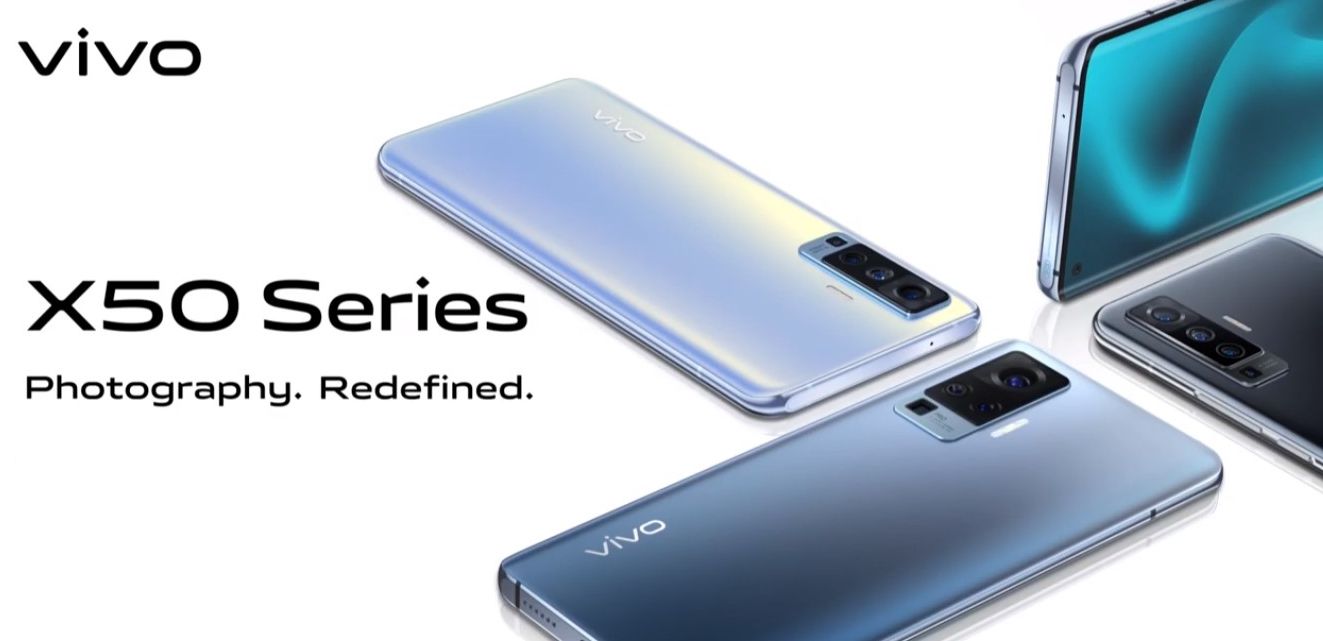
Vivo X50 series India
Vivo X50 series

Vivo X50 and Vivo X50 Pro price in India

The Vivo X50’s 8 GB RAM + 128 GB storage and 8 GB RAM + 256 storage variants are priced at Rs. 34,990 (~$465) and Rs. 37,990 (~$505), respectively. Frost Blue and Glaze Black are its two color editions.

The Vivo X50 Pro comes in a single color of Alpha Grey. Also, it comes in a single variant of 8 GB RAM + 256 GB storage which is priced at Rs. 49,990 (~$665). The pre-booking of the Vivo X50 and X50 Pro phones begins today, and the first sale will be carried out on July 24 on Amazon India, Flipkart and other partnered stores. Here is the snapshot of the sales offers for customers who wish to Vivo X50 duo.

Vivo X50 sales offerVivo India also announced the Vivo TWS Neo earbuds at the Vivo X50 launch with a price tag of Rs. 5,990 (~$80). It comes in colors like Starry Blue and Moonlight Silver. There is no word on its availability.

Vivo X50 and Vivo X50 Pro specifications

The Vivo X50 and X50 Pro are glass-bodied smartphones with aluminum frames. The X50 has 159.5 x 75.4 x 7.5mm dimensions and 173 grams weight and the X50 Pro measures 158.5 x 72.8 x 8mm and it weighs 181.5 grams. Both smartphones have 6.56-inch AMOLED screens with punch-hole design. The X50 has a flat-screen, while the Pro model’s display has curved edges. Both displays support Full HD+ resolution, DCI-P3 color gamut, 90Hz refresh rate, and 180Hz touch sampling rate. The Vivo X50 and X50 Pro are equipped with in-screen fingerprint readers.

The Snapdragon 765G SoC drives the X50 Pro smartphone whereas the vanilla model features Snapdragon 730. Both phones have LPDDR4x RAM and UFS 2.1 storage. The Android 10 OS along with FunTouchOS 10.5 runs on both devices. The Vivo X50 has a 4,200mAh battery whereas the Vivo X50 Pro is equipped with a slightly large 4,315mAh battery. Both phones support 33W fast charging technology.

The Vivo X50 and X50 Pro have 32-megapixel Samsung GD1 front-facing cameras. The Vivo X50 and X50 Pro have quad cameras on its back. Both phones have Sony IMX598 48-megapixel primary lens. The Vivo X50 Pro has a gimbal-like OIS for topnotch stabilization, whereas the X50’s main sensor has 4-axis OIS support.

The X50 has other lenses such as a 13-megapixel portrait lens with 2x optical zoom, a 120-degree 8-mgeapixel ultrawide sensor, and a 5-megapixel macro lens. The X50 Pro has other cameras such as an OIS assisted 8-megapixel periscope telephoto sensor with 5x optical zoom, a 13-megapixel portrait sensor with 2x optical zoom, and a 120-degree superwide 8-megapixel lens. The X50 Pro is capable at capturing images with up to 60x digital zoom. The vanilla model supports 20x digital zoom.

The Vivo X50 and X50 Pro are equipped with other features like dual-SIM support, Wi-Fi 6, Bluetooth 5.1, GPS, NFC, and USB-C. The X50 duo lack 3.5mm audio jacks. Both phones come with Hi-Res audio certification, but the AK43772 sound chip is exclusively available on the Pro model.


Vivo Smart Manufacturing Plant inaugurated in China, capable of producing 70 million units annually
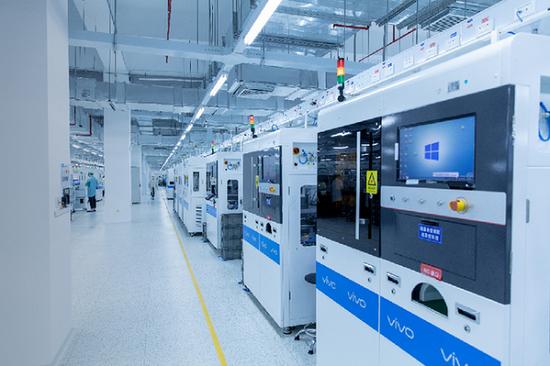

Vivo has just inaugurated its new smart manufacturing plant in China earlier today (15th July 2020). The plant is located in Changan Town, China, and will be capable of producing 70 million units every year.

The center is located adjacent to Vivo’s global headquarters and has a total area of 216,000 square meters, a construction area of 345,000 square meters, and had Vivo invest about 2 billion yuan (roughly 285 million US Dollars). The site will focus on production with quality high quality development. When making the new manufacturing plant, the Chinese tech giant didn’t simply fix the shortcomings of its previous production line but rather rebuilt it from the ground up as a smart manufacturing plant.

The new center is composed of individual buildings which include factory buildings, office, employee dormitories, and power centers as well. Vivo has achieved a high production capacity and efficiency with the new factory, being able to produce 6 million units every month. This translates to more than 70 million units within a year. Adding this with its four other smart manufacturing plants, Vivo now has a total production capacity of over 200 million units of various smart products.

VIvo

Vivo’s new smart manufacturing plant plays a big part in the company’s efforts to be a completely “self-developed and self-produced” smartphone vendor. The company’s investment in research and development has been continuously increasing, with the new site also placing an emphasis on more efficiency, less wastage through recycling warehouses, and intelligent management of spaces and resources.


(Via)

OnePlus Buds to support Warp Charge technology for faster charging

OnePlus has already confirmed that the company will be launching its first true wireless earbuds — OnePlus along with the OnePlus Nord smartphone on 21st July. Now, as the launch date nears, more details about the device are surfacing online.

Recently, it was revealed that the OnePlus Buds will come with a battery life of seven hours on a single charge and up to 30 hours of audio playback with the charging case. Now it has been revealed that it will also support fast charging technology.

OnePlus Buds Teaser

In a recent interview by Jay Liu, OnePlus Buds’ Project Manager, he has confirmed that the upcoming TWS earphones will use the company’s own Warp Charge technology which will charge the device for up to 10 hours of usage in just 10 minutes.

So, comparing this with the charging speed of the Apple AirPods, the OnePlus Buds appears to be faster, at least from the information available right now. Apple AirPods offer five hours of playback time when charged for 15 minutes.

The earphones are powered by a 430mAh Lithium-Ion battery and the charging speed will be capped at 5v 1.5A to avoid damage to the battery. It is also being reported that fast charging will not need any special cables.

Previously, OnePlus CEO Pete Lau has revealed that the OnePlus Buds will come with a “half-in-ear design” which is aimed at increasing comfort level for the users by reducing the pressure inside the ear.

It seems that the OnePlus Buds won’t come with support for wireless charging support. Thus, pricing is expected to be affordable. To know for sure what features the earphones packs and how it is priced, we’ll have to wait for the launch event on 21st July.

(Source)

Xiaomi’s Snapdragon 865 Plus phone has 120W fast charging and 48MP camera, claims report

A new Xiaomi phone with model number M2007J1SC was recently approved by the 3C and MIIT certification platforms of China. It revealed that it could be Xiaomi’s first phone to arrive with a 120W fast charger. A new report on XDA-Developers has revealed some of the key specifications of the handset.

The publication reported that multiple code snippers in MIUI 12 has revealed that the M2007J1SC phone is codenamed as CAS. It is likely to feature Snapdragon 865 Plus or Snapdragon 865 SoC. The handset was previously speculated to sport a 108-megapixel camera. However, it is now expected to a 48-megapixel main camera with a larger sensor.

The CAS is believed to be equipped with at least three cameras on its rear. It will have an ultrawide lens that will be capable of capturing macro shots. It will also have an optical zoom camera which suggests that it could be equipped with a periscope zoom lens. The smartphone is expected to offer users a “supermoon” mode photography function.

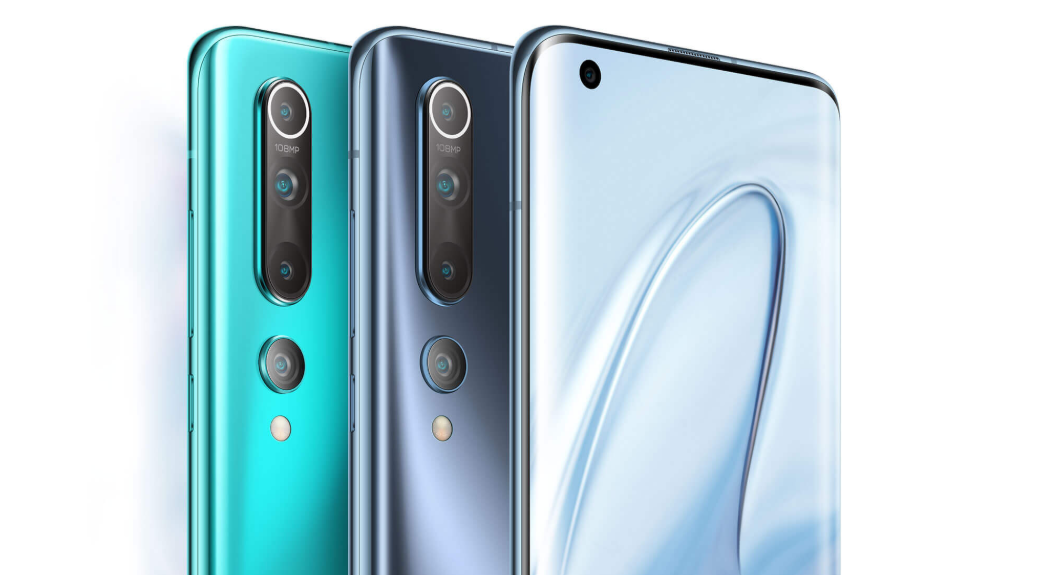
Xiaomi Mi 10 color variants
Xiaomi Mi 10

The publication also mentioned that the CAS handset appears to be meant for the Chinese market. It could not be ascertained whether the phone will be made available in markets outside of China as the publication could not find any evidence of its global edition.

Popular leakster with Digital Chat Station account name on Weibo has claimed in the past that the M2007J1S phone is codenamed as Apollo. He had revealed that the phone will be sporting a 120Hz punch-hole display with curved edges. He had also revealed that the phone will support high-definition zoom and it will break cover in August.


(source)

Qualcomm’s upcoming chipset roadmap leaked; Snapdragon 875G SoC launching in Q1 2021

Qualcomm recently unveiled its latest flagship chipset — Snapdragon 865 Plus, which as the name indicates, is an upgraded variant of the Snapdragon 865 SoC that was launched by the company last year.

Now, the company is gearing up to launch its next-generation flagship chipset, which is likely to be named Snapdragon 875. While the company is yet to officially acknowledge this, the leaked future chips roadmap has revealed some information.

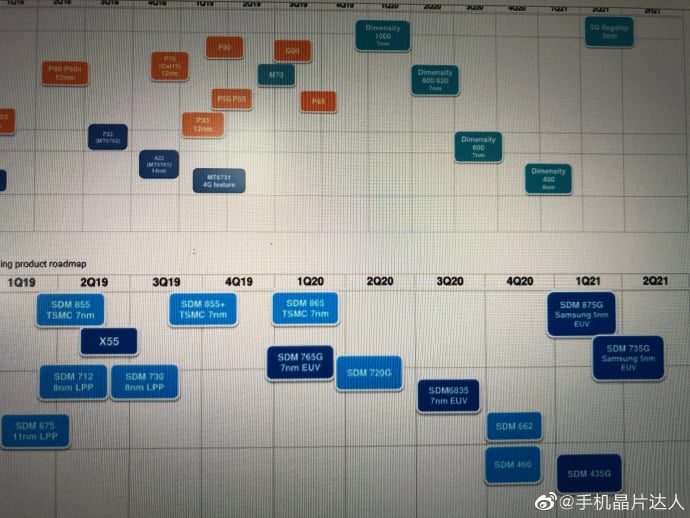
Qualcomm Chipset Roadmap Leak

A Weibo user has shared an image showcasing Qualcomm‘s product planning for the upcoming chipsets. It reveals that the Snapdragon 662 and Snapdragon 460 SoC will be launched in this fourth quarter of this year.

Further, the Snapdragon 875G and Snapdragon 435G will be unveiled in Q1 2021. Apart from these, the Snapdragon 735G is expected to get launched in Q1 or Q2 next year.

Interestingly, the standard Qualcomm Snapdragon 875 SoC is missing from the list. If the company plans to launch it, we expect it to get announced in December this year, similar to the previous flagship chipset launch from the company.

The leak reveals that the SD875G and SD735G are the flagship and mid-range chipsets from Qualcomm, set to launch in 2021. Both of them are manufactured using Samsung’s 5nm EUV process which increases performance by 10 percent and reduces power consumption by 20 percent.

Qualcomm is expected to use the combination of Cortex X1 Super Core + Cortex A78 Large Core for the upcoming Snapdragon 875G chipset. With such architecture, the chipset could break the performance records when it comes to chipsets powering Android smartphones.

The leak also reveals that Qualcomm’s rival MediaTek is set to launch Dimensity 600 chipset in the third quarter of this year, i.e. in Q3 2020. It has been reported that the Taiwan-based company has received a large number of orders for the upcoming chipset.


ASUS ROG Phone 3 reservations begin on JD.com ahead of July 23 China launch

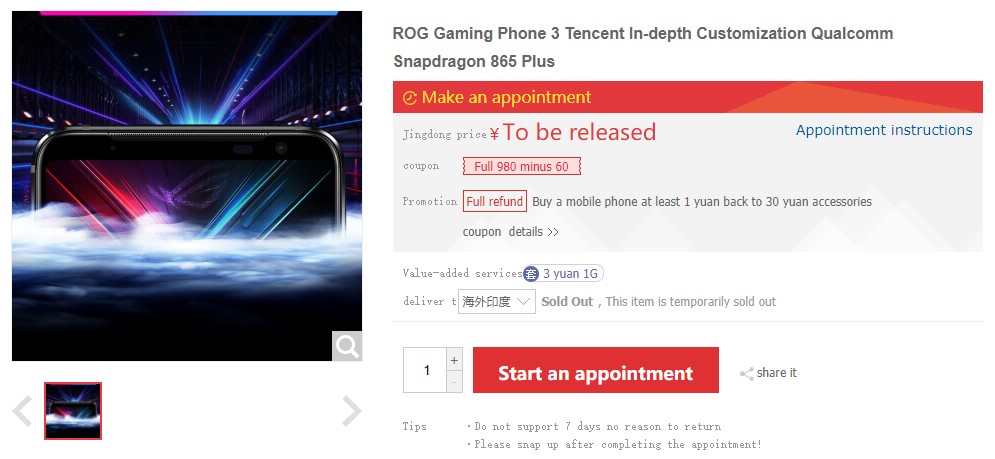
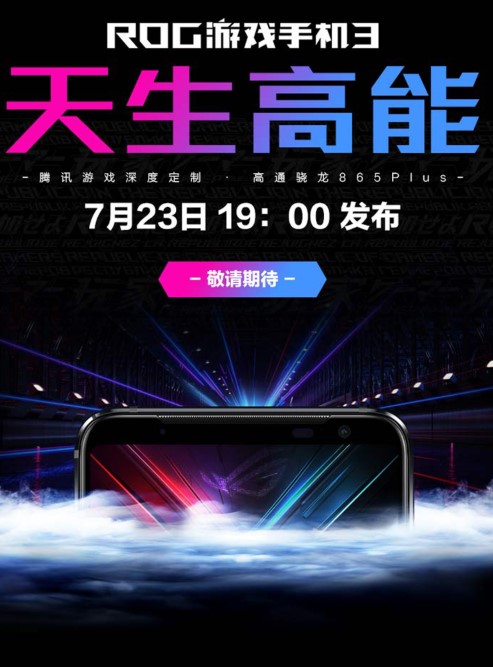
The global launch of the ASUS ROG Phone 3 will be held on July 22. It was recently revealed that the smartphone will go official in China on July 23. Ahead of the China launch, the handset is now listed on JD.com for reservations.

ASUS ROG PHone 3 JD listing

The JD listing of the phone allows customers who are interested in the phone to register for it. The phone will go official at 7:30 PM (local time) in China on July 23. It will be debuting as one of the first smartphones fueled by the Snapdragon 865 mobile platform.

ASUS ROG PHone 3 poster

ASUS ROG Phone 3 Specifications (Rumored)

The ASUS ROG Phone 3 will be arriving with a 6.59-inch AMOLED display that will offer Full HD+ resolution, 19.5:9 aspect ratio, and a refresh rate of up to 144Hz. The 3.09GHz Snapdragon 865 Plus SoC on the ROG Phone 3 will be coupled by up to 16 GB of LPDDR5 RAM.

ASUS ROG Phone 3 leaked render

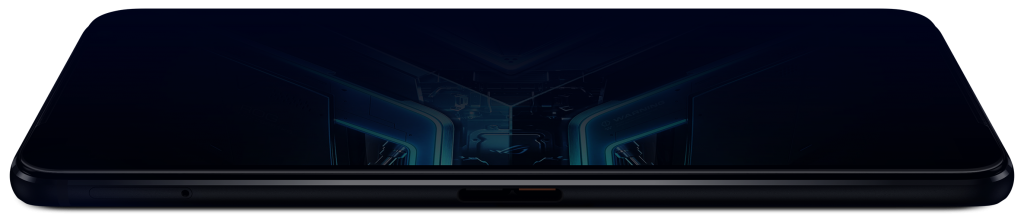
The ROG Phone 3 gaming smartphone is expected to offer users with up to 512 GB of UFS 3.1 storage. The ROG UI based Android 10 OS will run on the ROG Phone 3. Shown above is a leaked render showcases its design. The image reveals that the device has an additional side-facing USB-C port for attaching accessories and conveniently charging the phone while gaming.

The ROG Phone 3 has a front camera of 13-megapixel. The backside of the ASUS gaming phone has a triple camera unit that includes a 64-megapixel main camera. It houses a 6,000mAh battery that supports 30W fast charging. It will also have an in-screen fingerprint reader. At present, there is no word on its pricing.


(source 1, 2)

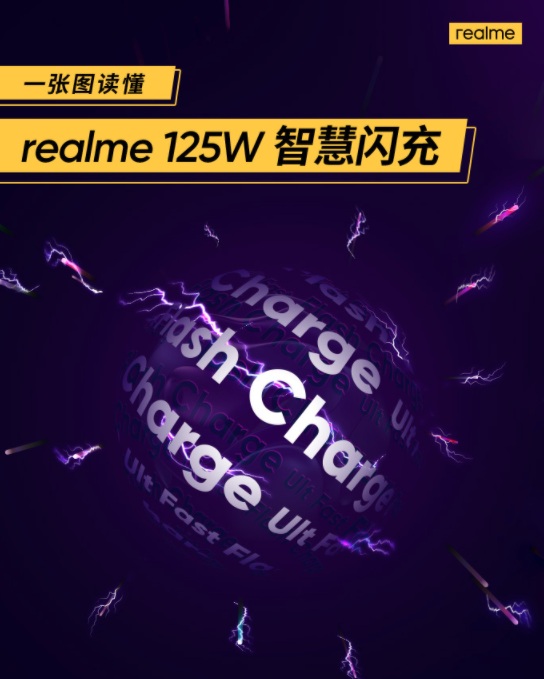
Realme 125W UltraDart Fast Charging announced; charges 33% battery in 3 minutes

Just a day after OPPO announced its 125W Flash Wired Charging technology and 65W AirVOOC Wireless Charging technology, Realme has also launched its own 125W fast charging technology, dubbed as Realme 125W UltraDart Fast Charging.

This is not surprising at all given that the Realme was founded as a sub-brand of OPPO. Despite being spun off as an independent brand, the company still relies on OPPO for most of the things. The company had even recently teased about the arrival of this new fast-changing technology.

Realme 125W Super Flash Charge

The company claims that the Realme 125W UltraDart Fast Charging technology can charge a 4,000mAh battery up to 33 percent in just 3 minutes. To achieve such fast charging speed, it is said that Realme is using a three-way charging solution.

The three-way charge simultaneously pumps step-down voltage to maximize the charging power and effectively reduce heat dissipation. This three-way solution and the entire charging process has been optimized for cooling, says the company, which results in an ultra-high conversion rate of 98 percent.

The new charging system adopts a flip-chip structure that shortens the current path between the Type-C port and reduces the heat source. It also adopts an ultra-thin VC soaking plate with high heat conduction efficiency to quickly absorb and disperse the heat energy during the process.

As per the company, combining the system with thermal conductive gel and multi-layer large-area graphite sheet, the average temperature during the charging process will not exceed 40-degree celsius.

Further, to support this Realme 125W UltraDart Fast Charging technology, a dual Type-C charging cable is used. Also, fast charging is not limited to smartphones and also supports high-power devices such as notebooks. It is also backward-compatible with VOOC, Dart, Warp, SuperVOOC, SuperVOOC 2.0, and SuperDart charging protocols.

It supports up to 125W PPS protocol fast charging, 65W PD protocol fast charging, and 36W QC protocol fast charging. Additionally, it is also compatible with the 100-240V ultra-wide voltage input universally used worldwide.


SMIC shares surge 245% on the opening day of trade in Shanghai

SMIC, the Chinese chipmaker, became one of the most valuable publicly listed companies as its shares witnessed a surge of 246 percent at the opening on its first day of trade in Shanghai, China.

The company, which is at the center of China’s plan to become self-sufficient in chipmaking, had already secured around $7.6 billion in pre-IPO share sales. Half of the company’s shares were initially sold to 4.3 million retail investors.

SMIC Logo

But there were more clamoring to get in when trading started, which resulted in the trading opening at 95 yuan (~$14) compared to the offer price of 27.46 yuan (~$4). The company’s listing has also attracted a wide range of retail investors such as Zhou Ziqing.

The share sale is the biggest on the mainland in a decade since Agricultural Bank of China’s more than $22 billion dual Hong Kong-Shanghai listing in 2010. It will be interesting to see SMIC’s first week of trading given that the Shanghai Star board has no limit on stock price movements in the first five days.

In an FT report, a senior official at the Shanghai stock exchange noted that the government plans to use its domestic capital markets to raise money towards China’s goal of technological self-sufficiency. The official added: “SMIC is benefiting from US-China tensions. We hope to compete with Nasdaq for Chinese tech companies.”

SMIC is a contract chip manufacturers, which means that the company makes the semiconductors designed by other firms. It directly competes against the likes of Taiwan’s TSMC and South Korea’s Samsung Electronics.

However, the current technology used by SMIC is far behind its rivals. While others are manufacturing chips on the 5nm node, the Chinese company is still stuck on the 14nm node. But it seems to have started working on improving and advancing its technology.

Recently, as per the reports, Chinese smartphone maker Huawei shifted orders of its 14nm chips from TSMC to SMIC. The resultant chipset — Huawei HiSilicon Kirin 710A — became the first pure Chinese chip with independent intellectual property rights.

(Source)

iQOO U1 debuts with 6.53-inch display, Snapdragon 720G and 48MP triple cameras for 1,198 Yuan (~$171)

iQOO recently unveiled the iQOO Z1x as the company’s cheapest 5G smartphone. Today, the Chinese silently unveiled another smartphone called iQOO U1. It is a 4G device and with a pricing of 1,198 Yuan (~$171), it is the most affordable phone from the brand. The smartphone offers some exciting features like punch-hole display, a decent processor, a large-sized battery coupled with fast charging capabilities, and a triple camera system.

iQOO U1 specifications

The iQOO U1 (V2023 model number) has 162.05 x 76.61 x 8.46mm dimensions. The device weighs 190 grams and houses a 6.53-inch display. Its an IPS LCD panel that offers 19.5:9 aspect ratio and a Full HD+ resolution of 1080 x 2340 pixels. It delivers a screen space of 90.72 percent.

iQOO U1
iQOO U1

The punch-hole on iQOO U1’s display is the home for its 8-megapixel front-facing camera. The rear side of the phone features a vertical triple camera unit. It consists of a 48-megapixel main lens, a 2-megapixel portrait lens, and a 2-megapixel macro shooter.

The 8nm Snapdragon 720G processor is present under the hood of the iQOO U1. The 2.3GHz octa-core chip is accompanied by LPPDR4x RAM and UFS 2.1 storage. iQOO is offering 18W fast charging support for the phone’s 4,500mAh battery. The iQOO UI based Android 10 OS runs on the smartphone. The handset is fitted with a side-facing fingerprint reader.

iQOO U1 price and availability

Here is the pricing of the different variants of the iQOO U1:

  • 6 GB RAM + 64 GB storage – 1,198 Yuan (~$171)
  • 6 GB RAM + 128 GB storage – 1,398 Yuan (~$200)
  • 8 GB RAM + 128 GB storage – 1,598 Yuan (~$228)
    Color variants: Star Blue, Secret Black and Sunny Frost White

The iQOO U1 is now for pre-orders in China. It will be available for purchase starting from July 23. At present, there is no word on the global availability of the iQOO U1.


Honor 30 gets Dual View camera mode

Remember the Nokia 8’s “Bothie” feature that allowed you to record from both the front and rear cameras at the same time? Chinese smartphone manufacturer, Honor, has now made a similar feature available for the Honor 30.

The feature will allow owners of the Honor 30 to take pictures using the cameras on both sides at the same time. This means that if you are always behind the camera, you can also show up in the photos of the subjects you take. Owners will also be able to choose between a side-by-side photo or a picture-in-picture photo.

Honor 30

The feature not only works for photos but also works for video recordings too. Honor says the feature allows the user to record in 1080p. The video recording feature comes in handy for vloggers as they can appear in their videos alongside what they are showing their viewers rather than flipping the camera between them and the subject.

The feature is said to be bundled with the latest update rolling out to the device.

The Honor 30 is a Kirin 985-powered phone with support for 5G. It has a 6.53-inch FHD+ OLED display with a punch hole at the top left corner. The device comes with up to 8GB of RAM and 256GB of expandable storage. It packs a 40MP quad-camera setup, a 32MP selfie camera, an in-display fingerprint scanner, NFC, and a 4000mAh battery with support for 40W fast charging.


(Via)

Moto E7 live photos and hands-on video appear online

A few days ago, we reported that Motorola may be preparing to launch the Moto G9 Plus soon. Now, another device, specifically the Moto E7, has leaked and its launch may happen before that of the Moto G9 Plus or alongside it.

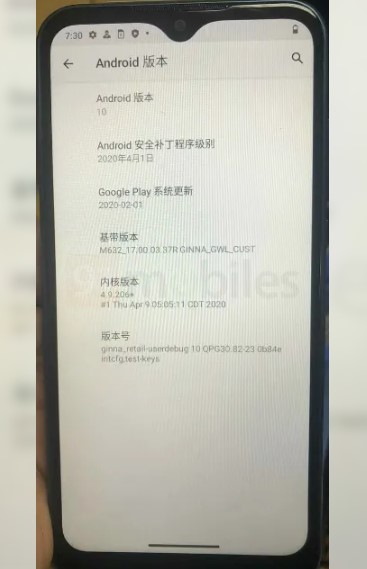
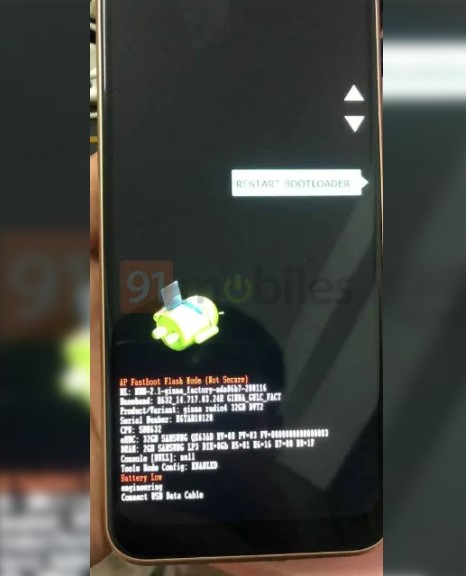
First reported by 91Mobiles, the Moto E7’s live photos along with a hands-in video surfaced on the web today. The photos and video give us an early look at the device.

The Motorola Moto E7 will have a waterdrop notch in its display, dual rear cameras, and a glass back. While Motorola has trimmed down the bezels, they are not the slimmest we have seen. There is also a fingerprint scanner on the back of the phone.

The device is shown in two color variants – cream and dark blue. It will have a 6.2-inch display, 2GB of RAM, 32GB of storage, a Snapdragon 632 processor, 13MP + 2MP dual rear cameras, and a 3,550mAh battery capacity. The source reports that there will be a 4GB RAM version which will have 64GB of storage. The Moto E7 will run Android 10 out of the box.

The device is expected to launch by the end of the month.


(Source)

Umidigi Bison leaks with a quad-rear camera and rugged design

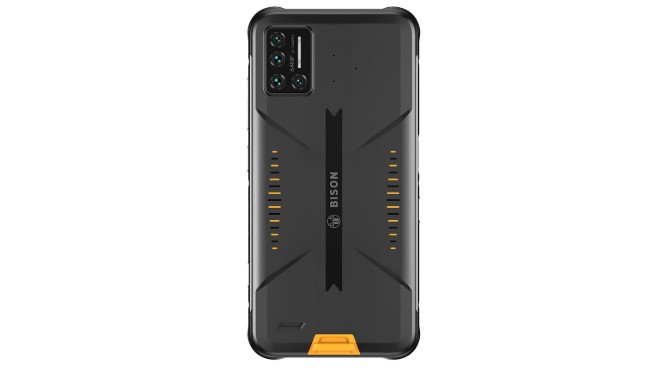
After excelling with the popular Armor smartphone series, China’s popular rugged smartphone maker – Umidigi is preparing for the launch of a new Bison series smartphone. The first render of the Umidigi Bison has leaked revealing the rear design of the smartphone along with its quad-rear camera. A rugged back panel is easily visible in the render leak.

See More: Grab Umidigi S5 and A7 Pro with 18-months extended warranty at Global Fan Festival 2020

Umidigi Bison will feature some combination of modern smartphone design, including solid camera setup and rugged features. The matrix quad camera is visible along with a large LED flash which can fully illuminate the low-light environment. It resembles the recently launched Umidigi S5 Pro but houses a better 64-megapixel primary sensor.

Moreover, we can spot three dots alongside the camera module forming a triangle which could be some new sensor. The smartphone’s branding is clearly visible exactly at the centre of the device with a unique symbol and stylish design. Whole design on the rear side, from top to bottom and across all the corners gives a sturdy and stealthy look. It is highly speculated to feature IP68/IP69 rating for the shockproof, waterproof and dustproof experience.

On the front, we can see a punch-hole display offering a vivid and immersive viewing experience while maintaining thin bezels. Full details about the device and the hardware are not yet available. The Umidigi Bison will feature affordable price tag while housing the big battery and Stock Android experience. We expect some more information via the upcoming leaks and rumours.

Umidigi Power Brand Sale

umidigi aliexpress

Umidigi is hosting a Brand Power Sale on AliExpress with 40% discount on several new and popular smartphones. You can grab Umidigi A7 Pro, S5 Pro and various other smartphones at discounted prices. You can know more about the latest devices and the sale by heading to the official website.

Related: Umidigi S5 Pro stumbles Samsung Galaxy A51 in performance, design and display, reveals a new unboxing

LG announces the smallest ever Bluetooth (BLE) module designed for IoT devices

LG‘s Innotek sure sounds like “Innovation” and in the same light, the electronic component manufacturing company is known for innovative technologies are designed for Safe, Convenient and Enjoyable Future. The company is out with yet another innovative product – a new Bluetooth low energy (BLE) module for IoT.LG Bluetooth low energy (BLE) module

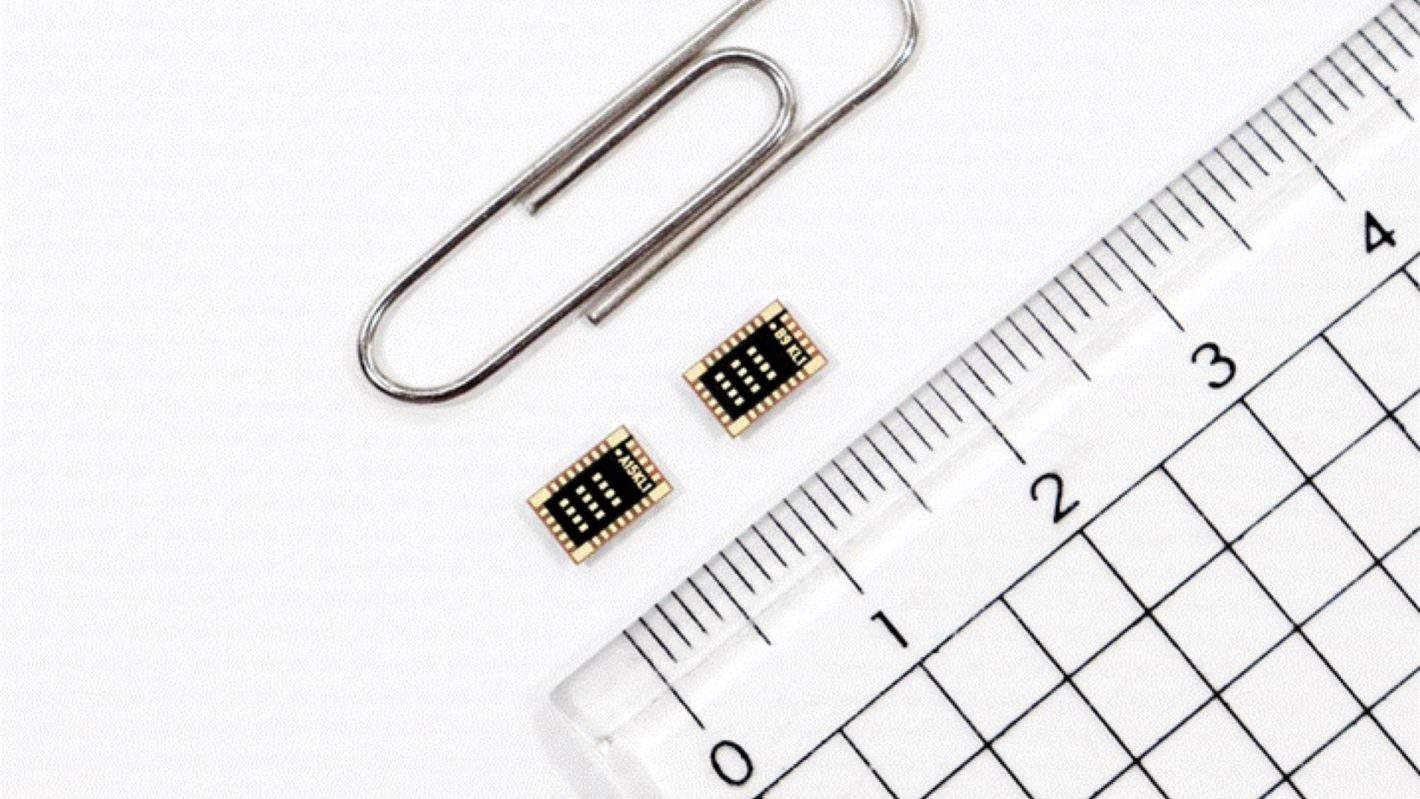
This isn’t the first Bluetooth low energy (BLE) module to hit the market but what makes this spectacular is that it happens to be the smallest ever made. The module measures a minuscule 6mm x 4mm which is  just 75-per cent of the size of the previous model.

The reduction in size doesn’t translate to a reduced performance. LG Innotek has been able to optimise the performance as the new chip offers a 30-percent increase in performance over existing products. The improvement in performance is due to LG’s differentiated RF signal design technology. The technology afforded LG the leverage to cram over 20 components inside the confined space. The components includes communication chips, resistors, inductors, and more.

LG says this design will also aid the elimination of signal interference regardless of obstacles between a smartphone and the IoT device.

In addition, the new chip uses low-power technology to enable more room for developers and manufacturers to work with across the board. That’s from smart lighting, home audio, and healthcare, all the way through to automobiles and combination Wi-Fi Bluetooth modules in home appliances.


(via)


Redmi 9 vs Redmi 9A vs Redmi 9C: Specs Comparison

Today, Xiaomi launched three entry-level phones in the global market: Redmi 9, Redmi 9A, and Redmi 9C. They are sold at different prices, but all of them cost less than €200 and they have a very high value for money. Given that they carry different prices and they are all devices released by Xiaomi, you probably understood that they are not at the same level. But a lot of people are wondering which one to buy: is it worth spending more for the Redmi 9 or it is better to save money for a Redmi 9A / 9C? This comparison will clear your ideas in regards.

Xiaomi Redmi 9 vs Xiaomi Redmi 9A vs Xiaomi Redmi 9C

Xiaomi Redmi 9 Xiaomi Redmi 9A Xiaomi Redmi 9C
DIMENSIONS AND WEIGHT 163.3 x 77 x 9.1 mm, 198 grams 164.9 x 77 x 9 mm, 194 grams 164.9 x 77 x 9 mm, 196 grams
DISPLAY 6.53 inches, 1080 x 2340p (Full HD+), 395 ppi, IPS LCD 6.53 inches, 720 x 1600p (HD+), 270 ppi, IPS LCD 6.53 inches, 720 x 1600p (HD+), 270 ppi, IPS LCD
PROCESSOR Mediatek Helio G80, octa-core 2 GHz Mediatek Helio G25, octa-core 2.0 GHz Mediatek Helio G35, octa-core 2.3 GHz
MEMORY 3 GB RAM, 32 GB – 4 GB RAM, 64 GB – 6 GB RAM, 128 GB – micro SD dedicated slot 2 GB RAM, 32 GB – micro SD dedicated slot 2 GB RAM, 32 GB – micro SD dedicated slot
SOFTWARE Android 10, MIUI Android 10, MIUI Android 10, MIUI
CONNECTIVITY Wi-Fi 802.11 b/g/n, Bluetooth 5.0, GPS Wi-Fi 802.11 b/g/n, Bluetooth 5.0, GPS Wi-Fi 802.11 b/g/n, Bluetooth 5.0, GPS
CAMERA Quad 13 + 8 + 5 + 2 MP f/2.2, f/2.2, f/2.4 and f/2.4
8 MP f/2.0 front camera
Single 13 MP
5 MP front camera
Triple 13 + 5 + 2 MP f/1.8, f/2.4 and f/2.4
5 MP front camera
BATTERY 5020 mAh, 18W charging 5000 mAh, 10W charging 5000 mAh, 10W charging
ADDITIONAL FEATURES Dual SIM slot Dual SIM slot Dual SIM slot

Design

Redmi 9, 9A, and 9C sport a modern design but made of cheap materials. They come with a plastic body and borderless display including a waterdrop notch. The Redmi 9 looks more beautiful thanks to its gradient colors, but the Redmi 9A has a more minimalistic look thanks to its smaller camera module. The Redmi 9 also offers a sturdier build quality with its Gorilla Glass 3 front panel. Despite sporting the same display diagonal, Redmi 9 is even more compact thanks to narrower bezels around the display.


Display

Redmi 9A and Redmi 9C come with exactly the same display. It is a 6.53-inch panel with the IPS technology offering a below-average 720p resolution. Redmi 9 is a lot better since it offers a higher resolution and a higher level of detail. It is a Full HD+ phone with 1080 x 2340 pixels. And it is actually not easy to find a device with a Full HD+ display under €150, even with an IPS panel. Redmi 9 obviously wins the display comparison thanks to its higher resolution.


Specs & Software

With the Xiaomi Redmi 9, you actually get a much more powerful chipset: the octa-core Helio G80 running at a 2 GHz frequency, paired with at least 3 GB of RAM and at least 32 GB of internal storage which you can furtherly expand with a micro SD. The silver medal goes to the Redmi 9C with the Helio G35, while Redmi 9A has a weaker Helio G25. Note that every SoC is pretty nice in terms of performance, they are even nice at gaming. But there is an important gap between Helio G80 and G35. Redmi 9, 9A, and 9C run Android 10 out of the box, customized by the new MIUI 12.


Camera

With the Redmi 9, you get the most complete camera setup including a rear quad-camera with an ultrawide sensor included and an 8 MP front camera. Unfortunately, the Redmi 9C lacks the ultrawide sensor, but it actually comes with a better main sensor offering a brighter focal aperture for better photo quality in dark scenes. It is still an entry-level camera, though. Redmi 9A has just one single camera at the back, so it is the most disappointing one and you should not go for it if you need a decent camera phone.


Battery

Despite having a similar battery capacity to the Redmi 9, the lower-end Redmi 9A and 9C offer a longer battery life in a lot of scenarios thanks to their lower display resolution. With the Redmi 9, you get fast charging, which is not present on its two siblings. Note that these devices are equipped with 5000 mAh batteries, so it is not quick to fully charge them without a fast charging technology.


Price

Redmi 9 debuted in the European market with a €149/$170 starting price. If you live in Europe, you need €119/$135 for the Redmi 9C, while the Redmi 9A costs €99/$113. Is it worth spending more for the Redmi 9? Yes, if we compare it to the Redmi 9C. It has a better display, a complete camera setup, and a better hardware department. But you can save €50 by choosing the Redmi 9A, which might be the best choice for you if you are a basic user who does not care about clicking great photos and having the fastest performance.


Xiaomi Redmi 9 vs Xiaomi Redmi 9A vs Xiaomi Redmi 9C: PROs and CONS

Xiaomi Redmi 9

PROs

  • Better hardware
  • Better display
  • NFC
  • Faster charging

CONS

  • Price
  • Shorter battery life


Xiaomi Redmi 9C

PROs

  • Very affordable
  • Nice rear camera
  • Long battery life
  • NFC (depends on the region)

CONS

  • HD display


Xiaomi Redmi 9A

PROs

  • Incredibly affordable
  • Long battery life
  • Smaller camera module

CONS

  • No fingerprint reader
  • Inferior camera department


Meizu 17 Pro now available in Moonlight Blue

The Meizu 17 Pro launched back in early May in three color variants – Black, Azure, and White. Today, Meizu announced a fourth color variant is now available for the flagship phone.

Meizu 17 Pro Moonlight Blue featured

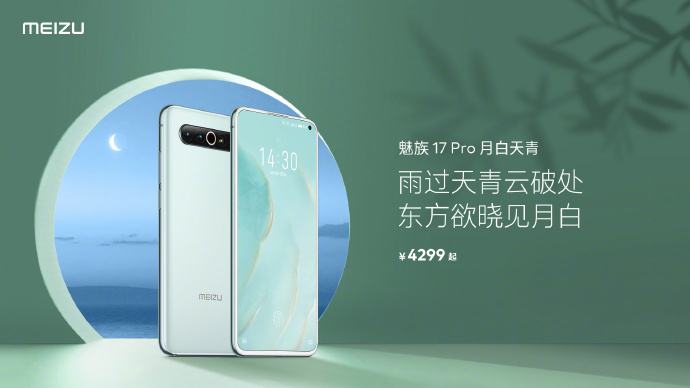
The new color variant is called Moonlight Blue and it is very similar to the Azure color variant save for the front of the phone which is white rather than black.

If you want the new color variant, you can grab the phone on the Meizu online store for ¥4299 for the 8GB RAM + 128GB version and ¥4699 for the 12GB RAM + 256GB version.

Meizu 17 Pro Moonlight Blue

The Meizu 17 Pro has a 6.6-inch 120Hz display with a 2340 x 1080 resolution and a punch hole at the top right corner of the display. There is a Snapdragon 865 processor inside the phone and it draws power from a 4500mAh battery.

Meizu has put a 64MP + 8MP + 32MP + 0.3 ToF 3D quad-camera setup on the back of the phone while the selfie camera is a 20MP. The phone also has stereo speakers, NFC, an in-display fingerprint scanner, and runs Android 10 out of the box. It also has support for 30W fast charging and 27W wireless fast charging.


OnePlus Nord opens for pre-orders in Europe for the third time

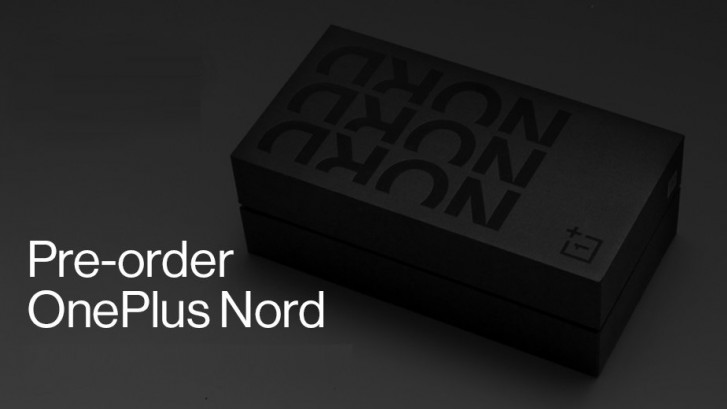
OnePlus opened pre-orders for the Nord smartphone in India today ahead of the July 21 launch. At the same time, the company equally kicked off a third wave of pre-orders for the premium mid-range smartphone in Europe via the company’s official website for the Old Continent. The pre-bookings are expected to remain open for 24 hours or until the stocks last.OnePlus Nord

Interested customers in Europe will have to pay €20 to pre-order the OnePlus Nord. The company will send a special gift pack to everyone who pre-order the smartphone. The pack contains a sticker pack and a surprise gift. Apart from that, after the smartphone has been released, OnePlus will mail an invitation code and a €20 voucher to the OnePlus account of those who pre-order so they can buy the smartphone. Thus, you actually get the gift pack free if you end up buying the smartphone.

OnePlus Nord
OnePlus Nord in Gray and Cyan

For customers in the United Kingdom, the OnePlus Nord can be pre-ordered for GBP20 (around $25/€22). Each pre-order also come with the same perks available to buyers in Europe and India.


(source)


US says it will impose visa restrictions on Huawei officials over rights abuses

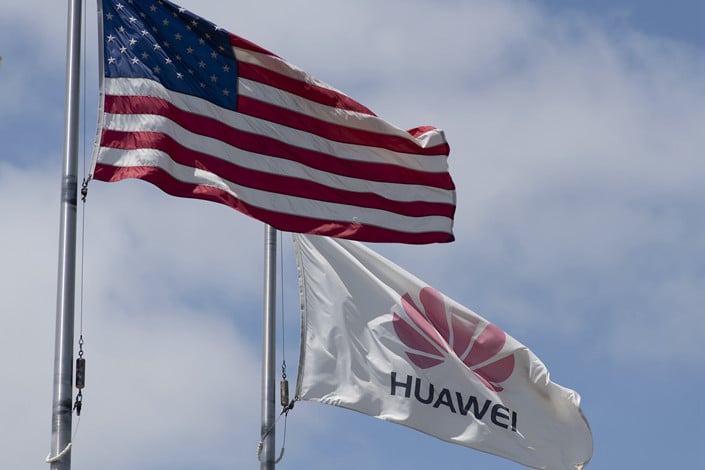
There seems to be no respite for Huawei in its debacle with the US government which has repeatedly accused the tech giant of spying for the Chinese government. The US may have just added another accusation and it bothers on human rights abuses.  In a press briefing Wednesday, U.S Secretary of States Mike Pompeo announced that the United States would impose visa restrictions on Chinese companies like Huawei Technologies Co Ltd, which he accused of facilitating human right violations.Huawei logo

According to Pompeo, Huawei provides material support to the Chinese Communist Party (CCP), a regime which he says engages in human rights violations and abuses globally. He also stated that telecoms companies around the world “should consider themselves on notice” that if they do business with Huawei, “they are doing business with human rights abusers.”

To this end, the US Secretary of States told a news conference the State Department would “impose visa restrictions on certain employees of Chinese technology companies like Huawei that provide material support to regimes engaging in human rights violations and abuses globally.”

“Certain Huawei employees provide material support to the CCP regime that commits human rights abuses,” the statement said.

In a separate statement referring to alleged abuses against China’s minority Muslim population, Pompeo charged that Huawei was “an arm of the Chinese Communist Party’s surveillance state that censors political dissidents and enables mass internment camps in Xinjiang and the indentured servitude of its population shipped all over China.”

Pompeo also said that “faster is always better” in terms of getting Huawei out of telecoms infrastructure when asked about British Prime Minister Boris Johnson’s order that Huawei equipment should be purged completely from Britain’s 5G network by the end of 2027.

Huawei has repeatedly denied it spies for China. The company accused the United States of trying to frustrate its growth because no U.S. company offers the same technology at a competitive price.

Huawei is yet to react to this latest development. When asked about the company’s response to Pompeo’s remarks, a Huawei spokeswoman hinted that the company was looking into it and would share their response when available.


(source)


Galaxy M31s with punch-hole AMOLED display and 6,000mAh battery will be announced this month

Samsung launched Galaxy M31 earlier this year in India starting at a price tag of ₹14,999. Currently, the phone starts at ₹15,499 due to recent GST (Goods & Services Tax) increase and pandemic. Just after 5 months from its release, the company is all set to unveil its successor – Galaxy M31s by the end of this month.

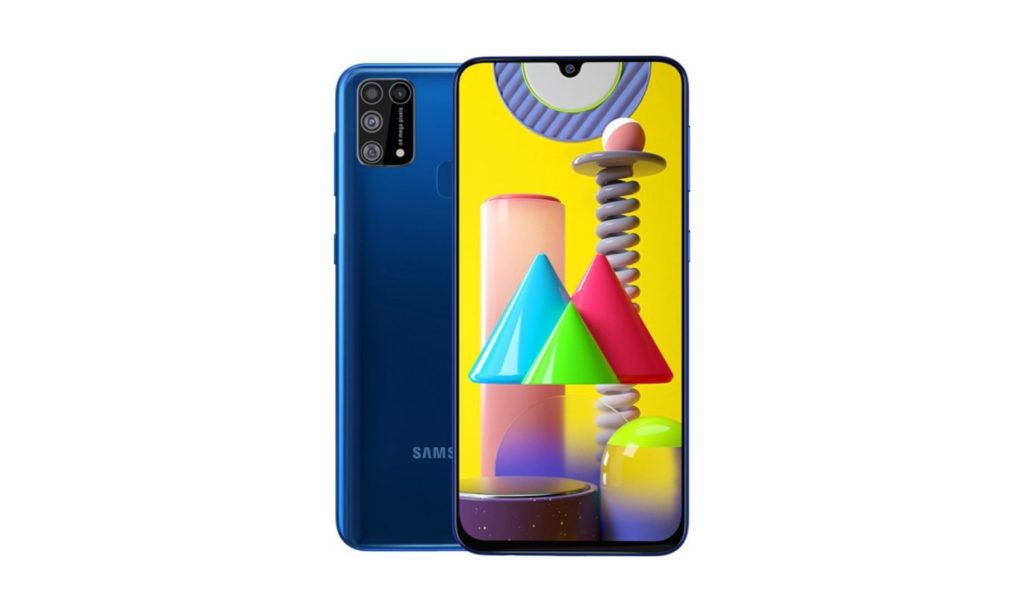
Samsung Galaxy M31
Samsung Galaxy M31

The news about the launch of Galaxy M31s comes from IANS. According to the report, the handset will feature a Super AMOLED Infinity-O display (punch-hole), 64MP quad-camera setup, 6000mAh battery, and a price tag of around ₹20,000. Although It will be available to purchase starting August from Amazon and offline retailers, the company will announce the phone in July itself.

As per previous leaks, it will be powered by the same Exynos 9611 chipset, which is present in both Galaxy M31 and Galaxy M30s. It is expected to come with 6GB RAM and 128GB internal storage, however, there could be other variants as well like the recently unveiled Galaxy M31 8GB RAM version.  On the software front, we can expect it to run One UI 2 based on Android 10.

In a nutshell, the upcoming Galaxy M31s will be identical to its predecessor Galaxy M31 except for a punch-hole display instead of an Infinity-U (dew-drop notch) panel.


(Via)

Reliance Jio announces a Mixed Reality glasses dubbed Jio Glass

India telecommunication giant Reliance Jio today held its first-ever virtual Annual General Meeting (AGM). As usual, the event was an opportunity for the company to showcase its feat and latest development to shareholders. The company made a number of sterling announcements one of which is a new mixed-reality glasses dubbed Jio Glass. Reliance also announced its 5G network built using home-grown technologies, as well as Jio TV Plus, Jio Mart, Jio Meet, and more. Jio Glass

Jio Glass is a mixed reality glasses. Mixed reality (MR) is the merging of real and virtual worlds to produce new environments and visualizations, where physical and digital objects co-exist and interact in real time. Jio Glass comes with a high-resolution display that let users experience holographic content. The glasses also allows users interact using 3D avatars, and more.

The mixed-reality glasses also features a personalised audio system that supports all the standard audio formats and it works without any external attachments. Users can do holographic video calls with interactive 3D avatars, share presentations in the virtual environment and can also share 3D assets and holograms.Jio Glass

Reliance Jio also announced that the Jio Glass can be used for 3D virtual classrooms and holographic classes can be conducted deploying Jio Mixed Reality Cloud. Connecting the glasses to the cloud is done using a cable that is attached to a smartphone.

On the design side, the glasses weigh 75 grams. It supports more than 25 applications already, and the company says more are expected to be rolled out next year.


(via)


UNISOC W307 4G processor for smartwatches unveiled

UNISOC has announced a new chipset for smartwatches. The UNISOC W307 was unveiled yesterday and it comes with a bunch of features including an integrated 4G multi-mode modem.

Built on TSMC’s 28nm HPC+ process, the UNISOC W307 is said to be based on an “ultra-low-power architecture design”. The chipmaker says the package area is 30% smaller than that of the last generation, which brings an improvement in performance, connectivity, intelligence, and power consumption.

Other features of the processor include HD video calling, sub-meter high precision positioning, and a highly-integrated 4G full-network.

There is no info on when the processor will appear in a commercial device neither is there any news of which brands have signed up for it.

UNISOC’s chipsets are used in various products from brands including Nokia, Xiaomi, Hisense, and Lava. For example, its UNISOC 8521W chipset is found in the Xiaomi Mi Kids Watch 4C that was announced last month.


(Source)