Huawei, the known smartphone maker, is being sued by Cedar Lane Technologies. The latter had filed a lawsuit earlier this week for patent infringement and claims that Huawei infringed on their image processing patents and even used these patented methods in their systems and devices.
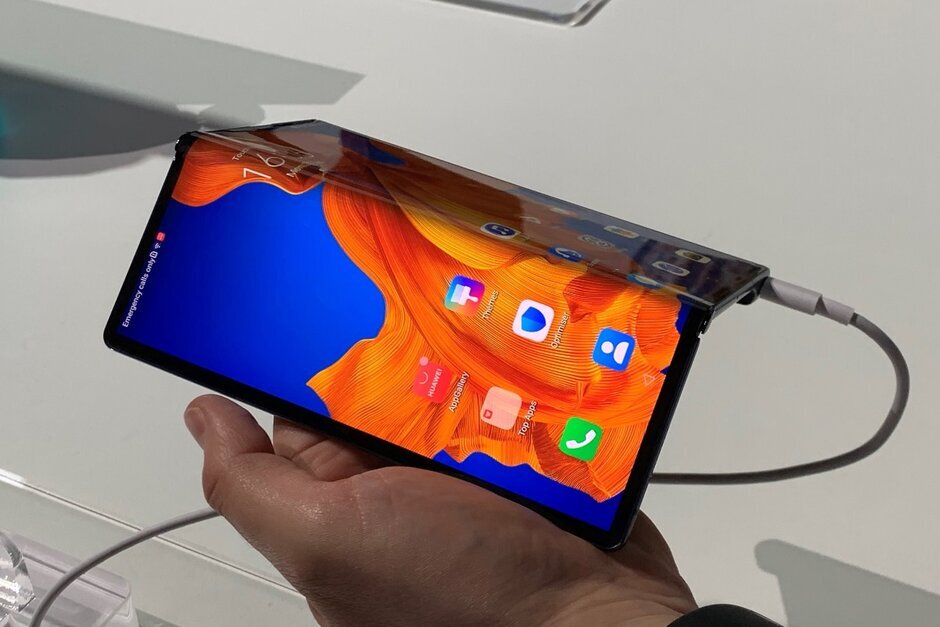
Huawei Mate Xs
According to Cedar Lane Technologies, the Chinese tech giant has infringed on multiple different patents including JPEG compression, scene recognition, electro-luminescent devices, image processing systems, VR camera, and more. Cedar Lane alleged that the smartphone maker has infringed one particular patent on a variety of its products such as smartphones like the Mate Xs, Mate X, Mate 20, Mate 20 Pro, Honor View 10, Honor 8 and even tablets like the MediaPad M5, MediaPad M6, and MediaPad T5.”
Cedar Lane said that these products have been “made, used, sold, imported, and offered for sale by Defendant.” The infringement from Huawei revolves around one particular patent, namely 527 patent, which covers “[a] method for interfacing analog/digital converting means and JPEG compression means, said JPEG compression means having a built-in memory device, comprising the steps of: sequentially reading a predetermined number of image lines from the image data output of said analog/digital converting means.”
The plaintiff claimed that since Huawei utilized this image conversion method, it infringes on its patents. Cedar Lane has also stated that it had “employees internally test and use these Exemplary Products.” In other words, Huawei had knowledge about the patent but still created products, which was grounds for this infringement suit.
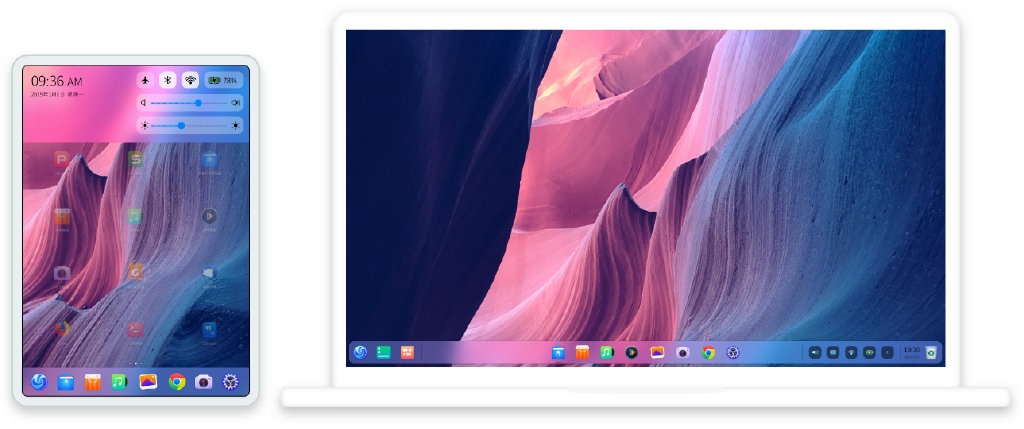
Deepin, a Linux operating system for computers, seems to be getting ready to power tablets. An image of the Deepin OS powering a laptop as well as a tablet has surfaced online through Weibo.
This seems to indicate that the company is gearing up to launch a tablet version of its operating system and thus, will support multi-terminal collaboration. Currently, not much information is available regarding this development.
For those who are unaware, the Deepin operating system is available globally and is known for having a beautiful user interface. It comes with support for 33 languages worldwide and has accumulated more than 80 million downloads.
The operating system is being developed by China-based Wuhan Deepin Technology Co., Ltd. The company generates most of its revenue through the sale of technical support and other services related to the OS.
The Deepin 20 Beta, which was expected to release in January, was finally released in April this year. The new distribution features Ubuntu 20.04 coupled with the Deepin Desktop Environment. It comes with a built-in AI assistant, Cloud Sync for easily syncing commonly changed settings across multiple machines, and an overhauled Control Center.
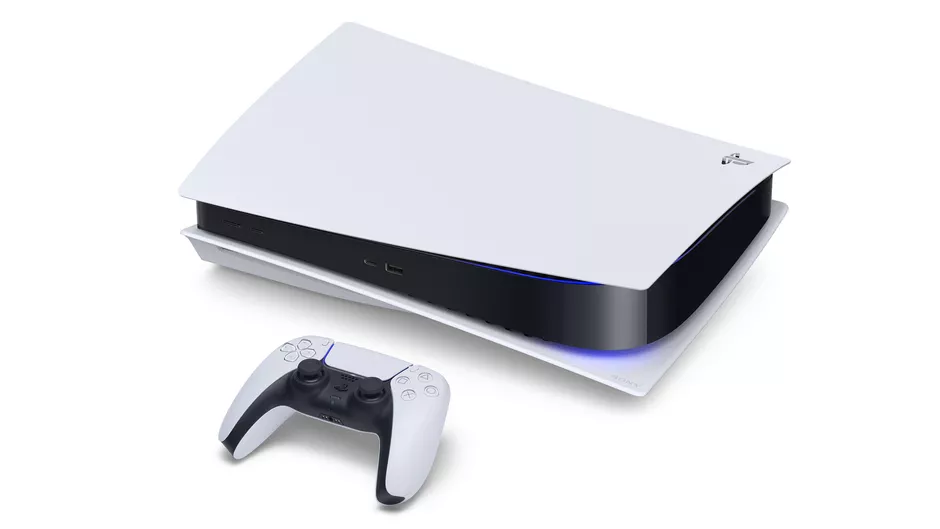
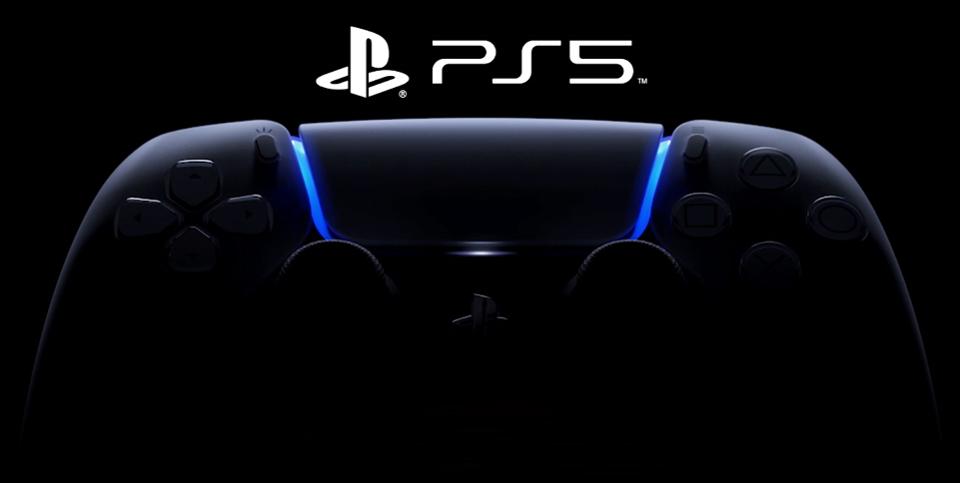
With the next generation of gaming console being just around the corner, many are anticipating their launch. Now, Sony has apparently raised the order for its upcoming PlayStation 5 by nearly 50 percent expecting to cater to higher sales.
According to a new report, the company was originally touted to produce 6 million PS5 consoles in 2020. However, that number has since been bumped up to 9 million units and could even reach 10 million as well. The reason for Sony to order such a large number of consoles is likely to be directly related to a higher demand for in house entertainment systems that have arisen due to the Coronavirus pandemic.
Notably, the PlayStation 4 had sold over 4.2 million units within the first month of its launch. Thus, it can be said that Sony is preparing to see a much higher demand for its latest generation game console. Furthermore, Facebook has also reportedly boosted the production of Oculus VR headsets, with a similar goal that ishes to raise production by 2 million units in total (another 50 percent increase) in the second half of 2020.
The company is also said to start mass production of new headsets later this month, although it is unclear if it’s a standalone system like the Rift S. At the moment, supply constraints have been hampering operations and many gaming related peripherals have also been out of stock for a while now. So, we will have to wait and see how this works out for major launches in the near future.
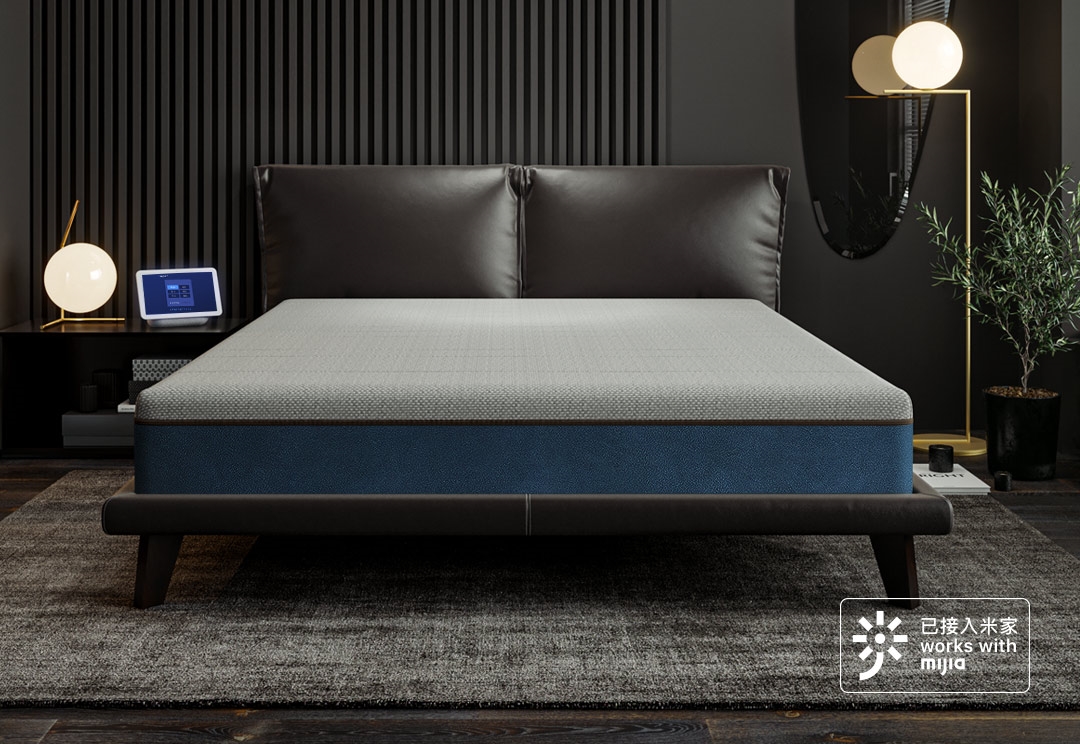
Last week, Xiaomi had revealed that the company will be crowdfunding a smart mattress under its eco-chain company Fun Sleep Technology. Today, the company has officially started the crowdfunding of 8H Smart Mattress.
It comes in two models — the lowest priced model measures 150x200x26cm and costs 4,599 yuan (~$657) while the other model is priced at 4,999 yuan (~$714) and measures 180x200x26cm. After the crowdfunding campaign, it will retail for 6,799 yuan (~$972).
The company says that being a smart mattress, it can intelligently determine the left and right partitions and appropriately adjust the softness and hardness. It also comes with several different features, including Yoga Sleep Mode, XiaoAI Smart Assistant, Graphene Infrared Heating, Vibration Alarm Clock, etc.
Thanks to the smart algorithms, the mattress can automatically sense and map the human body data and calculate the airbag pressure which is suitable for the body. This process occurs in just 20 seconds and is subjective to different users.
Users can also customize the softness of the mattress through the Mi App, similar to all other smart products from the company. Apart from Mijia App, it can also be controlled through a wireless remote and XiaoAI Smart Assistant.
The 8H Smart Mattress is 26cm thick and covered with 3 cm thick Italian Schcott natural latex. The independent pocket springs combined with the independent 6 zone airbag helps provide support for the spine as well.
It also has an in-built sleep monitoring system and can provide a report with data such as the user’s sleeping posture, comfort, sleep level, sleep time, and physical condition.
OnePlus has confirmed that the company will be launching its upcoming mid-range smartphone dubbed as OnePlus Nord on 21st July. Earlier this month, the device was listed in the Europen market for pre-order which will take place in three phases.
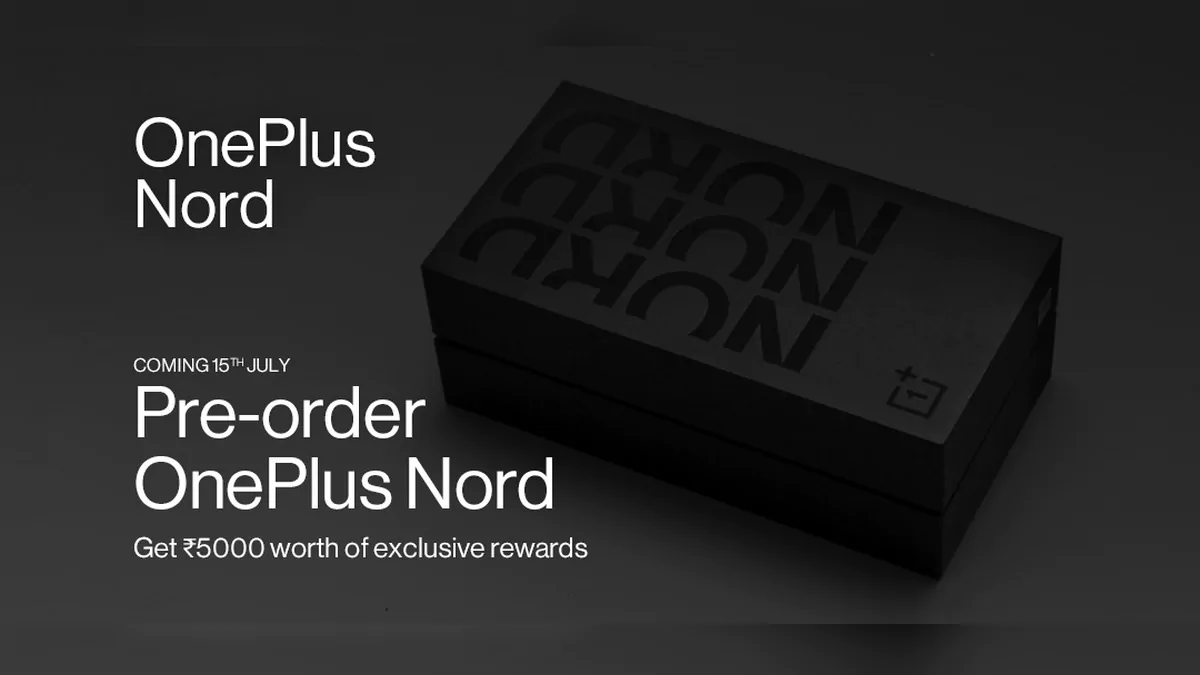
Now, ahead of the official launch, the OnePlus Nord smartphone is available for pre-order in the Indian market through Amazon for limited stock. Customers who pre-order the smartphone will get two surprise gift boxes with products worth ₹5,000 (~$66).
To pre-order the smartphone in India, head over to the Amazon.in and you will be able to see the pre-order page for the OnePlus Nord around 1:30 PM IST. To successfully pre-order the phone, customers need to make a deposit of ₹500 (~$7).
The OnePlus Nord AR launch will be the world’s first AR smartphone launch which will commence at 7:30 PM IST. The access costs ₹99 (~$1) and gives fans an opportunity of experiencing the Nord hands-on in Augmented Reality (AR) even before the official launch. Users who purchase the AR launch invitations will also get a chance to participate in the Launch Day Lottery on Amazon and win an assured gift.
The smartphone is said to feature a 6.44-inch Fluid AMOLED display with a screen resolution of 1080 x 2400 pixels. The screen has a 20:9 aspect ratio and a pixel density of 408 PPI. It will be powered by the Snapdragon 765G SoC and packs 6/8 GB of RAM with 128/256 GB of internal storage.
In the camera department, the device has a quad-camera setup on the back that includes a 48MP Sony IMX586 with an f/1.75 aperture, an 8MP ultrawide angle camera, a 5MP f/2.4 depth sensor, and a 2MP f/2.4 macro lens. On the front, there’s a dual-camera setup that consists of a 32MP Sony IMX616 sensor and an 8MP wide-angle lens.
Running Android 10 operating system with OxygenOS on top, the phone is powered by a 4,115mAh battery with Warp Charge 30T support. It will be made available in three color options — Blue Marble, Gray Onyx, and Gray Ash.
According to a reliable tipster from China, Huawei is planning to launch a new 5G smartphone. The tipster has shared the specs sheet of the device. The dimensions, display size and battery capacity revealed in the leak matches with the TNN-AN00 phone that has surfaced on TENAA. Another tipster has claimed that the TNN-AN00 handset will break cover as Huawei Enjoy 20s.
Huawei Enjoy 20s specifications (Rumored)
The specs sheet shared by the tipster reveals that the smartphone measures 170 x 78.5 x 8.9mm and it weighs 212 grams. It houses a Full HD+ resolution supporting display of 6.81 inches. The MediaTek Dimensity 800 5G SoC is present under the hood of the device. It draws power from a 4,300mAh battery. The handset is expected to arrive with support for 22.5W fast charging.
The smartphone is equipped with a front-facing camera of 8-megapixel. There is a 64-megapixel + 8-megapixel + 2-megapixel triple camera system on the backside of the handset. The leakster did not share the name and model number of the device.
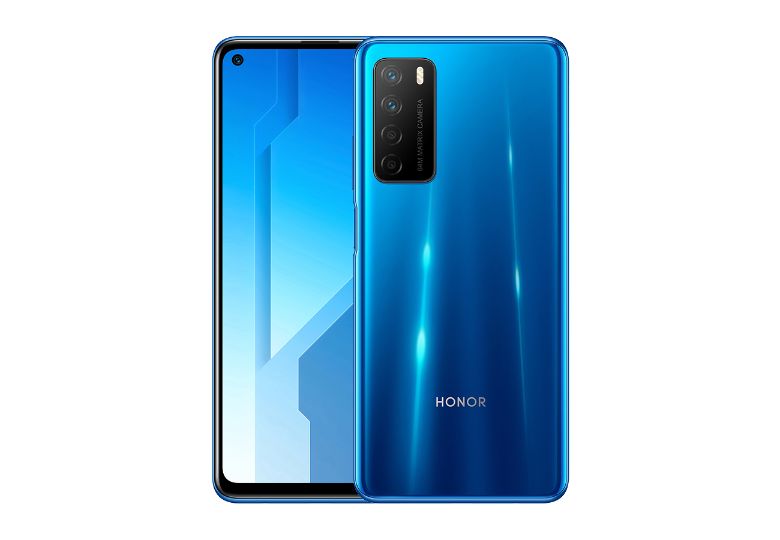
The specs of the Huawei TNN-AN00 resembles with Honor Play4 (model number TNNH-AN00) that was announced in early June. The only major difference is the Huawei phone has a triple camera setup and the Play4 has a 64-megapixel + 8-megapixel + 2-megapixel + 2-megapixel quad-camera system.
Last month, Huawei announced the Huawei Enjoy 20 Pro 5G phone. Apart from the Huawei Enjoy 20s phone, the Chinese firm is also speculated to launch the Huawei Enjoy 20 phone soon. Recent reports have revealed that it will come with specs like a notch-less 6.63-inch IPS LCD FHD+ display, a pop-up selfie camera, a 48-megapixel triple camera, Kirin 820 SoC, and a 4,300mAh battery with 22.5W fast charging.
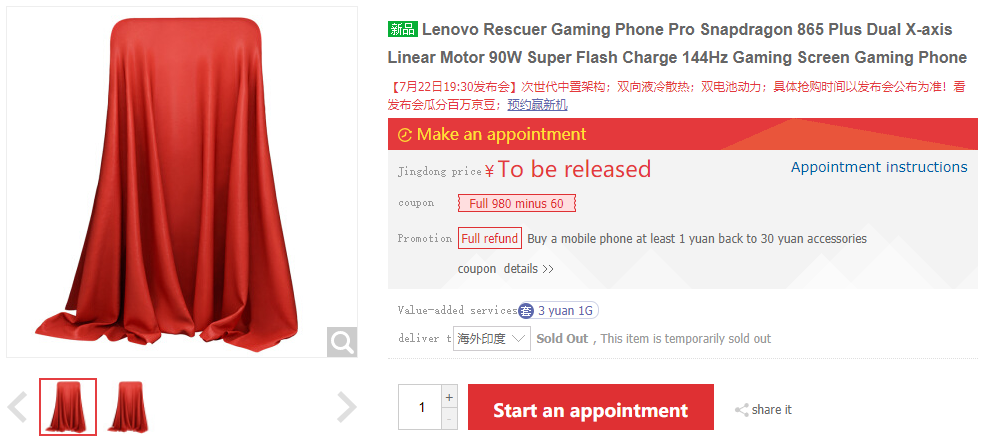
Lenovo will be launching the Legion gaming phone on July 22. Ahead of next week’s launch, the smartphone is now up for reservations through JD.com in China. The listing has revealed some of the key features of the gaming phone.
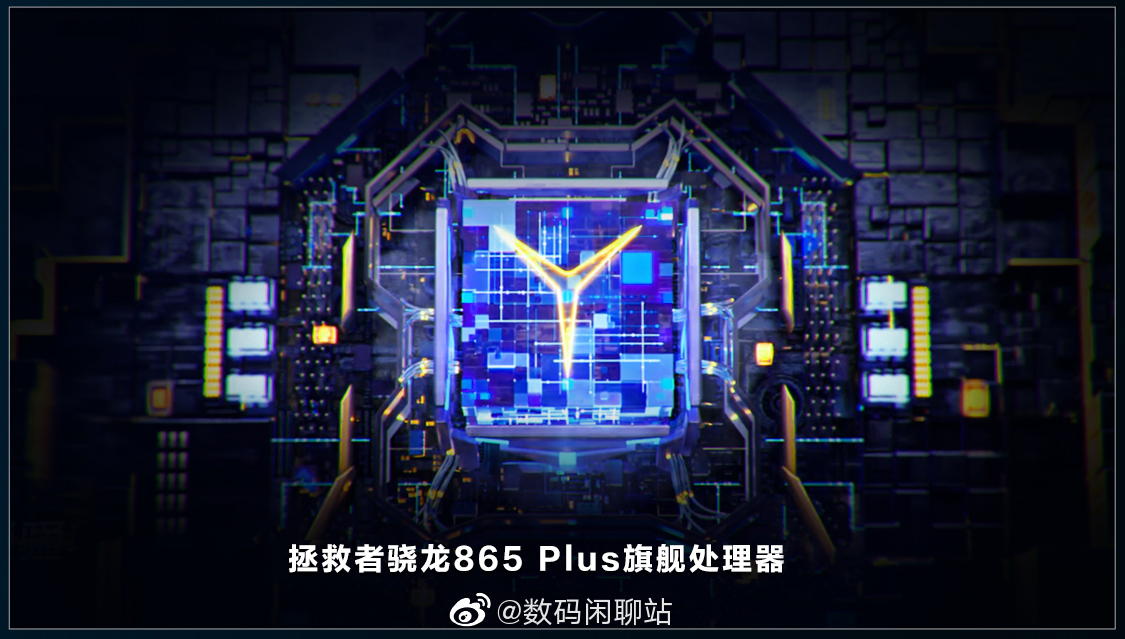
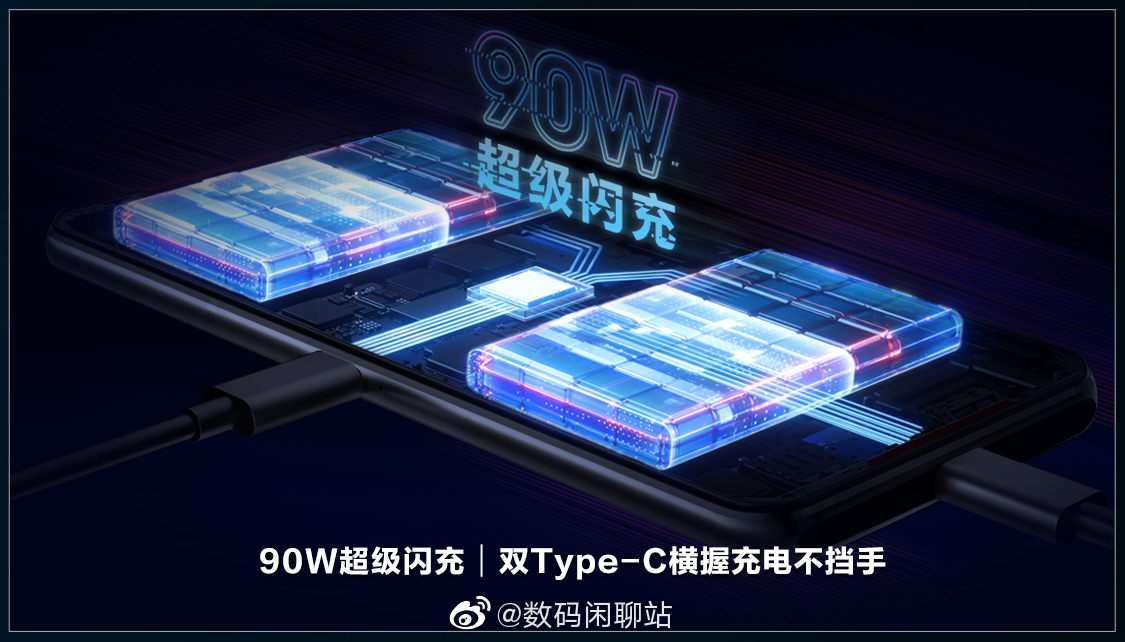
The reservations page of the Lenovo Legion gaming phone reiterates that it is fueled by the latest Snapdragon 865 Plus mobile platform. The phone will come with support for 90W fast charging and it will be equipped with dual USB-C ports. The device is fitted with not one, but dual liquid cooling system.
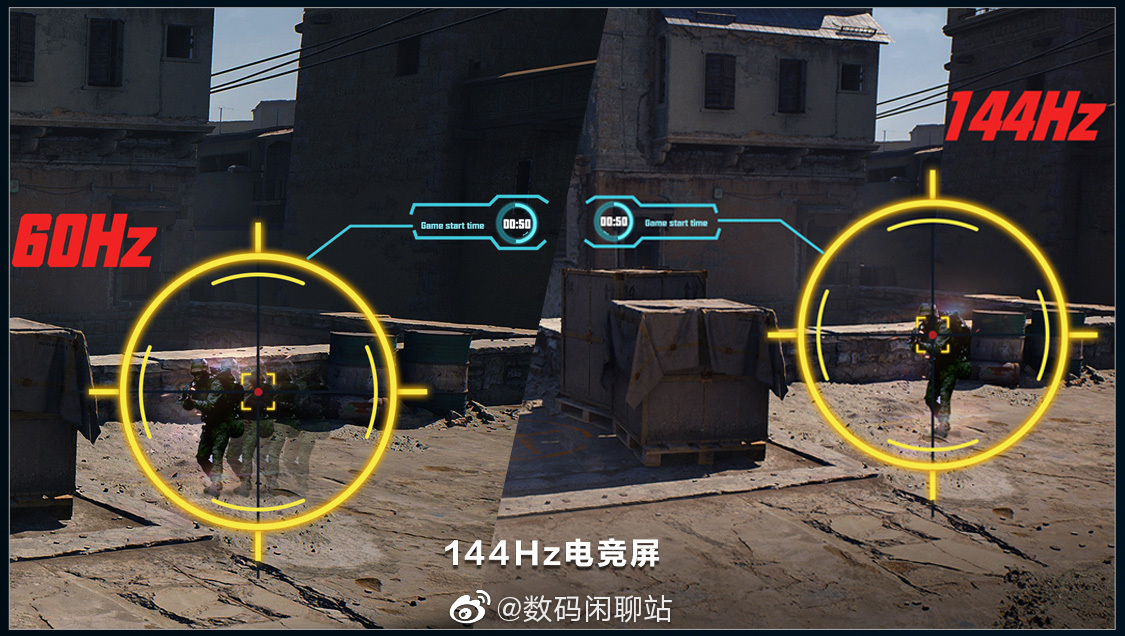
The Legion gaming phone is equipped with dual X-axis linear motor for enhanced gaming experience. As expected, the phone’s display carries support for up to 144Hz refresh rate.
Rumors have it that the Lenovo Legion phone is equipped with a 6.67-inch AMOLED display that is said to support up to 1440 x 3120 pixels resolution. The screen of the device is integrated with a fingerprint reader. The Legion gaming phone has a side-mounted 20-megapixel selfie camera. On its back is a dual-camera system that consists of a 64-megapixel primary shooter and a 16-megapixel ultrawide lens.
The Lenovo Legion gaming phone could be coming with a 5,050mAh battery. The SD865+ SoC will be equipped with up to 16 GB of LPDDR5 RAM and up to 512 GB of UFS 3.1 storage. The gaming phone was spotted with a remarkable benchmarking score of 648,871 at AnTuTu.
In the previous week, a Xiaomi phone with model number M2007J1SC had acquired MIIT network certification in China. Based on the information shared by a reliable tipster who goes by the name ‘Digital Chat Station’ on Weibo, it can be said that it could be an upcoming flagship phone from the brand that is codenamed as Apollo. The M2007J1SC has received approval from the 3C regulatory body of China. The 3C appearance reveals that the phone could be made available with a 120W fast charger.
The screengrab of the M2007J1SC 5G-ready phone’s 3C listing that it could be shipped with a charger that has a model number of MDY-12-ED. This charger was also approved by the 3C authority at the beginning of this month. The charger supports power outputs of up to 20V/6A (120W). A recent report had revealed that the 120W charger has entered the mass production phase.
In May, the tipster has revealed that Apollo and Verthandi are the codenames of the two flagship phones from Xiaomi. He had stated that both phones have 120Hz refresh rate curved displays with punch-hole design. It is being speculated that these could be a Mi 10 series advanced flagship phone and a Mi MIX flagship.
The leakster had also shared in the past that the Apollo (M2007J1SC) smartphone will come with high-definition zoom and it will be made official in August. Hence, it appears that the M2007J1SC may debut as the world’s first smartphone to arrive with a 120W fast charger.
Xiaomi’s M2007J1SC could be rivaled by an iQOO smartphone. Earlier this week, iQOO became the world’s first company to launch 120W fast charging technology. It is speculated that iQOO will launch its first phone with 120W charging support in August.
The OnePlus Nord launches next week and OnePlus has shown it is the king of hype when it comes to phones. In the past few weeks, the manufacturer has been dropping bits and pieces of info on its social media pages and in partnership with select sites.
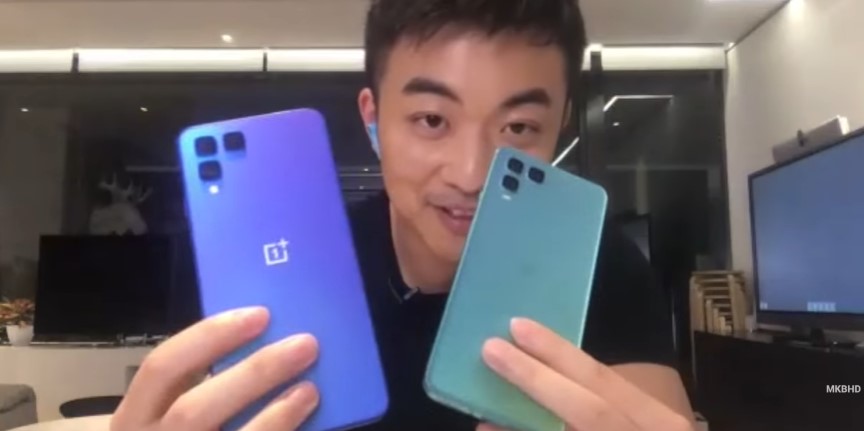
The latest is an interview between OnePlus co-founder, Carl Pei, and the popular Tech YouTuber, Marques Brownlee, on the latter’s YouTube channel. The company executive also disclosed what goes on behind the scenes when making a phone and shared details about the cost of certain parts and features such as NFC, IP rating, and display. The highlight of the video was when Carl revealed the OnePlus Nord in all its glory.
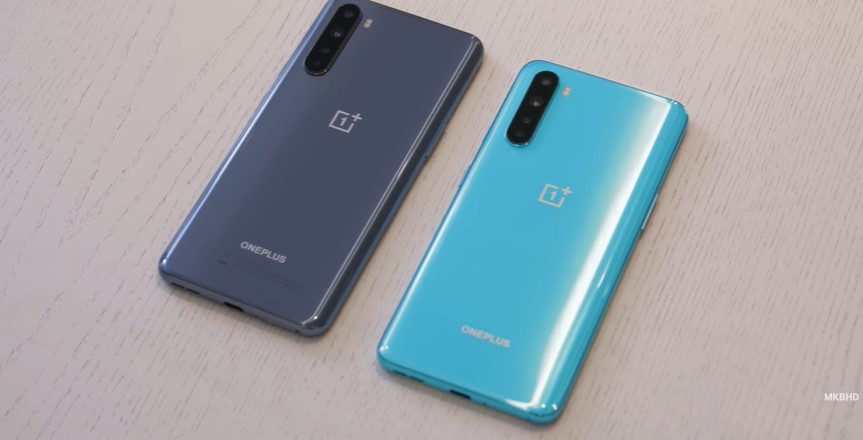
OnePlus Nord in Gray and Cyan
The OnePlus Nord is shown in two colorways – Gray and Teal. It has a curved glass back that houses a quad camera setup. The design of the camera housing is said to have been carried over from existing OnePlus phones, albeit with a change in the position.
There are two slits at the bottom of the phone for the speaker and they are kept company by the USB-C port, primary microphone, and the SIM tray. Sorry to disappoint, but the OnePlus Nord doesn’t have an audio jack.
OnePlus Nord early prototypes with a different design
Alongside showing off the phone, some key details were also revealed such as the OnePlus Nord not having an IP-rating but being able to survive splashes and spills. He explained that they made sure that during the product development process of the device, they made sure that it can withstand 30 centimeters of water for 30 seconds. The OnePlus Nord will also have an AMOLED display with a 90Hz refresh rate, a Snapdragon 765G processor, a 4115mAh battery, and warp charging.
The OnePlus Nord will launch on July 21. The launch event will be an AR event, a first for a smartphone launch. OnePlus will also announce its first TWS earbuds called the OnePlus Buds on that day.
The iPhone 11 series launched last year with support for 18W fast charging. The upcoming iPhone 12 series will be taking it a notch higher with support for 20W fast charging.
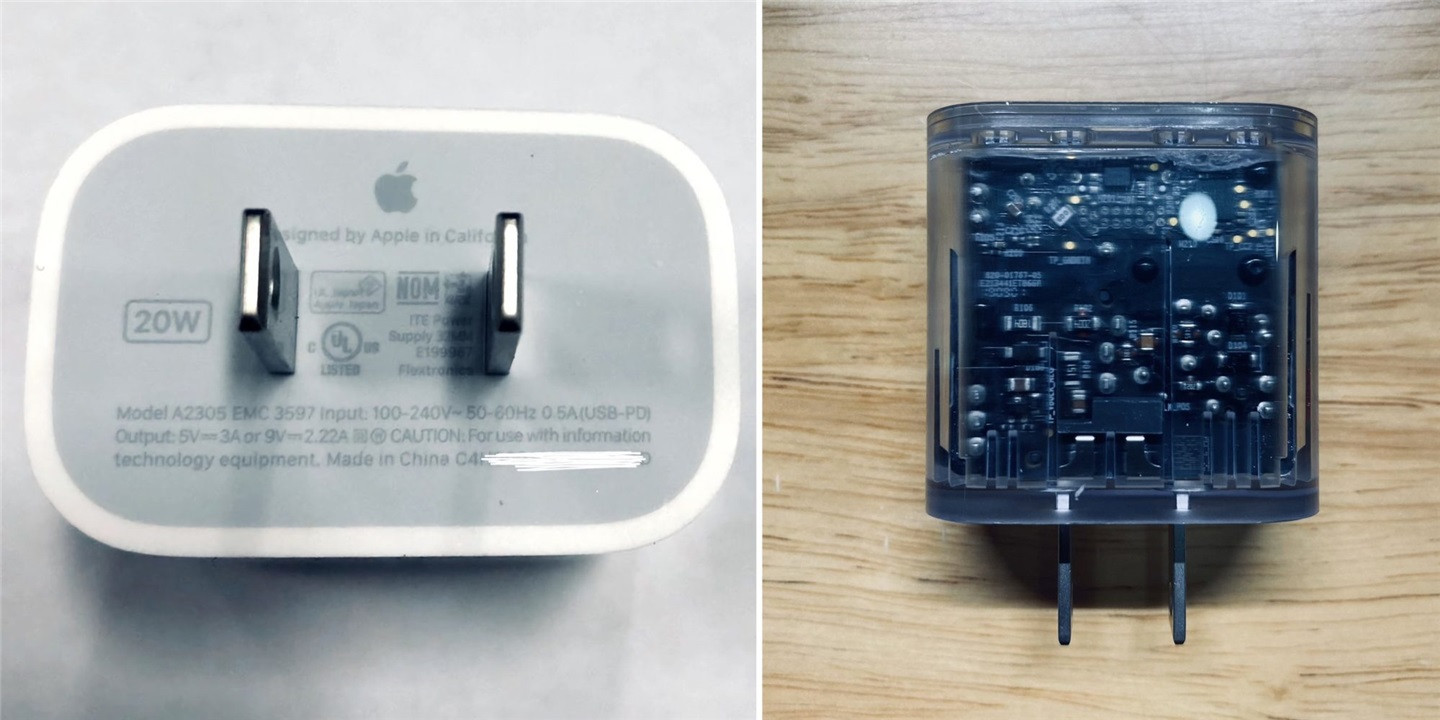
The 20W charger has been certified by China’s Communication Commission along with a new 5W Apple charger. The 20W charger has a USB-C port, supports Power Delivery, and 5V 3A and 9V 2.2A power outputs. The 3C certificate shows that it is manufactured by Flextronics Power Systems (Dongguan) Co. Ltd.
It has been reported that Apple may not ship its upcoming phones with a charger but the appearance of a new 5W charger may mean that some models of the series will come with one in the box. However, the 20W charger may have to be purchased separately for devices that support it.
Apple is expected to launch four new iPhones – a 5.4-inch model, two 6.1-inch models, and a 6.7-inch model. One of the 6.1-inch models along with the 6.7-inch model may have “Pro” in their names.
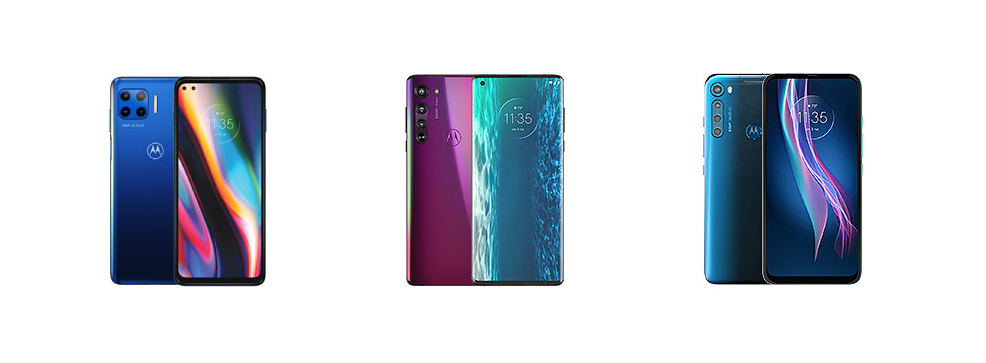
Until a few months ago it was hard to expect, but this year Motorola released several “value for money devices” that can compete with the best affordable phones from Xiaomi and Realme in terms of quality-price ratio. The U.S. company acquired by Lenovo left a lot of people surprised with its new mid-rangers and flagship, including me. In this comparison, we included all the most interesting mid-rangers released by Motorola this year. We are talking about Motorola Edge from the lineup considered Motorola’s comeback in the high-end segment, the Moto G 5G Plus which is the first Motorola 5G affordable phone after the Edge, and the Motorola One Fusion+ offering amazing specifications at a very affordable price.
Motorola Moto G 5G Plus vs Motorola Edge vs Motorola One Fusion+
Quad 64 + 8 + 16 MP + TOF 3D, f/1.8 + f/2.4 + f/2.2
25 MP f/2.0 front camera
Quad 48 + 8 + 5 + 2 MP f/1.7, f/2.2, f/2.4 and f/2.2
Dual 16 + 8 MP f/2.0 and f/2.2 front camera
Quad 64 + 8 + 5 + 2 MP f/1.8, f/2.2, f/2.2 and f/2.2
16 MP f/2.0 front camera
BATTERY
4500 mAh, fast charging 18W
5000 mAh, Fast charging 20W
5000 mAh, fast charging 15W
ADDITIONAL FEATURES
Water-repellent, 5G
5G, Dual SIM slot
Hybrid Dual SIM slot, splash resistant
Design
There is not any doubt: the most impressive design of this trio belongs to the Motorola Edge. Despite winning this design comparison, the Motorola Edge is one of the most beautiful devices released this year. It has a stunningly high screen-to-body ratio, with its display covering almost the 96 percent of the front panel. It also comes with a splash resistant design and an aluminum frame, but unfortunately, it has a plastic back (unlike flagships sporting a glass back). The Motorola Edge has a punch-hole design, Moto G 5G Plus has a dual punch-hole, and Motorola One Fusion+ has a full-screen display thanks to a motorized pop-up camera.
Display
The most advanced display is on the Motorola Edge. This handset is the only one from this comparison to sport an OLED panel, which provides more brilliant colors and deeper blacks. Further, it sports a 90 Hz refresh rate and HDR10 for a great image quality and a smooth viewing experience. Moto G 5G Plus has 90 Hz and HDR10 as well, but it sports an IPS panel instead of an OLED display. Motorola One Fusion+ lacks both the OLED technology and a high refresh rate, so it takes the last place.
Hardware/Software
As it features the most powerful chipset, Motorola Edge wins the hardware comparison, but just by a slight margin. The Motorola Edge has a Snapdragon 765G SoC onboard, which offers slightly better CPU and GPU performances compared to the Snapdragon 765 found on the Moto G 5G Plus. Both the handsets support all 5G frequencies thanks to an integrated 5G modem, they feature up to 8 GB of RAM and up to 128 GB of internal storage. Motorola One Fusion+ lacks 5G support and it is powered by an inferior Snapdragon 730G chipset. With all of these handsets, you get Android 10 out of the box with a nearly-stock experience.
Camera
Motorola Edge is the winner even when it comes to the camera comparison. It is not a real high-end camera phone, but it has better secondary sensors, including a telephoto lens with 2x optical zoom, a TOF 3D sensor to capture depth info and a 16 MP ultrawide sensor. Right after, we got the Motorola One Fusion+ with a 64 MP quad-camera. But Moto G 5G Plus is the best when it comes to front cameras as it sports a dual ultrawide front camera including a 16 MP main sensor and an 8 MP ultrawide sensor.
Battery
Thanks to its bigger 5000 mAh battery, no 5G support and a standard refresh rate, Motorola One Fusion+ is actually able to offer a longer battery life on a single charge. Moto G 5G Plus comes right after with the same battery capacity, but its components consume more energy.
Price
You can actually find the Motorola Edge globally for less than €600/$684 (6/128 GB), Moto G 5G Plus starts from €399/$455 (4/64 GB), and Motorola One Fusion+ costs €299/$340. If you do not mind about 5G and high refresh rate, Motorola One Fusion+ can let you save a lot of money. But Motorola Edge wins the comparison with its better display, cameras, and hardware. Moto G 5G Plus is the perfect compromise between performance and price.
This decision is bad news for anyone in the UK with a mobile phone.
The press statement which was published on Twitter says the decision “threatens to move Britain into the digital slow lane, push up bills and deepen the digital divide”. Huawei continues by saying that rather than “leveling up, the (UK) government is leveling down” and they urge them to reconsider.
Huawei claims in the press release that the recent US sanctions will not have affected the resilience of the products they supply to the UK. Huawei also claims the matter is about trade policy and not about security.
Statement regarding UK government decision Ed Brewster, a spokesperson for Huawei UK, said: "This disappointing decision is bad news for anyone in the UK with a mobile phone. It threatens to move Britain into the digital slow lane, push up bills and deepen the digital divide."1/4 pic.twitter.com/A0V7O1LQmr
Despite the new development, Huawei says it will continue to work with the UK government to explain how it can continue to contribute to a better connected UK and it will continue to support its customers.
Outgoing Huawei UK Chairman, John Browne. Source: Sky News
In related news, the chairman of Huawei UK, John Browne, has announced that he will be resigning in September 2020. The date is six months earlier than when his tenure is supposed to end. The announcement was made before the UK government announced the ban.
The former head of British Petroleum became the chairman of Huawei’s board of directors in 2015. A spokesman for the company said Mr. Browne “has been central to our commitment here dating back 20 years” and they thank him for his valuable contribution.
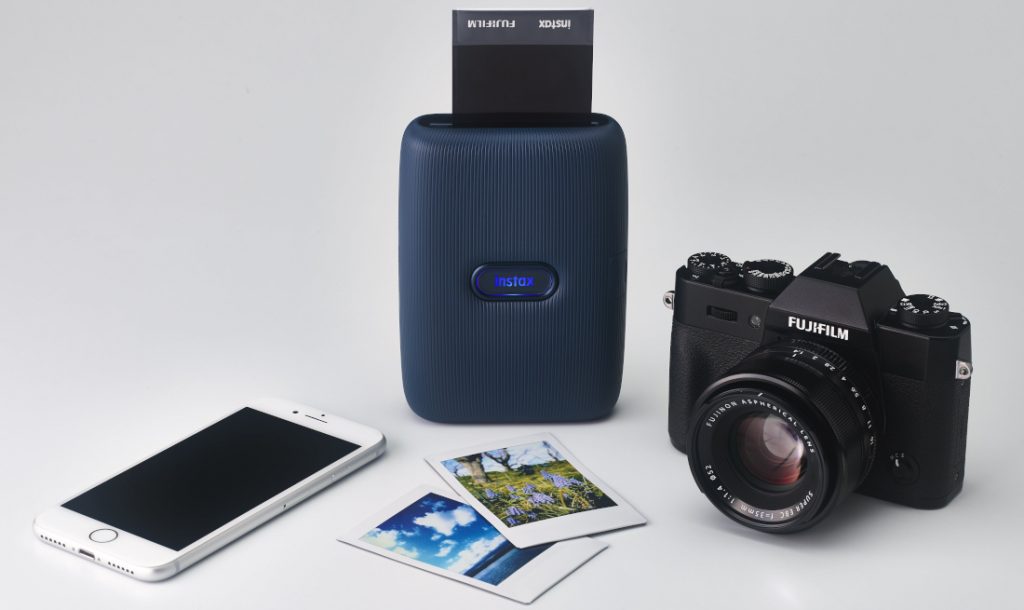
Photography giant Fujifilm has officially unveiled its latest product in India. The product dubbed Instax Mini Link Smartphone Printer adopts a portable design and comes with a price tag of Rs.9499 (~$126).
Fujifilm Instax Mini Link Smartphone Printer is a printer that allows users to print pictures directly from their smartphones. The device is no bigger than a power bank and uses the Fujifilm Instax Mini Instant Films. It also offers customisation options before the photo is printed.
The printer prints photos on a 62mm x 46mm card with a resolution of 12.5 dots/mm. It offers users not just a way of printing photos stored on their smartphones but also the opportunity to do it quickly and easily. The portable printer can be paired with a smartphone via Bluetooth as it supports Bluetooth 4.2. The device can even be connected to a Fujifilm camera that supports Bluetooth connectivity. The printer takes just around 12 seconds to print photos.
The portable device which weighs just about 200g is bundled with a companion app called Instax mini Link app. The app allows users to effect customisations such as rotation, filter selection and brightness adjustments.
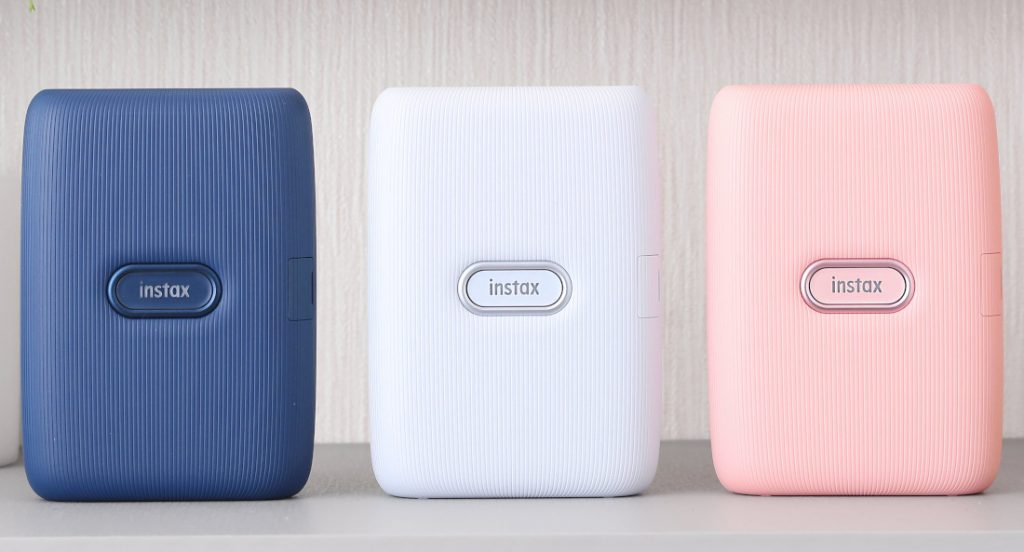
Talking of the price, the Fujifilm Instax Mini Link Smartphone Printer is available for purchase on Amazon.in for Rs. 9499 (~$126). It is available in three different colours: Ash White, Dark Denim and Dusky Pink.
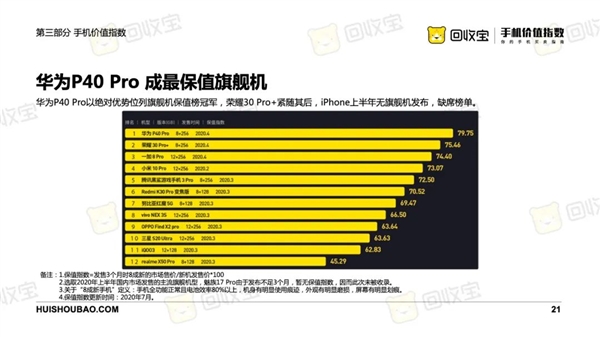
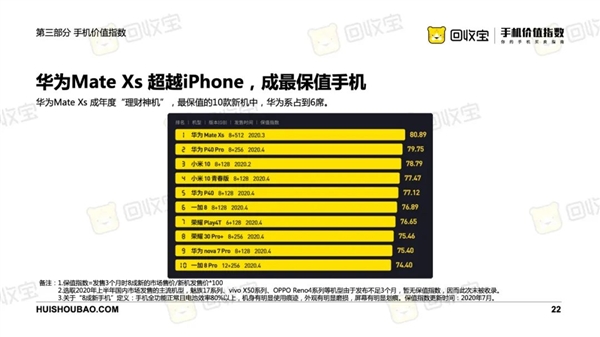
The rapid cycle phones go through at the hands of users who are quick to switch to newer models have created a huge business in phone recycling. One start that sprang up in China to provide recycling services is Shenzhen-based mobile phone recycling start-up Huishoubao. The company which astounded in 2014 has a ranking that is released regularly. The latest report dubbed “Mobile Phone Value Index for the First Half of 2020” has just been released.
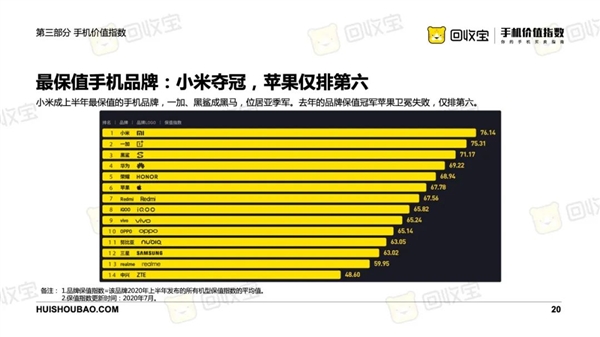
The report ranks Xiaomi as the most value retaining mobile phone brand in the first half of this year. At the same time, OnePlus and Black Shark emerged for the first time in the second position. Huawei and Honor phone brands are at the fourth and fifth positions respectively. Apple who previously holds the position as the top brand dropped to the sixth position in H1 2020.
1 of 4
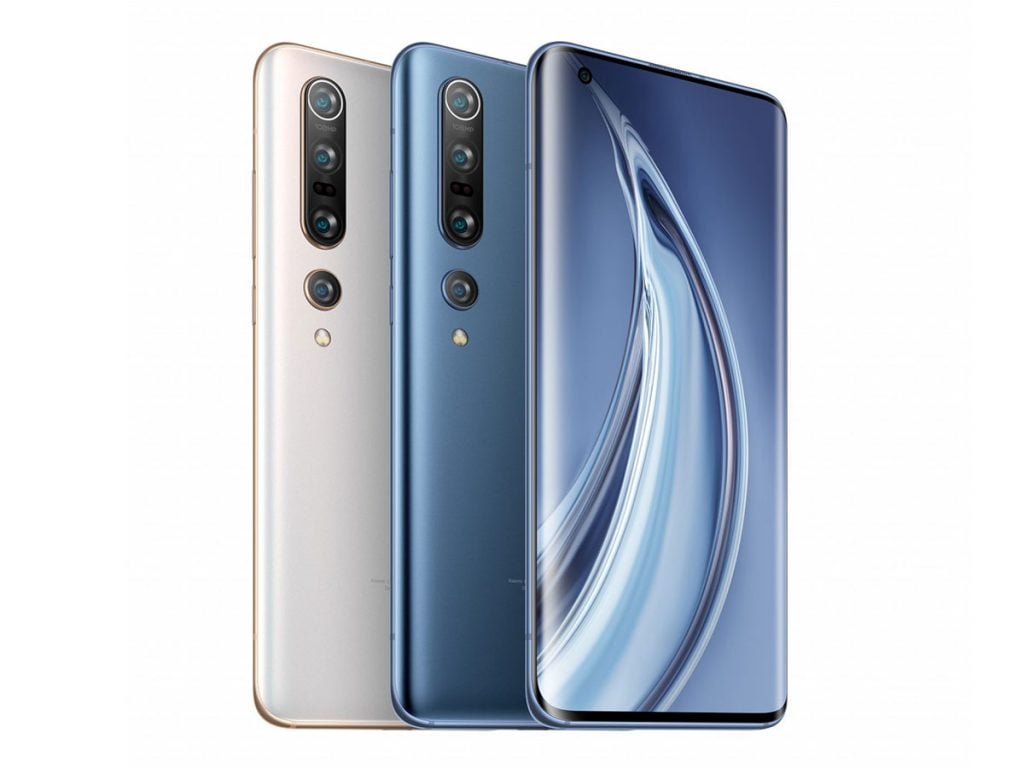
The ranking takes into consideration the rate at which phone users retain their various mobile phone brands. Xiaomi is given a brand preservation index of 76.14. However, in terms of specific flagship models, Huawei P40 Pro is ranked as the highest value retaining flagship phone followed by Honor 30 Pro. OnePlus 8 Pro, Xiaomi Mi 10 Pro, Tencent Black Shark Game Phone 3 Pro, Redmi K30 Pro Zoom Edition, Nubian Red Devils 5G, Vivo NEX 3S, OPPO Find X2 Pro, and Samsung S20 Ultra also join the top 10.
The report also pinpoints some factors that affect the mobile phone index such as liquidity, time, brand and new model pricing.
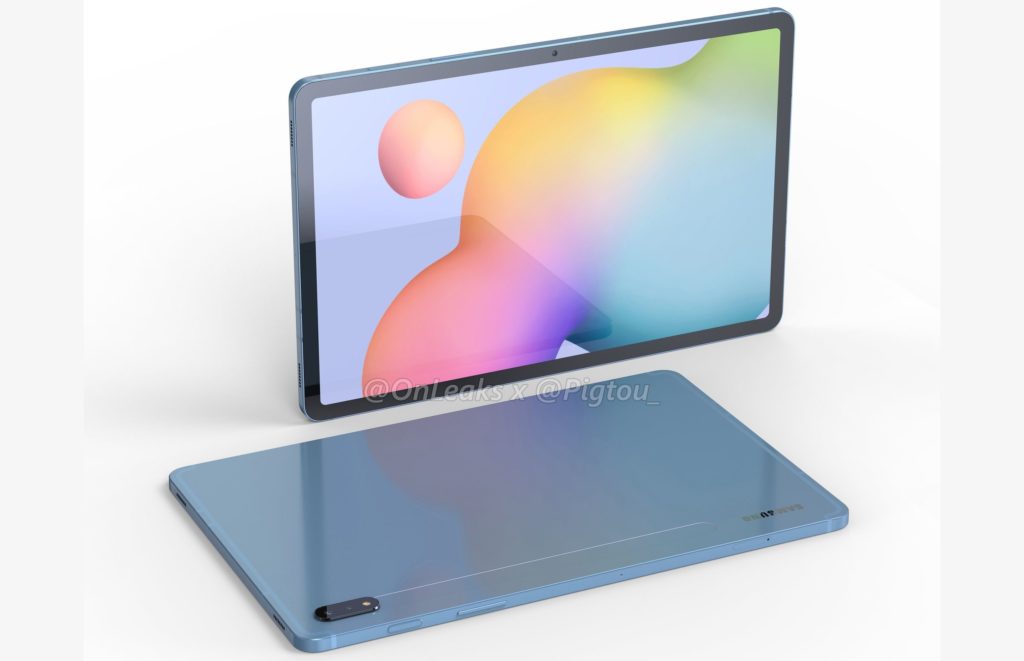
Samsung is expected to launch Galaxy Tab S7 on August 5 Galaxy Unpacked event at which the company will be unveiling the Galaxy Note 20 series. According to a tip from last week, the company’s flagship tablet and Galaxy Watch 3 may debut on July 22 instead. That said, today a new leak reveals this tablet to not feature an in-display fingerprint sensor.
The South Korean tech giant has been launching a single flagship tablet model every year since the beginning. But this year, the company will be debuting two models called Galaxy Tab S7 and Galaxy Tab S7 Plus.
According to SamMobile, the major difference between the two will be their screen sizes – 11-inch and 12.4-inch respectively. But now, a new exclusive report by the same publication reveals that the smaller Galaxy Tab S7 will also miss out on in-display fingerprint sensor. Instead, its fingerprint reader will be embedded in the power key.
Apart from these two changes, the upcoming Samsung Galaxy Tab S7 will also be backed by a smaller 7,700-7,800 mAh battery compared to 10,090 mAh cell on the Plus model.
Whereas, rest all features will be identical on the same like 4G and 5G variants, AMOLED display, AKG speakers, support for S-Pen, microSD card slot, and more.
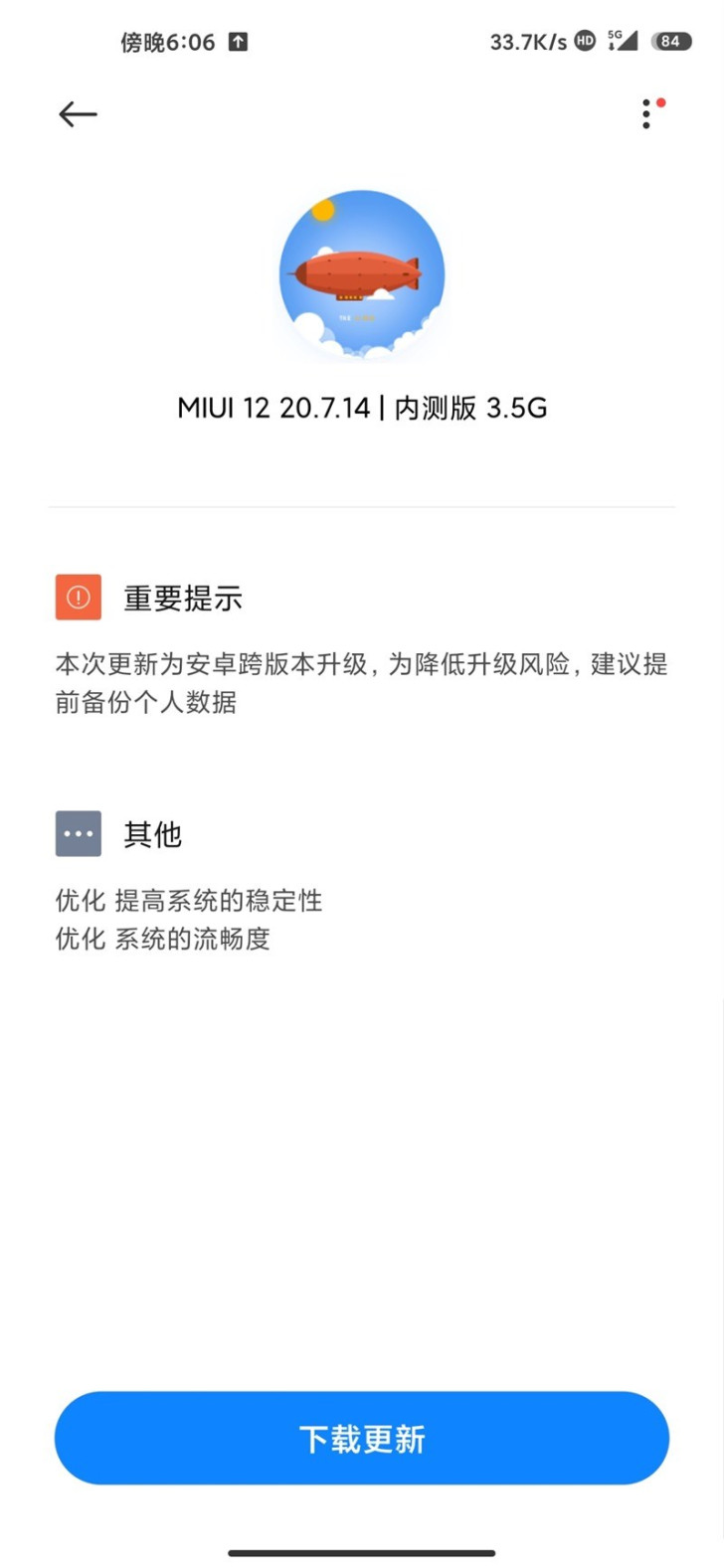
Xiaomi last month announced that Android 11 Beta 1 will be available for the Mi 10 and Mi 10 Pro. There are reports that the Chinese tech giant has started pushing the update ushering MIUI 12 beta development version based on Android 11 to models in China.
This is a surprise one because even though Android 11 beta was expected, there wasn’t any indication if it would have the MIUI 11 or latest MIUI 12 custom skin. The company is yet to commence ma roll out of MIUI 12. As such, users would be experiencing the new features that MIUI 12 brings alongside Android 11’s own features. However, such pre-release version is usually laced with bugs and this one is not an exception. The update is said to come with the issue of users not being able to adjust the volume on some third-party video apps. A temporary fix is given that such users can set the media volume control to allow in use or always allow in permission management. This issue is expected to be fixed in subsequent updates.
Google is expected to release the Android 11 stable on September 8 and with the current move of making it available to OEMs early, we expect a quick roll out to phone models worldwide.
Huawei has just suffered a devastating blow by the UK government. After a meeting today by the National Security Council, the UK government has decided to ban the Chinese company from its 5G networks.
The meeting which was chaired by the prime minister, Boris Johnson, arrived at the decision to have Huawei’s technology removed from its 5G networks latest by the end of 2027. The purchase of Huawei equipment has also been banned after December 31, 2020.
A press statement said the decision was influenced by recent sanctions issued by the US which will affect Huawei’s supply and block access to technology their products are currently based on. The technical experts of the National Cyber Security Center (NCSC) said the US sanctions will force Huawei to reconfigure its supply chain and that they (the UK) do not have sufficient confidence in any of Huawei’s alternatives.
They also added that the “new restrictions make it impossible to guarantee the security of Huawei equipment in the future”. These led to the agreement that UK operators stop purchasing Huawei equipment and that their technology is replaced latest by 2027.
Below is a summary of the UK’s Digital Secretary points from the meeting:
5G will be transformative for our country, but only if we have confidence in the security and resilience of the infrastructure it is built upon
Following US sanctions against Huawei and updated technical advice from our cyber experts, the government has decided it is necessary to ban Huawei from our 5G networks.
No new kit is to be added from January 2021, and UK 5G networks will be Huawei free by the end of 2027. This decisive move provides the industry with the clarity and certainty it needs to get on with delivering 5G across the UK.
By the time of the next election, we will have implemented in law an irreversible path for the complete removal of Huawei equipment from our 5G networks.
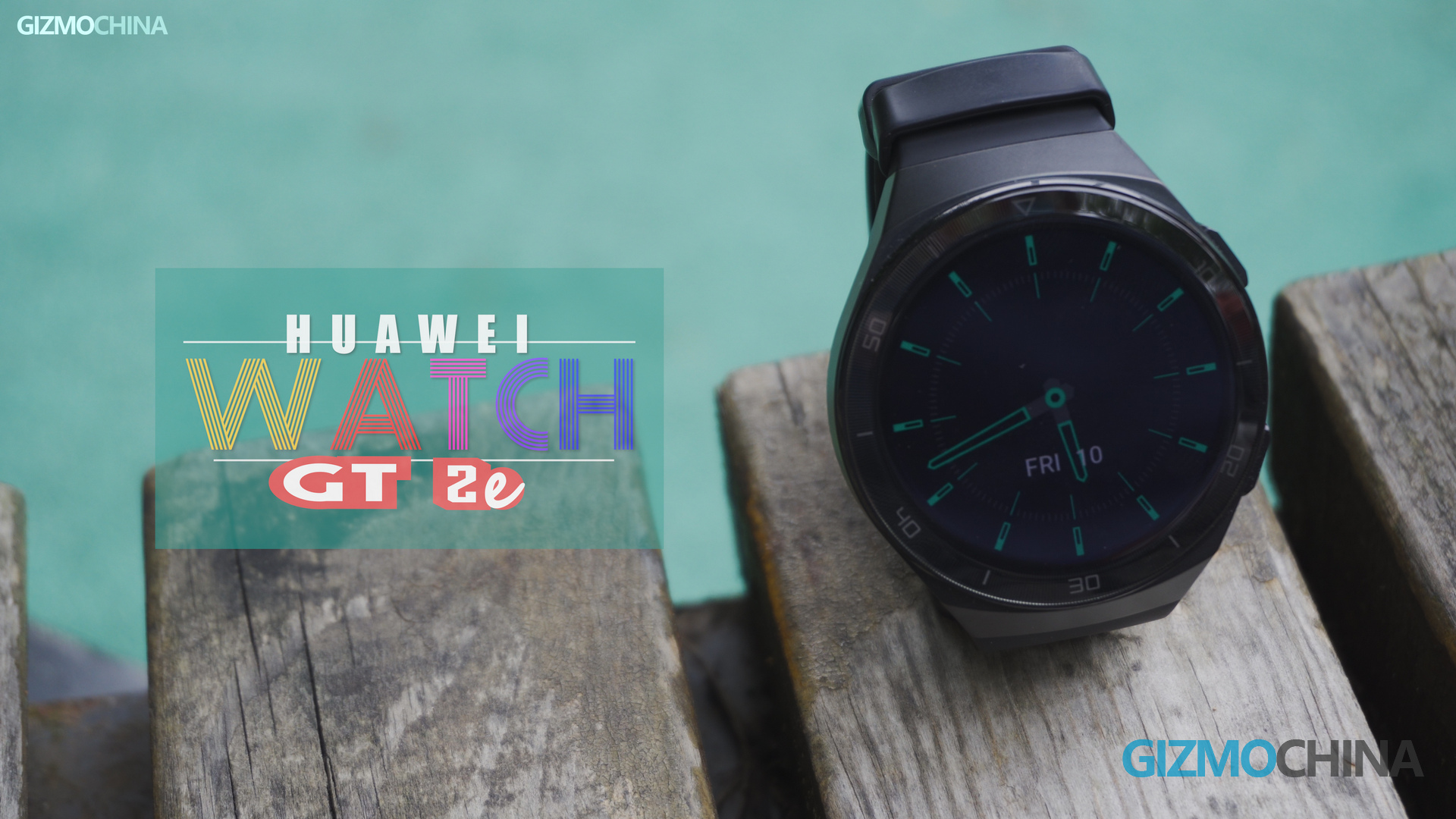
Since 2019, Huawei has pushed its strategy for its smart products, similar to how the company charged into the smartphone market a few years back. And this year, the company has launched a bunch of interesting smart products including the Huawei GT 2e smartwatch.
The Huawei GT 2e is a new product in the GT 2 lineup. Compared to GT 2, it’s sportier but at the same time, reserves a polished design for daily use. The biggest difference is that the GT 2e doesn’t feature a speaker for music playback. But except for this, both GT 2 and GT 2e are almost the same in terms of features.
Huawei GT 2e Review: Design
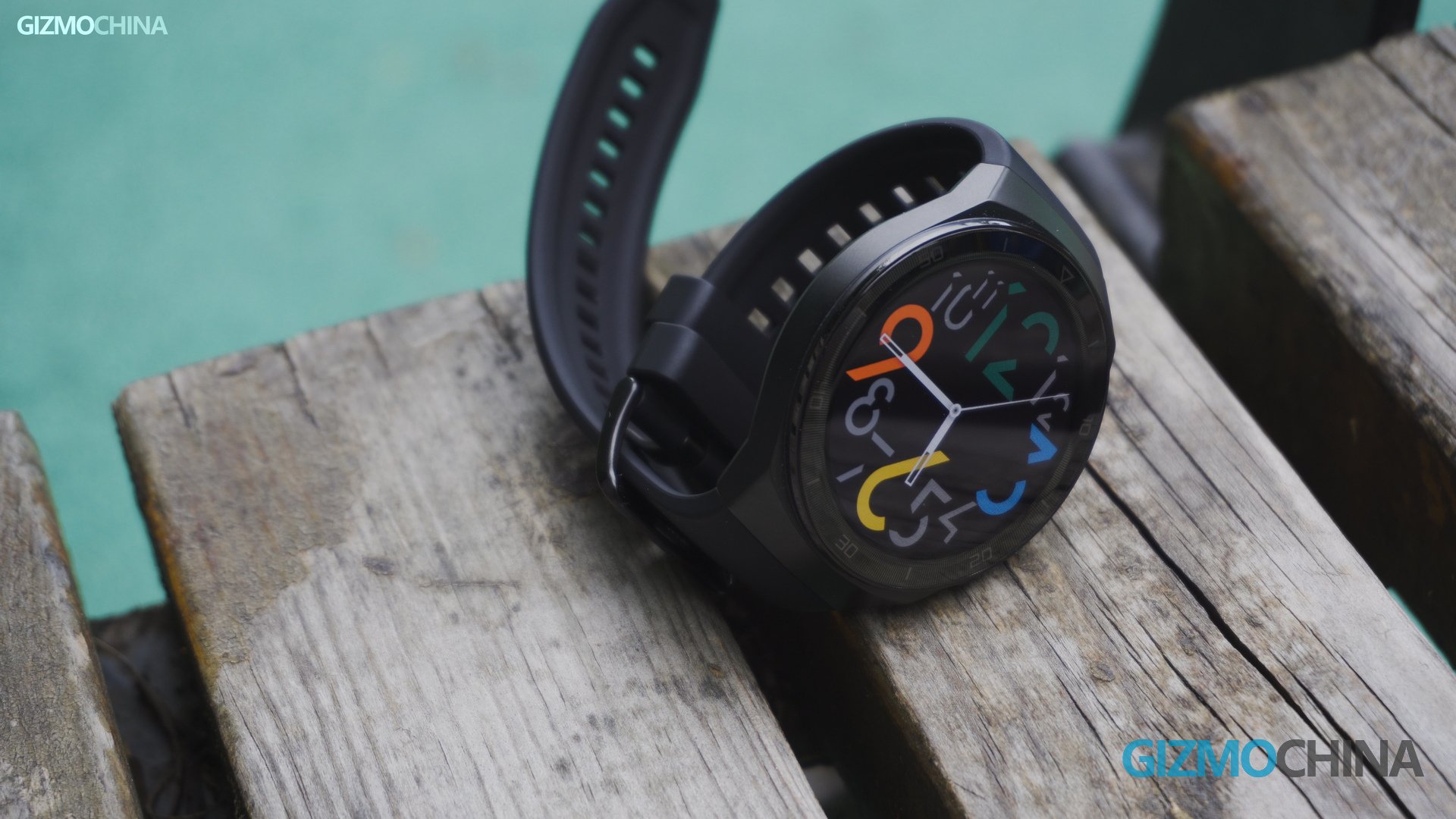
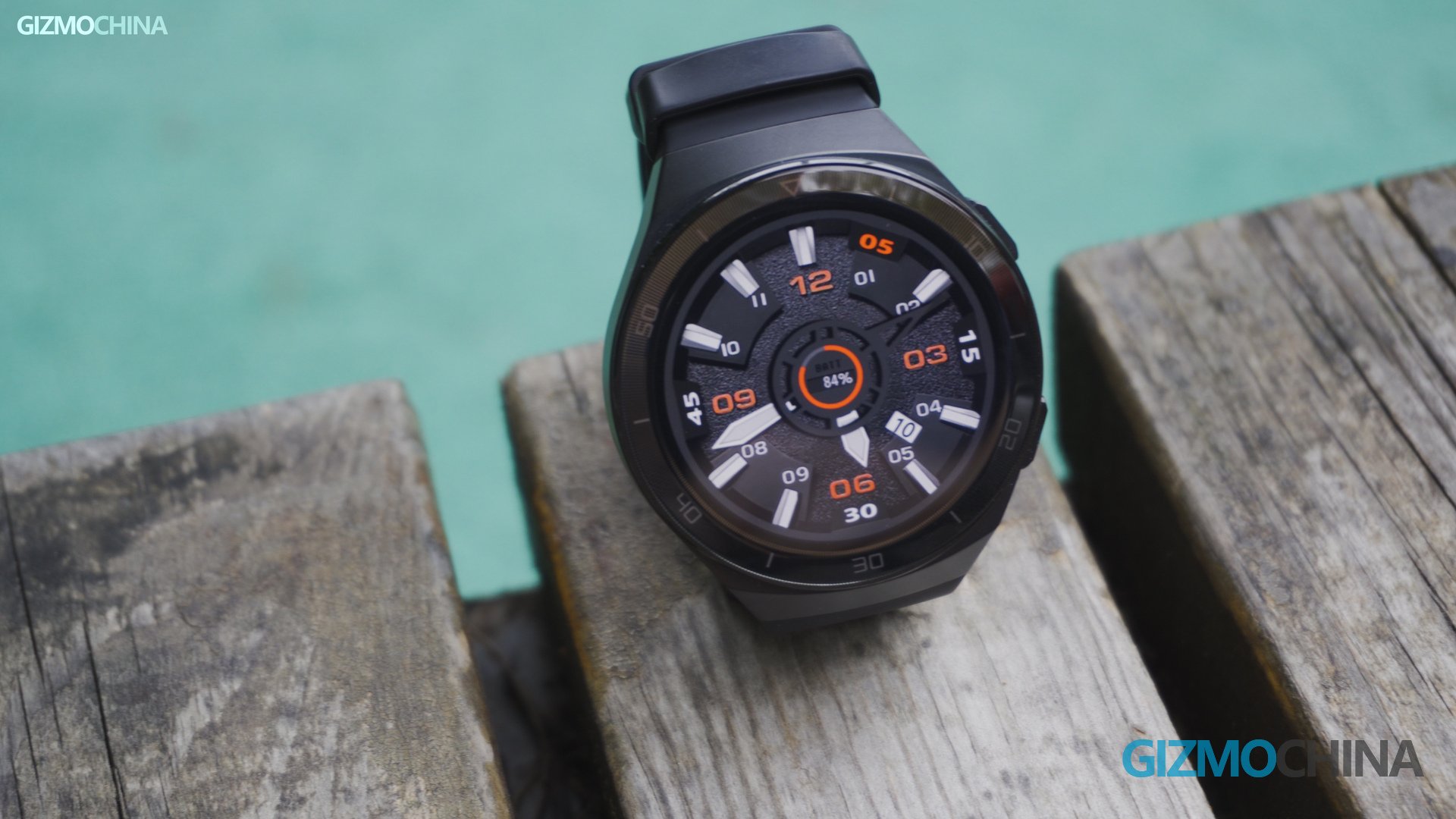
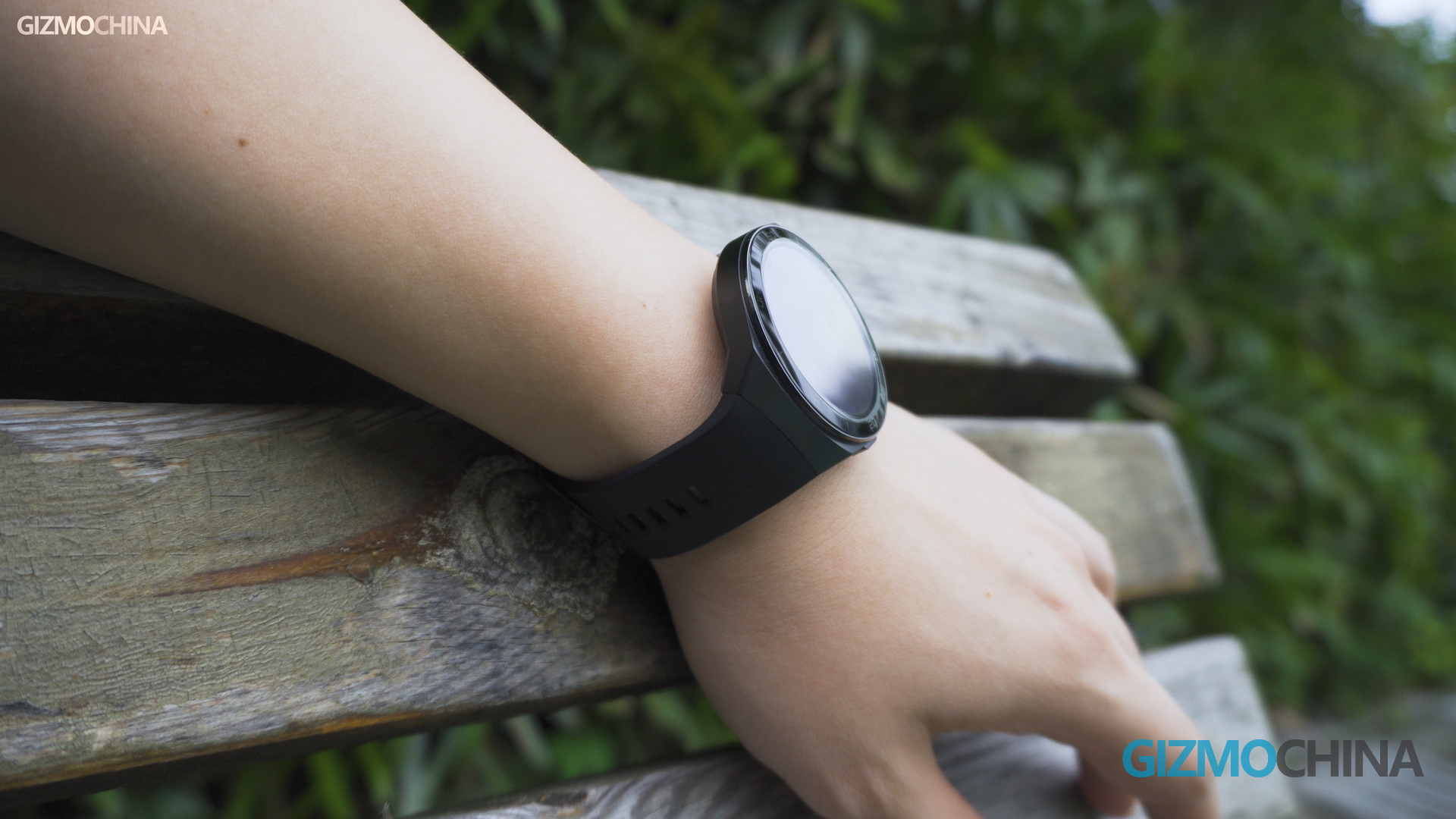
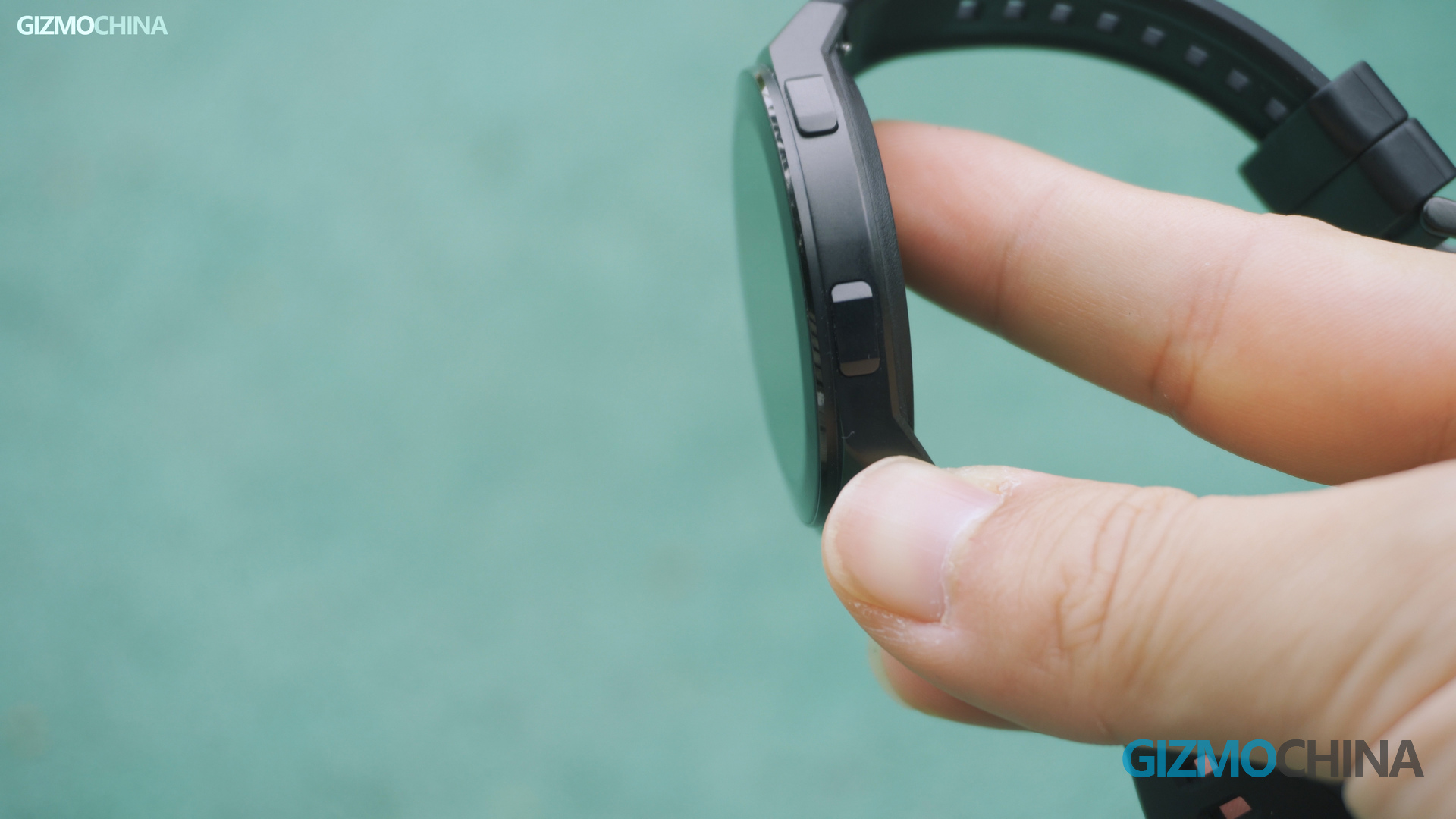
The Huawei GT 2e features a 1.39-inch AMOLED display, paired with the durable stainless-steel frame. Compared to the Watch GT 2, the more compact design of the GT 2e makes it sporty and fashionable. And with the lightweight multiple-color sporty straps, the total weight of 70g is still acceptable for most people.
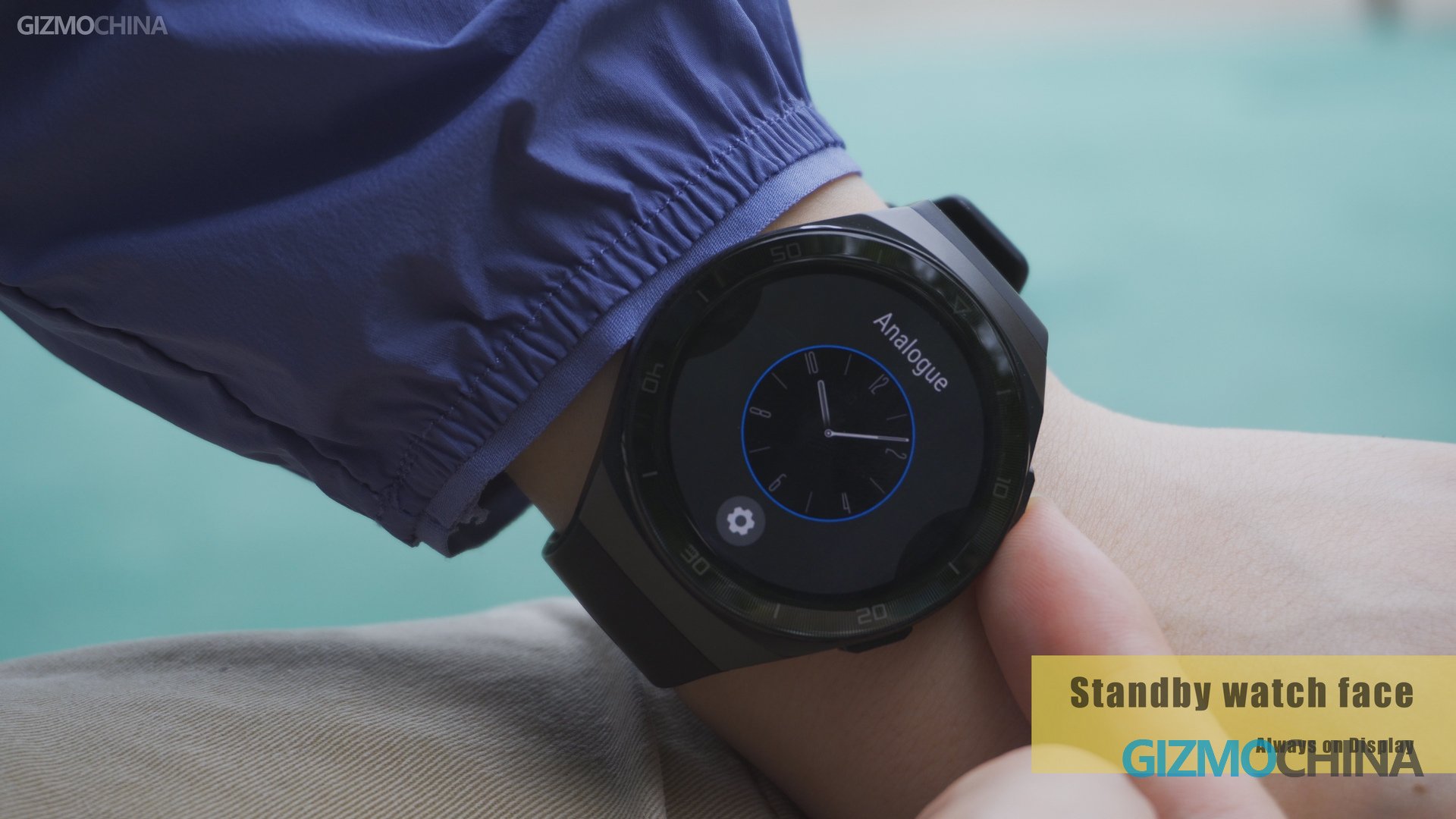
We knew AMOLED display was the best choice for smartwatches due to its power-saving ‘always-on’ feature. During these two weeks of wearing the GT 2e, we truly experienced the efficiency of the display. The feeling of wearing the GT 2e was also familiar to a traditional watch. As we turn on the standby watch face, there is no need to check the time by waking the screen, though the GT 2e also allows wrist raise to light up the display. In addition to this, the GT 2e also supports auto-brightness adjustment. Even as we enjoy outdoors and are exposed to sunlight, the watch display is still clearly visible.
1 of 6
Huawei Watch GT 2e Review 08
Huawei Watch GT 2e Review 04
Huawei Watch GT 2e Review Smartwatch
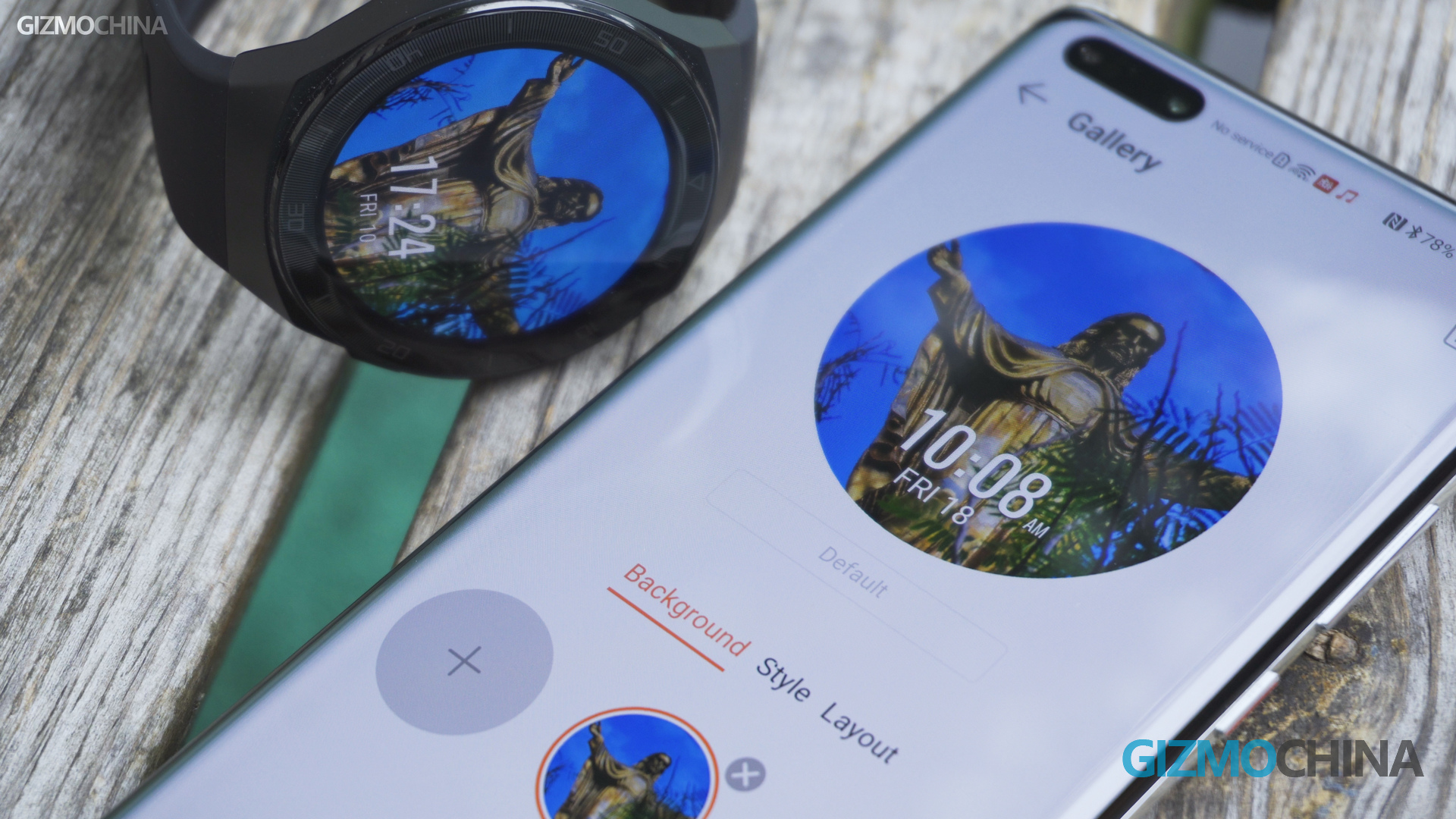
Meanwhile, for personalization, users can customize their own watch faces through the dial store. There’re various watch face designs for free, or just customize the watch with your favorite photo.
Huawei GT 2e Review: Features
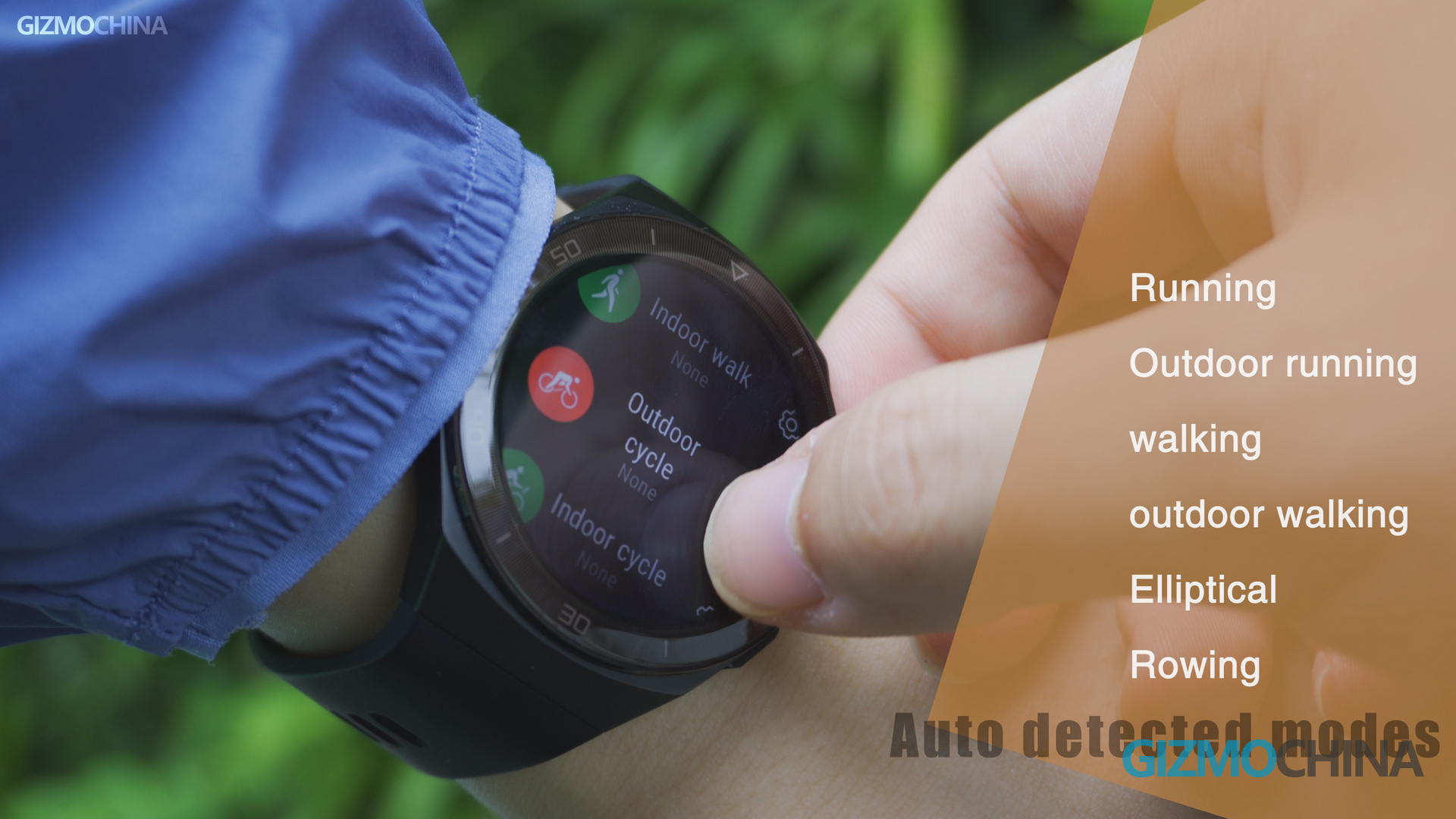
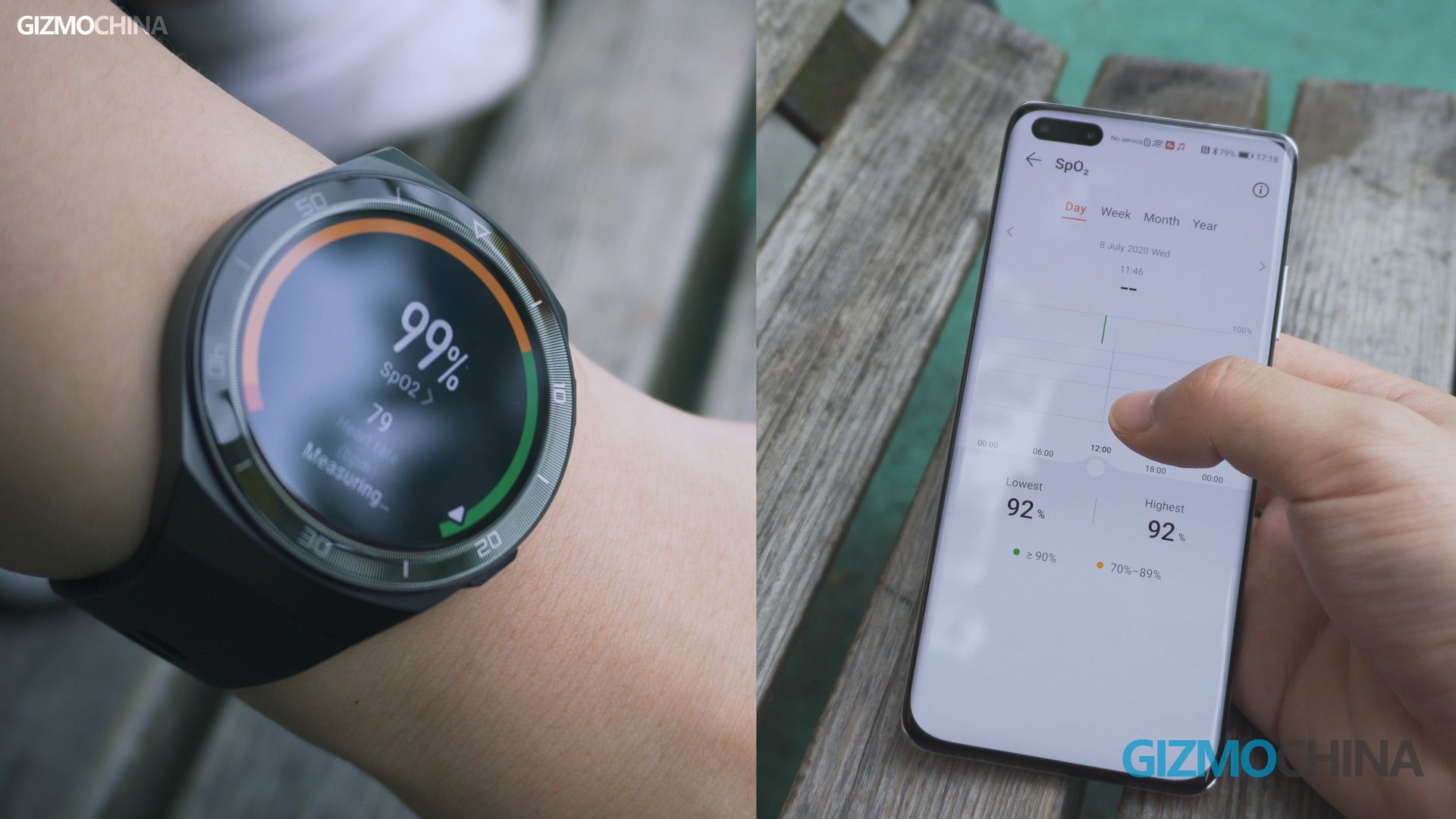
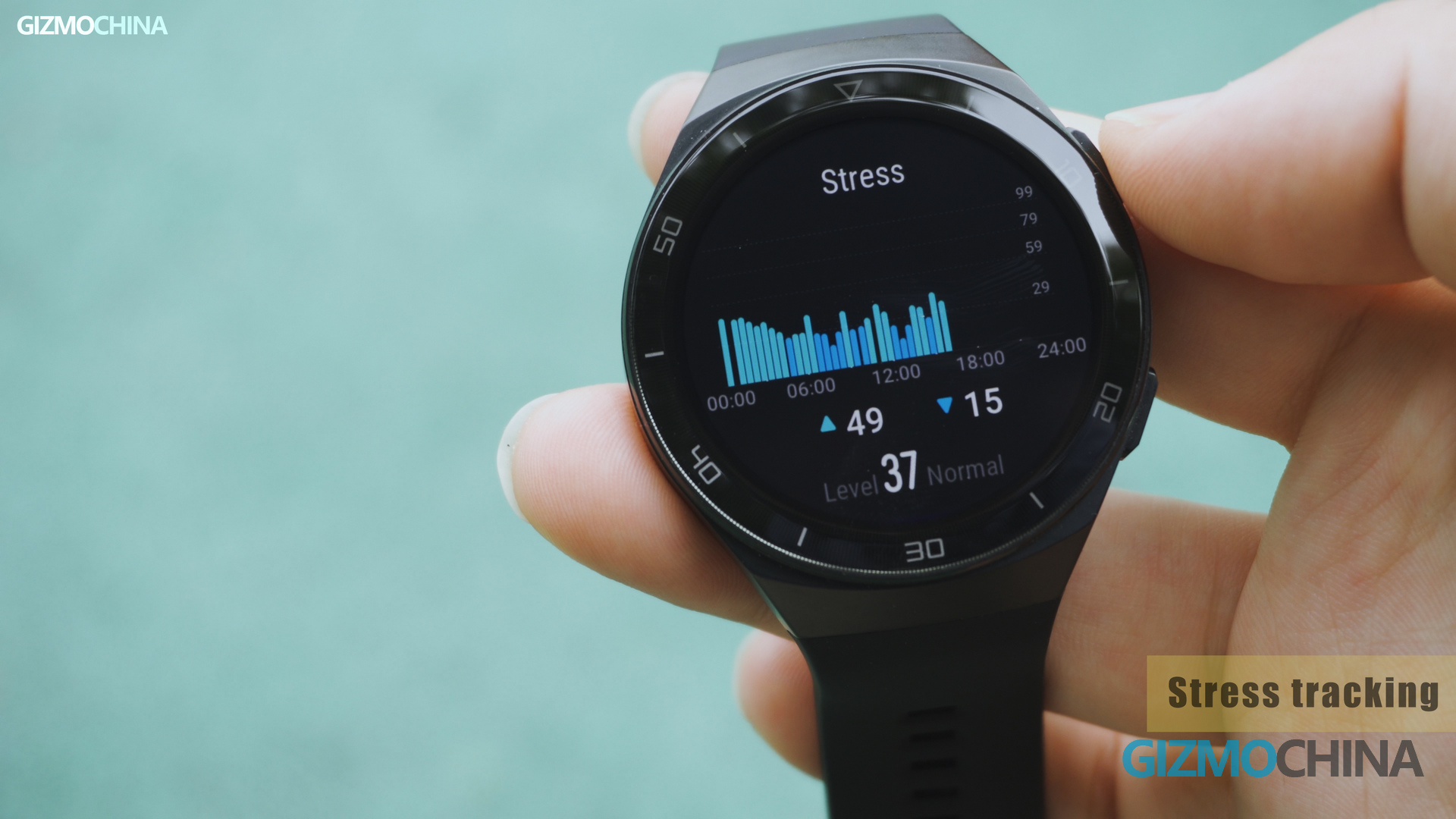
The GT 2e sports almost all the important fitness features that a smartwatch product should have in 2020, like 100 sport modes tracking, heart rate tracking, sleep monitoring, blood oxygen saturation tracking, and stress tracking. The GT 2e also supports an auto-detect feature for 6 sport modes – indoor or outdoor running/walking, elliptical, and rowing.
1 of 5
Huawei Watch GT 2e Review 17
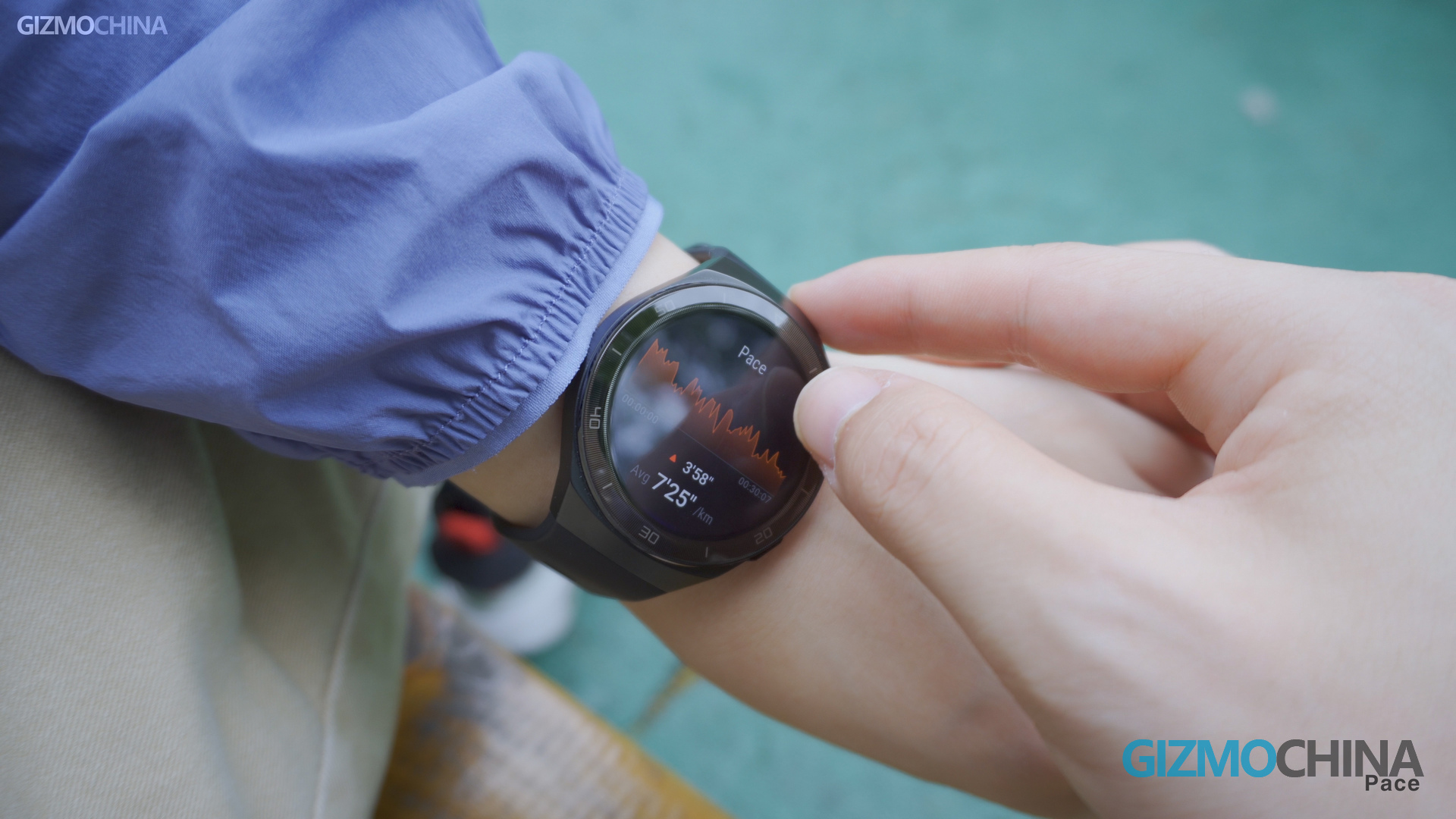
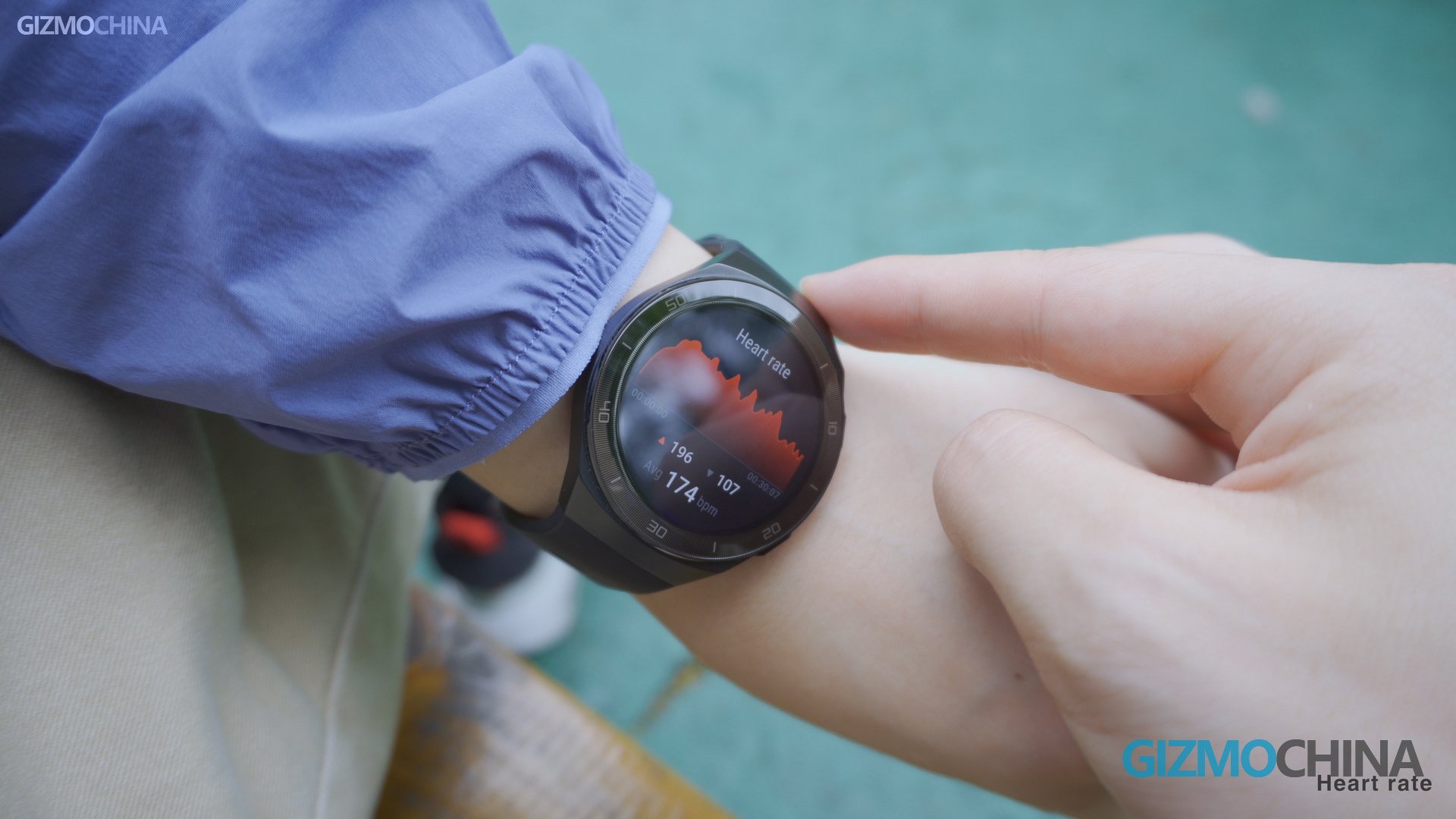
While jogging, the GT 2e was perfectly showing all the important details on its screen, such as heart rate monitoring, average pace, distance, and so on. And thanks to 4GB storage, you are able to wear your Bluetooth-connected earbuds and play the music from its internal storage without carrying a phone. The same storage space allows you to freely store and view all the important tracking records on the GT 2e.
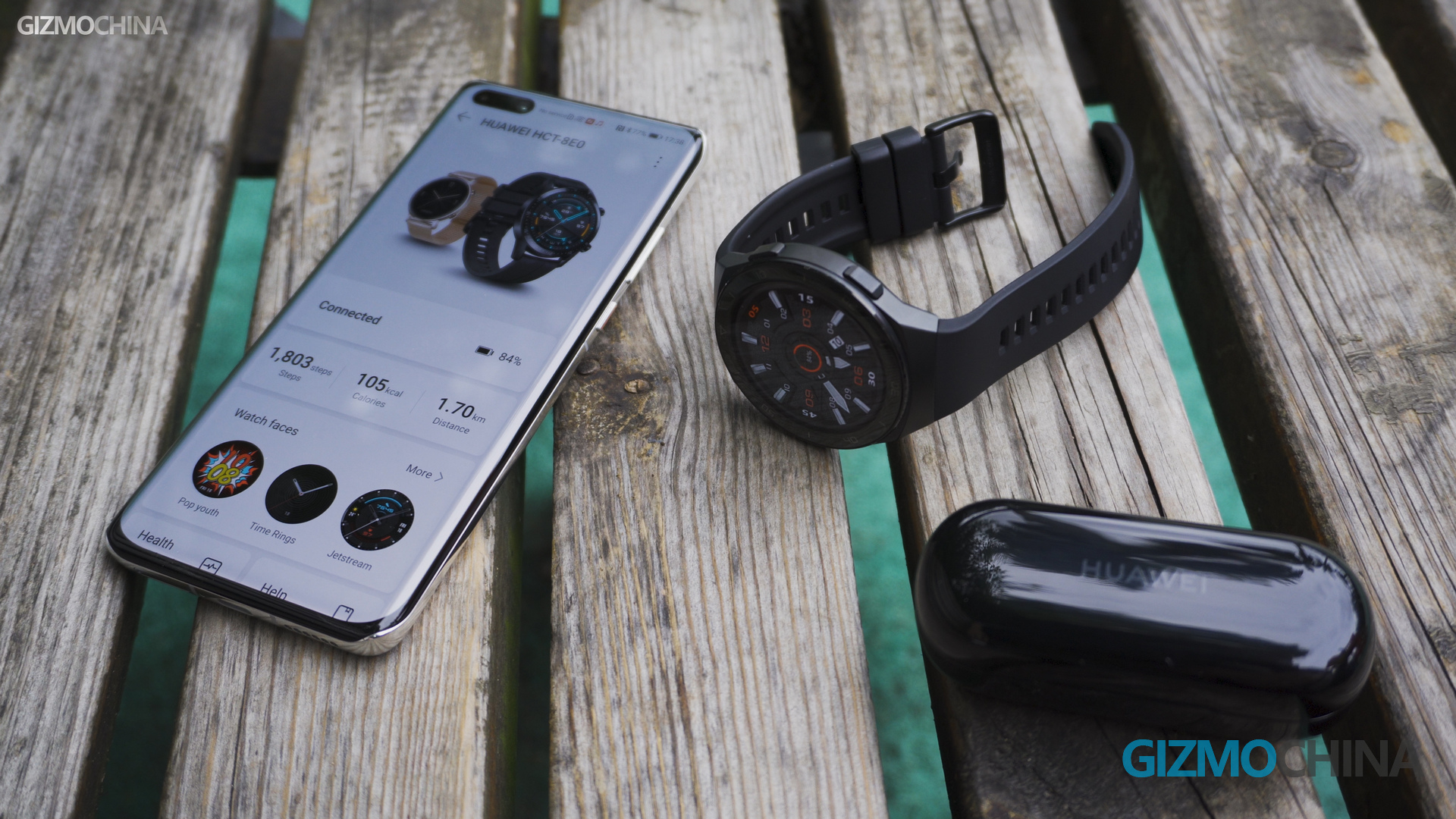
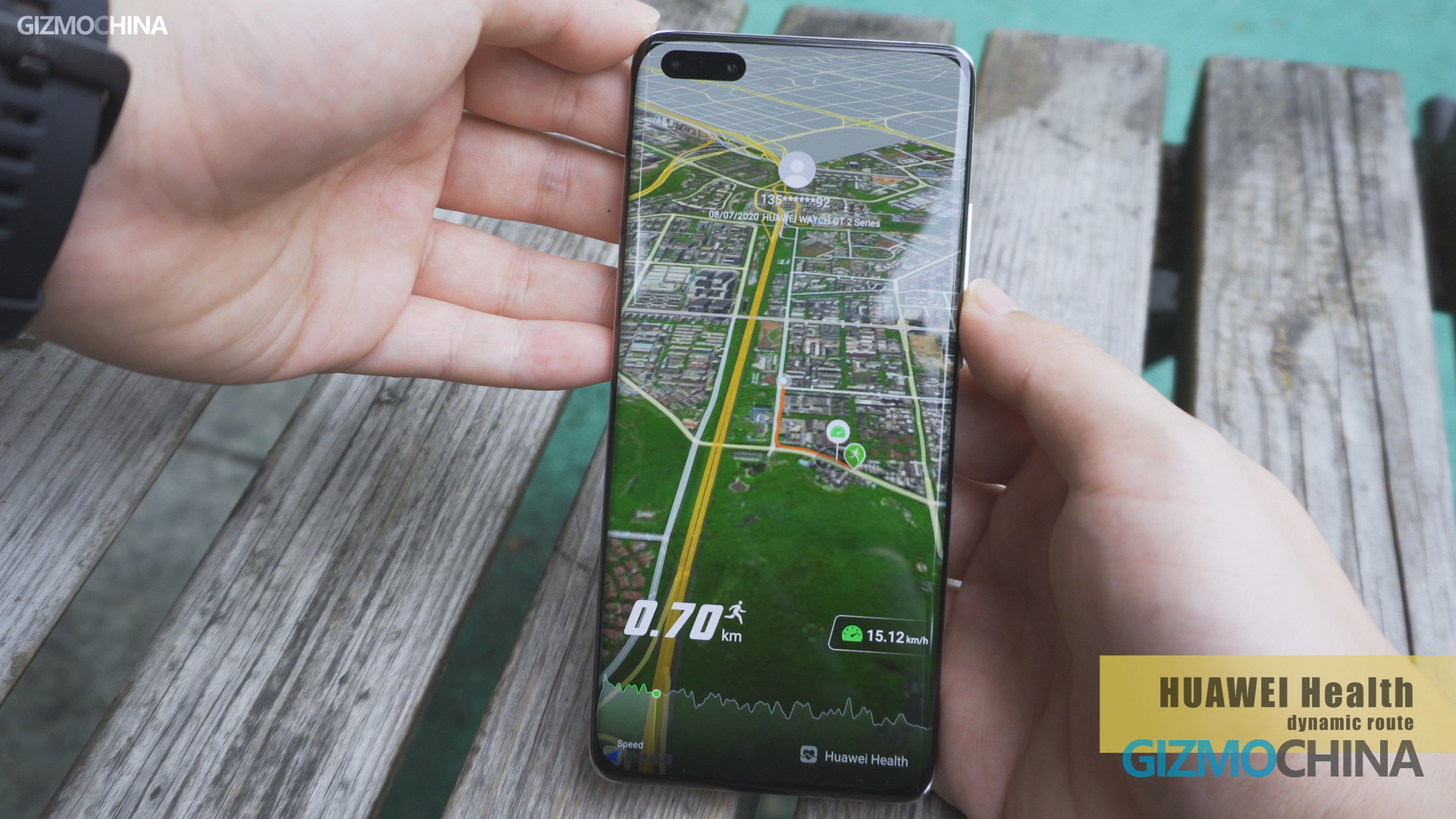
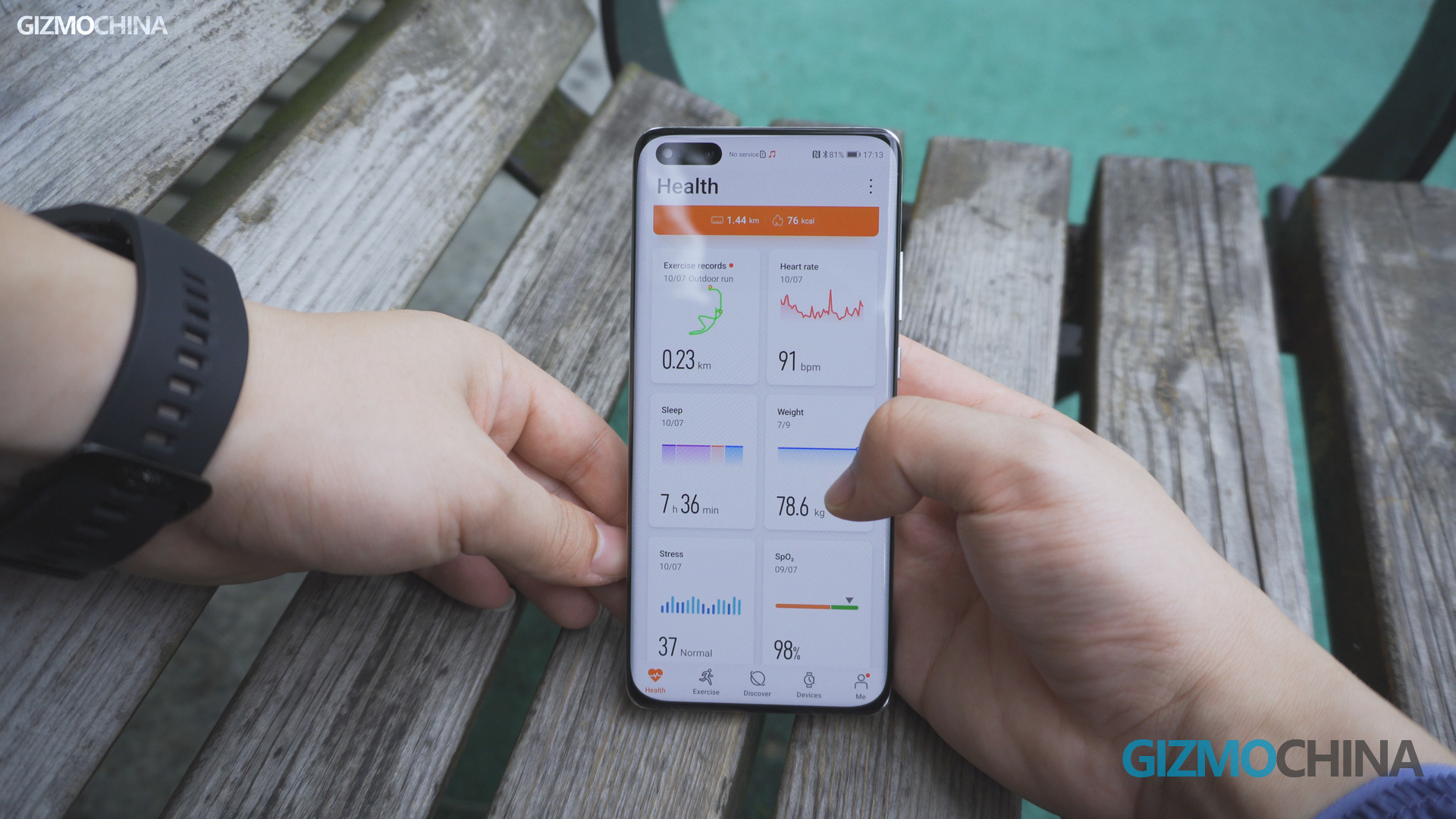
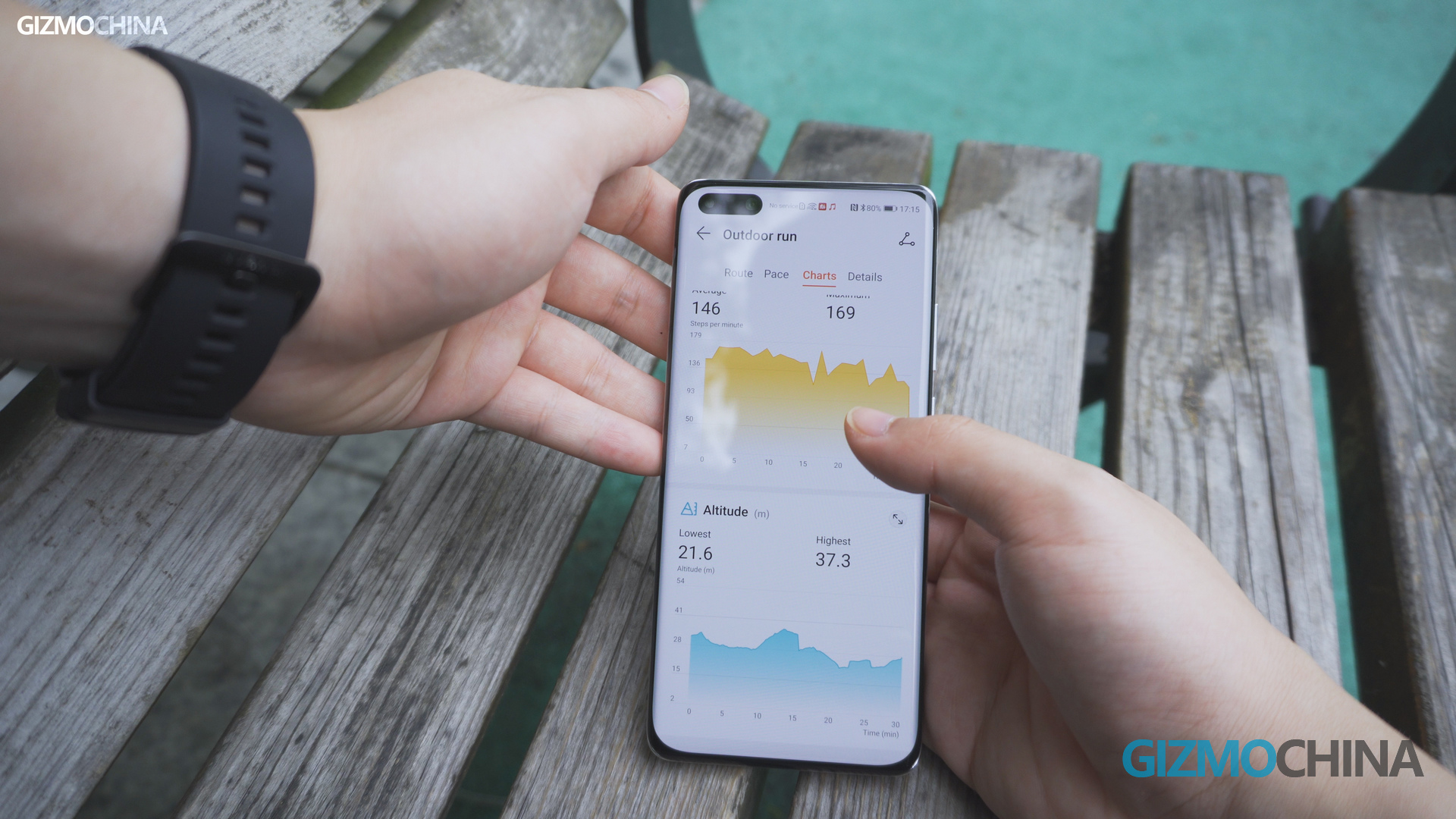
Going back to the phone app, Huawei Health, you would find an even more detailed report generated by the watch, including the route detail shown on the map. And you can also open the dynamic route to check a short video about the whole running, which is really motivating for users to keep running.
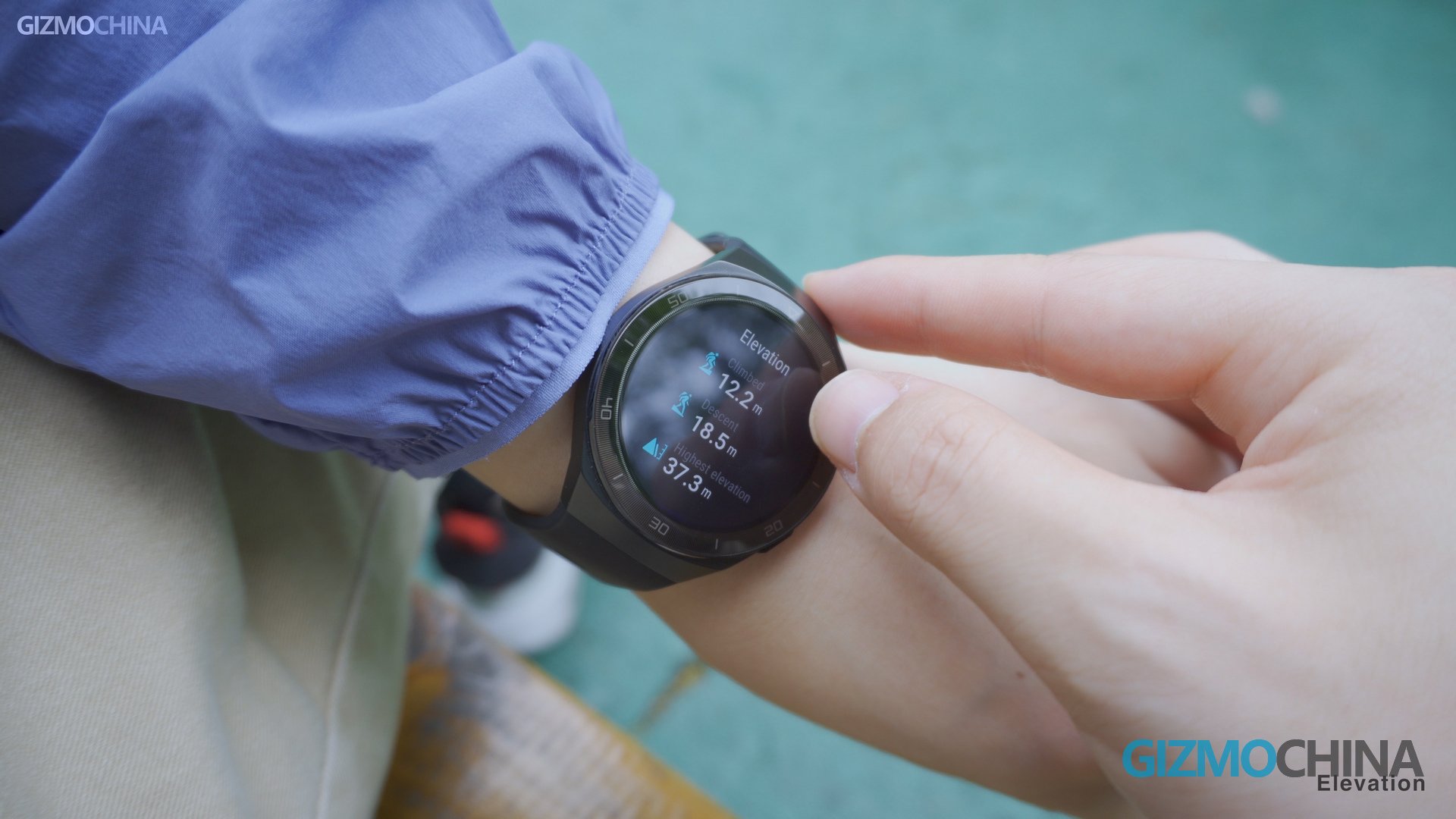
The smartwatch also shows some workout information that we’ve never seen before. For example, several diagrams show changes in heart rate, pace, cadence, altitude while running.
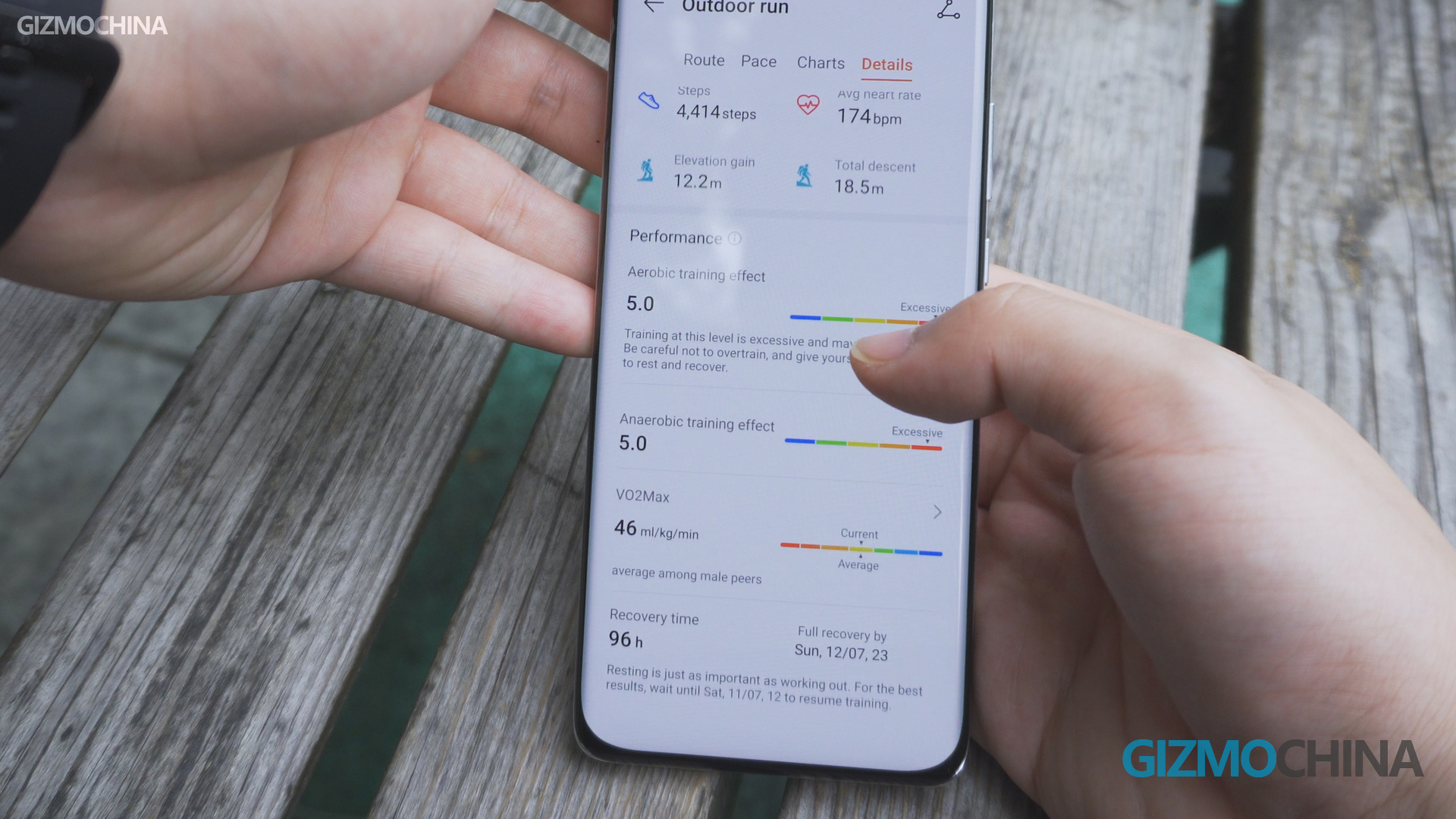
It even shows you how hard you train. For example, in one of the evaluation reports, the watch suggested me to be careful not to overtrain, and have enough rest time to avoid injuries. And the suggested recovery time it gave me was 96 hours.
And the maximum oxygen uptake index shows that my aerobic capacity and lung function is just at the average level. The Huawei Health app suggested that it could be improved by taking long-term systematic training.
1 of 4
All the features we mentioned above could be activated independently without connecting the phone. The route information was provided by the watch’s GPS sensor, while the music play function was supported by the internal storage and Bluetooth connectivity.
No doubt that the Huawei GT 2e is one of the most-sporty smartwatches I’ve ever seen, not just because it could accurately record the exercise information but also for its superb user-experience. What it provided was professional and exceeded my expectation.
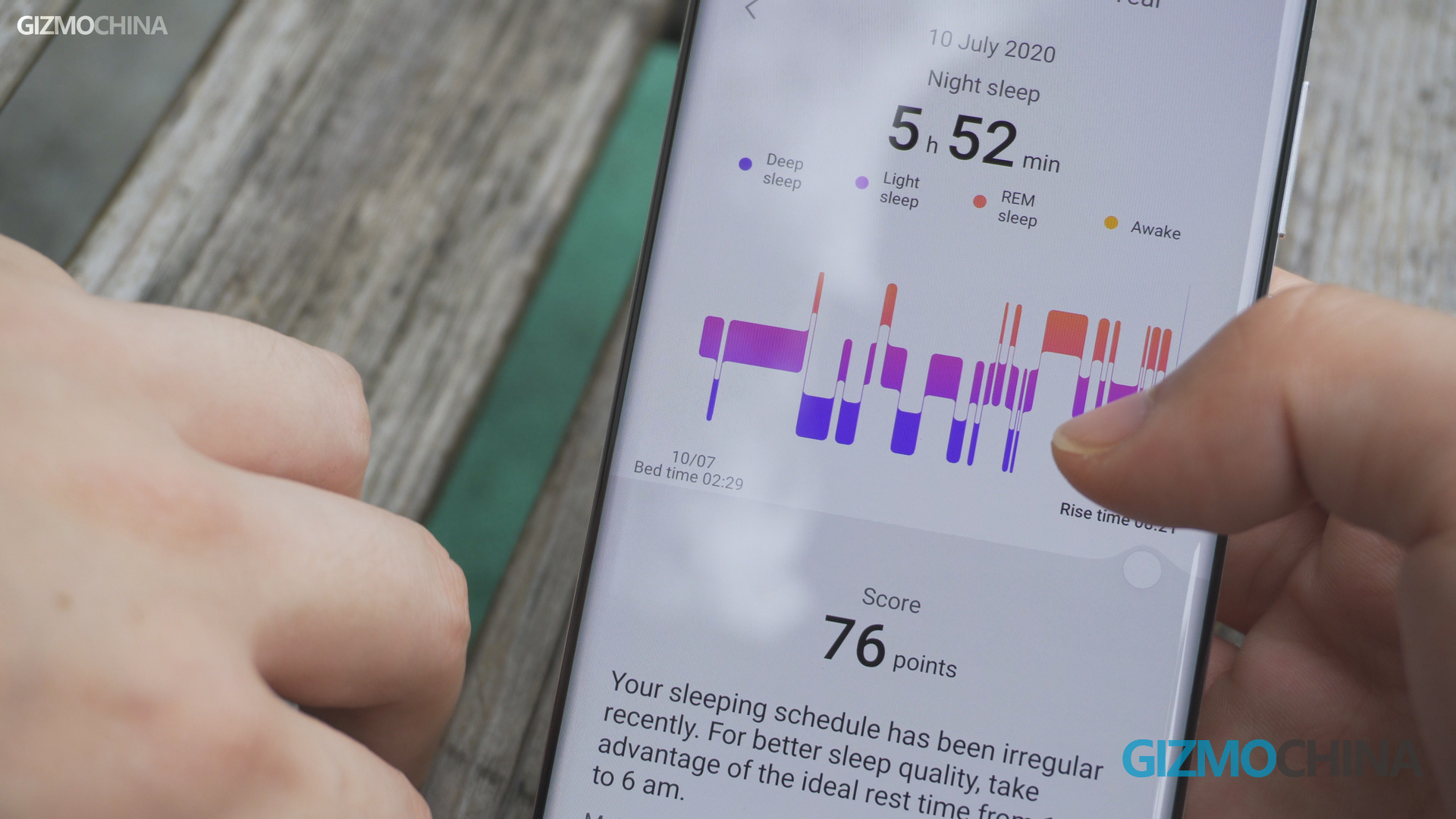
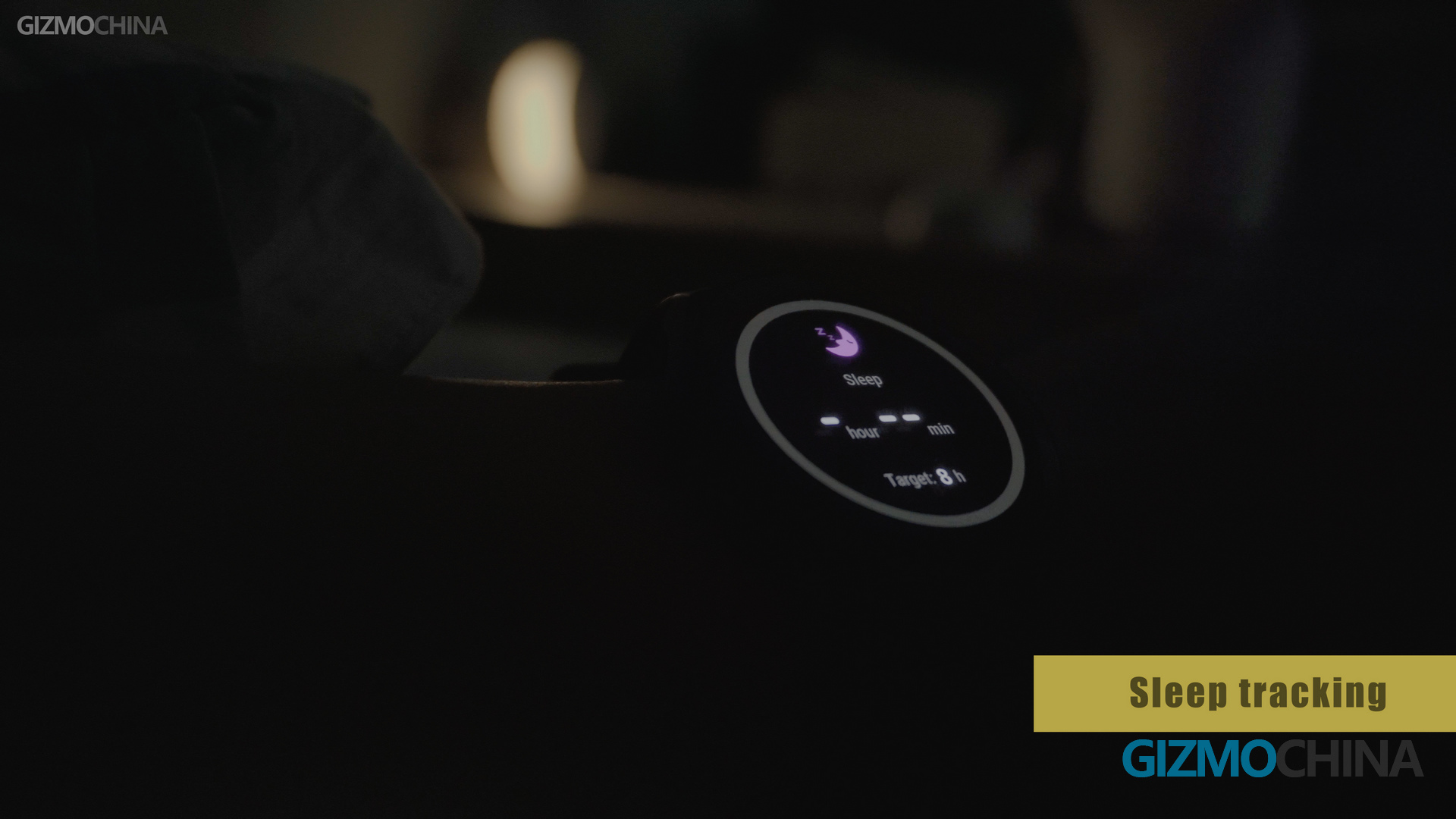
Besides the professional performance of sports tracking, other fitness tracking features were also working well. For example, sleep tracking is sensitive and accurate. Compared to Xiaomi wearables, the sleep tracking report is more specific and helpful as it tells users about their sleep quality and offers some quiet sounds or music as sleep aids to improve sleep. And the new stress test is also helpful to know better about your mental health.
For the blood oxygen saturation tracking, we sent the watch to my friend who is a doctor, and asked him to compare the Sp02 watch performance with professional equipment. He told us that the results were very close. Even so, we still need to remind you that the watch is not professional medical equipment, and don’t judge your physical health only with the smartwatch.
The other features like remote camera control, notifications, weather, compass, barometer, are very practical for those who love outdoor activities.
Huawei GT 2e Review: Battery
Thanks to the power-saving algorithm of the Huawei self-developed chip Kirin A1, the GT 2e is optimized for a longer-lasting battery. During our daily use, the Huawei Watch GT 2e lasted for around 12 days. Though it’s a bit shorter than the 2 weeks claimed by Huawei, we have to say that the actual use should be very close to the 2-week battery life, considering that we turned on almost all the power-consuming functions including most monitoring and standby watch face during our testing phase
The GT 2e is 5ATM waterproof, which means that it could be used for shallow-water activities like swimming but should not be used for diving or other underwater activities.
So, the GT 2e is definitely our pick in the smartwatch segment in the first half of 2020. Especially if you’re using Huawei phones or Huawei earbuds, the GT 2e should be an ideal companion accessory to track your fitness and health.
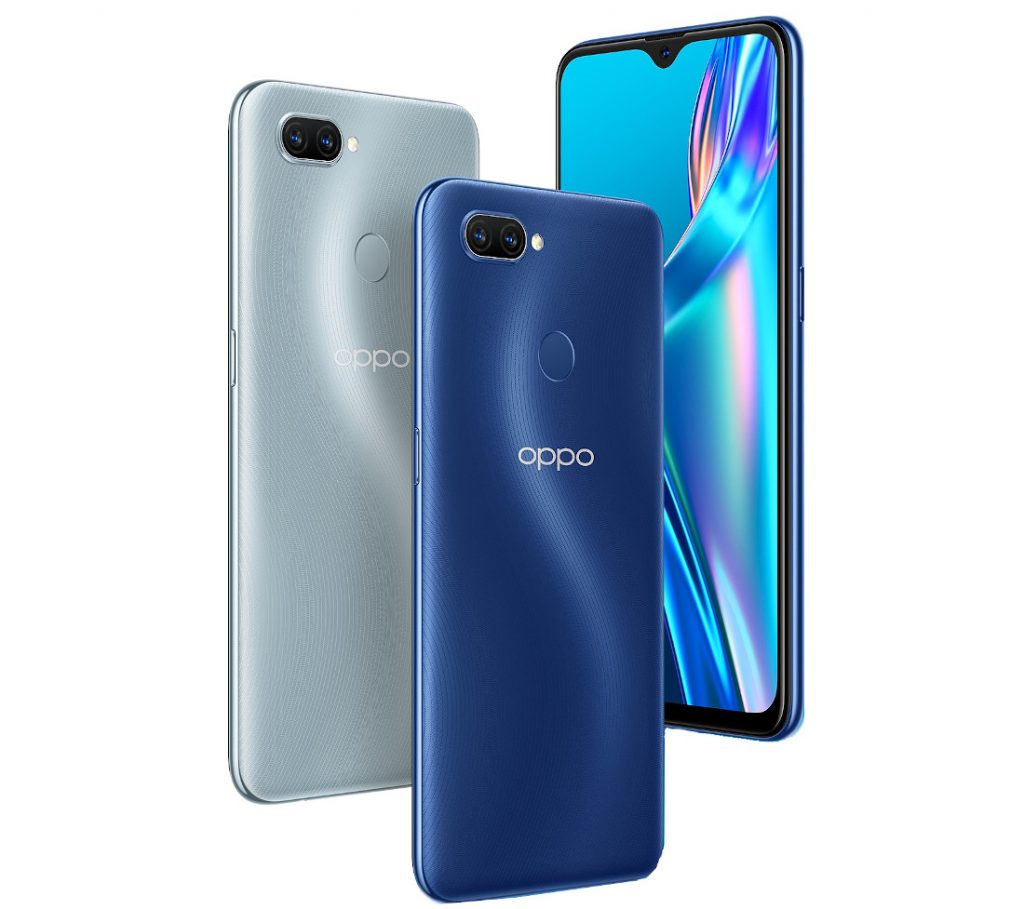
OPPO has added a new model to the A-series of smartphones. The model is the OPPO A12s and it was officially launched in Cambodia. The model comes just barely two months and a month after the A12 was launched in Indonesia and India respectively.
The OPPO A12s adopts a similar design as the A12 but is availed in new point job options. The model is available in Blue and Grey colours. It retains the 6.2-inch display with a waterdrop notch as its sibling. The display has an HD+ resolution of 1520 x 720 pixels.
At the rear aspect, the phone packs a dual-camera set up made up of a 13-megapixel main sensor and a 2-megapixel lens that is likely a depth sensor. The rear panel utilises a plain matte finish different from the 3D Diamond Blaze finish on the A12. There is equally a fingerprint sensor mounted at the back. For selfies, there is a 5-megapixel sensor.
The mobile phones powered by an Octa-core MediaTek Helio P35 chipset paired with 3GB of RAM. You also get 32GB of internal storage which can be expanded up to 256GB via microSD slot. The phone comes with two SIM slots and a third slot for microSD card. For interface, the A12s runs on ColorOS 6.1 based on Android 10 and gets its juice from a mammoth a 4230mAh battery. Other features include a 3.5 mm audio jack, FM Radio, 4G VoLTE, WiFi 802.11 b/g/n, Bluetooth 4.2, GPS/GLONASS, Micro USB Port.
The OPPO A12s is priced at $129 USD for the 3GB+32GB storage variant which is the only option available. The price is just slightly lower than that of the A12 which sells in India for Rs. 9990 (around $132). The phone will be available in Cambodia but we expect it to hit other markets soon.
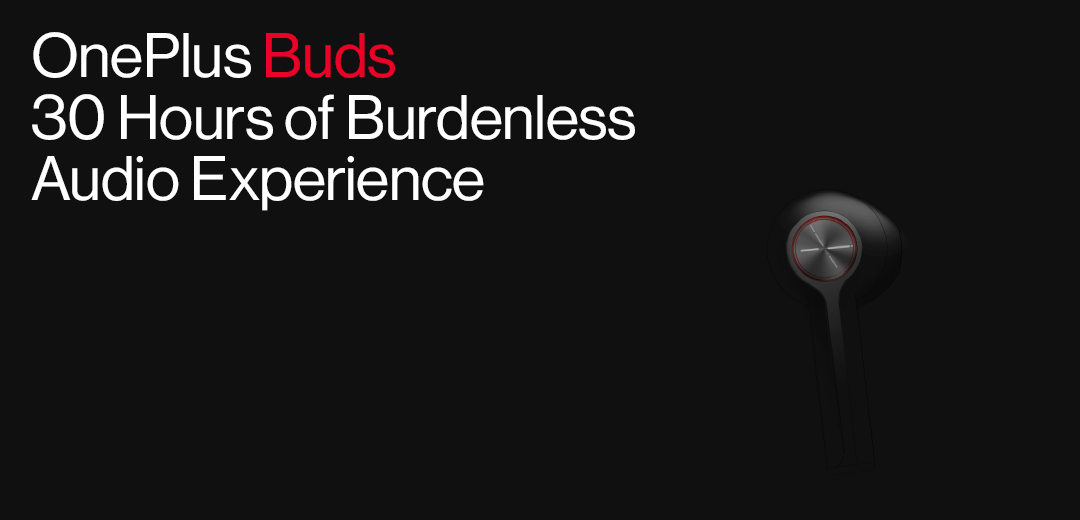
It has been confirmed that the OnePlus Buds will launch alongside the OnePlus Nord on July 21. Today, Pete Lau, the CEO of OnePlus has shared a post on the OnePlus Forum site that reveals more details of the TWS earbuds. We also get a first look at the blue variant of the earbuds.
The post first talks about the design of the OnePlus Buds. The company’s top executive said they have designed the earbuds to be “more than comfortable for long wear”. The TWS earbuds have a “half-in-ear design” to achieve this comfortability.
Coming to battery life, the OnePlus Buds will provide up to 7 hours of continuous use. That goes up to 30 hours with the case which can charge the earbuds more than three times before having to recharge it.
OnePlus boasts that even with the impressive battery life, the earbuds are “exceedingly light” at 4.6 grams each while the case weighs 36 grams.
Pete says the OnePlus Buds are designed to work with a wide range of devices but OnePlus phones get deeper optimizations; one of which is an ultra-low latency mode similar to that of wired headphones once you enter gaming mode on your OnePlus phone.
We also get a first look at the blue variant of the earbuds thanks to a video just updated by YouTuber, MKBHD. The video is an interview with Carl Pei on the OnePlus Nord, and we see the co-founder wearing a pair of blue TWS earbuds we are pretty sure is the OnePlus Buds.
The earbuds have a stem of average length. As you can see, they are not as short as that of the AirPods Pro. They look pretty good and with the 30-hour battery life mentioned above, it should be a best-seller as long as it is affordable.
We use cookies on our website to give you the most relevant experience by remembering your preferences and repeat visits. By clicking “Accept”, you consent to the use of ALL the cookies.
This website uses cookies to improve your experience while you navigate through the website. Out of these, the cookies that are categorized as necessary are stored on your browser as they are essential for the working of basic functionalities of the website. We also use third-party cookies that help us analyze and understand how you use this website. These cookies will be stored in your browser only with your consent. You also have the option to opt-out of these cookies. But opting out of some of these cookies may affect your browsing experience.
Necessary cookies are absolutely essential for the website to function properly. This category only includes cookies that ensures basic functionalities and security features of the website. These cookies do not store any personal information.
Any cookies that may not be particularly necessary for the website to function and is used specifically to collect user personal data via analytics, ads, other embedded contents are termed as non-necessary cookies. It is mandatory to procure user consent prior to running these cookies on your website.