Advertisement

Realme 30W Dart Charge 10000mAh Power Bank unveiled in India

Realme recently teased the launch of a 30W Dart Charge 10000mAh power bank in India for July 14. Indeed, the company has officially launched the power bank. The 30W two-way fast charging power bank is an upgraded version of the Realme Power Bank 2 which was launched in India a few months back. Realme 10000mAh Power bank 2
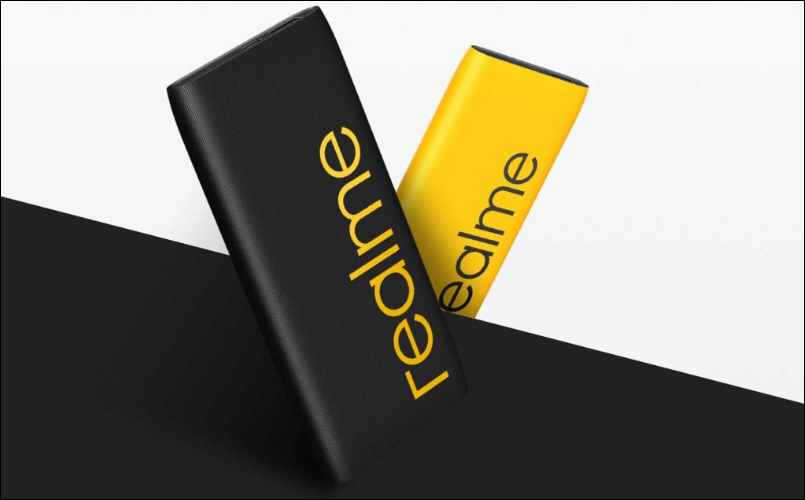
The 10000mAh 30W two-way fast charging power bank brings to the table 53% faster-charging speed compared to the 18W power bank. It equally supports 30W VOOC / Dart Charge devices and is also compatible with 20W, 18W, 15W and 10W devices.  The power bank features a USB- and USB-A port making it possible to charge two devices at the same time.
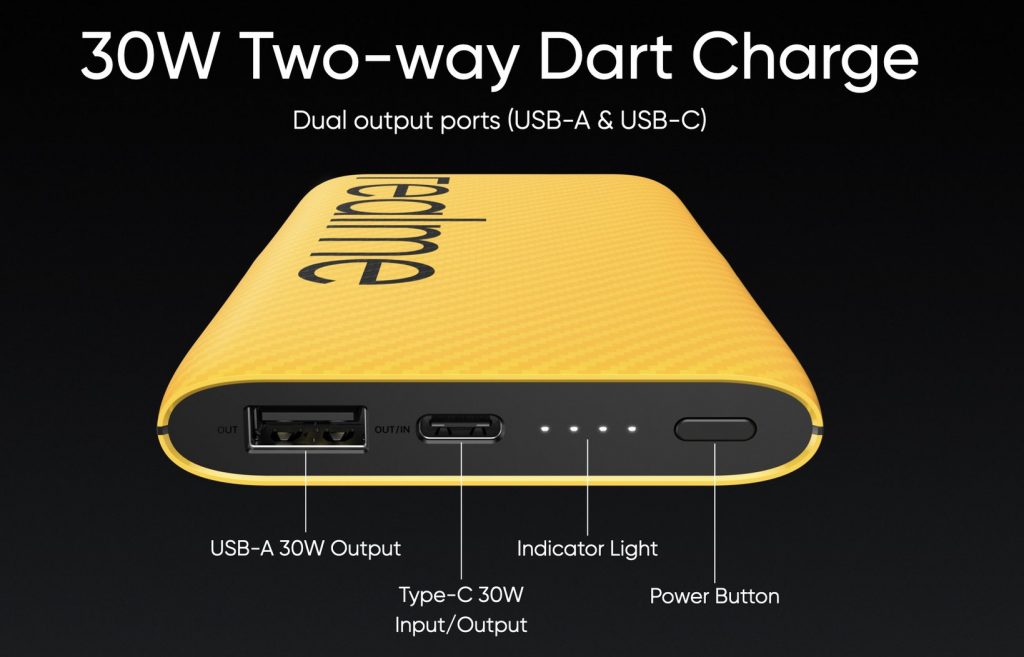
In terms of the build, the Realme 30W Dart Charge power bank adopts a similar design with its predecessors. The body has a unique carbon fibre texture on the outside created using advanced lithography machine along with the Realme logo and Dart charging logo. The power bak also comes with 15 layers of protection including current, over-power, short circuit, over charger or discharge and more.Realme 30W Dart Charge Power bank
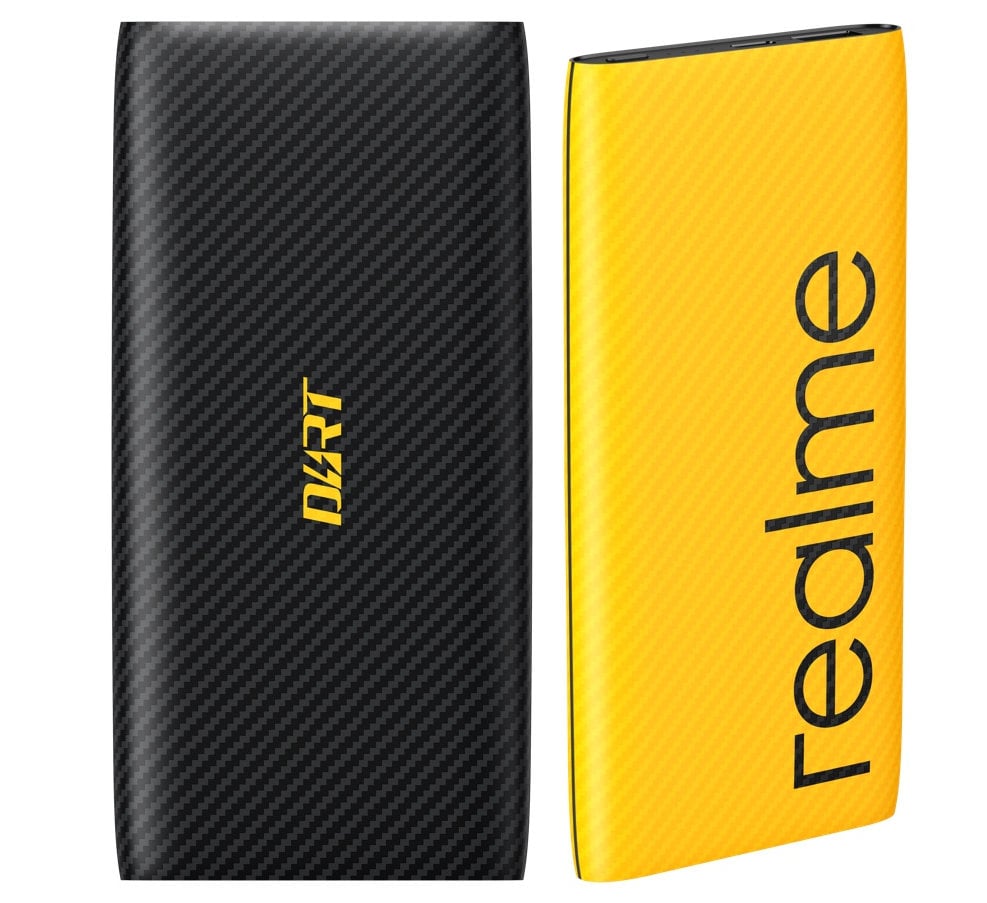
The Power bank also comes with support for fast charging going from zero to full charge in just 1.9 hours with a 30W charger. It comes in the traditional Black and Yellow colours.

As for the price, the Realme 30W Dart Charge Power bank will go on sale for Rs. 1999 (~$26). The sale will commence from July 21 via Flipkart and realme.com.


Get 30% discount on Selpic portable-printers on the eve of Mid-Year sale extravaganza

Selpic is globally popular for its handheld printers offering high-end specifications and features. Selpic S1 and S1+ are two new handheld printers which were launched by the company a few months ago at reasonable prices. However, the company is offering an exceptional 30% discount on the eve of Mid-Year sale from July 14 to 20.

selpic


See More: Selpic offering Portable Printers at 20% discount on the eve of Father’s Day

Selpic is offering a 30% discount on both the Selpic S1 and S1+ portable printers. You can grab the Selpic S1 and Spelic S1+ at the price of $199 and $239, respectively.

Both the printers offer abundant features to flawlessly print text, graphics, barcodes, QR codes and images on any surface including wood, textile, leather, ceramic, glass and cardboard. It can be easily paired with iOS and Android devices to harness the full potential of these tiny portable yet useful printers.

The major difference between Selpic S1 and S1+ is the print head size, which affects the print speed. Selpic S1+ houses print head of 1.0″ which enables to print at 20~300 mm/s, while the Selpic S1 has 0.5″ head with slightly slow printing speed.

You can grab the Selpic printers at discount prices. The offer is limited to printers, while the ink cartridges are retailing at the same price. There’s an option to choose between different colours Ink Cartridges including Black, White, Yellow, Green, Red and Blue. You can head over to the Selpic store to get portable printers at reduced prices. The interested users can head over to the Selpic official website to view the whole product catalogue.

Related: Selpic P1 – The World’s Smallest Handheld Printer coming to Indiegogo for $99


CES Asia canceled after five years

There is CES Las Vegas and there is was CES Asia. Yes, was, because the Consumer Technology Association (CTA) has announced that it is canceling the five-year-old event.

CES Asia

An official statement on the official CES Asia website said the event has now been canceled going forward. The decision to cancel the annual event was influenced by multiple reasons, one of which is the COVID-19 pandemic.

“CTA has now decided to cancel CES Asia going forward. We have enjoyed annual growth and success since CES Asia was launched in 2015 in Shanghai.” – Consumer Technology Association

The pandemic had caused the organization to cancel this year’s edition of CES Asia which was supposed to take place last month between June 10 and June 12 in the city of Shanghai. The event was originally postponed in March before its eventual cancelation.

The statement also said that the event enjoyed growth and success but lost momentum after two years. Other reasons stated include the economy, and the CTA’s ”visible role as an American trade association”.

The CTA also said in its statement that “China is an important market and we look forward to improved relations with the US and western world”.

During its short stint as a tech show, CES Asia was organized by the CTA, China Electronics Chamber of Commerce, and China Chamber of Commerce for Import and Export of Machinery.

The CTA is still going ahead with an in-person event in Las Vegas scheduled for 2021 and has also said it will expand access to the show digitally.


(Source, Via)

Here’s the EMUI 10.1 global update timeline/schedule for all regions

Huawei has been rolling out EMUI 10.1 to eligible devices worldwide since its announcement alongside the P40 series. Now, as the company is almost done with the update rollout in China, it has shared global update timeline/schedule for other regions like West Europe, Northeast Europe, Middle East Africa, Russia and Central Asia, Latin America, Canada, and Japan.

Huawei EMUI 10.1 Global Update Timeline Schedule

It is worth noting that some of the devices have already received the update while few have just begun to get it in the mentioned regions. That said, here is the official EMUI 10.1 global update timeline/schedule for various regions.

West Europe

Device
Model Number
Update Rollout
Status

Huawei P40 Lite

JNY Mid-May Delivered

Huawei Mate 30 Pro

LIO Mid-June Delivered
Huawei P30 ELE End of May

Pushing in batches

Huawei P30 Pro VOG End of May

Pushing in batches

Huawei Mate 20

HMA Early July Pushing in batches

Huawei Mate 20 Pro

LYA Early July Pushing in batches
Porsche Design Huawei Mate 20 RS LYA Early July

Pushing in batches

Huawei Mate 20X 5G EVR Early July

Pushing in batches

Huawei Mate Xs

TAH Early August

Not Started

Huawei Mate 20X 4G EVR Mid-July

Not Started

Huawei Nova 5T YAL Mid-July

Not Started


Northeast Europe

Device
Model Number
Update Rollout
Status

Huawei P40 Lite

JNY End of May Delivered

Huawei Mate 30 Pro

LIO Mid-June Delivered

Huawei P30

ELE End of May

Pushing in batches

Huawei P30 Pro VOG End of May

Pushing in batches

Huawei Mate 20 HMA Early July

Pushing in batches

Huawei Mate 20 Pro

LYA Early July

Pushing in batches

Porsche Design Huawei Mate 20 RS

LYA Early July Pushing in batches

Huawei Mate 20X 5G

EVR Early July Pushing in batches
Huawei Mate Xs TAH Early August

Not Started

Huawei Nova 5T YAL Mid-July

Not Started


Middle East Africa

Device
Model Number
Update Rollout
Status

Huawei Mate 30 Pro 5G

LIO Early June Delivered

Huawei Mate 30 Pro

LIO Early June Delivered
Huawei Nova 7i/Huawei P40 Lite (South Africa) JNY Early June

Delivered

Huawei P30 ELE End of June

Pushing in batches

Huawei P30 Pro

VOG End of June Pushing in batches

Huawei Mate 20 Pro

LYA Early July Pushing in batches
Porsche Design Huawei Mate 20 RS LYA Early July

Pushing in batches

Huawei Mate Xs TAH Early September

Not Started

Huawei Mate 20 X 4G

EVR End of July Not Started

Huawei Mate 20

HMA End of July Not Started
Huawei Mate 20 X 5G EVR End of July

Not Started

Huawei Nova 5T YAL End of July

Not Started


Russia and Central Asia

Device
Model Number
Update Rollout
Status

Huawei P40 Lite

JNY Early June Delivered

Huawei Mate 30 Pro

LIO Mid-June Delivered

Huawei P30

ELE End of June Pushing in batches
Huawei P30 Pro VOG End of June

Pushing in batches

Huawei Mate Xs

TAH Early August

Not Started

Huawei Mate 20

HMA Early August Not Started

Huawei Mate 20 Pro

LYA Early August Not Started
Porsche Design Huawei Mate 20 RS LYA Early August

Not Started

Huawei Nova 5T

YAL Early August

Not Started


Latin America

Device
Model Number
Update Rollout
Status

Huawei Mate 30 Pro

LIO Early June Delivered

Huawei P40 Lite

JNY Mid-June Pushing in batches

Huawei P30

ELE Early July Pushing in batches

Huawei P30 Pro

VOG Early July Pushing in batches
Huawei Mate 20 HMA Early August

Not Started

Huawei Mate 20 Pro LYA Early August

Not Started

Huawei Nova 5T YAL Early August

Not Started

Huawei Mate Xs TAH Early August

Not Started


Canada

Device
Model Number
Update Rollout
Status

Huawei P30

ELE End of July Not Started

Huawei P30 Pro

VOG End of July Not Started
Huawei Mate 20 Pro LYA Mid-August

Not Started

Huawei Mate 30 Pro LIO End of August

Not Started


Japan

Device
Model Number
Update Rollout
Status

Huawei P30

ELE Mid-June Delivered

Huawei Mate 20 Pro

LYA Early July Pushing in batches
Huawei Nova 5T YAL End of July

Not Started

Huawei Mate 30 Pro 5G LIO Early August

Not Started

Having said that, the above-mentioned timeline/schedule for EMUI 10.1 rollout in different regions may vary depending on certain reasons. However, the update will be definitely seeded out to the listed devices.


Xiaomi crowdfunds the Mi Portable Electric Air Compressor in India

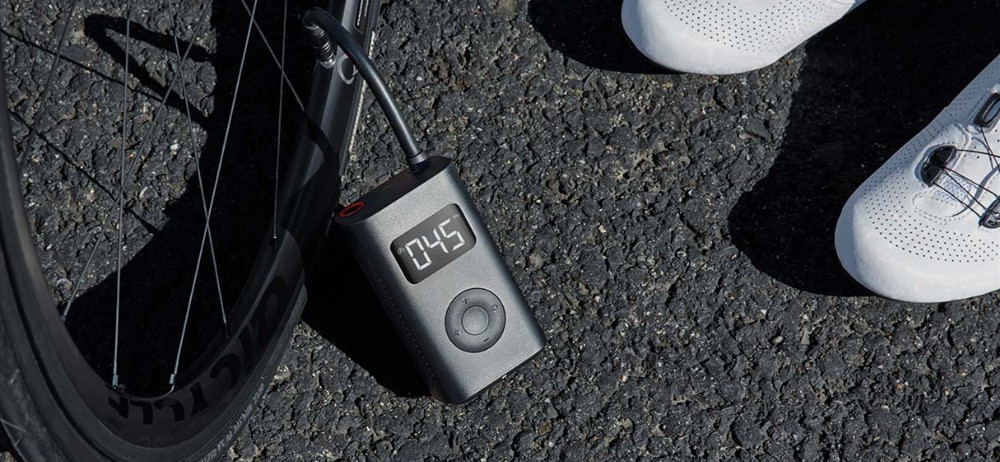
Xiaomi has officially taken the wraps off the Mi Portable Electric Compressor in India after teasing the launch over the weekend. The product is launched under crowdfunding and carries a price tag of Rs. 2,299 (~$30) which is the same with what it was sold in China. The gadget which comes in black is expected to start shipping from August 10.Mi Portable Electric Air Compressor

The Mi Portable Electric Air Compressor has a cylindrical shape manufactured from aluminium alloy using high-precision technology. The portable electric pump is designed to work with a wide range of nozzles. It is housed in a compact body so that you can easily carry it everywhere you go.Mi Portable Electric Air Compressor,

Statically, the Xiaomi Mi Portable Air Compressor can easily inflate 215/60/R17 car tyres for five times once fully charged. It can refill motorcycle tires six times and bicycle tires 8 times. A football can be refilled from 0 psi to 120 psi seven times.Mi Portable Electric Air Compressor,

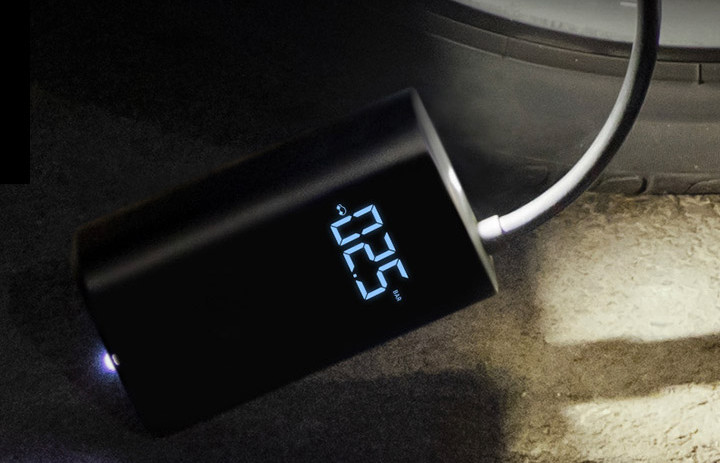
In addition, the Mi Portable Air Compressor offers an inflation pressure range of 0.2-10.3bar/3-150psi. It offers a sensor accuracy of ±2psi. On top of that, the feature-laden tire electric inflator pump produces noise less than 80dB from 1 meter and stops when the device is fully charged. The Mi Portable Electric Air Compressor draws its juices from a 2000mAh (14.8Wh) battery and can be charged in less than three hours with the 5V-2A charging parameters over a micro-USB port.


Elephone debuting in Turkey via both offline as well as online markets

Elephone is working diligently to expand its reach and across the globe. Starting about 4 years ago, the company is expanding its wings across Western Asia by entering Turkey. Elephone will launch its latest smartphones via offline and online markets in Turkey.

See More: Grab Elephone E10 Pro and PX Pro at a discounted price of $159 and $169, respectively

However, details about the smartphones which are launching in Turkey are not available yet. But, it is highly anticipated that Elephone could launch PX Pro and E10 pro smartphone which were launched by the company a few weeks ago. Other devices with waterdrop notches, punch-hole display devices will be available.

According to the official Elephone Turkey Handle, the Elephone U3H model will certainly launch along with many other goodies. Elephone U3H is teased to feature a triple rear camera module with 48-megapixel primary camera. Moreover, it will feature MediaTek chipset built on 12nm process having a maximum clocking speed of 2.1GHz. It is available in 8GB RAM and 128GB internal storage variant.

It is an important market to capture entire Asia and will facilitate the company’s global footprint. The company recently expanded across the Middle East and Pakistan.

Apart from expanding its reach, the company has also succeeded in extending its portfolio from smartphones to wearables and now TWS wireless earphones are the latest entrant. The earbuds start from a jaw-dropping price of $9.99 and go up to $39.99.

Related: Elephone E10 Pro gets Jade Blue and Silver Gray color variants

Amazon unveils Dash Cart, brings Amazon Go features on wheels

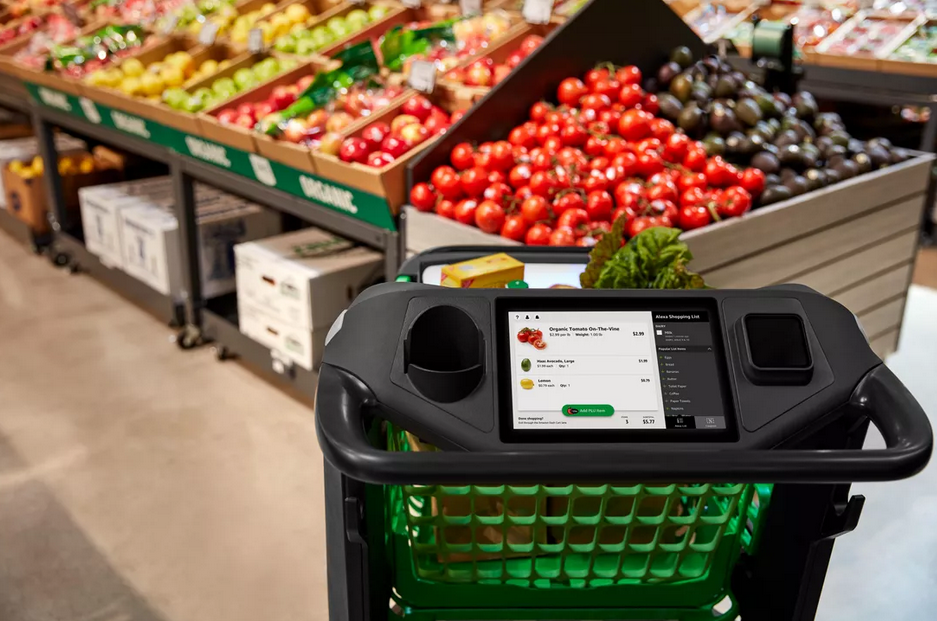
Amazon has just unveiled the Dash Cart, its reinvention of the regular shopping cart. The company announced Dash Cart earlier today (14th July 2020), and is capable of scanning your items as you place them in the cart. This will help people skip the busy checkout lines.

Amazon

The Dash Cart from the e-retailing giant is essentially a mobile version of Amazon Go. For those unaware, Amazon Go is a store with no checkout since it used hundreds of cameras on the ceiling that automatically checkout the items that the customers pick up. In other words, a similar experience with automatic scanning, bringing the store on wheels.

According to Dilip Kumar, vice president of Amazon’s physical retail and technology, “Our primary motivation for building this was to be able to save customers time. The alternative solutions are standing in the express checkout lanes or fumbling through self-checkout stations.” The service will debut at Amazon’s Woodland Hills, California, grocery store.

Amazon

This store was unveiled back in November 2019 and is a part of the company’s plans for creating a new supermarket chain in the region. These stores will offer both Dash Cart along with conventional checkout lanes. The new smart carts are Amazon’s take on recreating and replacing the old squeaky and unbalanced shopping carts and adding a techie upgrade to them.


(Via)

Xiaomi 100W Super Charge Turbo phone has entered mass production, Could launch next month

Last year, Xiaomi showcased its 100W Super Charge Turbo fast charging solution in a video. This technology is capable of fully charging a 4,000 mAh battery in just 17 minutes. Now, after more than a year later, a smartphone with support for this tech has entered mass production according to the latest leak.

Xiaomi Logo White Background

The mystery 100W Xiaomi smartphone has been rumored for a while now. A 120W Xiaomi charger with model number MDY-12-ED was recently certified by China’s 3C. This adaptor could come bundled with the said phone.

Xiaomi’s fastest charging phone was tipped to launch by the end of this year. But the new tip by Digital Chat Station suggests it might be unveiled next month itself as the company has begun to mass manufacture it. 

The tipster says that this handset will also support fast wireless charging, however, he did not mention the rate of charging. Earlier this year, Xiaomi demoed its 40W wireless charging and therefore, there is a little chance of it to debut on this mystery phone. At least, we can expect 30W wireless charging like the Mi 10 series.

Additionally, when a blogger asked Wang Teng, the Product Director of Redmi brand regarding the announcement of 100W charging, he replied that they have already announced this tech earlier. He added “what’s next, you figure” (Chinese translation) indicating the imminent launch of this phone in line with the latest leak.

Having said that, Xiaomi’s 100W smartphone is still a mystery. It could be either the rumored Mi 10 Pro Plus, Mi Mix 4 or maybe something else altogether.


Huawei sees positive trend in the financial report for H1 2020

With the calendar crossing the half yearly mark, Huawei has announced its financial report for the period. In the report, the Chinese tech giant has witnessed a positive trend with both its revenue and net profit increasing by 13.1 percent and 9.2 percent respectively year on year.

Huawei building featured logo

The financial report revealed that Huawei generated 454 billion Yuan (roughly 64 billion US Dollars) in revenue. Out of this, the carrier business brought in 159.6 billion yuan, while the enterprise business brought in 36.3 billion Yuan. The company’s consumer business, which includes smartphones, generated 255.8 billion Yuan in revenue.

Looking at these figures, it is clear that more than of Huawei’s income is from its consumer business that has it sell tablets, smartphones, wearables, and many other products across the globe. Although, the networking gear and carrier provider aspect of its operations is brought the ban on the company, and accounts for just 35 percent of the total revenue.

Huawei Logo MWC 2019

Additional reports regarding financial figures of the first half and second quarter are expected to arrive later this month. These will hopefully provide a larger picture of its global smartphone market as well. The first half of 2020 suffered the brunt of the Coronavirus pandemic, so the figures will reveal how Huawei stands amongst its various other competitors.


(Via)

Samsung and Microsoft expand partnership for smart buildings and property management

Earlier today (14th July 2020), Microsoft announced that it is continuing to expand its partnership with Samsung to bring a digital transformation for real estate development and property management industries across the globe.

Samsung

The new strategic alliance between both tech giants will have both companies work to optimize energy management, equipment maintenance, and more. This partnership will utilize Microsoft’s productivity cloud services and Azure IoT platform and Samsung’s smart devices and SmartThings platform. The announcement also builds on Microsoft’s $5 billion investment into the security of its own IoT.

This collaboration will allow Microsoft to expand its IoT technology into newer markets, with the help of Samsung. In other words, saving millions to develop its own smart devices. Furthermore, real estate development and property management industries will also have to depend on this joint venture to improve their existing building maintenance and management processes.

Samsung

According to Sam George, corporate vice president, Azure IoT, Microsoft, “This collaboration with Samsung opens up new opportunities for further innovation in the real estate development and property management industries. Together, we’ll bring the best of Microsoft’s trusted, easy-to-use and secure Azure IoT platform, Azure Digital Twins, and Dynamics 365 Field Service technology with Samsung’s expertise in connected devices and appliances to streamline building operations and maintenance.”


(Via,Source)

Samsung is expecting 6G to launch commercially by 2028

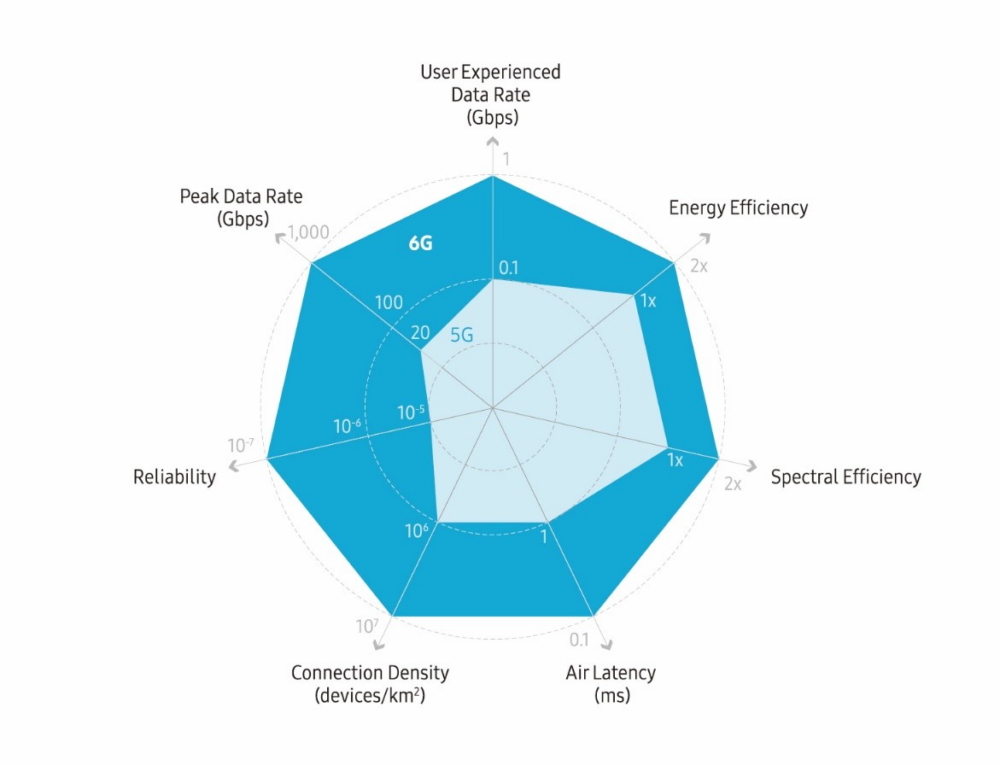
Samsung Electronics is expecting that the next generation of networking will arrive as early as 2028. The South Korean tech giant says that 6G would be commercialized by 2028 and will go mainstream by 2030.

Samsung

Earlier today (14th July 2020), Samsung released a white paper titled “The Next Hyper-Connected Experience for All.” This outlined the company’s vision for 6G networking. It mentioned all the “technical and societal megatrends, new services, requirements, candidate technologies, and an expected timeline of standardization.” In other words, an early roadmap of the next generation of communications made through experiences with 5G.

Samsung

According to Samsung, ” While 5G commercialization is still in its initial stage, it’s never too early to start preparing for 6G because it typically takes around 10 years from the start of research to commercialization of a new generation of communications technology.” Sunghyun Choi, Head of the Advanced Communications Research Center said that the company has already launched the research and development of 6G technologies.

It had taken the world 15 years to reach 3G from 2G networking, and since then, 5G is available just 8 years after. The company expects this trend to accelerate further in the future. Samsung is expecting a peak data rate of 1,000 gigabits per second with air latency lower than 100 microseconds and 50 times the peak data rate of 5G. The performance and the architectural requirement for 6G will include various optimizations to improve network design and overcome limitations of mobile devices. Samsung

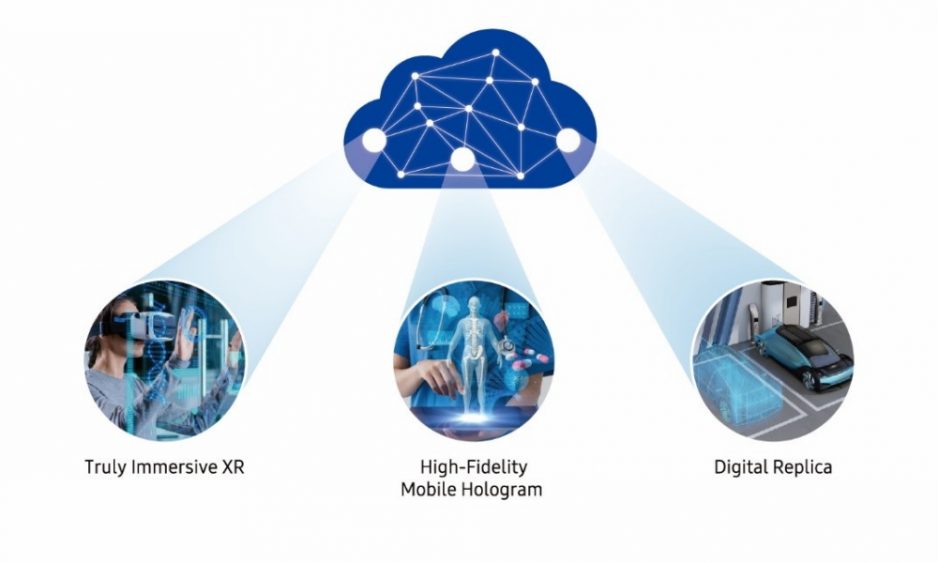
Interestingly, the flexibility of the next generation will bring newer network integration and even AI (artificial intelligence) applications. Although, the use of AI would also need to arrive with certain trustworthiness regarding security and privacy, both of which are major concerns that are likely to arise.


(Via,Source)

Samsung Galaxy Z Fold 2 likely to arrive with 64MP triple camera setup and 10MP front camera

Samsung will be holding the Galaxy Unpacked event on Aug. 5. Multiple reports had claimed that the company will be launching the Galaxy Fold’s successor called the Galaxy Z Fold 2 along with the Galaxy Note20 and Galaxy Z Flip 5G at the event. However, a reliable tipster recently revealed that the Fold 2 will not be announced next month, but it may go official in early September. Nevertheless, a new report on South Korean publication ETNews has revealed some key details of the Galaxy Z Fold 2.

The report states that the Galaxy Z Fold 2 has an inner screen of 7.7 inches. The Y-OCTA technology S-AMOLED display will be arriving with support for up to 120Hz refresh rate. The screen will have an Ultra Thin Glass (UTG) coating.

The cover display of the Galaxy Z Fold 2 could be of 6.23 inches. Past reports have revealed that it will support the traditional 60Hz refresh rate. Both displays will sport a punch-hole design. Like the predecessor model, the Galaxy Z Fold 2 is also expected to arrive with a side-facing fingerprint reader.

The report reveals that the Z Fold 2 will have a front camera of 10-megapixel. The rear side of the device will have a triple camera system that will comprise of an ultrawide lens of 12-megapixel, a wide-angle sensor of 12-megapixel, and a 64-megapixel telephoto sensor.

It is already known that the all new Snapdragon 865 Plus mobile platform will drive the Samsung Galaxy Z Fold 2. Hence, it will carry support for 5G connectivity. It has a dual-part battery with a combined capacity of 4,365mAh battery with 25W fast charging. The publication reveals the foldable phone will also 15W wireless charging. Speculations have it that the Galaxy Z Fold 2 will be made available in 256 GB and 512 GB storage choices.


(source|via)

Foldable OLED producers make screens thinner by replacing polarizer with color filters

Color filters are apparently replacing polarizers in foldable variants of OLED panels (organic light emitting diode) in the near future. This change would bring various improvements for the display technology along with multiple benefits.

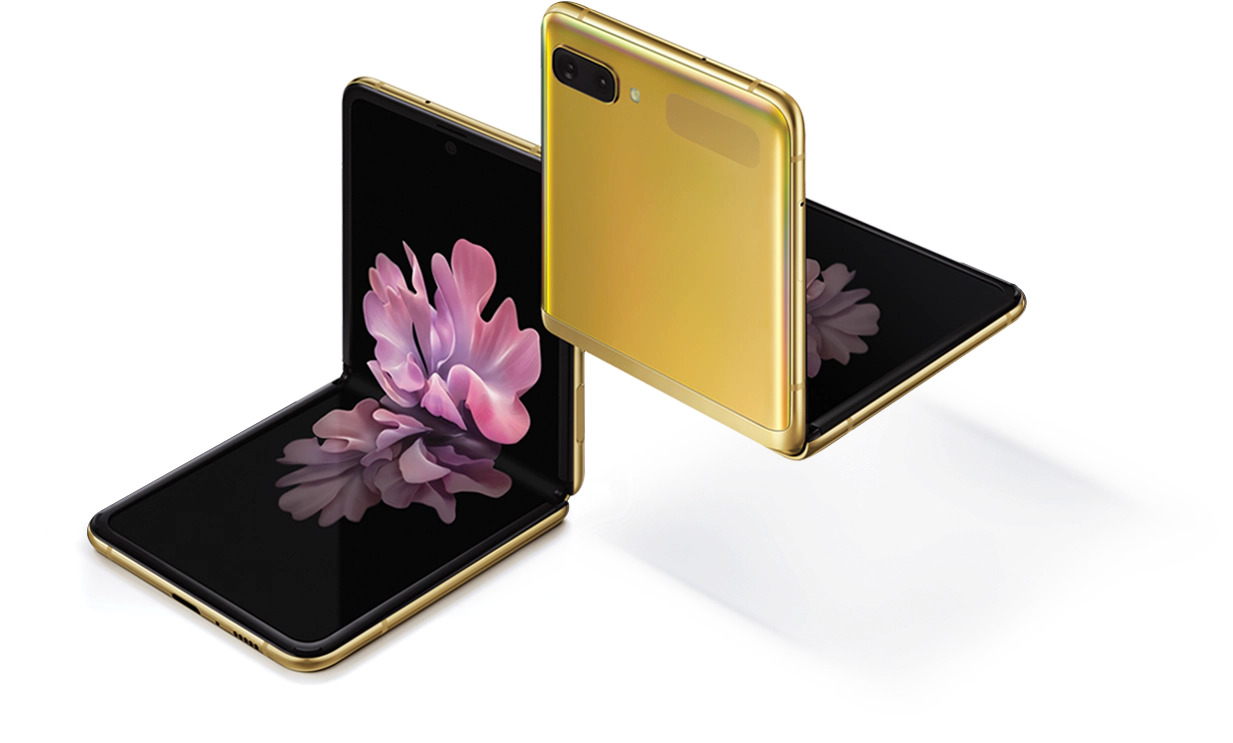
Galaxy Z Flip Mirror Gold

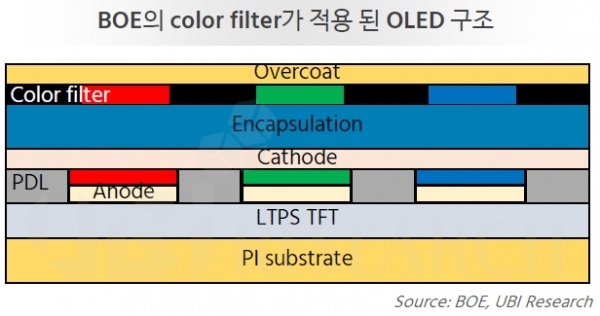
According to a new report from UBI Research, known firms that manufacture such foldable OLED displays are working on bringing color filters that will allow panels to become thinner and brighter. For those unaware, Polarizers can be found in OLED panels and are used to deflect reflections from external lights.

The versions of OLED that is currently available in the market generally stack and encapsulation layer, polarizer, optically clear adhesive, a cover window on top of the light emitting layer. Furthermore, the cover window is made from a polyimide film or ultra thin glass (depending on the manufacturer).

Foldable OLED

While vendors were already using polarizers with a thickness within the 10 micrometer range over the 100 micrometer ones used in previous generations, this is still considered thick and lowers the overall brightness of the OLED panel. Notably, Chinese display maker BOE had showcased a foldable OLED panel back in 2017, which utilized a lower temperature color filter instead of a polarizer. The company said that the was “100 times thinner and 23% more bright than OLED panels that used polarizers.”


(Via)

OPPO A72 5G specifications, renders and pricing leaked

An OPPO with PDYM20 / PDYT20 model number was recently by the TENAA telecom authority of China. The handset has a design like the OPPO A92s 5G that went official in China in April. Hence, it was speculated that it could be its lower version dubbed as OPPO A92 5G. Today, the PDYM20 phone emerged in China Telecom’s product library. The listing reveals that the phone will be released in China by the end of this month as OPPO A72 5G.

OPPO A72 5G pricing and variants (Rumored)

The China Telecom listing states that the OPPO A72 5G will be arriving in China variants. The 4 GB RAM + 128 GB storage, 6 GB RAM + 128 GB storage, and 8 GB RAM + 128 GB storage editions of the smartphone are mentioned with respective price tags of 1,699 Yuan (~$243), 1,799 Yuan (~$257), and 1,999 Yuan (~$286).

Simple Black, Oxygen Purple, and Neon purple are the three color variants of the OPPO A72 5G. The handset is expected to release in the home market by July 31. The pricing for unreleased phone listings on China Telecom has often found to be incorrect. Hence, it is recommended to take the pricing details with a grain of salt.

OPPO A72 5G
OPPO A72 5G

OPPO A72 5G specifications

The OPPO A72 5G has 162.2 x 75 x 7.9mm dimensions and it weighs 175 grams. The device is equipped with a punch-hole display of 6.5 inches. The IPS LCD screen offers a 1080 x 2400 pixels Full HD+ resolution. The handset is powered by an upcoming entry-level 5G-ready MediaTek chipset that is mentioned as MT6853V.

The Android 10 OS along with the latest version ColorOS will run on the OPPO A72 5G. It will draw power from a 4,040mAh battery that can be filled with an 18W rapid charger. It has an 8-megapixel selfie camera and a 16-megapixel + 8-megapixel + 2-megapixel triple camera unit housed inside a square-shaped camera system. The OPPO A72 5G also features a side-mounted fingerprint reader.


(source)

SoftBank may sell Arm Holdings as Apple readies Arm based Macs

SoftBank is apparently considering options regarding the known chip designer Arm Holding, which it owns. The company might be offering Arm in either a full or partial sale and maybe even a public offering.

According to a report from the Wall Street Journal, SoftBank is in talks with Goldman Sachs Group, who is acting as an advisor. Furthermore, these options that SoftBank has considered is still in the early stages. At the moment, however, it is unknown as to whether or not financial or industry players would have an interest in Arm. Thus, it is quite likely that SoftBank would not make any of the aforementioned moves.

SoftBank
Apple Silicon for Macs

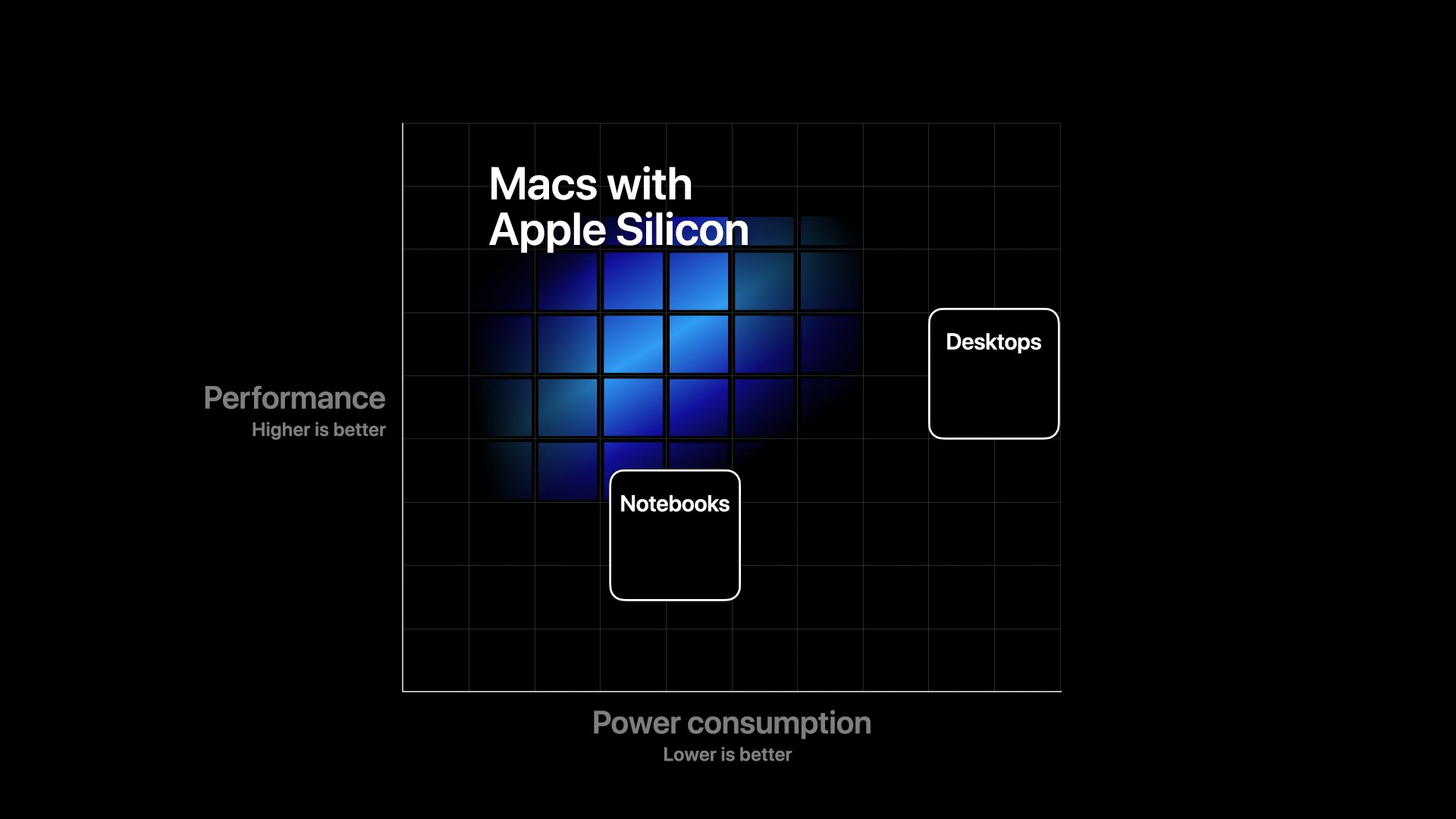
Notably, Apple, the Cupertino based tech giant, has licensed technology from Arm Holdings for its A series of chips used in its mobile devices since 2006. The known smartphone maker has also recently announced that it would start making its own chips for its Macs that will be equipped with Apple Silicon which utilizes Arm architecture. Although possible, it is still unlikely that Apple would be interested in a partial or even a full purchase of Arm Holdings.


(Via,Source)

Realme C11 with Helio G35 launches in India for ₹7,499 ($100)

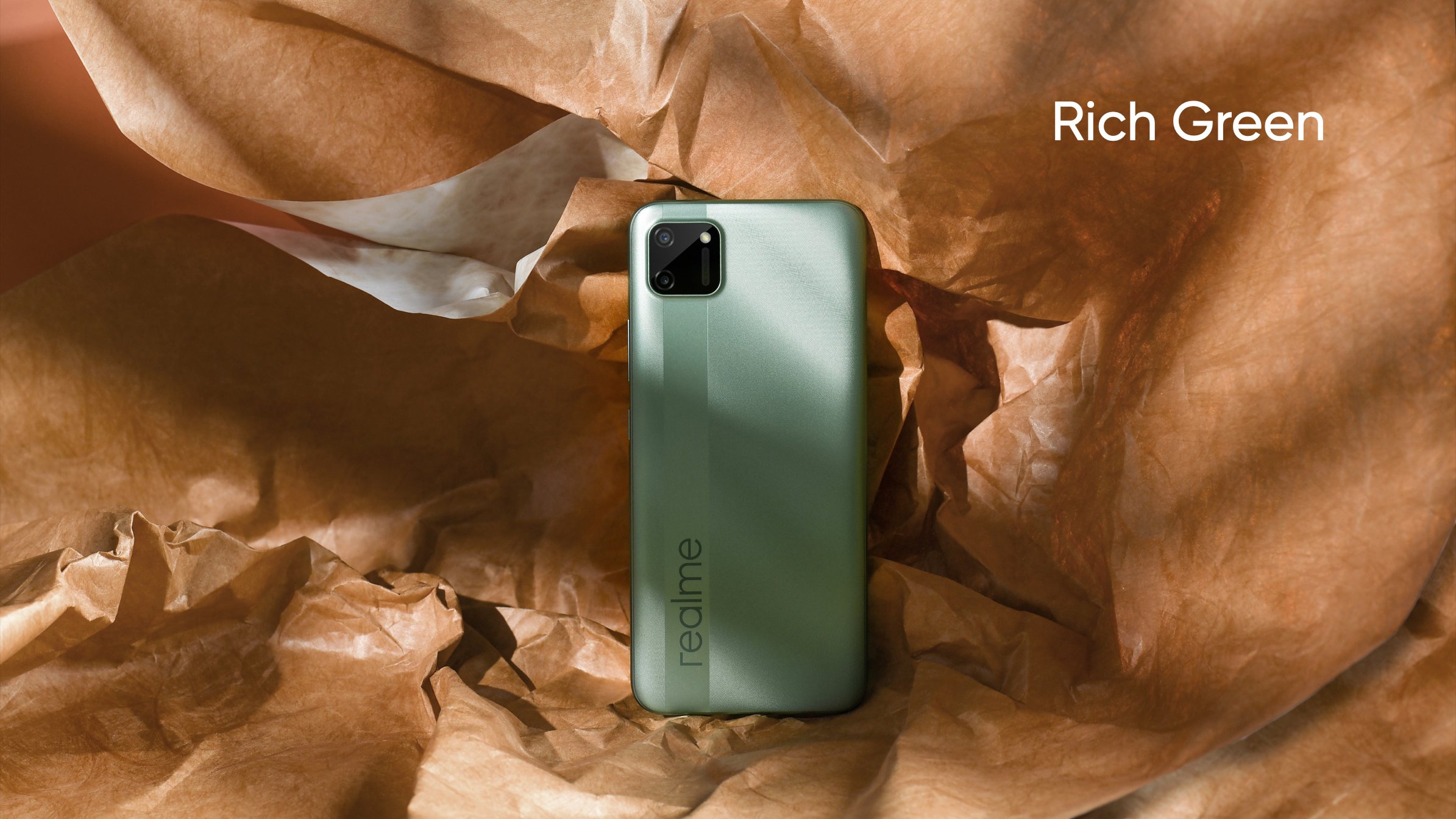
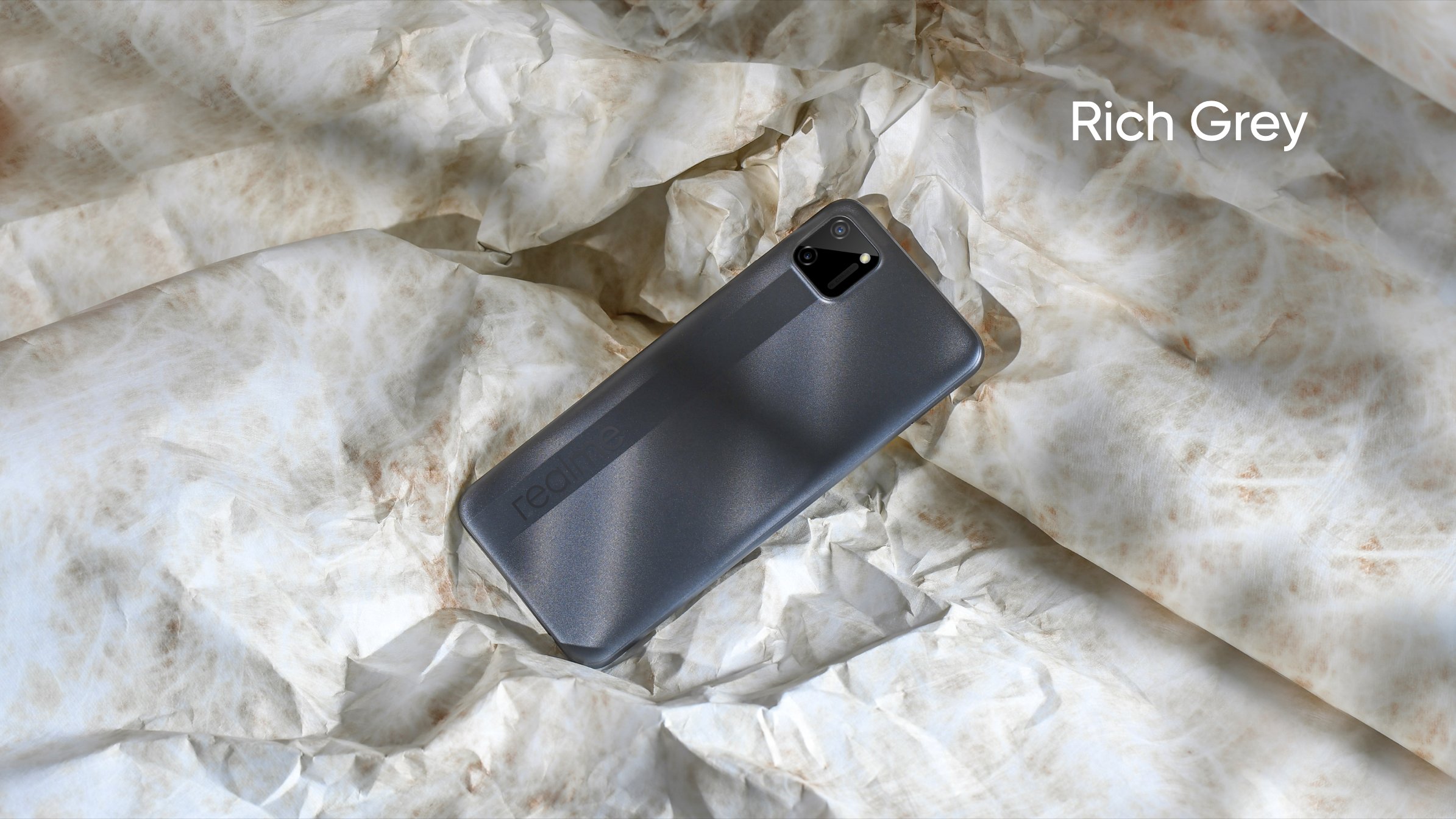
Realme C11 launches in India for ₹7,499 ($100) for a single 2GB + 32GB memory variant. It comes in two color variants namely Rich Green and Rich Grey. The handset will be available to purchase from Realme online store and Flipkart. It will go on sale for the first time at 12 PM on July 22.

Realme C11 initially debuted in Malaysia last month. The handset adopts a new design that includes a square camera module like Google Pixel 4 series. The highlight of this phone is the new MediaTek Helio G35 SoC, which actually is a rebranded Helio P35 with MediaTek HyperEngine technology.

On the front, the new Realme budget smartphone sports a 6.5-inch HD+ (720 x 1600 pixels) LCD panel with a dew-drop notch and 88.7% screen-to-body ratio.

For photography, the phone comes with a dual-camera setup at the rear that includes a 13MP primary sensor and a 2MP depth sensor accompanied by an LED flash. The front selfie camera, on the other hand, is of 5 megapixels.

Other features of Realme C11 include 4G, VoLTE, single-band (2.4GHz) WiFi, Bluetooth 5.0, GPS, 3.5mm headphone jack, MicroUSB port, dedicated microSD card slot, Realme UI based on Android 10, and a 5,000 mAh battery with support for reverse charging.


Apple shipped over 10 million units of iPhone SE 2020 in the second quarter

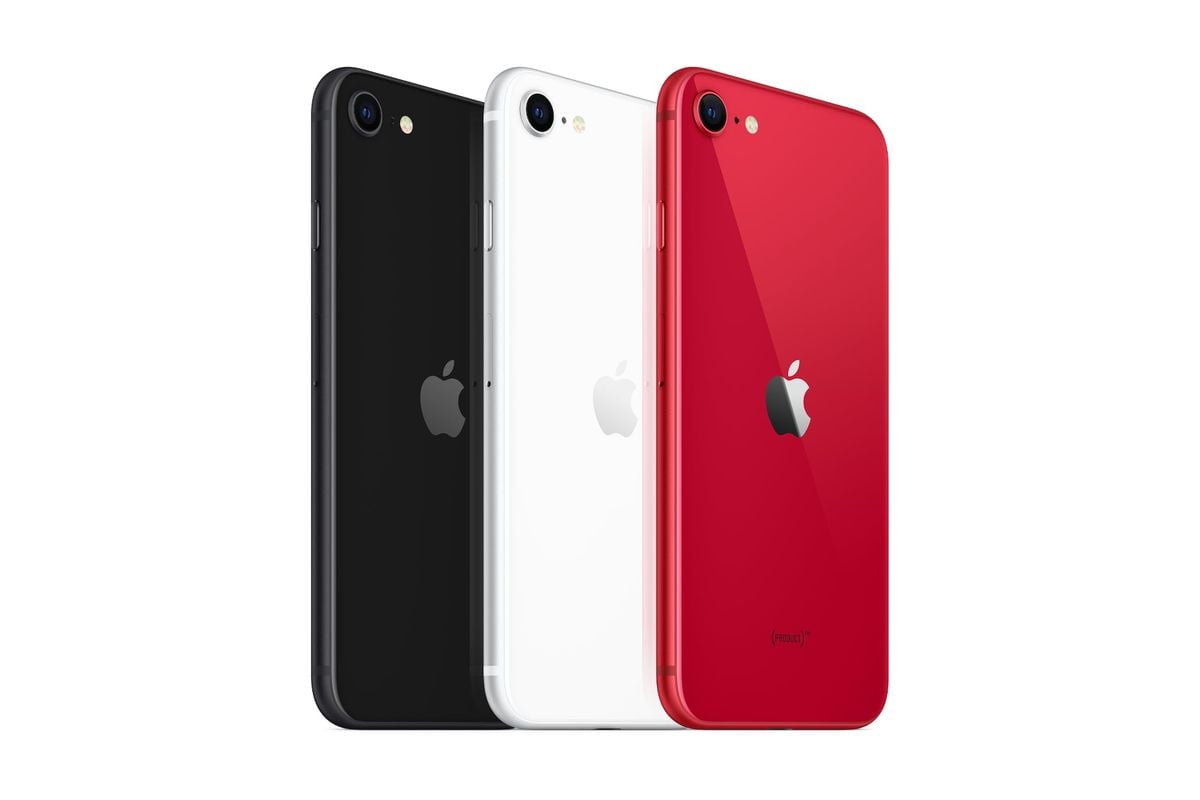
A couple of months ago, in April this year, Apple finally announced the much-awaited iPhone SE 2020 smartphone for $399. It comes with flagship-grade internals but a design similar to the Apple iPhone 8 and is targeted towards first-time iPhone buyers.

Now, a report from China’s Taiwan Economic Daily reported that the iPhone SE 2020 has shipped around 12 million to 14 million in the second quarter of this year. This is quite an impressive number, given that the phone was launched during the COVID-19 pandemic.

iPhoe SE 2020

The iPhone SE 2020 is the lowest priced smartphone from Apple so far and it seems that the company will continue making lower-priced iPhones. As per the report, the company is now planning another affordable iPhone model, priced under $300. That smartphone is said to get launched next year.

The report claims that Apple is working on an affordable smartphone priced between $200-300 but it’s not yet confirmed if it will be a part of the iPhone SE series. But, the report says that the phone will still be powered by the Apple A13 chipset.

The current-generation iPhone SE features a 4.7-inch Retina HD display and supports Dolby Vision and HDR10 playback. There’s also Haptic Touch for Quick Actions. Under the hood, it is powered by the Apple A13 chipset and comes in 64/128/256 GB storage options.

In the camera department, there’s a 12MP f/1.8 camera which Apple says is the best single-camera system ever in an iPhone. It can also take portrait photos with the 7MP selfie camera and the phone can also record 4K videos at 60fps.

Apple has not officially revealed the battery capacity of the smartphone but has confirmed that the iPhone SE 2020 comes with support for 18W fast charging technology as well as wireless charging support.

(Sources – 1, 2)

Lenovo Legion Gaming Phone will feature dual liquid cooling system with 14 temperature sensors

Lenovo will be officially launching the Legion Gaming Phone on July 22. Ahead of it, the company has begun to tease the features of the handset on Legion Weibo account. Earlier today, it revealed the phone to arrive with a dual liquid cooling system.

Lenovo Legion Gaming Phone Dual Liquid Cooling System Teaser

Gaming on smartphones doesn’t generate much heat compared to PC. Anyway, it is always good to have better thermal management. Gaming-oriented and flagship phones since the last few years have been featuring some sort of liquid cooling system. Nubia, in particular, has also been including cooling fan.

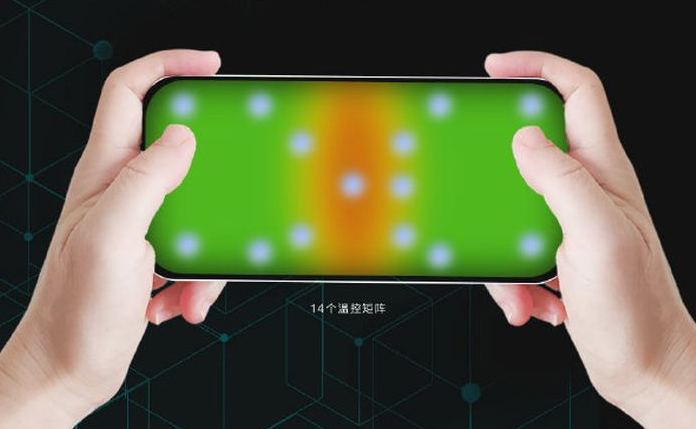
As for Lenovo Legion Gaming Phone, it will come with not one but dual liquid cooling system. The handset will also feature 14 temperature sensors inside its chassis to monitor real-time heat generation. For comparison, the budget flagship, Redmi K30 Pro aka POCO F2 Pro comes with 9 temperature sensors.

Lenovo Legion Gaming Phone Dual Liquid Cooling System 14 Temperature Sensors

In fact, Lenovo compared the cooling system present in Legion Gaming Phone when the Redmi K30 Pro launched in March. It is not a fair comparison in any means since the latter is not a gaming phone, however, that’s how the industry works.

Having said that, according to previous teasers, Lenovo’s first gaming smartphone will arrive with Qualcomm Snapdragon 865 Plus, 144Hz display, and dual x-axis linear motor.


Apple paid $950 million to Samsung for missing OLED panel orders: Report

Apple has paid an estimated 950 million US Dollars to Samsung for not reaching the OLED panel purchases that both companies had agreed on, according to analysts at the Display Supply Chain Consultants.

Apple

Last week, the South Korean tech giant had revealed its revenue and operating profit for the second quarter of 2020. This report included a one time gain in its display business. The influx is believed to have arrived from Apple, who had not purchased the expected number of OLED panels from Samsung during the second quarter of this year.

The disparity in display orders arrived due to many retail stores of the Cupertino based company having close due to the ongoing pandemic, in the second calendar quarter of this year. The viral outbreak along with economic uncertainty is said to be the major factor that affected sales. This issue is still being faced with many retail stores still being closed as spikes in infections have occurred recently in the US.

Samsung

The report also suggests that Apple has failed to meet iPhone sales goals that it might have set for 2020. Hence, it had to compensate Samsung for a large number of missing orders. Notably, Apple had reported revenue of 58.3 billion US Dollars over just 58 billion from a year ago. Although, the company declined to offer any projections for the third quarter due to instability and uncertainty during this time of crisis.


(Via,Source)

Apple iPhone 12 series to launch in September but could go on sale from October

Apple has been launching its latest iPhone models in the month of September for the past many years. While everyone was expecting the same this year, some reports indicate that the iPhone 12 series launch could be delayed because of the COVID-19 pandemic.

Now, the latest report coming from Analysts Wedbush suggests that the launch of the upcoming 5G iPhone 12 series will indeed take place in September this year. But it now says that all the models will be up for sale in October.

Apple iPhone 12 Render

There is also a possibility that Apple may repeat its last year’s strategy. It could hold the launch event in September and started selling one model the same month, and delay the sale of other models by a month or so.

Apple seems to be making some major changes in its iPhone lineup with this year’s offerings. It is being reported that this time, the company will not be including the Earpods as well as the power adapter in the box.

Recently, it was revealed that all the iPhone 12 models launching this year will come with an OLED display panel, completely ditching the LCD panels. There could be four variants this time, including iPhone 12, iPhone 12 Max, iPhone 12 Pro, and iPhone 12 Pro Max.

As per the reports, the standard iPhone 12 will have a 5.4-inch display while the Max and Pro models will have a 6.1-inch screen. The top-end model in the form of the iPhone 12 Pro Max will reportedly have a 6.7-inch display.

Despite not including the power adapter and Earpods in the box, the pricing is expected to go up, mainly because of 5G. Reports indicate that the pricing for the base model in the iPhone 12 series is expected to be $50 more, starting at $749.

(Via)