Advertisement

Redmi Band listed as Mi Smart Band 4C in Malaysia

The Mi Smart Band 5 is expected to launch soon as a global version of the Mi Band 5 that is already sold in China. However, we may be getting another Mi Band 4 first. Actually, the Mi Band 4C. The device has been listed on the Malaysian online store, Shopee.

The Mi Smart Band 4C is expected to be a rebadged Redmi Band. So, save for the change in name, the two smartbands should be the same. There is no official listing of the fitness tracker on the Xiaomi Malaysia website neither is there any mention of it on its social media channels. So the only listing we have seen is on Shopee Mall.
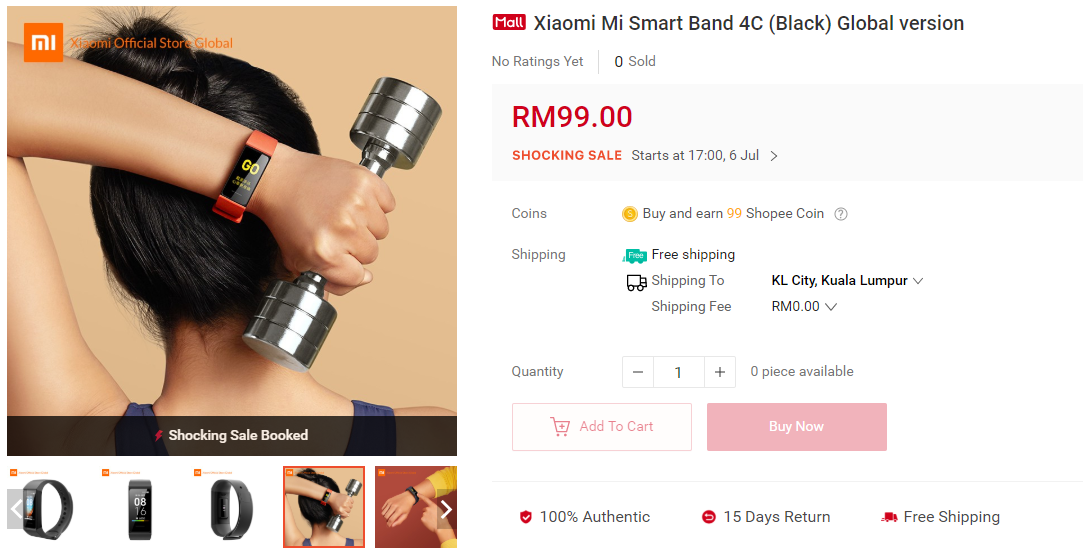
Mi Smart Band 4C

The listing uses product images of the Redmi Band. It says the band has a 1.08-inch TFT color display with a 128 x 220 resolution and screen brightness up to 220 nits. There is a 130mAh battery inside it and will last up to 14 days on a single charge. It doesn’t need a cable to charge like its other siblings. All you have to do is plug one of its ends into the USB-A port of a charger, power bank, or PC. Charging time is stated to be 2 hours.

The Mi Band 4C can track five sports including outdoor running, cycling, and indoor running. It also has a heart rate sensor, sleep tracking, and a sedentary reminder. Other features are music playback control, apps and call notifications, and water resistance up to 5ATM.

The Shopee listing says the Mi Band 4C will sell for RM 99 (~$23) and is only available in black. Unfortunately, it is currently listed as out of stock.


(Source, Via)

Vivo Y12 2020 (V1926) with Snapdragon 665 appears on Google Play console

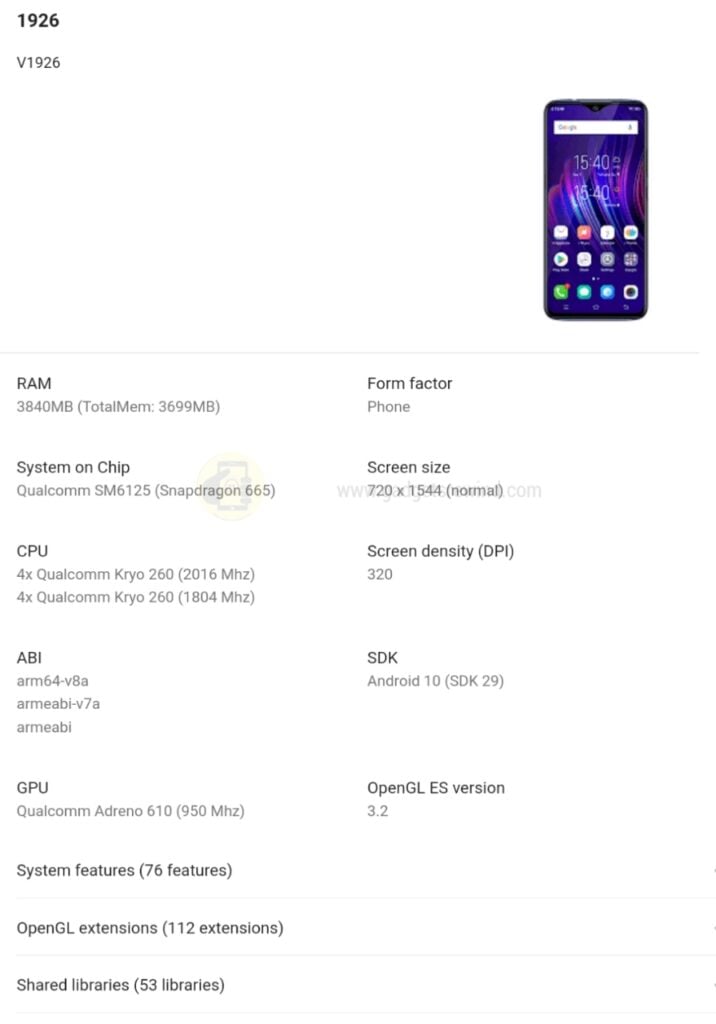
A new Vivo model has been spotted on Google Play Console. The model appears with the model number Vivo V1926 but is believed to be the 2020 edition of the Vivo Y12. vivo y12 2020

The new Vivo V1926 model is powered by a Qualcomm Snapdragon 665 processor paired with 4GB of RAM. The display size wasn’t indicted but it has an HD+ resolution of 720×1544 pixels.

The image of the model shows it will feature a waterdrop notch on a full-screen display. The pone will get its interface from an Android 10-based Funtouch OS.


(via)


Honor Choice True Wireless Earbuds launched in Europe for €34

During the Honor 9A launch event last month, Honor unveiled a new product line christened CHOICE with the first product being the CHOICE TWS earbuds. The Choice TWS earbuds have now been launched for sale in Europe. The new TWS Earbuds is priced at £34.9 (~$ 43.5) in the UK which in Europe, it will go on sale in countries such as France, Spain, Germany ad Italy for €34.9 (~$39.40).

The Honor Choice TWS earbuds feature a 7mm drivers which are capable of delivering an immersive listening experience with impactful bass and crisp sounds. The earbuds adopt a minimalist yet classy design which the company touts to have been manufactured with a sophisticated audience in mind.

It also comes with support for Bluetooth 5.0 and has a low latency of 130 milliseconds as well as dual-microphone noise cancellation technology that can capture voice effectively and ensure crisp call quality even in noisy environments. The earbuds are IP54-rated water and dust resistant, effective against splashes from rain or dust ingress.Honor Choice True Wireless Earbuds

In addition, the headset features a 55mAH battery which offers 5 hours of standalone music playback. The carry case packs a 500mAh battery with 24-hour battery life and USB-C charging. The earbuds equally feature intuitive touch controls and voice assistant support.


(via)


Samsung Galaxy Watch 3 India launch nearing as support pages go live

The upcoming Samsung Galaxy Watch 3 was recently spotted at the database of the Bureau of Indian Standards (BIS). The listing revealed that India could be one of the markets that will be receiving the smartwatch. It appears that the India launch of the device may not be far away as its support pages have gone live on the Samsung India website.

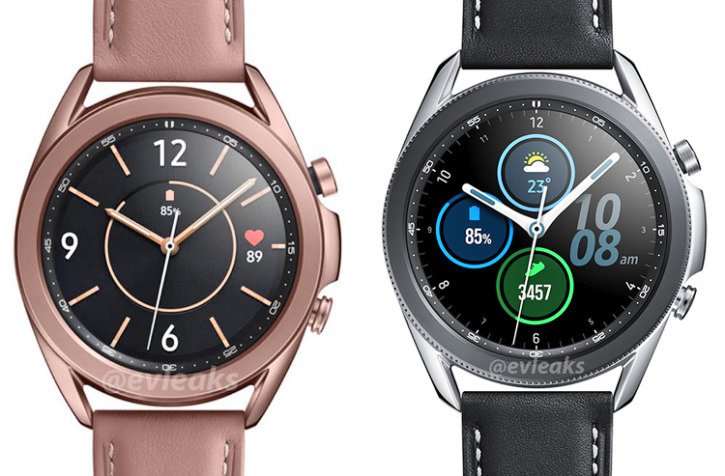
The support pages for the Samsung Galaxy Watch 3 carry SM-R845F and SM-R850F model numbers. These model numbers were previously spotted at various listings including Bluetooth SIG and BIS. These models are supports to belong to the rumored 41mm and 45mm editions of the Galaxy Watch 3.

Recently, reliable tipster Evan Blass that the 45mm edition will have up to five variations. The Black color model may come with a titanium chassis (Bluetooth only) or in stainless steel body (Bluetooth and LTE) and color editions like Silver or Black.

Samsung Galaxy Watch 3 renders

The 41mm edition has a stainless steel case and it will come in Silver or Bronze colors. Both variants will have support for Bluetooth and LTE. The smartwatch could be priced between $400 and $600..

Samsung Galaxy Watch 3 specifications (Rumored)

The 41mm Galaxy Watch 3 will have a 1.2-inch display and 247mAh battery whereas the 45mm variant will have a 1.4-inch screen with a 340mAh battery. The MIL-STD 810G complaint smartwatch will come with 50ATM water resistance. Its other features include Tizen OS 5.5, 1 GB of RAM, 8 GB of internal storage, Qi wireless charging, blood pressure monitor, ECG and heart rate sensor. It is speculated that the Galaxy Watch 3 may break cover on July 22.


(source 1, 2|via)

Honor to launch a Gaming Notebook in July, followed by Huawei: Report

Honor had announced back in June 2020 that it would be launching a gaming laptop within this year. Now, a new report suggests that the gaming notebook may be launched as soon as July.

Honor

According to a blogger on Weibo, a Chinese microblogging website, the gaming laptop from Honor could arrive by August or even July at the earliest. Furthermore, the blogger (@长安数码君) also said that Huawei will follow up with its own launch not too long after Honor’s laptops are released. At the moment, Honor generally offers lightweight and thin ultrabooks, so the new laptops will mark its official entry into gaming as well.

Thus, we can expect the new laptops to feature Intel 10th Generation H series chips or AMD’s latest 4000 series Ryzen mobile processors. Unfortunately, finer details regarding the design or even specifications of the laptop are currently unknown. Although, a dedicated graphics card will likely be housed within the thin gaming ultrabooks. So stay tuned, as we will be providing more updates when more information is available.


Xiaomi Gauguin, Gauguin Pro phones with 64MP / 108MP cameras in work

A fresh repot on XDA Developers reveals that Xiaomi is working on two phones within a product series. The vanilla model has a “Gauguin” codename whereas the advanced variant has a “Gauguin Pro” codename. Gauguin phones are expected to release in three regions such as China, India, and Global.

Multiple evidences of both phones have appeared in the MIUI 12 code. The Gauguin phone has a model number of J17, and the Gauguin Pro has a J17Pro model number. Both phones are said to be equipped with a Qualcomm chipset.

The J17 model is said to be equipped with a primary lens of 64-megapixel. On the other side, the Pro model is said to have a 108-megapixel main lens. Even reliable tipster from China had made the same claim in the previous month.

Xiaomi Mi 10 Pro
Xiaomi Mi 10 Pro

The publication claims that the strings within MIUI 12 have some inconsistencies. The Gauguin and Gauguin Pro models heading to China will both have 108-megapixel main cameras. However, the Global and Indian models may have 64-megapixel main cameras. These details could be incorrect. It is advisable to wait to further leaks to know more information on these phones.

In related news, the same publication recently revealed the existence of Redmi K30 Ultra phone. It is speculated to be powered Dimensity 1000+ SoC. When it comes to photography, the phone is expected to offer users with 64-megapixel quad rear cameras and a pop-up selfie snapper. The device may come with a notch-less AMOLED display with 120Hz refresh rate support. It could be coming with a 4,500mah battery with 33W fast charging.

Also, a new leak has revealed that the Redmi K40 will debut in Q4 this year. It could be powered by Snapdragon 775G SoC.


(source)

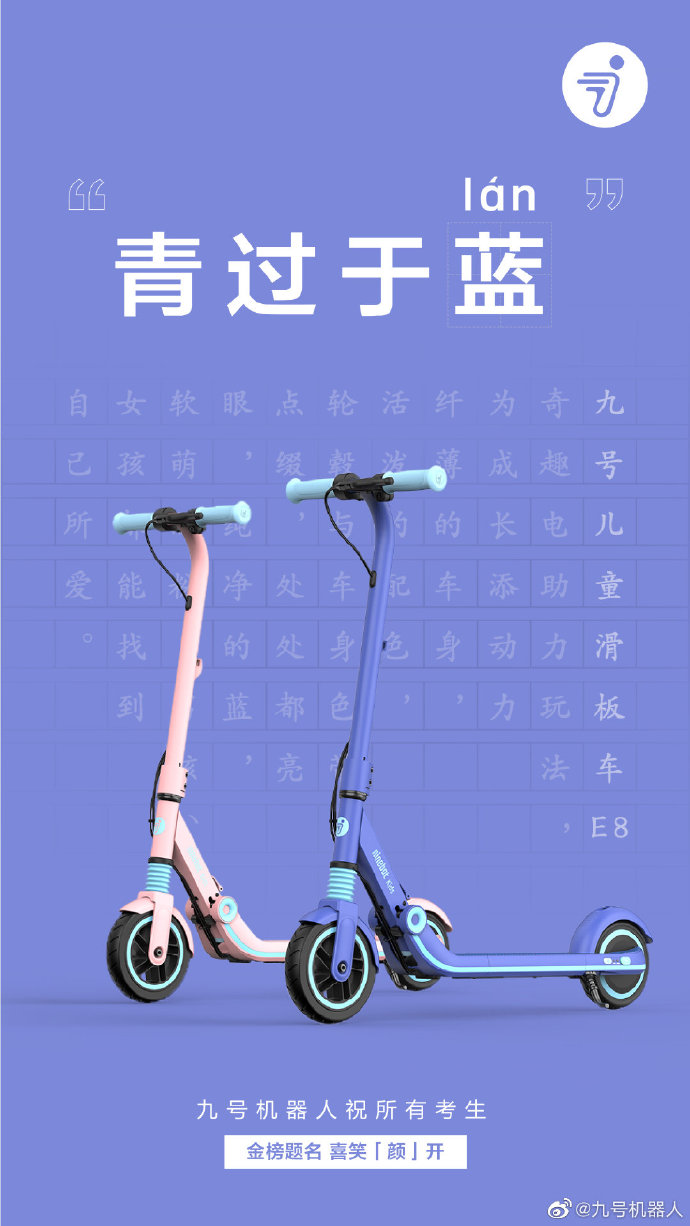
Ninebot E8 Kid’s Electric Scooter launched: Dual modes, triple brakes & more

Xiaomi‘s ecological chain company Segway Ninebot has launched the Ninebot E8 kid’s electric scooter. The e-scooter features an ergonomic design and is lightweight. It is failed in an attractive blue/green colour as well as pink/green matching options.

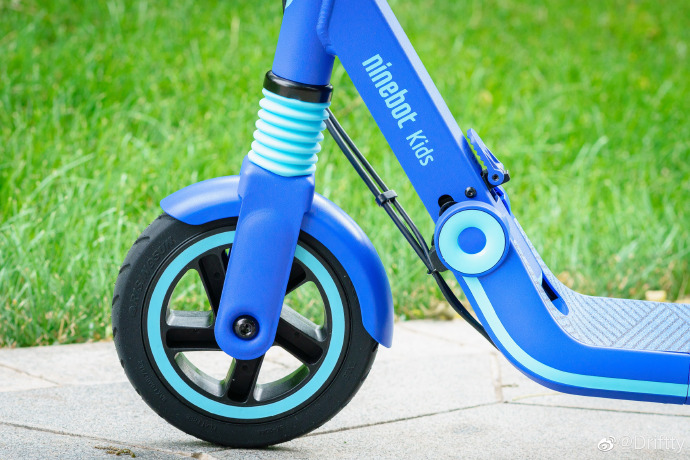
The Ninebot E8 Kid’s Electric Scooter features a two-wheel design and can take a maximum load of 50kg. This means it is unsuitable for adults. The scooter weighs just 8kg and is made from aviation-grade aluminium alloy. The footwell has a 10cm clearance from the ground which makes it stable and easy to handle.Ninebot E8 kid's electric scooter

The handlebar is tilted a bit forward at the top to give it an ergonomic design. Also, the handles are covered with soft TPR materials which are easy to clean and provide a firm grip. The throttle provides moderate resistance and responsiveness in order to provide safe and easily controlled acceleration.Ninebot E8 kid's electric scooter

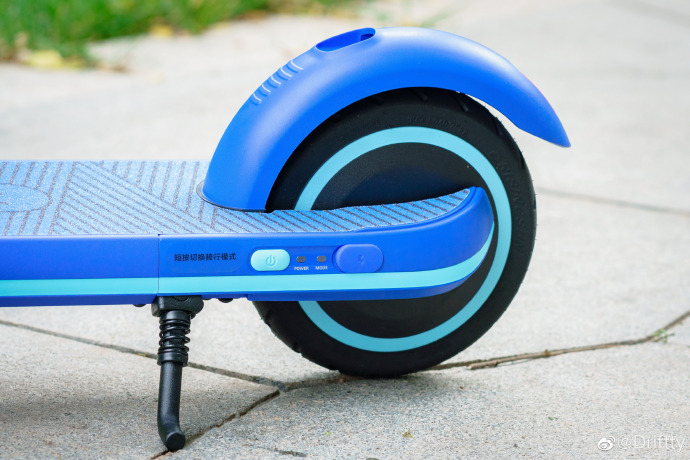
The scooter also comes with an Electric-assist mode which allows children to glide more effortlessly and faster. There is also a complete Electric mode. For power, the Ninebot E8 packs a 130W brushless hub motor driven by a set of lithium batteries. The power system also comes with features such as overcharge protection, temperature protection, over-discharge protection, overcurrent protection, and short circuit protection. The scooter has a range of 10km on the electric mode and can travel at a maximum speed of 14m. In the electric-assist mode, the scooter travels at 3km/h with kick pedalling.Ninebot E8 kid's electric scooter

Furthermore, the Ninebot E8 kid’ electric scooter adopts a foldable design. It can be folded with just a click in order to be transported easily. The tires are manufactured from high-elastic rubber and is non-inflatable meaning you will never get a flat. The tread is designed to improve grip and anti-skid performance. There is no rear or front light but at the rear are 3M stickers which make the scooter visible to incoming traffic at night.Ninebot E8 kid's electric scooter

The scooter is also equipped with three braking systems- an EBS energy recovery brake, rear fender brake and a manual brake. This will no doubt guarantee safety.


Deleted tweet reveals OnePlus Nord will launch on July 21

The OnePlus Nord is OnePlus’ most anticipated product. There is a lot of hype around the device, no thanks to OnePlus’s awesome marketing strategy. Early leaks have revealed the phone will launch this month, and now we have a launch date.

According to a now-deleted tweet by Ishan Agarwal, the OnePlus Nord will be announced on July 21. The OnePlus launch will also be unlike any we have ever seen before.

OnePlus Nord launch date

Rather than an online-only launch which has become the norm since the pandemic, OnePlus will be setting a record with an AR launch which it says is the world’s first AR smartphone launch.

AR is short for Augmented Reality which in the simplest terms means bringing the digital world into the real world. This means you will most likely see the launch take place in your living room or anywhere you will be during the launch in a similar fashion to what you already do with Google’s AR animals. Details for setting up your device for the launch will be available at this link, but the page is not live yet.

The OnePlus Nord will have an AMOLED display with a 90Hz refresh rate. The display will also have a pill-shaped notch for dual selfie cameras. It has been confirmed that the OnePlus Nord will have support for 5G thanks to the Snapdragon 765G processor inside it. Other features are quad rear cameras, 30W charging, and a price tag under $500.


(Via)

Official: EMUI 11 will release in Q3 2020

EMUI is the official Android skin of Huawei smartphones. It is also known as Magic UI with tweaks on certain Honor devices. EMUI 10.1/Magic UI 3.1 that debuted on the P40 series is the latest version. Now, in an interview, the company’s software head revealed EMUI 11 will be announced in Q3 2020.

Huawei recently held an event on July 4 to celebrate 8th year anniversary of EMUI and Huawei Club. At the same time, Dr. Wang Chenglu, the President of Huawei Consumer Business Software talked about the milestones of EMUI apart from revealing the release period of EMUI 11.

He said EMUI was first released in 2012 but he considers EMUI 5.0 as an important release in the history of EMUI development. The second major release was EMUI 8.0, which introduced AI features and GPU Turbo technology.

Then came EMUI 9.0 with ARK compiler, EROFS read-only file system, and Link Turbo. The software head considers this to be the third major release.

At last, in the interview, he revealed that EMUI 11 will be the next major release embracing distributed technology. He said that it will be unveiled in Q3 2020 alongside Huawei Mate 40 series.

However, it is worth noting that Mate 40 is reported to launch in October. But since the statement is coming from the company official, it may debut in September like every year despite various reports and rumors.


(Via)

Google and Amazon to face harsher rules by India’s latest e-commerce draft

With the Indian government drafting new e-commerce policies, tech giants like Google and Amazon may face new harsher rules. The new policies are being drafted to help local startups in the region while also having government oversight on how big corporations handle data.

The new e-commerce policy drafts have been in the making for at least two years now, through which, the government will appoint a new regulator. This regulator will ensure fair practice and competition within the industry and will have broad access to information resources. The new policy drafts have been prepared by the ministry of commerce department for the promotion of industry and internal trade.

Google

According to proposed rules, the government will have mandated access to online companies’ source codes and algorithms. In other words, the ministry wants access to internal workings of big corporations to ensure against “digitally induced biases.” India’s digital economy is a booming market with a massive user count number in half a billion. Furthermore, it is still growing with notable areas being content streaming, online payments, e-retailers, and even social media platforms.

In these aforementioned areas, global corporations are ruling the market with a massive dominance, making it harder for local startups to enter the market. Just recently, the government had banned 59 Chinese applications over security issues and the newly proposed policies are along the same lines. In the draft, it is mentioned that “there’s a tendency among some of the leading companies to exercise control over most of the information repository.”

Google-Logo-2015

Thus, the “Government, in consultation with relevant stakeholders, will define the categories of e-commerce that would require mirroring or localization.” Big corporations hosting data overseas has been a point of constant debate, criticism, and scrutiny. Now, these companies will be required to hand over data to the government within 72 hours, including information related to national security, taxation, law and order, and more.


(Via)

Mystery Huawei / Honor phone spotted with 48MP quad cameras

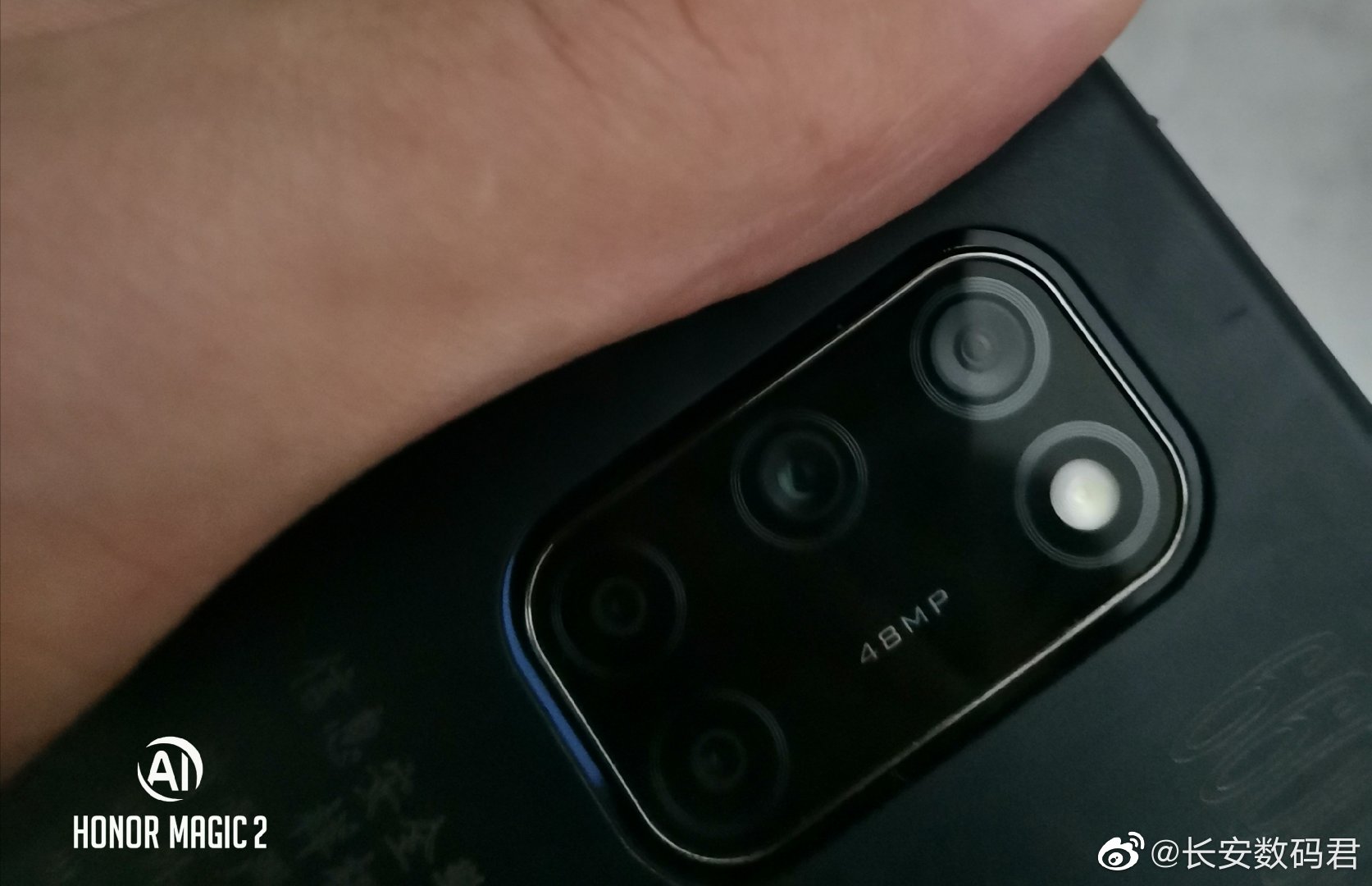
Earlier this month, Honor unveiled Honor 30 Lite (Youth Edition) 5G and Honor X10 Max smartphones in China. A Weibo account that is known for Huawei leaks shared a live shot of a new smartphone. The phone can be seen flaunting a quad-camera system.

As can be seen in the image, the smartphone has a rectangle-shaped camera module on its back. It comprises of an LED flash and four cameras. The primary lens in the setup is 48-megapixel.

The tipster who shared the leaked shot claimed that it is mid-range or high-end phone. He also gave out a vague information that the device is equipped with a Kirin chipset.

Mysterious Huawei or Honor phone

Honor is reportedly working on the launch of the Honor X10 Pro 5G smartphone. As the name goes, it could be an enhanced version of the Kirin 820 SoC powered Honor X10 5G in May. Soon after its launch, the Chinese firm had confirmed that it will be adding more members to the X10 family.

The company recently announced the Dimensity 800 5G SoC powered Honor X10 Max phone. There is a possibility that the above-shown phone could be the Honor X10 Pro fueled by the Kirin 820 5G. The X10 5G came with triple rear cameras. The Pro model could be coming with a quad-camera unit.

Rumors surrounding the Honor X10 Pro 5G could be coming with the same-sized display that is available on the X10 5G phone. Hence, it is likely that the Pro model could be equipped with a 6.63-inch IPS LCD screen with notch-less design. There is no word on the specifications of the X10 Pro 5G. Readers are advised to wait for further reports to know the identity of the phone since it could be a Huawei branded phone.


(source)

Xiaomi is selling the world’s first zero-blue light Bedside Lamp

Back in May, the Xiaomi Youpin platform started crowdfunding for the world’s first zero blue light emitting bedside lamp. Now, the company has finally launched the Mi Zero Blue Light Bedside Night Lamp that is currently available for purchase for 329 Yuan (roughly 46 US Dollars).

Xiaomi

The new bedside night lamp was developed by the academician team of the Chinese Academy of Sciences of Nanchang University. It uses high efficiency yellow LED as its core and red LED to achieve a phosphor-free low color temperature. This technology is thus different from similar products in the market that utilizes a blue light filtering method.

In other words, the Mi Zero Blue Light Bedside Night Lamp does not emit any blue light from the source and has achieved true blue light free emission. Furthermore, it will not damage the human eye structure or strain the retina. Even toddlers, who are phototrophic, can directly look at the light source and will not be harmed. With its long wavelength band in the spectrum, it enables emits a soft and warm glow that is comfortable and improves sleep.

Xiaomi

The Xiaomi Mi Zero Blue Light Bedside Night Lamp can also be paired with the Mijia smart app and can play select music and can even act as an alarm. It also supports damn XiaoAI voice assistants as well. The product has won multiple awards already for its new technology, so for those interested, you can check it out here.


POCO GM hinted at POCO M2 Pro pricing in an interview

C Manmohan, the General Manager of POCO was recently interviewed by Mukul Sharma, an Indian tech influencer on his YouTube channel. In which, the executive hinted at the pricing of the upcoming POCO M2 Pro.

POCO M2 Pro Teaser Featured

POCO M2 Pro will be officially launching tomorrow (July 7) in India. It will be the brand’s fourth smartphone. Based on certifications and teasers, it will be a variant of Redmi Note 9 Pro.

The device is expected to come with model number M2003J6CI and feature Qualcomm Snapdragon 720G, 33W fast charging, and quad-camera setup. Now, the brand official also reveals the handset to be priced lower than the POCO X2.

According to him, the price of POCO M2 Pro will begin lower than the starting pricing of POCO X2. This somewhat indicates that only the base model or maybe even mid variant will be priced less than that of X2, whereas the high-end variant could be priced more than the X2 base version.

On the other hand, it is worth noting that although he POCO X2 base variant debuted at ₹15,999, it currently retails for ₹17,499 after two price hikes. Hence, we can expect the POCO M2 Pro to start somewhere between ₹13,999 and ₹15,999.


(Source)

Redmi K40 to launch in Q4 2020 with Snapdragon 775 SoC: Report

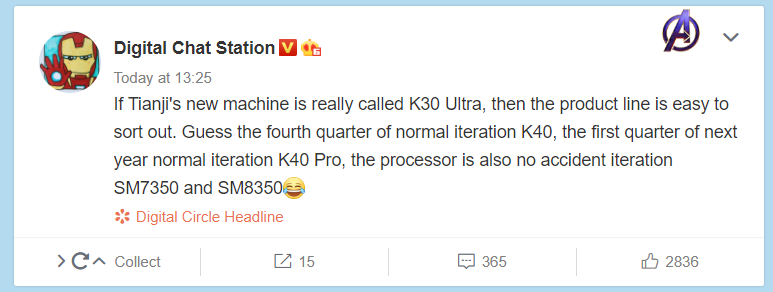
A new Weibo post from Digital Chat Station (@数码闲聊站) has revealed that the upcoming Redmi K40 series might be launched in the fourth quarter of 2020. The successor of the popular K30 series will reportedly sport the new Qualcomm Snapdragon 775 SoC as well.

Redmi

The report from the blogger on the Chinese microblogging website arrives for a recent leak revealed a Redmi K30 Ultra variant with MediaTek’s Dimensity 1000+ processor. According to Digital Chat Station, following this product line, the next entry will be the Redmi K40 series with the base K40 version launching in Q4 of 2020 while the Pro variant will launch in the first quarter of 2021.

Furthermore, the Redmi K40 will reportedly feature the Qualcomm Snapdragon 775 SoC (SM7350) while the Redmi K40 Pro will feature the SM8350 or Qualcomm Snapdragon 875 SoC. Unfortunately, this is still an unconfirmed report so take it with a pinch of salt. It is still too early to tell when Xiaomi will actually launch the latest K generation of smartphones, but stay tuned for more updates.


Moto G 5G Plus new leaks reveal SD765G, 4GB RAM, 5,000mAh battery and 20W charging

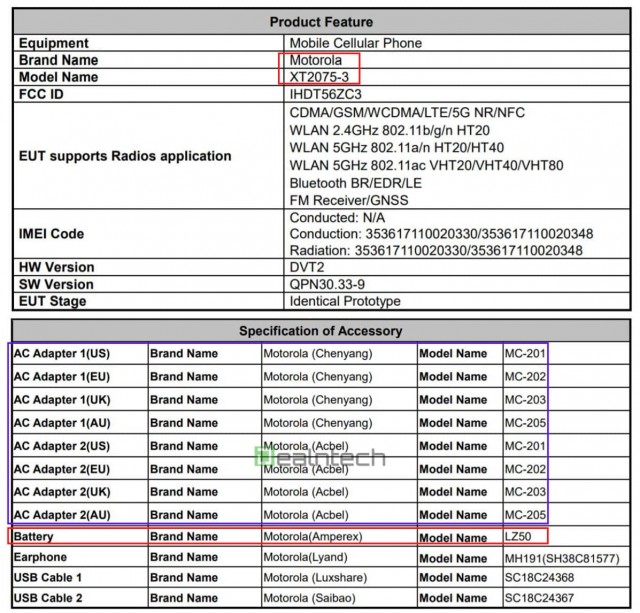
Motorola has a launch event that is scheduled to take place tomorrow at 3 PM CET. It is speculated that the company will be announcing the Moto G 5G and Moto G 5G Plus as its first 5G-ready G-series smartphones. Recently, the XT2075-3 Motorola phone was certified by the Federal Communications Commission (FCC) in the U.S. It was initially believed that it could be coming to the market as Motorola Edge Lite, but later on it was revealed that it could be coming to the market as Moto G 5G Plus. Some more details of the smartphone have appeared once again through its FCC and TUV Rheinland listings. Also, the handset has appeared on the Geekbench marking platform.

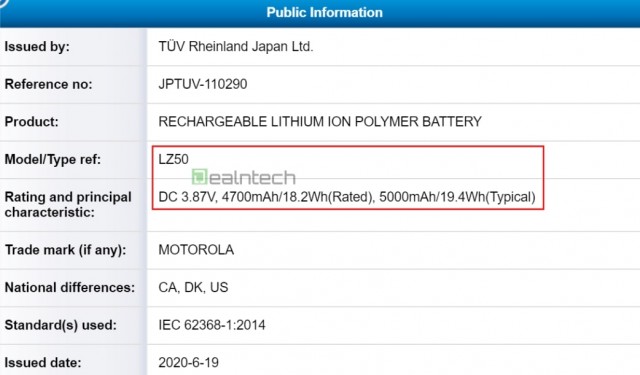
The FCC listing states that the XT2075-3 phone supports 5G, NFC, dual-band Wi-Fi, GPS, GLONASS and Galileo. The TUV Rheinland listing reveals that the phone is packed with a 5,000mAh battery with 4,700mAh rated capacity. The handset will be coming with support for 20W rapid charging.

There is some confusion regarding the XT2075-3 that said to be codenamed as ‘Nairobi.’ It is speculated that it may even launch as Moto G 5G in the U.S. It may debut in some market as Moto G 5G Plus. Probably, the phone could be launching through Verizon in the U.S. as Motorola Edge Lite.

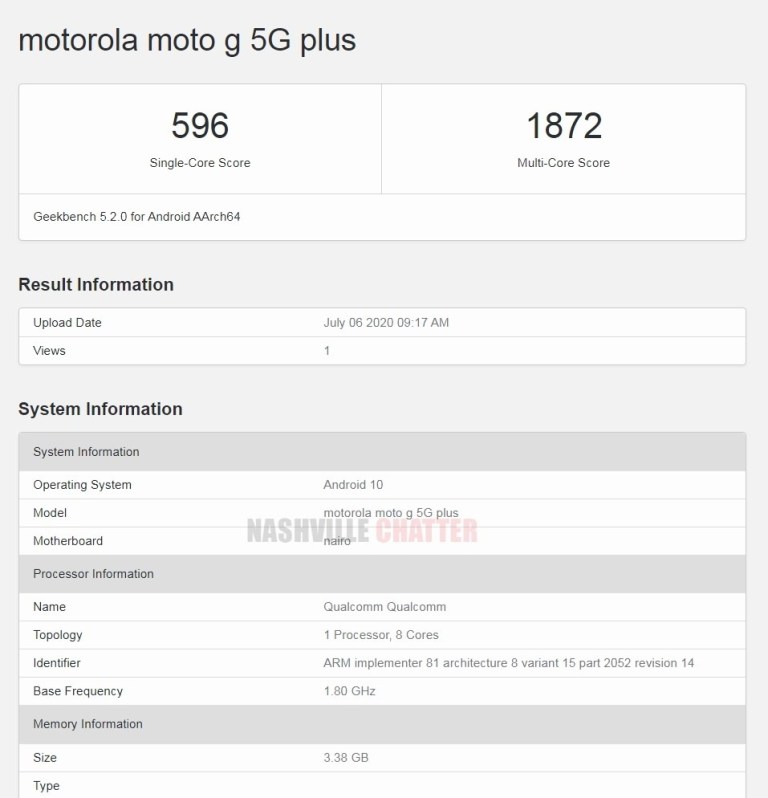
The Moto G 5G Plus appeared on Geekbench benchmarking platform with an octa-core processor from Qualcomm that has a base frequency of 1.8GHz. The text mentioned in the identifier field suggests that it could be featuring the Snapdragon 765G SoC. The Geekbench 5 listing further reveals that it has 4 GB of RAM and it runs on Android 10 OS. In the single-core test of Geekbench 5, the handset recorded a score of 596. It scored 1872 in the multi-core test.

Rumors surrounding the Moto G 5G Plus have revealed that it has a 90Hz display with two punch-holes. It is said to feature an 8-megapixel + 2-megapixel dual selfie camera system. The rear side of the phone has a 48-megapixel + 16-megapixel + 8-megapixel + 5-megapixel quad-camera system.


(via 12)

Samsung chip sales for Q2 2020 may not cover for falling smartphone sales

Samsung Electronics has seen a healthy bump in its chip sales, especially to data centers that are expanding due to a growing surge of work from home traffic. Although, despite its chip sales, it is unlikely that it will make up for its declining smartphone sales.

Samsung

Due to the ongoing pandemic, more and more individuals are working from home, which has caused a boom in online learning. This, in turn, reflects in the growth of chip demand. Samsung is the world’s biggest supplier of DRAM and NAND memory chips. These account for nearly half of the South Korean tech giant’s total profits. The rest is mainly from smartphones.

With the recent increase in demand, a rise in DRAM prices helped the company to maintain a great performance in the second quarter. These price hikes were likely driven by data centers that were stockpiling chips, so the trend is not likely to be sustainable in the near future. However, despite its strong chip sales, the company will not be able to cover up the improved revenue over falling smartphone sales. But the upcoming Samsung Unpacked 2020 event might change the company’s current predicament.


(Via)

Huawei Desktop PC surfaces online, features 7nm Kunpeng 920 Processor

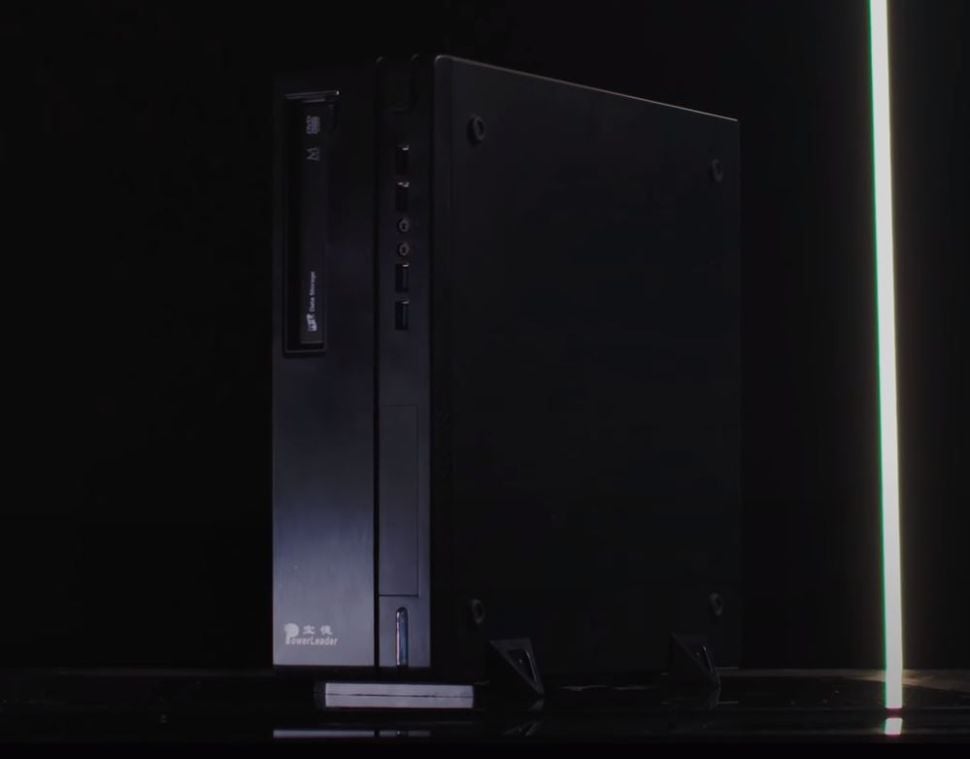
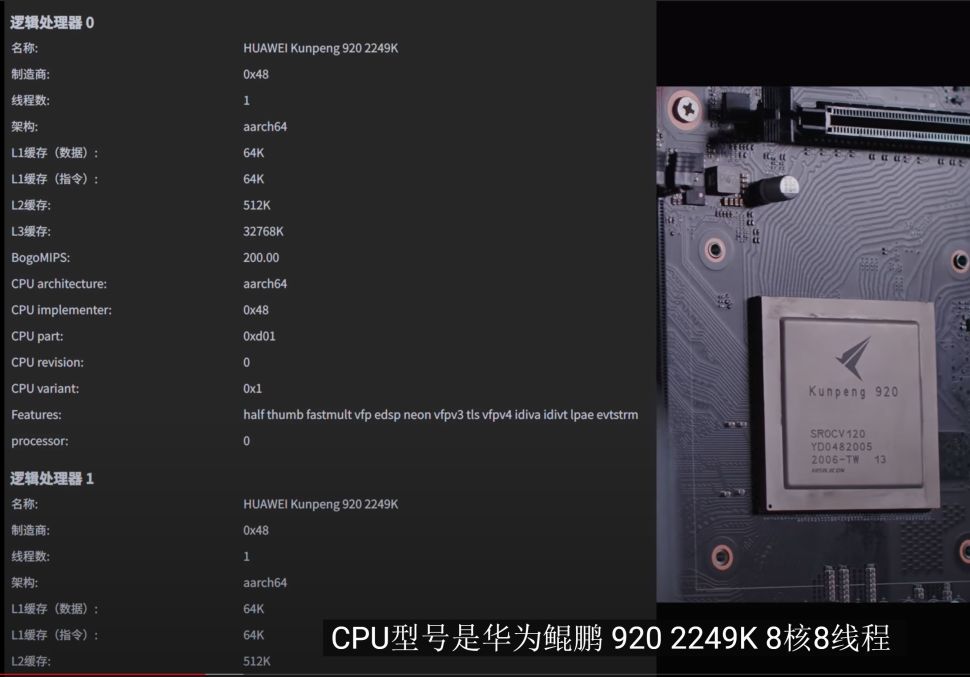
Huawei has made its own line of 7nm ARM v8 based Kunpeng processors through its subsidiary, HiSilcon, that features up to 64 cores and is basically meant for servers. Now, it seems that at least one of these chips is planned for a consumer grade desktop system, as a Chinese YouTube channel has recently purchased and reviewed a Huawei Desktop PC. We had previously reported on such a system before and it seems a unit has surfaced online.

The YouTube channel goes by the name of 二斤自制, who apparently bought and reviewed the Huawei PC with the 7nm Kunpeng 920 ARM v8 processor that has eight cores. This system was built with the Huawei D920S10 desktop motherboard in a third party system and offers us a first look at the upcoming desktop lineup the Chinese tech giant will soon offer, marking its entry into the desktop PC market.

Huawei

Furthermore, the use of self developed chips in the PC is also indicative of reducing reliance on Western technology. Although, it seems that there are still glaring issues with the desktop PC. Looking at the video, it seems the Huawei system is only limited to 64-bit UOS operating system that was made in China. It is a modified version of Linux, with the system supporting 4K resolution at a 60Hz refresh rate via a Yeston RX550 graphics card.

Notably, the YouTuber had to pay an extra 800 Yuan (roughly 115 US Dollars) to gain access to the app store. Unfortunately, it seems like the app store is lacking many basic applications, such as Adobe, which can be essential in the professional fields. The system was also benchmarked with the Blender BMW test render that was completed in 11 minutes and 47 seconds, which is quite slow when compared to the recent generation of desktop processors.

Huawei

The YouTuber bought the system for 7,500 Yuan (roughly 1,060 US Dollars). The Huawei D920S10 motherboard featured 4x DIMM slots but with only 16GB DDR4-2666 RAM spread across two DIMMs. The eight core processor has 8 threads and the video lists its L1 memory with 128K, 512K of L2, and 32MB of L3 memory. While the chip supported PCIe 4.0, the motherboard only has three PCIe 3.0 slots available, with basic connectivity options and ports.


(Via,Source)

SAR values of 15 popular phones in Q2 2020 in India

Smartphones are known for radiating low levels of radio frequency (RF) energy through their antennas. Body parts closest to the antennas can absorb this energy. Specific Absorption Rate (SAR) is the measure of the rate at which energy is absorbed per unit mass by a human body when expose to RF radiations. For phones sold in India, the SAR value should be under 1.6 Watts per kilogram. 91mobiles has compiled a list of the SAR Values of the top 15 smartphones in Q2 2020.

The list shared by the publication reveals that all the SAR values of the all the 15 phones are well under 1.6W/kg. The Redmi Note 8, Samsung Galaxy M31, Realme Narzo 10, Redmi Note 9 Pro Max and Redmi Note 9 Pro have respective SAR values of 0.25W/kg, 0.38W/kg, 0.86W/kg, 0.88W/kg, and 0.90W/kg.


Redmi Note 8 Neptune Blue Featured
Redmi Note 8

The OnePlus 8 Pro, OnePlus 8, Xiaomi Mi 10, POCO X2 and Samsung Galaxy A31 have SAR values of 0.96W/kg, 0.96W/kg, 1.04W/kg, 1.08W/kg and 1.13W/kg, respectively. The Redmi Note 8 Pro, Realme 6, iPhone SE 2020, Realme X3 and Realme 6 Prov have respective SAR values of 1.13W/kg, 1.14W/kg, 1.17W/kg, 1.19W/kg and 1.19W/kg.

There are other popular phones in the Indian market with SAR values below 1.6W/kg. One can easily check the SAR value of a phone by accessing the dialer and entering “#07#.” Manufacturers also mention the SAR value of the phone on its retail package. Some companies like Xiaomi and Samsung also mention the SAR values of their devices on their website.


(source)

TSMC dominates Samsung in Q2 chip production market as 5G demand rises

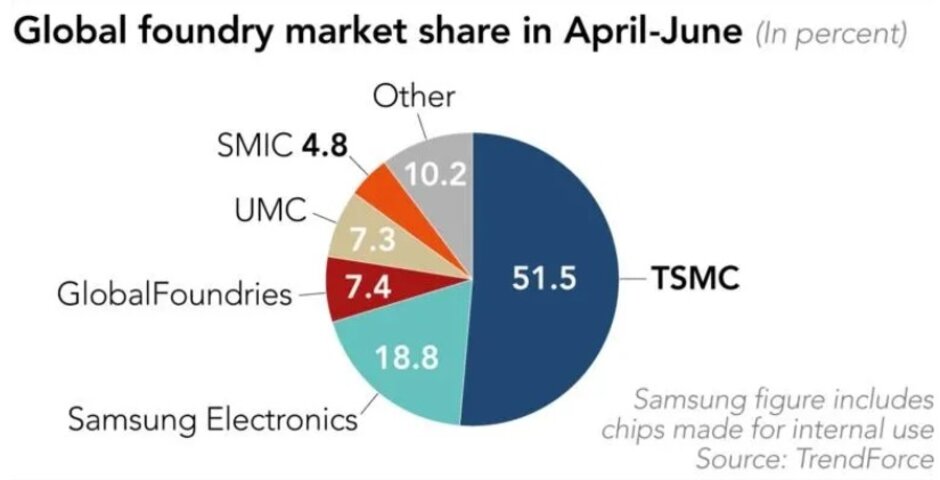
TSMC has dominated the global chip foundry market. The world’s largest contract chipmaker is a known supplier of industry giants like Apple, Qualcomm, MediaTek, and more and currently holds a 51 percent market share, while Samsung comes in second with just 18.8 percent market share in Q2 chip production market.

TSMC

While both TSMC and Samsung are moving towards the more powerful and energy efficient 5nm process node, the former has seen dominance in the market due to rising demand for 5G. Despite the South Korean company’s best efforts and investments into its foundry, TSMC is still dominating the market which may seem insurmountable at the moment.

Furthermore, while the Coronavirus pandemic was a major hurdle to TSMC, demand from TSMC had not lowered. At the moment, the contract chipmaker is mass producing 5nm chips for various brands including, the upcoming Apple iPhone 12 series, which may be the first smartphone to ship with a 5nm chipset. The new Apple A14 Bionic chip will have 15 billion transistors, which is near twice as high as the previous 7nm nodes.

TSMC

Notably, the firm is also making 5nm chips for Huawei‘s HiSiicon semiconductor unit. Although, due to recent US sanctions, TSMC can only produce chips that were already ordered, and can no longer supply the Chinese tech giant in the future. Huawei had accounted for 15 percent of TSMC’s source of revenue back in 2019, but apparently, the company has already replaced Huawei orders.


(Via)

LG plans on raising smartphone production in India by 15 times and apply for PLI scheme

LG, the South Korean tech giant, is looking to capitalize on a “window of opportunity” that has opened up in the Indian market. The company is scaling up its local smartphone manufacturing in the region by 15 times after recent anti-Chinese sentiments have gripped the nation.

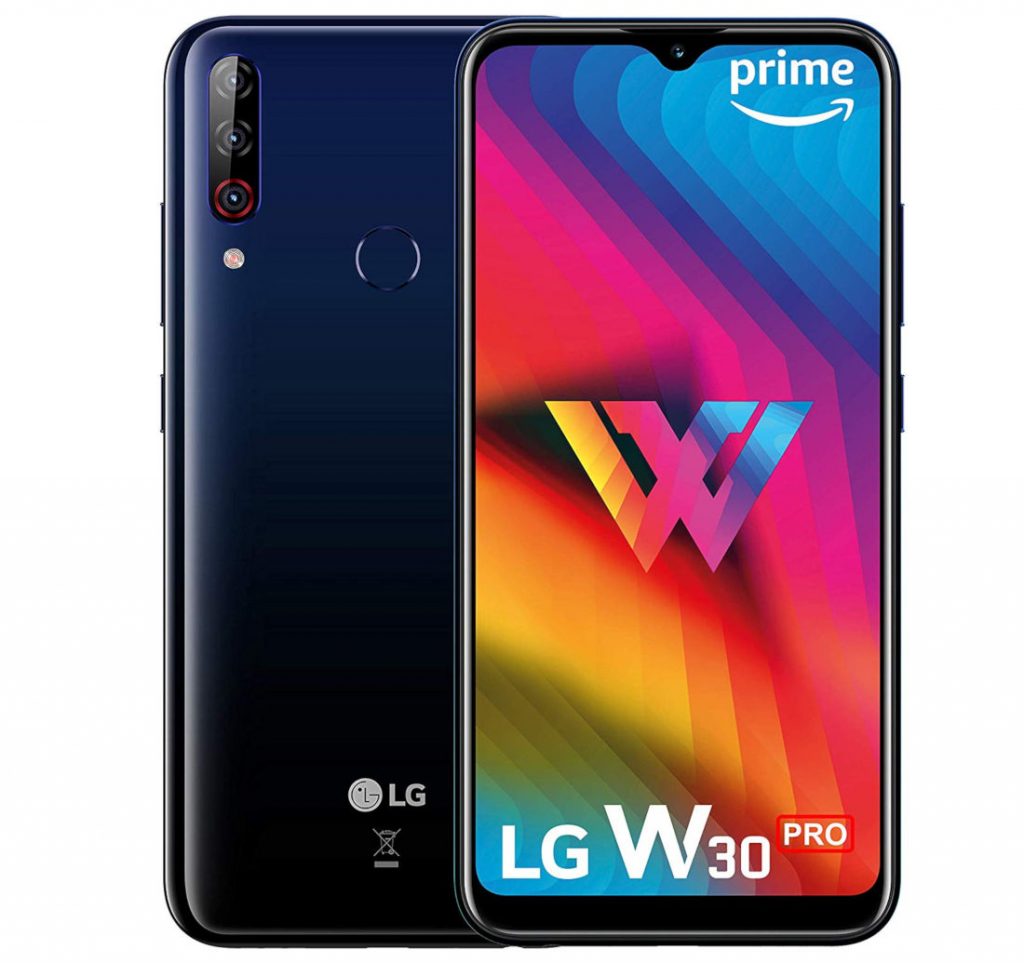
LG-W30-Pro

According to LG’s mobile communications head, Advait Vaidya, the company has seen a 10 times increase in sales of its smartphones in the past two months. The senior executive credited this rise to the growing anti-Chinese sentiments and the boycotting of products from China. Furthermore, LG is also planning on applying for the PLI (production-linked incentive) that the local government offers to scale up production.

The key market segment that LG is planning on focusing on is the sub 15,000 INR (roughly 200 US Dollars) smartphone category. This segment has typically been dominated by Chinese giants like Xiaomi, Oppo, Vivo, and even Realme in India. However, with recent military clashes in the Indo-China borders, friction between the two nations has escalated and the Indian government has already banned 59 Chinese applications as well.

LG

Thus, LG is looking at this rising unease surrounding China and its products as an opportunity. By August, the company plans on launching 6 phones across all segments starting from the sub 10,000 INR category (roughly 133 US Dollars) with plans to expand through online and offline channels. Similarly, by the time Diwali (a major festival in India) rolls up, LG aims to have its production rise by 12-15X.


(Source)