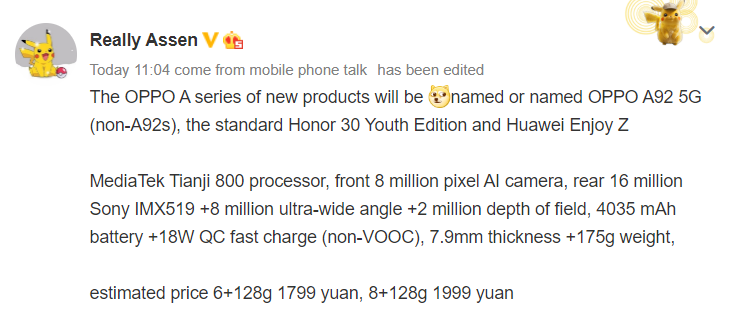
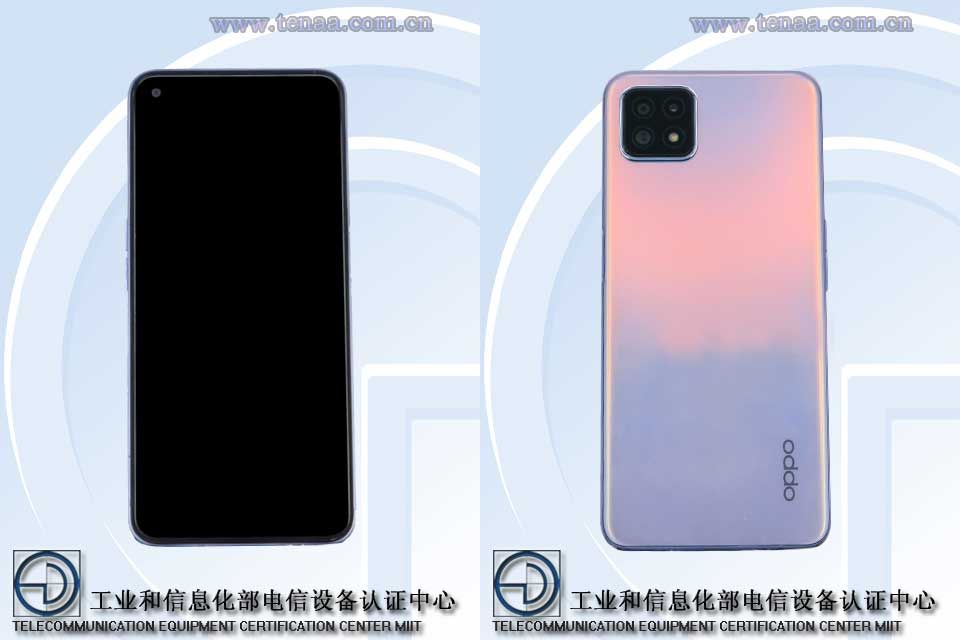
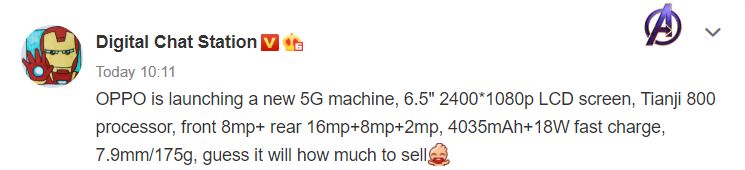
In April, OPPO unveiled the OPPO A92s 5G handset in China. Currently selling with 1,999 Yuan (~$283) price tag, the A92s arrived as the company’s first low-priced 5G smartphone. It came with some other attractive features such as 120Hz refresh rate display, 16-megapixel dual selfie camera, and 48-megapixel quad rear cameras. A mysterious OPPO PDYM20 / PDYT20 smartphone has appeared on TENAA with full specifications. According to a Chinese tipster, this phone could be arriving in the homeland as OPPO A92 5G.
The alleged OPPO A92 5G has 162.2 x 75 x 7.9mm dimensions and it weighs 7.9mm. The handset may arrive debut in China in color options such as black and gradient colors like white-purple and silver-red.
The smartphone has a 6.5-inch display with a single punch-hole at its top-left corner. The screen offers a Full HD+ resolution of 1080 x 2400 pixels. It has a front-mounted camera of 8-megapixel.
The alleged OPPO A92 5G is equipped with a 2.0GHz octa-core processor. The above-mentioned tipster and another leakster have claimed that the Dimensity 800 5G could be present under the hood of the device. The phone is expected to draw power from a 4,035mAh battery. It may arrive with 18W fast charging support. The device is listed on TENAA in RAM versions like 4 GB, 6 GB and 8 GB and storage models like 128 GB and 256 GB.
The Android 10 OS is preloaded on the device. It has a side-facing fingerprint scanner. The back panel of the phone has a square-shaped camera housing. It is populated with an LED flash, a Sony IMX519 16-megapixel main shooter, an 8-megapixel ultra-wide lens, and a 2-megapixel depth assist sensor. There is no microSD card slot on the device.
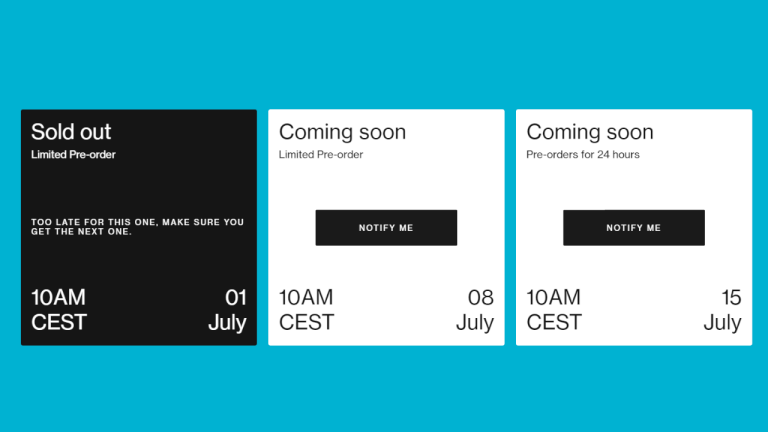
OnePlus is yet to confirm the launch date of its upcoming OnePlus Nord mid-ranger since it is busy building its hype. OnePlus recently confirmed that the OnePlus Nord is fueled by Snapdragon 765G. Most of its other specs are under wraps. Still, the smartphone was made available for pre-orders in Europe on July 1 and it was sold out in a flash. The company had only made available 100 units of the device for the first pre-orders. The Chinese firm will be carrying out the pre-orders again in the second and third week of this month.
OnePlus confirmed that the OnePlus Nord will once again available for pre-orders in Europe on July 8 at 10 AM (CEST). The July 8 pre-orders will last for a limited period. On July 15, the handset will be up for pre-orders for 24 hours. The smartphone will be priced under $500.
For the first and second pre-orders, the company is offering a “random lifestyle product, a sticker pack, and other mystery gifts.” Those who part take in the third pre-order will also get a sticker pack and a mystery gift. In order to pre-order the handset, the company wants users to spend 20 euros for a voucher that the customer will receive along with an invitation code after the handset debuts.
As far as specs are concerned, it is known that the OnePlus Nord supports 5G as the modem is built-in into the SD765G and it is likely to sport a 90Hz refresh rate display. Rumors have it that it may support a dual punch-hole cutout for its 32-megapixel + 8-megapixel dual selfie camera setup. It could be coming with up to 8 GB of RAM and 128 GB / 256 GB of storage. It is unclear whether the phone has a triple or quad camera setup. The phone may house a 4,300mAH battery with 30W fast charging support.
The OnePlus Nord is also expected to be available for pre-orders in India through Amazon India. It is speculated that the smartphone may go official on July 10. The smartphone will not be released in North America. However, the company did reveal that a certain number of users from the continent will be provided with an opportunity to take part in a limited beta program after its official announcement.
A couple of months ago, Xiaomi-backed Redmi had added a new budget device in its Redmi K30 series lineup in the form of Redmi K30i 5G. At the time, the phone was launched in just one variant — 6GB RAM + 128GB storage.
However, earlier this week, the company introduced two new variants of the Redmi K30i 5G smartphone in China — 8GB RAM + 128GB storage and 8GB RAM + 256GB storage. Both these new models are now available for purchase in China.
As for the pricing, the 8GB + 128GB model is priced at 1,799 yuan (~$255) while the 8GB + 256GB model costs 1,999 yuan (~$283). On the other hand, the 6GB + 128GB model is available for purchase at 1,499 yuan (~$212). The smartphone is being made available in four color options — Blue, White, Red, and Purple.
Coming to the specifications, the Redmi K30i 5G features a 6.67-inch IPS LCD display that offers Full HD+ screen resolution and 120Hz refresh rate. The HDR10 complaint screen is also protected by a layer of Gorilla Glass 5.
Under the hood, the device is powered by Qualcomm Snapdragon 765G chipset and comes with LPDDR4X RAM and UFS 2.1 storage. The only major difference between the Redmi K30i and Redmi K30 seems to the camera configuration.
The phone features a quad-camera setup on the back that consists of a 48-megapixel primary shooter, coupled with an 8-megapixel ultrawide sensor, a 5-megapixel super macro lens, and a 2-megapixel depth sensor.
On the front side, the device comes with a dual-camera setup that includes a 20-megapixel primary sensor and a 2-megapixel secondary sensor. The smartphone runs MIUI 11 based on the Android 10 operating system and is powered by a 4,500mAh battery with 30W fast charging technology support.
Last year, Microsoft had unveiled its two upcoming devices featuring dual displays — Surface Neo and Surface Duo. While the Surface Neo has been postponed by the company, the Surface Duo is expected to official pretty soon.
In fact, details about the Surface Duo keeps surfacing online as the launch of the device nears. Now, in the latest development, Panos Panay, Chief Product Officer at Microsoft, showcased the Surface Duo.
From the image shared by him, the device seems to be a bit different from what the company showcased as a prototype last year. It also seems that the device Panos Panay is using has a bumper case installed.
This is a major indication that the device is indeed nearing launch. There has been speculation about the Surface Duo getting launched in the coming weeks or months and go on sale during the holiday season this year. But the company has not yet confirmed the launch date for the same.
A recent report has revealed that the device will come with two equal-sized 5.6-inch AMOLED display panels — each screen offering a 4:3 aspect ratio, 1800 x 1350 pixels resolution, and 401ppi pixel density.
In the software department, the device will be running Android 10 operating system out-of-the-box with the company’s own Microsoft Launcher on top. As per the reports, the company is working on apps that will come pre-installed. Microsoft also seems to have worked on a way to make the user experience better with dual screens for apps.
While we were expecting Surface Duo to come with the latest Snapdragon 865 chipset, it has been revealed that the device will be powered by the Qualcomm Snapdragon 855 SoC, thus there will be no 5G connectivity support.
The device will come packed with 6GB of RAM and 64/256GB of internal storage. It will feature an 11-megapixel camera sensor and the phone also has a fingerprint sensor for added security. Powering the device will be a 3,460mAh battery.
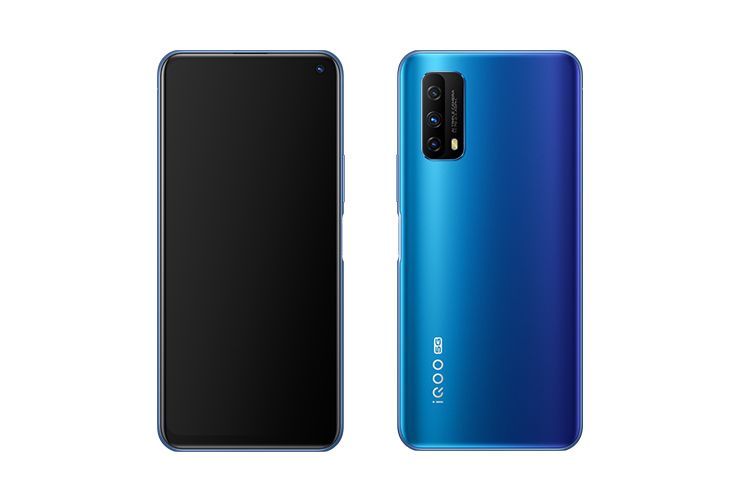
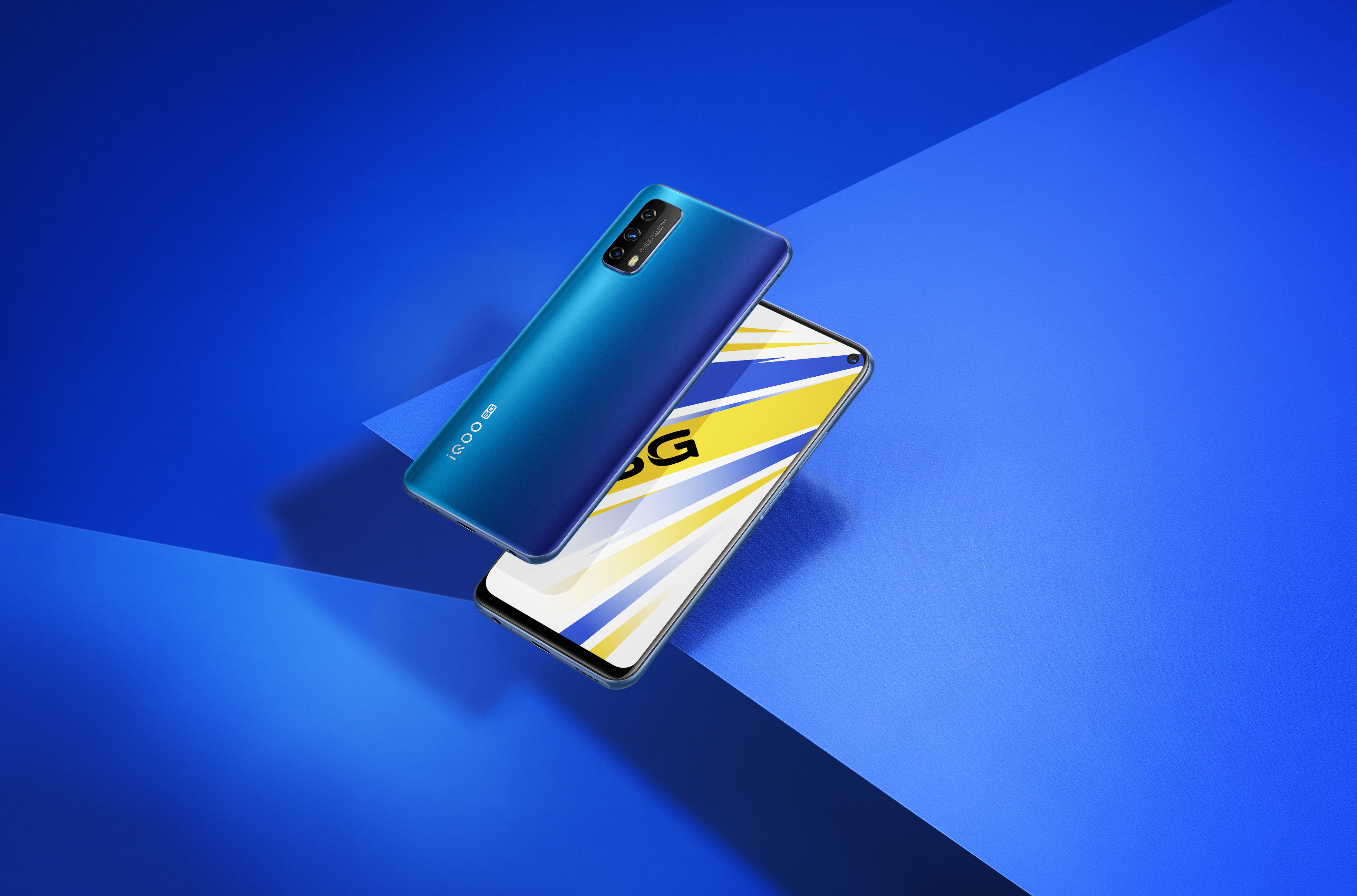
It was confirmed by iQOO yesterday that the iQOO Z1x 5G will be debuting on July 9. Rumors surrounding it have revealed that it will be positioned lower than the iQOO Z1 that debuted in May in China with a starting price of 2,198 Yuan (~$311). The iQOO Z1x 5G’s specifications already known through its TENAA appearance. The smartphone is now listed in the product library of China Telecom. The listing has revealed the variants and color editions of the smartphone.
According to the China Telecom listing of the iQOO Z1x 5G, it will be coming to Chinese markets at least in two models such as 8 GB RAM + 128 GB storage for 2,198 Yuan (~$311) and 8 GB RAM + 256 GB storage for 2,498 Yuan (~$353). These pricings can be disregarded as the device is expected to cost less than 2,000 Yuan (~$283). The iQOO Z1x 5G will land in the homeland in color options such as Sea Azure, Ruiku Black, Aqua White.
The iQOO Z1x 5G has a punch-hole IPS LCD screen of 6.57 inches. The 20:9 aspect ratio screen offers a Full HD+ resolution of 1080 x 2400 pixels. The iQOO Z1x will also carry support for the 120Hz refresh rate.
The Snapdragon 765G is speculated to drive the iQOO Z1x 5G. The TENAA listing of the smartphone had revealed it may also release in 6 GB RAM and 64 GB storage edition. The iQOO Z1x has a side-mounted fingerprint reader. It will boot to the iQOO UI based Android 10 OS. The smartphone is equipped with a microSD card slot for more storage.
It has a front-facing camera of 16-megapixel. The rectangle-shaped camera module placed on the backside of the phone has a 48-megapixel + 2-megapixel + 2-megapixel triple camera system along with an LED flash.
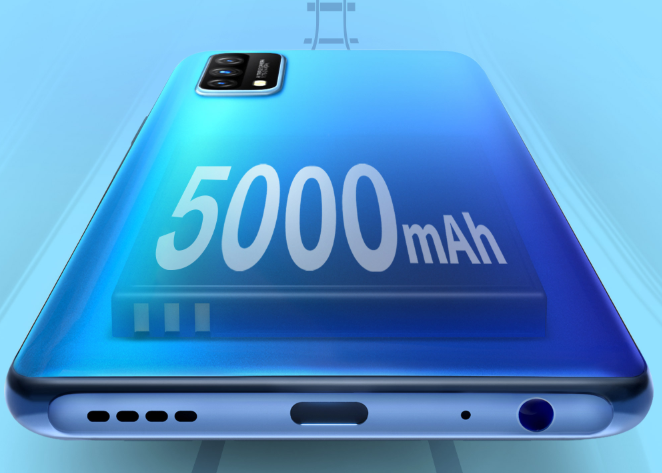
The iQOO Z1x 5G is backed by a 5,000mAh battery. It is now officially confirmed that it will carry support for 33W rapid charging. A poster released by the company today reveals that it features a USB-C port and a 3.5mm headphone jack.
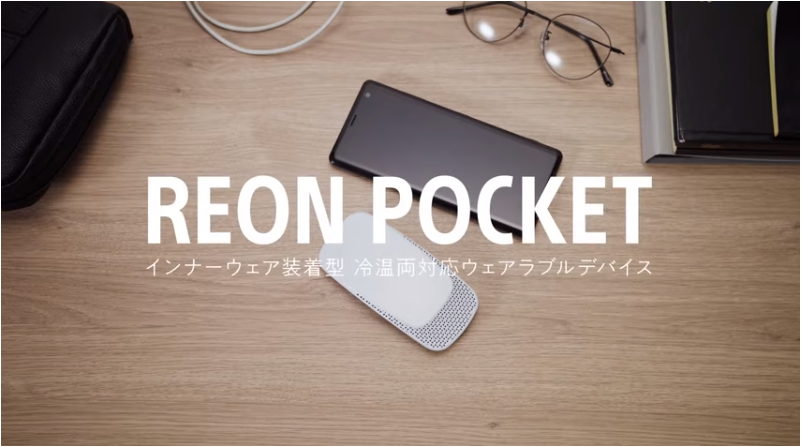
Sony has finally launched the Reon Pocket wearable air-conditioning device for sale in Japan. The innovative device was first launched for crowdfunding under Sony’s First Flight project around August last year. The device carries a retail price of 13,000 yen (~$120).
The Reon Pocket is a wearable device which is kept in a pouch in a special t-shirt. The stealthy device doesn’t condition the air as such. Rather, it sits at the base of your neck and uses the Peltier effect (where heat is absorbed or emitted when you pass an electrical current across a junction) to either lower your temperature by 23F or raise it by 14F, all without bulk or noise.
The temperature can be controlled through a mobile app and can be set to the automatic mode. The battery can last for just 2 hours on a single charge which is quite disappointing. The device can be charged via a USB-C port which we expect to deliver fast charge.
Sony is also shipping the special t-shirt “RNPS-C1VA” comes in three sizes, S/M/L. You can choose white or beige as the colour and the price is 1,800 yen (~$16). The Reon Pocket is designed to fit around the neck.
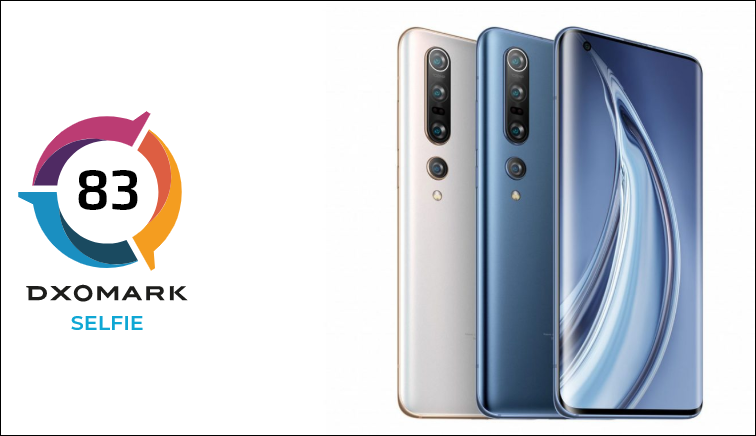
Xiaomi‘s latest flagship Mi 10 Pro is presently ranked at the number 3 position together with the Find X2 Pro on DXOMark’s main camera review. The Mi10 Pro’s selfie camera has now been reviewed by the guys at DXOMark.
According to DXOMark, its engineers capture and evaluate over 1500 test images and more than 2 hours of video both in controlled lab environments and in natural indoor and outdoor scenes, using the camera’s default settings.
The phone scores 83 points on the Selfie test which places it at a mid-table position in DXOMark’s front camera ranking. The flagship Mi 10 Pro is ranked close to mid-range phones like the Galaxy A71 or to older high-end models like the Apple iPhone XS Max.
The Mi 10 Pro scored 84 points in the Photo test which is far lower than the Huawei P40 Pro’s (108) which sits atop DXOMark’s camera review chart. Even with the score, the reviewer says the Mi 10 Pro is capable of recording decent selfie shots in the right conditions. Target exposure on faces is good in most conditions, and a wide depth of field means that even subjects at the back of the group or selfie-stick users are captured with acceptable sharpness.
On the downside, limited dynamic range results in quite an intrusive highlight clipping in high-contrast scenes, and the colour rendering leaves room for improvement.
As a reminder, the Mi 10 Pro features a 20MP 1/3-inch sensor and a fixed-focus lens with an f/2.0 aperture. In video mode, the Mi 10 Pro front camera is capable of recording footages at 1080p resolution and 30 frames per second. You can read the full review from the source link below.
The Motorola One Fusion has been announced, albeit quietly. The mid-range phone is a less-powerful variant of the already announced Motorola One Fusion+.
The Motorola One Fusion comes with an HD+ display that has a waterdrop notch. The screen is 6.5-inches in size and the camera inside the notch is an 8MP sensor. Under the hood is the almost two-year-old Snapdragon 710 processor and it is paired with 4GB of RAM and 64GB of expandable storage.
On the back of the phone are four rear cameras – a 48MP primary sensor, an 8MP ultrawide angle sensor, a 5MP macro camera, and a 2MP depth sensor. There is a fingerprint scanner on the back too and a dedicated Google Assistant button on the side.
The Motorola One Fusion packs a 5000mAh battery with up to two days of battery life. Sadly, there is no mention of support for fast charge. The phone runs Android 10 out of the box with My UX (Motorola’s new UI) on top.
It is already on sale in Latin America (priced at CLP199,990 (~$250) in Chile) and comes in Emerald Green and Sapphire Blue. Motorola says it will also be sold in Saudi Arabia and the United Arab Emirates next month.
A mask can be an effective way to protect yourself from the ever-increasing air pollution. But, it should adhere to all the WHO recommendations for an anti-pollution mask. However, a new anti-pollution UVMask with highly-efficient UV-C purification technology has appeared on the Kickstarter for the price of $99. It is much better and safer than the traditional N95 masks which are ordinarily used by the people.
UVmask purifies the air 10x faster than the rate of breathing with 99.99% of efficiency. It houses UV-C light within the mask for powerful purification. It purifies the air sent through vortex using two 25,000μW/cm2 UV-C LEDs. UVMask patent is currently pending with name of Sterile-Vortex.
It is an advanced mask providing protection from pollutants, pathogens, dust, and allergens light protect using UV-C light dual filtration. UVMask uses two high-efficient protection layers to filter the air effectively. The first layer removes 95% of the pollutants awhile the UV0-C VOrtex improves efficiency to 99.99% as the second layer.
Primary Features of the UV Mask are:
Sterile Vortex UV-C Protection
High-Efficiency Air-Filter
Dual-Way Air Purification (99% purification)
Enhance natural breathing
Skin Friendly material
Durable
6 Hours of Battery backup
Costs $2/month
Removable Filters
Airtight Seal
Resolves Foggy Glasses problem as it intakes air from sideways. It also helps in curing saliva spilling out issue while using the mask.
Advanced Purification
UVMask can filter particles of 0.1-micron size which is quite better than the 0.3micron of N95. The engineers behind the design have spent many years while researching and designing the UVMask. There are 9 different elements of the mask including Outer protective shell, high-efficiency air filter, inner shell sterile Vortex UV-C filtration system, Li-Po batteries Skin Soft and Sir tight silicon pad and Adjust straps.
Fully Certified
The UVMask is tested and certified by FDA-approved ISO 17025 SGS labs.
It is a perfect companion for the elderly population, commuters, cyclists and persons who are allergic to stranded particles in the air.
Battery and Resistance
It is fully comfortable mask built out of hardcover front shell which is resistant to drops and scratches. A 1200 mAh Li-Po battery is present for 6 hours of continuous usage enabled with fast charging using USB-C port.
Technical Specifications
Type: Reusable
Harnes Type: 4-point interchangeable
Size: Universal fit
Weight:110g
Battery
2x 1200 mAh Li-Po
Battery Life: 6 Hours
Standard Filter Efficiency: 95%
Combine Total Efficiency: 99.99%
Pricing
UVMask is available for $99 from Kickstarter, but you can also add 10x adjustable filters by adding an additional $12. It is available in Jet Black and Jet White colour options. Other accessories of the mask include a carrying case and extra front shell for $15 each. You can grab a single pice for $99, 2X masks are available for $189, 3X are available for $275and 4X for $359. A bundle of 10x and 50x masks are available for $890 and $4450.
One of the things Finland is known for is for being the home of the former mobile industry king, Nokia. It has been a few years since the Nokia smartphone brand returned to its home country, and now its new owners, HMD Global, is cementing it with the launch of a new R&D center in the city of Tampere.
A press statement released by the manufacturer today said they have also acquired the assets of Valona Labs which is an expert in mobile, enterprise, and cybersecurity software.
The new R&D center will develop software and services for mobile security, remote device locking, enterprise mobility management, secure network communication, and black-box testing. HMD Global adds that there are plans to add imaging and audio technologies in the future.
With the launch of the new center comes immediate recruitment of staff who shall be headed by Ari Heikkinen, the award-winning Head of Unit for Valona Labs.
The new center will help HMD Global cement the trust it has earned in providing secure and up-to-date services for its customers.
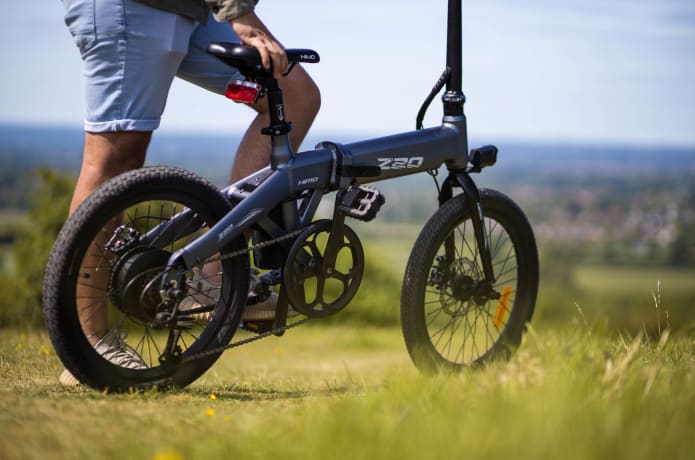
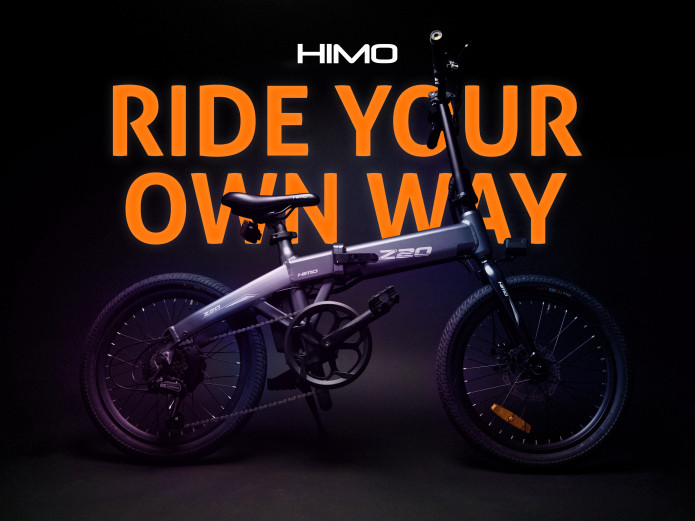
E-Bikes popularity is scaling new heights for a couple of years due to some unconditional benefits. Many manufacturers are now evolving the E-Bikes by bringing more effective, efficient, and lightweight bikes. Himo is here with its Z20 E-Bike possessing ultra-dynamic dual-mode and many other features while providing energy-efficient travel. Himo Z20 E-Bike is now available via Indiegogo for $699.
You can choose between perks as listed that provide you with different models with varied quantity. You can get a 1x Himo Z20 E-Bike in black colour for the $699 perk, while a white colour variant is available for $749. A special edition Z20 is available for $799 with over a 20% discount. A 2x Z20 e-bike perk is also available for $1298, 3x Z20 e-bike is available for $1888 and 4x Z20 e-bikes will fetch you a bill of $2439.
Himo Z20 features
The E-Bike offers splendid features that help you get rid of traffic jams, clunky vehicles, public transportation and helps in improving health. We have detailed all the features of the Himo Z20 powerful bike below:
Breathtaking Mobility
The Himo Z20 offers dynamic Dual Mode offering electric and manually cycling. The user can easily switch between the Cool Mode and the Dynamic Mode with a single button press. It allows the rider to accelerate the e-bike using its electronic motor.
You can easily apply a bit of electric acceleration while using Cool Mode to enjoy force-free pedalling. However, the Dynamic Mode is designed for better speed.
While using E-Assist, the E-Bike uses 30% energy from Electronic motor and the rest needs to come from pedalling or use the vice versa settings.
Transportable, light-weight and sleep
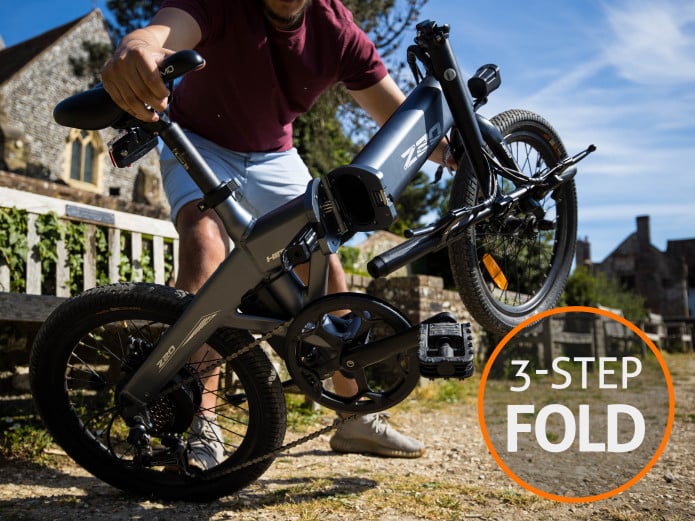
Himo Z20 is a compactly designed E-Bike with foldable chassis allowing for easy transportability and storage. There’s an aluminium frame which matches the elegant design of the bike.
The vehicle folds in three steps and can be easily placed into the car trunk, work or any other place. You need to just unlatch the lever to easily fold the frame and handlebar stem.
Performance
The Z20 E-Bike is fast and reliable with the 6-speed transmission system. You can easily shift the gears for easy and effortless driving.
It consists of a High-Efficient DC brushless motor which produces 250W power which enough power unique travel experience. The rigorous tyre grip also enables to fully utilise the power and travel wherever the user wants.
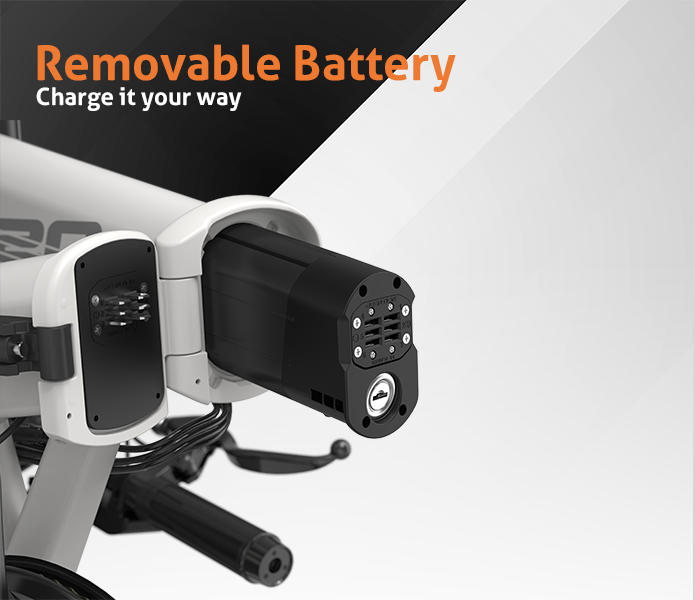
Removable Battery
The Himo Z20 features a removable battery which assists charging by easily removing it from the chassis. A dedicated key is present to quickly remove the battery and charge wherever you want.
It houses a 10Ah Lithium battery enabling to ride at 50M(80m) on a single charge. Regardless of different seasons, the efficiencies of the battery remain the same.
Control Precision
The interconnected vector control system allows for getting real-time vehicle information. It enables efficient and effective control of the vehicle by analysing the real-time information in the meter. The whole system is designed to effectively control the power and enhance the riding experience.
All the parameters including speed, distance, different modes, battery, power, and mode switch information are visible on the Crystal Clear Display.
Waterproof IPX7 Rating
The user can easily travel irrespective if it is raining for not. All the electronic apparatus will remain intact.
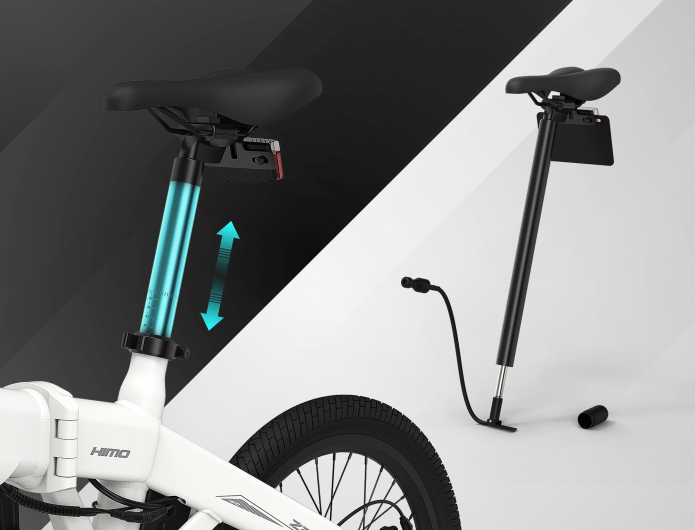
Integrated Air Pump
You can easily use the Air Pump that is present under the seat if you have a low-pressure tire or it is punctured. You can easily grab the in-seat air pump to easily cure any pressure-related issue.
Other Features
It’s a patented aluminium design featuring modern aerodynamic frame. It is tested under rough and tough conditions and received a 3C safety rating. The lightweight and durable design enable riding efficiency, mobility and safety.
Technical Specifications
Gear: Shimano 6-Gear Transmission
Speed 25KM/h
Range: 80km
Battery Wattage: 250W
Battery Charging Time: 0-100 in 5 hours
Brakes: Dual Mechanical disk-brakes
Speedometer: Digital with other parameters
Tires: CST All-WEeather Tires
Light: Front LED Light
Water Resistance: IPX7 Certification
You can grab the Himo X20 E-bike for the price of $699 from Indiegogo. However, the actual retail price will be higher than the present price.
Today, Huawei’s brand launched the biggest phablet of 2020: the Honor X10 Max comes with a huge 7.09-inch display and a 19:9 aspect ratio. Besides being a huge phablet, it is also a pretty nice mid-ranger supporting dual-mode 5G connectivity and carrying an affordable price. Is it enough to kill the concurrence or there is something better in the actual market? We will try to let you find out by comparing it with two affordable mid-rangers sporting similar specifications with a similar price tag. We are talking about the Redmi 10X Pro and Huawei Enjoy 20 Pro which are the latest affordable offerings from Xiaomi and Huawei.
Huawei Honor X10 Max vs Huawei Enjoy 20 Pro vs Xiaomi Redmi 10X Pro
Triple 48 + 8 + 2 MP f/1.8, f/2.4 and f/2.4
16 MP f/2.0 front camera
Quad 48 + 8 + 8 + 5 MP f/1.8 and f/2.2
20 MP front camera
Triple 48 + 8 + 2 MP f/1.8
8 MP front camera
BATTERY
4000 mAh, fast charging 22.5W
4520 mAh, fast charging 33W
5000 mAh, Fast charging 22.5W
ADDITIONAL FEATURES
Hybrid Dual SIM slot, 5G
Dual SIM slot, 5G
Dual SIM slot, 5G
Design
Due to its huge dimensions, we would not recommend the Honor 10X Max to those who search for a compact and elegant device. At least according to my opinion, the most attractive one if we talk about aesthetics is the Huawei Enjoy 20 Pro. It is compact and it has a less invasive camera module, as well as an elegant rear side. Despite it has a side-mounted fingerprint reader instead of an in-display sensor like the Redmi 10X Pro, the Huawei Enjoy 20 Pro is even thinner and lighter. These are the reasons why it wins the design comparison.
Display
The most beautiful display belongs to the Redmi 10X Pro as it is the only one to offer an AMOLED panel with deeper blacks and more brilliant colors. It even comes with the HDR10+ certification. On the other hand, Honor 10X Pro sports one of the widest panels in the whole market with a 7.09-inch diagonal. Further, its display remains a great panel: it is an IPS display, but it is HDR10 certified and it delivers great overall quality. Huawei Enjoy 20 Pro is probably inferior in terms of image quality, but it offers a higher 90 Hz refresh rate for a smoother experience.
Specs & Software
Honor 10X Max and Huawei Enjoy 20 Pro are powered by the Dimensity 800 mobile platform by MediaTek. The Redmi 10X Pro is much better due to the presence of a more powerful Dimensity 820. The difference is not huge, but it is noticeable. The Dimensity 820 chipset is paired with up to 8 GB of RAM and up to 256 GB of internal storage, while with the Honor 10X Max and the Huawei Enjoy 20 Pro you get max 128 GB of internal storage. In each case, you can expand the internal storage and you get Android 10 out of the box.
Camera
Honor 10X Max, Huawei Enjoy 20 Pro, and Redmi 10X Pro come with similar camera setups, but the Redmi 10X Pro wins the camera comparison. The main sensor is the same on each device, but Redmi 10X Pro sports an additional telephoto lens with OIS and 3x optical zoom, as well as a better macro sensor. Huawei Enjoy 20 Pro takes the silver medal with a 48 MP triple camera including an ultrawide sensor and a better front camera than Honor X10 Max. Note that none of these devices is a high-end camera phone, but Redmi 10X Pro goes beyond a simple mid-range camera.
Battery
With its huge 5000 mAh battery, Honor X10 Max will most likely last more than both Huawei Enjoy 20 Pro and Redmi 10X Pro with most of the usage patterns. But the Redmi 10X Pro should not be so far with its 4520 mAh battery and its efficient AMOLED display. Further, the Redmi 10X Pro charges a lot faster thanks to its 33W fast charging technology which can bring the battery from 0 to 58 percent in just 30 minutes.
Price
The starting price of the Redmi 10X Pro is €290/$325, while the Honor X10 Max starts from €240/$270, and Huawei Enjoy 20 Pro costs €250/$280 in its base variant. Judging from the overall specifications, Redmi 10X Pro looks more interesting thanks to its AMOLED display, stronger chipset, and better cameras, but Honor 10X Max is a unique device thanks to its huge display which can be very suitable for productivity and power users.
Rebadging phones is the current trend in the smartphone industry. It is not unusual to see a phone launch under different names in different countries or see two different phones that have the same name in different markets. The latest to do this is Realme as a leak has revealed that the Realme 6s which launched in Europe in May will now launch in India as the Realme 6i.
Yes, we know there is a phone already called the Realme 6i but that phone is sold in India as the Realme Narzo 10.
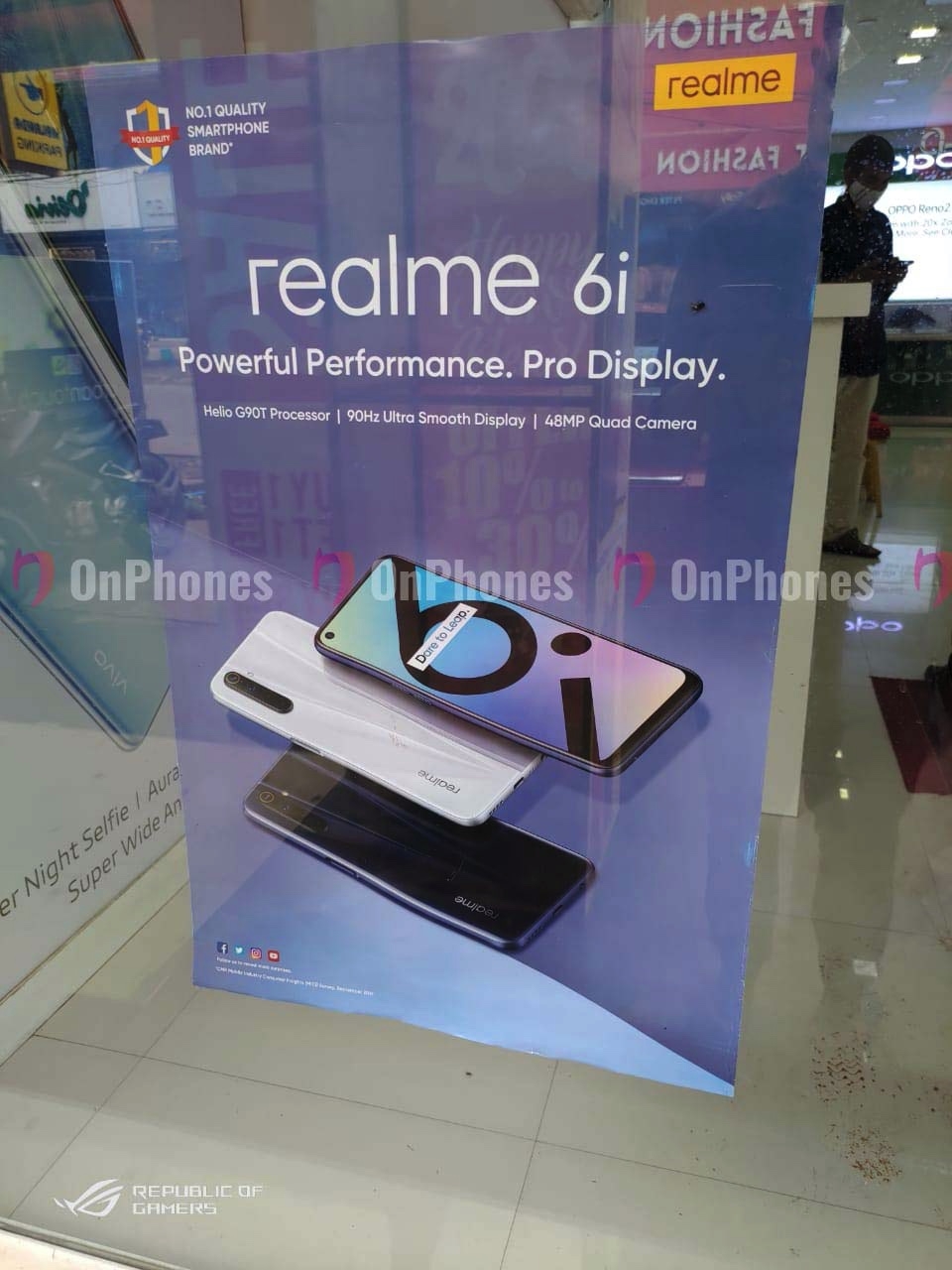
The info comes from the Indian tech blog OnPhones and they back up the claim with a photo of a poster taken at a retail store in India.
The image shows the Realme 6i has a punch-hole display with the hole for the camera at the top left corner of the screen. It also confirms that the phone will have an Helio G90T processor, a 90Hz refresh rate, and a 48MP quad-camera setup on the back. It will also come in black and white color variants.
The source reports that the Realme 6i will be available in just one configuration and that is with 4GB of RAM and 64GB of expandable storage. It was also revealed that the phone will launch next week according to the info gotten from the store attendant.
Seeing as the Realme 6 has gotten a price increase (now starts at INR 14,999), the Realme 6i should be a more affordable version with a price tag under INR 14,000.
Hifigo is an audio device maker offering premium AMP, DACs, Headphones, Audio players and much more. After launching the HiFiGo BLON BL-O5 IEM a few months ago, the company has finally unveiled Kinera Baldr multi-drive IEM (In-Ear Monitors). The elegant drivers are built with original oakwood ear shells encased seven driver hybrid setup – 4x EST drivers, 1x dynamic driver and 2x armature drivers.
The new IEM from Hifgo is based on Norse Mythology, and the name is based on Baldr which is God of light, joy and purity. Hifigo Kinera Baldr Multi-Driver houses a premium-gold plated cable with Universal 0.78 Two-Pin connectors. Hifigo has bundled the new IEM with premium accessories.
Features of Hifigo Kinera Baldr IEM Features
Premium Sound
Hifigo Kinera Baldr in-ear monitor is coupled with the multi-drive hybrid setup to offer rich and premium sound to the users. It houses a 4x electrostatic driver, 1x Kinera self-developed 7mm micro-dynamic driver and 2x armature units. The user will get a crisp and rich detailing sound giving an HD sound experience. The trebles, bass and vocals are all impactful and offer natural sound experience.
Moreover, the presence of 4x Sonion EST drivers aids in detailing the sound for sound engineers. The utmost precision and professional audio are some major advantages of Hifigo Kinera Baldr.
Three-Way Sound
Kinera Baldr offers a three-way frequency division technology for precise connection between multiple driver units. It bares frequency leakage and brings you distortion-free and rich sound experience.
Hardware
The Hifigo Kinera Baldr offers a gold-plated single crystal copper cable with 0.78mm two-pin connectors. It has 196 cores with four strands with soft, comfy and transparent material.
Design and Build
The latest IEMs offers premium oakwood material possessed as the toughest quality material. It is crafted with 16 special processes featuring a strong and stable build. Each Baldr unit has unique natural oakwood grain appearance and features stealthy and strong build.
Accessories
Kinera Baldr offers various accessories including multiple adapters, 3.5mm and 2.5mm termination plugs, and others. However, the package itself packs 6piars of different sized silicone ear tips.
Beautifully designed case with premium quality leather keeps the IEM safe and comfortable.
Realme launched its cheapest TWS called Realme Buds Q last week in India. Priced at ₹1,999, it competes directly with Xiaomi’s Redmi Earbuds S that costs ₹1,799. It went for sale for the first time yesterday on the Realme online store as well as Amazon India. Now, a day later, the brand claims that it sold over 25,000 units on first day.
Record breaking sales opening day for #realmeBudsQ! 25K+ users turned for a new true wireless experience, a new Lifestyle. #QuietStylishTrueWireless One more step closer in our journey towards becoming the most popular tech-lifestyle brand. pic.twitter.com/Q2OEFYVE9s
The Buds Q features 10mm drivers and supports both SBC and AAC audio formats. It is powered by R1Q chip, which also helps in offering 119ms low latency gaming mode. It connects with devices via Bluetooth 5.0 and is IPX4 certified for water resistance.
The Realme truly wireless earphones offer touch gestures, which can be customized from the Realme Link app. Further, it is said to provide 6 hours of battery life on a single charge and a total of 20 hours together with the charging case that uses a MicroUSB port to fuel up.
Last but not least, it comes in three colors namely Quite Black, Quite White, and Quite Yellow.
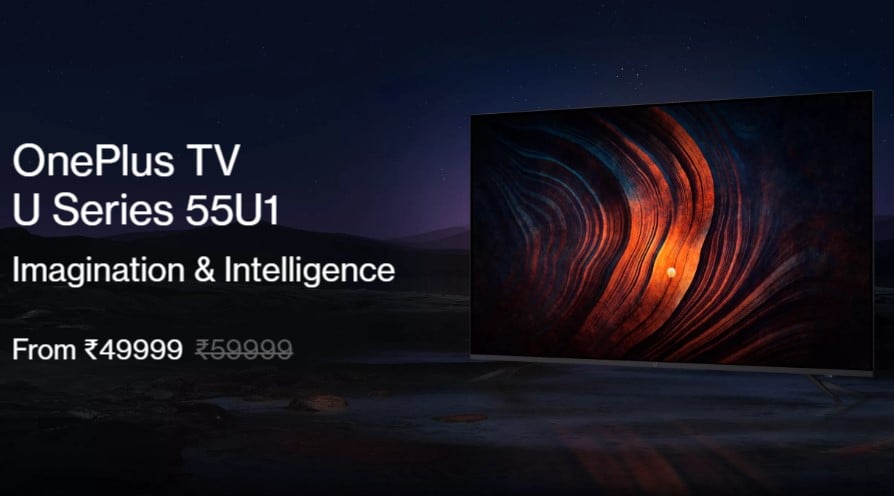
OnePlus announced two new TV series in India today. There is the U series which has the OnePlus TV 55UI and there is the Y series which has the OnePlus TV 43Y1 and the OnePlus TV 32Y1. The new TV series join the Q series that was announced last year.
With the OnePlus U and OnePlus Y series, OnePlus is making its TVs more affordable. The Y-series starts at INR 12,999 (~$174) and boasts practically the same software experience you will get on the Q-series which has a starting price of INR 69,990 (~$937).
OnePlus TV 55UI
The OnePlus TV 55UI is a INR 49,999 (~$670) TV with a 55-inch 4K UHD (3840 x 2160) display. The TV has a metal body and is pretty slim with a thickness of 6.9 millimeters. The back has a carbon fiber finish and the bezels are slim too. OnePlus has also adopted a hidden-port design for the OnePlus U series TV.
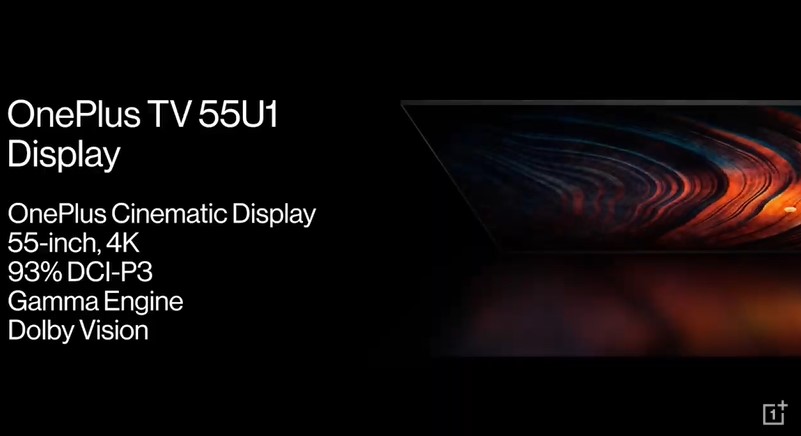
The display has a 93% DCI-P3 wide color gamut. It also has a Gamma Engine for real-time picture quality optimization. Just like the Q-series, the OnePlus TV 55UI has MEMC, noise reduction, anti-aliasing, dynamic contrast, color space mapping, and AI PQ. It also has support for Dolby Vision, HDR10, HDR10+, and HLG. For audio, the TV has 30W down-firing 2.0 channel speakers with Dolby Atmos and Dolby Audio. It also has support for DTS-HD.
When it comes to software, the TV runs Android TV 9.0 with OnePlus’s own additions such as OnePlus Connect which allows you to control the TV with your phone. OnePlus connect now includes support for iPhones. There is also a feature called Shared Album that allows you to share photos from your phone straight to the TV even if you are not at home. OxygenPlay has also been improved and now boasts a more expansive content library.
Another software feature is Data Saver Plus which allows you to set a custom bandwidth and when to alert you of data usage. You can also set which apps have access to data and your monthly data usage stats. There is also a Kids Mode that not only lets you set which apps are available for kids but also lets you set a time limit. There is a Game Mode with latency as low as 22ms.
The OnePlus TV 55UI has Chromecast built-in and also has support for Miracast and DLNA. It has support for 2.4GHz and 5GHz Wi-Fi and Bluetooth 5.0. For ports, you get 3 HDMI ports (HDMI 1 has support for ARC), an AV input (composite) port, an optical audio output port, an ethernet port, 1 USB 2.0 port, and 1 USB 3.0 Port.
The OnePlus Y series has the 43-inch OnePlus TV 43Y1 and the 32-inch OnePlus TV 32Y1. The 43-inch model has a 1920 x 1080 resolution while the 32-inch TV has a 1366 x 768 resolution. Both have a DCI-P3 93% color gamut and a gamma engine for picture enhancement.
Just like the U series, they run Android Tv 9.0 out of the box and also have custom features such as OxygenPlay, OnePlus Connect, and Shared Album (will come as an OTA update). There is also a content calendar that will remind you when a show or movie is available.
The two TVs have 20W speakers with Dolby Audio. There is also Chromecast, Miracast, and DLNA. The Y series only have support for 2.4GHz Wi-Fi but there is Bluetooth 5.0. For ports, you get 2 x HDMI ports (HDMI 1 has ARC), 2x USB ports, 1x Digital Audio Output port, an AV input (composite), and an ethernet port.
Price and Availability
The OnePlus TV 55UI is priced at INR 49,999 (~$670), the OnePlus TV 43Y1 is INR 22,999 (~$308), and the OnePlus TV 32Y1 has a price tag of INR 12,999 (~$174). All three TVs will go on sale on July 5 on Amazon India. They will also be sold later at OnePlus Experience Stores, select Reliance Digital Stores, and select retail stores in Hyderabad, Mumbai, and Delhi.
Mounting pressure on Huawei has handed NEC and its new partner NTT a “final chance” to compete in the global race to supply 5G equipment as the Japanese alliance eyes a land grab in the US and UK, according to NEC’s chief executive.
Takashi Niino said Japan Inc has an opportunity to revive its fading presence on the back of a rise in protectionism and Washington’s pressure on countries including Britain to cut Chinese supplier Huawei out of their telecoms networks.
NEC has significant ambitions, aiming to boost its share of the global market for base stations from 0.7 per cent now to 20 per cent by 2030.
Outside of Japan, NEC’s primary target is the US. But the supplier of wireless telecommunication equipment also hopes to regain its footing in the UK, which has placed a 35 per cent cap on the use of Huawei equipment on national security grounds and is reviewing that limit in light of new sanctions.
“In the wake of the Huawei issue, governments worldwide are considering what options are out there,” Mr Niino told the Financial Times. “There is a chance for NEC to be part of those options, a possibility that hardly existed in the past.”
Mr Niino said the UK government had recently reached out as part of a strategy to consider alternatives to Huawei equipment as Britain’s four mobile groups roll out 5G networks.
The Chinese media went into a frenzy recently when a social media post by Xiaomi was put up suggesting the company was finally venturing into car manufacturing. The post was accompanied by a silhouette of a real-looking car. However, the company was quick to clarify that the Weibo post was an error from the handler and there were no immediate plans to get into car making.
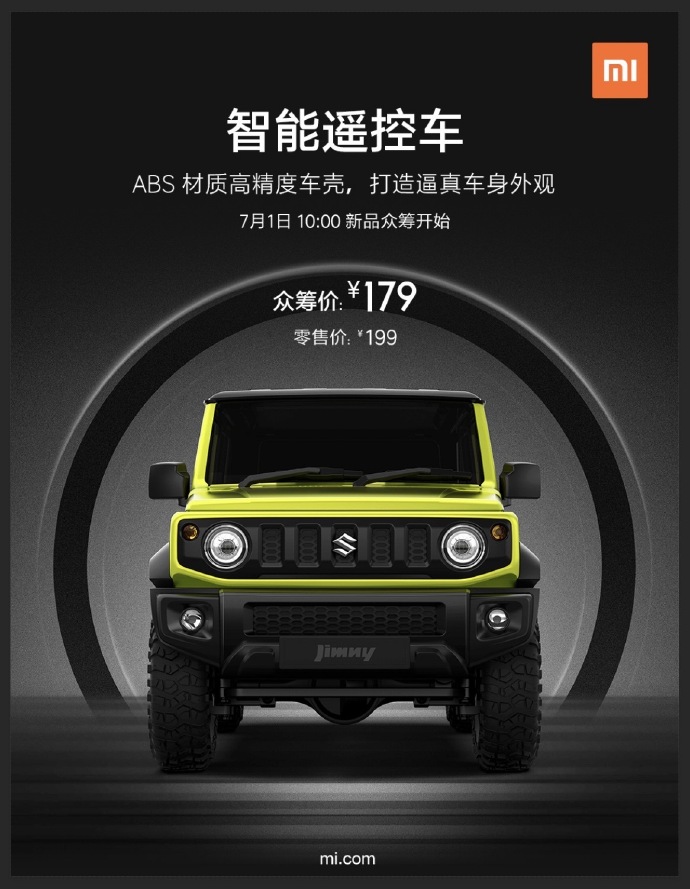
The company later unveiled a remote-controlled version of the Suzuki Jimny SUV. The can is a sleek replica of Suzuki’s popular Jimny off-road vehicle and it is availed in a 1:16 scale and a retail price of 199 yuan (~$28) in China.
Xiaomi may not have plans to dabble into car manufacturing at the moment but that doesn’t mean the company hasn’t got it on its “To do” list. The Chinese company had made a regulatory filing in India in 2017 which suggests that it might sell electric vehicles. A Xiaomi employee was reported to have told the Financial Times that the company didn’t currently have any cars in production.
Just last year, Xiaomi teamed up with Chinese carmaker FAW best known for building the iconic Red Flag sedans that chauffeur top Communist officials. According to promotional materials, the Xiaomi version of the Bestune T77 SUV allows owners to remotely control Xiaomi’s smart home products through voice commands in the vehicle. Prices started at 124,800 yuan (US$17,625).
Just last month, Xiaomi registered a Chinese trademark that roughly translates as “Xiaomi car alliance.” Apart from Xiaomi, other tech giants such as Huawei has also got plans in this regard. The Chinese market leader teamed recently joined forces with 18 carmakers in China to develop 5G-connected vehicles for consumers.
Honor held its first product launch event for H2 2020 earlier today in China. The brand announced the long-teased Honor X10 Max and Honor 30 Youth Edition. Before unveiling these handsets, in his opening speech, Zhao Ming (aka George Zhao), the president of Honor proudly revealed his brand ranked number one in H1 2020 across online channels in China.
Huawei and Honor branded smartphones witnessed an increase in their sales in China after the US ban. The company (both brands combined) has been ranking number one in its home market in terms of smartphone sales continuously for a long time. It even managed to outperform Samsung as the world’s largest smartphone maker in both April and May.
Also, it makes sense for Honor to be the largest online brand instead of Huawei. Because Honor is a youth-focused brand and these customers prefer shopping online than from brick and mortar stores. The brand’s president also mentioned that Honor was the only brand to grow compared to its last year’s figure and other companies.
Anyway, this data is from the company and there are no other data from research firms to confirm the claim. But it could be true nevertheless given the sheer amount of new products the brand launched in China since the beginning of 2020.
Back in 2017, Samsung announced its chip production plans stretching from 10nm to 4nm. Already, the 10nm and 7nm processes have been utilised with the 5nm chip expected to debut soon. Samsung‘s next-gen flagship processor known as Exynos 992 will reportedly be manufactured using the 5nm process. The mass production is billed to kick off in August with the Galaxy Note 20 series tipped to be the first Samsung series to use the SoC.
A new report published by DigiTimes and credited to industry sources says that Samsung may be planning against investing in the 4nm node. Instead, the Korean giant will jump from the 5nm process to 3nm. That’s the complete opposite of what TSMC is planning, and with its 4nm N4 process expected to be complete by 2023, it will give the Taiwanese firm’s partners ample options to choose from. TSMC has also reportedly secured a $20 billion investment for its 3nm chip production facility, with a report stating that it should be operational by 2022.
Though Samsung is the only manufacturer that can keep up with TSMC in terms of technology, it continues to lag behind in terms of progression. TSMC has already secured orders from the likes of Apple, Qualcomm, and Huawei, though Samsung has appeared to have made some form of ground. It was recently reported that Samsung has been given some orders to mass produce 5nm chips for Qualcomm’s Snapdragon X60 5G modem. Some orders will reportedly be given to TSMC too in order to minimize risk, gain better pricing leverage, and complete shipments in a given timeframe.
We expect Samsung to maintain its 5nm production throughout 2021, which is the year when the company is rumoured to release the Exynos 1000. While jumping straight to 3nm tech will mean Samsung will be able to direct more resources in an improved and efficient node, it also means the company may lose out on tons of orders from potential partners, who now probably view TSMC as a better option thanks to its upcoming 4nm technology.
We use cookies on our website to give you the most relevant experience by remembering your preferences and repeat visits. By clicking “Accept”, you consent to the use of ALL the cookies.
This website uses cookies to improve your experience while you navigate through the website. Out of these, the cookies that are categorized as necessary are stored on your browser as they are essential for the working of basic functionalities of the website. We also use third-party cookies that help us analyze and understand how you use this website. These cookies will be stored in your browser only with your consent. You also have the option to opt-out of these cookies. But opting out of some of these cookies may affect your browsing experience.
Necessary cookies are absolutely essential for the website to function properly. This category only includes cookies that ensures basic functionalities and security features of the website. These cookies do not store any personal information.
Any cookies that may not be particularly necessary for the website to function and is used specifically to collect user personal data via analytics, ads, other embedded contents are termed as non-necessary cookies. It is mandatory to procure user consent prior to running these cookies on your website.