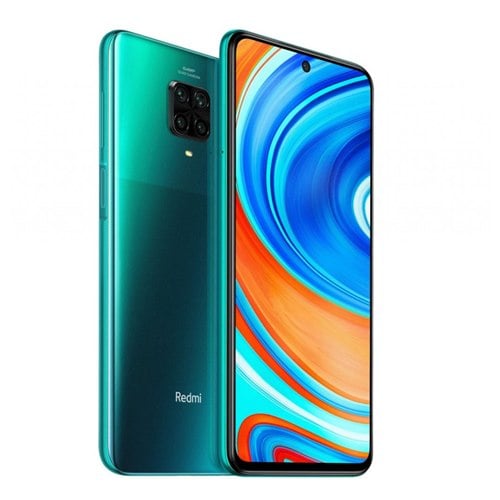
The iQOO Z1x is an upcoming smartphone from Vivo’s sub-brand, iQOO. The phone comes after the Dimensity 1000 Plus -powered iQOO Z1 that was announced in May. The iQOO Z1x will be announced on July 9 and ahead of the release, iQOO has confirmed a few key specs.
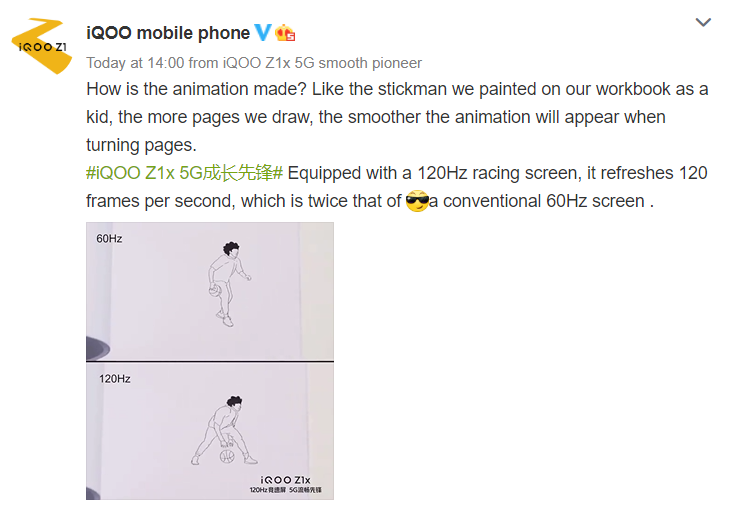
Earlier today, the official iQOO Weibo account shared a post that revealed the iQOO Z1x will have a 120Hz refresh rate. The post included a gif of a flipbook animation that highlights the difference between a 60Hz display and a 120Hz display.
The GM of iQOO also shared a photo on Weibo that shows the phone will have a 5000mAh battery. This is a bigger battery than the one inside the iQOO Z1.
The iQOO Z1x may not be as powerful as the iQOO Z1 but it appears it will be better in some areas and one of it seems to be battery life. The iQOO Z1 has a 144Hz refresh rate but packs a 4500mAh battery.
According to a TENAA listing, the phone will have a 6.57 punch-hole LCD display, up to 8GB of RAM and 256GB of storage, and a 48MP triple rear camera setup. It will also have a 16MP selfie camera, a side-mounted fingerprint scanner, and run Android 10 out of the box.
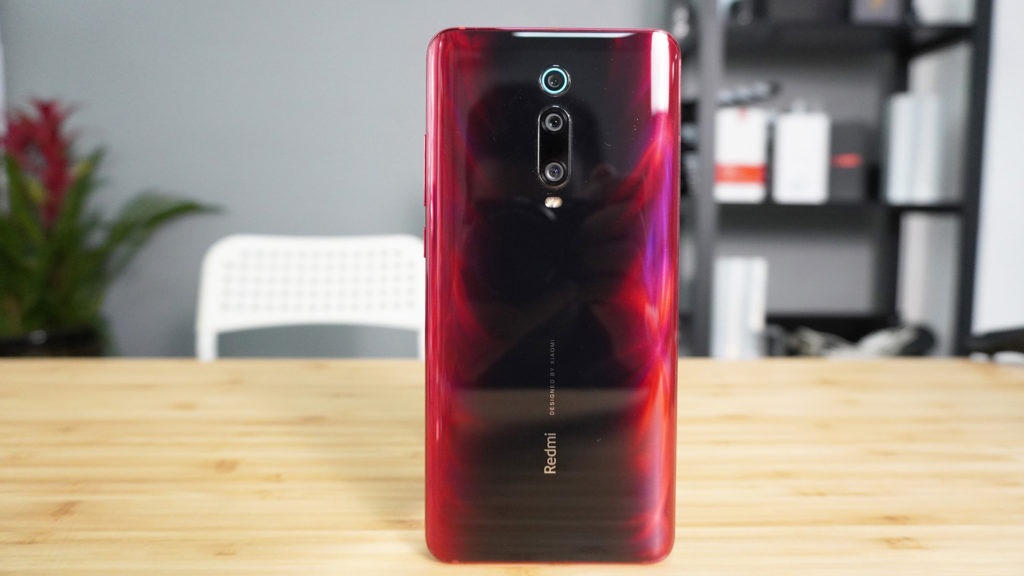
Update: Redmi K20 also gets MIUI 12 Stable update in India
The MIUI 12 Stable update for Redmi K20 users in India comes with build number V12.0.2.0.QFJINXM and weighs 2.21GB. We have provided the download link for the Recovery ROM at the end of this post.
Original Story
Last month, Xiaomi rolled out MIUI 12 Stable Beta for all the variants of Redmi K20 Pro. Yesterday, the global variant started receiving the stable update. Now, today, the Indian version also gets a similar treatment.
The MIUI 12 Stable Beta update for Redmi K20 Pro users in India came with build number V12.0.0.9.QFKINXM. But the final stable update, which is currently rolling out to all the users has build number V12.0.1.0.QFKINXM and weighs 2.3GB in size.
That means non-beta users who downloaded the previously released build cannot install it on their device. Looks like Xiaomi has fixed some reported bugs and therefore, it has released a new build.
Normally, Xiaomi seeds out the Stable Beta build as the final Stable build by flipping a server-side switch. But since the company is rolling out a new build, users who downloaded the last build will have to once again download the new build.
MIUI updater app is finicky as sometimes it results in error while downloading updates. Hence, if you have limited data access, then you can download the update from the link provided at the end of the post with support for pause and resume. We recommend you to use any download manager apps like Advanced Download Manager.
To install the downloaded update file, go to Settings > My Device > MIUI version and tap on MIUI 11 logo seven times to enable additional features. Then, tap on the three-dot menu located at the top right corner, followed by “Choose update package” to select the update file in order to initiate the installation process.
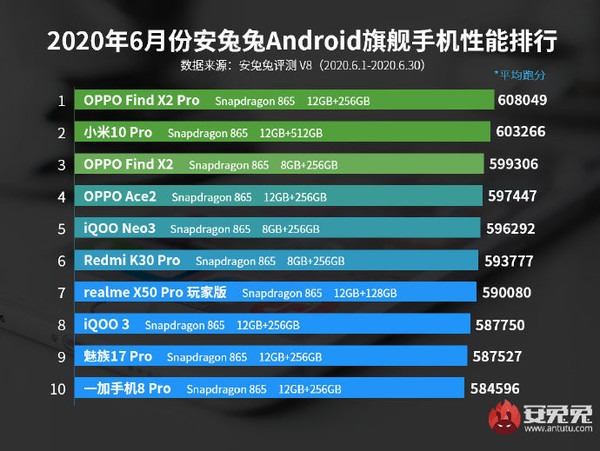
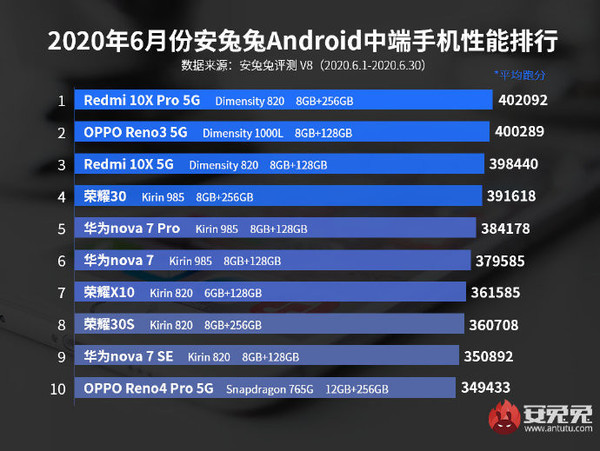
AnTuTu has released its mobile phone performance ranking for June 2020 based on the statistics collected in the background. The ranking is based on data collected from June 1 to June 30, 2020.
In the flagship mobile phone performance rankings, OPPO Find X2 Pro still maintains its lead with 608049 points, followed by the Mi 10 Pro, Find X2, OPPO Ace2, iQOO Neo3, Redmi K30 Pro, Realme X50 Pro player version, iQOO 3, Meizu 17 Pro, and OnePlus 8 Pro. It can be seen from this list that the Snapdragon 865 mobile platform has an absolute say in the performance ranking of flagship models.
In the mid-range mobile phone performance rankings, the MediaTek Dimensity 820 5G-powered Redmi 10X Pro won the first place with a score of 402092 points, followed by OPPO Reno3, Redmi 10X, Honor 30, nova7 Pro, Huawei Nova7, Honor 30S, Huawei Nova7 SE, and the Reno4 Pro. As can be seen from this list, in this price segment, Dimensity 820, Dimensity 1000L, Kirin 985, Kirin 820, and Snapdragon 765G all have almost similar performance level. This is reflected in the differences in the gap between the number one and number ten is less than 60,000 points.
The Xiaomi Mi Bands are the most popular budget fitness trackers in the countries where the company has its presence. Last month, the brand launched the latest model in the series dubbed as Mi Band 5 in China. It is available in two options – standard and NFC. Now, according to a new leak, there could be a third model called Mi Band 5 Pro.
Source: GeekDoing via NotebookCheck
The existence of Mi Band 5 Pro was first spotted after few days from the launch of Mi Band 5 in China. Folks at GeekDoing, found its codename as well as its icon in the Mi Wear app. Now, once again, they find a similar thing in the Mi Fit app.
Xiaomi used to sell its fitness trackers with “Mi Band” branding worldwide. But that changed with the release of Mi Band 4 last year. The company continued to use the same for China but in other markets, it began to sell them with “Mi Smart Band” branding.
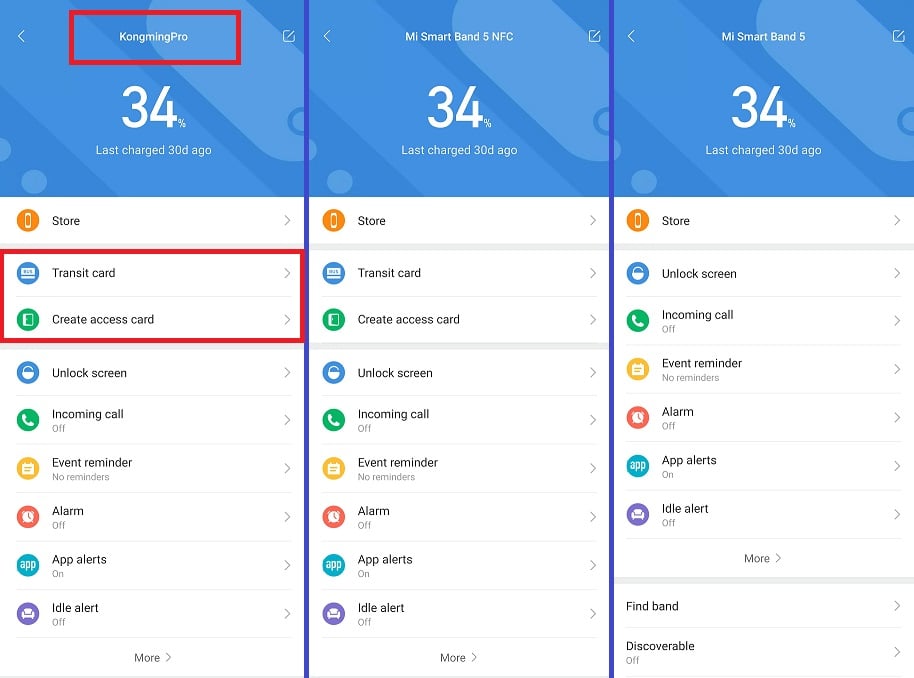
The same can be said for its codename. In China, the Mi Band 5 is called “Kongming”, whereas, the global variant is called “York”. Further, the variant without NFC is called “Kongming L”. Now, a new model codenamed “Kongming Pro” has been spotted in Mi Fit app and thus once again confirms the presence of Mi Band 5 Pro.
Unfortunately, the new finding does not reveal any specs but it confirms the Pro variant to feature NFC (transit card option in the screenshot), which is obvious anyway. Having said that, we are not sure when Xiaomi will be unveiling the new variant of Mi Band 5 officially but it could happen anytime soon.
Apple might be planning a radical shift in design for the future generations of its MacBook Pro lineup. A new patent of the Cupertino based giant reveals a MacBook Pro with 5 displays.
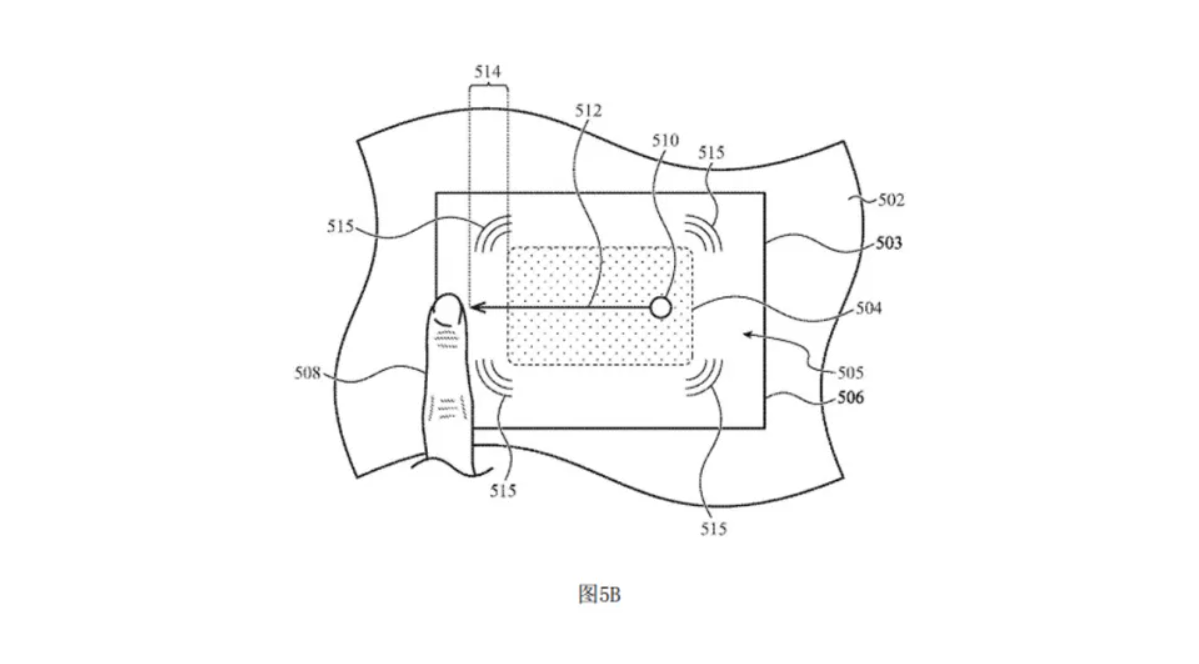
The patent was approved by the China National Intellectual Property Office on 30th June 2020 and even arrived with a few images. Looking at the new design, it seems like Apple is filling all of the empty spaces that flank its keyboard and trackpad. The company has labeled this technology as “Dynamic Display Interface” that indicates the 4 smaller displays.
The patent illustrations suggest that these new smaller displays might take up the role of the existing Touch Bar display and may even bring additional features as well. In other words, moving the functions away from the top and more towards the sides might bring utility in new areas and improve user convenience and interaction. Interestingly, the trackpad is not discernable and might be housed seamlessly beneath the surface or be built into one of these displays.
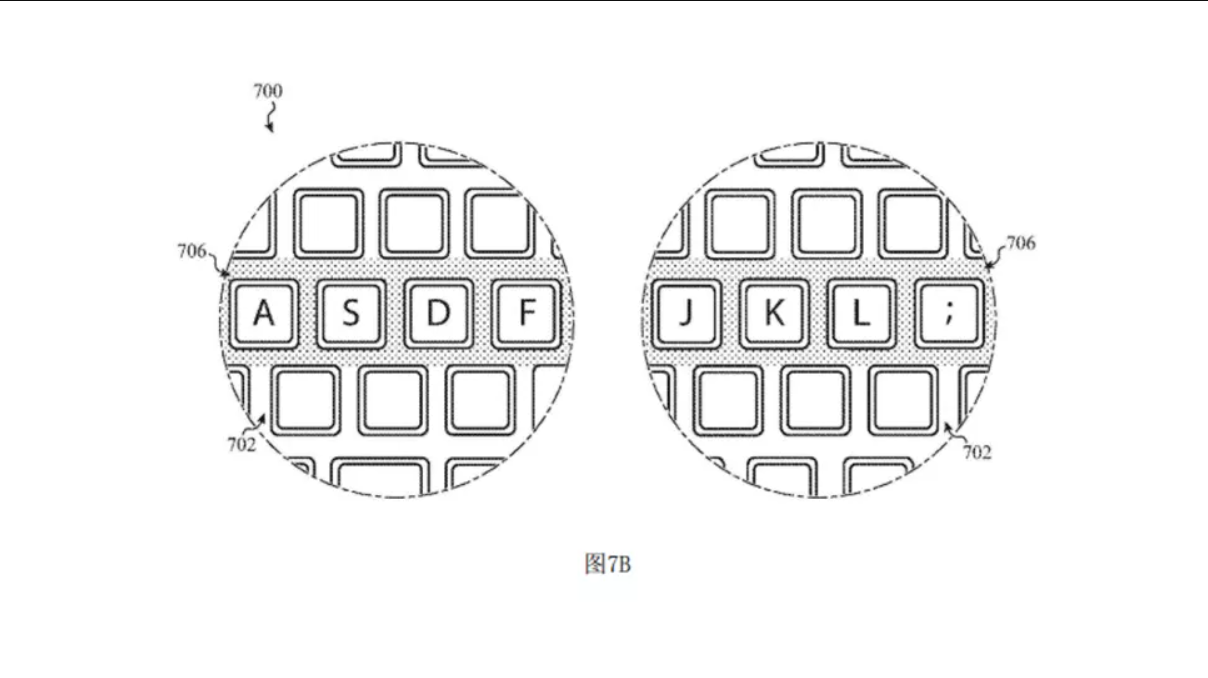
This is further supported by the fact that the patent details a haptic feedback system that could be added to act as the new trackpad. Furthermore, the keyboard may have slight innovation built into them too, with the surfaces surrounding the individual keys lighting up rather than the keys themselves. Unfortunately, this is just a patent and might be Apple’s attempt of covering all bases. Although, a MacBook Pro with 5 displays does seem quite appealing.
Xiaomi has been rolling out MIUI 12 for the eligible devices for over two months now. Almost all the supported handsets have so far received at least one beta build. Additionally, some of them have also begun to receive Stable Beta like the Redmi Note 8 Pro.
The Redmi Note 8 Pro MIUI 12 Stable Beta update is only available for the global variant. It comes with build number V12.0.0.4 QGGMIXM and weighs 632MB in size.
It is currently rolling to units with beta authorized Mi Account. Normally, any user can install any type of MIUI build on their Xiaomi/Redmi smartphones via custom recovery. However, the same cannot be said for the Redmi Note 8 Pro.
This device codenamed Begoniais one of the infamous phones in the modding community. Due to the MediaTek chipset underneath it, it does not support the usual ‘Download Mode’. Therefore, to flash the factory ROM, users need to boot the handset into EDL mode and also require an authorized Mi account to install stock firmware.
Hence, Xiaomi has strictly warned users to avoid flashing the currently rolling out MIUI 12 Stable Beta update on their Redmi Note 8 Pro if they are not part of the beta program.
Back in 2019, SK Hynix announced that it was successful in the development of a new generation of DRAM memory chips. These new chips were labeled as HBM2E, which are now finally ready for mass production.
According to official claims, the HBM2E has a performance of 3686.4Gbps per pin. This translates to a bandwidth of more than 460GB/s, with a total of 1024 I/O (input/output). The HBM2E architecture stacks eight 16 gigabit DRAM chips with TSV (Through Silicon Via) technology to achieve a total capacity of 16GB, which is more than twice the capacity of previous generation HBM2 memory.
For those unaware, HBM2 was the memory used by AMD in its previous generation of Radeon Fury graphics cards that were first released back in 2015. Despite having various advantages, its high cost and other limiting factors led to its eventual discontinuation in later generations. Although now, SK Hynix has launched the latest generation of memory solution that arrives with AI systems with deep learning accelerators that would be useful for high performance computers.
Honor announced its large screen flagship, the Honor X10 Max in China today. This is the company’s largest smartphone in 2020 featuring a massive 7.09-inch display, ideal for entertainment and gaming. The phone is powered by the MediaTek Dimensity 800 chipset, making it the third such Huawei/ Honor device in the past few weeks.
Honor X10 Max 5G Design & Display
The phone follows a similar design scheme as the Honor X10 that was announced back in May. This includes a rectangular camera housing and a slightly curved back. However, instead of a pop-up selfie camera like the Honor X10, the Max features a traditional waterdrop display on the screen. In case you are wondering, the Max retains the 3.5mm headphone jack as well as the side-mounted fingerprint (power button) similar to its smaller sibling.
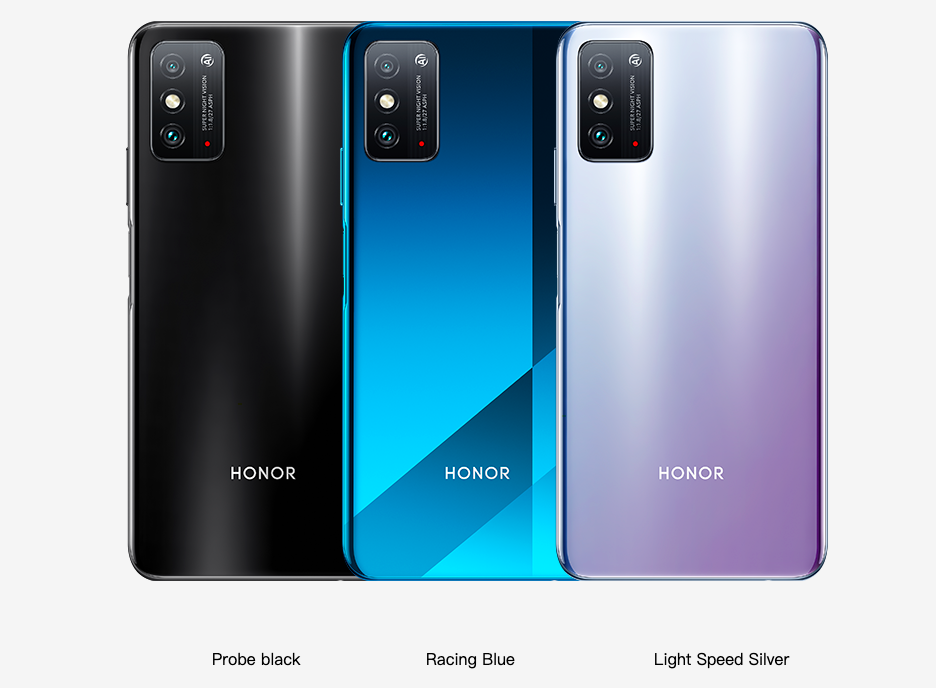
Honor X10 Max colors
The Honor X10 Max measures 174.37 x 84.91 x 8.3mm and weighs 227 grams. Clearly it’s not going to be a device for one-handed use. But still, the company has managed to shave off some bezels on the new model. If you recall, the 2018 Honor 8X Max with a 7-inch+ display had a slightly larger form factor: 177.6 x 86.3 x 8.1 mm.
You get a large 7.09-inch IPS LCD display with 1080p resolution. The LCD panel supports 100% DCI-P3 color gamut and HDR10. It’s pretty bright as well with a peak brightness of 780 nits.
The Honor X10 Max comes with an RGBW panel instead of the traditional RGB. The additional W – white subpixels will reduce the power consumption of the panel when white is being displayed. Therefore, Honor claims that by using an RBGW panel, the X10 Max will ensure reduced power consumption as compared to traditional LCD panel phones. The panel also filters out harmful Blue light (415-455nm) via software.
RGB vs RGBW – Honor event
Note that the display doesn’t support a high refresh rate. So it’s a standard 60Hz panel.
Under the hood, the Honor X10 Max is powered by the Dimensity 800 5G chipset. You get to choose between 6GB RAM and 8GB RAM and up to 128GB of internal storage. It’s clear that the company is looking to keep the price low as you don’t even get a 256GB ROM option.
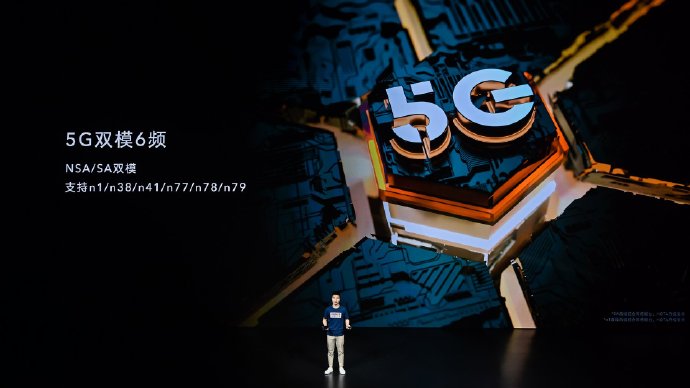
Honor X10 Max 5G bands
The primary camera on the phone is a 48MP shooter that’s paired with an 8MP ultrawide and 2MP depth sensor. Up front, you get an 8MP selfie shooter on the waterdrop notch.
Given the humongous size of the screen, the phone features an appropriately sized battery too. You get a 5000mAh battery with 22.5W fast charging, much larger than X10’s 4300mAh capacity.
The Honor X10 Max also features dual 1217 linear stereo speakers with smart PA for amplifying its sound. The phone also supports Huawei Histen 6.1 sound.
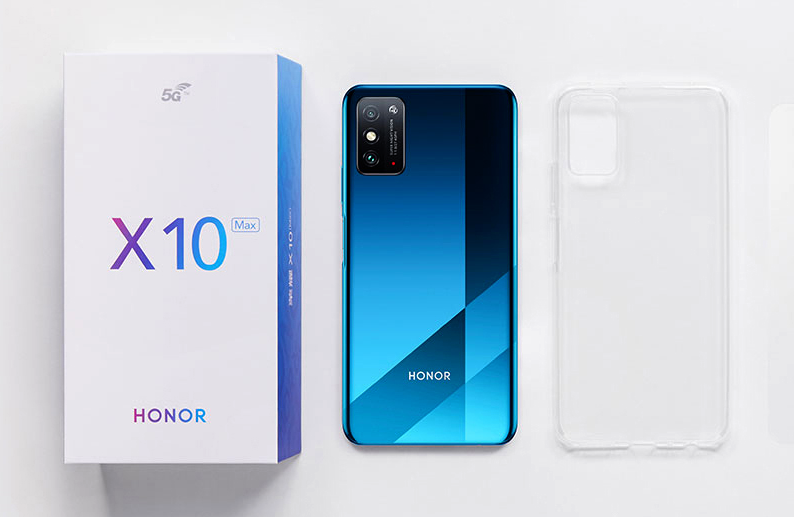
Honor X10 Max Box
Other features include 802.11 ca Wi-Fi, AGPS, Glonass, Beidou, and NFC.
Honor X10 Max Price & Availability
The Honor X10 Max comes in three colors: Racing Blue, Black, and Silver. There are three variants of the device and the pricing is as follows.
6GB + 64GB – ¥1899 (~$269)
6GB + 128GB – ¥2099 (~$297)
8GB + 128GB – ¥2499 (~$354)
The Honor X10 Max will go on sale on July 3 across all major retailers in China.
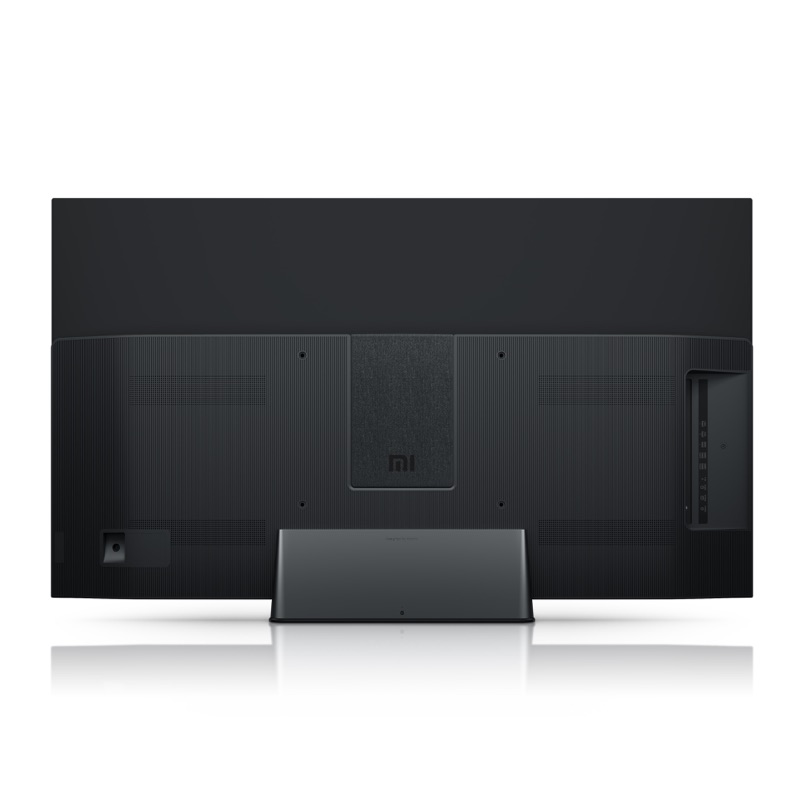
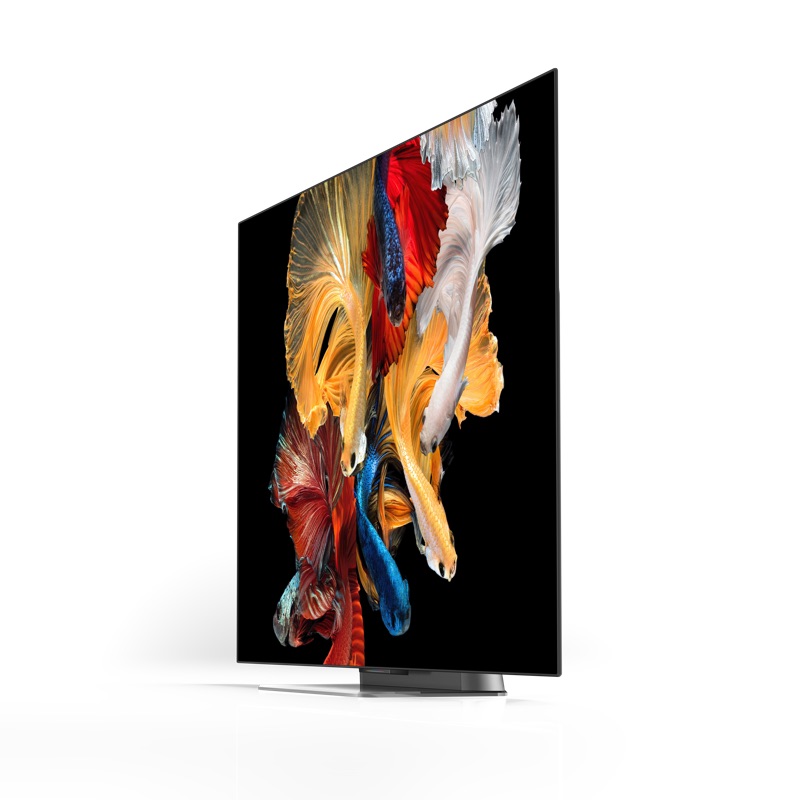
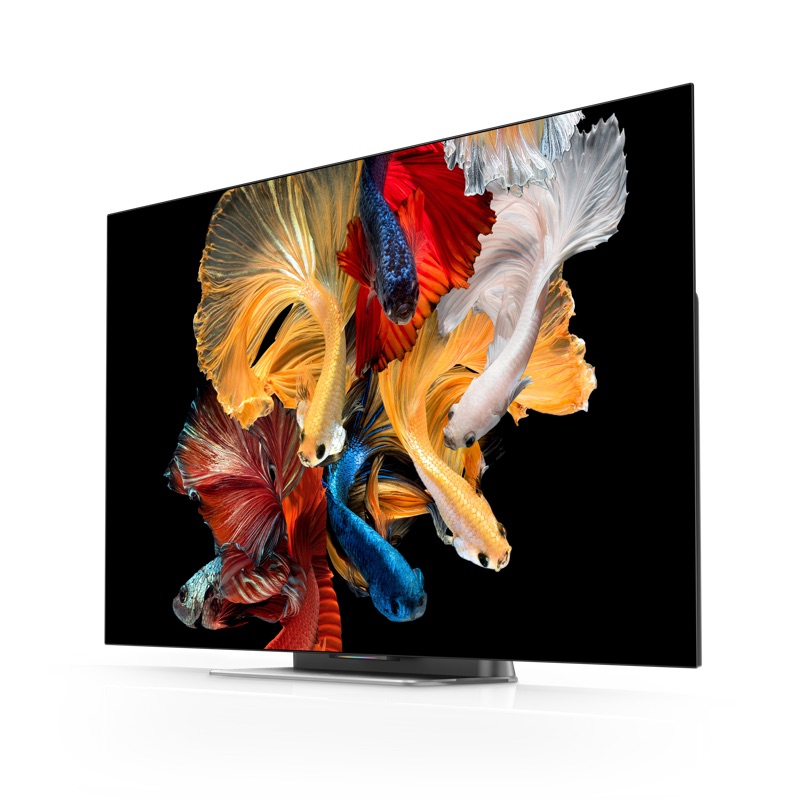
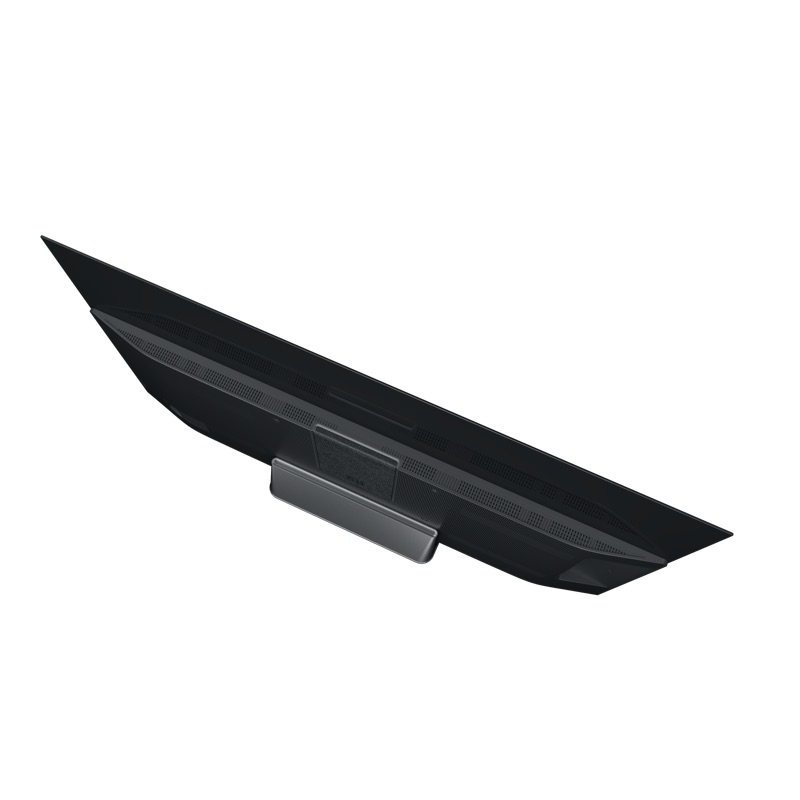
Xiaomi has officially launched its first OLED smart TV under Mi TV Master Series. Priced at 12,999 Yuan ($1,840), it comes with a 65-inch 120Hz 4K panel powered by a MediaTek chipset and MIUI for TV.
The newly introduced Mi TV Master series 65-inch OLED TV features an exquisite design compared to other models from the company. As the name suggests, it sports a 10-bit 65-inch 4K OLED panel with 120Hz refresh rate, MEMC, 98.5% DCI-P3 color gamut,1000000:1 contrast ratio, peak brightness of 1000 nits, HDR10+, Dolby Vision, 1ms response time, and 98.8% screen to body ratio.
Further, the television is powered by a MediaTek MTK9650 SoC with Mali-G52 MC1 GPU. The chipset is paired with 3GB RAM and 32GB ROM. As for software, it runs MIUI for TV along with Patchwall content aggregation service.
Whereas for audio, the new Xiaomi OLED TV comes with 65W in-built speaker system, which includes 2 × 12.5W left/right channels, 2 × 10W surround channels, and 20W 50Hz ultra-low frequency subwoofer. It supports all the popular audio formats such as DTS Audio, Dolby Audio, and Dolby Atmos 2.1.2. It also features a 4-mic array for XiaoAI voice assistant.
1 of 5
Talking about connectivity, the TV has dual-band WiFi 5 and Bluetooth 5.0 along with ports such as 3 x HMDI, 2 X USB, S/PDIF, optical, ethernet, and antenna.
Other features of the new Mi TV Master series 65-inch OLED include glass stand, RGB at the bottom, metal remote, DC Dimming, Variable Refresh Rate (VRR), Automatic Low Latency Mode (ALLM), Always-on Display (AOD), and professional gaming mode.
MediaTek, the known chipmaker, has just revealed its latest flagship chipset for smart TVs. The S900 chip was announced earlier today (2nd July 2020) and brings support for various features like AI, 8K resolutions, Wi-Fi 6, and more.
The MediaTek S900 is capable of converting the digital signals from videos into image signals suitable for screen playback. Its decoding ability allows it to display content from a diverse lineup of video files with a promise of smoothness. Furthermore, the inclusion of AI helps improve picture quality, as the chip optimizes the video being displayed to improve clarity, color reproduction, contrast, and even motion compensation. Notably, the chip will be housed in a Samsung 8K QLED TV, making it the world’s first Wi-Fi 6 8K TV.
According to MediaTek, the S900 “combines a high performance CPU, GPU, and a dedicated AI processor unit (APU) to support features including AI voice-user interface and picture quality enhancement, enabling the next generation of smart TVs to deliver a vastly improved user experience.” It uses a multi core CPU that utilizes the ARM Cortex- A73 cores and a multi core Mali-G52 GPU that supports 8K decoding, HDR10+, and external graphics as well.
For connectivity, the chip supports HDMI 2.1A that has a maximum bandwidth of 48Gps, which is enough to deliver HDR10+ content and 4K videos running at 120Hz or 8K videos at 60Hz. Its AI PQ (Picture Quality) uses smart features like AI facial and scene recognition. This chip will likely be found in high end TVs that support 8K resolutions and, through its powerful chip, we can expect it to bring other display enhancing features as well. Although, that depends on the OEM that adopts the chip.
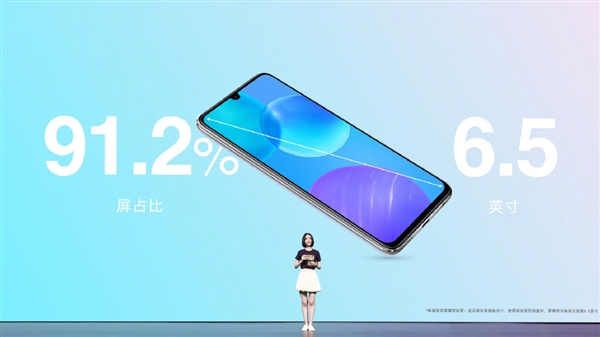
The Honor 30 Youth Edition has just been announced. It was announced earlier today (2nd July 2020) along with the Honor X10 Max. The device is a mid range handset from the Huawei subsidiary and supports 5G networking as well.
Specs and Features
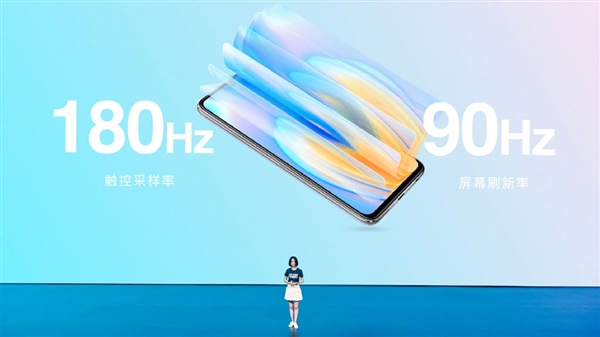
The Honor Youth 30 Edition sports a 6.5 inch display with a screen to body ratio of 91.2 percent and a 16 megapixel selfie shooter. It has a resolution of 2400 x 1080px that features a 90Hz refresh rate and 180Hz touch sampling rate for smooth response times. On the rear, the handset houses a 48 megapixel primary camera along with an 8 megapixel ultra wide angle lens and 2 megapixel macro sensor. It supports 4K video capture and other AI image enhancement algorithms as well.
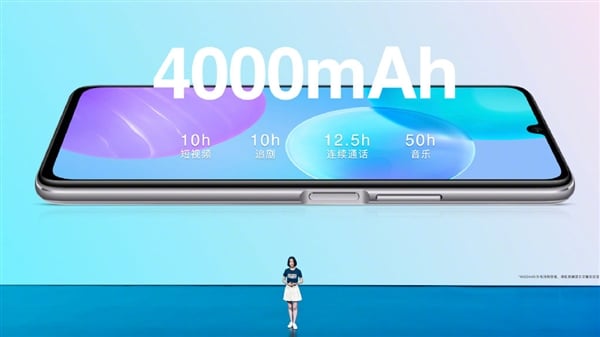
The rear panel is a 2.5D glass panel made from 9 layers with anti-fingerprint coating. Notably, its fingerprint sensor can be found on the side. The device is powered by a 4,000mAh battery pack that supports fast charging up to 22.5W, which can charge the device over 50 percent in just 30 mins and fully charge in 90 minutes. On a single full, the Honor 30 Youth Edition can last for 10 hours when using navigation, 50 hours while listening to music, and 12.5 hours of continuous calls.
On the software front, the Honor 30 Youth Edition ships with the Android 10 based Magic UI 3.1 custom skin. This includes various new features like HiCall, video enhancements with HDR10 supports, and more. Under the hood, a MediaTek Dimensity 800 SoC runs the smartphone, which also supports dual mode 5G. In terms of memory, multiple variants will be available with 6/8GB RAM and 64/128GB of internal storage options.
Pricing and Availability
The Honor 30 Youth Edition will be available for purchase from 8th July 2020, with pre-orders starting later today. It will be offered in 4 color variants, including Magic Night Black, Wizard of Oz, Summer Rainbow, and Magic Mirror Silver and its pricing for different variants include:
OPPO launched the Reno3 Pro flagship smartphone in the Indian market in March this year. Unlike the SD765G-powered 5G model launched in China, the Indian variant is 4G-only and comes with a few changes in terms of specs.
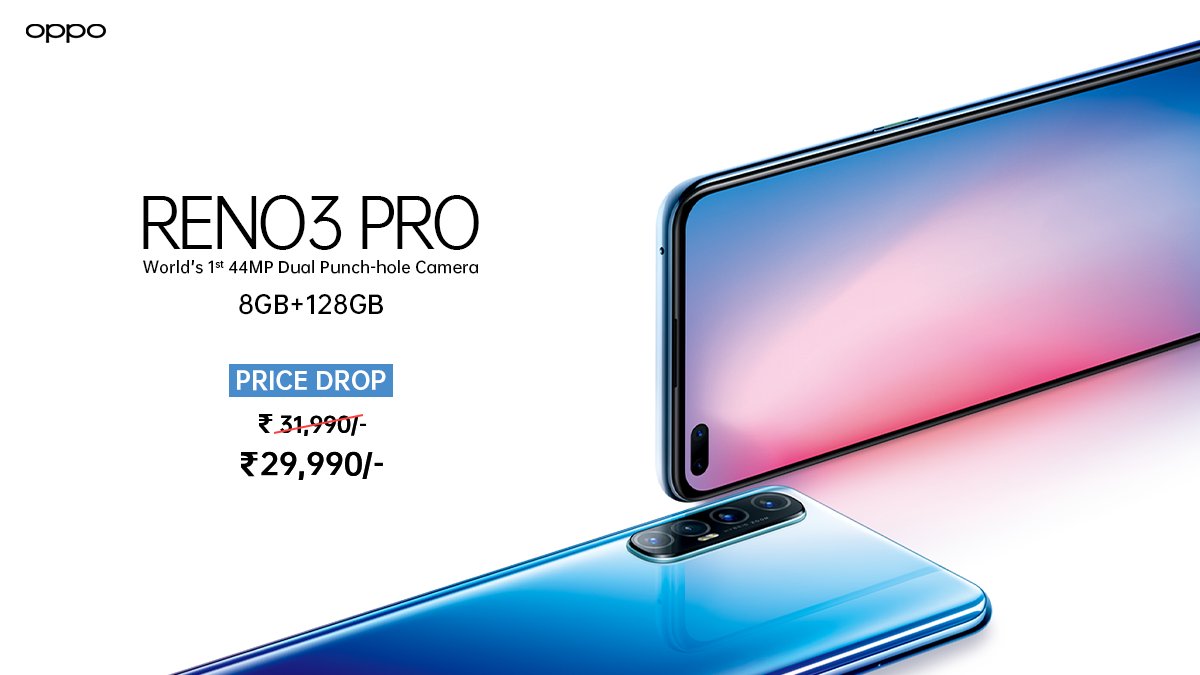
The phone was launched with a starting price of ₹29,990 for the 8GB + 128GB model and ₹32,999 (~$437) for the 8GB + 256GB model. However, after the GST hike by the Indian government, the phone’s pricing was increased to ₹31,990 (~$424) for the base model.
Now, OPPO India has slashed the pricing of Reno3 Pro by ₹2,000 (~$27), and thus, the 8GB RAM + 128GB storage variant is now available for purchase in the Indian market for ₹29,990, which is around $398.
The OPPO Reno3 Pro features a 6.4-inch E3 S-AMOLED display that offers a Full HD+ screen resolution of 1080 x 2400 pixels and a 20:9 aspect ratio. Under the hood, the device is powered by 12nm MediaTek Helio P95 chipset, along with 8GB LPDDR4x RAM and 128/256 GB UFS 2.1 storage.
The elliptical punch-hole on Reno3 Pro’s screen has the main selfie camera of 44-megapixel which is coupled with a 2-megapixel sensor for adding the bokeh effect. On the backside, it comes with a quad-camera setup that consists of a 13-megapixel telephoto sensor, 64-megapixel Ultra Clear primary lens, a 2-megapixel mono lens, and a 120-degree 8-megapixel ultrawide lens.
The smartphone runs the Android 10 operating system out-of-the-box with the company’s own ColorOS 7 on top. The device is powered by a 4,025mAh battery with 30W VOOC 4.0 fast charging technology which is claimed to offer a 50 percent battery life in 20 minutes.
Huawei’s next premium device is said to be the Mate 40 series, which is expected to launch in October. But as per a new rumor, the company might also unveil the Mate X2 foldable smartphone in 2020 itself. Also, it is expected to feature 120Hz refresh rate panel compared to 90Hz on the former.
Yesterday, Ross Young, the founder and CEO of Display Supply Chain Consultants (DSCC) tweeted an image with an updated list of 2020 smartphones with a 120Hz refresh rate panel. Interestingly, the list includes Huawei Mate X2, which was absent in the previous one.
On the other hand, the last list included the Huawei Mate 40 but it has been now removed. This could be due to a recent leak that suggested it to feature 90Hz display with similar resolution as the Huawei P40 Pro series.
That said, we are not aware of anything else about the next foldable smartphone from the Chinese telecom giant. But we can expect it to feature the same 5nm Kirin 1000 chipset like the Mate 40 series.
Further, the new list shared by Mr Young also does not include iPhone 12 Pro. Because according to his sources, it will be available in 2021 and not 2020. This goes in line with a new report which said Apple will be only shipping 15-20 million units of iPhone 12 series phones this year.
Earlier today (2n July 2020), the Xiaomi Youpin platform started crowdfunding for a new product. It is for the 90 Points Automatic Reverse Folding Umbrella, which is priced at 99 Yuan (roughly 14 US Dollars) but begins crowdfunding for 49 Yuan (roughly 7 US Dollars).
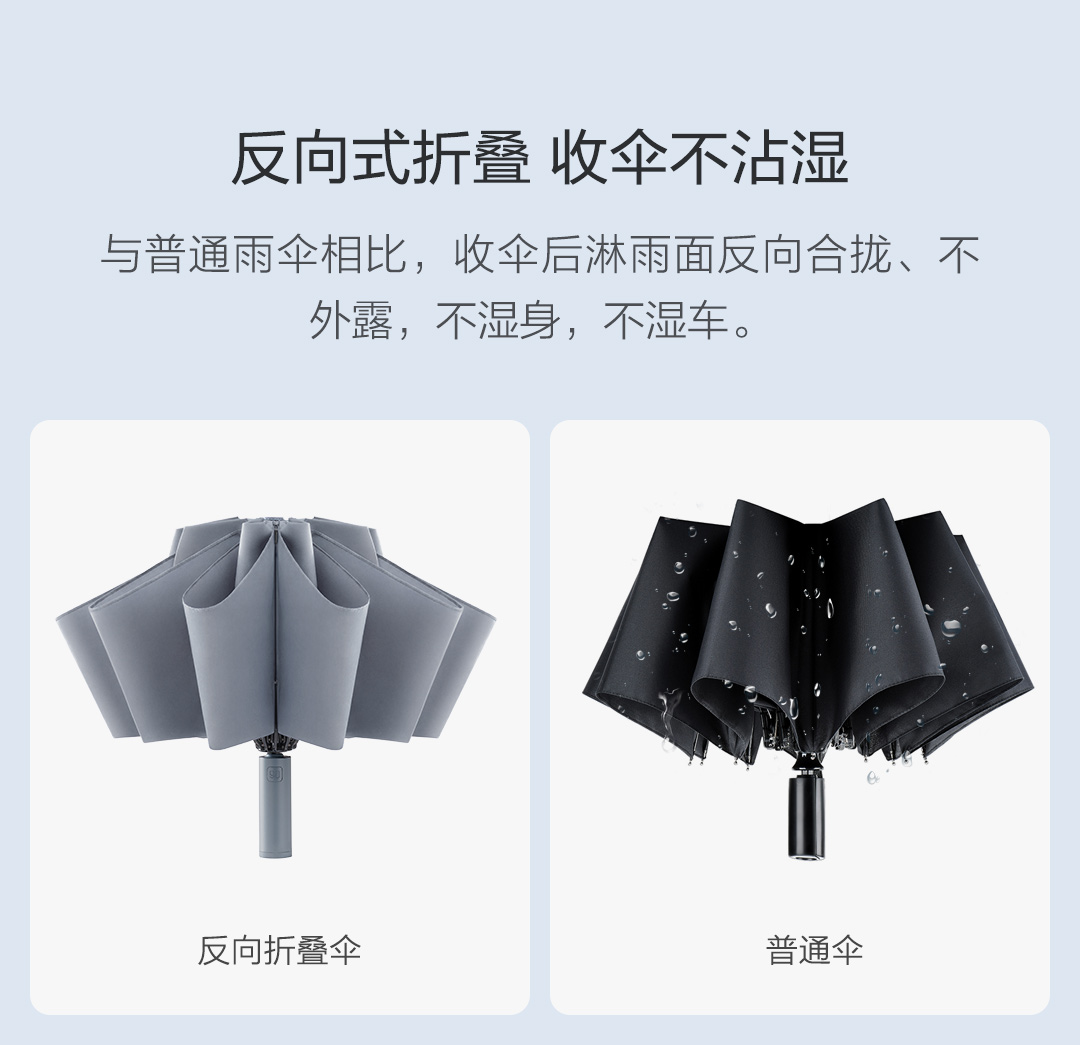
The unique design on the left versus the traditional design on the right
One of the umbrella’s unique aspects is its folding design. While most umbrellas fold in a manner that bends outward from the middle, the 90 Points Automatic Reverse Folding Umbrella bends inward in the middle. This design prevents water from spilling over from the top of the surface when being folded and users can remove the water by tilting it. The reverse fold resembles a lotus flower like design.
The total surface area of the umbrella is a 106cm, which is good enough to cover at least 2 people. On the bottom of the umbrella’s handle, an LED flash light can also be found to help light up your path by up to 10 meters on a rainy day. The 90 Points Automatic Reverse Folding Umbrella can fold with just one button press, while its surface is also coated with UV treatment process to block light and provide heat insulation for sun protection when using it in the day. So for those interested, you can this product out on the Xiaomi Youpin platform.
With the on-going COVID-19 pandemic and the cases rising around the world, one of the most effective ways to prevent the infection is personal hygiene and sensitizing things and products that you come in contact with.
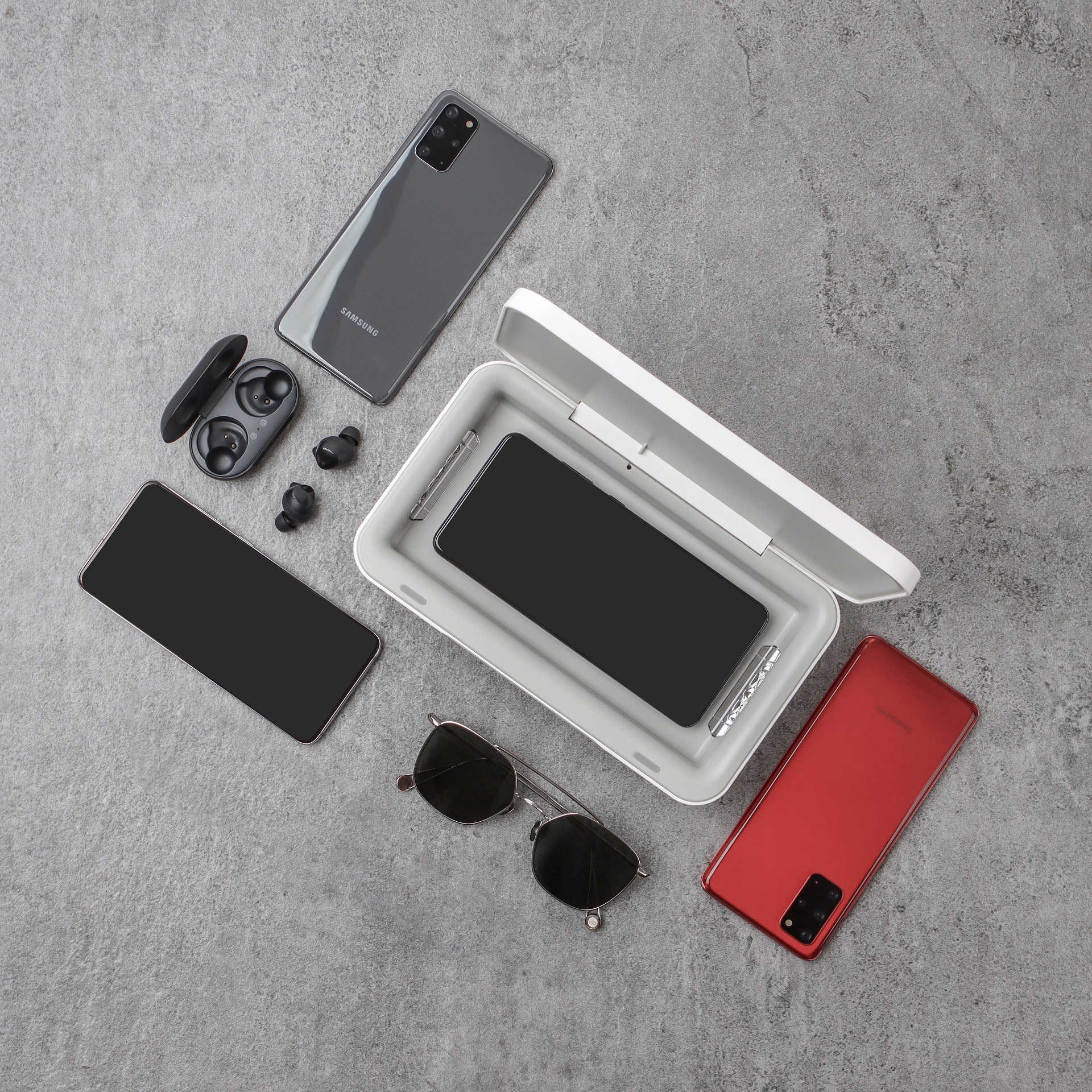
Spotting the opportunity, Samsung has launched a new UV sterilizer for smartphones, accessories, and electronic products. As per the company’s claim, it can kill up to 99 percent of germs and bacteria using UV-C radiation.
The Dual UV setup in the device can eliminate pathogens and bacteria on both the sides of a device in a single go. It’s large in size, measuring 22.8 x 12.8 x 4.9cm, and thus, it can accommodate larger devices like the Samsung Galaxy S20 Ultra.
Samsung says that it should thoroughly disinfect both sides of your phone in just about 10 minutes. Its functionality isn’t limited to just disinfection. The new Samsung UV Sterilizer also doubles up as a wireless charger and supports 10W charging.
It seems to be an extension of the phone sanitizing service that Samsung is already offering in about 19 countries across the world through its own Samsung Service Centers and Samsung Experience Stores.
As for the Samsung UV Sanitizer, it is currently only available for purchase in Thailand for a price of 1,590 baht, which roughly converts to $50. We expect the company to make this product available in other countries soon, but there’s no confirmation yet.
Earlier this year, in March, ZTE-backed Nubia had launched its latest high-end gaming smartphone, dubbed Nubia Red Magic 5G. The phone comes with a powerful set of specifications and is among the world’s first smartphones to pack 16GB of RAM.
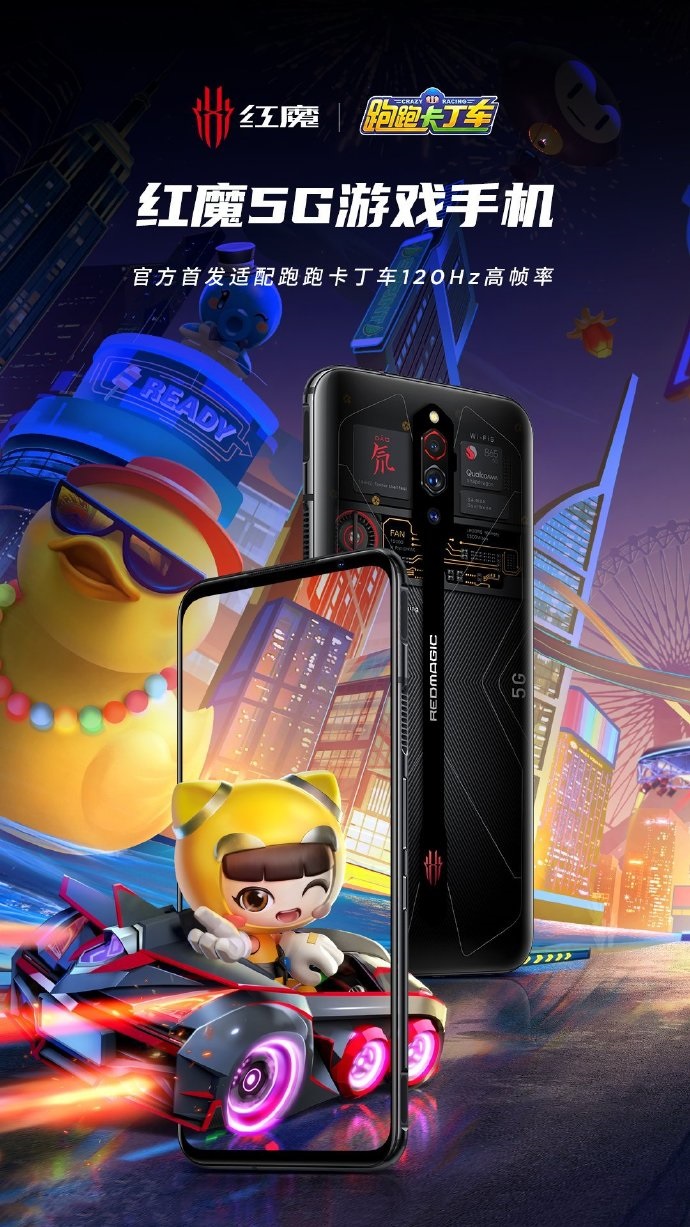
Now, the company has announced that the Red Magic 5G will be the first smartphone in the world to have support for the 120Hz frame rate for the KartRider Rush+ game in China. At this time, the feature seems to be limited to the Chinese market only.
The KartRider Rush+, a mobile kart racing game, was launched a few months ago and comes with a robust set of tracks, diverse game modes, and countless kart customization options. Before making an international debut, the game was first launched in China.
It’s noteworthy that the Red Magic 5G isn’t the first smartphone to have support for 120Hz frame rate games but it is the first one to support KartRider Rush+ at such a high frame rate. Phones like ASUS ROG Phone 2 and Samsung Galaxy S20 also have support for several games at the 120Hz frame rate.
The Nubia Red Magic 5G features a 6.65-inch 144Hz AMOLED display and is powered by Qualcomm Snapdragon 865 chipset, which is paired with up to 16GB LPDDR5 RAM and 256GB UFS 3.0 storage.
As the name suggests, the phone also supports 5G connectivity just like any other flagship smartphone released this year. Being a gaming phone, it features a striking design along with RGB light. Other features of the phone include liquid cooling with an internal fan, shoulder buttons, and WiFi 6.
In the camera department, it comes with a triple camera setup consisting of a 64MP Sony IMX686 primary sensor, an 8MP ultra-wide shooter, and a 2MP macro snapper. On the front side, it comes with an 8MP snapper for taking selfies and video calling.
The smartphone is running Android 10 operating system out-of-the-box with a custom user interface on top. The device is powered by a 4,500mAh battery and comes with support for 55W fast charging technology.
As the launch of the date for the Huawei Mate 40 series flagship smartphone nears, more and more details about the phone keep surfacing online. After information about the 3D facial recognition function, we now have details about the speaker.
The latest report indicates that the upcoming Huawei Mate 40 series smartphones will come packed with symmetrical dual speakers to ensure better audio experience. This will be similar to the one offered by the Chinese company in Mate 20 series.
Well, stereo speakers,what else? Umm pill hole and centered square/ rectangle rear camera area https://t.co/cIKSwfMFvz
The Mate 20 series smartphones also had support for Dolby Atmos audio but we doubt that the upcoming Mate 40 will have Dolby Atmos because of the on-going US-China trade war. However, the symmetrical dual speakers alone should be enough to provide improved and balanced audio experience.
The development comes just a day after it was reported that the Huawei Mate 40 Pro will come with support for 3D face recognition technology that will be used to authenticate digital payments. It was also revealed that the sensors used for this tech will be placed under the punch-hole cutout on the display.
As per the reports, the Mate 40 Pro will come with a 90Hz refresh rate display and a unique screen resolution of 2640 x 1200 pixels. Under the hood, the device will be powered by the next-generation Kirin chipset which could be manufactured using the 5nm process by TSMC, possibly Kirin 1000.
The highlight of the Mate series smartphones has been the awesome camera features and we expect the same from Huawei for the upcoming Mate 40 series. But to know what exactly the company has up its sleeves for the flagship smartphone, we’ll have to wait for the official launch announcement.
While the company has not yet revealed anything related to the smartphone and its launch date, some reports have indicated that Huawei is likely to launch this flagship lineup somewhere around September or October this year.
Last year, foldable smartphones became a reality and while companies like Samsung, Huawei, and Motorola have already launched their own foldable smartphone in the market, other companies are yet to commercially launch their foldable phones, even though they are working on such technology.
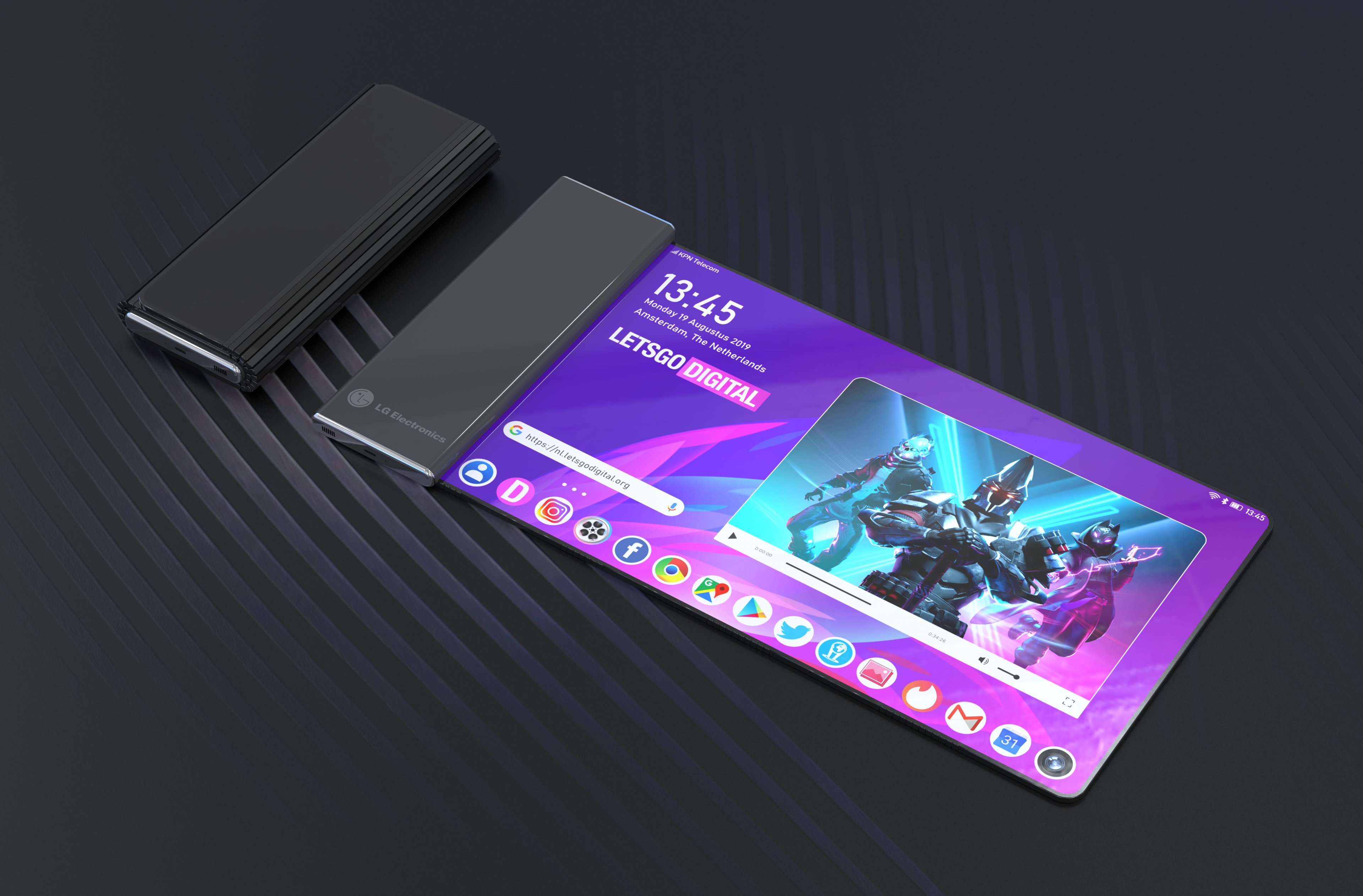
However, it seems that LG is going a step forward and is gearing up to launch a smartphone with a rollable display. As per the report coming from Korea, this project is codenamed as “Project B”. A patent for a similar smartphone was published last year.
LG Rollable Display Smartphone Patent
As per the report, LG has already begun working on a prototype of this rollable display smartphone and is expected to launch the smartphone early next year. The phone will have display rolling out from the sides and the company will be using Flexible Organic Light Emitting Diode (OLED) to achieve this.
To make this a reality, LG Electronics is working with China-based display maker BOE for the flexible OLED panel. While the rollable display isn’t difficult compared to the foldable display, the difficulty arises in ensuring that the design and other materials and components on the device support this new display technology.
Apart from this Project B rollable display smartphone, the South Korean company is working on a few more smartphones. In the second half of this year, LG will be launching a flagship smartphone codenamed “Horizontal”.
Next year, the company will be launching a smartphone which is codenamed “Rainbow”. However, it’s not yet known what makes these upcoming flagship smartphones from the company interesting.
Recently, the company launched the LG Velvet smartphone which comes with a revamped design. It features a 6.9-inch OLED display with a resolution of 2460 x 1080 pixels and a 20.5:9 aspect ratio. The phone is powered by Qualcomm Snapdragon 765G mobile platform which brings 5G support with its built-in modem.
It packs 8GB of RAM and 128GB of UFS 2.1 storage that can be expanded to up to 2TB via microSD card slot. There’s a triple camera setup on the back that consists of a 48MP primary camera, an 8MP ultra-wide-angle camera, and a 5MP depth sensor. On the front side, there’s a 16MP snapper for taking selfies and video calling.
The LG Velvet runs the latest Android 10 operating system and comes powered by a 4,300mAh battery with 25W fast charging support. The company is also rumored to soon launch a 4G-only variant of the smartphone.
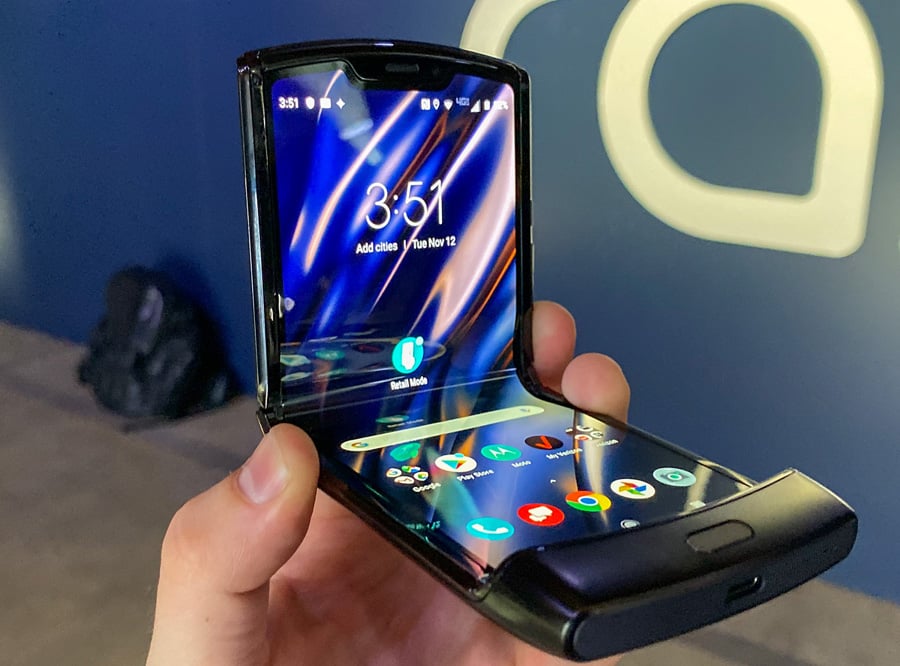
In November 2019, Motorola launched the renewed Motorola Razr clamshell phone. One of the major attractions of the device was that it came with a foldable display. Due to the presence of an obsolete processor, the device could only support LTE connectivity. Multiple reports have claimed that the Lenovo-owned firm is gearing up to launch 5G version of the Motorola Razr phone. There are contradictory reports about its arrival. In June, reputed leakster Evan Blass revealed that it may launch by the end of August. However, a newer report claimed that its launch has been delayed and it may debut in 2021. Today, the tipster shared a leaked specs sheet of the Razr 5G.
Past reports have revealed that the upcoming Motorola Razr 5G is codenamed as Smith. However, according to Blass, the phone also another codename called Odyssey. A previous report had claimed that there may not be any changes in the dimensions of the inner and outer screens of the Razr 2. The new leak states that it’s has a 6.2-inch main display which is same as the last year’s model.
The dual SIM Motorola Razr 5G phone will come with slots for nano-SIM and e-SIM. It will come preinstalled with Android 10 OS. It will be a main camera of 48-megapixel. Previous reports have claimed that it could be the Samsung ISOCELL GM1 sensor. For selfies, the device possesses a 20-megapixel snapper.
The Motorola Razr 5G will arrive with 256 GB of storage. It will be available in Mercury Silver color. The handset could be also arriving in other color editions. Lastly, it will not be a waterproof device. Previous reports have revealed that the Motorola Razr 5G will be equipped with Snapdragon 765G SoC. The phone could be backed by a 2,845mAh battery.
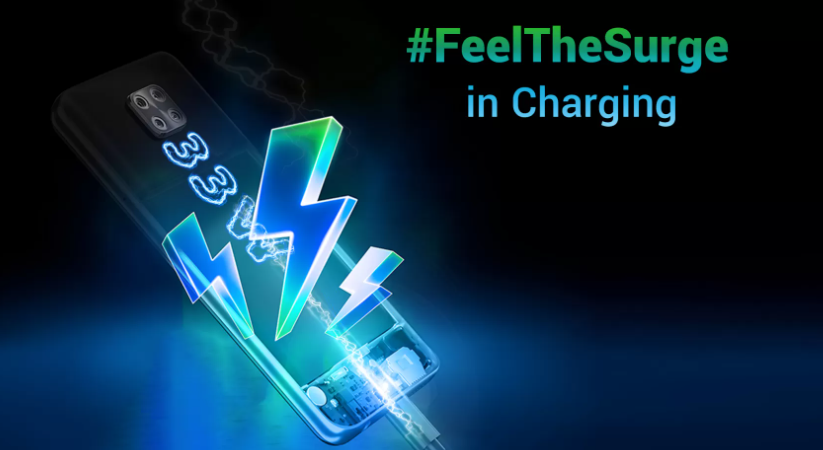
POCO India recently confirmed that it will be launching the POCO M2 Pro smartphone in India on July 7. The microsite for the phone is now active on Flipkart e-commerce site in the country. Ahead of the launch, the brand is busy revealing the key specs and features of the POCO M2 Pro. Today, it revealed that the fast charging capabilities of the smartphone.
As can be seen in the screenshot, the POCO M2 Pro has support for 33W fast charging. The company is expected to reveal more features of the phone before its announcement. The teaser image on the microsite shows that it has a square-shaped camera with four cameras inside it.
Yesterday, the POCO M2 Pro had appeared on Geekbench benchmarks. The listing carried its ‘gram’ codename and it revealed that it is driven by a Snapdragon octa-core processor that has a base frequency of 1.80GHz. It could be featuring the Snapdragon 720G SoC. The SoC is coupled with 6 GB of RAM and it is loaded with Android 10 OS.
Past reports have revealed that its model number is M2003J6CI and it is being said that it could be a rebranded version of the Snapdragon 720G powered Redmi Note 9 Pro smartphone that debuted in Europe. The Redmi phone supports 30W fast charging. Rumors surrounding the POCO M2 Pro have claimed that the device is tailor-made for the Indian audience.
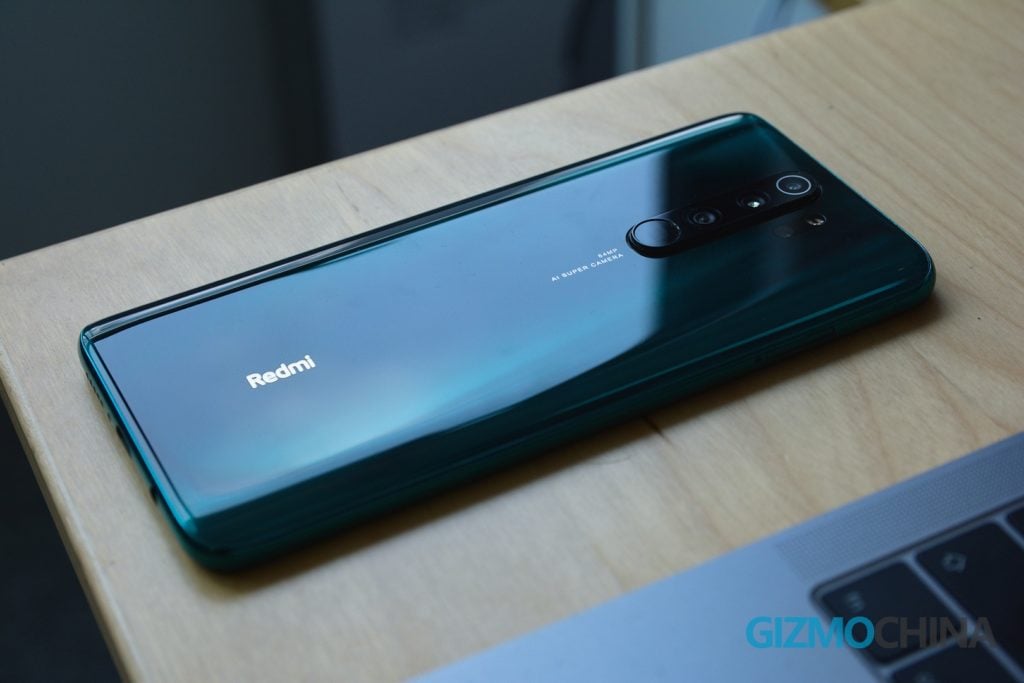
The Redmi Note 9 Pro has a 6.67-inch IPS LCD 20:9 aspect ratio display that delivers Full HD+ resolution. The SD720G chipset on the device is coupled with 6 GB of RAM. It comes in 64 GB and 128 GB storage choices. The MIUI 11 based Android 10 OS runs on the Redmi Note 9 Pro.
It has a front camera of 16-megapixel. Its rear houses a 64-megapixel quad-camera system. The phone house a 5,020mAh battery with 30w fast charging. It is fitted with a side-facing fingerprint reader.
We use cookies on our website to give you the most relevant experience by remembering your preferences and repeat visits. By clicking “Accept”, you consent to the use of ALL the cookies.
This website uses cookies to improve your experience while you navigate through the website. Out of these, the cookies that are categorized as necessary are stored on your browser as they are essential for the working of basic functionalities of the website. We also use third-party cookies that help us analyze and understand how you use this website. These cookies will be stored in your browser only with your consent. You also have the option to opt-out of these cookies. But opting out of some of these cookies may affect your browsing experience.
Necessary cookies are absolutely essential for the website to function properly. This category only includes cookies that ensures basic functionalities and security features of the website. These cookies do not store any personal information.
Any cookies that may not be particularly necessary for the website to function and is used specifically to collect user personal data via analytics, ads, other embedded contents are termed as non-necessary cookies. It is mandatory to procure user consent prior to running these cookies on your website.