Advertisement

Knuckle gestures now available for Huawei Nova 5/5z/5i Pro & Honor 20S/20 Youth in China

Huawei/Honor has been rolling out EMUI 10.1/Magic UI 3.1 to its device for about three months since its announcement alongside P40 series in late March. Earlier this month, the company managed to seed out the update (beta/stable) to all the eligible 36 devices in China. Now, it is rolling out ‘Knuckle Gesture’ support to certain five handsets, which were promised to get this update at the Honor X10 launch.

Huawei Nova 5 5z 5i Pro Honor 20S 20 Youth Edition Lite Knuckle Gestures

The Knuckle gestures have been part of Huawei smartphone experience for years. It was mostly available on high-end devices in the earlier days. But soon, it made its way to mid-range phones and then disappeared for a short period of time on these handsets.

However, now with the release of EMUI 10.1/Magic UI 3.1, the Chinese tech giant is bringing this feature to most of its devices. It has been adding this to a number of devices since the past few months. Now, five more phones are receiving it in China as per a post by EMUI official Weibo account.

The Huawei/Honor handsets that are currently getting knuckle gestures in China are as listed below.

  • Huawei Nova 5
  • Huawei Nova 5z
  • Huawei Nova 5i Pro
  • Honor 20S
  • Honor 20 Youth Edition (Lite)

Though none of the global version of these devices is eligible for EMUI 10.1/Magic UI 3.1 update, we can at least hope the company to bring knuckle gestures.


Samsung launches new QLED TVs with first class energy ratings in South Korea

Samsung has recently announced its QT67 series QLED TVs in its home country of South Korea. The new TVs feature first class energy efficiency ratings and mark the first time the company launched a QLED TV with such distinction.

Samsung

The Samsung QT67 QLED TV series is available in 6 sizes. Starting from 42 inches, one can opt for the largest 85 inch version or the 50 inch, 65 inch and 75 inch versions as well. The smallest variant is priced at KRW 990,000 (roughly 824 US Dollars), while the largest variant is priced at KRW 5,490,000 (roughly 4,570 US Dollars).

The new QLED TV lineup offers excellent image quality, despite the fact that they arrive with South Korea’s highest energy efficiency rating. Its QLED panels are able to reproduce 100 percent of the color volume and also offer Quantum HDR. Furthermore, the early buyers of this new TV will also be eligible for a 10 percent refund of up to 300,000 KRW (roughly 249 US Dollars) from the Korea Energy Management Corporation.

This is refund amount increases to KRW 600,000 (roughly 500 US Dollars) when the customer purchases a 55 inch and larger version of the QT67 series QLED TV. Additionally, the buyers also receive benefits from Samsung worth KRW 300,000. The South Korean tech giant has had its QLED TV sales jump by more than 50 percent in the first half of 2020, over 2019. It shows that the company is dedicated to its product line which is still showing great success even during this time of crisis.


(Via)

Realme C11 pricing revealed before tomorrow’s announcement

Realme will be launching the Realme C11 in markets like Malaysia and Indonesia on June 30. The Indonesian edition of the Lazada retailer site had recently listed the Realme C11 with its renders and specifications. Ahead of tomorrow’s launch, the Realme C11’s pricing for Indonesia has been revealed.

Indonesia will be receiving the Realme C11 in two options. The 2 GB RAM + 32 GB storage version of the C11 is priced at IDR 1,799,000 (~$126). The higher 3 GB RAM + 32 GB storage variant of the smartphone costs 1,999,000 (~$141). The country will be receiving the handset in Mint Green and Pepper Grey color variants.

Realme C11
Realme C11

Realme C11 specifications

The Realme C11 has an IPS LCD display of 6.5 inches. The mini-drop notch display offers HD+ resolution. It has a selfie camera of 5-megapixel.

It is Realme’s first smartphone to feature a square-shaped camera module. It comprises of an LED flash, a 13-megapixel main camera, and a 2-megapixel depth assist lens. The device will come with Super Nightscape Mode for capturing better shots in dim-light conditions. The Realme UI based Android 10 OS runs on the smartphone.

The Realme C11 will be arriving as the world’s smartphone powered by Helio G35 chipset by MediaTek. The same SoC is expected to fuel the Redmi 9C that is also scheduled to go official tomorrow. The smartphone is equipped with a 5,000mAh battery with 10W charging support. It lacks support for fingerprint scanner. Hence, its users will have to rely on the face unlock feature for biometric recognition.

The Realme C11 was recently spotted at the database of the Bureau of Indian Standards (BIS). Hence, the handset will be also releasing in India in the near future.


(via)

Xiaomi Mi Router 4 Pro launched, features 5 antennas and a Qualcomm chip

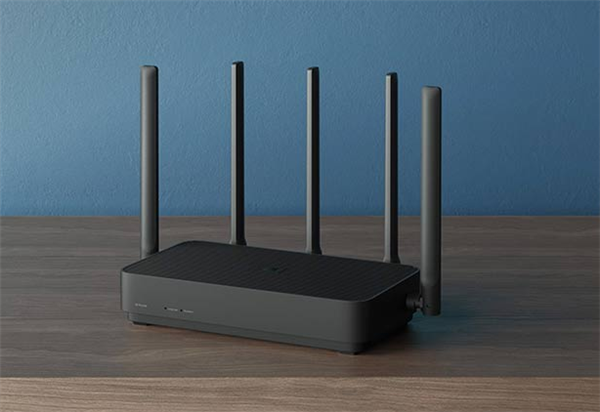
Xiaomi has quietly launched the Mi Router 4 Pro in China. The router is an updated version of the Mi Router 4 which was launched back in 2018 and arrives at the same price of 199 Yuan (roughly 28 US Dollars).

Xiaomi

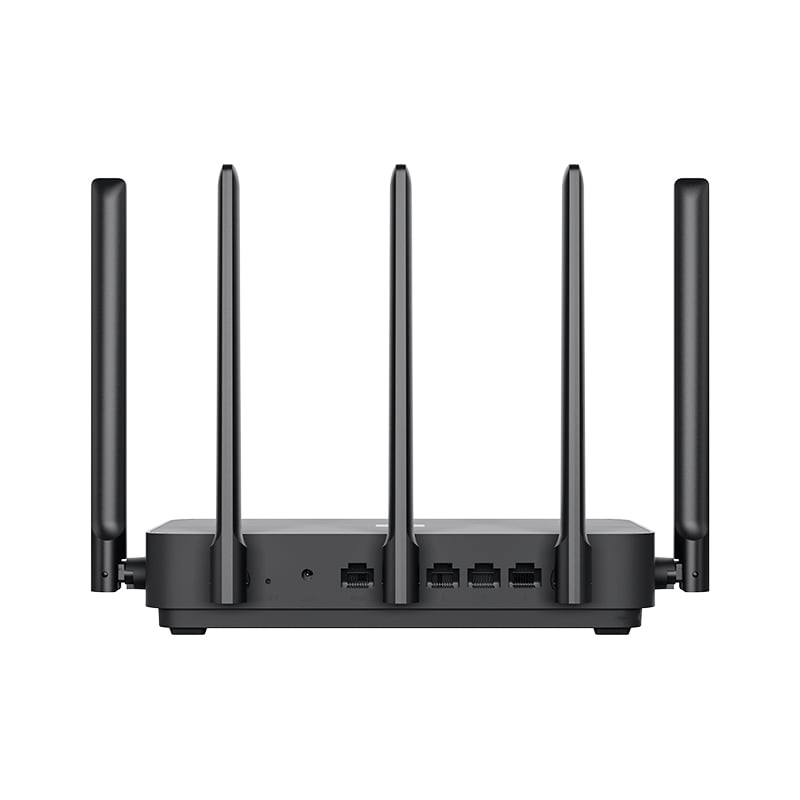
Despite Wi-Fi 6 being available, many users can still get by with the older and more cost effective Wi-Fi 5 standards. Thus, the Chinese tech giant’s Mi Router 4 Pro arrives as the budget yet capable offering. While the price is the same between the base and Pro variant, there are certain improvements that have been made to the new router, like having 5 antennas over 4.

The Mi Router 4 Pro now has a wireless rate of 1317Mbps, which is higher than the 1167Mbps wireless rate of its predecessor. It also features dual band frequency, namely 2.4GHz and 5Ghz, that are equipped with high performance signal amplifiers (PA+LNA) respectively. In other words, the range and connectivity strength have been improved in the latest version.

Xiaomi

Under the hood, a Qualcomm processor powers the Xiaomi Mi Router 4 Pro. It houses the usual Gigabit Ethernet port and Gigabit Dual band Wi-Fi Data forwarding as well. 128MB of memory is also provided, and up to 128 devices can connect simultaneously. The device can also be connected and synced with the Xiaomi Mijia app.


Honor Play4 Pro sells for exorbitant prices for its IR temperature sensor feature in the US

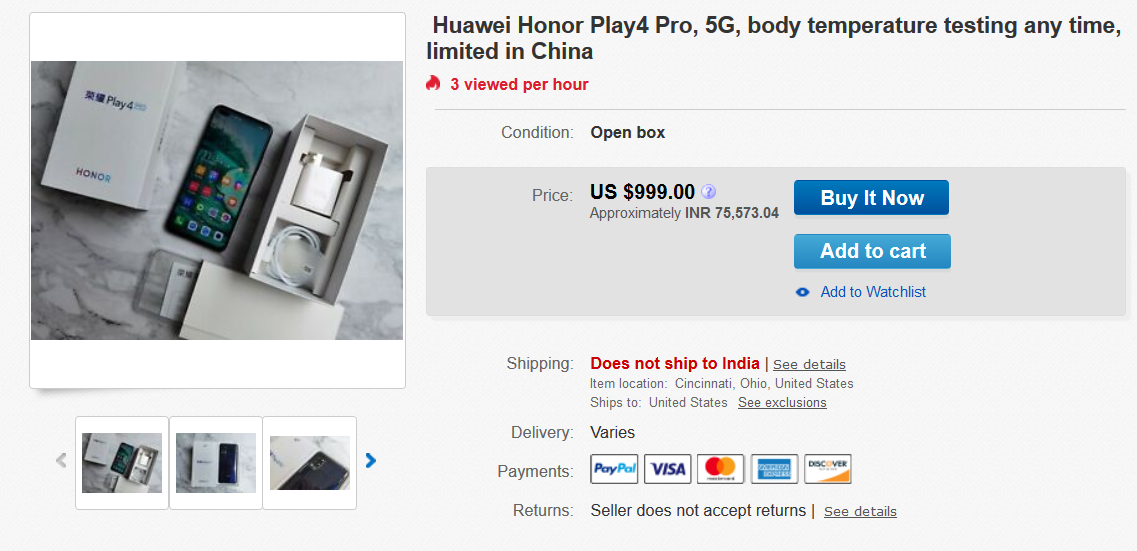
While many have already seen essential goods and commodities have their prices inflate due to the ongoing Coronavirus pandemic, you wouldn’t expect a smartphone to be inflated as well. The Honor Play4 Pro is the victim of the bizarre new market inflation with its prices reaching premium high end handset levels.

Honor

The 5G smartphone from the Huawei subsidiary is currently available on eBay for a whopping price of 999 US Dollars, which is near twice its original price that is around 423 US Dollars (2,999 Yuan in China). Furthermore, at this price, one can buy an Apple iPhone 11 Pro. Honor Play4 Pro was launched earlier this month in China with respectable specifications at its price range.

However, its most notable aspect wasn’t its chip or camera, rather its unique functions. This function was a non-contact IR temperature sensor that could measure the surface temperature of people and objects on the go. In other words, a temperature scanner machine built right into your smartphone. This feature is particularly useful now of all times due to the severity of the viral outbreak.

Honor

Although, this method of temperature checks isn’t exactly without its own shortcomings. Unlike a regular temperature/thermal checking machine, the Honor Play4 Pro requires the user to hold the phone really close to the body which they are trying to map. This technically defeats the purpose of avoiding close proximity. So, it is highly advised to avoid such listings.


(Source,Via)

Redmi 9A renders in green, blue and grey color editions appear before launch

The Redmi 9A will be made official on June 30 in Malaysia. Xiaomi will be also announcing the Redmi 9C handset alongside it. Ahead of tomorrow’s announcement, the press renders of the Redmi 9A have surfaced to reveal its three color variants.

The Redmi 9A can be seen in three colors like Midnight Grey, Twilight Blue, and Peacock Green. The handset has a polycarbonate body with a single camera with an LED flash on its back. A vertical strip starting from the camera module have a Redmi branding can also be seen on the device.

Redmi 9A Midnight Grey

While Redmi 9A renders claimed that it features a fingerprint scanner, the biometric recognition feature does not seem to be present on it. The device has a waterdrop notch display.

Redmi 9A Twilight Blue

Redmi 9A Specifications (Rumored)

The Redmi 9A has a 6.53-inch IPS LCD display that offers HD+ resolution of 720 x 1600 pixels. It has a front-mounted camera of 5-megapixel. The rear side of the phone has a 13-megapixel camera.

The modest Helio G25 SoC along with 2 GB / 3 GB of RAM powers. The device is expected to arrive with 32 GB of built-in storage. It has a microSD card slot for additional storage.

Redmi 9A Peacock Green

The Redmi 9A houses a 5,000mAh capacity battery. It is said that its retail package will come with a 10W charger, but the device will support 18W fast charging. In Europe, the handset could be priced between 100 euros (~$112) to 120 euros (~$135). It may sell at a cheaper price in Asian markets.


(source)

Xiaomi 100W fast charging phone may launch by the end of 2020

The charging technology on smartphones has evolved over the years. Currently, the 65W Oppo SuperVOOC 2.0 is the fastest wired charging solution available in the market for phones. Though various companies have showcased faster charging solutions than this, they are yet to be commercialized. That said, if the new tip by popular Chinese leaker Digital Chat Station happens to be true, then Xiaomi’s 100W solution could soon take over the crown of fastest charging.

Xiaomi 100W fast charging featured

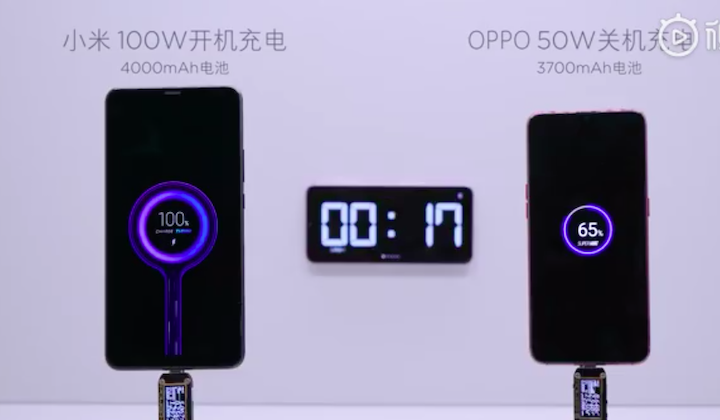
Xiaomi showcased its 100W Super Charge Turbo fast charging solution in a video in March 2019. It is capable of charging a 4,000 mAh battery in just 17 minutes. Then, in November, the company confirmed it to arrive in 2020 on commercial devices.

Now, almost half past 2020, we are yet to see a Xiaomi smartphone with its Super Charge Turbo technology. Instead, we got to see an alleged video of the company’s 120W charger last month.

But now, the latest tip from the Chinese leakster gives us a hope of witnessing the world’s first 100W smartphone charging solution soon. Unfortunately, he did not disclose which handset will be including it.

Anyway, going by his very own tips from last week, we can assume it to debut either on Mi 10 Pro Plus in August or Mi Mix 4 sometime later in Q4.

Having said that, though Xiaomi could become the company to launch the world’s fastest charging solution in a near future, Lenovo with its Legion gaming smartphone with 90W charging could be the first to break the current record holder Oppo in July.

Additionally, we also expect Xiaomi’s record to be soon broken by Vivo’s 120W Super FlashCharge sometime later next year. This solution can fully charge a 4,000 mAh battery in just 13 minutes, which is 4 minutes lesser than that of Xiaomi.


(Via)

TSMC fills up Huawei HiSilicon order gap through MediaTek, includes 5nm chips

After losing Huawei’s orders due to recent US sanctions, TSMC had started working on in the gap through others. One of the notable companies replacing Huawei orders is MediaTek, which will also have the contract chipmaker produce 5nm chips.

According to a new report, MediaTek has approached TSMC in three waves, since the demand for 5G wafer is high at the moment. Currently, more than 20,000 wafers per month have been added, which includes 7nm and 12nm processes. Furthermore, TSMC’s latest 5nm process is also being queued up as well. This will be one of the key areas where MediaTek fills in after the loss of Huawei’s HiSilicon orders.

TSMC

The news hasn’t officially been announced by either MediaTek or TSMC but from within their supply chain. Apparently, TSMC had stopped its 5nm production plant which as originally reserved for HiSilicon. But now, the company has divided the production to major names like Apple, Supermicro, and Qualcomm. With MediaTek’s Dimensity lineup of 5G chips also seeing healthy demand, the chipmaker also sought to raise the production of its Dimensity 800 and Dimensity 600 series.

By the first two waves of orders, MediaTek focused on the 7nm process and 12nm processes. The third wave brings a 5nm process to its next mid to high end 5G mobile chipsets. MediaTek is also a known rival of Qualcomm which also has its 5nm chips being manufactured by TSMC. Additionally, the recent US sanctions against Huawei has accelerated MediaTek’s plans for 5nm chips.

TSMC

While Huawei seems to be in a tough situation, the ban and the subsequent shifts of production capacity is indicative of the highly competitive industry. As Huawei looks for alternatives and local sources, other brands would step up to seize the opportunity. 5G enabled chips are now the standard on flagship handsets, with its popularity only growing. OEMs are also expected to launch various 5nm chip housing smartphones later this year as well. So this period may turn out to be quite heated.


(Via)

iQOO Z1x TENAA listing surfaces before July 2 rumored launch

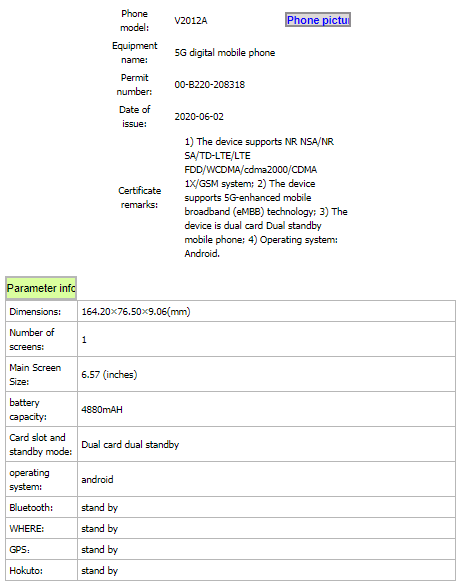
Leaked information that surfaced last week revealed that the iQOO Z1x may go official on July 2. The Chinese brand is yet to confirm the existence of the device, but its arrival is nearing since it has now surfaced on TENAA’s database. The listing currently contains only few information such as its dimensions, display size, and battery capacity. The TENAA listing of the phone is expected to get updated with full specs and images soon.

Recent reports have revealed that the iQOO Z1x’s model number is V2012A. The V2012A’s TENAA appearance reveals that it has a 6.57-inch display and a rated battery of 4,880mAh capacity. The phone measures 164.20 x 76.5 x 9.06mm.

iQOO Z1x preliminary specs at TENAA

Rumors surrounding the iQOO Z1x has revealed it will carry support for Full HD+ resolution and up to 120Hz refresh rate. Its display design is not known yet. Hopefully, the images of the device will soon surface on TENAA through which it can be confirmed whether it features a waterdrop notch screen or a punch-hole display like the other iQOO phones that debuted this year.

The iQOO Z1x is said to draw power from Snapdragon 765G. It may come in 6 GB and 8 GB RAM editions and an internal storage of 128 GB. The typical size of its battery could be 5,000mAh. The 3C listing of the smartphone suggested that the company may provide a 33W fast charger along with it.

There is no word on the front-facing camera of the iQOO Z1x. It is speculated that the iQOO Z1x could be featuring a triple camera unit with a 48-megapixel lens as a primary lens. It is likely to debut as the cheapest Snapdragon 765G powered smartphone.


(source)

Snap Spectacles 2 and Spectacles 3 launching in India on July 4

Snap Inc., the company behind the popular social media platform Snapchat, debuted its own smart glasses named Spectacles in 2016. After that, the company has launched two successors — Spectacles 2 and Spectacles 3.

Years after the launch of second-generation and third-generation Spectacles, the company is now finally bringing them to the Indian market. Snap has also created a dedicated website for the Indian market.

Snap Spectacles 3

As for the availability, the Spectacles 2 and Spectacles 3 will be up for sale in India through the online marketplace Flipkart. While the Spectacles 2 is priced at ₹14,999 (~$198) and comes in three colors — Onyx Eclipse, Ruby Sunset, and Sapphire Midnight, the Spectacles 3 is priced at ₹29,999 (~$397) and comes in Mineral and Carbon color options.

The second-generation Spectacles were first launched in 2018. Along with the built-in camera, it features a water-resistant body and has a 30 percent smaller profile. It also comes with improved audio support.

On the other hand, the Spectacles 3 was first launched in August last year and it comes with a new minimalistic frame and two camera sensors to replicate stereoscopic vision. Unlike its predecessor, it is not water-resistant.

These smart glasses can be paired to the Snapchat account by looking at the user’s account Snapcode and pressing the button on the glasses frame. They can also be connected using Bluetooth for iPhones.

Spectacles glasses records video in a circular format because the company says that it’s closely approximate the field of view of the human eye. The recorded videos are stored internally and can be viewed and uploaded in the “Memories” of Snapchat.


Samsung says its 90Hz OLED is as good as 120Hz LCD

Recently, smartphone makers have started focusing on offering a higher refresh rate display. While most of the flagship smartphones now come with either 120Hz or 90Hz refresh rate display, mid-range devices have also started adopting a 90Hz display.

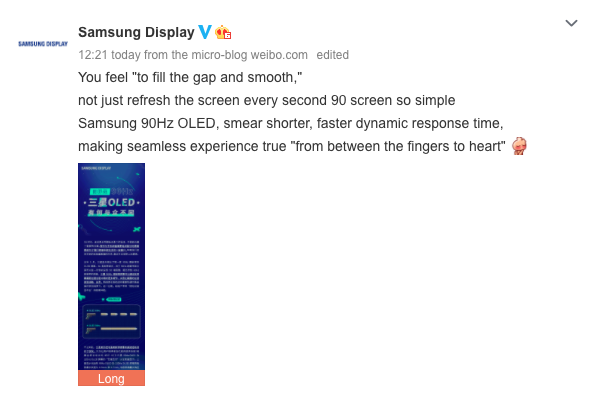
Last year, Samsung had announced its 90Hz OLED display in which the company claims to have optimized the high-speed motion. Samsung is now saying that its 90Hz OLED panels are good as 120Hz LCD panels.

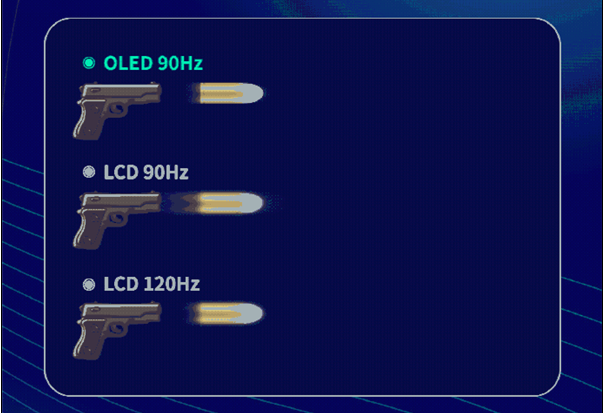
A global certification company SGS reveals that the blue length or image drag of Samsung 90Hz OLED and 120Hz OLED screens is 0.9mm and 0.7mm, and the response speed of dynamic images is recorded at 14ms and 11ms respectively.

Samsung 90Hz OLED Display

Further, the SGS evaluation shows that Samsung’s 90Hz OLED panel has a one-fifth image drag compared to 90Hz LCD — same as the 120Hz LCD smear length. On the other hand, Samsung’s 120Hz OLED image drag is shortened by one-third compared to the regular 120Hz LCD panels.

Another fundamental difference is that the OLED panels do not have liquid crystal and thus they can achieve faster response through fast electron mobility and its current-driven characteristics. This ultimately results in a more natural display panel.

For those who are unaware, the display refresh rate measures how fast the phone’s screen updates. It basically counts the number of times the screen refreshes in one second. So, a 60Hz display refreshes 60 times in a second while a 90Hz display refreshes 90 times in just one second. The faster the refresh rate, the smoother experience.

The high refresh rate screens truly show their strength where there are quick switches of scenes on screens, such as gaming and videos. While having a high refresh rate display is good, a regular user with normal usage won’t be able to notice much difference.


Alleged Redmi K40 leak reveals 120Hz display and 4,500mAh battery

Redmi is reportedly working on the Redmi K40 series. A reputed Chinese tipster had claimed in the recent past an upcoming Redmi phone is equipped with Dimensity 1000+. According to the rumor mill, it could be the vanilla model in the Redmi K40 lineup. The same tipster seems to have shared some information on its display and battery sizes.

The leak does not mention the Redmi K40 5G moniker, but the tipster to be talking about the same phone since it could be the only rumored Dimensity 1000+ 5G phone to arrive soon. The leak states that the phone houses a display that supports a 120Hz refresh rate.

The alleged Redmi K40 could be equipped with a notch-less display and pop-up selfie camera design. The handset is expected to house a 4,500mAh battery.

Recently, a Xiaomi phone with model number M2006J10C was spotted at the radio frequency certification in China. It only revealed that it is a 5G-ready device. The handset also passed China’s 3C certification. It revealed that it may ship with a 33W charger. Rumors have it that the Redmi’s Dimensity 1000+ powered smartphone will debut in July. Hence, there is a possibility that the Chinese firm may soon begin teasing on the arrival of the Redmi K40 series.

Some reports have claimed that the Redmi K40 5G will be equipped with a Sony IMX686 64-megapixel lens as its primary shooter. The same lens is available in the Redmi K30 5G’s rear-mounted quad camera setup. Probably, the Redmi K40 5G may feature an enhanced quad-camera system while retaining the primary lens from the predecessor model.


(source)

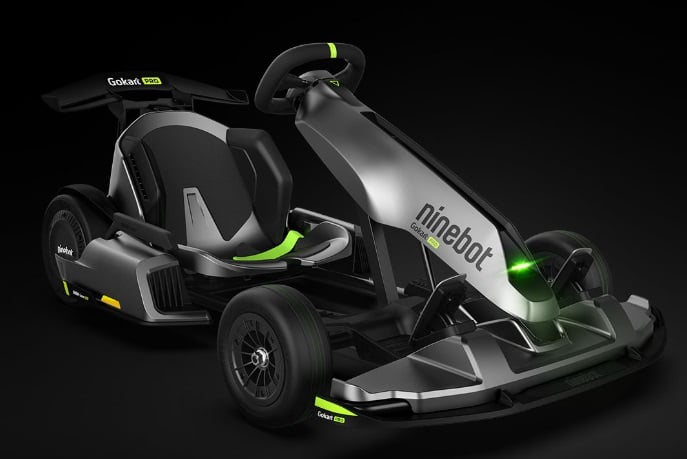
Xiaomi’s Ninebot Kart Pro is now on sale in China for 8,998 yuan ($1272)

Earlier this month, Ninebot, an ecology chain company of Xiaomi, announced its new Ninebot Kart Pro, which as the name suggests, is a karting vehicle. Now, the product is available for purchase in China for a price of 8,998 yuan which is about $1,272.

The company was reportedly working on this product for about two years and has tested it for a total of 33,000 kilometers. It is said that the company collaborated with professional racers for this Ninebot Kart Pro.

Xiaomi No. 9 Kart Pro

It comes with a professional racing design along with an aerodynamic tail, racing metal pedals, LED headlights, and racing front lip design in a retractable body. It uses the same engine rear and rear-wheel-drive layout as the sports car.

There are four driving modes — Novice Mode (8km/h), Normal Mode (18km/h), Sports Mode (28km/h), and Track Mode (37km/h). It can be connected to an application for “Dynamic Cornering”. In this feature, adjusting the power of the inner and outer wheels can offer “flip” and “push ahead” modes when cornering.

Xiaomi No. 9 Kart Pro

The front and rear weight ratio of the body is 40:60, which accelerates faster. It comes equipped with two air-cooled motors with a peak value of 2400W and a maximum speed of 37km/h. It packs a 432Wh battery pack and can run for 62 laps on the 400-meter track.

Along with this, the Ninebot Kart Pro also comes packed with four 8W power speakers and supports Bluetooth speaker functionality. It is now available for purchase in China for 8,998 yuan through the Xiaomi Youpin website and shipping will being from 30th June.


Redmi 9A, Redmi 9C to launch on June 30

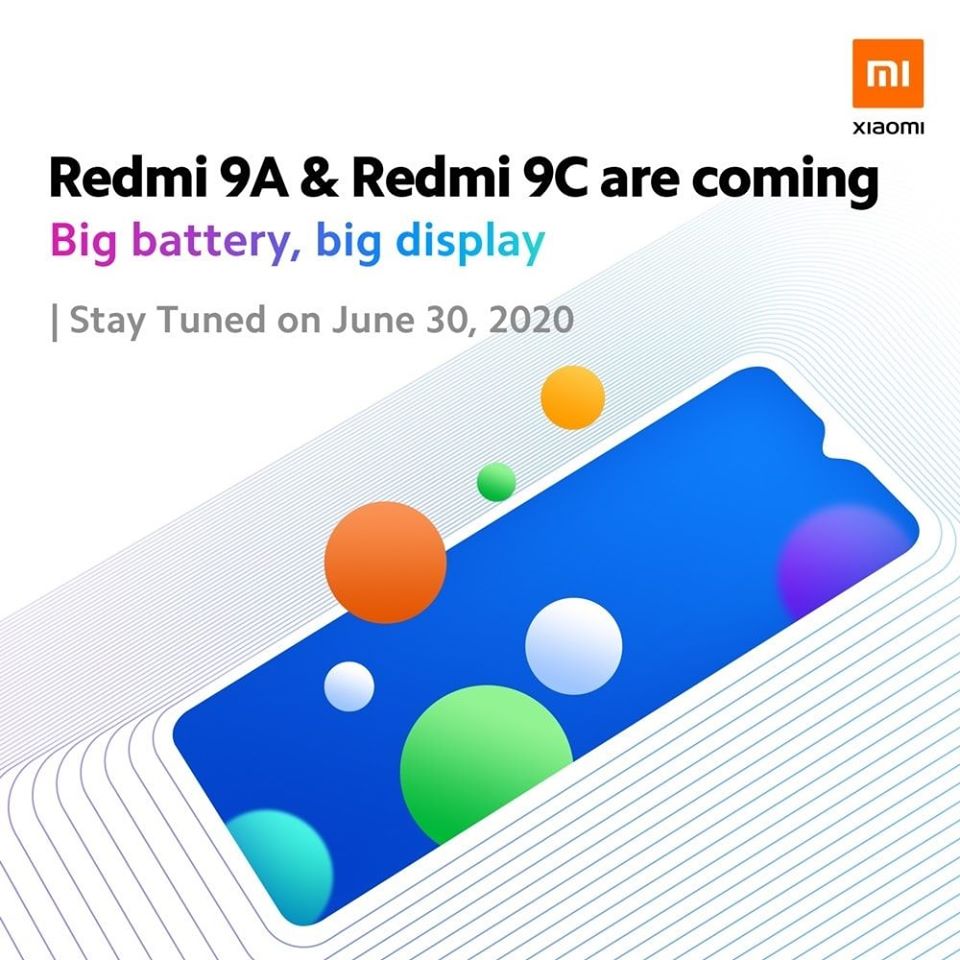
The Redmi 9 series from Xiaomi is rumored to include devices such as Redmi 9, Redmi 9C, Redmi 9C NFC edition, and Redmi 9A. Among these, the Chinese firm has already unveiled the Redmi 9 in multiple markets like Spain, Malaysia, and China. Recently, the Redmi 9A was spotted at certification platforms like China’s 3C and the Federal Communications Commission (FCC) in the U.S. Also, the key specs of the device also appeared on the Xiaomi Philippines website. These appearances suggested that the launch of the Redmi 9A could be near. Today, Xiaomi Malaysia took to its Facebook page to confirm that not only the Redmi 9A, but also the Redmi 9C will be made official on June 30.

The official released by the Chinese firm reveals a big battery and a big display are major highlights of the Redmi 9A and Redmi 9C. Also, the image suggests that these phones will come with teardrop notch displays. On the same date, the competitor phone Realme C11 will be announced in markets like Malaysia and Indonesia.

Redmi 9A and Redmi 9C launching on June 30--

At the end of May, a well-known tipster shared the key specs of the Redmi 9 series. The leak revealed that the Redmi 9A and Redmi 9C will come with HD+ resolution supporting 6.53-inch IPS LCD panels and 5,000mAh batteries. These phones are expected to come with some common features like a 5-megapixel selfie camera, a rear-facing fingerprint reader, a microSD card slot, a 3.5mm audio jack, an IR blaster, USB-C port and fast charging support.

The Redmi 9A is rumored to be equipped with Helio G25 chipset. The SoC could be coupled with 3 GB of RAM. The handset may offer users with an internal storage of 32 GB. It may come with a 13-megapixel main camera on its back.

The Redmi 9C is rumored to exist in two versions. One is said to feature an NFC chip and the other one lacks support for it. The Redmi 9C NFC edition may come with a 13-megapixel + 2-megapixel dual-camera system whereas the non-NFC variant may have a 13-megapixel + 5-megapixel + 2-megapixel triple camera system.

Both Redmi 9C variants are likely to be fueled by the Helio G35 SoC and 3 GB of RAM. The handset may come with a 64 GB built-in storage. it is not clear whether Malaysia will be receiving both variants of the Redmi 9C.


(source)

OPPO Enco W11 TWS earphones launching in India on June 29 for ₹2,499 ($33)

OPPO Enco W11, the company’s bud-style true wireless earphones, are set to launch in India on 29th July. The earphones will be available for purchase through the online marketplace Flipkart for a price of ₹2,499, which is approximately $33.

Earlier, the OPPO Enco W11 were reported to launch in India on 25th June, carrying a price tag of ₹2,999. But the new banner of the TWS earphones on Flipkart has confirmed the updated details.

OPPO Enco W11 Flipkart

The Enco W11 will be sold as a cheaper version of the OPPO Enco W31 which is already available in the Indian market. Both of them feature a bud-style design and not the typical AirPods-style design.

As for the specifications, the OPPO Enco W11 features 8mm drivers with support for AAC audio format. In an impressive feature, the company says that the earphones also offer noise cancellation feature for calls.

Oppo

The device uses Bluetooth 5.0 to connect with devices with a maximum range of 10m. Instead of the master-slave connection (found on the Redmi AirDots), both the earbuds connect directly with the device.

Similar to other such products, this one too comes with support for touch controls which is helpful in carrying out actions like single-tap play/pause, double-tap for changing tracks, double-tap to answer or end a phone call, triple-tap for triggering the smart voice assistant on the smartphone, and controls for adjusting the volume.

According to the company, the OPPO Enco W11, which is IP55-rated, offers five hours of battery life on a single charge. However, with the addition of the charging case, the battery life on the device can be improved to 20 hours.


Apple to launch 10.8-inch iPad this year and 8.5-inch iPad Mini next year

Apple has been in the news for the past couple of weeks, thanks to an array of announcements during its annual Worldwide Developers Conference and leaks related to the upcoming iPhone 12 series.

Now, Ming-Chi Kuo, one of the most reliable analysts when it comes to Apple-related stuff, has revealed the upcoming new iPad models for this year as well as next year.

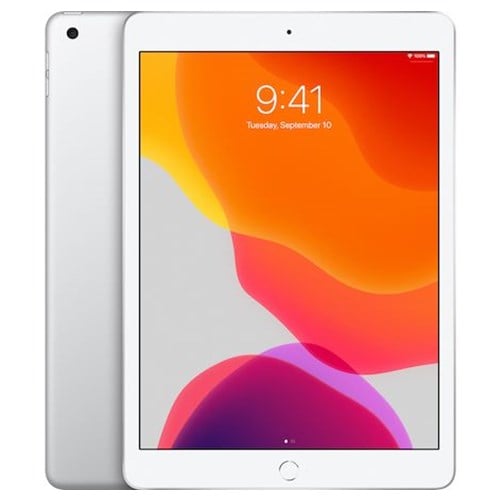
Apple iPad 10.2

Kuo has said that Apple will be releasing a new 10.8-inch iPad model in the second half of this year and a new 8.5-inch iPad next year, which we are expecting to be a part of the iPad Mini lineup.

It remains to be seen if the 10.8-inch version is a part of the iPad lineup or the iPad Air lineup. As for the 8.5-inch model, he had previously confirmed it to be a part of the iPad Mini lineup and a successor to the iPad Mini launched in March last year.

Recently, a new Apple power adapter was leaked online with the ratings of 20W. Kuo says that Apple will be including this new charger in the box for both the upcoming iPad models.

This is interesting given that there are reports hinting that Apple could be removing Earpods as well as power adapter from the in-box contents with the upcoming iPhones. It means that users would need to purchase them separately.

Apple is expected to launch four models in the iPhone 12 lineup — two high-end models with 6.7-inch and 6.1-inch display and two standard and low-end models with 5.7-inch and a 6.1-inch display. Along with the 5G models, the company is also expected to launch two 4G models, with a starting price of $549.

(Via)

Honor 30 Lite (Youth Edition) 5G renders appear to reveal color variants

On July 2, Honor will be launching the Honor 30 Lite (Youth Edition) 5G as well as the Honor X10 Max smartphones. Both phones have appeared on TENAA with their entire specifications in the recent weeks. While the X10 Max is a massive phone and a successor of the Honor 8X Max from 2018, the Honor 30 Lite 5G is said to be a rebadged version of the Huawei Enjoy Z that debuted in May in China. The official renders of the Honor 30 Lite 5G have surfaced to reveal the three color editions of the smartphone.

Honor 30 Lite (Youth Edition) 5G renders 2
Honor 30 Lite (Youth Edition) 5G

As can be seen in the renders, the Honor 30 Lite 5G will be arriving in three attractive gradient color choices. The images show that the handset is equipped with a waterdrop notch screen and its rear is fitted with a rectangle-shaped camera module that includes a triple camera unit and an LED flash.

Honor 30 Lite (Youth Edition) 5G

Honor 30 Lite (Youth Edition) 5G specifications

The 6.5-inch IPS LCD display of the Honor 30 Lite 5G supports a 90Hz refresh rate and a Full HD+ resolution of 1080 x 2400 pixels. The smartphone draws power from Dimensity 800 chipset. The handset may come with up to 8 GB of RAM and up to 128 GB of native storage.

Honor 30 Lite (Youth Edition) 5G renders 3
Honor 30 Lite (Youth Edition) 5G

The Honor 30 Lite 5G has a 4,000mAh battery that supports 22.5W fast charging. It is loaded with Android 10 OS and the latest version of Magic UI. It has a front camera of 16-megapixel. The rear side of the device has a 48-megapixel + 8-megapixel + 2-megapixel triple camera system. It has a side-facing fingerprint reader. Rumors are rife that it could be priced around 1,600 Yuan (~$226) in China


(via)

T-Mobile Netherlands listing confirms the iPhone 12 series moniker

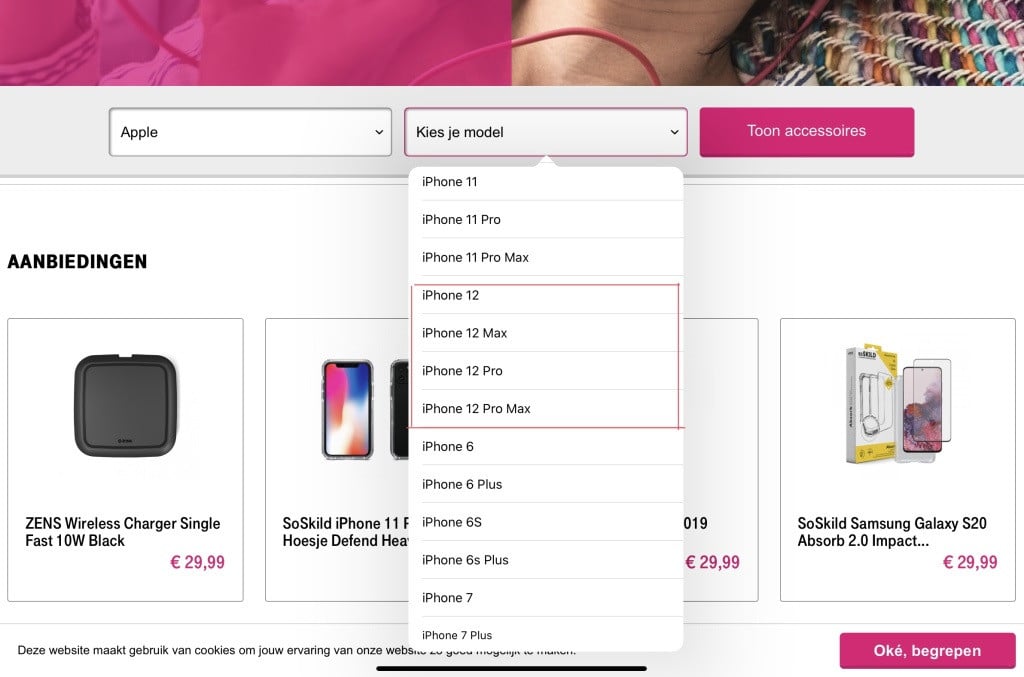
If there is any doubt about the name Apple‘s upcoming iPhone models will adopt, that may have just been put to rest by T-Mobile Netherland’s listing. The carrier has created landing pages for the iPhone 12, iPhone 12 Pro, iPhone 12 Pro Max and iPhone 12 Max accessories on its official website.

The models are listed under the phone accessories search section and when clicked, the results show several available protective cases for all four iPhone 12 models. The names are already in the open courtesy of several noted tipsters and we even exclusively posted the protective cases for all the four models a while back. However, this is the first time that a carrier was officially confirming the names of Apple’s unreleased 2020 iPhone models.

Apple‘s 2020 base iPhone 12 will feature a 5.4-inch display while the top-end model will pack a 6.7-inch screen. Going by previous rumour, iPhone 12 Pro will have a triple camera setup and a Lidar sensor at the rear but the 6.1-inch iPhone 12 Plus/Max is rumoured to feature a dual rear camera setup. The base model is expected to start at around $549 making it potentially the cheapest flagship iPhone in years.


(source)


Xiaomi’s 2021 flagships will be pretty expensive; no thanks to Qualcomm

This year’s flagship phones powered by the Snapdragon 865 processor are selling for much higher than their predecessors and one of the factors is the price of the chipset. A new report from South Korea says, come next year, folks should expect to pay even more for phones.

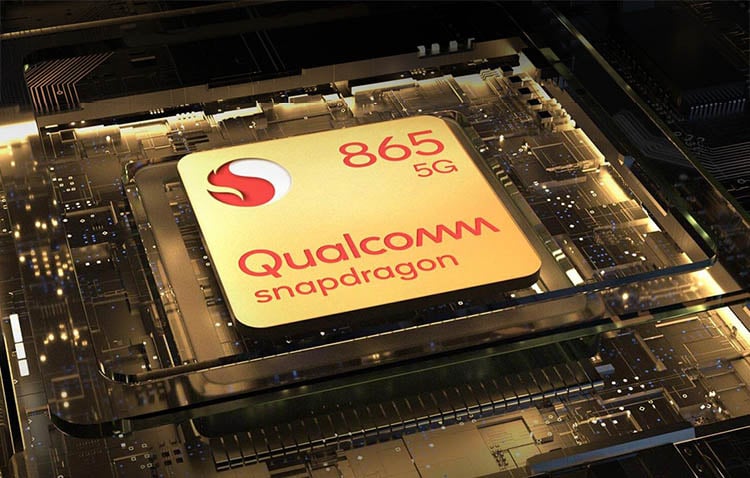
Qualcomm Snapdragon 865 Soc
The Snapdragon 865’s successor is reported to cost up to $250

According to IT Home, a Korean publication has reported that an order document signed by Xiaomi revealed that the price of the Snapdragon 875 Mobile Platform is around $250. The price is said to include both the application processor and the Snapdragon X60 5G modem.

The source reports that deliberations are on-going at Xiaomi regarding the price of their future flagships.

The Snapdragon 865 is currently shipping to manufacturers for between $150 and $160. This means the Snapdragon 875 is about $100 more expensive.

The chipset is said to likely feature a Super-Core Cortex-X1 processor that has 30% better performance than the Cortex-A77. This super-core will be combined with three Cortex-A78 cores and four efficiency cores in a 1+3+4 core arrangement.

Xiaomi currently offers some of the cheapest flagship phones under its sub-brand Redmi. While it will still try to do so, buyers should brace up to pay a little more than they did this year.


(Source, Via)

Honor 30 Youth Edition 5G will launch on July 2

The Honor 30 series is about to get bigger with the launch of the Honor 30 Youth Edition 5G (Honor 30 Lite 5G). The phone has been in the news since May, and now it has an official launch date.

The official Honor Weibo account has revealed that the Honor 30 Youth Edition 5G will be launched on Thursday, July 2. This is the same day the Honor X10 Max will be unveiled.

Honor 30 Youth Edition 5G launch poster

The poster shows the device in two colorways, both with a gradient design. It also shows the Honor 30 Lite will have triple rear cameras and a side-mounted fingerprint scanner.

Leaks have revealed the phone will be powered by the Dimensity 800 processor. It will also have a 48MP primary rear camera, a 16MP selfie camera, a 4000mAh battery, and support for 22.5W fast charging.

The Honor 30 Youth Edition 5G is expected to be announced outside China but as the Honor 30 Lite 5G. The launch should happen after its debut in China.