Advertisement

TCL 10 5G vs Xiaomi Mi 10 Lite vs Oppo Find X2 Lite: Specs Comparison

5G smartphones started becoming affordable not only in China but all around the world as well. Even if you live in Europe, you can actually get a 5G phone for less than €500 or €400. If we exclude the old Mi Mix 3 5G which still comes with an external and single-mode 5G modem, the most affordable 5G smartphone actually available in the Old Continent are TCL 10 5G, Xiaomi Mi 10 Lite 5G, and Oppo Find X2 Lite. Here is an in-depth comparison between the specifications of these three interesting 5G phones which will highlight all the main differences between them.

TCL 10 5G vs Xiaomi Mi 10 Lite vs Oppo Find X2 Lite

Xiaomi Mi 10 Lite TCL 10 5G Oppo Find X2 Lite
DIMENSIONS AND WEIGHT 164 x 74.8 x 7.9 mm, 192 g 163.7 x 76.6 x 9 mm, 210 grams 160.3 x 74.3 x 8 mm, 180 grams
DISPLAY  6.57 inches, 1080 x 2400p (Full HD+), Super AMOLED 6.53 inches, 1080 x 2340p (Full HD+), 395 ppi, 19.5:9 ratio, IPS LCD 6.4 inches, 1080 x 2400p (Full HD+), 408 ppi, 20:9 ratio, AMOLED
PROCESSOR Qualcomm Snapdragon 765G, octa-core 2.4 GHz Qualcomm Snapdragon 765G, octa-core 2.4 GHz Qualcomm Snapdragon 765G, octa-core 2.4 GHz
MEMORY  6 GB RAM, 128 GB – 8 GB RAM, 128 GB – 8 GB RAM, 256 GB 6 GB RAM, 128 GB – micro SD slot 8 GB RAM, 128 GB
SOFTWARE  Android 10, MIUI Android 10, TCL UI Android 10, ColorOS
CONNECTIVITY  Wi-Fi 802.11 a/b/g/n/ac, Bluetooth 5.1, GPS Wi-Fi 802.11 a/b/g/n/ac, Bluetooth 5.0, GPS Wi-Fi 802.11 a/b/g/n/ac/ax, Bluetooth 5.1, GPS
CAMERA  Quad 48 + 8 + 5 + 2 MP, f/1.8 + f/2.2 + f/2.4 + f/2.4
16 MP f/2.5 front camera
 Quad 64 + 8 MP + 5 + 2 MP f/1.9, f/2.2, f/2.2 and f/2.4
16 MP f/2.2 front camera
Quad 48 + 8 + 2 + 2 MP f/1.7, f/2.2, f/2.4 and f/2.4
32 MP f/2.0 front camera
BATTERY  4160 mAh, fast charging 20W  4500 mAh
Fast charging 18W
4025 mAh, Fast charging 30W
ADDITIONAL FEATURES Dual SIM slot, 5G Dual SIM slot, 5G Dual SIM slot, 5G

Design

TCL is a relatively new brand in the smartphone market: it owns Alcatel and BlackBerry, but it started releasing handsets under its own brand in 2019. Yet this TCL 10 5G not only offers an incredibly high quality-price ratio but even an impressive design. It is the only device of the tiro to feature a punch-hole display, and it comes with premium materials including a glass back and an aluminum frame. But you should not underestimate the Oppo Find X2 Lite which sports the same premium materials, a more compact body, a thinner and lighter design.


Display

On the paper, Xiaomi Mi 10 Lite is the handset with the most interesting display since it features both the AMOLED technology and the HDR10+ certification allowing to get a high quality even while streaming video content. TCL 10 5G has an IPS panel, but it still comes with an impressive image quality thanks to the NXTVISION technology and upscaling of content from SDR to HDR. Even Oppo Find X2 Lite has a pretty nice display, despite it lacks an HDR certification. Note that Xiaomi Mi 10 Lite and Oppo Find X2 Lite sport an under-display fingerprint reader, while TCL 10 5G does not.


Hardware/Software

TCL 10 5G, Xiaomi Mi 10 Lite, and Oppo Find X2 Lite are all powered by the Snapdragon 765G including a dual-mode 5G integrated modem (the Snapdragon X53). However, the Xiaomi Mi 10 Lite (in its most expensive configuration) and the Oppo Find X2 Lite offers a higher amount of RAM: up to 8 GB instead of 6 GB found on the TCL 10 5G. The TCL 10 5G has a nearly-stock user interface based on Android 10, while Xiaomi Mi 10 Lite and Oppo Find X2 Lite are highly-customized.


Camera

Overall, the Oppo Find X2 Lite looks like the most advanced camera phone. It has a quad rear camera with a 48 MP main sensor and a bright f/1.7 focal aperture, as well as an awesome 32 MP f/2.0 front snapper. Right after, we got the TCL 10 5G with a 64 MP quad camera. Xiaomi Mi 10 Lite takes the last place with a 48 MP quad camera and a 16 MP selfie snapper.


Battery

Thanks to a bigger 4500 mAh battery, TCL 10 5G wins the battery life comparison. Oppo Find X2 Lite wins the fast charging comparison thanks to the VOOC 4.0 technology with a 30W power. And a 30W is included out of the box.


Price

TCL 10 5G is sold globally with a €399/$448 price tag, Xiaomi Mi 10 Lite is priced €369/$414 in its base variant. For the Oppo Find X2 Lite, you need €499/$560. The Oppo Find X2 Lite is surely more interesting when it comes to the camera department, it has a more compact design, more RAM than TCL 10 5G, and faster charging. TCL 10 5G comes with a better battery, a punch-hole design, and still pretty nice cameras. We would not recommend the Xiaomi Mi 10 Lite (unless you want to save the highest amount of money since it is actually available for less than €330 thanks to street prices) due to its inferior cameras and less impressive design, but it actually comes with a great display.


TCL 10 5G vs Xiaomi Mi 10 Lite vs Oppo Find X2 Lite: PRO and CONS

Xiaomi Mi 10 Lite 

PROS

  • Very affordable
  • Wider display
  • HDR10+
  • IR blaster

CONS

  • Inferior cameras


TCL 10 5G

PROS

  • Bigger battery
  • Punch-hole design
  • HDR10
  • Great materials

CONS

  • IPS display


Oppo Find X2 Lite

PROS

  • More compact
  • Great cameras
  • Faster charging
  • Premium materials

CONS

  • Price

Oppo Watch FCC listing suggests imminent global launch

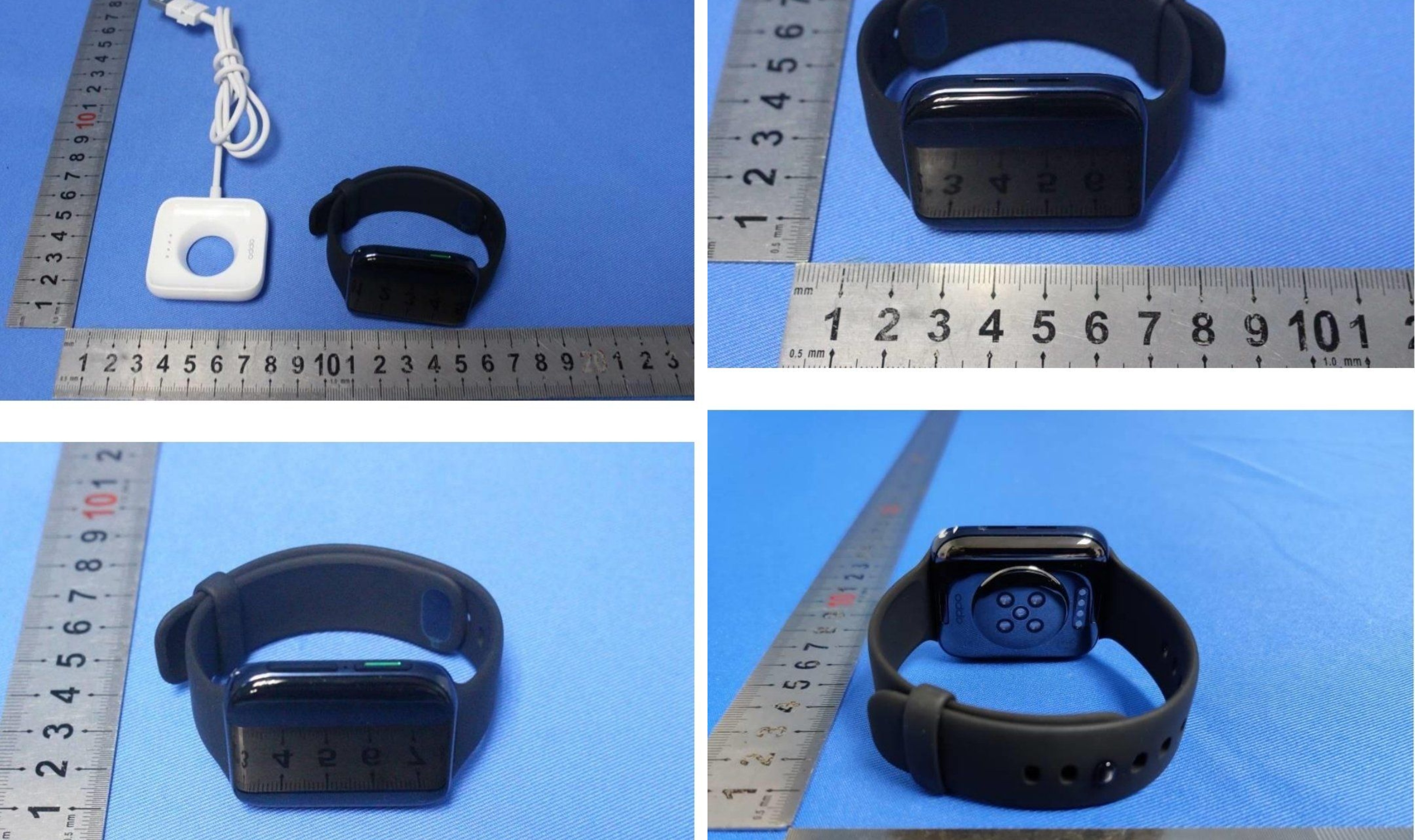
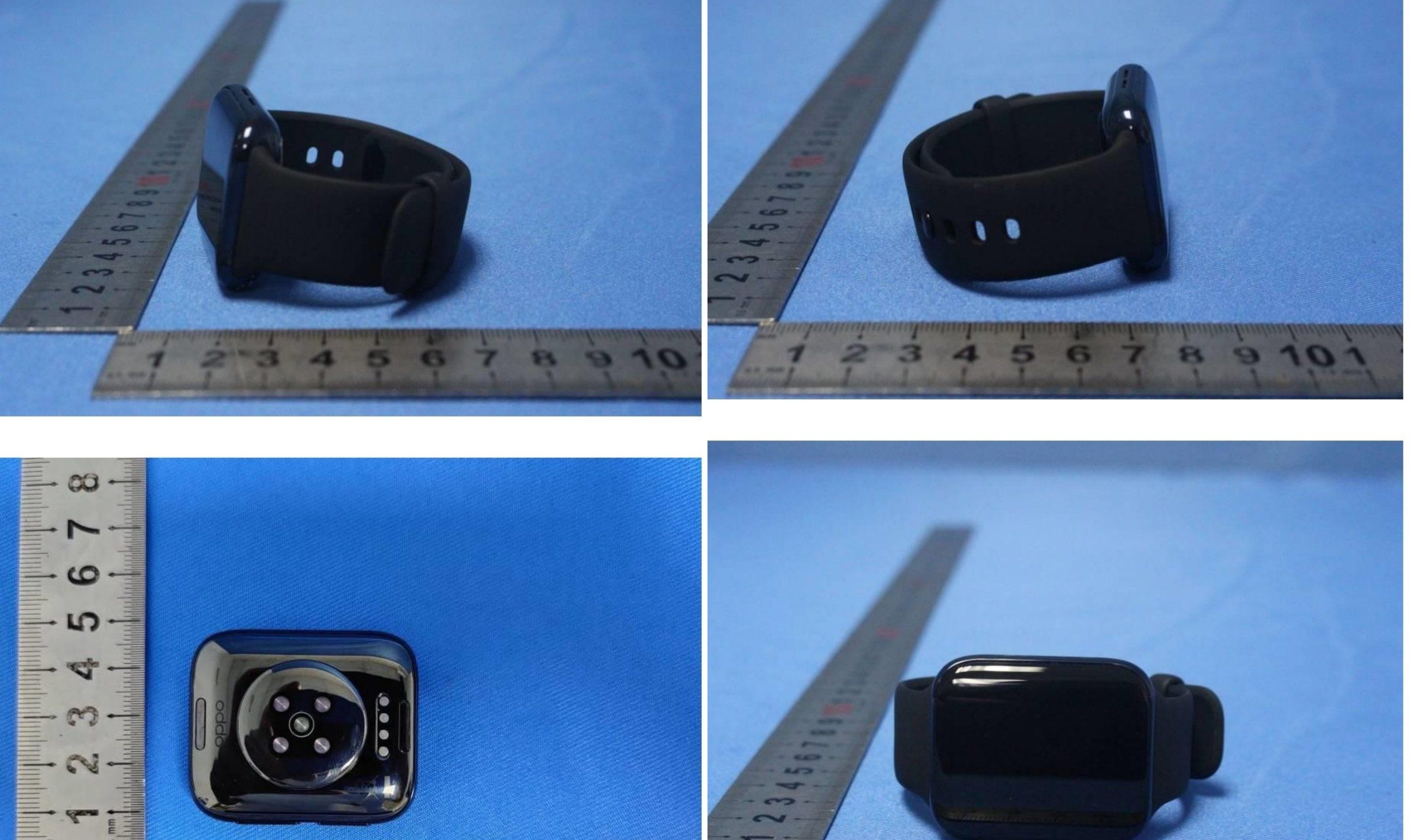
Oppo Watch is the brand’s first-ever smartwatch. It launched earlier this year in its home country China. A few days after its release, the brand’s Vice President Brian Shen teased it to debut in Western Europe later this year. Now, after months from his tweet, the Oppo Watch finally visits FCC suggesting an imminent launch in global markets.

The FCC listing of Oppo Watch 46mm does not reveal anything except for its model number OW19W12. Anyway, everything about this wearable is already known as it is on sale in China for months. Also, since only the larger variant has been certified, we are not sure if the smaller 41mm will make it to international markets.

Interestingly, as GSMArena notes, the description of the FCC listing reads “Purchase on Amazon: OPPO Watch” with a link which takes to Amazon US’ search result page for “Oppo Watch”. But as of now, there’s no product listing for it, however, this somewhat confirms its availability in the US.

Having said that, although the hardware of Oppo Watch is expected to be same as the Chinese variant, the software is a mystery. For the unaware, in its home country, Oppo uses ColorOS Watch, a fork based on AOSP. But we hope its wearable to run Android Wear platform in global markets.


(Source 1, 2 / Via)

Specs of alleged Redmi Note 9 5G for China leaks

The Redmi Note 9 series is sold in several countries save for China and it is no surprise since most of the phones launched in China these days are 5G phones. There have been reports that a 5G version of the phone will be released in China and now alleged specs of the phone have surfaced on Weibo.

Xiaomi Redmi Note 9
Redmi Note 9

The specs were posted on Weibo by Digital Chat Station, although he doesn’t specifically say the name of the device. However, a tweet from Sudhanshu Ambhore (@Sudhanshu1414) says they are for the “Redmi Note 9 5G series in China”.

The Redmi Note 9 5G will have an LCD display of unknown size and a 120Hz refresh rate. It will be powered by a Snapdragon 765G processor and pack a 5000mAh battery with support for 33W fast charging. It will also have a 48MP camera.

No info regarding the release date of the Redmi Note 9 5G was revealed. Nevertheless, we won’t be surprised if the phone launches next month. Based on its specs, we expect it will be priced below the Redmi K30i 5G which sells for ¥1999 (~$280).


(Sources: 1, 2)

Apple may ship iPhone 12 series without bundled charger and EarPods

Apple is expected to launch 4 new iPhone 12 models later this year. There have been multiple leaks and rumors over the past few months regarding these phones. Amidst this, analysts from Barclays say the box content may not include EarPods as well as a charger.

Apple

The Cupertino-based tech giant is known for bold moves. It paved the way for the removal of 3.5mm headphone jack on smartphones with the launch of iPhone 7. Since then, the market for truly wireless earphones soared high.

If the Barclays’ analysts are true, then we may witness the rise of another trend which involves no bundled charger (only cable) with the purchase of new smartphones. As absurd as it sounds, it could be a possibility as some of the firm’s reports for older iPhones such as true tone for iPhone 8 & iPhone X, removal of headphone jack adapter with iPhone Xs & iPhone XR, and removal of 3D touch on iPhone 11 series turned out to be positive.

Further, the UK-based financial company also mentions the box to not include EarPods as predicted by Ming-Chi Kuo last month. It also reveals that the mass production of iPhone 12 series is four to six weeks behind schedule when compared to previous years. However, Apple is expected to announce them as usual in September.

Lastly, analysts from Barclays also expect the two higher-end iPhone 12 series to feature a triple camera setup and a LiDAR sensor which was introduced with the iPad Pro 2020. Also, there could be another iPad Pro later this year but the firm does not have more info on that.


(Via)

Google introduces new privacy settings that give users more control over their data

It is pretty difficult to navigate the internet without using one of Google‘s products or apps like YouTube or the Google search engine and others.  It is also common knowledge that Google collects lots of user data which has at some point put the company in the eye of the storm. Google CEO Sundar Pichai has now announced that the company is effecting some changes in the way the tech giant handles new users’ data.

Going forward, Google will put in place different privacy upgrades which will help to control data that is being shared with it in a more efficient way. The type of data ranges from Google logs, Search history, location history, YouTube history, location history, to voice commands through Google Assistant on the My Activity page.

The company introduced an option last year to have the data automatically deleted every 3 months or 18 months for new and existing users. The feature will now be enabled by default for all new users. Where the feature is disabled, Google will still automatically delete search history, location history, and voice commands automatically for new users every 18 months by default. In addition, search history on YouTube will be programmed to automatically delete after 3 years. The company says this is to ensure it can “continue to make relevant entertainment recommendations” since user preferences change over time.

These newly introduced privacy options still won’t be enabled by default on existing Google accounts but Google says it will increase the frequency at which the option will be promoted on the affected services. So the promotional message doesn’t become burdensome, users can adjust the frequency of the reminders on the Activity controls page.

Also to aid existing Google Account users to control their privacy settings, Google says it will be making it easier for users to check in on your Account controls. This can be done by simply searching for the keywords “Google Privacy Checkup” and “Is my Google Account secure?” to gain access to a box with your privacy and security settings.

Furthermore, Google is putting out a short cut to easily enter Incognito Mode. This can be done by just long-pressing your profile picture in Google Search, Maps, and YouTube.


(source)


Realme X3 vs Realme X3 SuperZoom vs Realme X2 Pro: Specs Comparison

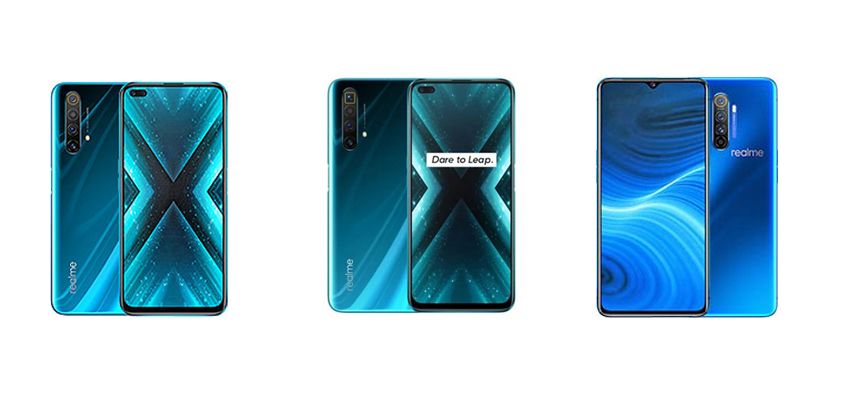
Just in case three flagship killers were not enough for 2020, Realme announced another one. After launching the Realme X3 SuperZoom in the global market, the Chinese giant launched the Realme X3 in India alongside its SuperZoom variant. In case you missed it, the X3 is an affordable version of the X3 SuperZoom which lacks a periscope sensor and sports comes in lower-end memory configurations. Besides these two handsets, in the same price range, you can find another flagship killer which was released in 2019 but is still very interesting due to its AMOLED display and the same hardware department as the X3 line-up. We are naturally talking about the Realme X2 Pro. A lot of people are wondering which one to buy, and this comparison will hopefully give them an answer.

Realme X3 vs Realme X3 SuperZoom vs Realme X2 Pro

Realme X3 SuperZoom Realme X3 Realme X2 Pro
DIMENSIONS AND WEIGHT 163.8 x 75.8 x 8.9 mm, 202 g 163.8 x 75.8 x 8.9 mm, 202 g 161 x 75.7 x 8.7 mm, 199 g
DISPLAY  6.6 inches, 1080 x 2400p (Full HD+), IPS LCD  6.6 inches, 1080 x 2400p (Full HD+), IPS LCD  6.5 inches, 1080 x 2400p (Full HD+), Super AMOLED
PROCESSOR Qualcomm Snapdragon 855+, octa-core 2.96 GHz Qualcomm Snapdragon 855+, octa-core 2.96 GHz Qualcomm Snapdragon 855+, octa-core 2.96 GHz
MEMORY  8 GB RAM, 128 GB – 12 GB RAM, 256 GB 6 GB RAM, 128 GB – 8 GB RAM, 128 GB  6 GB RAM, 64 GB – 8 GB RAM, 128 GB – 12 GB RAM, 256 GB
SOFTWARE  Android 10, Realme UI  Android 10, Realme UI  Android 10, Realme UI
CONNECTIVITY  Wi-Fi 802.11 a/b/g/n/ac, Bluetooth 5, GPS  Wi-Fi 802.11 a/b/g/n/ac, Bluetooth 5, GPS Wi-Fi 802.11 a/b/g/n/ac/ax, Bluetooth 5.1, GPS
CAMERA  Quad 64 + 8 + 8 + 2 MP, f/1.8 + f/3.4 + f/2.3 + f/2.4
Dual 32 + 8 MP f/2.5 + f/2.2 front camera
Quad 64 + 12 + 8 + 2 MP, f/1.8 + f/2.5 + f/2.3 + f/2.4
Dual 16 + 8 MP f/2.0 + f/2.2 front camera
Quad 64 + 13 + 8 + 2 MP, f/1.8 + f/2.5 + f/2.2 + f/2.4
16 MP f/2.0 front camera
BATTERY  4200 mAh, fast charging 30W 4200 mAh, fast charging 30W  4000 mAh, fast charging 50W
ADDITIONAL FEATURES Dual SIM slot Dual SIM slot Dual SIM slot

Design

While Realme X3 and X3 SuperZoom have a more attractive look due to the logo placed in a normal position (unlike the X2 Pro) and a punch-hole display instead of a waterdrop notch, Realme X2 Pro actually comes with more premium materials. It sports a glass back and an aluminum frame just like the most expensive flagships out there. Do you prefer having a better look or better materials? You can let us know by using the comment box below the article.


Display

Despite it is an older handset, Realme X2 Pro actually offers a better display than Realme X3 and X3 SuperZoom. It has a lower refresh rate (90 Hz vs 120 Hz), but it is the only one with an AMOLED panel and it has the HDR10+ certification and full DCI P3 coverage. Realme X3 and X3 SuperZoom come with exactly the same IPS display offering a 120 Hz refresh rate.


Hardware/Software

With Realme X2 Pro, X3, and X3 SuperZoom you get the same chipset: the amazing Snapdragon 855+ which was Qualcomm’s best mobile platform of 2019. Unfortunately, there is no 5G support, but these handsets feature an incredibly high level of performance. Realme X3 SuperZoom and X2 Pro are actually superior in terms of hardware because they offer up to 12 GB of RAM and up to 256 GB of internal storage, while the vanilla X3 stops at 8/128 GB. Note that Realme X2 Pro comes with Android 9 Pie out of the box (but you can update it to Android 10), while X3 SuperZoom ships with Android 10 and Realme UI.


Camera

The most advanced camera belongs to the Realme X3 SuperZoom. All of these devices feature the same midrange 64 MP sensor as the main sensor of the rear camera department, but the X3 SuperZoom also comes with a periscopic sensor boasting OIS and 5x optical zoom. Instead, Realme X3 and X2 Pro have a telephoto lens with 2x optical zoom. Realme X3 SuperZoom also wins the front camera comparison as it sports an ultrawide dual front camera with 32 + 8 MP sensors.


Battery

Since they have a bigger battery, Realme X3 and X3 SuperZoom are able to last more than X2 Pro on a single charge in a lot of scenarios. But given that their displays are more energy-demanding, it is just a minimum margin. On the other hand, Realme X2 Pro offers a way faster charging technology (50W vs 30W) and it needs just 35 minutes to fully charge.


Price

Realme X3 and X3 SuperZoom are priced $330/€294 and $370/€330 in India, respectively. Realme X2 Pro starts from almost $400/€356. Realme X3 provides the highest value for money but it is inferior to its rivals. The SuperZoom has the best cameras, while Realme X2 Pro has the best display. Which one would you pick?


Realme X3 vs Realme X3 SuperZoom vs Realme X2 Pro: PRO and CONS

Realme X3 SuperZoom

PROS

  • Best cameras
  • High-end memory configuration at a good price
  • 120 Hz refresh rate
  • Ultrawide front camera

CONS

  • IPS display


Realme X3

PROS

  • Good price
  • Ultrawide front cameras
  • 120 Hz display

CONS

  • IPS display
  • Limited availability


Realme X2 Pro

PROS

  • Premium materials
  • Stereo speakers
  • More affordable
  • AMOLED 90 Hz display

CONS

  • Inferior front cameras

Redmi 9A render & key specs leak via Xiaomi Philippine’s product brochure

There were speculations that Xiaomi would unveil the Redmi 9A alongside the Redmi 9 which was launched in China a few days back but that didn’t happen. That has left the rumour mill to continue buzzing regarding the next budget model expected from the Chinese tech giant. Details of the Redmi 9A has now appeared from an unexpected quarter- the Philippines.Redmi 9A

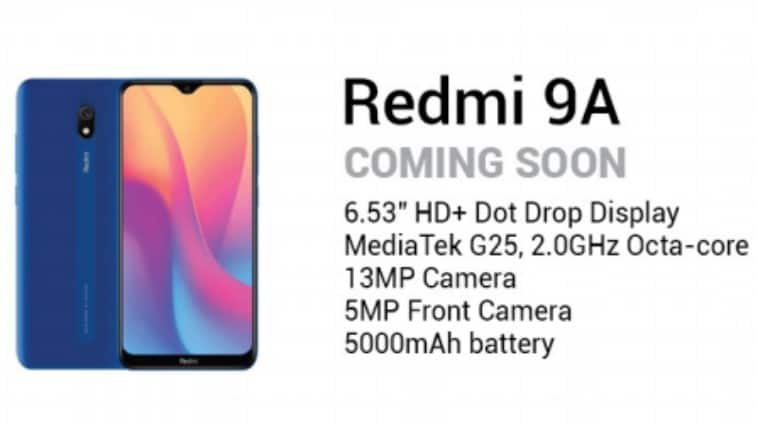
A brochure containing the models Xiaomi will release between July and August 2020 reportedly found its way online. The brochure has the Redmi 9 and Redmi 9A listed as “Coming soon”. What is interesting about this leak is that the renders of the9A, as well as some key specifications, were listed.

From the listing, we can assume that the Redmi 9A will share a similar design with its predecessor – the Redmi 8A. The design includes a waterdrop notch at the front and at the rear, a centrally placed, vertically aligned module housing a single camera and flash.Redmi 9A

The Redmi 9 features a Full HD+ display but the 9A is listed with a 6.53-inch HD+ display panel. The model will be powered by an unannounced MediaTek Helio G25 octa-core processor clocked at 2.0GHz. The memory options that would be available were not listed. However, other details listed include a 5,000mAh battery, a 5MP front camera for selfies and a 13MP sensor at the rear. The listed specs mean the Redmi 9A will be way cheaper than the Redmi 9.

We still don’t know when the Redmi 9A will be launched but we expect that to happen pretty soon. We’ll keep you updated as more details emerge.


(via)


Xiaomi launches a ¥49 (~$7) battery replacement program for 21 old models

It is common for smartphone battery performance of smartphones to deteriorate after it is used for a long time. When that happens, getting an original replacement battery is usually difficult and sometimes impossible. Even after getting a replacement battery, the technical process of dismantling the back panel to gain access to the battery is yet another challenge. Give your phone to a novice technician and something might get damaged in the process.

Xiaomi has launched a battery replacement programme for some of its models, stretching back to models launched 4 years back. The replacement will cost just 49 yuan (~$7) across the board and the price includes the cost of labour.

The battery replacement program covers twenty-one (21) Xiaomi and Redmi models. The models are all listed below.

  • Xiaomi Mi 5
  • Xiaomi Mi 5S
  • Xiaomi Mi 6
  • Mi 6X
  • Mi 8
  • Mi 8 SE
  • Mi 8 Youth Edition
  • Mi 8 Screen Fingerprint Edition
  • Mi 8 Explorer Edition
  • Xiaomi Mi 9
  • Mi 9 SE
  • Mi 9 Pro
  • Mi 9 Explorer Edition
  • Xiaomi Mi Max 2
  • Xiaomi Mi MIX 2
  • Xiaomi MIX 2S
  • Redmi Note5
  • Redmi 6
  • Redmi 6A
  • Redmi Note7
  • Redmi Note7 Pro.

Xiaomi is known for the decent quality of its product eve with the pocket-friendly pricing. So, it is common to see a Xiaomi/Redmi model still coasting on after several years of usage. With programs such as this one, many users may start checking up for their good old Mi/Redmi phone that has been left inside the drawer due to a dead battery. We do hope Xiaomi will role out such programs outside China soon.


Samsung Galaxy A01 Core leaked renders reveal the front and rear designs

Advancement in smartphone design has made manufacturers stop utilising removable batteries on phones. This has made it impossible to easily replace a battery at the end of its life with a new one. Samsung was recently tipped to have got plans to return to the removable battery design on its low-end models.

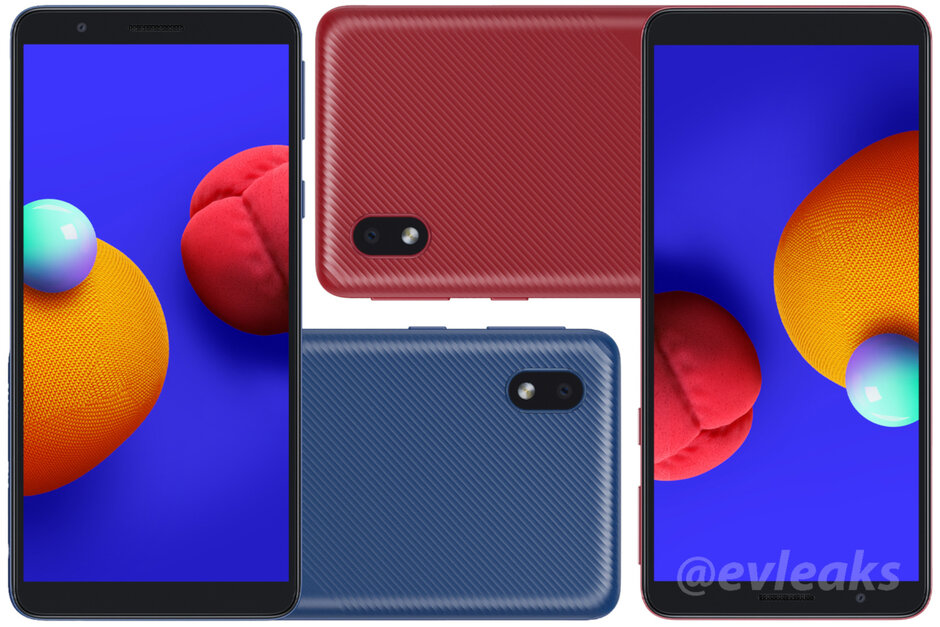
The first model that would be released in this ear with such a design is believed to be the Galaxy A01 Core. The phone has made an appearance on GeekBench and equally received multiple certifications. enders of the Galaxy A01 Core has now been leaked online by popular tipster Evan Blass.

The renders capture both the front and rear designs of the model. There virtually none of the features that we are used to on modern smartphones such as near-bezel-less display, waterdrop notch, or hole-punch camera etc. Instead, it packs a sizable bezel at the top and bottom edges of the display panel. The bezel isn’t large enough to hold a physical button. The top bezel houses the selfie camera and front speaker.

The rear panel holds a single selfie camera housed together with the LED flash on a vertically aligned module located at the upper left corner of the back panel. The back panel looks like a plastic panel with a matte finish. The volume rocker and power buttons are located at the right side of the display. We expect the SIM card slot to be underneath the battery so there is no indication of one on the outside.

The hardware isn’t any spectacular either. The Samsung Galaxy A01 Core will feature an HD+ display with 1480x720p resolution. The phone will be powered by a MediaTek MT6739WW chipset which should be an entry-level SoC. The chipset has four Cortex-A53cores with the CPU running at 1.5GHz. The processor is paired with 1GB of RAM. Thus, we expect it to come with a cheap price tag


OPPO TWS earphones with a short stem, in-ear design patented in China

OPPO released its first truly wireless earphones – the Enco Free in December last year. Since then, the company has continued to churn out several impressive earbuds in a bid to grab a share of the growing “hearables” market. A new OPPO-branded truly wireless earbuds have been patented with the Chinese patent office (CNIPA).OPPO TWS Earphones

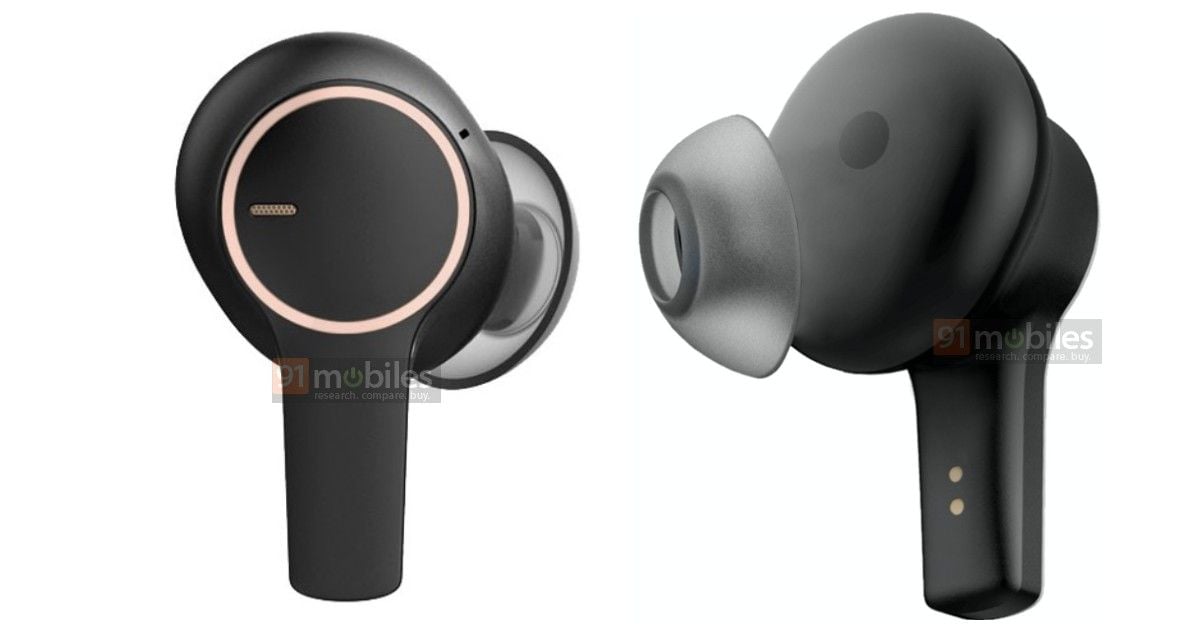
The wireless earbuds adopt an in-ear design as well as a stem just like the Enco W51 TWS earphones that was launched earlier this month in China. The major distinguishing feature between the two is that this certified model has a short stem whereas the Enco W51’s stem is long. The back of the earbuds seems to have a slight curvature. It also features a circular gold ring and a cut-out most likely for noise cancellation.

The certification listing doesn’t include details of the earbuds specifications but we expect it to have features such as active noise cancellation and deep bass. The microphone will also likely be sensitive since the stem is short. Other regular features such as Bluetooth 5.0, IP water resistance rating and possibly a durable battery.

The design equally shows the short stem will have a its back a pair of pogo pins for charging the earbuds inside the charging case.


(via)


DxOMark: OPPO Find X2 Pro’s selfie camera is the Worst among 2020 smartphones

OPPO Find X2 Pro is one of the highest-rated DxOMark smartphone cameras in the market today. On paper, the flagship features a pretty powerful front camera sensor as well – a 32MP 1/2.8-inch sensor with a wide-angle f/2.4 aperture. However, it looks like this sensor fails to deliver the same flagship-level camera experience that we saw on its rear cameras.

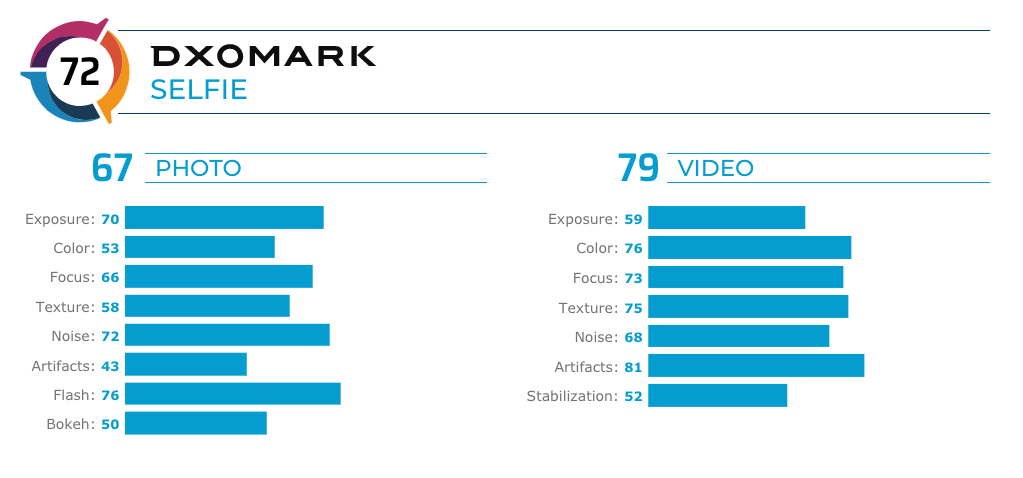
OPPO Find X2 Pro Selfie Camera Test Score - DxOMark
OPPO Find X2 Pro Selfie Camera Test Score – DxOMark

According to DxOMark’s latest selfie camera test of the OPPO Find X2 Pro, the phone’s front camera wasn’t up to the mark. The Find X2 Pro got a final selfie camera score of just 72. It would have been even lower, if not for the decent video shooting performance. In the selfie photo test, DxOMark gave it a score of just 67, while in the video performance test of the same camera sensor, the phone got a score of 79.

OPPO Find X2 Pro Bamboo Green

This is one of the lowest scores we’ve seen for a smartphone’s selfie camera on the camera benchmarking platform. Even the ones that have a final selfie camera score below the Find X2 Pro have better selfie photo scores. For example, the Meitu T9 scores 73 in the photo test (vs 67 of the Find X2 Pro) and even the iPhone X scores (selfie photo score: 74) above Find X2 Pro in the selfie photography test.


So why does Find X2 Pro score so low in DxOMark’s selfie test?

According to DxOMark’s tests, the Find X2 Pro does well in handling exposure on faces and texture in good lighting conditions for selfies. The phone also does really well in capturing the depth of field portraits, especially when the subject is a bit away from the front camera.

OPPO Find X2 Pro Selfie Camera Test Scores - DxOMark
OPPO Find X2 Pro Selfie Camera Test Scores – DxOMark

However, the phone struggled to activate HDR in most scenes where it was necessary. Even when it was activated, DxOMark’s review notes that the results were just acceptable. Many selfie shots also had visible artifacts, reducing the overall quality of the image. Also, the color response was very poor with photos getting yellow color casts, especially in low light situations. The closeup selfie shots were also often out of focus.

But the Find X2 Pro seems to have a much better front video shooting performance. According to the review, the front camera videos had pretty good face exposure and accurate white balance. This is why the phone a pretty decent front camera video score.

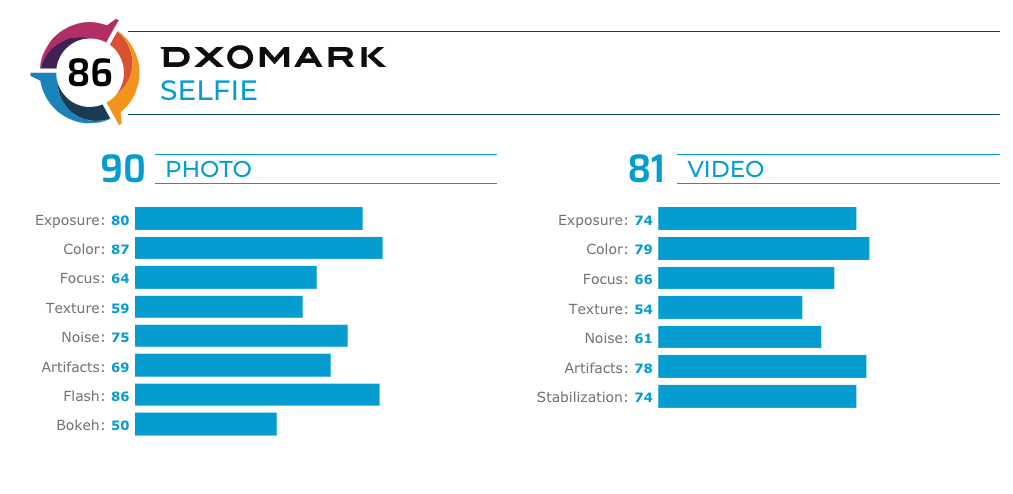
OnePlus 7 Pro Selfie Camera Test Scores - DxOMark
OnePlus 7 Pro Selfie Camera Test Scores – DxOMark (For Reference)

With this score, the OPPO Find X2 Pro’s selfie camera is rated lower than all of the 2020 and 2019 flagships tested on DxOMark. Even older mid-range / flagship models like the Nokia 7.2 and Realme X2 Pro ranks above new the Find flagship in the selfie test.

You can read the entire Find X2 Pro selfie camera review from DxOMark from the source link below.


(Source)

iPhone SE 2020 DXOMark camera review ranks it lower than the Redmi K20 Pro

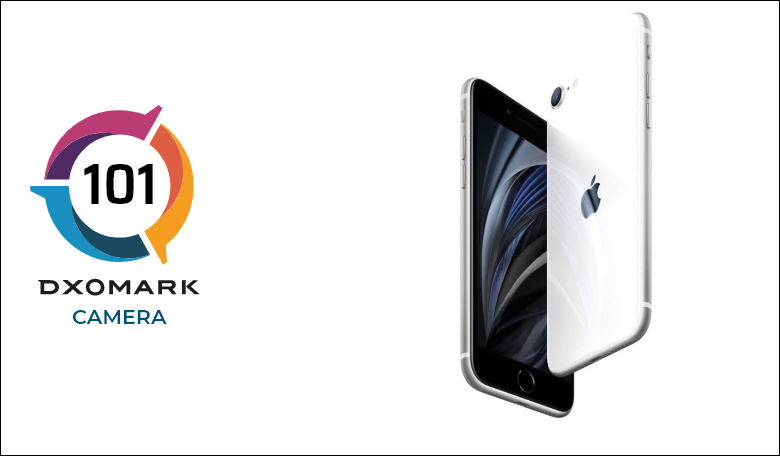
Apple recently launched the iPhone SE 2020 with the surprise inclusion of an A13 Bionic chipset which is the same chipset inside the iPhone 11 series. The iPhone SE 2020 may have included a flagship processor in the A13 Bionic but the camera performance is not on par with the iPhone 11, DXOMark review of the device’s camera has revealed this bit.iPhone SE 2020

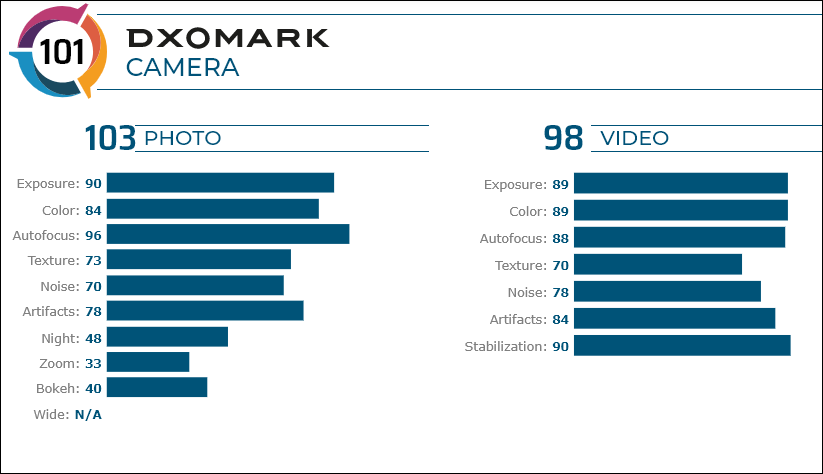
The review is coming just about a month after the 2020 iPhone SE’s audio was reviewed by DXOMark with a rating showing it is among the best for mid-range smartphones. The camera review didn’t perform badly either, as the device received an average score of 101 points for the back camera and 83 points for the selfie camera. The main camera recorded a score of 103 points for photos and 98 for videos which brings the overall score to 101 points.

While the budget-friendly Apple device offers comparable quality in many respects to the more expensive iPhone 11, its single-camera setup falls short for zoom and bokeh shots compared to the top-performing models on DXOMark.

iPhone SE 2020 Sample

The lack of an ultra-wide camera is also identified as a disadvantage and is the main difference between it and the iPhone 11. The overall score is the same with those of the iPhone X and Pixel3A but is lower than the Redmi K20 Pro which has an overall score of 102 points.


(source)


Meizu shares Flyme user trends for the past 30 days

Flyme is the official Android skin on Meizu smartphones. It was first introduced in 2012 and the latest version Flyme 8.1 was recently announced with the Meizu 17 series launch. Currently, the brand is celebrating the 8th anniversary of its custom UI. As part of it, it has shared the user trends on Flyme for the last 30 days.

Meizu Flyme User Trends

It is obvious that all smartphone companies have a record of their user trends to improve their services. But not all of them share it publicly as Meizu has done on Weibo.

Anyway, here’s what Flyme users or rather Meizu users did on their smartphones every day for the last 30 days.

1:00 to 6:00

During late nights or early hours of the day, 12% of Meizu users cleaned up their device in “Mobile Manager” app in preparation for the new day. Whereas, only 6% of users opened the “0Clock” app to set alarms.

10:00 to 12:00

During the morning, 17% of users received messages on their phone. Meizu also hints it to be from the courier services as usually their notifications are sent out in this period when the parcels are out for delivery.

13:00 to 15:00

Whereas, in the afternoon, 7% of users used the “Download Manager” app to download various things.

16:00 to 18:00

As for evening, 9% of users accessed the ‘Camera’ app to click some pictures and record videos. Also, some 11% of users were on calls via the “Phone” app.

19:00 to 21:00

At night, 8% of users used “Aicy” suggestions and 12.3% of users check the “Weather” app. Also, another 11% of users launched the “Family Guardian” app.

22:00 to 00:00

Lastly, at around midnight, 1% of users opened “User Help” to share feedback to make Flyme experience better.

From this data, we can clearly get an idea about how much the smartphone manufactures know about their users.


OnePlus Nord to sport 32MP and 8MP Dual Cameras on the front: Report

OnePlus is going back to its roots with its upcoming smartphone and TV launches. The Chinese company is gearing up for the launch of more budget friendly offerings with upcoming releases, which arrives after a while of flagship launches. Now, a new report suggests that its rumored OnePlus Nord will feature a dual camera setup on the front.

OnePlus Nord

OnePlus Nord will be announced on July 10 in India and is a mid range smartphone. Initially, leaked renders had depicted the smartphone feturing just a single front camera, similar to the OnePlus 8 series. But, a new report has revealed that there will in fact be two front cameras. One is a 32 megapixel sensor while the other is an 8 megapixel lens.

The news was broken by an inside source and was first reported by AndroidCentral. The dual camera module will be located on the top left corner of the device, similar to the Huawei P40 series. Unfortunately, we have no way of confirming this as of now and we will have to wait for the official announcement. The device will likely sport mid range specs like the Qualcomm Snapdragon 765G and maybe priced around 24,999 INR (roughly 330 US Dollars). So stay tuned for more updates.


(Via)

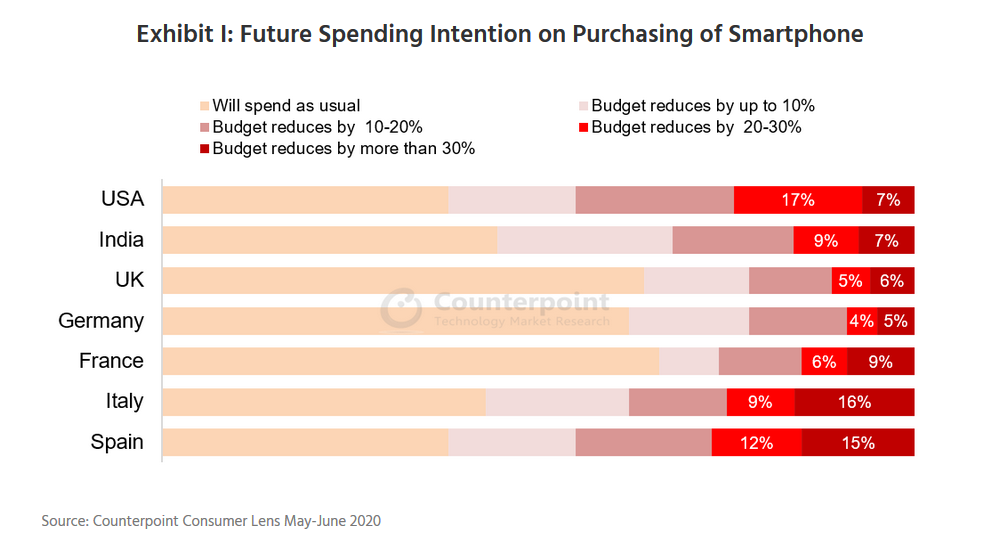
One in three smartphone users will lower smartphone spending by 20% for next purchase

A fresh report has revealed that one in every three smartphone users will be cutting down their spendings by up to 20 percent for the purchase of their next smartphone.

Smartphone

The report arrives from Counterpoint Research, a known analytical firm. According to their findings, the primary reason for the lowered spending is the ongoing Coronavirus pandemic. At the moment, various industries and economies have taken a sizeable hit, with consumer expenditure seeing a significant decline during this time.

This overall translates to a negative trend for the smartphone industry and its total annual sales figures for 2020. The study was conducted over the US, UK, India, France, Germany, Spain, and Italy and found a few interesting aspects. Countries like India, Spain, and Italy had a majority of people planning on waiting before purchasing a new handset. On the other hand, regions like the US had a minority of those that are planning on delaying buying a smartphone.

Smartphone

According to Pavel Naiya, a Senior Analyst, “The coronavirus outbreak and future income uncertainty has affected consumer behavior with many strictly limiting purchasing to only the essentials. Smartphone consumers from Spain and Italy are the most affected. Consumers intending to cut their future smartphone purchase budget by 20% or more are highest in Spain (27%) and Italy (25%), followed by the USA (24%). Looking at the current circumstances, we expect this trend will continue until mid-2021.”


(Source)

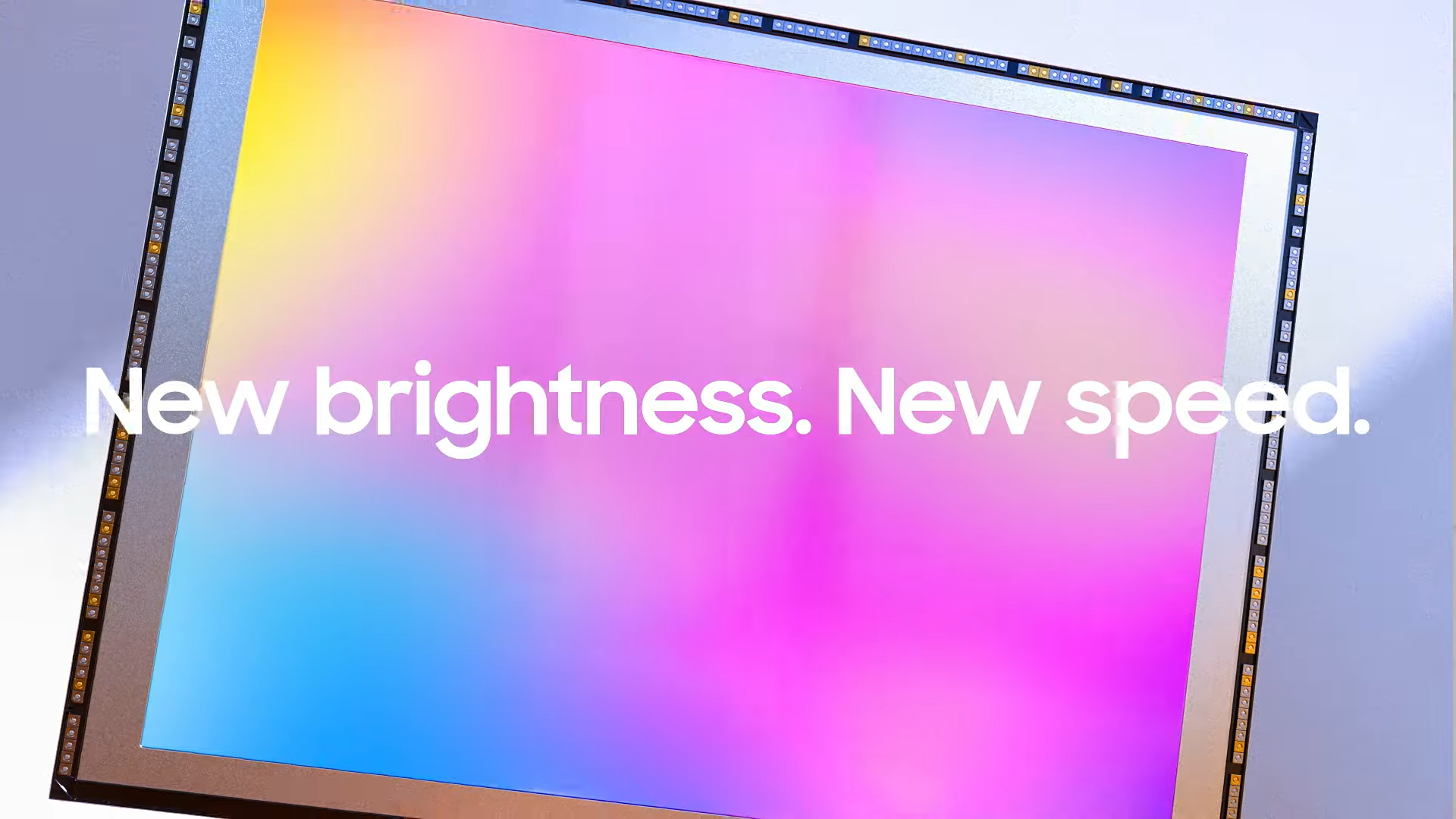
Samsung’s latest image sensor combines two different camera technology into one for better performance

Samsung had recently unveiled its new ISOCELL GN1 50 megapixel image sensor with 1.2μm pixels. What’s notable about this sensor is that it combines both the Tetracell and Dual Pixel technology to bring improved camera performance.

The new ISOCELL GN1 sensor delivers excellent performance that can nearly rival professional grade images in almost any environment, according to Samsung. In other words, it is useful in low light conditions, where it uses the 4:1 pixel binning technology to sharpen images with less noise. Furthermore, it also offers ultra fast autofocus which is apparently just as good as the ones found in DSLR cameras.

The fast autofocus time means that shots can be taken quicker, which is achieved thanks to the Dual Pixel technology. Samsung’s ISOCELL GN1 sensor manages to pull this off through algorithms that enable image quality to be on par with 100 megapixel resolution shots. Notably, the South Korean tech giant stated that higher resolution sensors typically employ 0.8μm pixels, which is smaller than the GN1’s pixels. In other words, the latter has an advantage during night time.

Samsung

Furthermore, the Samsung GN1 sensor also utilizes ISOCELL Plus, which uses barriers to isolate individual pixels. This enables micro lens to allow more light into the pixel’s photodiodes, which in turn, improves color fidelity and offers more accurate color reproduction as well. The images are captured in 8,160 x 6,144 resolutions while its pixels uses Samsung’s real time HDR to capture better shadows, mid tones, and highlights.


(Via)

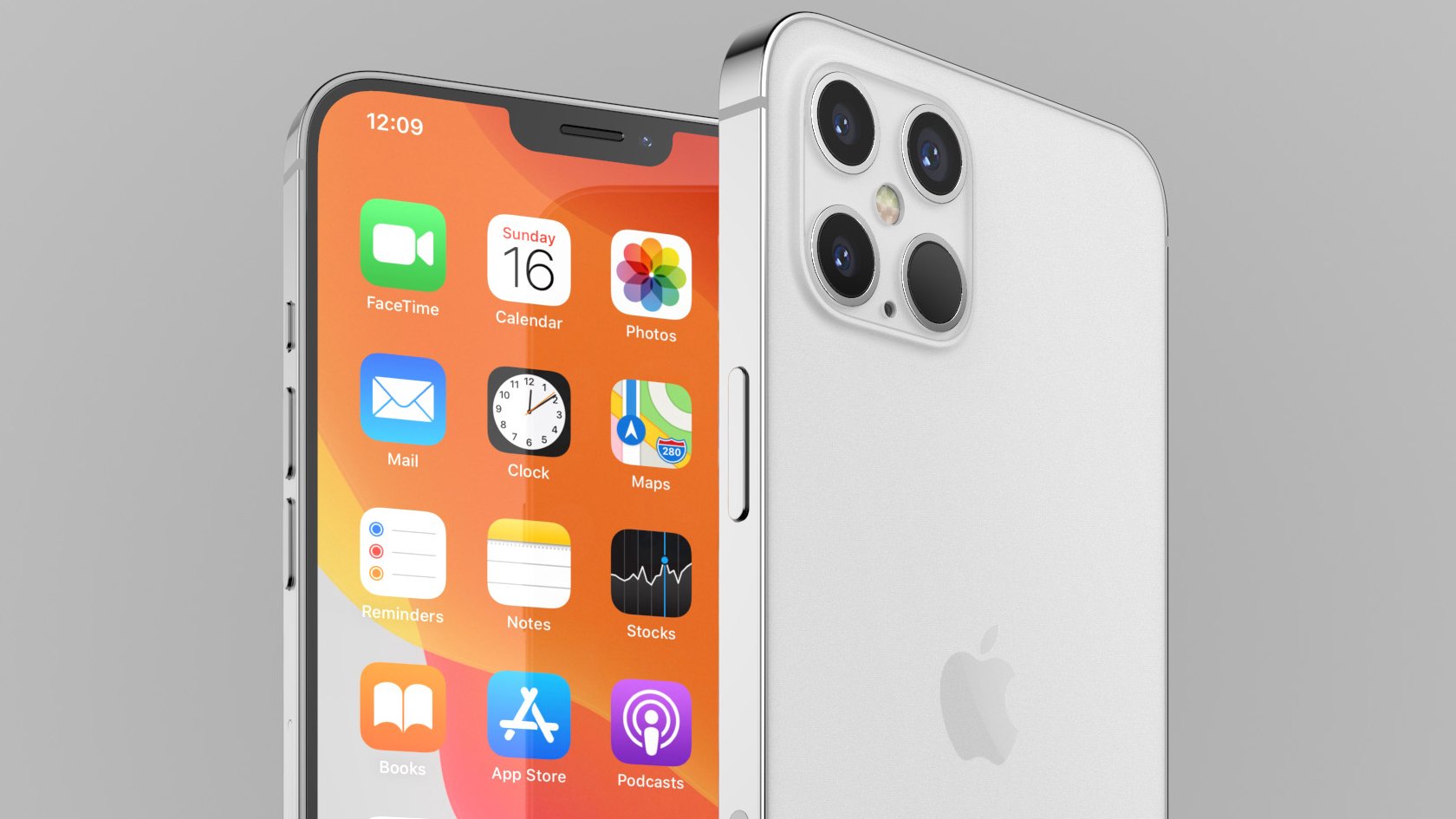
Apple to launch a 4G iPhone 12 with an LCD screen for $549: Report

A new report has revealed that Apple is preparing to launch two iPhone 12 models that will support only 4G networks. This move apparently arrives since many nations have yet to adopt the newer and faster bandwidth, despite the upcoming lineup being it’s first to support 5G.

According to analyst Daniel Ives, the new LTE enabled iPhone 12 will start from 549 US Dollars. Furthermore, an LTE only iPhone 12 Max is the second 4G handset offering and will be priced at 649 US Dollars. While most rumors had pointed at a full 5G lineup, the Cupertino based giant is now rumored to also be working on two separate 4G models as well.

The 4G iPhone 12 model might even sport an LCD display, as per analyst Jun Zhang. Jun had first reported on this back in December 2019 and had said that Apple might launch six iPhone 12 models in 2020. This includes two 4G offerings, one of which, will sport an LCD display. Some of the models within the series will likely be the iPhone 12, iPhone 12 Pro, and even the iPhone 12 Max, although the names of the other possible 3 variants are unknown.

Apple iPhone 12 Render

But, if Apple really does decide to go for 6 iPhone 12 models, it would give a lot more choice to customers. Starting from 549 US Dollars, customers can even opt for higher end offerings with the reported LiDAR depth sensor technology or 120Hz “ProMotion” refresh rate feature that costs over 1,000 US Dollars.


(Via)

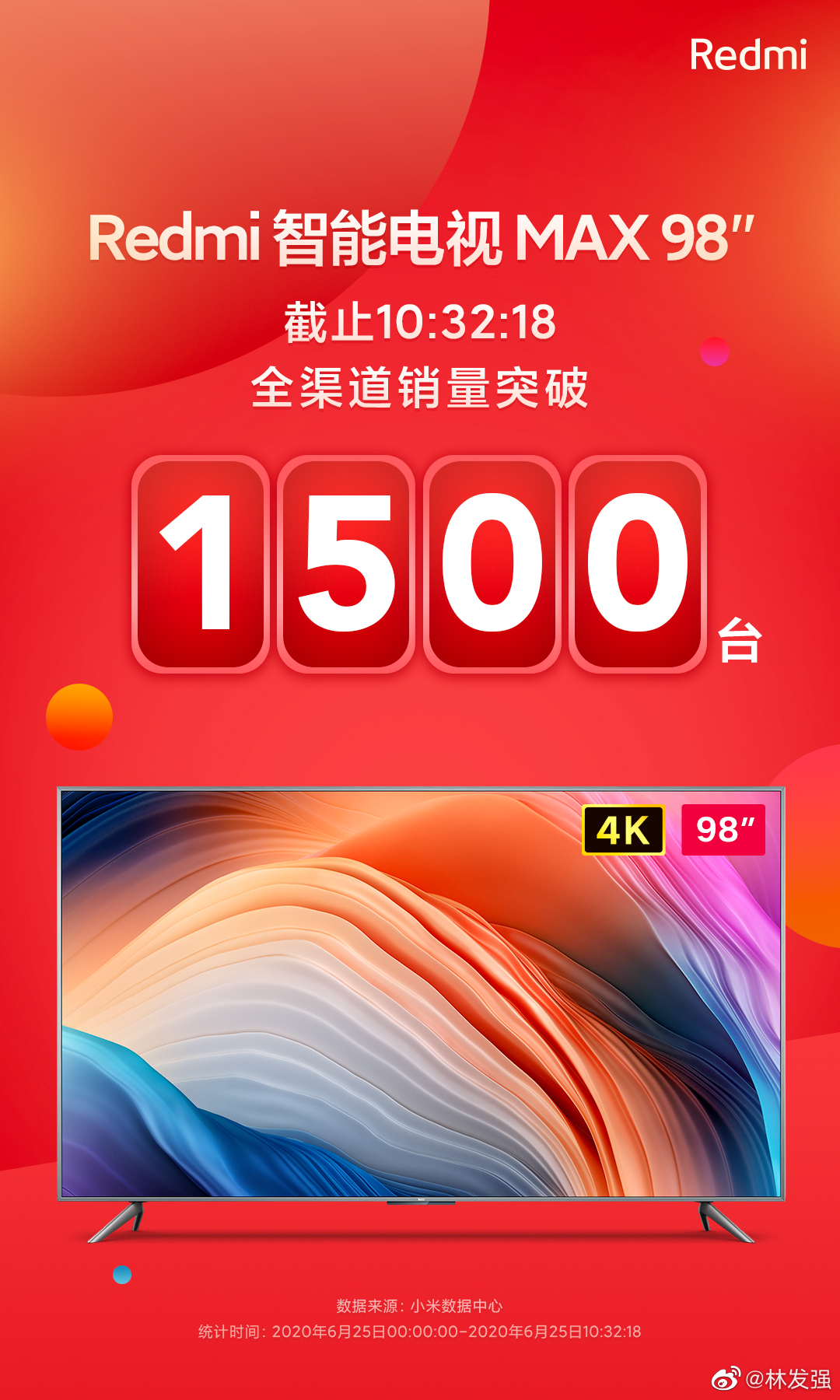
Redmi Smart TV MAX 98 likely broke 100-inch TV segment sales record in China on June 25

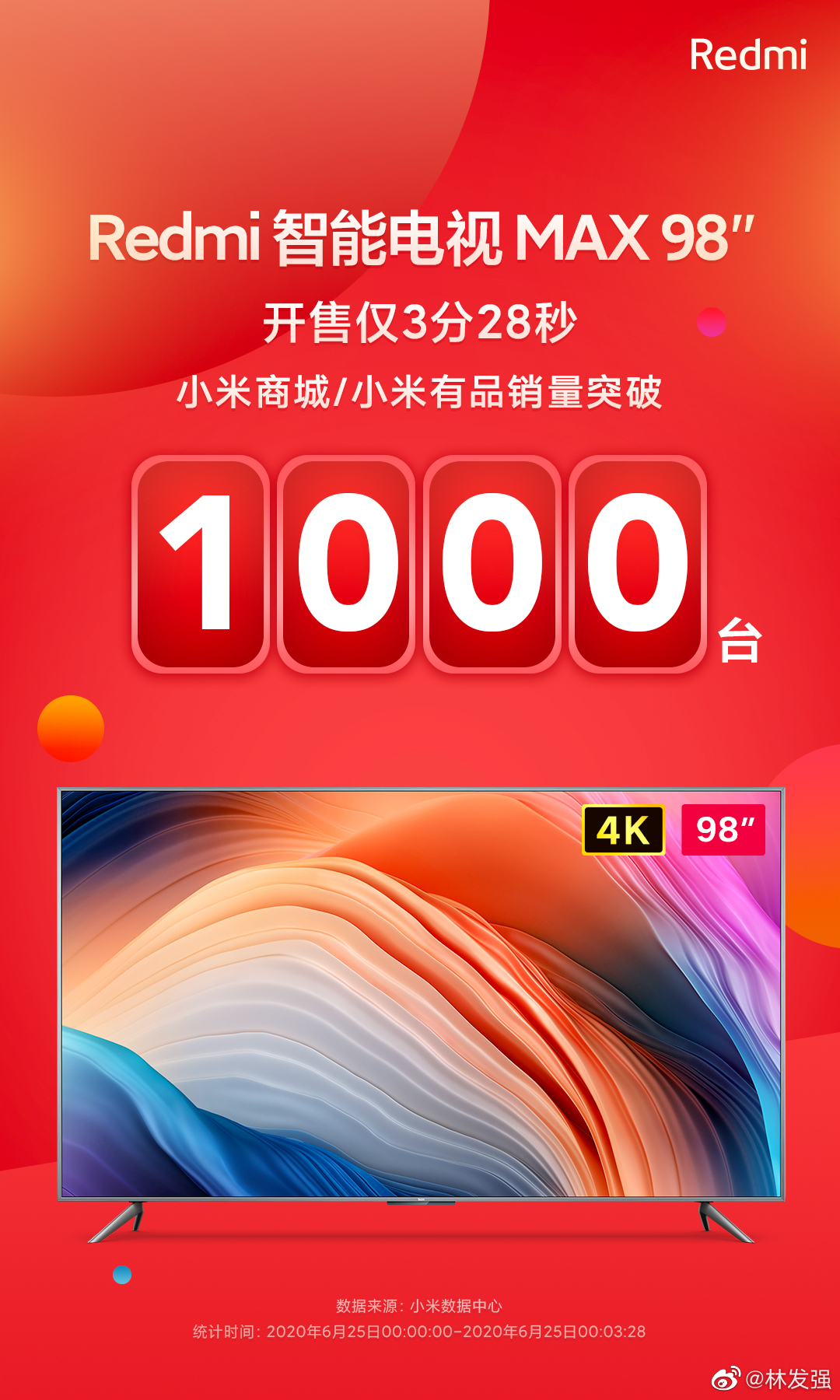
In late March, Redmi announced its largest TV dubbed as Redmi Smart TV MAX 98. This television went on sale many times since its release. But yesterday, it likely broke the sales record for the 100-inch TV segment in China as per a brand official on Weibo. According to him, they sold more than 1,500 units in less than 11 hours.

As per Xiaomi’s data, it sold above 1000 units of Redmi Smart TV MAX 98 in just 3 minutes and 28 seconds on Xiaomi Mall (Mi.com). In total, the brand sold 1,500+ units in 10 hours, 32 minutes and 18 seconds across all channels on June 25.

Lin Faqiang, the director of Xiaomi & Redmi TV operations in China says their product likely set a new industry record. But there’s no other data to prove the claim and hence he mentions it as a probability.

Having said that, the 100-inch TV segment is a new category and there are very few customers who would be interested in buying such a massive-sized television. Even people who would like to get it will have to shell a pile of cash.

But the Redmi Smart TV MAX 98 costs only 19,999 Yuan ($2,825), which is comparatively less than other options. This could be the sole reason why the brand managed to sell these many units.


Google Sabrina Android TV dongle shows up in Android 11 Developer Preview

Google is expected to launch a new streaming device codenamed ‘Sabrina’ soon. It was first reported to ditch the Android TV branding. Then, its renders and UI leaked, which was later followed by specs. Now, this upcoming device makes its appearance once again in Android 11 Developer Preview for Android TV.

Recently, Google released Android 11 Developer Preview for the ADT-3, an Android TV set-up box for developers. As usual, XDA Developers, dug into the firmware to find new undocumented things. To their surprise, they once again spotted ‘Sabrina’.

This time around, they did not find any new UI element or render but a short tutorial video named “reboot_sabrina” on how to reboot Google’s new streaming device. As you can see from the video attached above, to reboot it, users will have to disconnect the power source (could be USB Type-C) for 3 seconds before connecting it again.

Having said that, as per Mishaal Rahman of XDA, this device might launch with Android 10-based Android TV  and will be one of the first to receive Android 11 update when it goes official sometime later this year.

According to previous findings, Sabrina will be powered by Amlogic S905X2 chip, which has a 1.8GHz quad-core ARM Cortex-A53 CPU and Mali-G31 MP2 GPU. Further, it will have 2GB RAM and Broadcom BCM43569 chip for Wi-Fi 802.11ac as well as Bluetooth 4.1. 

Whereas, for audio, it will come with Cadence’s Tensilica HiFi 4 DSP. As for other features, it will have support for HLG, HDR10, Dolby Vision, Auto Low Latency Mode (ALLM), and mic on remote for Google Assistant.


Huawei is building a $1.2 billion Cambridge research facility despite uncertain future in the UK

Huawei has just received approval earlier this week to build its new research facility in the UK. The news arrives amid future seems rocky and uncertain in the region, as increased pressures have brought its 5G networking equipment under scrutiny as well.

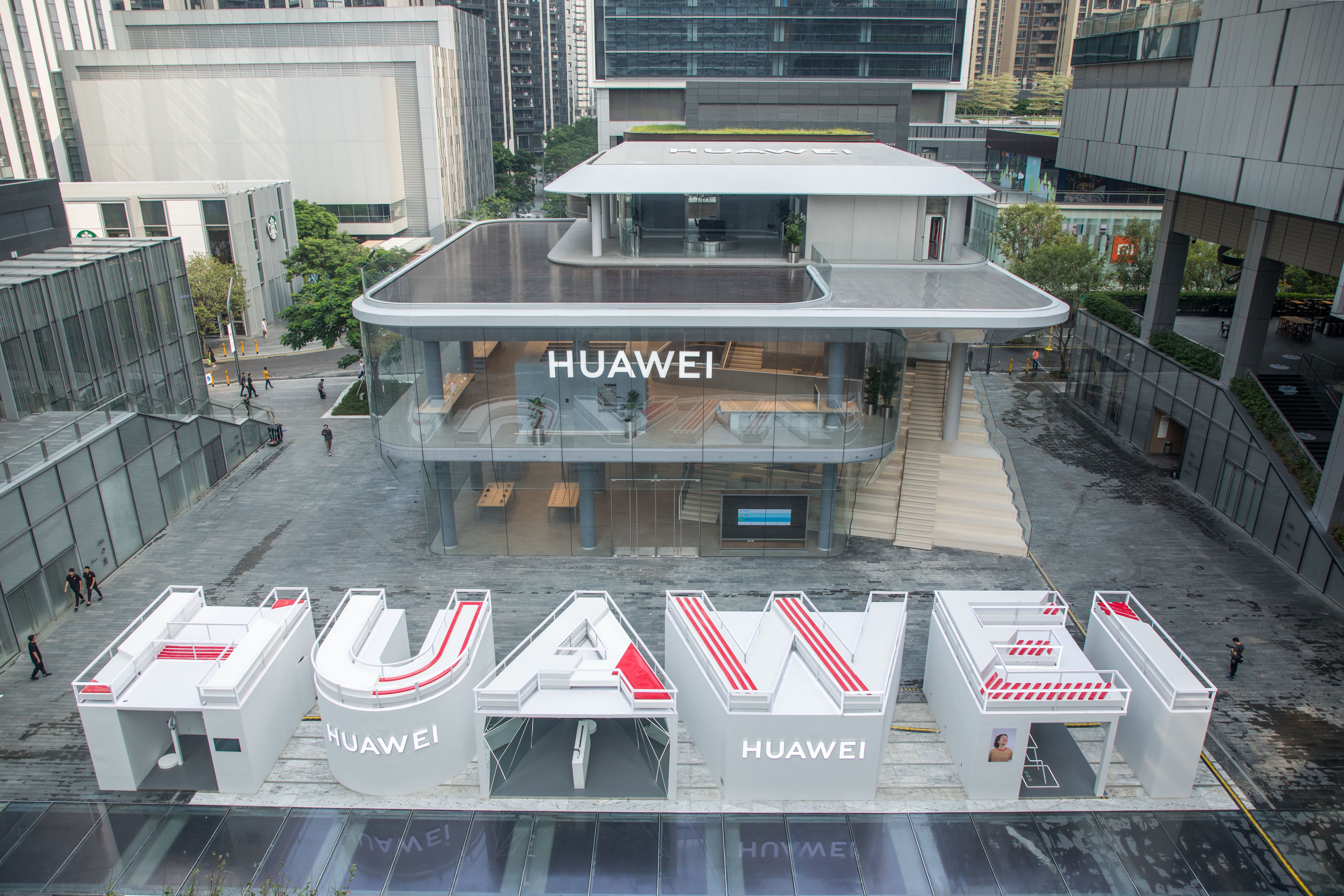
Huawei store logo official featured 03

The $1.25 billion research facility in question will be built in Cambridge and will be the international headquarters of Huawei’s fiber optic communication business. This new firm is said to create 400 new jobs in the region according to Huawei. However, this sizeable investment arrives at the time where its future in the country is quite uncertain.

While Huawei had received the green light on developing 5G networking in the region, it had its market share capped and confined to non-core areas. Although, scrutiny raised in the parliament has led to the current Prime Minister announcing a complete phasing out of Huawei telecom equipment by 2023. This fact coupled with increasing pressure from the US government has also made its efforts of expansion in the region and Europe as a whole more difficult.

Huawei

The new facility that is being built will bring hundreds of new job opportunities which acts as a boon to the UK’s economy that has been hit hard by the Coronavirus pandemic. The country is suffering from unemployment issues, with pressures increasing due to millions that are availing the government benefits. According to Huawei Vice President Victor Zhang, the new facility has been built “to help enshrine the UK’s leading position in optoelectronics and promote UK tech on a global scale.”


(Via)