Other than the Mi TV Stick, another anticipated Android TV dongle is Google’s own which is codenamed Sabrina. The dongle is expected to come with a new Android TV interface and should also have support for Google Stadia. If you have been waiting for the device the launch, there is a possibility it might be announced next week.
Google has an event on July 8. The online event is the Smart Home Summit and it sounds like the perfect opportunity to announce a new streaming device.
The image attached to the event page shows a TV, a pair of headphones, a smart speaker, a gamepad, and a remote that looks like the one that will ship with Sabrina. The image is probably a teaser for what will be announced on that day.
Google is also expected to announce a new Google Home Speaker though it will launch under the Nest brand.
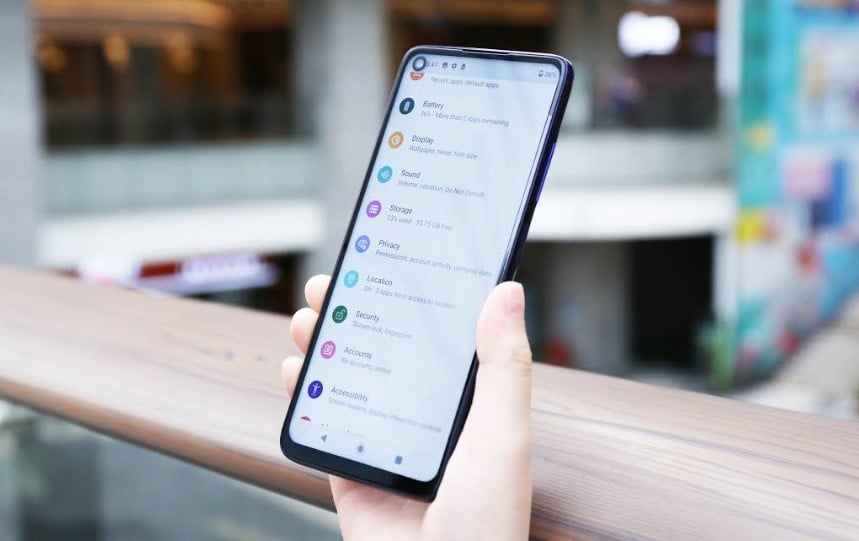
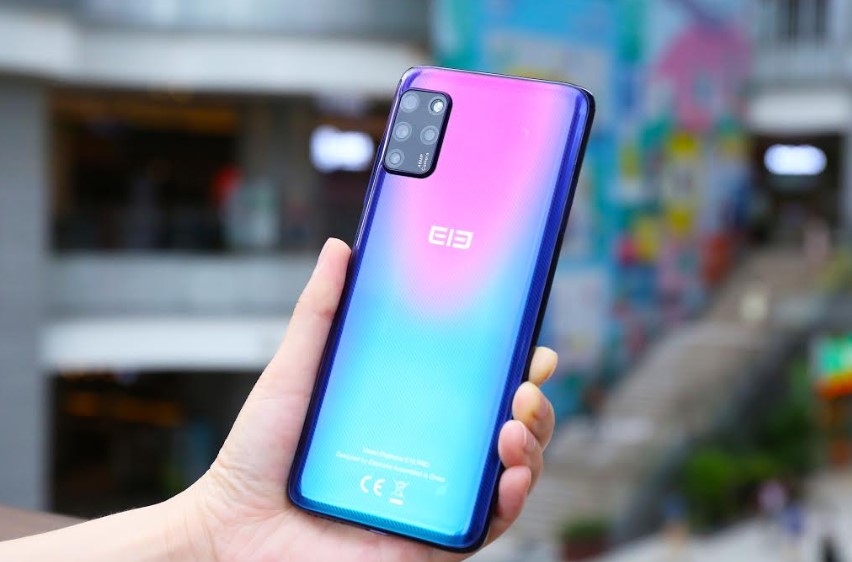
Elephone E10 Pro has launched a few weeks ago with a powerful camera and a large 6.55-inch display. The powerful yet affordable device is quite popular due to its competitive specifications. Yet, Elephone has given another reason to attract new buyers with the availability of the two new colours – Jade Blue and Silver Gray for Elephone E10 Pro.
Both the new colours offer a premium and exquisite look to the smartphone. The Silver Gray variant brings a classic design, meanwhile, the Jade Blue offers a colourful experience for the users. The curved glass display on the rear side justify the two new colours and gives it a premium look.
The smartphone features a 6.55-inch display with a punch-hole design, 19.5:9 aspect ratio and a 90.3% screen-to-body ratio. It possesses a highly-anticipated photography setup featuring a quad-camera setup with a primary 48-megapixel primary sensor. Other cameras include a 12-megapixel ultrawide sensor, 5-megapixel macro lens, and a 2-megapixel depth sensor for capturing small objects. There’s a 13-megapixel camera on the front side for selfies and video calling.
Elephone E10 Pro New Colors
1 of 2
Elephone E10 Pro comes with a 4GB RAM and 128GB internal storage variant. It supports expandable storage with up to 512GB internal storage.
Elephone E10 Pro carries NFC for contactless payments via Google Pay or other third-party applications. It houses an octa-core MediaTek chipset with 2.0 GHz clocking speed. The smartphone packs a massive 4000 mAh battery with support for fast charging technology.
In connectivity, the smartphone features 4G LTE network, Bluetooth 4.2, WiFi, GPS and NFC. It measures 165.7 x 76.4 x 8.2mm and weighs 179 grams.
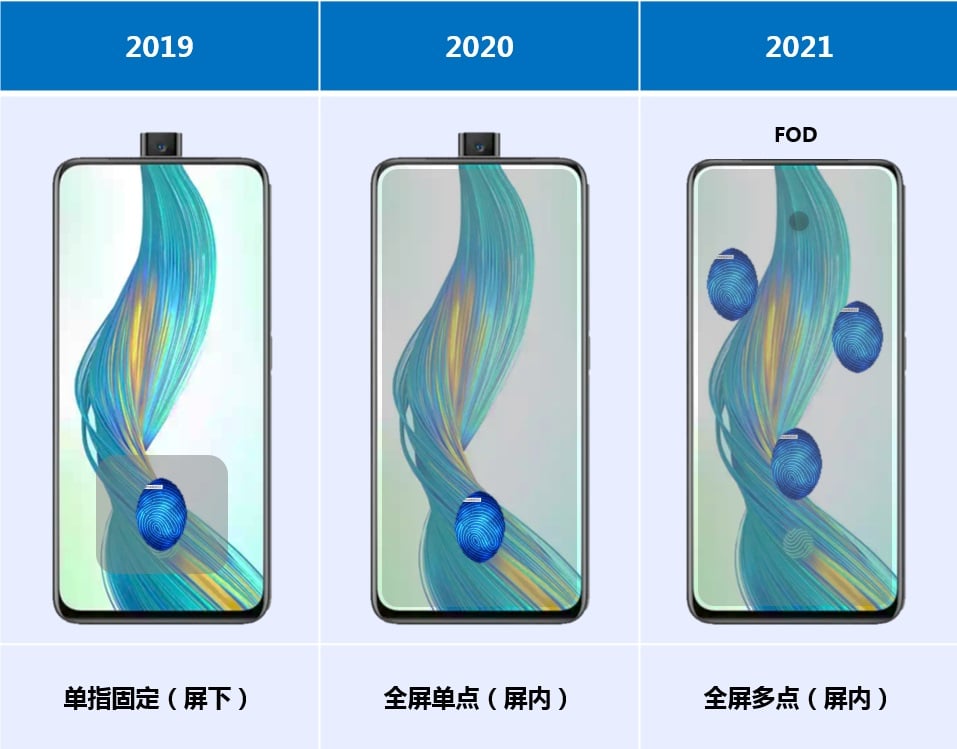
The latest news regarding the technology comes from China and it says TCL’s China Star Optoelectronics Technology Co., Ltd (CSOT) has developed a new in-display fingerprint technology for LCD screens.
Called Full-Screen Single-Point In-Display Fingerprint Technology, it allows for better functioning of the infrared scanner and for better and faster recognition of fingerprints. It is also said to have an ultra-high fingerprint recognition rate that can reach the level offered by OLED displays and even has the potential to surpass it.
Another feature of the new LCD in-display fingerprint scanner technology is that it covers a larger area (about 92%) compared to the previous generation. This means you can place your finger on practically any part of the screen and it will unlock. It is also said to have a brightness of more than 450 nits which allows it to capture more details.
Huaxing says they spent two years developing the technology and have applied for more than 30 patents for it. The in-display fingerprint technology is expected to enter mass production this year while an improved version that supports multiple fingerprints at the same time will be announced next year.
There is no mention of which manufacturers are on-board to use the technology for their phones but we hope to see the first set of phones with LCD displays and in-screen fingerprint sensors on the market this year.
Yesterday, the Indian government announced a ban on 59 Chinse apps in the country citing privacy concerns. Abiding the law, TikTok, which is the first app in the list has voluntarily disabled its services in the country today.
Earlier today, TikTok’s listing on Google Play Store and Apple App store were unpublished by the company with a statement from its official Twitter handle @TikTok_IN. It read “We have been invited to meet with concerned government stakeholders for an opportunity to respond and submit clarifications”.
The statement given by Nikhil Gandhi, Head of TikTok India clearly indicates the possibility for the revert of the ban. It seems the government has asked all the app makers in the list to clarify from their end.
For the unaware, the Indian government banned these specific 59 Chinese apps as they are considered “prejudicial to sovereignty and integrity of India”.
Though TikTok was not available for download from the app stores, Indians were able to use it on their devices if they had it installed already or sideloaded it. However, that changed by evening as the app on both platforms began to prompt users regarding the ban.
The notice reads “Dear users, we are in the process of complying with the Government of India’s directive to block 59 apps. Ensuring the privacy and security of all users in India remains our utmost priority”.
Currently, the app does not load any new content for Indian users. Instead, it shows network error as well as the above notice. Even the Indian website reflects the same.
In a nutshell, TikTok cannot be accessed in India right now unless you use a VPN. Interestingly, the other 58 apps are still available to download on app stores and work as intended.
OnePlus has been keeping us guessing concerning its upcoming affordable smartphone but the company put all guessing to rest by announcing that the name will be called OnePlus Nord. The company had been promoting the unannounced model through its OnePlusLiteZThing Instagram account but recently migrated to a new Oneplus.Nord Instagram account. It also announced via the first Instagram page that it would commence pre-orders for the device from tomorrow.
The pre-order programme will be a limited one with just 1100 units of the phone available. Specifically, it commences at 4 am ET on Wednesday, July 1. A countdown already running on the Instagram page. The price still hasn’t been disclosed but Carl Pei had earlier hinted that the Nord will be the brand’s first phone that will retail for under $500.
The Nord smartphone is expected to pack a Qualcomm Snapdragon 765 chipset alongside a quad-camera setup. The display will have support for 90Hz refresh rate and there will also be 3W charging onboard.
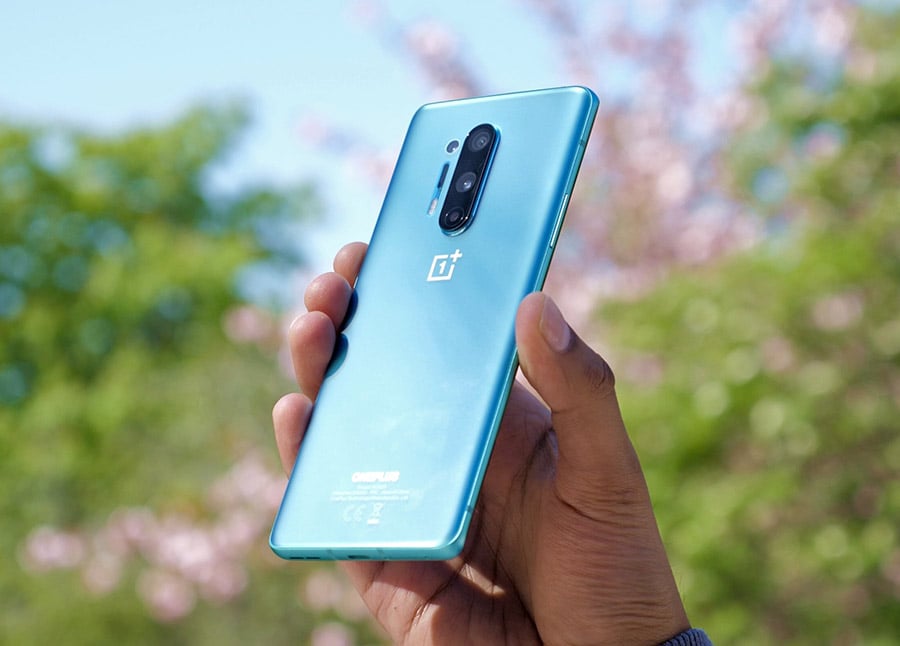
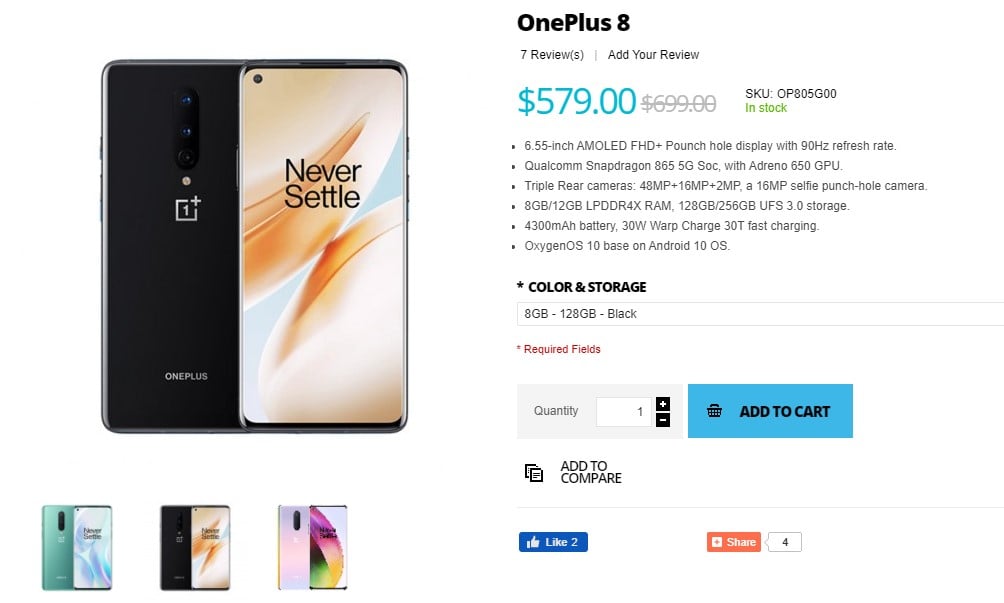
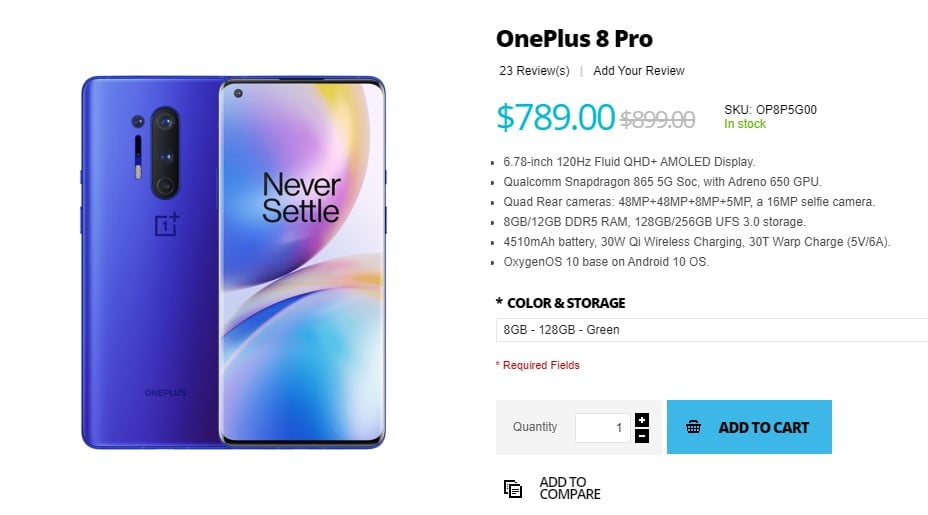
OnePlus 8 and OnePlus 8 Pro are popular flagship devices from the Chinese electronics maker. Both smartphones have witnessed a lot of appreciation from the tech industry and are quite popular among fans. In a recent flash sale, the smartphone went out of stock within a minute. Amid Covid-19 crises, the production of the smartphone is not up to the mark and has been on flash sale since its launch. Even with the great demand of the smartphone, Giztop is here offering $100 discount on the OnePlus 8 ad 8 Pro smartphones.
OnePlus 8 with 8GB RAM and 128GB internal storage is available for $699 $579, and the 12GB RAM and 512GB variant is available for $679. For OnePlus 8 Pro with 12GB RAM and 128GB storage, you need shell out $899, and the 8GB RAM variant for $789. There’s a $100 discount on the actual retail price of both smartphones.
OnePlus 8 and 8 Pro Specs
Both the devices are powered with Qualcomm Snapdragon 865 chipset featuring an Octa-Core processor and Adreno 650 GPU. These smartphones are available in multiple storage variants including 8GB RAM + 128GB storage and 12GB RAM + 256 GB Storage.
In terms of connectivity, both the devices houses a Bluetooth 5.1, GPS, NFC, USB 3.1
OnePlus 8 features a 6.55-inch Fluid AMOLED display with 1080 x 2400 pixels resolution and 90Hz refresh rate support. Ther’s a Corning Gorilla Glass 5 to protect the display from unusual falls. The device houses a triple rear camera featuring a 48-megapixel primary sensor, a 16-megapixel ultrawide sensor and a 2-megapixel macro sensor. A 16-megapixel sensor is present on the front for selfies and video calling.
A 4300 mAH non-removable is present on the board with 30W fast charging support.
OnePlus 8 Pro carries a 6.78-inch Fluid AMOLED display having 1440 x 3168 pixels resolution and 120Hz refresh rate. A quad-rear camera is present on the front 48-megapixel primary and another 48-megapixel ultrawide sensor. It also houses an 8-megapixel telephoto lens and a 5-megapixel colour filter camera for enhanced photography. On the front, there’s a 16-megapixel single shooter.
The smartphone comes with a 4510 mAh battery, 30W fast charging and 3W reverse charging support. It is available in Glacial Green, Ultramarine Blue, Onyx Black.
You can head over to Gizbot to grab a $100 limited-time discount on both the OnePlus 8 and 8 Pro.
OnePlus has released the first episode of the documentary it made for the OnePlus Nord. The almost 10-minute long video reveals quite some key details including a look at a prototype and the cost of the phone.
Developing a phone is not easy and this video gives you a look at what goes on behind the scenes before a phone is announced. Long story short, it can be messy.
As revealed in an official post on the OnePlus Forums, the creation of the OnePlus Nord, which will be the first of a new line of affordable smartphones is so as to provide a phone that works well and isn’t expensive.
….people are lusting for a more accessibly priced OnePlus product
– OnePlus
OnePlus Nord’s Design
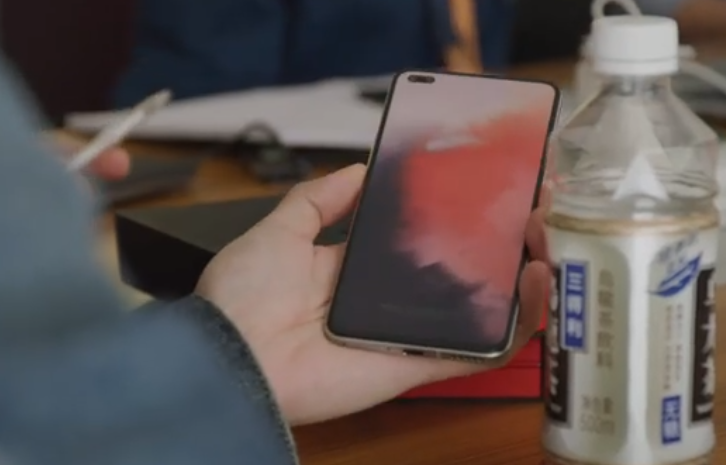
The video gives us a look at a prototype or dummy unit of the OnePlus Nord. The phone does have a pill-shaped notch at the top left corner for two front-facing cameras. There is a speaker grille at the bottom – to the right of the USB port. The phone also appears to have its SIM card tray on the left side of the charging port. Sorry to disappoint you, but there is no audio jack on this budget OnePlus phone too.
A prototype of the OnePlus Nord
We also get a glimpse at the rear of the phone. The image shows there are three rear large sensors arranged in the shape of an inverted L. However, the OnePlus Nord is said to have quad rear cameras. While this is just speculation, we think the rear of the final device may look like that of the Huawei Nova 6 SE.
A prototype of the OnePlus Nord (rear)
OnePlus Nord’s Price
Coming to the price of the phone, Carl Pei revealed in the video that the OnePlus Nord will be its first product priced under $500 in recent years. Earlier reports have said the phone may start at $299 but there are others of the opinion that it will not be as cheap as the iPhone SE 2020 that starts at $399. We are keeping our fingers crossed on the price but we hope the most expensive configuration doesn’t cross $449.
The OnePlus Nord is expected to have an AMOLED display with a 90Hz refresh rate, a Snapdragon 765 5G processor, quad rear cameras, and support for 30W fast charging.
OnePlus Nord’s launch date
The next episode of the documentary will be released on July 7. Seeing as there will be four parts, we presume there will be a new episode each week up until July 21. This should put the launch of the phone in the fourth week of July – specifically on July 28 or July 29.
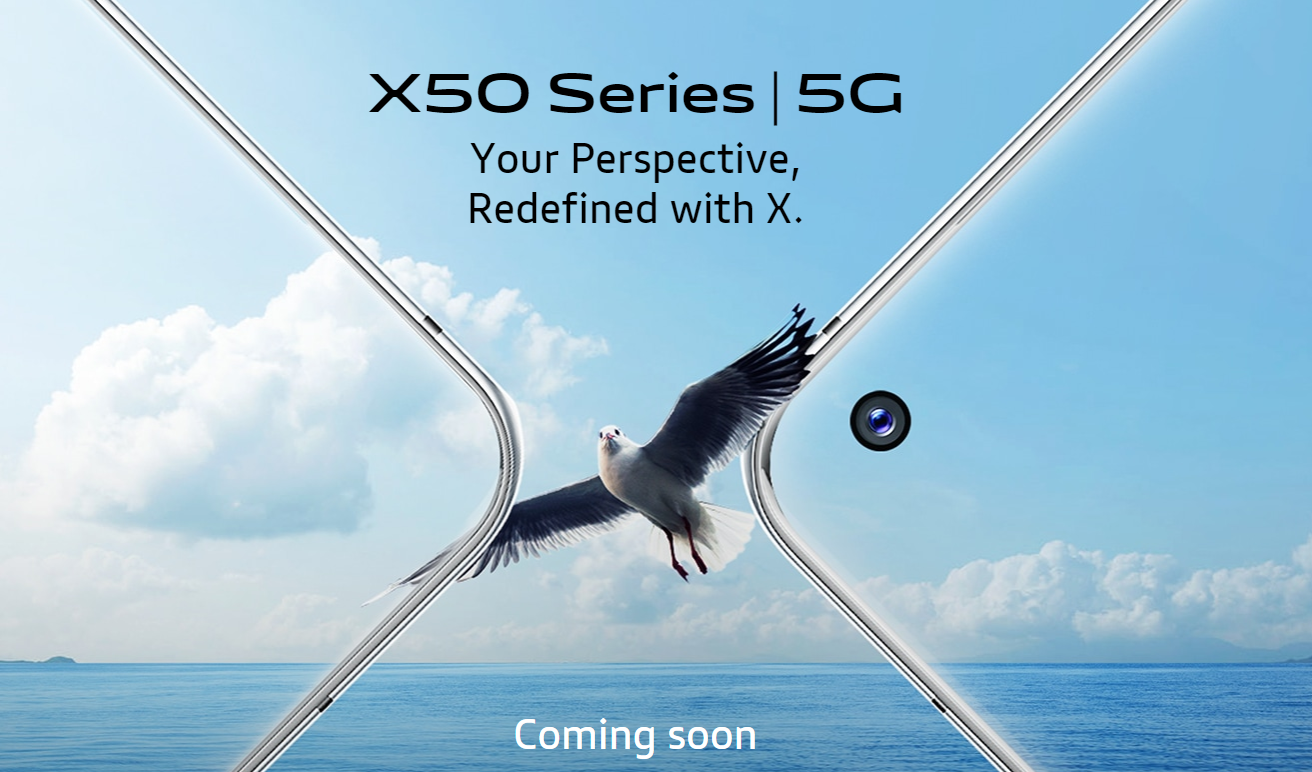
The Vivo X50 series launched in China on the 1st of June. The series includes the upper mid-range Vivo X50 and Vivo X50 Pro; and the flagship Vivo X50 Pro+. Vivo is now ready to launch the phones in other markets.
Ahead of the launch, the Chinese smartphone company has created a page on its global website for the X50 series. The page teases some of the features of the phones such as a Pro Night Photography mode, stabilization, 60x Hyper Zoom, and Pro Portrait Photography mode.
The page also has a video advert and a bunch of sample photos that showcase the camera prowess of the phones.
Alongside the official page on its global website, Vivo has also released a teaser video on YouTube that confirms that the X50 series is coming.
The Vivo X50 series is expected to launch in India but Vivo may delay the launch seeing as China and India are not on the best of terms at the moment. Based on this, the phones may be announced in other Asian countries first, with the Indian launch coming when relations between both countries are down. The Vivo X50 series should also make its way to Europe.
Vivo is yet to announce a date for the global launch but it most likely will be before the middle of July.
A new leak has suggested that Motorola‘s first 5G handset will be from the Moto G series, which has been the company’s offering of budget smartphones since 2013. The leak was first shared by known leakster Evan Blass and offers us a first look at the upcoming handset as well.
The new Moto G 5G phone will be the company’s first handset to feature the newer and faster networking standard. According to the leak, the device will sport a 48 megapixel primary camera on the rear and a dual punch hole selfie camera on the front. The leak also shared the image of the device that showcases its square quad camera module on the rear along with the iconic Moto branding.
Furthermore, the device will have its fingerprint sensor housed on the right side of the device rather than an in-display or its traditional rear mounted fingerprint scanner. Unfortunately, apart from the image and its primary rear camera, other details have not been divulged. Since it is an unconfirmed leak, it is advised to take it with a pinch of salt for now.
However, Motorola had been expected to launch a 5G smartphone and its budget Moto G series might be a good place to start off. Interestingly, the news of the new Moto G 5G phone arrives just a couple of weeks after the announcement of Qualcomm’s Snapdragon 690 SoC. Moto G series generally arrive with Snapdragon 600 series processors, so the device might sport a 600 series 5G chip as well.
Samsung Display has retained its top spot in the global smartphone display market. In the entirety of Q1 2020, the South Korean company has led the market according to Strategy Analytics.
According to the report, the overall revenue generated has increased by 3 percent year on year. Notably, during this period, the display market had generated a total of 9 billion US Dollars in revenue. The report also revealed that OLED led the market with high demand while LCD panels faced oversupply due to falling demand.
Furthermore, Samsung Display, which is the largest OLED provider in the world, saw success due to the increasing popularity of OLED panels in the smartphone industry. This enabled the company to basically capitalize on the market that had high demand for OLED, with Samsung Display alone accounting for 52 percent of the global smartphone display market.
BOE Technology and Tianma Microelectronics followed behind the South Korean company in market share. This report is another indicator of the declining trend the LCD panels are witnessing. Samsung Display has effectively ended the production of LCDs and has focused more on diversifying its OLED technology and developing it even further.
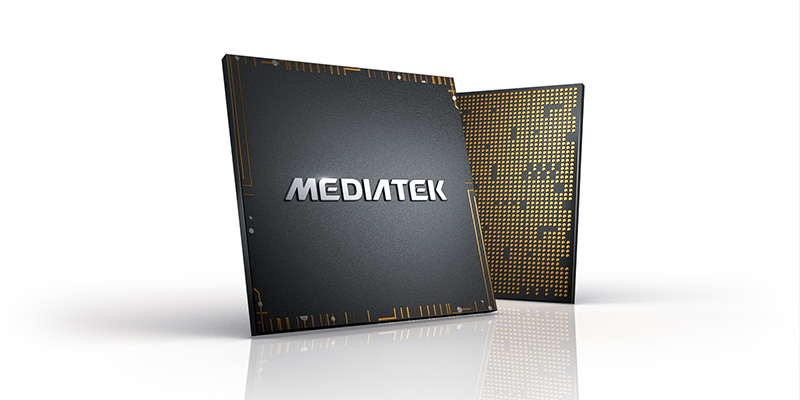
The relations between Xiaomi and MediaTek have grown over the years. In recent times, the Chinese tech giant has sourced more and more chips from MediaTek and, now, a new report suggests that both firms will collaborate to develop a new custom made smartphone chip for future smartphones.
Xiaomi and MediaTek’s growing partnership that led up to this reported collaboration can be seen in past smartphone launches. Its Redmi Note 8 Pro was the first device to feature the Helio G90T processor. Similarly, the Redmi 10X was the first to feature its Dimensity 820 SoC. A new Redmi smartphone with Dimensity 1000+ chip will also launch later this year, so a custom built processor isn’t far fetched.
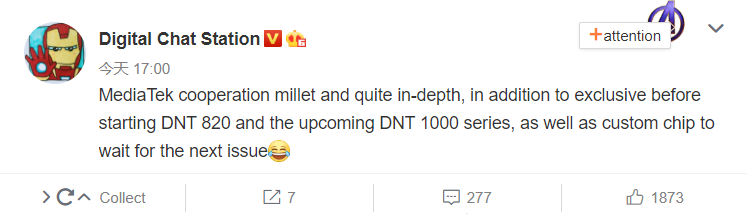
Xiaomi’s move would also all in line with the recent trend of OEMs shifting towards custom built or self developed chips for their offerings. The news arrives from Digital Chat Station, a known leakster, that revealed the information on his Weibo account, a Chinese microblogging website. According to the post, the cooperation between both companies has grown and a custom chip is planned for Xiaomi’s future generation of smartphones.
Unfortunately, this is still an unconfirmed report so take it with a pinch of salt. Although, the custom made MediaTek chip for Xiaomi smartphones is still a possibility in the near future. So stay tuned for more updates which should arrive soon.
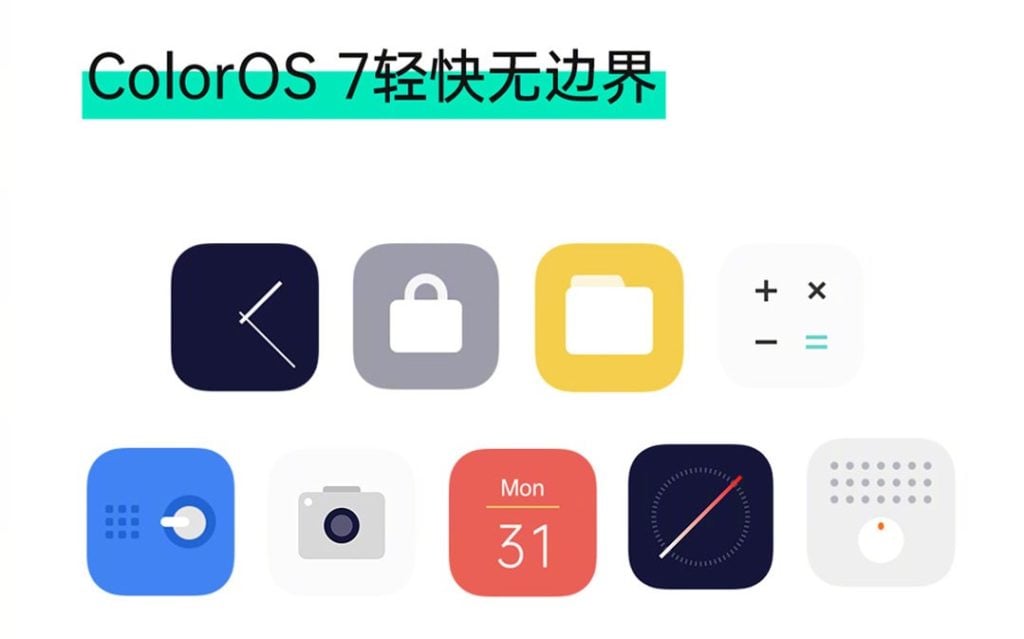
Oppo is still rolling out ColorOS 7 update to the eligible devices worldwide. This version of the company’s mobile software was first announced in November of 2019. The Chinese smartphone maker blames the COVID-19 pandemic for the delay in rolling out the update. That said, it has now shared a new ColorOS 7 July update schedule for certain models in China on Weibo.
With over 350 million active users, ColorOS is one of the most-used Android skins in the world. It is only found on Oppo smartphones and previously Realme devices as well. ColorOS 7 is the latest offering from the company apart from ColorOS 7.1 and ColorOS 7.2, both of which are exclusive to particular handsets.
Having said that, below-listed are the Oppo smartphones that will be receiving the ColorOS 7 update in China in July.
Device
Update Rollout Date
Oppo R15
July 10
Oppo A9
July 10
Oppo A9x
Oppo A3
July 10
Oppo A91
July 24
Oppo R15 Dream Mirror Edition
July 25
The above-mentioned handsets are also yet to receive ColorOS 7 in global markets. In fact, the Oppo R15 series is slated to get it in July in markets like India, Australia, and Europe just like China. However, the Oppo A91 is scheduled to receive the global update in August.
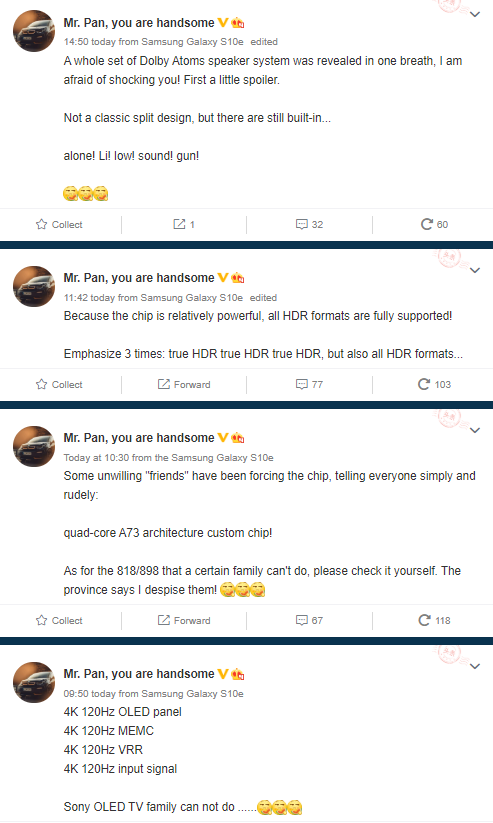
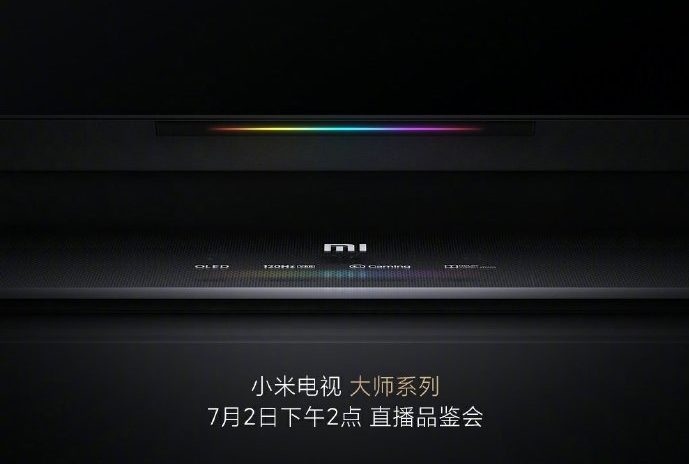
Xiaomi is gearing up for the launch of its new ultra high end TV series that will rival the likes of Samsung, Sony, and LG. The new Xiaomi Master TV series will be launched on 2nd July 2020 and now, it has a few of its specs revealed by a company official.
Furthermore, the Xiaomi Master TV series will feature 4K 120Hz OLED panels, 4K 120Hz with MEMC technology, 4K 120Hz VRR, and 4K 120Hz signal input as well. Under the hood, a quad core A73 custom processor powers the device, which supports all HDR formats with an emphasis on true HDR.
Lei Jun, Xiaomi Founder, had also stated that the upcoming flagship TV will offer brighter and richer colors, higher contrast image quality, and overall improved audio and video output. Unfortunately, other finer details like display size or pricing are currently unknown and we will have to wait for the 2nd July launch conference, so stay tuned.
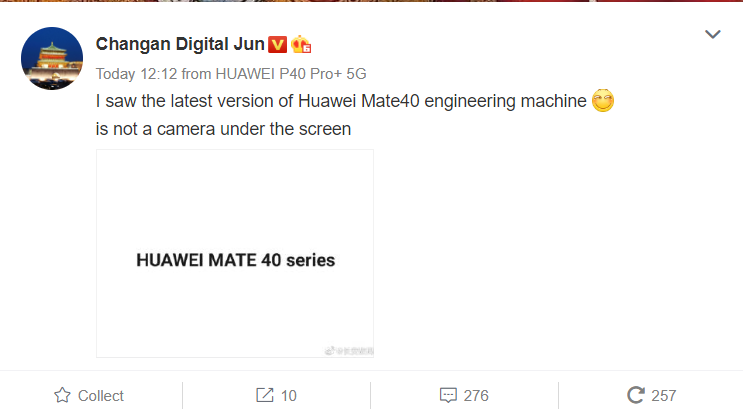
While previous reports had hinted at and implied that the Huawei Mate 40 series will feature an under-display camera, a new report suggests otherwise. According to a post on Weibo, the Chinese microblogging website, the upcoming flagship will not have this new camera technology.
For those unaware, an under-display camera is basically like an in-display fingerprint scanner. In other words, the image sensor is housed beneath the display on the front and is not visible or discernable until it is not in use. While examples and prototypes of this technology have been seen before, there is still a large scope for improvement.
Similarly, another report had talked about Huawei getting exclusive access to Visionox’s under display camera solution later this year. Although, neither of these reports had ever been confirmed officially. So, it is quite likely that the Huawei Mate 40 will likely not feature the new camera technology so soon. While many smartphone vendors have been confirmed to be working on adopting this feature, none have yet to launch a device with this technology commercially.
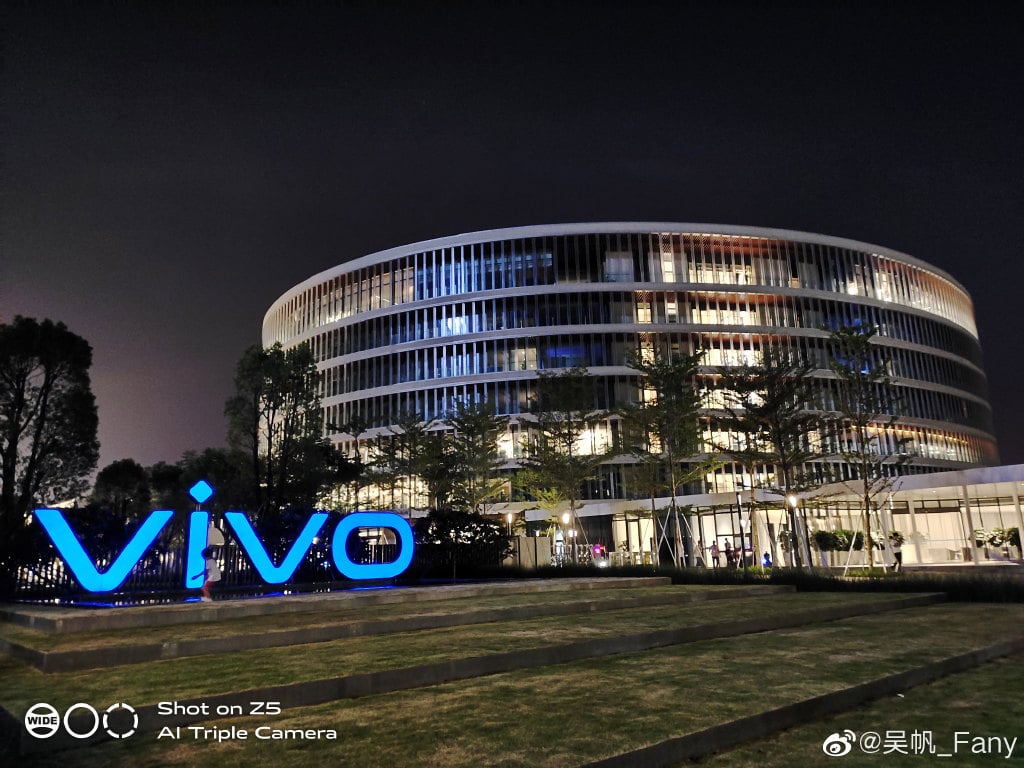
Vivo, the Chinese smartphone manufacturer, is building a new high rise office in Shenzhen, China. This new project will be its future headquarters and has already had the company shell out over 180 million US Dollars.
The 32 storey Vivo headquarters is scheduled to be completed in 2025 and is designed by US architectural firm NBBJ. This is the same firm that had previously designed Samsung Electronic‘s Silicon Valley campus and even the Amazon Spheres in Seattle. After its completion, the building will also house the company’s flagship store, with indoor gardens at every level, a spiraling exterior with self-shading glass, and can house 5,800 employees.
Vivo’s current HQ in Dongguan, an industrial city in southern Guangdong province
The move is in line with the construction boom from China’s technology sector. as Vivo joins brands like Tencent Holdings and ByteDance with major investments in new office spaces. Tencent has already spent 1.2 billion US Dollars on campus, while Vivo has paid 1.3 billion Yuan (roughly 182 million US Dollars) on the site of its headquarters alone.
Similarly, ByteDance has also recently acquired land worth 1.1 billion Yuan for future construction in the city’s Downtown area. According to a few economists, the building boom is a signal of an overheated economy that precedes a crash. Although, NBBJ argues that the Chinese tech giants are just seeking space to settle in before a potential future global expansion wave.
Shenzhen is a hotspot for tech campuses, with various Chinese tech firms coming in, coinciding with the local government’s trillion-dollar effort to both stimulate the economy and lay the foundations for next-generation internet technology (Image Via South China Morning Post)
Robert Mankin, NBBJ official, said that “What we’ve seen now is part of a natural life cycle of these companies where they’ve outgrown their current facilities, and they need new ones to operationally support their growing global reach. It’s increasingly rare in the US for companies to build their individual headquarters campus, and you still see it in Asia.”
In May, Redmi announced the Redmi K30i 5G smartphone as an inferior version of the Redmi K30 5G that went official in December last year. The handset was made official in a single variant featuring 6 GB of RAM and 128 GB of storage. The Chinese firm confirmed today that it will begin with the sales of its 8 GB RAM variant starting from tomorrow.
The newly announced 8 GB RAM edition of the Redmi K30i 5G has 256 GB of storage. It is priced at 1,999 Yuan (~$283). The existing 6 GB RAM + 128 GB storage version costs 1,799 Yuan (~$254).
The Redmi K30i 5G has a 6.67-inch IPS LCD panel with a dual punch-hole design. The Full HD+ resolution supporting screen produces up to 120Hz refresh rate. The Snapdragon 765G SoC fuels the device with LPDDR4x RAM and UFS 2.1 storage. It lacks a microSD card slot.
The Redmi K30i 5G has a side-facing fingerprint scanner. The device is equipped with a 20-megapixel + 2-megapixel dual selfie camera setup. The rear side of the phone has a 48-megapixel + 8-megapixel (120-degree ultrawide) + 2-megapixel (macro) + 2-megapixel (depth) quad-camera system. It houses a 4,500mAh battery that supports 30W fast charging. The MIUI 11 based Android 10 OS comes preinstalled on the Redmi K30i 5G.
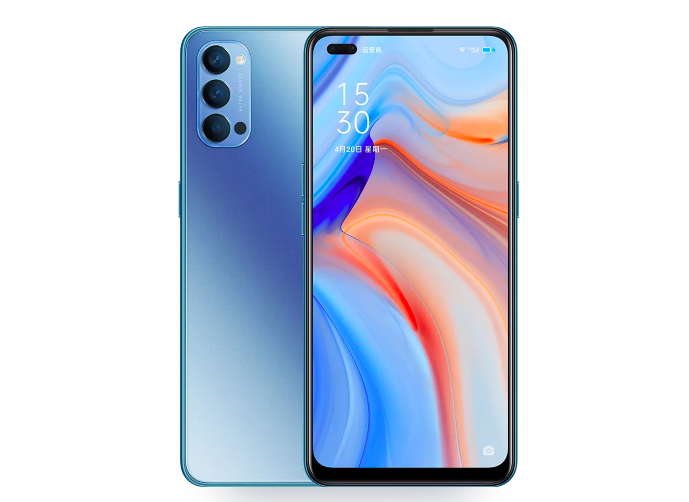
Max has a good track record when it comes to leaks and we trust him on this. However, while he does say it is not a rebadged Reno4, it doesn’t mean the OnePlus Nord may not be a rebadged (OPPO) phone or at have a familiar look.
Other than the Reno4 5G, another OPPO phone with dual-selfie cameras is the Reno3 Pro (Helio P95 version). Not only does it have dual front-facing cameras, but it also has quad rear cameras which the OnePlus Nord is said to have. Of course, the Reno3 Pro doesn’t have a high refresh rate, which the Nord will have. So it might have a very similar design but definitely is not a rebadged version of the Reno3 Pro.
Anyway, the above is just speculation. The good news is that we may not have to wait for long to find out what the OnePlus Nord looks like. The special documentary OnePlus made that talks about the phone’s design premieres today and it may give us our first look at the upcoming mid-range phone.
The OnePlus Nord has undergone multiple changes since we first heard about it last year. It was originally referred to as the OnePlus 8 Lite and then the OnePlus Z. It was also expected to come with a MediaTek 5G processor and have a hole punch in the center just like the Galaxy S20. Now, the phone goes by a new name, has a Snapdragon processor, and has been confirmed to have dual front-facing cameras that point at a pill-shaped hole in the display.
After launching a couple of chipsets under its new 5G-focused Dimensity lineup, MediaTek has now announced two new entry-level processors under its gaming-focused G series, which also supports HyperEngine Game Technology.
The HyperEngine technology offers intelligent resource management that ensures sustained and smooth performance, even in demanding and resource-heavy situations. For instance, if the Wi-Fi is weak, it intelligently triggers Wi-Fi & LTE concurrency within milliseconds.
Along with managing connectivity and calling features during game-play, the HyperEngine Game technology also ensures intelligent and dynamic management of the CPU, GPU, as well as memory.
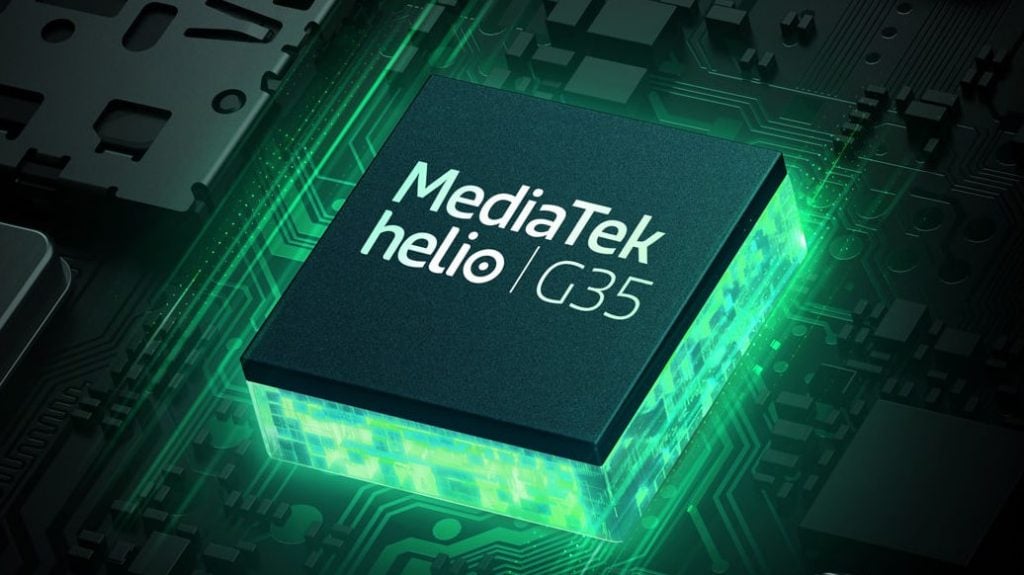
MediaTek Helio G35
The Helio G35 is manufactured using TSMC’s 12nm process and comes with eight ARM Cortex-A53 CPUs clocked at 2.3GHz and for graphics, it packs IMG PowerVR GE8320 clocked at 680MHz. It comes with support for LPDDR4x RAM up to 6GB at 1600MHz and eMMC 5.1 for storage.
It supports Full HD+ display with 2400 x 1080 pixels screen resolution at 20:9 aspect ratio and 60Hz refresh rate. For connectivity, it supports VoLTE\ViLTE\WoWi-Fi along with Dual-Band Wi-Fi 5, Bluetooth 5.0, GPS + Glonass + Beidou + Galileo, and FM radio.
In the camera department, the Helio G35 supports configurations up to 25MP and dual-camera of 13MP + 13MP. The camera can be coupled with features such as AI-driven Bokeh effects, electronic image stabilization (EIS), rolling shutter compensation (RCS), beauty mode, and more.
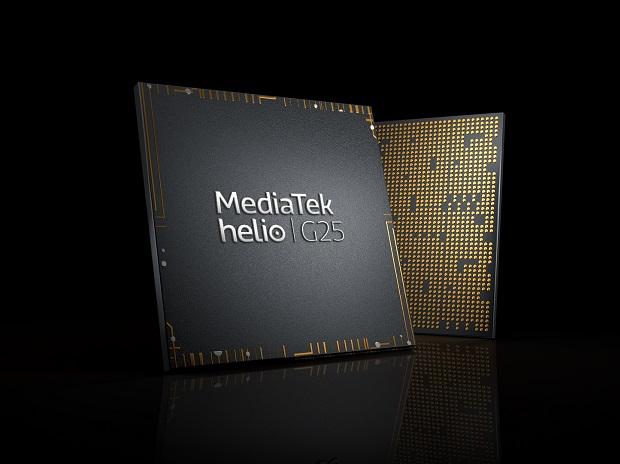
Similar to the Helio G35, the MediaTek Helio G25 is also manufactured using the 12nm FinFET process by TSMC. It also packs eight ARM Cortex-A53 CPUs, but they are clocked at 2.0GHz, along with IMG PowerVR GE8320 at 650MHz.
It supports HD+ display at 1600 x 720 pixels resolution and a 20:9 aspect ratio with a 60Hz refresh rate. As for the memory, the chipset supports LPDDR4x RAM up to 6GB at 1600MHz and eMMC 5.1 for storage.
For optics, the Helio G25 has all the supporting features of Helio G35 but the resolution has been limited to 21MP, and thus, the dual-camera setup can have 13MP + 8MP sensors. It can record 1080p videos at 30fps.
Xiaomi’s Redmi as well as Realme have already announced their smartphones powered by these two new chipsets. While Redmi has launched the Redmi 9A powered by the Helio G25 SoC, Realme has unveiled Realme C11 which is powered by Helio G35 chipset.
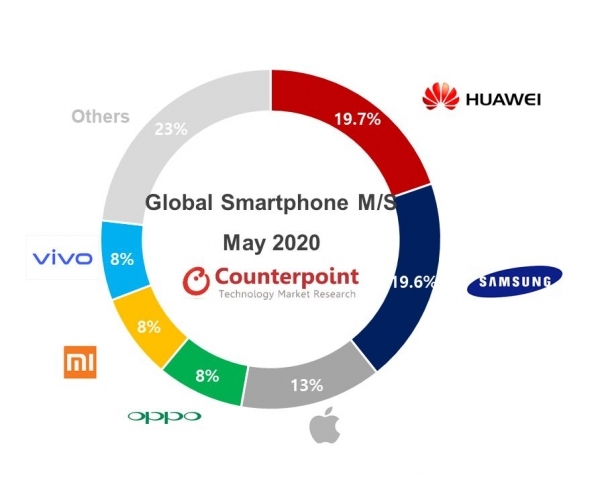
At the moment, the Chinese tech giant has a market share of 19.7 percent while Samsung follows very closely behind with a 19.6 percent share in the period of May where 81.97 million smartphones were shipped. However, while Huawei still holds the title for the world’s largest smartphone maker, there is only a 0.1 percent difference. In contrast, Huawei had a 21.4 percent market share back in April, while Samsung had just 19.1 percent.
Thus, it would seem likely that the company might not be able to retain the title for the third month in a row and that the South Korean firm will stand atop again in June. One of the contributing factors that led to Samsung closing the gap in May as its sales in the US, where smartphone sales rose by 56 percent over April. In the US, the company had a market share of 33 percent of the total of 8.4 million smartphones that were sold.
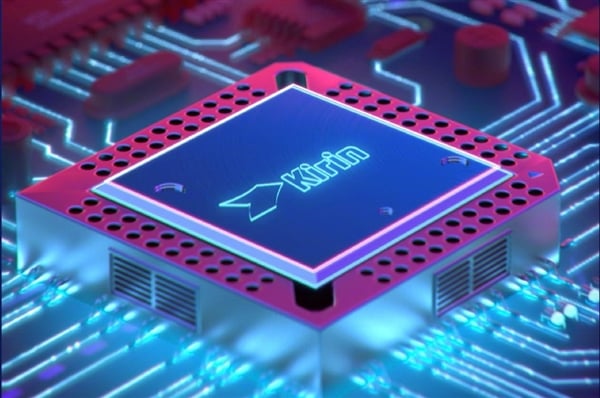
At the same time, it has been said that much if Huawei’s success came with its popularity in its home country, which was at the cost of its overseas business. Furthermore, the Chinese vendor’s fate for September and later this year also remains uncertain. Its upcoming flagship Mate 40 series is expected to launch during this period, but the loss of its primary HiSilcon Kirin chip supplier, TSMC, might make things difficult for it.
Huawei’s Kirin chipsets are manufactured by TSMC
A source close to the matter also said that Samsung losing its top spot to Huawei completely was very likely if the US Sanctions hadn’t been imposed against the Chinese OEM. Although, the early reopening of the Chinese economy during the Coronavirus pandemic also helped the company regain grounds faster than its competitors.
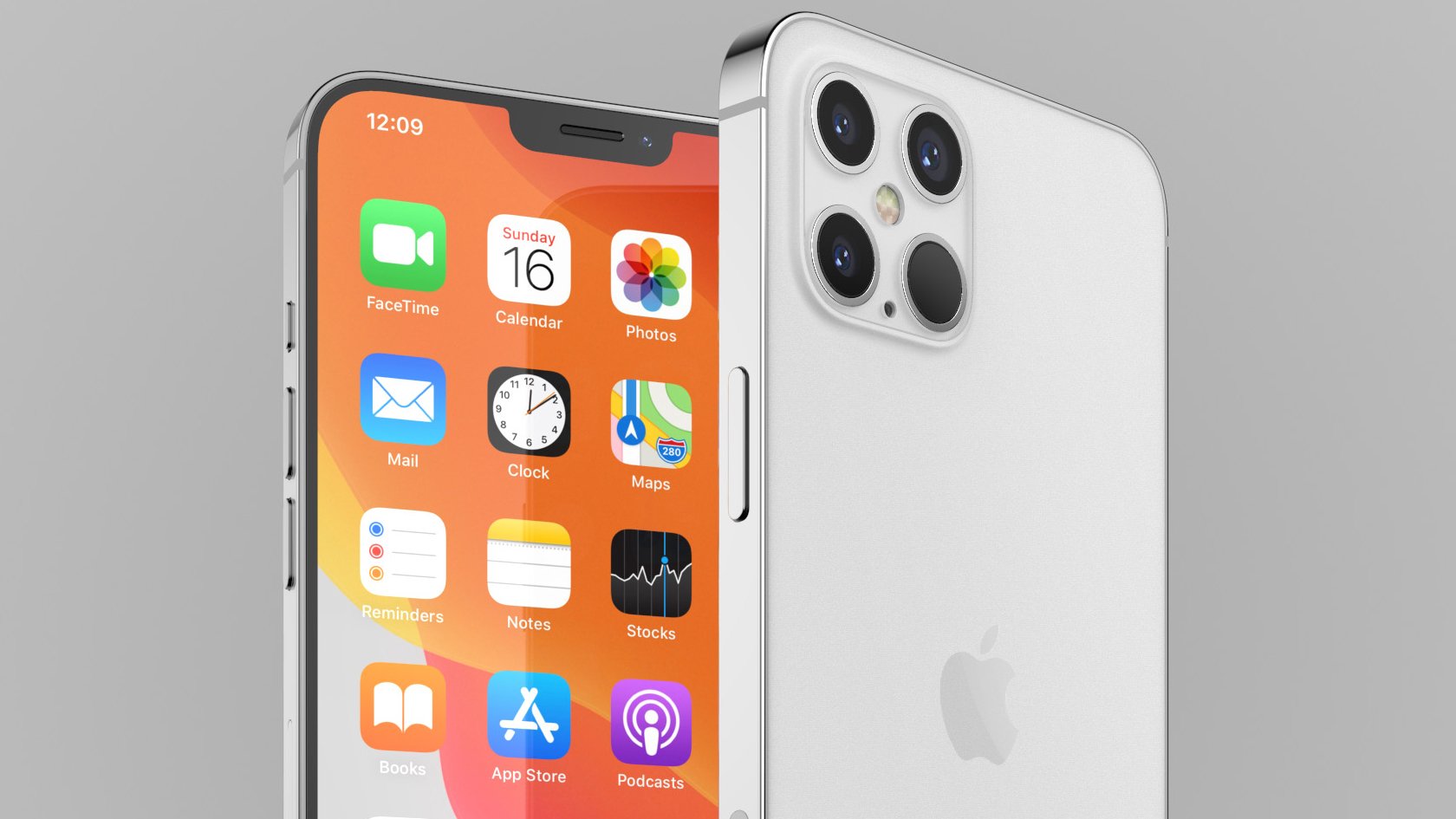
As the month of September approaches, rumors and reports about the upcoming iPhone 12 series have started making rounds. In the latest report, details about the higher video frame rate recording specs have surfaced online.
A new report coming from EverythingApplePro claims that a few models of the iPhone 12 series will come with support for 4K video recording at 240 frames per second, in an interpolated manner.
This is a major upgrade over what Apple currently offers on iPhone 11 series. The iPhone 11 Pro has support for 4K video recording at 60fps and the reported support for 4K at 240fps on iPhone 12 models will be a huge step forward in terms of motion smoothness. So far, 240fps recording has mostly been limited to 1080p videos in slow-mo.
Earlier, the beta code of iOS 14 as well as reports from leakster Max Weinbach hinted about support for 240fps 4K slow-mo recording. This means that the upcoming Apple A14 chipset, being manufactured using the 5nm process, will be a powerhouse.
Apple will be launching its flagship next-generation iPhone 12 series smartphones this fall and as per the reports, the company is expected to launch four variants this time, which include iPhone 12, iPhone 12 Max, iPhone 12 Pro, and iPhone 12 Pro Max.
Recently, we reported that the standard iPhone 12 will have a 5.4-inch display with support for screen resolution of 2340 x 1080 pixels. The Max variant, on the other hand, will have a 6.1-inch panel with 2532 x 1170 pixels resolution. The iPhone 12 Pro will also come with a 6.1-inch display but will have 2532 x 1170 pixels screen resolution. The iPhone 12 Pro Max with having a massive 6.7-inch screen with 2778 x 1284 pixels resolution.
The models with Pro variant will come with 10-bit color depth and will feature a 120Hz refresh rate. Under the hood, all four models will come powered by the Apple A14 chipset which is being manufactured using the 5nm node process. Another major feature that these devices will bring is the support for 5G connectivity.
The company is also expected to launch a couple of 4G-only models as well, with pricing starting at $549. Rumors indicate that Apple could remove the EarPods as well as a power adapter from the in-box contents for the iPhone 12 series.
We use cookies on our website to give you the most relevant experience by remembering your preferences and repeat visits. By clicking “Accept”, you consent to the use of ALL the cookies.
This website uses cookies to improve your experience while you navigate through the website. Out of these, the cookies that are categorized as necessary are stored on your browser as they are essential for the working of basic functionalities of the website. We also use third-party cookies that help us analyze and understand how you use this website. These cookies will be stored in your browser only with your consent. You also have the option to opt-out of these cookies. But opting out of some of these cookies may affect your browsing experience.
Necessary cookies are absolutely essential for the website to function properly. This category only includes cookies that ensures basic functionalities and security features of the website. These cookies do not store any personal information.
Any cookies that may not be particularly necessary for the website to function and is used specifically to collect user personal data via analytics, ads, other embedded contents are termed as non-necessary cookies. It is mandatory to procure user consent prior to running these cookies on your website.