Advertisement

Galaxy Note 20 Ultra could feature Qualcomm Snapdragon 865 Plus

Samsung is expected to launch the Galaxy Note 20 series and Galaxy Fold 2 on August 5. Ahead of it, these handsets have been leaking every other week revealing new features each time. Now, according to the latest leak, the Galaxy Note 20 Ultra will be powered by Qualcomm Snapdragon 865 Plus.
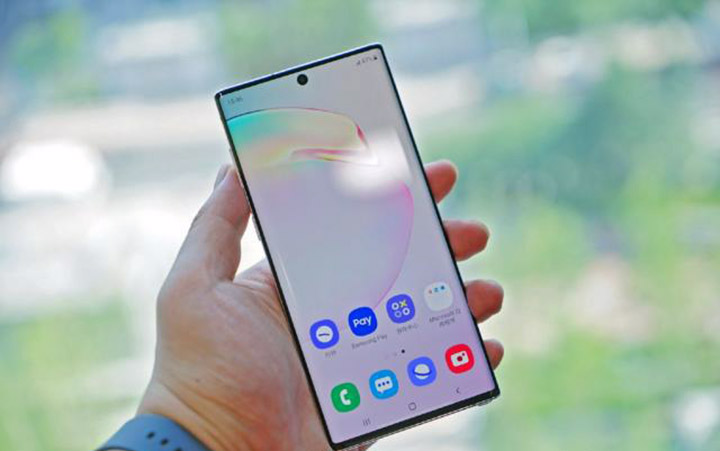
samsung galaxy note 10 plus 5g

The new information comes from Ice Universe, a well-known Samsung leaker. According to him, the upcoming Galaxy Note 20 Ultra will be powered by Qualcomm Snapdragon 865 Plus.

If you recall, Meizu’s CMO Wan Zhigiang claimed in April that there won’t be a Snapdragon 865 Plus this year. But we still cannot rule the possibility and even if it exists, it will be merely a minor upgrade to the already much powerful regular Snapdragon 865 SoC.

Further, the leakster also says that the Galaxy Note 20 Ultra will feature a QHD+ LTPO AMOLED panel. The phone will also have an option for 120Hz refresh rate in QHD+ resolution, which is missing on the Galaxy S20 series.

Lastly, he also mentions the inclusion of new improved S-pen along with additional camera features. Other than that, nothing else is known about this device. But we expect more leaks in the coming days as we are nearing to the launch.


(Via)

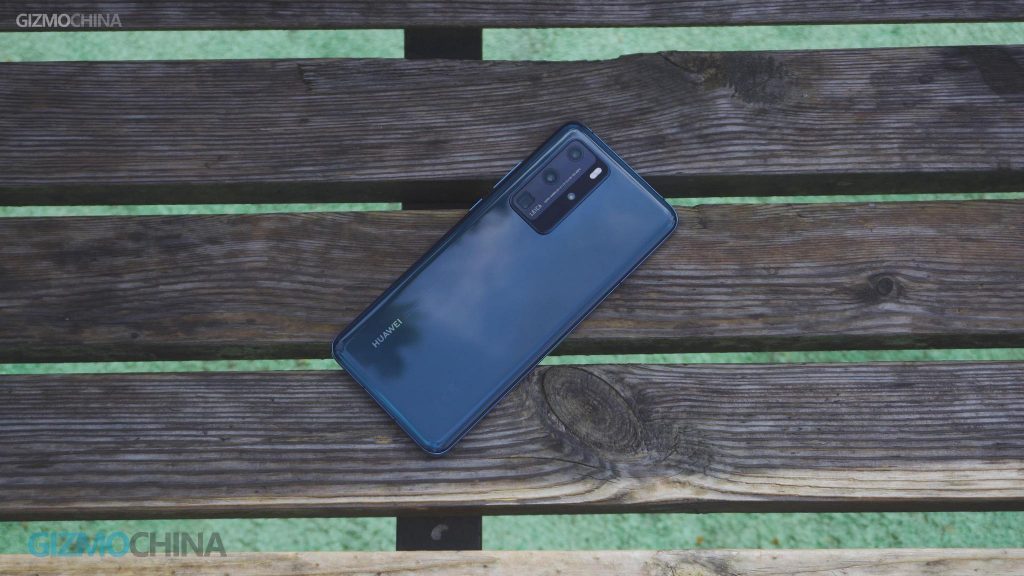
Huawei P40 Pro will launch in Canada on July 10 with freebies like Watch GT 2

Though new Huawei smartphones are devoid of Google Mobile Services (GMS), the company continues to launch them in international markets. After making its debut in Europe and South East Asia, the Huawei P40 Pro is now heading towards Canada on July 10.

Huawei has confirmed to launch the P40 Pro in Canada in the second week of July. The regular P40 will be also arriving at a later date. The handset will be available at multiple carriers in Black and Silver Frost color options.

The limited-time launch offers include a free Huawei Watch GT 2 and 12 months subscription for 50GB Huawei cloud storage. Customers buying the phone can also participate in Huawei’s Next Image Awards to win up to $10,000.

As for specs, Huawei P40 Pro is powered by HiSilicon Kirin 990 5G SoC paired with up to 8GB and 256GB ROM. If needed, the storage can be further expanded up to 256GB via proprietary NM SD card.

The handset sports a 6.58-inch curved OLED display with 90Hz refresh rate, in-screen fingerprint reader, and a dual punch-hole for 32MP selfie camera and TOF 3D camera with IR for face unlock. 

Whereas, the rear quad-camera setup includes a 50MP primary RYYB sensor with OIS, a 12MP 5x periscope camera with OIS, a 40MP ultra-wide unit, and another TOF 3D sensor.

As for software, the phone runs EMUI 10.1 based on Android 10 with Huawei Mobile Services (HMS) and AppGallery for apps. Talking about build, the handset features glass sandwich design with an aluminium frame.

Last but not least, it gets its power from a 4,200 mAh battery with support for 40W fast wired charging, 27W fast wireless charging, and 27W fast reverse wireless charging.


(Via)

Oppo Enco W11 TWS will launch in India on June 25 for ₹2,999 ($39)

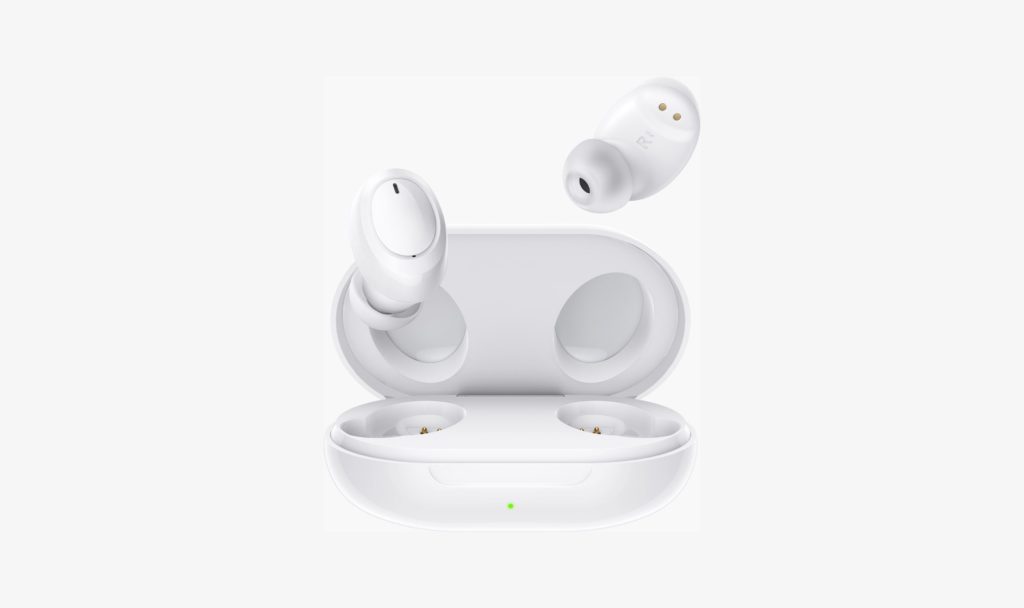
Oppo will be launching its next TWS in India exclusively on Flipkart coming Thursday (June 25). Priced at ₹2,999 ($39), the Enco W11 will retail as a lite version of already available Enco W31 in the country.

Oppo Enco W11 TWS
Oppo Enco W11 TWS

The forthcoming Oppo Enco W11 in India is not a  new product after all. This TWS is available in a number of countries where the company has its presence.

Unlike the Enco W31 and the new Enco W51, the Enco W11 is a bud type TWS rather than Apple AirPods clone with stems. It features 8mm drivers with support for AAC audio format and even offers noise cancellation feature for calls.

The W11 uses Bluetooth 5.0 to connect with devices with a maximum range of 10m. Both the buds connect directly to the device rather than utilizing master-slave connection as found on cheaper Redmi AirDots from last year.

Further, it features touch controls to carry out lots of tasks such as single-tap to play/pause, double-tap to change tracks, double-tap to answer/end calls, triple-tap to activate voice assistant, and touch + hold to adjust the volume.

Oppo claims 5 hours of battery life on a single charge and a total of 20 hours with the charging case, which features a USB Type-C port. Both the buds and case come in white color but only the former is IP55-certified for dust and water resistance.


(Via)

Realme C11 will be the world’s first smartphone with MediaTek Helio G35

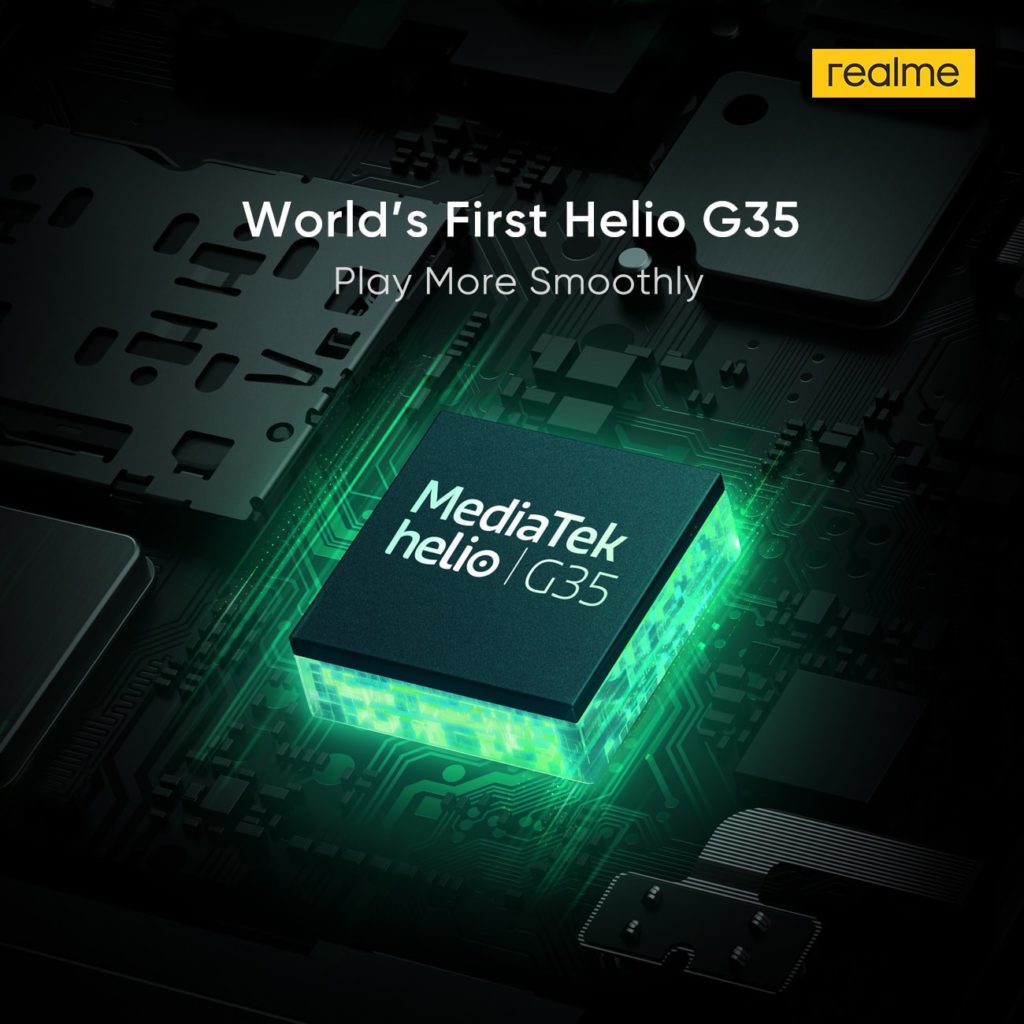
Realme to soon launch its next entry-level smartphone dubbed as Realme C11.  It will be the world’s first smartphone with MediaTek Helio G35 SoC. The handset will initially debut in Malaysia, followed by other regions.

Realme Malaysia official Facebook page has shared a teaser image with a text saying “World’s First Helio G35 – Play More Smoothly”. But the post description does not reveal the name of the device.

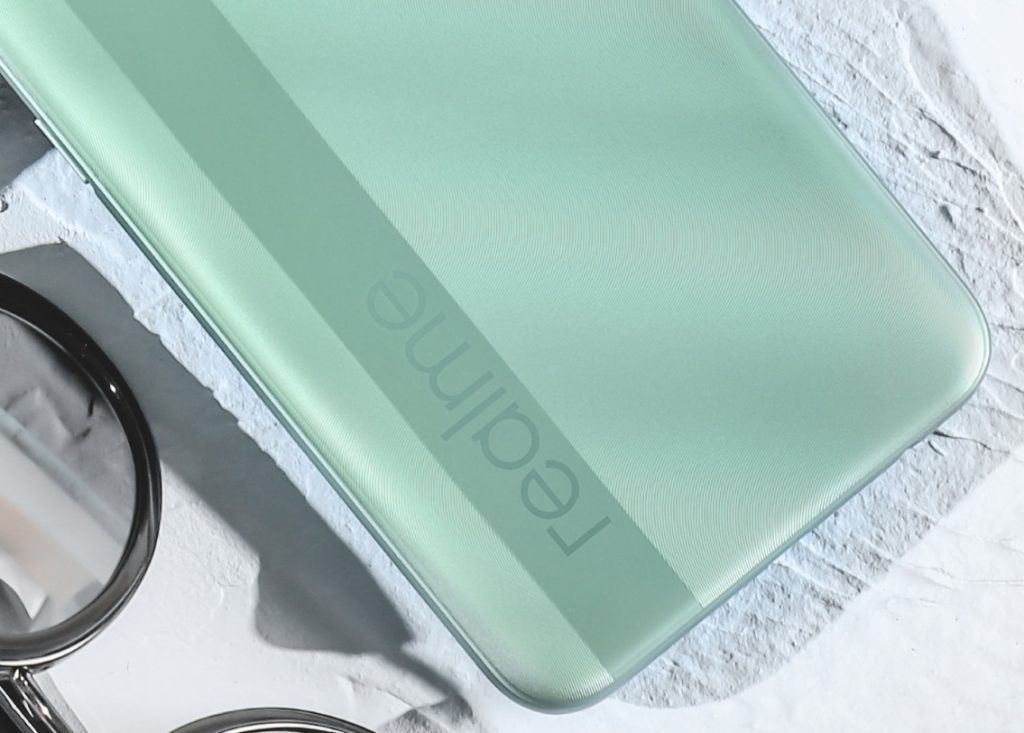
But the brand seems to have confirmed its name and design to Vocket and other Malaysian publications with a teaser image of the phone’s back. However, it is yet to announce the launch date.

Realme C11 first surfaced on the web with its model number RMX2185 on Indonesia’s TKDN certification portal. Soon, it cleared multiple certifications like Europe’s EEC, Malasia’s SIRIM, and Thailand’s NBTC, which also revealed its moniker.


Unfortunately, nothing else is known about this phone except for the fact that it will be an entry-level smartphone powered by yet to be announced MediaTek Helio G35 with 4G connectivity.

Going by its predecessor Realme C3, we can expect it to feature either dual or triple camera setup, HD+ display, large battery, 3.5mm headphone jack, and Realme UI based on Android 10.

Anyway, we will know more about this handset in the coming days as the brand will surely tease its specs leading up to the day of the launch.


(Via)

Report: Huawei Mate 40 series will launch in October as scheduled

Huawei is in the news every other day since the US government extended the ban for another year, in addition to curbing its chipset supplies from TSMC. This resulted in the rise of multiple reports with new information every week. The latest tip from a blogger on Weibo suggests that Mate 40 series powered by 5nm chip will launch in October as scheduled despite the current situation.

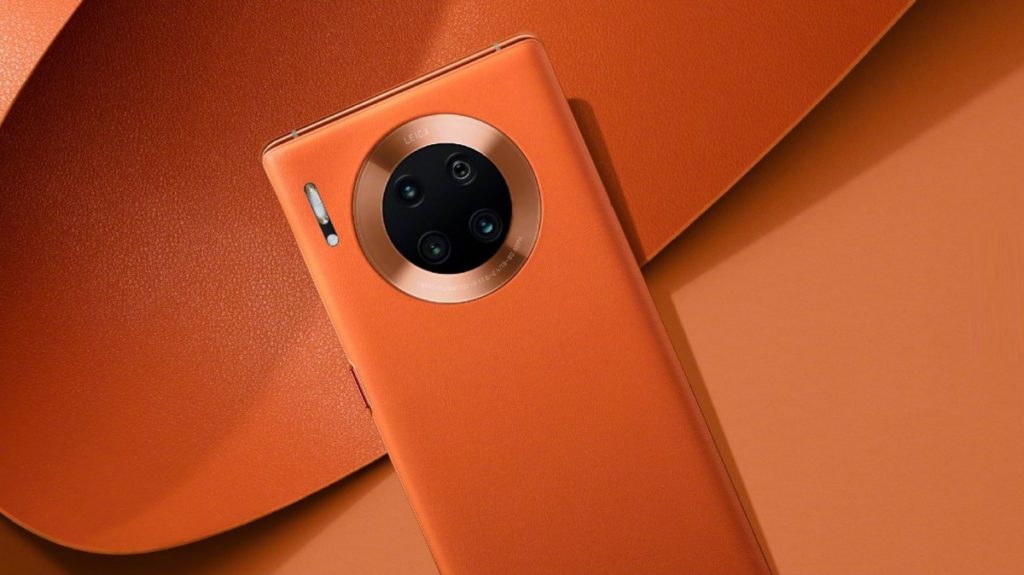
Huawei Mate 30 Pro 5G Vegan Leather Orange

Huawei is known to design its own chipsets for its devices, however, they are manufactured by TSMC (Taiwan Semiconductor Manufacturing Company) as the homegrown SMIC (Semiconductor Manufacturing International Corporation) does not have access to latest technologies.

Hence, the US government’s new sanction on TSMC is a major blow to Huawei. But it does not go live until September. Therefore, an earlier report said that the new 5nm Kirin 1000 chipset will be delivered on time.

Now, a well-known blogger on Weibo going by the name of Moile Chip Expert further confirms it. He says, as scheduled, Huawei will have access to all the required 5nm and 10nm mobile chips along with 16nm and 28nm TWS chips by mid-September.

He also goes on saying that Mate 40 series will be launched in October and Huawei will have supplies for about 8 million units in Q4 2020. This goes against the previous report on the delay in flagship smartphone production. 

Anyway, if this info happens to be true, then Huawei is on track, at least for 2020. But beyond that, who knows what happens next.


(Via)

Redmi 7A stable beta Android 10 update now rolling out in Europe

Recently, we reported that Xiaomi has started pushing Android 10 updates to the Redmi 7A in China. his came as a surprise for many considering that a number of more expensive models are yet to get Google’ latest OS version. Users outside China will now be able to update their models to Android 10 as Xiaomi has released a new OTA update ushering the latest Android version.Xiaomi Redmi 7A

The Redmi 7A made its entry in 2019 with a starting price of around $85 for the 2GB RAM+16GB storage version. The phone came with Android 9.0 Pie-based MIUI 10. The model had earlier been updated to MIUI 11 but still based on Android 9.

The update comes with the version number V11.0.1.0.QCMEUXM and apart from the Android 10 features it brings, it also features May 2020 Android security patch. This new update is said to be available on the European variant of the budget phone. However, we expect other regions to start receiving the OTA push soon. You can also download the update from here.


(source)


Motorola One Fusion appears on Google Play Console, specs in tow

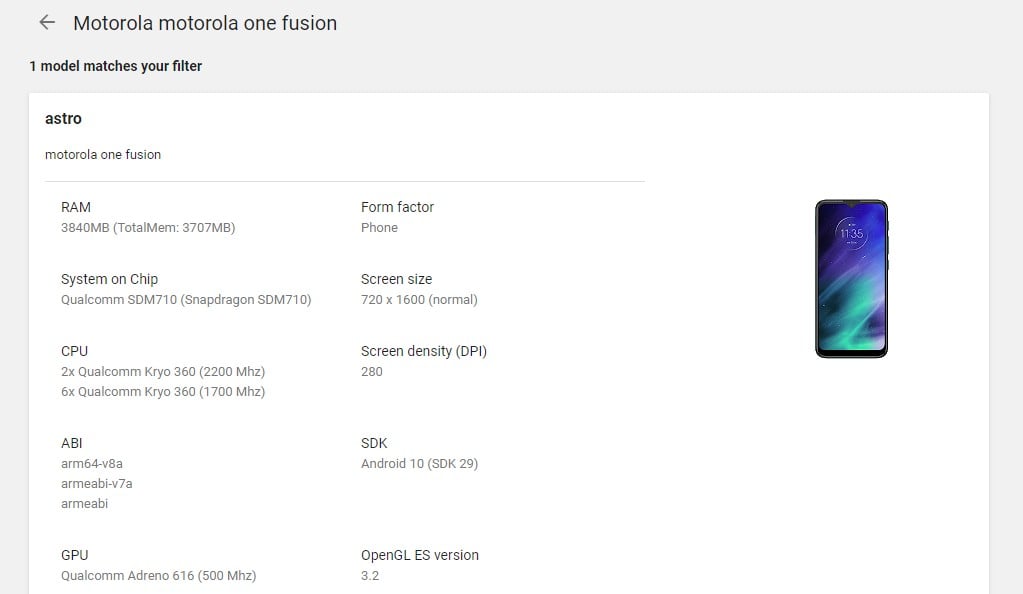
Motorola launched the One Fusion+ earlier this month with the model appearing with a fantastic design and amazing price tag. The company is further set to spring up another surprise as it readies the One Fusion for the market. Motorola One Fusion has been spotted on Google Play Console. The model appeared on the Google Play Console’s Device Catalog as well as the Android Enterprise Recommended Catalog. 

The device appeared with the codename “astro” but is clearly labelled as the Motorola One Fusion. It features HD+ resolution of 1600×720 pixels and although the display size wasn’t mentioned, a previous leak puts it at 6.5 inches with a water drop notch. The One Fusion is also powered by a Qualcomm Snapdragon 710 chipset paired with 4GB of RAM. The phone will also run Android 10 OS from the go.

Previous Motorola One Fusion leak tips the device to also get a 6GB RAM variant as well as 64GB and 128GB storage options. Under the hood will be a 5,000 mAh battery. Samsung’s 48MP ISOCELL Bright GM1 as the primary rear camera joined by 5MP, 8MP, and 2MP camera sensors. On the front, the device should have an 8MP camera. The One Fusion should land in Brazil, Latin America, and several Asian countries in black and blue colors.


(via)


Samsung to shift most of its monitor manufacturing facilities from China to Vietnam

For the past few years, companies have been shifting some of their manufacturing facilities from China to alternate countries. They are doing this to expand their supply chain so that in times of difficulties like pandemic their supplies remain unaffected. Samsung is known for moving most of its factories from China. Earlier today, it even officially announced to relocate its computer monitor operation to Vietnam.

Samsung Monitor Featured

Samsung Electronics Vietnam announced that Samsung Display will transfer most of its monitor manufacturing plants from China to Samsung HCMC CE Complex (SEHC) factory in Vietnam.

At present, Samsung is the single largest foreign investor in Vietnam totalling $17 billion in investments. The shifting of PC monitor factories will make this country the world’s largest Samsung monitor supplier.

According to Tuoi Tre, the state-run newspaper, “Samsung sees Vietnam as an important gateway to other Southeast Asian countries and a link in its global supply chain”.

Samsung led the Vietnamese 24-inch and above-sized monitor segment in Q1 2020 with a 34% market share as per IDC. As demand for larger screen size is increasing, the region will benefit from getting the latest displays with them being manufactured locally.

Samsung is expected to relocate the monitor production line by the end of 2020.


(Via)

Poco India GM hints a new phone is coming to India next month

POCO hasn’t launched too many smartphones since the brand broke lose from the loins of Xiaomi. The company is expected to take the wraps off a new smartphone pretty soon, though. A recent rumour tips the next Poco smartphone to launch with the next couple of days in India. That has been given credence by Oppo India’s GM Manmohan Chandolu. The exec disclosed in a recent interview that the new phone will hit India next month.

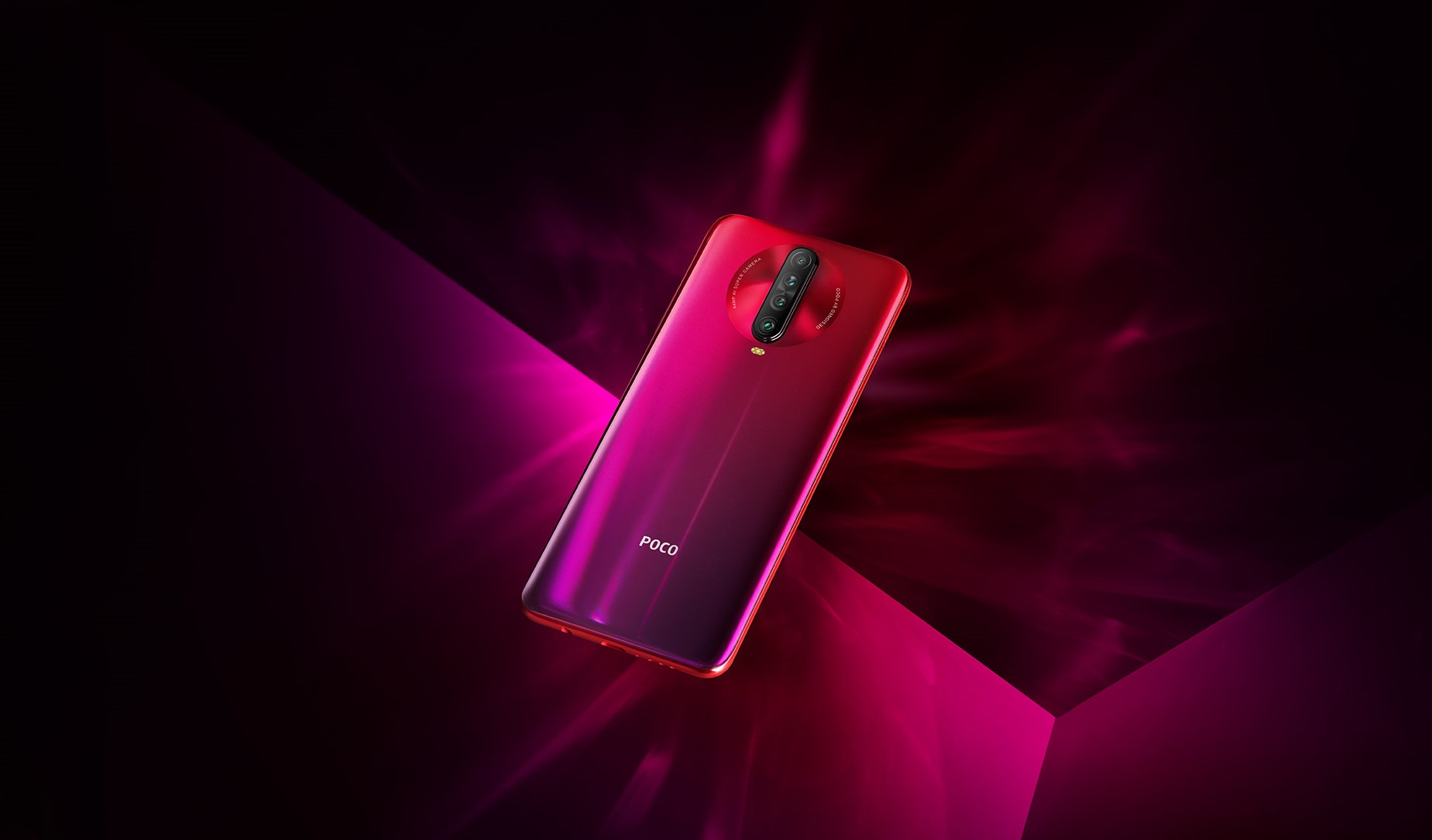
Poco X2 Featured

Chandolu also clarified that the smartphone won’t be the POCO F2 Pro but rather, it will be a product released exclusively for consumers in the South East Asian country.

Taking previous rumours into account, we can predict that the smartphone will likely be the Poco M2 Pro. The phone goes by the codename “gram” and from kernel source code spotted, the model is said to have similar features with the Redmi Note 9 Pro.  The M2Pro is also expected to be powered by a Snapdragon 720G chipset.

During the interview, Poco India GM also discussed about the company’s upcoming product lineup which includes the Pop Buds TWS earphones. Manmohan disclosed that the product is developed alongside Xiaomi’s R&D team which means they will likely share similarities with one of the current Xiaomi TWS earphones. Also, he didn’t squash expectations of the F2 Pro launching at some point in India later this year.


Honor 30 Lite 5G with 48MP triple camera leaks in the flesh

Honor may be an independent brand but the relationship with Huawei could be likened to the biblical “hand of Esau but voice of Jacob”. It is pretty common to see Honor models sharing a design with their Huawei counterparts. The Honor 30 Lite 5G (Youth) is expected to launch soon with that tag. The phone will be launched in China as Honor 30 Youth in July but ill hit the global turf as Honor 30 Lite 5G.

honor 30 lite 5g
Honor 30 Lite 5G (Source: GSMArena)

The real-life image of the Honor 30 Lite 5G has now appeared online giving us glimpse of the rear design. Although an image of the front design is still evasive, we note the similarity between the design of this model and Huawei Enjoy Z 5G’s rear design.

The image shows the device will feature a triple camera setup housed inside a rectangular module located at the top-left corner of the rear panel. The back panel has an impression of sunbeams radiating from the bottom-left corner.

Recently, the specs of the model appeared online revealing the presence of a 6.5-inch display which may likely hold a punch-hole design. The Honor 30 Lite 5G supports a Full HD+ resolution of 1080 x 2400 pixels, a tall aspect ratio of 20:9, and a refresh rate of 90Hz.

The MediaTek MT6873 SoC (Dimensity 800) is present under the hood of the device. The RAM and storage capacities of the phone are not mentioned in the leak. The device is packed with a 4,000mAh battery that supports 22.5W fast charging. The phone is expected to run on Android 10-based EMUI 10.1 skin. For photography, there will be a 16MP selfie camera. The rear camera setup is made up of a 48MP main sensor teaming up with an 8MP and 2MP sensor.


(source)


Development of new ColorOS version takes about four to six months

ColorOS is the official Android skin of Oppo smartphones sold worldwide. It is in its 7th generation called ColorOS 7. The latest version is ColorOS 7.2, which is currently exclusive to Reno 4 series. Recently, the company launched Find X2 in India with ColorOS 7.1 onboard. At the same time, Manoj Kumar, the head of ColorOS was interviewed by The Indian Express.

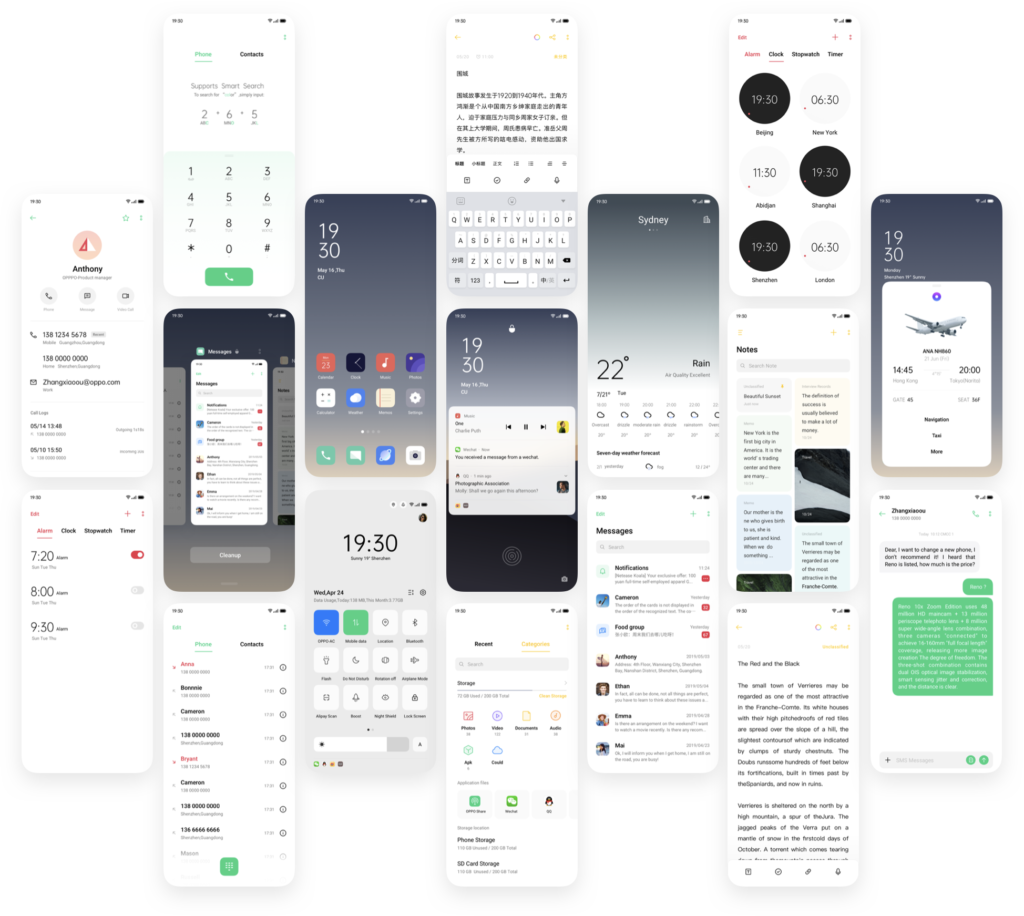
ColorOS 7.1

In the interview, Mr Kumar revealed some interesting facts about the development of ColorOS for international users. 

When asked about the addition of new features, the Oppo executive said that they always listen to user’s feedback on ColorOS Community as well as from customer care centres. Based on those, new features are finalized after going through rigorous trend analysis and ideation across different teams.

He also revealed that Oppo’s R&D centre in India has 300 employees and about more than 30 of them are working on localization in ColorOS by being close with the HQ team in China.

Further, Mr Kumar disclosed that the development of a new ColorOS version takes between four to six months. Like any software, various teams are involved in it and not one.

Most importantly, he also addressed advertisements in UI. He said Android and Google have an advertising platform but they don’t encourage it. Thus, they give an option to block them. In simpler words, ads are present in ColorOS but it can be disabled if the user is not interested.

Also, when he was questioned about slower update rollout, he replied that Find X2 will be one of the first to received Android 11 later this year. Having said that, if you are interested in reading the full interview, then do check out the source link provided below.


(Source)

Some Mi 10 users complain of low volume level after new update but Xiaomi’s test proves otherwise

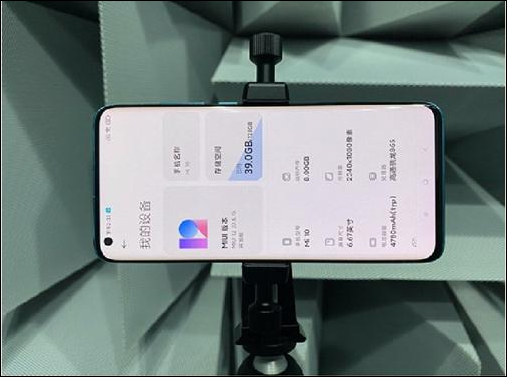
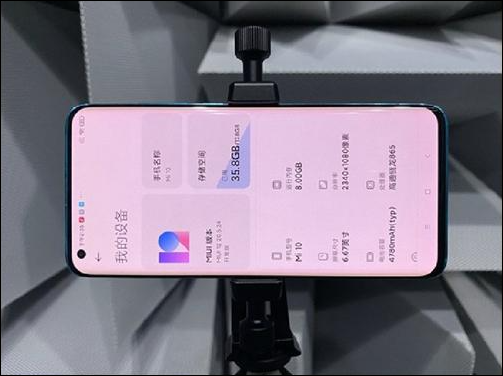
Recently, some Mi 10 users in the Xiaomi community filed complaints of reduction in the speaker volume level after the latest MIUI 12 development version 6.15 update. The users claimed the speaker volume on their phones were reduced compared to when the smartphones were running version 5.24.

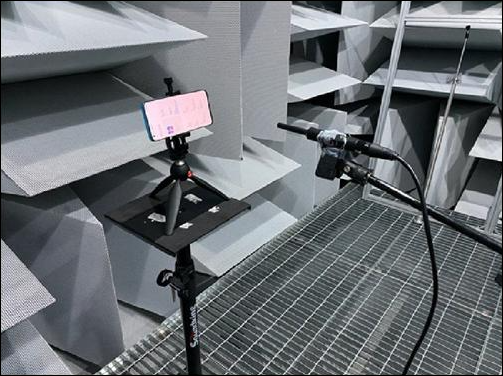
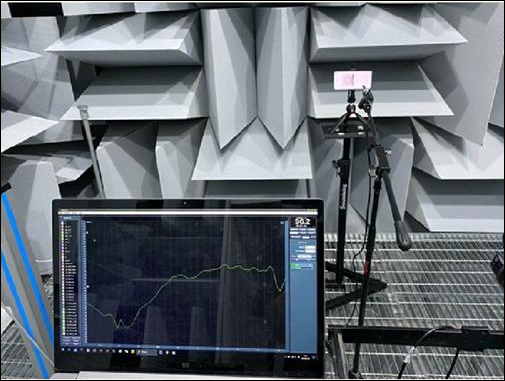
In order to determine what was wrong, Xiaomi‘s MIUI engineers contacted the complainants and eve paid them a scheduled visit at home to compare the loudness ofthe affected models with a similar smartphon still running the previous version. The volms were discovered to still be the same. The engineers further took the phones to the company’s anechoic room and the resuts were still the same.

The loudness of each volume block was measured, and the two versions were basically identical on the 15th volume blocks. The frequency response curve of the speaker at level 12, 8 and 5 were also measured. The frequency response curves of the two versions were ascertained to be the same.

The MIUI team disclosed that the audio tuning configuration of the development version has not changed since April as attention is presented focused on MIUI 12.

One thing we can take out of this is the impressive software support that Xiaomi provides to users. It is common to see OEMs offer hardware support but for software, you only get that among the top OEMs. Not that Xiaomi is all perfect, the Mi Mix 3 5G debacle and Mi A3 controversial Android 10 update is still fresh in the minds of users of those model. But on the whole, the company is doing just fine as regards providing software support to the millions of MIUI users both in China and elsewhere.


(source)


OnePlus AC2003 believed to be the Nord 5G (OnePlus Z) certified by TUV Rheinland

OnePlus CEO recently hinted that the company is looking to build an ecosystem and that plan will kick off with a product launch event next month in India. The Chinese company is expected to launch the OnePlus TV and also a mid-range smartphone, something it had not done in years. The smartphone was earlier tipped to adopt the moniker OnePlus Z but a recent tip points to it being named OnePlus Nord.oneplus z

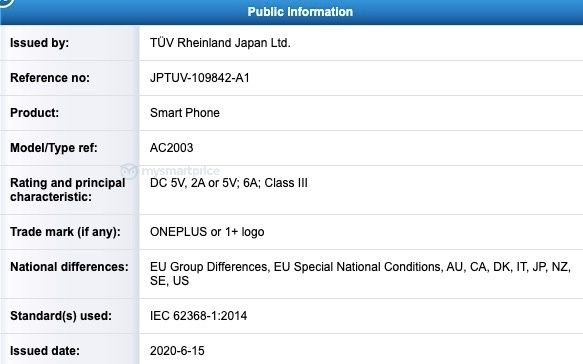
Well, the OnePlus Nord (OnePlus Z if you like) has now been certified by Germany’s TuV Rheinland. The device certified by TUV Rheinland actually bore the name OnePlus AC2003. But if you recall, the same model had earlier appeared on Geekbench database with some of its key specs in tow.

The TUV Rheinland certification page shows the device will pack a 5V/6A super-fast charging support. This means the device may ship with a 30W fast charging adapter. Unfortunately, the page doesn’t reveal any more detail of the model. However, recertification is also a pointer to the fact that the model will have a display that is devoid of harmful blue light.

The earlier GeekBench listing for the OnePlus AC2003 reveals the device will be powered by an octa-core Qualcomm Snapdragon 765G processor paired with 12GB of RAM. For the interface, the smartphone will ship with Android 10 OS out of the box. The OnePlus Nord 5G is rumoured to pack a 6.4-inch AMOLED screen with a centrally placed punch hole and support for 90Hz refresh rate. The phone is also rumoured to feature a quad-camera setup at the rear while it will get its juice from a 4000mAh battery with USB-C port and 30W fast charging support.


(via)


Apple iPhone SE 2020 will be soon assembled in India

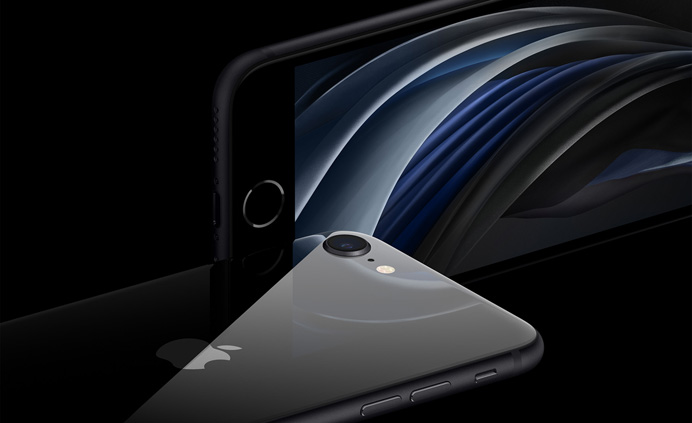
Apple launched the iPhone SE 2020 as its most affordable smartphone in years. However, like any other product, it retails for different price across the world. In India, it starts at ₹42,500 ($558) compared to US’ $399 price tag. Hopefully, that will change in the near future as a report suggests that the handset will be soon assembled in India.

iPhone SE 2020 featured

India is one of the world’s largest smartphone manufacturing (assembling) hubs. Almost all the top brands operating in the country assemble their devices locally providing jobs to locals.

Even Apple itself has been assembling iPhones through its contract manufacturers Foxconn and Wistron. The latter is known for assembling the original iPhone SE until 2019 and it will once again continue for the newer model according to a report by The Information.

According to sources, Apple has asked one of its suppliers in China to start shipping components for iPhone SE 2020 to its manufacturing partner Wistron in India. But it is not known when the actual mass assembly will begin.

Anyway, it is a win-win situation for both Apple and India. The Cupertino-based tech giant will not have to pay heft import duties and can also make use of the new PLI (Production-linked Incentive) scheme introduced by the Indian government a few days back.

On the other hand, the price of iPhone SE 2020 might go down for the Indian consumers once the mass manufacturing begins.


(Via)

Moto G7 Play receives Android 10 update in Brazil

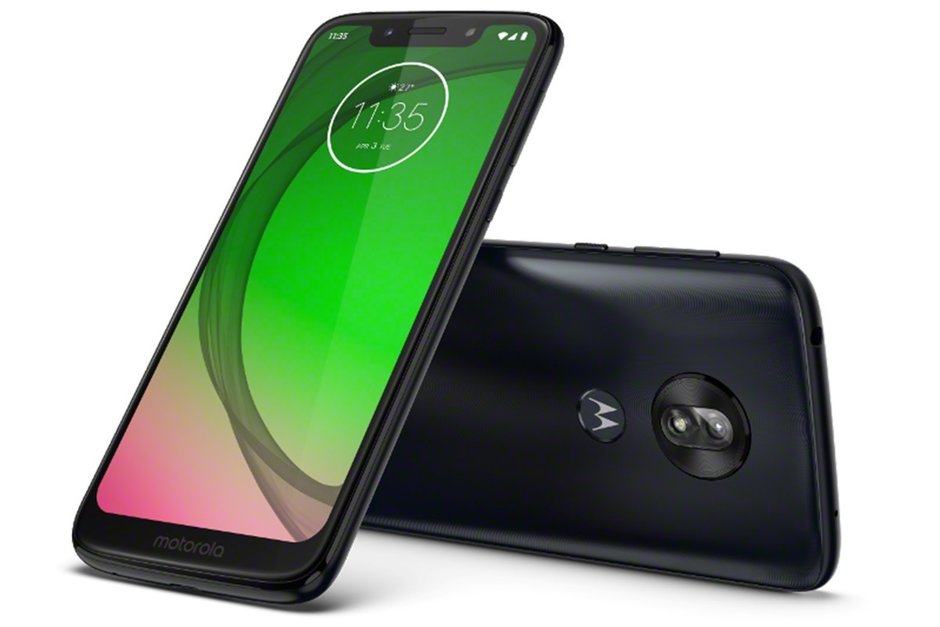
Motorola was once known for delivering quick and timely updates. But unfortunately, the company is no longer the same after the change of ownership. But still, it releases at least one major update to almost all of its smartphones, albeit later than other OEMs. Following the brand’s trend for the past few years, the Moto G7 Play from February 2019 is now receiving Android 10 in Brazil.

Moto G7 Play
Moto G7 Play

The Moto G7 series consists of four devices – Moto G7, Moto G7 Plus, Moto G7 Power, and Moto G7 Play. Out of which, the first three have already received Android 10 update as they are costlier than the last model.

Anyway, the most affordable model in the series – Moto G7 Play has also started to receive the Android 10 update finally, at least in Brazil. The update comes with build number QPY30.52-22 and brings gesture navigation, dark mode, and more.

The OTA is currently being rolled out in batches and hence Motorola Brazil’s update tracker does not include any details regarding its rollout yet.

Having said that, it is not known when the brand will seed the update in other regions. But we expect it to happen sooner than later.


(Via)

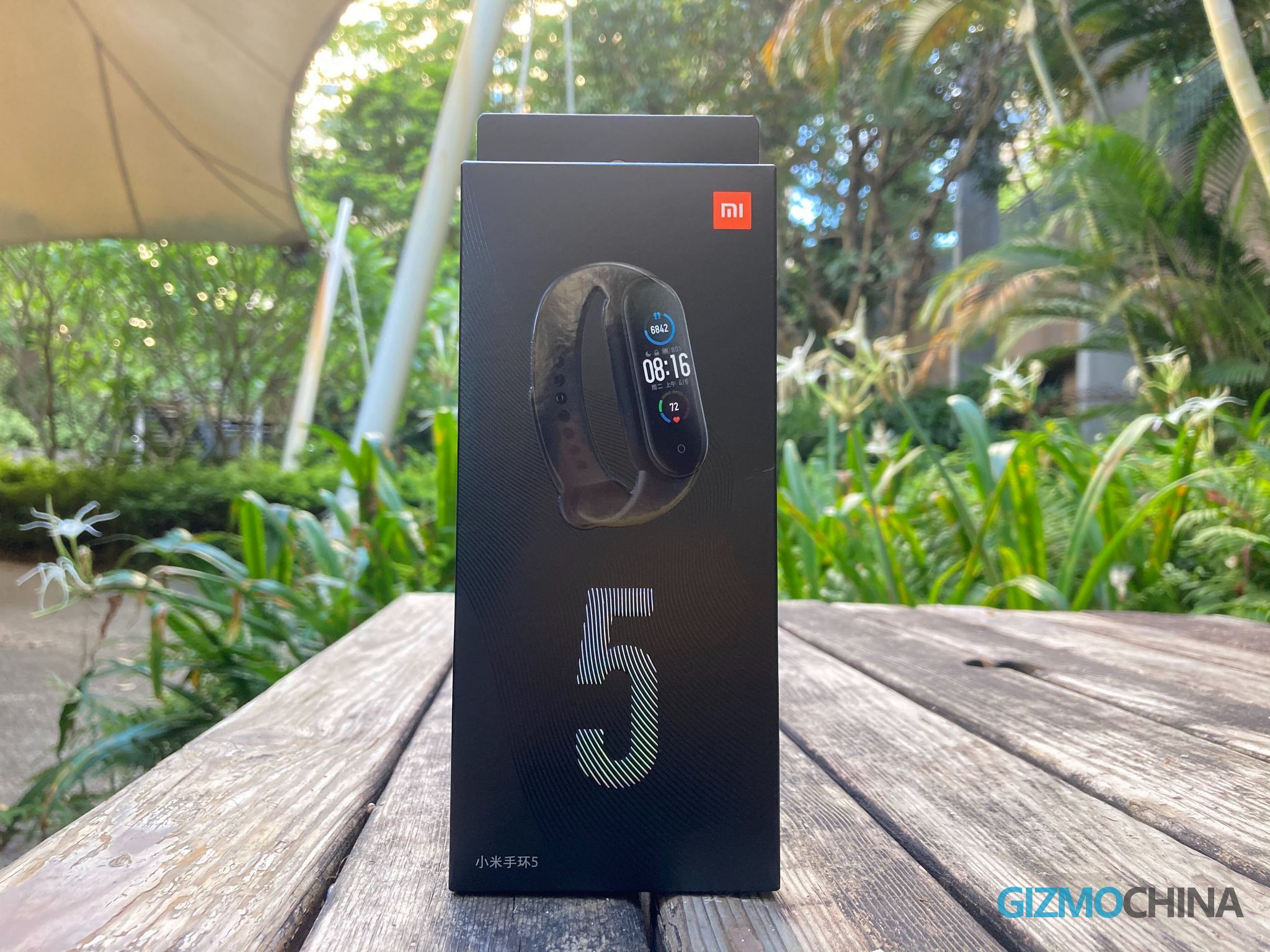
Xiaomi Mi Band 5 Hands On & First Impressions: Better Value than its Predecessor

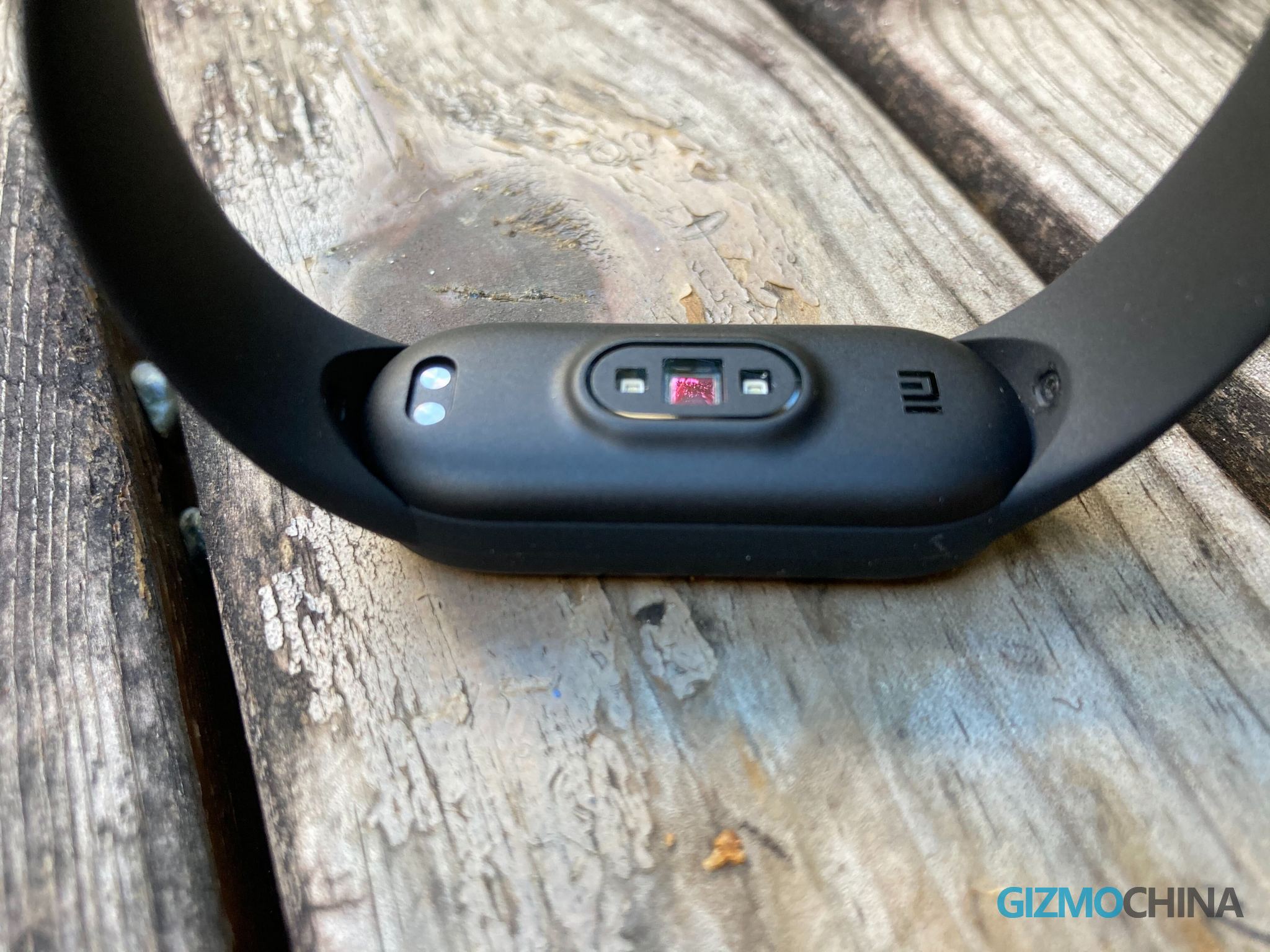
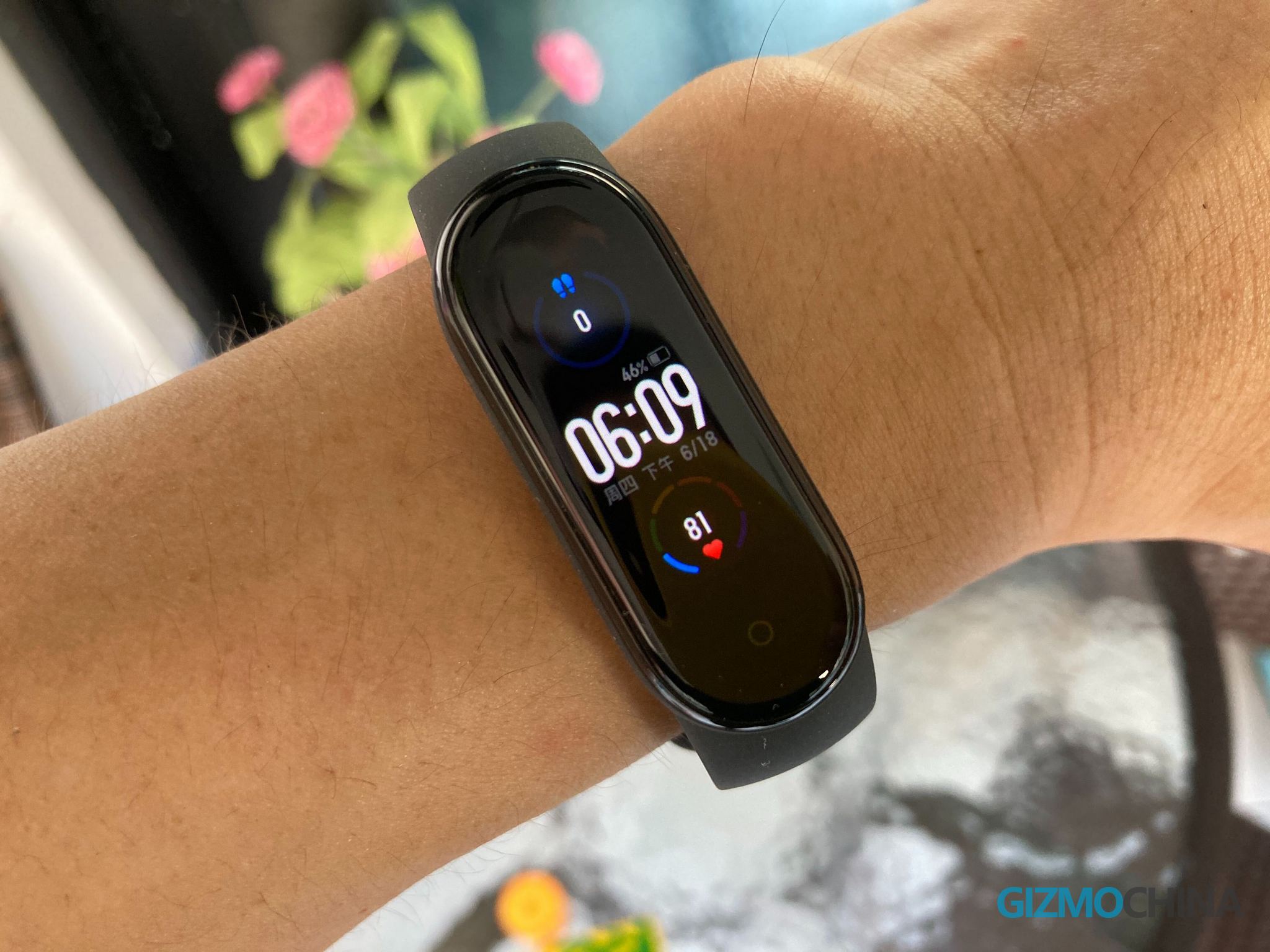
Xiaomi updated its popular Mi Band lineup with a new model last week: the Mi Band 5. The wearable brings a larger display and new features on your wrist at an extremely affordable price tag. We recently got hold of the new wearable in China (non-NFC) version and here’s our Xiaomi Mi Band 5 hands-on and first impressions. Mi Band 5 Hands on 06

Xiaomi Mi Band 5 Hands-On: Design

Mi Band 5 Hands on 02

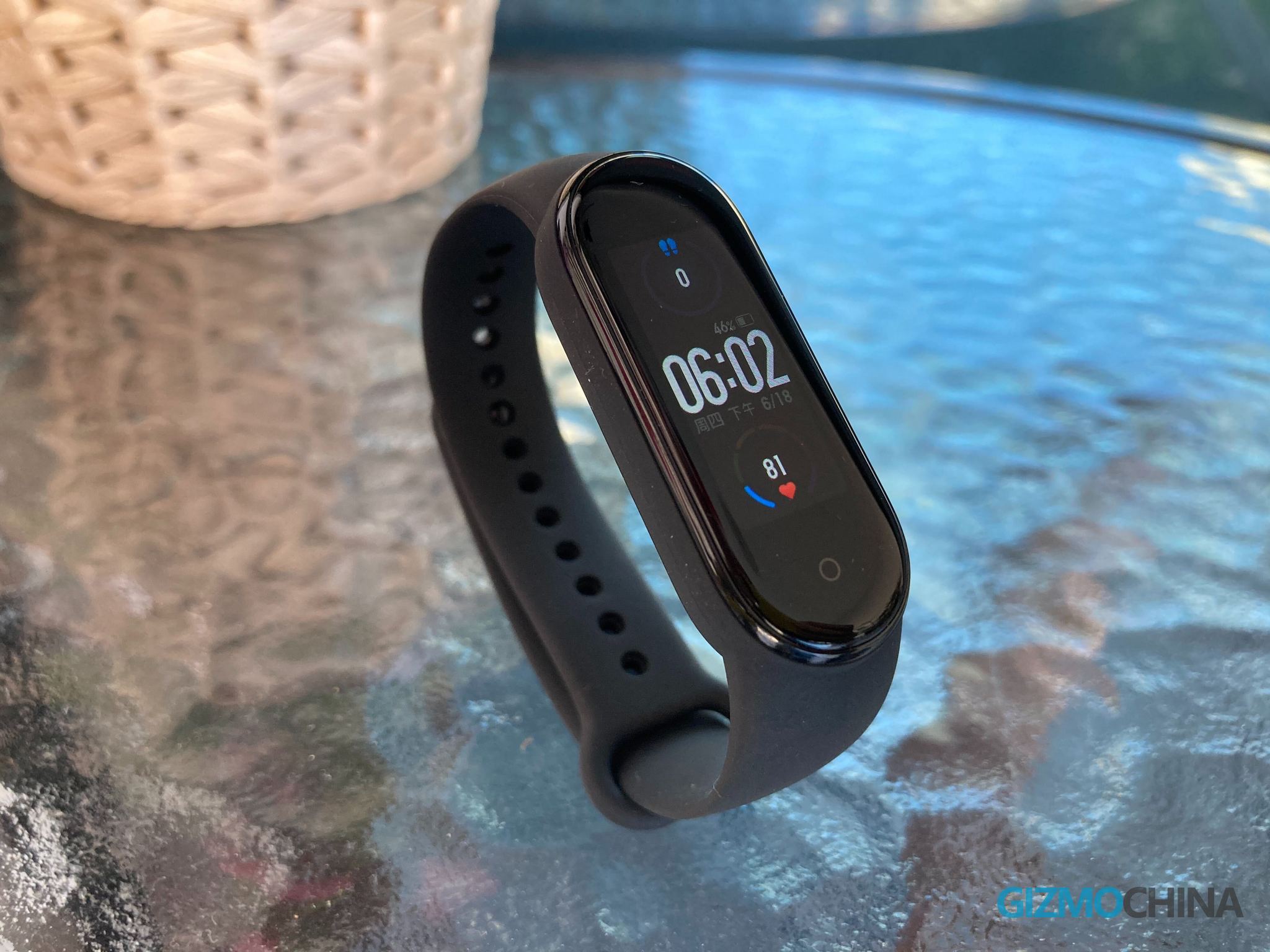
At first glance, the Xiaomi Mi Band 5 looks very similar to the Mi Band 4 model. But the moment you light up the display, you see what’s different. The screen is larger than its predecessor. The Mi Band 5 comes with a 1.1-inch 126 x 294 resolution display as opposed to the 0.95-inch screen on the Mi Band 4. This screen is brighter too with a peak brightness of 450 nits (vs 400 nits on Mi Band 4). You also get a 2.5D scratch-resistant glass on top of the screen.

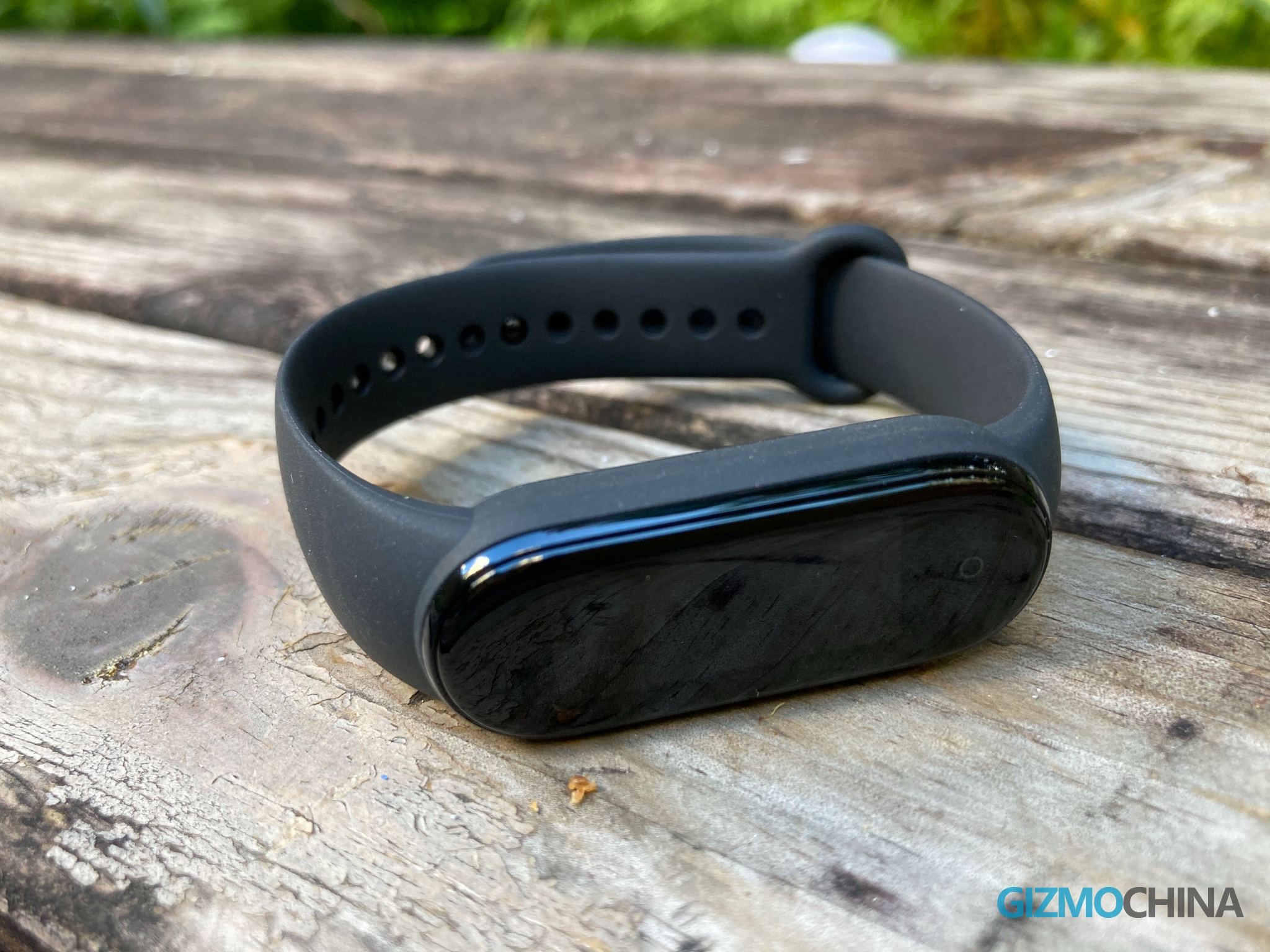
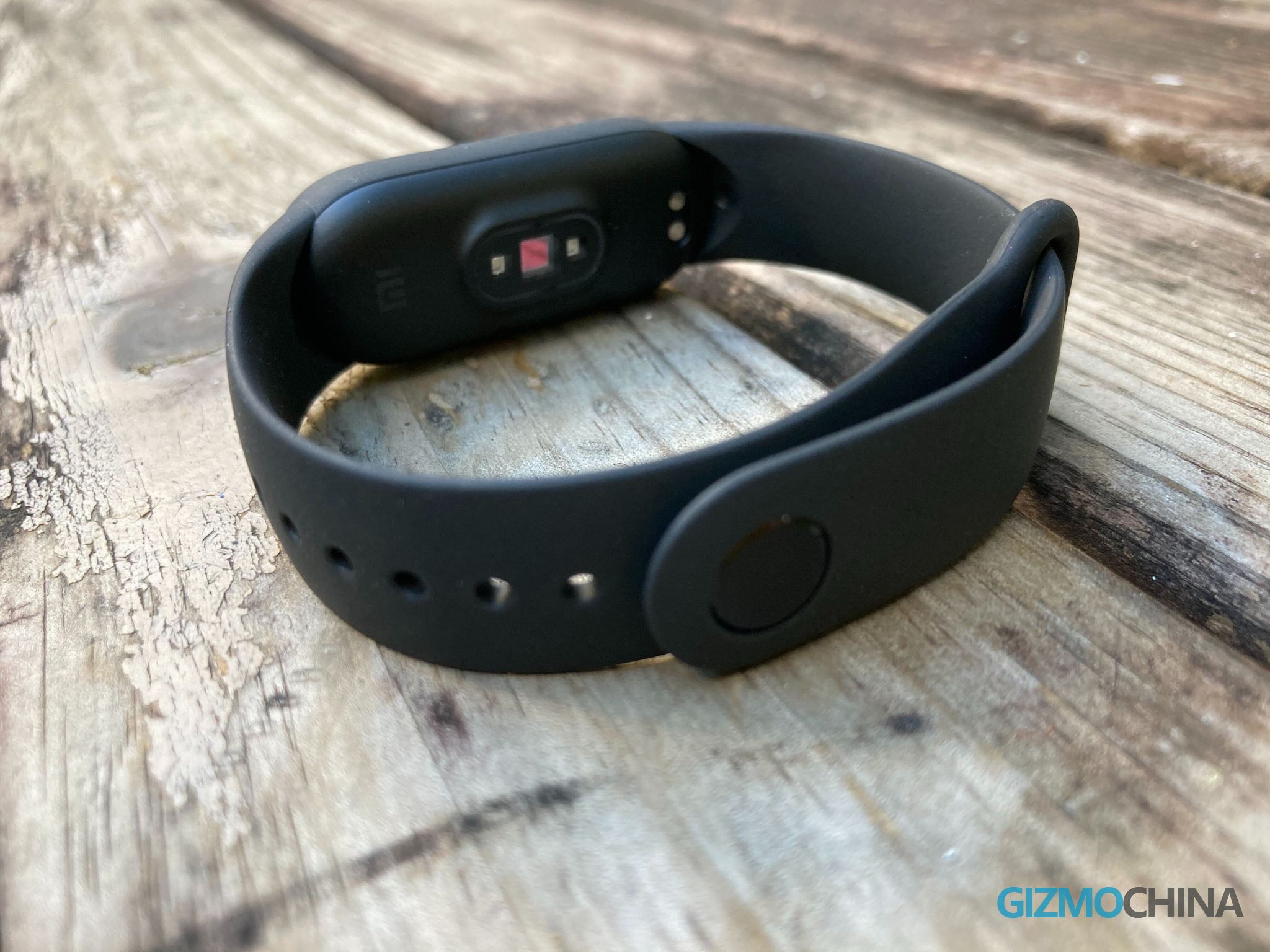
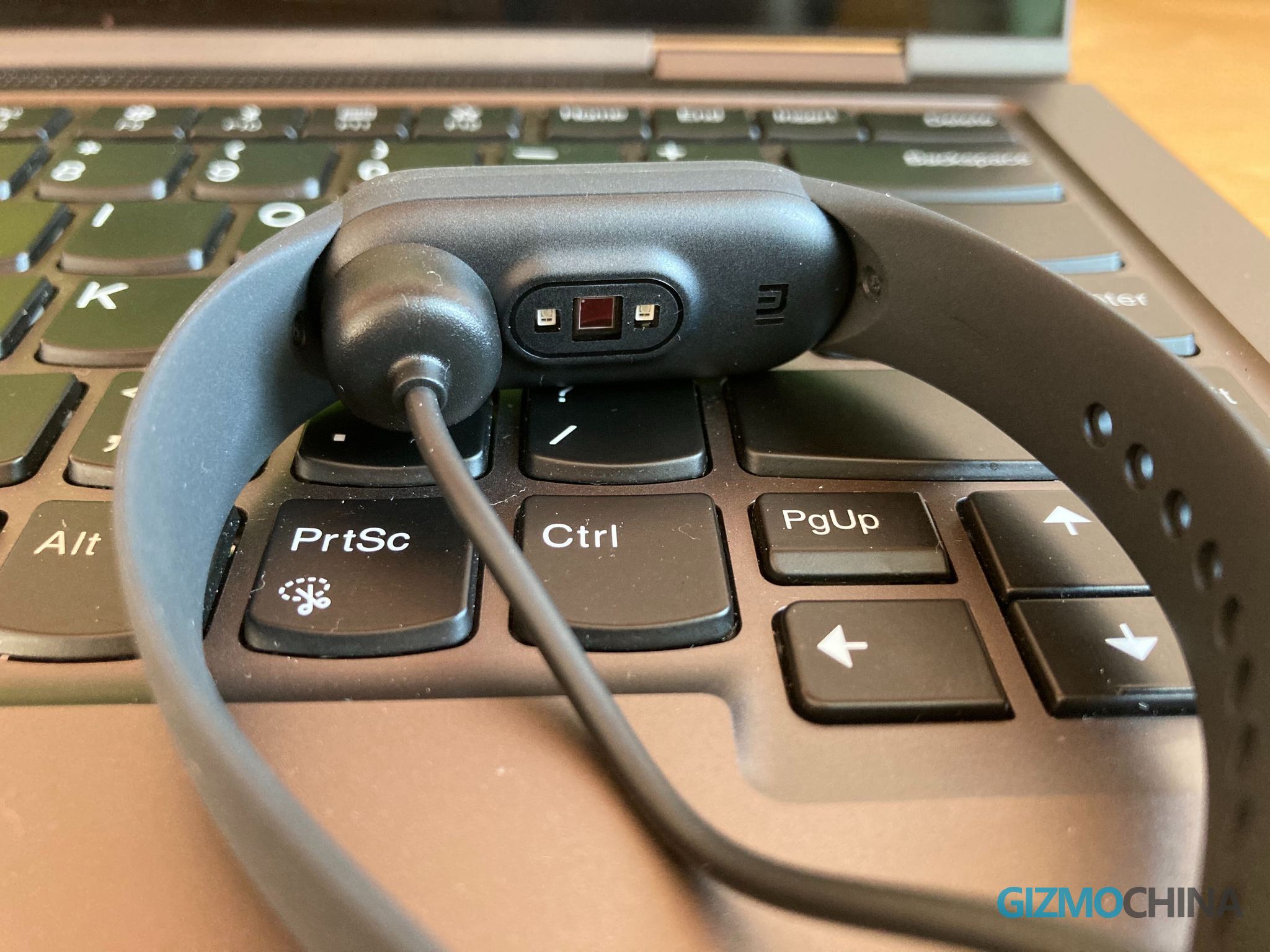
The basic design remains the same as the Mi Band 4. So you have a pill shared body and a skin-friendly TPU band. But the company has upgraded the charging solution on the new model. The Mi Band 5 comes with magnetic charging, with pins at the bottom. This makes charging the device extremely easy as you don’t have to remove the body from the band.

Mi Band 5 Hands on 03

Mi Band 5 Hands-on: Features

Xiaomi has added a couple of new features to the Mi Band 5. It gets a high-performance PPG life sensor providing better heart rate monitoring and a new barometer sensor. The band also calculates your PAI (Personal Activity Intelligence) score. The band has improved sleep monitoring accuracy by 40% and also heart rate irregularity monitoring by 50%. You also get new sports tracking modes that include a bunch of indoor exercises and a new mode that tracks the menstruation cycle for women.

Mi Band 5 featured Hands on 01

We’ll test out these features in detail in the coming days. So wait for a full review of the Mi Band 5 very soon.


If you are interested to buy the new Mi Band 5, Giztop has it in stock for $33 with international shipping.


Mysterious Sony 7Y6DU1I smartphone with Snapdragon 865 spotted on Geekbench

Sony is no longer a big name in the smartphone industry but it still launches a handful of smartphones every year. For instance, Q2 of 2020 is about to end but the company has only released three handsets so far and above all, they are limited to certain regions. But still, in the next half of the year, we might see another Sony phone powered by Snapdragon 865.

Sony 7Y6DU1I Geekbench

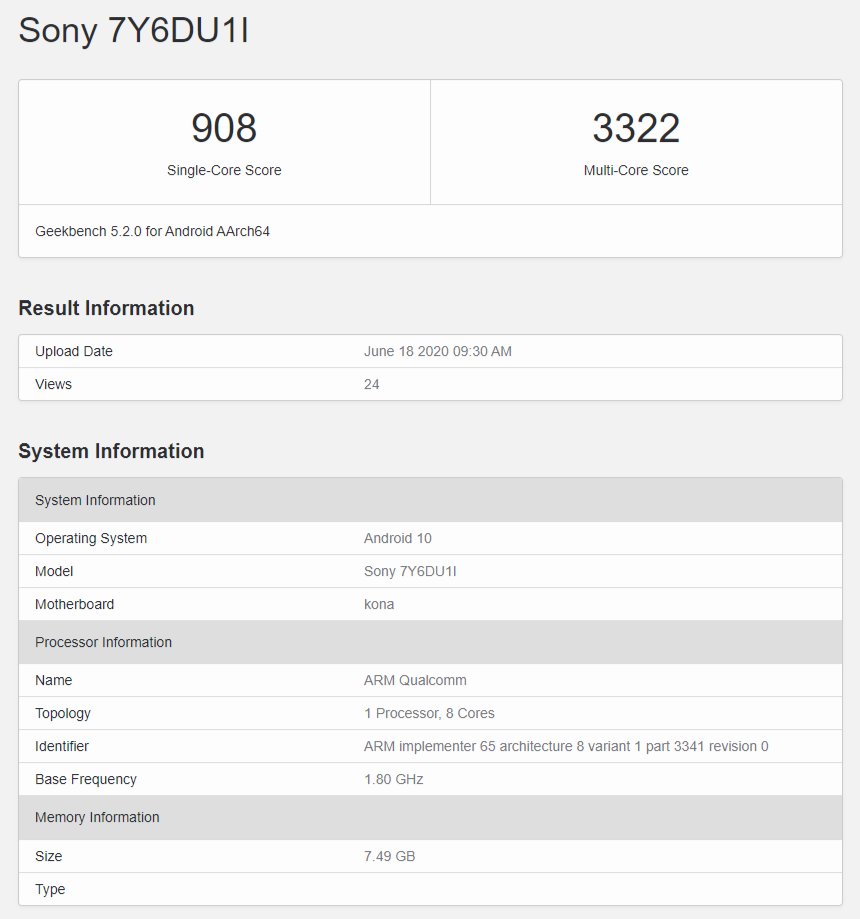
Yesterday, a mysterious Sony smartphone with model number 7Y6DU1I popped up on Geekbench. The listing reveals the handset to be powered by Qualcomm Snapdragon 865 SoC paired with 8GB RAM and Android 10 operating system.

This could be the second Sony device with Snapdragon 865 after Xperia 1 II. But it does not make sense for the Japanese electronics giant to launch a second flagship in 2020 as it determined to stick with one premium phone a year from 2019.

Another important thing is that the model number of this handset does not follow Sony’s standard format, which usually includes five characters (eg. 802SOXperia 1) or six with a hyphen like the newer model (eg. XQ-AT51 – Xperia 1 II). Instead, this device has seven characters – 7Y6DU1I.

Hence, we would like you to consider this benchmark listing with a pinch of salt. Anyway, If this smartphone indeed exists, then we can expect it to leak more in the coming days.


(Via)

Alleged ASUS ZenFone 7 with 16GB RAM and SD865 spotted at Geekbench

In May 2019, ASUS announced the ASUS ZenFone 6 flagship phone with a slide-out rear camera. Due to a legal issue, the handset had arrived in India as ASUS 6z. The sequel for the ZenFone 6 is yet to go official. A mysterious ASUS phone has appeared on Geekbench benchmarks. It seems to be the upcoming ASUS ZenFone 7 or ASUS 7z.

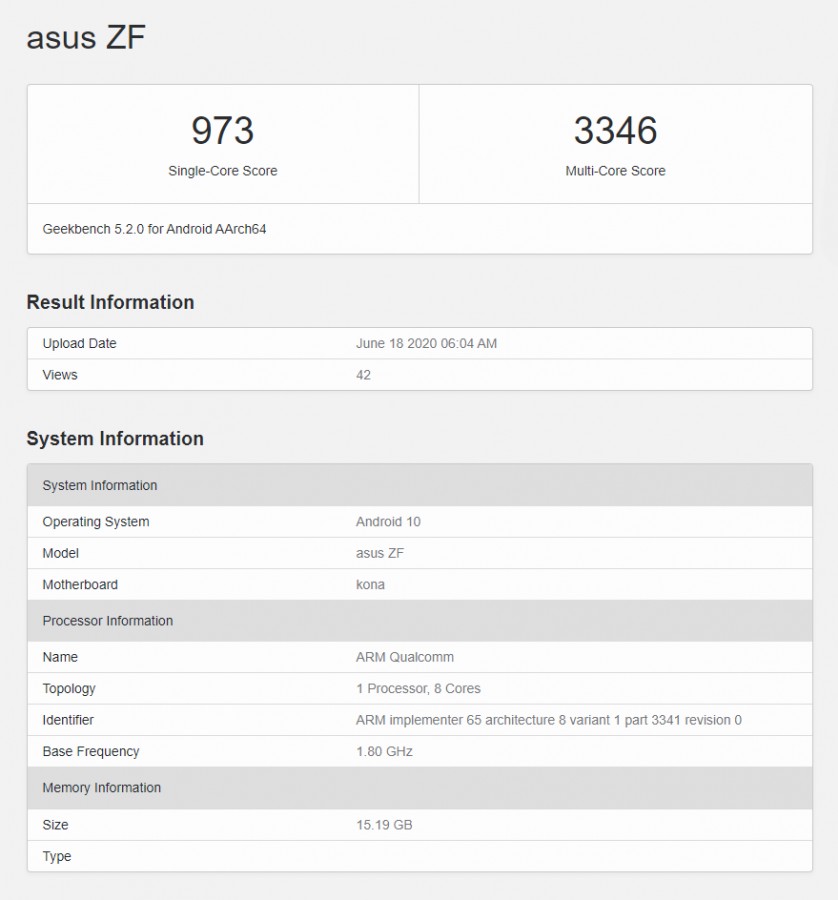
The ‘asus ZF’ has appeared on Geekbench 5 with Snapdragon 865 that has a base frequency of 1.80GHz. The SoC is mentioned with ‘Kona’ codename. The smartphone is loaded with Android 10 OS.  It is only because the device is labeled as ‘ZF’ on Geekbench, it is being dubbed as an SD865 powered ZenFone model.

What is interesting about the listing is that the device is equipped with 16 GB of RAM. The amount of RAM on the device indicates that it will be capable at delivering monstrous performance. In the single-core test of Geekbench 5, it scored 975. It recorded a score of 3346 in the multi-core test.

Nothing else is known on the specifications of the smartphone. The ASUS 7z and ROG Phone 3 gaming smartphone will be arriving as the first 5G-ready phones from the Taiwanese manufacturer. The ROG Phone 3 will be debuting in July. It is unclear whether the ZenFone 7 will go official alongside the company’s next gaming phone.

The ROG Phone 3 has already appeared on TENAA with full specs ahead of launch. It has a 6.59-inch AMOLED display and is said to arrive with the unannounced Snapdragon 865+ SoC. It could be coming with up to 16 GB of LPDDR5 RAM and 512 GB of native storage. The handset is said to be equipped with a 6,000mAh battery with 30W fast charging support. It has a 64-megapixel triple camera setup on its back and a front camera of 13-megapixel. The handset achieved a score of 646,310 in AnTuTu benchmarks.


(source\via)

Samsung Galaxy Note 20 Ultra may offer 19.3:9 aspect ratio

Rumors are rife that the Samsung Galaxy Note 20 series will be made official in early August. The series may include two or three devices such as Galaxy Note 20, Note 20+ and Note 20 Ultra. Recently, the SM-N986U Samsung phone received approval from Bluetooth SIG authority. While previous reports claimed that the SM-N986U will break cover as Note 20+, the Bluetooth listing revealed that it could be coming to the market as Galaxy Note 20 Ultra. The same model number has appeared in the HTML5 Test to reveal some information on its display.

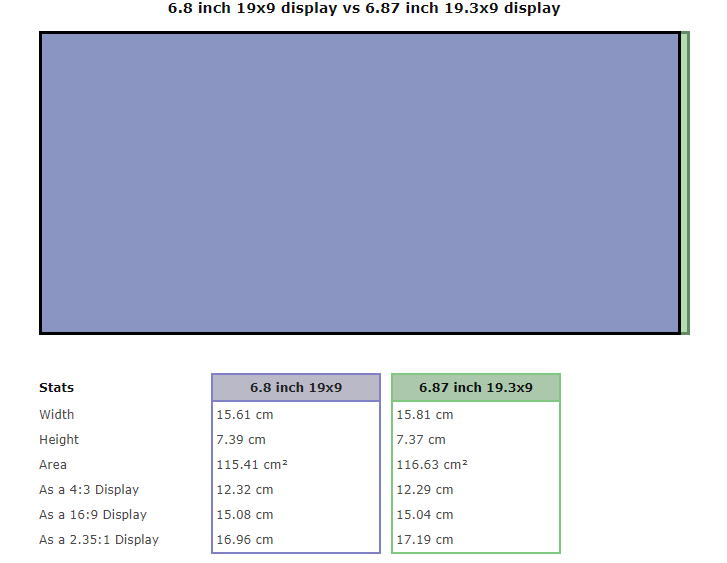
The HTML Test of SM-N986U revealed a test resolution of 1444 x 3096 pixels. It offers a tall aspect ratio of 19.3:9. It will not be as tall as the Galaxy S20 series that carry support for the 20:9 aspect ratio. In comparison, the Galaxy Note 10 and Galaxy S10 handsets offers a 19:9 aspect ratio.

Samsung Galaxy Note 20 Ultra HTML5

The Galaxy Note 20 is also expected to offer the same aspect ratio as Note 20+ / Ultra smartphone. The Note 20 Ultra is expected to house a 6.87-inch display and carry a refresh rate of 120Hz. The screen of the Note 20 Ultra will be curved towards the edges.

On the other side, the Note 20 is rumored to support Full HD+ resolution and a refresh rate of 60Hz. The Note 20’s screen will be flat, and it will have a wide frame. The Galaxy Note 20 series will be equipped with top-center positioned punch-hole.

Rumors have it that the Galaxy Note 20 series will go official on Aug. 5. It is said that the Galaxy Fold 2 foldable phone and Galaxy Z Flip 5G will be also unveiled through the same event.


(source|via)

Smartphone makers are slowly capturing the smart TV market

After the smartphone boom, companies around the world are now eyeing for the smart TV market. Though traditional TV OEMs are preferred by customers in western markets, Chinese smartphone makers have been making ground in developing nations since the past few years.

Smartphones brought millions of people online in the past decade. Telecom operators like Reliance Jio in India played an important role in this transformation.

Now, as people have access to the internet at a cheaper price than years before, it makes sense for the companies to push their IoT devices in the market. The best way to start it is through smart TVs as it binds the whole family together with the rise of OTT platforms.

Unlike smartphones which is a personal purchase, buying smart TV involves family decision and thus brand recognition matters a lot. But smartphone brands have earned a name among youths, which has been helping them to usher in this segment.

Xiaomi was one of the first smartphone makers to enter the smart TV segment. It became quite popular, especially in India as the country’s top smart TV brand within a short period of time. Whereas, globally, it has 7% market share in this segment.

Even OnePlus begun to sell premium smart TVs in India from late last year. The brand is even set to launch new budget models in July. Also, its sister brand Realme released its TVs last month in the country.

On the other hand, Huawei is popular for its self-branded as well as Honor smart TVs in China that run in-house Harmony OS rather than Android fork or Android TV like other OEMs.

This does not mean traditional TV manufacturers are behind as they still account for 4 out of top 5 positions in India though the first is captured by Xiaomi with 27% market share.

But it is true that smartphone brands are steadily increasing their presence in the smart TV market by providing more features at an affordable price.


(Source)