Honor is more than a smartphone brand. The sub-brand of Huawei is offering consumer products under almost all categories just like its parent company Huawei. Last month, the brand announced its high-end Honor Tablet V6 but the pricing was only declared earlier today. At the same time, George Zhao, the president of Honor hinted launching further new products by the end of this year.
Huawei’s sub-brand Honor has been selling laptops called MagicBook similar to MateBook. All of them are targeted at normal users. But by the end of this year, that will change as the brand’s resident has confirmed to media that it will be launching a gaming laptop.
Unfortunately, he did not reveal anything more about this product. Anyway, being a gaming laptop, we can expect it to come with a beefier GPU and RGB lightings similar to other popular models in this segment from well-established companies.
Further, the brand’s president also confirmed the launch of a new big-screen smartphone. This segment (phablets) is currently next to non-existent as most of the handsets have bigger displays.
Thus, we don’t see anything wrong in Honor launching a big-screen multimedia focused smartphone in 2020 when there is a market for it, albeit a bit smaller.
Earlier this week, Xiaomi announced the Redmi 9 smartphone in Spain. Leaked information that surfaced earlier this month revealed that the Redmi 9 series includes Redmi 9, Redmi 9C NFC edition, Redmi 9C and Redmi 9A. Spain received only the Redmi 9 smartphone. Hence, rest of the Redmi 9 family members are yet to go official. Fresh information reveals that the Redmi 9A phone has bagged approval from the Federal Communications Commission (FCC) in the U.S.
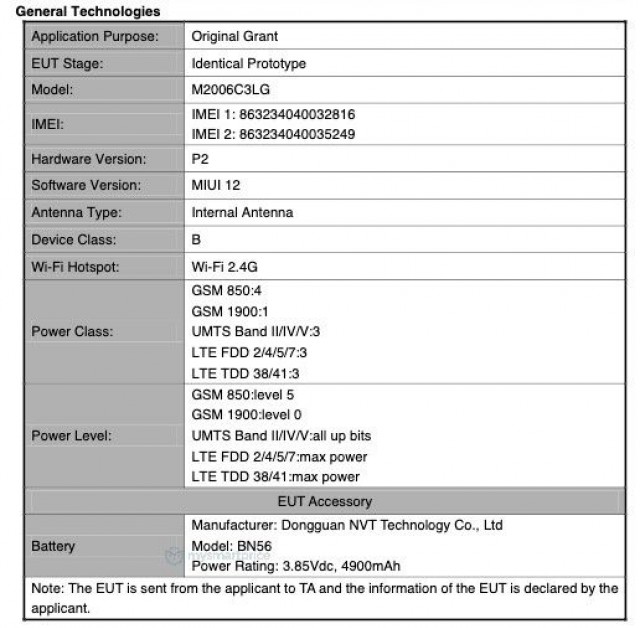
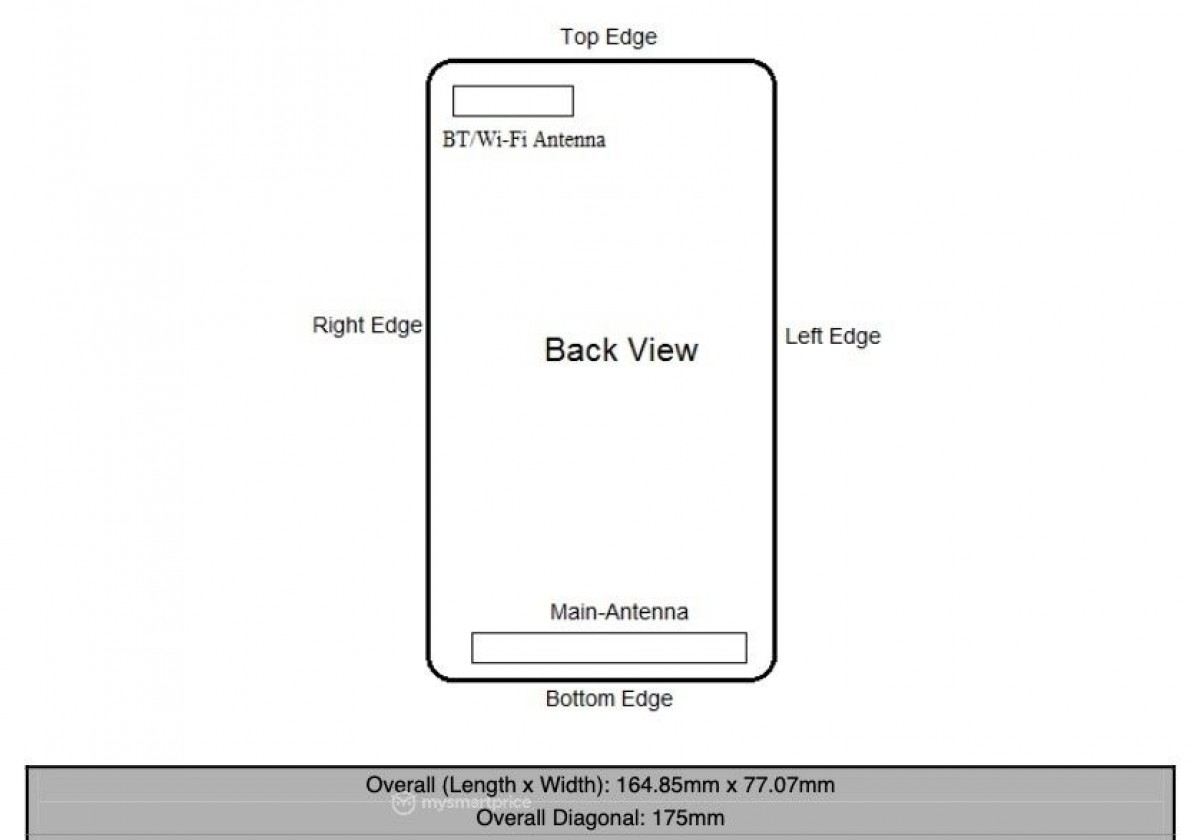
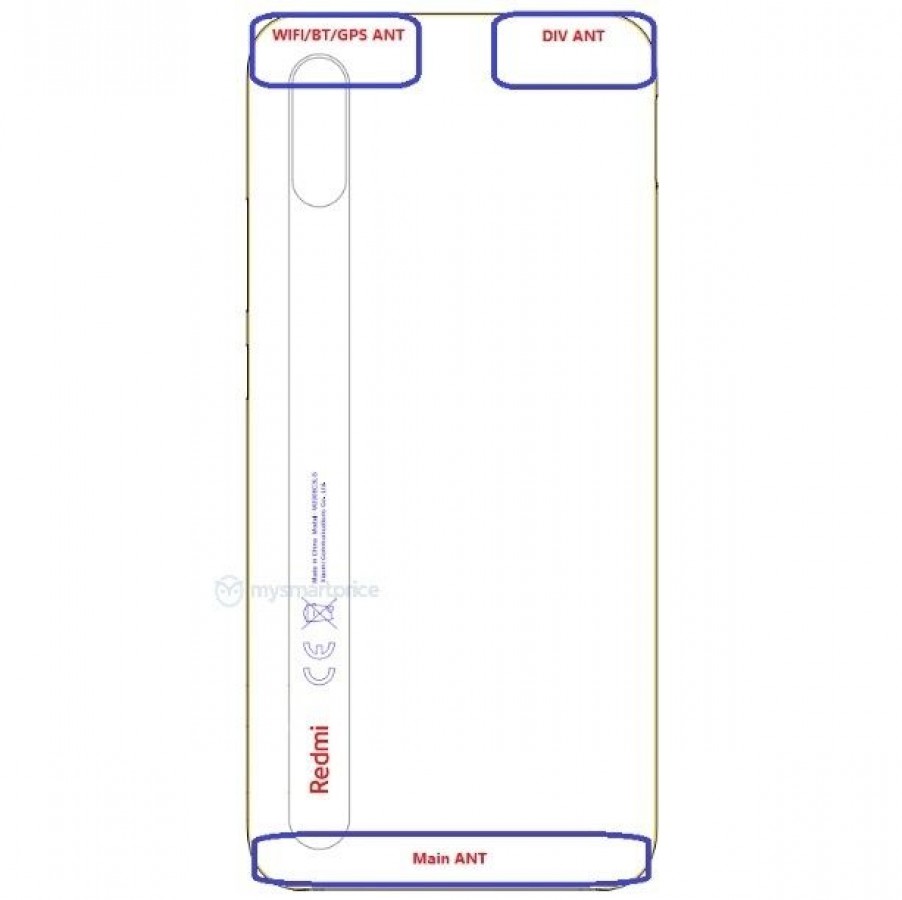
A Xiaomi phone with model number M2006C3LG that is believed to be the Redmi 9A phone has surfaced on FCC’s database. The phone is loaded with MIUI 12 and it carries support for 2.4GHz Wi-Fi. The rated capacity of the phone’s battery is 4,990mAh and it supports 10W charging.
The Redmi 9A is believed to be the weakest member in the Redmi 9 family. Leaked information that appeared at the beginning of this month revealed that the Redmi 9A supports HD+ resolution of 720 x 1600 pixels. The handset is rumored to feature Helio A25 chipset and 3 GB of RAM.
It is likely to run on Android 10 and offer users with 32 GB of native storage. The device will be equipped with an external storage slot. It could be coming with a front camera of 5-megapixel and a single rear shooter of 13-megapixel. It may come with a rear-mounted fingerprint reader. It could be priced between 100 euros and 120 euros in Europe.
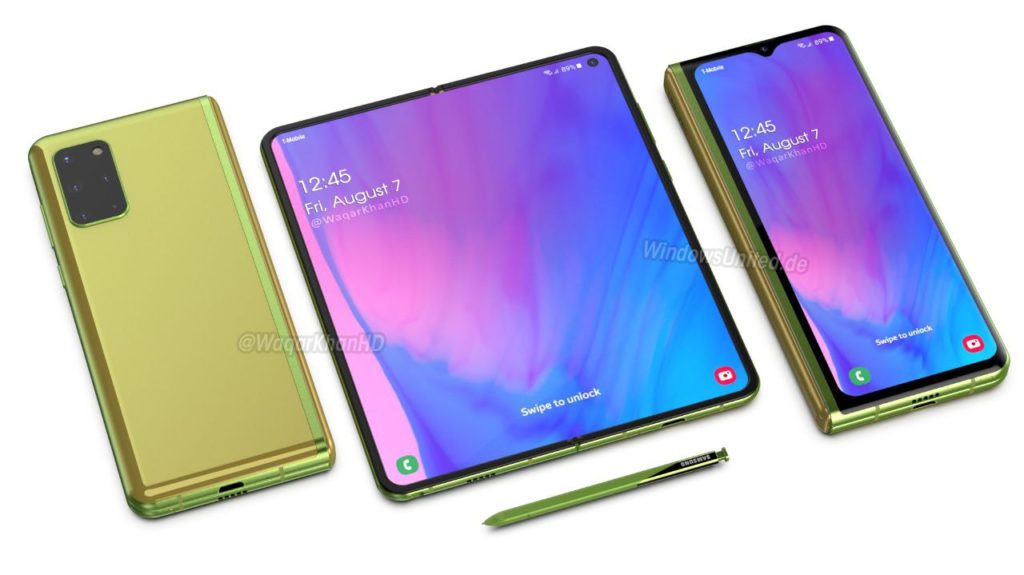
The upcoming Galaxy Fold 2 is one of the most anticipated smartphones of 2020. It will be the third commercially available foldable device from Samsung as a successor to last year’s original Galaxy Fold. This handset has been under the leak radar for months. Now, a new piece of information from South Korea confirms the phone to feature larger displays than its predecessor.
According to ETNews, the exterior (cover) and interior foldable OLED panel on the Galaxy Fold 2 will be 1.63-inch and 0.4-inch larger than those on the original Galaxy Fold. That means the upcoming Samsung foldable smartphone will sport a 7.7-inch interior panel and a 6.23-inch cover display.
According to previous reports, this year’s Galaxy Fold 2 will not feature S Pen due to technical limitation. However, the inner display will have a 120Hz refresh rate in line with the Galaxy S20 series. Its predecessor features a standard 60HZ refresh rate panel.
Another improvement over its forerunner is the usage of UTG (Ultra Thin Glass) instead of Colorless Polymide (CPI). This type of screen cover is currently only found on the Galaxy Z Flip.
The Galaxy Fold 2 is said to be already in production as Samsung started placing orders for required components last month. As per analysts, the company is expected to ship 3 million units annually but the first batch of parts orders was for 300,000 units.
Samsung could announce the Galaxy Fold 2 alongside Galaxy Note 20 series on August 5. The handset may go on sale a month later before the Fall.
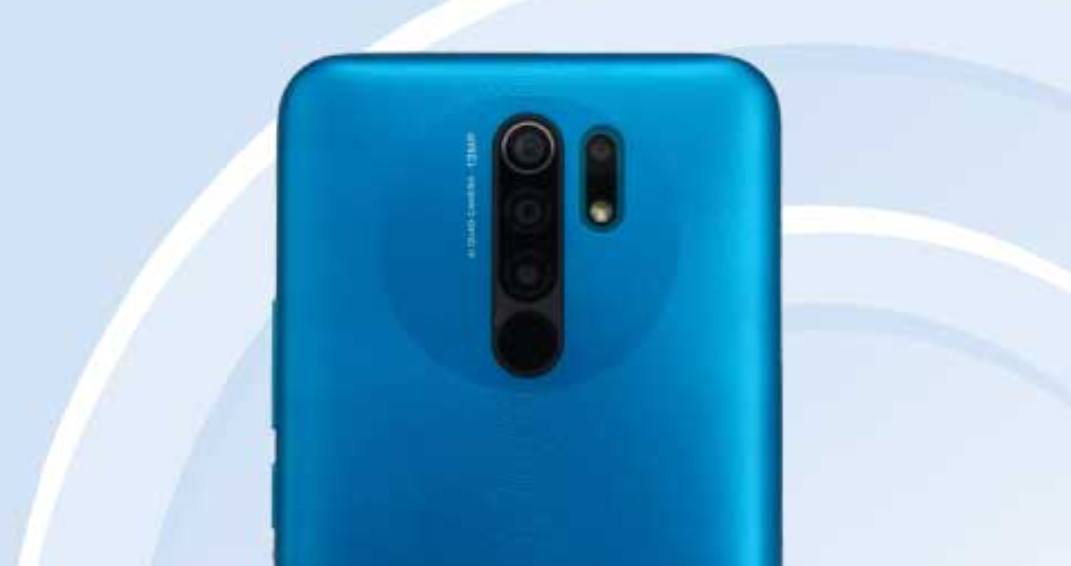
The Redmi 9 smartphone went official earlier this week in Spain. Its 3 GB RAM + 32 GB storage and 4 GB RAM + 64 GB storage versions were introduced for 149 euros and 179 euros, respectively. The model number of the Redmi 9 is M2004J19G. A variant of the same phone for the Chinese market with model number M2004J19C has appeared on the database of China’s TENAA telecom authority. The listing suggests that the phone will be debuting soon in China.
The TENAA listing of the Redmi 9 reveals that apart from the variants mentioned above, China will be also receiving a higher model featuring 6 GB of RAM and 128 GB storage. TENAA mentions colors like blue, black, green, pink, red, and white. All these color variants may not get announced at launch. The other specs of the Chinese edition of Redmi 9 are the same as its global counterpart. It is unclear whether the handset will be debuting as Redmi 9 or a Redmi 10 series handset.
The Redmi 9 has a Full HD+ 6.53-inch IPS LCD display with waterdrop notch. The handset is powered by Helio G80 chipset. It houses a 5,020mAh battery with 18W fast charging support. The Android 10 OS is preinstalled on the smartphone. It has a microSD card slot for additional storage.
The rear side of the Redmi 9 features a quad camera setup with a 13-megapixel main lens. For shooting selfies, the phone possesses an 8-megapixel selfie camera. It has a rear-mounted fingerprint reader.
In the previous month, Honor unveiled the high-end Honor Tablet V6 in China. At that time, the company did not confirm the pricing and exact market release date for the tablet. Today, the Chinese manufacturer confirmed that it will be available for purchase in the home market from June 18 with a starting price of 2,199 Yuan (~$310).
Honor Tablet V6 pricing and availability
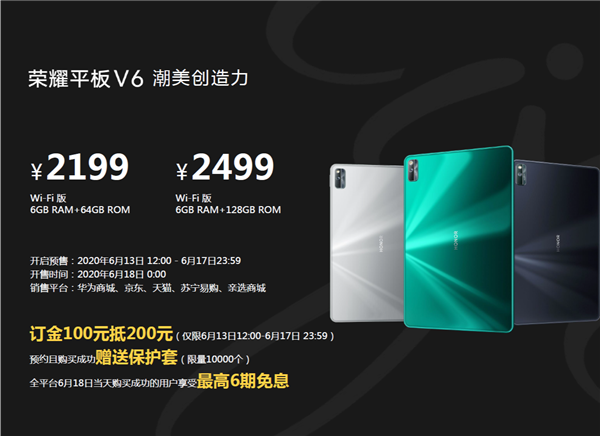
The Honor Tablet V6 comes in Wi-Fi and 5G editions. The Wi-Fi variant comes in two option such as 6 GB RAM + 64 GB storage and 6 GB RAM + 128 GB storage. They are priced at 2,199 Yuan (~$310) and 2,499 Yuan (~$353). The company is pre-orders for the tablet through platforms like Vmall, Tmall, Suning, and others starting from today.
During the pre-sale period, buyers can get the tablet with a discount of 100 Yuan (~$14) to 200 Yuan (~$28). The first sale of the tablet will be carried out on June 18. Customers can avail it silver, green and black colors.
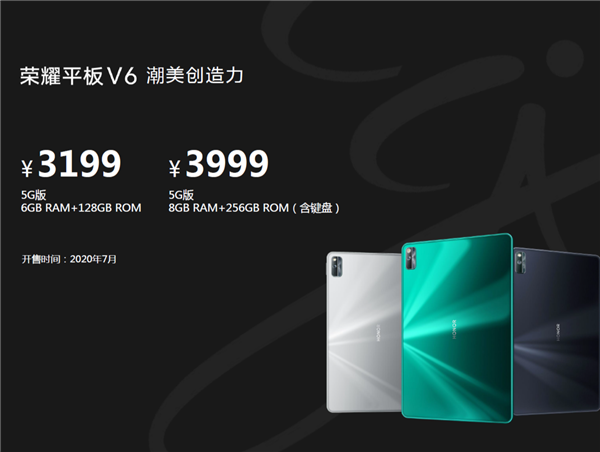
The Honor Tablet V6 5G will go on sale in the coming month. The exact release date will be confirmed at some point later this month. The 6 GB RAM + 128 GB storage and 8 GB RAM + 256 GB storage versions of the Tablet V6 comes in 3,199 Yuan (~$451) and 3,999 Yuan (~$564). It will be also available in the same three color options.
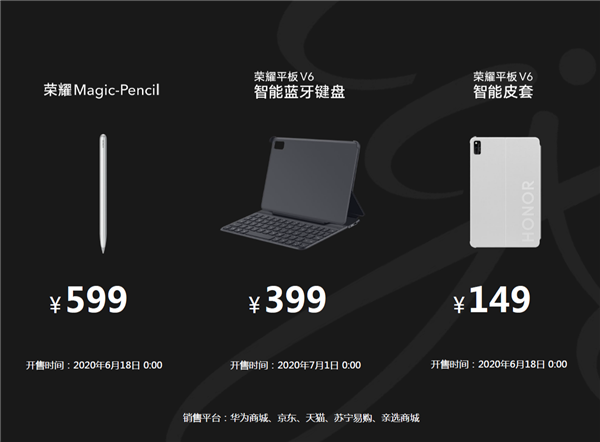
Honor is also selling some accessories for the Honor Tablet V6 such as Magic Pencil priced at 599 Yuan (~$86), Bluetooth keyboard worth 399 Yuan (~$56) 1and smart leather case worth 199 Yuan (~$28). The stylus and case will go on sale from June 18 and the Bluetooth keyboard will be available from next month. Honor is yet to confirm whether the tablet will be launching in markets outside of China.
Honor Tablet V6 specifications
The Tablet V6 has a 10.4-inch IPS LCD display that offers 1200 x 2000 pixels. The slim bezels surrounding its display allows it to deliver a screen-to-body ratio of 84 percent. It is fueled by Kirin 985 chipset. It has a 13-megapixel rear camera with LED flash. At the front, it features an 8-megapixel camera. The device houses a 7,250mAh battery with 22.5W fast charging through USB-C. The Android 10 OS along with Magic UI 3.1 runs on the device. The device comes with support for Wi-Fi 6 and 5G connectivity.
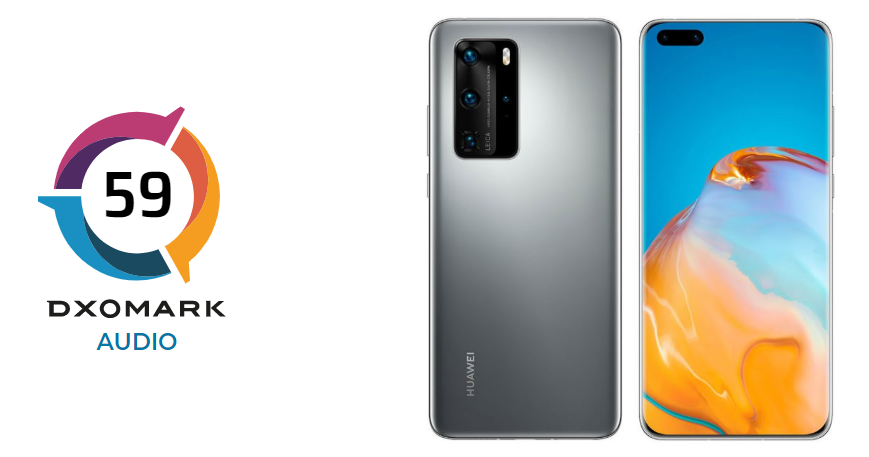
Huawei P40 Pro is leading the DxOMark Camera and Selfie rankings ever since it was tested. But when it was finally tested for audio, the result came out something unexpected. The handset barely made the 20th position, making it one of the below-average performing devices selling for a premium price.
Just like the Honor V30 Pro, the Huawei P40 Pro scores an overall 59 points in DxOMark Audio test. Also, similar to that handset, it performed poorly in audio playback (54 points) with much better audio recording (74 points) capabilities.
In the playback test, the DxOMark Audio team found the P40 Pro’s mono speaker to be inferior to those on other high-end devices. Dual stereo speaker system plays an important role in spatial performance. Since it is non-existent in the Huawei’s latest flagship, the phone suffers a lot in this department.
The phone also fails in the dynamics department due to the lack of bass and muffled trebles. The volume performance is not good either with much lower volume in both maximum and minimum levels compared to other devices.
The only good things about P40 Pro’s speaker is its timbre performance and well-controlled artifacts.
Whereas in audio recording, the handset performs extremely well in all use cases. It has good timbre performance as well as exceptional dynamics, in which it fails miserably in playback. Anyway, it does have problems with background rendering and wideness in selfie videos.
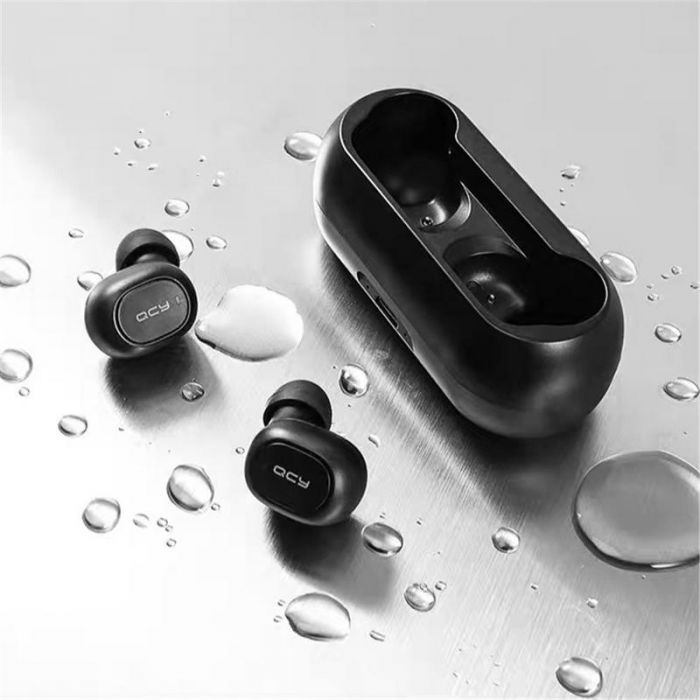
If you are in the market for inexpensive, yet feature-rich earphones, you might want to give the QCY T1C a test drive.
The QCY T1C Mini Wireless Earphones have gone up for sale bearing a considerably lowered price tag of only $11.99 through Giztop. This is a noteworthy reduction in its original asking price of $21.99. Moreover, you can choose between two appealing color options including black, as well as white.
The QCY T1C supports Bluetooth 5.0 and is ideal for bilateral calls. Equipped with CVC6.0 noise-reduction, it also ensures digital sound quality. Aside from that, the QCY T1C divides audio in both earbuds for a truly wireless experience, giving you freedom from the hassles of wires.
The QCY T1C Wireless Earphones are integrated with 6mm audio drivers that produce deep bass and high-quality stereo audio. These small and comfortable to wear earphones adopt the ergonomic shape that fits various ear sizes. It features a control button on one of the pair that performs multiple functions in addition to switching it off and on.
You can pause songs by clicking it once, and double click the button to wake up the Google Assistant, Apple’s Siri, little love classmate, and other voice Assistants. Moreover, the button comes in handy to control the mobile phone as well.
The QCY T1C Wireless Earphones comes with a 380mAh charging dock that provides an impressive standby time of 120 hours. To charge, all you need to do is to put the headphones inside the case. The earphones provide four hours of playback time on its stereo mode.
It is made using high-quality ABS material and support Google Apps and Google Play services. You can follow this link to check out more details about the QCY T1C and place your order to avail of the discount available on Giztop.
The Gizmochina Coupons is a community that finds, reports, and evaluates deals and coupons of Chinese products from online shops. Please visit it here to find more coupons to save money on mobiles and smart gadgets.
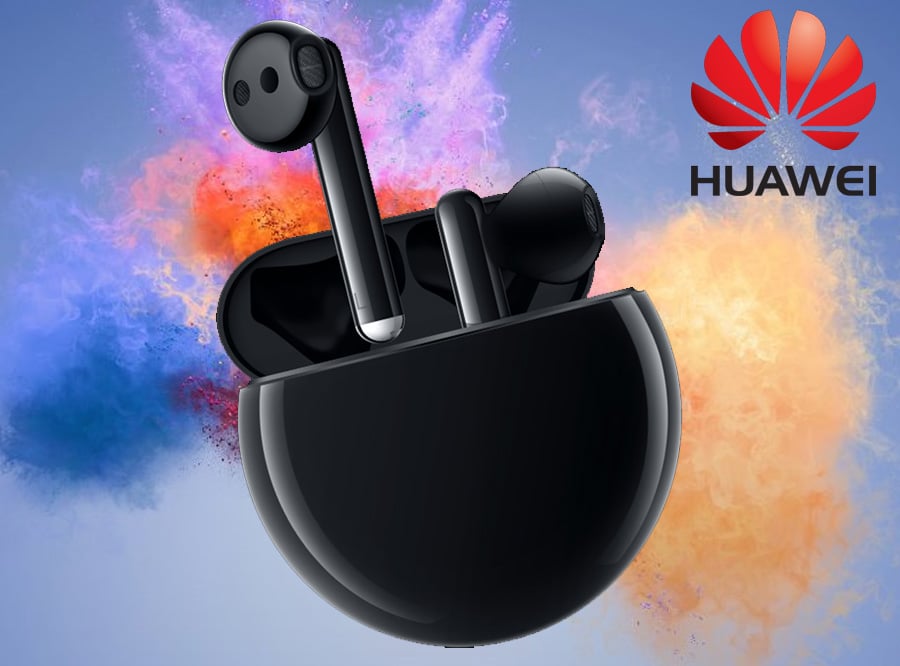
Huawei took the wraps off its new wireless earbuds dubbed the Freebuds 3 during the IFA 2019 which was held in Berlin. The newfangled wireless earbuds sport a new outward appearance called the Dolphin Bionic Design.and is integrated with the Kirin A1 chipset.
The first, as well as the second generation of Apple’s AirPods, is powered by the W1 and H1 proprietary chips respectively. Huawei has followed suit by using the Kirin A1 chip to power its new earbuds. This new chipset adopts the Isochronous Dual Channel Bluetooth data transmission.
Much to the delight of European buyers that have restlessly been waiting to get their hands on the Huawei FreeBuds 3, Giztop is offering the feature-rich wireless earbuds for a considerably lowered price. While the true wireless stereo headset would normally set you back $189m the popular Chinese e-tailer is offering it for only $89.
Exclusively available for European buyers, the promo allows you to save $100. The irresistible Huawei FreeBuds 3 ‘s low-power processor comes with advanced Bluetooth and offers a powerful audio output for an immersive listening experience. Moreover, it is the world’s first Bluetooth 5.1 and Bluetooth 5.1 LE wearable chipset.
Huawei FreeBuds 3 delivers the world’s first open-fit active noise cancellation and features a built-in bone voice sensor for clear conversation when making calls. Freebuds 3 true wireless headset’s Dolphin Bionic design is inspired by a dolphin’s vocal cavity.
It comes in a unique circular case with a glossy finish. One of the earbuds normally serves as a master, and the other acts as the slave, but the FreeBuds 3 earbud allows you to pair each earbud as a separate channel to the phone. Moreover, they are the world’s first earbuds to offer open-fit active noise cancellation with up to 15-decibel ambient noise reduction.
You can visit this link to check out more details about the Huawei FreeBuds 3 and place your order through Giztop. Note that the discount is only valid for European buyers.
The Gizmochina Coupons is a community that finds, reports, and evaluates deals and coupons of Chinese products from online shops. Please visit it here to find more coupons to save money on mobiles and smart gadgets.
Internet of Things (IoT) is one of the big things that have happened in recent times. Due to its growing popularity, tech companies are now focused on creating an ecosystem of products that can be interconnected and controlled right from a smartphone. However, we may have cause to change the name to “Internet of Troubles” next year.
A security researcher and consultant Scott Helme has raised an alarm about the impending issue that may plague a number of gadgets from next year. He told The Register that a lot of smart home and IoT gadgets are going to break down within the next 12 months. These gadgets range from smart TV, set-top box, smart refrigerator and even old Android phones which might lose most of its internet connections in the next year or two.
The reason for the potential failures is that the Certificate Authority root security certificates built into many smart-home and Internet of Things devices are beginning to expire. Such certificates make it possible for digital devices to establish secure online connections with servers. With a move to secure internet connections for almost all internet connections these days, the scale of potentially affected devices looks massive.
The good thing is that these root certificates can be renewed with firmware updates. Sadly, not all of these gadgets get any form of software updates after installation. Also, not all of the gadgets have a companion app or admin interface. Again, most Chinese manufacturers do not offer any form of software supports for their gadgets. So, a day might come when the gadgets may just stop working.
The security researcher also disclosed that several CA Root Certificates are expiring in the next few years. The Root CA certificates usually have a license duration of 20+ years. Thus, since it has been 20+ years since the encrypted Web really started up, it means that most of the certificates have run their full cause and needs renewal.
At this point, it becomes imperative that buyers check for the expiry date of the CA Root Certificates of any smart home/IoT gadget they are buying. Even gadgets that don’t often connect to the internet should be Vetted for expiring/ expired certificates.
Xiaomi was founded by Lei Jun alongside seven other co-founders. The eight founders include Lei Jun, Lin Bin, Li Wanqiang, Zhou Guangping, Huang Jiangji, Liu De, Hong Feng and Wang Chuan. Among them, Li Wanqiang, Zhou Guangping and Huang Jiangji have all resigned from Xiaomi. There are speculations that Lin Bin who current serves as vice-chairman and president of the Mobile Phone department may be planning to resign from the Chinese giant soon.
According to reports, Lin Bin has successively resigned from the positions he held at some of Xiaomi’s subsidiaries. This is seen as a sign that he would resign from the conglomerate soon.
Since the beginning of this year, Lin Bin has reportedly stepped down as the legal representative of several Xiaomi companies, including Xiaomi Youpin Technology Co., Ltd., Beijing Xiaomi Electronic Products Co., Ltd., Beijing Xiaomi Software Technology Co., Ltd., Shenzhen Xiaomi Information Technology Co., Ltd., Beijing Xiaomi Software Technology Co., Ltd.
Xiaomi has however responded that speculations about Lin Bin’s resignation are unfounded. The response suggests changes in industry and commerce are normal which suggests the co-founder have just shed some portfolios to allow the company reposition for efficiency.
However, we cannot rule out the possibility of some internal wrangling at the Beijing-based company. It is worth mentioning that Li Wanqiang, who officially left Xiaomi on November 29 last year and is known as the “father of marketing” at Xiaomi, has also recently resigned from other positions at Xiaomi’s subsidiaries, including the director of Xiaomi Pictures Co., Ltd. and Beijing Xiaomi Software Technology Co., Ltd. He also resigned as a supervisor and legal representative of Xiaomi Technology Co., Ltd, supervisor of Beijing Xiaomi Electronic Products Co., Ltd., supervisor of Beijing Xiaomi Electronic Software Technology Co., Ltd., among others.
In the past two years, Xiaomi has successively introduced a number of executives from the outside, including former Gionee President Lu Weibing, former Lenovo Group Vice President Chang Cheng, and Red Pepper mobile phone founder Wang Xiaoyan. Other new execs includes former Nubian co-founder Miao Lei, former Storm TV CEO Liu Yaoping and former senior vice president of Meizu Technology Yang Zhe.
MediaTek is one of the leading suppliers of chips for smart TVs. The company officially announced the S900 chip around July last year. Later in November 2019, it disclosed that the chip has entered mass production at TSMC’s foundry.
According to Chinese bog IThomes, MediaTek has hinted that the chip which will power 8K smart TVs is now ready to ship to OEMs. The MediaTek S900 8K TV chip has already featured on its first 8K TV and that is the Skyworth Q91 8K TV which was announced at CES 2020 in January. We may likely see a few more OEMs utilise the chip but it isn’t likely going to spread like wildfire considering the sky-high prices for 8K TVs and unavailability of 8K contents for such TVs.
As a reminder, the MediaTek S900 is manufactured using 12 nm FinFET process and it consists of a multi-core CPU comprising of ARM Cortex-A73 cores, and Mali-G52 GPU that supports 8K video decoding, HDR10+ and external graphics which enable customers (OEMs in this case) to customize their products. In terms of I/O support, the chipset supports HDMI 2.1A, which offers a maximum bandwidth of 48Gps — enough to deliver HDR10+ content, as well as 4K videos running at 120Hz or 8K videos at 60Hz.
The MediaTek S900 also supports AI PQ, short for Artificial Intelligence Picture Quality. With the combination of MediaTek’s proprietary MiraVision-Pro and AI PQ, the S900 supports AI scene recognition, enabling S900-powered TVs to improve picture quality by optimizing colour saturation, brightness, sharpness, dynamic motion compensation and picture noise, even for native 8K output.
MediaTek has already provided a NeuroPilot software development kit (SDK) for the chipset which allows developers to build apps for the platform. TVs powered by this chipset, when equipped with other necessary components can act as a hub for controlling smart home or IoT devices via voice and gesture controls.
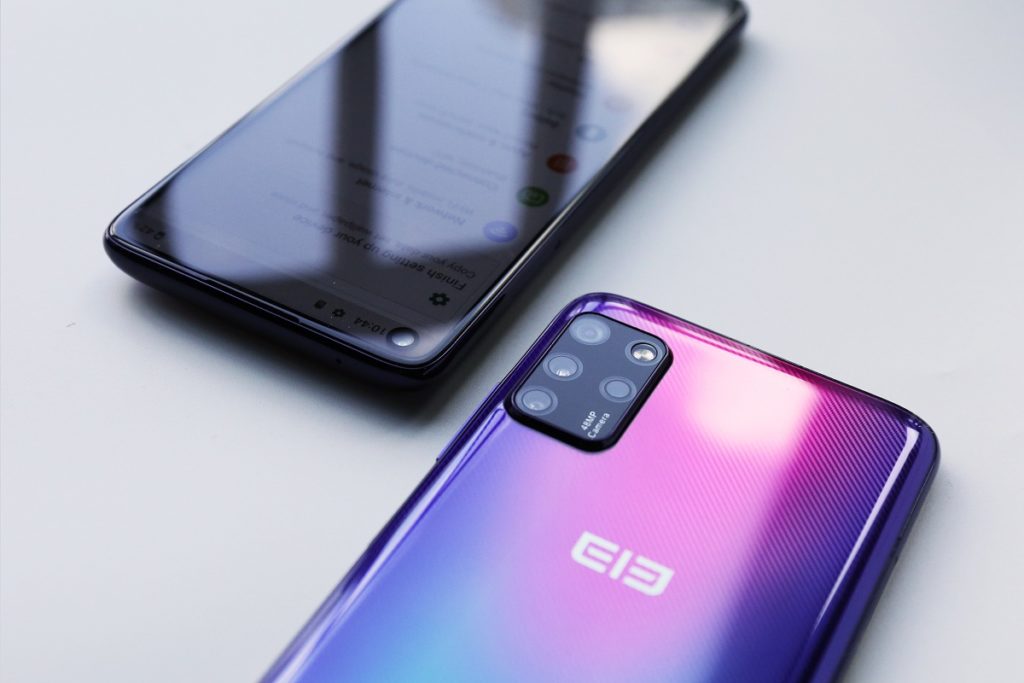
Elephone E10 Pro was recently launched with exemplary camera specifications. The smartphone was launched along with Elephone PX Pro at an affordable price of $129.99. The entry-level smartphone offers significant camera improvements over the competitors in the same budget-segment. It is available in two different colors of grey and purple gradient.
Elephone E10 Pro is even termed as the most cost-effective camera smartphone featuring a quad-rear camera module. It consists of a 48-megapixel primary sensor for high-quality and detailed photos even in the low-light environment. Other sensors include a 12-megapixel ultrawide sensor, 5-megapixel macro lens, and a 2-megapixel depth sensor. The AI-Beautify based 13-megapixel camera resides on the front for selfies and video calling.
The smartphone carries 6.55-inch punch-hole display with HD+ resolution, 90.3% screen-to-body ratio offering 19.5:9 aspect ratio. There’s a MediaTek’s chipset featuring an octa-core processor coupled with 4GB RAM and 128GB internal storage. Elephone E10 Pro supports expandable storage via SD card upto 512MB in size.
The smartphone houses a massive 4000 mAh battery with support for fast charging. However, it enables 1SIM + 1MicroSD card at a time.
Elephone is offering a free flip case and protective film for the first 100 buyers every day. You can grab the Elephone E10 Pro at a discounted price of $129.99. You can head over to the official website to know more about the smartphone.
In case if you want to grab it for free, then make sure to enter the ongoing giveaway till June 25th.
Huawei P40 Pro, the company’s one of the three flagship smartphones for the first half of 2020 underwent JerrryRigEverthing durability test recently. Like any other modern phone, it passed the test with ease.
The P40 Pro is made of glass and aluminium like most premium handsets. The glass used on this device is unknown, however, it scratches at level 6 with deeper grooves at level 7 of Mohs’ hardness.
But during the burn test, the BOE OLED display used in this handset was damaged leaving a permanent mark. LCDs and most Samsung AMOLED displays do not get affected. This could one of the reasons why the South Korean tech giant ditched BOE panels for Galaxy S21.
Do note that this is just an assumption and it is not sure why the BOE display panels failed for both Samsung and Apple. In the former’s case, the panels did not even pass the first stage of testing.
As for bend test, the Huawei P40 Pro also passes it without any hiccup thought it has antenna lines in the middle of its frame. Overall, the phone performs well in Zack Nelson’s JerryRigEverything durability test.
The P40 Pro retails for €999 in Europe for the 8GB + 256GB storage variant. Thus, being a device with a premium price tag, it should last for a long time and the durability test explicitly confirms it.
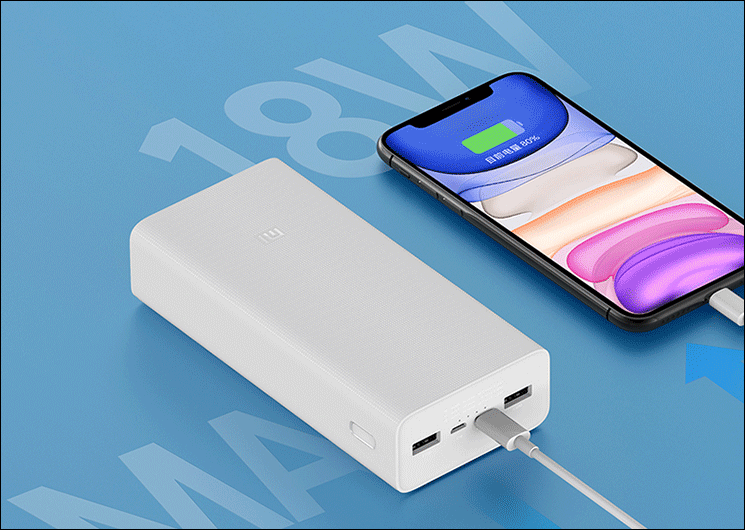
Last year, Xiaomi unveiled the Mi Power Bank 3 with 50W fast charge support. The company has now launched a new version with 18W fast charge support priced at 169 yuan(~$24). The product is presently available to pre-order on Jingdong (JD.com). It will go on sale on June 18.
the power bank is similar in several aspects to the Mi Power bank 3 50W version. The major difference is that it presents with support for 18W fast charging. The power bank also packs a bigger 30000mAh capacity battery whereas last year’s 50W fast charge-supporting Mi Power Bank 3 has a 20,000mAh battery capacity.
The improved battery capacity means this model will have a bulkier build. The battery is said to last up to 10 days and can charge a mobile phone such as the Redmi K30 Pro up to 4.5 times. The iPhone SE 2020can be refilled up to 10.5 times with the power bank.
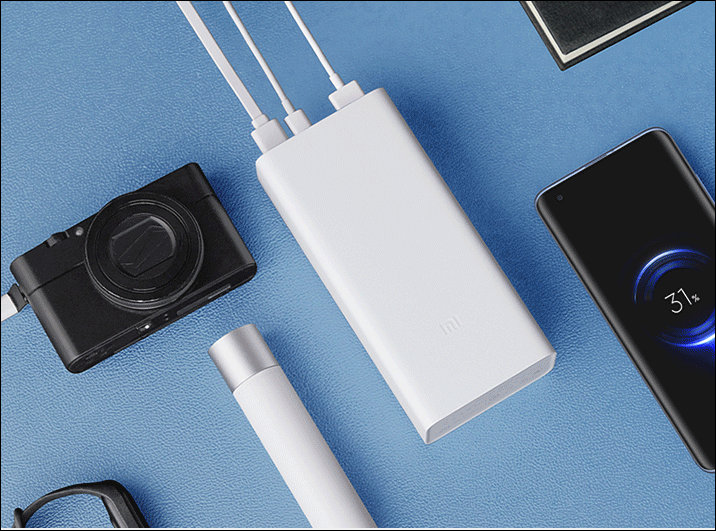
The power pack is compatible with most digital equipment and can charge three devices at the same time. It features two USB-A ports and a USB-C port. There is also a separate USB-C port with 24W Max input for refuelling the power bank. It comes with support for several charging ratings and can charge models with such ratings seamlessly including Apple and Android phones.
OPPO launched one of its most affordable 2020 smartphones in the Indian market: the OPPO A52. If you are wondering whether its value for money enough to make it the best option on its price segment or not, you are in the right place. Here, we are comparing its specifications with the ones of the best-selling Realme Narzo 10, and the newly-announced Redmi 9 which are definitely among the most interesting devices of 2020 in India, if we consider the same price range. Let’s discover together which device is worth buying depending on the users’ needs.
Quad 13 + 8 + 5 + 2 MP f/2.2, f/2.2, f/2.4 and f/2.4
8 MP f/2.0 front camera
Quad 48 + 8 + 2 + 2 MP f/1.8, f/2.3, f/2.4 and f/2.4
16 MP f/2.0 front camera
Quad 12 + 8 + 2 + 2 MP f/1.7, f/2.2, f/2.4 and f/2.4
16 MP f/2.0 front camera
BATTERY
5020 mAh, fast charging 18W
5000 mAh, fast charging 18W
5000 mAh, fast charging 18W
ADDITIONAL FEATURES
Dual SIM slot
Dual SIM slot, splash resistant
Hybrid Dual SIM slot
Design
Despite the presence of a huge camera module on the back, the design of the OPPO A52 is the one that attracts me the most. The reason is simple: it is the only one sporting a punch-hole display: a more modern solution to get rid of display bezels. Realme Narzo 10 and Redmi 9 are classic devices with a waterdrop notch and a polycarbonate body, nothing so special. But Realme Narzo 10 is splash resistant, while OPPO A52 and Redmi 9 do not offer protection against water nor dust.
Display
The weakest point of the Realme Narzo 10 compared to Redmi 9 and OPPO A52 is the display: it comes with a lower HD+ resolution that you can usually find on entry-level phones. OPPO A52 has the most convincing display: an LTPS panel with a Full HD+ resolution and a cut out for a single front camera. But Redmi 9 is still a pretty nice one with its IPS Full HD+ display and a wide 6.53-inch diagonal. Just note that they are average panels and they are far from high-end devices.
Specs & Software
Realme Narzo 10 and Redmi 9 are powered by the Helio G80 midrange chipset, while OPPO A52 sports the octa-core Snapdragon 665. While the Snapdragon 665 is a more efficient SoC, Helio G80 should provide slightly better performances. However, given that OPPO A52 comes with up to 8 GB of RAM, it has better overall performances than Redmi 9 and Realme Narzo 10, at least in its higher-end version. OPPO A52 also comes with a faster UFS 2.1 native storage, while Realme Narzo 10 and Redmi 9 have eMMC storages. With OPPO A52 and Realme Narzo 10 you get similar UIs based on Android 10: ColorOS 7.1 and Realme UI. Redmi 9 runs MIUI 12 out of the box.
Camera
OPPO A52 and Realme Narzo 10 sport more impressive cameras than Redmi 9. On the paper, Realme Narzo 10 looks better when it comes to photos, while OPPO A52 should record better videos; it is the only with the support to 4K video recording. But given that we did not try all of these phones, we still can not give you a definitive verdict about their camera quality.
Battery
OPPO A52 and Realme Narzo 10 are equipped with a 5000 mAh battery, while Redmi 9 has a 5020 mAh unit. The capacity is almost the same, but Realme Narzo 10 is actually able to last more on a single charge in all of the scenarios in which the display is involved since it has a lower resolution. It is also the only one that supports reverse charging.
Price
OPPO A52 is priced under Rs. 20,000 ($263) in India, Redmi 9 starts from $139, and Realme Narzo 10 is priced Rs. 11,999 ($158). Due to its great display, stereo speakers, and pretty nice cameras, OPPO A52 is my favorite device from this comparison, but it costs more. If you need something cheaper, Realme Narzo 10 looks more convincing than Redmi 9.
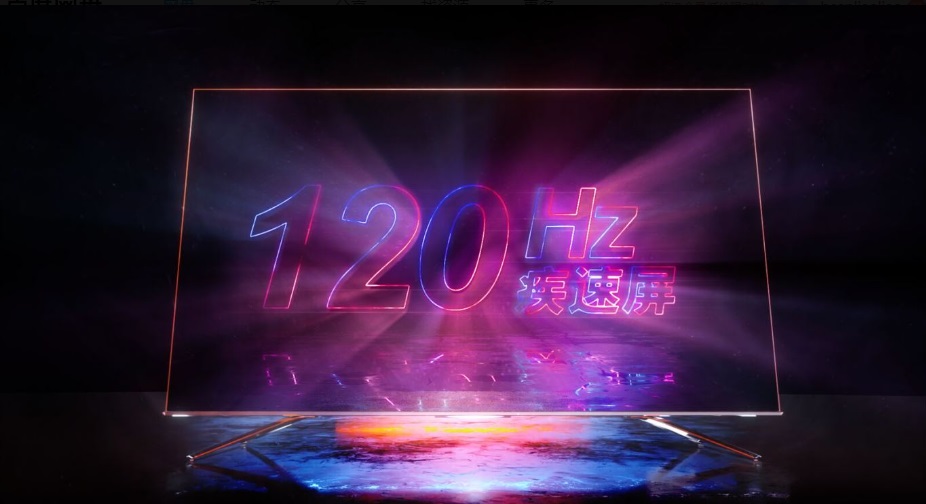
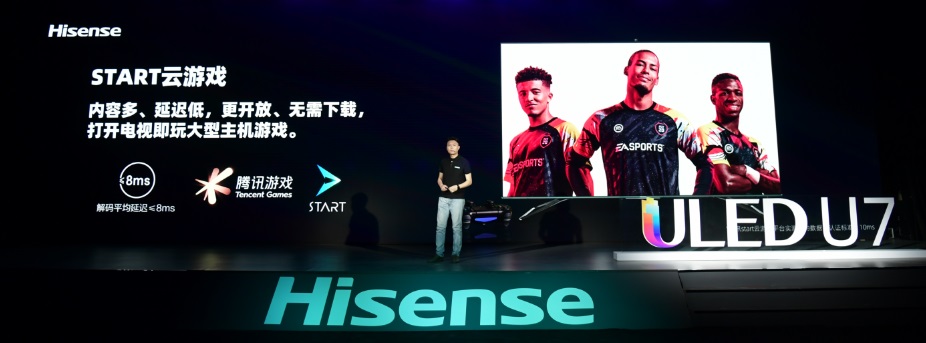
Hisense held a product launch event today where it officially unveiled the Hisense ULED U7 TV. The new smart TV supports 120Hz refresh rate, 100-level full array dynamic backlighting, AI+MEMC motion compensation technology and more.
The Hisense U7 boasts of a 130% BT.709 high color gamut, and △E can be within 1.14. Hisense U7 has a 100-level full-array dynamic backlight and is equipped with an AI light control chip. With AI, the display maintains the highest brightness. The maximum contrast can reach 8900 to 1. The Hisense U7 also supports 120Hz screen refresh rate and incorporates VRR variable refresh rate technology, which can ensure the stability of the screen when displaying frames with large frame rate changes.
Hisense U7 supports MEMC dynamic compensation technology. The company claims that the AI+MEMC algorithm can be used to directionally and accurately compensate for moving objects, while protecting fixed scenes, improving fluency and reducing screen loss.
In terms of the hardware, Hisense U7 ULED TV is equipped with a Quad-core Cortex-A73 top-architecture CPU paired with 3G RAM and there is 128G storage onboard. The smart Tv also comes with an independent NPU can provide up to 1TB of computing power. According to the official, the CPU+GPU dual-mode game accelerator can make the average input delay in the game mode less than 20ms, making player operation handier. At the same time, Hisense partners with Tencent’s START cloud games and Tianyi cloud gaming platforms to provide ultra-cloudy game contents which can be opened with downloading. In addition, the average decoding delay of the smart TV is said to be less than or equal to 8ms.
For audio output, the Hisense U7 smart TV is equipped with a 6-channel full-range sound system, with three-way sound design. At the software level, the AI Focus audio lossless repair technology helps to reproduce the surging sound waves. Hisense Teana engine acoustic design + DTS virtual X surround sound effect all enhances the audio output.
Hisense U7 also supports Care + comfortable vision The smart TV is said to utilise an exclusive patented technology with 960Hz multi-segment synchronous backlight scanning, no residual vision, and zero picture freeze. For children, the U7 also features an independently developed a visual protection system. It recognizes the viewing distance and posture through AI, supports real-time reminders, and the TV can also automatically adjust the comfortable light source.
The smart TV features a front camera and also supports AI gesture control. With the gesture control, users can perform high-frequency operations such as pause and volume adjustment. Hisense U7 also supports AI fitness function. Hisense says the high-definition camera can identify and track the 22-point bone joints to help correct movements.
In terms of operation, Hisense U7 supports voice + WIFI + infrared full-scenario AIoT control, voice control for over 5000 brand appliances. The company says it is the world’s first TV to support one-click screen recording and sharing.
The smart TV comes in three screen sizes – 55-inch, 65-inch and 75-inch. As for the prices, the Hisense U7 55-inch is priced at 7699 yuan (~$1,086) and the 65-inch model goes for 11999 yuan (~$1,694). The price of the 75-inch version will be announced later.
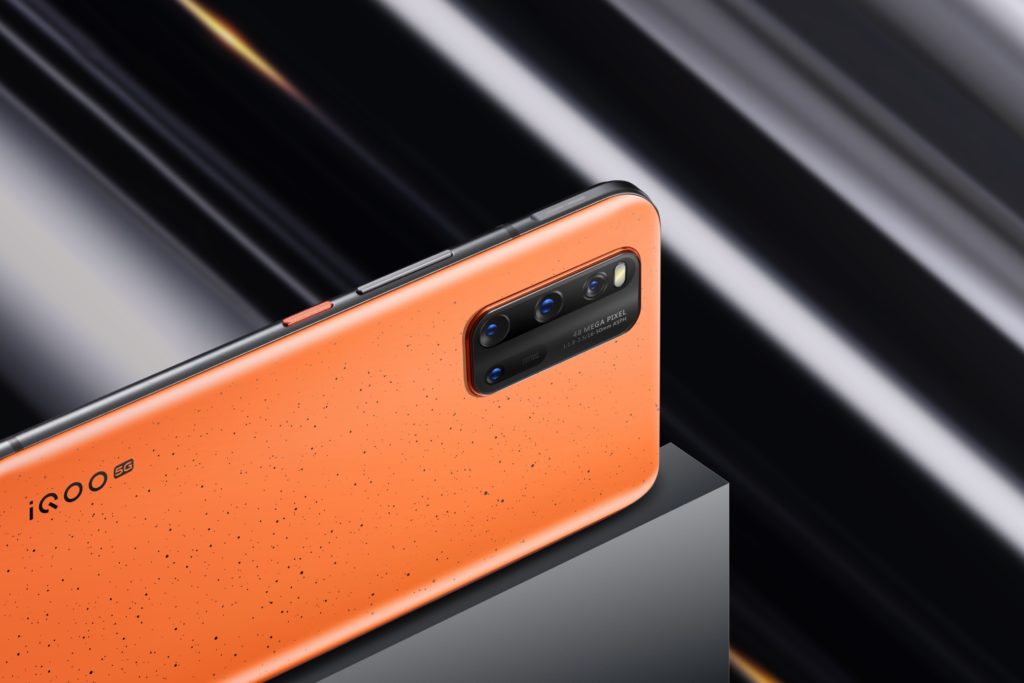
Google officially released Android 11 Beta 1 for Pixels a couple of days back. As expected, some of the partner OEMs also announced their involvement in the program. Oppo was the first company to reveal, followed by OnePlus, Xiaomi, Poco, and Realme. Now, Vivo and iQOO have also declared their association in the beta program with their Nex 3S and iQOO 3 handsets.
Google began to involve partner OEMs in the Android Beta program from Android Pie. Most of the companies released AOSP build for its users. But from last year, almost all of them delivered builds with their own skin like MIUI, OxygenOS, etc. The trend continues this year as well.
Hence, the Android 11 Beta 1 for Vivo Nex 3S and iQOO 3 is available as FuntouchOS and iQOO UI. Also, the update is available for both 4G and 5G variants of iQOO 3 that are sold in India.
Vivo says it will be releasing the second build in late July, which will be soon followed by stable release once Google officially launches Android 11 in August.
The currently available builds are not suitable for all users as they have some major bugs like the in-display fingerprint sensor. Anyway, if you are still interested, you can download them from the link provided below.
Once downloaded, copy the file to your device and navigate to Settings > System Update > Local Update. Do note that this will reset your phone and hence make sure to create a backup of your data before proceeding.
Download Android 11 Beta 1 for Vivo Nex 3S and iQOO 3 4G/5G
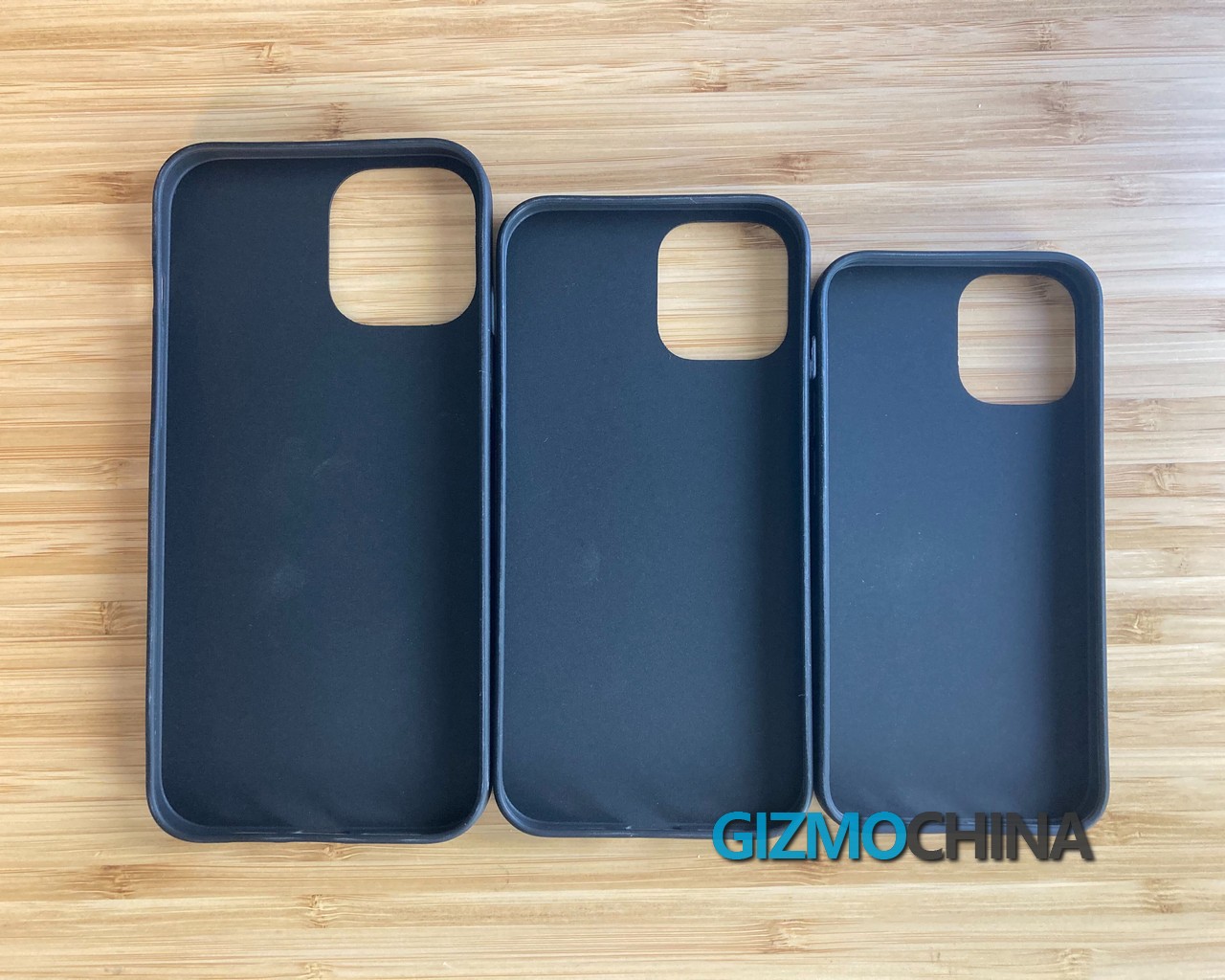
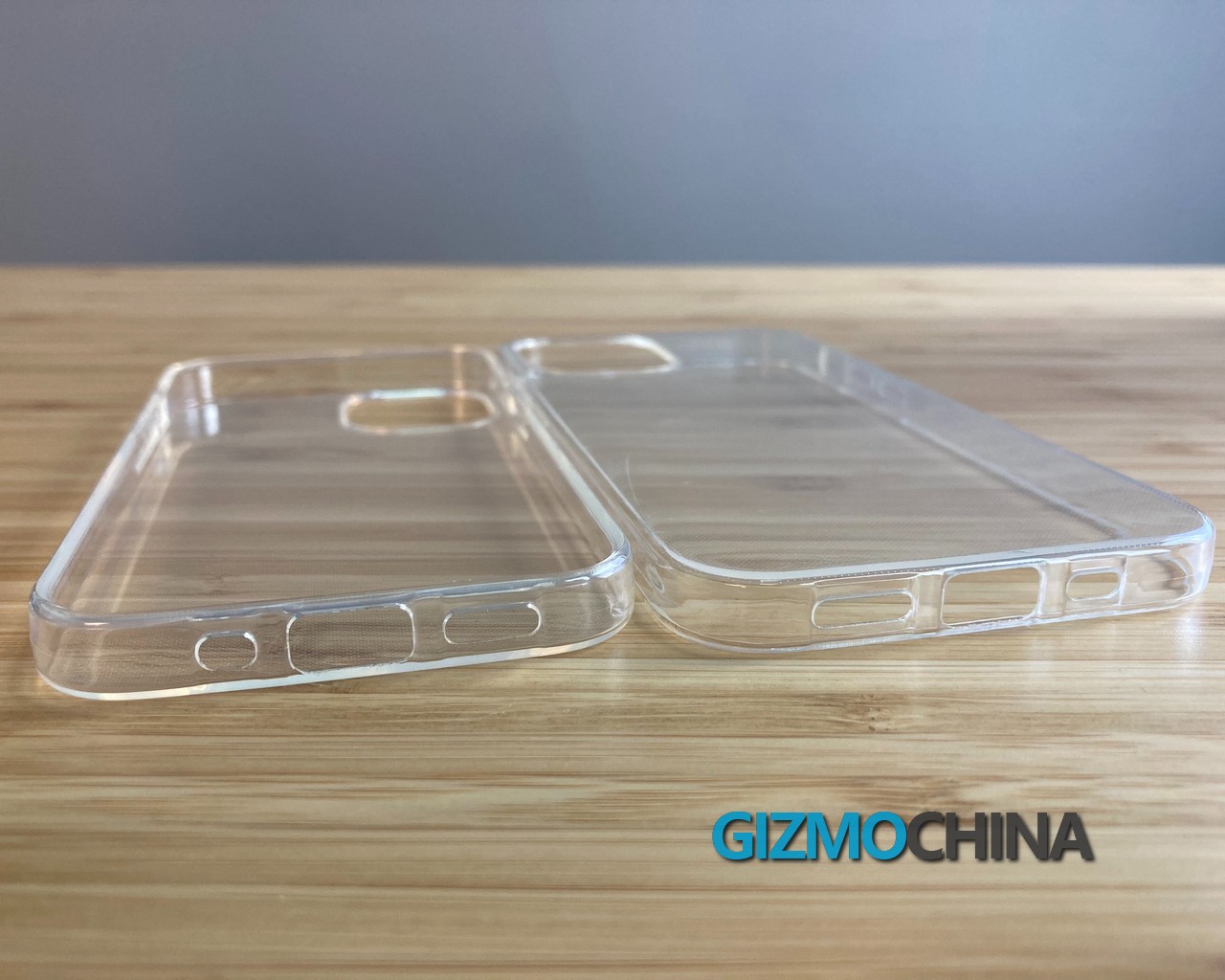
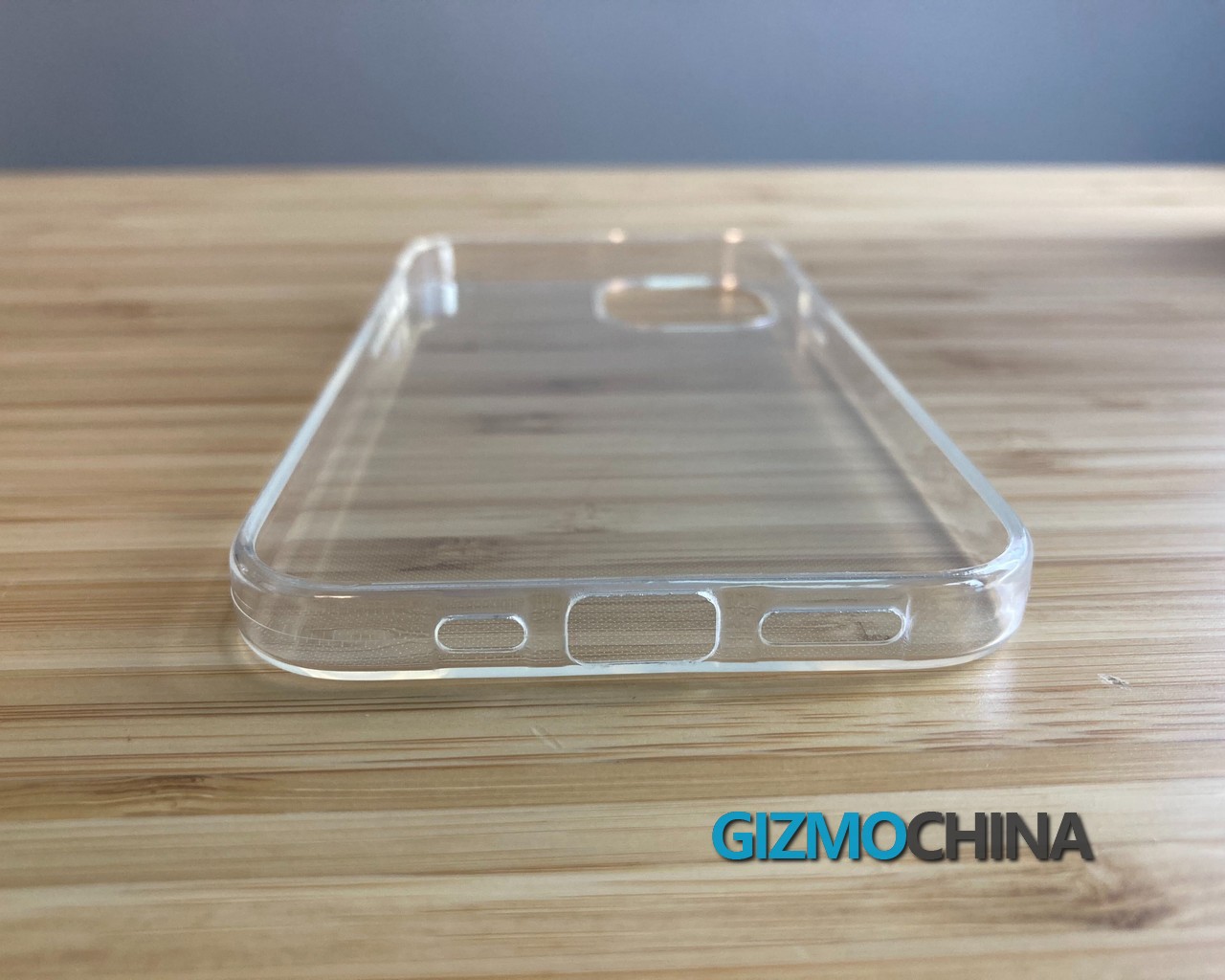
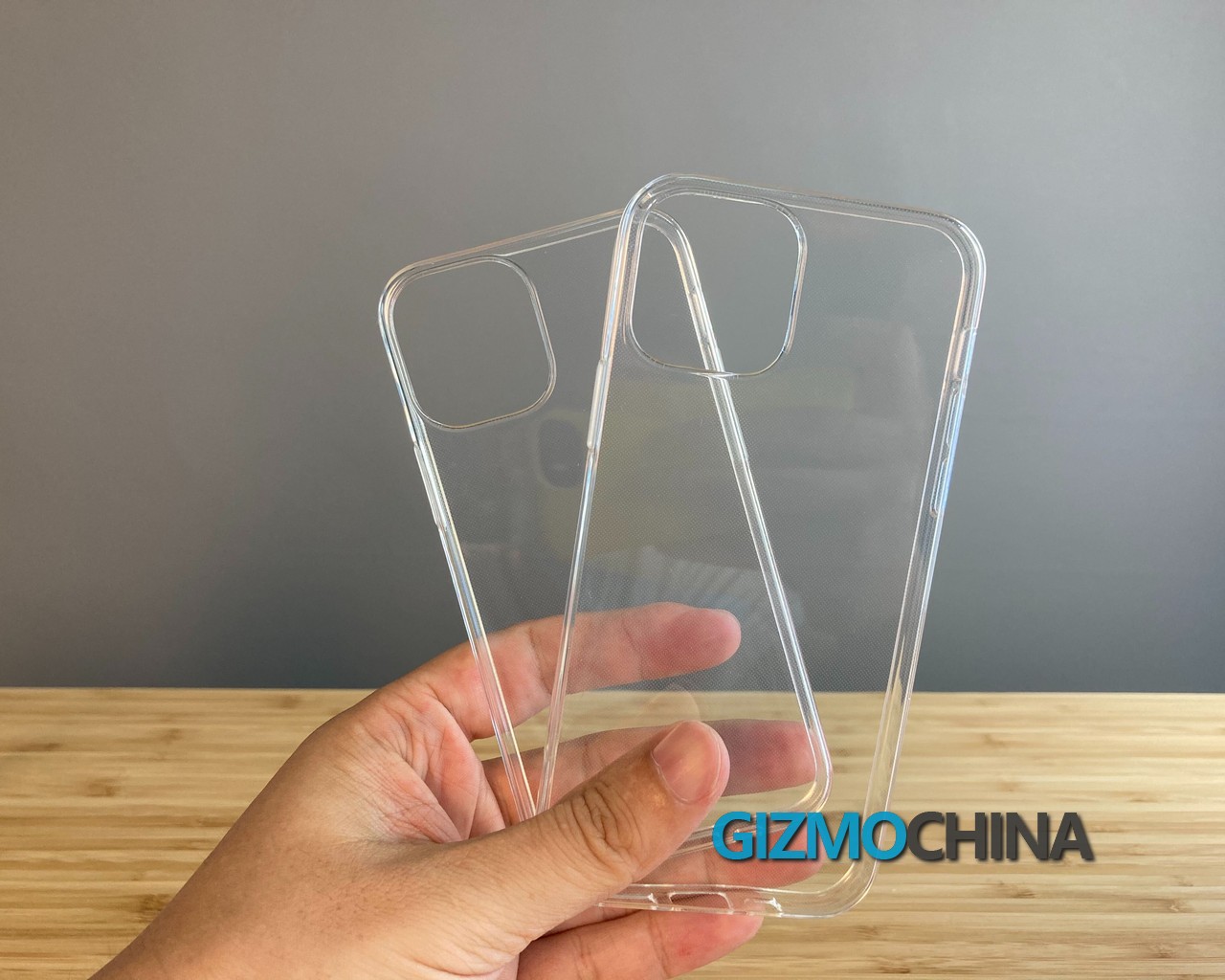
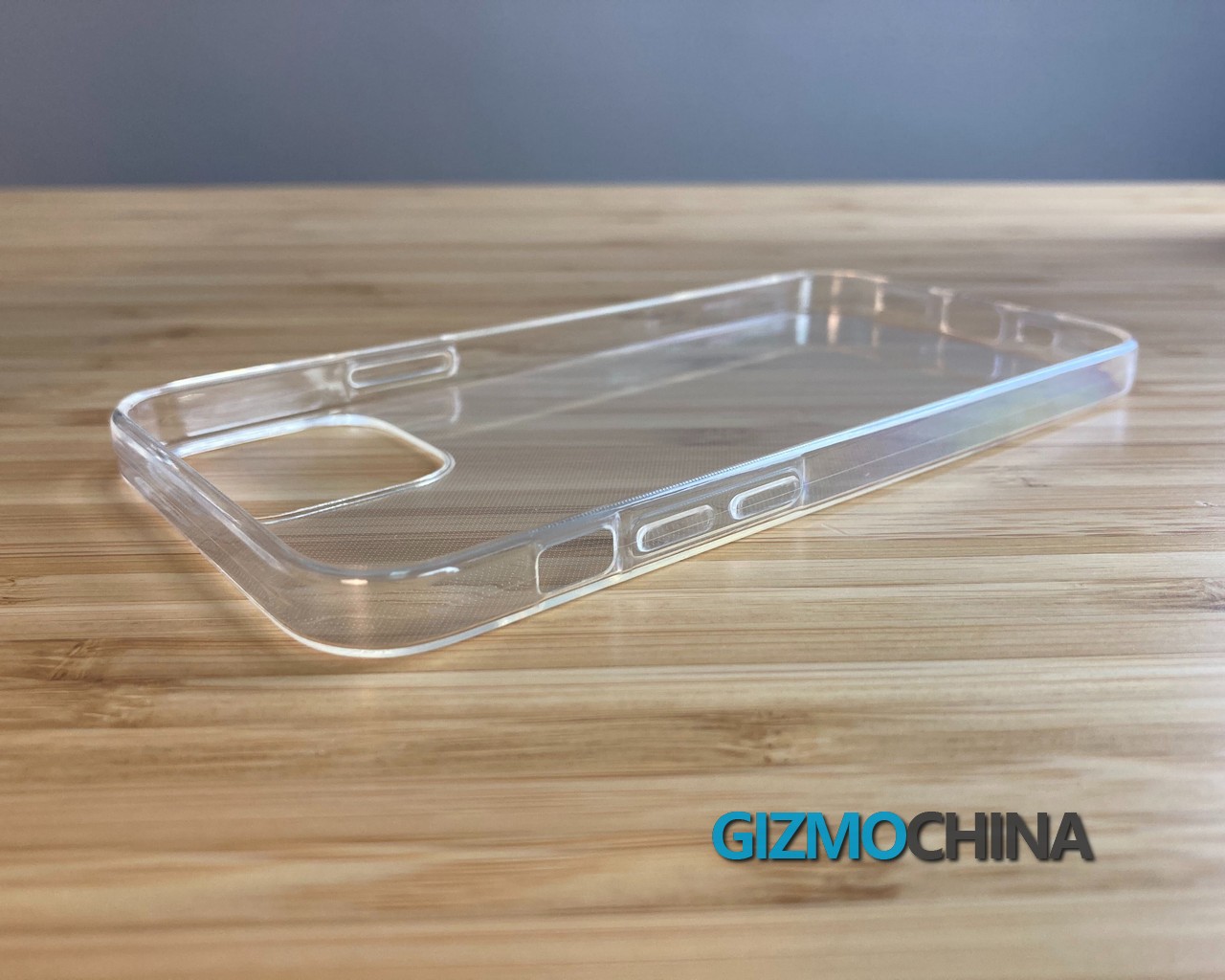
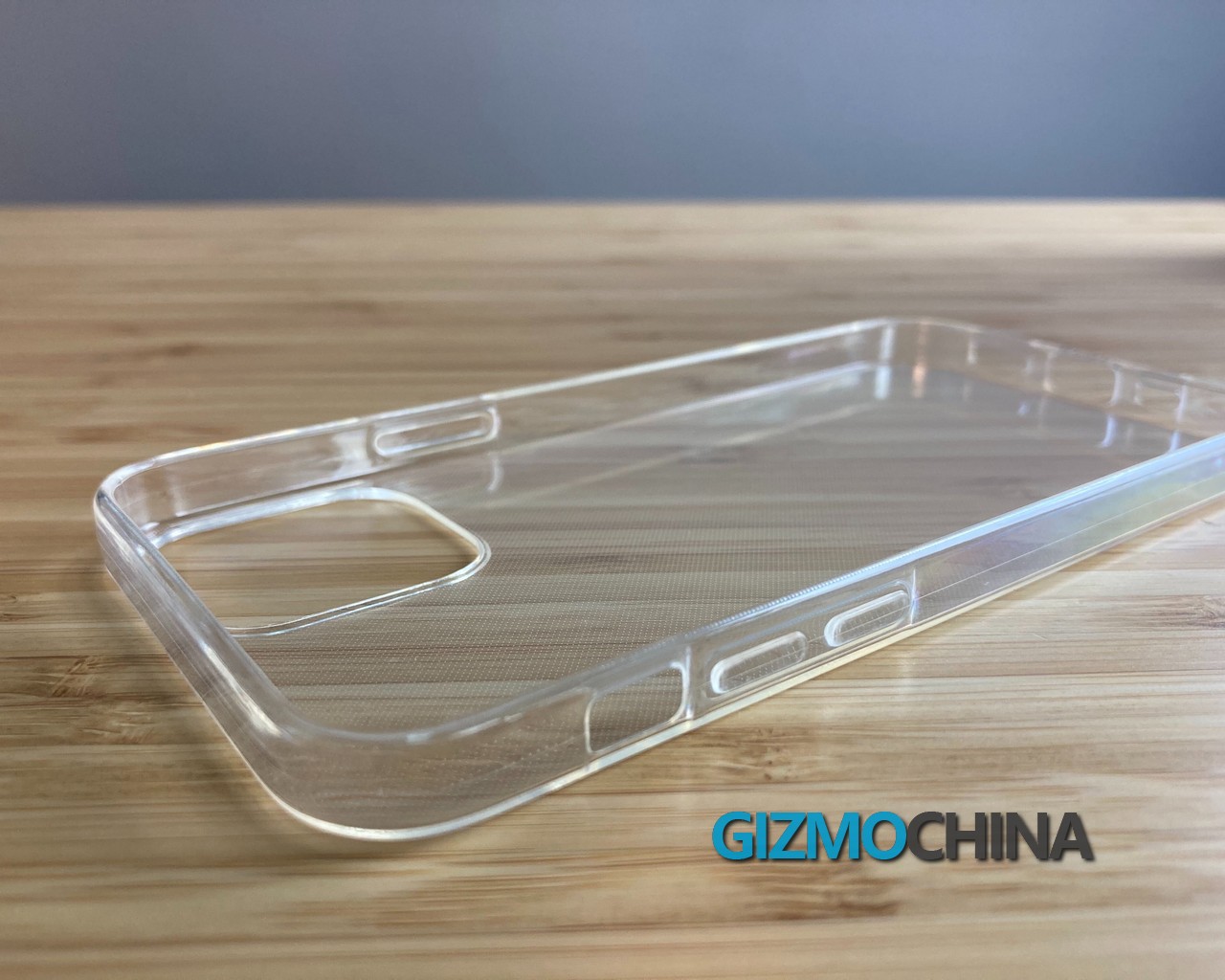
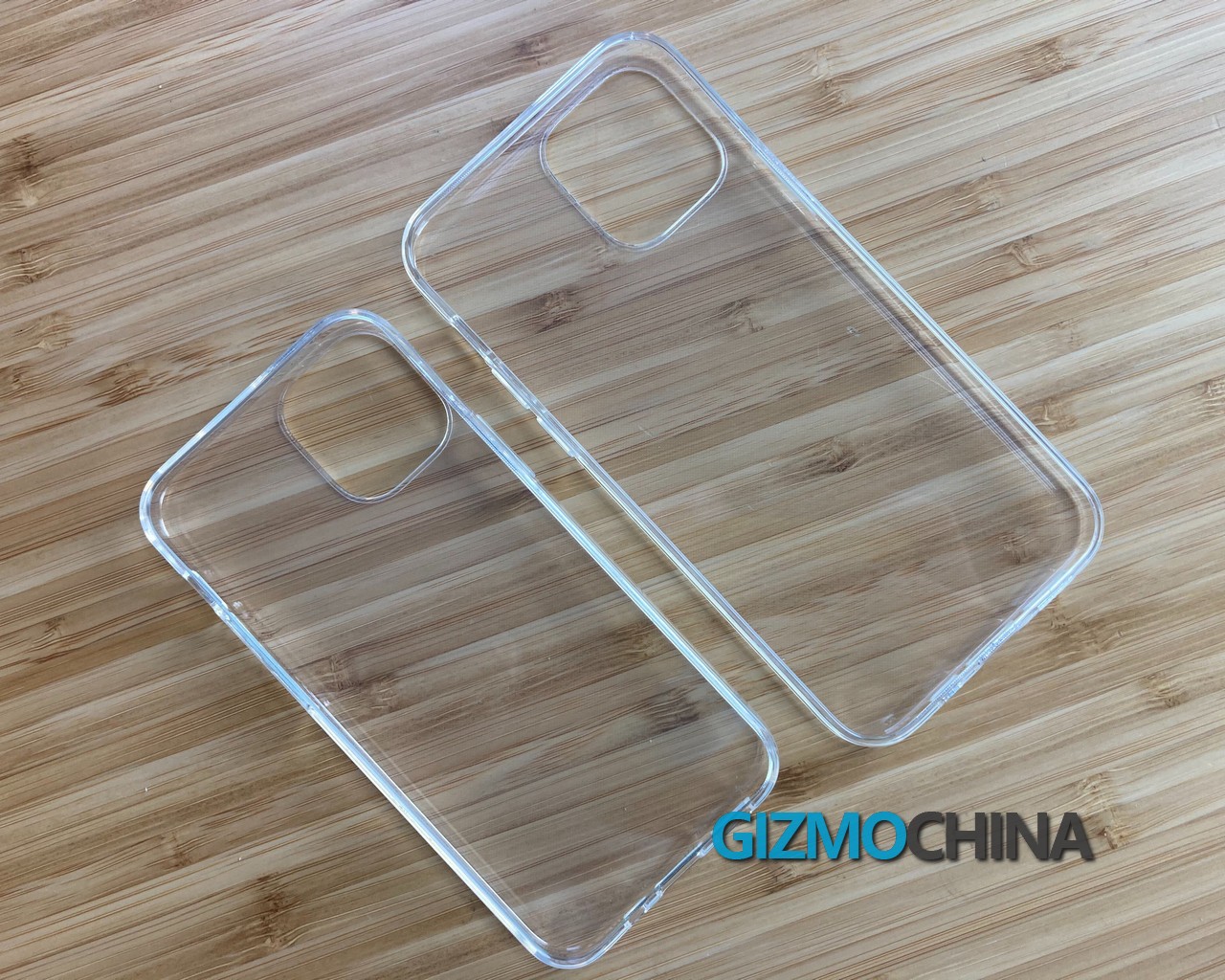
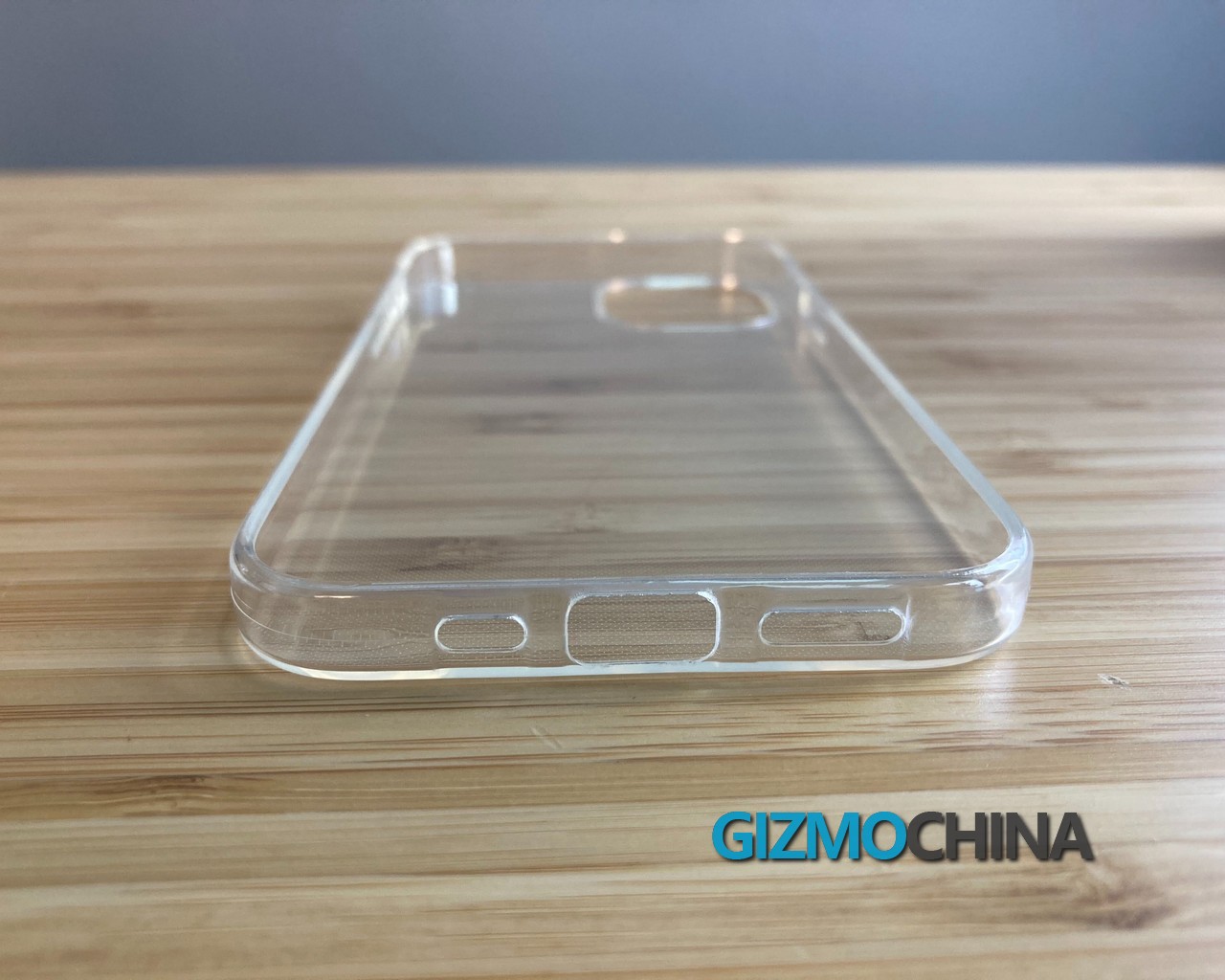
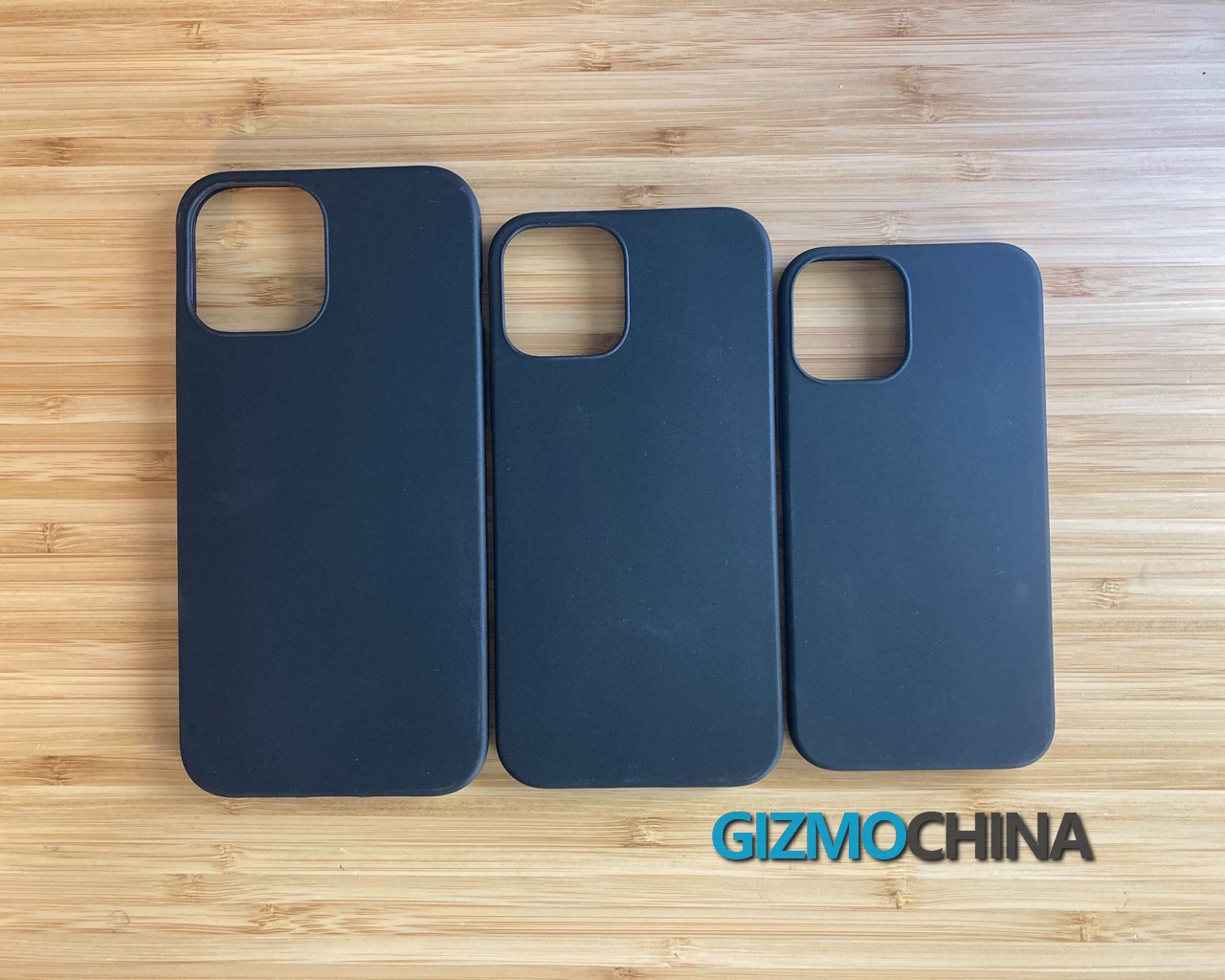
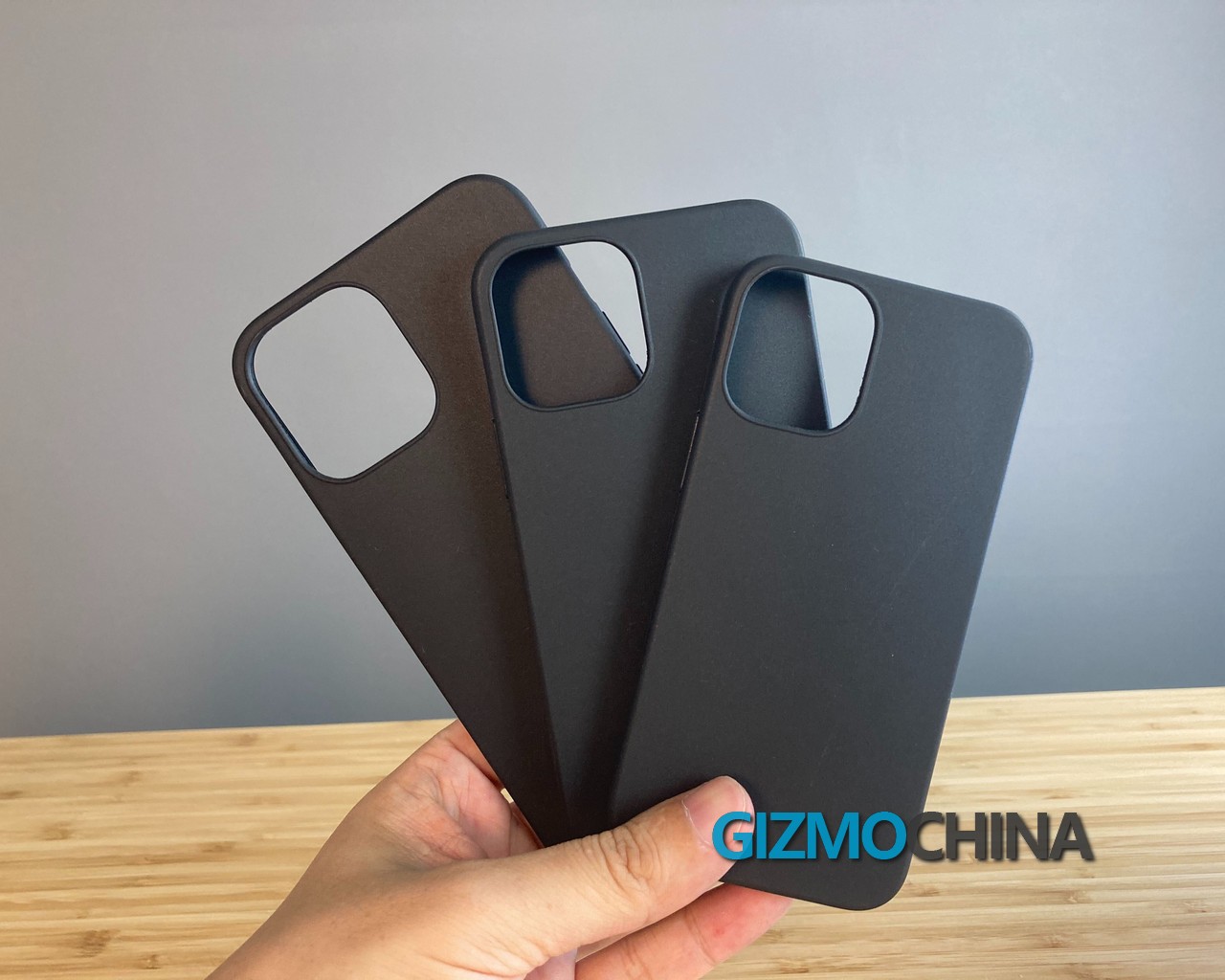
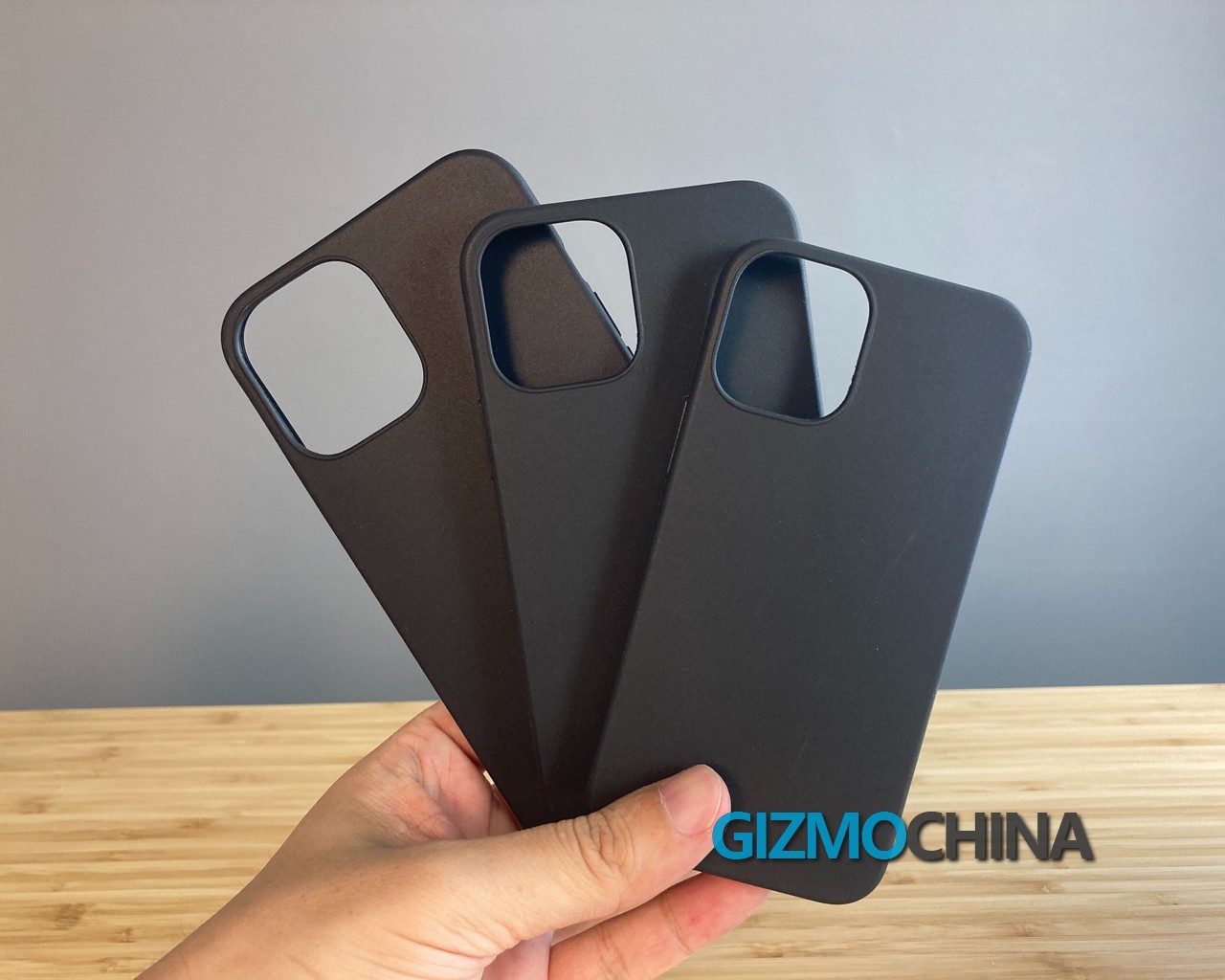
Yesterday, we served you a leaked protective case of the iPhone 12 Pro model with a 6.1-inch display. More protective cases off Apple‘s upcoming iPhone models have again appeared exclusively on Gizmochina.
This time around, the leaked protective cases are in three different. The source affirms that there could be a fourth one sharing the same size. The iPhone 12 Pro is likely to share the same size as the iPhone 12 Plus/Max. Both models will feature a 6.1-inch AMOLED screen.
Apple‘s 2020 iPhone models are said to include four different models namely iPhone 12, iPhone 12 Plus/Max, iPhone 12 Pro and iPhone 12 Pro Max. The base iPhone 12 will feature a 5.4-inch display while the top-end model will pack a 6.7-inch screen. From the leaked real-life protective case, we can conclude that the iPhone 12, 12 Pro and 12 Pro Max will have a square-shaped cut-out at the rear that would house the camera module.
1 of 12
iPhone 12
Going by previous rumour, iPhone 12 Pro will have a triple camera setup and a Lidar sensor at the rear but the 6.1-inch iPhone 12 Plus/Max is rumoured to feature a dual rear camera setup. A dual-camera setup won’t likely be on a square-shaped module. But we can’t be so sure about that. The Google Pixel 4a leaked images have shown it will have a square-shaped module even though the phone will feature just a single rear camera sensor.
Apple is yet to say when the iPhone 12 series will be launched but there are speculations the launch may take place in October or November.
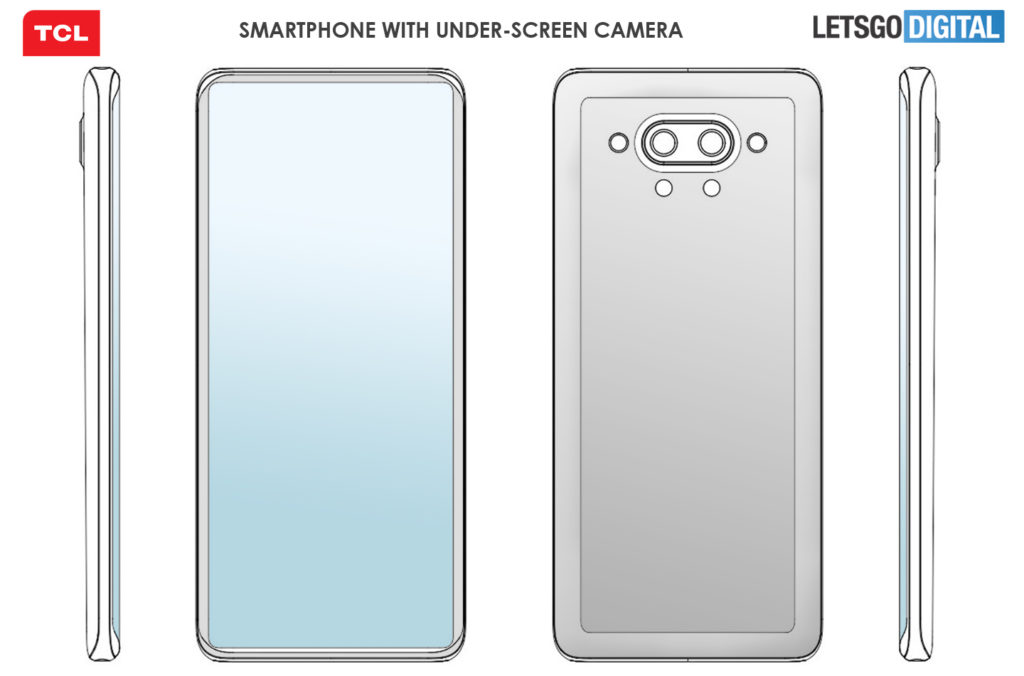
TCL is known as a TV manufacturer across the world. But the company also sells phones under brands like Alcatel. But this year, it even started launching smartphones with its own branding. That being said, the company has now patented a smartphone design with in-display camera.
The race for perfect full-screen smartphones is still on. Companies have been trying various solutions such as notches, pop-ups, and punch-holes. But the ideal solution is in-display/under-display cameras.
Xiaomi and Oppo have already showcased prototypes featuring in-display camera last year. But the tech is still not ready for the public. But earlier this week, Visionox announced that it has begun to mass manufacture this solution and a report even suggested that it could be exclusive to Huawei for the time being.
Keeping that in mind, we can see how this TCL design patent can be a reality someday. But for now, we can only mesmerize this design in our imagination.
The phone seems to have a curved display with visible bezels all around. At the back, it has a quad-camera setup and dual-LED flash separated from each other.
Also, this TCL phone looks to sport a screen with 21:9 aspect ratio just like the recently launched Sony Xperia 1 II.
The Chinese tech company is known for affordable TVs. It is trying to build its reputation in the smartphone market by launching one of the cheapest 5G handsets in the US called TCL 10 5G for only $399.
Since TCL has been targeting customers at the end of the spectrum for years, we can expect the company to bring phones with in-display camera for the masses in the near future.
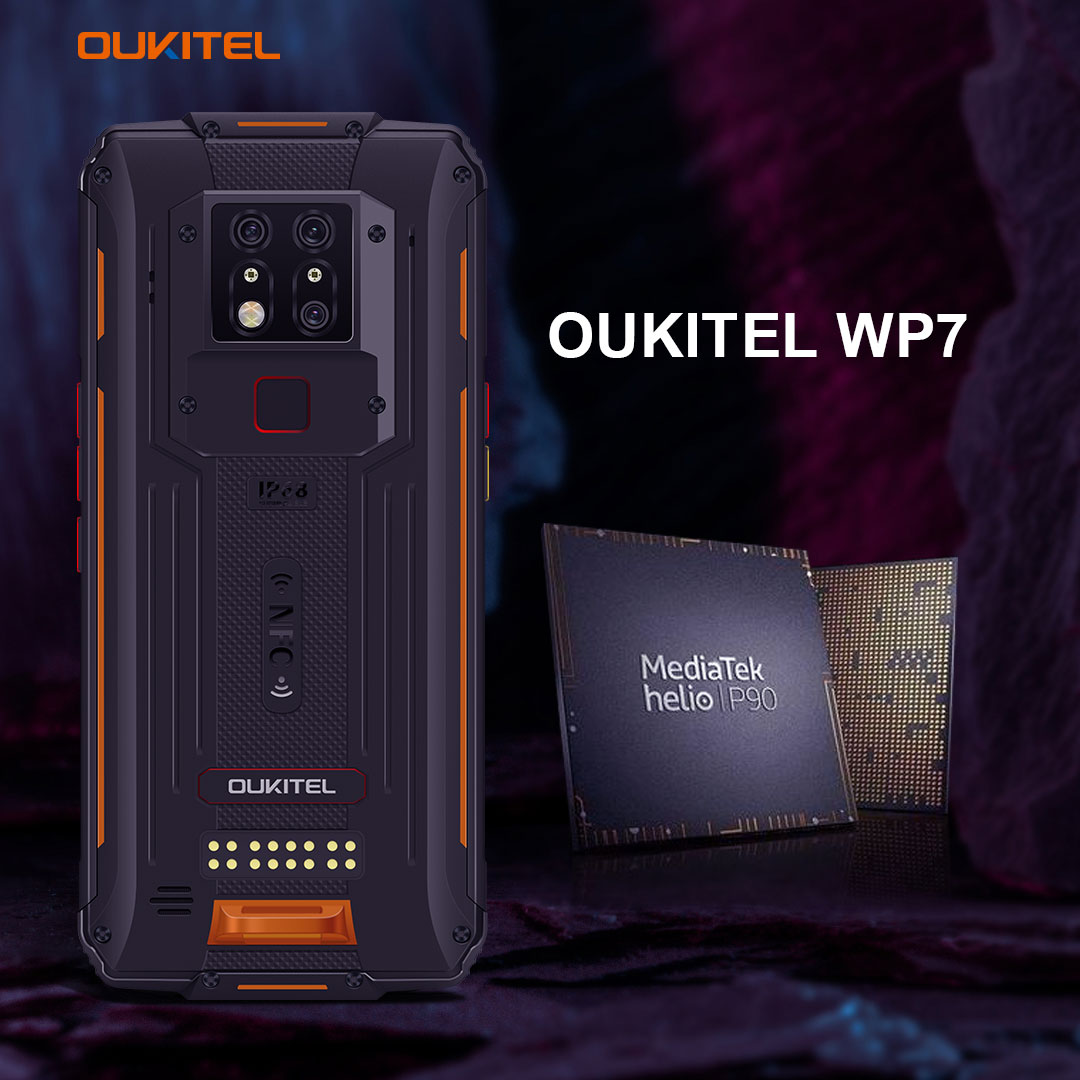
Oukitel is once again ready to stun its fans with an exceptional camera-based masterpiece that is set to unveil on June 12. OukiTel WP7 rugged smartphone with a built-in infrared night vision camera is set to enthrall the users with its extraordinary abilities. The new smartphone is set to unveil today for the price of $449.99. However, it will be available at a limited-time introductory price of $299 from June 12-15. Oukitel WP7 will be made available in Europe, Japan, America, and some parts of Russia via Aliexpress and offical Oukitel Store.
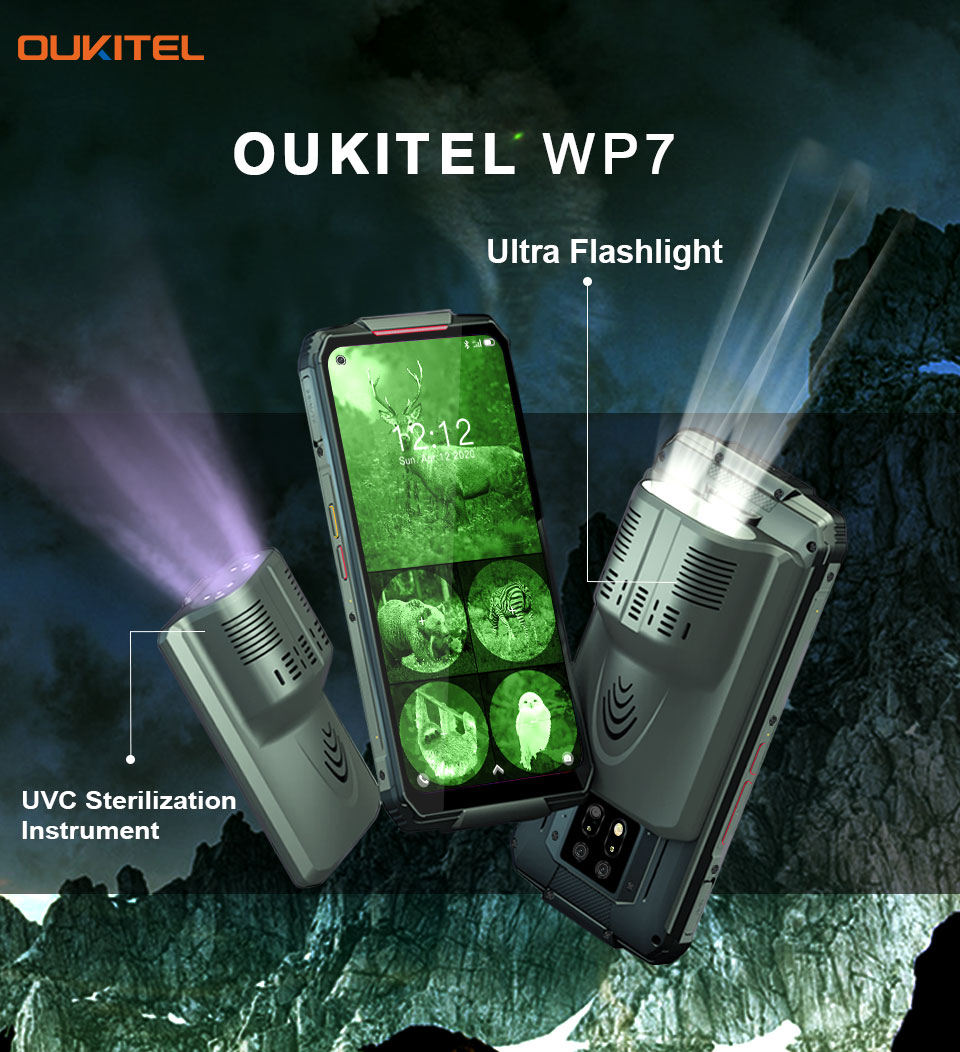
It also features an anti-glare torch, UVC sterilization, and several other attachments at an affordable price. There are many other exceptional features available with the Oukitel WP7 smartphone.
Infrared Night Vision + Powerful camera Sensors
The smartphone carries the tendency to snap clear photos even in the dark without any light support. It can easily kill microorganisms on any surface using LED infrared fill-in light technology. Moreover, users can seamlessly capture objects even in the night time without any additional light.
Oukitel WP7 features a triple camera sensor on the rear consisting 48-megapixel primary sensor, an 8-megapixel IR night vision sensor, and a 2-megapixel depth lens.
There’s a fingerprint sensor on the rear side to aide easy authentication.
UVC Sterilization and Ultra Flashlight Torch
It is quite a useful utility in the COVID-19 Pandemic era. The smartphone supports UVC Sterilization which can eliminate microorganisms from any surface and guard to prevent the virus from spreading.
It will help you keep your family safe and sound for the present COVID19 pandemic time.
Ultra Flashlight torch is a users’ perfect companion for outdoor adventures. The user can use the torch in four different modes to satisfy your outdoor needs. The torch can be easily coupled with the smartphone using magnetic metal.
Fully Packed Powerhouse
Oukitel WP7 is a fully rugged smartphone featuring powerful MediaTek Helio P90 chipset. It is MIL-STD-810G certified device with reliable dustproof, waterproof and drop-proof features. It can easily sustain in extreme temperatures from -55 to 70 degrees Celcius. A massive 8000mAh battery is sufficient enough to keep the device running for a week under optimal usage.
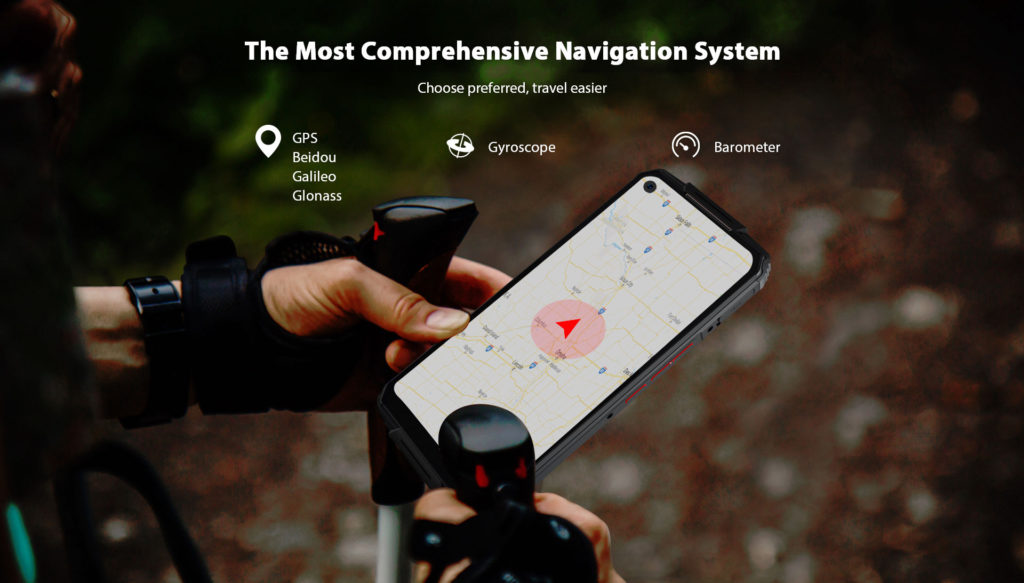
The smartphone supports multiple navigation systems like GPS, Beidou, Galileo, and Glonass. It is an Oukitel’s own toolbox with the availability of such useful features.
The smartphone supports secure and safe mobile payments with hardware and software locking system. It also supports button customization which could define your favorable app.
Oukitel WP7 is also available for free via an online giveaway. The interested users can participate in it by June 12, and the results will be published on the Oukitel Facebook Page.
You can know more about the device by heading to the official website.
We use cookies on our website to give you the most relevant experience by remembering your preferences and repeat visits. By clicking “Accept”, you consent to the use of ALL the cookies.
This website uses cookies to improve your experience while you navigate through the website. Out of these, the cookies that are categorized as necessary are stored on your browser as they are essential for the working of basic functionalities of the website. We also use third-party cookies that help us analyze and understand how you use this website. These cookies will be stored in your browser only with your consent. You also have the option to opt-out of these cookies. But opting out of some of these cookies may affect your browsing experience.
Necessary cookies are absolutely essential for the website to function properly. This category only includes cookies that ensures basic functionalities and security features of the website. These cookies do not store any personal information.
Any cookies that may not be particularly necessary for the website to function and is used specifically to collect user personal data via analytics, ads, other embedded contents are termed as non-necessary cookies. It is mandatory to procure user consent prior to running these cookies on your website.


 The Honor Tablet V6 5G will go on sale in the coming month. The exact release date will be confirmed at some point later this month. The 6 GB RAM + 128 GB storage and 8 GB RAM + 256 GB storage versions of the Tablet V6 comes in 3,199 Yuan (~$451) and 3,999 Yuan (~$564). It will be also available in the same three color options.