Last week, Motorola launched the One Fusion+ smartphone in Europe, and the company is gearing up to launch the same in the Indian market. After a few leaks related to the phone’s India launch, we now have the official confirmation.
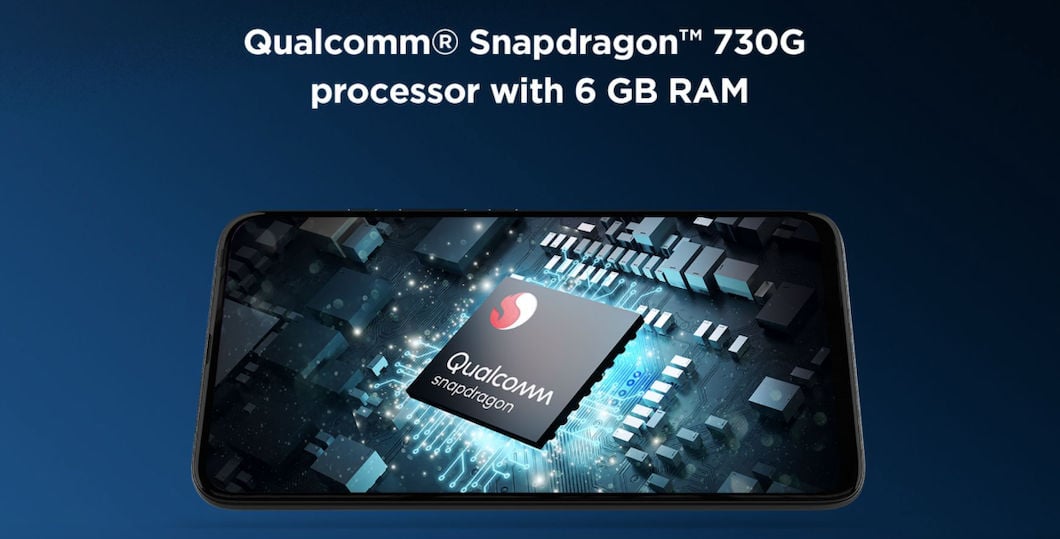
Teaser for the Motorola One Fusion+ on Flipkart confirms that the device will launch in India tomorrow, i.e., on 16th June. It also reveals that unlike the European model, the Indian variant will come powered by the Snapdragon 730G chipset.
It’s noteworthy that in Europe, the smartphone is powered by Qualcomm Snapdragon 730 processor. It remains to be seen if the company has changed any other specifications of the smartphone or if everything else remains the same.
The Motorola One Fusion+ features a 6.5-inch IPS LCD with notch-less design with a 19.5:9 aspect ratio, HDR10, and Full HD+ screen resolution of 1080 x 2340 pixels. Under the hood, the phone packs 6GB of RAM and 128GB of internal storage.
In the camera department, there’s a quad-camera setup on the back that consists of a 64MP primary sensor, an 8-megapixel ultra-wide lens, a 5-megapixel macro lens, and a 2-megapixel depth sensor.
On the front side, the device features a 16MP snapper for taking selfies and video calling. The device also has a fingerprint sensor on the back for added security. The handset, running on the Android 10 operating system with the company’s My UX on top, is powered by a 5,000mAh battery.
While the company will reveal pricing and availability details of the One Fusion+ for the Indian market tomorrow, rumors indicate the pricing could range somewhere between ₹15,000 (~$197) and ₹20,000 (~$263).
Xiaomi unveiled the Redmi 8A Dual smartphone in India back in February. The entry-level phone has an updated version of the Redmi 8A that debuted last year in September. Compared to last year’s model, the Redmi 8A Dual came with a dual camera setup on its rear and a refresh rear design. It was introduced in two versions such as 2 GB RAM + 32 GB storage for Rs. 6,499 (~$86) and 3 GB RAM + 32 GB storage edition for Rs. 6,999 (~$92). Last week, the Chinese firm introduced the 3 GB RAM + 64 GB storage variant of the Redmi 8A Dual. As promised, the first sale of the phone will be carried out in India today at 12 PM.
The new 64 GB Redmi 8A Dual is priced at Rs. 8,999 (~$118). It can be availed through Mi.com, Amazon India, and retail stores starting at 12 PM today. The phone comes in three color editions such as Midnight Grey, Sea Blue, and Sky White.
The Redmi 8A Dual has a 6.22-inch IPS LCD display with teardrop notch. It offers HD+ resolution of 720 x 1520 pixels and 19:9 aspect ratio. The entry-level phone comes with Gorilla Glass 5 protection for its screen and it carries support for 18W fast charging for its massive 5,000mAh battery.
The Snapdragon 439 chipset is the driving force of the smartphone. The MIUI 11 based Android OS comes preloaded on the device. It has a microSD card slot for additional storage.
The rear side of the Redmi 8A Dual features a 13-megapixel + 2-megapixel dual-camera system. It has a front-facing camera of 8-megapixel. The handset features a splash-resistant rear.
Recently, we reported that Xiaomi is gearing up to launch a new gaming monitor in its home country China. Well, the report turned out to be accurate as the Chinese company has today announced a 27-inch Gaming Monitor with a high refresh rate.
The product is now available for crowdfunding in China through the company’s own Xiaomi Mall website. The device will retail for a price of 2,199 yuan (~$310), but it is currently available for 1,899 yuan (~$268) during the crowdfunding period.
The new Xiaomi 27-inch Gaming Monitor comes with an IPS display panel that offers 2560 x 1440 pixels screen resolution and has support for 165Hz ultra-high refresh rate. It also comes with 1ms IMBC fast response, 95% DCI-P3 color gamut, DisplayHDR 400 high dynamic display enhancement.
It also comes with Adaptive-Sync synchronization Technology along with support for TUV low blue light. You can place the device over a table or hang it on the wall, thanks to the stand and rotating bracket that comes in the bundle. On the back, the cover is magnetic, which makes it quite easy to disassemble it.
As for the ports, the device has a USB 3.0 port, DisplayPort, HDMI port, and a 3.5mm headphone jack. The company has also added that the product comes with a 3-year warranty and after-sales on-site service support.
The launch is in line with the previous leak which revealed that the company has three new monitors lined up for this year. After launching this 27-inch monitor, the company will now announce a 24.5-inch gaming monitor in September and another 4K monitor in November this year. There are rumors which claim that the company could launch a few models under its Redmi brand.
Xiaomi forayed into the Gaming Monitors category last year in October with the launch of two products — a massive 34-inch monitor and another with a 23.8-inch display. However, this new 27-inch monitor is the most expensive from the company, given that it is the most advanced yet from Xiaomi when looked at the technical specifications.
In May, MediaTek announced the Dimensity 1000+ 5G as an improved version of the Dimensity 1000 SoC. The iQOO Z1 that debuted in the same month is the first phone to feature the Dimensity 1000+ 5G. It arrived with an enticing starting price of 2,198 Yuan. According to a tipster from China, Xiaomi or Redmi will be releasing a smartphone powered by the Dimensity 1000+ SoC.
The tipster did not share any details on the specs of the Xiaomi / Redmi phone that is expected to arrive with the Dimensity 1000+ SoC. Considering that the Snapdragon 865 powered Redmi K30 Pro’s price has reached as low as 2,197 Yuan (~$310) for the 618 sales in China, the Dimensity 1000+ SoC powered Xiaomi / Redmi phone may cost around 2,000 Yuan (~$282).
The Dimensity 1000+ comes with four CortexA-A77 CPU cores working at up to 2.6GHz and four power-efficient Cortex-A55 CPU cores ticking at up to 2GHz. For graphics, it features Mali-G77 MC9 GPU. The 7nm chipset support Full HD+ resolution with up to 144Hz refresh rate. It is equipped with the new MiraVision image quality engine. It is the only chip in the industry that carries support for 5G + 5G dual SIM card dual standby.
The same tipster has previously claimed that Xiaomi is working on a new smartphone with a 144Hz punch-hole display. It could be the forthcoming Dimensity 1000+ SoC powered phone from the brand. The handset may break cover at some point in July.
Xiaomi or Redmi is yet to confirm the existence of its Dimensity 1000+ SoC powered handset. The rumor mill is expected to reveal more information on it in the coming days.
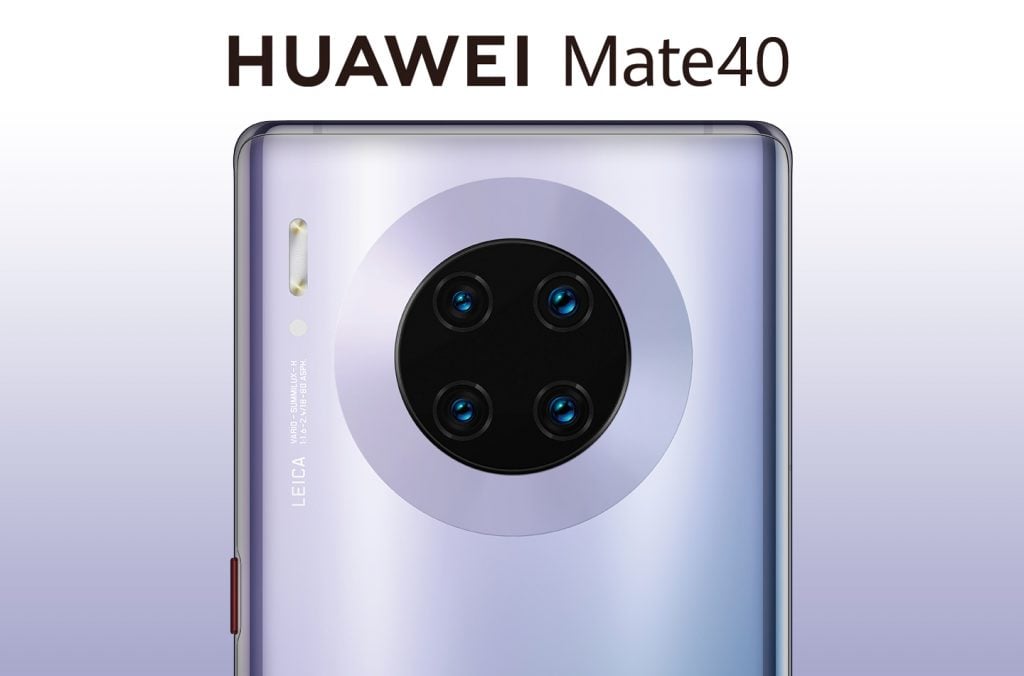
There are still not a lot of phones with 108MP cameras, although brands like Samsung and Motorola have joined Xiaomi on the list. Now, a new report says Huawei may also join them with the upcoming Mate 40 series.
The info comes from the Chinese tech blog ITHome. Their source is said to be a staff in Huawei’s supply chain, and according to the person, there is a new 108MP sensor with better performance than the current ones and it will be used in the Mate 40 and Mate 40 Pro.
The camera sensor is said to use a 9P lens and produces better images than other 108MP sensors such as the one on the Mi Note 10 Pro which has an 8P lens. The source says there are other adjustments and optimizations but does not go into details.
Starting with the Huawei P30 series, Huawei flagship phones come with custom-made cameras with an RYYB color filter that can capture more light than an RGB filter. Until more details surface, we cannot say if this 108MP sensor also uses an RYYB color filter. Notwithstanding, we advise you to take the info with a pinch of salt.
The Mate 40 series is also expected to come with a 5nm chipset called the Kirin 1000 and unlike the Mate 30 series, the Mate 40 series will most likely not have 4G variants when it arrives in October.
The Pixel 4a has been anticipated for months now. Going by the release date of its predecessor, Google should have announced the phone last month at its Google I/O event, but since that didn’t hold, the device didn’t launch.
A few weeks ago, it was reported that the device will be launched on July 13 but new details have surfaced saying folks may wait for much longer before they get their hands on it.
According to Jon Prosser (@Jon_prosser), the Pixel 4a will still be announced on July 13. However, the “Just Black” variant will be launching on October 22 while the “Barely Blue” colorway “has been removed entirely”.
Where’s Pixel 4a?
Here’s an update:
AGAIN, it seems Google has delayed Pixel 4a 🤦🏼♂️
Announcement still happening on July 13
But in the system, it’s listed that the “Black” model now launching October 22 😬
Back in May, Jon had revealed that the black variant will hit the market on August 6 while the blue variant will come nearly two months after on October 1. Unfortunately, there is no explanation regarding why the date has changed for the black version and why the blue variant has been removed.
Seems like the Pixel 5 will also be pushed back.
Though, it would probably be smart to just launch Pixel 5 and 4a side-by-side, especially if there’s only one model of Pixel 4a that will launch.
In a follow-up tweet, Jon also added that the Pixel 5 may also be pushed back. So rather than a likely October release date, the 5th-gen Pixel may be announced in November.
The Pixel 4a will have a punch-hole display and be powered by a Snapdragon 730 processor. It will not come with Active Edge according to a report and there will be no XL variant.
YouTube is a major video streaming platform and primary source of infotainment for every age group. It has become the hub of video streaming throughout the globe. There’s hardly any potential competitor to YouTube that can match the intensity of the content that gets uploaded daily. It is most downloaded and actively used Android and iOS App on the Play Store and App Store respectively.
YouTube’s useful content is created by thousands of YouTube Creators. It has also become the sole source of income for some of the content creators. It has evolved a lot over time, from just being a platform to host videos to a profitable business.
YouTube app offers all the necessary features, but somehow there are some limitations that make people search for its alternatives. In order to ease the search for such apps, we have concluded a list of best YouTube App alternatives for both Android and iOS devices.
Best YouTube App Alternatives
YouTube Go
If your smartphone is lagging in rendering the YouTube videos smoothly, then you need the YouTube Go app. It is a lite version of the YouTube Standard version and requires less space when installed. The packed APK size of the YouTube GO app is under 25MB and offers some useful features if you are on a limited data connection and using an entry-level smartphone.
YouTube Go allows the users to select the video resolution before watching or downloading for offline viewing. It also enables easy sharing with friends and family over Bluetooth or hotspot. It also relieves the smartphone from massive battery consumption. The simple and easy to use interface is our first choice as an alternative to standard YouTube pp. Moreover, it’s an official YouTube app available on the Play Store. The app is not available for iOS as of now.
Note: GizmoChina does not endorse using third-party YouTube Apps. Those are unauthentic ways to access YouTube data.
FlyTube
FlyTube is quite a useful option to surf YouTube Videos on devices that do not support Google Play services. It offers another way to watch YouTube videos using PiP mode while surfing other apps on your smartphone. The video is always in front of you, no matter whether you’re surfing on the browser or playing a game.
The users can easily set up YouTube links to open in the FlyTube app to get next-level customization and additional offers. Moreover, it pins the YouTUbe video to the top by simply sharing it with FlyTube – video option. The window has a small play and pause button to easily control the content from any app or window.
It can be used with Google account by giving respective permission to easily sync playlists and other data. The app is not officially hosted on the Play Store, the users need it to download it from the third-party website.
It is the best YouTube alternative for iOS, as it offers seamless sync and several other options. It is not necessary to log on YouTube to access your favourite content. ProTube has the ability to force videos to load in the prescribed resolution. The ability to watch in PiP mode is another major advantage of the ProTube app.
The ProTube app can easily keep YouTube videos running in the background. It even sorts the watch later list in descending date order which is usually opposite by default.
The user interface looks clumsy but gets better after getting used to it. The app is available only for iOS devices.
YouTube Vanced is quite an old YouTube alternative available with a similar User Interface to the native app. It is built upon the code of the original YouTube app which provides you with ad-free YouTube experience. The app also packs support for PiP (Picture-in-Picture mode) that allows the users to enjoy their favourite content while browsing other apps.
It can also play music and videos in the background, even if you turn off the device display. It will save your battery and acts as an alternative to your Spotify.
NewPipe is another super useful YouTube alternative that offers support for Android TV and Android Box too. It offers a light-weight User Interface with less power consumption and memory. The app also offers Ad-free YouTube video streaming in high resolution. It can also let you enjoy the videos or music by running it in the background.
NewPipe offers content streaming in HD, FHD, 2K,4K, and 8K resolution without any bandwidth limiting from YouTube.
We highly recommend our readers to use the official YouTube app for streaming videos. A lot of effort from all the content creators are put forth to bring you entertainment at free of cost. They earn from the advertisements, and it is their livelihood.
Otherwise, there are plenty of third-party YouTube application that you can use to enrich the experience. We have covered all the popular YouTube alternatives in this guide. Any suggestions are welcome via the comments below.
After months of waiting, we finally got to see what the PlayStation 5 (PS5) looks like on Thursday, June 11. While some are in favor of the design, there are others that are against it. Nevertheless, the internet has been flooded with several memes of Sony’s latest game console.
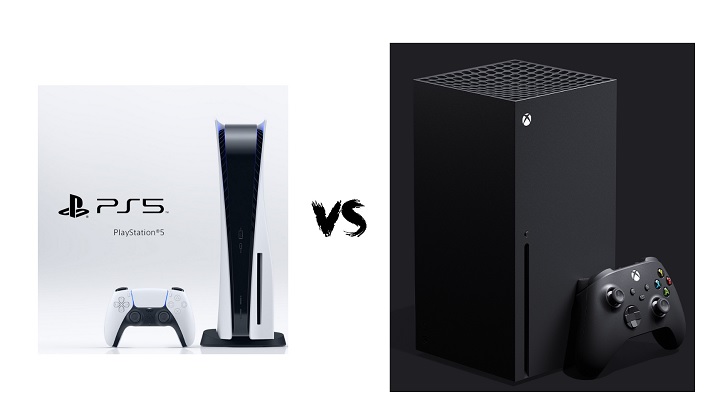
When compared to the Microsoft Xbox Series X, the two consoles are starkly different. Microsoft’s console has a tower design and comes in black. It is also designed to stand upright by default, though you can use it horizontally too. The PlayStation 5 has a dual-tone white and black color finish and can be laid flat or be propped up to stand vertically with an accessory.
For this week’s poll, we want to know which console you prefer solely based on design. Is it the fancy router-like PlayStation 5 or the refrigerator-like Xbox Series X? Please take the poll below and also post a comment sharing your thoughts about the two consoles.
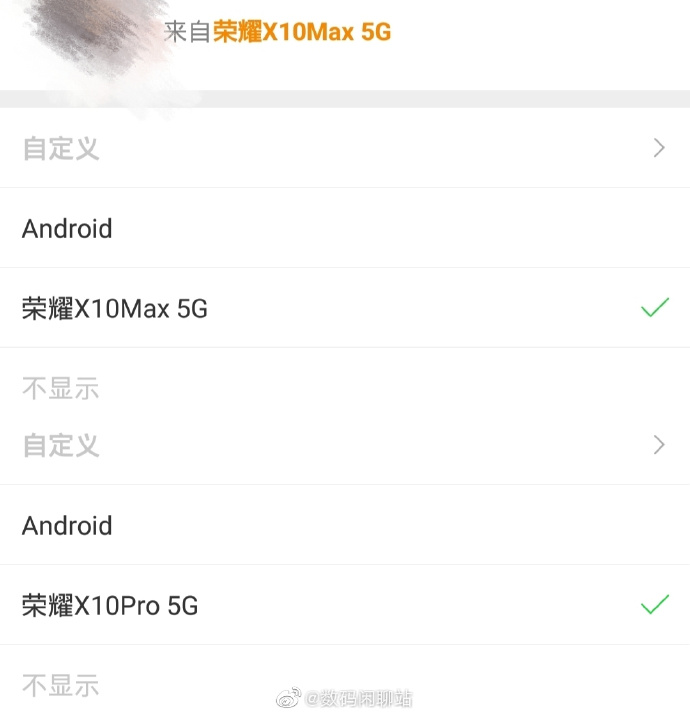
Almost a month ago Honor announced a new phone called the Honor X10 5G. A new leak has revealed it will be getting two siblings called the Honor X10 Max 5G and Honor X10 Pro 5G.
The info was revealed on Weibo by Digital Chat Station today. The leaker did not mention any of their specs neither did he mention when they will hit the market. Nevertheless, we have a few speculations of our own.
The Honor X10 Max 5G should be a bigger version of the Honor X10 5G, so expect a bigger screen and a bigger battery but the same Kirin 820 processor inside. The president of Honor, George Zhao revealed recently that they are working on a phone with a big screen. There is a chance this device might be the Honor X10 Max.
For the Honor X10 Pro 5G, we presume it will not only be bigger but may come with a more powerful chipset and better and or more camera sensors. It may also come with a faster-charging technology than the 22.5W fast charging that is bundled with the Honor X10 5G.
The two phones should launch in the coming weeks or months but before then, more details should surface.
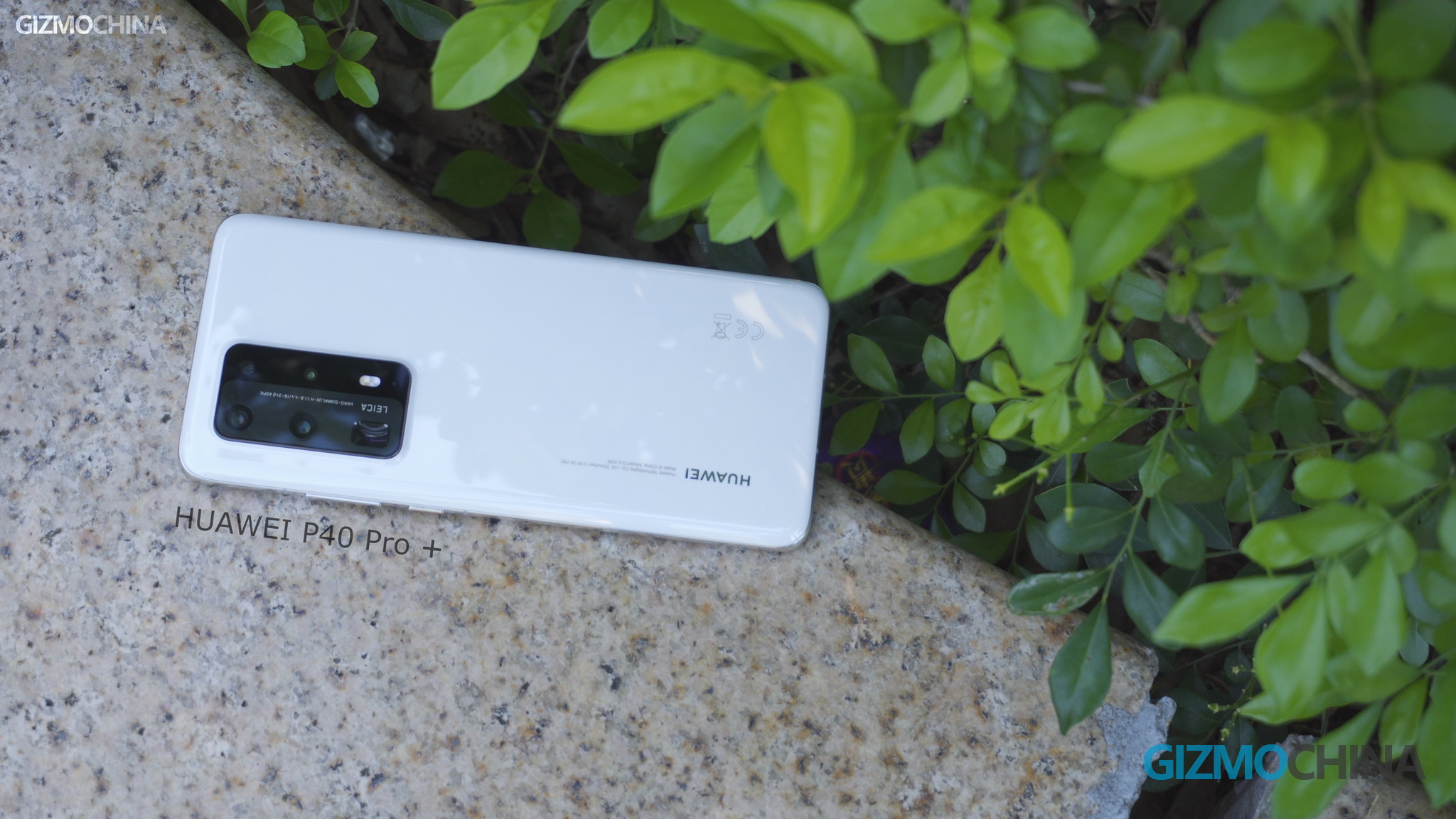
Over the past couple of years, Huawei has matured into a world-class smartphone maker. We look forward to the Huawei P-series in the first half of every year, as it often becomes the benchmark for smartphone cameras in that year. 2020 hasn’t been any different. And our anticipation was rewarded with not one but two powerful camera flagships, the Huawei P40 Pro and the Huawei P40 Pro Plus.
Yes, for those unaware, the top-end model in the Huawei P-series family is called the Huawei P40 Pro Plus. It’s not exactly a classy name, but it is one hell of a phone when it comes to smartphone photography. Huawei is one of the very few smartphone brands that’s still expanding the range of possibilities for the smartphone camera. In fact, before 2016, it was really hard to predict how far ahead mobile photography could go, especially after seeing the decades of professional-camera development.
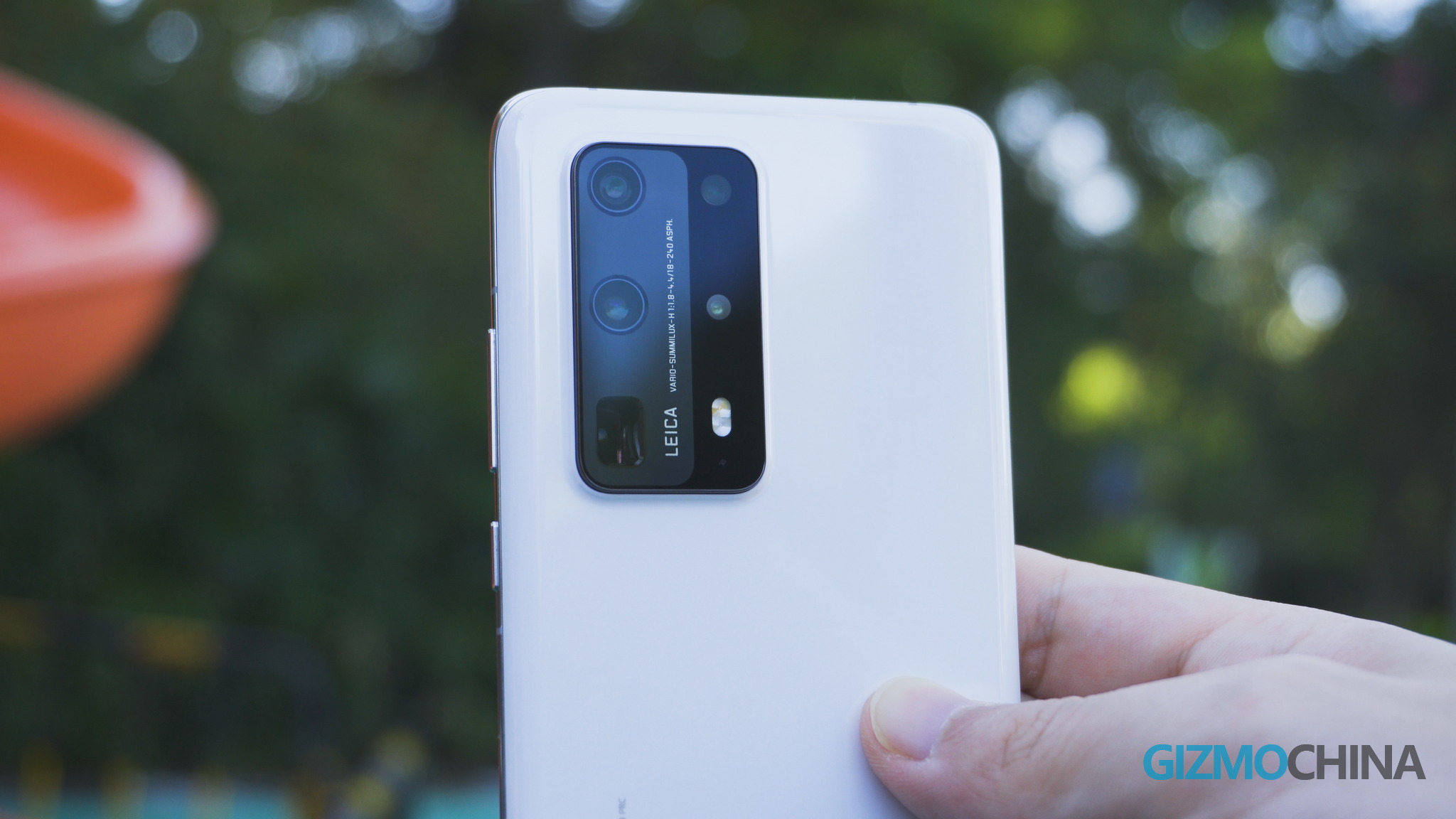
But in 2020, here we are, talking about the 10x optical zoom capacity of the HUAWEI P40 PRO Plus. This 10X optical zoom has a maximum focal length of 269mm, which covers a really wide range of focal lengths, even wider than some mirrorless camera. However, from another perspective, the HUAWEI P40 Pro Plus is the smallest camera that you can find on the planet having such a working 10x optical zoom range!
Well as a phone, 226g weight could be a bit heavy to hold it in your hand. But it seems that the P40 Pro Plus is competing against not just smartphones but also some mirrorless cameras. Accordingly, for its target users, the weight should not be a big problem. Actually the P40 Pro Plus shares the most common features with the P40 Pro. Probably the only difference is the camera experience brought by the additional telephoto camera combination and camera software updates. And in this article, we’re still going to talk about what the P40 Pro Plus model can offer to both professionals and ordinary users.
Let’s first identify the demands of ordinary users and professionals, respectively. For ordinary users, mobile photography is their primary device to record and create memories. They usually demand the phone to be an all-rounder such as being easy to use, having good image colors and clarity, having a large storage or cloud storage, supporting intelligent image editing, and so on. Now let’s look at the P40 Pro Plus, and see how it meets this kind of users’ demands.
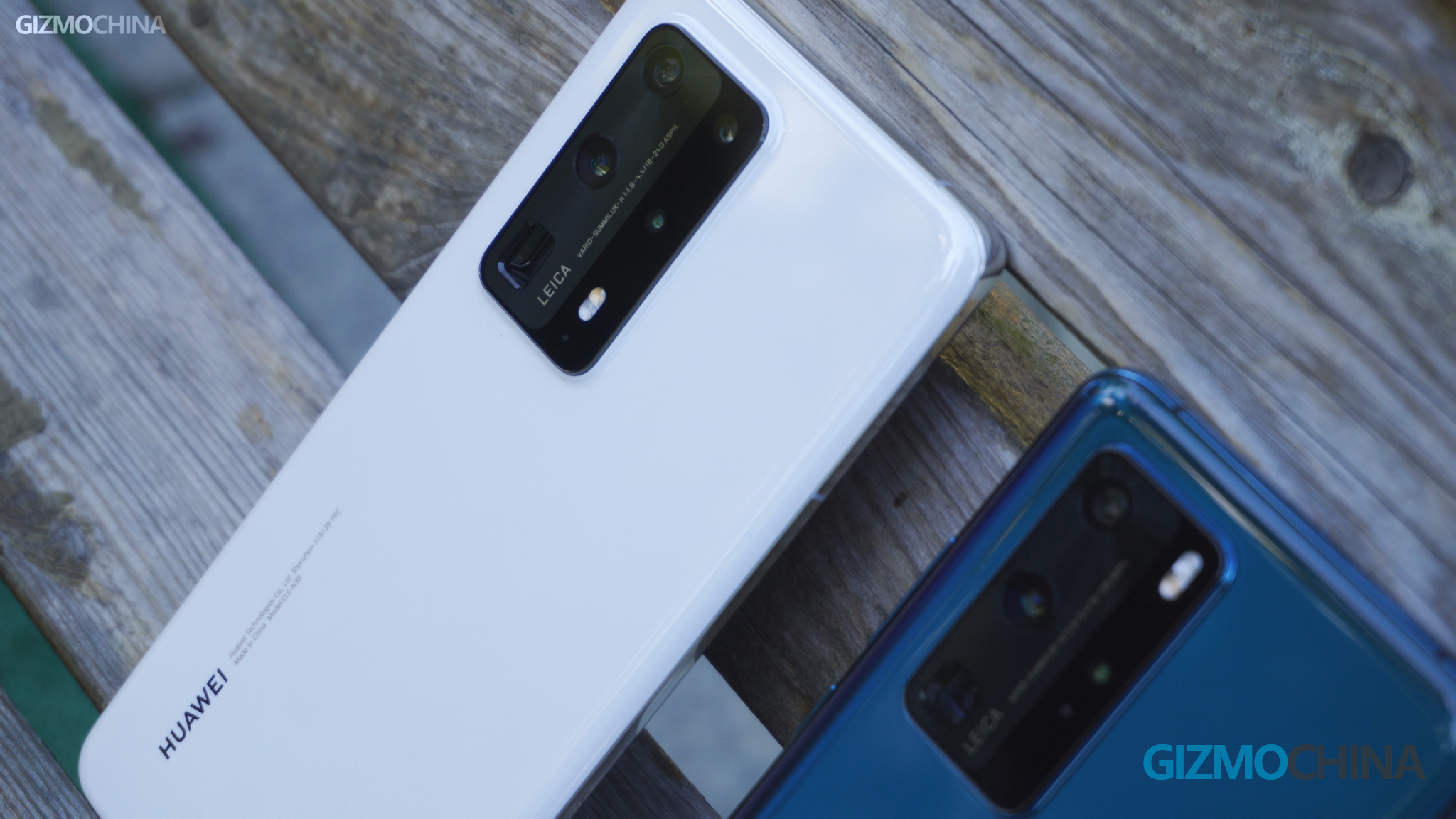
Huawei P40 Pro Plus vs P40 Pro
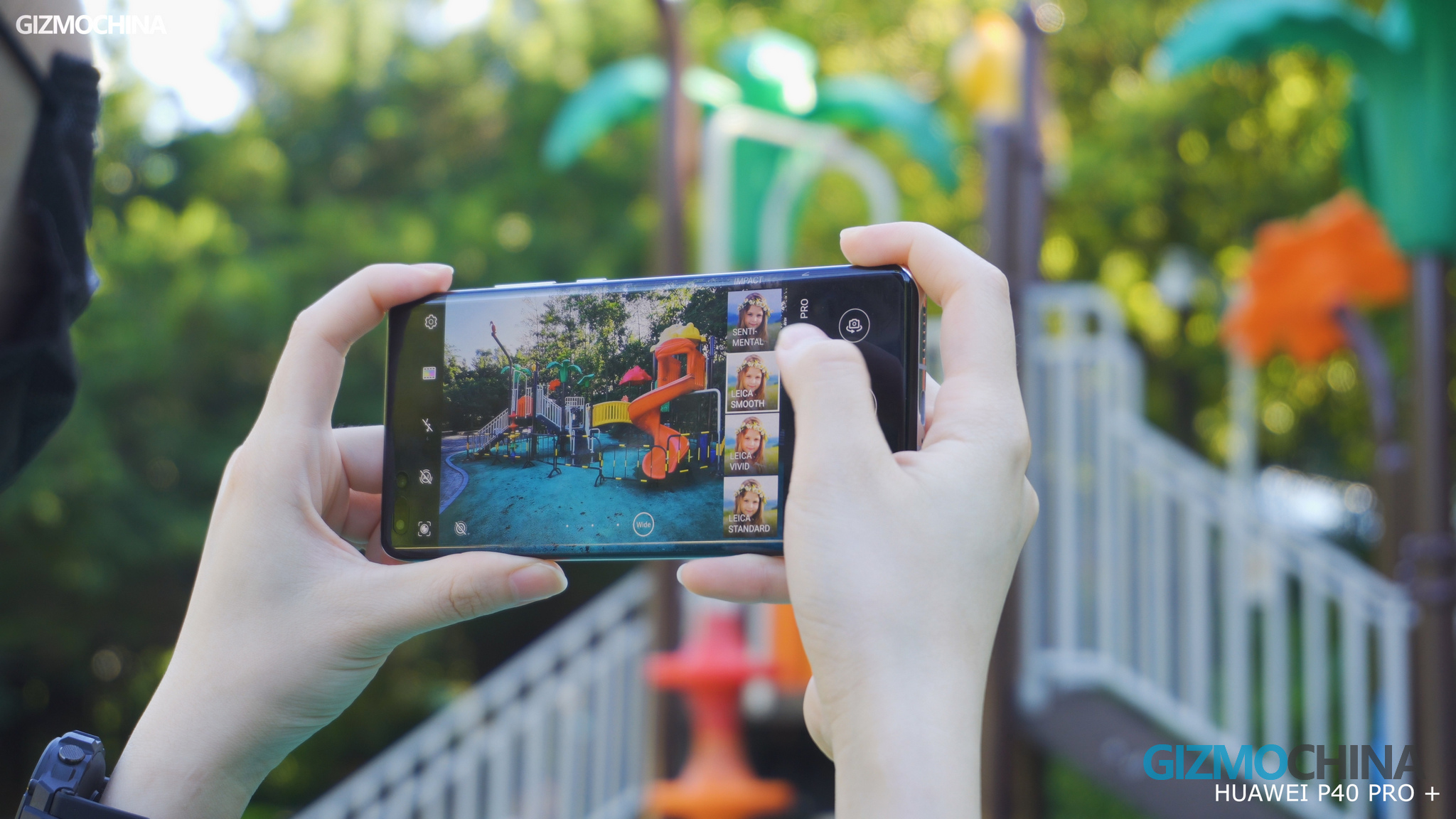
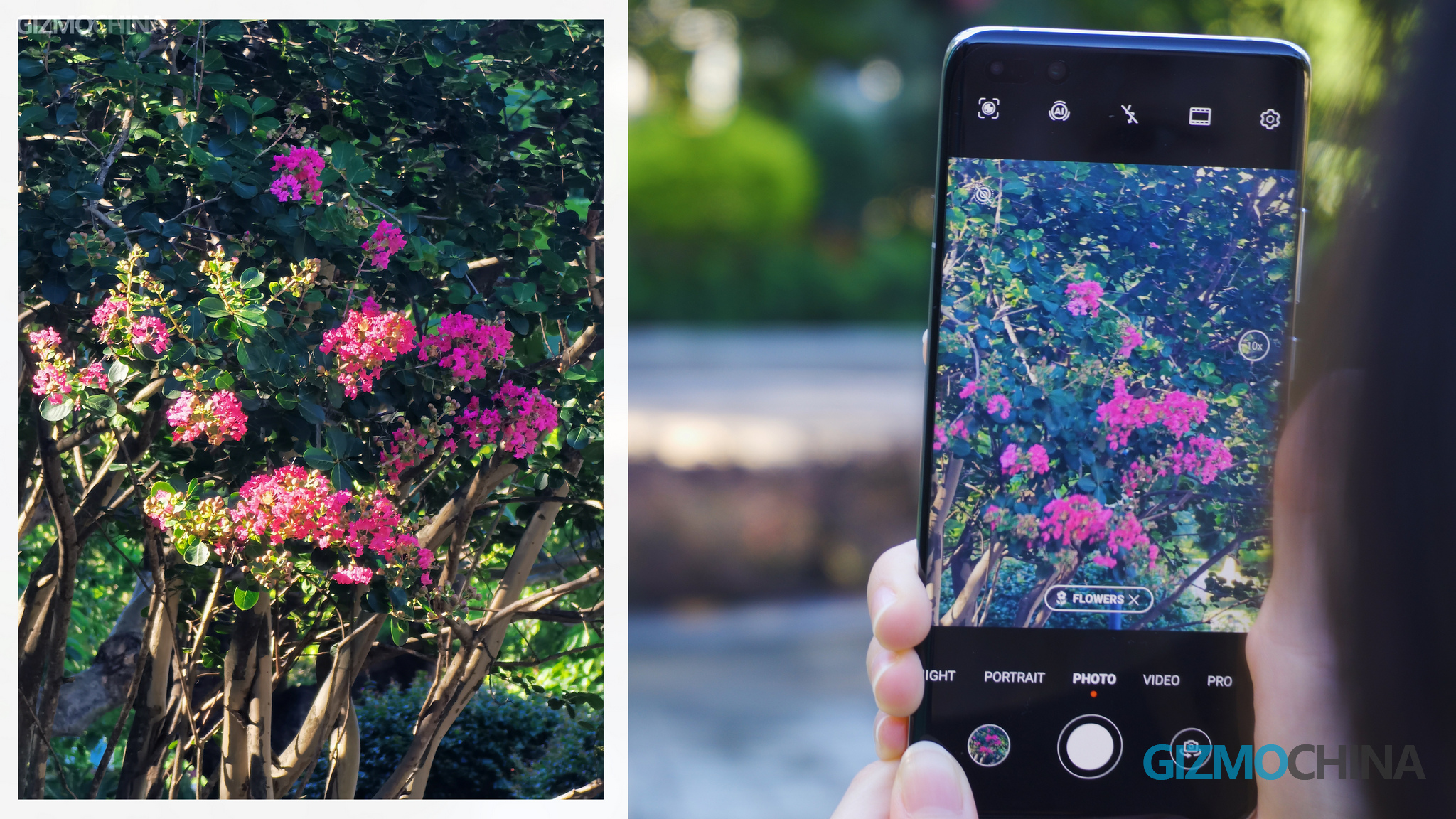
Huawei P40 Pro Plus’ camera isn’t very different from the P40 Pro since they share the same primary sensor. The camera samples have great contrast and good exposure latitude. And the original 50MP resolution also provided a clear image with good sharpness. And to simplify photography for users, Huawei has one of the most effective AI solutions for scene recognition and color tuning. So even for general users, it’s not difficult to apply appropriate color styles for different topics.
Huawei P40 Pro Plus vs P40 Pro Zoom Review
And if you are bored with the standard wide-angle view, the P40 Pro Plus amazingly brings you 2 more optical zoom cameras, a 3x and another 10x telephoto camera – a first for a smartphone in the market. Compared to the 5x zoom camera of the P40 Pro, the 3x zoom camera for the Plus version probably is a better choice. So you get a high-quality optical zoom between 3x and 10x. The 3x zoom has a maximum focal length of 81mm, which is closer to a 50mm portrait lens.
1 of 21
Huawei P40 Pro Plus camera sample
Huawei P40 Pro Plus camera sample
Huawei P40 Pro Plus camera sample
1x
1x-1
1x-2
taken from afar 3x-1
taken from afar -10x
taken from afar - 3x
taken from afar 10x-2
taken from afar - 10x
leica vivid
leica standard
leica smooth
leica impact
10x-flower ai recognition
Huawei P40 Pro Plus camera sample
10x-2
10x
Huawei P40 Pro Plus camera 28x
The most frequently used range of focal length usually stays no longer than 100mm, so it seems that a 3x optical zoom camera is more practical than the 5x telephoto sensor of the Pro model. However, we have to compare the samples from the P40 Pro and Plus in different zoom ranges to test this belief.
1 of 4
Huawei P40 Pro 0.6x
Huawei P40 Pro Plus 0.6x
Huawei P40 Pro 1x
Huawei P40 Pro Plus 1x
From 0.6x to 2.9x zoom, there is not much difference between the 40 Pro and the Plus version due to the same wide-angle camera and main primary shooter. But when we extended the zoom range from 3x to 4.9x, the image quality difference turned out to be remarkable as the Plus version was using the separate 3x optical lens while the image shot by the Pro version is a cropped creation by the primary camera. Though the color is quite similar to each other as they’re running the same camera software, it’s no doubt that the separate 8MP 3x zoom camera produces a clearer image with better details.
1 of 4
Huawei P40 Pro Plus 5x
Huawei P40 Pro 5x
Huawei P40 Pro 3x
Huawei P40 Pro Plus 3x
From 5x to 9x zoom, the images shot by the Pro version took the definite lead. It’s not surprising as the Pro version used its 5x optical zoom camera, while the Plus version still used its 3x zoom camera.
1 of 4
Huawei P40 Pro 10x
Huawei P40 Pro Plus 10x
Huawei P40 Pro 50x
Huawei P40 Pro Plus 50x
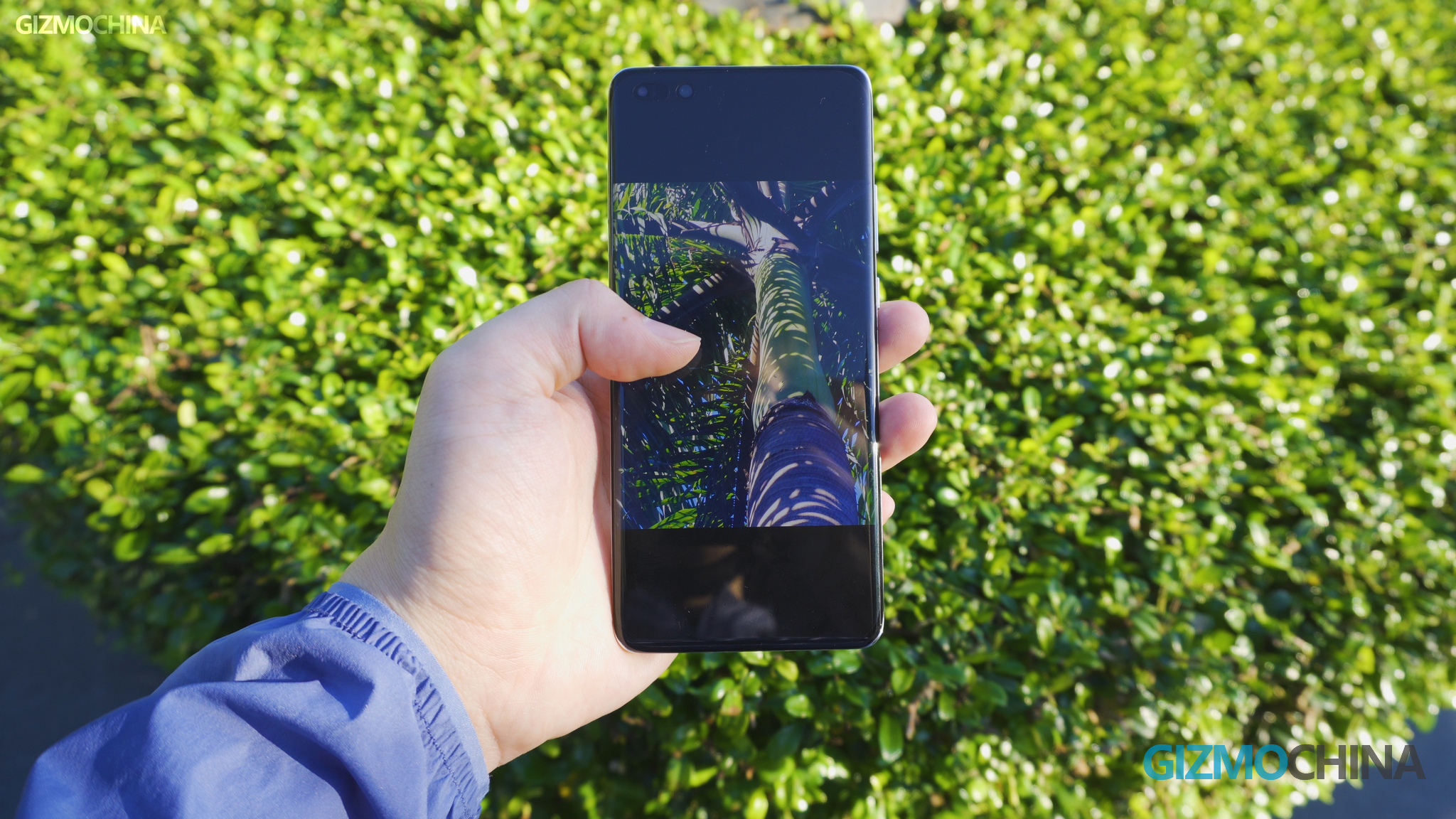
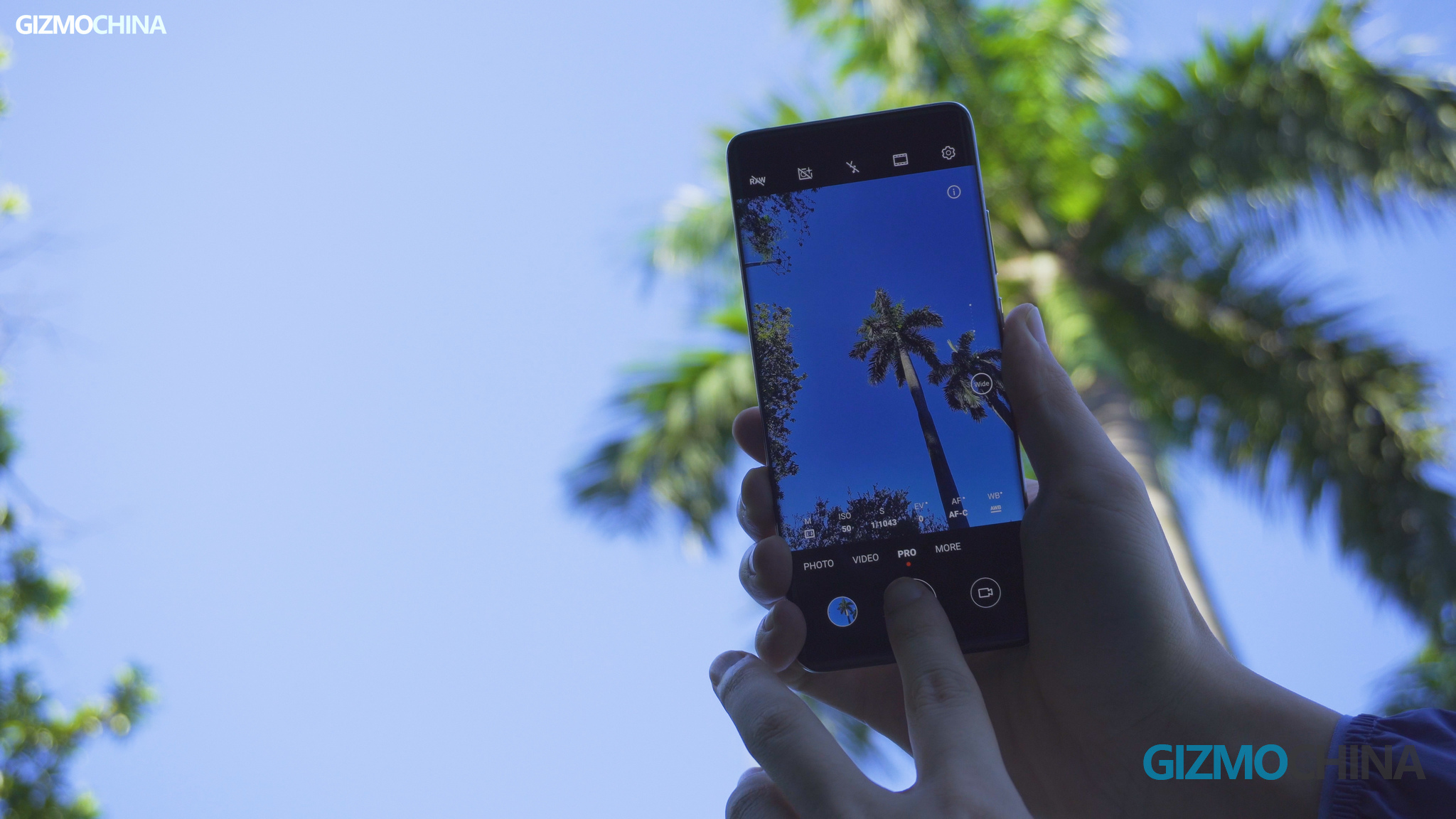
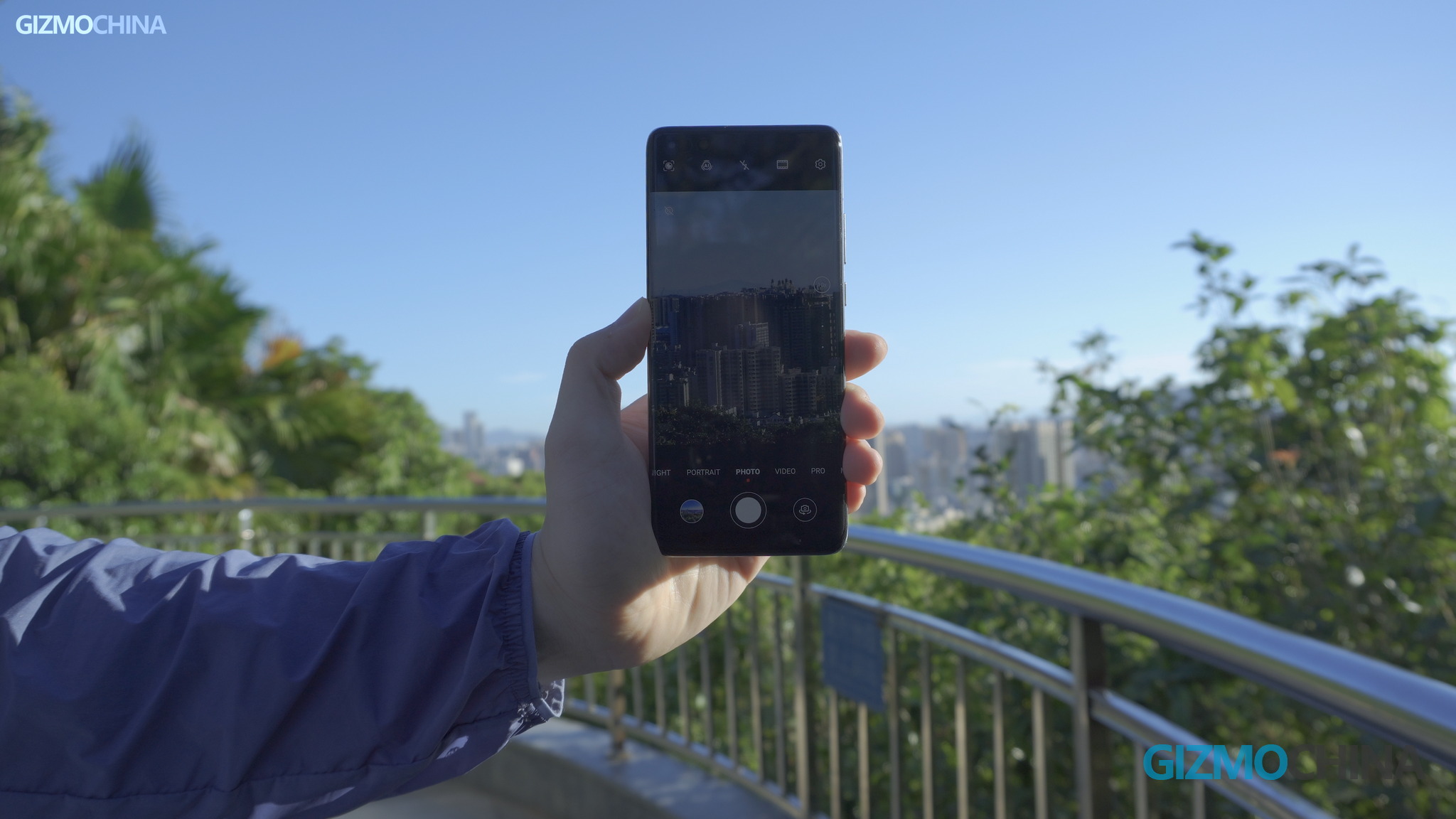
And eventually, as we zoomed the Plus version to 9.1 times, what we saw in the viewfinder is pretty surprising, not just because of its superb clarity but also for its powerful stabilization when I was holding it in my hands. It’s worth adding that even for some professional cameras, it’s NOT common to have such stabilization over 200mm focal length. After seeing it on a phone, we are really amazed by the tech developed by Huawei. It is the first and only brand (so far) to bring 10x optical zoom to everyday users without any need for expert or technical photography knowledge.
Huawei P40 Pro Plus Review Hands on Featured
So it’s clear that the additional expensive camera sensor is fully functional and not just aa gimmick. We could also apply different filters and night mode to the whole range of focal length.
Huawei P40 Pro Plus In Night Mode
Now, let’s see some 10x zoom samples under night mode. Similar to how it works over the primary camera, users have to hold it steady for several seconds as it creates composite photos. So if you want to use the 10x zoom camera, it’s better to attach the phone to a tripod to get a perfect stabilization.
1 of 7
primary camera-2
Huawei P40 Pro Plus primary camera 4
Huawei P40 Pro Plus primary camera 3
Huawei P40 Pro Plus primary camera
Huawei P40 Pro+ 10x-night
Huawei P40 Pro+ 10x-night-3
Huawei P40 Pro+ night-2
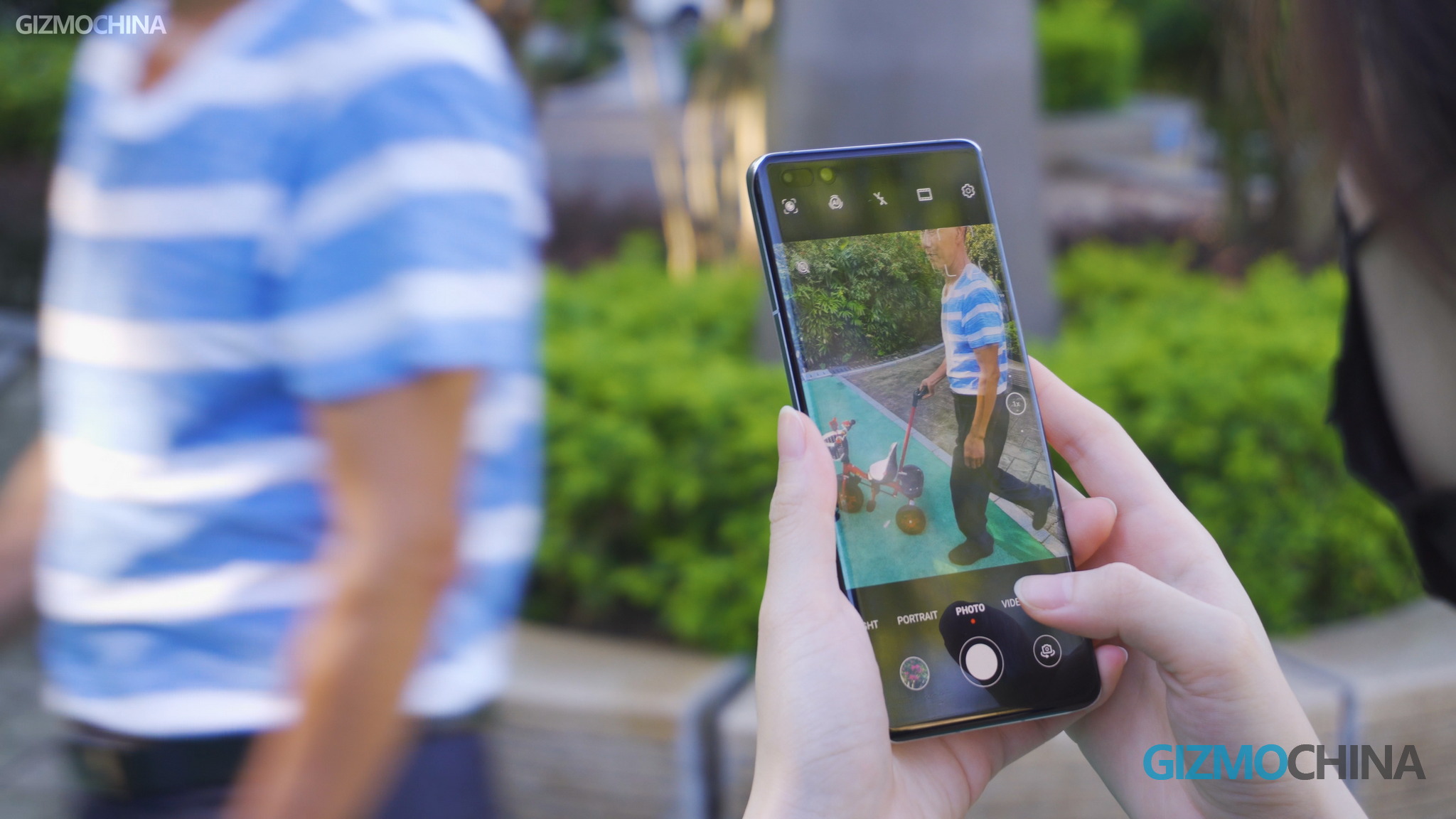
But the Huawei P40 Pro Plus has the same issue we discussed in the review video of the P40 Pro model, which is the viewfinder. What you see on the display viewfinder is not what you eventually get. The captured images turn out to better than what’s seen on the viewfinder.
Huawei P40 Pro Plus Review Hands-on Featured 4
It’s probably designed to protect the phone from overheating and consuming a lot of power. After all, computing the final result live on the viewfinder could be an exhausting task for the device. And indeed, the Plus variant managed to keep the temperature under control with good power consumption levels. We’ll talk about it in detail in the next para.
1 of 4
You can check out the full resolution camera samples from this drive link.
Huawei P40 Pro Plus Videography & Battery Consumption
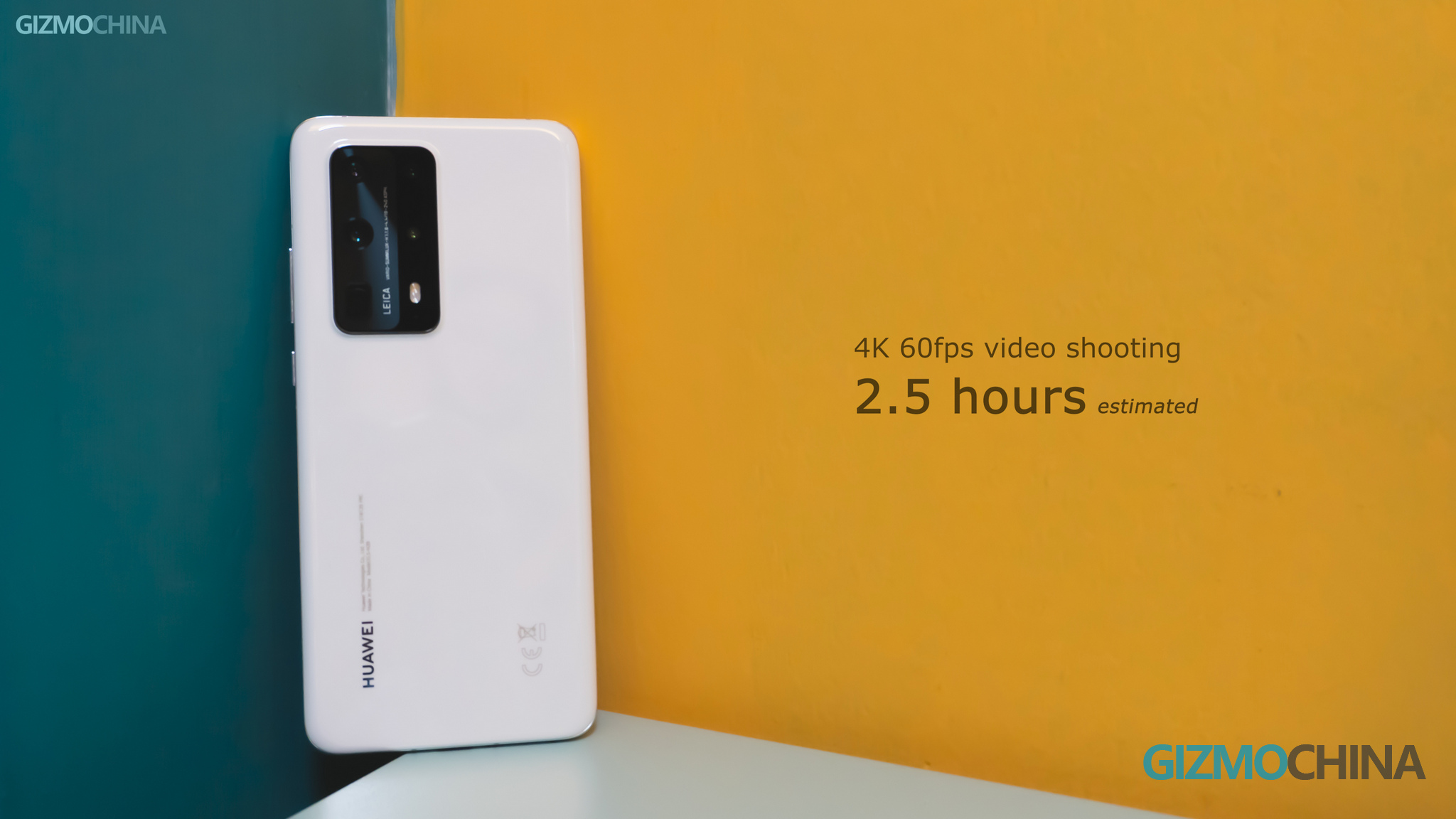
In addition to all the camera experience, we also tested the Plus model’s battery endurance as a filming machine. So we shot 4k 60fps video on both the P40 Pro and the Plus version for 30 mins.
The P40 Pro consumed 18% power, while the Plus model consumed 17% of power. And both of them controlled the temperature very well. So accordingly, there should be little difference between their battery performance. Accordingly, we estimate that the P40 Pro and the Plus version can shoot video at the highest quality for over 2 and a half hours.
Huawei P40 Pro Plus Review – 4K Battery Life
You can read our Huawei P40 Pro review for more details about its display and battery – as it shares most of the components with its cheaper sibling.
So that’s how the Plus version enhances everyday photography for ordinary users.
But for professional photographers, all the features we’ve talked about probably just meet their basic demands in their creation process. Compared to their professional equipment, the image quality created by the HUAWEI P40 PRO Plus may not able to convince them to use it as the primary device for photography, at least not for every professional. However, it doesn’t mean that the Plus version is completely useless for professional photographers.
As we mentioned above, the P40 Pro Plus is small and is able to shoot excellent zoomed-in photos without the need for bulky switchable lenses. Believe it or not, photographers hate carrying all kinds of cameras and their accessories when they need to work in poor conditions. More importantly, great moments are fleeting. So even professionals often need something that’s portable but capable of delivering good quality shots. And the Huawei P40 Pro Plus comes close to meeting this demand.
We have seen the evolution of the phone camera for years, and it is undeniable that the Huawei P series is one of the most aggressive camera smartphone lineups. For ordinary users, the intelligence of its cameras such as AI recognition helps bring a high-end photography experience without the need for any technical knowledge. For professionals, on the contrary, it expands the possibility of what a smartphone camera can do, bringing it closer to professional cameras than ever before.
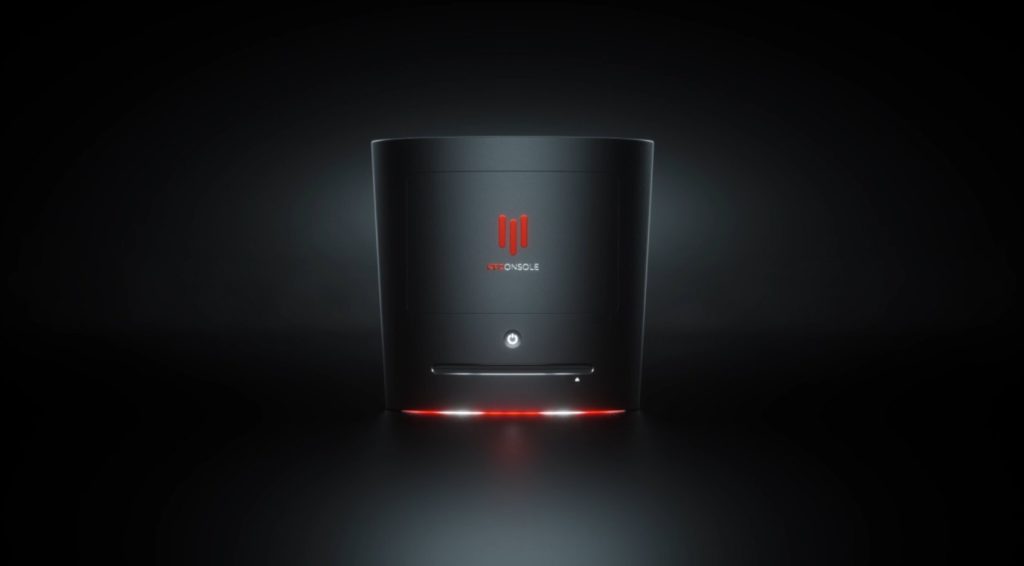
A few hours after the PlayStation 5 was officially unveiled by Sony, out of the blue, KFC dropped a teaser for its own gaming console called KFConsole. The video posted on Twitter highlights the design and features of the mystery product.
KFC is one of the largest fast-food chains in the world. It is known for bizarre campaigns and the new KFConsole seems to be part of it. In fact, it could be a parody altogether even though the company mentions a November 12 launch date.
The next-generation gaming consoles from Sony (PS5) and Microsoft (X Box Series X) are slated to release in Holiday 2020. We might also witness the KFConsole at around the same time if it is indeed a real product.
According to the teaser video, the KFC made gaming console will feature a built-in chicken chamber with support for cross-platform. It also seems to have a Blu-ray disc player just like the other two popular consoles in the market.
What is even more interesting is that KFC is promising 120 FPS and True 4K support on its first-gen console. Anyway, we will know more about it in 5 months from now.
Xiaomi has launched a portable hand fan which also doubles as a humidifier. The DOCO Ultrasonic Dry Misting Fan looks like a regular hand fan but comes with a misting feature. It is presently available on the Youpin website for 69 yuan (~$10).
The fan utilises a DC brushless motor with a lower noise level, low power consumption and doesn’t get hot even with prolonged usage. The lifespan of the brushless motor is said to have been increased by 50% compared to other such fans.
It comes with three-speed wind speed control while the misting speed can be adjusted in two different levels. For the fan, the first gear has a rotational speed of 3200 rpm. The rotational speed of the second and third gears are 4100 rpm and 5100 rpm respectively.
Compared to the traditional fan, the misting fan can cool the temperature by about 3 ℃. There is a compartment for water and the water is blown through misting nozzles or a centrifugal misting system, producing a fog of water droplets so fine they can barely be seen. This fog is so fine that your skin and clothing won’t feel wet; instead, you’ll simply experience a fresh coolness.
The DOCO ultrasonic dry misting fan has a built-in 2000mAh lithium battery, which can be used for a maximum of 12 hours (first gear), second gear for 9 hours, and third gear for 3.4 hours when fully charged.
In terms of design, it is small and light, weighing only 155g, making it easy to keep in a bag. The fan also comes with a vertical stand which makes it easy to be placed on a flat surface. It is available in green, pink and white colors.
It is a regular occurrence that smartphone protective cases often go on sale sometimes months before the official launch. That is because several OEMs including Samsung, Motorola, LG,Sony, and others have official programs that case manufacturers can pay an undisclosed sum to join. That deal gets them early access to new phone models so they can have cases ready to launch on day one, or sometimes to show off alongside the new device when it’s announced, which can be weeks or even months before the actual release date.
Xiaomi is yet to announce the Mi CC10 model but the smartphone’s protective case has been listed for sale on a third-party store on Chinese e-commerce platform Taobao. The listing gives us a hint of the design that the Mi CC10 would bring.
The pictures show the device will have a round camera housing shaped like Oreo. The came holds four sensors which look similar to the Redmi K30 Pro camera design. The difference is that the arrangement of the sensors is in a four Cardinal direction. In addition, the renders show a full-screen design without any cut-out. But there is no cut-out for a pop-up camera so the phone may likely feature a punch-hole or notch design.
A Russian tech blog recently revealed some supposed details of an upcoming Xiaomi phone that is codenamed CAS and believed to be a family member of forthcoming Xiaomi Mi CC 10 lineup. Xiaomi is said to have been working on the CAS phone since the beginning of this year.
The phone will have a 108-megapixel main sensor but it won’t be the Samsung HMX sensor that was featured on the Mi CC9 Pro, Mi 10, and Mi 10 Pro. Instead, the phone could feature an improved version of the same lens that is codenamed HM2. The new sensor will reportedly bring support for up to 120x digital zoom and also 12x optical zoom.
In addition, the leak tips the Mi CC10 to pack the unannounced Qualcomm Snapdragon 775G chipset. The SoC will bring support for 5G and NFC.
Xiaomi may likely launch the model outside China just like the Mi CC10 emerged as Mi 9 Lite last year. The thing is, the tech giant has already used the Mi 10 Lite moniker. So we can’t guess what it would launch as outside China. We’ll keep you posted as more details emerge.
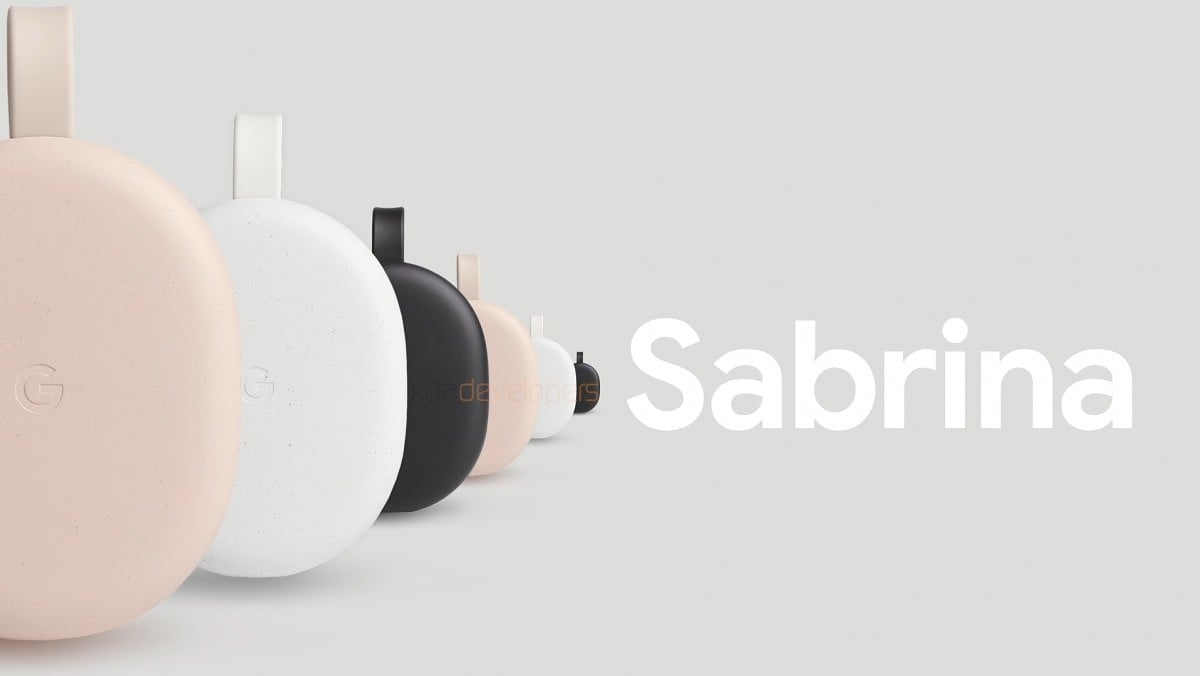
Google is expected to announce a new Android TV dongle this year. The device which is codenamed “Sabrina” has been in the news lately and we already have an idea of what it will look like. if you are wondering what it will pack inside, then you are at the right place.
A leak has revealed the specifications of the Android TV dongle, and actually, the specs are not unusual. According to XDA-Developers, Sabrina will have 2GB of RAM and will come with Amlogic’s S905X2 chipset. The processor is built on a 12nm node, has four Cortex-A53 cores clocked at 1.8GHz while the GPU is Arm’s Mali-G31 MP2.
This is a pretty popular chipset used in several Android TV devices and set-top boxes. It supports 4K decoding (4Kp75) and can output 4Kp60 over HDMI 2.1. It also supports HDR10, HLG, and Dolby Vision.
Sabrina will also come with a Broadcom BCM43569 Bluetooth+Wi-Fi chip and will have a feature called ALLM (Auto Low Latency Mode). ALLM is a feature that will automatically toggle on game mode on TVs with the feature. Game Mode actually reduces latency when playing games on a TV and it appears Sabrina will be able to automatically turn it on on supported TVs. This feature is believed to point at Sabrina having support for Google’s game streaming service, Stadia.
Other details revealed about the dongle include having a Bluetooth remote with support for a long-press action for one of the keys. The remote is also believed to have dedicated buttons for Netflix and YouTube.
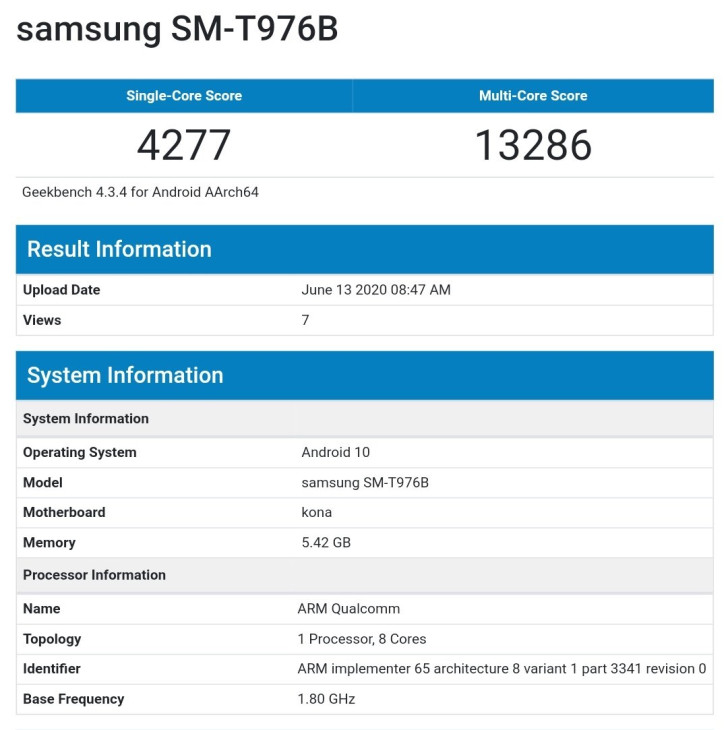
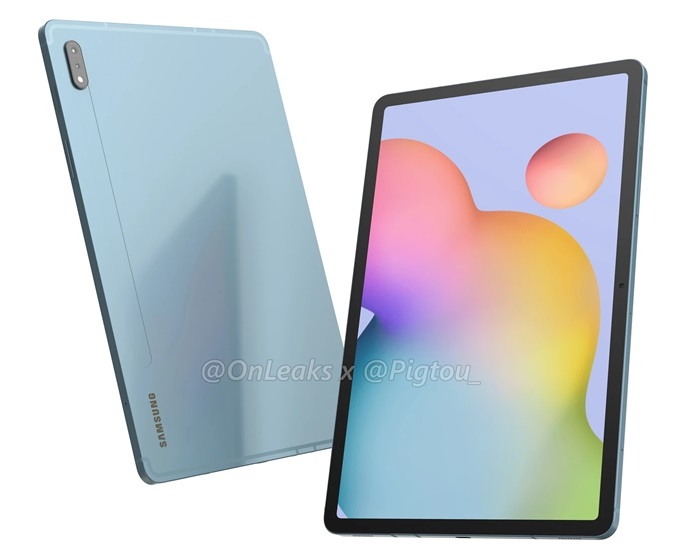
The tablet market has continued to perform poorly due to the emergence of phablet-sized smartphones. Notwithstanding, some of the top players in the industry such as Samsung, Apple and Huawei have continued to keep faith with the market. Samsung has got a high-end tablet in the works and it has just appeared on Geekbench.
The tablet appears with the model name Samsung SM-T976B but is believed to be the Galaxy Tab S7+. The flagship Galaxy Tab S7+ had earlier received Bluetooth SIG certification under the same model name. GeekBench data shows the tablet will be powered by a Qualcomm Snapdragon 865 chipset which has the code-name “Kona”. The processor will be paired with 6GB of RAM but there may be other higher variants.
Earlier on, the Bluetooth SIG certification of the SM-T976GB reveals the support for Bluetooth 5.0 on the device. Based on the past reports, it can be said that its Wi-Fi only version has SM-T970 model number whereas its 4G variant has SM-T975. The 5G version of the Galaxy Tab S6 was only available in South Korea. It is being said that the Galaxy Tab S7+ 5G could be coming to markets like Europe and the U.S.
The Galaxy Tab S7+ is rumoured to be equipped with a mammoth 12.4-inch S-AMOLED display. The screen may likely be integrated with a fingerprint reader. A recent leak tips the tablet’s display to feature support for120Hz refresh rate. It runs on Android 10 OS and will have a humongous 9,800mAh battery.
Do 4G smartphones still make sense in the second half of 2020? Yes, because 5G is still not widely used and it is currently not necessary to do every activity with satisfying connection speeds. In the coming years, the situation will change all around the world, but if you get a mid-ranger like the newly-announced Vivo V19 Neo, you will save money, so you will be able to get a 5G phone in the future without worrying so much. If you want to keep the same device for several years, then it is probably better to get a 5G-enabled phone like OPPO Reno4 5G and Xiaomi Mi 10 Lite 5G. But if we exclude the connectivity, it is worth spending more on these two devices? Let’s discover it together through a specs comparison highlighting the main differences.
Vivo V19 Neo vs Oppo Reno4 vs Xiaomi Mi 10 Lite
Oppo Reno4 5G
Xiaomi Mi 10 Lite
Vivo V19 Neo
DIMENSIONS AND WEIGHT
159.3 x 74 x 7.8 mm, 183 g
164 x 74.8 x 7.9 mm, 192 g
159 x 74.2 x 8.5 mm, 176 grams
DISPLAY
6.43 inches, 1080 x 2400p (Full HD+), AMOLED
6.57 inches, 1080 x 2400p (Full HD+), Super AMOLED
6.44 inches, 1080 x 2400p (Full HD+), Super AMOLED
Quad 48 + 8 + 2 + 2 MP f/1.8, f/2.2, f/2.4 and f/2.4
32 MP f/2.5 front camera
BATTERY
4000 mAh, fast charging 65W with SuperVOOC 2.0
4160 mAh, fast charging 20W
4500 mAh, Fast charging 18W
ADDITIONAL FEATURES
Dual SIM slot, 5G
Dual SIM slot, 5G
Dual SIM slot
Design
In my honest opinion, OPPO Reno4 has the most stunning design because it is built with premium materials. It sports a glass back protected by Gorilla Glass 6 (the display has the latest Corning’s protection as well) paired with an aluminum frame, just like the most expensive flagship smartphones. Further, it comes with a dual punch hole instead of the notch found on the Xiaomi Mi 10 Lite 5G. Vivo V19 Neo is made of polycarbonate, but it is still a very elegant device thanks to its punch-hole display and a very high screen-to-body ratio. But the premium materials, the attractive color variants, and the less invasive camera module would make me go for the OPPO Reno4.
Display
Despite being affordable phones, Oppo Reno4, Vivo V19 Neo, and Xiaomi Mi 10 Lite all come with AMOLED displays. So they show brilliant colors and deep blacks and they are also very efficient. The Xiaomi Mi 10 Lite 5G deserves to be considered because it is the only device from the trio to sport an HDR10+ panel, but this does not mean that it will provide a better quality in all the scenarios. As this comparison is only based on the specs on the paper and these panels are similar, we can not give you a definitive verdict until we tested all of these handsets.
Hardware/Software
The most impressive hardware belongs to both the Oppo Reno4 and the Xiaomi Mi 10 Lite which come with a Snapdragon 765G processor (including a 5G integrated modem), up to 8 GB of RAM and up to 256 GB of native storage. They have upper-midrange hardware that behaves well with every kind of activity, including multi-tasking and gaming. Vivo V19 Neo has an inferior processor and it does not support 5G, but on the other hand, it offers a micro SD slot to expand the internal storage, unlike Oppo Reno4 and Xiaomi Mi 10 Lite. On the software side, you get Android 10 with a highly-customized user interface.
Camera
All of these devices are more than sufficient as camera phones, but they are just midrange camera phones. I like the rear camera of the Xiaomi Mi 10 Lite because it is the only able to record 4K videos at 60 fps, but I also like the bright focal aperture of the Oppo Reno4 which should allow clicking better photos in the dark. The best front camera department belongs to Oppo Reno4 sporting a dual front camera including a 32 MP main snapper and a depth sensor for a better bokeh effect and depth info calculation.
Battery
The longest battery life will be probably offered by the Vivo V19 Neo for two simple reasons: the Vivo V19 Neo has a bigger 4500 mAh battery and it does not support 5G. With some usage patterns (if you do not use 5G and avoid energy-demanding activities), you may get a longer battery life with the Xiaomi Mi 10 Lite due to its more efficient chipset built at 7 nm. Oppo Reno4 has the smallest battery but on the other hand, it is one of the fastest-charging phones ever. Thanks to its SuperVOOC 2.0 technology with a 65W power, it is able to charge from 0 to 100 percent in just 36 minutes.
Price
You can get the Oppo Reno4 in China with prices starting from €370/$416, Xiaomi Mi 10 Lite begins at €328/$369, and Vivo V19 Neo costs just €270/$304. Unless you want to save a consistent amount of money, we do not recommend the Vivo V19 Neo. Oppo Reno4 has the best build quality, blazing charging speeds, and the greatest front camera, while Xiaomi Mi 10 Lite offers HDR10+ and a battery which should last a bit longer. What would your choice be?
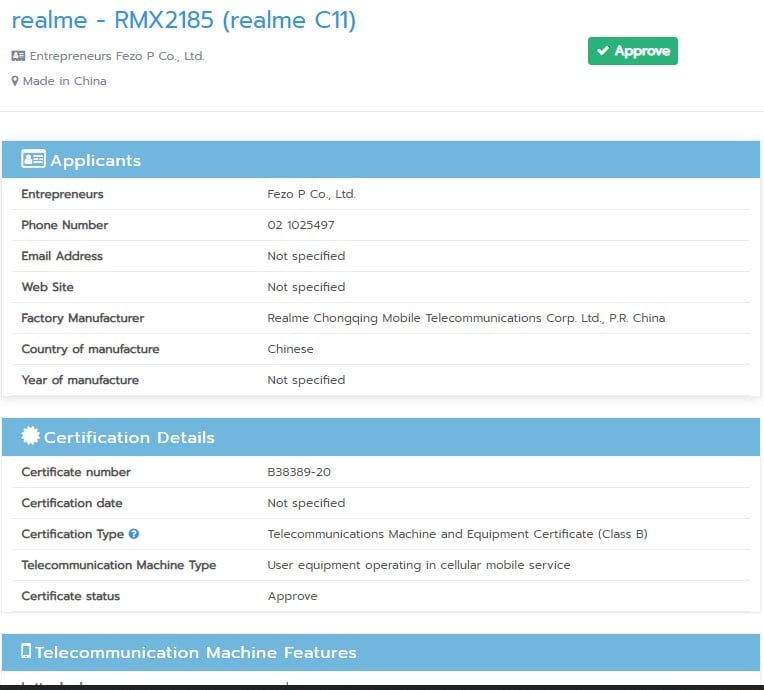
Not Realme X50t nor Realme X3, the mysterious Realme device which has been floating around the web with the codename RMX2185 is supposed to debut as Realme C11. Today, the Realme RMX2185 smartphone has made an appearance on the NBTC certification website, literally confirming the Realme C11 moniker.
The Realme C11 first appearance on TKDN Indonesia last month revealed nothing other than the model number RMX2185. The majority of the tech watchdogs believed the device to be upcoming Realme X50t or Realme X3. But the guess-works are finally getting a halt as the NBTC has explicitly listed Realme C11 by attaching to the model number RMX2185. Perhaps, no one would have thought of Realme C11 to come out.
Nonetheless, since C-Series from Realme is supposed to belong in the mid-budget hierarchy with moderate specs, the Realme C11 should be a budget device. Well, we know nothing about the device yet, about its specs or how it looks in the real world. Certainly, it’s expected to come with the latest Android 10 with Realme UI on the top. While we may be wrong the processor is likely to be a MediaTek Helio G-Series.
Interestingly, the RMX2185 also cleared SIRIM Malaysia today and appeared on Indonesia certifications a few days ago. These authorities didn’t reveal the Realme C11 moniker but the RMX2185 which we’re used to so far. Since the device has bagged multiple certifications worldwide, the launch can certainly happen soon than later.
The device has been mysterious all through since its first appearance on the TKDN. Its real name is out today, similarly, we could see its specifications, images and all most every bit of the device to get spoiled in the coming days. What do you guys think of the device?
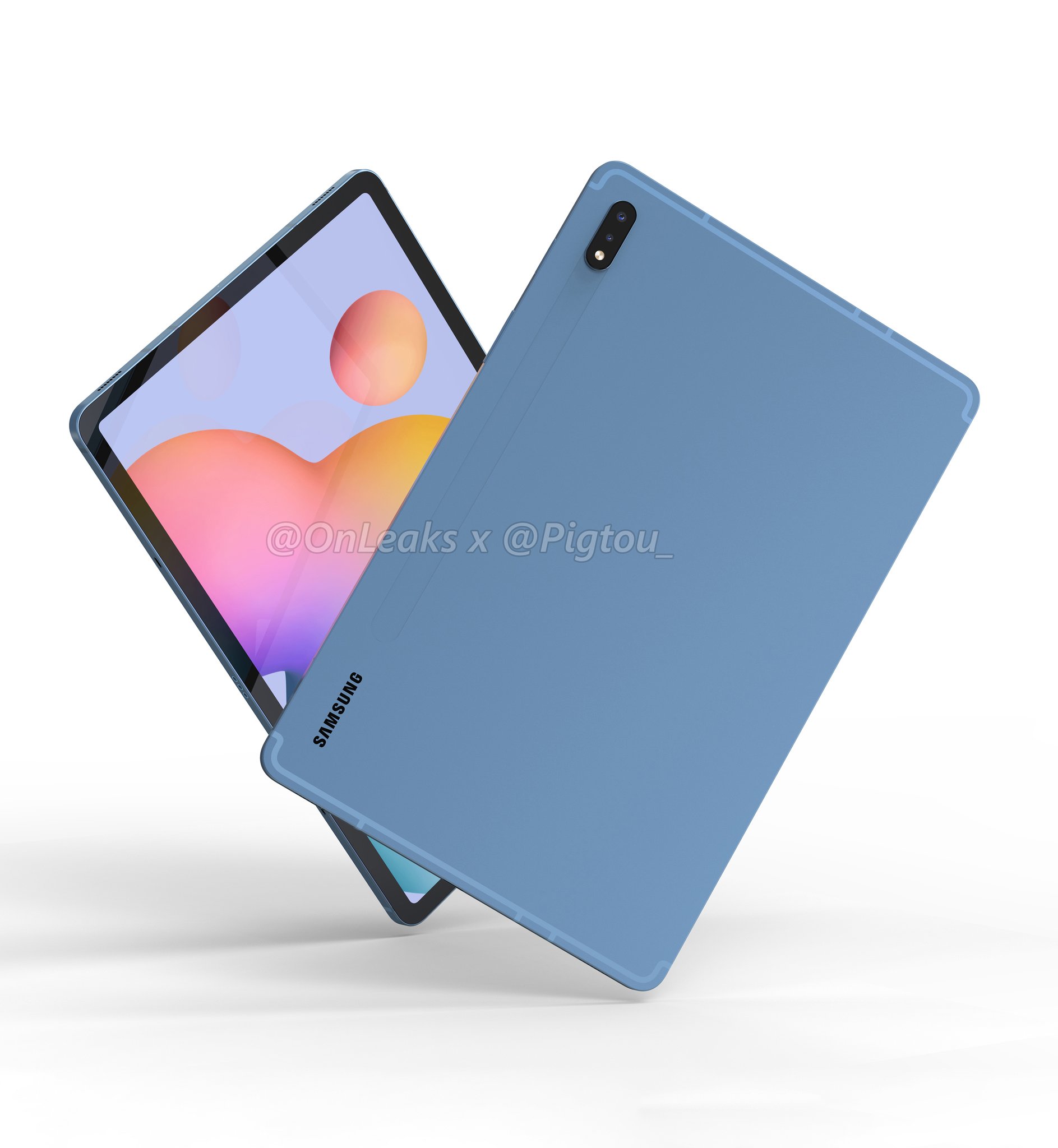
Samsung is doing something different with the Galaxy Tab S series this year. Alongside the standard Galaxy Tab S7, there will also be a Galaxy Tab S7+. Our guess is that it is going the Apple way by launching two different sizes for its flagship tablet line. So the Plus should be bigger and may also pack more features than the standard edition.
A leak has revealed one feature that will be common to both variants and that is a display with a 120Hz refresh rate. This is another area where Samsung is borrowing a leaf from Apple’s 2020 iPad Pro 11 and iPad Pro 12. Both tablets have a 120Hz refresh rate.
The info comes from the trusted leaker Ice Universe (@UniverseIce).
While Samsung is coming late to the party with a high-refresh rate for its flagship tablets, it gets the upper hand as the displays will be AMOLED panels unlike those of the iPad Pro series which are LCD panels.
The Galaxy Tab S7 will come with dual rear cameras, stereo speakers, and a USB Type-C port. It is expected to have a Snapdragon 865 processor under its hood and should be available in Wi-Fi and 5G versions. The tablet should also run Android 10 out of the box and come with an S Pen.
Samsung is expected to announce the new tablets in early August.
Huawei’s US ban was extended for another year last month. Additionally, TSMC was cut-off to manufacture chips for the Chinese tech giant. Hence, the company has been looking for possibilities to keep its business up and running. Now, a new report suggests Samsung might help Huawei in making its 5G base station chipsets.
(Photo by Kevin Frayer/Getty Images)
Huawei is a telecommunication company first and a smartphone maker next. Still, it is the second-largest smartphone company in the world. It was even supposed to surpass Samsung by the end of this year but the US ban has shattered the opportunity.
That said, it is fine for the company to lose in the mobile phone segment but the same cannot be said for its telecom business. It has contracts to deliver 600,000 5G base stations, which are powered by its in-house HiSilicon Kirin chipsets manufactured by TSMC.
Hence, Samsung is reported to be in talks with Huawei to manufacture chips for the latter’s 5G base stations. The South Korean tech giant is one of the largest chipmakers in the world.
Samsung uses Extreme Ultra-Violet (EUV) lithography machines made by Dutch company ASL to manufacture 7nm chipsets. Whereas, for testing, it uses machines from Japan. Since there’s no involvement of US-based tech, it can supply chips to Huawei.
In return, Huawei will have to give up its smartphone share to Samsung since the electronics division is the lifeline of the South Korean tech giant.
This is the best chance for Huawei to save its telecom business by sacrificing smartphone division. As of now, it is not sure whether the Chinese company will accept this offer but the probability is more as the homegrown SMIC is stuck at 14nm.
The Redmi 8A Dual is a slight upgrade to the Redmi 8A that launched last year. The main difference between the two phones is that the latter comes with dual rear cameras.
When it was announced in February, the Redmi 8A Dual was available in two configurations – 2GB RAM + 32GB and 3GB RAM + 32GB. Today, Redmi India has announced a third configuration that has 3GB of RAM and 64GB of storage.
Warning: Storage Full? Now you don't worry as we've got it all covered with #DoubleDumdaar! 💪#Redmi8ADual now in 3GB+64GB storage option. Get yours on 15th June at 12noon on https://t.co/pMj1r7lwp8, @amazon and retail outlets. 😇
The first sale for the new variant will be at 12 noon on June 15 on Mi.com and Amazon India. It will also be available at authorized retail outlets. The price tag is INR 8,999 (~$118).
The Redmi 8A comes in three variants too but its 64GB version has 4GB of RAM and not 3GB of RAM as that of the Redmi 8A Dual.
The phone has a 6.22-inch HD+ (720 x 1520) display with a waterdrop notch. It is powered by a Snapdragon 439 processor and you get a dedicated MicroSD card slot.
On the back of the phone is a 13MP + 2MP dual-camera setup. You also get an 8MP front-facing camera. Redmi has removed the IR blaster from its entry-level smartphones but the audio jack is there and you don’t even need to plug in earphones to use the FM radio. You also get a 5000mAh battery with support for reverse charging and 18W fast charging.
We use cookies on our website to give you the most relevant experience by remembering your preferences and repeat visits. By clicking “Accept”, you consent to the use of ALL the cookies.
This website uses cookies to improve your experience while you navigate through the website. Out of these, the cookies that are categorized as necessary are stored on your browser as they are essential for the working of basic functionalities of the website. We also use third-party cookies that help us analyze and understand how you use this website. These cookies will be stored in your browser only with your consent. You also have the option to opt-out of these cookies. But opting out of some of these cookies may affect your browsing experience.
Necessary cookies are absolutely essential for the website to function properly. This category only includes cookies that ensures basic functionalities and security features of the website. These cookies do not store any personal information.
Any cookies that may not be particularly necessary for the website to function and is used specifically to collect user personal data via analytics, ads, other embedded contents are termed as non-necessary cookies. It is mandatory to procure user consent prior to running these cookies on your website.