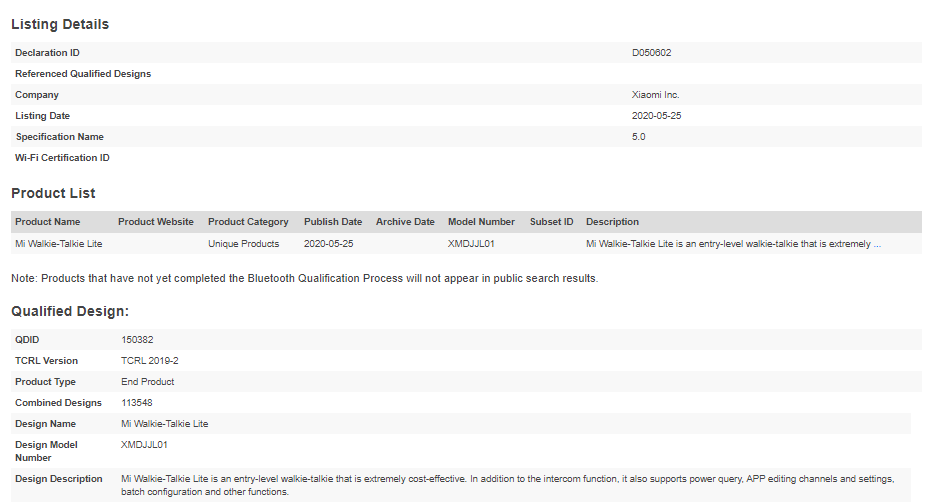
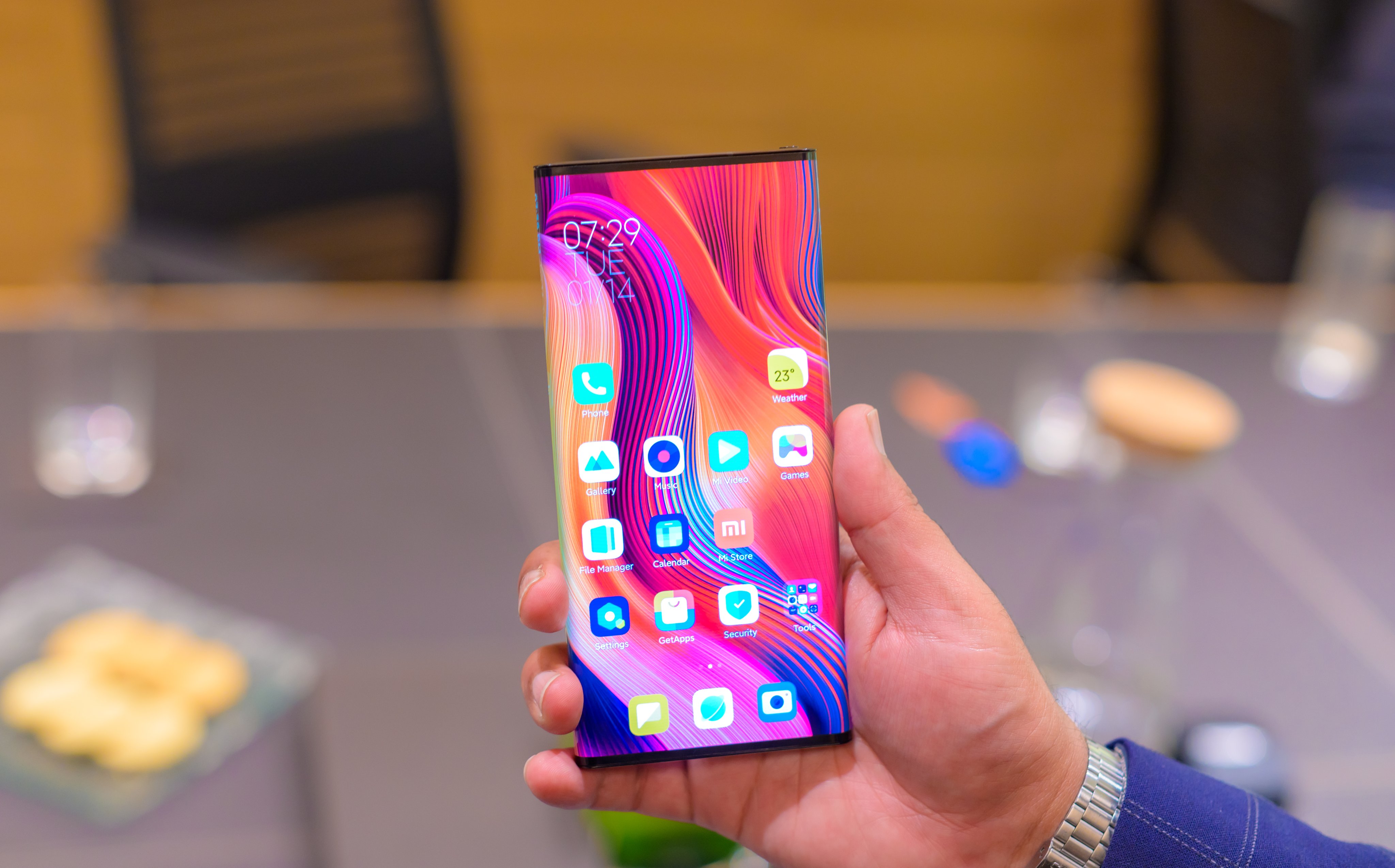
Xiaomi is known for its Walkie Talkies which are launched under its Mijia brand as well as those of its other ecosystem companies. The Bluetooth SIG website has revealed Xiaomi has a new one coming and it will launch as the Mi Walkie-Talkie Lite.
The device was certified late last month and has model number XMDJJL01. The description says it is an “entry-level walkie-talkie that is extremely cost-effective”. It adds that alongside the intercom function, it also supports “power query“, “APP editing channels and settings”, and “batch configuration”.
The Mi Walkie-Talkie Lite will support Bluetooth 5.0 which should come in handy in case you want to connect your earphones to it.
There is no info on when Xiaomi will announce it but it will be nice to see it launch outside of China too. Quite a number of folks have had to import its previous walkie-talkies to their respective countries, so a global launch for this inexpensive model will be welcome.
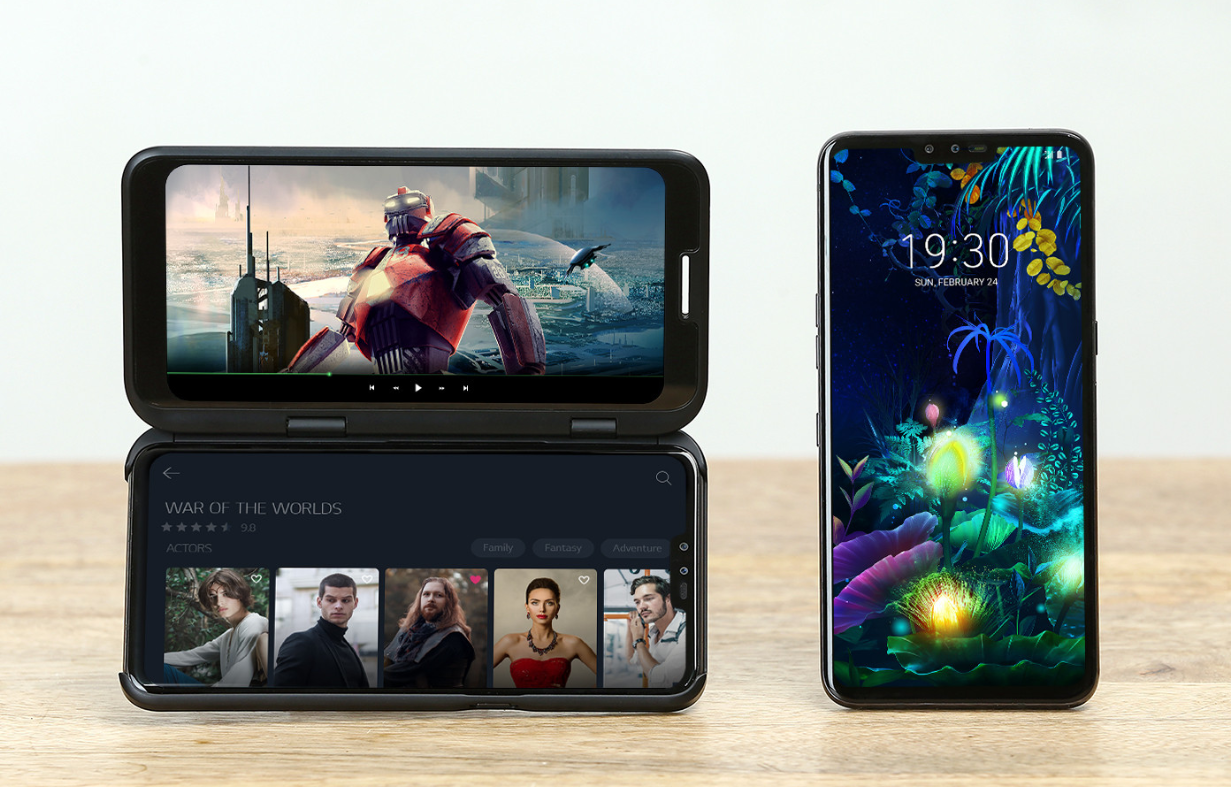
LG’s smartphone division may not be as famous as it used to be but they sure deliver good smartphones with excellent overall performance. The brand ventured into dual-screen technology with the launch of the G9 ThinQ. The V50 ThinQ and V60 ThinQ were also launched in 2019 and 2020 respectively packing a dual-screen design.
LG V50 ThinQ 5G
The technology behind the Dual-screen case used of the phones has now been revealed. Turns out LG didn’t directly manufacture the Dual Screen case but they brought in a firm called Keyssa to develop a sort of “wireless connector” to get the secondary display to connect and work in unison with the primary one. Keyssa calls its technology “Kiss Connectivity.”
In an interview with DisplayDaily, Keyssa Marketing VP Steve Venuti talked about the technology in devices like the LG V50 ThinQ. He spoke of the company’s wireless connector technology and how it enables two screens to “connect” without actually having wires running back and forth.
“Keyssa designs, markets, and sells what we call a wireless connector. Wireless, in that it uses RF to transmit and receive data between two devices. But, a connector in that it is designed for near-field, device-to-device applications where a mechanical connector may not be the most effective method for connecting two devices,” Venuti said in the interview.
Essentially, the technology is designed to work in a way that’s similar to a wire, but in situations where a cable wouldn’t be possible. The products offered by Keyssa are designed to emulate the characteristics and properties of wire without the physical connection. Even though it’s wireless, there are no needed firmware updates, so it does work as a wire.
The technology used for linking the secondary display to the rest of the phone is called mmWave, which — just like mmWave 5G — has a line of sight limitation. That ends up not being a disadvantage for Keyssa, as the company needed a near-field, device-to-device connection to accomplish its goals.
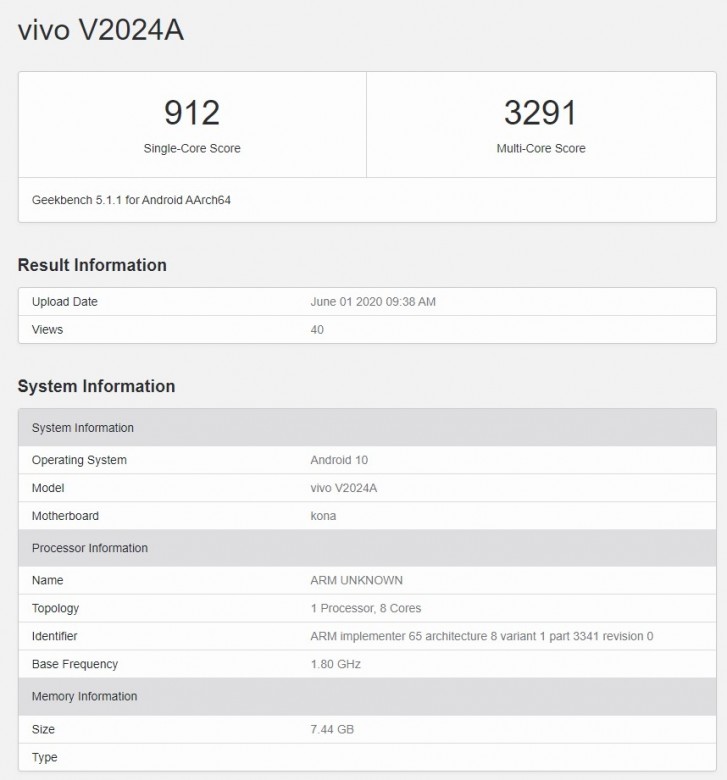
Vivo iQOO 3 5G was launched in February this year packing a Snapdragon 865 chipset. There are indications that the company will be launching another Snapdragon 865-powered model soon. The model has just been spotted on GeekBench. where the results are in line with the rest of the Qualcomm-powered flagship.
The model appeared as vivo V2024A and is rumoured to be the iQOO 3 Pro 5G. It is listed as running on the “Kona” platform which is the codename of the Snapdragon 865. The phone will boot Android 10 out of the box and pack 8GB of RAM.
The iQOO 3 Pro will be a higher variant of the iQOO 3. The phone will likely pack a similar design as the iQOO 3. The present model features an HDR10+ compliant 6.44-inch S-AMOLED display with a punch-hole at the top-right corner. The 20:9 aspect ratio supporting display produces full HD+ resolution of 1080 x 2400 pixels, 800nits of full screen brightness and 100 percent P3 color gamut. The screen of the iQOO 3 is integrated with an in-display fingerprint reader that unlock in just 0.31 seconds. The rear glass panel of the phone curves towards the edges.
Realme released several flagships in the last months and it is easy to make confusion for those who do not know this brand very well. The latest flagship killer released by the company is the Realme X3 SuperZoom. Right before, we saw the Player Edition of the most expensive flagship from the brand: Realme X50 Pro, which carries a more affordable price but is still 5G-enabled. But in the same price range, there is also the first flagship killer from the Chinese company: Realme X2 Pro. Which is the device with the highest value for money and which is the best for your needs? Find it out with this specs comparison from which we excluded the vanilla Realme X50 Pro due to its higher price tag.
Realme X3 SuperZoom vs Realme X2 Pro vs Realme X50 Pro Player
Realme X3 SuperZoom
Realme X50 Pro Player
Realme X2 Pro
DIMENSIONS AND WEIGHT
163.8 x 75.8 x 8.9 mm, 202 g
159 x 74.2 x 8.9 mm, 209 g
161 x 75.7 x 8.7 mm, 199 g
DISPLAY
6.6 inches, 1080 x 2400p (Full HD+), IPS LCD
6.44 inches, 1080 x 2400p (Full HD+), Super AMOLED
Despite it comes with premium materials (including an aluminum frame and a glass back), Realme X2 Pro is not the device we would recommend if you are seeking the most elegant design. That position of the logo on the rear side is all but amazing and its waterdrop notch makes it look like a more outdated device. Instead, you should go for the Realme X50 Pro Player which sports a minimalistic look, a dual punch-hole display while still guaranteeing premium materials like the Realme X2 Pro. The Realme X3 SuperZoom has a similar design to the Realme X50 Pro Player, but it replaces the aluminum frame with a plastic profile. That is why we recommend the Realme X50 Pro Player, which is also more compact.
Display
Realme X3 SuperZoom provides the highest refresh rate with 120 Hz, but despite that, it has a lower-end display panel compared to Realme X2 Pro and Realme X50 Pro Player. Its two rivals come with the same display specifications, including a Full HD+ resolution, the Super AMOLED technology, the HDR10+ standard and a 90 Hz refresh rate. They differ for the size: Realme X2 Pro has a slightly wider 6.5-inch panel, while Realme X50 Pro Player stops at 6.44 inches.
Hardware/Software
The best hardware department belongs to the Realme X50 Pro Player since it comes with a better processor: the Snapdragon 865 mobile platform, while Realme X3 SuperZoom and Realme X2 Pro are both powered by the Snapdragon 855+. In each case you get up to 12 GB of RAM, but the Realme X50 Pro Player is the only with a UFS 3.1 internal storage (even though it offers max 128 GB instead of 256 GB). An important detail: Realme X50 Pro Player supports 5G connectivity, while Realme X2 Pro and Realme X3 SuperZoom do not. Realme X2 Pro is the only which does not come with Android 10 out of the box, but it already rolled out and can be installed through a software update.
Camera
The weak point of the Realme X50 Pro Player is the camera department: it is way inferior to both Realme X2 Pro and Realme X3 SuperZoom. The Realme X3 SuperZoom is the best camera phone as it comes with better zoom capabilities (up to 5x optical zoom and 60x digital zoom) and a better (and ultrawide) front camera including a 32 MP main sensor and an 8 MP ultrawide lens. Note that in each case we are not talking about top-end camera phones.
Battery
Their specifications are different, but Realme X3 SuperZoom, X50 Pro Player and X2 Pro offer more or less the same battery life. Naturally it depends on the usage scenarios, but there is not a big difference between these devices. Realme X2 Pro has a smaller battery, but unlike the Realme X50 Pro Player it does not support 5G and unlike the Realme X3 SuperZoom it has an AMOLED display, so it is less energy-demanding. Realme X50 Pro Player has the fastest charging speeds with its 65W fast-charging tech, but it takes more or less the same time as the X2 Pro to fully-charge since it has a bigger battery.
Price
You can find both Realme X3 SuperZoom (12/256 GB) and Realme X2 Pro (12/256 GB) for €500/$565 globally, but there are lower-end configurations for the Realme X2 Pro with more affordable prices (up to 6/64 GB sold for €399). Realme X50 Pro Player is priced €442/$499 in China and it did not go global, at least for now. We believe that, unless you need a great camera department, Realme X50 Pro Player is the best choice. Between Realme X3 SuperZoom and X2 Pro, the former wins (unless you need the best display), but you can find the latter at more affordable prices.
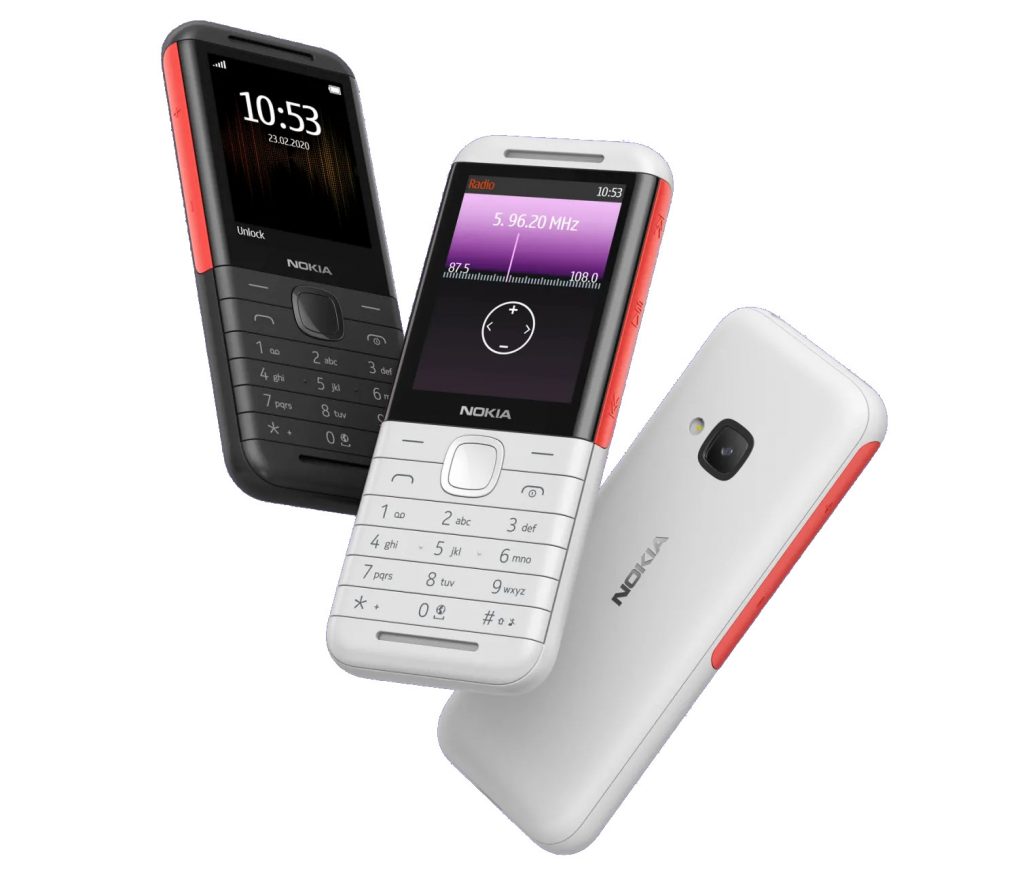
HMD Global will soon launch the Nokia 5310 for the Indian market. The company has started teasing the imminent launch of the feature phone. A tweet by Nokia says the Nokia 5310 is coming back soon. The tweet makes reference to the original classic Nokia 5310 XpressMusic which was first launched in October 2007.
HMD Global is yet to reveal the exact launch date but the phone is already listed on the company’s India website. Thus, it may likely go official in a couple of days time.
To recall, the Nokia 5310 packs a polycarbonate body as well as a 2.7-inch display with 240 x 320 pixels resolution and curved glass design. The dual-SIM handset only supports 2G connectivity. It is powered by a MediaTek MT6260A chipset and has a 16MB internal storage. There is a microUSB port for charging the device.
The Nokia 5310 (2020) has dedicated buttons for controlling music on either side of the display. The phone is flanked with dual front-blasting speakers and it also comes with wireless FM feature.
— Nokia Mobile India (@NokiamobileIN) June 8, 2020
The feature phone also features a VGA camera along with an LED flash at the rear. While a 1,200mAh removable battery that promises a standby time of 20.7 hours and a talk time of 7.5 hours keeps the light on. The phone supports Bluetooth 3.9 connectivity. It runs on Nokia Series 30+ operating system. There is a microSD card slot for expanding its storage as well as a 3.5mm audio jack.
The feature phone retails in Europe for 39 Euro (~$44). We expect the India price to be in the same range.
Chinese display manufacturer, Visionox, announced today that its under-screen camera display solution is ready for mass production. The Suzhou-based company also released a video showing off the technology.
Called InV See, Visionox said they had to improve the transparency of the camera area by using new organic and inorganic film materials with higher transparency for the main screen. The new materials not only have improved transparency but also reduce diffraction.
China’s display manufacturers, Visionox, has just announced the world’s first mass-produced under-display camera solution. The world’s first under-display camera phone will be released. pic.twitter.com/QWkQioy2LZ
Visionox also revealed they created an “industry-first drive circuit and pixel structure design” that minimizes interference.
It is important to know that hardware is only one half of the technology as the software will also play its part. Visionox says it is working with manufacturers to develop a special algorithm for the technology. This software algorithm will handle glare, brightness, and fogging effect so photos and videos captured with the selfie camera turn out great.
At the moment, it appears Visionox’s InV See will be exclusive to AMOLED displays. So expect LCD displays to keep having notches and punch holes for the foreseeable future.
InV See is ready for mass production but it is still unknown when the first commercially available phone will be announced. We are still in the first half of the year, so there is still a chance we may see it appear in phones before 2021.
Which manufacturer do you think will be the first to launch a phone with an in-display camera?
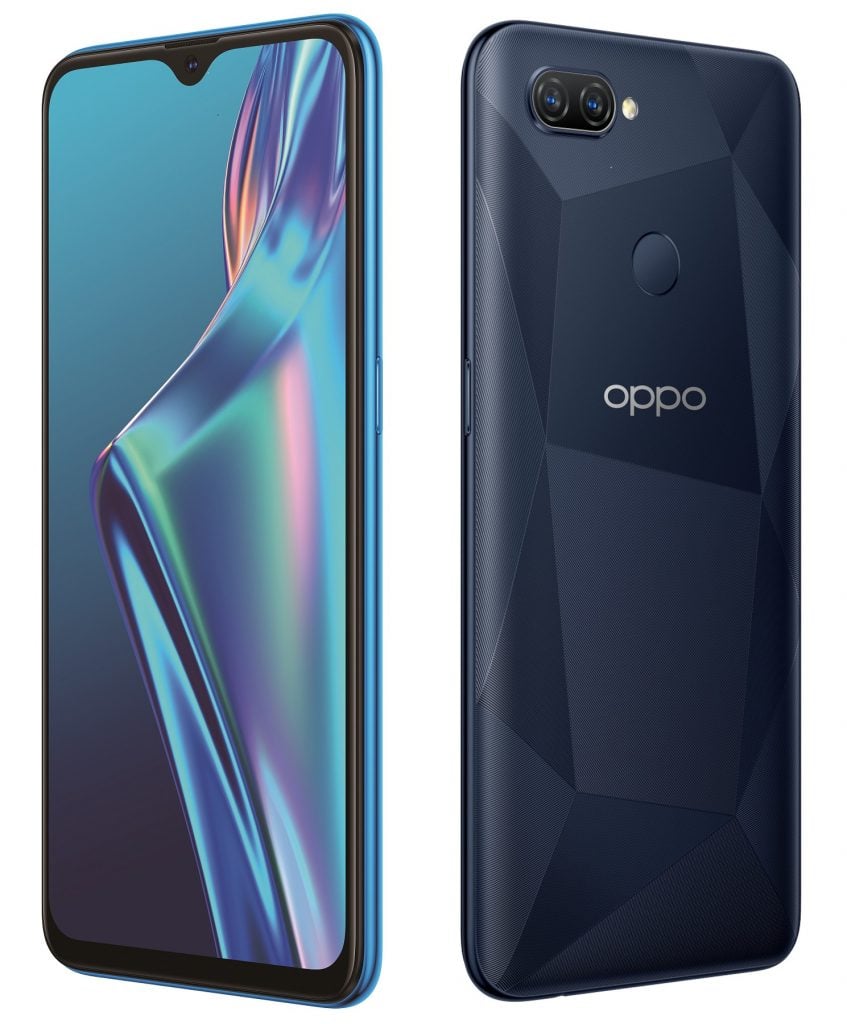
OPPO first launched the OPPO A12 in Indonesia back in April. Last week, noted tipster Ishan Agarwal hinted that the Chinese company will launch the A12 alongside the A11K and A53 in India to take on Samsung’s Galaxy M series. Indeed, the OPPO A12 has gone official in India. The phone comes with a decent specs lineup which includes a waterdrop screen, dual rear cameras, and more.
OPPO A12 sports a 6.22-inch LCD display with a 720 x 1520 pixels resolution. There is Gorilla Glass 3 on top of the display to protect against scratches. The phone is powered by a MediaTek Helio P35 chipset. Buyers will be able to choose between a 3GB RAM version with 32GB of storage and a 4GB RAM version with 64GB of storage. The phone has support for storage expansion (up to 256GB).
For optics, the A12 has a dual-camera system on the back that includes a 13MP f/2.2 primary camera and a 2MP f/2.4 secondary camera with a portrait lens. The selfie camera is a 5MP sensor.
The phone packs a 4230mAh battery and has an audio jack. It also has a rear-mounted fingerprint scanner and support for face unlock. OPPO ships the phone with ColorOS 6.1 based on Android 9 Pie out of the box.
The OPPO A1 3+32GB variant is priced at Rs. 9990 (~$132) while the 4+64GB variant is priced at Rs. 11,490 (~$152). The phone will be available across offline stores and on leading e-commerce portals starting 10th June 2020.
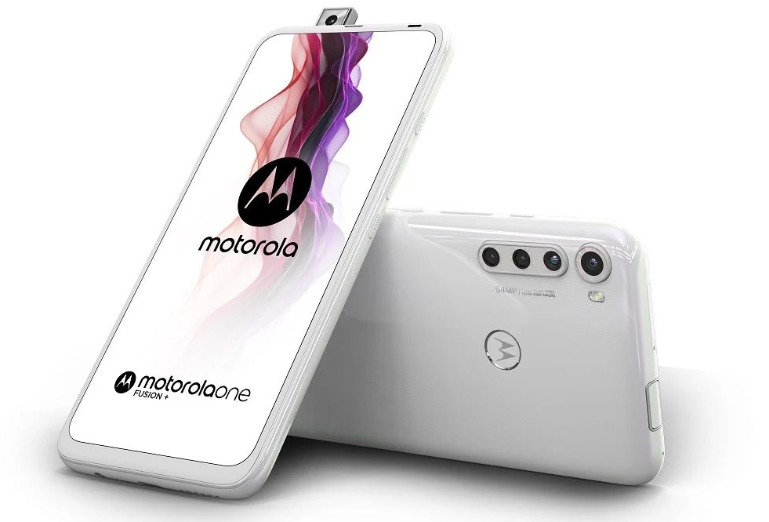
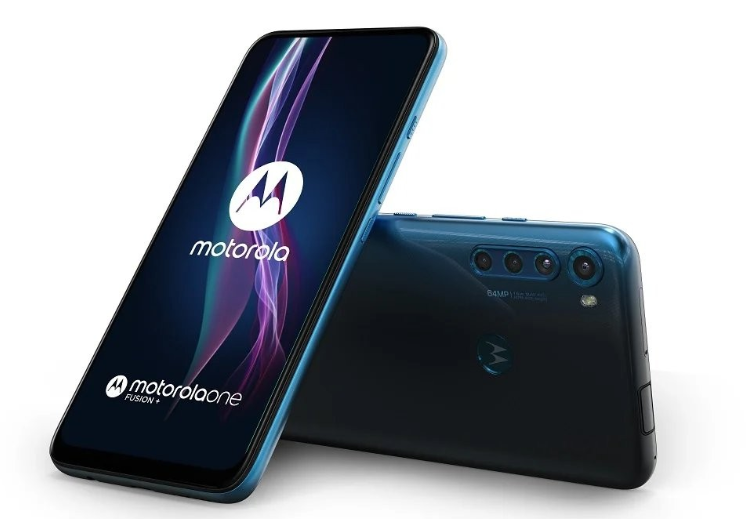
Motorola has announced its second phone with a pop-up selfie camera. If you loved the Motorola One Hyper, then the Motorola One Fusion+ should appeal to you too.
The pop-up selfie camera design means there is no distracting notch or punch hole on the 6.5-inch screen of the Motorola One Fusion. It is not an AMOLED display but the FHD+ IPS LCD panel has HDR10 support. Oh! The phone is actually made of plastic and not glass + metal.
Inside the device is the Snapdragon 730 processor. This is a more than capable chipset and one of the choices for manufacturers still churning out 4G phones. You get 6GB of RAM and 128GB of storage that can be expanded up to an additional 1TB.
The Motorola One Fusion+ has four rear cameras – a 64MP f/1.8 primary camera, an 8MP f/2.2 ultrawide angle camera with a 115° FOV, and a 5MP f/2.4 macro camera, and a 2MP f/2.4 depth sensor. Keeping the cameras company on the back is a fingerprint scanner. The pop-up selfie camera is a 32MP sensor.
Motorola has added an audio jack alongside the USB Type-C port. There is no NFC but you get an FM radio and a dedicated Google Assistant button. The battery capacity is 5000mAh with support for 15W TurboPower fast charger which is slower than the 27W fast charge support of the Motorola One Hyper. It runs Android 10 out of the box with Motorola’s new UI called My UX.
The Motorola One Fusion+ will go on sale in Europe later this month for €299. Buyers will be able to choose from two color variants Moonlight White and Twilight Blue in single-SIM and dual-SIM versions.
Last year, Xiaomi showed off its 100W Super Charge Turbo wired fast charge technology. The fast charging technology allows for a 4000mAh battery to be charged from empty to full in just 17 minutes.
Xiaomi said the 100W Super Charge Turbo technology should appear in a commercially-available device this year. However, when the phone launches, it may arrive with an even more powerful charger.
A video has surfaced on Weibo that shows an alleged Xiaomi charger with a power output of 120W. The charger is bigger than the average phone’s charger and looks heavier too. It has a white body with an American plug that is not foldable.
The specs printed on the charger, albeit misaligned, show the charger supports 20V 6A, 20V 5A, and 11V 6A power ratings. Redmi GM, Lu Weibing, already revealed that the 100W Super Charge Turbo fast charges use a high voltage, so the power rating above sort of checks out.
There is no way to know if the charger in the video above is genuine but seeing as Xiaomi has already demoed a 100W fast charging technology, we can’t rule out the existence of a 120W charger.
The OnePlus Z (previously OnePlus 8 Lite) has been leaking for months. But apart from the 3D CAD renders by @OnLeaks and the branding reveal, most of the leaks were mere speculations. But now, somewhat concrete proof for the specifications have emerged in the form of a survey. Additionally, the launch date for India has also been tipped for July 10.
OnePlus has been hiking the price of its smartphones gradually for years. But this year, it will be breaking the trend by launching a mid-range smartphone. The last such phone from the brand was the OnePlus X.
But now, the company is all set to launch its budget smartphone in 5 years. According to an alleged survey, the forthcoming OnePlus Z will be powered by Qualcomm Snapdragon 765G as tipped earlier.
It will sport a 6.55-inch Super AMOLED display with 90Hz refresh rate and a centred punch-hole at the top. For photography, it will feature a 64MP (primary) + 16MP (probably ultra-wide) + 2MP (either depth or macro) triple camera setup and a 16MP selfie snapper.
Other features of the handset will include an in-display fingerprint sensor, 4,300 mAh battery, 30W fast charging, and 6GB RAM + 128GB ROM. Most importantly, the survey also hints the price of the OnePlus Z to be ₹24,990 ($331), which is a stellar deal if it happens to be true.
Earlier today, OnePlus scheduled an event for July 2 to launch its budget smart TVs in India. Hence, the OnePlus Z was also expected to be unveiled at the same event. But now, according to Android Central, it will have a separate launch on July 10.
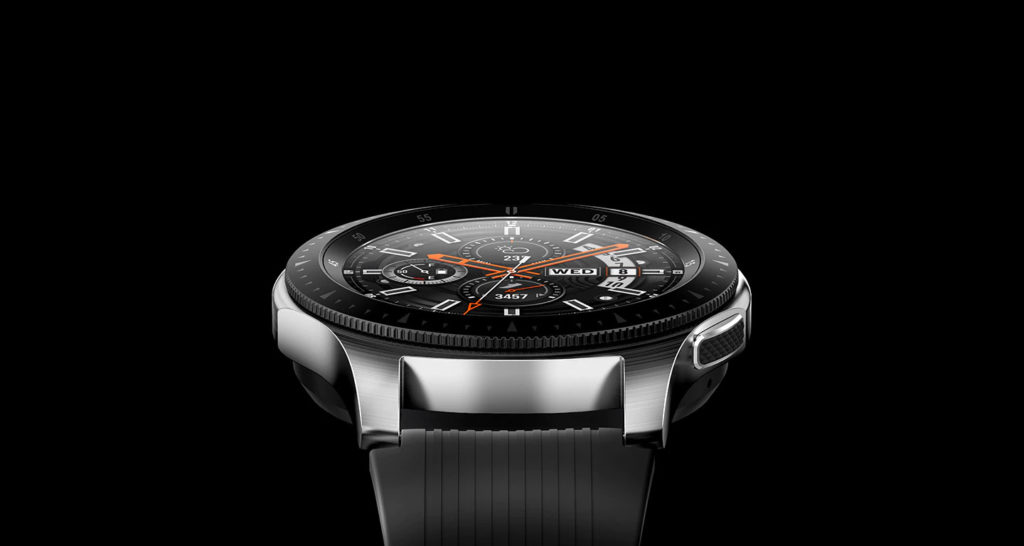
It has been two years since Samsung launched the first Galaxy Watch. Its spiritual successor has been under the leaks radar for a while now. It was recently spotted on Thailand’s NBTC certification, which has also revealed its branding to be Galaxy Watch 3, in addition to its size.
The last time Samsung skipped a generation turned out to be disastrous (Galaxy Note 7). Hopefully, that does not happen this time since the scenario is different.
The South Korean tech giant is probably naming its upcoming smartwatch Galaxy Watch 3 since it did not launch any model in the series last year. Thus, we can expect it to offer a much better experience than its predecessor from 2018.
Further, the NBTC certification portal also exposed the size of this wearable to be 41mm. That means it will come in two sizes just like the previous model. For the unaware, the larger 45mm was spotted on FCC listing a few days back.
Anyway, the specifications of Galaxy Watch 3 is still a mystery which is a good thing in today’s world of leaks. However, it has been allegedly confirmed to feature a physical rotating bezel similar to the original. Also, it is expected to come with these model numbers – SM-R845, SM-R855, SM-R840, and SM-R850.
We can expect Samsung to officially unveil the Galaxy Watch 3 at the Galaxy Note 20 and Galaxy Fold 2 launch event which was recently tipped to take place on August 5.
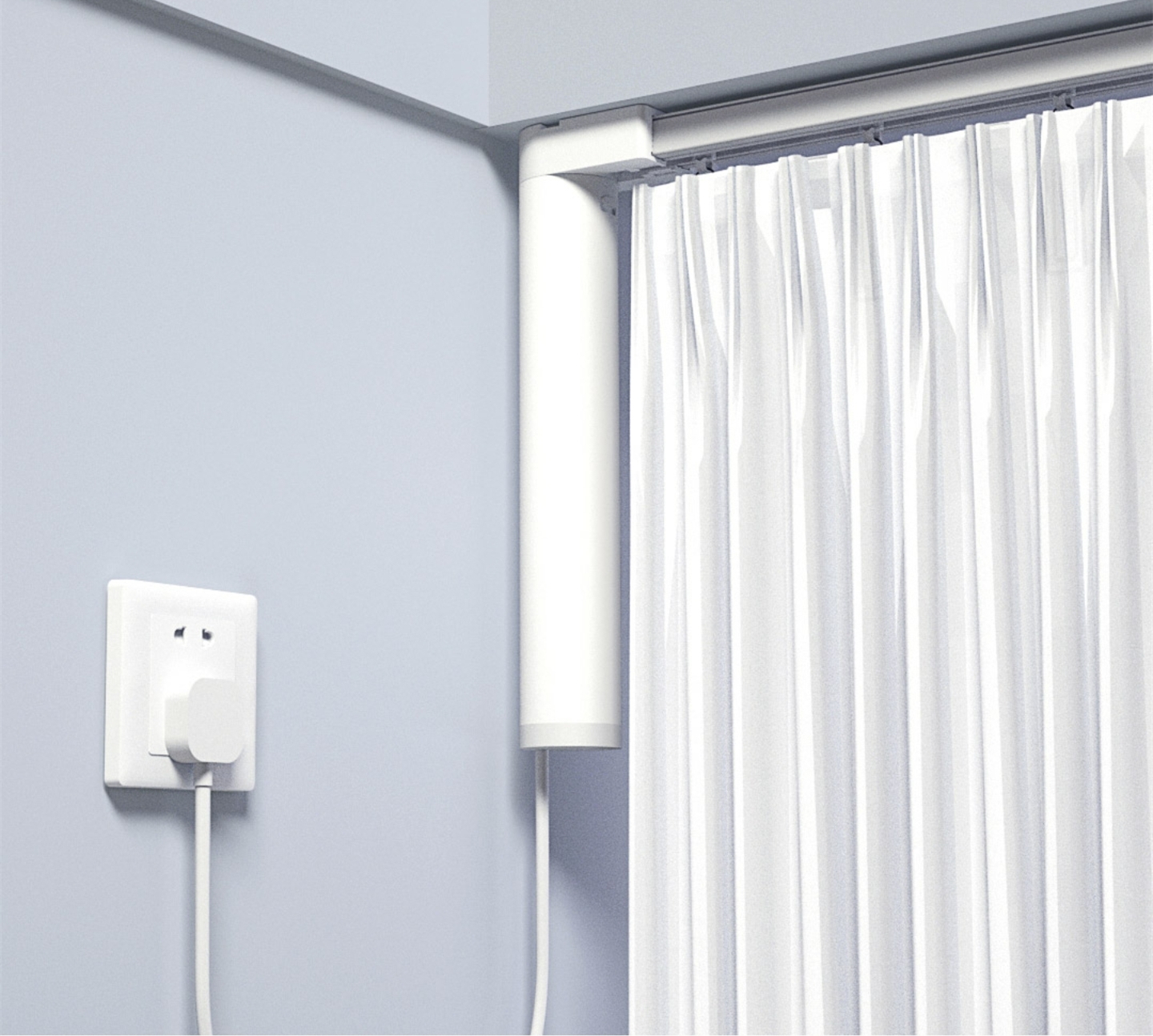
Xiaomi has lately been focused on launching new products through crowdfunding, especially when it is not a consumer electronics product. Continuing the same, the company has today announced a new smart home product — Mi Smart Curtain.
The new Mi Smart Curtain from Xiaomi will be available for crowdfunding in the company’s home market China from 10th June, starting at 10:00 AM local time. Although the retail price is 799 yuan (~$113), it will be available for 699 yuan (~$99) during the crowdfunding campaign.
The Mi Smart Curtain offers three meters long magnesium-aluminum alloy rail which comes with a built-in motor to open and close the curtains and a magnetic remote control to manage the functions.
It seems that the company will also be offering the installation service for free and in that case, the customer only needs to prepare the curtain after placing the order. While users can manually choose to open or close the curtains, it can also be done automatically based on the sunlight.
Similar to all the other smart home products from the company, this one too can be controlled using the Mi Home application as well as voice commands, thanks to the support for XiaoAI smart assistant.
The company says that the curtains can be operated manually as well, in a situation when there’s a power cut. The DC motor used makes noise of less than 30db, says Xiaomi. It comes with a 1.5 meters long power cord and is rated at 20W.
Oppo is a well-known smartphone maker, at least here in Asia. The company has been lately expanding its business to Europe and even became one of the top 5 brands in the region in Q1 2020. Now, according to a recent post on Weibo, the company might soon venture into smart TVs as well.
In December of last year, at the Oppo Inno Day conference in China, the company revealed its new strategy of launching products across different portfolio. Some of these devices are already official and are available for purchase.
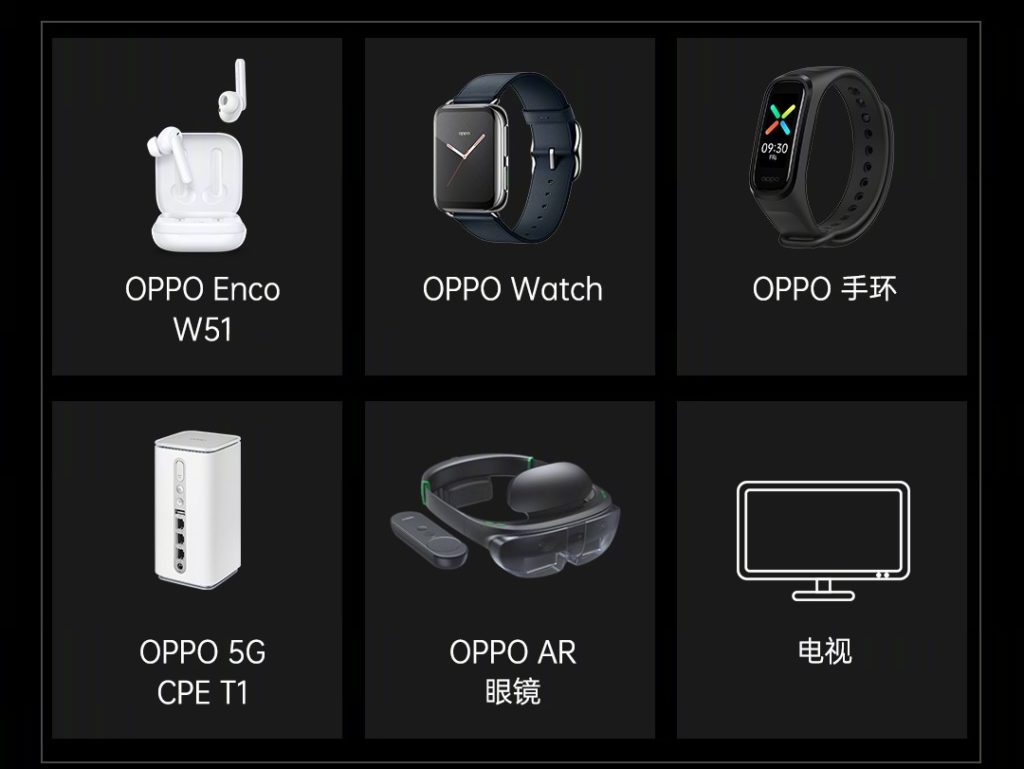
A day after the launch of Reno 4 series, Oppo shared a picture celebrating the first anniversary of 5G commercialization in China. This image includes all the achievements of Oppo in 5G technology.
The bottom part of the image is interesting since along with the already announced AIoT products, the company deliberately teases the arrival of its smart TVs. For those who are wondering when Oppo announced AR Glasses, you can check our coverage from late last year.
Talking about TVs, Oppo will be not the first smartphone manufacturer to sell them. Xiaomi has been doing it for years and even Oppo’s sister brands OnePlus and Realme have their own TV lineup.
In fact, just earlier today, OnePlus announced to launch a new affordable $200 smart TV in India. Since these brands share resources as well as manufacturing facilities, it will be easy for Oppo to develop smart TVs.
Having said that, we are not sure when Oppo will be launching its smart TVs. Even if it does, they will be perhaps limited to China and might make their way to India later.
Samsung is one of the leading smartphone brands when it comes to foldable smartphones. The South Korean giant has already launched two foldable smartphones and is gearing to launch the third one.
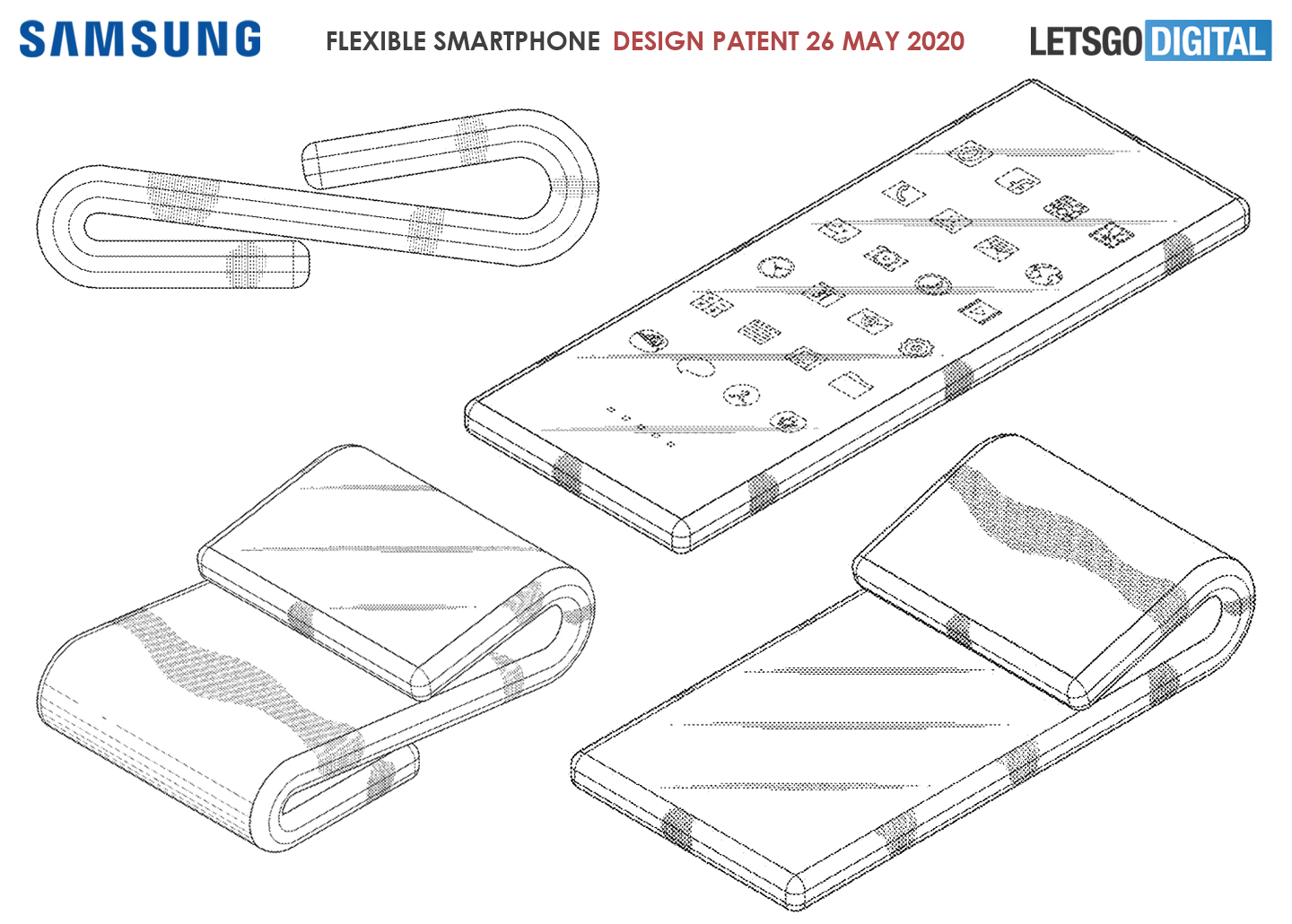
Now, a new patent for foldable smartphone from Samsung has surfaced online. The patent shows a smartphone that has two folding lines in a clamshell pattern — each from the top and the bottom of the device.
The bottom part can be folded to the front while the top part can be folded towards the back of the phone. However, from the images, it seems that the device cannot be folded into a completely flat design.
The patent was applied by Samsung Display in 2018 and it took about one and a half years for it to get approved and published. Once Samsung Display completes the development of such a screen, Samsung Electronics will make a smartphone using the technology.
But do note that the patent approval doesn’t necessarily mean that the company will make a smartphone using the same design. In this case, we doubt if the company is planning to launch a smartphone with such design, especially given that the phone cannot be bend into a flat design, making it difficult to use and carry.
However, we do expect to see foldable smartphones in the near future that can be folded twice and give a much better user experience compared to the one showed in this patent application.
Samsung has so far launched Galaxy Fold and Galaxy Z Flip in the market and the company is gearing up to launch the Samsung Galaxy Fold 2 in the coming months, as a successor to the company’s first foldable smartphone.
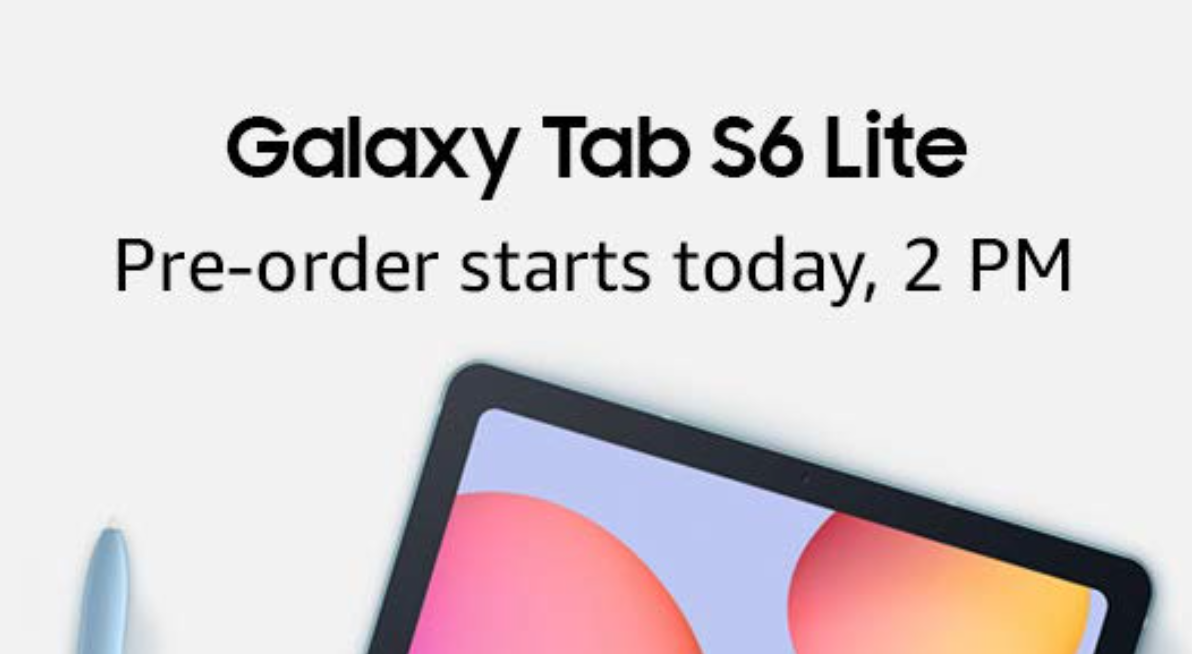
Last week, Samsung confirmed that the Galaxy Tab S6 Lite will be made official on June 8 in India. There is a landing page for the tablet on Amazon India. It mentions the key features of the slate and states that it will start with its pre-orders from 2 PM (local time) today in India. At present, the listing has no information on its pricing.
The Galaxy Tab S6 Lite mid-range tablet was made official in the U.S. in April. The 64 GB and 128 GB Wi-Fi only editions of the tablet were with respective price tags of $350 (~Rs. 26,470) and $420 (~Rs. 31,765). It is unclear whether India will be receiving the LTE version of the tablet.
The Galaxy Tab S6 Lite runs on One UI 2.0 based Android 10 OS and is equipped with a big TFT display of 10.4 inches. It supports 1200 x 2000 pixels resolution. The Exynos 9611h chipset is present under the hood of the Tab S6 Lite.
The 4 GB RAM of the Tab S6 Lite has 64 GB storage whereas the higher 6 GB RAM edition has 128 GB storage. There is no confirmation on whether both variants of the Tab S6 Lite will be made available in India.
It has a front camera of 5-megapixel and a rear camera of 8-megapixel. The device is backed by a 7,040mAh battery that supports 15W fast charging. The tablet carries support for S Pen stylus.
With smartphones getting more and more powerful day by day, smartphone manufacturing companies are now trying to push the limits when it comes to memory configurations. We are already seeing phones with 12GB of RAM and now it’s time for 16GB RAM.
As per the rumors coming from China, Xiaomi could launch a new smartphone in its home market which will come packed with a massive 16GB RAM. However, nothing more about this is known at this time.
While the rumor doesn’t reveal which smartphone will come with 16GB of RAM, it is speculated that the device in question could be a part of the Mi MIX lineup but the name of the phone remains unknown.
As per the reports, the upcoming Mi MIX smartphone will have a design similar to the Mi MIX Alpha and the phone will be powered by the Qualcomm Snapdragon 865 processor along with 5G connectivity support. The device is said to be in the production stage.
Recently, Xiao Zang, Deputy General Manager of Marketing, confirmed through a post on Weibo that the Mi Mix Alpha will not get Snapdragon 865 variant. This could mean that the upcoming device could be a totally different phone in the MIX series.
However, all of this is just speculation at this point in time and the company has not yet confirmed any of this. So, if the report about the 16GB RAM smartphone from Xiaomi is true, we should get more details about the same in the coming weeks or months.
While Xiaomi could be working on a 16GB RAM smartphone, Nubia has already launched its flagship gaming phone named Nubia Red Magic 5G that packs 16GB of RAM and is available for purchase in various markets.
Vietnam has ratified a new trade deal with the European Union which is expected to significantly boost the country’s manufacturing sector as well as exports. It comes at a time when the country is looking to recover from a dip caused by the COVID-19 pandemic.
This new free trade agreement between Vietnam and Europe will eliminate about 99 percent of tariffs on goods traded between the Southeast Asian country and the bloc. Along with this, the European Union-Vietnam Investment Protection Agreement has also been passed.
(Image: Reuters)
As per the reports, the European Union-Vietnam Free Trade Agreement legislature was passed by 94.62 percent of votes while the European Union-Vietnam Investment Protection Agreement was passed with 94.65 percent votes.
The deal also commits Vietnam to standards for sustainable development, including improving its human rights record, protecting labor rights, and upholding its pledges to deal with climate change under the Paris accord.
The free-trade agreement took about eight years to negotiate and as a part of this, Vietnam will eliminate 99 percent of its import duties over 10 years while the European Union will do the same over seven years.
The agreement will also help Vietnam to attract investors given that the company is in a good position to win manufacturing contracts with many companies shiting from China, fuelled by US-China Trade War and the COVID-19 pandemic.
The European Union already has a free-trade agreement deal with Singapore and now Vietnam has become the second such country. The World Bank estimates that the deal will help Vietnam increase its GDP by 2.4 percent and exports by 12 percent.
Last year in September, OnePlus unveiled the OnePlus TV Q1 and OnePlus TV Q1 Pro in India. The Q1 is priced at Rs. 69,900 whereas the Pro model carries a price tag of Rs. 99,900. Today, OnePlus founder and CEO Pete Lau took to Twitter to confirm that the company will be launching a new OnePlus TV on July 2 in India. The new TV is expected to arrive at affordable pricing.
The next smart TV from OnePlus for India will have a “smarter price.” With the new TV, the company aims to bring premium smart TV experience more accessible to the Indian community. Hence, it is likely that the upcoming OnePlus TV could be cheaper than the OnePlus TV Q1.
According to Economic Times, OnePlus is changing is a strategy to rival Xiaomi, Realme, TCL, and VU in the affordable smart TV segment. The report further reveals that there could be an entry-level OnePlus TV with a pricing of around Rs. 15,00 (~$200). The company is also planning to introduce a mid-range series that will be priced around Rs. 20,000 (~$264) and Rs. 40,000 (~$529).
OnePlus India VP and Chief Strategy Officer Navnit Nakra said to ET, “Entry and mid segments are growing rapidly and have captured our focus. If we want to diversify to a wide audience in India, then it is the best way to start.”
Recently, a new 55-inch OnePlus TV with 55UA0A00 model number and an RC-003A remote control were spotted at the Bluetooth SIG certification platform. Rumors have it that it is equipped with a MediaTek SoC.
Xiaomi has so far launched two Wi-Fi 6 routers in China under its Mi brand. Now, the company’s sub-brand Redmi is also set to launch its first Wi-Fi 6 router in the company’s home market China.
Redmi has today confirmed that the company will be launching the Redmi AX5 Wi-Fi 6 router in China at 10:00 AM local time tomorrow. So far, apart from the name, nothing is known about this device.
As mentioned above, Xiaomi has so far launched two Wi-Fi 6 routers in China — Mi Router AX1800 and Mi AIoT Router AX3600. While the former is priced at 299 yuan (approximately $46), the latter is priced at 5,99 yuan which is about $82.
Given that the products launched by the Redmi brand are priced lower in comparison to the products from Xiaomi. So, we expect the upcoming Redmi AX5 Wi-Fi 6 router to be priced accordingly in China.
While the device is getting launched in China tomorrow, we don’t expect to see it available in other regions anytime soon. Even the two routers from Xiaomi still haven’t been launched or made available for purchase outside China.
The Redmi brand has launched the Redmi AC2100 router in China in December last year, marking the company’s foray into the routers category. The upcoming Redmi AX5 Wi-Fi Router will be the second offering from the brand in China.
Xiaomi has been consistently teasing on the features of the Mi Band 5 fitness tracker that is scheduled to go official in China on June 11. The Chinese firm today released a new poster to reveal Mi Band 5’s strap color variants.
The poster showcases the large OLED display of the Mi Band 5. The device can be seen in strap options like yellow, red, blue, and black.
The Xiaomi Mi Band 5 will be arriving with support for NFC connectivity. It will allow Mi Band 5 owners to make contactless payments. It is speculated that even the international variant of the fitness band will have NFC support.
The Mi Band 5 is rumored to be equipped with an enhanced SpO2 sensor. It is expected to offer users with stress and breathing management features. It is likely to arrive with Do Not Disturb mode that will allow users to silence it for a set time period.
It could be housing a 1.2-inch display with slim bezels around it. The size is larger than the 0.95-inch available on the predecessor Mi Band 4 from 2019. The device may offer users with a custom-made watchface featuring Avengers theme. The size of its battery is not known yet. The fitness band is likely to come with a plug-in charger. Hence, users will be able to charge the device without detaching it from the strap. Some of its other features include remote camera control and 11 different activity tracking modes.
The China variant of the device will have the Xiao AI voice assistant. In international markets, the Mi Band 5 is expected to come with Amazon Alexa voice assistant and for contactless payments, it could be coming with Google Pay support. Rumors are rife that the Mi Band 5 will be costing 175 Yuan (~$26) in the home market.
We use cookies on our website to give you the most relevant experience by remembering your preferences and repeat visits. By clicking “Accept”, you consent to the use of ALL the cookies.
This website uses cookies to improve your experience while you navigate through the website. Out of these, the cookies that are categorized as necessary are stored on your browser as they are essential for the working of basic functionalities of the website. We also use third-party cookies that help us analyze and understand how you use this website. These cookies will be stored in your browser only with your consent. You also have the option to opt-out of these cookies. But opting out of some of these cookies may affect your browsing experience.
Necessary cookies are absolutely essential for the website to function properly. This category only includes cookies that ensures basic functionalities and security features of the website. These cookies do not store any personal information.
Any cookies that may not be particularly necessary for the website to function and is used specifically to collect user personal data via analytics, ads, other embedded contents are termed as non-necessary cookies. It is mandatory to procure user consent prior to running these cookies on your website.