The Honor X10 5G smartphone debuting on May 20 in China is speculated to arrive as the company’s cheapest 5G smartphone. The first rumors of the Honor X10 had revealed that it will be equipped with an RYYB sensor for better photography even in low-light conditions. Yesterday, the company released the camera samples of the Honor X10 5G to reveal its capabilities at capturing shots in dim-light scenarios. Today, the Chinese firm released an official confirmation on Weibo that the smartphone is equipped with an RYYB image sensor.
The entire specifications of the Honor X10 5G are known thanks to its TENAA appearance. It revealed that the smartphone has a 40-megapixel + 8-megapixel + 2-megapixel triple camera system. Initial reports of the X10 had revealed it has a Sony IMX600Y 40-megapixel primary shooter. It is the same lens that is available on the Huawei P30 Pro phone from last year.
The below-shown camera shots that were captured around 2 AM at Mount Everest shows how good the X10 can be at shooting photos in extreme low-light conditions. The camera samples do suggest that the X10 will offer better photography experience than its competitor models in the same price segment. Honor is yet to confirm the existence of Honor X10 Pro. Rumors have it that the X10 Pro will come with OIS support for the same main camera.
Yesterday, popular tipster Ishan Agarwal released a tweet that mentioned the specs of the Honor X10 along with a render that revealed its color variants. The Honor X10 has a 6.63-inch LCD display with a notch-less design. It supports 90Hz refresh rate, 1080 x 2400 pixels Full HD+ resolution, and 397ppi pixel density. The rear camera system of the phone has an f/1.8 aperture 40-megapixel Huawei’s SuperSensing Camera with RYYB, an f/2.4 aperture 8-megapixel lens and an f/2.4 aperture 2-megapixel sensor.
The Kirin 820 5G SoC and 4,300mAh battery powers the Honor X10. It supports 22.5W fast charging. The other features of the phone include Android 10 OS with Magic UI 3.1.1, up to 256 GB nm card, side-facing fingerprint sensor, Bluetooth 5.1 + LE, and IPX5 rated dust and water-resistant chassis. It may arrive in 6 GB RAM + 64 GB storage and 6 GB RAM + 128 GB storage models in China.
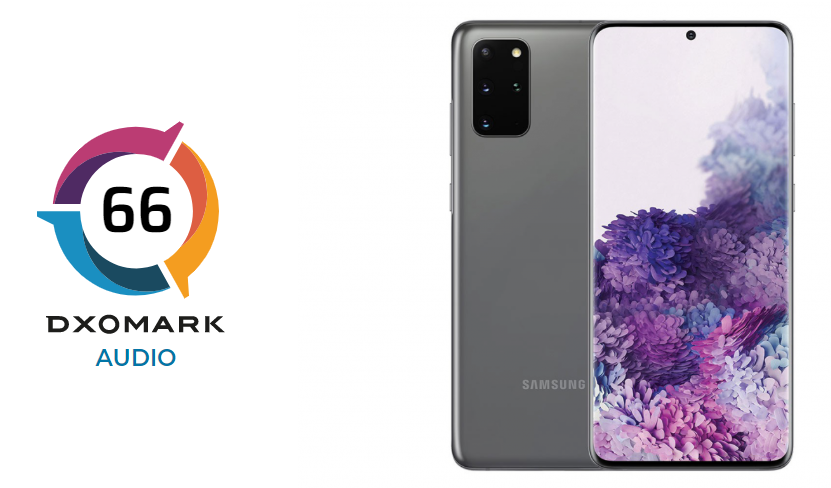
The Samsung Galaxy S20 Plus scores only 66 points in the DxOMark Audio review. That is same as the Galaxy Note 10 Plus from last year. Hence, the handset acquires 11th place, which is way lower than its current competitors.
According to the DxOMark review, the Galaxy S20 Plus ‘doesn’t impress with its audio performance’ as a flagship smartphone. Though it is slightly better than its predecessor Galaxy S10 Plus, it is no match for the current-gen premium handsets from other OEMs.
The audio playback from the handset has a well-balanced mid-range and treble with a good rendering of the sound stage. Balance can be even noticed between the stereo channels but the audio from the device lacks bass at all volume levels. Also, the loud high-frequency response at maximum volume spoils the gaming experience.
On the other hand, the phone’s recording capability is better than its playback. The tonal range reproduction is excellent on the Galaxy S20 Plus with clear and intelligible voices. The sound dynamics are well-preserved with good directivity from the microphones. But it is inconsistent in the spatial rendering of sound sources and recording volume level is average at best.
Overall, the Galaxy S20 Plus audio performance in on par or slightly better than Samsung flagship smartphones from last year.
Realme, which started off as a sub-brand from OPPO, has now become an independent brand. The company is now expanding its products portfolio beyond smartphones and is launch more and more categories to become a “Tech Lifestyle” brand.
The company had teased the launch of Realme TV, the first smart TV from brand, for Mobile World Congress 2020. However, as the MWC 2020 got cancelled because of the CVOID-19, there was no further update from the company regarding this.
Today, Realme has officially confirmed through a tweet that the Realme TV will get launched on 25th May. The company is hosting a launch event on 25th May in China where it will launch eight new products and this smart TV is now confirmed to be part of it.
While the launch date is now known, it remains to be seen if the launch of Realme’s first TV is for the Chinese market only or it’ll be launched globally. Looking at the poster shared by the company and the wordings, it seems the launch will be targeted towards global market.
As the Realme TV goes official, it will be joining other smartphone manufactures which have also jumped into the Smart TV market. Several companies entered this pace in the recent past, which includes Huawei, Honor, and OnePlus — all of which announced their first smart TVs last year.
Last year, companies like Motorola and Nokia partnered with the Indian e-commerce store Flipkart to also launch smart TVs. Realme TV should also get launched soon in the Indian market, as the company had earlier said that it will be available in India by Q2 2020.
In its vision to become a tech lifestyle brand, the company has already launched products like smartband, earphones, TWS earbuds, etc. It is also working on a smartwatch and recently teased the Realme Watch, which can also go official on 25th May.
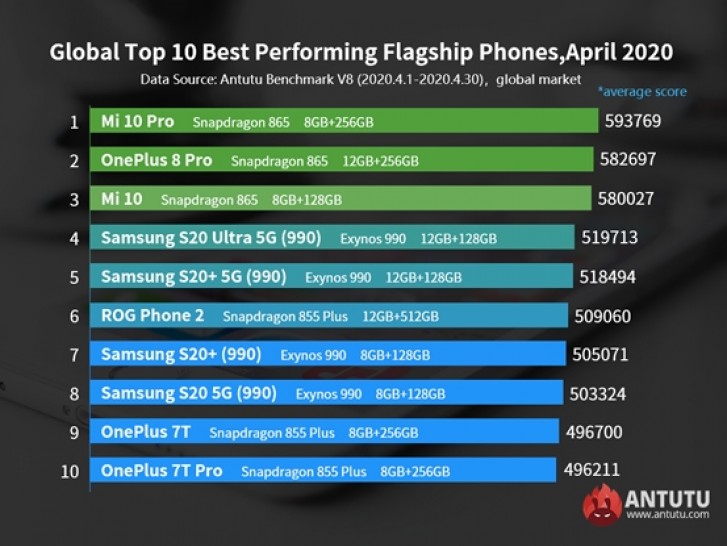
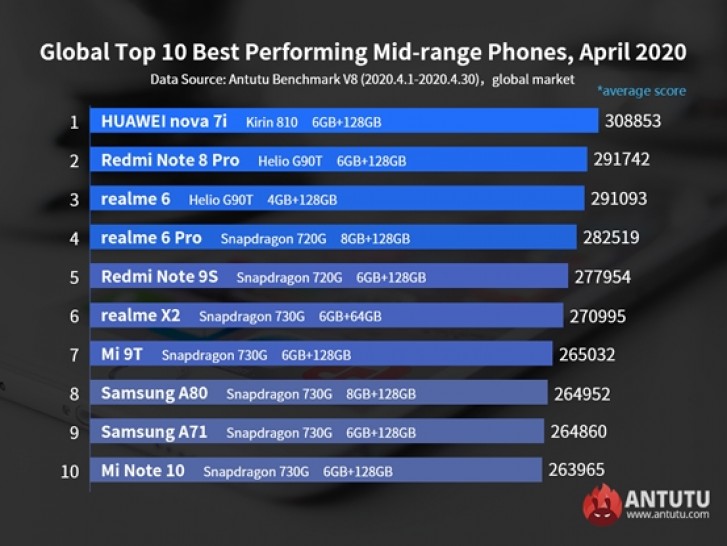
AnTuTu, the well-known benchmarking platform for mobile devices released the top 10 list of best performing flagship and midrange phones for April 2020. The top three in the flagship list are powered by Snapdragon 865 and Xiaomi Mi 10 Pro can be seen leading the pack. The list of midrange phone is led by Kirin 810 SoC powered Huawei Nova 7i.
AnTuTu’s top 10 best-performing flagship phones in April
As can be seen in the screenshot, the Xiaomi Mi 10 Pro, OnePlus 8 Pro, and Xiaomi Mi 10 are placed at first, second and third, respectively on AnTuTu’s list. They have scored 593,769, 582,267, and 580,027, respectively on AnTuTu benchmarks.
The Exynos 990 powered Samsung Galaxy S20 Ultra 5G and Galaxy 20+ 5G are placed fourth and fifth. The Snapdragon 855+ powered ROG Phone 2 by Asus is sixth followed by Galaxy S20+ and Galaxy S20 that are fueled by Exynos 990. The ninth and tenth places are occupied by OnePlus 7T and OnePlus 7T Pro. Both phones feature the Snapdragon 855+. Interestingly, there is now Kirin 990 5G powered Huawei / Honor phone in the list.
AnTuTu’s top 10 best-performing midrange phones in April
The Huawei Nova 7i is followed by Redmi Note 8 Pro in the second spot and Realme 6 in the third position. The Redmi and Realme phones are equipped with Helio G90T. The Realme 6 Pro and Redmi Note 9S that are fueled by Snapdragon 720G are placed on fourth and fifth positions.
The remaining five phones on the list are all equipped with Snapdragon 730G chipset. The Realme X2, Xiaomi Mi 9T, Samsung Galaxy A80, Galaxy A71, and Xiaomi Mi Note 10 have made it to AnTuTu’s April list of best-performing midrange smartphones.
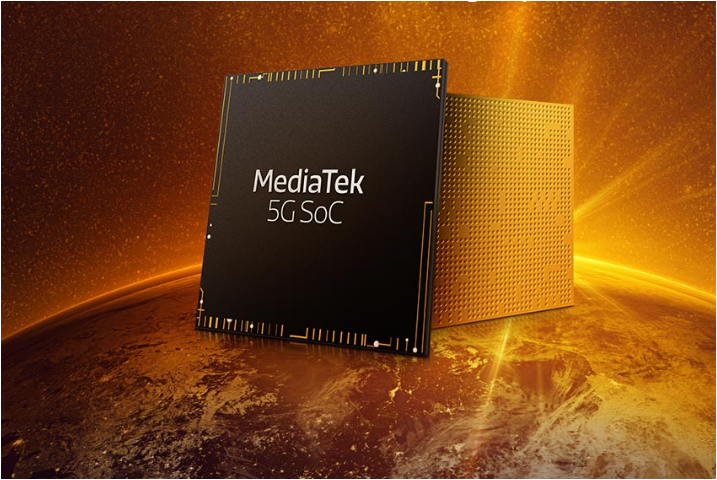
Yesterday, MediaTek announced that it is scheduling a launch event in China on 18th May to launch a new Dimensity series processor. While the company has not revealed which chipset is it, there are reports suggesting it to be Dimensity 800 Plus.
However, as per the latest report, the MediaTek Dimensity 800 Plus has now been renamed to MediaTek Dimensity 820. It has als been revealed that the chipset will be running at a maximum clock speed on 2.6GHz.
As per the report, there will be three engineering schemes for this upcoming 5G-compatible mobile processor, which will be impacting the operating frequency of the chipset — 2.0GHz, 2.2GHz, and 2.6GHz.
Since the chipset will be called Dimensity 820, it will be better in terms of performance and features offers compared to the MediaTek Dimensity 800. But to know more about it, we’ll have to wait for the official launch.
The Dimensity 800, which was launched earlier this year, is a 7nm octa-core processor that comprises of four Cortex A76 cores clocking at 2.0GHz and four Cortex A55 cores working at 2.0GHz. For graphics, it is equipped with Mali-G77MC4 and also comes with its own HyperEngine gaming technology for enhanced gaming experience.
It has support for Full HD+ screen resolution with up to 90Hz refresh rate. As for the memory, it can support up to 16GB of LPDDR4x RAM. The chipset supports voice and data over 5G and is built for global sub-6GHz 5G networks and promises up to 3.5Gbps download speeds and up to 1.25Gbps upload speeds.
A few days ago, the company launched Dimensity 1000+ SoC which comes with supports up to 144Hz refresh rate, MiraVision Enhanced HDR10+, and AI-PQ for real-time dynamic adjustment of contrast, color, sharpness and color levels of 4K videos.
It also comes with 5G UltraSave Technology and HyperEnging 2.0 for enhanced gaming performance. The upcoming iQOO Z1 5G, which is set to launch on 19th May, will be the first smartphone to be powered by this premium chipset.
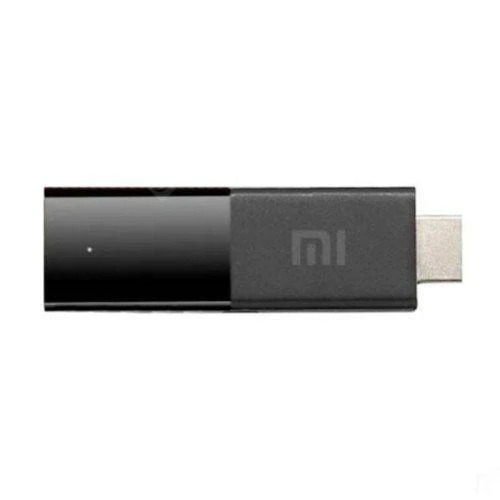
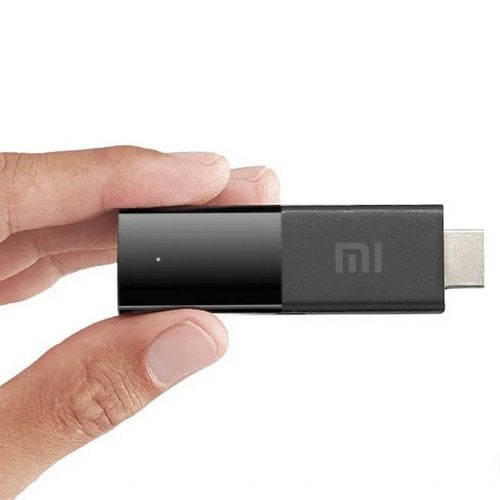
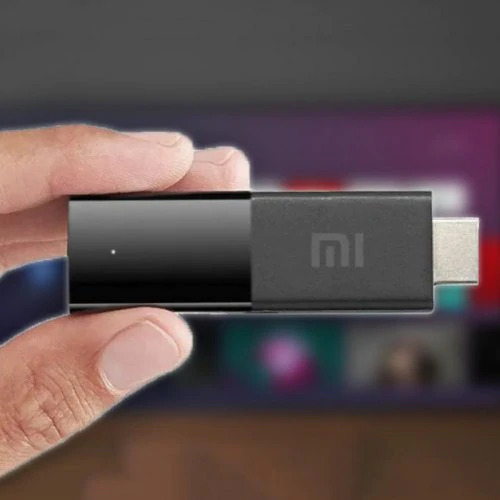
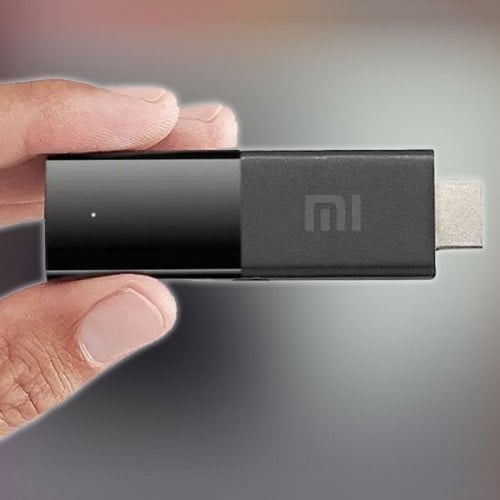
Xiaomi is known for many products and one of them is smart TVs as well as related products. The Mi Box S, which recently launched as Mi Box 4K in India is one of the most popular cheap Android TV setup boxes. It initially debuted in late 2018, almost 2 years back. Hence, it is expected to get an upgrade soon. But instead of a box, Xiaomi will be announcing an Android TV stick dubbed as Mi TV Stick.
This is not the first time we are hearing about the Mi TV Stick. It already got leaked with other Xiaomi ecosystem products that are expected to launch in Europe in the coming months. But this time, it has been listed on Gearbest, a Chinese online retailer. As a result of it, we now know the specifications as well as price (sort of).
According to the listing, the Mi TV Stick will be powered by the same Amlogic S905 quad-core processor as the Mi Box S but a Y2 version. Further, graphics will be handled by Mali-G31 GPU and it will come with 2GB RAM along with 8GB internal storage.
It will have support for 4K HDR, DTS-HD, Dolby Audio, Netflix, dual-band WiFi, Bluetooth 4.2, HDMI 2.0, and USB Type-C. It will run Android TV with support for apps and games from the Google Play Store.
Interestingly, the description given on the Gearbest page does not mention remote control. But since the page also mentions the support for Google Assistant, it should definitely come with one.
Last but not least, the price is not given on the product listing page, however, it shows up in search results. According to it, the upcoming Mi TV Stick will cost $79.99, which is $20 more than the launch price of Mi Box S but it could be cheaper than that.
Honor is expected to announce a new tablet named Honor Tablet V6 on May 18. Rumors have it that the device is fueled by Kirin 985 chipset. The presence of the new chipset that suggests that the device will be good enough for gaming and enjoying movies. A fresh video released by the company shows that the Honor Tablet V6 can be used for drawing and painting purposes.
The above video shows an art student who graduated from the China Academy of Art using the upcoming Honor Tablet V6 for drawing and painting. Shown below is the snapshot that gives the final look of the artwork. The tablet seems to feature a large-sized screen. The detailed specs of the device have not surfaced yet.
The Honor Table V6 will debut as the first tablet with the ability to connect to 5G and Wi-Fi 6 networks. The slated is expected to come with support for stylus. The below shown leaked shot of the device that appeared earlier this week revealed it will come with keyboard support. The tablet seems to have slim bezels around the screen. There is no word on the pricing of the Tablet V6.
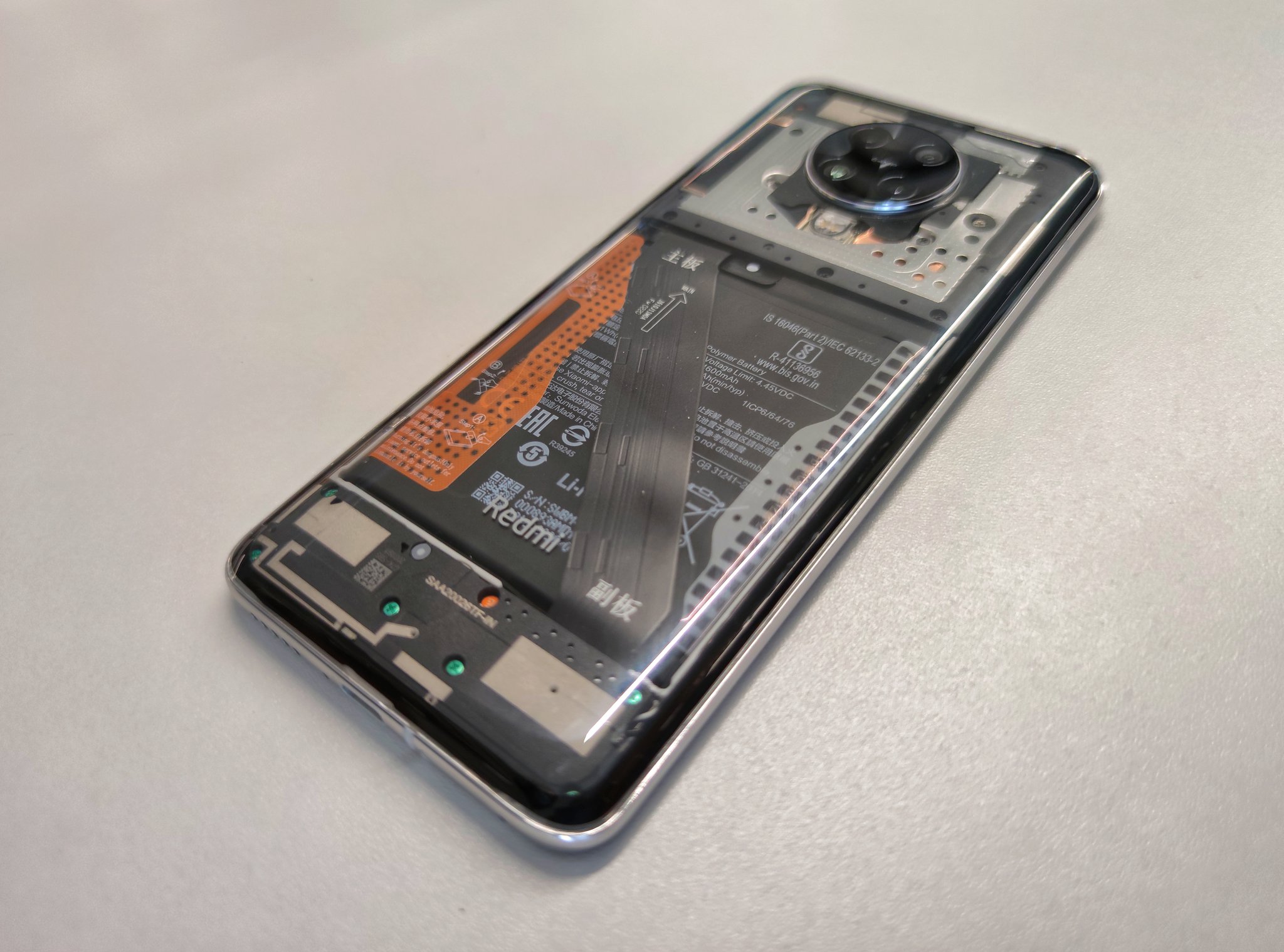
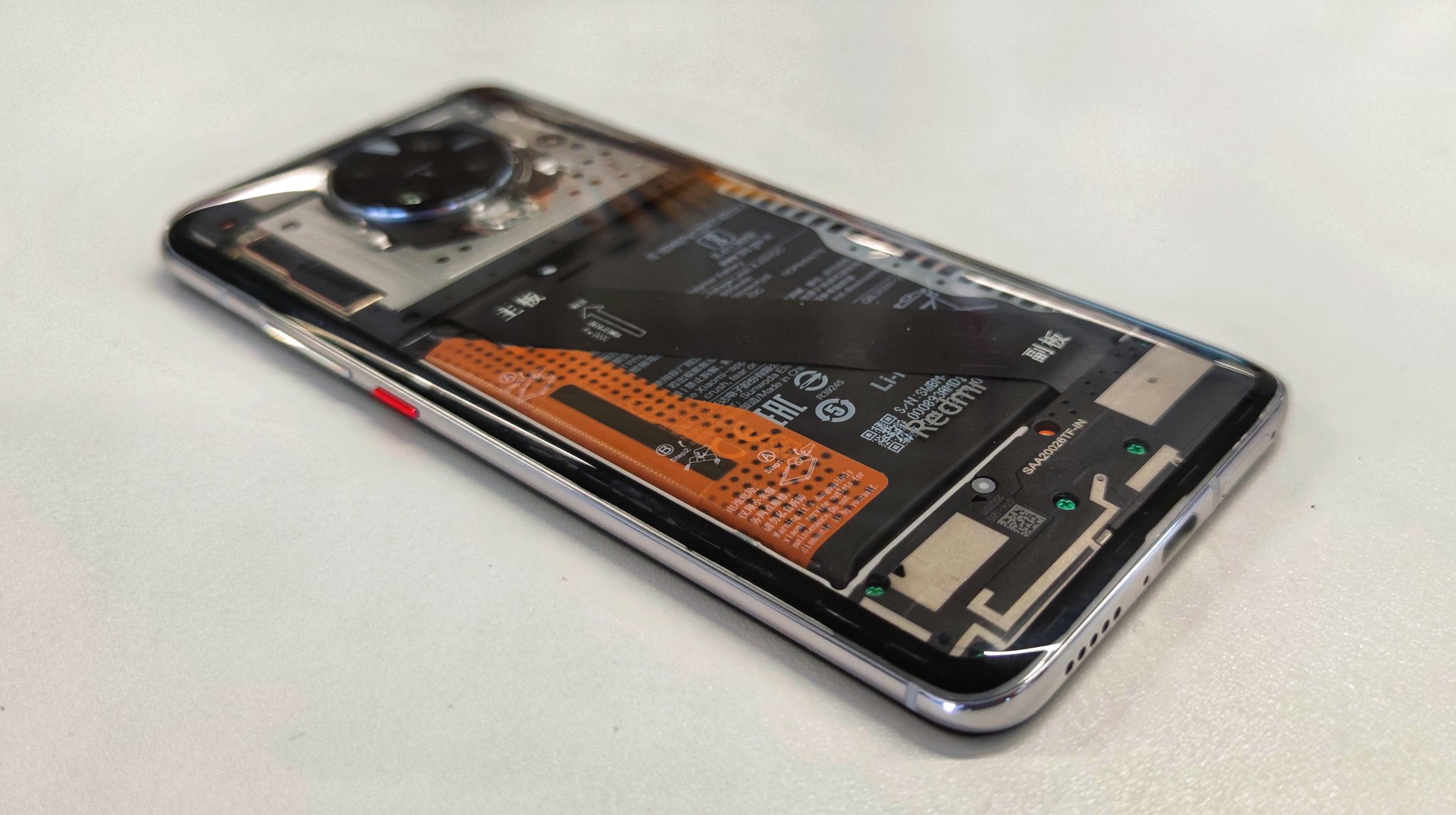
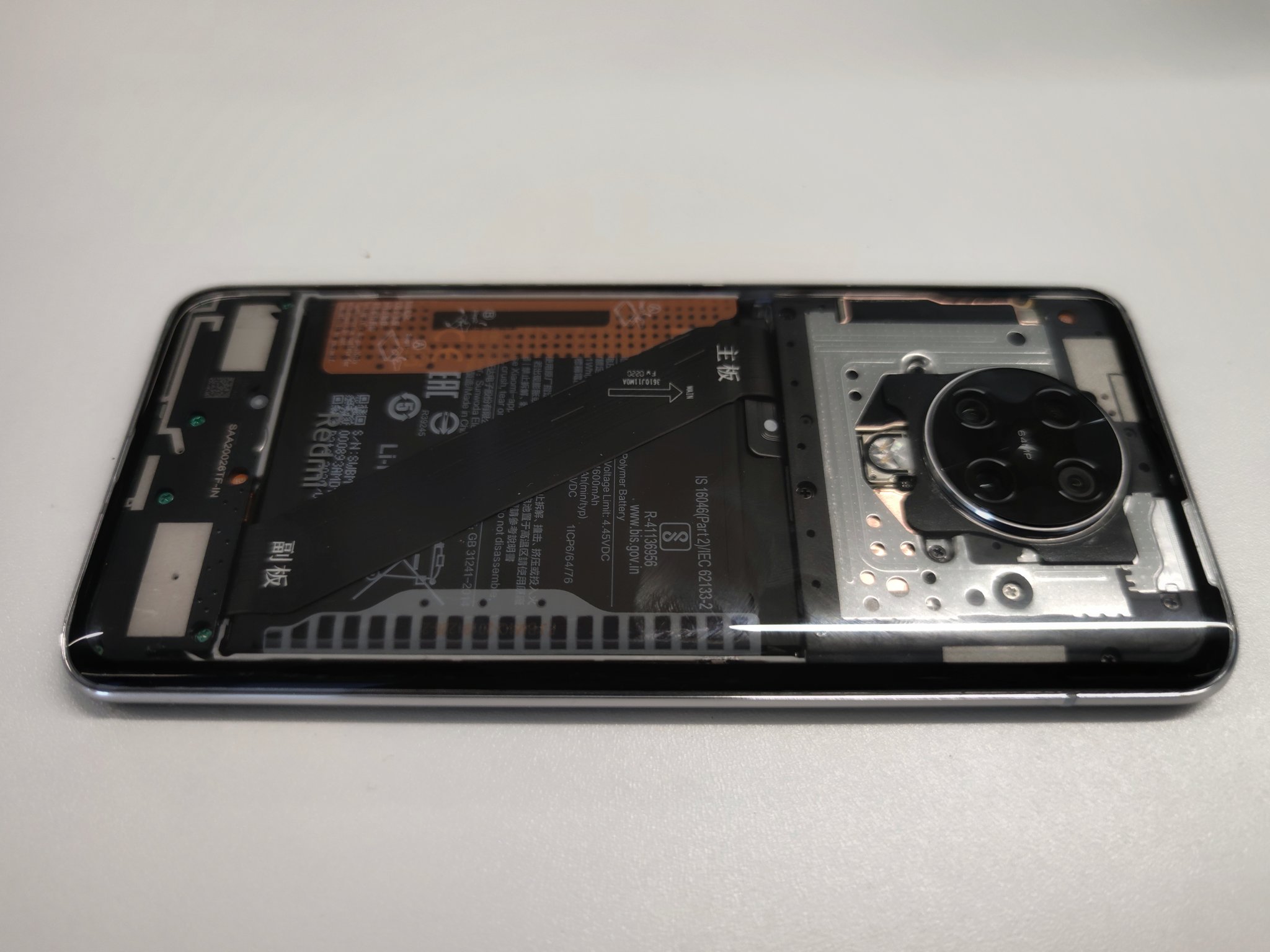
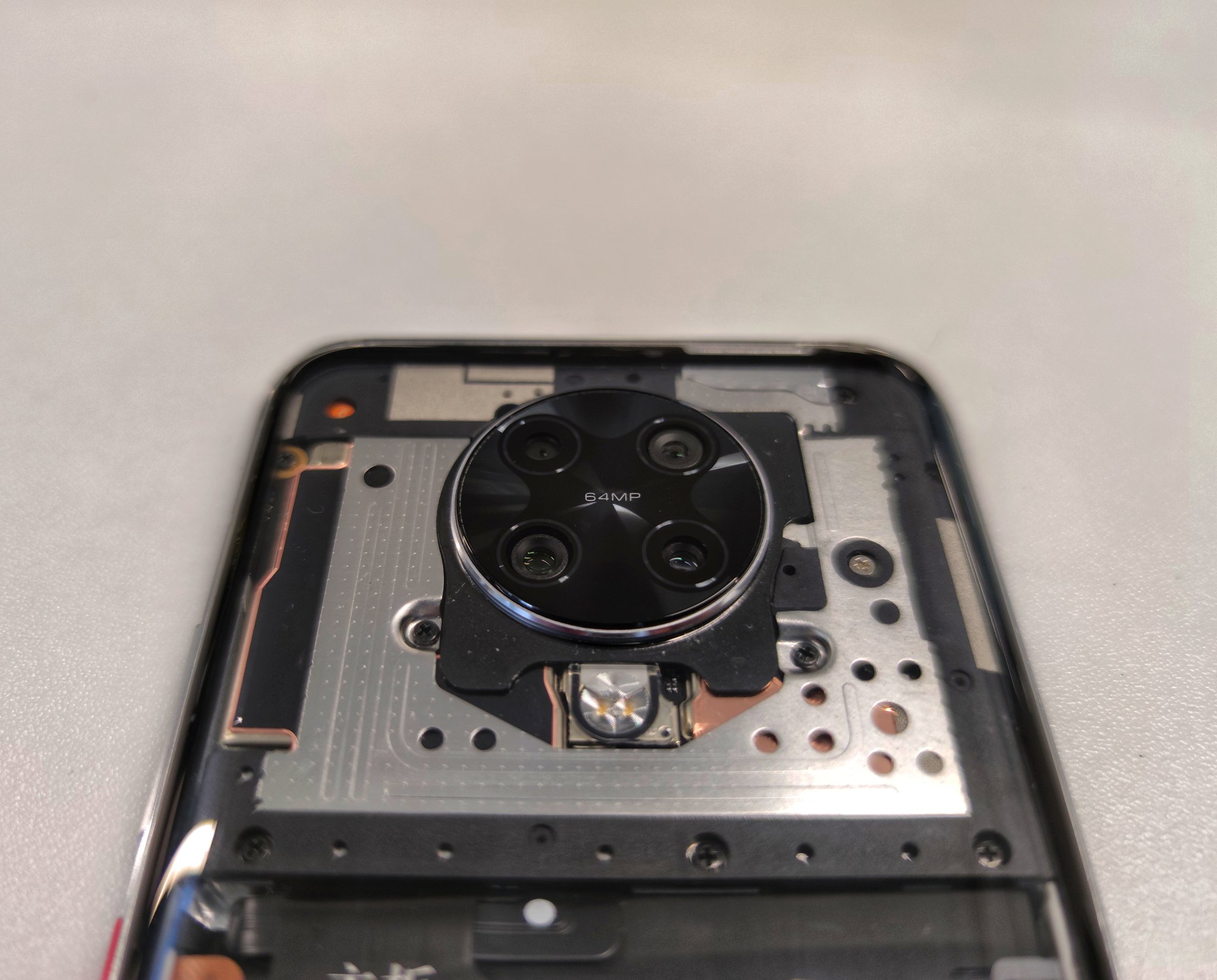
That has not prevented the company from experimenting with the transparent panel as a transparent rear panel-bearing Mi 10 was shared a couple of months back by Xiaomi’s Marketing department. The experimentation has now landed in the domain of the Redmi series as a couple of pictures of the Redmi K30 Pro donning a transparent glass panel at the back has been shared. The images were shared on Twitter by Daniel D, Senior Product Marketing Manager and global spokesperson for Xiaomi.
Just like the Mi 10 Transparent model spotted earlier on, the transparent back seems to have been achieved by swapping the back cover with a transparent glass panel. Thus, you get to see the actual internals of the Mi 10 unlike the Mi 9 and Mi 8 Explorer editions that had dummy internals on display. The transparent glass back only had the Redmi logo printed at the bottom using a small font size unlike the Mi 10 which used large fonts. The small font size also gives an unhindered view of the internals.
It is not likely that Xiaomi is planning to release this transparent addition for the Redmi K30 Pro. This may just be a customised version for internal consumption only. Would you like to have this transparent version for your Redmi K30 Pro? Let us know what you think about it in the comments.
Yesterday, the rumor mill had leaked some vital details on the upcoming Vivo X50 series. The lineup could include two handsets such as Vivo X50 and Vivo X50 Pro. The devices are expected to arrive as the successor for the Vivo X30 and Vivo X30 Pro smartphones that went official in December last year. Today, the Chinese firm released an official confirmation through Weibo that the Vivo X50 will be made official on June 1.
Before the announcement of the Vivo APEX 2020 concept phone in February, Arun Maini who runs the Mrwhosetheboss YouTube channel had shared some of its key details. Maini’s latest tweet states that the Vivo’s upcoming flagship phone that will come equipped with an eye-like gimbal camera system will deliver next-level stabilization.
What you're seeing right now is the eye-like gimbal camera system on an upcoming vivo flagship smartphone – It should mean NEXT-LEVEL stabilisation
He didn’t reveal the name of the smartphone. However, based on the Vivo’s Weibo post that confirms the launch date of the Vivo X50 smartphone, it appears that the YouTuber could be talking about the next X-series phone from the company.
The Vivo X50 smartphone promises to offer professional photography and video experience. It seems that the smartphone will possess a stable micro gimbal like the APEX 2020 concept phone. It will allow the X50 to offer better stabilization while shooting photos and videos than regular OIS systems.
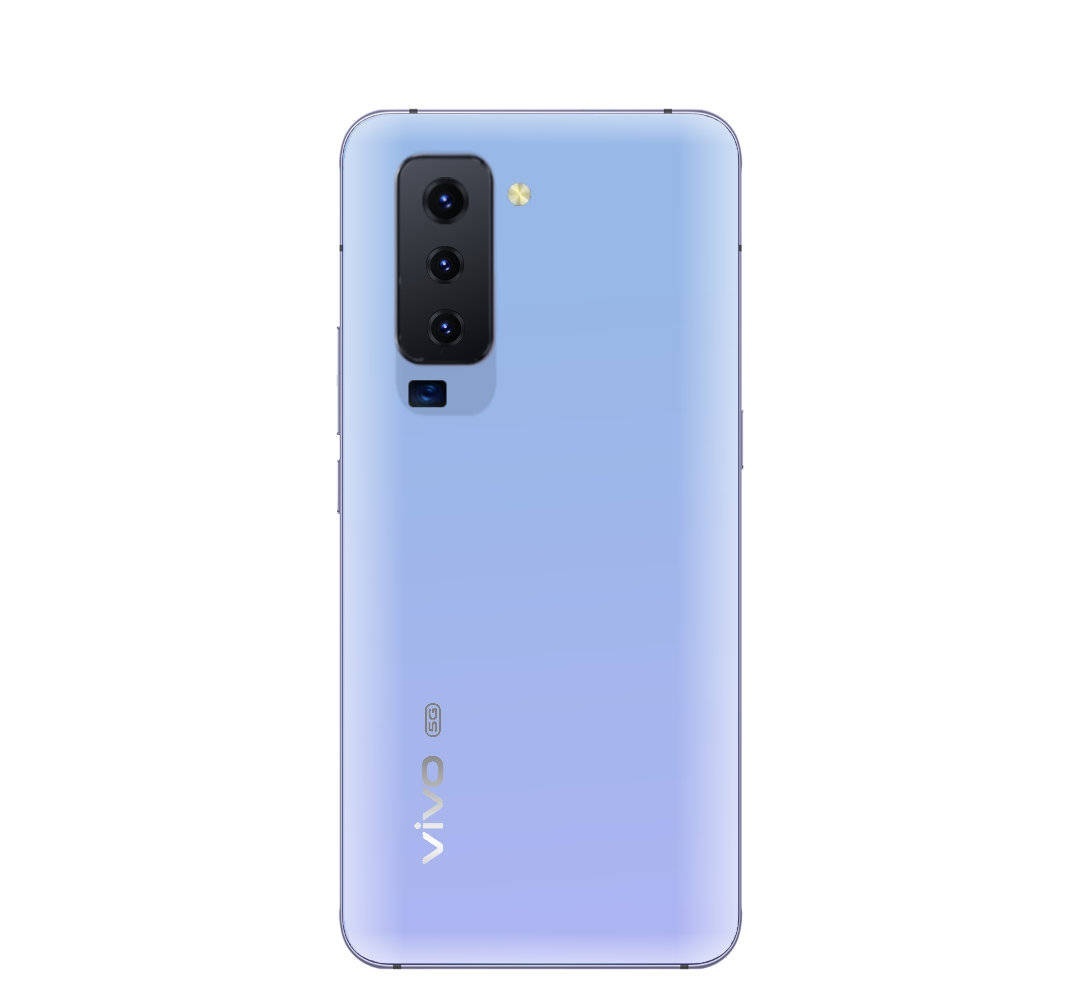
Leaked renders of the smartphone that were spotted recently spotted on Weibo revealed the presence of a rectangular camera module at the backside of the device. The camera housing had three lenses and an LED flash unit. A separately placed unit below the rectangular housing seems to be the eye-like gimbal camera system. Hopefully, the company will share mode details on the camera capabilities of the Vivo X50 before its launch.
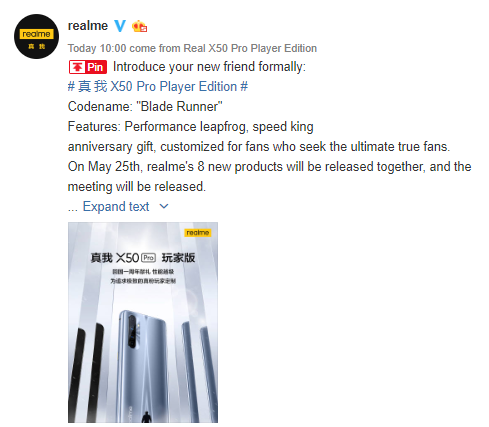
Recent reports have revealed that Realme is working on a gaming-focused smartphone for China. The handset is codenamed as Blade Runner and is set to go official on May 25 alongside other products in the home market. Initial speculations suggested that it could be the new Realme X3 Pro smartphone. However, a Chinese tipster had recently claimed that the Blade Runner phone will be debuting as a gaming edition of the Realme X50 Pro flagship phone that was announced earlier this year. Today, Realme officially confirmed that the smartphone is named as Realme X50 Pro Player Edition.
The Realme X50 Pro Player Edition bears resemblance with the Realme X50 Pro smartphone. The latter is available in dark colors such as Moss Green and Rust Red. Both colors have a matte finish. In comparison, the Realme X50 Pro Player Edition has a gradient design and has a light shade.
It is speculated that the model number RMX2072 belongs to the Realme X50 Pro Player Edition. Recently, the handset was spotted with Snapdragon 865 mobile platform at AnTuTu benchmarks. The handset managed to clinch an impressive score of 600,806.
Nothing is known yet on the gaming capabilities of the Realme X50 Pro Player Edition. The handset has passed 3C certification through which it has been known that its retail package may include a 65W fast charger. The rest of the specs of the Player Edition could be identical with the original X50 Pro. The handset may come with some improvements for a better gaming experience.
The May 25 launch event in China is expected to unleash multiple products. Some of the rumored Realme devices to go official at the event are Realme X3 series, Realme TV, Realme Watch, Realme Wireless Buds Pro, and a new power bank.
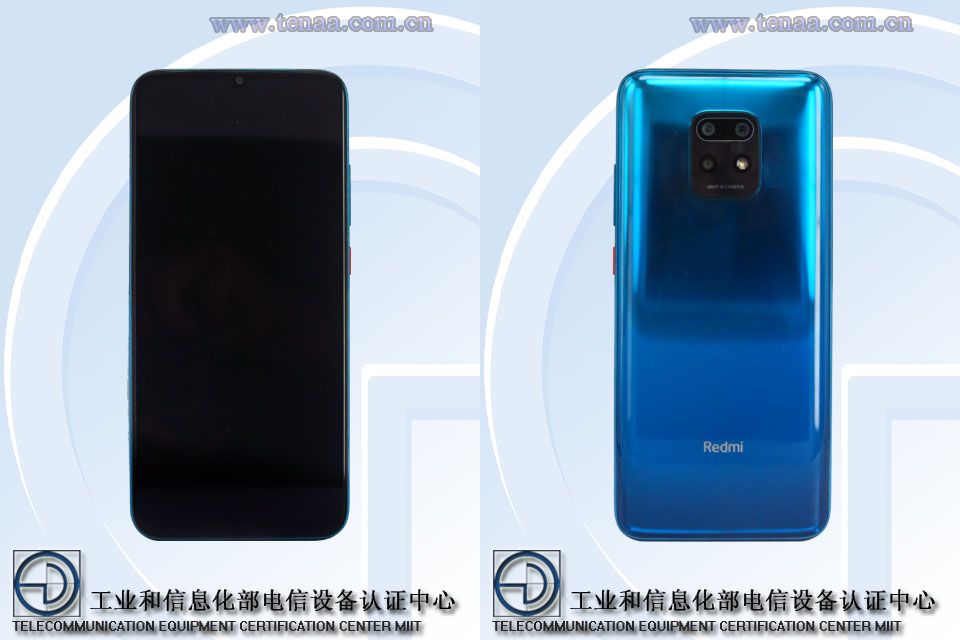
Recent reports have revealed that Redmi is working on a budget-friendly 5G phone. The handset is rumored to be powered by Dimensity 800 or Dimensity 800+ chipset and is expected to break cover as the most affordable 5G smartphone in China. Today, the phone was found listed at the database of China’s TENAA telecom authority. The listing carries specs and images of the device. However, the name of the phone is yet to be revealed.
The Redmi M2004J7AC smartphone has 164.15 x 75.75 x 8.99mm dimensions. The phone weighs 208 grams. The handset may come in multiple colors blue, black, green, pink, red, white, and silver. It is unlikely that all the color variants will be announced at the launch date.
The handset is fitted with a 6.57-inch OLED display that offers a Full HD+ resolution of 1080 x 2400 pixels. There seems to be a small waterdrop notch on the display for the selfie camera. The 20:9 aspect ratio supporting OLED panel is integrated with a fingerprint sensor.
The 2.6GHz octa-core powers the Redmi M2004J7AC. The Dimensity 800+ which is speculated to deliver the same clocking speeds could be powering the new Redmi phone. The Dimensity 800 is believed to be an overclocked version of the Dimensity 800 SoC announced earlier this year.
The smartphone is loaded with Android 10 OS and is expected to come in variants such as 6 GB RAM + 64 GB storage, 6 GB RAM + 128 GB storage, 8 GB RAM + 128 GB storage and 8 GB RAM + 256 GB storage. For additional storage, there is a microSD card slot. The minimum capacity of the phone’s battery is 4,420mAh. its recent appearance at China’s 3C database revealed that it could be coming wit a 22.5W fast charger.
The back panel of the Redmi M2004J7AC features a square-shaped camera housing with three lenses and an LED flash unit. The primary shooter in the setup is 48-megapixel. For snapping selfies, it has a front camera of 16-megapixel.
There are only a handful of phone manufacturers that are yet to announce TWS earbuds. Two members of this small group are HTC and OnePlus, but a new leak points at HTC exiting the group soon.
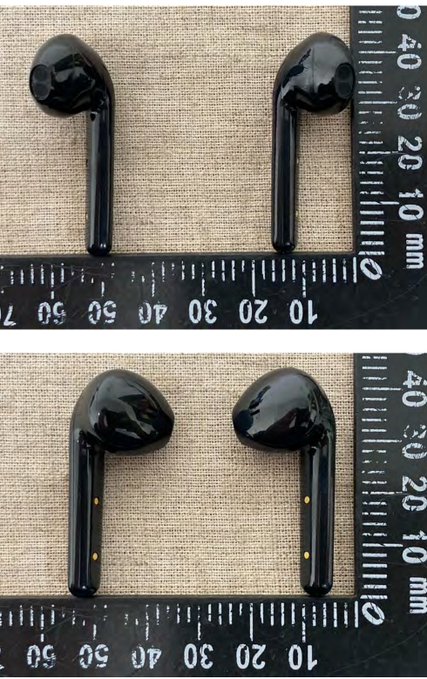
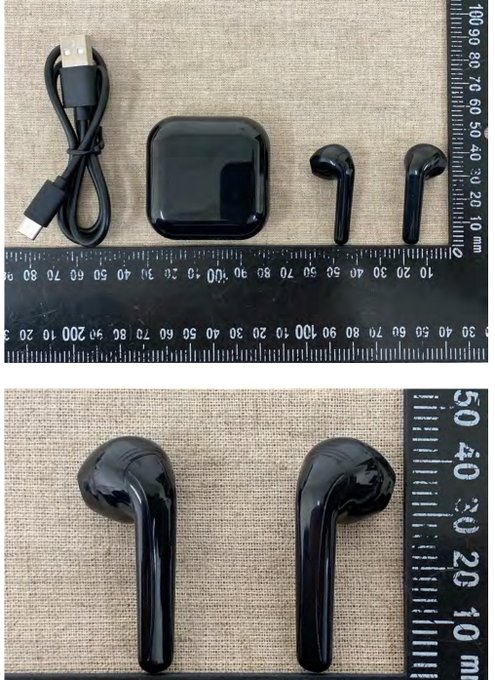
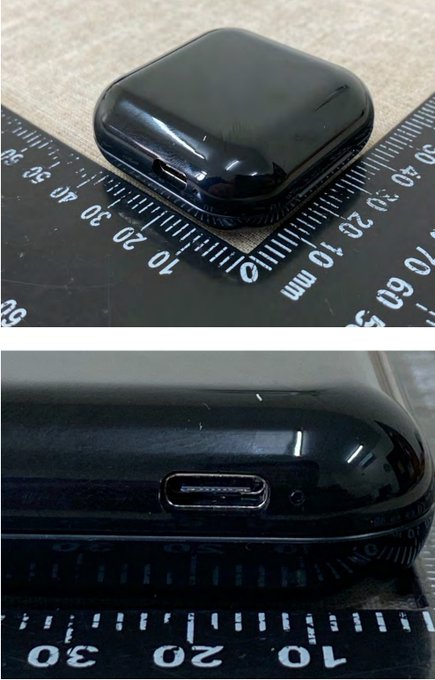
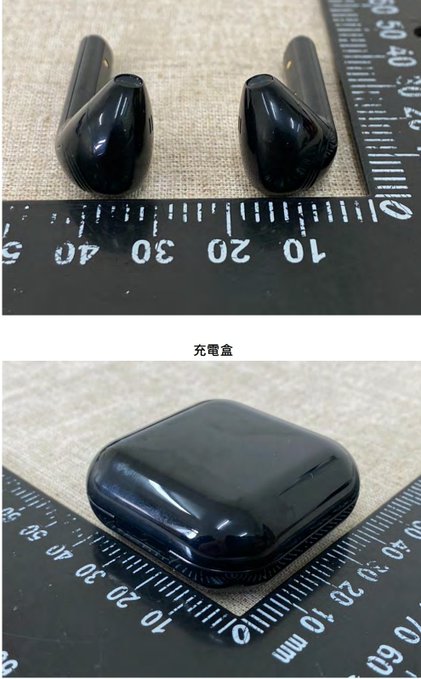
In the coming weeks, HTC may announce its very first TWS earbuds. The earbuds which are named HTC U Ear have been seen on the FCC’s website. The listing includes images too, so we know what it looks like.
1 of 3
HTC U Ear TWS Earbuds
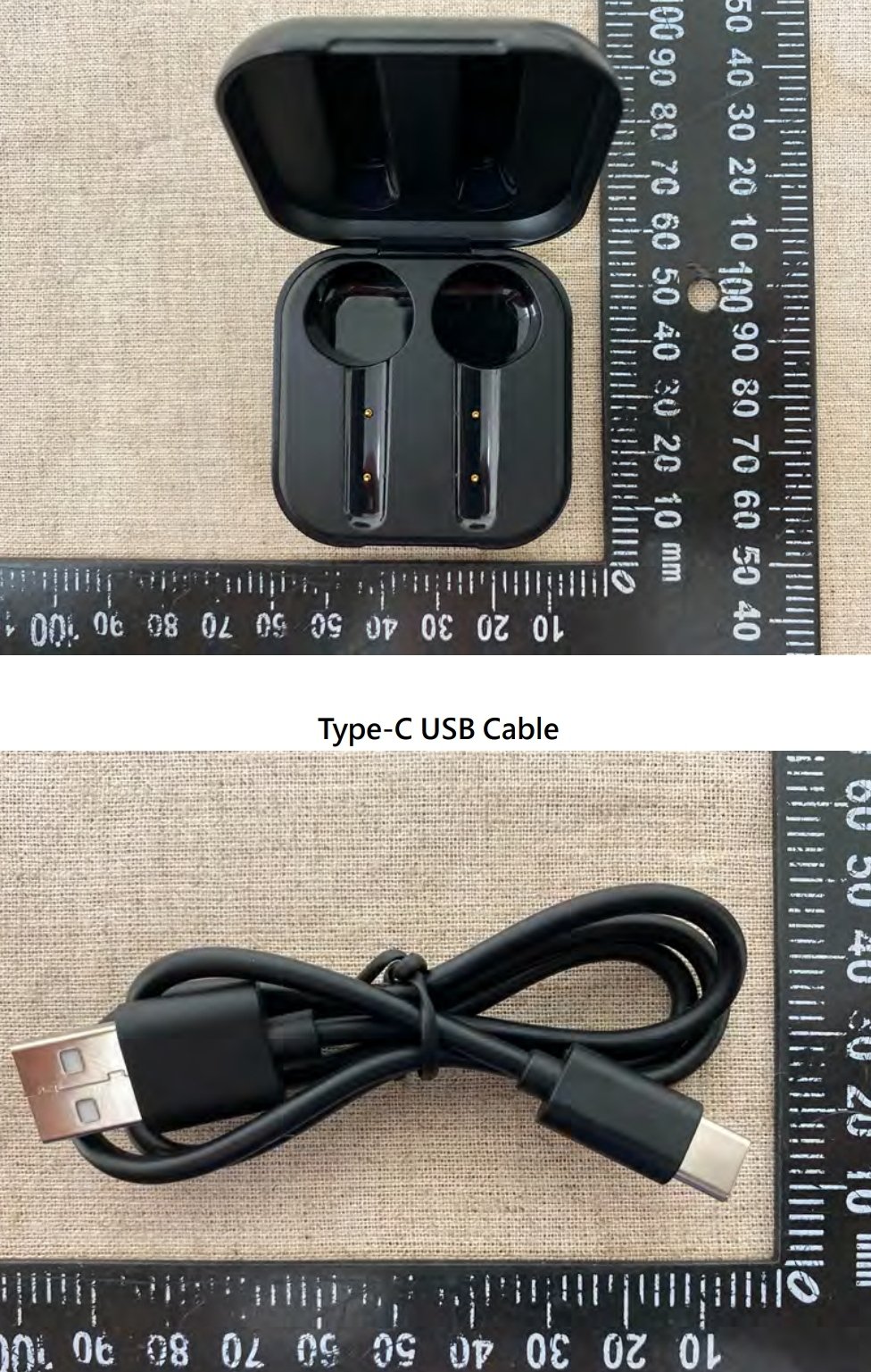
HTC has adopted a design similar to that of the AirPods for its TWS earbuds. They come in black and have a gloss finish. The case is shaped like a cube with rounded corners. Unlike the AirPods that sit in the case vertically, the HTC U Ear lies horizontally in the case, thanks to the position of the magnetic charging contacts which are positioned vertically along the stem of the earbuds.
The case charges via USB Type-C but there is no mention of support for wireless charging.
1 of 3
We do not know when HTC will announce the earbuds and how much it will cost. We also cannot say if this is actually a product from HTC or from InOne Smart Technology, the company that licensed the HTC name and went on to announce the Wildfire X in India last year.
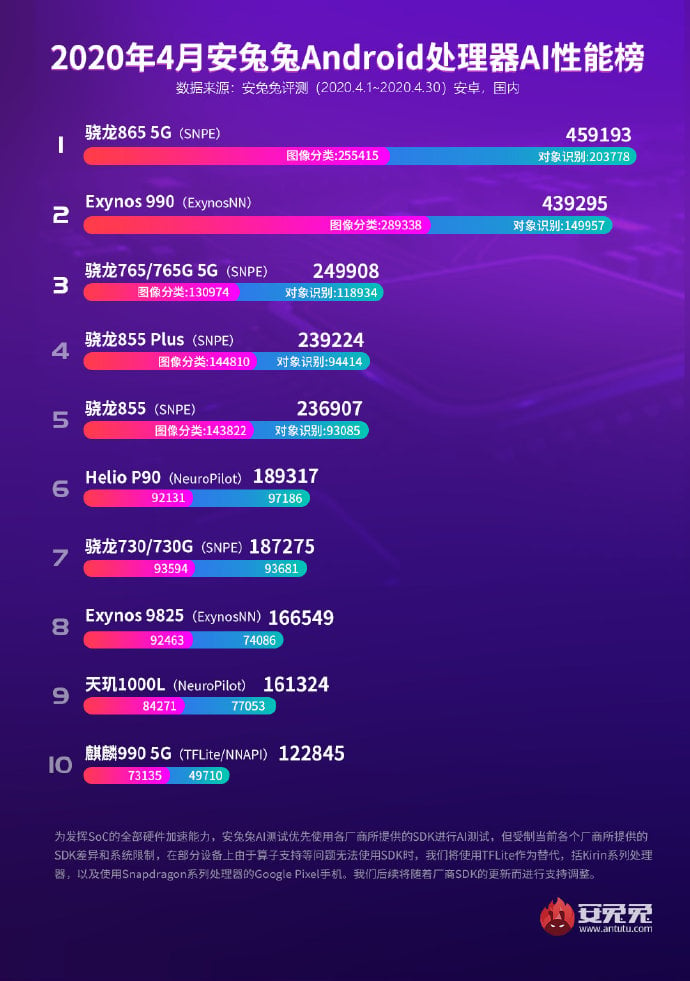
In recent times, artificial intelligence (AI) has taken a front role in the manufacture of semiconductors for smartphones and other gadgets. AnTuTu has released the top 10 AI processor ranking for the month of April 2020.
The ranking is based on data collected on its database when a smartphone is benchmarked. Thus, the performance ranking for April encompasses data collected between April 1 and April 30. The data is based on the average score of the models and not necessarily the highest score obtained. The outfit did not release the name of the specific model that made the ranking but just the processors. Where there are multiple models running the same processor, data from the best performing model is what is recorded.
The listed is dominated by Qualcomm chipsets as five different processors from the US manufactured are on the top 10 list. The Snapdragon 865 is ranked as the best AI chipset around followed by Samsung Exynos 990. Qualcomm Snapdragon 765/765G, Snapdragon 855+ and Snapdragon 855 occupy the third to fifth spots.
MediaTek Helio G90 comes in at the sixth spot while the Snapdragon 730/730G is at number 7. Samsung Exynos 9825 SoC is ranked at umber 8 while the premium MediaTek Dimensity 1000L mid-range SoC is at number 9.
The tenth spot is sort of a surprise as the Hisilicon Kirin 990 is ranked at number 10. We can’t say why the Kirin 990 performed so badly considering that Huawei flaunts its Kirin chipsets for their AI prowess piloted by the Neural Processing Unit (NPU).
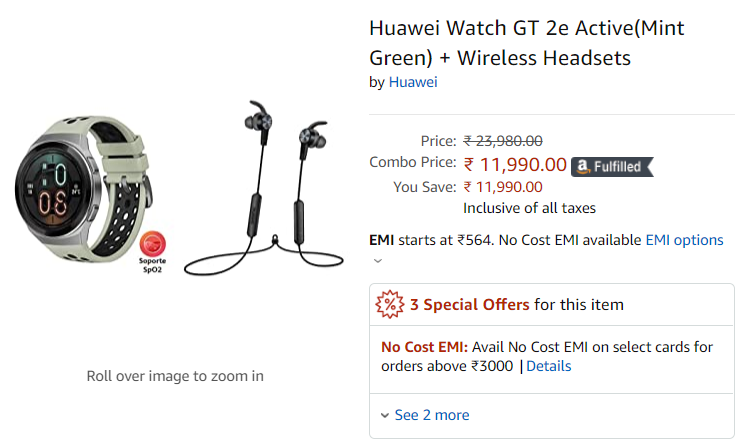
The Huawei Watch GT 2e is a sporty version of the Watch GT 2. It was announced back in March during the launch of the Huawei P40 series and is already on sale in Europe. Huawei has now announced the smartwatch in India.
The Huawei Watch GT 2e is priced at INR 11,990 (~$159/€147) in India. This is significantly cheaper than the price in Europe which is €200 and the price in China which is ¥1288 (~$182). The smartwatch will be sold on Amazon India and Flipkart.
Amazon says pre-order will begin on May 15 on the aforementioned platforms and those who do so between May 15 and May 21 will get a free pair of AM61 Bluetooth earphones which cost INR 3,990 (~$53).
The Huawei Watch GT 2e has a 1.39-inch AMOLED display with a 454 x 454 resolution. It connects via Bluetooth 5.1 and has built-in GPS. There are up to 100 different fitness tracking modes and 15 professional sports modes. It also has Sp02 monitoring alongside 24-hour heart rate monitoring. There is 4GB of storage built-in for audio files.
Huawei claims the watch has a 14-day battery life and is water-resistant up to 5 ATM. It is available in Mint Green and Graphite Black.
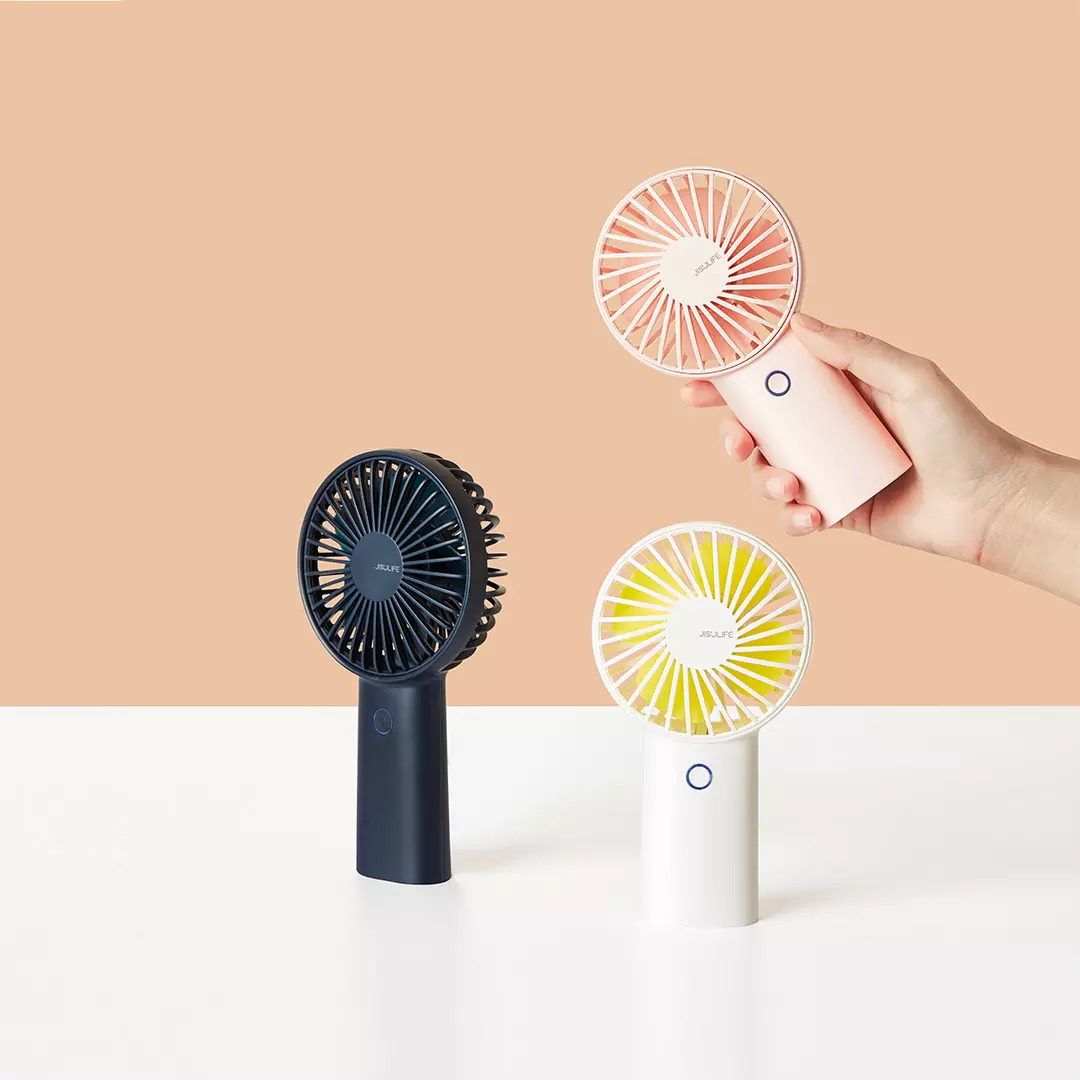
Jisu Life, a Xiaomi backed company has launched two cheap handheld fans to help people remain cool during summers. These fans are already up for sale on Xiaomi Youpin eCommerce website in China.
1 of 3
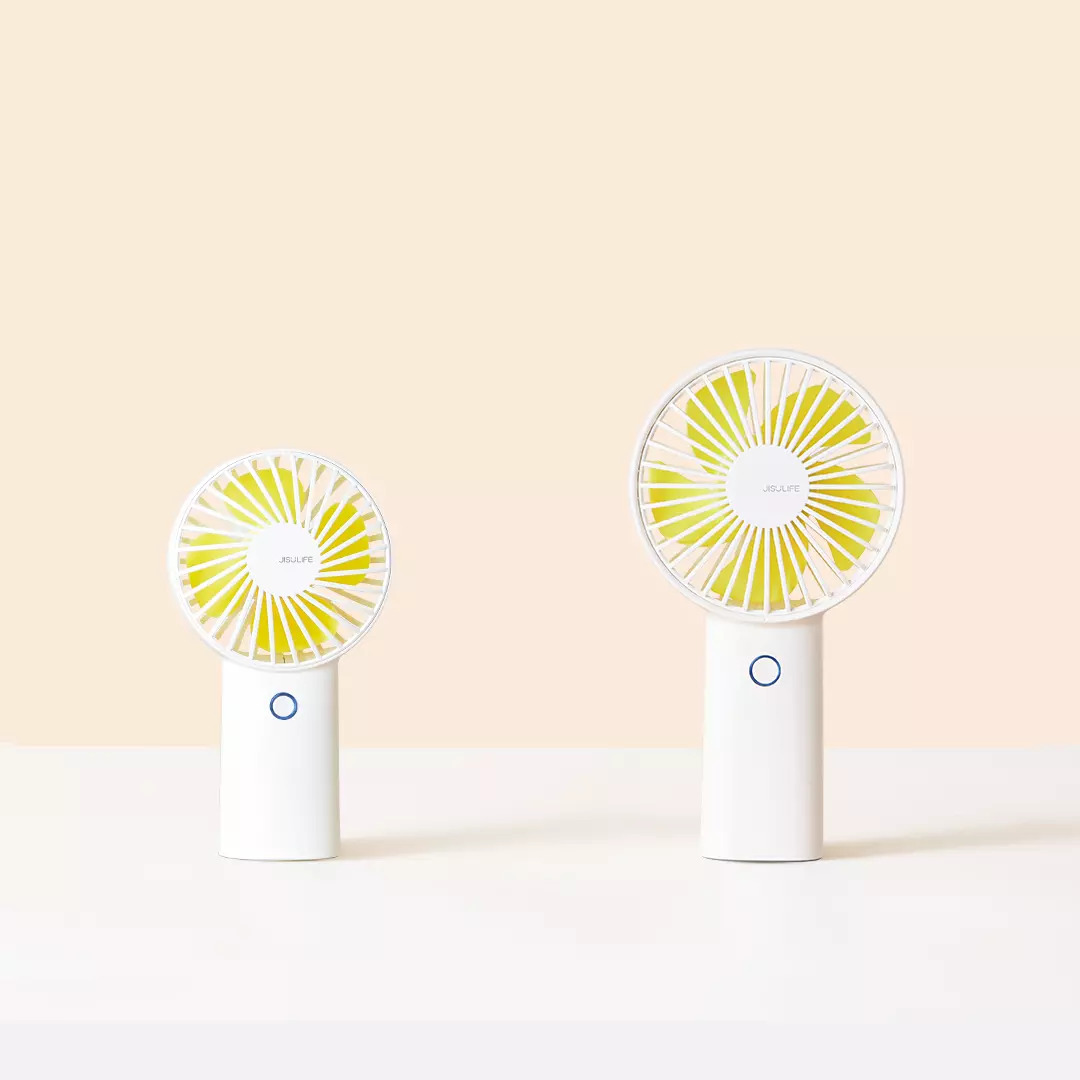
The new Jisu handheld fans come in the same series but they are different from each other in terms of both size and features. The smaller model is called ‘Mini Version’, whereas the slightly larger variant is called ‘Jade Edition’.
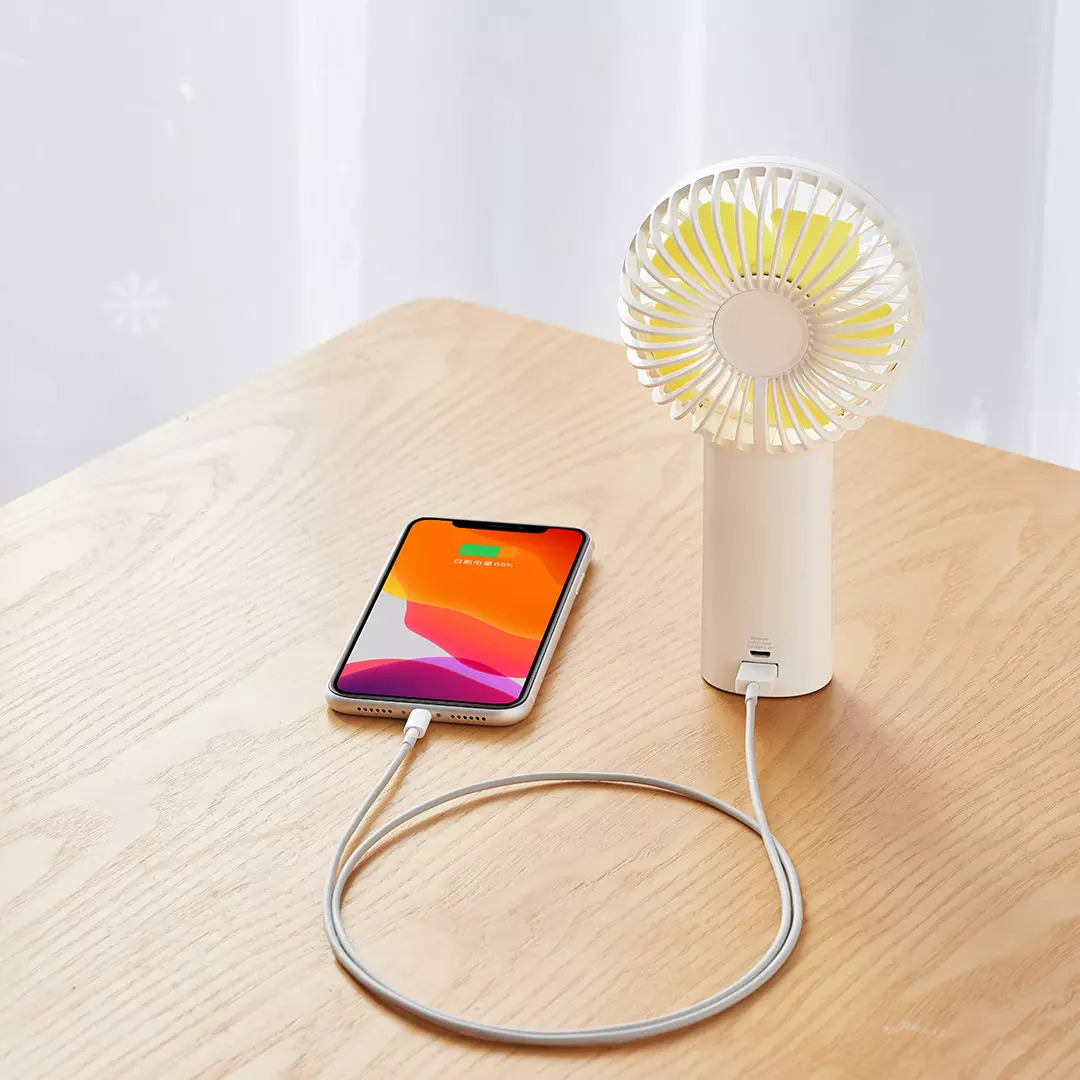
Both the models feature brushless DC motor but the smaller version has four blades compared to 5 blades on the larger model. Another difference is the former has aromatherapy function, whereas the latter can be used as a power bank.
These two fans also feature 3 types of speed settings but the Jade Edition is 50% faster than the Mini Version. Also, it has a 5,000 mAh battery in contrast to 4,000 mAh cell in the smaller model. However, both of them come with MOS protection plates as a safety measure.
1 of 3
Further, the smaller Jisu fan measures 87x48x158mm in dimensions and weigh 175g. The larger fan, on the other hand, weighs 225g and measures 106x42x198mm in dimensions.
As for battery life is concerned, the brand claims the smaller and larger fans will operate 20 hours and 14 hours respectively at 1-speed mode. Also, they take 3-4 hours and 4-5 hours to charge completely via MicroUSB port.
Since the larger fan can act as a power bank, it can be used to charge Xiaomi Mi 10 1.04 times, Apple iPhone 11 1.6 times, and iPhone SE 3.04 times
Last but not least, the Jisu Handheld Fan Mini Version and Jade Edition are priced at 49 Yuan ($7) and 79 Yuan ($11) respectively.
Update: We erroneously stated the Mi Box 4K is the more powerful device with respect to performance. The post has now been updated. Thanks, Greenwheel, for spotting the error.
Smart TVs have existed for a while now but there are still lots of non-smart TVs that are being produced annually. However, with TV boxes and TV sticks, non-smart TVs can become smart. It is important to mention that TV boxes and TV sticks are not only for non-smart TVs but many smart TV owners also use one, usually because the apps that come bundled with their TVs are limited.
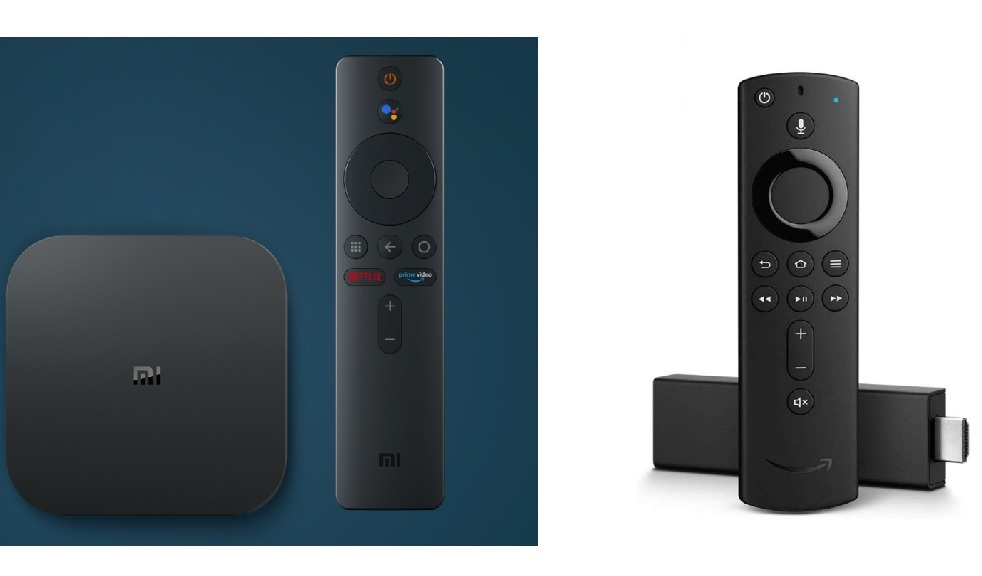
If you are on the search for a TV box or TV stick, chances are the recently announced Mi Box 4K and Amazon’s Fire TV Stick 4K are on your radar. Today, we will compare both and try to help you to decide which to buy.
Mi Box 4K
Fire TV Stick 4K
Operating System
Android TV 9 (Android Pie)
Fire OS 6 (Android Nougat)
Smart Assistant
Google Assistant
Amazon Alexa
Bluetooth Voice Remote
Yes
Yes
Support for Game Controller
Yes
Yes
Processor
2.0GHz quad-core processor
1.7GHz quad-core processor
RAM
2GB
1.5GB
Storage
8GB
8GB
Bluetooth
4.2
5.0
Wi-Fi
2.4GHz and 5GHz
2.4GHz and 5GHz
Ports
HDMI 2.0b, Audio Out (3.5mm + SPDIF), USB A 2.0, power jack
HDMI Out, MicroUSB for power
4K output
Yes
Yes
HDR
HDR10
HDR10, HDR10+, Dolby Vision, and HLG
Audio
Dolby Audio
Dolby Atmos
Casting
Chromecast
Miracast
Smart devices control
Yes
Yes
Price
INR 3499 (~$46)
INR 5999 (~$79)
The table above helps highlight the differences between the two devices. As you can see, each device has its own strengths and weaknesses. Nevertheless, we will explain some of the differences below.
Both devices come with a built-in smart assistant. You have Google Assistant on the Mi Box 4K and Alexa on the Fire TV Stick 4K. With the smart assistant, you can ask the device to launch apps, play a certain video, or ask questions.
If you also have compatible smart home devices on the same network, you can control them using these devices. For example, you can turn on/off lights, check camera feeds, or control smart door locks.
If you plan to pick one of these two products and use them for controlling your home, compatibility is key. So if your smart home devices work with Google Home, you are better off with the Mi Box 4K and vice versa.
Bluetooth Voice Remote and Controller Support
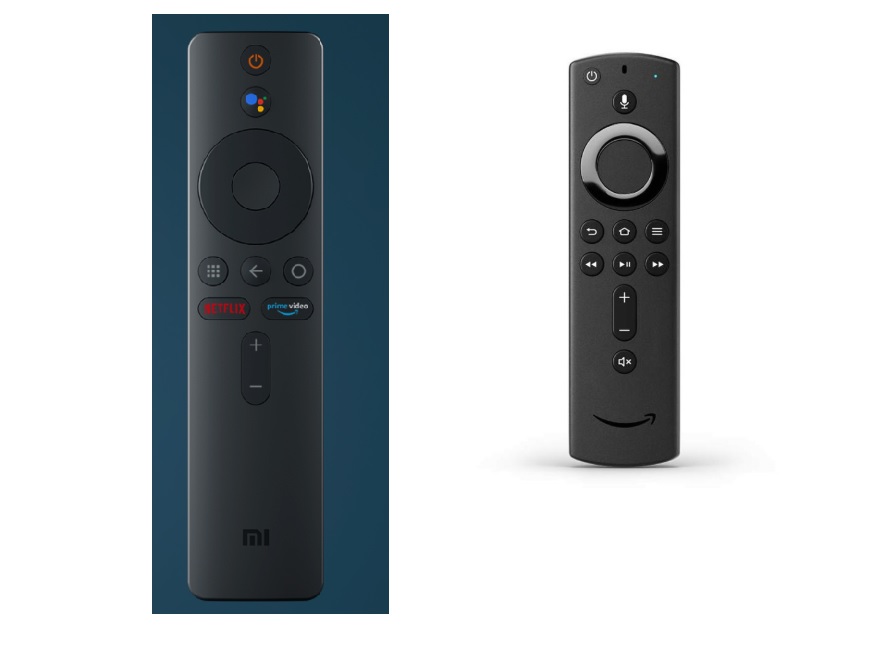
Both devices come with a Bluetooth voice remote in the box. The remotes use AAA batteries which should last a while before replacing. The advantage of a Bluetooth voice remote is that you don’t need to point it towards the device. As long as you are in Bluetooth range, you can control the device with the buttons on the remote or via voice.
The Mi Box 4K’s remote has fewer buttons including dedicated ones for Netflix and Amazon Prime Video. The Fire TV Stick 4K’s remote has more buttons including a dedicated mute key.
You can also pair Bluetooth controllers to the two devices to play downloaded games.
Mi Box 4K vs Amazon Fire TV 4K: Performance and Storage
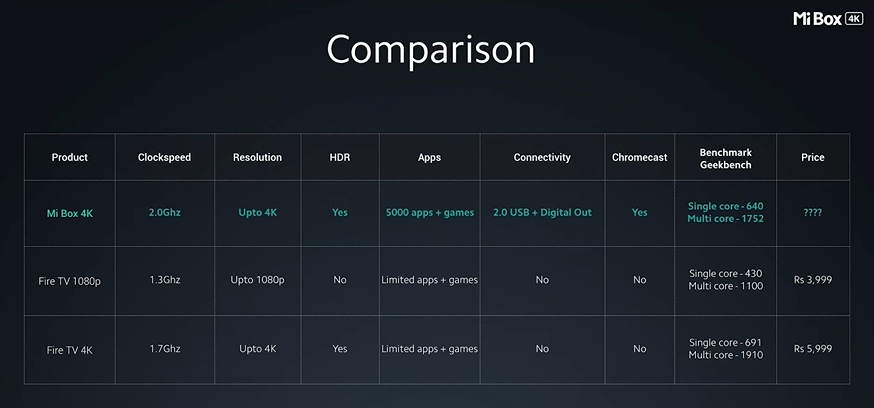
The processors in the Mi Box 4K and the Fire TV Stick 4K both use Cortex-A53 cores but Amazon’s streaming device is the more powerful one. The table below shared by Xiaomi during the launch of the streaming box even proves that its device is less powerful.
Yes, the Mi Box 4K has more RAM but it is the slower DDR3 type whereas the Fire TV Stick 4K uses DDR4 RAM. The Fire TV Stick 4K also has higher Geekbench scores.
When it comes to storage, both devices have a measly 8GB which is even less as the OS and pre-installed apps already take some of the space. However, users will be able to add more storage easily to the Mi Box 4K compared to the Fire TV Stick 4K.
The Mi Box 4K has a full-sized USB port that allows you to plug in a thumb drive or a hard drive. Android TV also has a feature that lets you format a drive to serve as dedicated storage for the TV box. The feature is similar to the adaptive storage feature you have on Android phones. When completed, you will be able to download more apps and games and also save videos without worrying about space. Do note that the thumb drive will not work when plugged to another device.
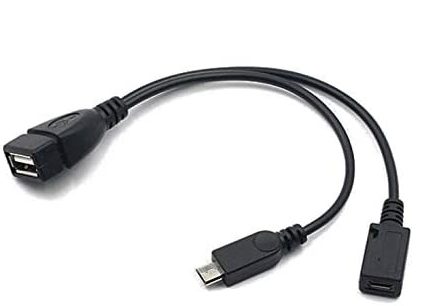
The Fire TV Stick doesn’t have a USB port nor does it have a MicroSD card slot. However, you can still add more storage using some additional peripherals. The main requirement is the OTG cable below.
Your thumb drive goes into the USB port end of the cable while the MicroUSB end of the power adapter goes into the MicroUSB input port of the OTG cable. The MicroUSB end of the OTG cable then plugs into your Fire TV stick. Using a file explorer, you will be able to access the storage. The is a YouTube video to guide you on the process.
HDR
Both devices support HDR but the Fire TV Stick 4K supports more HDR formats including Dolby Vision. So if you have a TV that supports HDR 10+ and Dolby Vision and you want the best video quality while watching content, you are better off with the Fire TV Stick 4K.
Mi Box 4K vs Amazon Fire TV 4K: Price
This is the deciding factor for a lot of people. The Mi Box 4K is priced at INR 3499 (~$46) while the Fire TV Stick 4K sells for INR 5999 (~$79). The lower price tag makes the Mi Box TV 4K easily recommendable especially for anyone on a budget. Even with its lower price tag, it offers more including better performance.
Conclusion
Both devices support 4K streaming and if that is the only requirement you want, you are fine with any one of the two. With respect to performance, the Fire TV Stick 4K is the better device. However, the lower price tag and easy support for storage expansion will sway buyers to the Mi Box 4K.
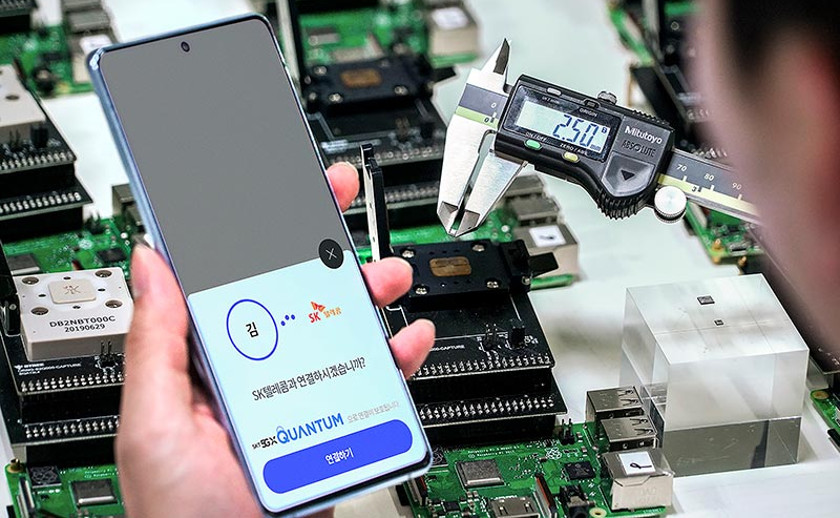
Samsung has teamed up with SK Telecom to unveil the Galaxy A Quantum. The phone is a 5G smartphone whose major highlight is the quantum random number generation (RNG) chipset for improved security which it packs.
In a press release by SK Telecom, the company disclosed that; “The quantum random number generation chipset helps smartphone users safely use specific services by generating unpredictable and patternless pure random numbers.”
The new phone bearing the quantum RNG chip seems to be a rebadged Galaxy A71 5G variant powered by an Exynos 980 5G chipset and paired with 8GB of RAM and 128GB of storage. The phone bears a large 6.7-inch FHD+ display with a front punch-hole for the selfie camera. At the rear, there is a Quad-camera setup and you get a 4,500mAh battery onboard.
The quantum RNG chip has an on-board CMOS image sensor to detect photons, with this being the basis for the random number generation used for encryption keys. The chip comes into play when the user first logs into the carrier account on the device. The network then undergoes Quantum-based OTP authentication.
The Galaxy A Quantum chip is also touted to function as a secure bank for storing personal documents such as insurance documents, graduation certificates in order to prevent forgeries and general falsification. In addition, the quantum RNG chip will in future be deployed in conjunction with biometric-backed mobile payments at offline retailers.
Samsung Galaxy A71 5G
“When a user of Galaxy A Quantum sets biometric authentication with ‘SKT 5GX Quantum’ in the SK Pay app, you can see the message ‘SK Pay is protected with SKT 5GX Quantum’ at the top of the smartphone screen when using the app,” SK Telecom explained.
As for the pricing and availability, the Galaxy A Quantum will be up for pre-order from May 15 -21 in South Korea. The official sales will commence on May 22. The phone is priced at 649,000 won (~$529).
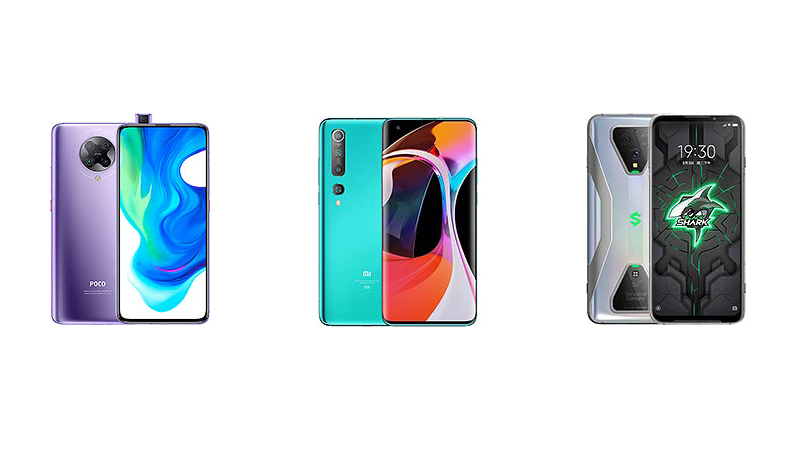
After the arrival of the POCO F2 Pro, there are now three Xiaomi affordable flagships released in the global market during 2020. All of them are fueled by the same flagship chipset, all come with 5G connectivity and all can provide blazing speeds and amazing gaming experience. We are obviously talking about POCO F2 Pro, Xiaomi Mi 10, and Black Shark 3. They carry different price tags, but all of them can be considered affordable flagships if we look at street prices. Here is a comparison that will help you understand the pros and cons of each device.
Xiaomi POCO F2 Pro vs Xiaomi Mi 10 vs Xiaomi Black Shark 3
Xiaomi Mi 10
Xiaomi Black Shark 3
Xiaomi POCO F2 Pro
DIMENSIONS AND WEIGHT
162.6 x 74.8 x 9 mm, 208 g
168.7 x 77.3 x 10.4 mm, 222 g
163.3 x 75.4 x 8.9 mm, 219 g
DISPLAY
6.67 inches, 1080 x 2340p (Full HD+), Super AMOLED
6.67 inches, 1080 x 2400p (Full HD+), AMOLED
6.67 inches, 1080 x 2400p (Full HD+), Super AMOLED
Triple 64 + 13 + 5 MP, f/1.8 + f/2.3 + f/2.2
20 MP f/2.2 front camera
Quad 64 + 5 + 13 + 2 MP f/1.9, f/2.2, f/2.4 and f/2.4
20 MP front camera
BATTERY
4780 mAh, fast charging 30W, Fast wireless charging 30W
4720 mAh, fast charging 65W
4700 mAh, fast charging 30W
ADDITIONAL FEATURES
Dual SIM slot, reverse wireless charging 10W, 5G
Dual SIM slot, 5G, magnetic charging 18W, LED lights, shoulder buttons
Dual SIM slot, 5G
Design
I personally think that the most attractive design belongs to Xiaomi Mi 10. It offers a higher screen-to-body ratio, a curved screen (despite not everyone likes it due to usability-related issues), and a less invasive camera module. But POCO F2 Pro still offers an amazing design with its notch-less display, a pop-up camera, a glass back, and an aluminum frame. Black Shark 3 is not the most elegant device out there as it has an aggressive and gaming-centric design, but it offers some interesting gaming features such as triggers and magnetic charging.
Display
Black Shark 3 and Xiaomi Mi 10 offer the same display specifications, including a 6.67-inch diagonal, a Full HD+ resolution, the HDR10+ certification, and a high 90 Hz refresh rate. Further, they both feature powerful stereo speakers. POCO F2 Pro lacks a high refresh rate and stereo speakers. That is why Black Shark 3 and Xiaomi Mi 10 win the multimedia comparison. They are at the same level when it comes to the display, so you can choose one or the other according to your tastes.
Hardware/Software
In the hardware department, these three handsets are even more similar. All are flagship killers powered by the best Qualcomm’s chipset: the Snapdragon 865 running at a max frequency of 2.8 GHz. They all feature LPDDR5 RAM, but Xiaomi Mi 10 and Black Shark 3 offer up to 12 GB of RAM, while POCO F2 Pro stops at 8 GB. On the other hand, POCO F2 Pro has a slightly faster UFS 3.1 storage. But I prefer having more RAM than slightly faster storage: UFS 3.0 is enough and it is impossible to notice the difference in daily use. Given that they launched in 2020, all of these devices obviously run Android 10 customized by MIUI 11.
Camera
Unfortunately, it lacks a telephoto lens and it can not be considered a top camera phone, but Xiaomi Mi 10 offers definitely better camera hardware than POCO F2 Pro and Black Shark 3. And given that the software is the same, it provides a better photo and video quality. It boasts a 108 MP main sensor that can record videos with an 8K resolution. The silver medal goes to the POCO F2 Pro: it records 8K videos as well, but with an inferior main camera and without OIS. Black Shark 3 is just a typical midrange camera phone.
Battery
The differences in battery capacities between these handsets are marginal. That is why despite it has a smaller battery, we believe that POCO F2 Pro may last more on a single charge due to its standard refresh rate. On the other hand, Black Shark 3 offers the fastest charging technology in the market with a 65W power: it is definitely more relevant. Xiaomi Mi 10 is the only which supports wireless charging and reverse wireless charging.
Price
POCO F2 Pro is the most affordable handset with a €499/$538 starting price globally, Black Shark 3 costs €599/$646 and Xiaomi Mi 10 goes for €879/$948 in its base variant, but it can be found at very interesting street prices. Xiaomi Mi 10 is the most advanced device due to the presence of wireless charging and better cameras, but there are no huge differences in this trio. Black Shark 3 is a definitely better device for gamers, while you can still get an awesome user experience with POCO F2 Pro, but it lacks a high refresh rate. We do not think the differences between specifications of Xiaomi Mi 10 and POCO F2 Pro justify the price difference between the two handsets.
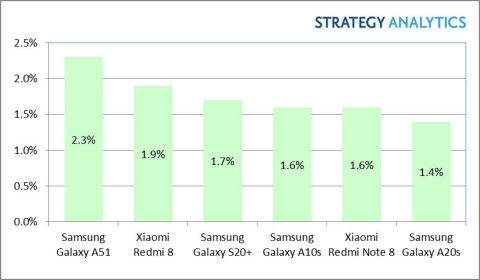
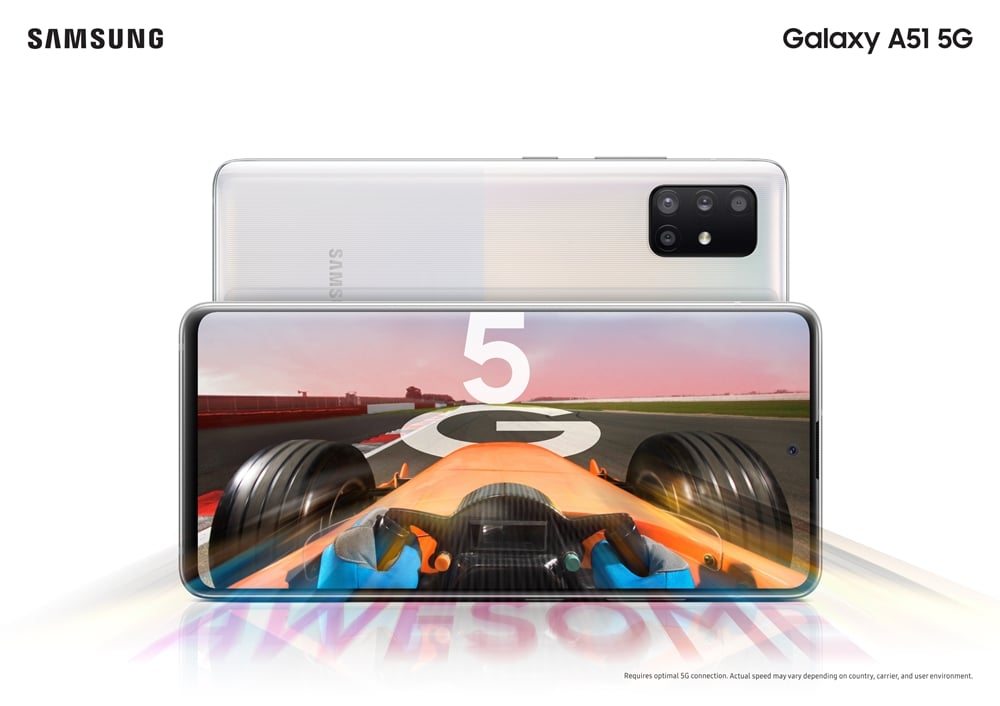
The first quarter research report released by Strategy Analytics shows that the Samsung Galaxy A51 is at the top of the global smartphone market in the first quarter of 2020 in terms of net shipment.
According to Strategy Analytics data, Samsung shipped a total of 6 million units of the Galaxy A51 to grab a 2.3% share of the market. The Galaxy A51 was released by Samsung in December last year and is indeed a premium midrange model. The A-series is Samsung’s response to a declining market occasioned by cheaper models from Chinese OEMs a couple of years back. The rejigged A-series and other midrange series have been a huge success. SA says the Galaxy A71 (4G) is popular in all regions, particularly across Europe and Asia.
The budget Redmi 8 is ranked as the second best-selling model with a market share of 1.9%. The research firm disclosed that Xiaomi’s Redmi smartphone range is selling very well in India and China and increasingly across Europe.
Samsung’s Galaxy S20+ came in at the third position with a 1.7 per cent share. The Samsung flagship is notably the only super-premium model which appeared in the top-six ranking.
Redmi 8 Phantom Red-
Other models in the top 6 chart include the Galaxy A10s with a 1.6 or cent share, the Redmi Note 8 also at 1.6 % share. The Galaxy A20s completes the top 6 with a 1.4% share.
The data also shows that consumers’ affordability for rising Android smartphone prices has also increased.
Linda Sui, Director at Strategy Analytics, said, “Global smartphone shipments reached a total of 275 million units in Q1 2020. The Android segment accounted for a dominant 86 per cent share of all smartphones shipped worldwide in the quarter. The vast majority of smartphones sold globally today are Android models.”
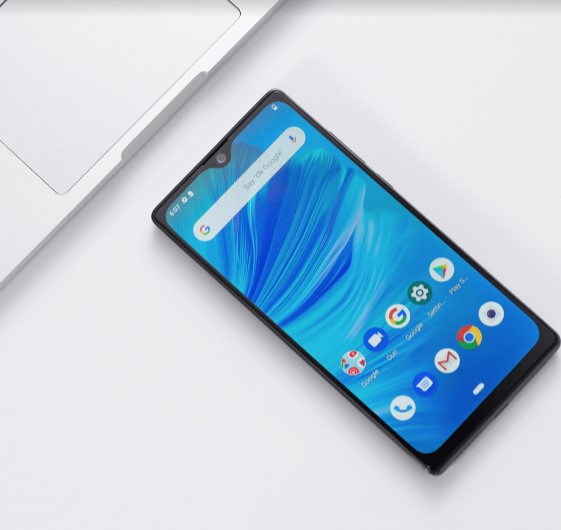
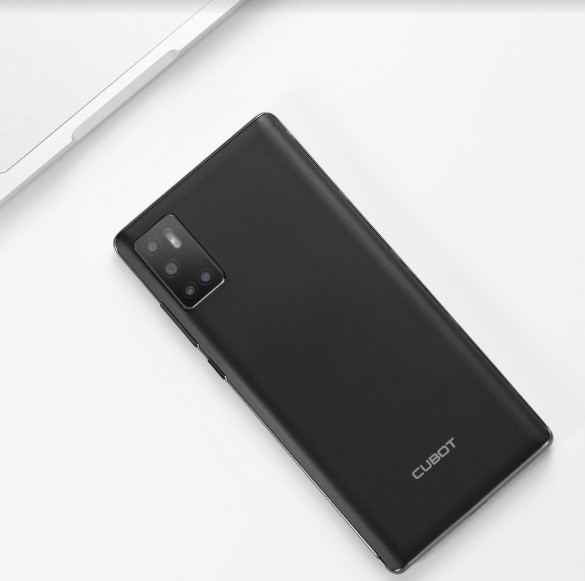
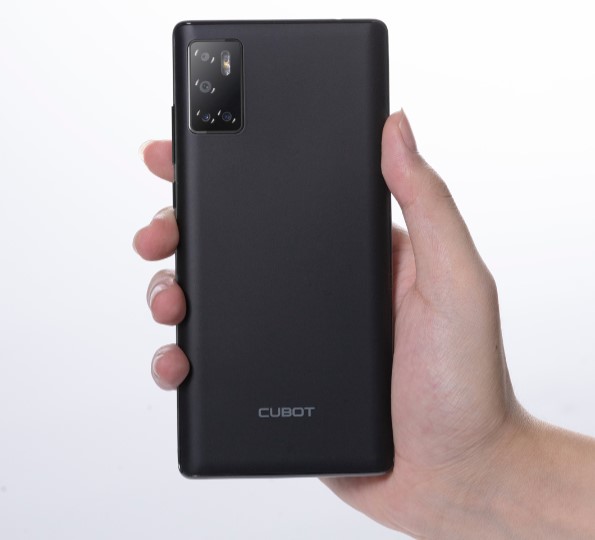
Cubot is set to unveil its new smartphone – Cubot P40 at a launch event on May 18. The Cubot P40 is touted to be a budget king offering a quad-rear camera. A new poster about the device has appeared online confirming it as the most affordable 4+128GB smartphone. The beautiful quad-camera module on the Cubot P40 rear side looks impressive. Moreover, the different color variants of Black, Blue, and Green are visible in the poster.
Apart from the new poster, a few images have also leaked giving us a glimpse of its front and rear look. According to the newly leaked pictures, the Cubot P40 will host a 6.2-inch water drop HD display built on In-cell technology. The display constitutes a screen-to-body ratio of 90.3% combined with HD+ resolution.
On the rear, the smartphone is covered in a plastic shell consisting of a matte finish giving a premium look. The camera module fully embeds inside the back shell, making it comfortable while carry and will reduce the chance of getting scratches. It is fully secured to bring extravagant user experience. Moreover, on the right side of the device, there’s a volume rocker and a power button for easy accessibility.
The Cubot P40 features a 20-megapixel selfie camera and a quad-rear camera module featuring a 12-megapixel Sony AI camera and a 5-megapixel macro lens. The smartphone houses a 4GB RAM and 128GB internal storage. A 4200 mAh removable battery is present inside the device. It runs on stock Android 10 and supports NFC for wireless payments.
It seems Cubot P40 is much more than just an affordable device. However, we are expecting to see more leaks and appearances before its official launch on May 18. It will be available in three color variants of Black, Blue, and Green. Cubot P40 is the ‘most affordable 4+128GB smartphone’, appears a new poster
You would be delighted to know that Cubot is offering 10 Cubot P40 units to users via the giveaway. If you’re interested in joining the giveaway then you can head over to their official website.
We use cookies on our website to give you the most relevant experience by remembering your preferences and repeat visits. By clicking “Accept”, you consent to the use of ALL the cookies.
This website uses cookies to improve your experience while you navigate through the website. Out of these, the cookies that are categorized as necessary are stored on your browser as they are essential for the working of basic functionalities of the website. We also use third-party cookies that help us analyze and understand how you use this website. These cookies will be stored in your browser only with your consent. You also have the option to opt-out of these cookies. But opting out of some of these cookies may affect your browsing experience.
Necessary cookies are absolutely essential for the website to function properly. This category only includes cookies that ensures basic functionalities and security features of the website. These cookies do not store any personal information.
Any cookies that may not be particularly necessary for the website to function and is used specifically to collect user personal data via analytics, ads, other embedded contents are termed as non-necessary cookies. It is mandatory to procure user consent prior to running these cookies on your website.

 The entire specifications of the Honor X10 5G are known thanks to its TENAA appearance. It revealed that the smartphone has a 40-megapixel + 8-megapixel + 2-megapixel triple camera system. Initial reports of the X10 had revealed it has a Sony IMX600Y 40-megapixel primary shooter. It is the same lens that is available on the Huawei P30 Pro phone from last year.




 The Realme X50 Pro Player Edition