Advertisement

Redmi Band vs Xiaomi Mi Band 4 vs Honor Band 5: Specs Comparison

We usually compare smartphones, but fitness wearables became a so important niche that we think it is worth comparing the best-selling and value for money wearables actually available. In 2020, you can get a device that monitors your physical activity in a pretty accurate way for just a few bucks, if you get a smart band. Among the best affordable smart bracelets, there are Redmi Band, Xiaomi Mi Band 4, and Honor Band 5. Xiaomi Mi Band 4 is the best-seller, but this does not necessarily mean it is the best one of the trio. This comparison will highlight the differences between these three wearables.
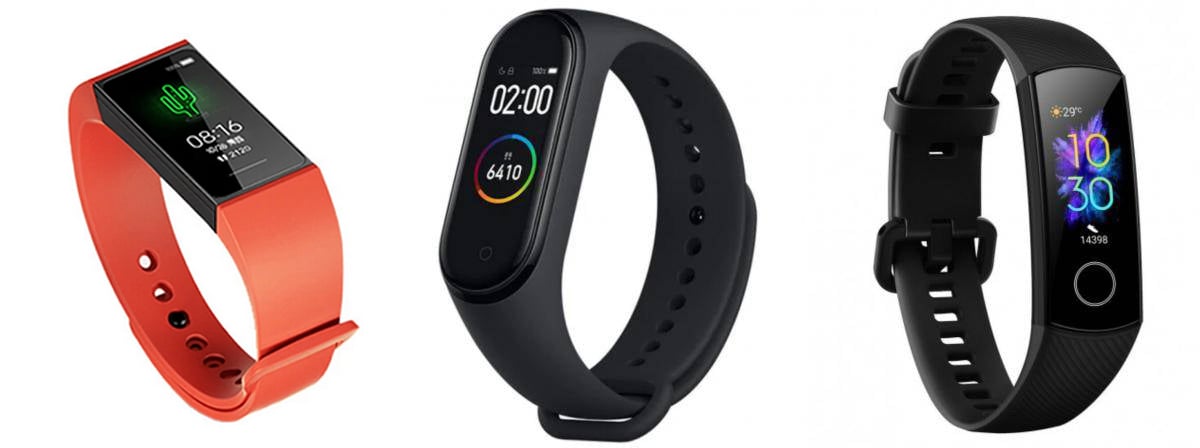
Xiaomi Redmi Band vs Xiaomi Mi Band 4 vs Huawei Honor Band 5

Xiaomi Redmi Band Xiaomi Mi Band 4 Huawei Honor Band 5
DISPLAY 1.08 inches, OLED, flat glass 0.95 inches,  AMOLED, curved glass 0.95 inches,  AMOLED, curved glass
WATER RESISTANCE  Up to 5 ATM (50m)  Up to 5 ATM (50m) Up to 5 ATM (50m)
NOTIFICATIONS SUPPORT Yes Yes Yes
NFC  No Yes (Chinese version only) Yes (optional)
BATTERY LIFE  Up to 14 days Up to 20 days Up to 14 days
CHARGING PORT  USB-A  Custom Custom
HEART RATE SENSOR Yes Yes Yes
ADDITIONAL FEATURES  /  / SpO2 sensor
NUMBER OF SPORT MODES 5 6 10

Design and display

I am not a fan of the design of the Redmi Band. It has a completely flat glass above the display, it looks cheaper and more outdated. Xiaomi Mi Band 4 and Honor Band 5 are definitely more elegant, with the first boasting the most harmonious aesthetics, at least according to my opinion. Further, with the Xiaomi Mi Band 4, you get more choices if you want to get a third-party strap. All of these smart bands are waterproof up to 5 atm, so you can use them while swimming.


Software and features

Despite they are very affordable, these wearables pack a lot of features in their software department. They can monitor several activities, they got an accurate heart rate sensor, and they can manage notifications from your phone. The most advanced one in terms of features is the Honor Band 5 since, besides the classic sensors and features you can find in all of these smart bands, it also features a SpO2 sensor to monitor blood oxygen saturation. A great feature for those who climb to high altitudes and those suffering from hypoxia, just to take two examples. Honor Band 5 also comes in a version with NFC connectivity for mobile payments, as well as Xiaomi Mi Band 4 in the Chinese market. Last but not least, Honor Band 5 supports more sports modes: you can monitor up to 10 activities, while Redmi Band and Xiaomi Mi Band 4 stop at 5 and 6, respectively. While Honor Band 5 offers more features, we think Xiaomi Mi Band 4 offers a better experience with the companion app thanks to Xiaomi Mi Fit.


Battery

Xiaomi Mi Band 4 wins the battery life comparison as it can last up to 20 days on a single charge, while Redmi Band and Honor Band 5 last up to 14 days. But if you choose the Redmi Band, you get an important advantage: you can charge it without needing a custom charging adapter. In order to charge the Redmi Band, you just need to remove a part of the strap and connect the wearable to a USB-A port. A full charge of these smart bands takes about two hours.


Price

The Redmi Band is priced CNY 99 in China. Honor Band 5 has a starting price of CNY 190 (the variant with NFC costs CNY 220), while Xiaomi Mi Band 4 is priced CNY 169. The Redmi Band is the most affordable smart band of the trio, but it is inferior to both Xiaomi Mi Band 4 and Honor Band 5. The Honor Band 5 actually comes with more features, but the Xiaomi Mi Band 4 has a companion app that we define more advanced. Which one should you choose? It mostly depends on your needs. If you do not need a SpO2 sensor and a device monitoring all those sports modes, then Xiaomi Mi Band 4 is the best wearable for you. Otherwise, go for the Honor Band 5. You should opt for the Redmi Band only if you want to save money.


Xiaomi Redmi Band vs Xiaomi Mi Band 4 vs Huawei Honor Band 5: PRO and CONS

Xiaomi Redmi Band

PROS

  • Wider display
  • USB-A charging
  • Very good price
  • More third-party straps

CONS

  • No NFC


PROS

  • Good design
  • NFC (Chinese version only)
  • Longer battery life

CONS

  • Nothing particular

 

Huawei Honor Band 5

PROS

  • SpO2 sensor
  • Optional NFC
  • More sport modes

CONS

  • Nothing particular
Xiaomi focuses on improving user privacy as it unveils new Privacy brand logo

Xiaomi, Thursday, officially unveiled the “Xiaomi Privacy Brand” with a logo which represents the brand’s resolve to protect users’ information security and privacy. Xiaomi says the privacy brand logo will be applied to its products and services in future, reflecting the importance of user privacy protection and a commitment to users.Xiaomi

Xiaomi has continued to improve on the privacy and user security on the MIUI interface. MIUI not only provides rich and reliable capabilities for privacy protection but also strives to achieve better user privacy protection from a technical perspective. The Chinese company also self-developed and open-sourced the MACE (Mobile AI Compute Engine) framework, which is an AI framework developed specifically for mobile terminals. User data does not need to be uploaded to the cloud, and offline computing can be completed directly on the mobile terminal. Through offline model technology, you can maximize your privacy.

In order to fully protect privacy, Xiaomi has also established a complete information security management system, adhering to the six privacy protection principles of openness and transparency, data minimization, purpose limitation, security protection, compliance review, and clear responsibilities, and is committed to building a privacy brand trusted by users.

At the same time, Xiaomi used “differential privacy” in the system-a leading privacy protection algorithm. Differential privacy is a system for publicly sharing information about a dataset by describing the patterns of groups within the dataset while withholding information about individuals in the dataset.

The company says it will reveal more details after the MIUI 12 conference on April 27.


(via)


Huawei AI Speaker 2 launches in China for 399 Yuan ($56)

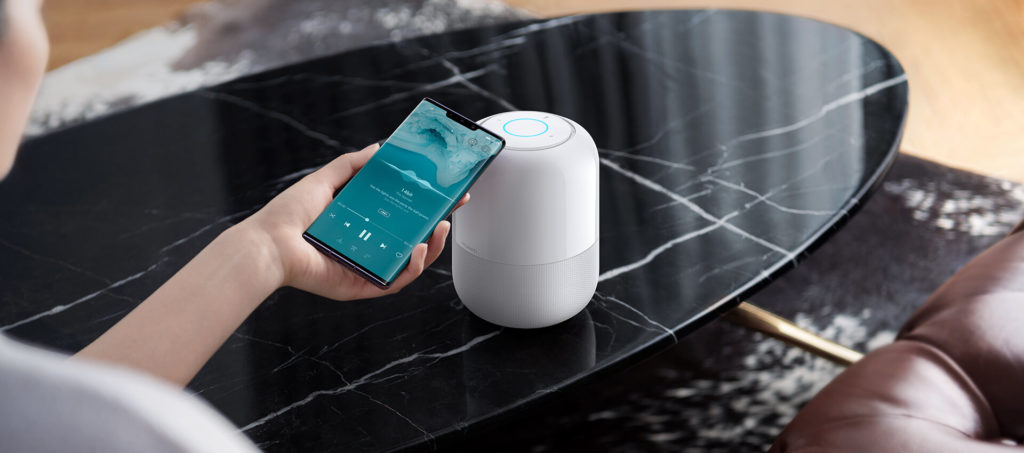
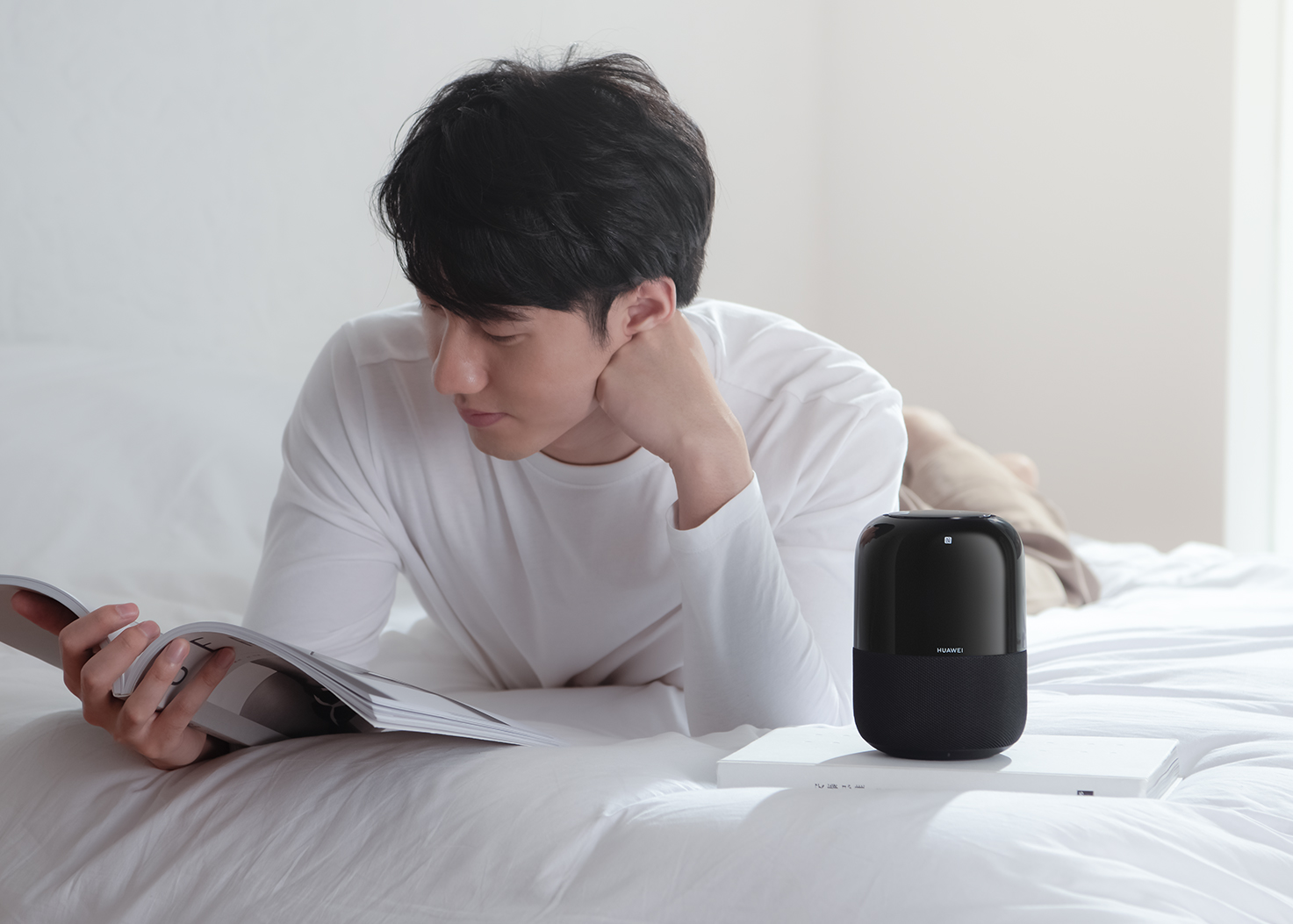
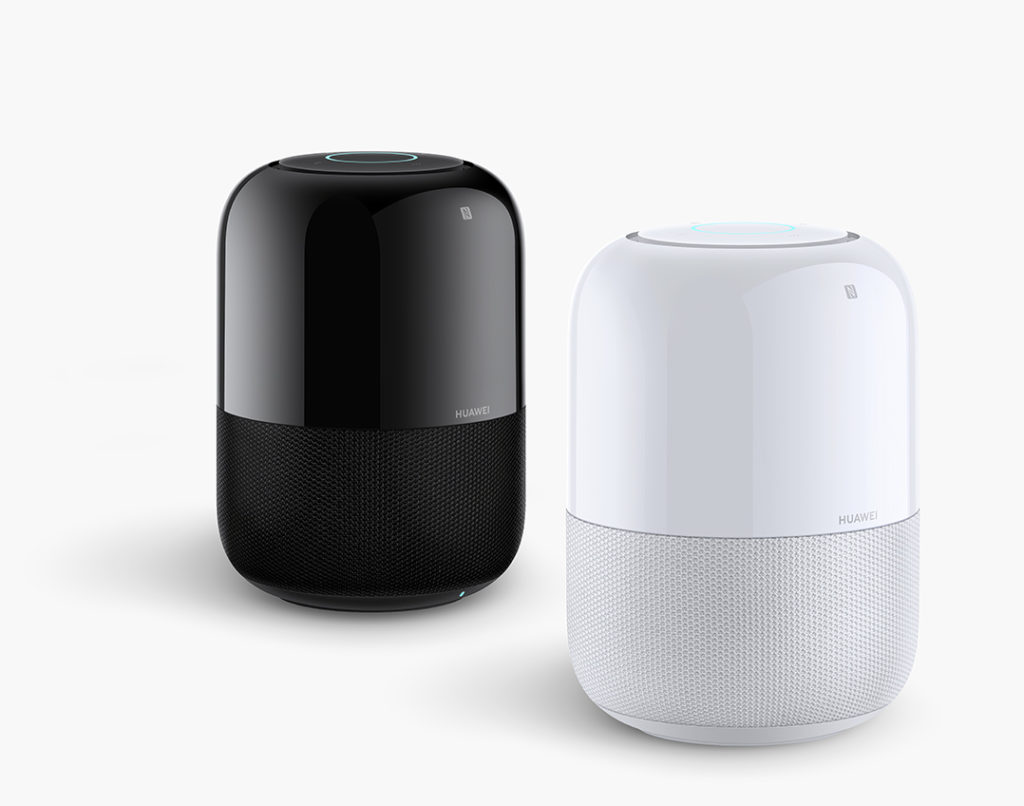
The Chinese telecom giant launches Huawei AI Speaker 2 in China as the successor to the original debuted back in October 2018. The newer model features a revamped design and also has a portable version, thanks to an in-built battery. The best part is it costs the same 399 Yuan ($56) as the previous model.

Huawei AI Speaker 2 01

Just like its predecessor, the Huawei AI speaker 2 is powered by the company’s own virtual assistant called Xiaoyi. This one is different than the newly introduced Celia voice assistant on EMUI 10.1.

The new speaker features Huawei Sound technology unlike the previous generation, which was developed in-partnership with Dynaudio. However, the main 10W speaker is of same 2.25-inches made of NdFeB. It also has two bass units making it a 1.2 speaker system, however, it does support 5.1 channel.

Further, it has four capacitive touch keys for volume up / down,  mute, and multi-function. The speaker uses 2.4GHz WiFi, Bluetooth 4.2, and NFC for connectivity. It also has four microphones to capture voices clearly.

The Huawei AI Speaker 2 is powered by an unknown quad-core processor clocked at 1.5GHz. It measures 156mm x  110mm in size and weighs 580g for the non-battery version (AIS-BW50-01) and 650g for the built-in battery (3,900mAh) variant (AIS-BW50-00). The battery model is capable of offering 5 hours of playback at default volume.

For looks, the speaker has an LED ring at the top for various indications and comes in two color options namely Space Black and Nebula White. Lastly. as a smart speaker, it does all the essential things like playing songs, reciting recipe/rhymes/stories, controlling smart IoT products, and more.

Huawei AI Speaker 2 Space Black Nebula White

Huawei announced the AI Speaker 2 at the Nova 7 series launch event in which the company also unveiled the following products for the Chinese market.


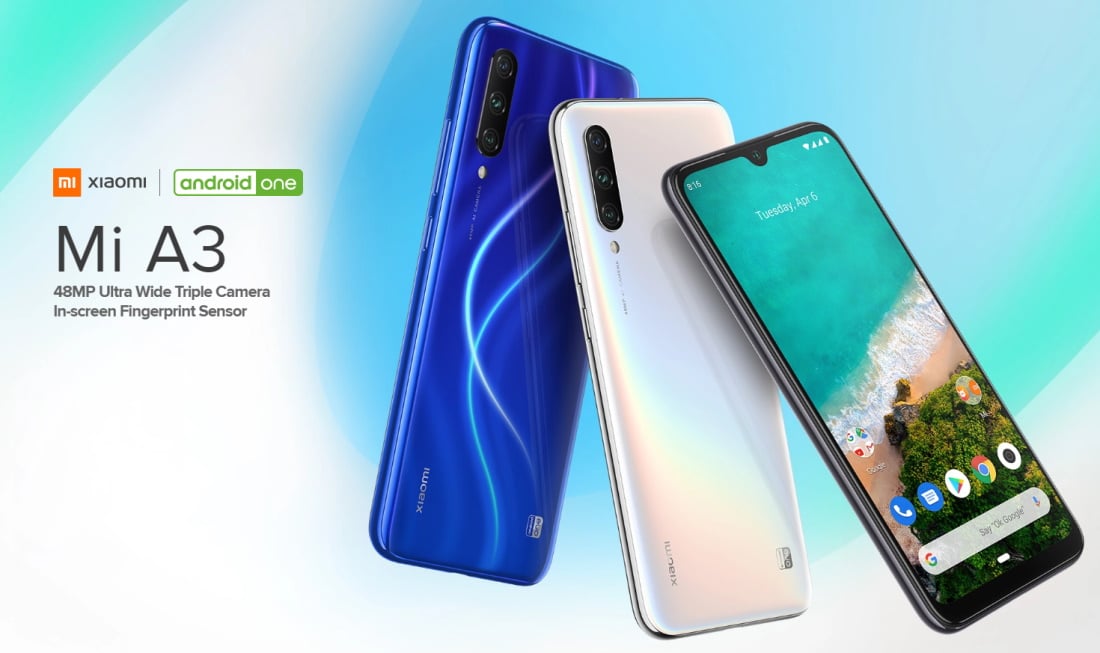
Xiaomi Mi A3 gets a fourth Android 10 update, fixes Fingerprint issue

Xiaomi‘s Android 10 update for the Mi A3 is perhaps the worst update we have seen in a long time. After three updates, users still complained of a buggy firmware which forced the company to roll back the updates all three times. For the fourth time, Xiaomi has started rolling out Android 10 update for Mi A3 users. XIaomi Mi A3

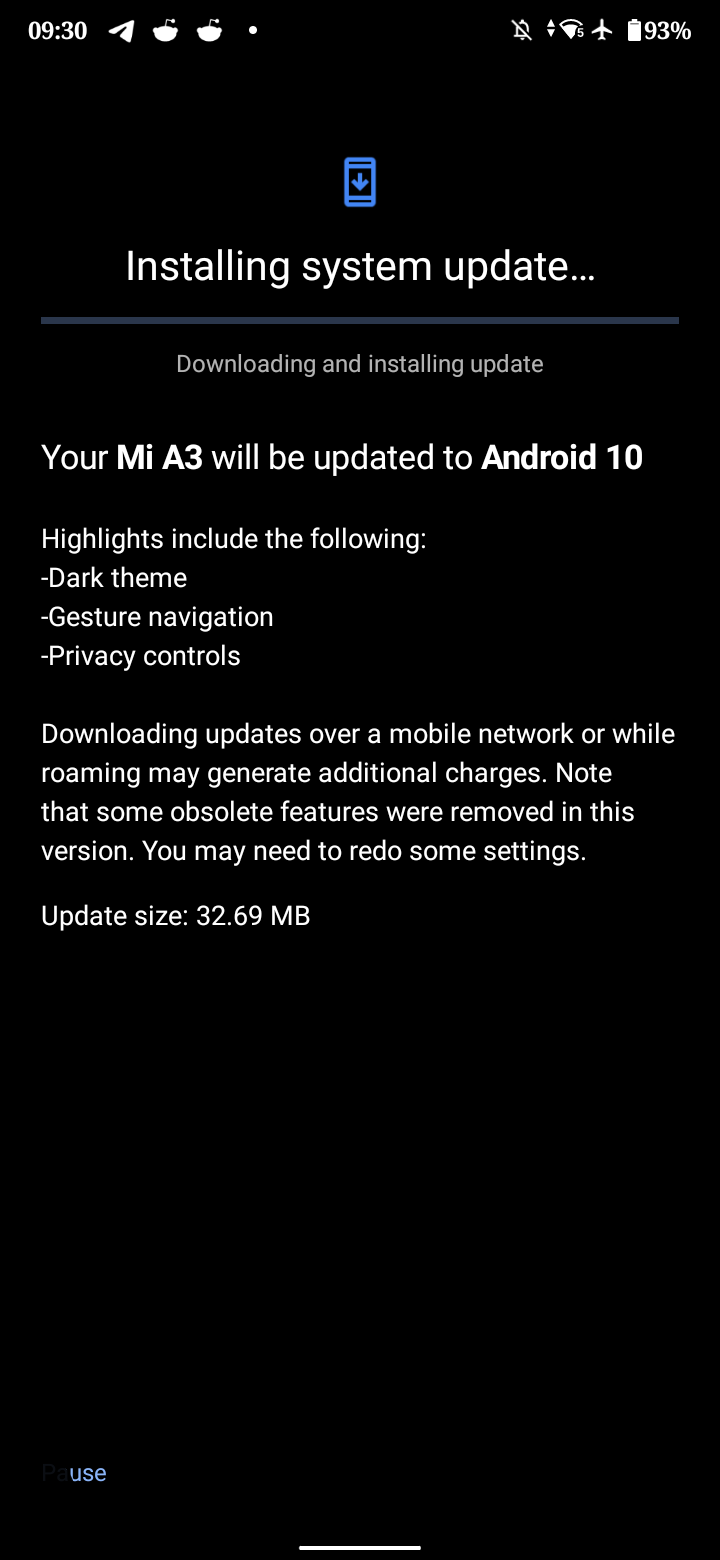
The update comes with the version number V11.0.14.0.QFQMIXM and is expected to hit Mi A3 units Over-The-Air. Of course, the rollout should be pushed in batches so as to ensure there is no issue. So, if you are yet to receive the update you may want to exercise some patience. Alternatively, you may check from the system setting if a new update is available for your device.XIaomi Mi A3 fourth Android 10 update

The update is noticeably lighter with a size of just 32.69MB compared to 1.33GB file size of previous updates that were cancelled. The changelog notes that some obsolete features were removed but no mention of the specific features was made. Some of the new features include a system-wide dark mode, gesture navigation and privacy controls, among others. This build is also said to fix the issue of fingerprint not showing up when picking up the phone.

It is hoped that this new update won’t come with any issue.


(source)


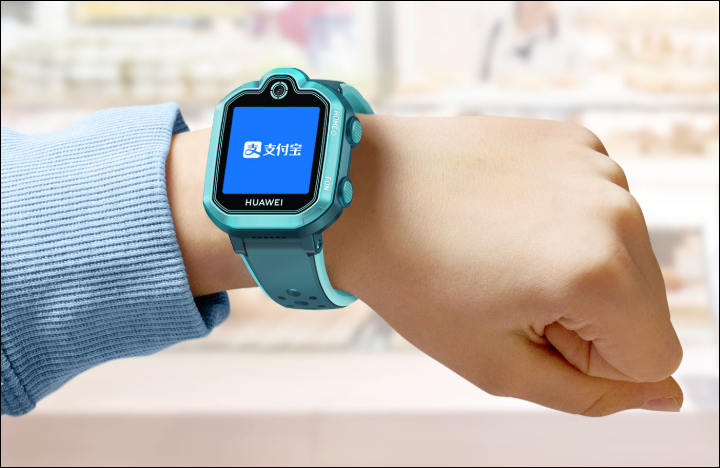
Huawei Children’s Watch 3 Pro Super Version with 1GB RAM, 8GB storage launched

Huawei‘s first smartwatch for children was launched in 2016 and since then, the company has continued to refresh the lineup, adding topnotch features and improved design style. The Chinese tech giant has now launched the Huawei Children’s Watch 3 Pro Super Version as part of the products announced during the Nova 7 series launch conference. Huawei Children's Watch 3 Pro Super Version

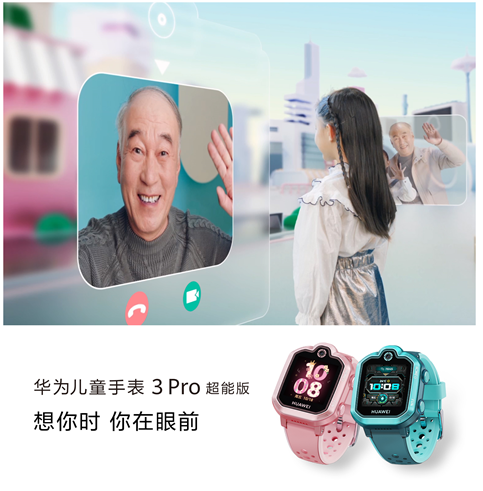
Huawei Children’s Watch 3 Pro Super Version comes with several new functions such as AI security positioning and upgraded memory configuration. The watch packs 1GB of RAM and 8GB of internal storage which is similar to what is found on some entry-level smartphones.  In addition to the security and memory configuration upgrades, Huawei Children’s Watch 3 Pro Super Edition also features a smooth video call function, which greatly improves the convenience of children’s watch video calls.

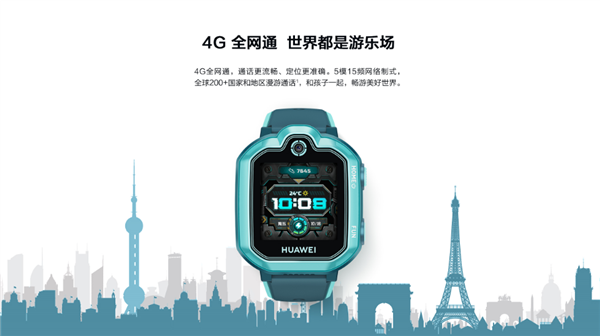
The smartwatch supports 4G full Netcom, covering more than 200+ operator networks around the world. The 5-mode, 15-band internet connection is fast, the signal quality is good, the calls are clear, and it can be used in various complex environments.

Receiving calls on the smartwatch especially in a noisy environment is also easy as the Children’s Watch 3 Pro Super version comes with high-performance speakers, high volume, good sound quality, and excellent sound pickup algorithm. The child also won’t need to keep his/her hands up for long while receiving a call. In addition, it is equipped with a 5MP HD camera that supports HD video calls.

Safety is the top priority of children’s watches. The main purpose of parents buying a smartwatch with call functions for their kids is to ensure the child is safe, monitor his/her location and also reach him at any time. The child can also call for help if need be. Thus, the new smartwatch is equipped with nine-fold AI positioning which includes GPS, Beidou, GLONASS satellite positioning, WLAN positioning, base station positioning, indoor positioning, A-GPS, accelerometer-assisted positioning, and SOS camera assisted positioning. Relying on Huawei’s NLP technology, the Children’s Watch 3 Pro Super Version can obtain positioning results through multiple channels in order to provide the provide accurate location tracking. Huawei Children's Watch 3 Pro Super Version

In addition to the call, positioning and other core functions, the watch supports multi-application download due to the improve RAM and storage space. Parents can upload story-telling apps and language tutor apps on the smartwatch in order to upgrade the child’s learning ability.

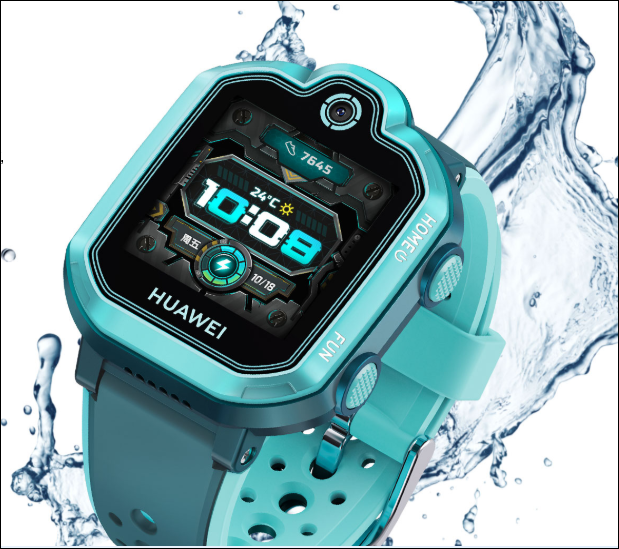
The Huawei Children’s Watch 3 Pro Super Edition is priced at 988 yuan and will be available for pre-sale on May 13. It features a waterproof build.


HERE Maps lands on Huawei AppGallery as an alternative to Google Maps

Back in January, we reported that Huawei was partnering with TomTom for mapping and navigation services. In what can be termed a surprise, HERE WeGo (HERE Maps) is now available on its AppGallery store.

Here WeGo is said to be the second-largest map service after Google Maps. It was originally created by Nokia and released for Windows Phone and the web in 2013 as a replacement for Nokia Maps. The service was later released for Android and iOS in 2015 and renamed to Here WeGo in 2016.

HERE WeGo Maps

Huawei now joins Amazon as the other big-name manufacturer that uses the mapping service for its products. Here WeGo allows users to download maps offline and provides a free voice-navigation too. Other features include the cost of public transport tickets and fares.

If you own a Huawei phone, you can download the app from here. It is about 61MB in size.

We are not sure if Huawei is still moving forward with TomTom following the recent development but it will be great for users to have multiple options.


(Source)

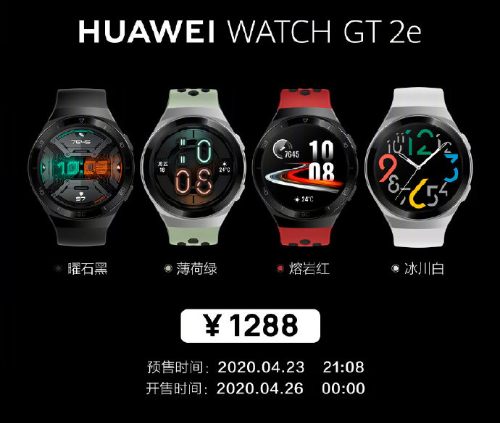
Huawei Watch GT 2e launched in China priced at 1288 yuan (~$182)

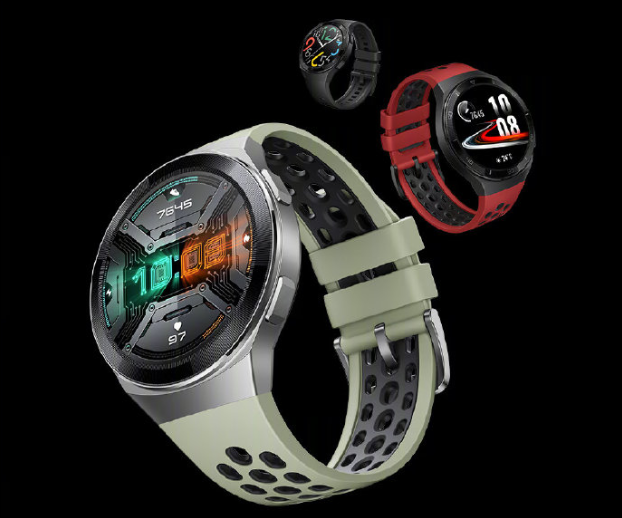
In addition to the Nova 7 series, Huawei Smart Vision V55i, MatePad, Huawei also launched the Watch GT 2e in China. Huawei Watch GT 2e had earlier been unveiled in Europe during the P40 series launch. The company says the new version is targeted at Generation Z and the letter “e” stands for energy. Thus, this isn’t a trimmed down version of the Watch GT 2.Huawei Watch GT 2e

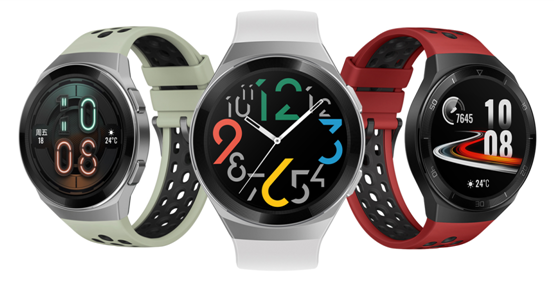
Huawei Watch GT 2e adopts a 1.39-inch circular AMOLED display having a resolution of 454 x 454 pixels. It makes use of a metal + plastic casing available in Black coated stainless steel and stainless steel colours. The watch case weighs 43g without the straps.  Talking of the straps, the Watch GT 2e is available Black Fluoroelastomer, Red & Black TPU, Green & Black TPU, and White Fluoroelastomer straps.Huawei Watch GT 2e
Furthermore, it supports touch and slide gestures as well as can be controlled using power and function buttons. Connectivity on the device includes a built-in GPS and Bluetooth 5.1 to connect with devices running Android 4.4+ or iOS 9.0+.Huawei Watch GT 2e

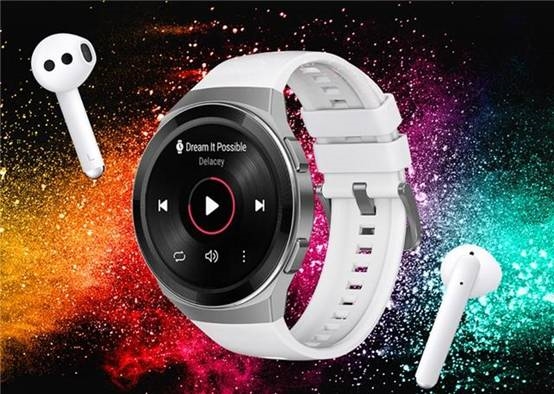
The watch supports a total of 100 fitness tracking mode including 15 professional workout modes and 85 customized workout modes. It also features a SpO2 sensor to monitor oxygen levels in the blood. The watch also comes with 4GB onboard storage to store music and includes a number of sensors like Accelerometer sensor gyroscope, geomagnetic, optical heart rate, ambient light, air pressure, capacitive for activity tracking.Huawei Watch GT 2e

As for battery life, the company claims 14 days on a single charge via magnetic charging thimble port using the in-box proprietary charging cradle. Additionally, the watch is also water-resistance up to 5ATM and thus it can be worn while in shower and swimming.

As for the price, the four colour options of the Huawei Watch GT 2e will retail for 1288 yuan ($182) in China. This is lower than the €199 (~$219) is will sell in Europe.


Official List Of Huawei Smartphones Eligible For EMUI 10.1 Update

EMUI 10.1 debuted on the Huawei P40 series late last month. It is an incremental update for the Android 10-based EMUI 10 released last year. The company has already started seeding out a closed beta update to a number of its devices. Additionally, today, at the launch of the Huawei Nova 7 series, the brand finally revealed the complete list of 22 devices that are eligible for the new update.

EMUI 10.1 featured

EMUI 10.1 is known as Magic UI 3.1 with some minor changes for the Honor devices. Also, as today’s launch event was for Huawei-branded phones, the Chinese telecom giant has only revealed the eligible devices with its own branding. We expect its sub-brand to announce its own list soon.

That being said, here’s the official list of 22 Huawei smartphones eligible for EMUI 10.1 update.

Huawei P30 Series

Huawei P30

Huawei P30 Pro

Huawei Mate 30 Series

Huawei Mate 30 4G

Hauewi Mate 30 Pro 4G

Huawei Mate 30 5G

Huawei Mate 30 Pro 5G

Huawei Mate 30 RS Porsche Design

Huawei Mate 20 Series

Huawei Mate 20

Huawei Mate 20 Pro

Huawei Mate 20X 4G

Huawei Mate 20X 5G

Huawei Mate 20 RS Porsche Design

Huawei Mate X Series

Huawei Mate X

Huawei Mate Xs

Huawei Nova 6 Series

Huawei Nova 6

Huawei Nova 6 5G

Huawei Nova 6 SE

Huawei Nova 5 Series

Huawei Nova 5

Huawei Nova 5 Pro

Huawei Nova 5i Pro

Huawei Nova 5Z

Huawei Enjoy Series

Huawei Enjoy 10S

To know about the new features and changes on EMUI 10.1, do read our launch coverage. Since most of the above-mentioned devices have already received a closed beta update, we expect the brand to soon release open beta builds, followed by stable OTAs for all the users.

More importantly, do note that this list is exclusively for China but going by the history of updates provided by Huawei, we expect global variants to receive them as well.


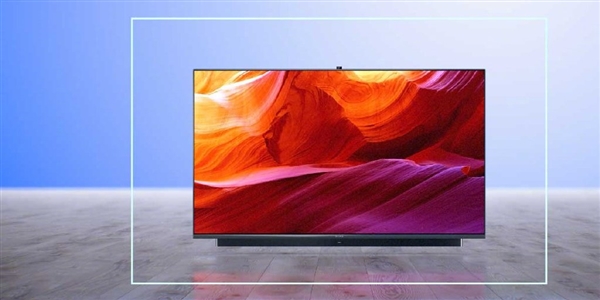
Huawei Smart Screen V55i with a 55-inch 4K display, pop-up cam launched

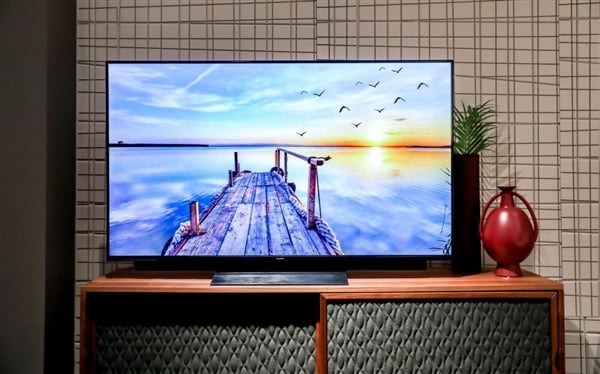
During the Nova 7 series launch conference, Huawei also unveiled a number of products. One of them is a new smart TV dubbed Huawei Smart Screen V55i.Huawei Smart Screen V55i

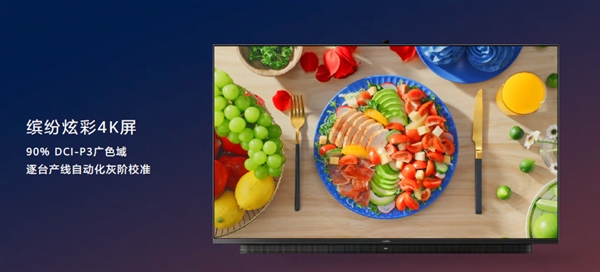
The Huawei Smart Screen V55i utilises a 55-inch three-sided bezel-less design with a 4K screen resolution. We assume the display is an LCD screen. The display supports 90% DCI-P3 wide colour gamut and is equipped with MEMC motion compensation technology.Huawei Smart Screen V55i

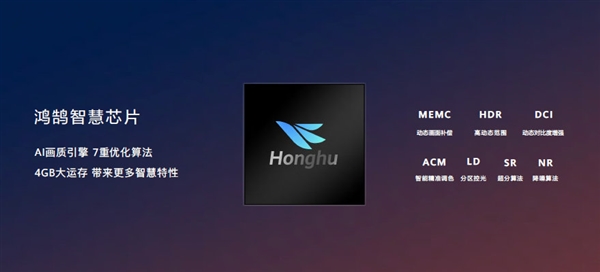
Huawei Smart Screen V55i is also equipped with Honghu Smart chipset, a quad-core processor made up of two Cortex-A73 cores and two Cortex-A53 cores. The processor also comes with a quad-core Mali-G51 GPU. The processor pairs with 4GB of RAM and there is 64GB of internal storage onboard.

Moreover, the V55i is equipped with a smart audio system and has 8 speaker units. The 2.4L large sound cavity brings an immersive audio experience. More importantly, Huawei Smart Screen V55i is a smart home control centre which can control smart home gadgets by voice. It also supports voice life query and can be used as a home message board among other functions.

In addition, the Huawei Smart Screen V55i uses a low-light camera with a pop-up design. The camera supports 1080P HD video calls. Huawei says the low-light camera can also record impressive videos in low-light conditions. The automatic pop-up mechanism ensures that the camera is automatically hidden when not in use, effectively protecting the user’s privacy. At the same time, the camera brings smart functions such as smart portrait lock, face recognition, and interpupillary distance recognition. In addition, it enables multi-party video calls with support for 4-party free calls with high resolution, high fluency and low latency.Huawei Smart Screen V55i

The new Huawei smart TV also has an AI fitness function that can be opened instantly with just a sentence “I want to exercise”. With the support of the AI ​​camera, the fitness function can help users detect the consistency of fitness movements and demonstrations. The unique intelligent body and joint recognition technology can correct the wrong posture at any time, making fitness more safe and effective.

Yet another interesting feature is the smart cross-screen. The smart TV supports dual mobile phone projection on the screen whereby you can display the contents of two different mobile phones on the display at the same time. You can also project a single mobile phone’s content on the screen. The smartphone can also be used to control the display. It also comes with several Chinese users-centric apps and contents.

The pricing and availability are yet to be announced.


Huawei MatePad is official: starts at ¥1899 (~$269) with a Kirin 810 inside

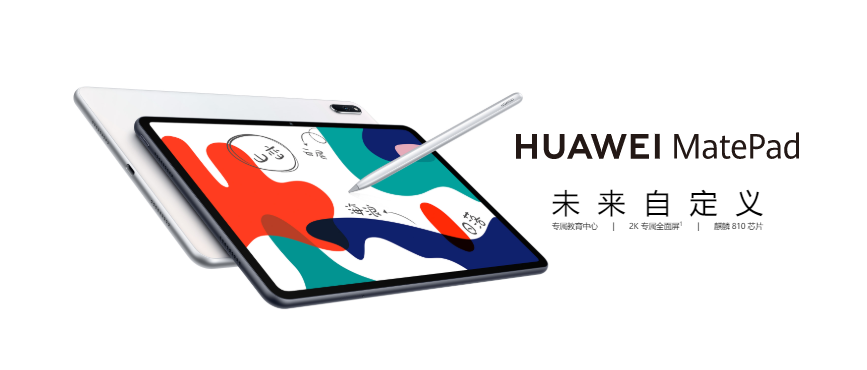
The Huawei MatePad has been unveiled in China. The new tablet is a cheaper and less-powerful version of the MatePad Pro and is targeted at students.

Huawei MatePad featured

Huawei MatePad specifications

The MatePad has a 10.4-inch 2000 x 2100 2K IPS display with moderately sized bezels of equal dimensions surrounding it. It has an aluminum frame and an aluminum backplate and is available in white and blue.

There is a Kirin 810 processor inside paired with 4GB or 6GB of RAM and 64GB or 128GB of storage. It also has support for storage expansion via a MicroSD card slot for up to an additional 512GB.

[envira-gallery id=”318848″]

The Huawei MatePad has an 8MP selfie camera and an 8MP rear camera with autofocus and an LED flash. The camera app has lots of features including HDR and support for time-lapse photography.

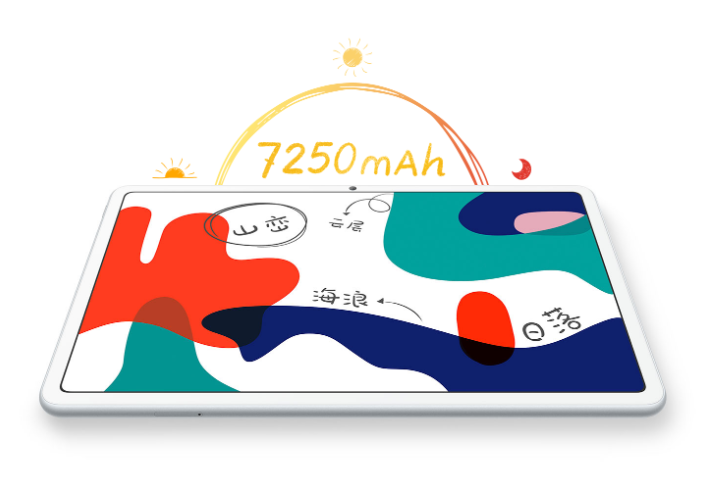
There is a 7250mAh battery inside with support for 18W wired fast charging. The tablet comes in Wi-Fi (BAH3-W09) and LTE (BAH3-AL00) variants. It also has support for Huawei’s M-Pencil active stylus but doesn’t ship with one. It runs EMUI 10.1 based on Android 10 out of the box.


Features

Huawei has designed the tablet for learning and packs it with features to make it learning-friendly. The tablet is designed for both kids, teenagers, and adults and comes with content for all ages. There is a custom desktop mode that puts educational apps and content right in front of the user once the tablet is unlocked.

Another feature is the display which has a TÜV Rheinland certification. The tablet can automatically adjust brightness and contrast and also has a switch to activate a monochrome mode.

With the M-Pencil, owners can take notes just as they would with a regular pen and notebook. They can also draw, make sketches, and practice calligraphy.
Huawei says the MatePad has four speakers with Histen 6.0 and Harman Kardon Audio so users can clearly hear the voice of their tutors or whatever they are listening to. It also has four microphones that cancel out background noise and picks up the user’s voice when engaging with a tutor online.

Last but not least is the seamless integration between the tablet and the phone. This way, you can easily drag and drop content from one device to another. This feature is limited to devices running EMUI.


Huawei MatePad Price and Availability

The MatePad starts at ¥1899 (~$269) for the Wi-Fi-only base model with 4GB of RAM and 64GB of storage. A Wi-Fi-only 6+128GB version sells for ¥2199 (~$311) and an LTE version with the same configuration is pried at ¥2499 (~$353). The tablet will go on sale on April 26 on Vmall.com.


Oppo Find X2 Pro scores 74 points in DxOMark Audio Test, Ties with the iPhone XS Max

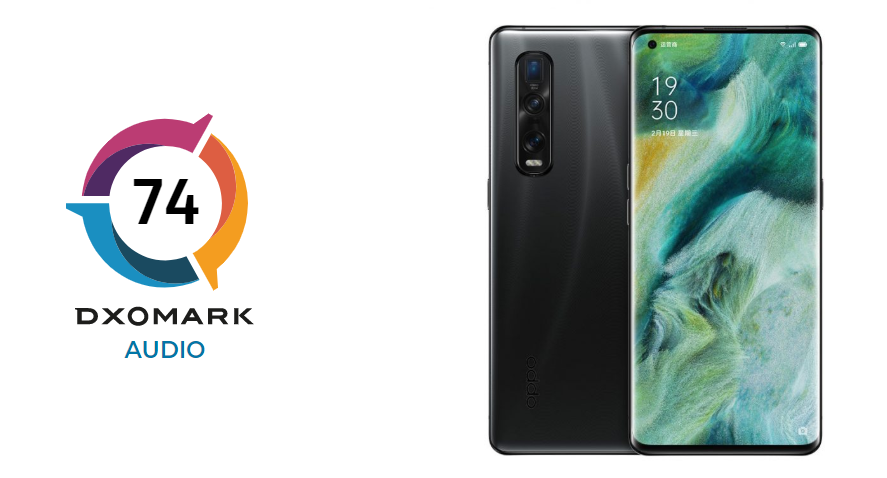
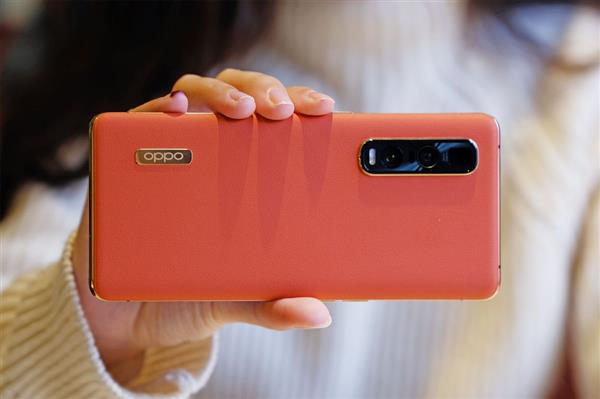
Oppo Find X2 Pro launched last month is finally put through DxOMark Audio tests and the phone scores an impressive 74 points similar to Apple iPhone XS Max from 2018. The device only falls behind Huawei Mate 20X and Xiaomi Mi 10 Pro in the leaderboard.
For the unaware, DxOMark, known for camera reviews started testing smartphone audio performance since late last year. Ther tests include both the playback and recording capabilities of the phones using the default app. As of now, the company hast tested  22 devices so far and the Oppo Find X2 Pro is the latest to join the squad.
Oppo Find X2 Pro DxOMark Audio

As mentioned earlier, Oppo’s latest premium flagship smartphone bags an overall score of 74 points with sub-sores of 75 and 69 points for playback and recording respectively.

While testing playback on the Find X2 Pro, the DxOMark Audio team found it to be an ideal phone for watching movies and playing games with strong bass. That said, the mid-range frequencies do lack clarity, which results in producing muffled boomy sound.

As for dynamics, at a soft volume, the phone outperforms every other phone tested by the company so far. Though it maintains its excellence at nominal volume, the same cannot be said at higher volume as the device tends to lose precision with muffled attacks. The top and bottom dual stereo speakers of the handset offer a good balance but wideness isn’t that good, however, distance perception is stellar in movies and is also consistent globally. 

The volume levels on the phone feel natural and good at maximum level but the initial volume levels are too loud for high loudness content. Lastly, the playback on the device has lower artifacts as it does a good job controlling undesirable sounds.

Talking about recording, the Find X2 Pro beats the DxOMark Audio leader Mi 10 Pro and iPhone XS Max throughout the entire bass frequency range maintaining its response around 0dB. The voices in recording are preserved clearly but the device performs average in loud environments.

The handset sets a new record in wideness, especially in life video use cases. However, the localizability is poor using the selfie camera due to muffled sound. Whereas it performs fairly well in volume, and recordings have fewer artifacts with accurate and balanced background rendition.


(Source)

Huawei Nova 7 Pro 5G, Nova 7 SE 5G & Nova 7 5G launched

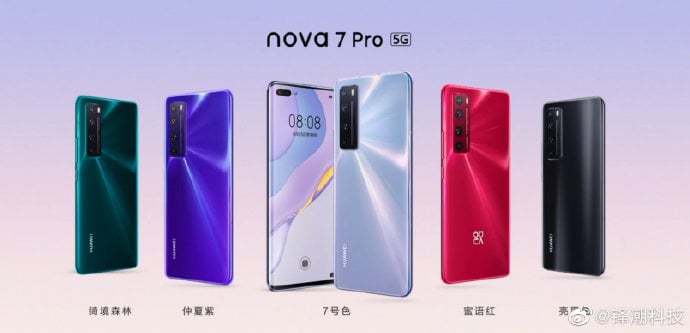
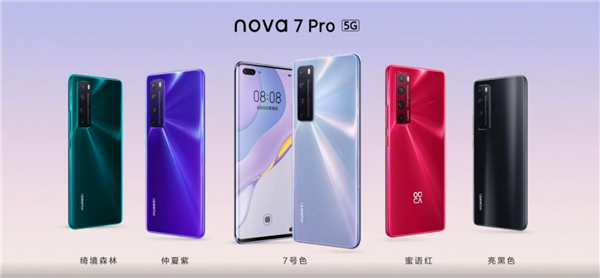
Huawei has officially unveiled the new Nova 7 series in China. The Nova lineup is usually focused on dishing out phones with a unique aesthetic design, powerful selfies and impressive performance at affordable pricing. This year’s models include the Nova 7 5G, Nova 7 SE 5G and Nova 7 Pro 5G. One impressive aspect the series utilises an OLED display for the first time with a hole-punch selfie camera.Huawei Nova 7 Pro 5G

Huawei Nova 7 Pro

The Huawei Nova 7 Pro is definitely the high-end variant and is equipped with a 6.57-inch OLED curved display with a resolution of 2340×1080 pixels. The device has a 19.5: 9 aspect ratio and also supports DCI-P3 color gamut. The display is also certified by TUV Rheinland.Huawei Nova 7 Pro 5G

The Nova 7 Pro is powered by the Kirin 985 processor which is a 5G chipset. It is manufactured using TSMC’s 7nm process and integrates a single-chip 5G baseband solution without a plug-in. It supports 2G / 3G / 4G / 5G network standards and NSA / SA 5G dual-modes. The theoretical maximum downlink rate is 1277Mbps and the uplink rate is 173Mbps. In comparison with the Snapdragon 865 processor integrated with Snapdragon X55 modem, the downlink rate is said to be about 40% faster while the uplink rate is about 75% faster. Honor’s president earlier hinted that the Kirin 985 bridges the gap between the Kirin 990 and Kirin 820 processors.Huawei Nova 7 Pro 5G

The processor is paired with 8GB of RAM while there are 128GB and 256GB storage options available.

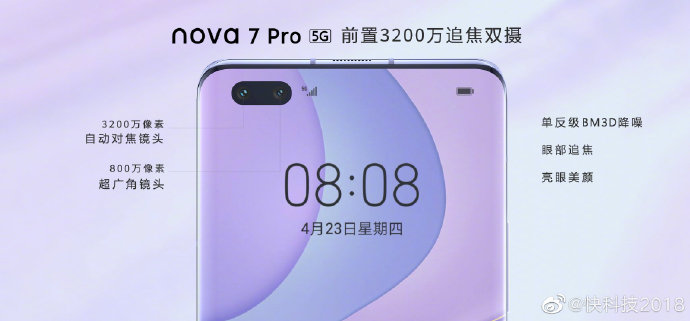
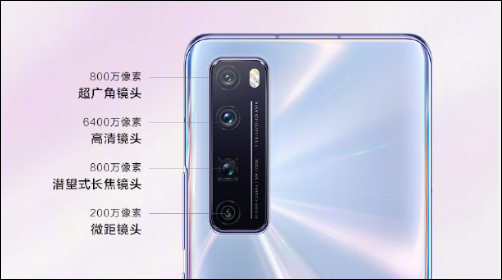
For photography, the Nova 7 Pro packs a quad-camera setup comprising a 64MP main sensor with f/1.7 aperture, an 8MP ultra-wide-angle lens, an 8MP telephoto camera and a 2MP Macro lens. For selfies, the device packs a dual selfie camera setup – a 32MP auto-focus + 8MP wide-angle combo. The camera comes with features such as SLR level BM3D noise reduction, eye tracking AF, dazzling beauty, Super Night 3.0, wide-angle distortion correction and others. The camera can also focus quickly in low light, regardless of distance. The Nova7 Pro supports 5x optical zoom, 10x hybrid zoom, and up to 50x digital zoom. It supports dual-structure OIS optical image stabilization and AIS telephoto super image stabilization.Huawei Nova 7 Pro 5G

In terms of video, the Nova 7 Pro also supports video tracking, high-definition image stabilization, 1080p high-definition output, and 15x zoom.

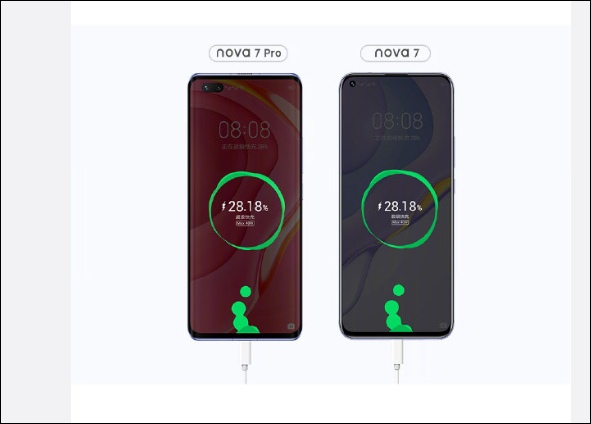
Keeping the lights on is a generous 4000mAh battery. The phone supports 40W super-fast charging and can fully charge the battery in one hour. The Nova 7 series runs on Android 10-based EMUI 10.1 OS and supports NFC. Huawei Nova 7 Pro 5G

Huawei Nova 7

The Nova 7 features a similar design and shares several features with the Nova 7 Pro. The Huawei Nova 7 packs a slightly smaller 6.53-inch FHD+ OLED display with a single punch-hole selfie camera located at the upper left corner.Huawei Nova 7 Pro 5G

The Nova 7 is also powered by a Kirin 985 processor paired with 8GB of RAM. It also comes in 128GB and 256GB internal storage options. The Nova 7 has the same Quad rear camera setup as the Nova 7 Pro.

Huawei Nova 7 SE 5G 

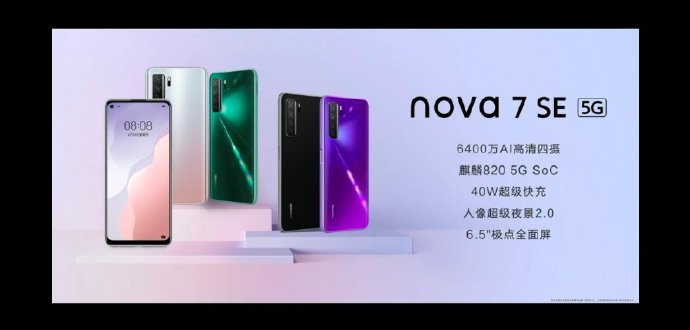
Huawei also announced the Nova 7 SE which is also a 5G phone but is powered by a Kirin 820 5G chipset. The phone features a 6.5-inch full-screen single punch-hole design just like the Nova 7. The Nova 7 SE comes in 6GB +128GB and 8GB+128GB options.Huawei Nova 7 SE 5G

At the rear, there is also a 64MP main sensor paired with an 8MP ultra-wide-angle, a 2MP depth of field sensor and a 2MP macro lens. The Nova 7 SE crams a 4000mAh battery and has support for 40W super fast charge.

Pricing and Availability

Here are the prices of the Huawei Nova 7 Pro 5G, Nova 7 SE and Nova 7 5G.

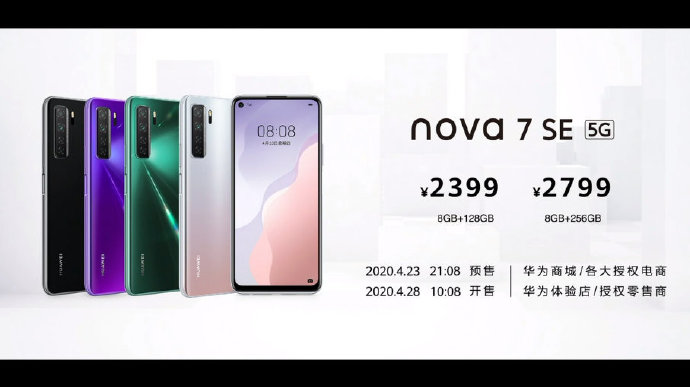
  • Huawei Nova 7 SE 6GB + 128GB – 2799 yuan (~$395)
  • Huawei Nova 7 SE 5G 8GB+128 – 2399 yuan(~$339)
  • Huawei Nova 7 8GB + 128GB – 2999 yuan (~$424)
  • Huawei Nova 7 8GB + 256GB – 3399 yuan (~$480)
  • Huawei Nova 7 Pro 8GB + 128GB – 3699 yuan (~$523)
  • Huawei Nova 7 Pro 8GB + 256GB – 4099 yuan (~$579)

Redmi Note 9, Redmi Note 9 Pro and Mi Note 10 Lite coming to Europe soon

Xiaomi and Redmi have a number of new devices and products that will be announced in Europe soon. About a week ago, a list of IoT products heading to the old continent was posted on the internet. Today, another leaker has revealed three new smartphones that will soon be announced.

According to Roland Quandt (@rquandt), Xiaomi will be announcing the Redmi Note 9 Pro, the Redmi Note 9, and the Mi 10 Lite in Europe soon.

Redmi Note 9 Pro
Redmi Note 9 Pro
Redmi Note 9 Pro

The Redmi Note 9 Pro already launched in India in the second week of March and a few weeks later, it made its way to Thailand as the Redmi Note 9S. Xiaomi also made it available for other countries via AliExpress.

While it sure is surprising why the Redmi Note 9 Pro is getting launched in Europe since there is the Redmi Note 9S, we should not forget that Xiaomi (read Redmi) never actually launched the Redmi Note 9S in Europe. The launch in Europe should make it easier for folks in this region to easily get their hands on a unit.

We do not expect the European variant to differ greatly, if at all, from the model in India but expect minor differences such as LTE bands and GPS.

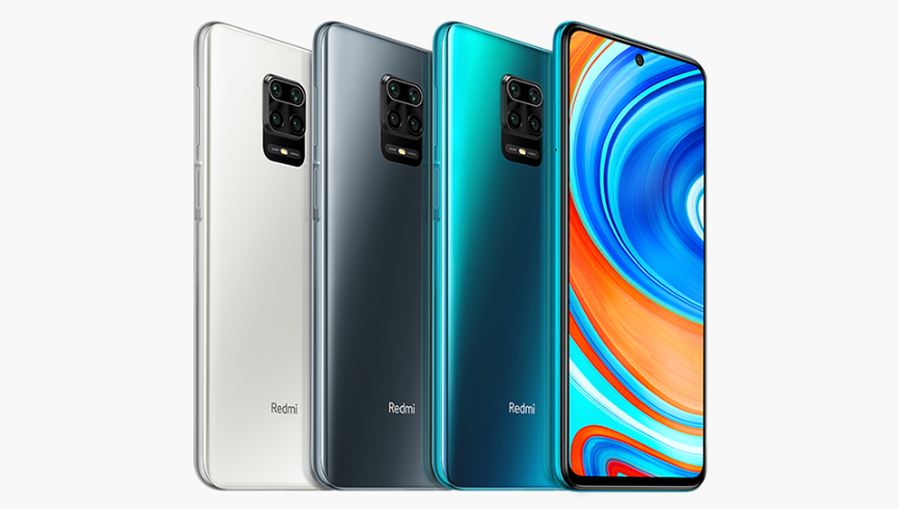
Roland Quandt said the phone will have 6GB of RAM paired with 128GB of storage and will come in white, gray, and green.


Redmi Note 9

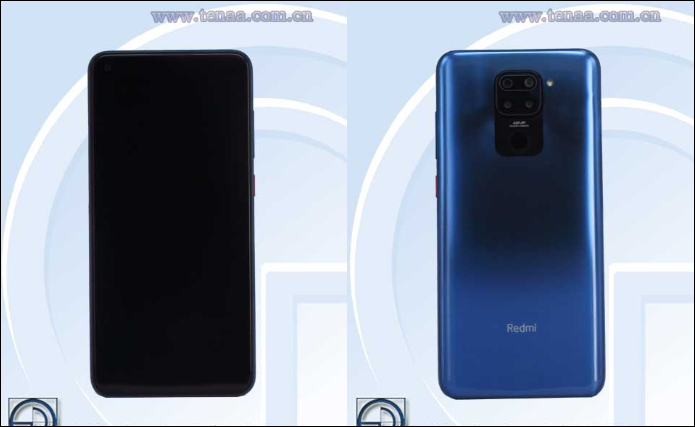
The Redmi Note 9 is yet to make its debut in any market. The phone was recently spotted on TENAA’s database sporting a smaller display than the Pro model. It also has a rear-mounted fingerprint scanner, a punch-hole at the top left corner, and quad rear cameras.

Redmi Note 9
Redmi Note 9 according to images posted on TENAA

There is no confirmation of the processor inside the phone but there are reports it may be MediaTek’s Helio G80 chipset. Time will tell if this is true or if Redmi is sticking to the Snapdragon 665 processor of the Redmi Note 8.

The Redmi Note 9 will land in Europe with 3GB of RAM and 64GB of storage. It will be available in white, gray, and green.


Mi Note 10 Lite

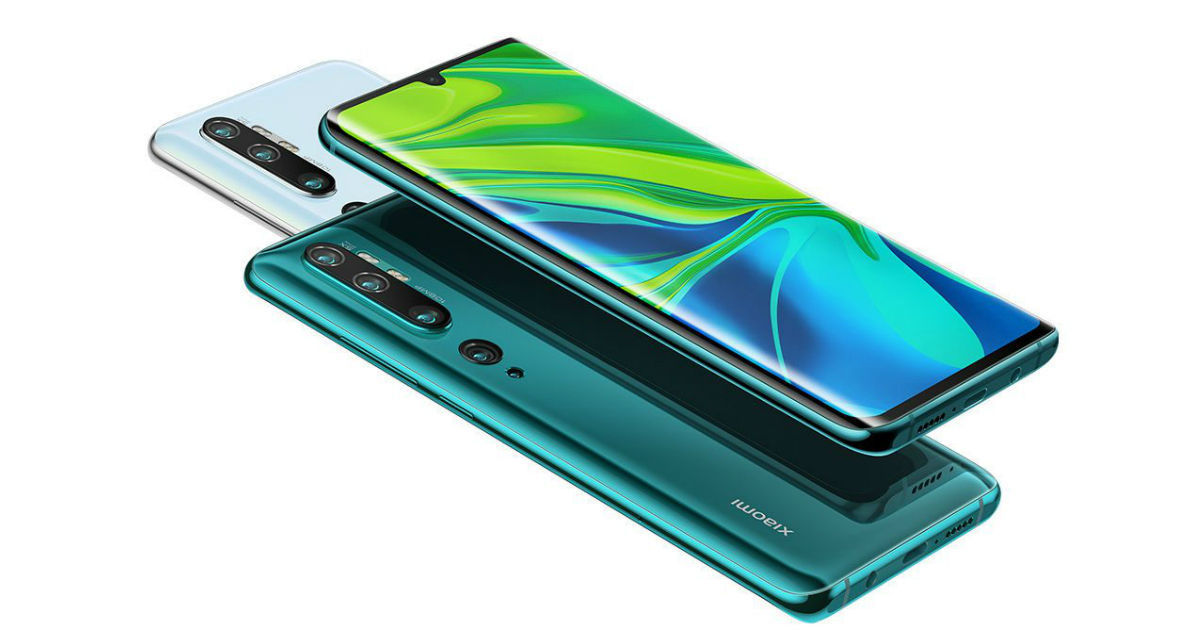
The existence of the Mi Note 10 Lite was first reported last month. The phone is a less powerful version of the Mi Note 10 and mi Note 10 Pro announced late last year.

Xioami-Mi-Note-10

The Mi Note 10 Lite will make its way to Europe with a 6.47-inch display like its siblings but a slightly-less powerful Snapdragon 730 processor, a 64MP quad-camera setup on the back rather than the 108MP penta-camera setup of the standard and pro models. It will have the same 5260mAh battery and support for 30W fast wired charging.

Xiaomi will launch the phone with 6GB of RAM and 128GB of storage and it will be available in white, black, and purple.

There is no specific date for the launch of these phones but do not expect a fanfare as the pandemic has forced manufacturers to announce new products online. Nevertheless, once they are official, we will let you know.


(Source)

OnePlus 8 vs Red Magic 5G: which one should you buy?

If you are searching for a flagship phone to buy, there are several options available from Samsung, Xiaomi, OPPO, OnePlus, iQOO, and Nubia (RedMagic). However, choosing a phone can be difficult when there are plenty of options available.

Today, we are taking two of this year’s flagships and pitting them against each other to make it easier for you to choose. The phones are the new OnePlus 8 and the Red Magic 5G which recently went on sale globally.

As usual, we will compare both phones based on the following:

  • Design
  • Display
  • Performance
  • Cameras
  • Battery and Fast Charging
  • Additional Features
  • Price

Nubia Red Magic 5G vs OnePlus 8

Design

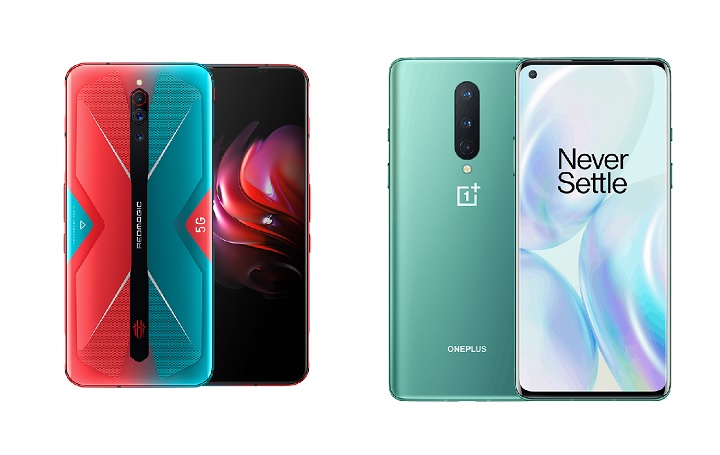
The OnePlus 8 adopts the popular punch-hole display design. Its screen is also curved at the sides which can be a pro or a con depending on the user. On the other hand, the Red Magic 5G sticks to a regular display and keeps the panel flat.

Both phones are covered in glass on both sides and come in pretty and bright colors, though the Red Magic’s Hot Rod Red and Pulse colorways will surely turn heads faster than the OnePlus 8. Folks may lean towards the OnePlus because it has a more simple design, unlike the Red Magic Phone which doesn’t hide in its design that it is a gaming phone.

Another aspect of the design worth mentioning is the weight and the dimensions. The OnePlus 8 is about 40 grams lighter than the Red Magic 5G though one can say its smaller battery capacity and display plays a part in keeping it light. It is also slimmer at 8mm against the Red Magic’s 9.8mm thick body.


Display

The OnePlus has a 6.55-inch 1080 x 2400 AMOLED display with a 90Hz refresh rate and HDR10+ support. The Red Magic 5G has a larger 6.65-inch 1080 x 2340 AMOLED display with a 144Hz refresh rate.

The OnePlus has a higher PPI and also has HDR10+ support but the Red Magic’s 144Hz refresh rate and 240Hz touch sampling rate are higher which means games and apps that can take advantage of the high refresh rate will run smoother compared to the OnePlus 8.

While a higher refresh rate is a plus, the OnePlus 8 has a better display with respect to color accuracy. DisplayMate even rates it has one of the best displays in the industry.


Performance

The two phones are powered by the same Snapdragon 865 chipset and come in different RAM and storage configurations. Performance should be the same but it is possible one is smoother than the other based on software optimizations.


Cameras

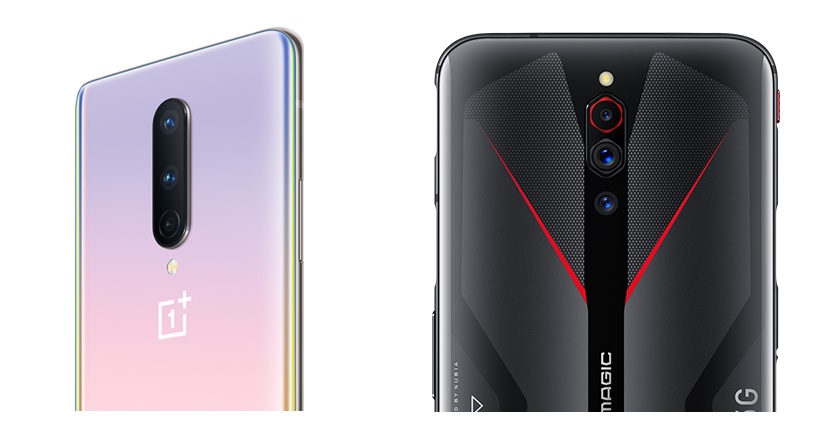
The OnePlus 8 has a 48MP f/1.7 primary camera with PDAF and OIS along with a 16MP ultrawide angle camera and a 2MP f/2.4 macro camera.

OnePlus 8 vs Red Magic 5G

The Red Magic 5G has a 64MP f/1.8 Sony IMX 686 primary camera, an 8MP ultrawide angle camera, and a 2MP macro camera. There is no OIS which means photos and videos will not come out well if you don’t have stable hands.

Reviews have revealed the Red Magic takes average photos. The OnePlus 8 is also not a camera beast and is said to be decent at best. However, the presence of OIS is a plus. It should also take better ultrawide angle photos and selfies than the Red Magic 5G.


Battery and Fast Charging

The OnePlus 8 has a 4300mAh battery capacity and supports 30W wired fast charging. The Red Magic 5G comes with not only a bigger 4500mAh battery but also charges faster as it supports 55W wired fast charging. Nubia claims the phone will charge from empty to full in 40 minutes. Sadly, you have to purchase a 55W charger separately for the Red Magic 5G as it ships with an 18W fast charger. OnePlus ships its own phone with a 30W charger.


Additional Features

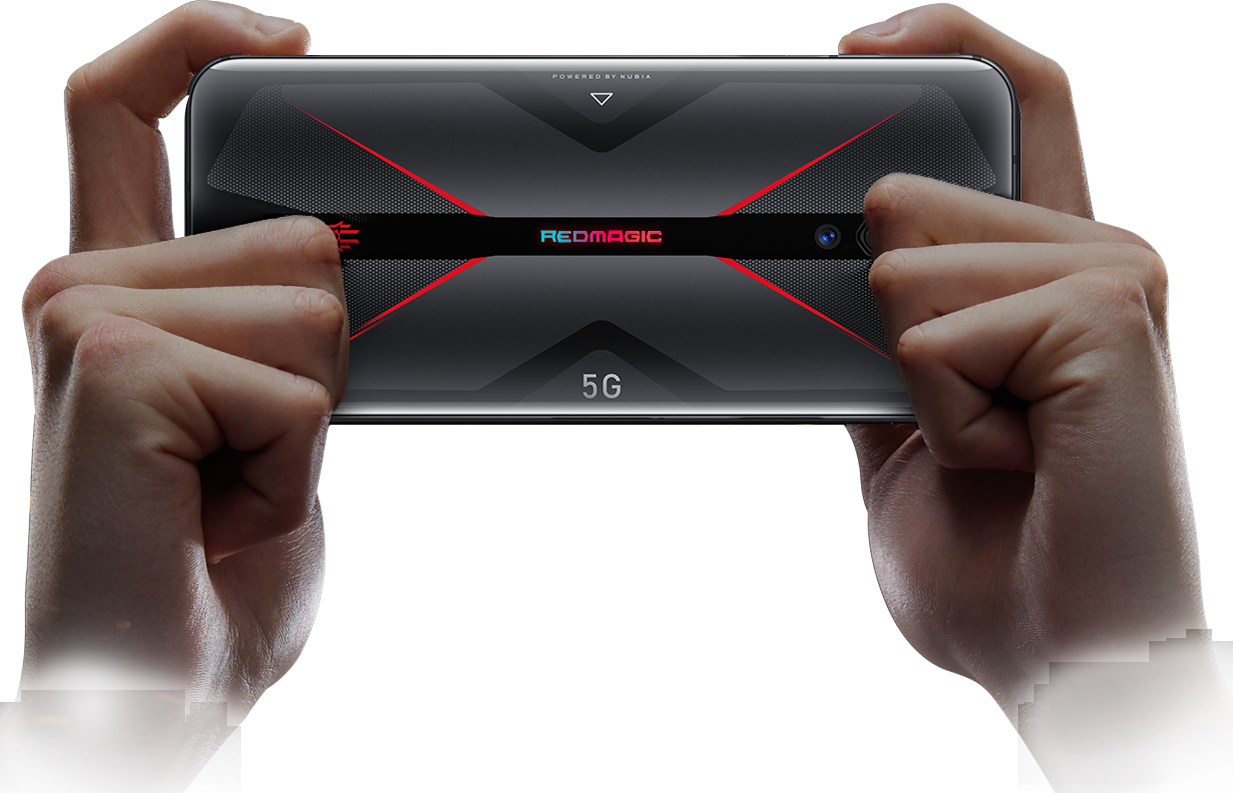
The Red Magic 5G has a number of additional features that give it an edge over the OnePlus 8. It has an audio jack, a built-in cooling fan, shoulder trigger buttons, 7.1 channel surround sound, 4D shock, and customizable LEDs.

Red Magic 5G Gaming

It also supports additional accessories such as the Magic Adapter which has an ethernet port, a USB Type-C port, and an audio jack. With the adapter, you can charge, plug in your headphones, and connect a LAN cable without any of the cords getting in the way while you play games on the phone. Just remember that the Magic Adapter has to be purchased separately.

The OnePlus 8 doesn’t have any fancy tricks as it is a regular flagship and not a gaming phone. However, it will handle any game you throw at it. It doesn’t have an audio jack but it has stereo speakers like the Red Magic 5G. It will also survive splashes and usage in the rain even though it doesn’t have an official IP rating.

One important feature that is worth mentioning is software support that matches that of Google’s Pixel phones. The OnePlus 8 and the Red Magic 5G both run Android 10 out of the box but the OnePlus 8 will most likely get updated to Android 11 first. It will also get updated to Android 12 and Android 13, a feat the Red Magic 5G can only dream of.


Price

The Red Magic 5G is currently available for $579/£539/€579 for the 8GB RAM + 128GB version and $649/£599/€649 for the 12GB RAM + 256GB version.

The OnePlus sells for a much higher price in the US, UK, and Europe. It is priced at $699/£599/€719 for the 8GB RAM + 128GB model and $799/£699/€819 for the 12GB RAM + 256GB version.

The Red Magic 5G is not sold in India but the OnePlus 8 is. It starts at INR 41,999 (~$549) for the 6GB + 128GB version; goes up to INR 44,999 (~$588) for the 8GB RAM + 128GB version, and then INR 49,999 (~$653) for the 12GB + 256GB version.

If the Red Magic 5G does make its way to India, we do not think it will sell for lower than the OnePlus 8 as it will be imported into the country, which means import tax and the recent increase in GST for mobile phones will drive the price up.


Conclusion

The Red Magic 5G is quite affordable compared to several other flagships and that is on top of the several additional features it has to offer. Sadly, reviews have revealed it performs averagely when it comes to taking pictures.

Nubia’s poor software support is another thing. The Red Magic 3 and Red Magic 3S released last year are still running Android Pie which means the Red Magic 5G may not get updated at all or will receive just one OS upgrade that will arrive pretty late.

The OnePlus 8 sells for more but it tries to justify its price with its higher quality display, better cameras, and OnePlus’ software support. It would be an easy recommendation if it sold for slightly less in Europe and the US. Nevertheless, it is one of the top flagship phones you can purchase now.


Xiaomi Youpin crowdfunds a Foldable Electric Bicycle, runs up to 80km

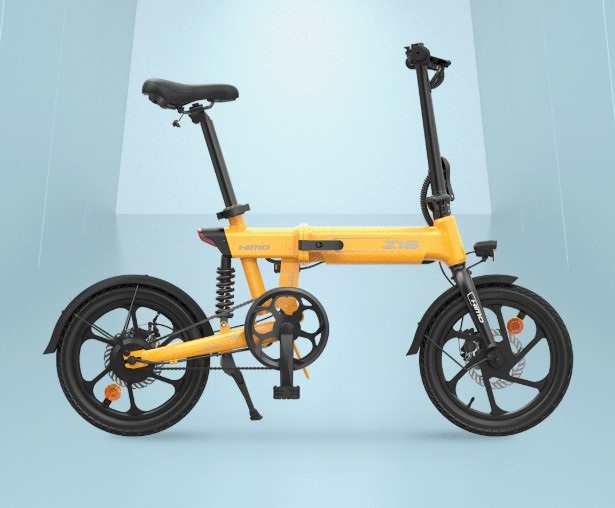
Xiaomi has put a new product up for crowdfunding on its Youpin platform that launched the HIMO Z116 folding electric bicycle. It is a foldable e-bike and has a built in removable lithium battery, which can have it last up to 80 kilometers.

Xiaomi

The HIMO Z16 electric bike features the general e-bike design but with its body being able to fold from 3 different areas. This includes the central body, the foot pedals, and the bicycle’s handlebar. Once it is folded, it becomes more portable thanks to its reduction in size, which will allow it to be easily carried in car trunks. Furthermore, its weight is also relatively light, coming in at just 22.5 kilograms.

The foldable electric bike has three modes as well for different situations. It can run on pure power, or power-assisted modes, and even completely be run by the user alone through the pedals. Its maximum speed can reach up to 25km/h and its range on pure power mode is about 55 kilometers, although, on assisted power mode, it can reach ranged around 80 kilometers or even beyond.

Xiaomi

In terms of features, the HIMO Z16 electric bike also offers an HD LCD screen which is rated IPX7 for waterproofing, that displays real time information like speed, power, mileage, any faults in the system and more. It also has a dual disk brake system and high wear resistant tires. The e-bike is priced at 2,499 Yuan, which roughly translates to about 352 US Dollars and is currently being crowdfunded on the Xiaomi Youpin platform.


Samsung Galaxy S20+ Olympic Games Edition has been officially Canceled

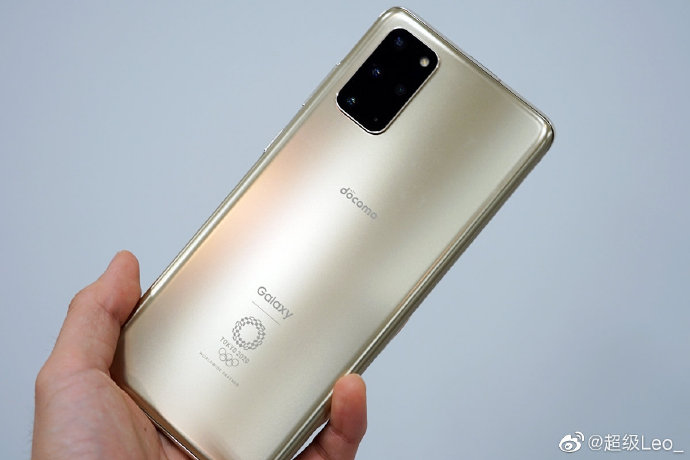
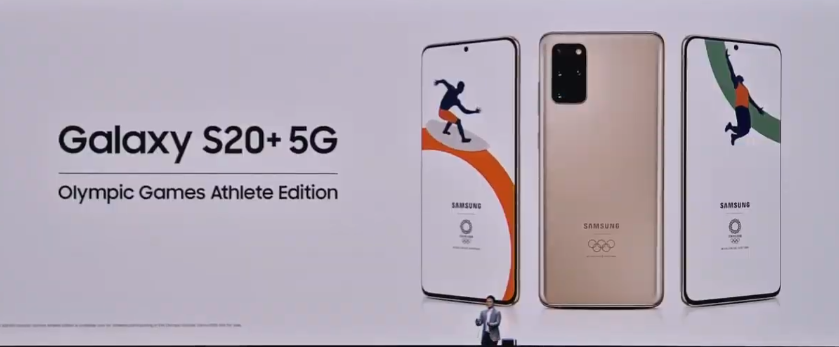
The Samsung Galaxy S20+ 5G Olympic Games Edition is officially canceled. The Japanese carrier NTT Docomo has decided to cancel the release of the special Galaxy S20+ variant due to the iconic Olympic games being postponed.

Samsung Galaxy S20 Plus 5G Olympic Edition

Samsung was originally planning on putting the device on sale in July 2020. However, after the announcement of the Tokyo 2020 Olympic games being postponed came through, the South Korean tech giant shared the Japanese mobile operator’s press release earlier today (23rd April 2020). It is currently unclear whether the decision was from Samsung or NTT.

The former was expecting the sales number of the Galaxy S20+ 5G Olympic Games Edition to drop but didn’t announce the cancelation previously. However, the situation has changed over the past couple of weeks as the situation with the global Coronavirus pandemic has been a cause for major concern.

Samsung Galaxy S20 Plus 5G Olympic Edition

Samsung and NTT Docomo are likely to be preparing a different Olympic Games Edition smartphone for 2021. This is when the Tokyo games might end up being hosted. The smartphone manufacturer is a major Olympic partner so this is still a possibility. Furthermore, it will also likely be for a different smartphone model like the Galaxy Note 20 or the 2021 Galaxy S model. However, this is just speculation so take it with a grain of salt.


(Via)

Samsung announces Free Repairs and Discounts for Frontline Workers in the US

Large corporations and common people are joining hands to fight back the COVID-19 global pandemic. From its side, Samsung has already helped various nations like its home country South Korea and key markets like India. Now, the firm announces a new free repair program for the frontline workers in the US. Additionally, the company is also offering discounts up to 30% on purchase from its online store for them.

Frontline Workers

Samsung has partnered with uBreakiFix to offer free repair to frontline workers such as doctors, nurses, hospital workers, EMTs, police officers, and firefighters. The program is valid till June 30 and eligible individuals with a valid ID can either mail their Samsung smartphones or visit a nearby uBreakiFix outlet.

The free repair is valid once per customer and also covers cracked screen and battery replacement. The only condition to be met is the phone should turn on and must not have water damage. Further, all the first responders and healthcare professionals in the US can also avail up to 30% discount on the Samsung online store.

 According to the press release, Samsung is offering these benefits to frontline workers so they can have access to proper communication devices to remain connected with friends and family in this challenging time.


(Source)

Apple iPhone’s Mail App suffers from a severe security flaw, Company declined to comment

A new vulnerability might have just been found in Apple iPhones. Security researchers have claimed that the default iOS Mail app suffers from a severe security flaw and is vulnerable to attacks from hackers.

According to a report from ZecOps, the vulnerability is already being exploited “in the wild” and that it is an advanced threat that Apple is unaware of. The research agency believes that at least 6 high profile targets have been exploited so far, including a Japanese mobile carrier executive and other “individuals from a Fortune 500 company in North America.”

apple india

ZecOps have refrained from mentioning names stating privacy reasons but said that it was unable to obtain the malicious code since the emails were remotely deleted by hackers. The firm believes that the vulnerability is related to 2 zero-day iOS exploits that have existed in the Mail app since at least iOS 6, which was launched back in 2012.

According to ZecOps, “the attack’s scope consists of sending a specially crafted email to a victim’s mailbox enabling it to trigger the vulnerability in the context of iOS MobileMail application on iOS 12 or mailed on iOS 13.” However, the method to reproduce this vulnerability has failed so far by various other researchers. This includes Jann Horn and Maddie Stone from Google’s Project Zero cybersecurity program.

Notably, Apple was reached out from Beijing News reported in China to verify the report from ZecOps, regarding the vulnerability the iOS mail app faces on iPhones. Unfortunately, Apple China declined to comment on the situation so we have no official confirmation. Other researchers are currently asking ZecOps to provide more details on how to recreate the vulnerability to actually prove the security flaw’s existence.


(Via:1,2)

Huawei to soon launch headphones and smart eyewear powered by the Kirin A1 chip: Report

Huawei has recently been expanding on its smart IoT offerings. Examples of this are the recent FreeBuds 3 truly wireless earbuds and the Watch GT 2, which are both powered by its custom built Kirin A1 chipset. Now, the custom HiSilicon processor will reportedly also be found in headphones and a smart eyewear from Huawei.

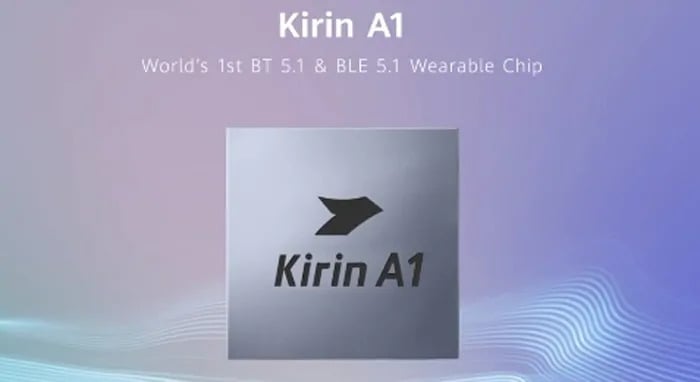
Huawei Kirin A1
HiSilicon Kirin A1

According to a new report, the Chinese tech giant is planning to launch more products with its latest Kirin A1 chipset in the near future. This includes headphones, a neckband, smart eyewear, and a smart speaker as well. In an interview, Zach Yang,  Wearables and Audio Product Marketing Director of Huawei, revealed that the company will be launching Kirin A1 powered products in 2020 and 2021.

The HiSilicon chipset was custom made specifically for wearables products and was unveiled back at IFA 2019. Since then, Huawei has launched products like the FreeBuds 3 and Watch GT 2 which sport the new chipset. Unfortunately, the senior executive did not reveal any specific dates or a launch roadmap/timeline as to when exactly we can expect the headphones or smart eye wear to launch.

Huawei
FreeBuds 3

Although, he did mention that the plan is to launch soon, possibly by the year end or next year. Huawei and its subsidiary Honor have been wanting to expand on their IoT product lineup, especially in India. Thus, we can expect more announcements to arrive in the coming weeks regarding this. So stay tuned.


(Source)

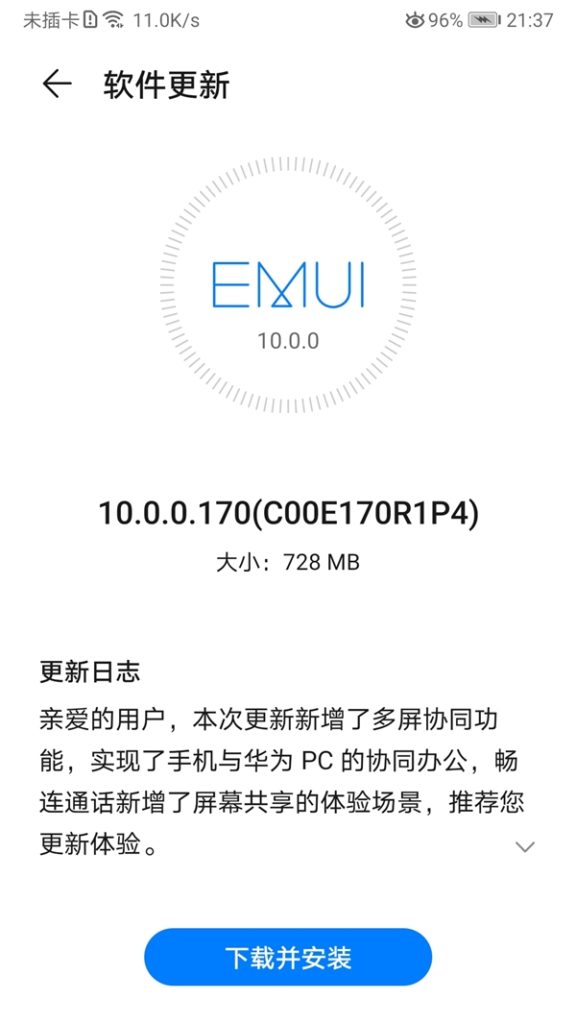
Huawei Mate 10 Series is receiving EMUI 10.0.0.170 Update in China

Huawei is on the release spree, both in terms of product launches and software update rollouts. The company will be soon announcing Huawei Nova 5 series, amidst this, it has been rolling out EMUI 10.1 closed beta updates to certain newer deices and an incremental EMUI 10 update to older flagships. The Huawei Mate 10 series in China is the latest to receive the latter update with build version EMUI 10.0.0.170.

Huawei Mate 10 Series EMUI 10.0.0.170 Udpate

The new update brings features such as multi-screen collaboration, screen sharing, smart charging mode, and April 2020 security patch. This is exactly the same update that was recently rolled out to the Huawei P20 series.

But for those devices, the OTA came with build number EMUI 10.0.0.172, instead of EMUI 10.0.0.170 for the Huawei Mate 10 series.

Anyway, here’s the list of models that are currently receiving this update.

The update weighs 728MB in size and requires the above-mentioned eligible devices to be on EMUI 10.0.0.162 build. Just like the last time, we are not sure when the update will be hitting the global versions of these devices.


(Via)