Meizu is gearing up for the launch of its 2020 flagship device, the Meizu 17. While various rumors and leaks have already surfaced, the company has finally revealed some of its specs officially on Weibo, the Chinese microblogging website.
In the series of Weibo posts, the Chinese company revealed certain specs regarding the upcoming flagship alongside an image that showcased the smartphone’s entire front side. Looking at the image, the Meizu 17 has a full screen body on the front, but with a punch hole selfie camera on the top right of the device. Its display curved around the edges and overall the design follows a typical Meizu form factor. The bezels of the device are thin as well, with its chin being and notch also being only slightly noticeable.
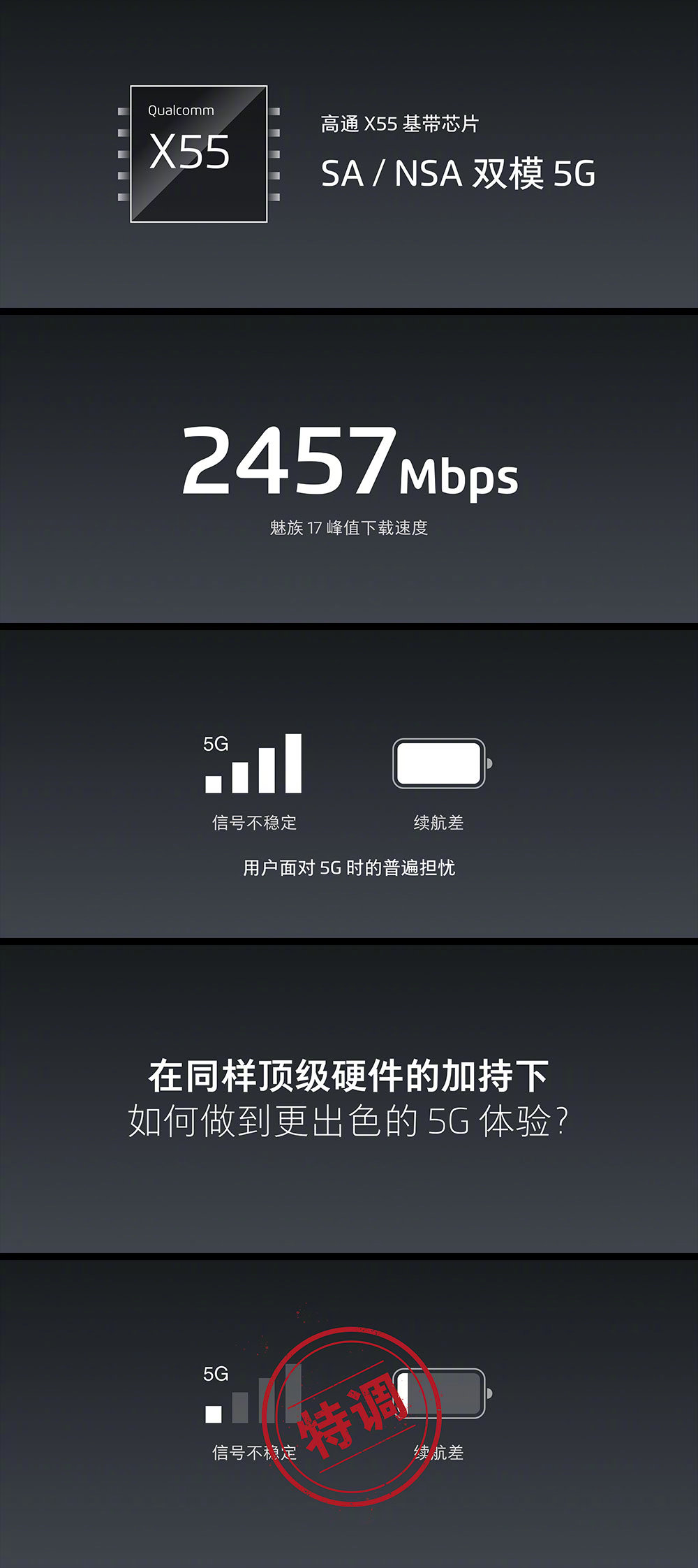
Under the hood, the Meizu 17 sports Qualcomm’s Snapdragon 865 SoC. It is a 5G processor that is capable of the faster bandwidth thanks to the X55 5G modem that arrives with it. This modem allows for download speeds up to 2,457Mbps and supports SA/NSA dual mode 5G network. The device is powered by a large 4,500mAh battery, which should help the phone get through an entire day even with 5G enabled.
The Meizu 17 will also support mSmart technology, which will basically allow the device to smartly switch between connections to find the most optimized network speed and battery life performance. In other words, it could help improve battery life over extended use or allow for faster download speeds when needed. The device will also support Wi-Fi 6 with download speeds up to 4,151 Mbps. This standard brings more stability, lower latency and more to the table.
Meizu is also emphasizing on secure 5G payments and other intelligent app distribution on the device. This will be included alongside all of the quality of life improvement each new generation arrives with. The Meizu 17 is slated to be announced on 22nd April 2020. So stay tuned as we will be covering its launch.
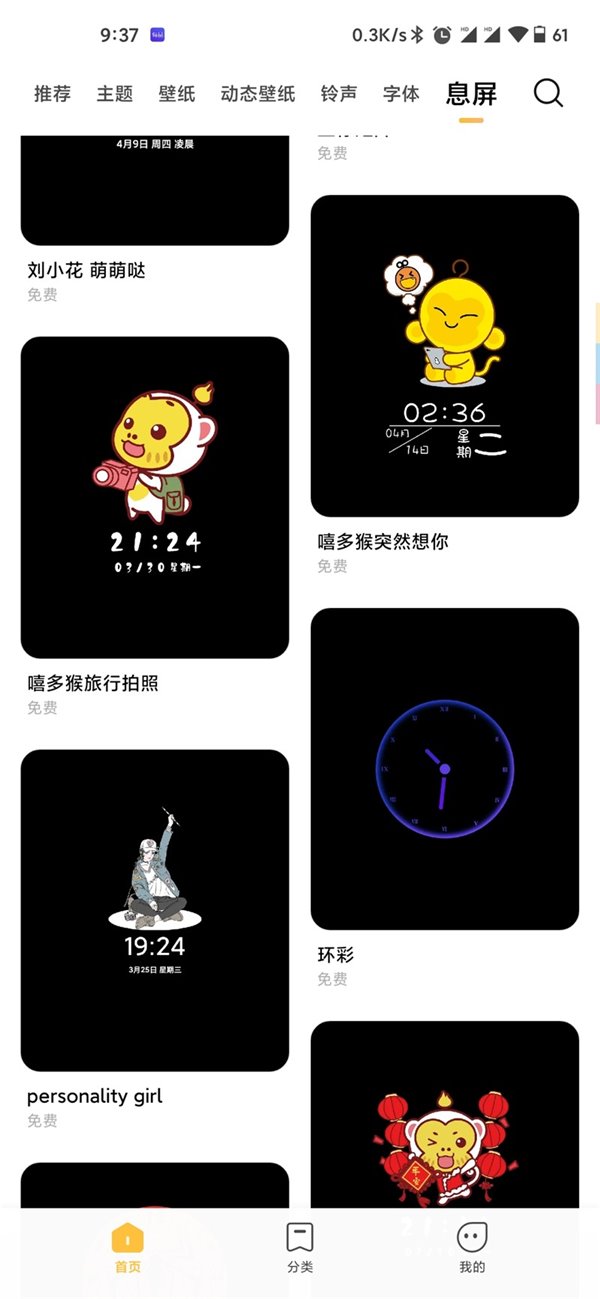
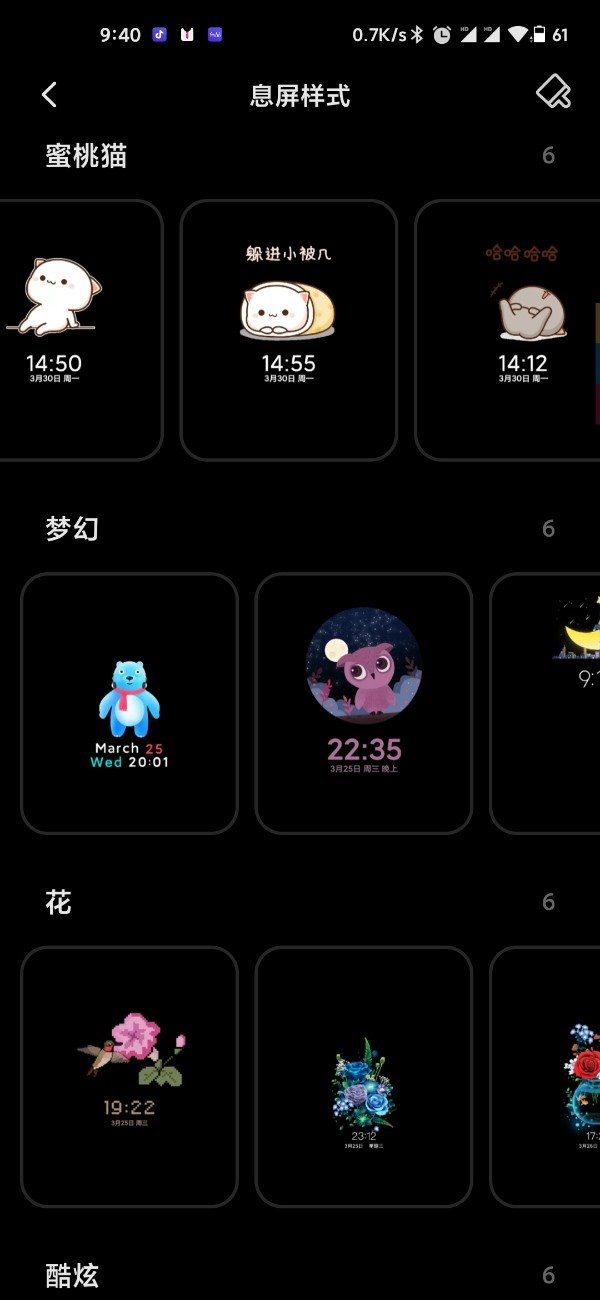
Xiaomi’s MIUI Android skin is well-known for its themes. The MIUI Theme app enables users to select from a variety of options that are both free and paid. Now, the company has released a new beta update of this app in China, which has incorporated a new AOD (Always-on Display) section.
The Chinese smartphone maker Xiaomi has been launching phones with OLED display for a few years now. But the AOD functionality was only introduced late last year with MIUI 11. This option is part of the phone’s system settings and new AOD styles are added only through system updates.
However, that will change soon as the company is testing AODs directly in the MIUI Themes app with support for designs and styles from different developers apart from the official team. This is surely good news for users of Xiaomi smartphones with an OLED display as the current selection of AOD styles is limited.
Samsung popularized custom AOD themes when it introduced the functionality with the launch of Galaxy S7 and Galaxy S7 Edge. It also allows developers to upload different styles on the Galaxy Themes app, however, most of them are paid.
But in the case of Xiaomi, the company made MIUI Themes free with the launch of MIUI 11 last year with an exception for certain copyrighted content. This means, the AOD styles on MIUI Themes app will be most likely free giving Xiaomi users an edge over Samsung. That doesn’t mean the developers don’t earn anything as they are now paid based on ad-revenue.
We are not sure how Xiaomi will roll out this feature as the current implementation is deeply rooted within the system. Either the company will release a new MIUI 11 version with certain changes and fixes or it will debut on MIUI 12 in the second half of 2020.
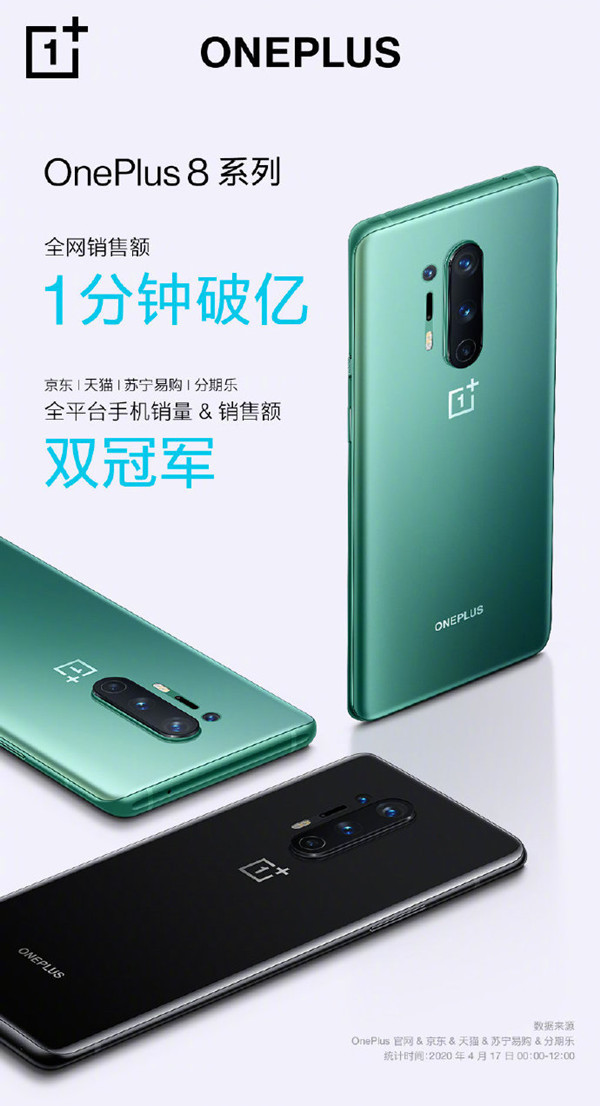
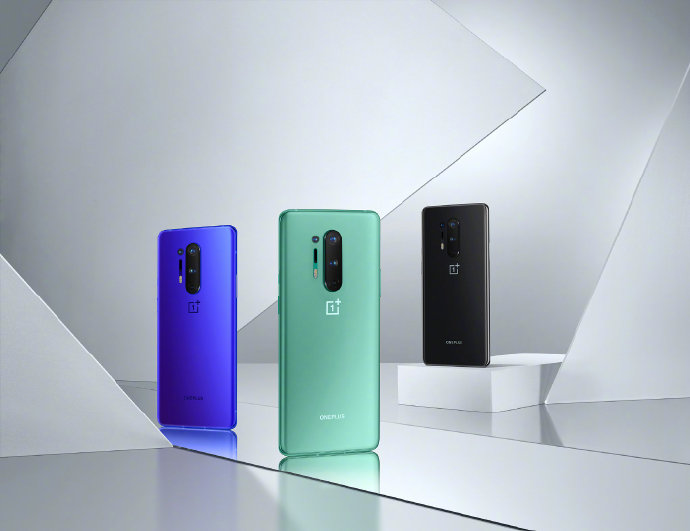
The recently launched OnePlus 8 series just went on sale earlier today (17th April 2020). This included the base and Pro variant, which brought in 100 million Yuan (roughly 14,132,078 US Dollars) through sales in just one minute in China alone. The prices start from 3,999 Yuan (roughly 565 US Dollars) and the latest flagship lineup is already seeing great success.
The configurations that were sold include the OnePlus 8 with 8GB of RAM and 128GB storage priced at 3,999 Yuan. The 12GB RAM + 256GB storage costs 4,599 Yuan (roughly 650 US Dollars). On the other hand, the OnePlus 8 Pro costs 5,399 Yuan (roughly 762 US Dollars) for the 8GB + 128GB variant or 5,999 Yuan (roughly 847 US Dollars) for the 12GB + 256GB version.
The massive sum of sales revenue figures is through data compiled from every major platform in China. This includes the offline physical stores, the company’s official website, and known e-commerce/retailing platforms as well. Notably, the sale is just the part of the initial sales and with 5,000 Yuan being an estimated average expenditure, OnePlus made over 100 million Yuan in just a minute by selling 20,000 units.
OnePlus 8 Pro
This figure roughly translates to over 14 million US Dollars, and goes to show the success the company is already seeing with its latest flagship lineup. Despite its pricing that is the highest asking price for any OnePlus device, the premium grade handsets are already a top pick for people in China.
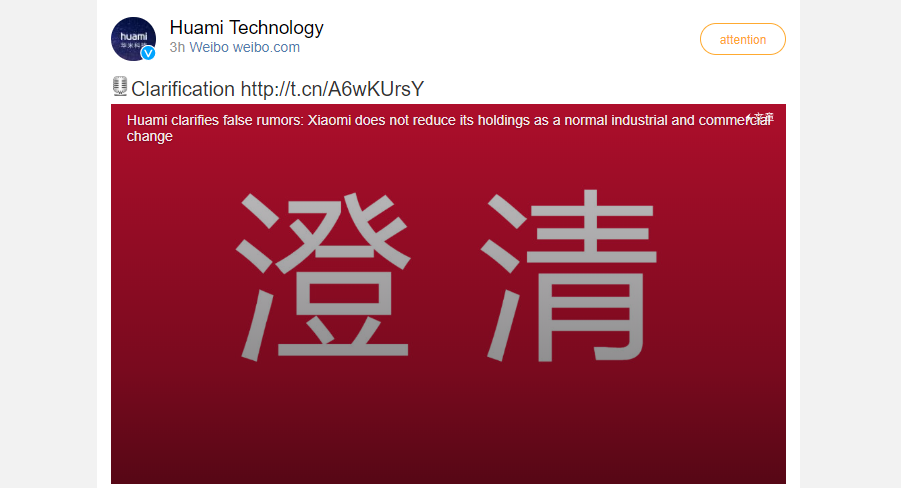
Earlier today (17th April 2020), Huami Technology, known wearables and smart IoT maker, issued a statement regarding Xiaomi‘s investments. The company dismissed any rumors regarding Xiaomi reducing its investment, while also confirming the launch of the Mi Band 5 later this year.
Now, rumors were floating around that said Xiaomi investment was being pulled back. However, a senior executive from Huami clarified that Xiaomi “never sold one share.” The statement was shared on the company’s official Weibo account, a popular Chinese microblogging website, and even carried a detailed article addressing the situation. Interestingly, Huami even mentioned the Xiaomi Mi Band 5, which it had previously confirmed to be working on, to be launched later this year.
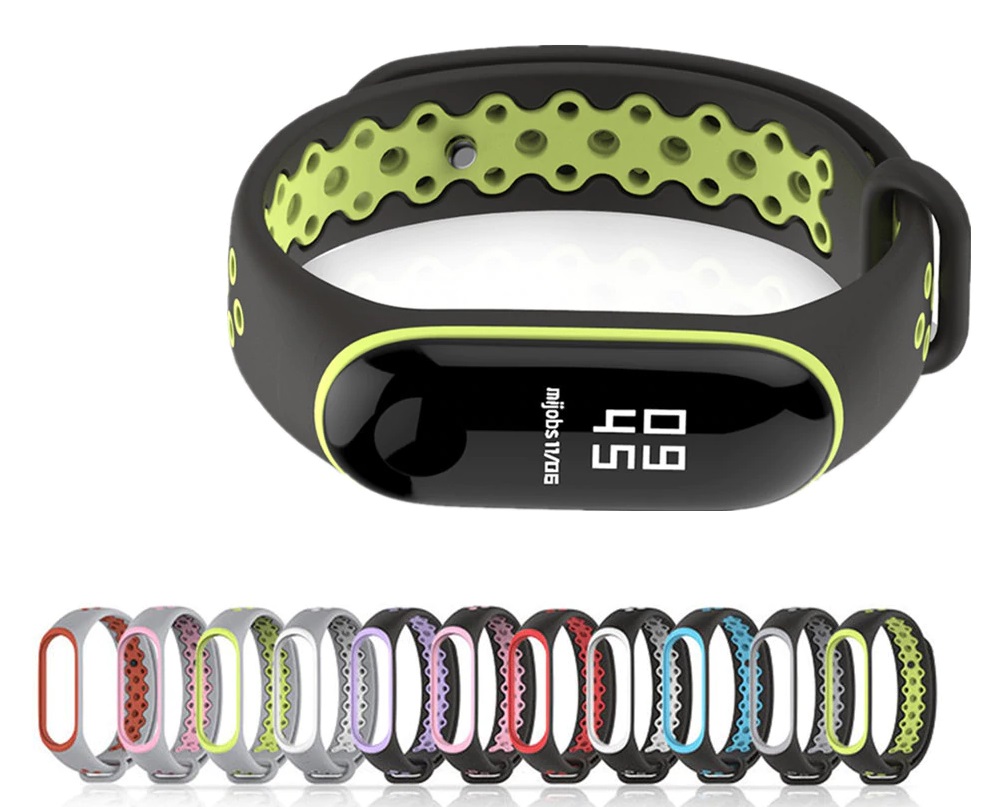
Xiaomi Mi Smart Band 4
Huami had previously also worked with Xiaomi for the development of other wearables, including the Mi Band 4 that had sold 1 million units in just 8 days. So, it is clear that the series is popular and that Huami was a part of the reason for the success. The Mi Band 5 is expected to bring improvements over its predecessors and new features as well and is expected to be teased soon.
Recent reports have revealed that Xiaomi is working on a watered-down version of the Xiaomi Mi Note 10 smartphone that debuted in November 2019. Thailand’s NBTC certification has revealed that the rumored handset will launch as Xiaomi Mi Note 10 Lite. A reliable tipster from China has claimed that the MI Note 10 Lite will debut in May in the European markets. He has also claimed that the POCO F2 will be also go official in the next month.
Apart from NBTC certification, the M2002F4LG Mi Note 10 Lite phone has also acquired FCC approval in the U.S. The handset is expected to house a 6.47-inch full HD+ display with in-screen fingerprint reader. It is rumored to be powered by the same Snapdragon 730G which fuels the Mi Note 10 smartphone. It is expected to house a 5,260mAh battery that supports 30W fast charging.
The Mi Note 10 Lite is expected to house a 16-megapixel front camera. The rear shell of the phone will have a penta-lens setup that will include a 64-megapixel man lens. The latter will be coupled with a pair of 8-megapixel lenses, a 5-megapixel sensor and a 2-megapixel lens.
Earlier this week, well-known Indian tipster Mukul Sharma had claimed that the upcoming M2004J11G phone was spotted POCO F2 moniker in the IMEI database. Corroborating on the same info, the Chinese tipster claimed that POCO F2 is the Redmi K30 Pro for global markets. Unlike the Redmi K30 Pro for China that supports 5G editions, its global variant will not have 5G support, adds the tipster.
The tipster has also revealed that there is another POCO phone in the making. It has a model number of M2003J6C1. There is no word on the identity of the smartphone. It is said to have something in common with the Redmi Note 9 series.
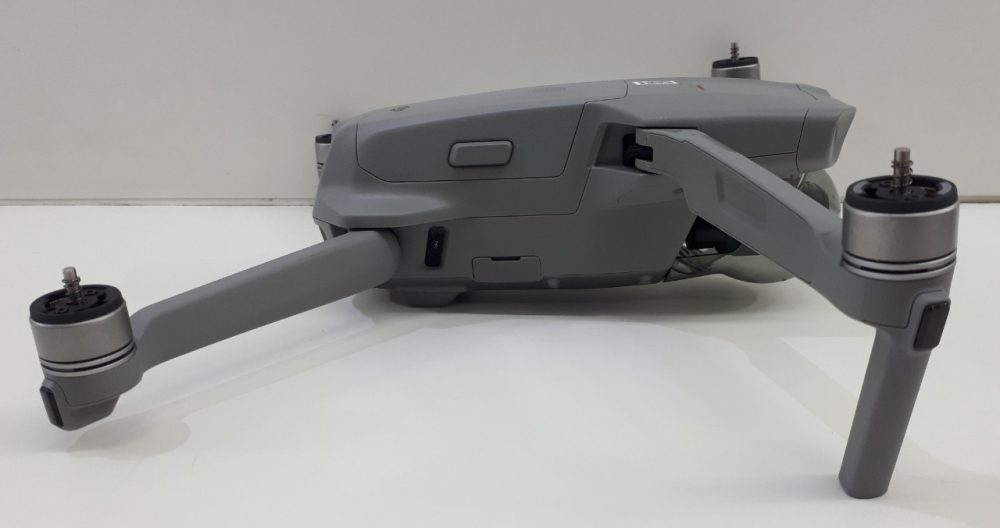
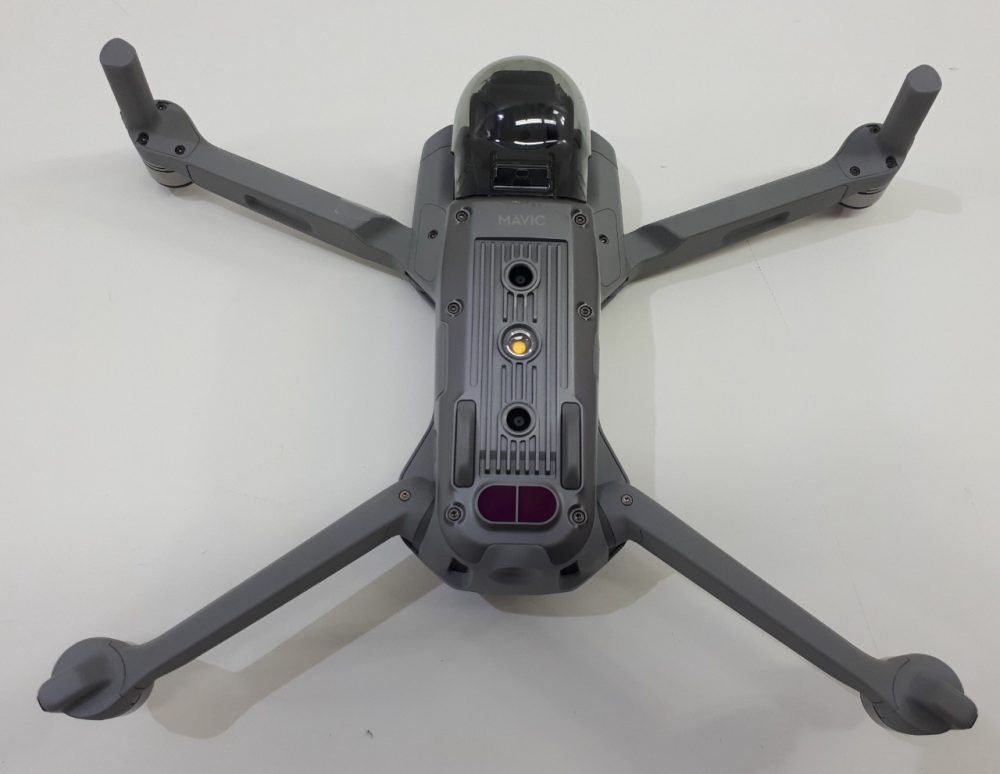
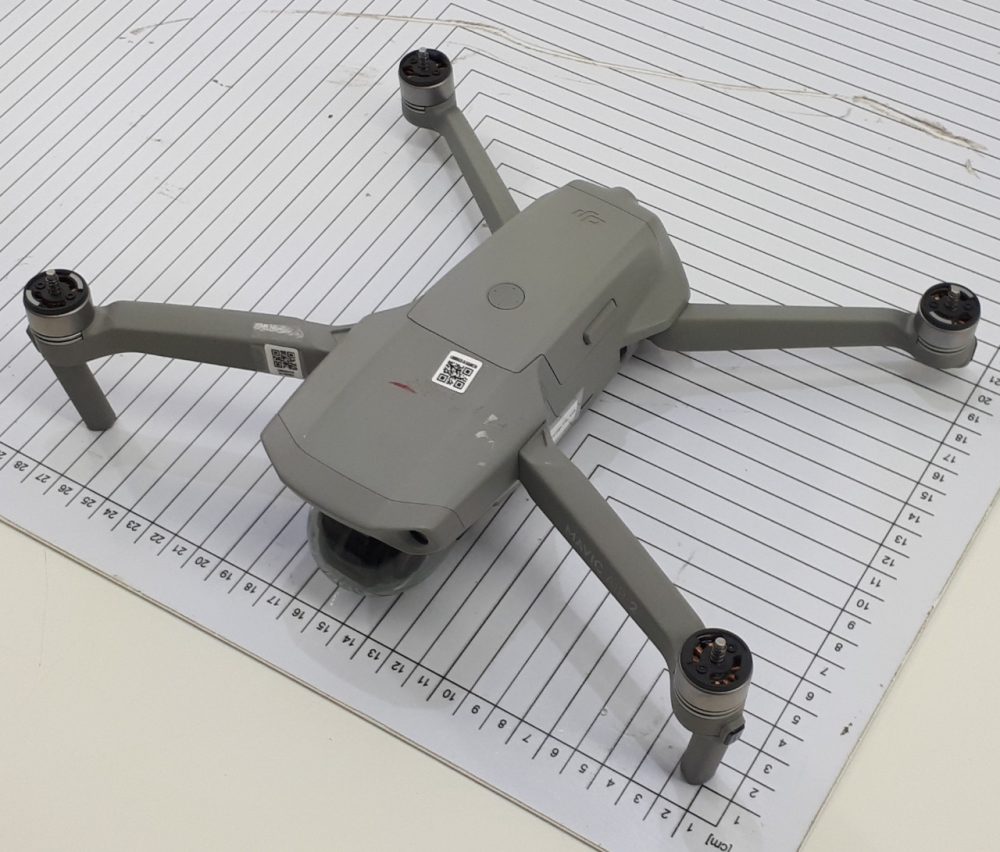
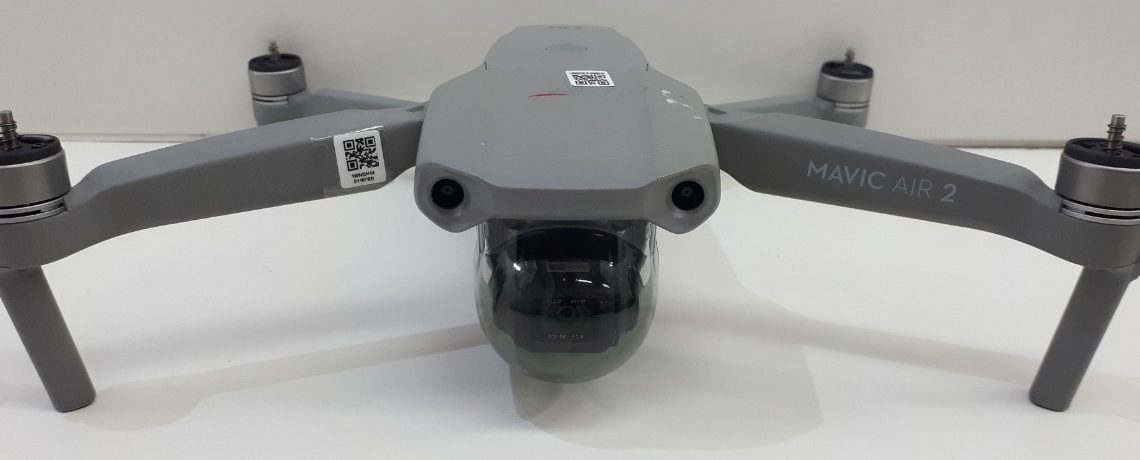
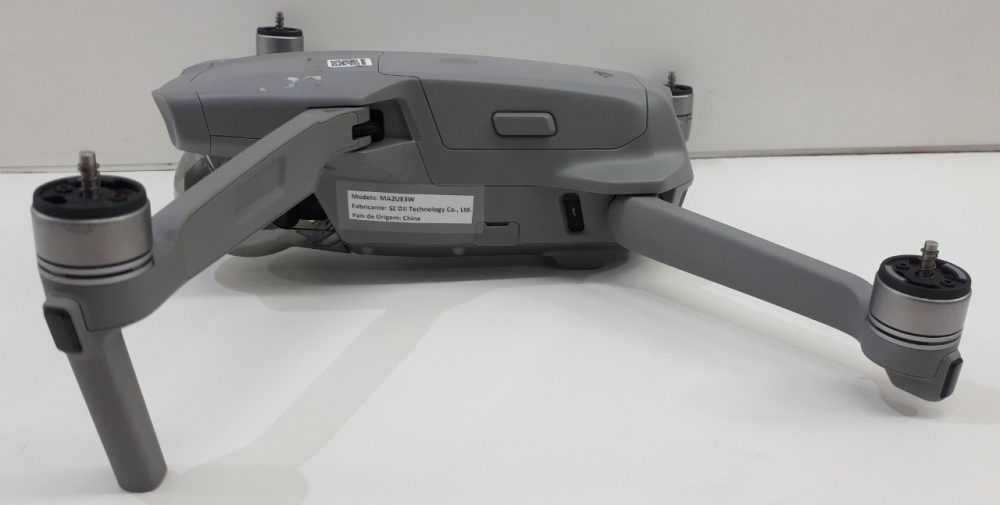
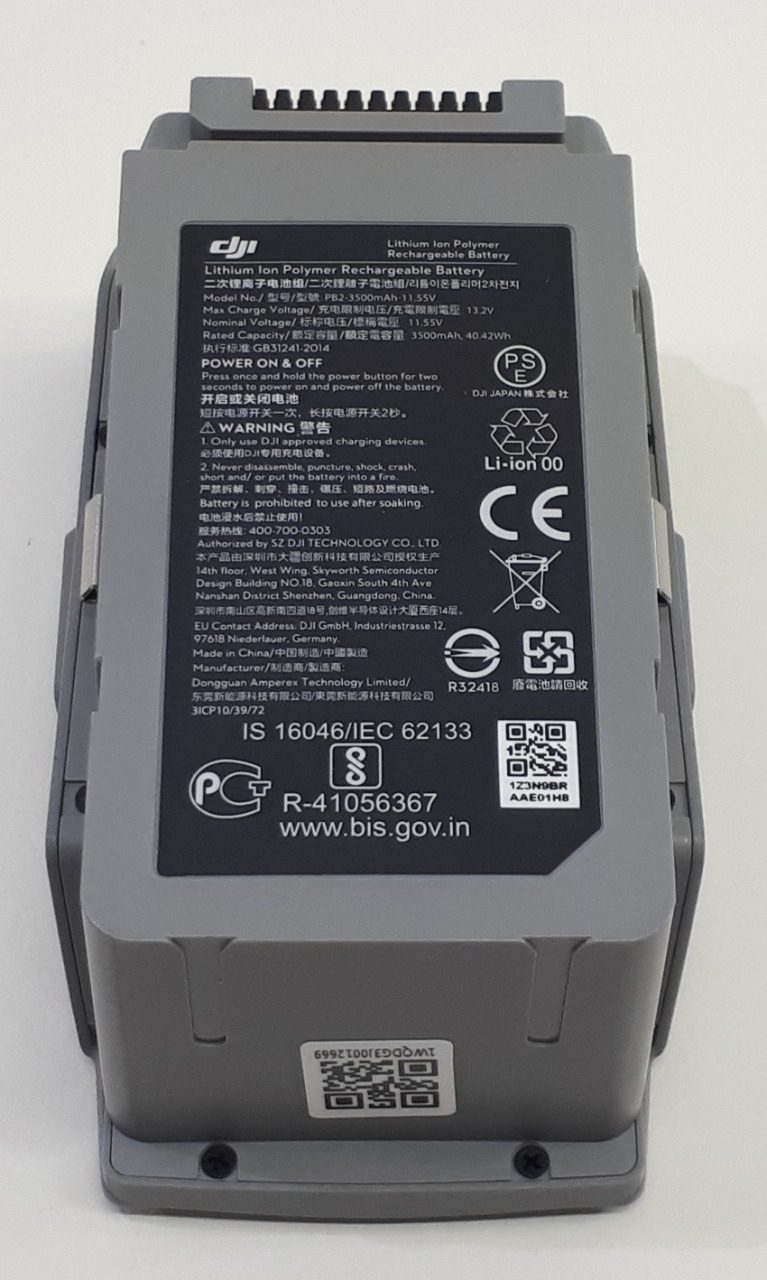
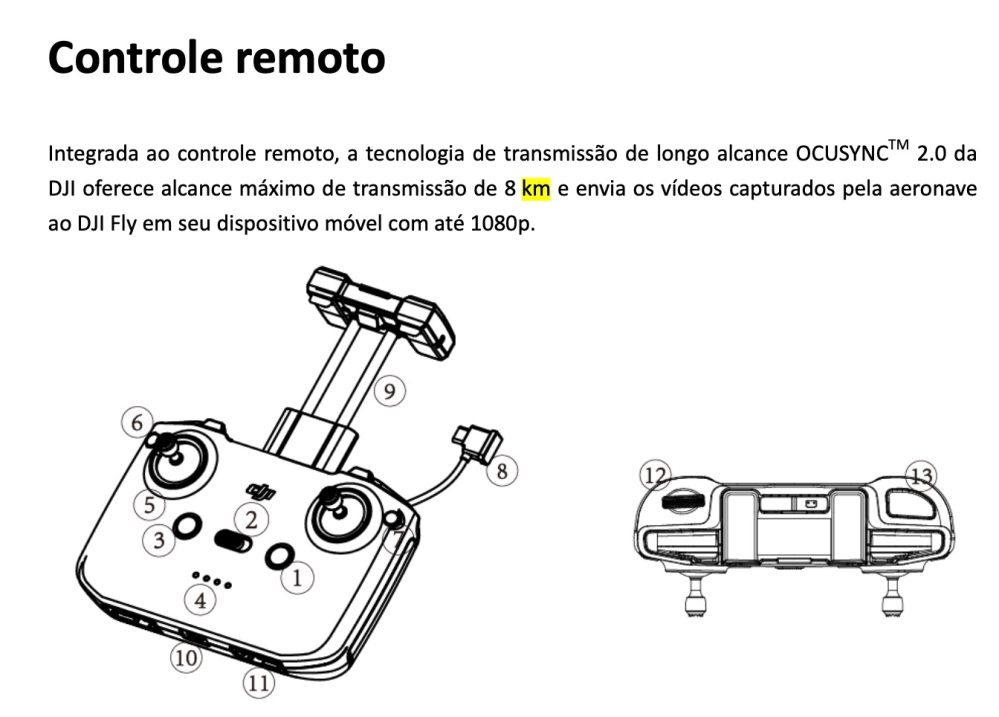
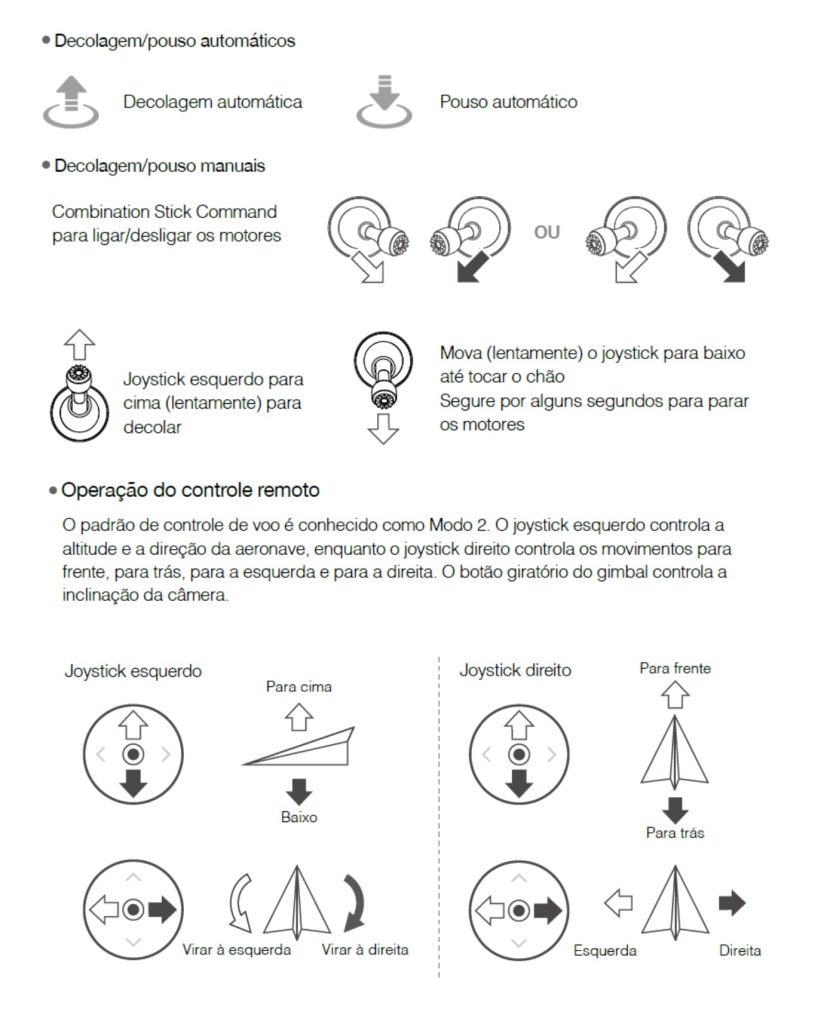
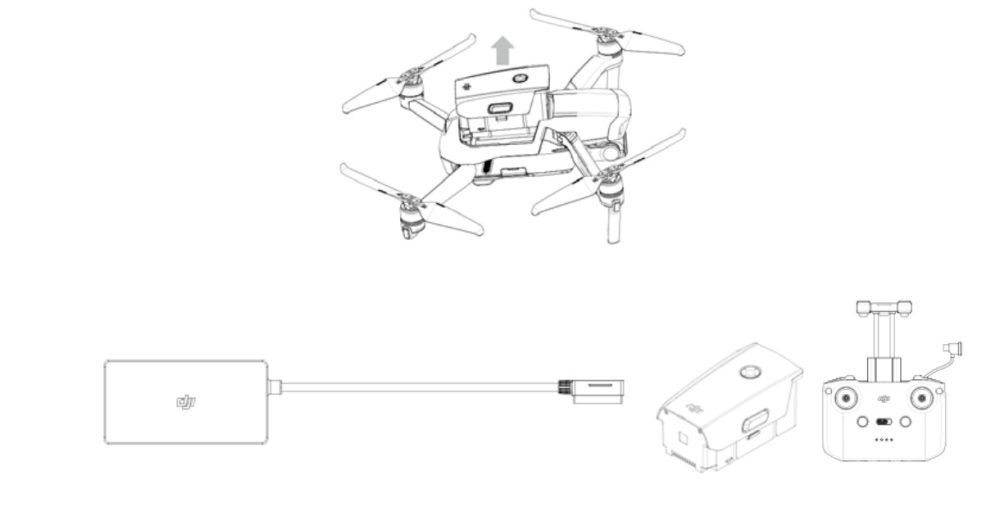
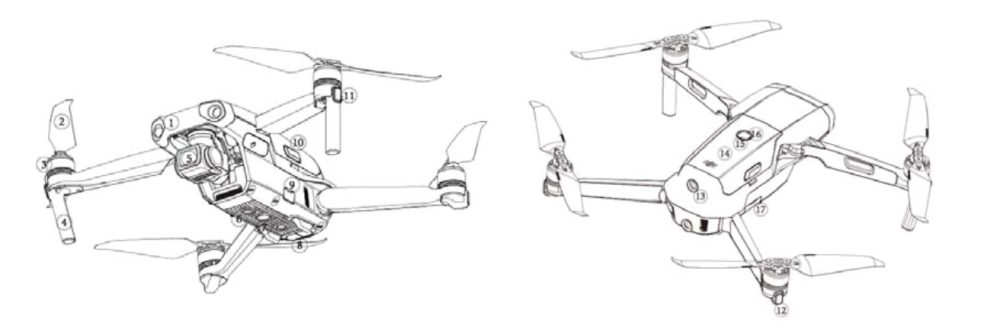
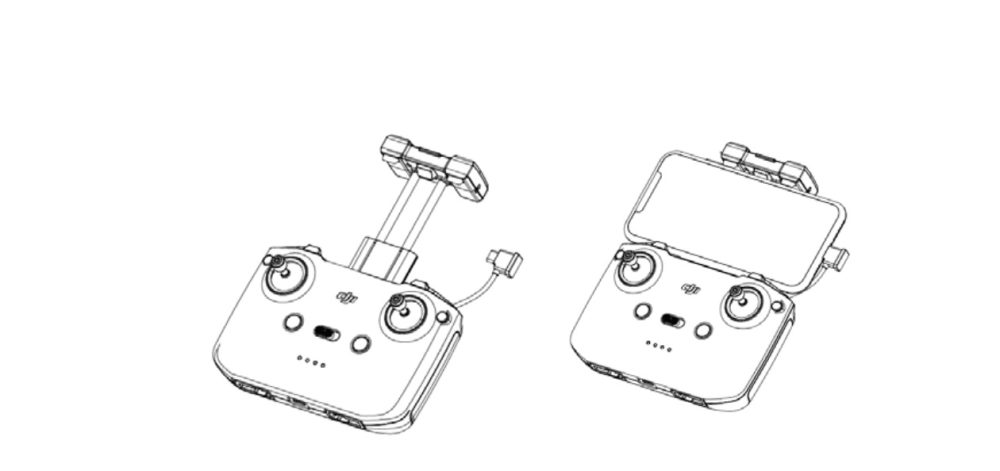
DJI has scheduled an event for April 27 to announce a new product, which according to recent leaks could be Mavic Air 2, whose predecessor debuted in early 2018. Now, once again this upcoming drone leaks via Brazil’s ANATEL certification revealing the entire design as well as certain specifications.
The new DJI Mavic Air 2 leak confirms the design of the product from the previous leak. Since these new pictures of the forthcoming drone are from a certification portal, they are much clearer and hence we get a better idea of how it will look in real life.
The manual, which leaked alongside the pictures further exposes some key specifications of the drone days ahead of its launch. According to it, the battery of Mavic Air 2 will be 3500 mAh rated at 11.5V yielding over 40WH of capacity. Thus, it can achieve a maximum speed of 68.4 km/h with a maximum flight time of 34 minutes. For comparison, the original DJI Mavic Air only has a 2375 mAh battery and 21 minutes of maximum flight duration.
As for optics, it will feature a 48MP camera capable of recording 4K videos and capturing 48 megapixels still photos. The new drone will also come with an obstacle sensor, intelligent flight modes like ActiveTrack 3.0, Point of Interest (PoS) 3.0, QuickShot and advanced flight assistance systems 2.0.
There’s only one thing that is still a mystery about the DJI Mavic Air 2, which happens to be its price. Going by the rate of leaks over the past few days, we will not be surprised if the price comes out before the official launch.
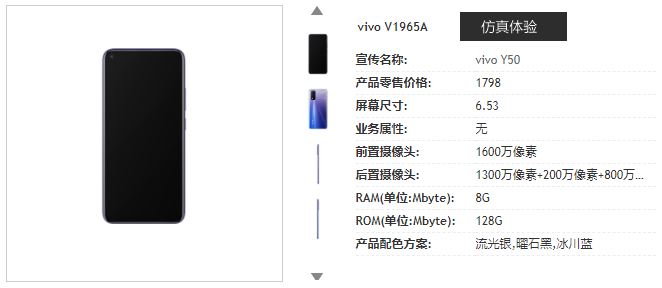
The Vivo Y50 was recently unveiled in Cambodia. The handset that has a model number of V1965A was recently found listed in the database of China’s TENAA telecom authority. The TENAA appearance suggested that it may soon go official in China. Today, the Vivo Y50 has appeared in the product library of China Telecom. The listing has revealed the price tag and release date of the Vivo Y50 for Chinese markets.
Vivo Y50 price and release date in China
In Cambodia, the Vivo Y50 is selling with a price tag of $249. Like the Cambodian model, the Vivo Y50 for China will come in a single version featuring 8 GB of RAM and 128 GB of storage. The handset will possibly arrive in China with a pricing of 1,798 Yuan (~$254).
The Vivo Y50 smartphone is available in Starry Black and Iris Blue hues in Cambodia. China will be receiving the Y50 in three colorways such as Streamer Silver, Obsidian Black and Glacier Blue. The listing further states that it will be hitting the Chinese markets on April 25.
The Vivo Y50 has a punch-hole IPS LCD panel of 6.53 inches that offers full HD+ resolution. The Snapdragon 665 SoC fuels the device. It is backed by a 5,000mAh battery that supports 18W rapid charging through USB-C.
The back panel of the phone has an LED flash assisted quad camera system. It comprises of a 13-megapixel primary lens, an 8-megapixel ultrawide shooter, a 2-megapixel depth assist lens and a 2-megapixel macro sensor. The handset runs on FunTouchOS 10 based Android 10 OS and it has a rear-facing fingerprint scanner.
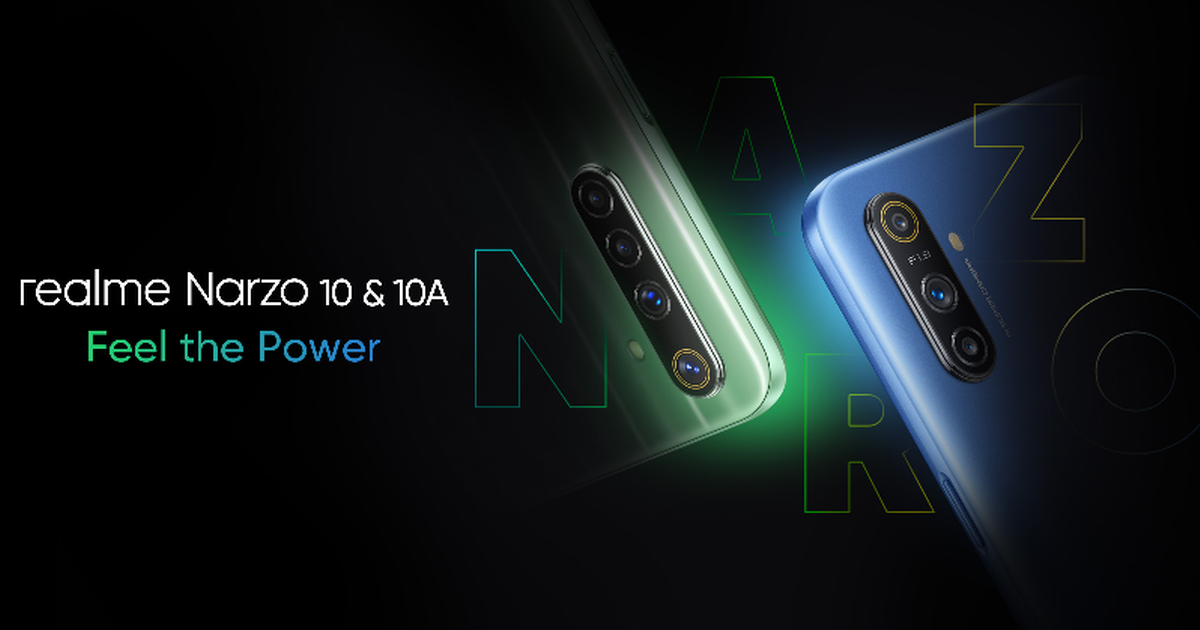
Last month, Realme had confirmed that the company will be hosting a launch event on 26th March to launch its new smartphone series ‘Narzo‘ in the Indian market, comprising of two devices — Narzo 10 and Narzo 10A.
However, just days before the official launch, the event was cancelled by the company as the Indian government imposed nationwide lockdown to curb the spread of coronavirus in the country. The lockdown, which was supposed on end on 14th April, has now been expanded until 3rd May.
Now, it seems that Realme has run out of patience and has scheduled a launch event on 21st April in India at 12:30 PM where the company will launch the upcoming Realme Narzo 10 and Realme Narzo 10A smartphones. The online event will be live streamed by the company on YouTube and Facebook.
Reports indicate that the Narzo 10 is a rebranded version of the Realme 6i that debuted in Myanmar recently, it will be launching in India as the country’s first Helio G80 chipset driven phone.
As per the rumors, the Narzo 10 series will feature 6.5-inch HD+ screen resolution with support for 20:9 aspect ratio and will come with waterdrop notch. The Realme Narzo 10 is said to pack 4GB of RAM, 128GB of native storage, 16-megapixel front camera and 48-megapixel quad camera setup.
On the other hand, the Narzo 10A is said to be a rebranded edition of the Realme C3 phone that debuted in markets like Indonesia and Thailand recently. It will be powered by MediaTek Helio G70 chipset, 4GB of RAM, 64GB of storage, 5-megapixel selfie camera and 12-megapixel triple rear cameras.
However, to know for sure about the specifications and features of these upcoming phones, as well as their pricing and availability details, we’ll have to wait for a few more days for the official launch event to take place.
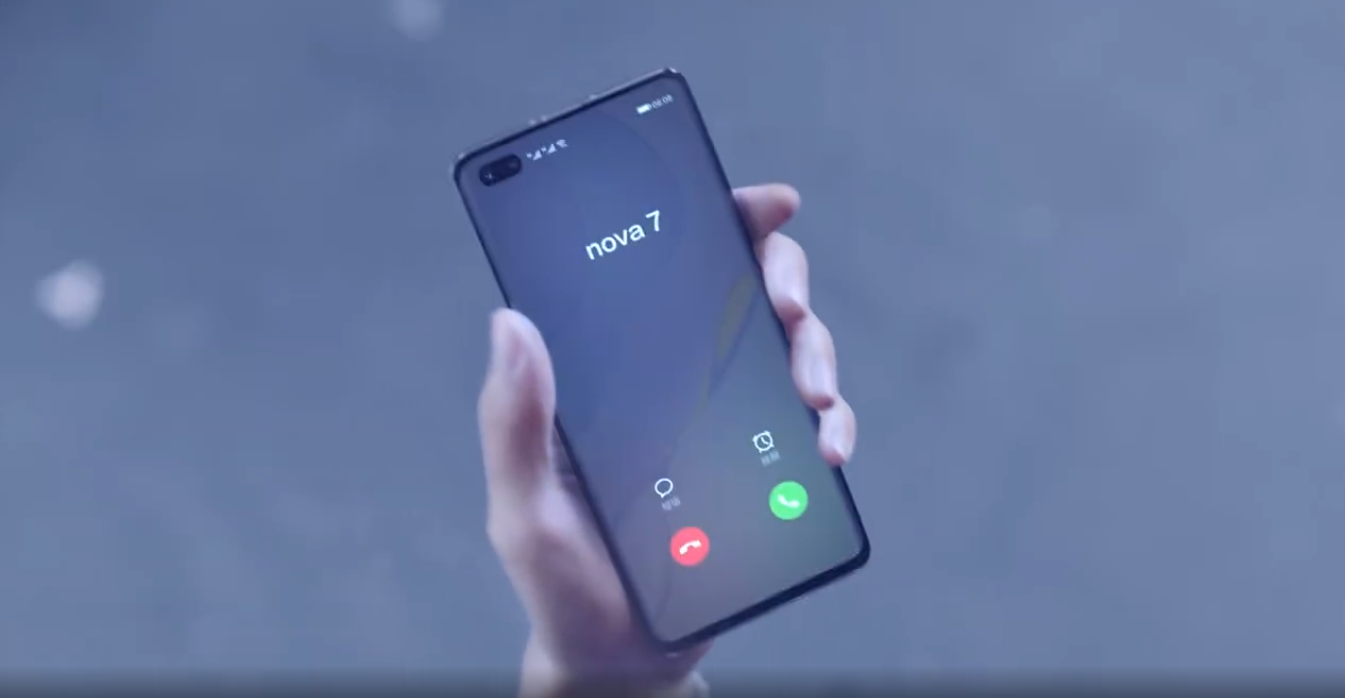
On April 23, Huawei will be taking off covers from the Huawei Nova 7 series that seemingly includes three devices such as Nova 7 SE 5G, Nova 7 5G and Nova 7 Pro 5G. Today, the Chinese manufacturer took to Weibo to share a teaser video of the Nova 7. It showcases the attractive curved display of the smartphone.
The Nova 7 teaser video reveals that it is equipped with a display that marvelously curves towards its left and right edges. It seems to be an OLED display that supports full HD+ resolution. There is a pill-shaped cutout at the upper-left corner of the screen which indicates that the phone will be flaunting dual selfie cameras. It could be featuring an in-display fingerprint sensor.
While the Nova 7 SE is expected to arrive as the starting model in the Nova 7 series, it is unclear whether the handset shown in the teaser video is the Nova 7 or Nova 7 Pro. It is likely that the company may offer a curved display on the Pro model.
A silhouette of the rear design of the smartphone shows that it is equipped with a vertical camera system. A poster of the Nova 7 smartphone that surfaced recently revealed that its quad camera setup includes a periscope zoom lens that will bring support for up to 50x zoom. The Nova 7 could be powered by the Kirin 985 chipset, the Pro model may feature the Kirin 990 5G SoC and the Nova 7 SE could be driven by the Kirin 820 5G.
So far, the rumor mill has only revealed the key specs of the Huawei Nova 7 SE smartphone. The handset is expected to house a 6.5-inch punch-hole IPS LCD panel and it could be featuring a side-mounted fingerprint reader. The rear shell of the phone may have a 64-megapixel primary shooter. The handset is expected to carry support for 22.5W fast charging.
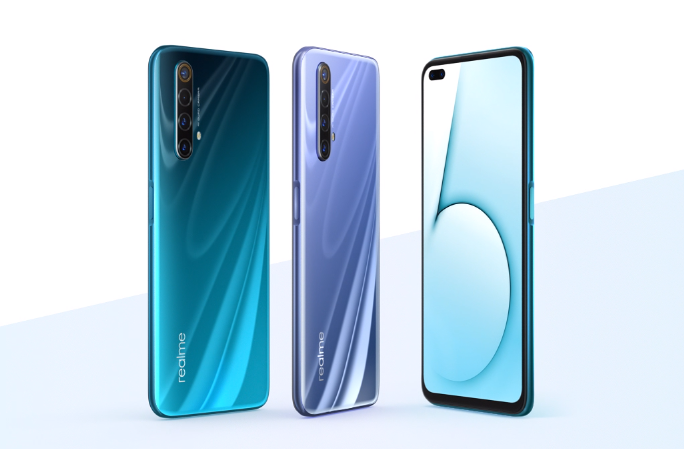
Realme X50 5G smartphone has already been launched in China and now the company seems to be gearing up to launch a watered-down variant of the same device in its home market, dubbed as Realme X50 Youth Edition.
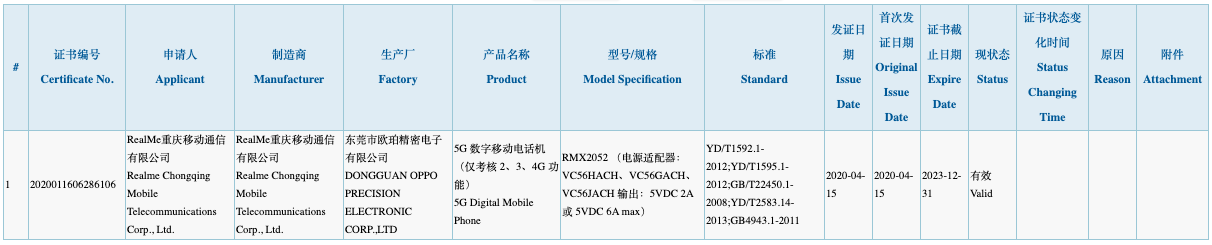
When launched, the X50 Youth Edition or the X50 Lite will be the third smartphone in the lineup after the launch of Realme X50 and X50 Pro. The upcoming Realme X50 Youth Edition has now been spotted on 3C certification website.
The listing shows that the device will come with model number RMX2052 and confirms that the smartphone will come with 5G connectivity support as well as 30W fast charging support. However, nothing much has been revealed about the phone through this listing.
Earlier, it was leaked that the smartphone will come with a 6.55-inch LCD Full HD+ display offering the regular 60Hz refresh rate. Under the hood, the device could come powered by the MediaTek Dimensity 1000 chipset, paired with 8GB of RAM and 128GB of storage.
As for the camera department, rumors suggest that the Realme X50 Youth Edition could be equipped with a quad-camera setup on the back consisting of a 16-megapixel primary sensor, an 8-megapixel wide-angle sensor, a 2-megapixel macro sensor and a 2-megapixel portrait sensor. On the front side, it will be featuring a 32-megapixel snapper.
We are expecting the smartphone to run the latest Android 10 operating system out-of-the-box with ColorOS 7.1 or Realme UI on top. The device is also tipped to pack 5,000mAh battery with 30W VOOC 4.0 fast charging support.
Since the X50 Youth Edition has already passed through certification process, we expect the device to get launched pretty soon. The company could make some kind of announcement regarding this phone or start teasing in the coming days or weeks.
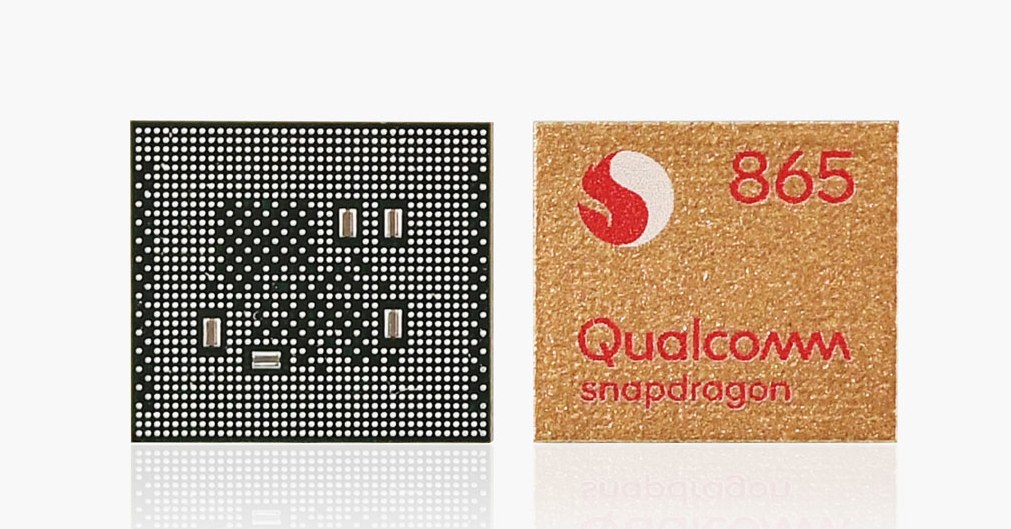
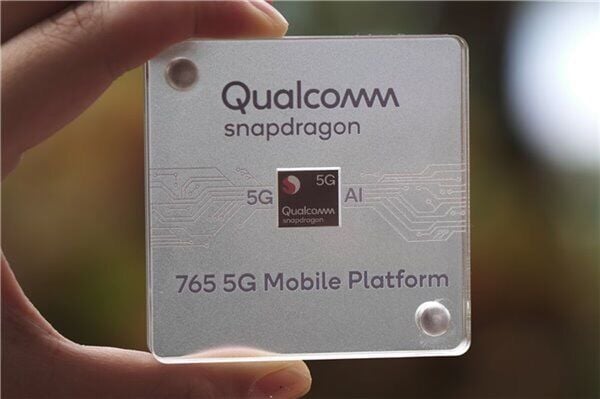
Qualcomm announced the Snapdragon 865 and Snapdragon 765 SoCs in December 2019 at the company’s annual conference called Snapdragon Tech Summit. Now, as they are available on a variety of devices, the San Diego-based company has begun to share the source code of these mobile platforms on the Code Aurora Forum (CAF).
The Snapdragon 865 and Snapdragon 765 are the mainstream chipsets from Qualcomm for the year 2020. These chipsets are capable of offering 5G connectivity to smartphones at the higher-end as well as those in the mid-tier. Just within a quarter, consumers now have various devices that are powered by the above-mentioned chips.
Apart from sharing modified kernels, AOSP framework, and other software tools to its partners (OEMs) as part of Board Support Package (BSP), Qualcomm also distributes certain source code for the community on its Code Aurora Forum (CAF).
Qualcomm publishes CAF releases for all of its chipsets publicly and updates them from time to time. These source code releases contain SoC-specific kernel changes and the AOSP framework for better optimization. Thus, custom ROM developers and users prefer CAF-based ROMs as they are theoretically better optimized and stable compared to AOSP-based ROMs
Now, as CAF sources are out for Snapdragon 865 and Snapdragon 765, we can expect developers to build custom ROMs based on them in the coming days.
A couple of day back, Chinese smartphone maker OnePlus officially launched its latest OnePlus 8 and 8 Pro flagship smartphones. Yesterday, the both the devices were officially unveiled in the company’s home market.
Now, the company has officially released the advertisement of the OnePlus 8 Pro starring its brand ambassador Robert Downey Jr. Just to remind you, Robert Downey Jr. also did an ad for the last-generation flagships — OnePlus 7 Pro as well as OnePlus 7T.
The advertisement for the OnePlus 8 Pro shows off the new features that the company is offering — wireless charging, 5G connectivity support, water and dust resistance. It also highlights the new color options — Green.
The OnePlus 8 Pro features a 6.78-inch Fluid AMOLED display from Samsung, offering 3168 x 1440 pixels screen resolution, 120Hz refresh rate, 240Hz touch sampling rate and HDR10+ support.
Under the hood, the device is powered by the Qualcomm Snapdragon 865 processor along with X55 model for the new-age 5G connectivity support. The device comes with up to 12GB LPDDR5 RAM and 256GB UFS 3.1 internal storage.
As for the camera department, the company has introduced two high-resolution cameras on the Pro variant, one of which is the new IMX689 48MP Sony sensor while second 48MP lens is the IMX586 for ultra-wide-angle shots. It also comes with an 8MP telephoto sensor and a 5MP special color filter sensor.
On the front side, the device features a 16MP selfie punch-hole shooter with f/2.4 apertures respectively. The smartphone runs the latest Android 10 operating system out-of-the-box with the OxygenOS on top.
The device is powered by a 4,510mAh battery with 30W fast charging and 30W Warp Charge 30 Wireless. The company says that it can go from 3 percent to 55 percent in just 30 minutes of wireless charging.
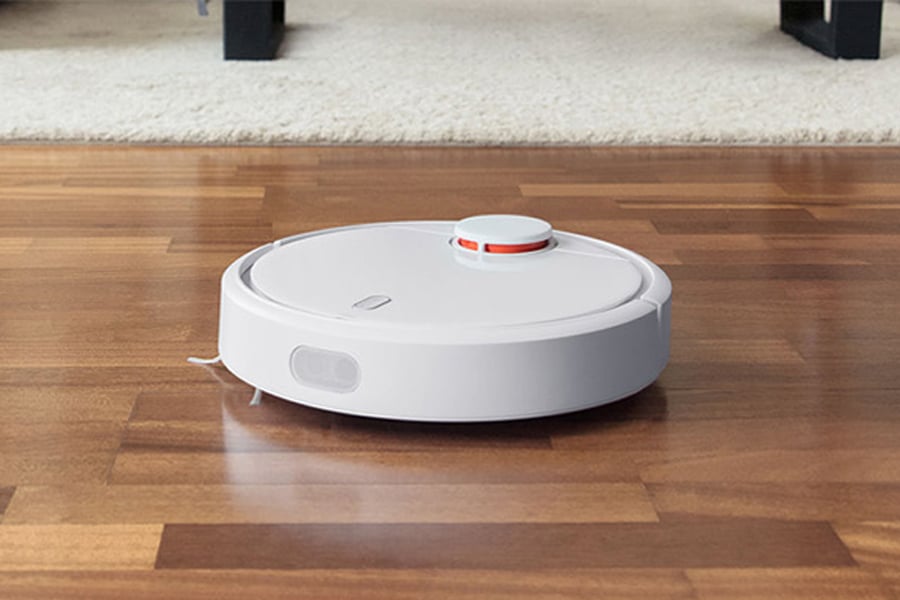
Xiaomi has today officially launched a new product — Mi Robot Vacuum-Mop P, making it yet another product in the company’s growing ecosystem of smart home products in the Indian market.
Mi Robot Vacuum-Mop P, as the name indicates, is a 2-in-1 robovac that can vacuum and mop separately or at the same time. This is the same product that was launched in China last year in August. It is one of the few robovacs in the market which can both vacuum and mop at the same time.
The device, which is manufactured by Xiaomi in partnership with Viomi, comes with 12 different sensors for its smart functioning, including the LDS (laser distance sensor) & IF sensor. The rest of the sensors aid the device with extra functionality like preventing the vacuum falling down the stairs, collide against walls/obstacles/furniture, finding its way back to the dock, stopping when stuck, etc.
The robot vacuum from Xiaomi comes with a Japanese brushless motor that has adjustable air duct design and offers 2100Pa suction.Just like other smart home products from Xiaomi, users can also schedule this one for cleaning of specific rooms at a specified time using the Mi Home app.
As for the battery capacity, it is powered by a 3,200mAh battery and offers from 60 to 130 minutes of cleaning time, which can clean a room of around 180-square-meter. On low battery power, the device will automatically go back to the charging dock to recharge.
Xiaomi is launching the Mi Robot Vacuum-Mop P for a price tag of ₹17,999 in India, which roughly converts to $235. The crowdfunding campaign is now live in India for 30 days with a target of selling 10,000 units. If it’s successful, the company will start shipping the product from 15th September this year.
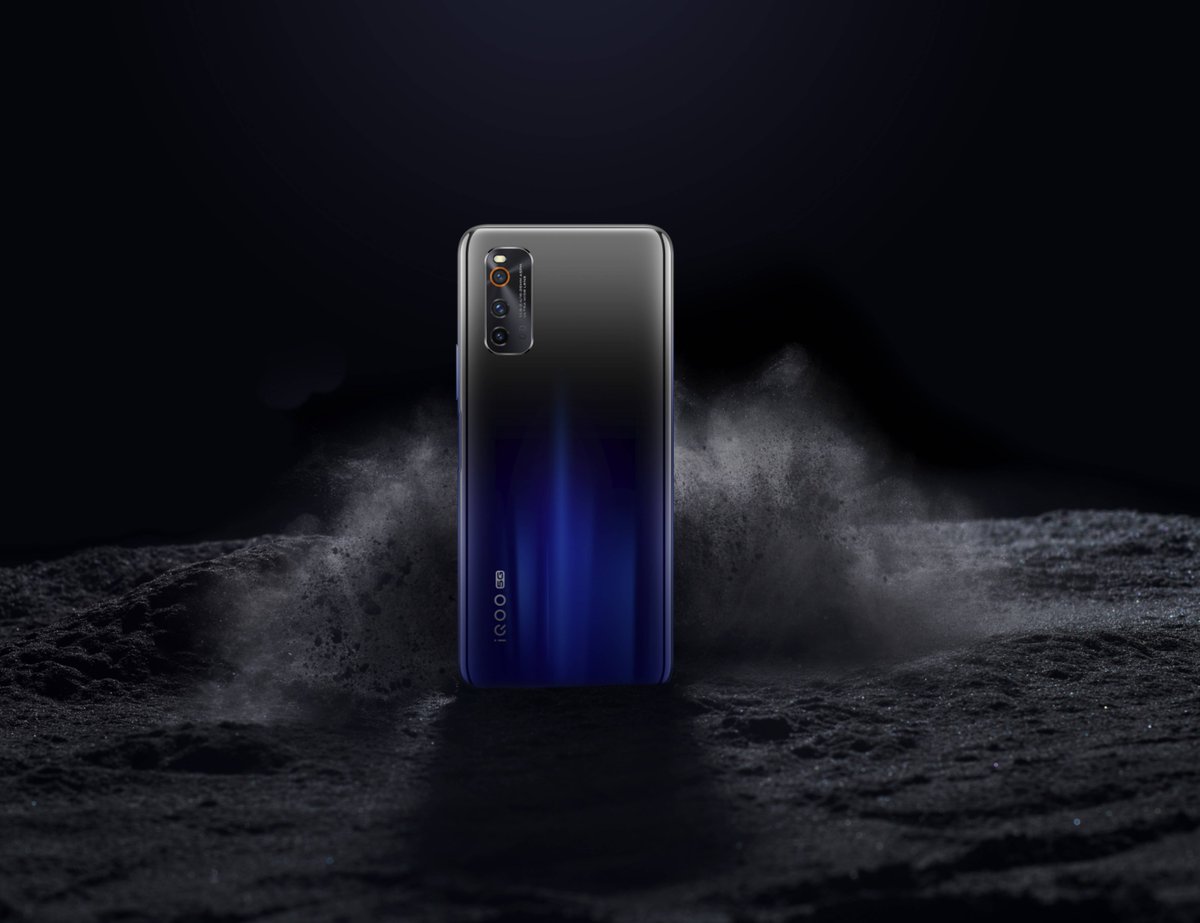
The iQOO Neo3 smartphone is scheduled to go official on April 23. The handset is currently up for reservations in China. Leaked screenshots and the AnTuTu listing of the phone that have surfaced in the recent days have revealed plenty of vital information of the iQOO Neo3. Today, the president of the iQOO brand Feng Yufei shared a new poster through the rear design of the Neo3 has been revealed. Also, the smartphone has received 3C certification in China.
The rear render of the iQOO Neo3 shows that its back panel could be made out of glass. There is a rectangle-shaped camera module at the top-left corner. It houses an LED flash and AI powered triple cameras. One of the lenses in the setup is an ultrawide shooter. Rumors are rife that is equipped with a 48-megapixel primary shooter.
The right edge of the device has a volume rocker which is followed by a side-facing fingerprint scanner. Apart from the black/purple color variant shown in the image, the handset is also expected to arrive in orange color.
Coming to the 3C certification of the iQOO Neo3 5G that has a model number of V1981A, it reveals that it may ship with a charger that can support for 44W rapid charger. The 3C listing has no other information on its specifications. The handset is speculated to arrive with a 4,500mAh battery.
Past repots have revealed that the iQOO Neo3 has a full HD+ resolution supporting IPS LCD panel with punch-hole design. It supports up to 144Hz refresh rate. The Snapdragon 865 mobile platform and it has UFS 3.1 storage. The phone is expected to arrive in China in at least two models such as 6 GB RAM + 128 GB storage and 8 GB RAM + 256 GB storage. The handset is expected to rival with Redmi K30 Pro in China with an enticing starting price of 2,998 Yuan (~$423).
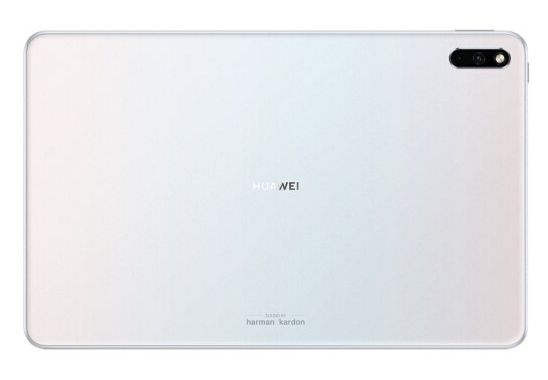
Samsung recently announced the Galaxy Tab S6 Lite as a lighter version for its Snapdragon 855 chipset powered Galaxy Tab S6 flagship tablet. Rival brand Huawei has now unveiled a new tablet called Huawei MatePad 10.4. It is lower version of the MatePad Pro 5G tablet that is driven by the Kirin 990 5G chipset. The MatePad 10.4 comes with an impressive large-sized display and it is fueled by the Kirin 810 chipset. The pre-orders for the new tablet from Huawei have started on Vmall.
Huawei MatePad 10.4 specifications
Based on previous reports, it can be said that the Huawei MatePad 10.4 is equipped with an IPS LCD panel that produces 1200 x 200 pixels resolution. The Kirin 810 chipset is present under the hood of the device. The tablet comes with up to 6 GB of RAM and built-in storage of up to 128 GB.
The Huawei MatePad 10.4 draws power from a 7,250mAh capacity battery and weighs 450 grams. The device is fitted with four speakers. Its front and rear sides are flanked with 8-megapixel cameras. It carries support for Bluetooth keyboard and M Pens stylus. The MatePad 10.4 comes preinstalled with EMUI 10.1 based Android 10 OS.
The MatePad 10.4 is now up for pre-orders in China with a nominal deposit amount of 100 Yuan (~$14). The Chinese firm will be launching it on April 23 and its first sale will be carried out on April 26.
The tablet will be available in Wi-Fi only editions such as 4 GB RAM + 64 GB storage and 6 GB RAM + 128 GB storage. There is a 4G edition that comes with 6 GB RAM + 128 GB storage. The pricing of the MatePad 10.4 variants are currently under the wraps. It will be available in a single color of Fritillary White.
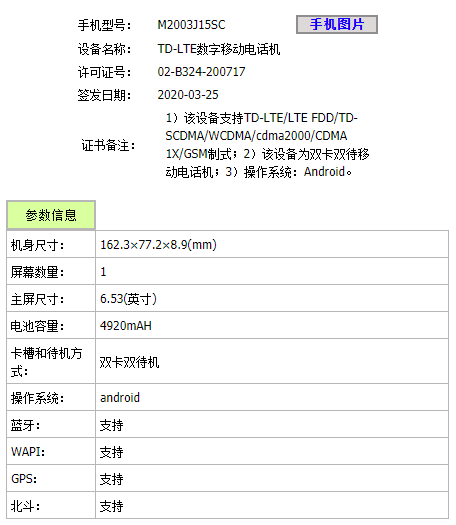
A mystery Redmi phone with model number M2003J15SC has appeared on TENAA. The TENAA listing of the phone currently carries minimum details such as dimensions, screen size and battery capacity. At the same time, a reliable tipster from China took to Weibo to share additional details of the same smartphone.
The TENAA appearance of the Redmi M2003J15SC 4G smartphone has revealed that its dimensions are 162.3 x 77.2 x 8.9mm. It is fitted with a 6.53-inch display and it houses a minimum rated battery of 4,920mAh capacity. The images of the smartphone are not yet available on TENAA.
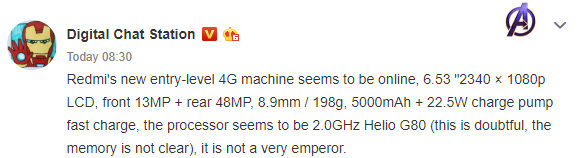
Information leaked by the Chinese tipster reveals that the Redmi M2003J15SC has a 6.53-inch display which produces full HD+ resolution of 1080 x 2340 pixels. The typical size of its battery is 5,000mAh capacity and it weighs 189 grams. The 3C appearance of the M2003J15SC smartphone had revealed that it may ship with a charger that supports up to 22.5W fast charging.
The Redmi M2003J15SC is fueled by 2.0GHz octa-core processor. The tipster has speculated that it could be featuring the Helio G80 chipset by MediaTek. He did not share any details on the RAM and storage capacities of the Redmi M2003J15SC smartphone.
For capturing selfies, the Redmi M2003J15SC possesses a front camera of 13-megapixel. It is unclear whether the phone is equipped with a dual or triple or quadruple camera setup on its back. What’s known is that the setup includes a primary shooter of 48-megapixel. There is no word on the pricing of the Redmi M2003J15SC smartphone.
Xiaomi had recently launched Redmi Note 9 series of smartphones in India. The new M2003J15SC phone does not belong to the Redmi Note 9 lineup. There is a possibility that it could be a Redmi 9 series device. It is recommended to wait for newer reports to appear to confirm on the identity of M2003J15SC.
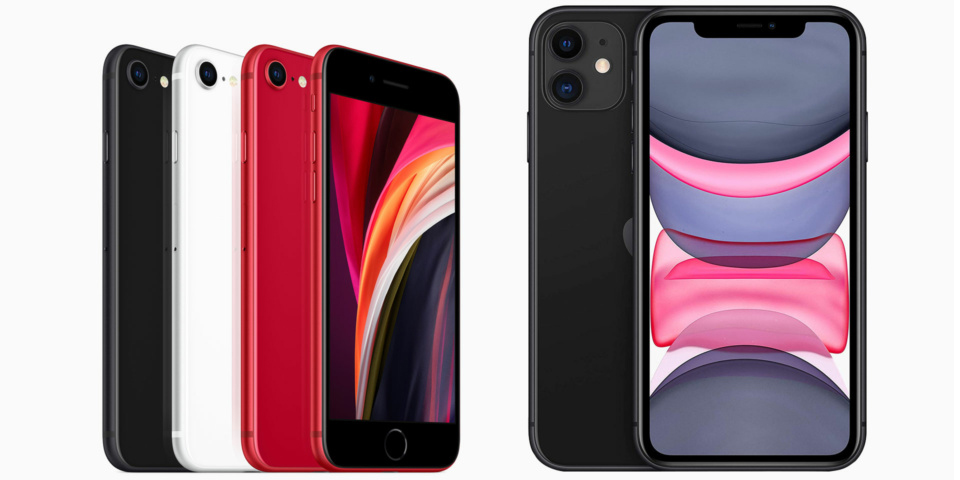
The new affordable iPhone is finally official: it has the same design as the old iPhone 8, but it packs improved specifications in a very compact body. But if you need an affordable iPhone, the iPhone SE 2020 is not the only option out there among the last-generation Apple devices. There is another interesting option: the best-selling iPhone 11, which is the successor of the iPhone XR. It is more expensive than iPhone SE 2020, but it is currently available with very interesting street prices. Should you spend a bit more for the 11 or the iPhone SE 2020 is enough for all of your needs? This specs comparison will clear your ideas in regards.
Apple iPhone SE 2020 vs Apple iPhone 11
Apple iPhone SE 2020
Apple iPhone 11
DIMENSIONS AND WEIGHT
138.4 x 67.3 x 7.3 mm,
148 grams
150.9 x 75.7 x 8.3 mm,
194 grams
DISPLAY
4.7 inches, 750 x 1334p (Retina HD), Retina IPS LCD
Dual 12 + 12 MP f/1.8 + f/2.4
Dual 12 MP + SL 3D f/2.2 front camera
BATTERY
1821 mAh, fast charging 18W, wireless charging Qi
3110 mAh, Fast Charging 18W, wireless charging Qi
ADDITIONAL FEATURES
IP67 water resistant, eSIM
IP68 waterproof, eSIM
Design
iPhone SE 2020 is the most compact last-generation flagship in the whole mainstream smartphone market. But its design is outdated: as we mentioned above, the device has the same aesthetics as the iPhone 8 released back in 2017. There are thick bezels around the display and Touch ID came back, replacing Face ID. But the device is still made of premium materials, including a glass back and an aluminum frame. Further, it is a water resistant smartphone with the IP67 certification. The iPhone 11 has bigger dimensions, but its design is definitely more attractive. The reason is the presence of a borderless display with narrow bezels. iPhone 11 also comes with better protection against water: it has the IP68 certification (up to 2 meters deep for max 30 minutes).
Display
The size is the most important difference between the displays of iPhone SE 2020 and iPhone 11. The iPhone SE 2020 has a display diagonal of just 4.7 inches, so it is not the most suitable device for advanced users and productivity. On the other hand, it is easier for one-handed use and it fits better in a pocket. If we talk about the quality of the display, besides having a wider 6.1-inch diagonal, iPhone 11 provides a more convincing image quality. It even comes with a more reactive touch thanks to a 120 Hz touch-sampling rate. But keep in mind that the differences between the image quality of these displays are not huge.
Specs & Software
Despite it is a way more affordable device than all the other last-generation iPhones, the iPhone SE 2020 has exactly the same chipset as the iPhone 11 lineup. This means that it is able to provide similar performances. The operating system is the same on both the devices (iOS 13 out of the box), and even the internal storage is the same: they both come in configurations with 64, 128 or 256 GB. There is only a single difference in the hardware department: iPhone 11 offers an additional gig of RAM. While iPhone SE 2020 has 3 GB of RAM, the iPhone 11 sports 4 GB of RAM for better multi tasking performances. But one single gig of RAM on iOS 13 is not a very noticeable difference in terms of overall performance.
Camera
On the rear side, the iPhone SE 2020 has just a single camera with a 12 MP resolution, but it is a great camera and it supports OIS. It is even able to calculate depth info by taking advantage of machine learning, without the need for a secondary depth sensor. The iPhone 11 adds a useful 12 MP ultrawide lens on the rear side, for a total of two cameras. And unlike the SE 2020 sporting a dual-LED flash, the 11 has a quad-LED flash. Besides a better rear camera department, the iPhone 11 also comes with a better front camera: a 12 MP sensor accompanied by an SL 3D sensor that enables Face ID.
iPhone 11 has a much bigger battery than iPhone SE 2020 (3110 mAh vs 1821 mAh) and it is able to provide a way longer battery life. The battery life of the iPhone 11 is very satisfying, it is not a battery phone but it can last more than one working day with most of the usage patterns. iPhone SE 2020 debuted yesterday, so we had no chance to test its battery life.
Price
iPhone 11 is priced $699 (€799 in Europe) in its base variant, while iPhone SE 2020 starts from just $399 (€499 in Europe). The iPhone 11 is a way better smartphone, but if you do not need above-average battery life, the most modern design, a wide display, and an ultrawide camera, there are no noticeable differences that justify the price difference between the two handsets. iPhone SE 2020 is a great alternative for the price, even though you can get better specifications with several Android phones in the same price range. But you would never get iOS nor that compact body.
Apple iPhone SE 2020 vs Apple iPhone 11: PRO and CONS
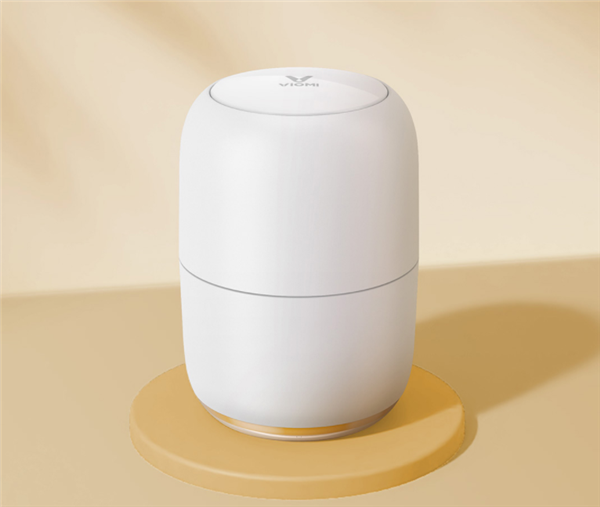
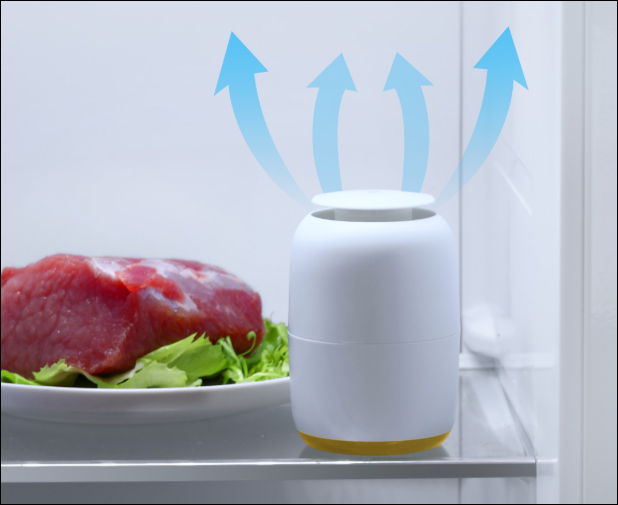
The Youpin crowdfunding platform has played host to yet another product from Xiaomi‘s ecological chain company Viomi. The Viomi Deodorizer and Sterilizer adopt a crowdfunding price of just 59 yuan (~$8).
The device is said to have the capability to actively release safe Chlorine dioxide (ClO2) sterilization gas. The vapour can effectively eliminate common bacteria in the refrigerator such as E. coli, Listeria, Salmonella, Staphylococcus aureus, etc. It is effective up to 99.999% against these microbes. Thus, it can help prolong the fresh storage cycle.
In case you don’t know what it is, Chlorine dioxide (ClO2) is a safe disinfectant approved by the World Health Organization (WHO). The compound consists of one chlorine atom and two oxygen atoms. It is used for a variety of antimicrobial uses, including the disinfection of drinking water. It is a common material for food disinfection, sterilization in public environments, and preservation. It is safe for the elderly, children or pets at home.
Compared with disinfection liquid and disinfection powder, Viomi Deodorizer and Sterilizer has a wider range of uses. It can be placed in wardrobes, shoe cabinets, kitchen cabinets, refrigerators and other locations. It not only eliminates bacteria in the enclosed area but also eliminates musty and odour. It equally eliminates the various odours caused by the deterioration of ingredients, such as rotten eggs, rotten vegetables, fish odour, carrion, etc.
The machine adopts a stylish design and doesn’t require electricity. The product works with the Chlorine Oxide gel which brownish-yellow in colour and the gas is circulated via convection. However, as it is used, the gel changes colour to white over time. The white colour is an indication that the gel needs to be replaced. The lid can be closed when not in use in order to prolong the usage.
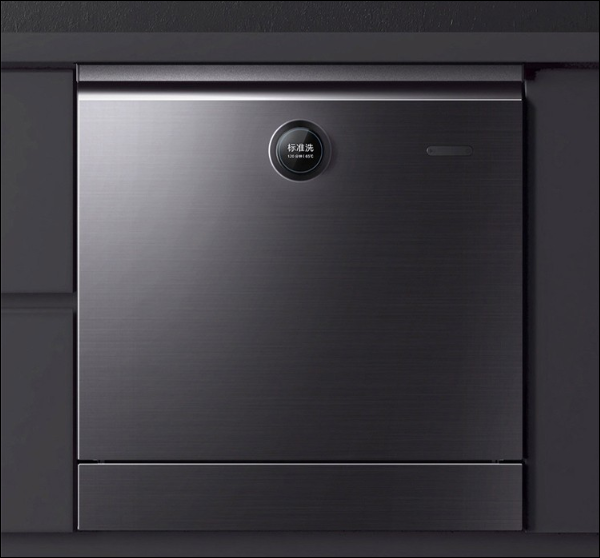
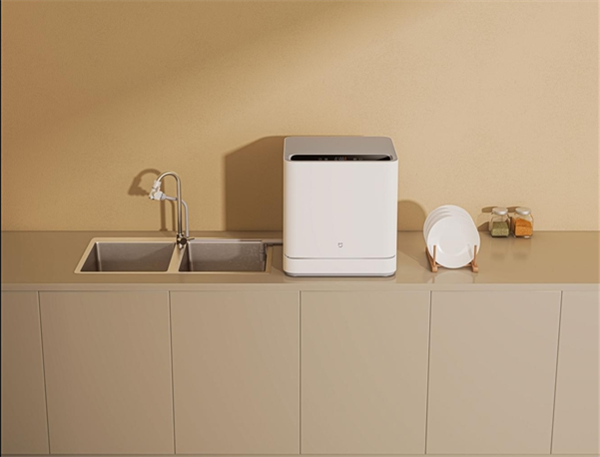
Xiaomi has launched the MIJIA Internet Dishwasher available in 4 sets and 8 sets models. The two models differ in size and prices with the four-set model retailing for 1,299 yuan (around $183) while the 8 set model has a price tag of 2,299 yuan (~$324).
The 8 sets Mijia Internet dishwasher is designed with 8 spray arms. It is equipped with a top spray structure which is unique to high-end models. The spray arms feature 28 outlet holes and 13 outlet angles. This design forms a 360-degree mesh waterway interlaced with each other, covering the dishes in the compartment from all directions.
The bigger model equally has a large liner of 500 (width) × 450 (deep) × 450 (height) mm, and can hold about 64 pieces of tableware. Each dish can be put into the dishwasher for pre-washing. At the end of the day, all the dishes used can then be washed at once. Thus, you only need to wash the dishes once a day, saving time, water and electricity.
Unlike the button panel design of traditional dishwashers, it uses a very simple OLED knob, which can easily control 9 washing modes, one turn and one press, and convenient operation. In the energy-saving washing mode, the single washing water consumption is as low as 9.3L, and the power consumption is as low as 0.75kW / h.
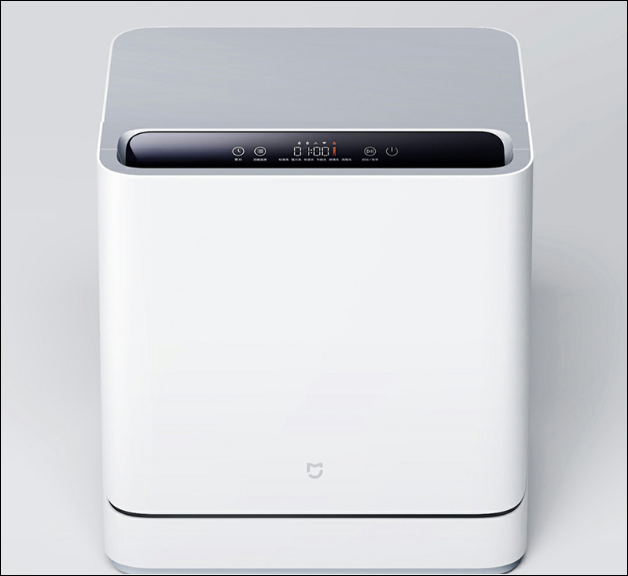
The second version is a portable, countertop dishwasher specially designed with washing and disinfection functions for maternal and child use scenarios. It comes with 6 kinds of refined washing modes, supports high-temperature sterilization at 75 ℃, with sterilization rate as high as 99.99%. It is equipped with a fan blower which dries the tableware, reducing the growth of bacteria.
The Mijia Internet Dishwasher 4 sets can be installed quickly and independently, no need to plan for where the dishwasher will be kept in the kitchen or water inlet in advance. It is equipped with a patented three-way valve, equipped with a variety of adapters of different sizes and shapes, and adapts to a variety of faucets. It can be installed directly on the tap in the home without affecting the use of daily tap water. The portable dishwasher can take 32 pieces of tableware at a time. It adopts top spray + down spray double-layer spray arm design. The 16 flushing ports spray at the same time and rotate alternately. There is no dead angle as it flushes from up, down, left and right, as well as front and back directions. With strong water pressure of 11000Pa, tableware cleaning is more thorough. It also supports voice control via the MIJIA app.
As for the availability, both models are available on Jingdong (JD.com).
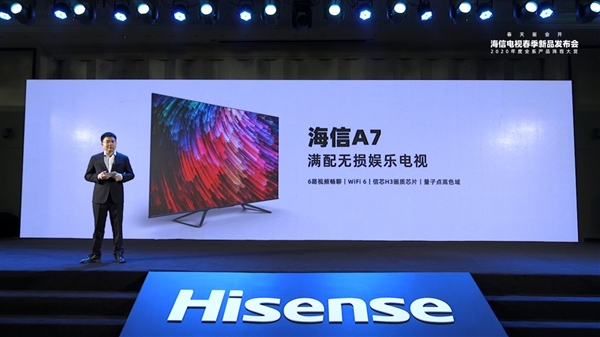
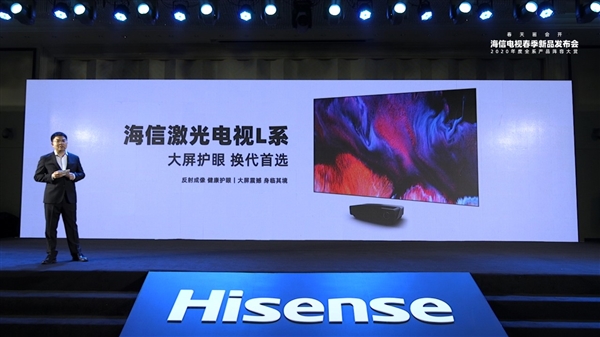
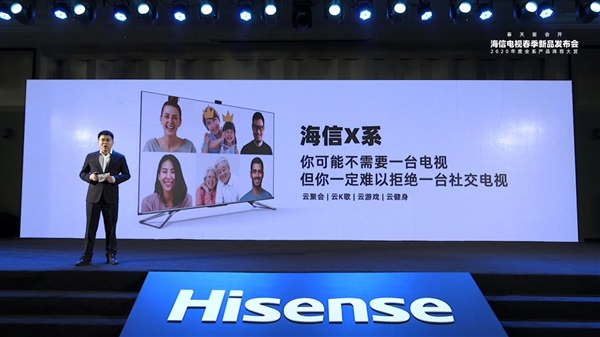
Hisense TV today held a product launch conference in China where it released several smart TV models under four different series. The Chinese company unveiled a new L series of laser TVs, U series of super-quality TVs, models under the X series were also announced. The A series said to be made of AI TVs were also unveiled. In total Hisense unveiled over 30 products under the four different series, including more than 10 large-screen TVs above 75 inches.
Among the products, the Hisense A7F smart TV was unveiled as China’s first TV to support the new Wi-Fi 6 wireless network connectivity. The speed is said to be 2.7 times that of the previous generation Wi-Fi 5. This will no doubt deliver seamless video and audio streaming without any disruption or drop n sound quality.
In addition, the new Hisense A7F smart TV is equipped with a star-level camera that supports high-bandwidth six-channel video, AI fitness personal education, AR HD magic mirror and other functions.
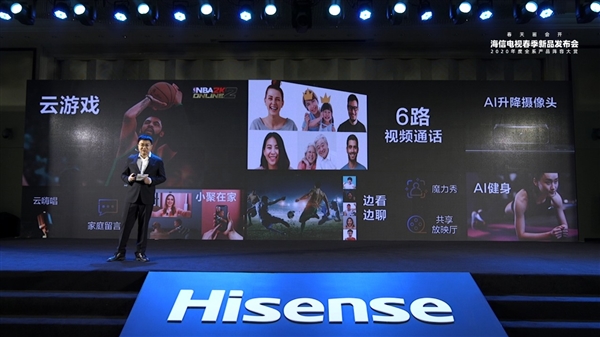
The new X series equally comes with AI technology and comes with features such as multi-channel video calling, cloud fitness, and cloud karaoke, an industry first for the Hisense TV. The smart TV also features Tencent START cloud game service. Tencent Games and NVIDIA in December 2019 announced a collaboration to bring PC gaming in the cloud to China. NVIDIA’s GPU technology will power Tencent Games’ START cloud gaming service, which began testing earlier this year. START gives gamers access to AAA games on underpowered devices anytime, anywhere. The service currently supports popular games such as NBA2K Online 2, FIFA Online 4.
Eleven smart TV models were unveiled under the U series, all equipped with Hisense’s unique image quality chip and AI image quality adjustment technology. Among them, the flagship U9 of 75-inch and 85-inch features 8K HDR super-quality images.
The U8 series mainly features a zero-frame full-screen design with a screen ratio close to 99% and 4K HDR. It also features the self-developed Xinxin H3 image quality chips.
The U7 series is tailor-made for sports and gaming enthusiasts, equipped with 100-level zone light control technology, supports 4K HDR, 120Hz high refresh rate, and HDMI 2.1 interface. It also supports 4K 120Hz signal input, VRR professional game mode.
The largest smart TV is the 88-inch full-screen Hisense laser TV which pioneers the cellular bionic screen sound technology. The technology is said to be equivalent to collecting 100,000-level sound units in the 88-inch screen space, allowing the TV to display a stereo sound field without speakers.
The pricing and availability of the models are yet to be disclosed as at the time of reporting.
We use cookies on our website to give you the most relevant experience by remembering your preferences and repeat visits. By clicking “Accept”, you consent to the use of ALL the cookies.
This website uses cookies to improve your experience while you navigate through the website. Out of these, the cookies that are categorized as necessary are stored on your browser as they are essential for the working of basic functionalities of the website. We also use third-party cookies that help us analyze and understand how you use this website. These cookies will be stored in your browser only with your consent. You also have the option to opt-out of these cookies. But opting out of some of these cookies may affect your browsing experience.
Necessary cookies are absolutely essential for the website to function properly. This category only includes cookies that ensures basic functionalities and security features of the website. These cookies do not store any personal information.
Any cookies that may not be particularly necessary for the website to function and is used specifically to collect user personal data via analytics, ads, other embedded contents are termed as non-necessary cookies. It is mandatory to procure user consent prior to running these cookies on your website.