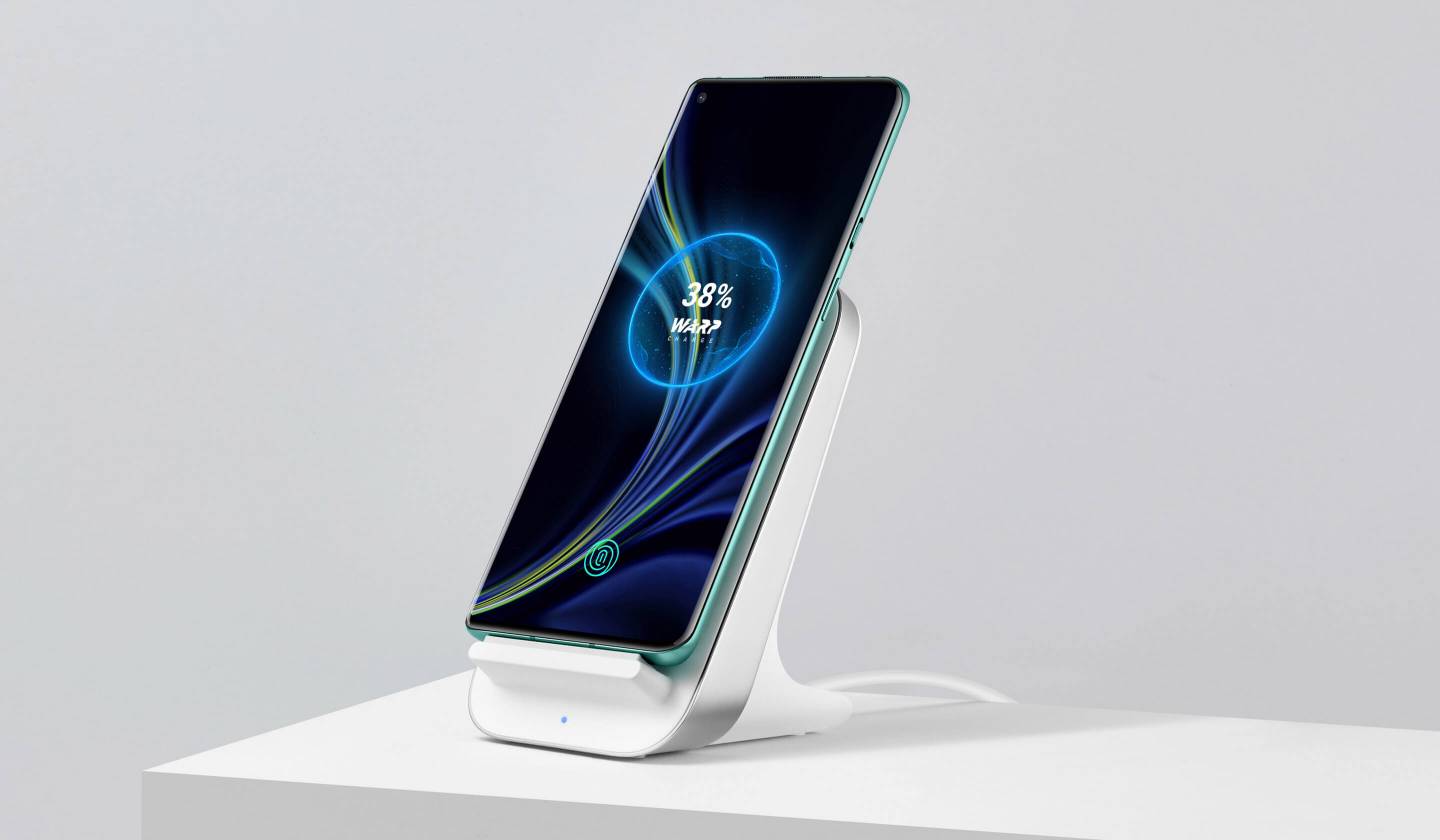
The OnePlus 8 Pro is OnePlus’s first phone with support for wireless charging and with it comes their first wireless charger. The OnePlus Warp Charge 30 Wireless Charger has a vertically-standing design which means your phone is propped up while charging.
The charger is capable of charging the OnePlus 8 Pro from 0 to 50% in just 29 minutes. It also has support for other devices with Qi/EPP compatibility, charging them at up to 10W (5W and 7.5W supported too). Unfortunately, the wireless charger has a massive design flaw that will make it really annoying to use.
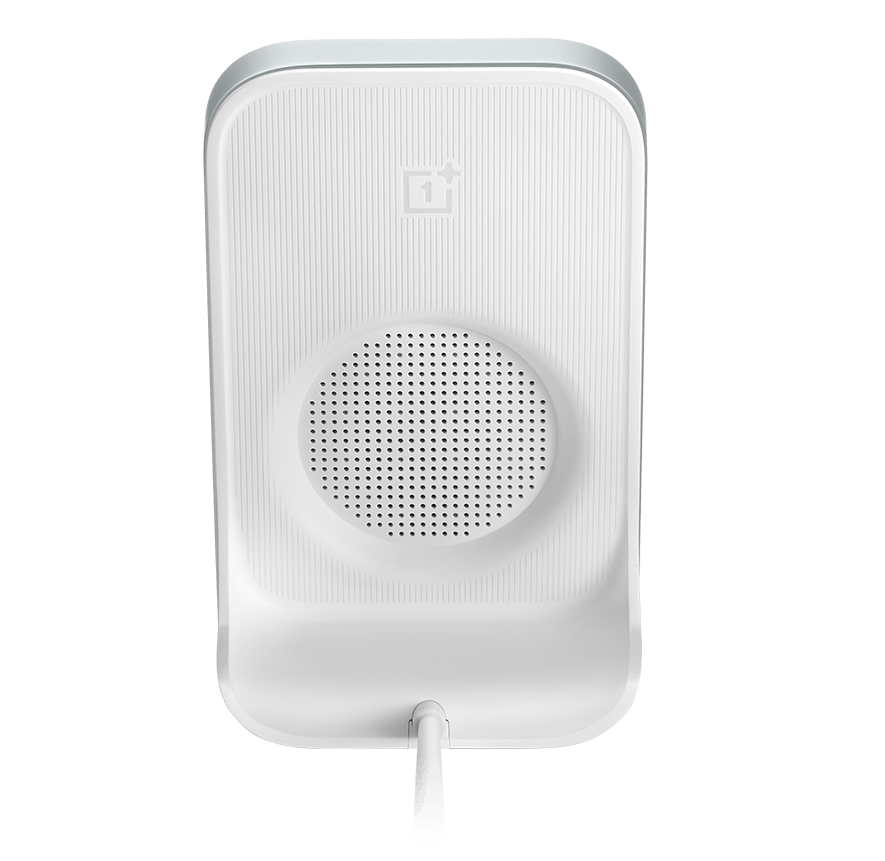
OnePlus has designed the charger in such a way that the cable that connects the charger to the adapter is not removable. What this means is that you can’t detach the adapter from the rest of the body.
You may be wondering why anyone will want to do so but if you need to pass the cable through the cable hole which most desks have, you can’t. The adapter is too big to pass through which means your attempt at cable management just went out the window. The image below shared on Twitter by Ron Amadeo of Ars Technica should help you better understand.
This big ass power brick isn't going to fit through any wire management holes you might have in a desk or something.
For a company that hammers on design, this was poorly thought out.
If you do not mind the design flaw, you can grab the OnePlus Warp Charge 30 Wireless Charger for $69.95 on top of the $899/$999 you are paying for the phone. It has a built-in fan and also has a customizable bedtime mode that charges the phone at 10W rather than 30W. It also has foreign object detection, overheating protection, overcurrent protection, and overvoltage protection.
OnePlus is well-known for its OxygenOS Android skin apart from the great hardware it makes. The company’s phones come with OnePlus Launcher as default. Recently, the brand updated it to version 4.4.2, which brings a revamped app switcher view to improve the overall experience.
Previously, the app switcher on Android used to be a core feature of the operating system. Hence, if an OEM wants to tweak it, they had to release an OTA update. It is still the same with heavy-skinned Android skins like MIUI, EMUI, and ColorOS to name a few.
But the phones running near-stock Android 10 like OxygenOS simply require a launcher app update from the Google Play Store to bring changes. That’s what OnePlus has done with the OnePlus Launcher v4.4.2 as the app switcher is now part of the device’s launcher rather than the core software as earlier.
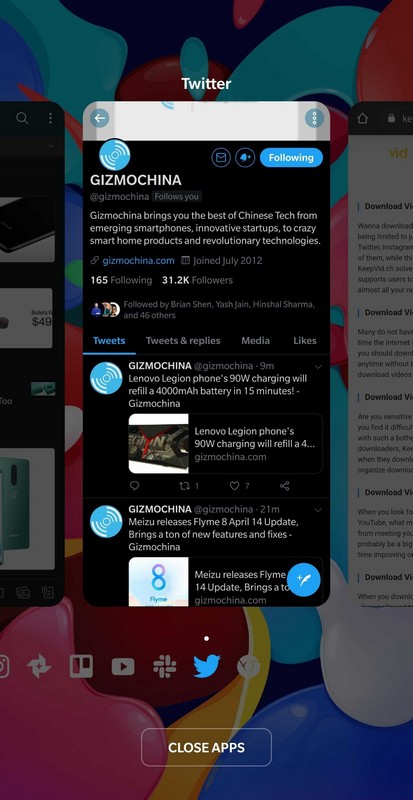
The icons for the apps are now at the bottom for easy reach
The new update changes the overall look of the app switcher on OnePlus smartphones running OxygenOS 10. The running apps now have their icons below them for better clarity with their names at the top. Also, there is a new ‘CLOSE APPS’ button replacing the old circular icon with a cross. Further, the user has to now long press on the desired app to access the menu for multi-window and pinning as the three-dot menu has been removed.
If you are an OnePlus user, then make sure to update the OnePlus Launcher to v4.4.2 from the Google Play Store to experience the new changes.
I am going to be honest with you guys. The only thing I can afford right now from all the products OnePlus announced today is the Bullets Wireless Z Bluetooth earphones. I am sure that is the same for a lot of you reading this too.
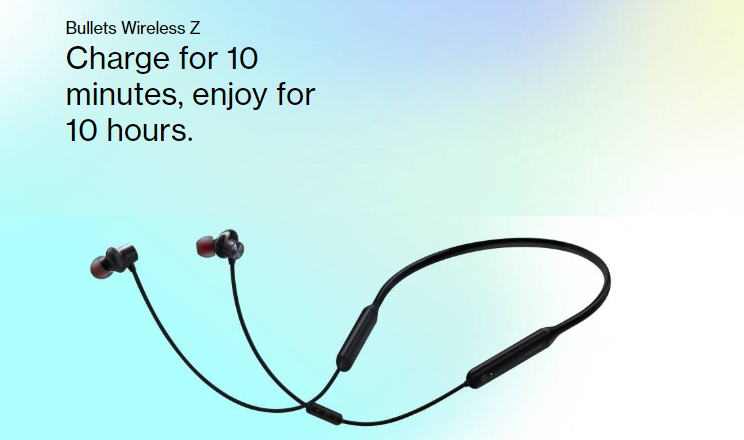
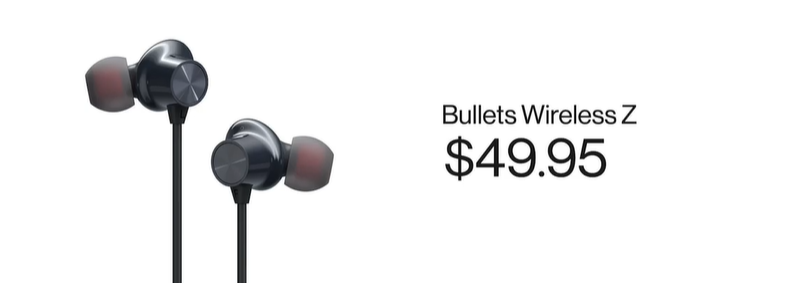
The OnePlus Bullets Wireless Z is OnePlus’ latest wireless earphones. It keeps the design of the OnePlus Bullets Wireless 2 and brings some of its features but for half the price.
The earbuds which have an IP55 rating boast a battery life of 20 hours; six hours more than that of the Bullets Wireless 2. It also supports Warp Charge via USB Type-C, allowing you to listen for 10 hours after charging for just 10 minutes.
The in-ear earbuds have an in-line remote for answering calls, controlling music playback, and calling up the voice assistant. It connects via Bluetooth 5.0 and has a Bluetooth range of 10 meters.
The OnePlus Bullets Wireless Z supports easy pairing and can be connected to more than one device with support for easy switching. The earbuds also have magnetic control, so you can stick the earbuds together to pause what you are listening to and vice versa.
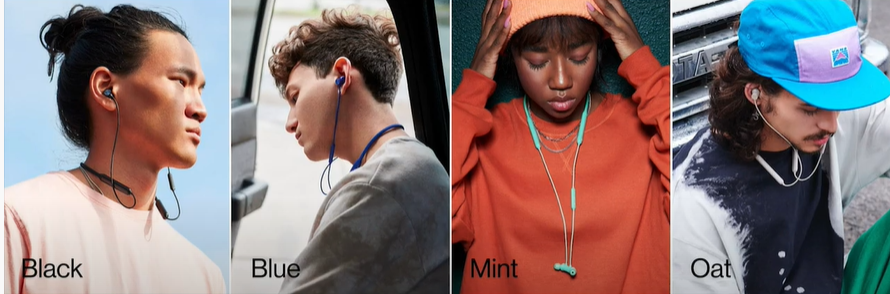
OnePlus has put a price tag of $49.95 on the Bullets Wireless Z and it comes in Black, Blue, Mint, and Oat. However, if you purchase the OnePlus 8 series on launch day (April 15 for the US), you get a free pair.
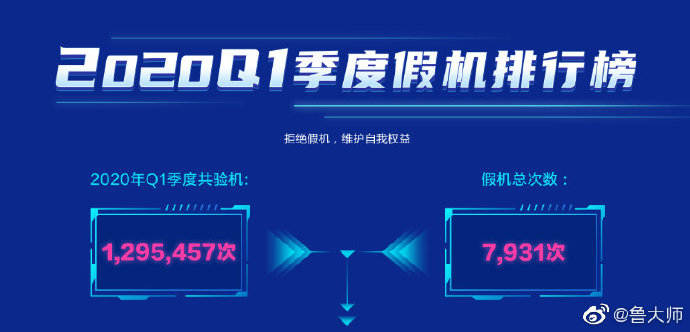
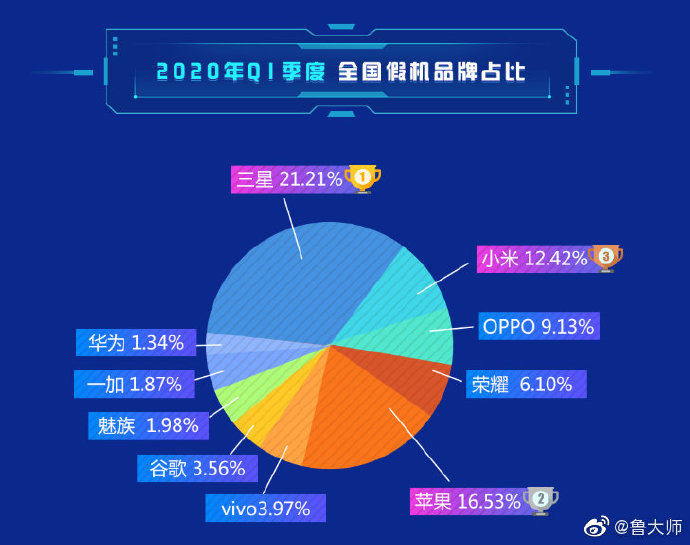
Chinese benchmarking outfit Master Lu has released its ranking of the most-faked smartphones in Q1 2020. Since the data is based on benchmark app appearance, we really didn’t expect the data to change significantly from that of the last quarter of 2019.
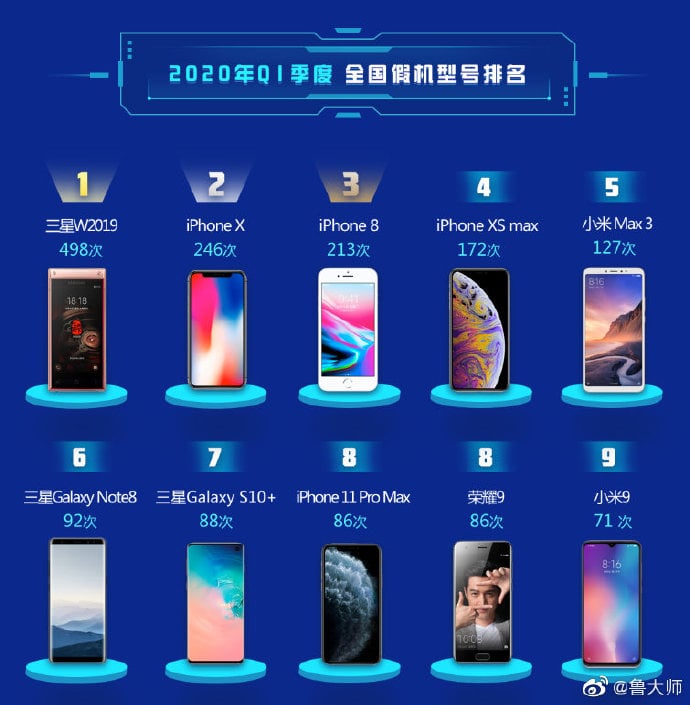
Worthy of note is the fact that most of the faked models in the top 9 listed are Samsung and Apple models with Xiaomi making the cut with a few models. The benchmark app detects underlying details that you cannot read from the “about phone” menu. As seen on the chart above, a total of 1,295,457 inspections were carried out in Q1 2020, of which the total number of fake phones reached 7,931 units.
The top five models on the list are; Samsung W2019, iPhone X, iPhone 8, iPhone XS Max and Xiaomi Mi Max 3. Samsung W2019 is the most-faked model with 498 units detected although we can’t tell if the app detects if a single device runs through it several times. Fake iPhone X models were detected 246 times, iPhone 8 213 times, iPhone XS Max 172 times, and Xiaomi Mi Max 3 was detected 127 times. It is also noteworthy that the Mi Max 3 is the only mid-range model in the top 5.
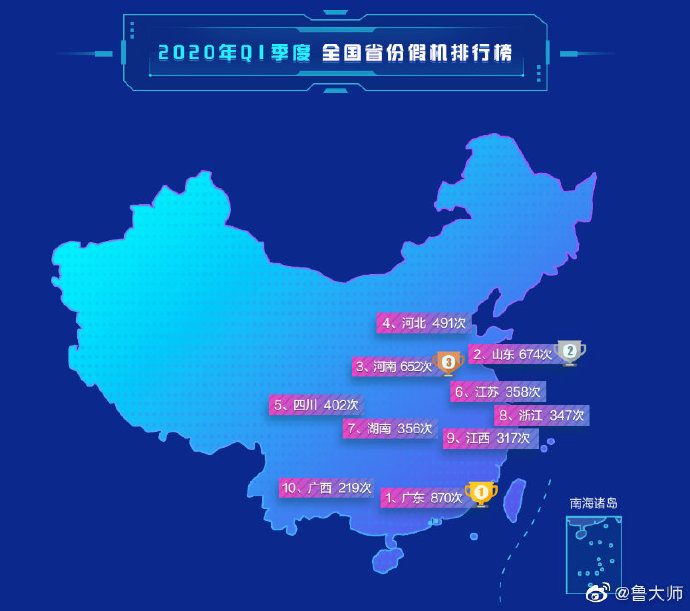
In terms of regional spread, the Chinese provinces with the highest number of counterfeit models in descending order include; Guangdong, Shandong, Henan, Hebei, Sichuan, Jiangsu, Hunan, Zhejiang, Jiangxi, and Guangxi.
Meizu has released a new update for its Flyme 8 Android skin. The company is calling it April 14 update and a number of its devices are eligible for it. The update brings lots of new additions along with fixes for the old issues.
The new Flyme 8 April 14 update adds a number of features to the already feature-rich mobile software by Meizu. You can check out all of them in the official changelog provided by the company. Some of the interesting ones include dynamic wallpaper, improved emojis, custom vibration intensity, and others. The update also brings fixes for bugs from the previous version of the software.
Here’s the official changelog for Flyme 8 April 14 update (translated from Chinese).
Sogou input method Meizu version
Rich emoji expressions, while enhancing input association and candidate word display, enjoy chatting without fear of embarrassment
Customize the vibration intensity of the keys to enjoy the input
Path: Input method -> Button feedback
The clipboard supports storing 100 pieces of data, easily responding to text transfer between different applications
The keyboard supports searching and sending of emoticon packages. Movies and TV, cute pets, and secondary elements are all available.
More optimizations: Support up / down input symbols under Pinyin full keyboard, remove the full-screen mobile phone keyboard lifting process
Dynamic wallpaper
Drawing inspiration from the natural surging of rivers, lakes and lakes, the deep mood and the soothing animation will make you do n’t worry
Path: Settings -> Theme and Wallpaper -> Wallpaper -> Live Wallpaper
Puzzle
Some puzzle posters support custom text, easily record the picture story and mood at the moment, the memories are more full
System
Automatically switch to a mobile data network when connecting to a public wireless network to avoid data leakage and hidden property risks
Users of the above-mentioned devices can already install the new Flyme 8 April 14 update. However, they will have to do it manually as they are in the beta stage as of now. Anyway, we expect the company to soon roll out the update in stable version to all the users in the coming days.
OUKITEL is expected to launch its next smartphone, the C18 Pro in the coming days. To be precise, on April 20th for $149. Until then, the company has been teasing one or another about the device and its features so far. As such, a new video is out on YouTube in which the company shares some camera samples output by the supposed macro sensor of the OUKITEL C18 Pro.
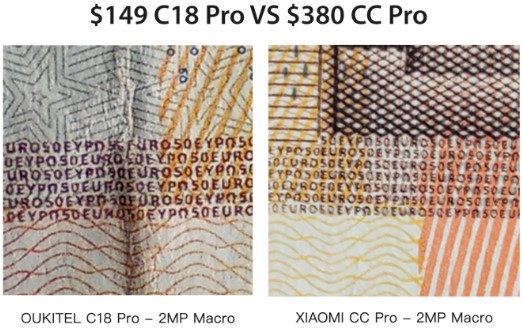
The OUKITEL C18 Pro is a budget smartphone as you can deduce from the price tag. It’s destined to compete with other smartphones like Xiaomi CC Pro. But, after going through the samples in the video, the samples are seemingly too good for a mid-range device. OUKITEL largely emphasis boasting the macro stills and it wants us to believe the device to be much better than the CC Pro at least in the macro photography department.
The YouTube video lasts around 1.5 minutes in duration, and it shows nothing but a beautiful transition of macro camera stills. As per OUKITEL, the video is made of different scenes, in each scene, there are two pictures used to demonstrate the macro camera. As you can see, images of various objects, including a tomato, walnut, rose, a lighter, and so on caught by the 5MP macro camera of the C18 Pro are featured in the video. What you think of the image quality, we are pleased with them and perhaps exceeded our expectations.
As of other specs, the C18 Pro flaunts a 6.55-inch HD+ (1600 x 720) display, along with 4GB of RAM and 64GB of onboard storage. Including the 5MP macro, the device is equipped with four cameras in the rear, 16MP Main + 8MP 120° Wide Angle + 2MP Depth and the 5MP macro camera which is the highlight of the video. If it matters, the phone’s storage is expandable via a microSD card as well. A 4,000mAh battery powers the phone, and it supports up to 10W fast charging.
As mentioned earlier, the C18 Pro will hit the shelves on April 20 for $149. So, do you plan of picking up one for you or your relatives? Do let us know down in the comments what you think of the device. You can know more about their device by going to its official website.
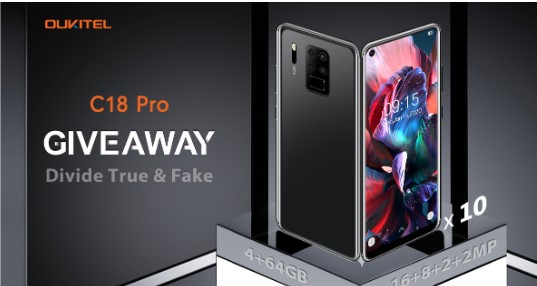
Oukitel C18 Pro Giveaway
A giveaway for Oukitel C18 Pro is also going on from the last few days. You can enter the giveaway from the widget below.
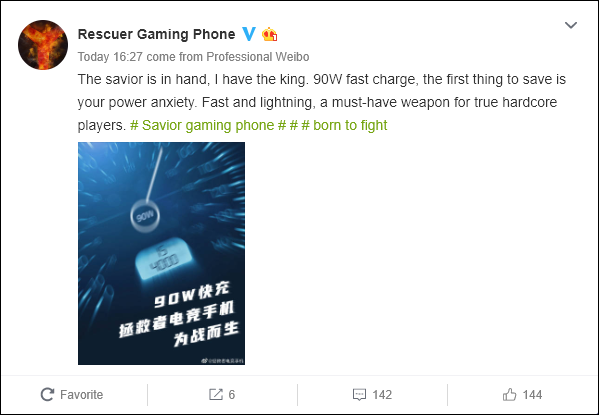
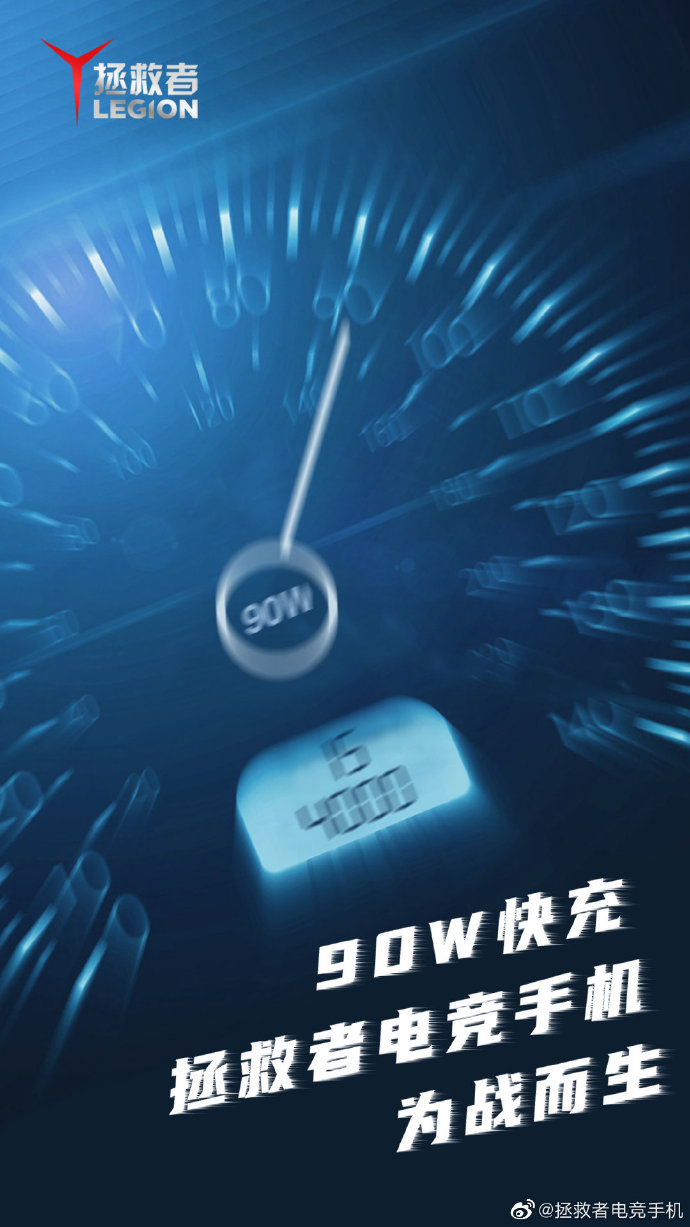
Since December last year, Lenovo had revealed it was working on a gaming smartphone that borrows its name from the popular Legion gaming laptop series. In recent weeks, several details of the gaming phone have appeared on the internet. Just yesterday, the company teased the presence of a mammoth 90W fast charge support which the gaming phone will provide.
Today, a new teaser as emerged which suggests that the 90W fast charge on the gaming smartphone will be able to deliver a full charge to a 4000mAh battery in just 15 minutes. The teaser was shared from Lenovo’s Legion official Weibo handle which means it is an authentic one.
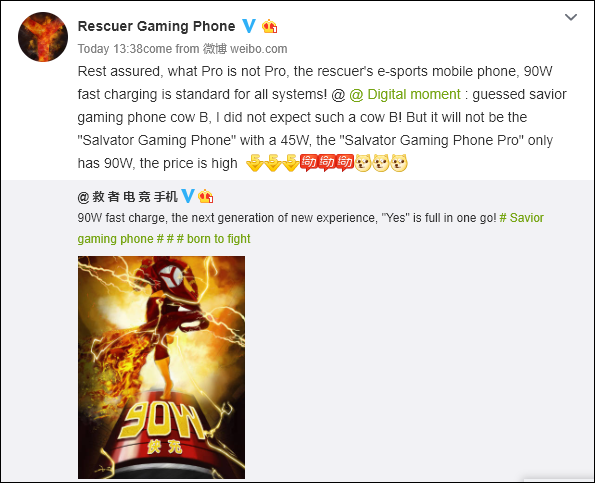
No doubt, that’s some ferocious charging speed which definitely floors all that we have seen so far in terms of smartphone charging power. In addition, you won’t have to worry about the 90W fast charge support being on the top-end “Pro” model only. Instead, the company has hinted that it will be on all models. That itself props up the possibility of the gaming phone coming in more than one variant, possibly a higher Pro version with higher RAM or larger storage size.
In addition, the teaser may have indirectly revealed to us that the Legion gaming smartphone will cram a 4000mAh battery. That would be more than adequate with this charging prowess. We also expect the company to implement an efficient cooling system onboard the device so as to keep it cool while charging or gaming.
We already know that the Lenovo Legion gaming phone will be powered by a Qualcomm Snapdragon 865 chipset. The renders of the device are also in the open. However, there is no word yet on the launch date.
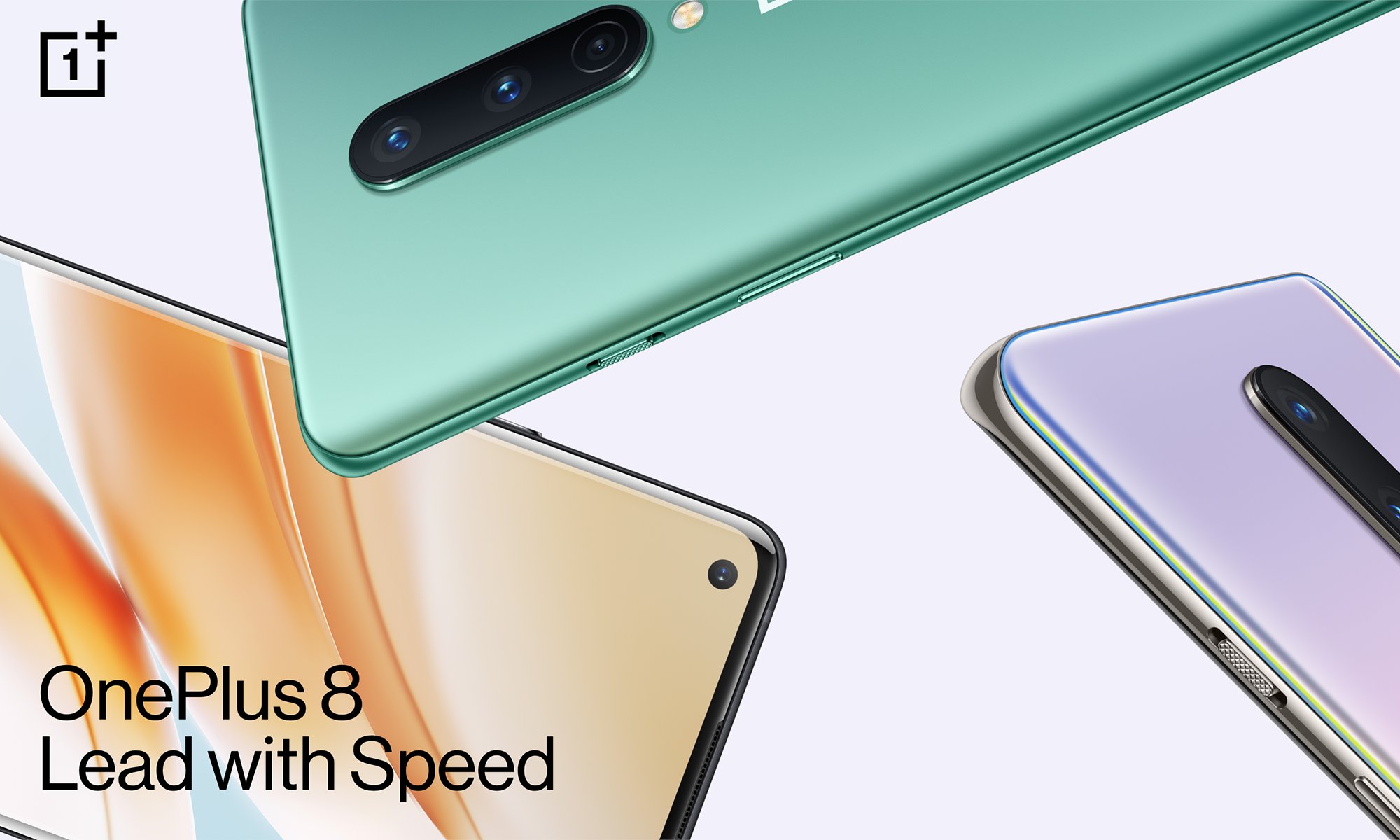
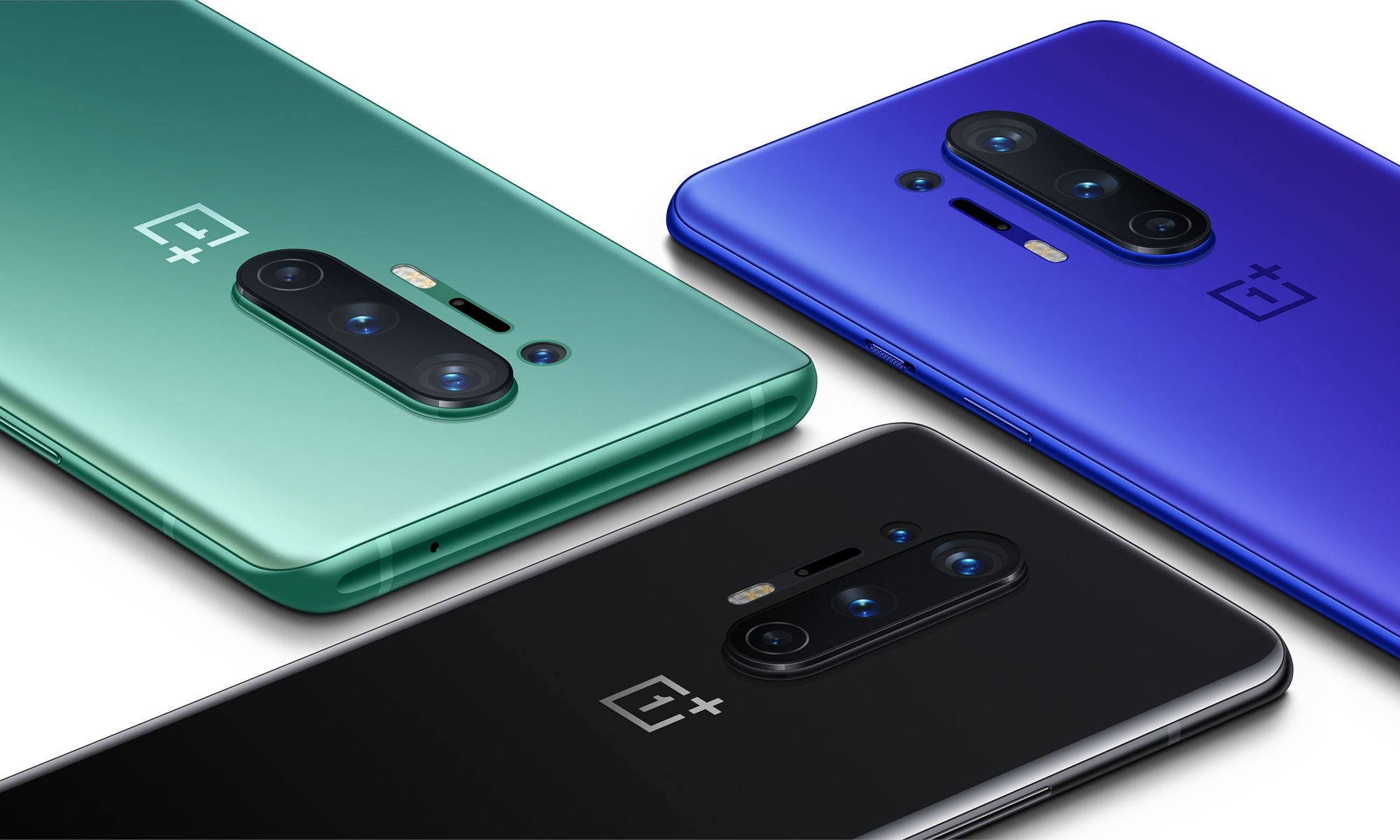
OnePlus 8 and the OnePlus 8 Pro have been officially announced via an international online event today. Being one of the most anticipated smartphones of 2020, the phone features top of the line hardware including the new Snapdragon 865 flagship processor, a capable camera setup at the back, and wireless charging – a first for a OnePlus smartphone.
Since both devices are official, let’s take a detailed look at the OnePlus 8 and OnePlus 8 Pro’s specifications, camera, and design.
OnePlus 8 & OnePlus 8 Pro Design
The OnePlus 8 series doesn’t feature revolutionary changes in design. Last year, the OnePlus 7T had a round camera housing with a flat display and the Pro model had a curved display with a pill-shaped camera. However, this year, both the models feature the same basic design, which includes a curved display and a centrally placed pill-shaped camera. What’s also similar is the punch-hole camera up front.
The company has increased the haze level of the 3D glass at the back to the highest level in the industry. The Matte Frosted glass is smooth to touch and fingerprint resistant too and OnePlus says it’s similar to the Silk White finish.
You get the iconic alert slider on the right side above the power button, USB-C port at the bottom but no headphone jack. While the OnePlus 8 is splash resistant, the OnePlus 8 Pro has IP68 certification – a first for a OnePlus device.
The standard OnePlus 8 features a triple camera setup at the back while the OnePlus 8 Pro comes with a quad-camera setup with Laser Autofocus too.
OnePlus is marketing the OnePlus 8 as a compact flagship with 8mm thickness and shorter and tighter curves around the body for better grip. The phone is pretty light at 180grams making it easier to carry around for everyday use.
OnePlus 8 series comes in interesting color options this year which includes Interstellar Glow, Glacial Green, and Ultramarine Blue, in addition to the standard Onyx Black option. Note that the interstellar Glow color option is limited to the OnePlus 8.
DisplayMate said that the OnePlus 8 Pro “sets or matches more than 10 Smartphone Display Performance Records in virtually all key categories for the best displays on the market, including color accuracy, image contrast, display brightness, and screen reflection, with 4 categories marked Visually Indistinguishable from Perfect.”
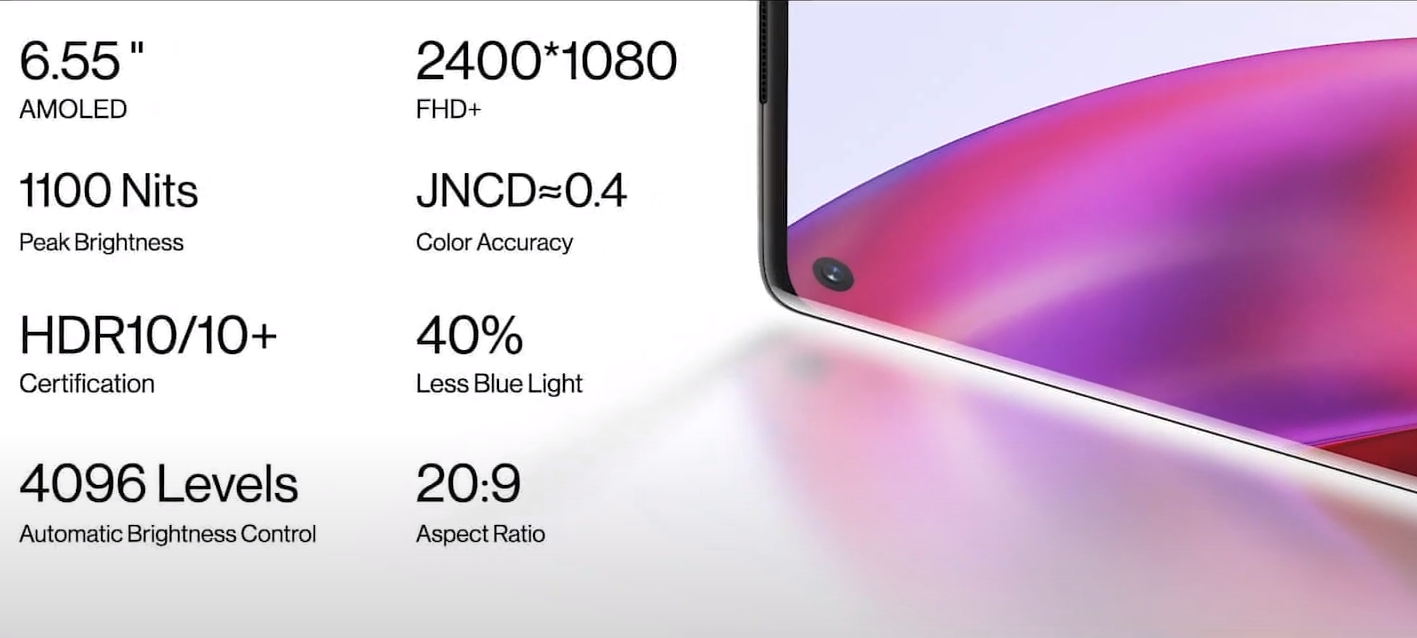
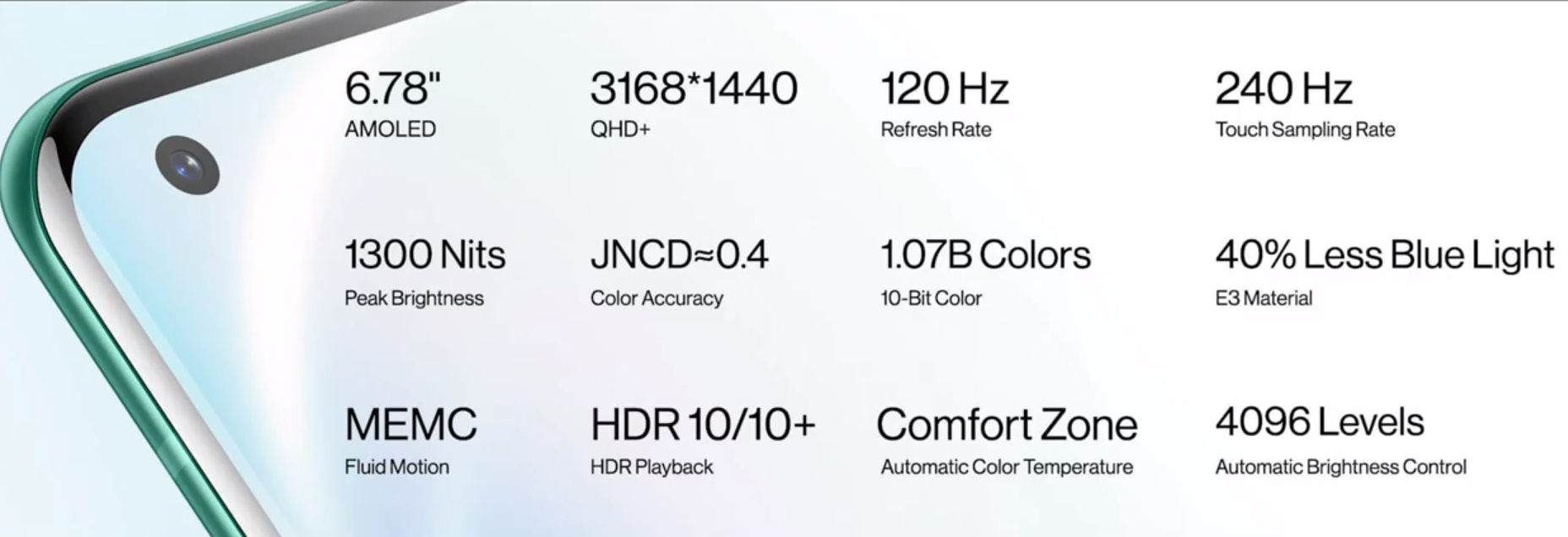
The Pro model comes with a Samsung-made 6.78-inch FluidAMOLED display with 2K 3168 x 1440p resolution, 120Hz high screen refresh rate (with 240Hz touch sampling rate) and HDR10+ support. OnePlus 8 Pro also features a newMEMC chip for upscaling video and gaming to a higher frame rate. The standard OnePlus 8 features a 6.55-inch Fluid AMOLED display with FHD+ 2400 x 1080p resolution, 90Hz screen refresh rate, 1100 nits peak brightness, and HDR10+. Both the phone’s AMOLED panels are rated JNCD~0.4 which means its extremely color accurate.
Both the phones use Goodix’s ultra-thin in-display fingerprint sensor.
OnePlus 8 & OnePlus 8 Pro Specs
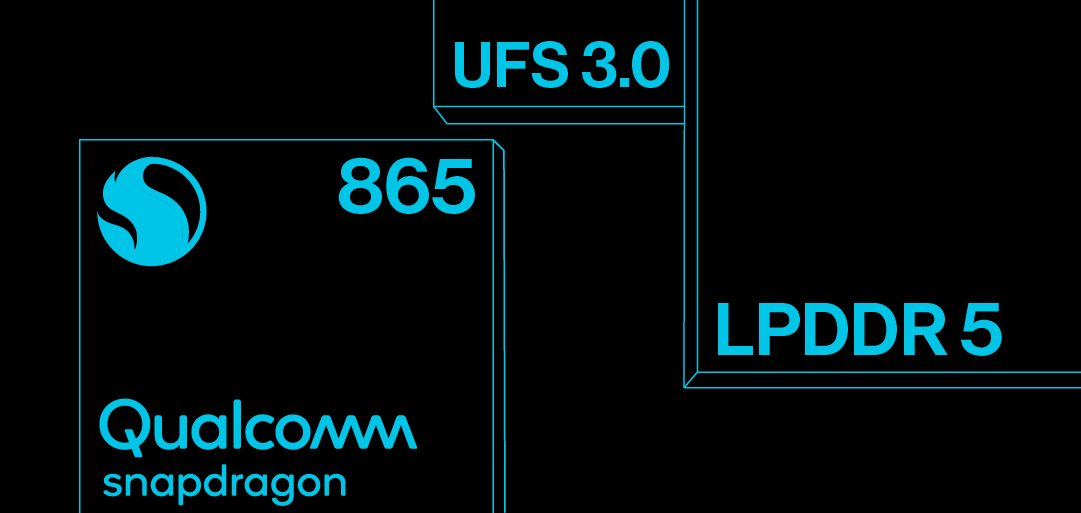
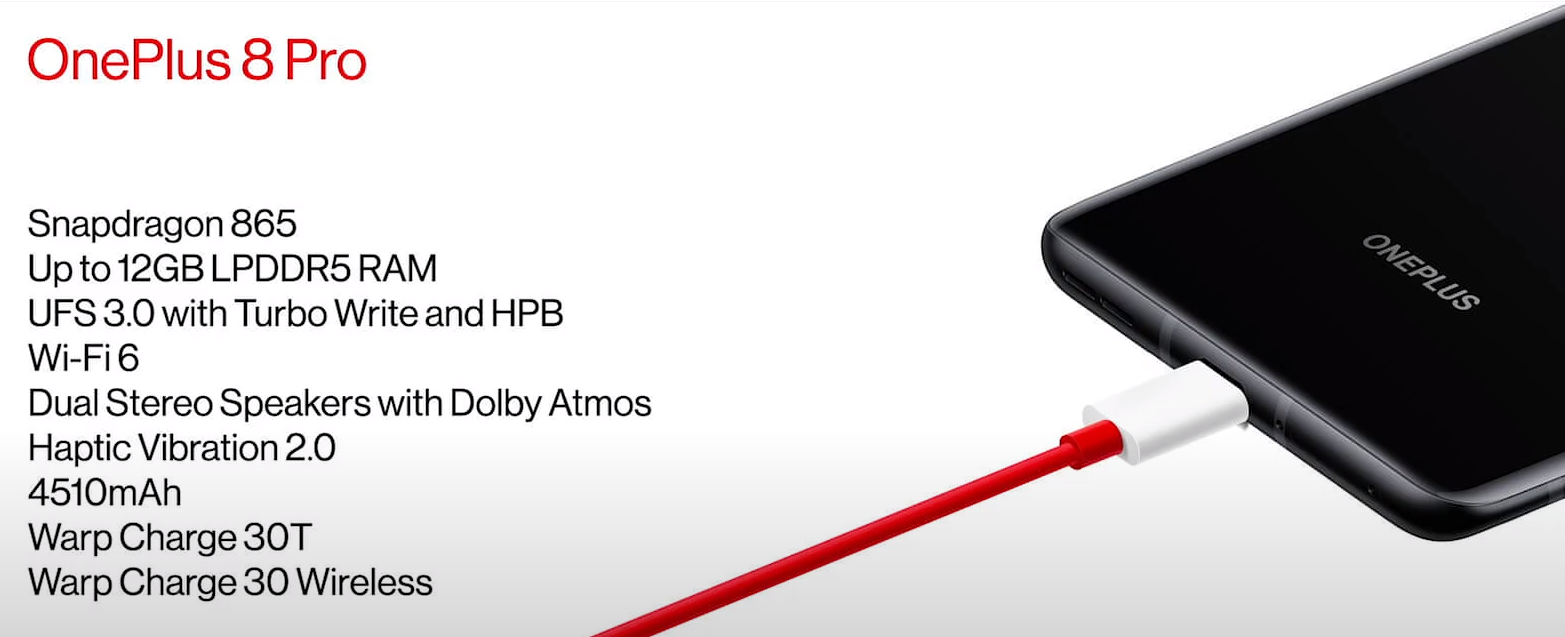
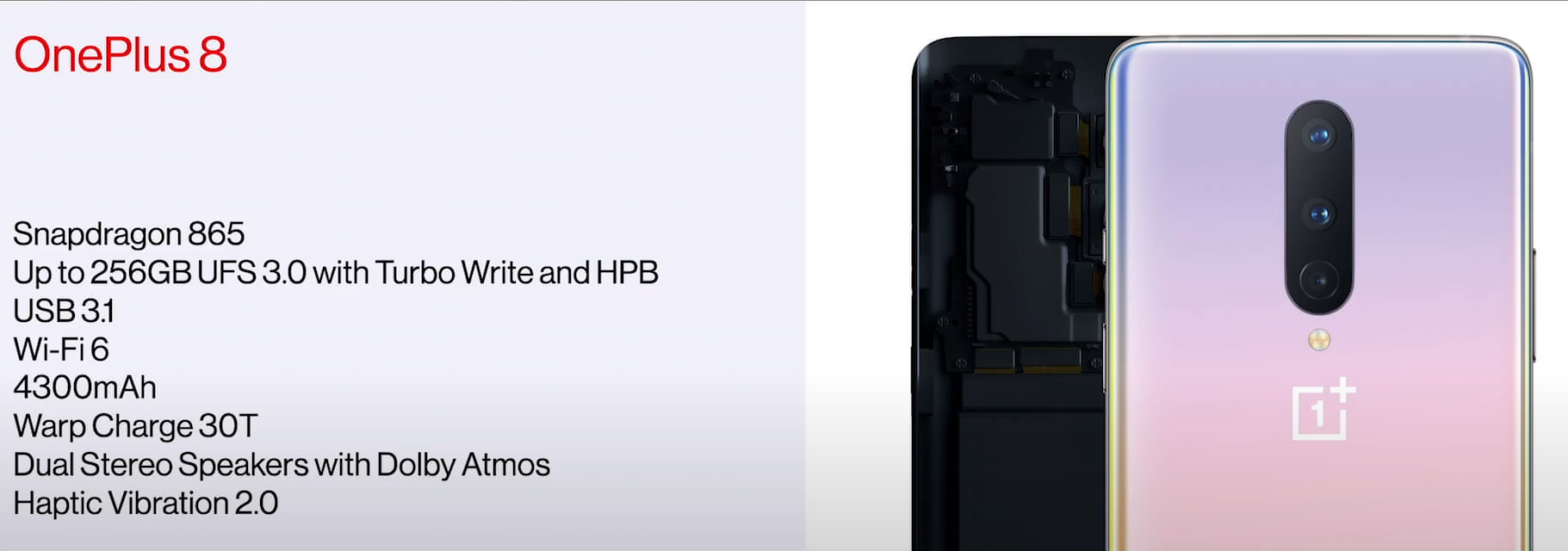
Both the smartphones come with theSnapdragon 865 flagship processor with Qualcomm’s X55 modem. This means both of them will have support for the new-age5G network.
Under the hood, both the models feature 128GB and 256GBUFS 3.0 (confirmed) ROM options. However, when it comes to the RAM, the OnePlus 8 will feature LPDDR4X standard with 8GB and 12GB RAM variants while the Pro variant has the newLPDDR5 standard with the same RAM options.
The OnePlus 8 andOnePlus 8 Pro has stereo speakers and Wi-Fi 6 and Bluetooth 5.1 support with aptX audio. The phone also features anew haptic vibration 2.0 that’s better than its predecessor. Both phones will run Android 10 out of the box, with the newOxygenOS version and Dark Mode 2.0 which adds support for more apps.
OnePlus 8 Pro specs
oneplus 8 specs
OnePlus 8 & OnePlus 8 Pro cameras
The OnePlus 8 Pro features a significantly better camera setup this year. The company has introduced two high-resolution cameras on the Pro variant, one of which is the new IMX689 48MP Sony sensor – the same one from the OPPO Find X2 series. The second 48MP lens is the IMX586 for excellent ultra-wide-angle shots including ultra wide angle night samples. In fact, OnePlus CEO has already shared a couple of ultra-wide-angle night camera samples from the Pro’s camera today and they looked pretty good. The OnePlus 8 Pro also adds a special color filter sensor which enables you to play around with color filters on your camera samples.
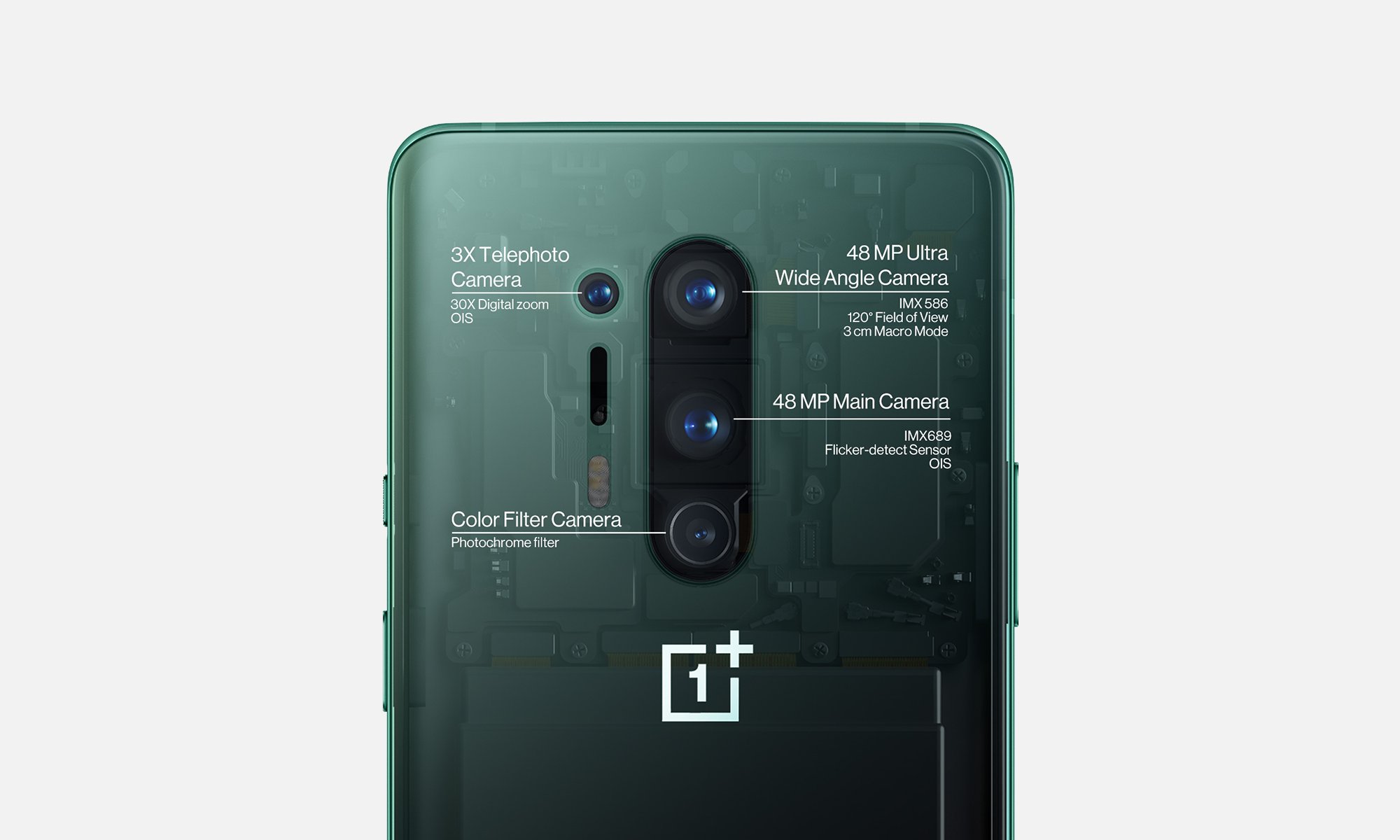
OnePlus 8 Pro cameras
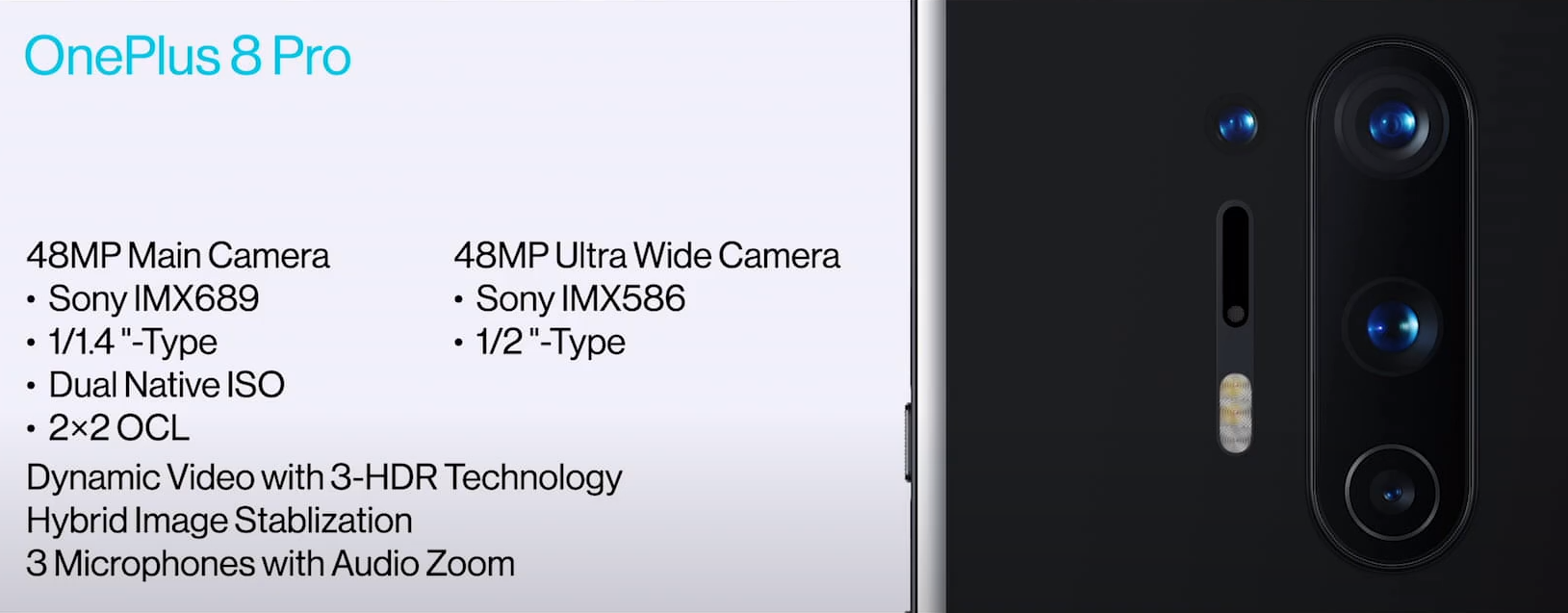
OnePlus 8 Pro camera specs
48MP IMX689 Sony Sensor with f/1.78 (OIS + EIS)
48MP IMX586 Sony Sensor with f/2.2 and 120-degree FOV
8MP Telephoto sensor with f/2.4 – 3x optical zoom and 30x digital zoom (OIS)
5MP Color Filter sensor with f/2.4
Laser AF and Dual LED flash
OnePlus claims that the 8 Pro features an even better HDR tech than the iPhone 11 Pro Max. The Pro model also comes with a Hybrid Image stabilization (OIS+EIS) and 3 microphones that support audio zoom.
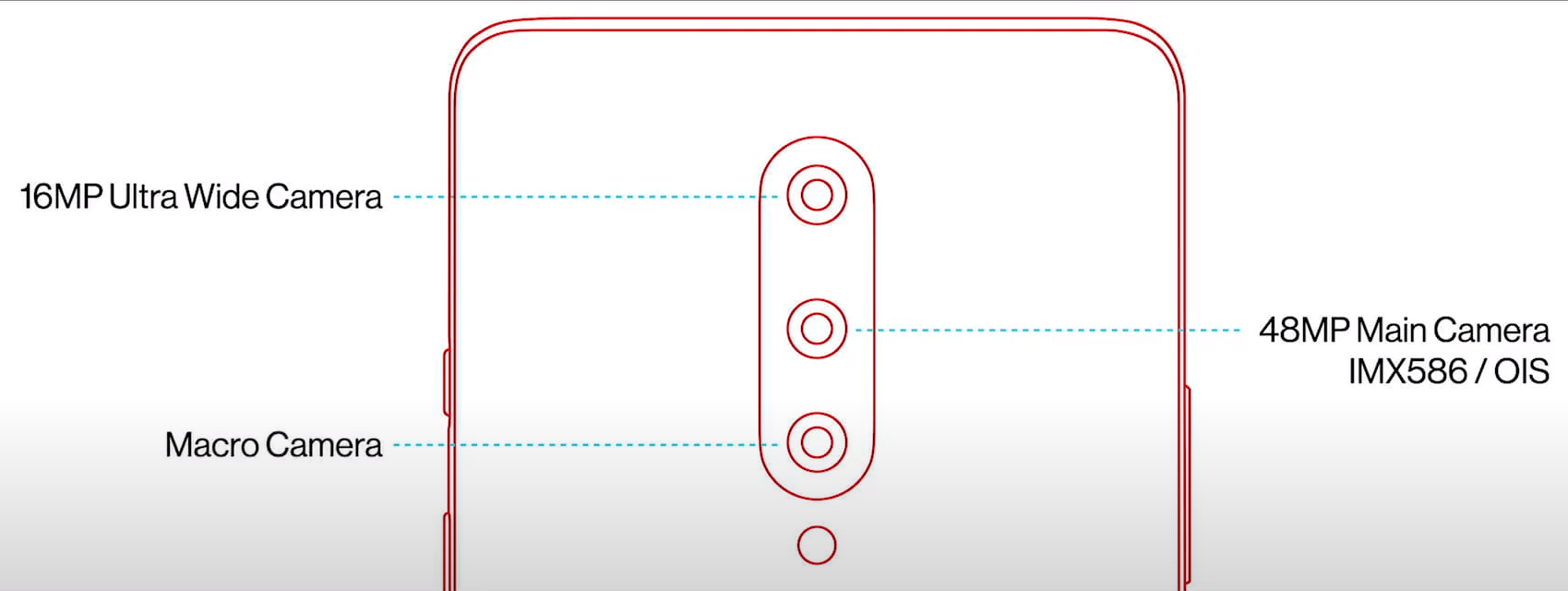
As for the OnePlus 8, you will get a standard triple camera setup as its predecessor. You also get the same Hybrid OIS + EIS technology for stabilization.
OnePlus 8 camera specs
48MP IMX586 Sony Sensor with f/1.75 (OIS + EIS)
16MP Ultra Wide Angle Camera with f/2.4 and 116-degree FOV
2MP (1.75-micron pixels) Macro Camera with f/2.4 (up to 3cm)
Dual LED Flash
Both models support a maximum video recording resolution of 4K 60fps.
As for the front camera, the OnePlus 8 and 8 Pro will have a 16MP selfie punch-hole shooters with f/2.0 and f/2.4 apertures respectively.
OnePlus 8 & OnePlus 8 Pro Battery
Both the new OnePlus models increase the battery capacity this year. This is a much-needed upgrade given their support for 5G and higher refresh rate displays.
The OnePlus 8 has a 4300mAh battery with 30W Warp Charge 30T fast charging.
The OnePlus 8 Pro comes with a 4510mAh battery with 30W fast charging and30W Warp Charge 30 Wireless. It can go from 3% to 55% in just 30 minutes of wireless charging. The phone will likely support 3W reverse wireless charging too (yet to be confirmed)!
OnePlus 8 & OnePlus 8 Pro Pricing
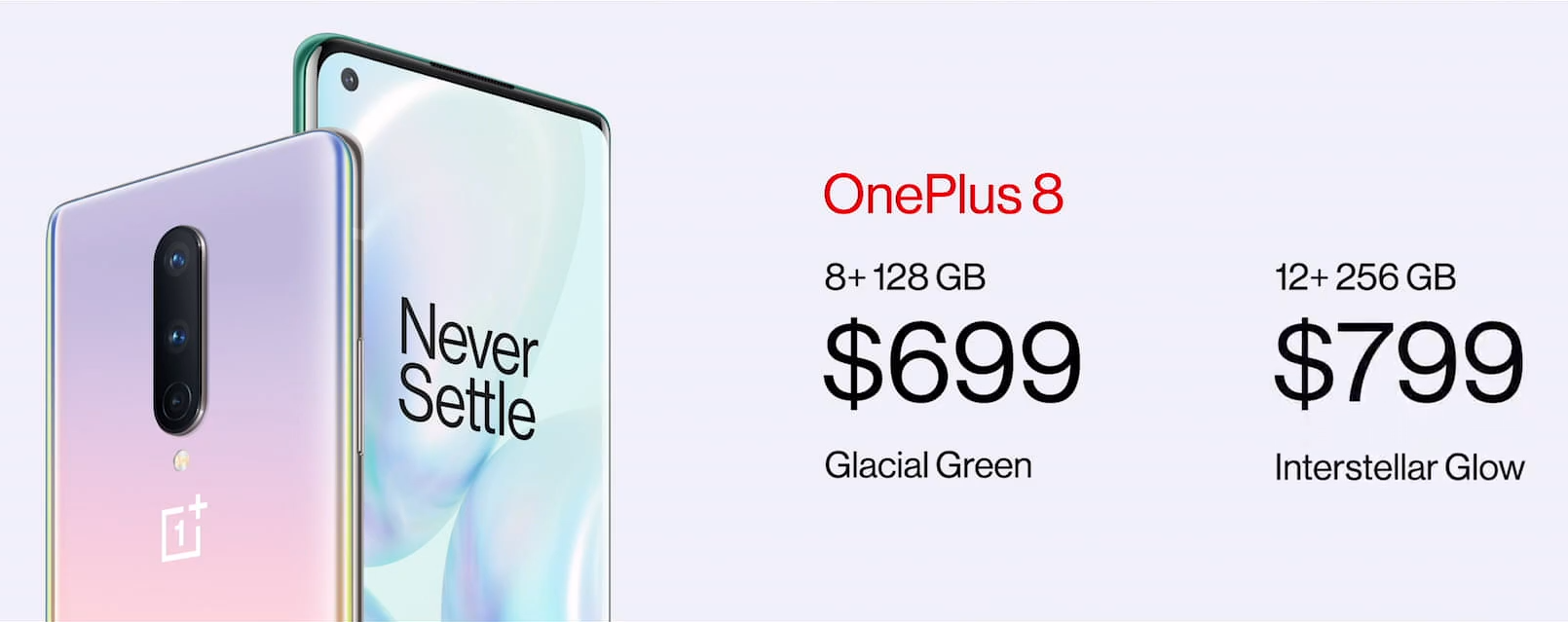
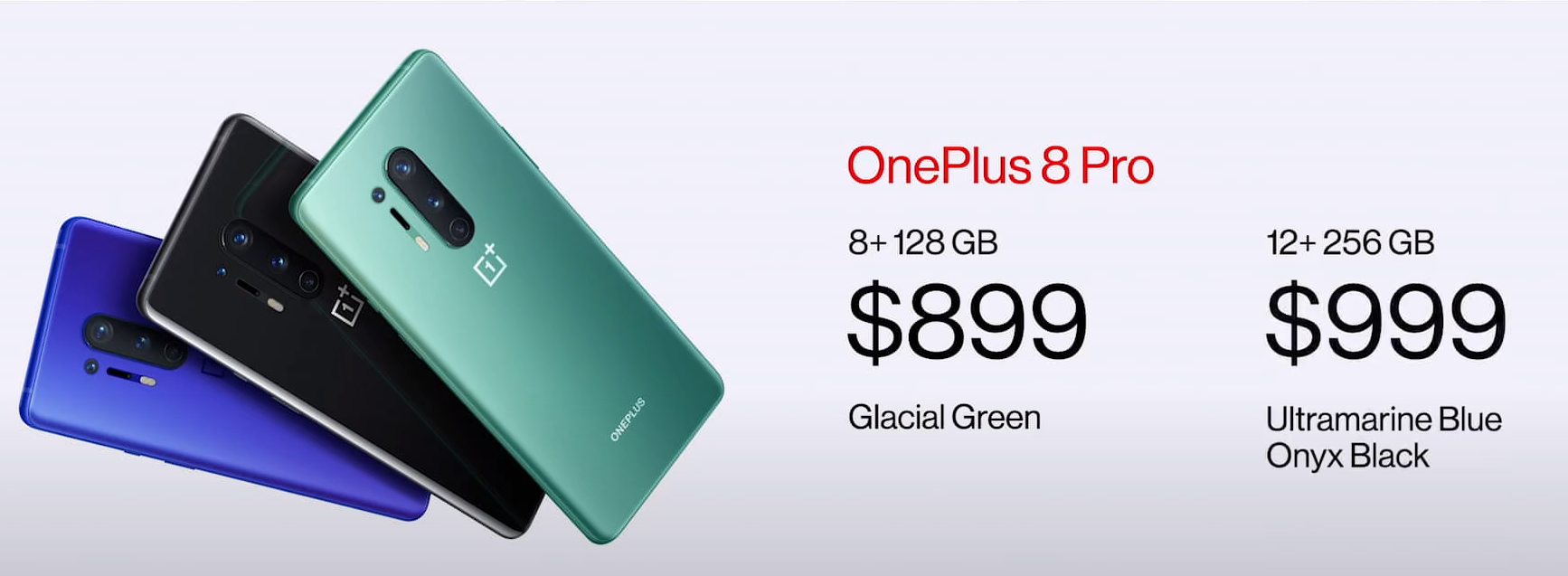
OnePlus has increased the pricing of the new OnePlus 8 series. The OnePlus 8 starts at $699 for the 8GB RAM and 128GB variant with the 12GB and 256GB model going for $799. As for the OnePlus 8 Pro, it starts at $899 for the 8GB + 128GB model and goes up to $999 for the 12GB + 256GB variant.
This will be a significant increase in pricing as compared to its predecessors. But the presence of 5G, premium features such as a MEMC chip, 120Hz display, SD865, and even wireless charging has finally pushed the entire OnePlus 8 series out of the affordable price segment.
In the US, the OnePlus 8 series will also be sold by Verizon for the first time. Open sales will kick off in North America from April 29. In Europe, pre-orders kick off from April 14 and open sales start from April 21.
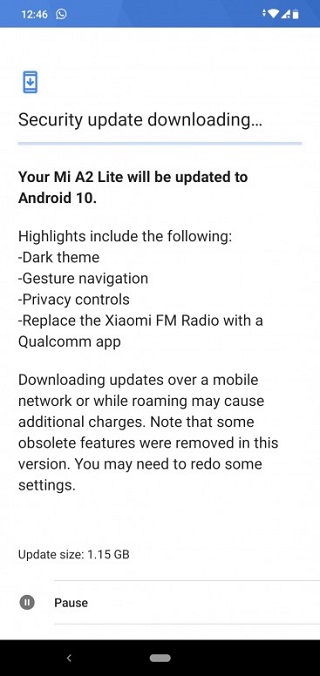
Xiaomi released the Android 10 update for Mi A2 Lite back in March. Unfortunately, it bricked a number of units and hence the company rolled back the update. Now, the brand has re-released the update according to reports by several users on Mi Community.
The second Android 10 update for Mi A2 Lite weighs 1.15 GB in size and comes with the following changes.
Dark theme
Gesture navigation
Privacy controls
Replace the Xiaomi FM Radio with a Qualcomm app
It is worth noting that Xiaomi is yet to officially announce the rollout of the update. Anyway, if you happen to receive it on your device, we highly recommend you to wait for feedback from those who have already installed it.
The first Android 10 build for Mi A2 Lite bricked the device. We are uncertain what the new build is capable of going by the history of Xiaomi. Just recently, the company pulled backed the Mi A3 Android 10 update for the third time due to several issues.
According to some users, Xiaomi released the same Android 10 build for Mi A3 over and over again with new Android security patch each time. However, not all the users are facing issues on their handsets but most of them are. Hence, we urge you to not update your Mi A2 Lite right away even if it happens to hit your device.
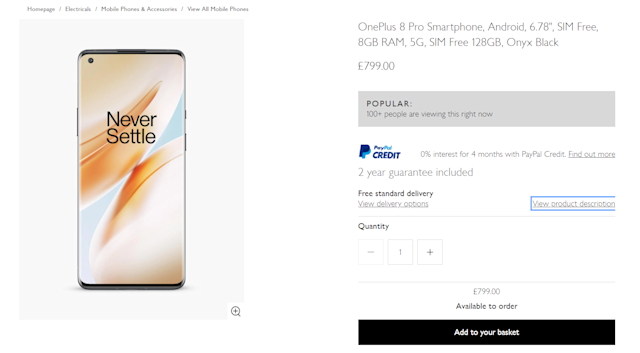
The OnePlus 8 series’ launch is just a few hours away but a UK retailer jumped the gun and listed the two phones for purchase before pulling them down.
The online store is John Lewis and they had the OnePlus 8 and OnePlus 8 Pro listed for purchase with a starting price of £599 (~$754) for the non-pro model with 8GB RAM + 128GB of storage. The 12GB version with 256GB of storage has a price tag of £699 (~$880). The OnePlus 8 Pro was listed for £799 for the base configuration and £899 (~$1131) for the 12GB version. The early listing mistake may have come for an over-excited employee.
The new OnePlus flagship phones launch in less than 2 hours and will come with AMOLED displays with high refresh rates and punch-holes, fast wired and fast wireless (Pro model only) charging, bigger batteries, and improved cameras.
OnePlus will announce the two phones via a livestream on YouTube. The manufacturer will also unveil a new pair of wireless earphones and its very first wireless charger.
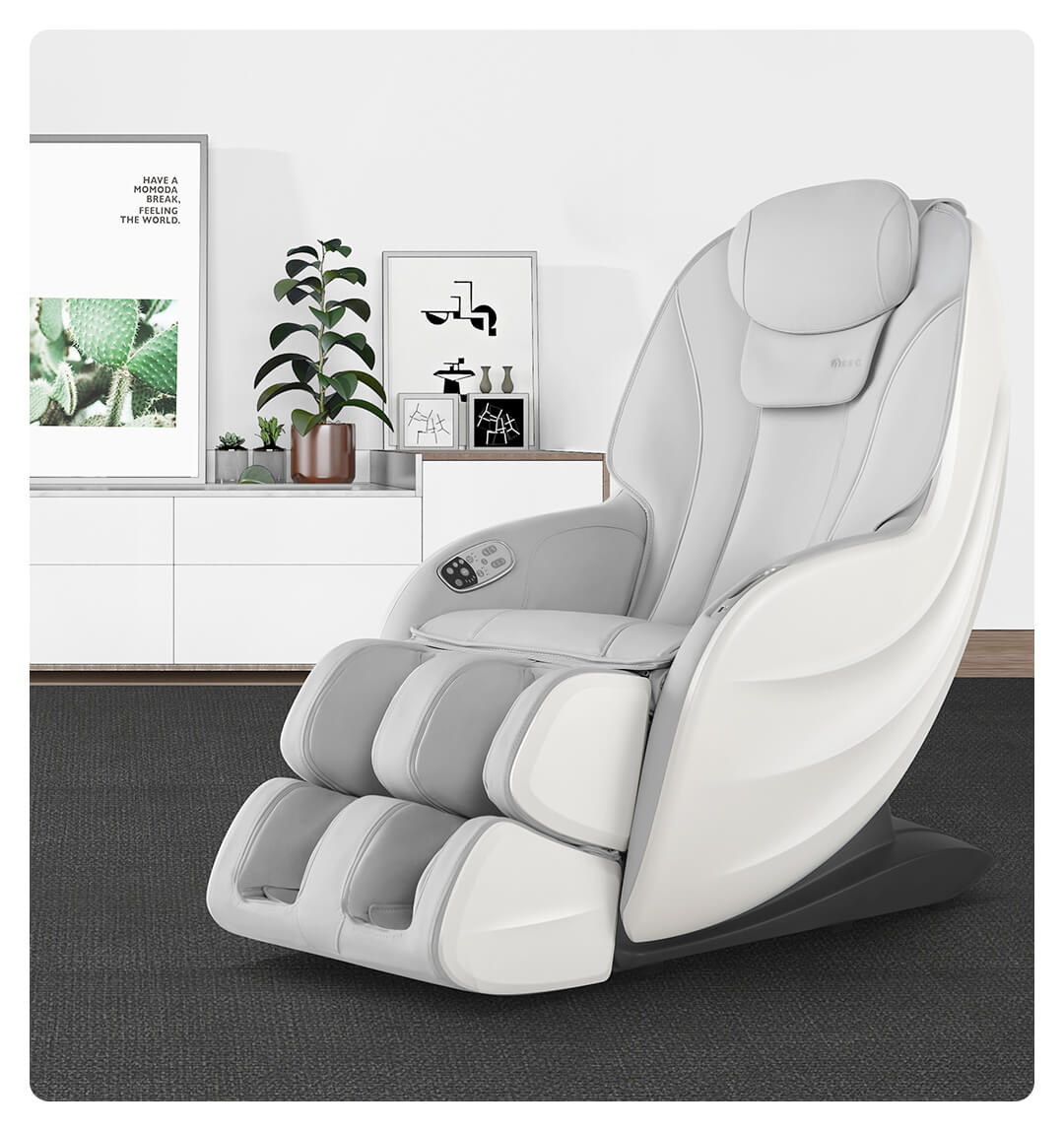
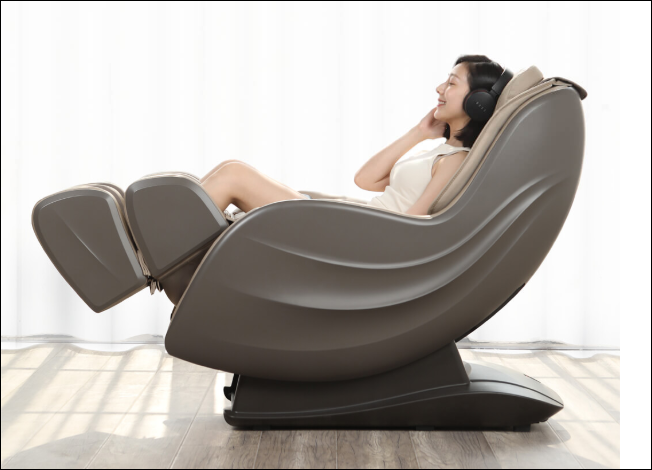
Xiaomi Youpin has launched the Momoda Petite 3D Smart Massage Chair for crowdfunding on the platform. The new massage chair is an upgrade over its predecessors. Momoda has for the past few years launched massage chairs and other massage products under the MIJIA and now Youpin platform.
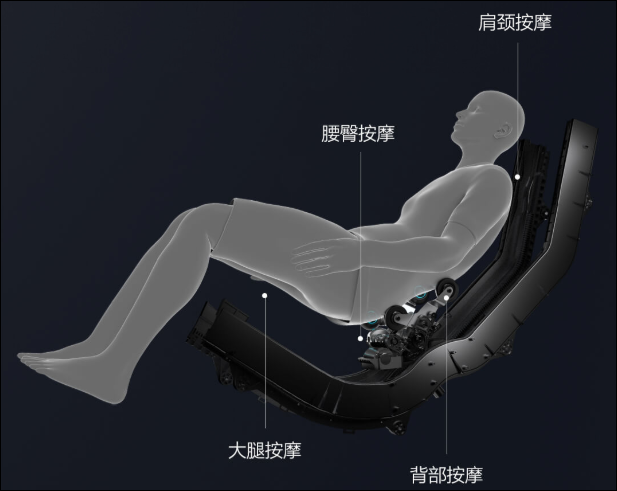
The new Momoda Petite 3D Smart Massage Chair comes with some innovative features and improved functionality. The design is such that the chair can be placed close to a wall and won’t meet any obstruction when it is reclined. That is because it automatically slides forward after opening. Flexible and compact, it covers an area of only 0.77 square meters, which is about 35% less than that of a medium-sized massage chair. Thus, it can be kept in a small apartment. Also, you won’t need any installation as it uses a one-piece installation-free design.
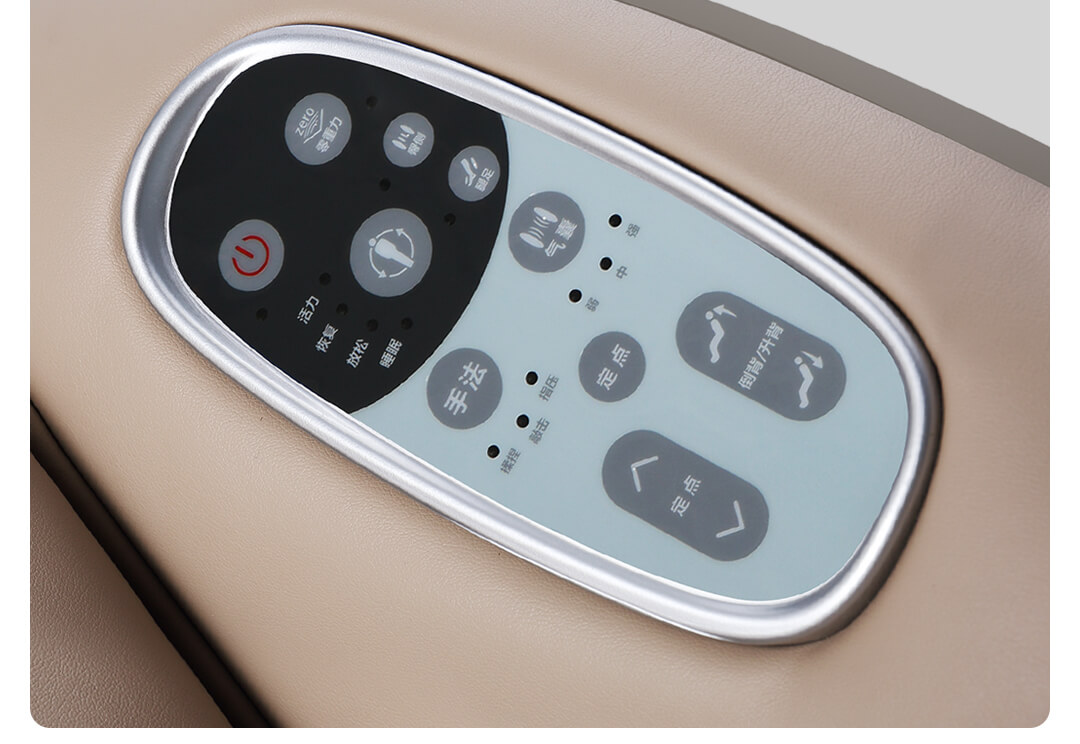
The massage chair features four user modes; vitality mode, recovery mode, relaxation mode, and sleep mode. The different modes allow users to choose the massage experience they want according to the prevailing needs. There are also three kinds of automatic massage techniques; kneading techniques, tapping techniques, acupressure techniques.
The Momoda Petite 3D Smart Massage Chair utilises 10 sets of 3D airbag compressions to fully cover the three parts of the hip, leg, and foot. The hip bilateral airbags rhythmically squeeze, swing, and knead to relax the hip muscles and wake up muscle vitality. The airbags can be adjusted in three ways to take into account the comfort of different people. In addition, the footwell has a personalized design for foot massages.
In terms of the design, there is a limited edition, Marvel-theme Spider-Man IP model with a crowdfunding price starting from 4999 yuan. This version will retail for 5999 yuan after the crowdfunding exercise. The standard edition is priced at 3999 yuan (4999 yuan after crowdfunding). It comes in khaki and White gray colours.
iQOO is all set to launch its next smartphone called Neo 3 in China on April 23. Ahead of the official release, the brand revealed some of the key specifications of the device on Weibo yesterday. Now, we even know the pricing of the handset, thanks to an advertisement on the web.
The smartphones released by iQOO so far have been priced aggressively to undercut competitors. The same could be the case for its forthcoming new device.
According to an advertisement banner, the iQOO Neo 3 will start from 2998 Yuan, which roughly translates to $425. If this happens to be true, then the Neo 3 will be the cheapest smartphone with a 144Hz refresh rate display and that is something to brag. Because, as of now, only the Nubia Red Magic 5G sports a similar panel, however that phone starts at 3799 Yuan ($538).
According to a teaser posted by iQOO yesterday, the Neo 3 smartphone will be powered by Qualcomm Snapdragon 865 SoC paired with UFS 3.1 storage for faster read-write speeds. In addition to that, the handset is confirmed to sport a 144Hz refresh rate display, making it the first device from the company to feature high refresh rate panel as the prior models came with standard 60Hz panels.
Other than the above-mentioned confirmed specs, we can expect the device to run Android 10 and might feature a 4,500 mAh battery with support for 44W fast charging as per a leak from a few days back.
The coronavirus outbreak or COVID-19 pandemic has been shaking the world since January 2020. As it originated from China, it slowed down the economy of the world’s manufacturing hub. The smartphone industry, which is one of the largest business in China was also disturbed like other trades. But now, according to the latest reports, OEMs like Apple and Xiaomi have shown recovery in March compared to the previous two months.
Smartphone companies in China expected to recover from hard times as soon as the coronavirus outbreak slowed down in the country. Most of them opened their retail outlets in March, in addition to e-commerce to improve their sales figure. Fortunately, that worked for them as per the latest data from the China Academy of Information and Communications Technology (CAICT).
Apple shipped only around 500,000 phones to China in February, whereas in March, it managed to ship 2.5 million units. As for the total, the shipments of smartphones in China increased three times in March 2020 compared to February 2020. However, it is roughly 20% less than that of March 2019.
As for Xiaomi, in its quarterly earnings call, the firm’s CFO Shou Zi Chew said that China has entered a full recovery stage and has already recovered 80-90% of the normal level. He also mentioned the company’s sales dropped in the first quarter to COVID-19, however, he did not reveal the exact numbers.
Mr. Chew further confirmed Xiaomi to take a hit in global sales during March and April but expects to rebound quickly in May similar to what is currently happening in China.
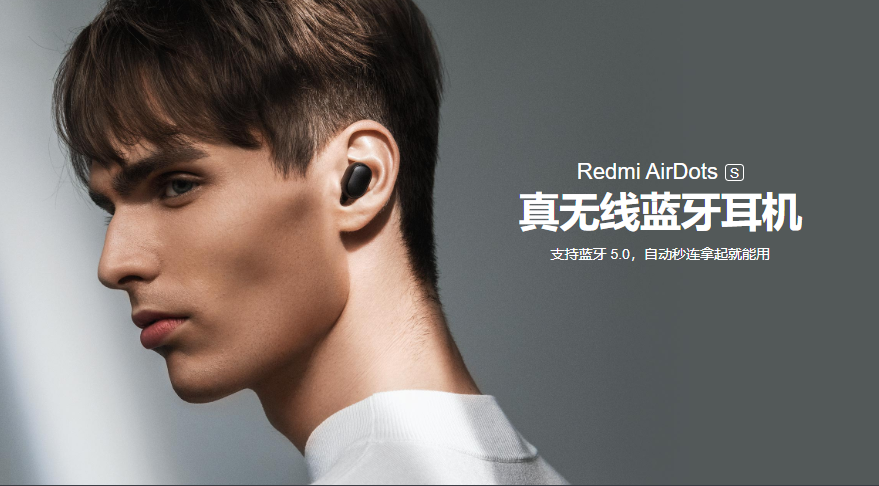
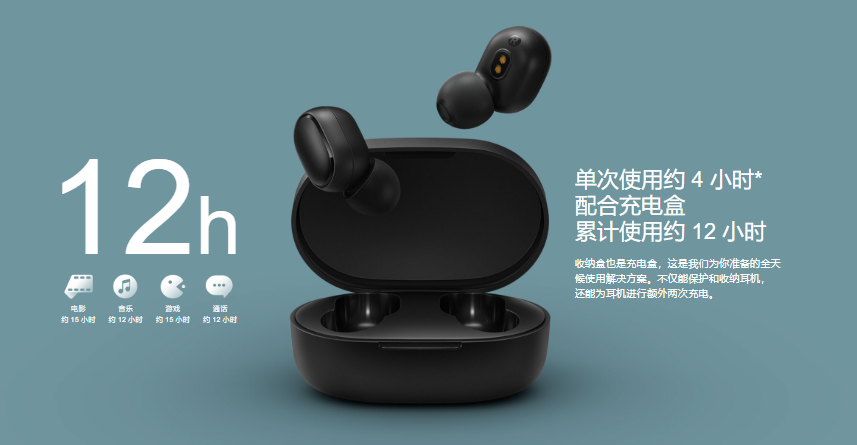
Last week, the Bluetooth SIG certified the Redmi AirDots 2, hinting at the launch of a successor for the popular Redmi AirDots that launched last year. Today, Redmi announced a new pair of TWS earbuds but to our surprise, it is not called the Redmi AirDots 2 but the Redmi AirDots S.
The Redmi AirDots S is indistinguishable from the original as Redmi has left the design unchanged. There isn’t even a new colorway, just the same plain and low-profile black. Nevertheless, the new earbuds pack upgraded features.
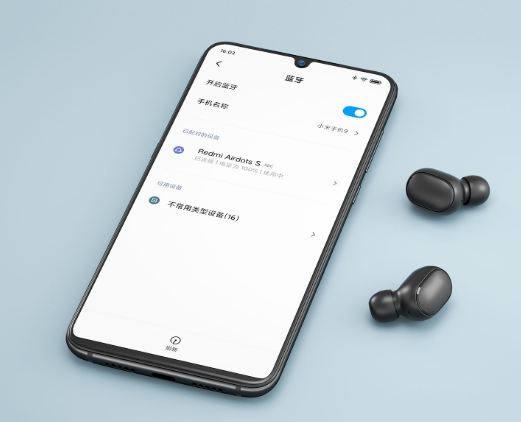
Top on the list is better pairing. The original earbuds connected to your device using a master-slave connection. The right earbud connects to your phone and then the left earbud connects to the right earbud. There is also the option to use a single earbud (either of the two).
The Redmi AirDots S changes that. When you pair them to your phone for the first time, both earbuds are actually connected. There is no master-slave connection. This is definitely a very welcome addition and we are sure fans of the original will love it. Oh! You can still use either of the earbuds in mono-mode and it automatically and seamlessly switches to stereo once you put the second earbud in your ear.
The Redmi AirDots S has a Bluetooth 5.0 chip and Redmi claims data transmission has doubled compared to the last generation. The connection is also faster and more stable. There is also a new low-latency game mode that can be activated by triple-pressing the button on the earbud.
The new Redmi TWS earbuds have 7.2mm drivers and a DSP for smart noise reduction, so your calls are clearer. The battery life is still 4 hours and goes up to 12 hours with the case. There is support for voice assistants (Google Assistant, Siri, and XiaoAI), all you have to do is double-tap the button on the earbud. You can also reject calls with a long-press for about 1 second and answer calls/pause and play music with a single tap.
The Redmi AirDots keeps the ¥99.9 price tag of its predecessor and comes with small, medium, and large earplugs. The product page is listed on Mi.com already but the purchase page isn’t live yet.
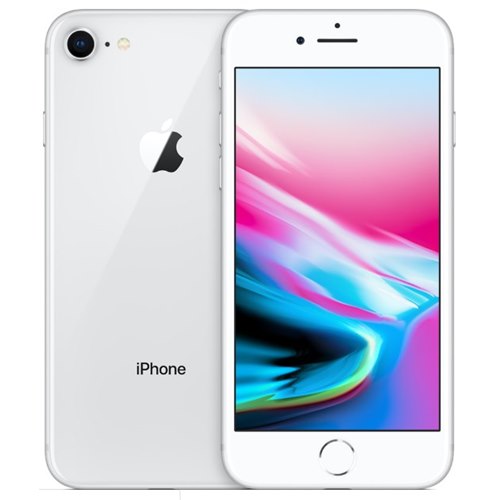
It is no longer news that Apple is planning to release a successor to the iPhone SE but what is yet unknown is when. The iPhone SE 2020 has generated several discussions with some analysts predicting that Apple will likely use the upcoming budget model to attempt to lure buyers in China who are conscious about the price of smartphones.
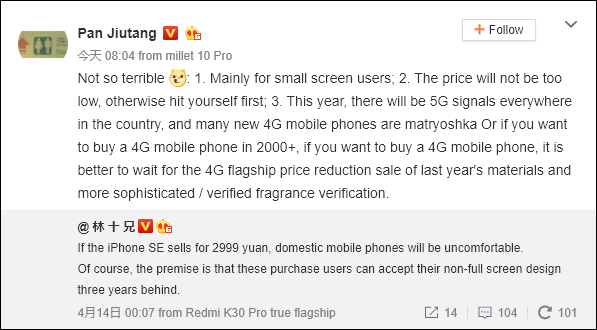
However, popular analyst, now a partner of Xiaomi’s industrial investment department, Pan Jiutang has disputed such predictions. He is of the opinion that the rumoured device is targeted at users who prefer smartphones with small-sized displays and shouldn’t compete with mid-range phones in China.
As for the pricing, Pan Jiutang believes Apple won’t bring the price of the upcoming iPhone very low so that it doesn’t affect the sales of the pricier models. He also threw in a tip for intending buyers, drawing attention to the fact that 5G phones will soon dominate the market and as such, the prices of 4G flagship models will soon fall around the 2000 yuan margin. Thus, he advised intending buyers to wait in order to get such 4G phones which obviously have better specs. If the iPhone SE which is going to be a 4G phone should sell for the 2,999 yuan (around $400), it will be a popular one. But we expect Chinese OEMs to immediately crash their phone’s prices to offer users better hardware for similar price points.
When Apple first unveiled the iPhone SE in 2016 as an entry-level option, the company probably never envisaged that the compact model will become super popular. The popularity of the first-generation model has made discussions about a successor a hot topic. The next-gen model is tipped to launch on April 15 which is tomorrow. We’ll watch out for that even though Apple is yet to officially confirm a launch date
Earlier this week, LG Display announced that its transparent organic light-emitting diode screen will debut soon. The new technology will be showcased on the MBC broadcasting station’s general elections ballot counting show, which will be hosted on Wednesday (15th April 2020).
For those unaware, transparent OLED panels is the next generation in display technology, which can allow see through screens to become a reality. It allows a person to see beyond the screen, even when the power is turned on. LG Display and LG Electronics had commercialized the transparent OLED panels last year, but this will mark its first commercial debut in a TV show with a high viewership.
According to the company, the transparent OLED technology has a wide field of applications, including installation in shop windows, offices and more, to provide a unique viewing experience. LG Display’s current transparent OLEDs are 55 inch in size with an FHD resolution. These have a transparency of 40 percent, which is a significant improvement over transparent LCD displays that only had a10 percent transparency rate.
In other words, this is the future of OLED displays and may soon see wide adoption in various fields. In the next few years, the technology might even become smaller, allowing for smartphones to feature transparent displays as well. Although, it is still too soon to tell.
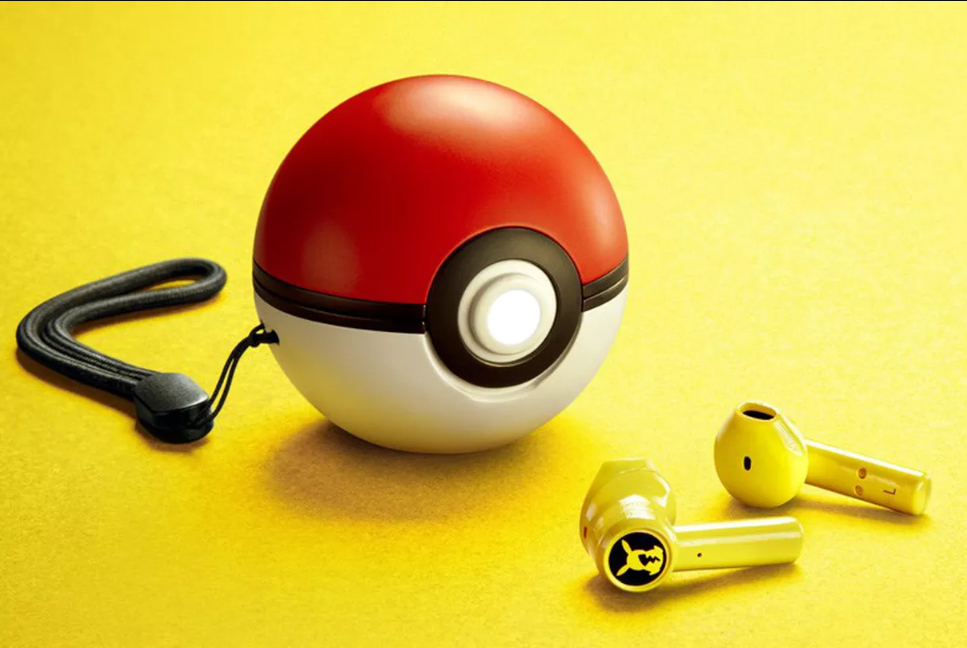
Razer, the known gaming peripherals and accessories maker, is now selling new wireless earbuds for the Pokémon lovers out there. As the name suggests, the Pikachu silhouette carrying earbuds arrive in the iconic yellow after the famous Pokémon.
One of the biggest aspects of these Razer earbuds aren’t even related to the earphones, but the carrying case that they arrive in. The Pikachu earbuds can be charged and carried via the Pokéball case. This functions essentially like any other charging case, but with the added aesthetics for what you can say is the full Pokémon experience for the hardcore fans.
The Razer earbuds can reportedly last up to 3 hours per charge, which isn’t exactly a very good battery life but the charging case at least offers about 5 recharge on its own full charge. Its speakers are powered by a 13mm driver for bass and while they aren’t the most specced out hearables out there, they definitely have their own identity. The Pikachu earphones will be launching in China on 16th April 2020 and will be priced at about 120 US Dollars.
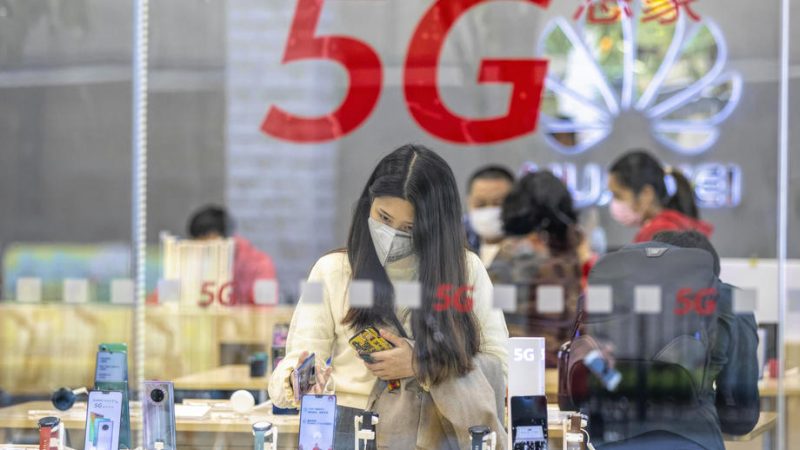
Huawei has just signed an agreement with the government of the Nanshan District of Shenzhen, Southeast China. The agreement is to have the Chinese tech giant help speed up the adoption of Blockchain, Big Data, and 5G networking.
#Huawei and Nanshan government of #Shenzhen signed an agreement Friday to establish #Kunpeng industrial demonstration zone to accelerate the application of #blockchain, artificial intelligence, big data, and #5G, and forge the city into a model area for the #chip industry. pic.twitter.com/lazdU6b437
This move will also strengthen China’s Digital Currency economy and also serve as a connection between China and Hong Kong. Furthermore, Huawei will collaborate with the People’s Bank of China to begin the testing of its own virtual currency in Shenzhen with leading commercial banks in 2020. Despite Bitcoin being banned in the country since 2017, China reportedly sees great potential in its supporting infrastructure, Blockchain.
The Southeast Asian region is often seen as a technological hub, so it comes as no surprise that China wishes to expand its digital horizons. Notably, Shenzhen is also the site where a model for the semiconductor business will come up. China already is one of the leading nations when it comes to 5G adoption, thanks to Huawei in part with its industry leading equipment and infrastructure.
Thus, growing involvements in the digital spheres between the electronics company and China will strengthen both sides. The applications of digital currency through Blockchain also have a very wide field of applications including, and not limited to, Healthcare.
The Huawei P40 Lite was recently subjected to teardown treatment on PBKreviews YouTube channel. Unsurprisingly, it is simple to disassemble like any other mid-range smartphone in the market. Though it is easy to repair, it is a hectic job for one particular reason.
Even before announcing the standard Huawei P40, P40 Pro, and P40 Pro Plus, the company launched the lite variant of the device dubbed as P40 Lite. That is because this handset is nothing but a rebranded Huawei Nova 6 SE launched back in December 2019 in China.
The back of this device features plastic panel unlike the glass ones on its bigger siblings. Hence, it comes out smoothly by using a pry tool after applying some heat. This gives the initial access to the internals, which are further covered by plastic plates at the top and bottom parts of the phone with 18 Phillips screws.
Once the plastics are removed, almost all the internal cables can be disconnected. Only then, the battery of the Huawei P40 Lite can be pried out using the included pull tape or with a pry tool. After that, access to the mid-frame with display cable is obtained.
Now, once the cable for the display is disconnected, the screen can be removed by applying heat and prying it out from the front. This is the hectic job we mentioned in the beginning. The phone is surely easy to repair but if the display gets damaged, the whole device has been taken apart to replace it.
Back in January, Huawei had been granted limited access to provide the UK with the 5G network standards. The company was only offered noncore areas, with a market cap of just 35 percent. However, opposition in the Parliament has been a leading an effort to overturn this decision. Despite this, Huawei is still pushing forward with infrastructure, even as pressures increase due to the recent Coronavirus pandemic.
In an open letter, Victor Zhang, the Huawei UK chief, stated that the company’s service is essential to the UK. The senior exective brought up statistics that pointed at a surge in data usage in the past month, which has grown than more than 50 percent. This has put telecom operators and their systems under significant pressure. Huawei is already partnering with BT, Vodafone and EE to deal with this issue.
The Chinese tech giant has even set up three new warehouses to ensure spare parts remain in supply across the region. Zhang said that the rural communities are still stuck in the “Digital slow lane,” which has become even more apparent during the viral crisis. Thus, “”Disrupting our involvement in the 5G rollout would do Britain a disservice.” The official also pointed at false accusations from “parties” that would pressure against the 5G rollout in the UK.
In March, 38 Conservative MPs voted against Huawei’s involvement, which is a higher than expected number. This also points to the growing criticism against the Chinese tech giant and the issues it may face when the Telecoms Infrastructure Bill comes before Parliament. The bill is expected to be addressed later this year.
We use cookies on our website to give you the most relevant experience by remembering your preferences and repeat visits. By clicking “Accept”, you consent to the use of ALL the cookies.
This website uses cookies to improve your experience while you navigate through the website. Out of these, the cookies that are categorized as necessary are stored on your browser as they are essential for the working of basic functionalities of the website. We also use third-party cookies that help us analyze and understand how you use this website. These cookies will be stored in your browser only with your consent. You also have the option to opt-out of these cookies. But opting out of some of these cookies may affect your browsing experience.
Necessary cookies are absolutely essential for the website to function properly. This category only includes cookies that ensures basic functionalities and security features of the website. These cookies do not store any personal information.
Any cookies that may not be particularly necessary for the website to function and is used specifically to collect user personal data via analytics, ads, other embedded contents are termed as non-necessary cookies. It is mandatory to procure user consent prior to running these cookies on your website.