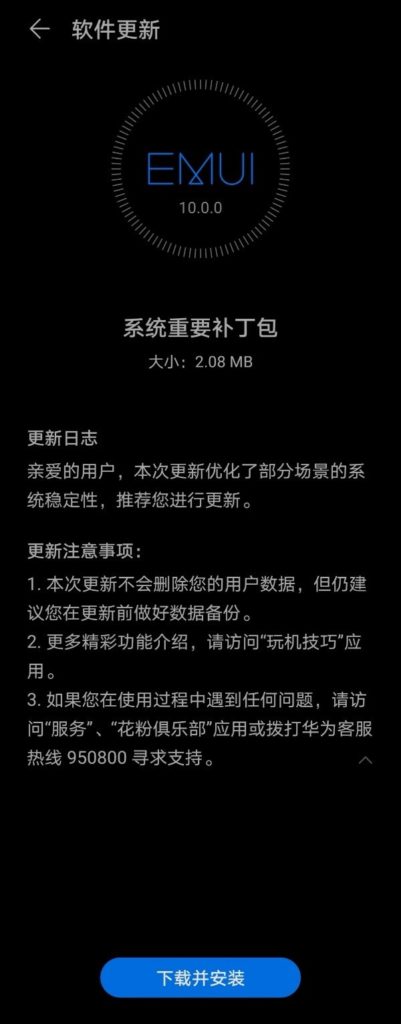
Honor V10 aka Honor View 10 units are receiving a critical system stability patch update in China. The update weighs only 2.08 MB in size and the company suggests all the users to install it as soon as possible.
Honor launched the Honor V10 in December of 2017 with Android Oreo (EMUI 8) onboard. It was later updated to EMUI 9.1 last year, followed by EMUI 10 earlier this year. And now, the Chinese smartphone brand has released a critical system stability update weighing just 2.08 MB.
Unfortunately, the changelog for the update does not reveal what it is for. Instead, it merely reads the update is to ‘optimize the system stability’ and further ‘recommends to install’ it instantly.
Additionally, the changelog also assures the update to not delete user data but still suggests creating a backup before installing in case of any unexpected error. Also, the changelog mentions users to contact Honor via helpline number or Honor Club if they are facing any issue.
Anyway, if you are using a Chinese Honor V10, make sure to download and install the latest update. We are not sure if the same update will be rolled out to the global version of the device.
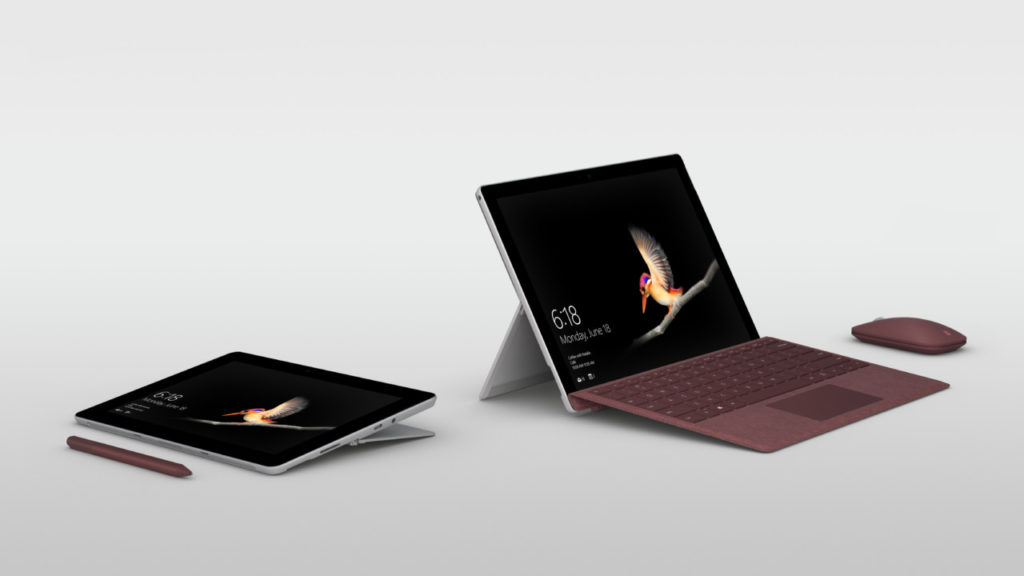
Microsoft launched the Surface Go Windows tablet in July of 2018. The new Surface lineup was not updated last year. But it is sure getting a successor this year dubbed as Surface Go 2, that too within a few weeks from now, claims MSPoweruser.
Microsoft Surface lineup of convertibles is popular among business people, artists, and even some developers. The Redmond tech giant introduced a tablet in the series called Surface Go with support for stylus and keyboard in mid-2018.
Though it was released as a competitor to Apple iPads, the king of tablets, it was no close to it in terms of specifications and power. Instead, it focussed on providing the power of the Windows 10 operating system in hands to a niche audience. And it seems to be worked out for Microsoft, at least in the US as they are sold out in the region.
This is why the speculations have begun and even the insiders are suggesting the launch of a new model called Surface Go 2. In February, a benchmark even confirmed the existence of this device powered by the 8th gen Intel Core m3-8100Y dual-core processor. This CPU will not bring much difference in terms of performance but will be at least better than the Intel Pentium Gold 4415Y CPU present in the original Surface Go.
Further, just like its predecessor, the Microsoft Surface Go 2 could start at $399 and go up to $650 for the high-end model with LTE. As for availability, it is possible the company might start taking orders in May itself.
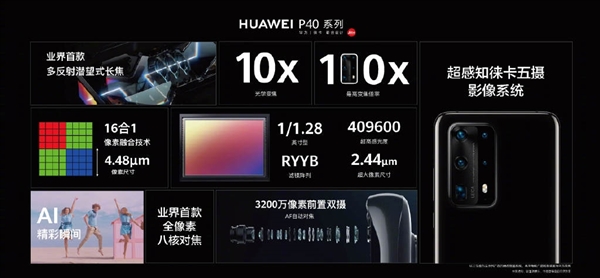
Huawei‘s P series has always been about the awesome camera co-engineered with German photography giant LEICA. The P40 series was released in China a few days back and alongside the P40, the Huawei P40 Pro and P40 Pro+ were also unveiled. The major highlight of the P40 Pro+ is the 10X optical zoom lens which is not only capable of capturing 10xzoom shots but also 20x hybrid zoom and 100x digital zoom. The scope of what this brings cannot be better imagined but experienced. However, some camera samples have been shared online which shows how the zoom pans out.
The zoom allows mobile phones to take pictures far beyond the horizon of the natural eyes, unravelling invisible objects and still maintaining the vivid clarity of the shots. The first set of six continuously zoomed-in pictures fully show the charm of the P40 Pro+ 100x digital zoom. From a distance, it is just a row of ordinary high-rise buildings. As the zoom factor continues to zoom in, the artwork on the building became visible. Further zooming in up to 100 times reveals a man and woman on the bridge.
HuaweiP40 Pro+ 100x digital zoom sample.-First shot
In another set of camera samples shot on a beach, the normal shot faintly shows the beach tents. The telephoto lens of the P40 Pro+ was able to reveal the colours of the beach chairs and even shows a few people sitting on them.
Huawei P40 Pro+ 100x digital zoom- Second shot
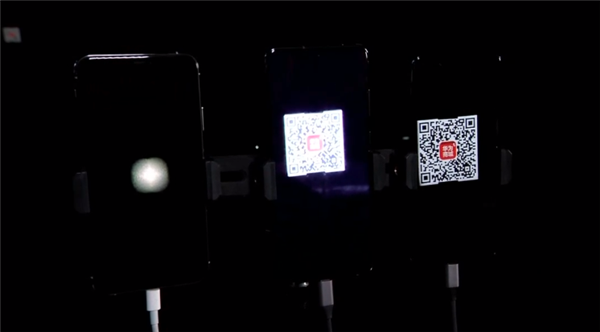
Another sample confirms the zoom is also active and can be deployed at night or in low light conditions. The P40 Pro+ zoom was able to scan the QR code on a smartphone’s screen from 50 meters away and in the dark! The picture is a collage with samples shot by two different flagship’s cameras which were not clear enough to complete a QR code scan.
Huawei P40 Pro+ 100x digital zoom – Third zoom shotHuawei P40 Pro+ 100x digital zoom – Fourth zoom shotHuawei P40 Pro+ 100x digital zoom – Fifth zoom shot. 100x zoom
Here are the samples of the beach shots using the optical zoom.
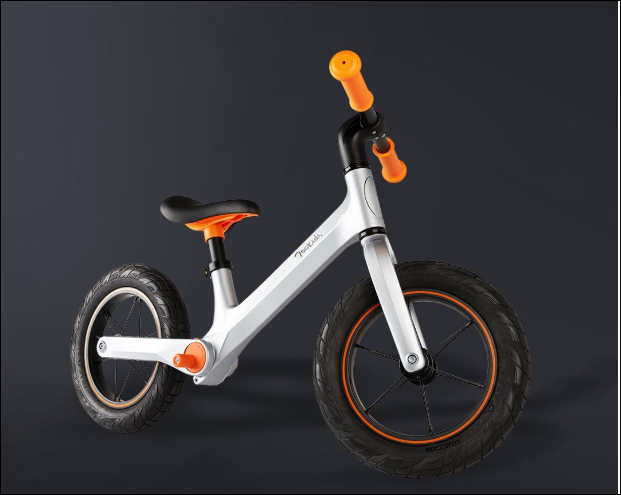
Xiaomi Youpin has launched the Qi Xiaobai professional shock-absorbing sports bike and it comes with a price tag of 799 yuan ($113). The first set of orders will come along with a helmet valued at 79 yuan.
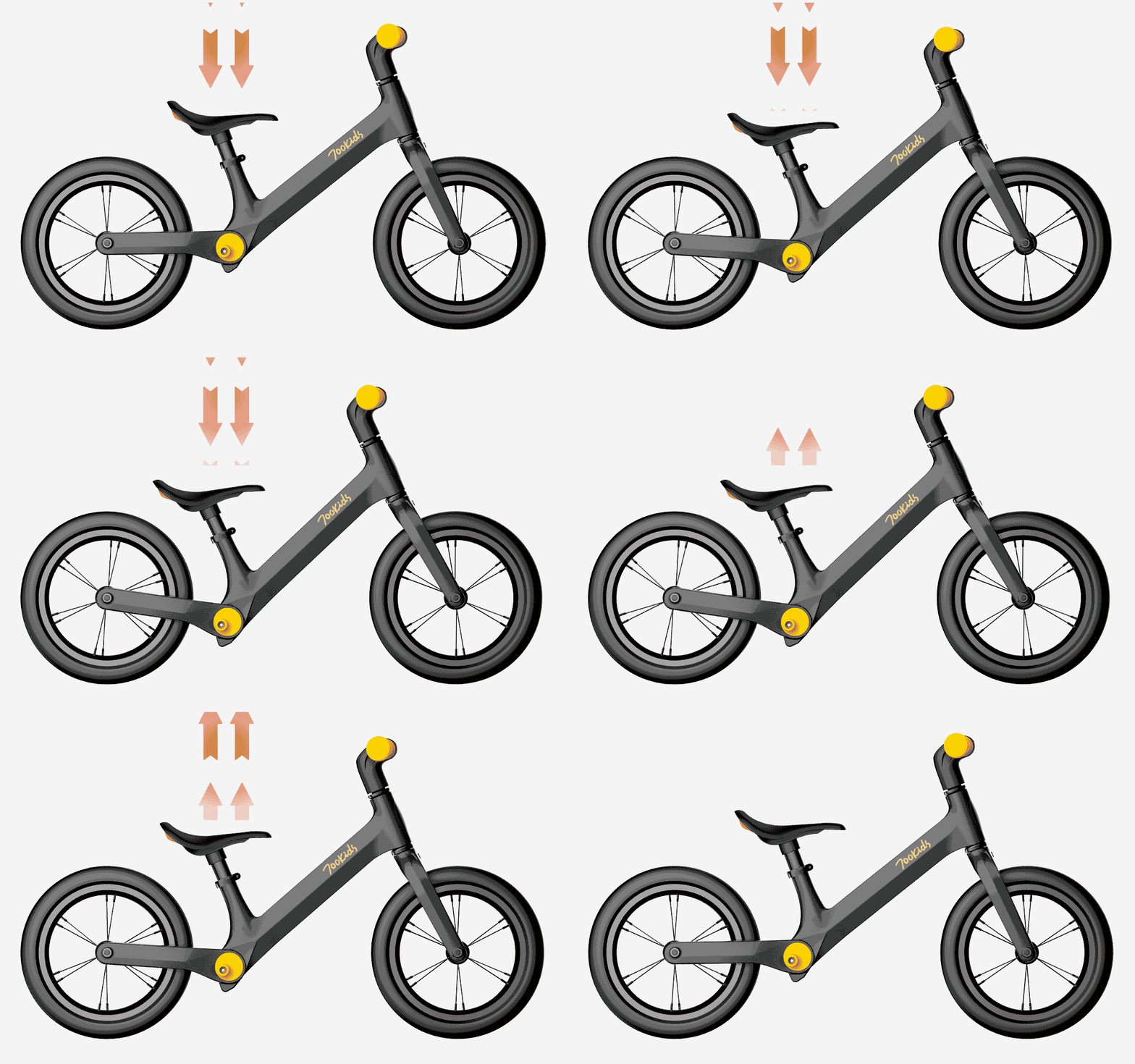
This bike manufactured for children and is said to be the industry’s first dual-use shock absorption system-packing bike. The shock absorption is locked when the bike is gliding through flat surfaces. The bike uses eh kick-pedalling system and even when pedalling, the back shock absorber doesn’t leak. The rear shocks open on undulating pavements to absorb shocks and buffer the force in order to protect the spine. As such, the bike is suitable for use in homes, yards, parks, and squares.
The Qi Xiaobai professional shock-absorbing sports bike adopts aluminium-magnesium alloy tube technology to achieve a 360-degree integrated frame with higher strength. The bike is equipped with two 1.75-inch competitive tires, durable and features an excellent road surface possibility. The 180-gram competitive lightweight seat cushion is made of PU material for car seats. The rear end of the seat is slightly raised, scientifically enhancing the glide force
The bike is also easy to install as it has just a few screws.
It comes with a grey coloured frame but there are two models with accents of yellow and orange on the handlebar, footrest, seat and the tires.
The upcoming Huawei MatePad isn’t the only tablet the Chinese manufacturer has planned for release soon. The render for a second and smaller tablet called the MatePad T has been leaked. The said tablet was also certified a few days ago by the Wi-Fi alliance.
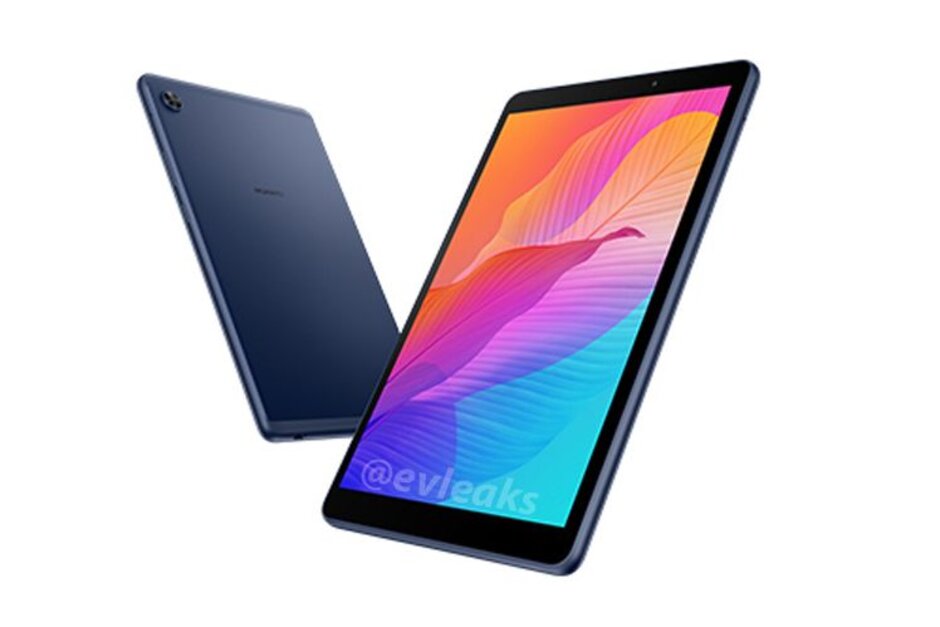
The MatePad T is an 8-inch tablet with pretty thick bezels unlike those of its siblings – the MatePad and the MatePad Pro. It has a single rear camera that protrudes and its charging port appears to be positioned on the right side at the bottom. The render of the tablet was posted by Evan Blass (@evleaks) and it shows it will come in Navy Blue. There should be other color variants when it launches.
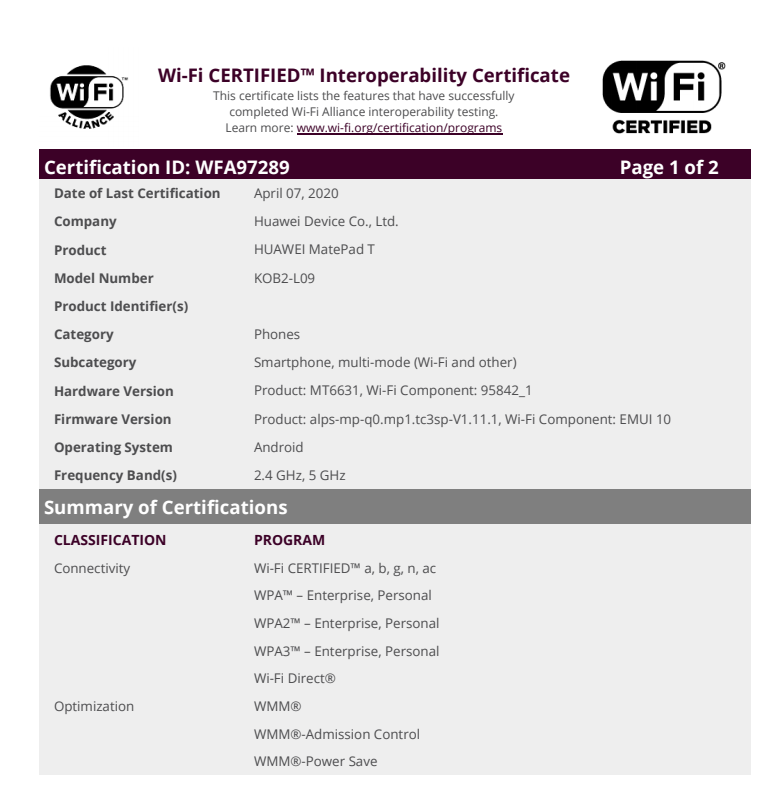
The Wi-Fi alliance certified the tablet on Wednesday, April 8 and the certificate reveals the tablet has the model number KOB2-W09. It also supports dual-band Wi-Fi and runs EMUI 10.
A lot of the tablet’s specs are still unknown but it should be less powerful than the MatePad which has been confirmed to have a Kirin 810 chipset. It should also be pretty affordable.
There is no info on when Huawei will announce the MatePad and the MatePad T but it should not be far off.
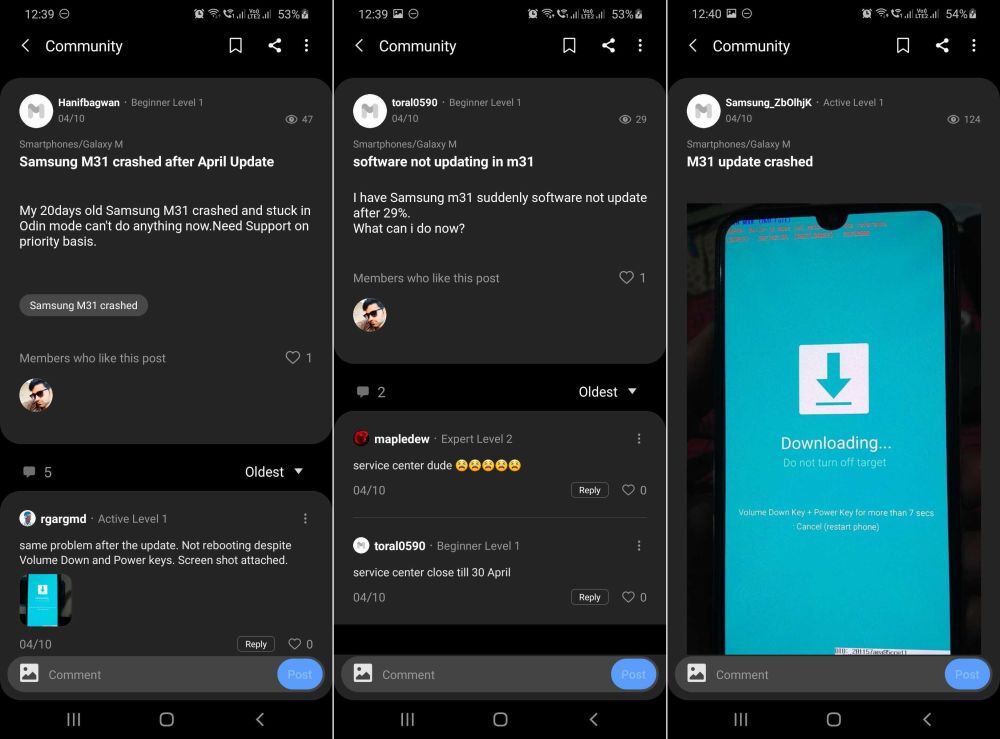
Samsung rolled out One UI 2.0 update based on Android 10 to the Galaxy A70 in certain markets a few days back. In a similar fashion, the company released April 2020 security patch for Galaxy M31. Now, the users who downloaded and installed the update are ended up with a non-functioning slab of brick.
Galaxy A70 One UI 2.0 Android 10 Update Bricks The Device
The South Korean tech giant has been updating a number of its devices to One UI 2.0 (Android 10). The Galaxy A70 launched back in March 2019 finally got its turn for the update exactly after a year from its launch. But unfortunately, it turned out to be bricking the devices. As of now, Samsung has halted the rollout but it is yet to acknowledge the issue.
According to SamMobile, the bricking of Samsung Galaxy A70 phones on updating it to Android 10 is a hardware issue, which requires the user to visit the nearest customer service center to replace a new PCB. Sadly, it is not possible in the current lockdown situation.
The smartphone maker has used two different versions of PCB to handle charging and control screen on the Galaxy A70. Hence, every time the brand releases a new update, the PCB is also updated to support the latest firmware. But with the One UI 2.0 Android 10 update, the firm has forgotten to include the code to update the PCB. Thus the motherboard assumes the battery to be empty and prevents the phone from booting.
Anyway, as mentioned earlier, Samsung seems to have rolled back the OTA but still does not update your Galaxy A70 to Android 10 if you ever receive the notification.
April 2020 Security Patch Update Could Brick Galaxy M31
In the case of Galaxy A70, the handset is certain to get bricked if the Android 10 update is initiated. On the other hand, the April 2020 security patch update on Galaxy M31 has a possibility of bricking the device and we recommend you not to update the device.
1 of 2
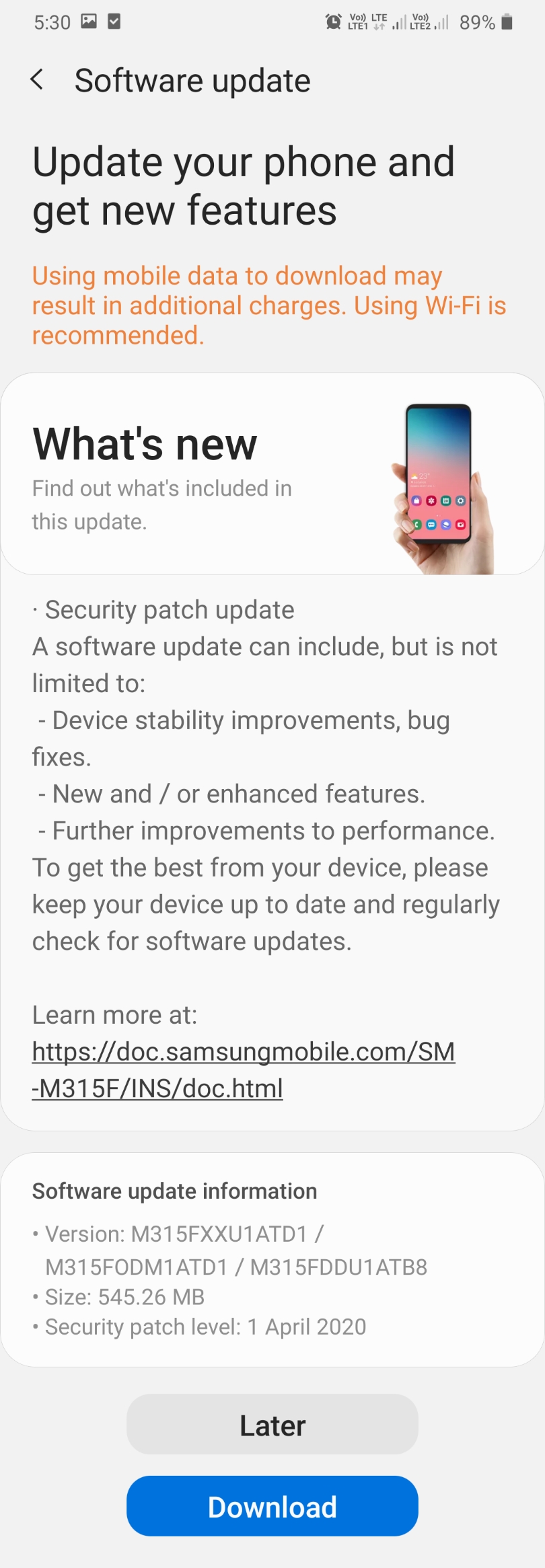
Our unit too received the update weighing 545.26 MB yesterday (April 10), and installed without any issue. But the same cannot be said for a number of unfortunate users who have reported their bad luck on Samsung Members app and Twitter.
The only fix for this issue is once again visiting the nearest Samsung service center to clean flash the firmware. Again this is not possible for many as they are closed due to lockdown order by governments across the world to fight the outbreak of coronavirus aka COVID-19.
The world’s first 108MP camera smartphone was the Xiaomi Mi CC9 Pro aka Mi Note 10. Late last month, an FCC listing leak suggested the company to launch a new version of this device called Mi Note 10 Lite. Now, this device has also received NBTC certification in Thailand suggesting an imminent launch.
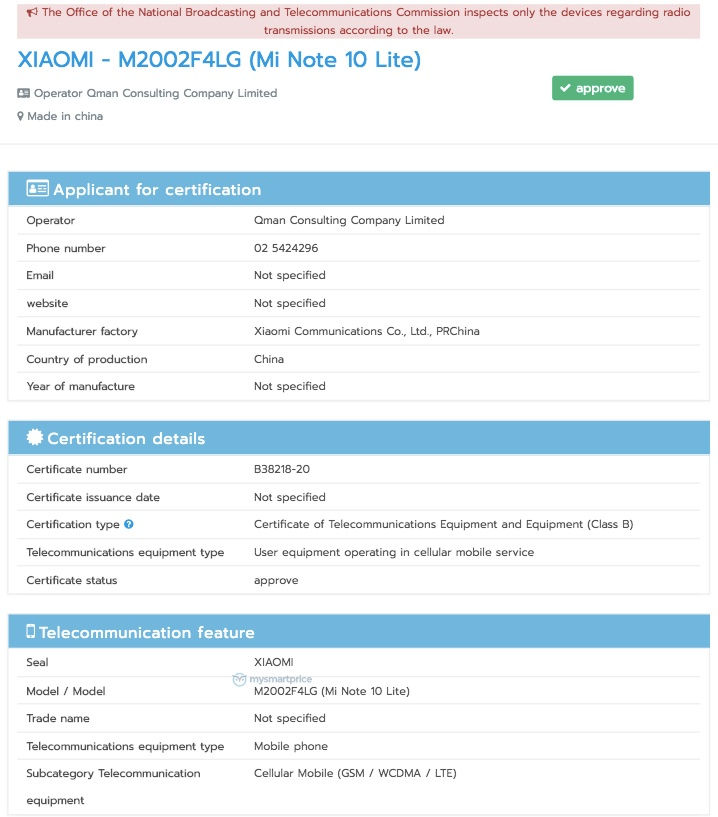
The NBTC listing of Xiaomi Mi Note 10 Lite reveals it to come with model number M2002F4LG. Other than that, it confirms support for only 4G networks, which is obvious as the previous leak suggested it to be powered by Qualcomm Snapdragon 730.
The FCC leak also exposed most of the handset’s primary specifications including those of display, camera, battery, and software.
The handset is expected to sport a 6.47-inch display but the type of the panel is a mystery for now. For optics, it will feature a quad-camera setting consisting of a 64MP primary sensor paired with an 8MP unit (probably ultra-wide), a 5MP shooter (could be macro), and a 2MP camera (most probably for depth sensing).
As for the battery, it is tipped to come with a 5,260 mAh cell with support for 30W fast charging. Last but not least, it will run Android 10 with MIUI 11 on top of it.
Anyway, Xiaomi is yet to announce a launch date for Mi Note 10 Lite and since it has now got NBTC certification, Thailand could be the first market for this device.
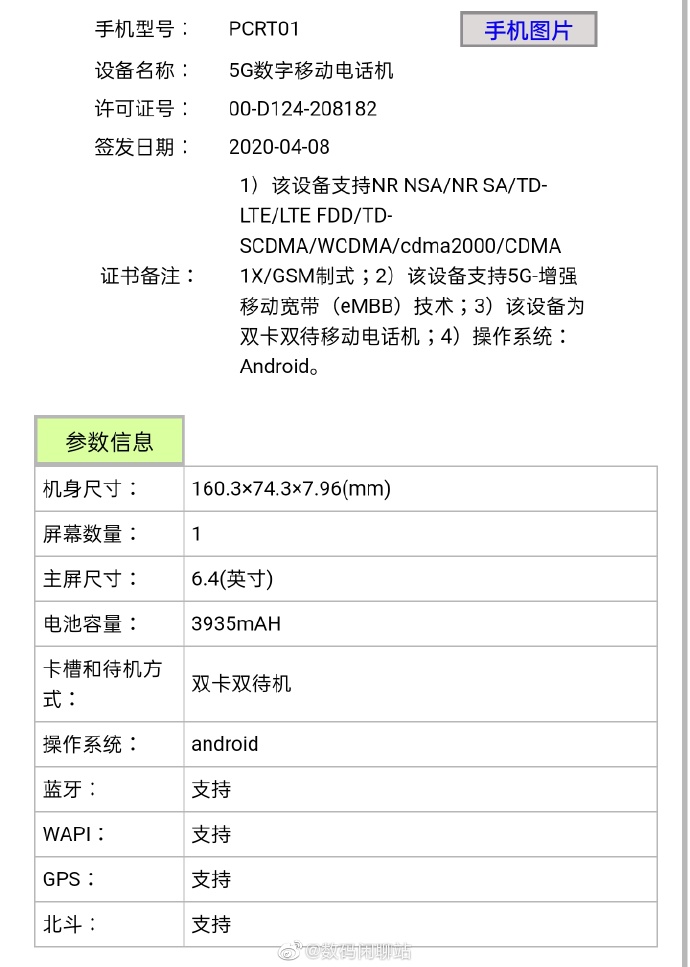
With flagships out of the way for a lot of manufacturers, the focus is now on mid-range 5G phones. OPPO, which is one of the first Chinese manufacturers to launch a mid-range 5G phone has more coming. The TENAA certificates for two new 5G phones have popped up online and they reveal some key specifications.
OPPO PCRT01
The OPPO PCRT01 has a 6.4-inch display and packs a 3935mAh battery (~4000mAh). It measures 160.3 x 74.3 x 7.96 millimeters according to the info released by TENAA. It also has support for SA and NSA 5G networks.
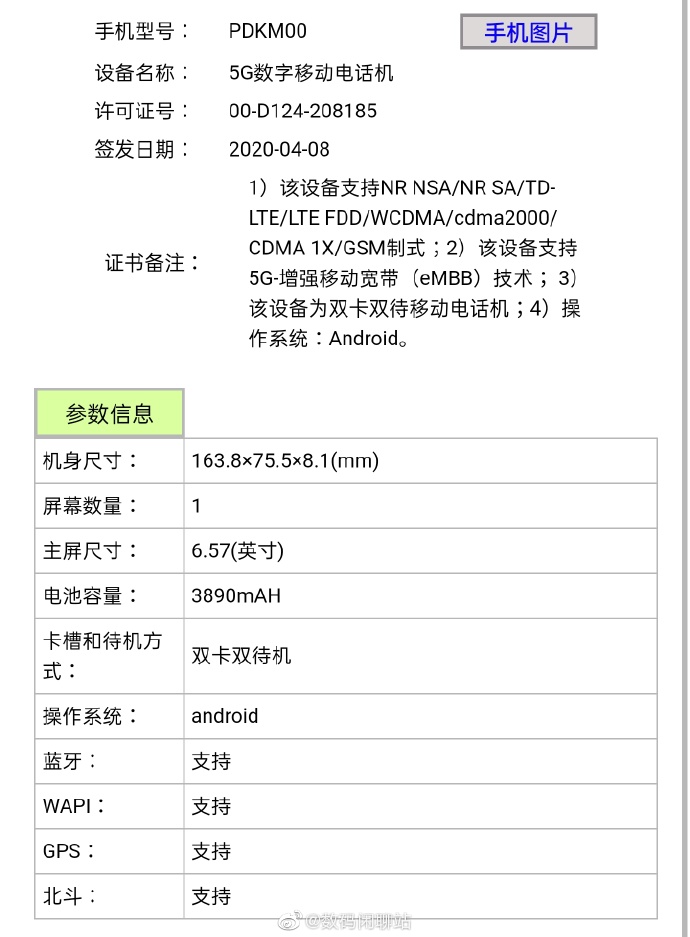
OPPO PDKM00
The second phone has the model number PDKM00. Its screen is bigger at 6.57-inches and its battery capacity is 3890mAh. The phone’s dimensions are given as 163.8 x 75.5 x 8.1 millimeters. Just like the model above, this also has support for SA and NSA 5G networks.
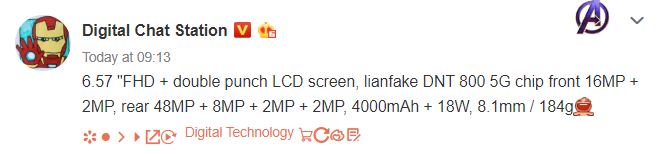
In a separate Weibo post, the Chinese leaker that goes by Digital Chat Station, revealed the key specs of the OPPO PDKM00.
The post said the phone has an LCD display with a double punch-hole for 16MP + 2MP dual front-facing cameras. The resolution of the screen is, of course, FHD+.
Powering the OPPO PDKM00 is MediaTek’s Dimensity 800 chipset which is yet to appear in a commercially-available smartphone. There is no info on the RAM and storage options available. However, he did reveal the phone will have a quad-camera setup on the rear that includes a 48MP primary camera, an 8MP sensor, and two 2MP sensors.
The upcoming OPPO phone will pack a 4000mAh battery capacity with support for 18W fast charge. The fast-charge technology is actually slow for a 2020 OPPO phone considering it has faster ones. The weight of the phone is stated as 184 grams.
We do not know under which series these phones will launch but they may likely arrive under the A-series. But before then, we expect TENAA to publish the full spec sheet of both devices.
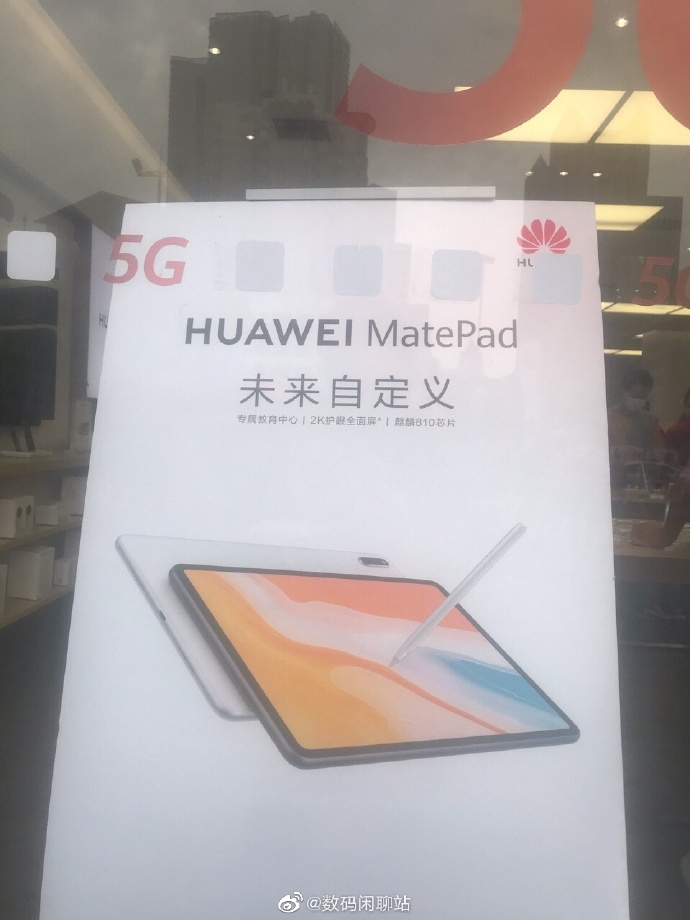
Huawei and Samsung are the only two big-name manufacturers still churning out tablets. Just as Samsung is planning to release a lite version of its Galaxy Tab S6, Huawei is also planning to launch a less powerful version of its MatePad Pro tablet. A poster of the Huawei tablet which is simply called the “Huawei MatePad” has surfaced on the web and it confirms some of the already leaked specs.
The image of the poster appears to have been taken in front of a store and it shows the Huawei MatePad will come in two color variants – white and gray. The tablet has bezels that are significantly slimmer than those of several other tablets. However, it skips the punch-hole display of the MatePad Pro. The Huawei MatePad is also shown to have stylus-support.
According to the image, the MatePad has a 2K display, a Kirin 810 processor, and exclusive educational features, hinting at Huawei’s target demographic for the new tablet being students.
Previous reports said the tablet will have a 10.4-inch display and will come in WiFi and 4G models with up to 4GB of RAM and 128GB of storage. It will also come with a 7250mAh battery with a USB Type-C port for charging. Other features are 8MP rear and front cameras, Bluetooth 5.1, and an alleged “Lite version” of EMUI 10.1 based on Android 10.
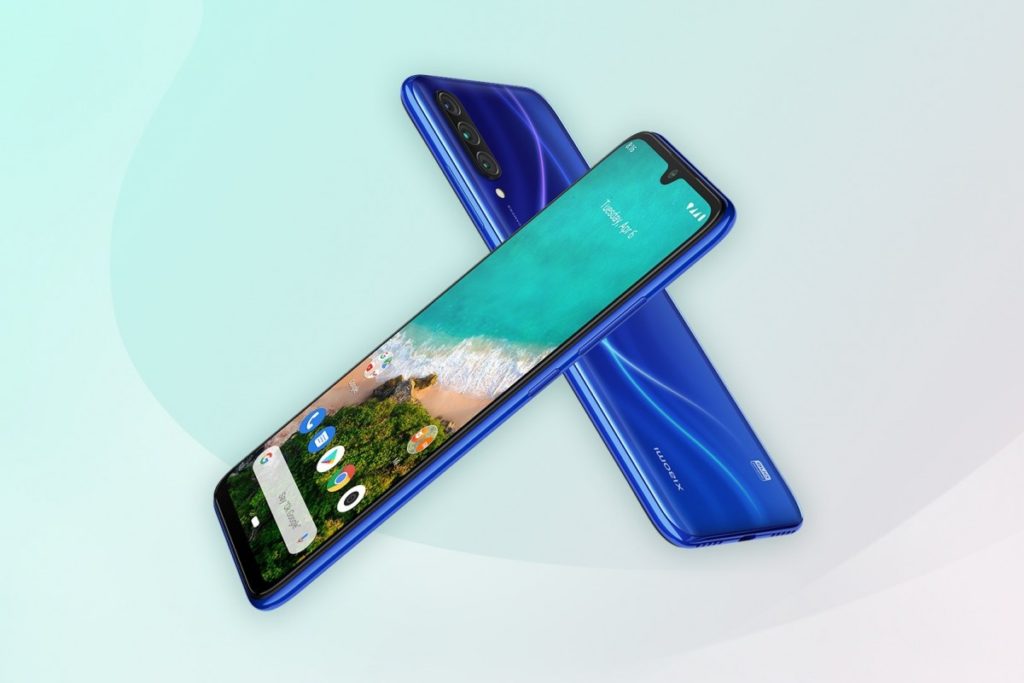
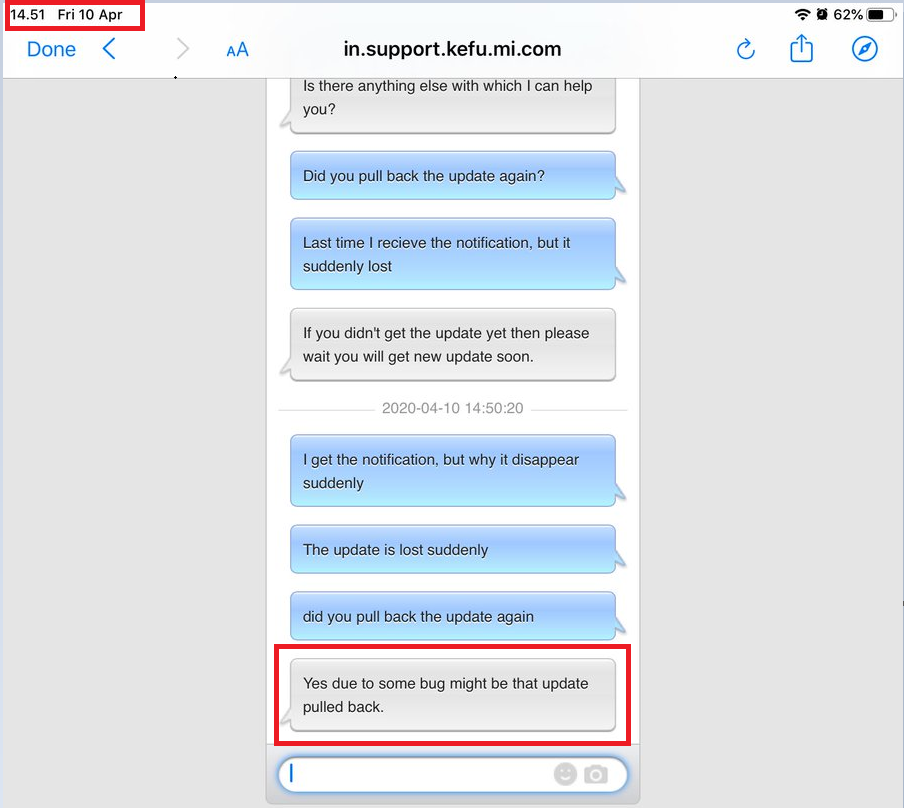
Xiaomi Mi A3, the company’s third-generation Android One smartphone has officially earned a place in the list of buggiest phones ever. Since its release, the phone has been criticized for its software by users around the world. What’s even more interesting is the company has once again pulled back (third time) the Android 10 update.
The Xiaomi Mi A3 launched in July 2019 as a rebadged Mi CC9e for international markets. Instead of MIUI, it shipped with stock Android 9.0 Pie software under the Android One program. This means it should get two platform updates and monthly security patches for three years.
However, the company is yet to deliver a bug-free stable Android 10 update for the device. Android One devices are supposed to be one of the first to get the latest Android update. But in Xiaomi’s case, it is different as the heavily skinned MIUI running Redmi K20 Pro was the first to get it. In fact, the Chinese variant of the device received the Android 10 update on the day Google officially launched it
But the company’s latest generation Android One device, the Mi A3 is still running Android Pie from 2018. In addition to that, the company has never delivered monthly security patches on time and tried to seed out a bugless Android 10 update for three times in a row.
Xiaomi first rolled out the Android 10 update to Mi A3 users in late February and soon it was rolled back due to bugs. Once again, it seeded out the update in mid-March but the same bugs followed. Now, recently on April 8, the Chinese smartphone maker released the update for the third time, unfortunately, ‘third time is not a charm’ for the company as the bugs have managed to latch on to this build too.
And hence, the latest Android 10 so-called stable update with April 2020 security patch has been rolled back according to a Xiaomi customer care executive.
Anyway, it is worth noting that not all users are facing issues. But still, we recommend you to stick with Android 9 and only continue to update security patches and avoid Android 10 OTA notification.
These are some of the bugs/issues reported by Mi A3 users on Mi Community and other platforms.
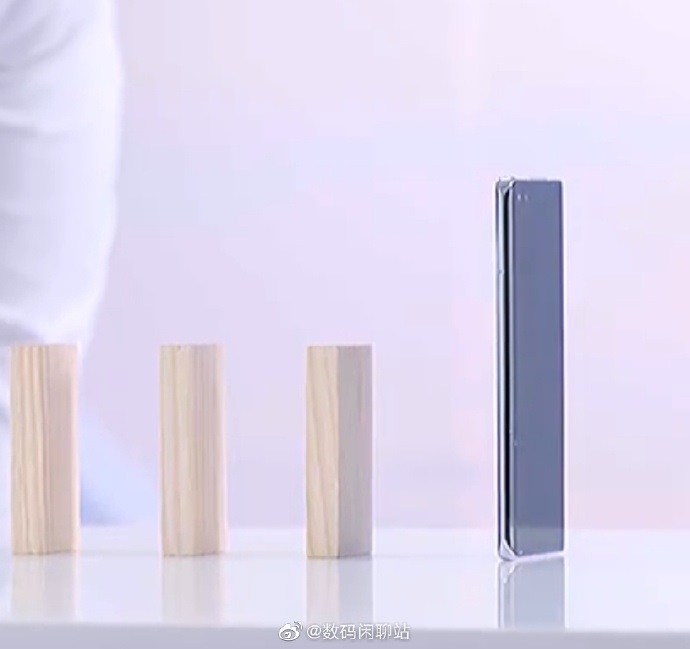
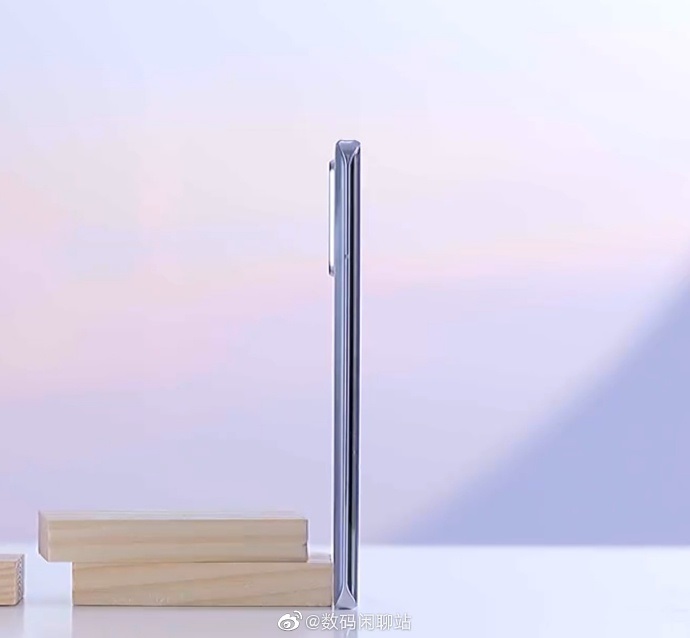
Honor will be launching the Honor 30 and Honor 30 Pro on April 15. For the past few days, the brand has been teasing some of the specs of these phones. Now, for the second time, a couple of live images of the Honor 30 / 30 Pro handset has emerged on the internet.
Unfortunately, the live images of Honor 30 / 30 Pro only manages to show off a part of the phone’s design. We get to see the left side as well as a little bit of the front.
Honor 30 / 30 Pro Live Images
1 of 2
According to the pictures, the phone will have chamfered sides and a curved display. The left side, which we get to see in these images is empty with no buttons or card slot. This confirms the power key and volume rockers will be on the right side of the handset.
One of the two live images, also confirms a dual punch hole for the front cameras, which by the looks of its seems smaller than the one on the Honor P40 series.
The Honor 30 and Honor 30 Pro are confirmed to be powered by Kirin 985 and Kirin 990 SoCs respectively. Both will have support for 5G support just like their smaller sibling Honor 30S with Kirin 820.
To know more about the forthcoming Honor 30 and Honor 30 Pro including specifications and design, do check our coverage on the same.
The Nubia Red Magic 5G was announced in China in March. Touted as the most stylish gaming phone to hit the store shelves this year, the Nubia Red Magic 5G offers more than a highly appealing outward appearance.
It might interest those restlessly waiting to get their hands on the recently unveiled handset to know that Giztop is now offering multiple variants of the 5G-ready phone at unbeatable prices. The 8GB RAM+128GB ROM model would set you back $619 on the popular Chinese online store.
Alternatively, you can go for the other black-tinted model that comes with 12GB RAM and 128GB internal storage if you are willing to shell out $679. Those who fancy having more storage space to save their favorite multimedia content might want to check out the next variant that ships with 12GB RAM offer a hefty 256GB of onboard storage capacity.
The aforesaid model is available in a transparent color option for $759. The Cyber Neon color option, on the other hand, retails for $749. Bearing a slightly steep $909 price tag, the largest variant is integrated with a mammoth 16GB RAM and a hearty 256GB of native storage. This model comes in a Cyber Neon color option.
Much to the relief on those on a tight budget, Giztop is offering a chance to save $50 by applying coupon code REDMAGIC5G at check out. You can head straight to this link to avail of the discount before the coupon expires. The irresistible Nubia Red Magic 5G offers the following features:
6.65-inch AMOLED 144Hz FHD+ gaming display
An in-display fingerprint scanner
Qualcomm Snapdragon 865 Octa-core processor
Adreno 650 GPU
64MP+8MP+2MP cameras at the back
8MP front camera
4500mAh battery with 55W (10A high-current) air-cooled turbo fast charging
DTS Technology
Red magic OS 2.0 based on Android 9.0 OS
The Gizmochina Coupons is a community that finds, reports and evaluates deals and coupons of Chinese products from online shops. Please visit it here to find more coupons to save money on mobiles and smart gadgets.
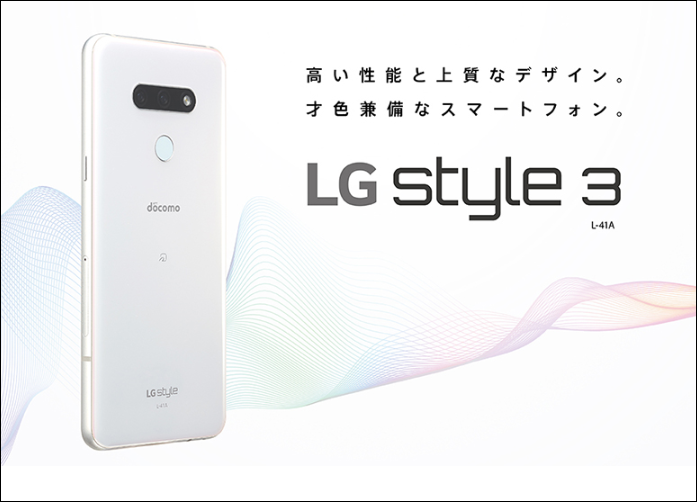
LG has taken the wraps off a new smartphone that seems to be solely for the Japanese market. The LG Style3 is basically a redesign of the V40 ThinQ which was launched in 2018. The phone comes along with some specs that might make you think this is a flagship phone suited for 2020 but some aspects of the design and specs are disappointing.
Just like the V40 ThinQ, the LG Style3 features an OLED screen with Quad HD+ resolution. But the display comes in at 6.1 inches which is smaller than the V40 ThinQ’s. The display has a wide notch at the top which holds a single 8MP selfie camera as against dual selfie cameras on the V40 ThinQ.
The Style3 is powered by the Snapdragon 845 chipset which was released in 2018 and featured on the V40 ThinQ. Even though the processor is old, it still is a powerful one and should be adequate for the device but that would depend on the retail price. The model comes in only 4GB RAM version as well as 64GB storage. The storage can be ramped up via a microSD card slot that supports up to 512GB of added storage.
For photography, you get a dual-camera setup at the rear arranged horizontally in a single module along with the LED flash. The camera is a 48MP + 8MP combo. The V40 ThinQ has three sensors but a similar design. Just under the rear camera is a physical fingerprint sensor. The LG Style3 packs 3500mAh battery. It is a 4G phone and supports NFC.
The phone is already listed by Japanese carrier NTT Docomo but the price wasn’t listed.
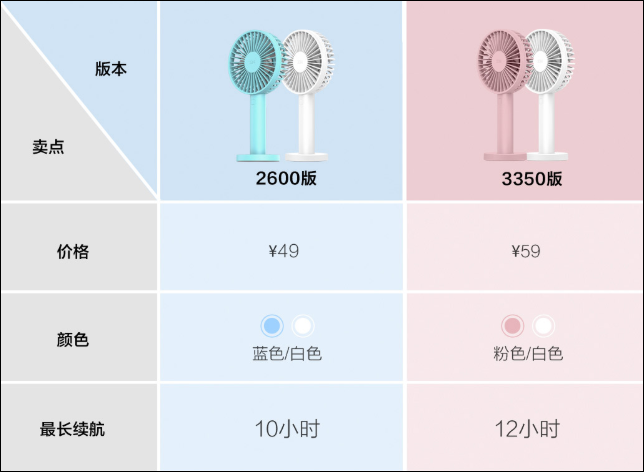
Xiaomi‘s ecological chain company ZMI first opened shop in 2012 and since then, the company has launched several impressive products ranging from power banks, chargers including wireless chargers, data cables, car chargers, to portable speakers. The company has now launched a portable fan. The ZMI Portable Fan is an entry-level product that comes with a price tag of 59 yuan ($8) but it sure meets a vital need to stay cool during the hot summer weather.
The portable fan adopts a minimalist design, packing a compact body can be carried anywhere, whether it is outdoor or indoor. This is not the first of such design that you might have come across but what makes this model stand out is that it has a detachable base. Thus, it can be used on a desktop and can be detached and carried around.
The fan has a diameter of 107.8mm and seven feather blade designs, wing-shaped planing, and a brushless DC motor to create a comfortable and natural wind. You don’t need a power outlet to use the fan as it packs a 3,350mAh LG rechargeable battery. The battery can last for up to 12 hours in the base level speed. The fan comes with three-speed levels. The top speed level drains the battery in 4.5 hours while the second level can last up to 9 hours. The device can be charged via a USB 2.0 port and will attain a full charge in 5 hours.
The ZMI Portable Fan also has a second version with 2600mAh battery priced at 49 yuan ($6). Both models are listed on JD.com.
The former Huawei’s sub-brand launched a new series of affordable phones with a brand new naming scheme. The advanced version of the lineup is the Honor Play 4T Pro which offers a pretty intriguing specs sheet at a very affordable price. But are their specifications enough to meet the demand and divert it from affordable devices from other Chinese brands such as Xiaomi and Realme? In order to establish it, we decided to compare Honor Play 4T Pro, Redmi Note 9 Pro and Realme 6. We believe these are among the best options in the affordable price range for most of the users: if you want to know the pro and cons of each device, go ahead with this comparison.
Huawei Honor Play 4T Pro vs Xiaomi Redmi Note 9 Pro vs Oppo Realme 6
Quad 64 + 8 + 2 + 2 MP f/1.8, f/2.2, f/2.4 and f/2.4
16 MP front camera
Quad 64 + 8 + 2 + 2 MP f/1.8, f/2.3, f/2.4 and f/2.4
16 MP f/2.0 front camera
Triple 48 + 8 + 2 MP f/1.8, f/2.4, and f/2.2
16 MP f/2.0 front camera
BATTERY
5020 mAh, fast charging 18W
4300 mAh, fast charging 30W
4000 mAh, fast charging 22.5W
ADDITIONAL FEATURES
Dual SIM slot
Dual SIM slot, splash resistant
Dual SIM slot
Design
Honor Play 4T Pro is not the most attractive device of the trio. It comes with a pretty big camera module on the rear side and, unlike Redmi Note 9 Pro and Realme 6, it does not have a punch-hole display. But it is the most compact phone here, that is why a lot of people might still prefer it. When it comes to the look, at first glance, Realme 6 looks more beautiful. But it has a plastic body, while Redmi Note 9 Pro offers a more premium glass back. On the other hand, Redmi Note 9 Pro is the device with the biggest dimensions. This said, what would your choice be?
Display
OLED displays are very hard to find in the price range of the Honor Play 4T Pro, Redmi Note 9 Pro and Realme 6. But that is what you get with the Honor Play 4T Pro, despite its very affordable price. It offers an OLED display with deep blacks, vivid colors, and even an in-display fingerprint scanner. But Honor Play 4T Pro is also the device with the smallest panel: easier to use with one hand and to keep in a pocket, but less suitable for advanced usages such as productivity. Realme 6 has an IPS display, but it offers a high 90 Hz refresh rate, so it still remains a very interesting device in terms of display.
Specs & Software
The Kirin 810 SoC found on the Honor 4T Pro is a chipset offering better overall performance compared to Snapdragon 720G. Kirin 810 is even more efficient with its 7 nm production process. Still, a lot of people prefer the Snapdragon 720G due to the good reputation of Qualcomm’s chipset. Helio G90T is more or less at the same level as the Kirin 810, but it is less efficient since it is built at 12 nm. Honor Play 4T Pro, Redmi Note 9 Pro and Realme 6 run a customized version of Android 10, but the Honor Play 4T Pro does not get Google services.
Camera
The camera champion of this comparison is the Realme 6 Pro for a simple reason: it has a better main sensor on its rear camera setup. It boasts a 64 MP Samsung GW1 lens which is a midrange sensor, but still better than the 48 MP sensors found on Honor 4T Pro and Redmi Note 9 Pro. The sensor is paired with an 8 MP ultrawide lens and two additional sensors for macros and depth calculation boasting a 2 MP resolution.
Battery
While Realme 6 is superior when it comes to cameras, Redmi Note 9 Pro wins when it comes to battery life thanks to its bigger 5020 mAh battery. Realme 6 wins the fast charging battle with a 30W power.
Price
Honor Play 4T Pro will hit the shelves with a €195 price tag, Realme 6 and Redmi Note 9 Pro cost Rs. 12999 in their base variants. The OLED display and the amazing performance of the Play 4T Pro make it a very interesting device, but Realme 6 still looks amazing with its better cameras and 90 Hz display. Redmi Note 9 Pro offers a way bigger battery and a Qualcomm chipset. Which one would you pick?
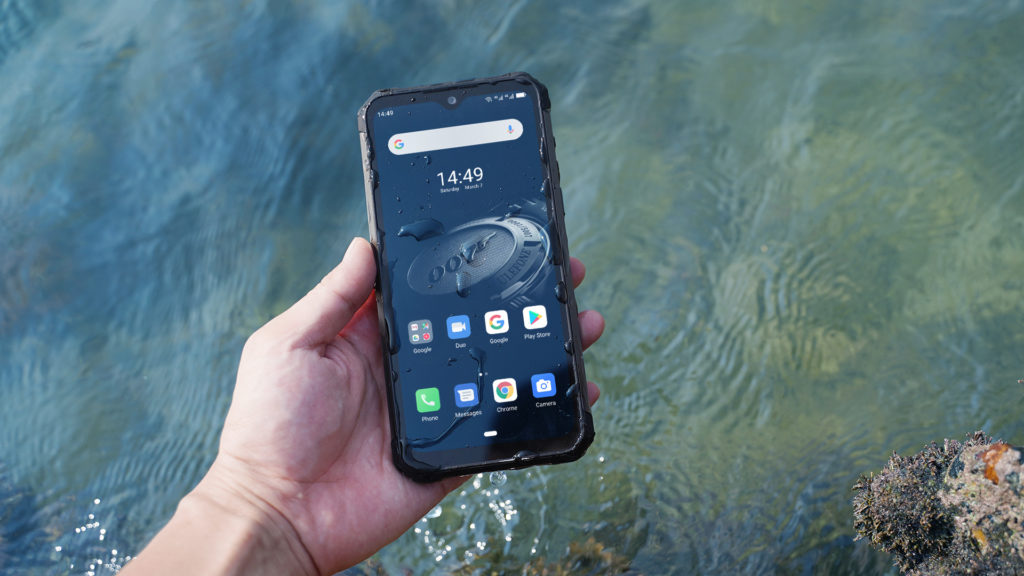
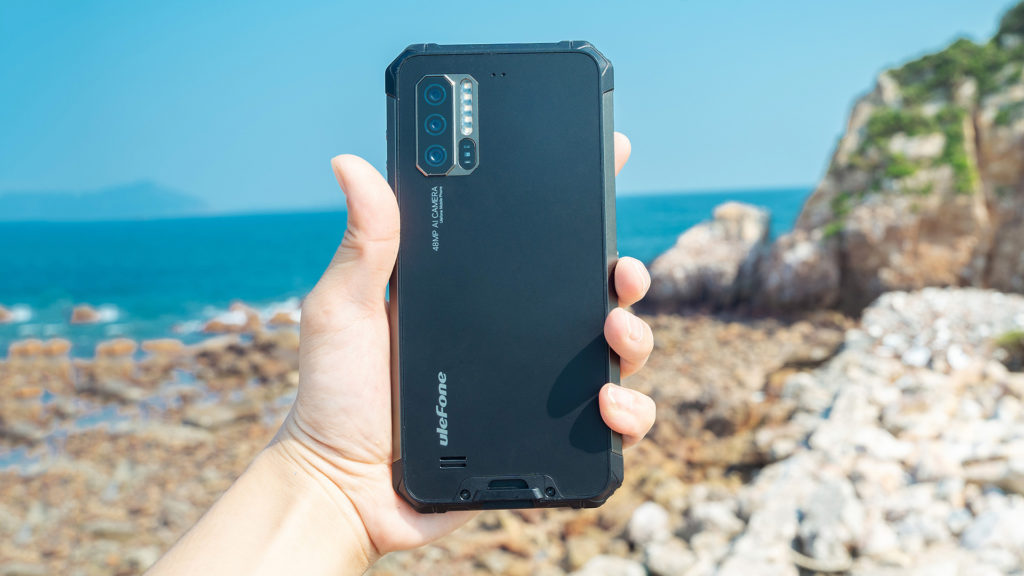
Ulefone is a professional rugged smartphone maker in China known for its competitive pricing. The company’s Armor series is acclaimed for its ruggedness and high-performance specifications. To compete against the other brands, Ulefone recently unveiled Armor 7E packed with powerful P-series SoC, MediaTek Helio P90. The company has unveiled a new hands-on video giving us the glimpse of its powerful hardware.
All the primary aspects of the smartphone from its massive battery to powerful performance is depicted in the video. It even sheds some light on the heart rate sensor and the stealthy design of the smartphone. The video provides us more information based on real-life performance than the benchmarks, which are usually done under the optimized environment. It is evident from the hands-on video that apps like Facebook, YouTube, and graphics-intensive games work without stuttering and frame rate dropping. Ulefone Armor 7E is designed to provide smooth and fast performance.
The smartphone sports Helio P90 SpC coupled with 4GB RAM and 128 GB internal storage. It even fares well against the competition if we compare the AnTuTu Benchmark scores. The devices achieved overall 212653 points with the CPU score of 82227 points and GPU with 41367 points. The MediaTek Helio P90 is outperforming Qualcomm Snapdragon 7 series processors. Moreover, Ulefone Armor 7E scores almost 5000 points at the AI benchmark.
Ulefone Armor 7E possesses IP68, IP69K certification for being a dustproof and waterproof device. However, it is even MIL-STD-810G certified for being rugged and drop resistance. It can survive extreme temperatures and severe outdoor environments. It is a perfect fit for adventurous activities or suitable for sports enthusiasts.
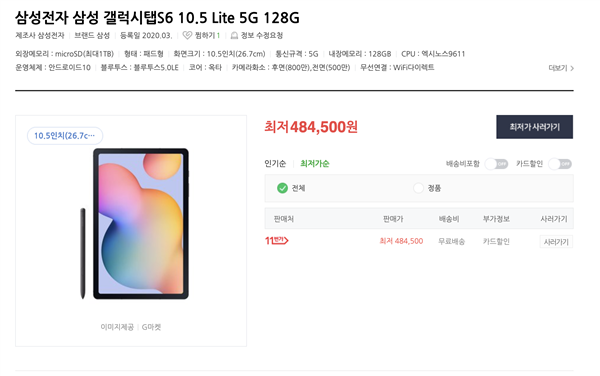
Samsung‘s upcoming Galaxy Tab S6 Lite has been anticipated to launch any moment from now but there has been hardly any information on the launch schedule. It was even tipped that the device will be launched on April 2 but that obviously did not happen.
However, the Samsung Galaxy Tab S6 Lite launch may be closer than you think. A number of South Korean retailers have reportedly listed the Galaxy Tab S6 Lite online, meaning that Samsung is about to officially release this product.
The landing page for the Galaxy Tab S6 Lite on one of the retailer’s website shows that the device will use a constant-width four-frame design. The tablet will feature a large 10.4-inch screen with a resolution of 2000×1200 pixels. The design is somewhat similar to the iPad Pro and it also comes with an S Pen. The tablet has a dimension of 24.5×15.4×0.7cm, weighing in at 798g.
In terms of specifications, the Galaxy Tab S6 Lite will be equipped with an Exynos 9611 processor which contains four 2.3GHz A73 large cores and four 1.7GHz A53 small cores. The processor is bundled with a Mali G72 MP3 GPU. The process is said to bring support for 5G connectivity to the device. The tablet equally comes with 4GB of RAM and 64GB/128GB storage options. The tablet will run on Android 10 OS and packs a massive 7040mAh battery.
The device will sell for the equivalent of $350 in Korea which isn’t a bad price. However, we expect the price to be slightly higher outside Samsung’s home market.
HMD Global, the company behind Nokia-branded Android smartphones is reported to hold a launch event in Q3 2020 to unveil Nokia 7.3, Nokia 9.3, and an unknown device.
Nokia smartphones rose from the dead with the help of HMD Global. The company has been trying very hard but still with a trusting branding and legacy, it has not seen success due to intense competition.
This year the company took a different route and announced a mid-range 5G smartphone dubbed as Nokia 8.3 powered by Qualcomm Snapdragon 765, instead of launching a premium 5G smartphone. That does not mean it has no plans for a high-end device.
A new exclusive report by NPU (Nokia Power User) suggests the company might launch the long-delayed Nokia 9.3 PureView flagship smartphone (previously known as Nokia 9.1 and Nokia 9.2) along with Nokia 7.3, and a mysterious unknown device in Q3 2020 if the COVID pandemic settles down.
HMD Global has already started testing the Nokia 7.3 in accordance with its plan to debut in mid to late Q3 2020. The device is reported to come in both 4G as well as 5G option. It could be the cheapest 5G phone from the brand, costing even less than the €599 price tag of Nokia 8.3.
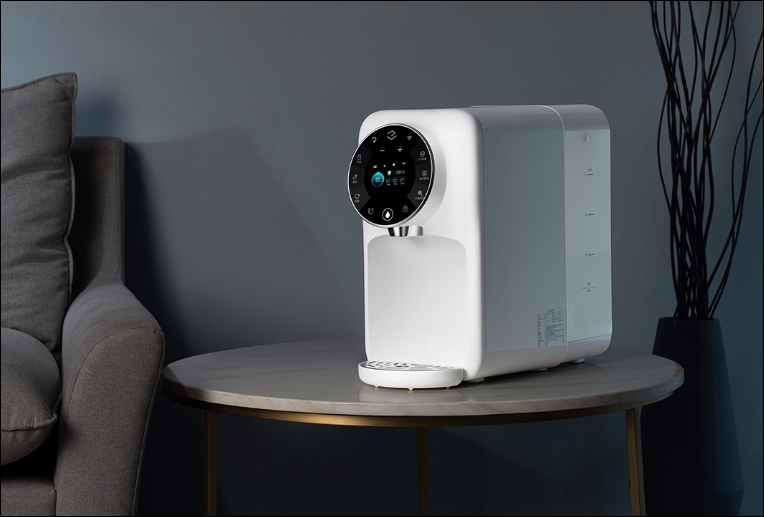
Xiaomi Youpin first played host to Yimu Technology in June 2019 when the Chinese startup launched a smart water faucet. The product was well received. Riding on the success of that exercise, Yimu has launched a smart Instant hot water dispenser under the Youpin platform. The product is under crowdfunding and the pricing starts at 1,499 yuan ($211) for the standard edition.
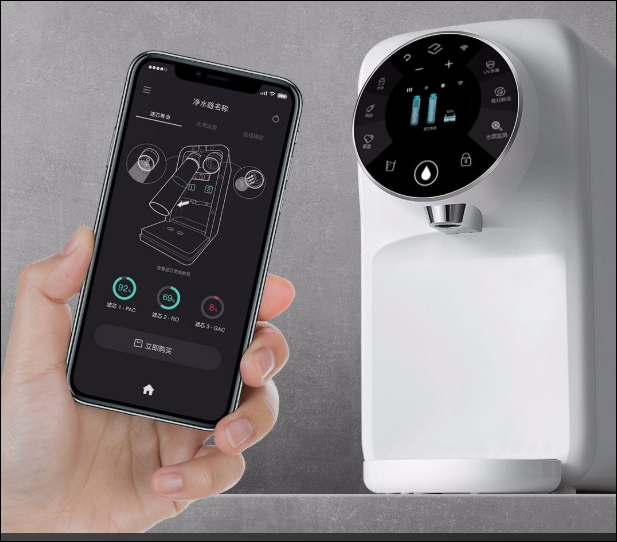
The Yimu Smart Instant Hot Water Dispenser adopts a desktop-free installation and can heat water in just 1 second. The temperature can also be adjusted as needed. It also comes with app support which lets users monitor the water quality in real-time. The device also doubles as a water purifier which deploys three-layer five-level reverse osmosis filtration, patented freshwater technology and UVC deep ultraviolet sterilization to ensure that the water is fresh.
The entire gadget uses 275nm deep ultraviolet automatic sterilization, patented UVC strong sterilization, the sterilization rate is as high as 99.9%, effectively inhibiting the growth of bacteria in the water tank and rejecting secondary pollution.
In terms of heating, the patented diatomaceous earth thick film heating technology is equipped with a 360-degree vortex heating design, without fear of external temperature interference, ensuring uniform heating and rapid temperature rise in seconds. At the same time, the patented SensorLess technology based on artificial intelligence Al algorithm can automatically correct the temperature deviation caused by the environment to achieve accurate temperature control of ± 0.5 ℃.
The Yimu Smart Instant Hot Water Dispenser comes in deep black and pure white colours and is expected to start shipping on May 3.
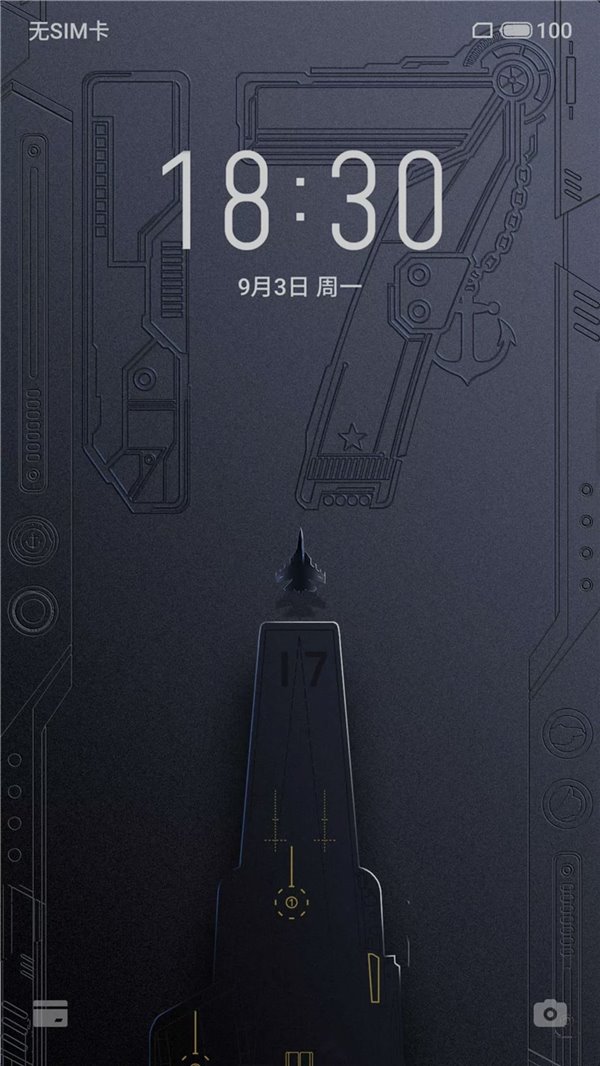
Meizu is expected to launch Meizu 17 in a few days from now. But according to the new Meizu 17 official theme (now removed), the phone could be unveiled on April 26.
Meizu 17 will be the brand’s first 5G smartphone. Being a high-end device, it will be powered by Qualcomm Snapdragon 865 SoC paired with 8GB LPDDR4X RAM and 12GB LPDDR5 RAM as per the leaks. As for storage, the device is expected to come in 128GB and 256GB UFS 3.0 storage options.
Meizu 17 Official Theme
1 of 4
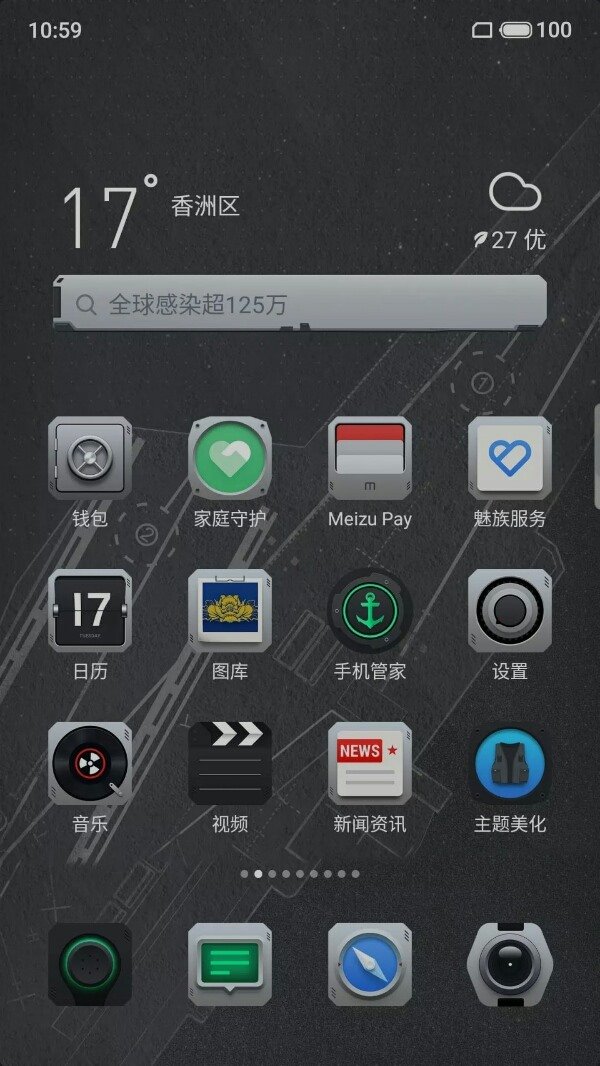
The device has leaked multiple times over the past few days but none of them revealed when it will be launched. But now, the Meizu 17 official theme on Flyme OS theme store, which has been now removed hints us the launch date of the handset.
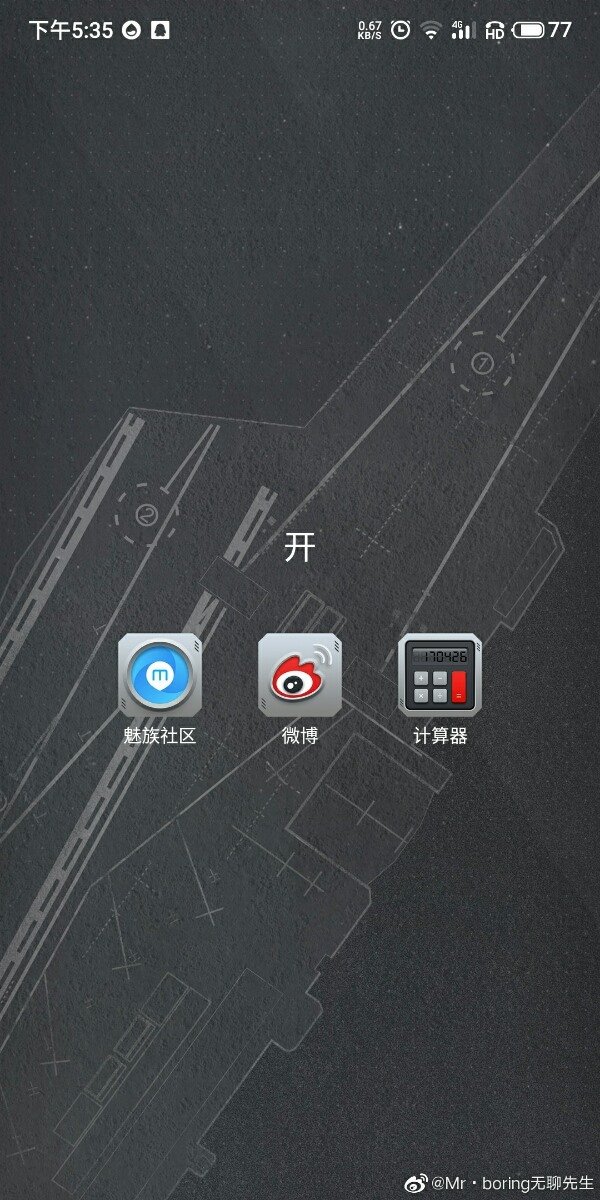
The calculator app icon in the new theme displays ‘170426’, which could mean Meizu 17, April 26. Anyway, this is just speculation by the person who spotted it first. Hence, take this information with a pinch of salt.
The upcoming Meizu 17 has been rumored to sport 6.5-inch Super AMOLED punch-hole display with 90Hz refresh rate and fingerprint sensor underneath it. It should feature a quad-camera setup consisting of 64MP Samsung GW1 primary sensor paired with an 8MP ultra-wide unit, a 5MP telephoto shooter, and a 2MP depth sensor. Whereas, the front camera is still a mystery.
Further, the handset is expected to come with stereo speakers powered by Dolby Atmos, a linear vibration motor, and a 4,500 mAh battery with support for Meizu’s proprietary 30W mCharge technology. Finally, the base variant of Meizu 17 could be priced at 3000 Yuan (~$568).
We use cookies on our website to give you the most relevant experience by remembering your preferences and repeat visits. By clicking “Accept”, you consent to the use of ALL the cookies.
This website uses cookies to improve your experience while you navigate through the website. Out of these, the cookies that are categorized as necessary are stored on your browser as they are essential for the working of basic functionalities of the website. We also use third-party cookies that help us analyze and understand how you use this website. These cookies will be stored in your browser only with your consent. You also have the option to opt-out of these cookies. But opting out of some of these cookies may affect your browsing experience.
Necessary cookies are absolutely essential for the website to function properly. This category only includes cookies that ensures basic functionalities and security features of the website. These cookies do not store any personal information.
Any cookies that may not be particularly necessary for the website to function and is used specifically to collect user personal data via analytics, ads, other embedded contents are termed as non-necessary cookies. It is mandatory to procure user consent prior to running these cookies on your website.