Advertisement

Xiaomi crowdfunds the Momoda Petite 3D Smart Massage Chair

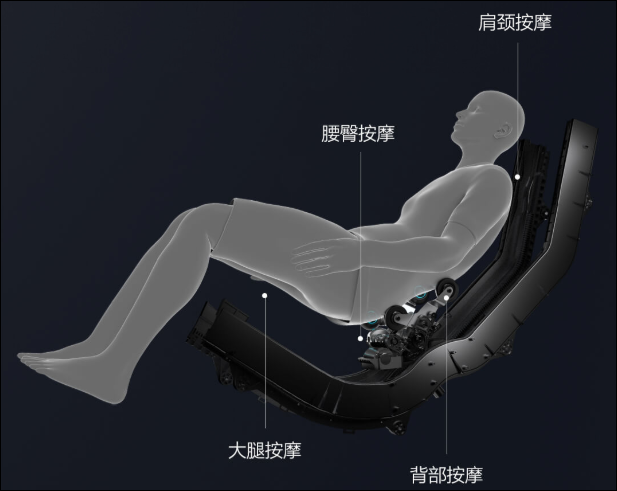
Xiaomi Youpin has launched the Momoda Petite 3D Smart Massage Chair for crowdfunding on the platform. The new massage chair is an upgrade over its predecessors. Momoda has for the past few years launched massage chairs and other massage products under the MIJIA and now Youpin platform. Momoda Petite 3D Smart Massage Chair

The new Momoda Petite 3D Smart Massage Chair comes with some innovative features and improved functionality. The design is such that the chair can be placed close to a wall and won’t meet any obstruction when it is reclined. That is because it automatically slides forward after opening. Flexible and compact, it covers an area of ​​only 0.77 square meters, which is about 35% less than that of a medium-sized massage chair. Thus, it can be kept in a small apartment. Also, you won’t need any installation as it uses a one-piece installation-free design.
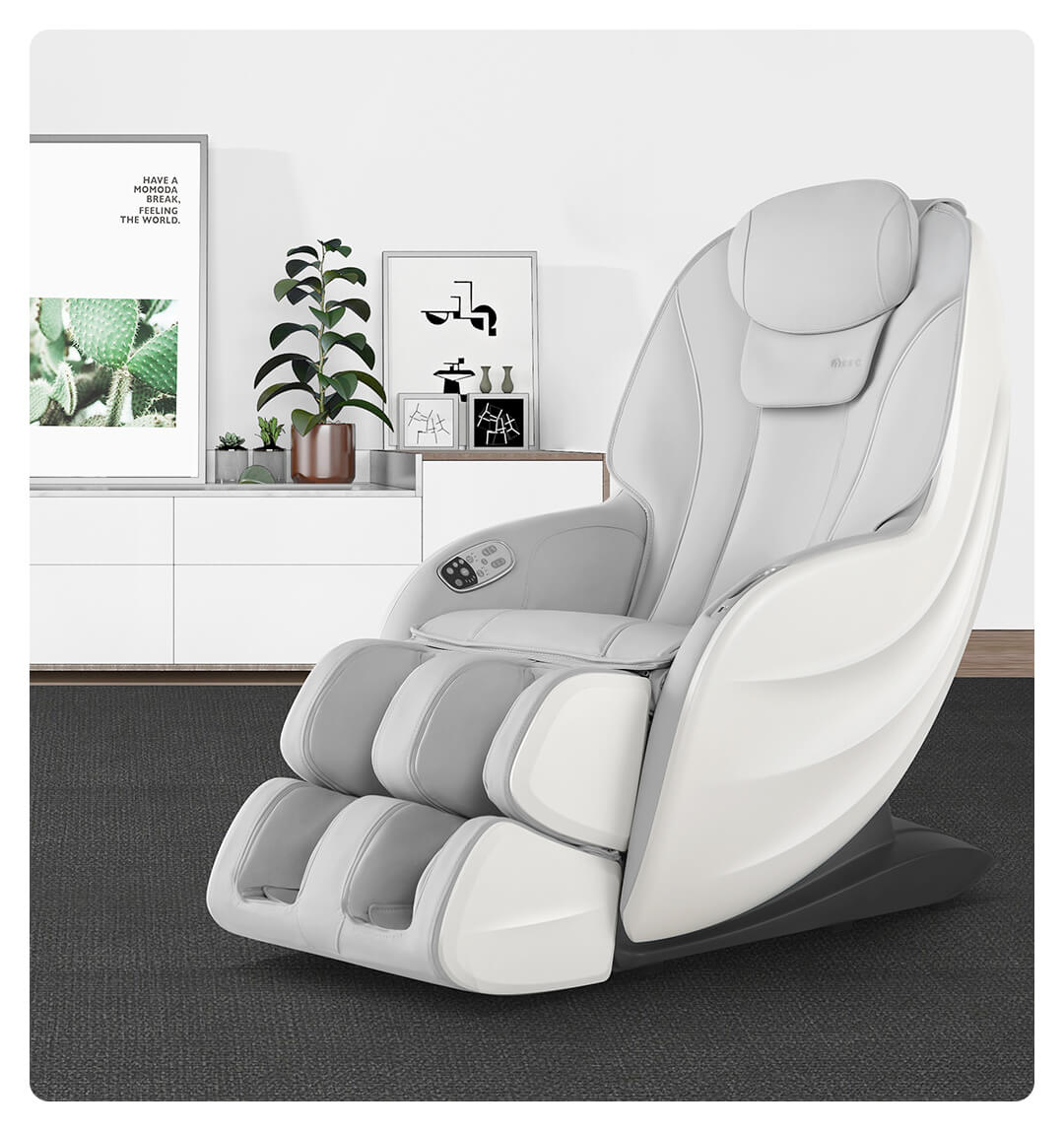
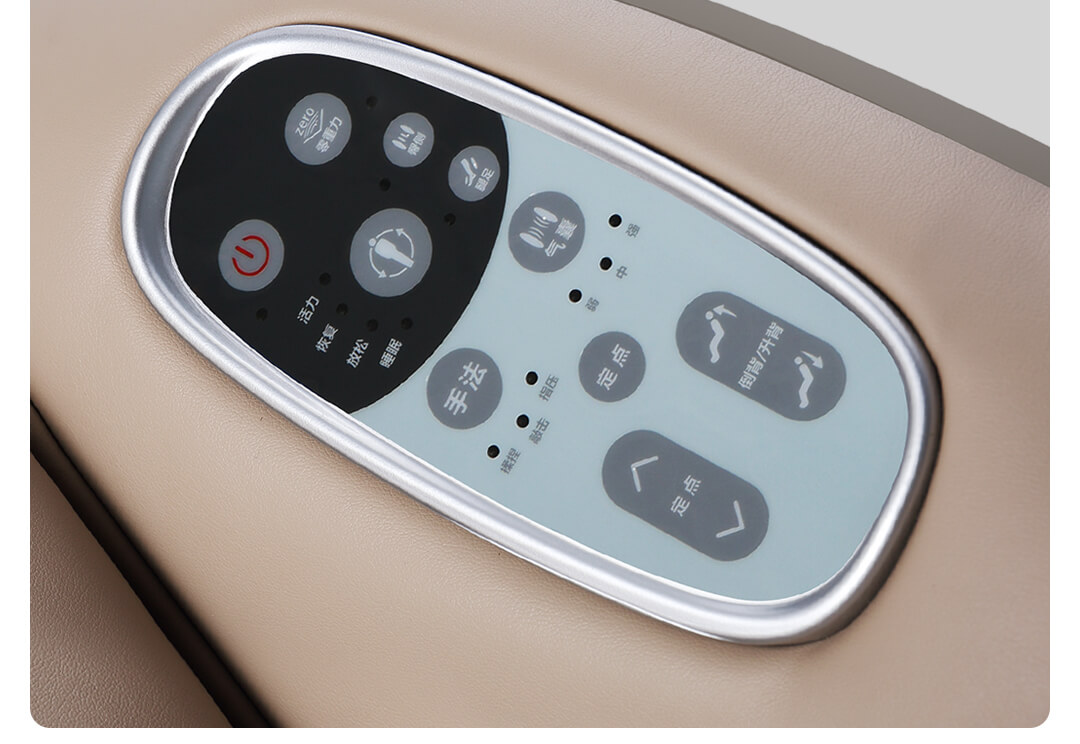
The massage chair features four user modes; vitality mode, recovery mode, relaxation mode, and sleep mode. The different modes allow users to choose the massage experience they want according to the prevailing needs. There are also three kinds of automatic massage techniques; kneading techniques, tapping techniques, acupressure techniques.Momoda Petite 3D Smart Massage Chair
The Momoda Petite 3D Smart Massage Chair utilises 10 sets of 3D airbag compressions to fully cover the three parts of the hip, leg, and foot. The hip bilateral airbags rhythmically squeeze, swing, and knead to relax the hip muscles and wake up muscle vitality. The airbags can be adjusted in three ways to take into account the comfort of different people. In addition, the footwell has a personalized design for foot massages. Momoda Petite 3D Smart Massage Chair

In terms of the design, there is a limited edition, Marvel-theme Spider-Man IP model with a crowdfunding price starting from 4999 yuan. This version will retail for 5999 yuan after the crowdfunding exercise. The standard edition is priced at 3999 yuan (4999 yuan after crowdfunding). It comes in khaki and White gray colours.


iQOO Neo 3 Pricing Leaks via Advertisment, Will Start at 2998 Yuan ($425)

iQOO is all set to launch its next smartphone called Neo 3 in China on April 23. Ahead of the official release, the brand revealed some of the key specifications of the device on Weibo yesterday. Now, we even know the pricing of the handset, thanks to an advertisement on the web.

iQOO Neo 3 Pricing Leak

The smartphones released by iQOO so far have been priced aggressively to undercut competitors. The same could be the case for its forthcoming new device. 

According to an advertisement banner, the iQOO Neo 3 will start from 2998 Yuan, which roughly translates to $425. If this happens to be true, then the Neo 3 will be the cheapest smartphone with a 144Hz refresh rate display and that is something to brag. Because, as of now, only the Nubia Red Magic 5G sports a similar panel, however that phone starts at 3799 Yuan ($538).

According to a teaser posted by iQOO yesterday, the Neo 3 smartphone will be powered by Qualcomm Snapdragon 865 SoC paired with UFS 3.1 storage for faster read-write speeds. In addition to that, the handset is confirmed to sport a 144Hz refresh rate display, making it the first device from the company to feature high refresh rate panel as the prior models came with standard 60Hz panels.

Other than the above-mentioned confirmed specs, we can expect the device to run Android 10 and might feature a 4,500 mAh battery with support for 44W fast charging as per a leak from a few days back.


(Via)

Apple and Xiaomi are slowly recovering from COVID-19 crisis in China

The coronavirus outbreak or COVID-19 pandemic has been shaking the world since January 2020. As it originated from China, it slowed down the economy of the world’s manufacturing hub. The smartphone industry, which is one of the largest business in China was also disturbed like other trades. But now, according to the latest reports, OEMs like Apple and Xiaomi have shown recovery in March compared to the previous two months.

Apple Logo

Smartphone companies in China expected to recover from hard times as soon as the coronavirus outbreak slowed down in the country. Most of them opened their retail outlets in March, in addition to e-commerce to improve their sales figure. Fortunately, that worked for them as per the latest data from the China Academy of Information and Communications Technology (CAICT).

Apple shipped only around 500,000 phones to China in February, whereas in March, it managed to ship 2.5 million units. As for the total, the shipments of smartphones in China increased three times in March 2020 compared to February 2020. However, it is roughly 20% less than that of March 2019.

As for Xiaomi, in its quarterly earnings call, the firm’s CFO Shou Zi Chew said that China has entered a full recovery stage and has already recovered 80-90% of the normal level. He also mentioned the company’s sales dropped in the first quarter to COVID-19, however, he did not reveal the exact numbers.

Mr. Chew further confirmed Xiaomi to take a hit in global sales during March and April but expects to rebound quickly in May similar to what is currently happening in China.


(Via)

Redmi AirDots S launches with better pairing; keeps the design and price tag unchanged

Last week, the Bluetooth SIG certified the Redmi AirDots 2, hinting at the launch of a successor for the popular Redmi AirDots that launched last year. Today, Redmi announced a new pair of TWS earbuds but to our surprise, it is not called the Redmi AirDots 2 but the Redmi AirDots S.

Redmi AirDots S

The Redmi AirDots S is indistinguishable from the original as Redmi has left the design unchanged. There isn’t even a new colorway, just the same plain and low-profile black. Nevertheless, the new earbuds pack upgraded features.

Top on the list is better pairing. The original earbuds connected to your device using a master-slave connection. The right earbud connects to your phone and then the left earbud connects to the right earbud. There is also the option to use a single earbud (either of the two).

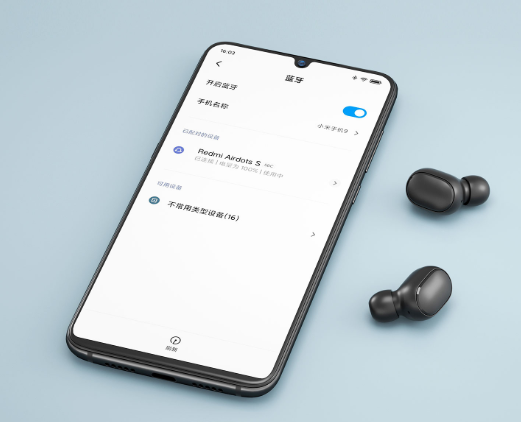
The Redmi AirDots S changes that. When you pair them to your phone for the first time, both earbuds are actually connected. There is no master-slave connection. This is definitely a very welcome addition and we are sure fans of the original will love it. Oh! You can still use either of the earbuds in mono-mode and it automatically and seamlessly switches to stereo once you put the second earbud in your ear.

Redmi AirDots S pairing

The Redmi AirDots S has a Bluetooth 5.0 chip and Redmi claims data transmission has doubled compared to the last generation. The connection is also faster and more stable. There is also a new low-latency game mode that can be activated by triple-pressing the button on the earbud.

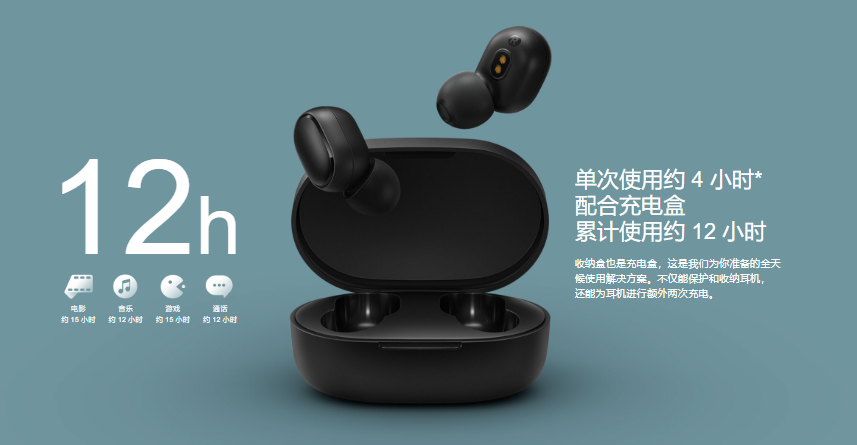
The new Redmi TWS earbuds have 7.2mm drivers and a DSP for smart noise reduction, so your calls are clearer. The battery life is still 4 hours and goes up to 12 hours with the case. There is support for voice assistants (Google Assistant, Siri, and XiaoAI), all you have to do is double-tap the button on the earbud. You can also reject calls with a long-press for about 1 second and answer calls/pause and play music with a single tap.

Redmi AirDots S battery life

The Redmi AirDots keeps the ¥99.9 price tag of its predecessor and comes with small, medium, and large earplugs. The product page is listed on Mi.com already but the purchase page isn’t live yet.


Xiaomi’s partner downplays the upcoming iPhone SE; recommends 4G flagships

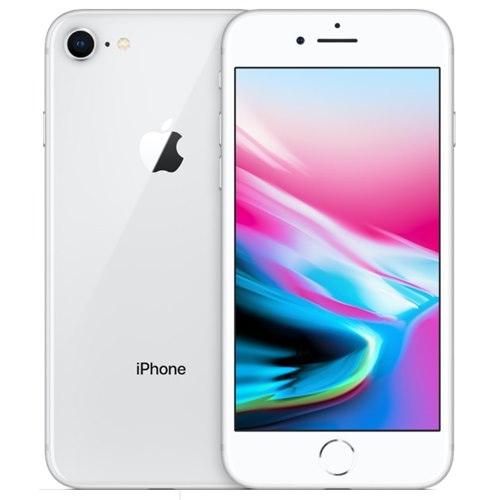
It is no longer news that Apple is planning to release a successor to the iPhone SE but what is yet unknown is when. The iPhone SE 2020 has generated several discussions with some analysts predicting that Apple will likely use the upcoming budget model to attempt to lure buyers in China who are conscious about the price of smartphones.iphone se 2020

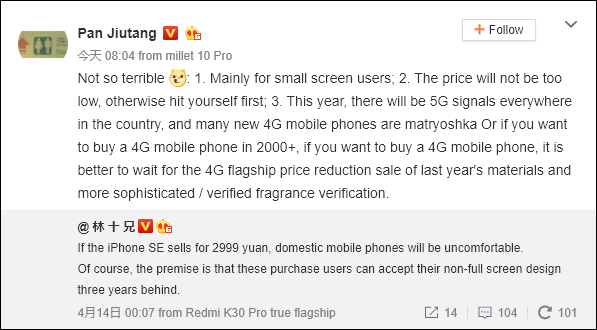
However, popular analyst, now a partner of Xiaomi’s industrial investment department, Pan Jiutang has disputed such predictions. He is of the opinion that the rumoured device is targeted at users who prefer smartphones with small-sized displays and shouldn’t compete with mid-range phones in China.

As for the pricing, Pan Jiutang believes Apple won’t bring the price of the upcoming iPhone very low so that it doesn’t affect the sales of the pricier models. He also threw in a tip for intending buyers, drawing attention to the fact that 5G phones will soon dominate the market and as such, the prices of 4G flagship models will soon fall around the 2000 yuan margin. Thus, he advised intending buyers to wait in order to get such 4G phones which obviously have better specs. If the iPhone SE which is going to be a 4G phone should sell for the 2,999 yuan (around $400), it will be a popular one. But we expect Chinese OEMs to immediately crash their phone’s prices to offer users better hardware for similar price points.

Apple iPhone SE (2020)

When Apple first unveiled the iPhone SE in 2016 as an entry-level option, the company probably never envisaged that the compact model will become super popular. The popularity of the first-generation model has made discussions about a successor a hot topic. The next-gen model is tipped to launch on April 15 which is tomorrow. We’ll watch out for that even though Apple is yet to officially confirm a launch date


LG Display to soon debut its Transparent OLED screen

Earlier this week, LG Display announced that its transparent organic light-emitting diode screen will debut soon. The new technology will be showcased on the MBC broadcasting station’s general elections ballot counting show, which will be hosted on Wednesday (15th April 2020).

LG Display

For those unaware, transparent OLED panels is the next generation in display technology, which can allow see through screens to become a reality. It allows a person to see beyond the screen, even when the power is turned on. LG Display and LG Electronics had commercialized the transparent OLED panels last year, but this will mark its first commercial debut in a TV show with a high viewership.

According to the company, the transparent OLED technology has a wide field of applications, including installation in shop windows, offices and more, to provide a unique viewing experience. LG Display’s current transparent OLEDs are 55 inch in size with an FHD resolution. These have a transparency of 40 percent, which is a significant improvement over transparent LCD displays that only had a10 percent transparency rate.

LG Display now apple secondary supplier

In other words, this is the future of OLED displays and may soon see wide adoption in various fields. In the next few years, the technology might even become smaller, allowing for smartphones to feature transparent displays as well. Although, it is still too soon to tell.


(Via)

Razer will soon sell Pikachu earbuds, arrives with a Pokéball case

Razer, the known gaming peripherals and accessories maker, is now selling new wireless earbuds for the Pokémon lovers out there. As the name suggests, the Pikachu silhouette carrying earbuds arrive in the iconic yellow after the famous Pokémon.

Razer

One of the biggest aspects of these Razer earbuds aren’t even related to the earphones, but the carrying case that they arrive in. The Pikachu earbuds can be charged and carried via the Pokéball case. This functions essentially like any other charging case, but with the added aesthetics for what you can say is the full Pokémon experience for the hardcore fans.

The Razer earbuds can reportedly last up to 3 hours per charge, which isn’t exactly a very good battery life but the charging case at least offers about 5 recharge on its own full charge. Its speakers are powered by a 13mm driver for bass and while they aren’t the most specced out hearables out there, they definitely have their own identity. The Pikachu earphones will be launching in China on 16th April 2020 and will be priced at about 120 US Dollars.


(Via)

Huawei partners with the Chinese Government to boost Blockchain Adoption

Huawei has just signed an agreement with the government of the Nanshan District of Shenzhen, Southeast China. The agreement is to have the Chinese tech giant help speed up the adoption of Blockchain, Big Data, and 5G networking.

This move will also strengthen China’s Digital Currency economy and also serve as a connection between China and Hong Kong. Furthermore, Huawei will collaborate with the People’s Bank of China to begin the testing of its own virtual currency in Shenzhen with leading commercial banks in 2020. Despite Bitcoin being banned in the country since 2017, China reportedly sees great potential in its supporting infrastructure, Blockchain.

The Southeast Asian region is often seen as a technological hub, so it comes as no surprise that China wishes to expand its digital horizons. Notably, Shenzhen is also the site where a model for the semiconductor business will come up. China already is one of the leading nations when it comes to 5G adoption, thanks to Huawei in part with its industry leading equipment and infrastructure.

Huawei

Thus, growing involvements in the digital spheres between the electronics company and China will strengthen both sides. The applications of digital currency through Blockchain also have a very wide field of applications including, and not limited to, Healthcare.


Huawei P40 Lite undergoes Teardown, Fairly Easy to Repair with one Caveat

The Huawei P40 Lite was recently subjected to teardown treatment on PBKreviews YouTube channel. Unsurprisingly, it is simple to disassemble like any other mid-range smartphone in the market. Though it is easy to repair, it is a hectic job for one particular reason.

Even before announcing the standard Huawei P40, P40 Pro, and P40 Pro Plus, the company launched the lite variant of the device dubbed as P40 Lite. That is because this handset is nothing but a rebranded Huawei Nova 6 SE launched back in December 2019 in China.

The back of this device features plastic panel unlike the glass ones on its bigger siblings. Hence, it comes out smoothly by using a pry tool after applying some heat. This gives the initial access to the internals, which are further covered by plastic plates at the top and bottom parts of the phone with 18 Phillips screws.

Once the plastics are removed, almost all the internal cables can be disconnected. Only then, the battery of the Huawei P40 Lite can be pried out using the included pull tape or with a pry tool. After that, access to the mid-frame with display cable is obtained.

Now, once the cable for the display is disconnected, the screen can be removed by applying heat and prying it out from the front. This is the hectic job we mentioned in the beginning. The phone is surely easy to repair but if the display gets damaged, the whole device has been taken apart to replace it.


(Via)

Huawei tries to push 5G forward in the UK, despite the Coronavirus Pandemic

Back in January, Huawei had been granted limited access to provide the UK with the 5G network standards. The company was only offered noncore areas, with a market cap of just 35 percent. However, opposition in the Parliament has been a leading an effort to overturn this decision. Despite this, Huawei is still pushing forward with infrastructure, even as pressures increase due to the recent Coronavirus pandemic.

Huawei

In an open letter, Victor Zhang, the Huawei UK chief, stated that the company’s service is essential to the UK. The senior exective brought up statistics that pointed at a surge in data usage in the past month, which has grown than more than 50 percent. This has put telecom operators and their systems under significant pressure. Huawei is already partnering with BT, Vodafone and EE to deal with this issue.

The Chinese tech giant has even set up three new warehouses to ensure spare parts remain in supply across the region. Zhang said that the rural communities are still stuck in the “Digital slow lane,” which has become even more apparent during the viral crisis. Thus, “”Disrupting our involvement in the 5G rollout would do Britain a disservice.” The official also pointed at false accusations from “parties” that would pressure against the 5G rollout in the UK.

Huawei

In March, 38 Conservative MPs voted against Huawei’s involvement, which is a higher than expected number. This also points to the growing criticism against the Chinese tech giant and the issues it may face when the Telecoms Infrastructure Bill comes before Parliament. The bill is expected to be addressed later this year.


(Via)

OPPO explains why it split up Ace lineup into an independent series

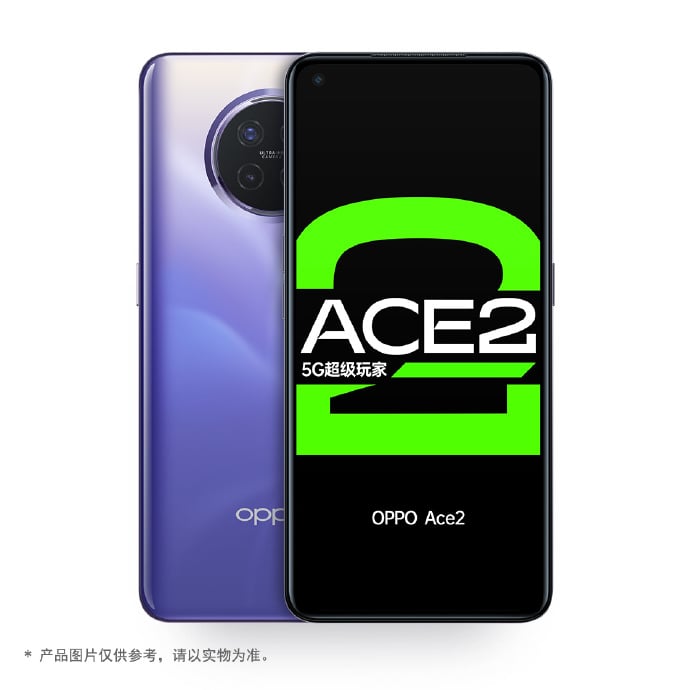
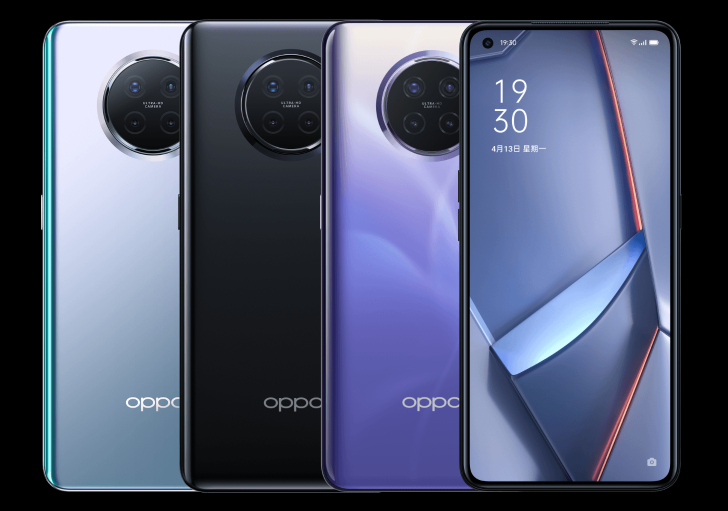
Yesterday, Oppo announced the the Ace2 flagship smartphone. It’s a high-end device with top-notch specs like Qualcomm’s Snapdragon 865 SoC and a 90Hz refresh rate display panel. The Ace2 launches as the first phone in a new line of smartphones rather than under the Reno line as last year’s Ace. After the event, a senior executive of Oppo revealed why the company split up Ace lineup into an independent series.

OPPO Ace2 01

Soon after the launch conference, Oppo held a press conference as well. In this, the Product Manager of Oppo Ace2, Wu Di, and Wang Shiming, the Senior Hardware Engineer of Oppo, answered various questions regarding the smartphone. One question answered is why Ace is now an independent series. The company wanted to make up for the mid to high-end product, while also better catering to the needs of the market segment.

In other words, Oppo made the decision after carefully formulating and strategizing according to the current market situation. The senior executive believed that an independent series could better target the trending demands of the market and also bridge the mid to high-end product line gap as well.

oppo ace2

Wu Di also explained the reason for opting for a 90Hz panel over a 120Hz panel. According to him, there is no one step adopting of 120Hz refresh rate. He stated that even if it is trending, it is not perfect, and its implementation and compatibility is still low. Another notable reason was the power consumption and heat generation since the battery drain is significantly higher with a faster refresh rate, which may even have some games making the device run even hotter.


(Via)

When, Where, and How to Watch the OnePlus 8 Series Launch Live: All Details

OnePlus will be launching its OnePlus 8 series of smartphones at an online-only launch event today, Tuesday, April 14. The company announced the launch date late last month and since then, it has been teasing the features of its upcoming devices. The new OnePlus handsets for the first half of the year were expected to be announced much earlier than today, however, due to COVID-19 pandemic it has been delayed.

Watch OnePlus 8 Series Launch Event Live

Anyway, if you are wondering when, where, and how to watch the OnePlus 8 series launch live in which the company is expected to announce OnePlus 8 and OnePlus 8 Pro, then you have come to the right place. Apart from listing the timing for different regions, we have also embedded launch livestream on this page.

Let’s begin with the time zones. The OnePlus 8 Series launch will go live at the following time on Tuesday, April 14 in different regions.

China

23:00 CST

Europe

17:00 CET

United Kingdom

16:00 GMT

India

20:30 IST

East Coast USA

11:00 EDT

West Coast USA

08:00 PDT

Now, as we are done with timing, let us have a look a how and where we can watch the OnePlus 8 series launch live. Like any other company, OnePlus will be live streaming the launch on multiple platforms such as YouTube,  Twitter, Facebook, and even on its official website. We have embedded on the streams below for your convenience.

Watch OnePlus 8 Series Launch on YouTube


Watch OnePlus 8 Series Launch on Twitter


Watch OnePlus 8 Series Launch on Facebook

#OnePlus8Series Launch Livestream

HyperTaskers, the wait's almost over! Tune in here at 8:30 PM on 14th April – http://onepl.us/livestreamWhich #OnePlus8Series feature has got you most excited?

Posted by OnePlus on Sunday, April 12, 2020


Watch OnePlus 8 Series Launch on Official Website


Oppo ACE 2 leads Master Lu Benchmark in both Performance and UI Fluency

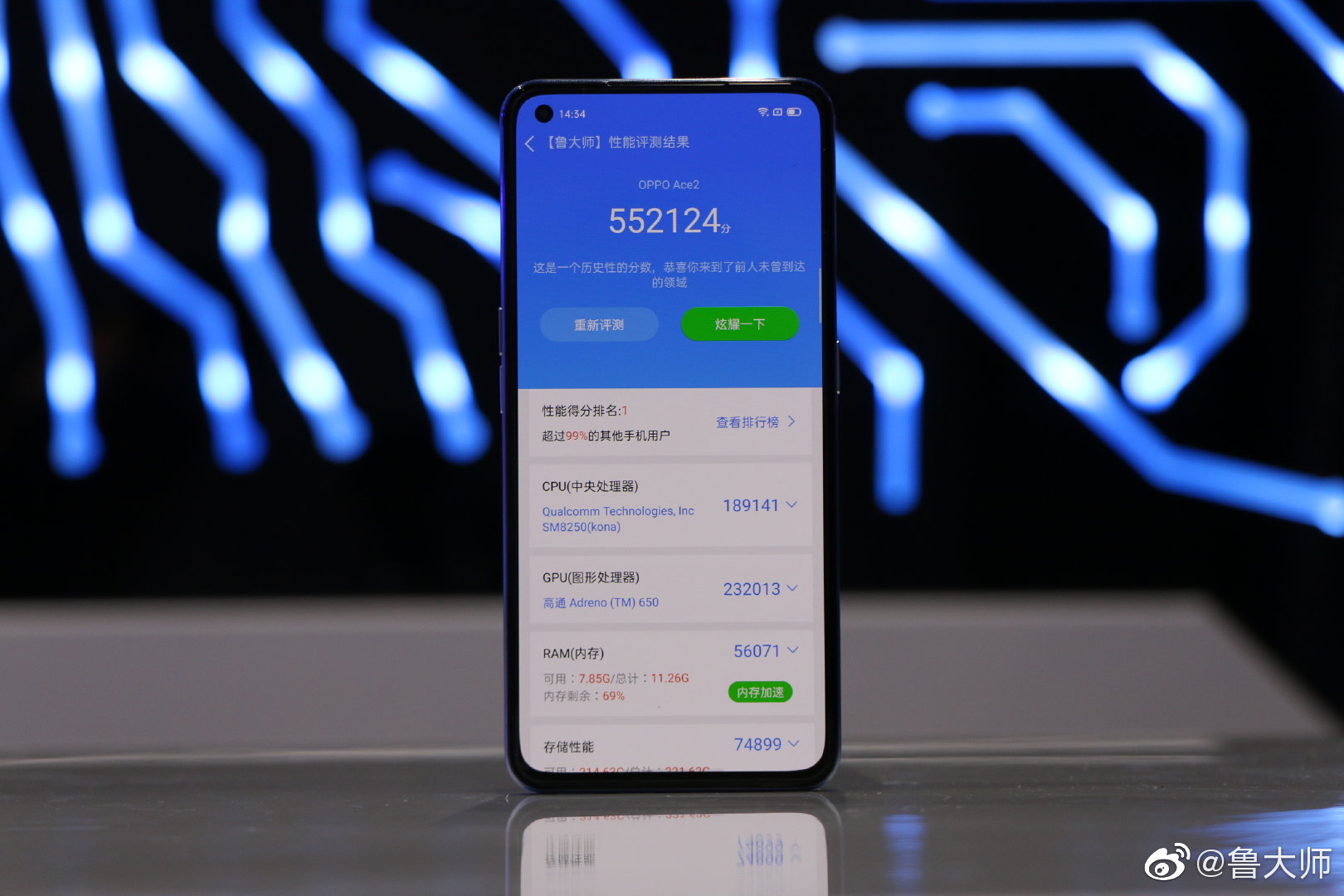
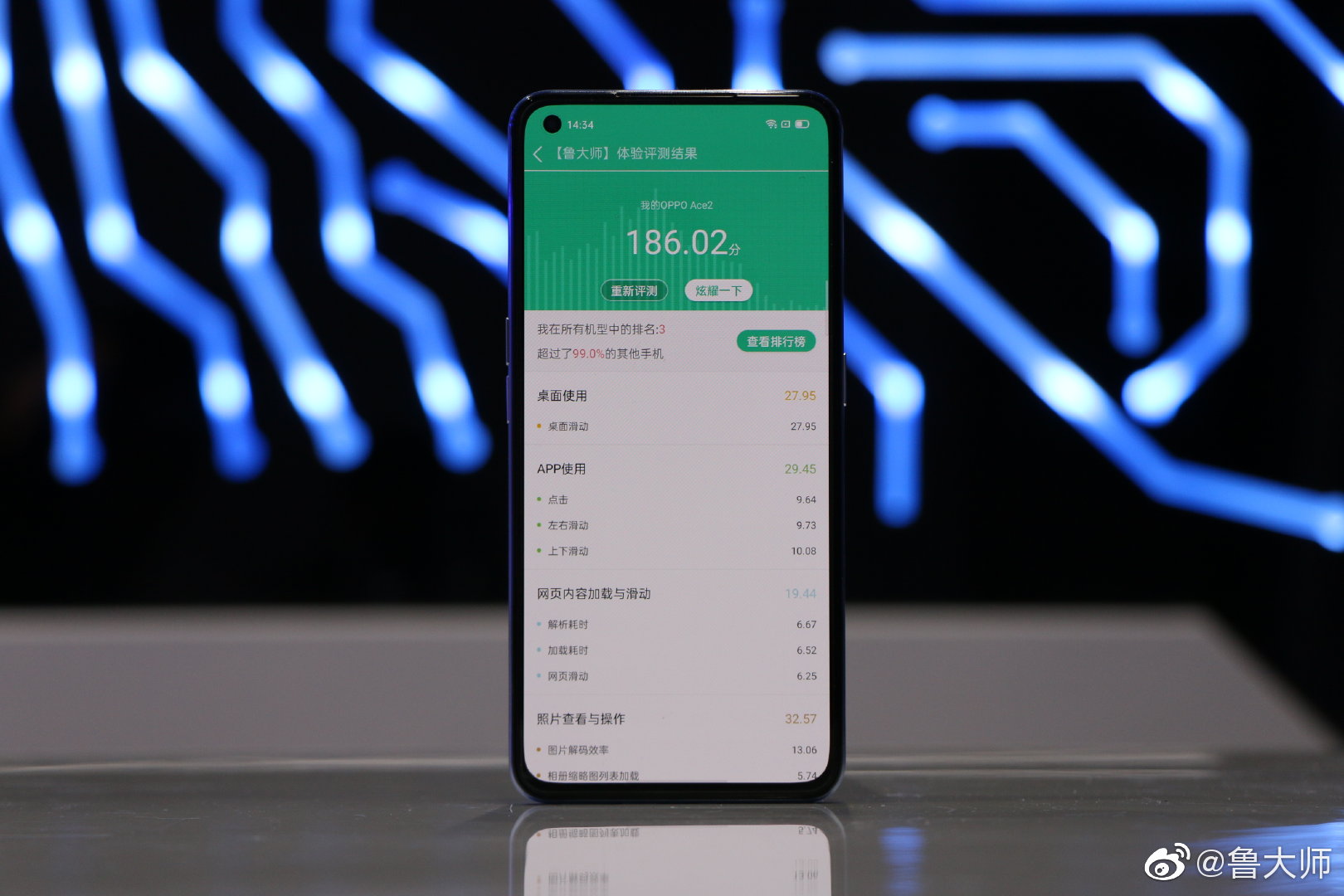
Oppo launched Ace 2, the first device under the newly formed ACE series of smartphones in China. Like any new smartphone, it underwent Master Lu Benchmark testing to measure its overall performance and UI fluency. To everyone’s surprise, it beat the company’s own Find X2 Pro, which ranked first in UI fluency and second in performance until now.

Hours before the launch of Oppo Ace 2, Master Lu released its quarterly lists of top smartphones and processors based on performance and UI fluency for Q1 2020. The Oppo Find X2 Pro topped the UI Fluency with 183.27 points in addition to being number two in performance with 508,178 points.

But now, we have a new winner in the form of Oppo Ace 2 for both UI fluency and performance. The device has scored 552,124 points and 186.02 points respectively in performance and UI fluency. Thus, it has now overthrown the previous leaders, the Nubia Red Magic 5G as well as Find X2 Pro and has claimed the two crowns for itself.

Anyway, we are yet to see if the Oppo Ace 2 can retain its position throughout the second quarter as there are many devices with similar or better specs on the horizon.


Huawei patent reveals that a Smart Speaker could be in the works

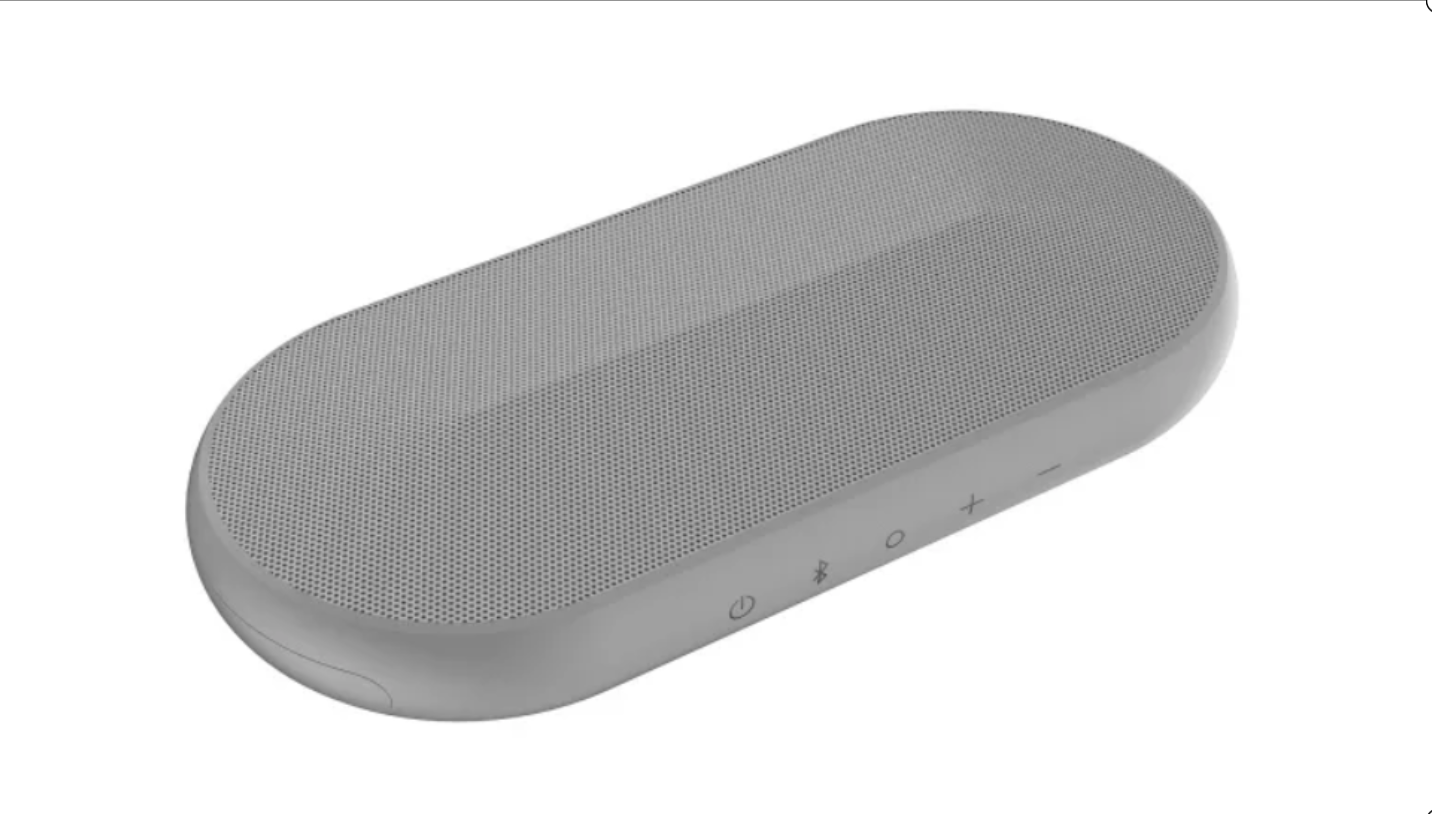
Huawei has recently filed a new design patent for a new smart speaker. The patent was filed at the World Intellectual Property Organization on 2nd February 2020, which was finally published on 9th April 2020.

Huawei

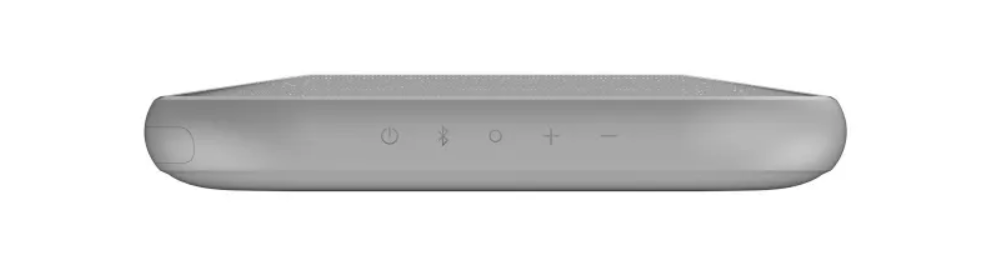
The designs reveal images of a speaker that has an oval design with a top portion that raises. Looking at the images, the front side houses buttons for the power, volume up and down, Bluetooth and a circular button which may be used to change tracks. The USB port can be found on the left for charging and the device may also support a microSD card slot in the same region.

The overall design of the Huawei smart speaker is interesting, and it could also support Celia voice assistant. Notably, this voice assistant was also found in the Huawei P40 series, meaning the speaker could feature other smart features as well. Unfortunately, finer details at this point are unknown, so we can’t provide any concrete statements either.
Huawei

Furthermore, at the moment, it is also unclear if Huawei will actually launch such a product since its still in the early stages. The Chinese tech giant might just be covering all bases. However, considering the detailed images, the company might have already started work on it. It could also be an affordable smart speaker device from Huawei.


(Via)


Here’s the OnePlus 8 Pro hands on video, and a few leaked poster images

The OnePlus 8 series has already garnered a lot of hype. And now, a YouTube content creator by the name of MKBHD (AKA Marques Brownlee) brings us the first hands on video of the OnePlus 8 Pro. This arrives just before the official launch event, while a leak reveals promotional poster images for the base and Pro variants.

In a tweet by the tech channel, Marques shared a short video where he showcased the OnePlus 8 Pro. Unfortunately, while the company gave MKBHD the exclusive right to reveal the hands on video before its launch, they had him cover every part of the phone except its display. For those unaware, the OnePlus 8 Pro features a QHD+ (1440p) display with a high refresh rate of 120Hz and a 240Hz touch sampling rate.

OnePlus 8 Pro 06
OnePlus 8 poster images

OnePlus apparently wanted the focus of the video to be the display and it clearly is, with its curved AMOLED screen that also supports HDR 10+. The in-display fingerprint scanner also made a return and according to MKBHD, the display is “noticeably brighter than last year’s phone.” Interestingly, the cutouts for the ports of the device, however, revealed a bright blue color underneath. Furthermore, even the camera bump is in line with previous leaks that we have reported on. So, it is highly likely to be the same designs that have been covered.

OnePlus 8 Pro 01
OnePlus 8 Pro

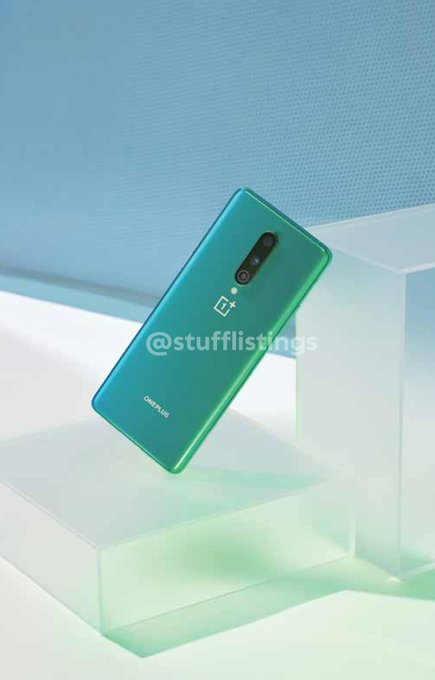
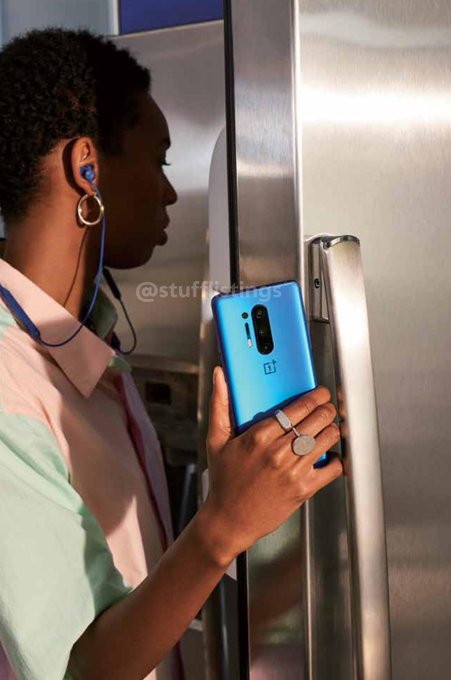
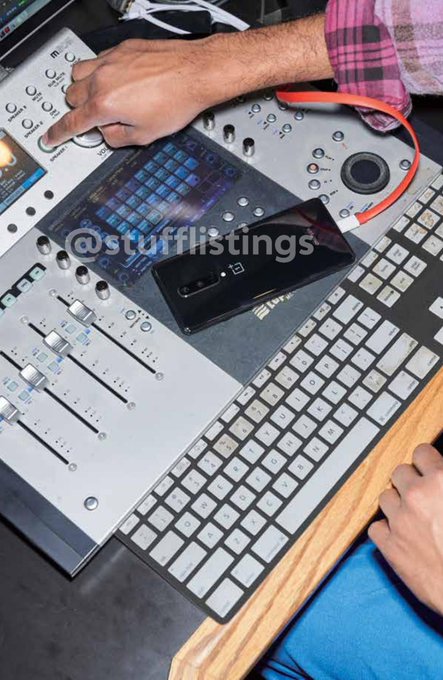
Another set of leaked promotional poster images (via stufflistings) has also surfaced online recently as well. The images reveal the OnePlus 8 Pro with the same curved edge display. Notably, unlike the MKBHD video which had the top portion of the display being covered, the poster images clearly depict a punch hole camera on the front. The images showcase both the base version and the high-end Pro version as well, with the difference being the additional sensor on the premium variant.


Huawei Mate 20X 5G is now eligible for EMUI 10.1 Closed Beta Update

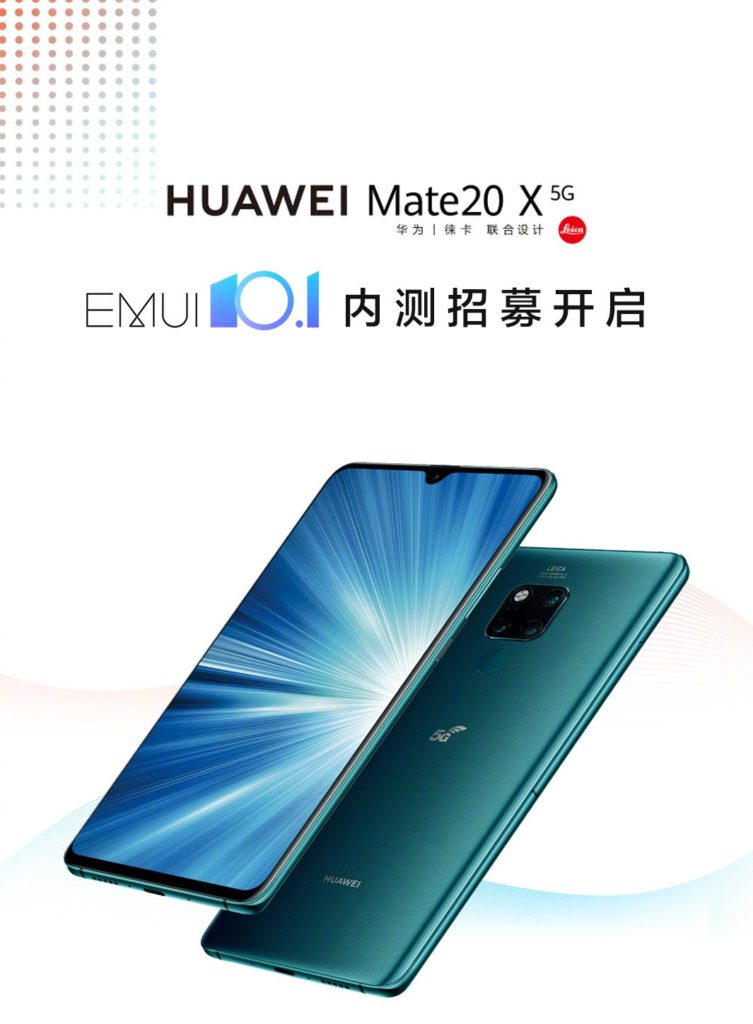
Huawei Mate 20X 5G users can now update their handset to EMUI 10.1, the latest iteration of the company’s mobile software which debuted on the P40 series. However, the update is only applicable for enthusiasts as it is available in the form of closed beta build. More importantly, it is limited to the Chinese version of the device for now.

Mate 20X EMUI 10.1 Closed Beta

Soon after announcing EMUI 10.1, Huawei also released a list of eligible devices for the update. A few days later, the first batch of devices including Mate 30 and P30 series received a closed beta update, followed by a second batch of Nova 5 series and Honor 20S.

Now, the Huawei Mate 20X 5G, the company’s first commercial 5G smartphone is next in the line to receive EMUI 10.1 closed beta update. Interested users can apply for beta testing from Huawei Club app on their smartphone. 

The firm recommends at least 6GB of free space and the user’s Mate 20X 5G with model number EVR-AN00 must run EMUI 10.0.0.185 build in order to qualify for the update. The registrations for the closed beta update will be open till April 15 and only selected users will be receiving the update.

To know all the exciting new features of EMUI 10.1, check out our EMUI 10.1 launch coverage.


After Mi 6, Samsung Galaxy S8 successfully flashed with Windows 10

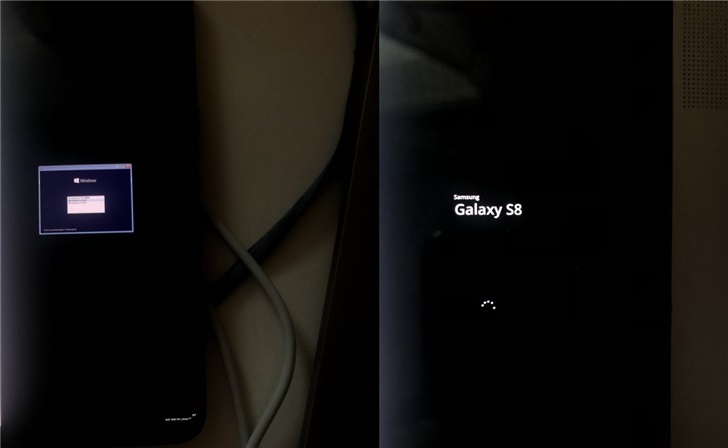
We recently reported about Windows 10 for ARM-based system was flashed on the Xiaomi Mi 6 smartphone. Now, just a day after that, the same operating system has now been successfully flashed on Samsung Galaxy S8.

With the success of getting it installed on the Snapdragon 835-powered smartphone, one of the main developers of the project, Evisio0n seems to have achieved an important milestone which will make way for the project to expand to other flagships.

Samsung Galaxy S8 Windows 10 OS

However, do note that this Galaxy S8 tweak is still in early stage of development and some of the key features are not yet working, including touch, cameras, and some sensors. While it is running Windows 10 operating system, it’s practically not usable for smartphones at this point in time but some developers are exploring dual-boot options.

In one of the early demos related to this, Qualcomm had showcased the Windows 10 operating system running on a device powered by Snapdragon 820 SoC. The processor was packed in a Windows 10 notebook, which is impressive considering it was powered by a mobile chipset. This laptop could run games like World of Tanks, play 4K videos, run MS Office 2019 and all the essential functions.

(Via)

Huawei Nova 7 series blurry poster emerge to leak front and rear design

Huawei is rumored to be working on the launch of Huawei Nova 7 series. A recent report had revealed that the Chinese firm may announce it on April 23. However, the company is still mum on the existence of the arrival of Nova 7 lineup. A popular leakster from China has shared a blurry poster of the Nova 7 series. The blurry image manages to reveal the front and rear design of the smartphone.

Past reports have revealed that the Huawei Nova 7 lineup comprises of three devices, namely Nova 7, Nova 7 SE and Nova 7 Pro. All these phones are expected to arrive with 5G support. It is unclear whether the handset shown in the leaked poster is the vanilla Nova 7 or SE or the Pro model.

The poster reveals that the Nova 7 series handset has a rectangle-shaped camera housing on the back. The handset seems to be equipped with an impressive curved screen. There is a pill-shaped dual camera cutout at the top-left corner of the display. It appears that the smartphone will be available in blue and gradient white colors. Lastly, the poster reveals that popular Chinese singer Yi Yangqiaxi (also known as Jackson Yee) endorsing the Nova 7 series.

Huawei Nova 7 vague poster

The Nova 7 lineup is expected to be equipped with Kirin 820, Kirin 985 and Kirin 990 5G chipsets. The three phones are expected to be priced between 2,000 Yuan (~$284) and 4,000 Yuan (~$568). A past report had carried the specs of the Nova 7 SE phone. The specs of the Nova 7 and Nova 7 Pro are under the wraps.

The Nova 7 SE is likely to feature a 6.5-inch punch-hole display and it could be powered by a mid-range Kirin 5G chipset. It may feature a 64-megapixel primary shooter on its back. The phone may arrive with 22.5W fast charging support.


(source)

Honor 30 Pro+ Telephoto zoom feature teased by the company

Honor is all set to launch its new flagship Honor 30 series smartphones in China tomorrow. Now just a few hours before the official launch, the company has shared a new teaser video online showcasing the telephoto zoom stability of the Honor 30 Pro+ smartphone.

Zhao Ming, President of Huawei Honor Business Unit, has also shared the camera samples online which confirms that the device will come with support for 30x zoom. Check out the images as well as zoom capability below.

In the video teaser shared by the company, it shows a young couple close together but the camera zooms out to showcase that there’s actually a long table between the boy and girl. It shows that even though they are far apart, the stable telephoto lens of the Honor 30 series allows can closely capture them.

Recently, a camera sample of the flagship smartphone was shared online showcasing its low-light or Night Mode photography. The Honor 30 and Honor 30 Pro are expected to come with 6.57-inch AMOLED displays that deliver Full HD+ screen resolution.

The upcoming smartphones are likely to arrive with 4,000mAh batteries that will have support for 40W fast charging technology. It was recently confirmed that the Honor 30 and 30 Pro will come packed with Kirin 985 and Kirin 990 SoC, respectively.

As per the reports, the Honor 30 Pro will have a primary Sony IMX700 lens whereas the vanilla model will flaunt a 40-megapixel lens. Both the phones will have 32-megapixel frontal shooters for taking selfies and video calling.

The Honor 30 is expected to arrive with 8GB of RAM while the Pro model could be available in 8GB as well as 12GB RAM versions, both offering 128GB and 256GB of internal storage options. The rest of the specs are believed to be identical on both phones.

On the other hand, the Honor 30 Pro+ is expected to come with an OLED display with 90Hz refresh rate and in-display fingerprint sensor. It will be powered by the Kirin 990 5G SoC and will feature quad-camera setup along with a 50MP sensor. It will run Android 10 OS out-of-the-box with Magic UI 3.1 on top.

A recent leak reveals that the Honor 30 Pro+ will come in three variants — 8GB RAM + 128GB storage, 8GB RAM + 256GB storage, and 12GB RAM + 256GB storage, costing ¥4999 (~$709), ¥5399 (~$766), and ¥5799 (~$822) respectively.


Honor Play 4T Pro goes on sale in China; pricing starts at 1,499 yuan ($213)

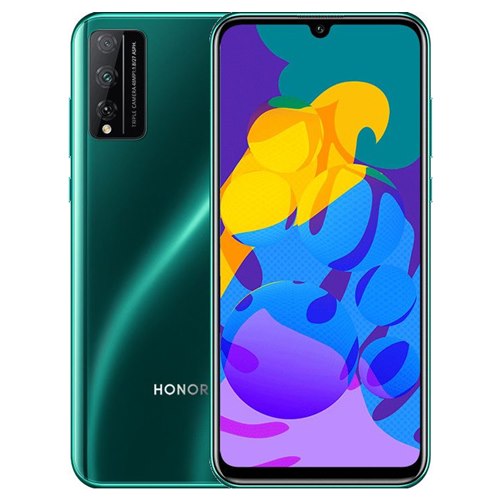
A few days ago, Huawei’s sub-brand Honor launched its new budget smartphones — Honor Play 4T and Honor Play 4T Pro. Now, the Honor Play 4T Pro smartphone is finally available for purchase in its home country, China.

The base model of the device with 6GB RAM + 128GB storage is priced at 1,499 yuan which is approximately $213 while the model with 8GB RAM + 128GB storage costs 1,699 yuan, which is roughly $241. The Honor Play 4T is also available for purchase.

Honor Play 4T Pro

The smartphone comes packed with a 6.3-inch OLED display that offers screen resolution of 2400 × 1080 pixels and 20:9 aspect ratio. The display uses a waterdrop notch design which still remains my favourite notch design.

It also comes with an in-display fingerprint sensor for added security. The device is powered by the company’s own Kirin 810 chipset, with 6/8GB of RAM And 128GB internal storage.

Coming to the photography, the Honor Play 4T Pro comes with a triple camera setup that includes a 48-megapixel primary sensor, an 8-megapixel ultra-wide angle lens, and a 2-megapixels depth of field sensor.

The phone runs Android operating system with Magic UI on top with support for GPU Turbo 3.0. The device is powered by a 4,000mAh battery which supports 22.5W super fast charging, which the company claims can charge up to 58% in 30 minutes.

(Source)