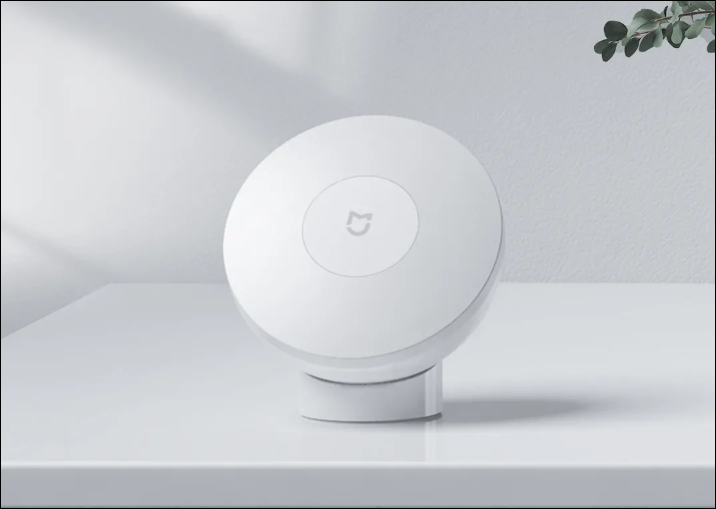
Xiaomi first launched the MIJIA Night Light 2 in August 2019 as a fitting replacement for the MIJIA Induction Night Light that made its maiden outing in 2017. The MIJIA Night Light 2 was recently launched as Mi Motion Activated Night Light 2 in India. Among the avalanche of products that was launched today was a MIJIA Night Light 2 Bluetooth version.
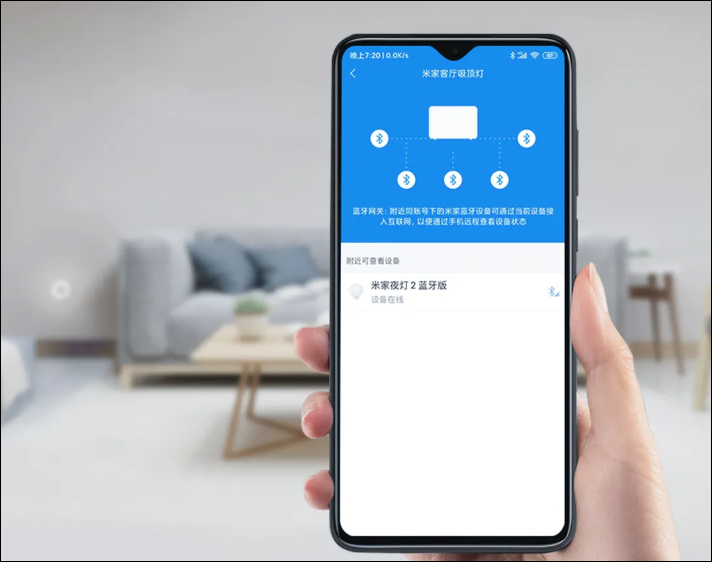
Yes, the product has now joined the list of smart home gadgets as it can be integrated with other smart home products via the MIJIA app with this Bluetooth connectivity onboard. The Bluetooth version comes with a 59 yuan ($8) price tag, a tad higher than the non-Bluetooth version which has a price tag of 49 yuan (~$6). The product is expected to go on sale on April 9.
Apart from the Bluetooth connectivity, the Mijia Night Light 2 Bluetooth version has the same design and features with the regular version. As a reminder, the device is equipped with a dark magnetic mount and a 360 rotating hinge. The light adopts the minimalist design that Xiaomi’s products are best known for. As per the performance, the MIJIA Night Light 2 Bluetooth version features 25 lumens brightness and the level can be adjusted. It is activated when motion is detected and conserves energy by shutting off in 15 seconds if no motion is detected. The owner can also turn off the light as desired.
The MIJIA Night Light 2 Bluetooth version still has a built-in photosensitive + human body dual sensor, with a sensing range within a 120 ° radius. The device uses three AA batteries with a cumulative power of not less than 1500mAh. The battery can last up to 365 days, especially when used under low brightness.
The MIJIA Night Light 2 Bluetooth version is presently available on Xiaomi Mall.
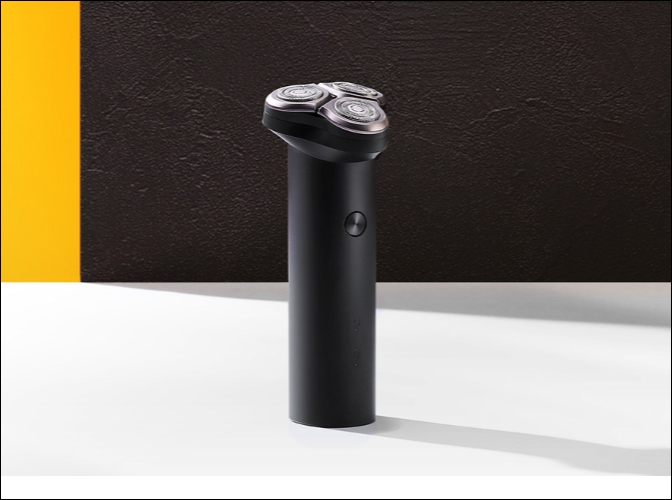
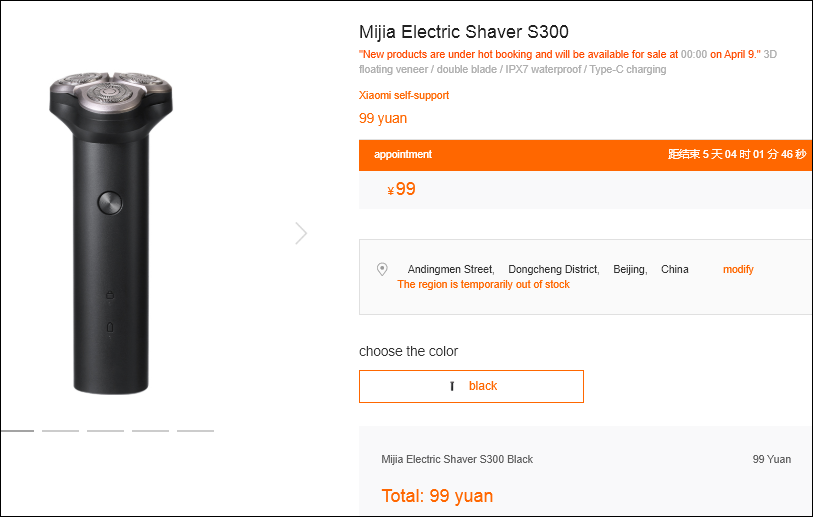
Xiaomi today announced a slew of smart home products ahead of the Mi fan festival which would hold soon. One of the products is the MIJIA Electric Shaver S300. This model is a trimmed-down version of the MIJIA Electric Shaver S500 and S500C.
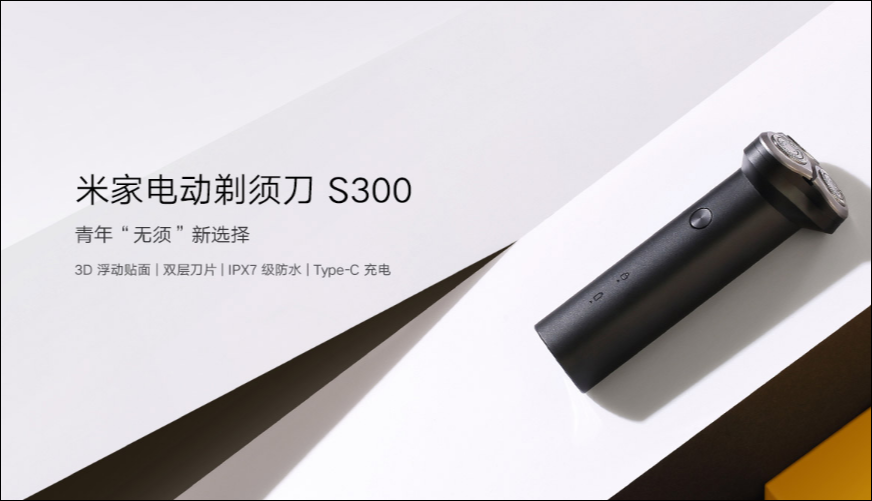
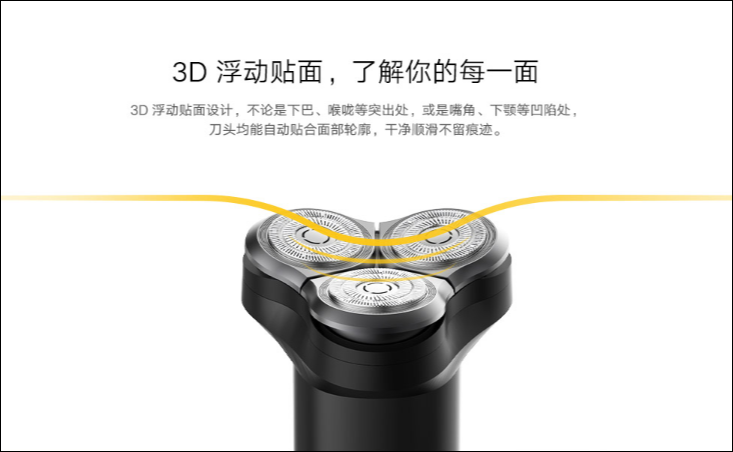
The MIJIA Electric Shaver S300 shares a similar design with the S500C as well as several features. It uses a three-tip design and comes with a 360-degree floating veneer system and has a dual-layer blade. The company says that the auxiliary blade first lifts the beard, and then the main blade quickly cuts off the beard which ensures the surfaces are trimmed properly and reduces the chances of developing bumps.
This model doesn’t seem to have a removable head like the S500C but the device equally comes with an IPX7 waterproof build which makes it suitable for use in the bathroom or under wet conditions. The gadget adopts a USB-C charging port which will charge the battery way faster than the USB 2.0 port. The product is also expected to have a durable battery onboard. There is no display that shows the battery percentage left but it has an LED indicator which shows when it is charging or in use. The LED will turn red when the battery power is low.
Further, the gadget has a power button located at the top half of the handle, apparently to prevent interference during use. Should you want to travel with the portable electric shaver, there is a lock mode that you can turn on which will prevent the device from coming on if something accidentally compresses the power button inside your traveling bag. There is an indicator that shows when the shaver is in lock mode.
The MIJIA Electric Shaver S300 comes in black and will retail for 99 yuan (~$13). The product is expected to go on sale on April 9 but is now open for reservations on Mi Mall.
Huawei is officially joining the OIN (Open Invention Network), the largest patent production group which will arrive as a shock to many. On the one side, the Chinese tech giant has been accused of stealing trade secrets from the US, while at the same time the company made $6 billion in patent royalties since 2001 from US based companies alone.
For those unaware, OIN is a major patent non-aggression community. Its mission is to enable Linux, its related software and programmers to develop and monetize the Linux and open source software. The primary focus of this being able to monitize without having face issues regarding patent infringement and lawsuits. This is done by practicing patent non-aggression in core Linux and its open source technology. In simpler terms, companies in the group cross license the Linux System to one another without the need for a royalty fee.
Now, with Huawei joining the group, the impacts could be huge. This is due to the Chinese brand holding a massive portfolio of IP Information and communications technology (ICT) patents. According to OIN CEO, Keith Bergelt, he “appreciates Huawei joining OIN and supporting patent non-aggression in the core of Linux and adjacent open-source software.”
A little known fact about Huawei which is generally unknown is that the company is one of the top contributors to the Linux Kernel. It is also a Platinum member of the Linux Foundation through its other key open source projects. This move is being appreciated since it portrays Huawei’s strong support for open source and open collaboration. Meaning, shared patents, and technology that benefits all.
Huawei’s Head of Global Intellectual Property, Jianxin Ding, stated that “Huawei is committed to offering the highest quality ICT and smart devices.” He mentioned that supporting the non-aggression patent in Linux will showcase the company’s commitment to innovation. Furthermore, Jianxin also said that the company is always open to working with both US based and non-US based firms.
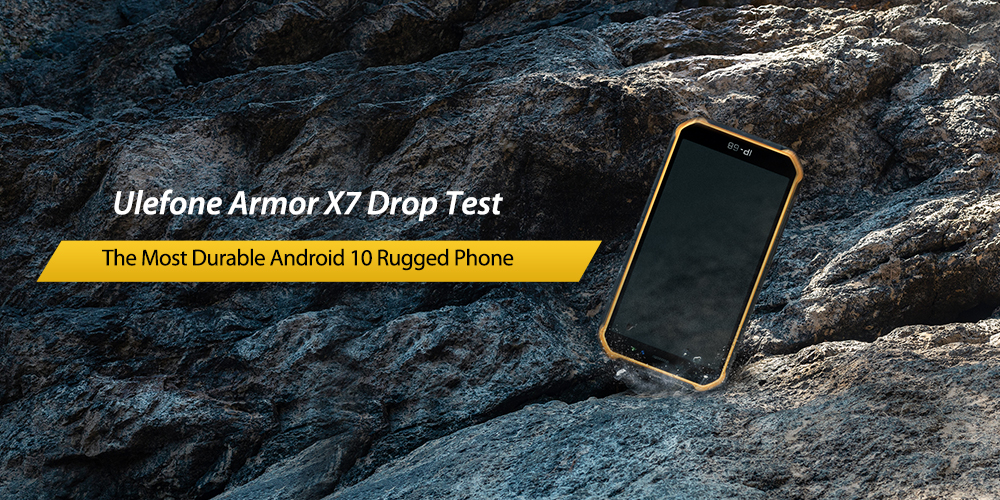
Ulefone Armor X7 is leaving no stone unturned to woo the customers of its rugged and stealthy design. After the hands-on video, the Ulefone has released Drop test video on YouTube showing its indestructible design. Along with the durability, the Ulefone Armor X7 also excels in bringing value for money to the users. The entry-level smartphone offers a bag full of competitive features at such an affordable price. Here’s the full Drop test video showing its ability to sustain usual falls.
As we can see in the video, Uelfone Armor X7 sustained without a scratch even after several drop tests from different heights. It is dropped on a concrete floor, from stairs and even resists damage after a free fall. The ultra-tough structure and stealthy body have completely improved the device’s build. It appears to be a pure rugged device.
Apart from its design excellence, the Armor X7 ensures powerful performance with MediaTek MT6761 Helio A20 chipset coupled with an octa-core processor and PowerVR GE8320 GPU. It houses a 13-megapixel rear camera and a 5-megapixel front-facing camera for selfies and video calling.
A vivid 5.0-inch IPS LCD display with a resolution of 720 x 1280 pixels with an aspect ratio of 16:9 is present. It comes in a 2GB RAM and 16 GB internal storage variant. Moreover, the users can unlock the device using face and fingerprint metrics. In connectivity, you get NFC for wireless payments across Google Pay and other services.
The users can enjoy Android 10 out of the box. Ulefone Armor X7 is certified by IP68/IP69K/MIL-STD-810G for waterproof, dustproof and scratch proof abilities.
The new entry-level smartphone from Ulefone fares well against CAT S41. Such a strong and powerful device is available for discounted pricing of $89.99. You may opt for a bicycle phone holder with Armor X7 for $99.99. The discounts will be in force till April 6th, more details about the device are available at their official website.
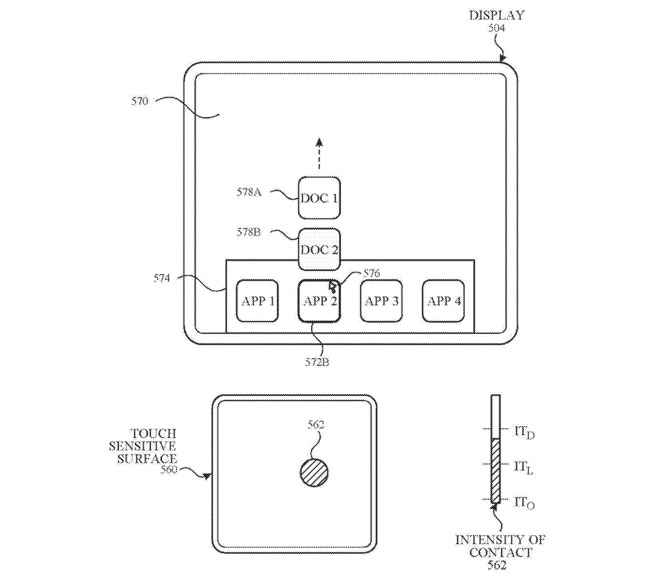
A pair of brand new Apple patents have surfaced online. Both documents depict a very unique function which is different from each other. One suggests an Apple iPhone that can function underwater, while the other showcases a design for automatic screen orientation adjustment according to the users’ face.
Starting with the underwater functioning iPhone, Apple patented a device to run an interface specifically designed for submerged usage. The US Patent No. 20200104021 refers to an “Underwater User Interface.” This essentially mentions that the UI of an iOS device simplifies when it detects that one is underwater. It is a notable step in the software direction since OEMs primarily focus on the hardware aspects of securing the device.
However, taking practicality into account, one would more likely be focused on swimming underwater to be able to navigate the general UI. According to the patent, “Current methods for displaying user interfaces while an electronic device is underwater are outdated, time consuming, and inefficient. For example, some existing methods use complex and time-consuming user interfaces, which may include multiple key presses or keystrokes, and may include extraneous user interfaces.”
In other words, Apple wishes to cut down on the UI when submerged to make it instantly usable and viable as a product underwater. Through this, the Cupertino based giant plans on saving users time by not having them navigate through the general software/custom skin. Examples of this include prompts or querries requiring multiple confirmations.
The second patent, with the US Patent No. 20200104033, detailed “Using Face Detection to Update User Interface Orientation.” In other words, it mentioned rotating the display to the right position, according to the orientation of the user’s face. An example of this is with the iPads. The tablets from Apple can be rotated and oriented in the landscape or even portrait mode.
However, sometimes the device may orient it in the wrong position, requiring one to shift the device over again till it is corrected. Apple aims to remove this tedious process by orienting the screen in accordance with the position of the users’ face. This will be especially helpful when the iPhone or iPad is kept on a flat surface, where the sensors can adjust the screen according to the users’ position.
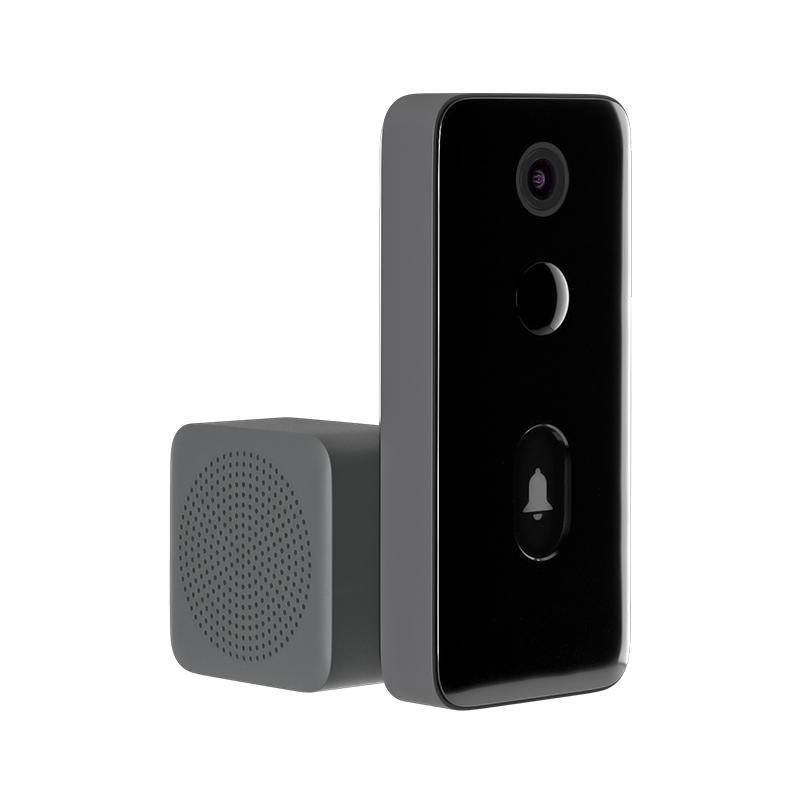
Xiaomi has been launching various new products for its ongoing Mi Festival. The company is primarily aiming at different IoT appliances in a smart home, which includes the latest Smart Door Bell 2 and Smart Door Bell Lite Edition.
Starting with the Xiaomi Smart Door Bell 2, the company has launched another home appliance that serves the purpose of security for houses. It is essentially a small door knob with a camera, intercom and ring button. This allows for users to talk in a two way audio system to enquire regarding who is at the door without opening the door itself. The camera of the Xiaomi Smart Door Bell 2 records at 1080p and can recognized humanoid figures thanks to AI assistance.
Xiaomi Smart Door Bell 2
The device also supports the XiaoAI voice assistant and can be remotely accessed and operated. It has a 100 degree field of view and can sense people from up to 5 meters away. When paired with a smart display or a smartphone, this allows users to receive notifications when the door is rung, allowing a conversation without ever having to open the door. Thus, further helping in keeping users informed and safe.
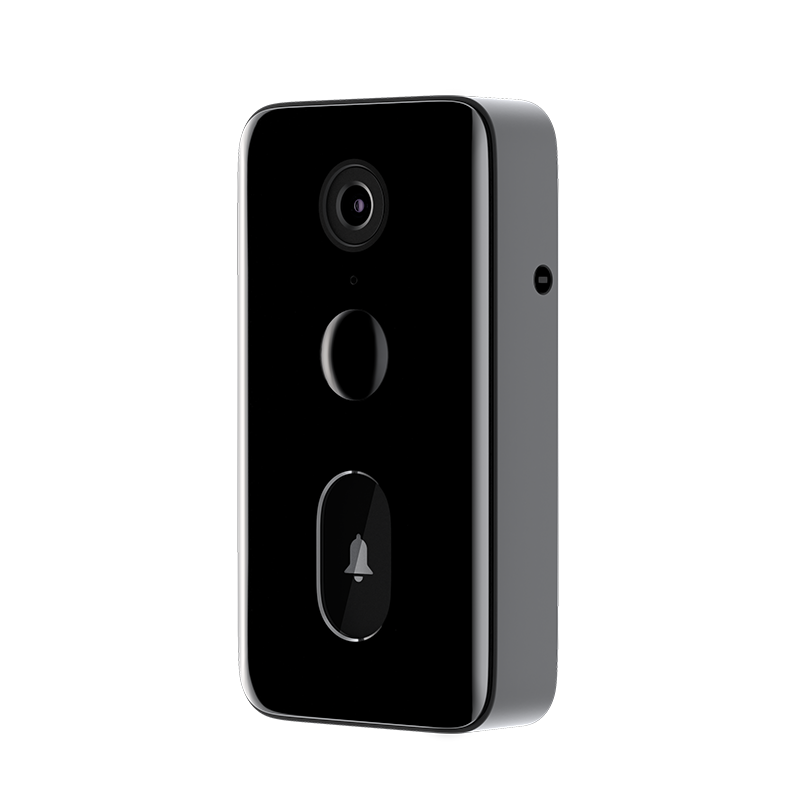
Alongside this, Xiaomi also launched the Smart Door Bell Lite Edition as well. As the name suggests, it is a cut down version of the Smart Door Bell 2 and is priced appropriately too. This version also features XiaoAI voice assistant and can even be operated remotely as well. However, its camera only captures in HD quality but are capable of infrared footage during night time. Its field of view is also 100 degrees but the range is only 3 meters.
Xiaomi Smart Door Bell Lite Edition
The Xiaomi Smart Door Bell 2 is priced at 199 Yuan, which roughly translates to about 28 US Dollars. On the other hand, the Smart Door Bell Lite Edition carries a price tag of half of the former, coming in at only 99 Yuan (or about 14 US Dollars). Notably, both devices look nearly identical and are currently available for pre order on Xiaomi’s official website in China.
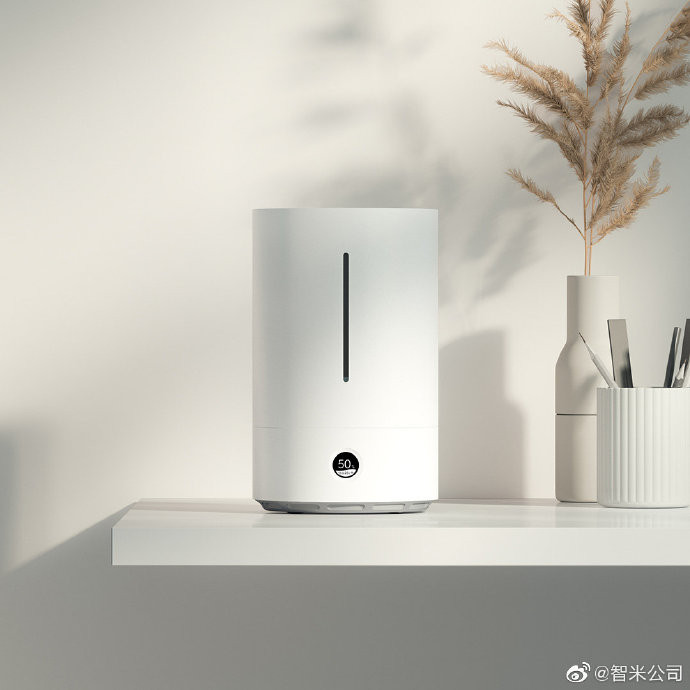
Earlier today (3rd April 2020), Xiaomi launched a bunch of new products through its Mi Festival event. Many products and home appliances were announced. However, on the company’s Xiaomi Youpin platform, the MIJIA Humidifier 1S was launched as well.
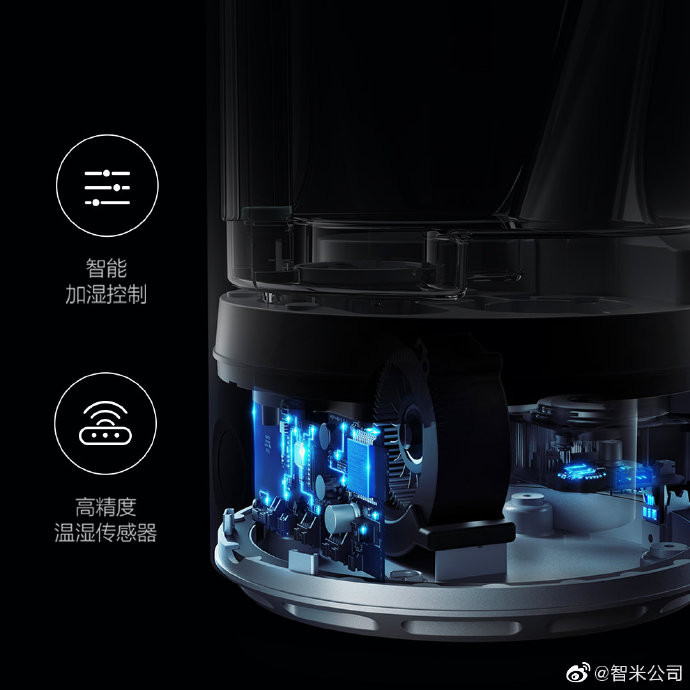
The MIJIA Humidifier 1S is as the name suggests a humidifier in purpose but also arrives with notable features like sterilization and more. The device uses ultraviolet germicidal lamps imported from Japan and uses anti bacterial materials with a 99 percent rate of eliminating bacteria, preventing the formation of molds, according to the official notes.
The company states that the MIJIA Humidifier 1S has a total capacity of 3.5 liters and consumer about 400ml every hour. This provides up to 16 hours of continuous usage on a single full tank. To fill the gadget up, water can be conveniently injected in the middle and the transparent water gauge clearly depicts the water levels on the inside, meaning you can always tell how much water is remaining.
Notably, it also arrives with an OLED display, which users can adjust the brightness of and even control through buttons. It is controlled by the MIJIA app and supports an AI voice assistant as well, alongside multi device pairing, which is useful for smart IoT products. The MIJIA Humidifier 1S is available for a price of 799 Yuan (roughly 112 US Dollars) on the Xiaomi Youpin platform.
Xiaomi launched the Redmi Note 9 Pro last month in India. A couple of weeks later, the same device was rebadged to Redmi Note 9S for other markets. Now, the brand announces a Mi Fan Festival (MFF) 2020 Limited Edition of this handset on its official Twitter handle.
Xiaomi will be hosting its annual Mi Fan Festival Sale from April 6. During this period, the company will be also selling 2,020 units of Redmi Note 9S MFF 2020 Limited Edition.
This special edition of the phone will feature the logo of Mi Fan Festival 2020 above the Redmi branding on the rear glass panel. Other than that, this is expected to be the same phone but maybe with a special theme outside the box.
However, we are not sure what will be storage configuration on this limited edition handset by Xiaomi. But we are certain it will retain all other specs of the standard Redmi Note 9S such as Qualcomm Snapdragon 720G, 6.67-inches FHD+ IPS LCD punch-hole screen, Gorilla Glass 5 protection, side-mounted fingerprint sensor, 48MP (primary) + 8MP (ultra-wide) + 5MP (macro) + 2MP (depth) quad-camera setup, USB Type-C port, 3.5 mm headphone jack, IR blaster, 5,020 mAh battery, and 18W fast charging.
Unfortunately, Xiaomi is yet to reveal the price of the Redmi Note 9S MFF 2020 Limited Edition.
Xiaomi is hosting the Mi Festival event today (3rd April 2020) and is hosting the launch conference for various new products. Among the various gadgets being released, a pair of Mi Smart PTZ cameras have also been announced.
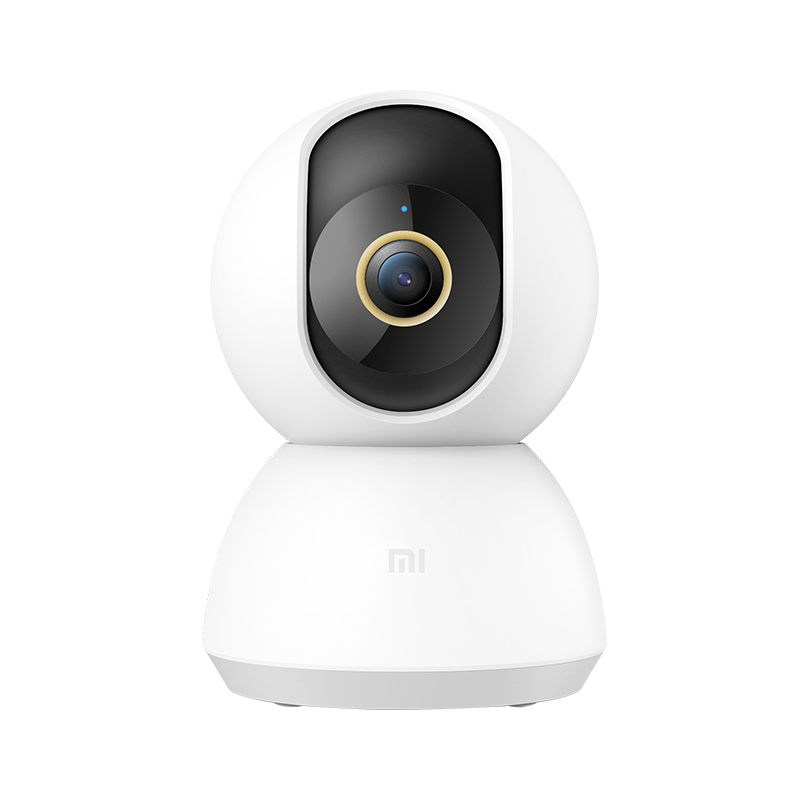
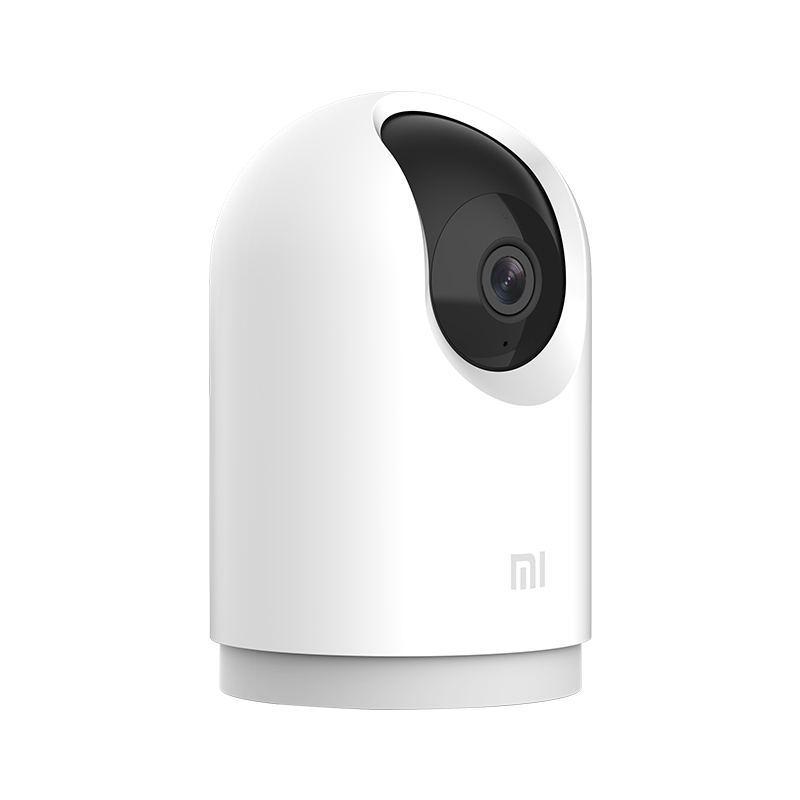
The two new cameras include the Xiaomi Mi Smart Camera PTZ and the PTZ Pro variant. The cameras are a part of the Chinese tech giant’s smart home appliances and essentially serve as security cameras in the users’ homes. Meaning, they can be used to monitor your house remotely or even inform you of illegal entry in the worst case scenario.
Xiaomi Mi Smart Camera PTZ
Starting with the Mi Smart Camera PTZ, it features a 3 megapixel camera with a f/1.4 aperture. The device supports low light recording and the video is captured with full colors as well. A notable aspect of this version is that it supports 2K recording. In other words, it can capture videos in higher fidelity, which allows for more details being captured. The device features a 6P lens and can offer a 360 degree field of view, since it is capable of rotating.
Arriving at the Xiaomi Mi Smart Camera PTZ Pro, this is the higher end version in the series. A notable inclusion in this version is that it has more Bluetooth gateway functions and also supports Dual band Wi-Fi (2.4GHz + 5GHz). It also features the same 3 megapixel camera with AI human detection and a 360 degree field of view via a panorama sweep.
Xiaomi Mi Smart Camera PTZ Pro
The Standard Mi Smart Camera PTZ is priced at 199 Yuan, which roughly translates to about 28 US Dollars. On the other hand, the Mi Smart Camera PTZ Pro will be sold for 249 Yuan (or roughly 35 US Dollars). The security cameras are currently available for pre booking and can be found on Xiaomi’s official website in China.
Multiple reports have claimed that Huawei will be also announcing the Nova 7 series in April. As of this writing, there is no official confirmation on the arrival of the Nova 7 phones from Huawei. However, a fresh leak states that the Nova 7 models will be breaking cover on April 23.
The new leak states that the Nova 7 series include three models such as Nova 7 SE 5G, Nova 7 5G and Nova 7 Pro 5G. The Nova 7 series may feature three different processors such as Kirin 820 5G that went official recently, the unannounced Kirin 985 chipset and the Kirin 990 5G flagship SoC.
The Nova 7 SE could be priced between 2,000 Yuan (~$282) and 3,000 Yuan (~$423). The Nova 7 may cost around 3,000 Yuan and the Nova 7 Pro could be costing between 3,500 Yuan (~$493) and 4,000 Yuan (~$564).
A previous report had claimed that the Nova 7 SE is powered by a mid-range Kirin 5G chipset which could be the Kirin 820 5G. It may come with a 6.5-inch punch-hole display. Its rear may house a 64-megapixel primary shooter. It is likely to arrive with support for 22.5W rapid charging. There is a possibility that the Huawei Nova 7 could be driven by the Kirin 985 chipset and the Nova 7 Pro could be fueled by the Kirin 990.
The dilemma Samsung faces regarding its smartphones have surfaced again. The company has always shipped two variants of its flagship series, namely the Snapdragon variant from Qualcomm, or the proprietary Exynos version. For those unaware, Samsung only shipped the former in the US and China while the Exynos is more commonly found in global markets, especially it’s home country South Korea
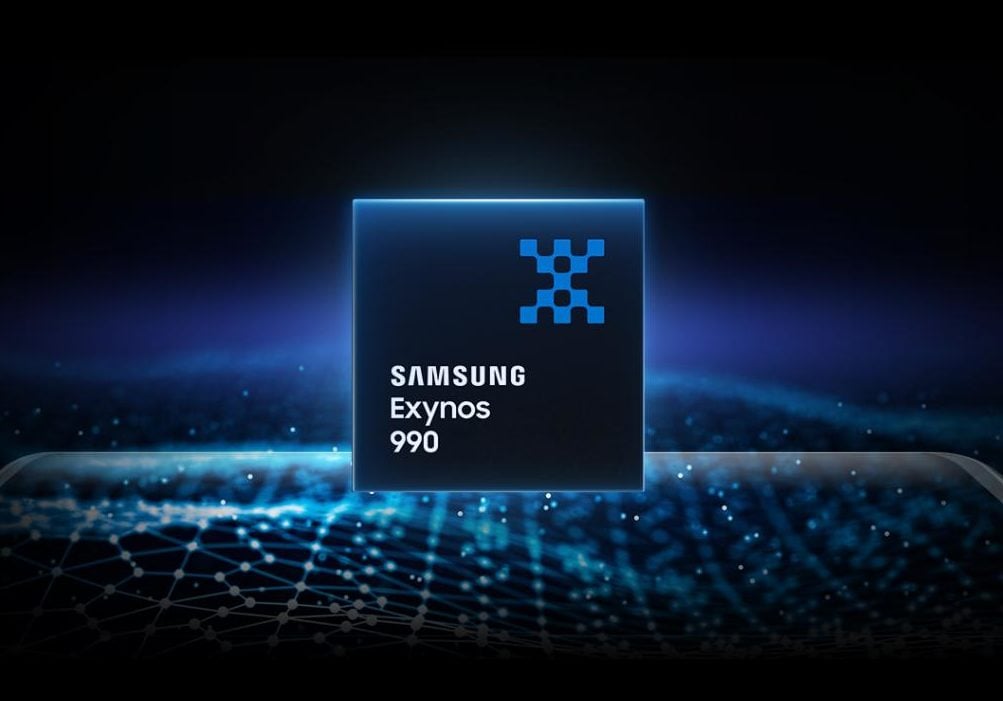
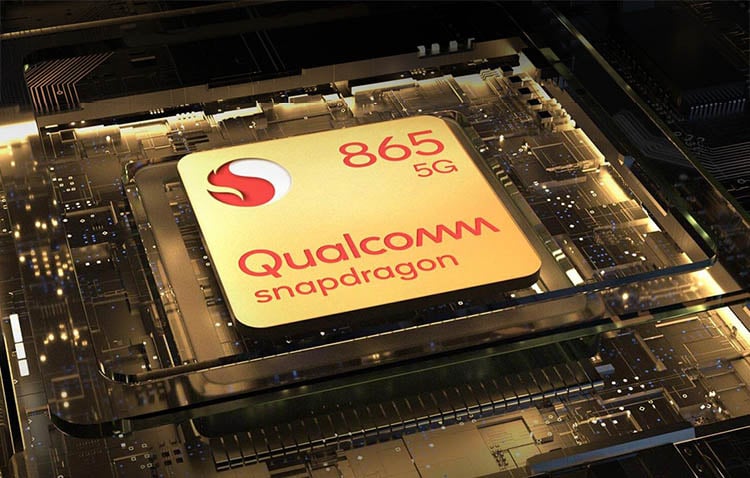
But in 2020, the company made a decisive move to shift towards the Qualcomm Snapdragon 865 processor for South Korea. This has led to a reported humiliation of Samsung’s Chip Division. To provide context, the Snapdragon 865 SoC clearly edges out in comparison to the Exynos 990 SoC. The former has proved to be a better processor both with performance and networking in mind.
Samsung Exynos 990
Due to this reason, top management in a general meeting with shareholders discussed the issue with the struggling Exynos chipset. Apparently, a lot of customers in markets like South Korea were unhappy for receiving an inferior product despite having paid the same amount of money for the Galaxy S20 series. These regions complained about power efficiency and battery life as a big factor for their concerns.
Thus, the shareholders grilled the top executives from the company, in hopes to see improvement in the proprietary technology. DJ Koh, President of Samsung’s mobile division stated that “competitive logic” is the reason Samsung stuck to Exynos chipsets over Snapdragon, and not due to the significant revenue smartphone sales bring to the System LSI division.
According to reports from South Korea, the decision from the company to ship the Galaxy S20 with Snapdragon in the country took many at Samsung by surprise. Reportedly, the decision for the move was made after the Exynos 990 failed to perform according to expectations. The report also mentioned rumors regarding the System LSI Division feeling “humiliated” because of the unannounced shift from Exynos to Snapdragon.
Qualcomm Snapdragon 865 SoC
Apparently, officials also tried to convince the mobile division to roll back the decision, but to no avail. However, this does not mean that Samsung is abandoning its Exynos chipsets entirely. Rather we can expect the company to invest further for its advancement to beat the Snapdragon counterparts. But as of right now, it seams its Quacomm’s win in this regard.
TikTok, the viral video-sharing platform has announced to donate medical equipment worth ₹100 crores to India. The aid will include 200,000 masks and 400,000 hazmat suits to fight the coronavirus outbreak in the country.
India is one of the latest countries to have a high rise in COVID-19 cases. As of writing this, the nation had a total of 2,567 cases with 72 deaths. This although seems to be a smaller number compared to other countries like the USA, it is enough to widespread the virus as India is a packed country with over 1.3 billion population.
But thanks to the measure taken by the government to lock down the country for 21 days has helped to contain the rise of cases that other nations. However, India is in dire need of medical equipment and funds, which thankfully are being donated by citizens as well as various companies.
TikTok is the latest firm to join this contribution as it alleges to be working with Union Ministry of Textile to provide medical equipment to the Ministry of Health and Family Welfare. The social media company recognizing the safety of medical staff working at the front line, have announced to donate 400,000 hazmat suits to the Indian government.
The donation by the company will also include 200,000 masks to the local / state level medical workers of Delhi and Maharashtra governments. Additionally, TikTok is willing to further extend its support if there is a need in the future.
The Xiaomi Mi Fan Festival is here, and the company is already announcing various new products as we speak. Among the new launches are two new smart TV’s which include the Xiaomi 75 inch Full-Screen TV Pro and a new 60 inch model for the Mi TV 4A.
Xiaomi Full Screen TV Pro 75 inch
The Chinese tech giant has just launched the largest variant in one of its TV family. The Xiaomi Full Screen TV Pro 75 inch has been announced and will be placed right above its 43 inch, 55 inch and 65-inch variants that were launched last year, in September 2019. These are one of the company’s premium lineup of TV’s and feature an aluminum alloy for its design and build.
Xiaomi Full Screen TV Pro 75 inch features extremely narrow bezels on every side, which also provides them with an impressive screen to body ratio of 97 percent. However, the top bezel also carries the ‘Mi’ brand logo and is a bit thicker than the other three sides. The middle frame of the 75 inch TV is made out of Aluminium alongside a metal base plate.
The Xiaomi Full Screen TV Pro 75 inch features a quad-core 64-bit processor that has a clock speed of 1.9GHz. This is a custom-built 12nm FinFET process chipset which makes them highly power-efficient, according to the company. Alongside the processor, 2GB of RAM is housed along with built-in storage of 32GB. The TV also runs the PatchWall operating system and is shipped with several video streaming services pre-installed, like Tencent Video, Youku and VOD from iQiyi.
A few other notable features include, Dolby Audio, XiaoAi assistant, voice commands and option to connect with IoT devices, to both control them and display their status. The display of the Xiaomi Full Screen TV Pro 75 inch is a 4K panel while the chipset is capable of natively supporting 8K content as well. It will be sold for a price of 5,999 Yuan or roughly 846 US Dollars.
Mi TV 4A 60 inch
Xiaomi has also launched a new variant for its pre-existing Mi TV 4A model. This version is a 60-inch model and will fit right between the other smaller and larger iterations of the same. It features a 4K LCD display and also sports relatively thin bezels on every side of the display.
Being a smart TV, it features XiaoAI built-in voice assistant on the PatchWall OS. So, one can stream videos, movies and more if connected to the internet. Under the hood, a 64-bit amlogic processor can be found alongside 2GB of RAM and 16GB of storage. It also houses the basics like HDMI ports, USB ports, AV input and offers Dolby Audio and DTS-HD as well.
The new Mi TV 4A 60-inch is priced at 1,999 Yuan (or roughly 281 US Dollars). Interestingly, the slightly outdated Mi TV 4A 58-inches is priced at a lower 1,599 Yuan (or roughly 225 US Dollars), so that might be a viable option for those looking under a particular budget.
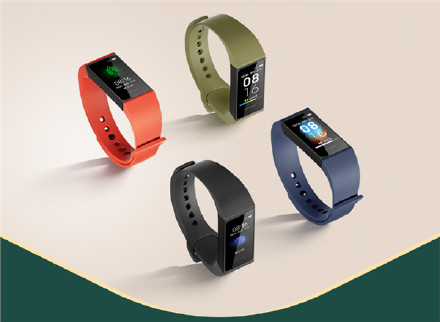
After becoming an independent brand, Redmi has been making all sorts of products like smartphones, IoT devices, routers, appliances, etc. Now, the brand also announced its first fitness band dubbed as Redmi Band as teased yesterday on Weibo. It will be crowdfunded for a price tag of only 95 Yuan ($13) from 10 AM, April 9 in China. However, the retail price of the band will be 99 Yuan ($14).
Redmi has now ventured into smart wearable business with the launch of Redmi Band. This fitness tracker from the brand features a 1.08-inch rectangular color display. The design of the smart band resembles that of Huawei / Honor Bands and the recently launched Realme Band.
In fact, it even has support for direct USB charging similar to the competitors listed above. The company claims a 14-day battery life from a full charge. As for tracking, it comes with 5 sports modes and even has an optical heart rate sensor to monitor heart rates during workouts as well as throughout the day. It also has support for sleep monitoring to help users achieve their sleep goals.
Being an entry-level as well as the first fitness tracker from the brand, the Redmi Band lacks NFC for contactless payments, which is found on its parent company Xiaomi’s Mi Band 4. Anyway, the tracker comes in black but users can choose between four different colors for bands such as orange, olive green, blue, and black.
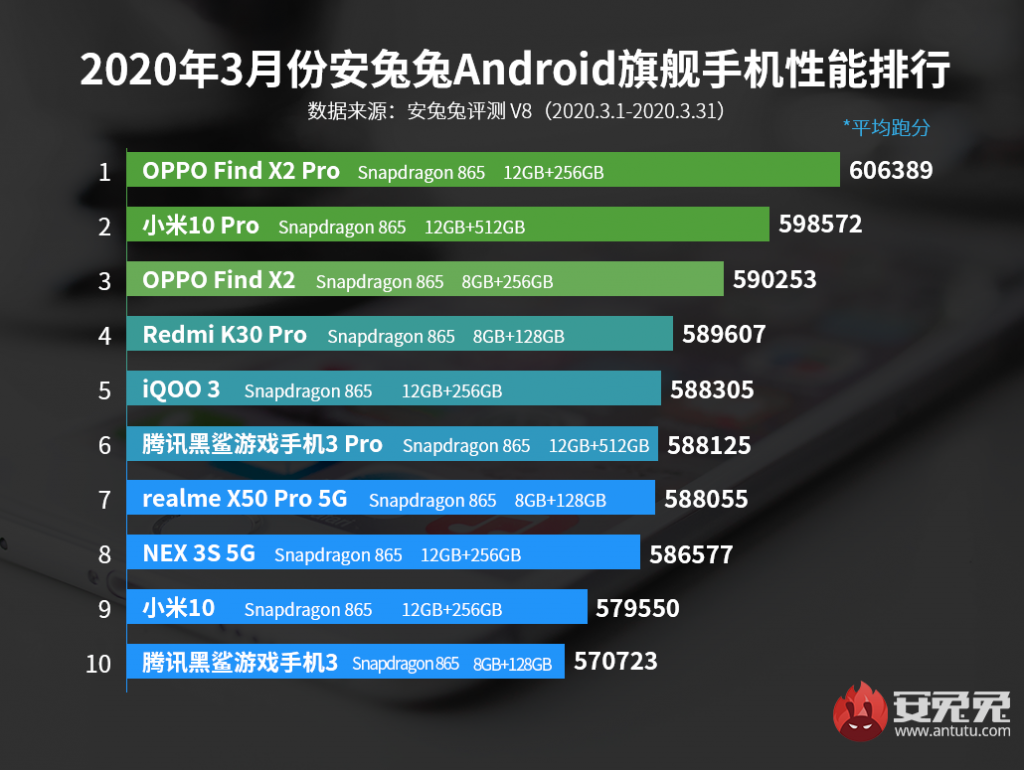
The Xiaomi Mi Pro 5G led AnTuTu’s best performing flagship smartphones in February. Today, the company released a new list of top 10 best performing flagship phones for March. It reveals that the OPPO Find X2 Pro is now leading the pack with a score of 606,389. The Mi 10 Pro that scored 598,572 has been pushed to second position. These phones have 12GB of LPDDR5 RAM. The X2 Pro has 256 of UFS 3.0 storage whereas the Xiaomi phone has 512 GB of native storage.
The Find X2 is third with a score of 590,253. The fourth place goes to Redmi K30 Pro that has scored 589,607. The iQOO is positioned at fifth with 588,305 score. The Black Shark 3 Pro is at the sixth with a core of 588,125.
The Realme X50 Pro with 588,055 is at the seventh position. The Vivo NEX 3S 5G is eighth spot with a benchmarking score of 586,577. The ninth position goes to Xiaomi Mi 10 that recorded a score of 579,550. The Black Shark 3 is the last phone to make it to the top 10 list with the score of 570,723.
All the devices mentioned in AnTuTu’s March list of best performing flagship phones are powered by the 5G-ready Snapdragon 865 mobile platform and LPDDR5 RAM. Except a few devices like iQOO 3 and Vivo NEX 3S 5G in the list, all the other phones are equipped with UFS 3.0 storage.
The Nubia Red Magic 5G that debuted last month is not mentioned in the list. The reason behind it is that the benchmarking platform came across some abnormalities in its memory test. The device may appear in the next month’s list. The Kirin 990 5G powered Huawei P40 and P40 Pro are also expected to make it to the next list.
Earlier this month, Xiaomi announced that it will be launching a new event on April 3rd as part of its Mi Fan Festival. The event marks Xiaomi’s 10th-anniversary celebration and also commemorates the Chinese tech giant’s skyrocketing success.
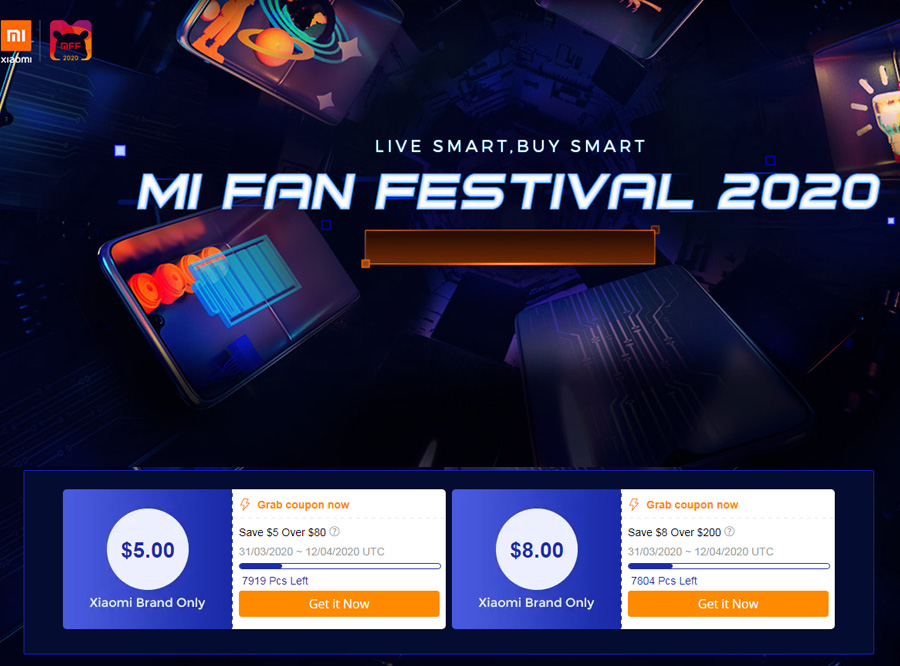
As part of the celebration, the company took the wraps off 22 new products. These recently-unveiled products, as well as a slew of other items, have carefully been placed under multiple categories on the Mi Fan Festival Sale 2020 promotion page.
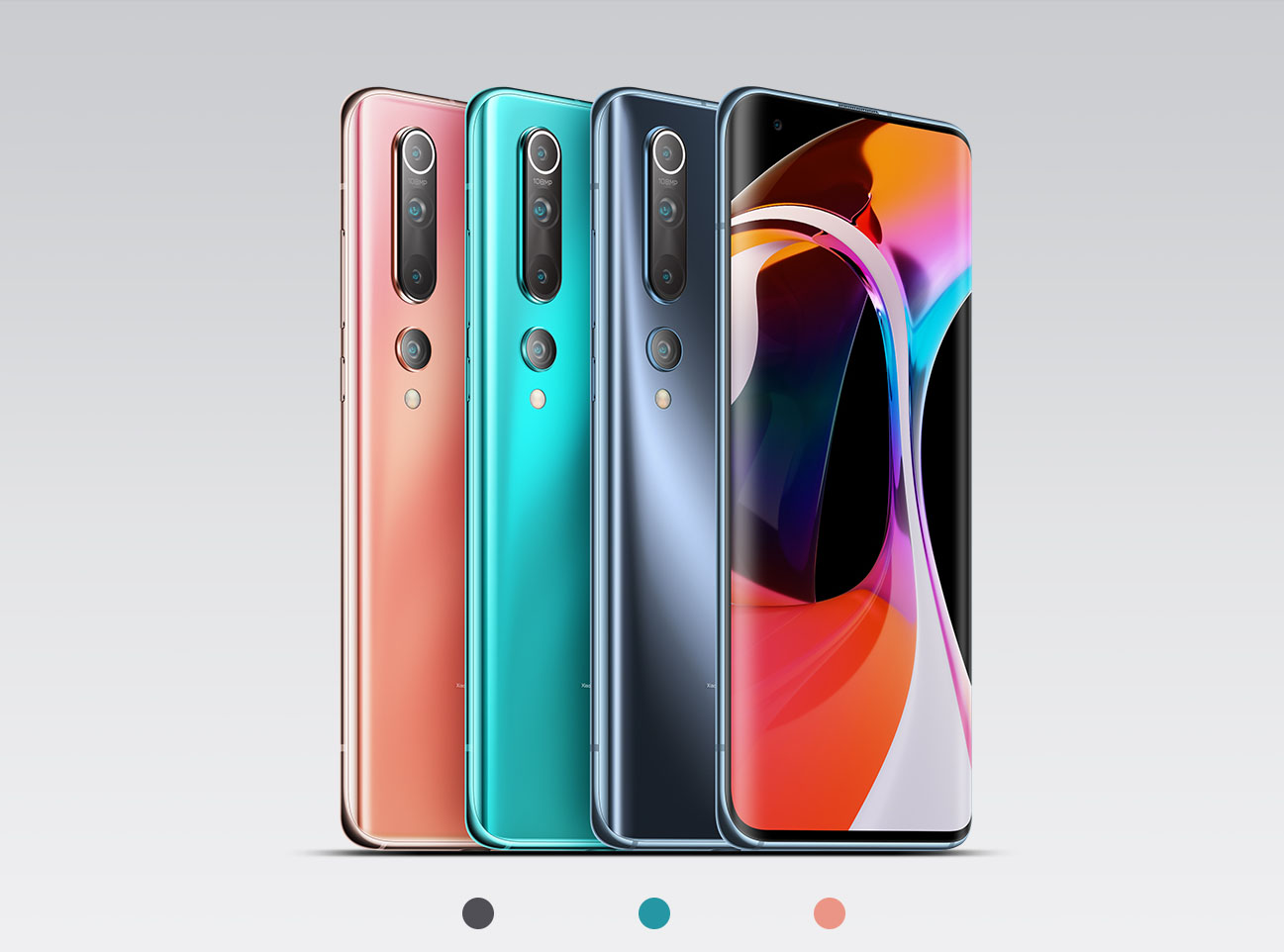
The activity page features two Xiaomi Brand Only coupons that can be used to save $5 if your cart value exceeds $80 or gets $8 off on orders over $200. The first section Newly Launched features the Xiaomi Mi 10, the Mi 10 5G, the Mi 10 Pro and the Redmi Note 9s. More importantly, you can get these products at unbeatable prices during the activity period.
For instance, the Xiaomi Mi 10 5G smartphone has gone up for pre-order bearing a considerably lowered price of only $759.99. Equipped with 8GB RAM + 128GB ROM and a myriad of top-end features, the phone would set you back $854.66 after the activity period, which is slated to end in 4 days, which means, you can avail this 11 percent off only for a limited period.
The following category called $0.1 Get Mi Fans Gift comprises items that you can purchase for unbelievably reduced prices by exchanging points for coupons. The Xiaomi Mi Fan Festival Gift Boxes with Pen U Disk carries a $99.99 price tag, but with 400 points exchange, you can get it for only $5.99. Note that once exchanged, points can’t be returned.
The next two sections including the Xiaomi Cell Phones and the Redmi Cell Phones are must checkout for those who have restlessly been waiting to get their hands on a top-end smartphone without burning a hole in their pocket. The aforesaid categories feature smartphones that have been assigned coupon codes.
To get your favorite smartphone at the lowest price, all you need to do is to apply the specific coupon code at the time of checking out. For example, the Xiaomi Redmi Note 8 Pro smartphone normally retails for $277.85, but you can purchase it for only $219.99 from Gearbest.
You can extend this 21 percent discount by applying coupon code GBMIFANN8P64 at checkout and bring the phone’s already lowered asking price further down to just $203.99. While the promo will be valid for 26 days, there were only 492 coupons left at the time of writing.
Xiaomi Smart Selected is the next section on the activity that you need to check out. It features smart bracelets, smartwatches, music accessories and other items that usually cost a bomb, but are currently available for reduced prices. If you have been waiting with bated breath for Xiaomi Notebook prices to drop, now’s the time.
You can head straight to the Xiaomi Notebook section and check out the unmissable discount Xiaomi is currently doling out on its well-received range of laptops including the Mi Notebook Ruby 2019, the RedmiBook 14-inch Laptop and more. Likewise, the Xiaomi Mijia Selected section is teeming with a wide range of useful items across various categories.
Xiaomi Ecosystem Brand Xiaomi Smart Electronics, as well as the Xiaomi Ecosystem Brand – Xiaomi Smart Life are also crammed with amazing products that have gone up for sale carrying lowered price tags. Aside from that, the promo page features Xiaomi Home Deals, Xiaomi Youpin Deals and the Recommended Deals that you don’t want to miss.
The Mi Fan Festival (A.K.A. Xiaomi MMF Sale) online shopping festival will be valid for a limited period. You can follow this link to visit the activity page and take advantage of the special deals and discounts before the promo wraps up!
The Gizmochina Coupons is a community that finds, reports and evaluates deals and coupons of Chinese products from online shops. Please visit it here to find more coupons to save money on mobiles and smart gadgets.
Huawei Pay makes its debut in Singapore with an exclusive partnership with ICBC (The Industrial and Commercial Bank of China) Singapore Bank. The app will come pre-installed on the Huawei P40 series and can be downloaded on other Huawei / Honor devices from App Gallery.
Huawei Pay launch in Singapore is in an exclusive collaboration with UnionPay. The mobile payment service by Huawei Mobile Services (HMS) can be used for contactless and cashless payments on Huawei / Honor devices.
ICBC Singapore bank is the first and the only bank to support the service for now. As part of the launch offer, users making purchases via Huawei Pay by registering their ICBC UnionPay credit cards between 1 April and 30 September will be rewarded with Huawei Points and cashback up to S$20 on every transaction. Additionally, users will be subjected to a welcome gift of 10 Huawei Points worth S$10, which can be used to make payments in Huawei AppGallery, Themes, Video, Mobile Cloud and more.
Since Huawei Pay supports contactless NFC payments in retail stores, it can be used by tapping supported Huawei / Honor devices on POS (Point-of-Sale) terminals instead of physical credit cards. The service makes use of devices’ biometric authentication system for security.
Additionally, Huawei P40 series will go on sale in Singapore from tomorrow, i.e. April 4. Launch offers include freebies like 50GB Huawei Mobile Cloud for 12 months, Smart View Flip Cover (worth S$58), and Huawei SuperCharge Wireless Car Charger (worth S$98, only P40 Pro). The Huawei P40 and P40 Pro will be available in Silver Frost, Blush Gold, and Deep Blue Sea color variants for a price tag of S$1,048 and S$1,448 respectively.
In Singapore, the Huawei P40 series can be purchased from Huawei Concept Stores, major telco outlets, selected consumer electronic stores and online retailers like Lazada and Shopee.
Apart from Huawei Pay, Huawei Video is also launching in Singapore with the P40 series availability in the region. The video streaming service offers over 4,000 titles from BBC Studios. Further, the company promises to bring more partners to the platform soon.
Along with the Mi Air 2S TWS earbuds, Xiaomi has today also launched the Mi Bunny Children’s Watch 4 which has a starting price of 899 yuan that roughly converts to $127. However, those who pre-order the device between 3rd April to 8th April with a pre-sale deposit, can get it for 849 yuan (~$120).
The Xiaomi Mi Bunny Children’s Watch 4 comes with Dual Cameras — one on the front and one of the side, both featuring a 5MP HD sensor. The front camera can be used to watch the children’s face while the side camera is to monitor the surroundings.
It comes with a 1.78-inch AMOLED retina high-definition full-screen display and thanks to the front-facing camera, parents or guardians can now place HD video calls with the children anytime and anywhere.
The smartwatch comes with eight-fold safe positioning, and supports indoor positioning of 4000+ large shopping malls, high-speed rail stations, and airports in the country. The company says that it uses the small search AI intelligent positioning algorithm to make positioning more accurate.
As for the connectivity, the Mi Bunny Children’s Watch 4 supports 5G as well as 4G with all three major telecom operators in China. It can also place call and locate in more than 200 countries and regions around the world, and supports VoLTE HD calls.
Parents can also set up call whitelists, SMS whitelists, and prevent interruptions in class using the app. It also comes with AI English interactive teaching feature that integrates four major modules of learning, testing, problem sets, and review books to form a scientific closed-loop learning system.
It uses artificial intelligence (AI) to evaluate the accuracy of pronunciation, correct spoken language, and practice. It also provides American pronunciation, pictures inspired teaching, and can synchronise classroom progress.
The device is powered by a 920mAh battery and is claimed by the company to offer 8-day long battery life, thanks to its AI-backed power saving algorithm.
The OnePlus 8 series of flagship smartphones is scheduled to go official in a couple of weeks. In a typical OnePlus fashion, the company has already revealed some of the key features of the upcoming device.
Now, ahead of the phone’s launch, DisplayMate has announced that the OnePlus 8 series has managed to earn the highest A+ rating as well as the Best Smartphone Display Award. Last year, the OnePlus 7 Pro also received A+ ratings from DisplayMate and the company is now aiming to outdo itself.
The report adds that the display on the upcoming lineup “sets or matches more than 10 Smartphone Display Performance Records in virtually all key categories for the best displays on the market, including color accuracy, image contrast, display brightness, and screen reflection, with 4 categories marked Visually Indistinguishable from Perfect.”
OnePlus CEO Pete Lau has already confirmed that the OnePlus 8 series will come with AMOLED display panels from Samsung. It will offer 120Hz refresh rate, and will also come with motion estimate and motion compensation (MEMC) technology for smooth video playback and 10-bit color gamut.
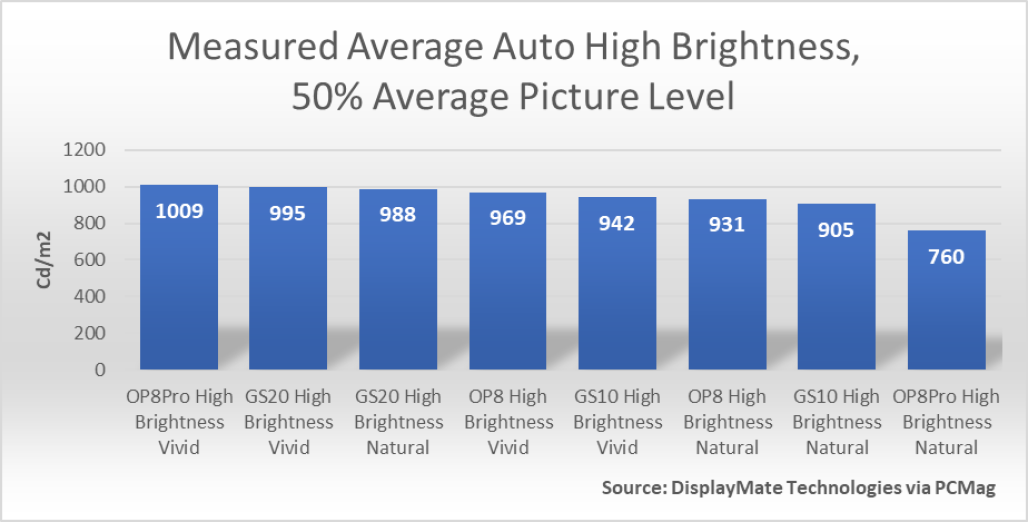
A report from PCMag claims that OnePlus 8 and 8 Pro will have two main user-selectable color modes — Vivid and Natural. While Vivid mode has a wider color gamut and high image contrast, the Natural mode accurately represents either the digital cinema DCI-P3 color space or the older sRGB color space.
The OnePlus 8 Pro has a brighter display than the Galaxy S20 Ultra at 50 percent average picture level (APL) and the max brightness level of the display can reach 1009 nits at 50 percent APL, which is slightly higher than the Galaxy S20 Ultra’s 995 nits.
While the company has not confirmed all the specifications, leak indicates that the OnePlus 8 Pro will feature a 6.78-inch QHD+ Super AMOLED display with 120Hz refresh rate, Snapdragon 865 SoC, 12GB RAM, 4,510mAh battery, Warp Charge 30T support along with wireless charging and reverse wireless charging. To know for sure, we’ll have to wait for the official launch event on 14th April.
In line with our previous report, Xiaomi has today officially launched a new TWS Earphones — the Mi Air 2S true wireless earbuds, for a price of 399 Yuan which roughly converts to $56. The newly launched earphones are currently up for reservations in China and will go on sale on April 9.
The company reveals that the new Mi Air 2S comes with an upgraded dual-core chipset and also uses the new binaural synchronous transmission technology to transmit sound signals to the left and right earphones at the same time.
This effectively reduces the sound delay, while having strong anti-interference, and makes the left and right earphone connections are more stable. Additionally, it has fully optimized LHDC Bluetooth decoding for the MIUI system and adopts a new architecture for deeply optimizing the hardware. Note that the earbuds supports Bluetooth 5.0.
To improve the performance during gameplay and watching videos, it comes with a low-latency mode which when turned on, greatly reduces the sound delay and ensures proper synchronization of sound and pictures.
Further, there’s support for voice assistant with XiaoAI which gets activated just through simple voice command and can be used to perform a wide range of activities and tasks, including playing music, listening stories, using maps for directions, etc.
While there’s no active noise cancellation support like the Apple AirPods Pro but it does come with dual-microphone array noise reduction technology that claims to effectively reduce the environmental noise during calls and ensure HD voice call quality.
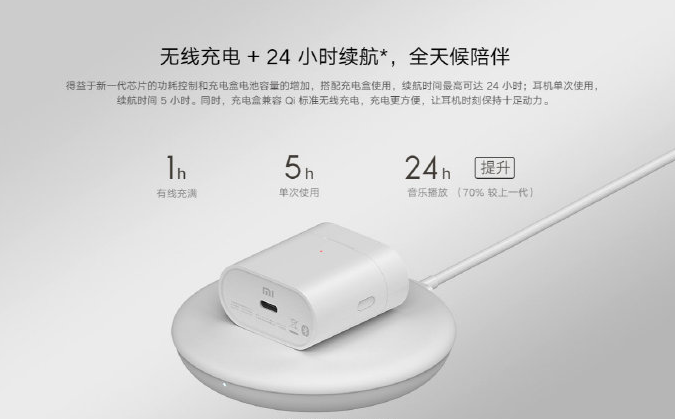
One of the most impressive parts of the new Xiaomi Mi Air 2S TWS earphones is the battery life. The company claims that it can provide 5 hours of usage on a single charge but can be extended up to 24 hours of battery life when combined with the charging box. The charging box of the earbuds also come with support for Qi-standard wireless charging technology, making the charging process more convenient.
We use cookies on our website to give you the most relevant experience by remembering your preferences and repeat visits. By clicking “Accept”, you consent to the use of ALL the cookies.
This website uses cookies to improve your experience while you navigate through the website. Out of these, the cookies that are categorized as necessary are stored on your browser as they are essential for the working of basic functionalities of the website. We also use third-party cookies that help us analyze and understand how you use this website. These cookies will be stored in your browser only with your consent. You also have the option to opt-out of these cookies. But opting out of some of these cookies may affect your browsing experience.
Necessary cookies are absolutely essential for the website to function properly. This category only includes cookies that ensures basic functionalities and security features of the website. These cookies do not store any personal information.
Any cookies that may not be particularly necessary for the website to function and is used specifically to collect user personal data via analytics, ads, other embedded contents are termed as non-necessary cookies. It is mandatory to procure user consent prior to running these cookies on your website.