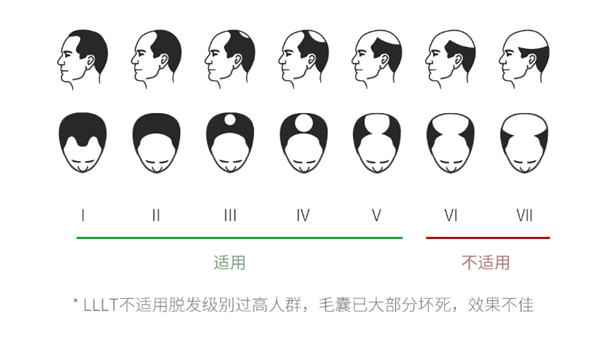
A survey conducted by the China Health Commission, the number of persons with hair loss in China has exceeded 250 million. That is 1 out of 6 persons have had hair loss. There is also data showing that, on average, there is one hair loss for every four adult males in China within the age range of 20 to 40 years. The fastest hair loss is within the 30 year age bracket.
It is interesting to note that this generation is 20 years earlier than the previous generation’s hair loss age. This trend isn’t common to China alone but also occurs in other regions.
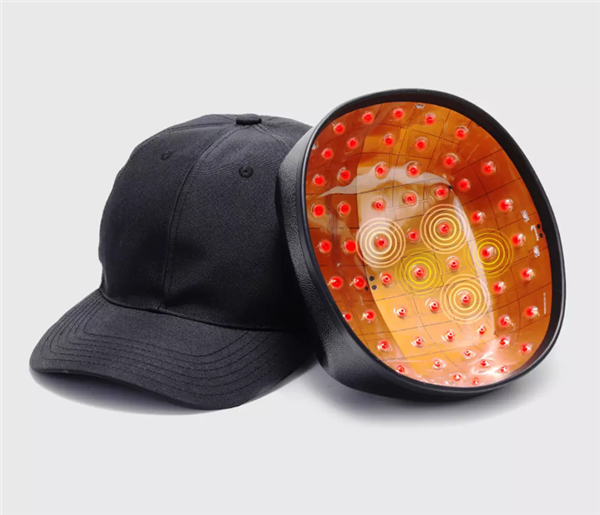
Xiaomi has crowdfunded the COSBEAUTY LLLT laser hair growth cap which is touted to effect healthy new hair growth in 12 weeks. The product comes with a crowdfunding price of 1499 yuan ($211).
The COSBEAUTY LLLT laser hair growth cap is equipped with 81 beams of laser light to achieve full coverage of the scalp. It utilises a high-value baseball cap design and weighs only 210g.
The LLLT works in two major ways;
1. Blocking androgens destroys hair follicles
Medical experts finger the conversion of Dihydrotestosterone from the male hormone testosterone as the main culprit of most hair loss. The cap protects the hair by blocking the binding of dihydrotestosterone (DHT) to hair follicle receptor (AR) thus, protect the hair follicles from being damaged by dihydrotestosterone.
2. Provide energy molecules ATP, ROS, NO to reactivate hair follicles
The human hair follicles are divided into a growth phase, degenerative phase, and resting phase. The COSBEAUTY LLLT laser hair growth cap uses a 650nm medical laser to accurately reach the roots of 3-5mm hair follicles, activate the hair follicles in the degenerative and resting phases, and re-enter the healthy growth phase.
According to the firm, there are only a handful of certified hair growth devices. COSBEAUTY electric laser hair growth devices have not only passed the stringent CFDA certification, but also passed the FDA certification, which fully meets the technical requirements for hair growth medical devices, ensuring safety and effectiveness.
A clinical report carried by the Beijing Friendship Hospital verified that 80.9% of patients with hair loss experienced significant hair growth treatment.
The product is presently available for crowdfunding on Xiaomi Youpin. We can’t say if the product will find its way into the international market any time soon.
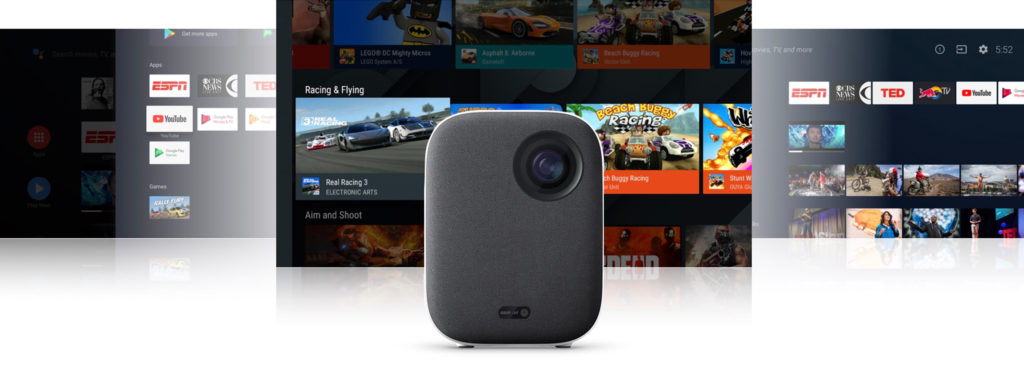
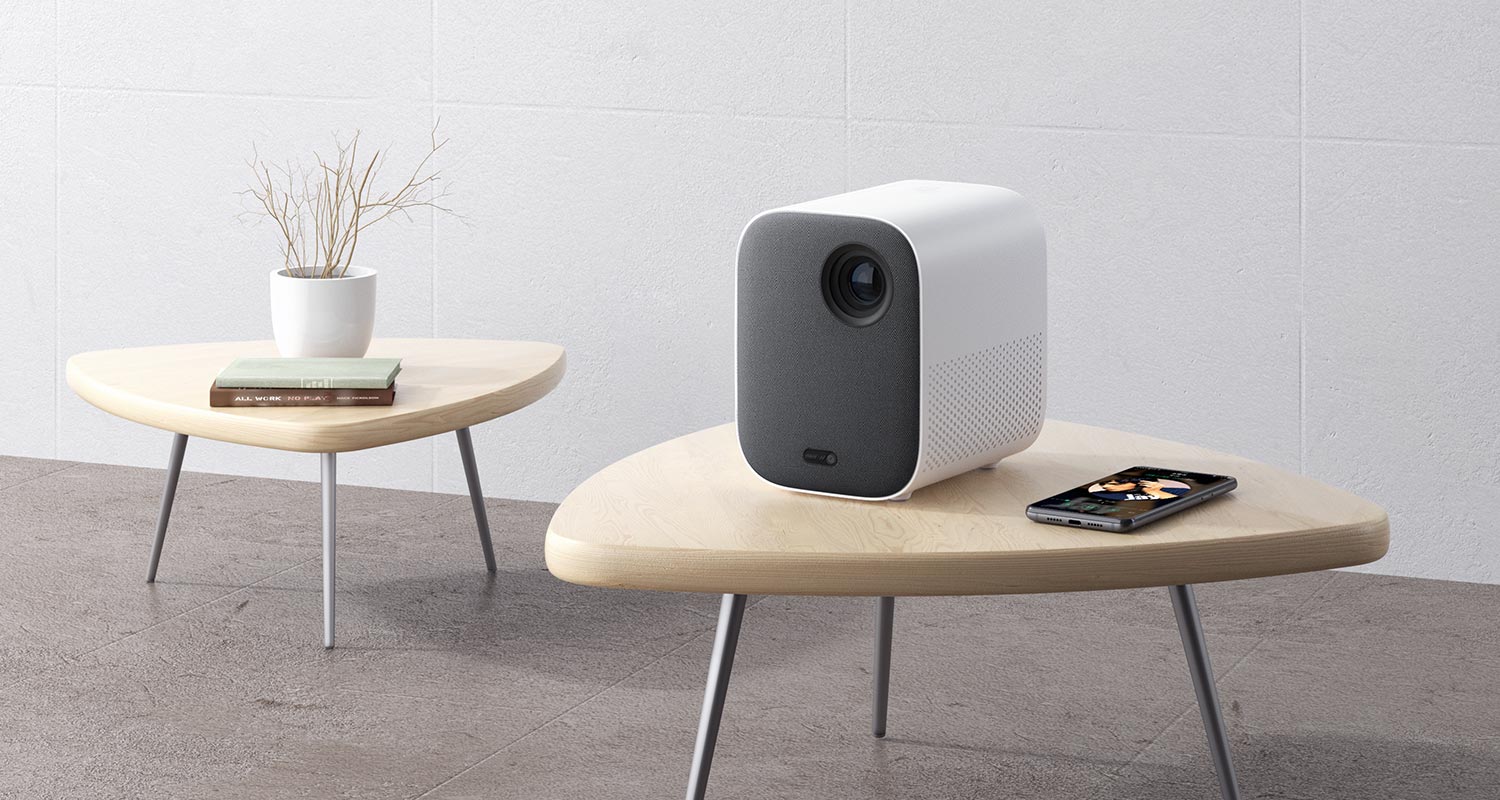
At the Redmi Note 9S launch in Malaysia, Xiaomi also announced its Mi Smart Compact Projector for the market. It is priced at RM 1,899 ($429) and will be available to purchase from April 20 on Lazada, an e-commerce website owned by Alibaba Group.
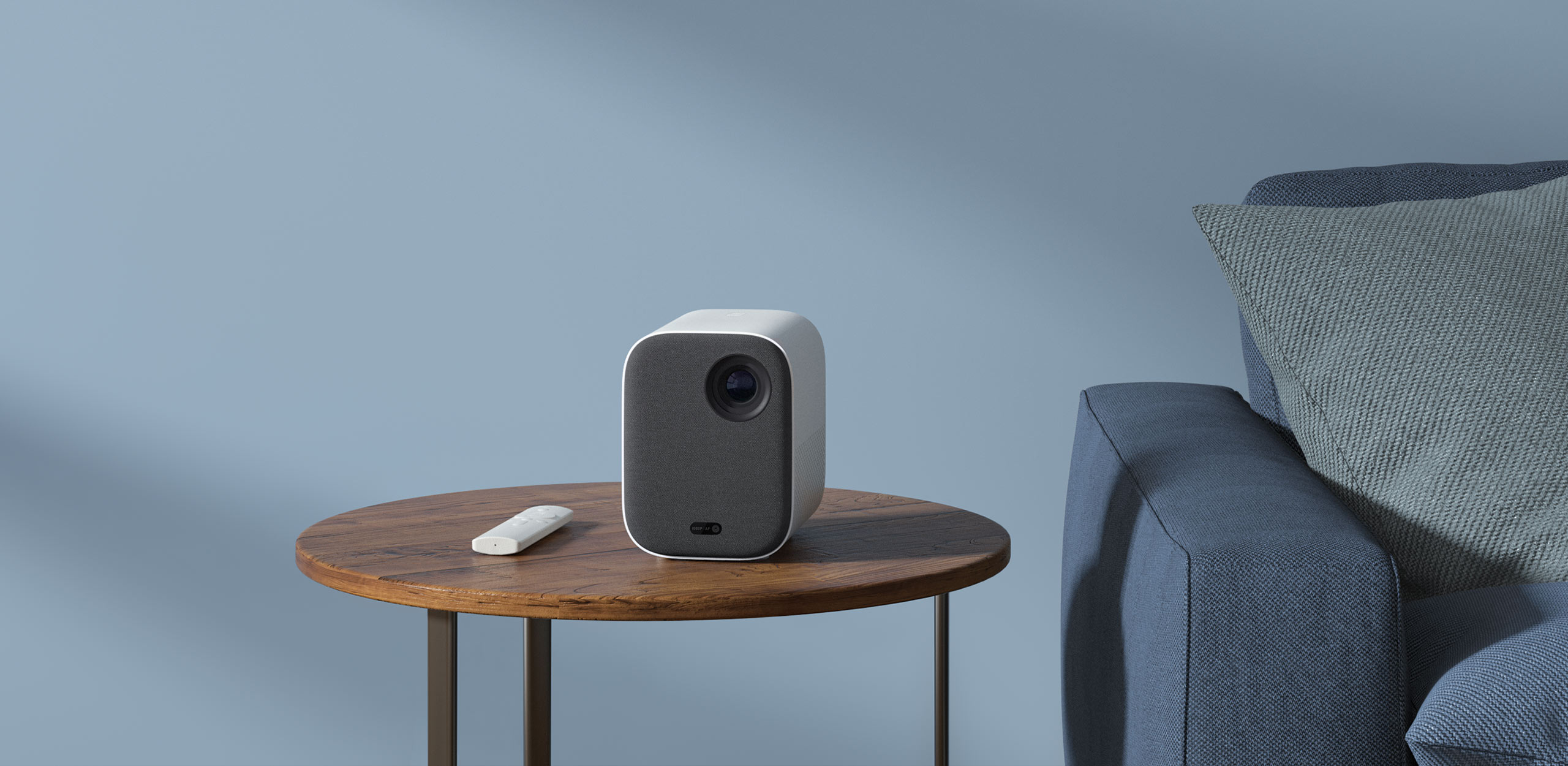
Measuring and weighing at 150mm x 115mm in dimensions and 1.3Kgs respectively, the Mi Smart Compact Projector resembles a Bluetooth speaker than a projector. That is because it also comes with two built-in 5W speakers with a large integrated sound chamber and a long sound transducer. The speakers also support Dolby Audio and DTS HD decoding and use dual-track virtual surround sound stereo.
Talking about projection, the projector supports 1080p (FHD) resolution but is also capable of playing 4K content. It uses a four-channel LED RGB to project content with an average brightness of 500 ANSI Lumens. It covers up to 85% of NTSC colour gamut and also supports HDR content. It also features a high-sensitive camera for better auto-focus on startup to ensure clarity and sharpness. However, users can also opt for manual motorized focus if needed.
As for projection size, the Mi Smart Compact Projector has a throw ratio of 1.2:1 and can project to a recommendable screen size of 60-inches to 120-inches. However, the projection screen size can be actually adjusted between 40-inches and 200-inches. Further, the company claims a lifespan of 30,000 hours for the LEDs used in this projector.
Xiaomi Mi Smart Compact Projector
1 of 4
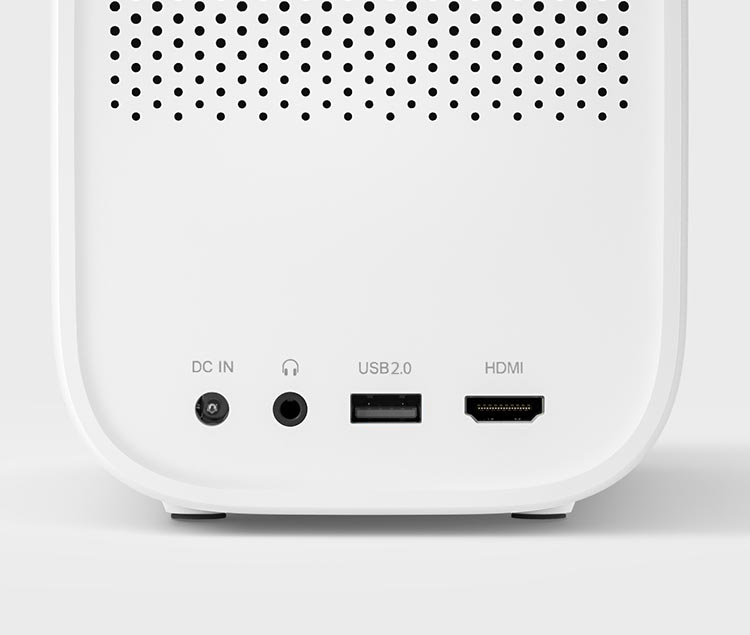
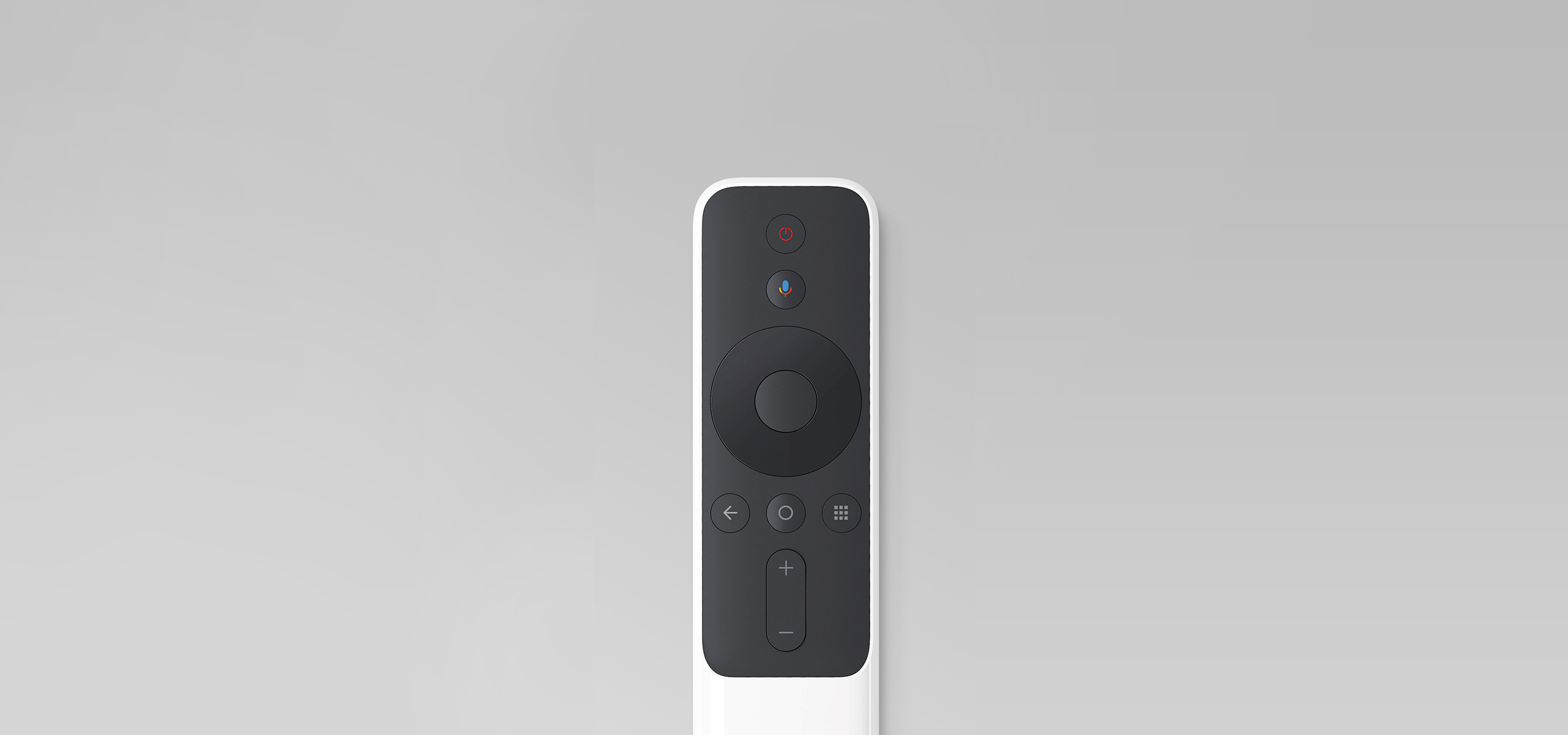
The Xiaomi projector comes powered by an Amlogic T962-X processor paired with 2GB DDR3 RAM and 16GB eMMC flash storage. It runs Android TV 9.0 Pie with Google Play Store to install all the essential apps. For connectivity, the projector features Bluetooth, a 3.5mm headphone jack, a USB 2.0 port, and an HDMI port. Last but not least, the projector comes bundled with a minimalistic remote with a built-in mic for Google Assistant.
The Mi Smart Compact Projector by Xiaomi is also officially sold by Walmart in the US for the price tag of $599.
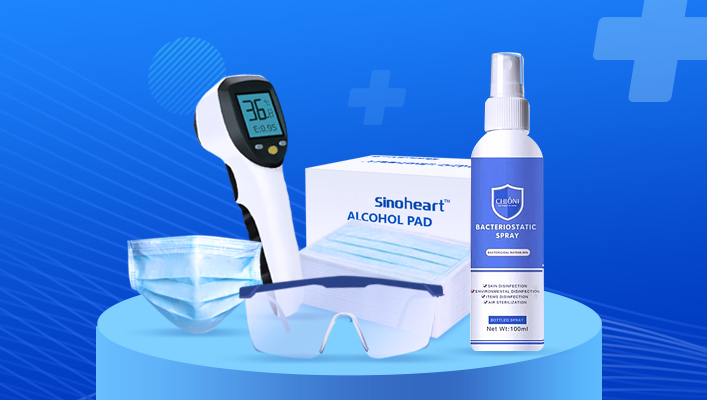
The novel coronavirus has taken over the world with over 200,000 confirmed cases and 8000+ deaths so far. The outbreak was just recently termed as a pandemic by the WHO (World Health Organization). To protect oneself from COVID-19, one must maintain hygiene by washing hands at regular intervals and may opt for masks when going outside the home to gather supplies from nearby supermarkets or grocery stores. Thus, to help people in the hard times, Chinese e-commerce platforms such as Gearbest, Banggood, and AliExpress have come up with mega sales on coronavirus protection gears including masks, gloves, glasses, thermometers, and much with international shipping.
Although COVID-19 can easily spread via human to human transmission, it is not a deadly disease as the mortality rate is too low. But as they say ‘prevention is better than cure’. It is the duty of each individual to keep them safe by using necessary gear if required. On a normal basis, all you have to do is wash hands regularly with soap or alcohol-based sanitizers for at least 20 seconds, avoid touching anywhere on the face, if you feel an urge to cough or sneeze, then use elbows or tissues (dispose them safely), and stay at home if you are sick.
On the other hand, if you need to get something from the nearby stores, then make sure to distance yourself from other individuals and maybe even use masks and gloves, which you can buy at a discounted price along with other supplies such as hand sanitizers, thermometers, and much more from the respective store links provided below.
Essential Protective Gear Against Coronavirus:
Masks
Masks help you safeguard by not letting in viruses from the atmosphere to your nose and mouth. Although masks are ineffective in most cases unless you have advanced n95 or ffp3 versions, it is always good to have one on your face while going outside as it will help in protecting you from other germs and allergies. Also, you won’t touch your mouse/nose directly with a mask on your face.
Hand Sanitizers
Always make sure to have a hand sanitizer with you wherever you. Do note to buy those products which are based on alcohol.
Hand Wash and Soap
Hand Washes and Soaps are expected to be at every household. In fact, they are more than enough for you to disinfect your hands of viruses. All you have to do is wash your hands with them properly for a minimum of 20 seconds.
Gloves
Gloves can be useful for those who go outside to buy groceries or other necessary products. Because that person may have to touch certain objects and surfaces on the way as well as in the stores.
Thermometer
It is always advised to have a thermometer at home to check on your body temperature when you are sick. By this, you can take the necessary medications on time and recover soon.
Note that even with these essential items, the best way to fight this coronavirus is staying back at home and preventing its spread. Masks, hand sanitizers, and gloves will help reduce the chances of contracting the virus, but it’s imperative that you head out your home only for restocking your groceries or for extremely urgent matters.
Where to Buy These Essential Protective Gear?
Gearbest
Gearbest is currently putting up a number of above mentioned items such as medical masks, digital LED thermometers, googles, and even fisherman’s hat! You can check out all their protective gear from this dedicated coronavirus page.
Just like Gearbest, Banggood has also stocked up on essential protective gear against coronavirus which includes medical masks, carbon filter masks, gloves, bleached toiled paper rolls, and protective glasses. It has also listed items such as infrared thermal imagers, non-contact digital thermometers, and UV sterilizers including ones which sterlize your smartphone.
Aliexpress is also offering similar items which include disposable as well as washable face masks, surgical protective clothing, safety goggles, and hand sanitizers. You also have home fitness equipments which is essential to maintain your fitness during this period of lockdown.
Gyms worldwide have closed due to the Coronavirus pandemic, leaving fitness enthusiasts no choice but to work out from their homes. The burning question popping inside your head would be how you choose the best home gym equipment that helps you continue leading a healthier lifestyle without emptying your pocket.
If your gym hasn’t closed yet, you are highly likely to be practicing social distancing and avoiding working out at a local gym. While staying away from crowded places such as the gym is imperative amid the coronavirus pandemic, it is equally important for everybody to exercise in a bid to stay healthy. A home gym is a perfect solution.
You can build a home gym even in a compact space without breaking the bank. You should primarily focus on a few important pieces of home gym equipment that not only occupy little space but are also easy on the pocketbook. With right home gym equipment, you can perform various exercises including cardio workouts and strength training without stepping outside the comfort of your home.
While home gym equipment can be split into multiple categories, we have selected 5 products that are used for performing the most popular workouts, such as weight lifting, running, etc. Aside from that, our list comprises accessories that only facilitate, but also make exercising more productive.
XTERRA Fitness TR200 Folding Treadmill with XTRASoft Cushioned Deck
While you’d normally end up spending a lot of money on a folding treadmill, the XTERRA Fitness TR200 Folding Treadmill is currently available bearing a reduced price of just $339.99 through Walmart. This is a noteworthy reduction in the treadmill’s original asking price of $429.99.
In addition to an exercise bike, the treadmill is one of the first items you’d need for your home gym. On the downside, it doesn’t come cheap. It is hard to find a reliable treadmill under $350, but we checked various treadmills before recommending the XTERRA Fitness TR200 Folding Treadmill, which is one of the more affordable alternatives available in the market today.
The XTERRA Fitness TR200 Treadmill strikes a perfect balance between quality and performance, making it an ideal product for those looking for a reliable treadmill that offers flexibility so that it can be easily folded up and stored even in a compact space when not in use.
Exerpeutic Folding Magnetic Upright Exercise Bike with Pulse
An exercise bike is one of the first items you should get your hands on while setting up your home gym. They aren’t just easy on the pocketbook, but also take up only a little space for storage. With a wide range including simple cyclers to steeply-priced machines such as the Peloton available on the market, an exercise bike is a great choice for cardio.
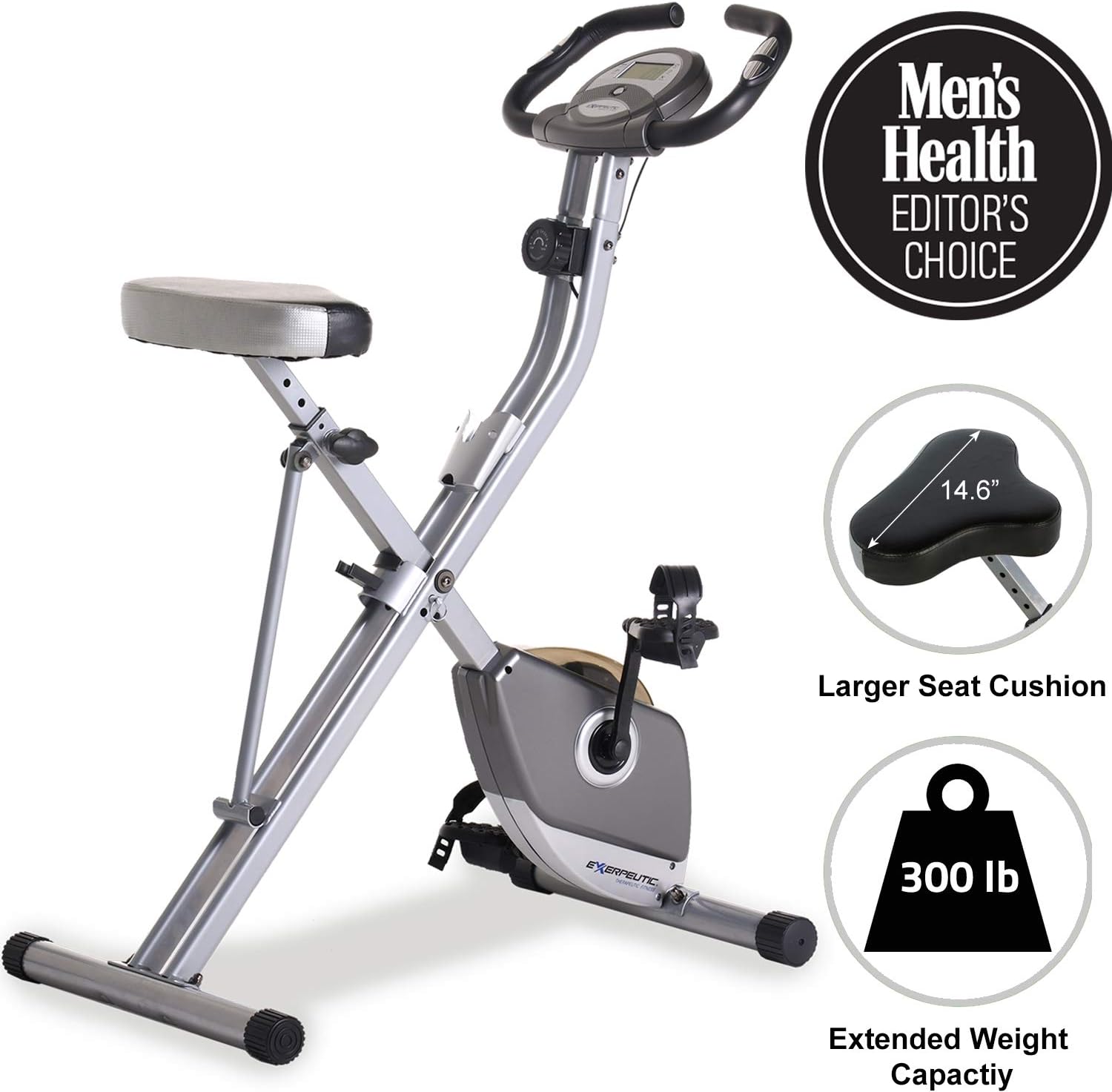
We highly recommend you check out the Exerpeutic Folding Magnetic Upright Exercise Bike with Pulse, which has been listed as a top pick by Men’s Health magazine. It is capable of supporting people weighing in at up to 300lbs, which is more than any other folding bike available on both online, as well as offline stores.
On top of that, it is designed to keep the vast difference in people’s height in mind, which means, whether you are 5 feet 3 inches or 6 feet 1 inch tall, you can use the Exerpeutic Folding Magnetic Bike. The device offers eight levels of tension, enabling you to adjust the difficulty level of your workout.
It also has an LCD that shows pieces of information such as calories burned, distance, time, speed and more. The hand sensor monitors your heart rate while exercising.
A piece of must-have equipment for your home gym, the 9 in 1 Push Up Rack Board usually retails for $37.49, but Gearbest is currently offering a noteworthy 20 percent discount on its original asking price. In other words, you can purchase a highly useful device for gym body training for a dropped price of just $29.99.
An absolute steal at this price, the 9 in 1 Push Up Rack Board is designed to help you gain back and abdominal muscles. With dimensions of 25.6×7.7×0.7 inches, this item weighs in at just 1400g, which means, you can easily carry it to your garden, balcony or any other spot in the house to workout. Moreover, it is made using high-quality ABS material for durability.
The easy-to-fold product offers 9 different functions. The blue-tinted rack is perfect for a chest workout, the red-hued for shoulder, yellow for back, while the green-hued rack helps you work on your tricep. The handle pair comes in a black color option.
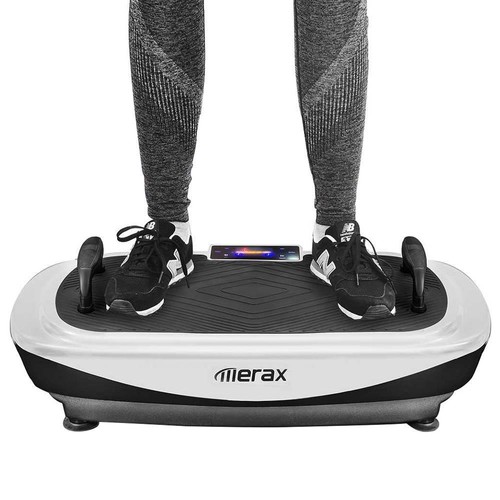
Known for offering the best bang for your buck, Banggood is currently doling out a noteworthy 49 percent off on the Merax 4D Vibration Plate Machine Triple Motor LCD Display Resistance Bands. While they usually carry a steep $388.99 price tag, you can now purchase them for just $199.99 thanks to the aforesaid discount.
Moreover, Banggood is giving you a chance to save more money by applying the 2% Off New User Coupon at checkout, provided this is your first order with the popular Chinese e-tailer. Featuring 99-speed ranges, these resistance bands produce strong 4D vibrations, both vertically as well as horizontally for improved strength and coordination.
3 vibration modes simulate various activities such as running on one machine, jogging or walking. It is backed by three motors delivering 200 W, 200 W and 30 W power each. The bands come with removable push-up handles for training different parts of the body such as the chest, triceps, and shoulder.
An ideal home gym cardio machine, the platform comes with removable resistance bands and has non-slip rubber surface and suction cup for a reliable and safe grip. The elegantly designed LED display is quite user-friendly, meaning, you can easily read the information displayed on it.
Power Guidance Door Horizontal Bars 100KG Accept Home Gym Workout Exercise Fitness Equipment Training Crossfit Sport Pull-up
the Power Guidance Door Horizontal Bars are perfect home gym equipment that helps you to strengthen your wrist, boost arm strength, gain chest and back muscle. Moreover, the product is currently available for a reduced price of $21.59 on AliExpress for a limited period.
Aside from getting this 40 percent discount, you can save $2 more by using the New User Coupon at the time of checking out. As if that weren’t enough, AliExpress is giving you a chance to save $6 more if your order value exceeds $65.
Designed to bear more weight, the Power Guidance Door Horizontal Bars offers multiple training postures such as the standard posture, leg press posture, and the push-up position. Moreover, the easy-to-install pull-up bar can be extended simply by rotating the red area.
With 0.9mm thickness, the Power Guidance Door Horizontal Bar comes in 62-100 cm size, with 28mm diameter and weighs in at 1.2Kg. It is made using high-quality steel and has a foam handle for a better grip.
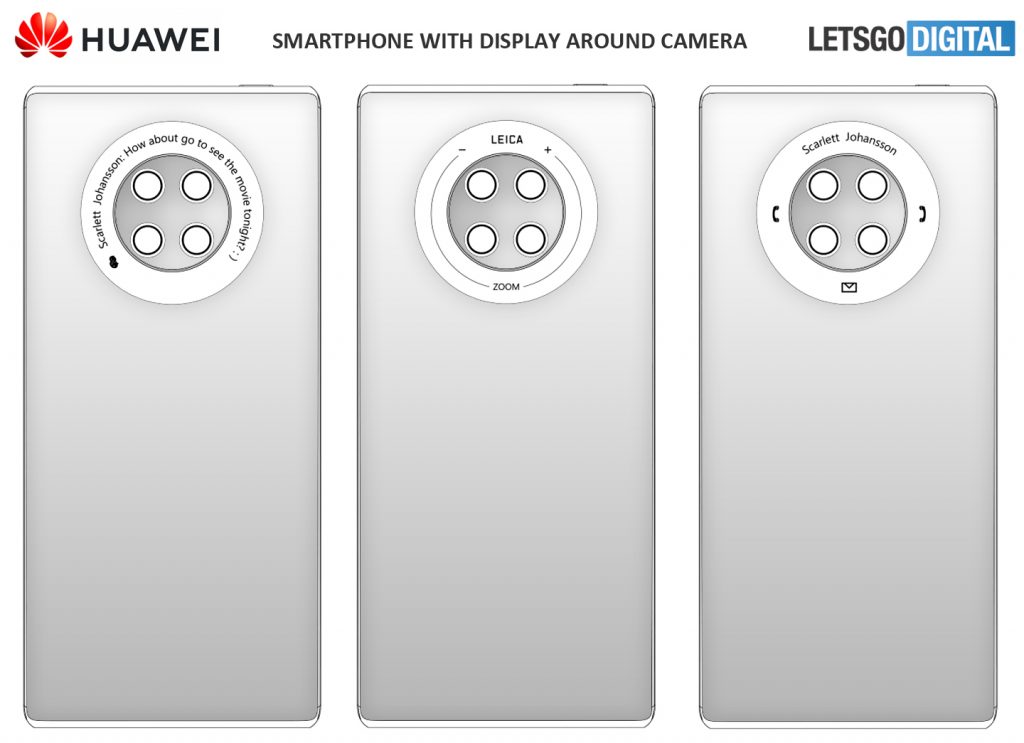
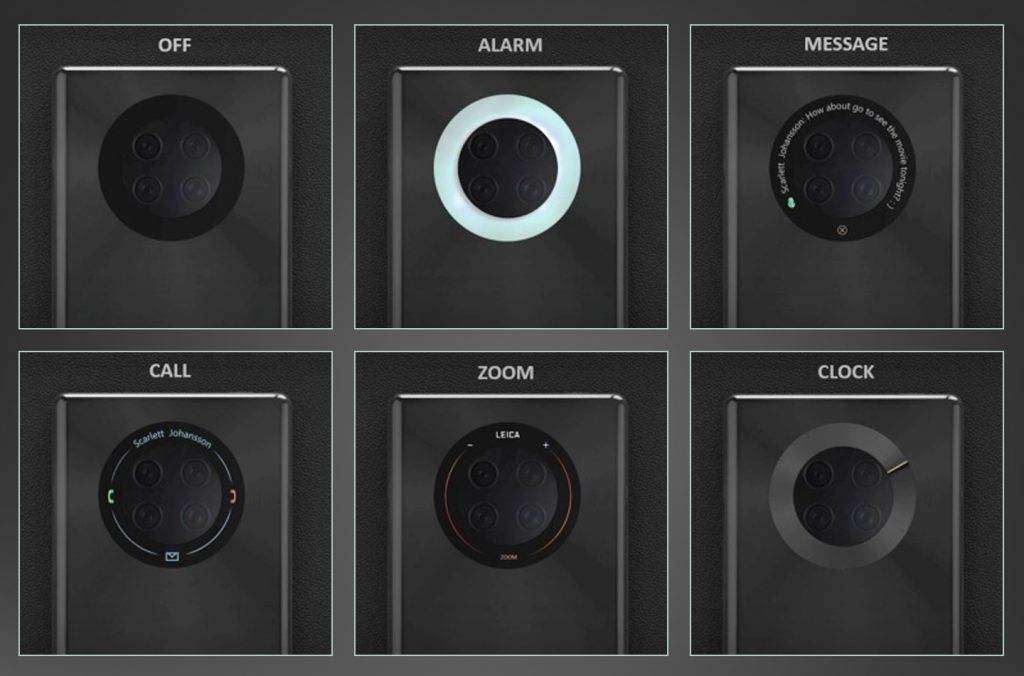
Huawei has yet to launch its flagship series for 2020. Looking at its traditional release cycle, the Mate 40 series and P40 series should be announced later this year. While various leaks and rumors are already making rounds online, the latest one seems to reveal an interesting feature. The Mate 40 could arrive with a special ring sharped touch display on the back.
Images via LetsGoDigital
Last week, Huawei Technologies’ design patent was finally approved by the WIPO (World Intellectual Property Office). The patent was initially applied for back in 2019 and was granted on 20th March 2020. The patent contains schematics for nearly 15 products, which includes the unique rear ring touch display. It also arrives with a short description as well. Since the Mate 30 had featured a circular camera module on the back Mate 40 is more likely to receive the technology over the P40.
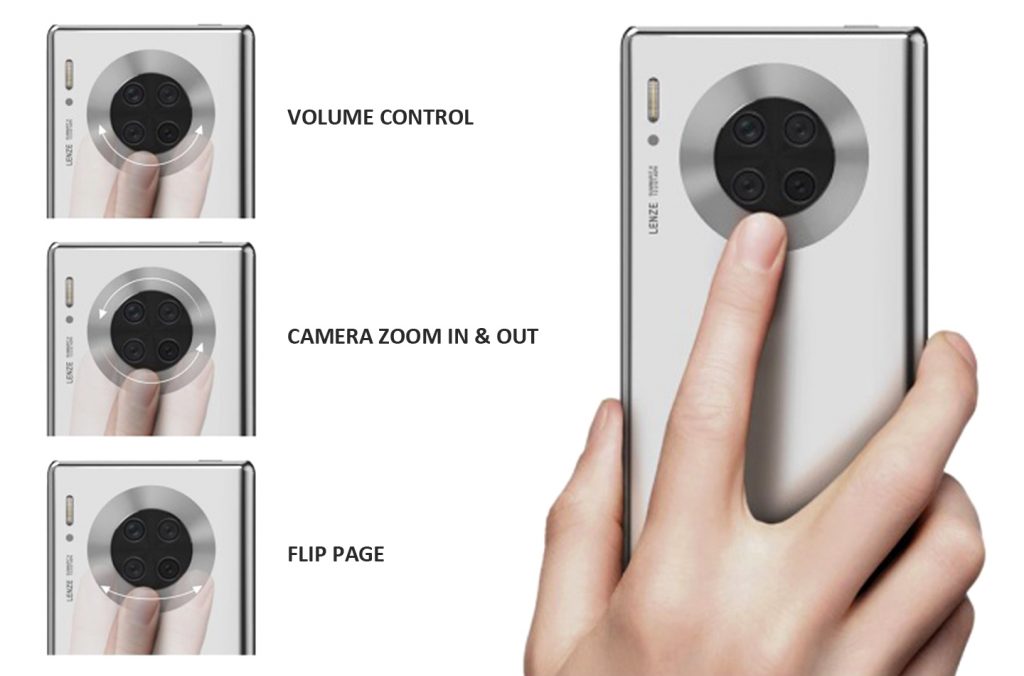
The small circular touch display on the back can also be seen to display the user interface. Its description showcases different functions like touches, clicks, sliding gestures and more to receive calls, display the name of the caller amongst other functions. The patent images also showcase the ring displays the ability to display notifications from messages as well.
Furthermore, users can touch the display on the back to zoom in and when capturing images and videos. Volume controls are also accessible as well as alarm functions through the smaller secondary display. So in other words, the ring display offers various functionalities and quick access to different features. Although, the added vulnerability for scratches on the back is a drawback worth considering.
The extensive documentation found in the patent suggests that Huawei is already developing the technology behind it. Thus, Huawei Mate 40 and Mate 40 Pro may feature such a multifunctional display. However, this has yet to be confirmed officially, so there is no guarantee. But since the launch period of the series is around September/October, it makes for an interesting predicition which may come true.
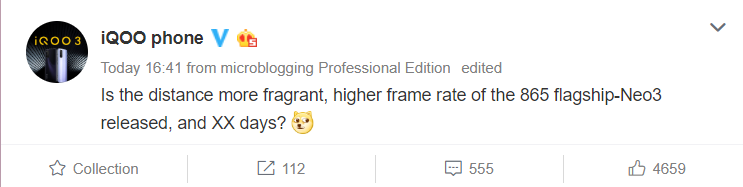
Following the launch of the Redmi K30 Pro, iQOO posted on its Weibo page a teaser for the launch of the iQOO Neo 3.
The post reveals the iQOO Neo 3 will have a Snapdragon 865 processor and a display with a high-refresh-rate. The launch date isn’t mentioned but it likely isn’t far off.
iQOO has launched three Neo phones since the sub-brand came into existence. The first is the iQOO Neo that is powered by the Snapdragon 845 chipset. It was then followed by the iQOO Neo 855 which had Qualcomm’s 2019 flagship processor inside. A few months later, the iQOO Neo 855 Racing with a Snapdragon 855+ chipset was announced.
The USP of all these phones is the low price tag combined with impressive specs that give them the flagship killer tag. The iQOO Neo 855 Racing for example not only had Qualcomm’s top processor for 2019 but also packed a Super AMOLED display, an in-display fingerprint scanner, 8GB RAM, 128GB of UFS 3.0 storage and a 4500mAh battery capacity with 33W fast charging all for ¥2598 (~$368).
We have no doubt that iQOO plans to take on the Redmi K30 Pro with its upcoming phone and we can’t wait to compare both phones against each other. With iQOO now in India, we expect the iQOO Neo 3 will make its way to the country.
Earlier today, Redmi unveiled its latest flagship smartphone, Redmi K30 Pro. It is the successor to the K20 Pro and is currently the fast smartphone from the Xiaomi subsidiary. However, many people were quick to notice and point out that the newly announced smartphone didn’t feature a high refresh rate. Now, Lu Weibing, the General Manager of Redmi, has finally responded with the answer.
Back in December 2019, Redmi K30 was announced which featured a 120Hz display. The K30 is the base variant in the series while the K30 Pro is meant to be the premium flagship. So it comes as no surprise that fans of the series would convey criticism. Thus, to answer this, the senior executive also mentioned why a lower refresh rate was used during the press conference.
According to Lu Weibing, the specifications of both the Redmi K30 and K30 Pro had been determined about 10 months prior. Hence, it wasn’t a last minute change but rather a conscious and well thought out decision. Apparently, this move to include a standard refresh rate was to take two things into account, namely a true full screen experience and battery life.
In other words, the Chinese smartphone maker had to choose between a higher refresh rate or better battery performance for its full screen experience. And we all know that Redmi chose battery, stating that even a 90Hz display would’ve chewed through the battery pack too quickly.
Regardless, the brand states that the Redmi K30 Pro is still the flagship even in the display category since its features Samsung’s E3 AMOLED panel alongside 180Hz touch sampling rate, with support for HDR 10+, supports TÜV Rheinland Global Eye Care Certification and a peak brightness of an impressive 1200 nits. So comment down below on what you think about the bold move from Redmi.
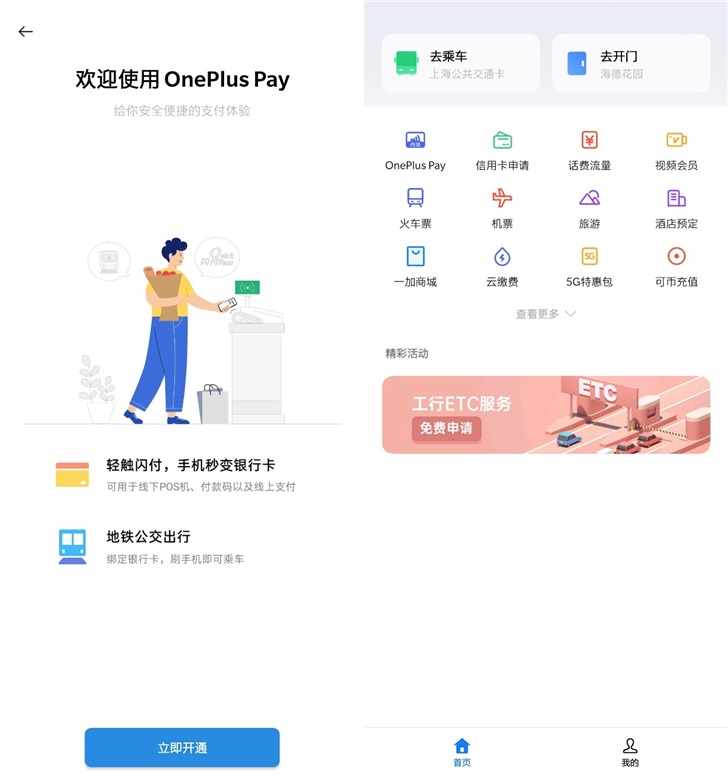
Quite a number of manufacturers have a digital wallet service. Some of the popular ones are Samsung Pay for Samsung devices and Apple Pay for Apple devices. There is also Google Pay which is available on several Android devices. Now, OnePlus is here with its own digital wallet service called OnePlus Pay. Not surprised at the name, right?
OnePlus Pay first surfaced in the news last year at the OnePlus 7T unveiling with a promise to launch in the first quarter of 2020. It was reported then that the service will be announced first in China before heading to India and the United States of America.
While OnePlus is yet to “officially” unveil the service, some OnePlus 7T users in China have discovered the service is now available on their device. OnePlus devices in China run Hydrogen OS (H2OS) and the version of the OS on the OnePlus 7T with the feature is version 10.0.7.HD65.
At the moment, just a few banks are supported but more should be added as time goes on. Some of the supported banks allow you to add a credit card while others also allow for a debit card.
With OnePlus Pay, you can add your cards to your device and use it to make payments online, within apps, and at outlets that accept contactless payment.
OnePlus should release an official statement soon which should contain details about the service and when other models should expect it. In the meantime, if you own a OnePlus 7T running Hydrogen OS, you may want to check out the service.
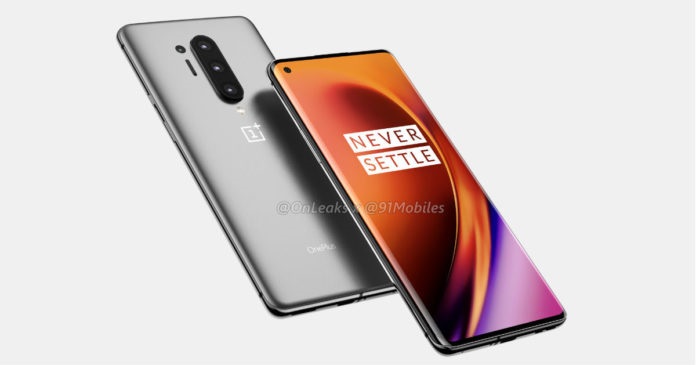
The launch of the OnePlus 8 series is expected to be sometime in the next month. However, prior to its official announcement, the OnePlus 8 Pro‘s first live images have surfaced online which showcase the device having a punch hole camera.
There already has been plenty of leaks and rumors regarding the latest flagship series from the Chinese smartphone manufacturer. However, the newest one provides a bit more detailed look at its design. The new set of leaked images depicts a smartphone with a punch hole camera in the front while the rear features a vertically stacked camera module.
In other words, the rear panel of the OnePlus 8 Pro will be quite similar in design to the OnePlus 7T Pro. The similarities mostly end here as the front follows a new design with even slimmer bezels on the side, chin on the bottom and notch on the top. This makes the device offer more screen real estate which also completely covers the front panel.
OnePlus 8 Pro Renders
A notable design change is a skip from the pop up camera mechanism to the punch hole selfie shooter. Recently, even the Oppo Find X2 series made a similar move and it seems like the age of pop up cameras has ended shortly for OnePlus. Although, why exactly the move was made in regards to manufacturing costs or just physical aesthetics is still uncertain. The rear features a triple camera setup again, which will likely be the primary camera alongside the ultra wide and telephoto lens. However, an additional sensor on the side can also be observed which might be the rumored 3D ToF (time of flight) sensor.
At today’s Redmi launch event, the manufacturer announced a couple of other products too and one of them is its first smart display.
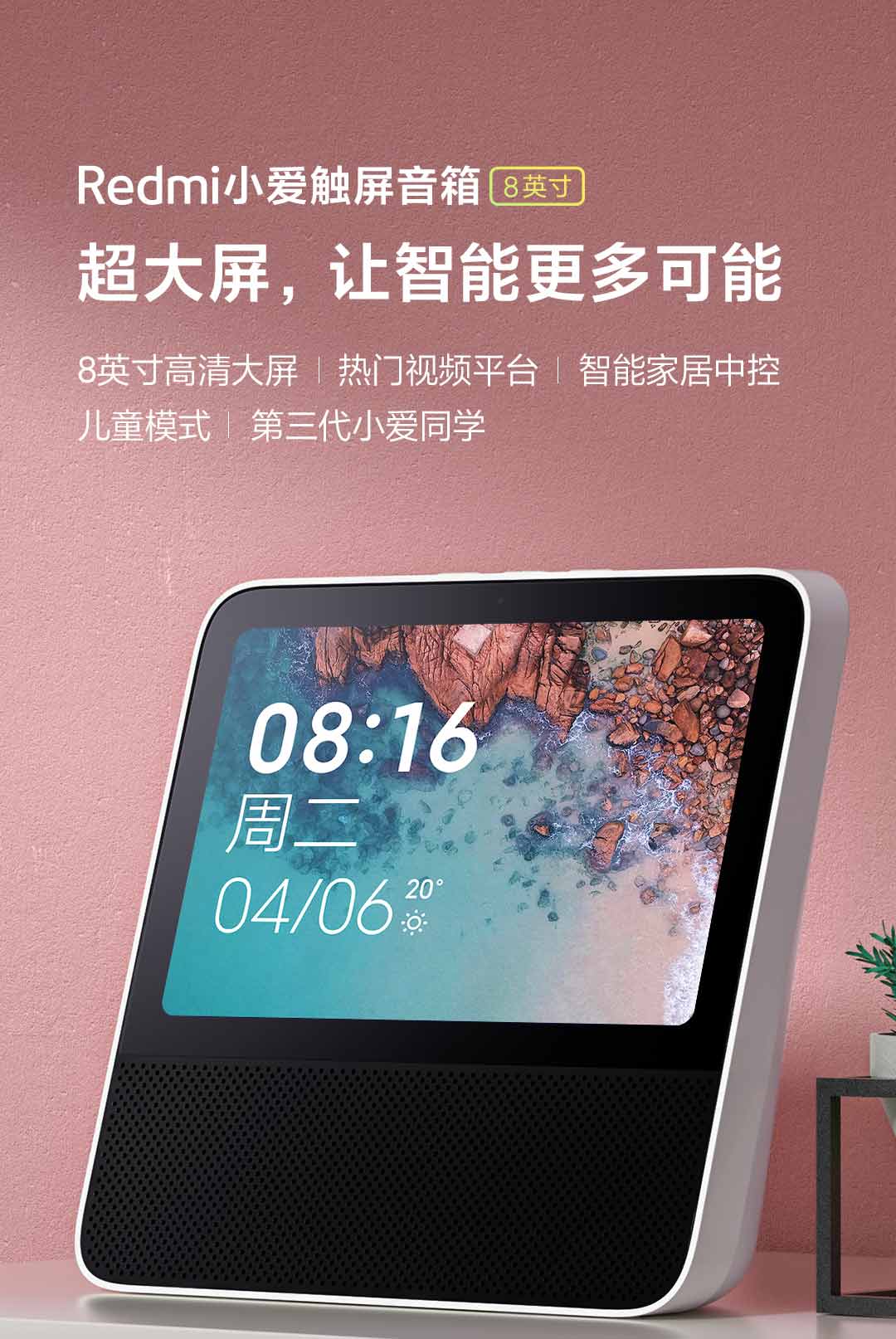
The RedmiTouch Screen Speaker 8 is Redmi’s own version of Xiaomi’s Mi AI Touchscreen Speaker Pro 8 Smart Display that was announced last December. The smart display’s design is inspired by the first-gen Amazon Echo Show. It has a screen at the top while the speakers are below.
The touchscreen of the Redmi Touch Screen Speaker 8 is 8-inches with an HD resolution and a 178° viewing angle. Owners will be able to stream from 6 major video platforms that include Mango TV, Youku, Tencent Video, and iQiyi. They will also be able to stream audio from QQ Music and lots of other platforms. The kids are not left out as there is access to several educational platforms including storytelling platforms, encyclopedias, and the English-tutoring platform – 51Talk.
Streaming isn’t the only thing the Redmi Touch Screen Speaker 8 can do. It also has an HD camera for two-way video calls with phones, children’s smartwatches, and supported Mi TVs. There is also face recognition that can identify your child and automatically switch the interface to a customized kid-friendly one. In this mode, it will activate parental features and also turn on the blue-light filter.
Redmi says the smart display also has voice recognition and will automatically identify family members. It comes with the third-gen XiaoAI voice assistant and has up to 1600+ different skills. You can connect it to other smart home devices including cameras and doorbells, thus allowing you to view a live feed right on the smart display.
Redmi has put a price tag of ¥349 (~$49) on its smart display and it will go on the first sale on Friday, March 27, at 10 AM on Mi.com and Youpin.
Recently in India, the government has taken proactive steps to curb the spreading of the new strand of Coronavirus. The viral outbreak has been deemed as an epidemic and various districts and states within the country are seeing complete lockdowns. However, delivery services like Amazon, Flipkart, Zomato, Swiggy and more will still continue operations during this time. Although, delays may be faced.
For those unaware, a new strand of Coronavirus had started spreading in China at a rapid rate. Since then, confirmed cases of the viral infection has been found in upwards of 170 countries. As of right now, India is currently working on combating the virus and the foremost step being undertaken is to stop the number of cases from growing. Thus, the Indian government had imposed a lockdown in 75 districts, making staying and working from home almost mandatory with only essential service being allowed to remain open.
However, a government order has declared that such e-commerce platforms are also categorized under essential services. Meaning, Amazon, Flipkart, Zomato, Swiggy, Bigbasket, Grofers, and more will still continue their respective delivery services. Since the number of people being confined to their homes has increased, so has the number of online orders by a significant margin. Thus, the case of unavailability and longer delivery times has also become a common occurrence at the moment.
According to an Amazon spokesperson, “We are watching this situation closely with a focus on the safety of our teams and ensuring we can meet customer promises. We are closely following guidance from local authority and international organizations as this situation progresses.” So it can be assumed that proper safety measures are being undertaken during this period.
Notably, Amazon has set up a $25 million fund to help its delivery partners which are also facing challenges in the period of the viral outbreak. Even local competitors like Flipkart has been casing issues, while food delivery services like Zomato and Swiggy are currently working on ensuring safety first and foremost. Although, only time will tell how the situation plays out in the end.
Earlier today (24th March 2020), a new leak revealed certain details regarding the upcoming Honor 30S. The smartphone is one of the latest device that will be launched by the Huawei subsidiary and will reportedly feature a custom large camera sensor.
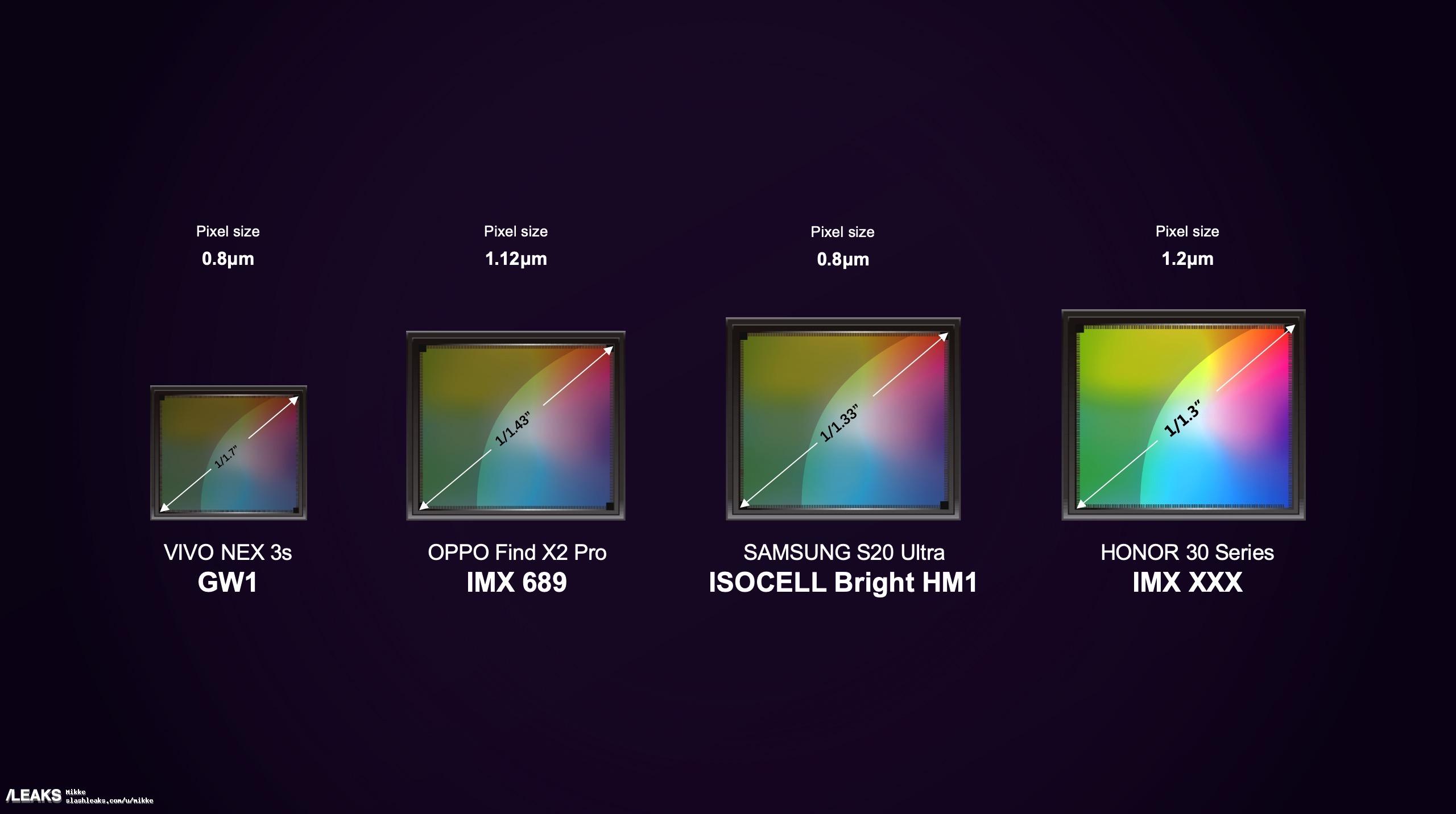
According to the source, the image sensor on the Honor 30S has a size of 1/1.3 inch. This doesn’t sound particularly large but is bigger than what most smartphones arrive with. The larger size should in theory provide better low light photography considering more light can be captured by the bigger sensor. Unfortunately, the model name of the sensor is currently unknown, however, its pixel size is said to be 1.2μm.
If the primary camera has a high megapixel count, then through pixel binning, it could potentially reach 2.4μm as well. Pixel binning is generally the combination of 4 pixels into one to increase the size. Thus, it may be similar to Samsung’s ISOCELL Bright HM1 sensor, which is found on the 108 megapixel Galaxy S20 Ultra. Although, the megapixel count of the Honor 30S’s image sensor isn’t that high, with the leaked information showing just 52 megapixels.
Unfortunately, finer details are unknown and this is just a leak at the end of the day. So take this report with a grain of salt. Since it has yet to be confirmed, it does leave a possibility of the new sensor actually making an appearance. This would all but benefit the Chinese company’s upcoming Honor 30S launch. We will be covering the event so stay tuned.
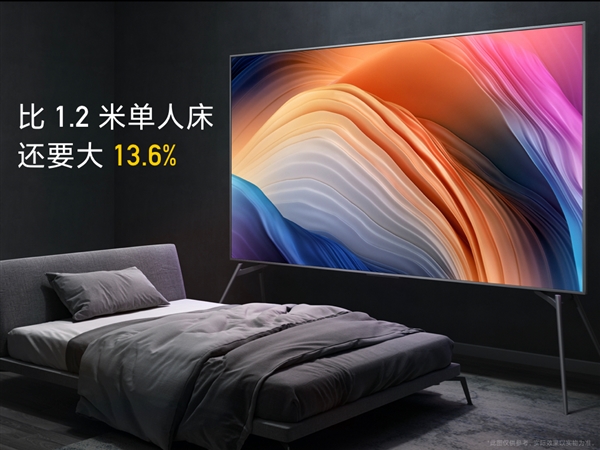
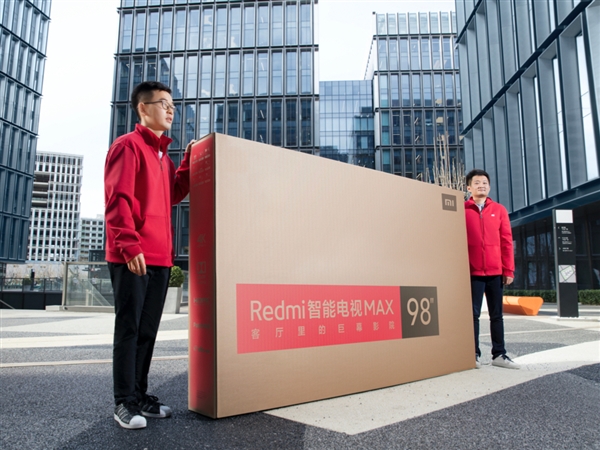
During the Redmi K30 Pro launch event, the Xiaomi subsidiary announced a few other products as well. However, amongst the others, one stood out in particular, which is the Redmi Smart TV Max 98 inch. As the name suggests its a TV with a massive screen real estate and is priced at a whopping 19,999 Yuan (or roughly 2825 US Dollars)
Specs and Features
The Redmi Smart TV Max features 4K UHD resolution on its 98 inch screen, which is apparently 13.6 percent bigger than a standard 1.2 meter single mattress bed or closer to the size of a table tennis board. It sports 85 percent NTSC alongside 192 dynamic backlight zones, MEMC motion compensation and more image quality tuning technology. Under the hood, a custom 12nm processor is housed with 4GB of RAM and 64GB of internal storage.
Previously, Lu Weibing, General Manager of Redmi, had stated that only 82 units of the previous 98 inch TV generation were sold. The reason for this was due to varying consumer obstacles like high prices along with a complicated installation process being the other reason.
Thus, the company also promises a new one stop exclusive VIP delivery service to buyers of the Smart TV Max 98 inch. The service will include pre sales communication, site survey, installation plans, a special delivery car from the TV, a professional team for the delivery and installation. Buyers will also be offered a 1 on 1 professional customer care service as well.
Price and Availability
The Redmi Smart TV Max 98 inch will be available in the Xiaomi Mall and Xiaomi Home and will launch around 10 am on 9th April 2020. The pricing of the large TV is at 19,999 Yuan which roughly translates to about 2825 US Dollars.
Huawei has been helping countries around the world affected by the coronavirus outbreak by donating necessary aids for the past few weeks. The new country added to this increasing list is the Netherlands, which has so far received 200,000 masks from the Chiese telecom giant out of 800,000 proposed units.
Ever since the US Government imposed a ban on Huawei, Huawei has been utilizing every possible opportunity to win the hearts of the countries where they are present. As COVID-19 is taking over the world, they have been donating necessary aids like masks to the severely affected regions over the course of the last few weeks.
This time around, the Chinese smartphone maker has planned to donate a total of 800,000 FFP2 masks to the Netherlands. The first batch of 200,000 masks has already reached the country by air on Sunday, March 22nd. The masks (over million in numbers) donated by different companies are being incorporated in a single place from where they are being supplied to hospitals, home care organizations, nursing homes, mental health and mental health institutions, disability care organizations and other care institutions based on requirements.
Huawei has been busy sending out aid whenever possible amidst the global pandemic especially to the European countries where they have a long history of partnership in establishing mobile networks and selling phones.
According to a new report by Counterpoint Research, Samsung was the world’s third-largest manufacturer in the global mobile application processor (AP) market in 2019. Apple slid to the fourth position due to the South Korean tech giant’s YoY growth.
Samsung has been designing and manufacturing mobile processors under Exynos branding for a very long time. The Exynos chips were initially limited to its own devices. But lately, the company has supplied its chips to smartphone manufacturers like Meizu and Vivo. In 2019, the company grew by 2.2% from the year before with a total market share of 14.1%.
This little YoY growth helped Samsung claim the third position as its closest competitor Apple’s market share declined by 0.5% and ended with a total of 13.1%. It is worth noting that only Huawei, which was at the fifth position showed growth apart from the South Korean conglomerate. On the other hand, the top two places were retained by Qualcomm and MediaTek with 33.4% and 24.6% market shares respectively.
As per the report, Samsung’s Exynos business flourished last year due to the company’s success in North America and India. Now, as the firm has stopped developing its own custom CPU cored codenamed Mongoose, the future of the company’s this business arm is uncertain. But the partnership with AMD to bring Radeon GPU may help boost their sales to other manufacturers.
Redmi has officially launched two new smartphones in the K-series lineup in China, the Redmi K30 Pro 5G and the K30 Pro 5G Zoom. This is the first time a special Zoom edition makes it to the lineup, highlighting the importance of a strong camera setup on a 2020 smartphone.
The Redmi K30 Pro 5G follows the same philosophy as its predecessor. So the phone comes with top of the line specifications in a beautiful form factor. At the same time, it cuts down on premium features like wireless charging to maintain an affordable price tag.
Redmi K30 Pro 5G Design
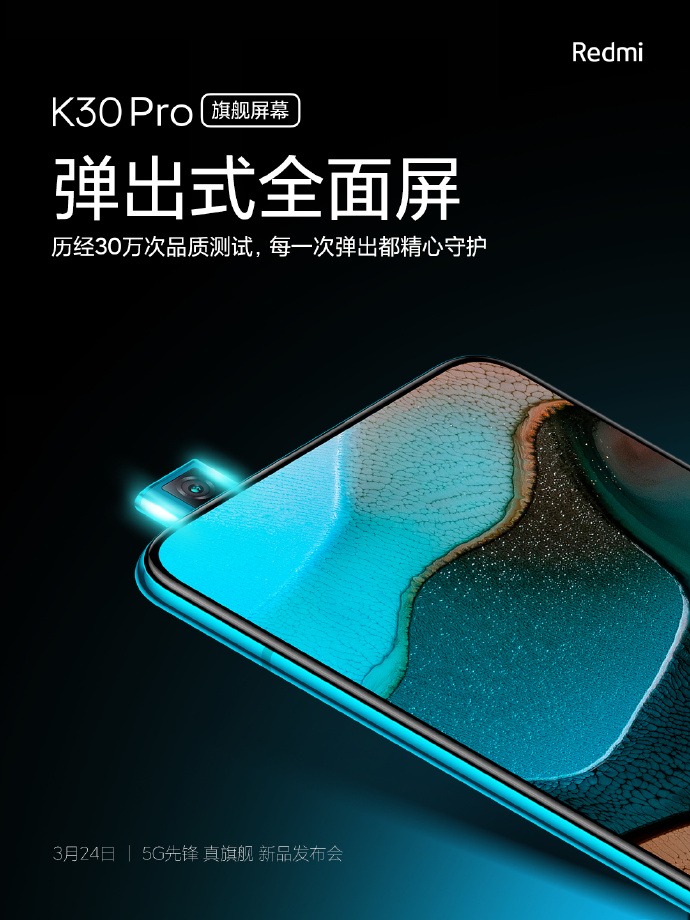
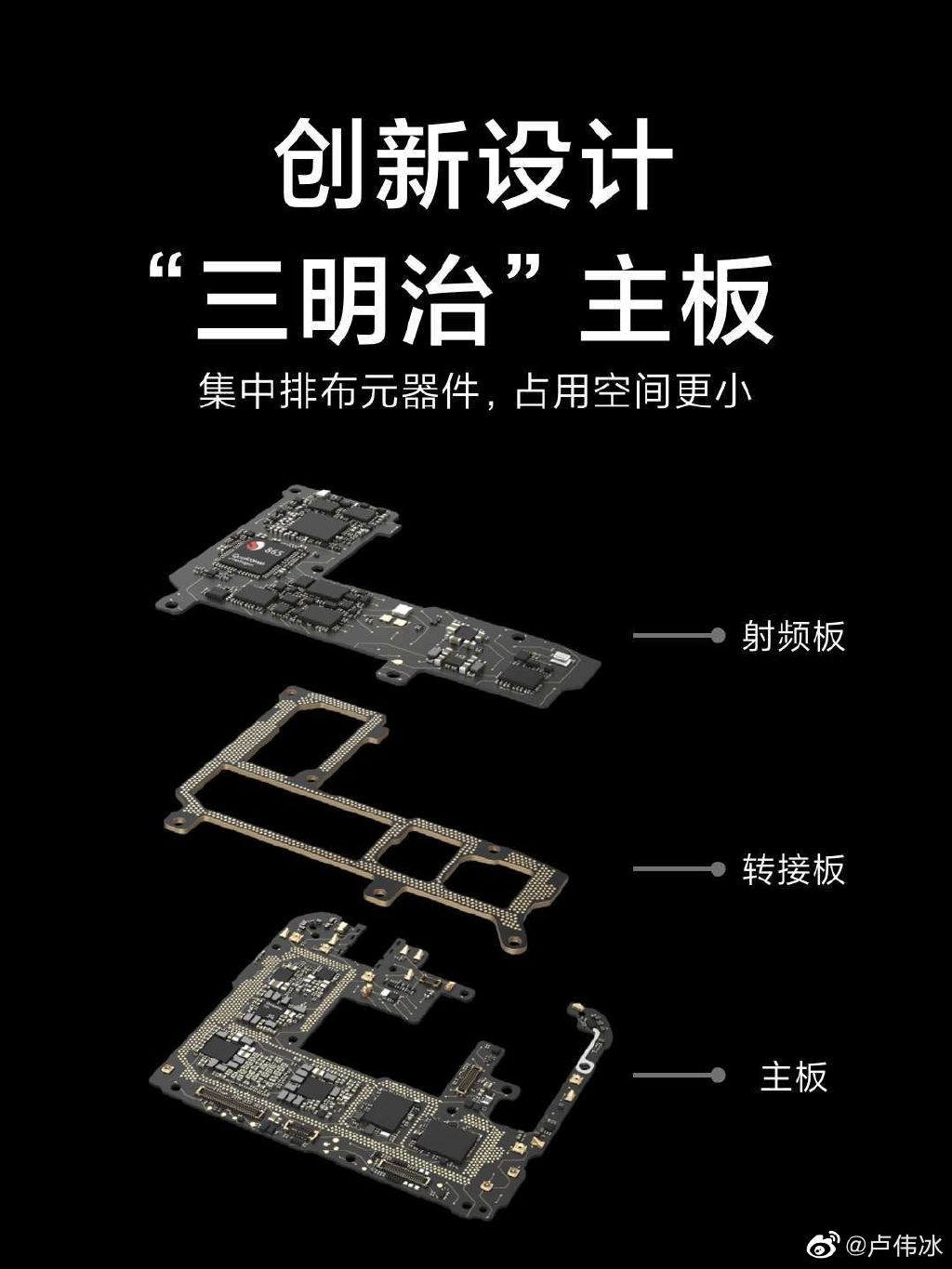
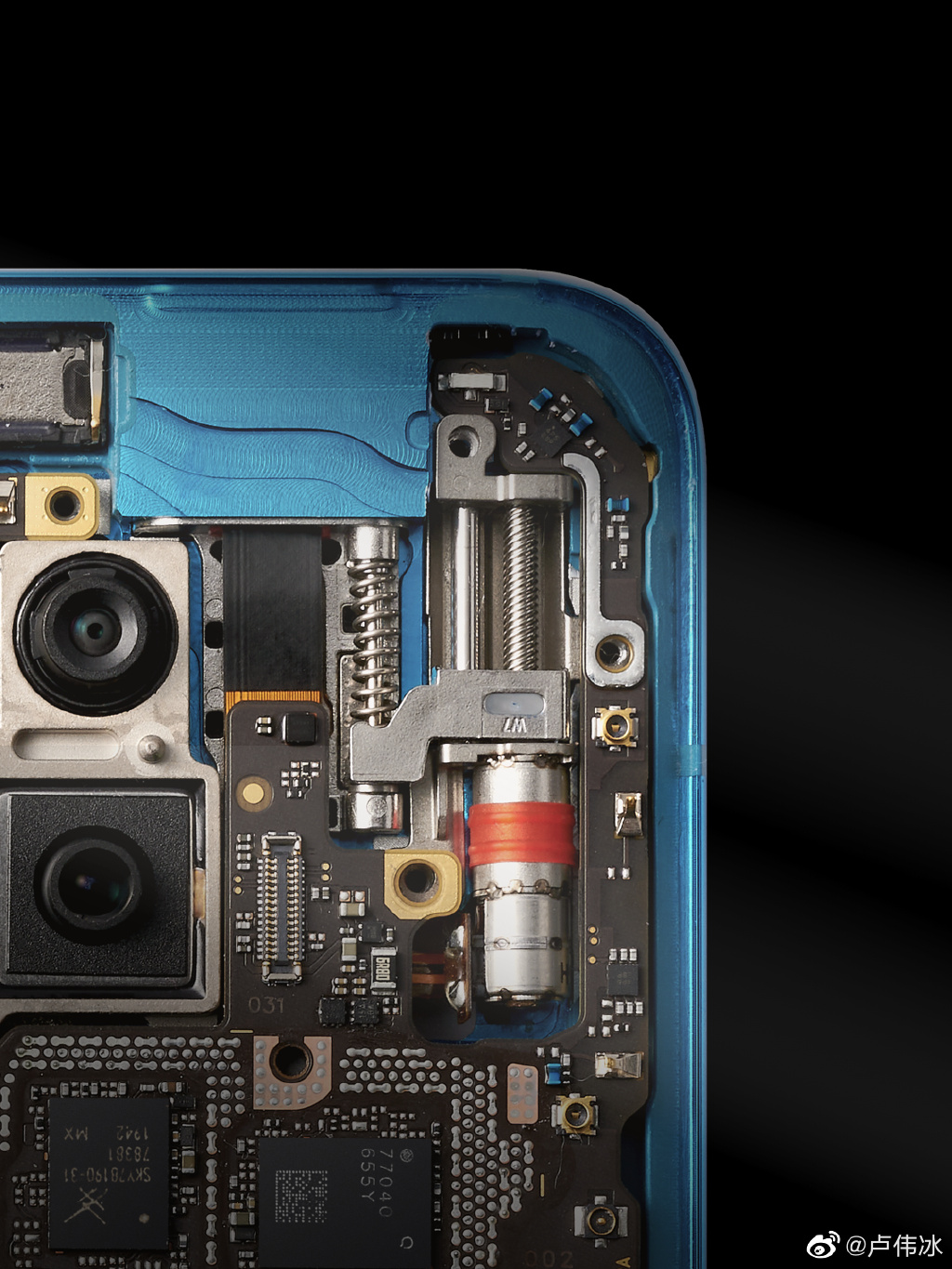
The Redmi K30 Pro 5G builds on the design of its predecessor. Unlike most 5G smartphones launched in 2020, the new K30 series model retains a pop-up camera similar to the K20 Pro. Redmi’s GM, Lu Weibing explained that the combination of pop-up cameras and 5G would be rare in 2020 owing to space constraints but the company managed to bring it to reality with several adjustments including a stacked motherboard design.
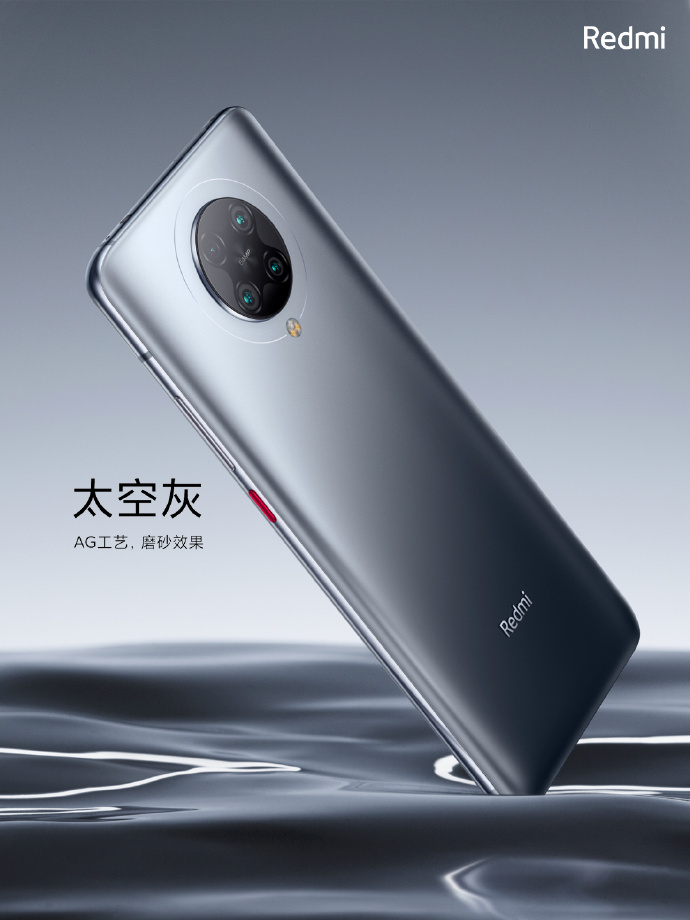
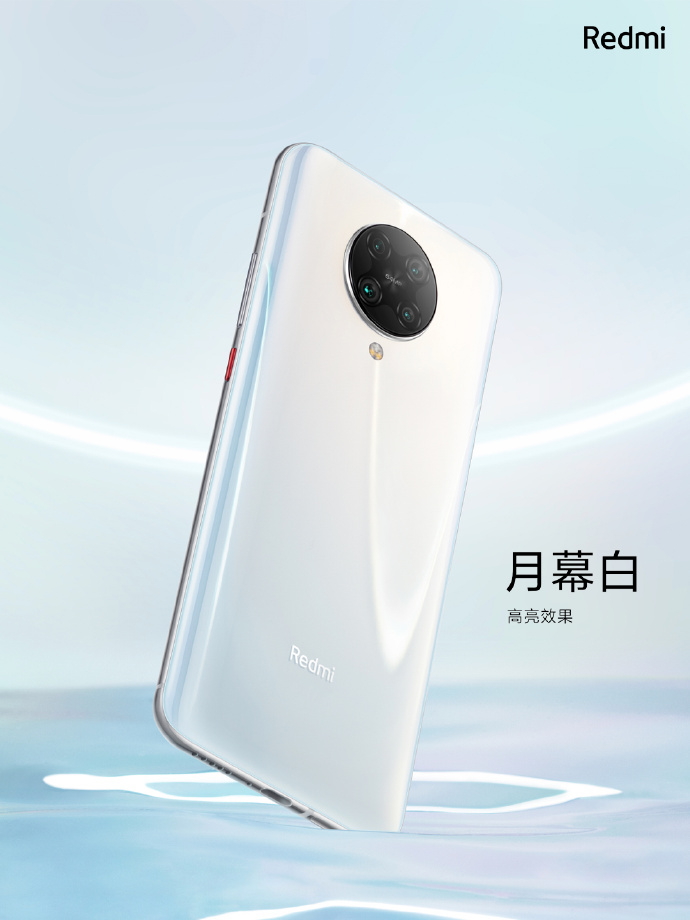
The Redmi K30 Pro 5G features a curved back with a quad-camera setup in a OnePlus 7T-like round camera housing. This is a fresh change from the pill-shaped vertical camera arrangement of the earlier Redmi models. The pop-up front camera ensures that you get a full view display experience and up to 92.7% screen to body ratio. The pop-up camera is also faster than its predecessor and pops up and down in just 0.58 seconds. The company claims that this further ensures its safety during falls.
Redmi K30 Pro 5G colors
1 of 3
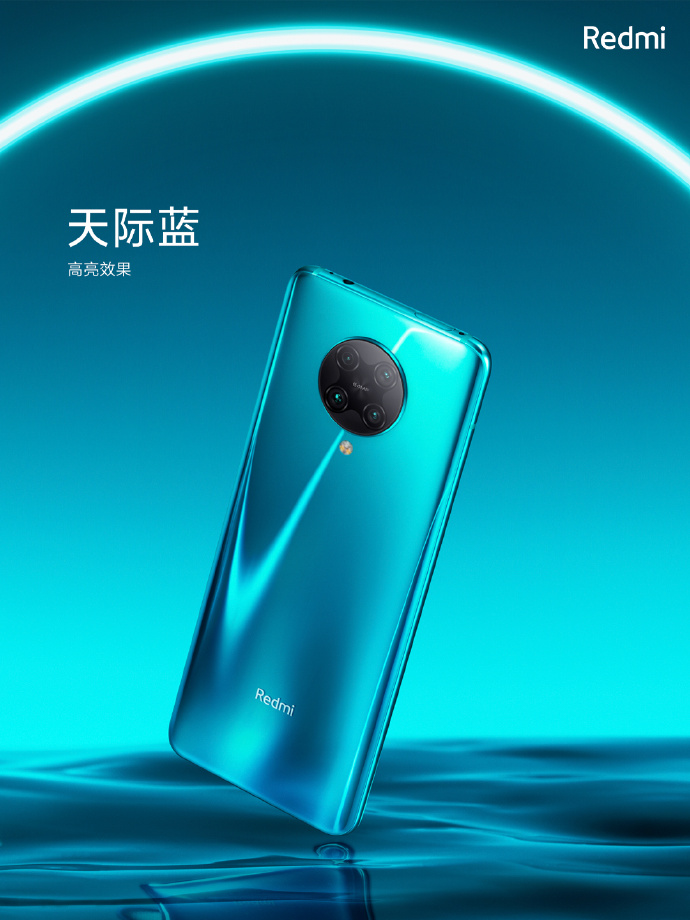
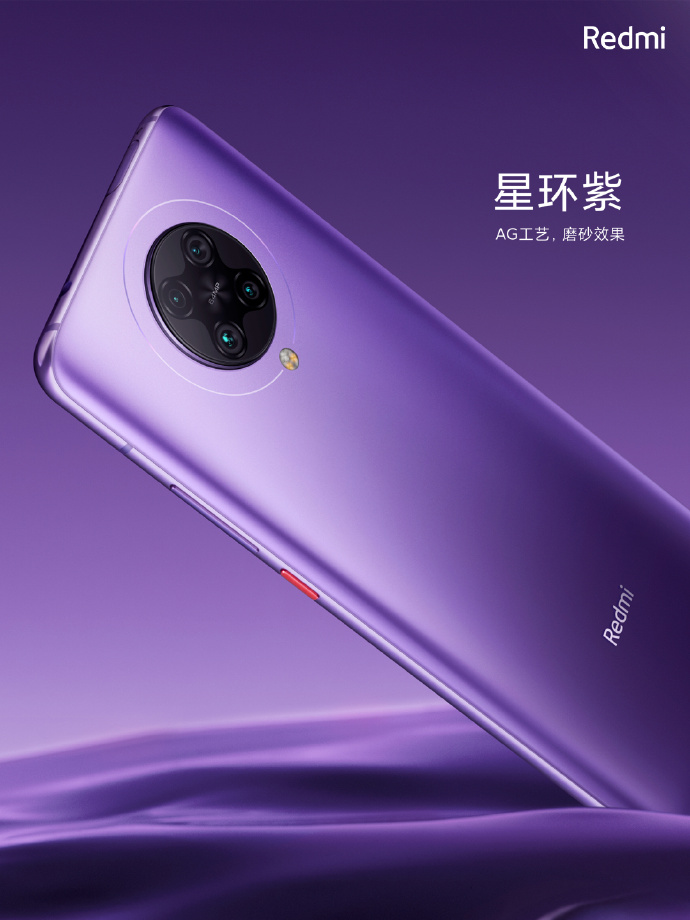
There are four color options available: Blue, Purple, Gray, and White. All of these color variants feature a red power button.
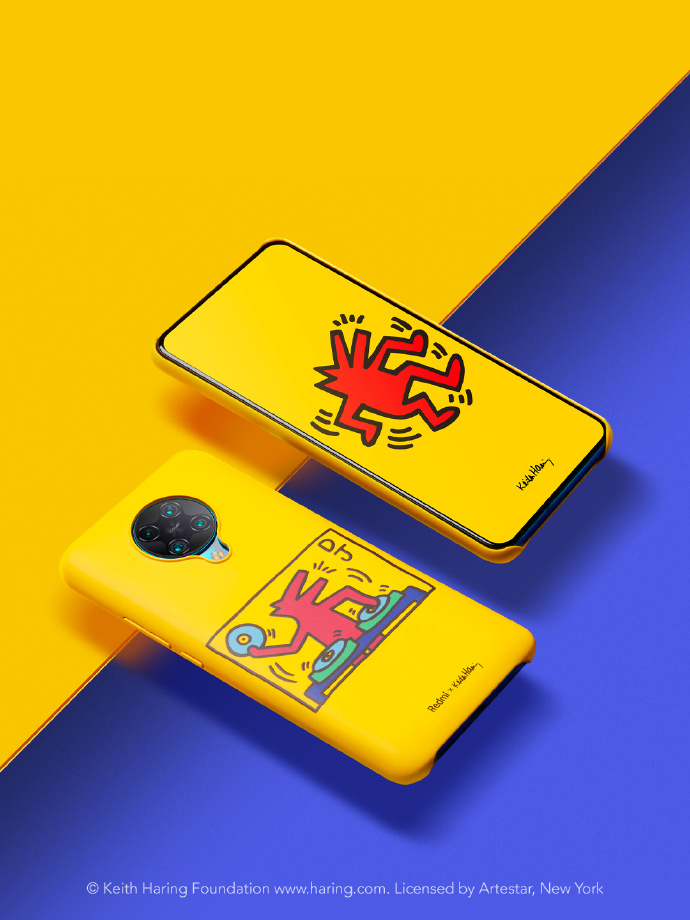
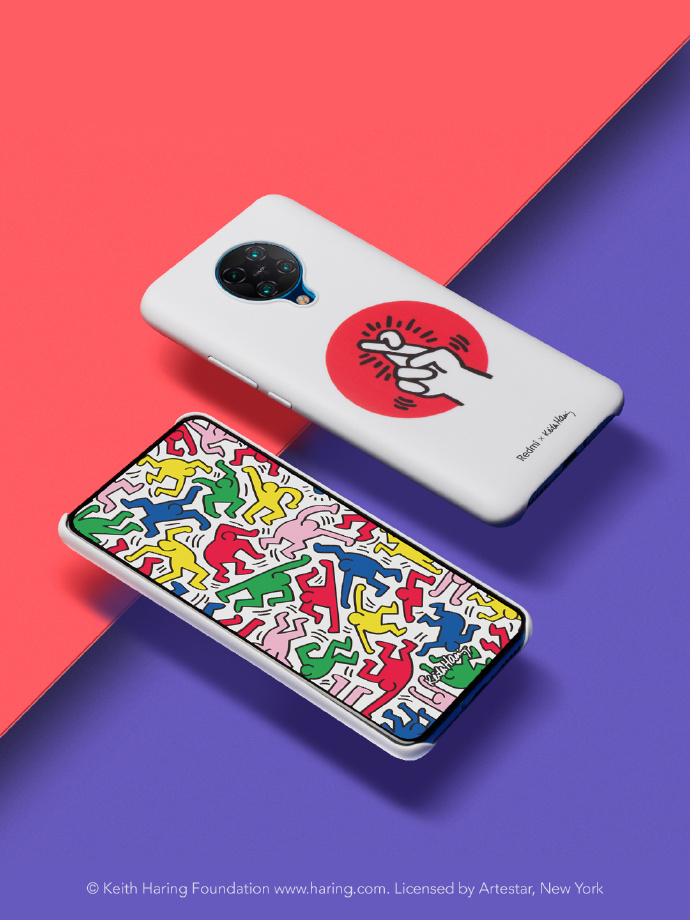
Redmi has also partnered with Keith Haring foundation to release a handful of cool cases with custom artwork. The cases are priced at 49 yuan (~$7).
Redmi x Keith Haring
1 of 3
Redmi K30 Pro 5G Specs
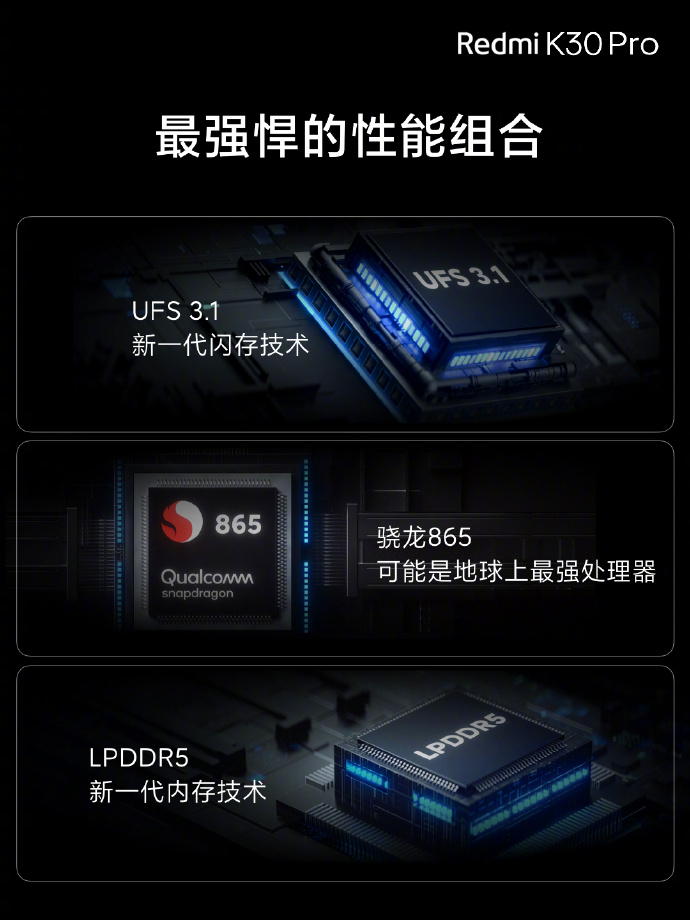
The Redmi K30 Pro 5G comes with Snapdragon 865 flagship processor inside clocked at 2.84GHz. This is paired with up to 256GB UFS 3.1 storage and 8GB of LPDDR5 RAM. There’s a standard variant with 6GB of LPDDR4X RAM too.
The phone features a 6.67-inch Samsung E3 Super AMOLED display with 1200 nits peak brightness, 50000000: 1 ultra contrast ratio, and HDR10+ support. The screen supports 180Hz touch sampling rate to ensure smooth gaming. Redmi has used a special light sense technology to significantly improve its automatic brightness adjustment. The display is also TUV Rheinland certified. The display also comes with the latest generation of an under-display fingerprint sensor, wherein the sensor size has been increased by 10 percent.
Given the Snapdragon 865 chipset inside, the phone supports SA/NSA 5G network. The company has used a 360-degree antenna design to ensure good 5G connectivity. The phone supports Wi-Fi 6, Super Bluetooth, NFC, 3.5mm headphone jack and IR port. You also get Hi-Res audio support and 1.2cc speakers. Further, the K30 Pro features a linear motor to ensure solid haptic feedback, especially while gaming.
The phone has a VC cooling system with 9 temperature sensors to prevent overheating during high intensive tasks.
Redmi K30 Pro 5G Cameras
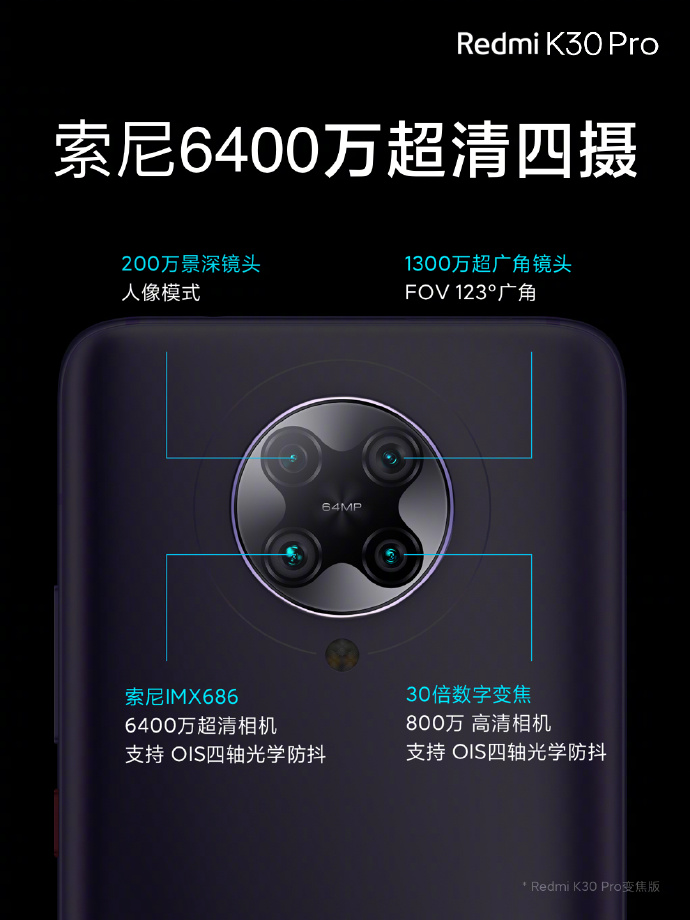
The Redmi K30 Pro 5G comes with a quad-camera setup at the back. The setup consists of a 64MP Sony IMX686 primary sensor with OIS, a 13MP Ultra wide-angle 123-degree FoV lens, a 5MP telephoto macro lens, and a 2MP shooter for depth information. The phone also supports 8K video shooting and super slo-mo videos. Thanks to the advanced 5MP telephoto/ macro lens, Redmi claims that the phone can capture exceptional macro shots.
The Redmi K30 Pro zoom features the same setup but has an upgraded 8MP telephoto lens capable of capturing 3x optical zoom and 30x digital zoom. The Zoom edition also features 4-axis OIS that’s absent on the regular Pro model.
As for the front camera, you get a pop-up 20MP shooter with support for 120 fps slo-mo videos and time-lapse shooting.
Redmi K30 Pro 5G Battery
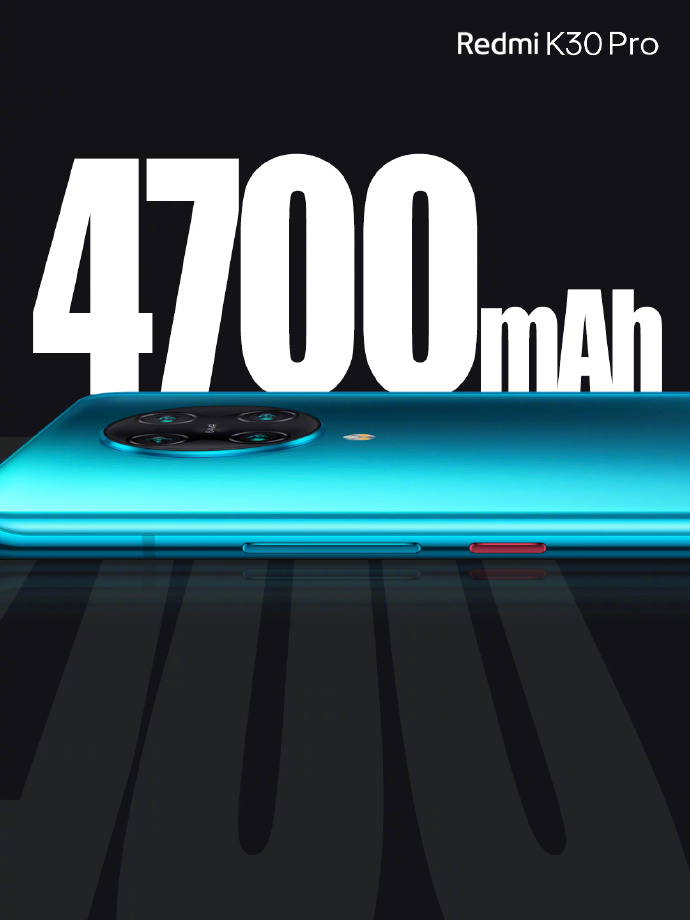
The Redmi K30 Pro 5G comes with a large 4700mAh battery that charges to 100% in just 63 minutes, all thanks to its 33W fast charging technology.
Redmi K30 Pro 5G Pricing & Availability
Redmi K30 Pro Pricing is as follows:
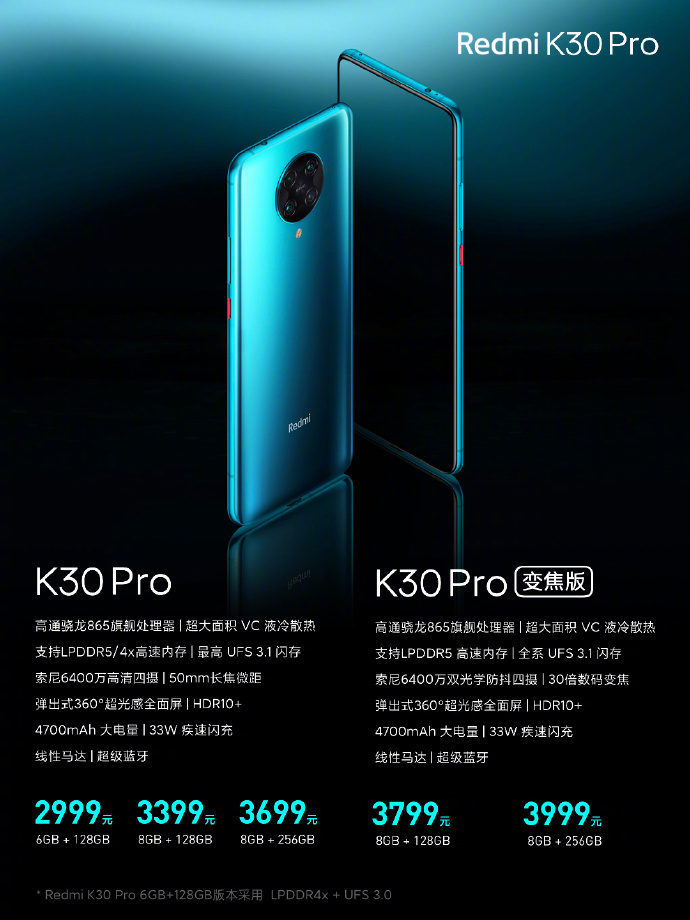
6GB (LPDDR4X) + 128GB – 2999 yuan (~$424)
8GB + 128GB – 3399 yuan (~$480)
8GB + 256GB – 3699 yuan (~$523)
Redmi K30 Pro Zoom edition Pricing:
8GB + 128GB – 3799 yuan (~$537)
8GB +256GB – 3999 yuan ($565)
The Redmi K30 Pro 5G goes on pre-sale today and first sale commences on March 27 in China.
Redmi finally unveiled the Redmi K30 Pro flagship smartphone today at an online-only launch event in China. As confirmed earlier, the phone comes with a Qualcomm Snapdragon 865 5G chipset paired with up to 12GB RAM and 256GB ROM on the Zoom Edition. Specs apart, this handset features a unique complex design, following the footsteps of its predecessor Redmi K20 Pro.
Redmi K30 Pro Colour Variants
1 of 4
Unlike the K20 Pro with shimmering edges at the back, the newly announced K30 Pro comes in a subtle yet eye-catching paint job. To be clear, the handset will be available in four colours namely Blue, White, Silver, and Purple. Additionally, all of them will have an accented Red-Orange coloured power key similar to the forerunner from last year. Further, the pop-up camera will have five coloured LED lights compared to one on the K20 Pro.
Talking about optics, the K30 Pro features a quad-camera setup arranged in a starry design inside the now ubiquitous Oreo-like structure found on numerous Nokia-branded phones, OnePlus 7T, and even the recently leaked Oppo Reno Ace 2. As for the front of the handset, the whole of it is accommodated by a large 6.67-inches Samsung E3 AMOLED display with 92.7% screen to body ratio, up from 85.9% on the 2019’s K20 Pro. Also, the pop-up camera now retracts faster at a speed of 14.2mm per second, which is 27% faster than its predecessor’s 11.5mm per second speed.
Redmi K30 Pro Internal Design
1 of 3
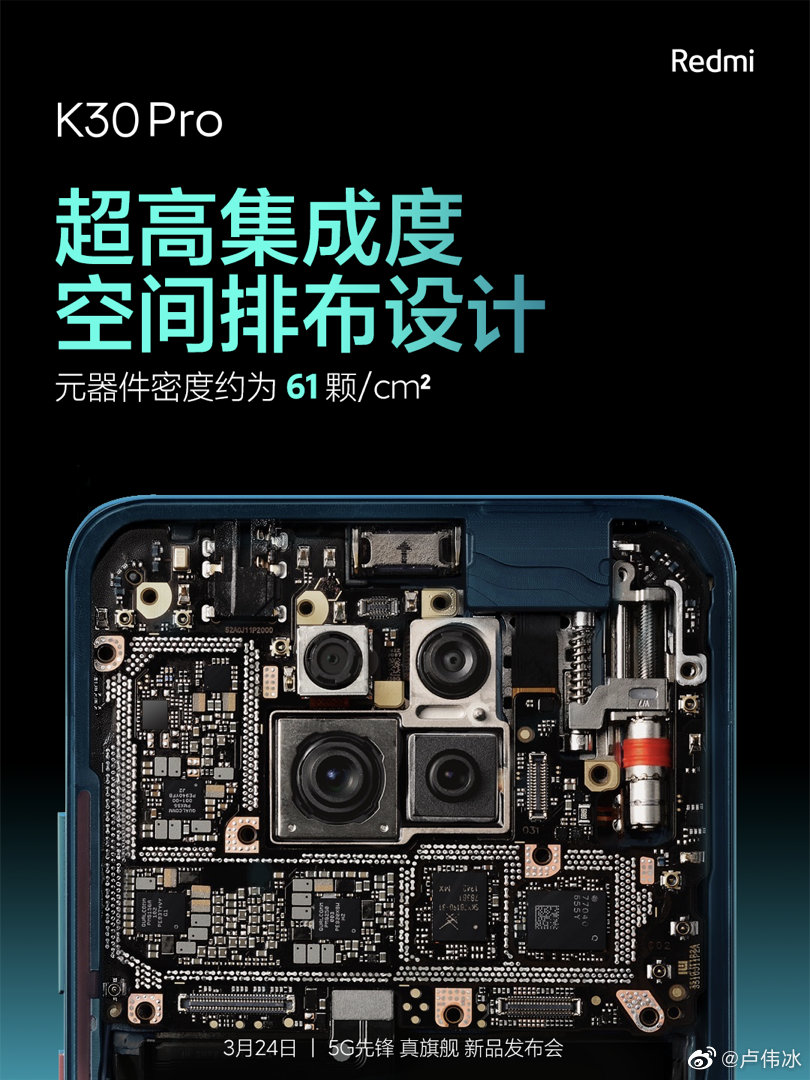
As far as internals are concerned, the brand-new K30 Pro crams in 3885 components with up to 61 components per square centimetre. This is possible because the brand is using a stacked motherboard design commonly known as ‘sandwich motherboard design’. This enabled them to place small motherboard over the large primary motherboard and thus managed to fit in all the necessary components for 5G connectivity. Also, this design aided the company to also include a 4,700 mAh battery, which is larger than the K20 Pro’s 4,000 mAh cell.
Having said that, the Redmi K30 Pro is one of the few 5G smartphones with a pop-up camera to offer a full-screen experience without compromising on design and battery.
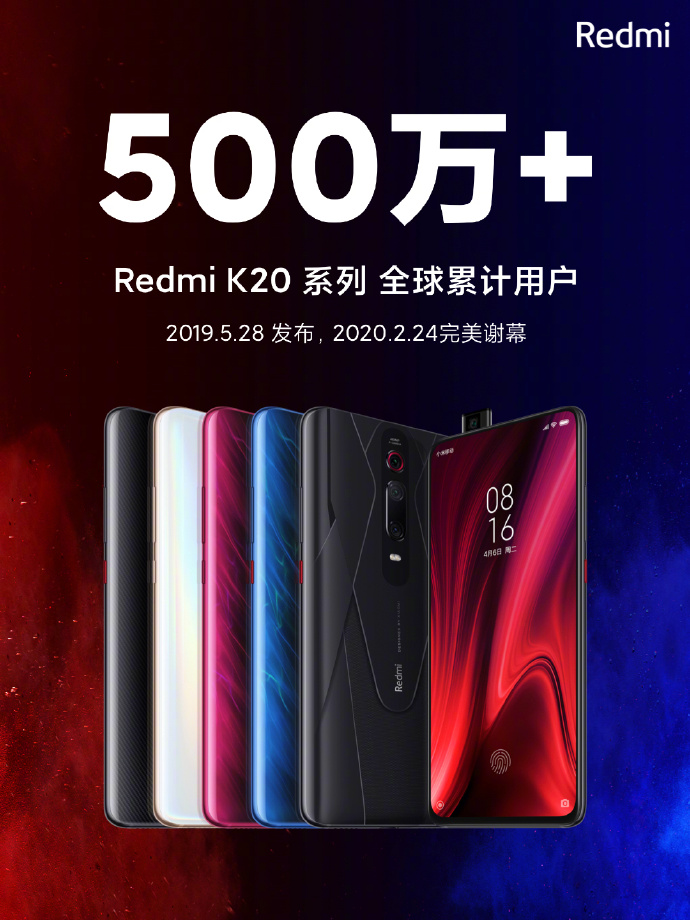
While the latest flagship, Redmi K30 Pro, from the Xiaomi subsidiary is just being launched, it has also been confirmed that the previous generation has achieved another milestone. The Redmi K20 series has now crossed over 5 million units in sales globally.
The news arrives from a Weibo post, a Chinese microblogging website, that talked about the success of its previous Redmi K20 series while also announcing the release of the successor earlier today (24th March 2020). For those unaware, Redmi’s K30 Pro was scheduled to launch today. It is the premium variant in the Redmi K30 series and features top notch specs.
However, it is interesting to note that the Redmi K20 series still gained another notable achievement, despite having the Redmi K30 already being available. Previously, we had reported on the Redmi K20 series crossing 4.5 million units in global sales. Now, barely three months down the road, the device has crossed another milestone.
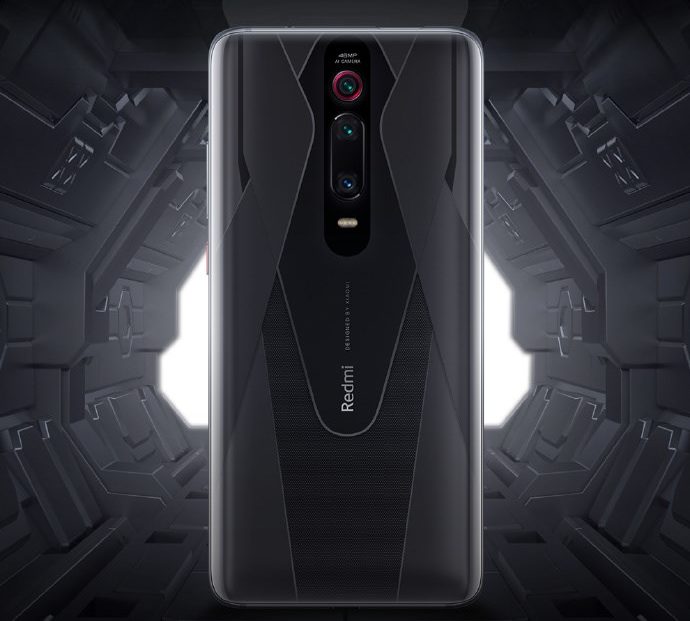
Redmi K20 Pro Exclusive Edition Armor Black
This is indicative of Xiaomi and Redmi’s philosophy of offerings top notch specs in lucrative prices. Redmi K20 series was extremely popular for all of its features and its relative affordability. For the most part, the Redmi K20 and K20 Pro were almost identical, save the different storage and memory configurations and the processor. The former featured Qualcomm’s Snapdragon 730 SoC, which is a mid range chip, while the latter featured the flagship Snapdragon 855 processor. Coupled with a price tag under $400 (2,829 Yuan), the smartphone has seen great success in the Asian markets.
The year of 2020 is expected to be the year when the 5G communication technology will go mainstream. While most of the smartphone makers have started launching their premium and mid-range 5G smartphones in the market, the 5G infrastructure is still very limited.
There are only a few countries where 5G has been commercially launched, which includes South Korea, United States, and China. Now, Hong Kong is also joining the list with its first commercial 5G service going live from 1st April.
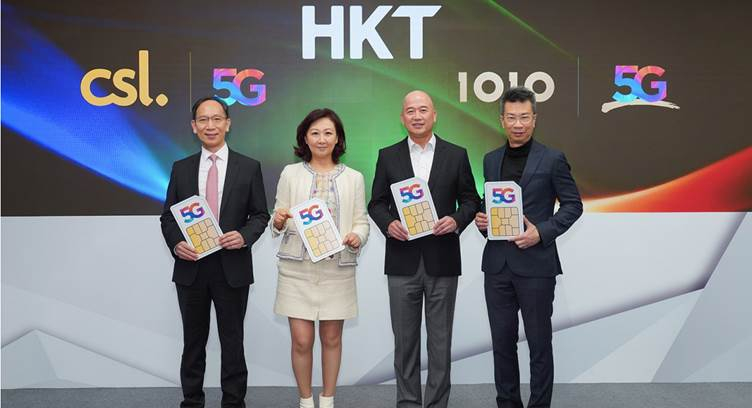
HKT has announced that it will start introducing true 5G service in Hong Kong from 1st April, making it the first mobile operator in the region to offer true 5G.
In the initial phase of the launch, the service will cover major golden districts and key infrastructures such as Hong Kong International Airport and major shopping malls. After that, the company says that is plans to extend the network coverage to all the districts in Hong Kong as well as the major MTR lines.
The company has now already started offering its customers a bundled 5G service plan along with local mobile data and 5G handset, with pricing for the monthly plan starting at HK$198 for 8GB of data.
Along with the announcement of 5G network, HKT has launched a few other services, which includes Now E Premier League and LaLiga 2020/21 Event Pass for sports streaming, MOOV which is Hong Kong’s first 24 bit FLAC lossless music streaming service, 5G VR Application that offers various VR shows, and 5G VR eSports where gamers can take part in popular VR eSports game.
The novel Coronavirus has now become a global pandemic, disrupting global economy, human health, slowdown in business globally, as well as impacting daily life of billions of people around the world.
However, this has also created an environment where hackers, scammers, and spammers take advantage of vulnerable users and situation. With more and more people working from home with lower security networks compared to office setup, the risk of getting attacked is more.
Ransomware attacks, which are typically initiated through phishing, can cause mayhem for hospitals as attackers use encryption to block access to their own files and then demand digital currency payments for unlocking keys.
Last week, Brno University Hospital in the Czech Republic, which is also a major Covid-19 testing hub, suffered a ransomware attack that disrupted operations and caused surgery postponements. The Czech National Cyber Security Center and Czech law enforcement still have not fully restored digital services.
Now, some Ransomware operators have said that they will no longer target health and medical organisations during the Coronavirus (COVID-19) pandemic. BleepingComputer reached out to several such groups in which DoppelPaymer responded and stated that they do not normally target hospitals or nursing homes and will continue this approach during the pandemic.
On the other hand, the Maze operators said that they will stop activities against all kinds of medical organisations until the end of the pandemic. Netwalker Ransomware claims that they don’t have a goal of attacking hospital and doubles down that “no one will purposefully hack into the hospital.”
Amid all these, several computer security companies, including Emsisoft and McAfee, have offered to assist medical research companies as well as hospitals fighting ransomware attacks during the Covid-19 outbreak.
We use cookies on our website to give you the most relevant experience by remembering your preferences and repeat visits. By clicking “Accept”, you consent to the use of ALL the cookies.
This website uses cookies to improve your experience while you navigate through the website. Out of these, the cookies that are categorized as necessary are stored on your browser as they are essential for the working of basic functionalities of the website. We also use third-party cookies that help us analyze and understand how you use this website. These cookies will be stored in your browser only with your consent. You also have the option to opt-out of these cookies. But opting out of some of these cookies may affect your browsing experience.
Necessary cookies are absolutely essential for the website to function properly. This category only includes cookies that ensures basic functionalities and security features of the website. These cookies do not store any personal information.
Any cookies that may not be particularly necessary for the website to function and is used specifically to collect user personal data via analytics, ads, other embedded contents are termed as non-necessary cookies. It is mandatory to procure user consent prior to running these cookies on your website.