Samsung unveiled its next-generation Galaxy S-series flagship smartphones last month in the form of Galaxy S20 5G, S20+ 5G, and S20 Ultra 5G. Soon after their global debut, the devices were launched in China, along with the Galaxy Z Flip foldable smartphone.
While the Samsung Galaxy S20 series flagship smartphone were up for pre-order in China from 6th March, the company has today officially started shipping the devices in the country, marking the sales going live.
Samsung Galaxy S20, S20+ and S20 Ultra
The Galaxy S20 Ultra 5G comes in two variants in China — 12GB RAM with 256GB storage and 16GB RAM with 512GB storage, costing 9,999 Yuan (~$1,427) and 11,199 Yuan (~$1,598) respectively.
On the other hand, the Samsung Galaxy S20+ 5G with 12GB of RAM and 128GB internal storage costs 7,999 Yuan (~$1,141) while the Galaxy S20 5G packing 12GB of RAM and 128GB of storage is priced at 6,999 Yuan (~$999).
As for the specifications, the Galaxy S20, S20+ and S20 Ultra features 6.2-inch, 6.7-inch, and 6.9-inch displays respectively. The company is offering Infinity-O AMOLED display with a punch-hole cutout and Quad HD+ screen resolution.
Under the hood, all three devices are powered by the Qualcomm’s latest flagship mobile platform — Snapdragon 865. The smartphones come with up to 16GB of RAM and 512GB of internal storage, one of the highest configurations in the market.
As for the cameras, the S20 and the Plus model feature 10-megapixel selfie cameras whereas the Ultra comes with a 40-megapixel front-facing camera. The S20 Ultra feature 108-megapixel quad camera setup while the Plus variant has a 64-megapixel quad camera setup and the standard model has a 48-megapixel triple camera system.
The 5G smartphones are running the latest Android 10 operating system out-of-the-box with the company’s own Samsung One UI 2.0 custom user interface on top. As for powering the devices, The S20, S20+ and S20 Ultra come powered by 4,000mAh, 4,500mAh, and 5,000mAh batteries respectively.
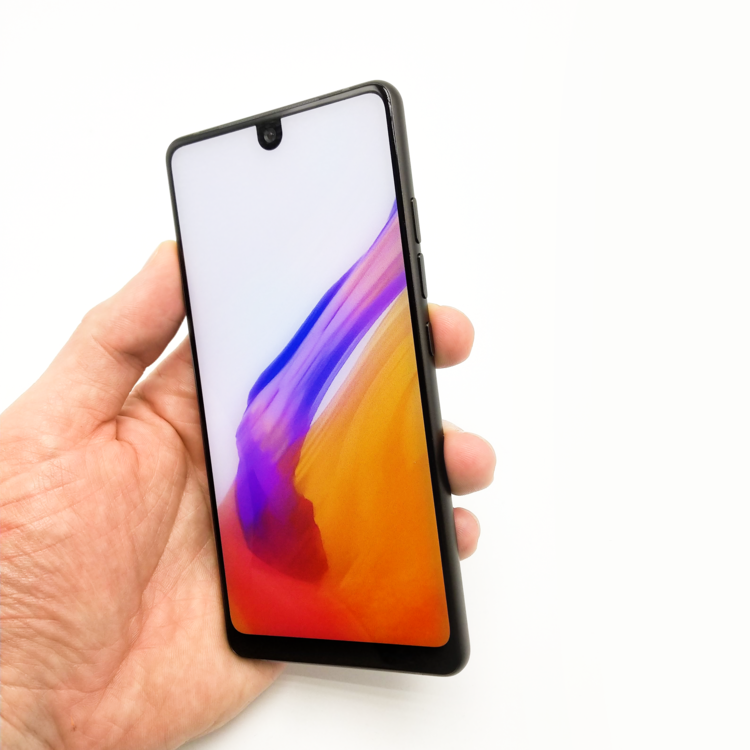
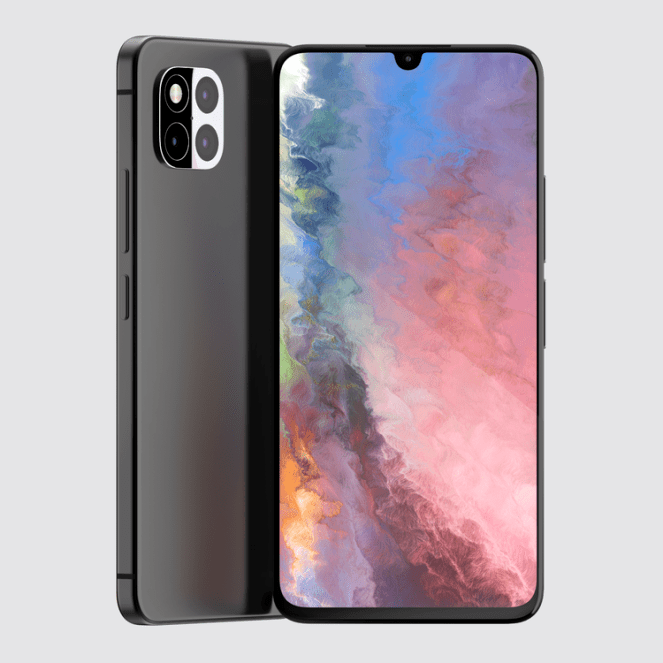
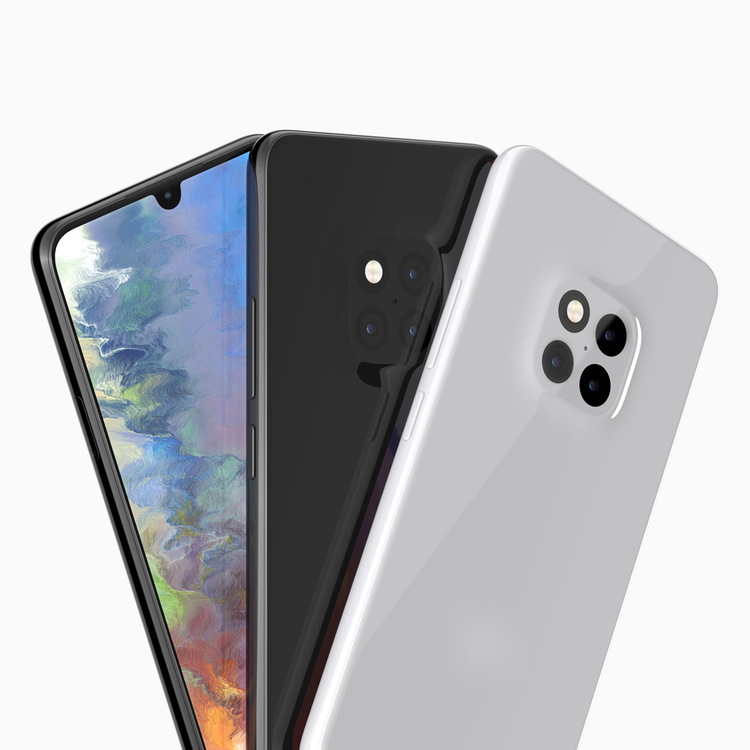
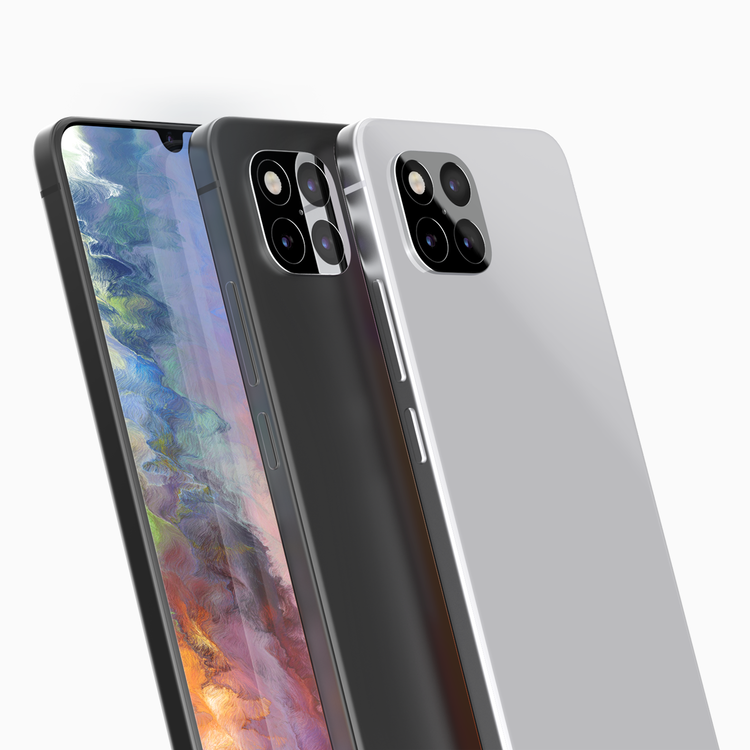
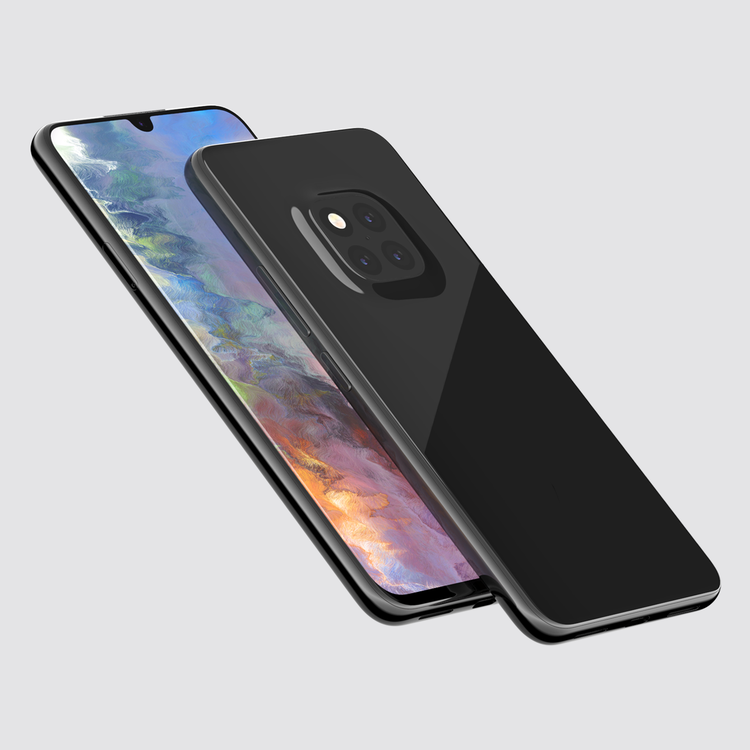
Essential, a smartphone brand formed by Android founder Andy Rubin, shut the shop earlier this year just after launching one smartphone — Essential PH-1. With all the future plans of the company scrapped, its former designer has shared images of devices which could have been PH-2 and PH-3 smartphones.
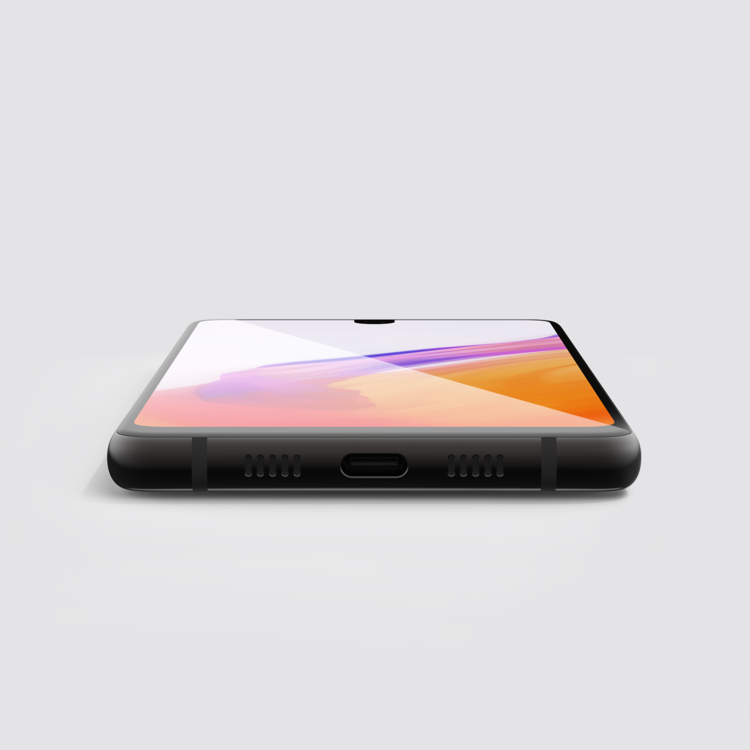
Kevin Hoffman was working with Essential as a lead designer on the company’s sequel smartphones which never saw the light of day. He has shared images of the company’s new devices via design process and also reveals why they never got launched.
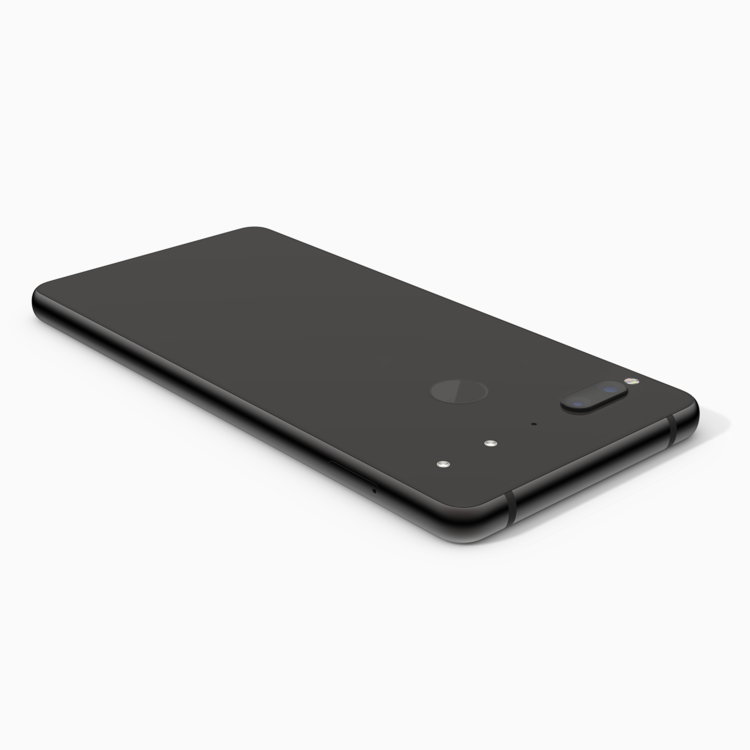
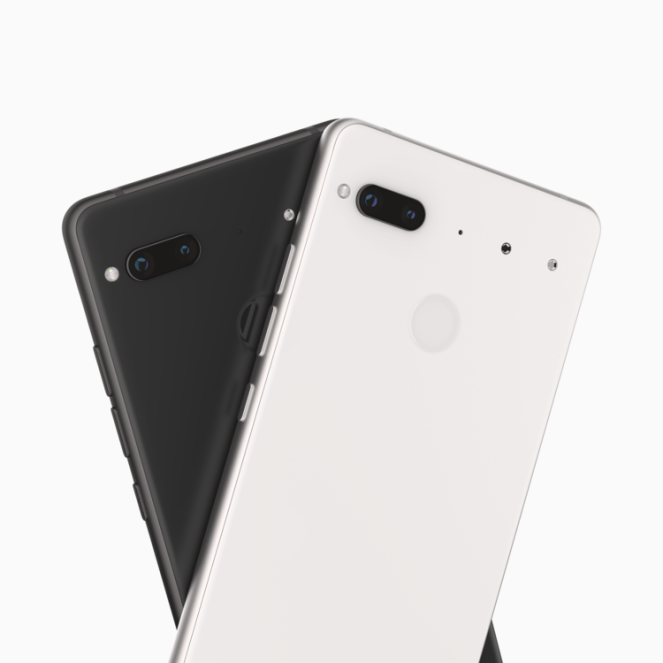
The design of the Essential PH-2 seems like a natural progress for the PH-1 with the company keeping the rear design same, having two cameras, magnetic pin attachments, and a fingerprint sensor. It also would have been IP68 rated in a move of the company listening to its users demand.
The phone was killed off in its second round of EVT testing. Hoffman says that Andy Rubin himself pulled the plug of this PH-2 smartphone in favor of Essential Home product line, which also never made its way to the market.
The Essential PH-3 smartphone is said to have been in works this year as well. Given that the product was designed with low build-of-material cost, the company was aiming for the budget segment with this phone.
The company would have used bead-blasted machined aluminium for the body, a 2.5D front glass, and an OLED display. The images also show a triple-camera setup on the back and the frame was flat as a “homage to the original PH1 Essential phone design language.”
The smartphone never made it to the market given that it was in the early stages of development when the company closed its doors last month. Although the company struggled with sales and controversies related to Andy Rubin‘s past, Essential has a very strong track record when it comes to Android updates.
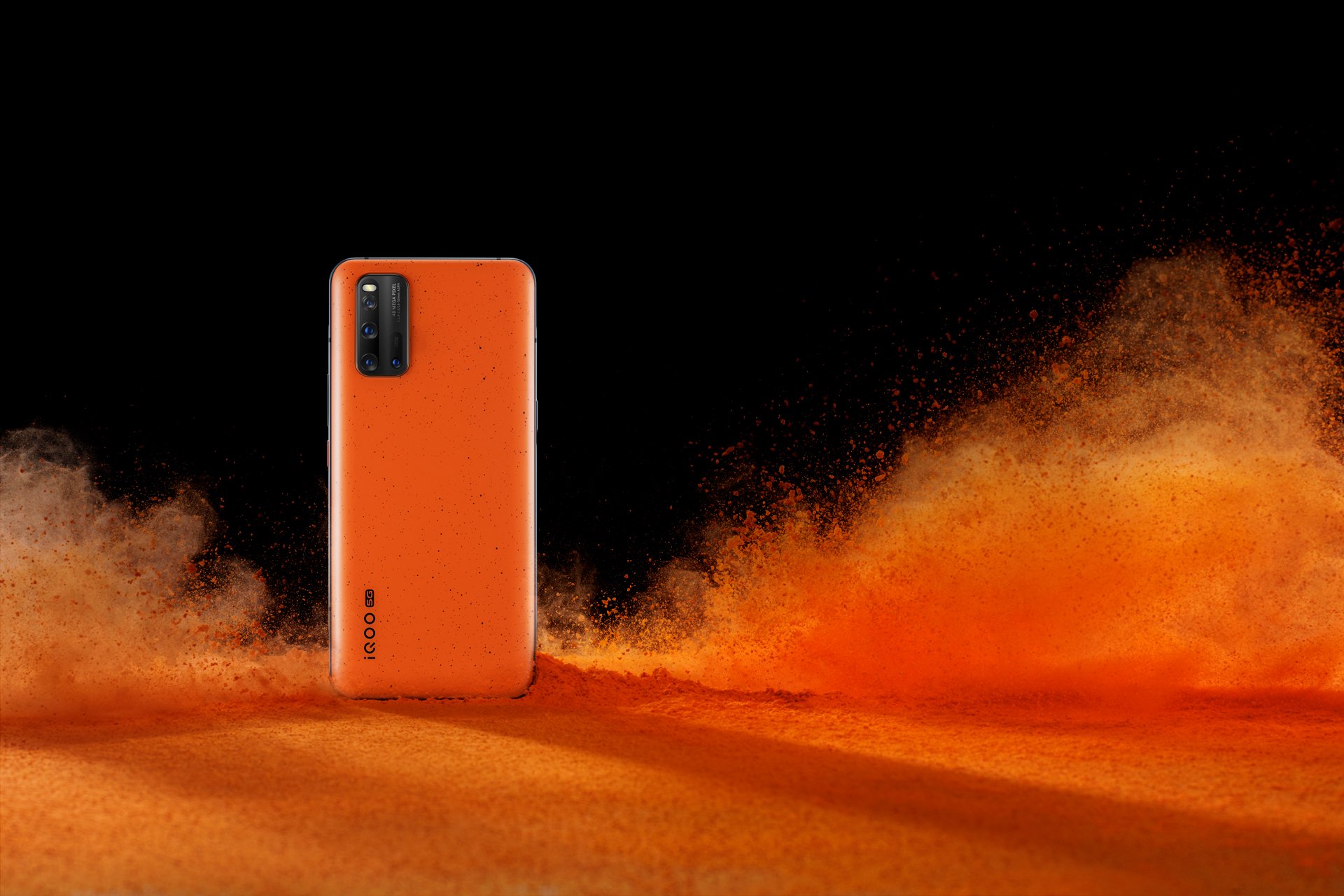
A few weeks ago, Vivo’s sub-brand launched its next-generation flagship smartphone — iQOO 3 and the phone was made available for purchase in China. The device was available in Quantum Silver and Tornado Black color so far.
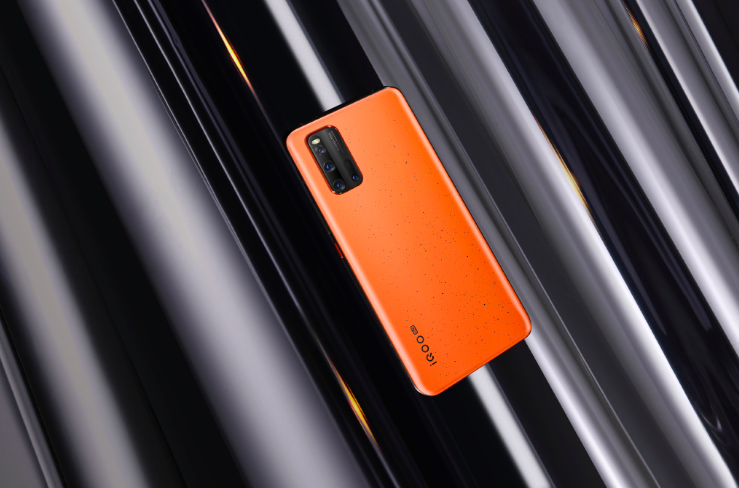
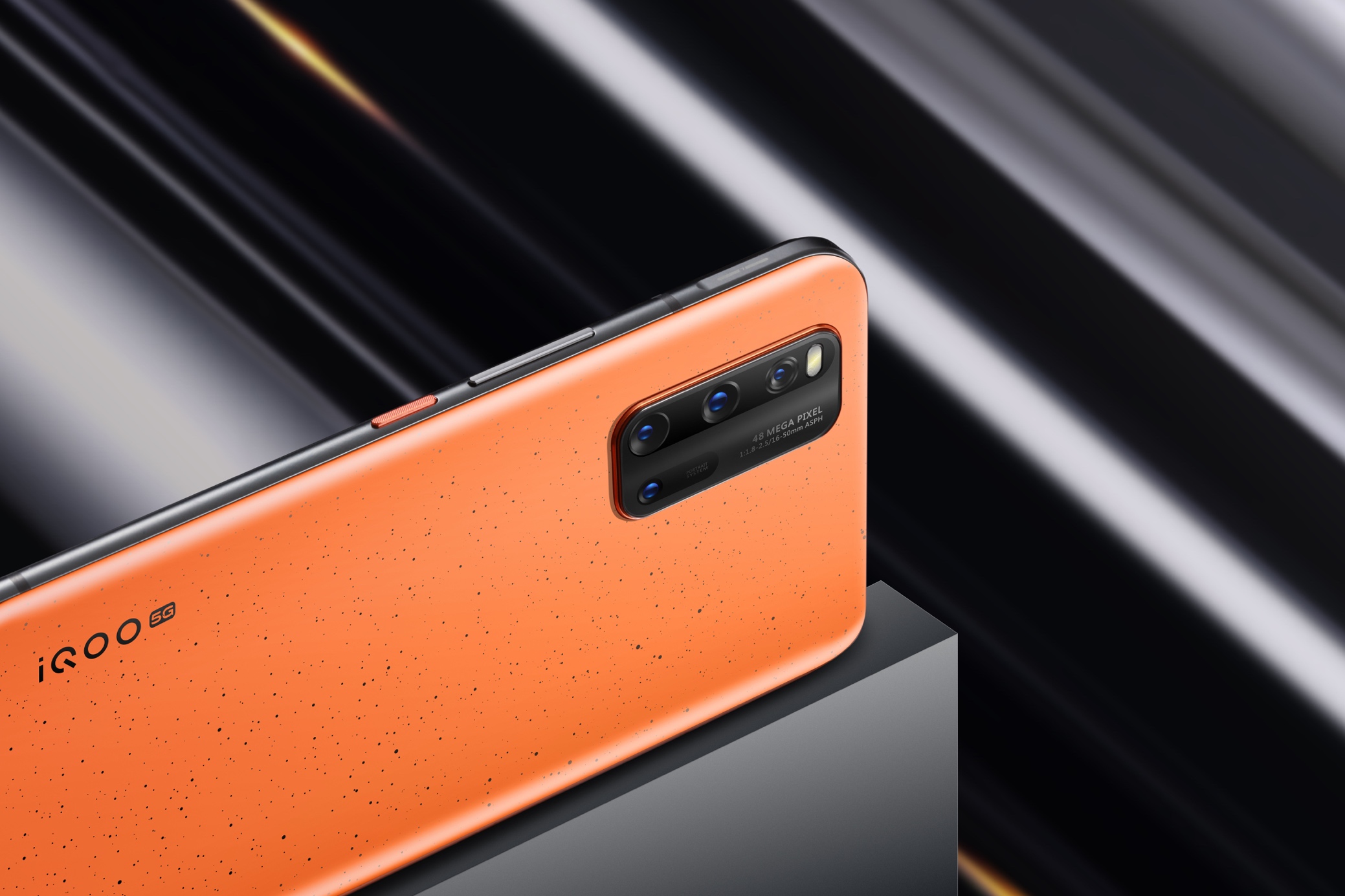
Now, the company has officially started pre-sale activities for the Orange color model of the iQOO 3 5G flagship smartphone in China through major online retailers in the country. The dazzling color option is said to have been inspired from speed.
Coming to the specifications, the iQOO 3 5G smartphone features a 6.44-inch HDR10+ complaint S-AMOLED display that offers Full HD+ screen resolution of 1080 x 2400 pixels and 20:9 aspect ratio, 800nits of full screen brightness and 100 percent P3 color gamut.
The device also has an under-display fingerprint sensor which the company claims can unlock the device in just 0.31 seconds. There’s carbon fiber VC liquid cooling technology onboard that can effectively reduce surface temperature by 3.5-degree Celsius and CPU temperature by 12-degree Celsius.
Under the hood, the device is powered by Qualcomm Snapdragon 865 SoC, along with LPDDR5 RAM and UFS 3.1 storage. The device also has “Monster Touch” buttons that can be used to map gaming functions such as shoot, jump, fly, etc.
In the camera department, the smartphone features a quad-camera setup that consists of a 48-megapixel main shooter, a 13-megapixel ultrawide lens, a 13-megapixel telephoto sensor and a 2-megapixel portrait lens. On the front side, the device features a 16-megapixel selfie camera.
For enhanced audio experience, the iQOO 3 is equipped with AK4377A Hi-Fi audio chipset and Hi-Res audio certification. The Android 10 OS is pre-loaded on the device along with iQOO UI 1.0 custom skin.
There’s also Multi-Turbo technology for boosting the phone’s performance while gaming. It also offers other gaming friendly features such as 180Hz touch response rate, 4D in-game vibrations, and Ultra Game Mode.
The iQOO 3 smartphone is fuelled by a 4,400mAh battery that supports 55W Super FlashCharge technology and the company says that it takes only 15 minutes the phone to reach 50 percent battery juice from scratch.
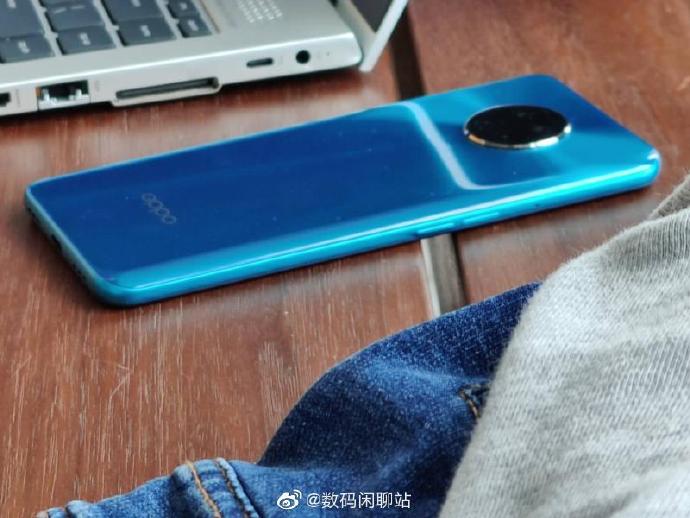
In October 2019, OPPO had unveiled the OPPO Reno Ace smartphone. The handset may soon get replaced by the successor model. While OPPO is still silent on its existence, a reputed tipster from China has shared a live shot of the Reno Ace 2. The leaked image shows that it will be sporting an Oreo camera design on its back.
As it can be seen, the alleged OPPO Reno Ace 2 can be seen flaunting a blue colored rear shell. It appears to be made out of glass. The circular camera module seems to be fitted with four cameras. The LED flash which isn’t visible in the image could be placed on the left side of the camera setup. The predecessor OPPO Reno Ace had featured a vertical camera setup on its back.
The left side of the phone has volume up and down buttons. A USB-C port is placed between two speaker grilles on the bottom side of the device. Its right edge could be having a power button.
The display design of the OPPO Reno Ace 2 is not known yet. Probably, the handset may graduate to punch-hole display from waterdrop notch screen that was made available on the original Reno Ace. The rumor mill is yet to spill the specifications of the Reno Ace 2.
The OPPO Reno Ace had arrived with a 6.5-inch AMOLED display with in-screen fingerprint reader. The screen supported 90Hz refresh rate, full HD+ resolution and 20:9 aspect ratio. The Snapdragon 855+ SoC fueled the device. The handset sported up to 8 GB of RAM and UFS 3.0 storage of up to 128 GB.
The quad camera setup placed on the rear side of the OPPO Reno Ace featured a 48-megapixel Sony IMX586 main lens, a 13-megapixel telephoto lens, an 8-megapixel ultrawide sensor and a 2-megapixel monochrome sensor. It had a front camera of 16-megapxiel. The phone was backed by a 4,000mAh battery. The 65W SuperVOOC 2.0 charger could completely charge the phone in around 30 minutes.
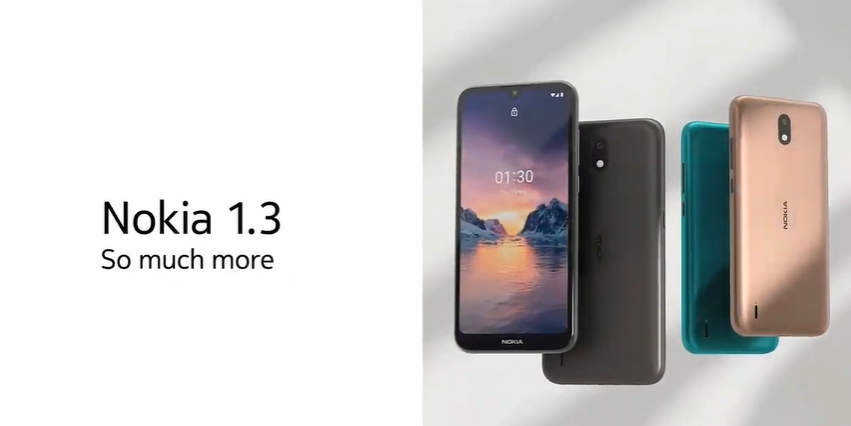
The Nokia 1.3 is the third smartphone HMD Global unveiled today. It is an Android One Go phone and it comes with an app that is not available on any other Android Go phones.
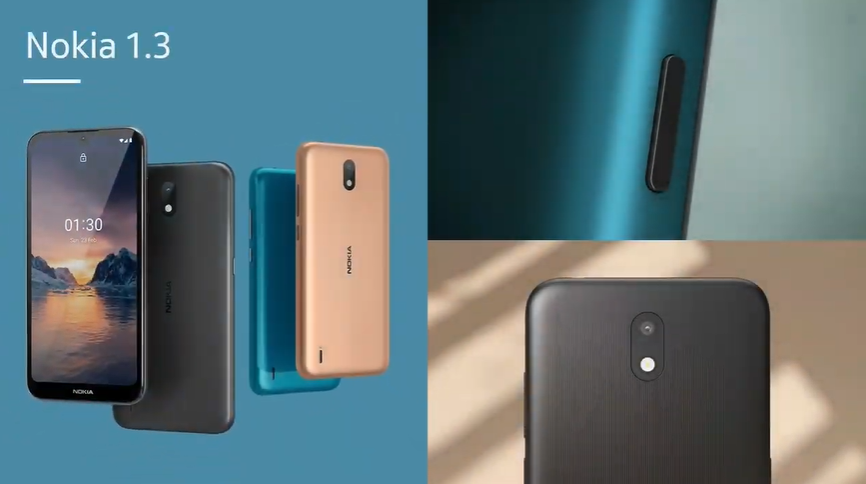
The Nokia 1.3 has a design similar to that of the Nokia 2.3. It is a 3D nano-textured polycarbonate back while the front is covered in glass. The phone has a waterdrop notch in the display with pretty thick bezels which we won’t fault at this price point.
The screen of the phone is 5.71-inches and it is an HD+ panel. There is a Snapdragon 215 chipset (4x Cortex-A53 cores) inside the phone along with 1GB of RAM and 16GB of storage that can be expanded by up to an additional 400GB via a MicroSD card slot.
On the back is an 8MP camera with low-light enhancement while the selfie camera is a 5MP sensor. Talking about cameras, the phone comes with a new camera app called Camera Go. This is a new Android Go app and can be called the Android Go version of the camera app found in Pixel phones.
The Nokia 1.3 has a dedicated Google Assistant button, an audio jack, FM radio, Bluetooth 4.2, LTE, and 2.4GHz Wi-Fi. There is a 3000mAh battery inside that is removable and said to last more than a day on a single charge. It charges via a MicroUSB port and ships with a 5W adapter. Android 10 (Go Edition) is pre-installed and it will get updated to Android 11 (Go Edition).
The phone will be available in April for €95 and you will be able to purchase it in Cyan, Charcoal, or Sand as well as single SIM or dual SIM models depending on the market.
It has become a tradition for HMD Global to resurrect one legacy/classic Nokia phone each year. This year’s legacy device is the Nokia 5310 and it is the modern version of the Nokia 5310 XpressMusic that was announced back in 2007.
The Nokia 5310 looks more like the Nokia 5200 with its white + red design and keyboard more than the actual 2007 Nokia 5310. It has two large slits at the top and bottom for stereo front-facing speakers. There is a black version of the phone too but it keeps the red-accented sides where you have the playback buttons on the right and volume control buttons on the left.
The Nokia 5310 has a 2.4” QVGA display that sits above an alphanumeric keypad. There is a MediaTek MT6260A chipset inside the phone with 8MP of RAM and 16MB of storage. There is a MicroSD card slot for up to an additional 32GB of storage.
[envira-gallery id=”311492″]
The phone has Bluetooth 3.9, an audio jack, FM radio, and a VGA camera with flash on the rear. It also has a 1200mAh removable battery that charges via a MicroUSB port. The Nokia 5310 comes in single SIM and Dual SIM variants with varying standby time (22 days on the dual SIM version and 30 days on the single SIM variant)
HMD Global says the phone will sell for €39 and will be available this month.
Just as there was no Nokia 8.2 last year, there also wasn’t a Nokia 5.2. The last Nokia 5 phone was released in 2018. Now the series is back and it packs a lot of upgrades but still manages to disappoint in some areas.
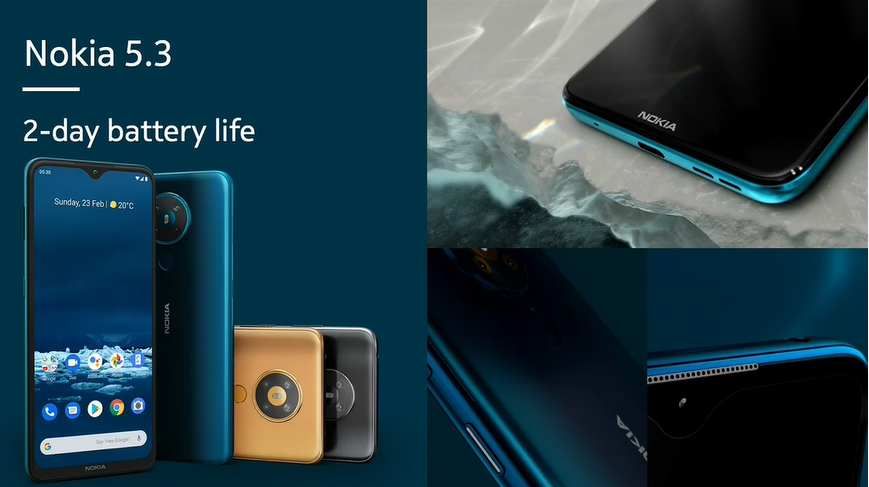
The Nokia 5.3 looks good with respect to its design. It also adopts the cookie camera setup but in a different way from that of the Nokia 8.3 5G as well as that of the Nokia 7.2 and Nokia 6.2. There is a waterdrop notch in the display for the selfie camera and the back is home to a fingerprint scanner. The Nokia 5.3 comes in Cyan, Sand, and Charcoal colorways.
With respect to specs, the phone has a 6.55-inch display. Sadly, it is not a 1080p panel but a 720p screen. Qualcomm’s Snapdragon 665 chipset powers the Nokia 5.3 and it is paired with 4GB of RAM and 64GB of expandable storage.
On the back are four cameras – a 13MP f/1.8 primary sensor, a 2MP depth sensor, a 5MP ultrawide angle camera, and a 2MP macro camera. The selfie camera is an 8MP sensor.
The Nokia 5.3 packs a 4000mAh battery capacity, the biggest in a Nokia 5 phone but disappointingly supports only 10W charging. Why does HMD Global keep cutting corners? There is also Bluetooth 4.2 instead of Bluetooth 5.0. You get an audio jack, FM radio, and a dedicated Google Assistant button on the side.
[envira-gallery id=”311472″]
The Nokia 5.3 will go on sale in April for €189 and will get upgrades to Android 11 and Android 12 along with 3 years of security updates.
As expected, the search giant is rolling out Android 11 Developer Preview 2 consisting of several new APIs and fixes. Google rolls out support for call screening, Neural Networks, and refined hinge angle detection support. The interested users can download the Android 11 Developer Preview 2 from the source below. The search giant will be rolling out the OTA update in the next few hours to compatible devices. However, the Developer Preview 2 is freely available for testing on Pixel 2, Pixel 2XL, Pixel 3, Pixel 3 XL, Pixel 3a Xl, Pixel 4, and Pixel 4 XL.
Various new APIs are introduced in the new build of Android 11 Developer Preview. Google is emphasizing on to bring improved 5G support with a new 5G state API. Moreover, privacy and security concerns are well addressed with the presence of new functions. It also features some image and camera improvements along with the connectivity and Google Play System updates. Let’s hop into the detailed assessment of the Android 11 DP2 features:
Android 11 DP2 Changes
As addressed by the Google blog, there are several new changes concerning the security, performance, and accessibility of the system.
Enriching Experience
5G State API – It will help the apps to quickly reclaim whether the user is using 5G New Radio or Non-Standalone network. It will help the users to grasp the enhanced speeds and latency of 5G networks.
Improved Call Screening – A new API on Android 11 Developer Preview 2 will help the system to filter robocalls more efficiently and effectively. It also brings additional options to customize post-call screen and add spam or add to contacts buttons. More complex settings will be part of the upcoming Developer Previews.
Hinge angle for foldable – It is focused to enhance the adaptive experience of foldable devices. The new API can work with a hinge angle sensor to precisely know the angle of device screen surfaces. It is will be quite useful for foldable devices.
Hard-Swish Op, Control ops (New Neural Networks APIs) – In order to reduce the learning time and enhanced accuracy across Google AI, the search giant has added hard0swish op. It will improve the training time by adding new and efficient algorithms. Moreover, the Controls ops bring improved machine learning models supporting branching and loops.
Advanced Security and Privacy
Data Privacy is an important aspect these days in the modern world. Here are some security and privacy refinements in the newer iteration of Android 11 Developer Preview.
Foreground Service Types for Camera and microphone – It adds another access lock before getting to the camera and microphone data of the device, The users need to add the foregroundService Type value to the manifest if the apps are bound to specific use-cases.
Scoped Storage updates – The new build allows users to transfer data from the legacy model to Scoped Storage. It also improves cached file management. The subsequent updates will further enhance the scoped storage concept.
Visual Changes
These changes affect normal users the most as they can feel these changes. Let’s start one-by-one about these changes:
Synchronized IME transitions – A set of new APIs will allow the users to experience natural, intuitive and lag-free transition while interacting with the soft keyboard. New APIs such as insets animation lister and WindowInsetsAnimationController API are part of the new transitions.
Variable refresh rate – A set of new APIs allow the games and apps to set the preferred frame rate for the display. Since last year, some smartphones received support for multiple refresh rates like 90Hz and 60Hz. The new APIs will help the smartphones adapt according to the value set for different Apps and Games.
Resume on Reboot – Unlike the Android 10 or other versions until now that only gives access to apps upon successful unlocking after reboot, the Android 11 gives access to access Credential Encrypted storage even before unlocking.
Camera Support in Emulator – The support for the camera is finally added to the emulator. It will be quite users for all the camera and photo/video editing apps. Developers can test any camera-based feature on an Emulator present in Android 11.
However, the search giant appears to be in a hurry this time, as they are continuously asking the developers to make the necessary changes. Google is consistently working to make the Android update easier for developers. It is advised for the developers to update the Android Studio environment with the Android 11 PReview SDK for better testing.
The users can install the Android 11 DP 2 on Pixel 2, Pixel 2 XL, Pixel 3, Pixel 3XL, Pixel 3A, Pixel 3a XL, Pixel 4 and Pixel 4 XL. The build can also be installed on Project Treble supported devices like Poco F1.
Osaka-based Japanese company Sharp has filed a string of lawsuits in recent time. One of the lawsuits is against US electric vehicle company, Tesla source familiar with the matter has revealed. The Foxconn-owned company is accusing the Japanese unit of Tesla of infringing on its patents. Thus, the suit is seeking an injunction restraining Foxconn from selling a few of its EVs in Japan.
Specifically, the lawsuit filed in Tokyo claims that mobile communications equipment installed in some Tesla models violate patents owned by Sharp, the source disclosed. The source has chosen to remain anonymous as a result of the sensitive nature of the issue.
According to the report which was first carried by Kyodo News, the affected models are the Tesla’s Model S, Model 3 sedans and Model X sport-utility vehicle. However, there are no further details as of now. A spokesman for Sharp Corp. declined to comment, while Tesla didn’t immediately respond to Reuters’ emailed request for comment.
Apart from the lawsuit against Tesla, Sharp has also filed a lawsuit against U.S. TV brand Vizio Inc and Chinese smartphone maker OPPO, accusing both companies of allegedly violating its smartphone and communications patents. In addition, it has lodged patent suits against Xianyang CaiHong Optoelectronics Technology and others, alleging the violation of 12 patents involving liquid crystal display panels.
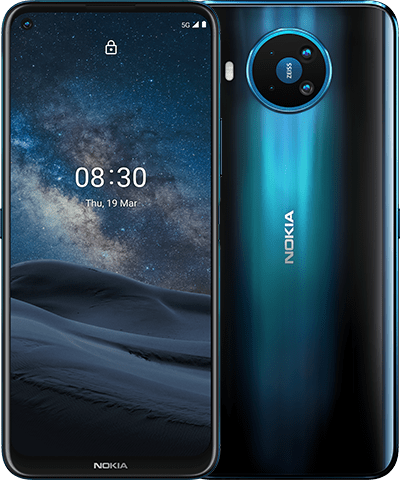
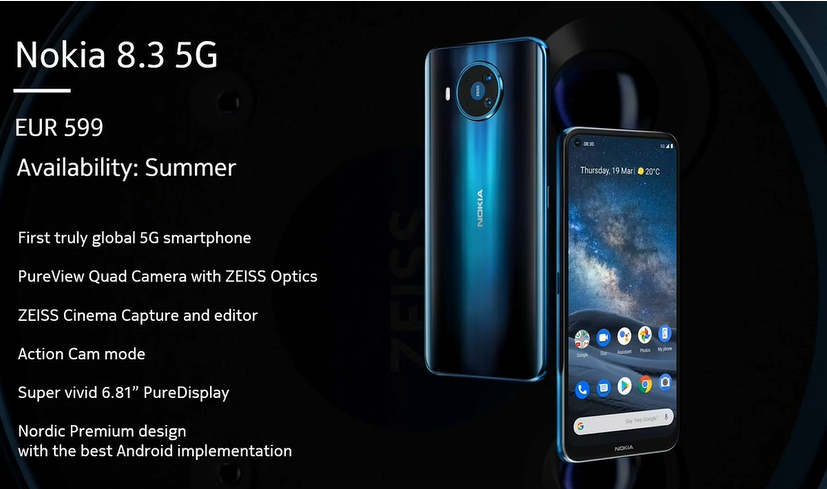
The Nokia 8.3 5G has been a long time coming. The phone is technically the successor to the 2018 Nokia 8.1 and comes with all the features you will find in a 2020 upper mid-range smartphone and even features not available on any smartphone in the world.
Nokia 8.3 5G Design
The phone has adopted the punch-hole display design we have seen on a number of phones in recent times. However, there is still a significant amount of bezel at the top and bottom of the screen. HMD Global could have done better with the bezels.
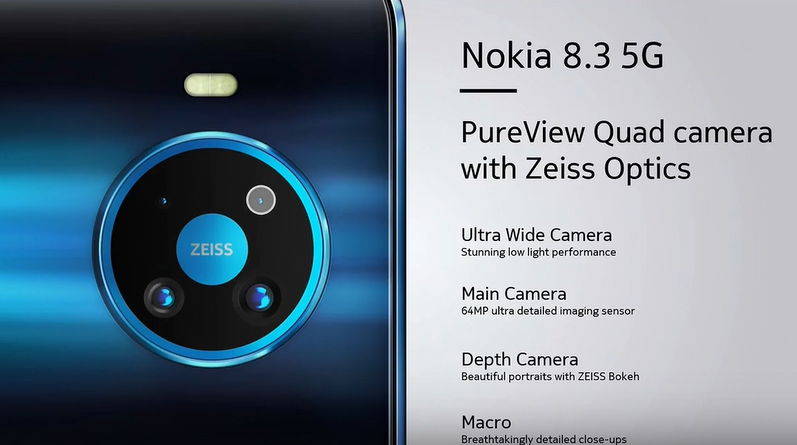
On the back, the phone is covered in curved glass. It has a cookie camera design that houses four cameras but they are different from what we have seen on other devices. It can even be called unique.
Oh! The Nokia 8.3 5G also has a side-mounted fingerprint scanner that doubles as the power button. Yes, we are equally surprised just as you are.
Specs
The Nokia 8.3 5G has a pretty large 6.81-inch PureDisplay with an FHD+ resolution and a 20:9 aspect ratio. There is a punch-hole at the top left corner of the display and there is a Pixelworks chip that helps it convert SDR to HDR content.
Inside the phone is the Snapdragon 765G processor and it is paired with 6GB or 8GB of LPDDR4X RAM and 64GB or 128GB of expandable storage.
The Nokia 8.3 5G has quad rear cameras. It includes a 64MP primary camera, a 12MP ultrawide angle camera with impressive low light performance thanks to its large 2.8um Super Pixel size. The ultrawide angle camera can also record in 4K UHD. The other two cameras are a 2MP depth sensor and a 2MP macro camera. All four cameras have ZEISS optics. There is a 24MP camera in front for selfies.
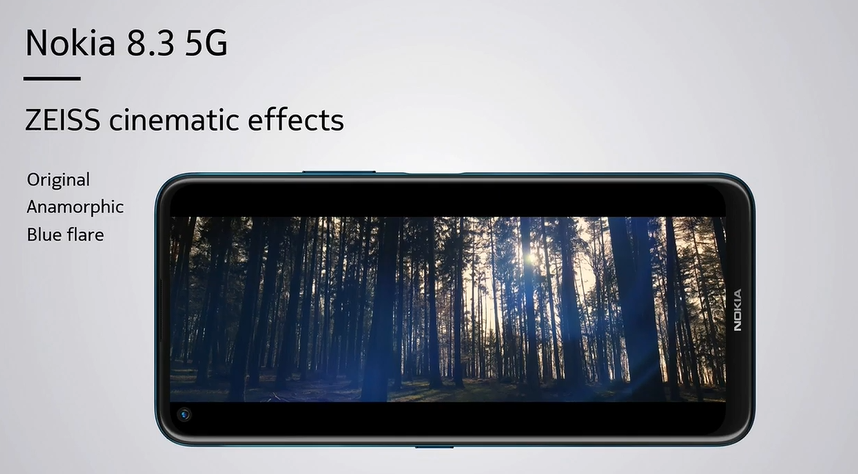
Nokia has also partnered with ZEISS to bring its cinematic effects to the Nokia 8.3 5G allowing you to edit videos professionally in Hollywood style with effects such as Blue flare and Anamorphic. There is also an Action Cam Mode included.
The phone has a 4500mAh battery with support for 18W fast charging. It also has an audio jack, FM Radio, OZO Audio, Bluetooth 5.0, and Dual-Band Wi-Fi. The phone runs Android 10 out of the box and will get 2 years of Android upgrades and 3 years of security updates.
Nokia 8.3 5G support
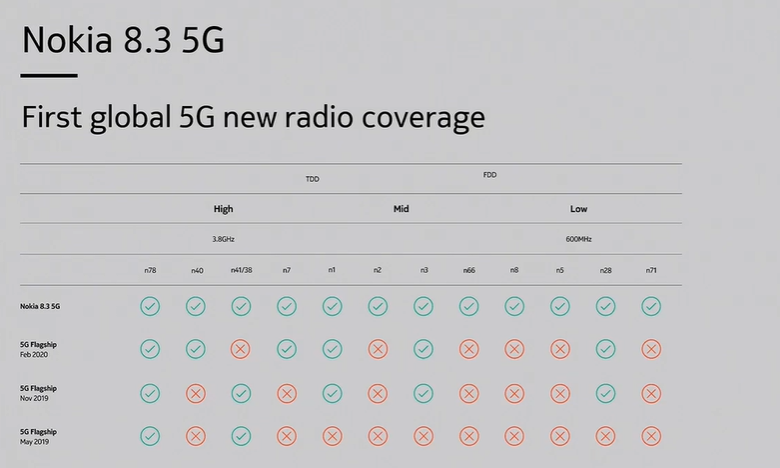
One of the selling points of the Nokia 8.3 5G is its support for more 5G bands more than any other phone in the world. It not only supports 600MHz bands but also mid-bands and 3.8GHz High-bands.
Nokia 8.3 5G Price and Availability
The Nokia 8.3 5G has a price tag of €599 and will be available this summer. HMD Global didn’t specify if this is the price tag of the 6GB RAM or 8GB RAM version. Surprisingly, there will only be one color available and it is called Polar Night.
AppleInsider has spotted a research note drafted by Daniel Ives from Wedbush Securities and sent to investors. In the note, the financial analyst disclosed that his securities firm was lowering iPhone revenue estimates for the 2020 fiscal year by 14%. He also revealed that the firm was also lowering estimates by 10% for 2021.
The review was necessary to reflect the change in near-term consumer demand. It also reflects the lockdown conditions globally and a “negative economic backdrop.” Ives opines that the COVID-19 pandemic won’t prevent iPhone users looking to upgrade their models from doing so but will affect new buyers and those hoping to switch to an iPhone as they would want to wait or not get one at all.
“We now assume only the installed base consumers currently in the window of an upgrade opportunity that have not upgraded their iPhones in more than 42 months purchase a new phone over the next 18 to 24 months. Currently, we estimate that ~350 million of Apple’s 925 million iPhones worldwide are in this upgrade window, as we assume going forward in a more draconian scenario that minimal new smartphone activity takes place beside this segment of Cupertino’s massive installed base, Ives wrote”
The 14% estimated drop in revenue for 2020 is said to bring Apple’s estimated revenue down to $131 billion from Wedbush’s earlier estimate of $152 billion. The company also projects 172 million iPhones will be sold this year as against 200 million earlier forecasted.
Apart from the drop in iPhone sales, Ives equally reduced his firm’s estimates for Apple’s Services, AirPods, Mac, iPad, and other revenue to $251 billion in total for the 2020 fiscal year. The pre-COVID19 estimate was $285 billion.
The financial analyst predicts that Apple’s revenue should make a “modest gradual recovery” in the 2021 fiscal year. Next year’s total revenue is predicted to reach $282 billion down from $309 billion previously forecasted. He broke the new $282 billion revenue estimate to be comprised of $147 billion in iPhone revenue with 190 million units sold, including early sales of the 5G “iPhone 12. Here, Ives hinted that he doesn’t expect the “iPhone 12” to ship in September which is the last month of Apple’s fiscal year 2020. He hinted that the launch could get pushed into October or November because of continuing supply chain challenges.
“Our scenario now assumes the 5G iPhones do not get released this Fall due to the global lockdown-like conditions with the supply chain in Asia still on a path to normalization,” said Ives. “Clearly, anything can happen and this stress test exercise on Apple’s model could prove to be conservative or not aggressive enough given this fluid global pandemic.”
On the whole, the analyst’s projections are predicated on a coronavirus recovery before July. If the pandemic extends longer than expected, the valuation will have to be revisited, according to Ives.
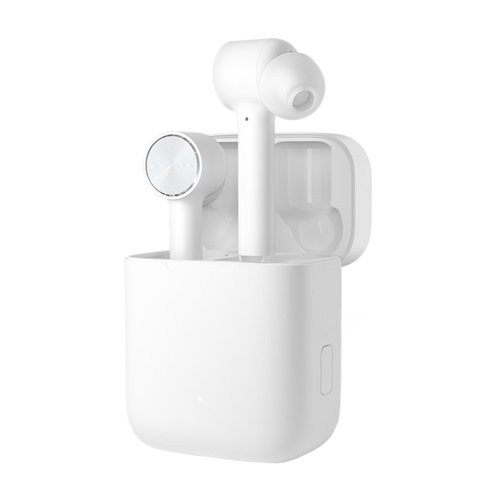
Last December, we found in the Bluetooth SIG database, a pair of TWS earbuds made by Xiaomi called the Mi True Wireless Earphones 2S. Unconfirmed reports from China say the wireless earbuds will soon be announced though under the name Air 2s.
According to the report, the Mi True Wireless Earphones 2S will offer low audio latency when playing games (as low as 120ms) when paired with a Xiaomi phone. This low audio latency is said to be second to only the AirPods Pro when paired with an iPhone.
The source also says the earphones will have support for wireless charging (Qi protocol) and has even appeared on the database of the Wireless Power Consortium. We did check the WPC website but did not find the earphones. The most recent Xiaomi devices certified for wireless charging are the Mi 10 and Mi 10 Pro. We do not know if there will be other upgrades such as improvements in battery life.
There is no info yet regarding when the Mi Airdots 2S will be announced but we hope the date is not far off. We also hope it gets an international launch soon.
Xiaomi will announce the Mi 10 series outside China on March 27. There is a possibility that the earphones might be announced on the same day. It makes sense to announce it then since the Mi 10 and Mi 10 Pro have support for reverse wireless charging which means you will be able to use it to charge the new TWS earbuds.
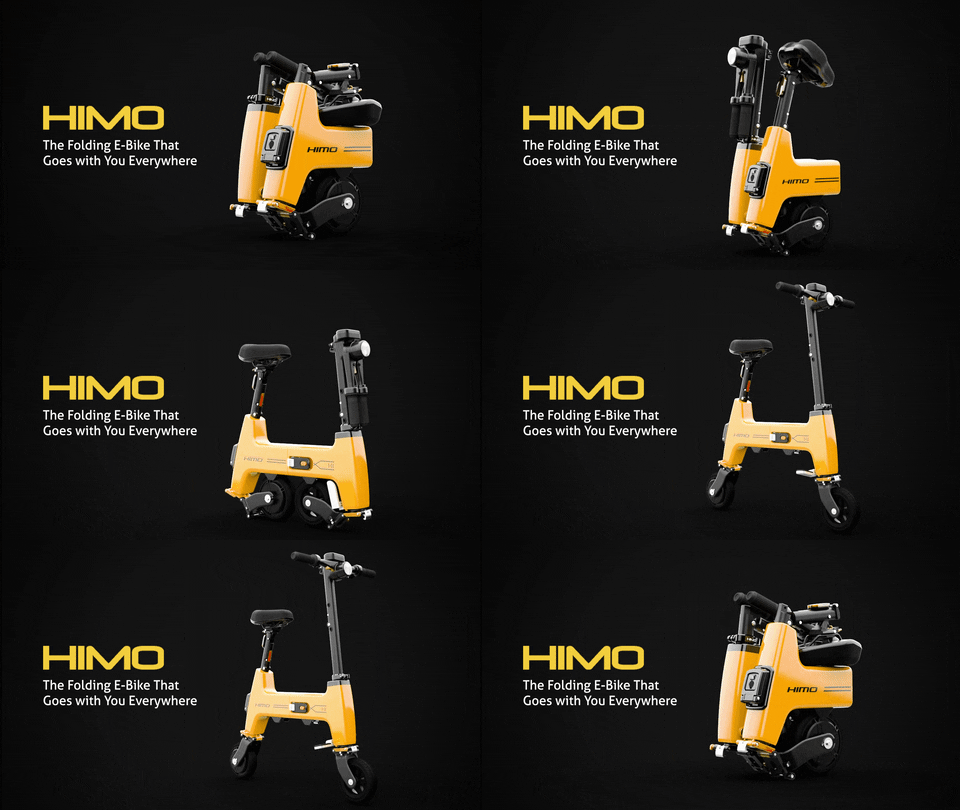
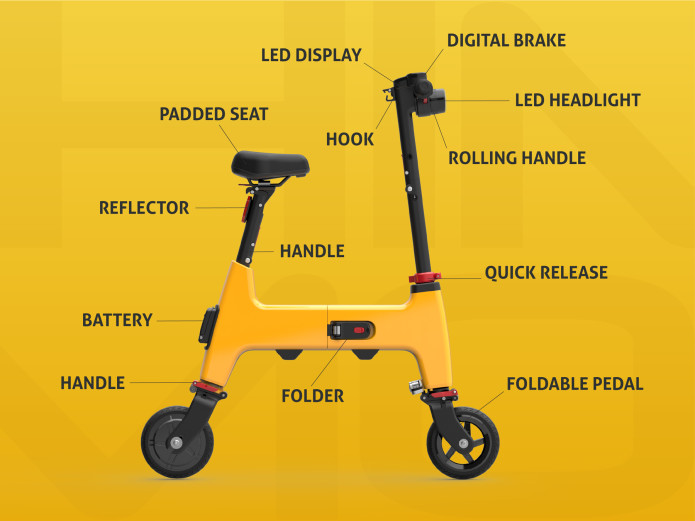
In November 2019, Xiaomi crowdfunded the Himo H1 foldable e-Bike under the Youpin crowdfunding platform. The product was manufactured by the Shanghai Himo company one of Xiaomi’s eco-chain partners and turned out to be a popular one because of its compact size.
The Himo H1 folding electric bike global crowdfunding campaign has now been launched on IndieGoGo. The campaign will see the e-Bike retail for $469 for the Super early bird package and $499 for the early bird package. The foldable compact bike will retail for as high as $699 outside the crowdfunding exercise.
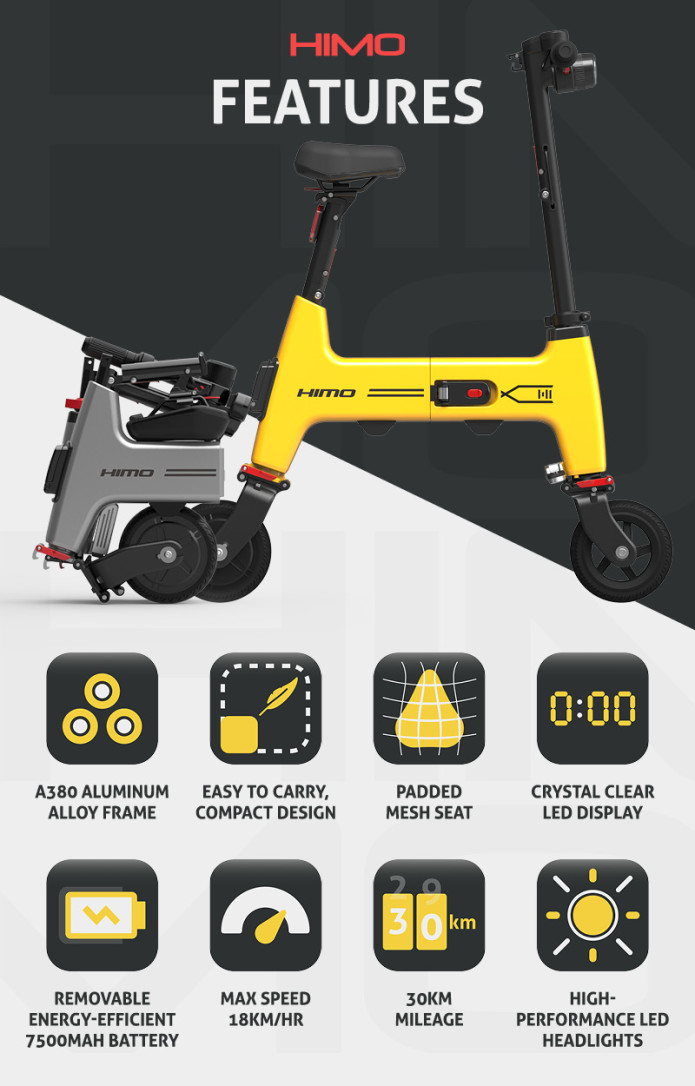
The Himo H1 e-Bike has as its major highlight, a compact foldable design that is no bigger than an A3 paper, weighing just 13kg. The handlebar is adjustable to suit the height of the rider and has a non-slip grip pad which is soft. The handlebar also houses a display panel in the middle with an LED-backlit. The instrument cluster contains the headlight switch, an error prompt, the driving speed and the power switch.
It is powered by a mammoth 7,500mAh removable battery with a mileage of 30Km and a maximum speed of 18km/h. The bike also features high-performance LED headlamps which will deliver clear vision at night.
The product is expected to start shipping to backers in May 2020. Follow the source link below to go to the product page.
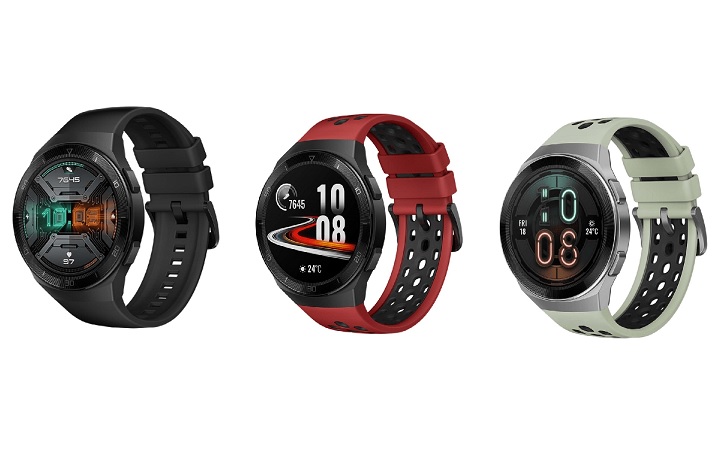
A few days ago, press renders and specifications of the Huawei Watch GT 2e leaked. The watch is a redesigned Watch GT 2 with a more sporty look and a few new features.
Scheduled to launch alongside the Huawei P40 series on March 26, a new leak says Huawei will also announce the watch In India. The info comes from Mukul Sharma (@stufflistings).
Here's an exclusive leak. Huawei Watch GT 2e will come to India right after the first sale in China. As a matter of fact, India will be one of the first countries to get the GT 2e. Shortly after the 1st sale in China, it'll be here. Feel free to retweet 😉 #HuaweiWatchGT2e
His tweets said the launch will come shortly after the first sale in China. In a comment, he said it will be priced aggressively. Seeing as it has similar specifications to the 46mm version of the Watch GT 2, expect it to have a similar price tag too. The 46mm Watch GT 2 is sold for INR 15,990 (~$214).
The Watch GT 2e is more of a sports version of the Watch GT 2 with a redesigned case and straps. However, it has the same display, processor, and battery capacity. It also connects via Bluetooth 5.1.
Xiaomi held an online conference today headed by the group’s president Wang Xiang. He updated the current status of the company amid the coronavirus outbreak and explained how the firm has overcome it so far.
Wang Xiang said that all the 2000 employees of Wuhan province, the epicenter of the COVID-19 epidemic were on leave since January 20. But now, gradually, all of them have resumed their jobs with 0% infection from the virus. Additionally, the company has issued each on-site office staff with 2 masks, a bottle of alcohol disinfection spray, and another bottle of anti-bacterial hand sanitizer to self-protect themselves from possible infection.
Wang also said that Xiaomi’s supply chain had resumed its work at above 80% of its total capacity as of March 19, which is today. Even the company has now re-opened more than 1,800 official retail stores across China. Also, the production line of Redmi, a year old sub-brand of Xiaomi is too now operating at full capacity. Further, Wang also announced that his company is now working on to donate medical supplies to more foreign countries.
Last week, Xiaomi India COO MuraliKrishnan C also assured the coronavirus pandemic will not affect the company’s business in the country but did confirm the TV supplies to be affected. Nevertheless, the smartphone maker just launched its Redmi Note 9 series and is all set to bring the Mi 10 series to India on March 31st as Chinese factories have resumed their production.
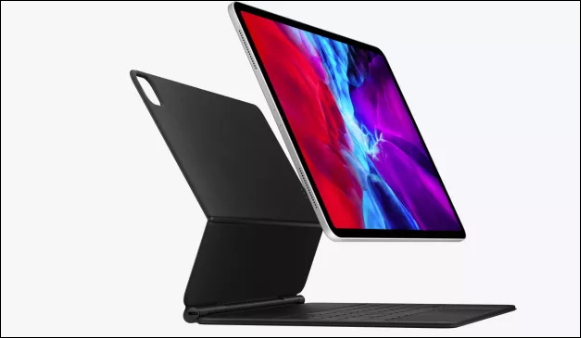
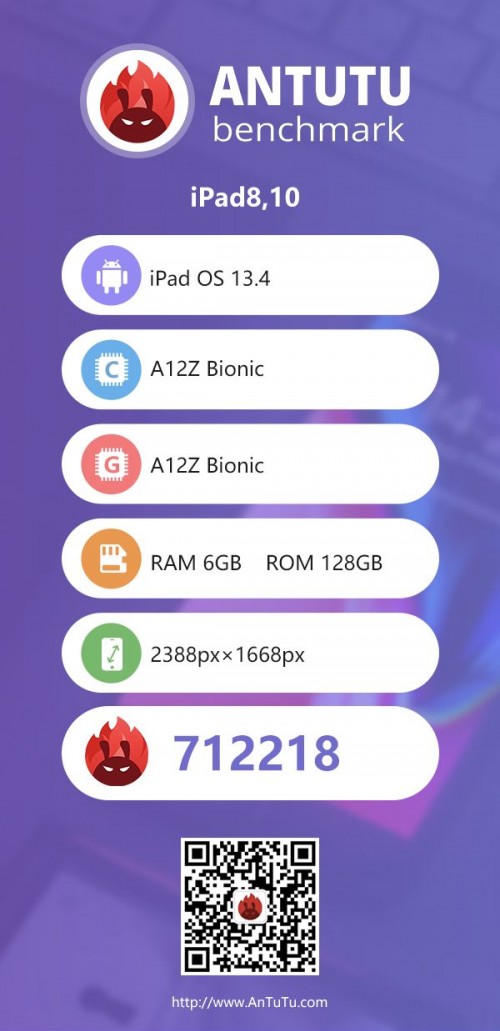
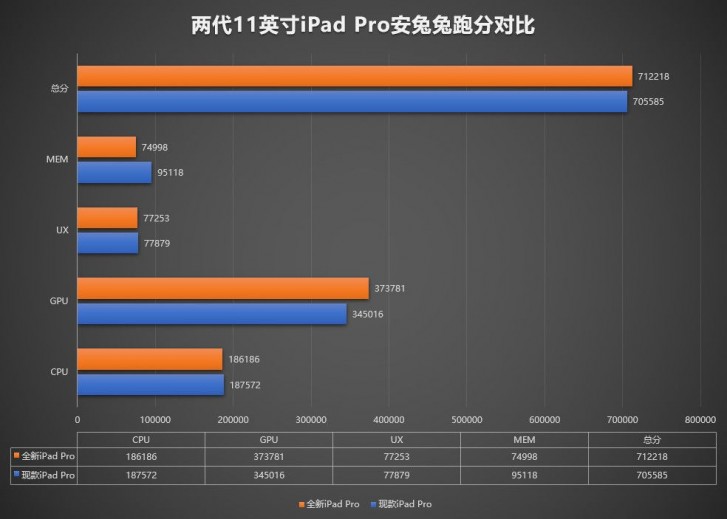
Apple went official with the 2020 models of its high-end tablet series – the iPad Pro 2020. Just like its predecessor, the iPad Pro 2020 comes in two screen sizes – 11 inches and 12.9 inches. The iPad Pro 11 2020 has now reportedly appeared on AnTuTu benchmark revealing some specs that Apple did not disclose. The AnTuTu data shows the device comes with 6GB of RAM which is higher than last year’s model with 4GB RAM. The tablet equally has 128GB storage which is the base storage offering of the two sizes. The iPad Pro 2020 equally runs on iPad OS 13.4 which is yet to be released.
As for the benchmark performance, the iPad Pro 2020’s A12Z Bionic chip is shown to be an upgrade of not just the A12X on the iPad Pro 2018 but also more powerful than the A13 chipset on the iPhone 11. While the iPhone 11’s A13 comes with a six-core CPU and a four-core GPU, the iPad Pro 2018’s A12X has an octa-core CPPU and seven-core GPU. The A12Z on this year’s model features an eight-core CPU but a bumped up eight-core GPU. The AnTuTu data shows the iPad Pro 11 2020 has a 9% faster GPU than its predecessor.
Do note that the device appeared on AnTuTu’s database as iPad 8,10. The 2018 iPad Pro model is iPad 8,1 and iPad 8,8. Thus, since this model number is making an appearance for the first time and runs an unannounced iOS 13.4 OS, it is said to be the latest iPad Pro model.
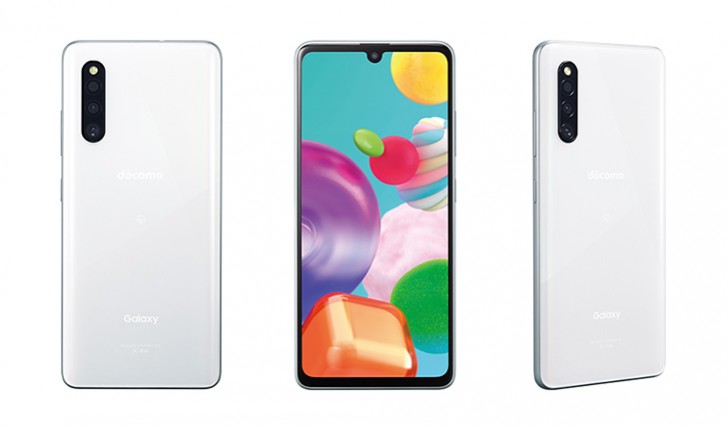
Samsung has announced the Galaxy A41 mid-range smartphone in Japan. The Samsung Galaxy A41 has appeared severally in leaks in recent times. The mid-range model has even appeared on GeekBench suggesting an Helio P65 chipset on board.
In term of the design, the Samsung Galaxy A41 features an Infinity-U notch design with a full-screen design. The display has a large bezel at the bottom edge. At the rear, the device packs a triple camera setup aligned vertically at the top left corner of the back panel. The A41 equally packs an under-display fingerprint sensor as opposed to a rear-mounted one on the Galaxy A40.
As for the specifications, the device features a 6.1-inch Super AMOLED display with FHD+ resolution, 20:9 aspect ratio and 89% screen ratio. The Infinity-U notch houses a 25MP selfie camera. At the rear aspect, there is a 48MP main camera paired with an 8MP ultrawide angle shooter and a 5MP depth sensor.
As stated earlier, the Galaxy A41 is powered by a MediaTek Helio P65 chipset paired with 4GB RAM and 64GB storage. Keeping the lights on is a 3,500mAh battery with support for 15W fast charging. The device equally coms with IP68 dust and water resistance. Although the OS wasn’t stated, we expect the Galaxy A41 to come with Android 10 with Samsung’s One UI 2.0 overlay.
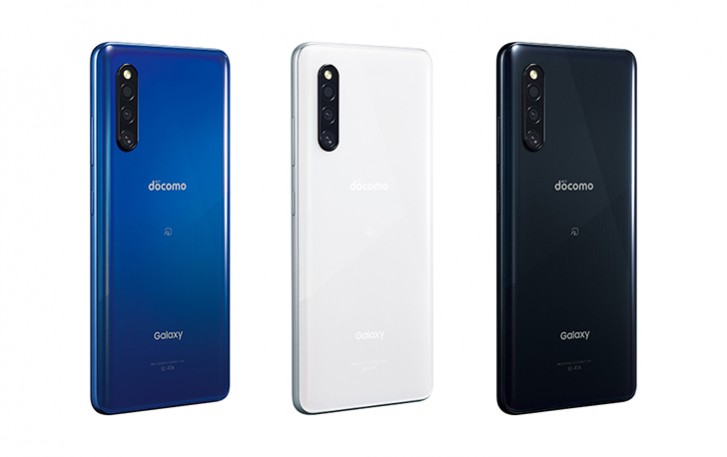
Samsung is yet to reveal the pricing of the Galaxy A41. However, the company hinted that the phone will be available from June 2020. The device will equally come in blue, black and white colours.
In an interesting move, the Xiaomi Youpin platform has now started selling Apple’s true wireless earbuds — AirPods lineup in China. As said, while the move is interesting, it is not surprising given that Youpin is just another e-commerce platform. In addition to Xiaomi, Mijia, and other Xiaomi ecosystem products, Xiaomi Youpin has a lot of third party products too.
Apart from the AirPods series, the company is already selling a few other Apple products on its e-commerce platform, including Apple Watch Series 5, Apple Watch Series 4, iPad Air, and iPad Pro among others.
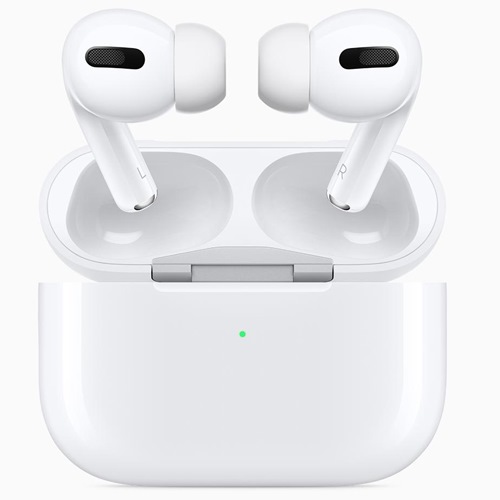
Coming to the AirPods, there are three models listed on the platform — Apple AirPods 2 and Apple AirPods Pro. The company is selling both the variants of the AirPods 2, with and without a wireless charging case.
As for the pricing, the AirPods 2 without wireless charging case costs 1,246 yuan, which is roughly $175. On the other hand, the one with wireless charging support is priced at 1,558 yuan that roughly converts to $219. The newly launched AirPods Pro have been listed for 1,999 yuan which is around $281.
Launched in October last year, the Apple AirPods Pro is the latest product in the lineup. The biggest difference between the standard AirPods and the AirPods Pro is the silicone ear tip and support for Active Noise Cancelation (ANC).
The software-backed dual-microphone setup adapts continuously, removing background noises to offer an immersive audio experience. Apple claims the ANC adapts audio signals 200 times per second.
Apart from ANC the AirPods Pro also sports Adaptive EQ that automatically tunes low and mid-range audio frequencies according to the shape of an individual’s ear canal. It also has Transparency Mode that disables ANC, in case they want to hear background noises while listening to music.
Meanwhile, there are reports that claim that Apple is not yet done with launching AirPods and is reportedly planning to launch a new version of the AirPods Pro. They are currently being referred to as AirPods Pro Lite, indicating entry-level earbuds and lower pricing than the current AirPods Pro.
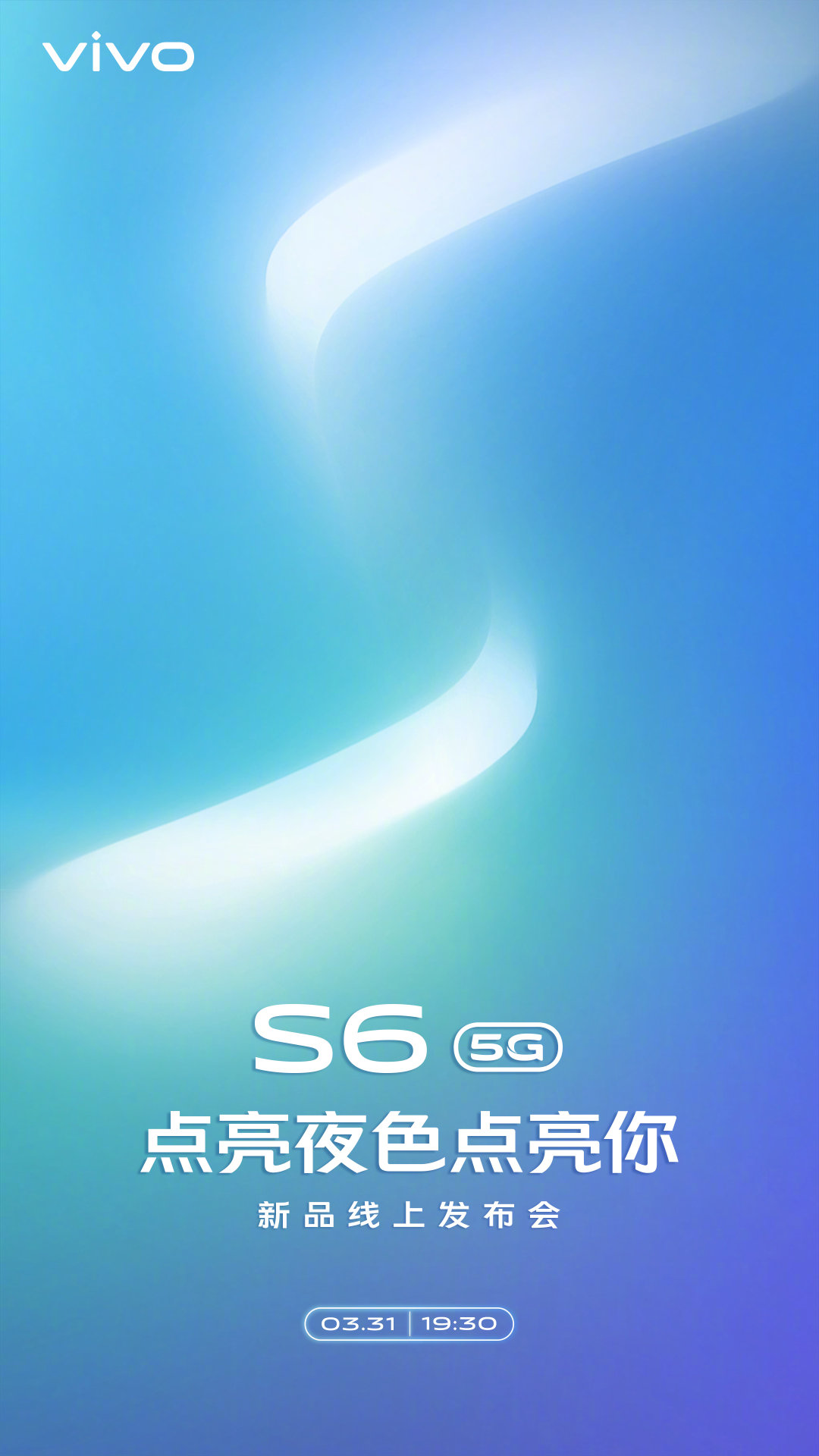
Vivo has been teasing the launch of its S6 smartphone for a while now. Finally, the brand has now unveiled the date on which this handset will be announced. As per a new teaser poster on the company’s Weibo profile, the Vivo S6 will be unwrapped to the public on March 31st.
The S series of smartphones from Vivo is one of the popular phone series in the mid-range segment in China and South East Asia. The last S series phone dubbed as S5 was launched in November 2019 and now after about four months, the brand is about to unveil its successor called Vivo S6, which will be the first in the series with 5G connectivity.
Just like any other Chinese smartphone brand, Vivo has been teasing the S6 for the past few days. As of now, the brand has only revealed the back design of the phone but we expect the company to tease all the specs of the handset leading to the day of the announcement. As per the latest promotional teaser render posted by the company, the Vivo S6 will feature a USB Type – C port at the bottom with a speaker grille and SIM card slot on either side. Apart from that, the teaser also showcased the purple-blue-white gradient version of the phone with Vivo and 5G logo embedded on the back.
Rumors suggest the Vivo S6 will be powered by Qualcomm Snapdragon 765 chipset but there is still no evidence of it in terms of benchmarks leak. Hopefully, we will know more about this upcoming Vivo phone before its official announcement.
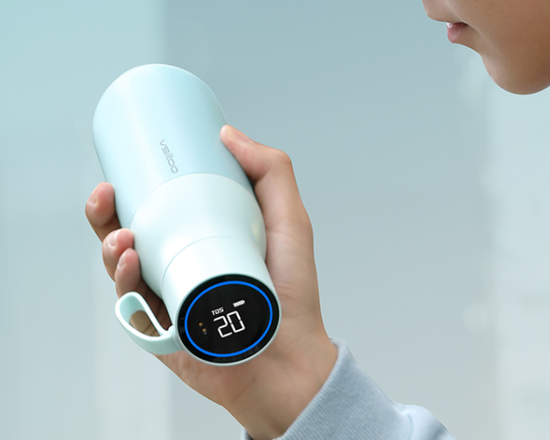
Huawei has announced a smart insulated flask with a display on the lid to show real-time water temperature and other information. This product comes under the company’s wide-range of other IoT devices.
The new Huawei smart insulated flask features a three-layer stainless steel structure, which can insulate water for up to 24 hours. The body of the flask is IPX7 certified for water resistance and hence it can be washed safely like a normal non-smart flask.
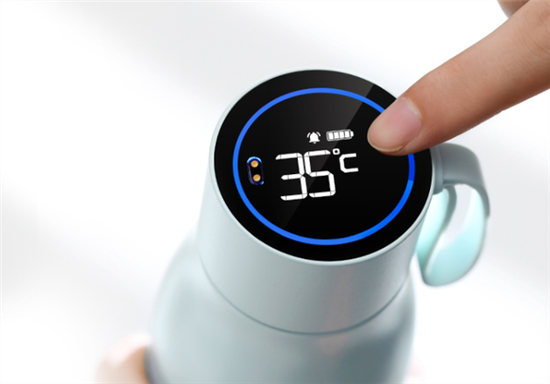
Talking about the smart feature of the Huawei insulated flask, its lid comes with a screen attached on top of it. This tiny display shows the temperature of the water inside and also features three color prompts to describe the water’s temperature. For instance, the blue color denotes the water to be below 35° C, orange color stands for 36° – 50° C, and red represents the water to be more than 50° C. Apart from this, the flask also has a TDS reader built-in to check the quality of the water. The TDS function can be activated by long-pressing the screen and within five minutes, the result is displayed on the screen.
Since it is a smart insulated flask, it can be also connected with the Huawei HiLink app on smartphones. The app shows the real-time status of the water in the flask and also lets users set up to 15 drinking alarms which will remind users to drink water by vibrating the flask as well as flashing the screen on the lid.
We use cookies on our website to give you the most relevant experience by remembering your preferences and repeat visits. By clicking “Accept”, you consent to the use of ALL the cookies.
This website uses cookies to improve your experience while you navigate through the website. Out of these, the cookies that are categorized as necessary are stored on your browser as they are essential for the working of basic functionalities of the website. We also use third-party cookies that help us analyze and understand how you use this website. These cookies will be stored in your browser only with your consent. You also have the option to opt-out of these cookies. But opting out of some of these cookies may affect your browsing experience.
Necessary cookies are absolutely essential for the website to function properly. This category only includes cookies that ensures basic functionalities and security features of the website. These cookies do not store any personal information.
Any cookies that may not be particularly necessary for the website to function and is used specifically to collect user personal data via analytics, ads, other embedded contents are termed as non-necessary cookies. It is mandatory to procure user consent prior to running these cookies on your website.