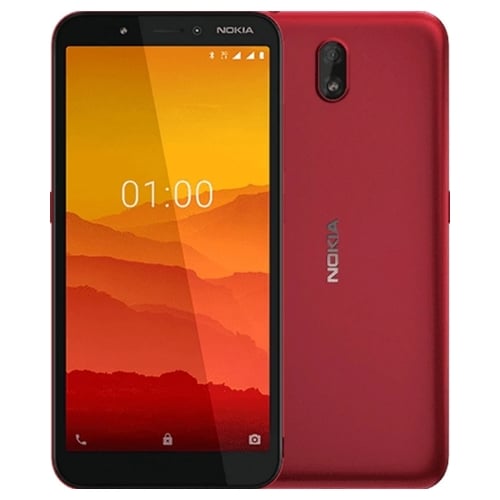
Last year, HMD Global revived the Nokia C-series with the Nokia C1. The C1 is an entry-level device targeted at those just who may be picking up their first smartphone. The Nokia C1 is pretty affordable and one of the ways it is able to keep its price down is due to it not having 4G support. Now, a report has surfaced that a Nokia C2 is coming soon and it will have 4G.
The news was first reported by NokiaPowerUser and they said the phone has model number TA-1204 with dual-SIM support. The phone has been certified in Thailand and Malaysia already and may have been one of the phones HMD Global would have unveiled at its pre-MWC 2020 event before it was canceled.
The Nokia C1 will have a successor called the Nokia C2 and it will have 4G support
The Nokia C2 is said to have a UNISOC processor just like its predecessor but may not differ with respect to the rest of the specs and the design. Nevertheless, we expect it to come in new colors. Of course, we also expect it will be a bit more expensive than the C1 due to the addition of 4G support.
HMD Global pulled out of MWC 2020 even before the annual event was canceled and it is yet to announce a new date for its product launch. The event was expected to be for the launch of the Nokia 8.2, the Nokia 4.3, the Nokia 1.3, and a feature phone called the Nokia 400.
The telecommunications industry might witness one of the biggest mergers of the decade in the near future if the rumors going around are true. According to a Bloomberg report, Finland’s Nokia and Sweden’s Ericsson may merge their businesses.
The report doesn’t mention its sources but says the competition is putting pressure on Nokia’s earnings, prompting it to put together a team of advisers to profer solutions. Some of the possible solutions include selling off some assets or merging. It was also reported that other options being considered include shifting investments and making adjustments to the balance sheet.
The merger is just an option and may not be the decision Nokia takes. However, if it does happen, it may make it easier for Nokia and Ericsson to take on China’s Huawei and ZTE as the 5G race heats up.
Nokia is currently having a difficult time. The value of its shares has dropped by one-third in the past year but news of the possible merger saw it rise by 3%. Bloomberg adds that even if a merger is the option they choose, it won’t be a walk in the park as a merger of that size will definitely face hurdles.
Nokia is also making some changes to its management. In early December 2019, it was reported that the chairman, Risto Siilasmaa will be replaced in April 2020 after 8 years heading the company. His replacement is Sari Baldauf, a former head of networks division.
Nokia has cut its outlook and also paused its dividend. It says it is making heavy investments in 5G technology so as to be able to catch up with competitors, this its earnings will be affected. The company says it doesn’t expect a major recovery in profit until 2021.
In late 2016, Nokia acquired Alcatel-Lucent. The acquisition took 19 months after it was first announced in April 2015 and provided the Finnish company with more opportunities outside and inside the telecoms industry.
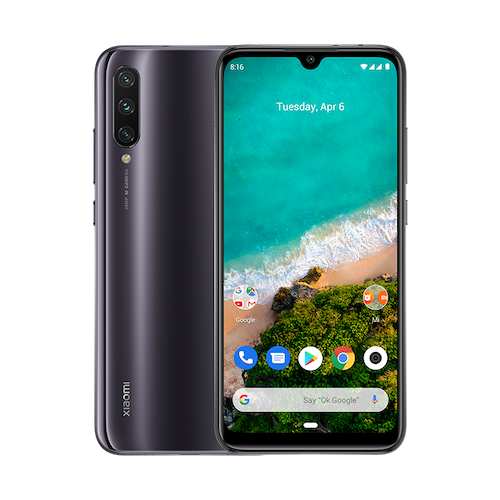
The Mi A3 was originally expected to get the update weeks ago but a recent report said there was a delay due to COVID-19 (coronavirus) outbreak. Thankfully, the update is now available for owners of the phone and there is even a download link available thanks to XDA Developers for those who do not wish to wait for the OTA to arrive on their devices.
The update for the Mi A3 is 1.3GB in size and comes as version V11.0.7.0.QFQMIXM. You can manually download it from the first source link below. The changelog says system stability has been increased and system lag has reduced. However, Android 10 brings quite a number of interesting new features such as smart reply, Family Link for Digital Wellbeing, new gesture-based navigation, and of course, a system-wide Dark Mode.
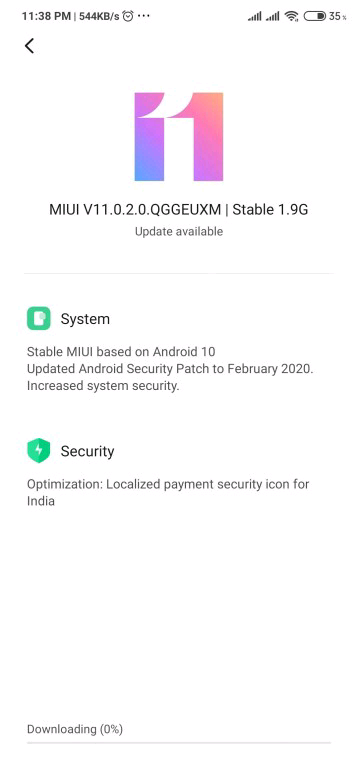
The update for the Redmi Note 8 Pro is currently rolling out in the EEA, Russia, and Pakistan. It weighs in at 1.9GB and comes with February 2020’s security patch.
If you own either of these two devices, do go on and check for the update under your phone settings if you have not received a notification for the OTA yet.
If you have updated, let us know what you think about Android 10 on the Mi A3 and Redmi Note 8 Pro.
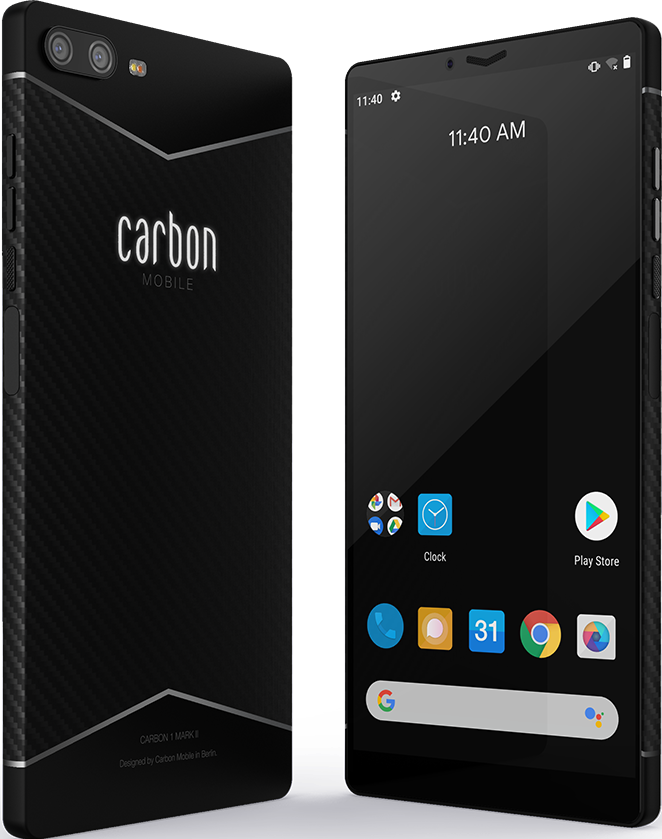
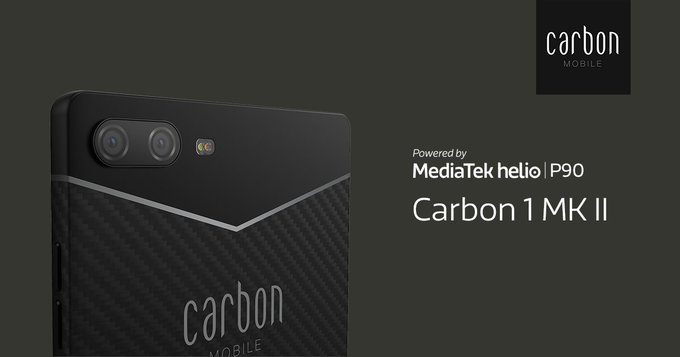
Most phones are either made of polycarbonate (plastic), metal, or a mix of glass and metal. However, there are times manufacturers also experiment with other materials such as ceramic, as in the case of the Xiaomi Mi MIX). Now a company called Carbon Mobile has announced the world’s first phone made from carbon fiber. The phone is called the Carbon 1 Mark II and it is powered by MediaTek‘s Helio P90 chipset.
Carbon says the phone is made using what is called HyRECM Technology (Hybrid Radio Enabled Composite Materials). The carbon fibers are interwoven with “radio permitting” composites to create a continuous monocoque (an integration of the chassis and body) design. The result is a device that is thin and light.
The Carbon 1 Mark II weighs 125 grams and has a thickness of just 6.3 millimeters, making it one of the lightest and thinnest phones in recent times.
The phone has a 6.01-inch AMOLED display protected by Corning Gorilla Glass 6 that measures 0.4 millimeters in thickness to help maintain the phone’s overall thin design.
There is a MediaTek Helio P90 processor powering the phone. The RAM is not stated but the phone has 128GB of internal storage. It also has two rear cameras whose specs were not mentioned.
The Carbon 1 Mark II has a side-mounted fingerprint scanner that sits just below the textured power button. The volume control buttons are also on the same side. There is a 3050mAh battery under the hood and it charges via a USB Type-C port at the bottom. There is no mention of fast charging but we won’t be surprised if it supports at least 18W fast charging.
The Carbon 1 Mark II is available for pre-order now for €800 (~$882) for the main Edition. You have to make a downpayment of €250 (~$276) and a balance of €550 (~$606) fifteen days before delivery. Only 2000 units are available and the pre-order page says shipping will begin in June 2020.
There is a “Founder Edition” but you can only purchase that by invitation.
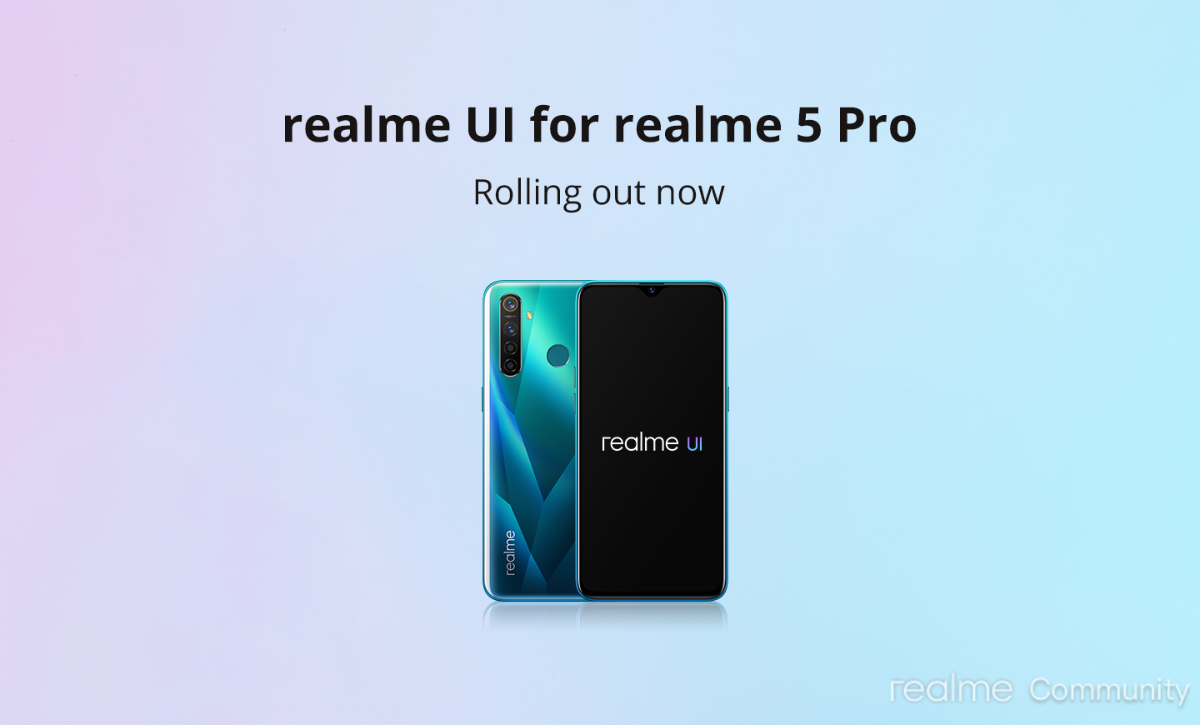
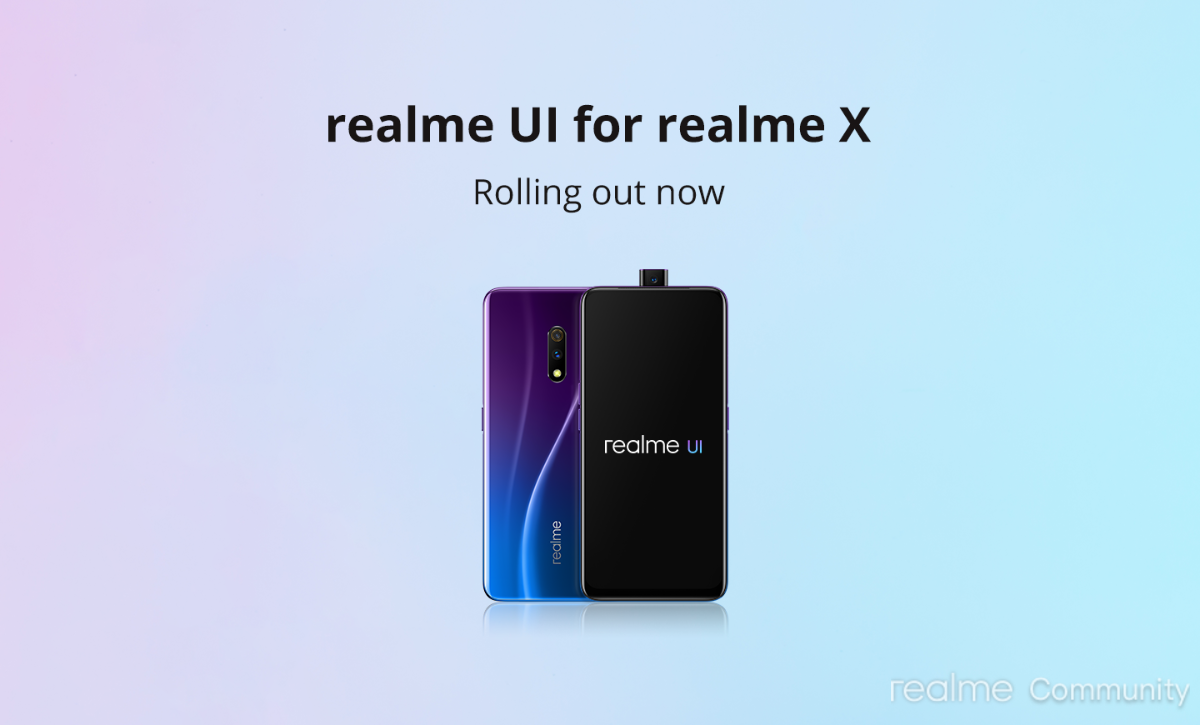
Realme has made the switch from ColorOS to Realme UI, which is its own custom UI skin. Owners of eligible devices have complained that the update has been rolling out slowly. The CEO of Realme, Madhav Sheth, revealed that the reason why they are taking their time with rolling out the update is that they have to be careful not to brick devices since the update not only brings a change from one UI to another but also upgrades the phone(s) from Android 9 Pie to Android 10. The latest devices to get the new UI and a new version of Android are the Realme 5 Pro and Realme X.
The update comes as version RMX1971EX_11_C.01 for the Realme 5 Pro and RMX1901EX_11_C.01 for the Realme X. It changes the user interface, brings new features, and optimizes others. Below is the changelog (similar for both phones) detailing what’s new:
Visuals
Updated UI to Realme UI.
Brand new Real Design makes visuals more attractive and operation more efficient.
Homescreen
Added new live wallpapers.
Added artistic wallpapers.
Added option to open Global Search or the notification panel when swiping down on the homescreen.
Added option to customize the size, shape, and style of app icons on the homescreen.
Optimized the graphic design of password unlock to facilitate one-handed operation.
Support for animated wallpapers on the lockscreen.
Added a Simple Mode for the homescreen, featuring larger fonts, icons, and a clearer layout.
Smart Sidebar
Optimized user interface and improved one-handed operation.
Optimized Smart Sidebar: Replaced File Console with File Manager; removed OSIE Visual Effect and No Notification Alerts.
Drag an app out of Smart Sidebar to open it in Split-screen Mode.
Added two new features: “Assistive Ball Opacity” and “Hide Assistive Ball on Fullscreen App”.
Optimized the Floating Window feature for more apps.
Added Bubbles: A bubble is displayed when you open an app in a floating window from the Smart Sidebar. Tap the bubble to collapse or open the app.
Screenshot
Optimized 3-Finger Screenshot Gesture: Use 3 fingers to touch and hold the screen, and swipe to take a screenshot of the selected part of the screen (partial screen capture). Use 3 fingers to touch and hold the screen, and swipe your fingers outwards to capture a long screenshot.
Added screenshot settings: You can adjust the position of the screenshot preview floating window and set the screenshot sound.
Optimized screenshot preview floating window: After taking a screenshot, drag it up and release to share it, or drag it down and release to take a long screenshot.
Navigation Gestures 3.0
Optimized gestures: All gestures are supported in landscape mode.
Added Focus Mode: Minimizes outside distractions when you are learning or working.
Added whole new charging animation.
Optimized the Quick Settings user interface for easier one-handed operation.
Added pause feature for screen recording.
Added a floating window and settings for screen recording.
New sounds added for file deletion, calculator key touches, and compass pointer.
Optimized system built-in ringtones.
Added TalkBack floating prompts for Accessibility.
New management feature for recent tasks: You can view memory of recent tasks and locked apps.
Security
Random MAC address Generator: When your phone is connected to a Wi-Fi network, the system generates a random MAC address to avoid targeted ads and protect your privacy.
Camera
Optimized the Camera UI for a better user experience.
Optimized the Timer UI and sound.
Communications
Realme Share now supports sharing files with OPPO, Vivo and Xiaomi devices.
Optimized the Contacts UI for a more efficient experience.
Realme says this is a staged rollout but a broader roll-out will begin after a few days once it has been determined that there are no critical bugs. Realme adds that a manual download link will be posted on the website soon.
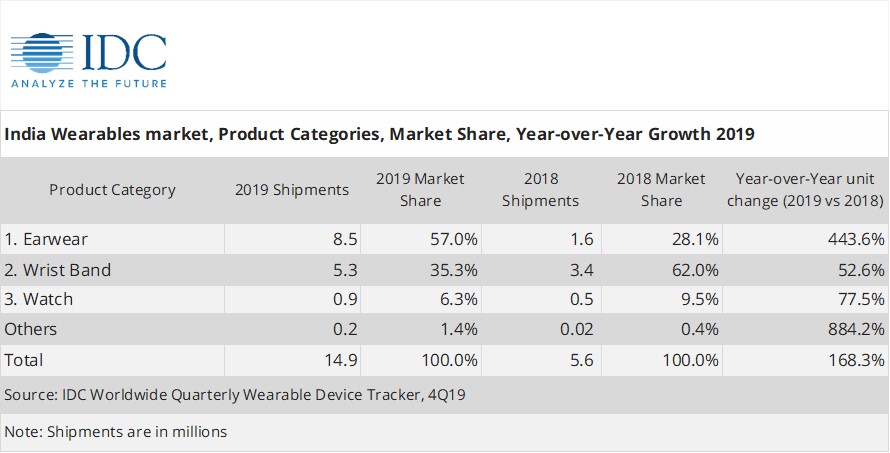
The International Data Corporation (IDC) has released its Quarterly Wearable Device Tracker for the Indian market for the fourth quarter of 2019. The data shows that a total of 14.9 million wearable devices were shipped last year in India, representing a growth of 168.3 per cent year-over-year (YoY).
The report shows that basic wearables such as smart band and smartwatches without support for third-party apps dominated the wearables market with a 96.2 per cent category share and 177 per cent year-over-year growth in 2019. Over 5.3 million smart bands were shipped in Q4 2019, an increase of 52.6 % over the previous year’s figure.
Xiaomi’s wearable devices still remain the number one product in the fitness band category with a market share of 48.% and an annual growth of 54.7 % in 2019. Titan mounted a surprise push to emerge in the second spot with a market share of 14. 5 per cent as its shipments grew 24.1 per cent during the year. IDC says the top five smart band vendors had 86.6 per cent of the market in 2019.
For the smartwatch segment, it still experienced impressive growth with a total of 933,000 units of smartwatches shipped in 2019. IDC ranks Fossil as the number one smartwatch brand with a 30.3 per cent market share, followed by Apple with a 26.6 per cent market share. Overall, Huami was the second-largest brand in the overall watch category.
Despite the strong showing by the wearable segment, the entire market growth was led by the earwear category. IDC estimates that the earwear segment grew exponentially with 443.6 per cent during 2019. India based vendor BoAt Lifestyle was the leading brand with a 27.3% market share in this category in 2019. Apple was the leader in the truly wireless earbuds with a market share of 43. 1 per cent.
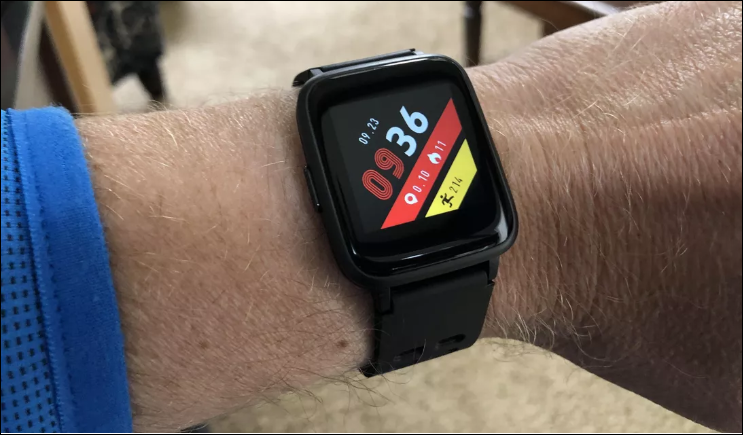
If you’re looking for a good smartwatch, chances are that the Apple Watch or Samsung Galaxy Watch or even the Amazfit range of smartwatches will be at the top of your list. But what if you are low on cash and want something cheap? A number of Chinese companies have got you covered in that regard. One of them is MoreFit which has an Apple Watch look-alike called MoreFit ID205.
Interestingly, the wearable device comes with several features such as fitness tracking, heart-rate monitoring and so on. The watch is on offer on Amazon for $18.89 applying promo code 3DZTXVB2 at checkout. There are just two available colors at the moment- Maroon and Pink. We can’t lay our hands on the actual name of the manufacturer of this watch, something common with Chinese sellers but the Amazon offer is sold by JanTechUS and you can only access the offer from this particular seller using the promo code.
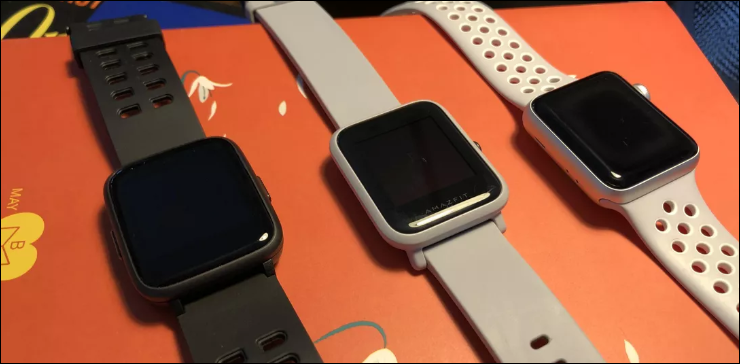
MoreFit ID205, Amazfit Bip and Apple Watch
The watch has a square shape display like the Amazfit Bip and Apple Watch series. It has also been marketed previously as BingoFit fitness. The Epic smartwatch equally packs several features like heart rate sensor, fitness tracker etc.
As for the hardware configuration, the watch has a rectangular shape but is embedded with a 1.3-inch square display surrounded by a fair amount of plastic bezel. The touchscreen display is fairly bright and can be used easily outdoors. In addition, the watch is equipped with two buttons; one on the left side for selecting a fitness activity tracker and another at the right side which is the Back button.
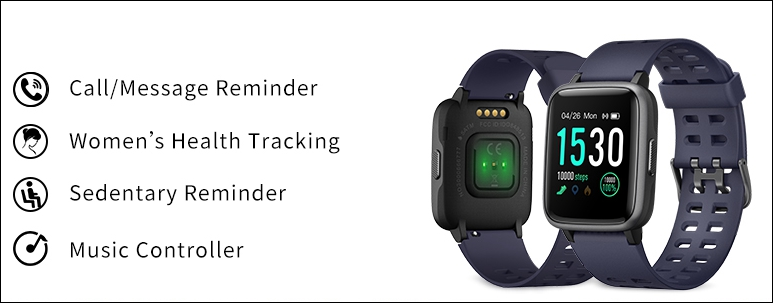
For a $19 smartwatch, the ID205 is rich in features which include fitness tracking as well as notifications from apps and calls, music controls, breathing control, flashlight function and a companion app called VeryFitPro.
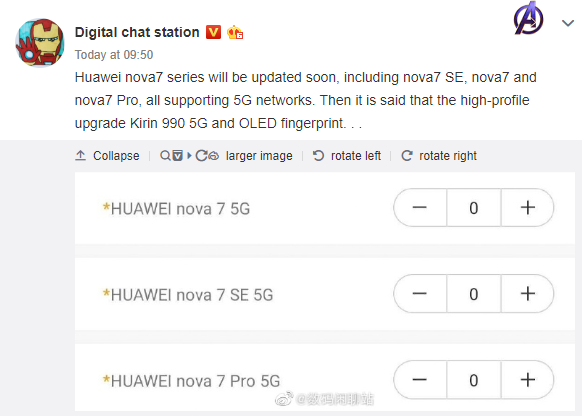
The Nova 7i already launched in Malaysia a few weeks ago. While it can be called the first Nova 7 smartphone, it is actually just a rebranded Nova 6 SE. Yesterday, it was reported the “real“ Nova 7 will be released in April, shortly after the launch of the Huawei P40 series whose launch date has been announced already. Today, a new leak has revealed that there will be three (for now) Nova 7 phones and all three will have 5G support.
The source of the info is Digital Chat Station and a post made on Weibo earlier today reveals the names of the three phones that make up the Nova 7 series. According to the post, there will be a Nova 7 5G, a Nova 7 SE 5G, and a Nova 7 Pro 5G.
The post mentions there will be a Kirin 990 5G processor under the hood and OLED displays with an in-display fingerprint scanner.
We are not sure if the above configuration is for all three smartphones but we are pretty sure the Nova 7 5G and Nova 7 Pro 5G will come with the Kirin 990 5G chipset.
However, the Nova 6 SE is a mid-range 4G device with a Kirin 810 processor but this leak says its successor will have 5G. Huawei doesn’t have a mid-range 5G chipset yet, so we are curious to know if it will announce a new mid-range processor with a 5G modem or it will launch the Nova 7 SE 5G as an even more affordable 5G flagship with a Kirin 990 chipset.
There is still a whole month of waiting if the rumor about an April launch is true, but we expect more details will surface within that period.
Next week is going to be a pretty interesting one for Realme fans. The manufacturer has announced that it will unveil the Realme 6 series as well as its first fitness tracker, the Realme Band, on the 5th of March. There have been plenty of leaks related to the upcoming phones. However, Realme itself has also posted some of the devices’ features. The latest one confirms the phones’ fast charging technology.
The Realme 6 and Realme 6 Pro will both have support for 30W Flash Charge. Realme says with this, owners will be able to charge the phones from empty to 40% in just 15 minutes.
Our 30W Flash Charge on #realme6 & #realme6Pro will spoil you guys! Get 40% charge in just 15 mins.
30W Flash Charge is a big upgrade compared to the Realme 5 which only supports 10W charging. The Realme 5 Pro, on the other hand, supports VOOC 3.0 (20W). It is interesting to see Realme is giving both the standard version and the Pro model the same fast charging technology. However, both devices will differ in other areas.
The Realme 6 and Realme 6 Pro will both have a display with a hole punch on the left but the standard version will come with a single front-facing camera while the Pro will have dual selfie cameras. The two displays have been confirmed to have a 90Hz refresh rate.
Realme is also differentiating both devices with respect to their chipsets. There Realme 6 will have an Helio G90 processor while the Realme 6 Pro will come with the Snapdragon 720G.
Realme says the two phones will have 64MP quad rear cameras but the other sensors may be different.
With 30W Flash Charge, Realme is sure ready to give Xiaomi/Redmi a run for their money. Will the Redmi Note 9 series be able to match? We’ll keep our fingers crossed.
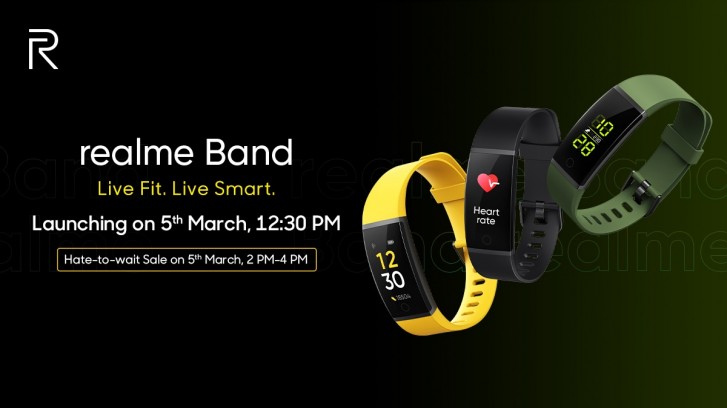
On March 5, Realme India will be launching the Realme 6 and Realme 6 Pro smartphones. The event will be held on the said at 12:30 PM. Apart from launching the Realme 6 series, the company will be also announcing the Realme Band fitness tracker at the same event. The landing page of the fitness band is now live on Realme India’s website. People who are interested in the Realme Band can take advantage of the “hate-to-wait sale” between 2PM and 4PM that will be carried out after the launch event.
Realme Band features
On the landing page of the Realme Band, the Chinese firm has only revealed its different features but not its specifications. The Realme Band has a large-sized curved color display and it comes in three color variants such as Yellow, Black and Olive Green. The big screen can be used to view notifications, calls, message and other notifications from the paired device.
It is equipped with a heart rate sensor and a sleep tracker. The fitness band offers 9 kinds of sports modes such as bike, run, walk, hiking, climbing, yoga, fitness, spinning and cricket. The last one is specially designed feature for the cricket fans in India.
The Realme Band is an IP68 rated dustproof and water-resistant fitness tacker. There is a USB-A connector onboard that allows the smart band to charge conveniently through the regular USB-A port. There is no word on the pricing of the Realme Band.
The Realme Band will be arriving as a rival for the Mi Smart Band from Xiaomi that is priced at Rs. 2,299 (~$32). It remains to be seen whether Xiaomi announces a cheaper and feature Redmi fitness tacker to rival with the Realme Band.
In related news, the Realme 6 will come with a single punch-hole screen and Helio G90 processor and the Realme 6 Pro will be equipped with dual punch-hole display with Snapdragon 720G processor. Both phones will support 90Hz refresh rates. The Realme 6 Pro will come with some other features like 30W fast charging and 64-mgeapixel quad cameras. The Realme 6 and 6 Pro are rumored to arrive with respective starting prices of Rs. 9,999 (~$138) and Rs. 13,999 (~$194).
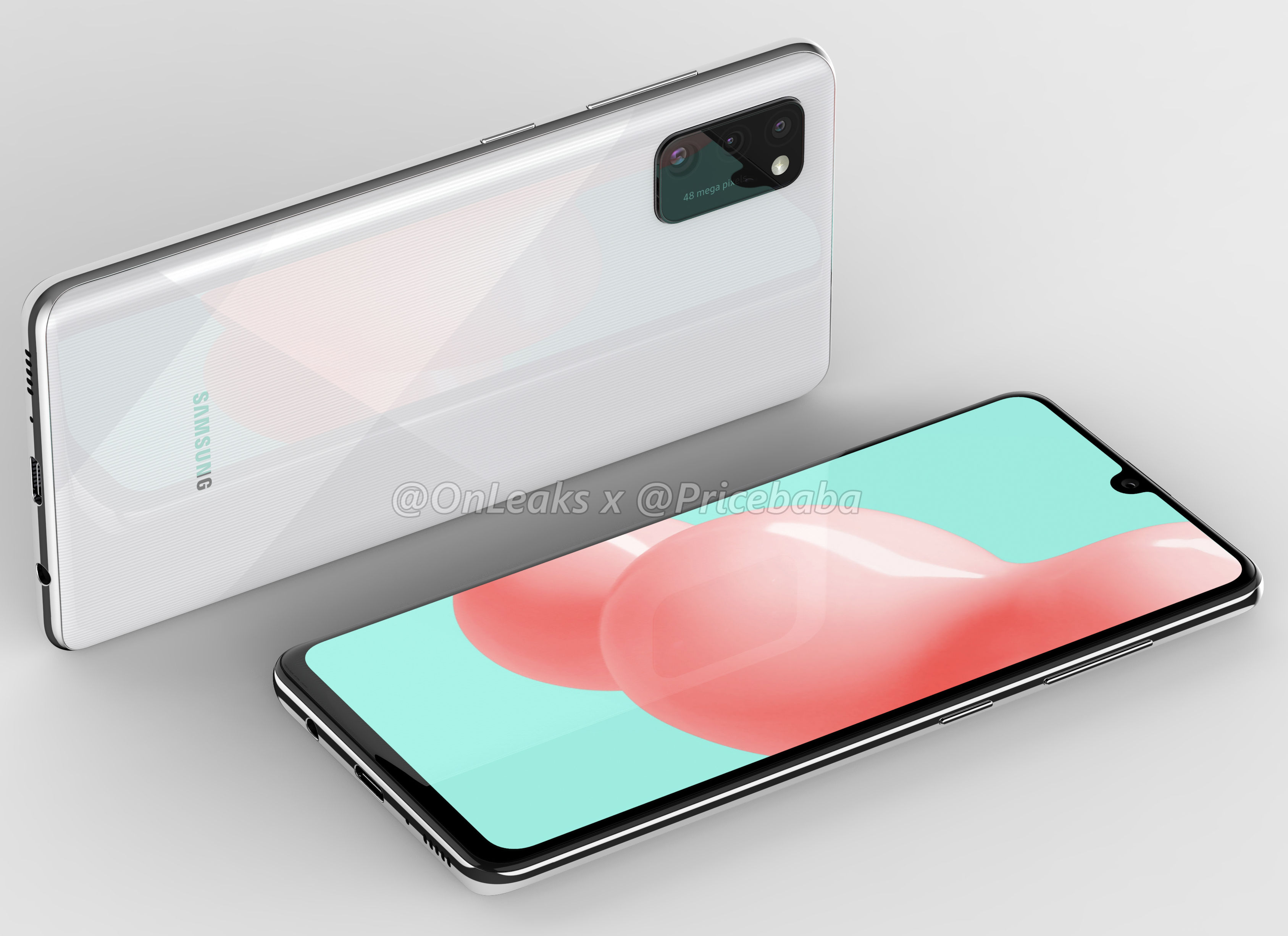
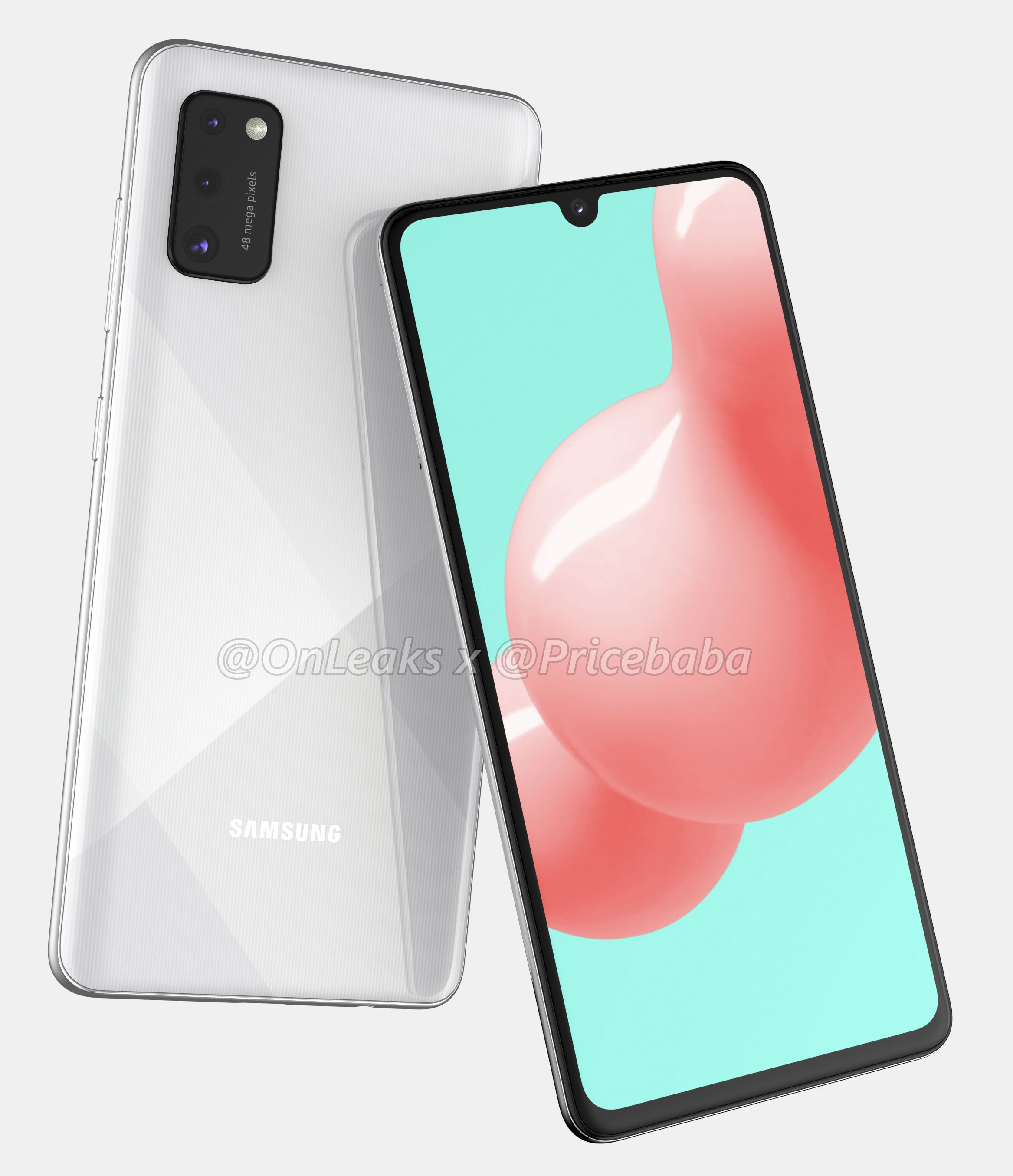
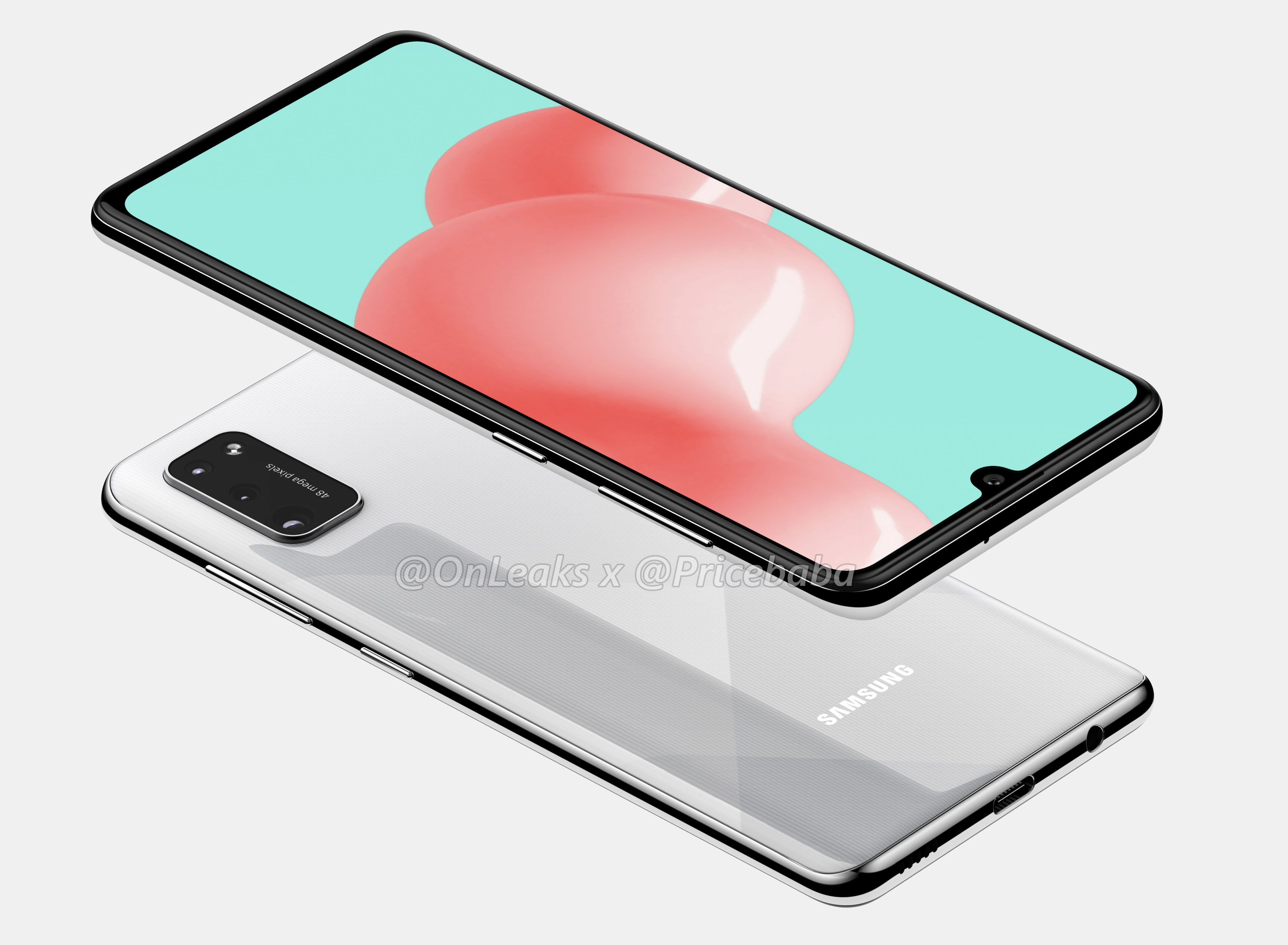
In December, Samsung had lanched the Galaxy A51 and Galaxy A71 smartphones. The South Korean company is now gearing up to launch new Galaxy A series smartphones including the Galaxy A41. So far, past reports have revealed few details on the specs of the smartphone. A fresh report on PriceBaba carries the CAD renders of the Galaxy A41 leaked by reputed tipster OnLeaks. The new renders and the 360-degree of the phone has revealed its entire design.
As it can be seen in the images, the Galaxy A41 smartphone sports an Infinity-U notch on its display. The handset appears to be fitted with a 6-inch or 6.1-inch screen. The side bezels of the phone appear slim, but the bottom bezel is a bit thick. The dimensions of the smartphone are 150 x 70 x 7.9mm. Its thickness increases to 8.9mm at the rear camera bump.
The back panel of the phone appears to be glossy polycarbonate material and it is decked with a rectangle camera module at the top-left corner. The camera module includes three sensors and an LED flash. According to OnLeaks, it includes a 48-megapixel main lens. It could be the Samsung GM1 sensor.
The rear shell of the Galaxy A41 lacks a fingerprint reader. This suggests that the phone could be equipped with an in-display fingerprint reader. The predecessor Galaxy A40 had a traditional fingerprint scanner on its back. The right edge of the Galaxy A41 has a power key and a volume rocker. The SIM card tray is on the left side of the smartphone. The bottom edge of the smartphone has an external speaker, a USB-C port and a 3.5mm audio jack.
Samsung Galaxy A41 specifications (Rumored)
The Galaxy A41 that has a model number of SM-A415F was recently seen on Geekbench with specs like Helio P65 chipset, 4 GB of RAM and Android 10 OS. The phone may come to the market in 64 GB and 128 GB storage choices. The waterdrop notch of the phone could be housing a 25-megapixel selfie camera. It could be backed by a 3,500mAh battery that supports 15W fast charging. Some reports have claimed that the smartphone may go official along with the Galaxy A31 phone in March.
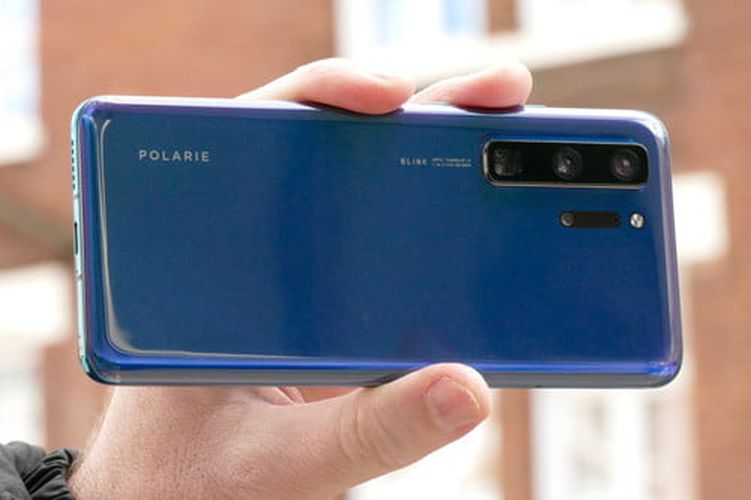
Huawei will be announcing the Huawei P40 series on March 26. While the recently unveiled P40 Lite was an upper mid-range phone, recent reports have revealed that the P40 lineup has phones like P40, P40 Pro and P40 Pro PE (Premium Edition). Weeks ahead of the launch, Digital Trends has shared hands-on images of an early prototype unit of a P40 series phone. While it appears to be the P40 Pro, DT states that it is P40.
Instead of the Huawei and Leica branding, the early prototype of the Huawei P40 has Polarie and Blink codenames mentioned on it, states the publication. The handset has an aesthetically pleasing design as its glass rear seamlessly blends with the metallic chassis and it flaunts rounded corners.
The size of the device is almost same as the P40 Pro model. It has a physical volume and power buttons. The bottom edge of the phone has a USB-C port and it lacks a 3.5mm audio jack. The absence of traditional fingerprint sensor suggests that it is equipped with an in-screen fingerprint reader. The publication claims that there is considerable depth to the finish of the blue colored version of the smartphone that can be seen in the hands-on images. The
The camera setup of the device has three sensors stacked vertically. The bottom one is a periscope zoom lens. Rumors have it that the triple camera setup includes a 52-megapixel lens, a 40-mgeapixel sensor and an 8-megapixel telephoto sensor. Alongside it is another module that includes a ToF (Time of Flight) sensor, a microphone hole and an LED flash. Like the predecessor model, Huawei may have worked with Leica for the cameras of the P40 series.
The publication did not share any image of the front side of the smartphone. However, it has stated that the phone features a curved screen. For more images of the phone, readers can visit the source link.
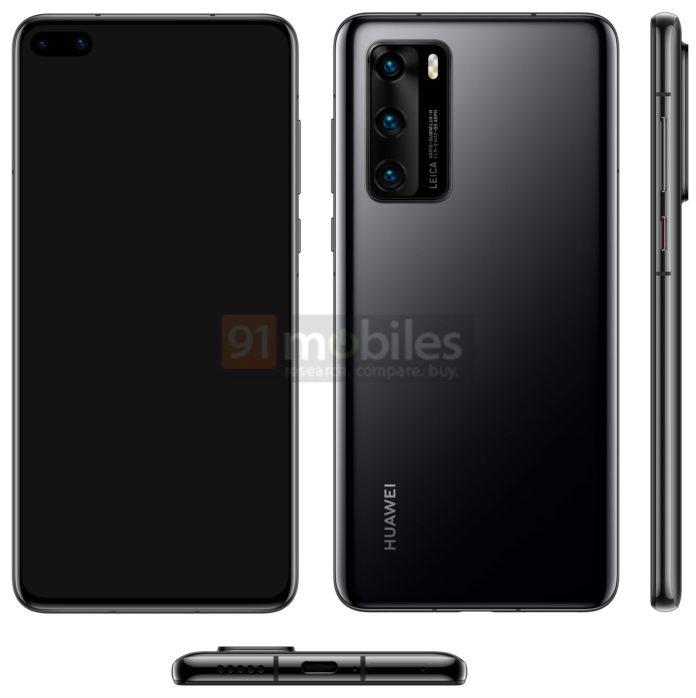
While the publication is calling the above device as Huawei P40, it actually appears to be the Huawei P40 Pro handset. Past reports have revealed that the P40 Pro has four rear cameras and a curved display whereas the P40 is said to be equipped with triple rear cameras and a flat screen. The more premium Huawei P40 Pro PE is expected to borrow the display from the Huawei P40 Pro and feature a penta-lens camera setup on the back. To distinguish between the three devices, an image gallery has been included below. It contains the leaked renders of the P40, P40 Pro and P40 Pro PE phones.
1 of 3
Huawei P40
Huawei P40 new renders
Huawei P40 Pro
Source: Render by 91Mobiles
Huawei-P40-Pro-leaked-render
Huawei P40 Pro PE render
Huawei P40 Pro PE render
What’s your opinion on the design of the Huawei P40 Pro smartphone? Share us your thoughts by posting your comments below.
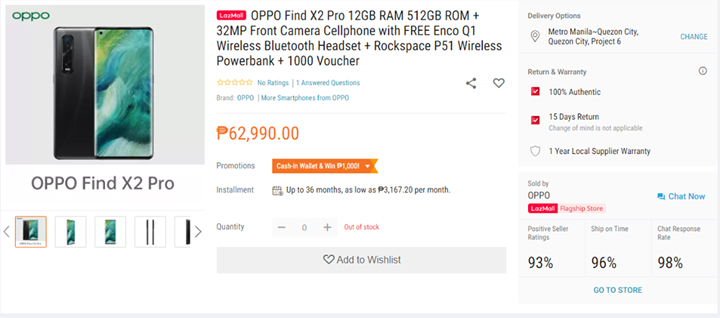
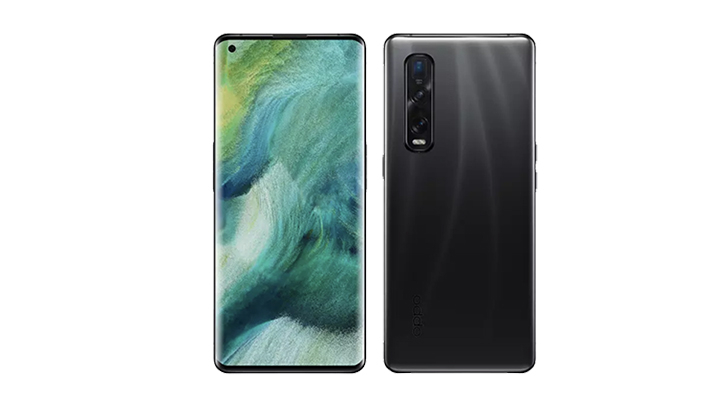
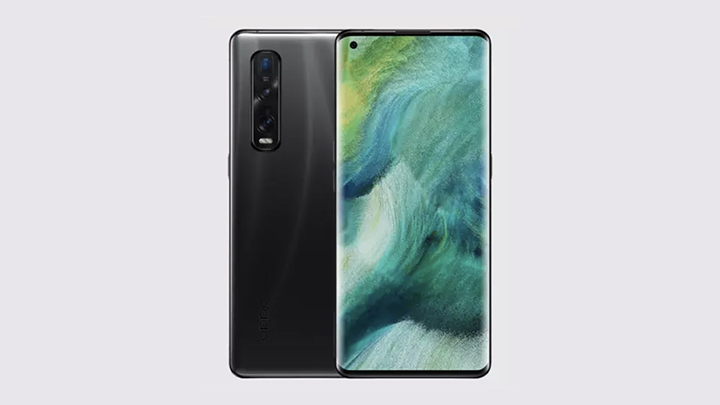
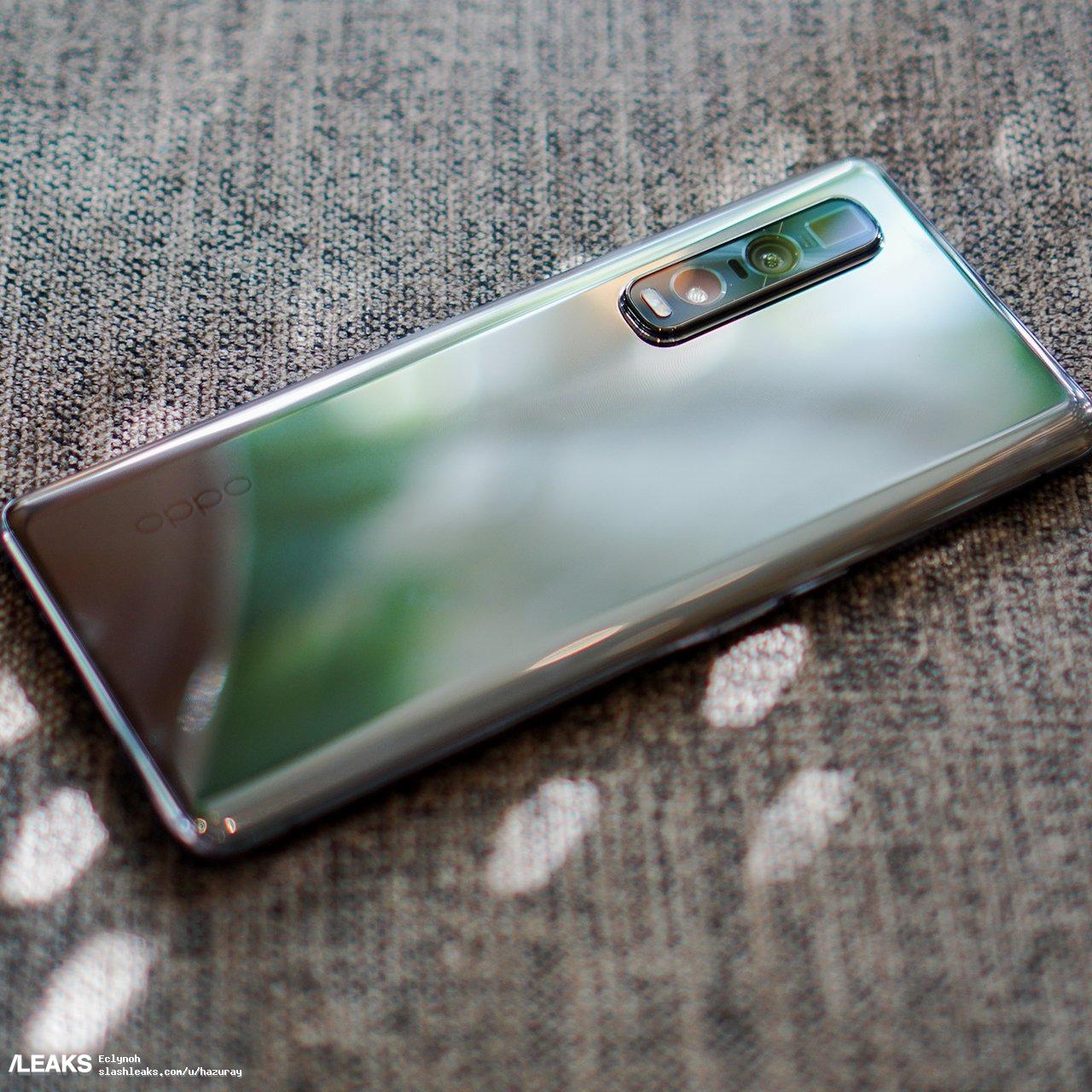
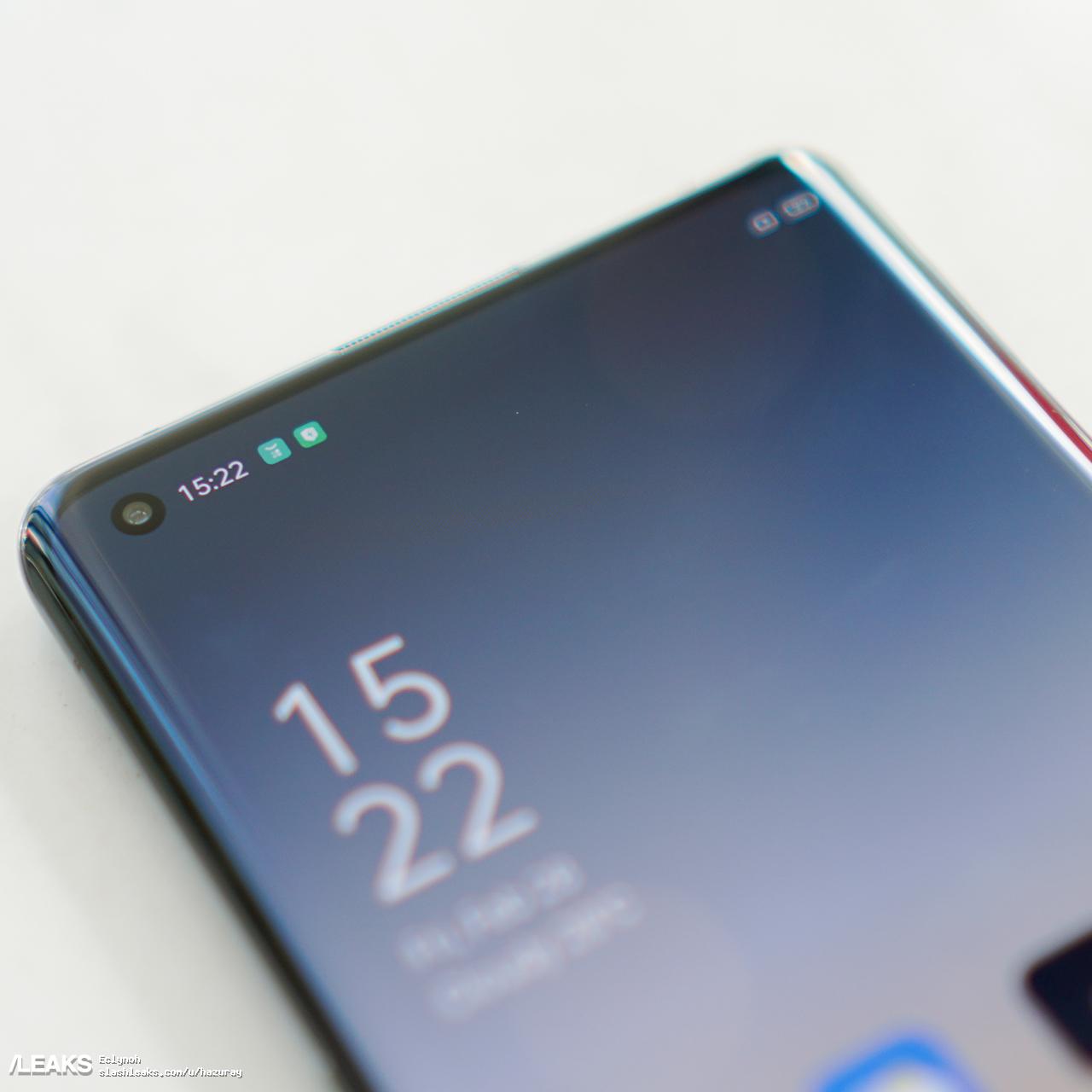
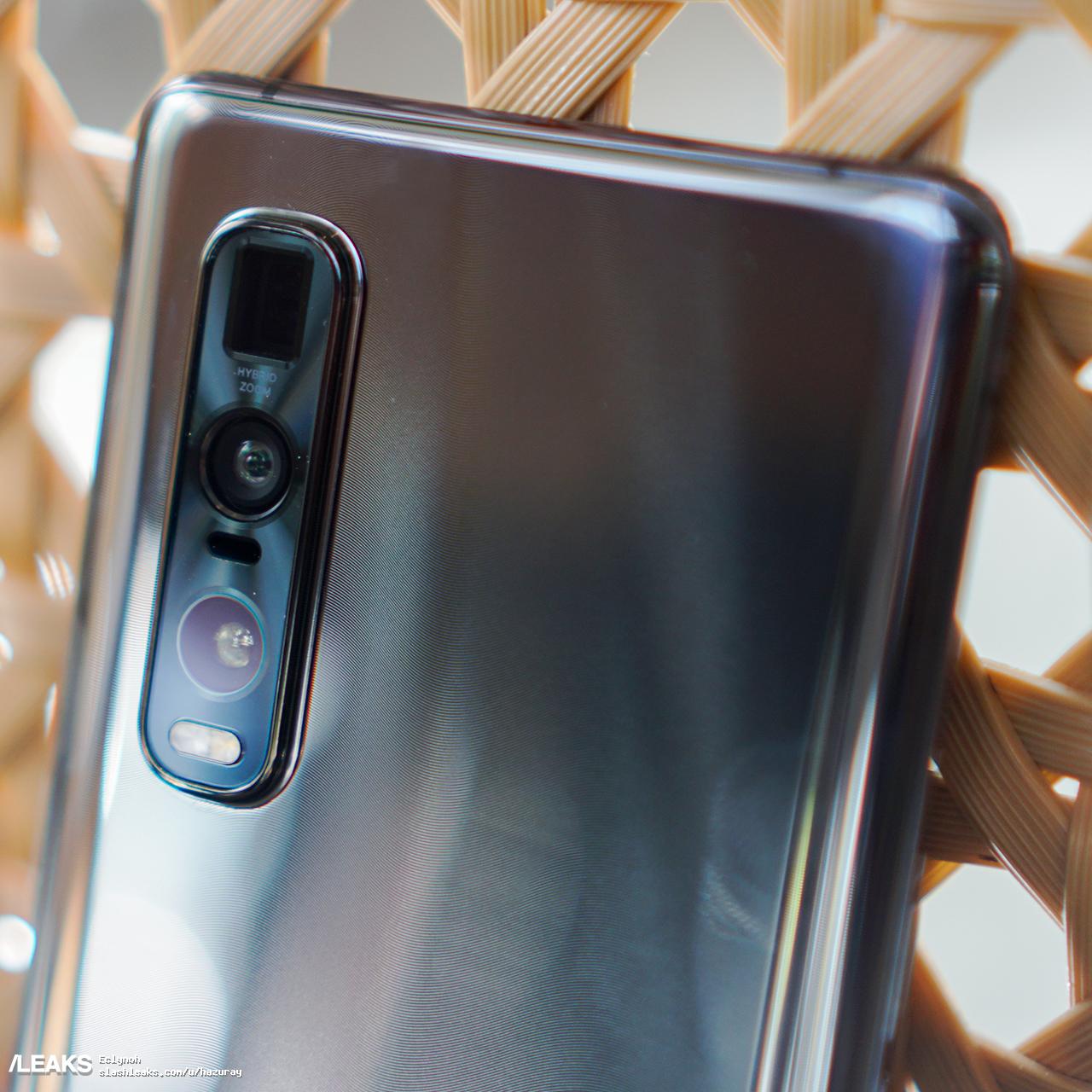
Lazada, an online retailer site from Philippines had listed the unannounced OPPO Find X2 Pro through which its specifications and pricing were revealed. Shortly after the listing was taken later, an OPPO representative confirmed that the e-commerce website had mistakenly published the listing ahead of schedule. The rep further stated that the pricing of the phone will be confirmed after the launch. Also, another source has shared some live shots of the Find X2 Pro smartphone.
The listing had revealed that the OPPO Find X2 Pro is priced at 62,990 PHP (~$1,232) in Philippines. Customers who order the phone will be provided with Enco Q1 wireless Bluetooth headset, Rockspace R51 wireless powerbank and 1,000 PHP (~$20) voucher. The e-commerce listing also revealed some images of the smartphone.
The Find X2 Pro appeared as a 4G device on Lazada. The listing revealed that the smartphone is fitted with a 6.7-inch AMOLED display and it is fueled by Snapdragon 865 mobile platform. The SoC is assisted by 12 GB of RAM and it has an internal storage of 512 GB.
The listing further stated that the phone features a 64-megapixel + 8-megapixel + 2-megapixel triple camera setup on its back. It has a front camera of 32-megapixel. The phone is backed by a 4,260mAh battery and it runs on ColorOS based Android 10 OS. The other features mentioned in the listing include dual nano-SIM support, Wi-Fi, Bluetooth, 3.5mm audio jack, in-display fingerprint reader and VOOC fast charge support.
1 of 4
OPPO Find X2 Pro leaked shot
Some of the aforementioned specifications of the OPPO Find X2 Pro do not match with recent findings like the specs leak through its Bluetooth SIG listing. Hence, it is advisable to digest the report with a grain of salt.
OPPO will be announcing the Find X2 series on March 6. What’s your take on the design of the OPPO Find X2 Pro? Share us your views by posting your comments below.
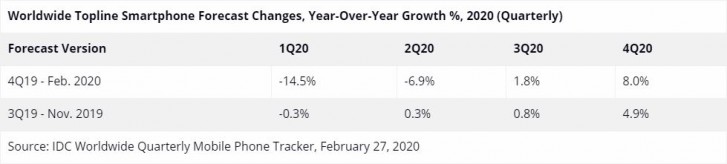
Uncertainty is hovering around the world concerning where the COVID-19 epidemic could spread to. The uncertainty is expected to affect the overall mobile phone shipment recovery for the year 2020. Research firm IDC is anticipating a 2.3% decrease, down to 1.3 billion shipments. The main portion of 2020 will see a decrease of 10.6% YoY, with the market, anticipated to just make up ground in the second half with accelerated 5G endeavours.
China is attempting to recuperate from its interest stun that was made by the flare-up. IDC is figuring a multi-quarter development for the business in China as Chinese specialists progressively come back to industrial facilities in the midst of continuing transportation challenges. The Chinese government’s efforts to give incentives and bonuses will help improve the circumstance during the later quarters of the year, however, only real smartphone shipments will reveal how well the market is rebounding.
Another issue for major phone manufacturers is that the months of February and March usually are usually periods when most of the market leaders release their flagship product. That is already being affected by the outbreak. In addition, a lot of final pre-production tests and product debugging has also been delayed, creating potential problems for the handsets that are slated for release in the second half of the year.
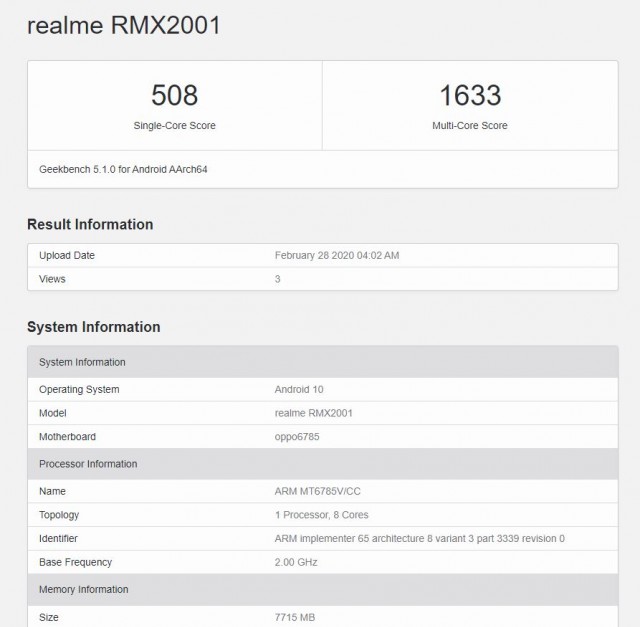
The Realme 6 Pro was recently benchmarked on Geekbench benchmarking platform. The device had appeared with its RMX2061 model number on Geekbench. Today, the RMX2001 model number which belongs to the Realme 6 has been spotted on the same benchmarking site. The listing confirms that the phone will be powered by Helio G90 SoC.
On Geekbench 5, the Realme 6 scored 508 in the single-core test and 1633 in the multi-core test. The phone was found to be loaded with Android 10. It further reveals that the Realme 6 is driven by MediaTek MT6785 chipset that has a base frequency of 2.00GHz. It is nothing but the Helio G90 chipset. The SOC is coupled with 8 GB of RAM.
So far, recent reports have revealed that the Realme 6 will arriving with a display that features a single punch-hole. Like the Realme 6 Pro model, the Realme 6 too is expected to arrive with support for 90Hz refresh rate. It is speculated that the base model of the Realme 6 will be priced at Rs. 9,999 (~$139).
As far as the Realme 6 Pro is concerned, it is expected to break cover as the first ever phone with Snapdragon 720G processor onboard. Its Geekbench listing revealed that I will also arrive with 8 GB of RAM. Its display has an elliptical cutout that houses two front-facing cameras. The setup includes an ultrawide lens and a regular lens. The smartphone is equipped with 64MP quad cameras on its back. It has a side-facing fingerprint reader. Its battery size is not known yet. However, the phone will carry support for 30W fast charging. Its base model may feature 4 GB of RAM and 64 GB of native storage and it could be priced at Rs. 13,999 (~$195).
Realme will be announcing the Realme 6 and Realme 6 Pro smartphones in India on March 5 at 12:30 PM (local time). The Realme Band fitness tracker will be also made official at the same event. At present, there is no word on the pricing of the Realme Band.
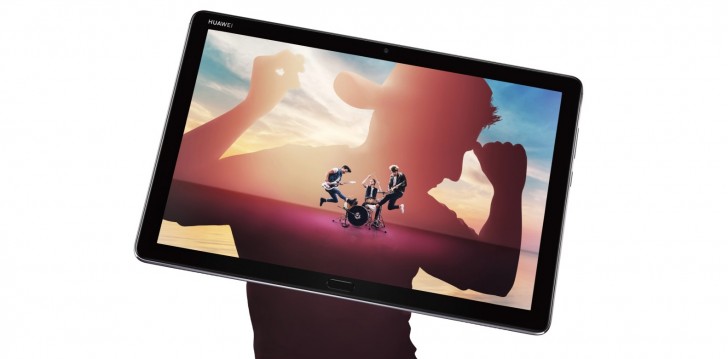
In September 2019, Huawei had launched the MediaPad M5 Lite tablet in India. It had arrived with 3 GB of RAM and 32 GB of storage. Today, the company has unveiled the MediaPad M5 Lite 10 tablet in the country. It is nothing but a higher version of the M5 Lite.
The existing 3 GB RAM + 32 GB storage version of the MediaPad M5 Lite is selling with a price tag of Rs. 20,990 (~$289) in India. The new version comes in Champagne Gold and Space Grey colors and it features 4 GB of RAM and 64 GB of storage. The device is priced at Rs. 22,990 (~$317). It will be available for pre-orders from March 6 through Flipkart, Croma and other retailers. The Chinese firm has said that it will offer exclusive offers for the buyers of the MatePad M5 Lite 10. People who are interested in the device can visit the website of Huawei India and register by hitting the Notify Me button the tablet’s landing page.
The metal-bodied MediaPad M5 Lite 10 come with a 10.1-inch IPS LCD panel that produces 1080 x 1920 pixels full HD resolution. The older Kirin 659 chipset that powered Huawei and Honor phones three years back powers the tablet. The Android 8.0 Oreo OS along with EMUI 8.0 runs on the device.
The tablet features an f/2.0 aperture 8-megapixel front camera and its rear is fitted with an f/2.2 aperture 8-megapixel snapper. The device houses a massive 7,500mAh battery which supports 18W charging through USB-C. The slate comes with four Harman Kardon speakers which promises enhanced audio output. Huawei is separately selling an M Pen stylus with pressure sensitivity of 2,048 points for M5 Lite users.
After the X30 and the X30 Pro, Vivo launched its third mid-ranger with 5G connectivity. We are talking about Vivo Z6 5G: 5G support is not the only amazing feature it offers and it is a device with an incredibly high quality-price ratio. But is it high enough to beat the Chinese competition? In order to establish it, we decided to compare it with other mid-range smartphones boasting 5G connectivity. For this specs comparison, we chose the Realme X50 5G and the Oppo Reno3 5G since we believe they are among the most attractive 5G mid-rangers of the moment alongside the Redmi K30 which we already talked about in several comparisons. Let’s find out which device has the highest value for money.
Quad 64 + 12 MP + 8 + 2 MP f/1.8, f/3.0, f/2.3 and f/2.4
Dual 16 + 8 MP f/2.0 and f/2.2 front camera
Quad 64 + 8 + 2 + 2 MP f/1.8, f/2.2, f/2.4 and f/2.4
32 MP f/2.4 front camera
BATTERY
5000 mAh, fast charging 44W
4200 mAh
Fast charging 30W
4025 mAh, Fast charging 30W
ADDITIONAL FEATURES
Dual SIM slot, 5G
Dual SIM slot, 5G
Dual SIM slot, 5G
Design
It seems Punch-hole displays are becoming the trend of 2020. Vivo Z6 5G has a display with a single punch-hole aesthetically more attractive than the dual punch-hole Realme X50 Pro 5G and the waterdrop notch of the Oppo Reno3. But you should not underestimate the Oppo Reno3 since it offers a higher build quality, a thinner and more compact body. That is why, despite its waterdrop notch, it remains my favourite handset in terms of design. It is also the only with an in-display fingerprint reader.
Display
If the image quality is your priority, Oppo Reno3 deserves your attention because it is equipped with an AMOLED display with more brilliant colors. It is a smaller display, but its image quality is superior. On the other hand, despite having an IPS panel, Realme X50 Pro offers a higher refresh rate with 120 Hz, so it delivers a smoother viewing experience. And it has a wider display diagonal. Vivo Z6 5G does not offer anything special, it has a standard Full HD+ IPS panel with no advanced nor trendy technologies.
Hardware/Software
Oppo Reno3 can be defined as a midrange phone, but it is equipped with a high-end chipset: the Dimensity 1000L by MediaTek. If we only consider the speed and overall CPU and GPU performance, Dimensity 1000L is superior and benchmarks are very clear about it. But if we take other elements such as AI performance, camera support, image processing, and even 5G connectivity, Snapdragon 765G wins. Unlike Dimensity 1000L, Snapdragon 765G comes with an integrated dual-mode 5G modem supporting both sub 6 GHz frequencies and mmWave, while MediaTek Dimensity 1000L only supports slower sub 6 GHz 5G frequencies. Android 10 is out of the box on each of these handsets. Note that Vivo Z6 5G and Realme X50 5G both have the Snapdragon 765G, but in the most expensive configuration, Realme X50 5G offers more RAM (up to 12 GB) as well as the highest amount of internal storage (up to 256 GB).
Camera
Oppo Reno3 is the best camera phone here. It is the only to come with OIS and it can provide a better photo quality. But Realme X50 5G is all but a bad camera phone, with a quad camera including a telephoto sensor with 2x optical zoom (unlike the Oppo Reno3). Vivo Z6 5G takes the last place.
Battery
While you should not rely on the Vivo Z6 5G if you need the best cameras, you should go for it without thinking twice if you need the longest battery life. Besides coming with a bigger 5000 mAh battery, it also offers the fastest charging technology with a 44W power.
Price
Vivo Z6 5G has a starting price of €300 in China, Oppo Reno3 starts from €440, and Realme X50 5G starts at €325. With its amazing cameras, higher performance and AMOLED display, we think Oppo Reno3 represents a more interesting choice for a lot of users. But for much less money you can get a bigger battery and better 5G connectivity with Vivo Z6 5G and Realme X50 5G. If you need the biggest battery and you do not care about cameras, Vivo Z6 5G is a better option. If you want the best overall quality, then Oppo Reno3 looks slightly better on the paper (but not for everyone). Realme X50 5G is a perfect compromise since it offers a pretty nice camera department, most of the qualities of Vivo Z6 5G and even a 120 Hz display with a high value for money.
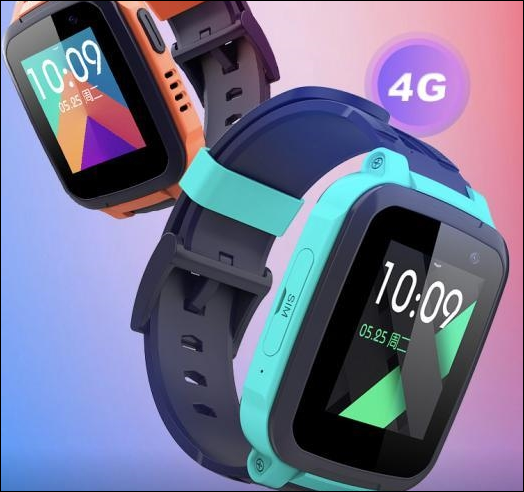
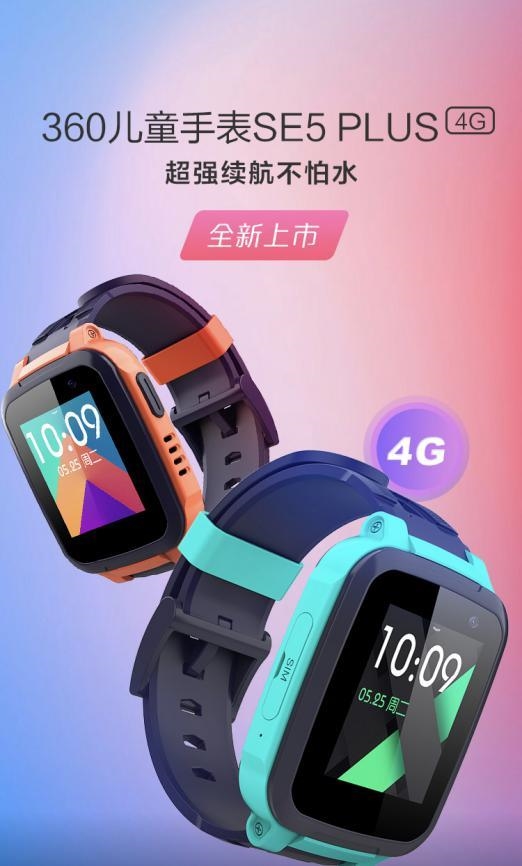
360’s mobile division may have gone under but the company still has its tentacles spread into several segments ranging from hardware to software. The company has launched a new Children smartwatch dubbed 360 Children’s Watch SE5 Plus. The watch comes with several innovative and important features that ensure that parents keep track of their kids from anywhere. The watch is presently on pre-sale on T-Mall for 249 yuan ($35) but when it is launched, it will adopt a price tag of 299 yuan ($42).
The smartwatch comes with support for mobile 4G/2G networks which ensures the wearer is still reachable even if there is no 4G cellular network. The watch utilises a square design which has come to be popular since the Apple Watch series was introduced. It equally presents with a single SIM slot that is housed on the side and perhaps uses nano-SIM.
Other features include fitness tracker, contactless payment using QR code, a front camera, IPX8 waterproof and others. The watch uses a powerful AI accurate positioning system which allows parents to know the specific location of their children anytime, anywhere. At the same time, parents can also manually set a safe area for their children. When the child leaves the programmed area, the parents will receive a reminder on the mobile phone as soon as possible. It also supports one-way listening mode, so parents can hear the sounds around their children even when the watch is not turned on.
With the QR code contactless payment on the 360 children’s watch SE5 Plus 4G, parents can also set pocket allowances for their children, and monitor the child’s consumption details in real-time, helping children establish a good consumption habit from an early age.
Earlier this month, Xiaomi launched the Mi 10 and Mi 10 Pro 5G flagship smartphones in China. After the Mi 10 series was unveiled, Xiaomi India Managing Director and Global Vice-President, Manu Kumar Jain confirmed that the Mi 10 duo will be also coming to India. The India arrival of the Mi 10 and Mi 10 Pro smartphones as they have received approval from the Bureau of Indian Standards (BIS) authority of the country. Citing information revealed through industry sources, 91mobiles has claimed that the Mi 10 series will be unveiled in India by mid-March. The publication has also claimed that the company may use the same platform to announce the Redmi 9 smartphone.
Xiaomi India is yet to confirm or tease on the arrival of the Mi 10 and Mi 10 Pro series in the country. Except for the Redmi K20 series from last year, the flagship smartphones from Xiaomi haven’t received good reception in India. It appears that the company will be making another attempt at selling its premium Mi series flagship in the country. If the Mi 10 and Mi 10 Pro phones land in India, they will be revealing with Galaxy S20 lineup from Samsung.
Nothing much is not known about the Redmi 9 phone. A past report had revealed that the budget-friendly Redmi smartphone will be equipped with Helio G70. It is the same processor that drives the recently launched Realme C3. Nothing is known on the pricing of the Mi 10 series and Redmi 9 for India.
The Xiaomi Mi 10 and Mi 10 Pro smartphones are equipped with 6.67-inch S-AMOLED punch-hole displays that come with support for 90Hz refresh rate. The Snapdragon 865 mobile platform powers both smartphones. The Mi 10 series offers users with up to 12 GB of LPDDR5 RAM. The Mi 10 comes with up to 256 GB whereas the Pro model has up to 512 GB of storage.
The MI 10 duo come with 20-megapixel selfie cameras. Its rear is fitted with a 108-megapixel (main) + 13-megapixel (ultrawide) + 2-megapixel (macro) + 2-megeapixel (depth) quad camera setup. It houses a 4,780mAh battery that supports 30W fast charging.
The Xiaomi Mi 10 Pro has a 108-megapixel (main) + 8-megapixel (telephoto) + 12-megapixel (portrait) + 20-megapixel (ultrawide) quad cameras. It houses a 4,500mh battery that supports 50W fast charging. The Mi 10 duo offer users with features like 30W wireless charging, 5W reverse wireless charging and in-display fingerprint scanner.
The air traffic right now is at peak and is consistently increasing every year. People started traveling by air more often than a decade ago due to various reasons. In the aviation industry, communication technology and smartphones play a pivotal role in ticket booking. There are huge margins or commissions that the agents get while booking air tickets. There are different online portals and apps that allow users to book tickets from anywhere around the globe with just a few taps. We have concluded a guide listing all the best apps to find cheap flights.
There are tons of air ticket booking apps available for both Android and iOS devices. However, only a few apps provide genuine deals with maximum discounts. On the basis of user reviews, we tested a few of the apps and found that these are certain apps that provide cheap tickets.
Some apps listed will also help the users to book cheap hotels along with the affordable air tickets. Most of the apps are primarily created to facilitate travelers traveling across the globe. These apps have made the tough job of arranging accommodation and tickets a simple experience.
Best Apps for Cheap Air Tickets
Skyscanner
Skyscanner is a dominant player in the Air Ticket booking industry. Its intuitive user interface and rapid response for search queries make it favorite among the users. The user can compare prices on the chart with different search results per day in an intuitive and interactive monthly bar chart.
It even comes handy if you don’t know the destination as it can easily arrange the list of coolest and most affordable destinations. After selecting the airline and other details, you will be redirected to the respective airline website for the competition of the process. The major pro of the apps is its unbiased filtering of affordable flights across the globe.
Apart from flight booking, the user can also rent a car and book a hotel. The predictive search algorithm allows users to book tickets in advance.
It is freely available for both the iOS and Android ecosystems.
Kiwi.com is known for its extravagant features that come along with flight bookings. The user can explore new destinations using the inbuilt car rental, activities, and tours search. It also gives a quick overview of the lounges, ATMs and storage areas at different airports throughout the globe.
There’s an intuitive feature to weigh your bags with just your phone’s camera. The advanced filtering options allow the app to easily desaturate the cheapest flights. It offers a simple approach to book flight tickets or opts for interesting flight itineraries. It’s a great app to search if you’re looking to travel to Europe. The app is freely available for both iOS and Android.
Hopper cheapest price prediction algorithm helps to efficiently analyze the most affordable airlines. The user can plan their travel after predicting the flight prices which usually have 95% accuracy. On average, a user typically saves $50 per flight.
Hopper uses historical data to generate a whole month pricing charts with color-coded dates to plan travel. Like the other apps, Hooper also helps to book hotels along with the flights. The user can opt for notifications for the cheapest flights. It is more useful if you have the independence to choose your travel date. It s available for both iOS and Android.
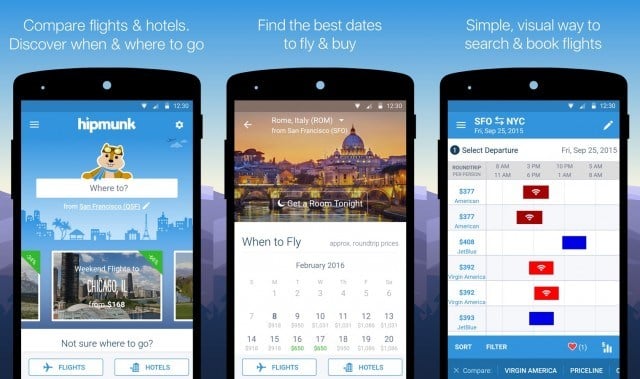
It is another popular ticket booking app offering cheap and easy ticket booking. Hipmunk compares all travel websites to bring the best fares for flight and hotel booking. The user just needs to input the destination city and the app will bring you the best affordable deals.
The user can narrow their search by defining filters over the search. It can even push alerts if any breaking deal arrives. However, there are also different packages for different budgets offering different styles at different times of the year.
Hipmunk flight search app is available for both Android and iOS.
Kayak is a widely used flight search tool for its various useful features. The app’s ability to forecast flight prices and the graphic charts helps users in booking affordable tickets. There are several smart flight search capabilities like WiFi filter, price histogram, red-eye filter, and others.
Kayak also carries the ability to rent cars and hotels through the app. It keeps full information about your trip in the respective tab. The last time gate changes are also possible via Kayak.
These are some widely used cheap flight ticket booking apps available for both Android and iOS devices. If you have any better recommendations, don’t forget to let us know via the comments below.
We use cookies on our website to give you the most relevant experience by remembering your preferences and repeat visits. By clicking “Accept”, you consent to the use of ALL the cookies.
This website uses cookies to improve your experience while you navigate through the website. Out of these, the cookies that are categorized as necessary are stored on your browser as they are essential for the working of basic functionalities of the website. We also use third-party cookies that help us analyze and understand how you use this website. These cookies will be stored in your browser only with your consent. You also have the option to opt-out of these cookies. But opting out of some of these cookies may affect your browsing experience.
Necessary cookies are absolutely essential for the website to function properly. This category only includes cookies that ensures basic functionalities and security features of the website. These cookies do not store any personal information.
Any cookies that may not be particularly necessary for the website to function and is used specifically to collect user personal data via analytics, ads, other embedded contents are termed as non-necessary cookies. It is mandatory to procure user consent prior to running these cookies on your website.