Till the introduction of the modern-day smartphone, swapping batteries on your device was possible. The good old days might return if the EU has it their way. According to recent reports, the European Union is working on a new proposal to reduce e-waste in the region. Non-replaceable batteries have their benefits. If such a law is passed in the near future, OEMs will have to extend the availability of spare parts. The proposal is scheduled to be released in mid-March.
News of the proposal surfaced on a Dutch tabloid that was soon covered by XDA Developers. Worn-out batteries are quite a common problem with modern smartphones, prompting users to replace their perfectly-working handsets every few years. With the new proposal, the EU hopes to cut down significantly on e-waste by prompting users to replace the worn-out batteries instead of the smartphone.
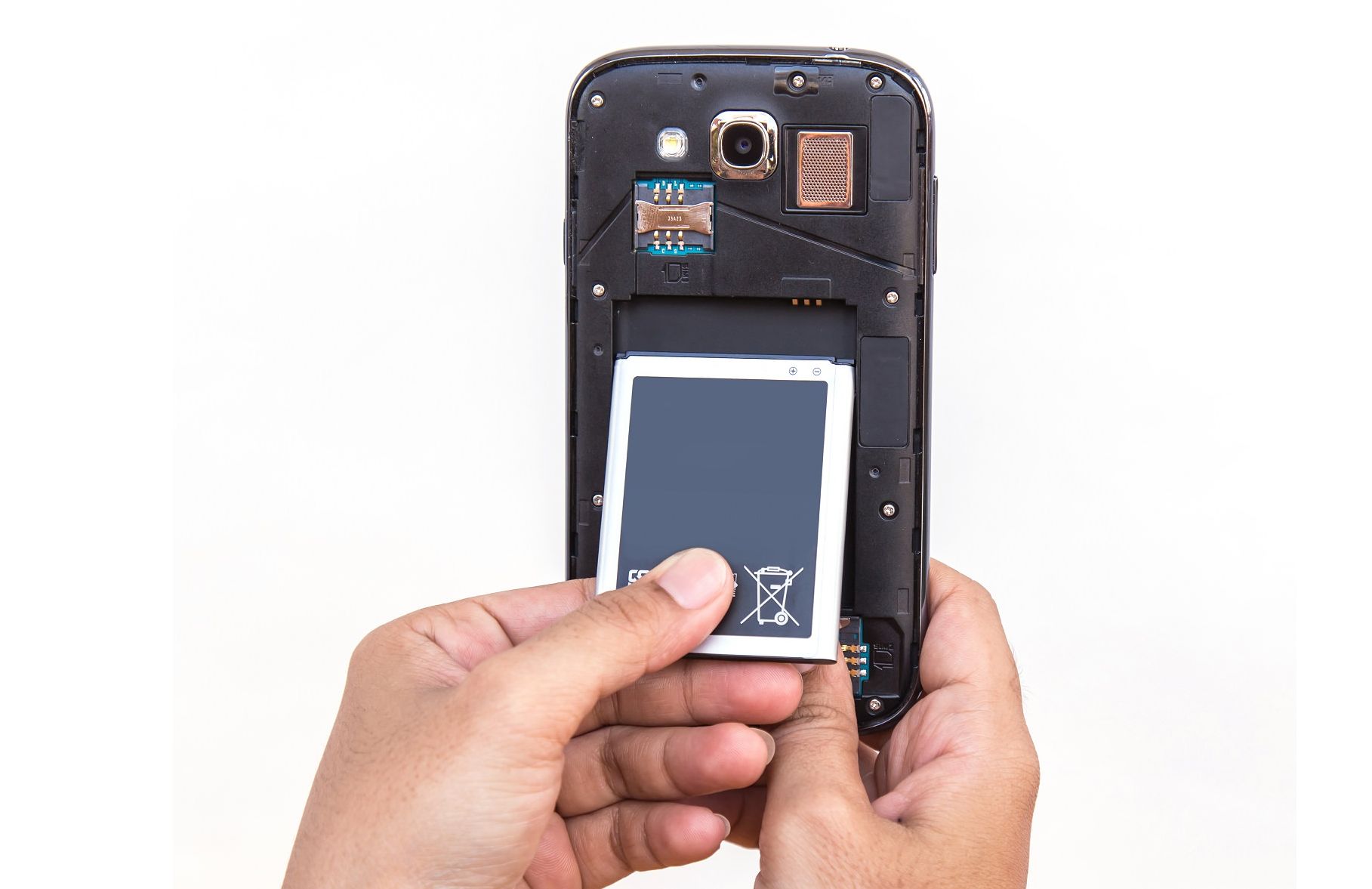
As a result, OEMs will be forced to supply spare parts and design smartphones in a manner that makes battery replacement a quick and DIY process. The non-replaceable batteries on present handsets are designed to save space, increase the battery size, and charge quicker due to the lack of a protective cover required on replaceable batteries. On the downside, they are extremely hard to replace when they run out of juice, resulting in millions of smartphones being discarded each year. The new proposal also aims to regulate the use of USB Type-C technology currently used for connecting and recharging smartphones.
Android Central correspondent Philip Bene pointed out a few flaws with the strategy. “OEMs today avoid using micro USB not because they do not care about the planet. They do it either because it is expensive, not suited to their devices, or a combination of both. Smartphones with Type-C connectors are more expensive to make. Forcing all manufacturers to implement USB Type-C could result in more e-waste being generated, as companies like Apple will have to adapt to a new connector”.
Non-replaceable batteries have their benefits. Water and dust-resistance being the highlights. Both these features arguably increase the life of smartphones by shielding the device against negligence and accidental spills, enabling users to keep using their smartphones over longer periods. The EU must consider more feasible options like asking OEMs to increase the warranty on battery replacements and reducing the costs to encourage users to keep using their existing devices instead of discarding them for a new one.
UP NEXT: iQOO 3 5G launched with SD865, 55W fast charging & powerful gaming features
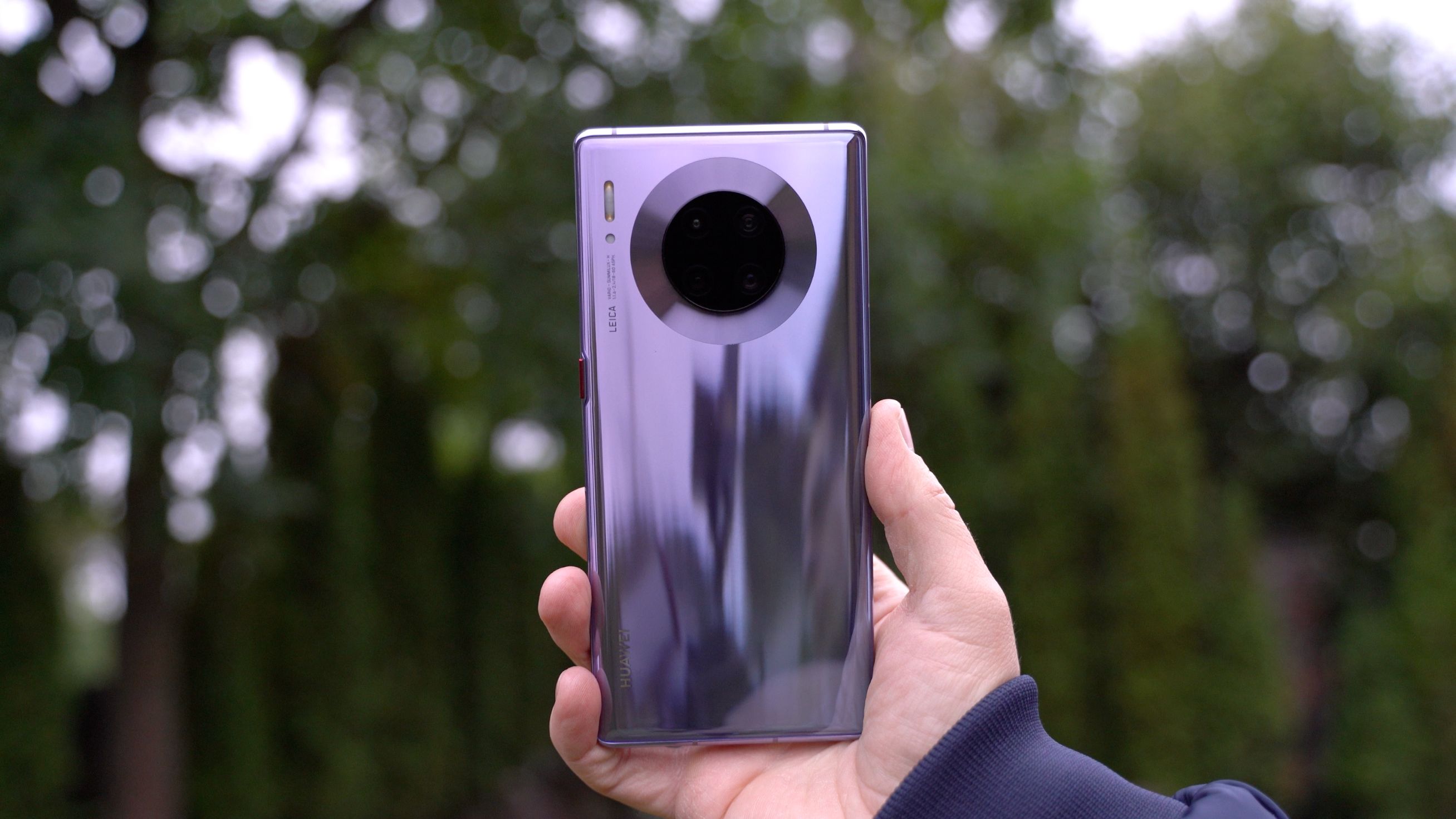
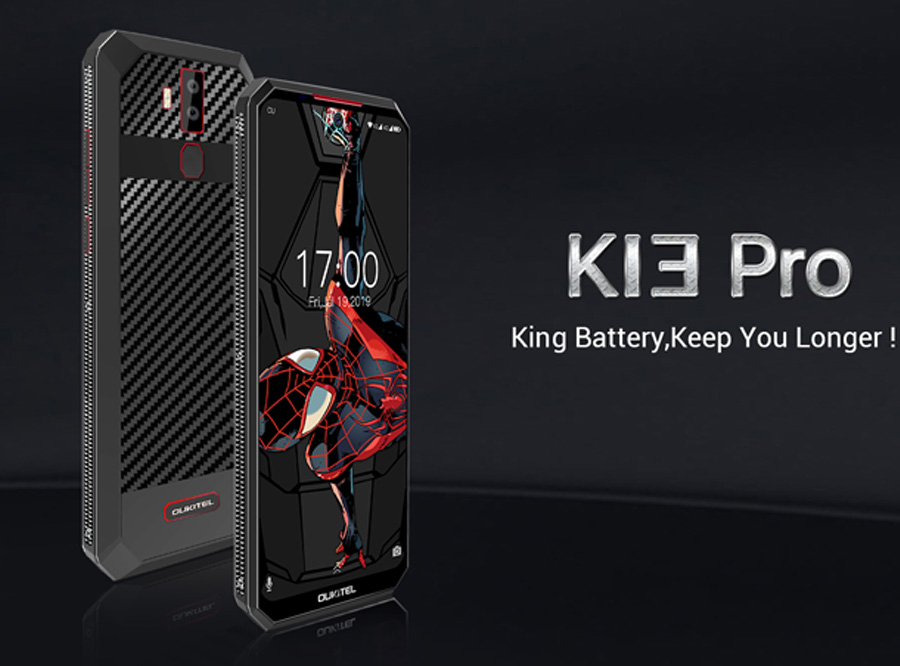
 Sporting a tagline that reads ‘King Battery, Keep You Longer!,’ the K13 Pro sports a 6.41-inch HD+ display with 1560 x 720 pixels resolution and an impressive 90.3 percent screen-to-body ratio. It packs a powerful MT6762 Octa-core chipset, paired with 4GB of RAM and 64GB of native storage. The phone uses an IMG GE8320 (up to 650Mhz) GPU.
 In the optics department, the K13 Pro houses a dual-camera setup comprising a 16.0MP camera and a 2.0MP camera at the back, and an 8.0MP front shooter for selfies and video calling. Furthermore, it is backed by a super large 11000mAh battery that delivers a standby time of 31 days.
 The dual-SIM phone runs Android 9.0 Pie OS and comes with an NFC sensor so that you can use Google Pay and other on-vehicle payment. Aside from that, the phone features a Gravity sensor.