OpenAI CEO Sam Altman has pushed back against growing fears that artificial intelligence will replace human jobs, calling such concerns “overly pessimistic” in the long run. Speaking on X (formerly Twitter), Altman emphasized that OpenAI’s goal is to build tools that “augment and elevate” human capabilities rather than replace people entirely.
His comments come at a time when layoffs across industries, especially in the United States, have raised alarm. Several companies have linked job cuts directly to AI adoption, fueling concerns that traditional roles could become obsolete. A widely discussed example is King, the company behind Candy Crush Saga, which reportedly laid off developers after they created AI tools capable of generating game levels.
The anxiety has been further intensified by statements from Dario Amodei, CEO of Anthropic. Amodei recently suggested that AI could soon write nearly all code within the next 6 to 12 months. Such predictions have strengthened the belief that AI may dominate large parts of the workforce.
Altman, however, disagrees with this outlook. He argues that while AI will transform jobs, it will not eliminate the need for humans. Instead, he believes people will shift toward more meaningful and higher-value work. According to him, adaptation, not replacement, will define the future of employment.
Looking ahead, Altman envisions a world where AI reduces the need for intense labor, allowing people to live more flexible and fulfilling lives. While debate continues within the industry, his stance highlights a more optimistic path where humans and AI work together rather than compete.
One UI 8.5 rollout is about to begin, and dozens of Galaxy models are lined up to receive this feature-rich upgrade that doesn’t look like an incremental upgrade at all. It brings numerous visual upgrades, new features, and expanded customization options that really level up the software experience.
Among the long list of changes coming to One UI 8.5, there are five features I am most excited about. I really wish Samsung would bring them to the majority of eligible devices.
1. Modern Liquid Glass interface with smoother animations
Liquid Glass interface in One UI 8.5
One UI 8.5 introduces Liquid Glass design for the first time on Galaxy devices. We know where the inspiration comes from (hello, Apple). The updated design language emphasizes transparency, floating surfaces, rounded controls, and soft depth effects across core apps and the system UI, making One UI feel more premium and modern.
Part of this new design language includes floating navigation bars with semi-transparent panels and more pronounced blur and shadow layering to create a “glass” feel. You’ll see it in the Settings app and first-party apps like Dialer, Gallery, and Calculator, replacing the traditional flat, rectangular navigation bar. The back button and other controls appear as separated floating elements, allowing more room for content.
The new Liquid Glass design is most prominent in Samsung’s own apps, but other areas, including notifications, widgets, and the control center, also receive a subtle glass-style treatment.
2. Fully customizable Quick Panel
Quick Panel customization in One UI 8.5
The Quick Panel in One UI 8.5 is receiving its biggest customization update yet. You can now move tiles and widgets wherever you want, resize them, or change their orientation to create a layout that is perfect for you. You can even remove every toggle to get an almost empty panel.
Brightness and volume sliders are also part of the latest changes, with the ability to switch between horizontal and portrait-style layouts. You can customize the panel however you like instead of using Samsung’s default layout. The panel can become messy if you over-customize, but Samsung’s got you covered. You can easily reset to the default layout.
3. Calling gets a major AI upgrade
Image credit: Sammobile
One UI 8.5 brings major upgrades to calling, now allowing the phone to automatically answer unknown or suspected spam calls. The AI assistant asks the caller’s purpose, shows you a live transcript, and lets you decide whether to pick up or mark as spam. This is a big step up from the manual Bixby Text Call, helping you avoid interruptions from robocalls or telemarketers.
You can also enable the auto answer with AI feature to let the device automatically answer calls after a specific delay (5-30 seconds) and provide a live text transcript. This is particularly useful when you are busy or have Do Not Disturb enabled, allowing you to see the caller’s query via a live transcript before even picking up the call.
One UI 8.5 also introduces a direct voicemail feature that lets callers leave a voice message directly on your device rather than a carrier server. You can see the live transcript of the voicemail as it is being recorded in real-time.
Even during a normal call, you can see real-time call options, making it easier to follow in loud environments. Another small but useful upgrade is that the Now Bar shows a dedicated counter for missed calls, making it easier to track without unlocking the device.
4. A new Creative Studio app for AI creativity
Samsung has added a new Creative Studio app in One UI 8.5, which is basically a central hub for generative AI creativity. The app lets users create wallpapers, stickers, greeting cards, invitations, and profile cards with simple sketches, existing photos, or text prompts.
Image credit: Sammyfans
The app supports multiple aspect ratios (such as 16:9 and 4:3) and various art styles, including Childhood Sketch, Marker Drawing, and Oil Painting.
5. Sharing files got a lot easier (even with Apple devices)
Samsung has made significant upgrades to file sharing to bridge the gap between its ecosystem and other platforms, particularly Apple devices. A major addition is a new “Share with Apple devices” option in the Quick Settings menu, enabling seamless, high-speed transfers to iPhones, iPads, and Macs that use AirDrop.
One UI 8.5 also makes it easier to access the storage of one Galaxy device directly from another through the My Files app. For example, you can browse photos, music, and documents stored on your Galaxy Tab directly on your Galaxy phone, provided both devices are signed into the same Samsung account.
We’ll keep sharing with you the latest One UI updates in the Samsung section on this website. You can visit that page regularly to get fresh details. Or, if you prefer news on the go, make sure to follow our Telegram channel.
Vivo X300 Ultra Global is shaping up to be one of the most powerful flagship smartphones of 2026, combining top-tier hardware with an advanced camera system and a massive battery. Designed for global users, this version supports networks in most countries, making it a flexible option for international buyers.
Availability and Price
Vivo X300 Ultra Global is currently available for pre-order and will begin shipping on May 16. It is listed at a starting price of $1,699, placing it firmly in the premium flagship category.
Display and Design
The phone features a large 6.82-inch BOE Q10+ AMOLED display with a sharp 2K resolution (3168 × 1440 pixels). It supports a smooth 144Hz refresh rate along with high-frequency dimming, ensuring both fluid visuals and comfortable viewing. This makes it ideal for gaming, streaming, and everyday use.
Performance and Software
Powered by the Snapdragon 8 Elite Gen 5 processor, the Vivo X300 Ultra delivers flagship-level performance. It comes with 12GB or 16GB RAM and storage options up to 1TB using fast UFS 4.1 technology. The device runs on Android 16 with OriginOS 6, offering a clean, fast, and modern user experience.
Camera System
Photography is a major highlight here. The triple rear camera setup includes a 200MP Sony YT-901 main sensor, a 200MP periscope telephoto lens, and a 50MP ultra-wide camera. It also supports telephoto macro shots and features Zeiss T* coating for improved image clarity. On the front, a 50MP camera handles selfies and video calls.
Battery and Charging
The device packs a large 6600mAh battery with 100W fast charging. It can reach 50% in just 10 minutes and fully charge in about 30 minutes, making it highly practical for heavy users.
The standard iPhone is typically the default choice for most buyers, offering a balance of new features and approachability. However, if recent supply chain reports are accurate, the base iPhone 18 might represent a shift in how Apple handles its non-Pro lineup.
Between a rumored change in the release schedule and a few specific hardware compromises, the standard iPhone 18 is shaping up to be an interesting, if slightly segmented, device.
Here is a look at what the rumors currently suggest for the base iPhone 18, and what it means for anyone planning to upgrade.
For years, consumers have expected a new lineup of iPhones every September. But Apple is reportedly adjusting its strategy for the iPhone 18 cycle. Instead of releasing all four models at once in the fall of 2026, the company is expected to focus its September event entirely on the higher-end devices: the iPhone 18 Pro, the Pro Max, and a rumored foldable model.
If you are waiting for the standard iPhone 18 or the more affordable iPhone 18e, reports indicate you will need to wait until the spring of 2027. Industry analysts suggest this split is largely driven by supply chain costs, particularly the rising price of memory. By spacing out the launches, Apple can prioritize its higher-margin Pro models first.
2. Shift in Display Priorities
The iPhone 18 is expected to keep the 6.3-inch display size and the 120Hz ProMotion refresh rate introduced with the iPhone 17. However, the underlying technology might take a slight step back compared to the Pro models.
According to supply chain leaks, the base iPhone 18 will use Samsung’s M12+ OLED material, which is an iterative version of the panel used in the iPhone 14 Pro. Meanwhile, the iPhone 18 Pro models will move on to the newer M16 material.
The primary difference here isn’t necessarily how the screen looks, but rather how efficiently it operates. Older OLED panels require more power to achieve the same brightness levels. While the iPhone 18 will benefit from Apple’s highly efficient new 2nm A20 chip, some of those battery life improvements might be offset by the older display technology.
There are rumors that all three iPhone 18 models will feature a smaller Dynamic Island cutout. However, conflicting reports suggest it may be limited to the Pro models.
3. 12GB RAM Standard Across All Models
Perhaps the best upgrade coming to the base iPhone 18 is its memory. Apple is reportedly standardizing 12GB of RAM across the entire iPhone 18 lineup, a notable increase from the 8GB found in previous base models.
The reasoning behind this is straightforward: on-device artificial intelligence. Apple Intelligence features, particularly the anticipated iOS 27 Siri upgrades powered by new language models, require significant memory to run smoothly without relying on cloud processing.
By giving the base iPhone 18 enough RAM to handle these tasks, Apple is ensuring the device will remain capable and responsive for years to come.
4. Cameras and Cost-Cutting Measures
On the camera front, the standard iPhone 18 is expected to retain a dual 48-megapixel rear setup (main and ultrawide), skipping the variable aperture lens rumored for the Pro models. However, the front-facing camera is slated for a welcome upgrade to 24MP, which should improve the clarity of selfies and video calls.
To keep production costs manageable, Apple might also simplify the Camera Control button. Current rumors suggest the company could remove the capacitive touch layer, relying solely on pressure sensors to register inputs.
It is a minor change that most users may not even notice, but it highlights Apple’s effort to maintain the phone’s expected $799 starting price amid rising component costs.
5. The Overall Picture
Apple is drawing a clearer line between its standard and Pro models. The base iPhone 18 seems designed to be a practical, capable device focused on delivering Apple’s latest software and AI features, rather than pushing the boundaries of hardware.
If you don’t mind waiting until the spring of 2027, the inclusion of 12GB of RAM and the new A20 chip should make it a reliable choice, even if it misses out on the most advanced display technology.
For more daily updates, please visit our News Section.
The smart home and home appliance brand of Xiaomi, called Mijia, has introduced a new Mijia Smart Dishwasher Pro Built-in 18-Set in China. Now available through Xiaomi Youpin at a listed price of 6,999 yuan (~$1,025), the dishwasher supports up to 18 place settings and claims it can clean around 130 pieces of tableware in a single cycle.
Its internal layout uses a three-layer rack system, designed in what Xiaomi calls a “Chinese-style” configuration. The dishwasher uses a triple-spray-arm system paired with a five-stage vortex wash. Xiaomi says this setup helps push water into corners and tight spaces that are usually harder to reach. There’s also a BLDC dual-frequency motor delivering up to 52,000Pa of washing pressure.
The machine includes a built-in 450ml detergent tank, and a single refill can last up to three weeks, depending on usage. One of the more noticeable features is the projected floor display. Instead of checking a panel, users can see the washing progress projected onto the ground.
Wash cycles and sterilization
Drying and sterilization are handled through a combination of high-temperature cycles and airflow. The dishwasher supports temperatures up to 135°C for internal sterilization, alongside what Xiaomi describes as a dual-duct disinfection system.
There’s also an automatic door-opening feature to speed up drying by releasing moisture after a cycle ends. For faster use cases, it has a 59-minute wash-and-dry mode.
The dishwasher supports 16+4 washing programs that cover different cleaning needs. It also integrates with Xiaomi’s ecosystem, allowing control through the Mijia app or voice commands via XiaoAI-enabled devices.
In terms of build, the unit measures 598 × 775 × 570mm and is designed for embedded installation. It weighs around 45.5kg and runs on standard 220V power. Water consumption is rated at 12.4 liters per cycle, with energy usage at about 0.835 kWh per run, aligning with China’s efficiency standards.
Chip giant TSMC is aggressively expanding its advanced 2nm production capacity to meet the unprecedented demand for artificial intelligence (AI) chips and high-performance computing (HPC). The company has set up five state-of-the-art fabrication plants, all entering the ramp-up phase this year, gearing towards the most aggressive expansion in the company’s history.
At TSMC’s 2026 Technology Symposium held in Silicon Valley recently, Hou Yung-ching, Senior Vice President, Deputy Co-COO, and Chief Information Security Officer, revealed that the company is pushing forward with its expansion plan at “twice the speed.” He added that the 2nm process has officially entered mass production and its yield learning curve is superior to that of the 3nm generation, even though the newer node uses a more complex nanosheet architecture, demonstrating TSMC’s leadership in advanced processes.
Even with higher production capacity, there will still be a shortage of high-performance chips due to explosive demand. To counter that, major players including NVIDIA, Apple, Qualcomm, and AMD have reportedly secured large allocations of N2 capacity. Apple alone is reported to have secured more than half of the initial N2 capacity from TSMC.
Hou Yung-ching pointed out that multiple fabs simultaneously introducing new processes in the same year has never happened before. With the five 2nm fabs in operation, TSMC is expected to increase output capacity by up to 45% compared to the same period for 3nm fabs, a significant increase in capacity utilization. TSMC also plans to upgrade or install nine new factories along with capacity expansion projects each year to significantly ramp up its production capacity, effectively doubling the company’s historical expansion rate. The production is also being expanded at existing fabrication plants in Arizona, USA; Kumamoto, Japan; and Dresden, Germany.
Supported by strong demand, TSMC’s wafer shipments for AI accelerators are increasing by 11x, and demand for large-size chips featuring advanced packaging technologies is going up by 6x. And with continuous upgrades to 3D packaging technologies, TSMC has shortened the mass production time for SoIC chips by up to 75%, resulting in faster chip production. The overall advanced packaging capacity is estimated to grow by 80% in 2027.
TSMC is witnessing explosive demand for its high-performance node, pushing the company to expand its production capacity at a pace never seen before while simultaneously advancing large-scale future expansion plans. The company will continue to strengthen its leading advantage and domination in the semiconductor industry.
Belkin has introduced a new high-power desktop charging solution, expanding its range of multi-device chargers. The newly listed 2500W desktop charger is now available on JD.com for 329 yuan, with a slightly lower launch price of 326 yuan. This product is designed for users who need to power multiple devices at once without cluttering their workspace.
Compact Design with Multiple Ports
The charger features a compact desktop form factor with dimensions of 101 × 82.98 × 41.5 mm and comes in a matte black finish. Despite its small size, it offers a powerful and versatile setup. The front panel includes four USB ports, two USB-C ports rated at 70W each, and two USB-A ports offering 12W output. In addition, the charger includes three AC outlets, with two placed on the top and one at the back, making it suitable for both charging and powering devices.
High Power Output and Practical Features
One of the key highlights of this charger is its ability to support up to seven devices simultaneously. With a total power capacity of 2500W, it can handle everything from smartphones and laptops to household electronics. LED indicator lights on the top panel provide clear status updates, adding to its ease of use.
Low Power Alternative: 70W GaN Desktop Charger
Belkin’s 70W GaN 7-in-1 desktop charger (model SRZ001) offers a slightly lower power alternative. It also includes three AC outlets and four USB ports, with USB-C ports supporting up to 70W output and PPS charging. The device measures 96 × 83 × 42 mm, weighs 480 grams, and comes with a 1.5-meter cable.
Both chargers focus on convenience, multi-device support, and efficient power distribution. The 2500W model stands out for heavy-duty use, while the 70W GaN option is better suited for everyday charging needs.
Anker has introduced its first in-house AI chip platform called “Thus.” The new chip will officially debut on May 21, 2026, during its launch event in New York City. This marks the company’s move into custom silicon, focusing on bringing advanced AI features directly to compact devices like wireless earbuds.
Built for Speed and Efficiency
The Thus chip is based on Compute-in-Memory (CIM) architecture, which combines processing and memory into a single unit. Instead of moving data between separate components, it processes data where it is stored. This reduces latency, improves speed, and lowers power consumption, key for small, battery-powered devices. Anker claims the chip delivers up to 150× more AI computing power compared to its earlier audio products.
Smarter Audio with On-Device AI
A major highlight of the Thus chip is real-time AI processing directly on the device. This allows features like noise cancellation and voice enhancement to work faster without relying on cloud processing. It also improves privacy and ensures more stable performance in different environments.
First Product: AI-Powered Earbuds
The chip will first appear in a new flagship pair of earbuds launching alongside it. These earbuds are expected to feature advanced “Clear Calls” technology using AI-based environmental noise cancellation. The setup includes eight microphones and bone-conduction sensors to filter background noise and improve call clarity.
Anker plans to expand the Thus chip beyond audio products into mobile accessories and other smart devices. The goal is to bring faster, more efficient on-device AI to a wider range of everyday products.
Vivo has quietly launched the Vivo S50t smartphone in China. It may seem like a new smartphone altogether, but it’s essentially a reworked version of the Vivo S50 launched late in 2025. The differences are small. You might even miss them.
The biggest change is under the hood. Vivo has swapped faster UFS 4.1 storage for UFS 3.1 here. That’s not the kind of downgrade you’ll notice immediately in day-to-day use. Everything else remains largely intact.
The small storage change also affects the price. The 12GB RAM and 512GB storage model starts at 3,299 yuan, though it drops to 3,199 yuan for a limited time. The 16GB + 512GB version comes in at 3,599 yuan. The Vivo S50, in comparison, costs around 100 yuan for the 12/512GB variant.
Vivo S50t Specifications
The design hasn’t changed much either. The phone keeps a slim profile, measuring as thin as 7.49mm in some color options, with a satin-finish glass back and an aluminum frame. Vivo is offering it in four finishes: Confession, Serenity Blue, Inspiration Purple, and Space Black.
The display is a 6.59-inch AMOLED panel with a 1.5K resolution and support for 120Hz refresh rate, along with HDR and a P3 color gamut. It also has some eye-comfort features, including low blue light tech and high-frequency PWM dimming.
Inside, the phone runs on the Snapdragon 8s Gen 3 chip, paired with LPDDR5X RAM. It ships with OriginOS 6 based on Android 16. There’s also a large 6,500mAh battery, while the charging is capped at 90W wired, with no wireless charging support.
As for the camera, the rear setup includes a 50MP main sensor, an 8MP ultra-wide, and a 50MP periscope telephoto lens using Sony’s IMX882 sensor. The selfie is a 50MP unit. Both the front and rear cameras include dedicated flash units.
Other features include an ultrasonic fingerprint sensor, Wi-Fi 6, NFC, Bluetooth 5.4, and a range of standard sensors. There’s also an IR blaster and an X-axis linear motor.
Two flagship phones, two very different approaches to what a premium smartphone should be. The Huawei Pura 90 Pro leans into durability, refined camera control, and a polished ecosystem, while the Xiaomi 17 Pro goes all-in on cutting-edge hardware, performance, and standout features. This comparison matters for buyers deciding between reliability and raw innovation. With both devices sitting in a similar price bracket, the real question isn’t just which is better on paper, but which one actually delivers more value in everyday use.
Please note: Huawei Pura 90 Pro is expected to launch in the second week of May, so some specifications may still change or be refined closer to the official launch.
Both phones use premium materials with glass and aluminum, but the experience differs slightly. The Huawei Pura 90 Pro feels more rugged with IP68/IP69 protection, giving it an edge in durability under harsher conditions. The Xiaomi 17 Pro, while also IP68 rated, focuses more on refinement with its Dragon Crystal Glass and slightly more modern finish. Xiaomi also introduces a secondary rear display, which adds a unique functional touch. Huawei leans toward a solid, dependable flagship feel, while Xiaomi feels more experimental and feature-rich.
Display Quality
Huawei offers a sharp LTPO OLED panel with smooth 120Hz refresh and balanced color output. However, Xiaomi pushes things further with higher brightness, Dolby Vision, HDR10+, and a much higher PWM dimming rate. The display feels more vibrant and versatile, especially for HDR content. The secondary display also adds usability benefits that stand out in daily use.
Verdict
Xiaomi 17 Pro delivers a more advanced and feature-packed display, while Huawei focuses on durability and consistency.
2. Specifications Including Battery
Performance
Huawei’s Kirin 9030S is capable of everyday tasks and optimized for HarmonyOS, but Xiaomi’s Snapdragon 8 Elite Gen 5 is on another level. It delivers significantly higher performance, better efficiency, and stronger GPU output for gaming and heavy workloads. The Xiaomi feels faster and more future-proof, especially with UFS 4.1 storage. Huawei remains smooth, but Xiaomi clearly targets power users.
Battery and Charging
Both phones offer large batteries, but Xiaomi takes the lead with a bigger capacity and much faster 100W wired charging. Wireless charging is equal on paper, but Xiaomi’s reverse wireless charging is far more powerful. Huawei still offers reliable endurance, but Xiaomi feels more aggressive and convenient for fast top-ups.
Verdict
Xiaomi 17 Pro dominates in performance and charging, making it the better choice for demanding users.
3. Camera
Main and Secondary Lenses
Huawei focuses on versatility with a variable aperture main sensor and strong 4x telephoto performance. It excels in controlled lighting and offers consistent image quality. Xiaomi, however, brings a more advanced camera system with a larger sensor, 5x periscope zoom, and Leica tuning. It also supports 8K recording and more advanced video formats, making it feel more complete. Xiaomi’s setup feels more flexible and modern overall.
Selfie Camera
Huawei’s 13MP ultrawide selfie camera is functional and supports 4K video, but Xiaomi’s 50MP front camera offers far more detail and better versatility. It feels more aligned with current flagship expectations, especially for content creators.
Verdict
Xiaomi 17 Pro delivers a more powerful and versatile camera system, while Huawei focuses on consistency and control.
4. Pricing
The Huawei Pura 90 Pro is priced at around $800 (₹75,000), while the Xiaomi 17 Pro comes in lower at about $700 (₹62,000). This creates a noticeable price gap despite Xiaomi offering more advanced hardware in several areas.
Is the Price Justified?
Huawei justifies its price with durability, optimized software, and a refined camera experience. However, Xiaomi clearly offers more aggressive value with a stronger chipset, better display, faster charging, and more advanced camera capabilities. The pricing strategy makes Xiaomi feel like a more competitive flagship option.
Verdict
Xiaomi 17 Pro offers significantly better value for money, while Huawei feels slightly overpriced for what it delivers.
Disclaimer: Prices are approximate and may vary based on country, region, launch timing, and applicable taxes. Always check whether the listed price is for a China unit or a global/international variant when purchasing.
5. Conclusion
Huawei stands out with its rugged IP69 rating, satellite messaging support, and variable aperture camera, which gives it a unique edge in durability and photography control. Xiaomi, on the other hand, pushes innovation with a secondary rear display, top-tier chipset, advanced video capabilities, and ultra-fast charging. It feels more forward-looking and feature-packed overall.
Verdict
Huawei Pura 90 Pro is ideal for users who prioritize durability and stable performance. Xiaomi 17 Pro is the better all-around flagship with stronger performance, better features, and higher value, making it the more sensible choice for most users.
Disclaimer: This comparison is based on the specifications provided and is intended for general informational purposes. Actual performance, camera results, battery life, and overall experience may vary depending on real-world usage, software updates, and individual preferences.
Huawei has started teasing the Nova 15 Max, confirming it will be unveiled at a global launch event in Bangkok on May 7, 2026. The phone will join the rest of the Nova 15 lineup, which already includes the standard, Pro, and Ultra models that debuted in China late last year.
The company has already shared a few official images and some early details. The Nova 15 Max is set to pack a massive 8,500mAh battery pack, which is unusually large even by current standards. If it performs as expected, it could easily stretch beyond a full day, possibly even two for lighter users.
Huawei is also highlighting a 50MP RYYB main camera, which should help with low-light performance, along with stereo speakers. The design is very different compared to the rest of the Nova 15 series, at least from what has been shown so far. Color options have been confirmed as well.
The Nova 15 Max is expected to be closely related to the Enjoy 90 Pro Max, which launched in China earlier this year. That device comes with a 6.84-inch AMOLED display, Kirin 8000 chipset, 40W charging, and basic but usable cameras.
So this looks like a familiar strategy. Take an existing model, tweak it slightly, and position it for global markets under a different name. In this case, the big selling point is clearly battery life.
The phone is expected to sit somewhere in the mid-range segment, aimed at users who care more about endurance and screen size than flagship-level performance.
Huawei is also expected to announce a few other products at the same event, including the Watch Fit 5 series and a new MatePad Pro Max tablet, so May 7 could end up being fairly packed.
With the launch just around the corner, more details around pricing, storage variants, and availability should not be too far away. If the battery holds up in real use, the Nova 15 Max could end up being one of the more interesting endurance-focused phones this year.
Xiaomi’s Android 17 Developer Preview program has just gone live, and it brings an unexpected upgrade to HyperOS 3.3. The company has restricted the beta program’s access to a limited number of high-end smartphones initially, with broader device support coming in the near future.
The Developer Preview program is currently available for four Xiaomi devices: Xiaomi 17, Xiaomi 17 Ultra, Xiaomi 15T Pro, and Leica Leitzphone powered by Xiaomi. If you’re rocking any of these devices, you can sign up for the testing program and get access to the upcoming features and upgrade well ahead of the public release. This release, however, signals a major shift in Xiaomi’s naming strategy for its HyperOS skin.
As spotted by Ximi Time, the Android 17 beta build for Xiaomi devices comes with HyperOS 3.3, skipping HyperOS 3.2 for some reason. This suggests Xiaomi won’t make the jump to HyperOS 4 but will pair HyperOS 3.3 with Android 17.
How to get Android 17 beta on your Xiaomi device
Remember that beta builds are prone to having bugs or unfinished features. Some apps may face compatibility issues. Therefore, it’s best to avoid such builds altogether or install them on a secondary device.
Before installing a beta build, it’s highly recommended to back up important data to cloud storage or copy it to a different device to be on the safe side.
Step 1: Ensure your phone is running the required firmware version.
Xiaomi 17: OS3.0.301.0.WPCMIXM
Xiaomi 17 Ultra: OS3.0.9.0.WPAMIXM
Leica Leitzphone powered by Xiaomi: OS3.0.9.0.WPAMIXM
Xiaomi 15T Pro: OS3.0.11.0.WOSMIXM
Step 2: Download the correct Android 17 beta build for your Xiaomi phone.
Step 3: Copy the downloaded ROM upgrade ZIP file to the internal storage (if it isn’t there already)
Step 4: Go to Settings > About phone > tap the Xiaomi HyperOS logo at the top of the page.
Step 5: Tap Xiaomi HyperOS at the top for 10 times > click the three-dots icon in the top-right corner > select Choose update package.
Step 6: Select the ROM upgrade file you downloaded in step 2 and install it.
This is a major upgrade, and so the installation time could be longer. It’s best to charge your device at least 40% before the installation. Also, ensure the device has at least 10GB of free space for a smoother installation and better performance.
If you face major issues or want to revert to a previous stable build for any reason, you can download the required firmware using the links given below and flash it on your phone the same way. However, this could result in data loss. So, back up your important data beforehand.
We’ll keep tracking the latest developments on Android 17 and post them in the Xiaomi section on this website. Remember to visit the page at least once in a while to get fresh details. Or, you can follow our Telegram channel to get instant updates.
A new leak suggests Xiaomi is getting ready to launch its next Pro smart band, likely to be called the Xiaomi Smart Band 10 Pro. The information comes from tipster Digital Chat Station, who says the device could arrive as early as May 2026.
The band is expected to come in a range of colors, including black, white, silver, orange, and pink. What stands out, though, is a white ceramic version. That is not something we usually see in this segment, and it could give the wearable a slightly more premium feel.
Build quality is “quite good,” according to the tipster. The regular version reportedly weighs under 40 grams, while the ceramic variant goes over 50 grams, which makes sense given the material.
For some context, the Band 9 Pro launched back in October 2024 with a 1.74-inch AMOLED display, slim bezels, and up to 21 days of battery life. It was much lighter at just 24.5 grams, so the near doubling in weight suggests Xiaomi may be trading some comfort for improved build, battery life, and additional features.
As for what is new this time, details are still limited. The Band 10 Pro is expected to bring some improvements in design and possibly display or health tracking.
The timing is interesting. Xiaomi is also rumored to be preparing the Xiaomi 17 Max for a late May launch, so there is a chance both devices could be announced together.
For now, this is still based on leaks, but if accurate, the addition of a ceramic option could help Xiaomi push the Mi Band slightly further upmarket without moving away from its usual value-focused positioning.
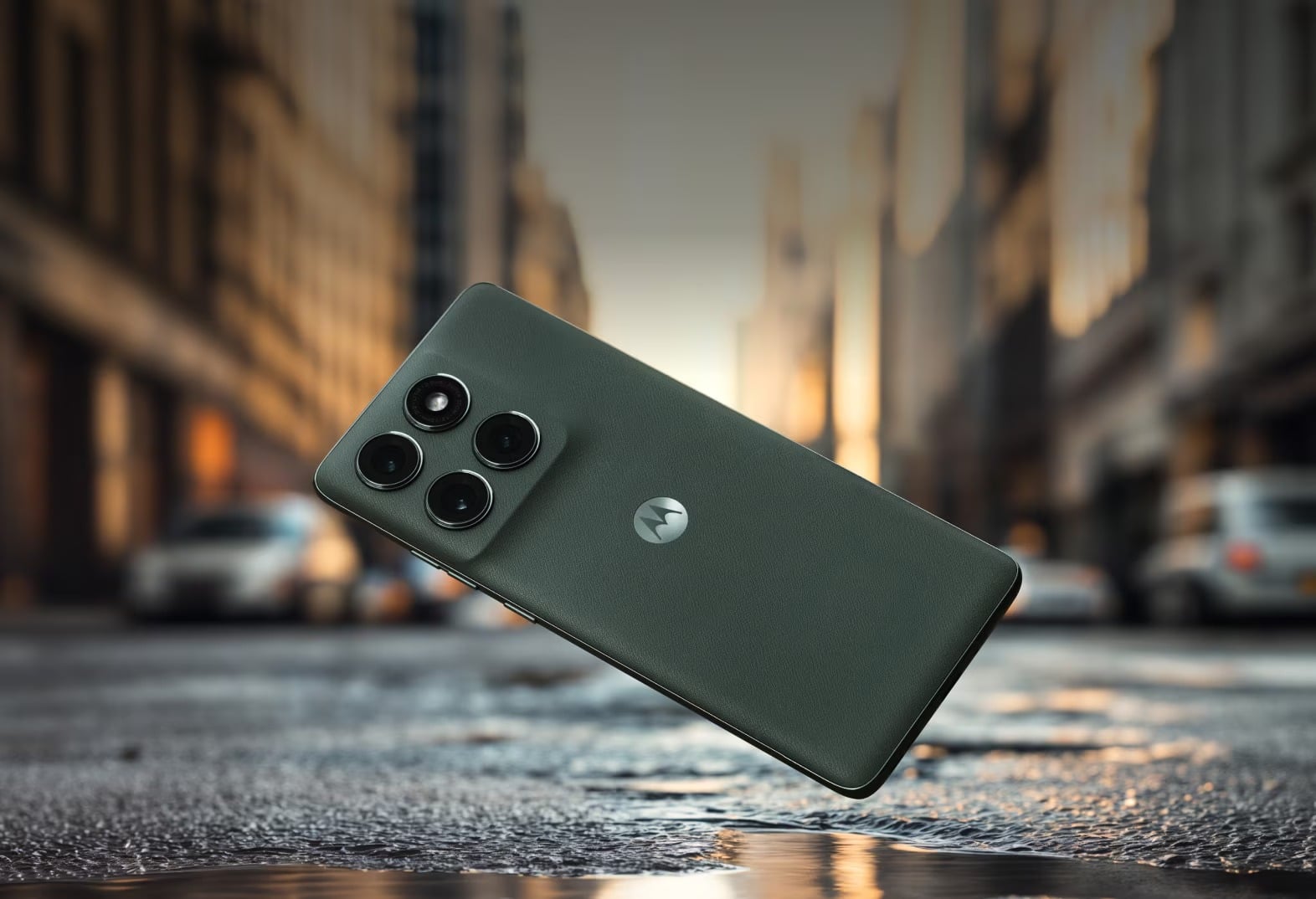
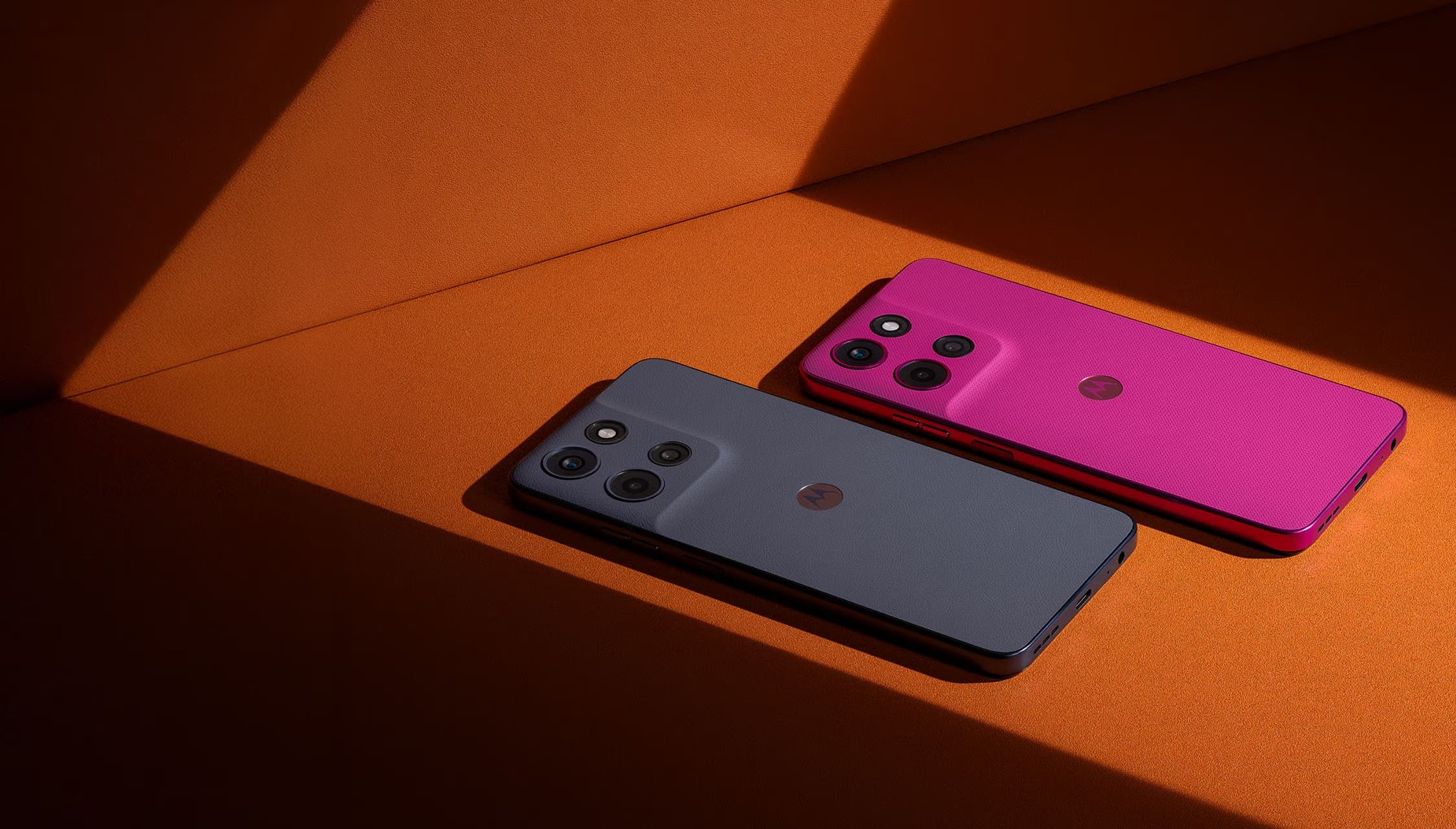
Motorola has introduced a Brilliant Collection version of the Motorola Signature, giving its ultra-premium phone a design built around Swarovski crystals, a Pantone color finish, and sustainability claims. The company has also launched the Moto Buds 2 Plus in the same new design.
The new edition uses PANTONE Violet Indigo with a silk-inspired rear material. Motorola says the design is inspired by constellations, with 20 hand-placed amethyst Swarovski Crystals arranged in a 3D-quilted pattern. The crystals are meant to catch light as the phone moves, while the darker violet finish gives the device a night-sky look.
This launch is part of Motorola Collections, a platform the company uses for limited design-led versions of select devices. Earlier collections included a Swarovski crystal edition in August and a FIFA World Cup 26 Collection.
The Motorola Signature itself sits in the brand’s high-end portfolio. Motorola says the phone offers what DXOMARK ranked as the best camera in its category. It is powered by the Snapdragon 8 Gen 5 Mobile Platform and includes what Motorola describes as the largest battery in its category among ultrathin phones.
The Brilliant Collection model also carries several durability and sustainability details. Motorola says the device uses more than 63 percent recycled metals and 100 percent recycled aluminum in the mid-housing. It also includes recycled plastics, with the upper speaker bracket made from 65 percent post-consumer recycled plastic and 20 percent Ocean Bound Plastic.
The phone uses silicon-carbon battery technology and is rated for a 1200-cycle battery life. Motorola says this helps maintain battery performance without affecting the ultrathin design. For durability, the device meets MIL-STD-810H military-grade standards, carries IP68 and IP69 ratings, and uses Corning Gorilla Glass Victus 2 for added protection.
Pricing & availability
The Motorola Signature and Moto Buds 2 Plus from the Brilliant Collection will be released in the coming weeks. In the UK, the bundle is priced at £1,199, which is around $1,616.
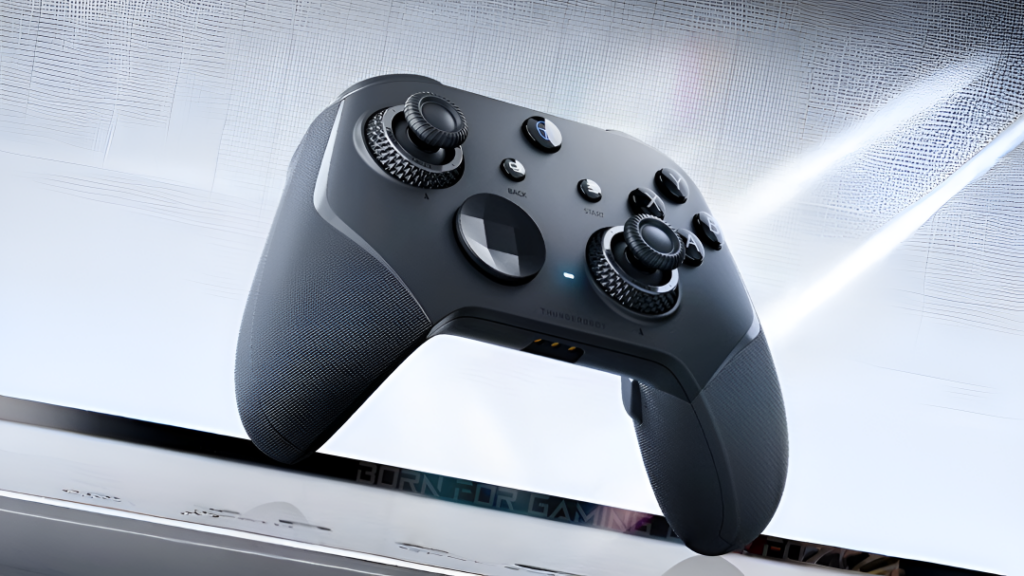
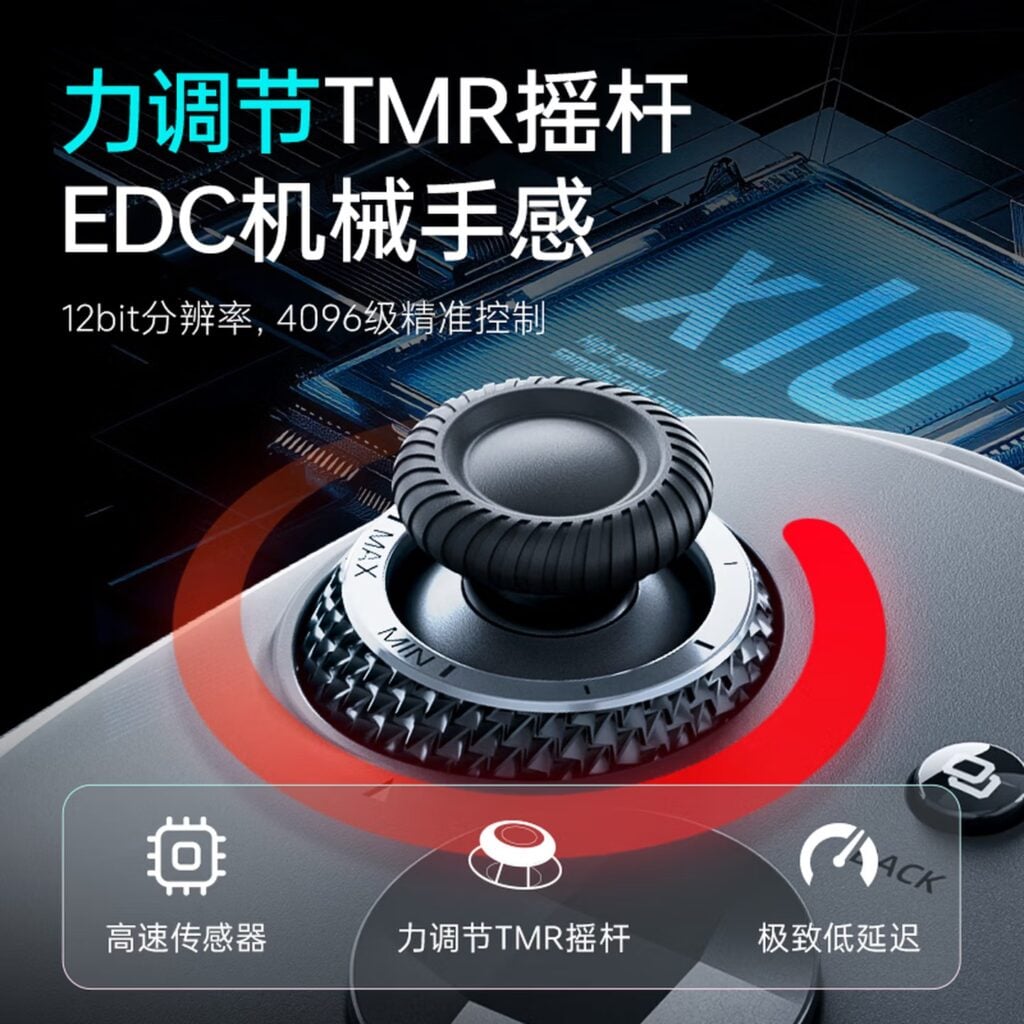
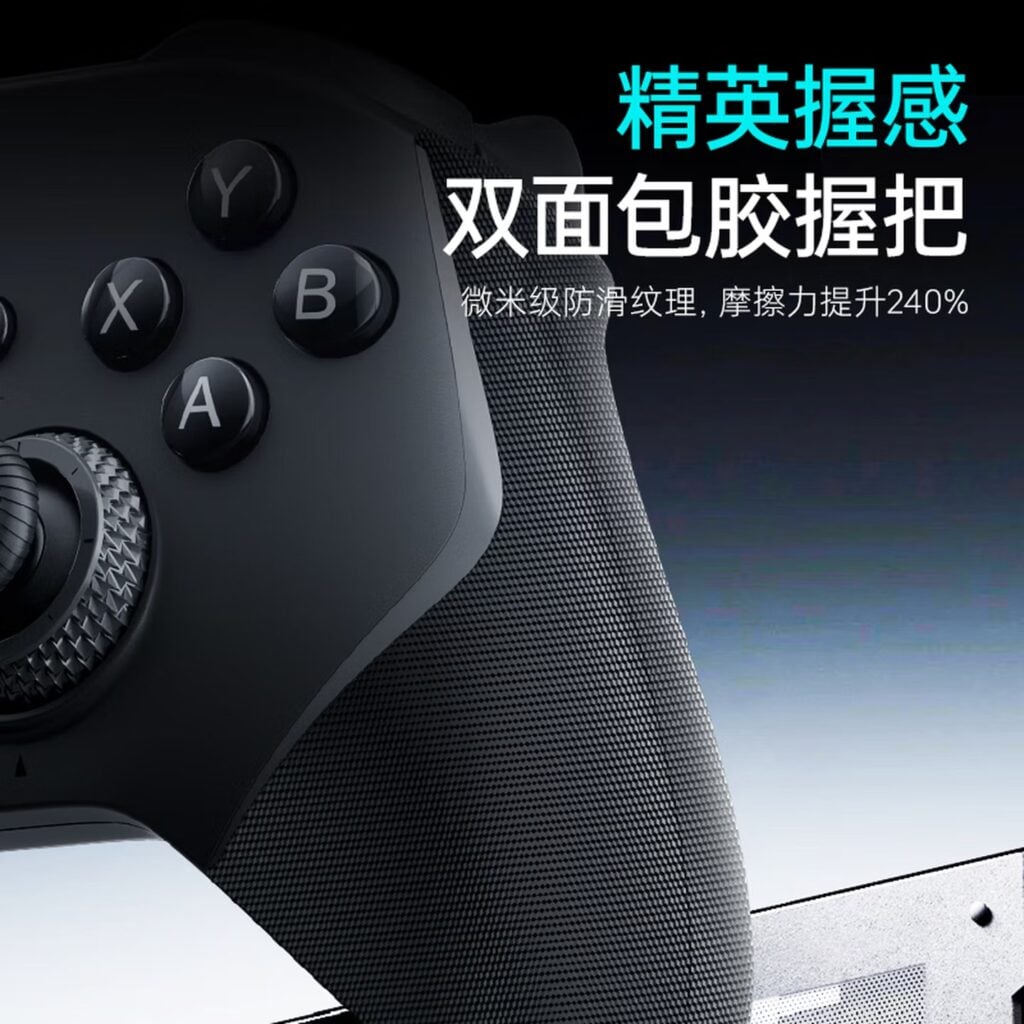
Xiaomi has officially teased its upcoming PC peripheral, the Xiaomi Gaming Mouse 2. According to a recent post from the company’s Weibo account, the new mouse is being developed with competitive players in mind, featuring what the company describes as esports-level tuning.
While the complete specifications haven’t been shared just yet, the promotional materials confirm that the device will be equipped with a new flagship sensor from PixArt. The exact model of the sensor remains unannounced.
Alongside the PixArt hardware, the mouse will include a high-end controller to manage inputs. Xiaomi’s current marketing for the device focuses on reliability and accuracy, using the tagline: “Precision earns you a spot. Stability wins you the game.”
To get an idea of what the Gaming Mouse 2 might offer, it is helpful to look at the company’s previous release. In September 2024, Xiaomi launched the Mouse X1. That model featured a lightweight 65-gram design and an optical sensor capable of 26,000 DPI. It also supported an 8,000Hz polling rate for quicker response times.
For battery life, the X1 included a 530mAh battery, which provided up to 110 hours of wireless use when connected via its 2.4 GHz USB receiver at a standard 1,000Hz polling rate.
Given the hardware included in the X1, the Gaming Mouse 2 will likely build on that foundation with the updated PixArt sensor and controller. Xiaomi hasn’t shared pricing or a specific release date yet, noting only that the device is coming soon. More technical details should become available as the launch approaches.
For more daily updates, please visit our News Section.
HP has launched new hardware in its HyperX gaming line, including a new controller and a refresh of the Cloud Stinger 3 headsets.
The new controller is called the HyperX Clutch Talon, which has tool-free customization, interchangeable sticks, D-pads, triggers, and back paddles. HP also says users can extend customization through 3D-printable parts.
The controller uses Hall Effect sticks and triggers, which are designed to reduce drift and improve precision during gameplay. It also includes three-stage trigger locks and reprogrammable back paddles for faster inputs. Platform support covers PC, Android, and Xbox, while dual wireless connectivity and up to 30 hours of battery life round out the feature set.
HP has also introduced the HyperX Cloud Stinger 3 and CloudX Stinger 3 headsets. The lineup includes wired and wireless options, with low-latency 2.4GHz wireless support on select models and Bluetooth support on the wireless version. The headsets feature stainless steel headband sliders, a lightweight build, memory foam ear cushions, and a noise-cancelling microphone with mute controls.
Battery life is one of the main upgrades on the Cloud Stinger 3 Wireless, which is rated for up to 80 hours. The headset family is built around comfort and durability, while keeping the entry price lower than many gaming headsets.
HP is also moving its HyperX NGENUITY software out of beta after an extended testing phase. The platform adds deeper control over HyperX gear, including audio tuning, microphone settings, device performance, and personalization tools.
The latest NGENUITY Audio Engine is powered by HEAR360 and includes parametric and graphic equalizers, game and chat balance, advanced spatial audio, and spatial chat. It also supports real-time dynamic microphone processing, voice monitoring, EQ presets, and AI noise reduction. Performance controls include adjustable actuation points, Rapid Trigger sensitivity, SOCD options, and mouse sensor tuning. Users also get a customizable dashboard, searchable remapping, and macro recording.
Pricing & availability
The HyperX Clutch Talon Controller is expected this summer on HyperX.com for $159.99. The Cloud Stinger 3 headsets are available now on HyperX.com starting at $49.99. NGENUITY is available to download today.
For more daily updates, please visit our News Section.
Headphone Zone has teamed up with ddHiFi to launch two new budget in-ear monitors in India. The Iris is priced at Rs. 2,999, while the Skyfall costs Rs. 3,999. Both models have been built for audiophiles and are available through Headphone Zone’s website.
The two IEMs were developed with Demond Ding, founder of ddHiFi. Headphone Zone says the project started with a simple question. Did India really need another budget IEM, or could the segment get something more interesting at an entry-level price?
Iris and Skyfall are built around a fully solid 3D-printed medical-grade resin shell. This type of construction is usually found on more expensive IEMs, including the Moondrop Blessing 3 and DITA Audio Project M. Headphone Zone is also using hand-painted marbled faceplates sealed under clear resin. Iris comes in marbled green, while Skyfall gets a marbled blue finish. Since the patterns are made by hand, each pair will look slightly different.
The Iris is the simpler of the two. It uses a single 10mm dynamic driver with a beryllium-plated diaphragm. Its tuning focuses on vocals and instruments, instead of the usual bass-heavy sound many budget IEMs chase. Headphone Zone says the Iris is better suited for rock, acoustic, pop, R&B, and jazz. It ships with a 3.5mm silver-plated OFC cable and uses a 0.78mm 2-pin connector. The company also says it pairs naturally with the Headphone Zone X ddHiFi Hi-Res DAC.
Skyfall sits slightly higher in the lineup and costs Rs. 3,999. It uses a hybrid setup with one 10mm nano-titanium dynamic driver and one custom balanced armature. A two-way crossover handles the pairing through electronic RC components and acoustic design. The sound is tuned to be warm, full-bodied, and smoother at the top end, making it better suited for longer listening sessions. Headphone Zone lists cinematic music, soundtracks, hip-hop, and electronic music as its ideal use cases.
Skyfall also gets a 4.4mm balanced high-purity silver-plated OFC cable with an aluminium shell. It is designed to pair with the Headphone Zone X ddHiFi Hi-Res DAC Pro.
For more daily updates, please visit ourNews Section.
There is an interesting leak about the Galaxy S27 Ultra’s camera system. Samsung may be removing a camera instead of upgrading it.
Samsung moved to a dual telephoto setup with the Galaxy S21 Ultra, enabling long-range zoom on its flagships. That shift is a big part of why the S Ultra lineup is still considered among the most capable camera phones today. It helps maintain clarity across different zoom levels without relying too heavily on cropping from the main sensor. If you haven’t guessed it already, the 3x telephoto lens is expected to be removed on the S27 Ultra.
According to reliable tipster Ice Universe, the 200MP main sensor will take on more of the workload. What does that actually mean? The main sensor would need to maintain image quality as you crop in, up to around 5x, where the periscope telephoto would take over.
While the 200MP figure still sounds impressive, there is a reason the Galaxy S26 Ultra uses 16-to-1 pixel binning, combining data from 16 pixels into one. The result, as you know, is a 12MP output. The phone can either crop into the 12MP binned output, or use the full 200MP image for more detail when zooming, which can introduce noticeable noise, especially in moderate to low light.
There is a third option, which is to rely on AI to manage that noise. But that approach also has its limits, often introducing artifacts. That is why Chinese smartphone makers like Oppo and Vivo are bundling their flagships with physical teleconverters instead of pushing digital zoom too far on 200MP sensors.
There have also been reports suggesting Samsung could use a larger 1/1.12-inch 200MP ISOCELL sensor, which would help with image quality overall. However, based on past trends, a significantly larger 200MP sensor from Samsung itself does not seem very likely either. The company started with the 1/1.22-inch ISOCELL HP1 in 2021, and this year’s HP5 measures 1/1.56-inch.
So why remove the 3x telephoto in the first place? A refreshed camera layout is reportedly being considered, and the reason may be the addition of magnets for Qi2 compatibility. Removing the 3x lens could free up internal space for a proper magnetic ring and better accessory support.
That leads to a bigger question. What matters more here: camera versatility or Qi2 and magnetic accessories? Or is this simply a cost-saving decision that also enables a new design direction?
Sony has launched the HT-B500 soundbar in China, a 3.1-channel audio system designed to enhance home entertainment setups. The soundbar is now available on JD.com at a price of 2,341 yuan ($342).
Sony HT-B500 Specifications
The Sony HT-B500 soundbar features a 3.1-channel audio configuration with a front-facing physical three-channel setup. It comes with a dedicated center channel speaker that enhances vocal clarity. The system also includes a powerful wireless subwoofer, which is engineered to produce deep and impactful bass.
The soundbar supports advanced audio formats such as Dolby Atmos and DTS:X. It equips Sony’s Vertical Surround Engine (VSE), which simulates overhead audio without requiring additional ceiling speakers. Alongside this, it features S-Force Pro Front Surround technology, which expands the soundstage horizontally.
Sony also integrates its one-touch 3D upmix surround technology into the HT-B500. This feature intelligently processes standard stereo or 2-channel audio sources and converts them into a more immersive 3D surround sound output. As a result, even streaming content with basic audio can feel richer and more spatial. The soundbar further comes with AI Voice Enhancement 3.0, which separates dialogue from background noise in real time.
In terms of connectivity and usability, the soundbar supports Bluetooth 5.3, enabling wireless audio streaming from smartphones, tablets, and laptops. It equips DSEE (Digital Sound Enhancement Engine) technology, which enhances compressed audio files by restoring lost details for improved sound quality. The device also features HDMI eARC output and optical input.
The HT-B500 sports a slim and minimalist design with a metal grille and rounded edges, making it suitable for both wall mounting and tabletop placement. It comes with a compact form factor that allows flexible placement in different room setups.
If you are still using the OnePlus 11 in 2026, it has aged well. The phone is now over 3 years old and likely still handles everyday tasks without much friction. Apps open quickly, scrolling feels smooth, and the charging speed is what you can rely on. In a lot of ways, the OnePlus 11 might not feel like a 2023 smartphone or outdated per se.
However, now is the right time to upgrade from it since it’s more about what happens next.
The upcoming OxygenOS 17 is expected to be its last major update for the OnePlus 11. That means it will no longer be moving forward with future Android versions.
At the same time, the Snapdragon 8 Gen 2 inside the OnePlus 11 is now a few generations behind. You might not feel the difference immediately, but it will start to appear in small ways, if it hasn’t. And it could be anything from slightly longer load times, less efficient battery use, or fewer performance gains in newer apps and games.
None of this makes the OnePlus 11 unusable. It just makes it easier to justify moving on.
1. What to look for if you’re coming from a OnePlus 11
If you’ve used a OnePlus phone for a while, your expectations are pretty clear, even if you don’t think about them directly.
You expect fast charging that actually changes how you use the phone. Plug in for a few minutes, and you’re good again. You expect performance that doesn’t need explaining. No stutters. No weird slowdowns. And you expect software that doesn’t constantly get in your way.
You might get that combination in the OnePlus ecosystem itself. Or if you want to move, we have those options too.
2. The List: OnePlus 15R
The OnePlus 15R could be an easy upgrade because you are sticking to the known OnePlus ecosystem. It runs on Snapdragon 8 Gen 5, which is a noticeable jump from the 8 Gen 2. Not just in peak performance, but in how stable everything feels. Its thermal management is also better if you are into gaming.
More importantly, you get a 48% bigger battery at 7400mAh.Even the charging is fast here at 120W, with 50% charging claimed in 15 min.
Moving on, the 15R also has a 165Hz AMOLED panel. In comparison, the OnePlus 11 has a 120Hz panel. While the difference may not be noticeable immediately since few apps support a 165Hz refresh rate, games like Call of Duty Mobile, Clash of Clans, Brawl Stars, and Real Racing 3 are optimized to make use of it.
Key Specs:
Snapdragon 8 Gen 5
7,400mAh battery
165Hz AMOLED display
55W fast charging
OxygenOS 16
Why OnePlus 11 users will like it: It feels familiar in the ways that matter. Fast, smooth, predictable. You don’t need to relearn anything.
Why they won’t: The cameras are fine. Not bad. But this isn’t the phone you buy if you’re obsessed with photography.
3. iQOO 15R
The iQOO 15R is the performance-focused alternative. Internally, it’s nearly identical to the OnePlus. Same chipset, same general performance ceiling. Even the camera setup mirrors the OnePlus. It has a 50MP main, 8MP ultrawide, and again, no telephoto. This seems to be a consistent trade-off across this segment.
The battery size is even bigger here at around 7,600mAh, and charging goes up to 100W. So just plug it in, and it fills up quickly.
The difference here is the display, which is a 144Hz AMOLED panel. Slightly lower refresh rate than the OnePlus options, but not something most people will notice.
Key Specs:
Snapdragon 8 Gen 5
~7,600mAh battery
144Hz AMOLED display
100W fast charging
Long software support window
Why OnePlus 11 users will like it: It delivers the same “fast and practical” experience, but with even bigger numbers.
Why they won’t: Software experience feels different, and the cameras are average.
4. Motorola Signature
The Motorola Signature is the outlier here. It’s thinner, lighter, and more design-focused than most phones in this category.
It still runs a Snapdragon 8 Gen 5 with 16GB RAM and 512GB storage as standard. What stands out is the design. It’s thinner than most phones in this category, lighter, and still manages to include a high-brightness display and strong durability ratings.
Key Specs:
Snapdragon 8 Gen 5
16GB RAM, 512GB storage
165Hz display
IP68/IP69 rating
Premium lightweight design
Why OnePlus 11 users will like it: It keeps a relatively clean Android experience, and it feels different in a good way.
Why they won’t: It’s expensive. And it doesn’t lean into fast charging the way OnePlus does.
5. Realme Neo 8
The Realme Neo 8 is another phone running on the same Snapdragon platform, but it’s closer to a flagship in terms of features.
The display is a 6.78-inch AMOLED panel with a 165Hz refresh rate and an unusually high peak brightness rating of 6500 nits. More importantly, this is one of the few phones here with a proper telephoto lens.
Its 50MP periscope camera offers 3.5x optical zoom, alongside a 50MP main sensor and an 8MP ultrawide. This alone makes it more versatile than the OnePlus and iQOO options.
Its battery capacity is also larger at 8000 mAh. The charging, however, is a bit slow at 80W, but given the battery size, it’s still practical. There’s also an RGB LED on the back for some extra visual flair.
Key Specs:
Snapdragon 8 Gen 5
16GB RAM, 1TB storage
165Hz display
IP68/IP69 dust and water resistance
RGB LED design with glass back and metal frame
Why OnePlus 11 users will like it: The camera system is more versatile, especially with the periscope zoom. The battery is big, too, and the display is bright and smooth, without any inconsistency.
Why they might not: Charging is slower than that of the OnePlus 11, and the RGB lighting and overall design might feel a bit loud if you prefer something minimal.
6. Best overall pick for a OnePlus 11 user
For most people, the answer is the OnePlus 15R.
Not because it’s the most powerful. It isn’t. Not because it has the best camera. It doesn’t.
It’s the best because it feels like a continuation. You get a much newer chip, a significantly larger battery, and the same general experience you’re already used to. There’s no adjustment period. No trade-offs that feel surprising.
For more daily updates, please visit our News Section.
We use cookies on our website to give you the most relevant experience by remembering your preferences and repeat visits. By clicking “Accept”, you consent to the use of ALL the cookies.
This website uses cookies to improve your experience while you navigate through the website. Out of these, the cookies that are categorized as necessary are stored on your browser as they are essential for the working of basic functionalities of the website. We also use third-party cookies that help us analyze and understand how you use this website. These cookies will be stored in your browser only with your consent. You also have the option to opt-out of these cookies. But opting out of some of these cookies may affect your browsing experience.
Necessary cookies are absolutely essential for the website to function properly. This category only includes cookies that ensures basic functionalities and security features of the website. These cookies do not store any personal information.
Any cookies that may not be particularly necessary for the website to function and is used specifically to collect user personal data via analytics, ads, other embedded contents are termed as non-necessary cookies. It is mandatory to procure user consent prior to running these cookies on your website.