Advertisement

Poco F2 Lite live shots leaked; Snapdragon 765, 6GB RAM, 5,000mAh battery rumored

Last week, Xiaomi Global VP and Managing Director for India, Manu Kumar Jain confirmed that Poco has now become an independent brand and it will be launching new products this this year. Hence, it appears that there could be multiple products from POCO in 2020. On Jan. 17, RevAtlas shared live shots of a smartphone called Poco F2 Lite through its YouTube channel. The images and key specs of the phone were revealed to it through an email by a someone whose identity was not revealed. He revealed that Poco will be launching three smartphones this year.

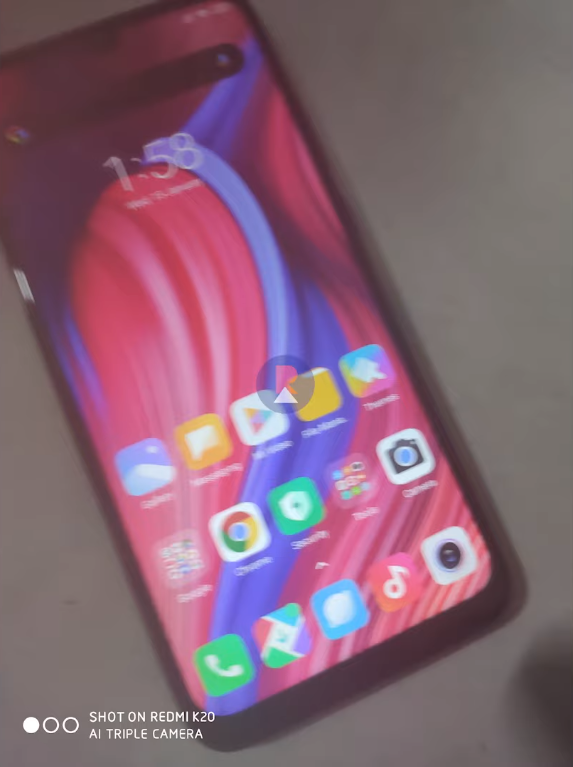
RevAtlas stated that it received three images of the phone. One of the shots reveals the Poco F2 Lite moniker.  Its images show that the handset features a waterdrop notch display with a thick-sized chin. The handset is running on a MIUI version design for the Poco brand. It appears to be running on Android 10 OS.

It is revealed that the Poco F2 Lite is powered by Snapdragon 765 chipset and 6 GB of RAM. It is equipped with a behemoth battery of 5,000mAh capacity.  The leak also states that the phone is fitted with a very high-resolution camera. There is a possibility that it could be sporting a 48-megapixel camera or higher.
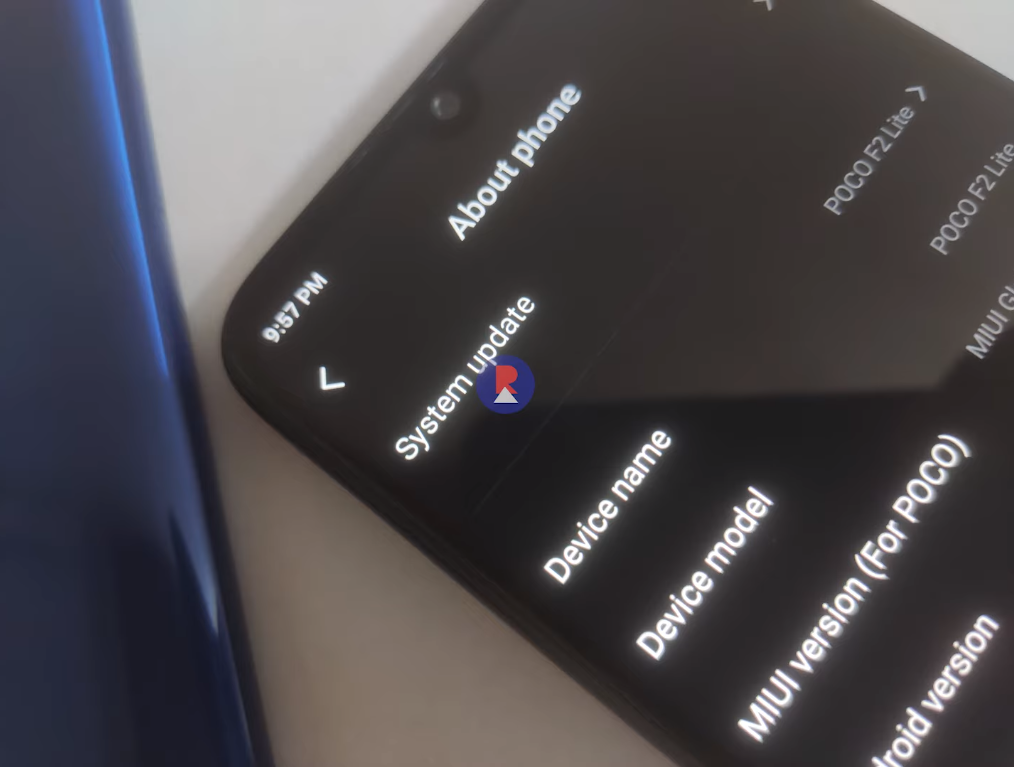
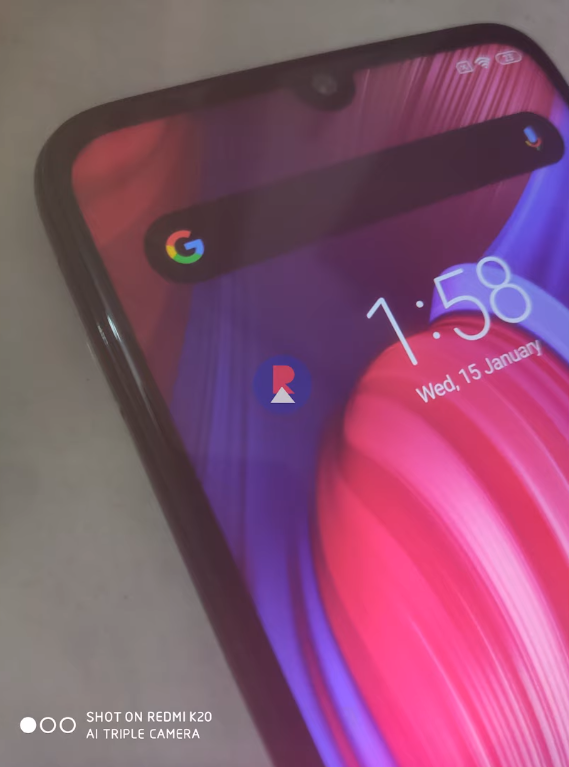
The YouTuber claims that there is confirmation on whether the leak is genuine or fake. Apart from the Poco F2 Lite, there is no confirmation on the names of other two Poco devices that will be unveiled this year. The email that carried the images stated that “millet model bring price cheaper than before” text which suggest that its pricing could be cheaper than the Poco F1 that had landed in India with a starting price of Rs. 20,999 in 2018.

If the Poco F2 Lite exists, it is likely that the Poco F2 with flagship specs could be also coming. As it is known, the Chinese firm had recently trademarked the Poco F2 moniker in the country in the recent past.

In related news, a phone named Poco X2 had popped on Geekbench last week. It is believed that it could be a rebranded version of the Redmi K30 for India. It remains to be seen whether the Poco X2 really exists. Readers are advisable to wait for further reports to know more on the upcoming Poco smartphones.


(source)
China’s MIIT releases list of top 100 software companies; Huawei leads again, Xiaomi makes top 10

The Chinese Ministry of Industry and Information Technology (MIIT) has released a list of the top 10 Chinese software companies for 2019. The list is the 18th one they have released since they began ranking the companies.

At the top of the list is none other than Huawei Technologies, taking the top spot for the 18th time. They are followed by Haier Group and Alibaba Cloud Computing Co. Ltd. Inspur Group, a large-scale IT enterprise and leader in cloud computing comes in at the fourth spot while Hisense Group takes the 5th position.

Xiaomi makes it to the top 10 for the very first time and sits at the 7th spot. The mobile giant invested a lot in AI and IoT last year and that has propelled it from the 11th spot it occupied last year. China UnionPay Co. Ltd follows behind at the 8th position while Nanrui Electric Co. Ltd sits at the 9th position. E-commerce giant, Beijing Jingdong, clinches the 10th position.

Other familiar names on the list include DJI which sits at the 42nd spot. According to the Weibo account that posted images of the list, Vivo sits at the 79th spot, a massive fall from its previous position of 42nd last year, while its sister company, OPPO, did not make the list this year.


(Source)

Jingdong Time Machine is a phone for the elderly with pop-up selfie, triple rear cams

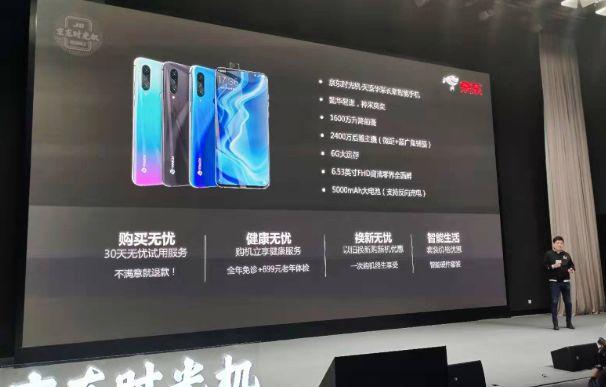
Top phone makers like Samsung, Xiaomi, OPPO, Vivo usually rely on market data to know the design to adopt on their smartphones. Foremost e-tailer Jingdong (JD.com) has such market data at its disposal and that may have prompted its decision to launch a smartphone for the elderly. The smartphone dubbed Jingdong Time Machine is also known as the elderly machine.Jingdong Time Machine

One interesting thing about the JD.com Time Machine is that the phone isn’t an entry-level model. Rather, it packs a pretty decent specs lineup and amazing full-screen design. Even though there are not so many spectacular features, the device comes with GPS and a dedicated app that helps guardians keep a tab on their parents.

Specs-wise, the JD Time Machine comes with an expansive 6.53-inch display and is powered by an unnamed processor paired with 6GB of RAM. It features 64GB and 128GB storage options.

For photography, the smartphone features a triple rear camera setup comprised of 24MP+5MP+2MP sensors. At the front, there is a 16MP centrally-placed pop-up shooter. The phone is fuelled by an impressive 5000mAh battery which guarantees long usage.

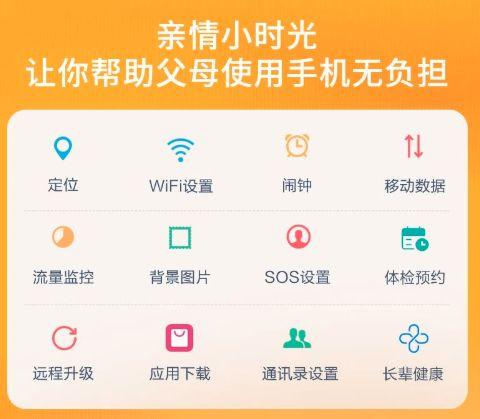
Where the phone shines better is the built-in apps with smart services meant to make it easy for the device to be used by elderly persons. One of the apps is the Family Hour Light app. Through this app, the children of the elderly can remotely download TV shows for the parents, organize albums, and clear the system cache. The daily problems encountered by the elderly when using mobile phones can be solved through the app. You can turn on the WiFi, GPS, set an alarm, regulate the screen brightness, check the calendar, and even send an SOS, among other things, right from the app’s home screen. In this way, they won’t have to rummage through the phone to change a system setting or anything else.

In addition, the mobile phone also has JD Health’s “quick consultation” service built-in, and the elderly can directly consult with doctors online

As for the price, the Jingdong Time Machine is priced at 1,099 yuan (around $160) for the 6GB/64GB version while the 6GB RAM/128GB storage version is priced at 1,199 yuan ($174). No details yet on its availability but it certainly will go on sale at JD.com soon.


LG W20 specs listed on Google Play Console; powered by Unisoc processor

The LG W10 was announced in June 2019 as the first of a new series of affordable smartphones to take on phones from Redmi, Realme, and Samsung. The phone launched alongside two other devices – the LG W30 and LG W30 Pro. Now LG is set to announce the LG W20 and its specs have been made public.

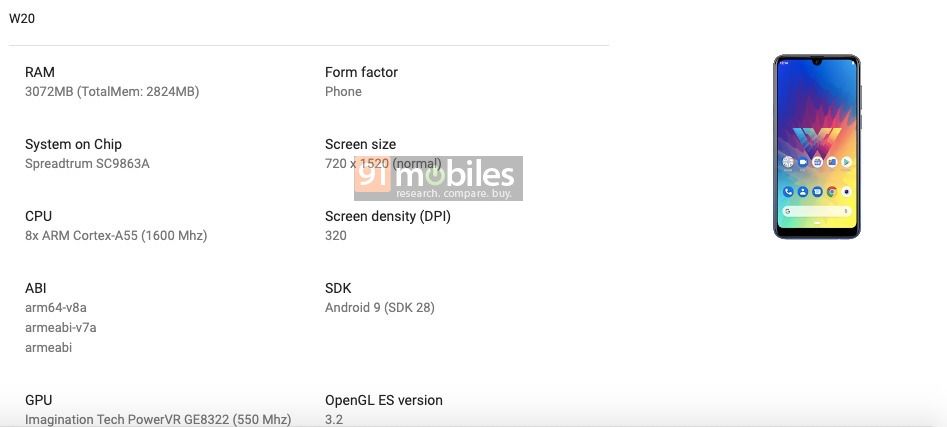
The LG W20’s specs were found on the Google Play Console. The phone has a 720 x 1520 (HD+) resolution and a waterdrop notch according to the attached image. It has 3GB of RAM and is powered by UNISOC’s Spreadtrum SC9863A. This is the same chipset that powers the Alcatel 1s (2019) and the 2019 Blade A7. It is a 28nm octa-core processor clocked at 1.6GHz and paired with a PowerVR GE8322 GPU.

LG W20

While a lot of upcoming mid-range phones will be running Android 10, including LG’w own K43, the LG W20 is running Android 9 Pie. Based on this, we think the device was supposed to launch last year but was delayed hence why it isn’t running Android 10. We hope LG updates it and its siblings to Android 10 in the future.

The LG W20 should be positioned between the LG W10 and LG W30. It should be better in terms of performance as it has eight Cortex-A55 cores unlike the Helio P22 inside the LG W10 and LG W30 which has eight Cortex-A53 cores. However, efficiency will be poor as it is a 28nm chipset.

The phone should have multiple rear cameras, a fingerprint scanner, and a 4,000mAh battery like its siblings. It is expected to be priced at about INR 9,000 (~$127).


(Source, Via)

ZTE Mobile to make an announcement tomorrow, may be related to the Axon 10s Pro

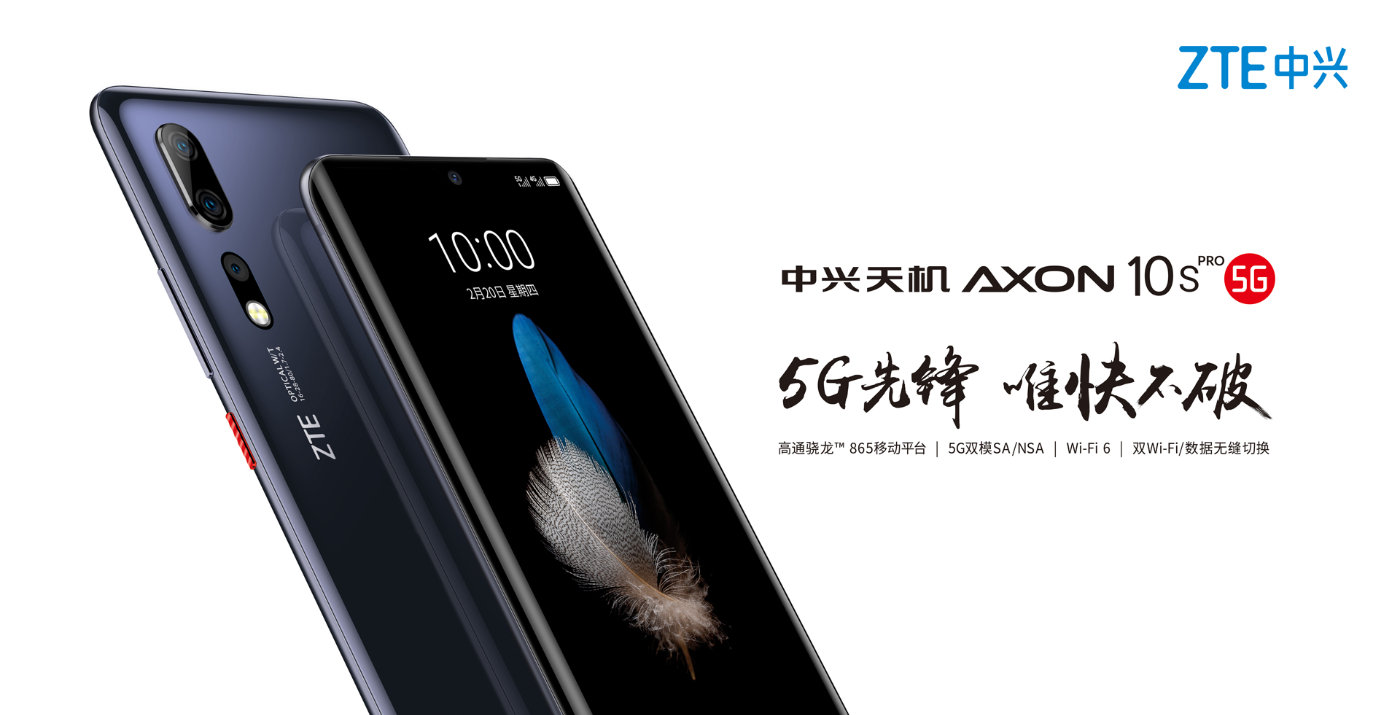
ZTE’s 2020 flagship, the Axon 10s Pro, already surfaced last month. Images and some key specs were released by ZTE itself and it later appeared on TENAA were the full spec sheet was published.

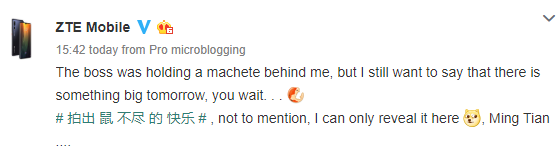
It has been reported that the phone may be the first Snapdragon 865 to launch. However, there has been no official info on the date of the launch, but we may be getting something tomorrow according to the manufacturer’s Weibo account.

The post says there will be a big announcement tomorrow and we think it may be related to the launch of the Axon 10s Pro or ZTE’s MWC event. In addition, the hashtag in the post hints at the announcement being camera related.

ZTE January 20 announcement

The launch of the Axon 10s Pro will definitely not happen until after the Spring Holidays as virtually all Chinese businesses will be closed between January 20 to early February.

The Axon 10s Pro will have a 6.47-inch screen with a 2340 x 1080 resolution. Sadly, ZTE isn’t joining the high-refresh rate train just as it didn’t last year. However, the screen is a curved AMOLED display with a waterdrop notch and a 19.5:9 aspect ratio.

ZTE Axon 10s Pro 5G

The Snapdragon 865 processor will be paired with 6GB, 8GB, or 12GB LPDDR5 RAM and 128GB, 256GB or 512GB of storage. The Axon 10s Pro will come with a triple camera setup that includes a 48MP primary rear camera paired with 8MP and 20MP sensors. There will be a 20MP sensor in front for selfies.

The phone will have an in-display fingerprint scanner, a 4000mAh battery with support for fast charge. The Axon 10 Pro 5G has support for wireless charging, so its successor should have too. It will run Android 10 out of the box with MiFavor 10 in China and a near stock version of Android in other markets. It will support NSA and SA 5G bands 41, 78, and 79.


Realme XT gets Realme UI with Android 10 update

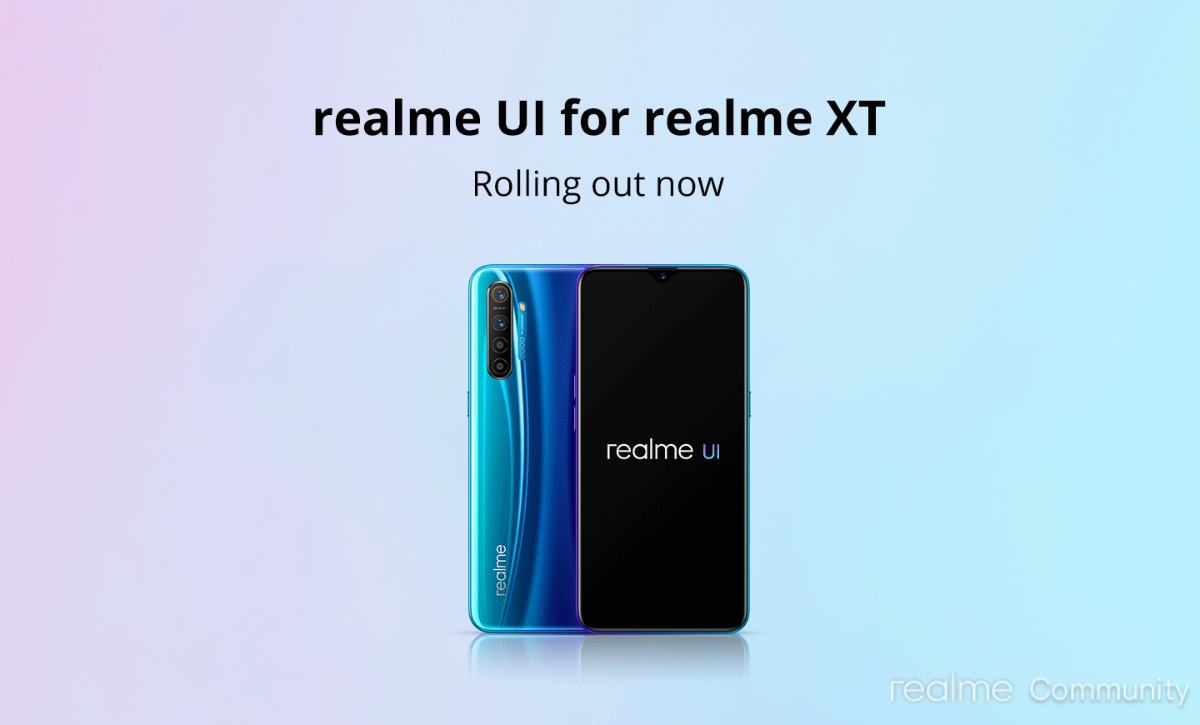
Realme is ditching OPPO’s ColorOS for its own custom user interface called Realme UI. The new user interface was announced recently and has begun rolling out. The Realme 3 Pro received the update a few days ago and now it is the turn of the Realme XT.

Android 10 (Realme UI) for Realme XT

The update arrives as version RMX1921EX_11-C.01 and weighs in at 3.52GB in size. It comes with Realme UI 1.0. There are several new features such as new Android 10 navigation gestures that work in landscape mode; new artistic and live wallpapers; new charging animation; focus mode; Random MAC Address Generator which protects you from ads and attacks by generating a random MAC address when connected to a WiFi network; support for OPPO, Xiaomi, and Vivo devices with Realme Share (this should be the result of the peer-to-peer transmission alliance) and more. Below is the full change log:

Visuals

• Updated UI to Realme UI

• Brand new Real Design makes visuals more attractive and operation more efficient.

Smart Sidebar

• Optimized user interface and improved one-handed operation.

• Optimized Smart Sidebar: Replaced File Console with File Manager; removed OSIE Visual Effect and No Notification Alerts.

• Drag an app out of Smart Sidebar to open it in Split-screen Mode.

• Added two new features: “Assistive Ball Opacity” and “Hide Assistive Ball on Fullscreen App”.

• Optimized the Floating Window feature for more apps.

• Added Bubbles: A bubble is displayed when you open an app in a floating window from the Smart Sidebar. Tap the bubble to collapse or open the app.

Screenshot

• Optimized 3-Finger Screenshot Gesture: Use 3 fingers to touch and hold the screen, and swipe to take a screenshot of the selected part of the screen (partial screen capture). Use 3 fingers to touch and hold the screen, and swipe your fingers outwards to capture a long screenshot.

• Added screenshot settings: You can adjust the position of the screenshot preview floating window and set the screenshot sound.

• Optimized screenshot preview floating window: After taking a screenshot, drag it up and release it to share it, or drag it down and release to take a long screenshot.

Navigation Gestures 3.0

Optimized: New Android 10 navigation gestures

Optimized gestures: All gestures are supported in landscape mode.

System

  • Added Focus Mode: Minimizes outside distractions when you are learning or working.
  • Added whole new charging animation.
  • Optimized the Quick Settings user interface for easier one-handed operation.
  • Added pause feature for screen recording.
  • Added a floating window and settings for screen recording.
  • New sounds added for file deletion, calculator key touches, and compass pointer.
  • Optimized system built-in ringtones.
  • Added TalkBack floating prompts for Accessibility.
  • New management feature for recent tasks: You can view memory of recent tasks and locked apps.

Games

  • Optimized visual interaction for Game Space.
  • Optimized loading animation for Game Space.

Homescreen

  • Added new live wallpapers.
  • Added artistic wallpapers.
  • Added option to open Global Search or the notification panel when swiping down on homescreen.
  • Added option to customize the size, shape, and style of app icons on homescreen.
  • Optimized the graphic design of password unlock to facilitate one-handed operation.
  • Support for animated wallpapers on the lockscreen.
  • Added a Simple Mode for homescreen, featuring larger fonts, icons and a clearer layout.

Security

  • Random MAC address Generator: When your phone is connected to Wi-Fi network system generates a random MAC address to avoid targeted ads and protect your privacy.

Tools

  • In Quick Settings or Smart Sidebar, you can open Calculator in a floating window.
  • Added the trim feature in Recordings.
  • Added the Weather (dynamic) ringtone, which automatically adapts to the current weather.
  • Added weather-adaptive animations in Weather.
  • Added audio source selection for screen recording.

Camera

  • Optimized the Camera UI for better user experience.
  • Optimized the Timer UI and sound.

Photos

  • Optimized the Album UI for a clearer structure and photo thumbnails.
  • Added Album Recommendations that recognize more than 80 different
  • scenes.

Communications

  • Realme Share now supports sharing files with OPPO, Vivo and Xiaomi devices.
  • Optimized the Contacts UI for a more efficient experience.

Settings

  • Search Settings now supports fuzzy match and contains a search history.

Music

  • Added Dual Mode Music Share in Realme Lab.


Realme says the update is rolling out in batches, so if you don’t get the update yet, you will have to be patient.


(Source)

Nokia TA-1207 gets certified; rumored to be Nokia 1.3

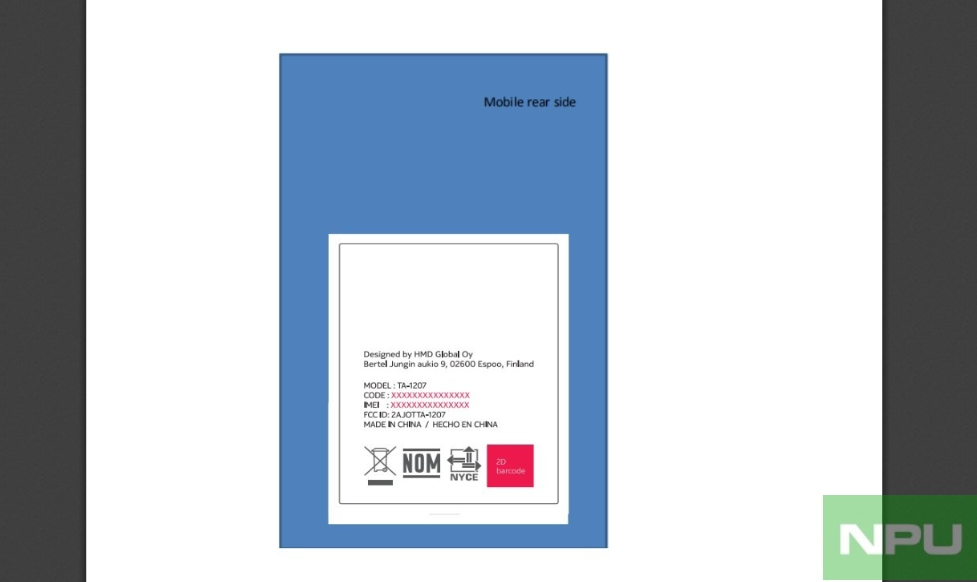
HMD Global has not announced any new phone this year but the Finnish company should unveil a couple of new models at Mobile World Congress next month. Ahead of the event, a Nokia phone with model number TA-1207 has been certified and there are speculations it may be the Nokia 1 (2020) a.k.a. Nokia 1.3.

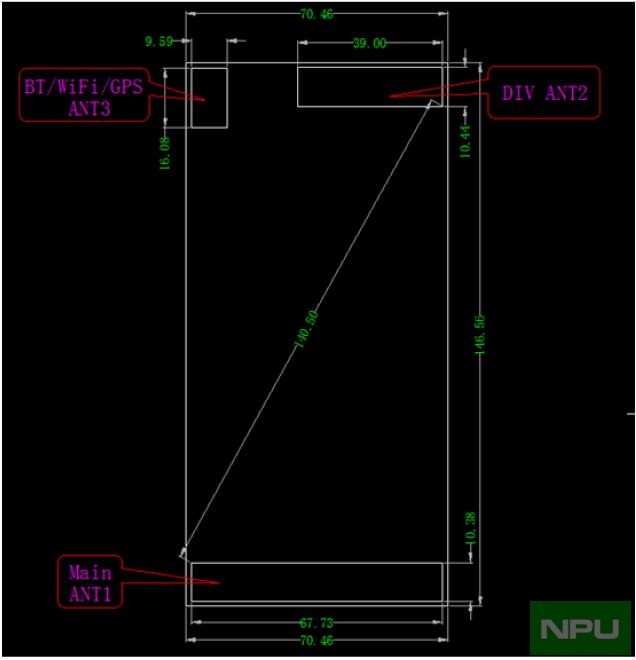
The phone was certified by the FCC and the documents reveal the phone measures 146.56 x 70.46 millimeters. Based on this dimensions, the device is believed to have a screen size between 5.7 and 5.8-inches. FCC also revealed it packs a 2920mAh battery (rated 3000mAh).

The device is believed to be the new Nokia 1 because it is the only other entry level Nokia phone that is due for a successor. The Nokia 2 series already got a new model last month and the Nokia 3 series isn’t due for a successor yet, and even if it is, it will not get a smaller display since the Nokia 3.2 has a 6.26-inch screen.

The Nokia 1.3 is not only expected to come with a bigger battery and screen but should also come with improved cameras and run Android 10 (Go Edition) out of the box.


(Source)

Samsung Galaxy Note 10 Lite vs Realme X2 Pro vs Vivo X30 Pro: Specs Comparison

In a few days, Samsung Galaxy Note 10 Lite will be officially available for reservations in the Indian market. It is the first Lite variant of the Galaxy Note series and we believe it deserves to be included in comparison only for this reason. We obviously chose other affordable high-end smartphones in the same price range for this comparison. For power users, we included Realme X2 Pro, while for people in search of innovative features and amazing cameras, we chose the Vivo X30 Pro. Let’s find out who is better through an in-depth specs comparison.

Samsung Galaxy Note 10 Lite vs Realme X2 Pro vs Vivo X30 Pro

Oppo Realme X2 Pro Vivo X30 Pro Samsung Galaxy Note 10 Lite
DIMENSIONS AND WEIGHT 161 x 75.7 x 8.7 mm, 199 g 158.5 x 74.1 x 8.8 mm, 198.5 grams 163.7 x 76.1 x 8.7 mm, 199 g
DISPLAY  6.5 inches, 1080 x 2400p (Full HD+), Super AMOLED 6.44 inches, 1080 x 2400p (Full HD+), Super AMOLED 6.7 inches, 1080 x 2400p (Full HD+), Super AMOLED
PROCESSOR Qualcomm Snapdragon 855+, octa-core 2.96 GHz Samsung Exynos 980, octa-core 2.2 GHz Samsung Exynos 9810, octa-core 2.7 GHz
MEMORY 8 GB RAM, 128 GB – 6 GB RAM, 64 GB – 12 GB RAM, 256 GB 8 GB RAM, 128 GB – 8 GB RAM, 256 GB 6 GB RAM, 128 GB – 8 GB RAM, 128 GB
SOFTWARE  Android 9 Pie, Color OS Android 9 Pie, Funtouch OS Android 10, One UI
CONNECTIVITY  Wi-Fi 802.11 a/b/g/n/ac, Bluetooth 5.0, GPS Wi-Fi 802.11 a/b/g/n/ac, Bluetooth 5.0, GPS  Wi-Fi 802.11 a/b/g/n/ac, Bluetooth 5.0, GPS
CAMERA  Quad 64 + 13 + 8 + 2 MP, f/1.8, f/2.5, f/2.2 and f/2.4
16 MP f/2.0 front camera
Quad 64 + 32 + 13 + 8 MP, f/1.8, f/3.0, f/2.0 and f/2.2
32 MP f/2.4 front camera
Triple 12 + 12 + 12 MP, f/1.7, f/2.4 and f/2.2
323 MP f/2.2 front camera
BATTERY  4000 mAh, fast charging 50W with Super VOOC Flash Charge 4350 mAh, fast charging 33W 4500 mAh, fast charging
ADDITIONAL FEATURES  Dual SIM slot Dual SIM slot, 5G Dual SIM slot, S Pen

Design

Samsung and Vivo put more effort into the making of the design of Galaxy Note 10 and X30 Pro. They both come with a punch-hole display minimizing the bezels, as well as a better overall look. I personally prefer the Vivo X30 Pro because it is more compact than both its opponents and it has a less invasive camera module on its rear side. But it is a matter of tastes, naturally. Which design do you prefer?


Display

The most advanced display belongs to the Realme X2 Pro. First of all, it is the only device from this trio to feature the HDR10+ technology for better image reproduction especially on streaming platforms such as Netflix and Prime Video. Further, it has a full DCI P3 coverage and a high 90 Hz refresh rate making the viewing experience smoother. The super AMOLED panel even comes with a very high brightness. There is not so much difference between the panels of Vivo X30 Pro and Samsung Galaxy Note 10 Lite, but the Galaxy Note 10 Lite is the only to support the S Pen, an amazing feature for productivity.


Hardware/Software

The most powerful hardware belongs to the Realme X2 Pro which boasts a Snapdragon 855 chipset paired with up to 12 GB of RAM and up to 256 GB of UFS 3.0 internal storage. But, unlike the Vivo X30 Pro, it lacks 5G connectivity. Vivo X30 Pro has an inferior chipset in terms of performance, but it is a chipset bundled with an integrated 5G modem. Samsung Galaxy Note 10 Lite is inferior to both Vivo X30 Pro and Realme X2 Pro in terms of hardware, but it is the only to feature a micro SD slot to expand the internal storage. Further, it is the only with Android 10 out of the box.


Camera

Vivo X30 Pro has the most interesting and awesome camera setup. It includes a main 64 MP sensor with OSI, a periscope lens with up to 5x optical zoom, an additional telephoto sensor with a 32 MP resolution and an ultrawide 8 MP sensor. Simply incredible. Right after, we got the Samsung Galaxy Note 10 Lite with a 12 MP triple camera including OIIS, 2x optical zoom, and an ultrawide lens. Both Vivo X30 Pro and Samsung Galaxy Note 10 Lite are high-end camera phones, but Vivo X30 Pro wins. Realme X2 Pro is just a mid-ranger in terms of camera performance, it packs a 64 MP quad camera including a Samsung GW1 sensor with a 64 MP resolution.


Battery

The biggest battery belongs to the Samsung Galaxy Note 10 Lite which lasts way more on a single charge. But Realme X2 Pro has the fastest charging technology: it goes from 0 to 100 percent in just 35 minutes.


Price

Samsung Galaxy Note 10 Lite will cost €599/$665 globally, Vivo X30 Pro debuted for about €527/$585 in China, and Realme X2 Pro starts from €399/$442 globally. There is not a clear winner of this comparison, it mostly depends on your needs. The S Pen and the bigger battery are the main pros of the Galaxy Note 10 Lite. Vivo X30 Pro offers 5G and better cameras, while Realme X2 Pro comes with a better display and higher-end hardware.


Samsung Galaxy Note 10 Lite vs Realme X2 Pro vs Vivo X30 Pro: PRO and CONS

Realme X2 Pro

PROS

  • Faster charging
  • Best display
  • Very high performance
  • Stereo speakers
  • Good price

CONS

  • Smaller battery


Vivo X30 Pro

PROS

  • 5G
  • Amazing cameras
  • Good design

CONS

  • Nothing particular


Samsung Galaxy Note 10 Lite

PROS

  • Good cameras
  • S Pen
  • Bigger battery
  • Micro SD slot

CONS

  • Inferior hardware


Best Smartphones with Dual Selfie Camera

Smartphones are becoming more user-friendly with the advent of new technologies. Every major OEM is inventing new ways to bring powerful cameras and other hardware to their respective smartphones. At the beginning of the decade, the manufacturers started with a single rear camera, and now the Penta-rear camera module is present on the smartphones. Similarly, to scale the front camera capabilities, the smartphones now hosts dual camera sensors. However, the days are not far away when we will start getting the triple or quad front camera smartphones as appeared in some patent applications.

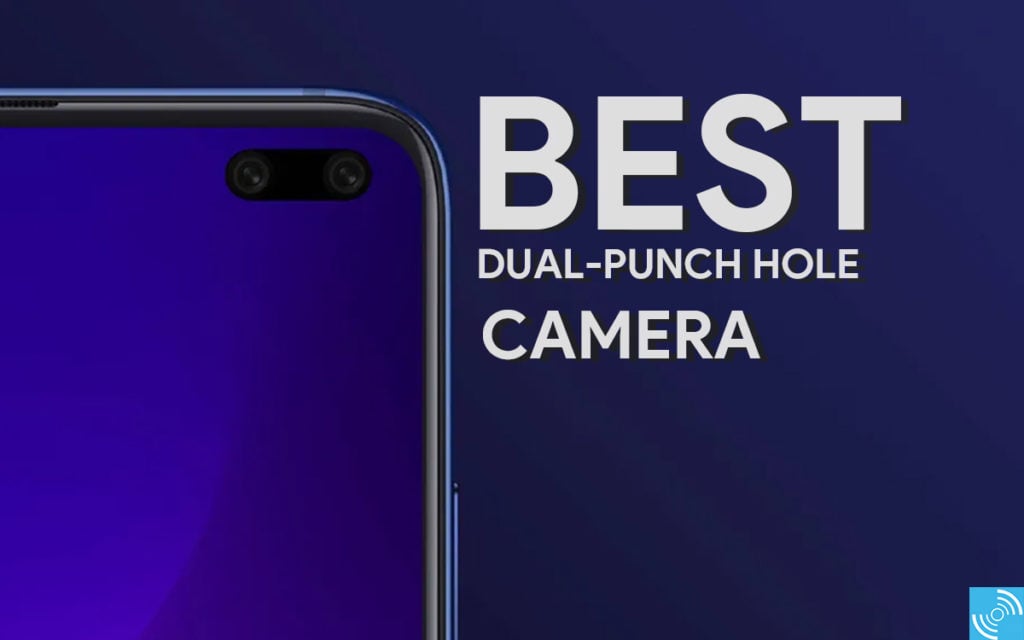
best dual punch hole camera

Must See: DxOMark: Best Smartphone Camera of 2019

We have concluded a list of best smartphones with the dual rear cameras this year. The dual rear cameras are mostly present to get either ultrawide or portrait mode selfie. Many smartphones come with a dual rear camera, and we’ve listed the best of the theme below.

Best Dual Selfie Camera Smartphones

Samsung Galaxy S10 Plus

galaxy s10 plus

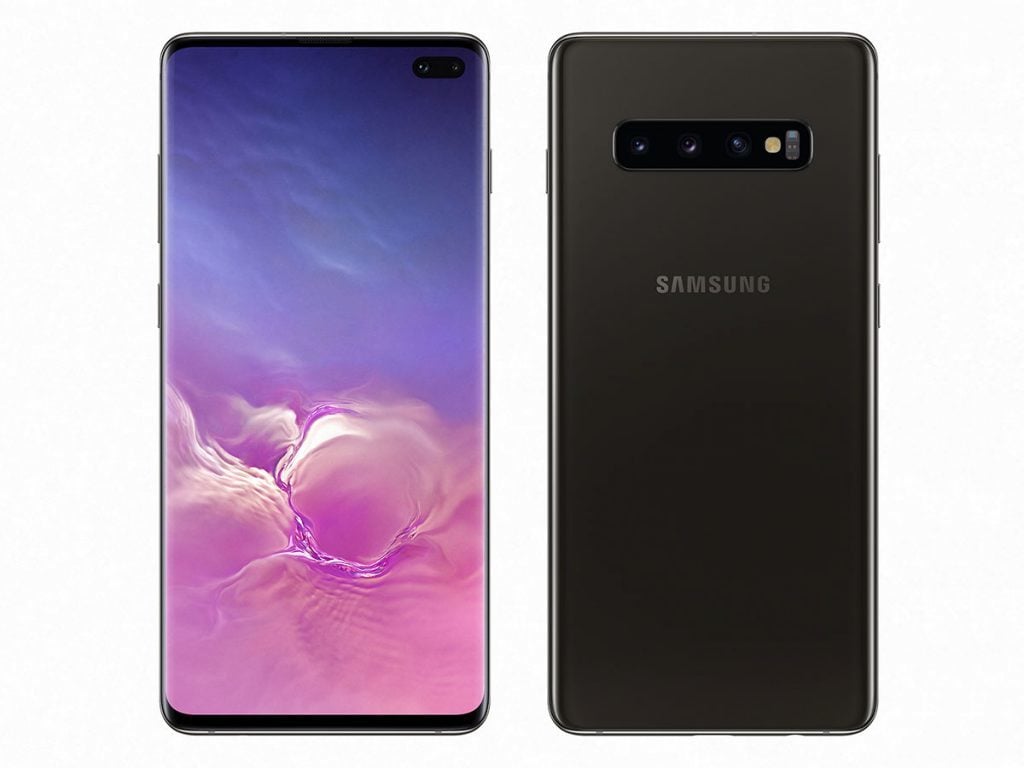
The Samsung Galaxy S10 Plus is a powerful device launched in 2019 with high-end specifications. The smartphone features a dual-selfie camera consisting of a 10-megapixel dual pixel PDAF and an 8-megapixel depth sensor with f/1.9 and f/2.2 aperture, respectively. The front camera supports Dual video calling and Auto-HDR. Both the wide-angle sensors work in sync with each other to produce high-quality photos with depth effects.

Key Features of Galaxy S10 Plus

  • 6.4-inch Dynamic AMOLED display, 1440 X 2040 pixels resolution, Corning Gorilla Glass 6, and HDR 10+.
  • Exynos 9820 with Mali-G76 MP12 GPU or Snapdragon 855 with Adreno 640 (USA/China).
  • Storage options of 8GB + 128GB, 8GB + 512GB and 12GB + 1 TB.
  • Triple Rear Camera 12 MP (wide) + 12 MP (telephoto) + 16 MP (ultrawide).
  • Selfie front camera of 10 MP (wide) + 8 MP (wide).
  • For connectivity, there’s a WiFi, Bluetooth 5.0, GPS, NFC, Radio and USB 3.1 Type-C 1.0 reversible
  • Sensors include Fingerprint, accelerometer, gyro, proximity, barometer, heart rate, SpO2
  • 4100 mAh Li-Ion battery with 15W fast charging, Fast Qi 15W wireless charging, Reverse Wireless 9W charging.

Compare  | Buy from Amazon

Apple iPhone 11 Pro Max

iphone 11 pro max

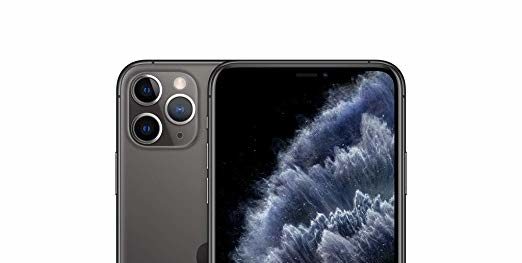
The Cupertino giant launched Apple iPhone 11 Pro Max on 20 September 2019. It hosts a dual front camera setup featuring a 12 megapixel and 0.3-megapixel TOF 3D sensor. It supports HDR and 4K video recording @24/20/60fps and 1080p@20/60/120fps. However, there’s a triple rear camera sensor of 12-megapixels (wide, telephoto, and ultrawide) along with Quad-LED dual-tone flash and HDR photography.

Other Features of Apple iPhone 11 Pro Max

  • Apple A13 Bionic chipset based on 7nm+ process, Hexa-core processor, and Apple GPU.
  • Internal Storage of 4 GB RAM + 64 GB, 4 GB RAM + 256 GB and 4 GB + 512 GB.
  • 6.5-inch Super Retina XDR OLED display, 1242 x 2688 pixels resolution, 10.5:9 aspect ratio, 453 ppi, oleophobic coating, 800 nits brihtness, HDR 10, Dolby Vision, and 120Hz touch-sensing.
  • iOS 13 and upgradable to iOS 13.3
  • Triple rear camera – 12 MP + 12 MP + 12 MP with Quad-LED dual-tone flash, HDR.
  • Connectivity of WiFi, Bluetooth 5.0, GPS, NFC, USB 2.0.
  • Sensors include a Face ID, accelerometer, gyro, proximity, compass, and barometer.
  • Non-removable Li-Ion 3969 mAh battery, 18W fast charging, USB Power Delivery 2.0, and Qi Wireless charging.
  • Colors – Gold, Midnight Green, Silver, and Space Green.

Compare  | Buy from Amazon

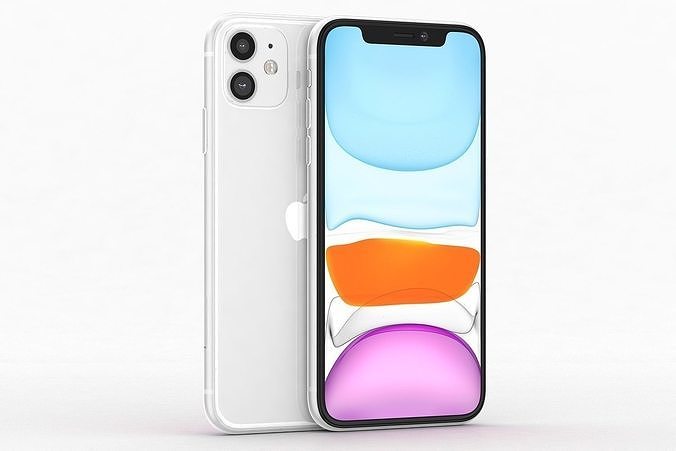
Apple iPhone 11

apple iphone 11 white

The Apple iPhone 11 also features a dual front camera along with the dual rear camera. Precisely, there’s a 12 MP primary sensor and SL 3D camera with HDR support. On the backside, the smartphone carries a dual 12 MP sensors (wide, ultrawide) along with the Quad-LED dual-tone flash, HDR.

Key Features of Apple iPhone 11

  • 6.1-Liquid Retina IPS LCD display, 828 x 1792 pixels, 19.5:9 aspect ratio, 625 nits max brightness, Wide color gamut, 120Hz touch-sensing, and Oleophobic coating.
  • Apple A13 Bionic, Hexa Core, Apple GPU.
  • Runs on iOS 13 and upgradable to iOS 13.3.
  • Storage variants include 4 GB + 64 GB, 4 GB + 128 GB and 4 GB RAM + 256 GB.
  • The dual rear camera module, 12MP + 12 MP (Wide + ultrawide), f/1.8 and f/2.4 aperture, Quad-LED dual-tone flash, HDR.
  • 12MP+ 0.3 MP SL 3D camera on the front for selfies.
  • WiFi, Bluetooth 5.0, GPS, NFC, Radio, USB 2.0.
  • Face ID, Accelerometer, Gyro, Proximity, Compass, Barometer, Siri
  • 3110 mAh Li-Ion Non-removable battery, 18W fast charging, Qi Wireless.
  • Black, Green, Yellow, Purple, Red and White colors.

Compare | Buy from Amazon

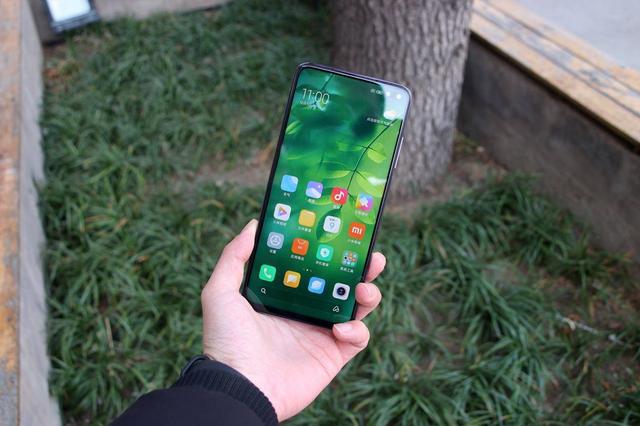
Xiaomi Redmi K30 

Xiaomi launched the Redmi K30 with Snapdragon 765G chipset. It features a dual selfie camera in a capsule sized punch-hole display sporting a 20-megapixel primary camera with f/2.2 aperture and a 2-megapixel depth sensor with f/2.4 aperture. It supports HDR and video recording at 1080p@30fps. On the rear, there’s a quad-camera consisting of a 64-megapixel primary camera, an 8-megapixel ultrawide sensors, a 2-megapixel dedicated macro camera, and 2-megapixel depth sensor.

Other Specifications of the Redmi K30

  • 6.67-inch IPS LCD display, 1080 x 2400 pixels resolution, 20:9 aspect ratio, Corning Gorilla Glass 5, HDR 10, and 120Hz refresh rate.
  • Qualcomm Snapdragon 730G, Octa-Core processor, Adreno 618 GPU, and 6/8GB RAM.
  • 64/128/256 GB UFS 2.1 Internal storage, expandable upto 256 GB microSD card.
  • Connectivity includes WiFi, Bluetooth 5.0, GPS, NFC, Infrared Port, Radio, and USB 2.0 Type C.
  • THere’s a Fingerprint reader on the side, accelerometer, gyro, proximity, and compass.
  • Non-Removable Li-Po 4500 mAh battery with 27W Fast Charging.
  • Blue, Red, and Purple.

Compare | Buy from MI.com

Vivo V17 Pro

vivo s1 pro

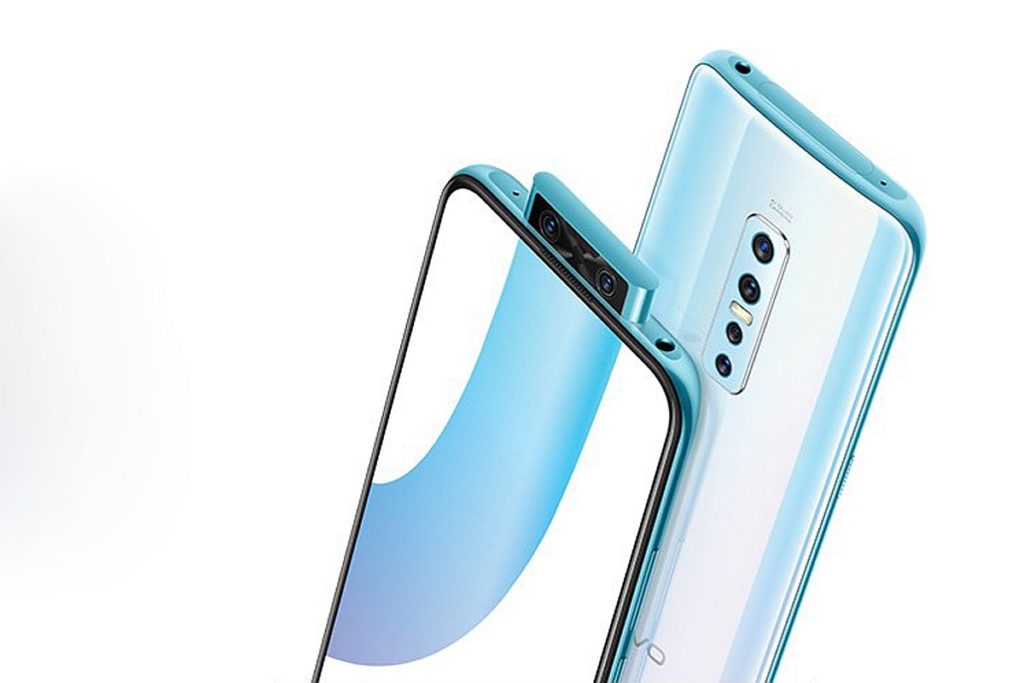
Another powerful device – Vivo V17 Pro featuring dual-selfie camera was launched back in September 2019. The smartphone carries a motorized pop-up front camera module featuring a 32 MP primary and an 8 MP ultrawide camera sensor. There’s a quad rear camera with 48-megapixel primary lens, an 8-megapixel ultrawide lens, a 13-megapixel telephoto lens, and a 2-megapixel depth sensor.

Other Specifications of Vivo V17 Pro

  • 6.44-inch Super AMOLED display, 1080 x 2400 pixels, Gorilla Glass 6, and 20:9 aspect ratio.
  • Qualcomm Snapdragon 675 chipset, Octa-Core processor, Adreno 612 GPU
  • It is only available in 128GB + 8GB RAM version. There’s no way to expand the storage.
  • In connectivity, there’s a WiFi, Bluetooth 5.0, GPS, NFC, FM Radio and USB 2.0.
  • There’s an Under Display Fingerprint sensor, Accelerometer, Gyroscope, Proximity, and Compass.
  • Available in Crystal Black, Crystal Sky, and Midnight Ocean.
  • It measures 159 x 74.7 x 9.8 mm and weighs 201.8 grams.

Compare | Buy from Amazon

Google Pixel 3 and Pixel 3 XL

Pixel 3a featured

Google Pixel 3 and Pixel 3 XL, both the devices feature the same dual selfie camera. Precisely, both smartphones feature an 8-megapixel wide-angle sensor and an 8-megapixel telephoto sensor with f/2.2 and f/1.8 aperture, respectively. The Google Camera app also helps the images to look more professional with powerful software rendering.

Other specs of Pixel 3 and Pixel 3 XL

  • Pixel 3 packs a 5.5-inch P-OLED display, and Pixel 3 XL hosts a slightly bigger 6.3-inch display. Pixel 3 supports 1080 x 2160 pixels resolution, 18:9 aspect ratio, Corning Gorilla Glass 5, HDR, and 443 PPI. It sports 1440 x2960 pixel resolution, 18.5:9 aspect ratio, 523 PPI, and Corning Gorilla Glass 5.
  • Snapdragon 845 chipset, Octa-Core processor, Adreno 630 and 4GB RAM.
  • 64GB Internal Storage, 128 GB Internal Storage, No Card Slot.
  • Sensors include fingerprint, accelerometer, gyro, proximity, compass, and barometer.
  • Non-Removable Li-Po 2915 mAh battery, Li-Po 3420 mAh battery for Pixel 3 XL, 18W fast charging, Qi Wireless charging.
  • Both are available in two color options of Clearly White, Just Black, Not Pink.

Compare | Buy from Amazon

Samsung Galaxy Fold

galaxy fold 500

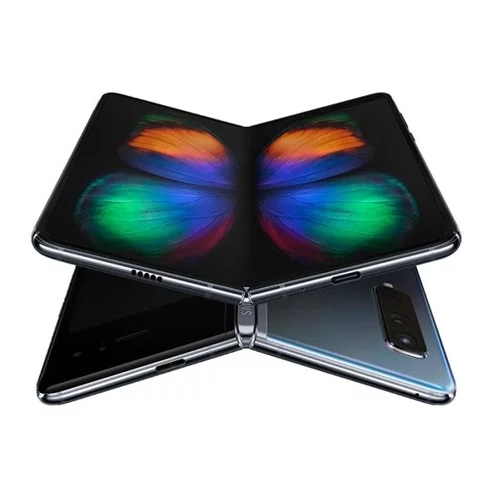
The first commercial foldable device – Samsung Galaxy Fold has a couple of camera sensors on the front. The primary sensor of 10 MP with f/2.2 aperture, and an 8 MP sensor with f/1.9 aperture. The foldable display is measured 7.3-Inch when opened and becomes 4.6-inch upon folding.

Key Features of Samsung Galaxy Fold

  • Snapdragon 855, Octa-Core, Adreno 640, 12 GB RAM.
  • 512 GB UFS 3.0 Internal Storage with 12 GB RAM.
  • Triple Rear camera 12 MP + 12 MP + 16 MP with LED flash and HDR panorama.
  • 7.3-inch foldable Dynamic AMOLED, 1536 x 2152 pixels, HDR 10+, 4.6-inch Super AMOLED, and 720 x 1680 pixels.
  • The Connectivity includes WiFi, Bluetooth 5.0, GPS, NFC, Radio, and USB 3.1.
  • Sensors include fingerprint, accelerometer, gyro, proximity, compass, ANT+, and barometer.
  • 4380 mAh battery Li-Po, 15W fast battery charging, 15W fast wireless charging, and 9W Wireless charging.
  • Colors options such as Space Silver, Cosmos Black, Martian Green, Astro Blue.

Compare | Buy from Amazon

Samsung Galaxy A80

galaxy a80

Samsung Galaxy A80 launched in 2019 packs a mid-range Snapdragon 730G chipset with 8GB RAM. The device features a single sliding camera that acts as both the rear and front camera. Specifically, the single-camera module has a 48-megapixel primary camera, 8-megapixel ultrawide sensors, and a third TOF 3D camera. The smartphone features an LED flash, panorama, and HDR.

Key Specs of Galaxy A80

  • 6.7-inch Super AMOLED display, 1080 x 2400 pixels resolution, Corning Gorilla Glass 3, Always-on display.
  • Qualcomm Snapdragon 730 chipset, Octa-Core processor, Adreno 618 GPU
  • 128 GB + 8 GB RAM without any external MicroSD card.
  • WiFi, Bluetooth 5.0, GPS, NFC, Radio, USB 2.0
  • Sensors include Fingerprint, Accelerometer, Gyroscope, Proximity, Compass, ANT+
  • 3700 mAh Li-Po non-removable battery with 25W charging.
  • Available in Angel Gold, Ghost White, and Phantom Black.

Compare | Buy from Amazon

Realme X50 5G

Realme X50 5G Polar and Glacier
Realme X50 5G Polar White and Glacier Blue

After releasing the flagship smartphone, Realme has recently unveiled the Realme X50 5G smartphone with the high-end specification. It also features a dual selfie camera of 16-megapixel primary shooter and an 8-megapixel ultrawide lens. The rear sensor features 64-megapixel, 12-megapixel, 8-megapixel ultrawide, and 2-megapixel macro camera.

Other Features of Realme X50 5G

  • 6.57-inch IPS LCD, 1080 x 2400 pixels resolution, Corning Gorilla Glass 5, 129Hz refresh rate.
  • Snapdragon 765G chipset, Octa-Core processor, Adreno 620 GPU.
  • Android 10 based ColorOS 7.
  • There’s a 128GB + 8GB RAM, 256 GB + 6GB RAM, 256 GB + 12 GB RAM.
  • Connectivity includes Wifi, Bluetooth 5.0, GPS, NFC, USB 2.0, Fingerprint.
  • 4200 mAh non-removable battery with 30W fast charging.

Compare | Buy from Amazon

These are some best dual selfie camera smartphones available. We will keep updating the list if any new smartphone arrives.

Related: Best Flagship Smartphones of 2019

Honor MOA-AL00 with dual rear cameras and a display notch gets certified by TENAA

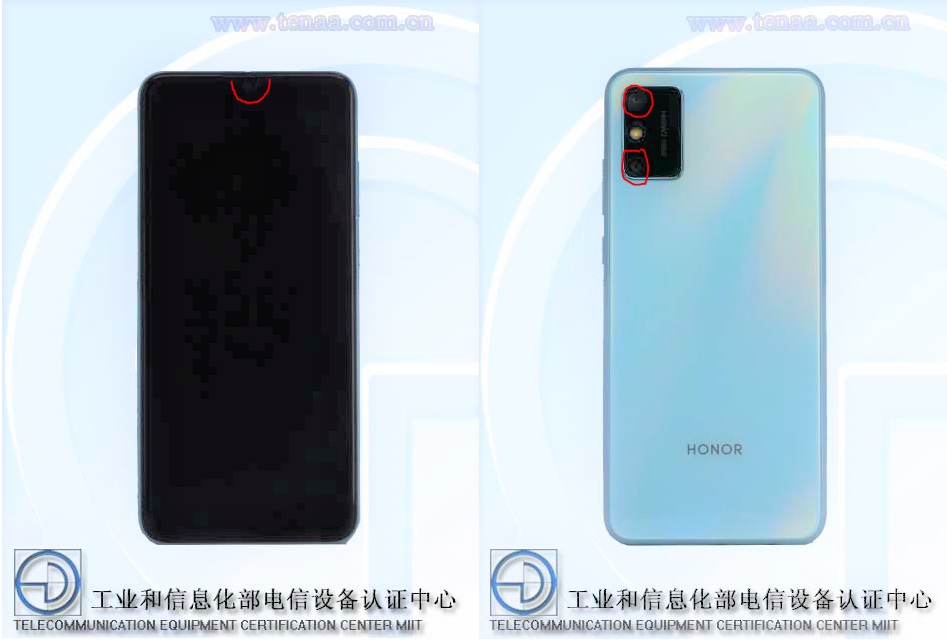
Honor may announce a new phone after the Chinese New Year holidays, and according to images found on TENAA’s database, the device will have a rectangular rear camera housing.

The Honor phone which has model number MOA-AL00 was certified on December 25, 2019. There are images alongside the certificate and they show the device will come in blue. Of course, there should be other color options to choose from.

[envira-gallery id=”301343″]

The image of the phone’s front doesn’t reveal what screen design was adopted until you brighten the image and realize the phone has a waterdrop notch. There is no fingerprint scanner on the side neither is there one on the back. This means the phone has its fingerprint scanner under the screen which in turn should be an AMOLED panel.

On the rear, the Honor MOA-AL00 has a rectangular housing that is broader but shorter in length than the one on the Honor V30 and Honor V30 Pro. An LED flash is visible and nothing much else until the photo is brightened and we see the phone has two rear cameras.

Honor MOA-AL00 edited

The device has curved corners and appears to have a glass back too. It has its volume control and power buttons on the right while the left side of the frame houses the SIM tray.

TENAA reveals some of the phone’s specifications such as its screen size which is 6.39-inches, its battery capacity that is 4900mAh (~5000mAh), and dimensions given as 159.07 x 74.06 x 9.04 millimeters. The phone doesn’t have 5G support which means it most likely has a Kirin 810 processor powering it.

At the moment, we have no idea what the official name will be, but more details should surface in the coming weeks.


(Source, Via)

Leak reveals OPPO Find X2 will have 120Hz QHD+ display

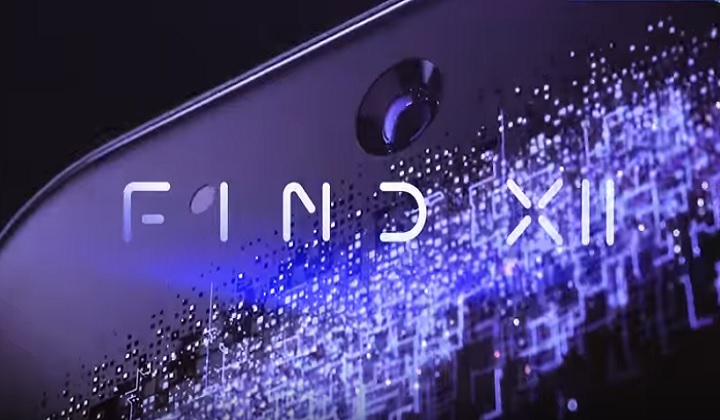
The OPPO Find X2 is one of the most anticipated Chinese smartphones this year. The phone will launch as a successor to the 2018 Find X that took the world by storm. Ahead of the phone’s release, specs have begun to surface. Today, a Chinese leaker has revealed details about the phone’s screen.

OPPO Find X2 featured

Last month, when it was confirmed that the Find X2 will launch this year, OPPO’s VP, Brian Shen revealed that the phone will have a better display than its predecessor. That should not be surprising since more manufacturers are focusing on displays these days.

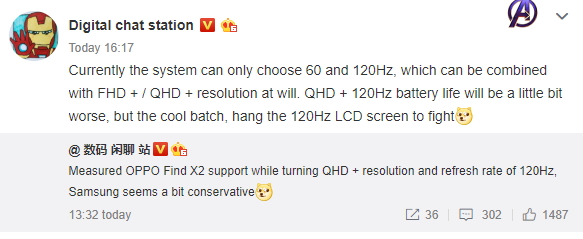
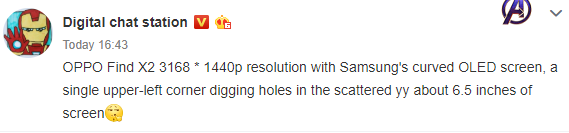
According to Digital Chat Station, the screen of the Find X2 will have a QHD+ resolution and a 120Hz refresh rate. The resolution is actually 3168 x 1440 and the display is a curved OLED panel made by Samsung. He adds that the screen measures about 6.5-inches in size and has a single hole at the top left corner for a selfie camera.

OPPO Find X2 screen

OPPO will allow users to switch between FHD+ and QHD+ and users will be able to choose between a 60Hz refresh rate or a 120Hz refresh rate irrespective of the resolution the display is set at. Samsung fans will definitely be unhappy since the Galaxy S20 series will only be able to switch to 120Hz when the resolution is set to FHD+.

OPPO Find X2 screen

While a combination of a QHD+ resolution and a 120Hz refresh rate will definitely affect battery life negatively, providing the option for users to choose which combination they want to use is the smart thing to do rather than making it unavailable right out of the box.

The OPPO Find X2 will have a Snapdragon 865 processor and a Snapdragon X55 modem for 5G network support. It is expected to launch this quarter, so we expect more leaks will surface soon.


(Sources: 1, 2)

Galaxy S20 5G series full specs leaks: 40MP selfie camera for Ultra model

With each passing day, the Samsung Unpacked event for the Galaxy S20 series draws closer. There is also practically a new leak related to one or more of the phones every other day. Yesterday, the spec sheet of the 5G variants of the phones leaked and it revealed the Galaxy S20 Ultra 5G will have a 40MP selfie camera!

The source of the leak is Ishan Agarwal  (@ishanAgarwal24) in collaboration with MySmartPrice.

Samsung Galaxy S20

Galaxy S20 Ultra 5G

The Galaxy S20 Ultra 5G will have a 120Hz Infinity-O Dynamic AMOLED Display. The screen is 6.9-inches in size with a 20:9 aspect ratio and a 3200 x 1440 resolution (WQHD+).

There will be an Exynos 99 processor inside the phone. While the RAM is not stated, previous leaks have revealed the Galaxy S20 Ultra will come in 12GB RAM and 16GB RAM variants with 128GB, 256GB, and 512GB storage options. There will be a MicroSD card slot that will allow users to add up to an additional 1TB of storage.

Coming to cameras, the phone will have a 108MP main sensor paired with a 48MP telephoto camera, a 12MP ultra-wide angle camera, and a ToF camera. The Galaxy S20 Ultra will have 10x optical zoom, 100x Digital Zoom, and be able to record in 8K at 30 fps. Samsung finishes the camera setup with a 40MP selfie camera! That sure is a lot for a front-facing camera.

Max Wienbach of XDA Developers confirms the phone indeed has a 40MP selfie camera in a quoted tweet. He also adds that the phone(s) ship with One UI 2.1 and not One UI 2.0 based on Android 10.

You should not be worried about the battery life of the Galaxy S20 Ultra 5G seeing as there is a 5000mAh battery inside. It will have support for fast charge (45W), wireless charging, and reverse wireless charging. The phone will also have an IP68 rating and Dolby Atmos stereo speakers tuned by AKG. The dimensions of the phone are 167 x 76 x 8.8 millimeters and it weighs 221 grams.


Galaxy S20 Plus 5G

The S20 Plus 5G also gets a 120Hz Infinity-O Dynamic Display but it is smaller at 6.7-inches. It has the same WQHD+ resolution and its smaller screen size means it has a higher PPI. The phone also has a 20:9 aspect ratio.

There is an Exynos 990 processor inside too along with 128GB of storage. There will be other storage variants but they may all have 12GB of RAM. You also get support for storage expansion.

With respect to cameras, the Galaxy S20 Plus 5G has a 12MP main sensor paired with a 64MP telephoto camera, a 12MP ultra-wide angle camera, and a ToF camera. The phone will have 3x optical zoom, up to 30x digital zoom, and also be able to record 8K videos at 30 fps. Although, it doesn’t have the Ultra’s 40MP wide-angle selfie camera, its 10MP front-facing sensor can also record 4K videos at 60 fps.

There is a smaller 4500mAh battery inside but it will also have support for fast charge, wireless charging, and reverse wireless charging. It weighs less at 188 grams and measures 162 x 74 x 7.8 millimeters.


Galaxy S20 5G

The Galaxy S20 5G comes with an even smaller 6.2-inch 120Hz Infinity-O Dynamic AMOLED display and may be the favorite of those who want a small device. It also has a WQHD+ resolution and the highest PPI of all.

Samsung is going with its Exynos 990 chipset here too and you get 128GB of expandable storage. There will be other storage variants but they all should have 12GB of RAM.

The Galaxy S20 5G has the same 12MP main camera and 64MP telephoto camera as the Plus model. It also has the same 12MP ultrawide camera but skips the ToF camera. Users will also have 3x optical zoom, 30x digital zoom, 8K at 30 fps video recording, and a 10MP selfie camera that can record 4K at 60 fps.

There is a 4000mAh battery under the hood. It will also have Dolby Atmos stereo speakers tuned by AKG along with IP68 water-resistance and Android 10 out of the box. It is the lightest at 164 grams and measures 152 x 68 x 7.9 millimeters.

Ishan adds that the Exynos 990 is the chipset in European and Asian markets. So we expect the Snapdragon 865 will be the processor inside the North American variant.

He also stated that delivery/sales will probably begin around March 13 which is more than a month after the February 11 launch. There is no info on the gifts for those who pre-order any of the phones but we presume it will likely be the new Galaxy Buds+.


(Sources: 1, 2, 3)

Study reveals Fitbit wearables can help predict flu outbreaks

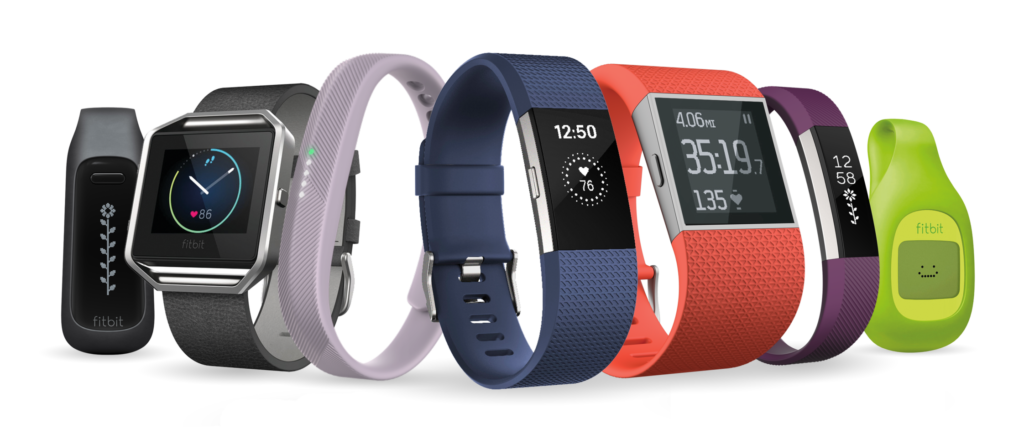
As at Q1 2017, Fitbit was the leading wearable manufacturer globally but the fitness band manufacturer has long been dethroned by the likes of Xiaomi and Apple. Even though the company still ranks among the top 5 wearable manufacturers, its market share is a far cry from that of the market leader, Apple. Going by IDC’s research data for Q3 2019, Fitbit shipped a paltry 3.3 million wearables while Apple shipped an estimated 29.5 million and Xiaomi shipped 12.4 million wearables respectively. Despite the low market share, Fitbit wearables still remain some of the best fitness and health trackers around. A study carried out in the US uncovered one of the hidden features of most Fitbits. That is the ability to be able to help users know if they are coming down with the flu – and warn health authorities to get ready to help.Fitbit Versa 2

The study found that heart rate and sleep data from wearable fitness tracker watches can predict and alert public health officials to real-time outbreaks of flu more accurately than current surveillance methods.

The study used data from more than 47,000 Fitbit users in five US states. The results, published in The Lancet Digital Health journal, showed that by using Fitbit data, state-wide predictions of flu outbreaks were improved and accelerated.

For this study, Radin’s team de-identified data from 200,000 people whose Fitbits tracked activity, heart rate and sleep for at least 60 days during the March 2016 to March 2018 study period. From the 200,000, a total of 47,248 users from California, Texas, New York, Illinois and Pennsylvania wore a Fitbit consistently during the period. The average age was 43 and 60% were female.

Users’ resting heart rate and sleep duration were monitored and flagged as abnormal if the average weekly heart rate was significantly above their overall average and their weekly average sleep was not below their overall average. The data was then compared to the US Centers for Disease Control’s weekly estimates for flu-like illness.

Obviously more studies need to be carried out in order to ascertain the reliability of using data from the wearable to detect flu but as Rosalind Eggo, a public health expert at the London School of Hygiene & Tropical Medicine puts it, the study is an indication that fitness trackers hold some promise as a disease surveillance tool. But she said more work is needed “to gauge how reliable these data are over time, how specific these measurements are for flu, and how representative Fitbit users are of the whole population”fitbit

This is said to be te best method to monitor flu as previous studies using crowd-sourced data – such as Google Flu Trends and Twitter – have experienced variable success, partly, experts say, because it is impossible to separate out behaviour of people with flu from people who search online about it due to more media and public attention during outbreaks.


(source)
You can now transform the Mate 20 Pro into a Mate 30 Pro with this $4 case

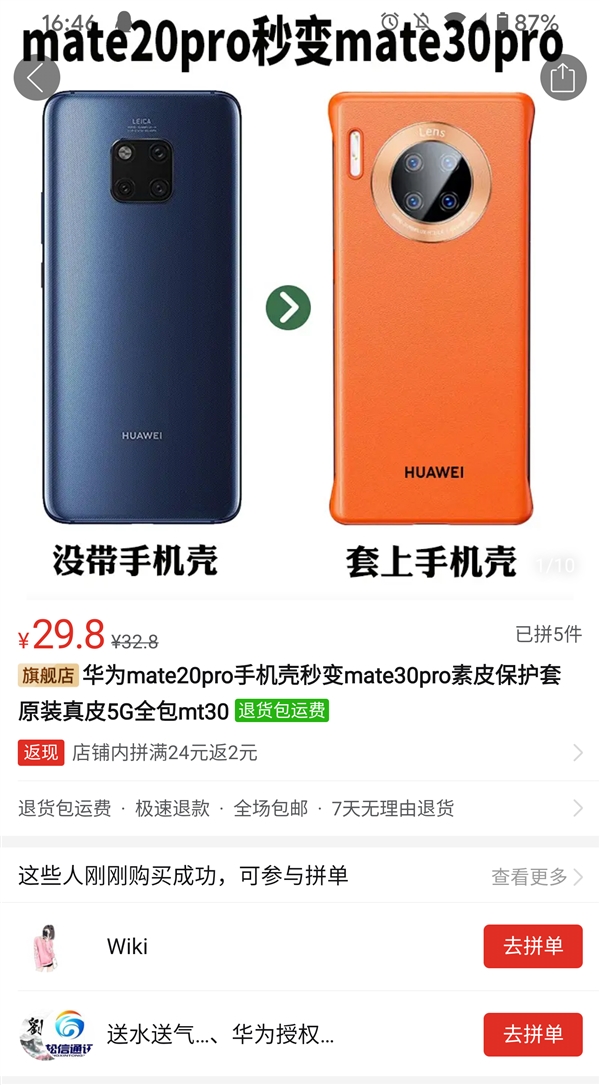
The Mate 30 Pro is one amazing flagship model from Huawei. Apart from the spectacular screen technology at play on the model, the device comes with a spectacular rear camera design that stands out from the crowd. The rear panel also complements the camera to give the Mate 30 a unique shape. Sadly, the Mate 30 Pro doesn’t come with Google apps, no thanks to the trade embargo placed on Huawei by the US government. But a new protective case has been listed online which literally transforms your Mate 20 Pro to look like the Mate 30 Pro and it costs just 29.8 yuan ($4).

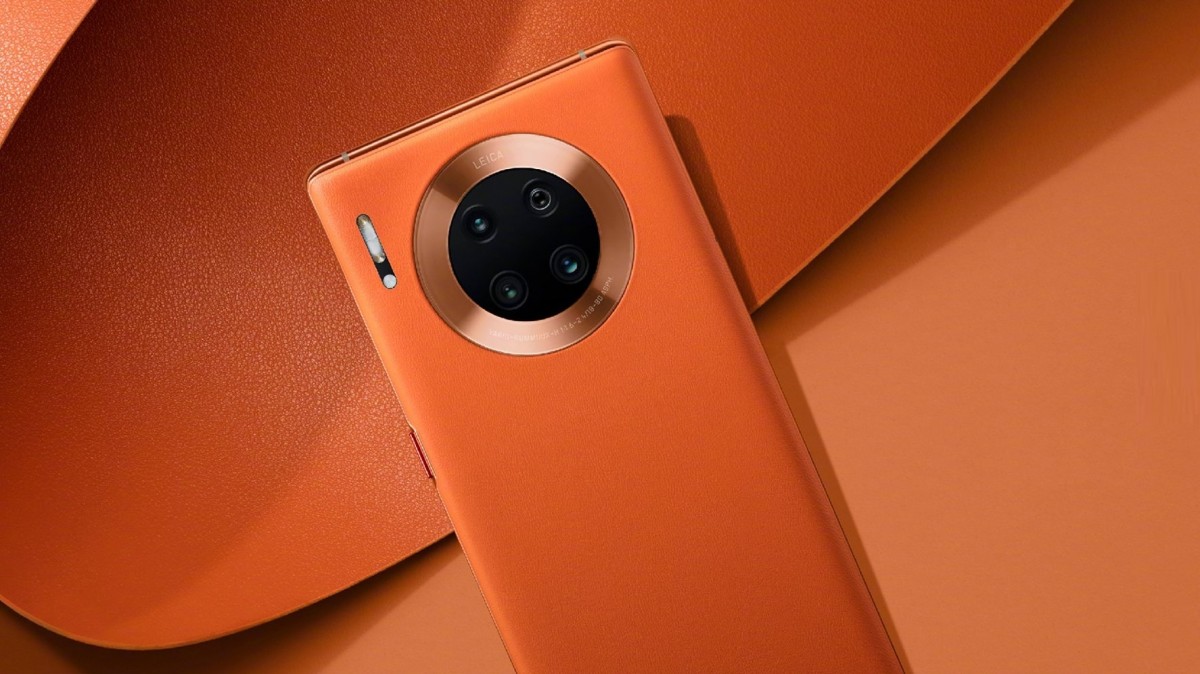
As can be seen in the picture above, this protective case looks like the Huawei Mate 30 Pro 5G Vegan Leather Orange variant (pictured below). The protective case comes in orange and has the same vegan leather finish. Apart from the texture, the rear camera module is designed in the same circular form in such a way that the square-shaped design of the Mate 20 Pro looks like what is housed in a circular module. The case even features a dummy flash at the top left corner in the same position where the Mate 30 Pro’s camera sits. Recall that the Mate 20 Pro has three rear cameras with the fourth entity inside the module being an LED flash.

Huawei Mate 30 Pro 5G Vegan Leather Orange

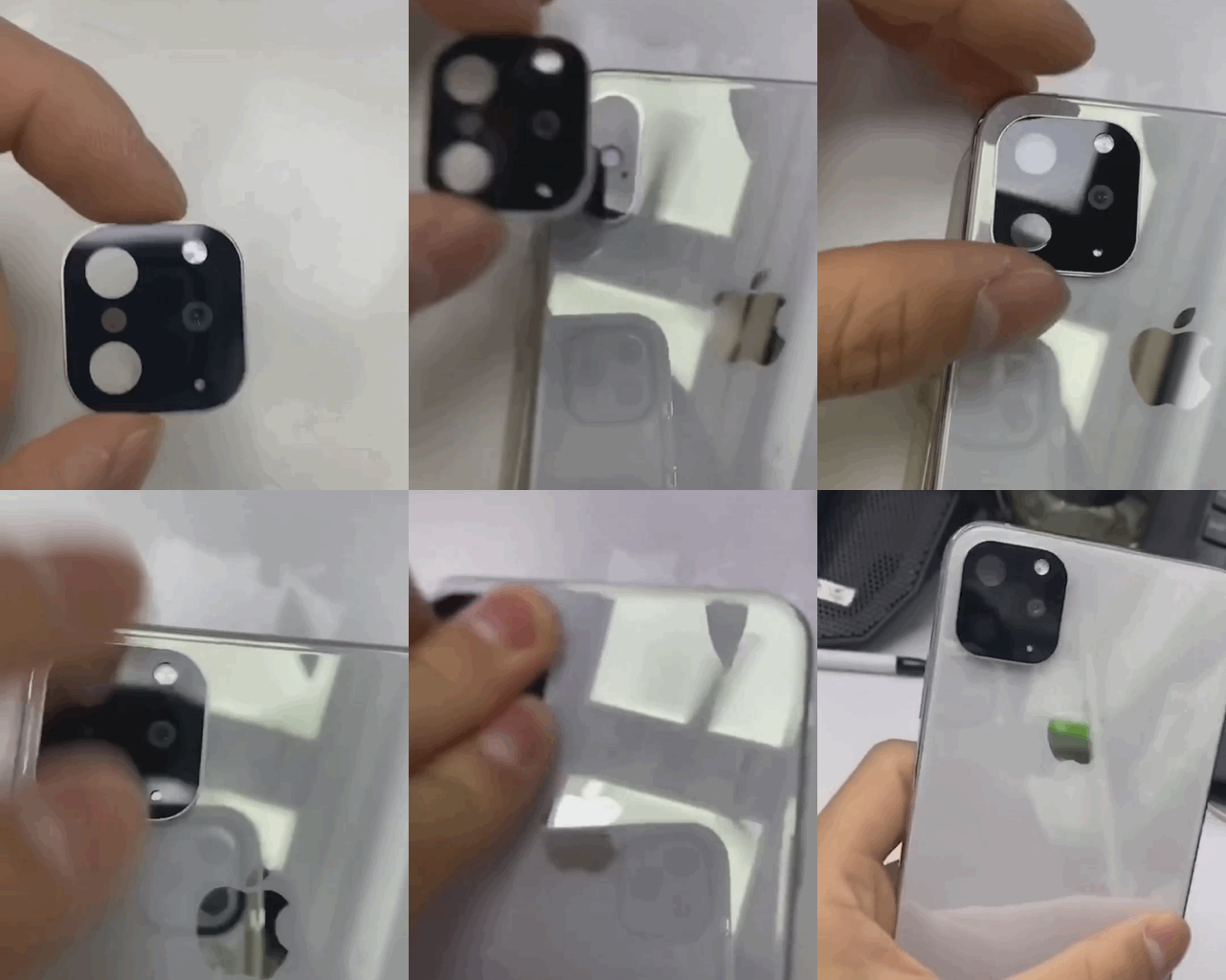
The Mate 30 Pro isn’t the first flagship model to have got such a cheap makeover. There is an iPhone 11 lens sticker that transforms the dual cameras on the iPhone X to the 11’s matrix camera design.

To recall, the Huawei Mate 20 Pro has glass on both the front which provides it with an elegant look. The handset features a 6.39 inch AMOLED display that has QHD+ resolution of 3120 x 1440 pixels. It also features an in-display fingerprint sensor and waterdrop notch above the display which houses a 24 MP camera.

The Mate 20 Pro is kitted with the Kirin 980 SoC and it is powered by a 4,200 mAH battery which supports fast-charging up to 40 W.


(source)
 

Oppo F15 vs Redmi K30 vs Realme X2: Specs Comparison

Do you like the new Oppo F15? It is a sweet mid-ranger sold at a modest price offering a pretty nice design and good specifications. But there are a lot of rivals in the market which are sold at a similar price and might be better for certain kinds of users. We selected the ones we believe to be the most interesting: the new Redmi K30 (the non 5G version, naturally) and the Realme X2. Should you go for the Oppo F15 or one of these other mid-rangers? This specs comparison will let you find out depending on your needs.

Oppo F15 vs Xiaomi Redmi K30 vs Oppo Realme X2

Xiaomi Redmi K30 Oppo Realme X2 Oppo F15
DIMENSIONS AND WEIGHT 165.3 x 76.6 x 8.8 mm, 208 grams 158.7 x 75.2 x 8.6 mm, 182 grams 160.2 x 73.3 x 7.9 mm, 172 grams
DISPLAY 6.67 inches, 1080 x 2400p (Full HD+), 395 ppi, IPS LCD 6.4 inches, 1080 x 2340p (Full HD+), 403 ppi, Super AMOLED 6.4 inches, 1080 x 2400p (Full HD+), 408 ppi, AMOLED
PROCESSOR Qualcomm Snapdragon 730G, octa-core 2.2 GHz Qualcomm Snapdragon 730G, octa-core 2.2 GHz MediaTek Helio P70, octa-core 2.1 GHz
MEMORY 6 GB RAM, 64 GB – 6 GB RAM, 128 GB – 8 GB RAM, 128 GB – 8 GB RAM, 256 GB – micro SD slot 6 GB RAM, 64 GB  – 8 GB RAM, 128 GB – 8 GB RAM, 256 GB – micro SD dedicated slot  8 GB RAM, 128 GB – micro SD dedicated slot
SOFTWARE Android 10, MIUI Android 9 Pie, Color OS Android 9 Pie, Color OS
CONNECTIVITY Wi-Fi 802.11 a/b/g/n/ac, Bluetooth 5, GPS Wi-Fi 802.11 a/b/g/n/ac, Bluetooth 5, GPS  Wi-Fi 802.11 a/b/g/n/ac, Bluetooth 5, GPS
CAMERA Quad 64 + 8 + 2 + 2 MP f/1.9, f/2.2, f/2.4 and f/2.4
Dual 20 + 2 MP f/2.2 and f/2.4 front camera
Quad 64 + 8 + 2 + 2 MP f/1.8, f/2.3, f/2.4 and f/2.4
32 MP f/2.0 front camera
Quad 48 + 8 + 2 + 2 MP f/1.8, f/2.3, f/2.4 and f/2.4
16 MP f/2.0 front camera
BATTERY 4500 mAh, fast charging 27W 4000 mAh, fast charging 30W 4025 mAh, fast charging 20W
ADDITIONAL FEATURES Hybrid Dual SIM slot Hybrid Dual SIM slot Dual SIM slot

Design

Despite it is hard to notice important differences between the aesthetics of these devices, Oppo F15 is more elegant and attractive. First of all, it has a thinner profile than Realme X2 and Redmi K30, but it still packs a big battery. It is even more compact than its rivals. But it has a classic waterdrop display, unlike the Redmi K30 boasting a dual punch-hole camera. But Redmi K30 is bigger, thicker and less elegant: that is why Oppo F15 is my favorite one.


Display

Despite it is just an IPS panel, the display of the Redmi K30 looks way more interesting. Unlike Oppo F15 and Realme X2, the display of the Redmi K30 is HDR-compliant. Further, it boasts a very high 120 Hz refresh rate and, according to the latest reports, Xiaomi is planning to release an update bringing the refresh rate to whopping 144 Hz. Last but not least, Redmi K30 brings a wider diagonal and a dual punch hole. On the other hand, both Realme X2 and Oppo F15 offer a more trendy AMOLED panel, as well as an in-display fingerprint reader, while the biometric sensor of the Redmi K30 is side-mounted.


Specs & Software

Thanks to their Snapdragon 730G chipset, Redmi K30, and Realme X2 are able to offer higher performance than Oppo F15, there is no doubt about it. Both pack up to 8 GB of RAM and up to 256 GB of internal storage with the fast UFS 2.1 technology. With the Oppo F15, you get an inferior Helio P70 chipset and just 128 GB of internal storage (still UFS 2.1). Redmi K30 is the winner here because it is the only coming with Android 10 out of the box, while Oppo F15 and Realme X2 are still based on Android 9 Pie.


Camera

Despite the lower resolution of the main sensor, the camera of the Oppo F15 looks more interesting than Realme X2 and Redmi K30 due to the presence of a monochromatic sensor which should boost the photo quality. However, we will have to test it thoroughly to see the result. For now, Realme X2 is more convincing on the paper due to its 64 MP quad camera and its 32 MP selfie snapper.


Battery

Both Oppo F15 and Realme X2 come with a 4000 mAh battery (4025 mAh for the Oppo F15), while Redmi K30 is equipped with a bigger 4500 mAh unit. That means Redmi K30 lasts more on a single charge, but the difference is not huge since it has to manage a less efficient display. With a power of 30W, Realme X2 has the fastest charging technology.


Price

Unless the design is your main priority, we do not recommend the Oppo F15 at its actual price (about €236/$262). Instead, you should go for the Redmi K30 (€203/$225) since it offers a bigger battery, Android 10 out of the box and a 120 Hz display. However, note that Realme X2 (€215/$239) offers an AMOLED panel and more compact dimensions.


Oppo F15 vs Xiaomi Redmi K30 vs Oppo Realme X2: PROs and CONS

Xiaomi Redmi K30

PROs

  • Great performance
  • 120 Hz display
  • Punch-hole design
  • Bigger battery
  • Dual front camera
  • Android 10

CONS

  • Nothing particular


Realme X2

PROs

  • Amazing performance
  • Great front camera
  • AMOLED display
  • Micro SD dedicated slot
  • Dolby Atmos

CONS

  • Nothing particular


Oppo F15

PROs

  • Nice AMOLED display
  • Good design
  • Interesting cameras

CONS

  • Inferior hardware

Realme 3 Pro Android 10 update now rolling out (See the Changelog)

Chinese tech startup Realme has announced the commencement of update roll-out for the Realme 3 Pro. This was disclosed on the Realme community with a caveat that the roll-out will be in batches so as to ensure the stability of the update. The update brings several new features to the models but the most spectacular is the upgrade of the Android version to the latest Android 10 OS.Realme 3 Pro Android 10

The update which ushers in the version RMX1851EX_11_C.01 started rolling out to Realme 3 Pro users starting from today to a limited number of users. The OTA will be pushed to more persons in subsequent days after it is confirmed that there are no critical bugs.

Here’s a rundown of the complete changelog.

[Visuals]

• Updated UI to realme UI

• Brand new Real Design makes visuals more attractive and operation more

efficient.

[Smart Sidebar]

• Optimized user interface and improved one-handed operation.

• Optimized Smart Sidebar: Replaced File Console with File Manager;removed OSIE Visual Effect and No Notification Alerts.

• Drag an app out of Smart Sidebar to open it in Split-screen Mode.

• Added two new features: “Assistive Ball Opacity” and “Hide Assistive Ball on Fullscreen App”.

• Optimized the Floating Window feature for more apps.

• Added Bubbles: A bubble is displayed when you open an app in a floating window from the Smart Sidebar. Tap the bubble to collapse or open the app.

[Screenshot]

• Optimized 3-Finger Screenshot Gesture: Use 3 fingers to touch and hold the screen, and swipe to take a screenshot of the selected part of the screen (partial screen capture). Use 3 fingers to touch and hold the screen, and swipe your fingers outwards to capture a long screenshot.

• Added screenshot settings: You can adjust the position of the screenshot preview floating window and set the screenshot sound.

• Optimized screenshot preview floating window: After taking a screenshot, drag it up and release it to share it, or drag it down and release to take a long screenshot.

[Navigation Gestures 3.0]

• Optimized New Android 10 navigation gestures

• Optimized gestures:

All gestures are supported in landscape mode.

[System]

• Added Focus Mode: Minimizes outside distractions when you are learning or working.

• Added whole new charging animation.

• Optimized the Quick Settings user interface for easier one-handed operation.

• Added pause feature for screen recording.

• Added a floating window and settings for screen recording.

• New sounds added for file deletion, calculator key touches, and compass pointer.

• Optimized system built-in ringtones.

• Added TalkBack floating prompts for Accessibility.

• New management feature for recent tasks: You can view the memory of recent tasks and locked apps.

[Games]

• Optimized visual interaction for Game Space.

• Optimized loading animation for Game Space.

[Homescreen]

• Added new live wallpapers.

• Added artistic wallpapers.

• Added option to open Global Search or the notification panel when swiping down on homescreen.

• Added option to customize the size, shape, and style of app icons on homescreen.

• Optimized the graphic design of password unlock to facilitate one-handed operation.

• Support for animated wallpapers on the lockscreen.

• Added a Simple Mode for homescreen, featuring larger fonts, icons and a clearer layout.

[Security]

• Random MAC address Generator: When your phone is connected to Wi-Fi network system generates a random MAC address to avoid targeted ads and protect your privacy.

[Tools]

• In Quick Settings or Smart Sidebar, you can open Calculator in a floating window.

• Added the trim feature in Recordings.

• Added the Weather (dynamic) ringtone, which automatically adapts to the current weather.

• Added weather-adaptive animations in Weather.

• Added audio source selection for screen recording

[Camera]

• Optimized the Camera UI for a better user experience.

• Optimized the Timer UI and sound.

[Photos]

• Optimized the Album UI for a clearer structure and photo thumbnails.

• Added Album Recommendations that recognize more than 80 different

scenes.

[Communication]

realme Share now supports sharing files with OPPO, Vivo and Xiaomi devices.

• Optimized the Contacts UI for a more efficient experience.

[Settings]

• Search Settings now supports fuzzy match and contains a search history.

[Music]

• Added Dual Mode Music Share in realme Lab


(source)
Vivo NEX 3 (V1950A) becomes 3C certified tagging along a 55W charger

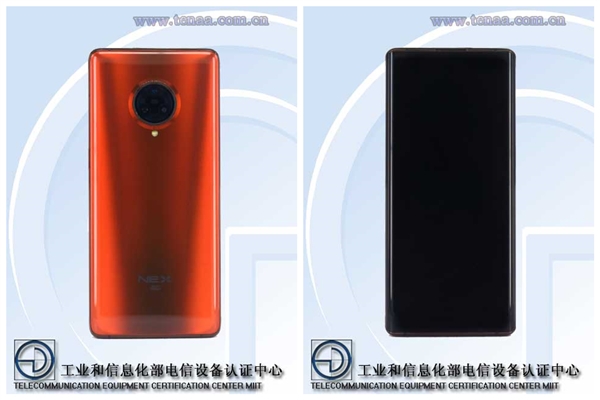
Vivo was one of the smartphone manufacturers who shook the industry last year with its array of amazing products. Little wonder the company still ranks among the top 5 OEMs in terms of phone shipment. One of the spectacular smartphones we saw from its stable was the Vivo NEX 3. The model is about getting a new variant this year and the device had earlier been certified by China’s TENAA. The NEX 3 has now been certified by China’s CCC (3C).vivo NEX 3

The device is listed with the model number V1950A which is the same model number it hit TENAA with. The 3C listing doesn’t reveal much apart from the charging properties. The 3C certification information shows that the upgraded NEX 3 is equipped with a charger model V3030A-CN with an output power of 55W (11V / 5A). This is an upgrade over last year’s NEX 3 which had a 44W fast charger.

As a reminder, the NEX 3 comes with dual-mode 5G support making it the first 5G flagship from the NEX series with such configuration. The phone is powered by a Snapdragon 865 SoC and sports a 6.89-inch display with a resolution of 2256 x 1080pixels. Most spectacular, the phone boasts of a mammoth 99.6% immersive screen ratio which happens to be the highest any OEM has been able to expand to on a commercial device.

The NEX 3 comes with 8GB of RAM and 128GB/256GB storage options. For photography, there is a 16MP camera at the front. On the other hand, the device features a triple rear camera setup comprised of a 64 MP main cameras + 13 MP super wide-angle/macro + 13 MP telephoto lens. It gets its light from a 4500mAh which supports 44W ultra-fast flash charge.

Vivo is yet to reveal when the flagship model will be released.


(source)

Samsung Galaxy A31 and Galaxy A41 battery and camera specs outed

Samsung‘s decision to revamp its premium mid-range Galaxy A series turned out to be a deft move. The A-series was a tremendous success in 2019 and the tech giant is looking to capitalise on last year’s success this year 2020 with the introduction of the Galaxy A51 and A71. The company is also targeting the lower mid-range segment with the Galaxy A31 and A41. Before now, little is known about the two models except that Samsung had trademarked the monikers. A new leak has, however, changed all that as details of both Galaxy A-series models (Galaxy A31 and A41) have been outed.

The leak focuses on just the battery and camera specs of both models. It touts the Galaxy A31 as coming with a 48MP main camera as well as a 5MP macro shooter which would be a noticeable step up from the A30 and it’s 16MP + 5MP combo. On the battery aspect, the A31 will pack an impressive 5,000 mAh cell.

On the other hand, the Galaxy A41 will also present with a 48MP main camera sensor but the leak stopped short of revealing the other sensors at the rear. The front-facing one is tipped to come in at 25MP. The Galaxy A31 and A41 have previously been revealed to come with 64GB of storage on its base model.

There is still no word yet on the launch date but we expect the company to begin taking the wraps off the mid-range models after the flagship Galaxy S20 models get launched.


(source)

Unnamed Hisense HLTE229T mid-range model certified by TENAA

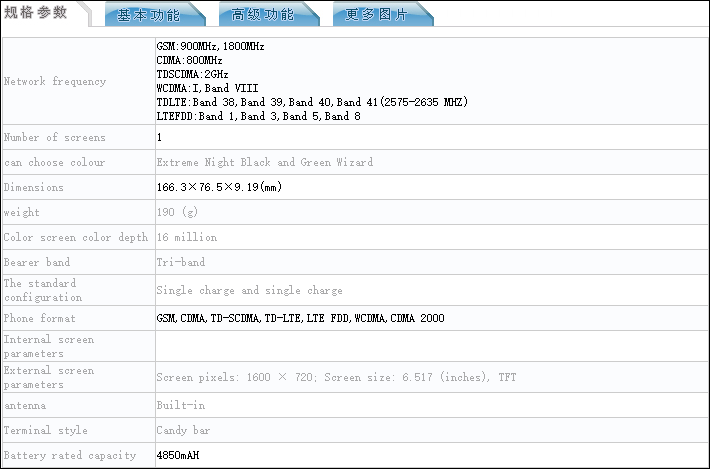
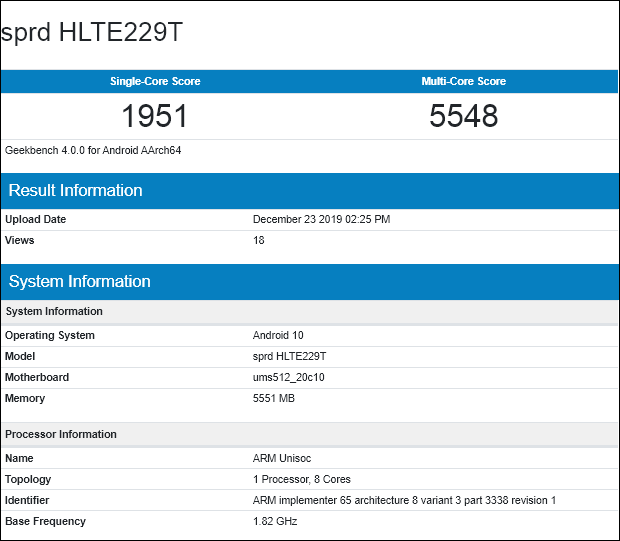
A new unnamed Hisense model has been certified by China’s telecoms regulatory agency (TENAA). The same model identified by model number HLTE229T was earlier spotted on GeekBench database in December 2019.Hisense

The Hisense model has all the dressings of a mid-range model. It packs a 6.5-inch TFT LCD display with an HD+ resolution of 1600×720 pixels. The device is powered by an unnamed processor clocked at 1.8GHz. The  Geekbench listing indicates this is an octa-core UNISOC processor. With a single-core test score of 1951 and multi-core test score of 5548, the chipset is at best a mid-range SoC. The phone is listed to pack a 4850mAh battery.

The device also comes with 4GB, 6GB and 8GB RAM options as well as 64GB, 128GB and 256GB storage options. The device runs on Android 10 operating system from the go. In addition, the Hisense model is listed to feature a quad-camera setup at the rear comprising a 13MP+8MP+2MP+2MP and an 8MP selfie shooter.

Unfortunately, the TENAA listing wasn’t accompanied by an image of the device. So, we’ll have to wait for perhaps more leaks to see what the device looks like.

(source)
World’s biggest contract smartphone manufacturer, Foxconn partners with Fiat to build Electric Cars

Foxconn Technology Group is a well known name in the smartphone industry. The Taiwanese giant is a primary supplier of Apple for its iPhones and by its extension one of the world’s largest contract smartphone manufacturers. However, it seems that the electronics company isn’t solely based around smartphones as it is forming a joint venture with Fiat Chrysler (the automobile giant) to build electric cars in China.
Foxconn
Foxconn is one of the world’s largest contract smartphone manufacturer with notable clients like Apple

The filing of this sizable undertaking has been filed in China’s Market Observation Post System (MOPS), which details that both companies own 50 percent of the venture equally. The main objective of this joint venture is to produce electric vehicles in China and start an IOV. This stands for Internet of Vehicles (after IoT or Internet of Things devices) as coined by the Foxconn’s parent company.

Initially, Fiat Chrysler and Foxconn will aim to mass produce electric vehicles in China and will expand to foreign markets after the foundation is laid in the Southeast Asian country. This seems like a very practical move from an automobile industry standpoint as China is the largest electric vehicle market in the world. Notably, the filing also states that the joint venture aims to develop electric vehicles from scratch. In other words, they are not planning on simply making the existing Fiat offerings into electric versions.

Foxconn
Fiat Chrysler Automobiles (FCA logo)

The collaboration with Foxconn will also help Fiat gain a solid footing in the Chinese market. Previously, the contract smartphone manufacturer has invested in ventures dealing with electric vehicles, but this will be the first as the company will actually develop and manufacture its own products. A good example of past investment is Byton, an electric vehicle startup. This began as the Future Mobility Corporation, which was a joint venture between Harmony Auto, Foxconn, Tencent and now even Xiaomi as a strategic investor.


(Via)