The two popular versions of Bluetooth are – Bluetooth Low Energy (LE) and Bluetooth Classic. The former uses less power consumption, as much as 100x lower than Bluetooth Classic which is why it is the mode of connection for a number of IoT products, fitness trackers, and beacons. Bluetooth Classic, on the other hand, uses more power and has a higher throughput which is why it is used for streaming audio. At CES 2020, Bluetooth SIG announced LE Audio which will allow for audio streaming over Low Energy.
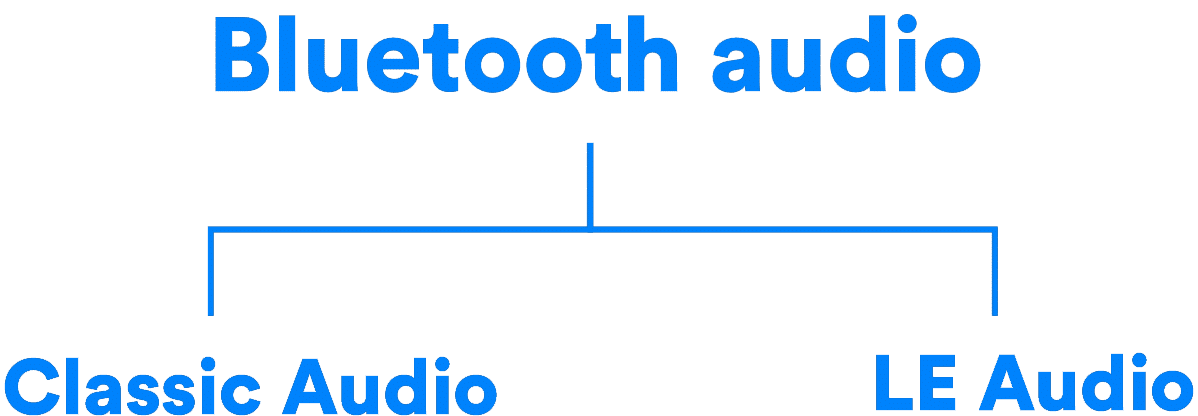
You may be concerned about quality taking a hit since Bluetooth Low Energy has a low throughput. It has been reported that LE Audio will use a new compression algorithm called LC3 (Low Complexity Communication Codec) that will keep the audio quality at the same high level you get when using Bluetooth Classic. The main advantage LE Audio brings is the increase in playtime which can be nearly double.
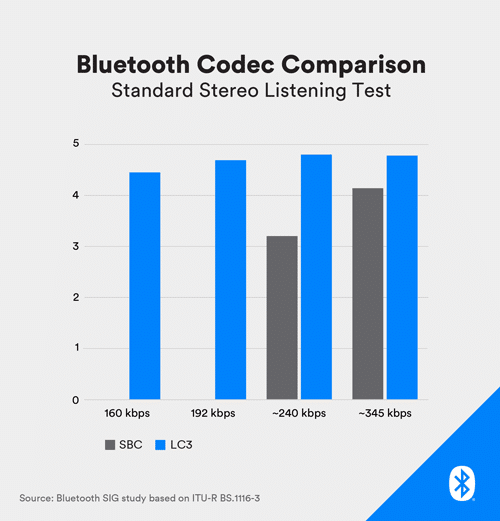
Extensive listening tests have shown than LC3 will provide improvements in audio quality over the SBC codec included with Classic Audio, even at a 50% lower bit rate.
– Manfred LUtZKY, Head of Audio for communications at Fraunhofer IIS
For products where an increase in battery life is not the focus, they can become smaller since the battery size can be reduced.

Low Energy Audio will also support hearing aids; allow for the transmission of multiple and independent audio streams from one device to one or more devices with benefits such as smoother switching between devices and better stereo experience, and support broadcast audio for audio sharing which will allow you to broadcast one or more streams to an unlimited number of devices.

Audio sharing can be personal or location-based. Personal is when you share what you are listening to on your smartphone with those around you. In the case of location-based audio sharing, which is even more interesting, you can select the audio being broadcast by silent TVs in a public place. Location-based audio sharing can also be used in places such as airports, cinemas, theaters, or lecture halls to help visitors with hearing loss or to provide audio in several languages.
The Bluetooth SIG says the specifications for Bluetooth LE Audio will be released in the first half of the year. We should expect the technology to start appearing in devices after then.
You can find more CES 2020 coverage here.

 Moving ahead, there are equally amazing products under the Outdoor section, carrying lowered prices. You can find everything from electronic scooters, electric skateboards, to car DVR cameras for unbeatable prices.
 The promotion page also features a Laptops & Tablets category. As the name suggests, it is crammed with all sorts of laptops and tablets that have gone up for sale bearing reduced prices. If you are looking for an inexpensive smartwatch, you might want to head straight to the Wearables section.
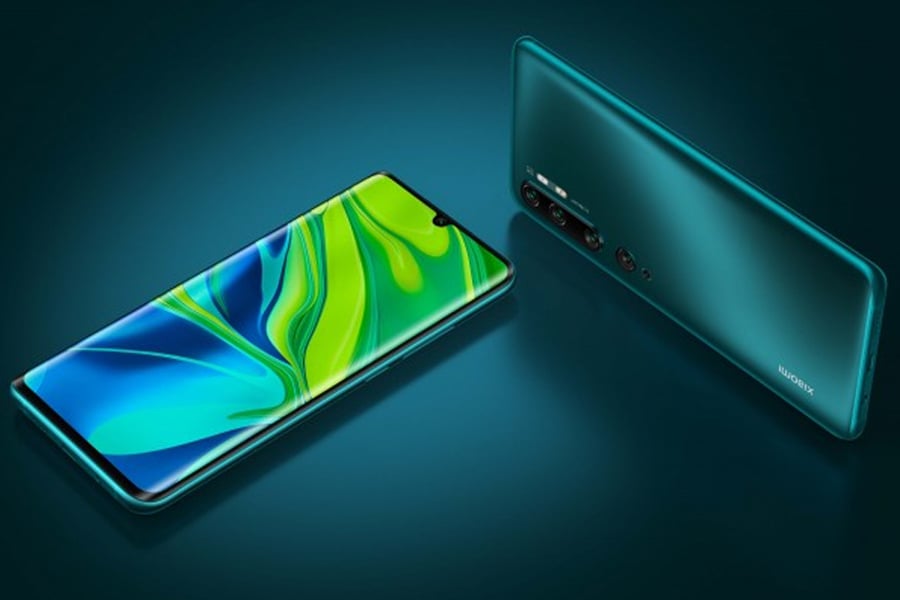
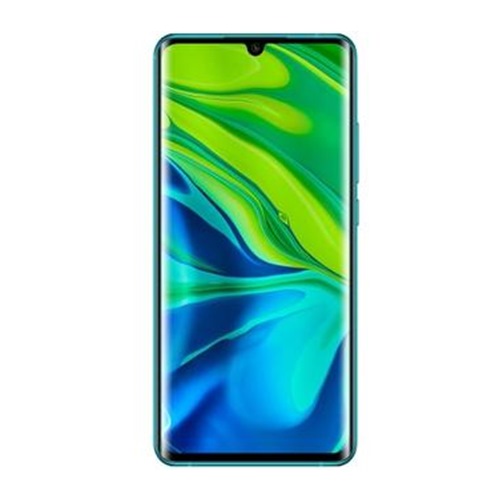 Furthermore, you can use the $150 OFF Coupon if your cart value exceeds $599. Aside from that, you can apply coupon code GBXMNTFR01 for an extra $150 off. In other words, you can reduce the retail price of the Xiaomi Mi Note 10 smartphone to just $449.99 simply by applying the aforesaid coupon at checkout.
 The phone runs MIUI 11 OS and is backed by a robust 5260mAh battery that is compatible with PD protocol and comes with a wired 30W charger. As mentioned earlier, it ships with 6GB of RAM and offers 128GB of native storage.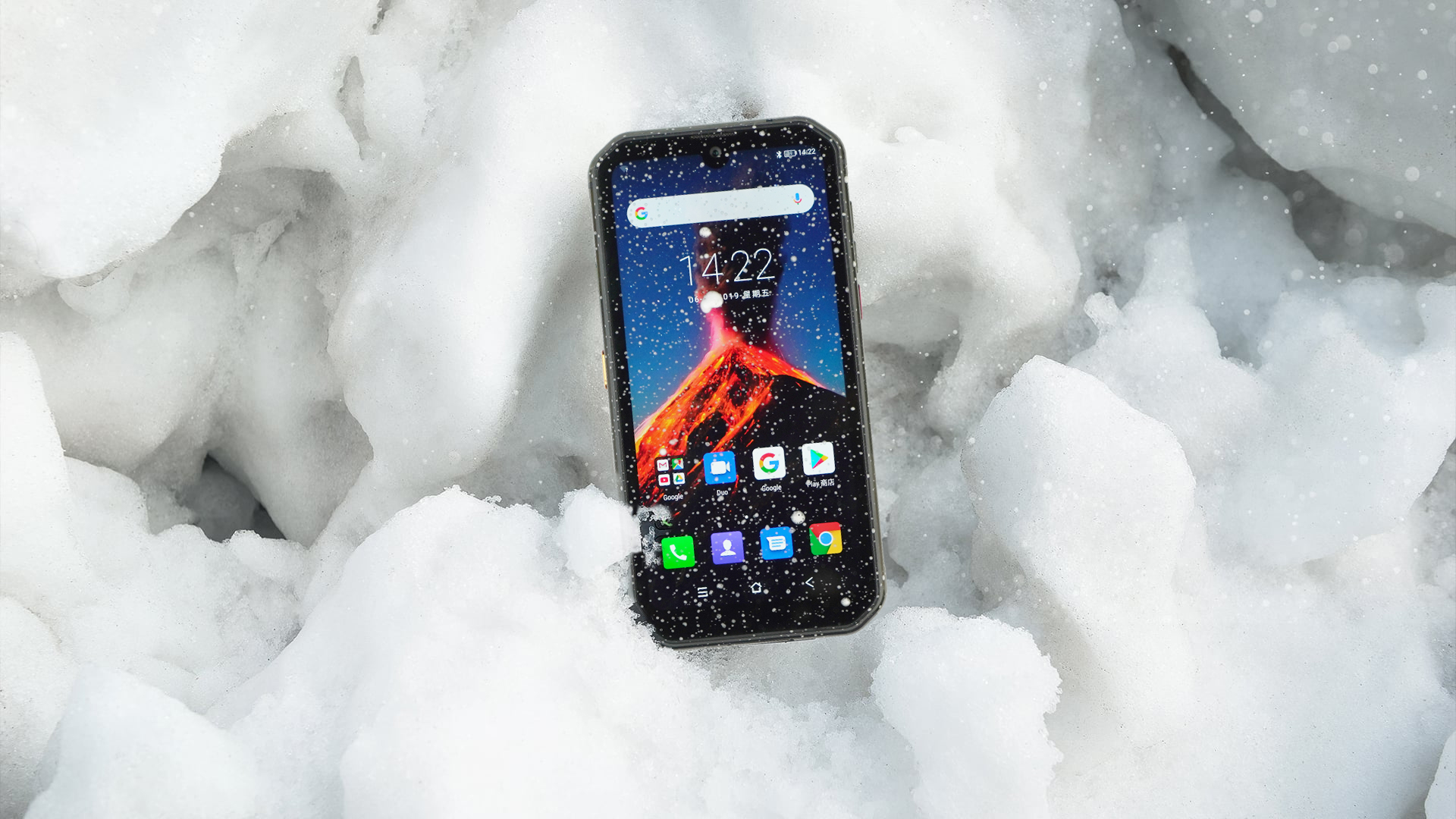







 On top of that, Banggood is offering free shipping if your cart value exceeds $19.99 – but wait, that’s not all. In case this your first order with Banggood, you can take advantage of the $18 Off New User Coupon and save more money at the time of checking out.










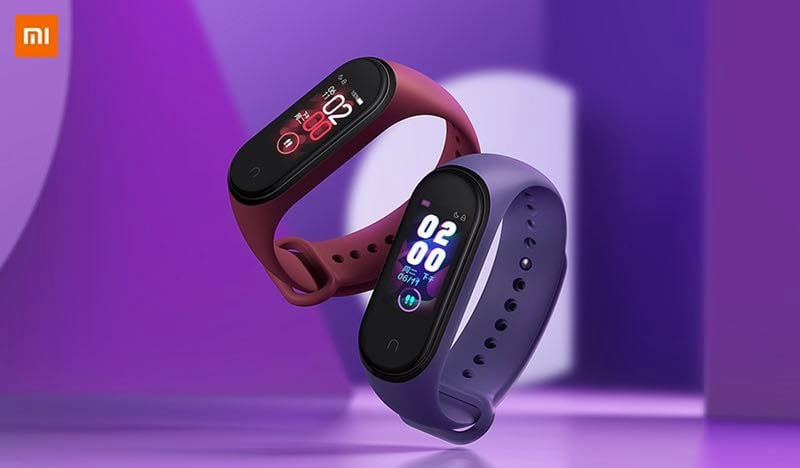
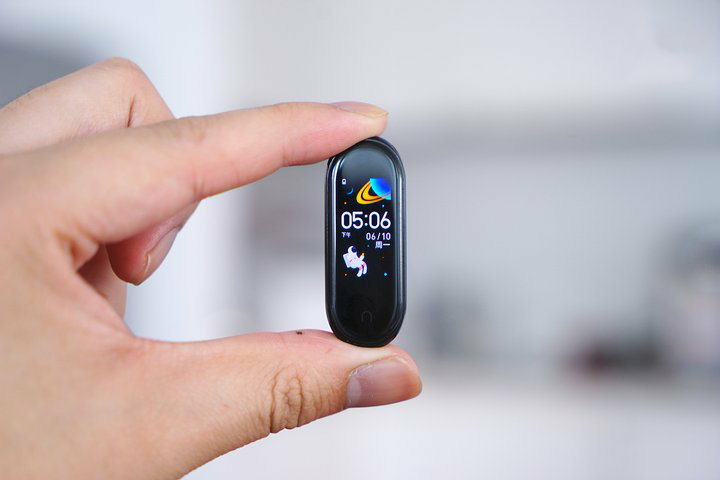
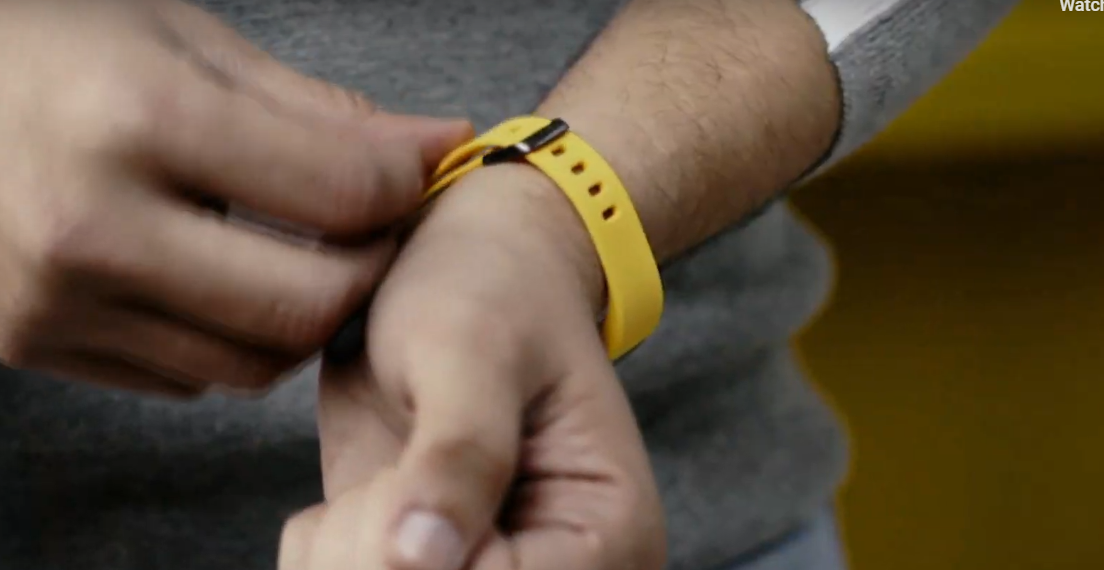
 A great choice for sports enthusiasts, the smartwatch offers 14 sports modes and adopts 5ATM water-resistant design, keeping it safe from unexpected water splashes. Moreover, its BioTracker PPG optical sensor monitors the wearer’s heart rate all day for accurate and instant heart rate alerts.