Since the Apple AirPods’ release back in 2016, dozens of similar earbuds have flooded the market. Most of them are clones of the AirPods while others from big companies like Sony and Bose follow their own design pattern. But there’s something that no manufacturer has achieved until now and that is the total size of the earbuds with their charging case.
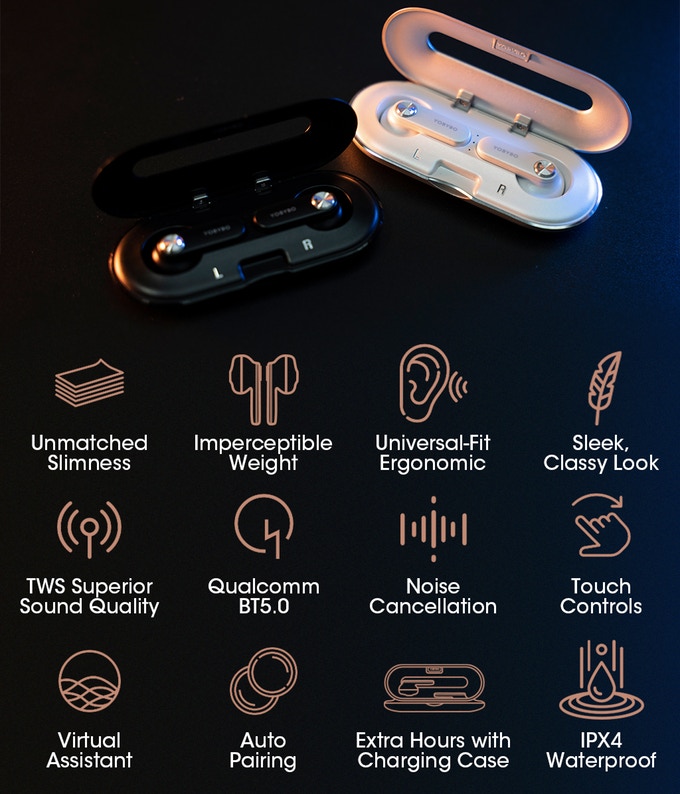
This is where CARD20 step in becoming the world’s slimmest TWS Bluetooth headphones combining classy look, sublime comfort and great audio performance. The patented layout of the built-in antenna and the pioneering cutout design of the charging case squeeze the total thickness of the earbuds and the case to a mindblowing 0.5″ whereas the rest of the market comes at around 1″ thick.
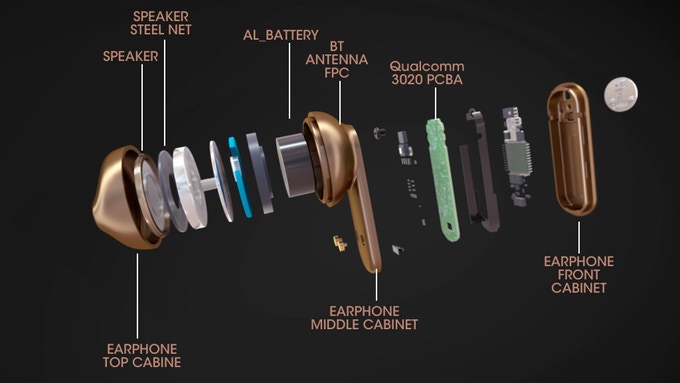
On the inside, YOBYBO, the company behind CARD20, went with Qualcomm’s QCC3020 chip that supports Bluetooth 5.0 and features extremely low power consumption. Thanks to this chip, you can connect both earbuds to your device simultaneously for stereo mode, or use either one separately for mono mode. The switch between the two is seamless without any delay or interruption. CARD20 auto-pairs to your formerly connected device the second you open the charging case with no hassle.
In addition, it supports both Siri and Google Assistant and you can either summon them via voice command or just use the force sensor 3 times to bring them up. The force sensor is also used to control music playback or answer/end a phone call. The CARD20 is IPX4 certified which means you can use it to exercise and its battery lasts for up to 4 hours on a charge while it extends to 16 hours with the use of its charging case.
The CARD20 TWS is currently crowdfunded on Kickstarter and has already surpassed the set goal. If you want to catch an Early Bird discount while they still last, visit the campaign page.
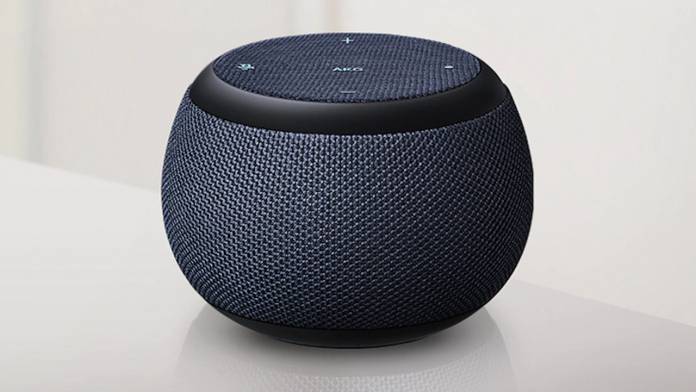
Samsung first announced its Galaxy Home smart speaker in 2018, including the Galaxy Home and Galaxy Home Mini. The company was also expected to release the smart speaker last year but that didn’t happen. Some were already tagging the product vaporware but Samsung did assure that the device was being optimized. The Korean tech giant has now finally revealed that the Home Mini smart speaker will be released in 2020.
This was disclosed at the Consumer Electronics Show (CES)in Las Vegas. The tech giant did specify that the Home Mini will be released in early 2020 but was silent about the Galaxy Home speaker which seems to have been discontinued.
The Galaxy Hom Mini smart speaker will attempt to enter a market that is a bit saturated, dominated by the likes of the Google Home and Amazon Echo speakers. However, Samsung believes they will be able to have their own niche within the whole Samsung ecosystem of smart home devices. There are a couple of factors that should work in Samsung’s favour such as the Bixby smart assistant which powers the speaker.
Samsung says the smart speaker will be different from others in that it will focus on voice commands rather than a seemingly ongoing conversation between you and the smart speaker. They also want to be able to focus more on the hardware itself rather than the user information that they can gather from your interaction with the smart speaker. The speaker will also be able to connect all the Samsung devices connected through SmartThings and be a central hub for all your smart home devices.
Samsung also says consumer privacy will be at the fore so that all your user information will not have to leave your device and go to a cloud somewhere. They are going for a more hands-off approach when it comes to consumer data, unlike Google and Amazon that both depend a lot on gathering data on how their consumers use the smart speaker and the digital assistant, to be able to bring better services. Being a hardware company, Samsung believes it can minimize data sharing.
The company failed to announce a specific date yet as to when it will be finally introduced to the market.
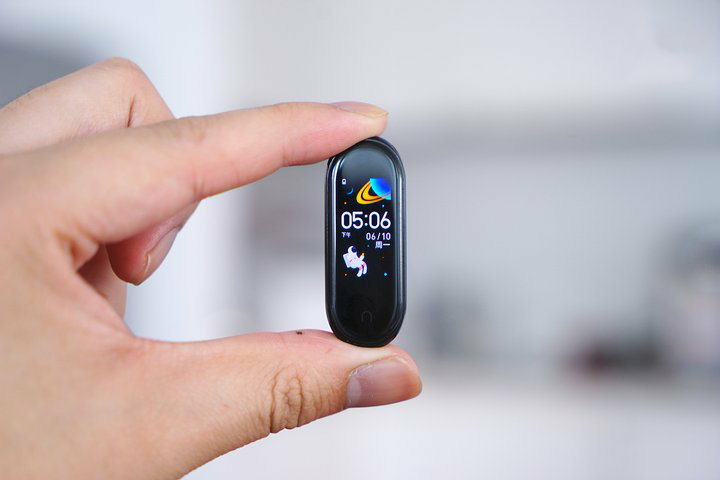
According to a new report, Xiaomi‘s upcoming Mi Band 5 is expected to arrive with a 1.2 inch display alongside NFC support for its global variant. The smart wearable is a popular series from the Chinese tech giant.
Previously, Xiaomi had launched the Mi Band 4 at a lucrative price range with relatively decent features. However, unlike the model sold in China, the global variant had skipped on the NFC feature for certain regions. Although a separate version supporting NFC was made available as well.
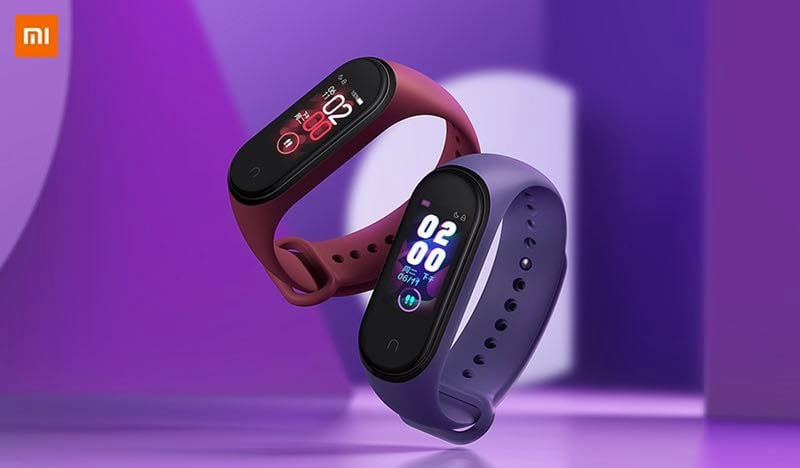
Xiaomi Mi Band 4
With the Mi Band 5, Xiaomi plans on riding on the success of its popular smart band lineup. From the report, it was discerned that the fifth and latest entry in the series will feature a larger 1.2 inch display. The screen will be an AMOLED panel which is reportedly brighter and displays more contrast.
Furthermore, NFC support will be a big inclusion this time around as it will also support other payment options, like Google Pay. Previously, the Mi Band 4 only shipped with Xiaomi’s Mi Pay. Currently, the Mi Band 3 and Mi Band 4 in China are one of the few NFC enabled wearables from Xiaomi. Since the technology is seeing an increase in use with better infrastructure, NFC will become more crucial in modern lives.
AMOLED Display on the Mi Band 4
Xiaomi’s Mi Band 5 will carry a price tag of 179 Yuan in China or roughly 26 US Dollars. Notably, the prices may vary according to different regions and countries. Huami, a smart wearables manufacturer, is partnering up with the smartphone OEM to make the Mi Band 5. But, no deal has been signed between the two regarding an exclusivity deal.
Towards the end of 2019, Xiaomi unveiled a new smartphone dubbed Mi Note 10 which had all ingredients to become an instant hit among Xiaomi’s huge fanbase.
Ahead of the phone’s launch, multiple reports indicated that the Mi Note 10 would boast similar features as the Mi CC9 Pro, which was also launched in China last year. Fast forward to January 2020, the Mi Note 10 continues to garner huge popularity among smartphone lovers.
Taking the phone’s skyrocketing popularity and its undying demand into consideration, the Chinese electronics giant is now offering the Mi Note 10 for a lowered price through Gearbest -one of China’s most popular e-tailers.
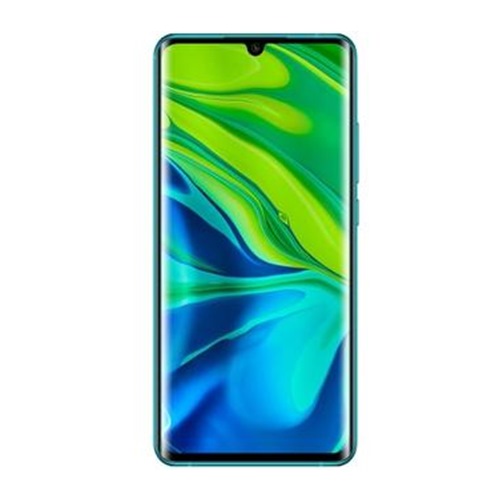
As part of its latest flash sale, Gearbest is offering the 6GB RAM + 128GB ROM Xiaomi Mi Note 10 (CC9 Pro) variant for a lowered price of just $599.99. This translates to a 1 percent reduction in the phone’s original asking price of $606.02.Furthermore, you can use the $150 OFF Coupon if your cart value exceeds $599. Aside from that, you can apply coupon code GBXMNTFR01 for an extra $150 off. In other words, you can reduce the retail price of the Xiaomi Mi Note 10 smartphone to just $449.99 simply by applying the aforesaid coupon at checkout.
Available in three appealing color options including black, white and green, the Mi Note 10 sports a 6.47-inch 3D curved AMOLED screen that offers vibrant colors and a comfortable grip. It packs the Snapdragon 730G processor along with Adreno 618 GPU for superior AI computing power.
In the photography department, the Mi Note 10 houses an impressive Penta camera module comprising a 108MP primary camera, 20MP ultra wide-angle camera, long telephoto lens, 12MP short telephoto lens, and macro lens. Upfront, it accommodates a 32MP selfie camera. The phone runs MIUI 11 OS and is backed by a robust 5260mAh battery that is compatible with PD protocol and comes with a wired 30W charger. As mentioned earlier, it ships with 6GB of RAM and offers 128GB of native storage.
You can head straight to this link and check out more details about the Xiaomi Mi Note 10 smartphone. With over 300 pieces sold at the time of writing, the flash sale is slated to end in fourteen days.
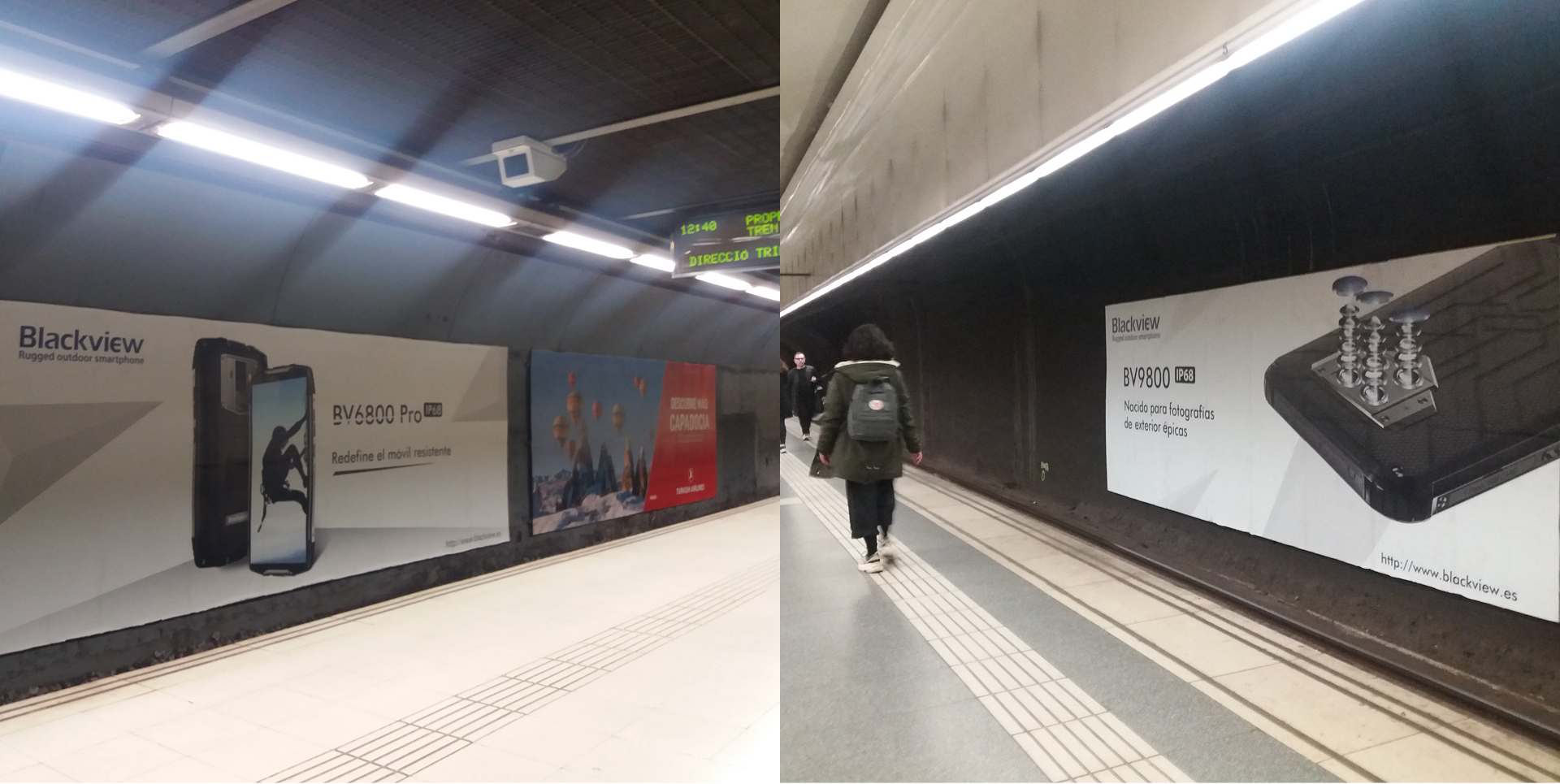
Being a well-established company in the smartphone market after many years of continuous improvement, Blackview achieved another year of increased production and sales in 2019. Durability combined with the latest tech in the market made their products very popular so they made a 2019 year review video about it.
Blackview 2019 highlights
Starting from their top device, the flagship BV9900 instantly became the top rugged camera phone of 2019. Flagship performance combined with excellent camera resulted in a 1500 units limited stock sale disappearing in just 2 days.
1 of 2
Key features
MediaTek Helio P90 AI processor
8GB RAM 256GB ROM
Sony® 48MP quad rear camera
IceMode – Phone, Message, Contacts, Camera functions still can be used when the temperature as low as -30℃
Heart rate monitor & barometer & air quality sensor & hygrometer & UV meter
Price: $499.99
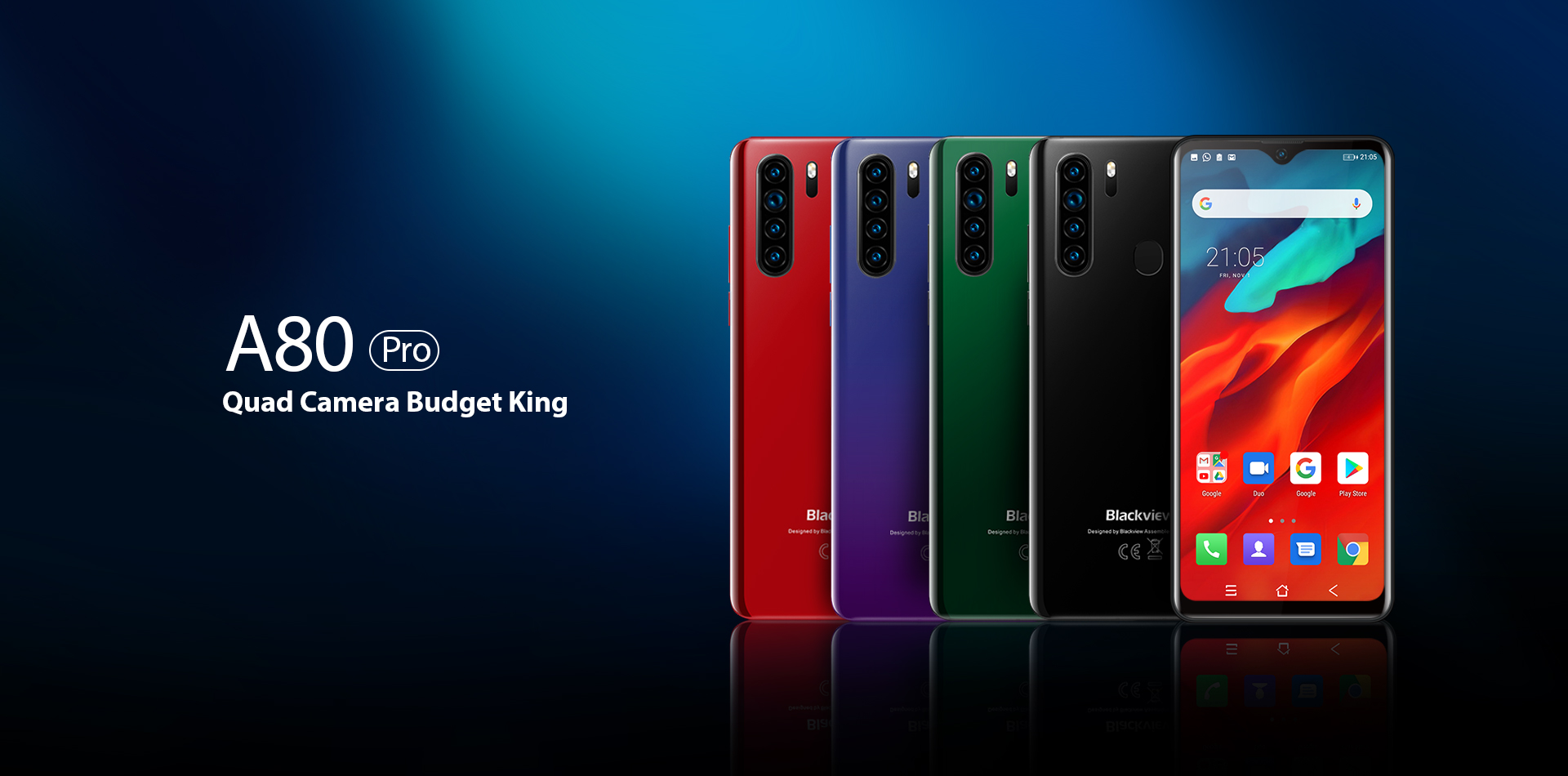
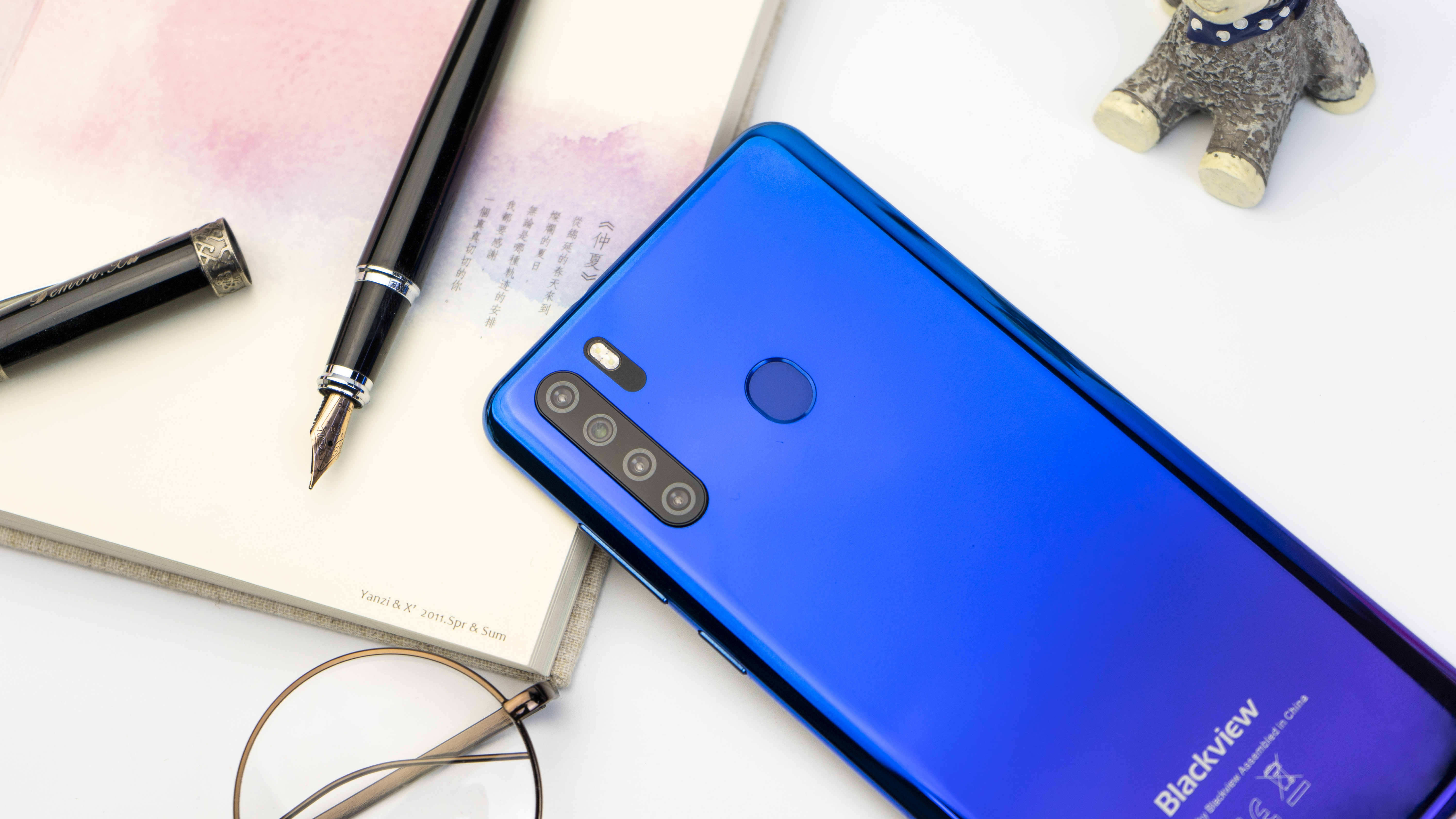
Last year, Blackview also released a budget device with a killer quad-camera setup. It is Blackview A80 Pro and it became one of the best budget mainstream phones you can get in 2019.
1 of 2
Key features
Sony® IMX258 13MP quad camera
MediaTek Helio P25 processor
4GB RAM 64GB ROM
4680mAh big battery
Flattering appearance and slim body
Price: $159.99
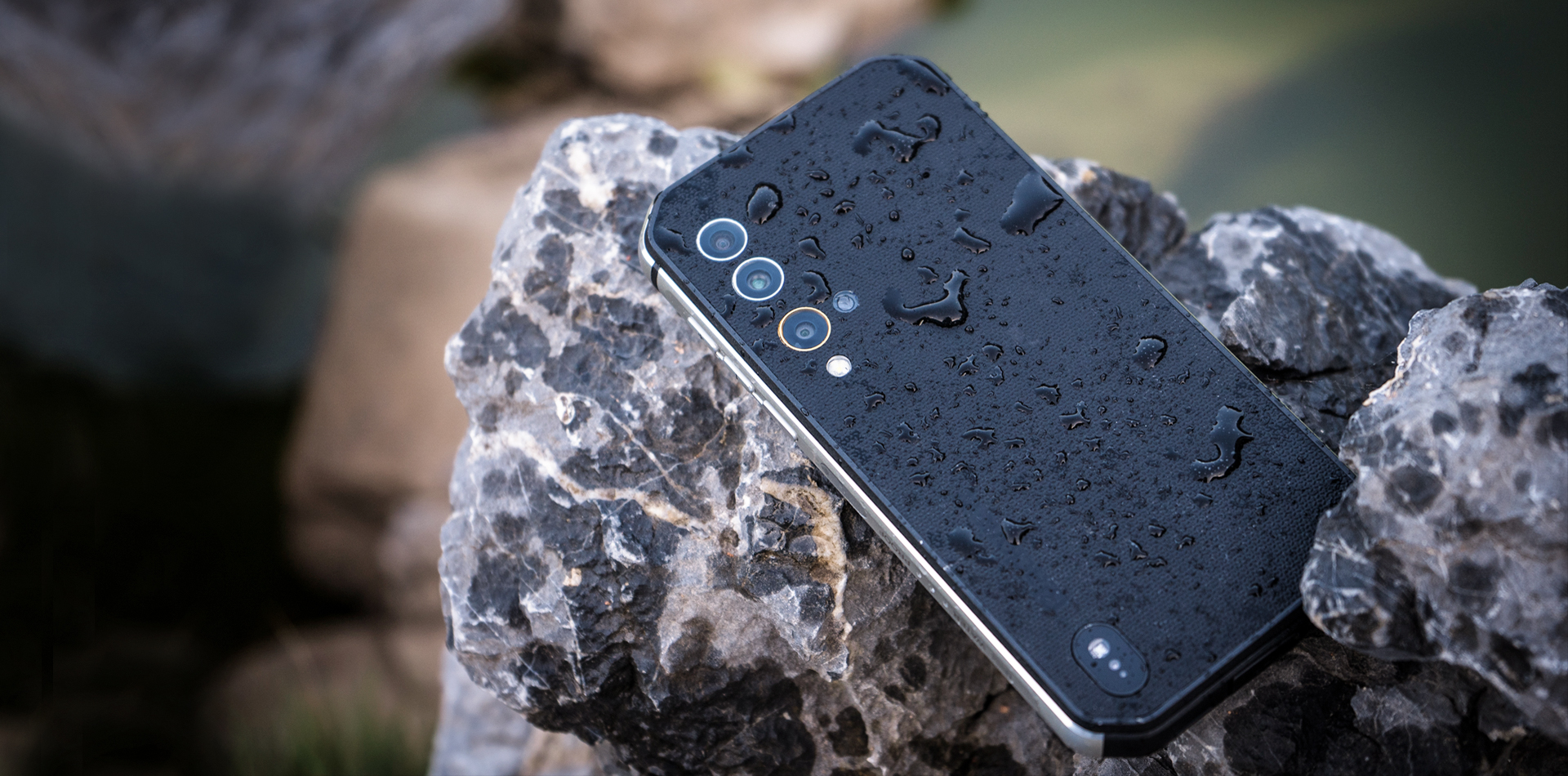
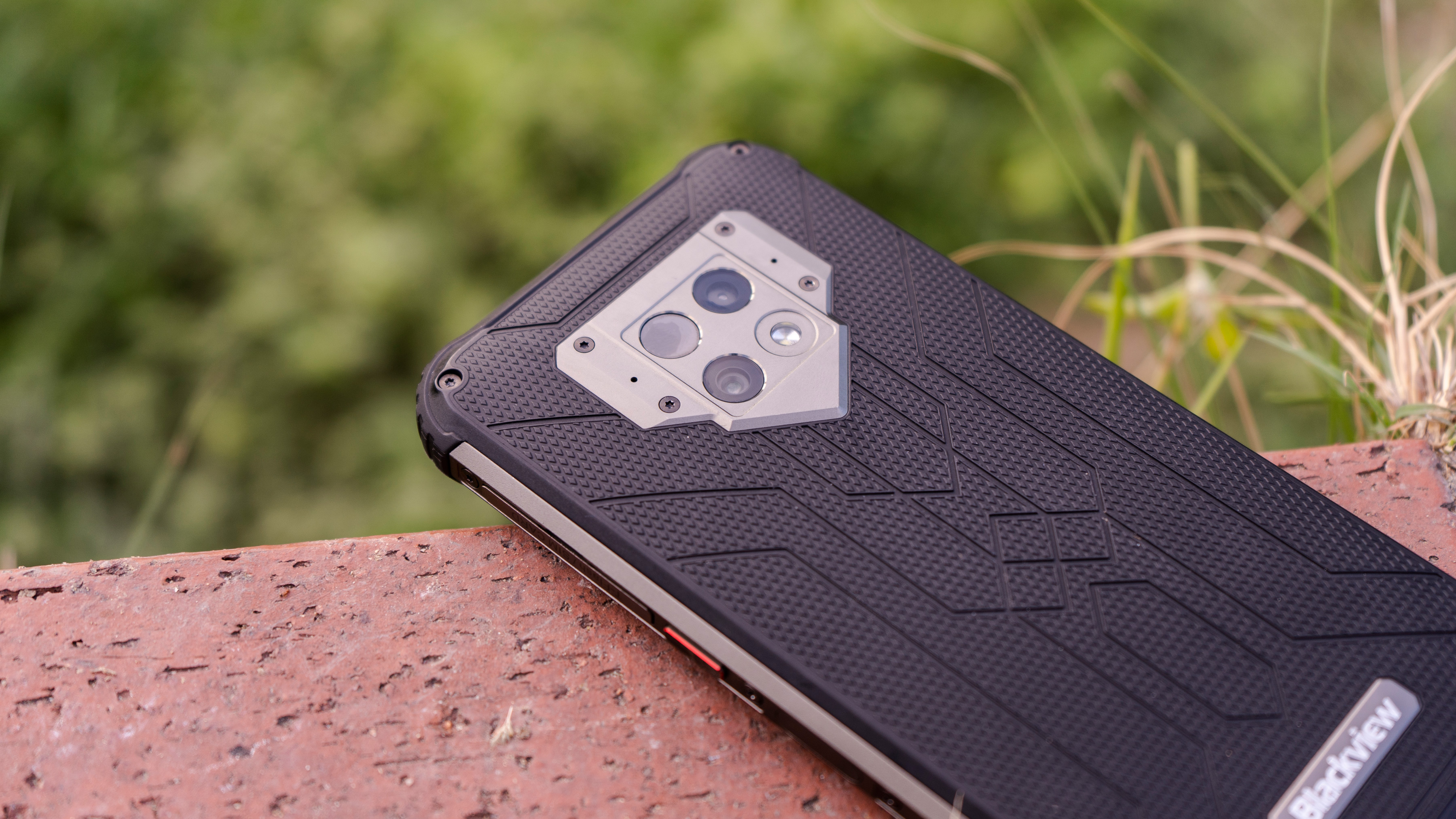
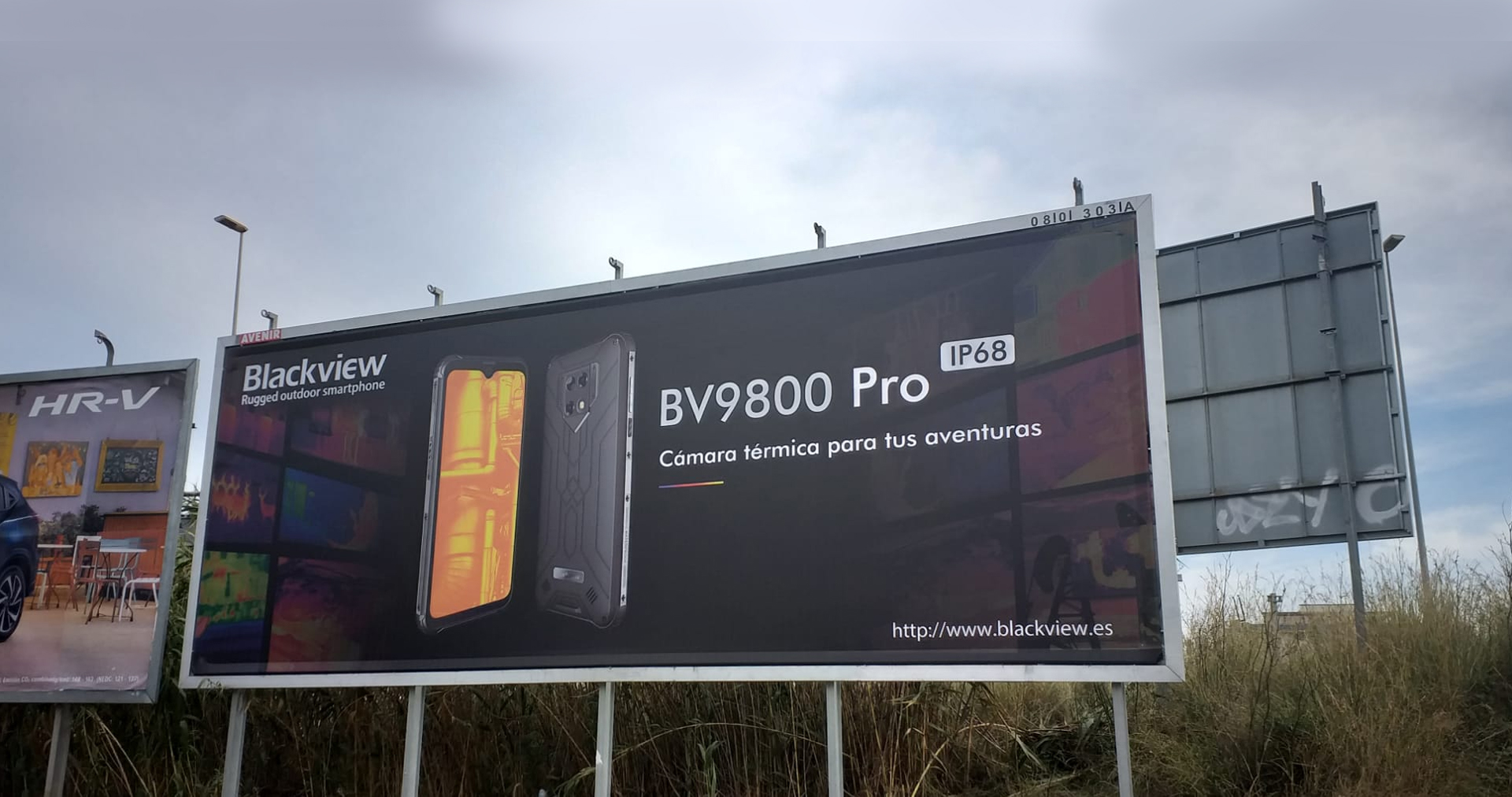
Another special device is the BV9800 Pro that was created for serious adventurers as it features a FLIR® Lepton® thermal and Sony® 48MP camera, giving you the power of thermal imaging. Whether you’re inspecting electrical panels, troubleshooting mechanical systems, looking for HVAC problems, or finding water damage, the thermal camera is the most useful feature on any rugged phone right now.
1 of 2
Key features
FLIR® Lepton® thermal and Sony® 48MP camera
MediaTek Helio P70 processor
6GB RAM 128GB ROM
6580mAh battery
Global LTE bands
Price: $499.99
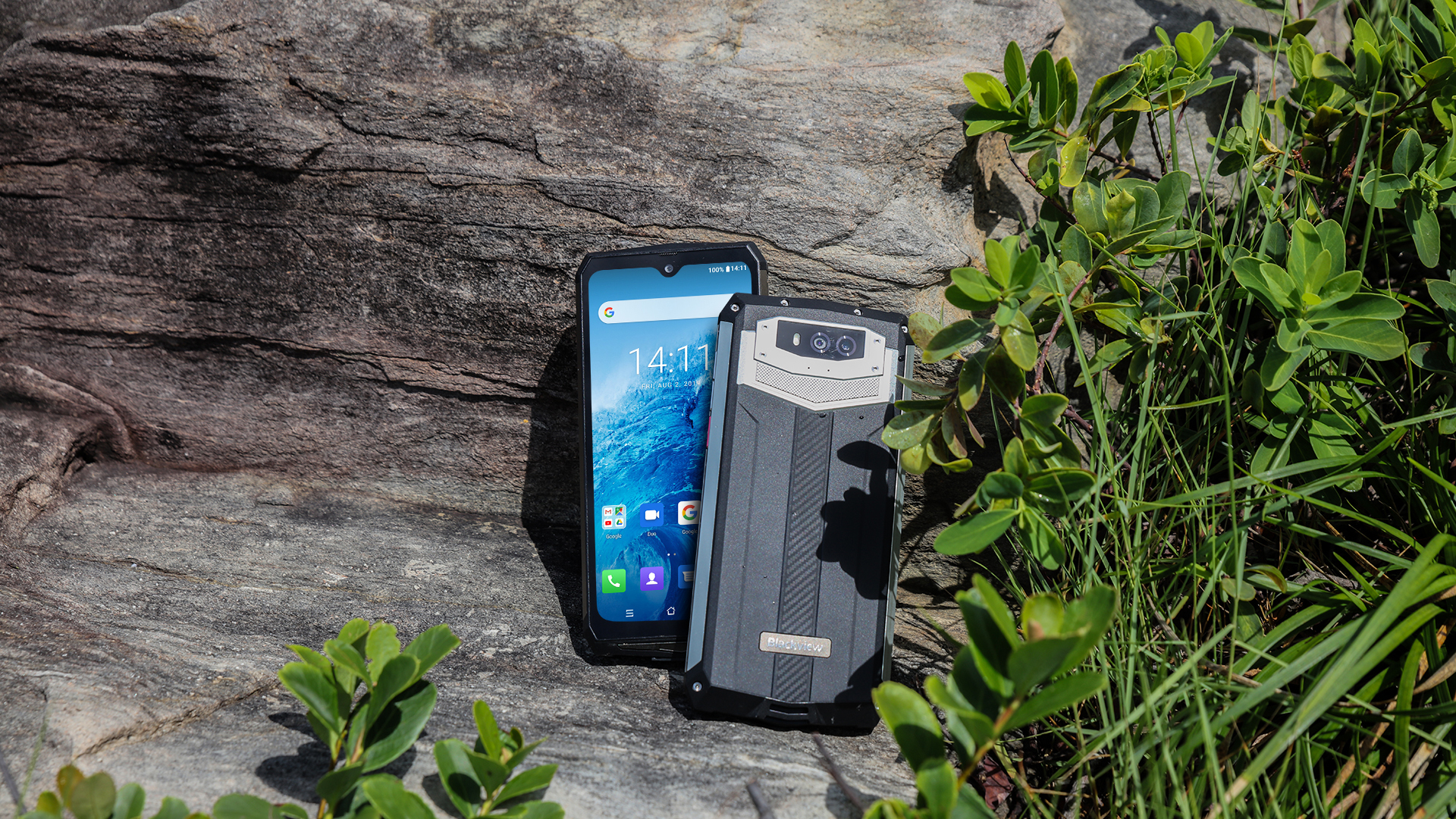
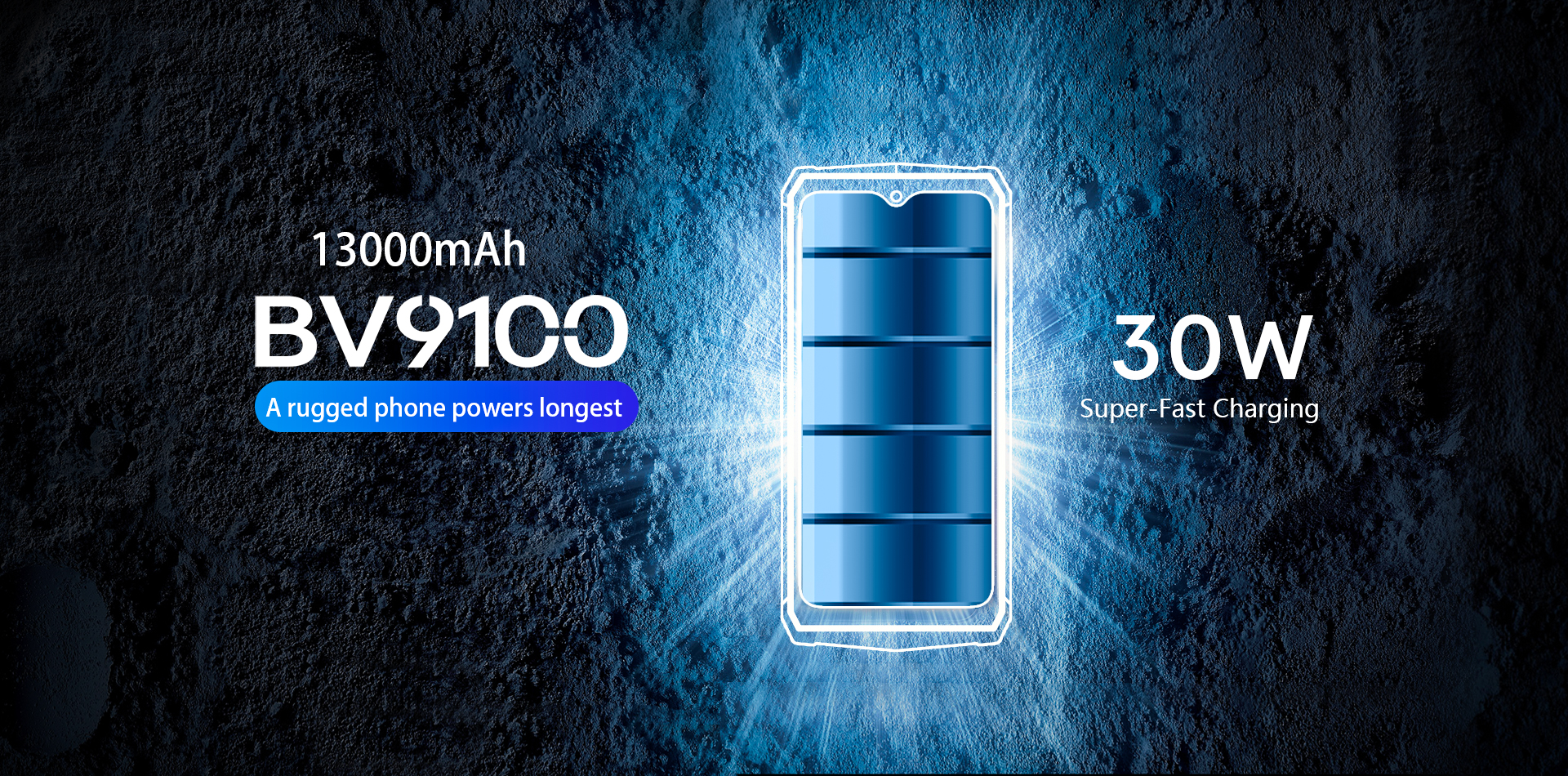
Next is the BV9100, the enormous battery rugged phone. Carrying a 13000mAh battery can run for days on a single charge, making outdoor trips more trouble-free. The battery capacity is larger than most powerbanks out there so you can imagine just how long it runs.
1 of 2
Key features
13000mAh big battery, 60 days standby time
30W super-fast charging, fully charged in 2.5 hours
MediaTek Helio P35 processor
4GB RAM 64GB ROM
Sony® 16MP dual rear camera
Price: $269.99
Blackview 2019 performance highlights
As said before, the company constantly stays up to date with the developments in the smartphone market and that was mirrored in the company’s increasing fanbase. Having a product portfolio that covers the entire spectrum of the market -from entry-level to flagship- Blackview increased sales volume and a growing fan base. It’s worthwhile to mark that there was a 75% staggering increase in the fan base on Blackview’s Facebook page in 2019.
Blackview future
1 of 3
To thank all of their customers and fans, Blackview launched a New Year Giveaway. At the same time, they are continuing to adapt, create, innovate and inspire. The first step this year is the upcoming MWC event in Barcelona on February 24th. They can’t wait to share more new good products.
These days, there are a lot of computers that come with just 256GB SSD storage. There are even some with 128GB of storage. While there is the option to replace the storage with a bigger one, another thing you can do is pick up portable storage. However, unlike your PC which is password protected or has a biometric scanner to keep your files safe, most portable storage drives do not have any protection, thus allowing anyone can gain access to your files. To fix that, Samsung has announced a new portable SSD that has a built-in fingerprint scanner.
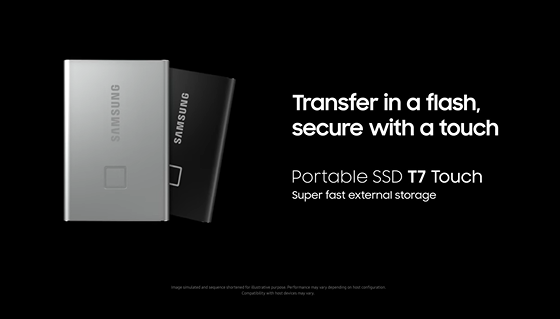
The Samsung T7 Touch has a fingerprint scanner at the top that scans your fingerprint before granting you access to the files on it. The drive can save up to four different fingerprints, which comes in handy if you share the drive with your partner, relatives, or colleagues at work.
The drive is enclosed in an aluminum case and Samsung says it can survive drops from heights up to 2 meters. There is a USB-C port along with an LED that lights up when you plug it in or transfer files.
The Samsung T7 Touch brings more than just protection. It has write and read speeds up to 1,000MB/s and 1,050MB/s respectively. According to Samsung, that is twice the read and write speeds of the Samsung T5, its predecessor.
You will be able to purchase a unit later this month starting at $129.99 for the 500GB version, $229 for the 1TB version, and $399 for the 2TB version. It will be available in black and silver.
Samsung will also announce a version without the fingerprint scanner but the price is unknown and it won’t be available until the second quarter of 2020.
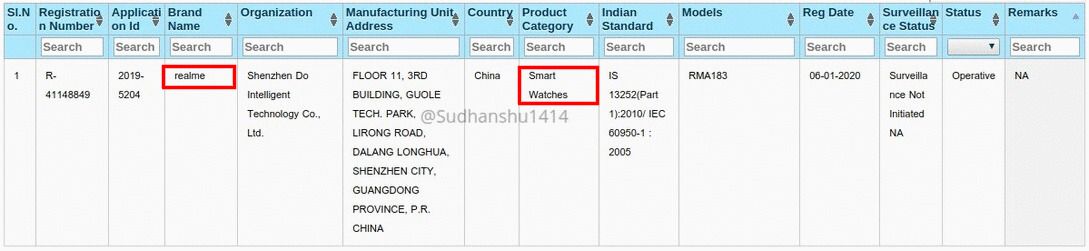
Realme plans to launch the Realme TV later this year. Ralme CHina CMO Xu Qi confirmed at the Realme X50’s launch event in China recently. This is the first smart television from the Chinese smartphone company that commenced business in 2018. Rumors around the Realme TV started last year with the company believed to launch the device by the end of 2019. Like smartphones, Realme plans to challenge Xiaomi in the smart TV market. At the same time, the mysterious Realme smartwatch has bagged approval from the Bureau of Indian Standards (BIS) in India which indicates that it could be debuting in the next few months.
Realme plans to focus on IoT products this year, ranging from personal, travel, family solutions. The list includes smart wearables, audio products, TV and more. In light of the situation Realme recently launched the Buds Air, the company’s first truly wireless earbuds. The company plans to sell over 50 million smartphones this year with the primary focus staying on 5G and IoT.
Realme fitness band teased by Realme India CEO Madhav Sheth
“Despite seeming overly ambitious the decision is not very difficult. Since Realme is a nascent brand and is among the lightest players participating in 5G implementation” Qi said. Realme plans to launch multiple 5G smartphones by the end of 2020, including a range of affordable devices priced below 1,500 Yuan (~$216). The company also plans to launch its first-ever smartwatch in India.
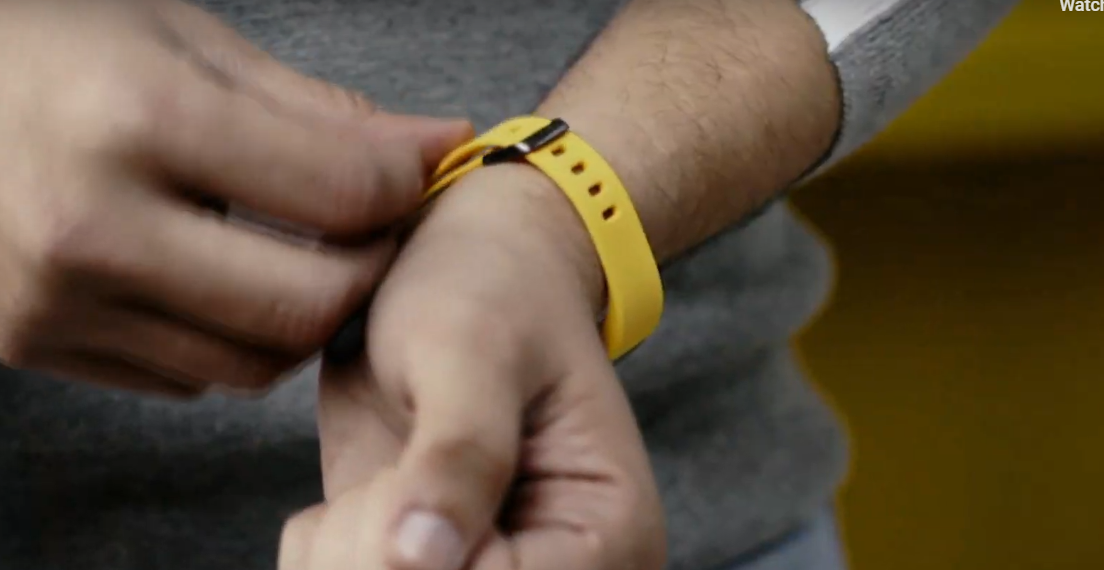
Courtesy of leakster Sudhanshu Ambhore, Realme smartwatch was recently spotted listed on BIS website with model number RMA183 Additional details are currently lacking. At today’s Realm 5i launch, the Realme India CEO Madhav Sheth teased the upcoming Realme fitness band. It sported a yellow strap, but its display was not shown clearly.
There is no confirmation on whether Realme has a fitness band and a smartwatch as two separate upcoming devices. With the budget smartwatch and fitness band market seeing some major activity from popular smartphone manufacturers, get ready to witness some great products being launched soon.
We just can’t help loving most of the products Xiaomi launches under the Youpin crowdfunding platform. The company has now launched the MORROR ART floating lyrics Transparent Bluetooth Speaker which has a “dynamic floating lyrics” that fits the mood of the music, letting you see the music.
The MORROR ART speaker is equipped with a 21.5-inch IPS screen with a resolution of 1920×1080. The speaker comes with AR-coated glass which is a high-transmittance glass used in museum exhibit windows. The glass has excellent transparency as if it did not exist. It is also incorporated with backlight technology from Japan’s Mitsubishi Corporation enables the screen to show brightness that is comfortable for the eyes in the dark and can be enjoyed at night.
The speaker uses a 6-series aluminium alloy shell which combines sandblasting and anodizing processes. The shell resists oxidation and corrosion and also shows a high-level surface texture. The speaker has a dimension of 525mmx140mmx322mm and weighs 10kg.
The MORROR ART floating lyrics transparent Bluetooth speaker uses a unique 100mm diagonally configured speaker. After precise calculation of the 10L resonance air volume in the box, the official said that this design is like a long and loose “air spring”, which greatly improves the response of the speaker. speed.
The speaker is equipped with an upgradeable 32-bit control unit and fine-tuned by subjective acoustic debugging experts. It supports 3 tuning modes (high-fidelity mode, sweet voice mode, and rhythm mode) and various music styles can be easily controlled.
The product comes with a crowdfunding price tag of 2999 yuan ($431) but will retail for 3799 yuan ($546) after the exercise. It is expected to start shipping to backers from January 31.
In the near future, smartphones might just turn to ultrasound sensing technology to replace any and all physical buttons on one’s handset. The news arrives after an video on YouTube (by Gary Explains) turned the spotlight on certain technological developments in Ultrasense.
The new technology could potentially improve smartphone design and also be a step closer to the future with seamless handsets; something OEMs have been working on for years now. Unfortunately, ultrasonic technology has previously left a bad mark in the industry, looking at the in-display fingerprint scanner on Samsung’s Galaxy S10 series. However, Ultrasense aims to tackle another area altogether.
The company plans on making a simple switch that can be situated under any surface and be used similar to capacitive buttons (which are generally not compatible with most surfaces). Technically, the technology would work on glass, metals and even unconventional surfaces like leather and wood. This implies that soon smartphone manufacturers would not need to drill holes in the handset’s frame to make room for the volume rockers and power buttons.
Furthermore, Ultrasense has claimed that its sensors can even detect the force of different levels. This would allow for unique drag-to-activate features alongside the conventional tap methods. Notably, the move to ultrasonic sensors will allow smartphone manufacturers to place additional emphasis on building durable, water and dustproof devices.
Another claim by Ultrasense points at the emerging 5G networking, which its sensors are apparently more responsive with. While Ultrasense can bring a wide array of features with the technology on smartphones, the company is also planning on including these sensors in various other IoT devices. It includes automobiles, home appliances and even enters the medical fields. Unfortunately, the company has yet to unveil this technology or its prototype, so safe to say it’s not arriving in any smartphone within 2020.
Touted as the ‘Android 10 Entry Level Beast,’ UMIDIGI’s recently unveiled A3X smartphone has gone up for pre-order on Banggood.
As part of the UMIDIGI promotion that kicked off on January 8th, the Chinese e-tailer is offering the A3X 4G smartphone for a lowered price. So without further ado, let’s dive straight into the details.
The first 300 pieces will be up for grabs for just $79.99, which translates to a noteworthy 50 percent discount, given that phone would normally set you back $159.99. Those who fail to take advantage of this significant reduction in the phone’s original asking price can still get it for a lowered price of $89.99; however, this reduced price will be valid for 500 pieces only.
If you end up missing out these two offers, fret not, Banggood is offering the remaining 800 pieces for just $99.99, which is a significant drop in the phone’s retail price. Moreover, you can choose between the EU version, which is specifically designed for European customers, or go for the Other Area Version if you based outside EU countries. On top of that, Banggood is offering free shipping if your cart value exceeds $19.99 – but wait, that’s not all. In case this your first order with Banggood, you can take advantage of the $18 Off New User Coupon and save more money at the time of checking out.
With the irresistible A3X smartphone, UMIDIGI aims at bringing the latest stock Android 10 OS even to those on a tight budget. Among a slew of other awe-inspiring features, the phone boasts system-wide dark theme and newfangled privacy features.
At the back, the phone houses a dual-camera setup comprising a 16MP and a 5MP camera, both equipped with a new software algorithm. If you are a selfie lover, it might interest you to know that the A3X features a 13MP AI selfie camera for a clear, beautiful and natural self-portrait.
Furthermore, the phone packs MediaTek’s MT6761 processor, paired with 3GB of RAM to enable advanced multitasking. The dual-SIM phone comes with 16GB of internal storage that can be expanded up to 256GB.
It features a 5.7 inch Notch Screen with an HD+ screen resolution of 1512×720 pixels. Moreover, there’s a non-removable Li-Po 3300mAh battery that keeps the lights on for a longer period. You can check out more details about the UMIDIGI AA3X by following this link. To make sure you get this discount, you need to place your pre-order by January 15th.
The upcoming Vivo V1950A flagship smartphone has just appeared on TENAA, revealing a few key specifications such as battery capacity and the display size. The V1950A was previously spotted at CMIIT and the Compulsory Certification of China (3C). Vivo is planning to launch a flagship smartphone at the upcoming MWC 2020 in February. With rumors of the IQOO 3 launching at MWC 2020, it was earlier speculated that the V19850A and the IQOO 3 were the same devices. However, the details that have surfaced on TENAA suggests that it could be the Snapdragon 865 version of the Vivo NEX 3 5G.
According to the TENAA listing, the Vivo V1950A is a dual-mode 5G smartphone that flaunts a 6.89-inch display and measures 167.44 x 76.14 x 9.4 mm. The device is powered by a minimum rated 4,250 mAh battery.
Its 3C listing had revealed that it is likely to ship with 44W fast charge support. The smartphone supports 5G connectivity. Contrary to the initial beliefs that said it could be iQOOO 3, these specifications closely match the Vivo NEX 3 5G, leading experts to believe that the V1950A is the dual-mode 5G variant of the NEX 3.
The specifications are in line with a premium flagship, which is exactly what the Snapdragon 855+ powered Vivo NEX 3 5G is. The Chinese variant of the NEX 3 5G has a model number of V1924A/T. It is likely that V1950A is a new model powered by the Snapdragon 865 mobile platform edition along with some additional quirks and features, including dual-band 5G and a smaller battery than the NEX 3.
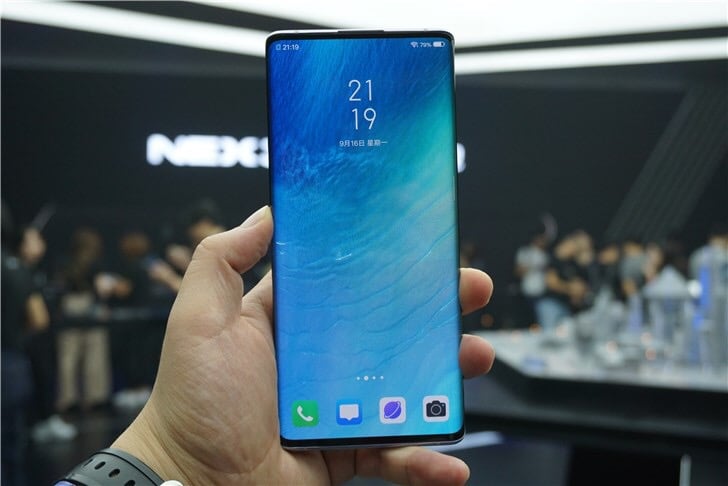
The Vivo NEX 3 5G flaunts a 6.89-inch Super AMOLED waterfall display with a resolution of 2256 x 1080 pixels. The smartphone is powered by am octa-core Snapdragon 855+ SoC and features up to 12GB of RAM and 256GB of UFS 3.0 storage. The device sports a triple-camera setup comprising of a 64-megapixel primary lens, with dual 13-megapixel cameras for telephoto and ultra-wide shots. The front camera is a 16-megapixel unit housed within the chassis and mounted on a motorized pop-up platform.
Powering the Vivo NEX 3 5G is a 4,500 mAh battery with 44W fast charging. The device runs on Android 9.0 Pie-based FuntouchOS 9.1. Connectivity options include LTE, 5G, Wi-Fi 802.11a/g/b/n/ac, Bluetooth v5.0, USB Type-C, USB OTG, GPS, and A-GPS. The smartphone features a 3.5mm headphone port with active noise cancellation and a dedicated mic. It flaunts an in-display fingerprint scanner for additional security.
Smart shoes are not new as we have seen a couple from some manufacturers. However, this one from ASICS is quite different. This is not designed to just count your steps but to actually help you run better and save you energy.
At the on-going CES 2020, ASICS’ Energy Research Lab unveiled a working prototype of its smart running shoes. The smart shoe is actually a pair of its new EVORIDE running shoes with an ORPHE TRACK sensor embedded inside it. The sensor was developed in partnership with Japan’s no new folk studio Inc. (nnf).
The ORPHE TRACK sensor will track a number of features including kick strength and stability and provide real-time feedback and suggestions to help you run better.
1 of 5
The EVORIDE itself is a new pair of running shoes from ASICS. It is its lightest and most affordable energy-saving running shoes to date. ASICS says the EVORIDE is built around its GUIDESOLE technology that is designed to reduce movement in the lower leg to help runners “save energy” and “run more efficiently”.
The new EVORIDE running shoes will be available for sale globally starting February 7, while the smart running shoes will launch later this year. While the images above show the ORPHE TRACK sensor inside the new EVORIDE shoes, the look of the final product is still unknown.
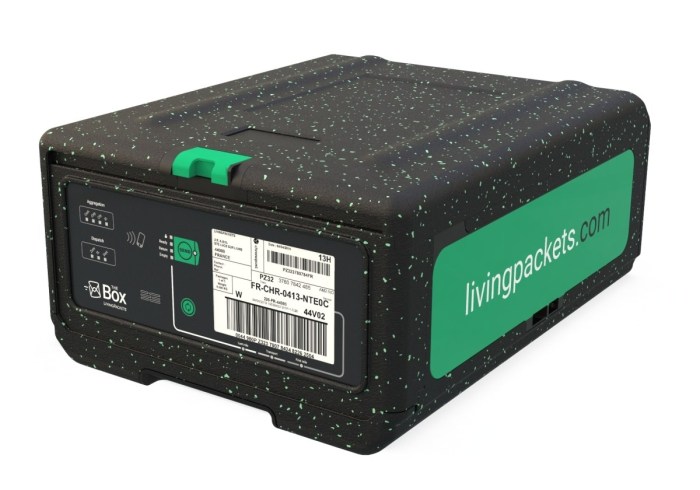
With the immense growth of e-commerce on a global scale, an awful lot of inventory and packaging are sent on one way trips. This results in a large amount of waste being gathered and resources being drained. But now, a startup by the name of LivingPackets has developed a reusable box that might replace the conventional cardboard boxes we see being used every day.
THE BOX
Interestingly, the reusable form of packaging has been dubbed THE BOX. And apart from its reusability, it also arrives with an integrated E Ink display, which seeks to replace traditional shipping labels. One of THE BOX’s main highlight feature is the fact that it can be used up to 1,000 times before needing a replacement.
LivingPacket’s THE BOX (with the E Ink Label)
To make THE BOX viable, LivingPackets also included the E Ink display which only consumes power when the label changes. Thus, it is also energy efficient, whilst also featuring environmental sensor to measure the temperature, humidity, and shocks. It can also connect to the internet allowing THE BOX to be tracked via an app.
According to LivingPackets, the production cost of the reusable box is around 100 times more than a conventional cardboard box. However, the company further added that it could actually savs customers (major e-commerce firms and rather any company with inventory) money in the longer run. Additionally, THE BOX even helps reduce CO2 emissions (Carbon Dioxide) and other wastes if it is reused properly.
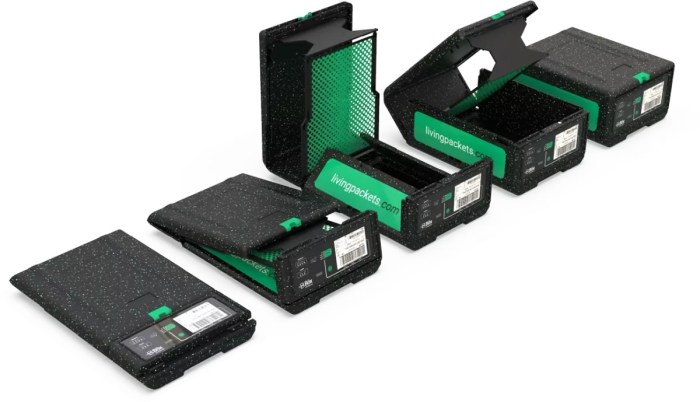
LivingPacket’s THE BOX can be folded to take up less space when not in use, similar to a conventiona carboard box
LivingPackets with THE BOX is planning on developing an ecosystem through which it charges its customers for its services, not the reusable box itself. Customers can also send packages using a smartphone app by selecting a carrier and method of delivery. Thus, it would even enable delivery brands to save money with the reusable form of packaging.
Xiaomi smartphones always remain on the top list on several development forums. The overall active userbase and the development-friendly environment are some significant reasons behind active third-party development. TWRP – Team Win Recovery Project recently extended support for Redmi 8, and the users can now flash it by following the steps below.
There are many advantages of using custom recovery like TWRP. It helps to interact with the system using a Graphical User Interface. Several other features of custom recovery include the installation of Custom ROMs, MODS, and Magisk. The user can perform the system-wide updates and can restore using the same interface.
What is Custom Recovery?
A custom recovery is a third-party recovery environment used to get the features that were limited while using stock recovery. It is an interface that helps the user to interact with the recovery environment. It carries some additional features to the stock Android recovery.
There is a wide variety of custom recoveries that are available for the Android system. However, TWRP, Philz, RedWolf, and OrangeFox are some prominent custom recoveries available for Android devices.
Advantages of Custom Recovery
Brings the ability to flash custom Recovery
Allows to root Android system with Magisk or SUperSu
Enables System Backup and Restore
Ability to flash third-party custom ROMs
Ability to Customize the system
Features an ability to flash custom MODs
Xiaomi Redmi 8 Specifications
Xiaomi launched the Redmi 8 last year in October featuring Qualcomm Snapdragon 439 chipset coupled with an Octa-Core processor and Adreno 505 GPU. The smartphone features a 6.22-inch IPS LCD capacitive touchscreen with a resolution of 720 x 1520 pixels having a 19:9 ratio. It is protected with Corning Gorilla Glass 5 to protect from frequent falls. The display features 400 nits brightness and offers a ~81.8% screen-to-body ratio.
Redmi 8 runs Android 9.0 Pie atop MIUI 11. There are multiple storage variants including 3GB RAM + 32GB storage and 4GB RAM + 64GB internal storage. In optics, there’s a dual rear camera featuring a 12-megapixel primary camera and a 2-megapixel depth sensor. An 8-megapixel front camera is present for selfies and video calling. Both the front and the rear-camera support HDR feature while snapping pictures.
Unlike the high-end smartphones, Redmi 8 carries a 3.5mm audio jack. In Communication, there’s a WiFi, Bluetooth 4.2, GPS, Infrared port, Radio, and USB 2.0 Type-C support. Redmi 8 hosts a 5000 mAh LiPo 18W fast-charging battery. It is available in four different colors, including Onyx Black, Ruby Red, and Sapphire Blue. A rear-mounted fingerprint is present for better authentication.
Note: Installing custom recovery may void your warranty. GizmoChina does not endorse in rooting or making any changes to your device. You may proceed to install the custom recovery at your own risk. If any damage to data or device happens, GizmoChina should not be held responsible.
Download TWRP 3.3.1 from here and keep it into the extracted ADB and Fastboot Drivers folder.
Unlocked Bootloader is necessary for the TWRP installation.
Enable Developers Option by heading to the Settings > About Phone > Tap MIUI Version 7 times.
Enable USB Debugging Mode by heading to the Settings > Additional Settings > toggle USB Debugging option.
Steps to install TWRP on Redmi 8
Make sure you have enabled the USB Debugging option by following the above steps.
Now, extract the ADB and Fastboot Drivers into a folder on your PC.
Then, Open CMD or Powershell window by pressing the Shift + Right Mouse Key in the same folder.
Connect your device with the PC via a USB cable.
Poweroff your device and proceed with the next instructions.
Press and hold the Volume Up + Power button to boot into the fastboot mode.
or
Execute the following command and boot into bootloader/fastboot mode of Redmi Note 8 pro. (Note: A popup for permission to “Allow USB debugging” will come, tap OK.)
adb reboot bootloader
Execute the following command to flash the TWRP recovery on Redmi Note 8. Rename the image file to twrp.img and type
fastboot flash recovery twrp.img
If you want to root, then skip Step 9 and move to the Root section below.
Now, reboot your smartphone and enjoy the custom TWRP recovery on Redmi 8.
fastboot reboot
That’s it! Now, you can enjoy the custom recovery.
The interested users can now root the device or can install custom MODs using the GUI interface of TWRP. Follow the steps below to get root access on Redmi 8.
Steps to Root Redmi 8
Rooting is the ultimate goal of installing a custom recovery on any device. Follow the instructions below to attain root privileges on Redmi 8.
Download the latest Magisk zip and move it to the internal storage on the device.
Boot into TWRP recovery by pressing Volume Down + Power button or execute the following command:
adb reboot recovery
Backup important data before proceeding further.
Select “Install” from the TWRP and browse the Magisk.zip in internal storage.
Confirm the flash by swiping action.
Reboot System from TWRP recovery.
Upon successfully boot, find the Magisk application or install the Magisk Application from third-party sources.
Enjoy!!
You have successfully installed the TWRP and rooted Redmi 8 using the above guide. If you have any issues while following the above steps, then comment below for the solution.
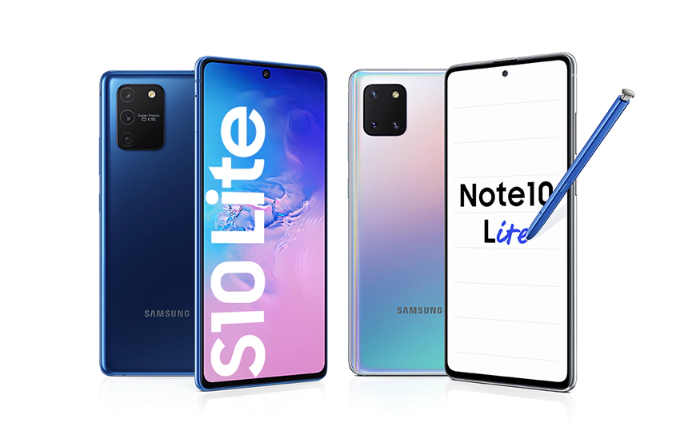
Samsung is gearing up to bring the recently unveiled Galaxy S10 Lite and Galaxy Note 10 Lite to India. Both phones are now listed on the official website of Samsung India. Users can hit the Notify Me button on the listings for S10 Lite and Note 10 Lite to know more on the arrival of these smartphones. The company is yet to confirm the launch date for S10 Lite and Note 10 Lite. Fresh information has revealed the launch date and pricing of both smartphones in India.
Samsung Galaxy S10 Lite price in India
The Galaxy S10 Lite will be exclusively available through online platforms in India. Apart from Samsung’s site, it will be also available through Flipkart. IANS has stated that the S10 Lite will be priced Rs. 40,000 (~$559) and Rs. 45,000 (~$629). It is said to be available for purchase in the first week of February.
Samsung Galaxy Note 10 Lite price in India
Citing information acquired from retail sources, 91mobileshas claimed that the Galaxy Note 10 Lite will be available in two variants like 6 GB RAM and 8 GB RAM. Both versions will come with 128 GB of native storage. The publication has reported that the 6 GB and 8 GB RAM editions of the Note 10 Lite are respectively priced at Rs. 35,990 (~$503) and Rs. 39,990 (~$559).
Samsung Galaxy S10 Lite and Note 10 Lite
Reliable tipster Ishan Agarwal has claimed that the Galaxy Note 10 Lite will be announced in India on Jan. 25. The S10 Lite could be also unveiled in the country alongside the Note 10 Lite. The new Note series phone is also expected to release in India in the first week of the next month. It is expected to be available on both online and offline channels.
Samsung Galaxy S10 Lite and Note 10 Lite specifications
The Galaxy S10 Lite and Note 10 Lite are fitted with S-AMOLED Infinity-O displays of 6.7 inches. Both phones have front cameras of 32-megapixel. They are backed by 4,500mAh batteries with fast charging support. The S10 Lite and Note 10 Lite come in 6 GB / 8 GB RAM editions and they are equipped with 128 GB internal storage and microSD card slot for additional storage. These phones also feature in-screen fingerprint sensors.
The Galaxy S10 Lite is powered by Snapdragon 855 mobile platform. It has a 48-megapixel + 12-megapixel + 5-megapixel triple rear cameras whereas the Note 10 Lite possesses 12-megapixel triple lenses. The Exynos 9810 chipset from 2018 powers the Note 10 Lite.
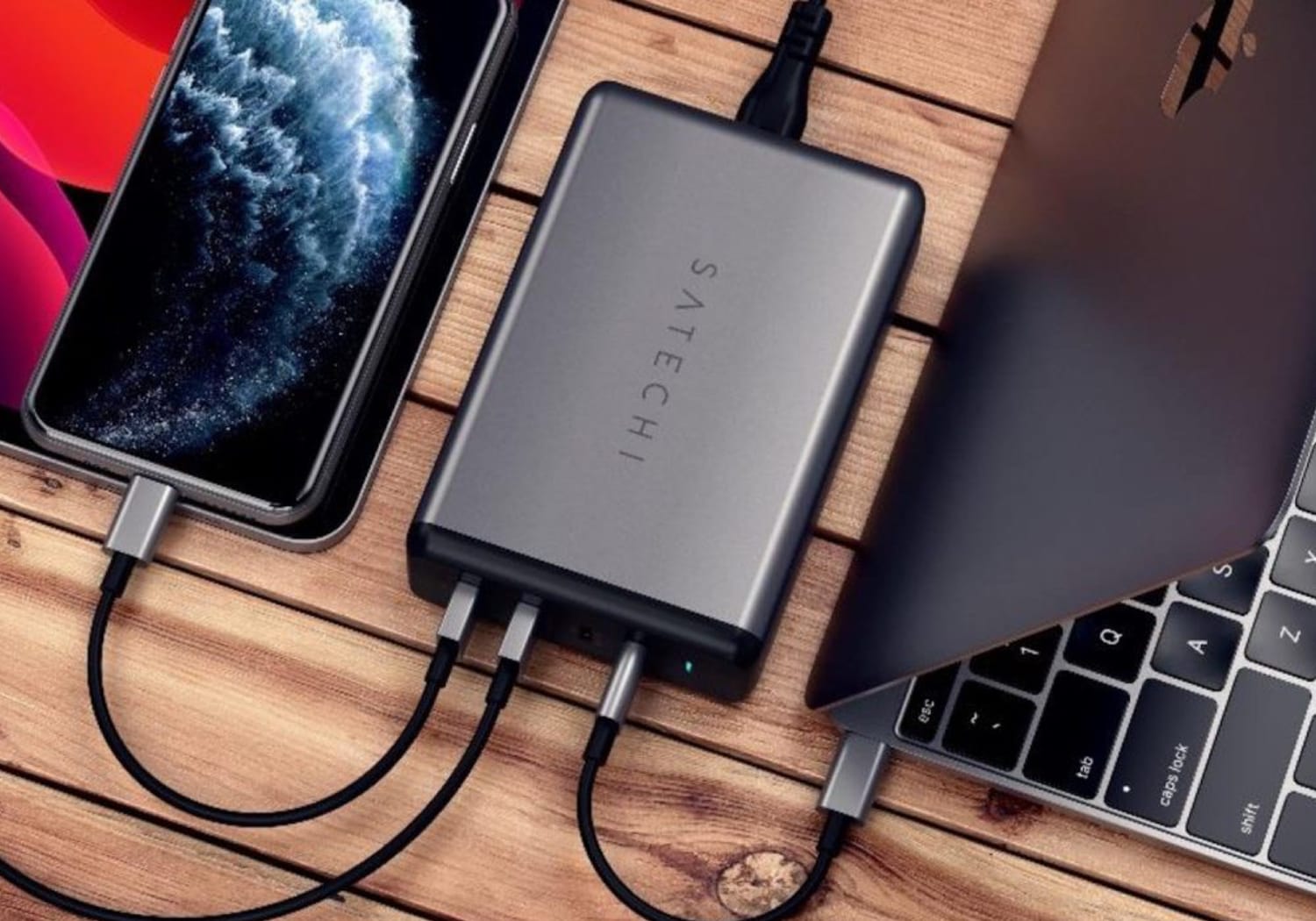
Satechi, the brand known for selling electronic accessories, revealed its 108 watt Pro USB-C PD desktop charger, on Wednesday (8th January 2020). The new desktop charger can power up mulitple gadget at the same time without sharing power between the ports.
Specifications and Features
The 108 watt Pro USB-C PD can charge up to 4 devices simutaenously through its two USB-C ports (90W and 18W) and two USB-A ports (12W total). Notably, the new Satechi desktop charger is even capable of charging Apple’s new 16 inch MacBook Pro which is officially rated at 96 watts, whilst Satechi’s latest power adapter only outputs 90 watts.
Satechi’s 108 watt Pro USB-C PD desktop charger is capable of charging multiple electronic devices like Smartphones and laptops at the same time
Furthermore, the 108 watt charger supports a voltage range between 100 to 240 volts. The adapter was designed to be used in work environments and also whilst on the move, providing a single charging solution for multiple electronic devices like smartphones and laptops.
According to official Satechi notes, extra care was placed on protection since it is built with heat resistant materials to prevent damages caused by overheating and is made to be durable.
The new Satechi charger can charge up to 4 devices, via its dual USB Type-C ports and dua USB Type-A ports
Price and Availability
The 108 watt desktop charger is currently available for 80 US Dollars which is roughly 556 Yuan. For those interested, the product can be purchased directly from Satechi’s official website online.
Amazfit was tipped to unveil its much-awaited Amazfit T-Rex smartwatch at CES, and the Huami-owned smartwatch maker didn’t let us down.
Housed in a sturdy frame, the Amazfit T-Rex is a rugged smartwatch that has been put through a series of 12 military-standard (MIL-STD-810G) quality tests. Aside from being able to withstand intense heat and cold, the smartwatch is corrosion and moisture resistant as well.
The Amazfit T-Rex has passed through 96-hour acid-alkali and 240-hour damp heat tests. Furthermore, it offers cold resistance of minus 40℃ and resistance to severe heat of 70℃. The smartwatch sports a 1.3-inch AMOLED screen that boasts an ‘always on display’ function.
The screen offers a high resolution of 360 x 360 and has a Corning Gorilla Glass 3 layer on top for added protection, especially from accidental scratches. Moreover, it has been outfitted with useful sensors including the Ambient Light Sensor, Geomagnetic Sensor, and 3-Axis Acceleration Sensor.
It comes with an optical heart rate monitor (PPG). In terms of connectivity, the Amazfit T-Rex offers GPS + GLONASS and Bluetooth 5.0 LE. On top of that, the smartwatch is compatible with Android 5.0 devices or later and iOS 10.0 or later.
A great choice for sports enthusiasts, the smartwatch offers 14 sports modes and adopts 5ATM water-resistant design, keeping it safe from unexpected water splashes. Moreover, its BioTracker PPG optical sensor monitors the wearer’s heart rate all day for accurate and instant heart rate alerts.
The smartwatch is backed by a 390mAh battery which lasts about 20 days on a single charge. You can now get your hands on the Amazfit T-Rex for $139.99 through Giztop by following this link. The Chinese e-tailer is currently offering the black color option only.
According to a new report, celebrities that include A-list actors, idols and other famous individuals are susceptible to blackmail by malicious hackers. The danger to the widely known men and women stems from a vulnerability found in Samsung‘s flagship Galaxy series of smartphones.
Reportedly, hackers can gain access to any celebrities’ handset, which gives them access to private messages. images, videos and much more. Once they acquire sensitive data regarding those popular groups, the data can be held for ransom. In other words, hackers that intend to do harm can access personal data from celebrities and demand money in return.
South Korean Celebrities in possession of Samsung Galaxy smartphones are potentially at risk of having their data leaked
Not complying with the illegal hackers could mean that the criminals upload their data for the public to see. This would be extremely harmful to a famous individual’s career and livelihood. South Korea is a country filled with many idols, K-Pop stars, actors and others, so a big scandalous leak could mean the downfall for many such people.
As per reporting South Korean journalists, the hackers that have targetted celebrities all have one thing on common that pointed at the method through which data was leaked. It is that they were all in possession of a Samsung Galaxy smartphone. Unfortunately, no official confirmation from the brand has been made regarding the solidity of these reports.
Notably, many are drawing the comparison to the dilemma faced by Hollywood celebrities which faced a similar hacking issue but with Apple iPhones. Thus, many are also drawing conclusions regarding the integrity of many popular cloud storage systems like iCloud, rather than the smartphones themselves.
Update: The Realme 5i official listing also mentions 3 GB RAM + 32 GB storage model. However, it wasn’t mentioned by Realme India CEO Madhav Sheth at launch.
Original story continues…
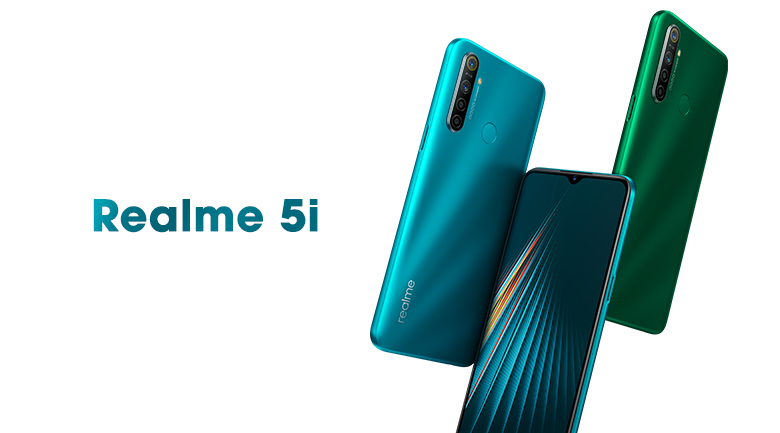
Last week, Realme unveiled the Realme 5i smartphone in Vietnam. Realme India today held an unveil event in the country to announce the same phone for the Indian audience. With a price tag of Rs. 8,999, the handset is priced lower than the Realme 5 that had gone official in the country in August last year. The Realme 5i resembles with the older Realme 5 smartphone. However, the only two major differences between the two devices is that the Realme 5i has a downgraded front and does not feature a diamond-cut patterned rear like the Realme 5.
Realme 5i price in India
The Realme 5i has arrived in India in 4 GB RAM + 64 GB storage edition with a pricing of Rs. 8,999 (~$126). Forest Green and Aqua Blue are the two color variants of the smartphone. The first sale of the smartphone will be held on Jan. 15 at 12PM (local time). The smartphone will be exclusively available for purchase through Flipkart and Realme’s India online store.
In comparison, the Realme 5 with base model 3 GB RAM + 32 GB storage is selling with the same price of Rs. 8,999 (~$126) in India.
The Realme 5i is equipped with an IPS LCD display with mini dewdrop notch. The rear shell panel of the smartphone features a polished polycarbonate rear with an anti-fingerprint coating.
The 6.52-inch screen delivers 720 x 1600 pixels HD+ resolution and an aspect ratio of 20:9. The phone promises a screen-to-body ratio of 89 percent. The Snapdragon 665 mobile platform is present under the hood of the device along with 4 GB of LPDDR4x RAM. The phone ships with an internal storage of up to 64 GB. For additional storage, there is a dedicated microSD card slot on the device.
The ColorOS 6.1 based Android 9 Pie OS comes preloaded on the device. The phone is equipped with a 5,000mAh battery that promises 30-day standby time. The phone supports reverse charging but lacks support for fast charging.
The rear side of the Realme 5i features a quad camera setup includes a 12-megapixel main lens with f/1.8 aperture, a 119-degree 8-megapixel ultrawide lens, a 2-megapixel macro lens. It comes with support for Super Night Scape 2.0, EIS for video shooting and slow-motion video recording. The handset has a front camera of 8-megapixel. In comparison, the Realme 5 is equipped with a 13-megapixel selfie camera.
At the end of the Realme 5i launch, the Realme India CEO Madhav Sheth teased the arrival of a yellow colored Realme fitness band. Nothing is known on the specs and features of the company’s first smart band. As Sheth had revealed earlier, the Realme fitness band is expected to launch in the first half of this year.
The Redmi 8 has been available in three color variants since its launch in October last year. Starting from today, the Chinese firm has started selling a fourth color variant called Phantom Red for Redmi 8 buyers in the home market. The new color option is available only for the 4 GB RAM + 64 GB edition of the smartphone.
The Redmi 8 Phantom Red color variant will be selling alongside other options like Fairy Green, Sapphire Blue and Carbon Ash. The new color edition is available as Ruby Red in other markets like India. The Redmi 8 Phantom Red 4 GB RAM + 64 GB storage is priced at 799 Yuan (~$115).
Redmi 8 Phantom Red
The 3 GB RAM + 32 GB storage edition of the Redmi 8 is priced at 699 Yuan (~$100). This variant is available in other color editions except for Phantom Red.
The Redmi 8 has a 6.22-inch IPS LCD display with waterdrop notch. The 19:9 aspect ratio producing screen delivers HD+ resolution of 720 x 1520 pixels. The Snapdragon 439 mobile platform drives the smartphone. The phone ships with MIUI 11 based Android 9 Pie OS.
The rear side of the Redmi 8 has a dual camera setup. It has a Sony IMX363 12-megapixel primary shooter and a depth assist lens of 2-megapixel. For shooting selfies, the phone posses an 8-megapixel lens. There is a 5,000mAh battery inside the smartphone that offers support for 18W fast charging through USB-C. The back panel of the smartphone is fitted with a fingerprint scanner below the dual camera module.
Apart from introducing the Redmi 8 Phantom Red edition, the Chinese firm has also started selling the Twilight Orange color option for Redmi Note 8 Pro in the home market. The new color models are available for only two variants of the Note 8 Pro such as 6 GB RAM + 128 GB storage and 8 GB RAM + 128 GB storage. These models are respectively priced at 1,399 Yuan (~$201) and 1,599 Yuan (~$230).
We use cookies on our website to give you the most relevant experience by remembering your preferences and repeat visits. By clicking “Accept”, you consent to the use of ALL the cookies.
This website uses cookies to improve your experience while you navigate through the website. Out of these, the cookies that are categorized as necessary are stored on your browser as they are essential for the working of basic functionalities of the website. We also use third-party cookies that help us analyze and understand how you use this website. These cookies will be stored in your browser only with your consent. You also have the option to opt-out of these cookies. But opting out of some of these cookies may affect your browsing experience.
Necessary cookies are absolutely essential for the website to function properly. This category only includes cookies that ensures basic functionalities and security features of the website. These cookies do not store any personal information.
Any cookies that may not be particularly necessary for the website to function and is used specifically to collect user personal data via analytics, ads, other embedded contents are termed as non-necessary cookies. It is mandatory to procure user consent prior to running these cookies on your website.


 Furthermore, you can use the $150 OFF Coupon if your cart value exceeds $599. Aside from that, you can apply coupon code GBXMNTFR01 for an extra $150 off. In other words, you can reduce the retail price of the Xiaomi Mi Note 10 smartphone to just $449.99 simply by applying the aforesaid coupon at checkout.
 The phone runs MIUI 11 OS and is backed by a robust 5260mAh battery that is compatible with PD protocol and comes with a wired 30W charger. As mentioned earlier, it ships with 6GB of RAM and offers 128GB of native storage.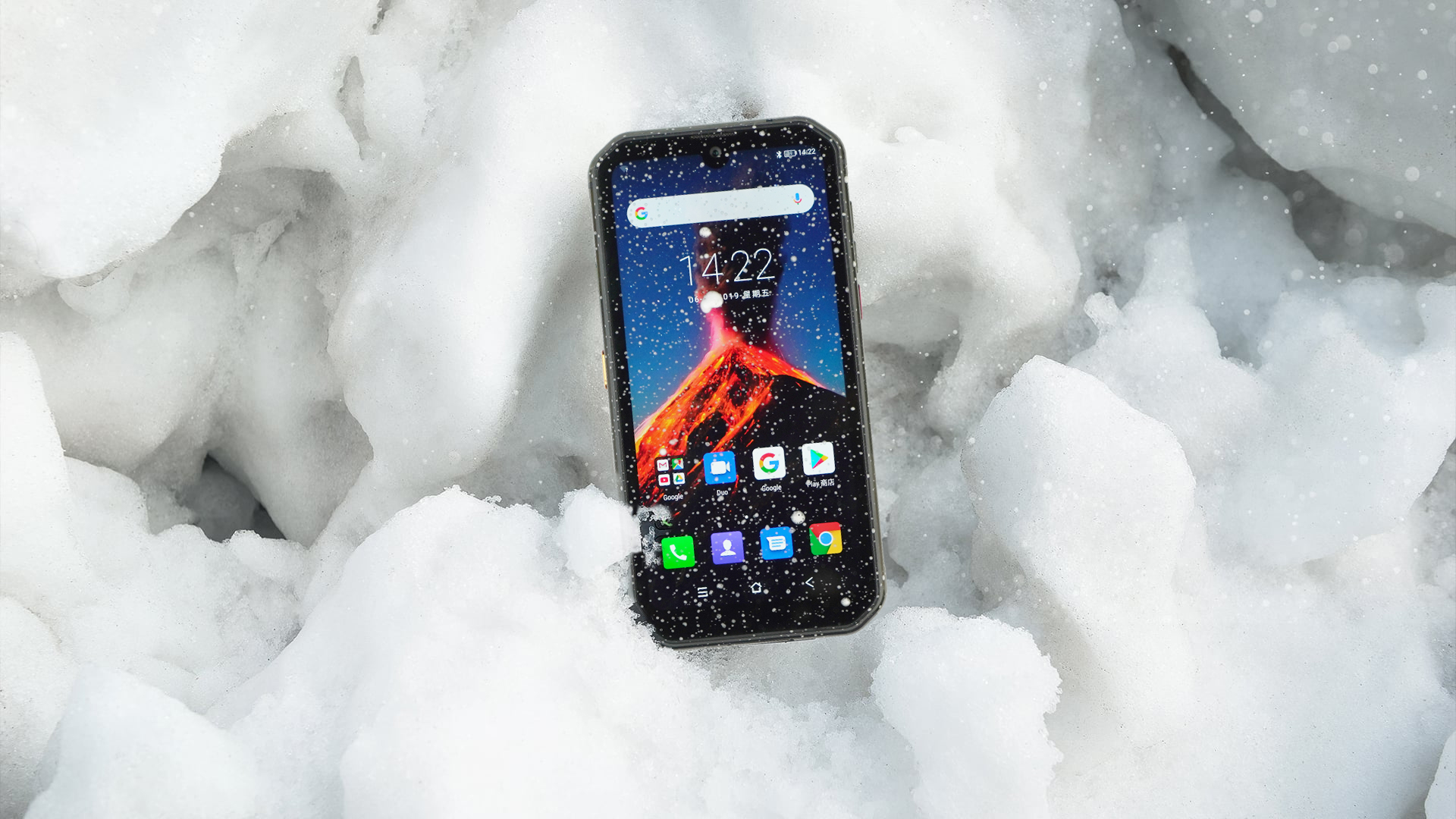









 On top of that, Banggood is offering free shipping if your cart value exceeds $19.99 – but wait, that’s not all. In case this your first order with Banggood, you can take advantage of the $18 Off New User Coupon and save more money at the time of checking out.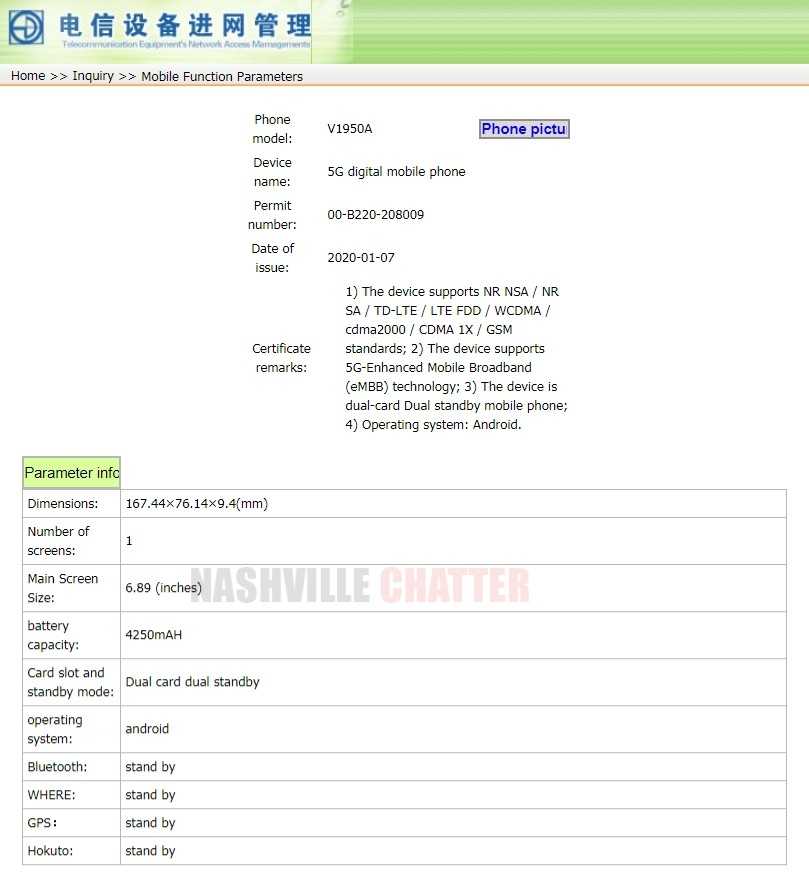











 A great choice for sports enthusiasts, the smartwatch offers 14 sports modes and adopts 5ATM water-resistant design, keeping it safe from unexpected water splashes. Moreover, its BioTracker PPG optical sensor monitors the wearer’s heart rate all day for accurate and instant heart rate alerts.



UP NEXT: Realme UI beta testing for Realme X2 smartphone announced by the company