A couple of months ago, in October last year, Realme India CEO Madhav Sheth had confirmed the existence of Realme UI claiming that the new interface will offer near-stock Android experience.
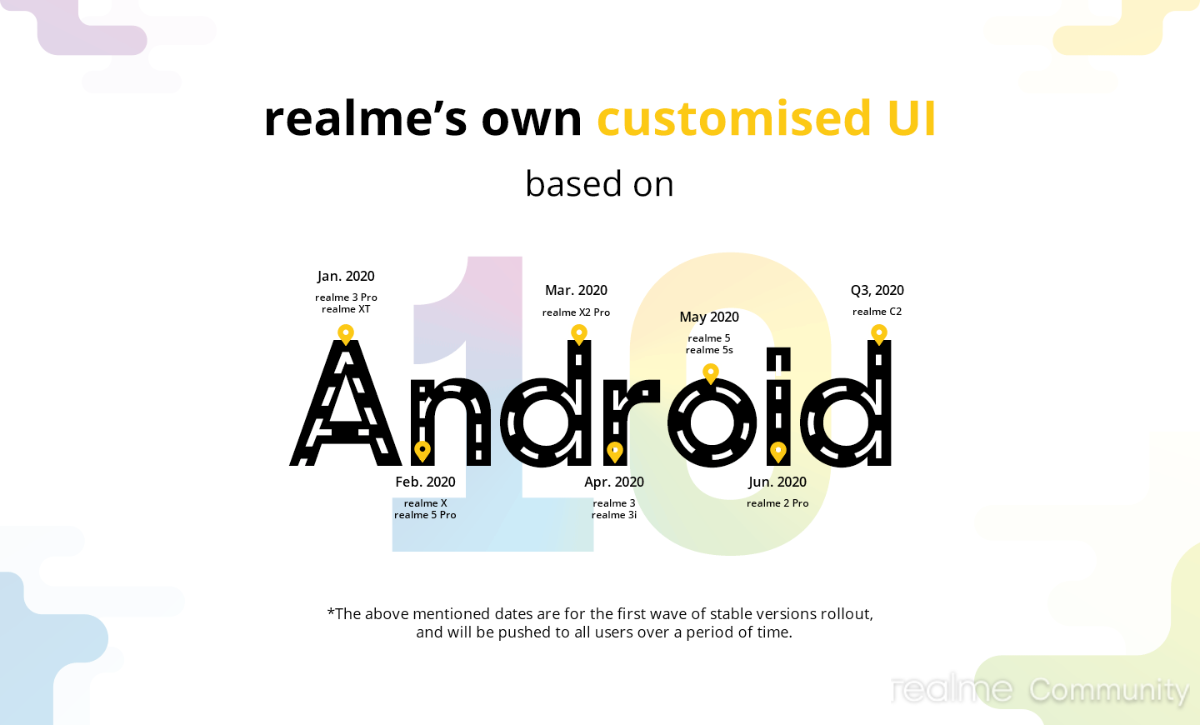
After lots of speculations about the UI, the company finally announced the Realme UI rollout schedule in November and shared a few images, giving us a look at what could be coming with the new interface.
While the company had started recruiting beta testers for the Realme UI for the users of Realme XT and X2 Pro smartphones in November, new reports indicate that the testing for the users of Realme X2 has also kicked-off. The company is looking for testers who have experience in beta testing of software and reporting bugs.
Making the announcement on Realme Community, the company says that the program is open for Realme X2 users only and users are expected to sign an NDA (non-disclosure agreement) with the company and are supposed to provide own AADHAR card or other identification proofs. It mentions that the deadline for applying for Realme UI beta testing is 27th January, and selected users will be notified by 1st February.
For those who are unaware, the Realme UI is a customised version of the newly launched ColorOS 7 from Oppo. Till now, Realme smartphones were powered by ColorOS but going forward, Realme UI, based on ColorOS, will power its devices.
Recently, Realme announced that the company will now start showing recommendations to promote apps and commercial links in the Phone Manager app and Security Check page after installing new apps. However, the company has also added that it will provide an option to turn off content recommendation with a single-click.
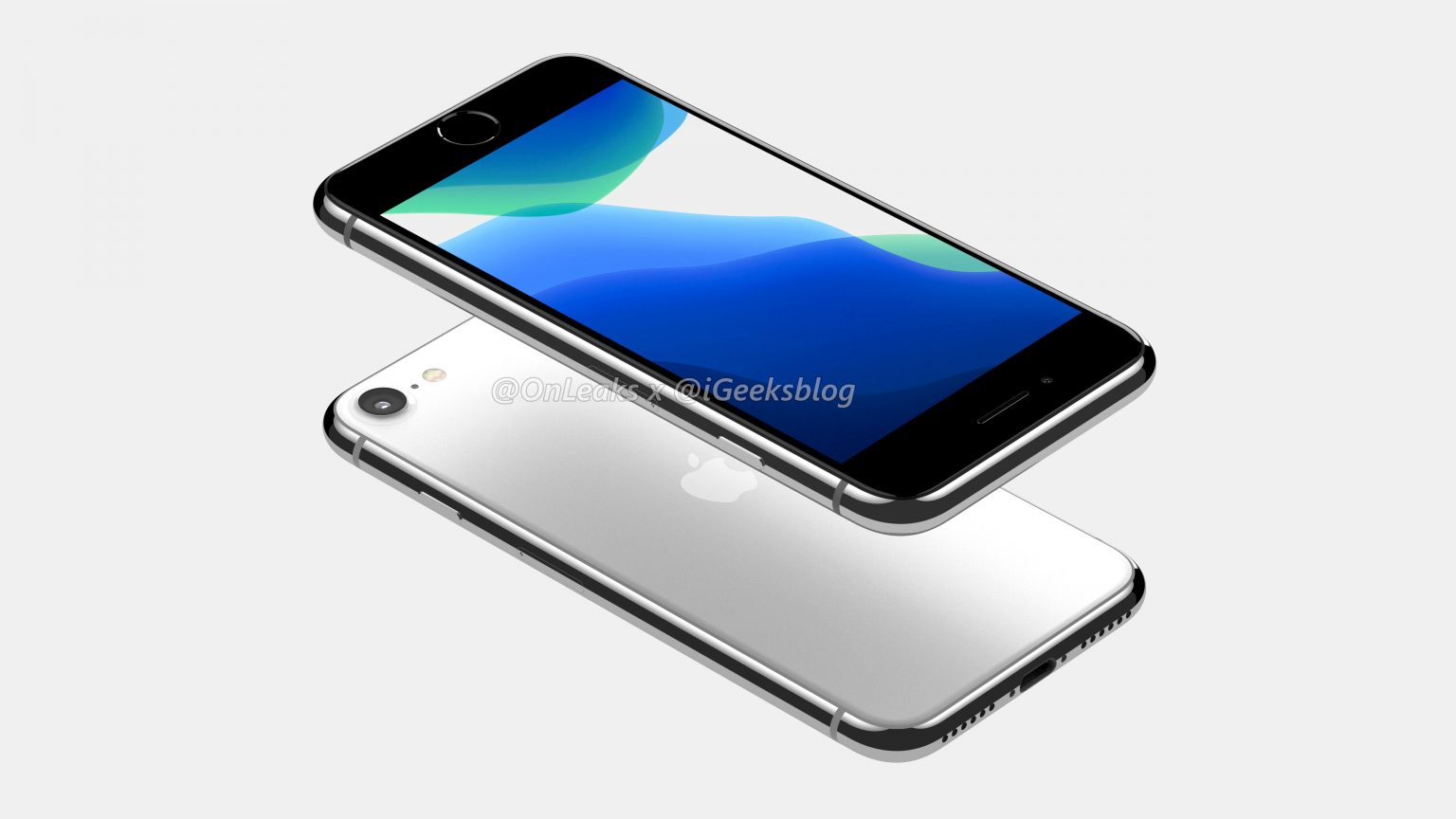
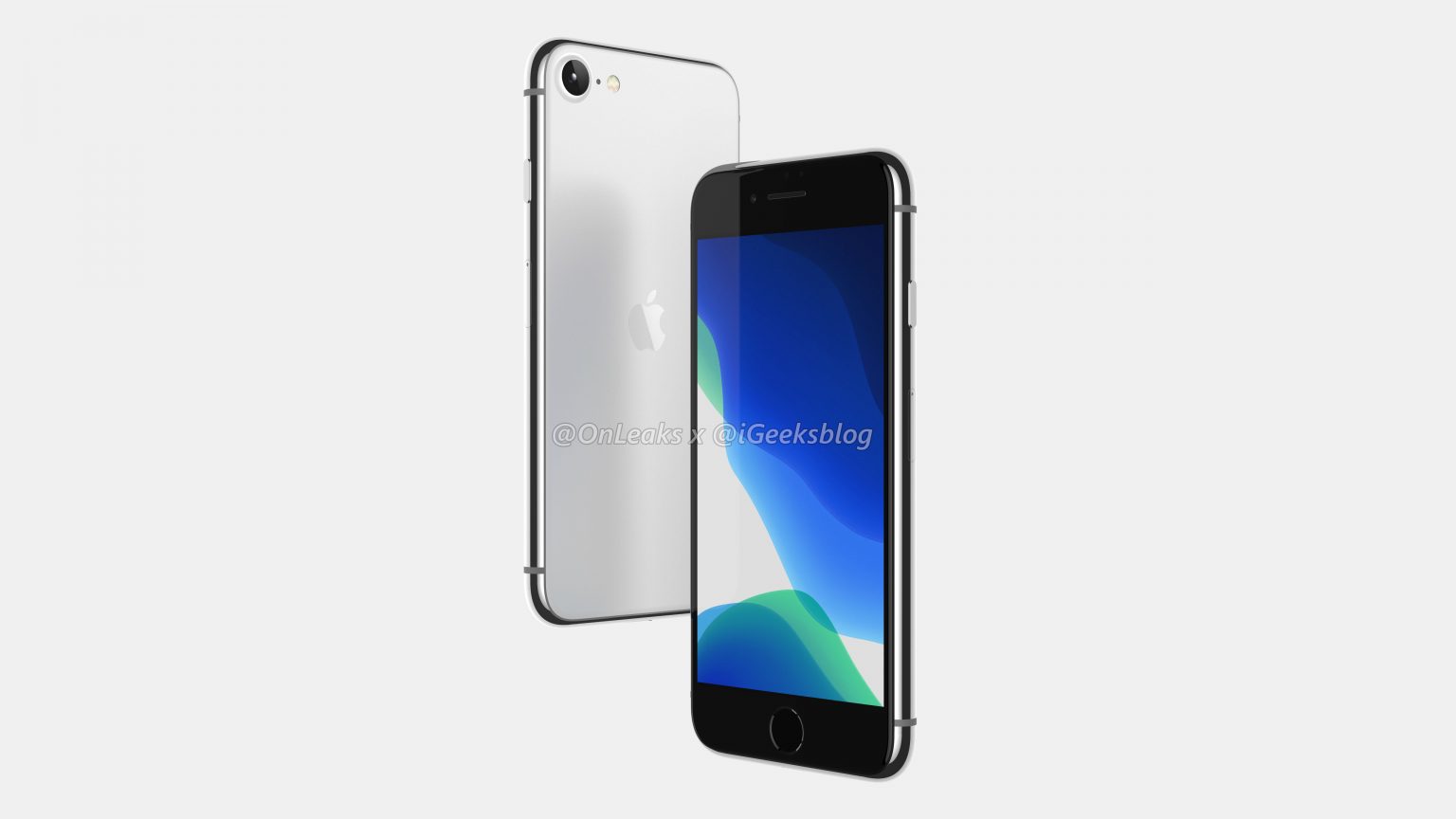
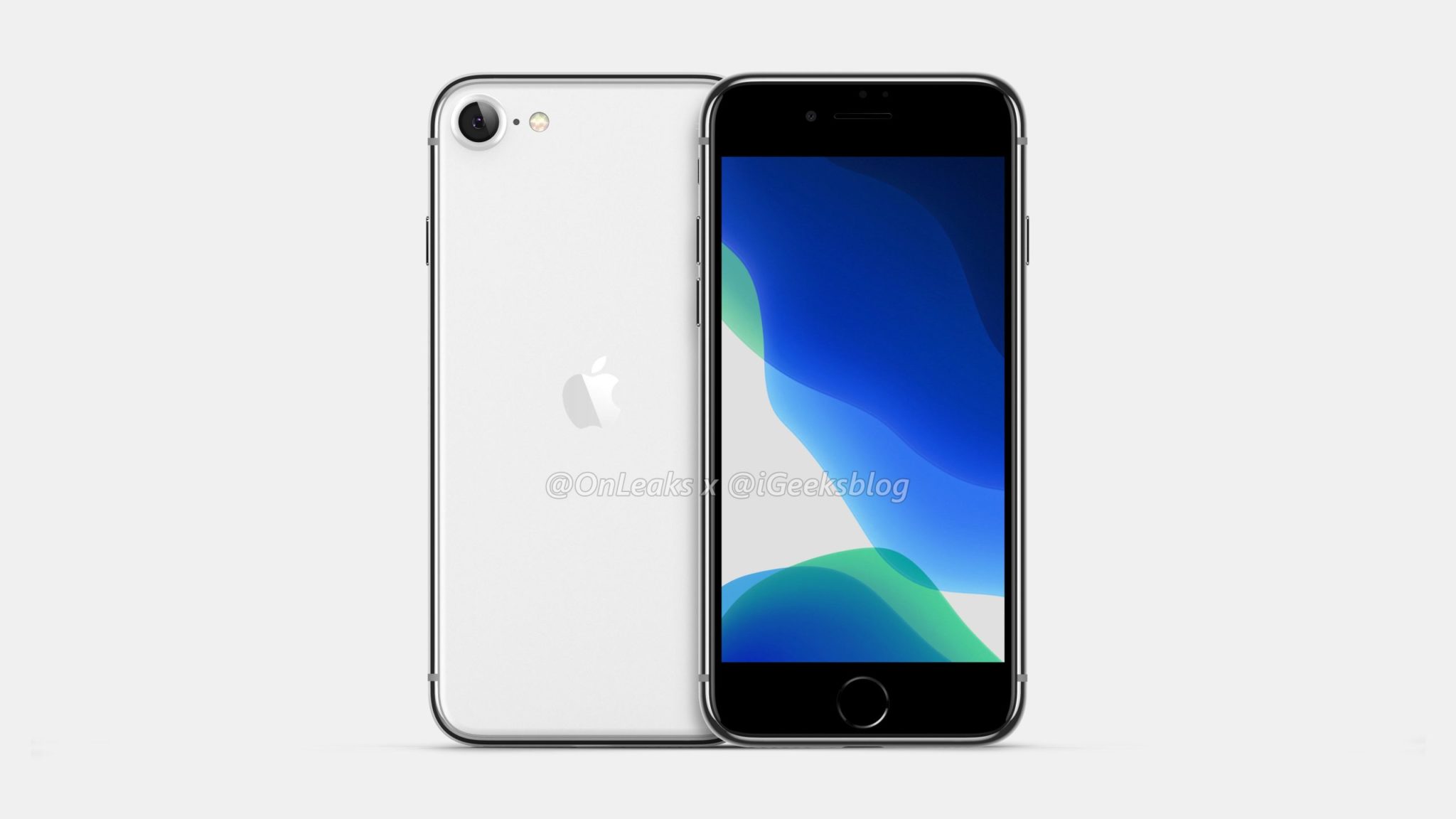
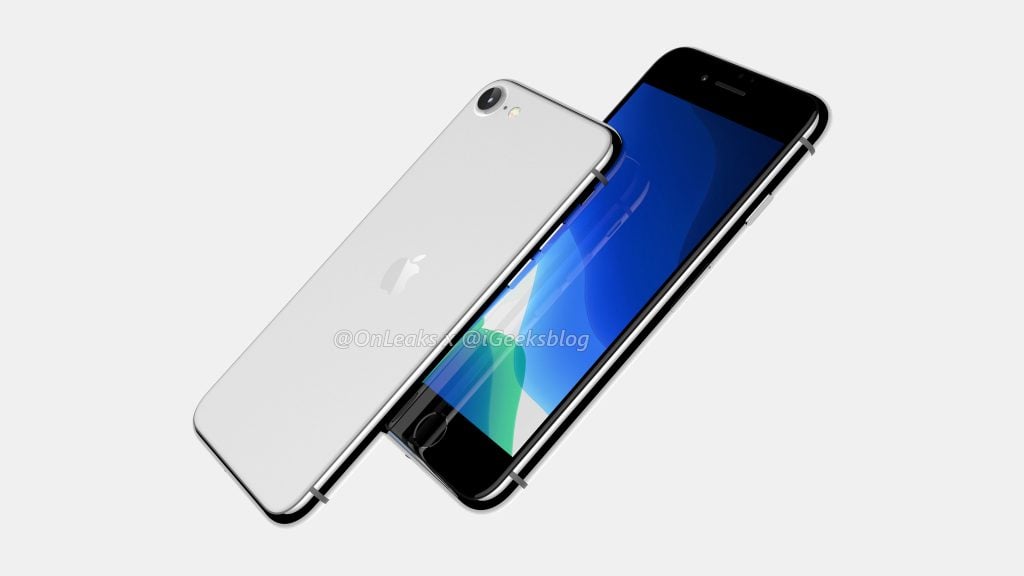
In 2017, Apple had skipped the iPhone 9 moniker to launch iPhone X alongside iPhone 8 and iPhone 8 Plus smartphones. A new report that surfaced few days into the New Year had revealed that Apple may launch the iPhone 9 series smartphone this year. The lineup is expected to include iPhone 9 and iPhone 9 Plus. It is said that the iPhone 9 could be arriving as the spiritual successor for the 4-inch iPhone SE phone from 2016. Reputed leakster and industry expert @OnLeaks has partnered with Geeksblog to bring the CAD renders of the rumored iPhone 9.
iPhone 9 renders
The iPhone 9 is expected to measure around 138.5 x 67.4 x 7.8mm. At the camera bump, its thickness may increase to 8.6mm. The renders of the smartphone show that it has thick bezels above and below its 4.7-inch display. Instead of the super Retina XDR OLED displays found on the new iPhones, the iPhone 9 may feature a Liquid Retina LCD screen.
The iPhone 9 is likely to offer an aspect ratio of 16:9. The chin of the device features the good old Touch ID sensor. This suggests that the smartphone won’t be equipped with the advanced Face ID biometric recognition feature.
The right edge of the iPhone 9 has a power button. The volume rocker and an alert slider can be found on the left side of the device. A Lightning port can be seen positioned between the two external speakers on the bottom edge of the smartphone.
The smartphone is expected to be equipped with frosted glass on its rear that will allow it look different from the iPhone 8. At the top left corner of the rear shell is a single camera with LED flash. The company’s logo can be seen at the center of its back panel.
iPhone 9 specifications and price (Rumored)
The iPhone 9 is likely to be driven by the Apple A13 Bionic chipset which fuels the iPhone 11 series. The SoC could be coupled with 3 GB of RAM. It may arrive in 64 GB and 128 GB storage editions. The iPhone 9 may boot to iOS 13. The iPhone 9 may arrive with an attractive price tag of $399 for it base model and it could be available in colors like silver, space gray and red.
A recent leak stated that a 5.5-inch or a 6.1-inch iPhone 9 Plus also exists. It could be priced at $499.
Rumors surrounding the iPhone 9 have claimed that Apple will carry out its mass production as soon as next month. This suggest that the Cupertino company could be announcing the iPhone 9 series in March this year.
Would you be interested in purchasing the small sized iPhone 9? Share us your thoughts by posting you comments below.
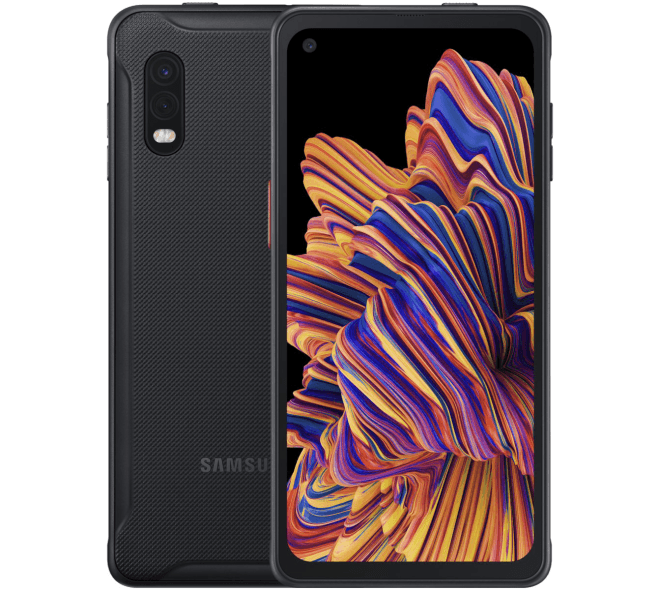
Recent reports have claimed that Samsung will be launching a new phone called Galaxy XCover Pro in the near future. The XCover lineup includes rugged smartphones with budget-friendly pricing. A fresh report on Winfuture.de has revealed the full specifications and pricing of the XCover Pro which indicates that its launch is close at hand.
Samsung Galaxy XCover Pro specifications
The Galaxy XCover Pro (SM-G715F model number) is an IP68 certified device with a thick polycarbonate chassis which safeguards it from dust, water and impacts. The thickness of the smartphone is around 10nmm and it weighs over 200 grams. The XCover Pro is blessed with a trendy punch-hole display of 6.3 inches. The LCD panel offers 20:9 aspect ratio and it produces full HD+ resolution of 1080 x 2400 pixels. Compared to other XCover series phone, the upcoming XCover Pro has slimmer bezels around the display.
The Exynos 9611 chipset that features a 2.0GHz octa-core processor powers the Galaxy XCover Pro. The SoC is supported by 4 GB of RAM. The native storage of the device is 64 GB. The publication has claimed that it is not clear whether the smartphone is equipped with a microSD card slot.
The display punch-hole houses a 13-megapixel selfie camera. The rear side of the device features a vertical dual camera setup along with an LED flash. The setup includes a main lens of 25-megapixel and an 8-megapixel wide-angle sensor. The aperture sizes of these cameras are not known yet. The One UI 2.0 based Android 10 OS comes preinstalled on the smartphone.
The Galaxy XCover Pro comes with a user-replaceable battery of 4,020mAh capacity. With USB-C onboard, the smartphone is likely to carry support for rapid charging. The handset also features Bluetooth 5.0 and NFC. There is a “Push to Talk” button on the Galaxy XCover Pro for quick messages. The smartphone is equipped with a side-facing fingerprint sensor which is integrated with the power button.
Samsung Galaxy XCover Pro price
The exact pricing of the Galaxy XCover Pro is not known. However, it is expected to arrive in Europe with a pricing of under 500 euros. It is expected to hit the European markets by early February.
After building the hype around the Concept One smartphone, OnePlus has finally announced it at the Consumer Electronics Show (CES) 2020. A recent teaser had suggested that the Concept One is a product built by OnePlus in collaboration with McLaren that is well-known for making supercars. Some rumors had claimed that it could be a foldable device from the company, but the concept model appears like a regular smartphone from the front and it sports a leather rear with invisible triple cameras on the rear. Being a concept model, the company may never sell OnePlus Concept One smartphone.
OnePlus Concept One
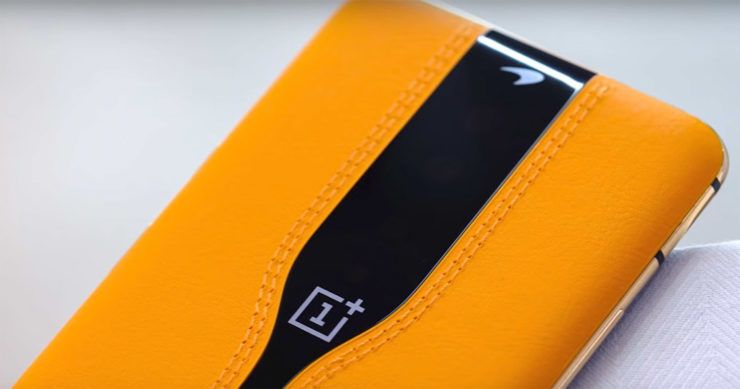
The OnePlus Concept One looks like the OnePlus 7T Pro as it features a notch-less display and a pop-up selfie camera. The only two major features of the Concept One is its color-shifting glass technology for the triple cameras and its leather rear.
The rear design of the Concept One is inspired by McLaren 720S Spider sports car. The backside of the device features Papaya Orange stitched leather and it features an aluminum alloy frame. The latter is built with a new vapor deposition process which allows to sport a shiny gold finish.
Above the OnePlus logo on the rear, there is a vertical triple camera system that is neatly tucked under an electrochromic glass. When a current is applied to glass, it can swiftly change from opaque to transparent. This special type of glass is used for sunroofs of some luxury cars, airplane windows and also for buildings where it used as a walls and windows.
On the OnePlus Concept One, the triple camera setup remains invisible under the electrochromic glass. However, when the camera is turned on, the three sensors become instantly visible. When the camera app is closed, the triple cameras again become invisible. According to the company, it takes only 0.7 seconds for the glass to transition from transparent to opaque or vice versa. As it can be seen in the official video, the electrochromic glass only covers the triple cameras, while the rest is covered by stitched leather.
The other good thing about this technology is that the glass can also become semi-transparent. In this state, it can act as a neutral density filter that can assist in capturing better shots in very bright sunlight. OnePlus claims that the Concept One make use of the most advanced electrochromic ever manufactured. It comprises of two 0.1mm glass panels between which is the organic material. The combined thickness of both glass is only 0.35mm and it uses negligible power to function.
Flagship phones these days come with four to five rear mounted cameras. A phone with too many cameras on its rear may appear less appealing. With the technology that was showcased by OnePlus on the Concept One, the multiple lenses of the phone can remain invisible.
According to OnePlus CEO and founder Pete Lau, “This concept phone is a significant experiment into the future form of smartphones. OnePlus started this initiative with the goal of bringing the “burdenless” user experience to the next level. The invisible camera stands as a new form of camera design, one that spares the user from the compromises of current camera layouts.”
What’s your take on the OnePlus Concept One? Share us your views by posting your comments below.
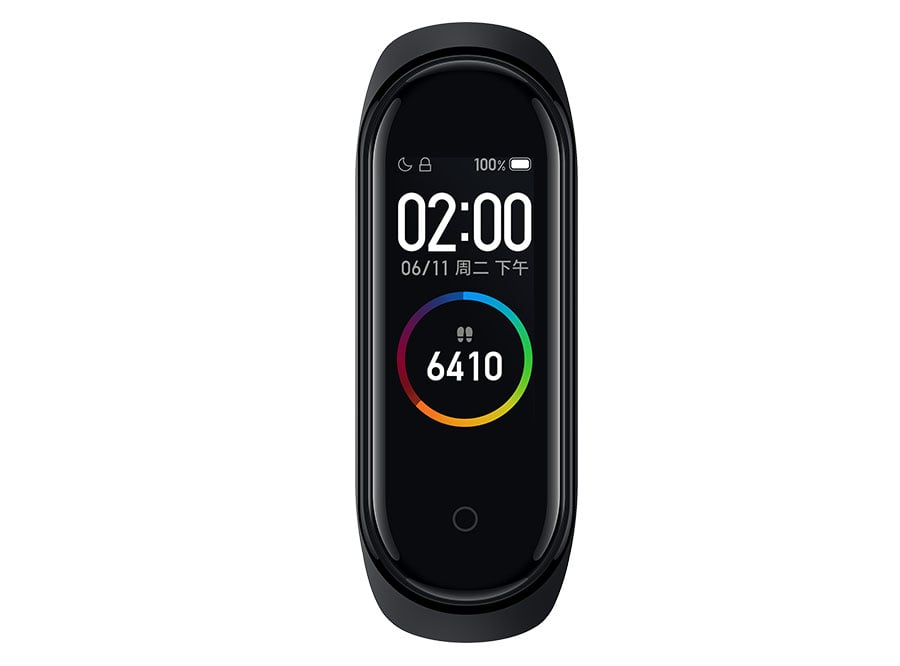
Marketed as the long-rumored Mi Band 3 successor, the Mi Band 4 was launched in China on June 11th last year. The Chinese electronics giant’s latest smart bracelet boasts newfangled features and upgraded hardware.
Xiaomi’s Mi Band 4 is already a hit in China
More importantly, the international version of the Xiaomi Mi Band 4 smart bracelet has gone up for sale carrying a considerably lowered price through Gearbest. We will shed light on the aforesaid discount and also show how you can save more money at checkout without breaking a sweat.
The international version of Mi Band 4 comes in a black color option and would normally set you back $78.95 on both online, as well as offline stores. As part of its ongoing Flash Sale, the popular Chinese e-tailer is now offering the coveted smart bracelet for a reduced price of just $29.99. As mentioned earlier, we will now show how you can extend this already staggering 62 percent discount. For an extra $4 off, all you need to do is to apply coupon code GBBAND4MI before you press the ‘Place Your Order’ button.
Thanks to the coupon, you can purchase the Mi Band 4 for an unbeatable price of only $25.99 only through Gearbest. The irresistible Mi Band 4 features an AMOLED color screen, and a 39.9% bigger display with a 2.5D scratch-resistant tempered glass on top.
It is a perfect workout and adventure activity companion for fitness enthusiasts and those who participate in outdoor activities such as trekking, dirt biking, hiking, etc. It comes with a pedometer and sleep monitor that helps you lead a healthier lifestyle and enables you to achieve your fitness goals.
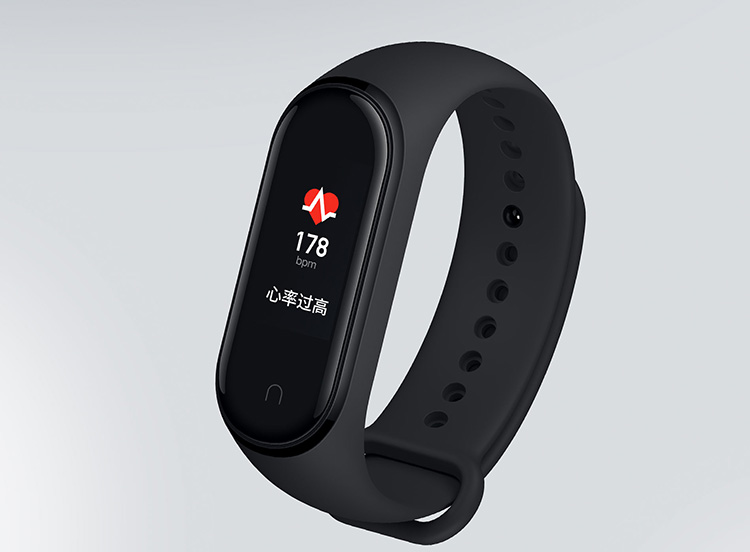
The Xiaomi Mi Band 4 offers an array of easy-to-respond custom dials that help you express your mood. Furthermore, the smart bracelet uses Bluetooth 5.0 BLE technology to offer faster and more stable connectivity speeds.
The smart bracelet comes with a 5ATM water-resistant rating (up to 50 meters). It also features a 0.95 inch AMOLED color display with 120 x 240 pixels resolution and is backed by a 135mAh battery that offers 20 days of battery life on a single charge.
The Mi Band 4 is compatible with Android4.4, iOS9.0 or above and also supports Alipay offline payment. If you are interested in knowing more about the Xiaomi Mi Band 4 Smart Bracelet or simply place your order, simply follow this link. With over a whopping 4000 pieces sold at the time of writing, the flash sale will come to an end in 22 days.
Earlier on Tuesday, Realme went official with the highly-anticipated Realme X50 5G smartphone in China. During the launch conference, the Chinese tech start-up took out time to list out some of its milestones. One of them is that the company was able to ship over 25 million smartphones in 2019.
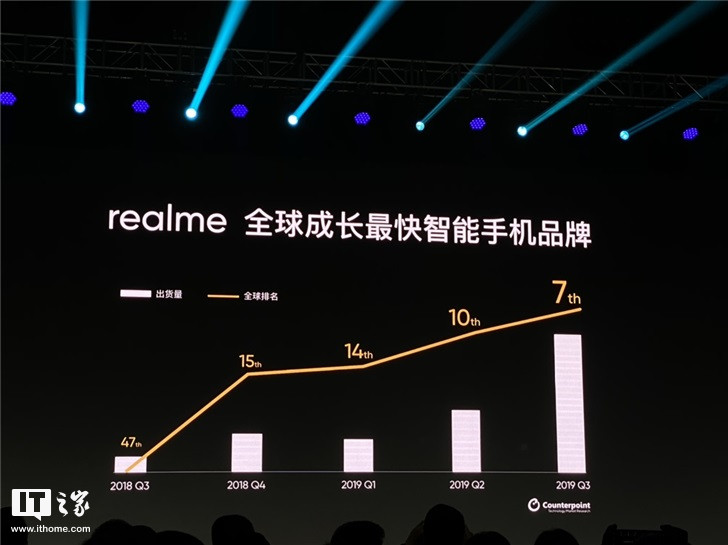
The figure represents a Year over Year increase of 500%+ which is amazing considering that the brand is still relatively new. Realme also took us through a rundown of its quarterly performance as compiled by Counterpoint Research. The data shows Realme ranked number 7 in terms of smartphone shipments for the third quarter of 2019. This is a giant leap from 47th position in Q3 2018. At the same time, Realme also set a small target for 2020: by 2020, the global growth rate should exceed 100%.
Quite remarkably, the company sold most of its smartphones in India. Earlier o, Realme announced it had shipped over 5.5 million Realme 5 series units which were basically sold in India only. So, this feat is a clear indication of India’s strategic importance as the world’s third-largest smartphone market after the US and China.
Realme has set its sight on doubling its shipment this year. The company at the latter part of last year expanded its tentacles into Europe and also launched its products in China. The Realme X50 with top-of-the-pack specs was announced in China. The device is indeed a premium mid-range device and comes with a 5G-enabled Snapdragon 765G processor. The device also continues with Realme’s long-standing tradition of equipping its phones with quad cameras. With such amazing products, they may even surpass their own expectations.
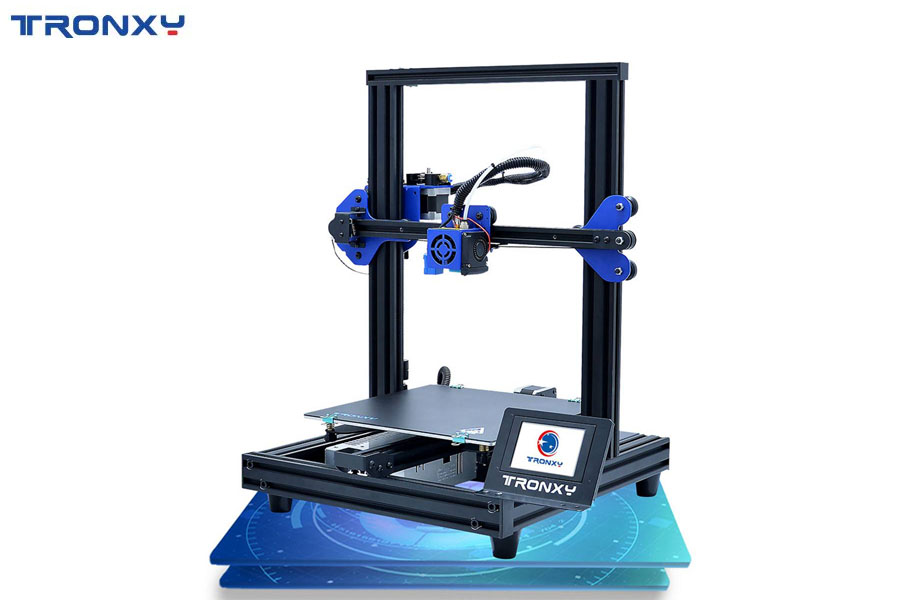
Looking for an inexpensive 3D printer that doesn’t let you down in terms of performance? The TRONXY XY-2 Pro Titan Extruder 3D Printer might just suit your needs.
Currently available for a lowered price on GeekBuying, the TRONXY XY-2 Pro Titan Extruder is a feature-laden 3D printer that would normally set you back $278.99. As mentioned earlier, GeekBuying is now offering it for a considerably reduced price of $ 219.99, which converts to a noteworthy 21 percent discount.
If that doesn’t impress you much, you can save more money simply by applying coupon code TRONXY3D at the time of checking out. The above-mentioned coupon enables you to grab an extra $10 off. In short, you can reduce the retail price of the TRONXY XY-2 Pro Titan Extruder to just $209.99 even before placing your order.
The TRONXY XY-2 Pro Titan Extruder can be installed in three easy-to-follow steps. All you need to do is connect the upper bracket, as well as the touch screen and base and you are all set to use the 3D printer that offers a print size of 255x255x245mm (10x10x9.6 inch).
The hotbed temperature reaches 110 degrees in just five minutes, meeting the temperature requirement of specific filament. The maximum temperature of hotbed can reach 120 degrees.
While other similar products require assembling of messy cables, The complete wiring installation of the TRONXY XY-2 Pro Titan Extruder can be done in just one step. The extremely rigid base of the 3D printer is made using 4040 and 2040 extrusions.
Other features include auto-leveling, filament run out-off detection, resume printing after power off, 3.5 inches full-color touch screen, and ultra silent motherboard just to name a few. Regrettably, the TRONXY XY-2 Pro Titan Extruder 3D Printer will be available for a lowered price for a short period.
You can head straight to GeekBuying’s promo page for the 3D printer by following this link. Moreover, if you are a new user, you can use the 2% OFF New User Coupon during the activity period and save more money.
After floating around the rumor mill for quite some time, and making multiple appearances online in the form of leaked renders, the Realme X50 5G was finally announced on Tuesday, January 7th.
The 5G-ready smartphone was announced alongside the Realme Buds Air at the recently-concluded event. Before we will talk about the features that make the Realme X50 5G an irresistible smartphone, it might interest you to know that the device has gone up for pre-order through Giztop.
Available in two color and storage configurations, the Realme X50 5G is estimated to be delivered to those who place their pre-orders by the middle of this month. The 8GB RAM+128GB ROM variant comes in blue, as well as green color options for $419. Those who do not mind shelling out an extra $100 can go for the larger 12GB RAM model that ships with a hearty 256GB of onboard storage capacity. The aforesaid model is available only in the blue color option.
The glamorous Realme X50 5G sports a mammoth 6.57-inch 120Hz FHD+ display that offers a high screen resolution of 2400 x 1080 pixels. It has Gorilla Glass 5 on top for added protection and the 120Hz display offers a broad 90.4% screen-to-body ratio. Under the hood, the Realme X50 5G packs a powerful Snapdragon 765G Octa-core processor along with an equally competent Adreno 620 GPU, a fifth-generation AI processing engine and dual-mode 5G support. Furthermore, it features a quad-camera setup comprising 64MP+8MP+12MP+2MP sensors at the back. Much to the delight of selfie addicts, the Realme X50 5G houses 16MP+8MP front shooters that can also be used for video calling. A robust 4200mAh battery, equipped with 30W VOOC 4.0 Flash Charge keeps the lights on, while Android 10 operating system with UI OS on top helps you stay productive and connected with family and friends while you are traveling.
To know more about the amazing Realme X50 5G smartphone and to place your order via Giztop, simply follow this link.
While a gaming laptop does not match the performance delivered by a gaming-centric desktop due to lack of real estate for outfitting high-end components, it is still preferred by numerous avid gamers, thanks to the high portability it offers.
Compact and user-friendly gaming laptops continue to garner huge popularity; however, with the advancement in technology, the price tags attached to these machines have gone higher as well. For those who aren’t willing to spend tens of thousands of dollars on a top-end gaming laptop, but don’t want to compromise in terms of performance, choices are scarce.
Much to the relief of gamers who fancy playing popular titles on a high-end laptop that doesn’t cost a bomb, Xiaomi is now offering its 15.6-inch Gaming Laptop for a lowered price through Banggood. In addition to offering this discount, the Chinese electronics giant is offering a dedicated coupon that Banggood users can apply at checkout for an extra discount. The Xiaomi Gaming Laptop ships with a large 16GB GDDR4 RAM and offers a hefty 512GB PCle SSD storage capacity for you to download and run high-end games without lag. The features loaded on the gaming laptop from Xiaomi completely justify the steep $2,609.99 price it normally carries.
As part of Xiaomi’s collaboration with Banggood, the Xiaomi Gaming Laptop can now be yours for a lowered price of just $1,399.99. This is a noteworthy 46 percent reduction in the device’s original selling price – but wait, that’s not all.
You can apply coupon code BGXMGK2 for an extra $200 off. In other words, you can bring the already lowered retail price of the Xiaomi Gaming Laptop further down to just $1,199.99 simply by applying the aforesaid coupon during the checkout process. An absolute steal at this price, the Xiaomi Gaming Laptop runs the Microsoft Windows 10 operating system so that you can do your daily work without any sort of interruption. Moreover, it packs the powerful Intel Core i7-9750H Hexa Core processor and NVIDIA GeForce GTX1660Ti under the hood, which means, you’d be treated to an immersive gaming experience.
The Xiaomi Gaming Laptop sports a 15.6-inch FHD screen with a high resolution of 1920 x 1080 pixels that offer crystal clear images and videos, coupled with wider viewing angles. It ships with 16GB GDDR4 RAM and offers 512GB PCle SSD which ensures you have enough storage space for saving your favorite multimedia content. Furthermore, the gaming laptop also houses a 1-megapixel front-mounted camera that can be used for capturing photos and video calling. On top of that, it supports Dual Band 2.4GHz / 5.0GHz WiFi, which means you can connect to the internet whenever you are within range of an accessible wireless network.
You can visit this link to check out more details about the Xiaomi Gaming Laptop and grab the discount, which will be valid for the dark gray color option. If this is your first order with Banggood, don’t forget to take advantage of the $18 OFF New User Coupon before placing your order.
Redmi took the covers off its long-awaited K30 series smartphone back in December 2018 during a launch event held in China, and in the same month, the Xiaomi sub-brand released the phone’s 4G-ready model in the home market.
The 5G-enabled Redmi K30 variant went up for sale for the first time in China at 10 AM (local time) on January 7th. As expected, the phone became an instant hit among Redmi’s huge fanbase, which justifies the fact that it was sold out in just two hours. If you were unable to get your hands on the Redmi K30 5G during the first sale, you can still purchase it through Giztop, one of China’s popular e-tailers. The K30 5G is available in multiple color and storage choices including 6GB RAM+64GB ROM, 6GB RAM+128GB ROM, 8GB RAM+128GB ROM, and 8GB RAM+256GB ROM. Available in blue and white color options, the 6GB RAM+64GB ROM model will set you back $349; however, if you don’t mind spending an extra $50, you can go for the slightly larger model that ships with 6GB of RAM and offers 128GB of internal storage space. In short, the 6GB RAM+128GB ROM variant, which comes in blue, purple, red, and white will set you back $399. Bearing a $449 price tag, the 8GB RAM+128GB ROM Redmi K30 5G model comes in four appealing color options including blue, purple, red, and white. If you fancy using a handset that packs more power under the hood, you might want to check out the model which ships with 8GB of RAM and offers a hearty 256GB of internal storage space.
There are no prizes for guessing, the aforesaid model carries a slightly steep price tag of $499, which is still reasonable given that the Redmi K30 5G is a feature-rich handset that supports 5G network. Let’s take a gander at the phone’s awe-inspiring features. The Xiaomi Redmi K30 5G sports an eye-catching 6.67-inch IPS LCD second-generation punch-hole display with an FHD+ resolution of 1080 x 2400 pixels. On top of that, the phone supports the HDR 10 display.
The device packs a powerful 7nm Qualcomm Snapdragon 765G processor, along with a highly competent Adreno 618 GPU under the hood. On the photography front, the Redmi K30 5G houses a quad rear camera setup comprising 64MP+8MP+5MP+2MP cameras. Upfront, it features 20M+2MP cameras for selfies.
The 5G-ready handset runs MIUI 11 base on the Android 10 operating system and is backed by a 4500mAh battery that supports 30W Fast flash Charge. Moreover, the phone also supports Hi-Res Audio, multi-function NFC.
You can visit this link to check out more details about the Xiaomi Redmi K30 5G and place your order through Giztop before the remaining pieces go out of stock.
Realme just launched its first 5G smartphone: Realme X50 5G. It is one of the first mid-range smartphones to hit the market with 5G connectivity and its main rival is the Redmi K30 5G which officially went on sale in China today. After the launch, a lot of people are wondering whether they should choose the Realme X50 5G or the Redmi K30 5G. They come with similar specifications, but there are still important differences that may let you prefer one or another. With this specs comparison, we will try to clear your ideas about these two devices by highlighting the differences.
Quad 64 + 12 MP + 8 + 2 MP f/1.8, f/3.0, f/2.3 and f/2.4
Dual 16 + 8 MP f/2.0 and f/2.2 front camera
Quad 64 + 8 + 2 + 2 MP f/1.9, f/2.2, f/2.4 and f/2.4
Dual 20 + 2 MP f/2.2 and f/2.4 front camera
BATTERY
4200 mAh
Fast charging 30W
4500 mAh, Fast charging 30W
ADDITIONAL FEATURES
Dual SIM slot
Hybrid Dual SIM slot
Design
Realme X50 5G has a less unique design than the Redmi K30 5G, but it is the one I prefer. It has a more minimal glass back and it is even more compact. Both come with a punch-hole display, but the punch holes are placed on different parts of the display: Realme X50 5G has it in the upper left corner, while Redmi K30 5G has a punch hole on the upper right corner. Both come with a side-mounted fingerprint reader placed on the power key since they come with LCD displays. In our opinion, the presence of a smaller camera module on the Realme X50 5G makes it slightly more elegant.
Display
One of the key features of Realme X50 5G and Redmi K30 5G is their display boasting a 120 Hz refresh rate. As mentioned above, they both have a dual punch-hole display but with a punch-hole placed on different spots. Redmi K30 5G is HDR10-certified, while Realme X50 5G does not seem to be. The devices come with the same display resolution, but Redmi K30 5G has a wider diagonal (6.57 vs 6.67 inches). Redmi K30 5G looks overall better when it comes to the display.
Specs & Software
Both Realme X50 5G and Redmi K30 5G are fueled by the Snapdragon 765G chipset built at 7 nm and bundled with a 5G integrated modem (Snapdragon X52). And both come with fast UFS 2.1 internal storage. However, Realme X50 5G’s most powerful configuration is better, with up to 12 GB of RAM and 256 GB of internal storage. Redmi K30 5G is only available with up to 8 GB of RAM, but unlike the Realme X50 5G, it has a micro SD slot to expand the internal storage. On the software side, Realme X50 5G is the first smartphone to boast the new Realme UI: a customized version of ColorOS 7 based on Android 10. Redmi K30 5G has MIUI, which means guaranteed software updates, while we still do not know for how long and how constantly Realme will support its new device.
Camera
On the paper, the whole camera department of the Realme X50 5G looks better than Redmi K30 5G. While the main sensor of the quad rear camera is the same, Realme X50 5G boasts a 12 MP telephoto lens instead of the 2 MP depth sensor found on the Redmi K30 5G, with 2x optical zoom. Further, it has a dual front camera including an 8 MP ultrawide lens, while Redmi K30 5G’s secondary front camera is just a 2 MP depth sensor. That said, we do no think we have to explain more to let you understand that Realme X50 5G has a more interesting camera setup.
Redmi K30 5G has a bigger 4500 mAh battery than Realme X50 5G and its 4200 mAh unit, so we believe it will last more on a single charge. There should be no doubt since the specs sheets of these devices are similar. Given the presence of a 120 Hz LCD display and 5G connectivity, do not expect a battery life as long as 4G devices with 4500 and 4200 mAh batteries. Both the handsets support 30W fast charging, but Realme X50 5G will charge faster since its battery is smaller. You just need 30 minutes to bring it to 70 percent.
Price
Realme X50 debuted in China with a price tag starting from about €322/$360 for the configuration with 8 GB of RAM and 128 GB of internal storage. There will be a variant with 6 GB RAM and 64 GB of native storage, but the price is still unknown. Redmi K30 5G starts from about €255 for the 6/64 GB configuration. But today only the 8/128 GB configuration went on sale and it carried the same price as the Realme X50 5G 8/128 GB. At the end of the day, there is not a clear winner for this comparison. X50 5G has better cameras, while Redmi K30 5G comes with more interesting software and bigger battery. After discovering the differences, which one would you pick?
Oppo Realme X50 5G vs Xiaomi Redmi K30 5G: PRO and CONS
One of the famous statements in the Star Wars universe is Obi-Wan Kenobi’s “These aren’t the droids you are looking for.”. For the Samsung Ballie showcased at CES 2020, this is definitely the droid you are looking for.
Samsung Ballie is a spherical robot that reminds us of BB8, the Star Wars droid. Samsung says Ballie is a companion robot that is designed to provide personalized care. It is able to understand you and detect your needs to provide personalized care thanks to its On-Device AI capabilities.
The spherical robot is able to move around, and with the camera on its face, it can track and detect an individual, thereby providing personalized care. Below is a demo video showing what Ballie will be able to do in the future.
There is still a lot of work to be done before Ballie makes it to our homes, and that is if Samsung is able to solve the challenges it encounters. However, it is interesting to see the power of AI get pushed further.
Ballie is still under development but we are sure it is the droid we are looking for.
The upcoming Oppo F15 is all set to launch on Jan. 16. The Chinese smartphone manufacturer revealed key specifications of the device alongside a few images on Amazon India earlier this week. There were rumors that the OPPO F15 is a rebranded OPPO A91 that was unveiled in China in December 2019. A leaked image and hands-on video of a dummy unit of OPPO F15 appeared today on Indiashopps, suggesting that the rumors might indeed be true.
According to the leaked poster, the Oppo F15 flaunts a 6.4-inch AMOLED display. The smartphone draws power from a 12nm MediaTek Helio P70 SoC and is powered by a 4,025 mAh battery. The smartphone features a quad camera setup on the rear, consisting of a 48-megapixel primary camera, alongside an 8-megapixel lens, and two 2-megapixel sensors. The poster featured the message ‘Coming Soon.’
The hands-on video showcased a tri-color (white, blue and purple) gradient finish on the rear panel. The F15 flaunts a waterdrop notch with slim bezels on three sides and a slightly wider chin. The device has a USB port on the lower edge, along with a 3.5mm AUX port, and speaker.
The Oppo F15’s specifications listed on Amazon India are the same as the Oppo A91. The Oppo A91 flaunts a 6.4-inch AMOLED display with a resolution of 2400 x 1080 pixels. The display features an aspect ratio of 20:9 and a screen-to-body-ratio of 90.7%. Additional features include a third-generation in-display fingerprint scanner, DC dimming 2.0, and eye protection mode. The Oppo F15 is powered by a 2.1GHz MediaTek Helio P70 SoC with 8GB of RAM and 128GB of internal storage, expandable up to 256GB via a microSD card.
The Oppo A91 flaunts a triple-camera setup at the rear. The primary 48-megapixel camera is paired with an 8-megapixel and a 2-megapixel lens. The smartphone features a 16-megapixel sensor on the front. The device draws power from a 4,025 mAh battery with VOOC 3.0 fast charging. Connectivity options include dual SIM 4G VoLTE, Wi-Fi 802.11 g/b/n, Bluetooth v5.0, GPS, A-GPS, and USB Type-C. The device measures 160.2 x 73.3 x 7.9 mm and weighs 172 grams. It sports an in-display fingerprint scanner in terms of security.
Coolpad used to be one of China’s top phone manufacturer before but has now been overtaken by other brands. However, the phone maker still churns out affordable phones that are pretty popular and sold unlocked in the USA. Now it is ready to jump on the 5G train and has announced the Coolpad Legacy 5G at CES 2020, an upper mid-range phone with a price tag under $400.
Coolpad Legacy 5G Design and Specifications
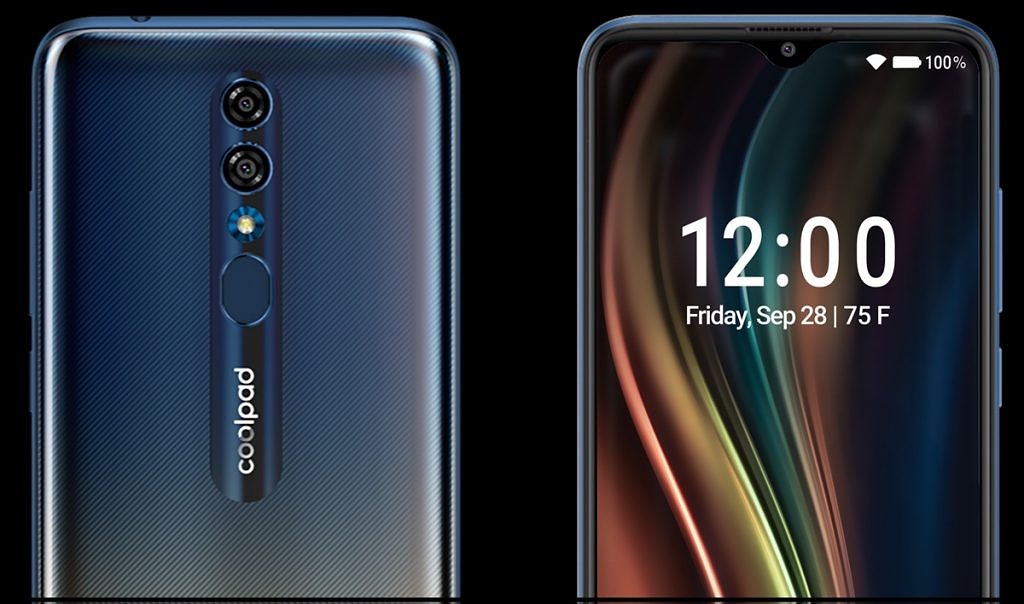
The Coolpad Legacy 5G has a 6.53-inch FHD+ display with a waterdrop notch. It is an IPS LCD display but has support for HDR10. The back seems to be covered in glass with a feather-like design underneath.
There are two rear cameras and they are arranged vertically along with the LED flash and an oval-shaped fingerprint scanner. The area occupied by the whole setup has a different design from the rest of the back. The phone gives us some Reno vibes but with the manufacturer’s name visibly written, you won’t mistake it for an OPPO phone.
There is a Snapdragon 765 inside the phone and it is paired with 4GB of RAM and 64GB of storage. A MicroSD card slot will allow you to add up to an extra 128GB of storage. The primary rear camera is a 48MP sensor and there is an 8MP ultrawide angle camera alongside. The selfie camera is a 16MP sensor.
The Coolpad Legacy 5G only has one SIM slot, it also lacks NFC but what it has going for it is support for sub-6GHz 5G networks which are more reliable and have better range than 5G networks that use mmWave frequency. This info is particularly useful for those in the U.S.
The phone will run Android 10 out of the box with monthly security updates but no promise of a major OS upgrade. It packs a 4000mAh battery and has support for Quick Charge 3.0 via a USB Type-C port. The port is at the bottom and flanked on the left by a microphone and on the right by the speaker grille. The Legacy 5G also has an audio jack at the top and speakers tuned by THX.
Coolpad Legacy 5G Price and Availability
The exact price tag has not been revealed but it has been reported that it will sell for under $400 when it goes on sale in Q2 2020. Interested buyers will be able to purchase it on Amazon or on Coolpad’s US website.
Xiaomi is expected to follow its usual product cycle which includes the launch of the flagship Mi 10 just about this time. The device is expected as the first Snapdragon 865 model, that is if the Galaxy S11 doesn’t pop-up before it does. The latest we have about the Mi 10 is a render of the device showing the front and rear views as well as some key specs.
Xiaomi Mi 10
The renders show the Mi 10 will have a curved edge display as well as a dual punch-hole selfie camera design. The device has four cameras on the back panel arranged vertically at the top left corner. An LED flash is at the side of the cameras. Also, we note a lack of physical fingerprint sensor which means the device will have an in-display fingerprint sensor.
The Mi 10 is said to feature a 6.5-inch OLED display with a refresh rate of 90Hz. As already confirmed, it will be powered by a Qualcomm Snapdragon 865 integrated with 5G. It will have a 12GB RAM version as well as 128GB, 256GB and 512GB storage options.
For photography, the Mi 10 will follow the path of the Mi Note 10 in having a 108MP main sensor in a quad-camera arrangement. The other sensors are said to be a 48MP camera, a 12MP sensor and an 8MP sensor. The device is expected to cram a 4,500mAh battery under its hood with support for 66W wired and 40W wireless fast charging. The Mi 10 is expected to have a starting price of around $550.
The Mi 10 is expected to be launched alongside the Mi 10 Pro and possibly Mi 10 SE.
When the science fiction film Avatar (2009) was released, it rattled the box office grossing several millions of dollars in revenue. The characters portrayed in the movie was thought to be unrealistic science-fictional characters. But in recent times, several human-looking AI characters have made the rounds. The latest is from Samsung which is set to unveil an “artificial human” under Project NEON.
The project NEON has been the subject of several teasers from the Korean giant and was expected to be unveiled at CES 2020. Thee won’t be any disappointment as a tweet from the project’s lead and some leaked trailer videos have confirmed the existence of Neon and how awesome it is going to be.
Flying to CES tomorrow, and the code is finally working 🙂 Ready to demo CORE R3. It can now autonomously create new expressions, new movements, new dialog (even in Hindi), completely different from the original captured data. pic.twitter.com/EPAJJrLyjd
Project Neon’s lead engineer, computer-human interaction researcher Pranav Mistry tweeted an image which should be one of the project’s avatars. He also disclosed that the tech giants “Core R3” technology can now “autonomously create new expressions, new movements, new dialog (even in Hindi), completely different from the original captured data.” The technology will be demoed tomorrow at CES and we just can’t wait to see how it goes.
Furthermore, unlisted videos taken from the source code on Project Neon’s homepage revealed even more of these same human figures. The videos were originally posted on Reddit, but have now been taken down but you can check them out on the YouTube video below. The avatars look extremely real and not like computer-generated graphics.
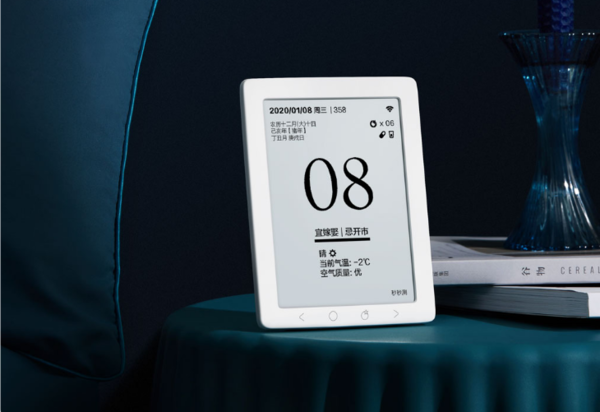
Xiaomi has launched its 477 crowdfunding product called Youpin & Seconds Smart Health Calendar. The calendar has the functions of displaying weather information, air quality, famous quotes, calendar and so on. It is priced at 199 yuan ($28).
Youpin & Seconds Smart Health Calendar as a new generation of smart electronic calendar which renders having a paper calendar every year useless. The device is made of ABS + PC material, with ceramic fire pattern. The material is healthy and environmentally friendly while delivering an aesthetic appearance.
The smart health calendar uses a large 5.83-inch e-ink screen with dot-matrix display to make the display more similar to the printed text texture. The display also retains a high quality of visibility from different angles. It also comes with WIFi connectivity, bringing internet connection to the mix.
The smart calendar is embedded with a variety of China-popular online calendar channels such as one-way calendar, Zhihu calendar, Weiyi health calendar, workplace black box calendar, black chicken calendar, traditional yellow calendar, etc. With such a wide array of calendar channels, users can switch as often as they like. There are also regular functions such as reminders, alarm, countdown etc.
As for the power supply, the smart calendar is powered by four replaceable No. 7 batteries. There is a low battery icon which reminds you when the battery is too low.
The product comes in white only and is expected to start shipping in February 2020.
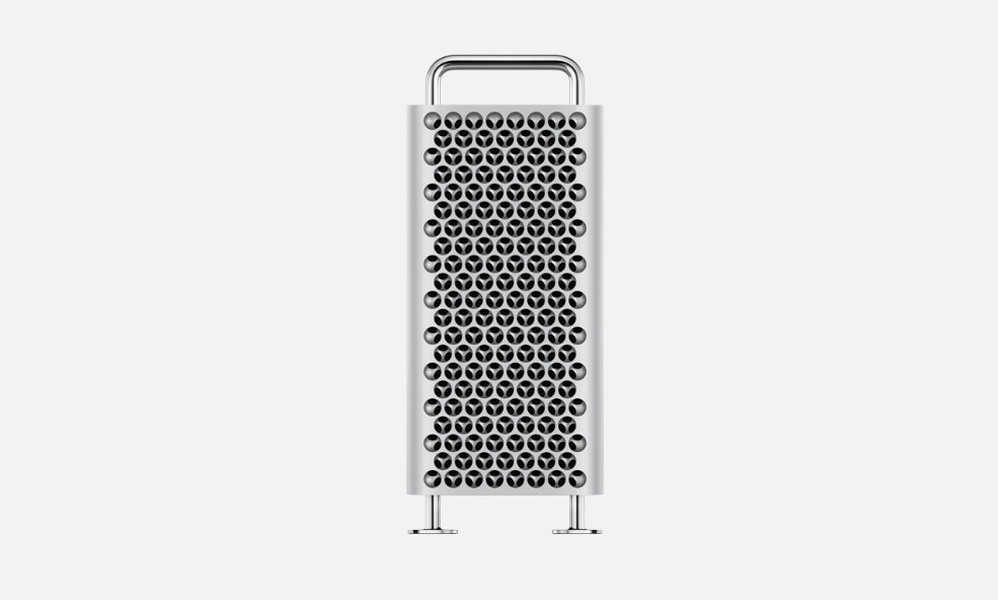
Apple announced its latest Mac Pro at the WWDC annual conference back in June 2019. The PC is finally available in India, starting at a whopping Rs. 4,99,900 (~$6,965). The latest Mac Pro replaces the previous model that Apple launched almost seven years back. The upgraded PC is all aluminum and sports a tower design with a handle on top for greater portability. The internal components are accessible from all four sides by removing the side panels using a knob. Apple is offering a number of customization options, including multi-core processors ranging from 8-cores to 28-cores. It also features an upgraded heat sink for better heat dissipation, and in turn, higher performance.
Apple Mac Pro specifications and features
Starting with the processor, the Apple Mac Pro uses an Intel Xeon W chipset starting from 8-cores to 28-cores depending on usage. Memory configuration starts from 32GB all the way up to 1.5TB. While the 8-core processor supports up to 2666MHz memory sticks, the 12 to 28-core processors support up to 2933MHz. Users can configure up to two MPX module using four GPUs. You can choose between an AMD Radeon Pro 580X, the AMD Radeon Pro W5700X, the AMD Radeon Pro Vega II, and the AMD Radeon Pro Vega Duo. The PC draws power from a 1.4Kw unit.
The Apple Mac Pro has eight expandable PCI Express slots, which can be configured in a number of ways. Users can opt for two MPX modules or four PCI Express slots, three full-length PCI Express Gen 3 slots, or one half-length X4 PCI Express Gen 3 slot with an Apple I/O Card. In terms of storage, Apple is offering options ranging between 256GB and 8TB of SSD storage with a sequential read and write speed of 3.4 Gbps.
The Apple I/O card has two USB 3.0 ports, two Thunderbolt 3 ports, and two Ethernet ports. Additional connectivity options include two Thunderbolt 3 ports on the top of the tower enclosure and two similar ports on the front rack. The PC has a built-in stereo output and has a 3.5mm AUX port. The device is equipped with Wi-Fi 802.11 a/g/b/n, and Bluetooth V5.0. The Mac Pro measures 52.9 x 45 x 21.8 cm and weighs 18 kg.
Dentists advise that we brush our teeth at least twice every day and each session should last for at least 2 minutes. So many persons are usually unable to keep to this advice. even adults just want to brush quickly and head out not to talk of children. It is pretty difficult getting kids to open their mouth, more so for up to two minutes. That is where the Y-Brush comes in. The manufacturer touts the retainer-shaped toothbrush of delivering cleaner teeth is just 10 seconds.
The Y-Brush is designed and developed by French company FasTeesH. The product was first launched on crowdfunding in 2018 and the company was able to raise $165,000. The product recently started shipping to backers and subsequently, is now ready to go on sale after CES.
The Y-Brush is a full-coverage electric toothbrush which features a flexible gum shield lined with nylon bristles on the inside. The gum shield is wide enough to cover an entire jaw and is also attached to a square power base. To use, the individual has to smear the recommended amount of toothpaste on the bristle side and then insert the retainer into your mouth. You’ll then have to keep your mouth closed for 5 seconds while it cleans the teeth. After the device is used on the upper jaw, for instance, it can then be flipped over and used on the lower jaw.
The toothbrush presents with three vibration modes. The battery is durable as a fully charged cell is said to be able to last for a month. There is equally a charging stand in case you run out of battery.
The Y-Bruh is designed not only for adults but also for kids. Of course, jaw sizes differ and that is taken into consideration in the design. Thre is a small size for kids from the ages of 4 to 12, and medium-size for older persons. The brushing head is replaceable and FasTeesH recommends changing it every six months, unlike the normal toothbrush that dentists recommend should be changed every three months. The replacement brush head costs $30 apiece.
The baseline Y-Brush kit costs $125 and includes a handle, brush, USB charger, toothpaste applicator, and a storage container for two brushes.
A new AI powered prosthetic hand has been developed that allows a person to move it with one’s mind. The latest breakthrough works in sync with an amputee’s brain waves and muscle signals to replicate the movement that one would’ve made with a real hand.
BrainCo, the company behind the prosthetic hand, unveiled the final model at CES 2020, on Monday. Notably, the firm also received a spot in one of Time Magazine’s top 100 inventions of 2019. The company is also expecting to start shipping the new prosthetic hand in the US market later this year as well.
BrainCo’s AI Powered Prosthetic Hand (Image Via CNET)
According to Max Newlon, President of BrainCo, the company has developed a new method of understanding electrical impulses from the brain going into the residual limb of an amputee. The prosthetic hand then detects the intention of the user and translates it to real world movements.
Reportedly, it takes just about 5 to 10 minutes to program six gestures into the prosthetic hand, which apparently gets better and more life like the more one moves the hand. Another benefit of the new AI powered prosthetic hand is the cost. Typical robotic prosthetic limbs can be priced around $60,000 (roughly 416,526 Yuan), however, the BrainCo’s new prosthetic hand could be priced between $10,000 to $15,000 (roughly 70,000 to 100,000 Yuan).
Currently, the AI powered prosthetic hand is awaiting FDA (Food and Drug Administration) approval process, which means once it is cleared, BrainCo can start officially selling the product. With over hundreds of million amputees worldwide, the new invention could be a boon to many, including war veterans or those born with physical defects.
For more coverage of CES 2020 launches and events, click here.
We use cookies on our website to give you the most relevant experience by remembering your preferences and repeat visits. By clicking “Accept”, you consent to the use of ALL the cookies.
This website uses cookies to improve your experience while you navigate through the website. Out of these, the cookies that are categorized as necessary are stored on your browser as they are essential for the working of basic functionalities of the website. We also use third-party cookies that help us analyze and understand how you use this website. These cookies will be stored in your browser only with your consent. You also have the option to opt-out of these cookies. But opting out of some of these cookies may affect your browsing experience.
Necessary cookies are absolutely essential for the website to function properly. This category only includes cookies that ensures basic functionalities and security features of the website. These cookies do not store any personal information.
Any cookies that may not be particularly necessary for the website to function and is used specifically to collect user personal data via analytics, ads, other embedded contents are termed as non-necessary cookies. It is mandatory to procure user consent prior to running these cookies on your website.


 As mentioned earlier, we will now show how you can extend this already staggering 62 percent discount. For an extra $4 off, all you need to do is to apply coupon code GBBAND4MI before you press the ‘Place Your Order’ button.
 The Xiaomi Mi Band 4 offers an array of easy-to-respond custom dials that help you express your mood. Furthermore, the smart bracelet uses Bluetooth 5.0 BLE technology to offer faster and more stable connectivity speeds.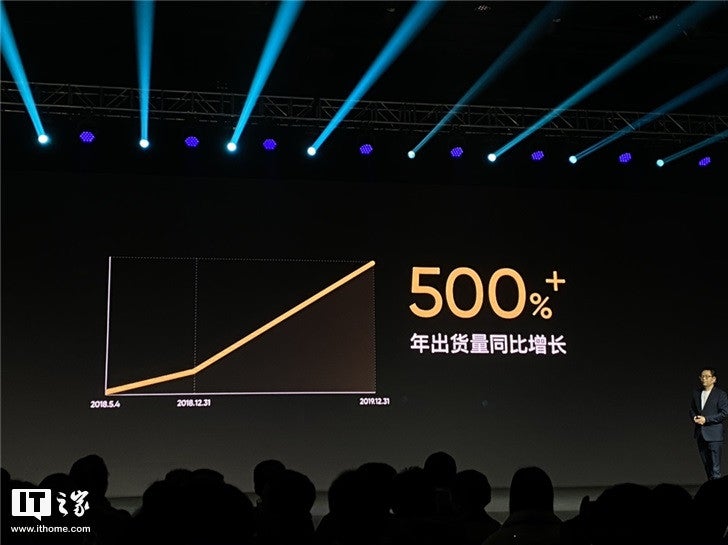
 Currently available for a lowered price on GeekBuying, the TRONXY XY-2 Pro Titan Extruder is a feature-laden 3D printer that would normally set you back $278.99. As mentioned earlier, GeekBuying is now offering it for a considerably reduced price of $ 219.99, which converts to a noteworthy 21 percent discount.
 The TRONXY XY-2 Pro Titan Extruder can be installed in three easy-to-follow steps. All you need to do is connect the upper bracket, as well as the touch screen and base and you are all set to use the 3D printer that offers a print size of 255x255x245mm (10x10x9.6 inch).
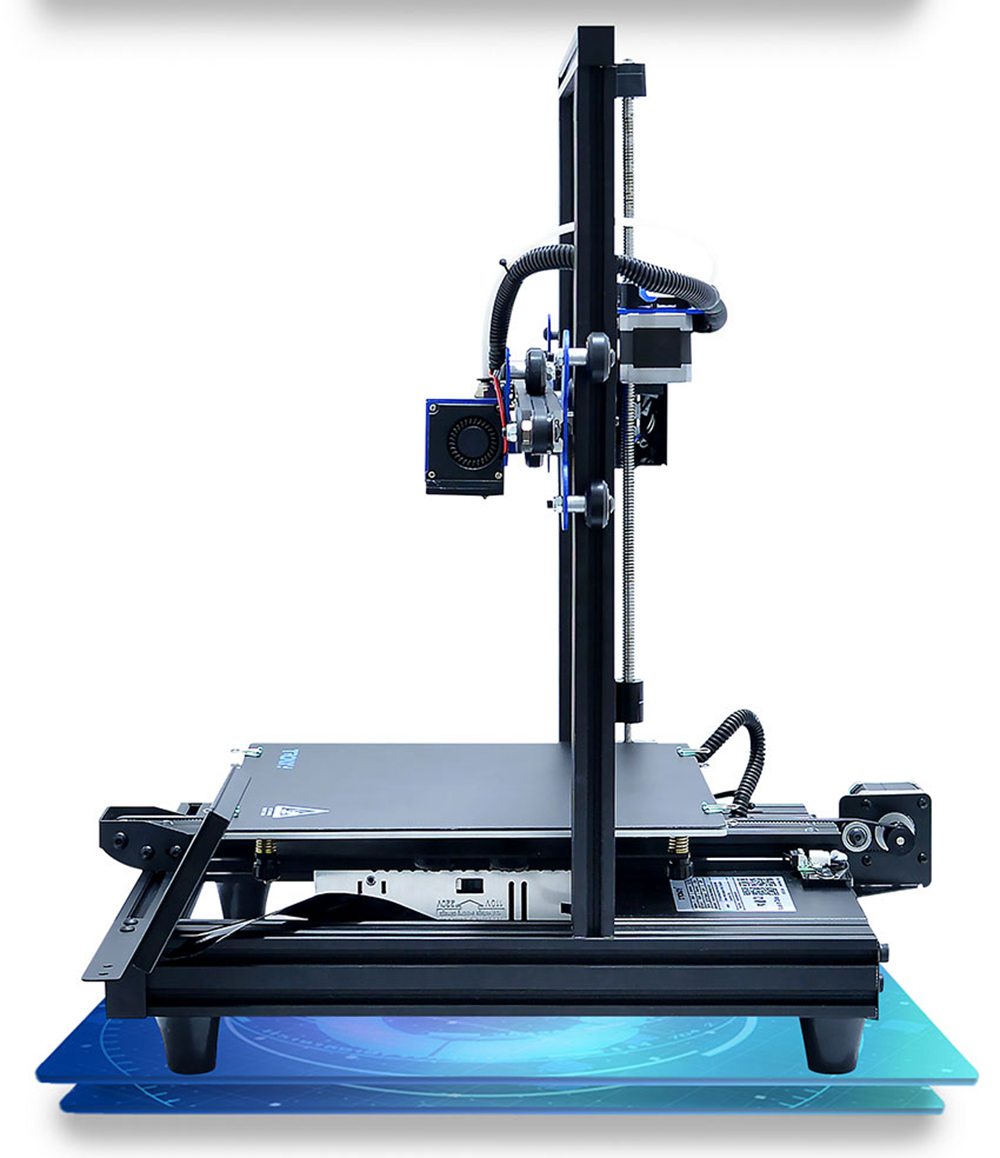 Other features include auto-leveling, filament run out-off detection, resume printing after power off, 3.5 inches full-color touch screen, and ultra silent motherboard just to name a few. Regrettably, the TRONXY XY-2 Pro Titan Extruder 3D Printer will be available for a lowered price for a short period.
 The 5G-ready smartphone was announced alongside the Realme Buds Air at the recently-concluded event. Before we will talk about the features that make the Realme X50 5G an irresistible smartphone, it might interest you to know that the device has gone up for pre-order through Giztop.
 Those who do not mind shelling out an extra $100 can go for the larger 12GB RAM model that ships with a hearty 256GB of onboard storage capacity. The aforesaid model is available only in the blue color option.
 Under the hood, the Realme X50 5G packs a powerful Snapdragon 765G Octa-core processor along with an equally competent Adreno 620 GPU, a fifth-generation AI processing engine and dual-mode 5G support. Furthermore, it features a quad-camera setup comprising 64MP+8MP+12MP+2MP sensors at the back.
 Much to the delight of selfie addicts, the Realme X50 5G houses 16MP+8MP front shooters that can also be used for video calling. A robust 4200mAh battery, equipped with 30W VOOC 4.0 Flash Charge keeps the lights on, while Android 10 operating system with UI OS on top helps you stay productive and connected with family and friends while you are traveling.
 Compact and user-friendly gaming laptops continue to garner huge popularity; however, with the advancement in technology, the price tags attached to these machines have gone higher as well. For those who aren’t willing to spend tens of thousands of dollars on a top-end gaming laptop, but don’t want to compromise in terms of performance, choices are scarce.
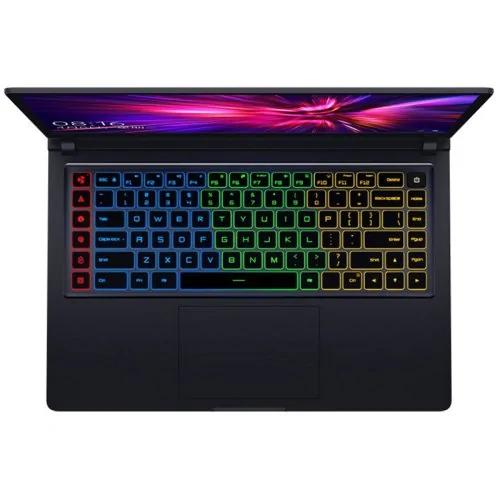 The Xiaomi Gaming Laptop ships with a large 16GB GDDR4 RAM and offers a hefty 512GB PCle SSD storage capacity for you to download and run high-end games without lag. The features loaded on the gaming laptop from Xiaomi completely justify the steep $2,609.99 price it normally carries.
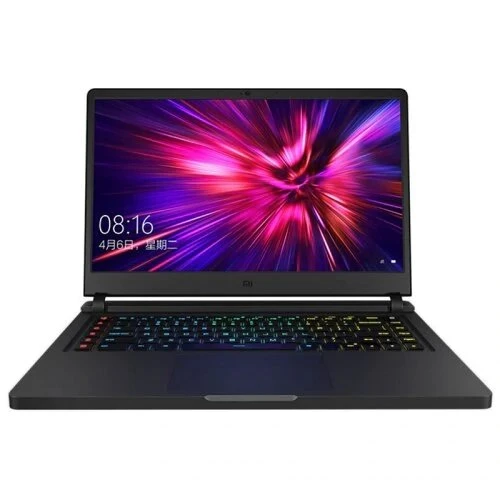 An absolute steal at this price, the Xiaomi Gaming Laptop runs the Microsoft Windows 10 operating system so that you can do your daily work without any sort of interruption. Moreover, it packs the powerful Intel Core i7-9750H Hexa Core processor and NVIDIA GeForce GTX1660Ti under the hood, which means, you’d be treated to an immersive gaming experience.
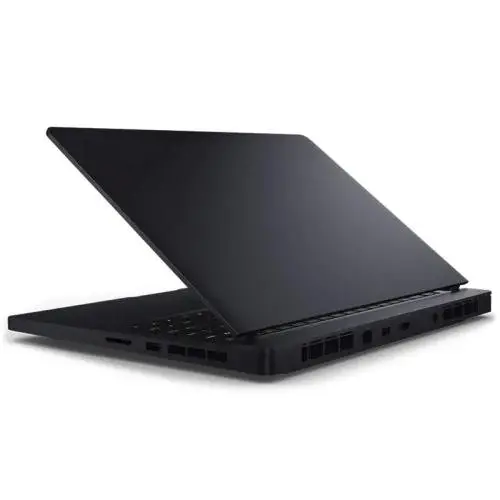 Furthermore, the gaming laptop also houses a 1-megapixel front-mounted camera that can be used for capturing photos and video calling. On top of that, it supports Dual Band 2.4GHz / 5.0GHz WiFi, which means you can connect to the internet whenever you are within range of an accessible wireless network.
 The 5G-enabled Redmi K30 variant went up for sale for the first time in China at 10 AM (local time) on January 7th. As expected, the phone became an instant hit among Redmi’s huge fanbase, which justifies the fact that it was sold out in just two hours.
 If you were unable to get your hands on the Redmi K30 5G during the first sale, you can still purchase it through Giztop, one of China’s popular e-tailers. The K30 5G is available in multiple color and storage choices including 6GB RAM+64GB ROM, 6GB RAM+128GB ROM, 8GB RAM+128GB ROM, and 8GB RAM+256GB ROM.
 Available in blue and white color options, the 6GB RAM+64GB ROM model will set you back $349; however, if you don’t mind spending an extra $50, you can go for the slightly larger model that ships with 6GB of RAM and offers 128GB of internal storage space. In short, the 6GB RAM+128GB ROM variant, which comes in blue, purple, red, and white will set you back $399.
 Bearing a $449 price tag, the 8GB RAM+128GB ROM Redmi K30 5G model comes in four appealing color options including blue, purple, red, and white. If you fancy using a handset that packs more power under the hood, you might want to check out the model which ships with 8GB of RAM and offers a hearty 256GB of internal storage space.
 The Xiaomi Redmi K30 5G sports an eye-catching 6.67-inch IPS LCD second-generation punch-hole display with an FHD+ resolution of 1080 x 2400 pixels. On top of that, the phone supports the HDR 10 display.












UP NEXT: Apple’s iPhone 9 series could debut later this year