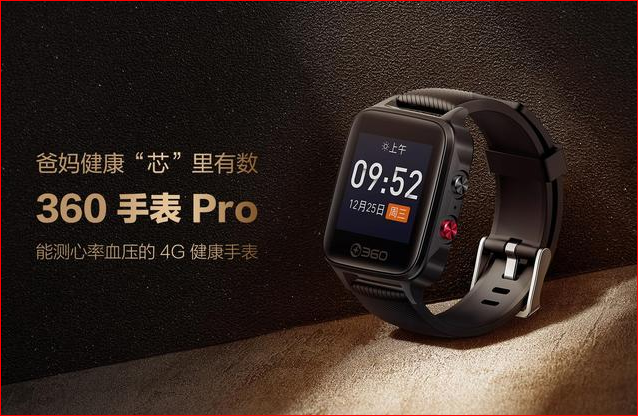
Qihoo 360 has released a new generation smartwatch for elderly users. The watch is dubbed 360 Health Watch Pro. The watch adopts a spectacular design and several topnotch specs. The watch supports 4G full Netcom system, with functions such as high-definition calling, AI real-time positioning, professional health management, intelligent voice assistant, and mobile quick payment, which can accurately solve many problems that plague the daily life of the elderly.
In terms of communication standards, this watch supports the 4G networks of the three major carriers in China namely, China Mobile, China Unicom and China Telecom. Users can choose their own carriers and enjoy greatly improved communication bandwidth and transmission rate. This also means that this smartwatch has VoLTE call enhancements. With this feature, parents can use the smartwatch to make calls anywhere. Not only the answering time is shorter, but the voice quality is higher-definition.
Further, the 360 Watch Pro smartwatch comes with a call firewall function which can limit calls from strangers who are not in the address book and prevent parents from being deceived.
In terms of real-time positioning, this smartwatch uses 7-layer AI positioning technology, as well as 360’s long-term positioning algorithm and assisted by big data accumulation. Children can track their parents’ movement at any time via a mobile phone. You can even set a safe again which when the elderly leaves, the children will be notified as soon as possible, which can greatly reduce the chance of the elderly getting lost.
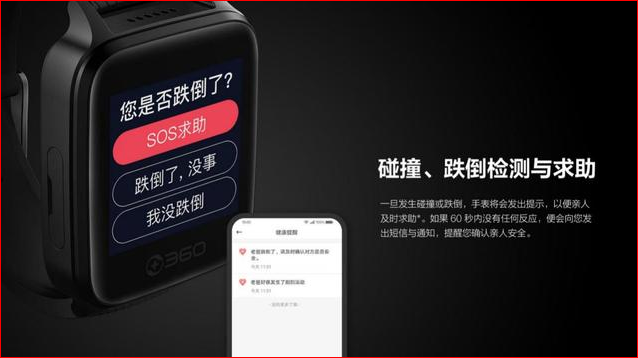
Health monitoring is a major feature of this smartwatch. In the event of an accident such as a collision or a fall, the watch will give a reminder so that parents can ask their family for help in a timely manner. If there is no response within 60 seconds after the accident, the child’s mobile phone will receive a text message and an app notification to remind them to confirm that the parents are safe.
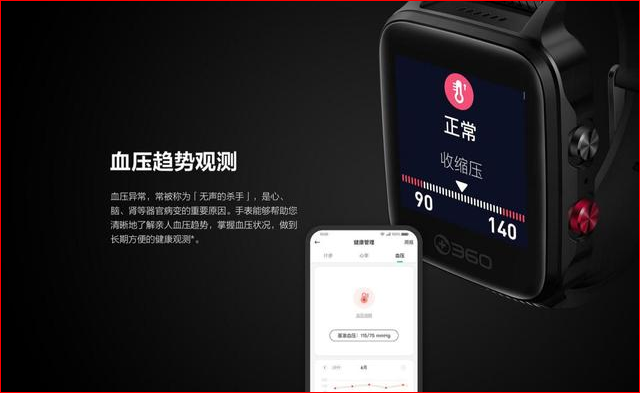
Considering that heart and brain organ diseases are a big killer for the elderly, the 360 Watch Pro also provides two important functions of heart rate monitoring and blood pressure trend observation. The watch can achieve all-day heart rate monitoring, single heart rate monitoring, remote heart rate measurement, and can clearly To understand the blood pressure trends of loved ones. Once the parents’ heart rate or blood pressure is abnormal, the watch will send a reminder to the watch and to the child’s phone at the same time.
In addition, based on the heart rate, blood pressure and other data recorded by the watch, combined with cloud big data analysis, the child’s mobile phone paired with the smartwatch will receive an exclusive health report every week to help the children understand the parents’ recent health status.
The 360 Watch Pro also comes with a new and upgraded voice assistant. Parents can send voice commands at any time to complete operations such as querying the weather, broadcasting short messages, and playing music. Other features include a mobile payment function, sedentary reminder. You can also set a reminder to take a glass of water or medication on the app.
Taking into account the elderly’s usage habits, it also provides detailed functions and designs such as full-colour large screen, customized large fonts and large icon designs, voice transmission, IP67-rated dust and waterproof build, large-capacity battery, and magnetic charging port design.
The Amazfit Sports Watch 3 a.k.a. Stratos 3 will be getting a major update soon according to Huami. The said update is said to increase the available sports modes to 80.
The watch currently has 19 sports mode but with the new update, it will increase to 80 to meet the various needs of users.
The attached poster shows the watch will be able to track your activity for new sports and activities including pilate training, basketball, volleyball, badminton, skateboarding, yoga, triathlon, sparring, judo, karate, archery, skipping, ballet, ballroom dancing, etc.
The Amazfit Sports Watch 3, unlike the other Amazfit smartwatches, is targeted at professional athletes and sports enthusiasts. The watch has a 1.34-inch display with a 320 x 320 resolution. It has a dual-chip and dual OS mode that allows it to be used as a professional sports watch and a regular smartwatch.
The watch connects via Bluetooth 4.2 and also supports Bluetooth 5.0 LE. It has support for 2.4GHz WiFi and also supports GPS, GLONASS, Galileo, and BEIDOU. There is a 300mAh battery inside that lasts up to 7 days in smart mode and up to 14 days in endurance mode. With GPS on and set to Accurate Mode, it will last 35 hours while in Balanced Mode, and 70 hours in power-saving mode. There is a PPG heart rate monitor and it can also measure oxygen intake (VO2 Max).
Huami didn’t say when the update will begin rolling out but it should not be far off, though it might take longer before it is available for the global version.
Chuwi HeroBook was one of the most successful laptops for the company in the past and the Chinese manufacturer is about to release an upgraded version, the HeroBook Pro. It will be equipped with a more powerful processor as well as more RAM and storage to meet the needs of users at a higher level. Hopefully, it will have a low price tag as its predecessor did and will become a best-seller.
Hardware upgrade
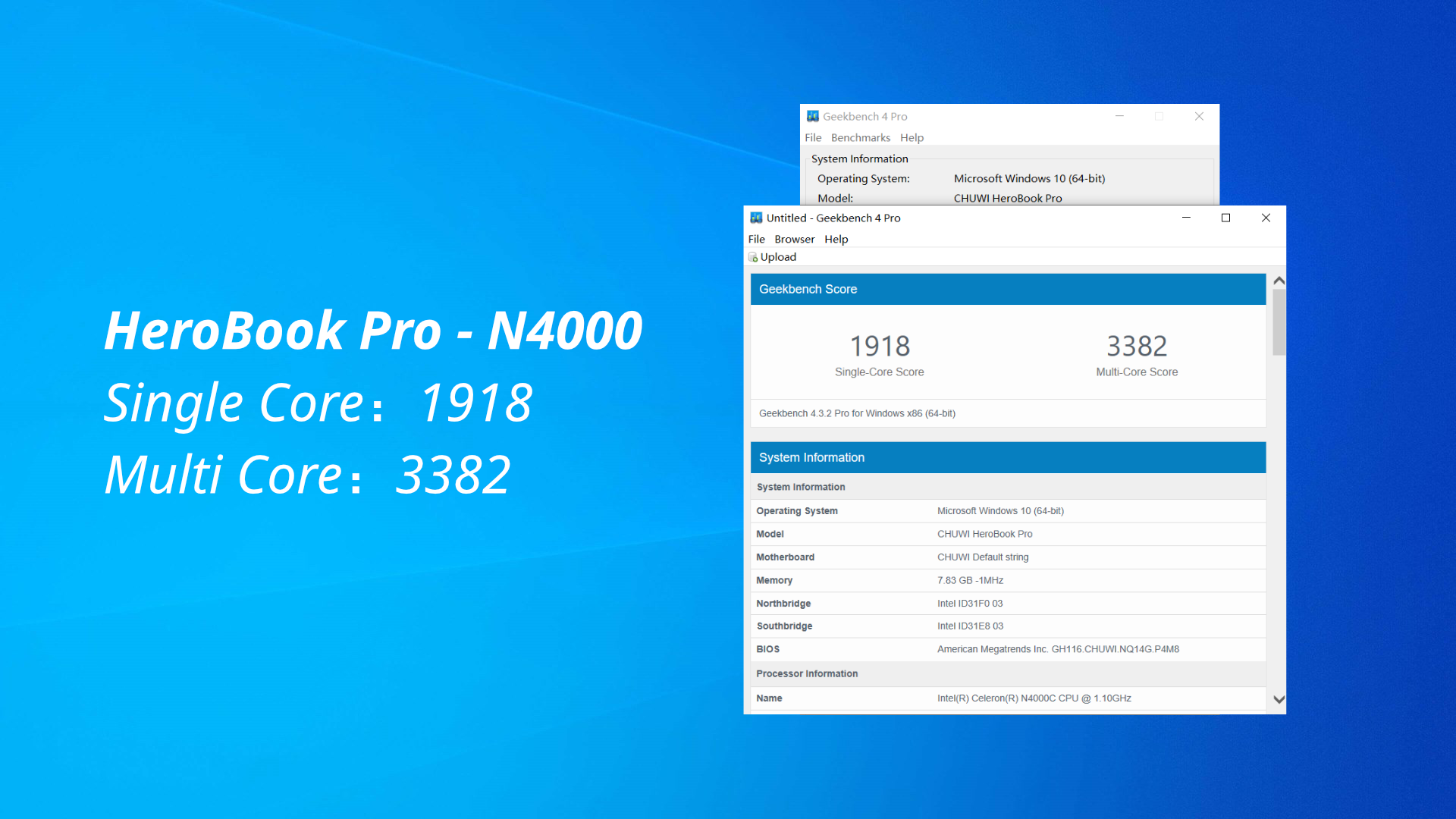
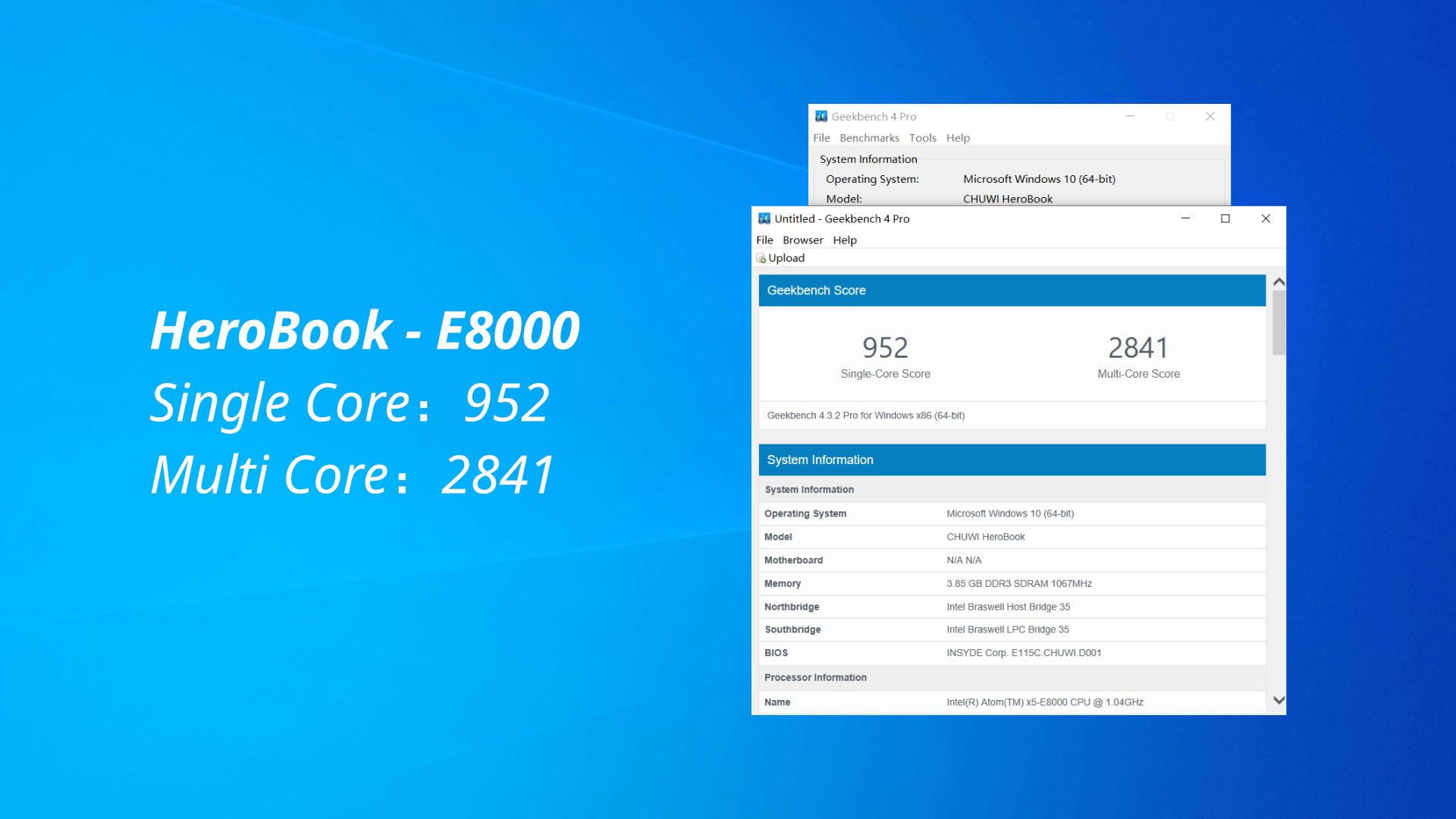
Instead of the Intel E8000, Chuwi went with the more powerful Intel N4000 CPU that is manufactured at 14nm and reaches a peak operating frequency of 2.6GHz. With the ninth-generation Intel UHD 600 graphics card, it can decode 4K video smoothly. The difference of the two processors can be seen below in the benchmark test.
1 of 2
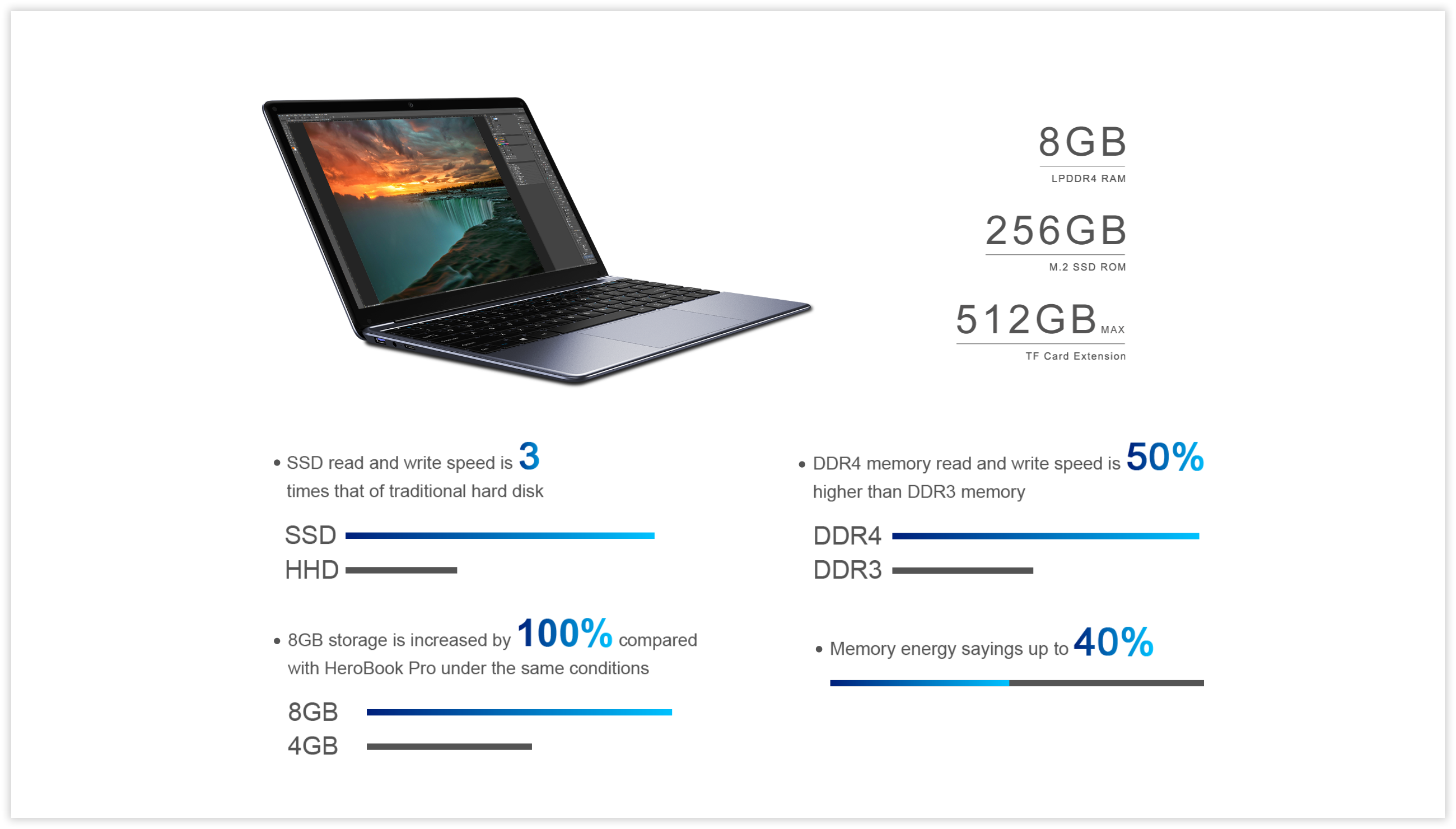
Besides the CPU upgrade, HeroBook Pro also comes with more and faster RAM as it now comes with 8GB of LPDDR4 RAM while the previous model featured 4GB of DDR3 RAM. The advantage here is clear.
1 of 2
The same goes for the disk that is a 256GB of fast SSD. A solid upgrade that is totally worth the around $250 price tag. Lastly, the display is a 14.1″ IPS panel while the device it carries a full-size narrow border keyboard, a big touchpad, and a big 38Wh battery.
Comparison with other laptops
When compared with other laptops from popular manufacturers like Dell and Acer, the HeroBook Pro is lighter and has larger storage and RAM. So, with a competent CPU and plenty of RAM and storage, it’s safe to say that the Chuwi HeroBook Pro will be the next best-seller of the company thanks to its low price and hardware combination. You can find out all about it on the official product page.
The pollution levels are rising day by day. It has become impossible to breathe in fresh air due to alarming pollution levels in urban areas. According to a recent survey by the WHO (World Health Organisation), more than eighty percent of the urban population does not have access to clear air throughout the world. It has become an alarming situation for the households residing in the cities. The situation is even worse in developing nations like China and India. It has become quite challenging to find optimal air quality to perform physical activities in the open air. The Air Quality monitoring apps can help schedule your activities and to have minimal effect on your health.
The increasing pollution has ill-effects on the majority of the population, but it has worse effects on the children and old age citizens. The pollution in developing nations mainly consists of pollutants like particulate matter, including PM 2.5 and PM 10. Whereas, the sulfur dioxide, carbon monoxide, and nitrogen dioxide are primary pollutants in the developed nations. The pollution is having a short term and long term effects on the citizens.
Short and long term effects on health
Difficulty in breathing
Chest Pain
Sore throat
Nasal congestion
Cancer
Lung tissue damage
Asthma
There are some prescribed permissible limits for different pollutants. However, these limits are set according to their local environmental conditions. The PM 2.5 pollutant value is set to 10UG/M3, PM10 at 20UG/M3, O3 at 100UG/M3, NO2 at 40UG/M3, and SO2 at 20UG/M3.
We have crafted a list of apps that will allow the users to keep a tab on the pollution levels in their surroundings. The apps will not only provide information about the pollution level of your city, but it will also showcase the air quality of other cities. The list includes apps for both the iOS and Android platforms.
List of best Air Quality monitoring Apps
AirVisual
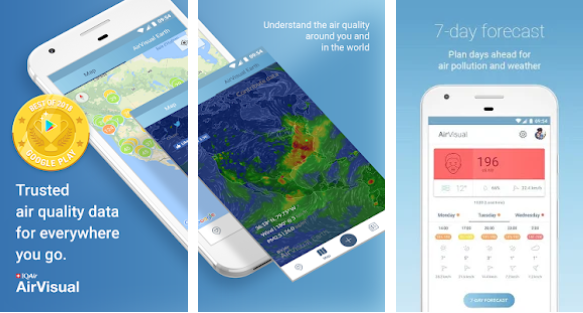
It is the key service in measuring, maintaining, and monitoring the air pollutants at the city level. The app has vast support across cities throughout the world. Along with the app, the AirVisual also supply air monitoring machines for users at reasonable prices. Airvisual has several data-collecting stations. Each device sold by Airvisual, in turn, acts as a data collection center.
AirVisual fetches the pollution data from the nearest center upon a successful selection of the current location. However, there’s also an option to enter the location of your choice manually. The user can get information about different pollutants along with the overall AQI of the location. AirVisual also extracts pollution information from government websites to maintain accurate data. It also brings historical data to great use by beautifully depicting it using graphs.
There’s even a graphical map to see the worldwide pollution status via a globe. It also features some weather information along with the AQI data.
The app might need location permissions to set the current location. AirVisual is available both on Android and iOS platforms
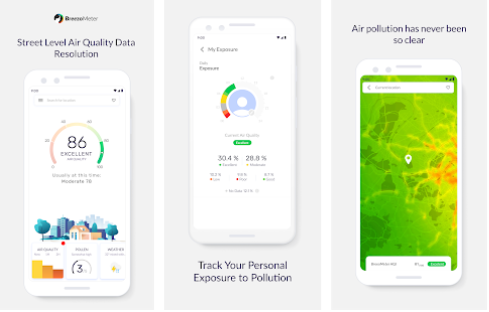
The users can stay away from lousy air by merely installing the Breezometer. The app can send you custom alerts for air quality, weather, and fire alerts. The make productive use of machine learning and Artificial Intelligence to calculate real-time air quality accurately where the air quality monitoring is not possible.
It is a personalized assistant to protect our families, friends from the bad air, and other toxic elements in the air. It helps to recognize the best time to perform outdoor activities with minimal or no impact on our health. Breezometer is available in more than 92 countries with a detailed analysis of your air quality.
Breezometer is known for real-time air quality maps, fire alerts, and daily information for multiple pollens from weed, trees, and grass. Apart from air quality information, the app also brings weather forecasts to plan accordingly. The user can personalize the health recommendations like what’s the best exercise route, aids in trip planning, or when to play in the outdoor. The beautiful UI brings native experience for parents and teenagers. It’s a solution for athletes, cyclists, runners, and other outdoor sports activities.
Breezometer has more than 7000 official air quality monitoring stations worldwide.
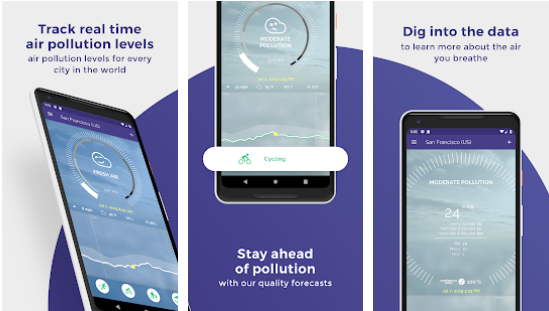
The sleek interface of the Plume attracts a lot of users. It helps to answer potential questions like, “What’s air quality like today? Is it the best time to go for a run? When should I go for a walk in the park with my children?” It offers full coverage of all the major cities and towns around the world. Hour by Hour forecast of the Air Quality makes Plume stand against other competitors.
Plume’s environmental AI helps to recommend the best time to go out of your home and do favorite outdoor activities without getting exposed to pollution. Around 70% of users are surveyed to have breathed cleaner air after using the Plume App. It supports the data availability of every location throughout the globe. Thanks to 18 months of rigorous hard work by developers and scientists to build a worldwide air quality forecasting model in Plume.
The users can add up different cities automatically and manually. Fluid Timeline depicts all the historical data in a well-crafted User Interface. It’s a favorite app if you care about your health.
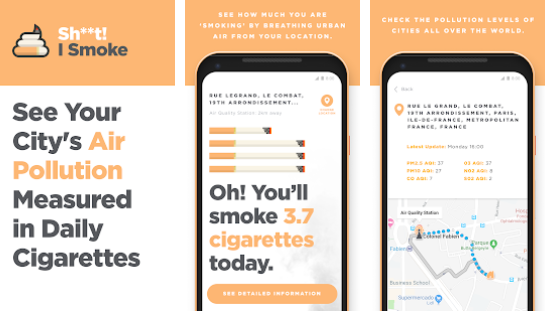
A creative idea to convert the Air Quality Index into the number of cigarettes consumed. It hides the real pollutant levels and shows the cigarette equivalent of the air you breathe. The Sh**t!I Smoke will give you the number of cigarettes you consumed within a day, week, and month.
However, interested users can also see the pollutant level under the “See More Details” option. The app calculates cigarette consumption based on Berkeley Earth’s findings of 1 cigarette that is equivalent to 22 micrograms per m3. The popular app is featured on several big media houses due to its unique approach to the Air Quality Index.
The user can share the cigarette consumption from within the app. It can help raise awareness about Air Pollution.
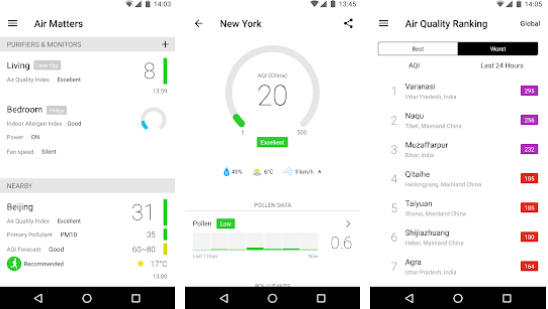
A beautiful and clean UI welcomes the users on the AirMatters app. It broadcasts real-time air quality for more than 180 countries. It shows the air quality index neatly by acquiring data from the nearest monitoring station. Along with the air quality information, the app informs about weather and pollen data in the US & Europe.
Surprsingly, the AirMatters also connects with Philips Smart Air Purifier and Laser Egg for realtime indoor air quality. The users can also control the purifier from anywhere using the AirMatters app.
The free version of the app is ad-supported. However, the Air Matters Premium is available for $0.99 per year.
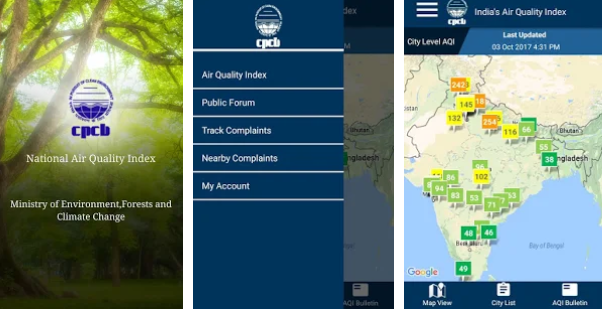
Sameer is an official app by the Indian board of Pollution Control. It provides hourly updates for all cities and small towns across the country. It is a useful tool for accurate air quality information across India. The app features official data from the CPCB observatories on an hourly basis.
The interactive map layout brings the air quality information on a single map with the appropriate color, AQI number across all the cities. The natives of India can also register complaints related to air pollution from within the app.
The app currently lacks beautiful User Interface as of the above apps, but still, it conveys the right numbers to users.
We expect the Governments should take appropriate measures to make sure everyone breathes fresh and clean air. Otherwise, the days of buying clean air are not far away. These are some best apps to check Air Quality in your city. If you have any recommendations for air quality monitoring apps, then make sure to let us know via the comments below.
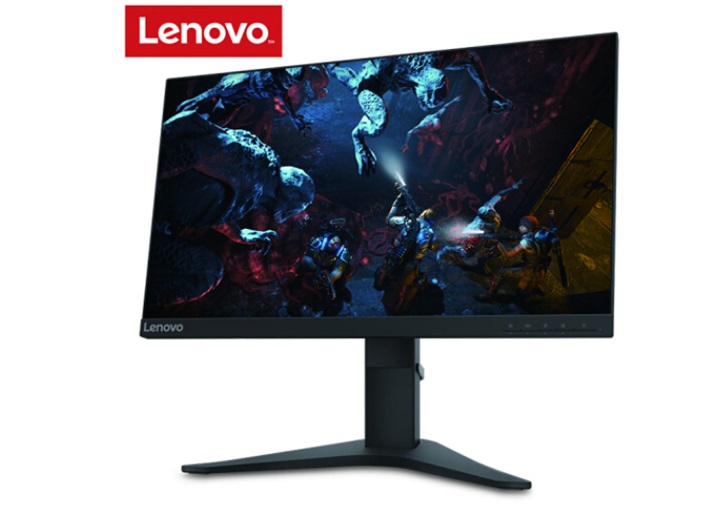
While Lenovo aren’t what you think of when you think gaming, the company has been working hard to change that notion. They’ve built up a very solid line of gaming laptops, peripherals, and now the company has launched a new gaming monitor. The Lenovo G25-10 is a 24.5-inch FHD 144Hz monitor with HDR support and is priced at 1799 yuan ($258).
In terms of specs, the Lenovo G25-10 is pretty decent all around. The gaming monitor uses a TN panel over an IPS panel for faster response time. This panel features a resolution of 1920×1080, a refresh rate of 144Hz, a 72% NTSC color gamut, a 1ms response time, a brightness of 400nit, and support for HDR decoding.
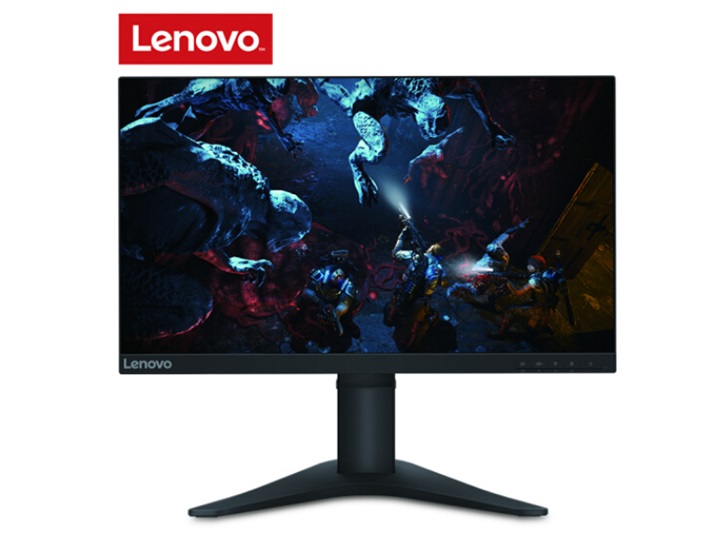
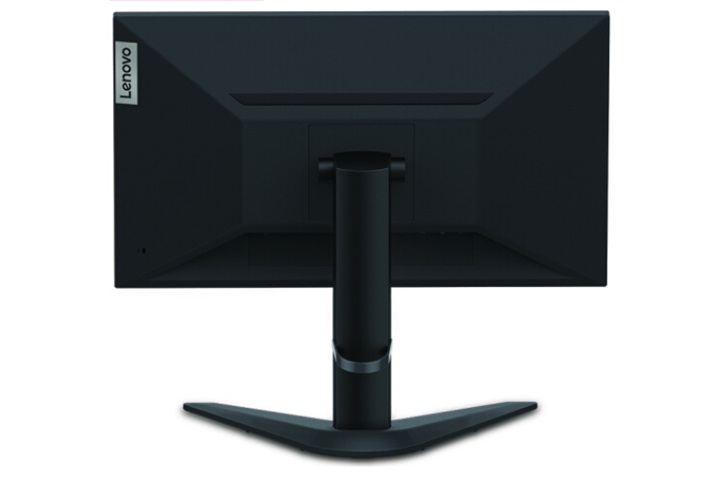
In terms of design, the Lenovo G25-10 display uses a three-sided narrow bezel design, the base supports lifting, and is equipped with HDMI 1.4 and DP 1.2 interfaces. It’s much more sleek than most of Lenovo’s older monitors, with a very subtle black finish, minimalist bezels and a clear lack of garish gaming colours.
Overall, the Lenovo G25-10 is looking like an excellent choice for a gaming monitor, especially for the price. It’s well rounded and designed well, and we’re hoping Lenovo continues down this track of good gaming equipment for decent prices.
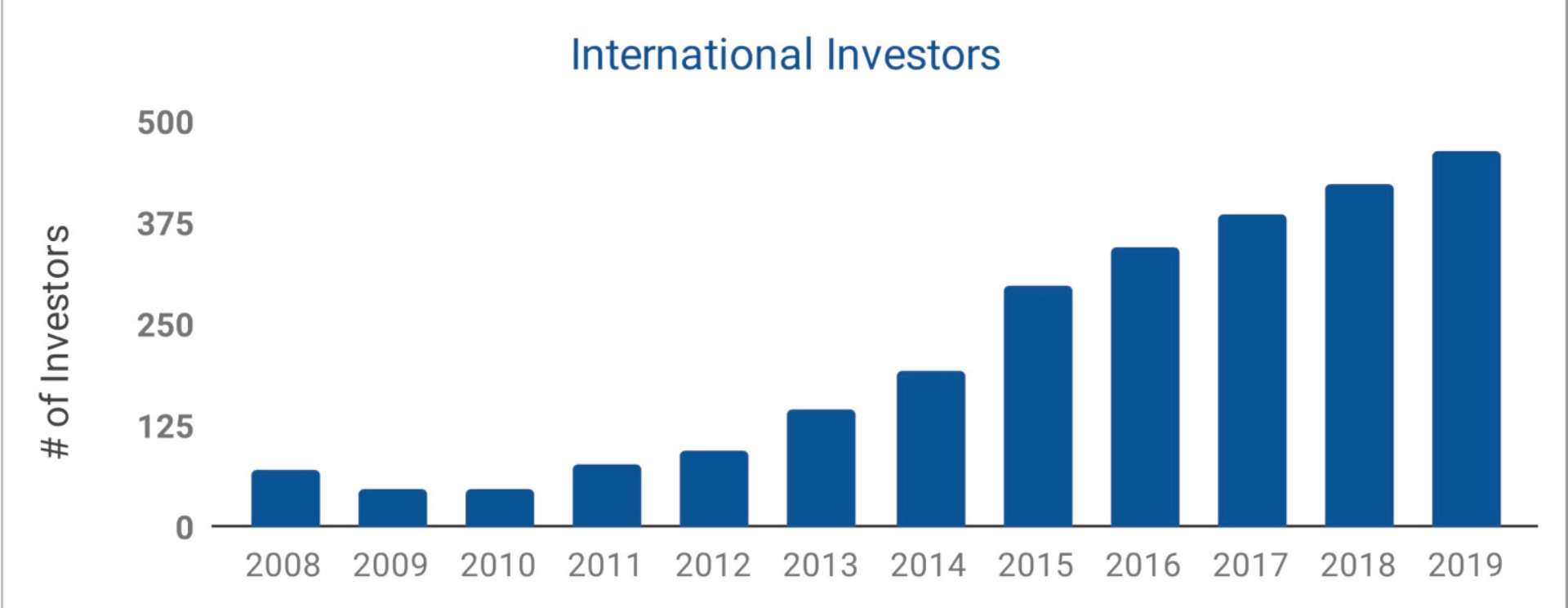
Startups in India have raised a record 14.8 billion US Dollars in 2019 alone. It marks a major year on year growth from 10.6 billion US Dollars back in 2018.
According to Tracxn, a research firm, Tech related startups in India this year had participated in over 1,185 financial rounds. In this, about 459 of these were Series A (1st stage startups after conceptualisation) or later rounds raised the amount from 917 different investors. Notably, about 81 of these financial dealings were in between the sizes of 25 million to 100 million US Dollars.
The rise in financial investors in India Startups
On the other hand, early-stage startups also participated in pre-Series A financial rounds and raised upwards of 6.9 billion US Dollars. This is a bit more than double of last year’s 3.3 billion US Dollars, according to reports from a venture debt firm named InnoVen Capital.
Furthermore, 128 startups in India also got publicly listed which attracted a record number of international investors in 2019. This is indicative of the Southeast Asian country’s strong growth which is on a steady climb. To paint a broader picture, Indian startups only raised about 550 million US Dollars at the start of the decade back in 2010.
Initially, these startups were more inclined towards western trends, in which they provided e-commerce solutions and ideas to the market. Now, they are highly diversified and take on all sorts of fields tackling anything under the Sun. Reportedly, there a 150 educational and learning app startups, 160 fintech startups, 82 ride hailing services (Similar to Uber), 42 insurance firms, and a lot more.
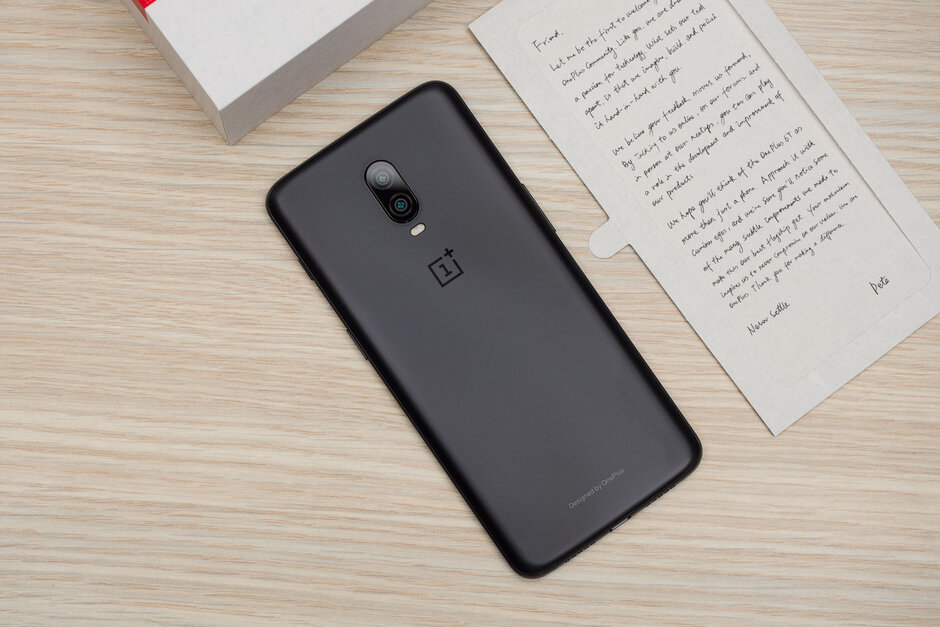
Historically, OnePlus has managed to stay ahead with the update schedules in comparison to other major smartphone manufacturers. However, it does not always translate to a smooth transition. For example, OnePlus 7 and 7T were the first to receive Android 10 but were riddled with bugs and issues, which were fixed shortly after with hotfixes.
OnePlus 6T
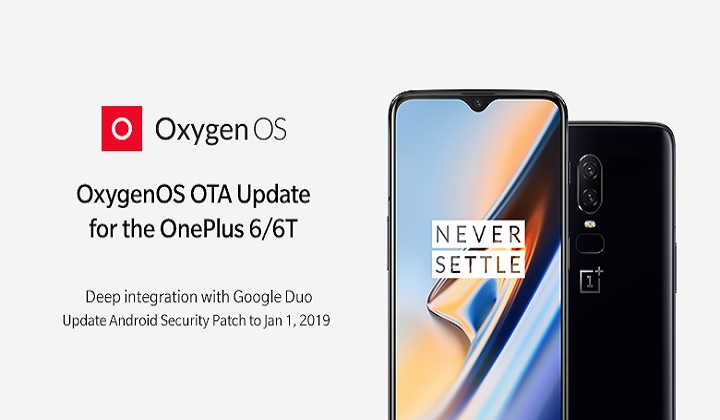
After the current generation of flagship series, OnePlus 6 and 6T (the flagship from 2018) from last year was the next in line for the update. The initial roll out was back in November 2019 but also suffered from bugs and was rolled back due to customer complaints. Thus, it led to the second release which was in December but that too was not polished enough. So, third times the charm as the company is again making its latest attempt of the same.
OnePlus 6 and OnePlus 6T OxygenOS OTA Updates
OnePlus’ quick and appropriate response is a good indicator of the company’s flexibility and adaptability. In a market where only a few devices won’t receive the latest Android even after Android 11 (R) is announced, quick responsiveness is a rare thing. But rather than a rapid update schedule, a functional update is likely to be more of a priority for most users.
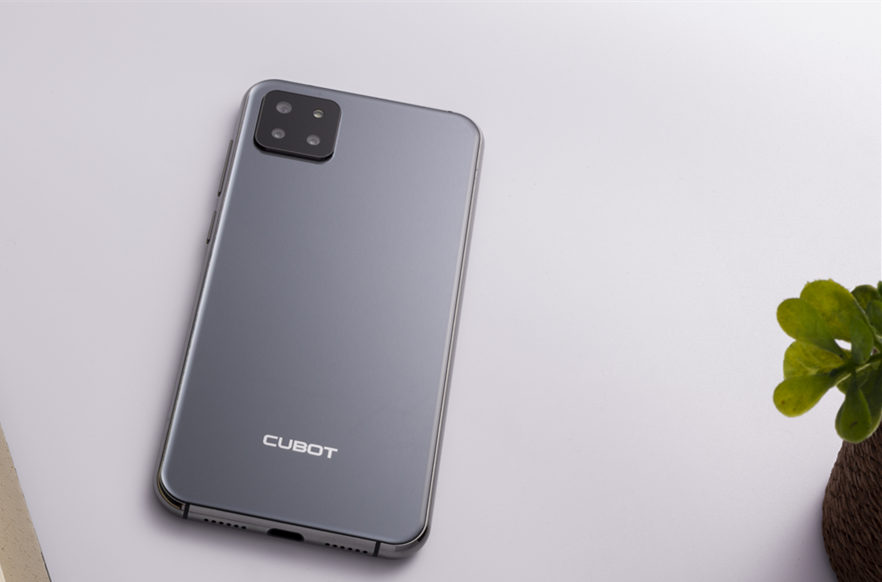
The smartphone market is dominated by big companies like Apple, Samsung, and Huawei that offer some great flagships with remarkable features but also a very high price tag. However, there are other manufacturers that offer great value for money phones like the Cubot X20 Pro, one of the most VFM smartphones out there that costs around $150 but features similar performance as much more expensive devices. Let’s see its pros and cons below.
Pros
Triple camera that produces great photos
Vivid FHD display with beautiful colors
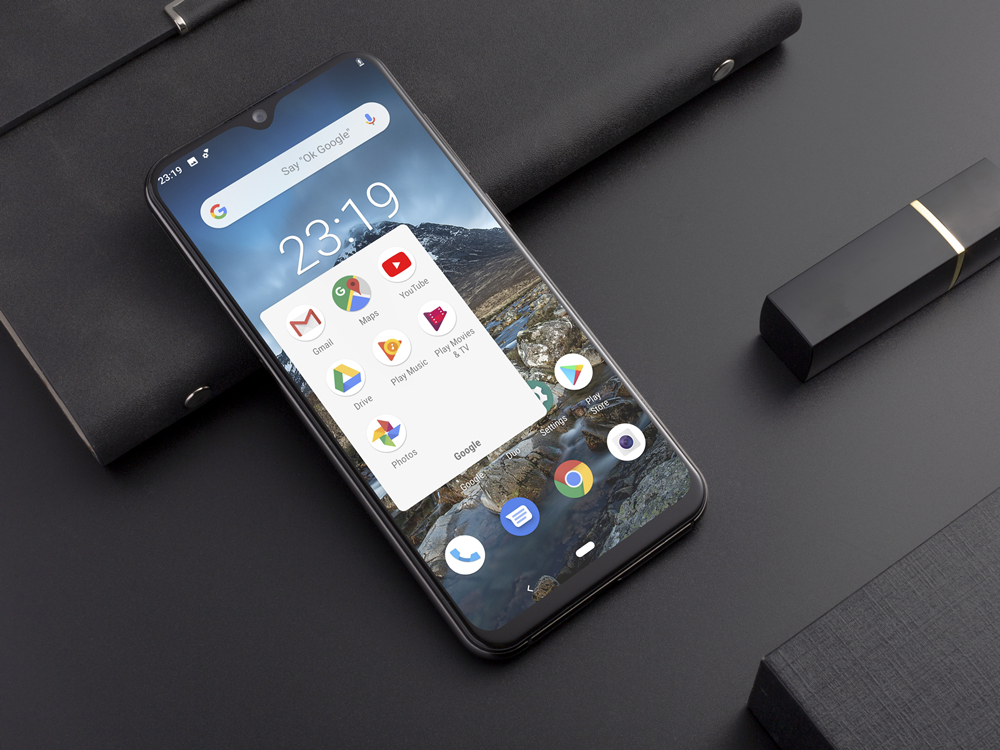
Stock Android 9.0
Great value for money
Cons
No Headphone Jack
No fingerprint reader
No Wireless Charging
Cubot X20 Pro Build Quality
The display is one of the reasons that make the X20 Pro the best VFM phone. It’s an IPS 6.3″ FHD+ display with rich colors and 409ppi. Also, besides the high resolution, it has a clean design with just a tiny notch, unlike the huge iPhone notch. This allows for a higher screen/body ratio as well.
Cameras
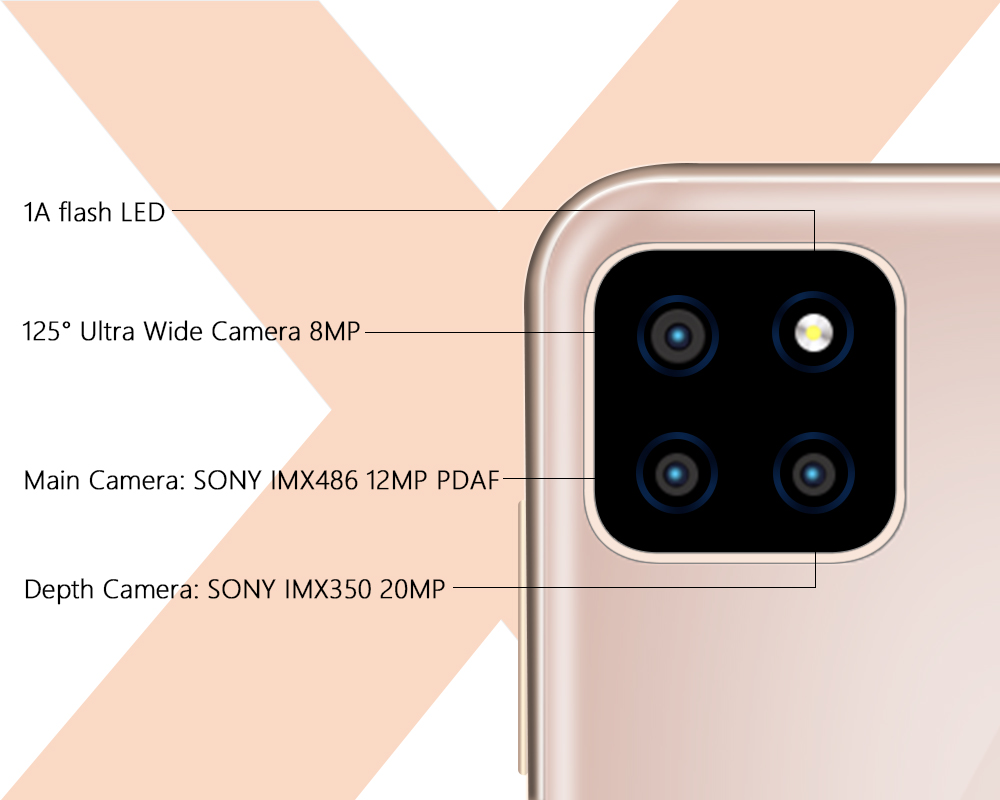
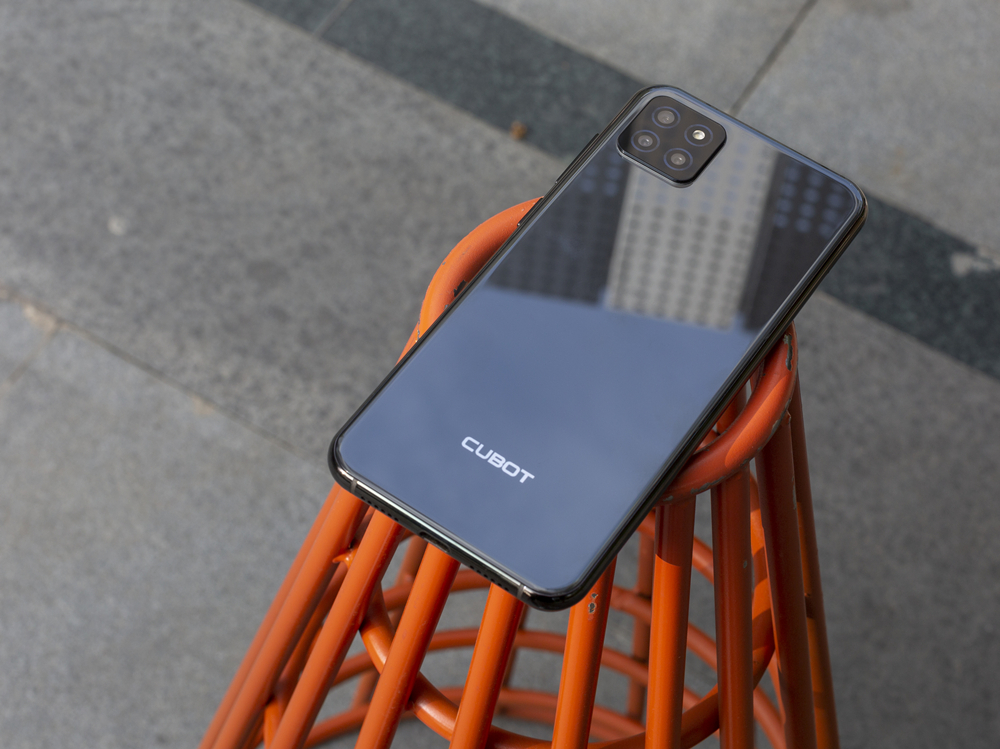
The camera design is a clear copy of the iPhone 11 Pro and Google Pixel 4 but that’s ok as most manufacturers copy each other in this department. The important thing is whether the performance of the camera is adequate or not. And the Cubot X20 Pro delivers more than its price suggests with a 12MP sensor and an 8MP ultra-wide sensor. The third sensor is a 20MP one that is used for portrait shots with bokeh effect.
The sensors work great both in bright and low-light conditions while you can adjust the depth of field both before and after the shot. What’s more, there’s a 13MP front shooter that is good for selfies and video calls. And speaking of video, the X20 Pro can shoot 4K video with OIS meaning that no more shaky videos.
Performance and UX
Coming preloaded with Android 9 Pie, the phone’s performance is fluid and smooth. There is no lag or any custom skins applied, just stock Android. This way, Cubot is able to get the maximum performance out of the hardware and offer quick software updates. The phone comes with Helio P60 SoC which is a worthy counterpart to the Snapdragon 660, a popular choice among mid-range phones. As said before, it supports 4K video recording and also offers Face Unlock.
To boost the SoC, the X20 Pro comes with 6GB of RAM and 128GB of storage. This ensures that you never run out of space to store your apps and games or RAM to run them. No matter what game you want to play and what video you want to run, the processor and RAM will do their job well. The storage is expandable up to 256GB more while in terms of performance, the device ranks among the Xiaomi Mi Note 3 and the Asus Zenfone Max Pro.
Battery Life
Usually, the weak link in smartphones is battery life. Technology has evolved so much in every other aspect in the mobile industry apart from batteries. The most expensive phones out there like Google’s Pixel series feature mediocre battery life at best. Also, the obsession for more and more thin devices leaves little space for a big battery. However, the Cubot X20 Pro has a 4000mAh capacity battery that will definitely take you through the day even with heavy use.
Of course, it’s not just a matter of capacity. Software optimization is also very important and the Stock Android 9 Pie in X20 Pro does a good job in power management. There is no battery-hogging bloatware. Add to that the Fast Charging implemented by Cubot and you can charge for half an hour to get a full day of light use. Sounds like a good and small investment, doesn’t it?
On 30th December 2019, Samsung announced that it will be showcasing a wide variety of projects it has been working on from its C-Lab incubation program at CES 2020. One of which includes the very unique and interesting SelfieType project.
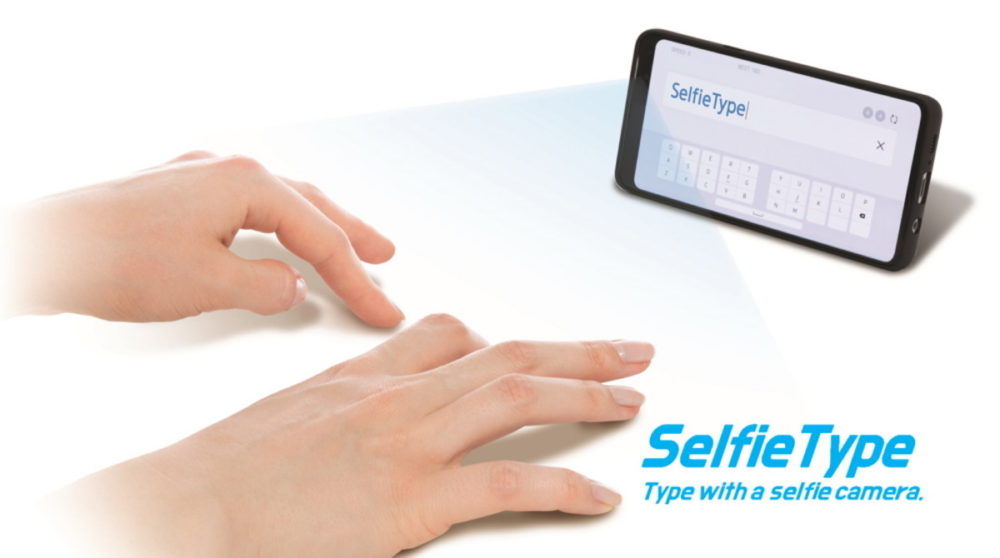
According to reports, the SelfieType project uses an AI algorithm and a front facing camera to perform as a virtual keyboard. In other words, it essentially allows users to type off screen just by using finger movements. On Samsung’s official website, it states that “SelfieType requires no additional hardware and it is highly adaptable to various mobile devices such as smartphones, tablets, and laptops.”
Samsung to unveil SelfieType at CES 2020
The statement indicates that the feature could possibly also work on smartphones, tablets, and laptops from other companies since the front camera is the integral component of the project. So, it is likely that once the project completed and ready for commercial distribution, Samsung might sell this feature to other smartphone manufacturers.
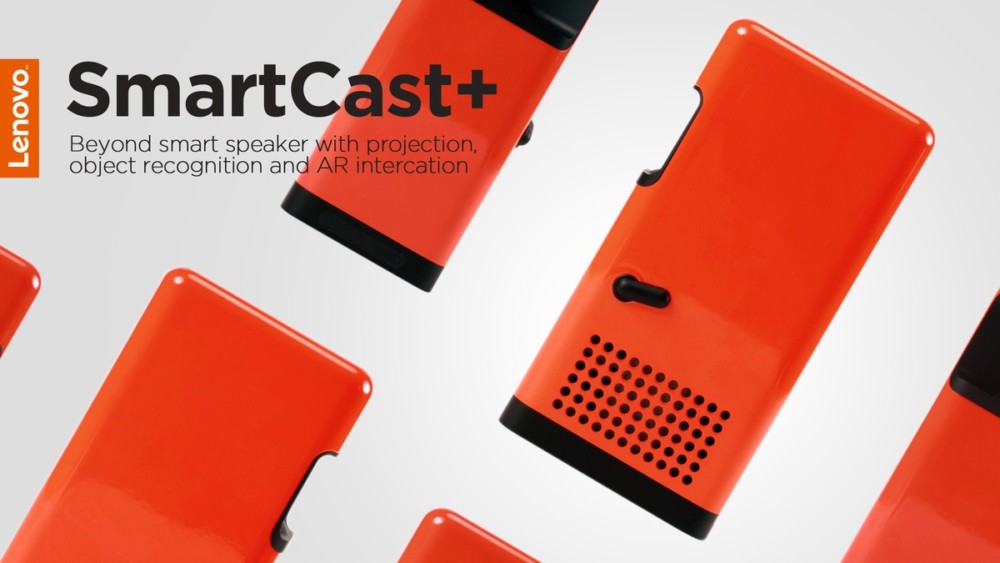
The ability to cast virtual keyboards on real world surfaces has been popular in recent years and is becoming increasingly more feasible. Lenovo’s Smart Cast that followed a similar concept. However, Samsung’s SelfieType requires no additional hardware or projection of a keyboard. Thus, the algorithm needs to be sound lest it leads to inaccurate input or false readings from the users.
Lenovo’s SmartCast+
Additionally, a few of the other projects the South Korean tech giant is expected to unveil include Hyer smart highlighter; it functions similar to Google Lens but with a highlighter rather than a smartphone camera. Furthermore, the company will also showcase a window-shaped device that delivers artificial sunlight, with an ultraviolet sensor and monitoring tool. Lastly, it is also speculated that Samsung will announce the Galaxy S10 Lite and Galaxy Note 10 Lite at CES 2020.
Consumer Reports recently selected the best laptops by classifying notebook PCs into five size groups –- 10- to 11-inch, 12- to 13-inch, 14-inch, 15- to 16-inch, and 17- to 18-inch. The evaluation was carried out based on data such as users’ brand trust and satisfaction in addition to the results of rigorous product tests.
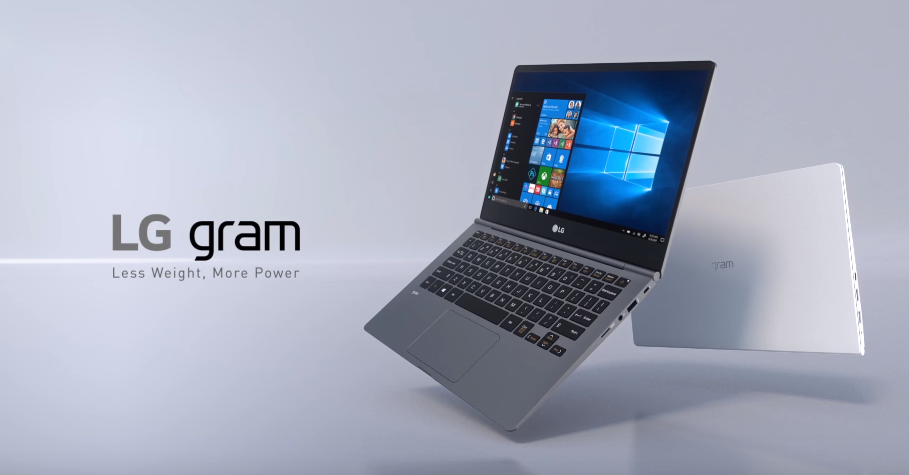
The LG Gram 14 was selected as the best product in the 14-inch product group. The evaluation team said that the LG Gram weighs about 2.2 pounds (about 997 grams) and is lighter than other notebooks of the same size. As a result, the LG Gram scored the highest points in terms of portability, one of the three evaluation items that also included ergonomics and performance.
The evaluation team also noted that the LG Gram delivers a powerful performance with the Intel Core i7 processor, storage space of 512 GB and 8 GB memories. The battery also delivers up to 15 hours of onscreen time
In addition, the LG Gram 17-inch model that was launched in December 2018 was selected as an alternative to Acer’s Nitro 5 model considered the best product in the 17- to 18-inch group.
In the 10- to 11-inch group, Consumer Reports also named Microsoft’s Surface Go the best product in the category. Overall, Apple’s laptops yielded the best results with MacBook Air ranking first in the 12- to 13-inch group and MacBook Pro beating other 15- to 16-inch laptops.
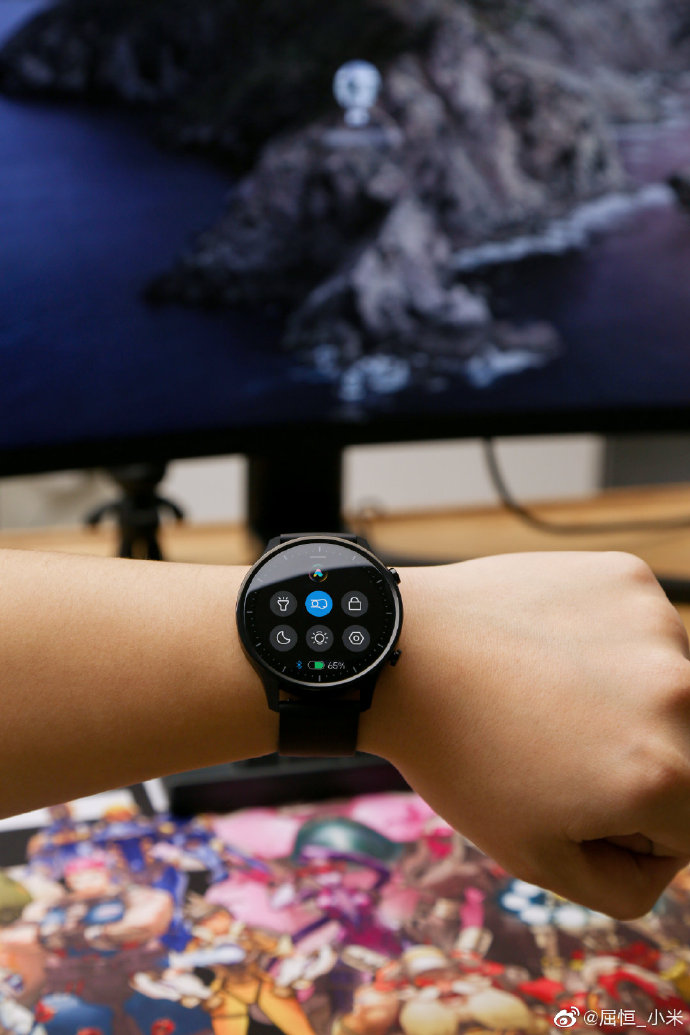
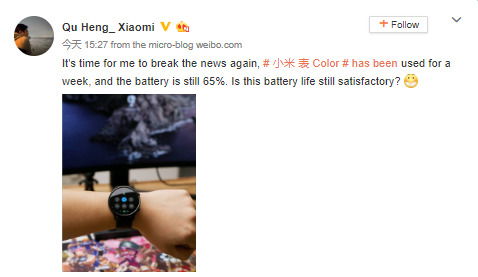
Little is known about the specification and features of the Xiaomi Watch COLOR but more details are beginning to surface. The first is a live photo of the watch shared by the general manager of Xiaomi Ecological Chain, Qu Heng.
Qu Heng’s photo not only gives us a good look at the watch but he also reveals an important detail about it – the battery life. But first, let us talk about the design.
The Xiaomi Watch Color has a black case with a pretty thin bezel. Judging from the image, the screen should be no less than 1.39-inches in size. There are two buttons on the right side of the bezel just like we have seen on some other smartwatches.
Xiaomi Watch COLOR
The display shows a quick settings menu that includes a shortcut for torch mode which is practically the screen turning white and bright so you can use it to see. It also has a shortcut to turn on and off the lift-to-wake feature, another shortcut for adjusting the brightness and one for activating night mode. If you also zoom in on the image, you can see the Xiaomi Watch Color uses a quick-release strap.
As you can see, the watch’s battery level is 65% which actually doesn’t say anything. However, according to Qu Heng, that is the battery life of the watch after a week of use. Impressive, right? While we don’t know the usage pattern, we presume the Xiaomi Watch COLOR should be able to last more than 2 weeks on a single charge.
We still await the release of the spec sheet to know the battery capacity and if it trumps that of the Amazfit GTR which has a 410mAh battery and lasts up to 74 days in basic watch mode.
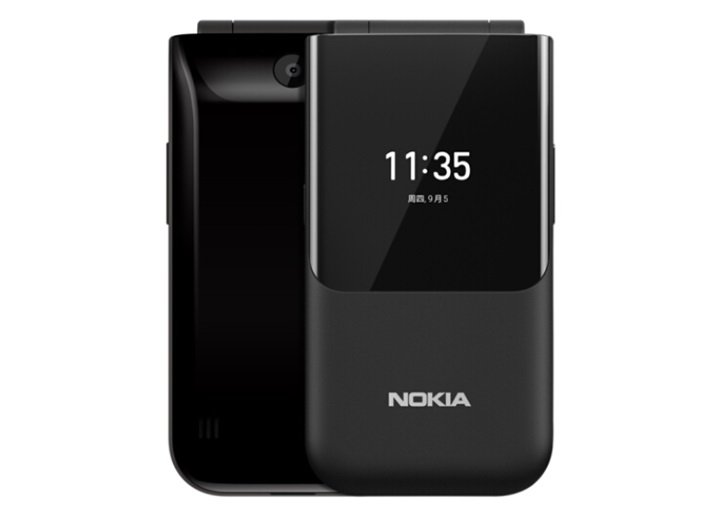
Earlier this month, we had reported on an announcement that stated the release of the Nokia 2720 flip phone and Nokia 800 Tough mobile phones in China. Now, the company has officially launched both devices in the country.
Nokia 2720
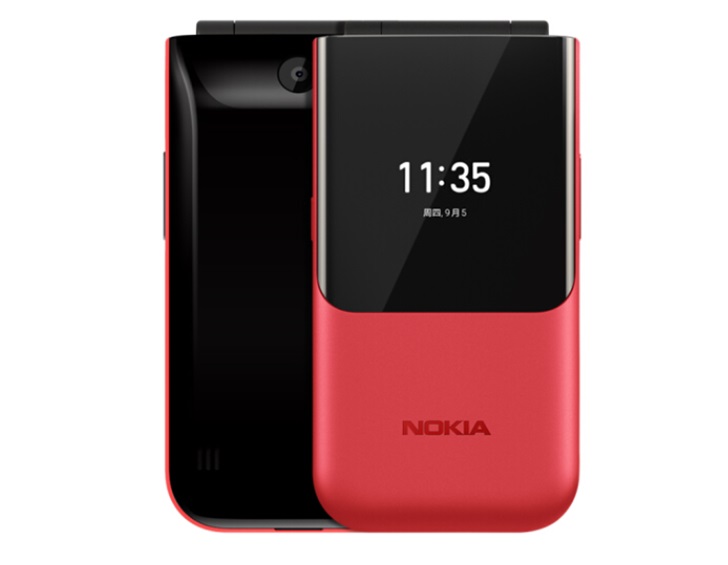
Nokia 2720 is a classic flip phone with a retro clamshell design philosophy. One of its key highlighting features is its dual displays on the handset. Its primary screen is a 2.8 inch QVGA display while the secondary screen is a small 1.3 inch display on the outside. The latter is useful in notifying users about incoming and also view messages.
It is equipped with KaiOS 2.5.2 operating system alongside a 2 megapixel camera, a T9 physical keyboard and is powered by a 1,500mAh battery. According to official reports, the Nokia 2720 can last up to 28 days in a single full charge. Notably, it also supports GPS and GLONASS, includes Google Maps and also provides Kai App Store.
Nokia 800
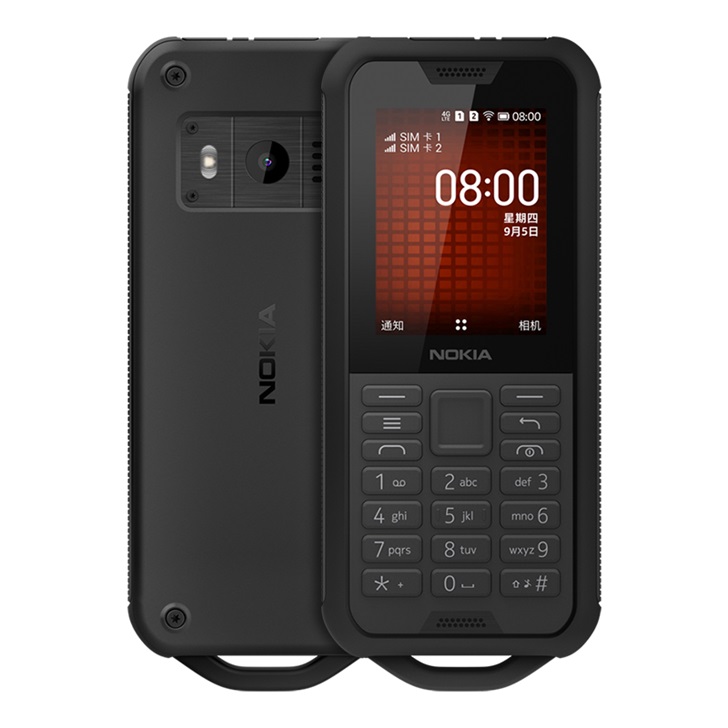
The Nokia 800 is a Tough rugged mobile phone which is built for use in harsh environments. It features IP68 dust and waterproofing and is capable of being submerged in water for up to thirty minutes in a depth of about 1.5 meters. The device can even handle a fall from 1.8 metres on a solid concrete floor without breaking.
Since it is rated for harsh environments, the Nokia 800 is operable in temperatures of about -22 degree Celsius and up to 55 degree Celsius. The handset also supports 4G networking and its battery can last for almost 43 days on a single full charge. For photography, it even has a 2 megapixel camera with a single LED flash.
Availability
The rugged Nokia 800 is officially priced at 899 Yuan or roughly 128 US Dollars while the Nokia 2720 flip phone is offered for 599 Yuan or about 85 US Dollars. Both smartphones are officially available for purchase as of today (30th December 2019). Notably, unlike the former, the latter arrives in multiple color options as well that include red, black and gray.
Earlier this month, ZTE Global Business Head and Senior Vice President Xu Feng had confirmed that ZTE will be showcasing the Axon 10s Pro 5G flagship at the Mobile World Congress (MWC) 2020 in February. The smartphone will be arriving as the successor of the Axon 10 Pro 5G that was unveiled earlier this year. The company has revealed the design of the phone by sharing its press renders. The Chines firm has also confirmed its key specifications. Today, a new ZTE phone that has a model number of ZTE A2020 SP has received from the TENAA telecom authority of China. The listing currently carries the preliminary specs and images of the Axon 10s Pro 5G.
The Axon 10s Pro 5G TENAA listing reveals that its dimensions are 159.2 x 73.4 x 7.9mm. The device is equipped with a 6.47-inch display. The phone could be supporting full HD+ resolution. The handset is backed a minimum capacity battery of 3,900mAh. The TENAA listing of the phone will be updated soon with full specifications in the near future.
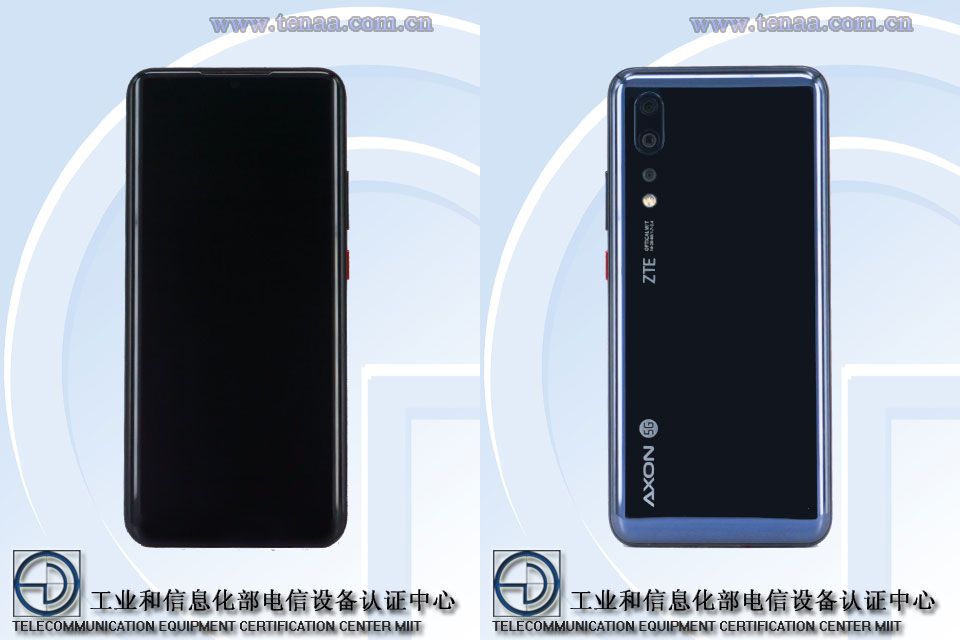
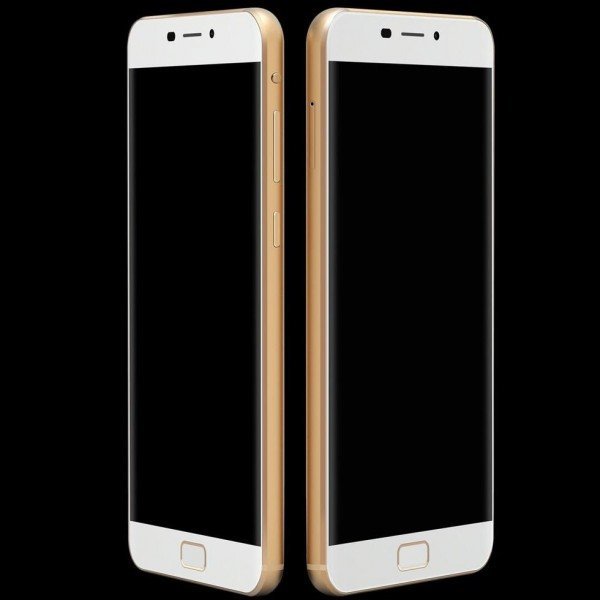
The Axon 10s Pro 5G images that have appeared on TENAA reveals it has a dual-edge curved display with a waterdrop notch. The screen of the phone is integrated with a fingerprint sensor. The smartphone has a triple camera system on its back. A third camera is placed separately from the upper two lenses. An LED flash follows the camera setup. The right edge of the smartphone has a volume rocker and a power button.
ZTE has already confirmed that the Snapdragon 865 mobile platform is present under the hood of the Axon 10s Pro 5G. The SoC is coupled with LPDDR5 RAM. The phone is equipped with UFS 3.0 storage. The device carries support for Wi-Fi 6 connectivity. The MiFavor 10 based Android 1O OS will come preloaded on the Axon 10s Pro 5G. The glass-bodied smartphone has a slim profile of 7.9mm and it weighs 175 grams. The smartphone will come in two color editions such as Black and Metallic Luster.
Now that the ZTE Axon 10s Pro 5G smartphone has appeared with preliminary specs on TENAA, it may go official in China soon. There is a possibility that the Axon 10s Pro 5G could be the first Snapdragon 865 SoC powered phone to go official in China.
The Xiaomi Watch COLOR announced today has got lots of folks excited including me. While it looks nothing like the Apple Watch, it does look like a lot of other watches with a circular dial. Extra points for hiding in plain sight.
Xiaomi is yet to announce the price of the watch as well as its features and specifications. However, following the launch of the Xiaomi Watch COLOR, Huami has announced a price reduction for the Amazfit GTR.
The 47mm version of the smartwatch which sold for ¥999 (~$143) when it was launched back in July will now be sold for ¥769 (~$110). The 42mm version which had a launch price of ¥799 (~$114) at launch will now be sold for ¥589 (~$84). At this new price, the 42mm GTR is now cheaper than the Amazfit GTS which is currently sold for ¥799 (~$114).
[envira-gallery id=”297876″]
Huami says the watches will be available at the new prices starting January 1 on JD.com, Xiaomi Youpin, and the Huami online store.
The 47mm Amazfit GTR has a 1.39-inch 454 x 454 AMOLED display while the 42mm version has a 1.2-inch 390 x 390 AMOLED screen. Both have Gorilla Glass 3 protection and an oleophobic coating. The watches connect via Bluetooth 5.0, have NFC, GPS+GLONASS and a BioTracker PPG sensor for advanced heart-rate monitoring. It can track 12 physical activities including outdoor running, treadmill running, walking, outdoor and indoor cycling, elliptical training, climbing, skiing, and swimming.
The Amazfit GTR is not only a watch for tracking your physical activities. It can also control music playback, inform you about the weather, notify you of alerts and calls from your phone. It also has a sedentary reminder, a compass, and a find my phone feature.
The 42mm version packs a 195mAh battery (lasts up to 12 days) and uses a 20mm strap that can be easily replaced while the 47mm version has a 410mAh battery (lasts up to 24 days) and uses a 22mm strap. Both watches are water-resistant up to 5ATM.
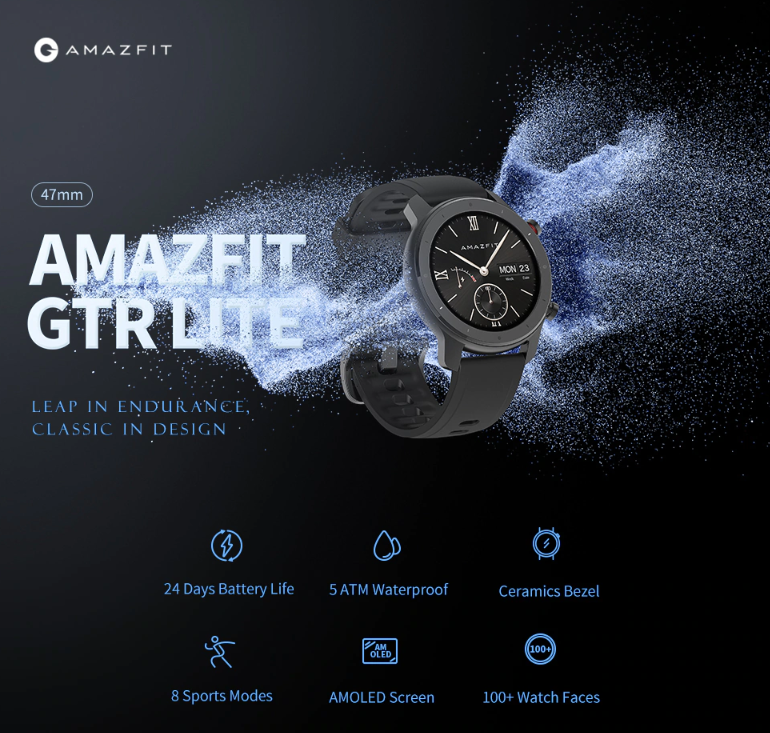
Huami has also announced a Lite version of the 47mm GTR that is sold for €99 on Gearbest. It has 8 sport modes instead of 12, does not have GPS, and comes with a silicone strap rather than a leather one.
According to a new report, Gree has officially patented a new design for a foldable smartphone. The patent was applied for earlier this year back in April and has finally been successfully granted.
Gree electronics is better widely known for its consumer grade electronics which includes home appliances like refrigerators, air conditioners and more. Alongside this, the company also provides services and equipment within the same field for commercial entities as well (the best example being the central air conditioning in commercial buildings).
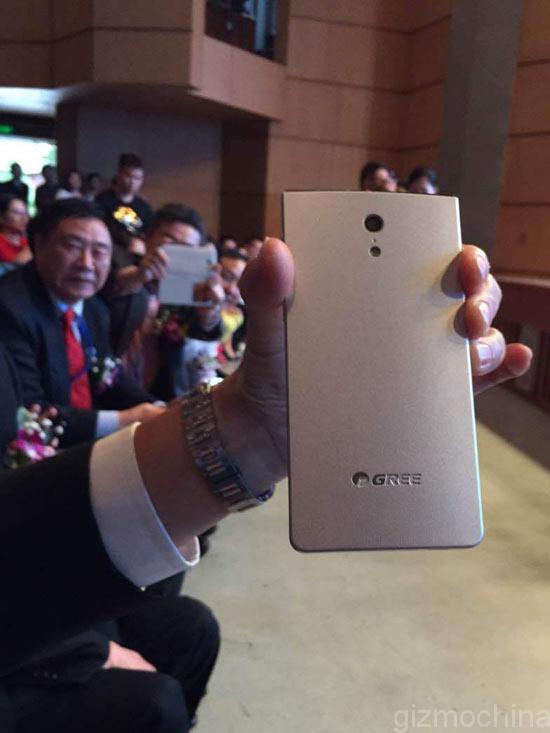
Notably, the company has also had some experience with smartphones in the past, with its Gree smartphones series. However, the smartphones from the company were definitely not well received with a few critics the devices as a failure in entering the smartphone market. The company has since not released any device with the latest being Gree smartphone 2 seen back in 2017.
Thus, it is interesting considering the company is willing to bounce back into the market especially with the foldable smartphone category; which is one of the latest and popular trends that many OEMs wish to capture, similar to Samsung and Huawei. Furthermore, Gree also applied patents for facial recognition and scanning methods alongside a new graphical user interface among other things.
Gree Smartphone 2
So, it seems that the company is taking the launch of a foldable smartphone very seriously. Unfortunately, exact details and specifications regarding the upcoming smartphone with a bendable display are still unknown. We will have to wait for an official announcement which should arrive sometime in 2020, so stay tuned.
A few days ago, Oppo launched its Oppo Reno3 and Reno3 Pro smartphones in its home market China. Before the company starts selling the devices from 31st December, it had opened reservations for the same.
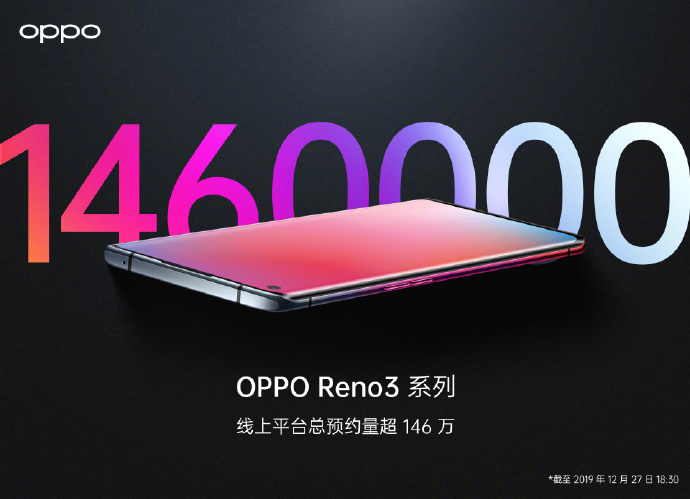
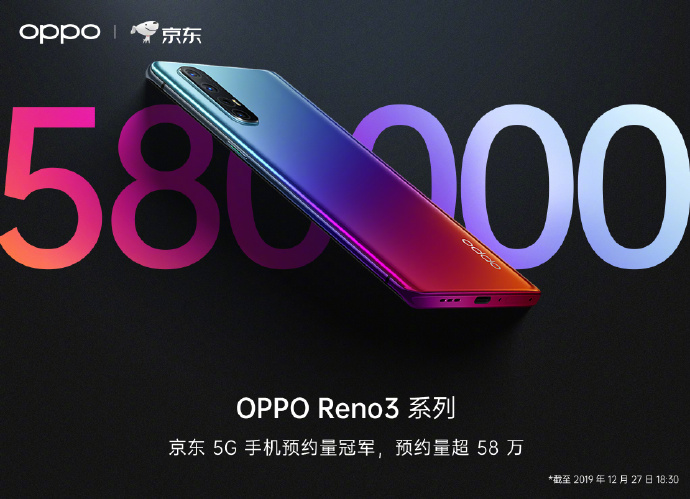
Now, the company has revealed that the reservations for the Oppo Reno3 series smartphones have exceeded the 1.46 million mark. Out of those 1.5 million registrations, about 580,000 came through JD.com and it has also been said that the lineup became the booking champion on TMall for 2019.
Since the announcement was made a couple of days ago, the numbers may have exceeded the 1.5 million mark by now. However, do note that these are just the registration numbers and not the actual sales. It remains to be seen how the device actually performs in the market in terms of sales.
As for the pricing, the Oppo Reno3 5G smartphone starts at 3,399 yuan (approximately $486) for the 8GB RAM and 128GB ROM variant and goes up to 3,699 yuan (approx. $528) for the 12GB RAM and 128GB variant.
On the other hand, the Reno3 Pro 5G starts at 3,999 yuan (approx. $571) for the 8GB +128GB variant and goes up to 4,499 yuan (approximately $643) for the 12GB + 256GB variant. The 8GB RAM model goes on sale on December 31 while the 12GB model goes on sale on January 10.
Along with these models, the company has also unveiled a special Oppo Reno3 Pro 5G Classic Blue Edition (Pantone’s color of the year 2020) which is priced at 4,199 yuan (~$600) and comes with 8GB + 128GB configuration and will go on sale on 10th January.
To check out the detailed specifications and features of these two smartphone, head over to this article.
If you like OLED TVs but haven’t loved the low peak brightness of the panels, you’ll definitely want to tune in to CES 2020 – especially to what TCL is doing this year. The Shenzhen-based TV manufacturer announced that it’s bringing its latest crop of Mini-LED TVs to the show and they could pose a real threat to LG’s OLED dominance.
Mini-LED TVs, for those who missed their debut a few years ago, use smaller LEDs that allow for more precise control over the TV’s backlight. While they don’t offer pixel-by-pixel brightness control the same way OLED does, Mini-LED TVs can get much brighter than OLED.
TCL is coming to this major tech expo to show off something new to add to the experience. They claims that Mini-LED technology will be paired with their proprietary Quantum Contrast, delivering “a new standard for TV picture quality”. The screens based on this spec combo will each have tens of thousands of the next-gen LEDs to maintain this.
“TCL is thrilled to be at tech’s biggest show and stand on tech’s grandest stage to share our latest Mini-LED developments alongside our vision for the industry in the AI and IoT age,” said Kevin Wang, CEO of TCL Industrial Holdings and TCL Electronics.
“TCL is committed to offering a wider range of products to satisfy the needs of consumers and provide them with better, more personalized experiences. Like all of our products, I hope this new line of TVs improves their lives by bringing joy into homes worldwide.”
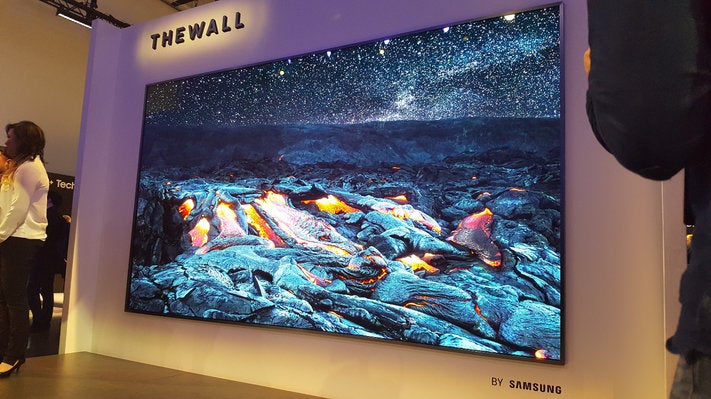
According to a new report, Samsung Electronics is set to unveil its premium grade bezel-less TV in CES 2020 (Consumer Electronics Show). Apparently, the TV will also be the first design of its kind.
Reportedly, multiple senior executives like Kim Hyun-seok and others from the South Korean tech giant, gave the upcoming top notch entertainment product a thumbs up. This implies that Samsung has plans to start mass production of the TV from February.
One of the notable aspects regarding the TV which sets it apart is its bezel-less display. In other words, the borders of the TV’s body are now more seamless with its display panel.
Samsung will be making this a basic feature for its TV series lineup sized 65 inches and larger. The company has achieved this by closely welding together the display panel and the main body of the TV; using equipment from the Shinsegye Engineering for the process. Additionally, Samsung also collaborated with another local supplier named Taewha Precision to supply the parts for the equipment.
According to one developer that worked on the upcoming product, the TV unlike “other bezel-less” TVs that still have bezels, actually offers “zero-bezels.” The developer stated that Samsung is the only company to have such an “extreme design” ready for production.
Samsung’s The Wall TV that utilizes microLED technology
Additionally, the source also mentioned that the company’s image display division has voiced concerns regarding the TV’s structural integrity; pointing out to the possible separation between the panel and main body of the TV. Unfortunately, finer details and exact specifications regarding the upcoming bezel-less TV are still at large and we will have to wait till CES 2020 for any official confirmations.
Chinese smartphone manufacturer OPPO silently introduced an upgraded variant of the OPPO A5 2020 smartphone with 6 GB of RAM in India in September along with the with OPPO A9 2020 phone. The OPPO A5 2020 launched in India back in September 2019 with 3GB and 4GB of RAM and was sold exclusively at offline retail stores. The new variant sports additional RAM and storage, while the other specifications remain unaltered.
The latest variant sports 6GB of RAM and 128GB of built-in-storage, while the older variants came in 3GB + 32GB, and 4GB + 64GB variants. OPPO is currently selling the 6GB variant for Rs. 14,990 (~$210), while the 3GB and 4GB variants are priced at Rs. 12,490 (~$175) and Rs. 13,990 (~$196) respectively.
The OPPO A5 2020 flaunts a 6.5-inch display with an HD+ resolution of 1600 x 720 pixels and an aspect ratio of 19:9. The device delivers a screen-to-body ratio of 89 percent. It features a waterdrop notch housing the front camera. The smartphone draws power from an octa-core Snapdragon 665 SoC that includes Adreno 610 GPU, and is available in three RAM and storage variants listed above. The storage of the device is further expandable through a microSD card.
The quad-camera setup on the OPPO A5 2020 consists of a 12-megapixel primary sensor coupled with an 8-megapixel ultrawide lens with a 119-degree field of view, and two 2-megapixel cameras for depth sensing and macro photography. The smartphone flaunts an 8-megapixel selfie camera with an aperture ratio of f/2.0.
The OPPO A5 2020 draws power from a 5,000 mAh battery and runs on Android 9.0 Pie-based ColorOS 6.1. The A5 features a rear-mounted fingerprint scanner, and sports dual Dolby Atmos speakers for an immersive audio experience. Connectivity options include dual SIM 4G VoLTE, Bluetooth 5.0, Wi-Fi 802.11 ac, USB-C, GPS and 3.5mm audio jack. The device measures 163.6 x 75.6 x 9.1 mm and weighs 195 grams.
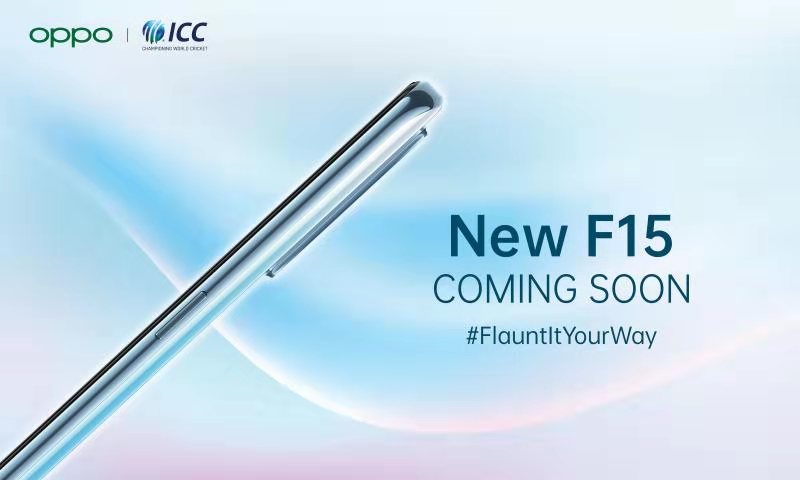
Oppo is all set to launch its next-generation Oppo F-series smartphone in the Indian market, which is dubbed as Oppo F15. The upcoming device will be the successor to the Oppo F11 smartphone in India.
The company has shared a teaser video which reveals some of the phone’s features. While the launch date is not yet confirmed by the company, it is said that the smartphone will go official in India in January 2020.
The teaser video shows that the device will come with a waterdrop-notch display and there will be a quad-camera setup on the back side. Nothing much is known about this smartphone at this point in time.
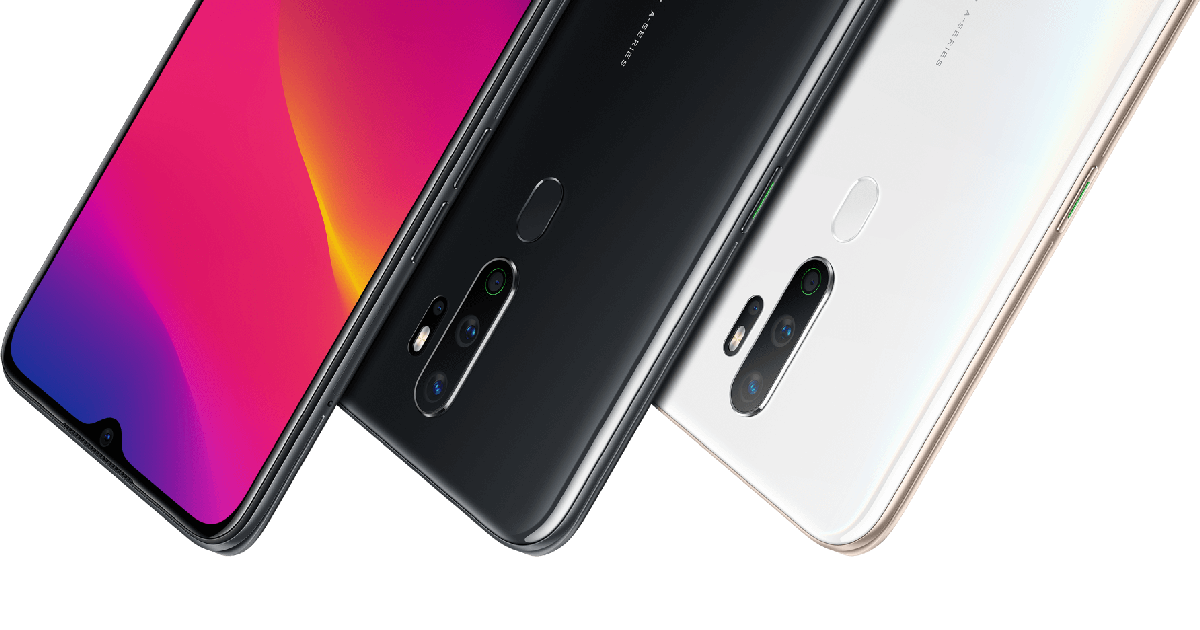
However, looking at the phone’s design, it seems quite similar to the Oppo A91 smartphone that was recently launched in China. There’s a possibility that the upcoming Oppo F15 in India could be a rebranded model of the Oppo A91.
The Oppo A91, launched in China last week, comes with a 6.4-inch AMOLED display that offers Full HD+ screen resolution of 1080 x 2400 pixels, 90.7 percent screen-to-body ratio, and 20:9 aspect ratio. The display offers features like eye protection mode, DC dimming 2.0 and packs third generation in-screen fingerprint sensor.
Under the hood, the device is powered by MediaTek Helio P70 chipset along with 8GB of RAM and 128GB of internal storage. The quad-camera setup consists of a 48MP main lens, a 119-degree ultrawide lens of 8MP, a 2MP macro lens and another 2MP sensor.
On the front side, it features a 16MP snapper for taking selfies and video calling. The smartphone, which runs Android 9 Pie operating system out-of-the-box with the company’s own ColorOS 6.1 on top, is powered by a 4,025mAh battery with VOOC 4.0 fast charging.
We use cookies on our website to give you the most relevant experience by remembering your preferences and repeat visits. By clicking “Accept”, you consent to the use of ALL the cookies.
This website uses cookies to improve your experience while you navigate through the website. Out of these, the cookies that are categorized as necessary are stored on your browser as they are essential for the working of basic functionalities of the website. We also use third-party cookies that help us analyze and understand how you use this website. These cookies will be stored in your browser only with your consent. You also have the option to opt-out of these cookies. But opting out of some of these cookies may affect your browsing experience.
Necessary cookies are absolutely essential for the website to function properly. This category only includes cookies that ensures basic functionalities and security features of the website. These cookies do not store any personal information.
Any cookies that may not be particularly necessary for the website to function and is used specifically to collect user personal data via analytics, ads, other embedded contents are termed as non-necessary cookies. It is mandatory to procure user consent prior to running these cookies on your website.




 The attached poster shows the watch will be able to track your activity for new sports and activities including pilate training, basketball, volleyball, badminton, skateboarding, yoga, triathlon, sparring, judo, karate, archery, skipping, ballet, ballroom dancing, etc.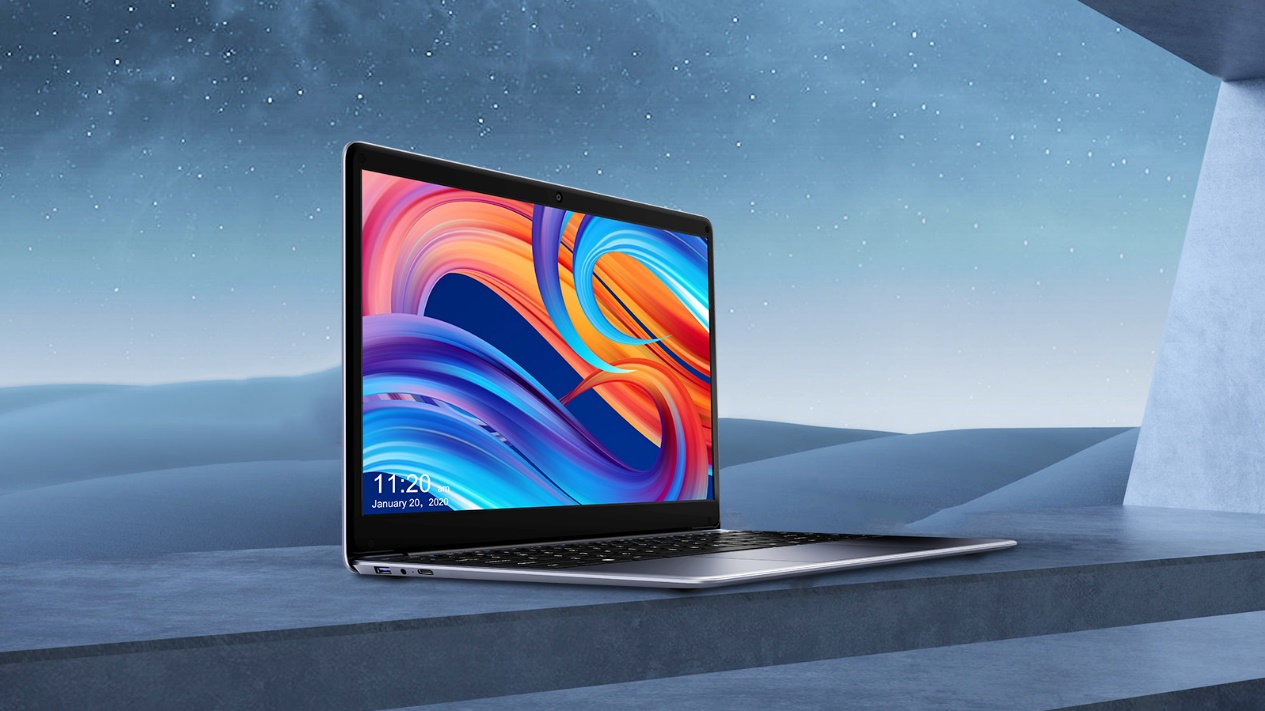








UP NEXT: ZTE Axon 10 Pro receives Android 10 based MiFavor 10 update