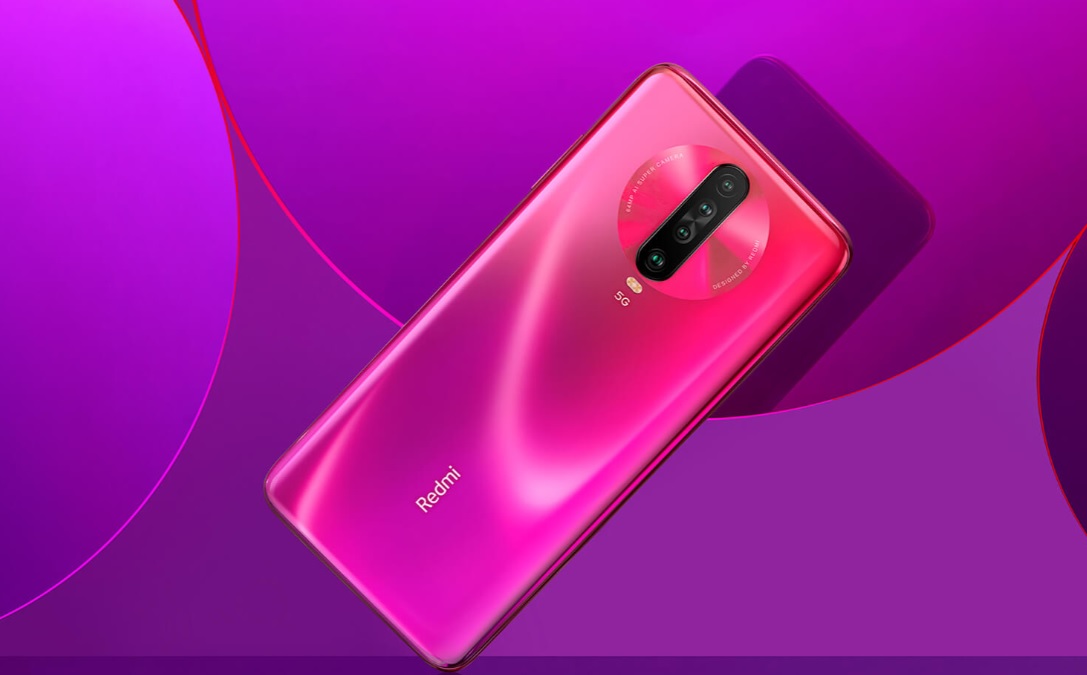
Xiaomi loves being the first to launch a new product or feature. For example, Xiaomi was the first in the market to launch a 108MP smartphone and even the first one to launch a super fast 30W wireless charger. Now, the company aims to be the first brand to launch the Snapdragon 865 powered smartphone.
Xiaomi Mi 10 is said to launch via an online event
In a reply to one of his followers on Weibo, Lin Bin, Xiaomi’s co-founder and President, revealed that Xiaomi will be the first company to release a Snapdragon 865 powered flagship.
Lin Bin confirms Xiaomi will be the first to grab the SD865
This is an interesting statement given how the company is running out of time to achieve this goal. The Galaxy S20 series with Snapdragon 865 is confirmed to launch on February 11 in the U.S, which leaves Xiaomi only a handful of days to announce their own SD865-powered Mi 10 flagship. However, so far, we haven’t heard anything from the company regarding a launch event.
So how will Xiaomi be the World’s First Company to launch a Snapdragon 865 Phone?
Technically, it can beat Samsung to Snapdragon 865’s release in two ways. It can either announce the Xiaomi Mi 10 flagship with this Qualcomm chipset before February 11 (it’ll be Feb 12 in China due to the time zone differences). Or it can put up the Mi 10 for sale before the S20 is available (likely from March 6). This way, Xiaomi Mi 10 can be the first Snapdragon 865 phone to market, even if it’s announced a few days after the S20 series.
Galaxy S20 could be the first phone with SD865 if the Mi 10 is late to the party
However, there are reports that Xiaomi plans to announce the new flagship via an online conference on February 11, just before the Samsung Unpacked event. Rumors state that the company will start releasing warm up teasers for the event from February 7.
Xiaomi’s Work continues despite coronavirus epidemic
Despite the difficult situation in China right now, the company executives are back to work this week. Xiaomi has taken significant precautions for people working in the office right now. Everyone coming to the office have to register and subject themselves to body temperature checks. It looks like wearing masks is also compulsory in the office premises.
Redmi K30 4G has landed in India. It has arrived with the POCO X2 moniker. It is not the successor for the highly popular POCO F1 smartphone from 2018. The POCO F2 will be arriving sometime later in this year.
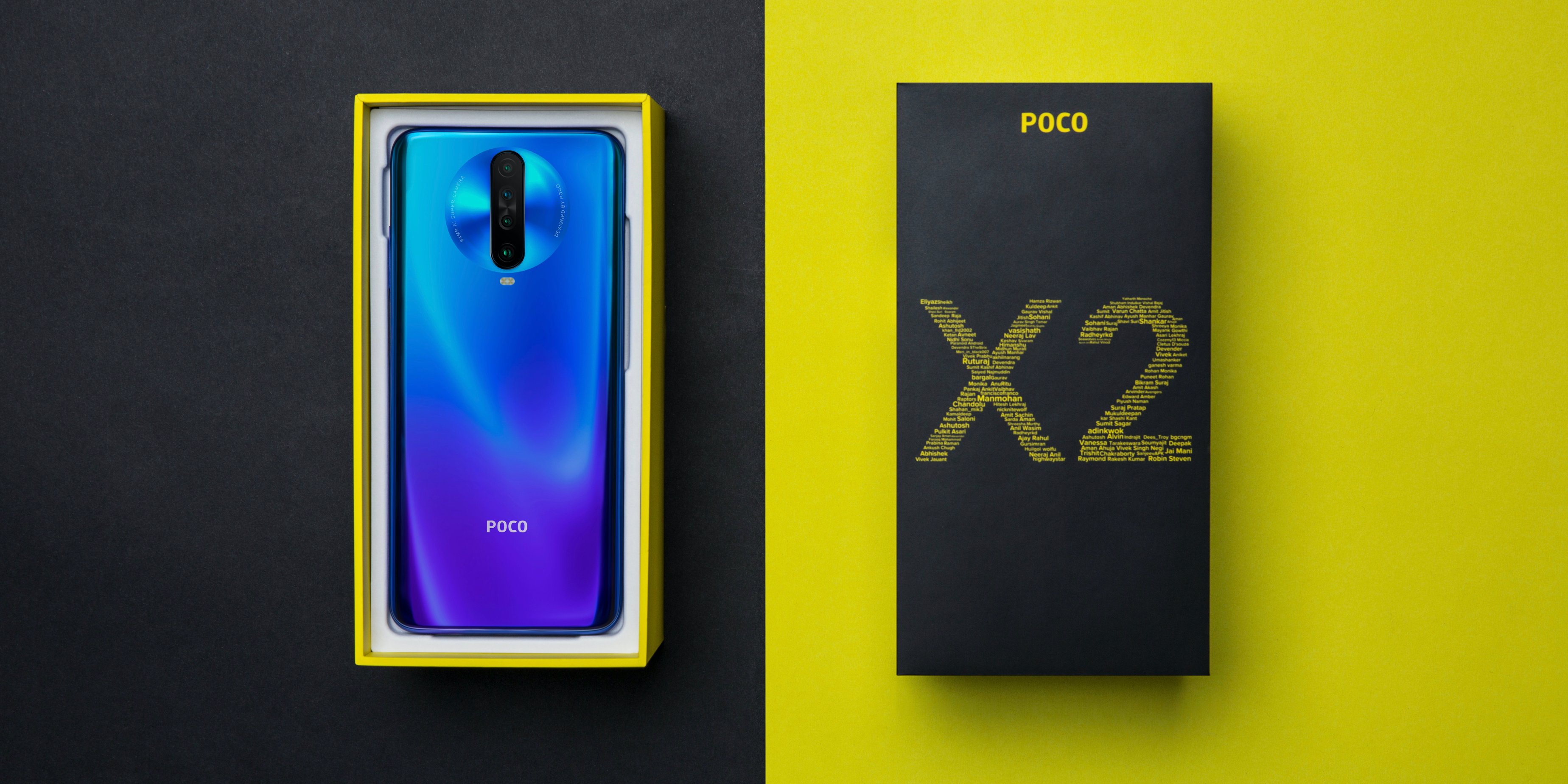
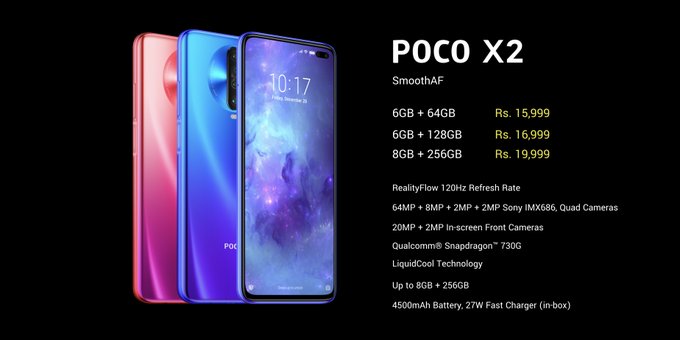
POCO has started the year 2020 with the mid-range POCO X2 smartphone. The handset has been introduced in India in three variants and it comes with a starting price of Rs. 15,999 (~$225). The POCO X2 is the first phone in India to sport the Sony IMX686 64-megapixel camera. It has an impressive large-sized display that offers a tall aspect ratio of 120Hz.
Poco X2 Special Edition
POCO X2 specifications and features
The POCO X2 measures 165.3 x 76.6 x 8.8mm and it weighs 208 grams. The front and rear sides of the phone are flanked Gorilla Glass 5 and it is equipped with an aluminum frame. It is a splash-proof device with P2i coating. The POCO X2 is fitted with a 6.67-inch IPS LCD display that offers a full HD+ resolution of 1080 x 2400 pixels. The HDR10 compliant screen supports a refresh rate of 120Hz which offers an enriched and super smooth experience. The display has a pill-shaped at the top-right corner. It houses two front-facing cameras.
1 of 3
The 8nm Snapdragon 730G is at the helm of the POCO X2 with up to 8 GB of RAM. The MIUI 11 based Android 10 comes preloaded on the device. For gamers, the phone is equipped with GPU Turbo for an enhanced gaming experience. The phone is able to regulate its internal temperature while intensive gaming as it is equipped with liquid cooling technology. The POCO X2 receives power from a 4,500mAh battery and it comes with support for 17W fast charging. It can be fully charged in 68 minutes, just like the K30 4G.
Redmi K30 4G has been rebranded as POCO X2 in India
The POCO X2 comes with UFS 2.1 storage of up to 256 GB. A shared SIM slot is available onboard for more storage. The dual selfie camera system on the POCO X2 has a primary shooter of 20-megapixel. It is coupled with a 2-megapixel. There is a circular pattern on the rear shell of the POCO X2 which houses a dual-LED flash assisted quad-camera system. It is equipped with a Sony IMX686 64-megapixel main lens, an 8-megapixel ultrawide lens with a field-of-view of 120 degrees, a 2-megapixel dedicated lens for macro shots and a 2-megapixel depth assist sensor. The POCO X2 offers plenty of camera features such as raw camera capture, 4K video shooting at 30fps, HD video shooting at 960fps, video blogging mode, ultrawide video recording. The front cameras support AI portrait mode, screen flash and full HD video recording at 30fps.
The POCO X2 comes with other features like dual SIM support, Wi-Fi 802.11ac, VoWiFi, Bluetooth 5.0, IR blaster, GPS, USB-C and 3.5mm audio jack. The phone is also equipped with Hi-Res Audio and 1217 super line speaker with Smart PA loudspeaker. Lastly, there is a side-mounted fingerprint sensor on the device.
POCO X2 price and availability
Here is the pricing of the different variants of the POCO X2:
6 GB RAM + 64 GB storage – Rs. 15,999 (~$225)
6 GB RAM + 128 GB storage – Rs. 16,999 (~$239)
8 GB RAM + 256 GB storage – Rs. 19,999 (~$281)
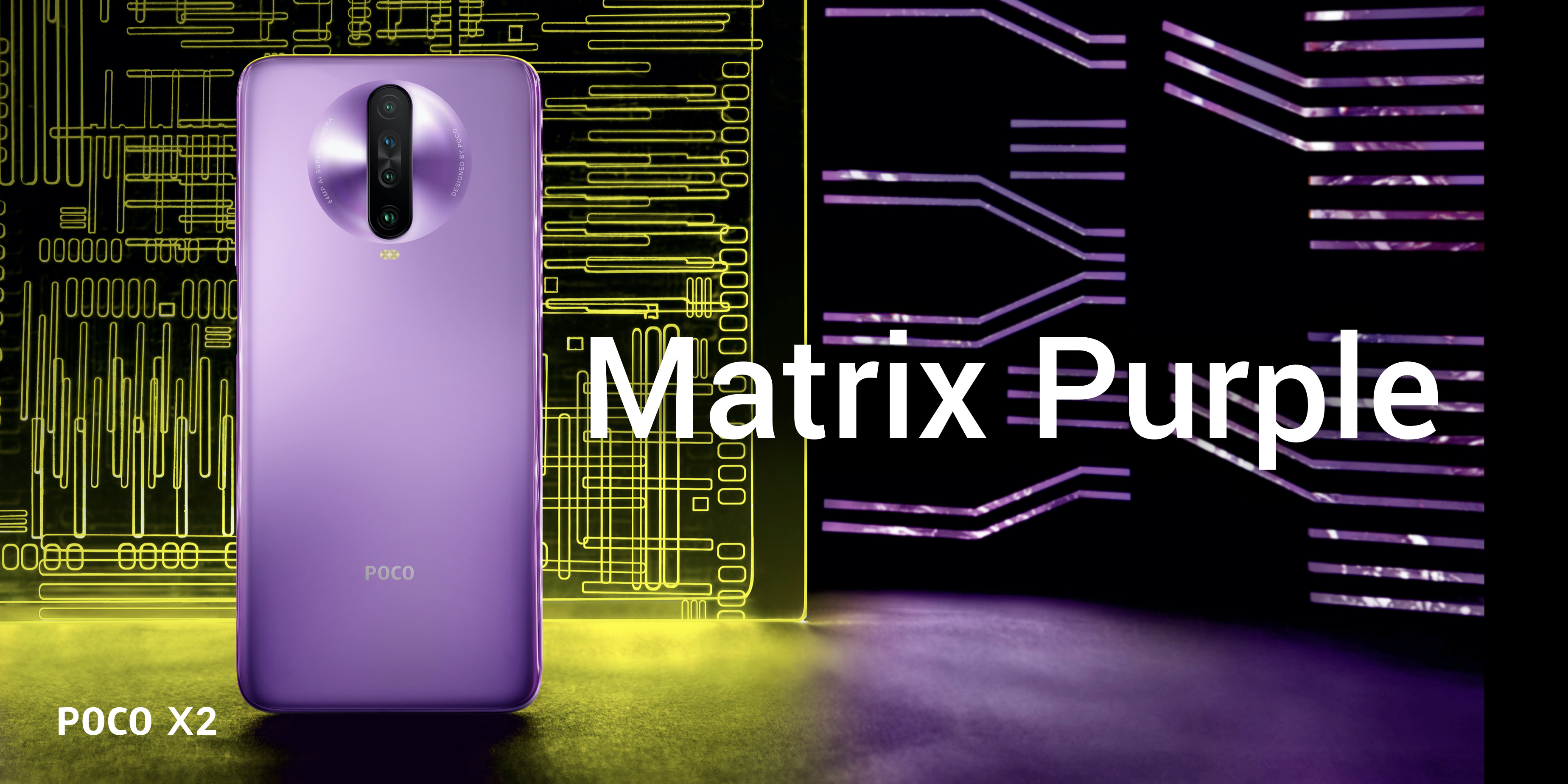
Color variants: Atlantis Blue, Matrix Purple, and Phoenix Red
The POCO X2 will be exclusively available for purchase through Flipkart starting from Feb. 11. Buyers with ICICI debit and credit cards with Rs. 1,000 cashback.
Throughout the launch event of the POCO X2, the company claimed that its device is better than the Realme X2 in many aspects.
What’s your opinion? Share your thoughts by posting your comments below.
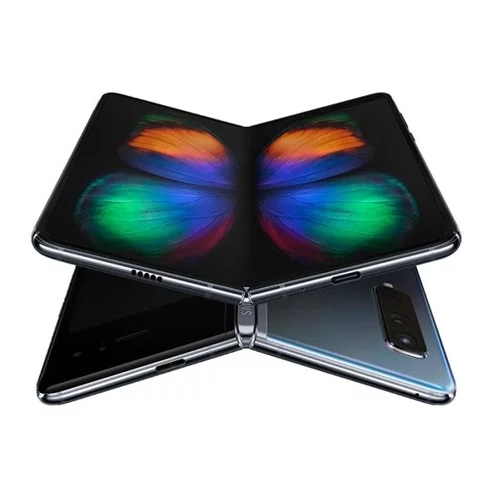
Samsung had an early start for the year 2020. The Galaxy Note 10 and Galaxy S10 Lite phones were introduced right at the beginning of the year. The Galaxy S20 series and the clamshell Galaxy Z Flip foldable phone are slated to go official in the coming week. The South Korean company will be bringing the Galaxy A51 and Galaxy A71 to wider markets and it will be also releasing couple of A-series and M-series smartphones in the country. Recent reports have revealed that the South Korean company is also working on a second edition of the Galaxy Fold. Dutch based GalaxyClub.nl publication has shared some initial information on the Galaxy Fold 2.
Samsung is yet to confirm the name of the successor for its foldable display phone – the Galaxy Fold that was announced in 2019. The rumor mill is currently referring to as the Galaxy Fold 2. The aforementioned publication has revealed that the Galaxy Fold 2 is codenamed as Winner 2 or Win2. The original Galaxy Fold was codenamed as Winner.
With the similar codename as predecessor model, there is a possibility that the Galaxy Fold 2 may arrive with a design that is similar to the original Galaxy Fold. Hence, there may not be any major changes in terms of design. Rather, the Galaxy Fold 2 may for an enhanced experience than the predecessor model. It is yet to be confirmed whether the device will be accompanied with a stylus. It could be packed with more powerful specs than the original model.
There is a 5G variant of the device that is dubbed as Win2 5G. Hence, it appears that the Galaxy Fold 2 could be arriving in 4G LTE and 5G flavors. The model numbers of the Win2 and Win2 5G are yet to be known. The report further states that the Galaxy Fold 2 may arrive later this year. It is unclear whether the Galaxy Fold 2 debut alongside the Galaxy Note 20 arriving in the second half of the year.
A recent report had revealed that the Galaxy Fold 2 could be coming with an 8-inch foldable display with Ultra-Thin Glass (UTG) and it could be drawing power from the Snapdragon 865 mobile platform. It could be sporting a primary shooter of 108-megapixel. The report had also claimed that it could be coming with an S-Pen stylus. Rumors also suggest that the company is also working on a Z series foldable phone with tri-folding design. Nothing is known on the specs of this mysterious foldable smartphone.
Last month, OPPO India had launched the OPPO F15 smartphone in India. It had arrived as a rebranded version of the OPPO A91 that went official in China in December 2019. A fresh report on 91mobiles state that OPPO is working another phone called OPPO F15s for India. The handset is expected to rival with Redmi Note 8 and Realme 5 in March this year.
Citing information that appeared through industry sources, the publication claims that the OPPO F15s that will go official next month will be a lower version of the OPPO F15. However, there is no information available on its specifications yet.
Oppo F15
The OPPO F15 is priced at Rs. 19,990 in India. There is a possibility that the OPPO F15s could be priced around Rs. 10,000 in the country since it is expected to compete with likes of Redmi Note 8 and Realme 5. Hopefully, more information on the device may surface in the coming weeks.
In December, OPPO had launched the inferior OPPO A8 smartphone alongside the OPPO A91 phone in China. The A91 was rebadged as F15 in India, but the OPPO A8 hasn’t launched in the country. It remains to be seen whether the OPPO A8 which carried weaker specs than the OPPO A91 could be landing in India as OPPO F15s or some other moniker.
The OPPO A8 smartphone features a 6.5-inch IPS LCD display with waterdrop notch. It offers 720 x 1600 pixels HD+ resolution and 20:9 aspect ratio. The modest Helio P35 chipset is present under the hood of the OPPO A8 along with 4 GB of RAM. The device offers users with an internal storage of 128 GB. A dedicated slot for microSD is available on the device.
Oppo A8
The Android 9 Pie OS that is flavored with ColorOS 6.1 runs on the OPPO A8. The smartphone is backed by a 4,230mAh battery. There is no support for fast charging on the device.
At the front, the OPPO A8 features an 8-megapixel selfie camera. The back panel of the phone has a triple camera system along with an LED flash. It consists a 12-megapixel primary shooter, a 2-megapixel macro lens and a 2-megapixel depth sensor. The back panel of the smartphone is fitted with a rear-facing fingerprint scanner. In China, the OPPO A8 carries a price tag of 1,199 Yuan (~$171). The OPPO A91 was made official with a price tag of 1,999 Yuan (~$285).
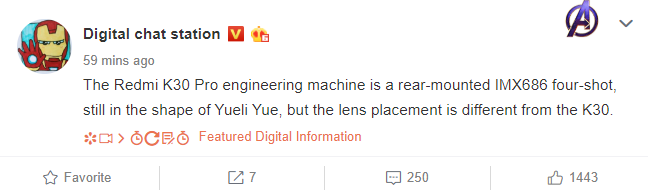
Xiaomi is most likely to announce the Xiaomi Mi 10 and Mi 10 Pro flagship phones in this month. It is speculated that the Mi 10 series may go official in the coming week. Redmi too is reportedly working on the Redmi K30 Pro flagship phone. Like the Mi 10 series, the K30 Pro will also draw power from the Snapdragon 865 mobile platform. However, the K30 Pro may not be a premium flagship device like the Mi 10 series. Yesterday, a report on XDA Developers had revealed that the Redmi K30 Pro may not be arriving with 108-megapixel camera and it could be coming with Sony IMX686 64-megapixel main shooter. Today, a tipster from China has also claimed that the Redmi K30 Pro will be sporting a quad camera setup on its back with a 64-megapixel Sony IMX686 as primary lens.
The tipster did not share any information on the configurations of the four lenses that will be sitting on the backside of the Redmi K30 Pro. The Redmi K30 that was announced in December had a circular pattern in which it featured a vertical quad camera setup. The tipster has revealed that the camera arrangement on the Pro model will be different from Redmi K30. There is a possibility that the Redmi K30 Pro may flaunt a round-shaped camera module.
There are not many details available on the Redmi K30 Pro. It is speculated that the device is codenamed as “lmi.” This codename was seen in the Redmi K30 Pro Geekbench listing that had surfaced in the last month. It had revealed that SD865 driven smartphone recorded a score of 903 in the single-core test of Geekbench. In its multi-core test, it scored 3,362 points.
The Geekbench listing further revealed that the Redmi K30 Pro is equipped with 8 GB of RAM and it is loaded with Android 10 OS. The operating system on the K30 Pro could be overlaid with the latest MIUI 11 skin. The rest of the details of the phone are currently under the wraps.
Xiaomi is expected to announce the Xiaomi Mi 10 series in China in the coming week. The Mi 10 and Mi 10 Pro phones could be priced between 3,500 Yuan (~$499) and 5,000 Yuan (~$713) whereas the Redmi K30 Pro could be costing under 3,500 Yuan. If the Redmi K30 Pro releases early in China, it may disturb the sales of the Mi 10 series. Hence, there is a possibility that the company may want to make it official by March end and make it available for purchase in April. It is advisable to wait for further reports to known on the arrival of the Redmi K30 Pro.
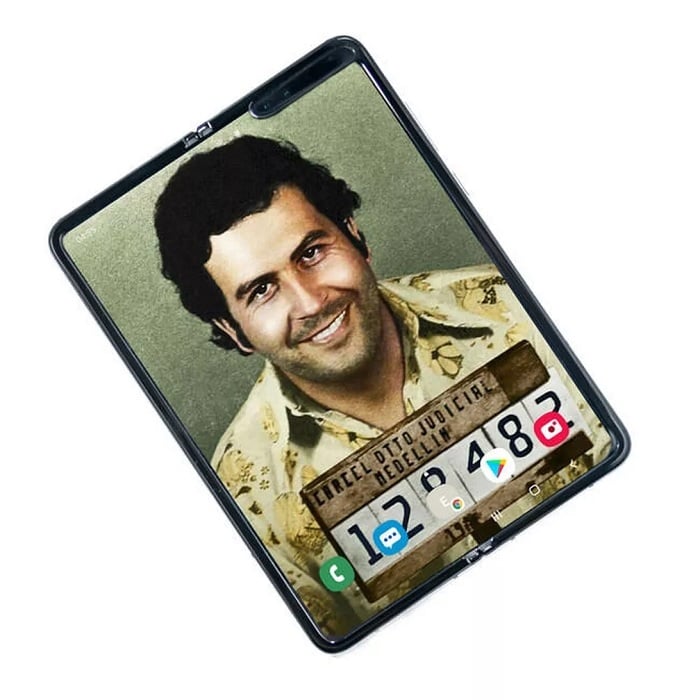
Last year, in December, almost 26 years after the death of the notorious drug lord, a smartphone dubbed Pablo Escobar Fold 1 was launched. The smartphone, claimed to have a durable design, launched as the cheapest foldable phone having starting price of $349.
Now, the company inspired by Pablo Escobar has released a new foldable smartphone that looks very similar to the Samsung Galaxy Fold — Escobar Fold 2. However, instead of $2,000 price tag of Galaxy Fold, the device is priced at just $399.
The smartphone comes with a 4.6-inch outer display that opens to become a 7.3-inch tablet screen. Similar to the Samsung‘s first foldable phone, this one too has the same type of cutout in the right corner for housing camera sensors.
Escobar Fold 2 has a triple-camera setup on the back panel that consists of a 12-megapixel wide-angle lens, a 12-megapixel telephoto lens and a 16-megapixel ultra-wide lens. On the front side, it features a dual-camera setup with an 8-megapixel sensor and a 10-megapixel camera on the unfolded tablet display.
Under the hood, the device is powered by the Qualcomm Snapdragon 855 octa-core processor and packs 4,380mAh battery. The device is also running the latest Android 10 operating system out-of-the-box.
It comes with a side-mounted fingerprint sensor and has a USB Type-C port for charging. The smartphone is now available to order and the company says that it will keep the initial production run to 200,000 units.
As for the pricing, the Escobar Fold 2 smartphone starts at $399 for the base model with 8GB RAM and 128GB storage. The higher variant with 12GB RAM and 512GB internal storage is priced at $549. It is expected to start shipping from next month.
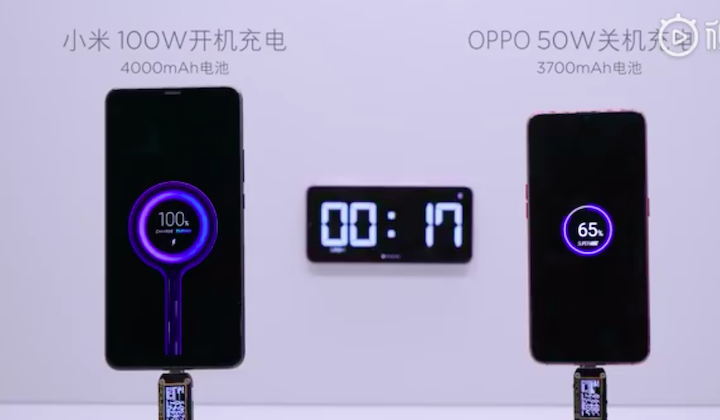
Last year, Xiaomi had revealed that it is working on 100W fast charging technology and had also released a video showcasing the same. The company’s executive Lu Weibing had claimed that it can fully charge 4,000mAh battery in just 17 minutes.
He had also revealed that Redmi will be the first brand to mass-produce this next-generation fast charging technology. After that, we didn’t anything from the company about this 100W fast charging tech, until now.
Today, Lu Weibing revealed some more details about the 100W Super Charge Turbo technology and talks about the five difficult technical aspects. They are as follow:
Battery Capacity Loss: He said that with faster charging speed, the battery capacity loss is also greater. It is estimated that with 100W fast charging, the battery capacity loss is about 20 percent compared to a 30W PD fast charge. Thus, the 5,000mAh battery becomes 4,000mAh battery practically.
Technology Architecture: He has not revealed much about this aspect but has said that it requires ultra-high voltage charging scheme.
Performance: While working on this technology, the company planned about how to make 100W charging not only technically accessible, but also ensure long and sustainable charging time.
Security: It will be offering multiple security features in the device with support for 100W charging, such as motherboard, battery, overcharging, voltage, etc.
Multiple Charging Scenarios: The company has also considered capability with regards to multiple charging scenarios such as wired charging and wireless charging.
Apart from these, Lu Weibing has revealed that the company has reached the stage where it seems that the 100W fast charging technology could be mass produced in the near future. He said that it is in the early-stage of mass production but as not revealed much in terms of timeline.
In November last year, during the Xiaomi Developer Conference, it was confirmed that 100W Super Charge Turbo will be available in devices starting next year. At the moment, OPPO’s 65W SuperVOOC 2.0 fast charging is the fastest tech on a commercially available smartphone – OPPO Reno Ace.
If Xiaomi manages to achieve mass production of 100W Super Charge Turbo technology, it will be a huge leap in for the smartphone industry in terms of rapid charging technology. The company is yet to reveal how it was able to develop this technology.
American carmaker Jeep recently released a super bowl commercial aimed at promoting the Jeep Gladiator pickup truck. The video also revealed something spectacular, that is Jeep’s next electric vehicle. The vehicle which made a short cameo appearance is an extremely powerful Jeep e-bike. It is expected to hit the market packing one of the highest-torque electric bicycle motors on the market.
The YouTube ad was also shared by US-based electric bicycle distributor QuietKat. That is an indication that the company is likely working with Jeep on the new Jeep e-bike. QuietKat also uploaded more information about the e-bike onto its website.
The webpage contains just a few details of the e-Bike. The bike is touted to be the most capable off-road electric mountain bike around. The Jeep e-Bike features extra-wide 4.8-inch fat tires and will be capable of attaining a range of 40 miles (64 km) on a single charge. The Jeep e-bike is also said to feature a motor built by Chinese company Bafang and is known internally as the model M620 and externally as Bafang Ultra. The motor puts out at least 1,600 W of peak power with a standard 52V e-bike battery. And it pushes 160 Nm of torque which can push the bike up even steep mountains.
Further, the Jeep e-Bike is said to adopt a 4-piston Tektro Dorado hydraulic disc brakes as seen on the commercial. The battery is integrated between the RockShox rear suspension and inverted front suspension fork but the capacity is unknown.
The e-bike is scheduled to be showcased in June 2020 and you can sign up on the website to get updated when the launch draws near.
February is often considered as the most important month of the year for the mobile devices world. In February, Mobile World Congress kicks off and it brings a huge number of new smartphones to the public in just a few days. MWC 2020 will last from 24 to 27 February and a lot of companies will take part in the event, despite the Coronavirus outbreak. Even in other periods of the month, important brands will announce new exciting devices that will hit the shelves soon after. Below you can find the top upcoming smartphones in February 2020 in a selection based on rumors and official confirmations.
The best upcoming smartphones in February 2020
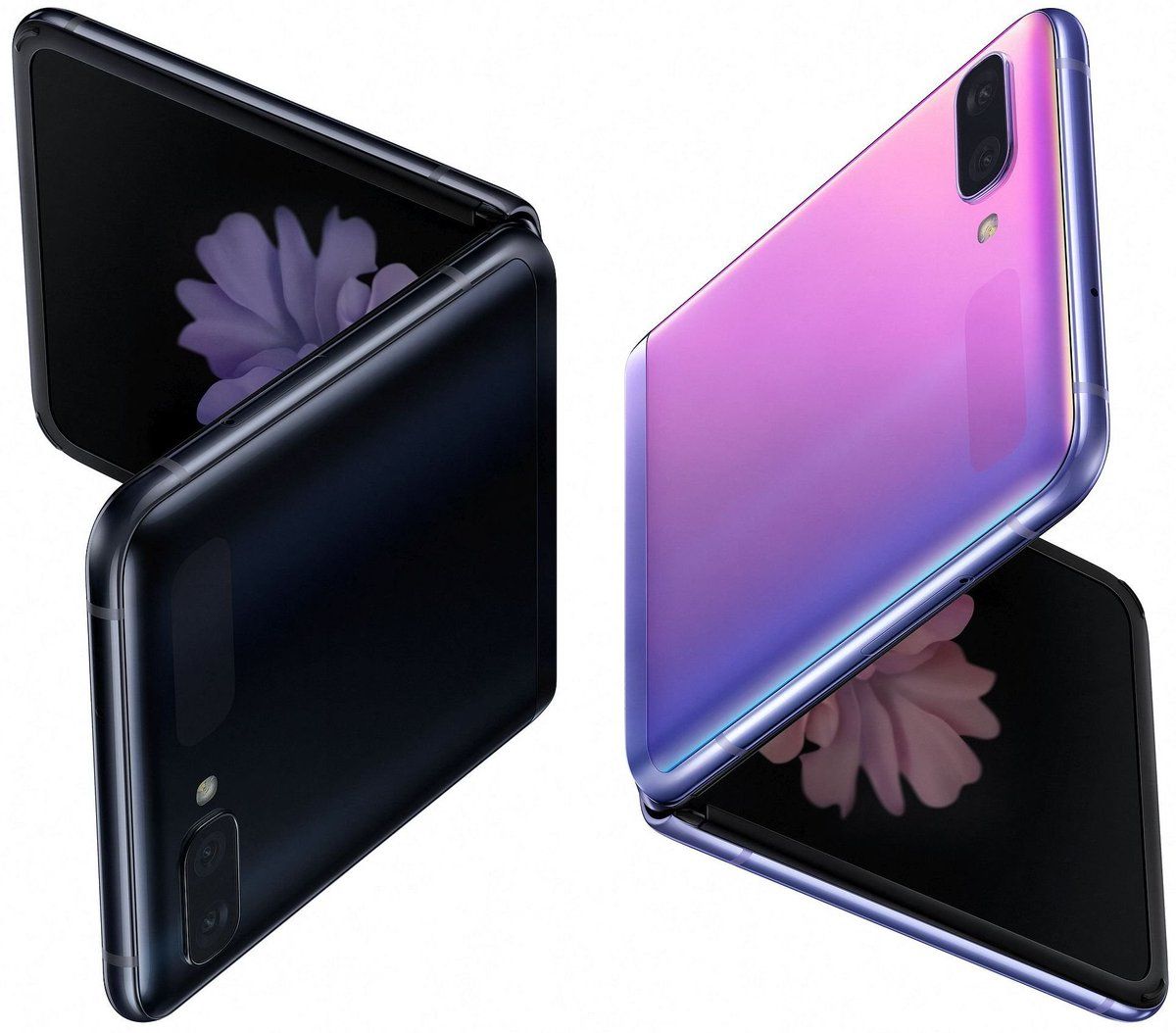
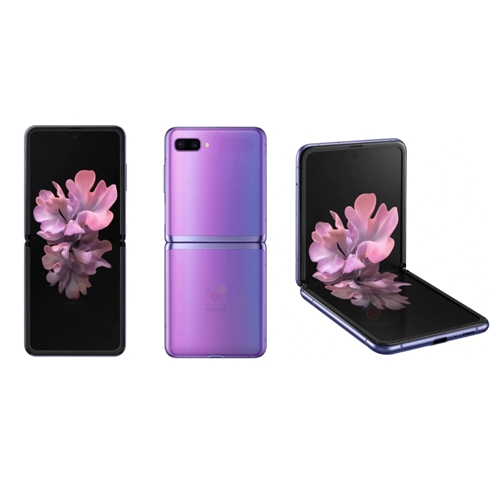
Galaxy Z Flip
Samsung Galaxy S20
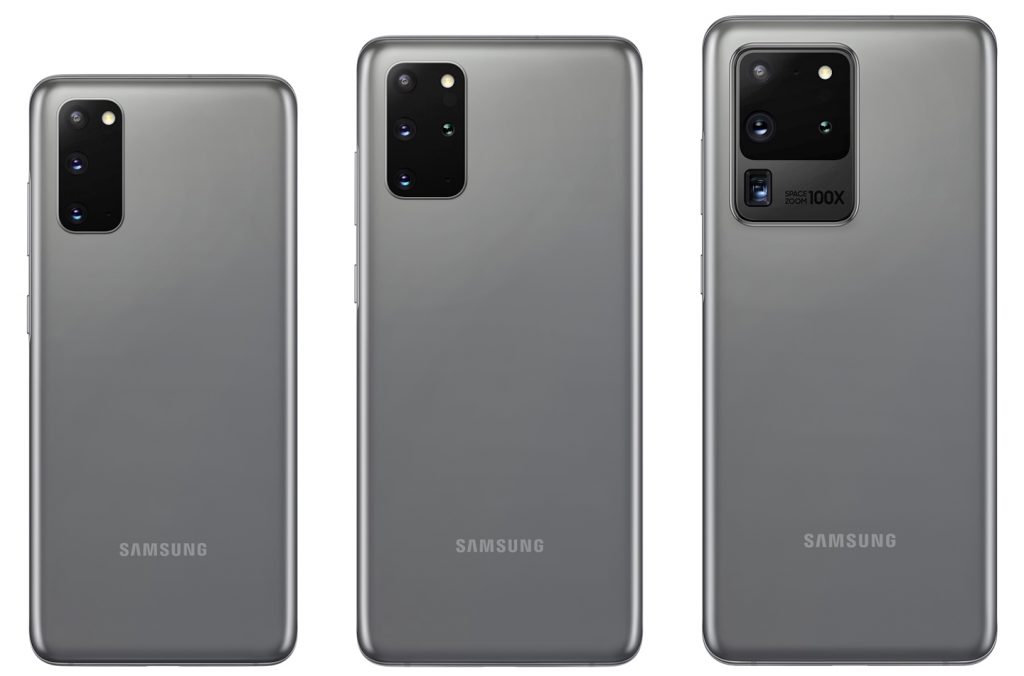
Most of the eyes are on the upcoming Unpacked event which Samsung will old on February 11. At the event, the Korean giant will unveil its new flagship smartphones from the Samsung Galaxy S20 lineup. The new series will be composed of three variants: Samsung Galaxy S20, Galaxy S20+, and Galaxy S20 Ultra. In each case, we are talking about flagship smartphones. They will have AMOLED displays up to 6.9 inches with a 120 Hz refresh rate. They will be powered by a Snapdragon 865 chipset (with the support to 5G connectivity) probably paired with up to 16 GB of RAM and up to 512 GB of internal storage. The Ultra variant will come with a Penta-camera including a 108 MP main sensor, a 48 MP telephoto lens with 10x optical zoom, a 12 MP ultrawide sensor and a TOF 3D camera. The batteries will have capacities up to 5000 mAh.
Alongside the Samsung Galaxy S20 lineup, Samsung will also unveil its second foldable phone: the Galaxy Z Flip. Its specs sheet is inferior to the Samsung Galaxy S20 series, but it will be a very innovative phone since it will be able to fold in half and become very compact. Further, its internal foldable display will be able to stay unfolding in various angles. The phone will also include a small external display (1 inch) which will show the most important info such as date and time. The Samsung Galaxy Z Flip will be fueled by the Snapdragon 855+ chipset and it will probably not support 5G. The foldable smartphone will also come with a 12 MP dual camera and a 3300 mAh battery.
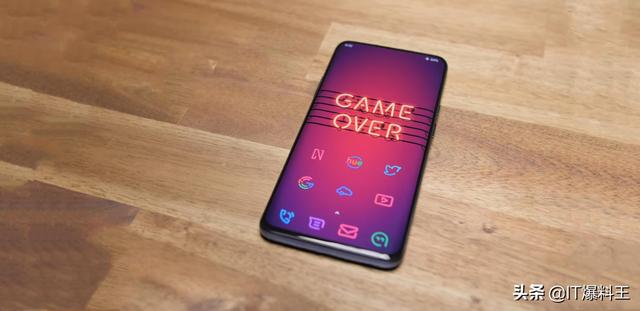
Due to the Coronavirus outbreak, Xiaomi will unveil the new Mi 10 series online instead of holding a physical event. There will be two variants: Xiaomi Mi 10 and Mi 10 Pro. The specifications will include a 120 Hz display and a Snapdragon 865 chipset paired with up to 16 GB of RAM: it seems that Xiaomi Mi 10 Pro will be the first device to feature such an amount of RAM alongside the Galaxy S20 Ultra. There will also be a quad camera including a 108 MP main sensor, a 16 MP camera, a 12 MP sensor and a fourth 5 MP lens. The Mi 10 Pro will also include a mammoth 5250 mAh battery with 66W fast wired charging.
POCO recently became an independent brand from Xiaomi and announced that it will launch a brand new device tomorrow: the successor of Pocophone F1. Its name will be Poco X2 and it will launch globally. But it is not a new device: it is just a rebranded version of the Redmi K30 (not even the 5G version). As you probably understood if you are smartphone-addicted, it will not be a flagship smartphone. Redmi K30 4G sports a 6.67-inch display with a Full HD+ resolution. It is fueled by the Snapdragon 730G chipset working together with 6 or 8 GB of RAM and 64 or 128 GB of internal storage. On the rear side, there is a 64 MP quad camera, while frontally you get a 20 + 2 MP dual camera including a depth sensor. The battery has a 4500 mAh capacity and supports 27W fast charging.
Vivo APEX 2020 is the new concept phone by Vivo and it is supposed to be unveiled at MWC 2020. Unfortunately, Vivo did not unveil any of its specifications but expect something very innovative since we are talking about a concept phone which may even not go commercial. Renders surfaced online recently showed a device with a full bezel-less display curved on all sides and one of the highest screen-to-body ratios ever seen.
Oppo Find X2 will be the main Oppo’s flagship of the first part of 2020 and it will be a smartphone without compromises. It is rumored to debut at MWC 2020 with an amazing display providing a Quad HD+ resolution and a 120 Hz refresh rate. It will be powered by the Snapdragon 865 SoC and it will support 5G. We expect the smartphone’s battery capacity to be more than 4,000 mAh, as well as 65W fast charging.
On February 4, Realme C3 will be official. It will not be a flagship: the device belongs to the entry-level series of Realme smartphones. Among the main specifications, there will be a MediaTek Helio G70 chipset and two memory options: 3/32 GB and 4/64 GB, with expandable storage. The display will have a 6.5-inch diagonal and an HD+ resolution, while on the back there will be a dual camera with a 12 MP main sensor and a 2 MP depth sensor. The battery will be one of the main highlights with its 5000 mAh capacity.
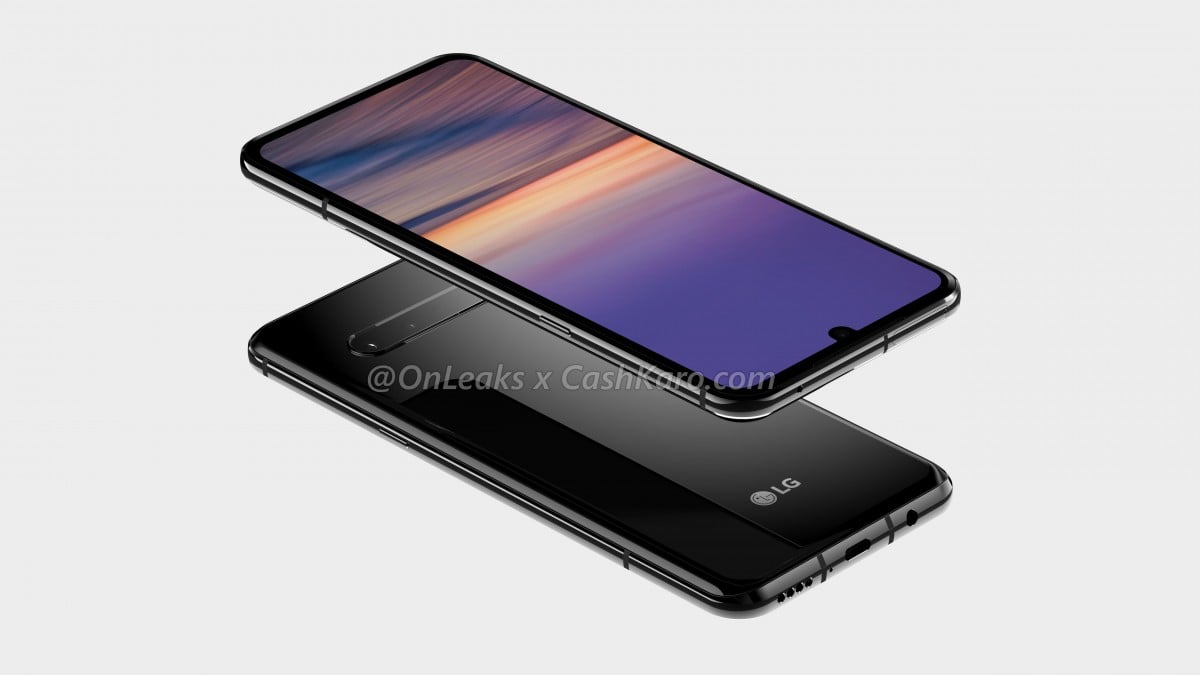
LG will attend MWC 2020 to unveil a new flagship: the LG V60 ThinQ. The device will support 5G connectivity and it will also come with a DualScreen accessory with an improved design. Unfortunately, there are not so many rumors about the LG V60 ThinQ, but we suppose to see a Snapdragon 865 chipset in its specs sheet. The company might also announce the LG G9 at MWC 2020, but there is not any confirmation about it.
Vivo’s sub-brand which targets gamers and power users will unveil two new iQOO smartphones this month. One of them will be called iQOO 3. According to the marketing director of iQOO India, these two smartphones will be unveiled in India in the second week of February. One of them will support 5G networks and it will be powered by the Snapdragon 865 chipset. We may also see a 55W fast charging technology called Vivo Super FlashCharge in the specs sheet. The 4G device might come with a Snapdragon 720G chipset.
Motorola will unveil at least four smartphones this month at MWC 2020. One of them will be a flagship and it will be called Motorola Edge+. Then there will be Motorola Moto G Stylus, the first company’s phone with a stylus, but do not expect an advanced pen like the one found on Samsung Galaxy Note devices. Moto G Stylus will be a mid-ranger powered by a Snapdragon 665 chipset and sporting 4 GB of RAM. The display will have a 6.36-inch diagonal and a Full HD+ resolution. Last but not least, Motorola will unveil Moto G8 and G8 Power. Both are affordable devices, with the latter focused on battery life.
Sony usually unveils new midrange smartphones at CES, but this year it did not happen. So we expect to see more devices from the Japanese giant at MWC 2020. One of them may be Sony Xperia 5 Plus, an advanced version of the compact Xperia 5. But there might also be an affordable Xperia 3. Among the smartphones announced by Sony at MWC 2020, there should be a mid-ranger powered by the Snapdragon 765 chipset.
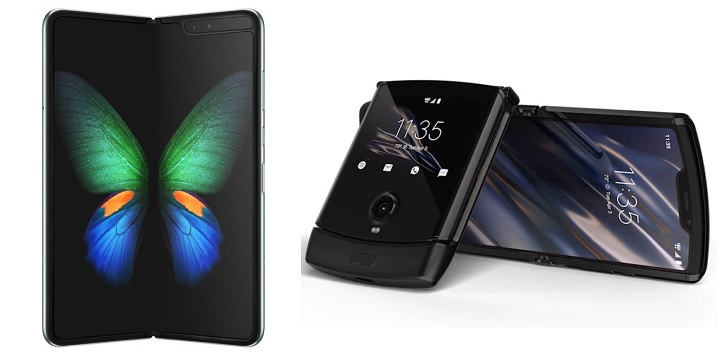
The Motorola Razr (2019) is already shipping to owners and the Galaxy Flip Z will arrive later this month. Both phones are the only two foldable devices that fold vertically (along the horizontal axis) that consumers can and will be able to buy as the case may be.
There is another category of foldable phones with members like the Galaxy Fold and the Huawei Mate X. These devices not only fold horizontally (along the vertical axis) but they unfold into tablets too unlike the Motorola Razr and Galaxy Flip Z that unfold into “tall” phones.
Since the arrival of both categories of foldable devices, consumers have been divided. Some like the Mate X/Galaxy Fold as they are able to unfold into a larger device while others prefer the Motorola Razr/Galaxy Flip Z for being able to fold into a smaller form factor.
For this week’s poll, we want to know which side of the divide you are. So please take the vote and also drop a comment regarding what you think about the devices and foldable phones in general.
The countdown to the POCO X2 launch is left with just hours as the device is billed to be officially unveiled in India on February 4. The event is highly anticipated by fans, mostly because the X2 will be the first phone the brand will be releasing after it split from Xiaomi. The device is equally the first model after the record-breaking POCO F1.
The discovery that the POCO X2 is practically a rebranded Redmi K30 has done little to change the level of interest fans still show the upcoming event. The launch event will kick off at 12 pm local time (6.30 AM GMT) and is expected to be streamed live on POCO’s official social media channels. The official social media channels of Poco are expected to host the live stream of the launch. Users can follow the launch event on POCO India’s account on YouTube, Twitter, or Facebook to see the live stream of the Poco X2 launch. Also, find the YouTube channel embedded in this post so you won’t have to search for it.
If Poco X2 turns out to be a rebranded version of the Redmi K30 4G, the phone will have the same specifications as the latter. We can expect the Poco X2 to be powered by the Snapdragon 730G processor paired with up to 8Gb of RAM and 256 GB of internal storage. The device could sport a 6.67-inch Full HD+ display with 20:9 aspect ratio, and 120Hz refresh rate.
The Poco X2 could run MIUI 11 based on Android 10 out of the box and since it is a Poco phone, we can expect the Poco launcher to power the user interface. The Poco X2 could also sport a side-mounted fingerprint sensor and backed by a 4,500mAh battery with support for 27W fast charging. The phone could also sport a 64MP+8MP+2MP+2MP quad-rear camera setup and a 20MP+2MP dual front-facing cameras placed in a punch-hole display.
Taking a screenshot on Android devices has become a useful feature to save anything that has sprawled up on display. The users use it to keep important information without using any external app or tool. It has become a necessary part of smartphones. To make the feature more user-friendly and productive, few manufacturers have improved it by adding scrolling and editing options to the tool.
The scrolling screenshot can capture the whole webpage by automatically scrolling down to the bottom. The user can also limit the screenshot scroll by interfering through a tap. However, the scrolling screenshot is not available on all the devices, and only a few manufacturers inherit it in their respective smartphones. Samsung, OnePlus and Huawei offers native Scroll Capture tool, but on any other Android device, the user has to resist to third-party screenshot apps.
There are several apps in teh Play Store that can capture scrolling screenshots. We have concluded a list of some best apps to take scrolling screenshots. Here are some apps that let you take screenshots more effectively and accurately.
Best Apps to take scrolling screenshots
LongShot
The app supports auto-scroll for the Android 7.0+ and later version. It auto-captures screenshots after scrolling. The extensive support for floating buttons eases the process to take multiple screenshots. The inbuilt manual stitching tools helps to accurately stitch the long image.
It’s free and there won’t be any watermarks, but you will get in0app advertisements.
It is another long screenshot taking app with a better rating than the LongShot. It easily stitches multiple screenshots for a long one. The StitchCraft app take screenshots as usual and will together automatically. Additionally, the user can later select different images to stitch manually.
It flawlessly works with fixed background images. It is said to capture screenshots easily and rapidly. The app offers an elegant and easy-to-use user interface. The screenshots can be easily shared with friends.
The app is free to use but also carries some in-app advertisements. There’s also an ad-free Pro version for $1.
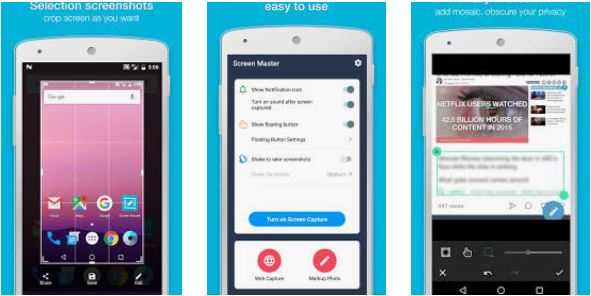
It is a free and easy-to-use tool to take a screenshot and longshot. It also has an inbuilt markup tool for editing and adding emojis. The Screen Master tool provides various smart features to take a screenshot. It offers to take a screenshot by shaking the device or by tapping the floating button.
The app does not require any root access. It offers high-quality and lossless screenshots in PNG format. The scrolling screenshot automatically captures the whole webpage. It allows user to save the screenshot to external SD card.
In Photo markup, the Screen Master offers Crop and rotate the image, Spotlight key info, Blur image, Magnify image, ability to add text, emoji and custom background. The inbuilt photo markup not only supports screenshots, but the user can import different photos from the gallery.
It is available for free but offers in-app purchases and advertisements.
As the name specifies, the app supports long screenshots for web pages only. It doesn’t support capture in Facebook, Twitter feed or any other third party app. The user can open anything in the browser to capture it as an image or save it as a PDF.
It even offers to save pages offline for reading the latest articles of your favourite restaurant. It is a perfect companion to keep any food recipes or any article, blog to save it and read it offline later.
The scrolling page button allows taking long screenshots without any issue simply. The user can quickly turn any webpage into PDF for reading offline. It is available for free but contains some advertisements.
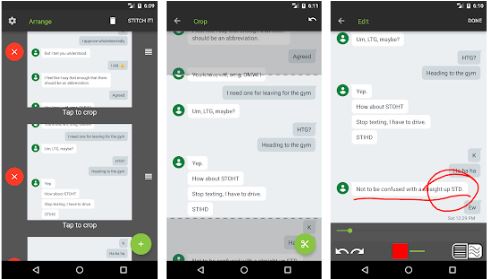
It is a perfect app to capture messages in the message box. Stitch It! Allows the users to share the screenshots over WhatsApp, Email and other mediums. It is quite simple to take screenshots in four steps of Take > Crop > Edit and Share.
It automatically saves every image to the gallery. It is available in different supported languages. It is available for free but contains in-app purchases and ads.
Poco is back and it has split up with Xiaomi to operate independently in the Indian market. The brand is all set to release its first phone in over 1.5 years tomorrow, called the Poco X2. The X2 isn’t exactly the successor to the incredibly popular Poco F1 flagship that was announced in 2018. The Poco ‘X’ series will be placed below the ‘F’ series in India, aimed at the mid-range segment. Since we are all excited for the device launching tomorrow, let’s take a quick look at what we know about the Poco X2.
The K30 was first announced in December 2019 in China. While the K30 is no flagship, it’s still an impressive smartphone. So even if Poco’s first smartphone doesn’t directly succeed the flagship Poco F1, it will still be an incredibly value for money device.
And since the Poco X2 will be a rebadged Redmi K30 4G, we know almost everything about the device.
Poco X2 Design & Specification
Poco has confirmed a couple of features on the X2. First, the phone will feature a 120Hz high refresh rate. Traditionally, high refresh rates are reserved for smartphones that are placed in the upper mid-range segment, so it’s a pleasant surprise to see a mid-ranger get this particular feature.
Another feature confirmed by the teaser is the Sony IMX 686 sensor. This new 64MP sensor from Sony is expected to provide slightly higher resolution photos than the 48MP IMX 586 sensor found on a number of mid-rangers last year. In fact, the IMX686 could potentially be used in the upcoming Huawei P40 Pro camera flagship too!
The side fingerprint sensor was also confirmed by a recent teaser video. The image showed off the sides of the violet / purple colored Poco X2. If you recall, the Redmi K30 4G also had a violet colored variant. And the fingerprint sensor on the device is also placed on the side.
Poco X2’s fast charging speed was also confirmed in one of the teaser. The brand revealed that the phone can charge quickly from 0% to 40% in just 25 minutes. We can expect a large 4500mAh battery on board, the same capacity battery found on the Redmi K30. And in case you are wondering, yes, the K30 supported 27W fast charging too. Which means the Poco X2 should charge to 100% in just around 68 minutes.
The company has also confirmed liquid cooling on the X2, for extended gaming sessions. This shouldn’t come as a surprise as the K30 features a 5mm copper tube liquid cooling that can bring the the temperature of the phone down by up to 7 degrees. The headphone jack is also confirmed at the bottom of the device.
Here are the expected Poco X2 Specs (based on Redmi K30 4G)
208 grams weight and 165.3 x 76.6 x 8.8mm dimensions
6.67-inch IPS LCD 2400 x 1080p display with Corning Gorilla Glass 5
120Hz screen refresh rate
Qualcomm Snapdragon 730G with Adreno 618
6GB/ 8GB RAM with 64GB /128GB ROM UFS 2.1
Quad cameras: 64MP f/1.9 primary camera with 8MP f/2.2 ultrawide sensor, 2MP f/2.4 dedicated macro lens, and a 2MP f/2.4 dedicated depth sensor
Dual Selfie cameras: 20MP wide-angle shooter with a 2MP depth sensor
4500mAh battery with 27W fast charging
3.5mm headphone jack
Android 10 based MIUI 11
Side-mounted fingerprint sensor
NFC, BL 5.0, Wi-Fi ac
Will there be any difference between the Poco X2 and the Chinese Redmi K30 4G?
This is the real question that’ll be answered tomorrow. As of now, all teasers show that the Poco X2 is identical to the Redmi K30 4G model.
Poco X2 Pricing & Availability (Expected)
We have no official word on pricing or availability of the Poco X2. Rumors are putting the starting price somewhere between Rs. 14,999 and Rs. 18,999. The Chinese Redmi K30 4G variant starts at 1599 yuan for its 6GB + 64GB model. This comes to around Rs. 16,000 in India. So, it’s possible that the Poco X2 launches around this price tag in India.
Honestly, I think the Poco X2 could launch at Rs. 16,999 to directly take on the Realme X2 that features similar specs including the exact same Snapdragon 730G chipset. The Realme X2 starts at Rs. 16999 for its 4GB RAM model. So, Poco’s X2 could undercut the Realme mid-ranger if it offers its 6GB RAM variant at this price.
As for availability, we can expect the phone to go on sale a week or two after the launch event tomorrow. However, we’ll have to see if the recent coronavirus outbreak has any effect on its supply.
BlackBerry Mobile is dead again. For the third time, but at the hands of its licensee, TCL. After a three-year partnership that began in 2016, we will not be seeing any new BlackBerry Mobile smartphones made by TCL anymore. The announcement was made via the official BlackBerry Mobiles Twitter account a short while ago.
The press release said beginning August 31, 2020, TCL Communication will no longer sell BlackBerry-branded mobile devices. It goes on to say that TCL Communications has no right to design, manufacture or sell any new Blackberry mobile devices. However, the company (TCL) will continue to provide support for the existing devices up until August 31, 2022.
TCL didn’t announce a new BlackBerry phone last year (not counting the BlackBerry KEY2 RED Edition) and neither did any of the other two licensees – Optiemus and BB Merah Putih of India and Indonesia respectively. Since no new products were announced, we could tell something was up. However, only the partnership with TCL Communications is ending as there is no news regarding the other two licensees.
TCL already announced its first branded smartphone last year and is set to announce three new models at MWC 2020. It also still manufactures Alcatel-branded devices and is very much still in the TV business.
Based on this new development, it is safe to say BlackBerry is dead again. Will it be resurrected one more time? Only time will tell.
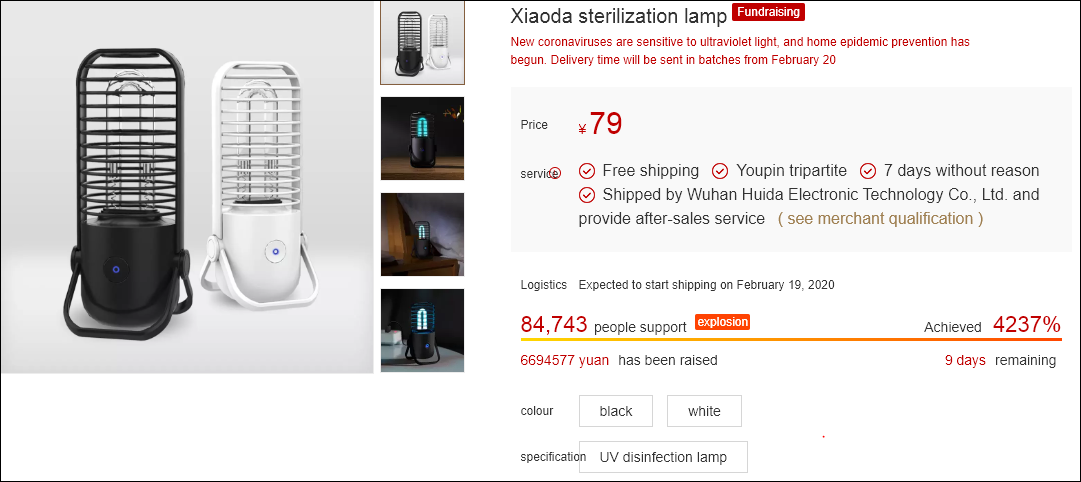
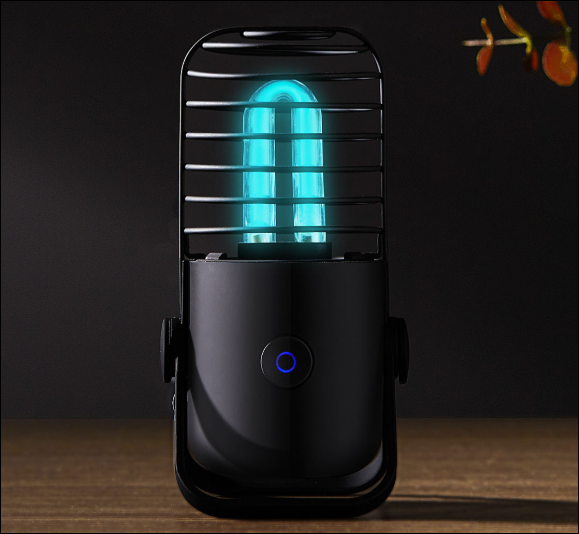
In the wake of the Coronavirus epidemic, Xiaomi has launched a couple of products that could help citizens fight the scourge. We have seen a couple of new facemasks and a UV sterilizing lamp. The company has now launched a second UV sterilizing lamp under the Youpin crowdfunding platform. The device is dubbed Xiaoda Sterilization Lamp and comes with an affordable 79 yuan ($11) price tag. It has proven to be a popular product.
The data obtained from Youpin crowdfunding page shows that the lamp was able to rake in a massive 4,942,503 yuan in just four days. That figure has since gone up to over 6.6million yuan as at the time of filing this report. Also, over 84,000 persons have supported the crowdfunding effort. Let’s take a quick look at the features.
The device is portable with the size being like that of a Coca-cola can. It is shaped like a retro-styled microphone. and can be used in many scenes. It can remove viruses and odours from clothes in the bedroom closet, and also from the refrigerator. It can also sterilize the dead corners of the bathroom with no air circulation. In the living room, it reduces the risk of cross-infection if there are people inside.
The Xiaoda UV Sterilization lamp uses a wide range of ultraviolet light for disinfection and sterilization. Ultraviolet light is used very often in the medical field and is similar to the sunlight in terms of intensity. Compared to traditional fluorescent lamp sterilization, this small sterilization lamp uses dual disinfection of ultraviolet and ozone, which effectively kills 5 common bacteria in the air, and the sterilization rate reaches 99.9%.
For safety purpose, the device only comes on 30 seconds after it is switched on. This is to ensure the area s evacuated to avoid injury. The device is equipped with a 700 mAh large-capacity lithium battery and USB charging. It can be used 1-2 times on a single charge, reducing the trouble of frequent charging. It can fully disinfect a roo in 30 minutes, depending on the size.
The Xiaoda UV Sterilization Lamp is expected to start shipping in batches from February 20.
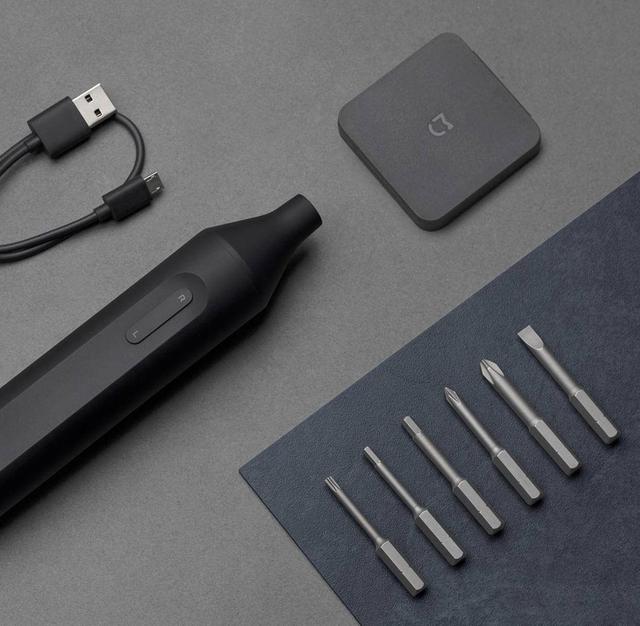
Xiaomi has taken to Weibo to announce a new product and it is the MIJIA All-in-One Electric Screwdriver. The product will be on sale on Xiaomi Home and Mi Mall from 10 AM on February 5. It comes with a retail price of 149 yuan ($22) but on crowdfunding, it is priced at 129 yuan ($21).
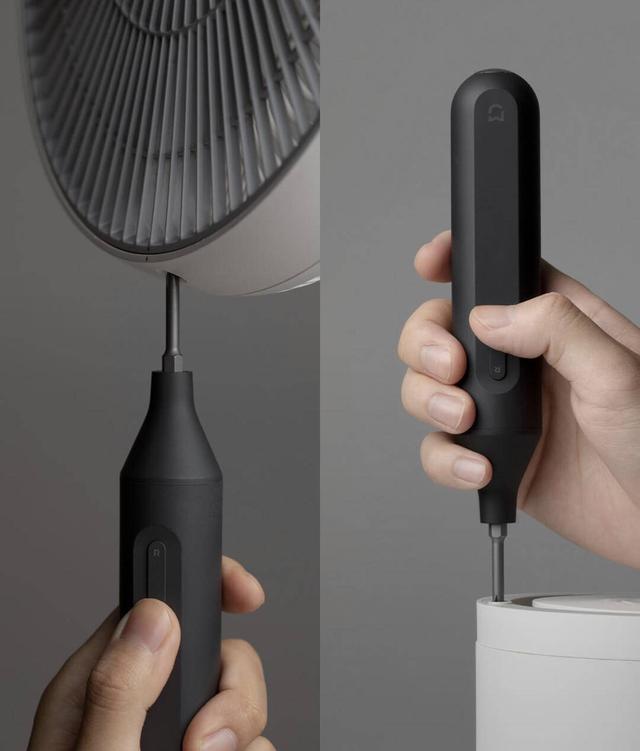
The MIJIA Electric screwdriver uses innovative, integrated screwless design. The body is made of high-quality engineering plastics coated using fine UV paint technology. The body also houses several contours that ensure it doesn’t slip off the hand easily. The head is also lightweight and durable. The narrowest grip of the fuselage is less than 30mm and it weighs just 185 grams.
In other respects, this screwdriver can be switched between electric mode and manual mode according to the needs. The built-in 1500mAh lithium battery can unscrew more than 180 screws when fully charged. It comes with S2 alloy steel bit and 50mm long bit, making it ideal for use in difficult places such as narrow spaces and deep holes. The device has a button which slides between L and R to determine the direction it spins.
It is no longer news that Realme is working on launching its own smart TV. The phone manufacturer plans to expand its product portfolio to include new products such as wearables, TVs, and audio products. Now, an executive of the company has revealed there will be an announcement related to the TV at MWC 2020.
Francis Wang, CMO of Realme Mobiles, responded to a fan asking about the Realme TV that we are going to hear “something exciting” about the TV at MWC. Based on the statement, we do not think the TV will be launched at MWC 2020 but will actually be an announcement about its features and launch. We may even get an official teaser.
Building a TV is a different ball game entirely and Realme will face stiff competition from brands that have been in the game for long such as Samsung, LG, TCL, etc., as well as fellow phone makers Xiaomi and OnePlus that also make TVs. Currently, Xiaomi is the market leader in the smart TV market in India and offers models across multiple categories.
Realme is also going to add fitness trackers (and possibly smartwatches) to its product portfolio. Madhav Sheth, the CEO of the company, already confirmed that the fitness band will launch this month.
This month is going to be a busy one for Realme starting this week with the launch of the Realme C3.
In 2019, Huawei launched the Mate X foldable smartphone. It was the first of its kind from the company and had a display that opened and closed outward, unlike Samsung’s Galaxy Fold which folded inward. Now, the Chinese tech giant has applied for a patent that reveals that it’s second foldable smartphone will feature an inward folding display, similar to Samsung.
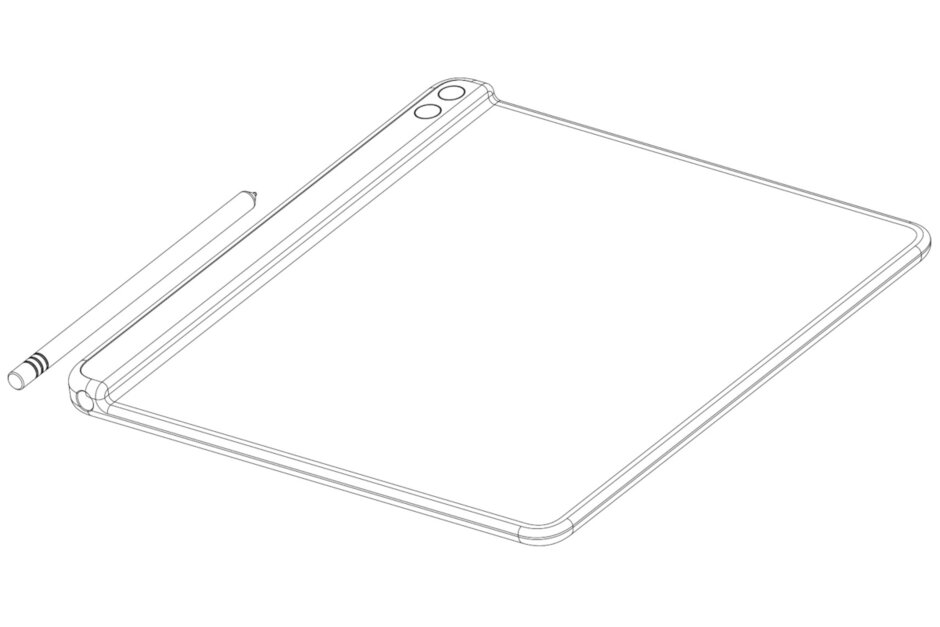
The patent application was filed in the European Union Intellectual Property Office (EUIPO) and is reportedly for the Mate X2. The device is expected to be released in the third quarter of 2020. According to the illustrations that accompany the patent, a foldable smartphone can be observed which has a design similar to the Mate X but with its display bending inwards.
On the front, dual front facing cameras are present while the rear features a quad camera setup, for a total of six cameras. Based on the schematics, the Huawei Mate X2 will arrive with a pen/stylus and has slightly more pronounced curved edges, unlike the square design of the Mate X. This lead to a sidebar also being provided where the front facing cameras are present which will include a narrow screen that displays notifications and other information like date, time or even weather and battery data.
Unfortunately, the patent application does not reveal any finer details like specifications of the Huawei Mate X2. Although, the company’s latest 7nm Kirin 990 5G SoC is likely to be used since the handset would arrive just before its rumored 5nm Kirin 1020 processor. Currently, the Mate Xs, a refreshed Mate X variant, is slated to receive the Kirin 990 chipset as well. So, we might see the same or a special variant for the Mate X2, but that is unlikely.
In December, Vivo had launched the Vivo V17 smartphone in India. Soon after its launch, it was revealed that Vivo India is planning to bring the Vivo V19 and Vivo V19 Pro smartphones to India by the end of Q1 2020. Citing information revealed through retail sources, 91mobiles has today reported that the Chinese firm will begin the pre-orders of the Vivo V19 and Vivo V19 Pro smartphones in India by February end.
The Chinese manufacturer is expected to capitalize on the upcoming Indian Premier League (IPL) 2020 cricket tournament for marketing the Vivo V19 series. The IPL series will kick off in India on March 23. As mentioned above, the pre-booking of the Vivo V19 and V19 Pro will kick by the end of this month.
The exact pricing of the Vivo V19 and Vivo V19 Pro are not known yet. They are expected to cost between Rs. 20,000 and Rs. 30,000. The Vivo V19 Pro will be arriving in the Indian market first whereas the Vivo V19 will be releasing some time later. The sales of the Vivo V19 and V19 Pro will be carried through online and offline channels in the country. The rumor mill is yet to spill information on the specifications of the Vivo V19 and V19 Pro smartphones. These phones will be arriving as successors of the Vivo V17 and Vivo V17 Pro.
The Vivo V17 smartphone that was unveiled in India in December 2019 sport a different rear camera design than the phone by the name that can be found in Southeast Asian markets. The rectangle-shaped camera module includes a main lens of 48-megapixel, an ultrawide lens of 8-megapixel, a bokeh lens of 2-megapixel and a macro shooter of 2-megapixel. The OLED punch-hole display of the phone is fitted with a 32-megapixel selfie shooter.
The Vivo V17 has a 6.44-inch display with in-screen fingerprint sensor. It supports full HD+ resolution and a tall aspect ratio of 20:9. The Snapdragon 675 mobile platform powered smartphone has 8 GB of RAM. The internal storage of the device is 128 GB and it has a microSD card slot for more storage. The V17 draws power from a 4,500mAh battery. It supports 18W fast charging through USB-C. The handset comes preloaded with Android 9 Pie OS that is overlaid with FunTouch OS 9.
In September 2019, the folks at XDA-Developers found evidence of four Xiaomi phones with a 108MP camera in development. Two of those devices have already been announced as the Mi Note 10 and the Mi MIX Alpha. The other two devices codenamed “umi” and “cmi” will launch as the Mi 10 and Mi 10 Pro respectively soon with the Snapdragon 865 powering them. A third device with a Snapdragon 865 processor has now been discovered but unlike the Mi 10 and Mi 10 Pro, it will not have a 108MP sensor. This device may as well be the Redmi K30 Pro.
The device is codenamed “Imi” and its build.prop which has been obtained by XDA Developers reveals a number of details. First, it confirms that it is a Redmi device but doesn’t specify which and also reveals it has a Snapdragon 865 processor powering it.
What further proves that “Imi” is the Redmi K30 Pro is the Geekbench result that was posted a few weeks ago. The motherboard says “Imi” which is the codename of the phone. The build ID from Geekbench’s raw data output also matches that of the build.prop and the raw data output of the CPU/GPU matches that of the Snapdragon 865.
A senior member of XDA that goes by kacskrz also discovered in the MIUI Gallery app “Imi” among the devices with support for 64MP camera. This means that the Redmi K30 Pro will have a 64MP sensor just as the non-pro model. There is a chance it is the same Sony IMX686 as the standard version but with a larger aperture size (larger than the F1.9 of the Redmi K30).
Since the phone will have a Snapdragon 865 processor, it is a 5G device as all phones powered by the chipset will have a Snapdragon X55 5G modem paired with it.
There is still no official info regarding the launch date of the Redmi K30 Pro but a leak from December said the phone will be unveiled in March 2020. That is just about a month after the launch of the Mi 10 and Mi 10 Pro.
We use cookies on our website to give you the most relevant experience by remembering your preferences and repeat visits. By clicking “Accept”, you consent to the use of ALL the cookies.
This website uses cookies to improve your experience while you navigate through the website. Out of these, the cookies that are categorized as necessary are stored on your browser as they are essential for the working of basic functionalities of the website. We also use third-party cookies that help us analyze and understand how you use this website. These cookies will be stored in your browser only with your consent. You also have the option to opt-out of these cookies. But opting out of some of these cookies may affect your browsing experience.
Necessary cookies are absolutely essential for the website to function properly. This category only includes cookies that ensures basic functionalities and security features of the website. These cookies do not store any personal information.
Any cookies that may not be particularly necessary for the website to function and is used specifically to collect user personal data via analytics, ads, other embedded contents are termed as non-necessary cookies. It is mandatory to procure user consent prior to running these cookies on your website.