Advertisement

Xiaomi releases list of smartphone discounts ahead of Chinese Single’s Day

Two weeks ahead of the Chinese single’s day sale which will take place on the 11th of November, Xiaomi has announced that several of its offerings will be sold at discounted prices on this day. The Chinese single’s day aka Double 11 is the biggest online and offline shopping festival in the country and it is comparable to the Black Friday sale in the U.S.Xiaomi Redmi 8

During the sale, Xiaomi will be offering a total of 6 smartphone models at special discounted price which includes the following:

  • Mi CC9e 4GB + 128GB: Yuan 1,199 ($ 170)
  • Mi CC9 6GB + 64GB: Yuan 1,499 ($ 210)
  • Mi CC9 6GB + 128GB: Yuan 1,699 ($ 240)
  • Mi CC9 Custom Mito Edition: Yuan 2,199 ($ 310)
  • Mi 9 8GB + 256 GB: Yuan 2,699 ($ 380)
  • Redmi 8A 4GB + 64 GB: Yuan 699 ($ 99)
  • Redmi 8 3GB + 32 GB: Yuan 749 ($ 106)
  • Redmi 7A 3GB + 32 GB: Yuan 549 ($ 78)

All the smartphones listed above will be available for purchase via Xiaomi’s online store, Tmall, JD.com and Suning Tesco official flagship store.

To recall, in the year 2018, Xiaomi managed to rack up over $500 million of sales on the Single’s day and this year it is presumed to surpass these figures. These numbers were constituted via the sales gathered at different e-retailers such as Alibaba, Aliexpress, Gearbest and company’s online store. As per one report, the Chinese electronics maker made over 4 billion yuan in sales ($575 million).


Sony sold just 600,000 smartphones in the entire Q3 2019

We knew Sony’s smartphone division was having a hard time but we never thought it was this bad. The Japanese tech giant has just revealed that it managed to sell only 600,000 smartphones in Q3 2019. That’s an extremely low figure for a company as big as Sony. In fact, it’s even less than half of what it sold last year (1.6M) in the same period.

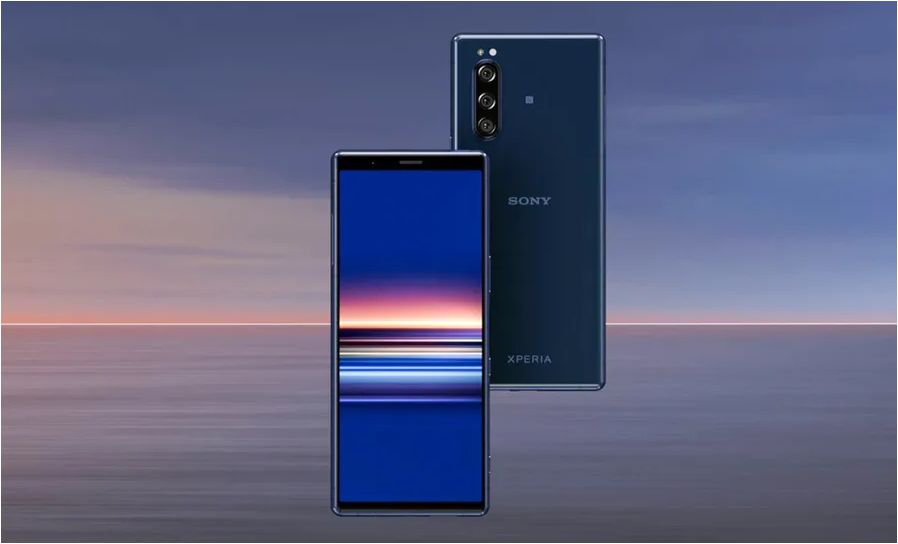
Sony Xperia 5

600,000 sales in a quarter is a minuscule figure in the smartphone world, where companies like Xiaomi manage to sell the same amount in a minute! In fact, even newcomers like Realme have managed to ship 16 times this figure in the last quarter!

Sony’s performance is lower than its own estimates. The company initially expected to sell 5 million units in the fiscal year starting April 1, 2019, to March 31, 2020. However, in Q2 2019, it decided to revise this estimate to just 4 million units. And after seeing the weak sales performance in the previous quarter, it has now revised this figure to just 3.5 million units. To be honest, this is still an optimistic estimate. In the previous two quarters starting April 1, 2019, Sony has sold just 1.5 million units in total. So, it will have to sell a lot of smartphones in 2019’s holiday period to take the total up to 3.5 million by the end of March 2020.

Sony’s smartphone portfolio remains limited this year. Its most recent releases include the Sony Xperia 5 and the special Xperia 1 Professional Edition. So, it is relying on the older Xperia 10 lineup and the Xperia 5 series to push its sales in the current quarter.


(Source, Via)

Xiaomi 70Mai Mijia Smart 1S dash-cam launched in China, Features and Price
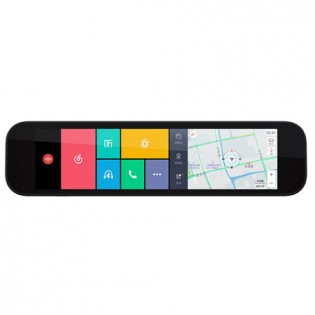
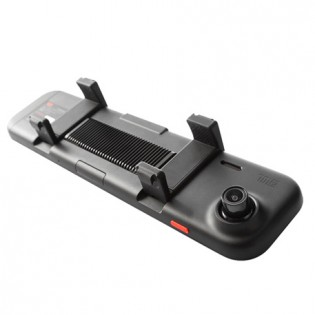
Earlier today, Gizmochina reported that Xiaomi has introduced the Mijia Induction Cooker S1 in its home country, China. In addition, it has also launched a dashcam and smart mirror hybrid which is called the 70Mai Mijia Smart Rearview 1S Youth-edition.

The Mijia Smart RearView 1S Youth-edition is equipped with a 6.86-inch landscape display that has an HD resolution of 1280 x 480 px. The display panel supports 16.7 million colours which are comparable with modern-day smartphones.

The device looks similar to a conventional rearview mirror that is seen in most cars, however, as previously mentioned, it features a 1080p video camera mounted on the rear that can manually be adjusted to change its frame. Its main purpose is to record traffic in front of owners vehicle which can come in handy in case of a road accident.

The Mijia Smart RearView 1S Youth-edition does not have in-built storage but it features a card slot which can be used to insert a MicroSD card. Apart from being a conventional dashcam, its display can be used to play audio or video that is stored in the memory card. Besides, it can also be used to display maps for navigation or display weather details.

The key highlighting feature of the Mijia Smart Rearview 1S is handsfree voice-guided operation can be activated by saying “Hello Little Mai”. The clear advantage of having this feature is that the user can control most of the features without requiring to lift their hands from the steering wheel. 

After the vehicle is turned off, the rearview mirror automatically enters the parking monitoring mode and the acceleration sensor will continuously monitor the vehicle state. When an abnormality occurs, the recording is automatically uploaded to the cloud and the owner of the vehicle receives a push notification on their smartphone. Readers who are wondering, it has a built-in battery and supports 4G SIM which allows parking mode to function.

While the device does not ship with a reverse camera, users have the option to buy one install by themselves. Following which the Mijia Smart Rearview 1S will also double up as a rearview display to aid parking. Moreover, the video output of this camera can be stored on the memory card as well.

With the help of Mijia App, the Smart Rearview 1S can be used to remotely operate smart home products like bedroom lights, sweeping robot, air purifier and smart wall socket. The car accessory carries a price tag of Yuan 799 ($ 115) and is available for purchase via Xiaomi’s e-store in China.

(via)


This is the Xiaomi Mi TV 5 & It’s Pretty Thin

Xiaomi will launch its new generation Mi TV 5 series on November 5. Ahead of its release, the company has officially given us a glimpse of the side of the TV. The image reveals that the Mi TV 5 will be thin with narrow bezels, translating into a very high screen-to-body ratio.

Xiaomi Mi TV 5The teaser image gives us a glimpse of the right side of the Mi TV 5, wherein we can see the ‘Designed by Xiaomi’ text. I don’t remember seeing this text on the older Mi TV 4 series models, so this could be a new addition. Apart from its slim form factor, there isn’t much we can pick up from this image.

MEMC Mi TV 5

Xiaomi has already revealed that the Mi TV 5 will come equipped with a 4K QLED (Quantum dot) panel with a very wide 108% NTSC color gamut. Along with this, the TV is confirmed to feature MEMC motion compensation technology. This isn’t exactly a new feature as Mi TVs in the past, like the Mi TV 4X 65-inch have come with MEMC. The technology helps remove latency and will offer a smoother viewing experience to the users, especially when playing fast-motion videos. Like the Mi TV 4X, you should be able to manually turn on or off this feature according to your convenience.

Alongside the Mi TV 5, Xiaomi is also launching the Mi CC9 Pro smartphone with 108MP penta-camera setup and a portable air conditioner at the November 5 event.


Honor 20 series will get a Fresh Orange Shade, Likely featuring Orange peel-like texture

Smartphone companies like to release new color options for its older devices to keep it fresh in the market. Today, Honor revealed that it will release an Orange color shade for the Honor 20 series on November 1. But this color is likely going to be different from other options in the market.

Traditionally, Honor 20 models have come with fancy color options like Phantom Blue, Phantom Red, and Icelandic white, which are a mix of different colors. However, this particular orange shade is expected to be unlike any other color option available in the market.

Glory 20S orange version image exposure
earlier leaked orange render of the Honor 20S

According to a leaked render of the Honor 20S in the new Orange shade, the phone will have a peel-like leather texture at the back in a single shade of orange. So there’ll be no fancy gradients or color mixing. While the company is yet to confirm this, it would be really interesting to see such an option across all Honor 20 models.

Personally, I’m not a big fan of this color and texture, but I’m sure there’ll be a segment of our readers who like this real peel-like texture at the back in a fresh orange shade.

So, are you guys a fan of this color and texture?


Leaked specs reveal Mi Note 10 powered by SD 730G, Mi Note 10 Pro will have SD855+

For Xiaomi fans, November is going to be a big month. The Chinese tech giant will announce its first smartwatch, the Mi TV 5 series, and the Mi CC9 Pro on November 5 in China. For its fans outside China, the launch of the Mi Note 10 and Mi Note 10 Pro is what they are looking forward to. Xiaomi is yet to announce a launch date for the Mi Note 10 series but the full specifications for both phones have now leaked on Twitter.

Mi Note 10 pro

The specs were posted on Twitter by a user that goes by Mehek Goaswami (@MehekGoaswami). Below are the specs for both devices:

Mi Note 10

  • 6.4-inch FHD+ AMOLED display
  • Snapdragon 730G processor
  • 6GB RAM
  • 128GB UFS 2.1 storage
  • Penta camera setup which includes 108MP + 16MP + 12MP cameras
  • 2x optical zoom
  • 32MP selfie camera
  • 4000mAh battery with support for 30W fast charge
  • IR blaster, NFC, and audio jack.

Mi Note 10 Pro

  • 6.7-inch AMOLED display with a 90Hz refresh rate
  • Snapdragon 855+ processor
  • 6GB RAM
  • 128GB UFS 3.0 storage
  • Penta camera setup which includes 108MP + 16MP + 12MP cameras
  • 5x optical zoom
  • 32MP selfie camera
  • 4000mAh battery with support for 40W fast charge
  • IR blaster, NFC, and audio jack

We advise you to take the specs with a grain of salt as there are some details that are off. For example, the Mi Note 10 is practically the same device as the Mi CC9 Pro. While it is possible that Xiaomi may include 2x optical zoom to differentiate it from the Pro version, we doubt they will give it a smaller battery capacity.

The TENAA listing for the Mi CC9 Pro already revealed the phone has a 5170mAh battery and this is the same battery capacity we expect the Mi Note 10 to have. Also, the Mi Note 10 Pro should have the same battery capacity too or even larger since as it has a bigger display, so it can’t possibly have a 4000mAh battery.


(Source)

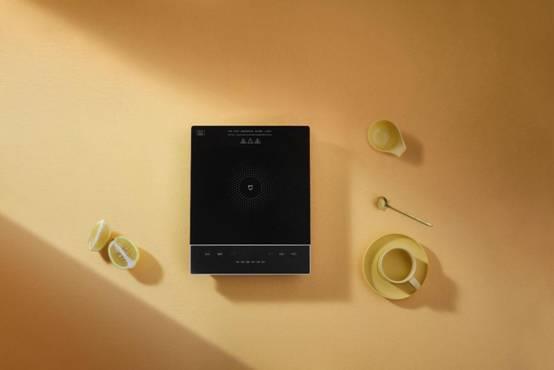
Xiaomi introduces Mijia Induction Cooker S1 with Dual Heating coils and 5 stage safety in China

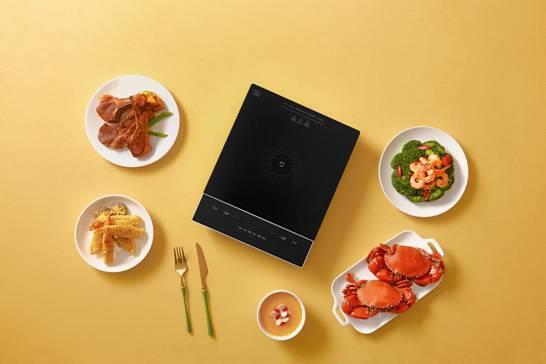
Further expanding it diverse portfolio of products, Xiaomi has introduced an induction cooktop in its home country, China which is called the Mijia Induction Cooker S1. The newly launched appliance is a successor to the original Mijia Induction cooktop from 2017 which was well received by the consumers.

In terms of looks, the Mijia Induction Cooker C1 has a rectangular design which is different than its predecessor that had a round shape. Its surface is made out of 4 mm thick mirrored microcrystalline panel that can withstand temperatures as high as 500-degree celsius.

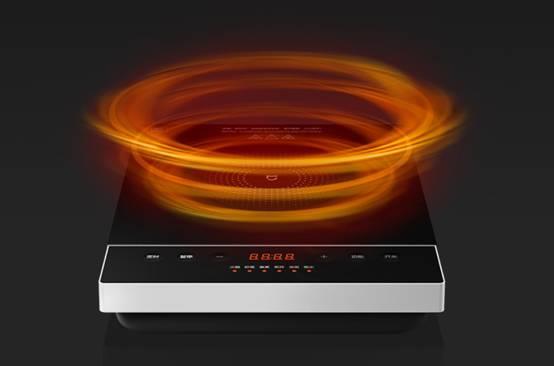
In comparison to similarly priced competitors that only have a single heating coil, Xiaomi’s offering has double-stacked heating coils which are claimed to heat the utensil evenly, resulting in a better overall cooking experience.

The Mijia Induction Cooker C1 is rated to 2100 w of power. It supports 7 different levels of heating and 6 different cooking modes. It features a large-size 7-leaf fan which can rapidly dissipate the heat generated from the coils via the bottom exhaust vents, prolonging its life. Xiaomi claims the induction cooktop can be used continuously for as long as 4 hours and which is how long some soups require to cook properly.

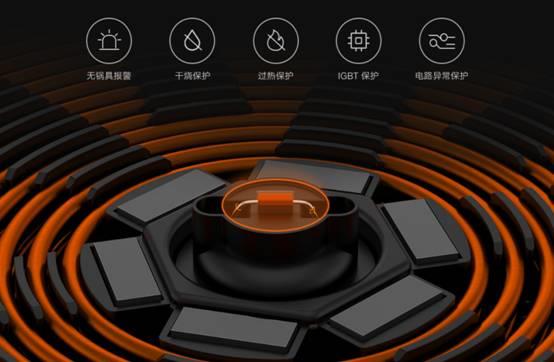
The Mijia Induction Cooker C1 has a built-in five-fold safety protection system which includes a temperature sensor and a computer protection system. As soon as the device exceeds operable temperatures, power fed to the heating coils is automatically paused that safeguards it against any fire hazards.

The induction cooktop is priced at 119 Yuan and it has been available for purchase via Xiaomi Mall starting 10 am on October 30 i.e earlier today.


Android 11 expected to debut with fully secure Wireless ADB

Android market is booming, and every major brand has its respective app on Android. According to a research report from Statista, there is a total of 2.8 million apps present on the Google Play Store until June 2019. These apps are made fully user-friendly by testing them via ADB using debugging applications. ADB stands for Android Debug Bridge and is often used by developers to debug the issues using a PC via a wired connection.

adb wire

Must See: How to install Gcam 7.0 with Astrophotography mode on Poco F1, Redmi K20, Redmi Note 7, Realme 5 Pro and other devices

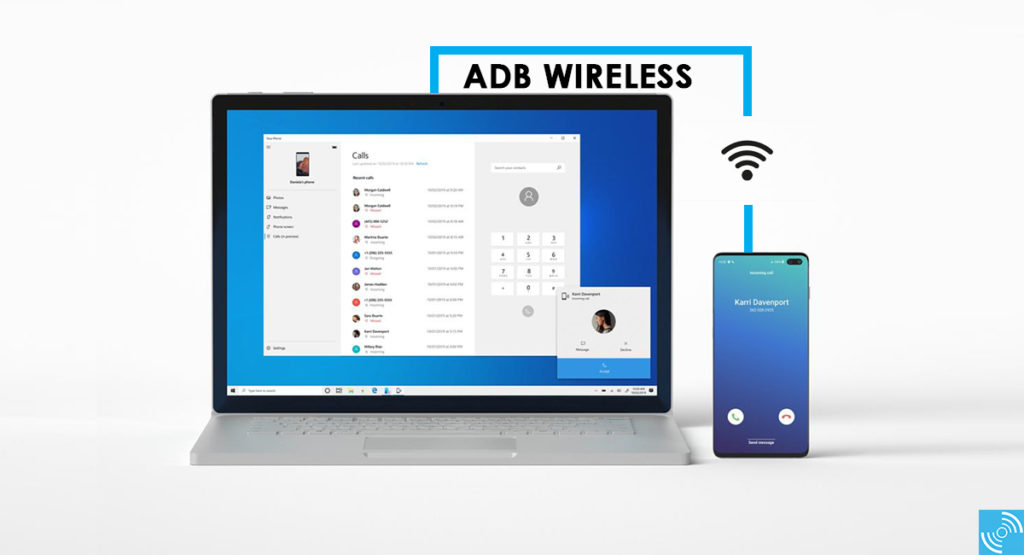
However, ADB also supports wireless connectivity over TCP/IP, but due to some flaws, it is not in use by most of the developers. ADB Wireless carries some constraints which bare developers its use in real-time. The wireless connectivity communicates with the host device using TCP/IP over a plain text in an unsecured environment making it prone to data theft and other hacks. Fortunately, Google appears to be working on a fully secured, native, and proper ADB Wireless implementation to fill these gaps.

According to the multiple commits posted in AOSP Gerrit by a software engineer at Google – Joshua Duong, it can create a wifi service for ADB and supports secure paring techniques. However, the exact working of the feature is not yet available and is even not confirmed by Google, but it is undoubtedly in works.

Moreover, the search giant is planning to add a new “wireless debugging” switch in the Developer Options of each device. It will allow the developers to pair device over wireless bridge using some authentication like QR code or 6-digit code.

We expect the ADB wireless to arrive with the Android 11 next year feature a secured and robust ADB Wireless connectivity for debugging. However, it is not really sure that it will debut with Android 11 as the commits are not merged yet.

Apart from ADB Wireless, there’s another way to connect the device wirelessly over ADB. The users can use ADB support for multicast DNS to connect a single-rooted device.

Related: Best Google Maps tricks that you should try in 2019

(source)

Mi Watch’s MIUI for Watch will have a dedicated app store

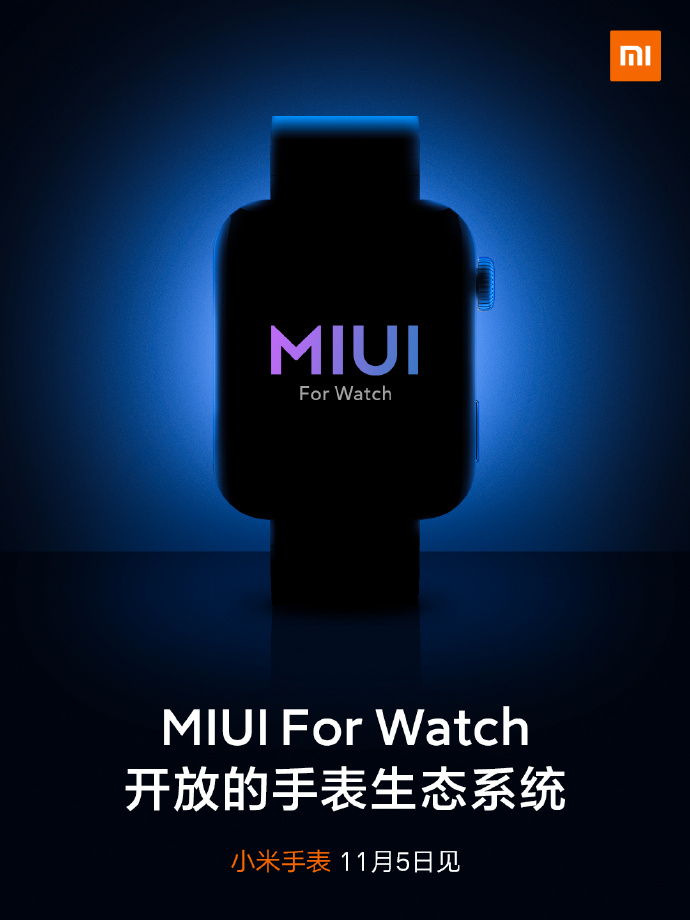
There were reports that Xiaomi’s smartwatch will run WearOS but that didn’t turn out to be true. Xiaomi itself has revealed that the smartwatch will run a special version of its Android-based operating called system called MIUI for Watch.

MIUI for Watch

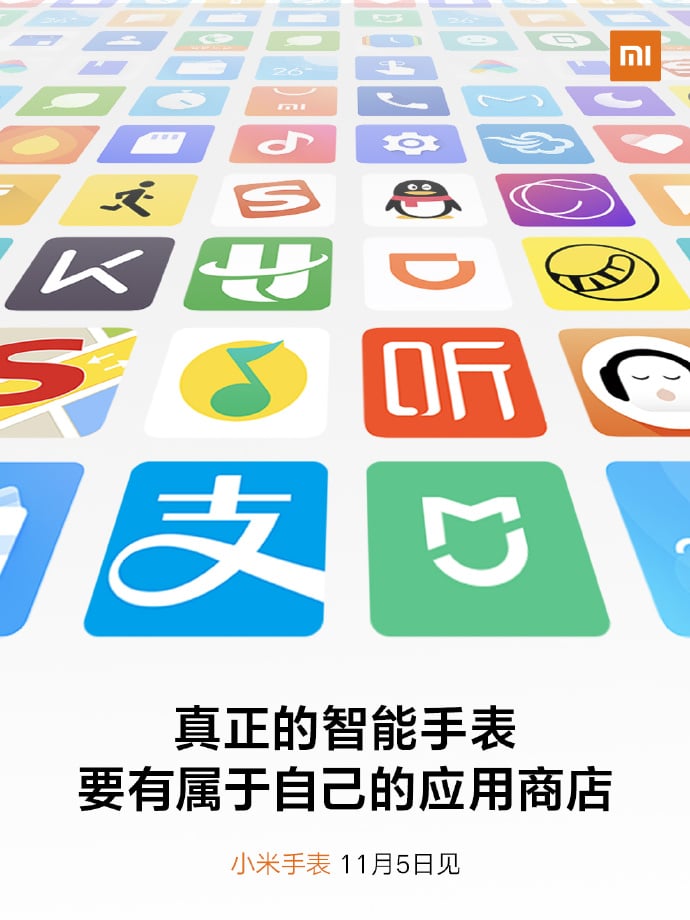
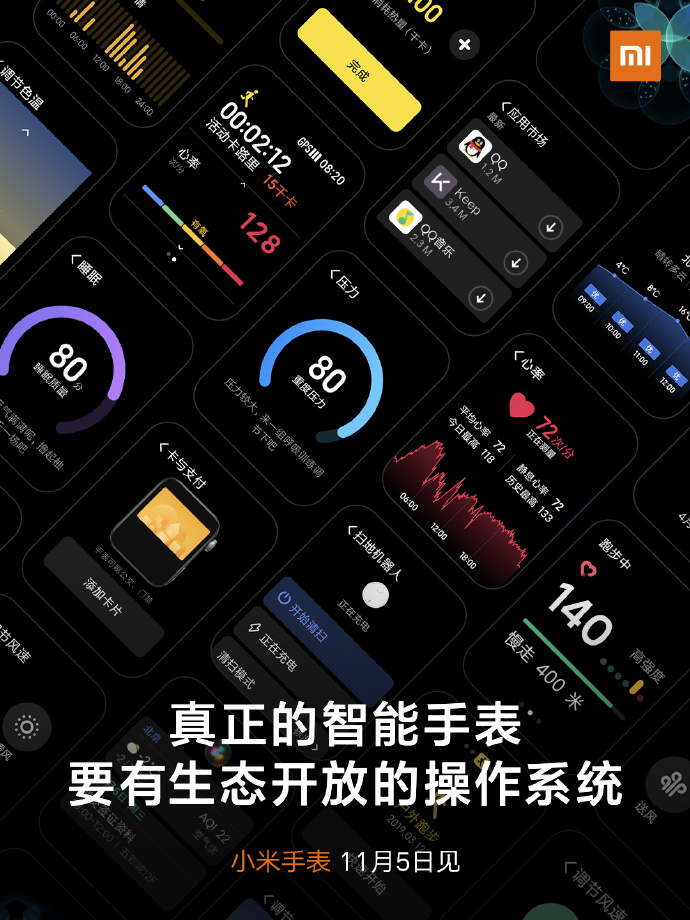
MIUI for Watch is said to be an open ecosystem that incorporates MIUI into wearables. The operating system will have a dedicated app store with several of the apps you use every day including maps, AliPay, QQ, and even TikTok. There will also be music streaming apps and several watch faces available.

MIUI for Watch store

Xiaomi has released two videos showing the OS in action. One of the videos even shows a video streaming app in use. We wonder why anyone will want to watch a video on a display that small.

MIUI for Watch will be officially unveiled on November 5 alongside the Xiaomi Watch and the Mi CC9 Pro. We should know more about the operating system on that day and what advantages it has over WearOS.

The Xiaomi Watch will be powered by the Snapdragon Wear 3100 processor. It is a 28nm quad-core processor with four Cortex-A7 cores clocked at 1.2GHz. We believe Xiaomi must have greatly optimized MIUI for Watch to run on the chipset.


Huawei responds to FCC’s proposal that seems to suppress Chinese networking equipment makers

It is clear that the U.S is leaving no stone unturned to tarnish Huawei‘s reputation and making sure its offerings don’t reach customers. Last week, it was declared that FCC will soon vote on two proposals that revoke all American companies from having any sort of trade relations with ZTE and Huawei, both of which are Chinese corporations.

According to the official statement, the first proposal would fend off companies to receive money from FCC’s annual $ 8.5 billion Universal Service Fund, if they purchase equipment or services from Huawei or ZTE. The Universal Service Fund was set up in the the year 1997 and it allows telecom provideds to subsidise their services for low-income households.

On the other hand, the second proposal would require several rural wireless carriers to get rid of and replace equipment from ZTE or Huawei. The FCC will also asses the worth of equipment made by the two Chinese companies that is currently in use. Followed by financial assistance to help them migrate to alternatives.

On the 29th of October, Huawei released a response statement which is as follows:

In 30 years of business, Huawei has never had a major security-related incident in the 170 countries we operate. Huawei is trusted by over two billion consumers, partners with many of the Fortune 500 businesses, and supplies more than 500 network operators around the world.

Banning specific vendors based on country origin will do nothing to protect America’s telecommunications networks. Today’s proposal, released by the FCC Chairman, only impacts the broadband providers in the most unserved or underserved rural areas of the United States. Such action will further widen the digital divide; slowing the pace of economic development without further securing the Nation’s telecommunications networks.

The FCC is aware of alternative measures that could solve both issues – continuing to enhance connectivity in those areas while actually improving the security of US networks – but Chairman Pai is choosing to also ignore what is considered best practices around the globe. Huawei remains open to engage with the US government and policy makers to find a productive solution to safeguard the US telecommunications system.

While their isn’t much Huawei can do about the situation, the recent statement exhibits a defensive stance. Lastly, only time will will what future holds for such Chinese corporations including ZTE and Huawei.

(via)


Samsung will boost ODM smartphone orders in 2020 to stay ahead of Chinese competitors

Korean electronics giant, Samsung is currently the world’s largest smartphone brand. However, it is facing tough competition from Chinese smartphone makers like Huawei, Xiaomi and BBK electronics. In order to sustain the deluge of aggressively priced handsets originating from China, Samsung is relying on giving more orders to its ODM partners.

According to a Korea-based Newsis News Agency report, in the year 2020, about 60 million units or 20% of smartphone that Samsung is predicted to sell will be manufactured by its ODM partners in China. In comparison, ODM produced units sold by Samsung in the year 2019 will only be 30-40 million, about 10% of overall sales.

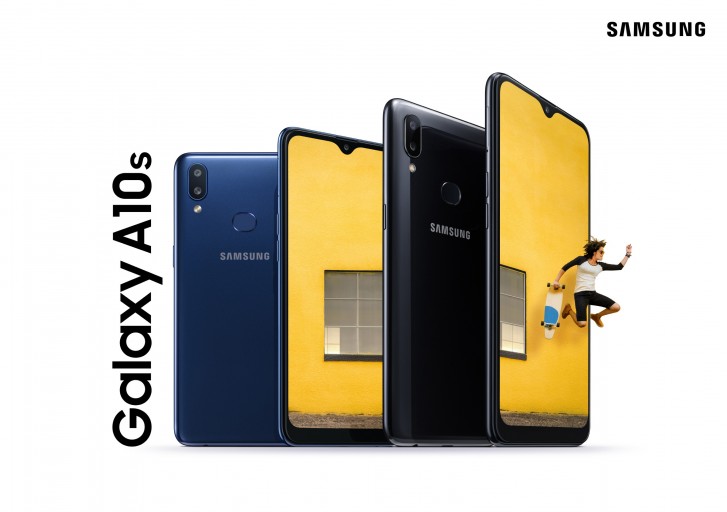
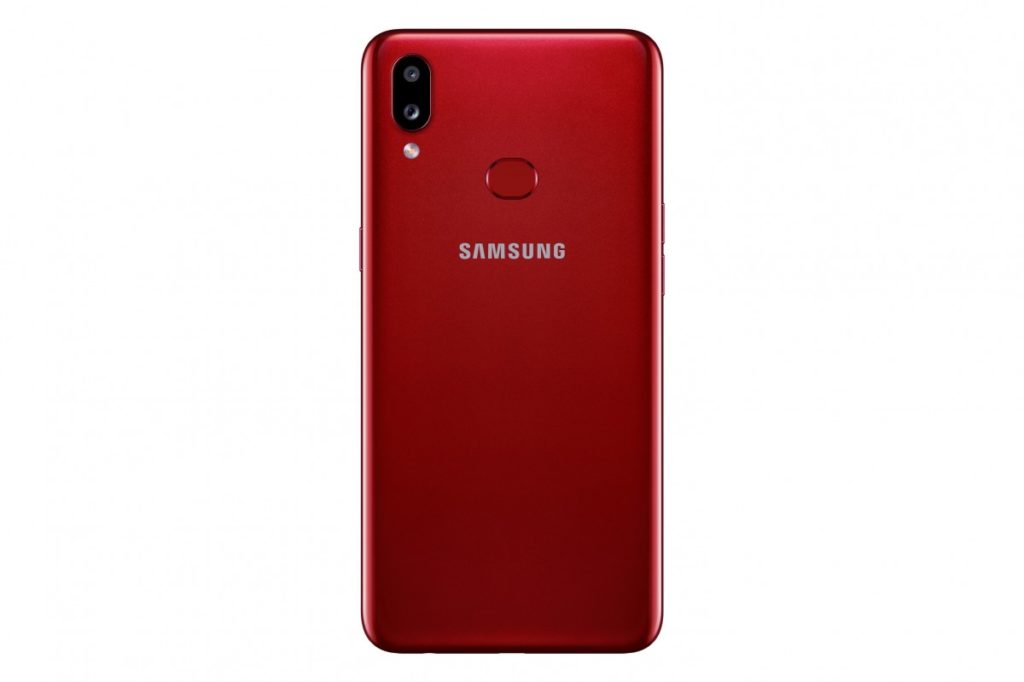
Samsung Galaxy A10s The Korean company started giving ODM orders to China-based Wingtech Group in September 2018 and expanded its outsourcing by adding Huaqin Telecom Technology as its new partner in July 2019, the report added.
What is an ODM?

An ODM (original design manufacturer) is a company that takes the original specifications of another company or individual and builds the design to the product specifications. ODMs make it possible for a company to get a product to market without having to completely design the hardware and without investing in production facilities.

The ODM supplies manufacturing capacity. The company that created the specification typically retains ownership of the design. Both the Samsung Galaxy A10s and Galaxy A10 are examples of ODM smartphones.

While Samsung continues to flourish in the flagship smartphone segment, previously mentioned Chinese smartphone makers have been eating up Samsung’s market share in the budget segment at a rapid rate. Due to cut-throat competition, profit margins in the entry-level segment are considerably low in comparison to high-end devices, which is where Samsung would want to channelise most of its energy.

Having said that, these low profit returning smartphones make up a large percentage of overall sales and Samsung cannot skip on this segment completely. Subsequently, with ODM smartphones that would ideally require a limited amount of resources from Samsung, the company can continue to focus on premium devices which is where the profits are.

(via)

UP NEXT: Huawei’s market share in China increases by 66% YoY in Q3 2019


Realme Android 10 roadmap for China confirmed

Realme had released its roadmap on releasing Android 10 update for India in mid-September. Today, the Chinese manufacturer has released its roadmap for releasing Android 10 update for users in China. The Android 10 update rollout will begin in the home market starting from January 2020.

While Realme has been launching phones in India since last year, it entered the home market in this year. The Realme X and Realme X Lite were the first Realme phones to launch in China. Later on, it released other phones such as Realme Q, Realme X2 and Realme X2 Pro. The Realme X Lite is the rebranded version of the Realme 3 Pro whereas the Realme Q is the rebadged edition of Realme 5 Pro.

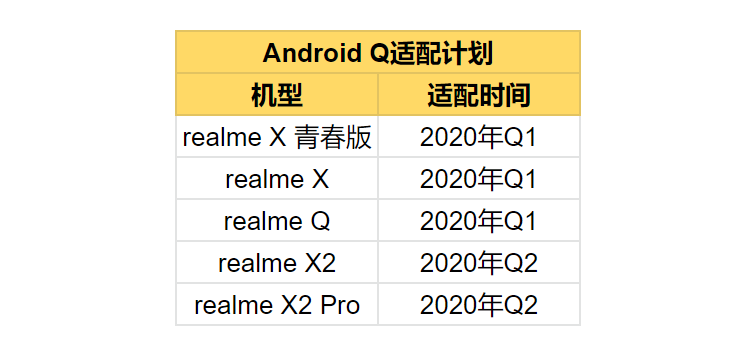
Realme Android 10 roadmap for China

As the above screengrab reveals, the Realme X Lite, Realme X and Realme Q will be treated with Android 10 update in China in the first quarter of 2020. In Q2 2020, the Realme X2 and Realme X2 Pro will be provided with Android 10 update.

Realme India CEO Madhav Sheth has recently confirmed that Realme will be having a custom-made version of the upcoming ColorOS 7. It will made to deliver stock Android experience. The only smartphone that has been treated with ColorOS 7 is the OPPO Reno 10x Zoom. There is no confirmation on whether the Android 10 update for Realme devices will also bring along the latest ColorOS 7 UI.

In India, the Realme 3 Pro, Realme 5 Pro, Realme X and Realme XT phones will get Android 10 in Q1 2020. Th Realme 3, Realme 3i and Realme 5 will receive it in Q2 and the Realme 2 Pro will be provided with the Android upgrade in Q3. Realme has said that it plans to roll out Android 10 update to all its devices by the end of 2020. However, the Android 10 roadmap list for India did not include phones like Realme 1, Realme 2, Realme C1, Realme C1 2019, Realme C2 and Realme U1.

Since the Android 10 update for Realme phones will begin in 2020 in China and India, there is a possibility that the company will also release ColorOS 7 flavored Android upgrade. There is a possibility that the company will start with the beta testing of ColorOS 7 before releasing its stable version. However, it is advisable to wait for official confirmation on it.


Huawei’s market share in China increases by 66% YoY in Q3 2019

Data analytics firm Canalys has released data for the smartphone shipments in Mainland China in third quarter of this year, i.e. Q3 2019. As per the report, the total smartphone shipments in the region in Q3 2019 stands at 97.8 million units, which indicates a downfall of around 3 percent year-on-year.

The report is ranking Huawei as the leading company in the market with a shipments of 41.5 million units, indicating year-on-year increased of 66 percent. This is remarkable given that the company has posted double-digit growth for the sixth consecutive quarter.

With this, the market share of Huawei in Mainland China has also reached 42.4 percent. Following Huawei in terms of market share is Vivo with shipments of 17.5 million units and 17.9 percent market share.

OPPO, Xiaomi, and Apple are ranked third, fourth, and fifth respectively. Those three brands have shipped 17 million, 8.8 million, and 5.1 million units in that order, for a market share of 17.4 percent, 9 percent, and 5.2 percent respectively.

Despite facing issues related to the ban on Huawei from the United States, the company recently announced a record-high 200 million smartphone shipments so far this year. The company revealed that this feat was achieved 64 days earlier than the period it took to hit the same milestone last year.

In 2017, Huawei was celebrating 100 million smartphone shipments by the end of September. It achieved the same feat in October 2016. But last year and this year, the company has consistently doubled its shipments despite several distractions and push by key rivals like Samsung.


Xiaomi Mi Smartwatch hand-on video surface online ahead of its launch next week

Xiaomi has already confirmed that it will be launching the brand’s first smartwatch at an event on 5th November in China, along with the Mi CC9 Pro smartphone and a few other products.

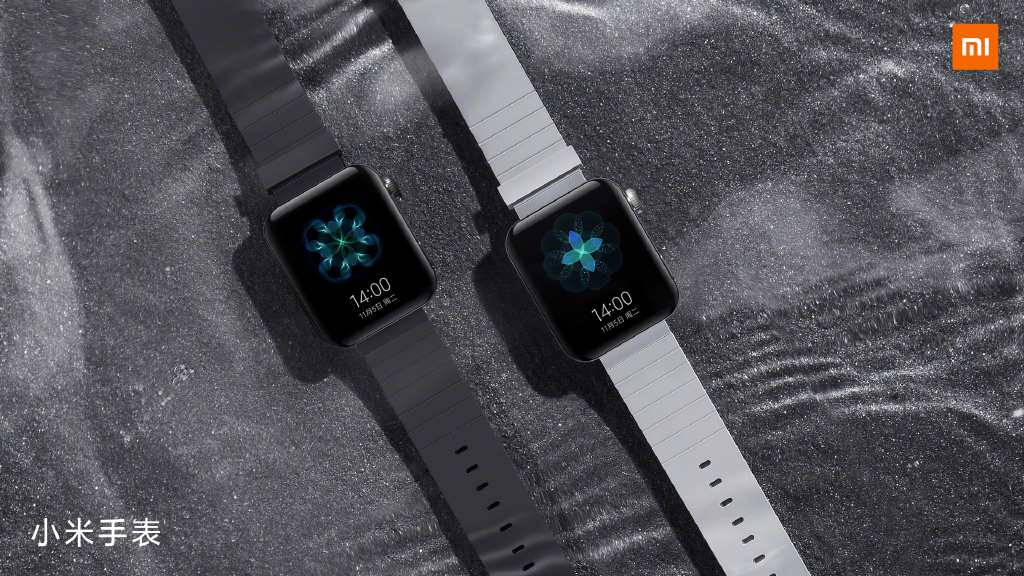
Ahead of the official announcement, the company shared an image of the upcoming smartwatch, giving us a clear look at its design, which seems very similar to the Apple Watch. Soon after that, live image of the device was leaked online.

Now, a hands-on video of the upcoming Xiaomi Smartwatch has surfaced online, showing the device as well as its user interface. In the video, we can see the user scrolling through the apps in the ‘App Drawer’ and tapping on an app to watch a video.

Earlier, it was reported that the upcoming smartwatch will be powered by the Xiaomi Wear chipset and will also also come with support for eSIM card, 4G LTE network connectivity, multi-function NFC, and smart voice assistant.

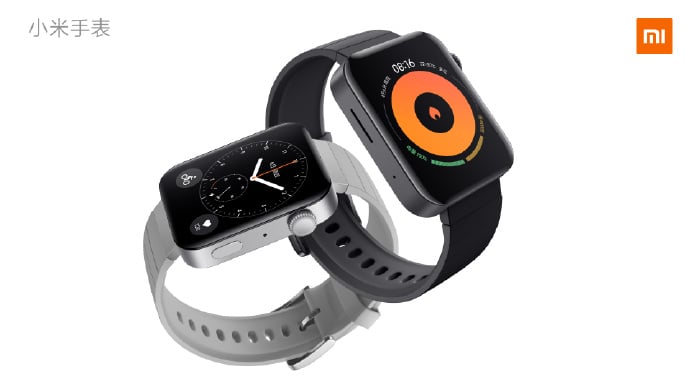
The Xiaomi Smartwatch will be running a customized version of Google’s Android Wear operating system out-of-the-box which could be named “Mi Wear” OS. It has been revealed that the Xiaomi Smartwatch which has a square-shared dial, will feature a knob on the top-right corner and will come with two staps — Black and White. As said above, it looks very similar to the Apple Watch.

Xiaomi smartwatch

The company has confirmed that the Xiaomi Smartwatch will feature a high-performance CPU along with independent GPS, NFC, Wi-Fi/Bluetooth modules. There will also be an independent linear motor as well as speakers inside.

Further, the company has said that the battery in the device will be pretty large as well. With eSIM support and speakers, the watch should be able to make phone calls and other functions, just like a smartphone.

Xiaomi has confirmed that the Mi smartwatch will be able to install third-party apps for additional functions. It will be able to download and install apps like WeChat, QQ, Alipay, Keep (fitness app), and even DiDi (uber-like app). It can also be used to control smart home devices, and check your fitness data.

Xiaomi has been selling Mi Band fitness trackers and also has a lineup of smartwatches under its Amazfit brand. However, the upcoming smartwatch will be the first one from the Chinese company to come with its own branding.


Xiaomi confirms its Mi smartwatch can run apps like WeChat & Alipay

Xiaomi’s Mi smartwatch design may not be original, but the company will make a compelling case with its hardware and features. After confirming some of the key hardware components of the smartwatch yesterday, today, Xiaomi has shown us a glimpse of its software.

mi smartwatch apps lite

Xiaomi confirms that the Mi smartwatch will be able to install third-party apps for additional functions. From the image, we can confirm that the smartwatch will be able to download and install apps like WeChat, QQ, Alipay, Keep (fitness app), and even DiDi (uber-like app). You can also control smart home devices, and check your fitness data right from the Mi smartwatch.

However, if you notice, the apps are of small size, all under 5MB. This is a very good indication that these are ‘Lite’ versions of the regular apps specially optimized for the smartwatch. The company further adds that it runs on an open OS just like a smartphone. Unfortunately, we still don’t know whether it’ll run on Google’s WearOS.

Xiaomi Watch render
Official renders of the Xiaomi Watch

Xiaomi has confirmed that the Mi smartwatch will be powered by the Snapdragon wear 3100 processor, made specifically for wearables. It will have GPSNFC, Wi-Fi / Bluetooth modules, an independent linear motor as well as speakers inside. The watch also adds eSIM support.


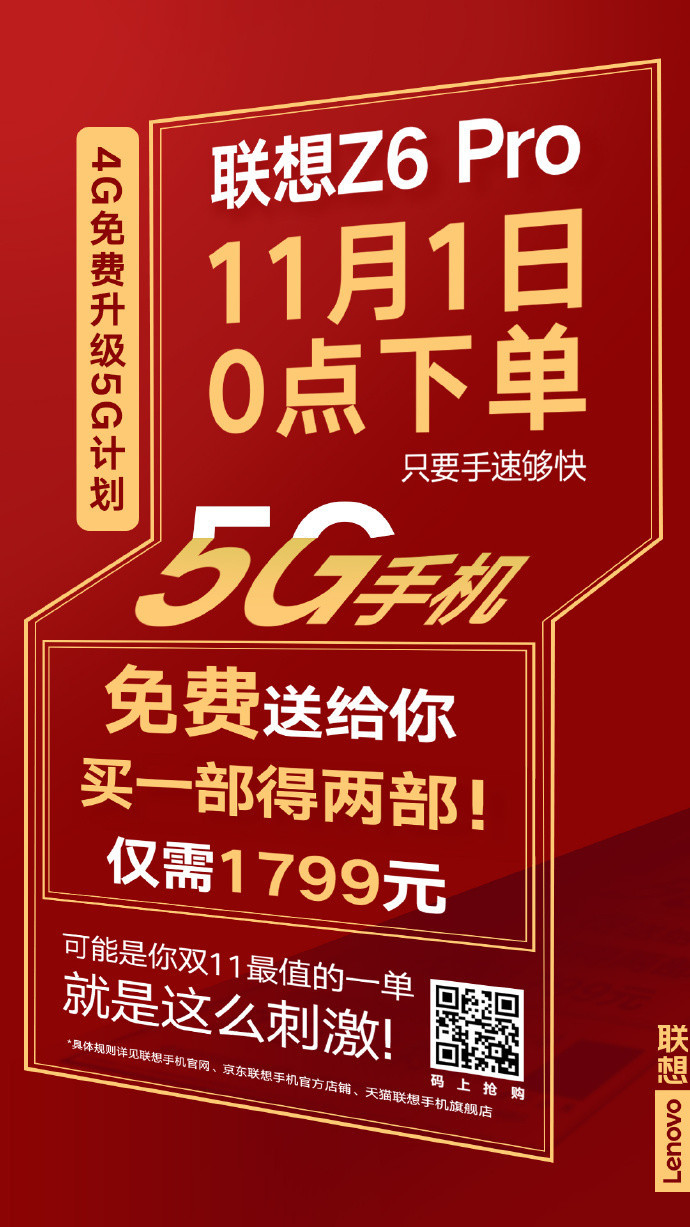
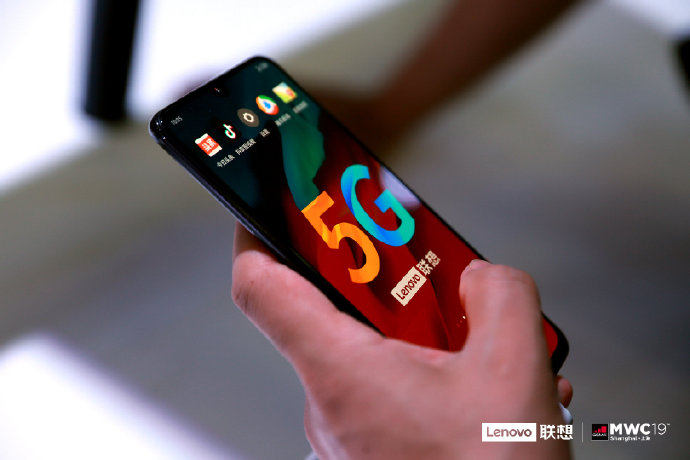
Lenovo will ship 5G version of the Z6 Pro instead of the 4G when you buy it at 11/11 sales

Lenovo executive Guan Wei has today announced that during 11/11 promotion sales, the company will be shipping the 5G version of the Lenovo Z6 Pro smartphone instead of the 4G one. It also seems that the company has slashed the phone’s pricing by 1,100 Yuan, bringing its cost down to just 1,799 Yuan from the original price of 2,899 Yuan.

The company has also revealed that during the 11/11 sales promotion period, users can receive 35 Yuan universal coupon. It also added that users can grab 200 Yuan, 100 Yuan, and 50 Yuan coupons every day at 10:00 AM, 11:00 AM, and 12:00 PM and can grab 10 coupons throughout the day.

As for the Lenovo Z5, the company will be selling five units of the smartphone for just 296 Yuan, roughly $42. Apart from the Flash Sale, the highest discount that the Lenovo Z5 will receive is of 600 Yuan on its original pricing of 1,298 Yuan (~$184), brining the starting price of the smartphone to 698 Yuan (~$99).

The Lenovo Z6 Pro, the current flagship smartphone from the company, comes with a 6.3-inch AMOLED display with Full HD+ screen resolution of 1080 x 2340 pixels, waterdrop notch, and an aspect ratio of 19.5:9. The screen also comes integrated with a sixth-generation in-display fingerprint reader.

Lenovo Z6 Pro 5G featured

The phone is powered by Qualcomm’s 7nm Snapdragon 855 chipset clocked at 2.84GHz. It comes in three variants — 6/8/12 GB RAM and three internal storage options — 128GB, 256GB, and 512GB. There’s a Coldfront liquid cooling technology regulates the internal temperature of the device.

Coming to the camera, it comes with a quad-camera setup on the back consisting of a 48-megapixel primary sensor, a 16-megapixel sensor, an 8-megapixel sensor, and a 2-megapixel sensor. On the front side, it features a 32-megapixel snapper for taking selfies and video calling.

The ZUI 11 user interface based Android 9 Pie operating system comes pre-loaded on the device and for the optimized gaming experience, the handset features Game Turbo game acceleration feature. The smartphone is fueled by a 4,000mAh battery that carries support for 18W fast charging.

(Via)

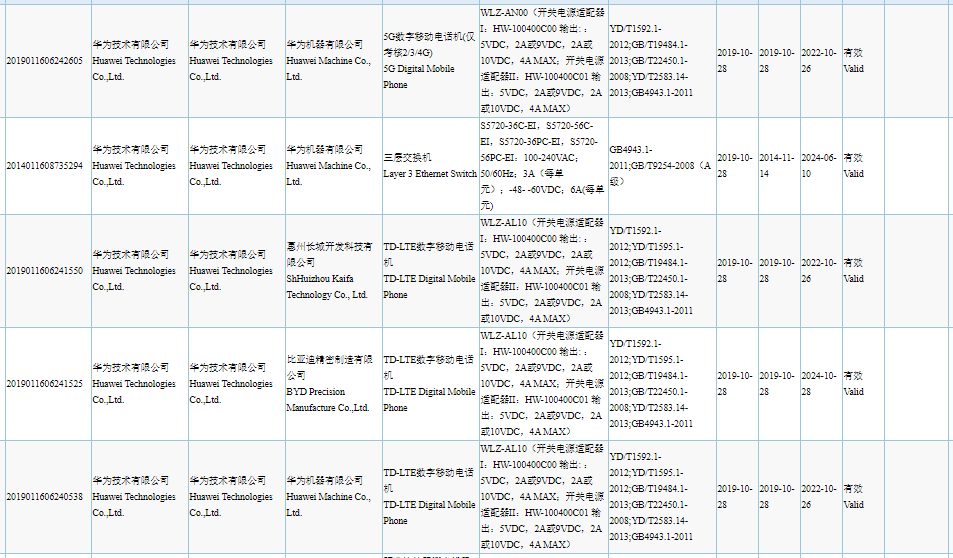
Huawei Nova 6, Nova 6 5G 3C listings reveal 40W rapid charging support

Recent reports have revealed that Huawei may launch the Nova 6 smartphone in December. A leaked render that had surfaced in the previous week had revealed the front and rear sides of the phone. The smartphone is expected to arrive in 4G and 5G editions in the home market. The WLZ-AL10 and WLZ-AN00 are the respective model numbers of the Huawei Nova 6 and Nova 6 5G smartphones. Both smartphones have received approval from the 3C authority in China through which their fast charging capabilities have been revealed.

Past reports have revealed that WLZ-AN00 is the model number of the Huawei Nova 6 5G smartphone. The 5G edition of the Nova 6 has bagged approval from China’s MIIT authority. The WLZ-AL10 model has been also spotted with other model numbers such as WLZ-AN00, WLZ-LX2, WLX-L29 and many other variants on the database of Bluetooth SIG body.

Huawei Nova 6 and Nova 6 5G Phones 3C Approved

Now, WLZ-AL10 and WLZ-AN00 models have been certified by China’s Compulsory Certificate (CCC) in the home market. The HW-100400C00 charger that has been approved along with the phone supports up to 40W rapid charging.

As of this writing, there are no leaks on the Huawei Nova 6 and Nova 6 5G smartphone. The Nova 5G smartphone could be fueling the Kirin 990 5G chipset. Both phones are expected to arrive with identical specs and the only difference on the 4G variant could be that it could be featuring a different SoC.

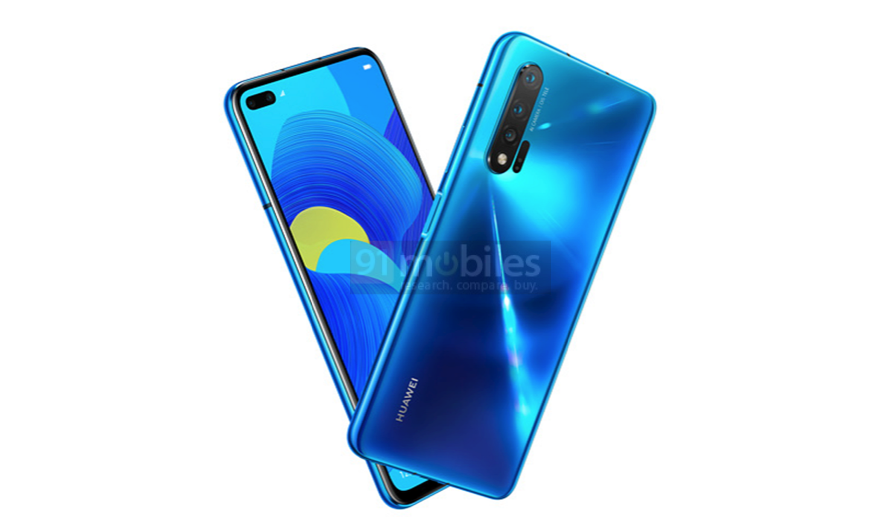
The Nova 6 smartphone that had leaked in the past week had revealed that it is equipped with a glass-body. The handset is equipped with a punch-hole OLED display. The elliptical punch-hole is fitted with two front-facing cameras. The screen seems to be embedded with an in-screen fingerprint reader.

Huawei Nova 6 5G render

The backside of the Huawei Nova 6 has a vertical camera module that houses three lenses and an LED flash. Alongside it seems to be a laser autofocus unit or a fourth camera sensor. The right edge of the smartphone features a volume rocker and a power key.

Now that the Nova 6 and Nova 6 5G phones have bagged 3C approval, it may soon appear on TENAA with its entire specifications.


(via)


Samsung teases a radical clamshell foldable concept, likely to end up in the W20 5G

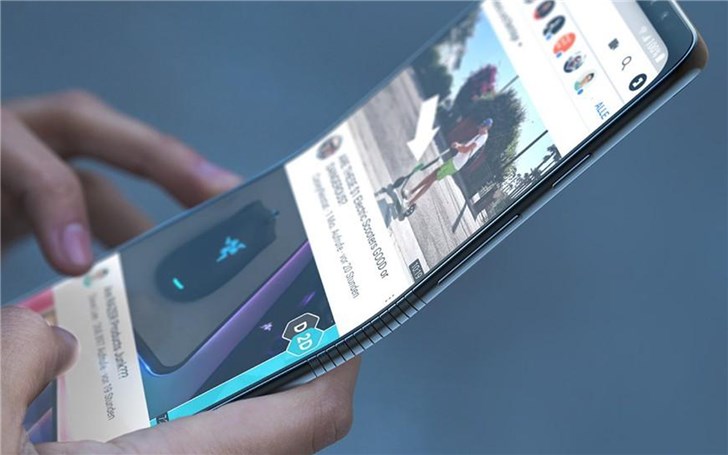
At the Samsung Developer Conference yesterday, Samsung showed off a new vertical folding smartphone concept. This was quite different than the horizontal folding designs we have seen before, like on Galaxy Fold and the Mate X. The new design transforms a regular bar smartphone into a clamshell phone, allowing you to fold it in the middle, just like a flip phone. The teaser kind of confirms what we have in store for us in the coming months.

This is not the first time we are hearing about Samsung’s clamshell-type folding design. And if you recall, a few weeks back, a poster for the Samsung W20 5G (W2020) was spotted at an event, which revealed it would have a foldable design. The ‘W’ series is the company’s premium flip phone lineup that’s traditionally launched in China. But it looks like the update to the ‘W’ series will feature a foldable screen. An old report said that the phone will have a 6.7-inch foldable screen and the company will start sourcing components from November this year.

Another report reveals that Samsung will use two batteries inside the upcoming flip-type foldable. One will feature a capacity of 900mAh while there’ll be another one featuring a larger capacity of unknown size. Galaxyclub.nl adds that this two-battery design of unequal sizes would be ideal for a phone with a foldable design like the Motorola RAZR.

Samsung Galaxy Fold 2

In case you missed, Motorola is likely to reveal its first foldable at the November event and it could feature a RAZR-like foldable design.


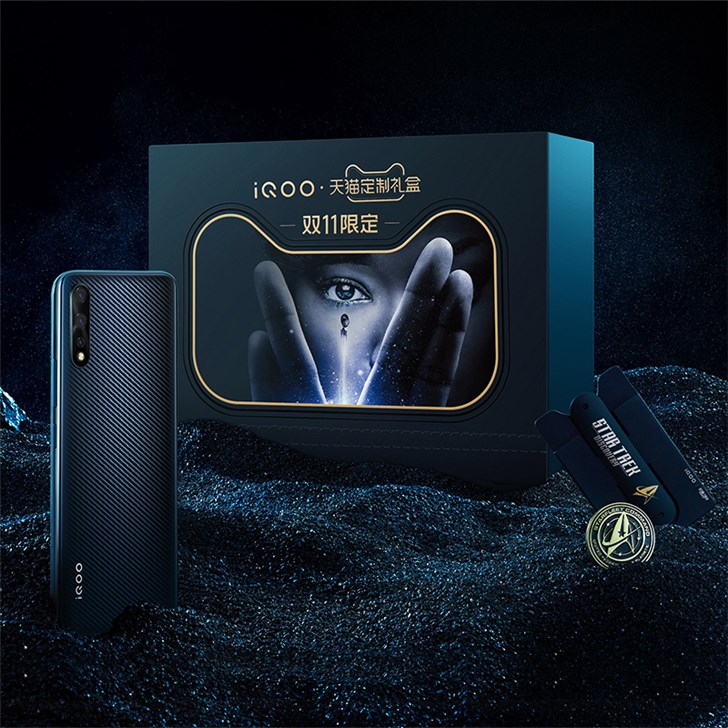
iQOO Neo SD855 variant gets Star Trek: Discovery custom gift box edition for 1,798 Yuan ($254)

Vivo launched its sub-brand name iQOO for premium gaming smartphone earlier this year and has launched a few devices under this brand. A couple of months ago, the brand launched iQOO Neo smartphone and recently it launched iQOO Neo SD855 variant.

A couple of days ago, the company announced a special edition variant of the device, named iQOO Neo 855 ‘Flying Horse of Gansu’ Edition. Now today, the company has announced a special ‘Star Trek: Discovery’ custom gift box edition of the iQOO Neo 855. It’s pricing starts at 1,798 Yuan which roughly converts to $254.

iQOO Neo Star Trek: Discovery Custom Gift Box

Coming to the specifications, the iQOO Neo SD855 comes powered by Qualcomm Snapdragon 855 SoC as well as the faster UFS 3.0 storage replacing the SD845 and UFS 2.1 storage of the standard version. There’s also super-liquid cooling which can reduce the CPU’s temperature by up to 10 degrees and the surface temperature by up to 3 degrees.

This offers a significant improvement in the performance of the smartphone and the company is even bragging about the device’s 477,016 AnTuTu score. The brand’s focus on speed is not just limited to the processor and storage. The device comes with a dual-WiFi acceleration technology that enhances connection and ensures that online gameplay is stable and webpages load faster.

iQOO says lab tests reveal latency reduces by up to 90% with the feature active. The phone comes with faster fast-charging technology than its predecessor. Rather than 22.5W fast charge, the iQOO Neo 855 comes with Vivo’s 33W FlashCharge 2.0 which charges the phone up to 25 percent in just 10 minutes.

The smartphone features a 6.38-inc Full HD+ AMOLED display with 1080 x 2340 pixels screen resolution along with support for DC Dimming and HDR10. The device packs up to 8GB RAM and 256GB internal storage.

The iQOO Neo SD855 keeps the in-display fingerprint scanner of the standard version but it is now 10 percent faster, claims the company. It comes with Monster Mode UI based on FunTouch OS 9 with features such as MultiTurbo 2.0.


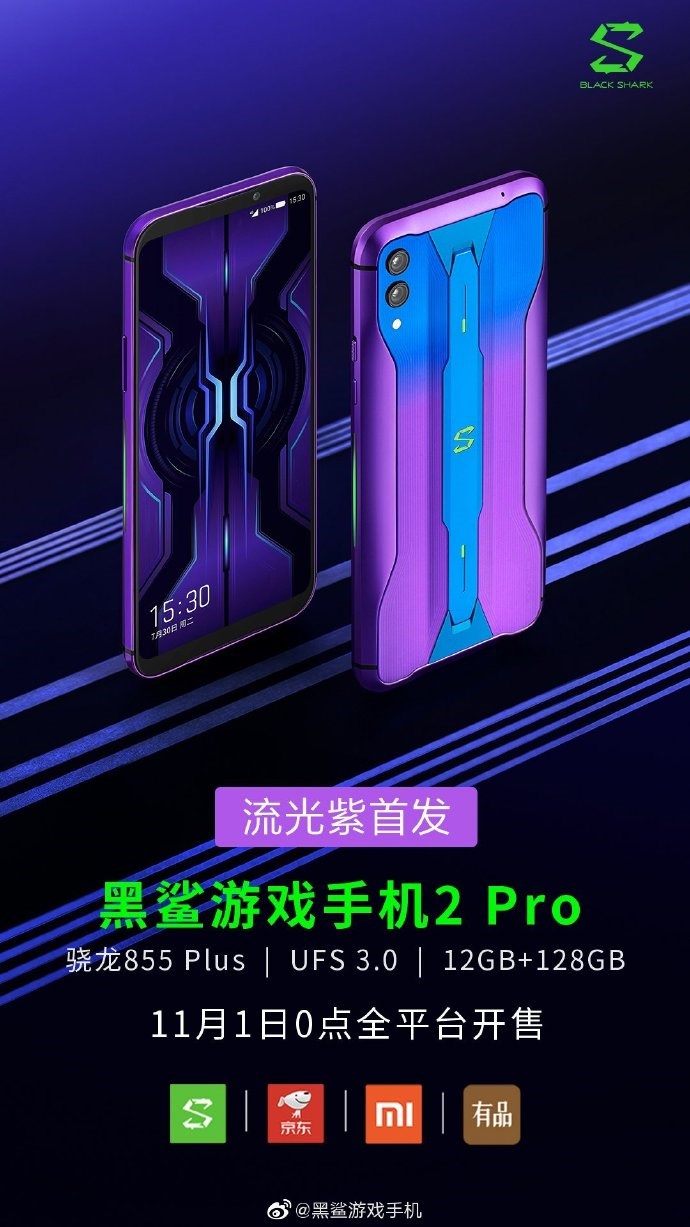
Black Shark 2 Pro gets Violet color variant in China; sale starts from November 1

Today, Xiaomi-backed gaming smartphone maker Black Shark has announced a new color variant of the Black Shark 2 Pro smartphone — Violet. This new gradient color variant is also being called “Flower Violet” or “Streamer Violet”.

This is the fourth color variant for the Black Shark 2 Pro which was earlier available in Electric Black, Ice Ash, and Orange. This new Purple color variant of the smartphone will be available for purchase in China from 1st November.

Black Shark 2 Pro Violet Color

Apart from the new color, the internals of the smartphone remains the same. It houses a 6.39-inch Super AMOLED display with notch-less design and offers Full HD+ screen resolution of 1080 x 2340 pixels.

The display offers features like DC dimming 2.0, DCI-P3 color gamut, 240Hz touch sampling rate and 34.7ms touch response speed. It also features an in-screen fingerprint reader. Under the hood, it is powered by 2.96GHz Snapdragon 855+ SoC that is designed to offer accelerated CPU and GPU performance for gaming.

It is packed with 12GB of RAM and in 128GB and 256GB of UFS 3.0 storage options. However, the smartphone lacks support for microSD card slot. Coming to the camera department, is fitted with a dual camera setup that includes a Sony IMX586 48-megapixel primary lens with f/1.8 aperture and a 12-megapixel telephoto lens with 2x optical zoom.

On the front side, there’s a 20-megapixel snapper for taking selfies and video calling. The Black Shark OS UI based on Android 9 Pie operating system runs on the Black Shark 2 Pro smartphone, which is packed with a 4,000mAh battery that supports 27W fast charging.

As for the pricing, the 12GB RAM + 128GB storage and 12GB RAM + 256GB storage model are respectively priced at 2,999 Yuan (~$434) and 3,499 Yuan (~$507).