Chinese smartphone maker, Xiaomi is about to launch its latest photography centric smartphone, the Mi CC9 Pro which will be unveiled on the 5th of November. Ahead of its official announcement, the company has already shared a bunch of teasers. Correspondingly, here is a summary of what we already know about the phone.
Design and Display
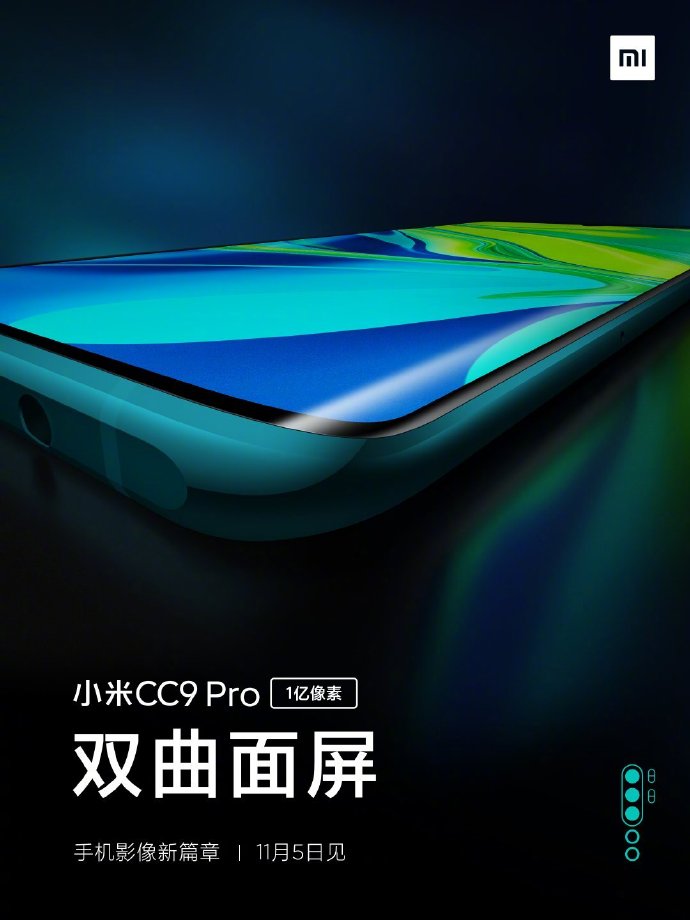
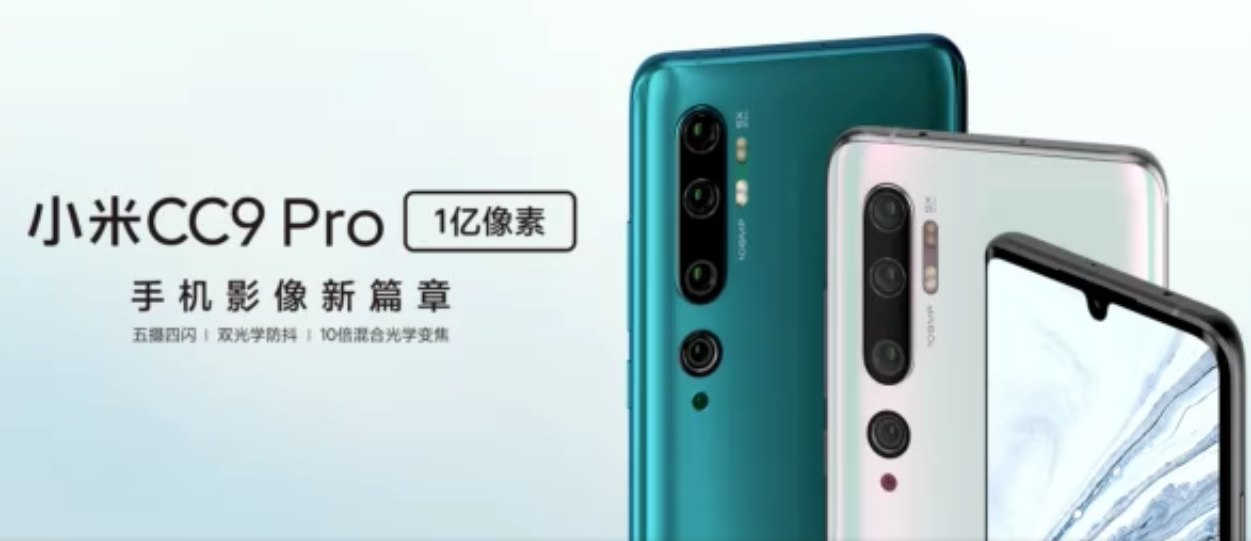
Going by the official teasers, the front of the Mi CC9 Pro will sport an edge-to-edge curved AMOLED display that features a waterdrop notch up top. The rear of the smartphone is made out glass which houses the company branding and a vertically aligned Penta camera setup. While the company is yet to publicise the size of the display, according to the previously discovered TENAA listing, the Mi CC9 Pro will have a 6.47-inch display with Full HD+ resolution.
Chipset and Connectivity options
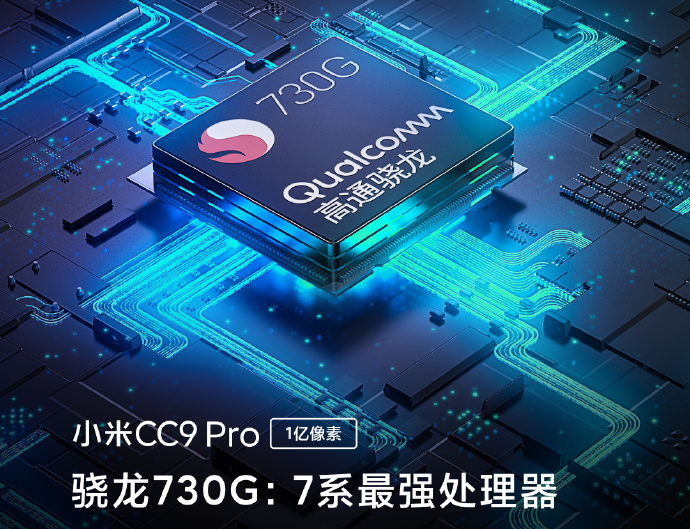
Under the hood, the Mi CC9 Pro will have the Snapdragon 730G chipset which is also found on devices like the Realme X2 and Oppo K5. The chipset is manufactured using 8 nm fabrication process and its consists of an Octa-Core Kryo 470 CPU which is clocked at 2.2 GHz in addition to Adreno 618 GPU.
In terms of connectivity, the chipset has Bluetooth 5.0, 802.11 a/b/g/n Wi-Fi, Dual 4G LTE support, GPS which are destined to make their way to the CC9 Pro. Talking about ports, the smartphone is already confirmed to have bottom-mounted 3.5 mm audio jack and USB Type C port which can be used for both charging and data syncing. It is also presumed to have an IR blaster which is a staple on almost every modern handset from Xiaomi.
Camera
1 of 5
Mi CC9 Pro
Mi CC9 Pro and its five cameras
Mi CC9 Pro camera cut-out
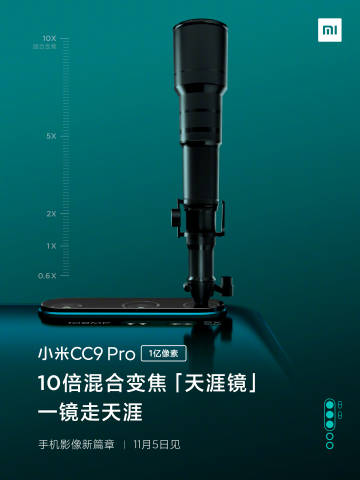
As previously mentioned, the Mi CC9 Pro is expected to excel in the camera department. While we are not sure, how the end result will be, we know almost every specification about Mi CC9 Pro’s camera and without a doubt, it seems impressive. The front of the smartphone will feature a 32 MP selfie camera which will be housed in the waterdrop notch which is present on top of the display.
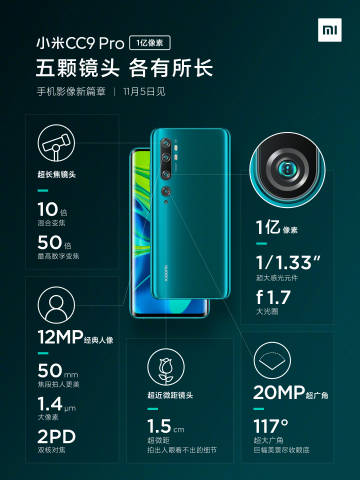
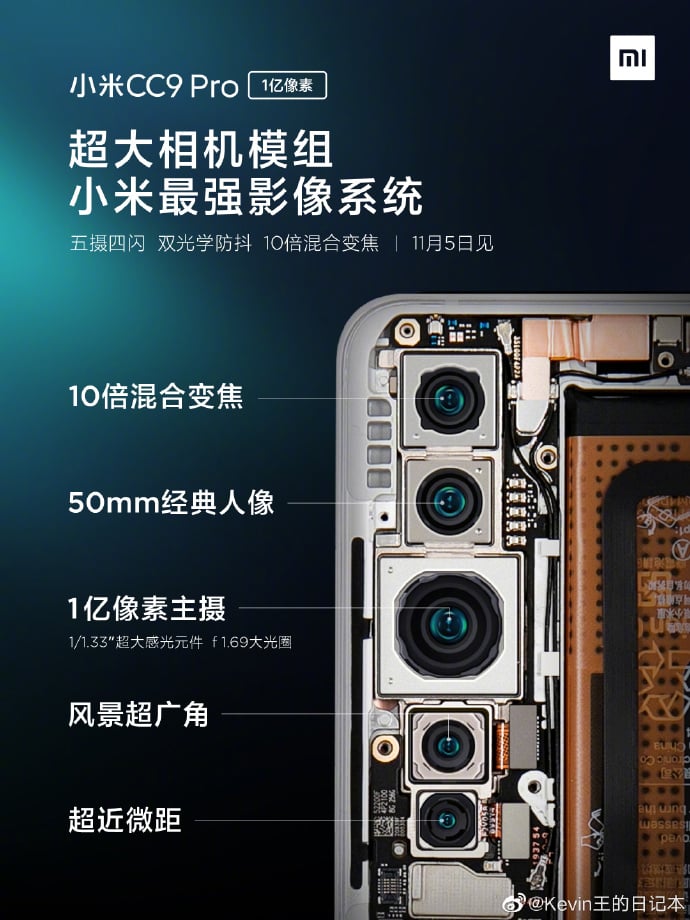
Its penta rear camera setup is comprised of the following sensors (top to bottom):
5 MP, supports 5x optical zoom and 50X hybrid zoom
12MP portrait sensor, 1.4µ size pixel, 50 mm
108MP primary sensor, f/1.7 aperture, OIS support
20MP ultra-wide sensor, 117 degree Field-Of-View
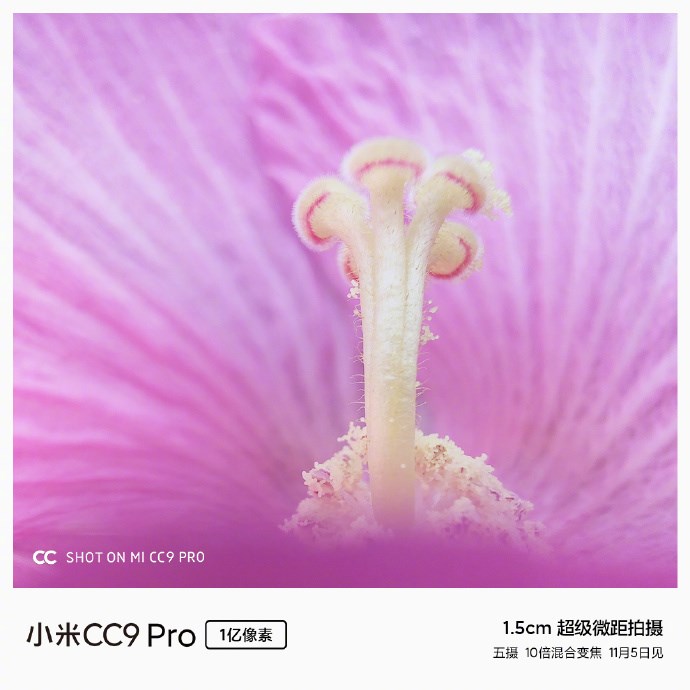
2 MP macro, Can capture from as close as 1.5 cm
Apart from the hardware details, the Mi CC9 Pro is confirmed to have a vlog-enhance function which can automatically trim a long video by eliminating unnecessary bits and making is appealing.
Another highlighting feature of the rear camera setup is quad LED flash which is divided in 2 pairs of 2 LED.
Battery and Other Features
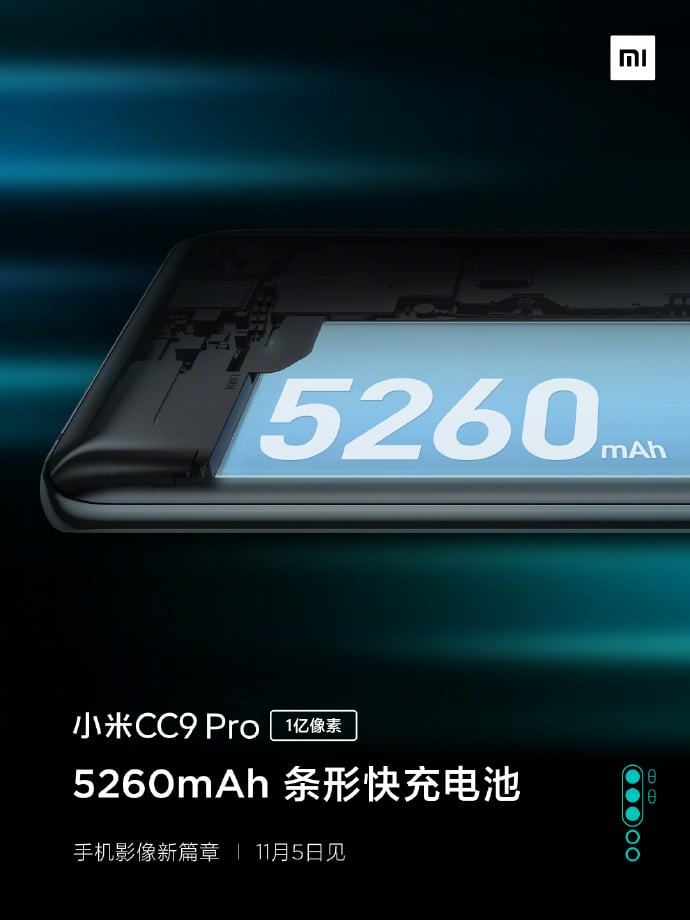
The Mi CC9 Pro is confirmed to accommodate a massive 5260 mAh battery which will support 30 W fast charging. Noteworthy, Xiaomi claims that its 30W charging technology has been thoroughly optimised and is surprisingly faster than 40W high-speed chargers of other companies, namely Huawei.
Apart from being the world’s smartphone with 108 MP camera, it will also be the world’s first handset with an ultra-thin optical in-display fingerprint scanner. The Mi CC9 Pro will also have multi-function NFC which can replace all money and travel cards that make use of this technology. The smartphone is confirmed to have a 1CC large loudspeaker which Xiaomi claims can produce upto 2x loud sound output, in comparison to any other smartphone it has previously launched.
1 of 2
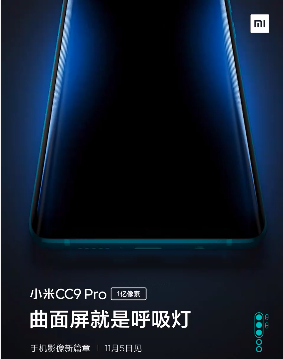
Another interesting feature of the Mi CC9 Pro will be the “Breathing light” display. With this feature, the sides of its AMOLED display will blink whenever the device receives a notification.
The upcoming smartphone is already confirmed to be offered in Green and White colour options. However, the company is also expected to offer the Mi CC9 Pro in other colour variants which include Black, Red and Blue.
All in all, the upcoming Mi CC9 Pro seems like a worthy mid-range smartphone that can disrupt the segment if Xiaomi manages to price it aggressively. We assume the device can be priced somewhere between Yuan 2299 ($ 327) and Yuan 3000 ($ 427) in China. However, as observed with the standard Mi CC9, its price will be bumped up considerably higher when it launches in Europe.
What do you think is the most exciting feature of Xiaomi’s upcoming smartphone? Do let us know in the comments below.
The 11.11 (a.k.a. Double 11) Shopping Festival can be considered the “Black Friday” of China and with just 1 week remaining, manufacturers are beginning to reveal their offers for the festival. Ulefone is once again participating and has prepared many discounts for their fans, including all Ulefone phones, up to 31% off. What’s more, they will offer some extra promotions and discount coupons for the shopping festival.
For starters there are two giveaway events: the buyer who pays the highest amount on Ulefone Aliexpress Store during the 11.11 shopping festival can get a free Ulefone Armor X3. Also, if you make your purchases during the first two hours on November 11th and 12th, then you may be among the lucky 5 that will get a free Ulefone Note 7.
In addition, $10 coupons will be available on the 1st day of the festival which you can use to get an even larger discount (amount limits apply). What’s more, the company’s annual flagship –Ulefone Armor 7– will make its debut in the market on Aliexpress with a price tag of $369.99 and it would be a perfect time to grab one. If you have already decided which phone you want, you can add it to your cart now and check out on 11.11 when the discount will be valid. Visit the Ulefone Store on Aliexpress to see all the offers.
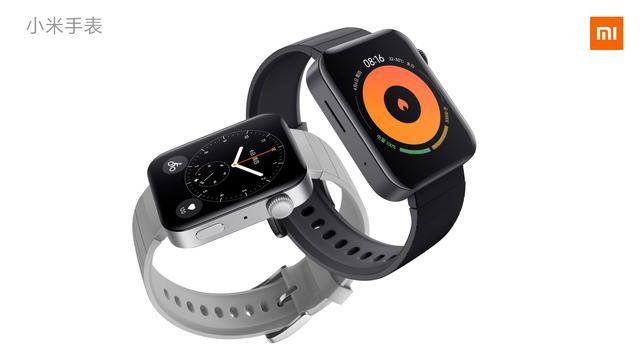
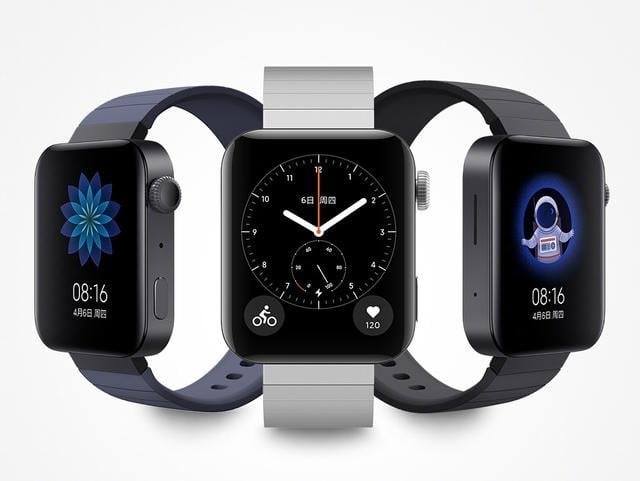
Xiaomi is one of the leading brands when it comes to wearable devices, thanks to the company’s Mi Band fitness trackers. Now, the company is all set to launch its first smartwatch — Mi Watch at a launch event on 5th November in China.
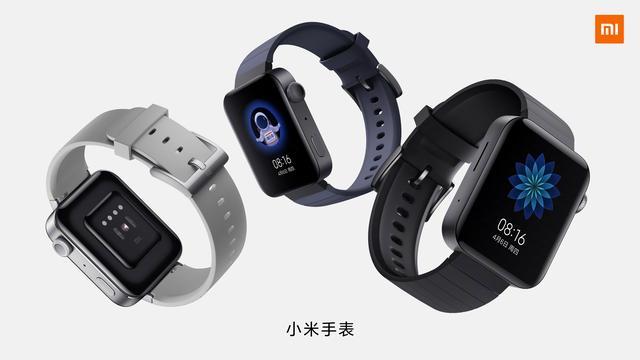
Today, just a day ahead of the official launch of the Mi Watch, the company has now shared a few more renders of the device. It shows the product from almost all angles, giving us a better look at its design.
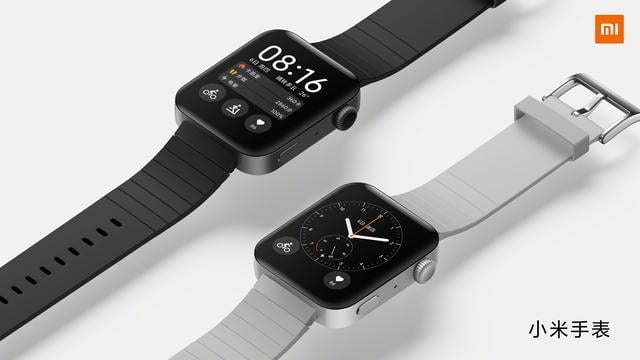
As already known from the earlier released render, the Mi Watch comes with square-shaped dial and a single crown on the right side along with a single button. The design looks quite similar to the Apple Watch.
The Xiaomi Mi Watch will be running a customized version of Google’s Android Wear operating system out-of-the-box which could be named “Mi Wear” OS. It is confirmed to come powered by Qualcomm Snapdragon 3100 processor. It will also come with support for eSIM, NFC, GPS, WiFi, and Bluetooth.
A couple of days ago, the company confirmed that the upcoming Mi Watch can independently play music and the user will have an option to even download the music files to its storage. The Mi Watch will also, unsurprisingly, come with a heart rate sensor and smart home controls.
Apart from the Mi Band fitness tracker, it has a line of smartwatches under Amazfit branding but none of them are running Android Wear OS. The upcoming smartwatch will be the first to come with company’s own branding.
Hu Ling, a member of the human resources team at Huawei’s elite 2012 Lab research unit posted a disgruntled open letter last week which was soon deleted. The letter criticised company’s overtime policy and higlighted that executives are covering up the extra work they have doing following the US ban.
According to a screenshot seen by Bloomberg News, the open letter shared by Hu Ling included the following statement which shows dissatisfaction and distrust developing within the Chinese corporation:
Take my advice brothers: Don’t trust HR, they have no honesty
In addition, the letter questioned the efficiency of engineers that are working overtime sessions. Huawei has confirmed the authenticity of the open letter, however, they declined to comment any further on the matter.
Huawei is known for its gruelling work culture aka “wolf culture” which they claim has helped them reach where they currently are. However, this philoshphy kicked into high gear after the Chinese corportation was designated to a blacklist by the U.S Commerce Department.
Since then, teams of engineers at Huawei started having 24 hour work days in shifts, in order to find alternatives to U.S based suppliers and their offerings which are valuable to the Chinese corporation.
Besides, in the month of July, Huawei started rewarding employee who could increase revenue despite the ban. Notably, overtime is not uncommon in Chinese tech companies but this harsh work culture is seeing a downward trend as promises of “big payoff” are fading slowly.
Some employees of Huawei were resentful of the overtime work culture, but some were speaking up in its support. One employee wrote on the forum “The real force that takes down the company isn’t from outside but from within” which expressed regret that a company’s internal issues are being exposed to outsiders.
Lastly, Hu Ling’s post ended on a postive and encouging note for engineers who are still pulling of longer than usual work hours:
The era when engineers get full respect will come.
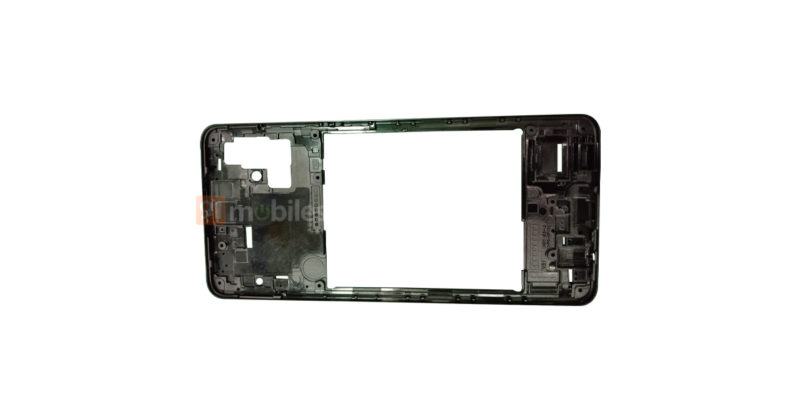
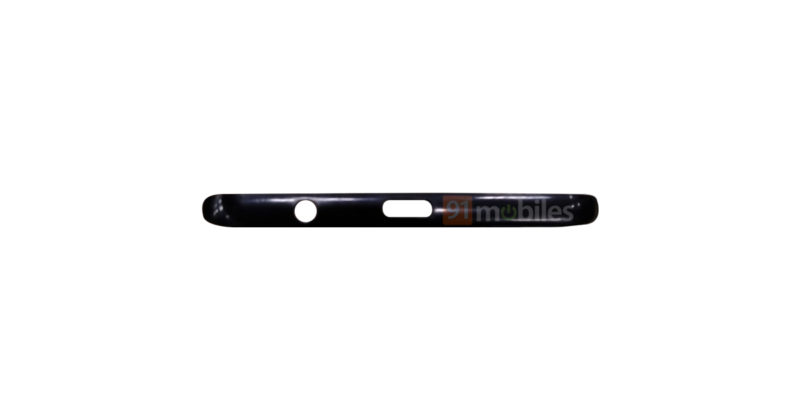
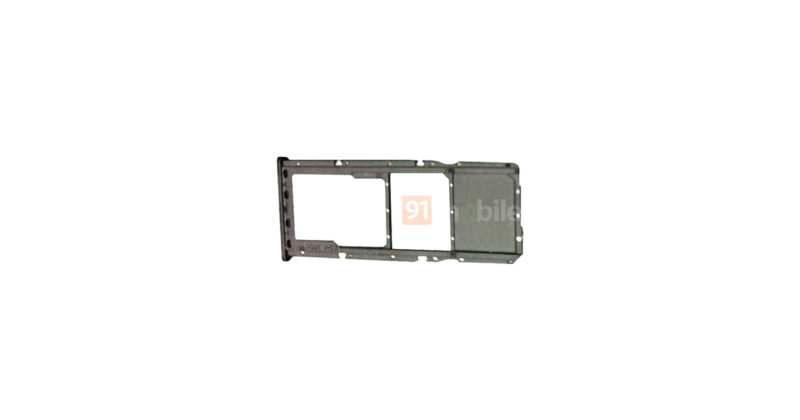
Recent reports have claimed that Samsung is working on the Galaxy A51, and the device is reportedly under production at the company’s assembly line in Greater Noida, UP, according to a post on 91mobiles from last week. Earlier today, the same publication shared three images of the A51’s chassis leaked that were leaked from the production facility.
The leaked images have revealed some of the smartphone’s interior components. The leaked images clearly reveal hardware elements like a 3.5mm headphone jack and a USB-C socket on the bottom edge. The device also has a dedicated microSD card slot apart from the provision for dual-SIM on the SIM card tray. However, the highlight of the Samsung Galaxy A51 is the L-shaped quad-camera setup at the rear with a dedicated flash module.
Samsung Galaxy A51 Specifications and Features (Rumored)
According to the Geekbench listing that was spotted in the previous month, the Galaxy A51 (model number SM-A515F) scored 323 points in the single-core tests and 1,185 points in the multi-core tests. The smartphone is powered by a 10nm FinFet Exynos 9611 chipset with onboard Mali G72 MP3 GPU. The device will be available with 4GB of RAM and 64GB/128GB of native storage. The memory is further expandable with a MicroSD card.
The quad-camera setup on the Galaxy A51 consists of a 32-megapixel primary lens, a 12-megapixel wide-angle lens, a 12-megapixel telephoto lens with 2X optical zoom and a 5-megapixel depth sensor. The front camera is housed within the waterdrop notch on the display. Details regarding the battery capacity or connectivity options are non-existent for the time being. The smartphone is rumored to run on Android 10 out-of-the-box. Unfortunately, that is all the information currently available about the product.
Samsung Galaxy A51 Price and Availability (Rumored)
According to current reports, the Samsung Galaxy A51 will be available in three color variants, namely blue, black and silver. The device is expected to be priced just above the Rs. 20,000 (~$283) mark, and is rumored to launch in India by the first quarter of 2020.
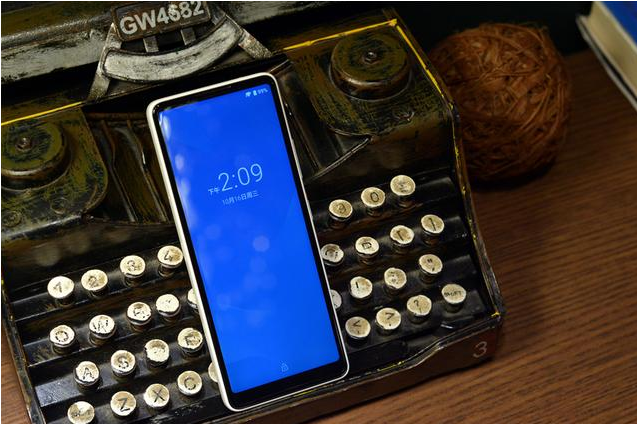
In July this year, Xiaomi crowdfunded the QIN Multi-parent AI Assistant 2 smartphone under the Youpin platform and the device turned out to be a highly sought-after device just like the brand’s feature phone that was first launched in 2018. The QIN brand has added a new smartphone to its kitty and it is dubbed Qin AI Assistant Pro. The new model is a slightly upgraded version of the first smartphone iteration.
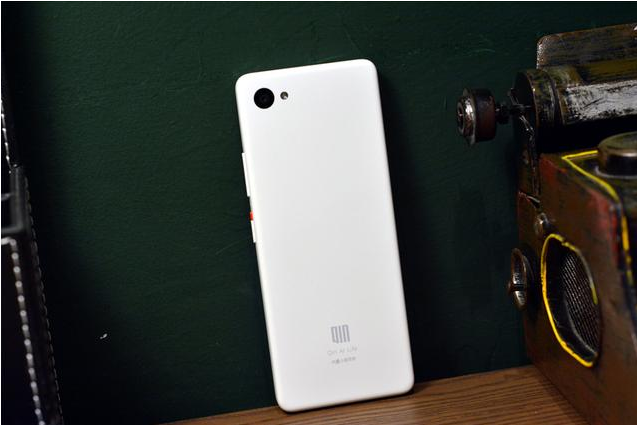
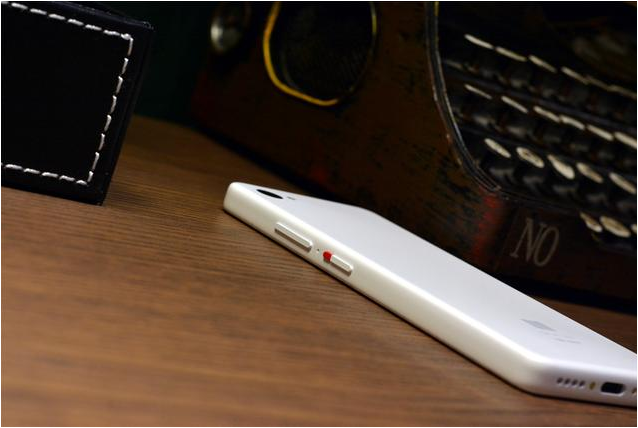
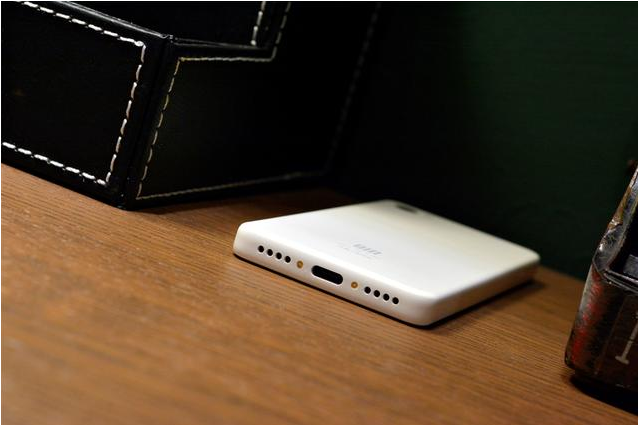
The Qin Multi-parent AI Assistant Pro basically retains the minimalist and attractive design of its predecessor. The device packs a 5.05-inch full-screen display with no physical button at the front and a resolution of 576×1440 pixels. The device presents with a tall aspect ratio of 22.5:9, making it smaller than most smartphones around. The body is made of polycarbonate material just like the Pixel phones. In fact, the smartphone bears semblance with the Pixel 2 white variant with the red accent on the power button and prominent bezel on the chin. The red button is actually a XiaoAI voice assistant button.
For photography, the Qin AI Assistant Pro smartphone features a single 8-megapixel camera situated at the top left corner of the back panel. There is still no front camera.
The QIN AI Assistant Pro is powered by an Octa-core processor paired with 2GB of RAM and 32GB of storage. This is slightly higher than the 1GB RAM and Quad-core SOC on the Qin Multi-parent AI Assistant 2. The device also comes with support for AI assistant, with a dedicated red trigger button just above the power button. The device packs a 2100mAh battery and with a USB-C port, that means you get fast charging onboard.
There is no word yet on the pricing and availability but it won’t far from the price of the Qin 2 which presently retails for 599 yuan (~$85) on Jingdong (JD.com).
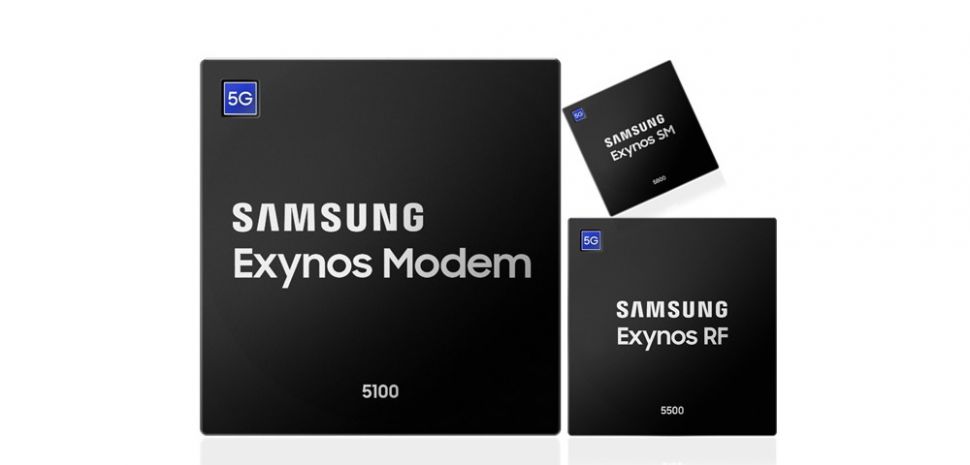
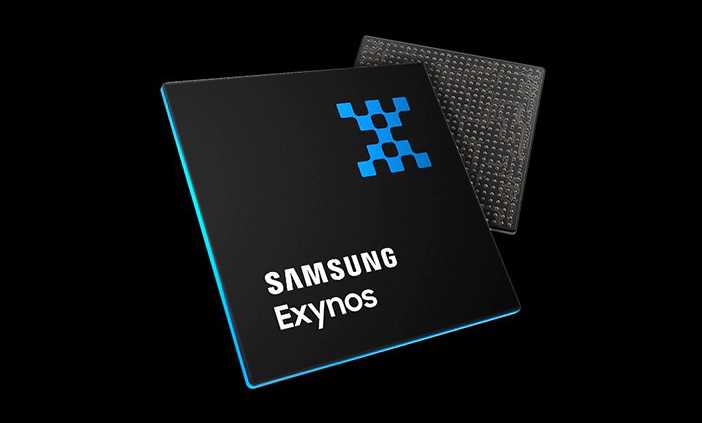
In an unexpected turn of events, the South Korean electronics giant, Samsung is shutting down its custom CPU Core division. Therefore we will not be seeing any future in-house developed cores like the Moongoose M4 found in Exynos 9820, Samsung’s current flagship silicon. According to a WARN letter filed with the Texas Workforce Commission, Samsung is shutting down the CPU project at its Samsung Austin Research Center that will result in 290 employees being laid off.
A WARN letter aka Worker Adjustment and Retraining Notification is a mandated notice that employers must provide to state governments in the event of major layoffs. The previously mentioned layoffs will be effective from the 31st of December and the affected employees do not have any bumping rights. The WARN letter does not specify how many of the layoffs would be in Austin and how many in California.
Michele Glaze, a spokeswoman for Samsung Austin told that company’s Austin manufacturing facility, which employs about 3,000 people, will remain unaffected by the layoffs. While talking to an American-Statesman she made the following statement.
We have treated all employees with respect. They all have been given appropriate packages and advanced notice. These things are very tough. People always wonder, ‘Did they treat them right?’ And we did. It’s unfortunate that they are losing their jobs, but it is based upon the fact that we’re always assessing our business.
Even though Samsung’s Exynos range of chipsets offer praiseworthy performance they usually come second to Qualcomm’s Snapdragon family in performance benchmarks. In plain language, current offerings from Qualcomm provide better performance with lower power consumption which is vital to prolonging battery backup in smartphones.
Patrick Moorhead, an industry analyst said that Samsung has licensed some intellectual property from Arm Holdings which could be put to use in upcoming chips from the South Korean company.
Noteworthy, while Samsung will no longer develop its own custom core’s, it will continue to manufacture chips under the Exynos brand which will be comprised of CPU cores that are developed by ARM. Accordingly, it is possible that the upcoming Exynos 9830 will be comprised of four Cortex-A77 cores high-performance cores in addition to four high-efficiency cores.
Apparently, it is a well thought out decision from Samsung, who is the world’s biggest producer of smartphone screens, semiconductors and mobile phones. According to the company, it has invested $17 billion in its Austin campus until now which first started operations in the year 1977.
TCL has launched a new TV in the Chinese market — TCL 100X6C, which comes with 100-inch display and carries a whooping price tag of 79,999 Yuan that roughly converts to $11,385. However, this is not the largest screen-size TV to be available in the market as Sharp has already exhibited a 120-inch production model of its TV that has a model number UDE2019.
With a price tag of 79,999 Yuan (~$11,385), this TCL television is the cheapest one when it comes to TVs with over 90-inch screen. With the launch of this new TV, TCL has now joined a list of major TV manufactures with a large sized display.
Samsung QA98Q900RBJXXZ comes with 98-inch panel for a price of 499,888 Yuan which roughly converts to $71,138 while Sony‘s 98-inch TV with model number KD-98Z9G is priced at 529,999 Yuan (~$75,423). As mentioned above, Sharp has already showcased its 120-inch television which is priced at 1,500,000 Yuan that is roughly $213,462.
While TCL’s is the cheapest TV among the ones mentioned above, it must be noted that almost all of them come with 8K resolution (7680 x 4320 pixels) support while the TCL’s TV comes with 4K resolution (3840 x 2160 pixels) support.
It seems that the TCL 100X6C comes with 3GB of RAM and 32GB of internal storage as well as 120Hz refresh rate, 2.1 stereo audio, Dolby DTS sound, among others. Overall, this TCL television seems to be a great value-for-money offering.
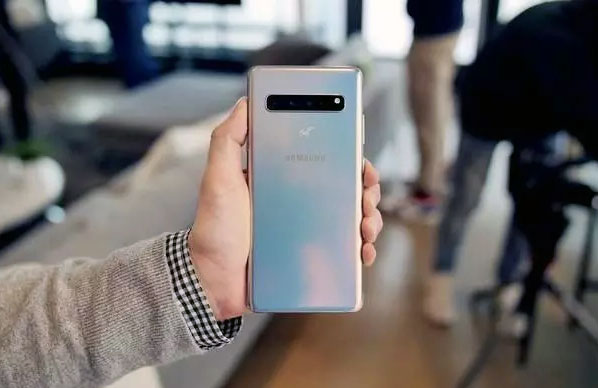
Samsung‘s next flagship smartphone is expected to be the Galaxy S11 series which should launch in the first quarter of 2019. The Galaxy S11 has featured in a couple of leaks which shows the device would likely take a detour from its predecessor in launching with several cutting-edge technologies and refreshed design.
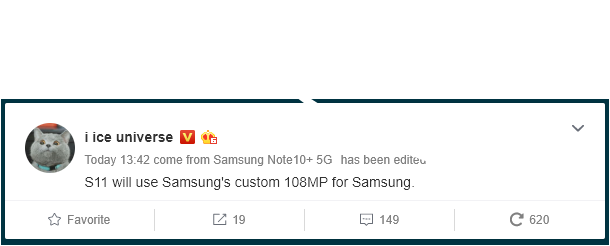
The Galaxy S11 was recently rumoured to come with a triple camera setup at the front. A new rumour shared by Ice Universe on Weibo has emerged that the Galaxy S11 will use Samsung’s record-breaking 108MP sensor. Recall that Samsung had announced the world’s first mobile camera sensor that goes beyond 100MP in August this year. The Samsung ISOCELL Bright HMX is a 108MP sensor for smartphones developed in collaboration with Xiaomi. The sensor was first utilised on the Mi CC9 Pro but if this rumour turns out to be true, the Galaxy S11 will be the first flagship to use the sensor. Well, that is if the Mi Mix Alpha isn’t released before then since it also packs the 108MP sensor.
The ISOCELL Bright HMX is still a 0.8um image sensor as its 64MP offering but increases the sensor size to a staggering 1/1.33″, a first for a smartphone camera. This helps it churn out large 12032 x 9024-pixel resolution photos, comparable to high-end DSLRs. The large sensor size helps the sensor to absorb more light in low-lit conditions. Further, Smart-ISO helps the sensor intelligently select the right ISO to match the needs of the environment. The HMX sensor is using Samsung’s Tetracell and ISOCELL Plus technologies, so it will be able to generate bright, big-pixel 27MP images. The sensor also supports 6K (6016 x 3384 pixels) video recording at 30 fps.
While the launch of the Galaxy S11 lineup is still a couple of months away, we expect to get more details as time goes on. Already, the device is detailed to run on One UI 2.1 which will be based on Android 10. It is also said to have a faster fingerprint scanner, improved camera setup which includes 5X optical zoom sensor and 108 MP primary sensor. The device is also expected to be powered by an Exynos 9825 and Snapdragon 865.
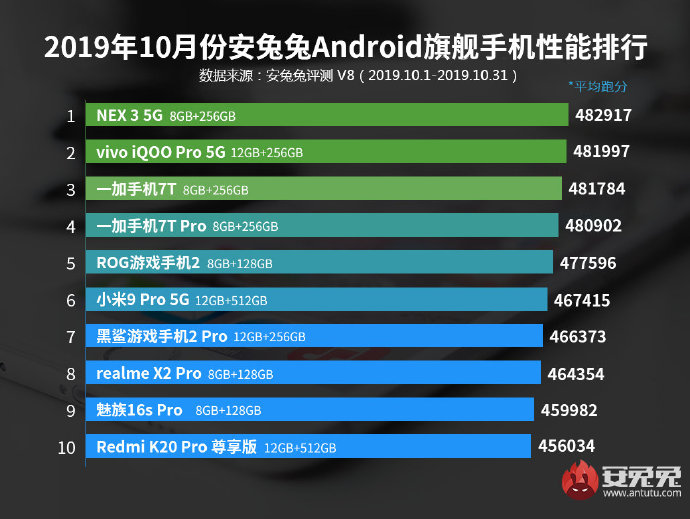
AnTuTu benchmarking platform is known for releasing the list of best performing smartphones each month. Now, it has released the list of top 10 best performing flagship and mid-range phones. The flagship list is led by the Vivo NEX 3 5G whereas the Honor 9X Pro is ruling the mid-range list.
In the above shown list of top 10 best performing Android flagship phones, the Snapdragon 855+ powered Vivo NEX 3 5G with 8 GB of RAM and 256 GB of storage can be seen leading the chart with 482,917 points. The second place goes to Vivo iQOO Po 5G’s 12 GB RAM + 256 GB storage that has scored 481,997. Next comes the 8 GB RAM + 256 GB storage edition of the OnePlus 7T that scored 481,784.
The OnePlus 7T Pro’s 8 GB RAM + 256 GB storage variant is on fourth with 480,902 points. The ASUS ROG Phone 2 with 8 GB of RAM and 128 GB of storage is placed on fifth with 477,596 points. The remaining phones that have made to the list are Xiaomi Mi 9 Pro 5G, Xiaomi Black Shark 2 Pro, Realme X2 Pro, Meizu 16s Pro and Redmi K20 Pro Exclusive Edition. As it can be seen, all the top 10 phones are powered by Snapdragon 855+ mobile platform.
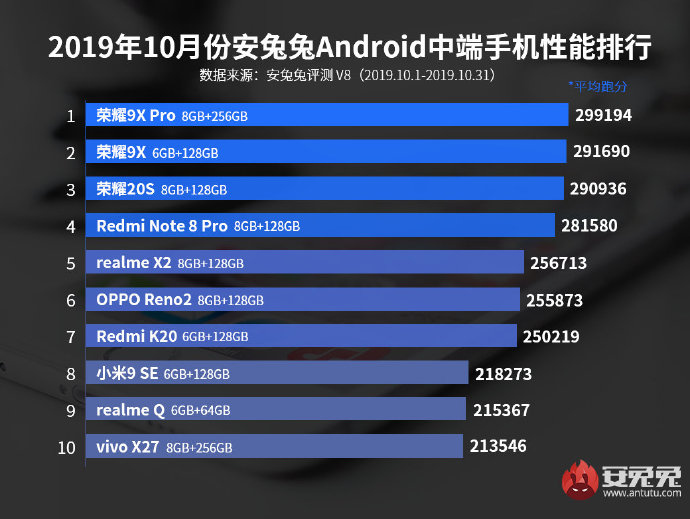
Shown below is the list of top 10 best performing mid-range phones. The 7nm Kirin 810 chipset powered Honor 9X Pro’s 8 GB RAM + 256 GB storage is at the pole position with 299,194 points. The Honor 9X’s 6 GB RAM + 128 GB storage follows next with 291,690 points. The 8 GB RAM + 128 GB storage edition of the Honor 20S is third with 290,936 points. These two phones are also powered by Kirin 810.
The Helio G90T fueled Redmi Note 8 Pro’s 8 GB RAM + 128 GB storage variant is on the fourth position with 281,580 points. The Snapdragon 730 SoC powered Realme X2 with 8 GB RAM + 128 GB storage is on the fifth position with 256,713. The other phones that have made it to the top 10 list of best performing mid-range phones are OPPO Reno 2, Redmi K20, Xiaomi Mi 9 SE, Realme Q and Vivo X27.
Microsoft has introduced a new all-in-one Office beta app, including Word, Excel, Powerpoint, and other tools. It is another attempt by Microsoft to bring the professional editing tools in a single package on the Android platform. Microsoft already hosts separate apps on Android for its office tools such as Word, Excel, Powerpoint, Outlook, etc.
The new Microsoft Office beta will let the users create, edit, and share different documents on the cloud or your Android smartphone. Multiple users are allowed to collaborate on a single project like Google Docs. Moreover, the Sticky Notes integration helps the users to dwell notes without using Sticky Notes App. The inbuilt conversion feature will efficiently convert photos, Word, Excel, photoshop, or Powerpoint file to PDFs. Another excellent feature is to sign the document and convert the file to the desired format.
The Office beta app consists of some powerful features like converting a document picture into an editable Word file on a single tap, transforming the table picture into a spreadsheet file, and allowing the powerpoint to create presentations by selecting photos from the phone automatically. It can even let you create a scanned image by enhancing the digital photos of whiteboards.
Microsoft Office beta even enhances the file sharing between your phone and computer or nearby mobile devices. The inbuilt capability to scan QR codes for opening files and links quickly is another striking feature.
It is not the first time that Microsoft tested an all-in-one Office app on the mobile platform. They tried on Windows Phone with the Office Hub app. It comprised of all the Office tools, including Excel, Word, powerpoint, and OneNote support.
The new app is currently in the beta stage, and for sure, it will have some bugs and issues.
Update: It appears Microsoft has pulled down the app from the Play Store. We have attached the source link of the app from the third-party website below.
Vivo has recently confirmed that it will be launching the Vivo S5 smartphone on Nov. 14. Last month, the smartphone was seen in the hands of S-series brand ambassador Cai Xukun. It revealed that the Vivo S5 has quad cameras arranged inside a diamond-shaped module on its rear. Today, a couple of images have appeared to reveal the front and rear design of the phone.
The first image is a snapshot of an endorsement program for the phone. It clearly shows a punch-hole present at the upper-right corner of the device. A reliable tipster has also claimed that the phone will be equipped with a punch-hole display.
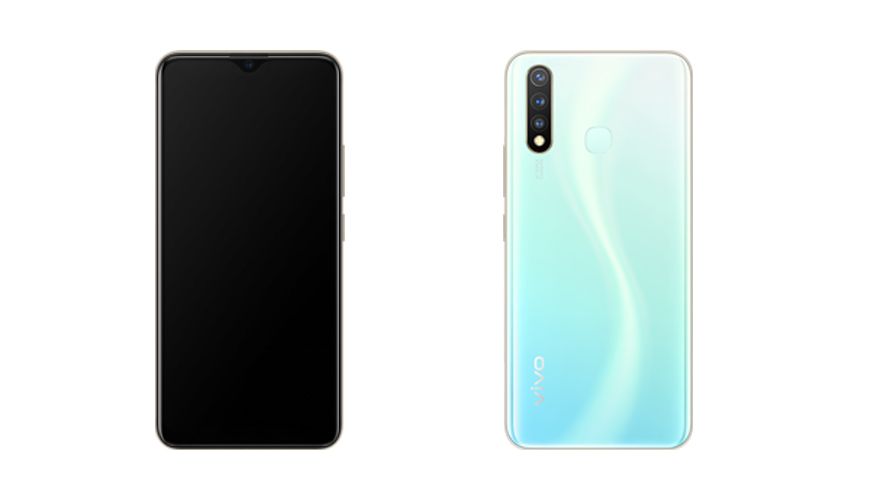
The other images are renders of the smartphone that reveal its front and rear design. In the promo video that had appeared in the previous month, the Vivo S5’s front was not revealed. However, its rear had featured a diamond-shaped module that housed four cameras and below it was an LED flash.
However, these new renders show the phone without a punch-hole display. The screen is notch-less, and its rear has a diamond-shaped camera housing that comprises of three camera sensors and an LED flash. There is no confirmation on the authenticity of these images, but they have given birth to new rumors that there could be two editions of the phone. There could be a model with a punch-hole display and four rear cameras, and the other variant may have a notch-less display and triple cameras.
Earlier this year, Vivo had launched the Vivo S1 and Vivo S1 Pro smartphones in China. Probably, the company could be planning to launch Vivo S5 and Vivo S5 Pro smartphones. As of this writing, there is no official confirmation on the existence of Vivo S5 Pro.
Currently, there are no details available on the specifications of the Vivo S5. The Chinese firm is expected to share more details before the Nov. 14 launch date.
In related news, Vivo is gearing up to launch the Vivo Y5s smartphone in China. The smartphone may release in the home market will be a rebranded version of the Vivo Y19 smartphone. It features a 6.53-inch IPS LCD full HD+ display with waterdrop notch, Helio P65 processor, 4 GB / 6 GB of RAM, 128 GB of native storage, Android 9 Pie OS, 16-megapixel selfie camera, 16-megapixel + 8-megapixel + 2-megapixel triple camera system and 18W dual-engine fast charging supported 5,000mAh battery.
Earlier this year, the U.S Commerce Department designated Huawei to a blacklist which restrained all American companies from having any sort of trade relations with the Chinese corporation. Several reports in the past have suggested that the ban could soon be uplifted but none of them has come to fruition.
Nevertheless, the Secretary of Commerce Department, Wilbur Ross recently told Bloomberg in an interview that special licenses allowing US companies to deal with Huawei would arrive “very shortly. The Commerce Department has received close to 260 requests from American corporations allowing them to re-establish trade relations with Huawei which is “more than we would’ve thought,” reported the U.S official.
While Ross didn’t state as to which U.S based companies had applied for licenses, it must be noted that not all of these corporations would be granted a license once the new standards of the Commerce Department are put into practice. One company that is highly likely to get this exception is Google, that leads the development of Android.
Following the blacklist entitlement, Huawei could not offer new phones with Google services including Play Store out of the box which has negatively impacted their sales. Therefore, a more permanent license could allow Google and Huawei to restore business like prior.
On the other hand, the companies that are highly unlikely to get a license include Telecom providers. After all, it was Huawei’s networking equipment which led to the allegation of posing a security threat to the U.S. To recall, the U.S has accused Huawei of installing backdoors on its telecom equipment which could be used to steal sensitive user data. However, due to lack of sufficient evidence, the claims are yet to be proved.
Noteworthy, FCC has proposed banning telecom providers from using Huawei hardware. Furthermore, the ones that continue to use equipment made by the Chinese corporation will be exempted from Universal Service Fund money.
Android devices are primarily known for their ability to customize the look and features. The facility to root the smartphone and gain the maximum potential of hardware is the most significant advantage. The advanced Android users are always inclined to root their respective Android smartphones, but it’s not a cup of tea for average users. They always look for ways to customize the non-rooted smartphones to gain some customization features or other tweaks to boost the smartphone’s performance.
Rooting is a risky process and even voids the manufacturer’s warranty, but there are various benefits. Rooting allows the user to get administrative privileges that come handy while installing custom ROMs, MODs, frameworks, and other tweaks. It may even comprise the device’s security, as hackers can also install malware easily with full control. However, if you’re not a heavy user, we don’t recommend you root your smartphone. Instead, try the below-mentioned tweaks without root access.
We have gathered some best Android tweaks for non-rooted devices that users can try without any issue. These tweaks can make your device look cool and will surely help to improve your productivity by improving battery efficiency and performance.
List of best Android tweaks for non-rooted smartphone
Tweak Notifications or Status Bar
The notification bar is the first thing that comes in mind after hearing for customization. There’s a lot of tweaks that can be done to tweak the notification or status bar of your smartphone. Below mentioned apps can help you to attain customizability up to a certain level.
Navbar Apps
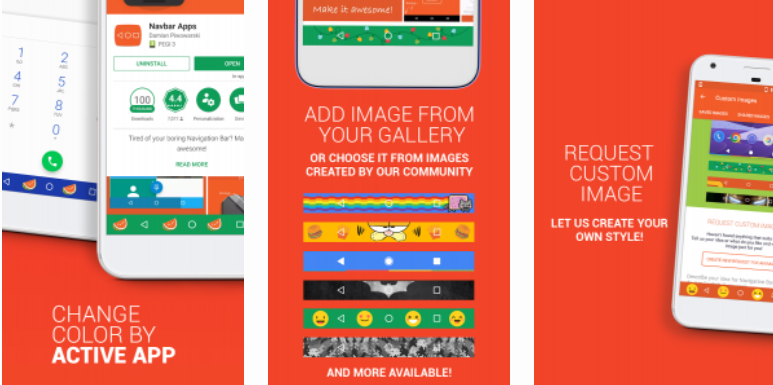
It is a famous customization app for the navigation bar. Users can change the color and can upload an image itself for the navigation bar. It even allows users to change navigation color or style as per the active app. The developers also accept custom image requests.
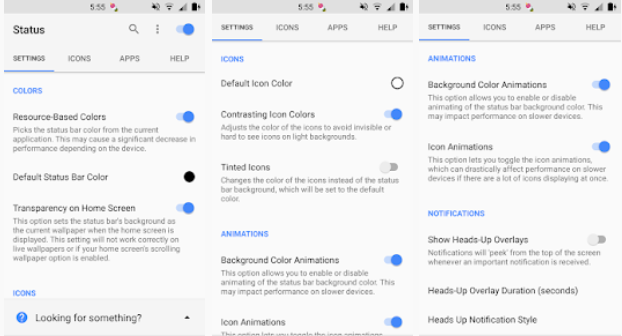
The Status is a customization app for the notification bar that allows changing the notification bar color, animations, icons, and a lot of other things. The Pro version of the Status App opens doors for endless customizations. It just overlays the new status bar over the system-generated navigation bar. It is available for free from the Play Store. Status is compatible with devices running on Android 4.4 and above version.
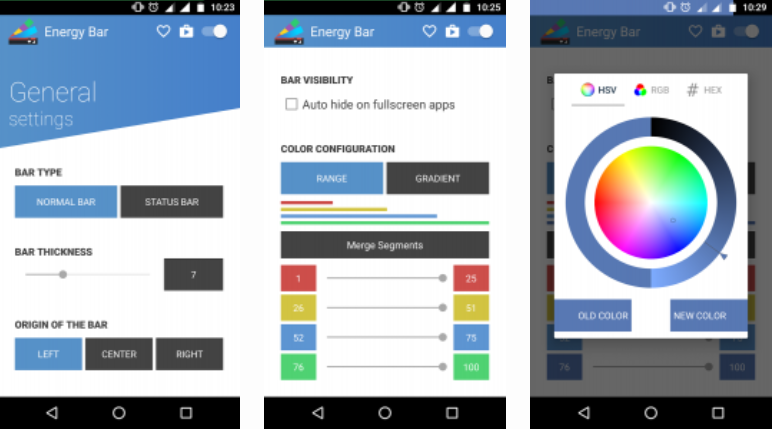
It is another status bar tweak app that shows the current battery status of the device. The user can customize the look of the bar by adjusting the bar thickness, color, visibilities, alignment, and other options. Different animations while plugging the charger will amaze the users. The pulsating animation will depict the charging status and even indicates the progress of charging.
The developer emphasizes on its 0% load on CPU and wakes only to reflect the change in battery. It does not need any root permission to work perfectly. It does need notification access requirements to show the energy bar without an issue. You can enjoy the Energy Bar app by downloading from the link below.
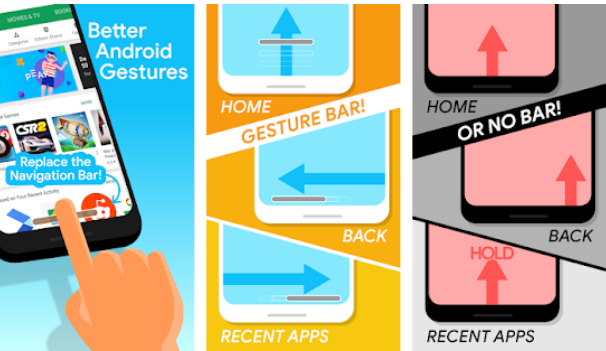
Gestures have always remained a hot game for the manufacturers, third-party developers, and Android app developers. They have ever built intuitive gestures to ease the accessibility of Android devices. The navigational gestures became native to the system after Android Pie, but still, many devices exist on the older Android version. Moreover, the navigational gestures are limited to some devices. So, to use the navigational gestures on any device, the users can download the app named Navigation Gestures.
It can bring new gestures and swipes to your Android device. The gestures can be customized with different actions. Some features of the app are limited to the Pro version of the app, which is available for $1.49. Interested users can head over to the link below to grab the Navigation Gestures.
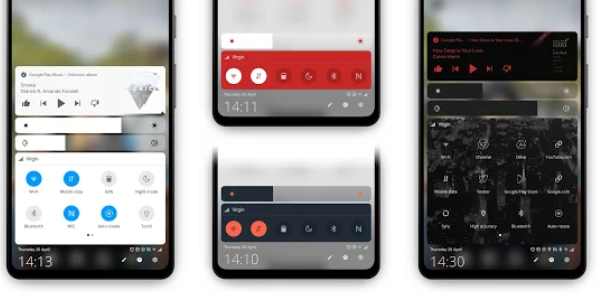
MIUI-ify is a customization app that aims to bring MIUI styles to your Android smartphone. If you’re not a user of MIUI and want to try the style of Xiaomi’s skin, then MIUI-ify is the best companion to try the new look. It includes full customization of the status bar and a few other UI elements. The user can control the icon packs, music control UI, brightness bar control, notification settings, and a lot of different things.
The interested users can grab the MIUI-ify fro the download link below. It is available for free, but some features are attached to $7.49.
This segment consists of all the tweaks that apply to general smartphone elements.
Sharedr
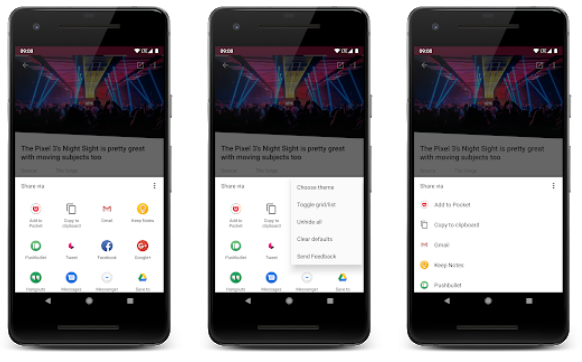
Are you fed up with the native Android share screen? Then, you should check out Sharedr to enhance and customize the share interface. Sharedr brings the ability to order the contacts and the apps according to the need. Its setup takes some time, but in the end, its worth to do this little work. It makes sharing a lot easier with added customization options. The app is free to download and does not feature any advertisements for monetization.
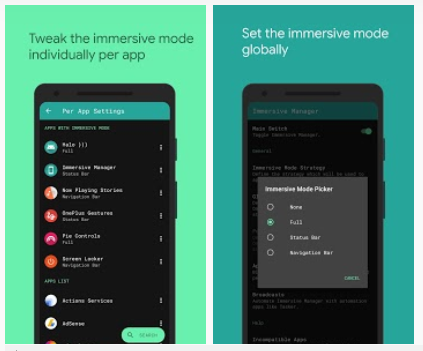
It is one of the best tools that any gamer can use on an Android device. The Immersive Mode will turn on the full-screen mode for any particular game or app. The user can even set global “Immersive Mode,” which can be applied system-wide. It is a way to fully utilize every inch of the display precisely for playing games or doing any other activity.
The Immersive Mode Manager is available from the Play Store at $1.99. It is a quite useful and nifty app for daily use.
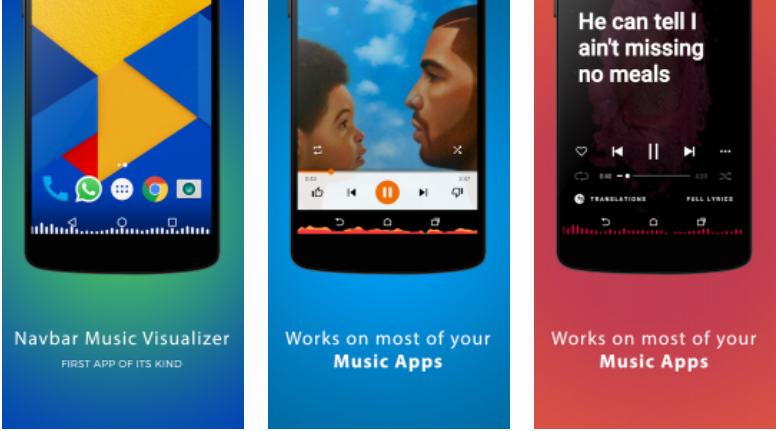
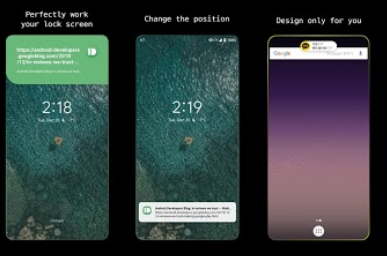
It can create beautiful visualizations on the navigation or status bar of your Android smartphone while music is playing in the background. The floating visualizations are purely editable, and the users can change shape, size, color, size, or type of display. It can be either aligned to the status bar or at the bottom over the navigation bar. It works almost every music app and shows accurate crests and troughs while playing music. If you’re a music lover and always love to tweak your smartphone, then the MUVIZ Nav Bar Visualizer app is for you.
If you want rounded corners just like the Galaxy S series and some other smartphones, then Edge Mask is the app you need badly. Edge Mask can easily use easy UI, which adds rounded corners on any Android smartphone. In a recent update, the app added lighting at the edge of the screen like Galaxy S8 and S9. It can smartly hide the front hole camera using animations and creatively designed wallpaper. It can be downloaded from the link below.
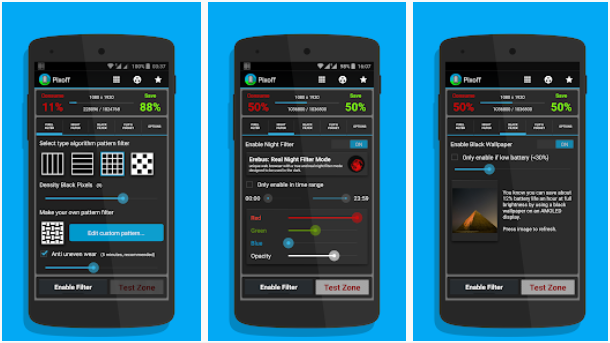
Are you looking for ways to save battery? Pixoff can smartly save a lot of battery by turning off pixels on AMOLED display. The Pixoff is a complex application that offers vast customizability to save battery by choosing a pattern to turn off pixels of AMOLED screens. It even incorporates a night light filter to reduce the effect of damaging blue light. The app is compatible with devices running Android 4.4 and above.
Pixoff: Battery Saver app is free for download with in-app advertisements. It supports the AMOLED display panel. You can download the app from the link below.
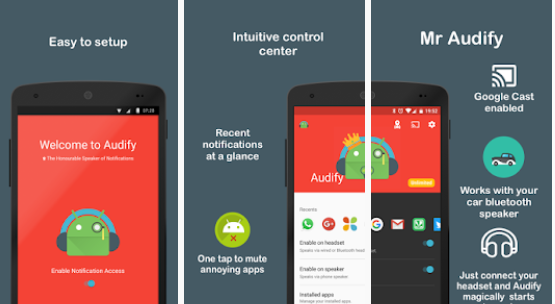
It is the coolest application that can make your notifications speak-out. It allows the smartphones to read-out-loud notifications to you. Audify enables hands-free experience and outputs the audio via wired or Bluetooth headset and phone speaker. Audify Notifications Read includes intuitive control center, including recent notification and one tap to mute options. It can even cast the audio on any Chromecast connected device and even connects with a car Bluetooth speaker.
It can manage any installed app and even remembers the car park location. Audify is a free app with a supported in-app advertisement.
Powerline is quite a useful tool to retrieve CPU frequency and show it on the status bar. It is a nifty tool that can be useful for gamers and other users. Apart from CPU frequency, the users can even show more indicators like Unread SMS, missed calls, processor frequency, storage, processor usage, etc. It also allows customization options to change the color, transparency, different value colors, etc.
The users can quickly get the CPU temperature details by installing the CPU Temperature app. It can show the temperature, RAM, and battery status in the status bar on the Android device. The user can customize the color, Units, and some other settings on the app. It can be downloaded from the link below.
The home screen is the most prominent aspect of Android smartphones. It is the most visited page on any smartphone. So, it is always essential to choose the beautiful wallpaper on your device. Several apps bring high-quality wallpapers and live wallpapers. We have listed a few best of the wallpaper customization apps.
HexShaders
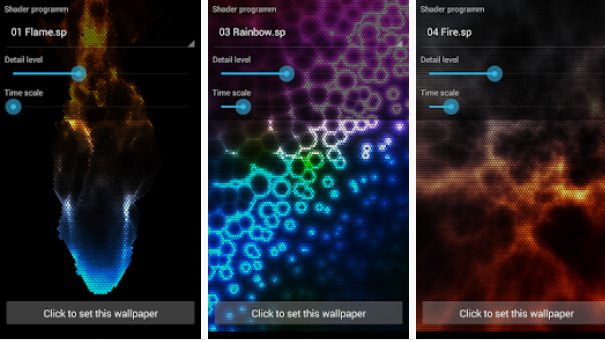
It is a powerful live wallpaper app that aims to reduce battery usage while using live wallpapers. Usually, the live wallpapers hogs battery fast, but the cleverly designed wallpapers available on Hexshaders helps saving battery. It shapes the pixels in hexagons to reduce the size of wallpapers and make them available in low-resolution. However, the wallpaper is aligned in such a way that it pops out the artistic look and saves battery.
It is available for free from Play Store. The interested users can head over to the link below to grab the HexShaders.
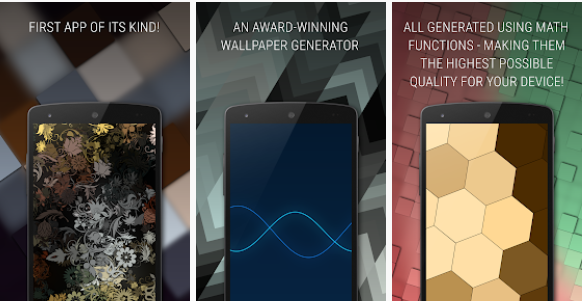
It is an automatic wallpaper generator app that changes the wallpaper every time you visit the home page. The user won’t see the same wallpaper again. Tapet uses different patterns and colors to generate a new wallpaper every time that too in the highest quality possible.
It uses maths functions to generate the wallpapers using different shapes and colors. The user can select random or just a single image in the settings. The wallpapers can be controlled by using widgets or shortcuts.
Muzei Live Wallpaper is a popular wallpaper app for Android. Apart from beautiful wallpapers based on famous artworks, the app also brings the blurring and dimming effect on the home screen to keep icons and widgets focused. More information about the wallpaper can be retrieved either by double-tapping or opening the Muzei app. it is free for download fro the Play Store.
These are certain apps that can tweak the look and functionality of your smartphone. If you have any recommendations, then do let us know via the comments below. If found useful, we will add it to our list of best tweaks for non-rooted Android devices.
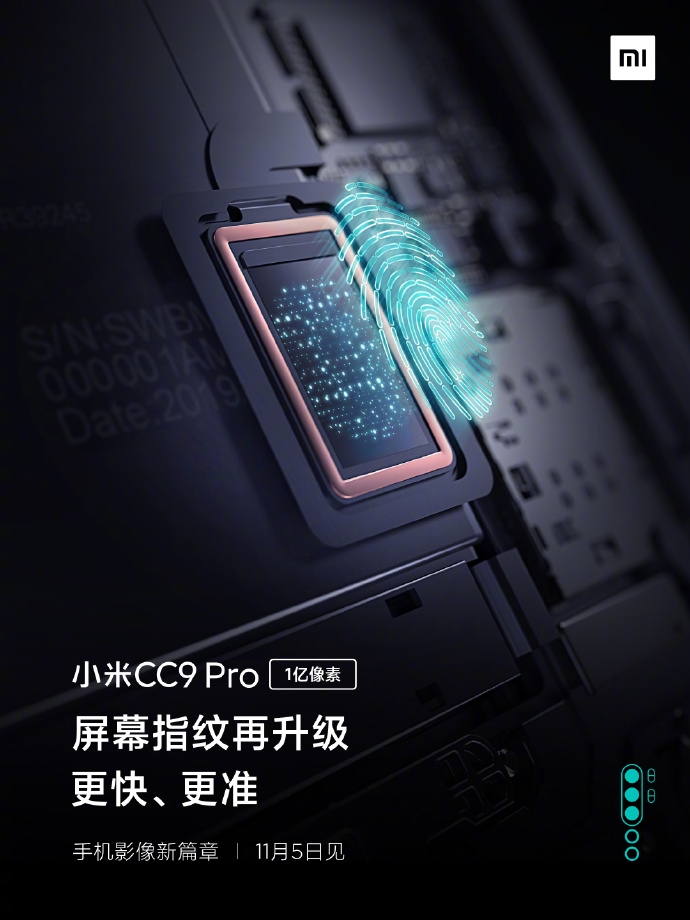
Xiaomi is all set to launch the world’s first smartphone featuring 108-megapixel camera sensor — Mi CC9 Pro. Now, the company has also revealed that it will also be the world’s first device to come with ultra-thin in-display optical fingerprint sensor.
Revealing this feature, the company said that “the optical fingerprint sensitivity and unlocking success rate of the ultra-thin screen are further improved! It is easier to unlock in the case of strong lighting, low temperature and dry finger, and can be quickly unlocked with one touch.”
The company’s product manager Wang Teng also adds that it’s a new generation solution which is ultra-thin and has a larger fingerprint recognition area and also comes with an improved unlocking speed as well as optimised to save battery life.
The Xiaomi Mi CC9 Pro smartphone will come with 108-megapixel primary camera sensor with 10X telephoto lens, along with a classic portrait lens, wide-angle lens, and a macro lens and could also have an additional lens.
The company has also confirmed that the Mi CC9 Pro smartphone will come with a 32-megapixel front-facing camera that will support wide-angle image capture, Portrait mode, and around 12 different types of filters.
It will come packed with 5,260mAh battery and will support 30W fast charging technology that could fully charge the device in just 65 minutes. TENAA listing revealed that the phone will be featuring a 6.47-inch OLED Full HD+ display panel having a waterdrop notch.
Under the hood, the device will be powered by the Qualcomm Snapdragon 730G octa-core processor, which is actually indented for gaming-centric devices. The phone will have up to 8GB RAM and 256GB internal storage.
The company has also teased another smartphone named Mi Note 10 and has confirmed that the device will make its global debut on 14th November in Poland. The upcoming Mi Note 10 smartphone is the re-branded model of the Mi CC9 Pro for the global markets.
The new Vivo Y19 mid-range phone has recently gone official in Thailand. Its specifications and appearance are exact match with the Vivo V1934A/T smartphone that was recently on the database of China. A new phone named as Vivo Y5s with model number V1934A has appeared on China Telecom’s database even before its official announcement. It appears that the Vivo Y19 will be rebranded as Vivo Y5s in China.
Vivo Y5s Specifications
The Vivo Y5s has 162.15 x 76.47 x 8.89mm dimensions and it weighs 193 grams. There is a 6.53-inch IPS LCD display waterdrop notch on the device. Its supports 1080 x 2340 pixels full HD+ resolution and an aspect ratio of 19.5:9.
The MT6768 MediaTek Helio P65 processor powers the Vivo Y5s phone. The Vivo Y19 comes in only 6 GB RAM edition. However, China will be receiving the Vivo Y5s in 4 GB and 6 GB RAM variants. Both models will feature a native storage of 128 GB. A microSD card slot is also available on the Vivo Y5s for more storage.
The Vivo Y5s receives power from a 5,000mAh battery and it runs on Android 9 Pie OS. There is a 16-megapixel camera in the front notch for shooting selfies. The back panel has a triple camera system with a 16-megapixel primary shooter, an 8-megapixel secondary lens and a 2-megapixel sensor. There is a fingerprint scanner slotted on the rear shell of the smartphone.
Vivo Y5s Price and Release Date
The Vivo Y5s is scheduled to release in China on Nov. 7. The handset will be available in color editions like Black, Blue and Green. The China Telecom listing reveals that 4 GB and 6 GB RAM editions of the Vivo Y5s will be respectively priced at 1,398 Yuan (~$199) and 1,598 Yuan (~$227). Readers are advised to digest the pricing information of the phone with a grain of salt since it is yet to go official. The smartphone will be positioned lower than the Vivo Y7s that carries a price tag of 1,798 Yuan (~$256) in China.
As mentioned above, the Vivo Y5s has gone official as Vivo Y19 in Thailand. The 6 GB RAM + 128 GB storage Y19 phone carries a price tag of 6,999 Baht (~$232).
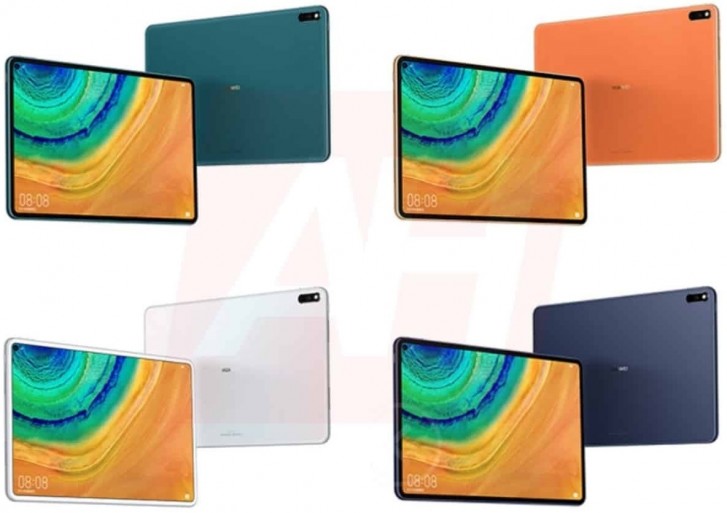
A render of the upcoming Huawei Nova 6 had appeared in the previous month. Now a render of the phone has appeared to give a good look at its front design. Also, newer renders of the forthcoming MatePad Pro flagship tablet have also leaked. The new images showcase the color variants of both devices.
Huawei Nova 6
The source claims that the below shown images belong to the 4G edition of the Huawei Nova 6. The handset features a notch-less display with a pill-shaped cutout on the display for the two front-facing cameras. The render suggests that the phone could be available in color options such as Purple, Blue and Black.
Huawei Nova 6
Rumors surrounding the smartphone have claimed that it may go official in December. The Chinese firm is expected to release the Nova 6 in 4G and 5G versions. The specifications of the Nova 6 are currently under the wraps. However, the 3C listing of the Nova 6 4G and 5G have revealed that these phones come with support for up to 40W fast charging.
Last week, reputed tipster had revealed a render of the upcoming MatePad Pro tablet. Previous leaks had claimed that the device could be called Huawei MediaPad M7. It will be the first tablet to come equipped with a punch-hole display.
With slim bezels around the display, the tablet will offer a very vast screen space. The rear shell of the device reveals the presence of a dual camera system. Also, it is speculated to be equipped with an in-display fingerprint reader. The slate also features a connectivity port for attaching a magnetic keyboard. It will also carry support for M-Pen stylus.
Previously seen renders of the MatePad Pro had revealed that it will be coming to the market in black and white color editions. The new renders show that the tablet could be debuting in two more colors such as green and orange.
Rumors have it that it could be fueled by the Kirin 990 chipset. It could be featuring 8 GB of RAM and its highest model may offer 256 GB of native storage. There is no word on the launch date of the phone. Probably, it may go official alongside the Nova 6 smartphone.
Xiaomi has established its presence in the market as a powerful TV manufacturer and is also ranking as number one in the smart TV category in China. The company is currently gearing up to release the new Mi TV 5 series in its home market on 5th November.
Ahead of its official launch, the company has been revealing details about the upcoming Smart TV. In the latest development, Xiaomi has now released details related to the design of the Mi TV 5.
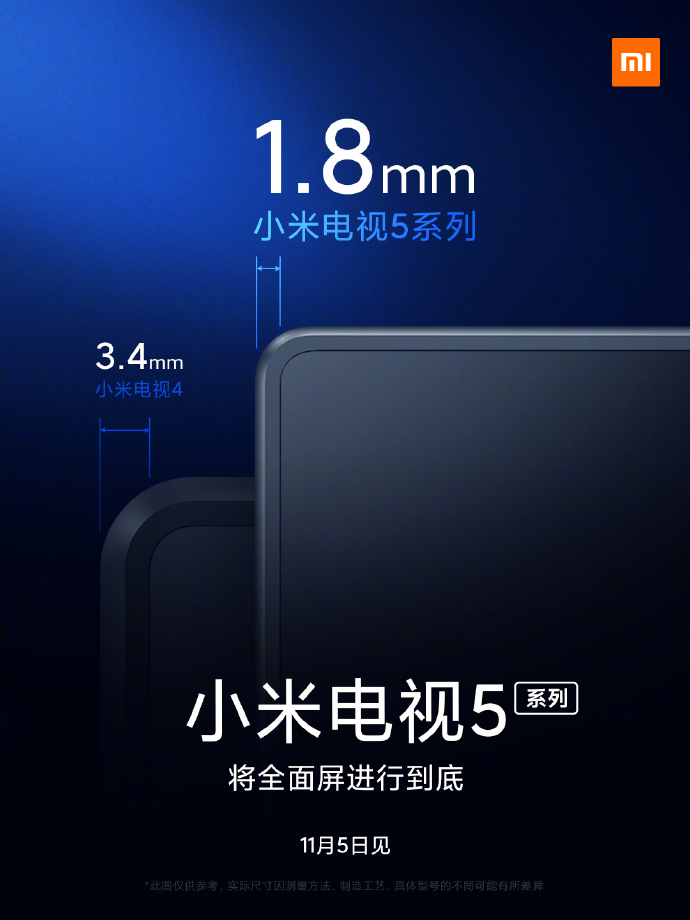
The company has now confirmed that the Mi TV 5 will come with a more comprehensive full-screen design. The bezel surrounding the screen panel will be 47.1 percent narrower compared to the Mi TV 4, measuring just 1.8mm.
Further, Xiaomi has revealed that the metal-body Smart TV will come with a integrated bending frame, back plate without screws, and will have a body thickness of just 5.9mm.
Earlier, the company had shed light about the specifications of the Mi TV 5. It had revealed that the product will come powered by a 12nm T972 chipset with support for 8K video recording which is claimed to be 63 percent higher than the previous-generation CPU.
The Mi TV 5 also comes packed with 4GB of RAM and 64GB of internal storage to ensure smoother performance. It is confirmed to come with a 4K QLED panel covering NTSC 108% wide color gamut.
The Quantum Dot panel is likely to be supplied by Samsung who dominates this industry. The current generation Mi TV 4 series comes with either LCD or LED panels, so with the Mi TV 5 series, it seems that Xiaomi is looking to enter the premium segment.
The company had previously shared a teaser image of the upcoming Mi TV 5, giving us a glimpse of the right side of the device, wherein we can see the ‘Designed by Xiaomi’ text. Apart from its slim form factor, there isn’t much we can pick up from this image.
Along with this new Smart TV, the company is also set to launch a bunch of other products at the 5th November event in China, including Mi CC9 Pro smartphone, Xiaomi Smartwatch, Xiaomi’s Mi Portable Air Conditioner, among others.
Today, an invite poster for the upcoming ColorOS 7 custom user interface from Oppo has been leaked online on Chinese microblogging platform Weibo. The poster hints that the ColorOS 7 will get launched in China later this month.
The invite poster is showing the launch date as 2X November 2019, where the second digit for the date has not been revealed. This means that the new version of the custom operating system from Oppo will get launched in the third or fourth week of this month.
Shen Yiren, Vice President of Oppo had earlier revealed that the ColorOS 7 will be released for the company’s flagship smartphone Oppo Reno 10X Zoom Edition. Apart from that nothing much is known about this operating system.
Earlier this month, Madhav Sheth, CEO of Realme India had revealed that the company will not be launching the RealmeOS as rumored. Instead, the company will be getting an exclusively customised version of the ColorOS 7 designed for Realme smartphones.
The likes of Xiaomi and Huawei have already announced a newer and updated version of their own custom Android skin and now Oppo will soon be joining the list. The Chinese company had launched ColorOS 6 last year in November which comes with a updated user interface, Game Boost 2.0, updated camera, gaming, and security features, among others.
While nothing much is known about the upcoming ColorOS 7, we expect it to be based on the latest Android 10 operating system. It remains to be see what additional features the company is planning to add in this new version of the custom skin.
Fresh renders of an upcoming Huawei P Smart 2020 smartphone have surfaced. These renders seemingly belong to the AQM-AL00 / TL00 smartphone that was approved by China’s TENAA telecom authority in the previous month. It is expected to debut as rebadged version of the Honor 20 Lite smartphone that has recently gone official in China.
The Huawei P Smart 2020 renders show that the smartphone will be available in two color options such as green and white-blue color gradients. Its TENAA listing had revealed that it will be also available in black.
As it can be seen that the frontside of the phone features a waterdrop notch and its top edge has a 3.5mm audio jack. The back panel of the phone has a vertical camera strip that comprises of three lenses and an LED flash. There is no fingerprint scanner on back panel of the phone. Like the Honor 20 Lite, the P Smart 2020 feature an OLED display that is embedded with an in-screen fingerprint reader.
According to the TENAA appearance of the phone, the AQM-AL00 / TL00 smartphone measures 157.4 x 73.2 x 7.75mm and weighs 163 grams. The device is fitted with an OLED panel of 6.3 inches. The waterdrop notch enabled display produces full HD+ resolution of 1080 x 2400 pixels and a tall aspect ratio of 20:9.
The Android 9 Pie OS runs on the device. It could be featuring the latest version of EMUI 9. The 2.2GHz octa-core processor which seems to be the Kirin 710F is present under the hood of the device. It may arrive in China in 6 GB and 8 GB RAM variants. It could be available in storage options such as 64 GB and 128 GB. There is microSD card slot on the phone for more storage.
Honor 20 Lite
The back panel has a 48-megapixel + 8-megapixel + 2-megapixel triple camera system. The front notch of the phone is equipped with a 16-megapixel camera. It features a 4,000mAh battery that supports 10W charging.
The Huawei P Smart 2020 will be arriving as the successor of the Huawei P Smart 2019 which was made available in certain markets as Honor 10 Lite. Hence, the P Smart 2020 is said to be rebranded edition of the Honor 20 Lite. There is a possibility that the phone may go official by the end of this month.
We use cookies on our website to give you the most relevant experience by remembering your preferences and repeat visits. By clicking “Accept”, you consent to the use of ALL the cookies.
This website uses cookies to improve your experience while you navigate through the website. Out of these, the cookies that are categorized as necessary are stored on your browser as they are essential for the working of basic functionalities of the website. We also use third-party cookies that help us analyze and understand how you use this website. These cookies will be stored in your browser only with your consent. You also have the option to opt-out of these cookies. But opting out of some of these cookies may affect your browsing experience.
Necessary cookies are absolutely essential for the website to function properly. This category only includes cookies that ensures basic functionalities and security features of the website. These cookies do not store any personal information.
Any cookies that may not be particularly necessary for the website to function and is used specifically to collect user personal data via analytics, ads, other embedded contents are termed as non-necessary cookies. It is mandatory to procure user consent prior to running these cookies on your website.




 A WARN letter aka Worker Adjustment and Retraining Notification is a mandated notice that employers must provide to state governments in the event of major layoffs. The previously mentioned layoffs will be effective from the 31st of December and the affected employees do not have any bumping rights. The WARN letter does not specify how many of the layoffs would be in Austin and how many in California.