One of the famous statements in the Star Wars universe is Obi-Wan Kenobi’s “These aren’t the droids you are looking for.”. For the Samsung Ballie showcased at CES 2020, this is definitely the droid you are looking for.
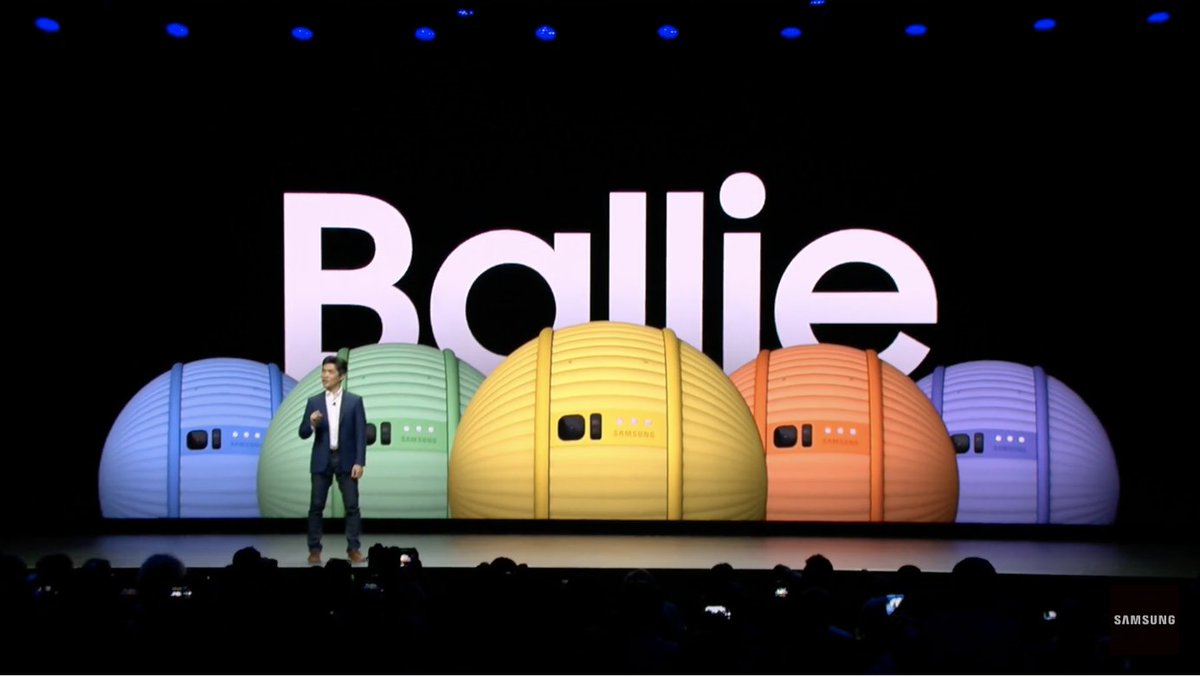
Samsung Ballie is a spherical robot that reminds us of BB8, the Star Wars droid. Samsung says Ballie is a companion robot that is designed to provide personalized care. It is able to understand you and detect your needs to provide personalized care thanks to its On-Device AI capabilities.
The spherical robot is able to move around, and with the camera on its face, it can track and detect an individual, thereby providing personalized care. Below is a demo video showing what Ballie will be able to do in the future.
There is still a lot of work to be done before Ballie makes it to our homes, and that is if Samsung is able to solve the challenges it encounters. However, it is interesting to see the power of AI get pushed further.
Ballie is still under development but we are sure it is the droid we are looking for.
The upcoming Oppo F15 is all set to launch on Jan. 16. The Chinese smartphone manufacturer revealed key specifications of the device alongside a few images on Amazon India earlier this week. There were rumors that the OPPO F15 is a rebranded OPPO A91 that was unveiled in China in December 2019. A leaked image and hands-on video of a dummy unit of OPPO F15 appeared today on Indiashopps, suggesting that the rumors might indeed be true.
According to the leaked poster, the Oppo F15 flaunts a 6.4-inch AMOLED display. The smartphone draws power from a 12nm MediaTek Helio P70 SoC and is powered by a 4,025 mAh battery. The smartphone features a quad camera setup on the rear, consisting of a 48-megapixel primary camera, alongside an 8-megapixel lens, and two 2-megapixel sensors. The poster featured the message ‘Coming Soon.’
The hands-on video showcased a tri-color (white, blue and purple) gradient finish on the rear panel. The F15 flaunts a waterdrop notch with slim bezels on three sides and a slightly wider chin. The device has a USB port on the lower edge, along with a 3.5mm AUX port, and speaker.
The Oppo F15’s specifications listed on Amazon India are the same as the Oppo A91. The Oppo A91 flaunts a 6.4-inch AMOLED display with a resolution of 2400 x 1080 pixels. The display features an aspect ratio of 20:9 and a screen-to-body-ratio of 90.7%. Additional features include a third-generation in-display fingerprint scanner, DC dimming 2.0, and eye protection mode. The Oppo F15 is powered by a 2.1GHz MediaTek Helio P70 SoC with 8GB of RAM and 128GB of internal storage, expandable up to 256GB via a microSD card.
The Oppo A91 flaunts a triple-camera setup at the rear. The primary 48-megapixel camera is paired with an 8-megapixel and a 2-megapixel lens. The smartphone features a 16-megapixel sensor on the front. The device draws power from a 4,025 mAh battery with VOOC 3.0 fast charging. Connectivity options include dual SIM 4G VoLTE, Wi-Fi 802.11 g/b/n, Bluetooth v5.0, GPS, A-GPS, and USB Type-C. The device measures 160.2 x 73.3 x 7.9 mm and weighs 172 grams. It sports an in-display fingerprint scanner in terms of security.
Coolpad used to be one of China’s top phone manufacturer before but has now been overtaken by other brands. However, the phone maker still churns out affordable phones that are pretty popular and sold unlocked in the USA. Now it is ready to jump on the 5G train and has announced the Coolpad Legacy 5G at CES 2020, an upper mid-range phone with a price tag under $400.
Coolpad Legacy 5G Design and Specifications
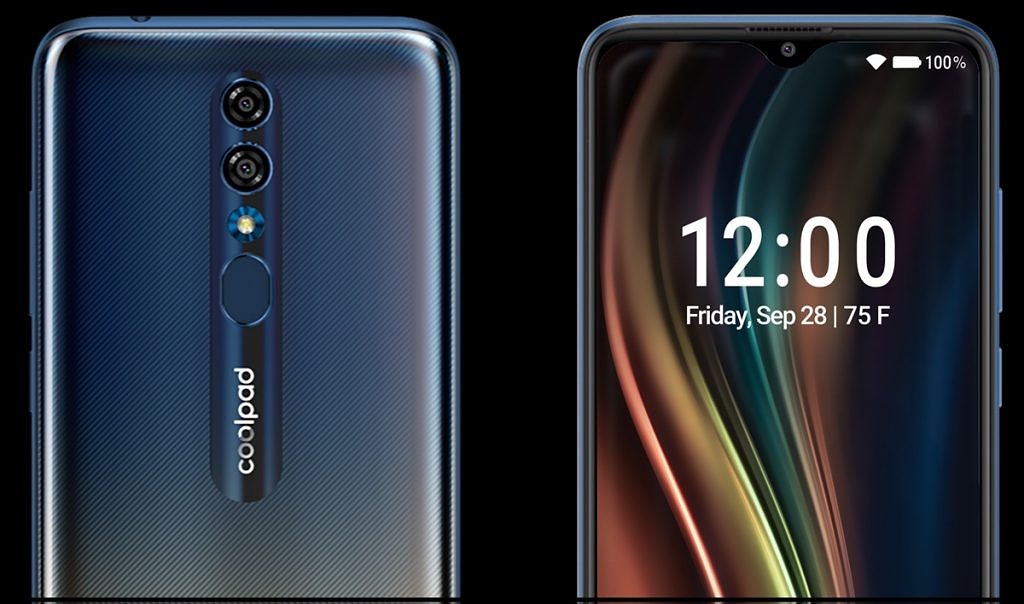
The Coolpad Legacy 5G has a 6.53-inch FHD+ display with a waterdrop notch. It is an IPS LCD display but has support for HDR10. The back seems to be covered in glass with a feather-like design underneath.
There are two rear cameras and they are arranged vertically along with the LED flash and an oval-shaped fingerprint scanner. The area occupied by the whole setup has a different design from the rest of the back. The phone gives us some Reno vibes but with the manufacturer’s name visibly written, you won’t mistake it for an OPPO phone.
There is a Snapdragon 765 inside the phone and it is paired with 4GB of RAM and 64GB of storage. A MicroSD card slot will allow you to add up to an extra 128GB of storage. The primary rear camera is a 48MP sensor and there is an 8MP ultrawide angle camera alongside. The selfie camera is a 16MP sensor.
The Coolpad Legacy 5G only has one SIM slot, it also lacks NFC but what it has going for it is support for sub-6GHz 5G networks which are more reliable and have better range than 5G networks that use mmWave frequency. This info is particularly useful for those in the U.S.
The phone will run Android 10 out of the box with monthly security updates but no promise of a major OS upgrade. It packs a 4000mAh battery and has support for Quick Charge 3.0 via a USB Type-C port. The port is at the bottom and flanked on the left by a microphone and on the right by the speaker grille. The Legacy 5G also has an audio jack at the top and speakers tuned by THX.
Coolpad Legacy 5G Price and Availability
The exact price tag has not been revealed but it has been reported that it will sell for under $400 when it goes on sale in Q2 2020. Interested buyers will be able to purchase it on Amazon or on Coolpad’s US website.
Xiaomi is expected to follow its usual product cycle which includes the launch of the flagship Mi 10 just about this time. The device is expected as the first Snapdragon 865 model, that is if the Galaxy S11 doesn’t pop-up before it does. The latest we have about the Mi 10 is a render of the device showing the front and rear views as well as some key specs.
Xiaomi Mi 10
The renders show the Mi 10 will have a curved edge display as well as a dual punch-hole selfie camera design. The device has four cameras on the back panel arranged vertically at the top left corner. An LED flash is at the side of the cameras. Also, we note a lack of physical fingerprint sensor which means the device will have an in-display fingerprint sensor.
The Mi 10 is said to feature a 6.5-inch OLED display with a refresh rate of 90Hz. As already confirmed, it will be powered by a Qualcomm Snapdragon 865 integrated with 5G. It will have a 12GB RAM version as well as 128GB, 256GB and 512GB storage options.
For photography, the Mi 10 will follow the path of the Mi Note 10 in having a 108MP main sensor in a quad-camera arrangement. The other sensors are said to be a 48MP camera, a 12MP sensor and an 8MP sensor. The device is expected to cram a 4,500mAh battery under its hood with support for 66W wired and 40W wireless fast charging. The Mi 10 is expected to have a starting price of around $550.
The Mi 10 is expected to be launched alongside the Mi 10 Pro and possibly Mi 10 SE.
When the science fiction film Avatar (2009) was released, it rattled the box office grossing several millions of dollars in revenue. The characters portrayed in the movie was thought to be unrealistic science-fictional characters. But in recent times, several human-looking AI characters have made the rounds. The latest is from Samsung which is set to unveil an “artificial human” under Project NEON.
The project NEON has been the subject of several teasers from the Korean giant and was expected to be unveiled at CES 2020. Thee won’t be any disappointment as a tweet from the project’s lead and some leaked trailer videos have confirmed the existence of Neon and how awesome it is going to be.
Flying to CES tomorrow, and the code is finally working 🙂 Ready to demo CORE R3. It can now autonomously create new expressions, new movements, new dialog (even in Hindi), completely different from the original captured data. pic.twitter.com/EPAJJrLyjd
Project Neon’s lead engineer, computer-human interaction researcher Pranav Mistry tweeted an image which should be one of the project’s avatars. He also disclosed that the tech giants “Core R3” technology can now “autonomously create new expressions, new movements, new dialog (even in Hindi), completely different from the original captured data.” The technology will be demoed tomorrow at CES and we just can’t wait to see how it goes.
Furthermore, unlisted videos taken from the source code on Project Neon’s homepage revealed even more of these same human figures. The videos were originally posted on Reddit, but have now been taken down but you can check them out on the YouTube video below. The avatars look extremely real and not like computer-generated graphics.
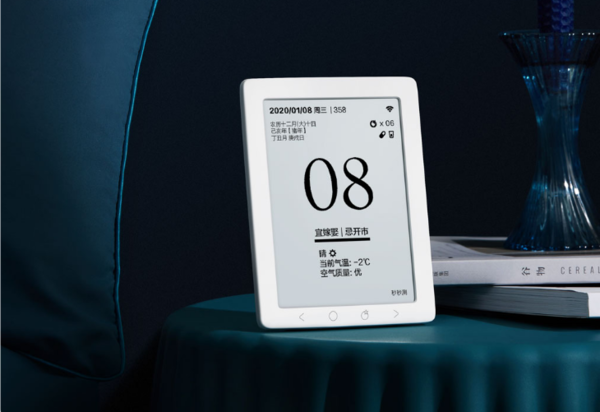
Xiaomi has launched its 477 crowdfunding product called Youpin & Seconds Smart Health Calendar. The calendar has the functions of displaying weather information, air quality, famous quotes, calendar and so on. It is priced at 199 yuan ($28).
Youpin & Seconds Smart Health Calendar as a new generation of smart electronic calendar which renders having a paper calendar every year useless. The device is made of ABS + PC material, with ceramic fire pattern. The material is healthy and environmentally friendly while delivering an aesthetic appearance.
The smart health calendar uses a large 5.83-inch e-ink screen with dot-matrix display to make the display more similar to the printed text texture. The display also retains a high quality of visibility from different angles. It also comes with WIFi connectivity, bringing internet connection to the mix.
The smart calendar is embedded with a variety of China-popular online calendar channels such as one-way calendar, Zhihu calendar, Weiyi health calendar, workplace black box calendar, black chicken calendar, traditional yellow calendar, etc. With such a wide array of calendar channels, users can switch as often as they like. There are also regular functions such as reminders, alarm, countdown etc.
As for the power supply, the smart calendar is powered by four replaceable No. 7 batteries. There is a low battery icon which reminds you when the battery is too low.
The product comes in white only and is expected to start shipping in February 2020.
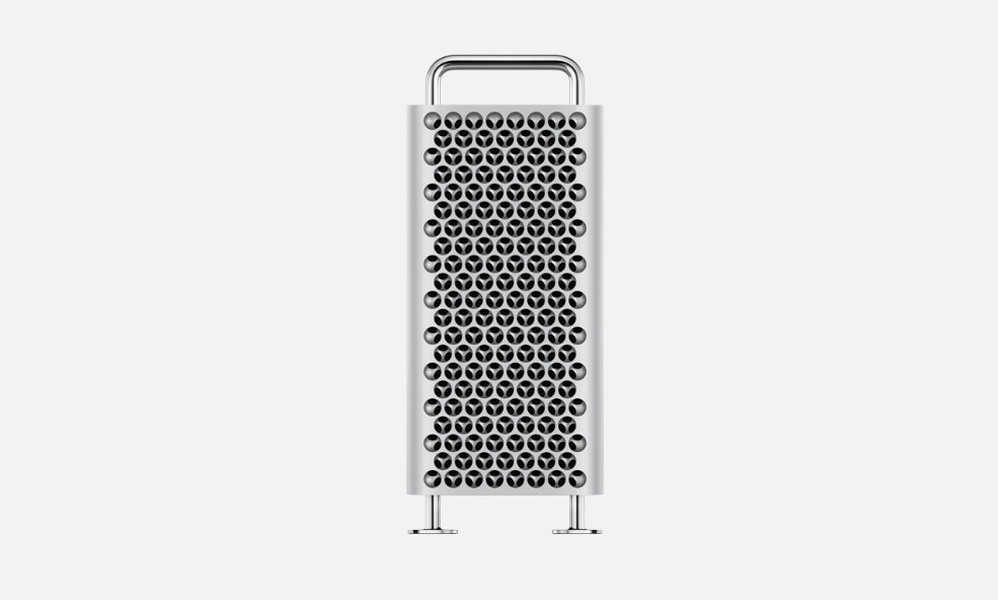
Apple announced its latest Mac Pro at the WWDC annual conference back in June 2019. The PC is finally available in India, starting at a whopping Rs. 4,99,900 (~$6,965). The latest Mac Pro replaces the previous model that Apple launched almost seven years back. The upgraded PC is all aluminum and sports a tower design with a handle on top for greater portability. The internal components are accessible from all four sides by removing the side panels using a knob. Apple is offering a number of customization options, including multi-core processors ranging from 8-cores to 28-cores. It also features an upgraded heat sink for better heat dissipation, and in turn, higher performance.
Apple Mac Pro specifications and features
Starting with the processor, the Apple Mac Pro uses an Intel Xeon W chipset starting from 8-cores to 28-cores depending on usage. Memory configuration starts from 32GB all the way up to 1.5TB. While the 8-core processor supports up to 2666MHz memory sticks, the 12 to 28-core processors support up to 2933MHz. Users can configure up to two MPX module using four GPUs. You can choose between an AMD Radeon Pro 580X, the AMD Radeon Pro W5700X, the AMD Radeon Pro Vega II, and the AMD Radeon Pro Vega Duo. The PC draws power from a 1.4Kw unit.
The Apple Mac Pro has eight expandable PCI Express slots, which can be configured in a number of ways. Users can opt for two MPX modules or four PCI Express slots, three full-length PCI Express Gen 3 slots, or one half-length X4 PCI Express Gen 3 slot with an Apple I/O Card. In terms of storage, Apple is offering options ranging between 256GB and 8TB of SSD storage with a sequential read and write speed of 3.4 Gbps.
The Apple I/O card has two USB 3.0 ports, two Thunderbolt 3 ports, and two Ethernet ports. Additional connectivity options include two Thunderbolt 3 ports on the top of the tower enclosure and two similar ports on the front rack. The PC has a built-in stereo output and has a 3.5mm AUX port. The device is equipped with Wi-Fi 802.11 a/g/b/n, and Bluetooth V5.0. The Mac Pro measures 52.9 x 45 x 21.8 cm and weighs 18 kg.
Dentists advise that we brush our teeth at least twice every day and each session should last for at least 2 minutes. So many persons are usually unable to keep to this advice. even adults just want to brush quickly and head out not to talk of children. It is pretty difficult getting kids to open their mouth, more so for up to two minutes. That is where the Y-Brush comes in. The manufacturer touts the retainer-shaped toothbrush of delivering cleaner teeth is just 10 seconds.
The Y-Brush is designed and developed by French company FasTeesH. The product was first launched on crowdfunding in 2018 and the company was able to raise $165,000. The product recently started shipping to backers and subsequently, is now ready to go on sale after CES.
The Y-Brush is a full-coverage electric toothbrush which features a flexible gum shield lined with nylon bristles on the inside. The gum shield is wide enough to cover an entire jaw and is also attached to a square power base. To use, the individual has to smear the recommended amount of toothpaste on the bristle side and then insert the retainer into your mouth. You’ll then have to keep your mouth closed for 5 seconds while it cleans the teeth. After the device is used on the upper jaw, for instance, it can then be flipped over and used on the lower jaw.
The toothbrush presents with three vibration modes. The battery is durable as a fully charged cell is said to be able to last for a month. There is equally a charging stand in case you run out of battery.
The Y-Bruh is designed not only for adults but also for kids. Of course, jaw sizes differ and that is taken into consideration in the design. Thre is a small size for kids from the ages of 4 to 12, and medium-size for older persons. The brushing head is replaceable and FasTeesH recommends changing it every six months, unlike the normal toothbrush that dentists recommend should be changed every three months. The replacement brush head costs $30 apiece.
The baseline Y-Brush kit costs $125 and includes a handle, brush, USB charger, toothpaste applicator, and a storage container for two brushes.
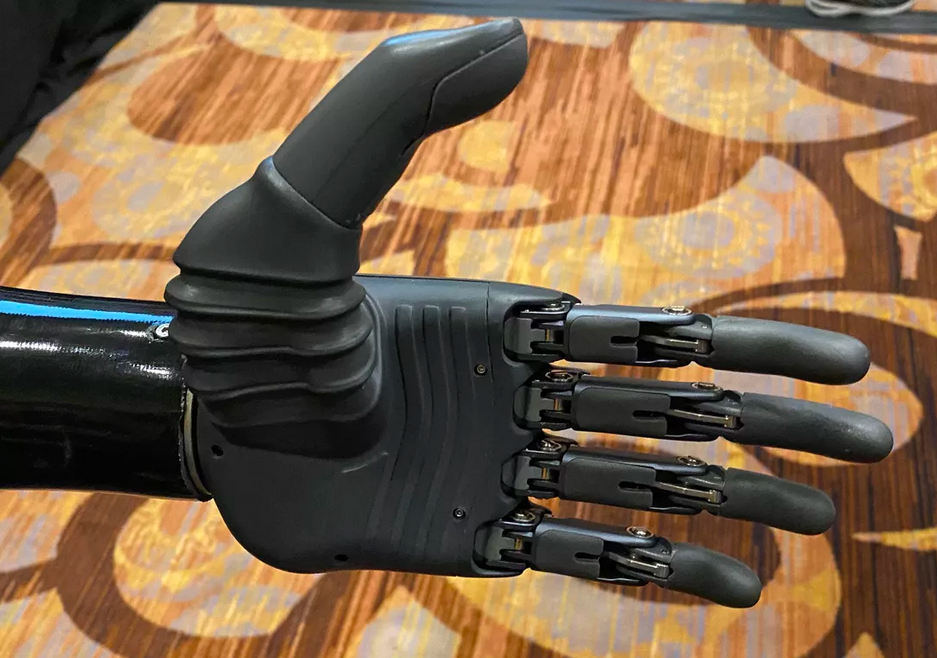
A new AI powered prosthetic hand has been developed that allows a person to move it with one’s mind. The latest breakthrough works in sync with an amputee’s brain waves and muscle signals to replicate the movement that one would’ve made with a real hand.
BrainCo, the company behind the prosthetic hand, unveiled the final model at CES 2020, on Monday. Notably, the firm also received a spot in one of Time Magazine’s top 100 inventions of 2019. The company is also expecting to start shipping the new prosthetic hand in the US market later this year as well.
BrainCo’s AI Powered Prosthetic Hand (Image Via CNET)
According to Max Newlon, President of BrainCo, the company has developed a new method of understanding electrical impulses from the brain going into the residual limb of an amputee. The prosthetic hand then detects the intention of the user and translates it to real world movements.
Reportedly, it takes just about 5 to 10 minutes to program six gestures into the prosthetic hand, which apparently gets better and more life like the more one moves the hand. Another benefit of the new AI powered prosthetic hand is the cost. Typical robotic prosthetic limbs can be priced around $60,000 (roughly 416,526 Yuan), however, the BrainCo’s new prosthetic hand could be priced between $10,000 to $15,000 (roughly 70,000 to 100,000 Yuan).
Currently, the AI powered prosthetic hand is awaiting FDA (Food and Drug Administration) approval process, which means once it is cleared, BrainCo can start officially selling the product. With over hundreds of million amputees worldwide, the new invention could be a boon to many, including war veterans or those born with physical defects.
For more coverage of CES 2020 launches and events, click here.
With the update arriving for two phones in quick successions, we can say HMD Global is picking up the steam with its updates which got a slow start last year.
Nokia 7 Plus just got better! These phones are now running on the latest Android 10 update. Get the latest pure Android experience and access the latest features today. What feature do you think will be your most used? Let us know in the comments below!👇 pic.twitter.com/toanRtZIhe
Android 10 brings lots of new features to the Nokia 7 Plus such as Dark Mode, Smart Reply, Sound Amplifier, Suggested Actions, Family Link parental controls, site and app timers, gesture navigation, and more control over your privacy and location data. The update for the Nokia 6.1 Plus comes with December 2019’s security patch, so we expect the same for the Nokia 7 Plus.
The Nokia 7 Plus was announced in 2018. It ran Android 8.1 Oreo out of the box and was updated to Android Pie the same year. The Nokia 7 Plus has a 6.0-inch display with an FHD+ resolution. It is powered by the Snapdragon 660 processor with 4GB or 6GB of RAM and 64GB of expandable storage. It has 12MP + 13MP dual rear cameras and a 16MP selfie camera. There is a 3800mAh battery inside with support for 18W fast charge, a fingerprint scanner on the back, NFC, and an audio jack.
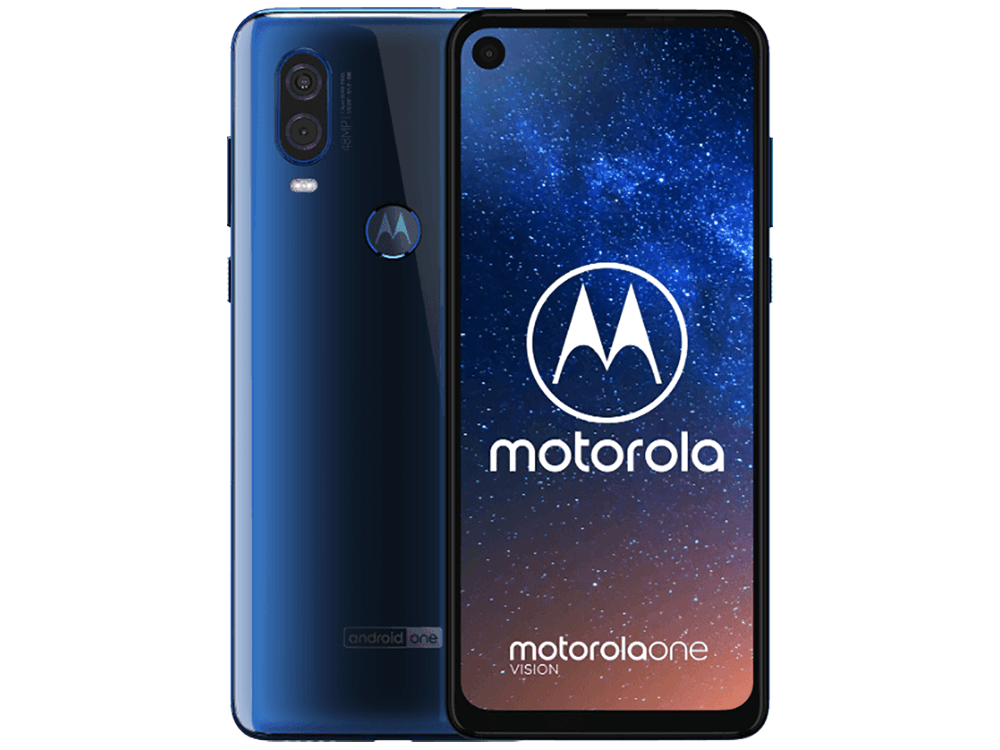
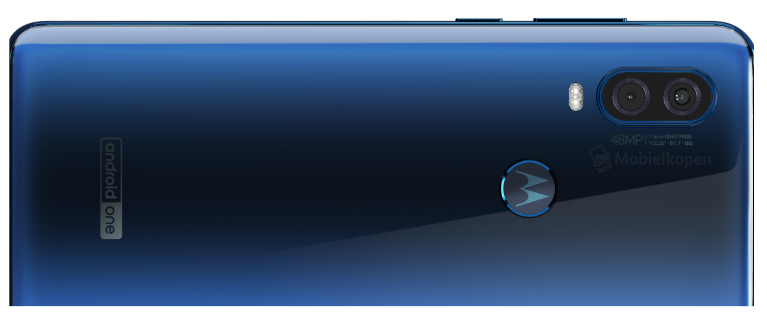
According to official statements, the company has started the roll out of the new stable build of Android 10 via OTA to One Vision owners in Brazil. Furthermore, the official software support page of Motorola has stated that the major update has started being from 6th January 2020. The update roll out is following a staggered manner with a few devices receiving it before the rest. Notably, every Motorola One Vision device will receive the update before 6th February 2020.
The major update brings Google’s latest Android 10 OS alongside the January 2020 security patches. It carries the build number QSA30.62-24 and brings many new features and improvements across the board. This includes the much requested system wide dark mode, a new gesture navigation system, Focus mode, Live Caption support, revamped permissions and a lot more.
For those wishing to check if their Motorola One Vision has received the update, go to Settings > System > System updates. Once there, users can check if their device is eligible for the update. Unfortunately, no information is currently available regarding the release schedule of Android 10 in India, the UK, and other European regions. However, considering the update has just started in Brazil, it should arrive in the aforementioned region in the coming weeks.
Additionally, the Motorola One Vision was launched in May 2019 with Android 9 (Pie). The handset is a mid range smartphone with a 6.3 inch display that has a punch hole selfie camera. Under the hood, it runs Samsung’s Exynos 9609 SoC that is powered by a 3,500mAh battery. One of the highlighting features of the device was its camera module with a 48MP primary shooter and its aspect ratio and the display aspect ratio of 21:9 (which is great for viewing movies and video content).
Before the smartphone era, there was only a single way to jot down the notes using a pen and paper. We relied on dedicated stationery for saving notes. Even now, we can easily get the note saving diaries from our local stationery shop. But thanks to the advent of smartphones, as many new ways have propped-up to save notes and tasks without wasting paper. The user can use any Note Taking App from the list below to jot down notes.
These handy apps let users save notes, including rich media such as images, voice memos, and everything else. Apart from these features, apps also inherent qualities like cross-platform compatibility, secure environment, and much more. However, it becomes difficult to choose the best Note-taking app from the available hundreds of apps. Well, you need not worry as we have compiled a list of the best note-taking apps for both Android and iOS.
Let’s begin with the best note-saving apps by detailing their key features along with the pros and cons.
Evernote is a widely used note-taking app with support for every primary operating system, including Windows, Mac, Android, and iOS. It is an important note saving app available for free with limited features. It offers some compelling features such as the addition of web page clips, images, search for text, and work on notes.
The Free storage plan offers 60MB storage, while Premium and Business get 10GB and 20GB+ storage, respectively. There are certain collaborative features. The app brings AI integration for better suggestions and presentation features.
Microsoft’s free note-saving app with extensive features is a favorite among many professional users. It is compatible with Windows, Mac, Android, iOS, and Web platforms. The OneNote app offers various competitive tools for free without any subscription. It allows us to capture, organize, and convert it into digital flexes in a single window.
OneNote offers handwriting tools, clip web pages, scan handwritten notes and pages, different types of notes, and a lot more. OneNote is best known for its better organization of notes against Evernote. It offers separate color-coded sections and virtual notebooks with a three-ring binder. Evernote even helps to quickly find any relevant page by using its powerful search tool. It fits perfectly with other Microsoft tools such as Word, Excel, and PowerPoint.
Pros
Professional tools
Available for Free without any Subscription
Cross-Platform compatibility
Cons
Despite several organization features, it lacks sorting.
It is the easiest and simple note-taking app for Android and iOS. It almost works on every network, including iOS, Android, macOS, Linux, and Windows. SimpleNote is a light and clean note saving app without any premium subscription. The users can quickly jot down notes with few taps.
There are extensive notes organizing features with the help of instant searching and simple tags. The user can instantly find the required document. It also can work collaboratively with other team members with inbuilt sharing and other features. There’s timeline support that allows users to check the document history. It helps to publish notes in Markdown format for easy reading.
There’s support for synchronization across multiple devices. The App is freely available for all the users without any subscription offers.
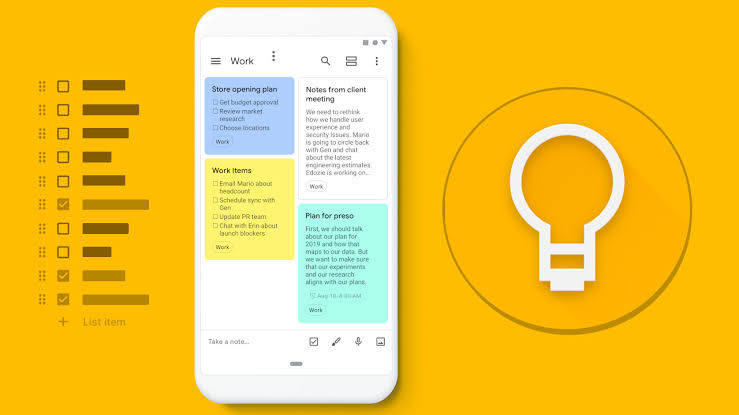
Google Keep is another simple and basic note-saving app. The app offers extensive compatibility with Google tools for improved productivity. Google Keep provides a well-synchronized environment across multiple devices. It is compatible with iOS, Android, and Web. It is free, but you need to have Google Account to access it.
Google Keep allows users to write down a thought or list quickly and then share it with your friends and family. It also incorporates AI to transcribe a recorded voice memo. To better organize the notes, it offers color labels for quick searching. It even supports location-based reminders to pick the right thing at the right time and place. For, eg, the user can never forget to pick groceries when at the store.
It’s a nifty note-saving tool, particularly for Google App users.
Born out of popular cloud storage service – Dropbox in August 2016 is a dedicated note-saving app. It is compatible with all the major operating systems such as Windows, iOS, and Android. The user can enjoy several intuitive features such as collaboration with other team members, sharing with friends and family, images, and video support for notes.
DropBox Paper offers integration with Google Calendar, Slack, and even Spotify. Since its inception, the company has added several new features, including the ability to create new mobile folders, improved delete, archive features, and a redesigned homepage.
It is a perfect place fo business owners to collaborate on different projects for the launch plan, brainstorm ideas, product specs, and creative briefs. There are some better organization features, including the ability to work with a team and a single place to play all media.
A simple app that blends notes, tasks, wikis in one app. The users can easily drag, drop, and edit notes, and can rearrange content with prioritizing lists and to-dos. The app supports rich media, bookmarks, code snippets, and 20+ block types. It can easily synchronize content between different operating systems.
The users can download the document for offline editing if there’s no internet connectivity. Like Google Docs, multiple users can collaborate and edit documents at the same time. The nested folders make it easy to organize content better than the old messy folder organization scheme.
It perfectly suites the professional environment by offering Kanban Boards that use unique workflows.
If you’re looking for a simple and easy-to-use note saving app for iOS devices, then you should use the Apple Notes app. It is more than enough for penning-down notes. Along with standard note creation tools, it also brings support to add web links, scanned documents, and sketches to notes.
The user can use Siri to create notes using by dictating. Inbuilt camera app configuration also helps to develop notes and dictate content. A simple process on the Apple Notes app makes it a quick yet simple app for note saving. The presence of gestures and some professional tools makes it a suitable choice among iOS users.
These are some best available apps to save notes on Android and iOS. These tools are added based on their usability and customer reviews. If you have any recommendations, then let us know via the comments below.
At the Realme X50 5G launch event, Realme also announced a couple of new lifestyle products. First, its Realme Fast Charge Power Bank is now available in a new color variant. There is also a protective case for the Realme Buds Air, a Realme Gym Bag, and a Realme Sweater. The common factor for all these products is their color which is Classic Blue, Pantone’s Color of The Year for 2020.
The Realme Fast Charge Power Bank was announced back in September during the launch of the Realme Q smartphone. The power bank was originally launched in yellow, gray, and red and will now get a fourth color variant called Classic Blue.
As a recap, the power bank has a 10000mAh capacity, supports 2-way 18W fast charging via the USB-C port, and can also be used to charge iPhones, low power devices and compatible laptops.
The Classic Blue Realme Fast Charge Power Bank has a price tag of ¥109 (~$16). If you do not mind, the other color variants are currently on sale for ¥99 (~$14) for a limited time.
Realme also announced the Realme Buds Air in China today and if you don’t like the yellow, white, and black variants, there is a ¥29 (~$4) protective case in the same Classic Blue color as the power bank. The protective case has a lanyard hole too, so you don’t lose the earbuds.
Another lifestyle product Realme announced is a gym bag with a drum-like design. It has “realme” written in large font size on the body and yellow straps. There is no info on the price yet. As a reminder, this is not Realme’s first bag. It already sells a backpack as well as a jelly pack.
Realme also announced a sweater that comes in classic blue with yellow text written on the arms. There is also no info on the price and availability of the sweater.
At CES 2018, LG had showcased a futuristic TV which could be rolled up. Now, according to an interview at CES 2020, the roll-up TV will be available this very year (2020) and could go for a hefty price of $60,000 or roughly 416,352 Yuan.
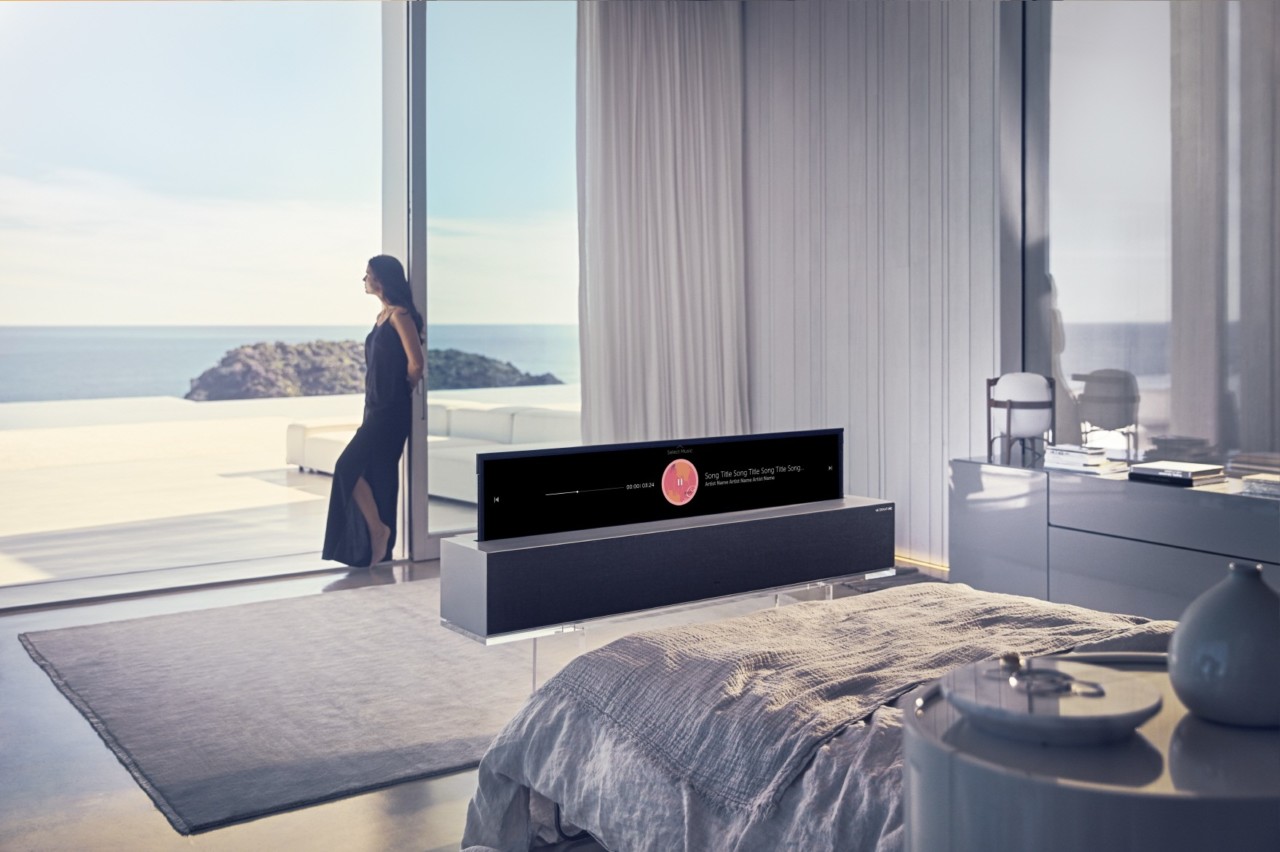
The rollable TV from LG is a 65 inch 4K television which features the company’s OLED panel. As the name suggests, the TV’s display rolls up and hides into the base when not in use. The Signature OLED TV R supports Alexa voice assistant that enables certain voice controls alongside LG’s webOS integration. Notably, the display can extend to its full height in just about 10 seconds but can also be raised and rest at any desired height.
LG Signature OLED TV R at different heights
For connectivity, All the ports found in conventional TVs can be found on the rear of the device, including HDMI 2.1. The TV is also equipped with a 100-watt Dolby Atmos speaker systems which are functional even when the display is rolled up.
According to LG, no quality is lost with the flexible display over conventional rigid screen panels. Furthermore, the TV is reportedly tested for a total of 50,000 rolls which translates to about 68 years of sliding up and down once a day; or about three years of rolling up and down every hour a day, 365 days a year. Unfortunately, the spectacular TV is still too soon for its age as the price tag ensures that only the rich enthusiasts or commercial enterprises can afford its supposed price tag.
LG Signature OLED TV R rolled into the base
Although the pricing has not been officially announced for the US market, LG’s home entertainment marketing head, J.S Lee, quoted the sum of 60,000 US Dollars in an interview. Lastly, the LG Signature OLED TV R is expected to start shipping in the second or third quarter of 2020.
For more coverage of CES 2020 launches and events, click here.
In recent years, smart home devices and gadgets with voice assistants have increasingly grown in popularity. This holds especially true for IoT devices like Amazon Echo, Google Home (Nest Hub products) and more. Notably, these products have been fairly well received in India, which is the second-largest smartphone market and an emerging region for IoT smart home products as well.
Now, Amazon is seeking to grow its Alexa voice assistant supporting lineup with the latest launch of the Echo Auto for the Indian market.
Amazon Echo Auto with Alexa Support
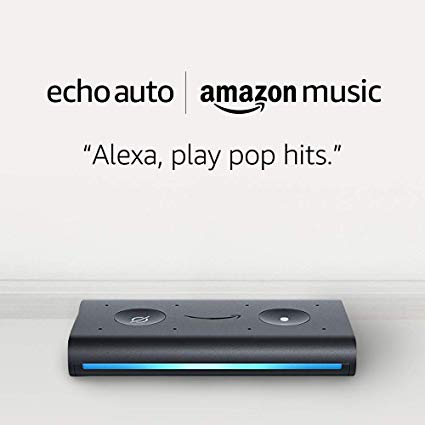
Amazon Echo Auto
The latest smart IoT product announced by Amazon is designed exclusively for automobiles, namely cars. Amazon Echo Auto enables users to access Amazon Alexa in the car; through which one can stream music from any service that supports Alexa and also ask information regarding a wide variety of topics.
Amazon Echo Auto connects to the car’s sound system via a 3.5mm audio jack and 12V power connector
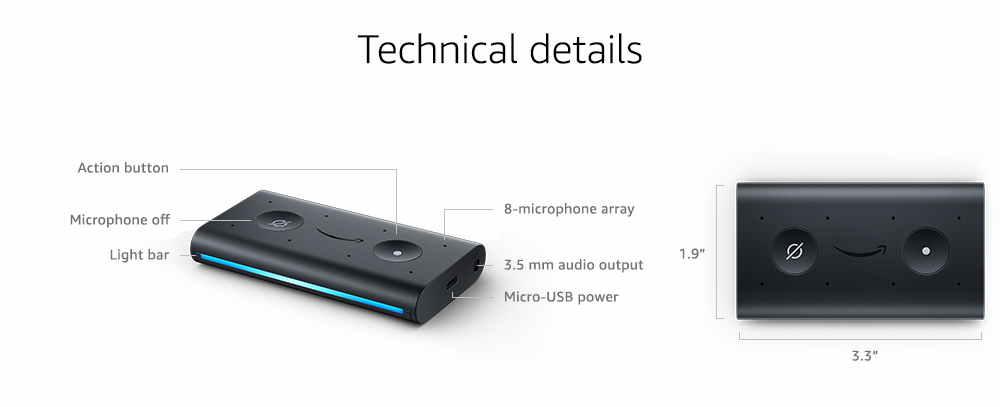
The device in and of itself does not possess a physical speaker, rather it connects to the car’s audio systems via a 3.5mm audio jack. It is powered by a standard 12V electrical socket, the ones that are usually found in almost every car nowadays. Amazon Echo Auto is equipped with 8 microphones that listen for the “Alexa” wake command. Apart from streaming music, the voice assistant can also grant access to audiobooks, Alexa Skills, information on landmarks and other points of interest.
Amazon Echo Auto features only two physical buttons on its body. One is the action button and the other is for muting the microphone. Under the hood, the device is powered by a MediaTek MT7697 processor which enables hands-free voice control access to users’ smartphones; and by its extension calls, messages and more.
Amazon Echo Auto features 2 physical buttons and a LED indicator light bar
Price and Availability
Amazon’s latest smart IoT gadget for cars is currently available for pre-orders and is being sold for a price of 4,999 INR (or roughly 69 USD or 482 CNY). It will officially start shipping on the 15th of January 2020.
Chinese smartphone manufacturer OnePlus is looking to start manufacturing its range of televisions in India starting the first quarter of 2020. OnePlus plans to leverage its position in the local market, and turn it into a production hub for global supplies. The company plans to follow Samsung’s lead by localizing parts supply, which in turn directly leads to minimizing expenses.
Vikas Agarwal, General Manager for OnePlus India, in a statement revealed that the company is currently in talks with its global component supplier to invest in India. Every major component for manufacturing televisions is currently imported. Localization will help reduce costs in the long run. OnePlus currently plans to assemble smart TVs in India at a partner’s facility. Importing television components and assembling them here will help save on taxes for the time being.
The Indian government abolished import duty on open cell television panels last year to strengthen its ‘Make in India’ initiative. According to the Economic Times, industry sources claim OnePlus is in advance stages of negotiation with local firm Dixon Technologies for assembling its TV lineup. Dixon currently manufactures TVs for some of the biggest brands like Samsung, Panasonic, and Xiaomi. Neither OnePlus nor Dixon has officially commented on the subject.
In a major development last week, Samsung announced its return to manufacturing television sets in India following the government’s decision on eliminating import duties on open cell panels. Chinese tech giant Xiaomi is keen on expanding its manufacturing setup in the country. Sony and LG have also expressed interest in investing in India following the development.
Agarwal mentions that OnePlus is currently focusing on the company’s core user base of 5 million people to help boost television sales. The OnePlus TV is currently available on Amazon India, Croma, and OnePlus stores throughout the country. They plan on expanding sales via large-format sellers, a strategy previously used during the initial days of selling smartphones in India.
According to Agarwal, “Smart television sales currently account for 10% of the domestic market, and is projected to grow exponentially within the next couple of years”. The competition is real and OnePlus plans to gear up to survive the test of time. The brand currently has over 30 stores in 15 cities around India, and they plan to reach more than 50 cities and 100 stores by the end of 2020.
Although the Indian stores are operated by OnePlus, a business partner is in charge of managing sales. Agarwal confirmed that the company is not looking to change this structure anytime soon. He said, “Selling smartphones is a priority. We plan on making out portfolio available to general trade outlets. We have already partnered with Redington in this endeavor.”
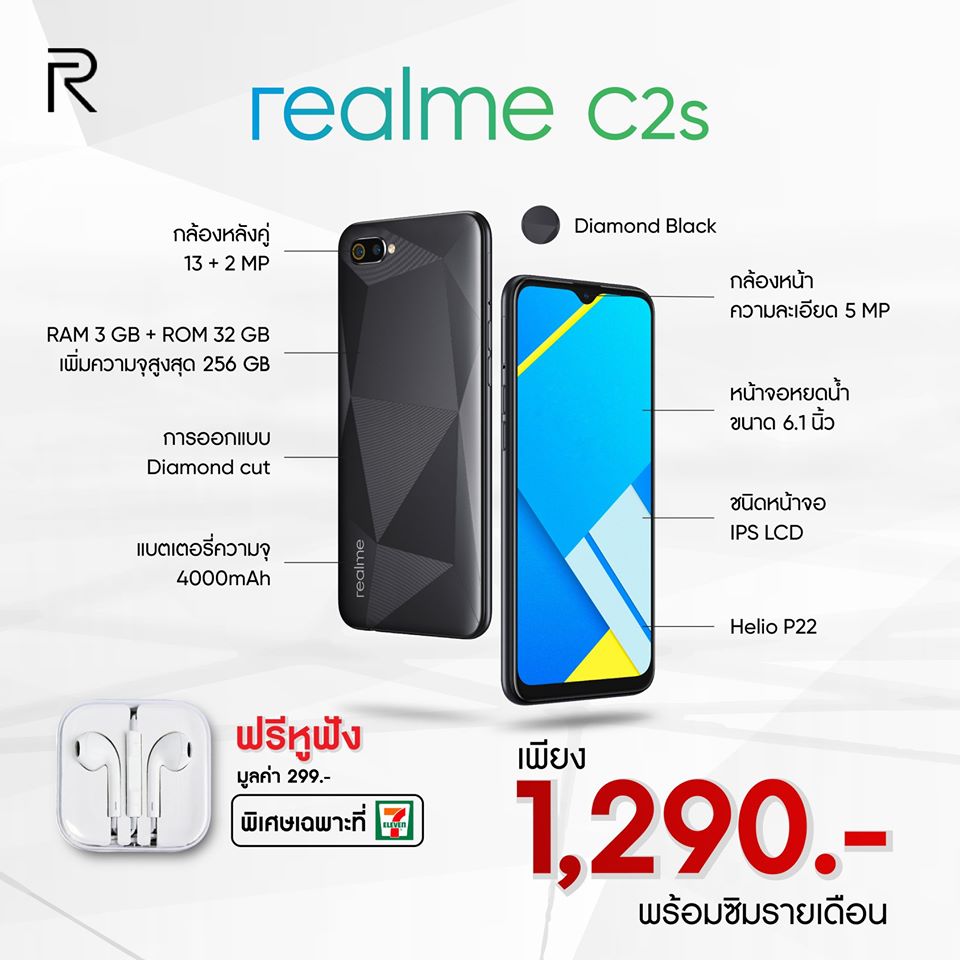
The Realme C2s budget phone has gone official in Thailand. The device is currently on sale at 7-Eleven outlets throughout the country at 1,290 Baht (~$43). The Realme C2s is Realme’s lower-end smartphone aimed at the budget-conscious buyer in Thailand. The device features a MediaTek processor, dual rear cameras and packs a massive battery. The Realme C2s is nothing but a rebranded version of the Realme C2 2020 phone that is available in other markets.
Realme C2s Specifications and Features
The Realme C2s flaunts a 6.1-inch IPS LCD display with a resolution of 1560 x 720 pixels, and an aspect ratio of 19.5:9. The device has a screen-to-body-ratio of 80.3% and features a 2.5D curved glass with scratch resistance. The smartphone is powered by a 2.0Ghz octa-core MediaTek Helio P22 SoC with 3 GB of RAM and 32 GB of internal storage, further expandable up to 128GB via a microSD card.
In terms of optics, the C2s features a 13-megapixel primary camera along with a 2-megapixel depth-sensing lens and an LED flash module. The 5-megapixel front camera is housed within the waterdrop notch. There is a Chroma Boost camera mode for capturing shots with vibrant colors.
The device draws power from a massive 4,000 mAh battery and runs on Android 9.0 Pie-based ColorOS 6.0. The Realme C2s flaunts a diamond cut rear panel and is currently available in a Diamond Black color tone.
TCL, the multinational consumer electronics brand, isn’t exactly a very popular name in the smartphone industry. Rather, the company has only started pushing its own branded devices last year in certain European regions. Now, the company has teased the existence of two more smartphones for its future lineup, with one being a foldable phone and other a 5G handset at CES 2020.
A Foldable Smartphone from TCL
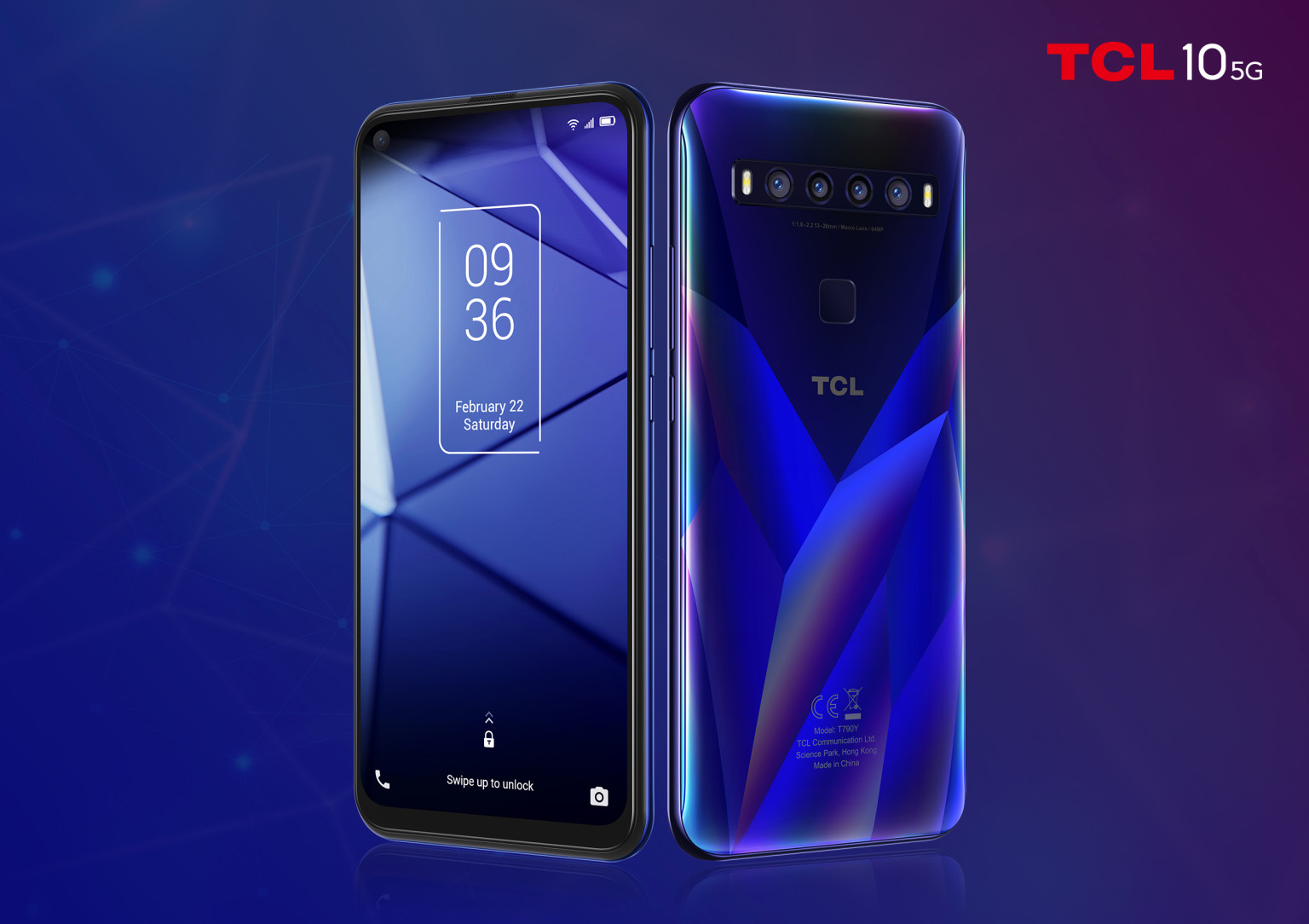
The smartphones TCL has been pushing for in Europe, follow a strategy that offers cutting edge technology. Hence, the upcoming devices will also fit right in with the currently available lineup. The company has been teasing the launch of a 5G handset and foldable phone since 2019 but now, a bit more information is finally available for the former. The TCL 10 5G will be the first 5G smartphone from the company.
TCL 10 5G
The device is expected to hit the markets in the US and Canada. It is also expected to be available in the Q2 of 2020. Notably, the TCL 10 5G smartphone is one of the three handsets that will be launched this year, with the pricing of the line starting at less than 500 US Dollars or roughly 3,469 Yuan. The budget pricing of the phone will be one of its most attractive aspects.
TCL 10 5G
The recently revealed handset from TCL will be powered by Qualcomm’s 5G processors. Since the device is a mid range smartphone, it is expected to sport the Snapdragon 765G SoC, which is Qualcomm’s entry level 5G chipset.
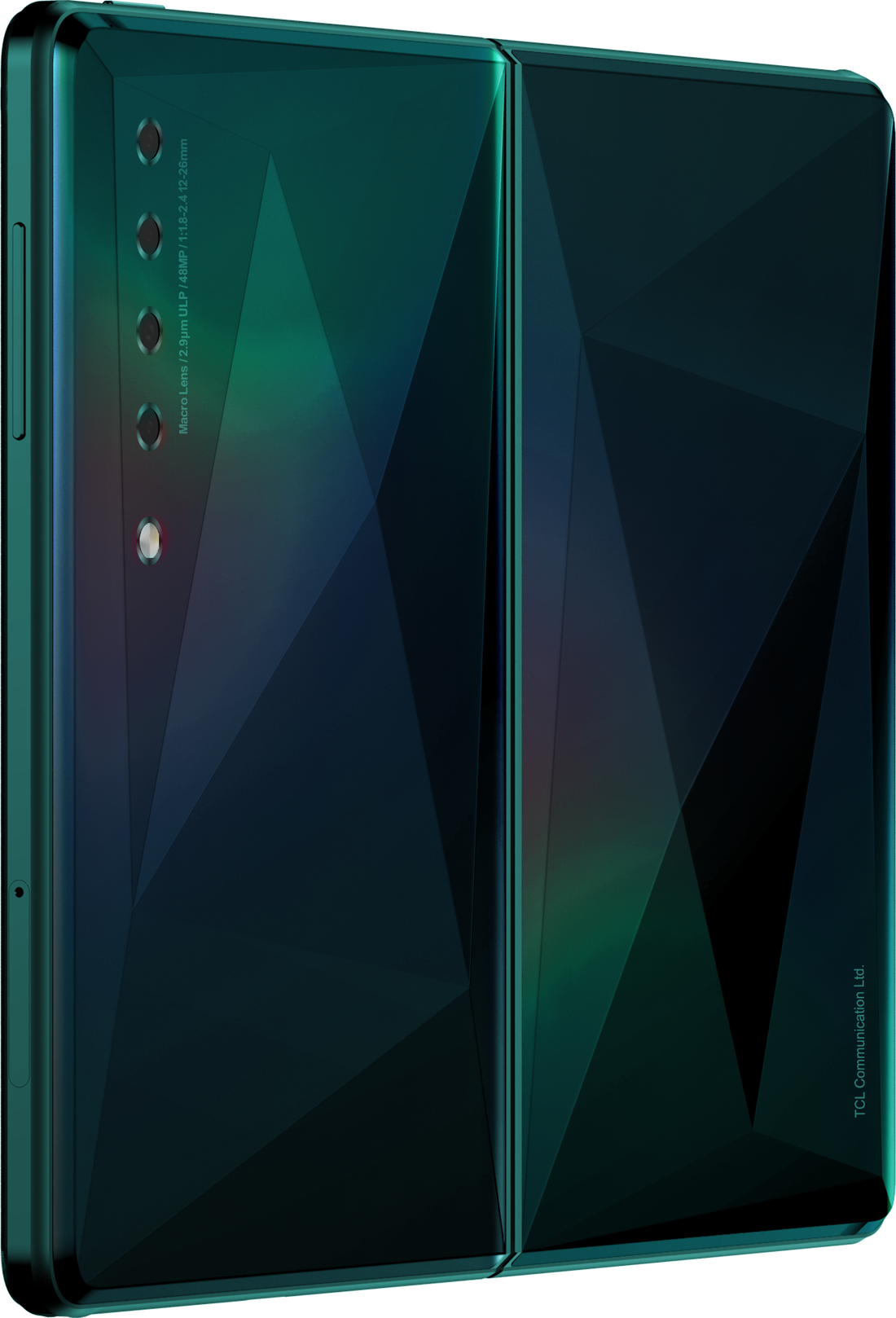
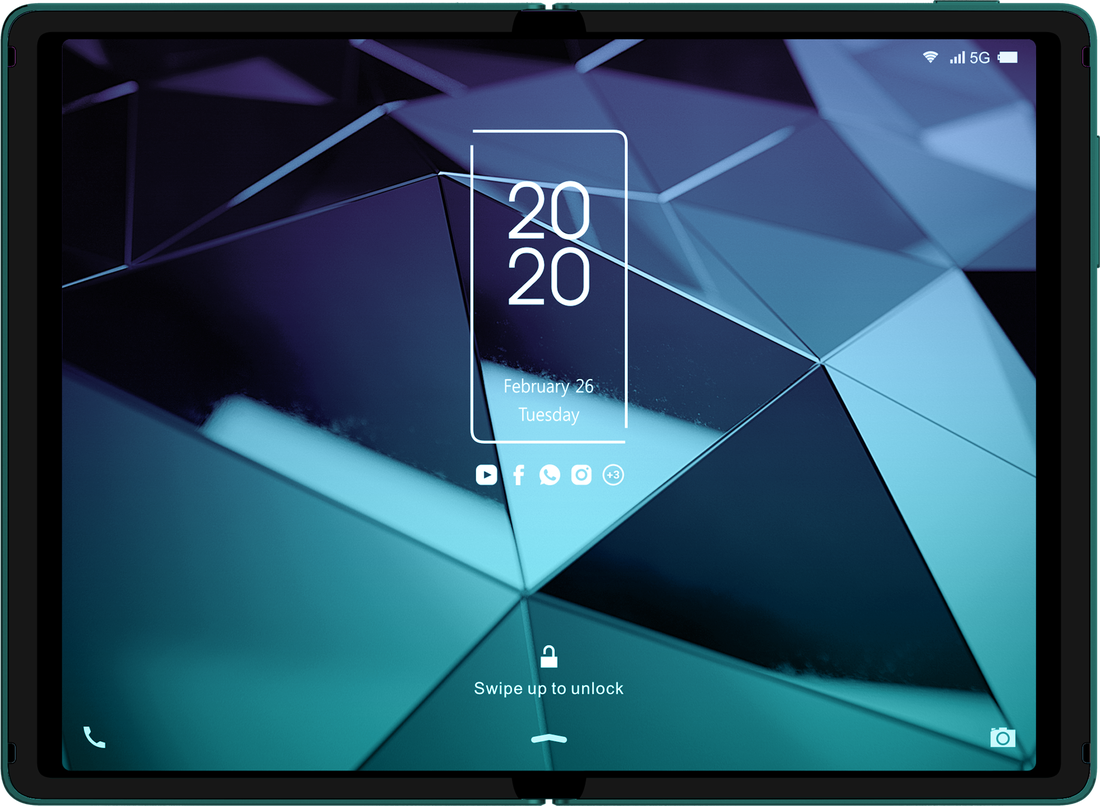
Unfortunately, information regarding TCL’s foldable smartphone is still scarce. However, the company did share renders of the device at the press event. Notably, the renders are also listed under “Foldable Smartphone Concept” which doesn’t inspire a lot of confidence. In other words, the handset still seems far from an official release.
TCL Foldable Smartphone Concept
Looking at the images, the foldable smartphone bears a resemblance to the form factor of Samsung’s Galaxy Fold. Furthermore, the device appears to feature a vertically stacked quad camera setup on the rear. Since the device was first revealed in MWC 2019, it might be seen in the upcoming Mobile World Congress for the year 2020.
Redmi had introduced the Redmi K30 series in China in December 2018. Its 4G edition had released in the home market in the same month. The Redmi K30 5G was made available for purchase for the first time in China today. The sale was carried out at 10 AM (local time). As expected, the Redmi K30 5G has met with a good reception from the audience as it was sold out in just 2 hours.
Redmi is currently only selling the 8 GB RAM + 128 GB storage edition of the Redmi K30 5G. It carries a price tag of 2,499 Yuan (~$360) and it is available in blue color only. The Chinese firm confirmed that the next sale of the smartphone will be held on Jan. 10 in China at 10 AM (local time).
There is no confirmation on when it will be selling the other variants of the Redmi K30 5G. Its base model has 6 GB of RAM and 64 GB of storage and is priced at 1,999 Yuan (~$288). The 6 GB RAM + 128 GB storage and 8 GB RAM + 256 GB storage editions are respectively priced at 2,299 Yuan (~$331) and 2,899 Yuan (~$418).
The Redmi K30 5G has a 6.67-inch IPS LCD that offers a high refresh rate of 120Hz. It offers 20:9 aspect ratio and 1080 x 2400 pixels full HD+ resolution. It is the first phone to be fueled by the 7nm Snapdragon 765G processor. The phone comes with up to 8 GB of LPDDR4x and up to 256 GB of UFS 2.1 storage. There is a microSD card slot onboard for additional storage.
The MIUI 11 based Android 10 OS runs on the Redmi K30 5G. The quad camera system positioned on the rear shell of the phone features a 64-megpixel Sony IMX686 primary lens, an 8-megapixel ultrawide lens, a 2-megapixel macro lens and a 2-megapixel depth sensor. The dual selfie camera setup of the Redmi K30 5G includes a 20-megapixel main sensor and a 2-megapixel depth assist lens. The Redmi K30 5G is backed by a 4,500mAh battery that is coupled with 30W fast charging technology.
HiSense today took the stage at CES to showcase a host of new television sets that the company will be releasing this year. The products displayed by the company includes a refresh of its projector/television hybrid laser TV and premium ULED TVs.
The company showcased HiSense L5 Laser TV which is a follow-up to the L10E launched in 2018. It retains the same form factor that teams a display screen with an ultra-short throw projector for precise image control.
However, the TV is now a bit dimmer than the previous model, at 2,600 lumens rather than the L10E’s 3,000 lumens. It runs a rather simpler Android TV smart platform and has a smaller color gamut. Coming to the markets in April with lower specs compared to the predecessor, it could be priced aggressively.
Along with that, the company also showcased HiSense XD9G ULED TV which is making use of the company’s own Dual Cell panel. It fuses a 2K and 4K panel together for enhanced contrast, and boasts ‘rival contrast’ to OLED at a lower price. It is said to be available for purchase in late 2020.
Hisense’s H Series of ULEDs will also get some new models, with a H9G Quantum follow-up to the H9F, and an H8G successor to the H8F. These devices are slated to be available for purchase in April and March respectively.
Also, the company is set to launch H65G (4K) and H55G (2K) LCD sets later this year but has not specified any timeline. They are less advanced models with Android smart platforms and without ULED enhancements.
For more coverage on CES 2020 events and launches, click here.
We use cookies on our website to give you the most relevant experience by remembering your preferences and repeat visits. By clicking “Accept”, you consent to the use of ALL the cookies.
This website uses cookies to improve your experience while you navigate through the website. Out of these, the cookies that are categorized as necessary are stored on your browser as they are essential for the working of basic functionalities of the website. We also use third-party cookies that help us analyze and understand how you use this website. These cookies will be stored in your browser only with your consent. You also have the option to opt-out of these cookies. But opting out of some of these cookies may affect your browsing experience.
Necessary cookies are absolutely essential for the website to function properly. This category only includes cookies that ensures basic functionalities and security features of the website. These cookies do not store any personal information.
Any cookies that may not be particularly necessary for the website to function and is used specifically to collect user personal data via analytics, ads, other embedded contents are termed as non-necessary cookies. It is mandatory to procure user consent prior to running these cookies on your website.
























UP NEXT: Apple’s iPhone 9 series could debut later this year