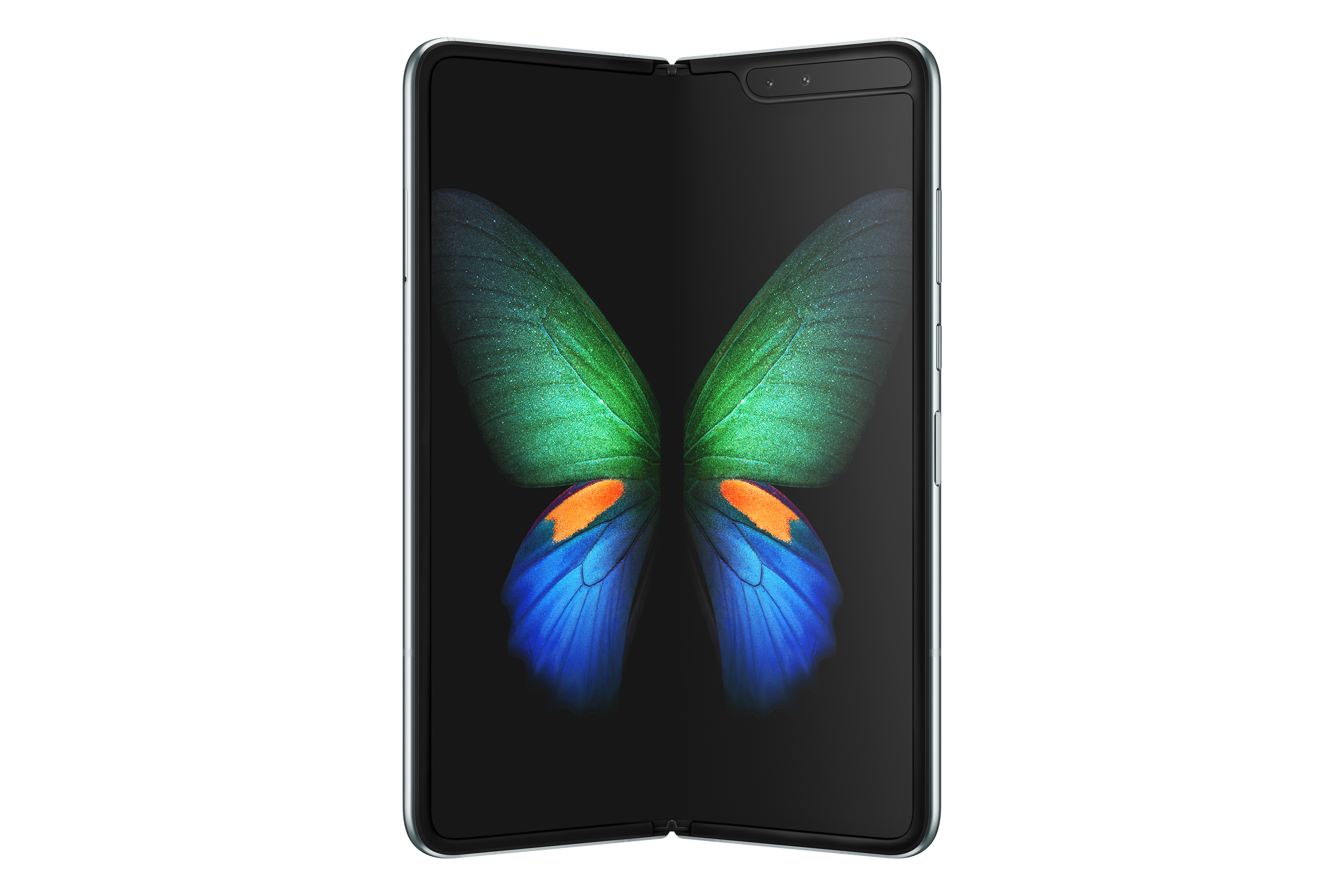
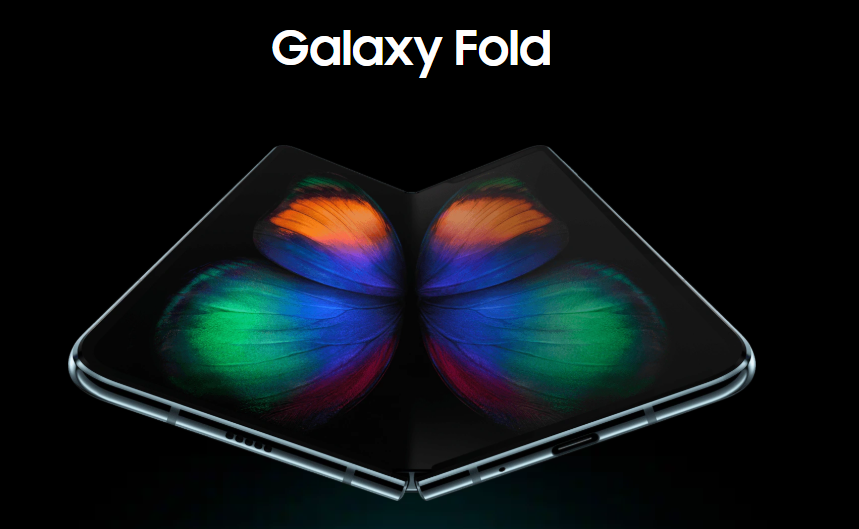
After announcing the Samsung Galaxy Fold smartphone in its home country as well as some other regions, the Galaxy Fold 5G variant is now available for purchase in South Korea. The phone is priced at 2.398 million won, which is roughly about $2,000.
The Samsung Galaxy Fold smartphone is now also available for purchase in UK, Germany, France, Singapore, and the United States. However, not all of these regions will get the 5G variant and will be limited to 4G only.
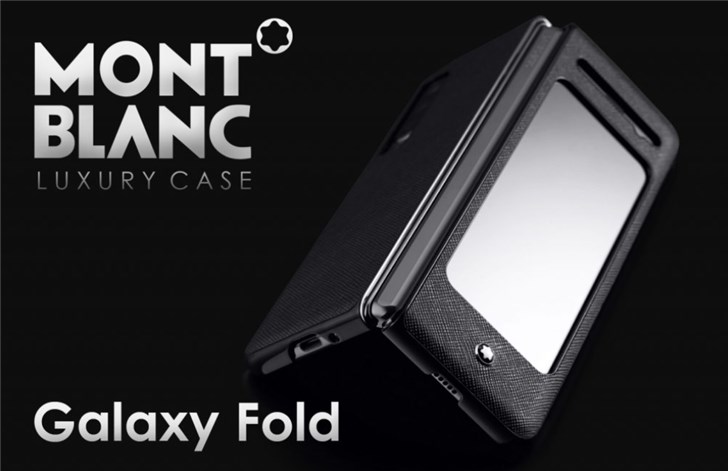
The Samsung Galaxy Fold 5G is being offered in two color options — Black and Silver. Further, those who purchased the smartphone after 20th September and buys before 31st October, will receive a high-end Montblanc protective case as a gift.
Most of the specifications of this 5G variant remains the same as the standard model, expect for the addition of 5G network support. The Samsung Galaxy Fold smartphone presents a 7.3-inch Infinity Flex Display with a 1536 x 2152 pixels screen resolution where can use three apps at the same time which Samsung calls Three-app Multitasking.
When the device is folded into phone mode, it offers a 4.6-inch display with 840 x 1960 pixels screen resolution. It comes with a feature called App Continuity which automatically adjust an app when you switch screens. It is powered by a 7nm SD855 octa-core processor paired with 12GB of RAM and packs 512GB of internal storage using UFS 3.0 technology.
Connectivity options on the phone include 5G, 4G LTE, Wi-Fi 6, Bluetooth v5.0, GPS/ A-GPS, NFC, and USB Type-C port. The smartphone also comes with stereo speakers that are equipped with Dolby Atmos surround sound technology.
It comes with camera module that’s made up of a 16MP ultra-wide camera, a 12MP telephoto camera, and another 12MP wide-angle camera. On the front side, it comes with a 10MP sensor. It runs Samsung One UI with Android 9 Pie operating system out-of-the-box and is powered by a 4,380mAh battery which is split into two units and supports Wireless Charging as well as Wireless PowerShare for reverse charging.
Yesterday, the Samsung Galaxy Fold smartphone was launched in the Indian market, which comes packed with 12GB RAM and 512GB storage. In India, the phone has been priced at ₹1,64,999 (~$2,323) and will go on sale from 20th October.
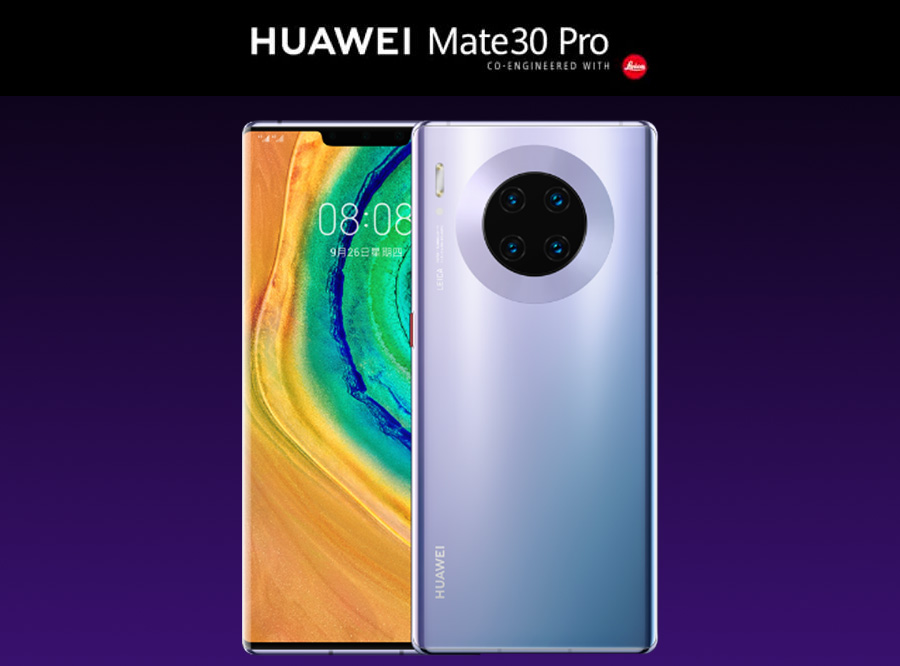
Huawei launched its flagship Mate 30 series smartphones a couple of weeks ago, making it the first batch of devices to come without support for Google apps and services since the United States put the Chinese giant on the “Entity List”, essentially banning the company.
Although the phone comes without Google’s support for apps and services, there was a workaround that enabled users to keep using Google services on the Mate 30 series smartphones. However, the workaround method via “LZ Play” is no longer available and the website hosting several apps is no longer working.
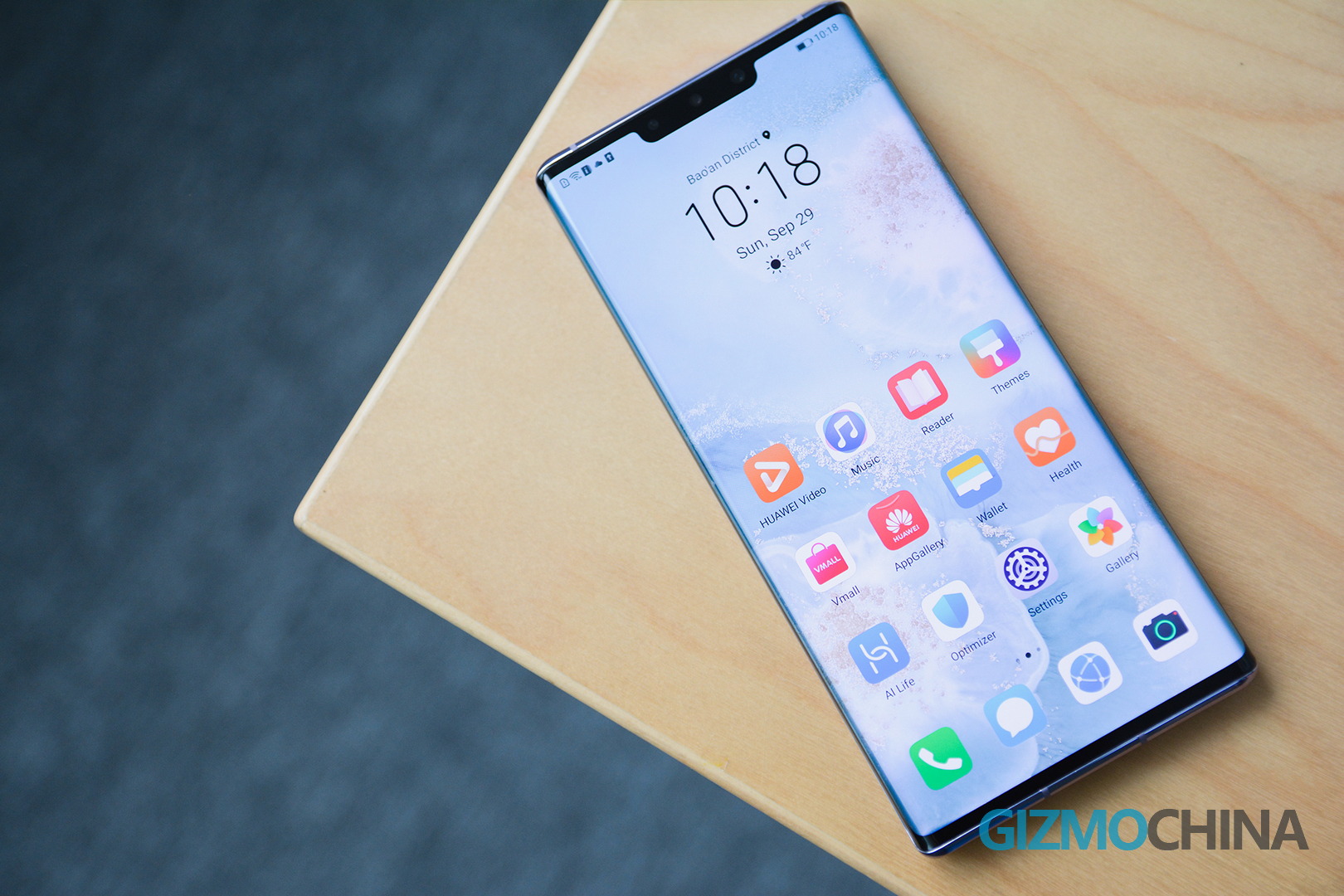
Huawei Mate 30 Pro
Since Huawei wasn’t able to secure exemption from the United States to use Google services, it looses out on access to Google apps. In the workaround, it required users to install “LZ Play”, a third-party application, with administrator-level permissions. But the method has raised some serious security concerns.
It used some specialised Android permissions found only in Huawei phones, including the permission to install other apps as “system” apps. Shortly after John Wu, the developer behind Magisk, published an explanantion about how the system works, the site hosting the LZ Play app was taken down.
Currently, it’s not known if the website was taken down by its developers or the site’s hosting service provider Alibaba. Reports indicate that there’s also a possibility that Huawei issued a “cease and desist” notice after the company was concerned about the bad press but this seems unlikely.
Also, it is being reported that the Huawei Mate 30 smartphone no longer passes Google’s SafetyNet security test, which is Google’s way of making sure that the device is valid, secure, and not rooted.
Passing SafetyNet tests is one of the requirements to be able to use some of the applications and since the phone has now failed the test, clearly something has changed either in the SafetyNet process or on the Mate 30 series phones.
In short, if you own Huawei Mate 30 series smartphone and haven’t installed Google apps on your device, you’re likely out of luck to do so until US and China settle their trade war or Huawei is granted exemption to use Google services on its devices.
It’s noteworthy that the Huawei Mate 30 series smartphones are not available for purchase in many regions outside China. Also, smartphones in China ships without Google services and most of them are already banned in the country. So, not many people should be affected by this but if you are the one who imported the phone, then you are stuck.
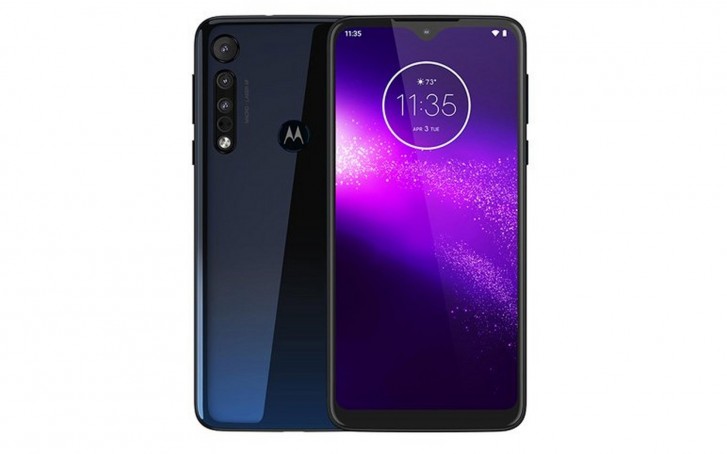
Yesterday, the upcoming Motorola One Macro was spotted on the website of a Saudi Arabian online retailer. Apart from the image of the phone, the listing had also revealed that the smartphone will be priced at SAR 899 (~$239) in Saudi Arabia. A fresh report by 91mobiles reveals that the One Macro will go official as early as next week in India.
Now that the Motorola One Macro is expected to hit India in the coming week, the Lenovo-owned company may soon start teasing on its arrival in the coming days. Past reports have revealed that the One Macro will be equipped with a 19:9 aspect ratio display that offers HD+ resolution of 720 x 1520 pixels.
The smartphone is speculated to be fueled by Helio P60 chipset and it will come preloaded with Android 9 Pie OS. The handset is expected to arrive as an Android One device. The smartphone could be equipped with a large-sized battery of 4,000mAh.
The rear side of the smartphone has a triple camera system. It is rumored to include a primary lens of 13-megapixel, a macro lens of 2-megapixel and a 2-megapixel depth sensor. The triple cameras are also assisted by a laser autofocus system and an LED flash. The smartphone is expected to come with photography features like Night Vision and macro photo and video mode. The rear shell of the phone has a fingerprint reader embedded under the logo of the company.
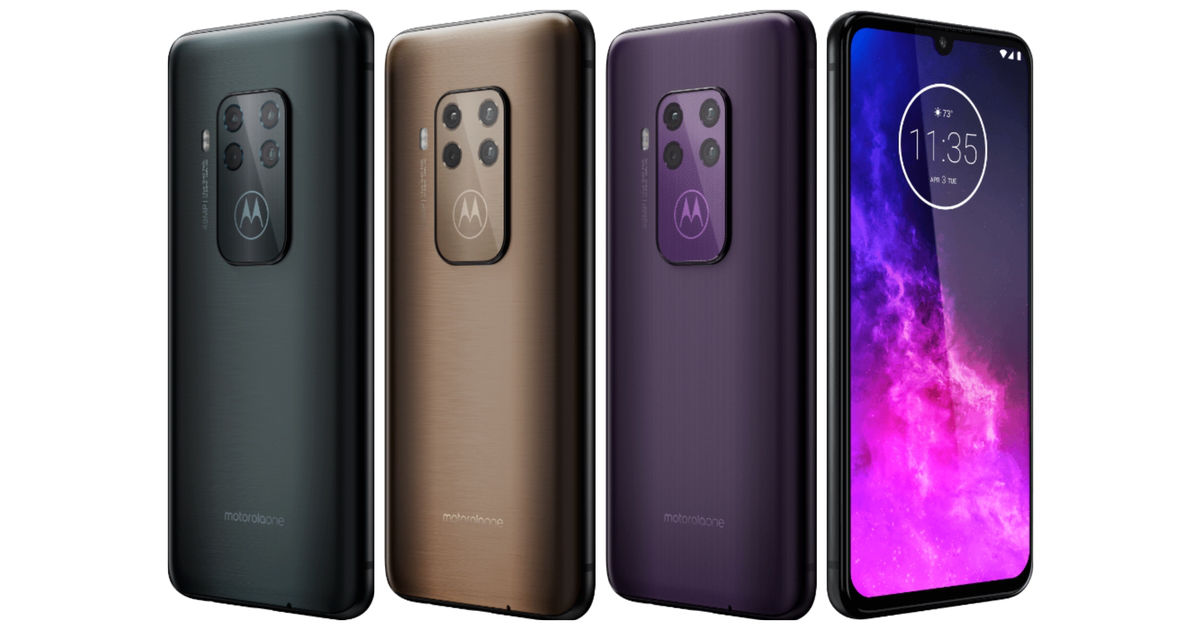
Motorola India was expected to debut the One Zoom smartphone in the country in September. However, the smartphone hasn’t yet arrived in the country yet. The Motorola One Zoom has a full HD+ 6.2-inch S-AMOLED display with waterdrop notch and it features an in-display fingerprint reader. The Snapdragon 675 chipset fuels the smartphone along with 4 GB of RAM. It has a native storage of 128 GB. The quad camera system of the One Zoom has a 48-megapixel main lens, an ultrawide lens, a telephoto lens and a depth sensor. The Android One edition of the phone is dubbed as Motorola One Pro.
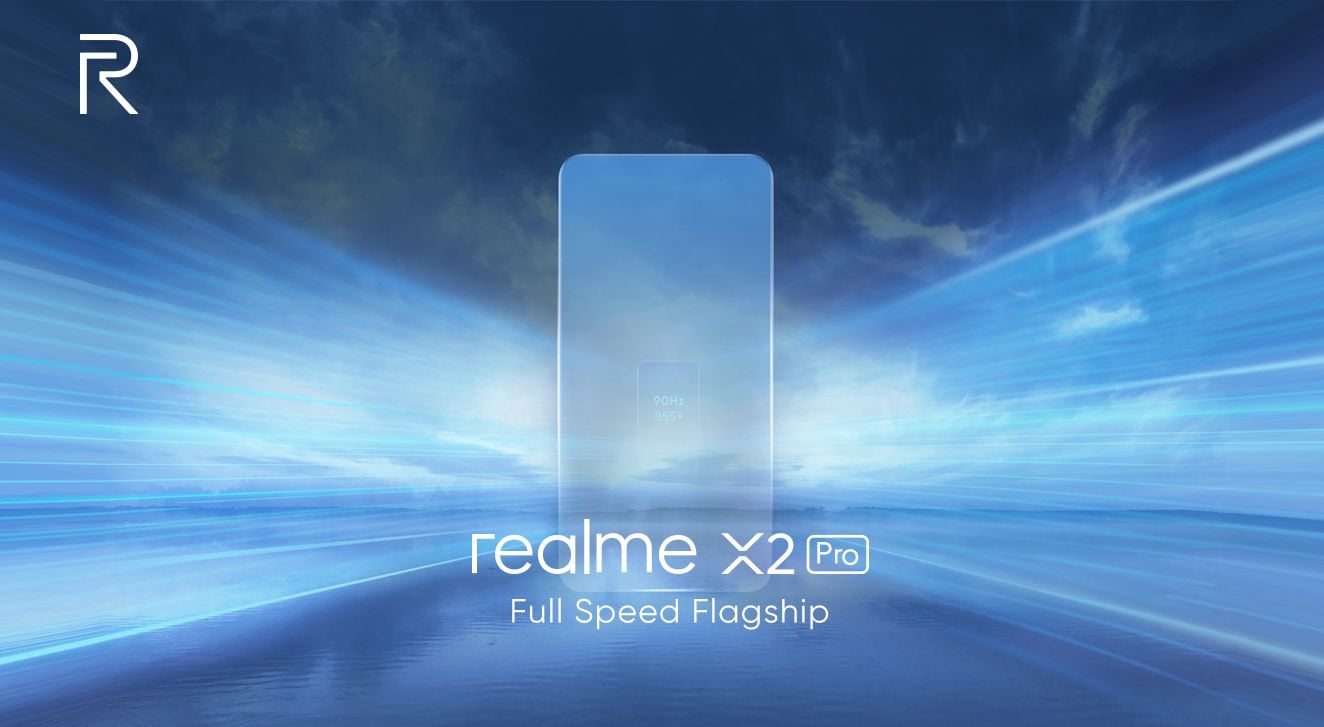
Earlier this week, Realme China Chief Marketing Officer Xu Qi confirmed that Realme will be soon launching its first Snapdragon 855+ powered smartphone. The handset will be debuting as Realme X2 Pro. The smartphone is expected to go official by the middle of this month in China. The X2 Pro will be also debuting soon in Europe as an official page of the phone has Realme’s website for European markets.
Realme is using ‘full speed flagship’ tagline for the Realme X2 Pro handset. It will be the first smartphone in its price segment to feature the Snapdragon 855+ flagship chipset that includes a 2.96GHz octa-core processor.
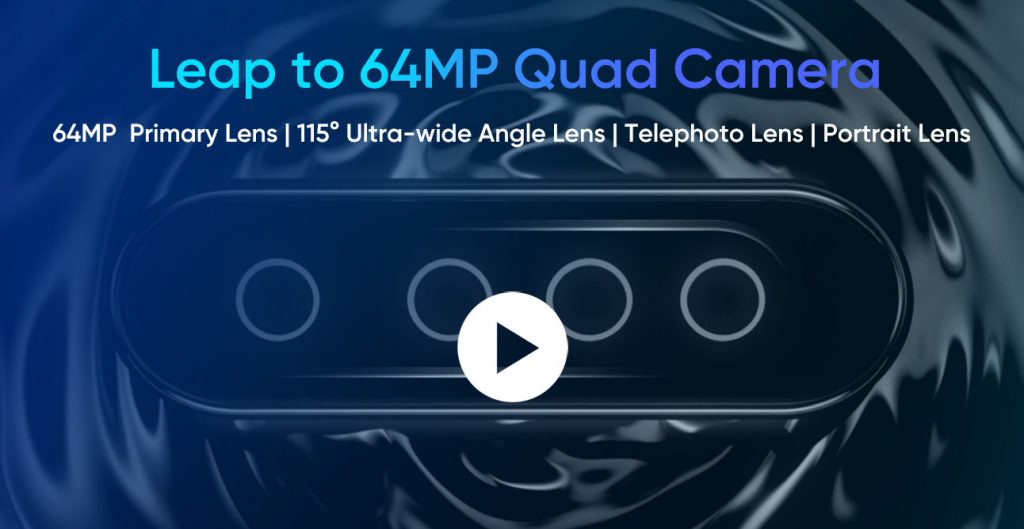
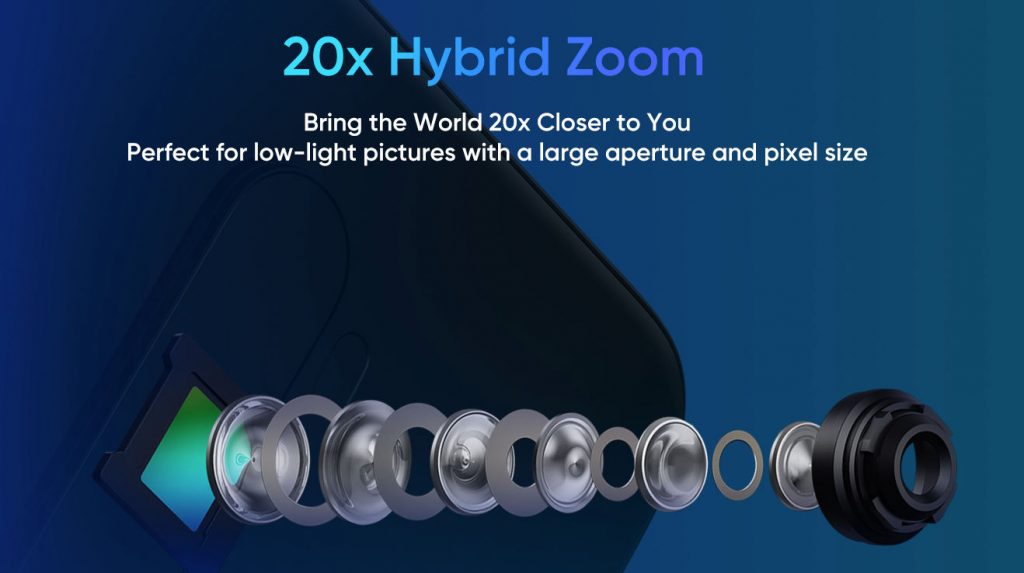
The smartphone features a quad camera system that features the Samsung GW1 64-megapixel primary lens, an ultrawide lens with 115-degree field-of-view, a telephoto lens and a portrait lens for depth effects. The quad cameras will offer 20x hybrid zoom. The official page states that the company will be revealing different features of the phone each day until Oct. 4. Probably, it will then confirm the launch date of the Realme X2 Pro.
Previous reports have revealed that the Realme X2 Pro will be equipped with a display with waterdrop notch and it will support 90Hz refresh rate. The display will carry support for 1080 x 2400 pixels resolution and offer a tall aspect ratio of 20:9. Probably, it will be equipped with an in-display fingerprint reader. It also carries support for NFC connectivity. The smartphone is codenamed as Super Warrior.
The other details of the smartphone are currently under the wraps. The exact size of its battery is not known yet. Being a Pro version of the Realme X2, it is likely to carry for 30W VOOC 4.0 Flash Charge technology.
The Snapdragon 855+ powered Realme X2 Pro is also expected to make its way in India. However, there is no official confirmation on it yet. Realme will be releasing the gaming-centric Realme XT 730G smartphone in Indian in December. Probably, the company may announce the Realme X2 Pro smartphone alongside it in the country. It is likely to release in India with a different moniker.
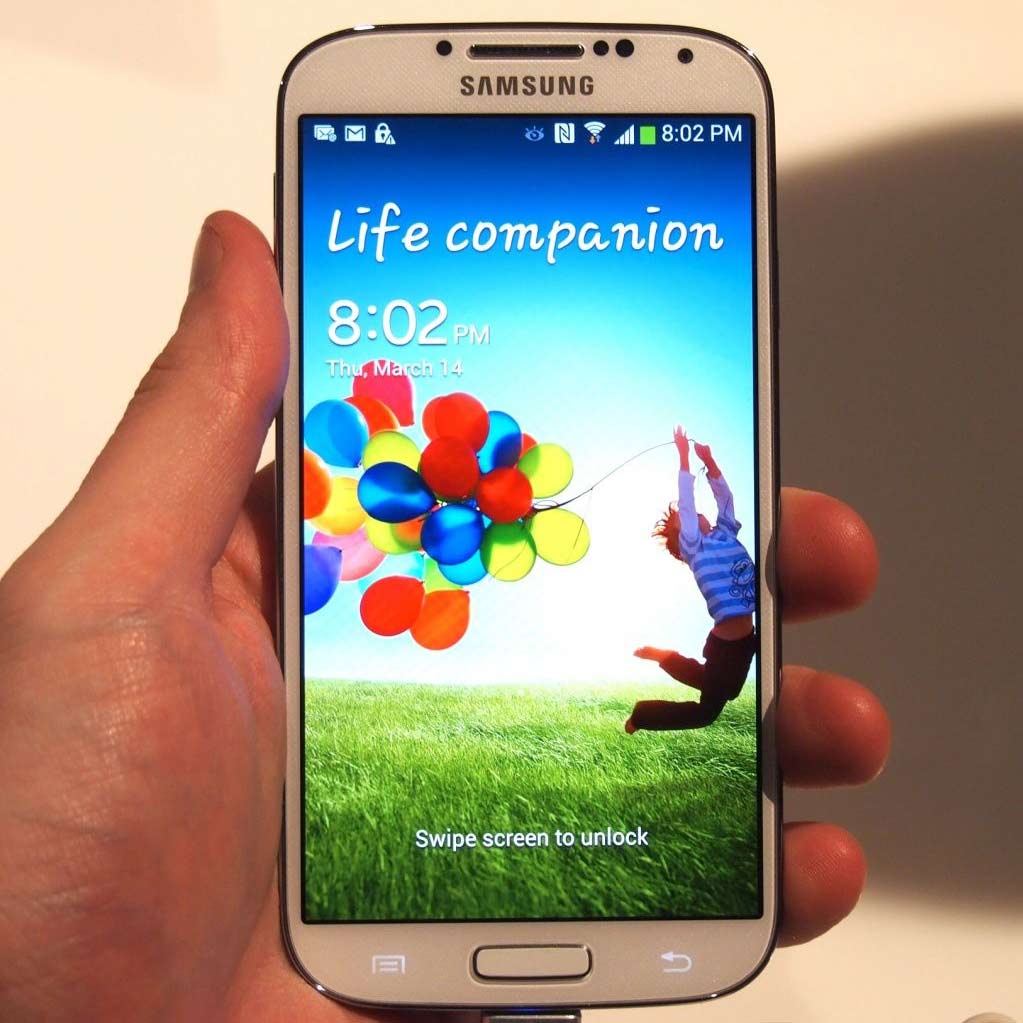
Now this is something really interesting for a change. Samsung has agreed to pay $10 to every single person who’s ever purchased a Galaxy S4, which was released back in 2013. This is apparently due to a long standing class-action lawsuit for $13.4m (two-and-a-half hours of profit) alleging the smartphone manufacturer cheated on benchmark tests.
According to the report, Samsung added source code in the S4 devices and the code was capable of detecting whether or not any benchmarking app was running in the smartphone. The source code helped the smartphone run at a faster speed only when a benchmarking app was in action.
The issue first came to the light back in 2014 and Samsung since then been arguing that it’s not legally obliged to tell consumers about the source code that allowed it to manipulate the benchmark results. While Samsung still holds on to what they have been saying for five years, the lawsuit claimed that Samsung negatively influenced consumers’ purchasing decision by making false representations.
The Korean manufacturer has agreed “to require the entity from which it purchases new Samsung smartphones to confirm that such smartphones have not been pre-loaded with software that detects and boosts the performance scores from benchmarking applications.”
So, if you’re one of those who purchased the Galaxy S4, Samsung will soon contact you via email to let you know about the settlement and how to apply to claim your $10. Yay, I guess.
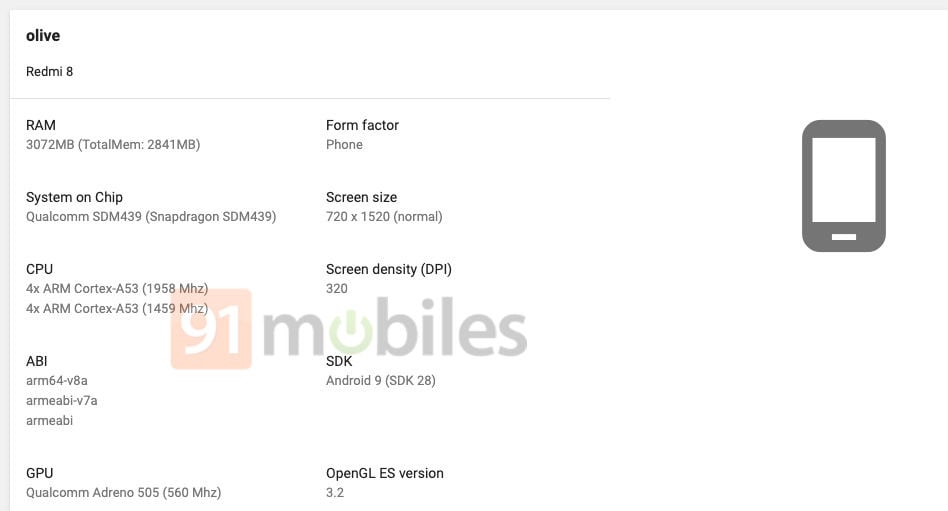
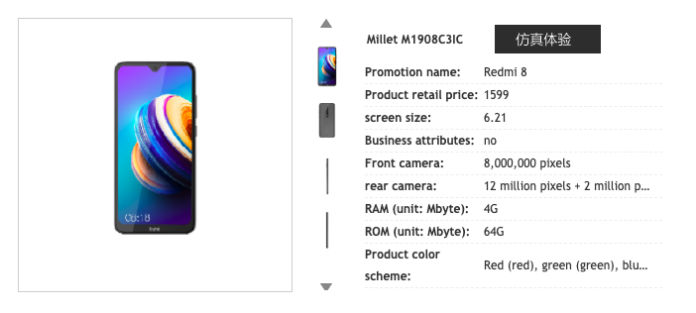
The launch of the Redmi 8 series around the corner. Redmi General Manager Lu Weibing has recently started teasing the arrival of the Redmi 8A smartphone. The Redmi 8 that has a model number of M1908C3IC had appeared on TENAA with its entire specifications. Yesterday, a listing of the phone had appeared on the website of China Telecom. At the same time, the smartphone was also found listed on Google Play Console. These appearances suggest that the arrival of the Redmi 8 smartphone is drawing near.
The Google Play Console listing of the Redmi 8 has revealed few specs of the phone. It states that its display offers HD+ resolution of 720 x 1520 pixels and 320 ppi pixel density. Like China Telecom listing, it reveals that the Snapdragon 439 mobile platform is present under the hood of the Redmi 8 along with 3 GB of RAM. The SD439 also fuels the Redmi 8A smartphone. It states that the phone is loaded with Android 9 Pie OS. The other details of the phone were not mentioned in its Google Play Console listing.
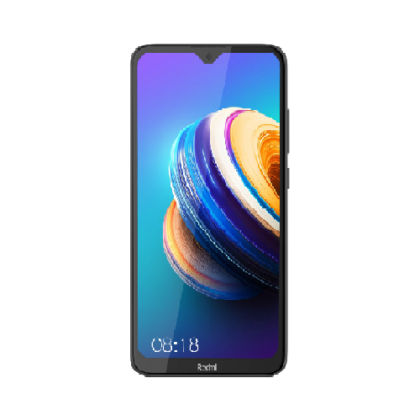
As far as the other specs of the Redmi 8 are concerned, its TENAA and China Telecom listings have revealed that it features a 6.21-inch display with waterdrop notch. The dual camera setup of the phone features a 12-megapixel primary lens and a 2-megapixel depth sensor. It is speculated that it could be featuring the Sony IMX363 as the main lens like the Redmi 8A phone. For capturing selfies, it is equipped with an 8-megapixel selfie snapper.
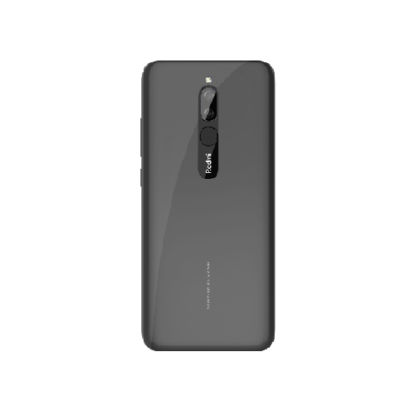
Like the Redmi 8A, the Redmi 8 also features a massive 5,000mAh battery. Since the Redmi 8A comes with a USB-C port, the Redmi 8 could be also equipped with a USB-C slot. A fingerprint scanner is positioned on the backside of the device.
Tipster Ishan Agarwal had revealed in the previous month that the Redmi 8 will be made official in variants such as 3 GB RAM + 32 GB storage and 4 GB RAM + 64 GB storage in China It is speculated to arrive in four color options such as Phantom Red, Fairy Green, Carbon Ash and Sapphire Blue. The handset is also expected to debut soon in India. It remains to be seen whether Redmi 8 Pro also debuts alongside the Redmi 8 phone.
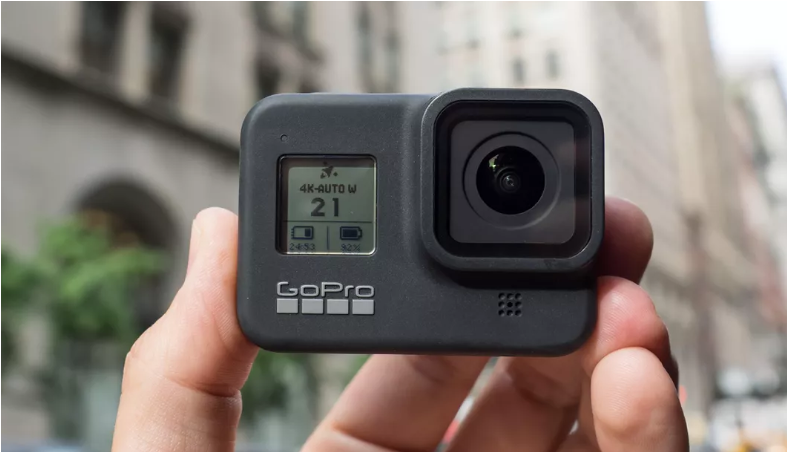
Ever since GoPro 35mm Hero was launched in September 2004 at San Diego’s Action Sports Retailer trade show, the camera lineup has risen to become an extremely popular action camera. The brand faces stiff competition from the likes of DJI and Insta360 GoPro’s latest action cameras come with significant upgrades that set them apart. The new models are the GoPro Hero 8 and GoPro Hero Max.
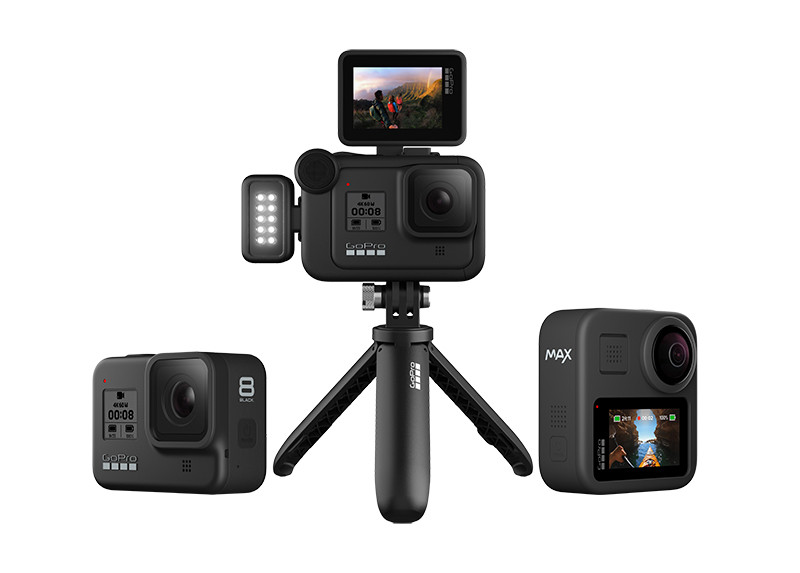
GoPro Hero8 Black adopts a new body design that incorporates GoPro’s signature mounting system right into the case. With this design, you no longer need add-on frames to attach it to selfie sticks, suction mounts, body mounts and more. The GoPro Hero8 Black shoots at a resolution between 1080p and 4K and also gains HyperSmooth 2.0, the second generation version of GoPro’s proprietary digital stabilization technology. The first version, which premiered on the GoPro Hero7, got positive reviews for its effectiveness. This new version is touted to be more powerful. The software equally comes with new adjustment options which allow users to adjust the level of effectiveness.
Further, the GoPro Hero8 comes with TimeWarp 20, an upgrade of GoPro’s proprietary variable speed recording mode. The action camera equally provides better on-board wind suppression for mic-free recording. The body changes mean that the lens is no longer removable, but GoPro is planning to release a new mounting system for filters soon to make up for this limitation.
On top of the new design, there’s a series of new aftermarket add-ons, which GoPro calls “Mods,” to provide add-on features. There’s a Media Mod ($79.99) that includes a built-in shotgun mic; a Display Mod ($79.99) which has a flip-up LCD viewfinder for vlogging, and a Light Mod ($49.99) which has a 200 lumen LED continuous video light source. The Hero8 Black comes with a $399 price tag.
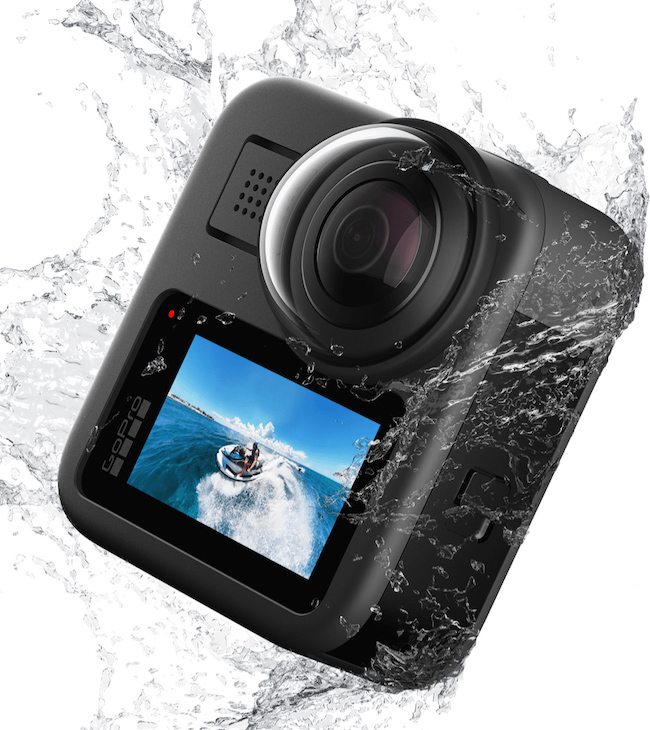
On its part, GoPro Hero Max is a successor to the GoPro Fusion, its 360-degree ruggedized action camera. The Max equally provides 360 captures and is designed to also produce great single lens, traditional wide-angle footage. The camera also has its own version of HyperSmooth stabilization called Max HyperSmooth.
The Hero MAX coms with a front-facing display which should bring ease to vlogging for those who use the camera to vlog. The front-facing display also aids advanced content creators who want maximum editing flexibility.
The HERO MAX has two lenses and can record sharper 5.6K video in 360-degrees. It also comes with a new Max SuperView ultra-wide camera mode for fitting more of the scene into pictures and videos, can livestream in 1080p and offers an option that lets people automatically backup videos and photos to the cloud. It also has six microphones, which GoPro says will offer the “best stereo sound ever” from one of its cameras.
The Hero MAX is priced at $499 and will start shipping on October 24. The GoPro Hero8 will start shipping on October 15. Both action cameras are available to pre-order.
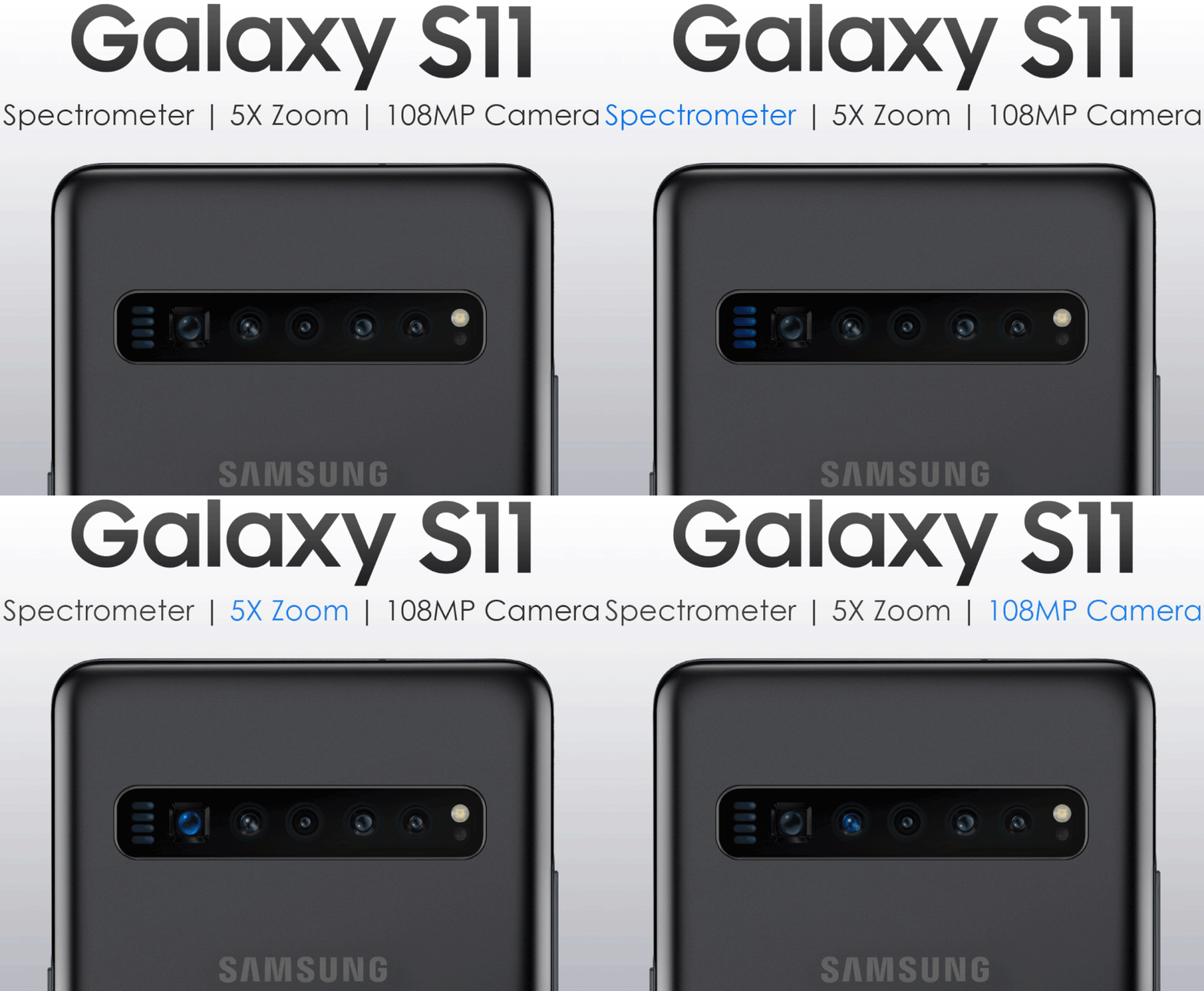
A new Samsung patent filing with the United States Patent and Trademark Office (USPTO) and the World Intellectual Property Office (WIPO) has revealed one feature that could find its way to the Galaxy S11. The patent which was published on September 26, 2019, is titled as an “Electronic device including several light sources.”
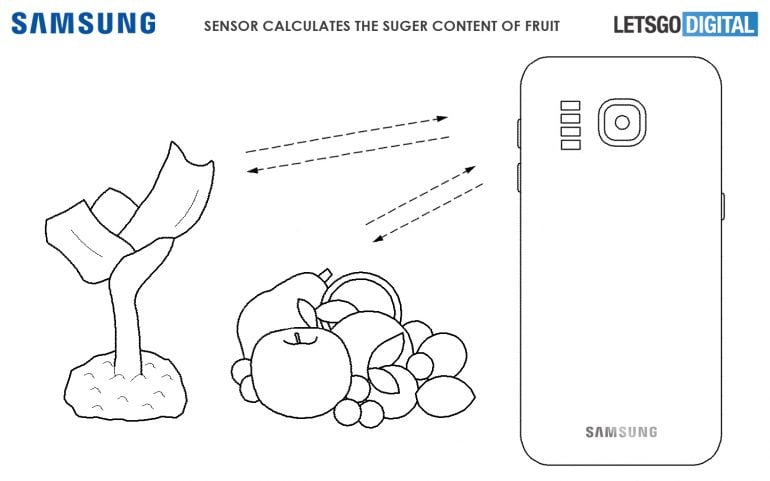
The device is described as a smartphone with an infrared (IR) spectrometer. The patent document also includes several sketches that show how various sensors, including the camera function to achieve spectrometry. One of the illustrations shows how the IR spectrometer function in calculating the sugar content of fruits. The phone will also be able to detect the level of moisture on the skin, measure the CO2 level. It also features smoke detection and can help determine the content of medicine as well as to measure the freshness of food and the blood glucose level.
If Samsung decides to equip the Galaxy S11 next year with this function, the phone won’t be the first to have such. The world’s first smartphone with an infrared spectrometer is the Changhong H2 that was first unveiled at CES 2017. A tiny spectrometer-on-a-chip was also introduced by Egyptian start-up Si-Ware. The chip is quite compact making it suitable for use on even a wearable device aside from smartphones. Towards the end of 2017, TU Eindhoven also developed a micro-spectrometer sensor.
India is a vital market for OnePlus and the company proved that recently with the OnePlus 7T making its first debut there in India. The company has announced five new India-centric features that would find its way into the custom ROM soon. The features include Smart SMS, Cricket Scores, International Roaming, Work-Life Balance, and an Improved Gallery with free cloud storage.
This was revealed on the OnePlus forum with the mod hinting that the features have been in the works for the past 11 months. The features were developed at OnePlus’ R&D centre in Hyderabad, India. While we wait for details of when it will roll out, here are some details of the features.
Smart SMS
This feature automatically categorize all messages and perform quick actions, like copying OTP codes or calling delivery boys. You’ll agree text messages like OTPs, transactional, promotional and spam can be disruptive sometimes and even annoying. The feature offers up to 39 categories for messages such as tickets, bills, bank messages, accessing your important messages will be much faster.
Cricket Scores
Cricket is one of the most popular sports in India with huge followership. OnePlus is giving fans the change to get updated on scores from cricket matches and tournaments in real-time. You also get to find out about upcoming fixtures.
A stable and cost-effective international Roaming service
Presenting, a SIM-free global mobile data service. Travel whenever and wherever without being left stranded. No need to purchase a specific SIM card or worry about data bandwidth and international roaming, access OnePlus Roaming without an internet connection. Let the wanderlust flow.
Work-Life Balance for a much-needed focus on digital health
OnePlus says the Work-Life Balance was introduced to sort notifications for uninterrupted moments, whether it’s personal time with friends and family or professional moments at work. Assign your apps to Work mode or Life mode and automate them with location, Wi-Fi networks, and schedule. Never be bothered by notifications when at work or enjoying life.
An improved Gallery with automatically sorted pictures and cloud storage
Pictures can now be automatically sorted into smart albums based on recognized faces, their timestamp, locations or people you’ve been with. All done locally without an internet connection, with your privacy intact. Keep your Gallery sorted easily. OnePlus offers 5GB of free storage and an additional 50GB for free for the first year to enable you store your photos and videos.
Xiaomi took the tech industry by storm when it unveiled the Mi MIX Alpha concept smartphone in China towards the end of September. If the 2016 Mi Mix was a spectacular product, the Mix Alpha will leave you awestruck as a result of its spectacular design, immersive dual-screen and powerful specs lineup. The Mix Alpha also stood out in the camera department, packing a triple camera setup that includes a 108MP main camera.
The first samples shot by the Mix Alpha camera have just been released on Weibo. The samples were shot during the National Day parade to mark China’s independence and were shared by Xiaomi’s CFO Shou Zi Chew. If the camera samples are anything to go by, then the camera setup may not be one of the Mix Alpha’s strongest selling points. The samples are anything but impressive.
The Mi MIX Alpha holds the record as the world’s first smartphone to feature a 100MP+ resolution camera sensor. This is made possible by using the Samsung ISOCELL Bright HMX 108MP camera sensor with a 1/1.33″ sensor size. The HMX’s large 1/1.33-inch sensor size allows it to capture more light than smaller sensors so it’s able to produce sharp photos with rich details even in low-light conditions deploying the process called pixel binning. That allows the sensor to combine pixels so four pixels act as a single larger pixel. The process reduces the pixel size of a photo from 108MP to 27MP but improves low-light performance.
The camera samples look slightly blurry as if the light exposure is too high. Perhaps, that is because the sensor can perform best under low light conditions and not in bright light. But it two samples are not enough to evaluate the camera prowess even though we expect better from a phone that is priced over $2K.
Still talking of the camera configuration, the Mi Mix Alpha’s second sensor is a 12MP telephoto camera with 2x optical zoom and the third, a 20MP ultra-wide-angle camera lens with 117° FOV. This setup also supports 1.5cm macro photography. Other features of the setup include a four-axis OIS, Laser focus, and a flicker sensor. There is no selfie camera but you can flip the rear camera and use the rear display as a viewfinder for selfies.
Hopefully, we can get some professional shots and independent review of the Mi Mix Alpha’s camera sometime soon. Since the device is the first phone to use Samsung’s ultra-large 108MP sensor, there is no phone camera sample to compare it with. But there are several phones with smaller camera sensors that give better camera outputs. Perhaps, the mantra that bigger isn’t always better holds true here?
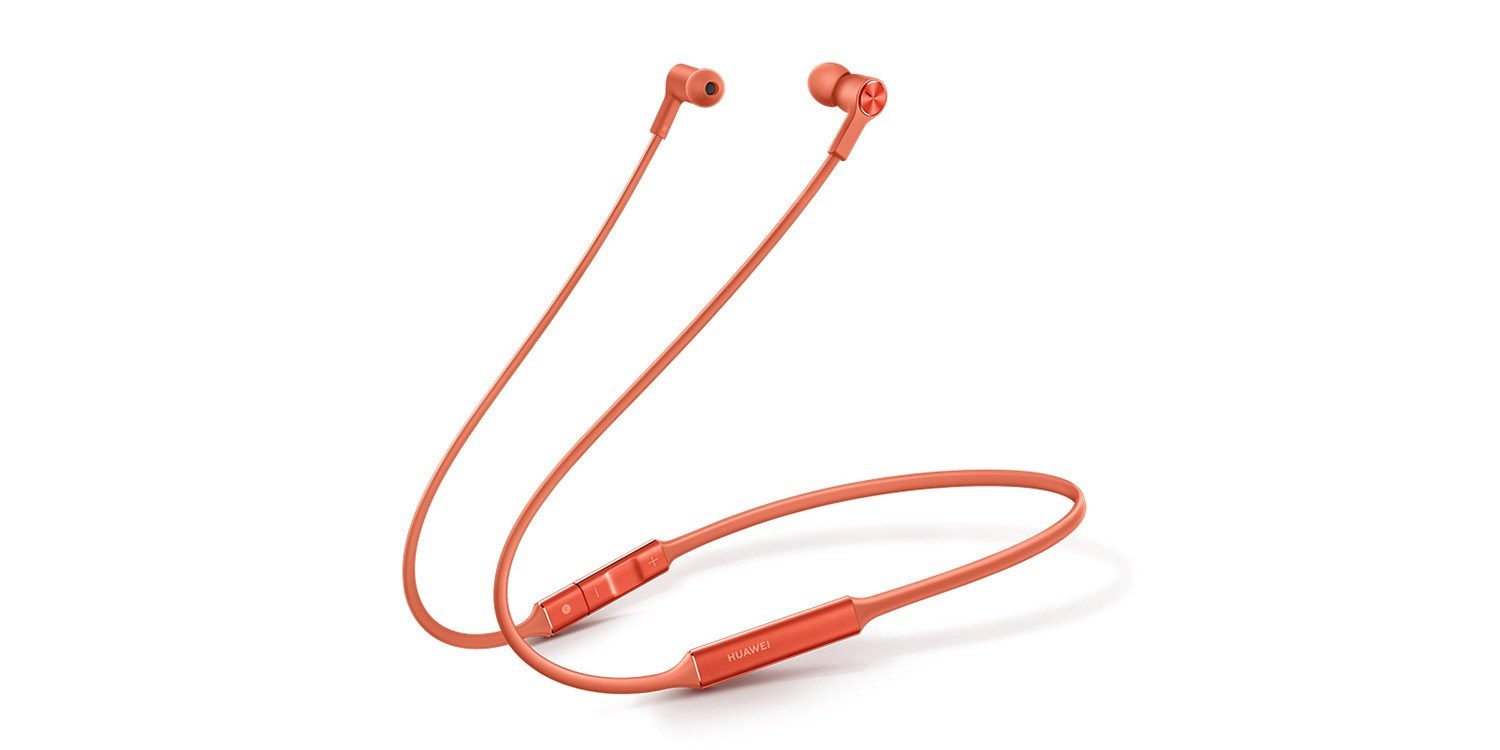
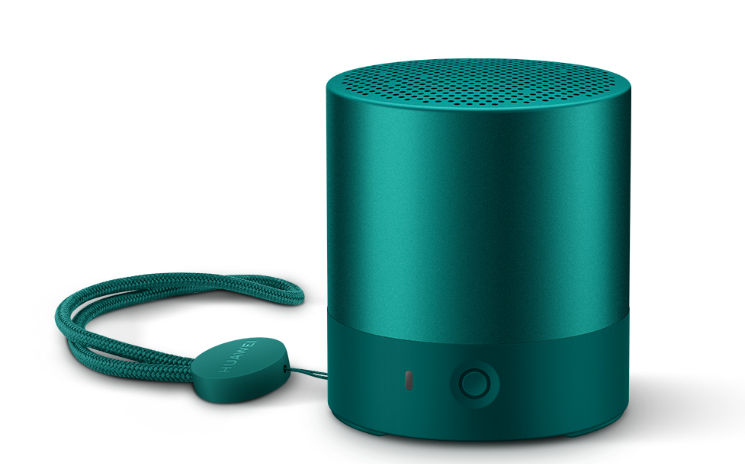
Huawei has announced two new audio products for the Indian market. The two products are the Huawei Freelace Bluetooth Earphones and Huawei Mini Speaker. Both products already launched in China months ago, though the latter is sold as the Nova Mini Bluetooth Speaker.
Huawei Freelace Bluetooth Headset
The Freelace Bluetooth Headset originally launched alongside the Huawei P30 series. It has a 9.2mm titanium-plated drivers. It connects via Bluetooth 5.0 but if you own a Huawei or Honor device, you can instantly connect it to your phone using Huawei’s HiPair Technology. All you have to do is connect it to your phone via the USB-port or a USB-Connector and the phone will recognize it. You can also charge the earphones this way when connected to your phone.
Huawei says just 5 minutes of charge will provide up to 4 hours of listening time. The Freelace Bluetooth Headset has a battery life of 18 hours. The earbuds also have what is called Hall Magnetic Sensors in the earbuds which will allow you to pause or resume playback when you attach them together. This also works for calls too. There is also Wind-Noise reduction which reduces ambient noise. The earphones also has an IPX5-rating.
Unlike in China where it is available in Graphite Black, Amber Sunrise, Emerald Green, and Moonlight Silver, the Freelace is only available in Black in India. It is priced at INR 4,999 (~$70) on Flipkart. Do check our reviews of the headset here and here.
Huawei Mini Speaker
The Huawei Mini Speaker is a 3W speaker with a cylindrical design. It has a passive radiator hidden at the bottom. It can be paired with another unit for a 360° stereo experience. It has an IPX4 rating and connects via Bluetooth 4.2. Its 660mAh battery will provide 4 hours of listening time and 3 hours of calls. It will shut disconnect itself after 5 minutes of no playback and automatically shut down after 30 minutes.
It is available in Emerald Green and Graphite Black and priced at INR 1999 (~$28) on Flipkart.
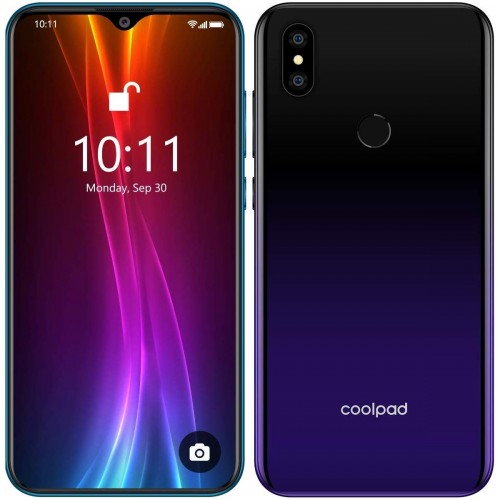
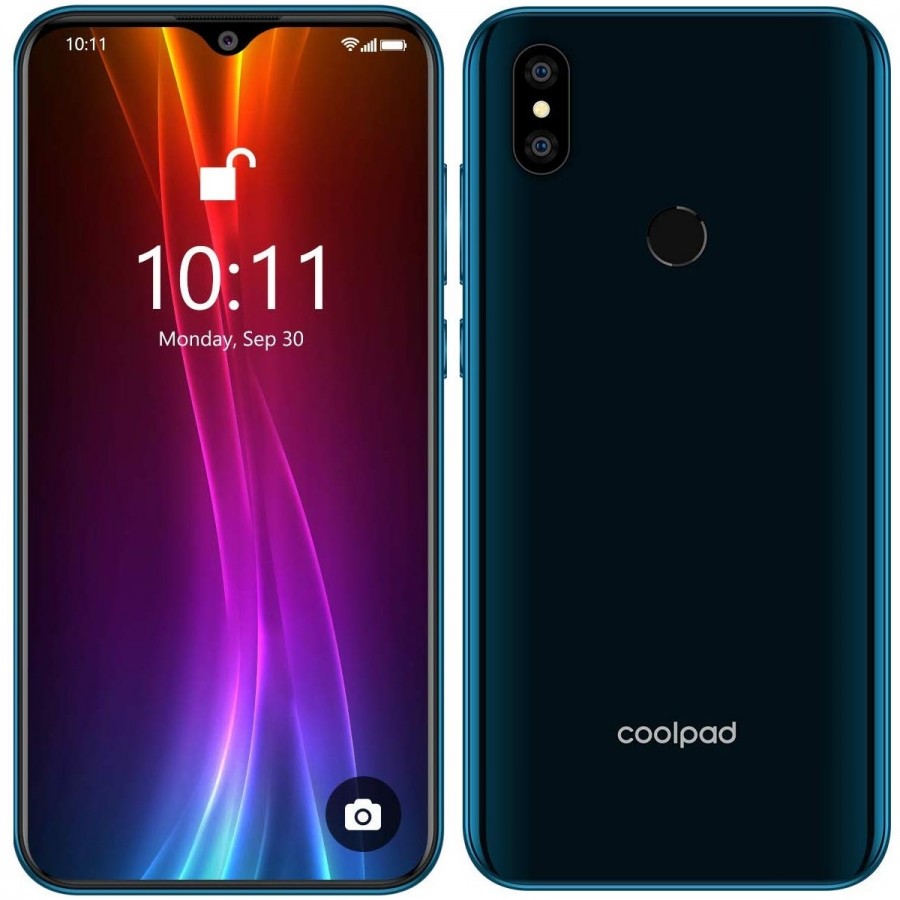
The Coolpad Cool 5 has launched in India. It is a budget smartphone that takes on the Vivo U10, Redmi 8A and the Realme 5 in the subcontinent. The device is the successor to the Coolpad Cool 3 that was introduced in the country earlier this year. The highlights of the Cool 5 include an octa-core chipset, waterdrop notch, dual rear cameras, a beefy battery and a rear-mounted fingerprint sensor.
Coolpad Cool 5 Specifications and Features
The Cool 5 comes with a 6.2-inch HD+ display with an aspect ratio of 19:9 and a 2.5D curved glass. The smartphone is powered by a 2.0 GHz MediaTek Helio P22 SoC with 4GB of RAM and 64GB of native storage. The smartphone offers expandable storage up to 128GB with a microSD card.
The primary camera uses a 13-megapixel sensor with a 2-megapixel depth sensor with an LED flash module. The front camera is a 16-megapixel unit that is housed within the notch. The Coolpad Cool 5 draws power from a 4,000 mAh battery that is rated to last up to 18 hours on a single charge and runs on Android 9.0 Pie out-of-the-box. Connectivity options include Bluetooth, Wi-Fi, GPS, USB microUSB and 3.5mm AUX port.
Coolpad Cool 5 Price and Availability
The Cool 5 is currently on sale on Amazon India, starting from Rs. 7,999 (~$113). Launch offers include exchange bonus up to Rs. 7,500 (~$105), no-cost EMI and 10 percent instant discount on SBI Debit and Credit cards. The smartphone is available in two color gradients, namely Midnight Blue and Gradient Blue.
Pankaj Upadhyay, the Online Business Head of Coolpad India issued a statement at the launch event saying, “We are very optimistic about sales picking up during this festive season. Our marketing investment is roughly 7% of the total revenue gathered during online and offline sales between July and September this year. We expect a major growth in sales, and have set a target of 100,000 units, which is 10x the target for 2018”.
Huawei‘s Mate 30 Pro may not be the most desirable phone on the planet, but in China it’s apparently doing extremely well. A new report claims Huawei has already sold 1 million units of the Mate 30 and Mate 30 Pro since the phones went on sale in China on September 26. This is pretty impressive considering they achieved it in less than a week, and that’s not even the end of it.
Apparently, Huawei managed to reach this goal in the span of a three hours, as Richard Yu made the announcement during the opening of a Huawei flagship store in Shenzhen a couple of days ago. Including the online orders, Huawei was bringing in CNY 500 million a minute, implying a rate of 100,000 sales per minute. Those are some pretty big numbers.
One of the biggest reasons for the Mate 30 Pro’s immense popularity in China so far is surely because the phone’s lack of Google support isn’t a big deal. Most Android phones sold in the region don’t come pre-installed with Google Play Services, so this is essentially non-detrimental to the average Chinese user.
Huawei has already declared it wants to ship 20 million Mate 30 devices this year, and though it remains to be seen if they can achieve that goal. The release of the Mate 30 in Europe has been delayed due to the recent US ban of Huawei’s products, though we’re definitely more than eager to see how it’ll perform once it eventually launches.
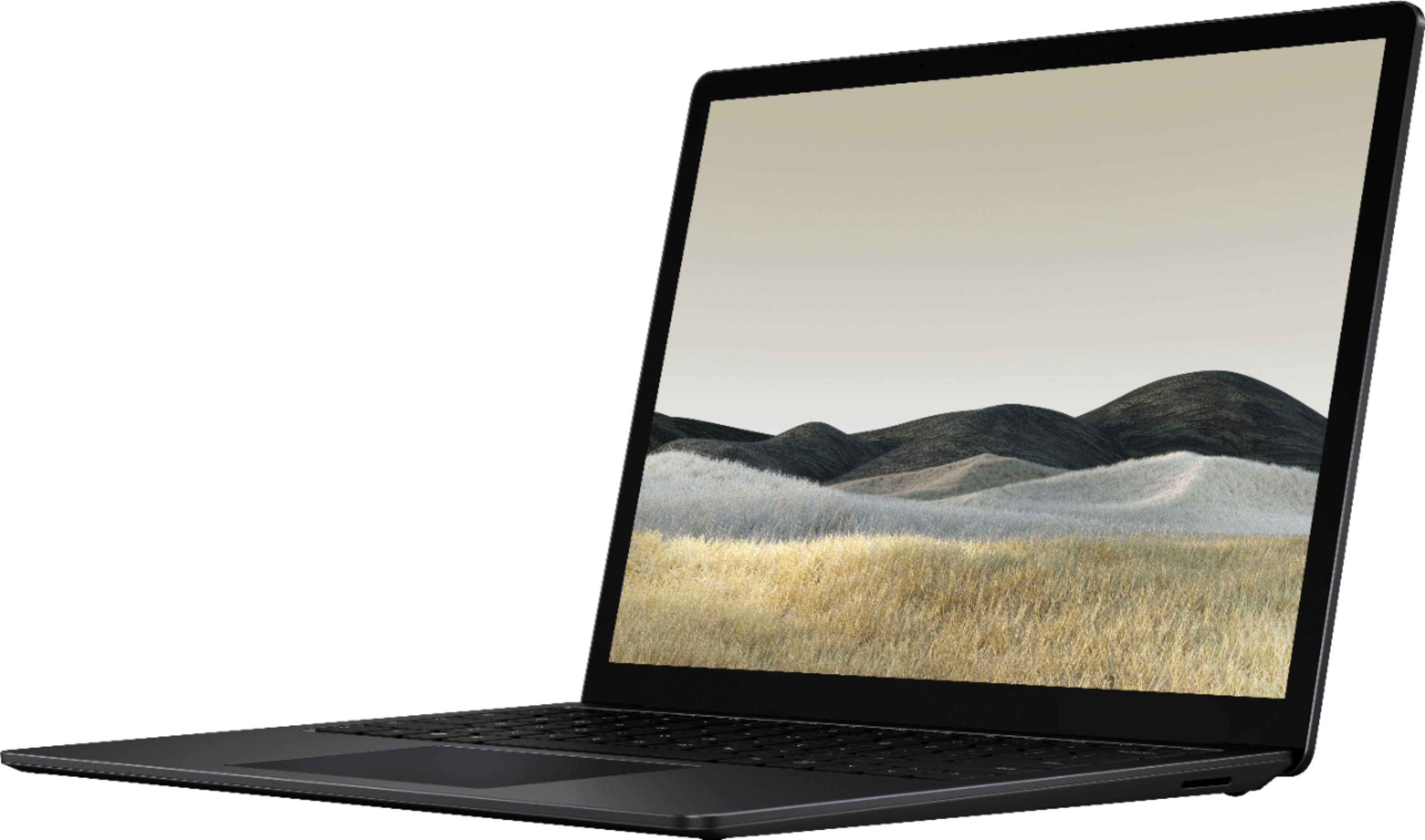
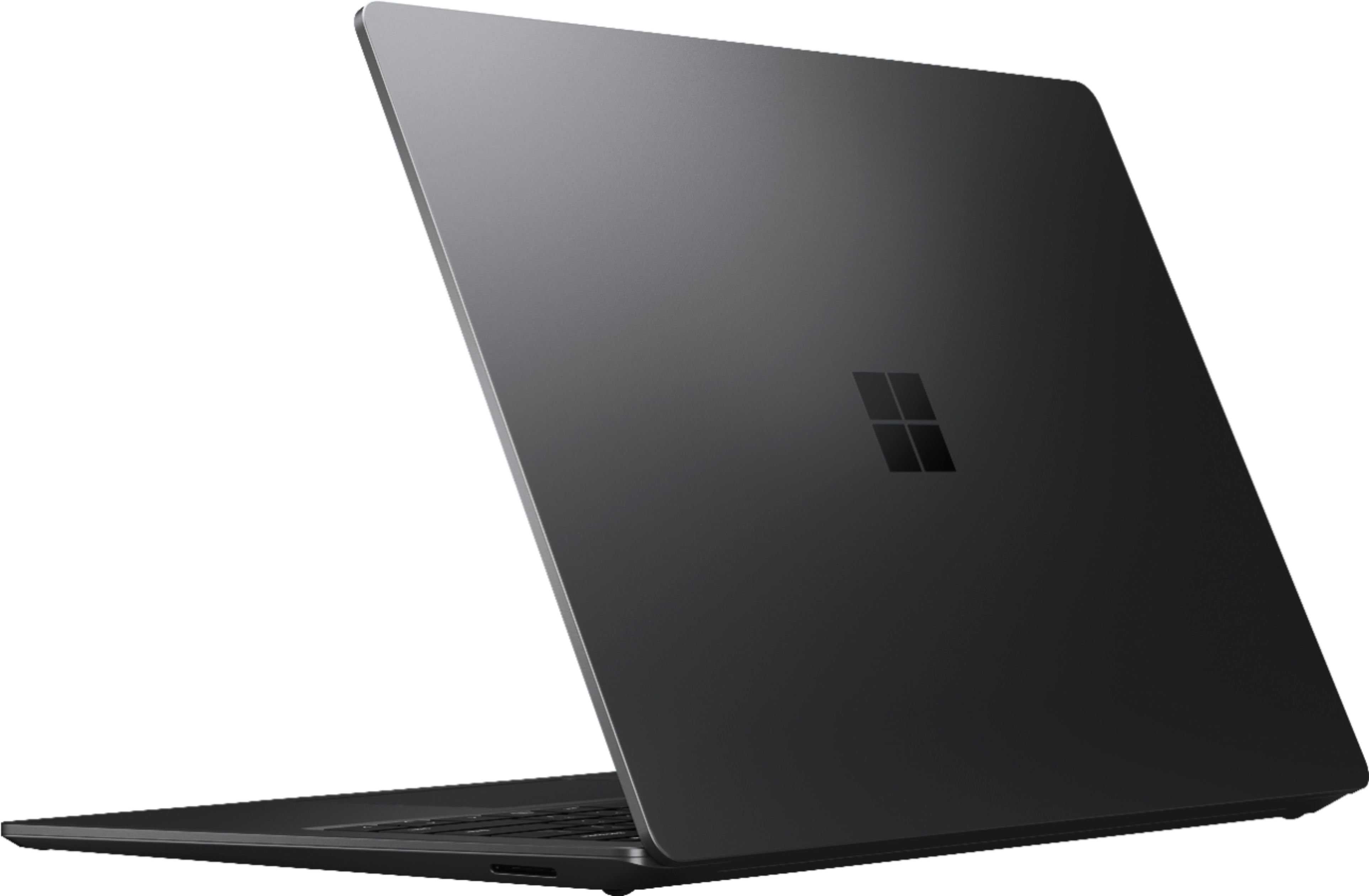
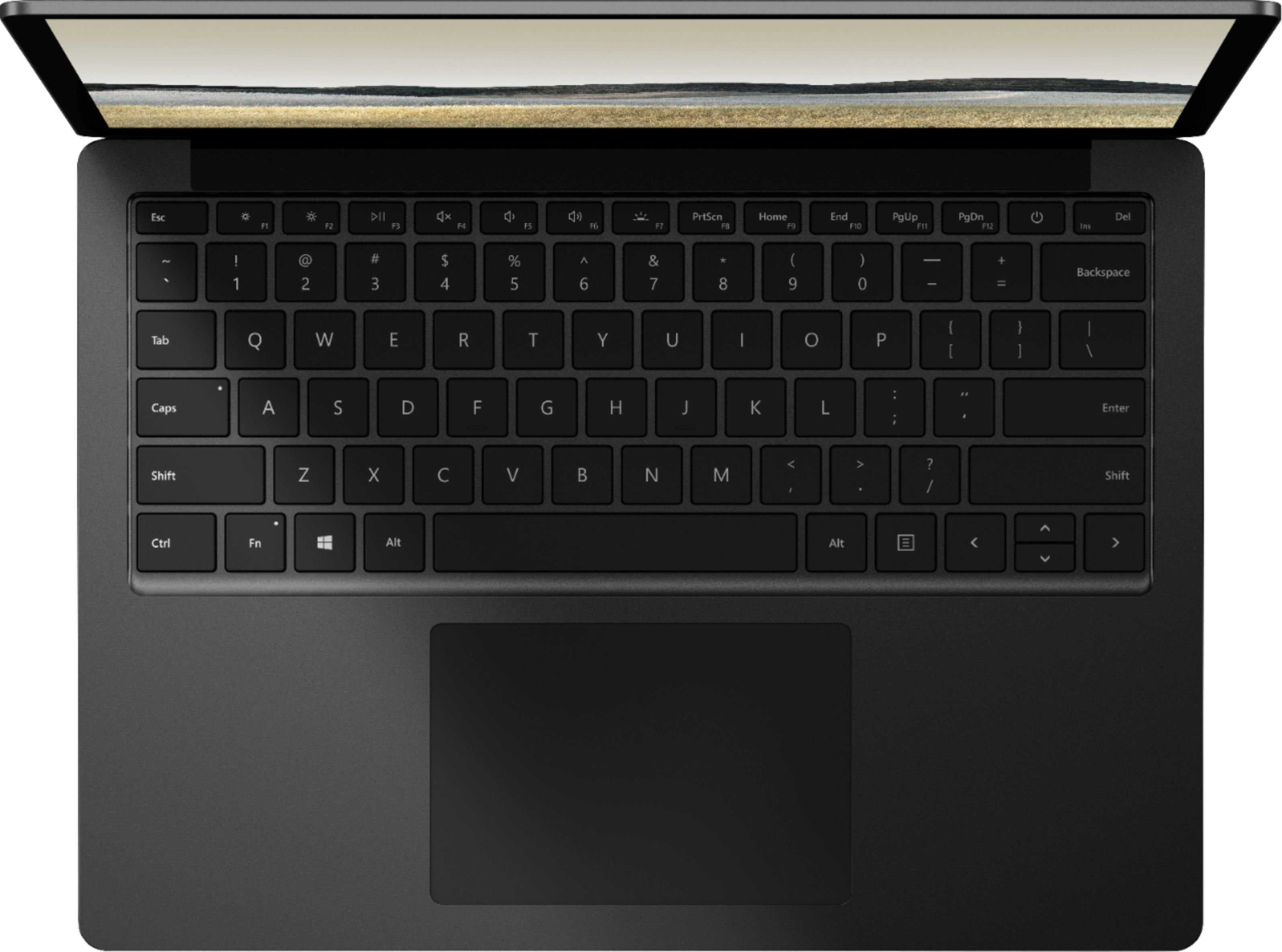
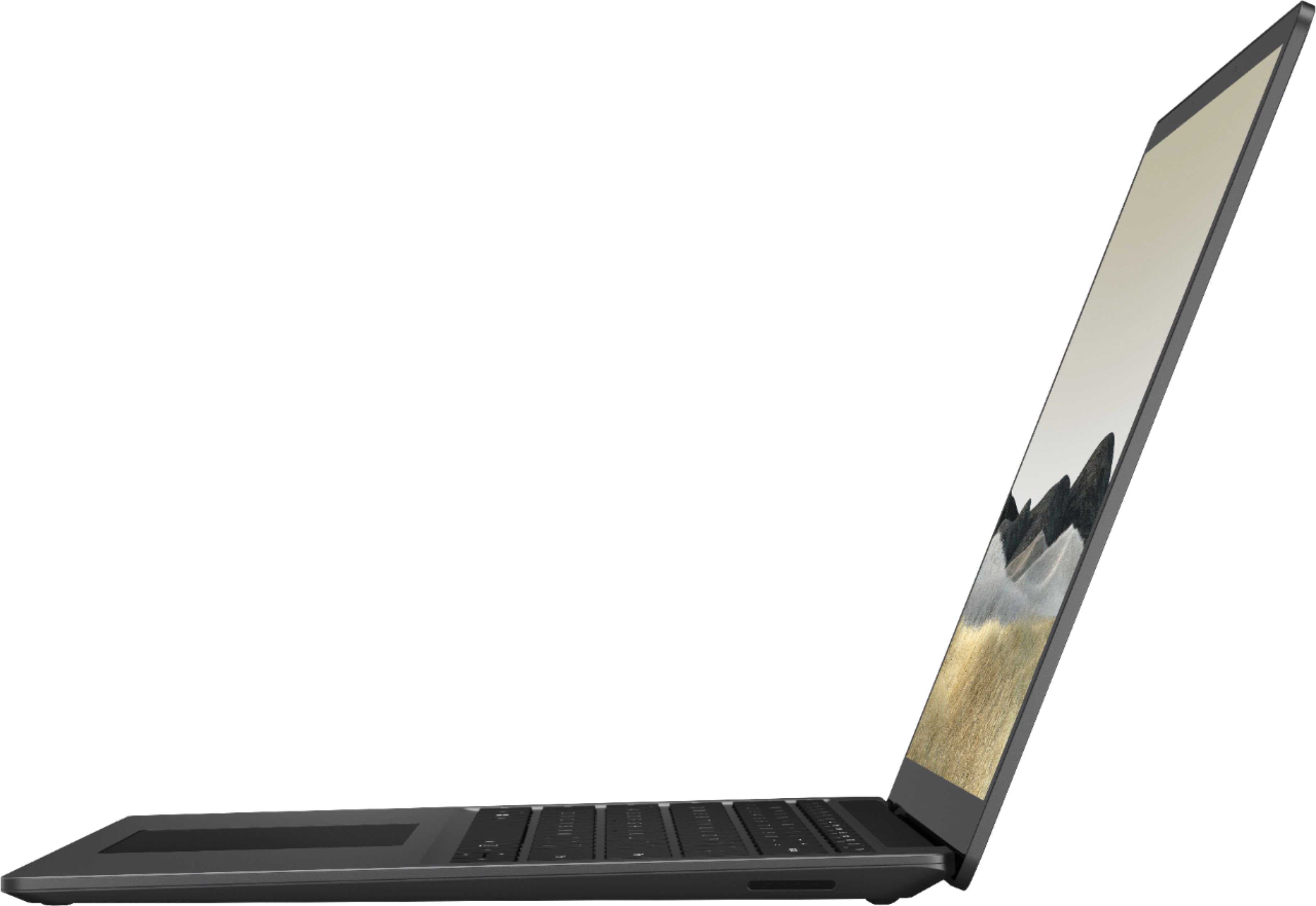
Microsoft has an event tomorrow where it will take the wraps off a number of new hardware. Some of these devices have already leaked in the past such as the Surface Laptop which will come in a new 15” model, and the Surface Pro 7. However, those leaks didn’t include images.
Evan Blass, the popular leaker, has released a bunch of photos of some of the devices launching tomorrow as well as additional info about others.
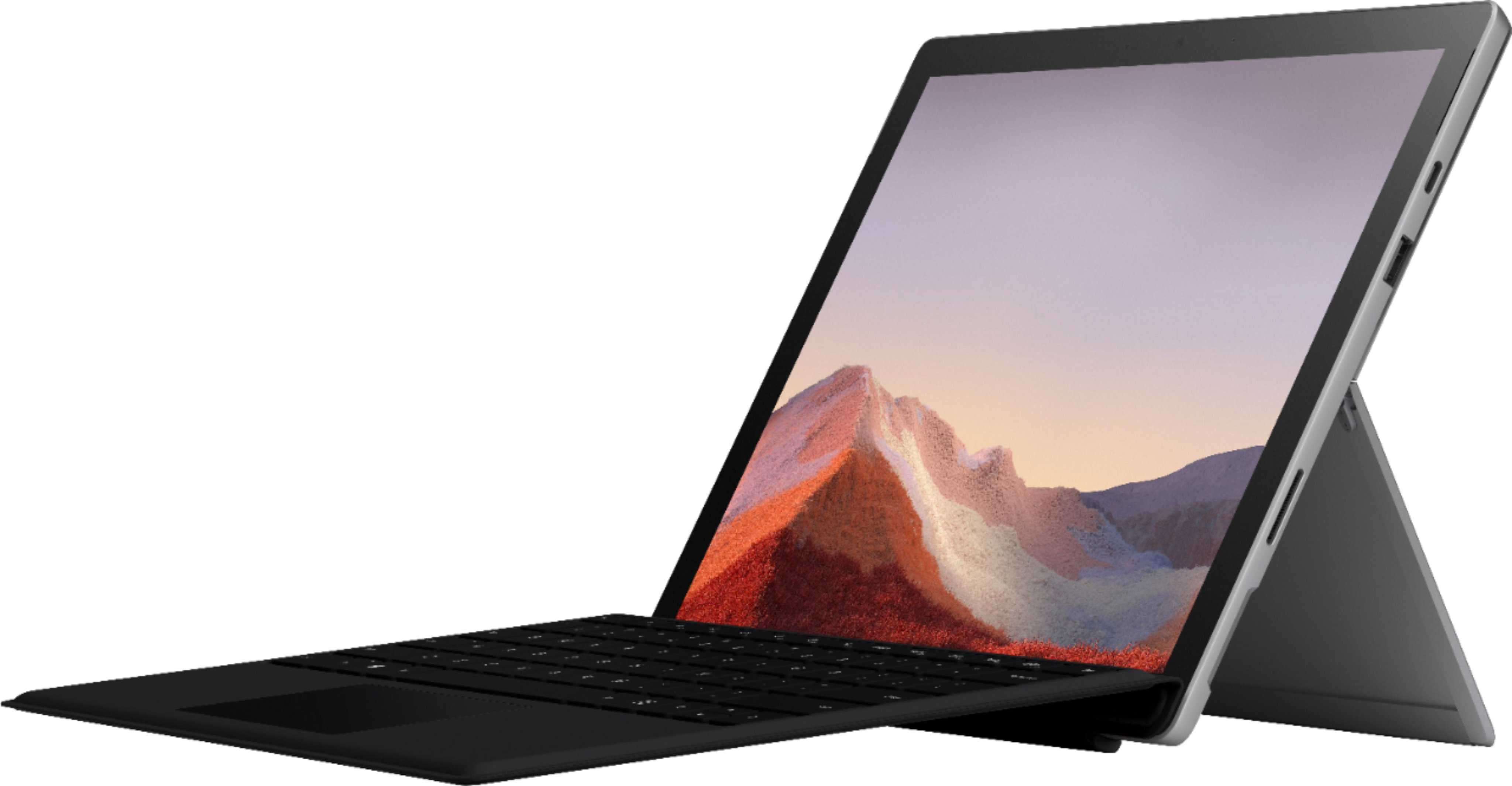
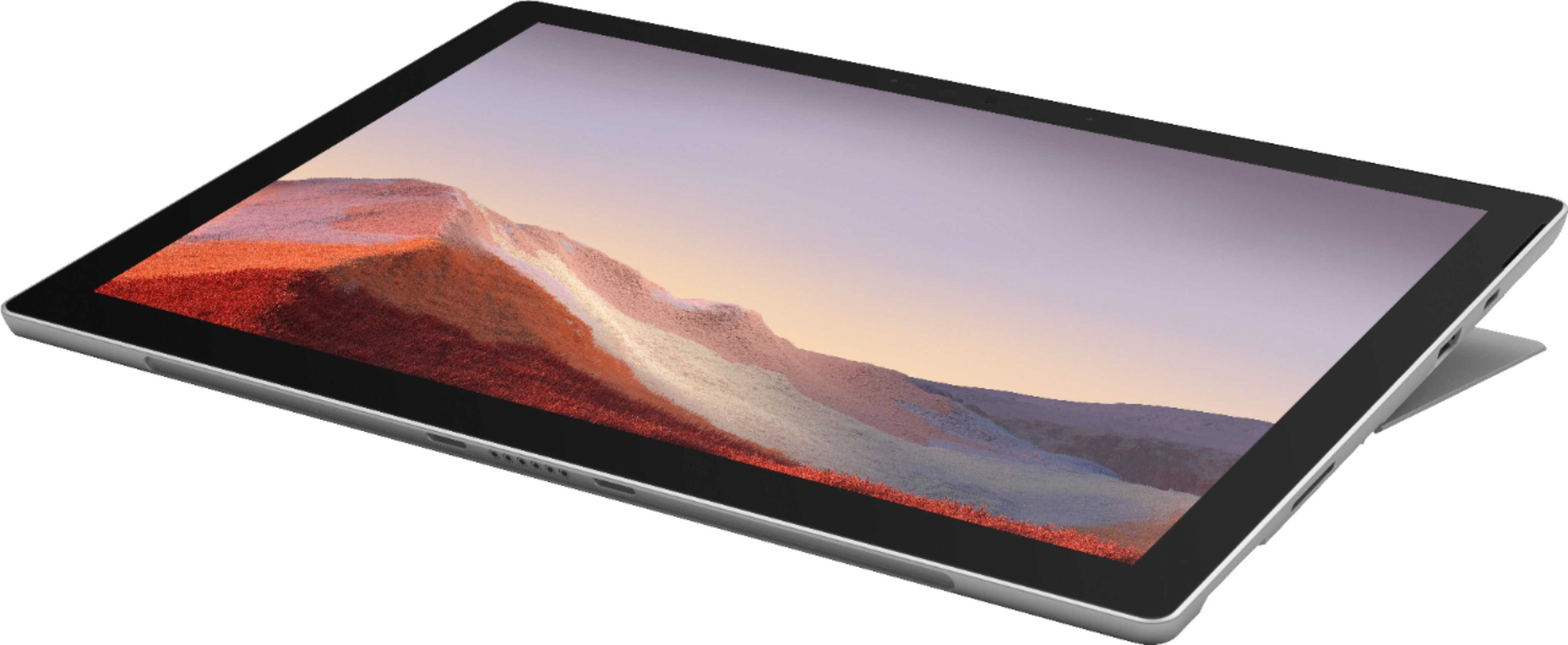
Surface Pro 7 – USB-C is finally here
The leaked images include that of the Surface Pro 7. The Surface Pro series is Microsoft’s line of Windows tablet which can transform to become a 2-in-1 PC by adding a keyboard cover.
1 of 4
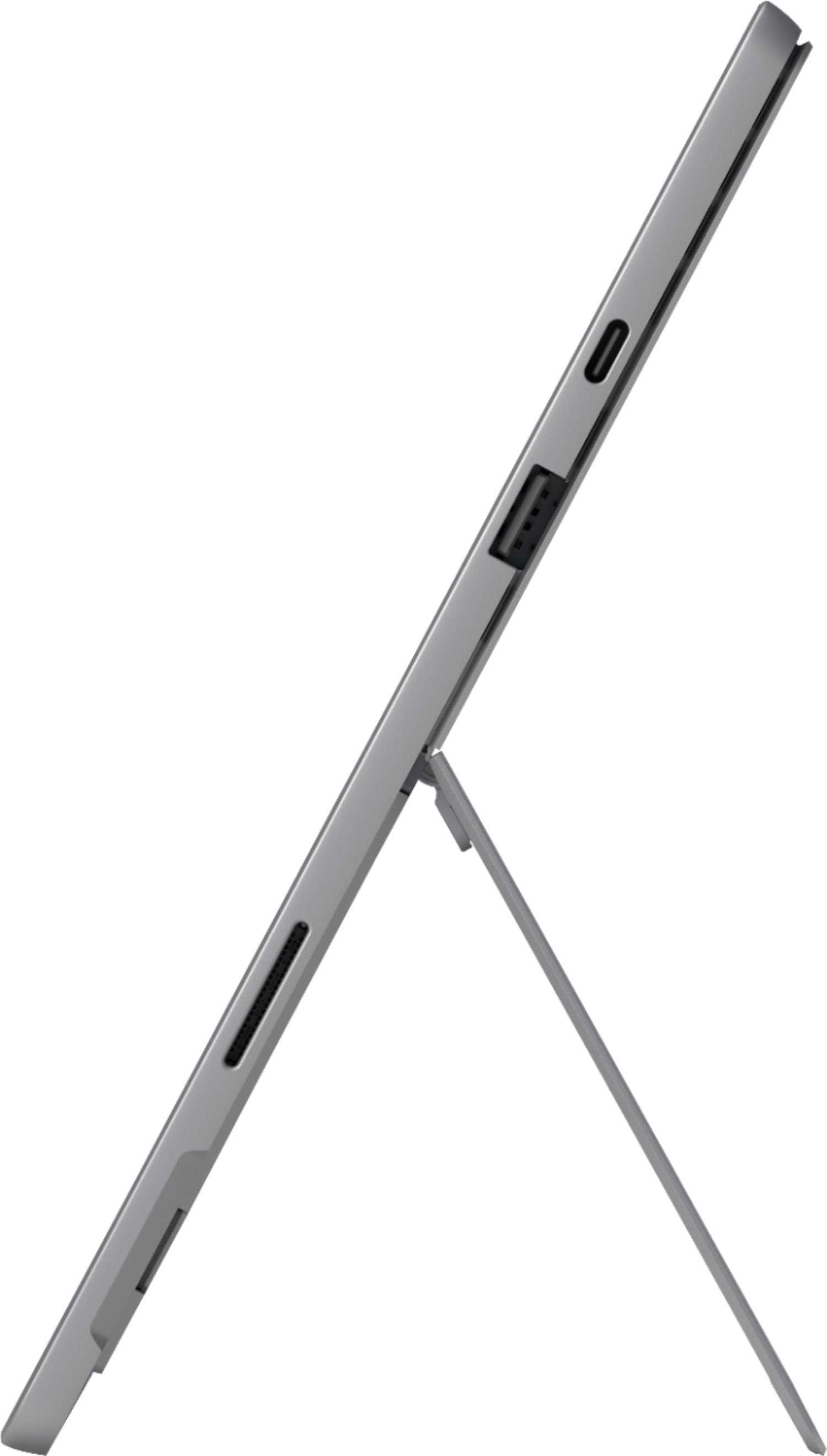
This year’s model will be getting a long-awaited feature – USB Type-C. As seen in the photos, there is now a USB Type-C port on the right side of the Surface Pro 7 alongside a full-sized USB port. There is also a card reader on the right.
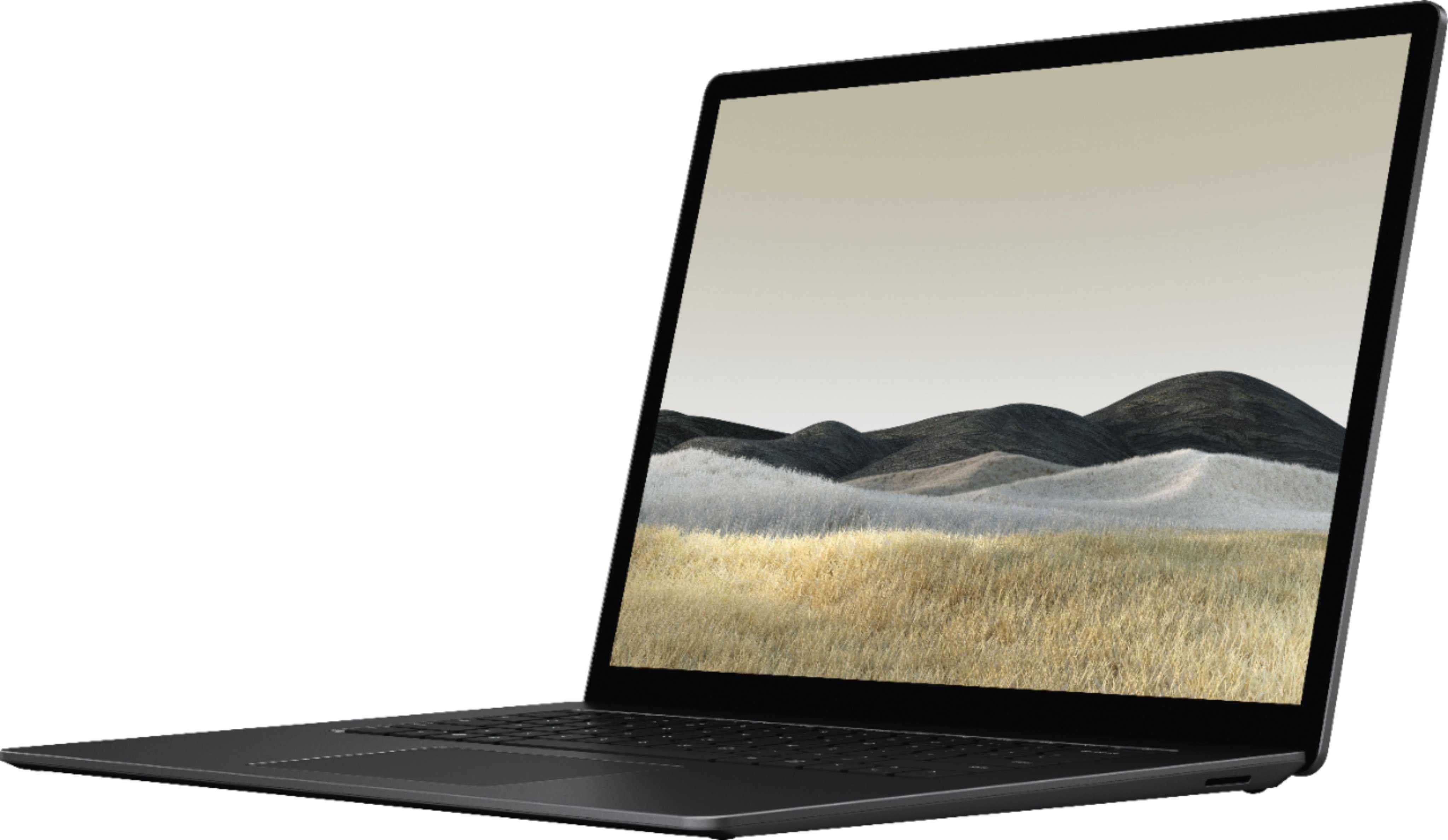
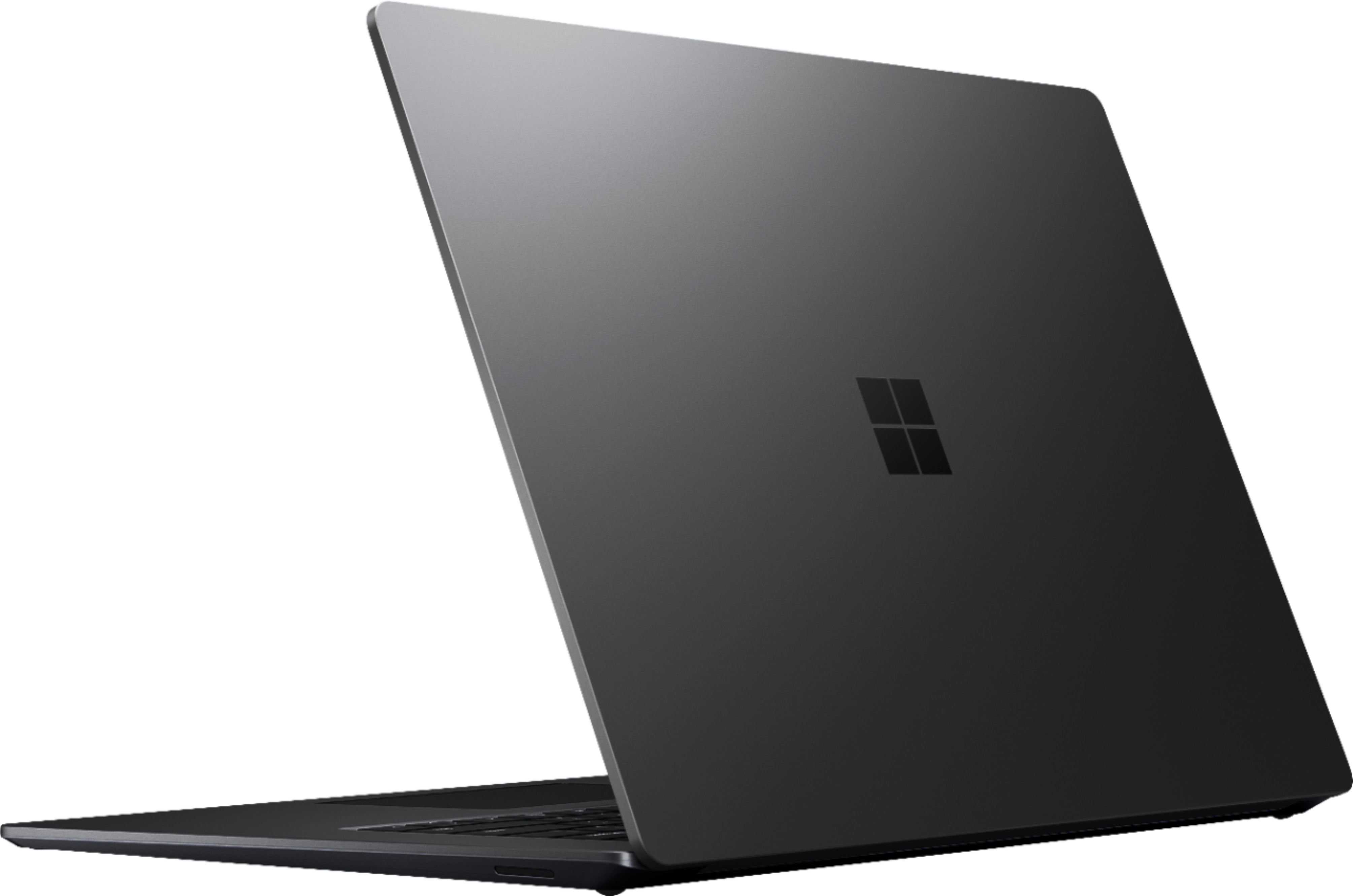
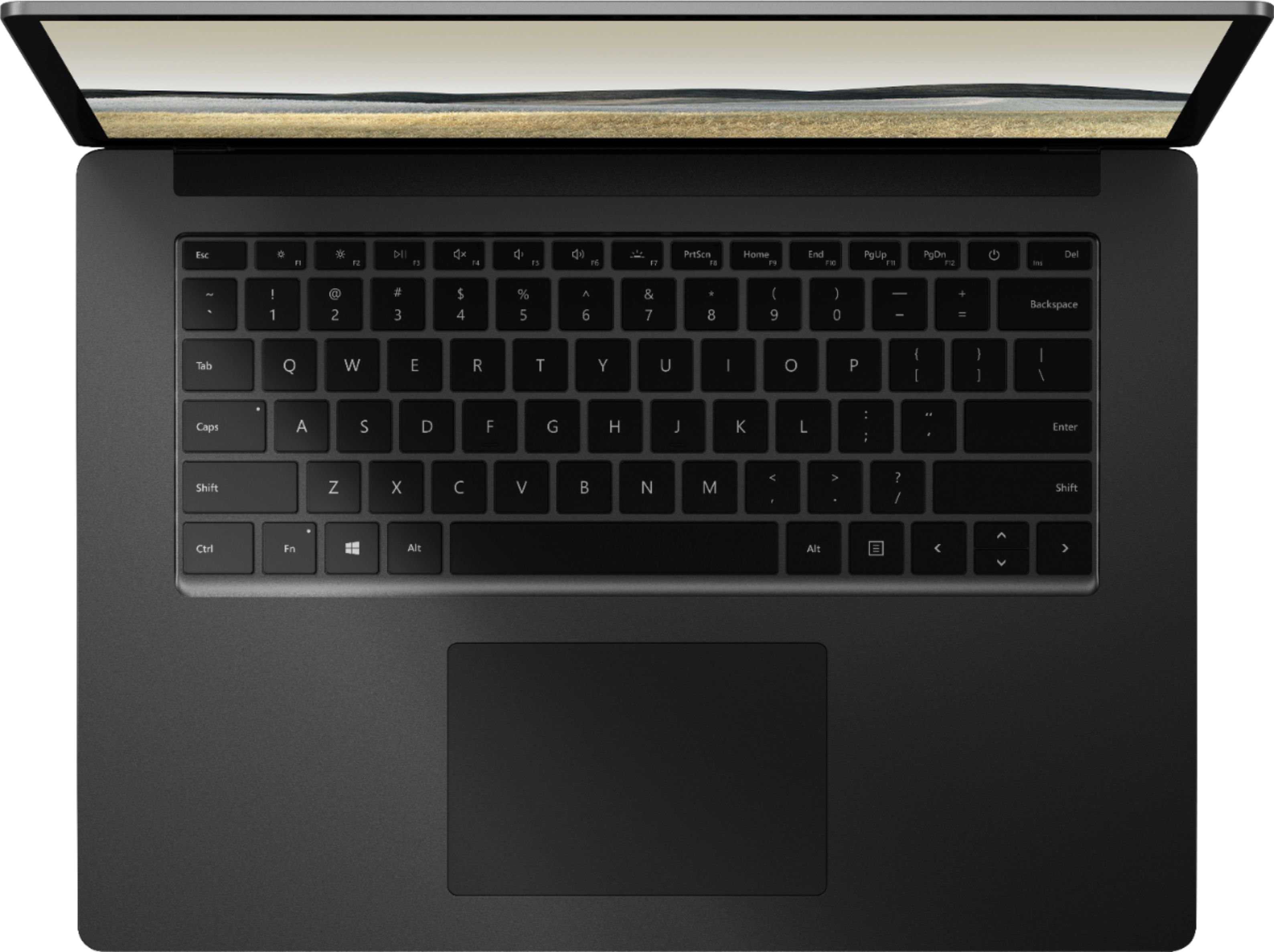
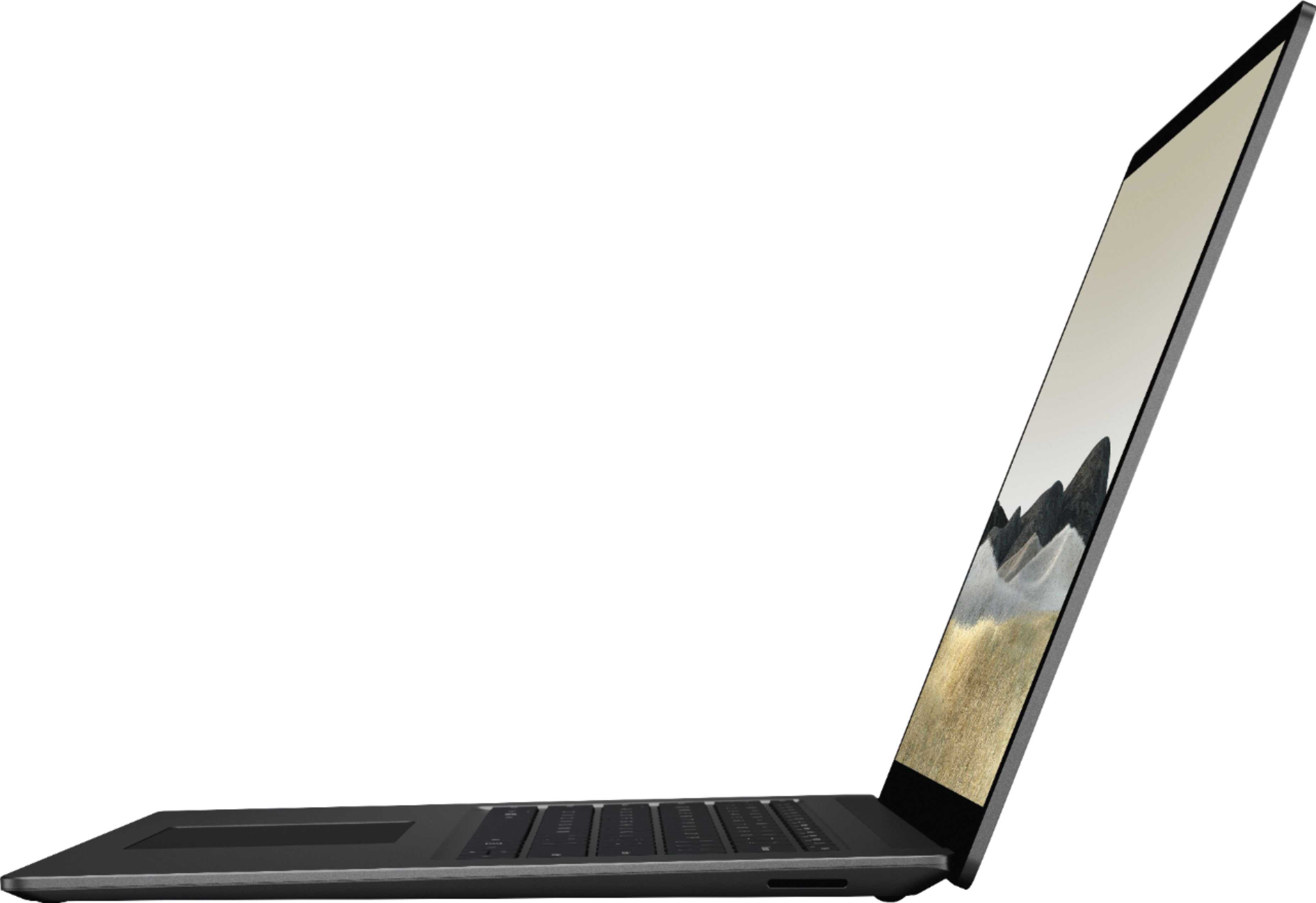
Surface Laptop 3 13” and 15”
The Surface Laptop will return a third time and will bring along a sibling with a larger display. An earlier leak revealed that this 15” model will be powered by AMD’s Ryzen processor.
1 of 8
Surface Laptop 3 13''
Surface Laptop 3 13''
Surface Laptop 3 13''
Surface Laptop 3 13''
Surface Laptop 3 15''
Surface Laptop 3 15''
Surface Laptop 3 15''
Surface Laptop 3 15''
We can’t see a USB Type-C port on the right but we hope there is one on the left with support for Thunderbolt. The pictures show that there is no fingerprint scanner on any of the variants and the larger model also skips a dedicated number pad.
It does look like Microsoft has ditched its Alcantara fabric design for metal.
Surface Campus (Arm-Powered Surface)
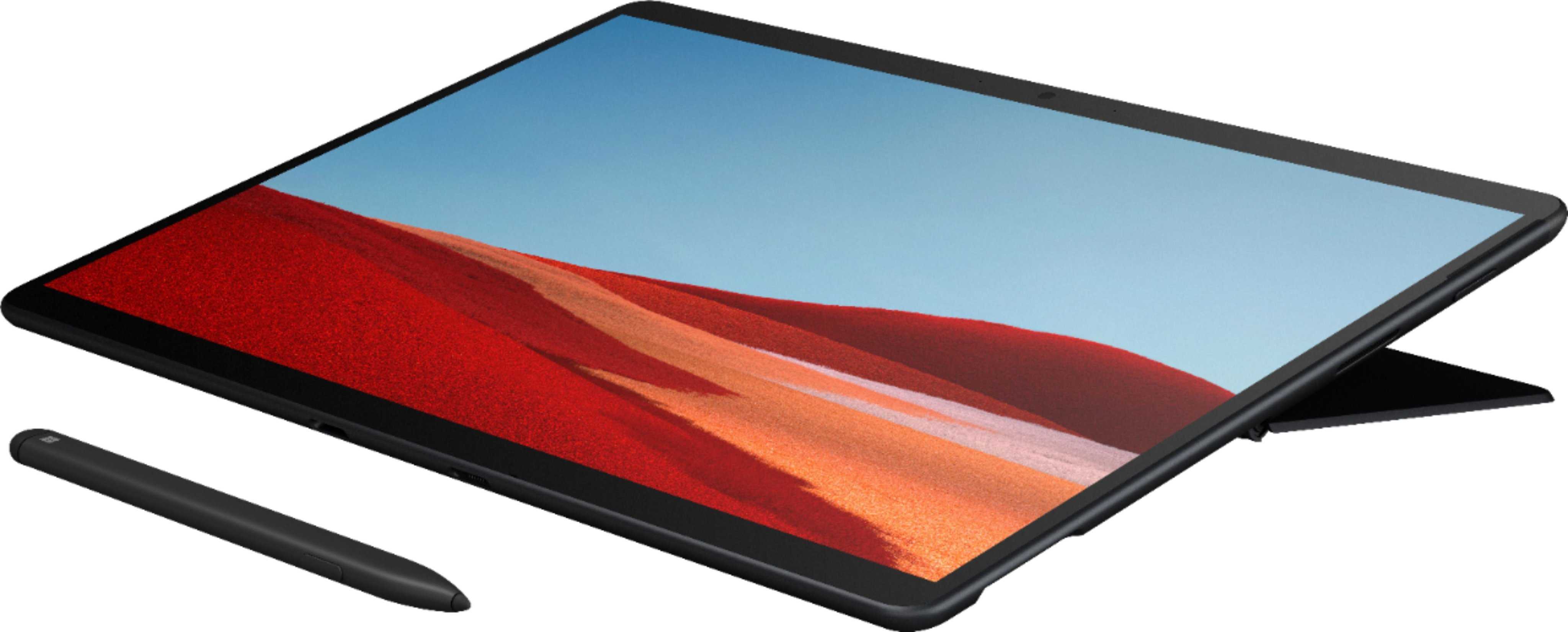
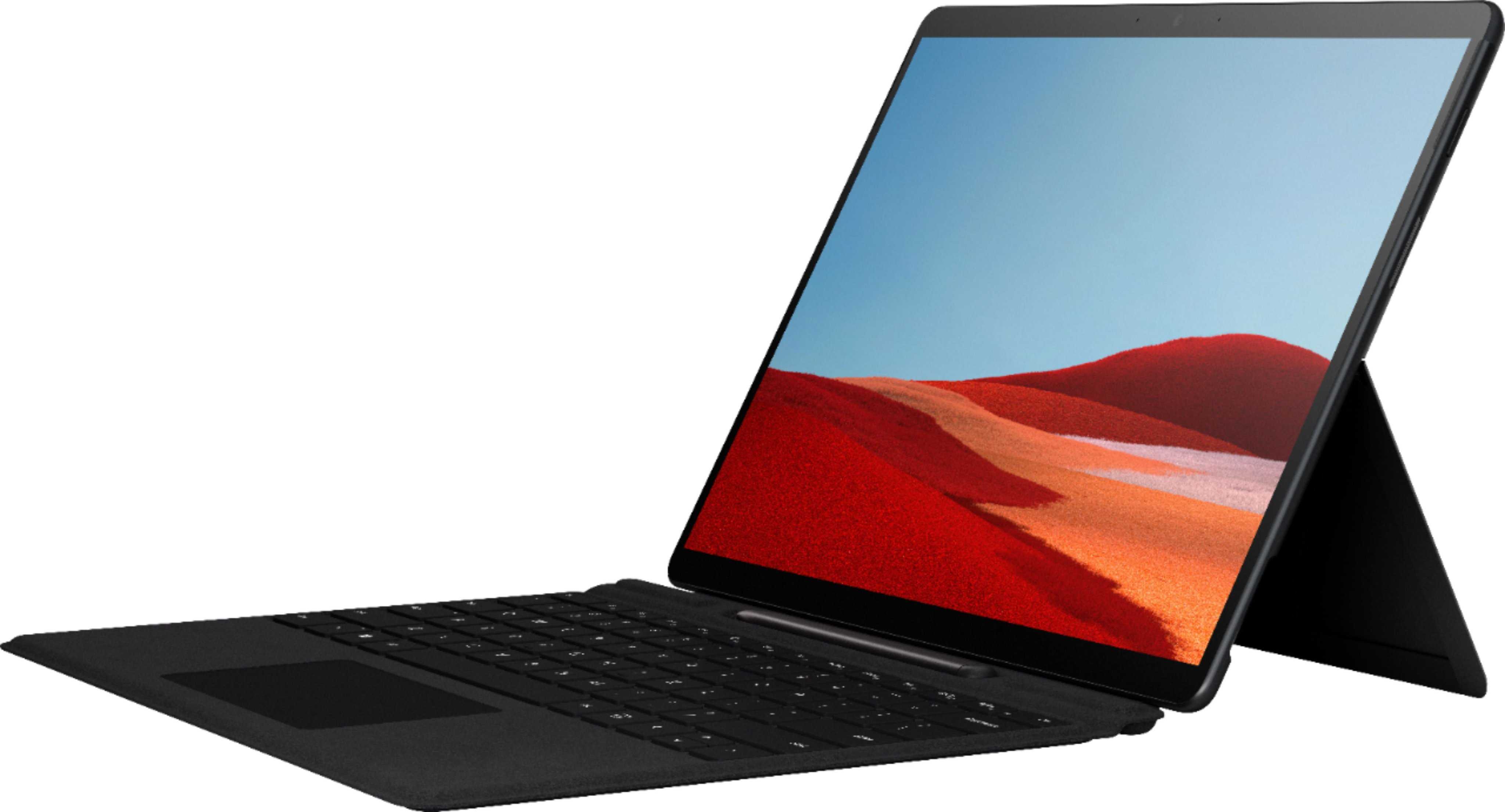
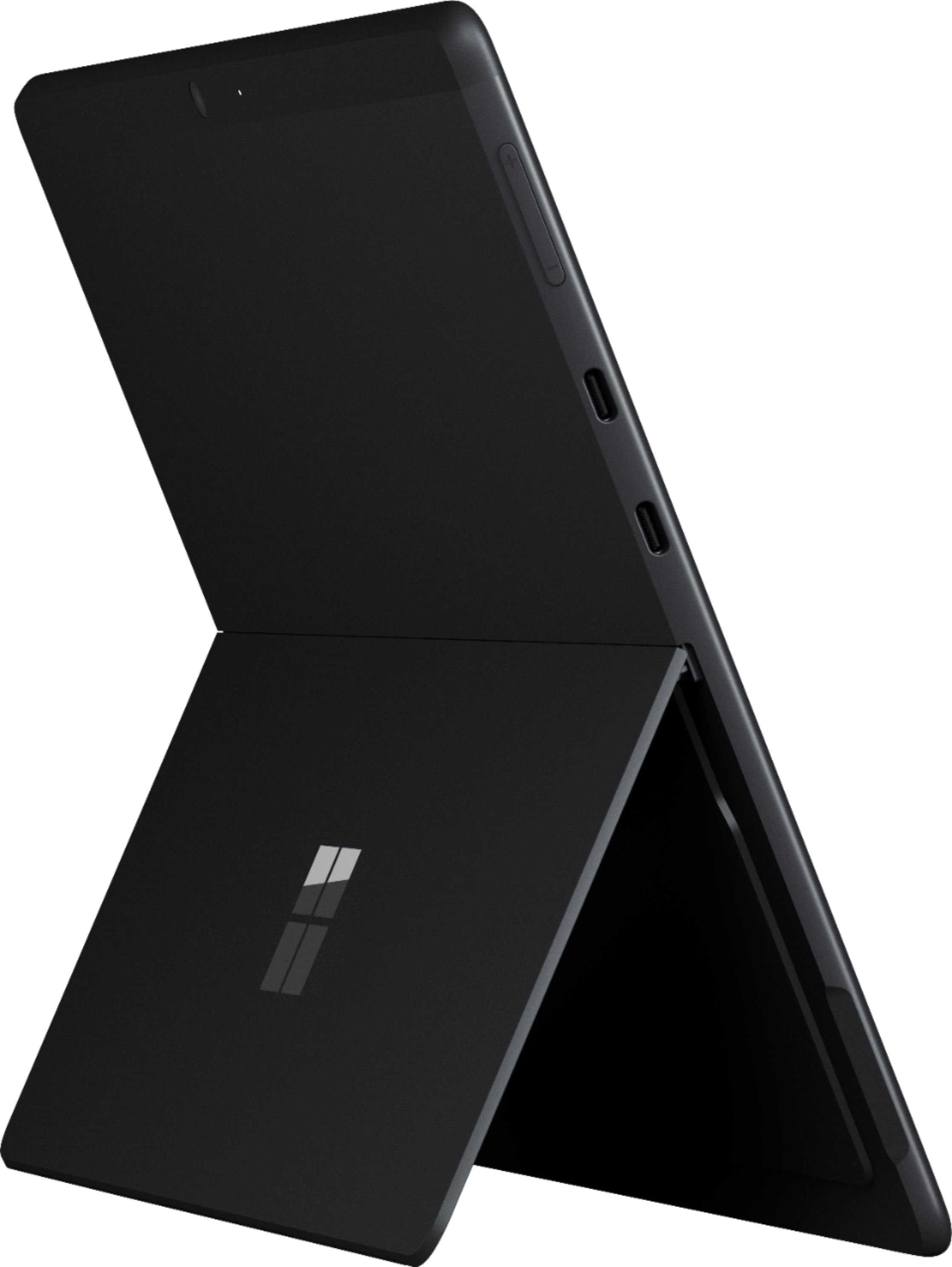
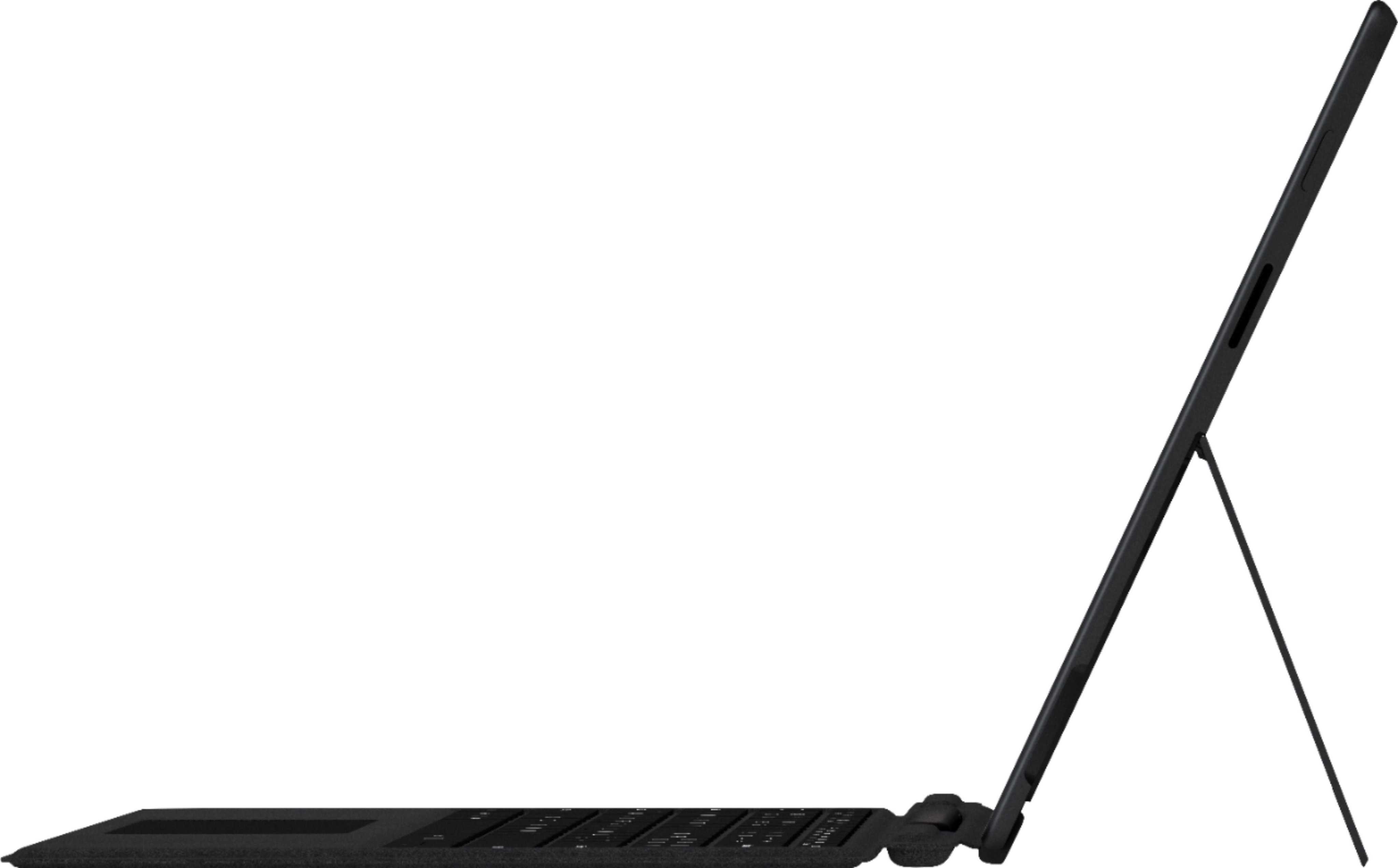
While the Surface Pro 7 will be powered by an Intel processor, Microsoft will also announce a Surface tablet that is powered by an Arm-chipset. This device will launch as the Surface Campus. The name hints at it being targeted at students. Expect an insane battery life as well as LTE onboard.
1 of 4
Surface Campus
Surface Campus
Surface Campus
Surface Campus
This Surface Campus also has a kickstand and an attachable keyboard. There are also two USB Type-C ports on the left. One of the images also shows a stylus.
Dual-Screen Surface
Other than the aforementioned devices, Evan Blass also adds that there is a dual-screen Surface device too. There are no images but he mentions that it will run a special version of Windows called Windows 10X which has been designed for dual-screen and folding-screen devices.
The event will hold in New York tomorrow and should be live-streamed.
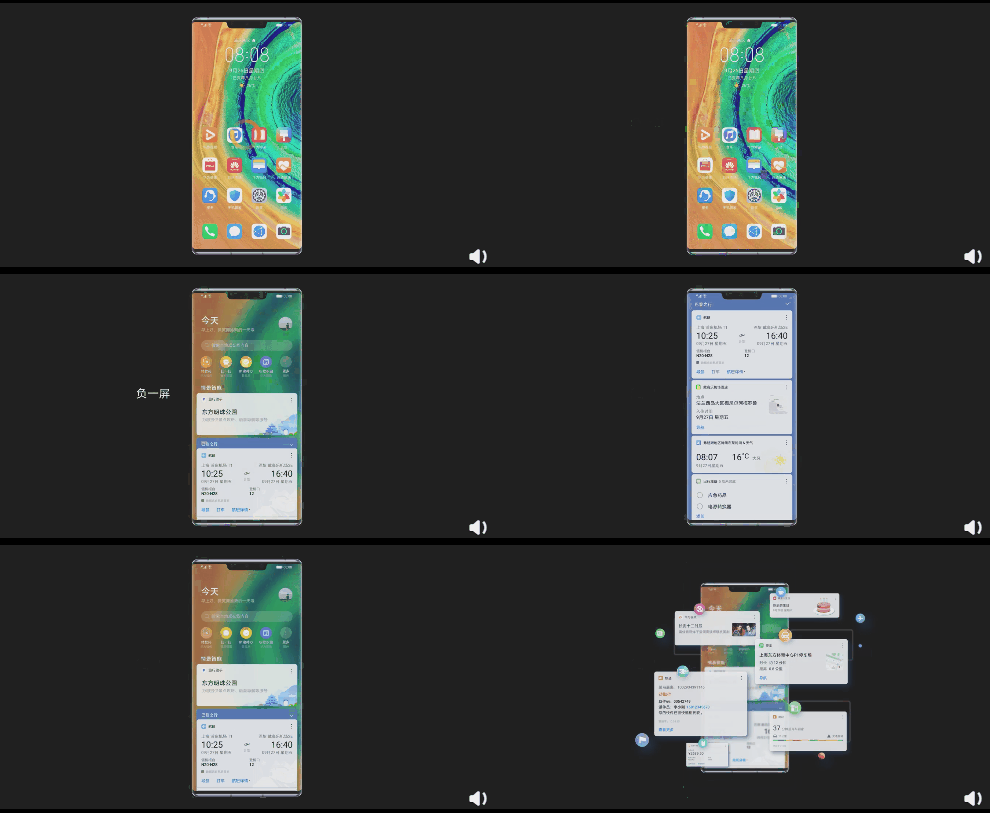
Earlier today, Huawei introduced a brand new software function to the Mate 30 Pro, that being Smart Travel. It’ll come pre-installed on EMUI 10 from this point on, and current users will get an update that brings the new feature to it. As you’d expect, it’s exactly what it sounds like it is, a travel assistant app like what’s coming on Xiaomi’s MIUI 11.
The new Smart Travel feature will integrate flight details, travel preparations, weather forecasts and other helpful extras for a traveler. One can also set reminders for many different situations like flight reminders and meeting reminders. It can even suggest nearby restaurants and attractions to visit on your travels.
There are a few more additions as well, which makes Smart Travel seem like a fairly hefty update. The Mate 30 Pro will now automatically generate a travel memo and present all reminders on the leftmost page of the homescreen, which includes urgent reminders. You can now also use the voice assistant to control more things like setting up navigation and answering calls.
It seems like the Huawei Mate 30 Pro is doing very well in China, what with the recent reports of the device selling 500 million yuan worth of units within a minute. There’s just never a dull day anymore, as something new about Huawei seem to pop up frequently. For now however, it’s at least nice to see the Mate 30 Pro getting new features so quickly.
Xiaomi’s independent Redmi brand recently announced its budget handset, the Redmi 8A via an official online launch event. At the time of its unveiling, Xiaomi’s India head Manu Kumar Jain teased another smartphone, likely to be the Redmi 8. While the new model should meet us very soon in India, the brand seems to be working on its China release as well. The Redmi 8 was recently listed on the China Telecom website (model number M1908C3IC), confirming its release in the Chinese market.
The listing confirms that the Redmi 8 will have a 6.21-inch display with a waterdrop notch. The phone will continue to use a plastic body, just like its predecessors. We can see that the phone will have 4GB of RAM with 64GB of storage but there should be 2GB and 3GB RAM options as well. At the back, the Redmi 8 will come with a dual-camera setup featuring a 12MP sensor and another 2MP sensor for depth. Upfront, it should have an 8MP selfie shooter.
One of the biggest highlights of the new device will be the large 5000mAh battery. This is a significant bump up from the 4000mAh battery on the Redmi 7 model. However, it will also increase its size to 9.4mm thickness and weight to 188 grams. Inside, it should feature the Snapdragon 439 processor, the same as the Redmi 8A. However, unlike the 8A, this one will have a fingerprint sensor at the back.
China Telecom lists the Redmi 8 at 1599 Yuan ($224). This is definitely a placeholder price tag as when it launches, it should start at a much cheaper price tag, likely around $120.
Over the last decade, Korean electronics giant, Samsung has played a crucial rule in the development of the modern day smartphone. Not only is it the company that sells most number of handsets globally, it is also one of the biggest suppliers of smartphone components like display panels and memory modules which include RAM and ROM.
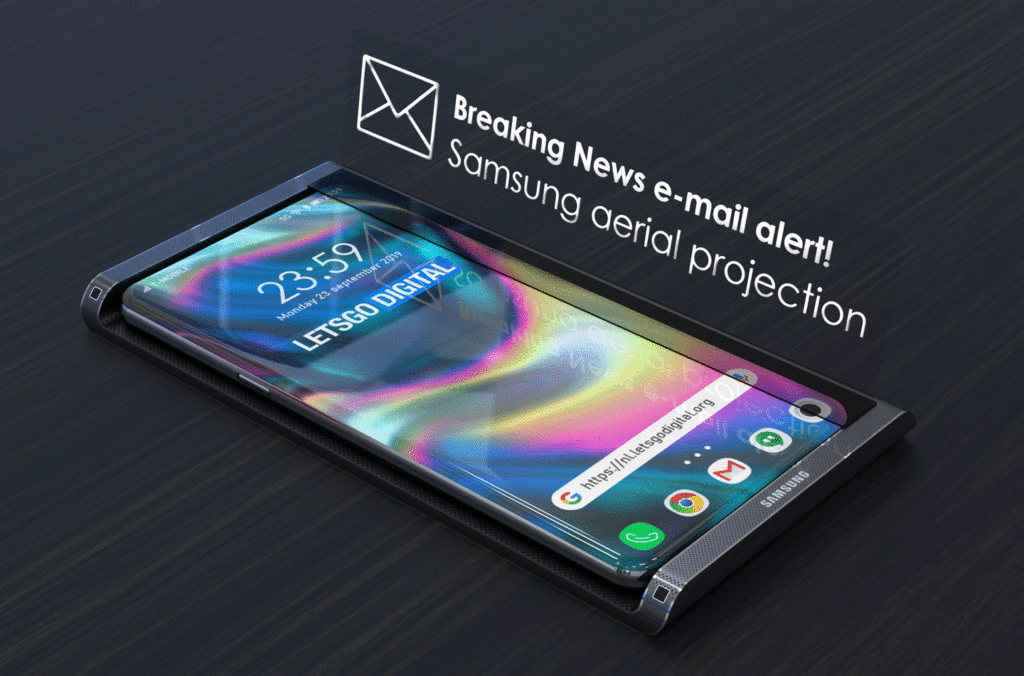
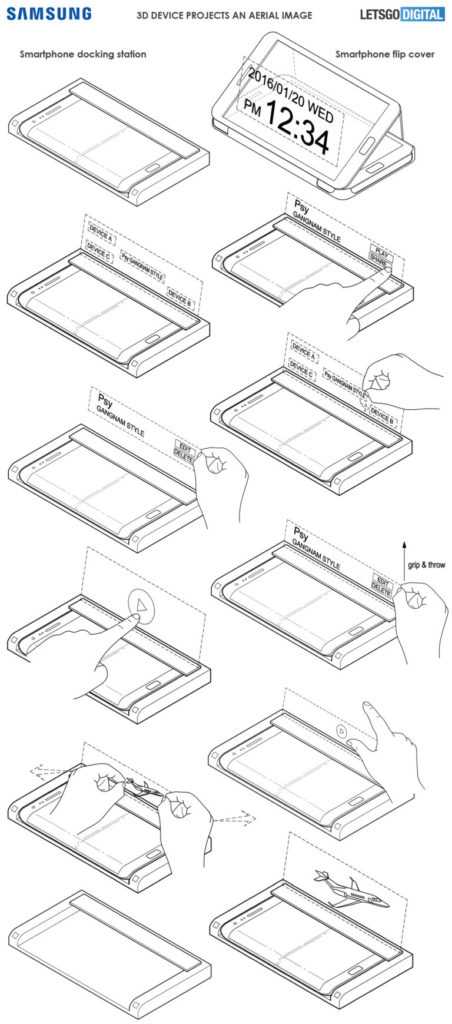
According to a freshly granted patent, Samsung is developing a unique smartphone dock that can project lifelike 3D holograms in the air. The patent for the said dock was filed with USPTO in the year 2018 and it was granted on September 19, 2019.
Going by the illustrations from the patent, Samsung envisions the docking solution to be interactive in nature, therefore, not only will it project 3D models, users will also be able to interact with the projections. The drawings show possible features like pause and play button to control music playback.
Another image from the patent seems to demostrate interaction with social media posts and incoming notifications. The GIF shared above could make its functioning a little bit easier to understand.
How Does The Technology Work?
The patent exhibits that the technology is comprised of three main components which include an ‘edge display’, a ‘half mirror’ and a ‘retro reflective element’. As the name suggests, “edge display” is used to refer a smartphone with a tapered edge like the Samsung Galaxy S6 Edge.
While a ‘half mirror’ is nothing but a conventional mirror that reflects any light rays that fall on it. Lastly, a ‘retro reflective element’ is similar to safetly reflectors that is often seen on motor vehicles.
All three components are positioned on a certain angle to each other that can project the desired result. The users only need to place their phone in the special docking station which would simultaneously keep its battery topped up.
In addition to incorporating the technology in a stationery docking stations, Samsung also seems to envision this setup in smart speakers, flip covers and even heads up car display.
All in all, Samsung seems to have mastered the know-how to properly execute the technology. With that being said, it could take some time before consumer ready products are launched, given that Samsung feels their is a market for such visionary concepts.
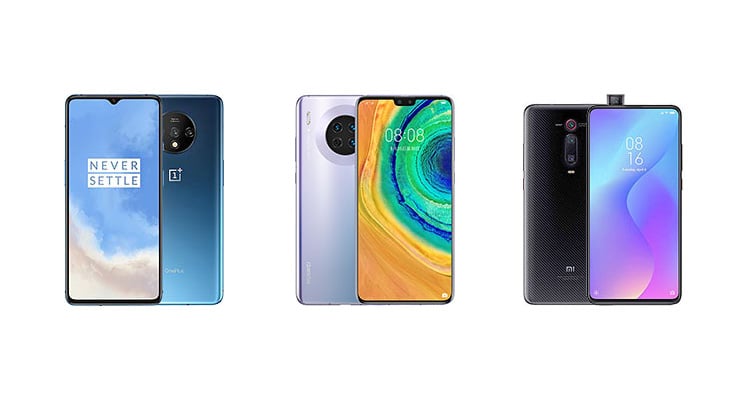
Even the most advanced users do not always need the most expensive flagship phone. The price of a smartphone does not always depend on the same factors, that is why often the most expensive devices are not the most performing ones or the ones with the best cameras. You can find most of the flagship-class specifications on a device even if you do not spend a fortune, and the phone you choose may have everything you need. If you are looking for an affordable Chinese flagship, you currently have three amazing choices: the newly-announced OnePlus 7T, Huawei Mate 30 and Xiaomi Mi 9T Pro. Given that we believe they are among the best choices, we decided to compare their specifications in order to help you with a possible choice.
OnePlus 7T vs Xiaomi Mi 9T Pro vs Huawei Mate 30
Nubia Z20
Xiaomi Mi 9T Pro
Huawei Mate 30
DIMENSIONS AND WEIGHT
160.9 x 74.4 x 8.1 mm, 190 g
156.7 x 74.3 x 8.8 mm, 191 g
160.8 x 76.1 x 8.4 mm, 196 g
DISPLAY
6.55 inches, 1080 x 2400p (Full HD+), Fluid AMOLED
6.39 inches, 1080 x 2340p (Full HD+), Super AMOLED
Triple 48 + 8 + 13 MP, f/1.8, f/2.4 and f/2.4
20 MP f/2.2 front camera
Triple 40 + 16 + 8 MP, f/1.8, f/2.2 and f/2.4
24 MP f/2.0 front camera
BATTERY
3800 mAh, fast charging 30W with Warp Charge 30T
4000 mAh, fast charging 27W with Quick Charge 4+
4200 mAh, fast charging 40W and fast wireless charging 27W
ADDITIONAL FEATURES
Dual SIM slot
Dual SIM slot
Hybrid Dual SIM slot, reverse wireless charging, IP53 splashproof, Face ID
Design
The bigger notch does not make the Huawei Mate 30 one of the most attractive devices out there, even though it has a very original rear side. OnePlus 7T and Xiaomi Mi 9T Pro are more interesting, especially the latter which sports a notch-less display thanks to a pop-up camera mechanism. Xiaomi Mi 9T Pro is also a more compact device, but it is thicker than OnePlus 7T. On the other hand, the OnePlus 7T has a very elegant glass back available in gradient colors, as well as very narrow bezels around its display.
Display
The presence of a very high DCI-P3 coverage, the support to the HDR10+ standard and a 90 Hz refresh ratio make the OnePlus 7T a better device when it comes to display quality. It offers a more realistic color reproduction as well as a smoother viewing experience and more reactive gameplay. In each case, you get an optical under-display fingerprint scanner, but Huawei Mate 30 is the only to offer a 3D facial recognition system. However, this does not affect the display quality, so the winner of the comparison remains OnePlus 7T.
Hardware/Software
The Kirin 990 is definitely an amazing chipset and it is the only in the market to come with an integrated 5G modem. But its performance do not reach the level of the Snapdragon 855+ which is definitely better for power users and gamers. That is why OnePlus 7T is a better performance and gaming phone. Xiaomi Mi 9T Pro comes with an older Snapdragon 855 SoC, so it is less impressive than both OnePlus 7T and Huawei Mate 30. Android 9 Pie is preinstalled on Xiaomi Mi 9T Pro, while OnePlus 7T and Huawei Mate 30 ship with Android 10 out of the box.
Camera
It is still too early to understand which phone has the best camera department in most of the scenarios. But we can tell you that on the paper Huawei Mate 30 looks like the most convincing one. Xiaomi Mi 9T Pro does not have the necessary hardware to compete with its two rivals, so OnePlus 7T takes second place for now.
Battery
On the paper, Huawei Mate 30 is the battery king thanks to its big 4200 mAh which supports the fastest charging technology (with a 40W power), fast wireless charging (up to 27W), and even reverse wireless charging. Given the high efficiency of the Kirin 990 chipset, it will probably last more than both its opponents. OnePlus 7T has the smallest battery and it comes with 30W fast charging, while Xiaomi Mi 9T Pro sits in the middle with a 4000 mAh unit but a slower charging technology (Quick Charge 4+ with 27W).
Price
OnePlus 7T debuted in India with a €550/$600 price tag, Huawei Mate 30 will cost €550/$600 and Xiaomi Mi 9T Pro is available for less than €400/$435 in India and globally. Due to its bigger battery, 5G support, splashproof design, reverse wireless charging, and an amazing rear camera, my choice would be Huawei Mate 30. But if you need a phone with the best display and performance, then you should go for the OnePlus 7T. Xiaomi Mi 9T Pro is inferior to both, but it has a higher value for money.
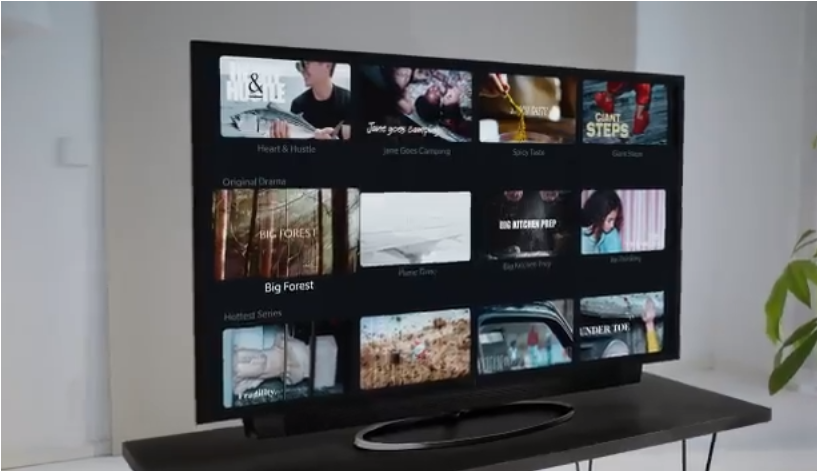
The OnePlus TV Q1 and OnePlus TV Q1 Pro launched last week in India, marking the phone maker’s foray into the TV market. The TVs went on sale just a few days after they were announced and are currently available for purchase on Amazon India.
During the launch, OnePlus promised that the TVs will receive software support for three years. OnePlus is keen on keeping its promise and has begun rolling out its very first update to the two TVs less just a few days after they were announced.
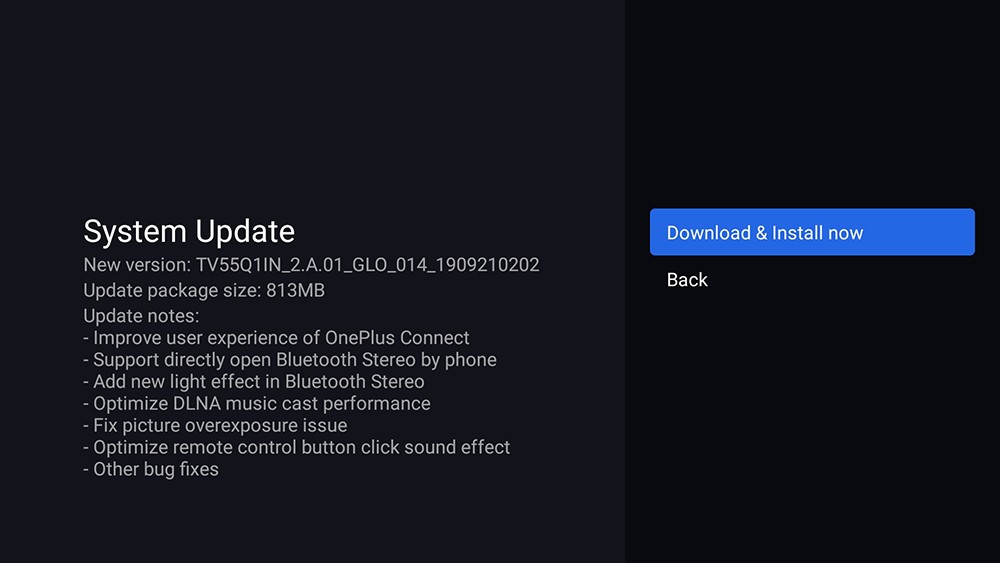
The update arrives as version TV55Q1IN_2.A.01_GLO_14_1909210202, weighs in at 813MB and fixes some issues while bringing new features.
For example, the picture overexposure issue reported by early reviewers has been fixed. The light effects on the speaker of the Q1 Pro now works in Bluetooth stereo mode and syncs with whatever song you are playing. The remote control function in the OnePlus Connect App now provides haptic feedback when you press the on-screen buttons. XDA-Developers reports that there is a clicking sound effect if the phone is in ringer mode and when in vibration mode, the phone vibrates when you tap the buttons. Below is the full changelog:
Improve the user experience of OnePlus Connect
Support directly open Bluetooth Stereo by phone
Add new light effect in Bluetooth Stereo mode
Optimize DLNA music case performance
Fix picture overexposure issue
Optimize remote control button click sound effect
Other bug fixes
The OnePlus TV Q1 and Q1 Pro have a 55-inch 4K QLED display. They have a sound output of 50W with the Pro version sporting 8 speaker units while the standard model has 4. They run Android TV with support for Google Assistant and Alexa. There is dual-band WiFi, Bluetooth 5.0, and four HDMI ports with port 2 having support for eARC.
The Q1 is priced at INR 69,900 ($985) while the Q1 Pro is priced at INR 99,900 (~$1400). Both are available for purchase on Amazon India with an offer for a free Amazon Echo Dot 3rd generation.
Samsung launched its first foldable smartphone — Galaxy Fold earlier this month after delaying it a few times since its debut earlier this year. Now, the Samsung Galaxy Fold has been officially launched in the Indian market.
With this, the Galaxy Fold has become the first foldable smartphone in India. It is priced at ₹164,999 for the 12GB RAM and 512GB storage model, which roughly converts to $2,323.
The smartphone comes in Cosmos Black color and the company is also offering Galaxy Fold Premier Service with one-on-one assistance with a Fold Concierge and one-year accidental damage protection, and one-time free screen replacement.
Moreover, the company is also bundling the Samsung Galaxy Buds headphones. Samsung will start taking pre-booking for the Galaxy Fold smartphones in India from 4th October and the shipments for the same will begin from 20th October.
Coming to the specifications, the Samsung Galaxy Fold smartphone presents a 7.3-inch Infinity Flex Display with a 1536 x 2152 pixels screen resolution. In this mode, you can use three apps at the same time which Samsung calls Three-app Multitasking.
When the device is folded into phone mode, it offers a 4.6-inch display with 840 x 1960 pixels screen resolution. It comes with a feature called App Continuity which automatically adjust an app when you switch screens. It is powered by a 7nm octa-core processor paired with 12GB of RAM and packs 512GB of internal storage using UFS 3.0 technology.
Connectivity options on the phone include 4G LTE, Wi-Fi 6, Bluetooth v5.0, GPS/ A-GPS, NFC, and USB Type-C port. It comes with stereo speakers that are equipped with Dolby Atmos surround sound technology.
The phone comes with a camera module that’s made up of a 16MP ultra-wide camera, a 12MP telephoto camera, and another 12MP wide-angle camera. On the front side, it comes with a 10MP sensor. It runs Samsung One UI with Android 9 Pie operating system out-of-the-box and is powered by a 4,380mAh battery which is split into two units. It also supports Wireless Charging as well as Wireless PowerShare for reverse charging.
We use cookies on our website to give you the most relevant experience by remembering your preferences and repeat visits. By clicking “Accept”, you consent to the use of ALL the cookies.
This website uses cookies to improve your experience while you navigate through the website. Out of these, the cookies that are categorized as necessary are stored on your browser as they are essential for the working of basic functionalities of the website. We also use third-party cookies that help us analyze and understand how you use this website. These cookies will be stored in your browser only with your consent. You also have the option to opt-out of these cookies. But opting out of some of these cookies may affect your browsing experience.
Necessary cookies are absolutely essential for the website to function properly. This category only includes cookies that ensures basic functionalities and security features of the website. These cookies do not store any personal information.
Any cookies that may not be particularly necessary for the website to function and is used specifically to collect user personal data via analytics, ads, other embedded contents are termed as non-necessary cookies. It is mandatory to procure user consent prior to running these cookies on your website.