Advertisement

Nubia Z20 Officially Launched with 2 Curved displays, 2 Fingerprint Sensors, & 3 Cameras

Different manufacturers have different philosophies and strategies to get rid of the notch from smartphones. Over the years, Nubia has become a brand known for its beautiful symmetrical design and thin bezels. So the company has ensured that its latest model, the Nubia Z20 lives up to the brand’s reputation by adopting a dual-display design to get rid of the notch. This means no boring waterdrop or even waterfall notches, no cut-out front cameras or even no pop-up selfie shooters. Basically, the phone doesn’t have a front camera at all, and that’s a good thing.

Let’s take a close look at what it has to offer.

nubia z20 featured

Nubia Z20’s design language is clearly inspired by its older sibling, the Nubia X. The phone was the first model from the brand to experiment with a dual-display design and that seems to have turned out successful for them. So the new Z20 features two curved displays, a primary 6.42-inch 2340 x 1080p AMOLED screen on the front, and one secondary 5.1-inch 1520 x 720p AMOLED screen at the back. This design allows the rear camera setup to act as the selfie shooter as well, offering the best camera experience on both the ends. What’s even more interesting is that the phone continues to feature two fingerprint sensors on each side, just like the Nubia X. Clearly, the company has thought about the user experience, even when the secondary display is being used.


There are three colors available, Black, Blue, & an Orange shade (teased earlier) inspired by Pantone’ Living Coral color.


Nubia Z20’s Second Screen Is Useful

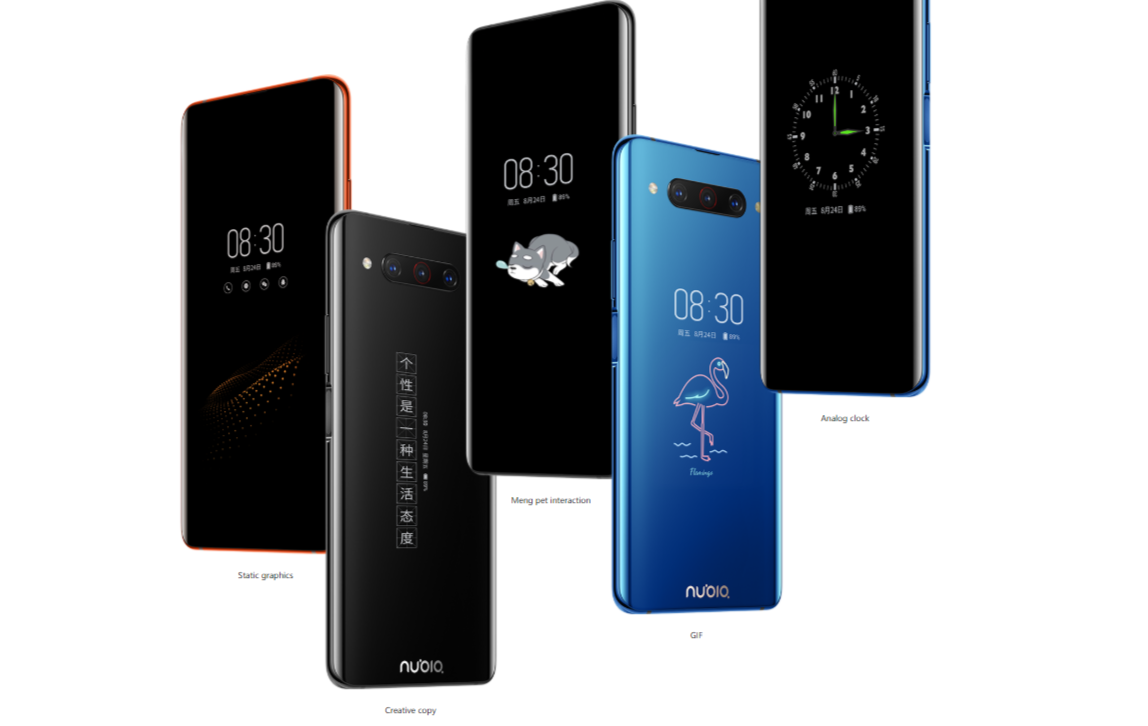
Overall, the Nubia Z20 looks like an extension of the Nubia X rather than being a completely new product. And that’s not necessarily a bad thing. The secondary display still supports DIY AOD customizations. That means you can tweak the screen to customize the phone to make it more personal. Given that the rear screen stays flush with the body, you can really get creative to add a personal touch to your smartphone’s design.
Nubia Z20 dual AOD feature

Plus, the phone supports Dual screen AOD. This means you can customize the phone to feature two different AOD screens, one on the front, and another one on the back. This could bring out some really creative combinations among users, which will definitely be fun to watch in the coming days. Another way to make the second screen personal is by configuring it to feature custom patterns, or cool lights to make it stand out from other phones.

Nubia Z20 multitasking

And of course, two screens equal two simultaneous apps. So, you can multi-task pretty easily on the phone. For example, you can simply bring up a QR code on the second screen while you are watching a series on the primary screen. Or you could reply to a text by switching over to the second screen while reading an article. Nubia’s UI ensures that the second screen has quick access to important apps like payments and public transportation for a seamless user experience.

The second screen is also an additional touch input. For example, the second screen can act as a virtual button without the need for any other accessories or trigger buttons (like this cool accessory we reviewed for Android phones).

Finally, the secondary display is also how you take selfies. The powerful triple rear cameras are at your disposal for selfies, ensuring high-quality portraits and videos.


Nubia Z20 Focuses On Its Camera
nubia z20 camera

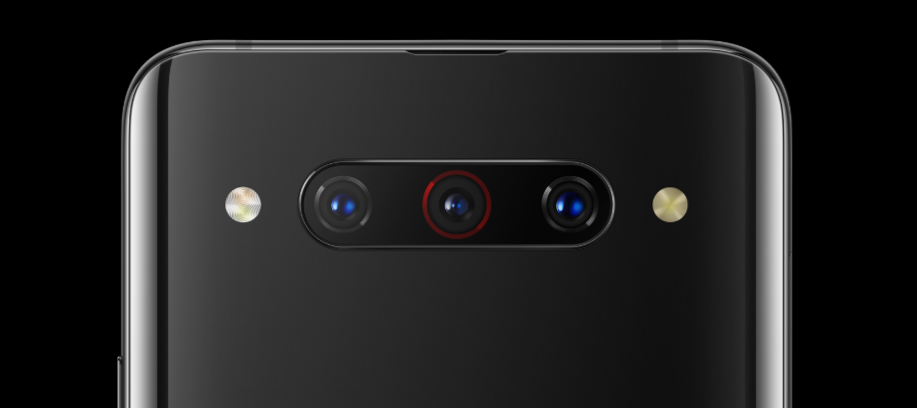
Nubia has given extra attention to the Z20’s camera this time. The phone features a triple camera setup at the back featuring a Sony IMX 586 48MP primary sensor with OIS, a 16MP wide-angle 122.2-degree lens, and an 8MP telephoto lens. The setup is aided by not one, but two dual-tone flashes on each side. The camera is capable of 3x optical zoom, 30x digital zoom, 2.5cm super macro image shooting, and a powerful handheld night mode. Like teased earlier, the Z20 also supports 8K video recording.

As for the other specs, the phone comes with the new Snapdragon 855 Plus processor clocked at 2.96GHz, Adreno 640 GPU, 6+128GB / 8+128/ 256GB memory variants, and a large 4000mAh battery with 27W charging.


Nubia Z20 Pricing & Availability

Nubia Z20 dual screens

Nubia Z20 starts at 3499 Yuan ($497) for its 6GB + 128GB model with the 8GB + 128GB retailing at 3699 Yuan ($525), and the highest configuration of 8GB + 512GB available at 4199 Yuan ($596). The phone goes on sale on August 16 in China.


 

Huami’s Amazfit Health Watch goes on sale for 699 yuan ($99)

Huami Technology has officially launched the Amazfit Health Watch for sale in China today. The Amazfit Health Watch was first announced in China back in June but the price and availability details were left out. The device is now available on Tmall , Jingdong, Xiaomi , and Huami Mall. It comes in at 699 yuan ($99).Amazfit health watch

When the Amazfit Health Watch was released earlier this year, Huami touted it as the industry’s first smart watch with health monitoring as its core. It’s a fully functional health oriented smartwatch and the design is quite nice as well. The wearable is equipped with NB-IoT independent communication. It can report emergency health events in real time without Bluetooth connection. It can transmit important contents such as low heart rate, PPG monitoring, atrial fibrillation and fall detection. In addition, this watch can store up to 60 minutes of ECG data locally and last up to 7 days. The watch maker also offers users some cloud health services for users. You can directly log all your health data and get online consultation on your health, and there’s even a feature that issues an emergency SMS in case your heart acts up.

Amazfit Health Watch brown

EDITOR’S PICK: Samsung Galaxy Book S with Snapdragon 8cx and Windows 10 Announced

Amazfit Health Watch runs on the Huangshan No.1 chipset (MHS001), the world’s first wearable processor that comes integrated with AI neural network. The chipset features four core artificial intelligence engines — cardiac biometrics engine, ECG, ECG Pro, and Hearth Rhythm Abnormality Monitoring Engine. The watch comes in a bunch of different colours. They all come with silicone bands, with the exception of the brown variant that comes with a genuine leather strap.


UP NEXT: Huawei Mate 30 Pro real image appears again

(source)

Huawei offers 7-figure salaries to woo top talents

Huawei Technologies plans to lure gifted new recruits with “top-notch” salaries, as the world’s largest telecommunication equipment supplier moves to reinforce its army of researchers amid its struggles with a US trade ban. Shenzhen-based Huawei will hire 20 to 30 top talents from around the world this year in a bid to build up its “combat capabilities”, according to a widely-circulated email signed by company founder and chief executive Ren Zhengfei.

“If you are the best of the best and you want to push the boundaries of science: we want you,” read a recruitment advertisement posted on its official WeChat account. Huawei is looking for people “who have made extraordinary achievements in mathematics, computer science, physics, materials science, chips, smart manufacturing, or chemistry – and who are hungry to become leaders in their fields.”

“Innovation is the core necessity to win future wars of technology and business, and talent is the key driver of technological innovation and business innovation. We will attract top talents with top challenges and top salaries,” said the corporate document.

According to Liu Chenglin, instructor of Zhong and deputy director of the Institute of Automation, Chinese Academy of Sciences, it’s normal to see these students getting high salaries as artificial intelligence is a hot field in recent years that sees higher demand for quality talents. However, he is still amazed by what Huawei has offered, saying that it was rare to see fresh graduates gaining annual salary exceeding 1 million yuan.

“Priority will be given to people whose research has produced tangible and impactful results, research papers, or patents; people from top-notch labs or honors programs; and winners of top international competitions in STEM (Science, Technology, Engineering and Mathematics) disciplines,” according to Huawei.

Huawei has been going through a critical phase in recent months since, in the major American market, the Trump administration has imposed tough sanctions on it and stepped up efforts to bar the firm from the 5G race. Amid growing American pressure, the company insists on collaboration on a broader scale and prioritizing acquisition of top talent, which is expected to promote its long-term growth, according to Huawei’s founder Ren Zhengfei.

Huawei’s Ren said in June that they will have to continue their lead in setting up technological standards and trying to attract more talents worldwide. Huawei at present has over 700 mathematicians, 800 physicists and 120 chemists, with a total of 15,000 researchers.

UP NEXT: US congressman claims China is strong-arming India into using Huawei 5G

(Source)

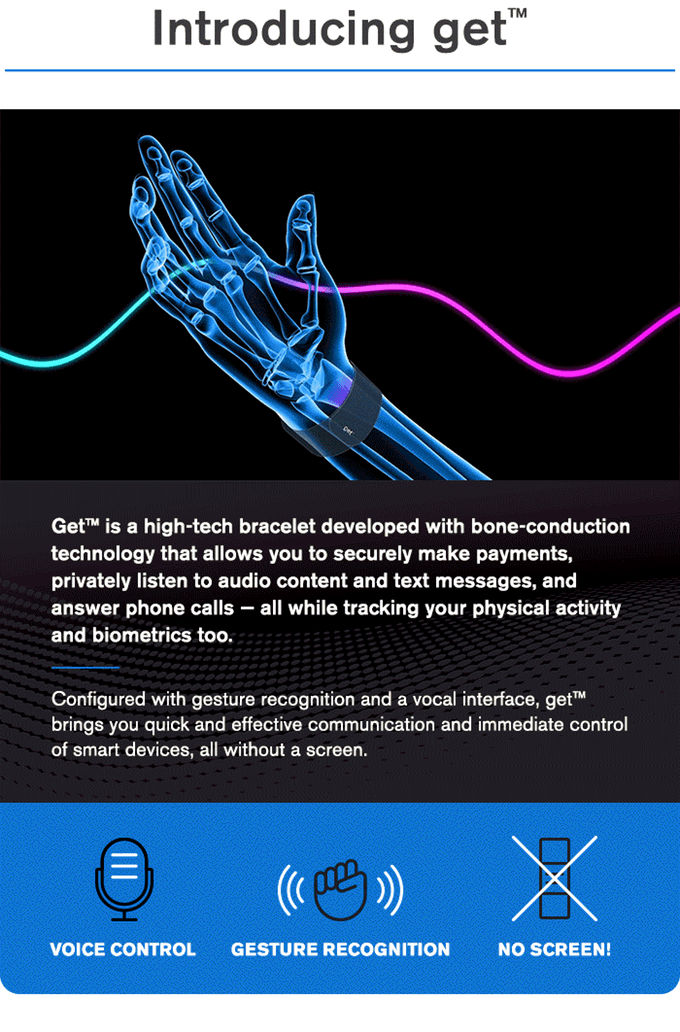
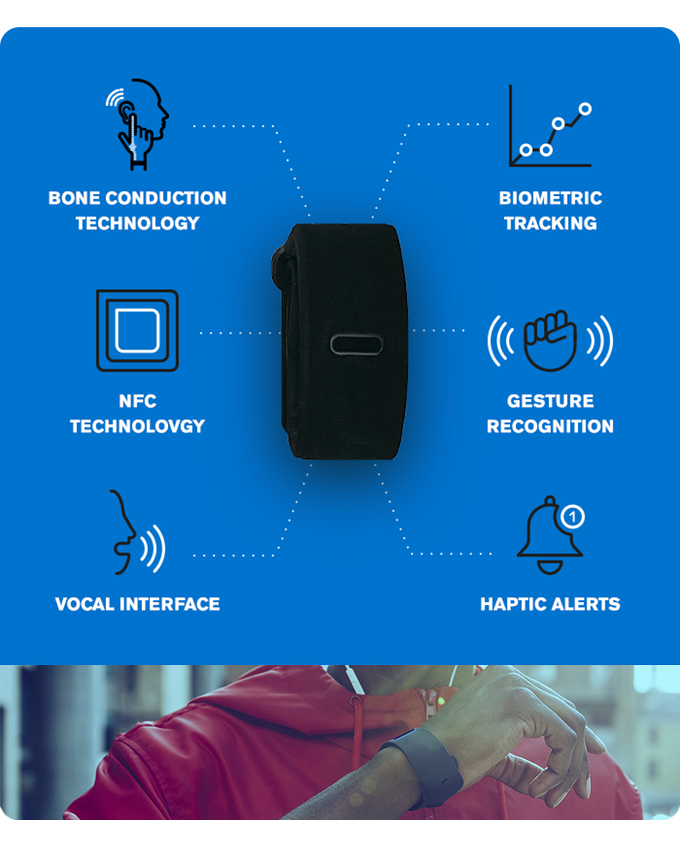
Get is a smart bracelet lets you use your index finger as a phone

Now here at Gizmochina, we hear about a lot of bizarre devices and gadgets. Between the many Xiaomi crowdfunders and the plethora of niche items, it’s almost hard to avoid all of them, but today’s gadget takes the cake when it comes to uniqueness. Say hello to Get, a smart bracelet lets you use your index finger as a phone.

Get comes straight from Italian company Deed and their co-founder Emiliano Parini. The Get bracelet, which costs £200 ($250) connects to your smartphone and translates the sound from your device into vibrations, conducted into the fingers. Users just have to stick a finger in their ear to speak on the phone, and make outgoing calls by using the bracelet’s voice recognition technology.

The tech involved here is what truly makes the Get so interesting. Interaction with Get through voice and movement means no tapping, no scrolling and no buttons at all,’ Mr Parini said. ‘The vibrations travel from your wrist all the way to your finger through, so you are able to hear sound without any need for a speaker.’ This reminds us a lot of the Mi MIX’s piezoelectronic speaker, but with a lot more tech jargon behind it.

On top of this, Get also supports most of the usual healthband features. This means there’s your typical fitness tracker features, as well as the ability to make NFC payments through the band. It also allows you to use a voice assistant through it, which could be nifty. Really, outside of the finger phone calls, it’s a relatively regular smart bracelet.

Because the device uses vibration only, instead of sound, conversations can’t be overheard by people nearby. Get has no buttons, and no screen, but uses your voice and gestures to control its features, according to its Italian inventors. We absolutely no qualms with the design of the device, it looks really cool.

If you’re interested in supporting the project, Deed is raising production funds on Kickstarter. Pledges begin at €115 (US$128) for one Get in a choice of sizes and colours, plus the wireless charge base, with shipping starting at €25 ($28). Parini and his team estimate that delivery will to start in March 2020.

UP NEXT: Coolpad says it is ready to launch its first 5G smartphone in India

(Source)

A Chinese Smartphone Maker will reportedly Use Samsung Exynos Chip for its 5G Phone

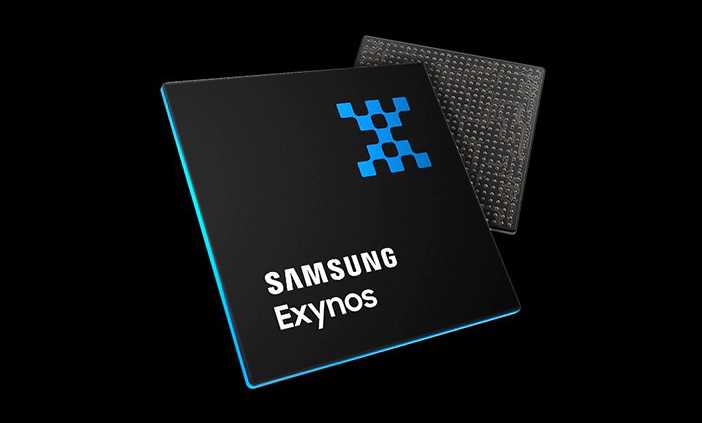
Samsung has been making competitive Exynos chipsets for the past few years. However, the South Korean giant’s chip solutions have been fairly limited to in-house smartphones so far. That’s likely going to change soon as smartphone manufacturers in China scramble to release 5G smartphones in their home market.

Exynos

Digitimes report that one of the top-four smartphone brands in China has decided to use Samsung’s Exynos chipset with Exynos 5100 5G modem inside its upcoming 5G smartphone. The processor is said to be the 5G capable Exynos 9630, which was recently rumored to be tested inside devices like the Galaxy A51 and the Galaxy A71 slated for release next year. Given its naming, the chipset is likely aimed at the mid-range to upper mid-range segment and will succeed Exynos 9610.

Digitimes adds that Exynos 9630 could be more competitive than similar 5G solutions from MediaTek and Qualcomm. So far, Chinese companies have more or less stuck with these two chipmakers for their chipset needs. But with Samsung’s market share falling down in the Chinese market, it looks like other manufacturers are opening up to use Exynos chipset inside their devices.

Editor’s Pick: Huawei Mate 20 X 5G update adds 30x zoom support and keeps 5G off by default


Manufacturers Want Quicker 5G Adoption

5G is going to be the next killer feature on smartphones. And China is going to be at its forefront. China already has the Axon 10 Pro 5G and the Mate 20 X 5G (goes on sale later this month) along with a slew of 5G flagships incoming in the next few months. However, the real challenge will be to offer 5G smartphones at a competitive price in the mid-range segment. The Exynos 9630 could have made that possible which is probably why one of the top Chinese manufacturers has decided to use it.

Unfortunately, Digitimes didn’t reveal the name of the handset maker. But an educated guess would be either OPPO or Vivo. Huawei doesn’t need Exynos chipsets and Xiaomi likely wouldn’t experiment with Samsung made chipsets at this stage. This leaves either OPPO or Vivo as the potential customer. Not to mention an earlier Digitimes report had said that these two manufacturers were testing sample Exynos 5G chipsets.

Motorola One Vision
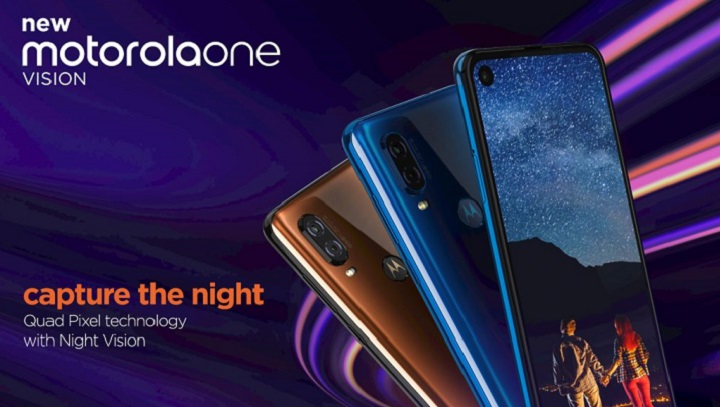
Moto One Vision comes with Exynos 9609 inside

To recall, Exynos chipsets have been used in a few Chinese phones from brands like Meizu and Lenovo (remember the Moto Vision One with Exynos 9609?). But Samsung’s push for wider adoption of the Exynos chipsets seems to be paying off finally. The South Korean giant could further have benefitted from the recent trade war. Chinese companies would naturally want to decrease its reliance on US-based suppliers and if Samsung is offering a competitive solution, a lot of vendors might be open to using it now than ever before.

UP NEXT: Coolpad says it is ready to launch its first 5G smartphone in India

(Source)

Coolpad says it is ready to launch its first 5G smartphone in India

Coolpad has not been very active in the Indian market but it seems that the company is now attempting to step up its game in one of the largest markets in the world. After it launched the Cool 3 Plus smartphone in India, Coolpad has now announced that it is ready to launch 5G smartphone in India.

Coolpad Logo

The company says that the development of its 5G technologies started as early as 2012 and its 5G smartphones will arrive in the Indian market as soon as the 5G infrastructure is up and running in the country.

Coolpad claims that it has already filed over 800 patents related to 5G technology. It further adds that the company has also been granted 120 device-to-device 5G patents, which put the brand in the position to gain an early mover’s advantage as far as 5G is concerned.

It has also said that the brand is in discussions with Qualcomm and Mediatek for the integration of 5G technology in its smartphones. The company further adds that it aims to invest over $500 million to strengthen its 5G presence in India in the next five years.

Recently, a memo that the company’s CEO Chen Jiajun wrote to its employees leaked online, which revealed that Coolpad is planning to launch new phones in September, focus on R&D and improving their position in the market, and also enter into the 5G market.

Earlier this year, the company removed the Vice-Chairman and CEO Jiang Chao, just a few days after he made an appearance at CES 2019. In April 2019, it announced it made a loss of HK$ 409 million for 2018 fiscal year, a significant reduction from 2017’s HK$ 2.67 billion loss. The company has also appointed a new head for its Indian arm a couple of months ago.

Up Next: ZTE Axon 10 Pro 5G gets 12 GB RAM and 256 GB storage model in China for 5,799 Yuan (~$823)

The Realme quad-camera phone includes a Wide angle lens and Macro Lens

The Realme Camera Innovation Event will hold later today but just before then, more details about the 64MP phone’s other camera sensors have surfaced.

Before we dive into the camera details, it is important to mention that an exclusive report by 91Mobiles says the 64MP phone will neither launch as the Realme 5 nor Realme  Pro as we reported earlier. However, both Realme 5 phones will also have quad-rear cameras. The blog reported that their source informed them that the Realme 5 will have a 16MP primary camera while the Realme 5 Pro will have a 48MP primary rear camera. So as it stands, the name of the Realme 64MP quad-camera phone is still unknown.

The Realme 5 and Realme 5 Pro will likely be unveiled today as an image shared by the manufacturer shows three phones with four rear cameras. All four have their sensors arranged the same way with the primary camera having a colored ring around it. However, only one of the three phones has “64MP” inscribed below the sensor.

We believe the other two phones are the Realme 5 and Realme 5 Pro respectively.

Back to the 64MP phone. More details and camera samples shared by the official Realme Twitter account show that one of the three other sensors is a 119° f/2.2 wide-angle camera which allows you to capture 1.5x wider views than the standard lens.

[envira-gallery id=”269036″]

Realme also revealed that the phone will have a Macro Camera which allows you to capture close up details of objects from up to 4cm.

There are also camera samples that show the phone can capture clear and bright images at night thanks to the 4-in-1 pixel technology. The fourth camera sensor is unknown but there is a chance it is a depth sensor.

The Realme quad-camera phone will use Samsung’s ISOCELL Bright GW1 sensor with a 1/1.72” sensor size and an 0.8µm pixel size.

(Sources: 1, 2, 3)


UP NEXT: Xiaomi details upcoming 64MP Redmi phone, teases 100MP cameras soon

Huawei predicts that 5G coverage will reach 58% by the year 2025

Today, Chinese tech giant Huawei released a report on Global Industry Vision which describes the top ten trends of robotics, zero searches, symbiotic economy, human-machine collaboration, and 5G.

It forecasts that the global AR/VR subscribers will reach 337 million in 2025, and companies using VR/AR technology will grow to 10 percent. It also claims that by the year 2025, the global 5G network coverage will reach 58 percent.

huawei

At that time, the convergence of 5G, 4K+, VR, AR, and AI technologies will not only bring people a new experience, it will also allow people to view things in an unprecedented way and improve the productivity of vertical industries, claims the report.

The report mentions that by the year 2025, the number of Internet users worldwide will reach 6.2 billion, so it will generate massive amounts of data to help companies provide personalized products and services based on people’s interests/likes and personalities.

The company also talks about the concept of “Zero Search”. As data-driven and sensor-equipped appliances and devices begin anticipating needs, the information will find us. Future searches will be button-free, personal social networks will be created effortlessly, and industry will benefit from “zero-search maintenance”.

As for the robotics applications, the company expects robots to play an integral role in multiple positions in the workplace, especially in high-risk, high-repetition, and high-precision work scenarios. It adds that industrial robots will work with manufacturing personnel by 2025 and will have 103 robots per 10,000 employees. GIV also predicts a 14 percent global penetration rate of home robots.

It also adds that by the year 2025, around 97 percent of large companies will adopt artificial intelligence technology. Additionally, Huawei is expecting that by 2025, the number of global smartphones will reach 6.1 billion.

The report also talks about intelligent transport systems that will connect people, vehicles, and infrastructure, creating zero congestion, rapid emergency response, and other functions to make life smoother. It predicts that 15 percent of vehicles will have Cellular Vehicle-to-Everything technology.

(Source)

Up Next: Huawei Mate 20 X 5G gets a new update that adds 30x zoom support and keeps 5G off by default

Huawei Mate 20 X 5G update adds 30x zoom support and keeps 5G off by default

Huawei Mate 20 X 5G, is the first 5G smartphone from the company to launch in its home market China. While the phone has been launched in China for 6,199 Yuan (approx. $900), it will start shipping from 16th August.

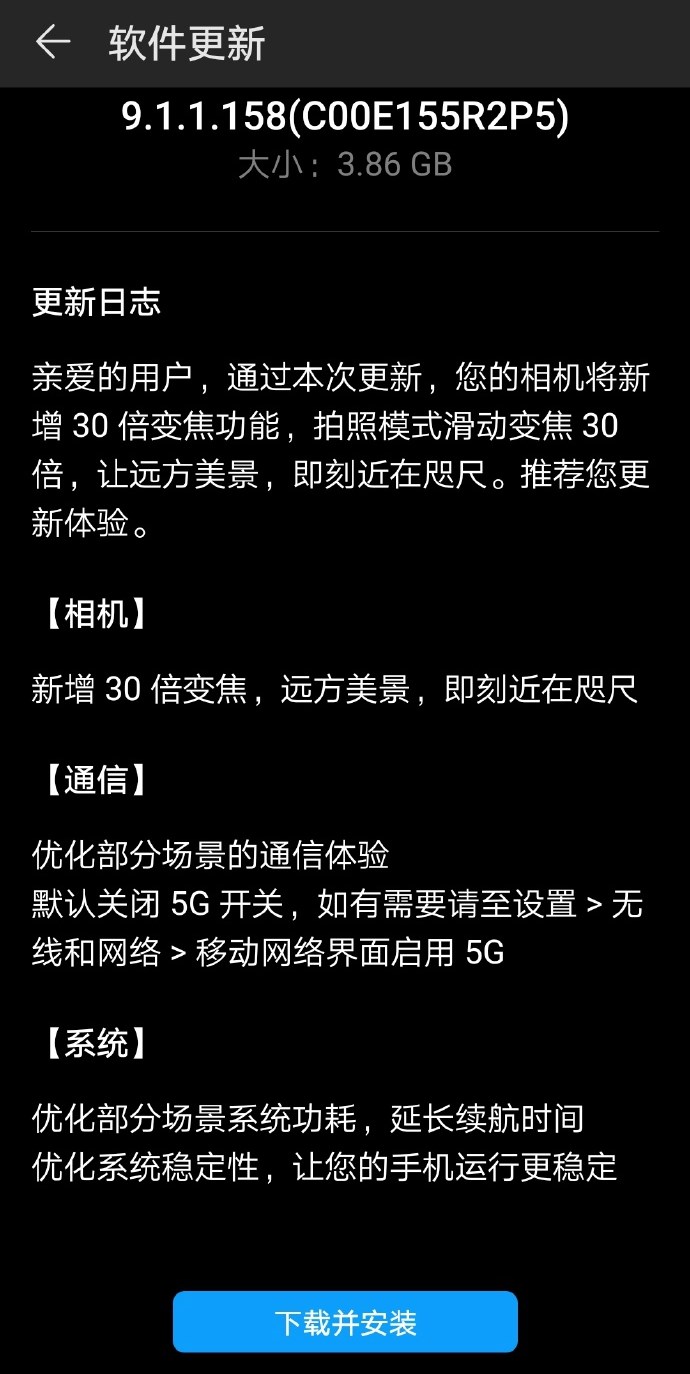
Even though the smartphone is yet to reach its users, the company has started rolling out a new update for the device — EMUI 9.1.1.158. The update introduces a new 30x Zoom capability for the camera and keeps the 5G mode off by default. If the users need to activate the 5G mode, they can do so by going into Settings > Wireless and Network > Mobile Network Interface and select Enable 5G.

Huawei Mate 20 X Update

Apart from the support for the 5G network, everything else remains the same as the standard Mate 20 X. It features a 7.2-inch HDR Full HD+ display with 2244 x 1080 pixels screen resolution and comes equipped with Huawei M Pen. The phone comes with Vapor Chamber and Graphene Film cooling, dual speakers with Dolby Atmos, and IP53-rating.

The smartphone is powered by the company’s own Kirin 980 octa-core processor, equipped with Balong 5000 5G modem — the same configuration that powers the recently announced Mate X. Huawei claims that the Balong 5000 is the first of its kind to support both standalone (SA) and non-standalone (NSA) network architectures for 5G.

The device packs 6GB of RAM and 128GB of internal storage, with support for storage expansion up to 256GB using a microSD card. In the camera department, it comes with a triple camera setup on the back, consisting of 40MP + 20MP + 8MP sensors along with an LED flash. On the front side, it comes with a 20MP snapper for taking selfies and video calling.

The device runs Android Pie-based EMUI custom interface and is powered by a 5,000mAh battery which comes with support for SuperCharge fast charging technology. The Huawei Mate 20 X 5G has been priced at 6,199 Yuan in China, which roughly converts to $900.

Up Next: IDC report claims that Huawei was the biggest winner in Q2 2019 in China while Xiaomi lost market share

Nubia Z20 camera samples shared by the company ahead of its launch

ZTE’s sub-brand Nubia is all set to launch the Nubia Z20 flagship smartphone at a launch event in China later today. Ahead of the phone’s official launch, a few camera samples of the smartphone have been shared by the company.

The company has been focusing on the camera technology for its smartphones since the past few years and this upcoming device from Nubia is no exception. Even the media invite for the smartphone highlights the company’s achievements in smartphone photography.

The camera samples shared online showcases images captured using different modes, including super night scenes, macros, zoom shots, etc. Here are the camera samples of the upcoming Nubia Z20 smartphone:

The Nubia Z20 was recently appeared on TENAA with its entire specifications. The notch-less OLED panel present on the front side of the phone measures 6.42 inches whereas the OLED display that is placed on its rear is of 5.1 inches. Both produce 1080 x 2340 pixels Full HD+ resolution and 19.5:9 aspect ratio.

Under the hood, the device is powered by Qualcomm Snapdragon 855+ octa-core processor and comes in three different variants — 6GB RAM + 128GB storage, 8GB RAM + 256GB storage and 12GB RAM + 512GB storage.

The smartphone does not feature a front-facing camera and instead of that, the rear-mounted AI-powered 48-megapixel triple camera setup can be used for capturing regular shots as well as selfies with the secondary display working as a viewfinder.

It is fitted with side-mounted fingerprint scanners on its left and right edges. The handset lacks support for a microSD card slot. It is running Android 9 Pie operating system out-of-the-box and is fuelled by a 4,000mAh battery that carries support for fast charging.

As said, the launch event for the Nubia Z20 is scheduled to take place in China today and we will get to know the pricing details as well as availability information once it goes official in a few hours. Stay tuned for more.

(Sources – 1, 2)

Up Next: Xiaomi crowdfunds a hybrid noise-canceling Bluetooth collar headset with up to 20 hours battery life

Motorola One Zoom leak reveals SD675, 6GB RAM, camera specs and more

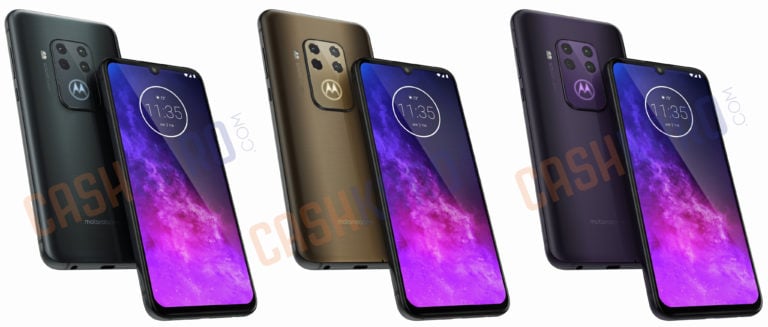
Motorola has been working on a quad camera smartphone. Previous reports claimed that it will be debuting as Motorola One Pro. However, a new report from Winfuture.de stated it will be debuting as Motorola One Zoom. It also revealed key details of the phone such as its design, display size, pricing along with some renders. At the same time 91mobiles also shared some more details on other specs of the Motorola One Zoom phone such as processor, battery size, camera configurations, RAM, storage and color variants.

According to the publication that cites details received from an undisclosed source, the Motorola One Zoom’s 6.2-inch display will carry support for HDR. The Snapdragon 675 chipset will be fueling the smartphone. The handset will be receiving power from a 4,000mAh battery.

Motorola-One-Zoom-

The rear-mounted quad camera setup of the Motorola One Zoom will be equipped with 48-megapixel primary lens with Quad Pixel technology that combines four pixels into one for capturing 12-megapixel shots in low-light conditions. The main sensor of the One Zoom’s quad camera setup will be coupled with a 12-megpaixel lens and an 8-megapixel sensor. The fourth lens is there for adding depth effects. The quad cameras of the smartphone will be coupled with features like dual OIS, 1.6micron pixel size, focal length from 13mm to 81mm and 5x hybrid zoom. For capturing selfies, the smartphone could be equipped with a front camera of 16-megapixel.

The Motorola One Zoom is expected to arrive in 4 GB and 6 GB RAM versions and storage editions like 64 GB and 128 GB. The handset will also carry support for NFC connectivity. The publication has claimed that the One Zoom will be hitting the market in Grey and Purple colors. However, the phone has been also spotted in Brown color in leaked renders that appeared in the past.

Motorola-One-Zoom-press-render-1-768x327
Image Courtesy: CashKaro.com

The report from Winfuture.de had revealed that the phone is equipped with a watedrop-style notch enabled 6.3-inch AMOLED display. It offers a tall aspect ratio and features a waterdrop-style notch for the selfie camera. The smartphone is expected to carry support for rapid charging through USB-C. Being an Android One, it will offer stock experience of Android 9 Pie OS. The handset also features a 3.5mm audio jack and a rear-mounted fingerprint scanner.

The smartphone is expected to carry a price tag of 429 euros (~$480) and it may get showcased at the upcoming IFA 2019 tech expo that will be held in September.

(source)

UP NEXT: Amazon Germany lists the Motorola One Action ahead of official release

iQOO Pro 5G to launch on August 22

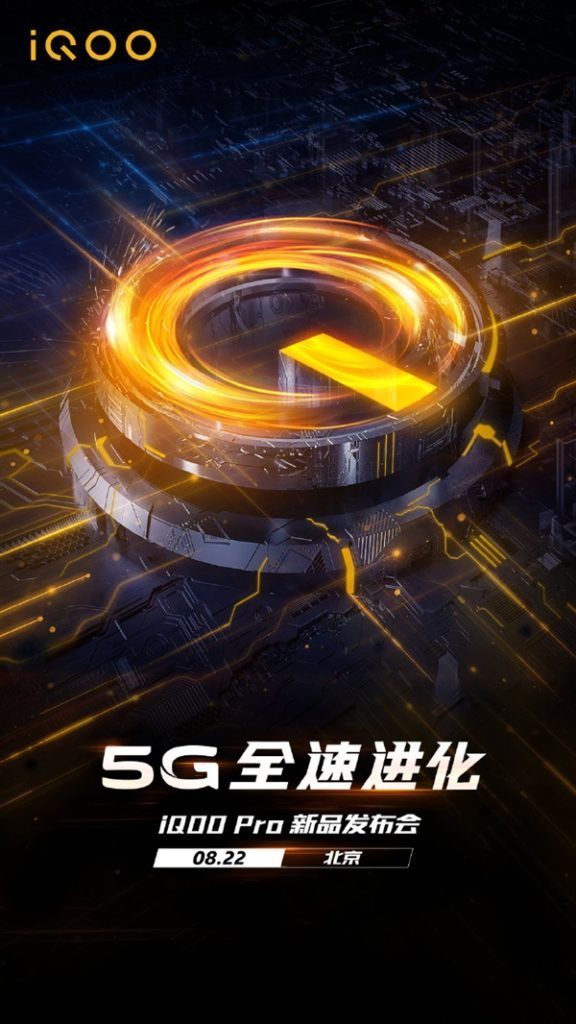
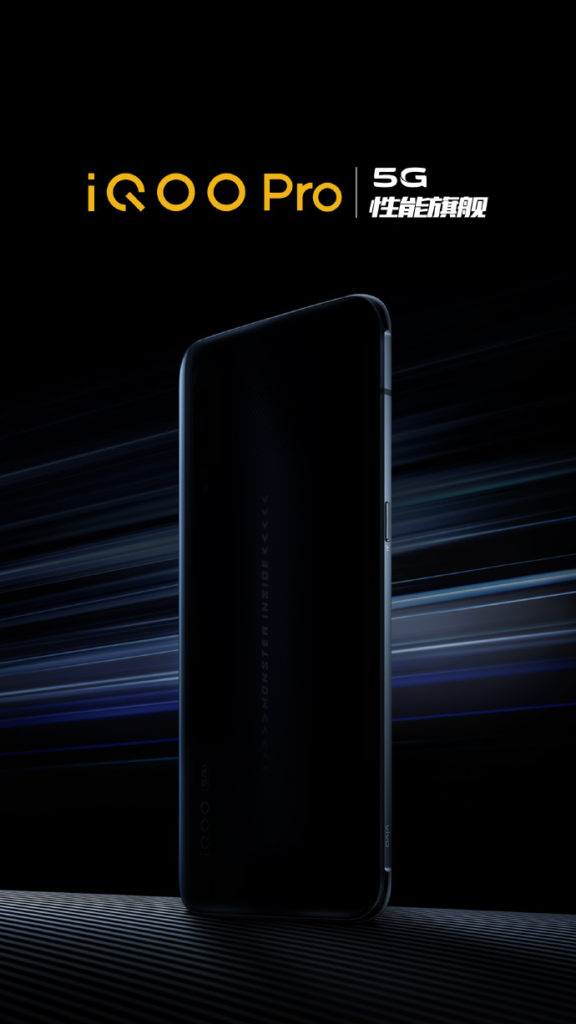
In June, Vivo had confirmed that a 5G iQOO phone will be launching in the third quarter of the year. At the end of the previous month, iQOO had revealed that it will be announcing the iQOO Pro 5G smartphone in August. Today, it has released an official confirmation on Weibo to reveal the iQOO Pro 5G will be debuting in China on Aug. 22.

The launch poster only confirms the unveil date of the smartphone. It has no information on the specs of the phone. It is believed that the Vivo V1916A 5G smartphone that was recently spotted on 3C could be the upcoming iQOO Pro 5G. The 3C listing had revealed that the phone may come with a 44W fast charging.

iQOO Pro 5G August 22 Launch Date

The Vivo iQOO Pro 5G will be arriving as an advanced of the 2.84GHz Snapdragon 855 powered iQOO gaming phone that was made official in April. The Snapdragon 855+ with 2.96GHz octa-core processor will be powering the iQOO Pro 5G. After the ASUS ROG Phone 2 and Xiaomi Black Shark 2 Pro, the iQOO Pro 5G will be the third smartphone to be fueled by Snapdragon 855+ SoC. Also, it will be the first Snapdragon 855+ fueled phone to come with support for 5G connectivity. The X50 5G modem will bring forth 5G connectivity on the iQOO Pro 5G phone.

Feng Yufei, the Vice President of iQOO brand has said that the iQOO Pro 5G will be excel in departments like performance, cameras, battery life, gaming experience and sound quality. The detailed specs of the phone are currently under the wraps. It is expected to borrow some of its specs from the original iQOO smartphone. Recently, the handset was spotted with iQOO President Violet Sung at the ChinaJoy 2019 expo that was held in China.

The iQOO Pro 5G may continue to feature a waterdrop-style notch screen with in-display fingerprint scanner. It could be coming with a larger battery of 4,500mAh battery. The rear panel of the phone will be equipped with a triple camera. The SoC could be coupled with 6 GB of RAM and it may come with a native storage of 128 GB. The handset could be priced at 4,498 Yuan (~$638). Hopefully, more details of the phone may appear in the coming days.
(source)

UP NEXT: Vivo S1 launched in India; Specifications, features and price

Google Pixel 4, Pixel 4 XL specifications leak reveals 90Hz displays

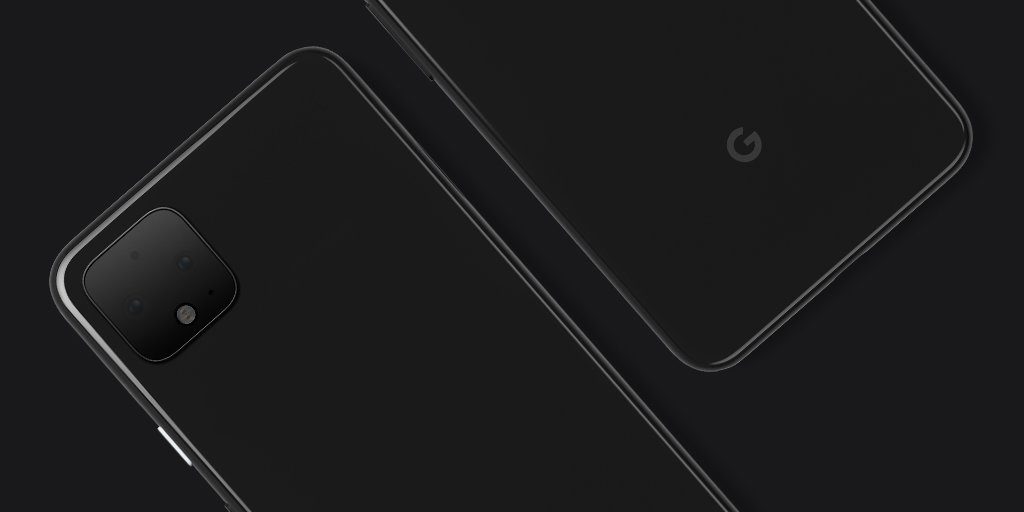
Leaks that have appeared in the recent months have revealed the design of the upcoming Google Pixel 4 and Pixel 4 XL smartphones. Going by the previous announcement patterns, it can be guessed that Google will launch the Pixel 4 and Pixel 4 XL smartphones in early October. Well ahead of launch, 9to5 Google has shared detailed specs of the Google Pixel 4 series by citing information received from a reliable source.

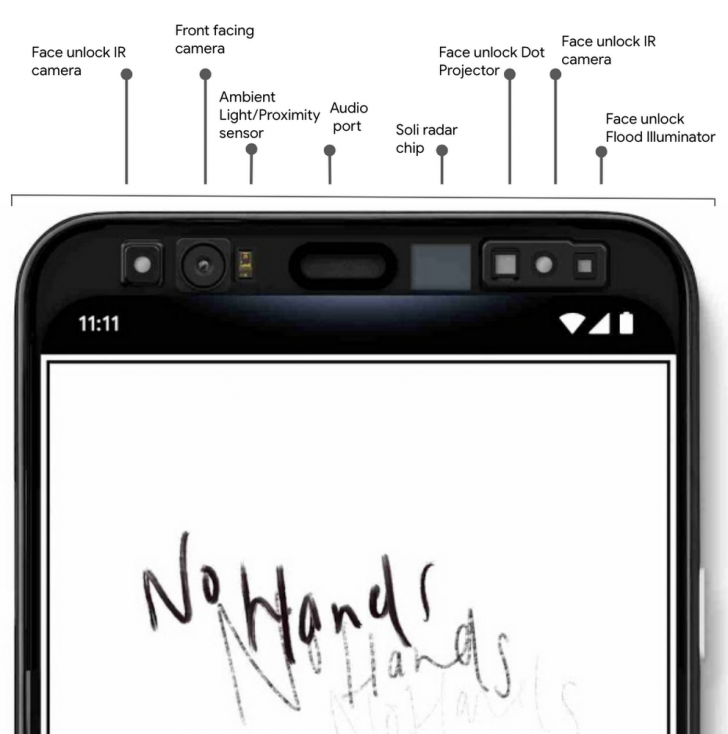
The publication has claimed that the Google Pixel 4 and Pixel 4 XL will have many identical features. Past reports have revealed the frontside of the Pixel 4 duo is mainly occupied by the screen and there is a large camera bump on the rear. Above the display is a thick bezel that houses a Soli radar chip, a speaker, a front-facing camera and some sensors for face scanning. The Soli technology will allow users to control the Pixel 4 series without using hands. Both handsets are equipped with colored lock/power button.

Pixel 4 face unlock
Pixel 4 face unlock and Soli technology

The Pixel 4 has a 5.7-inch OLED display whereas the Pixel 4 XL is a larger device featuring a 6.3-inch OLED display. The former supports full HD+ resolution whereas the larger model produces quad HD+ resolution. Both smartphones will deliver great viewing experience as their displays are said to support 90Hz refresh rate. Google may dub the display of the Pixel 4 series as ‘Smooth Display.’

The Snapdragon 855 mobile platform will be fueling the Pixel 4 and Pixel 4 XL smartphones along with 6 GB of RAM. Both phones will come in 64 GB and 128 GB storage choices in the US.

The Pixel 4 will be housing a 2,800mAh battery which is smaller than the 2,915mAh battery that powered the predecessor Pixel 3 handset. The larger Pixel 4 XL model will be equipped with a 3,700mAh battery which is a big upgrade compared to 3,430mAh battery of the Pixel 3 XL. For security, the Pixel 4 series will continue to feature Titan M security module that was added first on Pixel 3 and Pixel 3 XL.

Google Pixel 4

The Pixel 4 and Pixel 4 XL will be arriving with dual camera sensors on their rear. The main sensor will of 12-megapixel with PDAF and the second one is a 16-megapixel telephoto lens. Google may release a DSLR-like attachment accessory for the Pixel 4 and 4 XL phones.

The latest Android Q along with support for 3 years of OS updates is expected to come preinstalled on the Google Pixel 4 and Pixel 4 XL smartphones. The Google Assistant may sport some new features on the upcoming Pixel phones. The publication has not shared any details on the pricing of the next generation Pixel phones.

(source)

UP NEXT: Google confirms it paid people to scan their faces for the research of Pixel 4

Huawei Mate 30 Pro real image appears again

The upcoming Huawei Mate 30 Pro has been spotted again. The leaked image shows a woman holding the Mate 30 Pro at a subway. The design of the phone is not clearly visible since the phone is enclosed in a protecting case. However, the design of the display can be seen clearly.

The new image shows that the Huawei Mate 30 Pro has a display that curves towards the edges. There is a wide notch at the topside of the display. It could be housing some complex sensors for 3D face unlock. The leaked screen protectors of the handset that had appeared in the past month had also revealed that it will be arriving with a wider notch.

Huawei Mate 30 Pro leaked image

Since the Mate 30 is also expected to arrive with a curved-edge display and a wide notch, it is difficult to say whether the handset that has appeared in the leaked image is the Mate 30 or Mate 30 Pro. Last year, the 3D face unlock feature was only available on the Mate 20 Pro handset. This year, the Mate 30 and Mate 30 Pro phones are both expected to arrive with support for 3D face unlock.

Rumors surrounding the Huawei Mate 30 Pro have revealed that it will be housing a 6.71-inch display with quad HD+ resolution support and in-display fingerprint scanner. The upcoming 2nd gen 7nm Kirin 985 chipset is expected to fuel the Mate 30 and Mate 30 Pro handsets. The SoC could be assisted by up to 12 GB of RAM.

The Mate 30 Pro may house a 4,200mAh battery that may possibly come with 55W rapid charging support. A newer leak has revealed that the Mate 30 Pro will be featuring a 40-megapixel 1/1.5” RYYB sensor with f/1.6 to f/1.4 variable aperture, another 40-megapixel lens with 1/1.7” sensor and 120-degree ultrawide field-of-view with cine lens features and a telephoto lens with 5x optical zoom support. Rumors are rife that the Mate 30 Pro will be equipped with a quad camera system. Hence, the fourth one could be a 3D ToF (Time of Flight) sensor. Huawei may announce a 5G version of the Mate 30 Pro. The Mate 30 series of flagship phones are expected to go official in October.

(source)

UP NEXT: ZTE Axon 10 Pro 5G vs Samsung Galaxy S10 5G vs Huawei Mate 20 X 5G

Samsung Galaxy Book S with Snapdragon 8cx and Windows 10 Announced

Samsung’s event for announcing the Galaxy Note 10 series of premium flagship smartphones was also used to unleash the Galaxy Book S notebook. It has arrived as the successor for the Galaxy Book 2 laptop. The super-slim device is backed by the Snapdragon 8cx mobile platform and it runs on Windows 10.

Samsung Galaxy Book S Specifications and Features

The lightweight Galaxy Book S that features an aluminum body only weighs 0.96kg and it measures 305.2 x 203.2 x 6.2 – 11.8mm. The device houses a 13.3-inch TFT touchscreen display that supports an aspect ratio of 16:9 and full HD resolution. The display is surrounded by slim bezels to users with more screen space.

Samsung Galaxy Book S

The Snapdragon 8cx is a 7nm chipset that fuels the Galaxy Book S along with 8 GB of RAM. The SoC was announced in December 2018 and the Galaxy Book S is the first device to feature it. It comes in two storage models such as 256 GB and 512 GB. There is a microSD card slot on the device for more storage. There is a 42Wh battery on the device that can last for up to 23 hours of video playback. The laptop supports Quick Charge 2.0 and Power Delivery 2.0. By charging the device once, the laptop can last almost for a day.

The Galaxy Book S runs on Windows 10 Home/Pro OS. The connectivity features that are available on the device include Wi-Fi 802.11ac, MU-MIMO, Bluetooth 5.0, USB-C and GPS. There are no other connectivity ports on the device. With LTE connectivity onboard, users can always stay connected to the web even when Wi-Fi is unavailable. Users can securely sign into the device through a fingerprint scanner that is powered with Windows Hello feature.

The Galaxy Book S notebook has an HD camera for video calls. It is fitted with AKG tuned stereo speakers. For immersive audio experience, the laptop is equipped with Dolby Atmos technology.

Samsung Galaxy Book S Price and Availability

The Galaxy Book S comes in two color option such as Earthly Gold and Mercury Gray. It carries a starting price of $999 and it will be made available for buying in the US by fall.

UP NEXT: Xiaomi confirms it’s using the Samsung GW1 64MP sensor

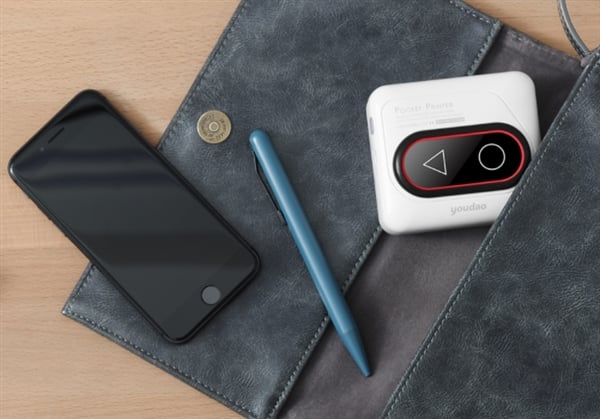
Xiaomi launches the Youdao Memobird G4 pocket printer priced at 299 yuan($42)

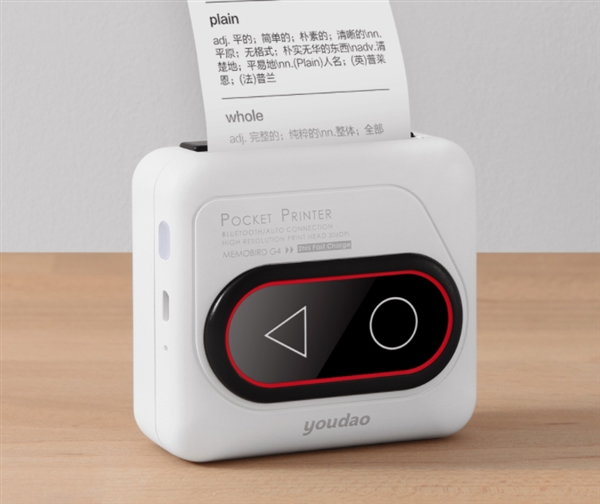
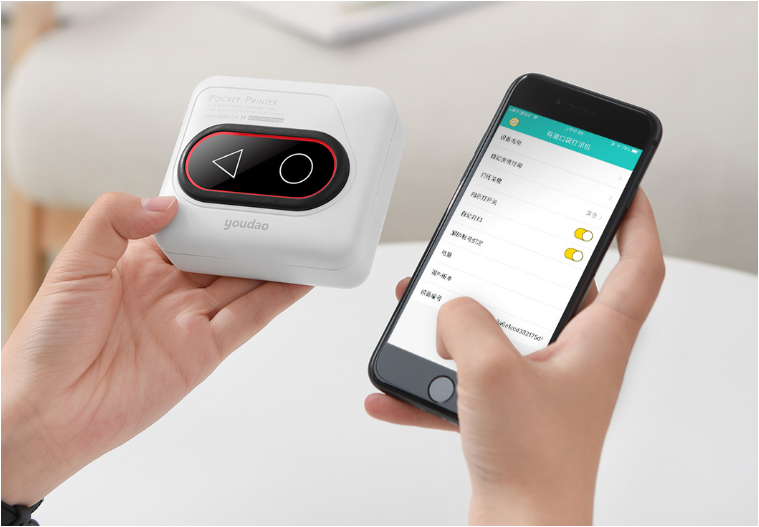
Xiaomi has launched a new third-party product on the Youpin platform that you might find interesting. The new product is a portable printer that can fit into the pocket. The device is dubbed Youdao Memobird G4 pocket printer and is basically a thermal printer which can pair to a smartphone via Bluetooth connectivity.Youdau Memobird G4 pocket printer

The device comes with a printer app that should be installed on a smartphone. There a built-in multiple questions database on the printer app, which supports the common exercises from elementary school to high school. The app also supports quickly taking photos and accurately identifying the content of exercises. Not only can you see the answer, but you can also get the authoritative analysis in one second, and the process is clearer.

The printer has a built-in rich print template to make it easy to instantly print what you want to print. But that has to be in black and white. It utilises an high-definition print head with 306dpi. Data transmission is via Bluetooth while the printing is done through thermal printing technology. Thus, there is absolutely no need to add ink at all.

The Youdao Memobird G4 pocket printer has a dimension of 86.8×79.3x39mm and weighs just 165g. It also packs a built-in 900mAh lithium battery that can be charged in just 2 hours. The battery can withstand the continuous printing of 8 rolls of paper.Youdao Memobird G4 pocket printer

The device is presently available to preorder on Xiaomi Youpin for 299 yuan($42). It is expected to start shipping soon.


UP NEXT: Xiaomi Mi 9T Pro to launch in Europe soon, starts at €429

(source)

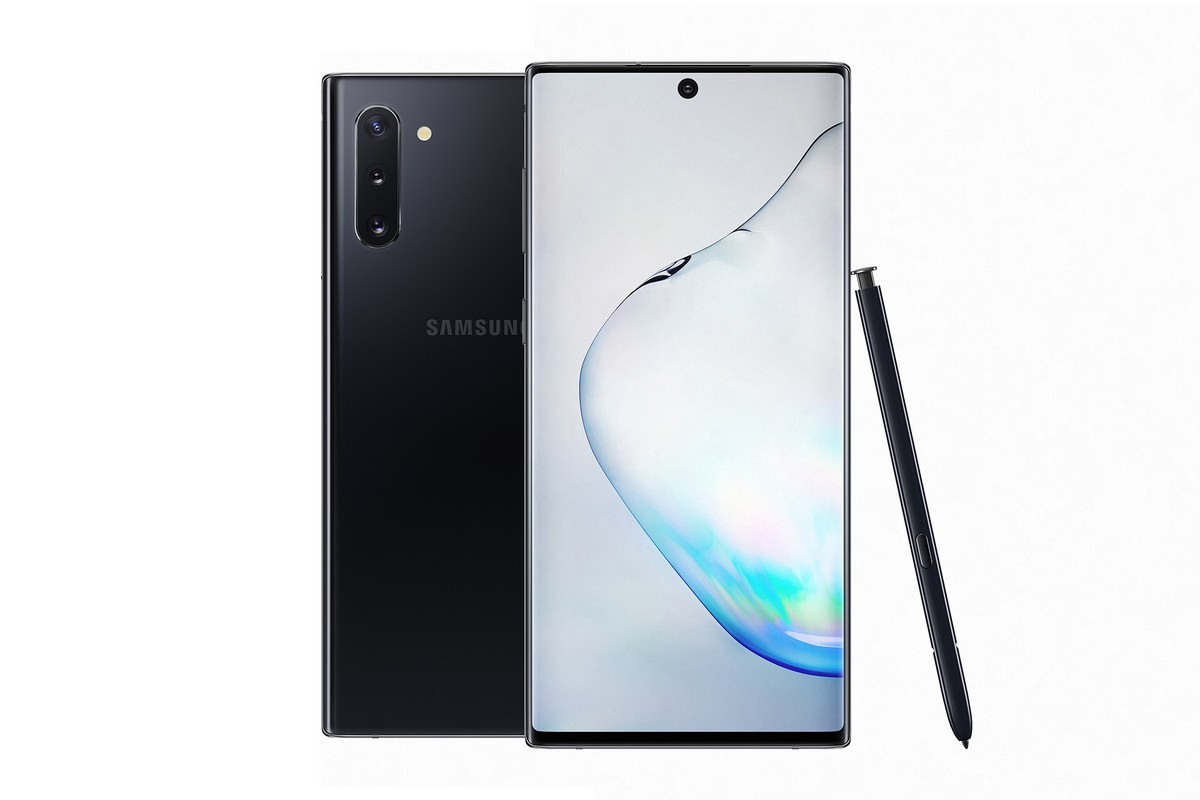
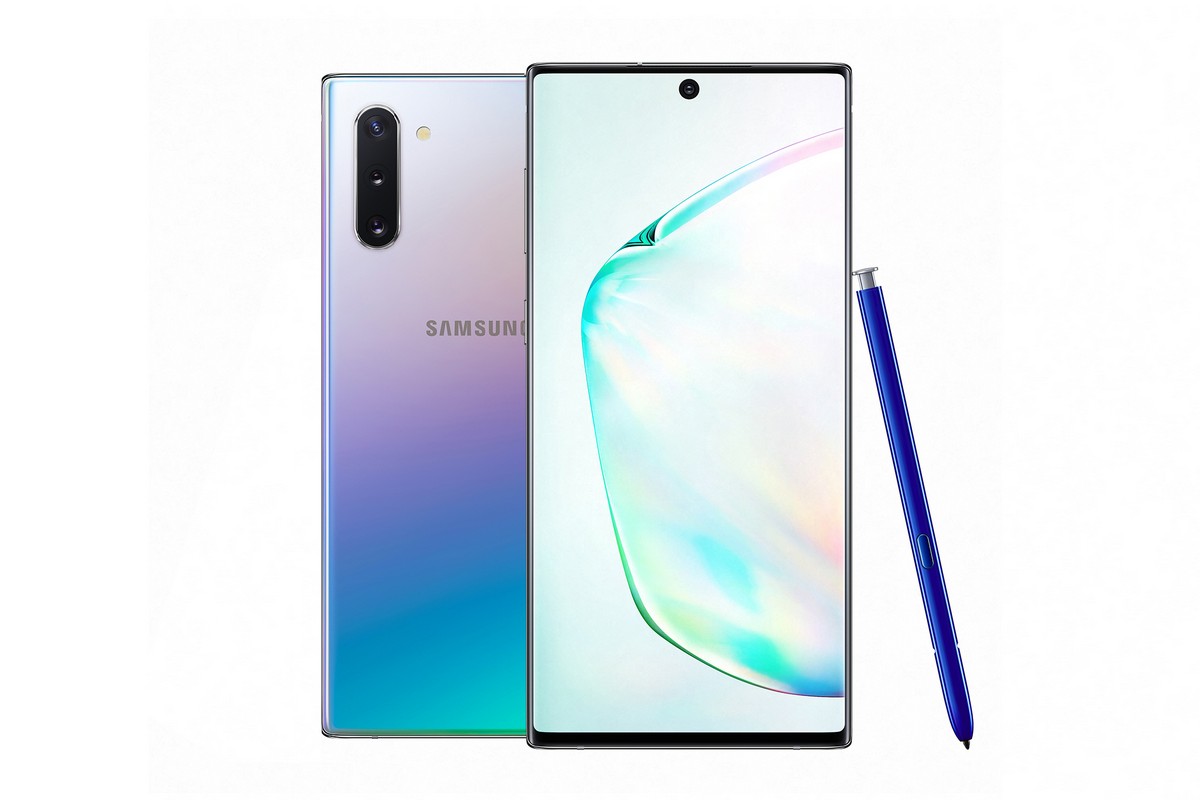
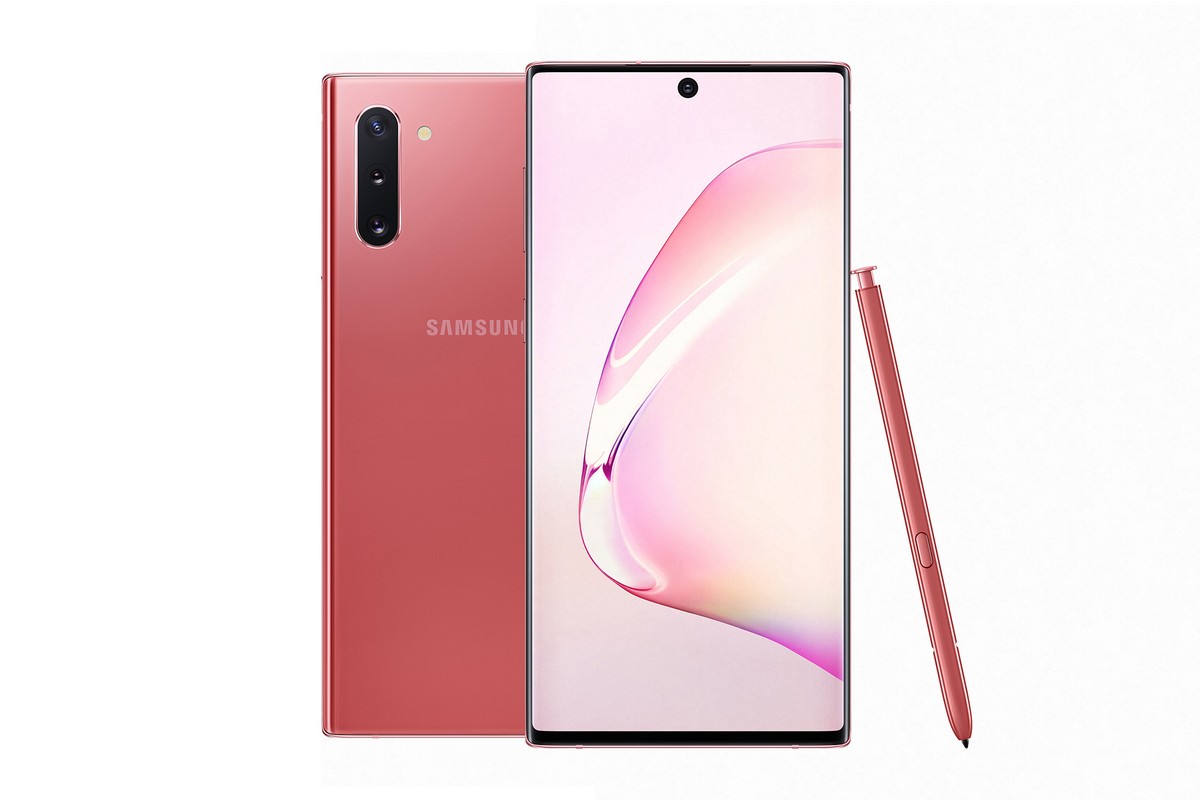
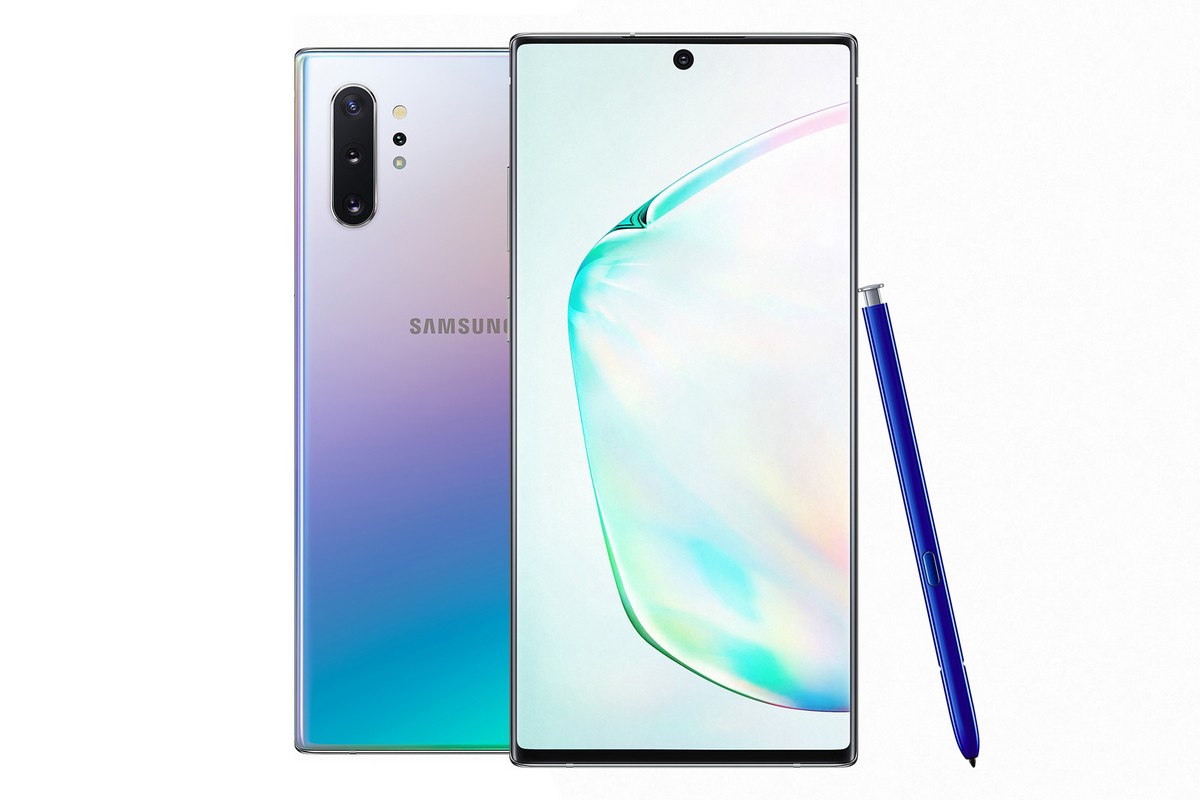
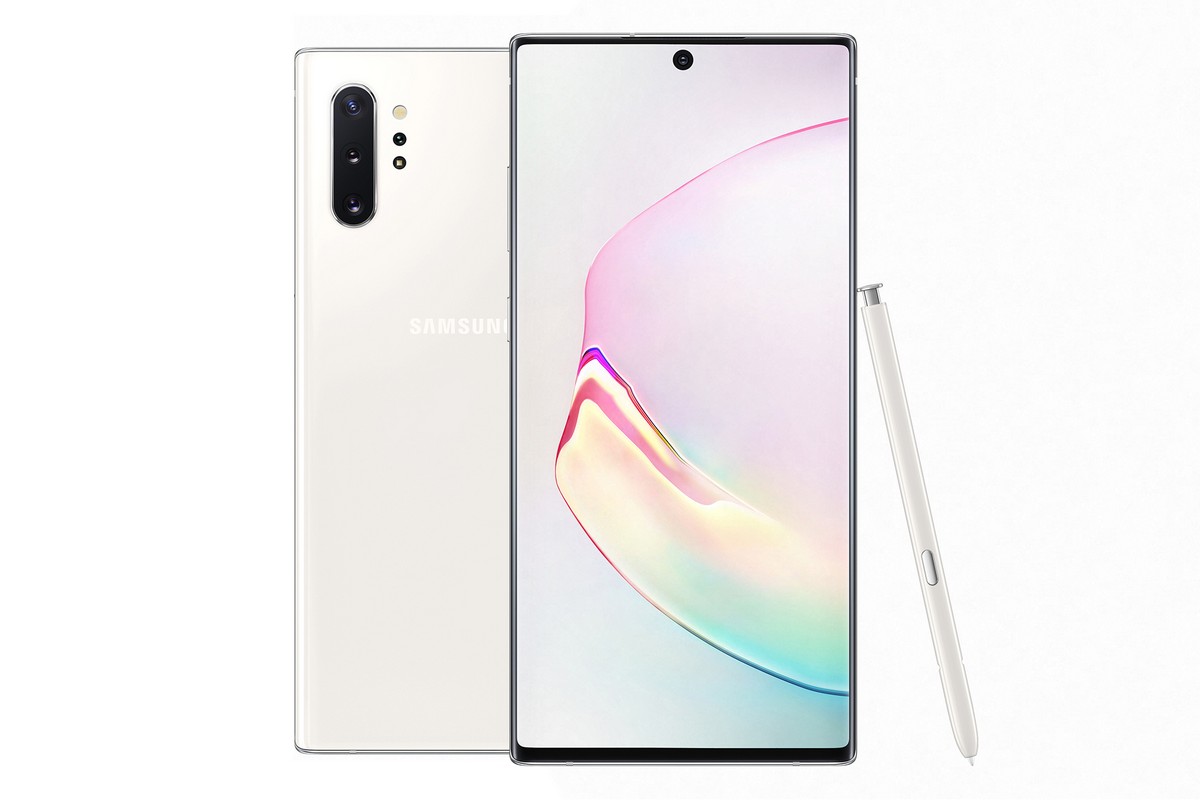
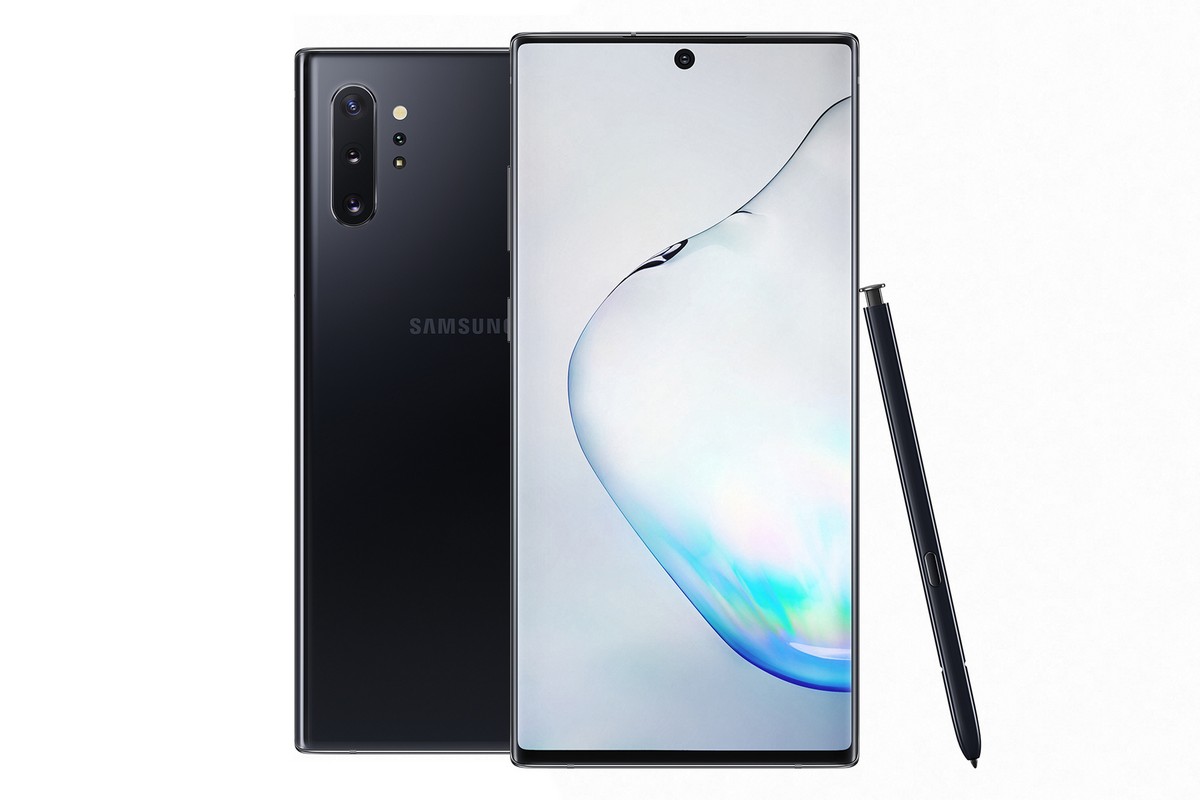
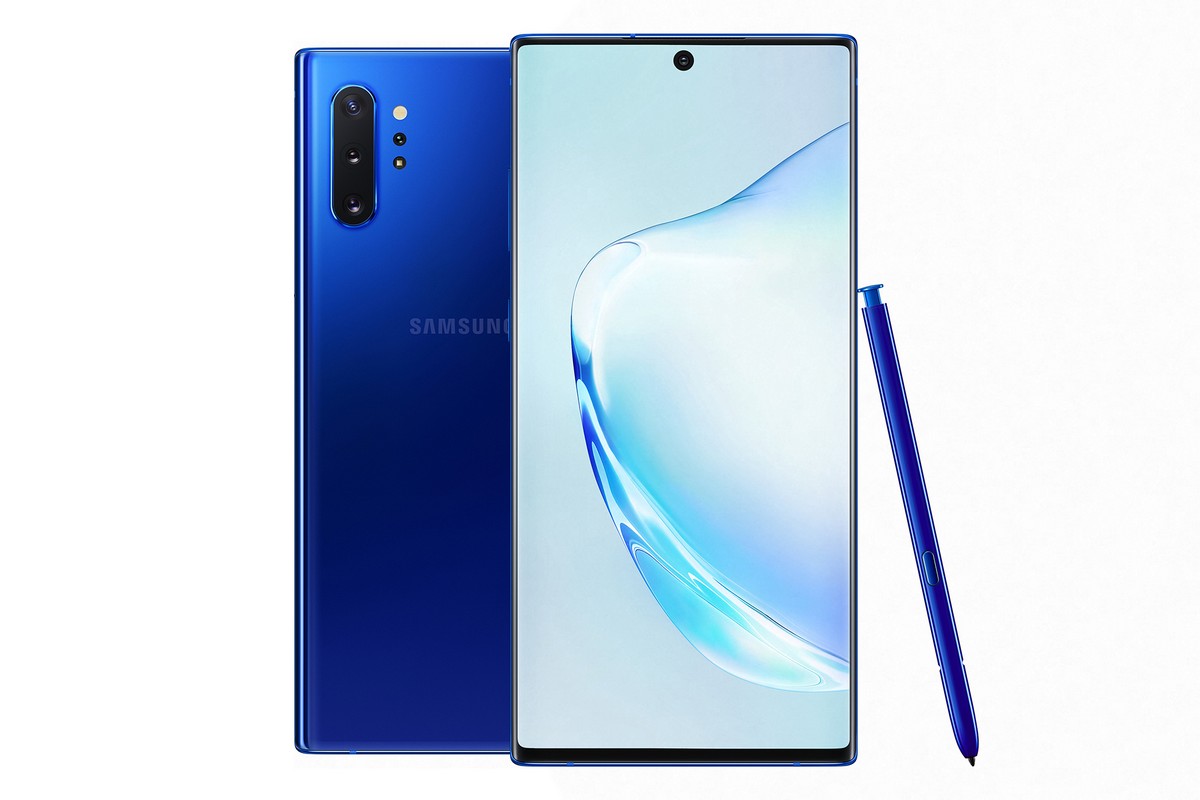
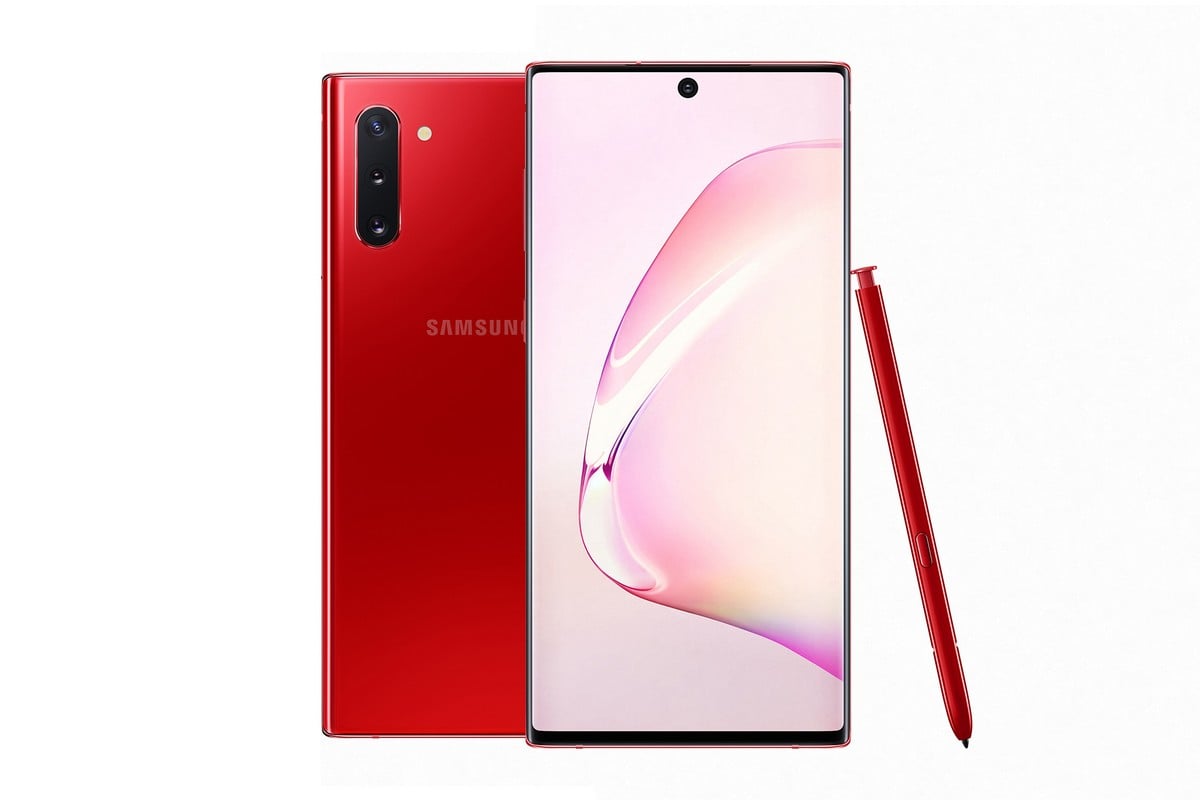
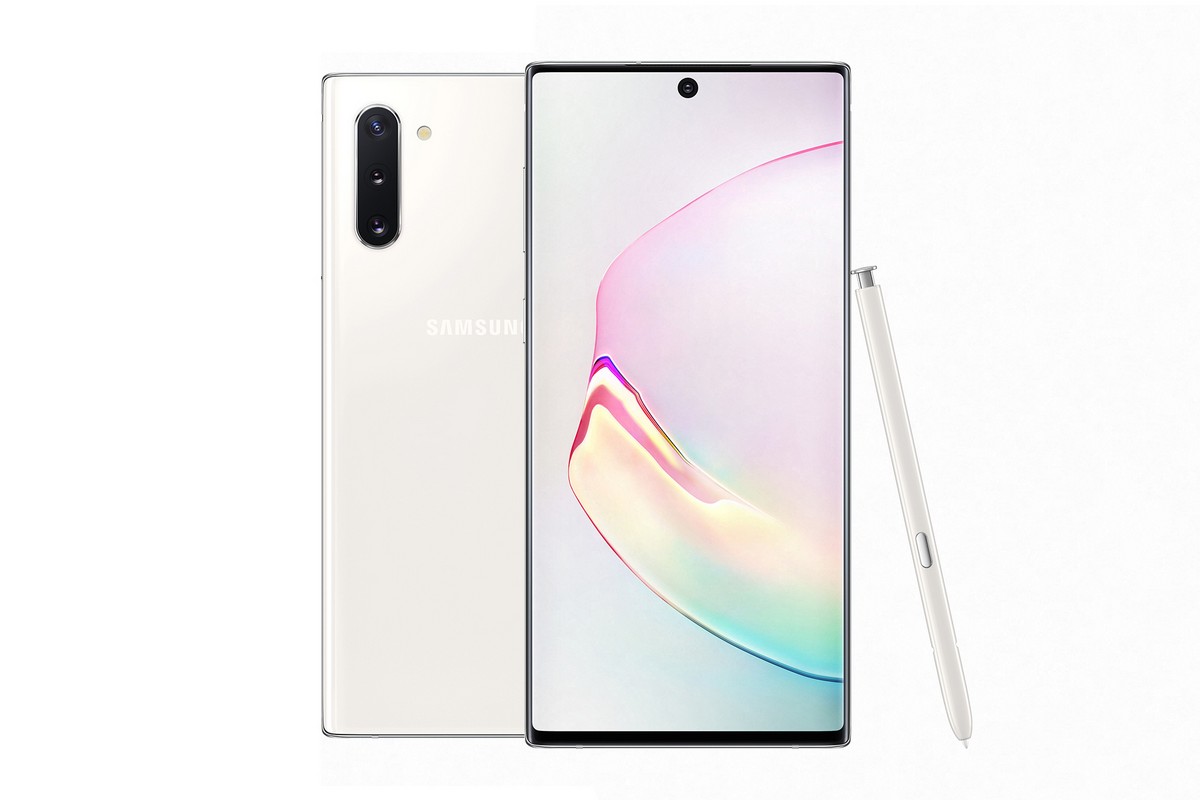
Samsung announces Galaxy Note10, Galaxy Note10+, and Galaxy Note10+ 5G

After months of leaks, Samsung has announced the Galaxy Note10 series. The new Note series includes the Galaxy Note10, the Galaxy Note10+, and the Galaxy Note10+ 5G.

Design

The Galaxy Note10 is practically the most beautiful Galaxy Note ever made. From its thin body to the small hole in the display for its front-facing camera and its gorgeous display, it truly is a stunning device.

This year, Samsung made a significant change to the Galaxy Note series by launching two variants with different sizes. We believe this will be the new trend going forward. Below are some of the new features that the Galaxy Note10 series brings.

Improved S Pen

The S Pen is the heart of the Galaxy Note series and this year, the stylus brings a new feature. The new S Pen has a six-axis motion sensor which includes an accelerometer. This allows you to use the S Pen as a gesture remote for things like video recording and presentations. It also supports gesture control for YouTube using just the S Pen. Samsung says the SDK will also be available so that developers can create new ways to use the S Pen.

The new S Pen also has improved battery life and notes written with the S Pen can be converted into text that can be saved into PDF, TXT, or Word Document. Handwriting to Text conversion is said to support several languages thanks to Machine Learning. You can also increase/reduce the size of texts or highlight certain parts of your written notes.

Camera

The Galaxy Note10 brings some pretty cool features such as bokeh in live video recording. If you also zoom in while recording a video, the microphone also “zooms” in on the sound but this is only available on the Galaxy Note10+ and Galaxy Note10+ 5G. The Galaxy Note S10 also has a full video editor, so you can record and edit on the same device before sharing your content to the world.

AR Doodle is also a new feature that allows you to use the S Pen to edit photos with dynamic drawings, animations, and effects that track to the image.

Specs

Galaxy Note10

The Galaxy Note10 has a 6.3” FHD+ (2280 x 1080) Dynamic AMOLED Infinity-O display. It is powered by the Exynos 9825 processor paired with 8GB of RAM and 256GB of non-expandable storage. The US version has a Snapdragon 855 processor.

The Note10 has triple rear cameras – a 16MP f/2.2 ultrawide camera, a 12MP primary camera with an f/1.5 & f/2.4 variable aperture, and a 12MP f/2.1 telephoto camera with 2x optical zoom. The camera in front is a 10MP f/2.2 camera. There is Bluetooth 5.0, Dual-Band WiFi, NFC, Dual SIM (nano), Samsung DeX, Samsung Pay, and a USB Type-C 3.1 port. It also has an IP68 rating.

The Galaxy Note10 packs a 3500mAh battery and supports Fast Wireless Charging 2.0 (12W), Wireless PowerShare, and 25W Wired Charging. The Galaxy Note10 will support LTE networks in all countries but will support 5G in Korea. The 5G version has 12GB of RAM and 256GB of storage.

The Galaxy Note10 will be available in Aura Glow, Aura Pink, Aura Black, Aura Red, and Aura Pink.


Galaxy Note10+ and Galaxy Note10+ 5G

The Galaxy Note10+ and Galaxy Note10+ 5G share practically the same specs except for very few differences. They both have a 6.8-inch WQHD+ (3040 x 1080) Dynamic AMOLED Infinity-O display. There is an Exynos 9825/Snapdragon 855 chipset under the hood paired with 12GB of RAM and 256GB/512GB of storage. Both phones also support storage expansion (1TB max). The Note10+ 5G adds a 5G modem (Exynos S5100/Snapdragon X50).

The Galaxy Note10+ and Note10+ 5G have quad rear cameras. In addition to the three cameras of the smaller Galaxy Note10+, there is also a ToF DepthVision camera for features like 3D scanning. 3D scanning allows you to scan objects on to your phone and even add motion technology to the scanned object. A demo during the launch showed a 3D scanned fluffy toy imitating the person in the viewfinder. It even works when you point the camera at a video on another screen.

The Galaxy Note10+ and its 5G variant pack a bigger 4300mAH battery. They both support Fast Wireless Charging 2.0 but 15W, and also 45W SuperFast Wired Charging. You have to buy the 45W charger separately as it is not included in the box.

The Galaxy Note10+ will be available in Auro Glow, Aura White, Aura Black, and Aura Blue.

Pricing and Availability

The Galaxy Note10 is priced at $950 while the Galaxy Note10+ is $1100 for the 256GB version. The Note10+ 5G is priced at $1300 for the 256GB version. The phones will be available for pre-order tomorrow on the official sites, carriers and even on the Microsoft online store.

Xiaomi crowdfunds an hybrid noise-cancelling Bluetooth collar headset with up to 20 hours battery life

Xiaomi has officially launched a noise-cancelling Bluetooth Collar headset under crowdfunding. The advent of industrialization, noise population is a menace plaguing the society. You may desire to sit at the subway station or in an airport and listen to music without getting disturbed by the noise of the surrounding. This is where Xiaomi’s latest noise-cancelling headset comes in. The device is presently available on Xiaomi Mall and Mi Mall with a crowdfunding price of 439 yuan ($63) and a retail price of 499 yuan ($71). Xiaomi Noise Cancellation Bluetooth Headset

The teaser of the launch event that was released earlier on had revealed how the noise-cancelling technology of the new Bluetooth headset works. As a recap, Xiaomi’s hybrid noise cancelling combines both active and passive noise-cancelling technology. The effect is a better noise cancellation and even lesser power consumption.Xiaomi Hybrid Noise-Cancelling Bluetooth Collar headset

The Xiaomi noise-cancelling Bluetooth collar headset has two noise-cancelling gears, which can be applied to a variety of scenarios to meet the various needs of different groups of people. There is a weak noise-cancelling gear suitable for some life scenes, such as shopping malls, streets, offices, etc. This gear is able to retain some of the vocals while isolating the ambient noise. It prevents you from hearing the sudden shouts of friends around you and also reduces the pressure in the ear, making it more comfortable and easy to wear.Xiaomi Noise Cancellation Bluetooth Headset

If you often need to travel, there is a strong noise-cancelling gear suitable for use in noisy environments such as airports, and subway stations where the sound of trains or aeroplanes are always constant. The strong noise-cancelling gears can effectively filter out these types of noise. Just wear headphones and listen to music, and the world will be quiet. In addition, the headphone can be used as a muffler to silent all noise even when you are not listening to music.

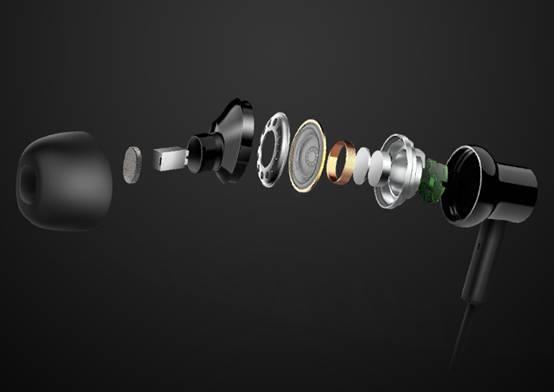
For hardware, the Xiaomi hybrid noise-cancelling Bluetooth collar headset uses a 13.6mm diameter large moving coil + moving iron acoustic architecture. The dynamic unit makes the low frequency of the music more solid and stable, effectively increasing the dynamic performance while maintaining the sound quality. The headset supports Sony LDAC Bluetooth technology. The seamless transmission process allows for near-lossless Hi-Res sound quality without any frequency reduction and sound quality degradation. At the same time, the Bluetooth collar headset also adopts a new generation of Bluetooth 5.0 technology, which has faster transmission speed, stronger anti-interference ability, more stable signal and lower power consumption.Xiaomi Hybrid Noise-Cancelling Bluetooth Collar headset

For power, the Xiaomi Hybrid Noise-Cancelling Bluetooth Collar headset uses a large-capacity battery. The new generation of low-power chips can support the continuous playing of music for more than 20 hours. Even if the music and noise-cancelling function are turned on at the same time, the battery can still last for about 15 hours.Xiaomi Hybrid Noise-Cancelling Bluetooth Collar headset

In addition to noise cancellation, sound quality, and battery life, comfort is also a very important criterion for good headphones. The headset adopts a soft rubber and metal design. The curved collar part uses skin-friendly soft rubber material, giving the wearer a soft and comfortable feel. The control buttons are housed on the tip of the collar part in a metal casing. The magnetic earphone unit is designed to be attached to each other at the front of the neck when not in use.


UP NEXT: Guide to install custom Watchfaces on Xiaomi Mi Band 4

(source)

ZTE Axon 10 Pro 5G vs Samsung Galaxy S10 5G vs Huawei Mate 20 X 5G

A new memory configuration of the 5G variant of the ZTE Axon 10 Pro just hitten the Chinese market. The new configuration lets this handset to be even closer to the actual best 5G flagships from the most important brands. That is the reason why we think it is worth making a comparison with them: it may be very useful for those who are looking for a new 5G phone and they need the best specs sheet for their needs. So we decided to compare the new configuration of the ZTE Axon 10 Pro 5G with the Samsung Galaxy S10 5G and the Huawei Mate 20 X 5G which offer amazing and unique specifications with a similar price tag.


ZTE Axon 10 Pro 5G vs Samsung Galaxy S10 5G vs Huawei Mate 20 X 5G

ZTE Axon 10 Pro 5G Samsung Galaxy S10 5G Huawei Mate 20 X 5G
DIMENSIONS AND WEIGHT 159.2 x 73.4 x 7.9 mm 162.6 x 77.1 x 7.9 mm, 198 g 174.6 x 85.4 x 8.4 mm, 233 g
DISPLAY 6.47 inches, 1080 x 2340p (Full HD+),  AMOLED  6.7 inches, 1440 x 3040p (Quad HD+), Dynamic AMOLED 7.2 inches, 1080 x 2244p (Full HD+),  OLED
PROCESSOR Qualcomm Snapdragon 855, octa-core 2.84 GHz Samsung Exynos 9820 octa-core 2.7 GHz – Qualcomm Snapdragon 855, octa-core 2.84 GHz Huawei Hisilicon Kirin 980, octa-core 2.6 GHz
MEMORY 6 GB RAM, 128 GB – micro SD slot  8 GB RAM, 256 GB 8 GB RAM, 256 GB – Nano Memory card slot
SOFTWARE Android 9 Pie Android 9 Pie, One UI Android 9 Pie, EMUI
CONNECTIVITY Wi-Fi 802.11 a/b/g/n/ac, Bluetooth 5.0, GPS Wi-Fi 802.11 a/b/g/n/ac/ax, Bluetooth 5.0, GPS  Wi-Fi 802.11 a/b/g/n/ac, Bluetooth 5.0, GPS
CAMERA Triple 48 + 20 + 8 MP, f/1.8
20 MP front camera
Quadruple 12 + 12 + 16 MP + TOF, f/1.5-2.4, f/2.4 and f/2.2
Dual 10 MP + TOF f/1.9 front camera
Triple 40 + 20 + 8 MP, f/1.8, f/2.4 and f/2.2
24 MP f/2.0 front camera
BATTERY 4000 mAh, fast charging with Quick Charge 4+, wireless charging 4500 mAh, fast charging with USB-PD, wireless charging 4200 mAh, fast charging 40W
ADDITIONAL FEATURES Hybrid Dual SIM slot, 5G, stereo speakers waterproof, stereo speakers, 5G, reverse wireless charging Hybrid Dual SIM slot, 5G, stereo speakers, splash resistant and dust resistant

Design

Despite it does not have the most compact body, the presence of an in-display camera and a full borderless display makes me prefer the Samsung Galaxy S10 5G when it comes to design. The Korean flagship is even fully waterproof thanks to the IP68 certification which allows putting it underwater up to 1.5 meters deep for 30 minutes. If we exclude the Galaxy S10 5G, I personally like the ZTE Axon 10 Pro 5G more than Huawei Mate 20 X 5G because it is more compact and it has a cleaner rear side, as well as an in-display fingerprint reader and a waterproof design with the IP68 certification.


Display

If we talk about displays, it is very hard to beat Samsung. Indeed, the Galaxy S10 5G has the display with the highest brightness, the most satisfying color reproduction and even the highest resolution (QHD+). It is HDR10+ compliant and it features loud AKG stereo speakers, so it is definitely the best for multimedia. But note that Huawei Mate 20 X 5G has the optional stylus support, and it is the only last-gen smartphone to have it if we exclude the Samsung Galaxy Notes. Huawei Mate 20 X 5G even comes with a huge 7.2-inch panel, so it is definitely the best for productivity.


Hardware/Software

Given the presence of a Snapdragon 855 chipset and 12 GB of RAM, ZTE Axon 10 Pro 5G is the most performing handset on the paper, especially if we consider its amazing software optimization and its lightweight user interface. Both Samsung Galaxy S10 5G and Huawei Mate 20 X 5G comes with just 8 GB of RAM, but the former has more internal storage than Axon 10 Pro 5G: up to 512 GB. Also note that ZTE Axon 10 Pro 5G can read micro SD cards up to 1 TB, while Galaxy S10 5G has no card slot and Mate 20 X 5G supports nano memory cards up to 256 GB. Last but not least, note that Huawei Mate 20 X 5G has a better 5G connectivity due to a faster multi-mode 5G modem.


Camera

In each case, you get amazing cameras, but the real winner is undoubtedly the Galaxy S10 5G. It is equipped with a quad camera setup with a variable aperture to capture the max quantity of light in every scene, a secondary telephoto sensor with optical zoom, an ultrawide lens, and even a TOF 3D camera. Further, there is the best selfie camera of the trio: a dual setup with a 10 MP main sensor able to record 4K videos and a TOF front camera. The second place goes to Huawei Mate 20 X 5G which still features a flagship-class camera department.


Battery

Samsung Galaxy S10 5G has the biggest battery, but this does not mean that it lasts more on a single charge. The Huawei Mate 20 X 5G is able to do better in many scenarios, despite its smaller battery capacity. But note that Galaxy S10 5G supports both fast wireless charging and reverse wireless charging (it can be used as a power bank), while Mate 20 X 5G does not.


Price

A €900/$1010 starting price for the ZTE Axon 10 Pro 5G and Huawei Mate 20 X 5G, while Samsung Galaxy S10 5G starts from €1160/$1300. Prices are referred to as the global market. Overall, Samsung Galaxy S10 5G wins the comparison for its better display, waterproof design, reverse wireless charging and awesome cameras.


ZTE Axon 10 Pro 5G vs Samsung Galaxy S10 5G vs Huawei Mate 20 X 5G: PRO and CONS

Huawei Mate 20 X 5G

PROS

  • Bigger display
  • Stylus support
  • Faster charging
  • Splash resistant

CONS

  • Bigger dimensions

ZTE Axon 10 Pro 5G

PROS

  • High performance
  • Micro SD support
  • Wireless charging
  • Smaller
  • Waterproof

CONS

  • Inferior display


Samsung Galaxy S10 5G

PROS

  • Outstanding display
  • Great cameras
  • Biggest battery
  • Reverse wireless charging

CONS

  • Costlier

Xiaomi Mi 9T Pro to launch in Europe soon, starts at €429

It has been nearly two months since Xiaomi announced the Mi 9T in Europe but the Mi 9T Pro is yet to get a release date. Both phones are the international variants of the Redmi K20 and Redmi K20 Pro respectively. Details regarding the availability and pricing of the Mi 9T Pro in the old continent have surfaced.

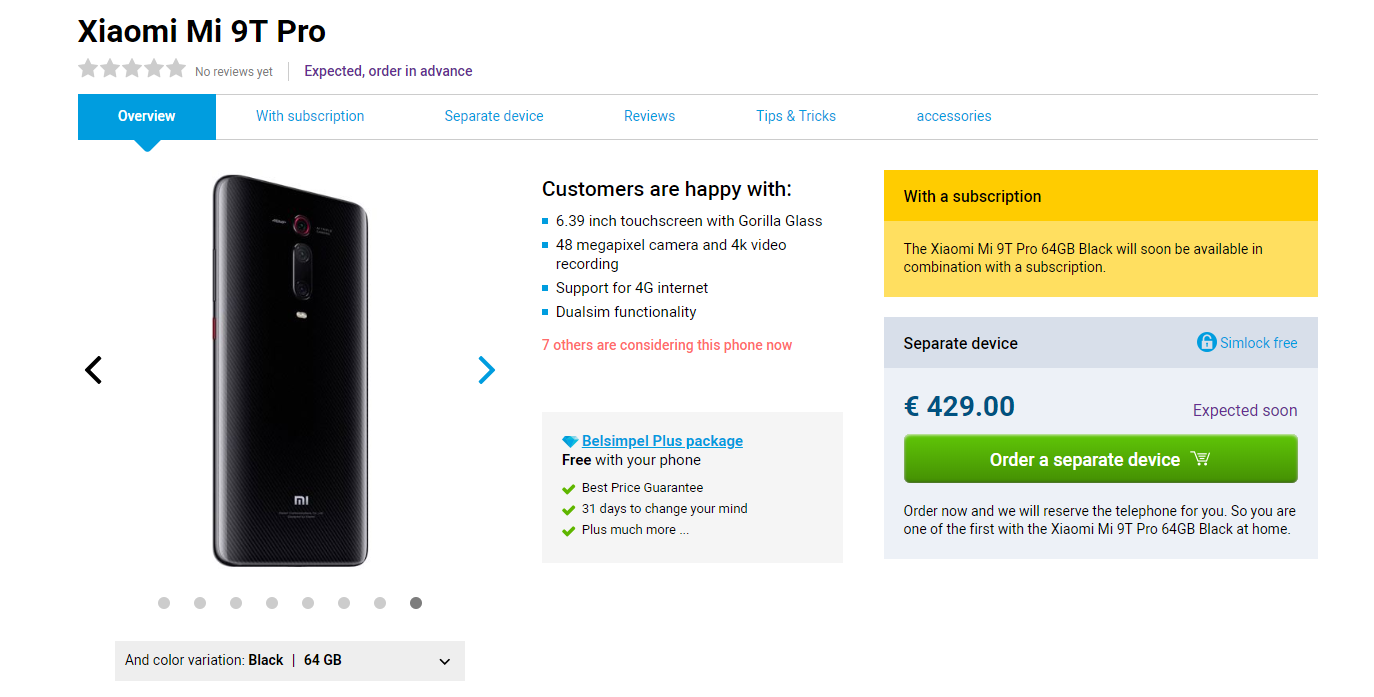
The Mi 9T Pro has been listed online by Belsimpel, the official distributor for Xiaomi products in The Netherlands. The listing reveals the phone will be available in 64GB and 128GB versions and both storage variants will be available in blue, black, red, and white.

Mi 9T Pro Europe

The Mi 9T Pro 6GB RAM + 64GB will sell for €429 while the Mi 9T Pro with 6GB RAM and 128GB of storage has a price tag of €479. The listing says the phone is “expected soon” but you can go ahead to make an order.

At the above prices, the Mi 9T Pro sells for less than the OnePlus 7 which is priced at €559 for the 6GB RAM + 128GB version and €609 for the 8GB RAM + 256GB version. Belsimpel actually has the OnePlus 7 for €533 and €584 respectively.

The Mi 9T Pro has a 6.39-inch Super AMOLED display with no notch nor punch hole but a pop-up selfie camera. The display is covered with Gorilla Glass 5 and there is an in-display fingerprint scanner. The phone is powered by the Snapdragon 855 processor. It has a 48MP primary rear camera, an 8MP telephoto camera, and a 13MP ultrawide angle camera. The selfie camera is a 20MP sensor.

The phone has NFC, Bluetooth 5.0, an audio jack, and packs a 4000mAh battery with support for 27W fast charging and Quick Charge 4+. It runs MIUI 10 based on Android 9 Pie.

We expect more details about availability will surface in the coming weeks.

(Source)


UP NEXT: MIUI will reduce ads at the earliest and will improve stability, confirms Xiaomi executive